Antennae for Design Circa 1930-1940 Dressing Table

Winter is the time of year when I especially enjoy working on interior home improvement projects. This fabulous vintage dressing table and mirror set were found at a local antique shop. I wasn’t planning on a dressing table for my new sewing room/guest bedroom, but after seeing the dressing table —it was going for a song—I made a split second decision and purchased the pair.

Aren’t all the compartments in the drawers wonderfully practical? You can’t find anything made like this in today’s marketplace. I love that it is a very substantial width and height. The original and smaller circa 1930’s dressing table has had a larger custom-made top cut in a whimsical curved design. The curved glass tabletop lends a Hollywood Regency feel to the piece. The chest of drawers needs a fresh coat of paint (or several), but I will have to wait for spring when the windows can be left open to tackle that part of the project. A new length of fabric is needed for under the glass as well. Perhaps a silk moiré in pale watery green or blue as the thick glass has a greenish cast.

For the new skirt, I had a bolt of Ralph Lauren floral chintz on hand, which gives it a rather Nick and Nora meets summer cottage look, but I think too, in the spring, I’ll make another skirt, perhaps this one in sheer white cotton voile or dotted Swiss.

If I can help you with your interior design project send an email or give me a call. I look forward to hearing for you!

Thanks to Joey for showing me how he creates videos in one take. I couldn’t shoot this video in one take as I had to take the skirts on and off, but this is definitely a super fun and streamlined way of creating videos.

I almost forget to mention that inside one of the drawers was a heavy, solid lead engraved plaque-award given to Mrs. William D. Vogel by the Milwaukee Newspaper Guild for outstanding service to the arts. Doing a very quick Google search, I didn’t find too much about Mrs. Vogel, however her father was Ralph Harman Booth, publisher of a large newspaper chain, Booth Newspapers, and Detroit Institute of Art philanthropist.

Quite possibly this lovely dressing table was Mrs. Vogel’s, or her mother’s, Mrs. Harman, or possibly her daughter’s summerhouse dressing table. I would love to know the provenance of the piece.

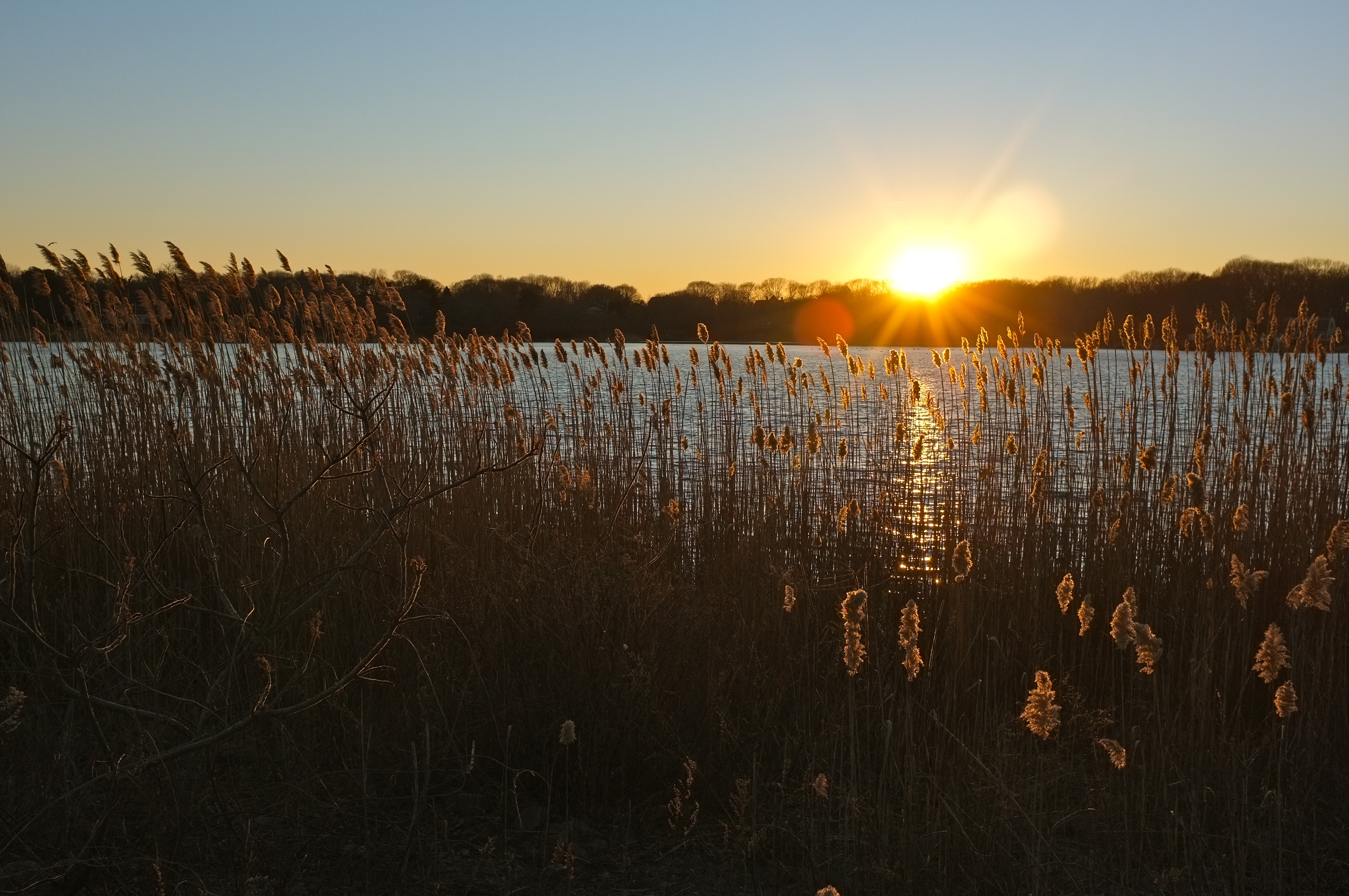
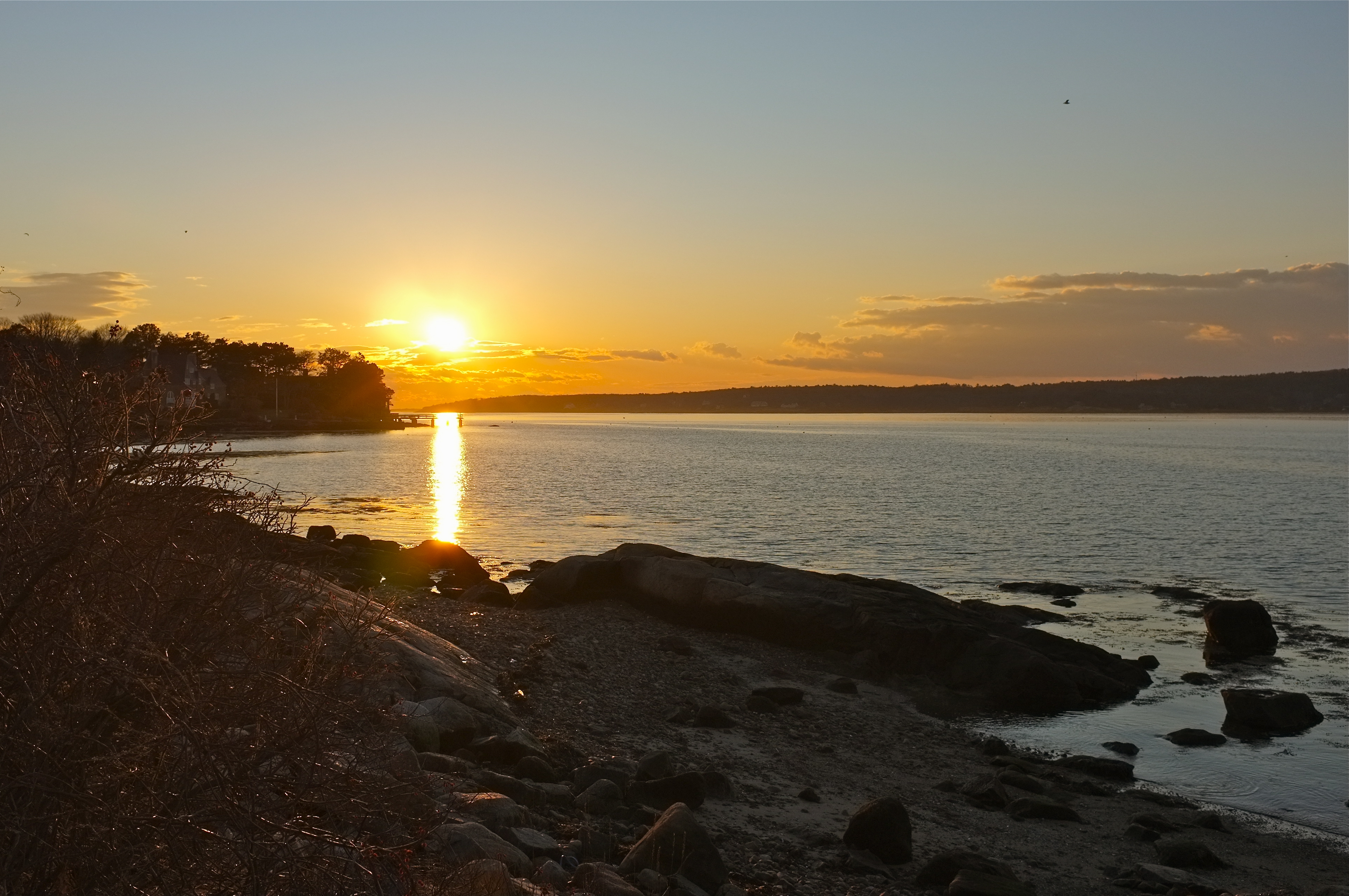
The narrowest strip of land between a body of freshwater and of seawater

Niles Pond

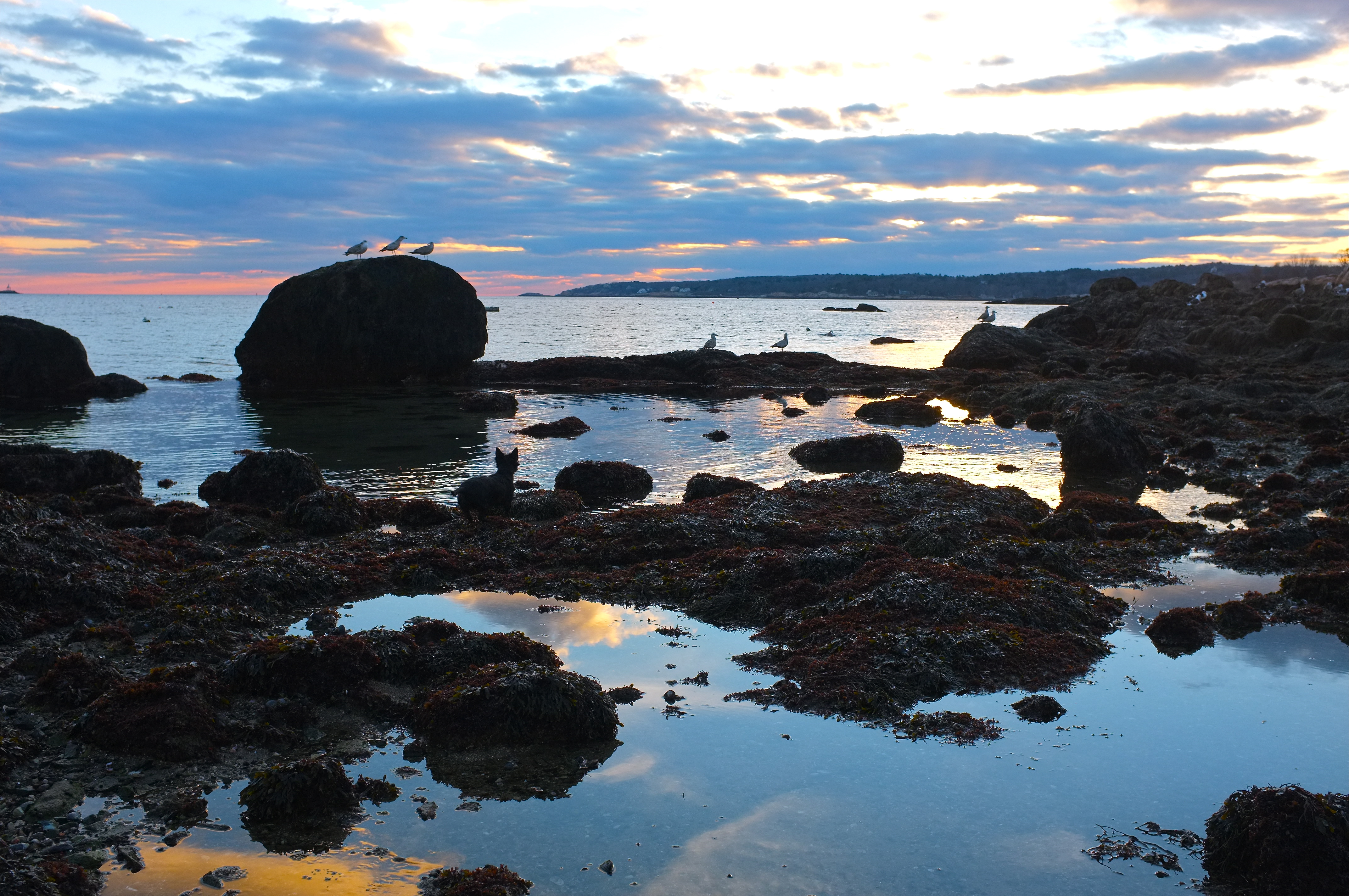
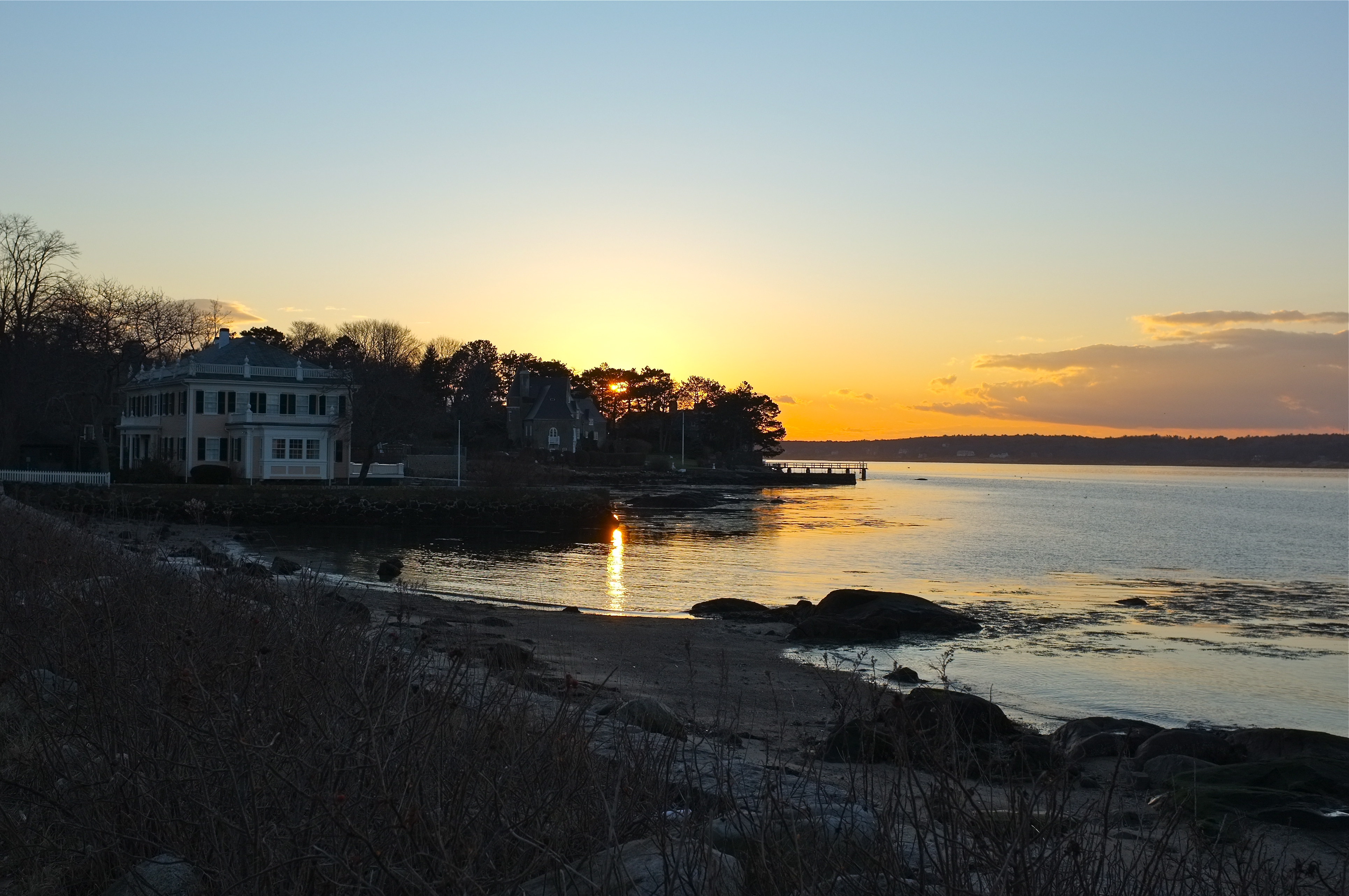
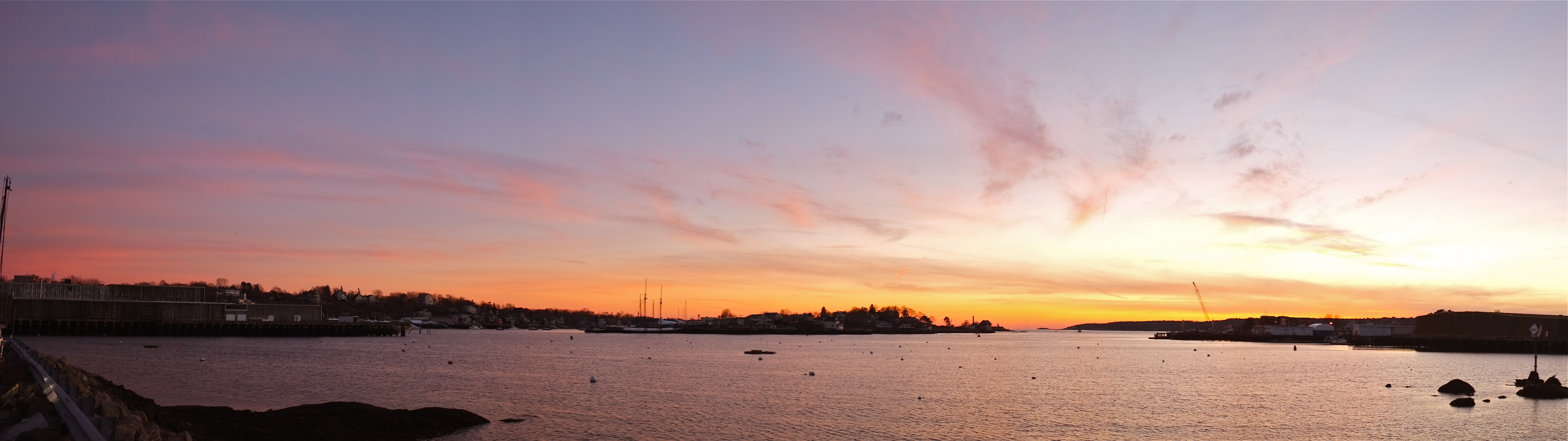
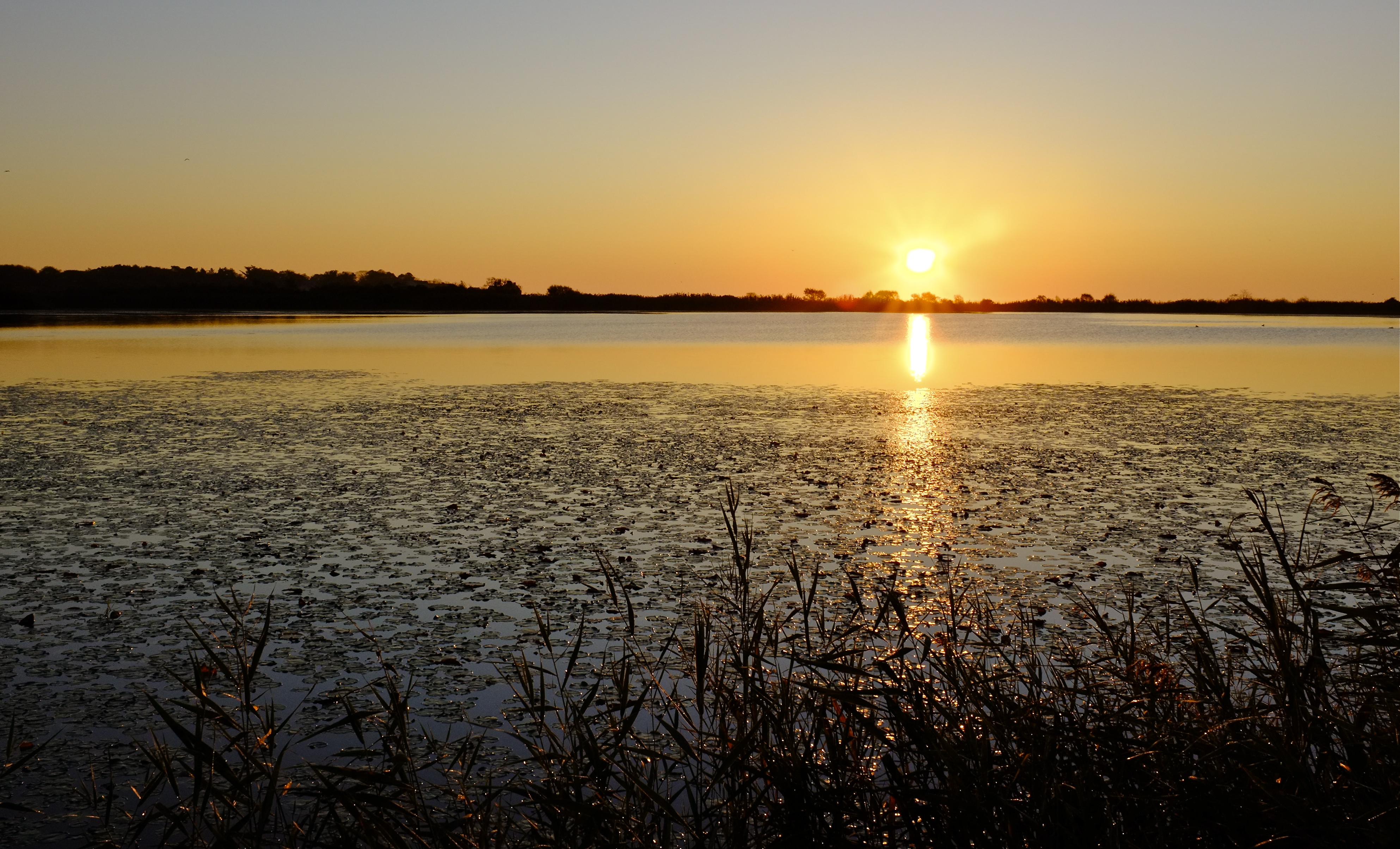
My favorite places and time of day to walk our sweet terrier Miss Rosie Money Penny (also know as Rosie, Rosa, Rosalicious, Rosalita, Rosebud, Rose-Muffin, Rosie-Pie…) is at sunset and all around my East Gloucester neighborhood and water’s edge of Eastern Point. The above photo was taken from the narrow strip of land that separates Niles Pond from Brace Cove. It is believed that at one point, not too long ago, Niles Pond was a lagoon, which was sealed off by rising sand and rock. Over time, it became a fresh water pond, fed by springs and rainfall.

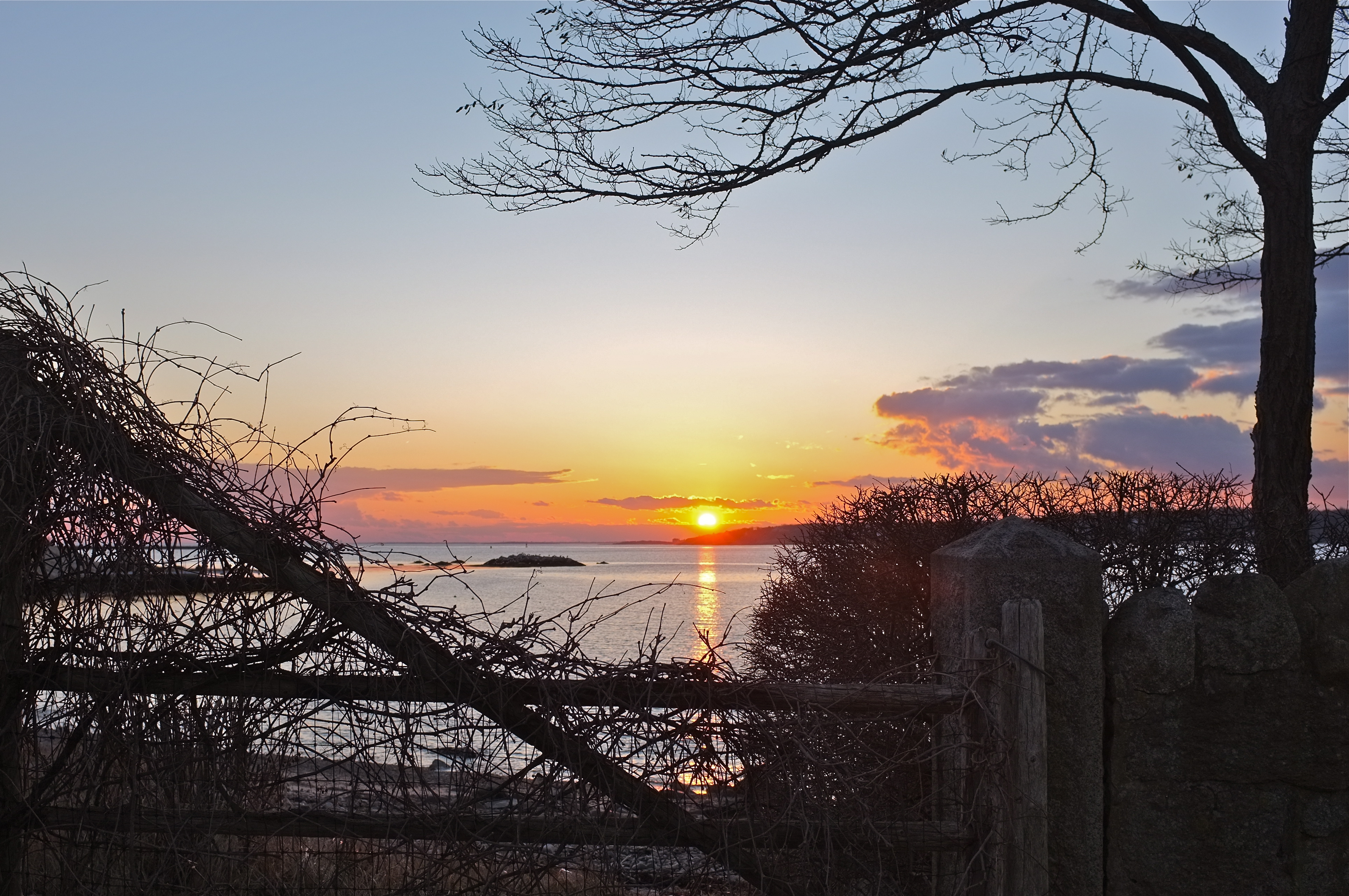
Surrounded by reflected light from the sea, sunsets are gorgeous from nearly any Cape Ann vantage point. Luminous light is made all the more atmospheric from moisture in the air; combine that when seen through the golden lambent glow of sun’s low slanting rays– I call that heaven on earth!   Click photo to see full size image.

Wonson’ Cove Rocky Neck

Simply Stunning Work in Progress

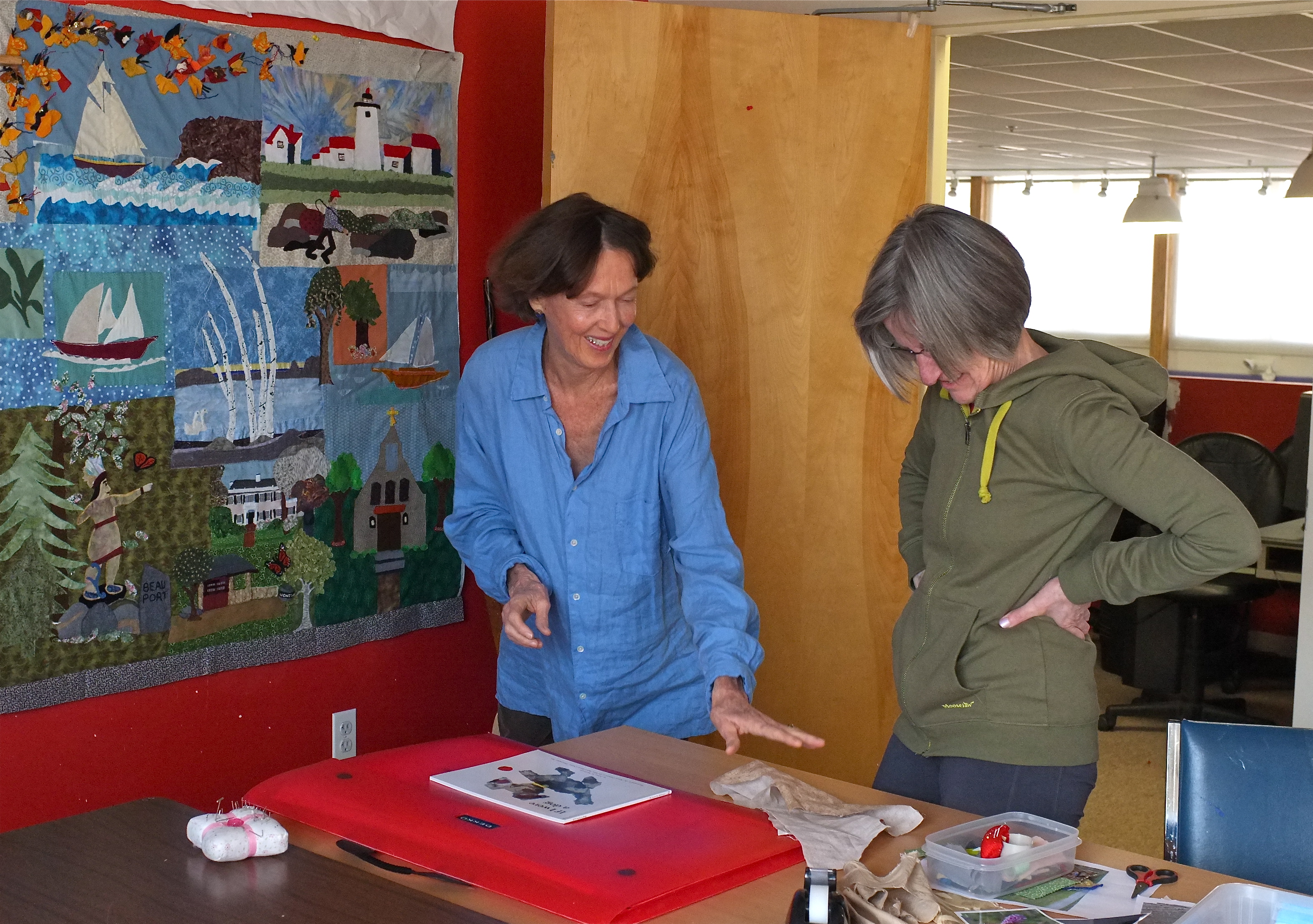
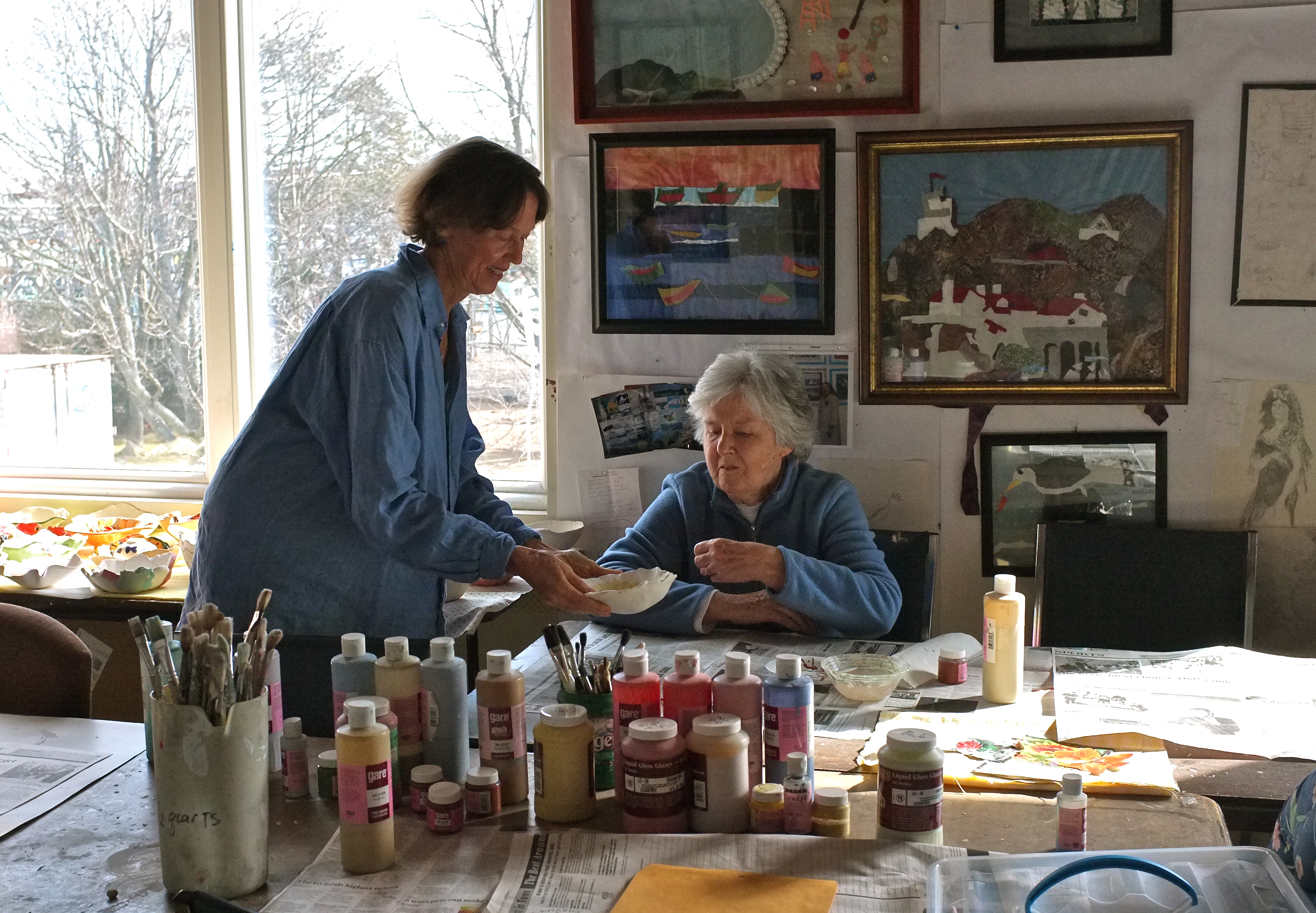
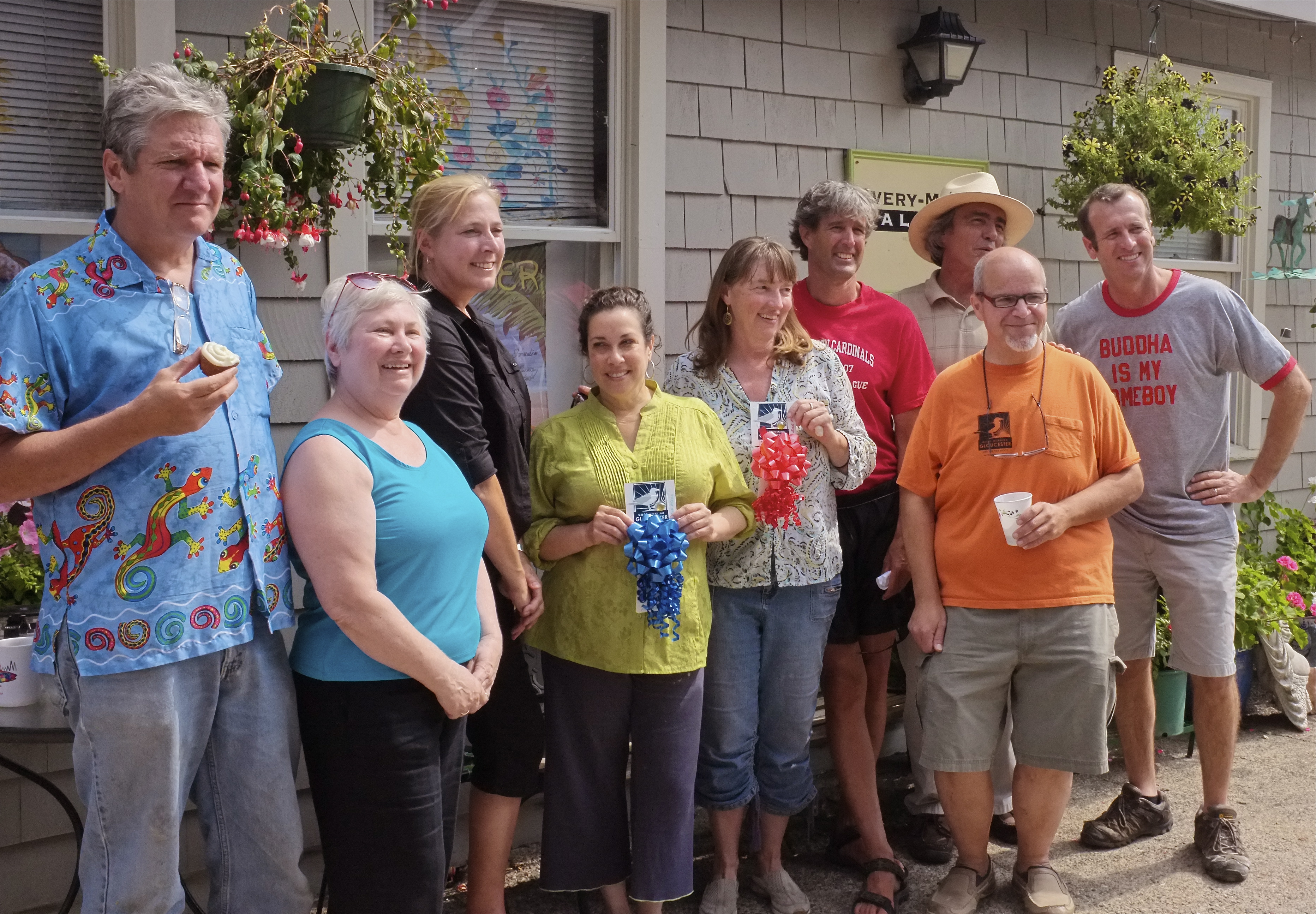
Juni Van Dyke and Maggie Rosa discuss design elements of the Eastern Point panel.

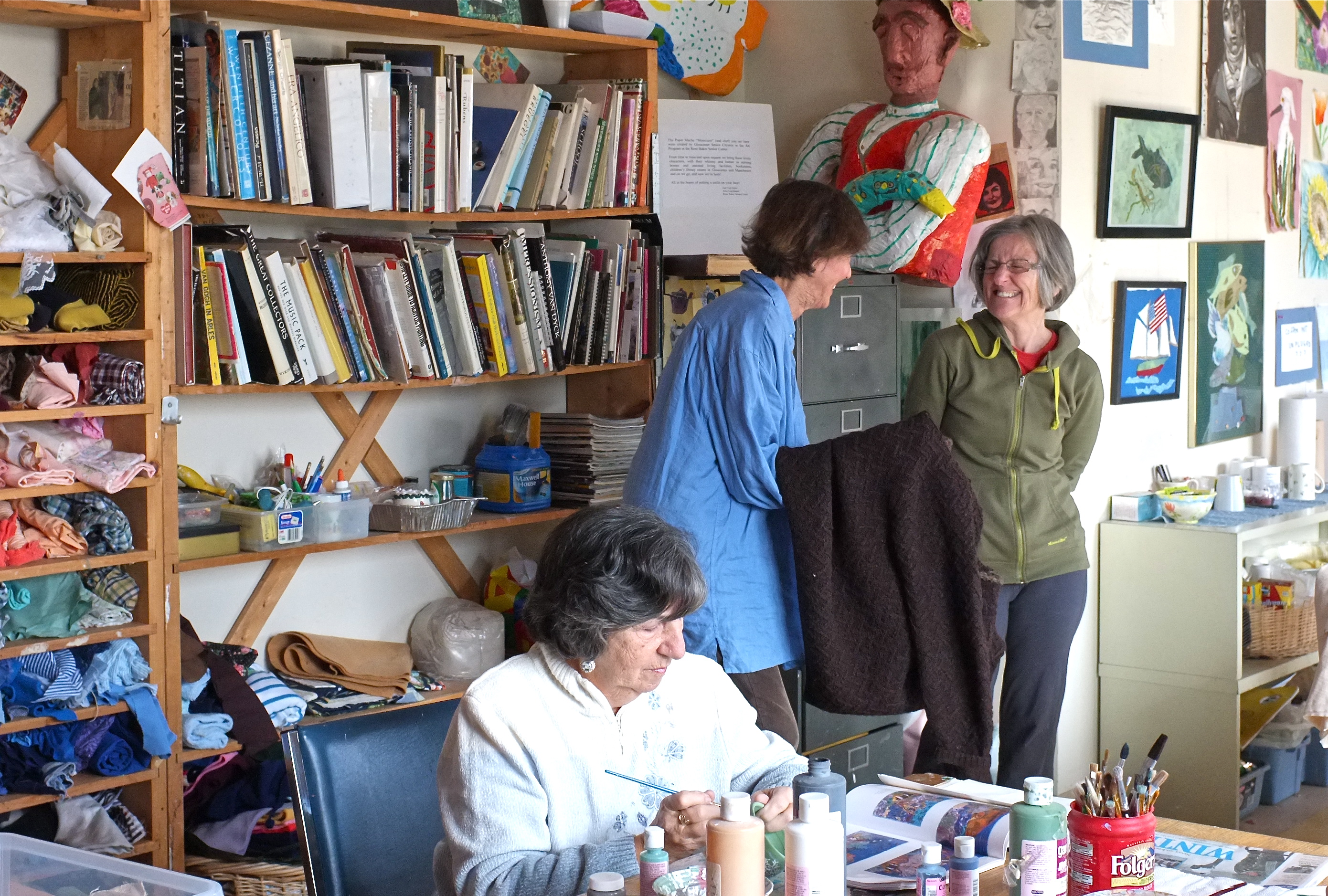
Yesterday I had the joy to meet Juni Van Dyke and several members of the Rose Baker Senior Center art class. Juni and her students are working on a project titled Gloucester: A Community of Neighborhoods. Each fabric panel measures approximately five-foot square and illustrates through iconic imagery characteristics unique to Gloucester neighborhoods. The banner’s design in it’s entirety, along with the individual artist’s whimsical designs and choice of fabrics, is utterly captivating and a vibrant visual feast.

Maggie’s extraordinary interpretation of the archetypical Beauport window. The window’s mullions frame a collection of antique glass in varying shades of lavender to deep grape.

This is not the first grand scale project of it’s kind created by Juni and the fiber artists at the Senior Center. The banner titled From Sea to Shining Sea: Celebration of the American Landscape that is currently on view at the Senior Center lunchroom was also exhibited at the Lexington Heritage Center for six months, and it measures nine feet in height by thirty feet in width.

Lois Stillman’s elegant rendition of the birch tree clump at Niles Pond.

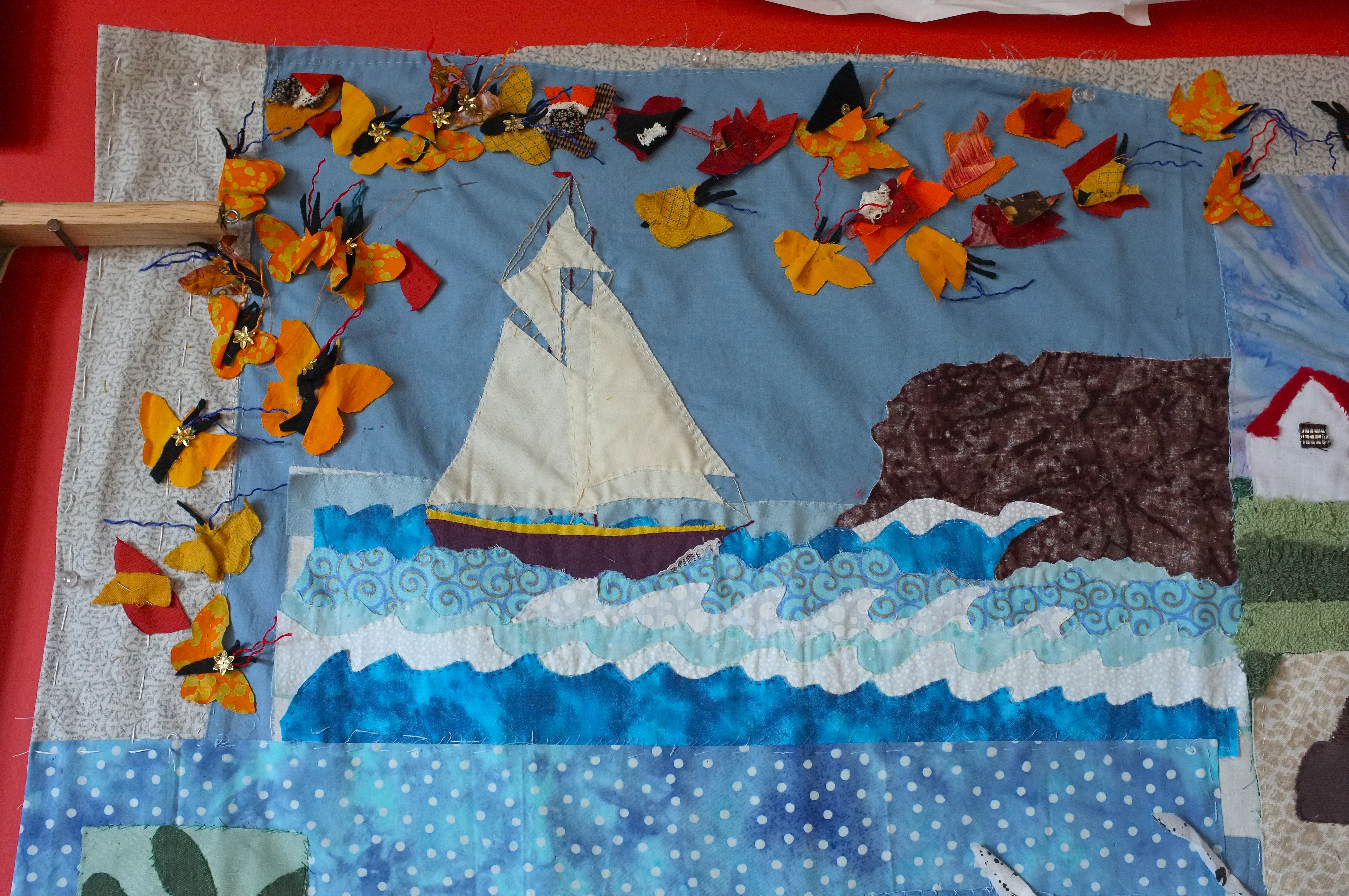
Eastern Point panel detail with Mother Ann and butterflies.

I am honored to have been invited to create a butterfly for the Eastern Point panel although I think they have it beautifully covered. The whimsical swirl of butterflies in the upper left corner was created by students at the Eastern Point Day School and the charming and detailed Monarchs fluttering around Beauport by Maggie Rosa.

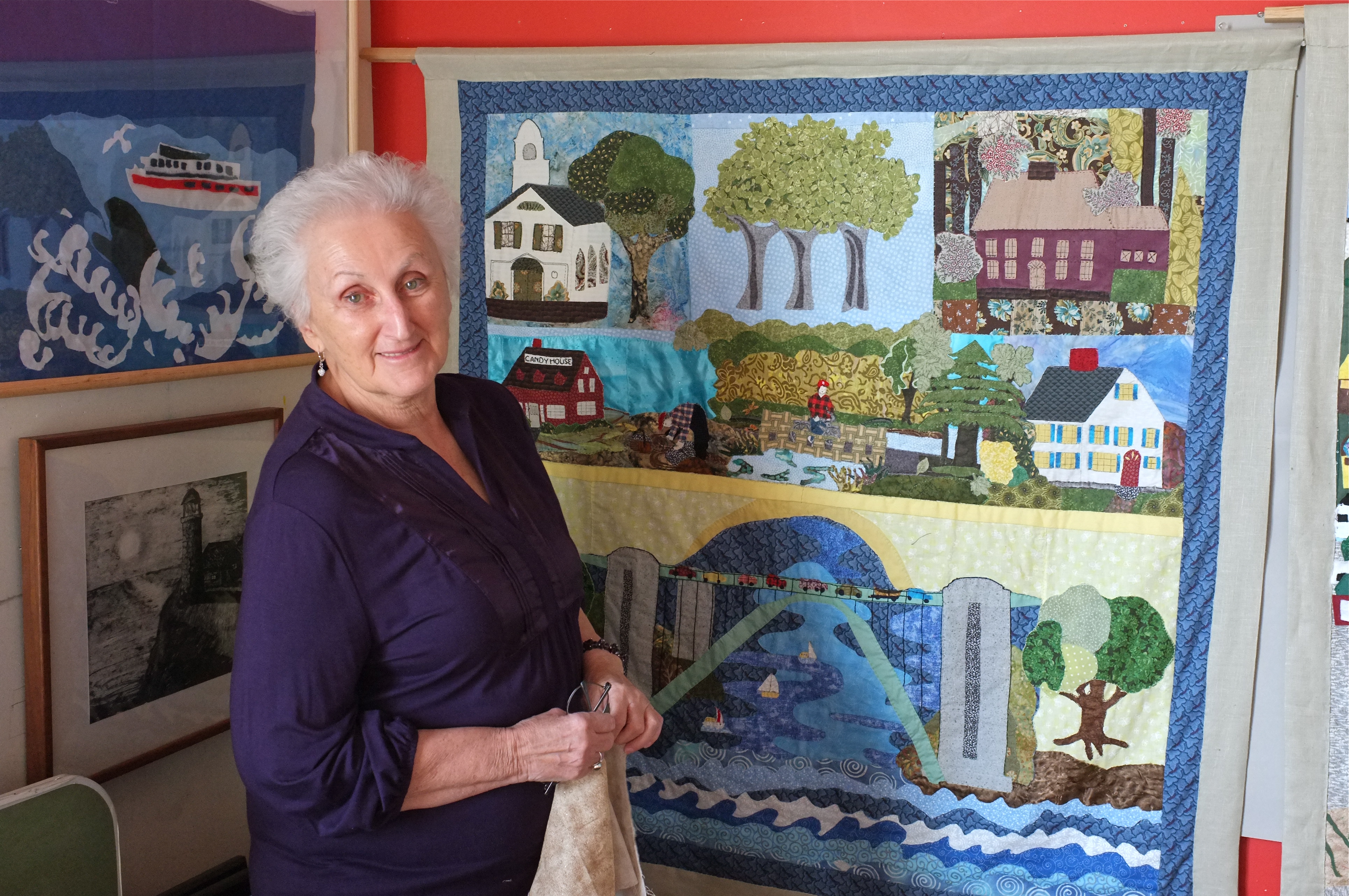
Lois stands in front of the panel she designed. Note her genius interpretation of the Abram Piatt Andrew Bridge, replete with cars (click photo to see larger version) and including Nichols Candy House. Her deep love of trees is apparent in the exquisitely skilled manner she has stitched and pieced many different species of trees created for the panels.

As the work on Gloucester: A Community of Neighborhoods unfolds we’ll bring you more stories and detailed photos about this vibrant and captivating work of art in progress–there are simply too many beautiful tales to tell in one post!

Juni and Priscilla ~ Sunlight streams through the large picture windows of the second floor art room at the Rose Baker Senior Center.

Pauline, Juni, and Maggie

Juni and Maggie

Muddled Mallard

An atypical chocolate brown duck–possibly a hybrid between a domestic duck and a Mallard–filmed at Wonson’s Cove, Rocky Neck.

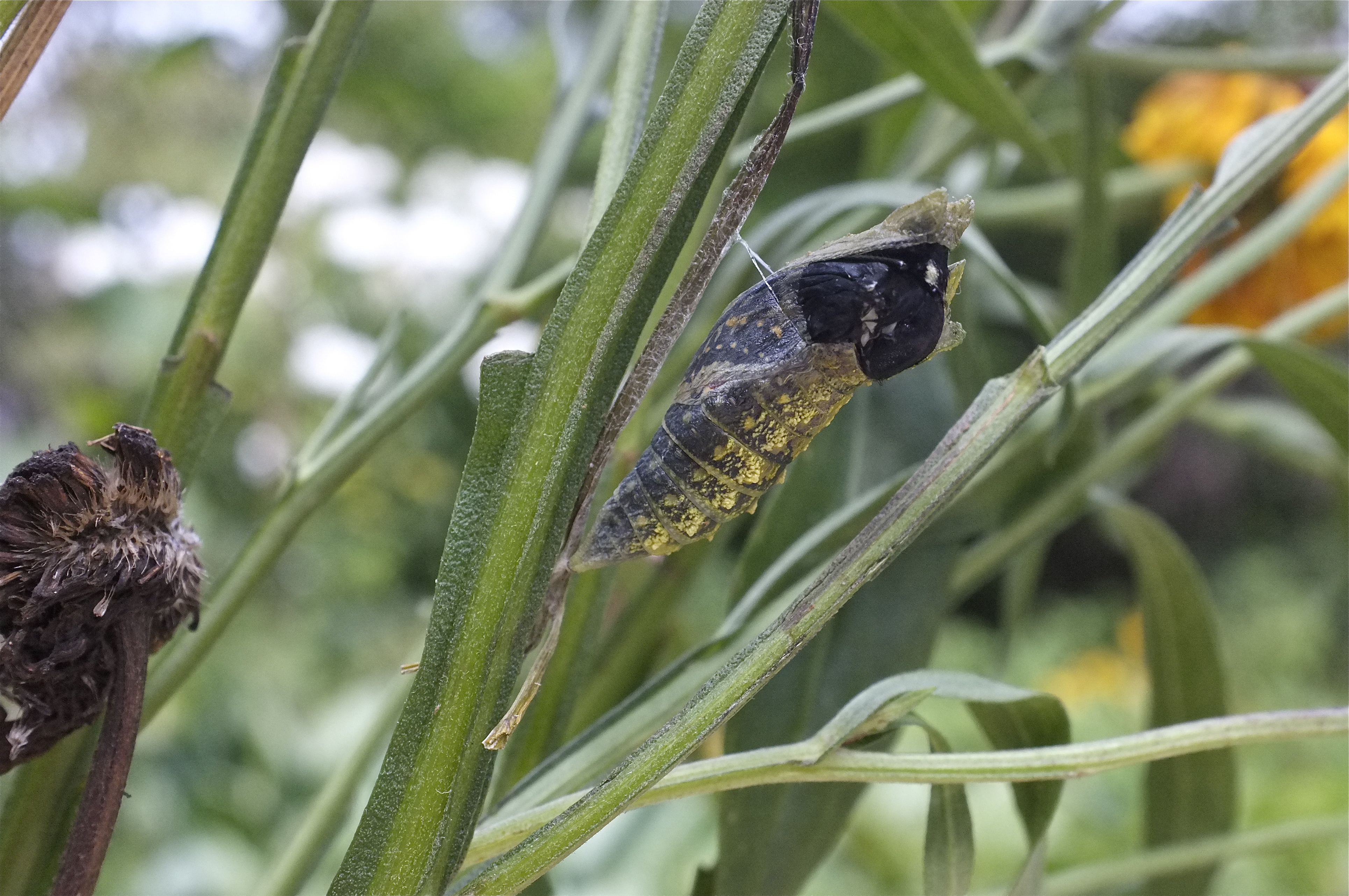
Life Story of the Black Swallowtail Butterfly

Coming Soon: Life Story of the Black Swallowtail Butterfly tells the story of the ubiquitous and stunning Black Swallowtail butterfly.

My new documentary film captures the beauty and mystery of the Black Swallowtail, through all its life stages, and in it’s surrounding habitats. I think you will be amazed and captivated by this garden-variety and seemingly ordinary, extraordinary butterfly!

From Egg to Caterpillar to Chrysalis to Adult

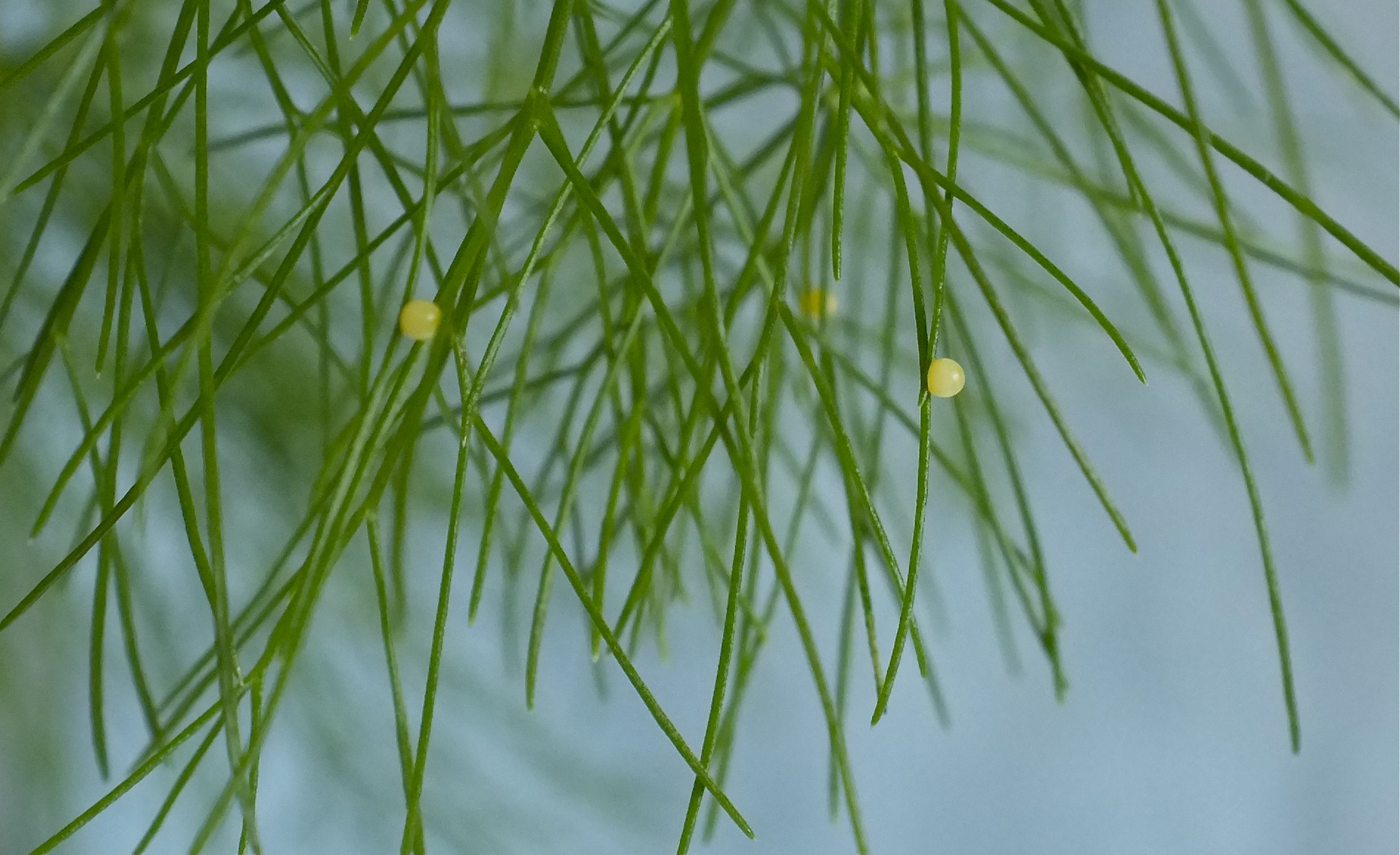
Black Swallowtail Eggs 

Black Swallowtail Caterpillar Everting Osmeterium

Black Swallowtail Emerging from Chrysalis

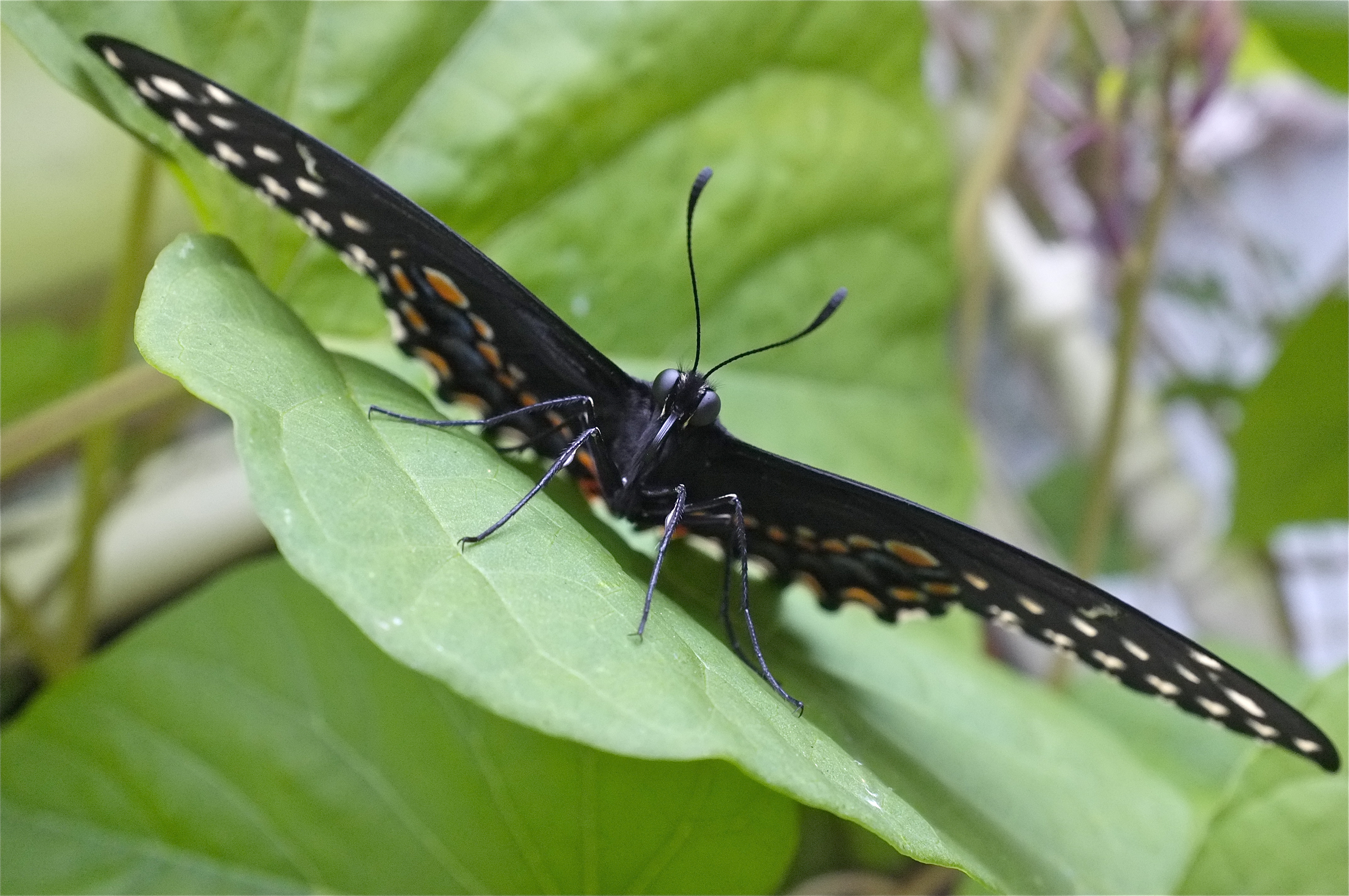
Female Black Swallowtail

Filmed on Cape Ann. Click photos to see full-size images.

One of several preferred Black Swallowtail habitats—Gloucester’s sandy wildflower meadow at Good Harbor Beach. The milkweed provides nectar for swallowtails on the wing and Queen Anne’s lace is a food plant of the Black Swallowtail caterpillars.

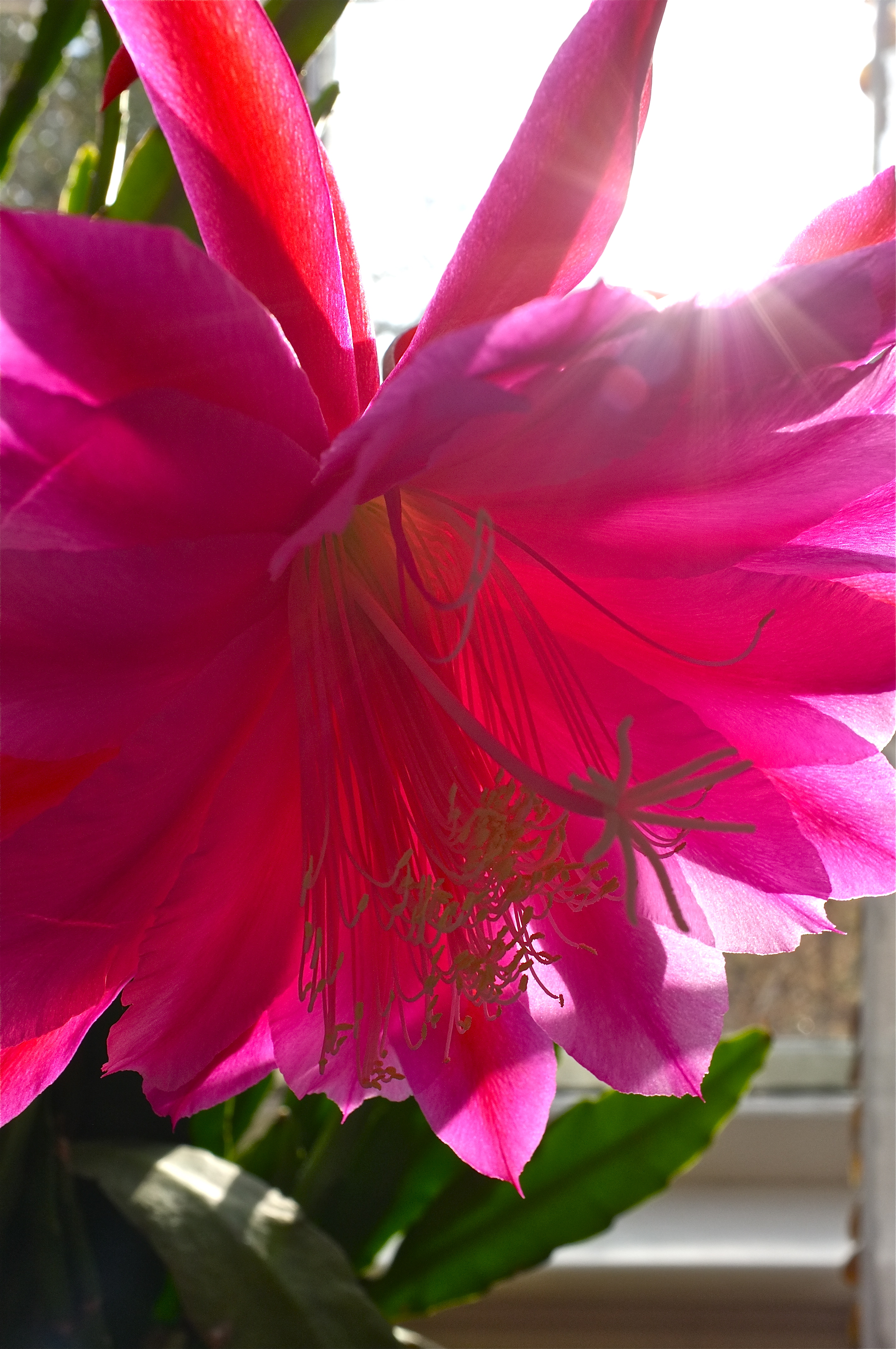
Blooming today

Blooming today in my office, and with it’s “shocking pink” color and fabulous fragrance, making work all that much more pleasant.

Epiphyllum

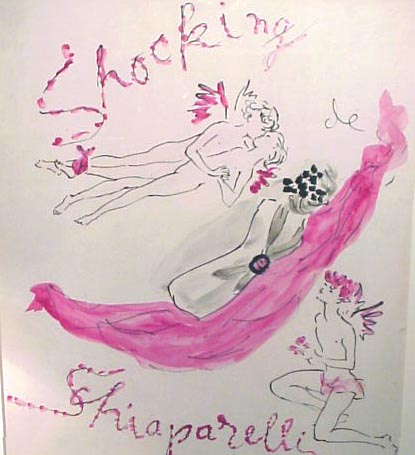
Shocking pink was fashion designer Elsa Schiaparelli’s (1890- 19730) signature color and she described it as “life-giving, like all the light and the birds and the fish in the world put together, a color of China and Peru but not of the West.”

Marcel Vertes 1940 watercolor ad for Schiaparelli’s Shocking perfume, which shows a bottle of Shocking  reclining in a pink hammock with a floating couple above and Cupid below.

Marcel Vertes and Elsa Schiaparelli jointly won the British Academy Film award in 1952 for Best Costume Design for the original Moulin Rouge film, about the life and times of artist Toulouse-Lautrec.

The Goddesses

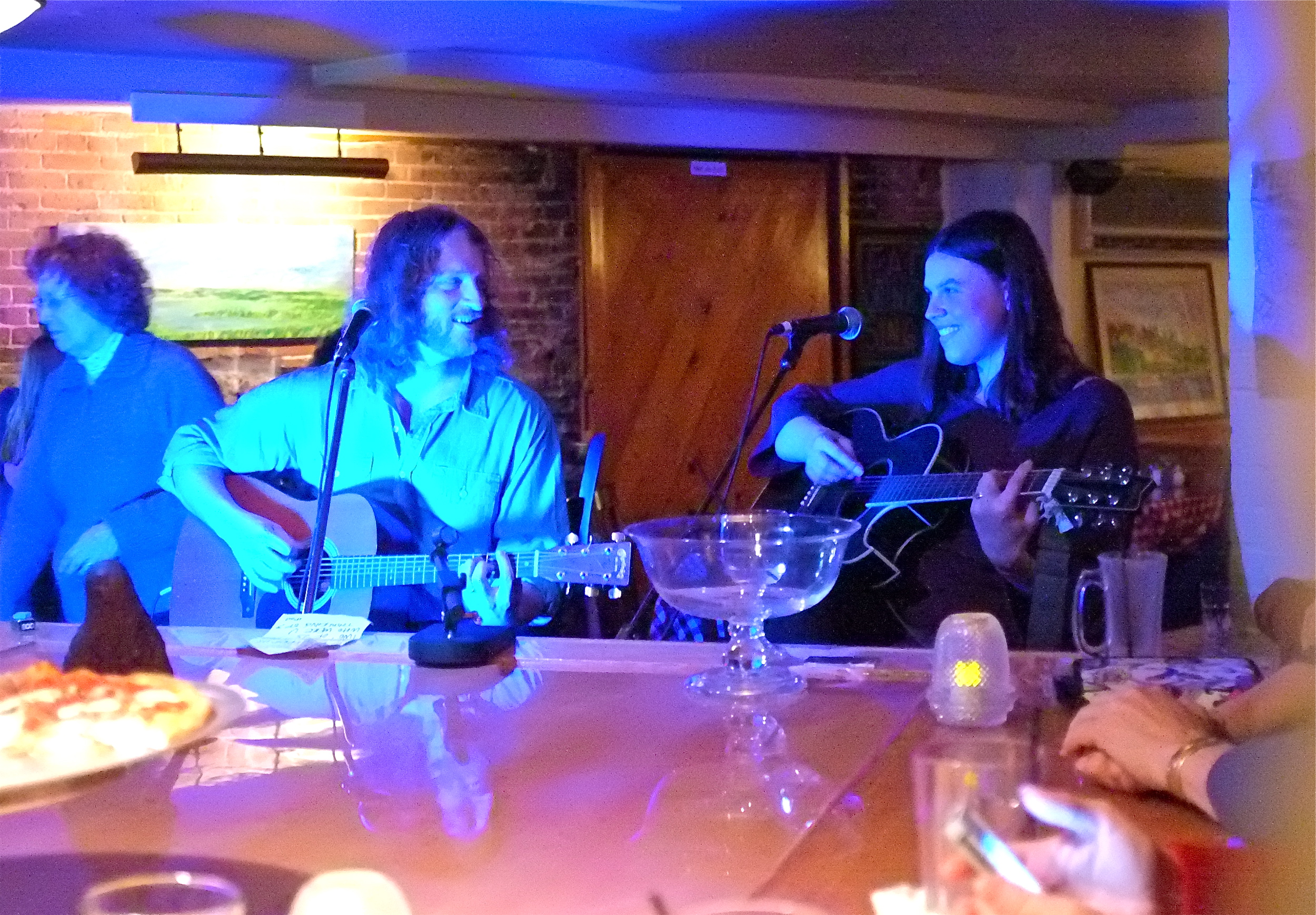
Last night we caught the end of The Goddesses’ set at Giuseppe’s. It’s open mic every Wednesday night at Giuseppe’s from 7:30- 10:30.  Tony and Sam sound beautiful together and played a variety of fun, funny, and upbeat love songs. I hope to hear more from this rockin’ duo!

Use the GMG search box for more information about Tony and Sam and Tony’s recording studio, Bang a Song, located in downtown Gloucester.


Six Weeks of Fresh Flowers, for Nine Dollars!

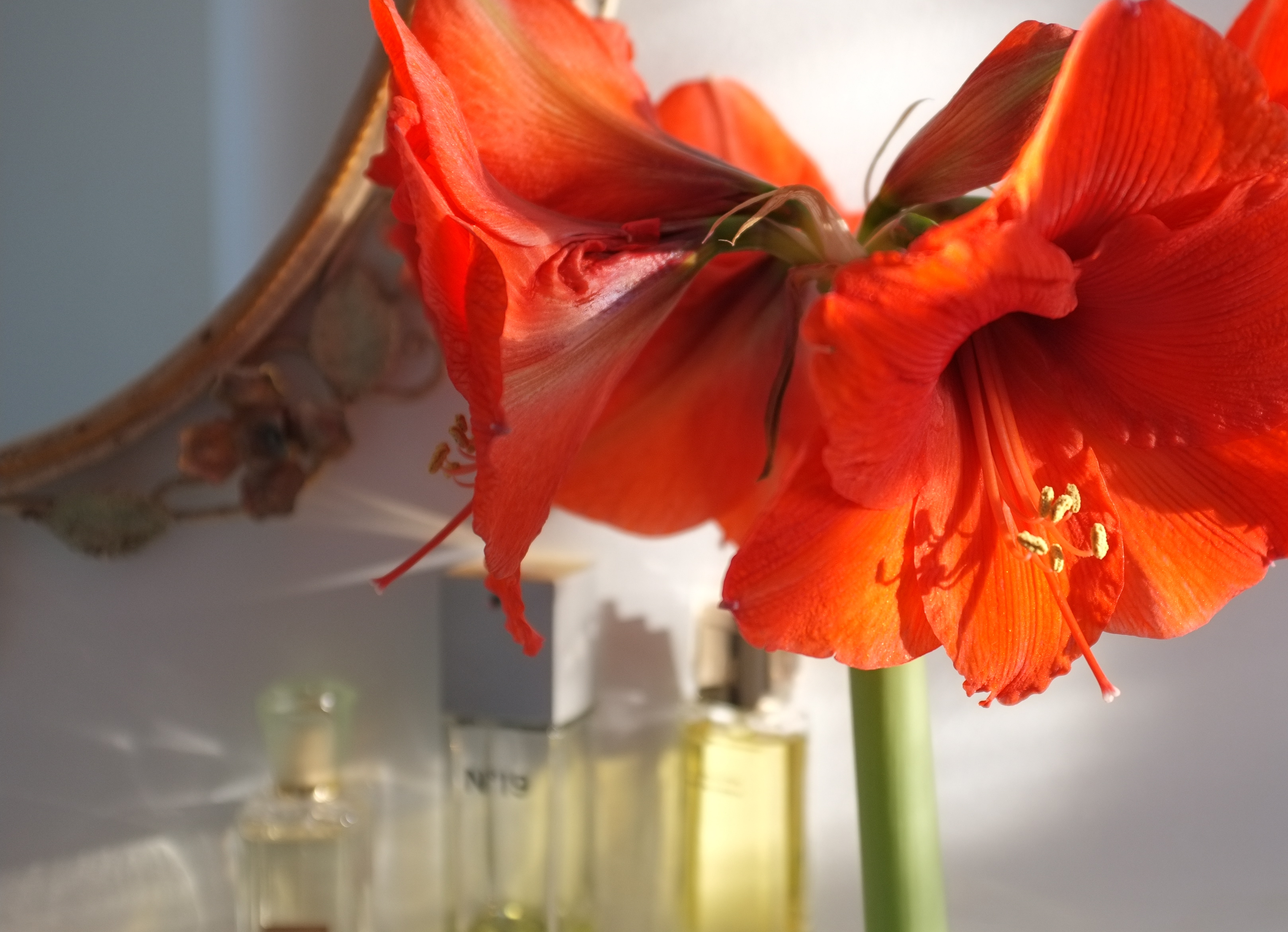
The last stalk of ‘Orange Sovereign’ was cut, the plant discarded, and the pot tucked away for next year’s Hippeastrums. If we had a spare sunny window, I would feed and water the plant during the winter then place outside on the patio during the warm summer months, allowing the plant to replenish and rejuvenate.

Looking back at my photo files, the first snapshot of ‘Orange Sovereign’ was from December 15, 2011; the photo below was taken January 30, 2012. Growing flowering bulbs during the winter is a terrific and economical way to keep the home lively with cheery color, in spite of the gloomy grays of winter.

Hippeastrum ‘Orange Sovereign’ ~ January 30, 2012

Rare Albino Ruby-throated Hummingbird

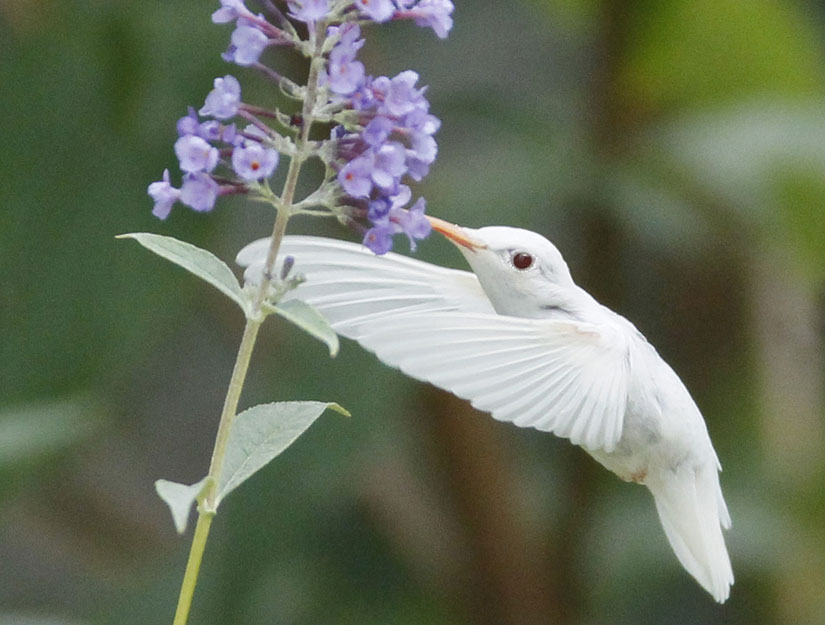
Many thanks to Caroline Haines, the director of Pathways for Children, for forwarding the photos of the rare albino Ruby-throated Hummingbird (Archilochus colubris). The photos were shot by Kevin Shank and four of his sons over a several day period in late August. Caroline has a love for butterflies and birds, and nature in general, and brings her passion to the programing provided for the children at Pathways.

The above photos were taken in Virginia at the beginning of the hummingbird’s annual southward migration; it wouldn’t be unreasonable to think that we may see an albino hummingbird visiting our Cape Ann feeders and flowers as we are in the same migratory corridor.

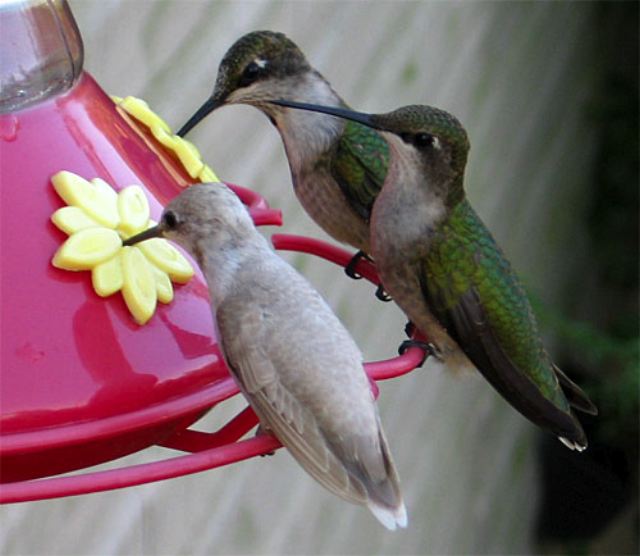
A true albino hummingbird, as is the above bird, has snowy white plumage and it’s eyes, legs, and bill are pink. True albinos are extraordinarily rare. Leucistic hummingbirds are still rare but are seen more often than true albions. Like the common Ruby-throated Hummingbird, leucistic forms have black, feet, bills, and eyes, but their feathers are some version of white, gray, buffy, and tan; not the typical shades of green.

Leucistic form and common Ruby-throated Hummingbirds

Image courtesy Hilton Pond Center.

Antennae for Design ~ Three Outstanding Films Not to be Missed

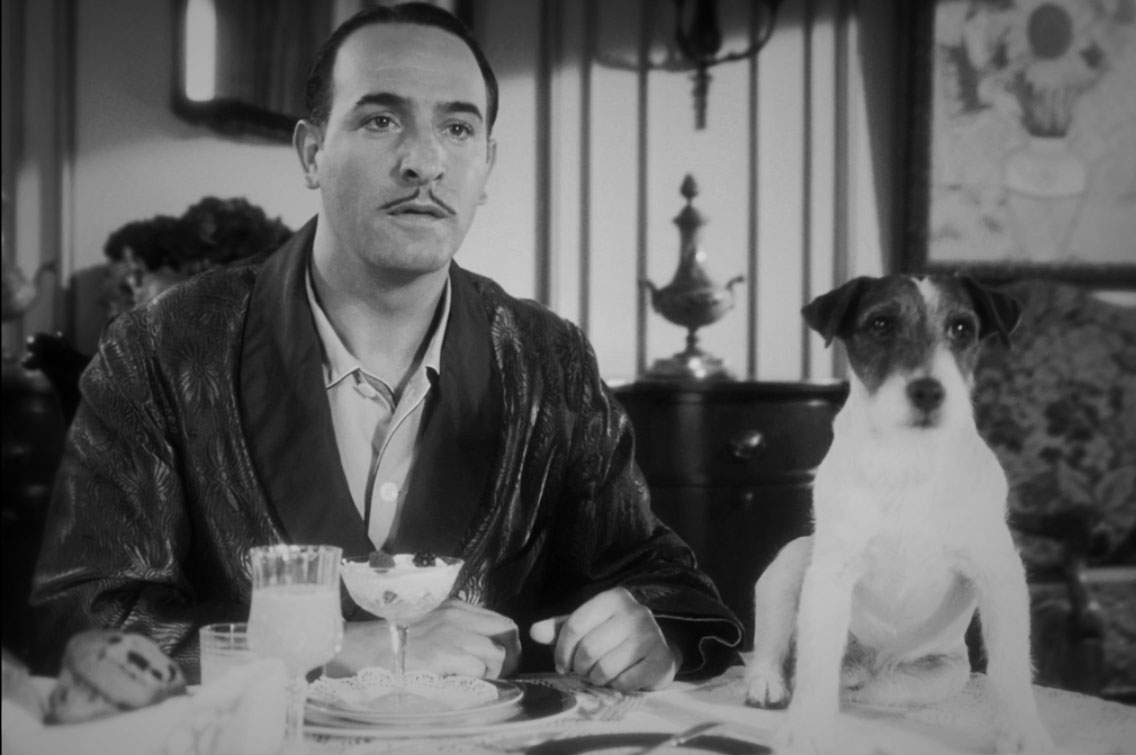
Uggie

We were again transported to another time and place—three fabulous and current films, in three weekends. Our wonderfully transportive film nights began with My Week with Marilyn, which takes place in 1956 and was shot in and around the outskirts of London, The Descendants, filmed in present day Honolulu, and last night we saw The Artist, which takes place in Hollywood, from 1927 to 1932. The Artist is a comedy and drama about George Valentin (Jean Dejardin), a silent film star, and Peppy Miller (Bérénice Bejo), a rising “talkie” star, who meet just as the silent film industry is collapsing. The film is partially silent and filmed to look like a black and white silent film. The costumes are to die for, the interior set designs are predominately Hollywood Regency, and the acting charming and sweet and utterly engaging. Uggie, the terrier, will steal your heart.

From an interview with Michael Hazavanicius, director and writer of The Artist, “I had many deep motivations for wanting to make a silent film. As a member of the audience, I absolutely love the way stories are told to me in a silent movie. It’s not a cerebral response. It’s more a child-like response. Because there’s no spoken language, the way the story engages your heart is special. It’s hypnotic, sensual, not at all cerebral, and I love that sensation as an audience member. My motivations as a director were much more selfish. For me, it was a great experience. It’s what cinema is about, in my opinion. I’m telling a story with images and music. With images, you have the actors, you have the sets, you have the costumes, the lights, everything, and that’s how you’re telling the story. You don’t need words for that. It’s the ultimate experience for a director to make a silent movie. I really wanted to try to do it.”   Link to the full interview with Hazavanicius. 
Jean Dujardin and Uggie 

Techno notes for Joey and Marty: The Artist was made in the 1.33:1 screen ratio commonly used in the silent film era. Though presented in black-and-white, it was shot in color. All the technical details, including lenses, lighting and camera moves, were calibrated to get the look just right. To recreate the slightly sped-up look of 1920s silent films, the film was shot at a slightly lower frame rate of 22 fps as opposed to the standard 24 fps. Courtesy wiki.

Images courtesy Google search.

Praise for Good Morning Gloucester

Hi Joey, I thought readers might want to see what was in my inbox this morning:

“Dear Kim,

Thank you for turning me on to Good Morning Gloucester.  Every city (and town) should have an equivalent.  What a great way to communicate enjoyments, appreciations, concerns, and complaints.”

We are truly blessed as a community to have a resource like Good Morning Gloucester. Thank you Joey and GMG team for all the good you have created, and continue to do, for our beloved community.

Our Fearless Leader

Good Morning Gloucester Team Members and Friends of the Blog

What is Great Pond Status?

The point of the Aftermath video is to showcase the litter, not who owns the pond. Thank you Daniel for pointing out the litter and thank you Anonymous for sharing that Niles Pond has Massachusetts Great Pond Status. And thank you to all who wrote comments-it just goes to show how much we all care about our beautiful Niles Pond and surrounding environment.

Irrespective of who owns the pond, let’s all please not litter, and if you do see trash left behind, clean it up, and if you can’t manage the job yourself, email the wonderfully good eggs Donna Ardizzoni and her One Hour at a Time Gang for the really tough jobs.

Niles Pond Sunrise

From the Massachusetts Department of Environmental Protection website: Chapter 91 comprises four basic areas of geographical jurisdiction. Any activity that takes place in one of the hot link areas listed below requires Chapter 91 authorization. The areas are:

Flowed Tidelands – Any project located in, on, over or under tidal waters seaward of the present mean high water (MHW) shoreline. Jurisdiction in this case extends seaward three miles, to the state limit of territorial jurisdiction.

Filled Tidelands – The limit on filled tidelands is: A.) Outside Designated Port Areas, the first public way or 250 feet from mean high water, whichever is farther landward and B.) Inside Designated Port Areas, the historic MHW shoreline (i.e., all filled areas).

Great Ponds – Any project located in, on, over or under the water of a great pond. A great pond is defined as any pond or lake that contained more than 10 acres in its natural state. Ponds or lakes presently larger than 10 acres are presumed to be great ponds, unless the applicant provides unequivocal evidence to the contrary. Ponds 10 or more acres in their natural state, but which are now smaller, are still considered great ponds.

Non-Tidal Rivers and Streams – Projects located in, on, over, or under any non-tidal, navigable river or stream on which public funds have been expended either upstream or downstream within the river basin, except for any portions not normally navigable during any season by any vessel. Additionally, the Connecticut River, the Merrimack River and portions of the Westfield River are within jurisdiction.

Chapter 91: An Overview and Summary ~ Read more to find out how Great Pond Status directly affects Niles Pond: Continue reading “What is Great Pond Status?”

Aftermath

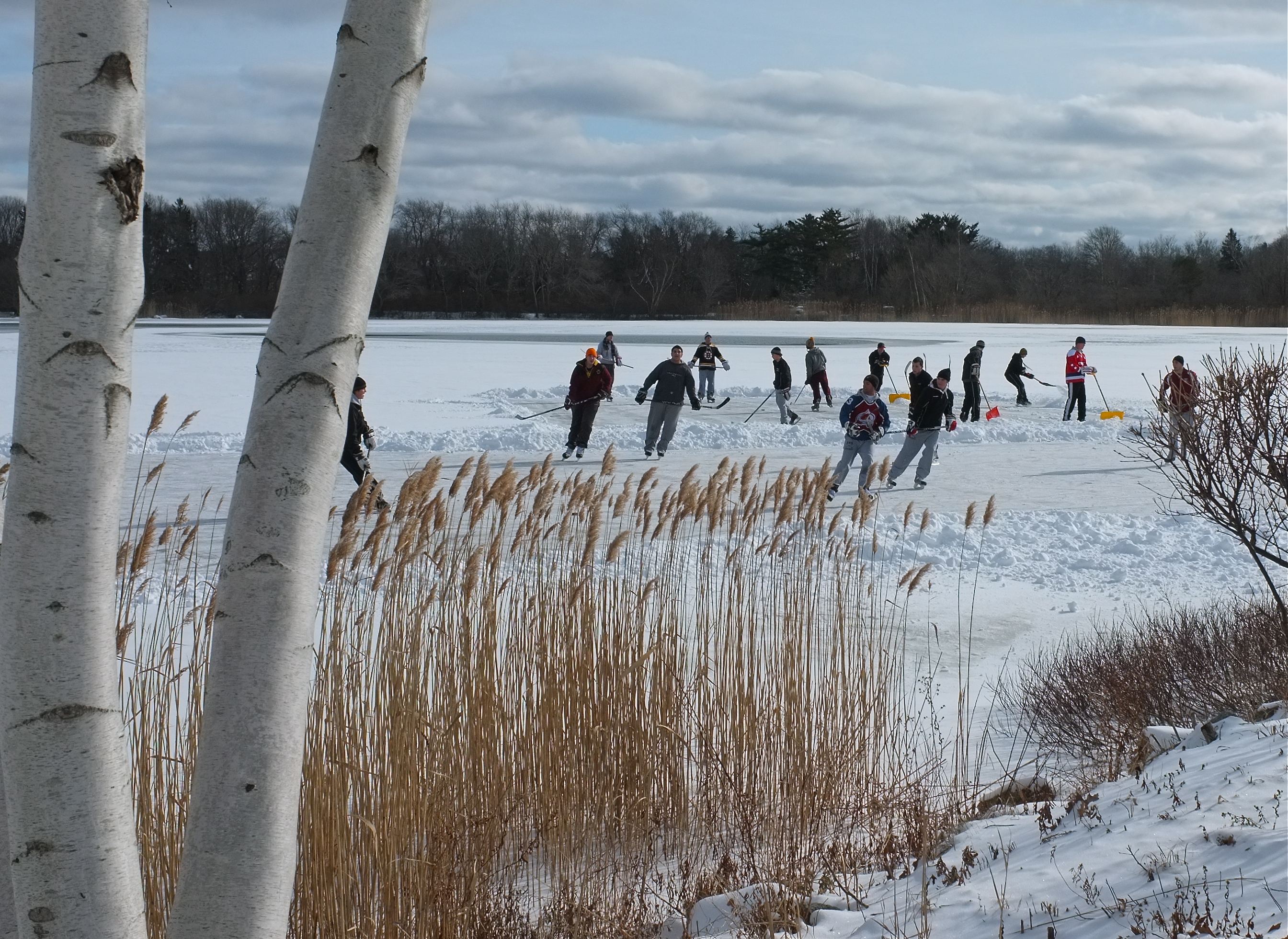
Isn’t Niles Pond gorgeous? The above photo I posted on Sunday; the pond looks especially pristine and sparkly in the snow and ice.

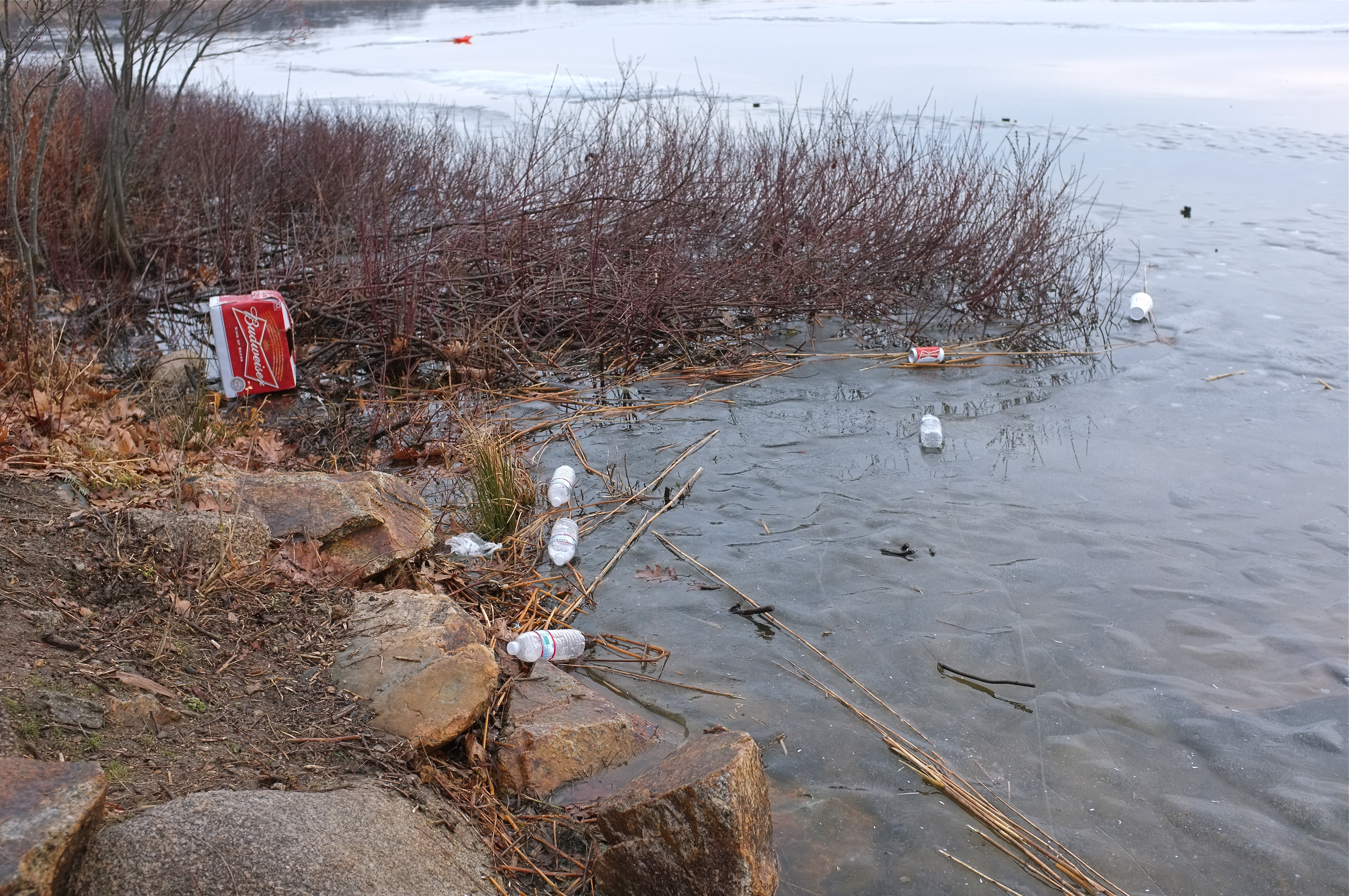
The following day GMG follower and Eastern Point resident Daniel D. wrote to say “It does look beautiful, and as a Resident of Eastern Point, I love when others can share in the beauty of our neighborhood. Unfortunately, the picture for today should be all the cans, boxes, and trash left behind by these people when they finished skating that day, all glaringly standing out as the snow melts in that exact spot… Hopefully they read this comment and then quickly come and clean it up before the ice melts this week and it all sinks to the bottom of our lovely pond. I’m Just Saying….”

Hey guys—it looked as though you were having a great time, but then had to leave very suddenly—with trash, half a dozen pucks, and even a shovel left behind. Perhaps there was an emergency—whatever the case—could someone who was playing hockey at Niles on Sunday please come and clean up the mess. I picked up much, of what I could reach, but the embankment is muddy and slippery and you will need tall waders to reach the plastic bottles and shovel. Thank you for your consideration.

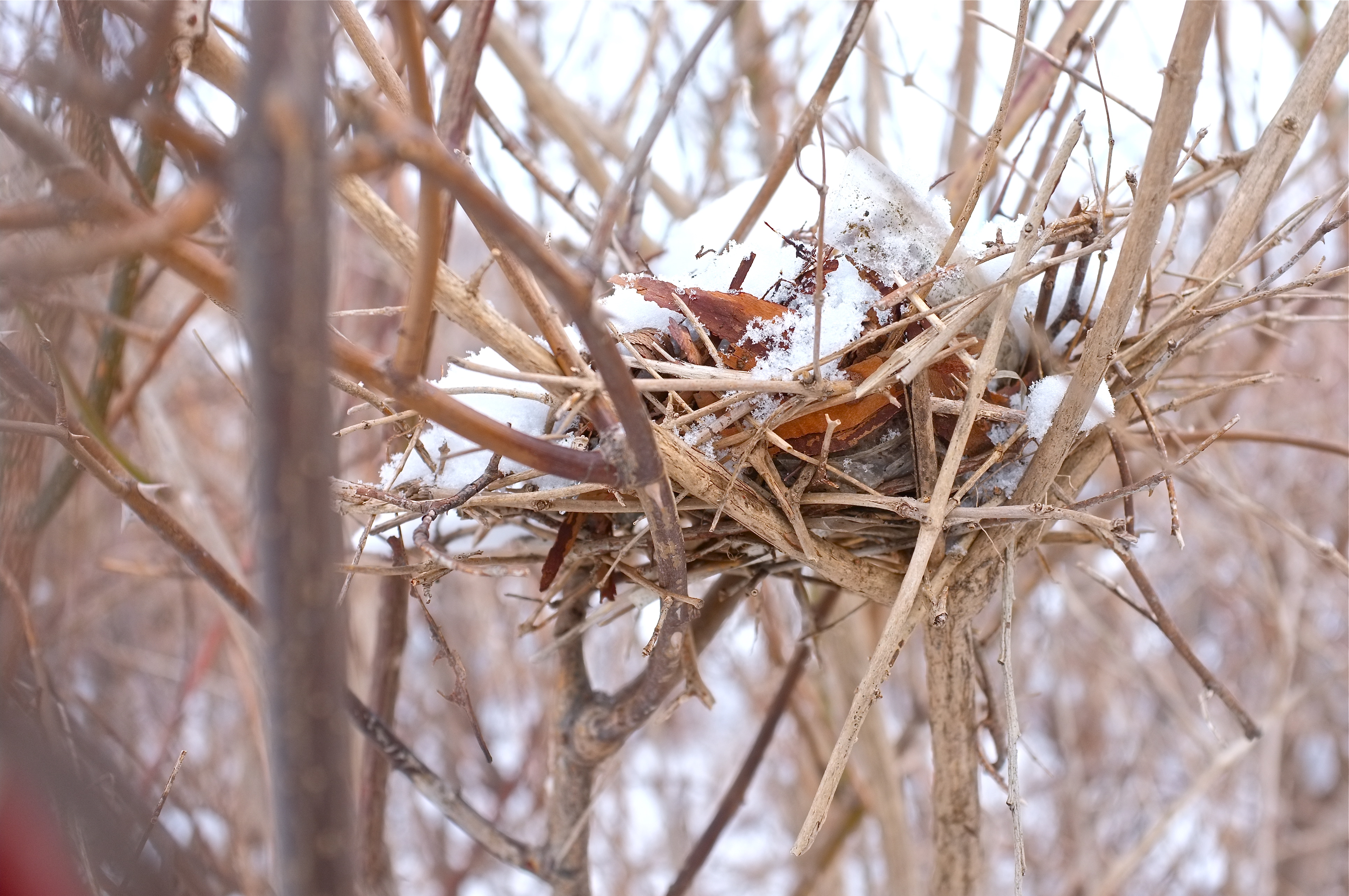
As Daniel D. correctly stated, all the trash is going to sink to the bottom. Many species of waterfowl dive for vegetable matter and the seeds, stems, roots, and bulbs of submerged aquatic plants. They can easily became entangled in trash. The last shot of the bird’s nest is meant to symbolize the pond’s fragility.

Clip of the stunning Northern Pintail (Anas acuta) at 3 minutes 45 seconds.

Hawaiian Quilts

Antennae for Design The Descendants

Saturday night we went to see The Descendants and I found this movie enjoyable on many levels. The cinematography, of lush Hawaiian landscapes, was gorgeous. Lingering close-up shots of the actors and dreamy transitions added to the telling of story. Interesting, too, were the clips of suburban Honolulu neighborhoods. Never having been to Hawaii, the film was an eye opener—I don’t imagine Honolulu neighborhoods as a typical L.A. hillside suburb, nor downtown Honolulu with eight lane highways jammed with choking traffic.

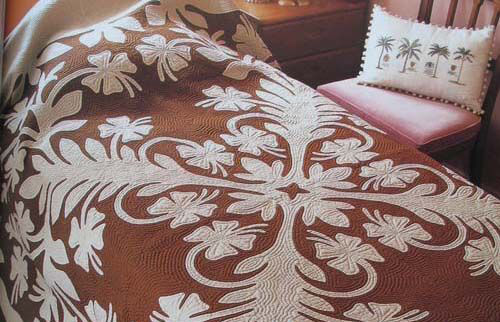
Vintage Hawaiian Quilt

The set designs by Matt Callahan mirrored the story beautifully, and I found much inspiration in the furnishings and fabrics, including vintage rattan furniture, appliqué pillows, and bark cloth curtains. Several authentic Hawaiian quilts added a unique touch, and one quilt in particular played a leading role in the telling of the story. The main characters comprise a modern day family descended from a Hawaiian princess. Early in the film, we see a sunny golden yellow and white, slightly tattered and homey, quilt arrayed over the mom, who is lying in a hospital bed, in a coma and dying. The quilt has been brought from the family home to the hospital to provide comfort. In the final scene, the father and children make their way one by one to the family sofa, and eventually all are cozy under the same Hawaiian quilt, watching television together, and sharing bowls ice cream.

What we think of as the classic Hawaiian quilt is characterized by a bold, radial symmetric design (similar to that of a snowflake) or bold, stylized design drawn from nature. The motifs are often times cut from one piece of cloth, unlike patchwork quilts, which are assembled from many smaller pieces of fabric. The design motif is then appliquéd to a contrasting background. And, unlike patchwork quilts, with quilting stitches worked in parallel diagonal, straight, or circular lines, Hawaiian quilters practice “echo” or outline quilting. The stitches follow the inner and outer contours of the design motif.

Much information can be found on Goolge about the history of Hawaiian quilts. Images courtesy of Google search.

The Descendants is based on the book of the same name, written by Kaui Hart Hemmings.

Antennae for Design

Depression Era Quilts

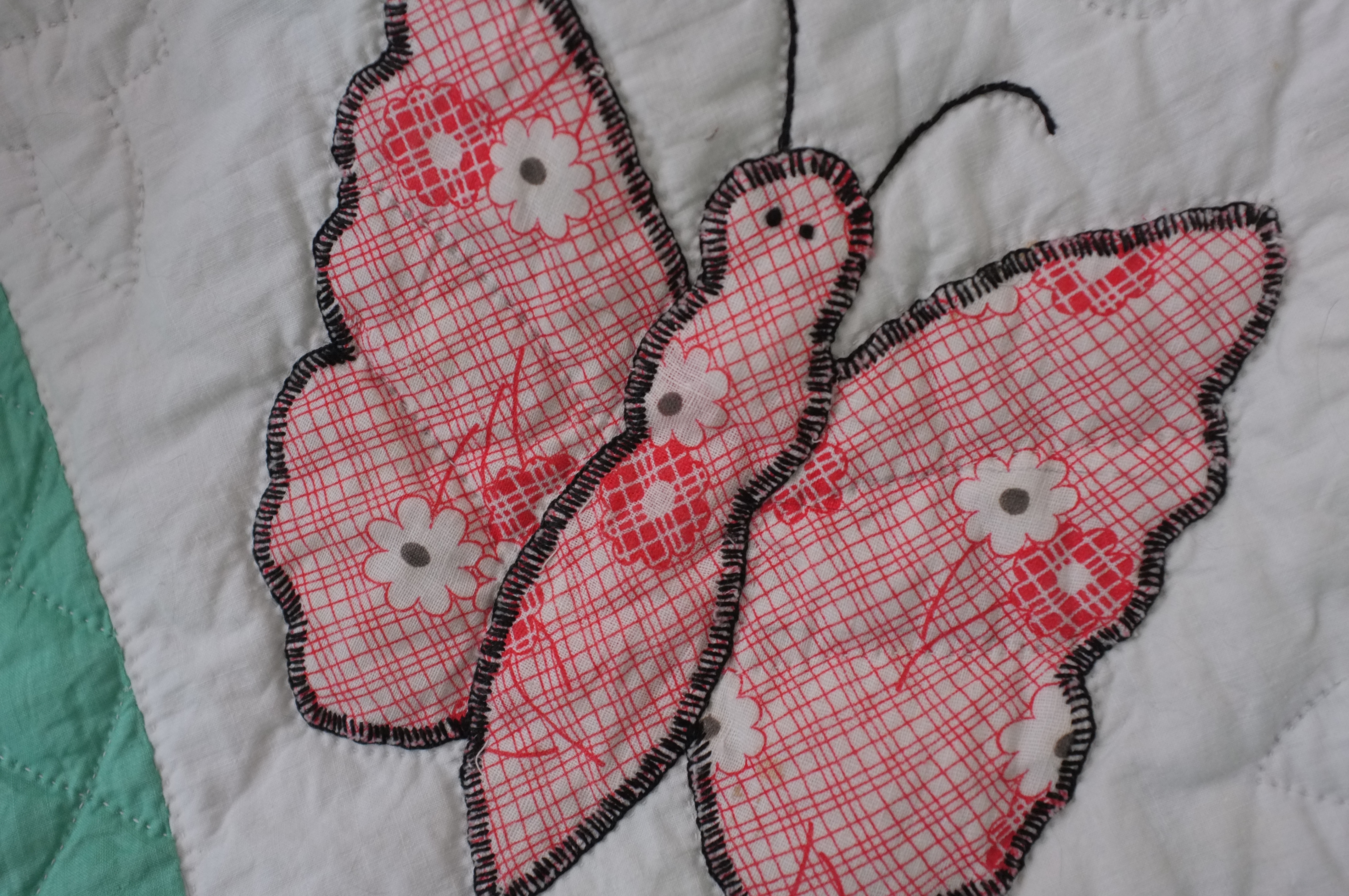
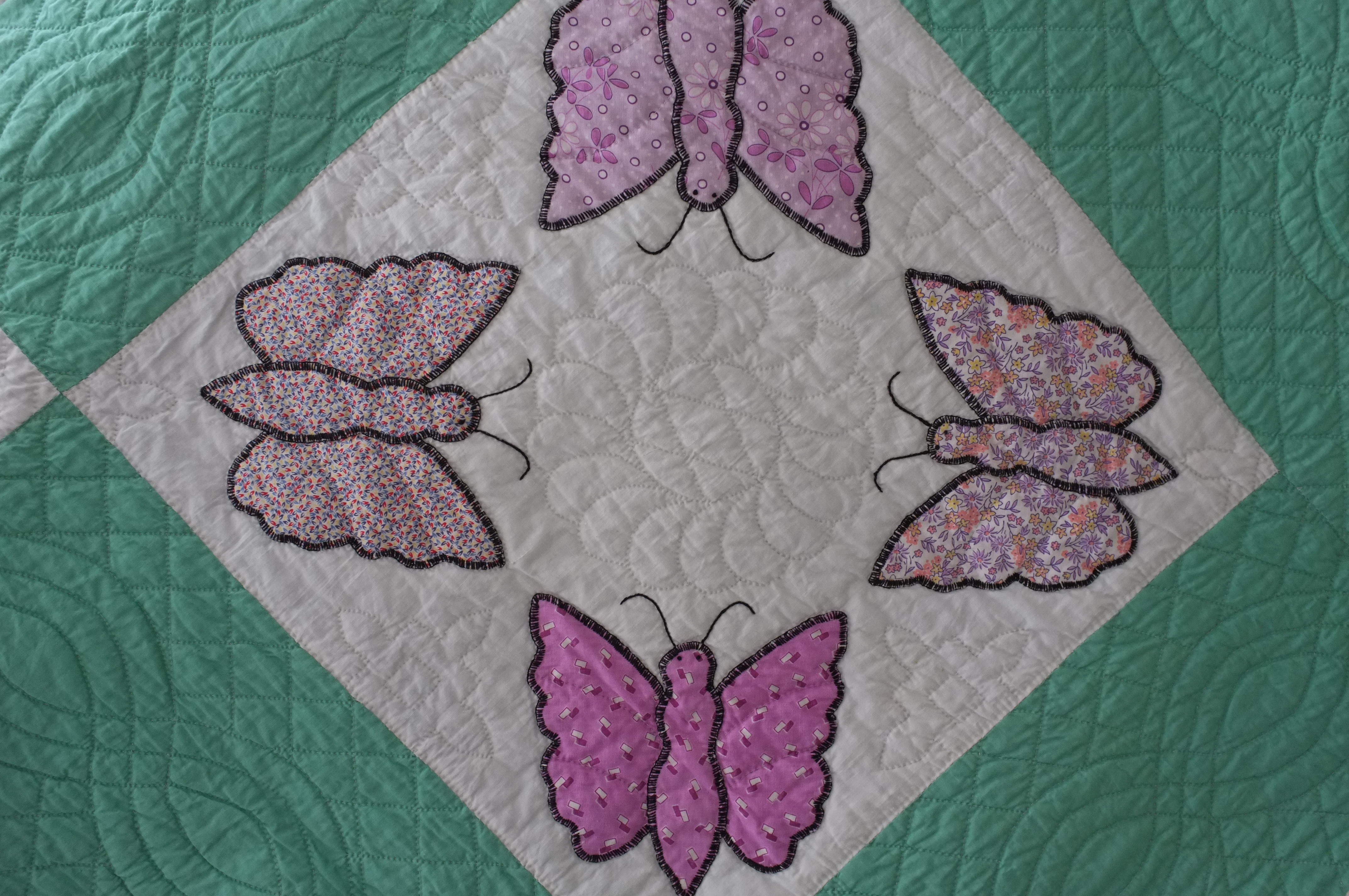
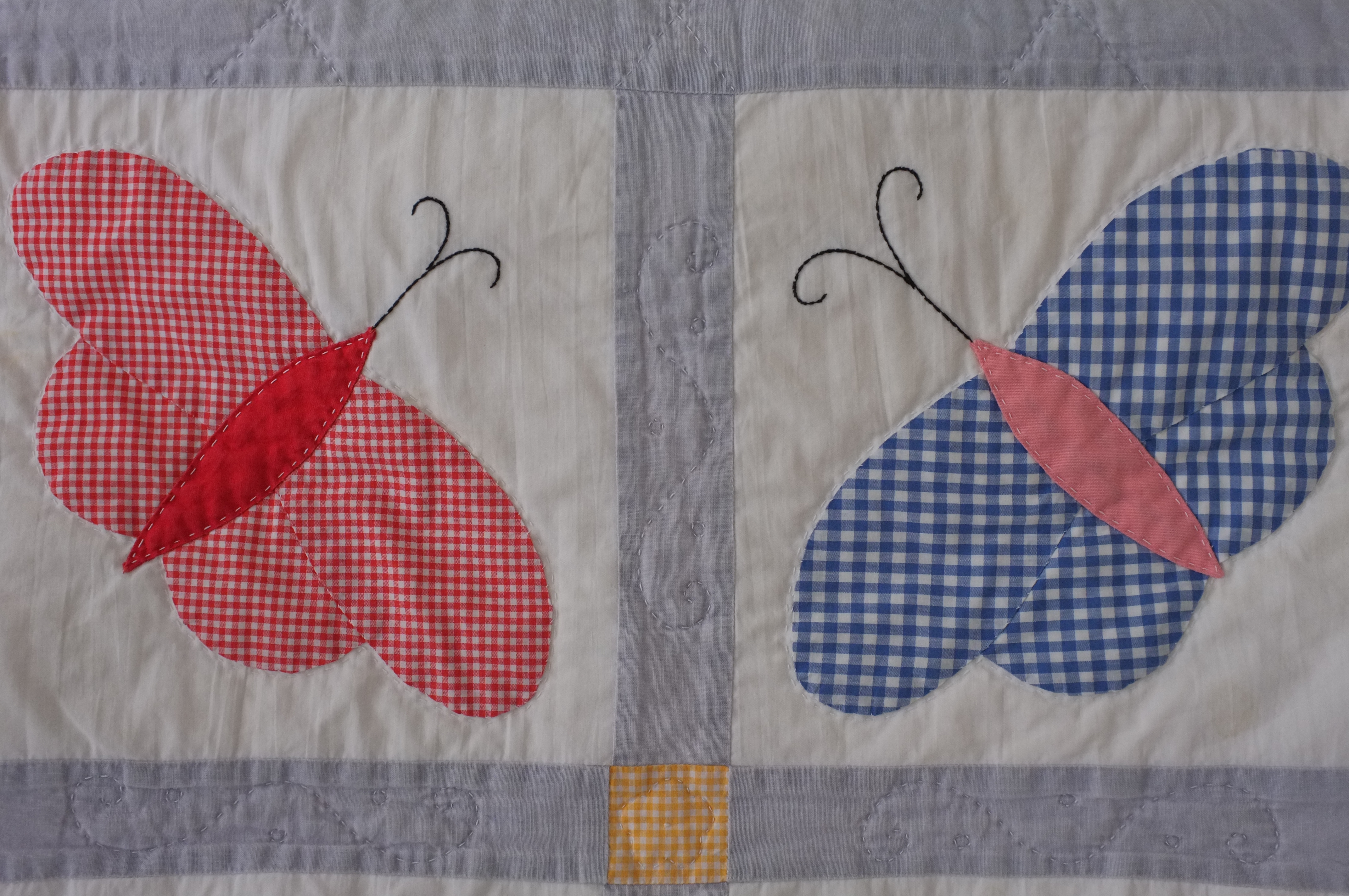
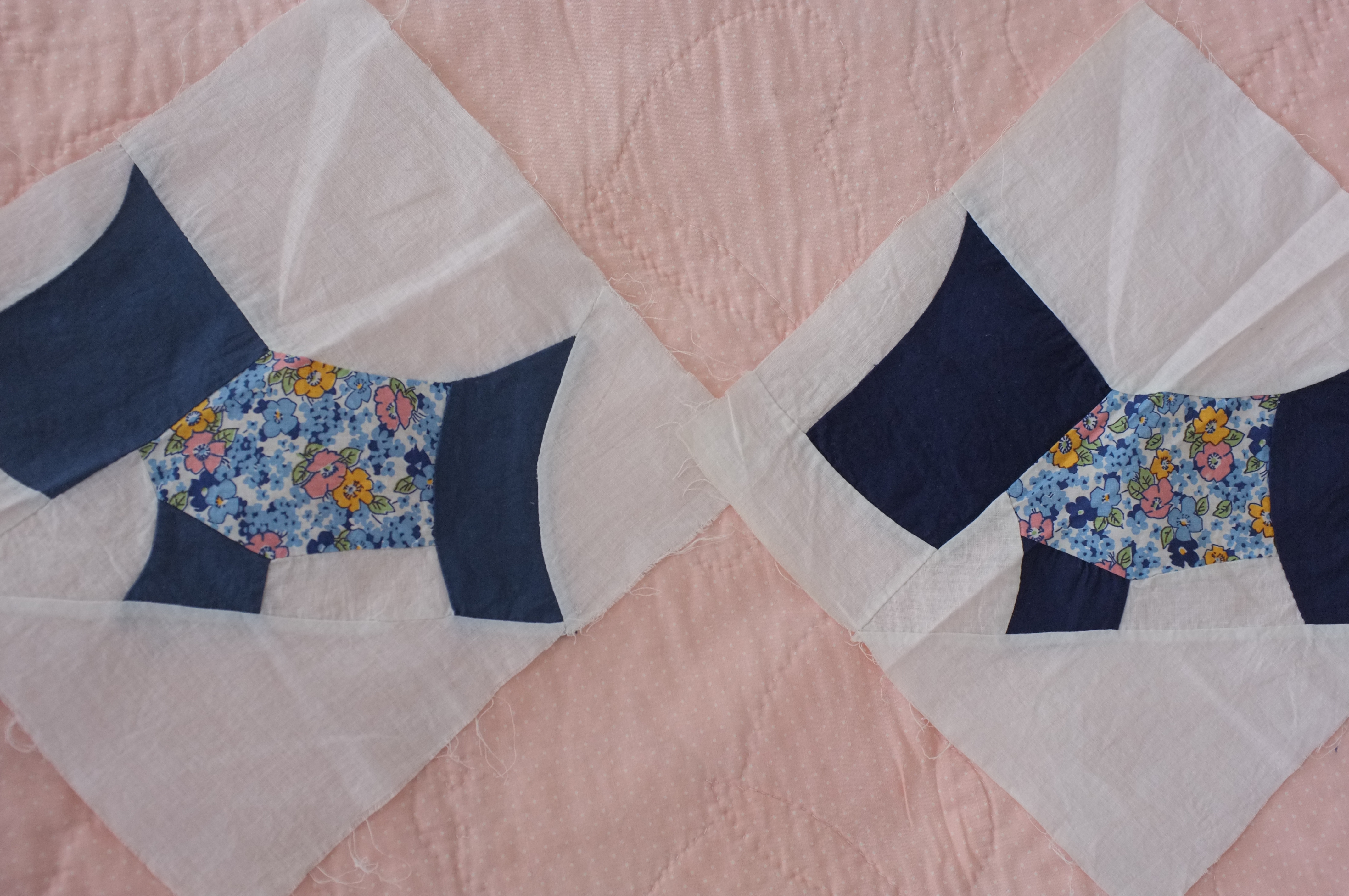
For the first installment of Antennae for Design I wanted to share with you a very special gift that my mother- and father-in-law gave me this Christmas past. My husband’s family lives in Cincinnati, Ohio, a beautiful city sited along the Ohio River. The landscape so reminded early German settlers of the Rhine River and valley, that to this day there is an area of the city still referred to as ‘Over the Rhine.’ The above butterfly buttonhole appliqué quilt was made in Fostoria, Ohio. Ohio’s long quilt-making heritage is similar to that of many states throughout America.

Quilts and quilt-making techniques are a reflection of the life and times of the women who made the quilts. The technique of quilting (encasing an insulating fabric between two layers of an outer fabric and stitching firmly in place) has existed throughout history. Quilted garments have been discovered in ancient Egyptian tombs and quilted garments and bedding began to appear in Europe after the return of the Crusaders from the Middle East. The medieval quilted gambeson and aketon were garments worn under, or instead of, armor of maille or plate armor. The oldest American quilts in the Smithsonian date from approximately 1780.

Thinking about the fascinating history of quilts and quilt making in this country, one of my very favorite periods of quilt making was after WWI and through the early 1940’s. Quilts made during this period are commonly referred to as Depression Era quilts; although to look at their cheery colors and patterns, you would never know the women who created them were living in the midst of a depression. Magazines needed to be resourceful during this period of extreme economic hardship, and they were, by selling fashion and optimism. Another way to survive was by including quilt patterns and tips in their publications. Quilting was an activity that women could do to fulfill their creativity while still making something practical for their families. The quilts were typically made from sewing scraps, out-grown clothing, and feed sacks. Part of the war reparations with Germany after the First World War included their formulas for aniline dyes, which allowed for an explosion in color depth and hues, as well as stability in dyes; purple finally became reliable, as did black.  Charming and sweet prints along with lovely pastels served in stark contrast to the depressive economy. A particular shade of green, now referred to as “thirties green,” was so popular amongst quilters, that the strips that were used to bind the quilt edges came packaged in a can!

Depression Era Butterfly Quilt

Dating quilts is fascinating. If you have a question about a quilt or would like to share information about a family heirloom, please write.

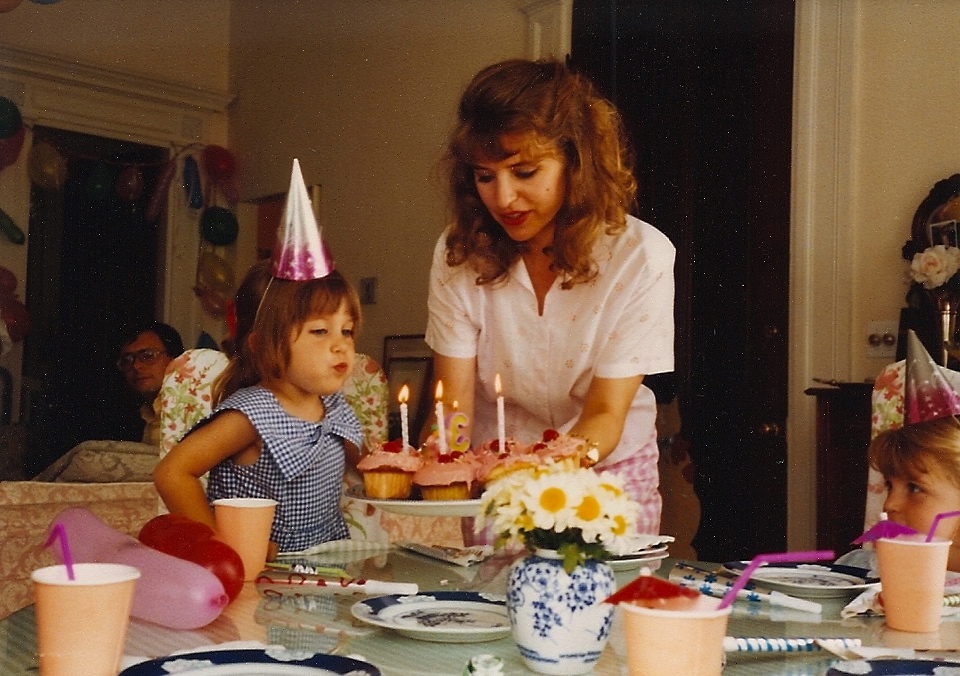
The above quilt was my interpretation of a 1930’s butterfly quilt, which I made for our daughter when she was five. Following in the depression era method of using what was on hand, you can see the dress scraps from which the quilt was made in her blue gingham dress in the old photo below.

I found a basket full of Scotty dog squares at a yard sale last summer. Scotty dogs were a popular design motif during the first half of the 20th century and this particular Scotty pattern was created in 1940. When I have some spare moments, I’ll look for fabric to back the quilt. Purchasing quilt squares or an unfinished quilt top is a great way to acquire a depression era quilt because, if the squares or top have been properly stored, the fabrics will come back to life with cleaning and pressing, and will not have been used.

Silly Old Coot

When I was a child, my siblings and I oftentimes called one another nonsensical names– “old coot” and “silly old coot” are two insults we frequently relied upon. I am not sure from where we picked up these idioms, but I am positive we did not know a coot is a charming water bird.

As I was leaving Eastern Point Saturday afternoon, I nearly ran over two coots that were in the road adjacent to Niles Pond. There was a crowd of birders positioned along the water’s edge with binoculars and cameras equipped with stupendously enormous telephoto lenses. Quickly parking, I grabbed the video camera, with no time to set-up the tripod. For the most part the birds stayed in the middle of the pond, however several times the coots swam closer to shore, with cover provided by the tall grasses. Coots have a sprightly way of paddling, sort of a bobbing swim, and I thought the jaunty melody of this Beethoven symphony mirrored their movements. Featuring, in order of appearance, Ruddy Duck, Red-breasted Merganser, American Coot, female Ring-necked Duck, and female Mallard.

Total length 2 minutes and 20 seconds.

Reader Judy writes:  Astute birders shoot cute coots scoot – woot!