Antennae for Design

January, February, March, and for we who dwell in New England, oftentimes well into April, are ideal months for interior home improvements. During these more homebound months I am actively seeking home and garden design inspiration. And, too, with projects that were shelved during the summer months because of seasonal work and summer guests, winter is a great time of year to focus on home improvements. I was inspired to write this weekly series after a recent visit to our home from Joey, Jill, and their two darling daughters. The family stopped by for hot chocolate and story time. Joey was non-stop with investigative questions and curiosity, reminding me of the impetus for writing my book, Oh Garden of Fresh Possibilities!, which was originally conceived as a guide for young couples and new home owners (and someday, hopefully, for my children when they will one day have gardens of their own). My book grew to be more than that, but I am again thinking of the couples with young children that have recently moved to our East Gloucester neighborhood.
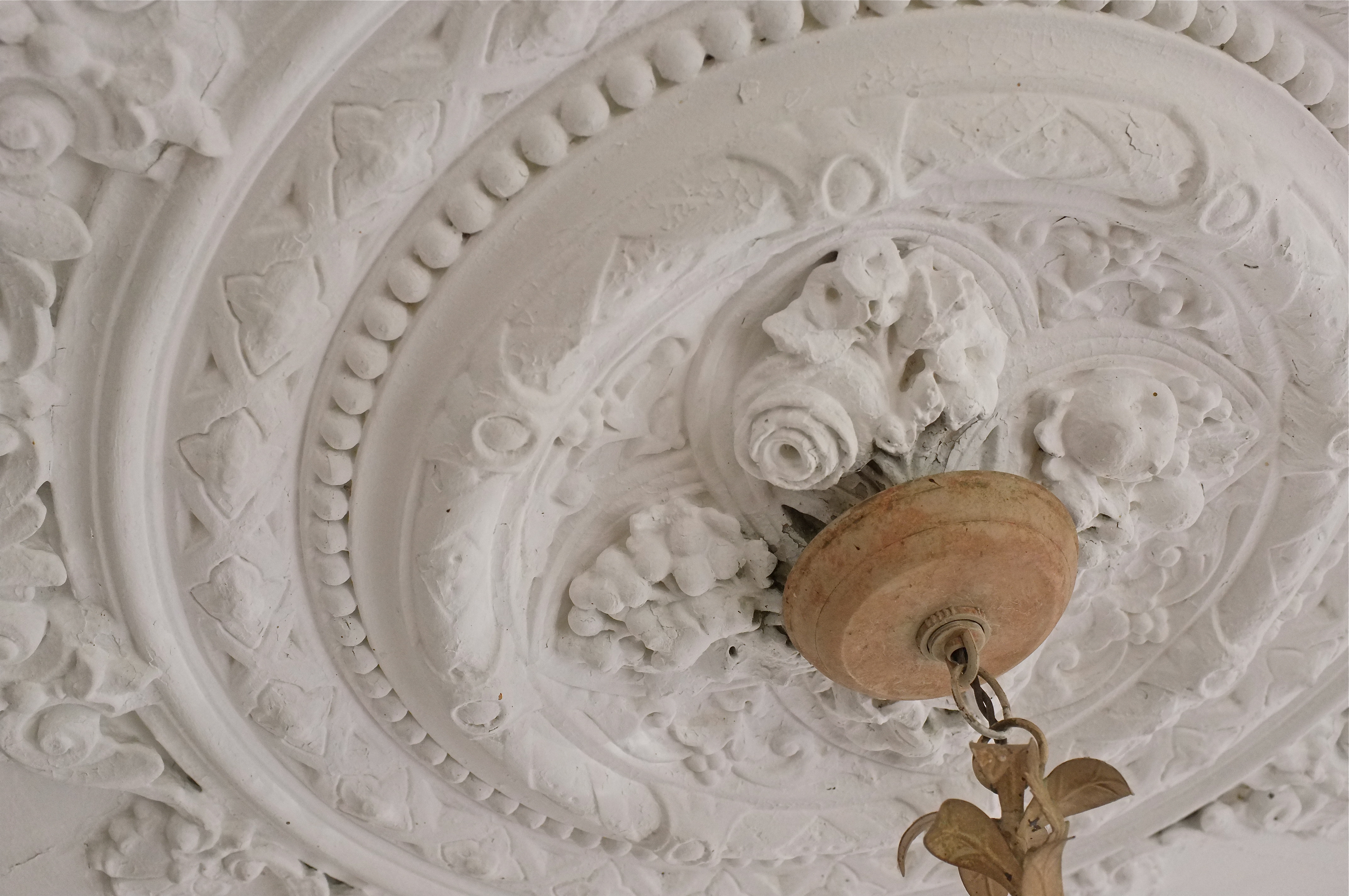
Plaster Ceiling Medallion

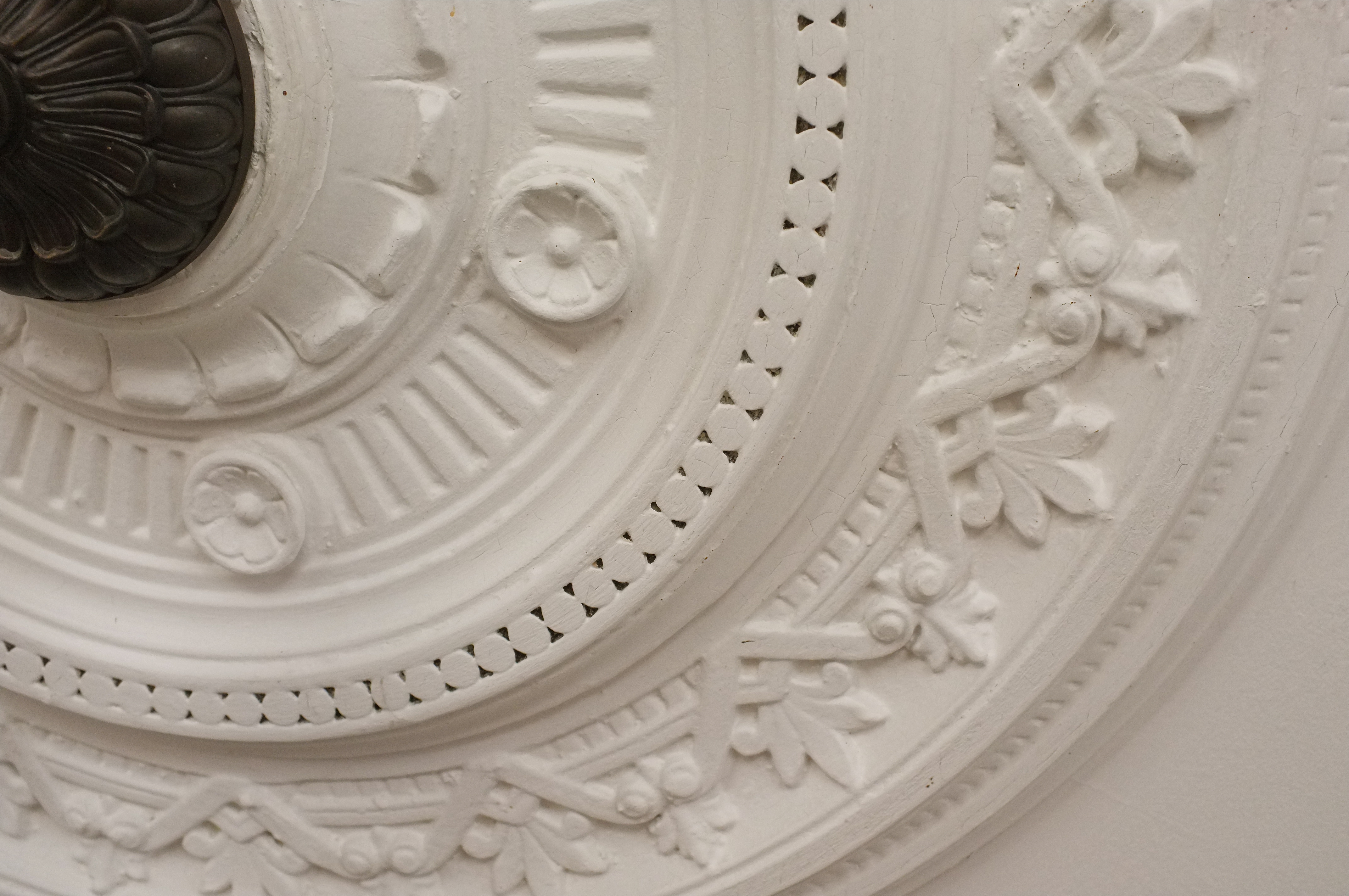
To think of it, we are following in an old Gloucester and northern seacoast tradition by tending to the interior of our homes during these winter months, in that of “house-pride.” The town’s carpenters, many of whom were master shipbuilders and shipwrights, would have had more free time during the winter months. Fine carpentry details are evident throughout our house, which was built in 1851. And, like many of Gloucester’s older houses, our home is graced with details created by the skilled plasterers that emigrated from Italy and settled on Cape Ann. Although a modest house, certainly by today’s “starter castle” standards, I wouldn’t trade our lovely 19th century home, with its quirky and elegant details (along with its all its foibles) for all the world’s McMansions.
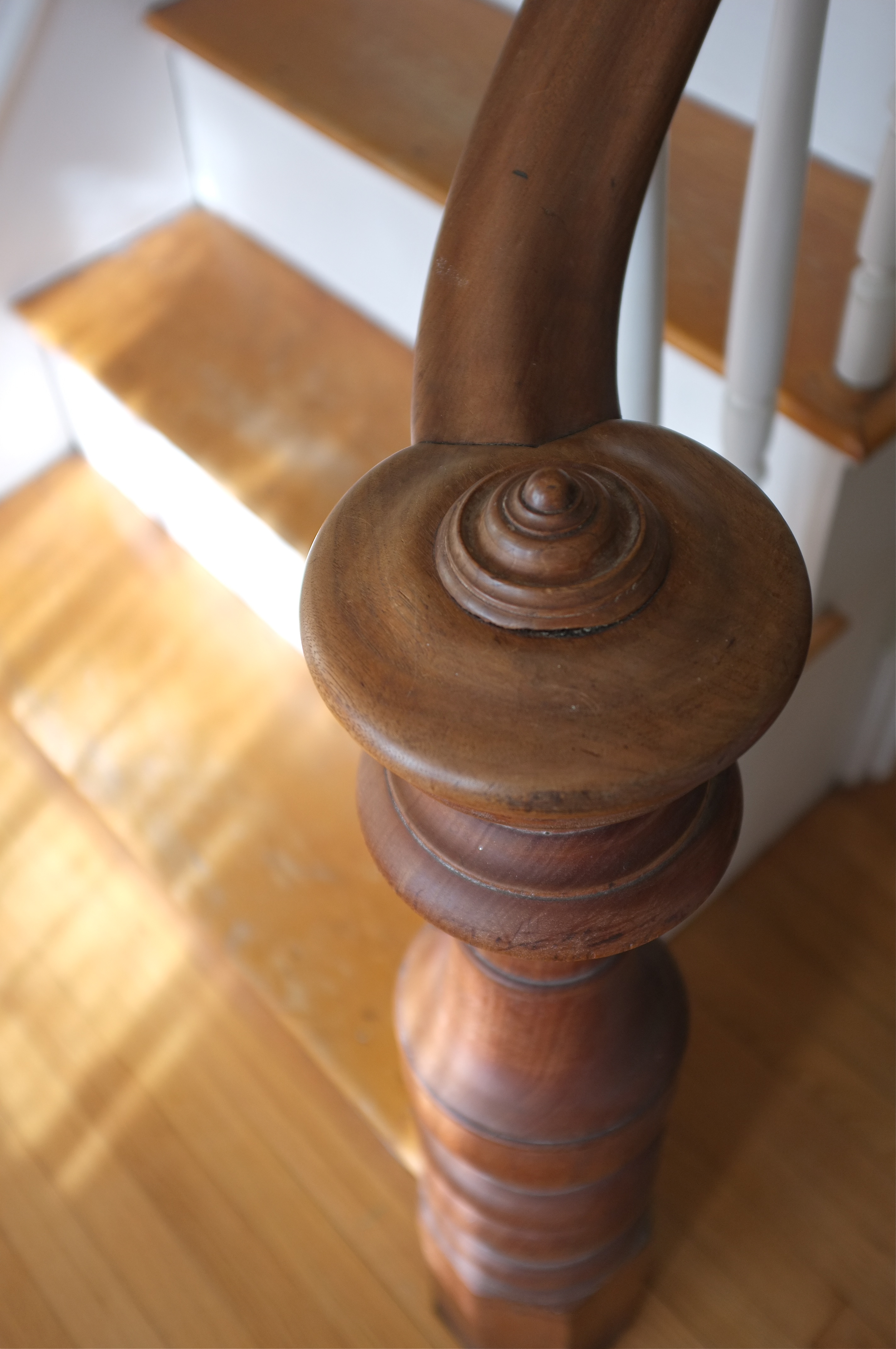
Hand Carved Newel Post

I propose Antennae for Design will encompass home and garden design inspiration, home improvement tips, feature interviews with local business owners who specialize in art and design, and after visiting local, well-tended homes and gardens, sharing information found there.  Let me know through the comment section or by emailing at kimsmithdesigns@hotmail.com of your thoughts and any topic that you may find particularly relevant or of interest.
Rick Kaloust Memorial at Eastern Point

In loving memory of Rick Kaloust (January 14, 1965 ~ January 9, 2012).

Turn! Turn! Turn! (to Everything There is a Season) ~ The Byrds

Dark Side of Dawn ~ Satch Kerans

You and I Will Meet Again ~ Tom Petty

Ave Maria (Franz Schubert) ~ Renée Fleming

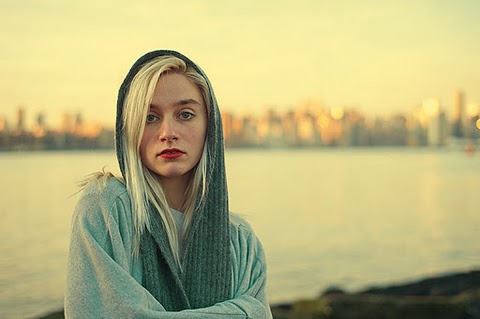
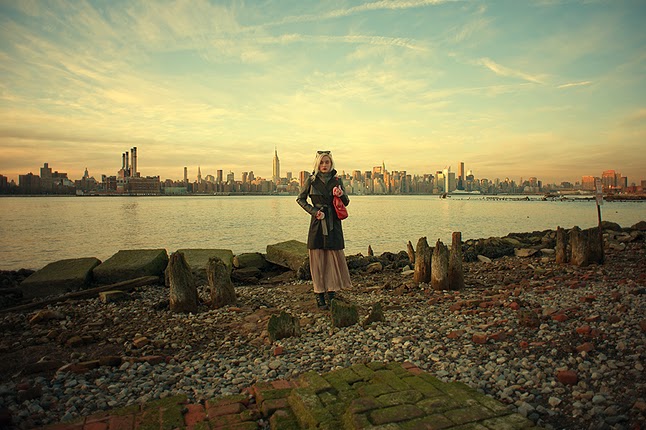
My Daughter Liv in Brooklyn

Photos of our daughter Liv taken by her photographer friend Dave Krugman. Dave says “My favorite way to shoot is to wander through the streets with a close friend, follow the good light, and let the world show itself. Give it a try…” Liv is a graduate student at NYU Steinhardt, studying opera and vocal performance; Dave is a professional photographer based out of Boston. They met while at B.U. Click the last image to see their Brooklyn album.

Click above image to see “A Walk in Brooklyn”

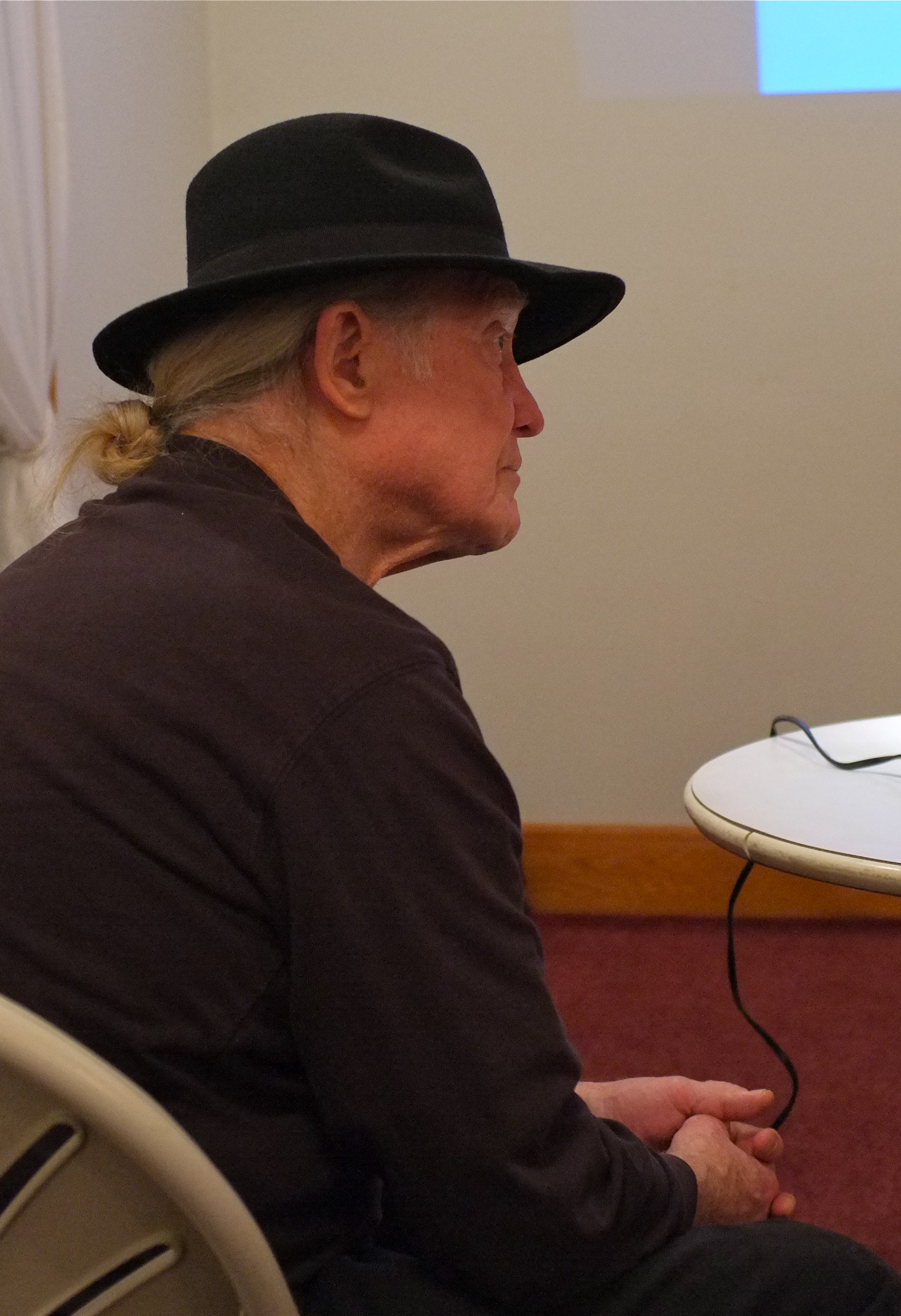
Will Allen, Sponsored by Gloucester Writer’s Center

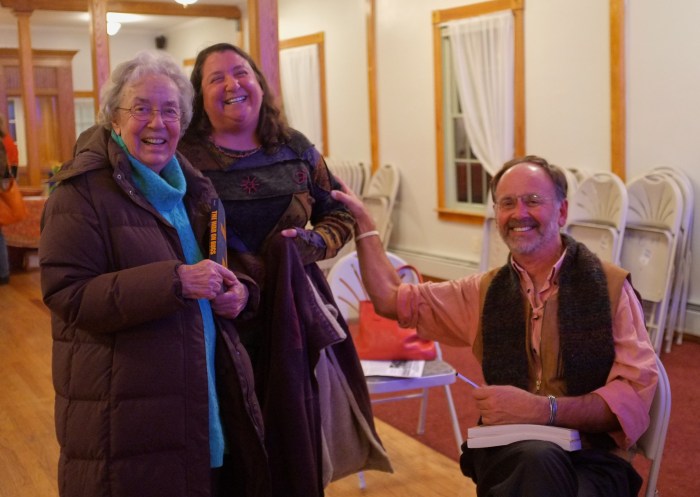
Will Allen gave a fascinating talk to a packed house last night. Mr. Allen is an organic farming visionary. He understands the complexities of farming and the impact of deadly chemicals. He draws from a combination of well-researched scientific knowledge and a rich understanding of organic farming practices.

Although dismayed by the breadth of, and decades over which, the chemical industries have negatively impacted every aspect of our nation’s farming practices, I was encouraged by Mr. Allen’s talk for several reasons. According to Mr. Allen, a worm-less (worms are the bellwethers of good soil) non-organic farm can typically be returned to a healthy and productive state approximately within three years, primarily by adding organic matter to the soil. By choosing to buy organic (as much as one can afford), every one of us can make a difference with our individual and collective purchasing power. I am looking forward to reading and writing a review of Will Allen’s The War on Bugs and am planning a trip this spring to the organic farm and educational center Mr. Allen co-manages, Cedar Circle Farm.

Annie Thomas, co-founder Gloucester Writer’s Center

Henry Ferrini, second from left, co-founder and president Gloucester Writer’s Center

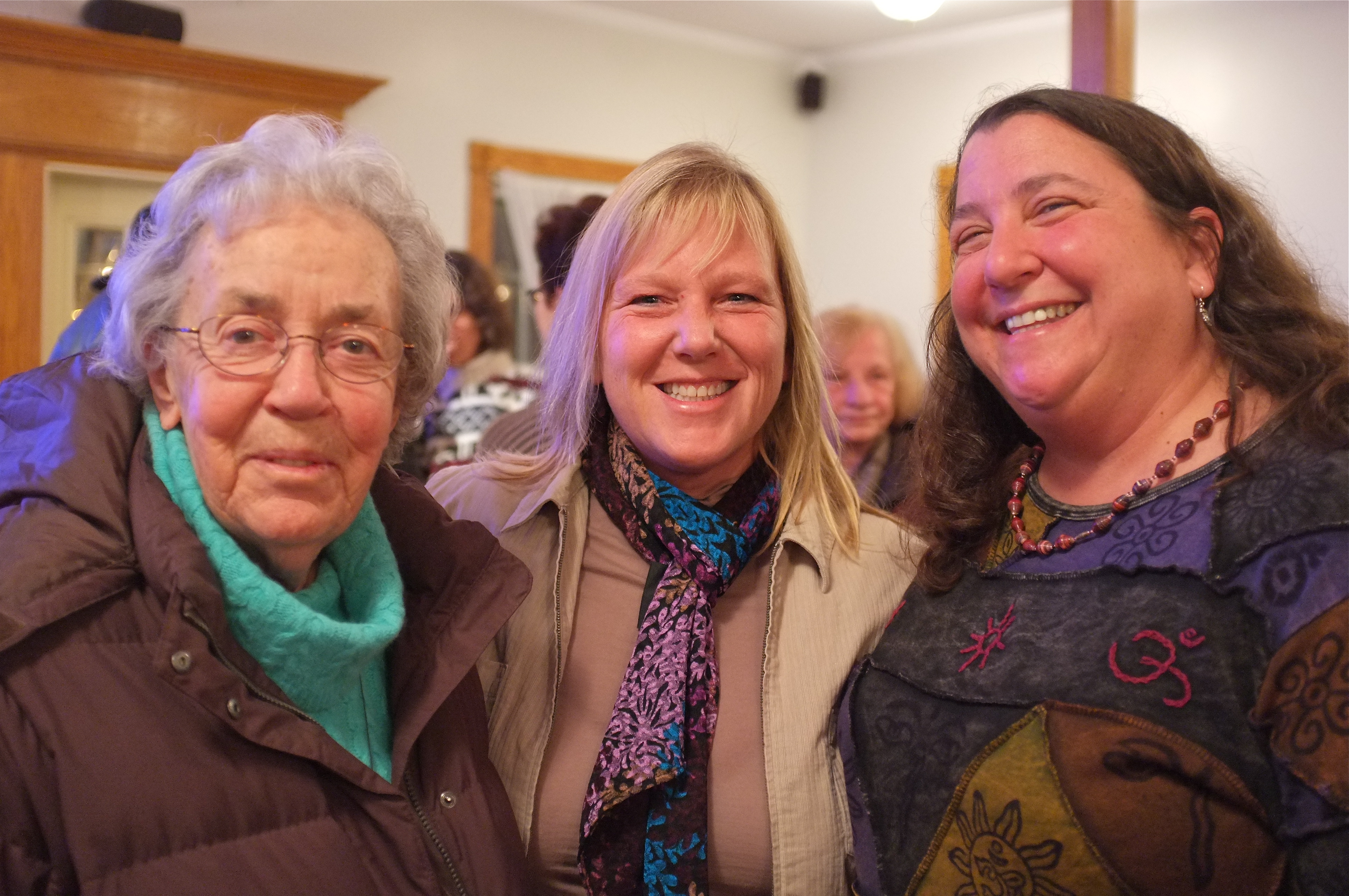
Helen Garland, Wendy McGrath, Ann Molloy ~ Ann is one of the owner’s of Neptune’s Harvest organic fertilizers

Helen Garland, Ann Molly, Mac Bell

Click last image to see slideshow with more photos

The War on Bugs (Chelsea Green Publishing, 2008) From the publishers’s webpage: Will Allen’s The War on Bugs reveals how advertisers, editors, scientists, large scale farmers, government agencies, and even Dr. Seuss, colluded to convince farmers to use deadly chemicals, hormones, and genetically modified organisms (GMOs) in an effort to pad their wallets and control the American farm enterprise.  Continue reading “Will Allen, Sponsored by Gloucester Writer’s Center”

A Second Go-around with Hippeastrum (Amaryllis)

Round Two with Hippeastrum

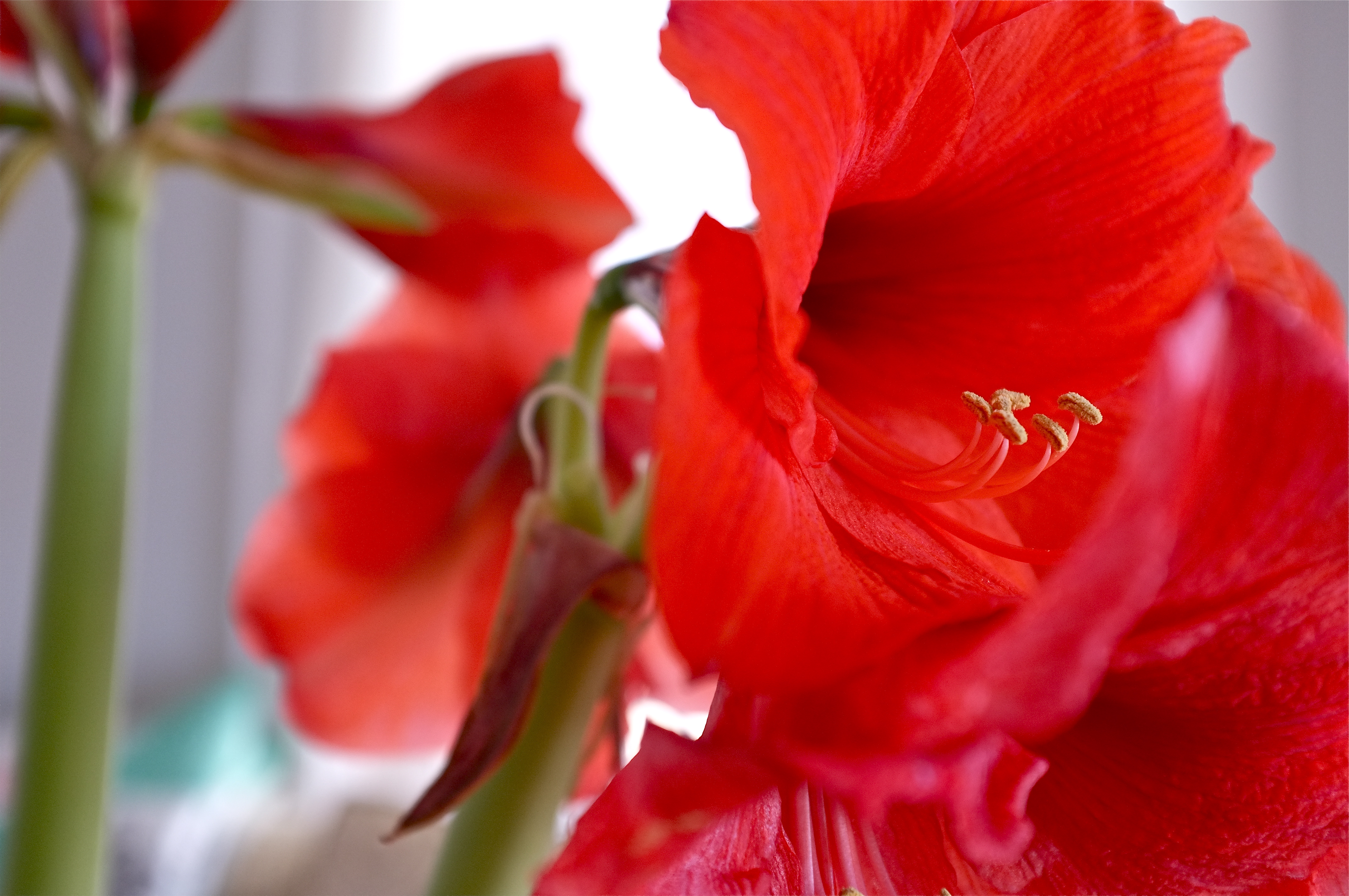
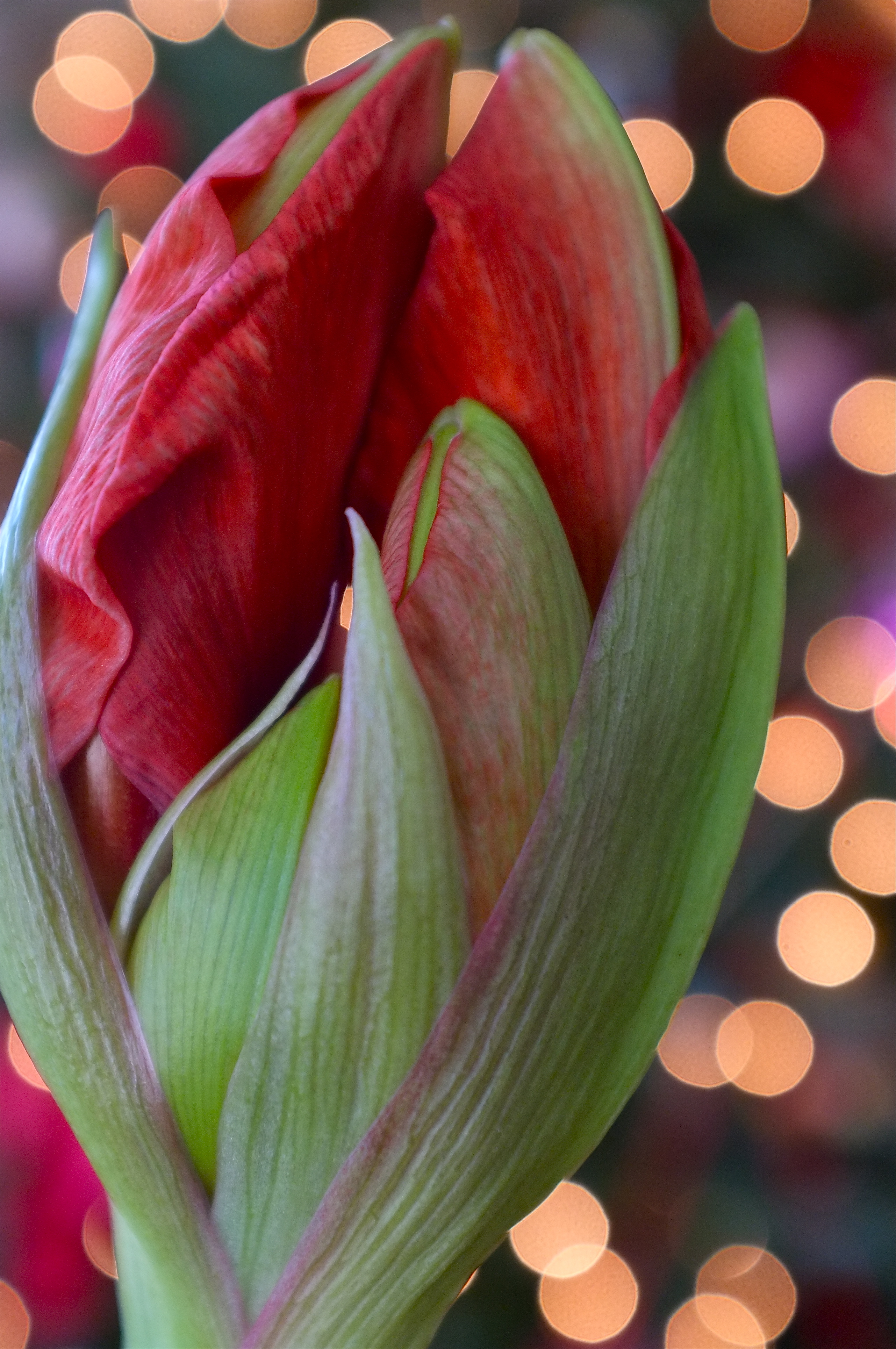
‘Orange Sovereign’  has given us a second stalk, and it too, is laden with gorgeous, satiny buds.

Bulb-buying tip: Upon seeing the second stalk, a friend visiting our home last week remarked that the amaryllis she purchases at the supermarket typically only have a few flowerheads and rarely a second stalk. I recommend purchasing Hippeastrum (amaryllis) bulbs in the fall, through local nurseries and bulb suppliers. Select the plumpest and firmest bulb available. The supermarket bulbs are usually boxed and pre-packaged, which doesn’t allow the opportunity to inspect the bulb.  Both Corliss Bros. and Wolf Hill carry a great selection of Hippeastrum bulbs.

Best Friends’ Sunset

Filmed at Oakes Cove, Rocky Neck, November 7, 2011. “Count on Me” by Bruno Mars, from the album Doo-Wops and Hooligans.

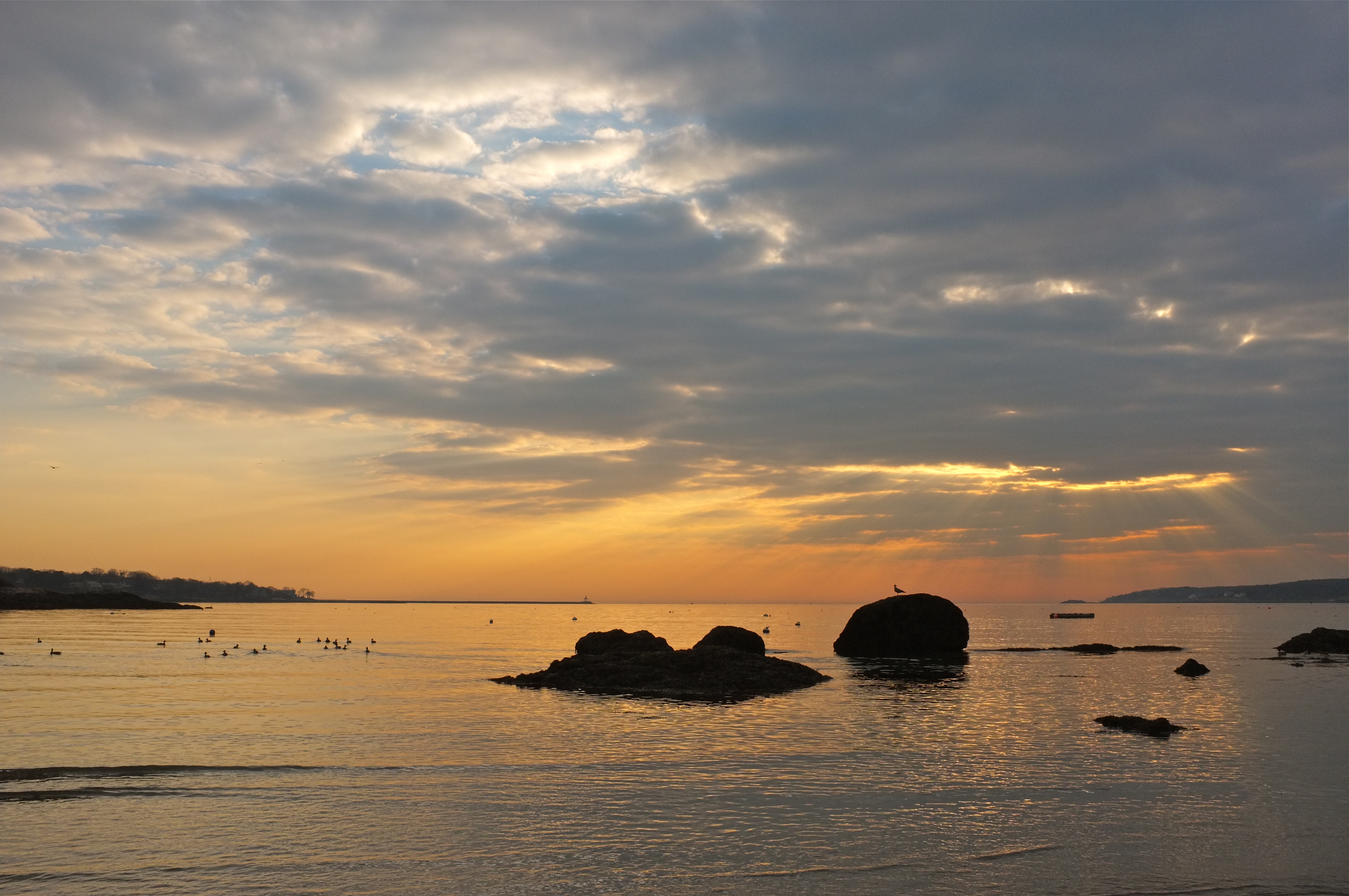
Oakes Cove is a small, protected cove located on the southwestern side of Rocky Neck within Gloucester’s Inner Harbor. The “best friends” were unaware they were being filmed. I loved that they were so familiar with the ledge that they knew the exact location of the perfect perch for watching the setting sun together.

Total length 6 minutes, 20 seconds.

Flynn’s Beach Swan

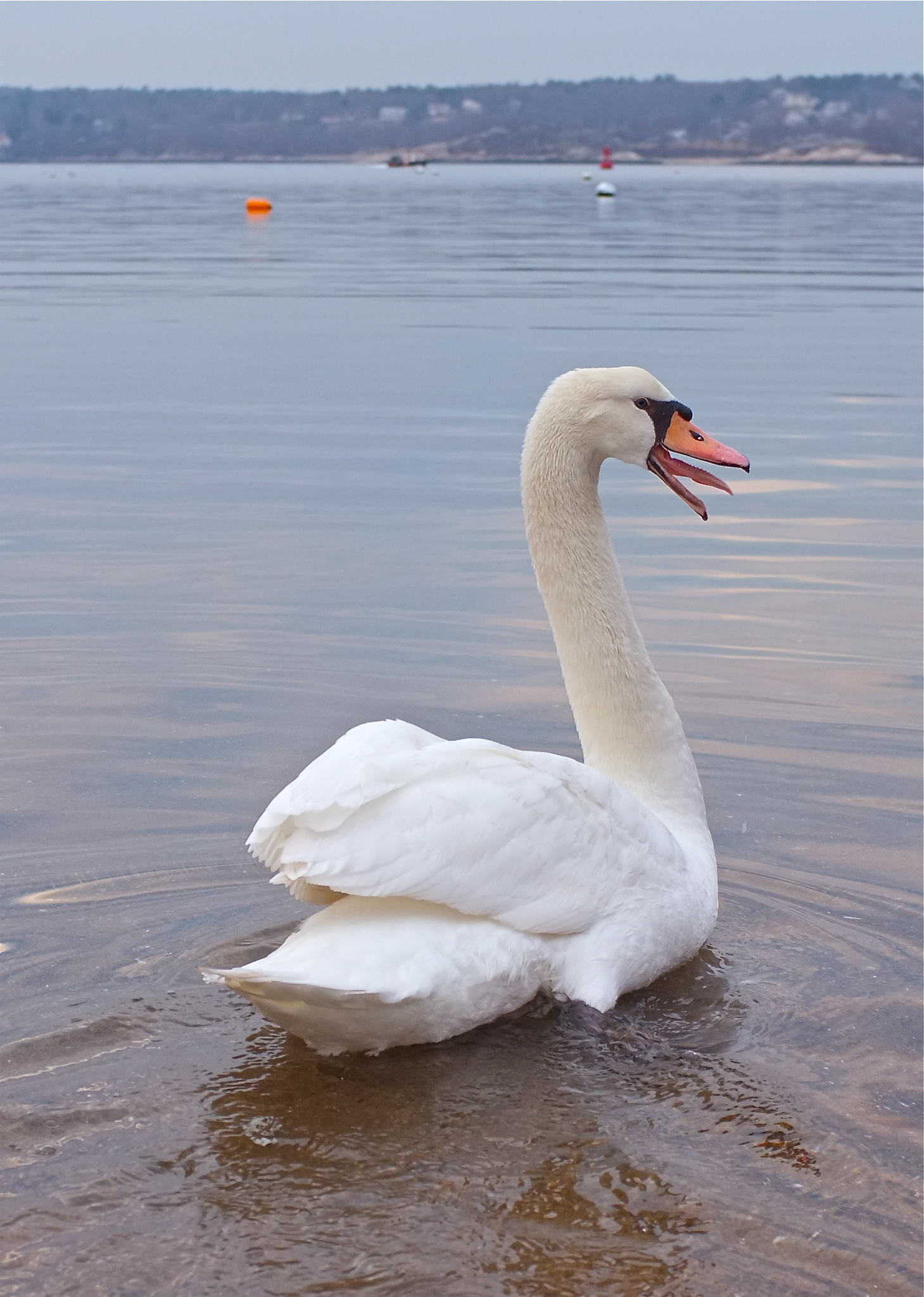
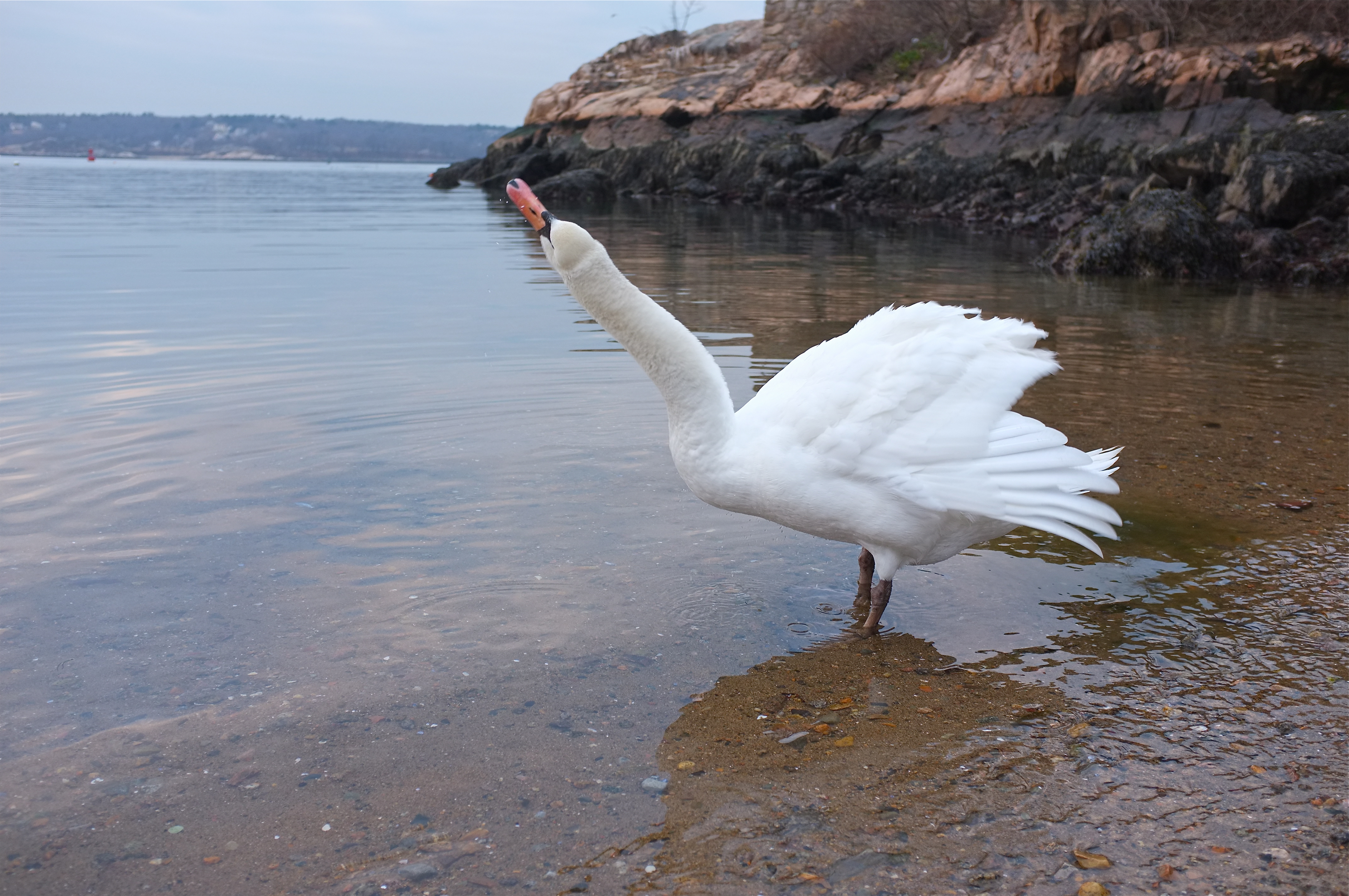
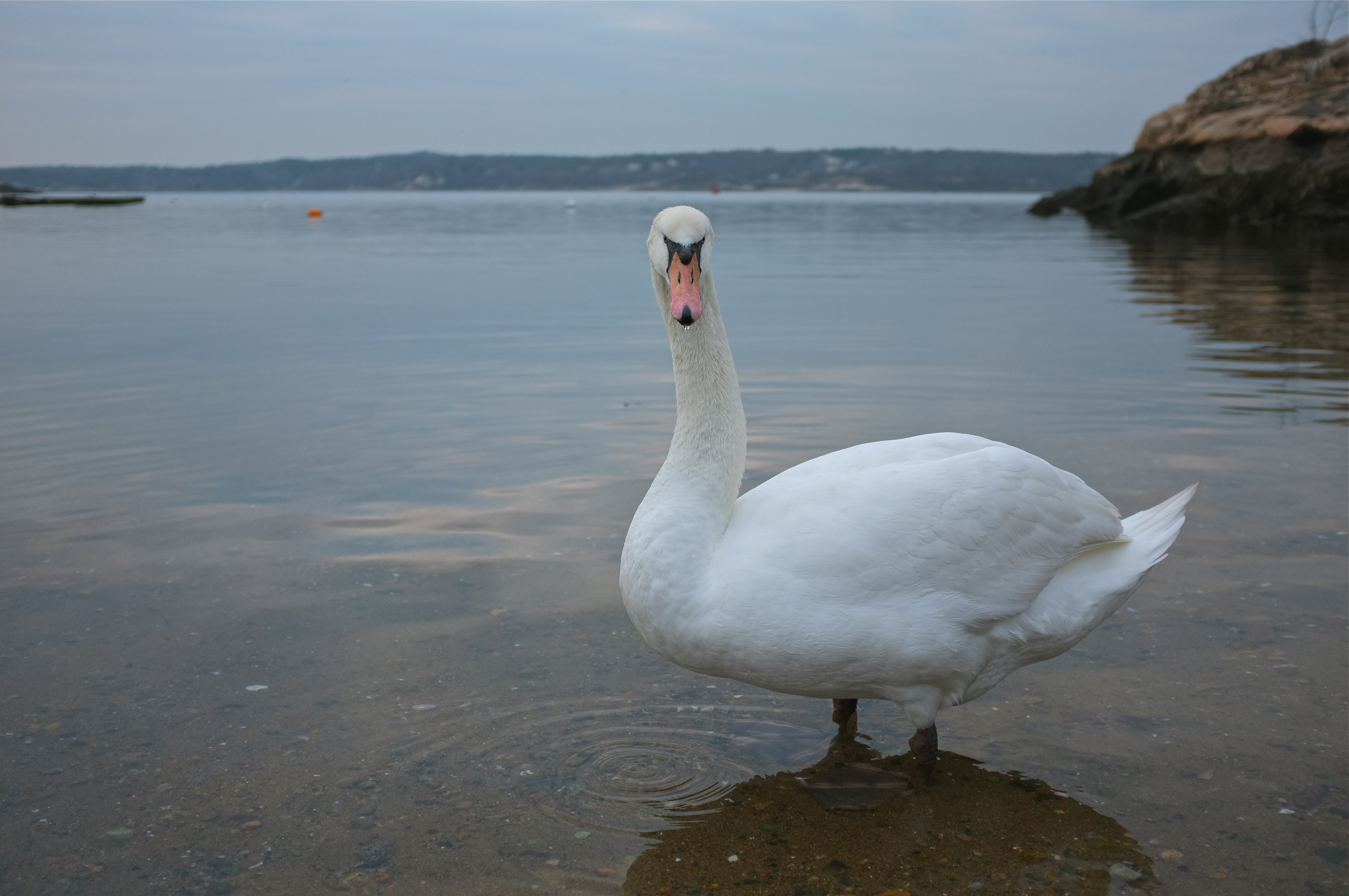
On that balmiest of all January Saturdays, Tom and I walked along the Rocky Neck beaches. The Flynn’s Beach swan did not at all appreciate the interest shown by our curious pooch.

Mute Swan Hissing

The Mute Swan (Cygnus olor) is native to Europe and Asia and is an introduced species to North America. Called “mute” because they are less vocal than other swan species, the Mute Swan is also distinguished from other swan species by its prominent knob atop the bill. The male swan is called a cob, the female, a pen, and the young, cygnet. The female is slightly smaller than the male, and her knob is less pronounced.

Sand Bath ~ Note the grains of sand around the swan’s bill (click photo for larger view); the swan appeared to be using the sand as an aid in cleaning it’s feathers.

Living in a Fitz Henry Lane Landscape

Wonson’s Cove

Click photo to see image full size.

Treasures found locally ~ a pair of hand-painted Czechoslovakian lamps

A recent find for one of my design clients is this pair of sweetly hand-painted Czechoslovakian lamps, with coordinating shades trimmed in blue silk cord, discovered at a local vintage shop.

Forget-me-nots and Roses

I love the challenge of searching for and finding one of a kind (or in this case, a pair of) treasures for my design clients. And I partuclarly love one of my ongoing design jobs for a simply delightful family, with three lovely and lively daughters, each with their own very distinct personality and style preference. The eldest daughter is zippy and lighthearted with a definite flair for the modern; the second daughter is gently refined and ethereal (I think of watercolor hues for her); and the third daughter is possessed of a warm and sunny character—a radiant sunflower. The pair of Czechoslovakian lamps will add a charming touch to the middle daughter’s bedroom. Whether you are searching for special plants for the garden (the most highly scented specimens, for example) or rare and/or out-of-the-ordinary objects of art and decoration for the home, thoughtfully selected accents create the most welcoming sort of home.

Important Safety Note: Although these lamp bases are in near-perfect vintage condition, the cords are not. Judging from the overall poor condition of the cords, I would guess they were last wired in the late 1950’s or 1960’s. We will re-wire the lamps with soft gold-colored cord, which will better blend with the décor, as opposed to the dark brown or stark white wire. Always, and always very thoroughly, check the wiring when purchasing vintage lighting—for obvious reasons, I cannot stress this enough.

Correction to 2012 Rocky Neck Plunge Video from Kim Smith

Wonderful to see the Douglass Family celebrating ancestor Captain Fred Douglass with a Rocky Neck Plunge of their own! And I was glad to learn the name of the beach is Flynn’s Beach, not Oak Cove Beach. The Community Heritage Map of Cape Ann, 1889, does not give a name to the beach on Oakes (note spelling of Oakes) Cove, however, many long-time residents refer to it as Flynn’s Beach. Upon close inspection of the map of 1889, several of the properties abutting Oakes Cove belong to S.W. Oakes. In the Douglass’ post of yesterday, Oakes Cove was referred to as Wonsons Cove. Wonsons Cove is the cove just south of Oakes Cove, which you see to your immediate left when crossing the Rocky Neck Avenue causeway on your way into Rocky Neck.

On the old map, we can see our home on Plum Street, which was built in 1851, and can barely make out the name of the owner of 1889–it appears as though the last name is Douglass–perhaps relatives of Captain Fred Douglass and the Douglass family? Our home is on the eastern side of the former Point Grammar School. The house on the map on the western side of the school is more clearly labeled and that too is owned by a Douglass, either S.G. or S.C. Douglass.

Click Map to See Larger Image

2012 Rocky Neck Plunge Video from Kim Smith

Happy New Year!

http://vimeo.com/34534817

2012 Rocky Neck Plunge with a pre-plunge breakfast hosted by Passports Restaurant and rally at Sister Felicia’s home. Featuring The Ciaramitaro Family, Donna Ardizzoni and her daughter Erica, E.J., Ed, Mayor Kirk, Nicole, Alicia, Paul, the van Ness Family, and too many more brave souls to mention all by name. Cathy McCarthy and friends set up boxes by the entry to the beach and a truckload of food was collected and donated to The Open Door.

Included is a postlude video short titled New Year’s Day Bath ~ Swan Style. 

Filmed at Flynn’s Beach on Oakes Cove, Gloucester.

Beethoven Symphony No. 6 in F Major, Opus 68 “Pastoral”
Beethoven Symphony No. 9 in D Minor, Opus 125 Choral Finale (Ode to Joy)

Performed by the London Symphony Orchestra.

Favorite snapshots from the pre-plunge breakfast at Passports

Thank you Passports for hosting the super delicious New Year’s Rocky Neck Pre-plunge breakfast! A wonderful time was had by all!! Beautiful Ciaramitaro family–video footage will have to wait until tomorrow– in the midst of making New Year’s dinner for my family.  Happy New Year to All!

Click the last photo to see slide show

Hippeastrum

A Note about Hippeastrum 

Living in New England the year round, with our tiresomely long winter stretching miles before us, followed by a typically late and fugitive spring, we can become easily wrapped in those winter-blues. Fortunately for garden-makers, our thoughts give way to winter scapes of bare limbs and berries, Gold Finches and Cardinals, and plant catalogues to peruse. If you love to paint and write about flowers as do I, winter is a splendid time of year for both, as there is hardly any time devoted to the garden during colder months. I believe if we cared for a garden very much larger than ours, I would accomplish little of either writing or painting, for maintaining it would require just that much more time and energy.

Coaxing winter blooms is yet another way to circumvent those late winter doldrums. Most of us are familiar with the ease in which amaryllis (Hippeastrum) bulbs will bloom indoors. Placed in a pot with enough soil to come to the halfway point of the bulb, and set on a warm radiator, in several week’s time one will be cheered by the sight of a spring-green, pointed-tipped flower stalk poking through the inner layers of the plump brown bulbs. The emerging scapes provide a welcome promise with their warm-hued blossoms, a striking contrast against the cool light of winter.

Perhaps the popularity of the amaryllis is due both to their ease in cultivation and also for their ability to dazzle with colors of sizzling orange, clear reds and apple blossom pink. My aunt has a friend whose family has successfully cultivated the same bulb for decades. For continued success with an amaryllis, place the pot in the garden as soon as the weather is steadily warm. Allow the plant to grow through the summer, watering and fertilizing regularly. In the late summer or early fall and before the first frost, separate the bulb from the soil and store the bulb, on its side, in a cool dry spot—an unheated basement for example. The bulb should feel firm and fat again, not at all mushy. After a six-week rest, the amaryllis bulb is ready to re-pot and begin its blooming cycle again. Excerpt from Oh Garden of Fresh Possibilities! ~ Coaxing Winter Blooms

Click last photo to see slideshow

The taxonomy of the genus Hippeastrum is complicated. Hippeastrum is a genus of about 90 species and over 600 hybrids and cultivars, native to topical and subtropical regions of the Americas from Argentina north to Mexico and the Caribbean. For some time there was confusion amongst botanists over the generic names Hippeastrum and Amaryllis, which led to the application of the common name “amaryllis” when referring to Hippeastrum. The genera Amaryllis refers to bulbs from South Africa.

Tribute from Senator John Kerry to Joe Garland

Over the holidays Helen Garland kindly lent me a copy of The Gloucester Guide, Joe’s fascinating  historical guidebook, or, as it is sub-titled, A Retrospective Ramble. I am looking for photos and information about Good Harbor Beach and recalled Joe’s book. Regrettably, I had lent my copy and it has not made it’s way back to our home. The Gloucester Guide is unfortunately out of print, but I have heard talk of it going to yet another printing. While visiting with Helen she shared the following heartfelt and moving tribute to Joe, from Senator Kerry, published in the Congressional Record, October 12, 2011, Vol. 157, No. 152.

REMEMBERING JOE GARLAND

Mr. KERRY: Mr. President, over the course of the past half-century, Joe Garland served as the unofficial historian of Gloucester, MA—its fishermen, its boats and its life. But Joe Garland not only wrote history in his books and newspaper column—he was part of history, guiding his beloved hometown through headwinds and troubled waters. Joe Garland passed away August 30, and his family and friends gathered October 1 for a memorial service. I would like to share with the Senate the thoughts and memories of Joe that I shared with those who were part of that service honoring this great champion of all things Gloucester.

If you visit the Fisherman’s Memorial on Gloucester’s waterfront on a stormy winter day, the statue of the Heroic Mariner seems to be steering the whole town into the wind toward fair weather. And if you look closely at the statue, you can almost see Joe Garland in its carved granite face, full of grit and determination, guiding his beloved Gloucester through headwinds and troubled waters.

‘‘Beating to windward’’ is the art of sailing into the wind. ‘‘Beating to Windward’’ is also the name of the column Joe wrote so many years for the Gloucester Times. And it is no surprise to any of us who knew him that Joe used the column to champion all things Gloucester.

Joe didn’t just chronicle Gloucester’s history—he was a part of it. In his column and in his books, he brought to life the era of the great schooners—like the 122-foot Adventure, the flagship of Gloucester, and the larger-than-life Gloucestermen—like the ‘‘Bear of the Sea,’’ Giant Jim Patillo, and the ‘‘Lone Voyager,’’ Howard Blackburn.

But he also used the sharpness of his pen to make his case on all kinds of civil causes—opposing unbridled economic development, warning about the loss of local control of the hospital and water supply, complaining about compromises on the environment or demanding the preservation of Gloucester’s beauty. And trust me—Joe never hesitated to offer his advice to a certain U.S. Senator, if he felt like I needed it.

Continue reading “Tribute from Senator John Kerry to Joe Garland”

Ring Out, Wild Bells

Ring out, wild bells, to the wild sky,
The flying cloud, the frosty light;
The year is dying in the night;
Ring out, wild bells, and let him die.
 
Ring out the old, ring in the new,
Ring, happy bells, across the snow:
The year is going, let him go;
Ring out the false, ring in the true.
 
Ring out the grief that saps the mind,
For those that here we see no more,
Ring out the feud of rich and poor,
Ring in redress to all mankind.
 
Ring out a slowly dying cause,
And ancient forms of party strife;
Ring in the nobler modes of life,
With sweeter manners, purer laws.
 
Ring out the want, the care the sin,
The faithless coldness of the times;
Ring out, ring out my mournful rhymes,
But ring the fuller minstrel in.
 
Ring out false pride in place and blood,
The civic slander and the spite;
Ring in the love of truth and right,
Ring in the common love of good.
 
Ring out old shapes of foul disease,
Ring out the narrowing lust of gold;
Ring out the thousand wars of old,
Ring in the thousand years of peace.
 
Ring in the valiant man and free,
The larger heart, the kindlier hand;
Ring out the darkness of the land,
Ring in the Christ that is to be.        -Alfred, Lord Tennyson
 
Our daughter Liv posted this Christmas poem on her blog Boston to Brooklyn.
The sentiments expressed befit our times equally as well as when Tennyson wrote Ring Out, Wild Bells in 1850. Jonathan Dove (1959), the contemporary British composer of opera, choral works, plays, films, and orchestral and chamber music has written a beautiful arrangement to Ring Out Wild Bells, performed in this video by the Antioch Chamber Ensemble.


I Wonder as I Wander

I Wonder as I Wander (Appalachia) ~ Words and Music collected by John Niles, 1933

I wonder as I wander out under the sky,
How Jesus the Savior did come for to die.
For poor on’ry people like you and like I…
I wonder as I wander out under the sky.

When Mary birthed Jesus ’twas in a cow’s stall,
With wise men and farmers and shepherds and all.
But high from God’s heaven a star’s light did fall,
And the promise of ages it then did recall.

If Jesus had wanted for any wee thing,
A star in the sky, or a bird on the wing,
Or all of God’s angels in heav’n for to sing,
He surely could have it, ’cause he was the King.

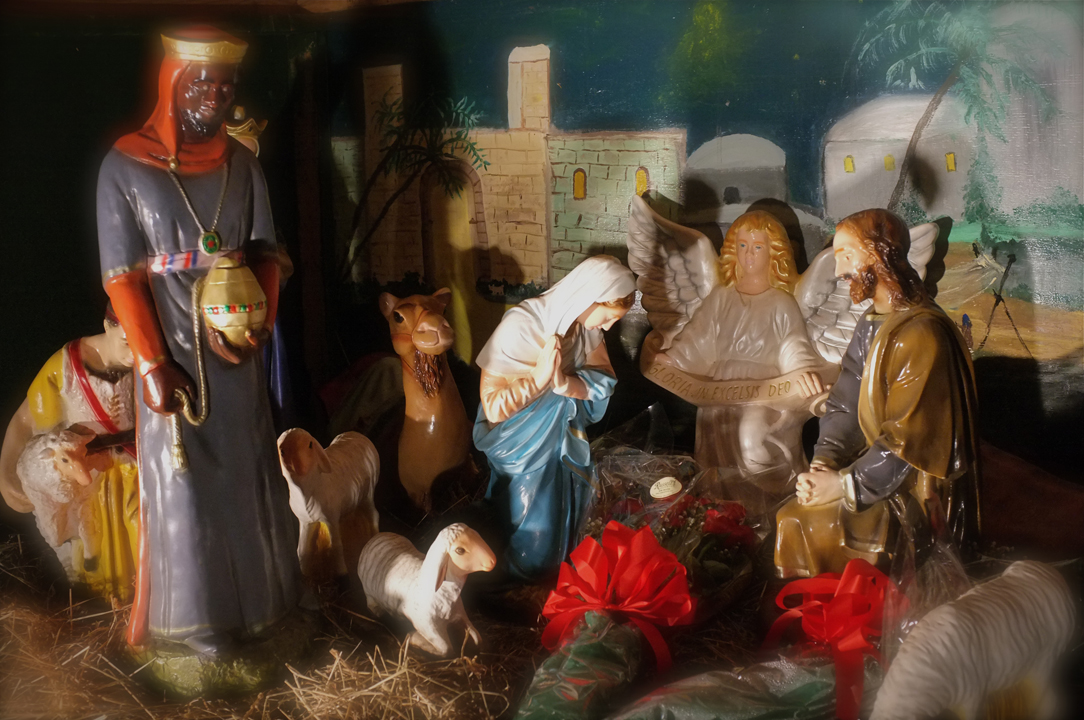
Many thanks to Father Green for posting his photo of the St. Ann’s Nativity. I was looking for an image to go with this hauntingly beautiful Christmas carol and was inspired to go see the nativity after seeing his photo posted yesterday.

My Interview with Isabelle Lafleche on Pink Lemonade

My friend and fellow author Isabelle Lafleche has posted her interview with me on her always super fun and chic blog Pink Lemonade. Isabelle posts the most wonderful high-style photos, garnered from fashion and style publications from all around the globe.

Isabelle’s first novel J’adore New York (Harper Collins) has been published in French, English, and German and is now available in paperback. Isabelle and her fiancé  simply love Cape Ann and are looking to, in the very near future, move from Montreal and Paris to our community! More on Isabelle in a future post.

Isabelle’s Upcoming Novel

Snow Dome Series

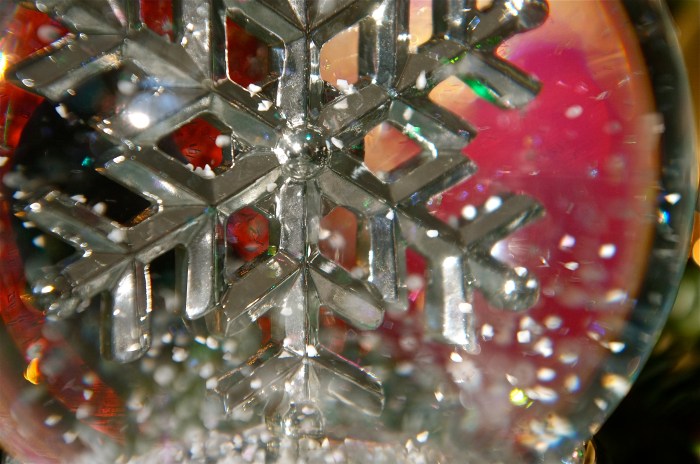
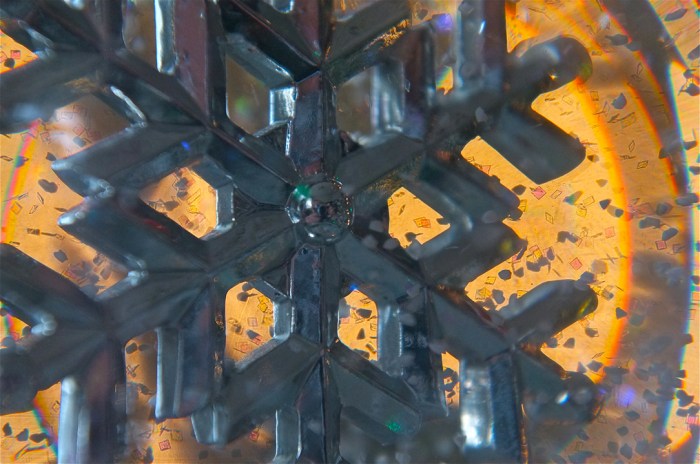
For the past week, while at home and in between holiday baking, at different times throughout the day under varying degrees of low winter light, I’ve been taking photos of this snowiest of “snow storms.” The light coming through the living room windows coupled with the Christmas tree lights created myriad fascinating effects, making it difficult to chose which photos to post. Click any photo to see the complete slideshow.
From wiki: Precisely when the first snow globe (also called a” water globe,” “snow storm,” or “snow dome”) was made remains unclear, but they appear to date from France during the early 19th century. They may have developed as a successor to the glass paperweight, which had become popular a few years earlier. Snow globes appeared at the Paris Universal Expo of 1878, and by 1879 at least five companies were producing snow globes and selling them throughout Europe.