Sailboat Anejo run amok at Wonson’s Cove


My View of Life on the Dock
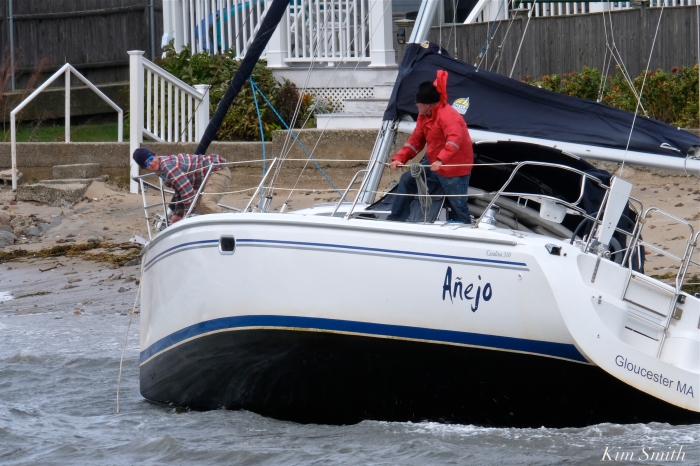
Sailboat Anejo run amok at Wonson’s Cove

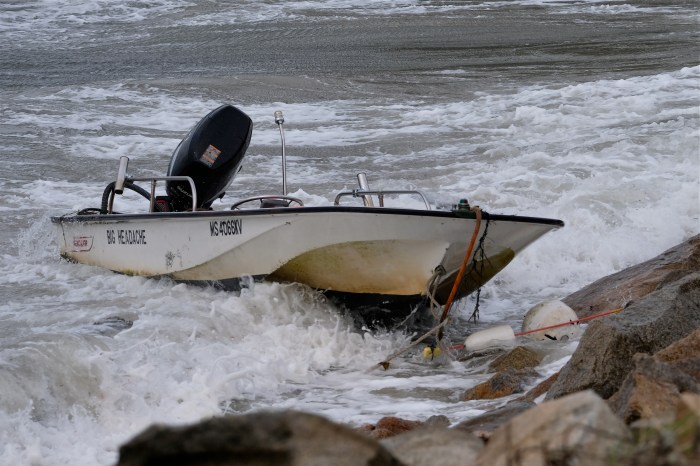
The Big Headache at Raymond’s Beach


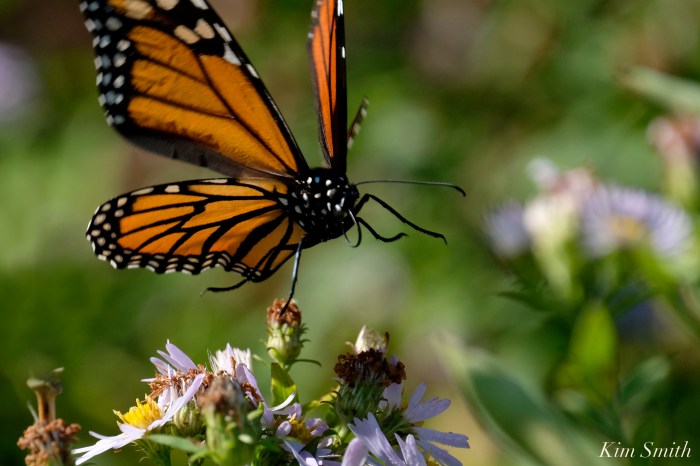
You may have seen on social media sites the map of butterflies moving through Oklahoma. This is the original story in which the maps appeared: A front full of butterflies swept through Oklahoma City on Saturday
 The line on the map above isn’t rain, but from butterflies and dragonflies. We can surmise based on what has been happening along our shores that the species you see in this front are most likely a swirl of Monarchs, Painted Ladies, and Green Darner Dragonflies. The north easterly winds are carrying the insects south.
Below is a map showing autumn and spring migrations. The orange arow is the fall migratory route of the Monarchs.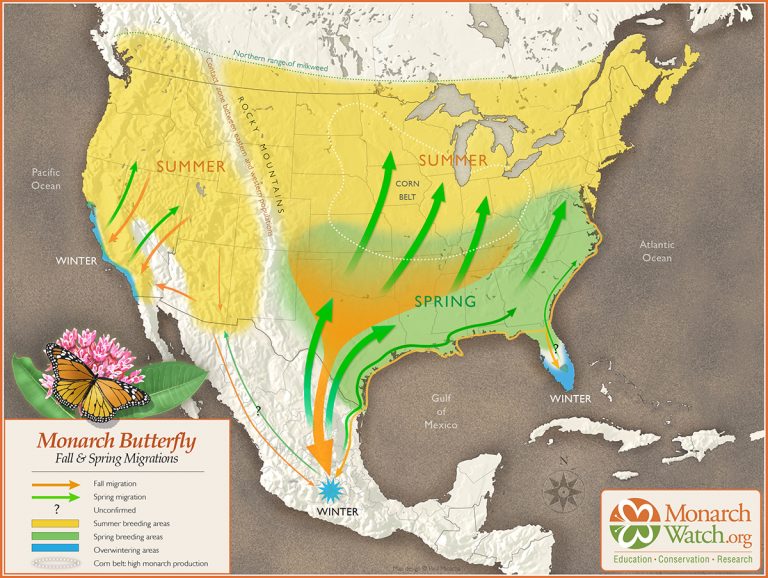
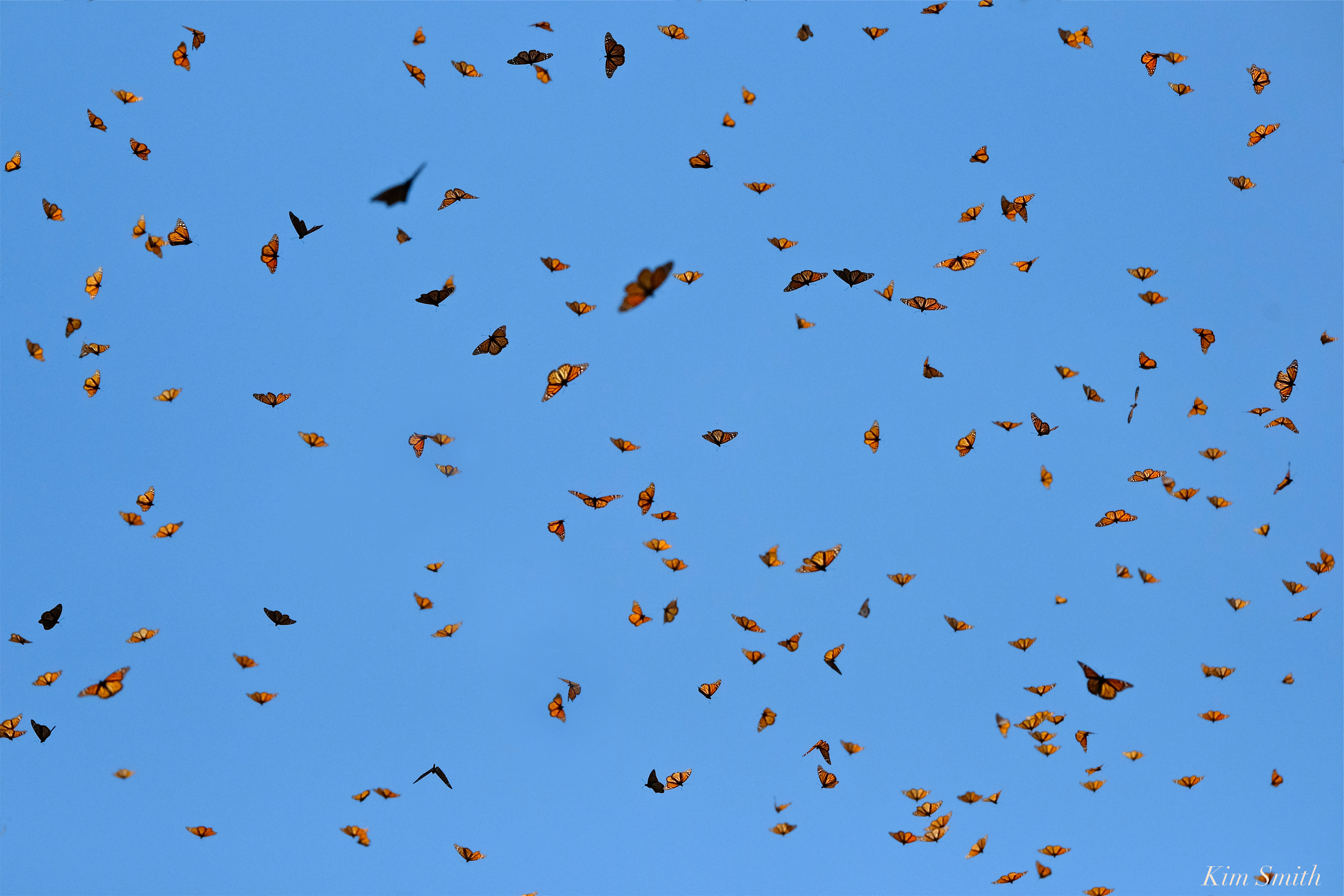
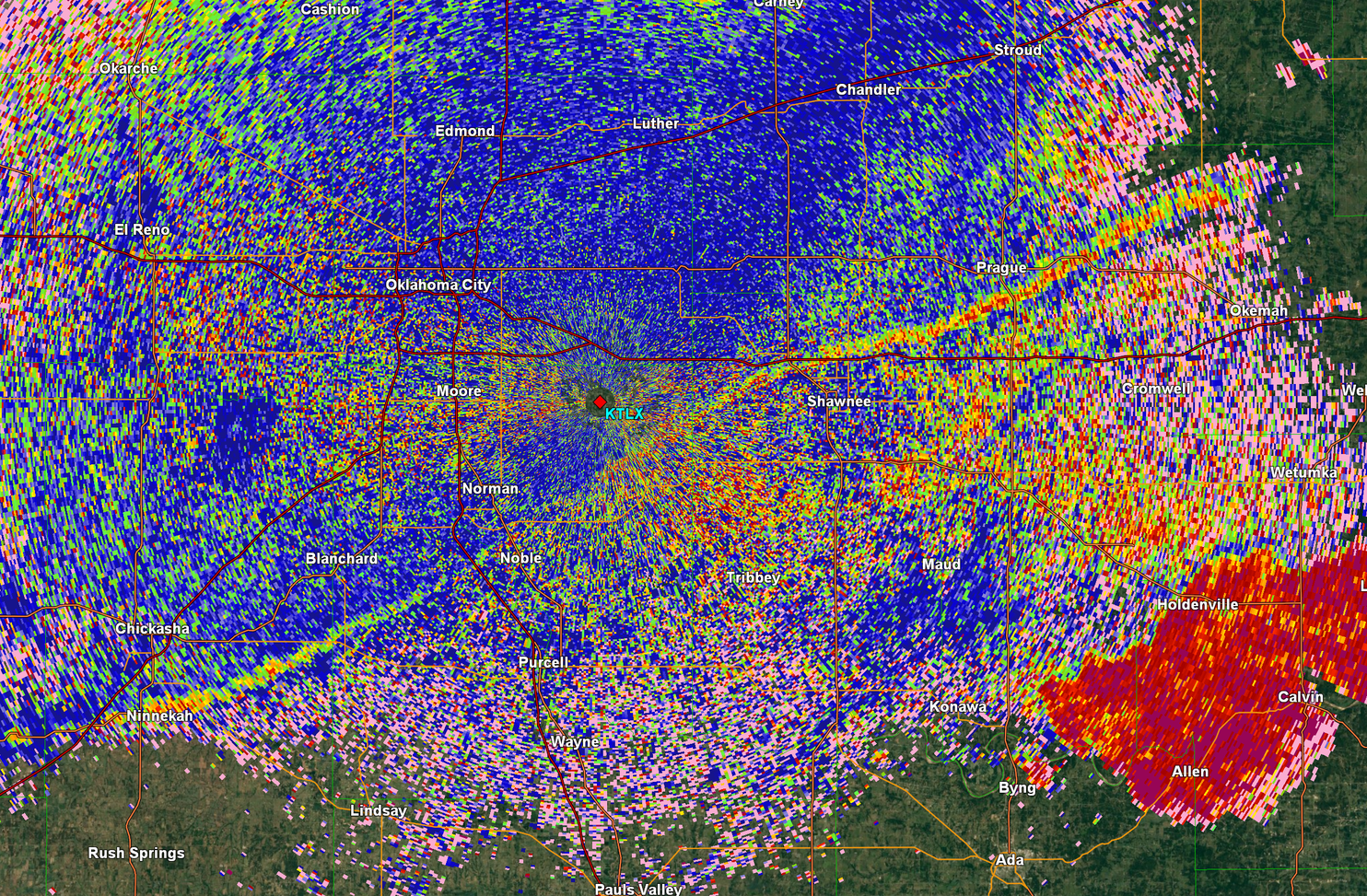 Anything red represents rain. Blue indicates more unusual shapes, often biological in origin. Notice behind the “butterfly front” the large spattering of blue. That’s where the insects were. (GR2 Analyst)


FROM JOEANN:
On Monday, October 21, at 6:30 pm, I’ll be reading and chatting at the Beauport Hotel in Gloucester. Come join me! I’ll read from my new book Stamford ’76, A True Story of Murder, Corruption, Race, and Feminism in the 1970s. This will be followed by a lively discussion with the audience about the writing of this true crime memoir, as well as my two novels, Float and Addled. Or we can talk about whatever you’d like. Books will be available for sale. This event is free and open to the public. To be sure you get a seat you might want to rsvp to Concierge@BeauportHotel.com.



Sending love and prayers to Mayor Sefatia, Marianne, Grace, Rosaria, Anthony’s daughters, and the extended family and friends of Anthony Giambanco.


Six time Greasy Pole Champion Anthony “Matza” Giambanco – “all heart”


Last night’s Hunter’s Moon rising through the clouds.




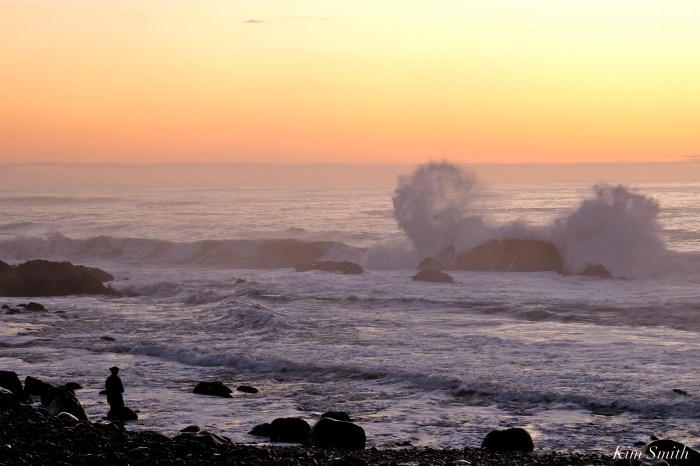
After the October nor’easter – photos in this morning’s beautiful atmospheric light.


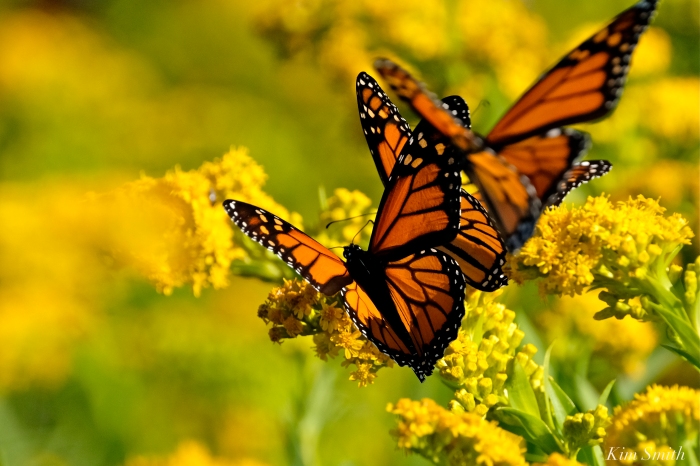
Day three of the October nor’easter so rather than post more photos of dreary gray skies and wind and waves, here’s a sunny yellow photo to lift your spirits. The photo was taken during this year’s historic Monarch migration. Loving this weather because it’s providing an opportunity to sort through the multitude of butterfly photos shot in September and October 🙂
 Monarch Butterflies Seaside Goldenrod


Photos from 10:00 this morning, about half an hour before high tide.


https://www.instagram.com/p/B3fZPLOnUos/

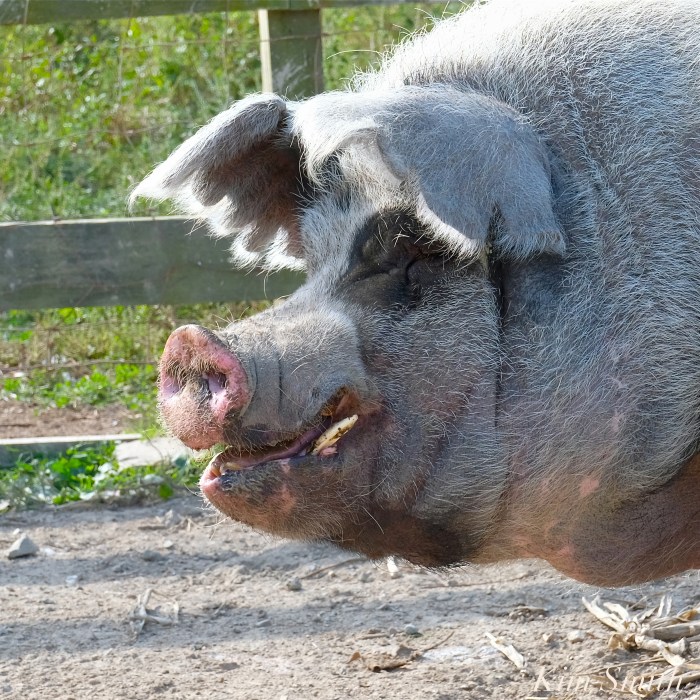
Once a week Charlotte and I stop by Russell Orchards for their wonderfully fresh fruit; peaches and plums a month ago, and currently, a grand selection of apples, along with several varieties of pears. We are also addicted to their fresh eggs, red potatoes, cider, a variety of home grown veggies, and my family’s favorite, the original and simply the best apple cider doughnuts.
Much to Charlotte’s disappointment, Daryl is usually asleep. Wake-up, wake-up she calls, but to no avail. Daryl snores dreamily on. But after many, many wake-up attempts, this time she awoke from her darkened corner. Daryl walked toward Charlotte (actually, towards her water bowl, both in the same direction) for a quick slurp, then outdoors to her pigsty to closely examine her food bowl. Out the barn door we raced to hopefully catch a second glimpse. Daryl turned around once in her pen then shuffled indoors to return to her shady corner in the barn, falling fast back to piggy dreamland, but not before emitting some deep throated classically hoggish snorts and grunts. This was enough activity to endear Daryl to Charlotte forever.


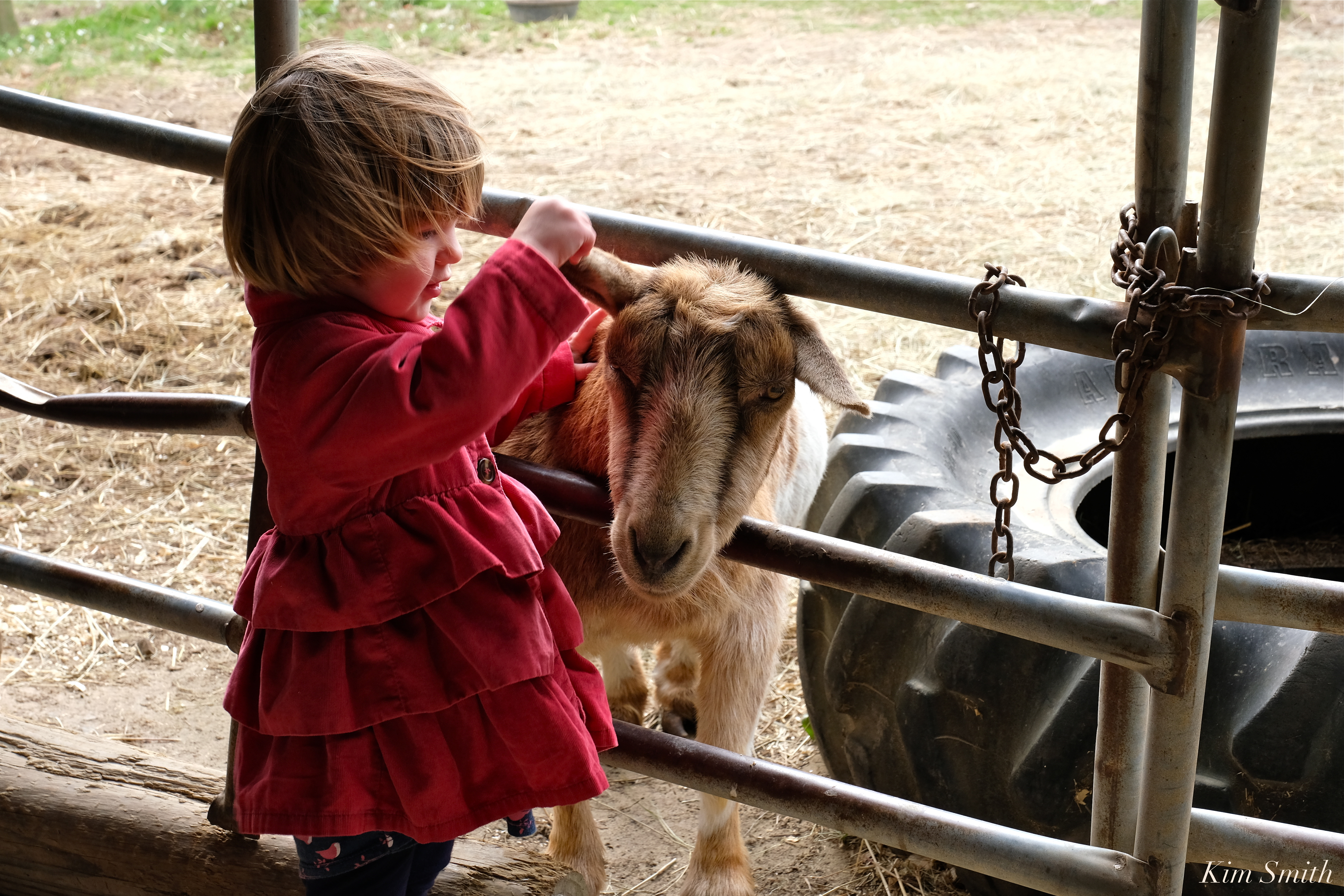 The little Billy Goat Sweet (I would write Gruff, but he really is very sweet and Patient) is much more fun. Here he is getting his ears examined and in the next photo, she is showing him how to button a coat.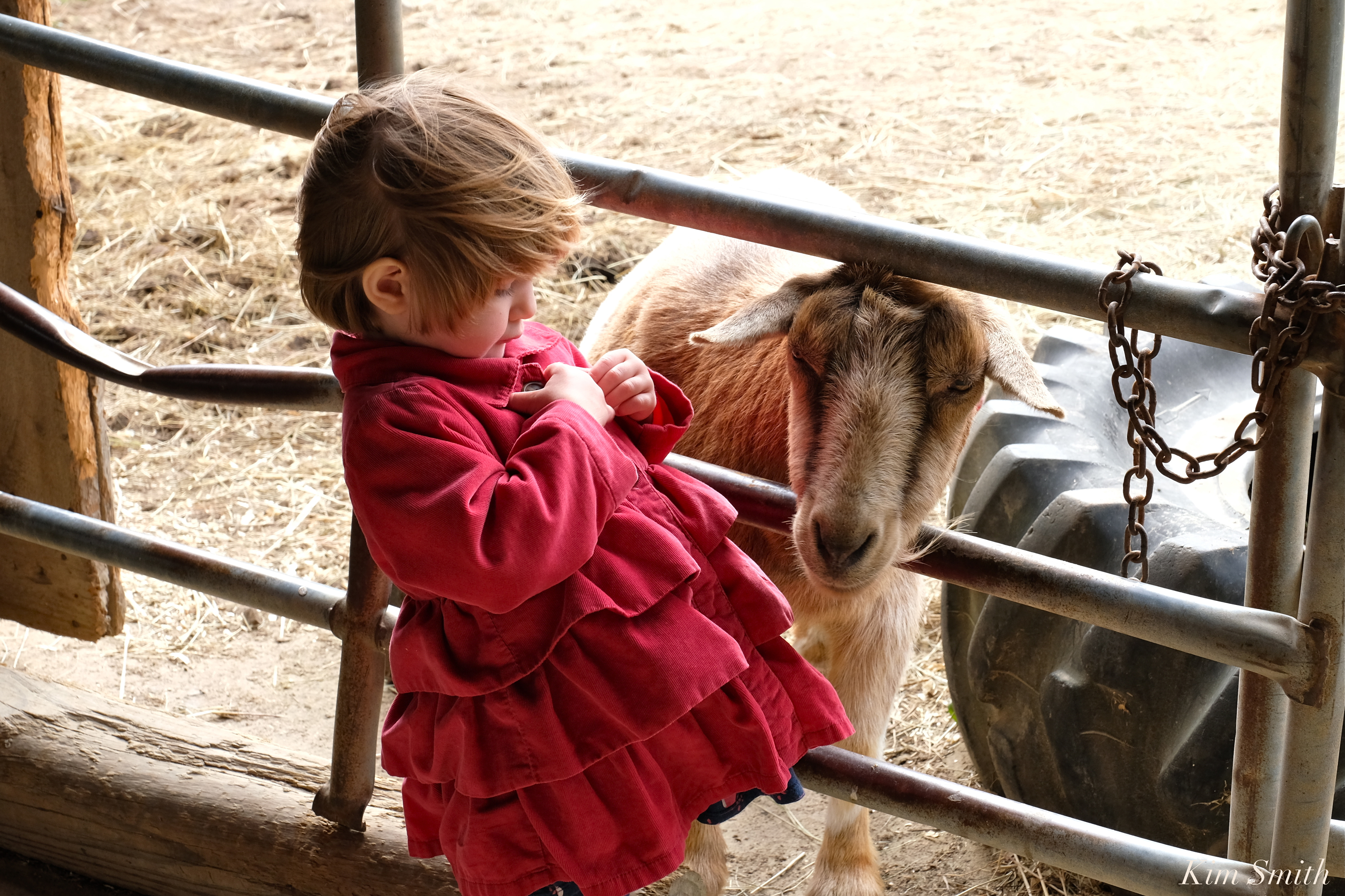


Imagining your best, most meaningful life, and then taking the leap to live it was the theme of Lindsay’s inspiring talk, presented at the Cape Ann Chamber of Commerce’s Businesswomen’s Luncheon, and held at the beautiful Beauport Hotel.
The talk was deeply rooted in the artist’s own life journey, through her storied acting career, and Buddhist studies. The audience was raptly held and I think I speak for many in that we could have stayed all afternoon listening to her ideas on living life with imagination.

Thank you to the Chamber’s Kerry McKenna for the outstanding job she did organizing this stellar, annual event, and to all the sponsors!


Annisquam resident Abbie Lundberg’s recent post on Facebook has caught the attention of many:
“To my Annisquam neighbors:
In the last couple of days while walking in Norwood Heights, I’ve come across various dead small animals that had obviously been poisoned. Two days ago, it was a mouse and a vole – both completely intact – the mouse in the middle of the road on it’s back, and the vole on the side. Today a chipmunk fell out of a tree directly above me in the same stretch of road, landing with a whack then staggering off into the bushes – it clearly had neurological damage. This is the stretch of Norwood Heights that is a continuation of Norrock.
Not only is poison a cruel way to deal with what some consider pests, it affects a lot more than the intended targets. Foxes, owls and hawks all eat mice and will suffer terrible damage and possibly die if they eat poisoned rodents. Some dogs and cats might also eat dead or dying rodents they come across. I removed the two dead animals (dog poop bags come in handy for all sorts of things) to get them out of the environment.
I’m posting this as a warning to anyone who might walk their dogs in the area or have outdoor cats, and as a plea for people to consider other options in dealing with unwanted critters than using poison.”
Both first- and second-generation rodenticides prevent blood from clotting by inhibiting vitamin K, though the second-generation products build to higher concentrations in rodents and are therefore more lethal to anything that eats them.
What makes second-generation rodenticides so non-selective is that they kill slowly, so rodents keep eating them long after they’ve ingested a lethal dose. By the time they expire, or are about to, they contain many times the lethal dose and are therefore deadly to predators, scavengers, and pets.
There’s no safe place or safe delivery system for second-generation rodenticides. After a rodent partakes, it stumbles around for three to four days, displaying itself as an especially tempting meal not just for raptors but for mammalian predators, including red foxes, gray foxes, endangered San Joaquin kit foxes, swift foxes, coyotes, wolves, raccoons, black bears, skunks, badgers, mountain lions, bobcats, fishers, dogs, and house cats—all of which suffer lethal and sublethal secondary poisoning from eating rodents. Deer, non-target rodents, waterfowl, waterbirds, shorebirds, songbirds, and children suffer lethal and sublethal poisoning from eating bait directly.”
Here in a nutshell are alternatives to second generation rat poison. Please read the complete article, which goes in to much greater detail to better understand why this is happening, which companies are responsible for creating the toxic poison, which companies are taking it upon themselves to ban second-generation rodenticides (Walgreens, yes, Home Depot, no), and how you can help.


Toxic Lunch photo by Dan Vickers

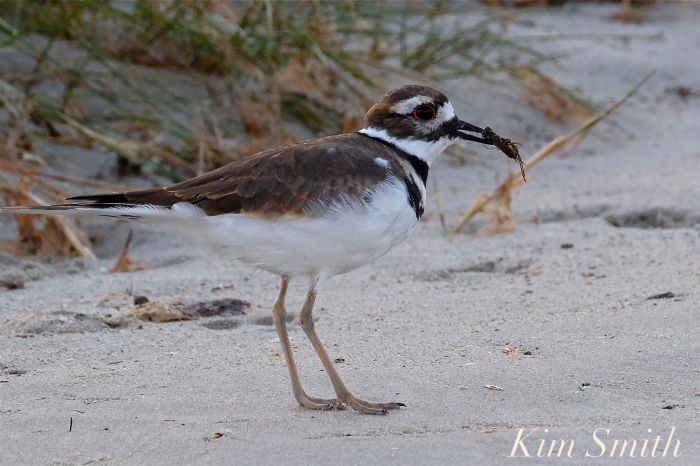
Cape Ann, and throughout Coastal Massachusetts, is experiencing a magnificent late summer and early fall migration, and not just with Monarchs. Other species of butterflies migrating in plentiful numbers include Painted Ladies and Buckeyes. All along our beaches and waterways, from Rockport to Gloucester to Manchester to Essex, we are seeing steady streams of shorebirds, waders, and songbirds gathering. Several mass movements of Green Darners have come ashore, too.
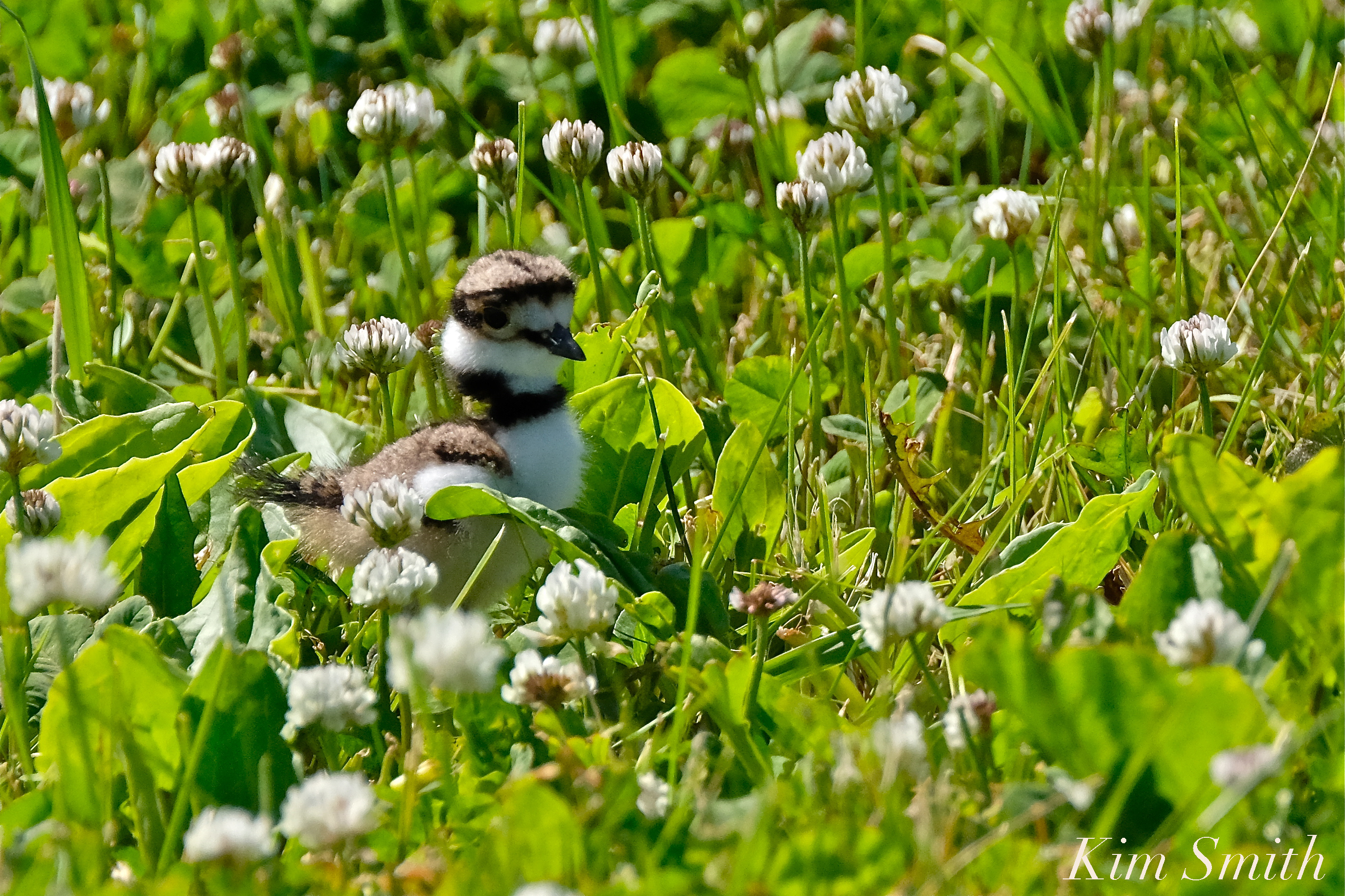 Clover Plover Killdeer Chick, June 2019
A small flock of Killdeers at Good Harbor Beach was recently observed. It’s difficult to know for certain if they are the same family that nested this summer (our Clover Plovers), but they certainly appeared to have a routine, first dining on crickets during the hour before dawn in the marsh, then flying over to the Creek to take a family bath.
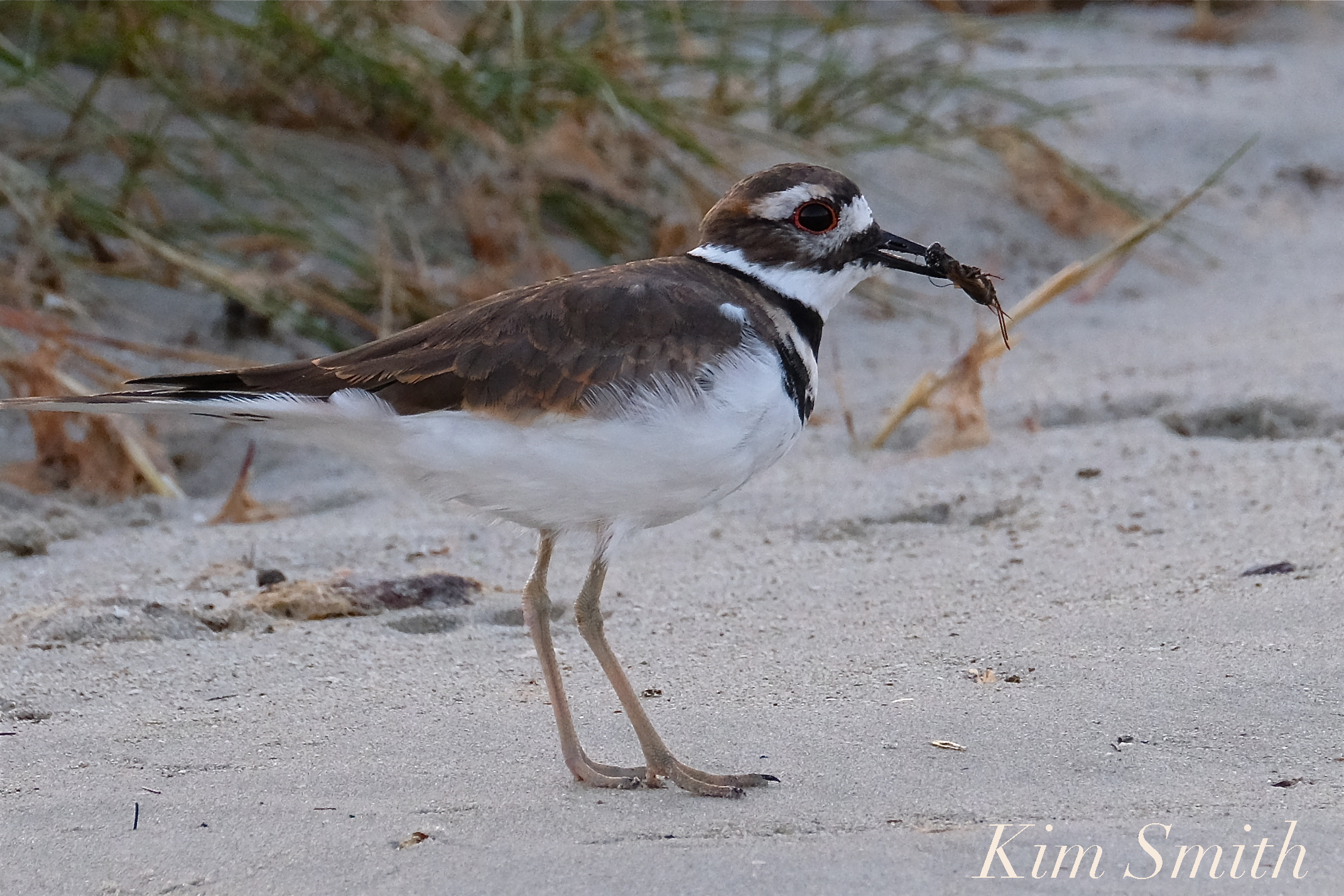 Killdeer eating a cricket at GHB


Killdeers Good Harbor Beach September 21, 2019
When out and about, take a look for Willets, Black-bellied Plovers, Ruddy Turnstones, Whimbrels, and Spotted Sandpipers, to name just some. The young Ring-tailed Duck is still here, too, and I am wondering if she’ll be calling Cape Ann home this winter.
 Ring-tailed Duck female nodding off while swimming

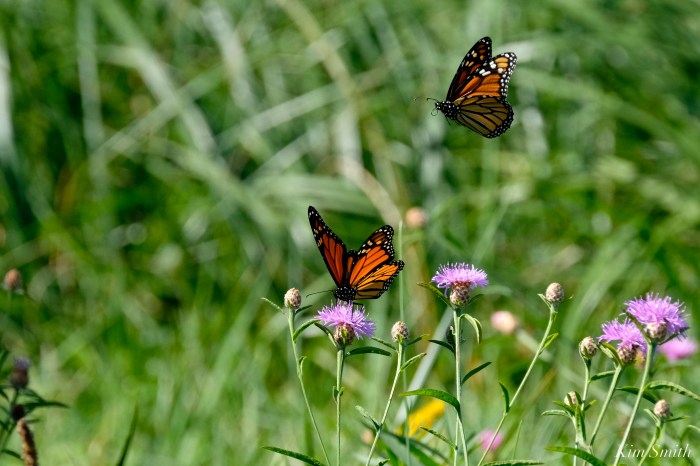
I spent the weekend chasing butterflies and will post more about the historical migration we are currently experiencing, along with the fantastic Monarch celebration at The Stevens Coolidge Place in Andover, when I have more than a few moments to write a post.
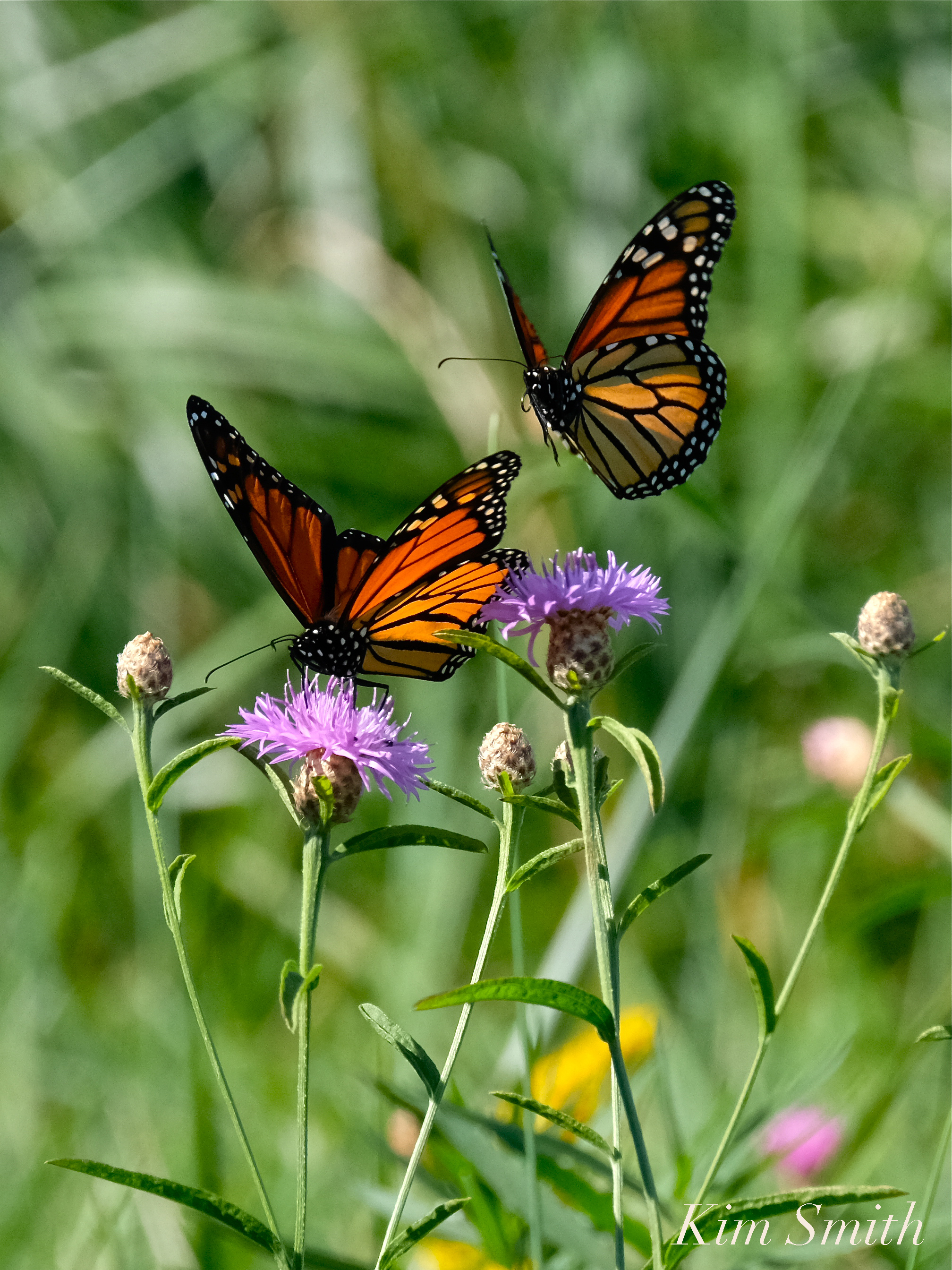
And I discovered several more of the magical butterfly trees that the migrating Monarchs roost in on cooler nights, and figured out how to find them!!! More about that in a future post, too 🙂
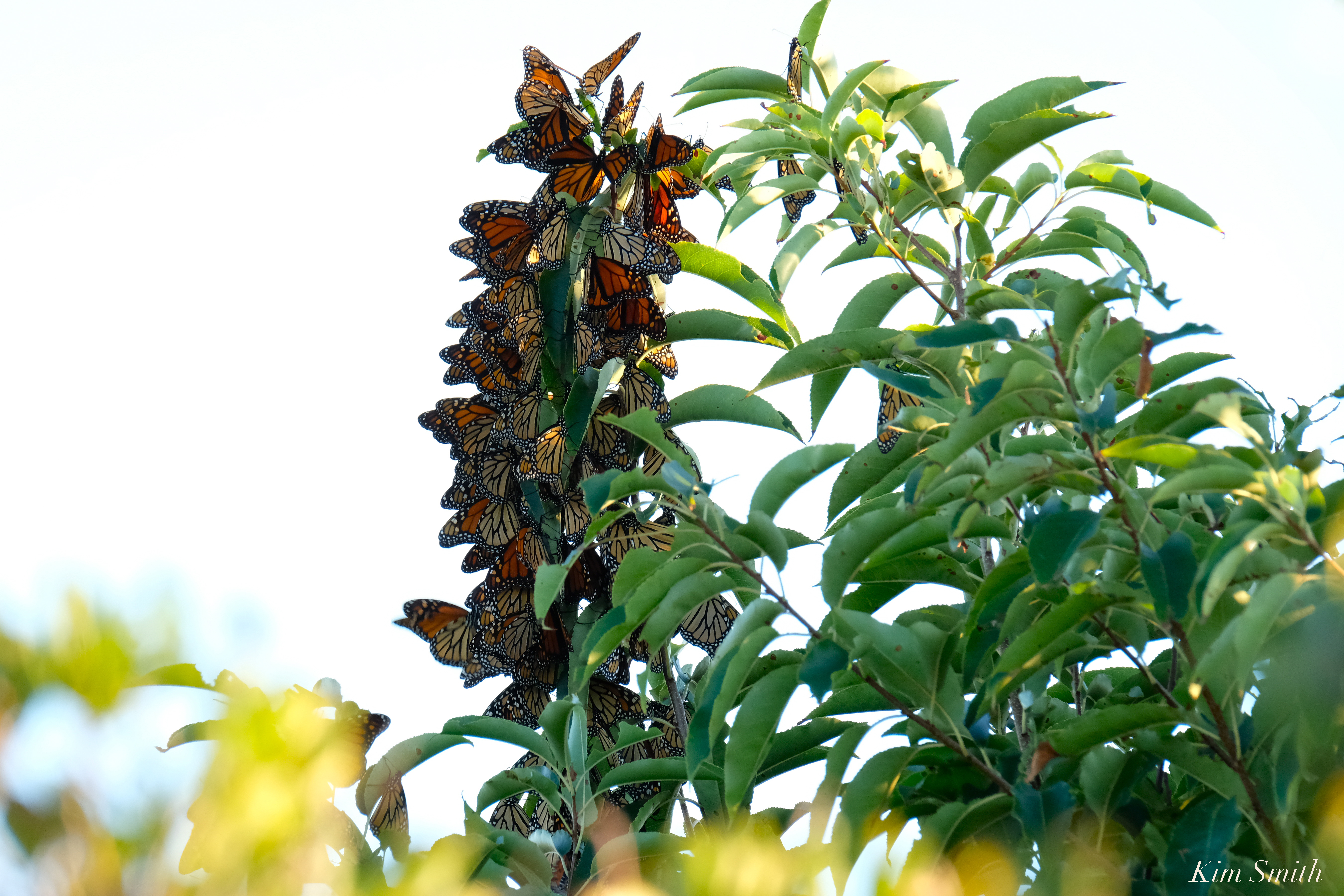 Butterfly tree at day’s end.


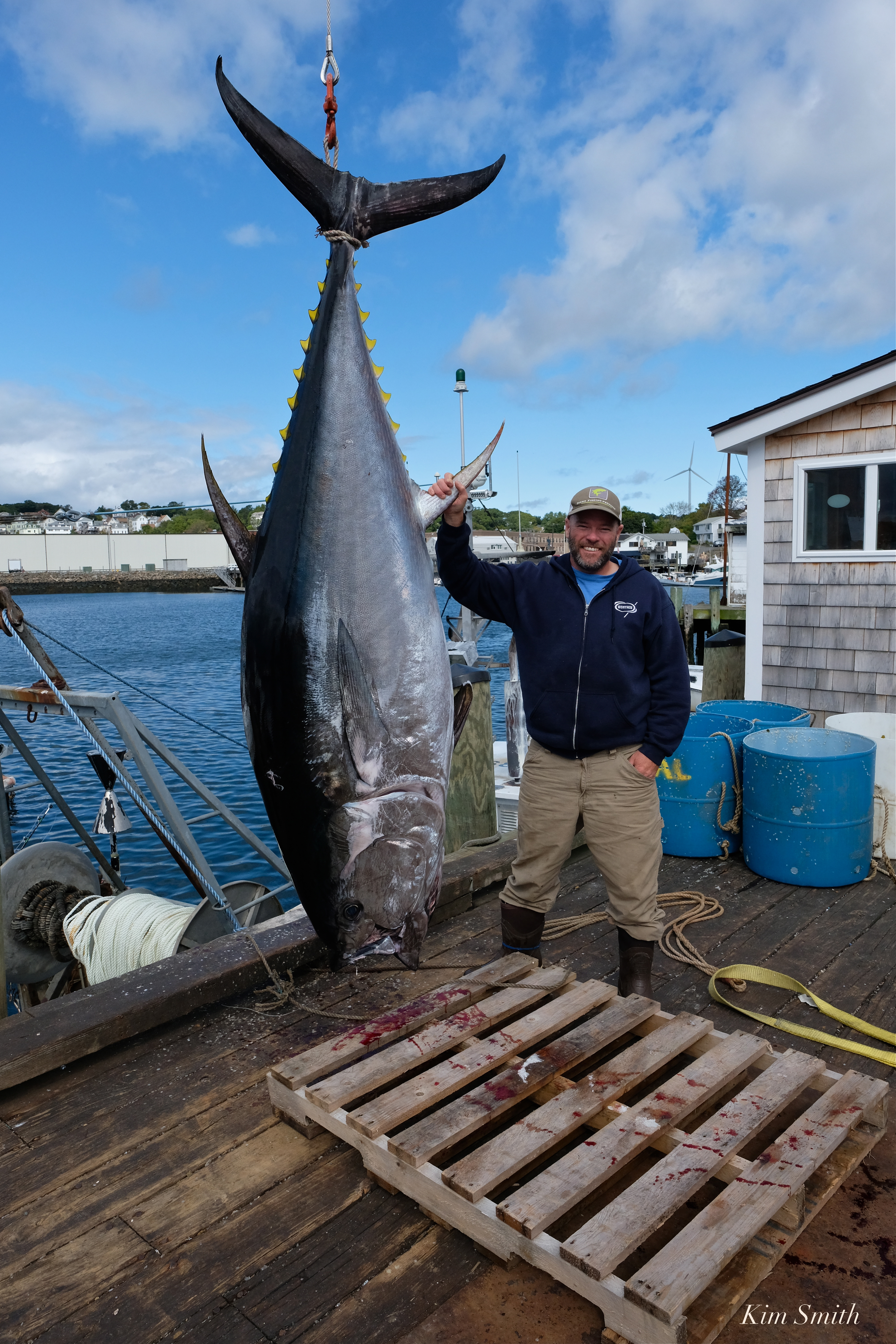
Nicole, Michelle, George, Charlotte, and I had an exciting morning watching Dan Murphy and Rob Porter arriving to shore with a beautiful 96″ Bluefin Tuna. The tuna meat was given a thumbs up!



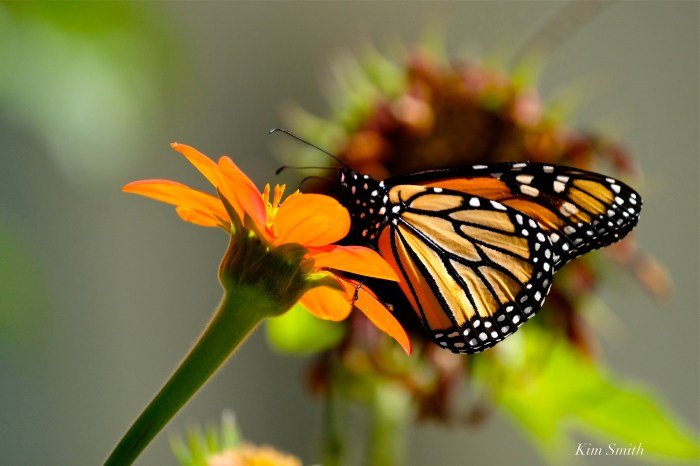
Monarch nectaring at Mexican Sunflowers (Tithonia rotundifolia)

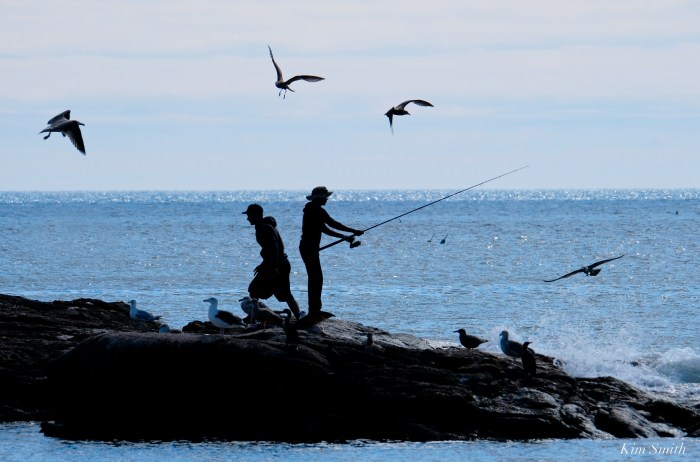
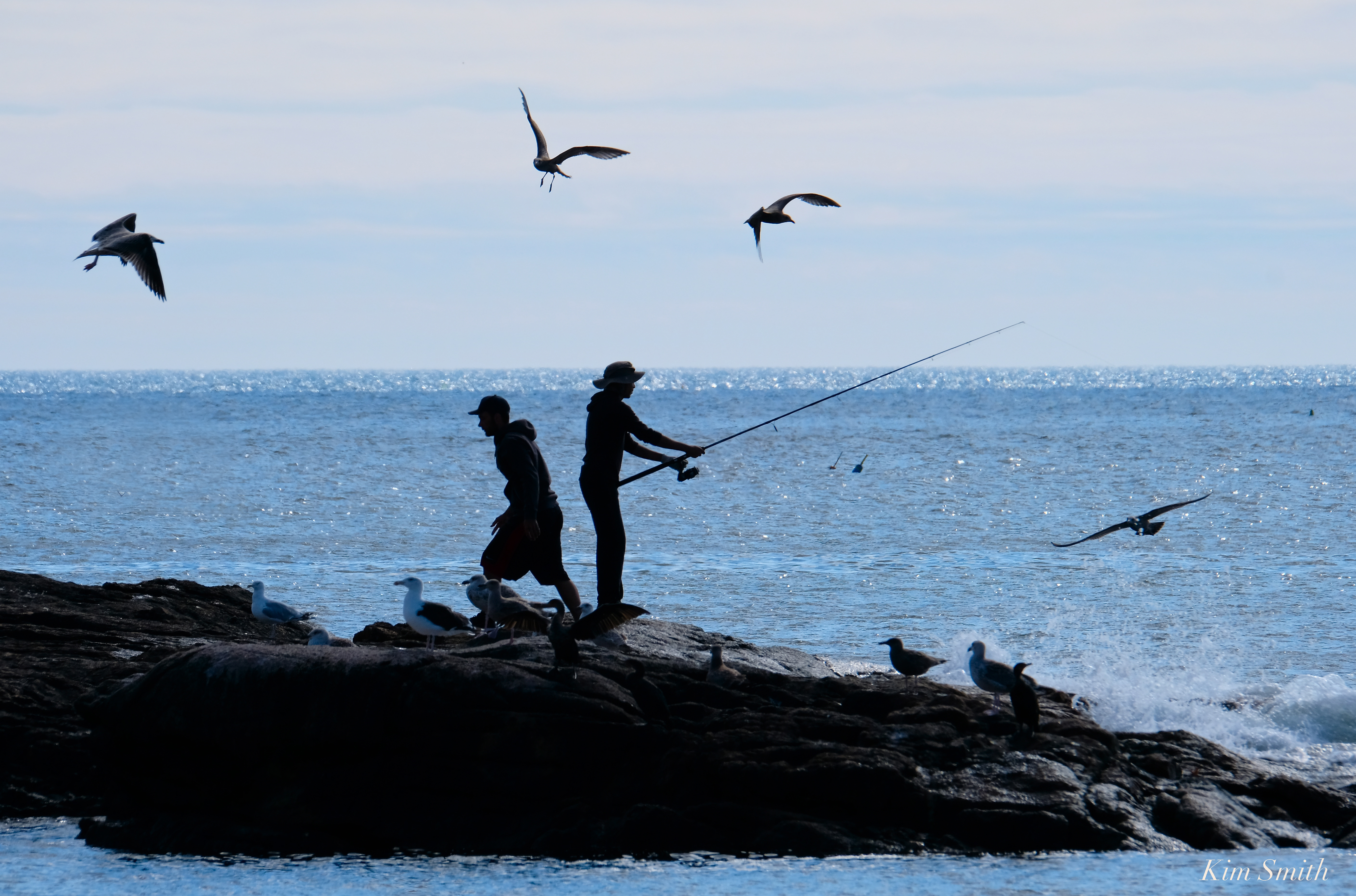 Back Shore Fishing


These magical creatures never cease to amaze and surprise. Early one morning I went looking in the butterfly trees for an overnight roost. Instead I found them sleeping like a dream in a golden field.
The light was pure rose gold for a few brief moments, casting a pearly pink glow over the butterflies, too.
I’ve seen a small cluster of sleeping Monarchs on a wildflower branch before, but never a field full. The wind was strong; perhaps they felt safer roosting closer to the ground.

It was funny to watch them awaken. Some flew off, but most stayed in place and began drinking nectar. Bees do this, they sleep in flowers, but it was a first to see Monarchs sleeping in their breakfast.

Come join me Saturday morning at The Stevens Coolidge Place in Andover for all things Monarch. I will be giving my Monarch conservation program at 10:30. For more information go here.
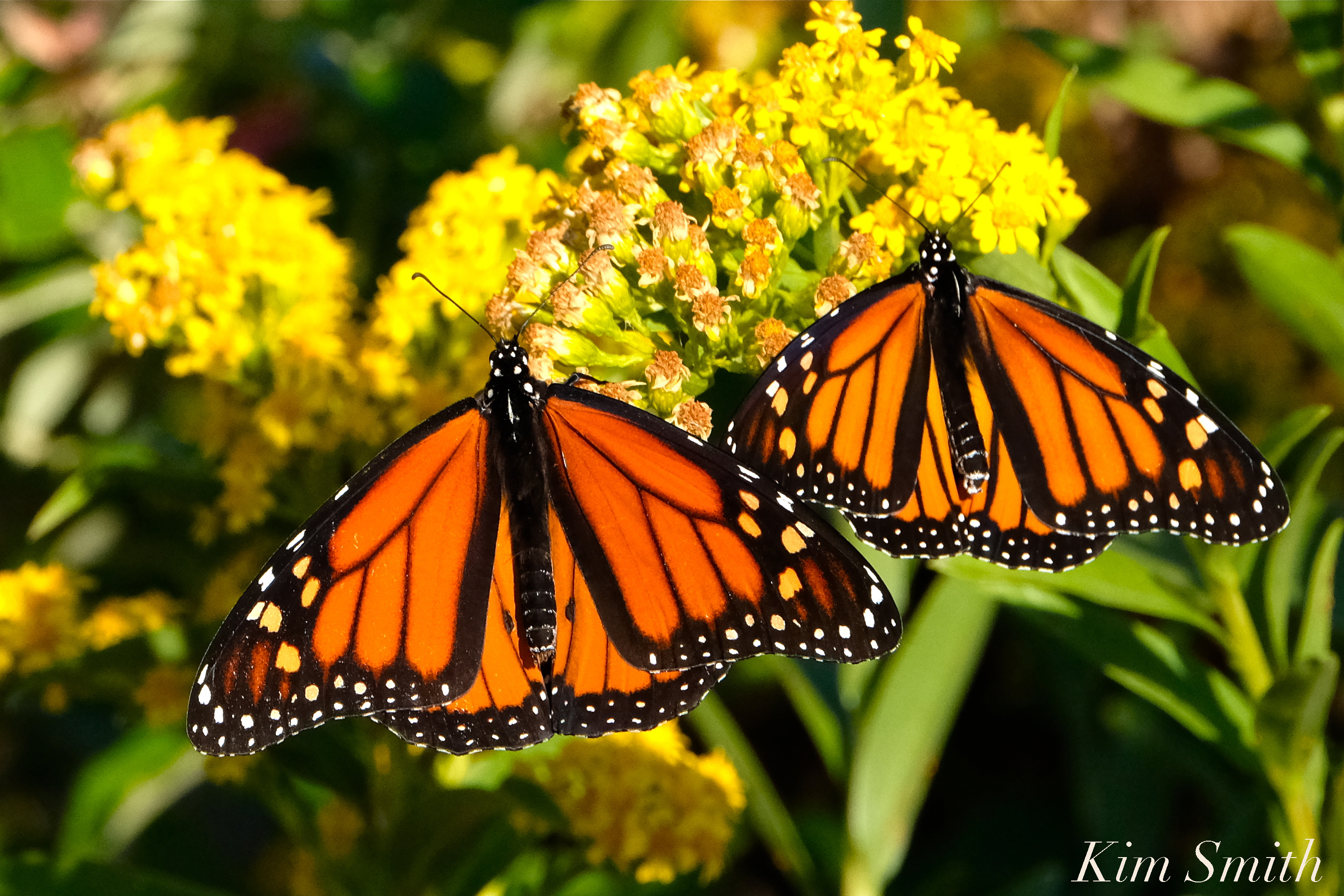 Male (left) and Female Monarch Waking Up in Goldenrod Field

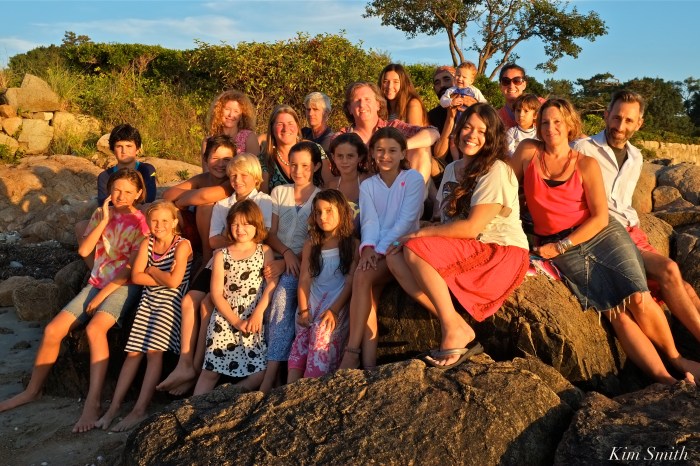
Wishing the Duckworth Family and Friends a Happy Fifteenth Year in Business ❤
Duckworth’s is the heart of our East Gloucester neighborhood. Thank you to Ken and Nicole for hosting countless joyful celebrations and making wonderful memories for so many at your beautiful and welcoming restaurant.
Here’s to fifteen plus more years ❤ ❤ ❤
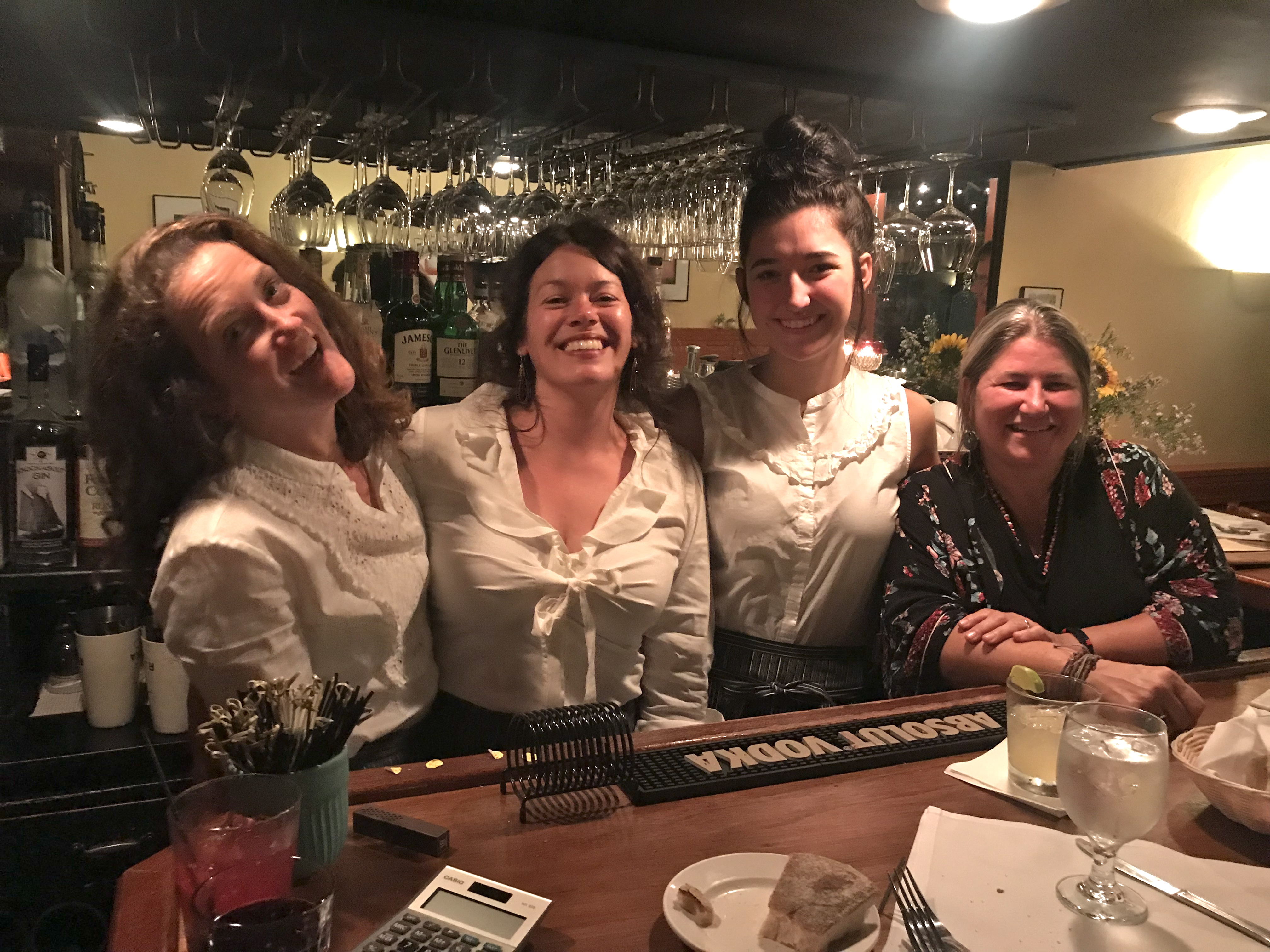
Emma Duckworth was only one year old when Duckworth’s Bistrot first opened in 2004. Here she is today at sixteen with Gillian, Colleen, and Michelle.


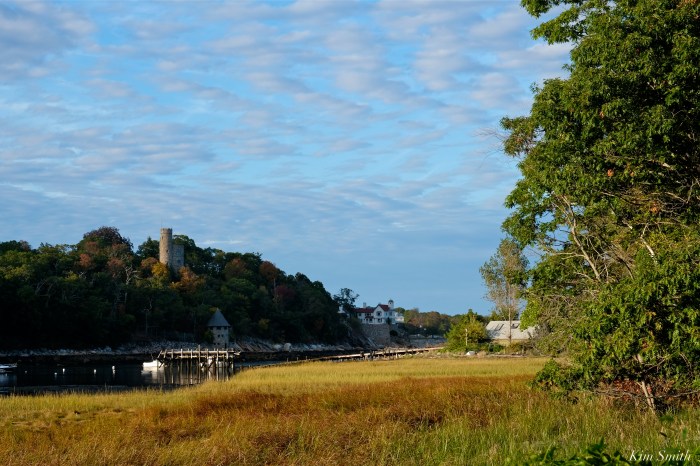
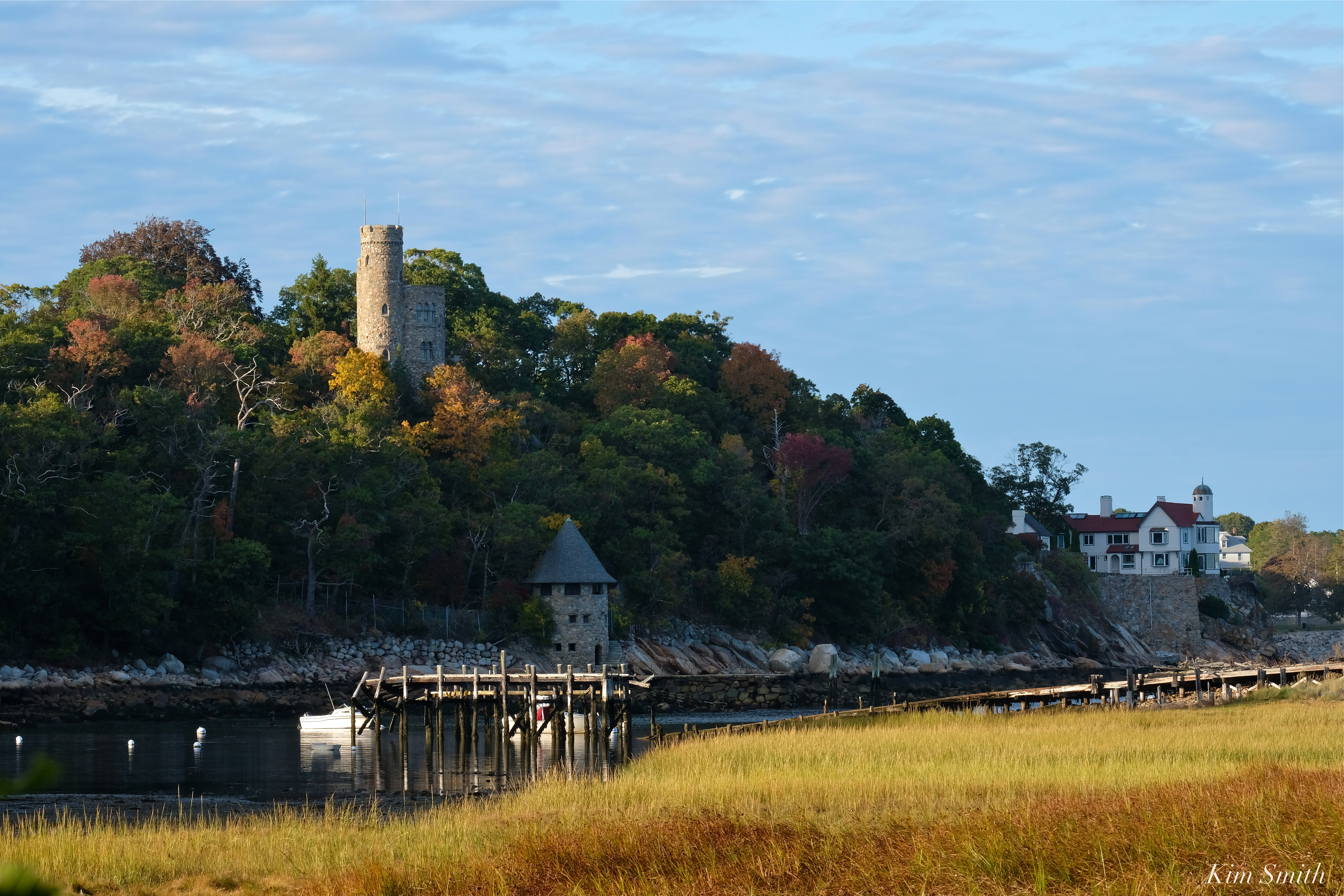
Late summer colors turning to autumn gold
“Dolliver’s Neck is a small arm of land pointing north off the western shore of the Gloucester’s Outer Harbor. It is the cradling arm that creates Fresh Water Cove, a small cove where Samuel de Champlain found fresh water on his first visit to Gloucester Harbor in 1606. It was named for Samuel Dolliver who came from Marblehead in 1652 and bought a farm there.

In Lane’s time there were a few fishing shacks visible in some of his paintings where onshore fishermen could put their boats in from the pebble beach and salt marsh and be out in the center of the harbor without the long row or sail from the Inner Harbor. Fresh Water Cove itself is not deep enough at low tide for larger vessels to moor there so it has retained its small scale and intimate feel down through the years.
In 1900 a Coast Guard lifesaving station was built and manned on Dolliver’s Neck and many lives were saved along that rocky and treacherous coast between Gloucester and Magnolia.”
From the Fitz Henry Lane Archives, Cape Ann Museum

 Good Morning Gloucester