Snowy Egrets in the morning fog
https://www.instagram.com/p/BKmhQEID3uc/
“Dance of the Snowy Egret” sounds poetic but in actuality, they were arguing over the best spot to fish.
My View of Life on the Dock
Snowy Egrets in the morning fog
https://www.instagram.com/p/BKmhQEID3uc/
“Dance of the Snowy Egret” sounds poetic but in actuality, they were arguing over the best spot to fish.

Boring Birds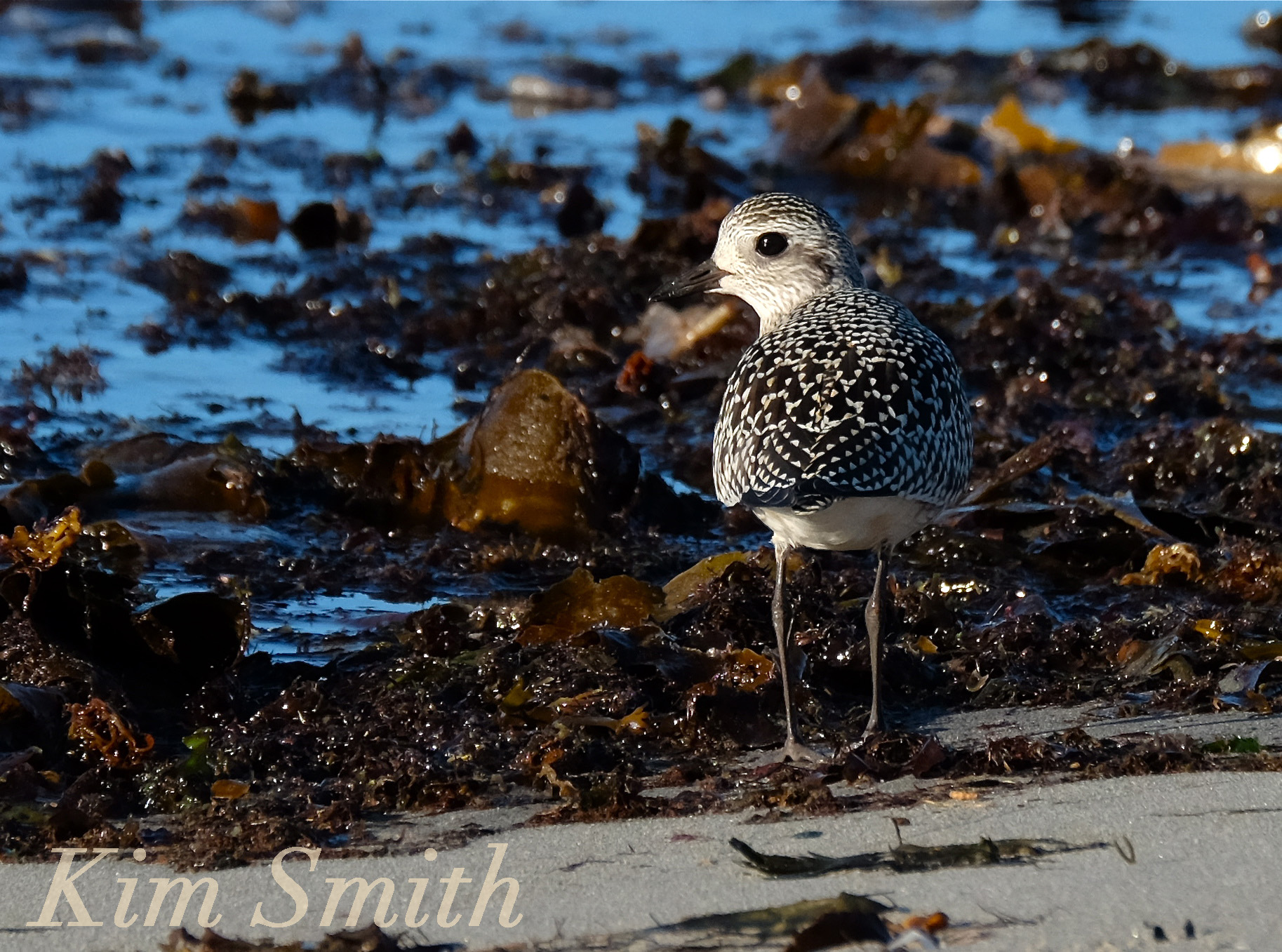
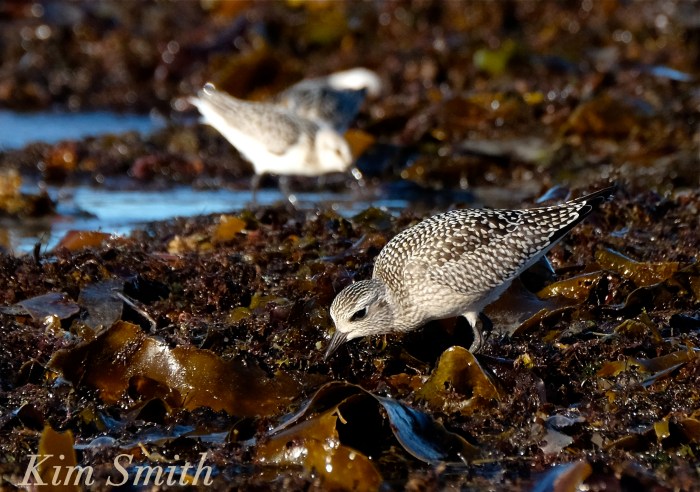
Especially that Black-belied Plover. Just look at his washed out and mud spattered feathered coat in drab shades of sand and dirt. He’ll never find a girlfriend attired in that old thing. He is so undistinguished, it is often difficult to discern the difference between him and his surrounds.
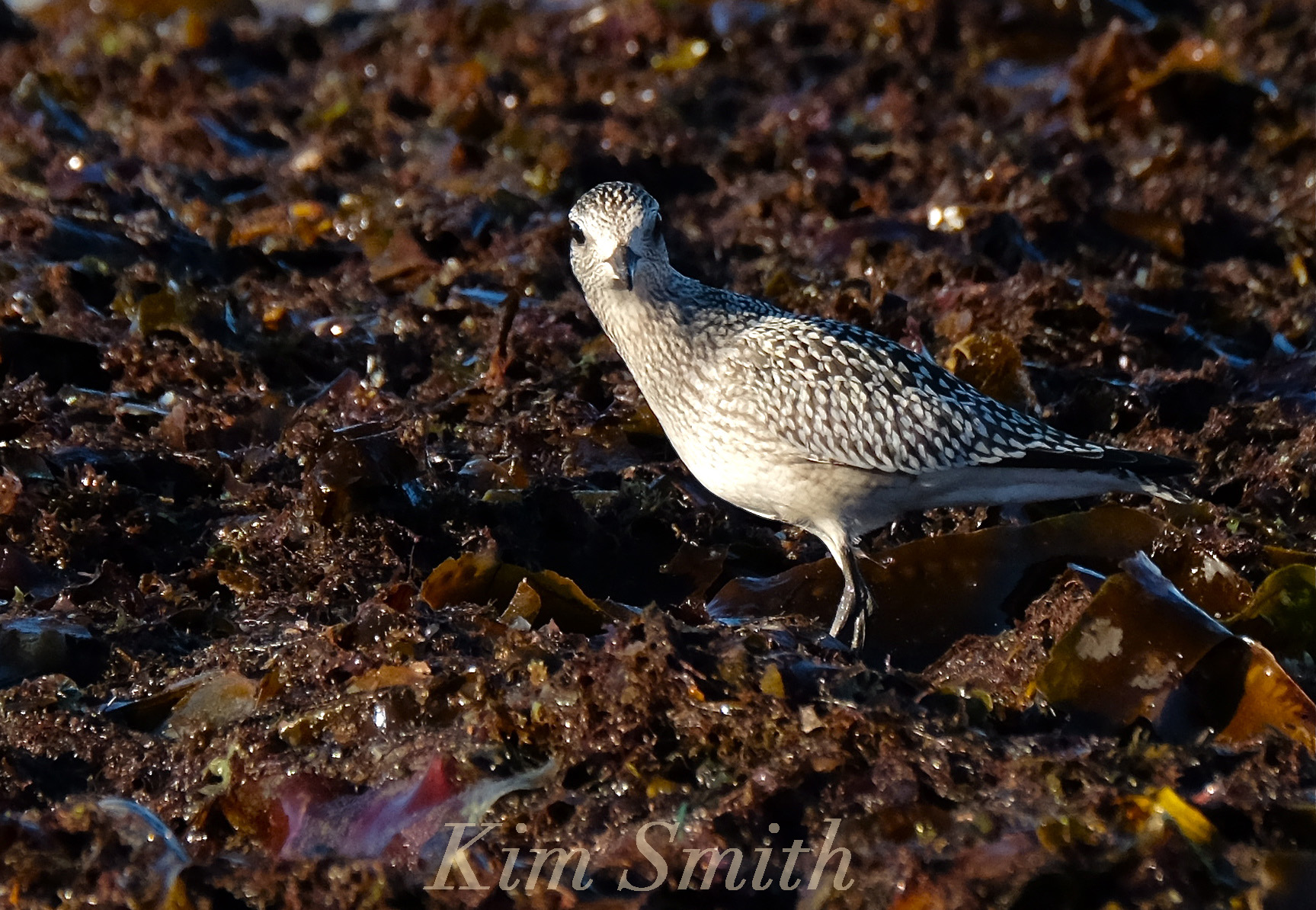
Really, hanging out in that smelly, bug and mollusk infested seaweed patch?
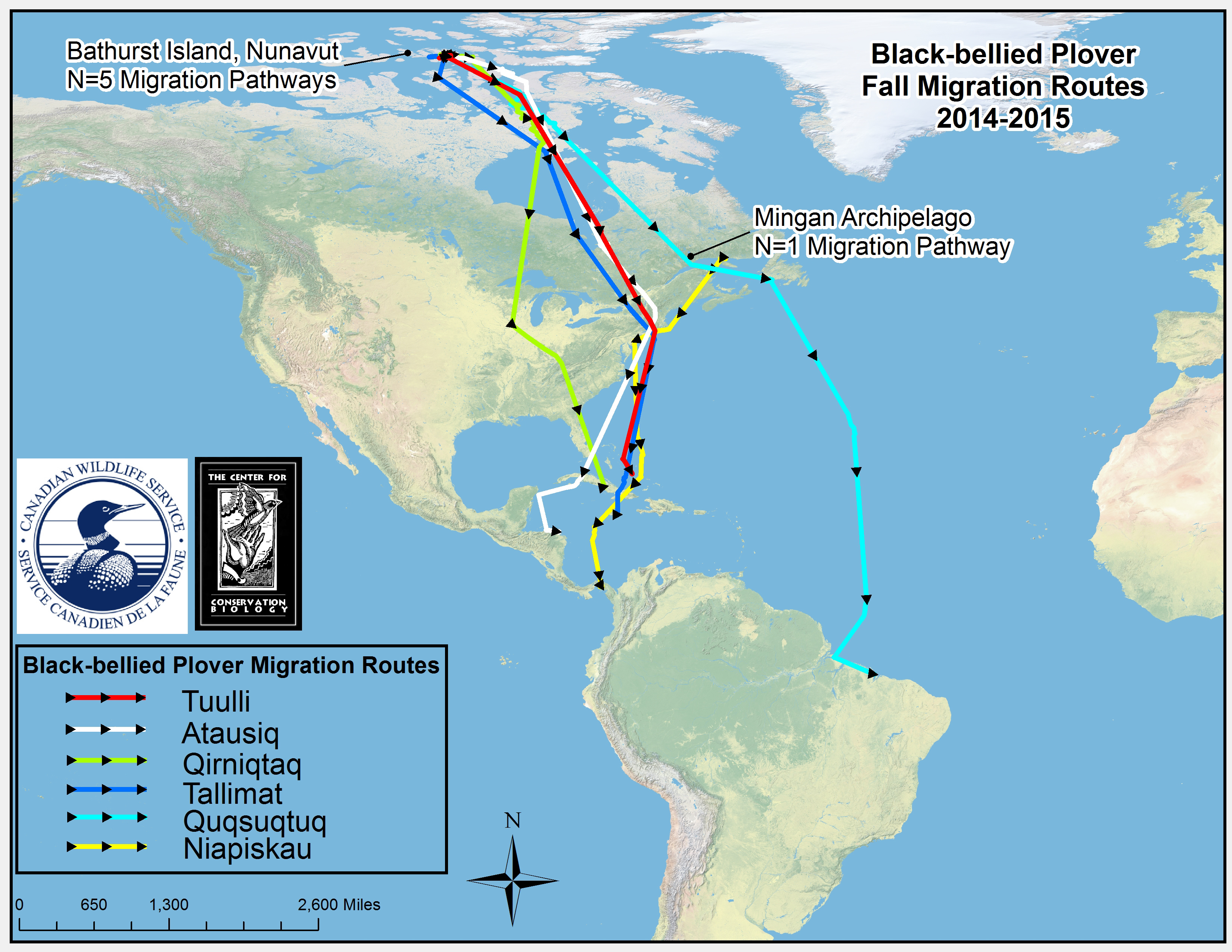
But wait, from where did you say he hails? I heard tell he summers in islands of Nunavet, Canada and winters in Brazil, stopping in Cuba or Honduras along the way. Known as the Grey Plover on the other side of the globe, his kin are world travelers, too, some leaving the Arctic circle breeding grounds and heading to fall stopovers in Great Britain and Norway, migrating all the way to South Africa, while other members of the family travel over Russia to winter in Japan, Australia, or perhaps even as far away as New Zealand. Black-bellies have been tracked flying 3,400 miles nonstop from Brazil to NorthCarolina in five days. Tedious, I know.
While at his summer tundra home he sports a handsome black and white tuxedo, in reverse, sort of get up, like this –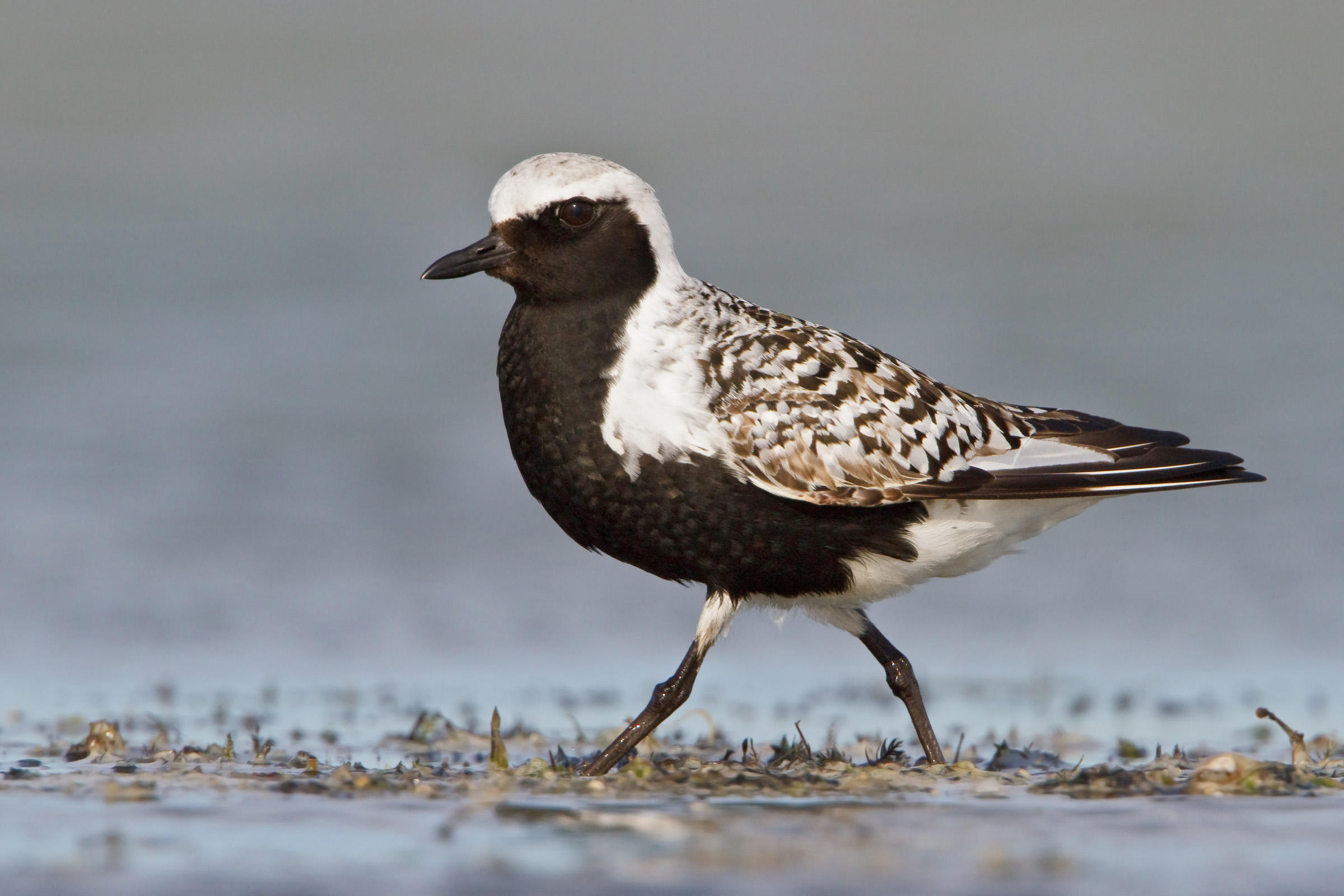
You mean that tired old coat molts to that dapper cutaway? Yes!
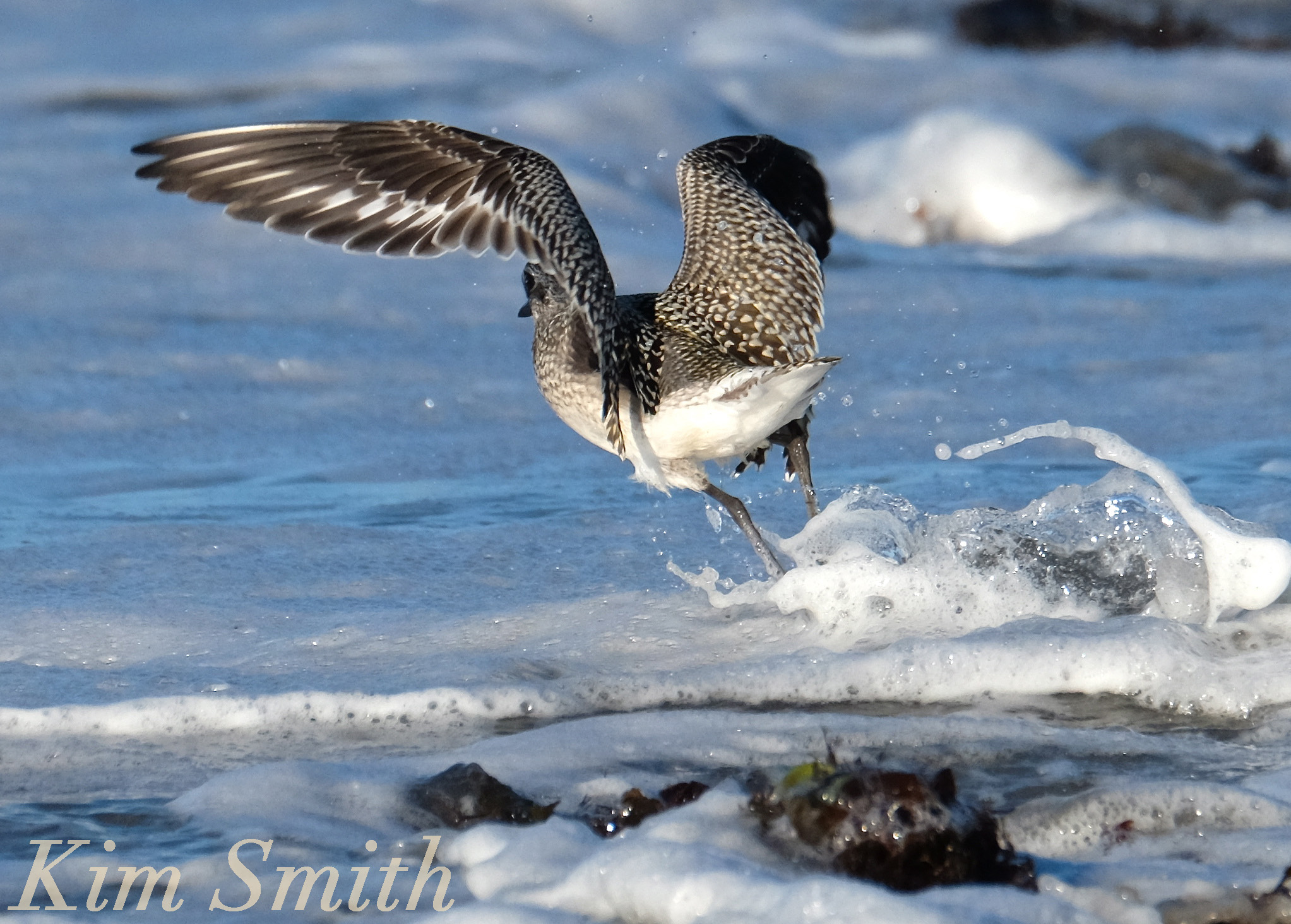 Despite his flashy tux, he’s genuinely shy, and will flush on a dime if danger is sensed (i.e. this filmmaker for instance). He knows all the tricks of the plover trade, feigning broken wing to distract the enemy from his territory, and scraping together a nest from nothing but mere sand and tiny bits of stone.
And just look at the Black-bellied Plover’s spotted eggs painted in shapes and shades of lichen covered stones. A clever disguise if ever there was one.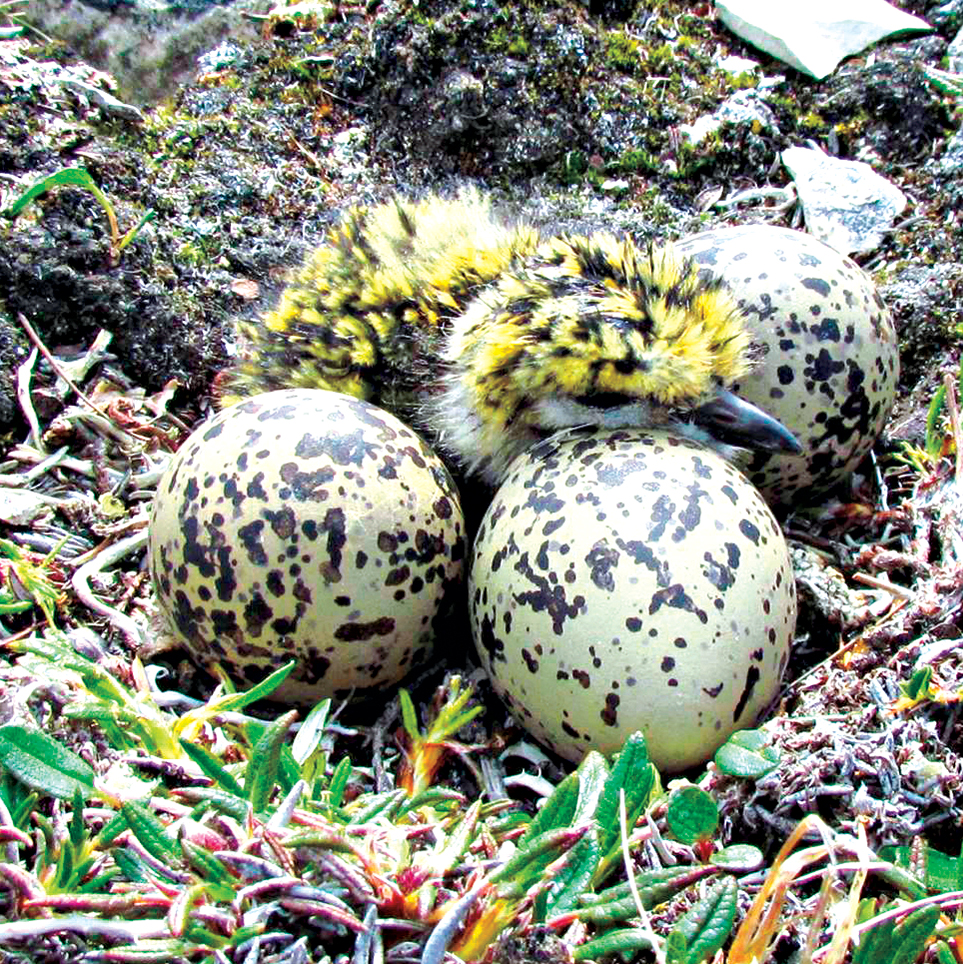
Perhaps the Black-bellied Plover isn’t so boring after all. We living within the continental flyways encounter these Plain Janes and James when at their plainest. Black-bellied Plovers are seen along Atlantic coast beaches at this time of year within mixed groups of Sanderlings, Semipalmated Plovers, yellow legs, and sandpipers. Although similarly as drably feathered as the other ‘boring’ birds during the winter months, at 11 inches, Black-bellied Plovers are easy to spot in these feeding flocks because they are almost twice as large as the smallest shorebirds. Next time you see a flock of birds feeding along the shoreline take a closer look for the world traveling Black-bellied Plover.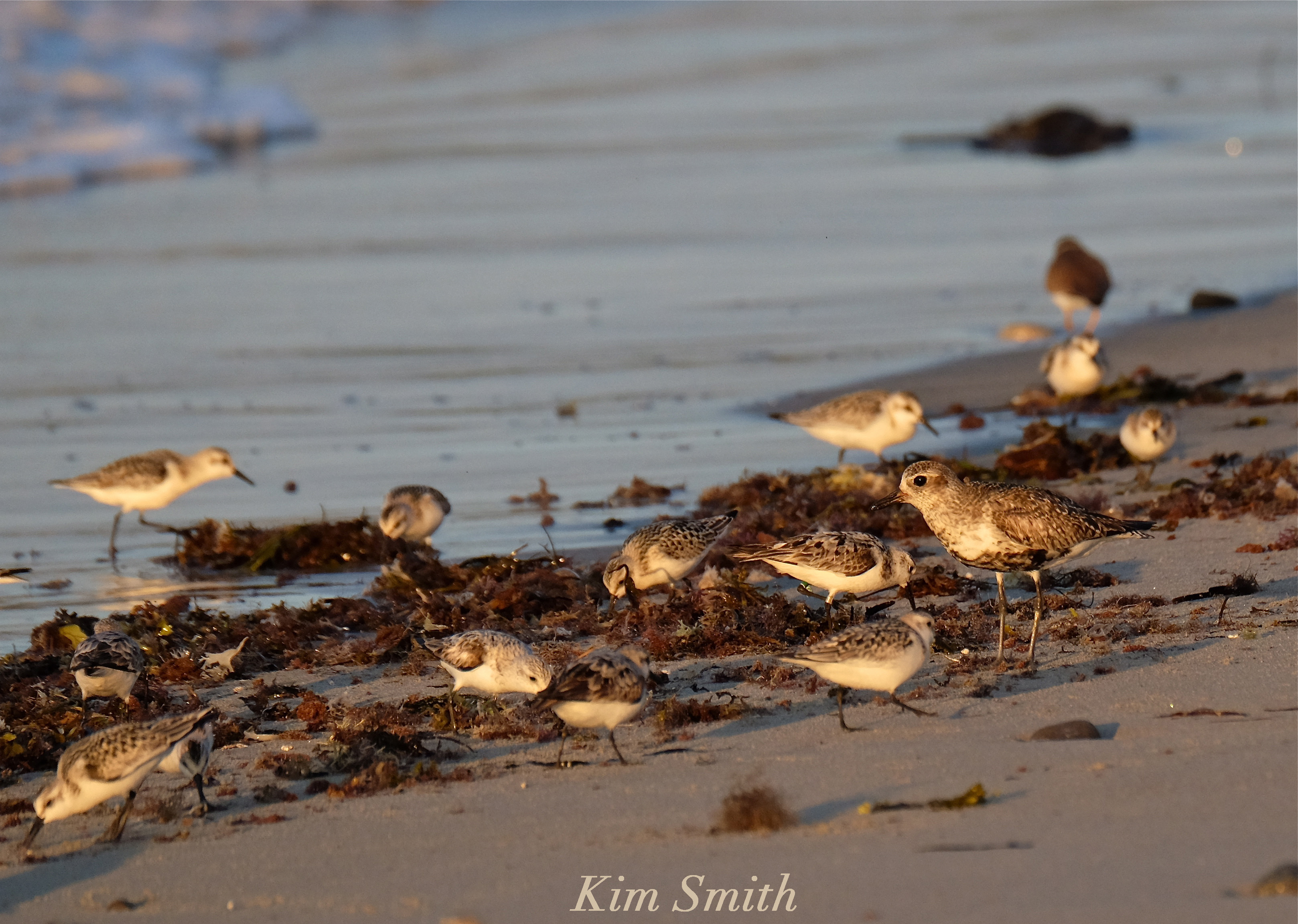



Each and every wonderful species of bird that I have been documenting while working on film projects over the past several years has a fascinating life story. Living in the midst of the Atlantic Flyway, I can’t imagine a more interesting region, although when I was visiting our daughter and son-in-law in Santa Monica, the creatures flowing through the Pacific Flyway were pretty exciting too. I hope to in the future spend time in the Central and Mississippi Flyways as well. I love thinking about this constant longitudinal movement of life force flowing as it does, year in and year out, century in and century out, millennium in and millennium out. For the most part, we go about our daily lives relatively unaware of this extraordinary undercurrent. Whether migrating by land or by sea, we are surrounded by this great movement of life, forms always in search of plentiful food on which to rear the next generation.
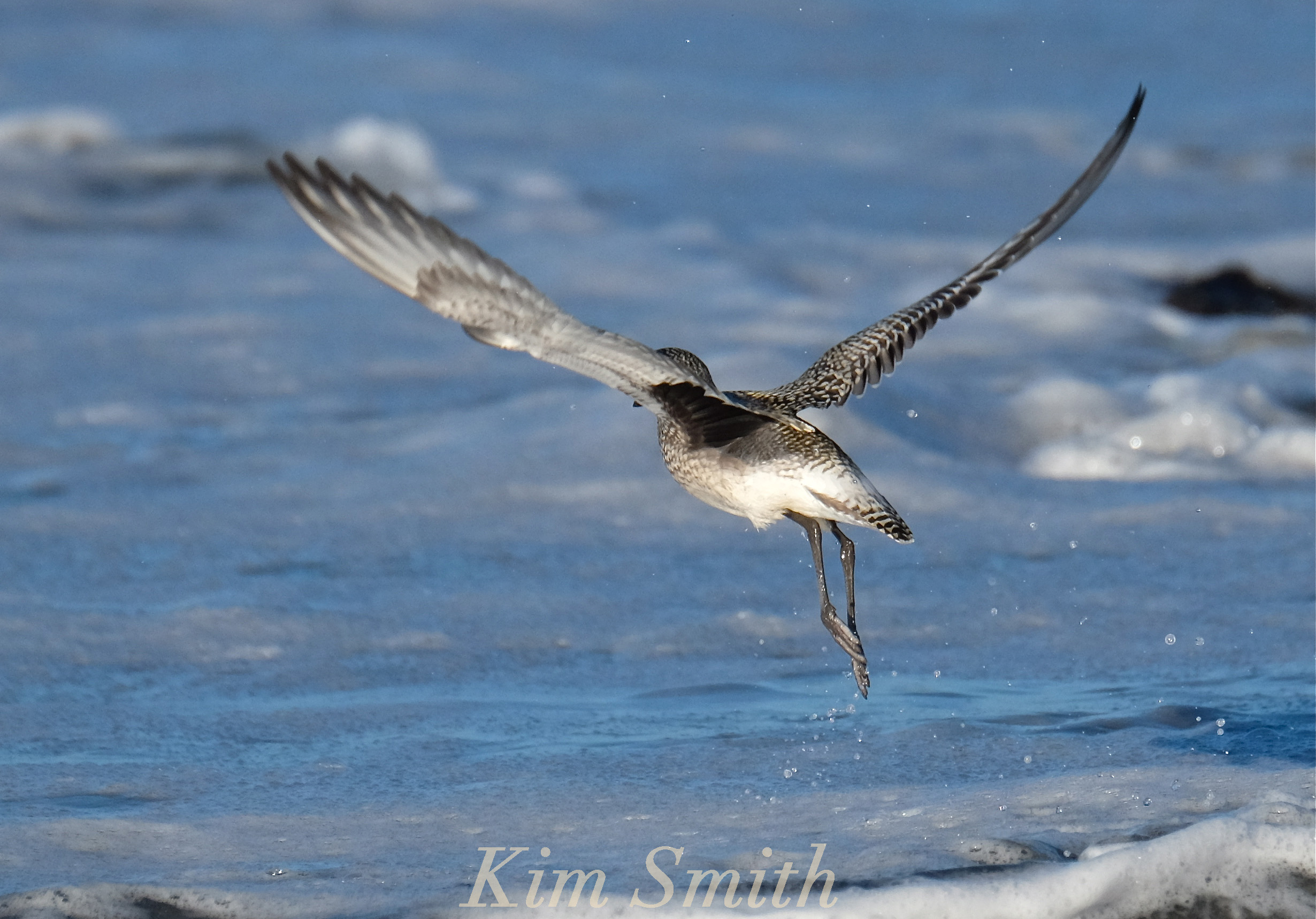 If having difficulty identifying, one of the clues to look for is the black feathers under the wings, visible when in flight as in the above photo.
All photos not attributed to Kim Smith are courtesy of Google image searches.

Local independent video producer Ted Reed is back, and tells us everything we need to know about using an iPhone as a professional video camera.

 This amazing floral flag was sent by my friend Jan. I thought it especially appropriate in light of the recent attack on NYC/NJ and the uncontrolled wildfire at Vandenberg Air Force Base.
About the flag: Between the fields where the flag was planted, there are 9 plus miles of flower fields that go all the way to the ocean. The flowers are grown by seed companies. It’s a beautiful place, close to Vandenberg Air Force Base (Lompoc, California).
Check out the dimensions of the flag. The Floral Flag was 740 feet long and 390 feet wide and maintained the proper flag dimensions, as described in Executive Order #10834.
This flag was the first Floral Flag to be planted with 5 pointed stars, comprised of white Larkspur. Each star is 24 feet in diameter, each stripe is 30 feet wide. This flag is estimated to contain more than 400,000 Larkspur plants with 4-5 flower stems each, for a total of more than 2 million flowers.

THE 65th ANNIVERSARY SEASON
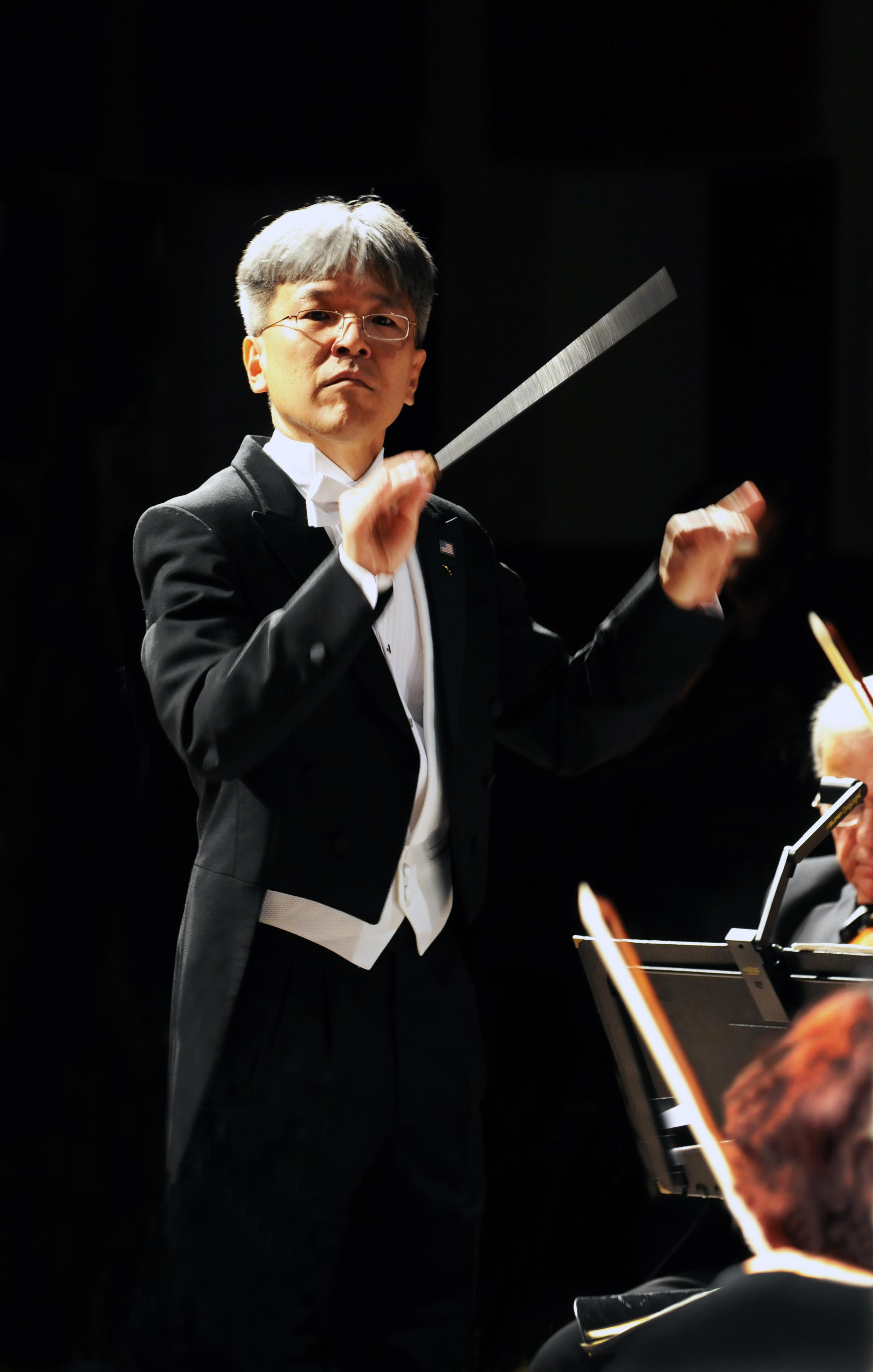
Yoichi Udagawa, Music Director
CAPE ANN SYMPHONY OPENS 65th SEASON WITH
BIG NIGHT, BIG MUSIC
Features Bernstein, Debussy & Respighi
Cape Ann Symphony kicks off the orchestra’s 65th Anniversary Concert Season on Saturday, September 24 at 8 pm with Big Night, Big Music featuring big thrilling symphonic pieces that showcase the talents of the CAS musicians at the CAS performance venue at Manchester-Essex High School Auditorium on 36 Lincoln Street in Manchester-by-the-Sea, MA. Manchester-Essex High School Auditorium is handicapped accessible. Ticket prices are $40 for adults, $35 for senior citizens, $5 for Youth age 18 and under. For tickets and information, call 978-281-0543 or visitwww.capeannsymphony.org.
Cape Ann Symphony Conductor and Music Director Yoichi Udagawa describes the upcoming concert program, “We are starting off our 65th Anniversary Season with a concert we’re calling Big Night, BIG Music. The three pieces on the program are BIG!!!! Massachusetts born and raised Leonard Bernstein’s music from West Side Story, the French composer Claude Debussy’s description of the sea – La Mer, and the Italian composer Ottorino Respighi’s musical description of the Pines around the city of Rome are three incredible, powerful, emotional, gorgeous, knock your sox off masterpieces. We’re going to give brief introductions to the pieces during the concert to show our audiences some of the reasons why these pieces continue to move and excite people all over the world. It’s going to be a BIG concert, and we can’t wait!”
Leonard Bernstein was a Massachusetts boy. Born in 1918 in Lawrence, he spent summers in Sharon, and attended Boston Latin before completing his BA at Harvard University. Though he later moved to Philadelphia (to attend the Curtis Institute) and then to New York, he remained connected to the area – studying conducting at Tanglewood and frequently leading the Boston Symphony Orchestra. He holds the distinction of being the first American Music Director of a major orchestra – the NY Philharmonic. Musically, he was a jack of all trades: a brilliant pianist, much sought-after conductor, a critic and lecturer on the arts, and of course, a prolific composer of music in many styles. He was a deep admirer of Copeland and other classical composers of the day, and strove to be recognized as one of them. However, one of the works he is best known for is not one of his symphonies or his chamber pieces, but rather West Side Story.
Read More Here Continue reading “Cape Ann Symphony Opens 65th Season!”

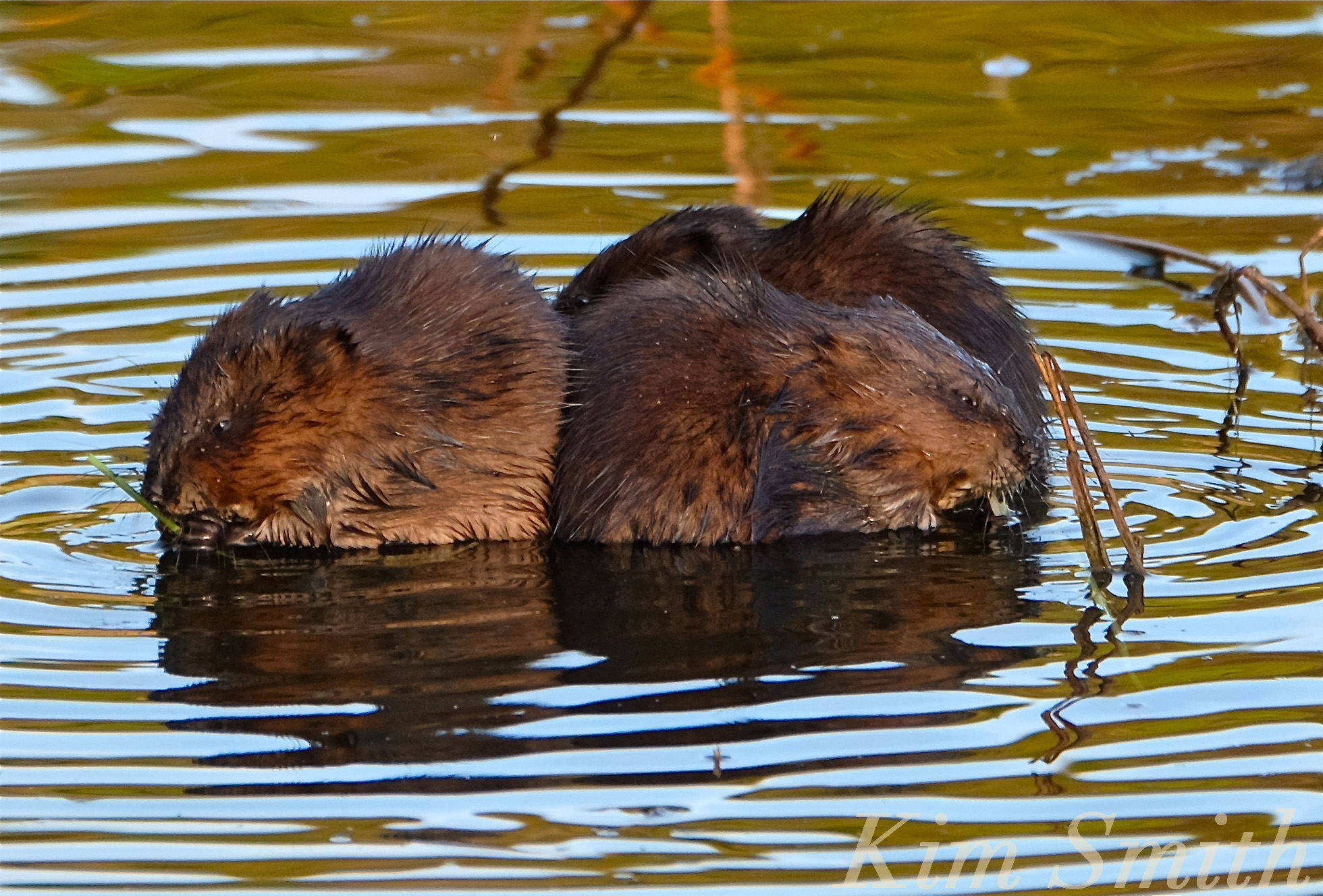 More muskrat love! Did you know Muskrats eat phragmites?!! They gnaw off the emerging and exposed shoots at the base and then eat the green stems. Very cool. Other fun facts: Muskrats can hold their breath underwater for up to fifteen minutes. They can also chew underwater. Unlike beavers, whose tails are flattened horizontally, a muskrats tail is laterally flattened (in other words vertically). The tail functions like a rudder to help the Muskrat maneuver through water. Muskrats can swim forward and backward.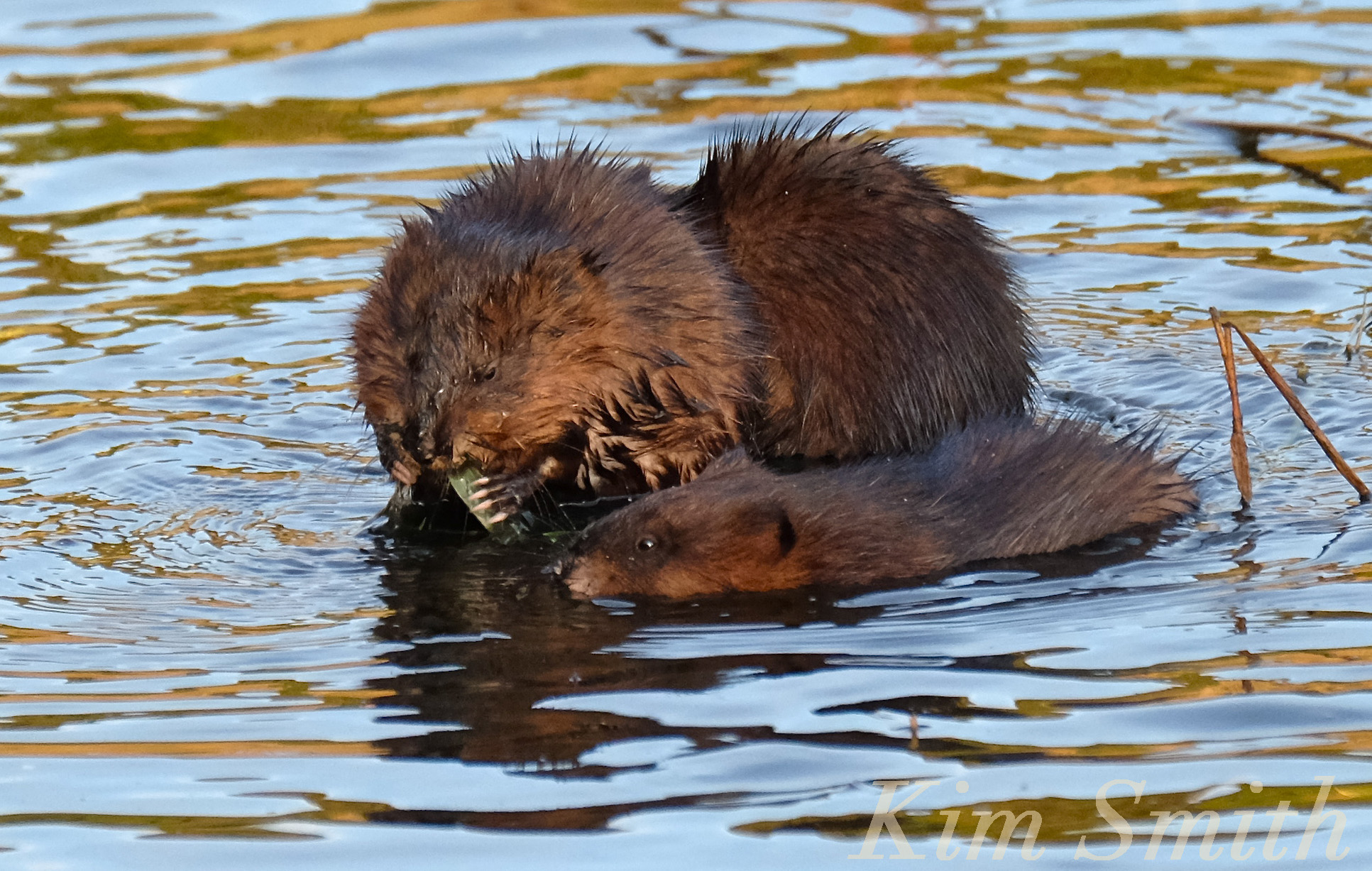

Our daughter Liv’s work subway stop is located where the Chelsea bomb went off so you can imagine, we’ve been following closely the unfolding events. The capture was very dramatic; read the full story here in the New York Times.
An ironic aside–Reports state that the five pipe bombs found in a backpack near the Elizabeth train station were discovered, and reported to the police, by several homeless people. And apparently, the second pressure cooker bomb did not go off because two thieves stole the suitcase in which it was housed, unwittingly disrupting the explosive device.


The beginnings of a rainbow appeared in the sky above Cape Hedge and Long Beach early this morning. Nothing spectacular, but it was pretty while it lasted, until the next batch of thunderstorms began to roll in. Thanking Mother Nature for the much needed rain! 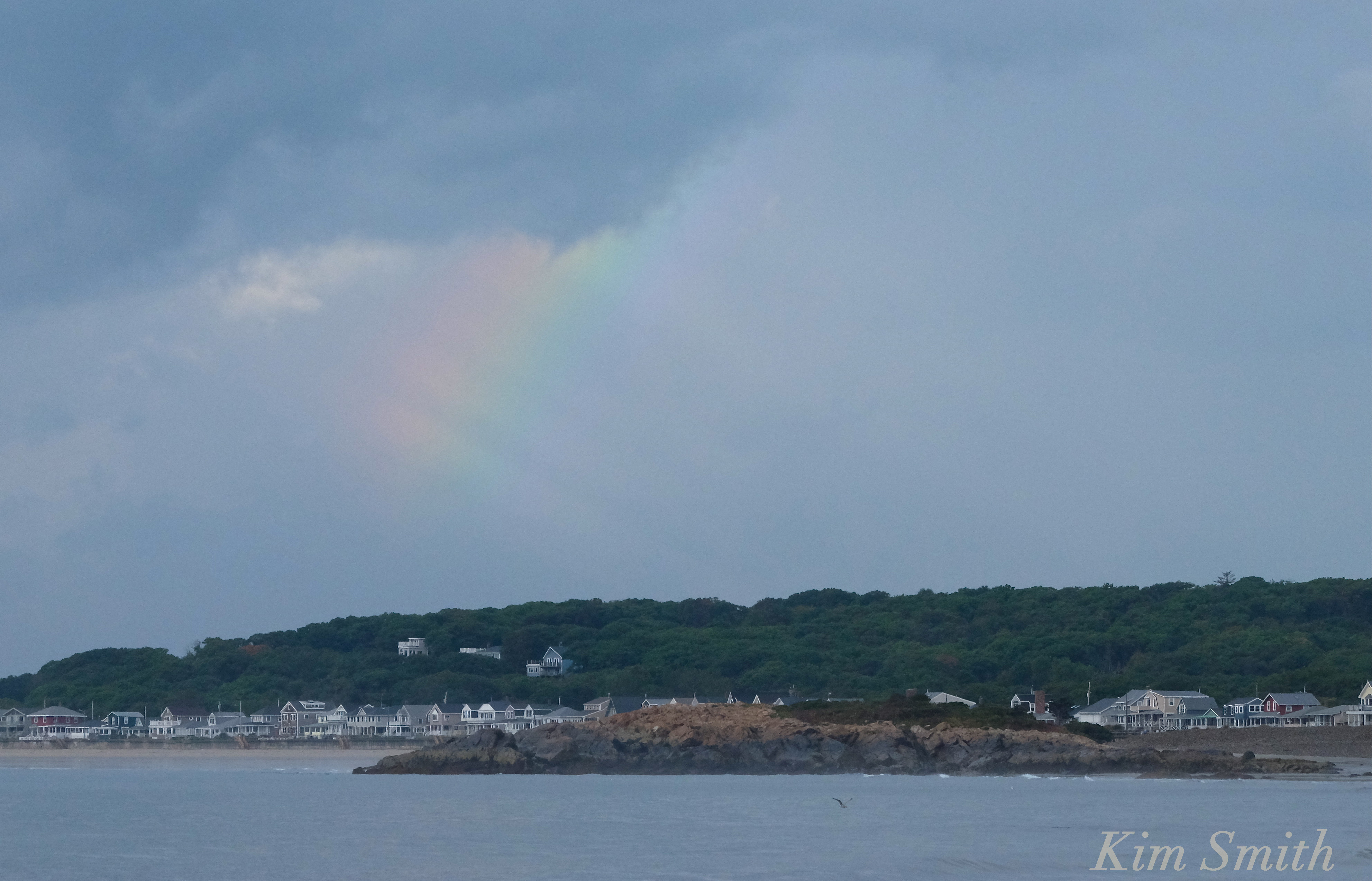

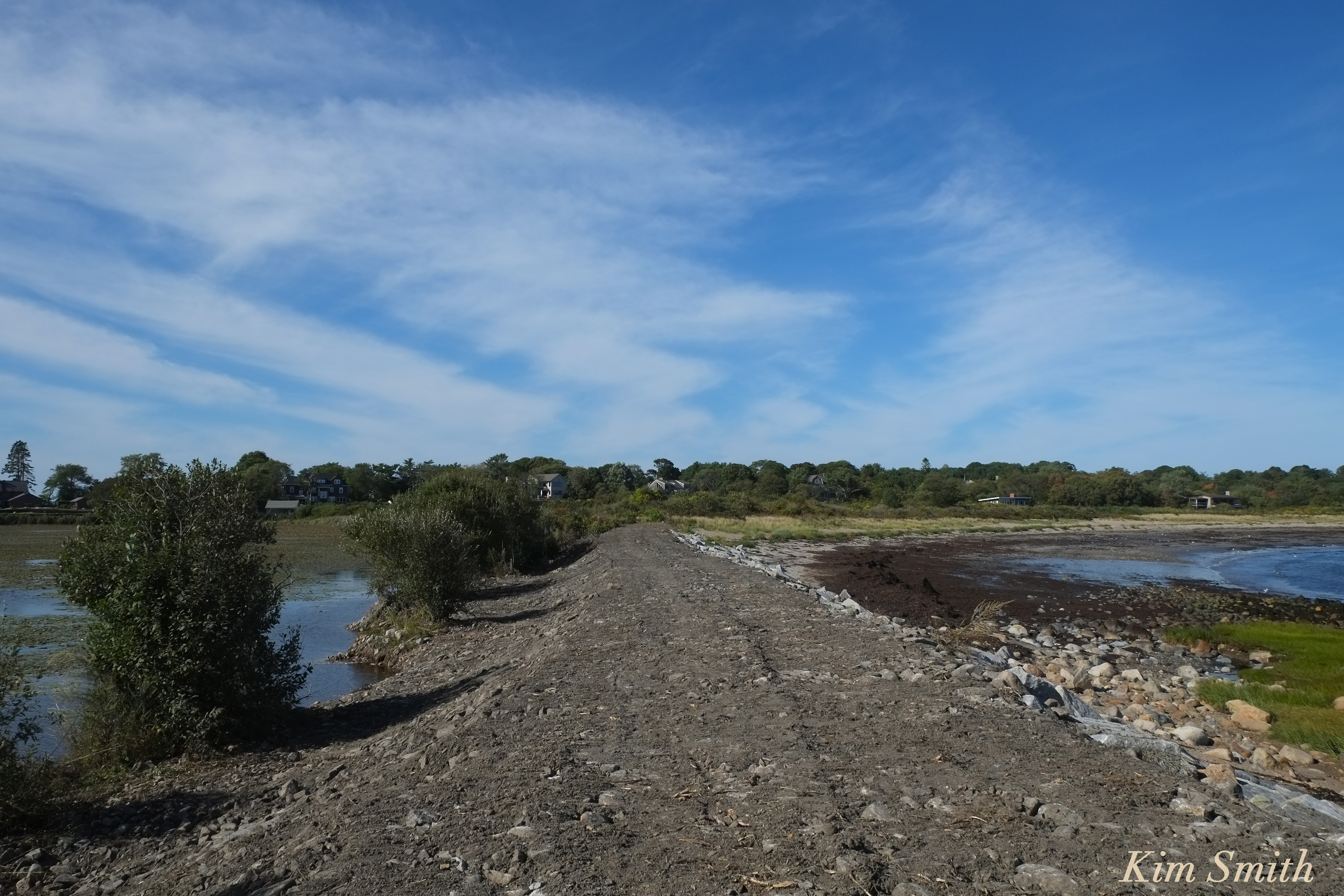
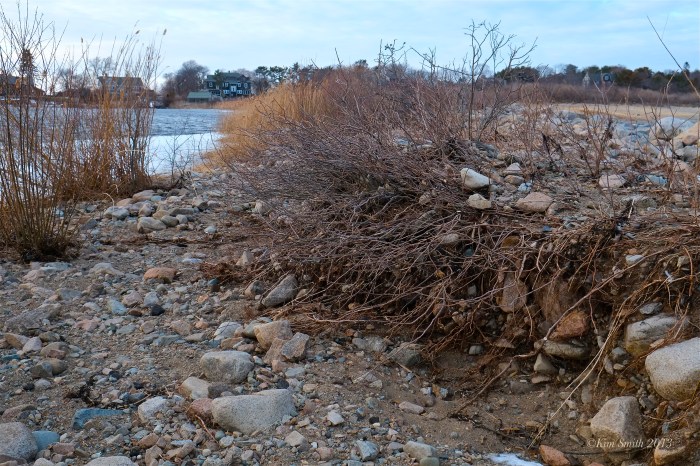
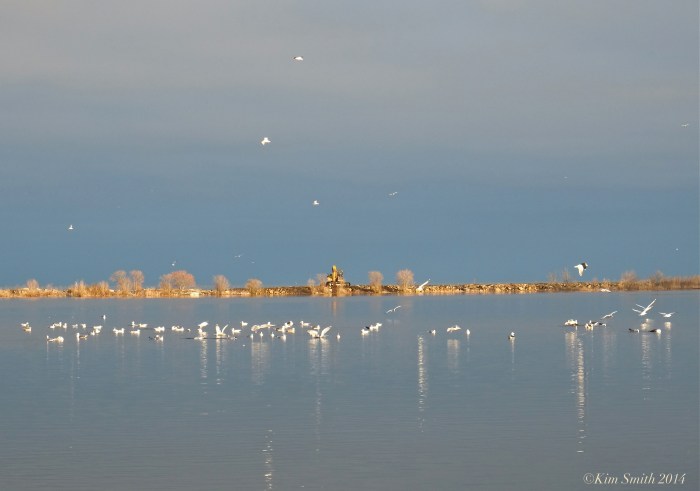
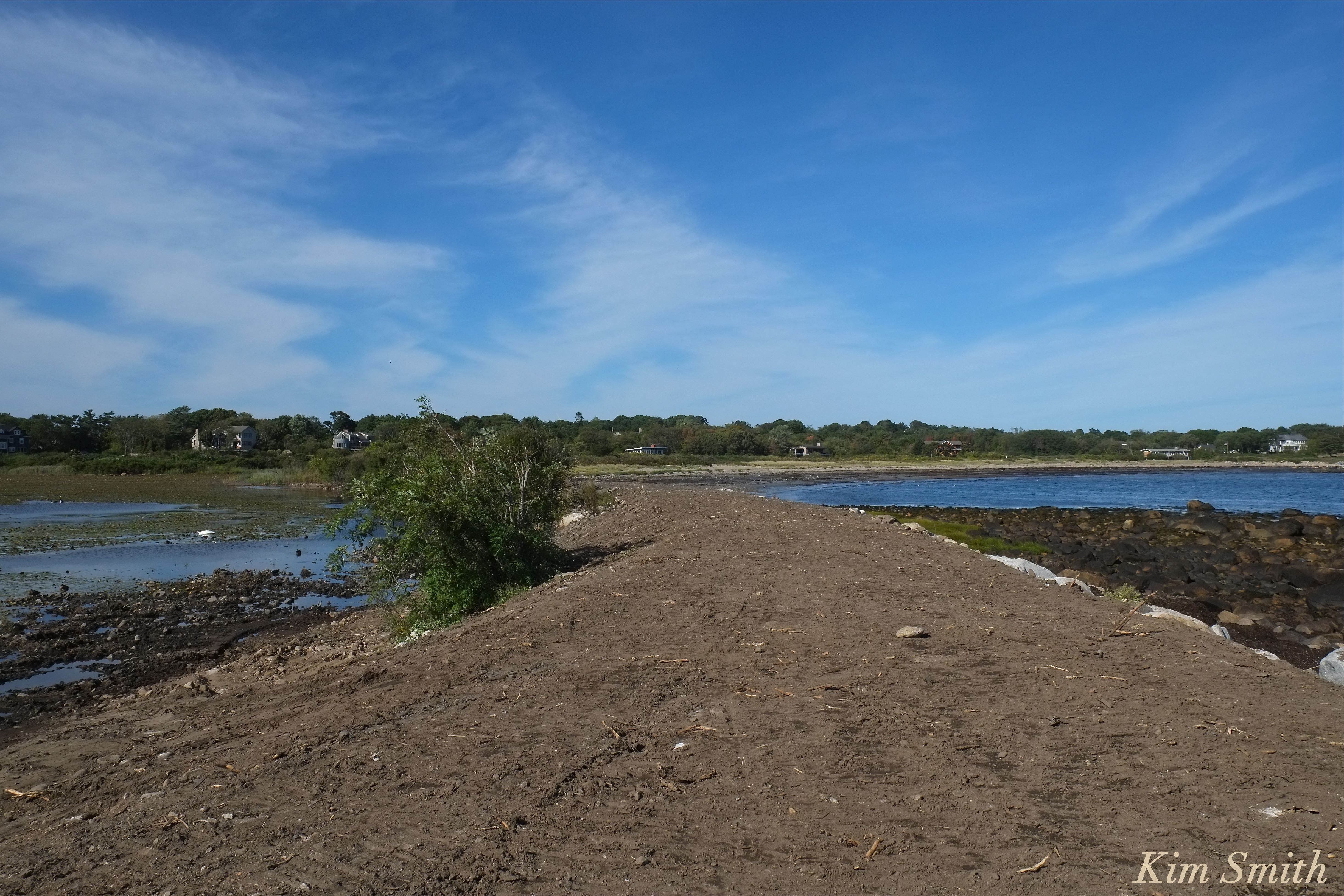 The Niles Pond-Brace Cove causeway restoration is progressing admirably. You may recall our story about the extensive damage the causeway had suffered from several fierce back to back storms. In 2014, the Association of Eastern Point Residents restored the structural rocks supporting the causeway. This past week, preparations for restoring the plantings has begun.


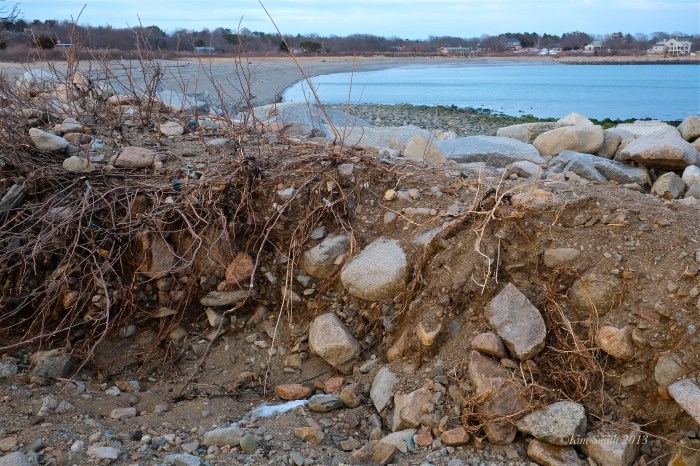
Below are photos taken in 2013 of storm damage, prior to restoration.


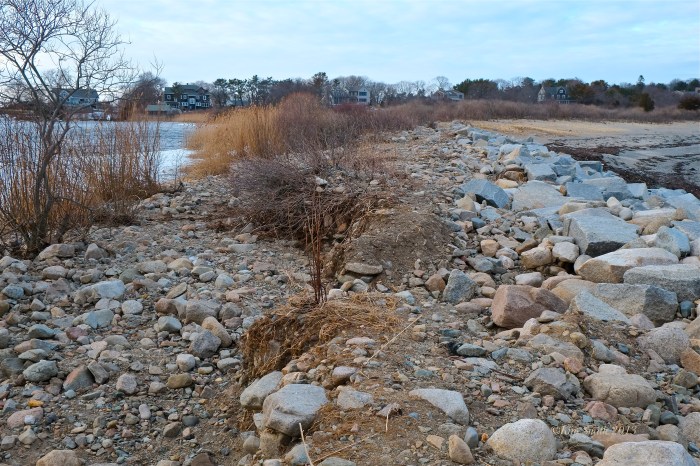
Phase one of restoration work, 2014





Here’s how you can help choose the Massachusetts state butterfly –
The choice is between the Black Swallowtail, the Great Spangled Fritillary, and the Mourning Cloak butterflies. All three are beautiful species of Lepidoptera, but as you know from my work, I am partial to the Black Swallowtail. I cast my vote for the Black Swallowtail and here is why. Both the Great Spangled Fritillary and Mourning Cloak are less commonly seen. I’d like children who are developing an interest in butterflies to have the opportunity to get to know their state butterfly easily. Black Swallowtails are widespread and very well-known. In a good year, Black Swallowtails will have two broods. The caterpillars eat plants kids can easily identify and plant, such as carrots, dill, fennel, parsley, and the common wildflower Queen Anne’s Lace. Black Swallowtails are typically on the wing throughout the summer, beginning in early spring through late summer.
On the other hand, the Great Spangled Fritillary caterpillars eat strictly violet plants. This butterfly is usually only seen for about a month, during mid-summer, and has one brood of caterpillars. In our region of Massachusetts, the Mourning Cloak may have a second brood, if we have an early spring, but I only see them in spring, near pussywillows, and again in the fall when they are getting ready to hibernate.
Black Swallowtails are found in backyards, gardens, meadows, marshes, and along the shoreline. They love to drink nectar from wildflowers, including milkweed (as you can see in the short film below) and many, many common garden plants such as lilacs, coneflowers, zinnias, and butterfly bush.
Please vote here: VOTE MASSACHUSETTS STATE BUTTERFLY
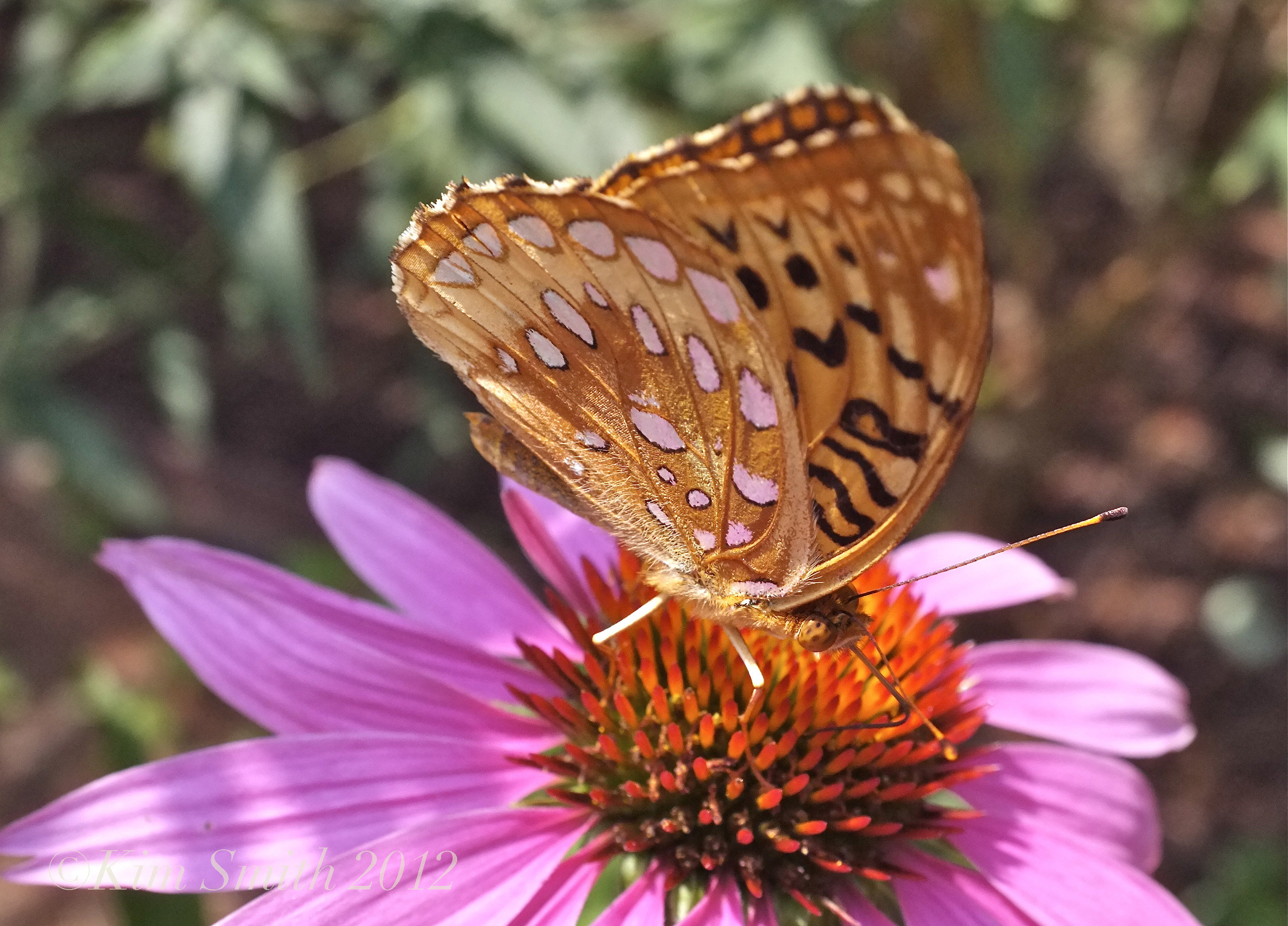 Great Spangled Fritillary at the Gloucester Harbor Butterfly Garden
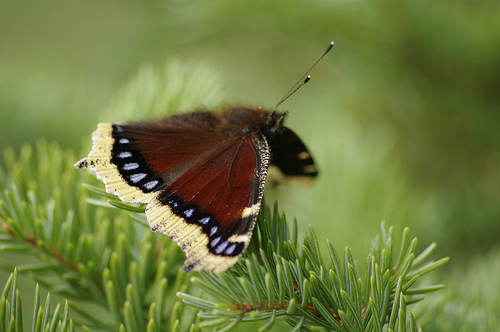 Mourning Cloak image courtesy wiki commons media

Today only, all ice cream at Ro’s Harbor Scoops is buy one, get one free. This is Ro’s last day of the season at this location (her Dairy Train in Rockport will be open through Columbus Day weekend).
Ro’s Harbor Scoops is located at 89 Bass Avenue, just around the corner from Good Harbor Beach. They are open until 9pm this evening.


On Saturday you may have heard the rumble of engines in the sky over Gloucester and looked up to see an astonishing sight: a vintage World War Two bomber or fighter plane cruising overhead. The planes are owned by the Collings Foundation in Stow, MA, and every year as part of the “Wings of Freedom” tour they fly into Beverly Airport for a weekend. The tour, which includes a B-17G Flying Fortress bomber, B-24J Liberator bomber, B-25 Mitchell bomber, and a P-51 Mustang, will be at the airport on Sunday from 10:00 am until 4:30 pm. You can even pay to ride in one as they cruise from Beverly to Gloucester and back. For more information, visit the Collings Foundation.
 The Collings Foundation B-25 Mitchell bomber spotted in the sky over Niles Pond on Saturday afternoon.

 Last night’s Harvest Moon rising was spectacular, especially the striations of clouds in the moonglow. Early this morning the moon was nearly as big and beautiful too, and as I was setting up my gear, Snowy Egrets flew into the setting moon.


You may be wondering why I have been posting so many sunrise photos, more than usual, from GHB (sincerely hoping its not boring). I spent a good part of the summer there filming the Piping Plovers and other beautiful species of wildlife, but I am also there gathering B-roll for all film projects. While the movie camera is running, it’s fun to take stills as well.
Almost invariably, the light is at its prettiest well before the sun rises. I like the blues and violets in the first photo. The second photo was taken about five minutes later. Which one do you prefer?




Next time you are at Cake Ann, be sure to have a look at the fun and whimsical work of Judith Robinson Cox currently hanging in the bakery. Judith has arranged and photographed her miniatures atop Cake Ann confections.
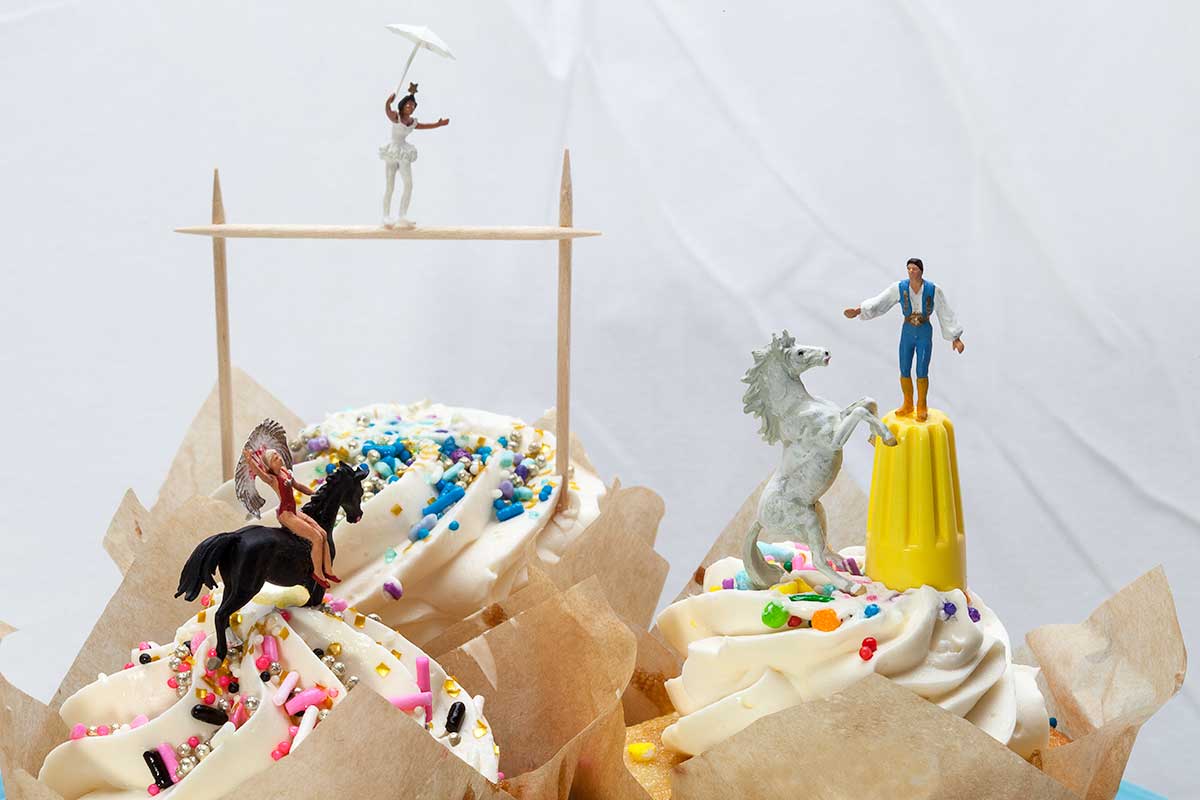 Circus Cupcakes
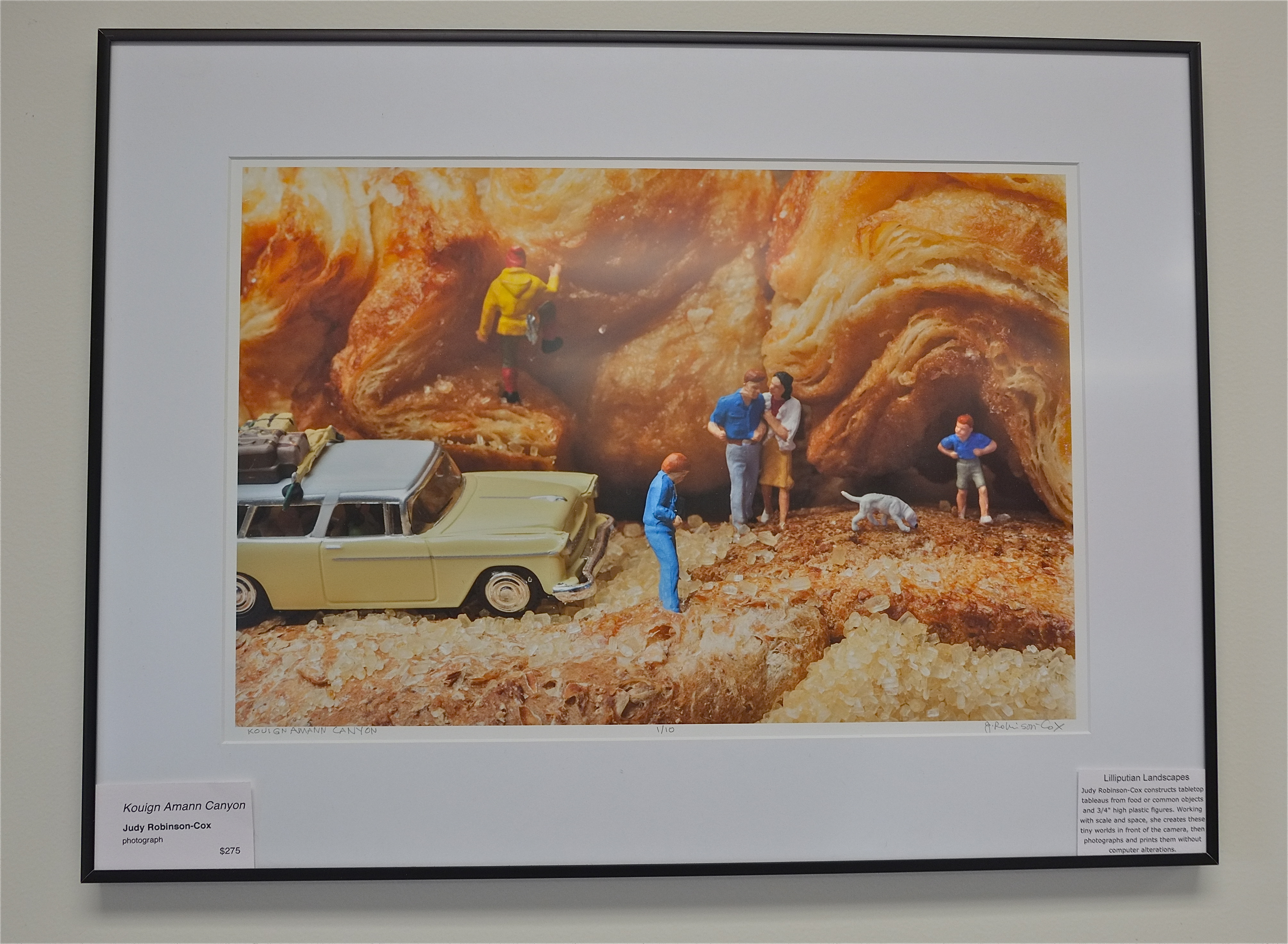
Kouign Amann Canyon

Sea salps, those gentle gelatinous barrel-shaped and penny-sized free-floating tunicates, have returned to our shores. Salps are completely harmless although honestly, they can be a bit annoying to swim through. A few always manage to get stuck in the bra area of my swimsuit, which is a little yucky, but nothing more than a nuisance.
Salp reproduction is fascinating, amazing actually. The salps that we saw at Good Harbor Beach this week were in the oozoid phase. They were singular individuals. The solitary salp reproduces asexually by producing a chain of up to hundreds in the aggregate, or blastozooid, stage. In this short film you can see both the oozoid and blastozooid phases.
Read more about salp life history on wiki here.
Read about how salps may be a weapon against global climate change in this NatGeo article here.
 My husband and I like to make it to every wine dinner event at Passports because it is a wonderful opportunity to taste outstanding and delicious entrees, appetizers, and wines that we wouldn’t ordinarily try. For example, I LOVE Passport’s lobster roll and think it is the absolute best around. So that’s what I usually have when there and it is always fabulous. At their upcoming wine dinner, which is this coming Thursday, September 22nd, the first course is Captain Joe’s lobster in sherry cream sauce with Pastaio’s handmade campenelle pasta. Doesn’t that sound simply splendid? Each course at Passport’s wine dinners are paired with a thoughtful selection of excellent wines, and with the lobster, we will be enjoying Stags Leap Chardonnay from Chef Eric’s special reserve. Come, I guarantee you will not be disappointed!!
September Wine Dinner
1st Course: Captain Joe’s lobster in sherry cream sauce over Pastaio’s handmade campenelle pasta, served with Stags leap Chardonnay.
2nd Course: Jerk pork shank w/sweet potato hash accompanied by Hess Select Trio, Red Blend.
3rd Course: Pepper crusted Brandt beef tenderloin, grilled polenta, radish and tomato Béarnaise with Rodney Strong Brother’s Ridge Cabernet Sauvignon.
4th Course: Pumpkin pie, from locally grown pumpkins, and pistachio crumble, with Argyle, Vintage Brut.
To reserve a seat and for more information on the September Wine Dinner call 978-281-3680.
While there check out the new paintings by artists Elizabeth Bish and Coco Berkman.



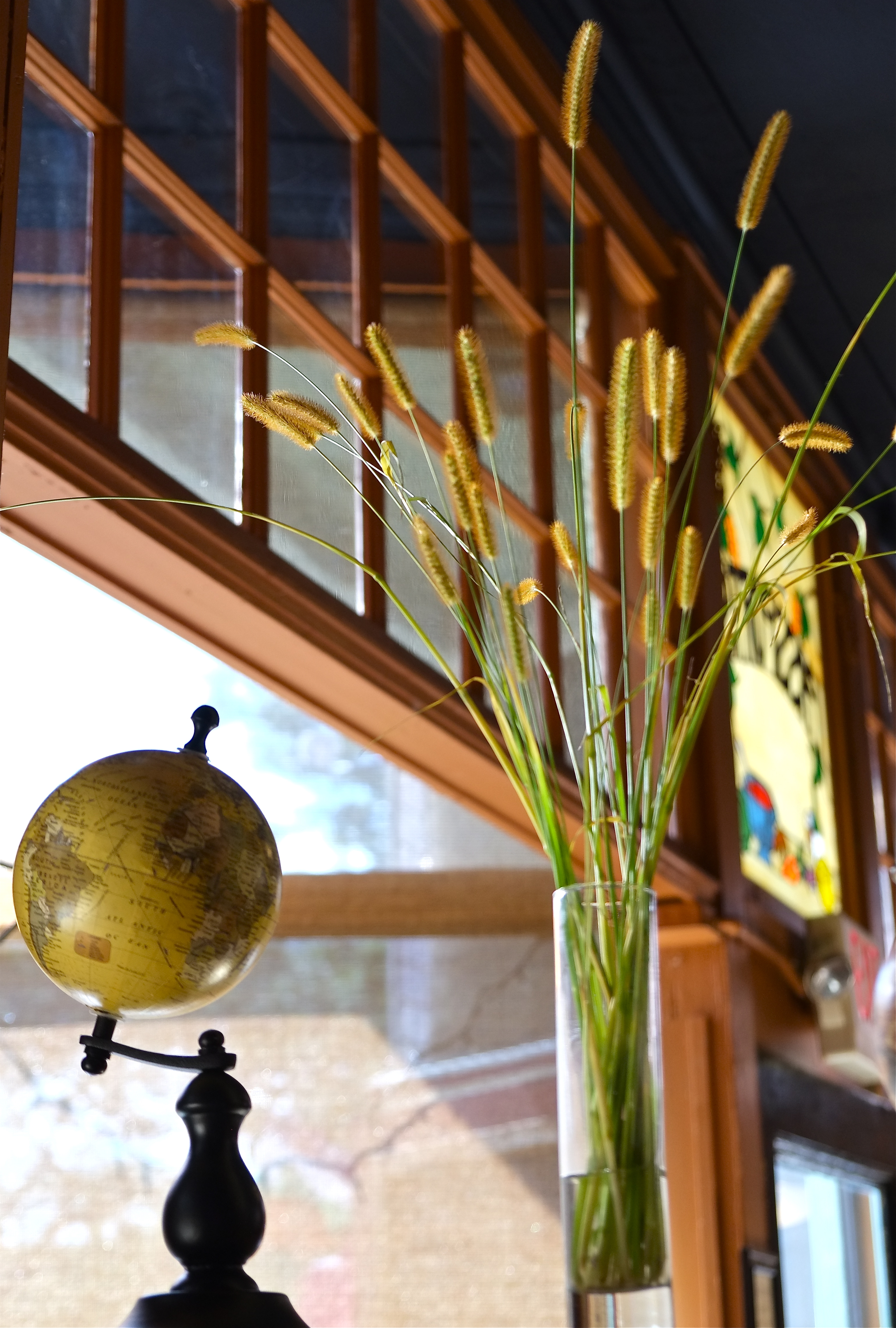

I spent the afternoon in New Hampshire today at my publisher’s warehouse picking up a batch of books. Although there was evidence of the drought all along the route, the lack of rain didn’t seem to effect these roadside beauties (or the intoxicated bee, see Instagram video below).

https://www.instagram.com/p/BKY-VbgDiiS/

The secret life of trees. They talk to each other, they have families. Don’t miss this WBUR On Point story with the tree whisperer Peter Wohlleben.
“Trees have friends, feel loneliness, scream with pain and communicate underground via the ‘woodwide web’. Some act as parents and good neighbours. Others do more than just throw shade – they’re brutal bullies to rival species. The young ones take risks with their drinking and leaf-dropping then remember the hard lessons from their mistakes. It’s a hard-knock life.”
Link to radio broadcast and excerpt from Wohlleben’s book The Hidden Life of Trees


Stefan Edick shared this on Facebook. Just extraordinarily beautiful. Passing it along for GMG readers.
 Good Morning Gloucester