Month: July 2018

Sawyer Free Events 7/30-8/4


Spread The GMG Love By Sharing With These Buttons:
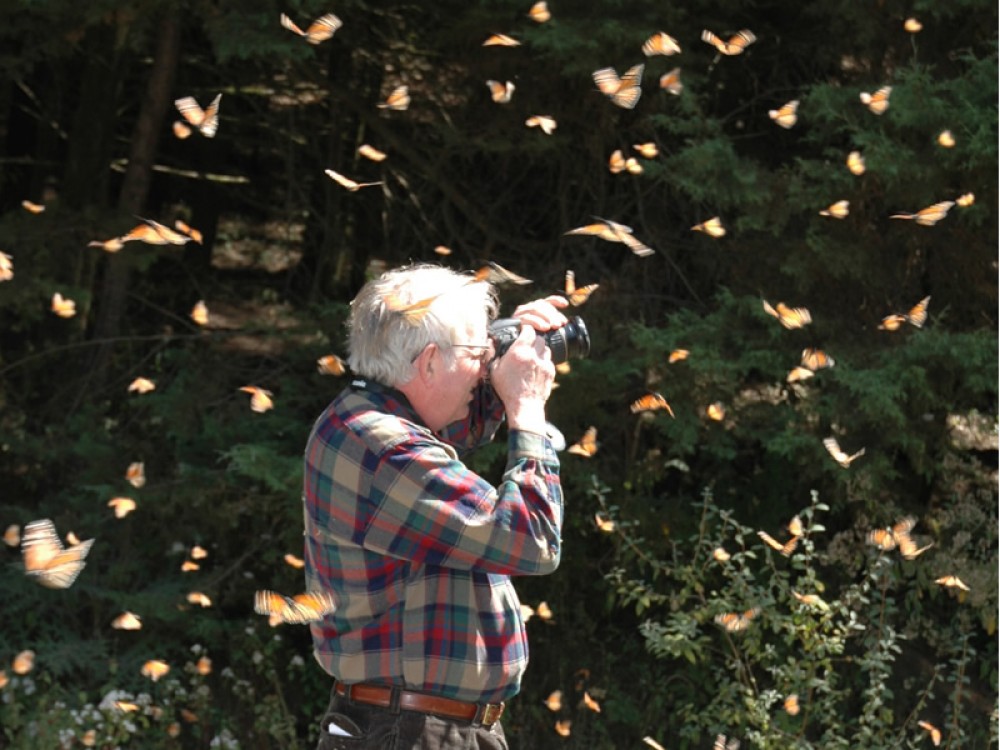
MONARCH PROTECTOR LINCOLN BROWER DIES
 By Matt Schudel WASHINGTON POST JULY 23, 2018
WASHINGTON — Lincoln Brower, one of the foremost experts on the monarch butterfly, who spent six decades studying the life cycle of the delicate orange-and-black insect and later led efforts to preserve its winter habitat in a mountainous region of Mexico, died July 17 at his home in Nelson County, Va. He was 86.
He had Parkinson’s disease, said his wife, Linda Fink.
Dr. Brower, who taught at Amherst College in Massachusetts and the University of Florida before becoming a research professor at Virginia’s Sweet Briar College in 1997, began studying the monarch butterfly in the 1950s.
He made key discoveries about how it protected itself by converting a toxic compound from its sole food source, the milkweed plant, into a chemical compound that sickened its predators, primarily birds.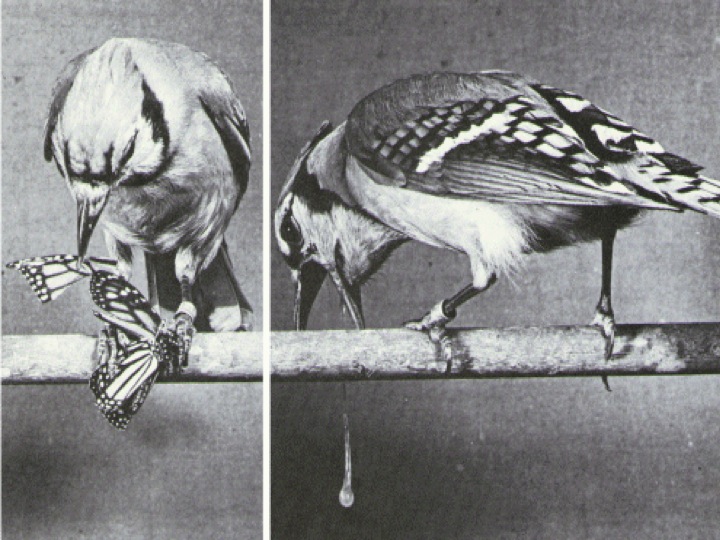
Dr. Brower’s famous “Barfing Bluejay” photo of a bird wretching after eating Monarchs, proved Monarchs don’t tast good. Dr. Lincoln Brower photo.
In the 1970s, other scientists discovered that monarchs had extraordinary migratory powers, more like birds or whales than insects. Each fall, monarchs from east of the Rocky Mountains travel thousands of miles to a Mexican forest, where they spend the winters. Monarchs from western North America migrate to California.
‘‘It has the most complicated migration of any insect known,’’ Dr. Brower told the Chicago Tribune in 1998. ‘‘Somehow they know how to get to the same trees every year. It’s a highly specific behavior that is unique to the monarch butterfly.’’
It takes three to four generations of monarchs to complete the one-year life cycle. After the migration to Mexico, the butterflies begin their return trip to North America, and a new generation is born en route, growing from larvae to caterpillars before taking flight.
With the arrival of cooler weather in the fall, the great-grandchildren of the monarchs that flew south the previous year will make the same trip, returning to the mountainsides visited by their ancestors.
‘‘It’s an inherited pattern of behavior and a system of navigation that we don’t really understand,’’ Dr. Brower said in 2007. ‘‘We don’t know exactly how they find their way. We don’t know how they know where to stop.’’
Dr. Brower first visited the monarchs’ winter quarters in a Mexican forest, about 80 to 100 miles west of Mexico City, in 1977. At an elevation of 9,500 to 11,000 feet, tall fir trees were entirely covered by hundreds of millions of butterflies.
When they stir their wings, ‘‘it sort of sounds like leaves blowing in the fall,’’ said Dr. Brower’s son, Andrew Brower, a biologist and butterfly expert at Middle Tennessee State University, in an interview. ‘‘It’s remarkable. You look up, and the sky is blue, but then it’s orange. It’s like an orange stained-glass window above your head.’’
During more than 50 trips to Mexico to study monarchs, Dr. Brower began to see that their numbers were shrinking.
In North America, Dr. Brower also pointed out, the monarchs face a further problem from the growing use of herbicide, which has eradicated much of their food source, the once-abundant milkweed.
There are still millions of monarchs in North America, but their numbers fluctuate from year to year, in an ever-downward trend. By some counts, the population has fallen by as much as 90 percent since the 1980s.
Dr. Brower joined efforts by environmental groups to have the monarch recognized as a ‘‘threatened’’ species.
Lincoln Pierson Brower was born Sept. 10, 1931, in Madison, N.J. His parents had a nursery and rose-growing business. He was 5 when he took notice of an American copper butterfly landing on a clover bloom. ‘‘I just stared at that tiny butterfly, and it was so beautiful to me,’’ he told NPR. ‘‘And that was the beginning.’’
He graduated from Princeton University in 1952, then received a doctorate in zoology from Yale University in 1957. Some of his early scientific papers were written with his first wife, the former Jane Van Zandt. That marriage ended in divorce, as did a second, to Christine Moffitt.
Mr. Brower leaves his wife of 27 years, Linda Fink, a professor of ecology at Sweet Briar College and a frequent scientific collaborator; two children from his first marriage, Andrew Brower of Christiana, Tenn., and Tamsin Barrett of Salem, N.H.; a brother; and two grandchildren.
 With President Jimmy Carter
READ MORE HERE:
Dr. Lincoln
Spread The GMG Love By Sharing With These Buttons:

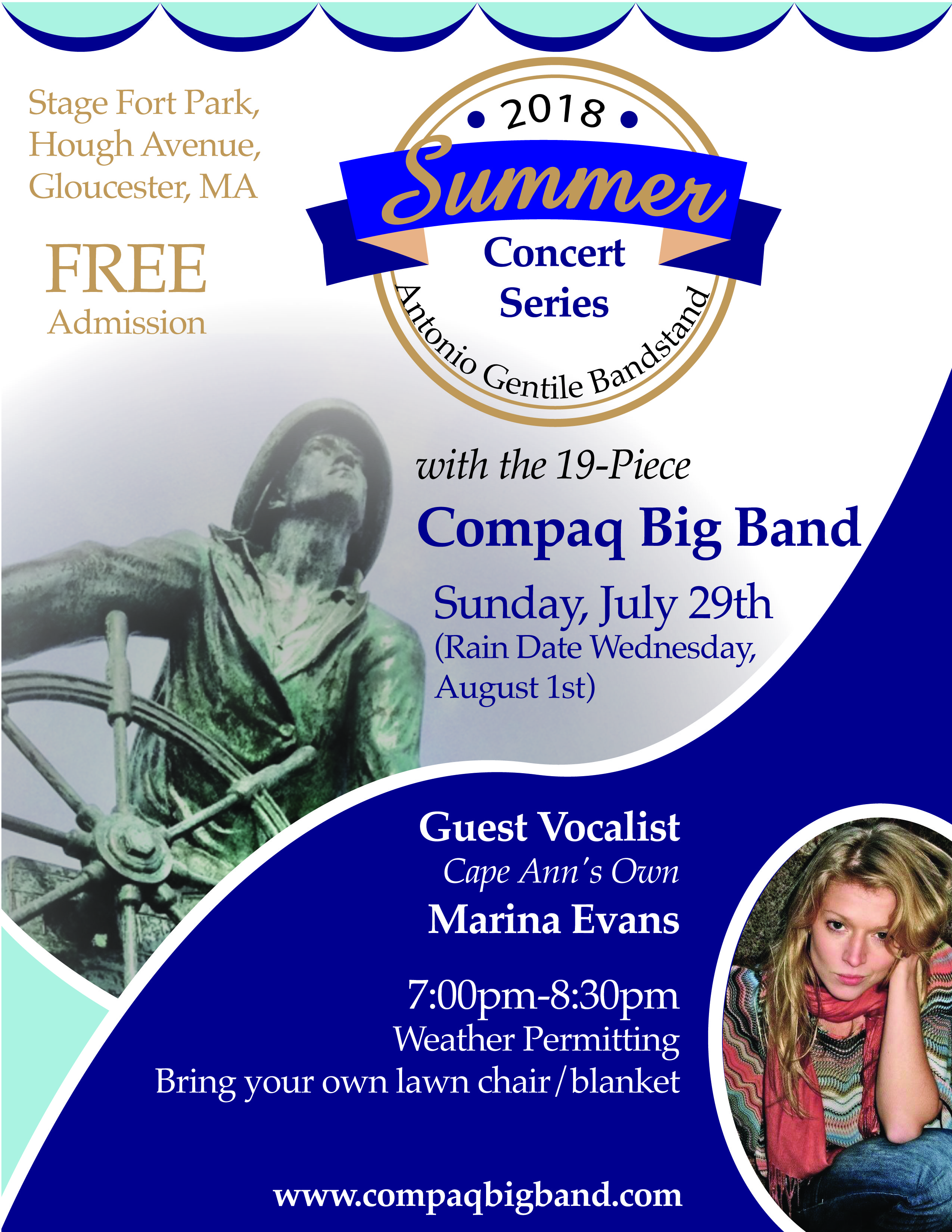
COMPAQ BIG BAND WITH MARINA EVANS SUNDAY JULY 29TH

Spread The GMG Love By Sharing With These Buttons:

At Daria Daulat Bagh, Southern India, Feb. 2018

This huge tree is on the grounds of the Sultan’s summer palace. I believe it’s a mahogany tree. Can anyone confirm?
Spread The GMG Love By Sharing With These Buttons:

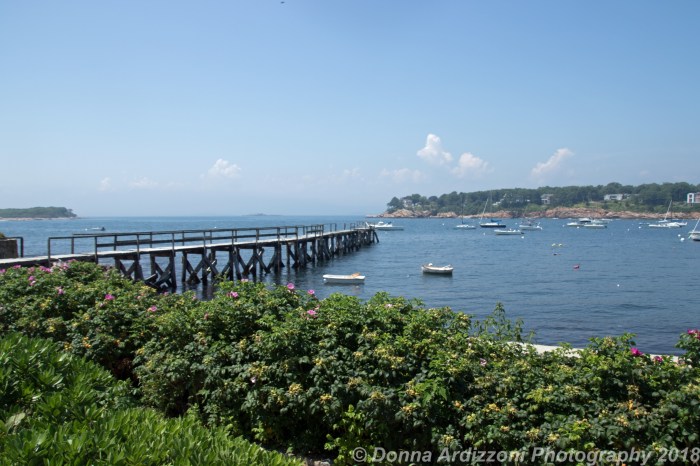
Summer morning
Beautiful summer morning at Magnolia Harbor
Spread The GMG Love By Sharing With These Buttons:

SAVE THE DATE . . . August 20, 2018 Cape Ann License Plate low number auction!

Save the date . . . August 20, 2018, that the date we start auctioning the low number Cape Ann License Plates. Preview the plates available at Lovecapeann.com today. If you not in the market for a low number you can just scroll down and order your Cape Ann License Plate today, just click on the registry, fill out the form and it comes in the mail in 8-10 days with your new registration and sticker, you don’t even have to turn in the old plate!

Spread The GMG Love By Sharing With These Buttons:

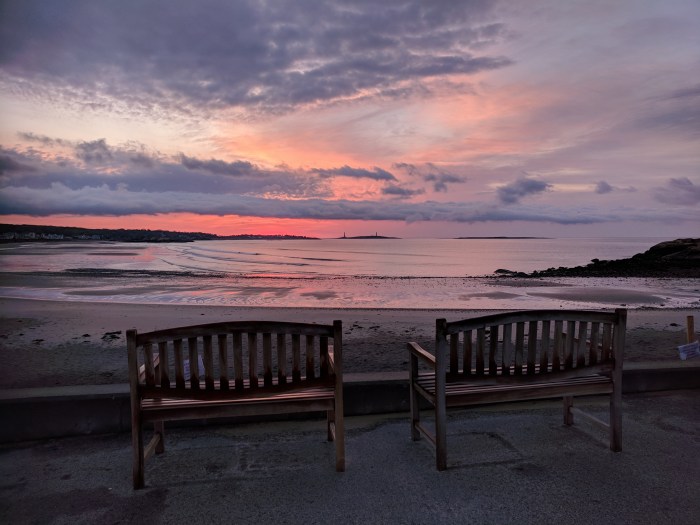
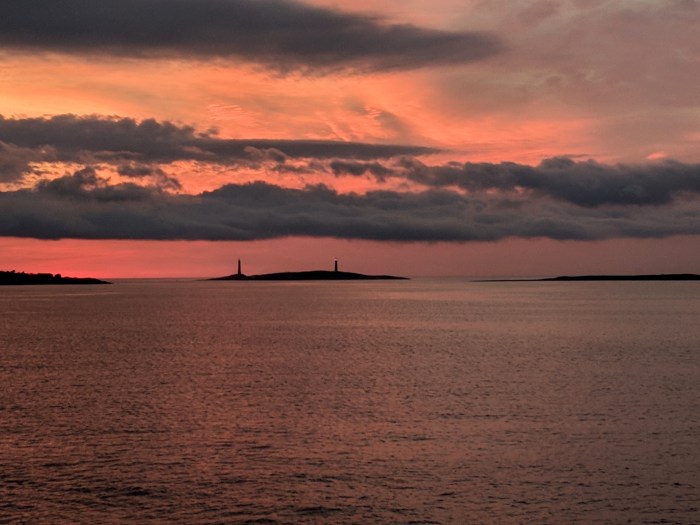
Pair and a stare | scenic overlook Cape Ann Motor Inn
Spread The GMG Love By Sharing With These Buttons:

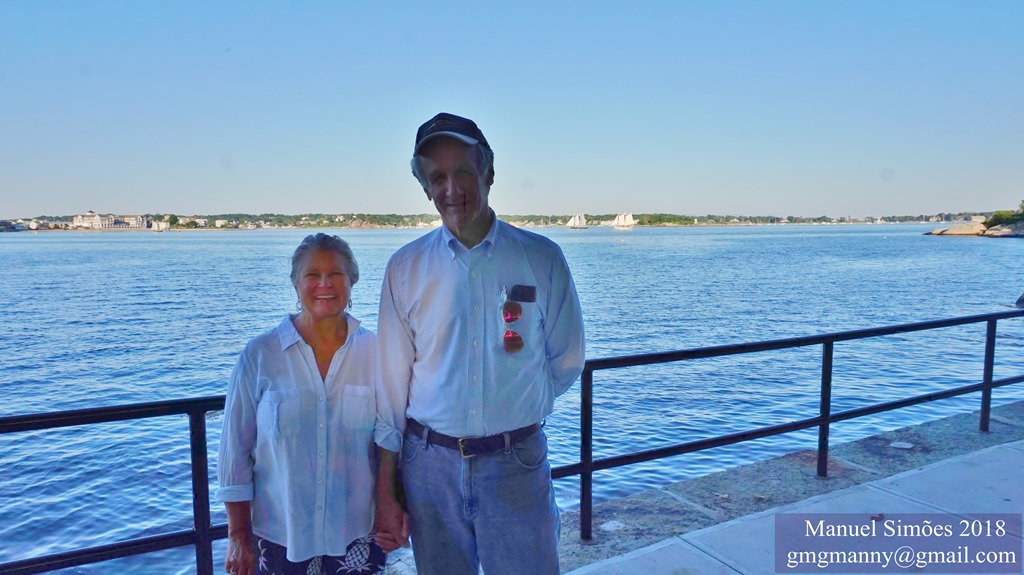
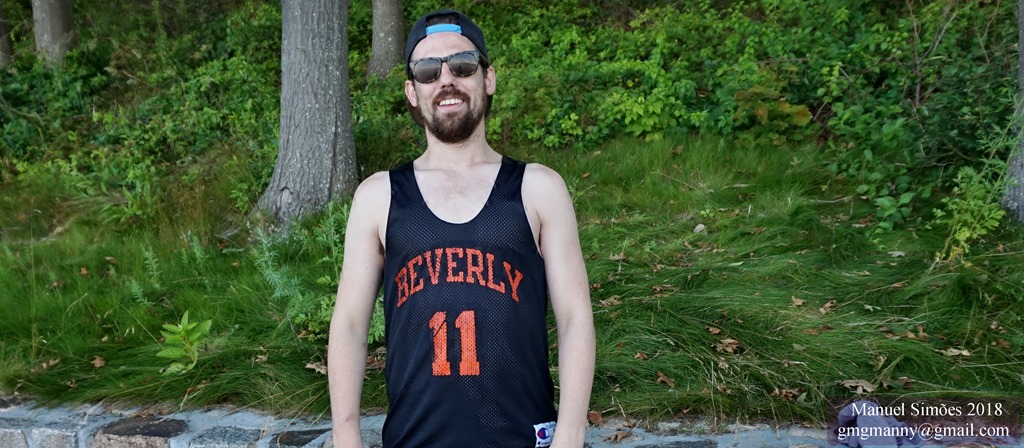
Gloucester Smiles-975
Spread The GMG Love By Sharing With These Buttons:

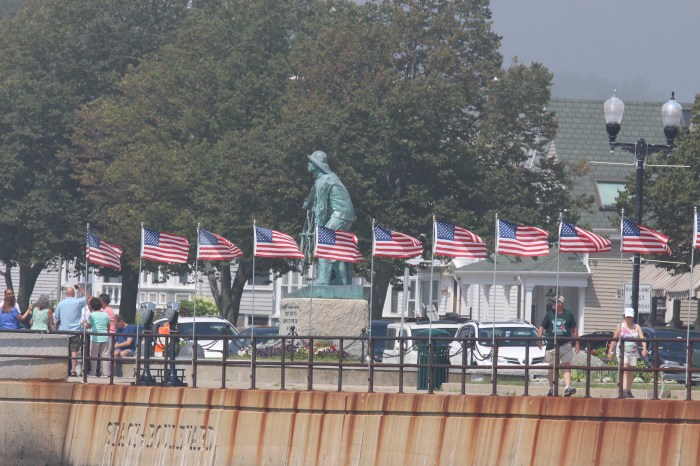
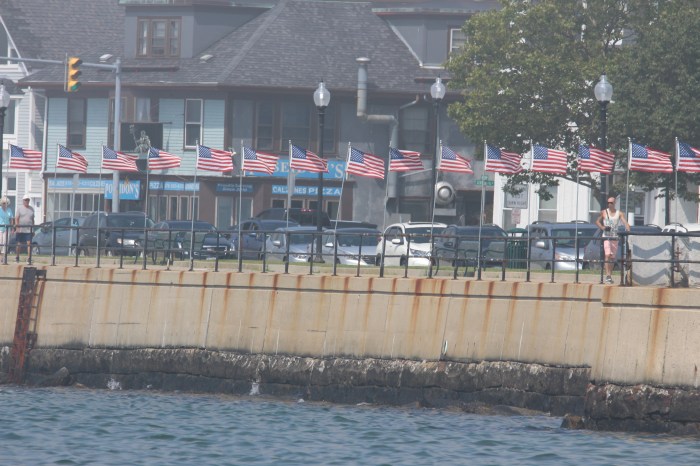
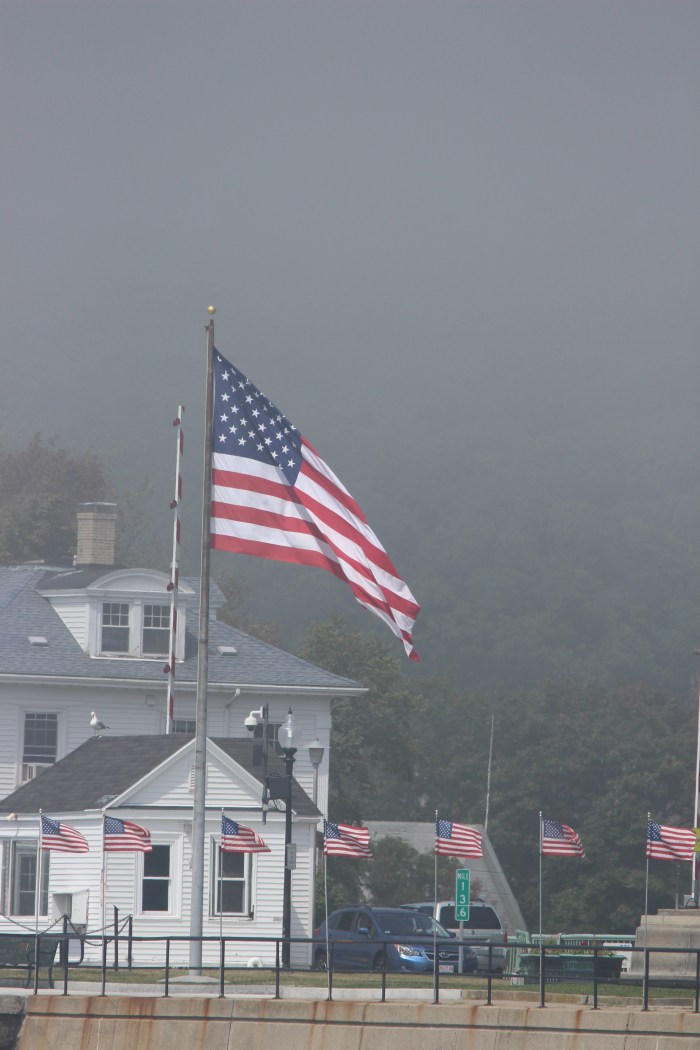
Foggy Morning
Harbor side of the boulevard on a foggy morning. Still breathtaking!
Spread The GMG Love By Sharing With These Buttons:

Jazz Brunch with Jose Allende | Feather & Wedge | Sunday, July 29

Feather & Wedge is delighted to feature Jose Allende for this week’s Jazz Brunch. Join us for brunch and mimosas as Mr. Allende delivers a captivating mix of jazz standards and Latin American music featuring improvisation, South American rhythms and classical music influences.
Sunday, July 29, 2018
10:30 AM 2:30 PM
Reservations highly suggested! 978.999.5917

Spread The GMG Love By Sharing With These Buttons:
Stand Up Paddleboard Yoga


Sunday, July 29
8:00-10:00 AM
Pavilion Beach, Gloucester
Imagine waking up Sunday morning and starting your day on beautiful Gloucester Harbor. The smells of the ocean, the sounds of the birds, a view of the breakwater and the Atlantic Ocean, and the feeling of floating on the water.
This stand up paddle board yoga workshop with Anneliese Brosch is designed for those who want to test their balance and connect to nature. This workshop includes paddle instruction, rental of all applicable equipment, anchoring system and a full yoga class, complete with one of the best savannas of your life.
We’ll be on the water for about 2 hours. Please arrive 5 minutes prior to the start of class so we can get all your gear sized up. Can’t wait to see you!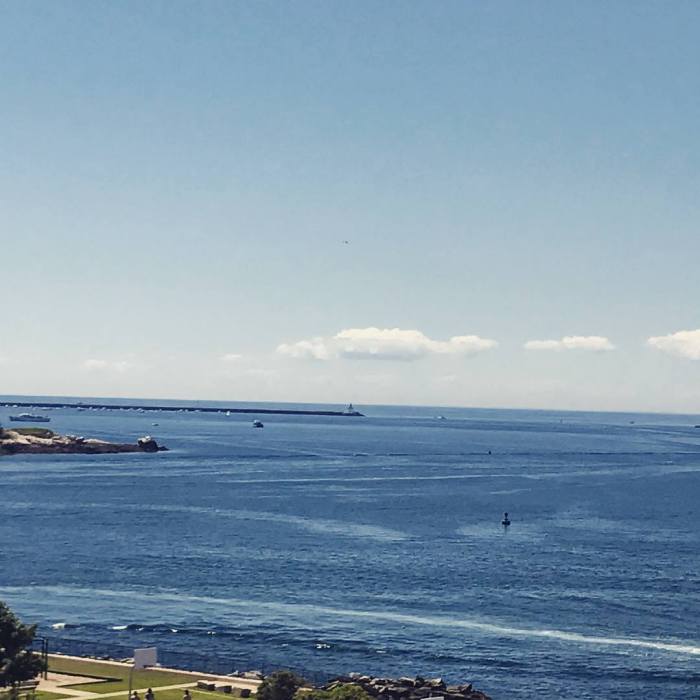 Cost: $40 Includes all rental equipment including board and paddle NOTE: If you have your own equipment, email…
View original post 38 more words
Spread The GMG Love By Sharing With These Buttons:
RAREST OF RARE BIRD SIGHTINGS AT GOOD HARBOR BEACH!!
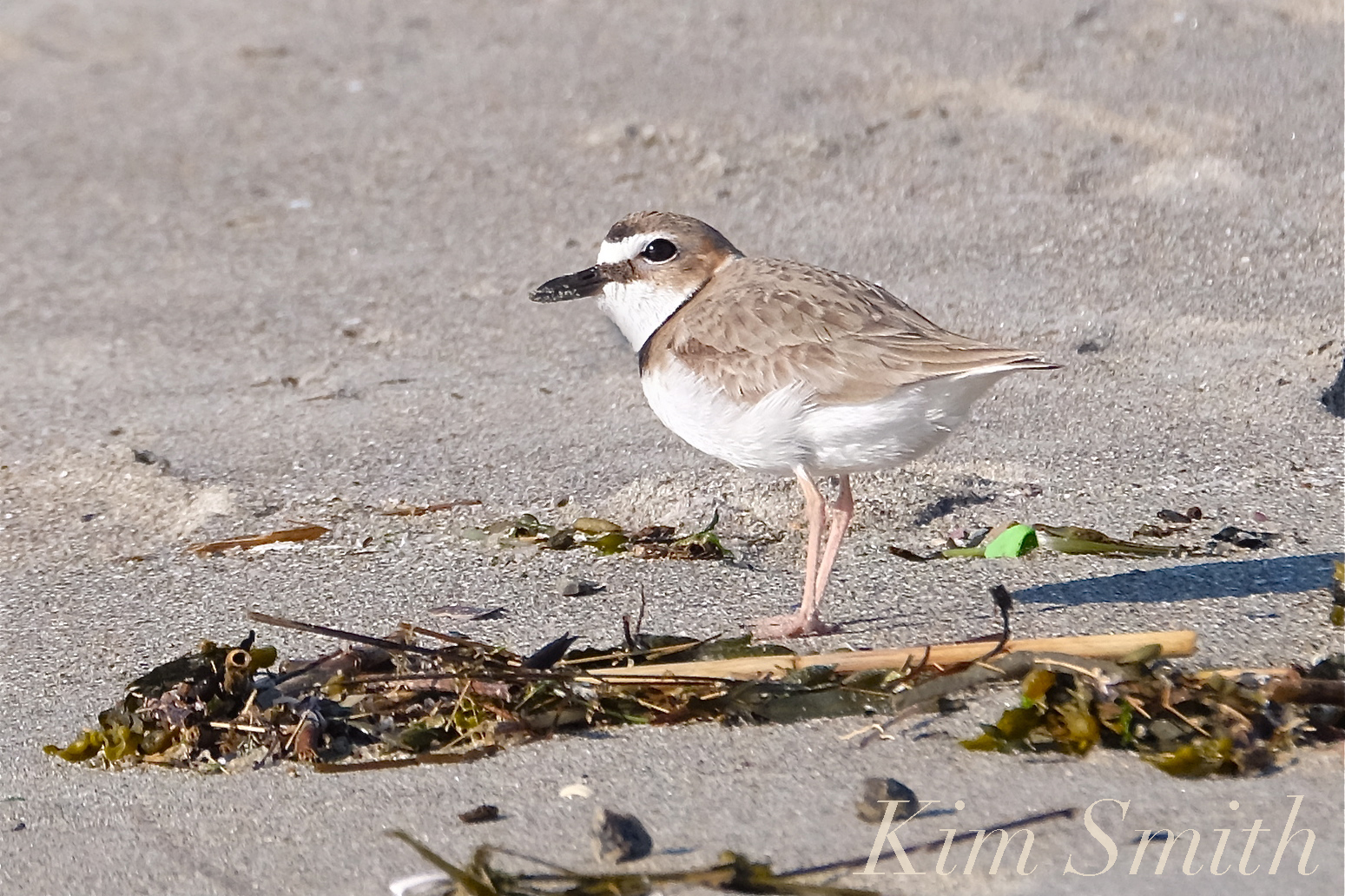 Last May you may recall that we posted photos of a tiny flock of three Wilson’s Plovers (Charadrius wilsonia) that were spotted at Good Harbor Beach. The fog was dense and I was on my way to work, so I only captured a few fleeting moments of footage and several photographs.
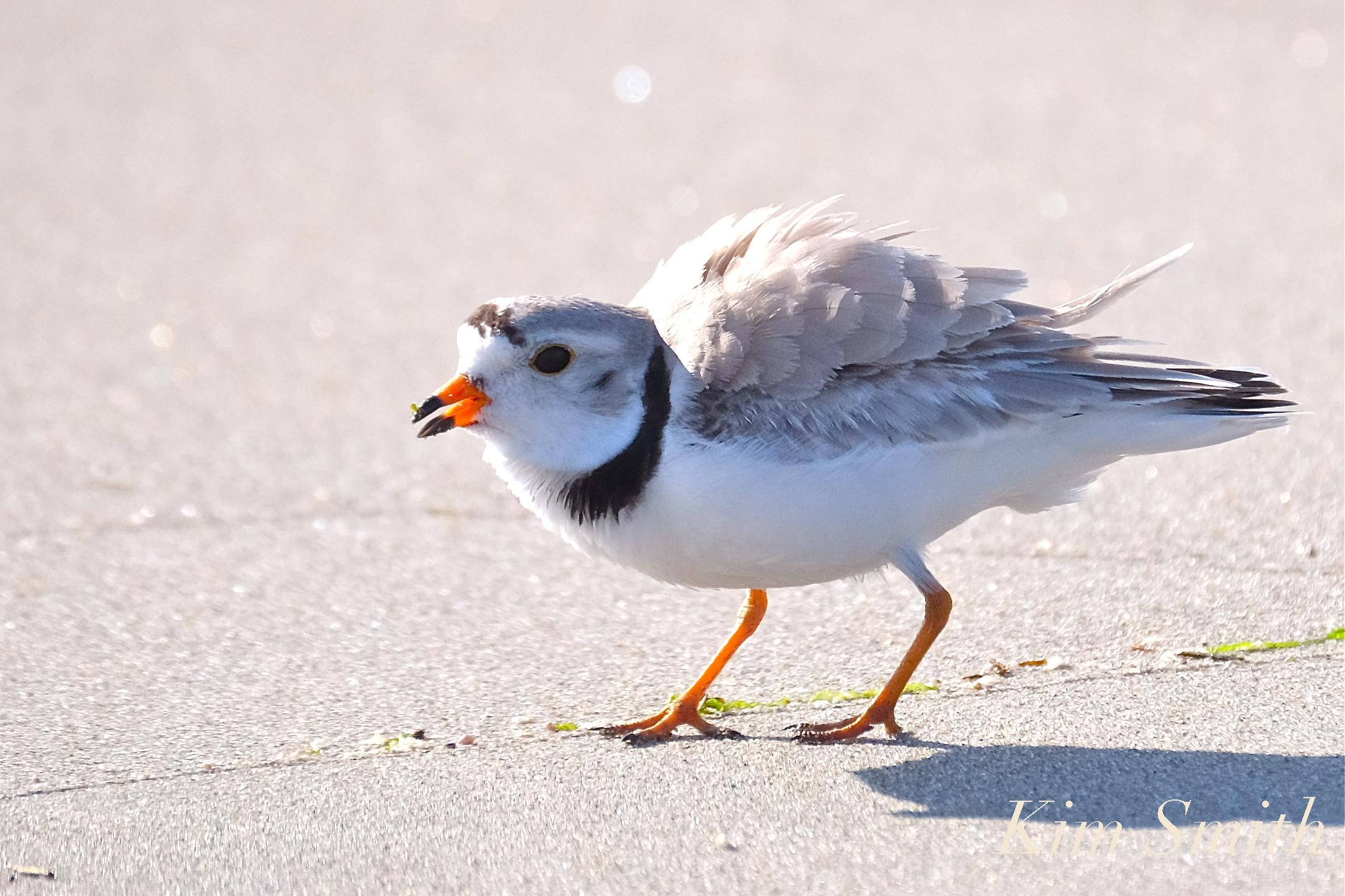 Compare Wilson’s Plover (top of page) to Piping Plover (above).
I was contacted by Sean Williams, secretary of the Massachusetts Avian Records Committee with a request to use my photos. Wilson’s Plovers are a southern species; it is quite rare to see them as far north as the New Jersey shore, let alone in Massachusetts. There is no previously known sighting ever of two or more Wilson’s Plovers ever seen before in Massachusetts history.
And to think this rare bird sighting happened on our Good Harbor Beach!
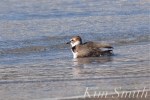
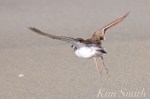
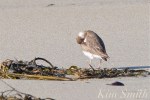
The Wilson’s Plovers were foraging by Boardwalk #3 in our Mama and Papa Piping Plover territory. There were a few minor skirmishes between Wilson’s and Piping but they all continued to go about their respective ways. The Wilson’s foraged at the wrack line, preened on the beach, and one took a bath in the shallow water of the incoming time.
You can see in the clip, Papa Plover giving brief chase to one of the Wilson’s Plovers.
Here is a copy of the report that MARC requested be filled out in the case of rare bird sightings.
Massachusetts Avian Records Committee (MARC)
Review List Species Report Form
Please answer each question with as much thought and detail possible. These details will help the MARC determine whether your review list species is sufficiently supported for acceptance. It is fine if you do not have all the details to complete the form; complete as much as possible.
Once completed, email this form to Sean Williams: seanbirder@gmail.com
- Species or subspecies: Wilson’s Plovers (3)
- Date, time, and location (please be specific, i.e. 17:40 on 30 Oct 2015, GPS coordinates or street address):
Approximately 8-9:00am on May 9th at Good Harbor Beach, 99 Thacher Road, Gloucester, MA
Number of individuals: 3 birds, two persons, myself and Essex County Greenbelt’s Dave Rimmer
- Situational details of the sighting—e.g., “I was walking down Race Point Beach when suddenly…”, or “I got a call from Ludlow Griscom and went to investigate a…”
I was walking on Good Harbor Beach checking on our Piping Plover pair and saw the three birds in the fog, plus one sandpiper. The birds were foraging in the wrack line. One went higher up on the beach to preen, another took a bath in the shallow water. The WP were in the PiPl’s nesting territory and there were several skirmishes between the PiPl, and one Wilson’s chased another Wilson’s. After a bit, all three flew further down the beach and out of sight. I stopped by later in the day, after the fog had burned off, to see if they were still there and they were not.
- Physical description. This is perhaps the most important part of the form. Include all observed physical details of the bird, including plumage, bill, feet, eyes, bare skin, shape, and size relative to nearby birds:
Pale pink legs, thick bill and overall black, plumage similar to PiPl, but a little darker, but not as dark as Semi-palmated Plover, tiny bit larger than Piping Plover.
- Vocal description. If the bird vocalized, describe the sound to the best of your ability, e.g. trill, buzz, high-pitched, “kser”, quavering, length of call, etc.
The waves were drowning out their vocalizing.
- Behavioral description. What behaviors did you observe?
Foraging, preening, bathing, territorial dispute with PiPl, and flying.
- Habitat:
Good Harbor Beach is a sandy beach, with the beach greatly narrowed this year because the beach dropped about six feet and the tide now comes right up to the dune during periods of high tides. The beach abuts a dune, large parking lot, and marsh.
- Total length of time and number of times bird was seen and/or heard:
Half an hour to an hour.
- How did you rule out other similar species?
Behavior and photos.
- Distance from the bird:
Twenty to thirty feet or so.
- Optics used to view the bird:
- Eyes and cameras. I may have film footage. Will check on that.
- 13. Lighting—e.g. sunny or cloudy, was the bird sunlit or backlit:
- Sunny at first, then dense fog came rolling in.
- Your contact information: kimsmithdesigns@hotmail.com
Spread The GMG Love By Sharing With These Buttons:

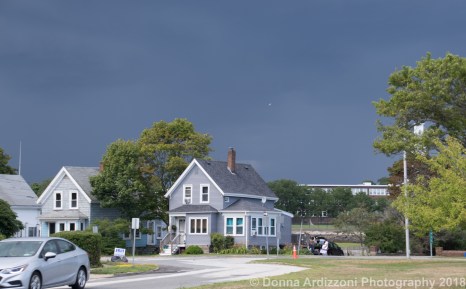
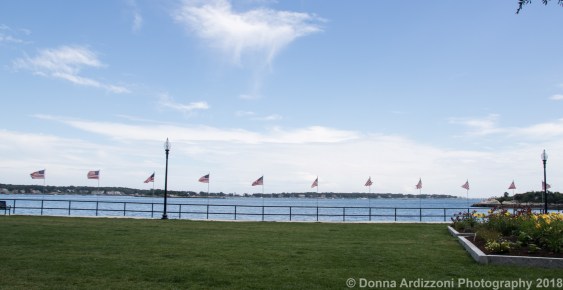
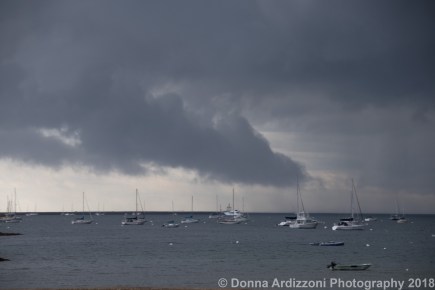
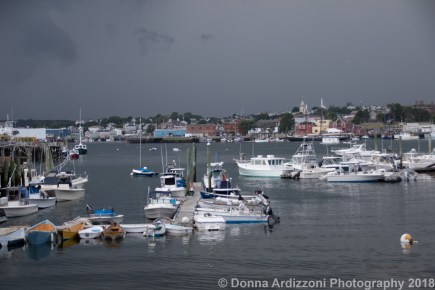
Around 4:30 on Thursday the skies opened up
Rocky Neck before the storm
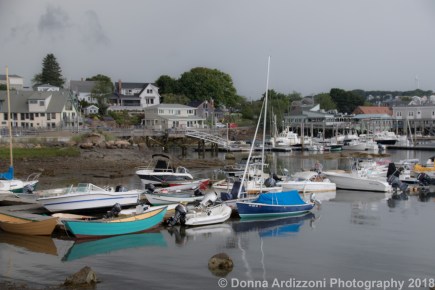
Clouds over the high school
At the same time sun over the boulevard as the clouds were over the high school
Storm cloud coming right toward Rocky Neck
From East Main Street
Spread The GMG Love By Sharing With These Buttons:

Our Sail On The Schooner Thomas E Lannon Is Tonight- There’s Spots It’s a Perfect Night! Come Join Us!!!!!!!
Schooner Lannon Sail Tonight July 27, 2018 Get Tickets Here
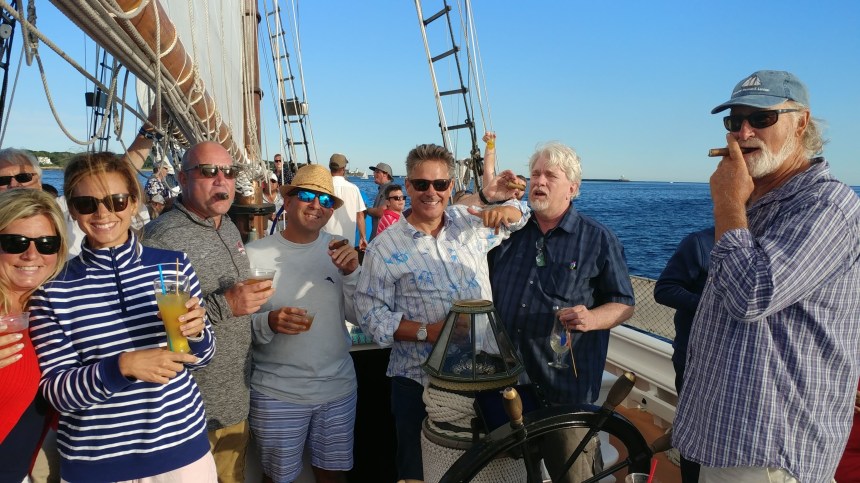
July 27, 2018 at 6:00pm (2 hours)
Spread The GMG Love By Sharing With These Buttons:

Classic Trucks at the White Ellery 🏠
Fun family event news from Courtney Richardson at Cape Ann Museum:
Classic Trucks at the White Ellery House | Linking past and present
GLOUCESTER– In the spirit of connecting the past to the present the Cape Ann Museum will display classic trucks on the lawn of the historic White-Ellery House (245 Washington Street in Gloucester) on Saturday, August 4 from 11:00 a.m. to 3:00 p.m. This program is free and open to the public. All ages are invited to enjoy a ride down “memory lane” while taking in these classic vehicles as well as the historic house that served as a home until 1947. Local historians and Museum docents will be on hand to share the history of the house with visitors. Classic truck themed drawing, coloring and “I spy” activities will be available for children and families. All are welcome!
This program is offered in conjunction with the special exhibition Gone… Fishing: Recent Work by Jeffery Marshall
opening on August 10. For more information visit capeannmuseum.org or call 978-283-0455 x10.
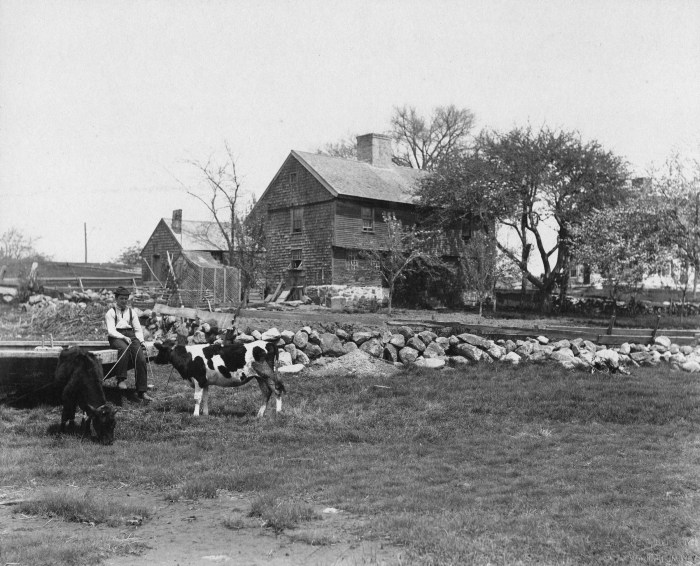
The White-Ellery House, located at 245 Washington Street in Gloucester at the Route 128 Grant Circle Rotary, was built in 1710 and is one of just a handful of First Period houses in Eastern Massachusetts that survives to this day. (First Period means c. 1620–1725.) Stepping inside today, visitors enter much the same house they would have 300 years ago.
Image credit: Martha Hale Harvey, Old Ellery House, photograph. c1895. Collection of the Cape Ann Museum.
Spread The GMG Love By Sharing With These Buttons:

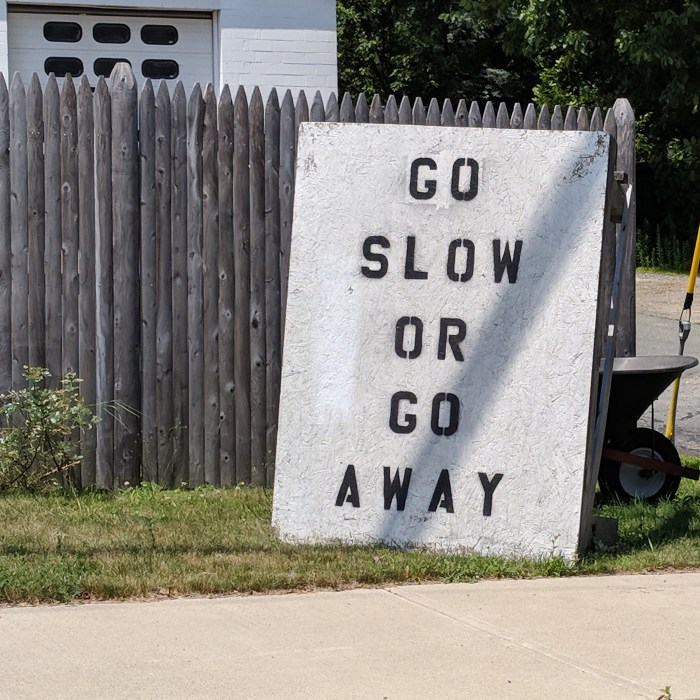
Precept in Essex
Spread The GMG Love By Sharing With These Buttons:

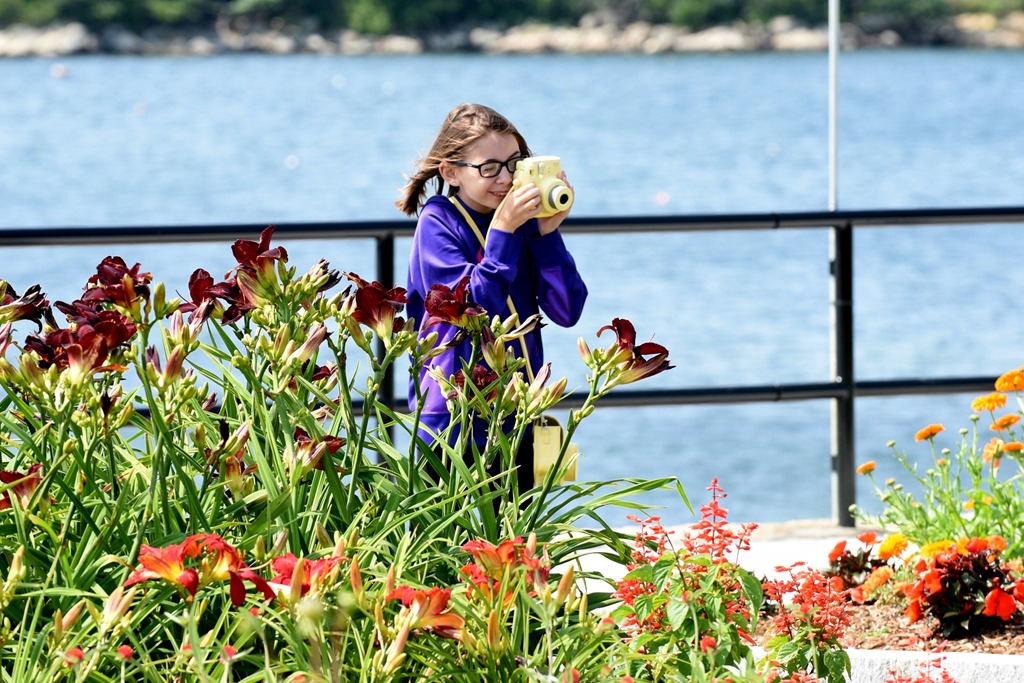
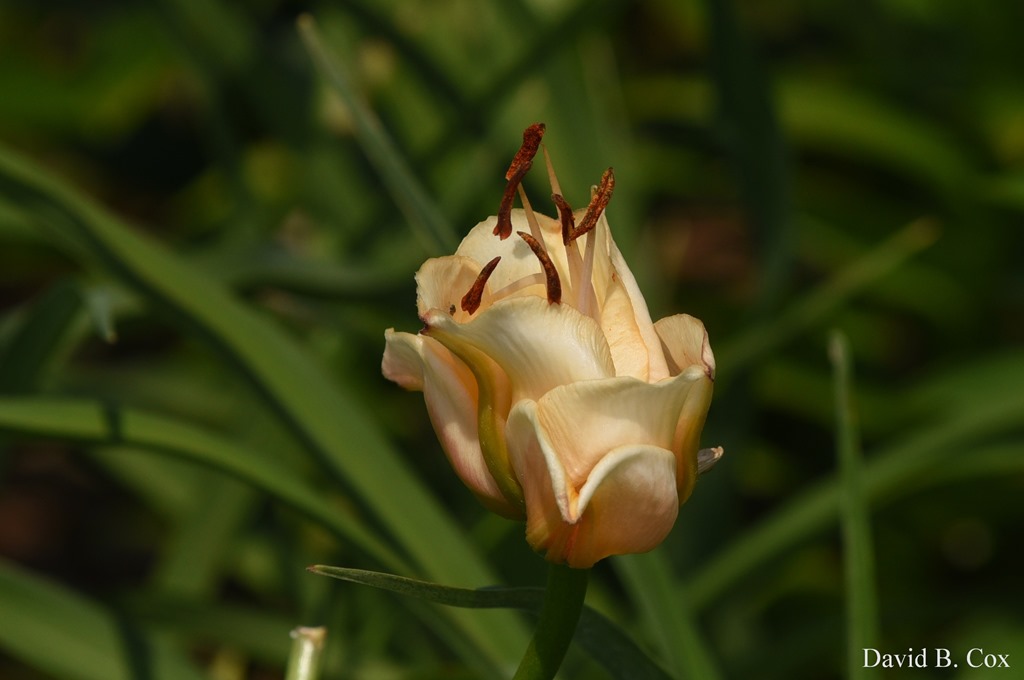
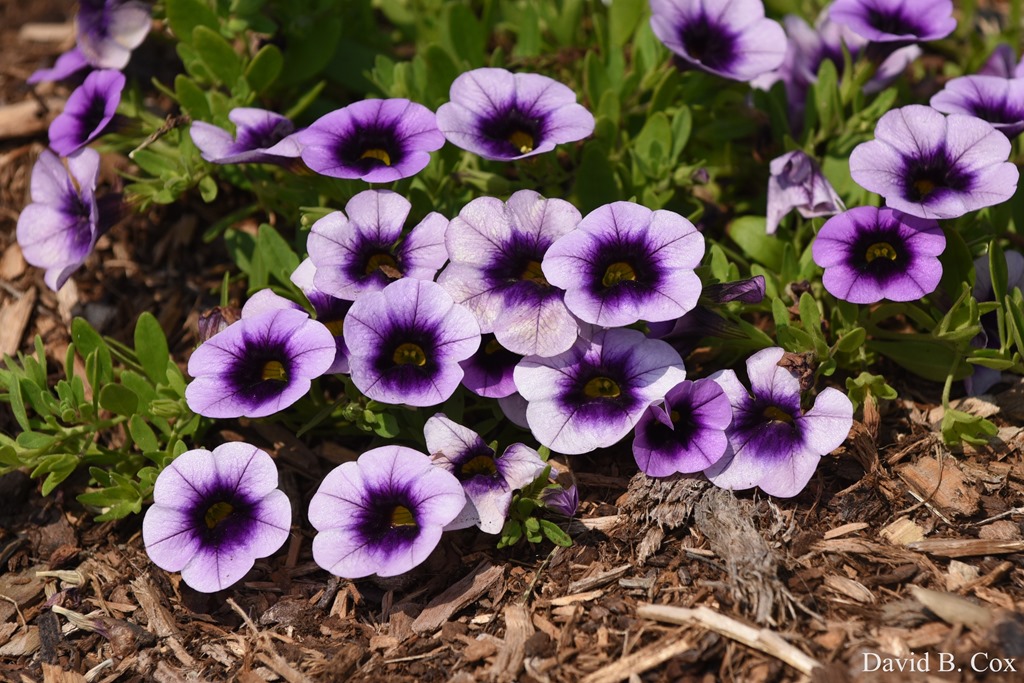
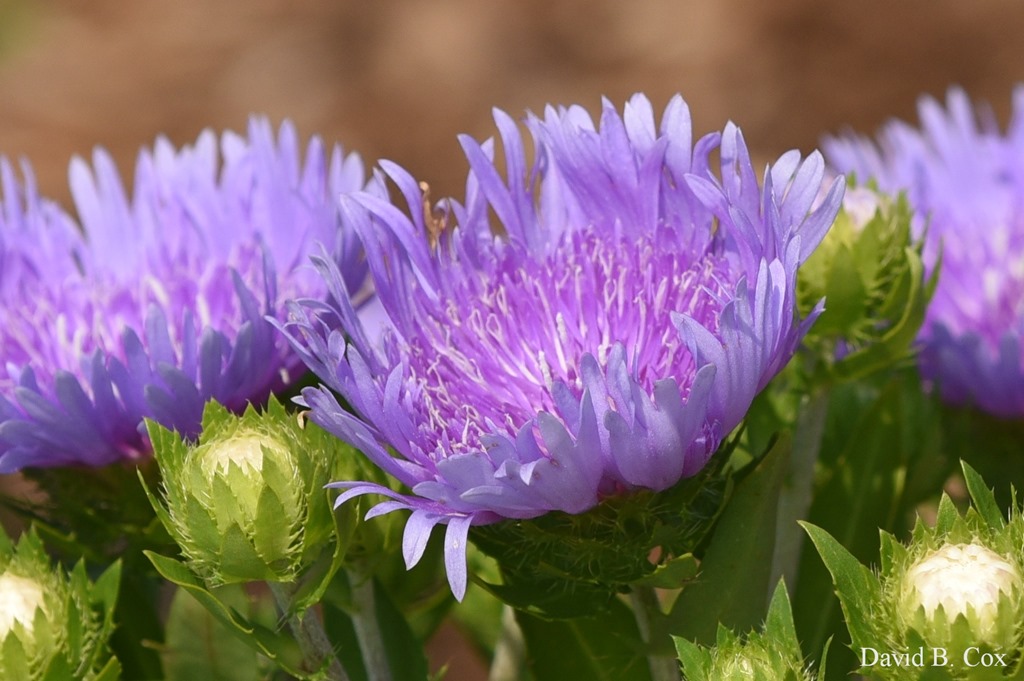
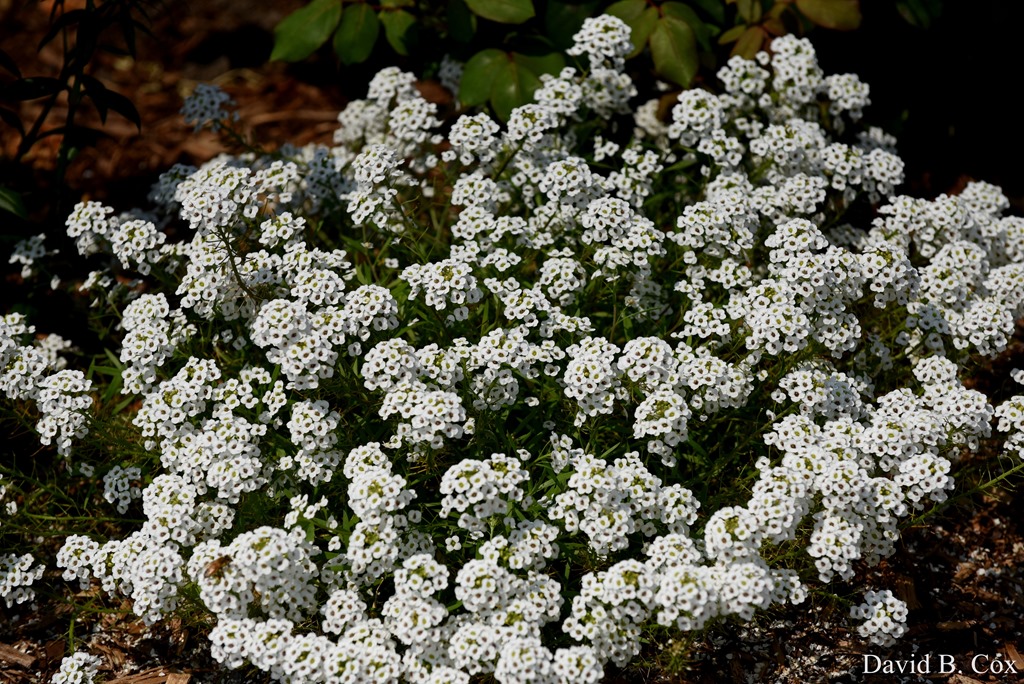
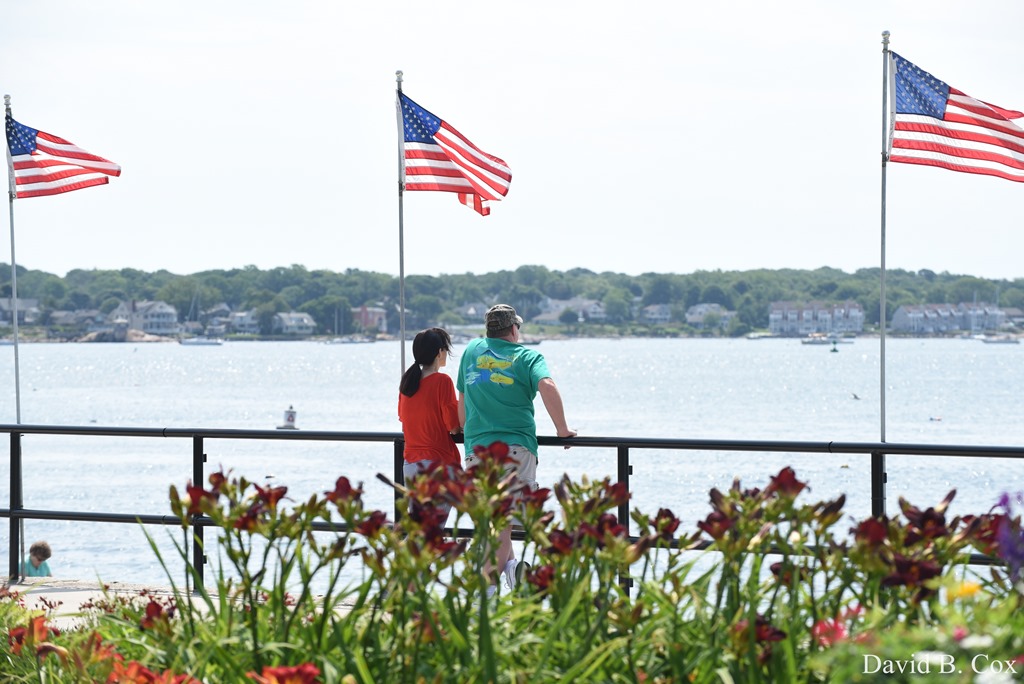
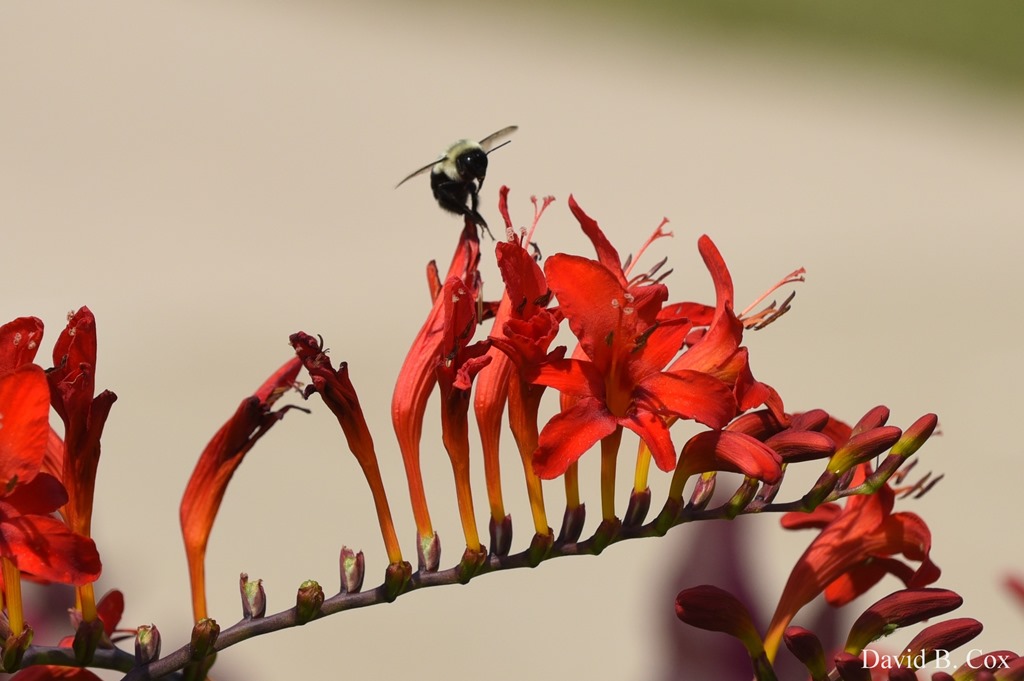
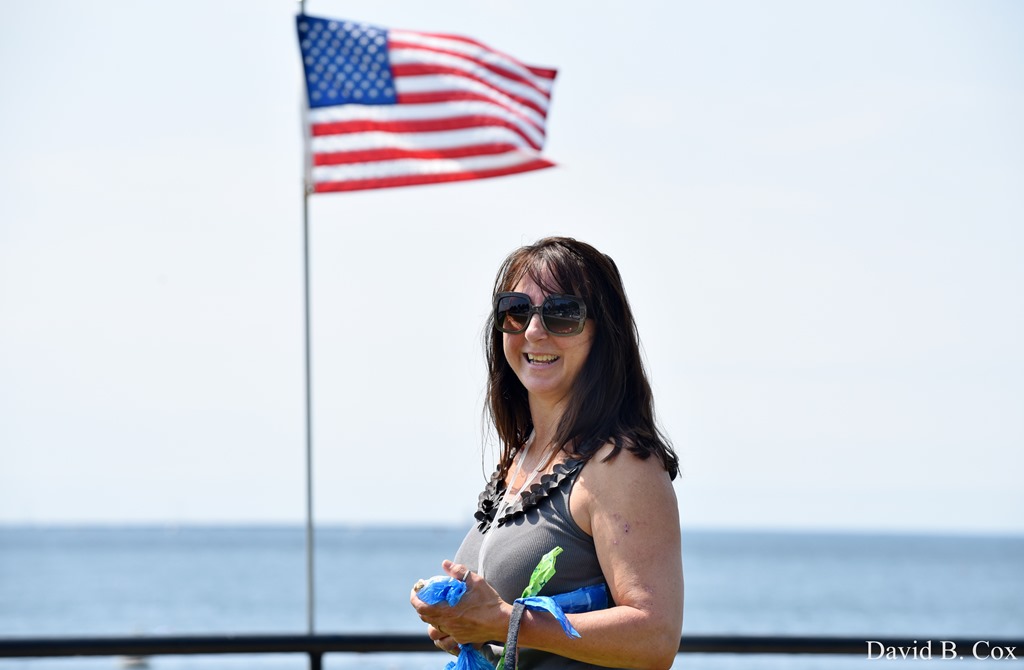
around Town #64 & flowers at the Boulevard by the generous gardeners


Spread The GMG Love By Sharing With These Buttons:

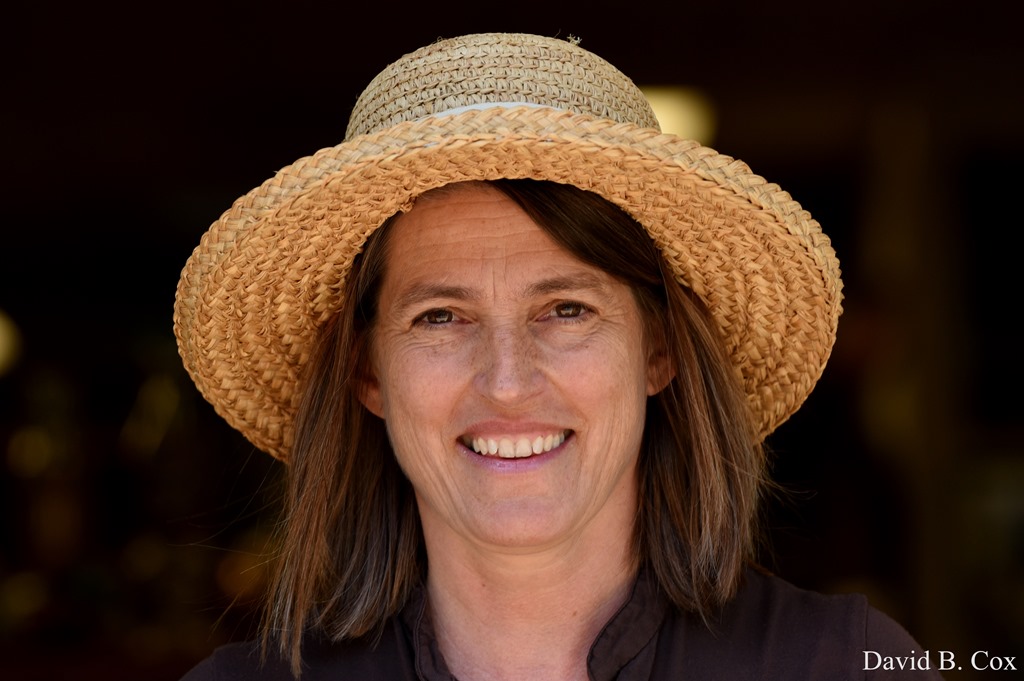
Gloucester Smiles-974


Spread The GMG Love By Sharing With These Buttons:

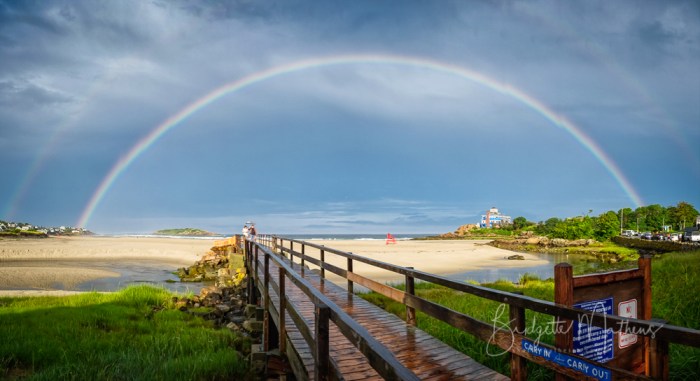
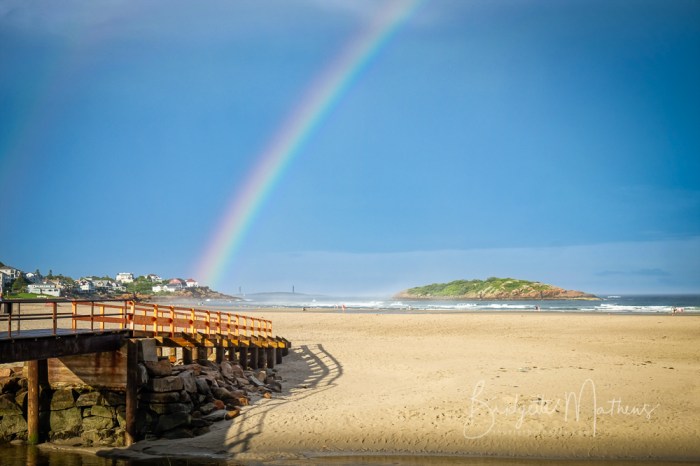
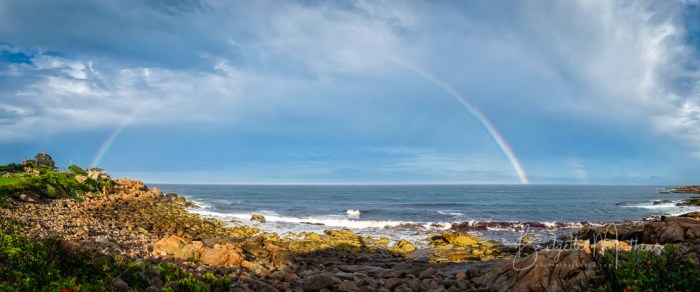
Good Harbor double rainbow
I had a feeling when the sun was coming out last night that we were going to have an awesome rainbow…. we were lucky enough to get a double beauty over the backshore!

 Good Morning Gloucester