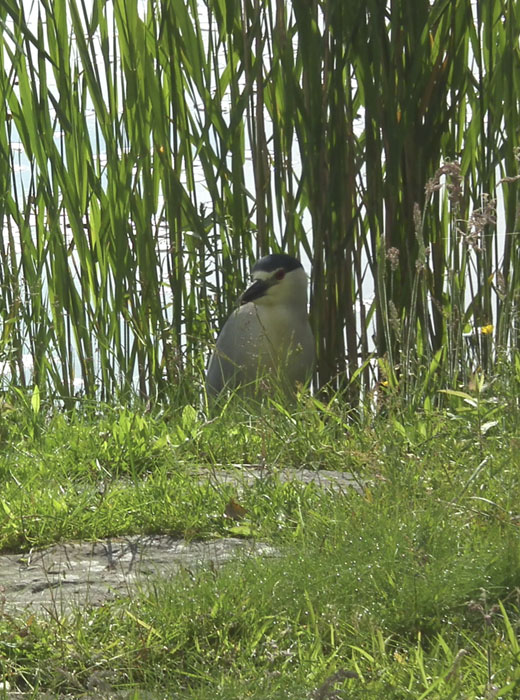
Encountered this fellow on a walk out Eastern Point beside Niles Pond. Usually pretty shy birds, he just stayed put and let me photograph him. I guess he wanted to be on GMG.
E.J. Lefavour
My View of Life on the Dock
Encountered this fellow on a walk out Eastern Point beside Niles Pond. Usually pretty shy birds, he just stayed put and let me photograph him. I guess he wanted to be on GMG.
E.J. Lefavour


Late afternoon Monday while photographing around Niles Pond, I heard a soft rustling in the reeds nearby. I had been standing very still and was hoping it was the illusive muskrat who seems to be everywhere on the Pond, and nowhere when you have camera at the ready. Not Mr. Muskrat, but instead, Mama Mallard and her ducklings emerged.
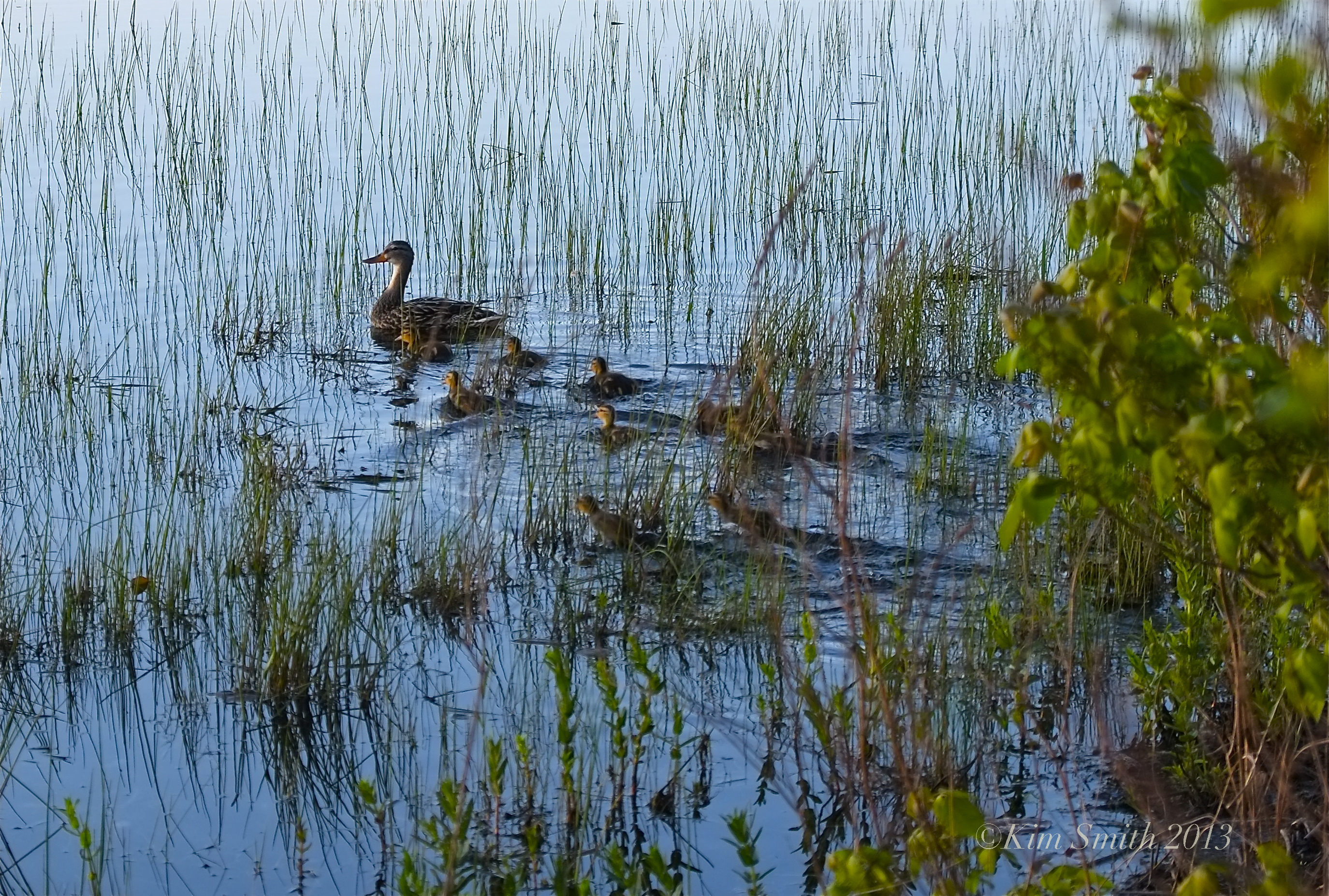
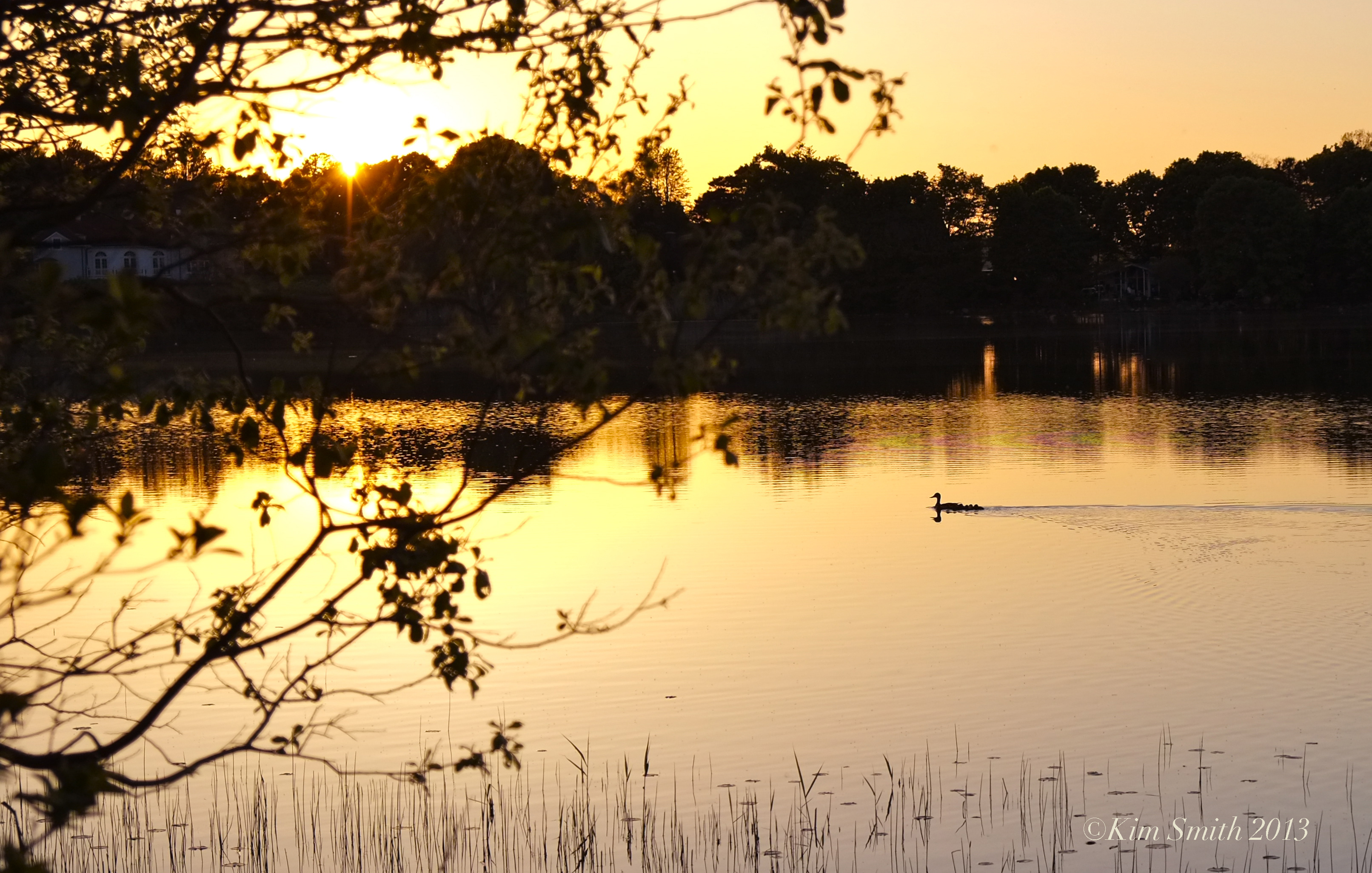 Niles Pond Ducklings

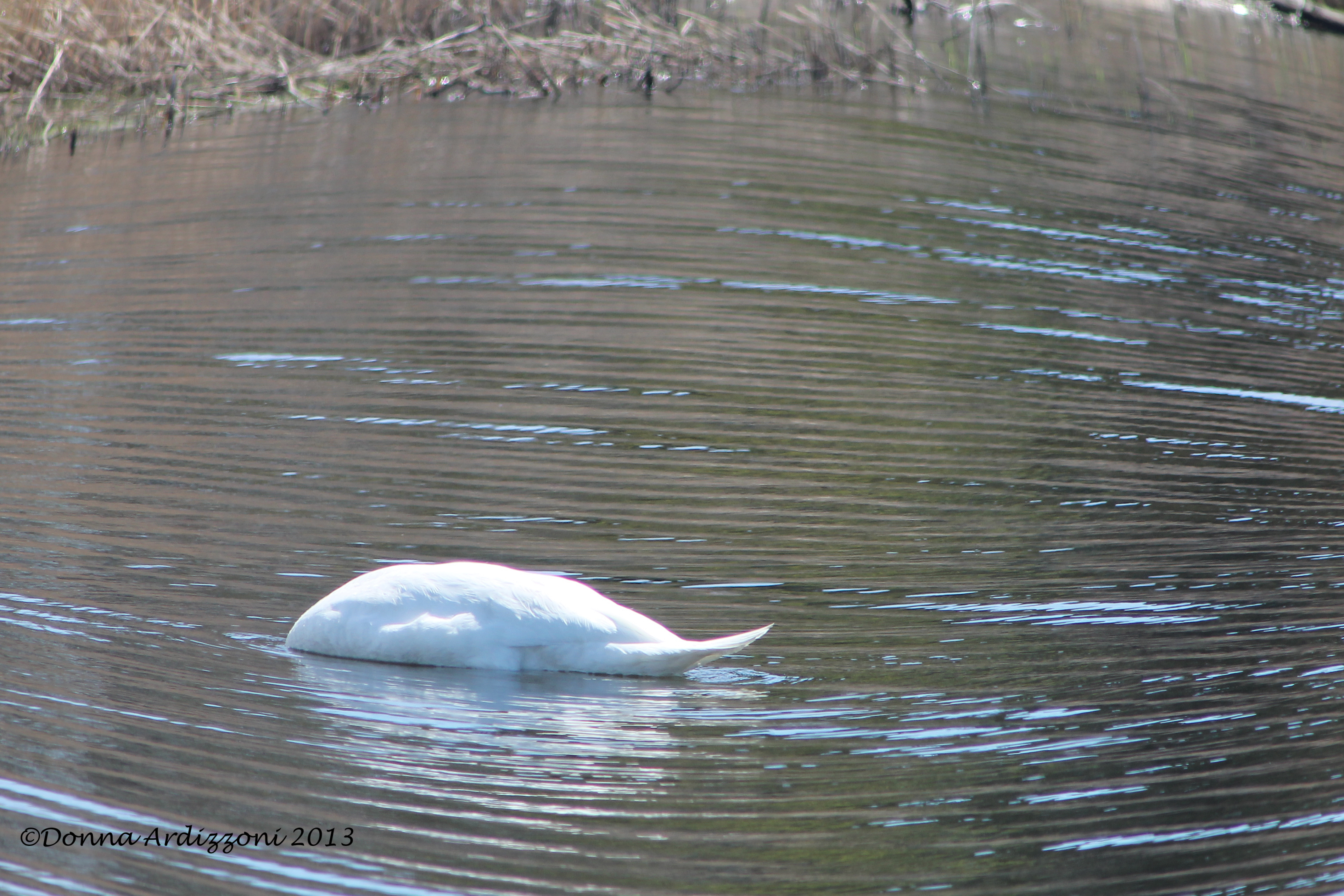
Swan at Niles Pond

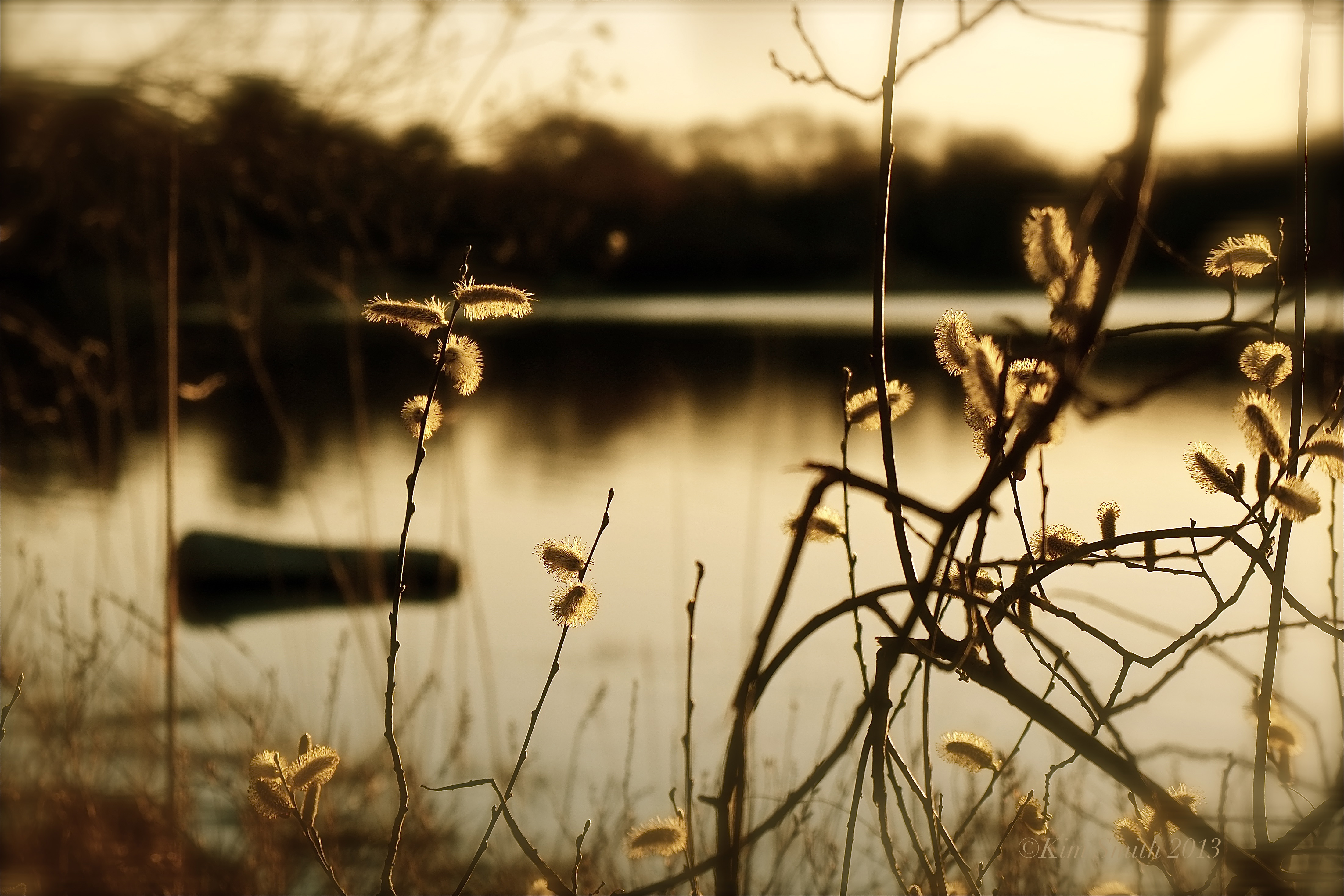
Spring has barely sprung, but yesterday was a little taste of summer. I went for a walk in the late afternoon sunshine at Brace Cove and Niles Pond where I ran into my friends JoeAnn and MJ, who were also walking their dogs on this glorious afternoon. I was looking for muskrats and seals. I didn’t see the seals, but the muskrat swam alongside our route, keeping a wary eye on my every move.
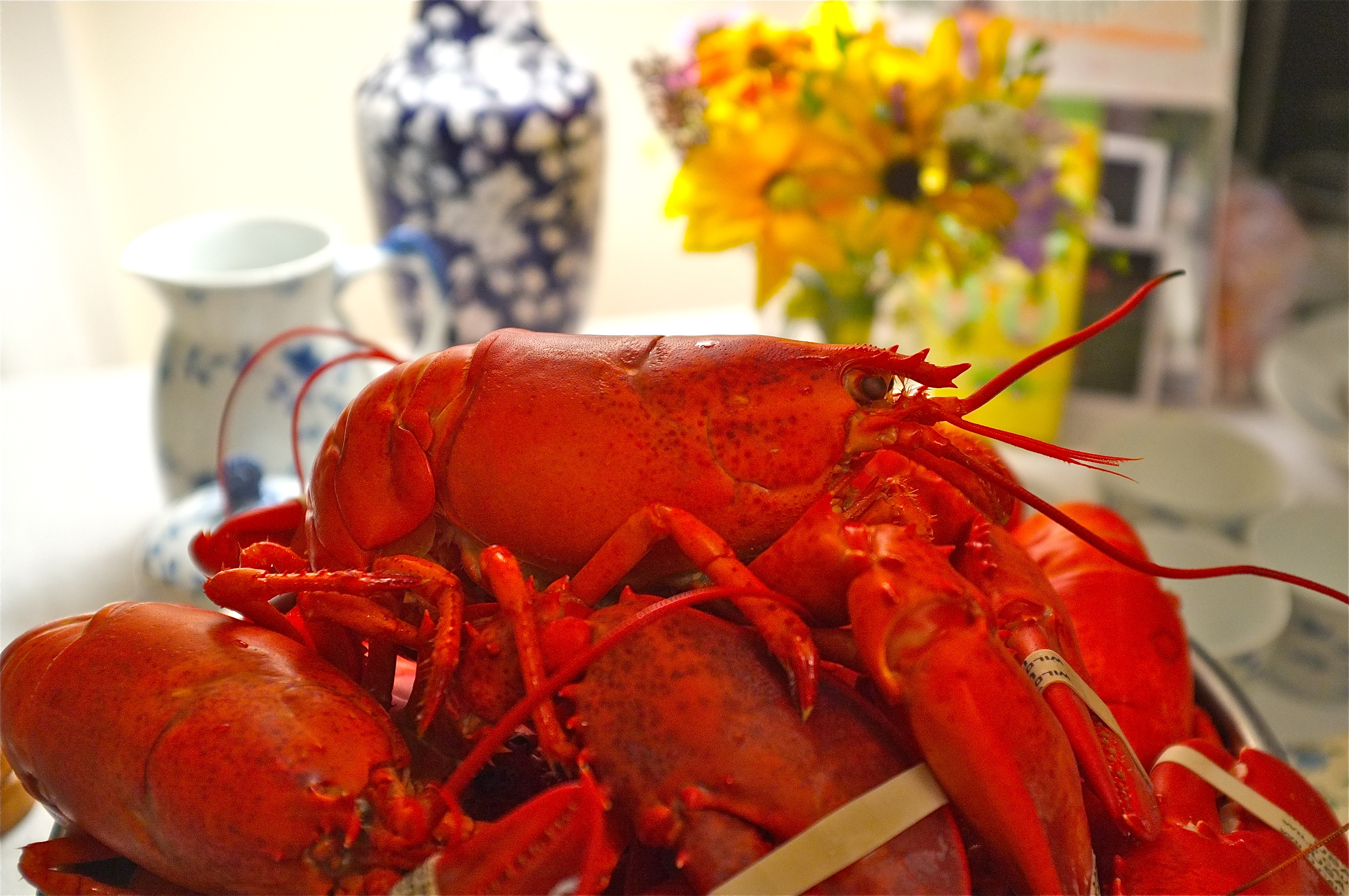
After the luxuriously delightful beach walk, I came home and cooked up some Captain Joe and Sons lobsters and fresh corn for dinner. So looking forward to the warm weather!!!

What a beauty of a day on Saturday.


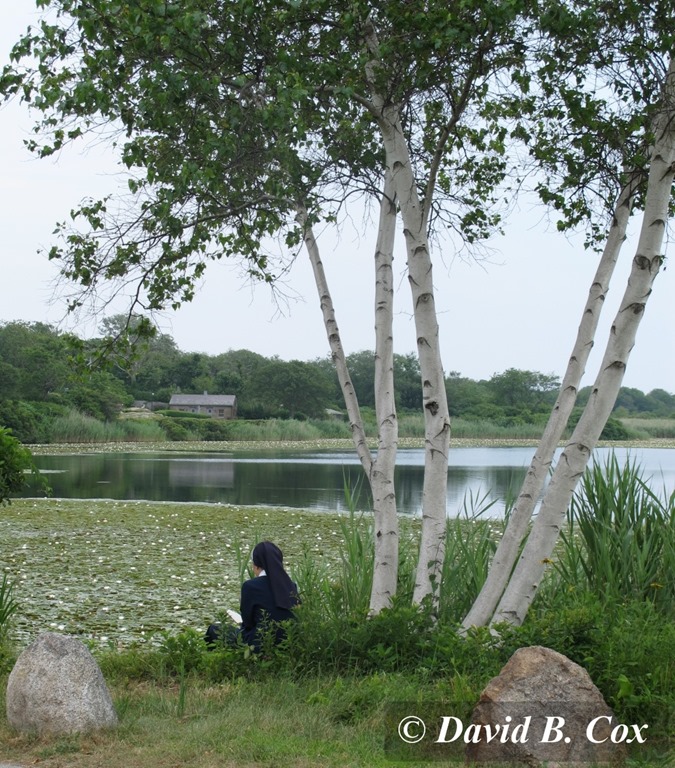

Several weeks ago in one of my posts about Niles Pond at Risk, I wrote about the beautiful Mute Swans at Niles. A reader wrote requesting a description of a phrase that I used, the “vibrant throbbing wingbeats” of the Mute Swan. I have shot hours of B-roll for both my Black Swallowtail and Monarch films at Niles Pond and at Brace Cove, so much so that I am making a mini film about Niles Pond. In organizing the Niles footage, I discovered some good audio of the swans throbbing wigbeats, filmed at sunrise.
The swans often take flight in unison, circling round and round the pond before returning. I patiently wait and wait and sometimes they don’t return, and as has happened more times than I care to say, while I am packing up my gear, they return and then I miss the shot for not being patient enough! Other times they will take flight and head over to feed at Brace Cove. A wedge of swans flying overhead is beautiful to observe, although a challenge to hold in my camera’s lens. Reviewing the footage I heard myself frequently cussing at the mosquitoes because their bite causes me to jag the camera sharply and then I lose sight of the swans. But one especially lucky dawn in September, I did manage to capture several flights.
Isn’t the music so swan-like? The composition is called “The Swan,” written by Camille Saint Saint-Saëns, and is the 13th Movement in a suite of 14 of the humorously themed Carnival of the Animals, Zoological Fantasy for 2 Pianos and Ensemble. See below for more about Carnival of the Animals from allmusic.
Watch on Vimeo if you prefer:
Read more:
Continue reading “Vibrant Throbbing Wingbeats”

Hi Joey,
You have had a number of posts about the strip of land separating Niles Pond and Braces Cove. In the late 50s, we could (and did) drive cars over that strip of land from Braces to the road in back of Gonzaga (or Blighty’s Estate as it was known as then). It was no problem. There was a dirt road that was easily navigated as long as no one decided to come over from the other side at the same time. You could also drive down to Braces Cove from the Back Shore where there is just a foot path now.
GMG is a nice connection to what will always be home for us that are lucky enough to spend our retirement winters in Florida. Keep up the good work.
Larry Davis
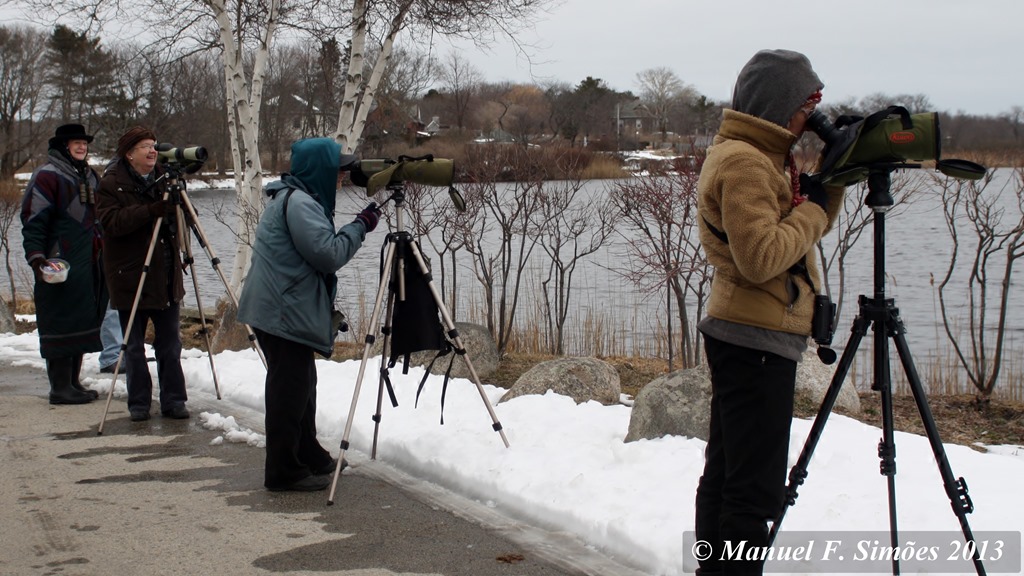


 Click Gloucester Times for more on Bird Watching

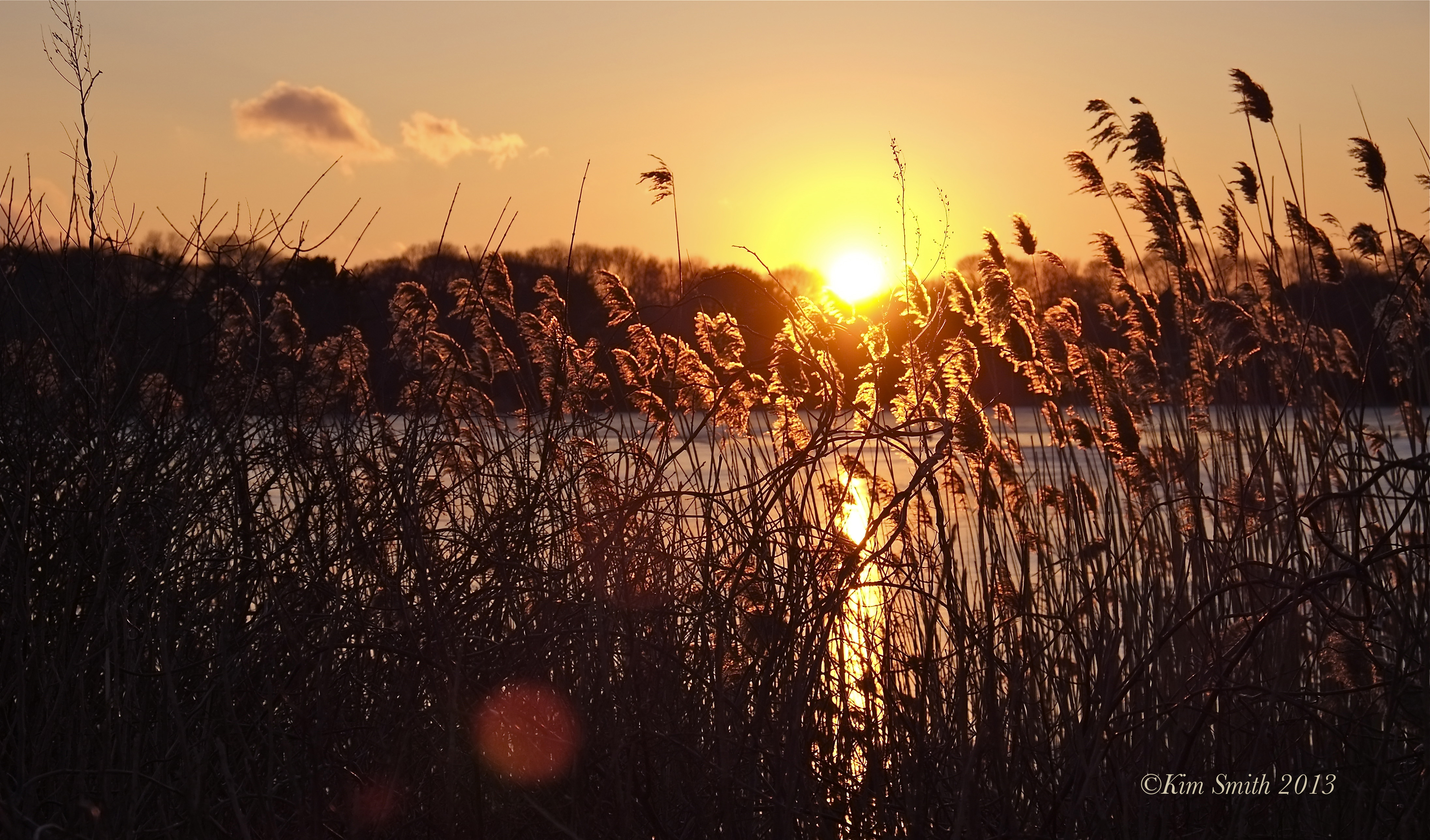
An embarrassment of riches ~ Whether dawn or dusk, when standing on the footpath between Niles Pond and Brace Cove, sometimes I can’t decide which direction to point my camera. When that happens I focus the video camera in one direction and turn and face the opposite direction with the still camera.
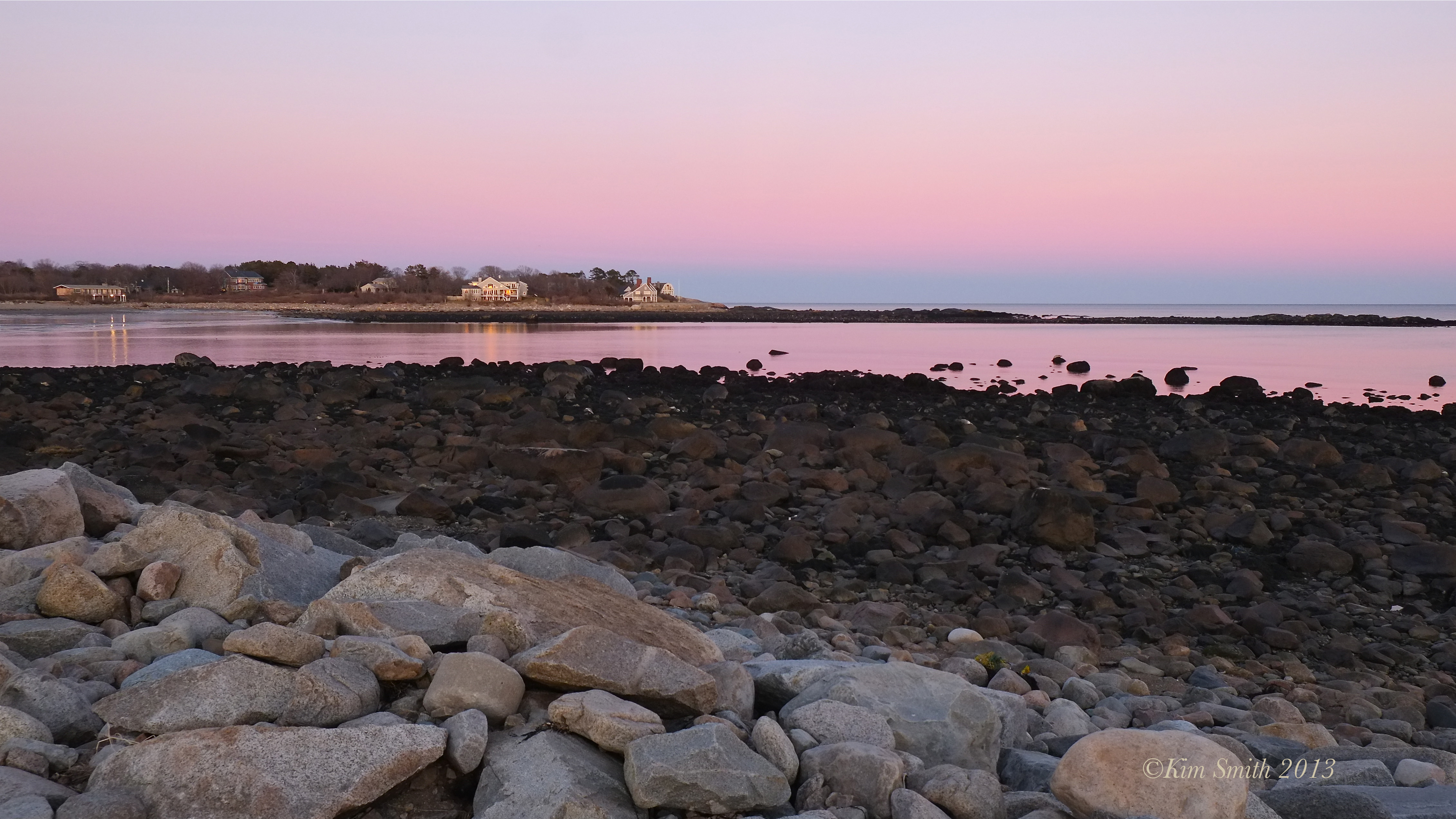
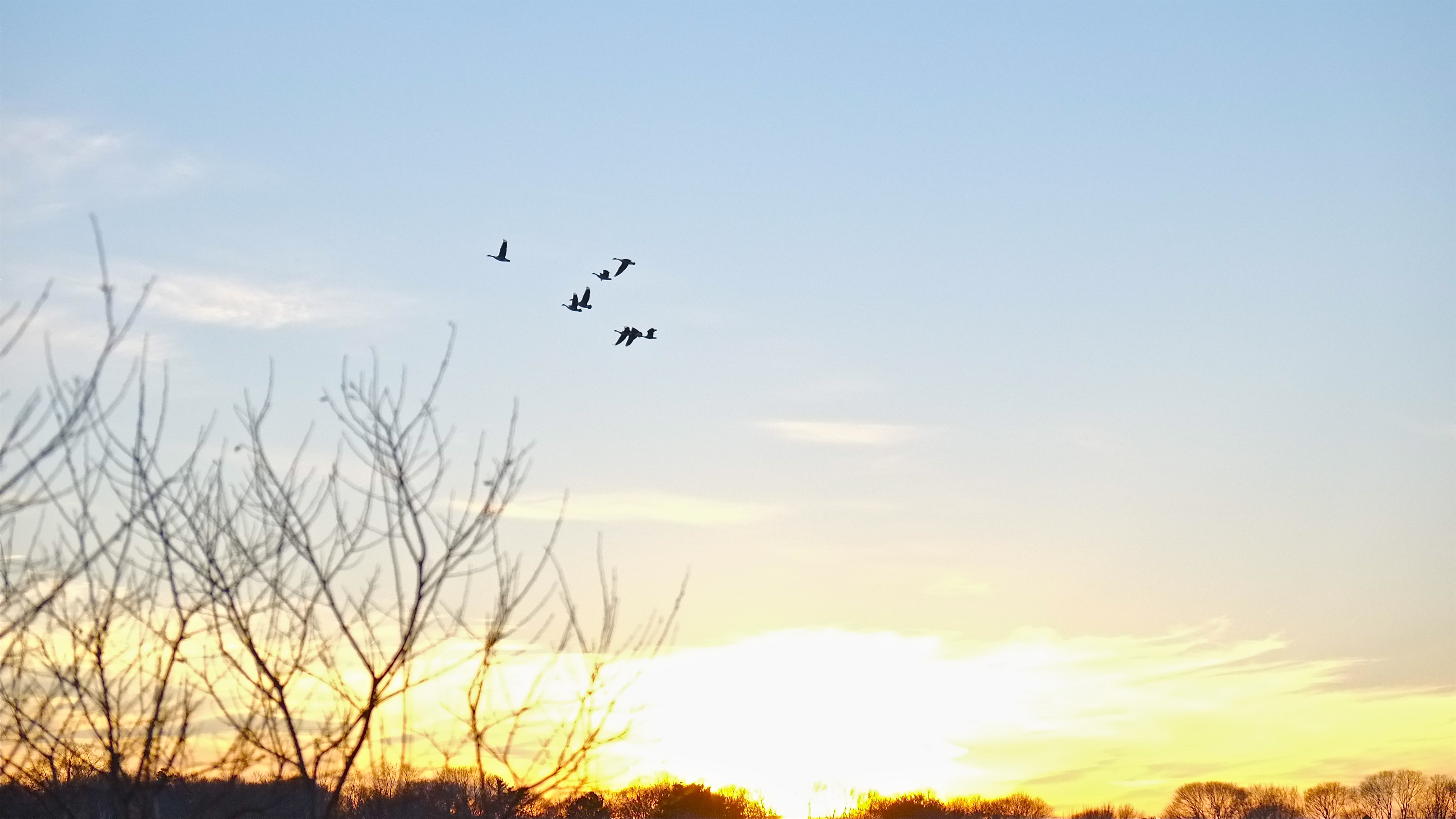
This batch of photos was taken on a chilly afternoon in early January, looking first toward the pond, and then heading down to the beach at Brace Cove after a wedge of eight Mute Swans flew overhead and landed in the cove.
The bevy was comprised of six cygnets and parents. The bill of the adult Mute Swan is vivid red-orange whereas the cygnet’s bill ranges in shades from dark gray through muted browns. A black knob at the base of the cob’s (male) bill bulges prominently during mating season; the rest of the year it is often difficult to distinguish pen from cob. Anyone who has ever encountered a hissing, snarling, gnarling, and whistling Mute Swan wonders why they are called mute. Mute Swans lack the vocal trumpeting when compared to other members of the genus. The most beautiful sound the Mute Swan makes is the vibrant throbbing of their wingbeats in flight. I believe this sound is unique to Mute Swans. Click photos to view larger.
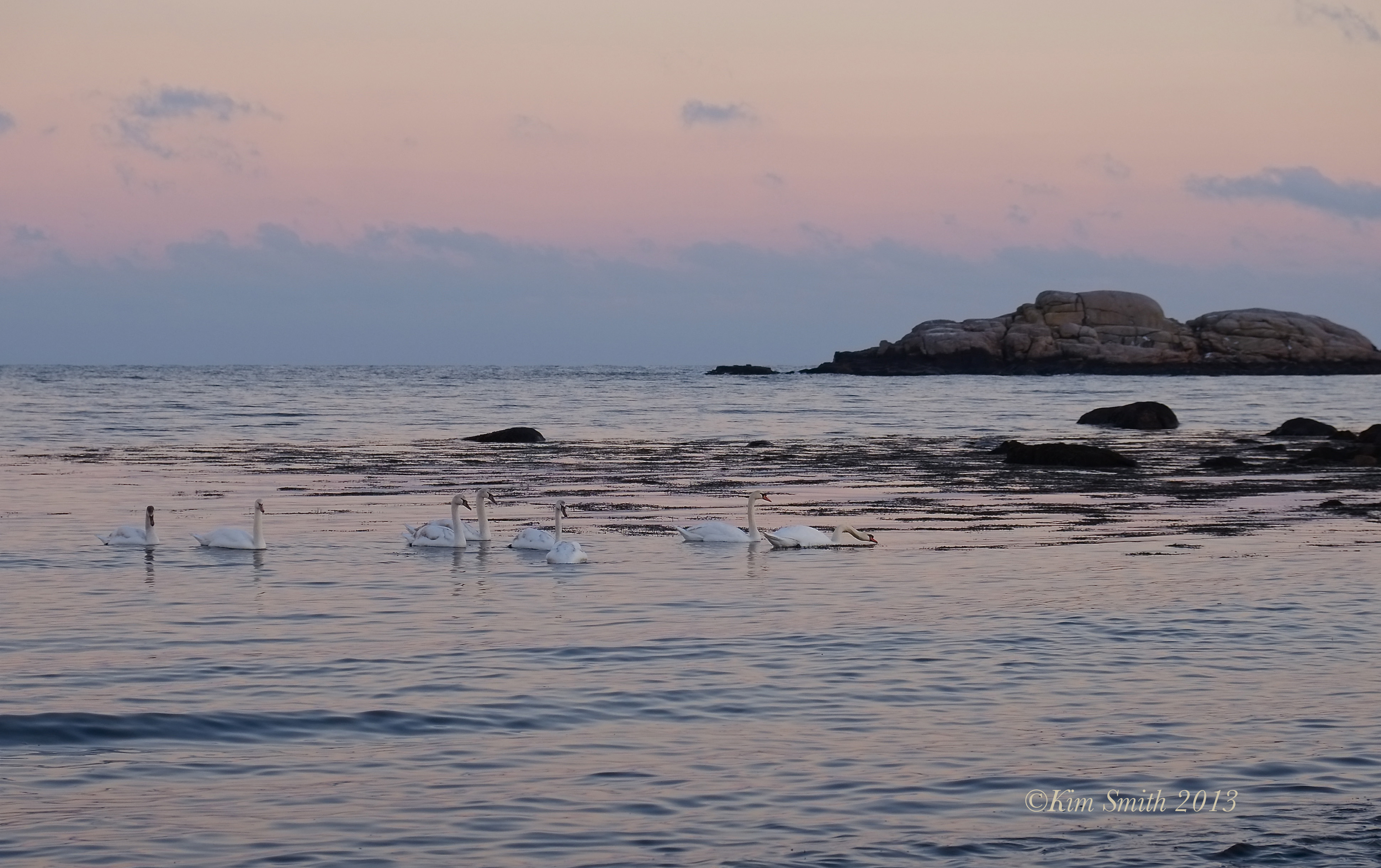
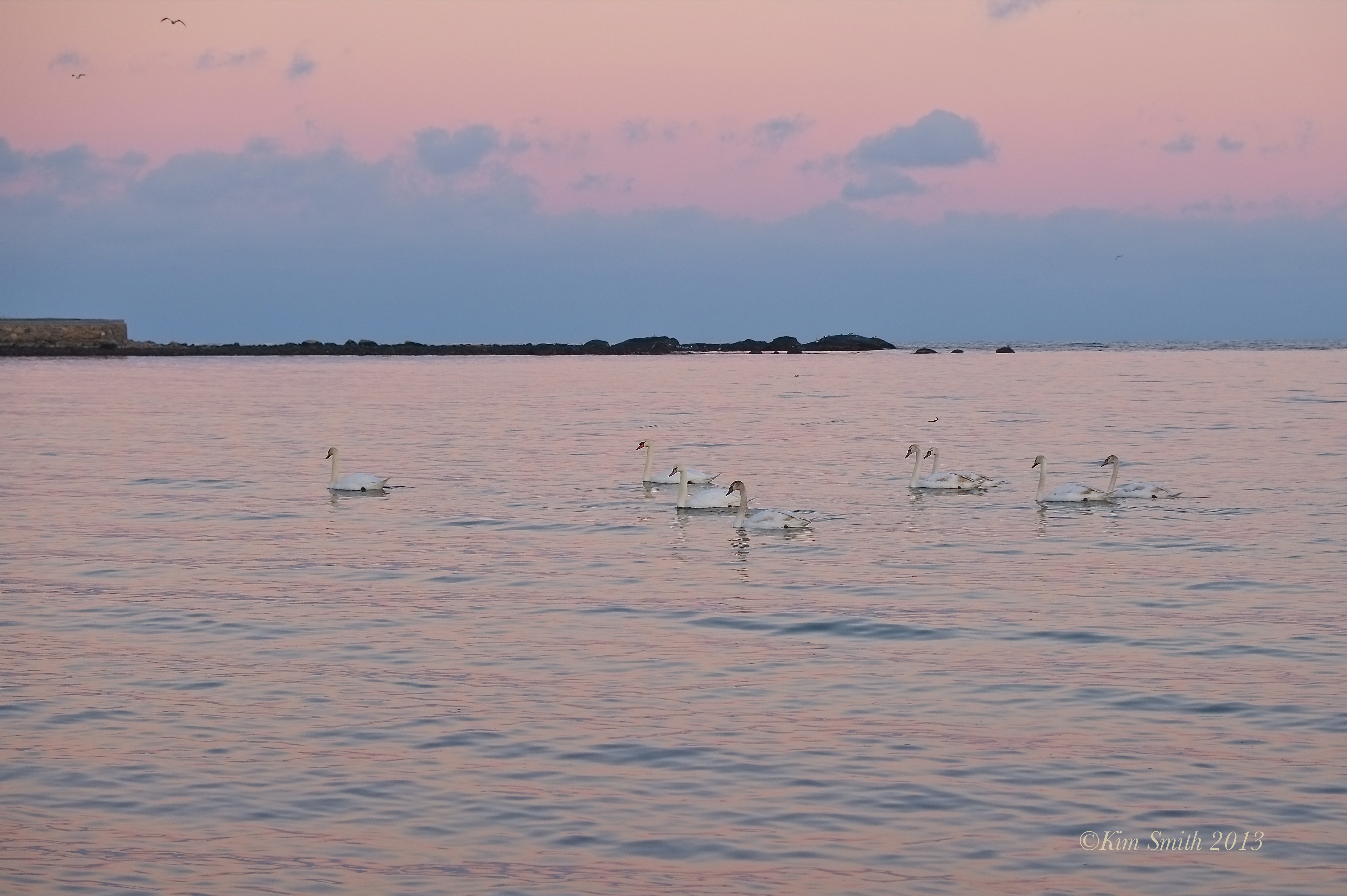
Eight Mute Swans (Cygnus olor) at Brace Cove, Gloucester

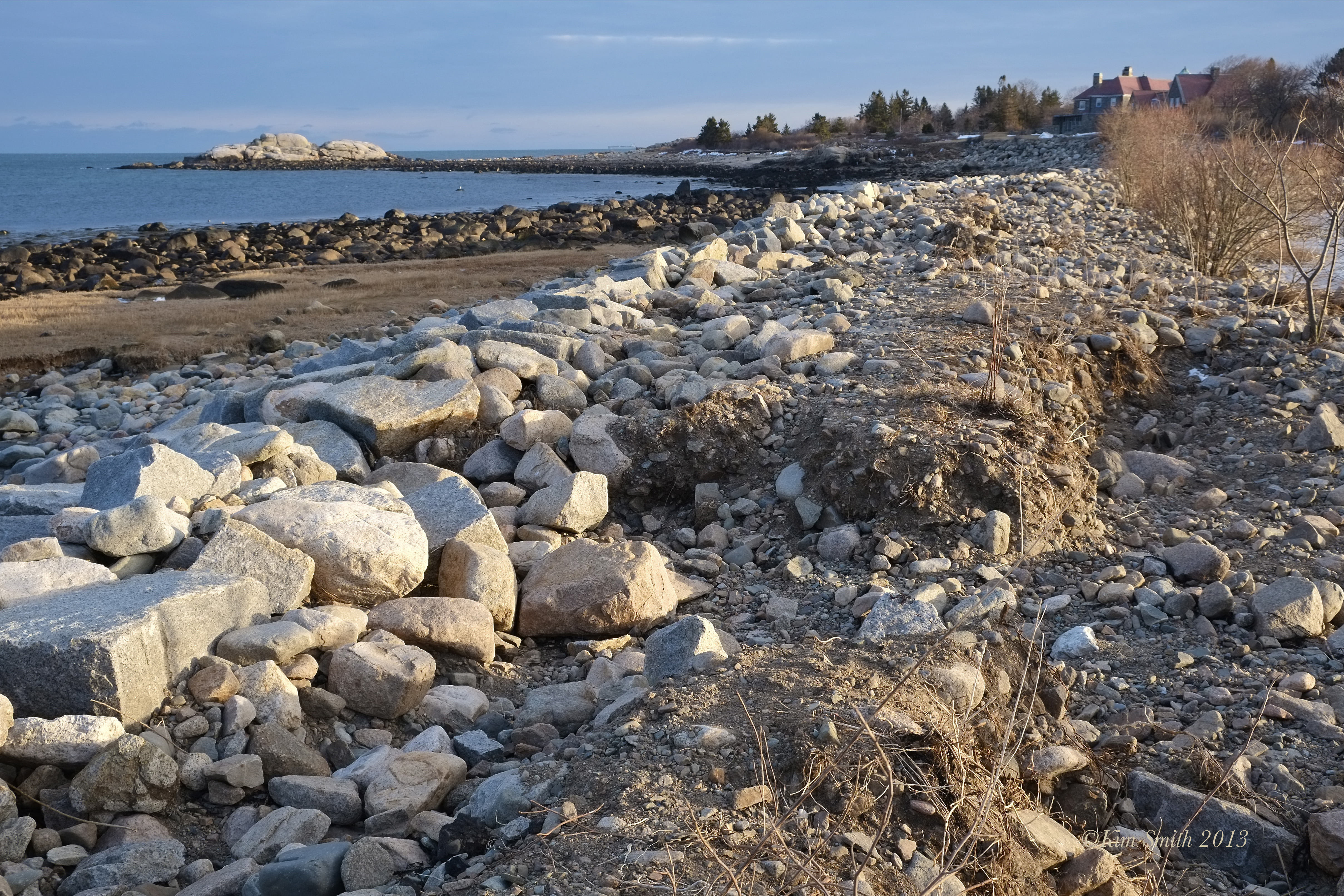
The narrow strip of land that separates freshwater Niles Pond from the Atlantic Ocean was severely damaged during Blizzicane Nemo.
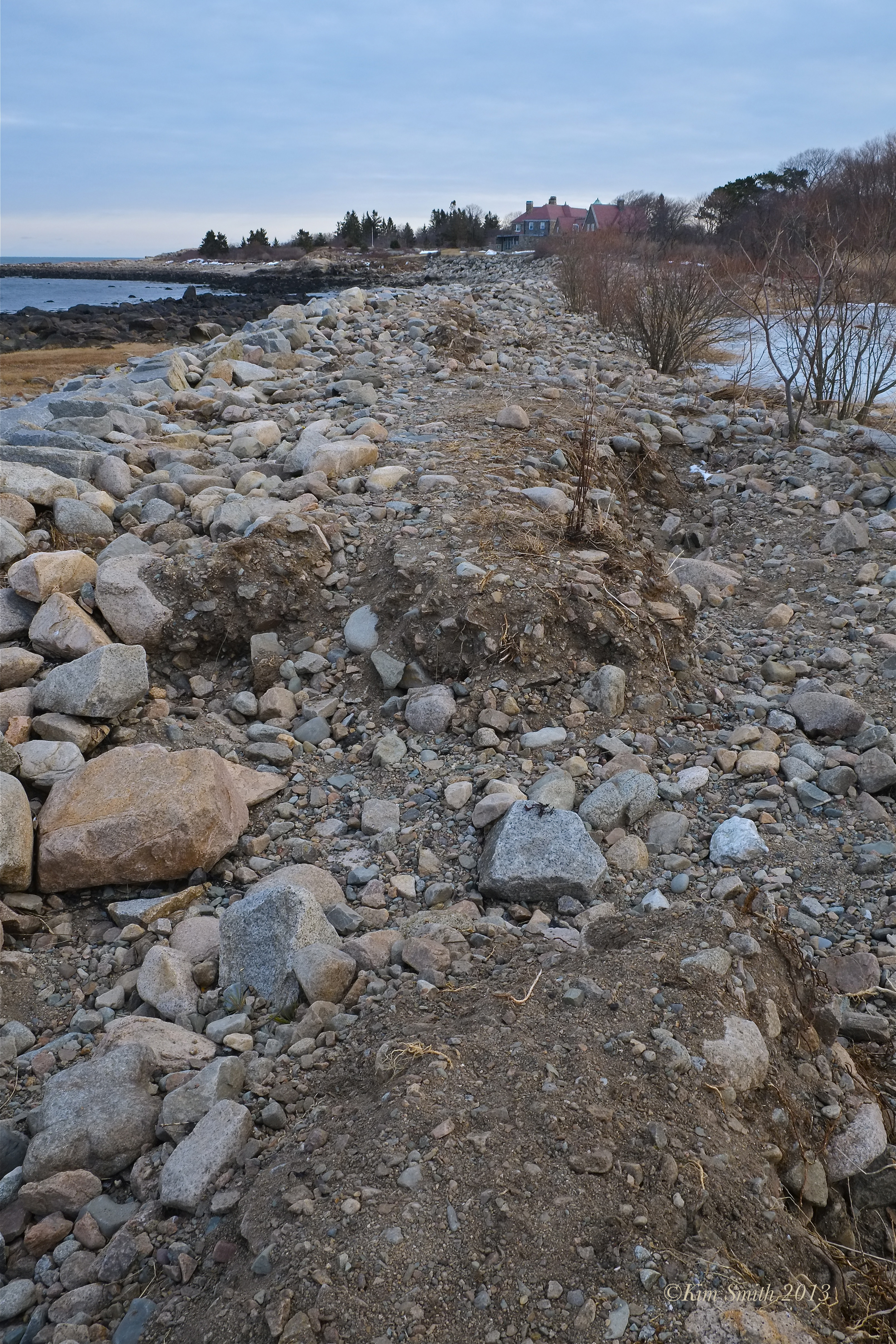
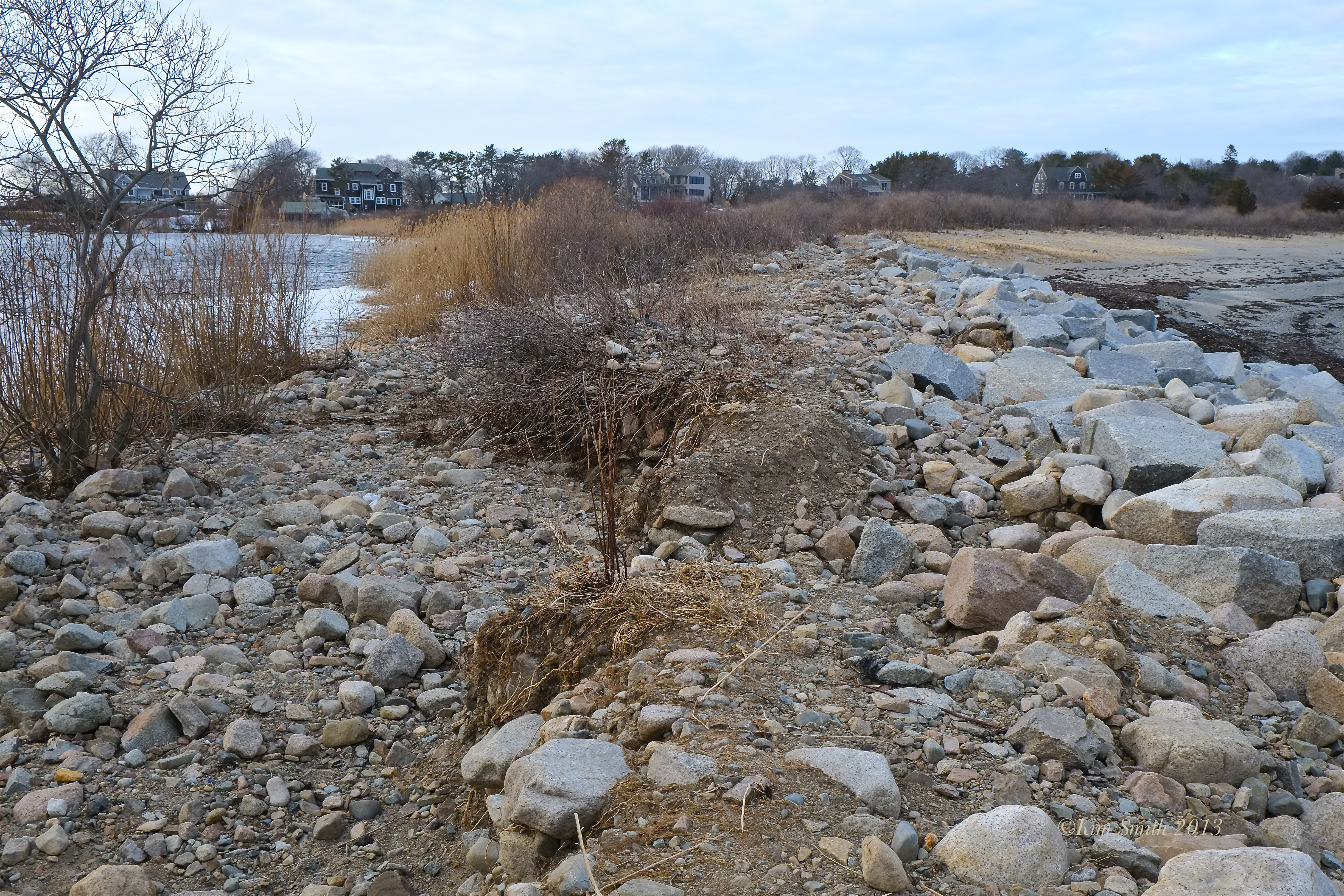
In several places along the footpath, there are cuts clear through the granite dune and a sandy beach is forming on the Niles Pond side. Shrubs, wildflowers, and ground covers that help retain the sides of the causeway have been uprooted and washed away.
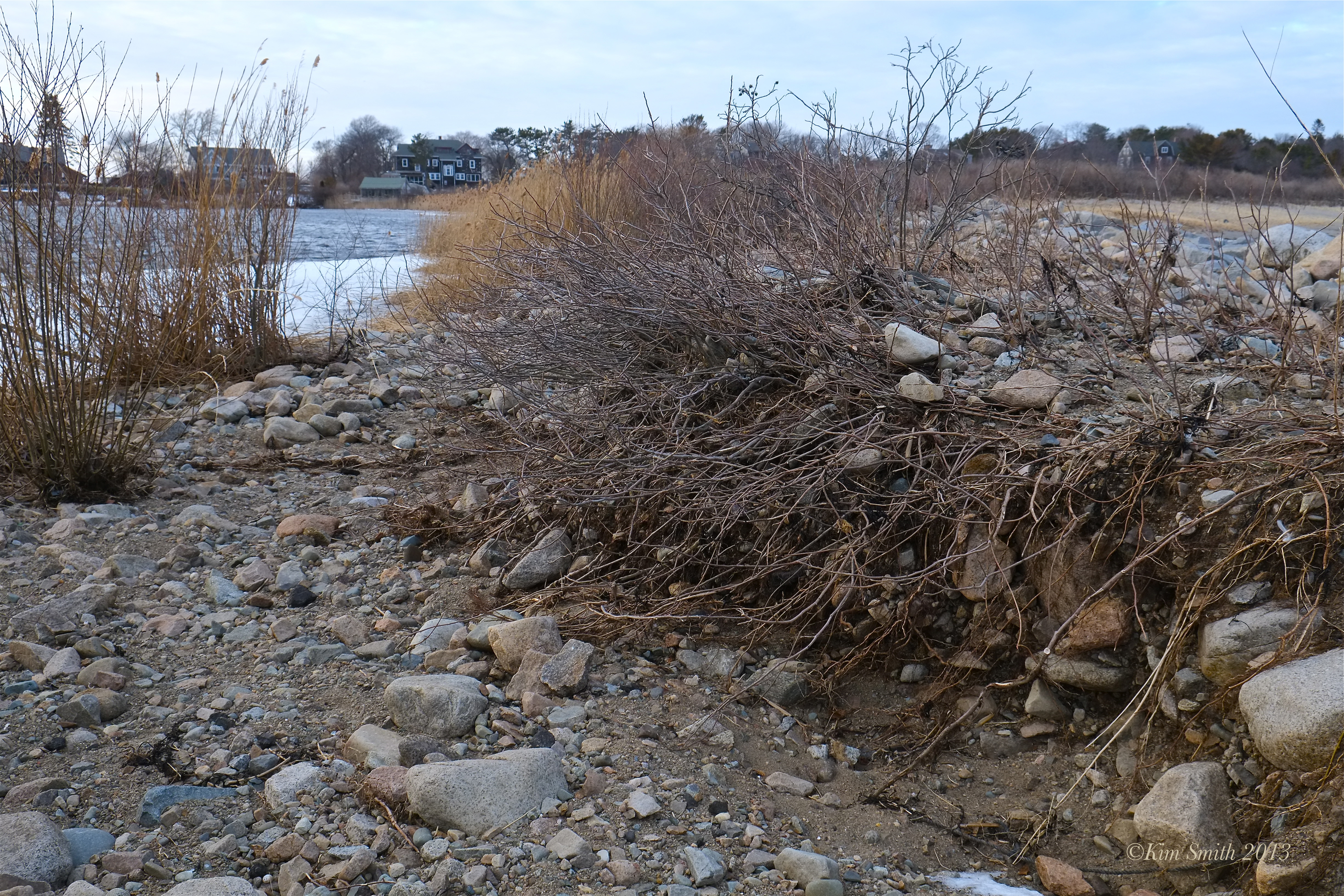
To read more about what makes this narrowest strip of land dividing Niles Pond and Brace Cove so unique, see JoeAnn Hart’s beautiful story about Niles Pond.
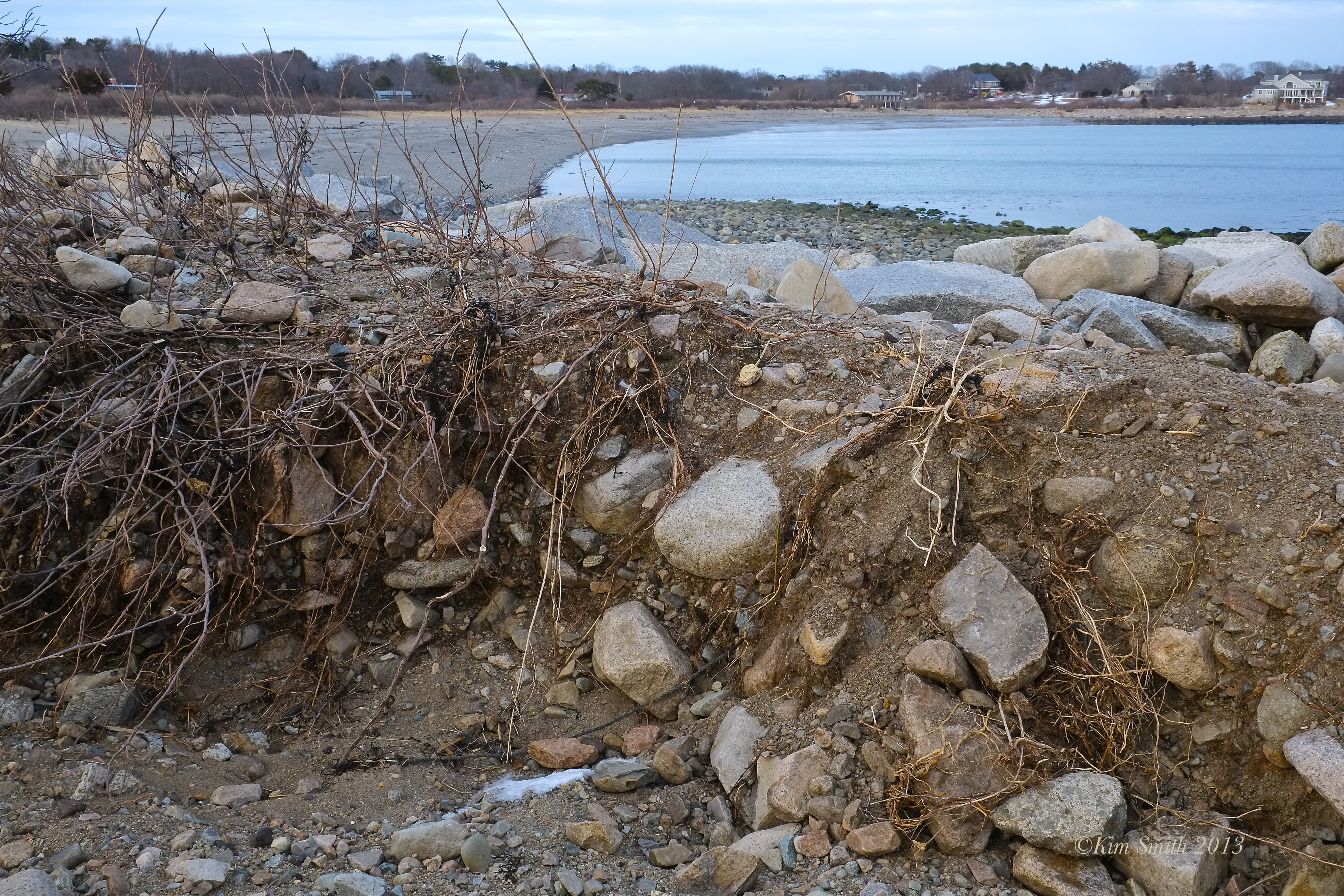
Niles Pond and Brace Cove Footpath Storm Damage


E.J. Lefavour

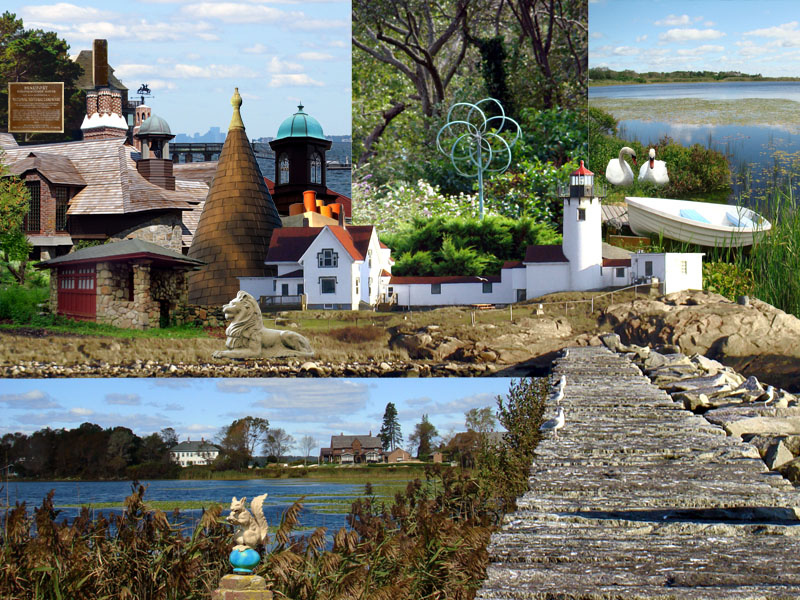
Eastern Point is the southern half of the peninsula between the Atlantic Ocean and the eastern side of Gloucester Harbor. Without the peninsula, there would be no harbor. Eastern Point is about a mile and a half long and stretches from just north of Niles Beach to the Eastern Point Lighthouse and Dog Bar Breakwater, which are located at its southern tip.
The history of Eastern Point is both the history of shipwrecks and efforts to reduce their number and a history of the privileged class which settled and developed Eastern Point. Both facets of Eastern Point’s history are covered in detail by Joseph E. Garland’s excellent book, Eastern Point ( Beverly, MA: Commonwealth Editions 1999).
In 1728, during the heyday of the Commons Settlement in the Dogtown section of Gloucester, fifteen families lived on Eastern Point. After the Revolution, Daniel Rogers, a forebear of Joseph Garland, owned a large farm that took up most of Eastern Point. In 1844, Thomas Niles acquired this 450 acre farm, and in 1859, the “irascible” Niles, as Garland characterized him, won a state Supreme Court ruling barring the public from access to most of Eastern Point. This helped create a mystique of exclusivity for Eastern Point, which even modern visitors can feel as they drive through two gates to reach the lighthouse.
Development of Eastern Point as a vacation spot for the wealthy began in 1887, with the sale of the Niles farm to the Eastern Point Associates. The next year, construction began on what would eventually be eleven “cottages”, many of which can easily be seen today. The magnificence of the interior of these dwellings can also be experienced today by visiting “Beauport,” a 40 room house on Eastern Point designed and built by Henry Sleeper from 1907 to 1934. “ Beauport” is open to the public and operated by Historic New England, formerly The Society for the Preservation of New England Antiquities. In 1892, the Eastern Point Associates went bankrupt, primarily because they could not provide an infrastructure on Eastern Point for the homes they were building. Perhaps the peak of Eastern Point’s caché as a vacation spot came in 1904 with the construction near Niles Beach of the Colonial Arms, a six story 300 room luxury hotel, which unfortunately burned down in 1908.
from http://myweb.northshore.edu/users/ccarlsen/poetry/gloucester/easternpointhistory.htm
During the summer while I am on Rocky Neck, walking Eastern Point is something I do often. It is a small area packed with so many lovely and interesting things to see. This montage only begins to touch them.
E.J. Lefavour
http://www.khanstudiointernational.com/galleryphotomontage2013.htm

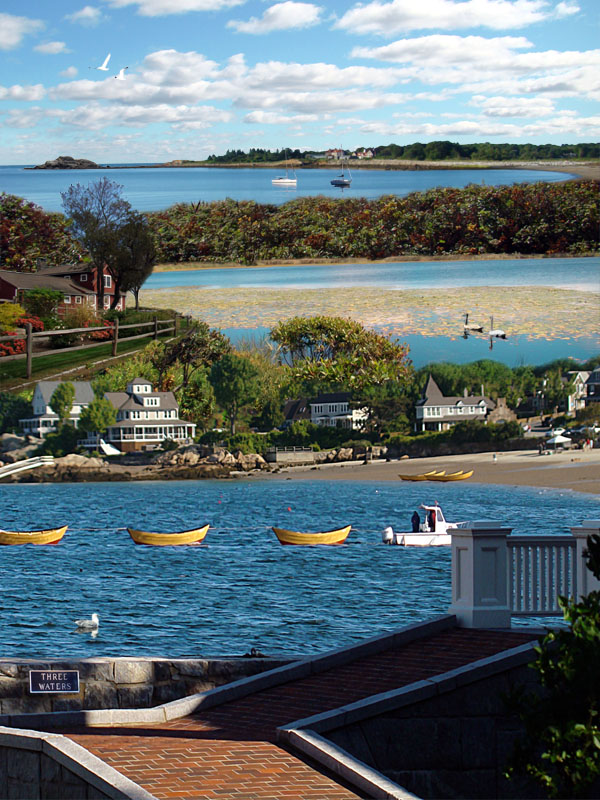
On Eastern Point there is a lovely stately home called Three Waters, so named because from the property the inhabitants can view the three separate waters of Gloucester Harbor, Niles Pond and Brace Cove.
One night recently I had a rare sleepless night during which the words “three waters” kept running across my mind like a broken record. Muses can be very persistent and annoying sometimes. When I got up the next morning, I spent the day creating this montage called “Three Waters”, using 22 different photo layers. I have slept just fine since.
E.J. Lefavour
http://www.khanstudiointernational.com/galleryphotomontage2013.htm

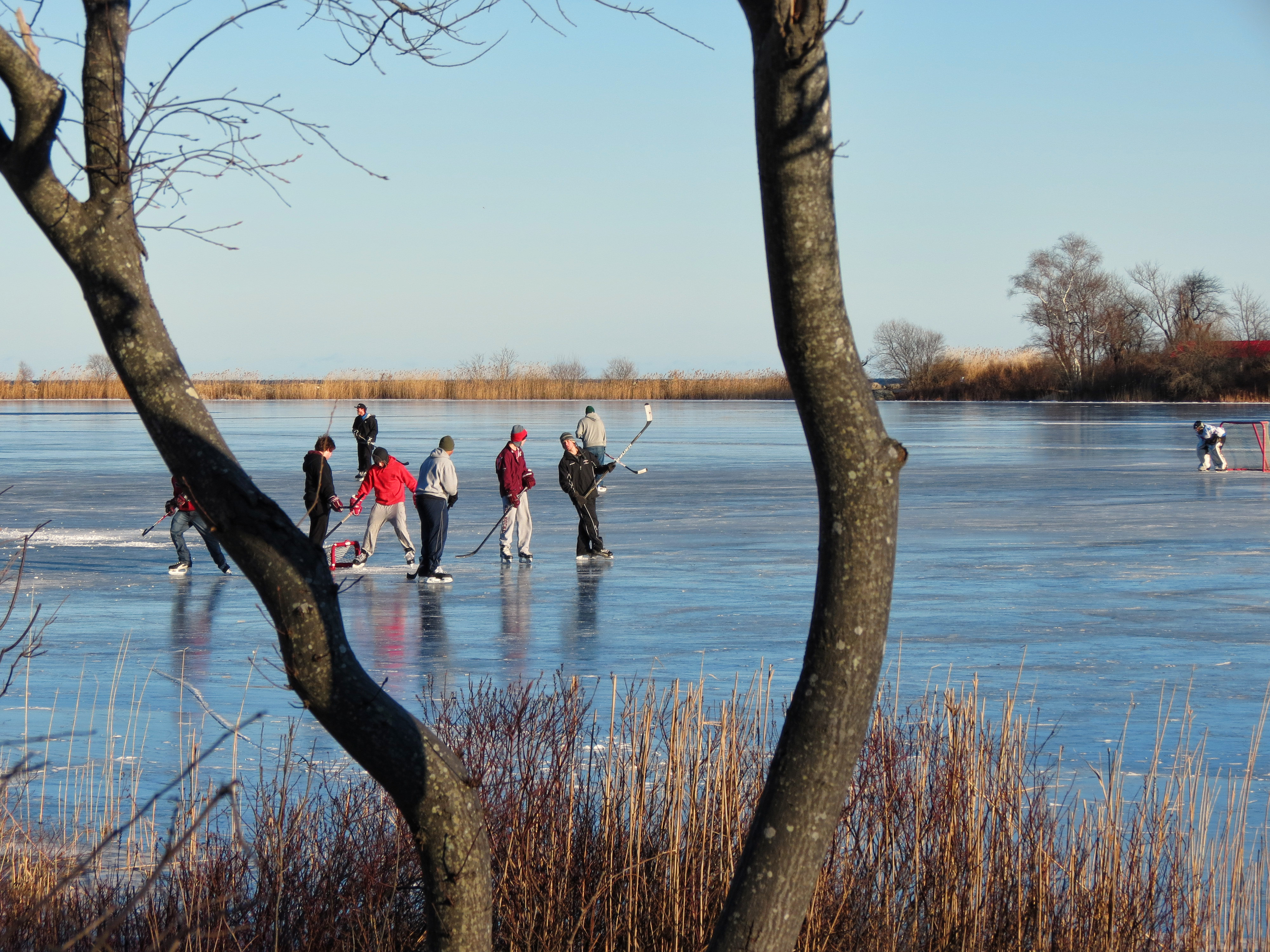
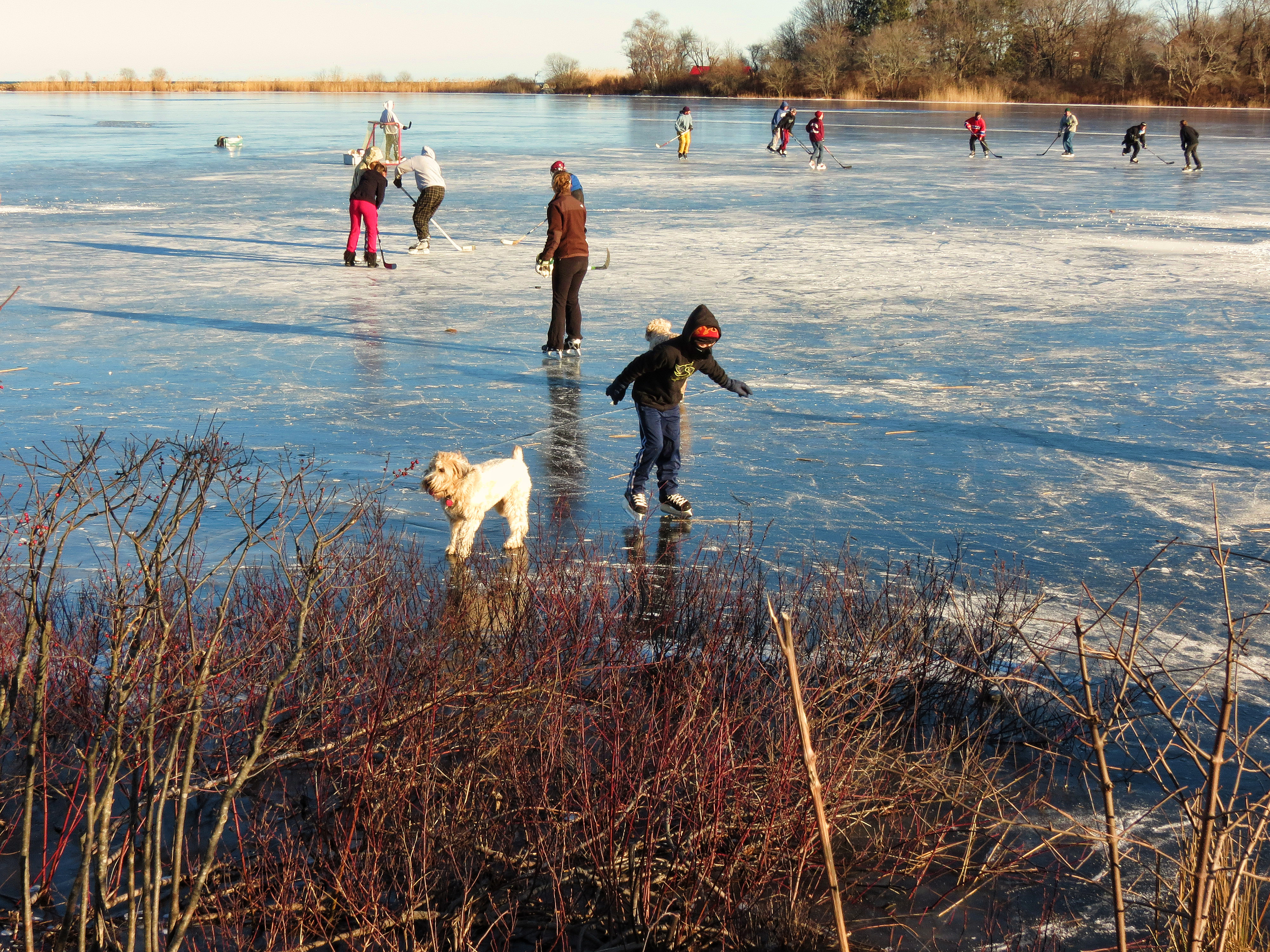
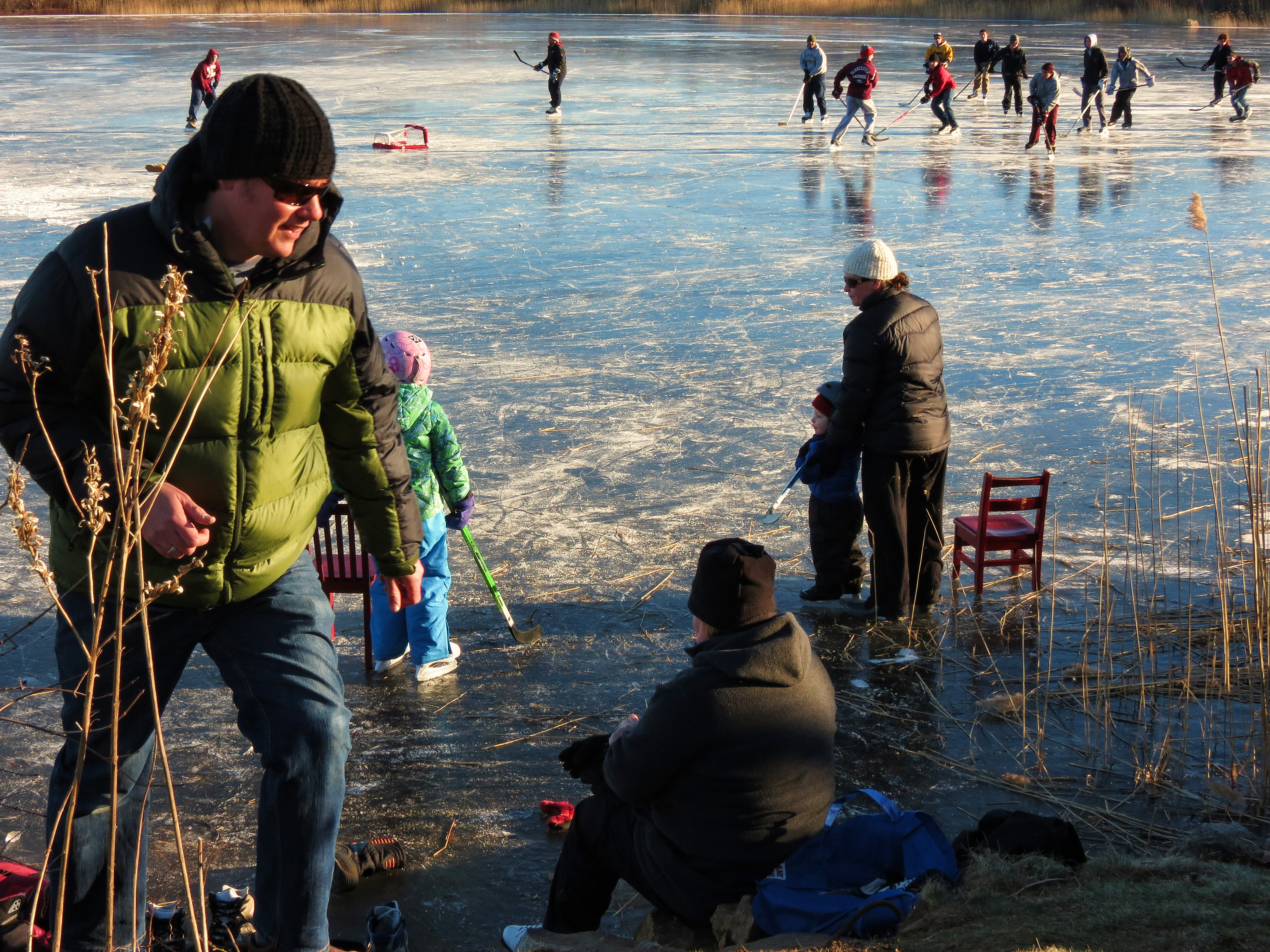
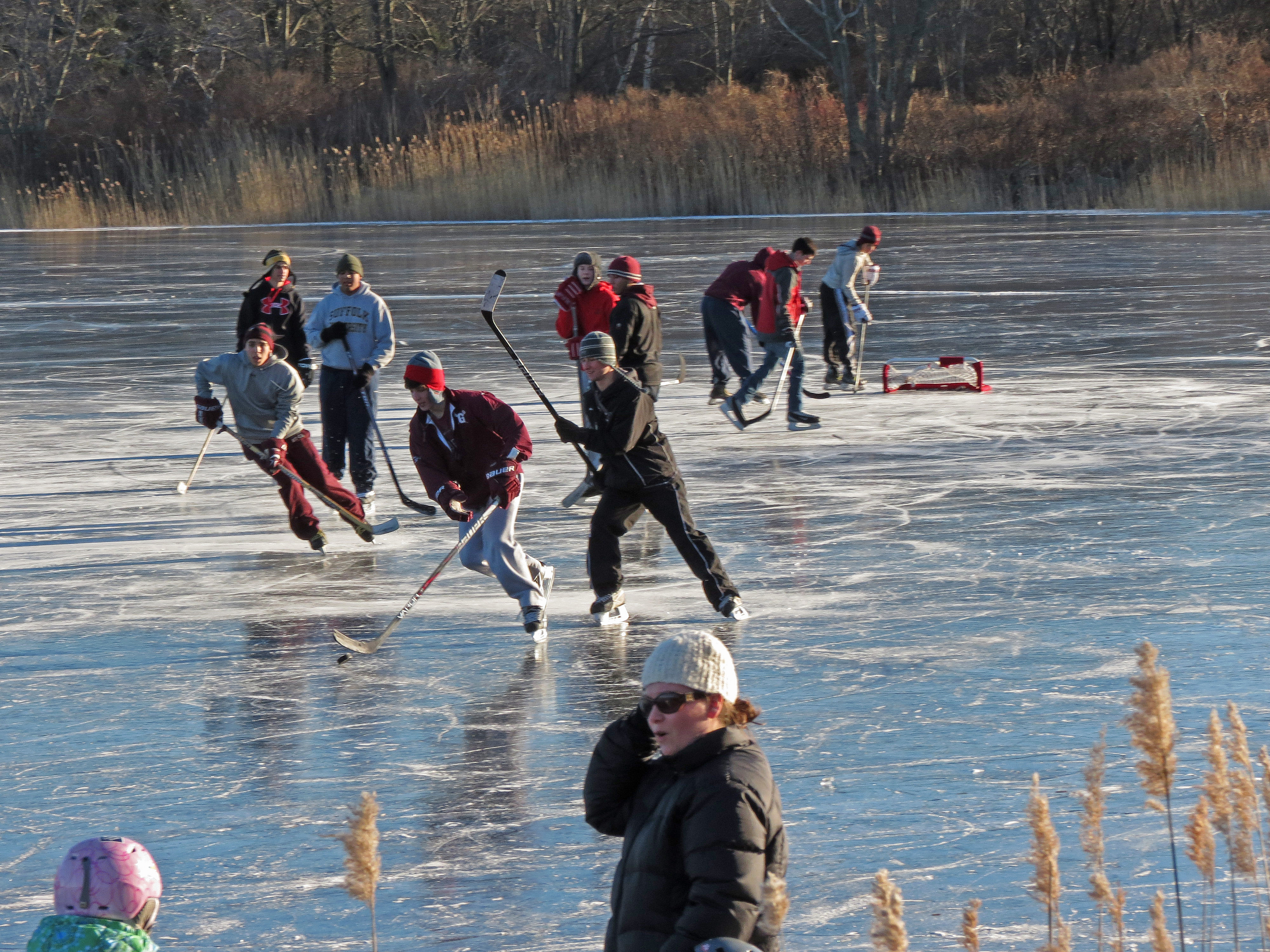
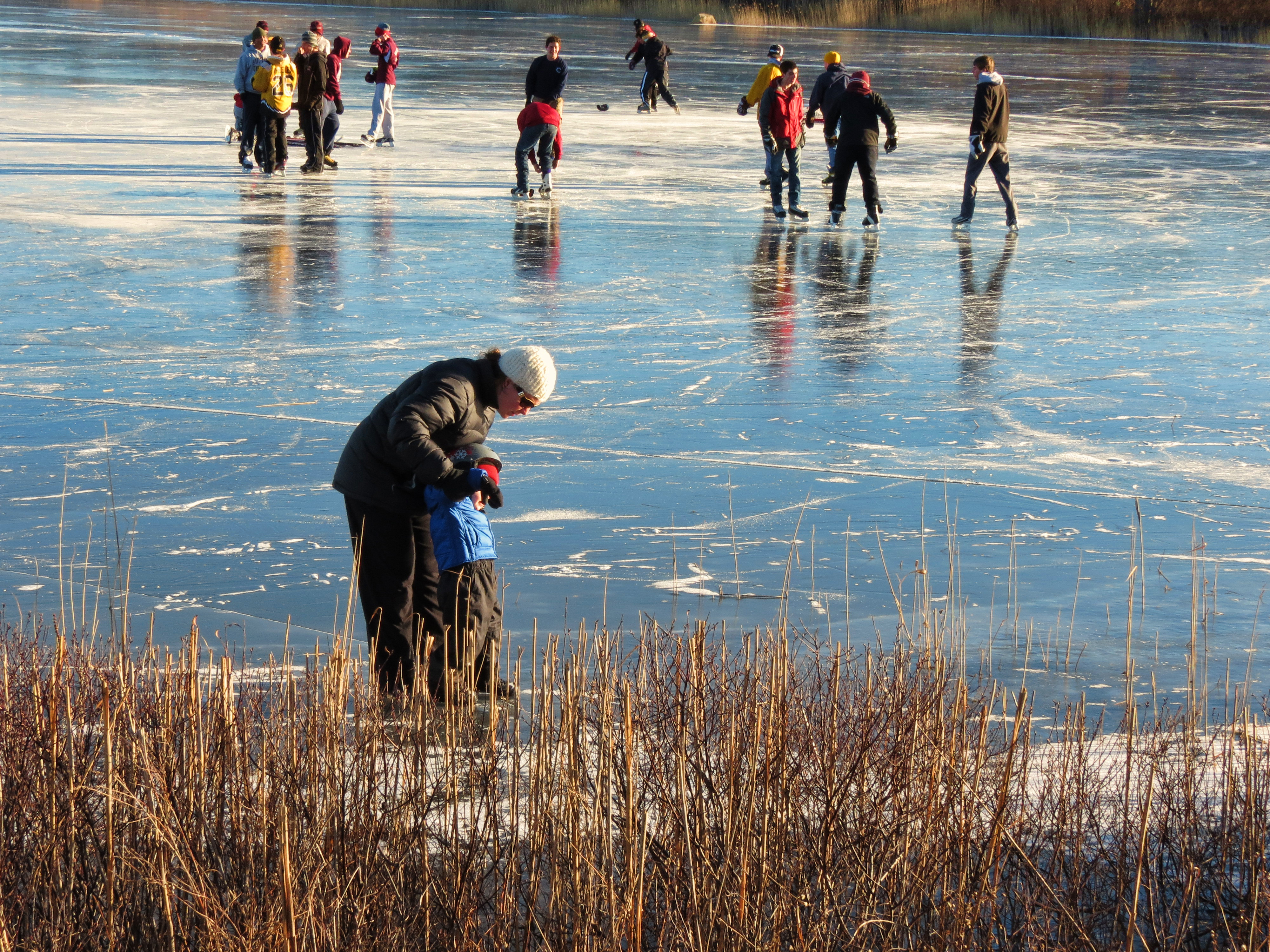
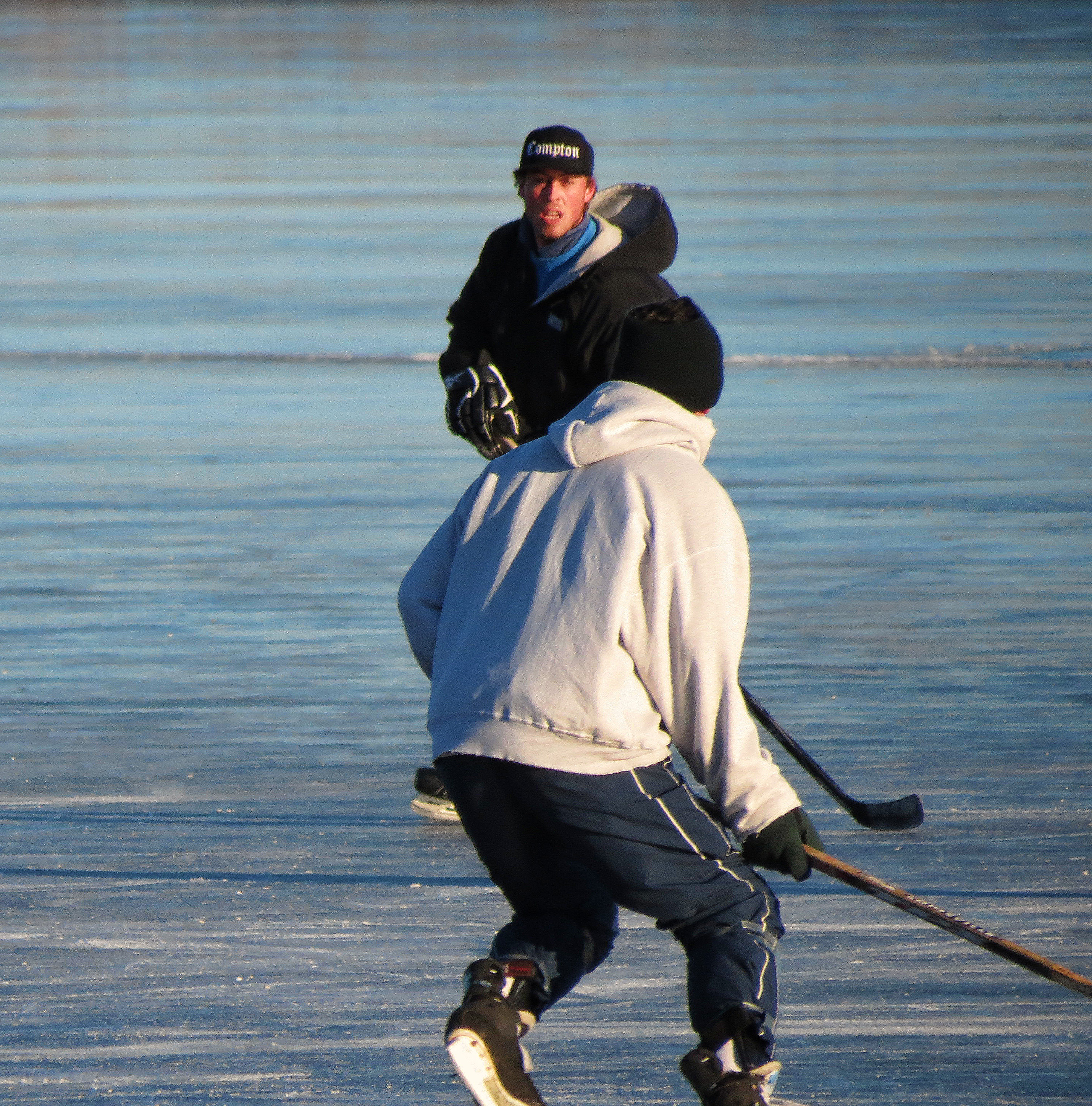
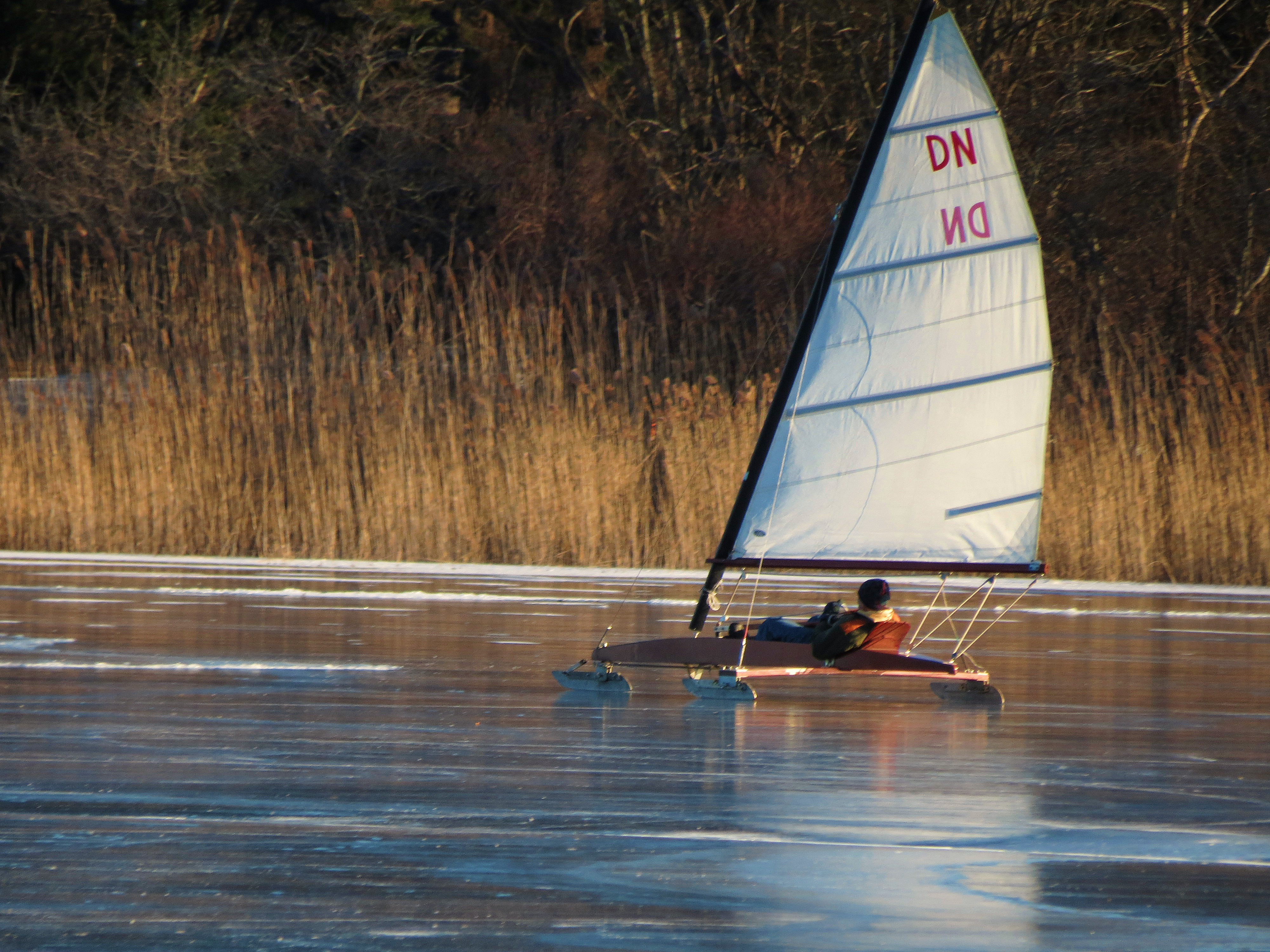
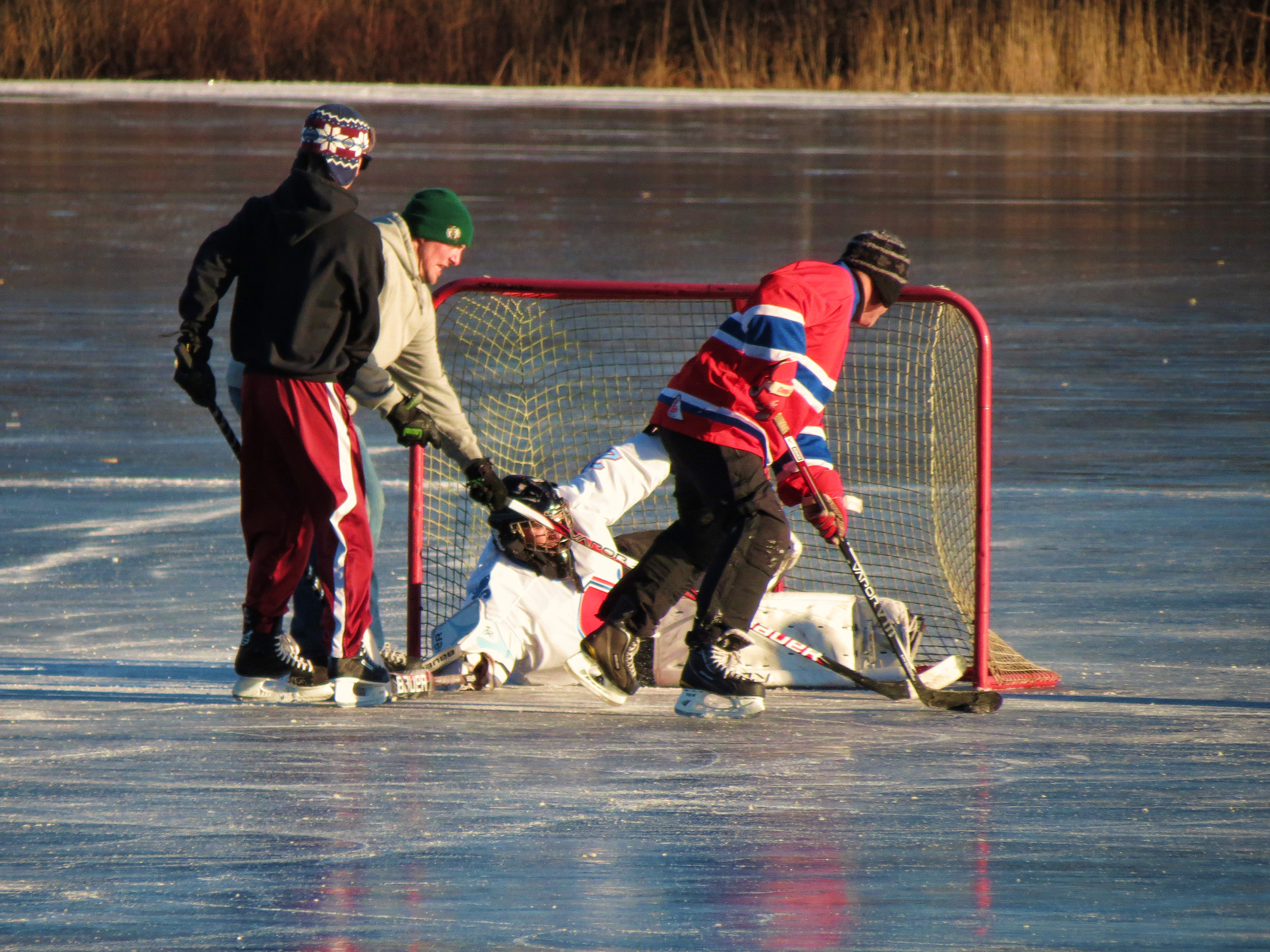
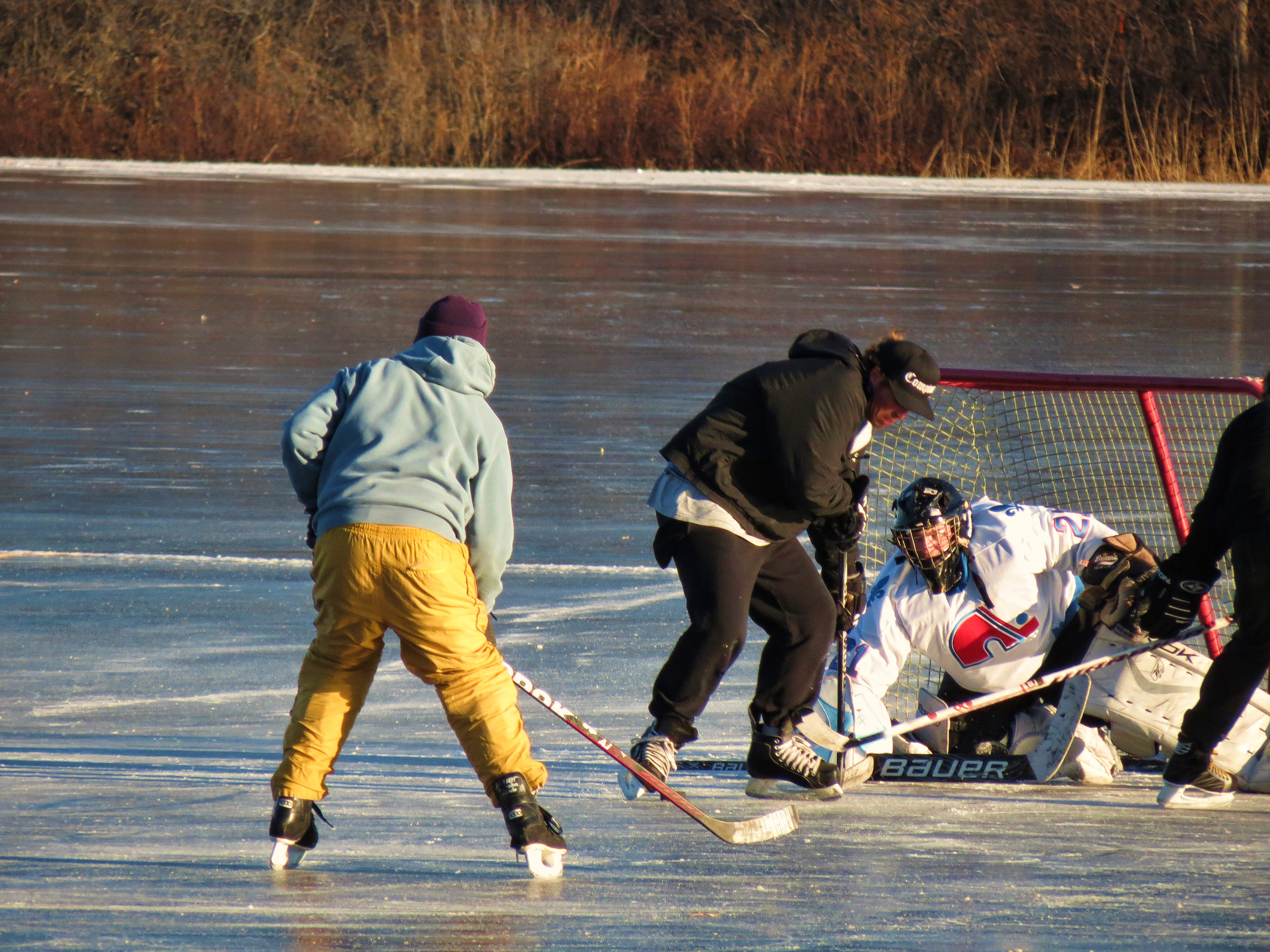


The morning after the beautiful snowfall (I hope it isn’t the only real snow of the season!), I took several snapshots of our garden before heading over to the Harbor Walk, then ended by photographing at Niles Pond. The Harbor Walk photos are posted here, and I am just getting to the rest of the images.

The last two photos are for Sharon and Donna. Note: the waves that can be seen crashing in the distance beyond the narrow strip of land are at Brace Cove, not Good Harbor.


Niles Pond after new fallen snow

Such a pretty day, after doing the plunge and taking a long hot shower took a ride with Rick around the island. The clouds over Good Harbor Beach do not look real.


JoeAnn Hart is the author of the novels Addled and the forthcoming Float (Ashland Creek Press, February 2013). Float, set in coastal New England, involves the fishing industry, conceptual art, jellyfish, marital woes, and plastics in the ocean.

Folklore has it that Niles Pond was once in the Guinness Book of World Records for being the closest body of fresh water to the ocean, but I can’t verify it. No matter. Not only does it seem true, but as with other Guinness records, such as the heaviest weight lifted by tongue (27.5 lbs.), it also seems impossible. Yet there it is. This 38 acre pond is separated from the salty Atlantic by a causeway just wide enough for a footpath. There is Niles on one side, neatly defined and calm, and on the other, the pounding surf of Brace Cove. To stand between the two is to feel washed in conflicting emotions. I walk this route with Daisy, my fuzzy mutt who believes herself to be a famed hunter of ducks and likes to splash into the dark pond up to her sternum to stir them up.
Niles is named after the farmer who once owned Eastern Point, the small spit of Gloucester land where I live. Of the many unique features of the intertwined land and waterscapes here, Niles is nature’s odd duck. It is a Massachusetts Great Pond, meaning that it is like a Common, where citizens have the right to graze their sheep, except this Common is made of water. Instead of grazing, it is reserved for hunting, fishing, ice-making, and recreation. Duck hunting is no longer feasible because of all the homes built up along the shore, and fishing is also a moot point because the perch have been eaten by the snapping turtles. As for ice, Cape Pond Ice (“the coolest guys in town”) churns it out for the fishing boats these days. That leaves recreation. I’ve never seen anyone but Daisy swim in the pond, what with those snappers, but there are skaters when there is ice. There was no ice last winter, speaking of breaking records, but that is a topic for another time. The point is, Niles is left mostly in the hands of wildlife, as nature intended.
 Phragmites at Niles
But what does nature intend? Does it intend for the pond to be choked by phragmites, the feathery reed that is prowling along the perimeter? In geologic time, Niles was once part of the ocean, an extension of Brace Cove. Over the years, rocks rolled to shore, sand accumulated, and the dune got higher until one day it was shut off from the sea. A natural spring bubbled up and slowly replaced the salt water with fresh. In the 1830’s, sensing that the ocean might want to stake a claim again, Farmer Niles reinforced the 400-foot dune with granite to preserve the pond for ice-cutting and “ornament.” It remains a prime resting place for migratory seabirds, and a source of fresh water for the stealthy mammals of the land, including fisher cats and raccoons. At any given time, grebes, cormorants, and ducks float on the surface, while herons and egrets stand around on one leg pretending to be reeds. The mute swans are probably a human introduction, but they are hardly mute. They hiss and snort and otherwise act aggressively because people feed them, which confuses wild animals and makes them testy. That, and the fact that the turtles pull their cygnets from below and eat them. But the phragmites are more aggressive than either swan or snapper.
 Migrants
According to Fish and Wildlife, non-native phragmites appeared in coastal ports in the eastern United States in the 19th century, probably as seeds clinging to the hulls of ships. Maybe humankind’s natural purpose on earth is to help immobile species move around the globe. It is hard to figure out where we fit in, but in this aspect, we’ve succeeded. The rapid spread of phragmites in the 20thcentury is attributed to habitat disturbance and eutrophication. Raise your hand if you know what that is. It’s over fertilization from the nitrates from lawn fertilizers and phosphates in laundry detergent seeping into the pond. Phragmites are usually an indicator of a wetlands system out of balance. Well, aren’t we all?
 Daisy on the path
Niles Pond wants to grow up to be Niles Marsh. Humans want it to stay a pond, as, I’m sure, do those migratory seabirds. A group of residents is working to have the phragmites dredged. But they’re tenacious plants, with stolons like bullwhips. The upside of this tenacity is that they might hold the earth in place when the Atlantic comes calling for the pond. But, again, that is a topic for another time.
 Mallards and Cormorants
Daisy and I do not think of all this when we walk. Her mind is on ducks, mine on “ornament.” It’s particularly hard getting out of the house this time of year. I have to leave unfinished work behind in order to beat the early-setting sun, but Daisy and I need the exercise and the mental cleansing. When we get to the causeway, she scrambles down the steep bank of Farmer Niles’ stones in search of her ducks, while I, shedding myself of the day’s challenges, walk that narrow path between internal calm and unleashed energy.
 Sunset at Niles
Reblogged from Newfound, the online journal about place for which JoeAnn is a monthly contributor.

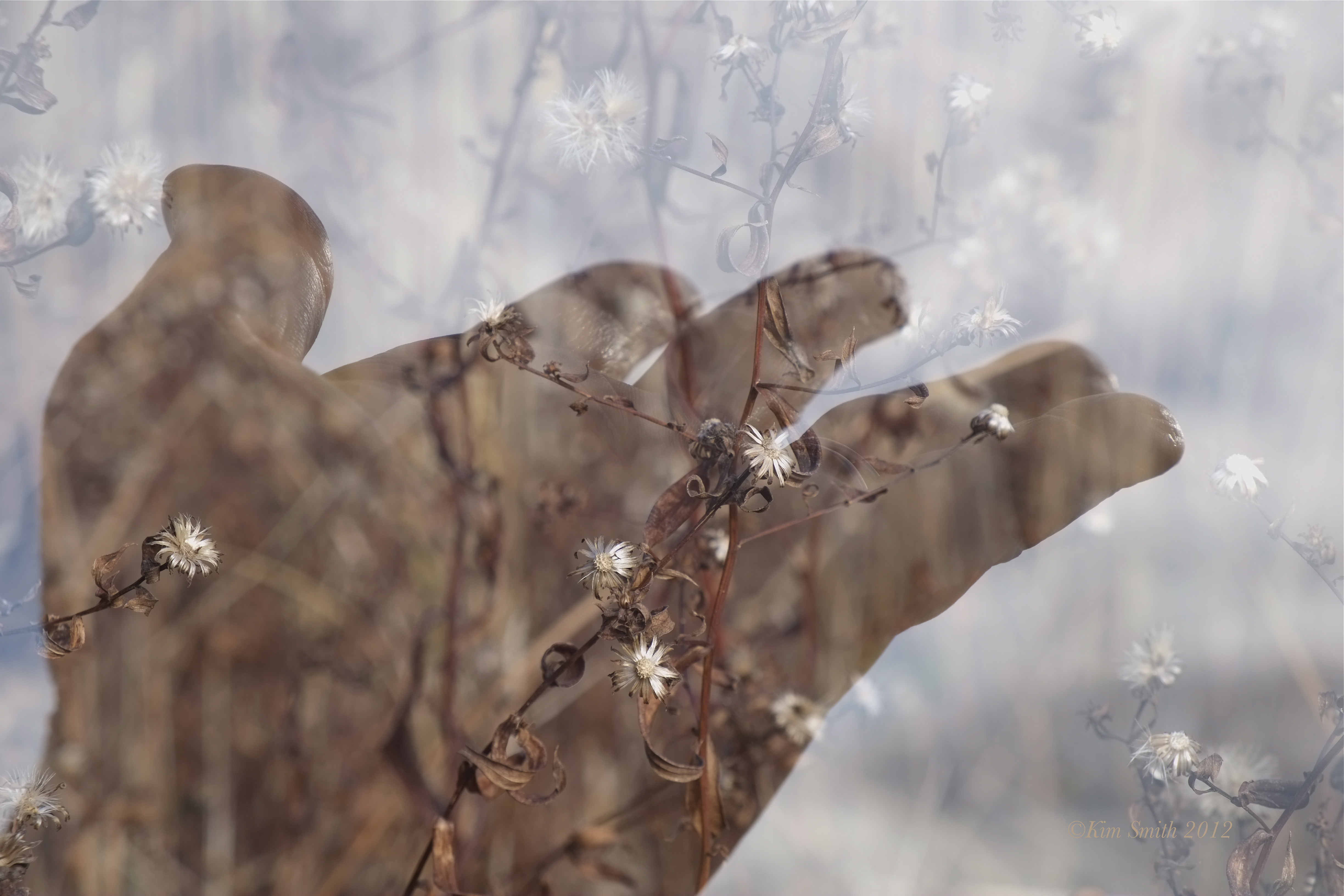
To create a double exposure select the Multiple Exposure mode in the shooting menu. Take your first shot, and if acceptable, press ok. The first photo is now visible in both the viewfinder and the LCD monitor, which allows you to easily compose the finished photo. Take the second shot and press ok to exit. If you do not like the second shot, you have the option to retry.
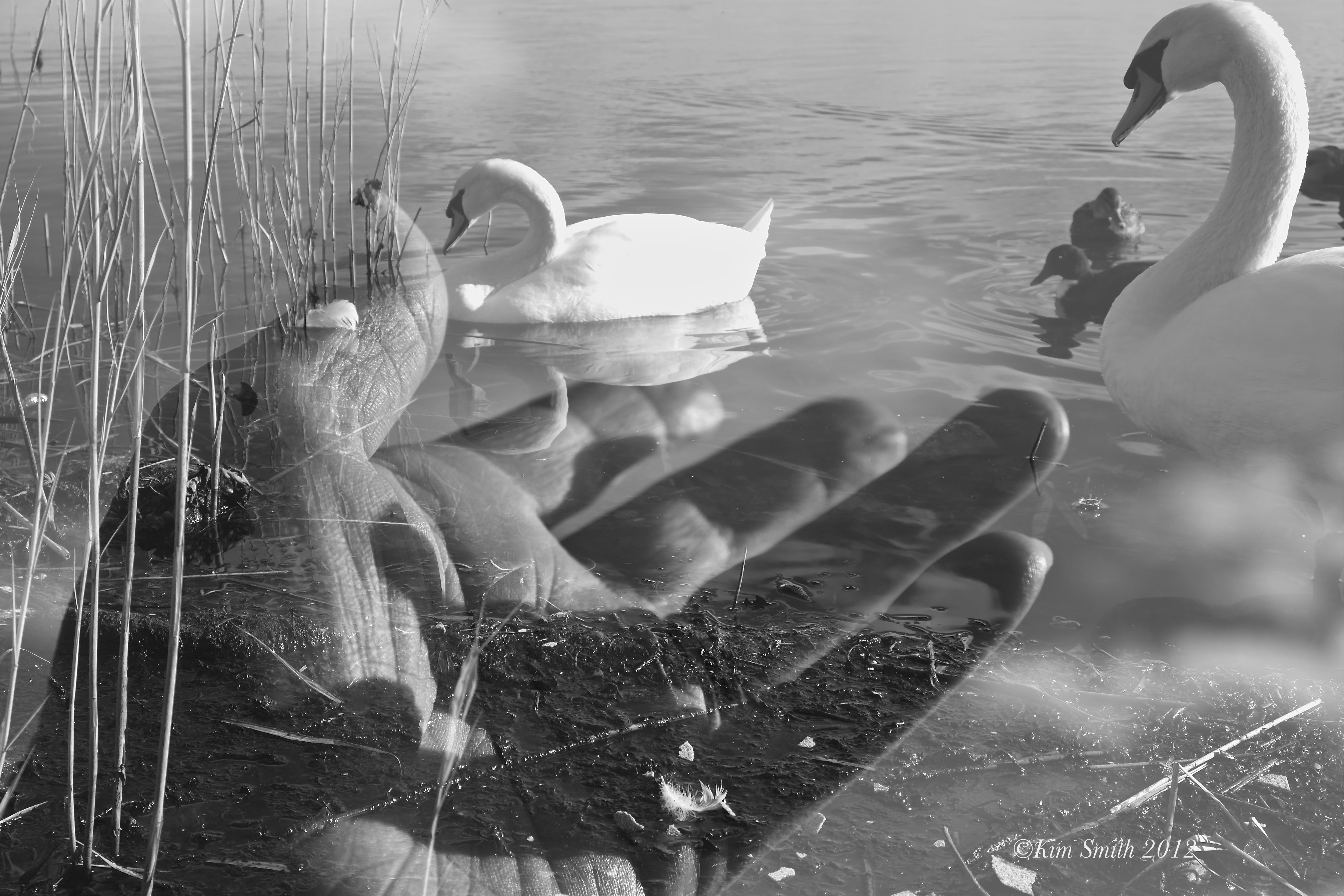
Multiple Exposure mode allows you to change focal length, degree of focus, and aperture between shots. I absolutely adore this feature and can think of a hundred thousand images. Creating double exposures is always possible post production although I prefer the ephemerality of composing in the moment.
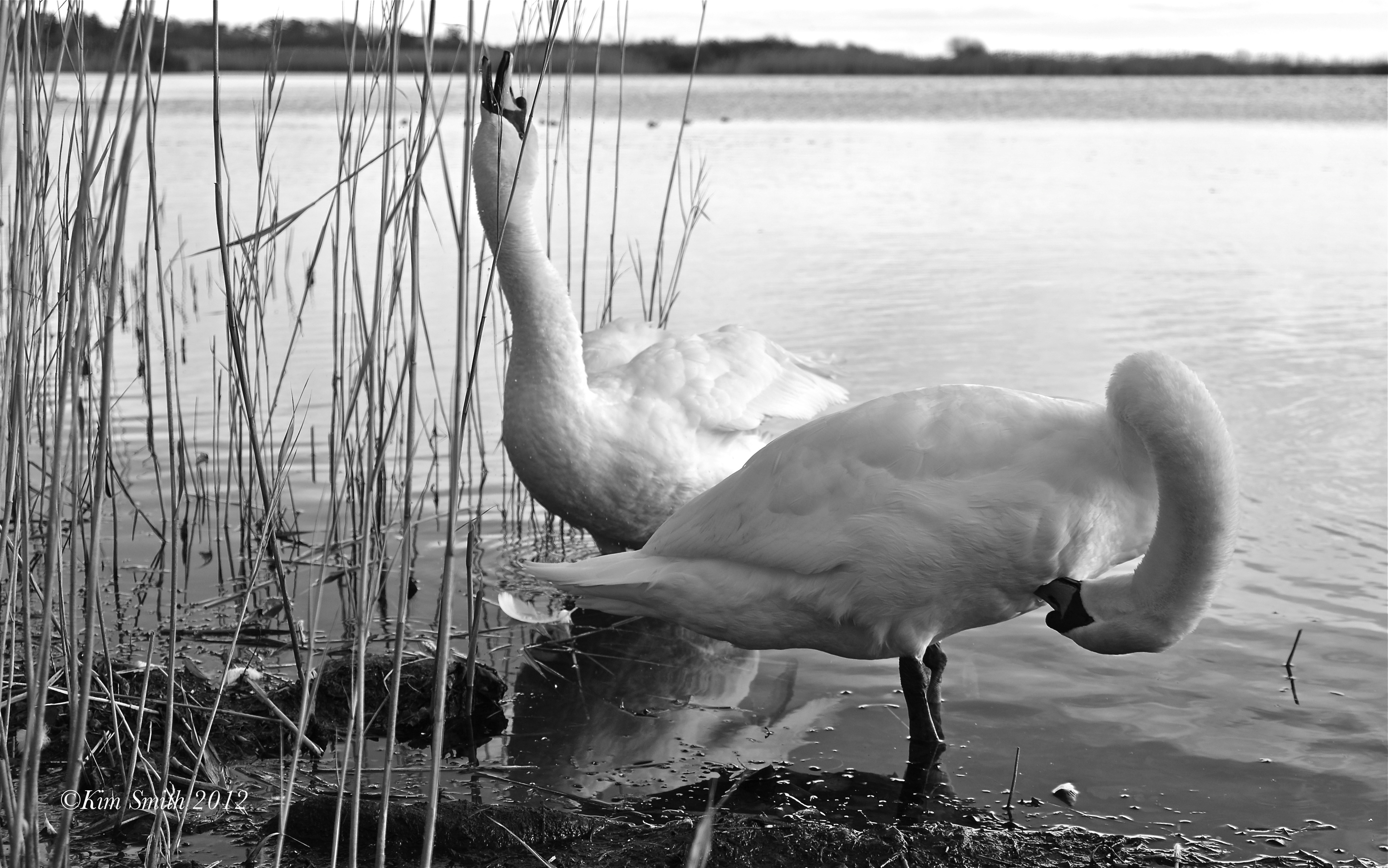
Over the past several months I have spent many mornings at Eastern Point trying to film the resident swans in their pre-dawn flight. My hope was to capture 20-30 seconds of swans silhouetted against the red rising sun. For the most part I have been unsuccessful and have only managed a mere snippet or two. The swans eye me warily and then head to the far side of the pond. Yesterday morning I went to my usual observation point to experiment with the Fujifilm X-E1 multiple exposure shooting mode. Perhaps because I was so focused on my exposure experiment and wasn’t paying a lick of attention to them or perhaps because I did not have my tripod with me (I am convinced now more than ever after today that the swans think my tripod is a rifle), but for whatever reason, two decided to groom themselves within arms reach.
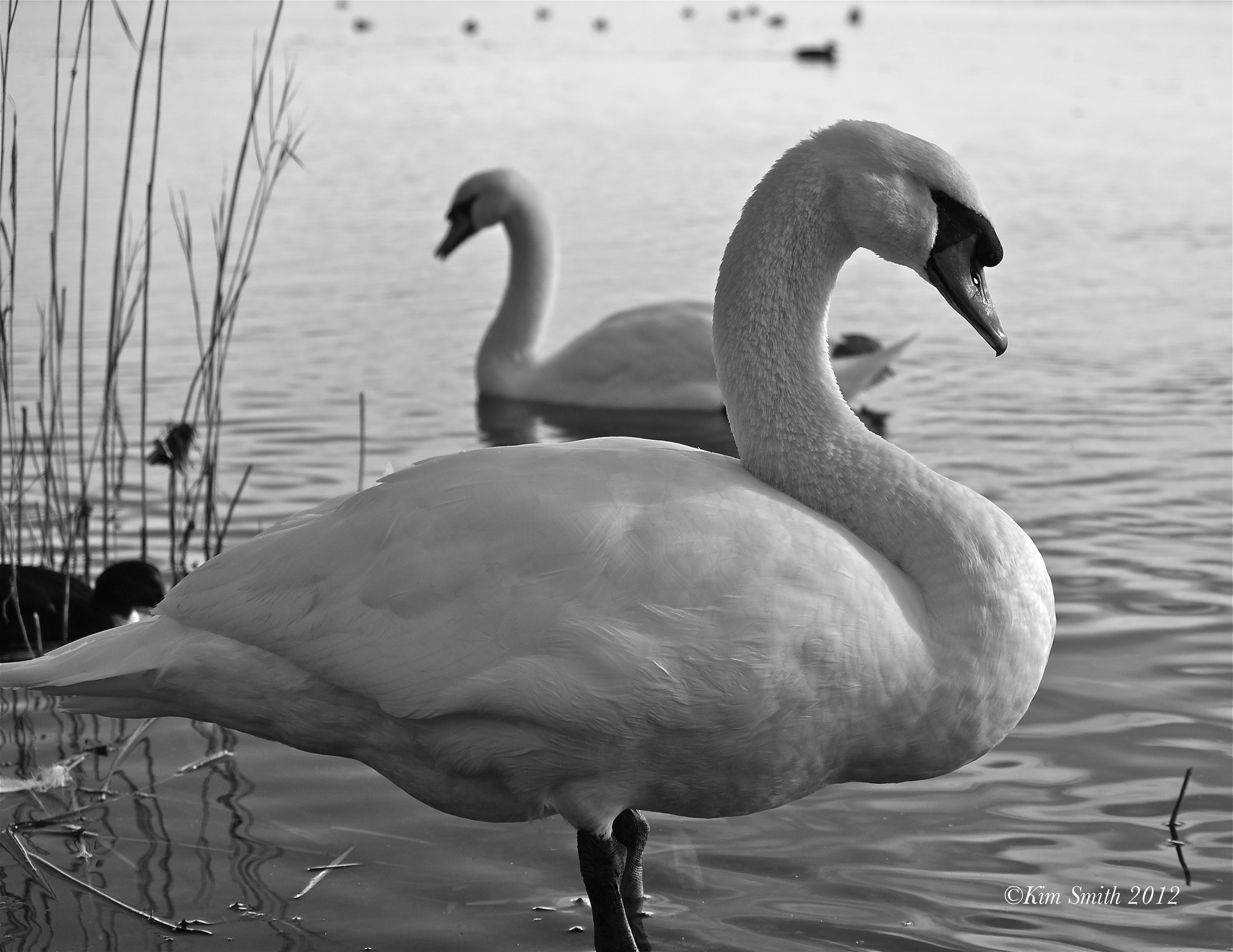

Click to view full size
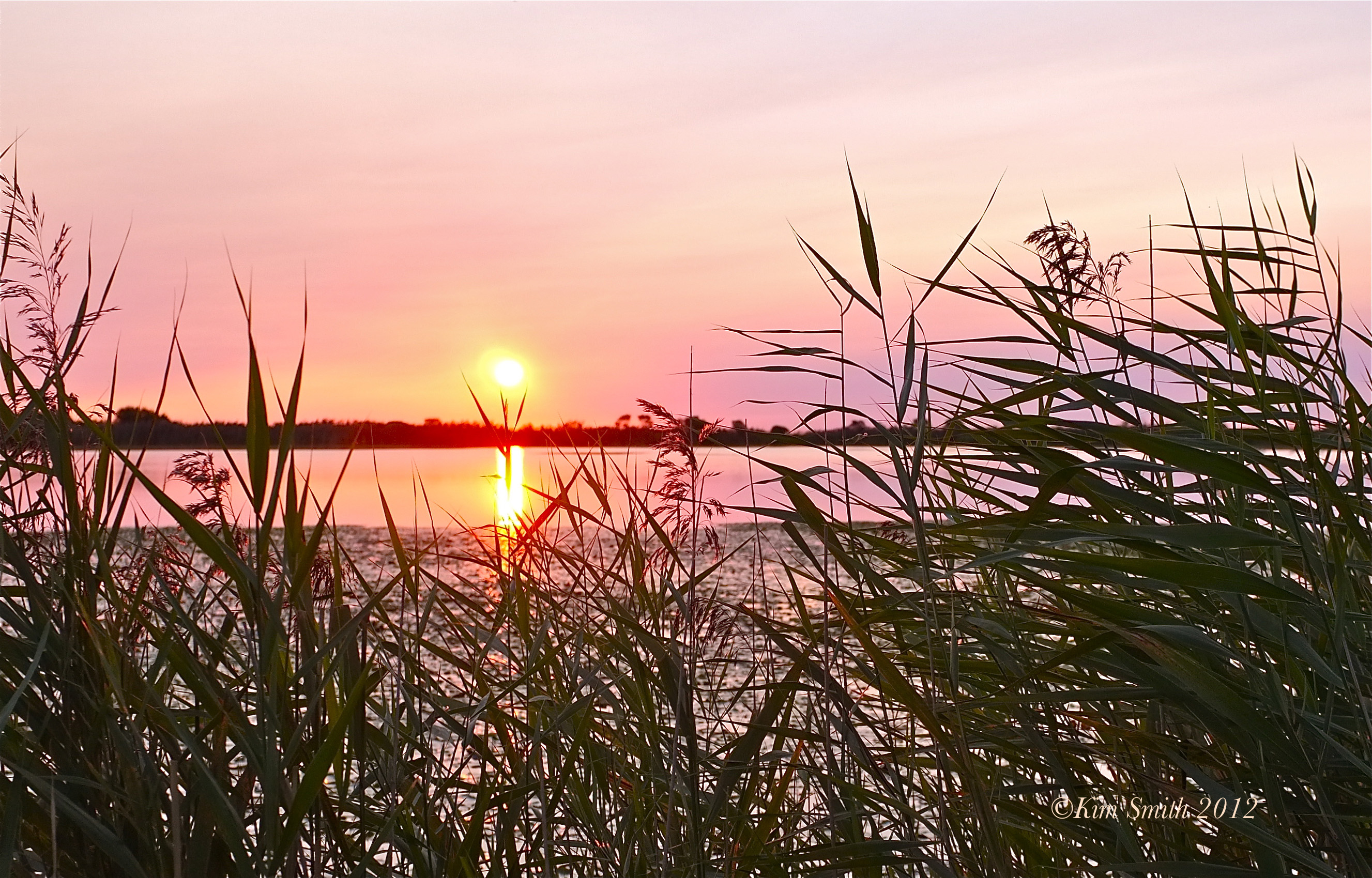
September Sunrise Over Niles Pond
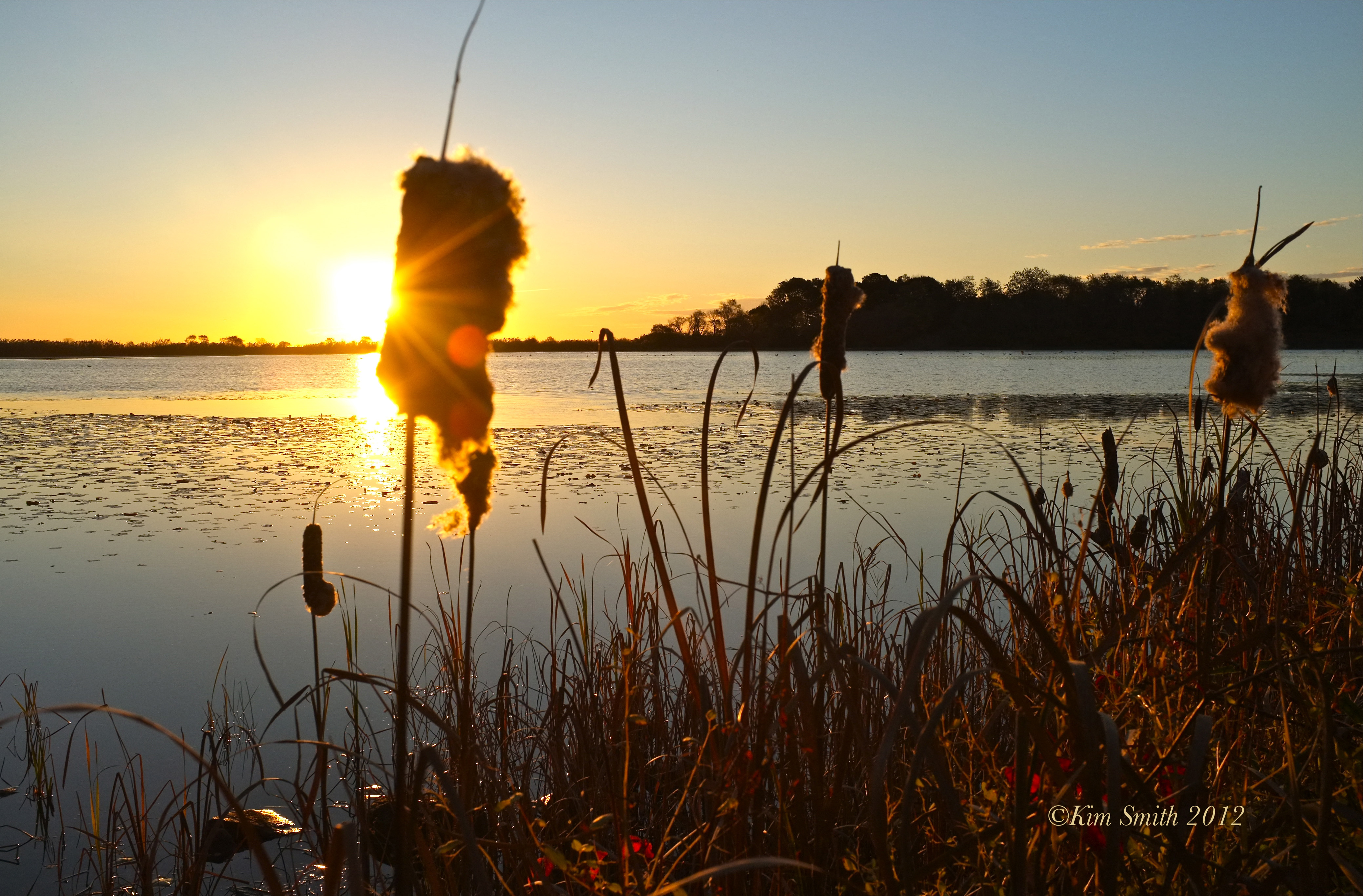 October Sunrise Niles Pond

 Good Morning Gloucester