https://www.instagram.com/p/BNEq92EjF3M/
https://www.instagram.com/p/BNVGuZ5jJgT/
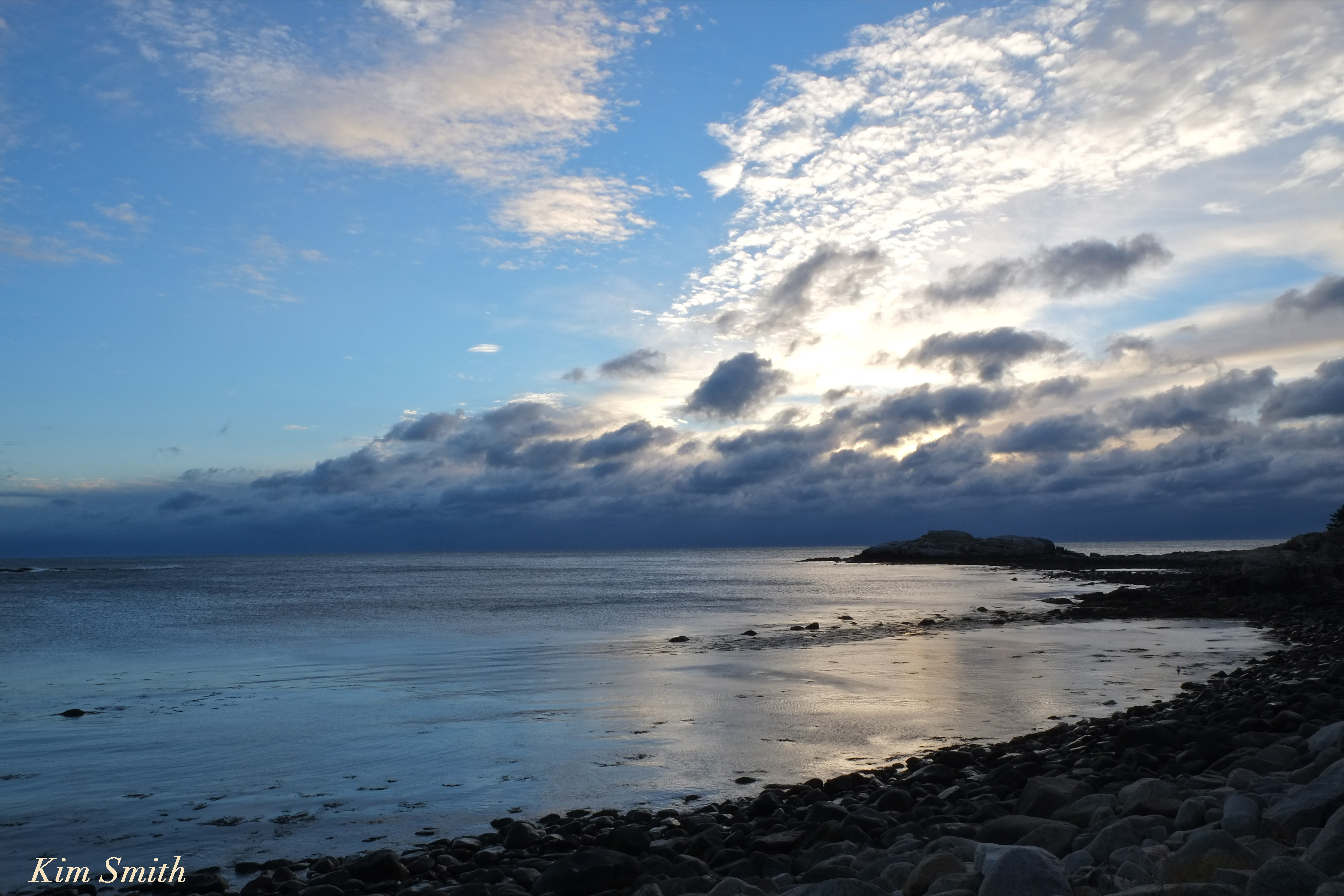 Brace Cove daybreak
My View of Life on the Dock
https://www.instagram.com/p/BNEq92EjF3M/
https://www.instagram.com/p/BNVGuZ5jJgT/
Brace Cove daybreak

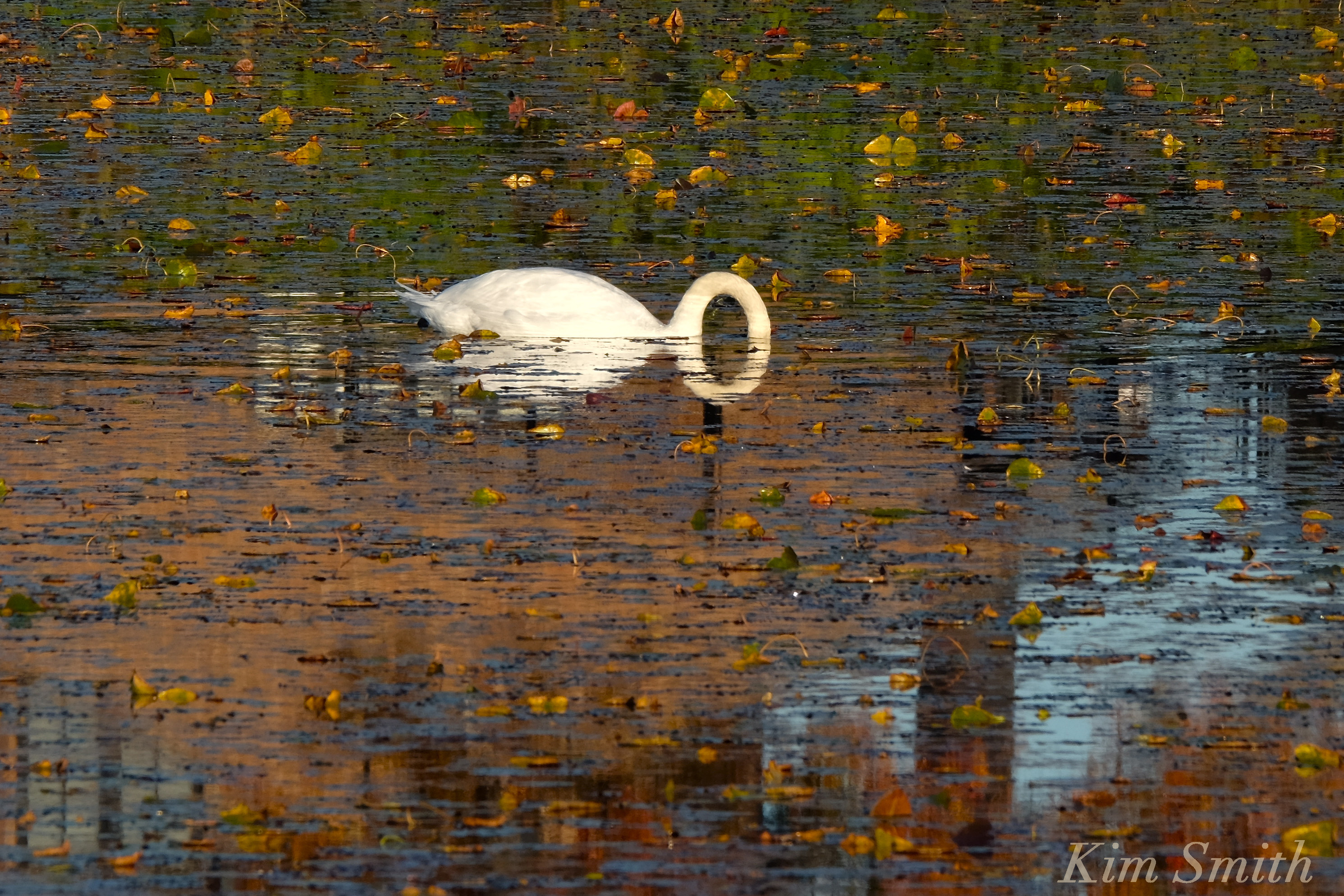 After filming wildlife and the fishing boats at daybreak, looking towards the Cove, I turned to see Mr. Swan in the middle of Niles. Kind of a nothing photo, but thought it was funny.

As you’ll hear in Sunday night’s podcast (our 191st!!), the Piping Plover’s nesting continues. The Plovers are defending their territory against predators, using the “injured wing” trick. Learn more about this defensive behavior in the podcast.
In this batch of photos you can see how to tell the difference between the male and female.
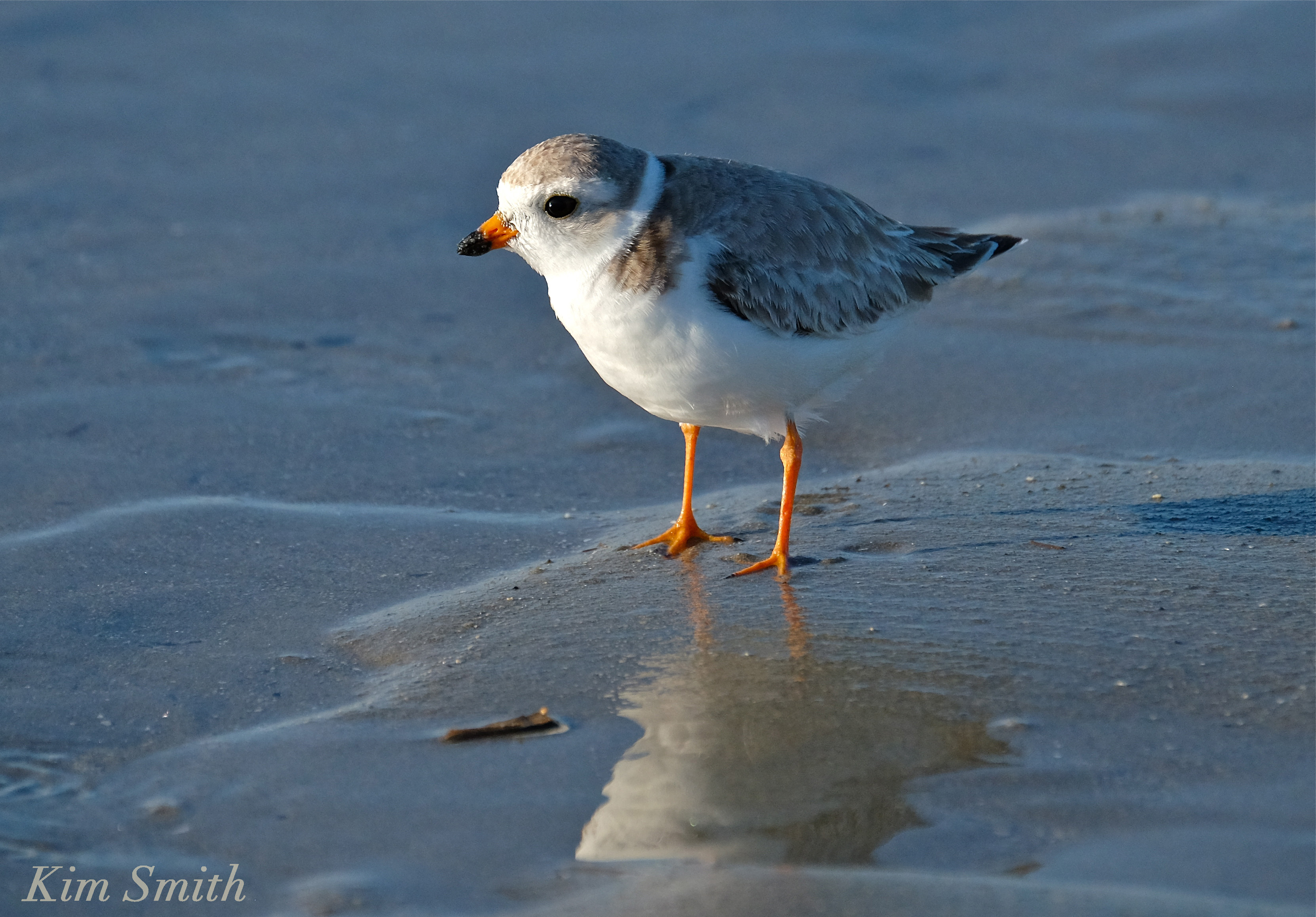 The female’s neck collar, or band, is broken in the front and is paler in color.
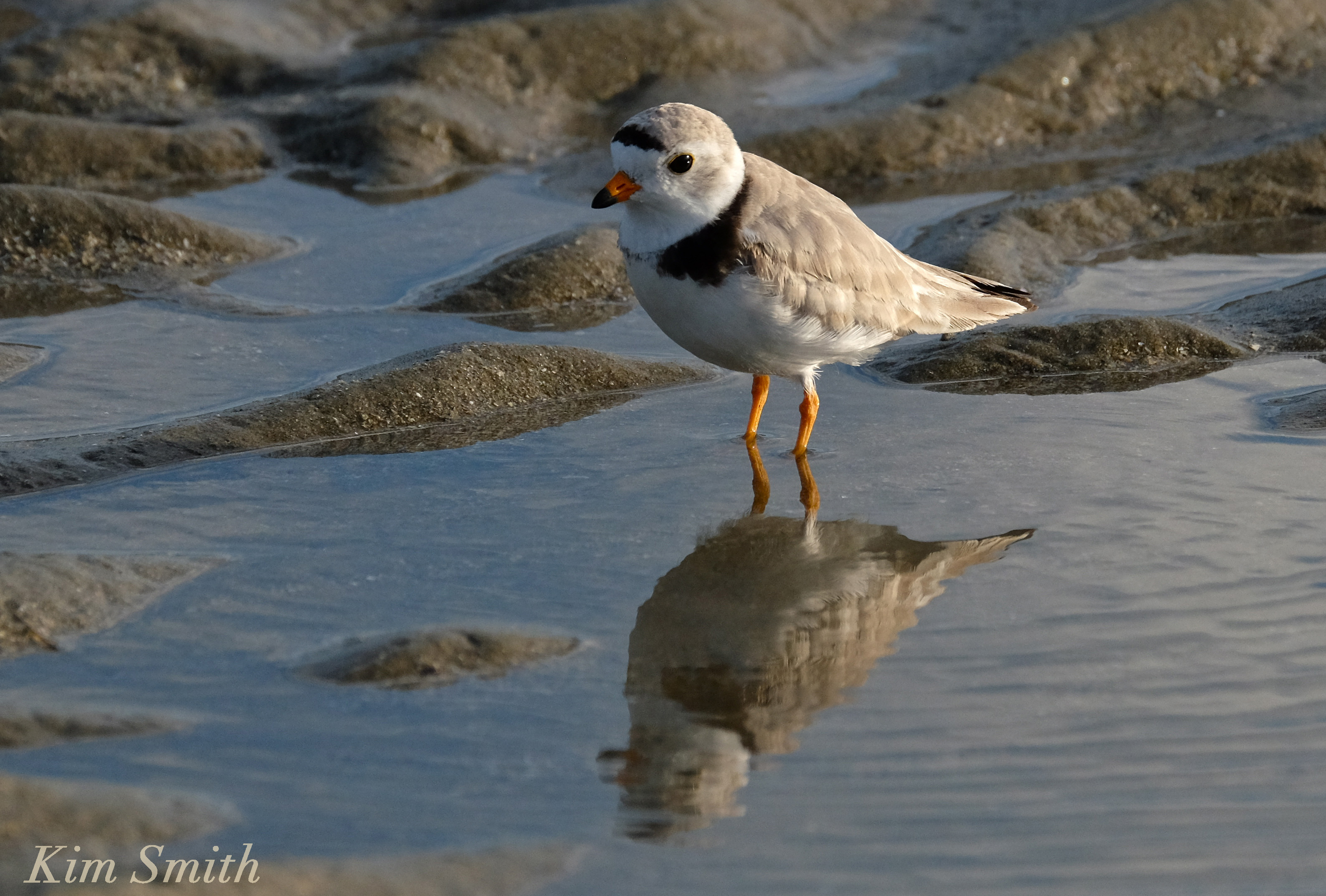
The male’s neck collar is darker and goes nearly all the way around. Note too the black bar across his forehead.
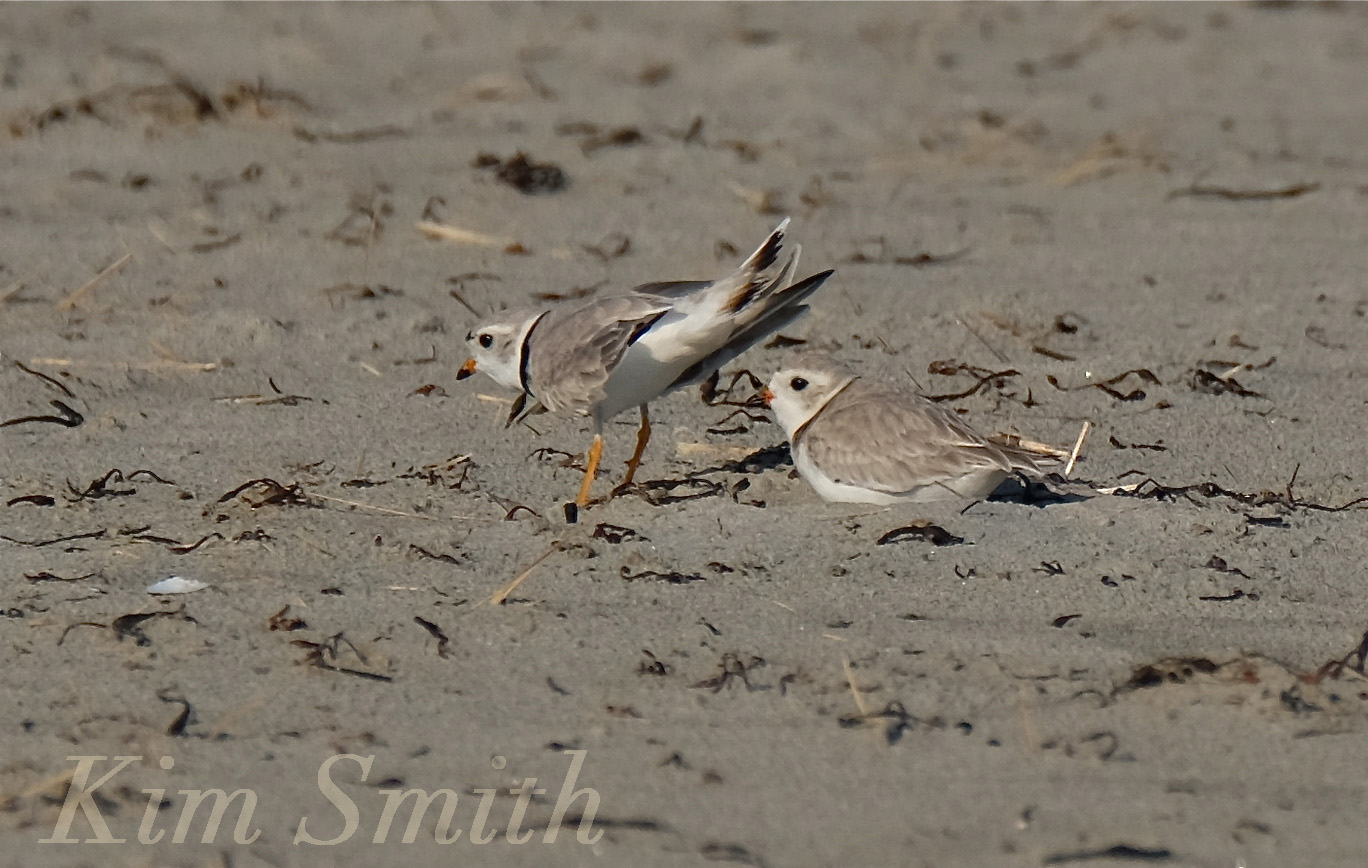 Generally speaking, the male is a bit larger and the bill a bit brighter orange (male left, female right). After the breeding season, the plumage of both male and female will become paler.
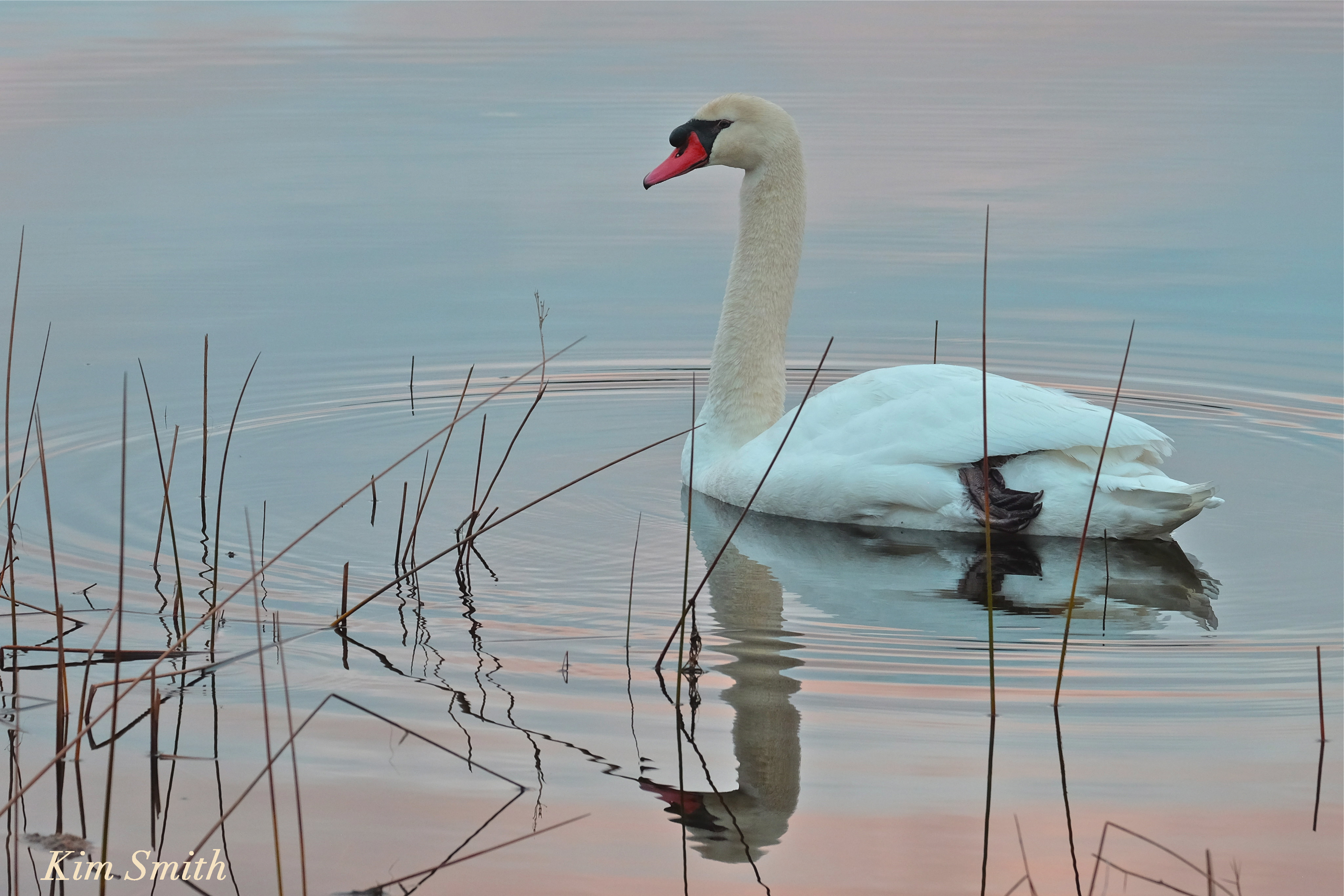
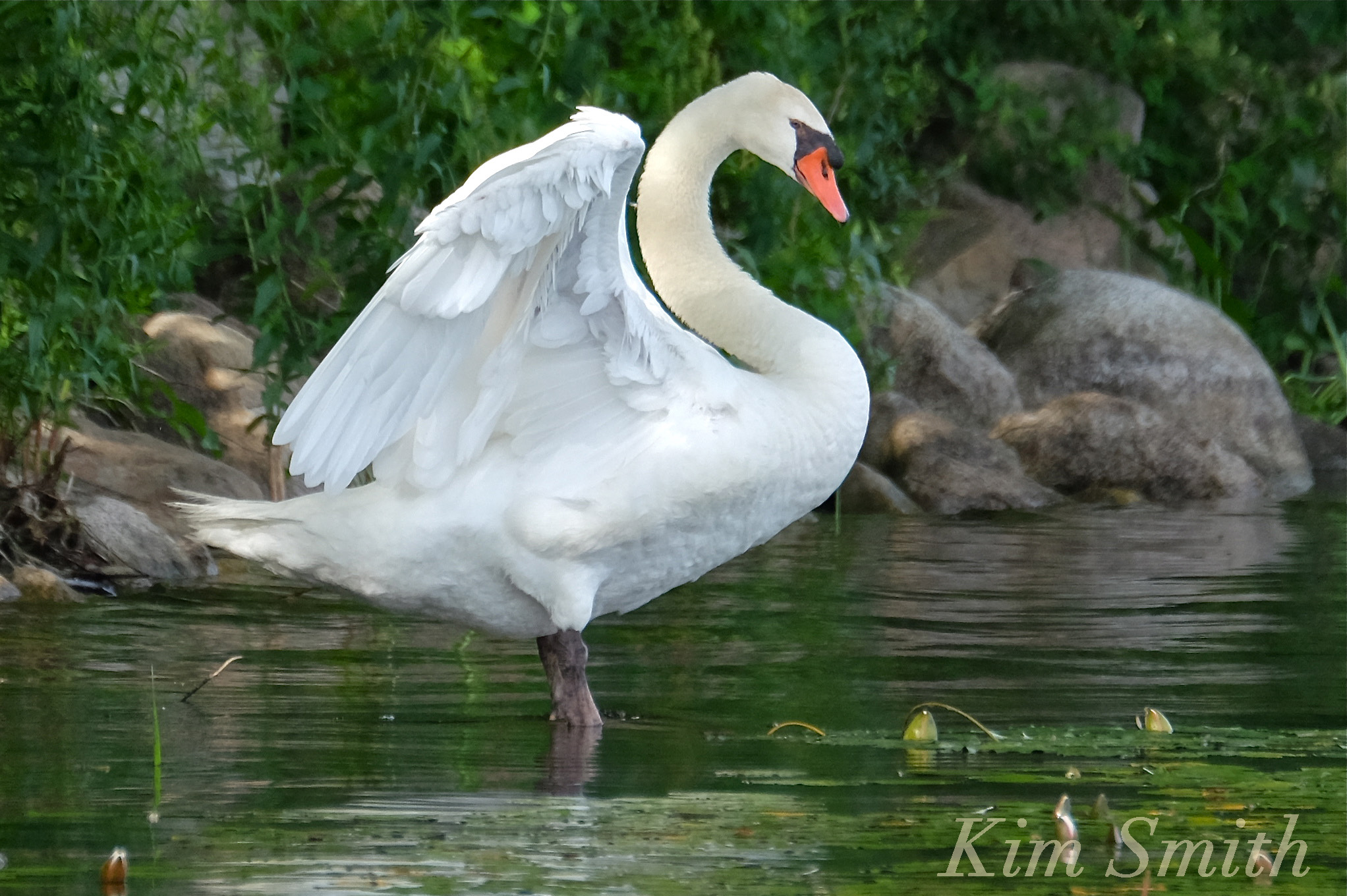
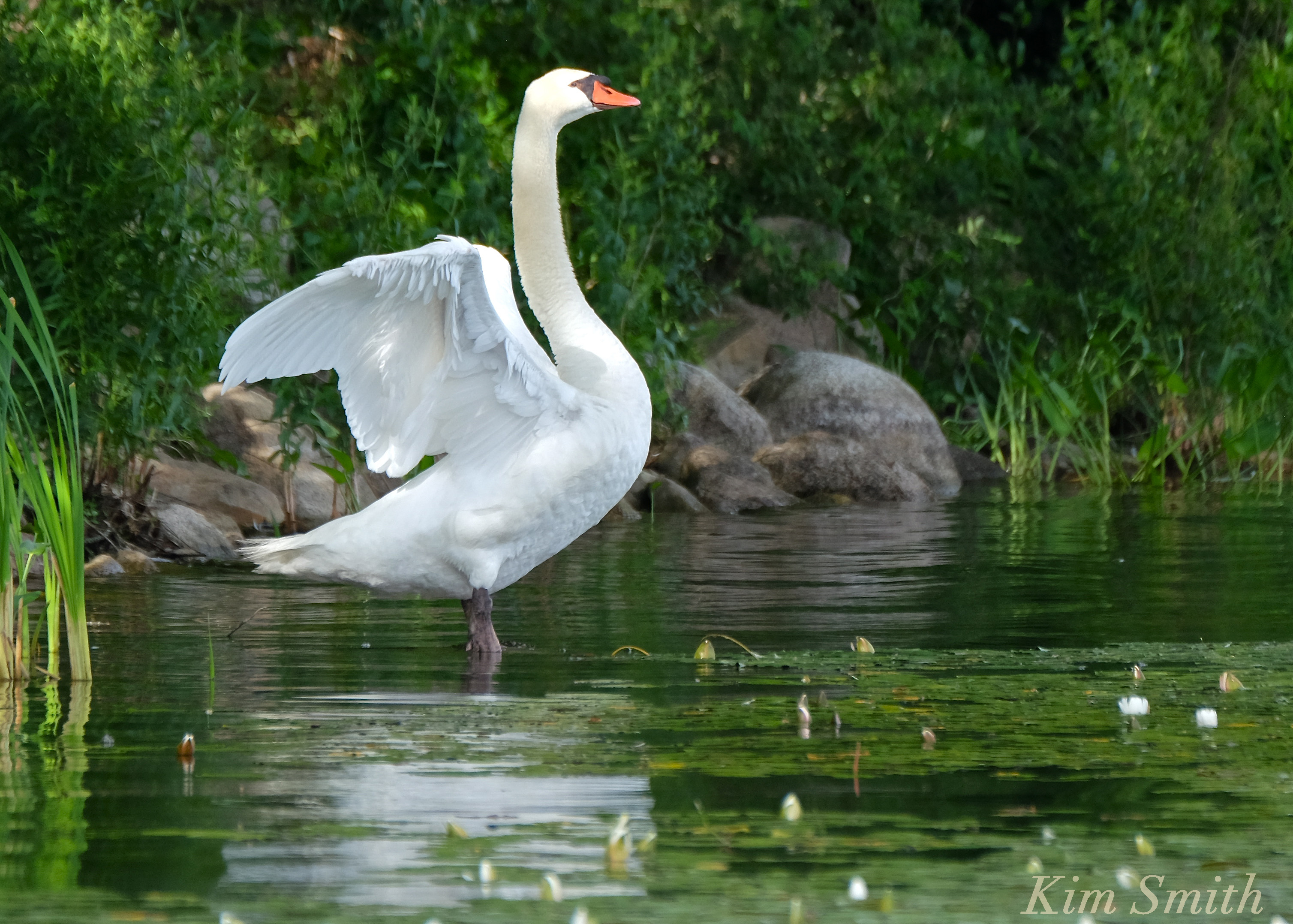
Mr. Swan is doing well and looking very healthy, but with no signs of a new Mrs. on the horizon. Here he is enjoying a stretch in the sun.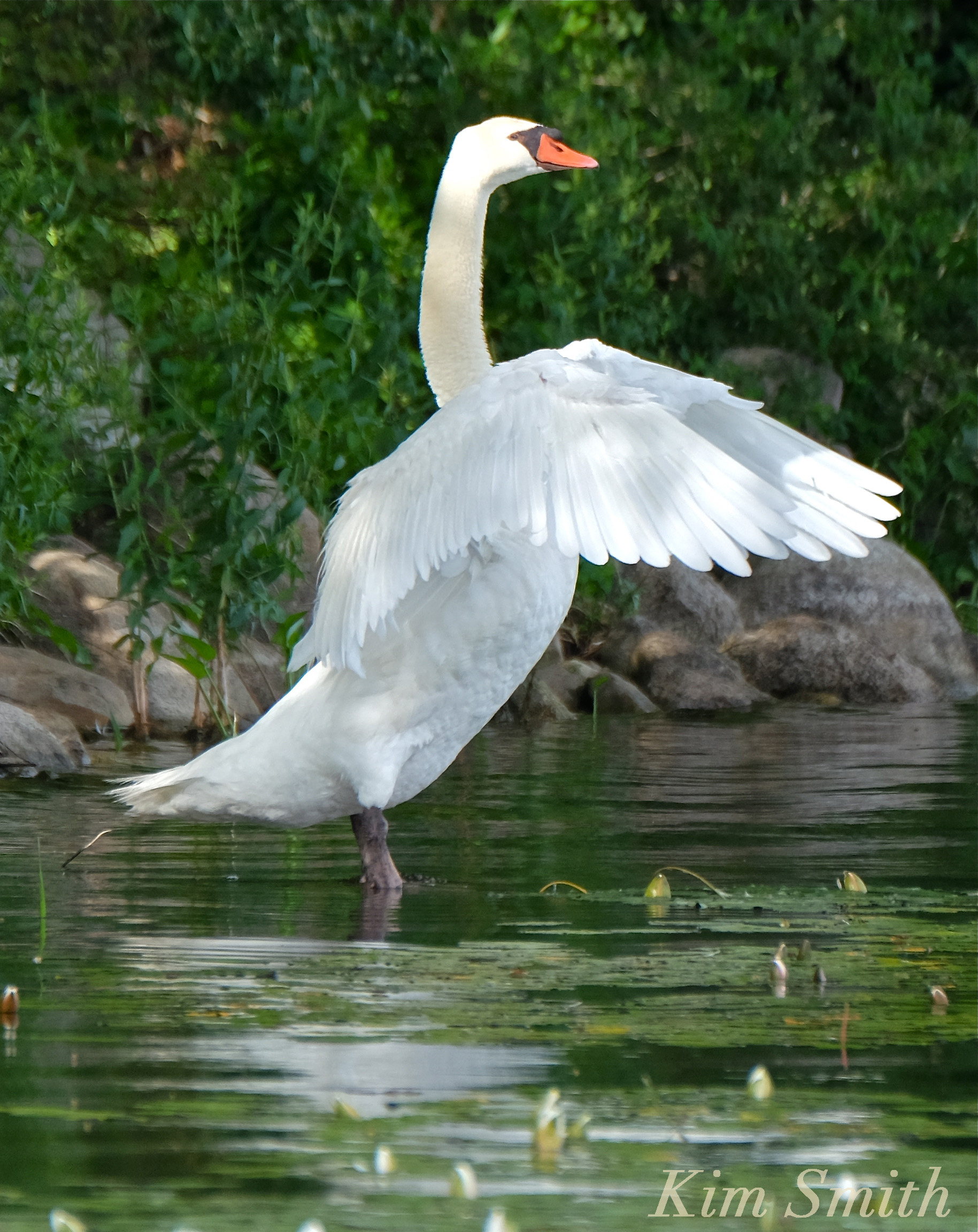
Our caterpillars of the beautiful Cecropia Moth, given by friend Christine, are in their second instar and growing rapidly on a steady diet of birch leaves. The Cecropia Moth is just one of the many reasons why we would never spray trees with pesticides and herbicides.
A HUGE SHOUT OUT to Gloucester’s drinking water chief engineer Larry Durkin and to Senator Bruce Tarr for working hard to keep glyphosate (Monsanto’s Roundup) out of our water supply. Glyphosate is a known carcinogen and extremely bad news for bees, butterflies, and all pollinators. Durkin is pressing Keolis, the company that operates the MBTA commuter rail track service, to cut its use of glyphosate along the track adjacent to the Babson Reservoir and to manually cut back the growth. Read the full story here in the Gloucester Times.
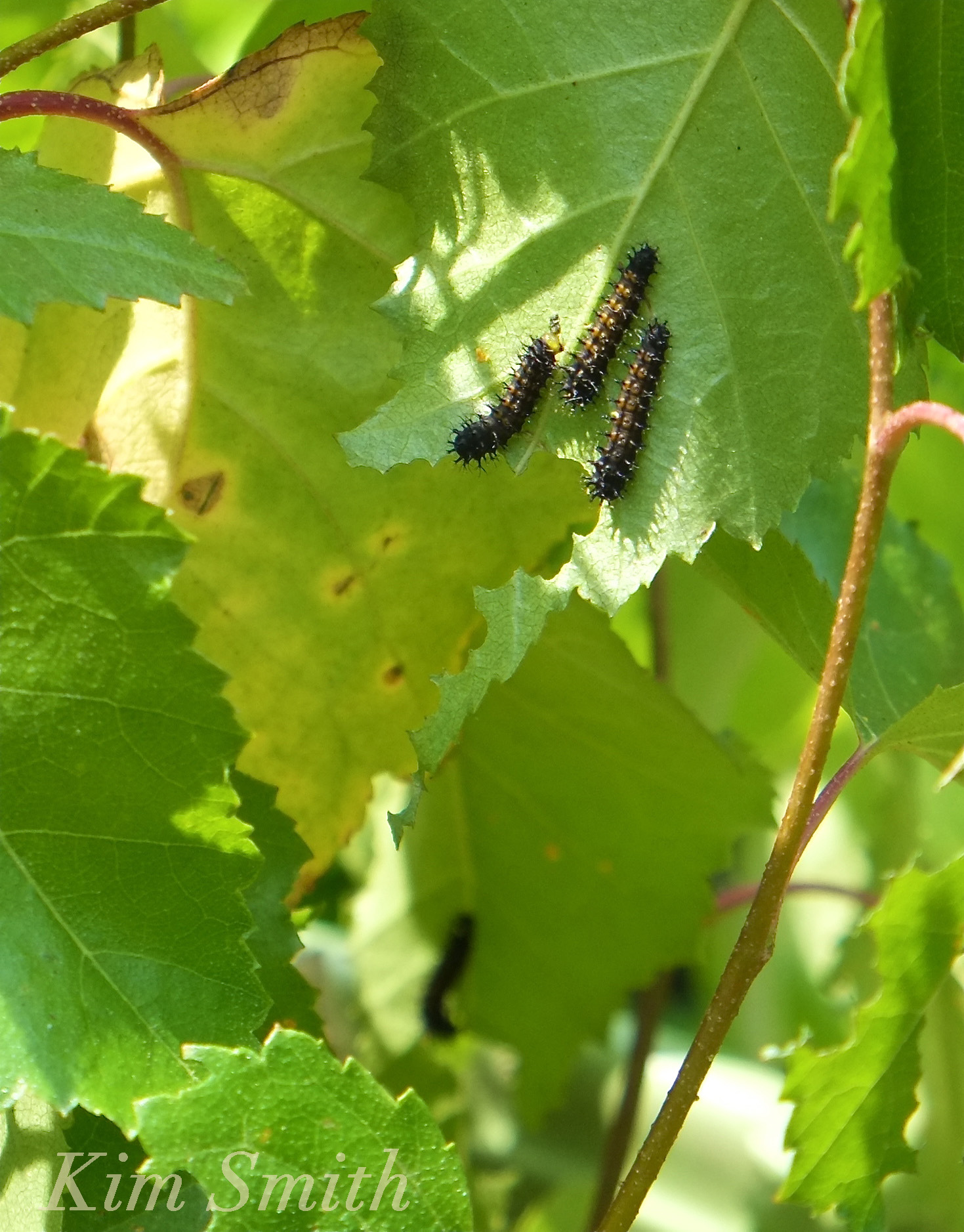 Cecropia Moth Caterpillars

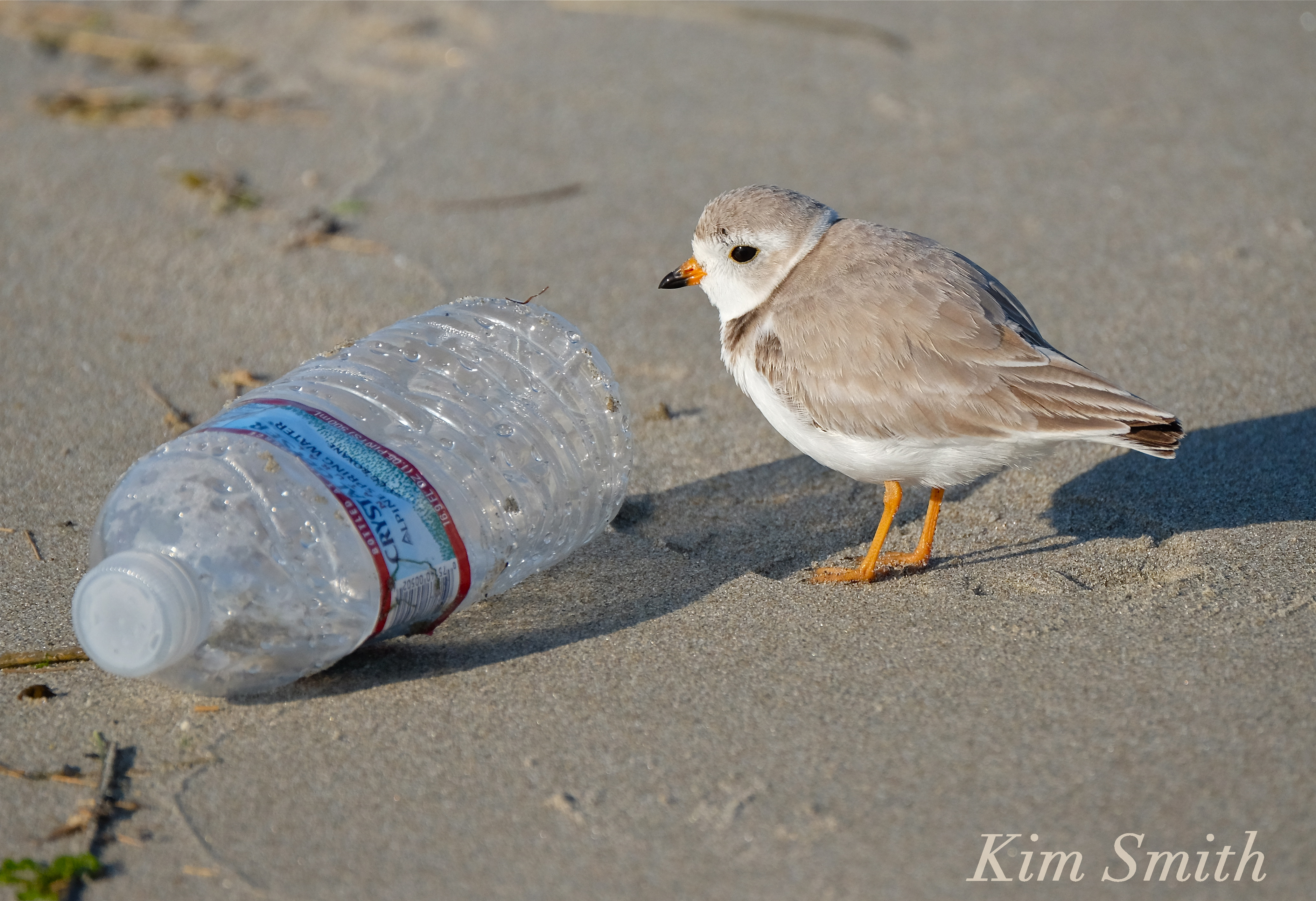 Landscape design work is keeping me away from beloved film projects (although I do love my work no doubts). I did mange this morning to go to Good Harbor Beach to check on the Piping Plovers, to Henry’s to see Mr. Swan, and to the marsh for the ducklings. There were two plovers awakening in the little GHB cordoned off sanctuary, feeding and chasing away intruders. Mr. Swan was chilling at Henry’s, and the three sweet duckling families I have been filming don’t appear to have lost any additional members.
Spending time at Good Harbor Beach filming the plovers before the beach has been cleaned has certainly been an eye opener. Although not even officially summer yet, every morning at daybreak I find the beach littered with an astonishing amount of plastic bottles, trash, food, and plastic bags. According to Rose Piccolo at the DPW, the cleanup crew arrives around 7am and typically has the beaches cleaned by 8:30am. They do a really truly phenomenal job of making our beaches look pristine and attractive before the 9am opening.
A most sincere thank you to Joe Lucido and the Gloucester DPW for a job well done.
https://www.instagram.com/p/BGKMouyDynW/
https://www.instagram.com/p/BGKHcb1DypO/

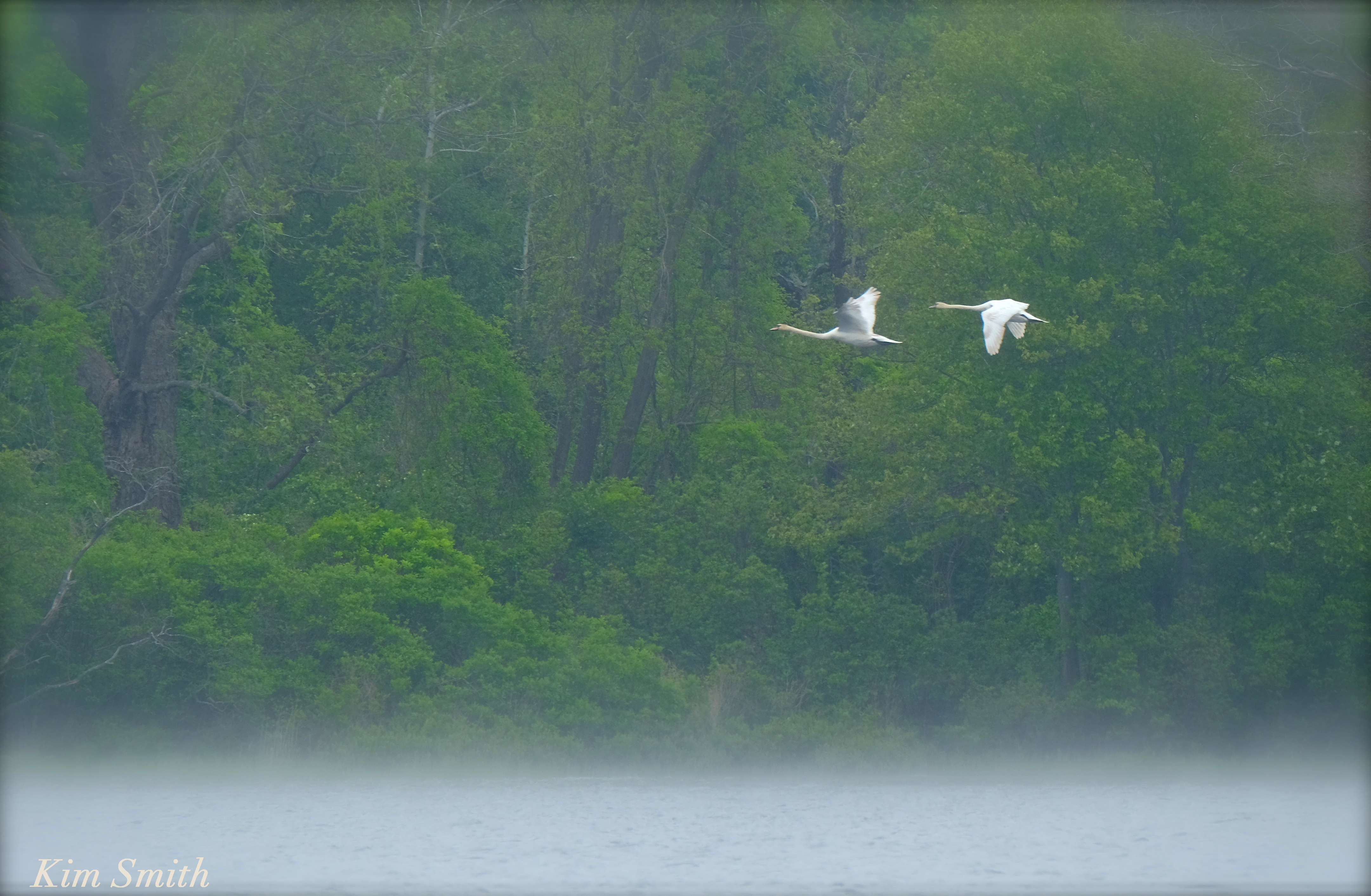 Truly, one of the most beautiful sounds heard the world over is the sound that the wings of Mute Swans make when airborne. I call it vibrant throbbing wing beats. The highly audible sound of the wind through the wings is mesmerizing and it is the reason, or one of several reasons, why I became so interested in swans and why I decided to make a film about the swans of Cape Ann. No other species of swan’s wings make this sound, only Mute Swans.
As I am usually trying to capture the swans flying on film, I didn’t have any photographs of them in flight. Sunday afternoon I arrived at Niles just as Mr. Swan was chasing the new couple off his turf. I did not have time to get out my movie camera but did manage some snapshots. In the photo below you can see Mr. Swan is “busking;” his feathers are fluffed to their fullest to make himself look as large and threatening as possible to what he considers intruders upon his territory. This photo was taken moments after he chased the new couple to the harbor, returning to Niles to do a victory lap around the pond. 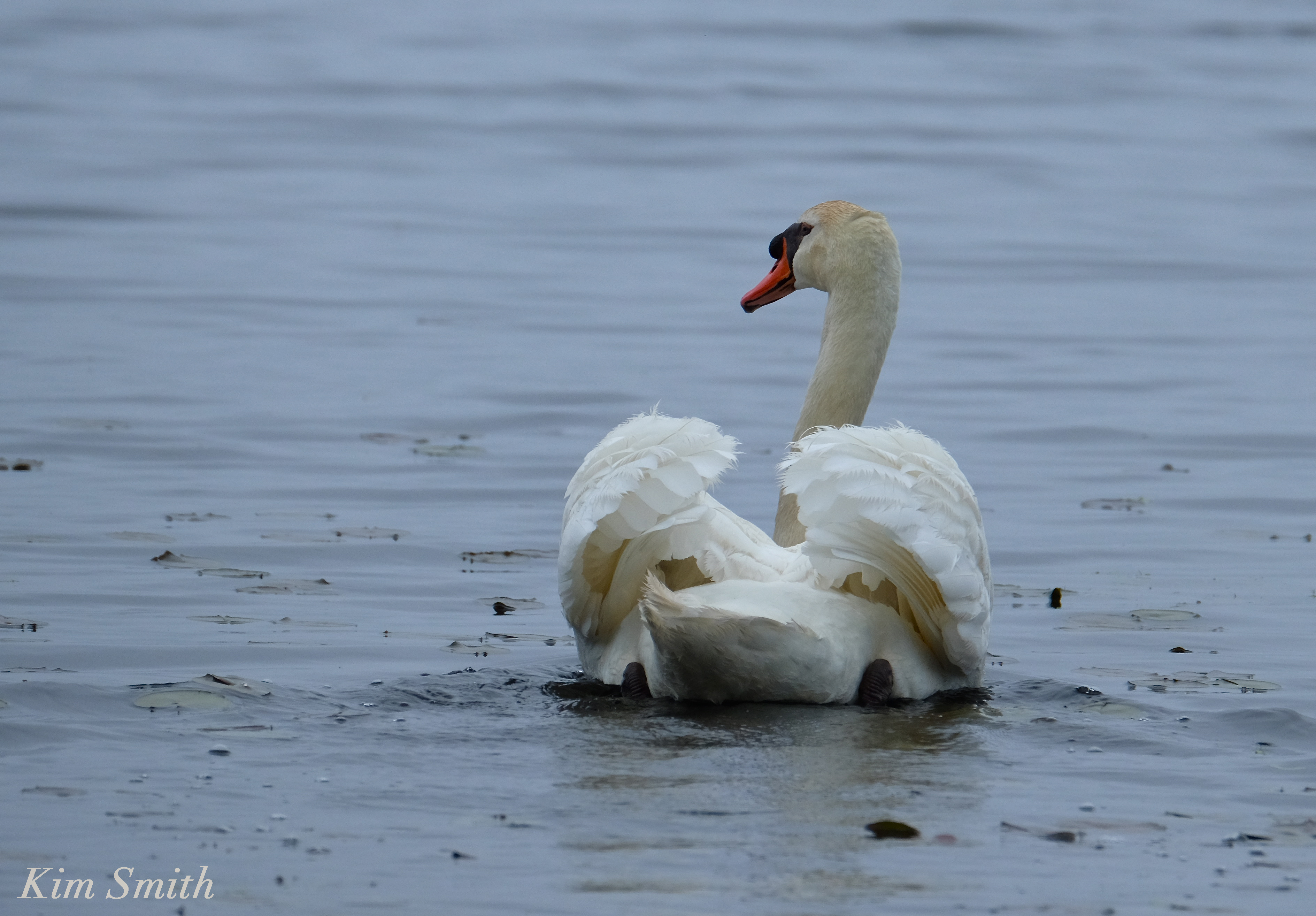

 Diamonds in the rough
https://www.instagram.com/p/BEV7ru9Dyig/
Mr. Swan resting (trying to) in the early morning sun. Mallards courting make nap time difficult.
 This morning at Pebble Beach

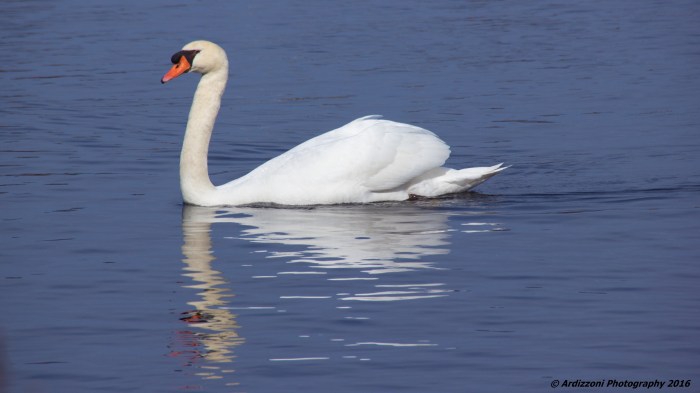

Mr. Swan’s morning grooming session, keeping his feathers well oiled and in excellent flying condition.

So many thanks to everyone who came out for my talk at the Cultural Center last night. Thank you to old friends who were there and thank you to my new friends; it was a pleasure to meet you! We had a wonderful turnout. The Cultural Center at Rocky Neck and the Rocky Neck Art Colony did a tremendous job hosting. With special thanks and gratitude to Martha Swanson, Suzanne Gilbert Lee, Jane Keddy, Karen Ristuben, Tom Nihan, and Mary Lou. The Beautiful Birds of Cape Ann thank you to!
 Mr. Swan and Mallards Rocky Neck Gloucester

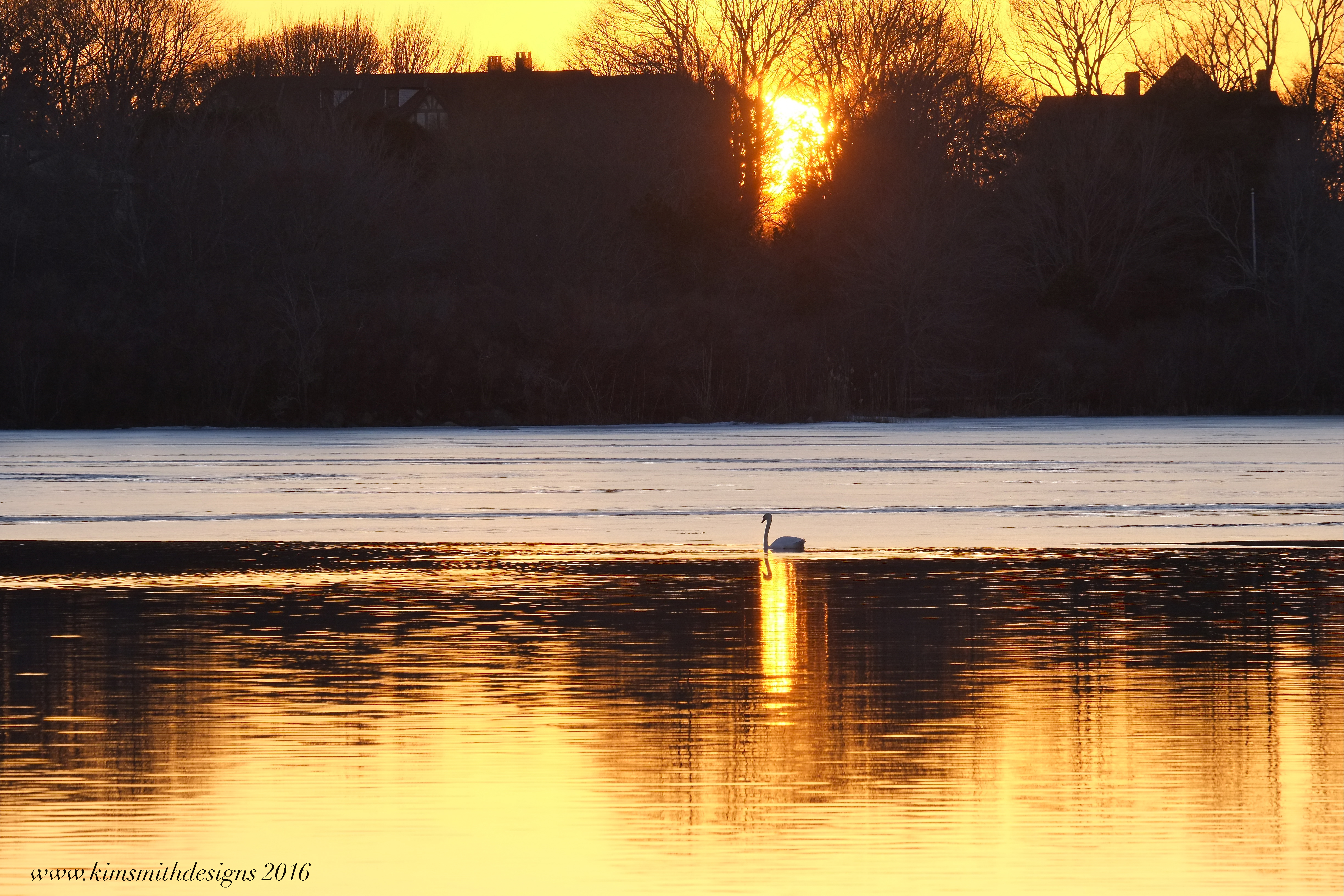 Is it immodest to say that I like this picture? I don’t have a great deal of spare time to mat my photos and run around looking for frames, but think I’ll make the effort with this one.
I hope to see you at my talk at the Cultural Center at Rocky Neck tonight!

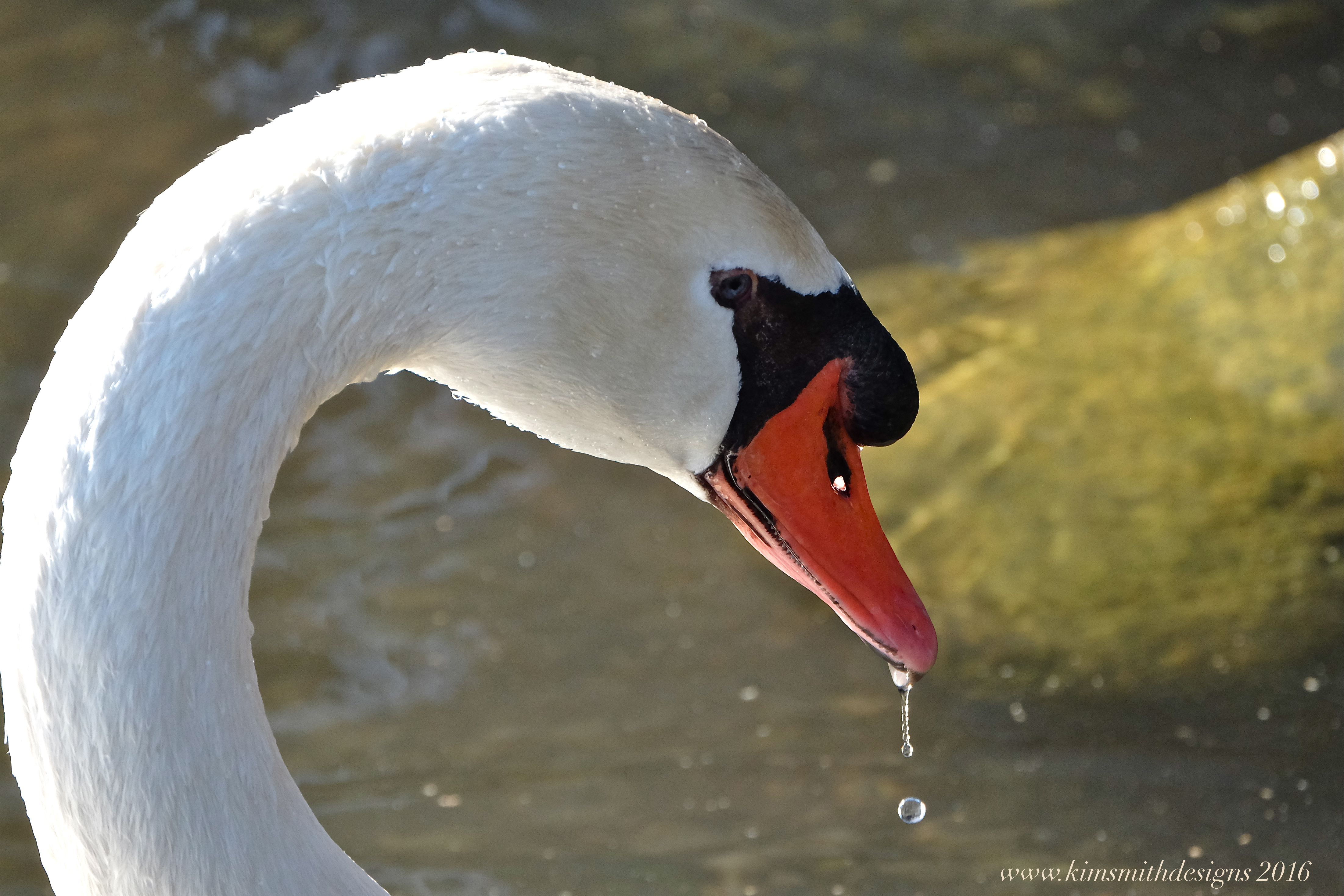
Several weeks ago, in response to a question sent in by a reader that asked can swans drink seawater, we responded yes, because just above the eyes and under the skin, they have a gland that removes salt from their blood stream and concentrates it in a solution that is excreted from their nostrils. In the photo below, you can see sunlight coming through the nare holes, which are near the base of the bill. When the swan shakes its head, the salt is removed through the nares. Most species of birds have nare holes, which lead to the nasal cavity within the skull, which is part of the respiratory system.
Please join us Thursday night at the Cultural Center at Rocky Neck. For more information on my illustrated talk”Beautiful Birds of Cape Ann” visit this post here.

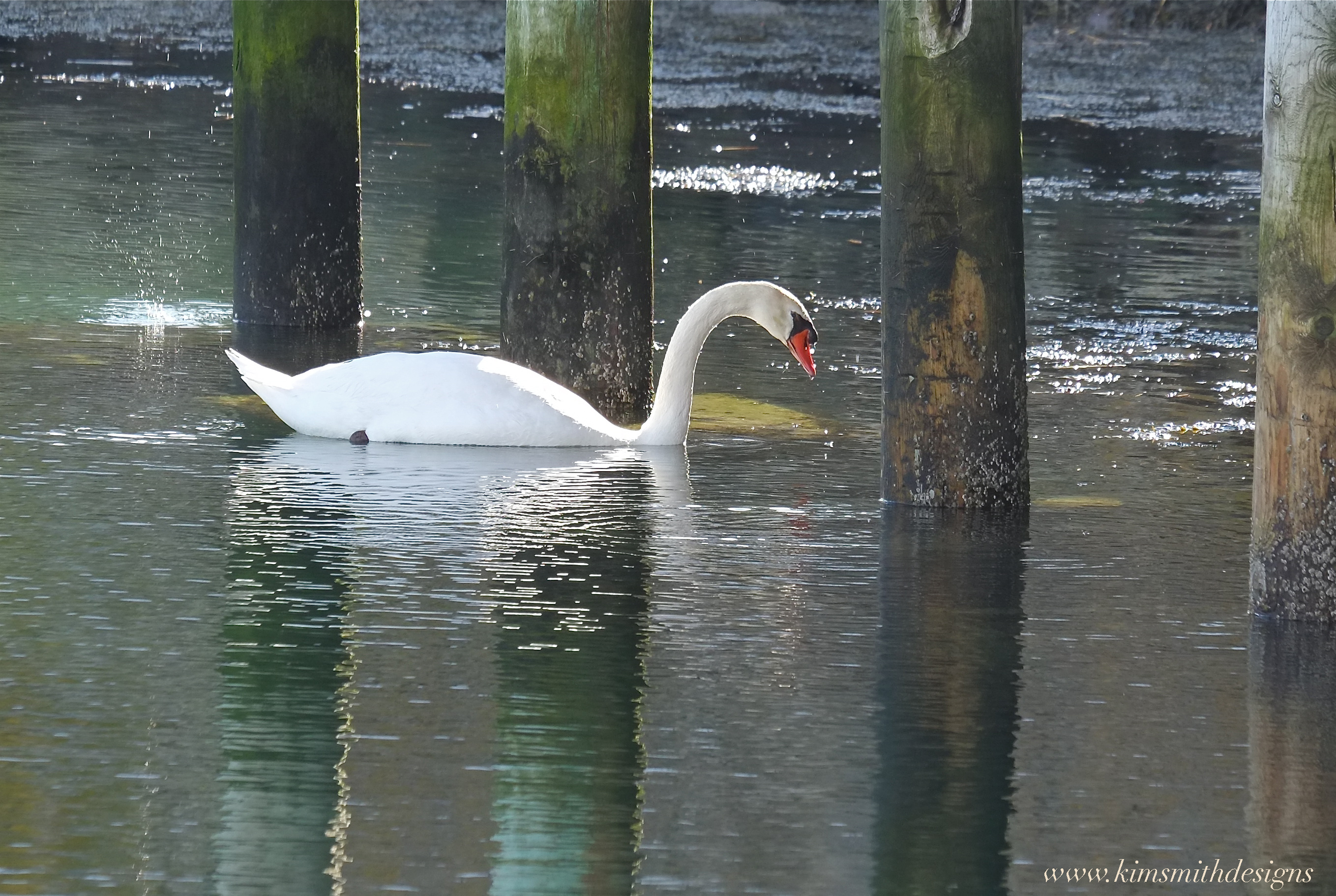 In the above photo you can see our super smart Mr. Swan drinking freshwater from snow melting on the roof above its head, which was running down the gutters and into the harbor.
Mute Swans mostly drink freshwater (and a great deal of it) because most of the places that you find swans living at are on freshwater ponds, lakes, rivers, and inlets. However, just above the eyes and under the skin, swans have a gland that enables them to drink saltwater. This gland removes salt from their bloodstream and concentrates it into a solution that is excreted from their nostrils, which the swan can shake its head to clear.
There are a number of good folks in Rockport and Gloucester who keep a watchful eye on our local swans. Thursday I had the joy of meeting Lois and Serena, who have been feeding and observing the swans for over twenty years. They have photos of Mr. Swan (known as Buddy in Rockport) dating from 1998. He was already full grown by then, which makes him at least twenty years old. That is quite extraordinary as most Mute Swans in the wild live on average only to twelve years of age.
My deepest thanks and appreciation to Lois and Serena for the time they took sharing swan stories, the reading material lent, and for their kind and goodhearted nature, especially towards Buddy/Mr. Swan!
As you may or may not have read here on Good Morning Gloucester, I have been filming the swans over the past several years for a film project. If you have a Cape Ann swan story that you would like to share I would love to hear from you. Please contact me at kimsmithdesigns@hotmail.com. Thank you so much!

I am sorry to report that there have been no recent sightings of Mr. Swan’s girlfriend.
https://www.instagram.com/p/BAngCe3jyji/
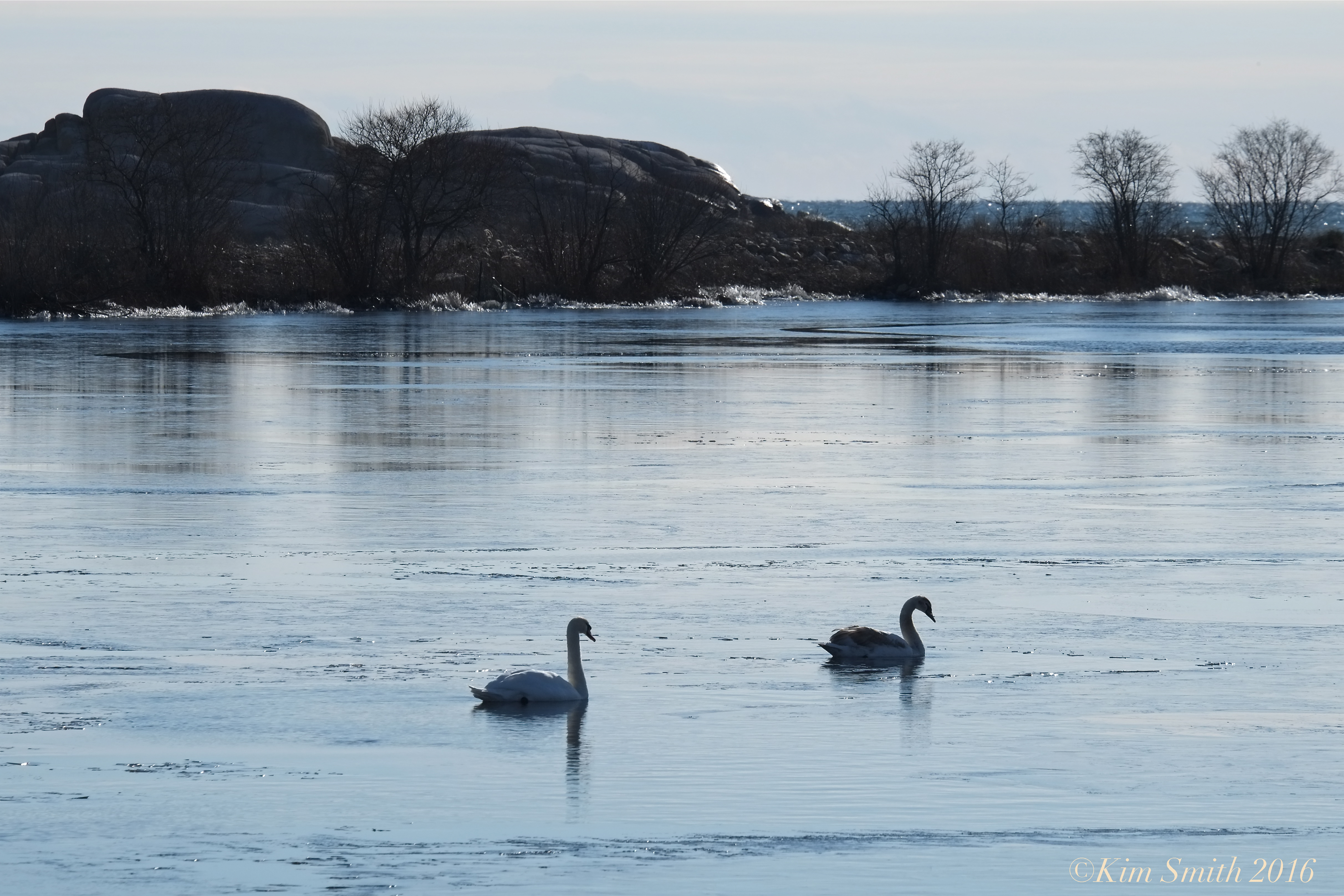 Could this be the new Mrs. Swan?
Today at 9:30am while out doing errands, I stopped by Niles Pond to see if I could find my brand new glove, which was lost the morning previously. That Monday, the day after the weekend storm, the mergansers had moved overnight to Niles Pond to escape the wind and waves on the harbor and I had captured footage of Mr. Swan with the Red-breasted Mergansers. Last I saw him, he was alone and circling the pond, plaintively calling.
Just as I got to the spot where filming yesterday I looked up and flying overhead were not one, but two swans! They were flying towards Brace Cove. I hurried back to my car to get cameras, checking all the while to see if the pair would stay at Niles or continue up the coast. They circled back around Niles before landing on the far side of the pond. The large pure white male looks like Mr. Swan and his girlfriend appears to be much younger as she is comparatively smaller and still has some brownish-gray cygnet feathers.
I immediately called my friend Lyn to let her know about the swan pair swimming at her end of the pond. There was a large patch of ice that prevented the swans from coming closer to where she was calling them from shore but we did have a good long look and we both agree it could very well be Mr. Swan (Lyn calls him Poppa Swan and in Rockport he’s known as Buddy).
The pair of swans stayed, feeding on pond vegetation and moving slowly through the icy waters. Swans use their powerful breast muscles in a lifting and lurching movement to break up ice. It takes a great amount of effort to cut a path through the ice and Mr. Swan is much more adept at ice breaking than is his new girlfriend.
By a swan’s second summer (in other words two years of age) it will have lost all the characteristics of an immature. The brown feathers are gradually replaced with the white feathers. The last thing to visibly change is the color of the swan’s bill. A cygnet’s bill is blue/grey changing over the two year period to pinkish and then orange. Swans can breed as early as two years of age although most don’t begin until three years.
I can’t saw with 100 percent certainty that this is Mr. Swan because I didn’t get a close look at the distinguishing marks on his bill however, all signs point in this direction.
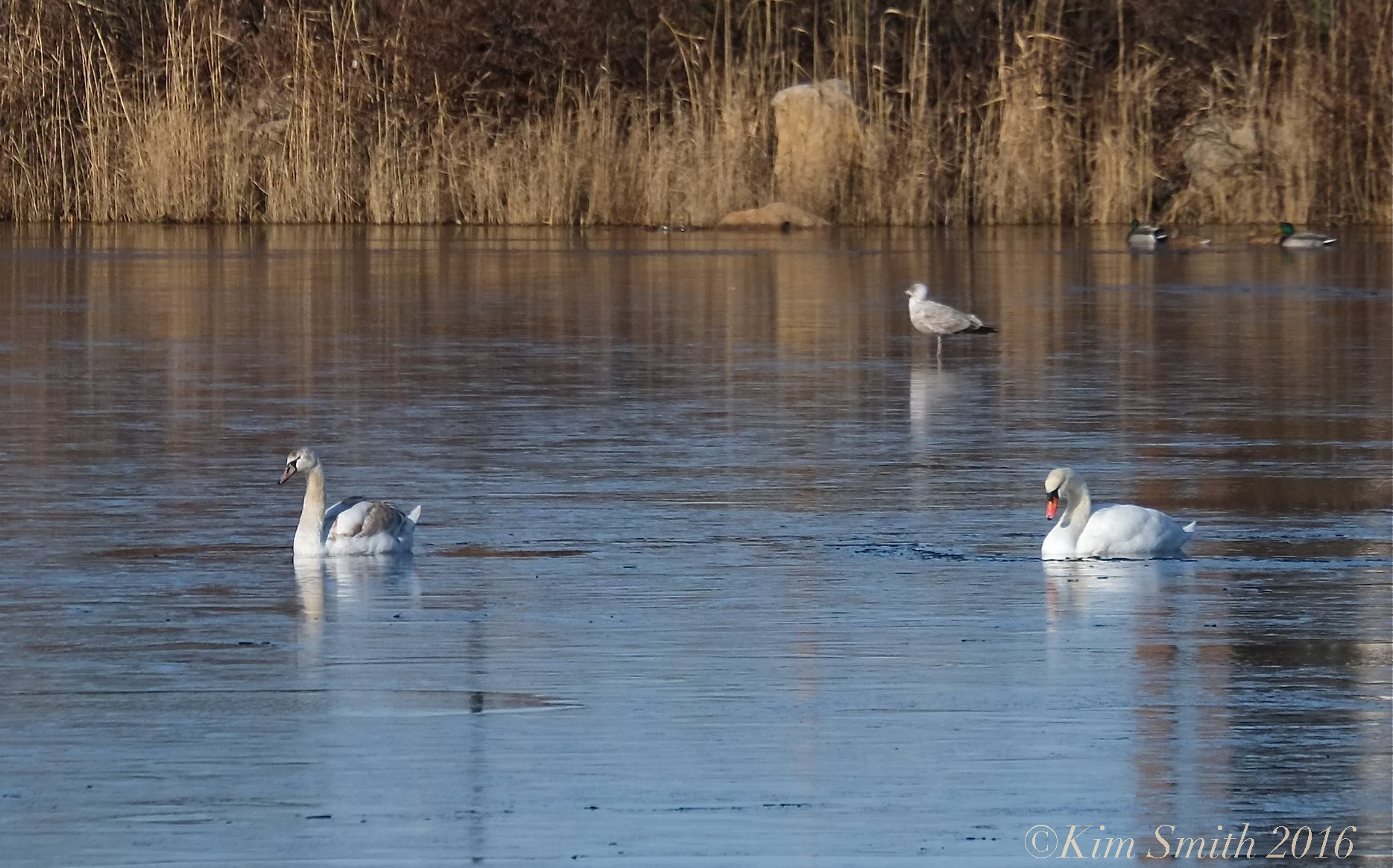
Note the young swan’s brownish feathers and greyish-pink bill (left). This tells us that she is not quite two years of age.

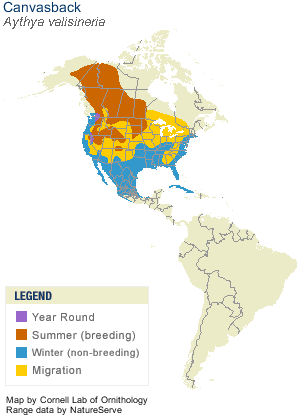
This first weekend of 2016 was an exciting one for our lovers of all things avian. Niles Pond especially was teeming with beautiful diving ducks, most notably the Canvasback Duck. Several Ring-necked Ducks were spotted as were a trio of the elegantly understated dabbling Gadwalls. American Coots and Buffleheads have been at Niles now for more than a month; the Buffleheads are especially abundant.
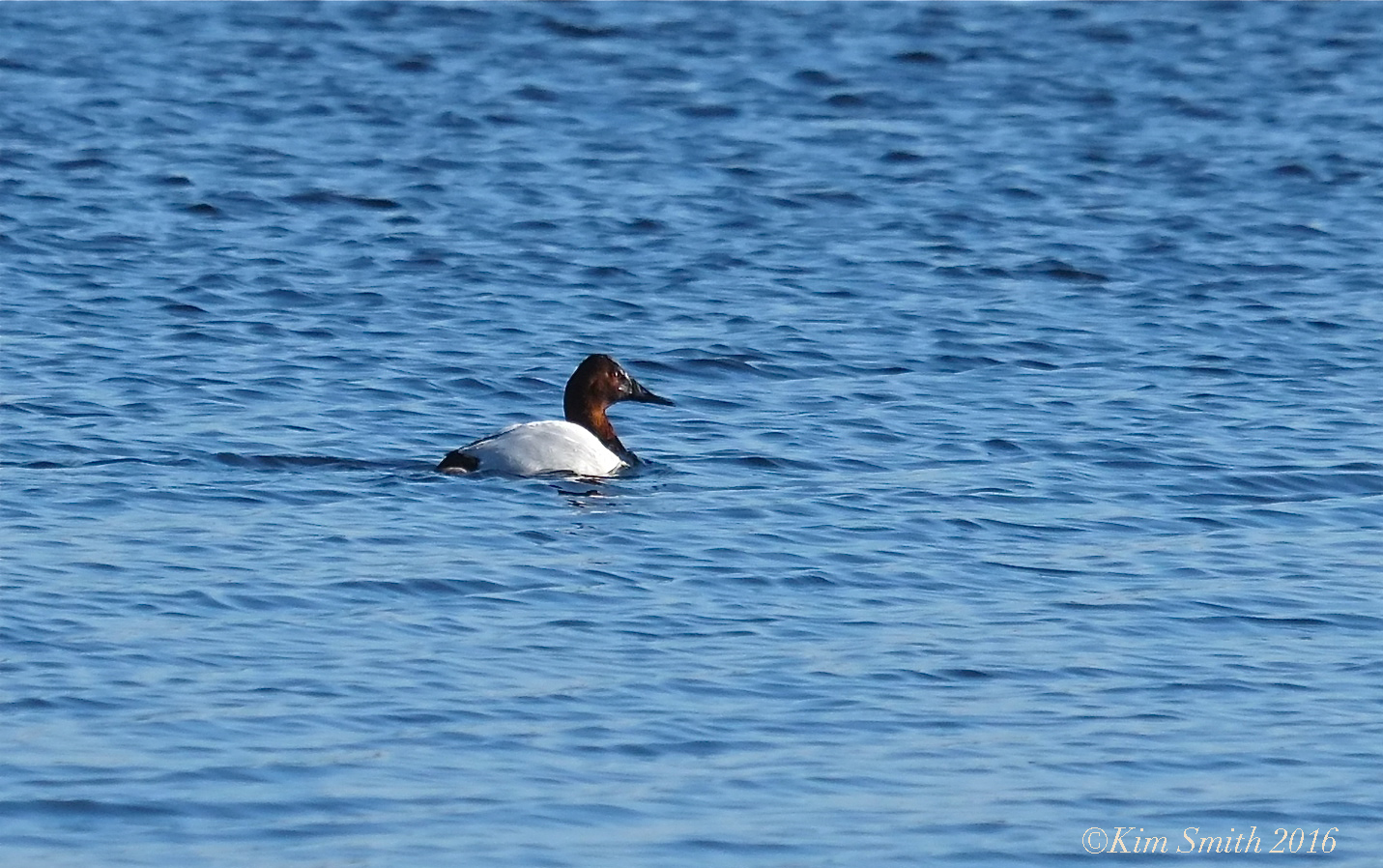 Too far in the middle of the pond for my wimpy 200mm lens, at least you can see for identification purposes the Canvasback Duck and the Ring-necked Duck
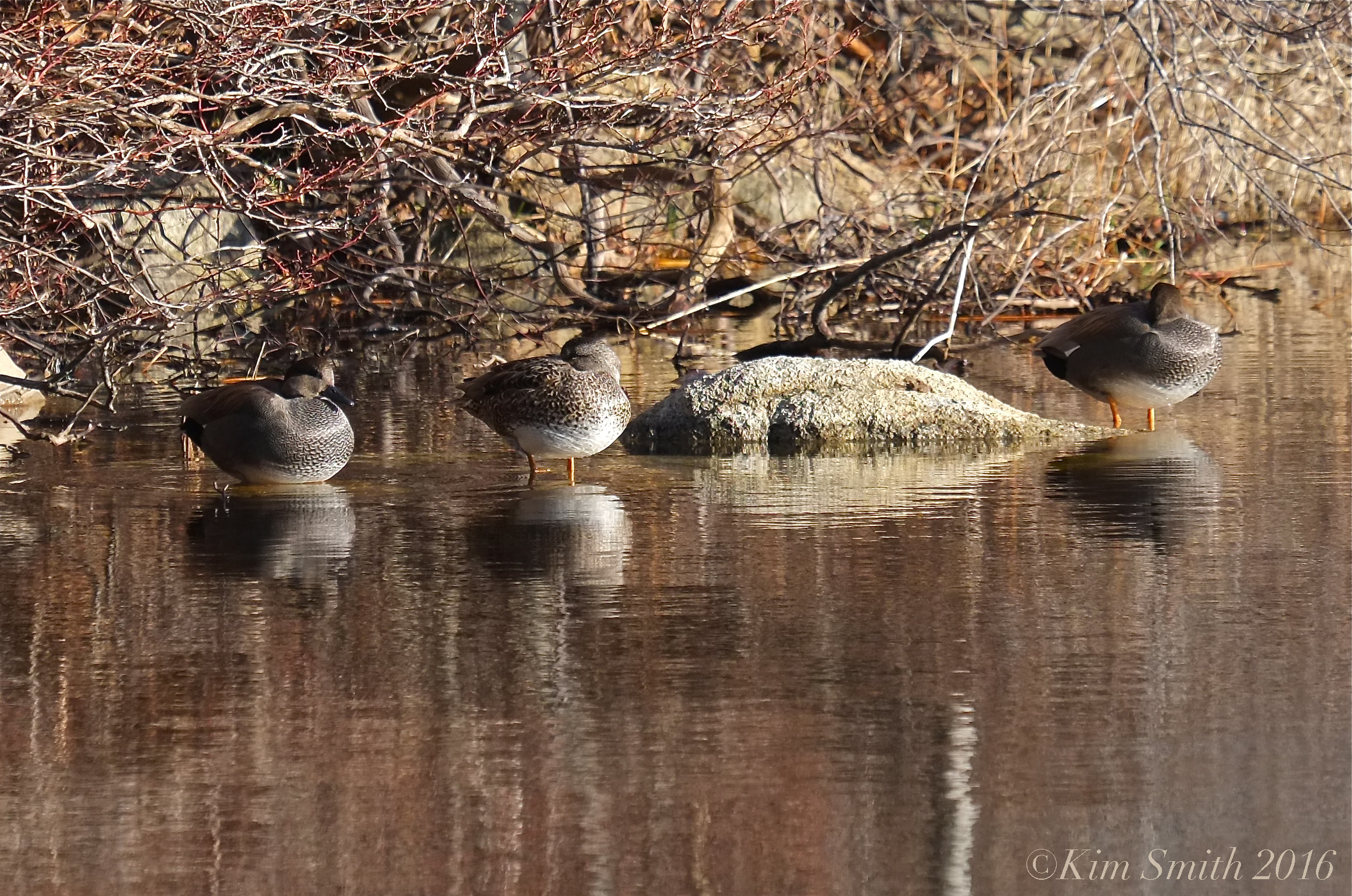 Gadwalls
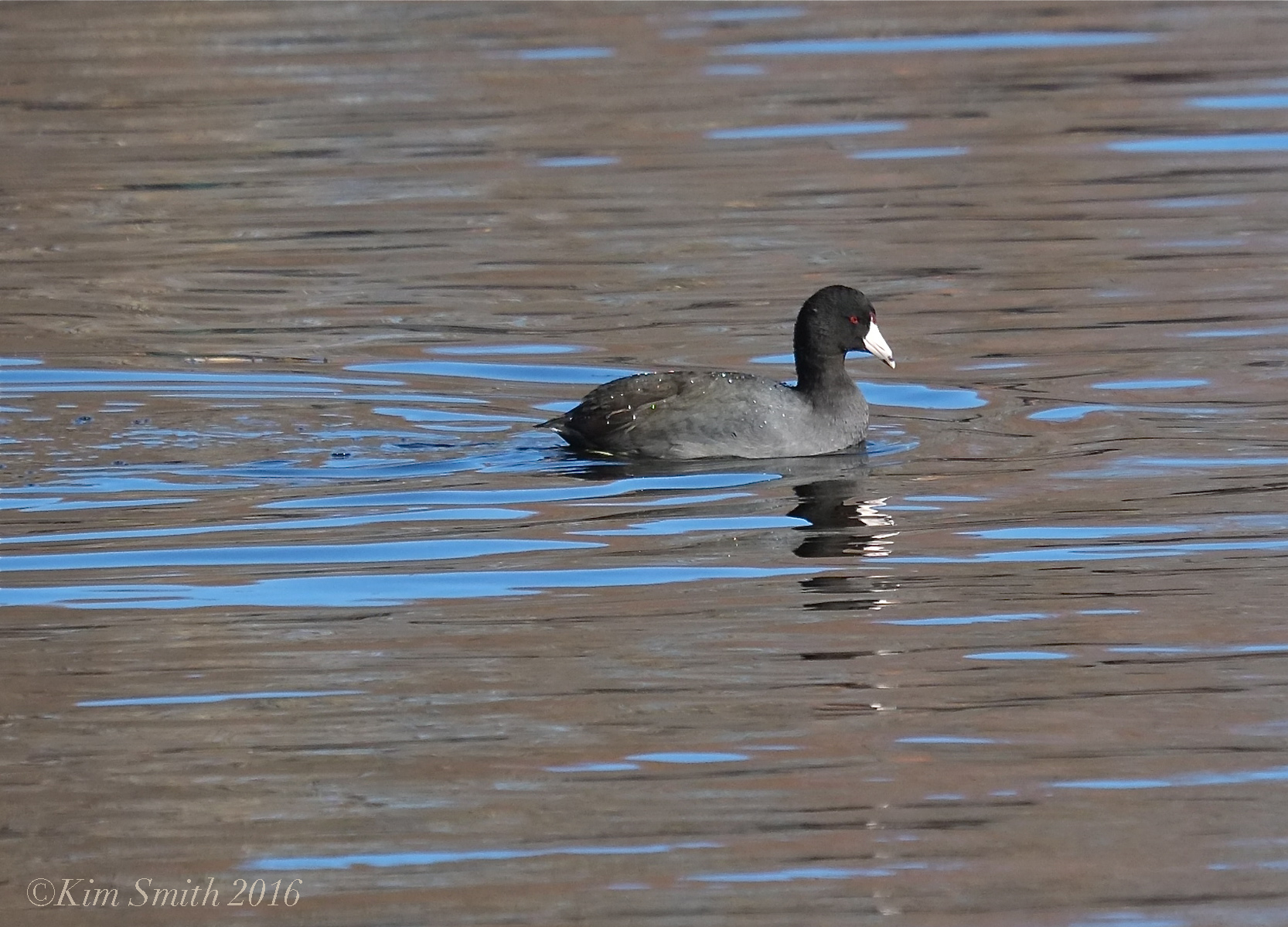 American Coot
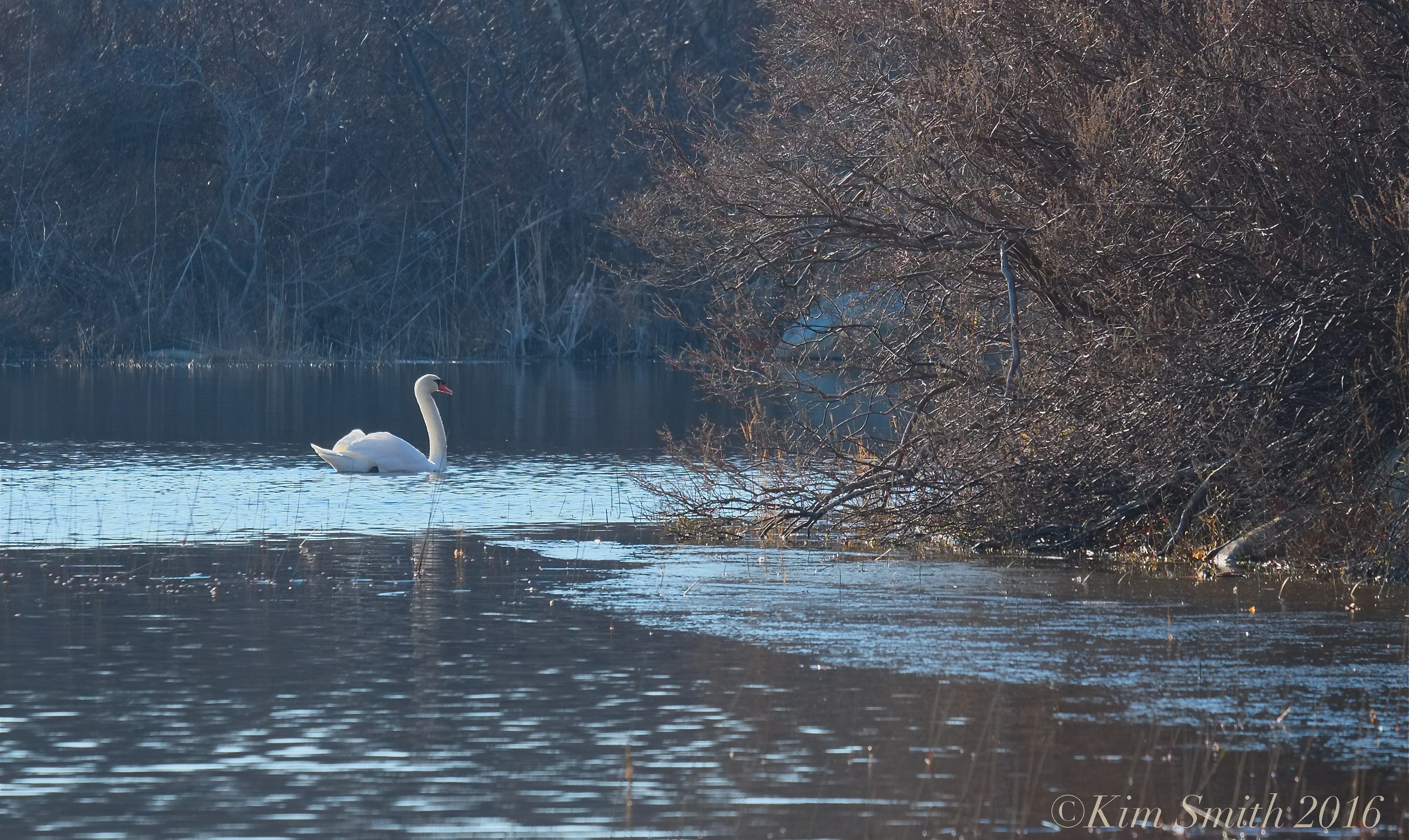 Mr. Swan!
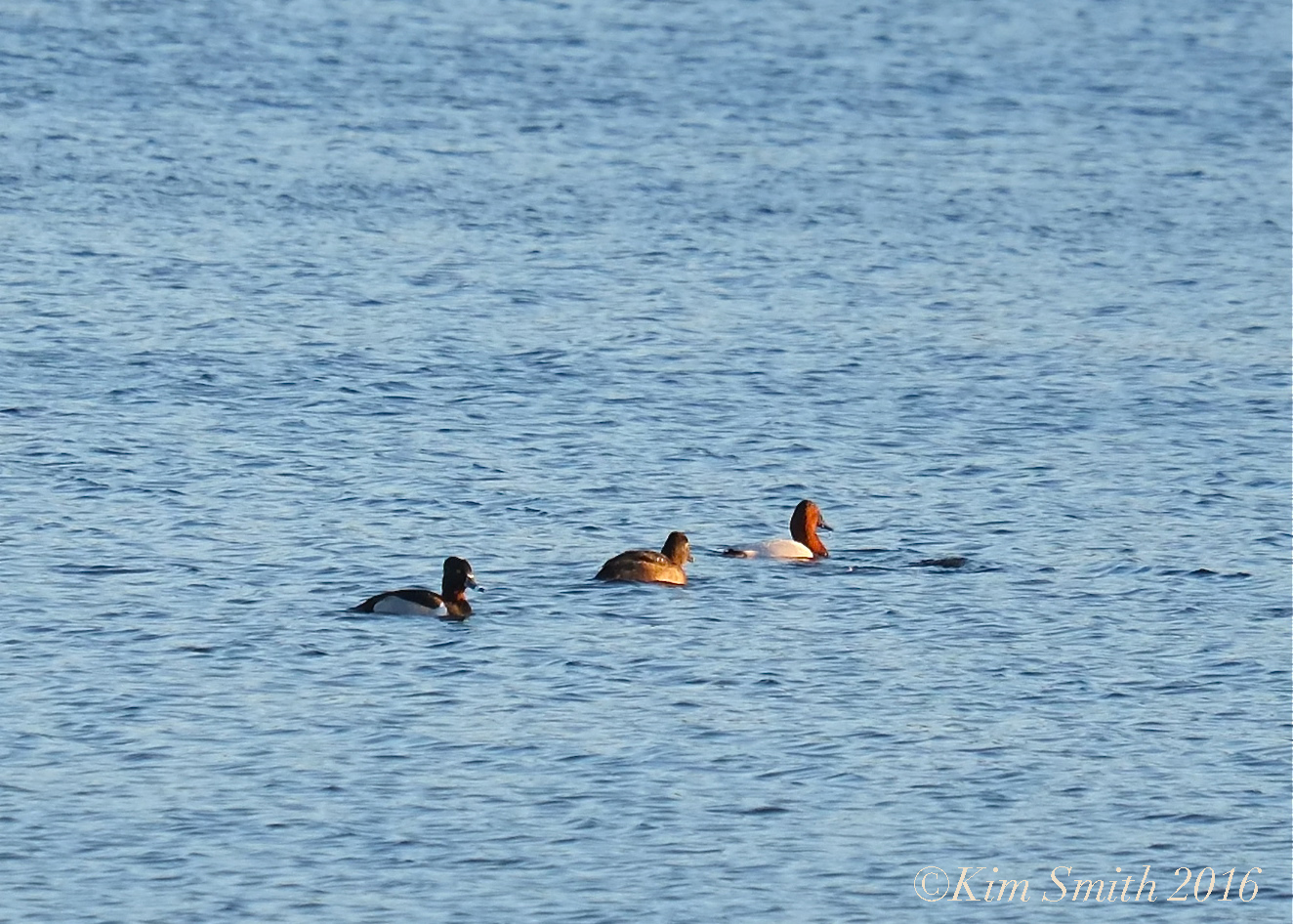
Ring-necked Duck and Canvasback Duck
Canvasback Range Map

Daybreak from around Niles Pond, Brace Cove, and Henry’s Pond in Rockport.
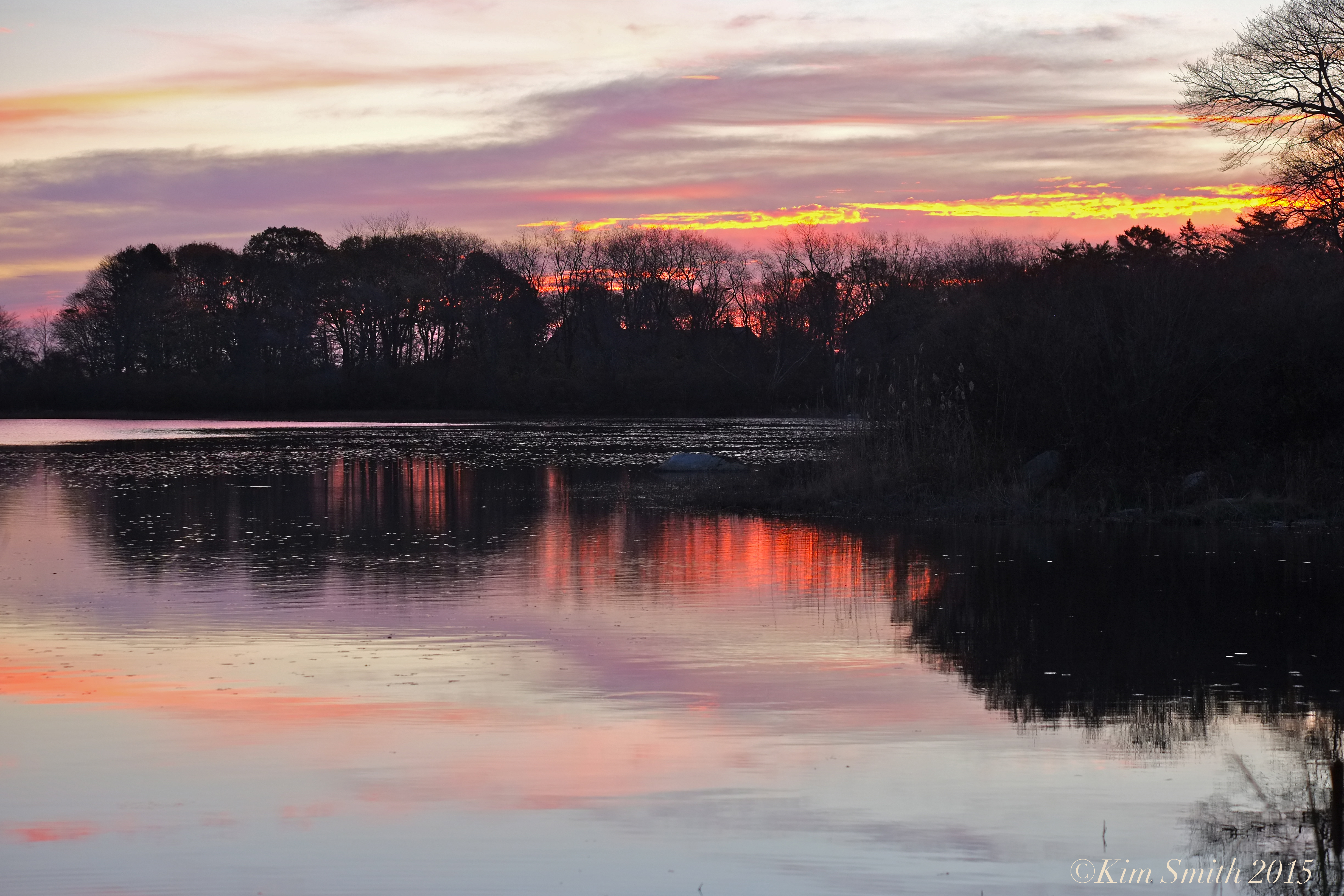
Niles Pond
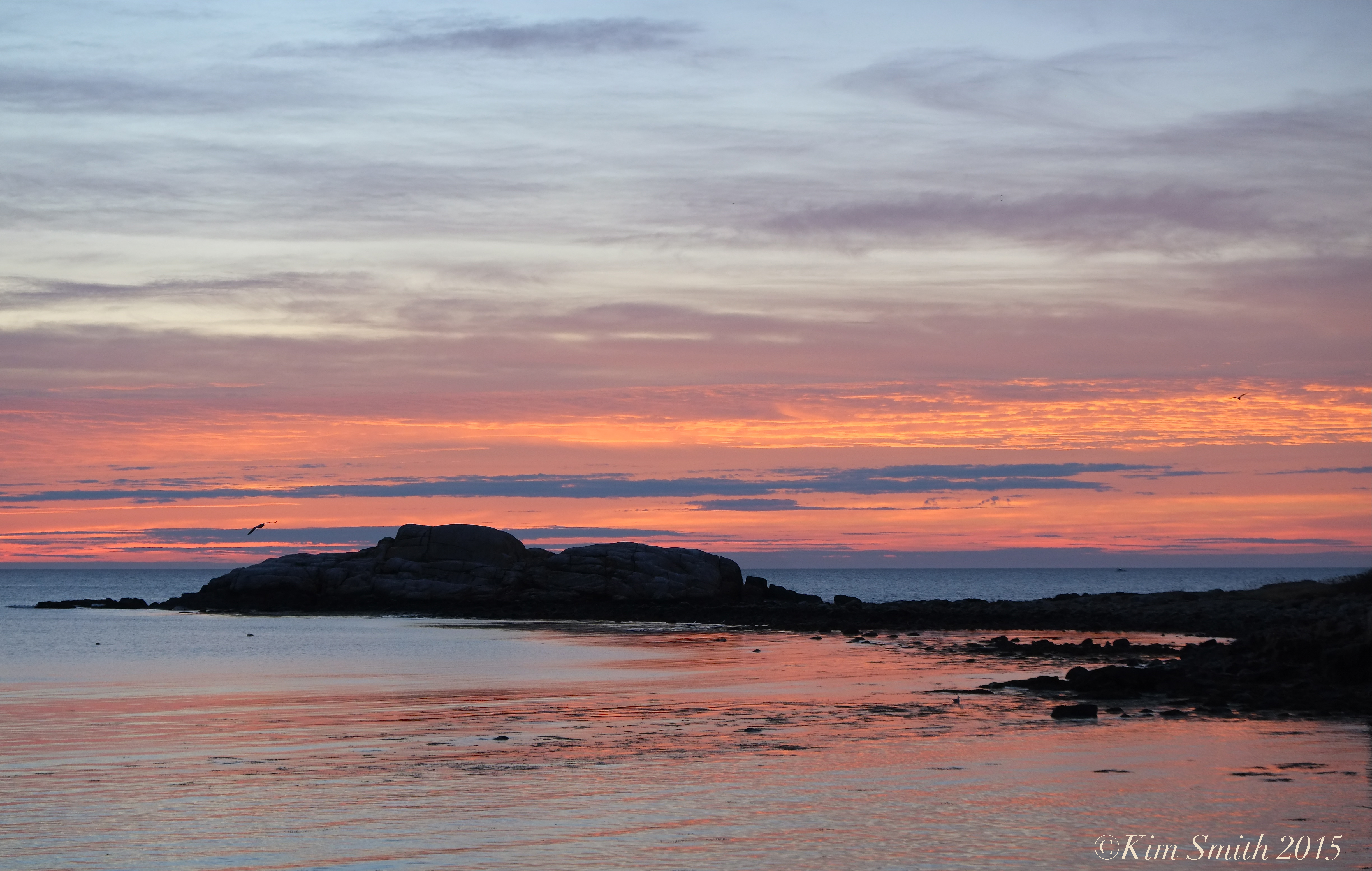 Brace Rock Daybreak
https://instagram.com/p/9yHooODyuX/
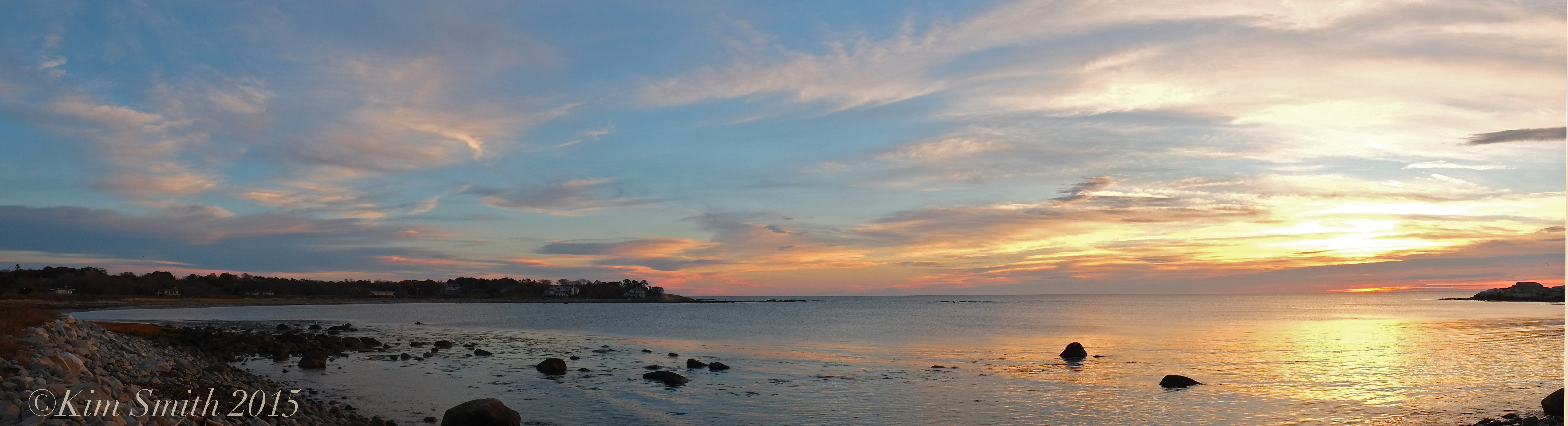
Brace Cove
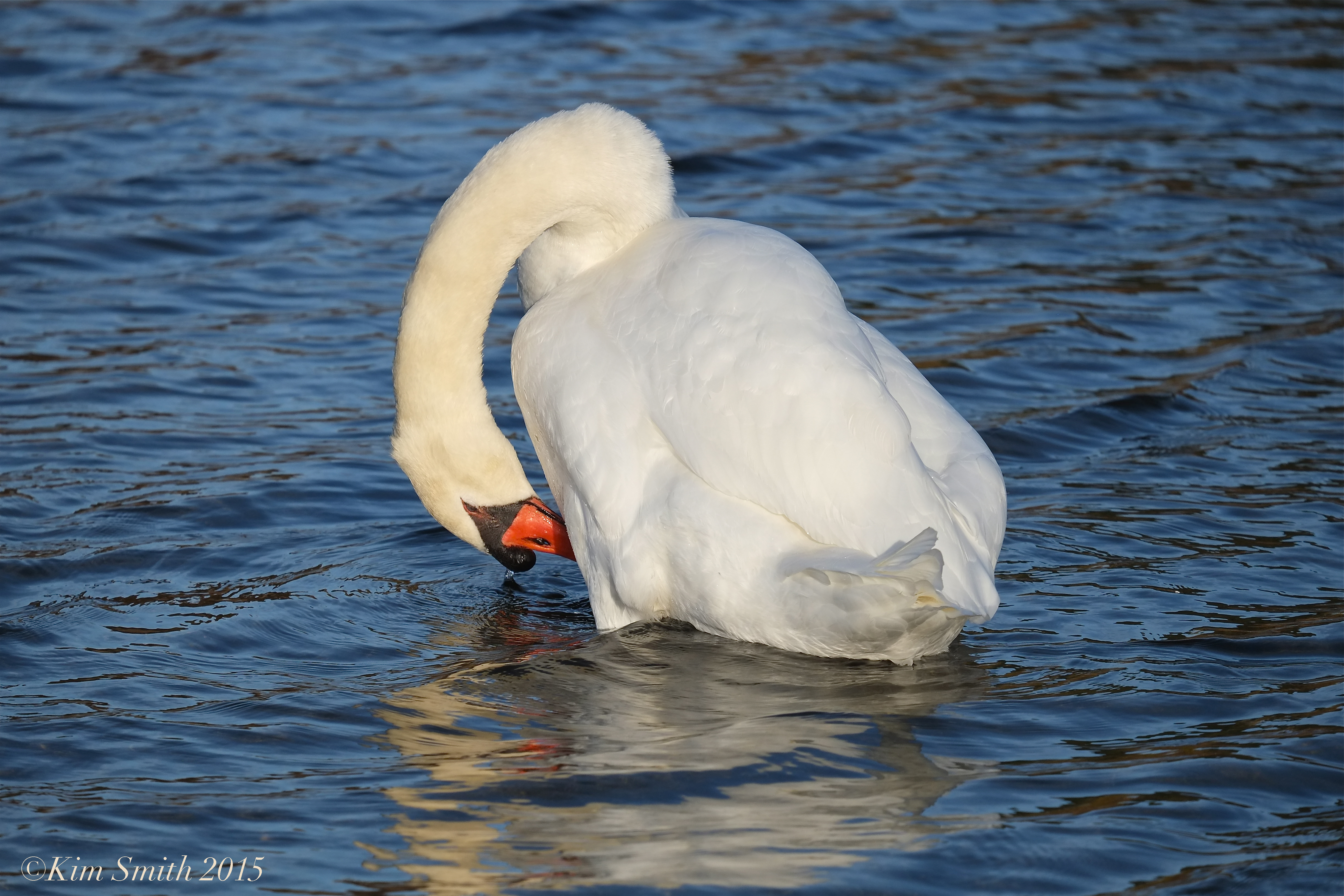 Mr. Swan Morning Preening
Mr. Swan left Niles Pond yesterday morning and although he flew in his usual direction towards Henry’s Pond, he did NOT fly to Henry’s, which had become his habit. I did not see him at Henry’s, Niles, or the harbor this morning either. Perhaps he has flown to another region in search of a new Mrs. Swan. We can only hope!
See additional photos here of Mr. Swan, dead skunk, and more ~ Continue reading “SUNRISE SCENES FROM EASTERN POINT AND HENRY’S POND WITH MR. SWAN UPDATE”

Scenes from around Niles Pond and Brace Cove October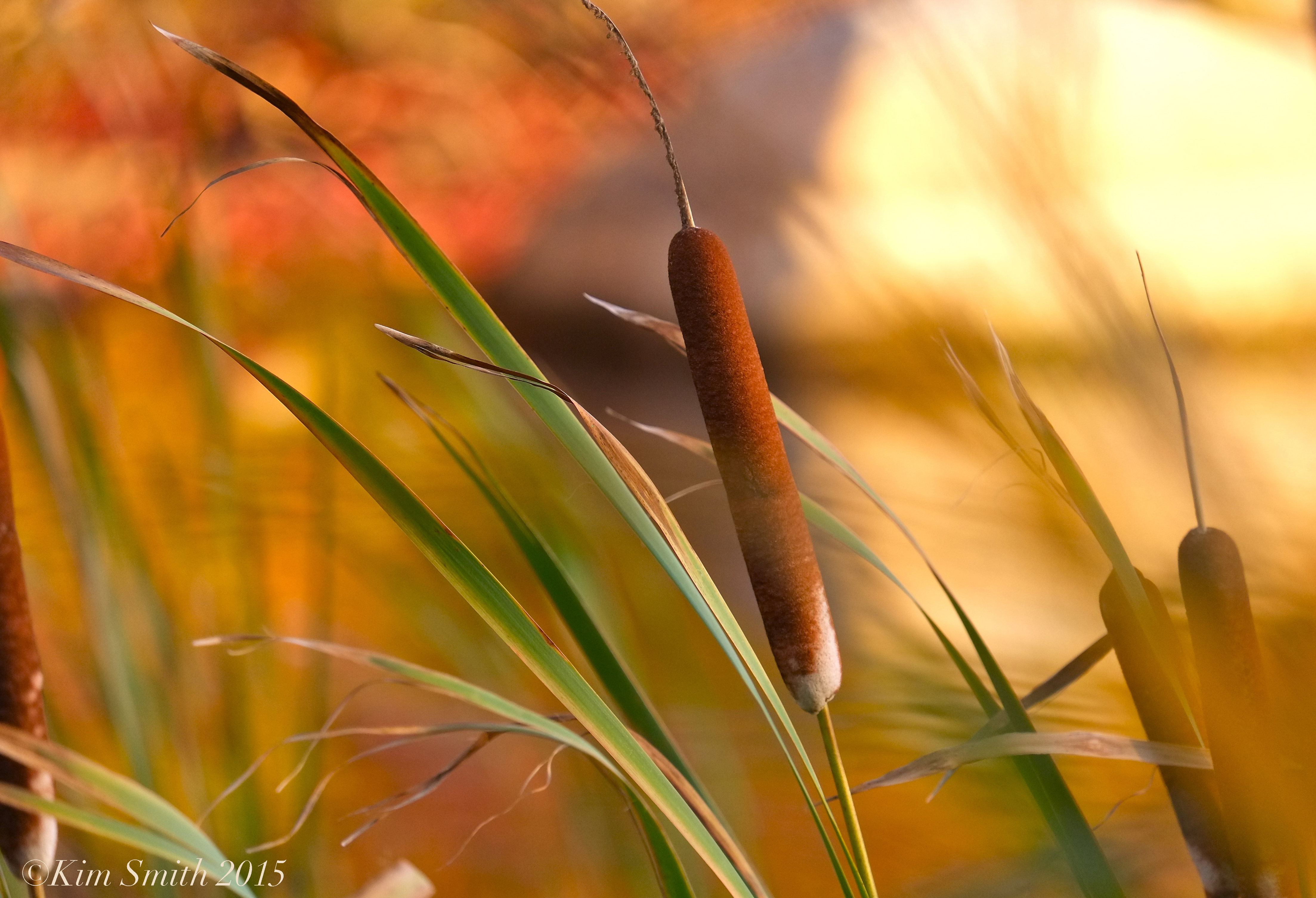
Cattails in the wind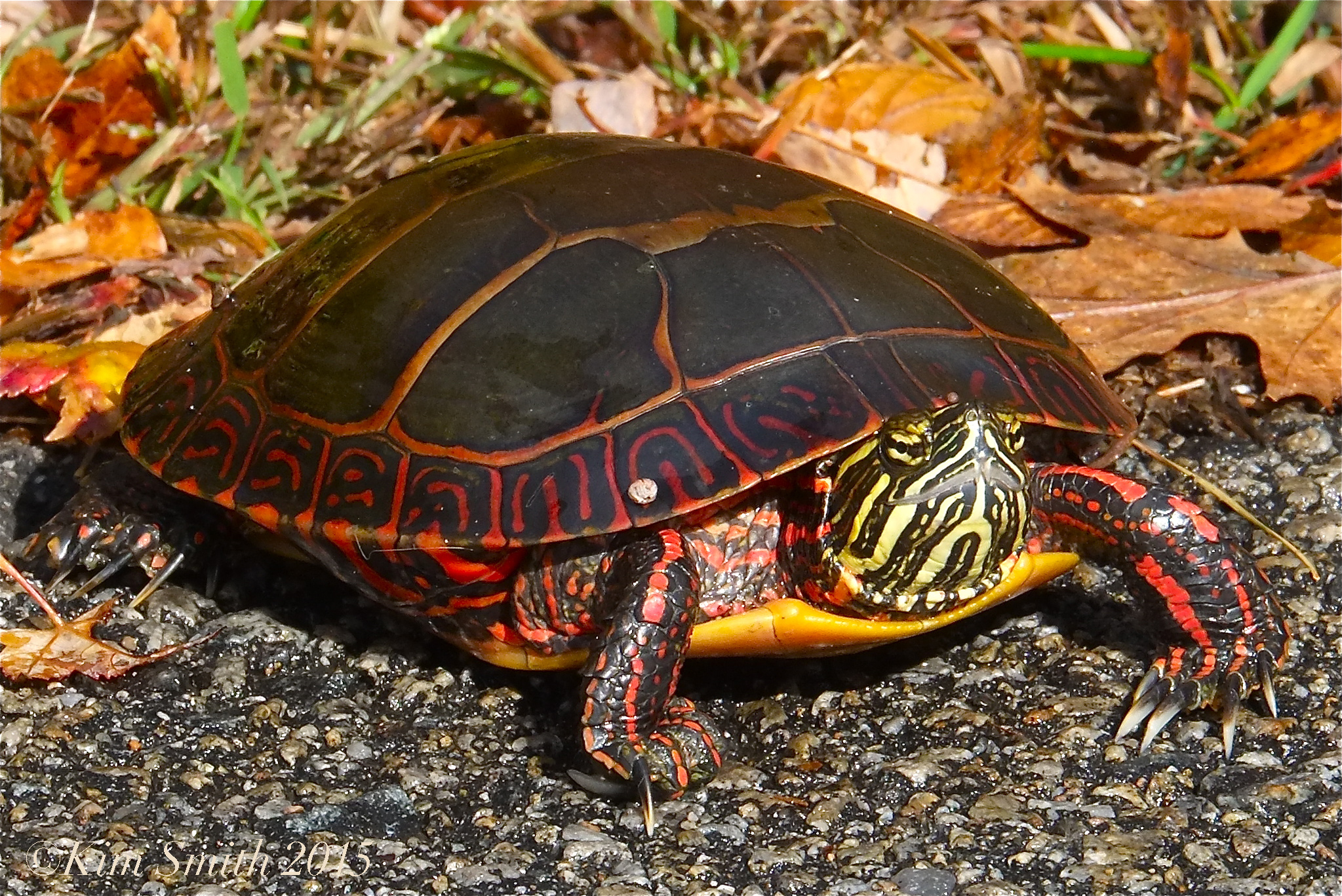 Painted Turtle
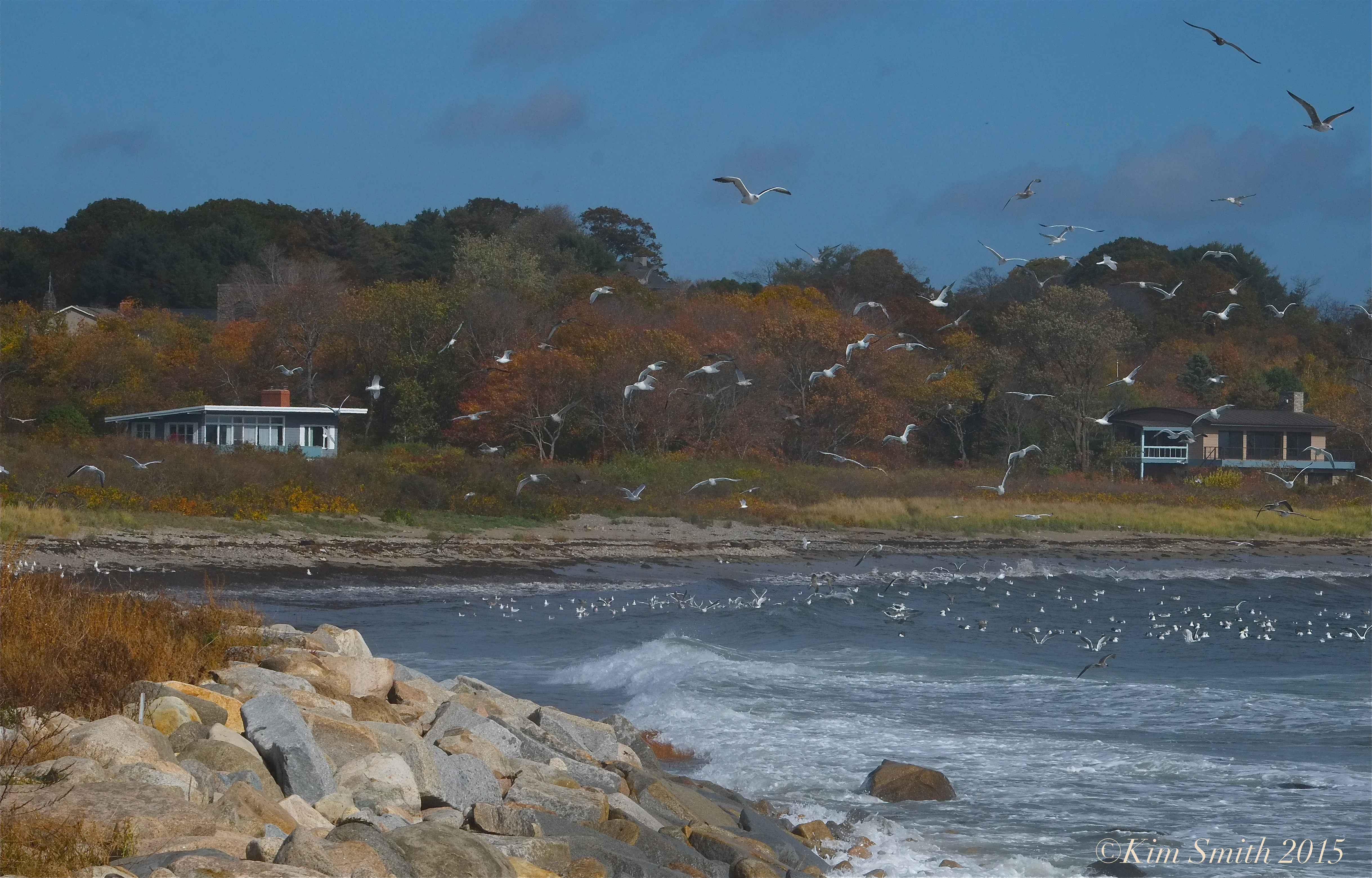
Gulls departing Brace Cove after the storm
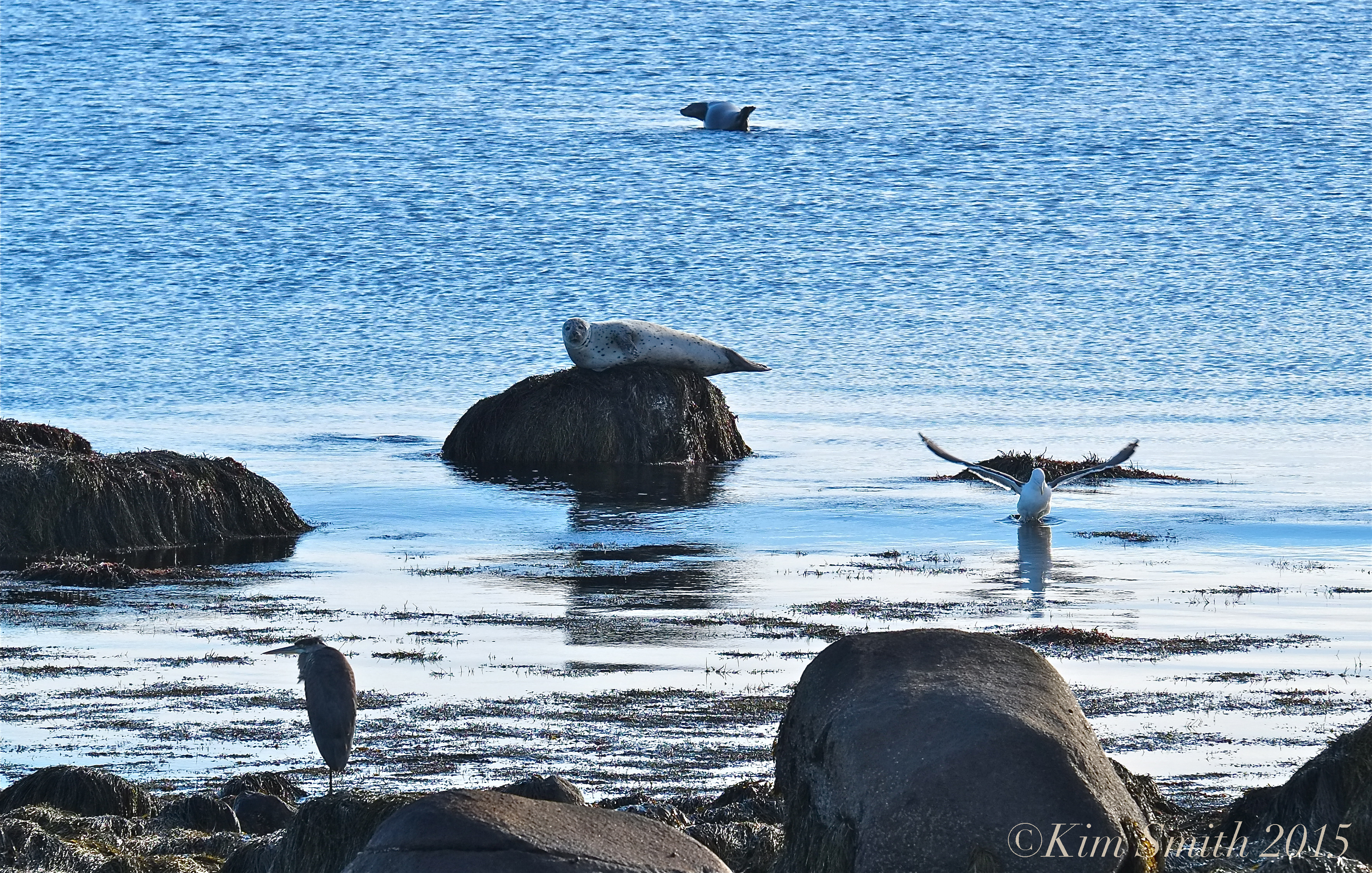
Great Blue Heron, seals, and gull
https://instagram.com/p/9bZ812Dynq
See More Photos Here
Continue reading “BEAUTIFUL OCTOBER LIGHT”

 Good Morning Gloucester