Good Harbor Beach storm damage erosion unearths massive glacial outcropping

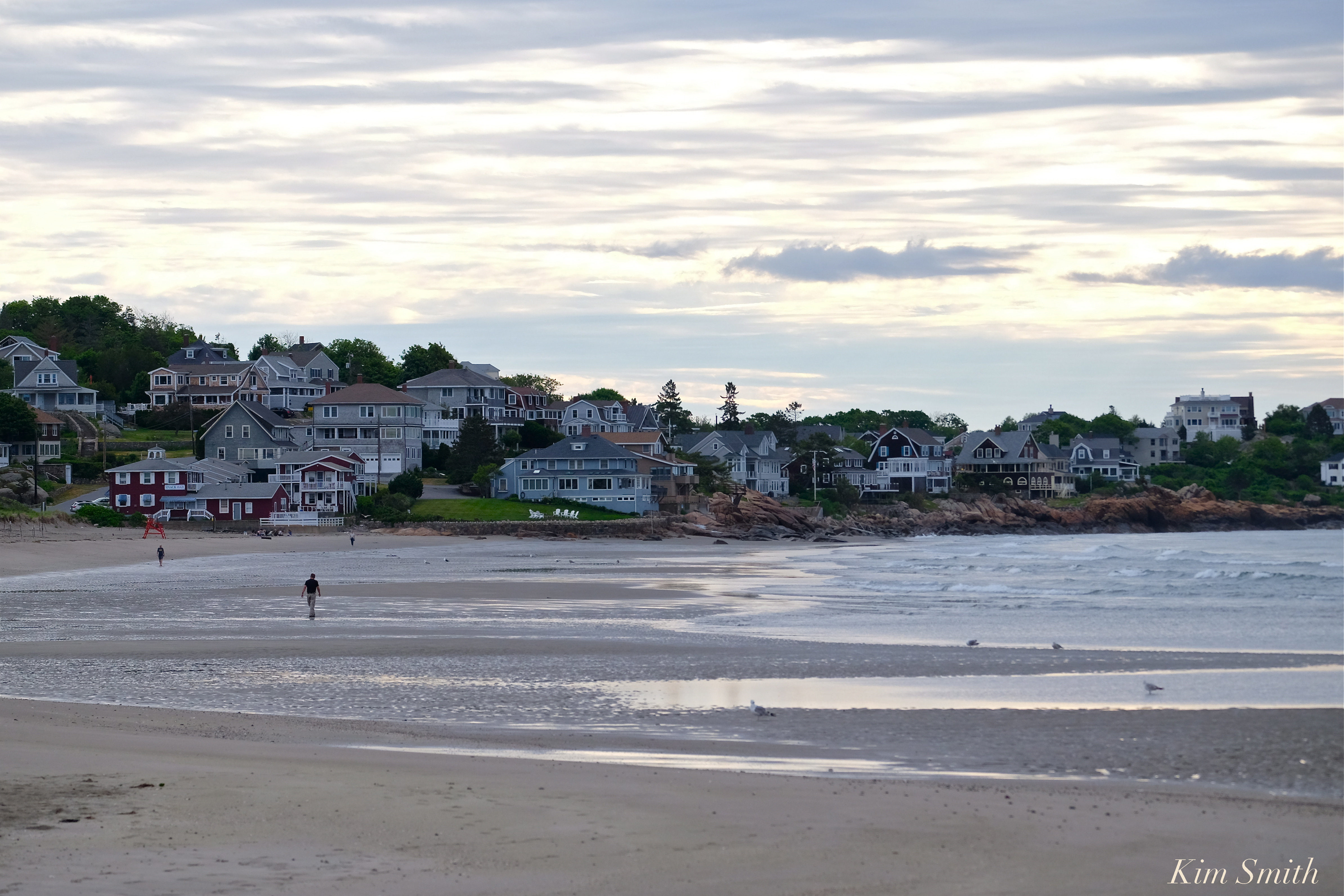
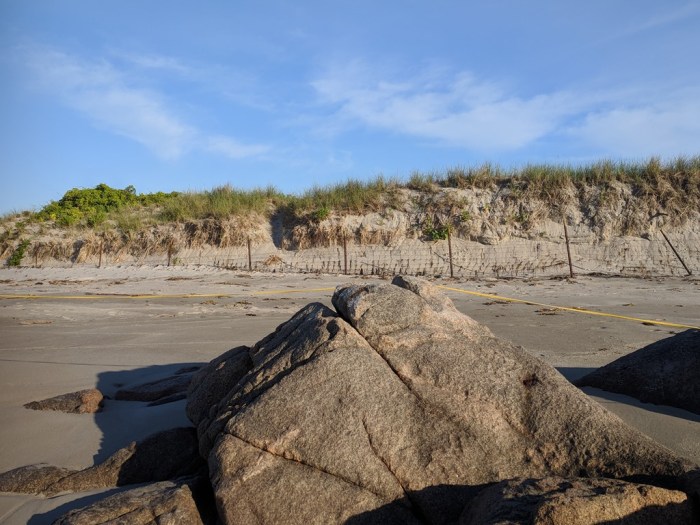
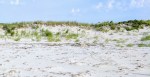
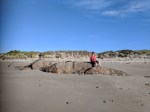
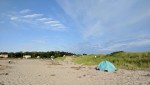
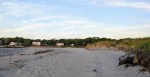
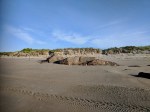
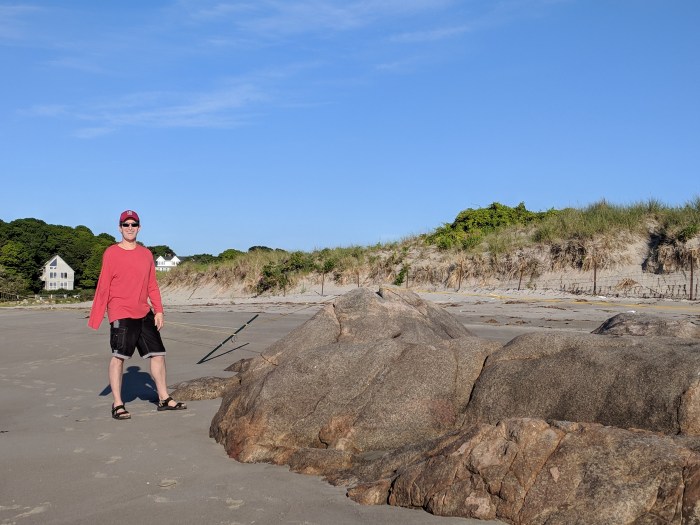
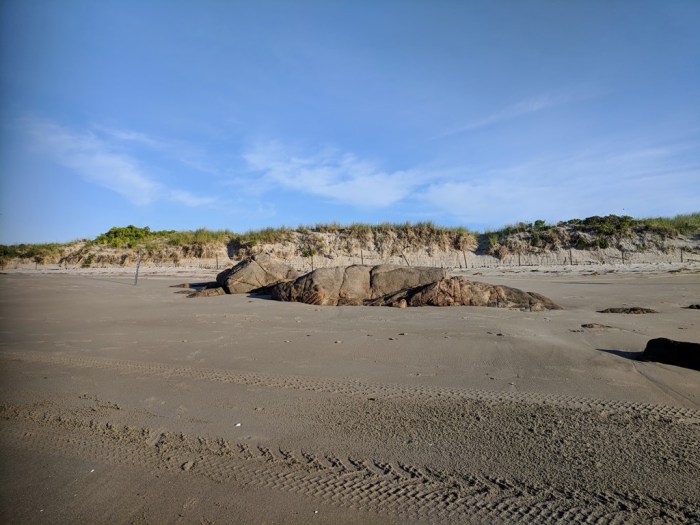
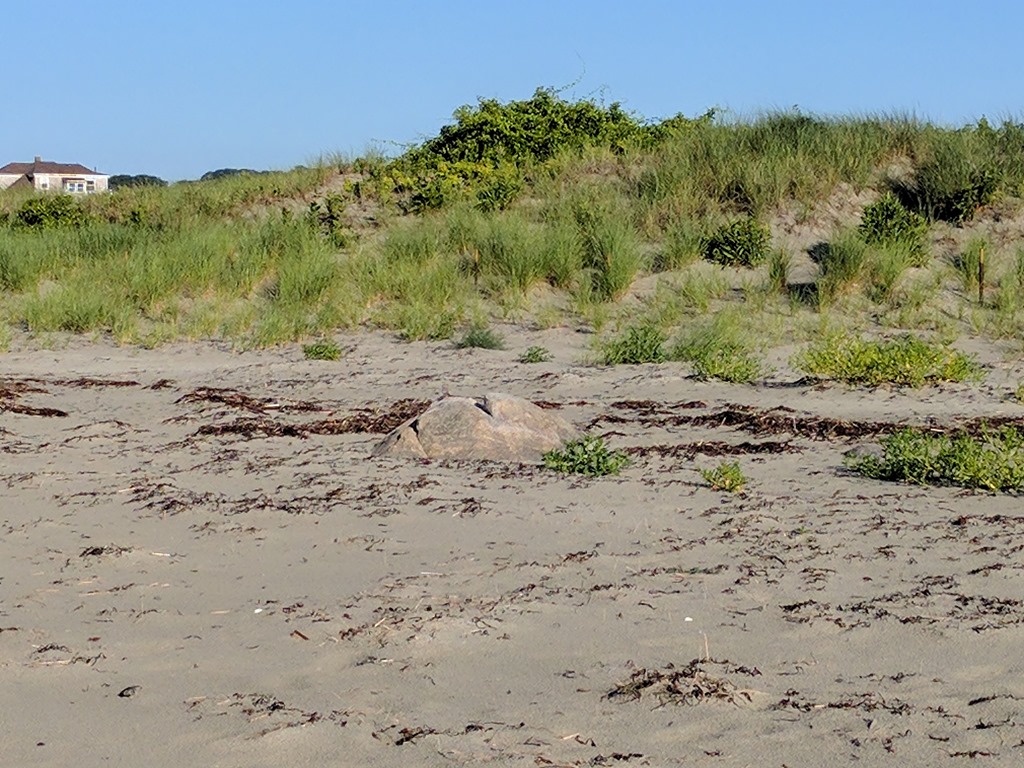
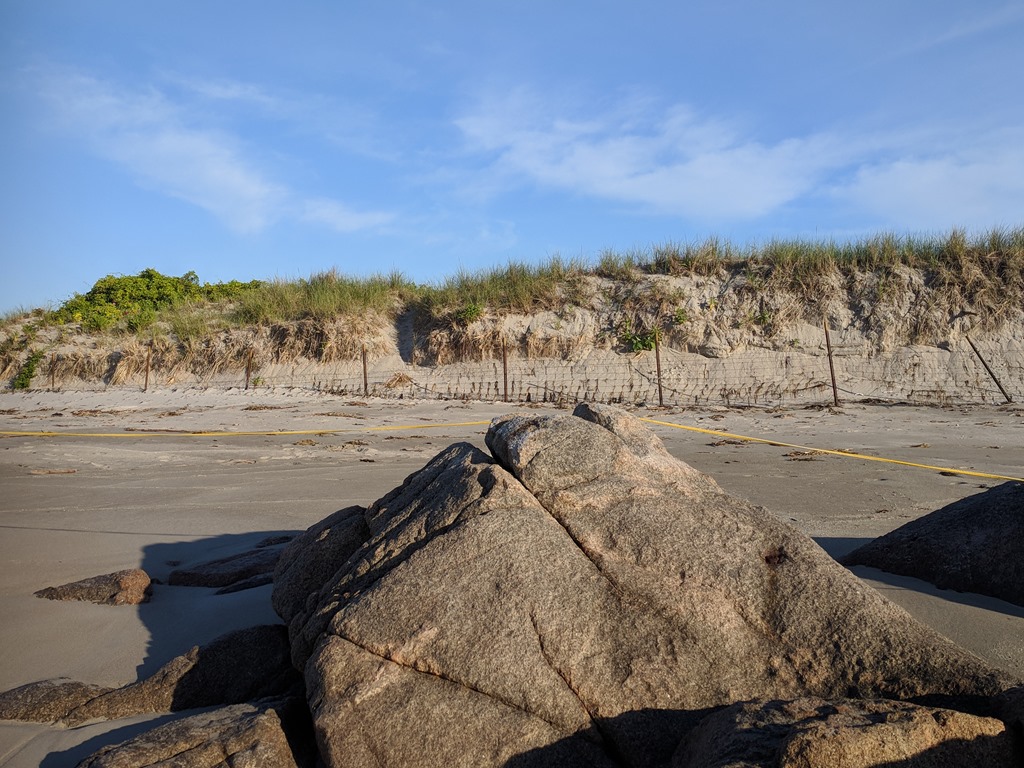
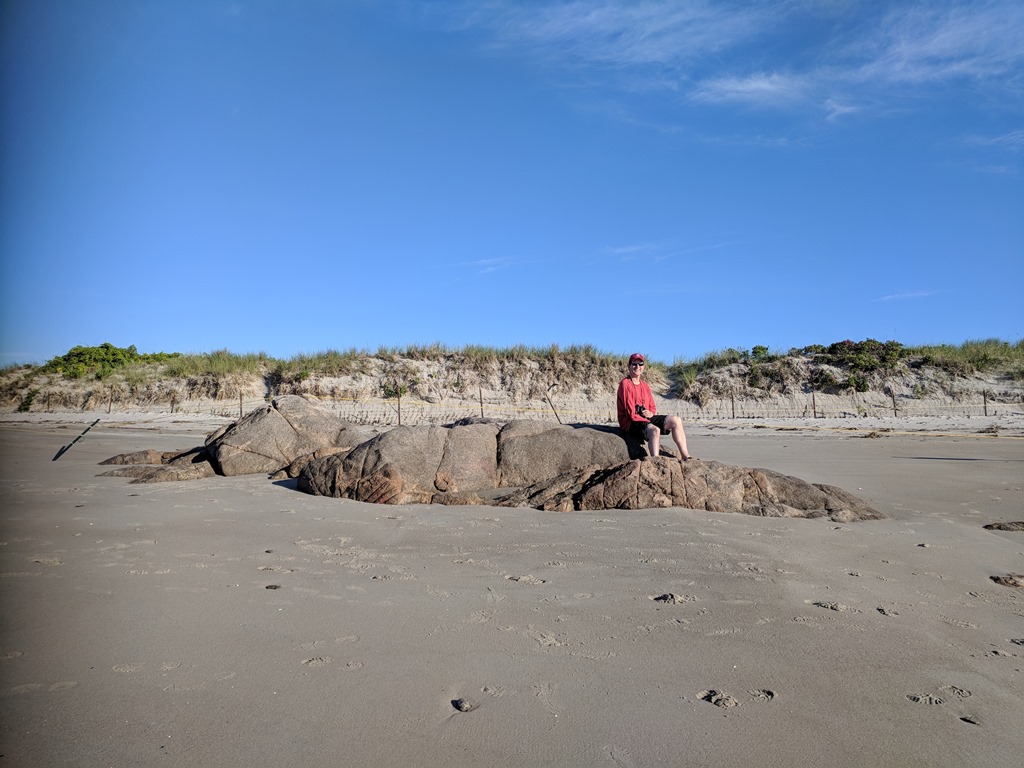
The 2018 winter storms exposed an expansive and blindingly obvious glacial outcropping by the footbridge side of Good Harbor Beach near the piping plover enclosure. In 2017 the feature was something more than a rock and I don’t mean scale. After two severe thunderstorms on July 8, 2017, one chick remained and the family acted strange. One of the parent plovers perched atop that rock for my entire shift, seemingly in mourning. The rock was a sheltering spot and helpful monitor landmark which it still is this year. This summer the rock revealed itself like a tip of an iceberg, and made Good Harbor Beach resemble a bit of Wingaersheek.

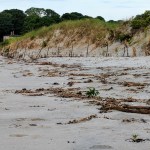
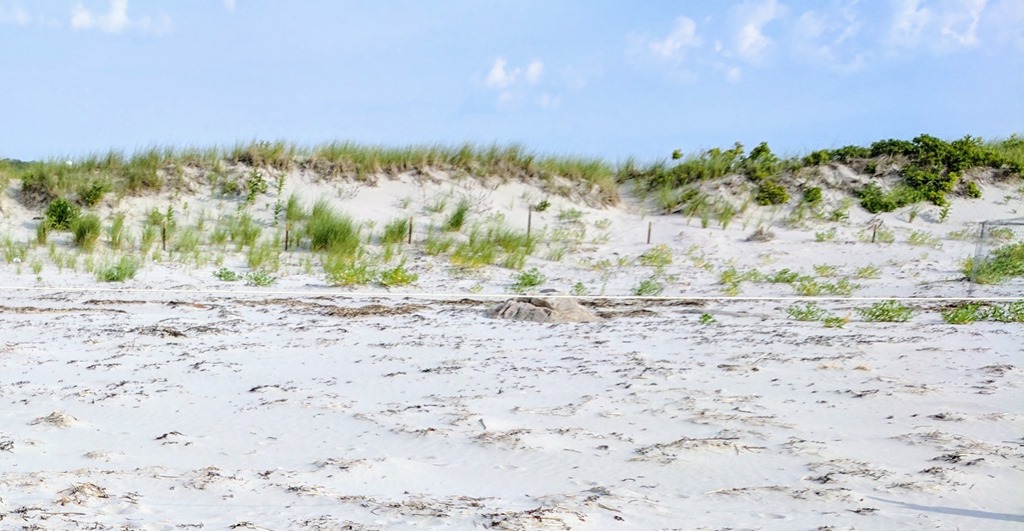
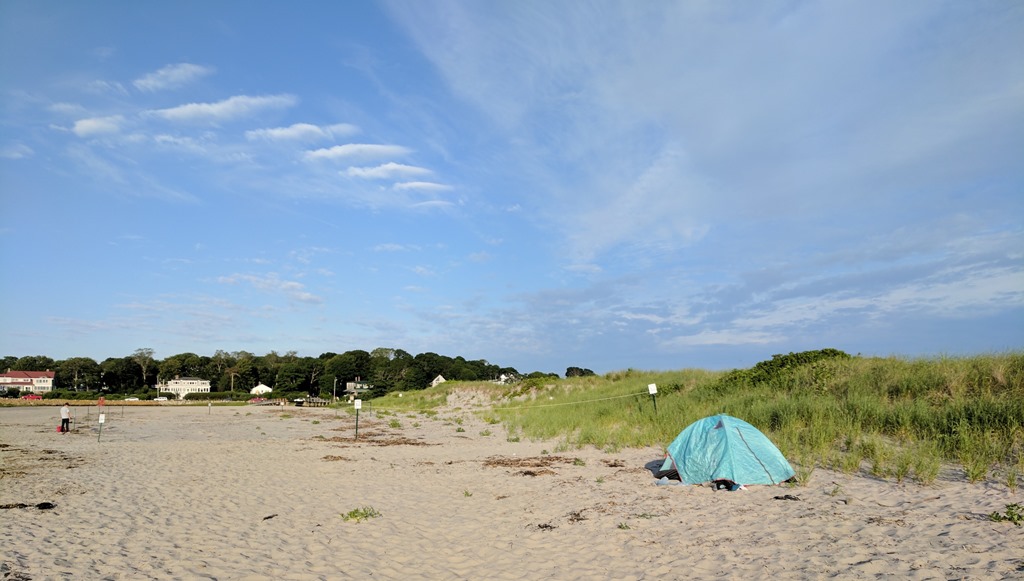
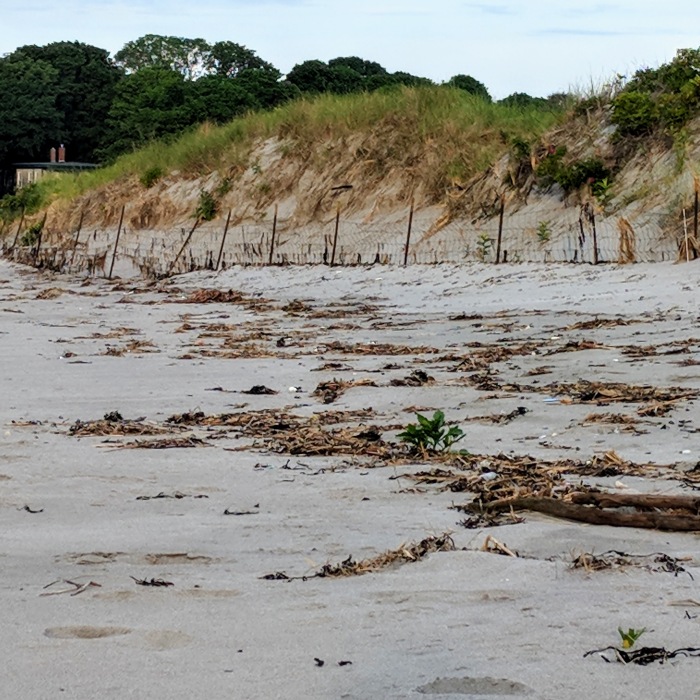
Here are a few Before (2017) and After (2018) comparisons. The photographs illustrate how much dry sand disappeared and how the beach was basically scrubbed of any scrub.


he’s 6′ to give you idea of scale

He's 6 one _20180616_070253 (2).jpg

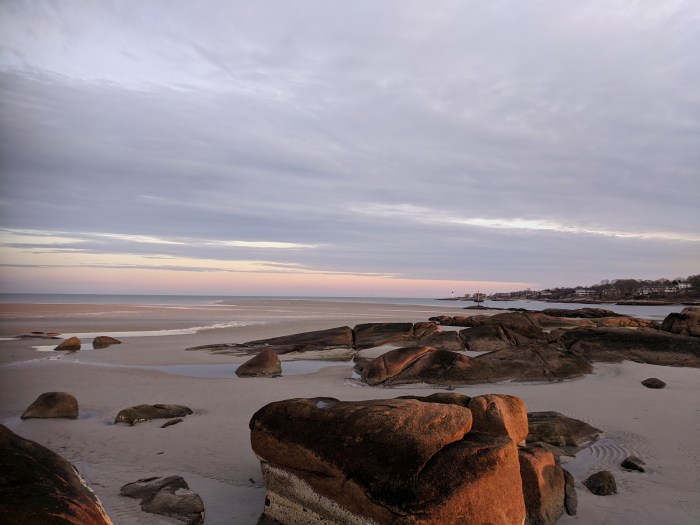
Wingaersheek Beach January 2018

Wingaersheek Beach Gloucester MA ©c ryan 20180121_072059.jpg

reposting as I had some trouble uploading photos (prior)

Good Harbor Beach storm damage erosion unearths a massive glacial outcropping

The 2018 winter storms exposed an expansive and blindingly obvious glacial outcropping by the footbridge side of Good Harbor Beach near the piping plover enclosure. In 2017 the feature was something more than a rock and I don’t mean scale. After two severe thunderstorms on July 8, 2017, one chick remained and the family acted strange. One of the parent plovers perched atop that rock for my entire shift, seemingly in mourning. The rock was a sheltering spot and helpful monitor landmark which it still is this year. This summer the rock revealed itself like a tip of an iceberg, and made Good Harbor Beach resemble a bit of Wingaersheek.

Here are a few Before (2017) and After (2018) comparisons. The photographs illustrate how much dry sand disappeared and how the beach was basically scrubbed of any scrub.


Special rock piping plover enclosure Good Harbor Beach Good Morning Gloucester_20170709_065929 ©c ryanSpecial rock piping plover enclosure Good Harbor Beach Gloucester Mass_©c ryan_20180617_063939

Good Harbor Beach piping plover enclosure ©c ryan_20170630_074839Good Harbor Beach sand erosion_piping plover enclosure_ Gloucester MA_ 20180616_071107 © c ryan

Good Harbor Beach looking across piping plover enclosure dune ©c ryan_20170627_063852 Good Harbor Beach looking across piping plover enclosure dune and beach erosion_20180613_053827 ©c ryan

Glacial rock unearthed after winter storms Good Harbor Beach Gloucester MA looks like Wingaersheek beach_20180617_064006 © c ryan

lonely little scrub

lonely little scrub_20180618_060541© c ryan.jpg

HAPPY FATHER’S DAY! BROUGHT TO YOU BY PAPA PLOVER

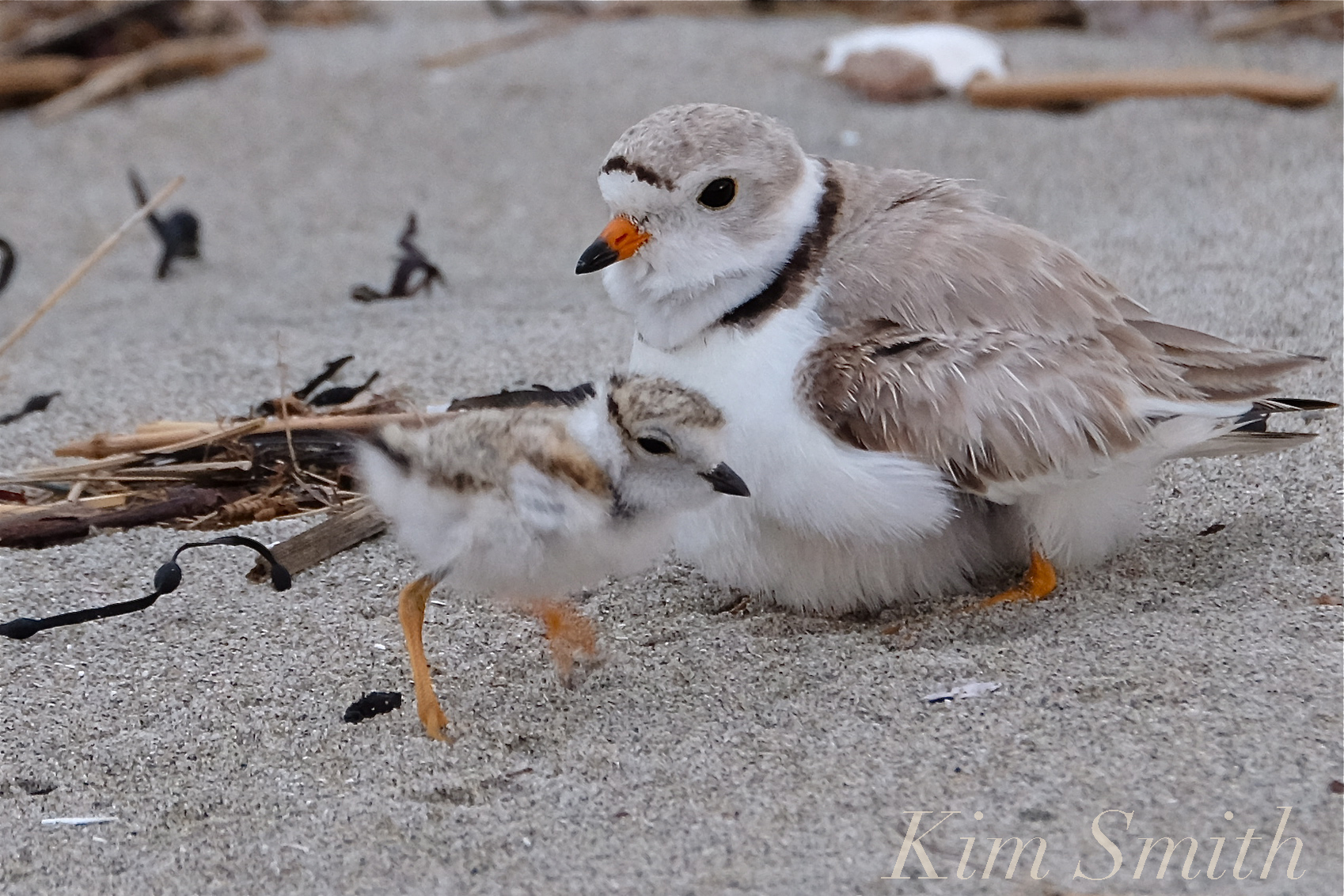
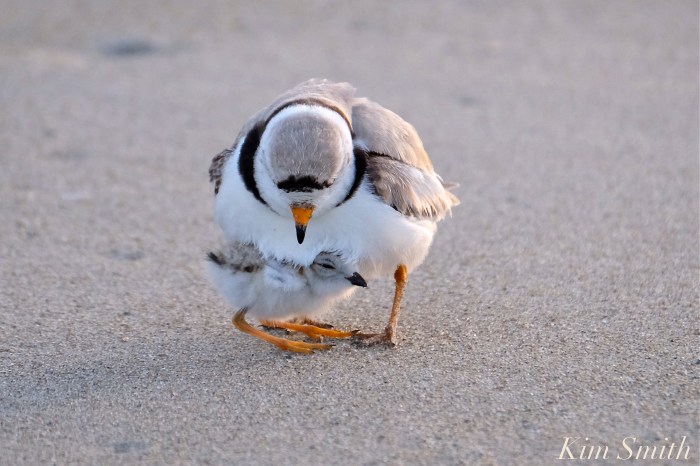
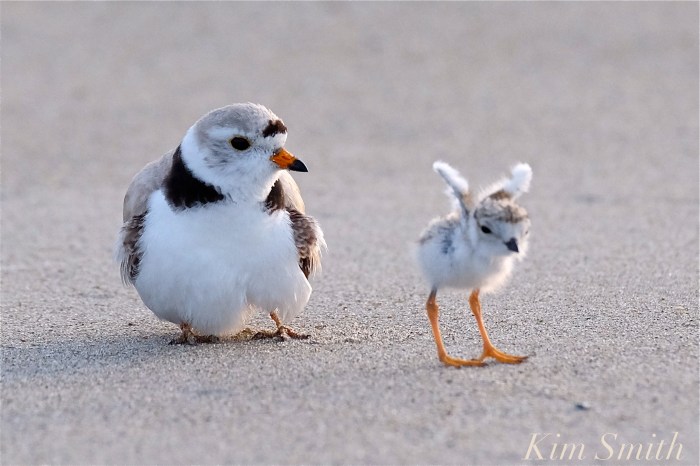
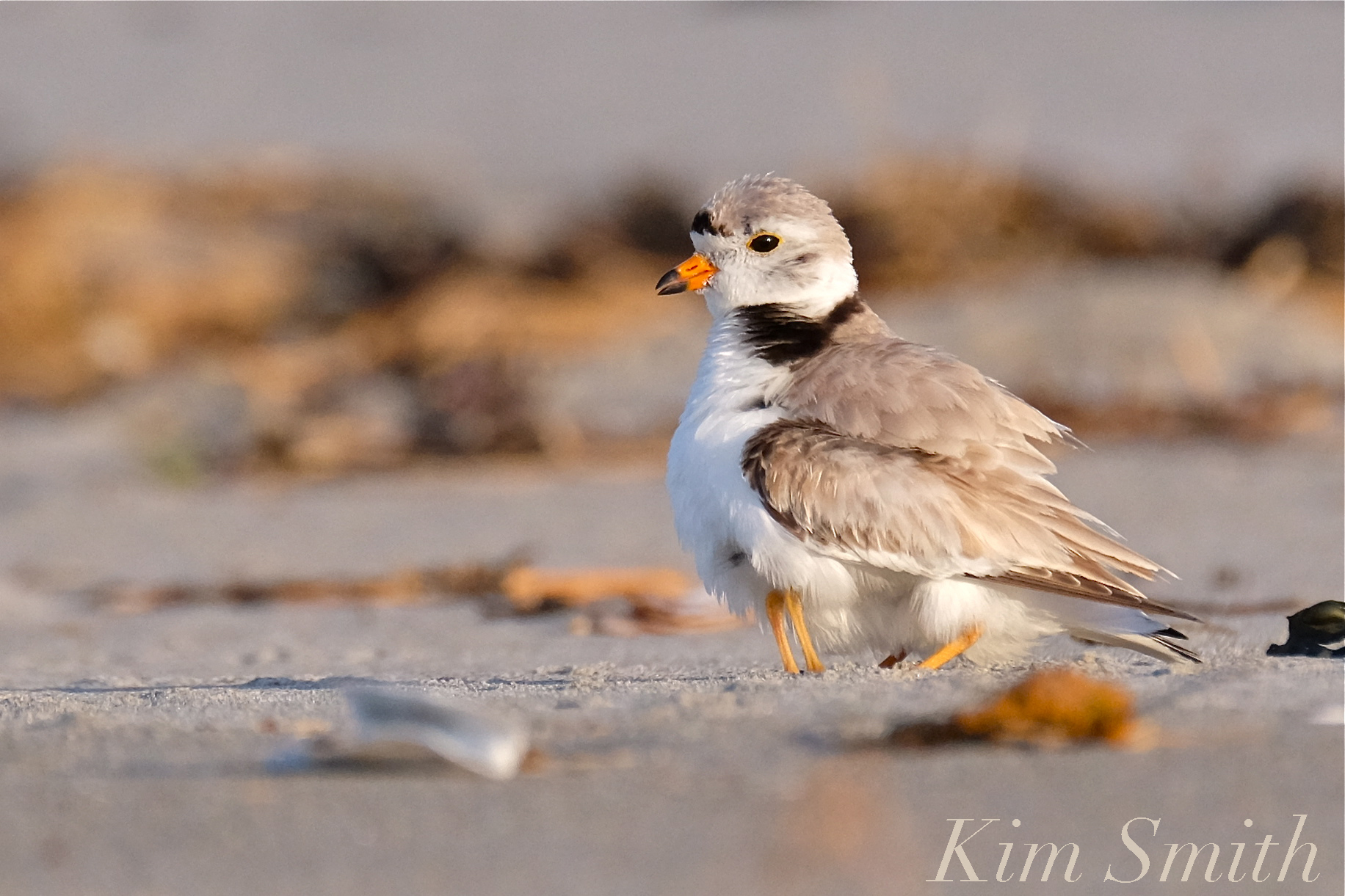
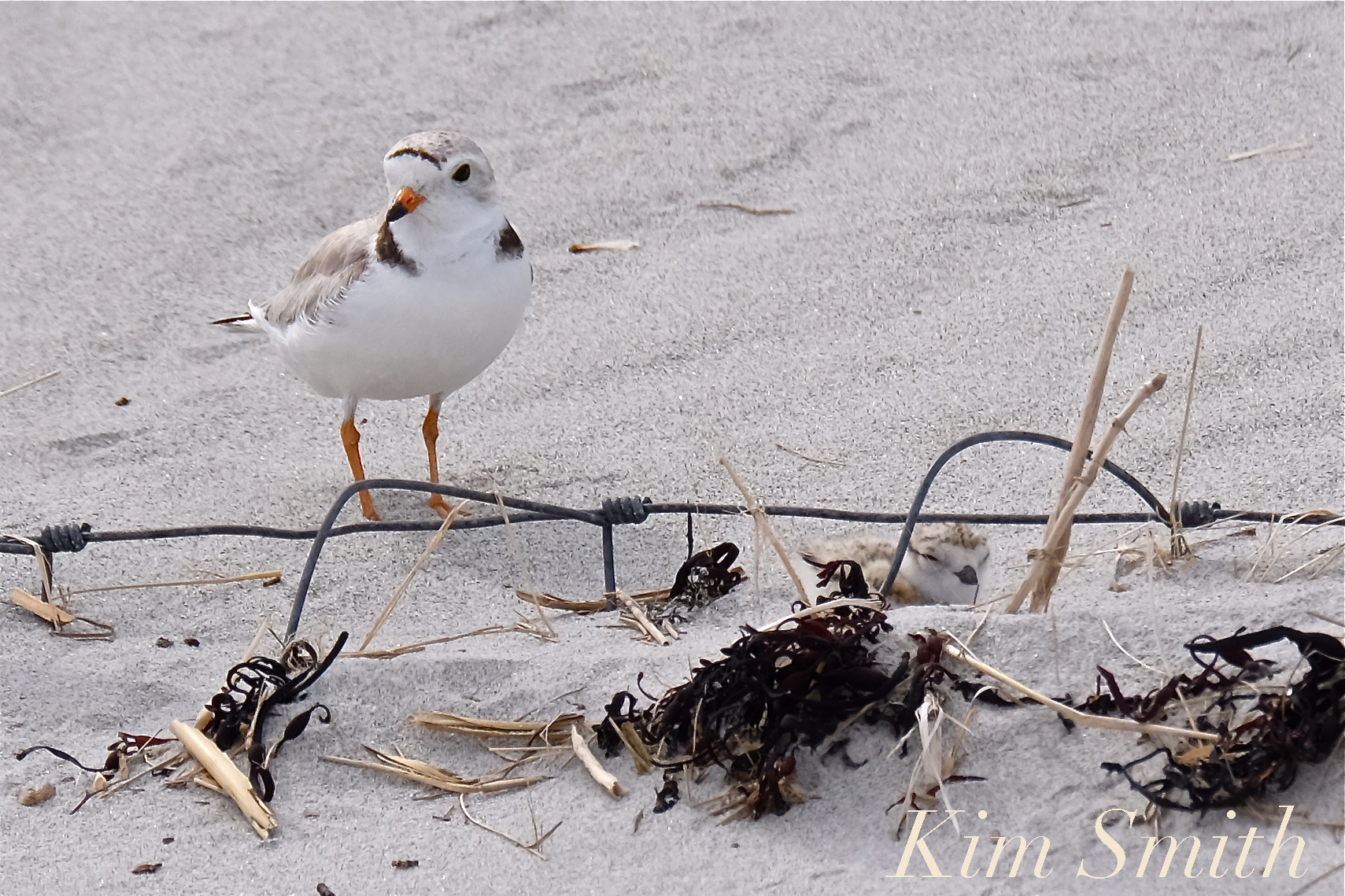
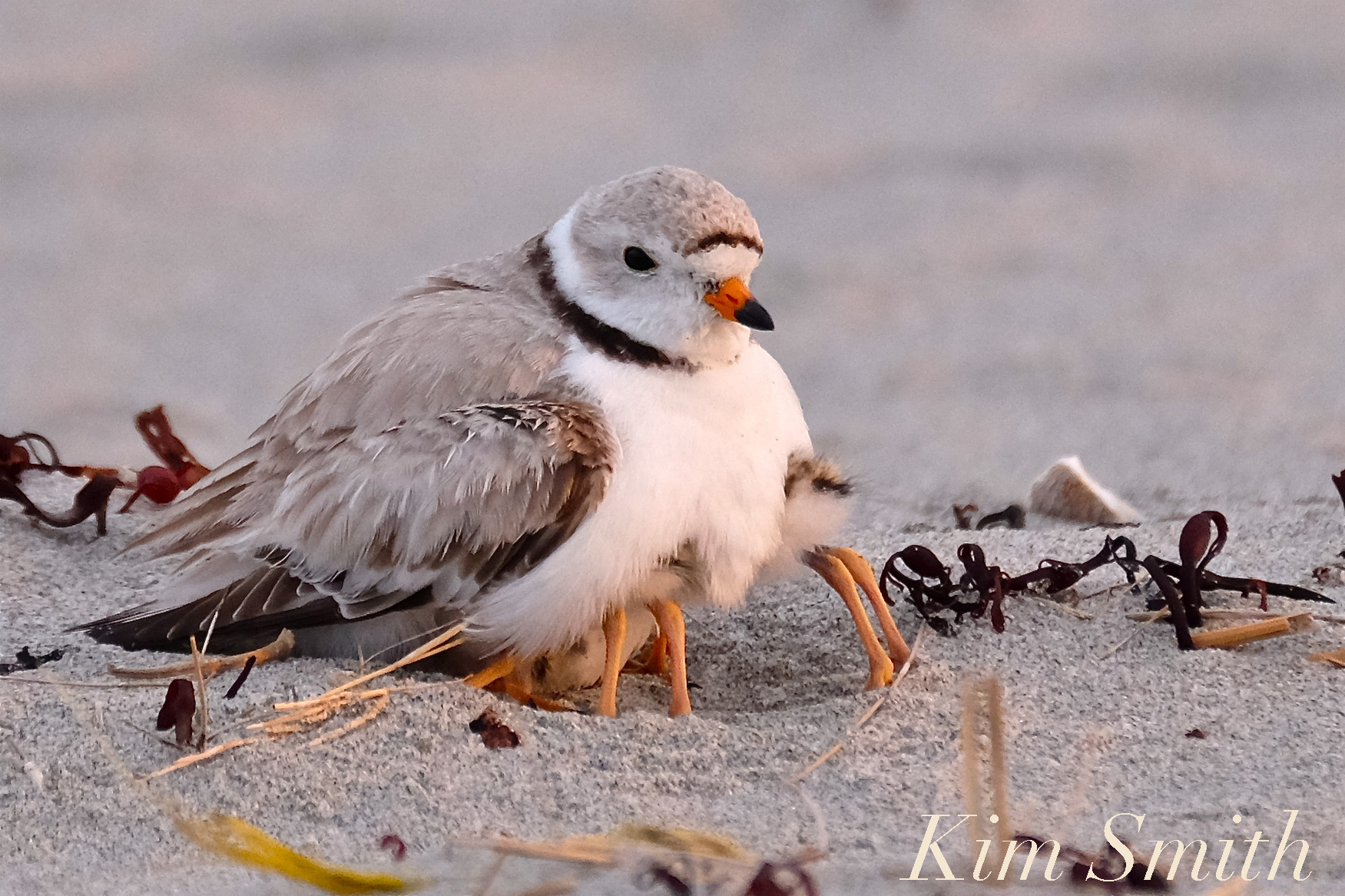
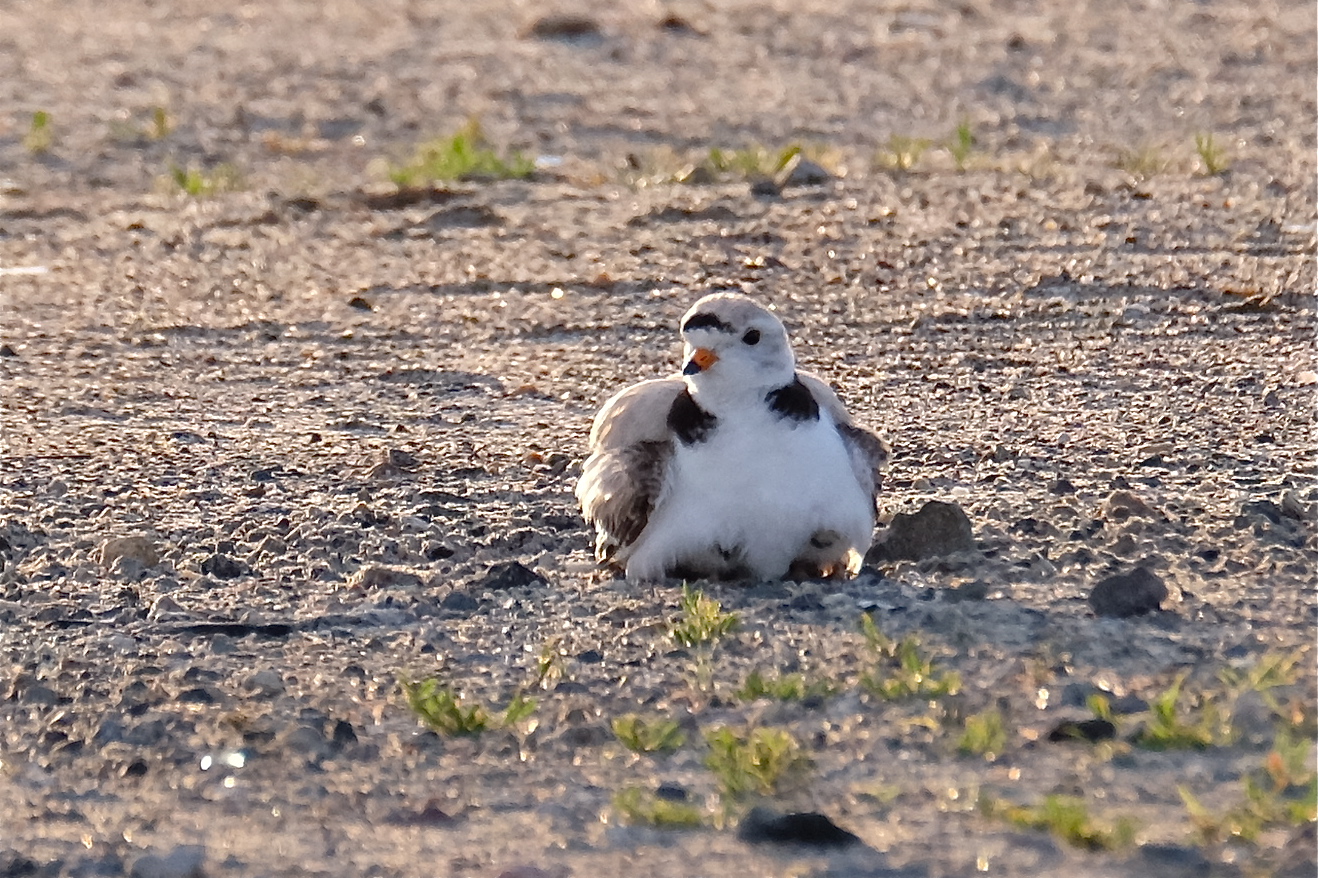
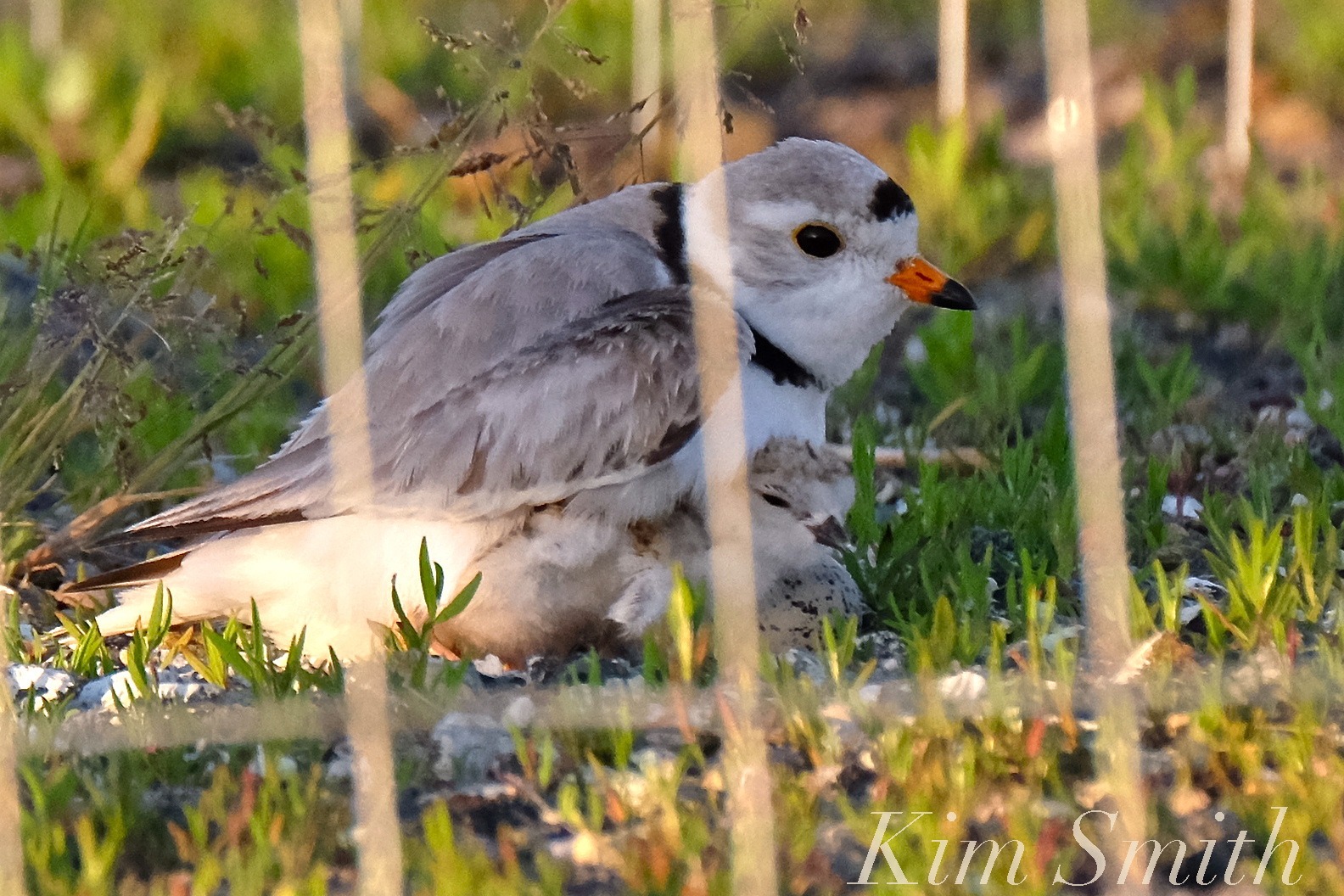
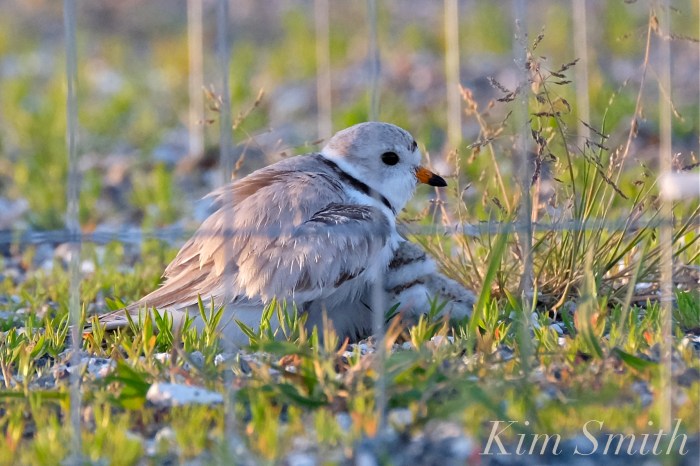
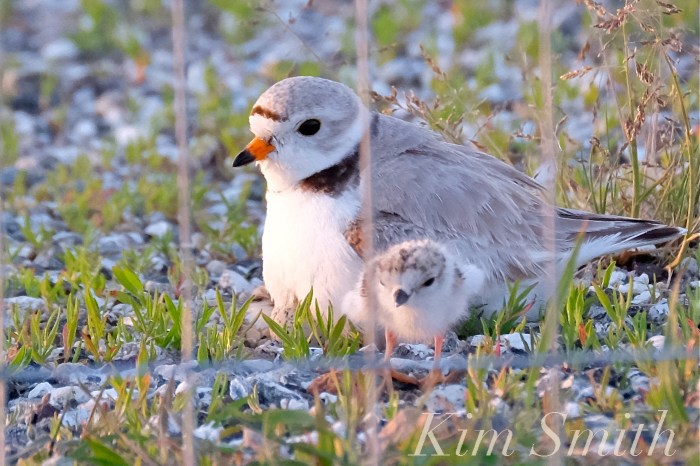
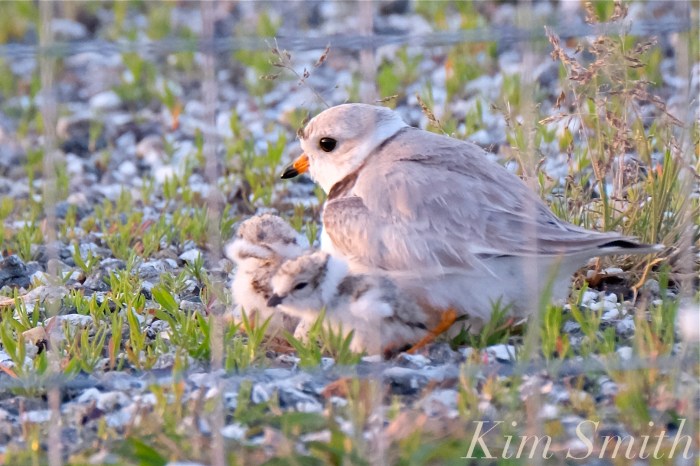
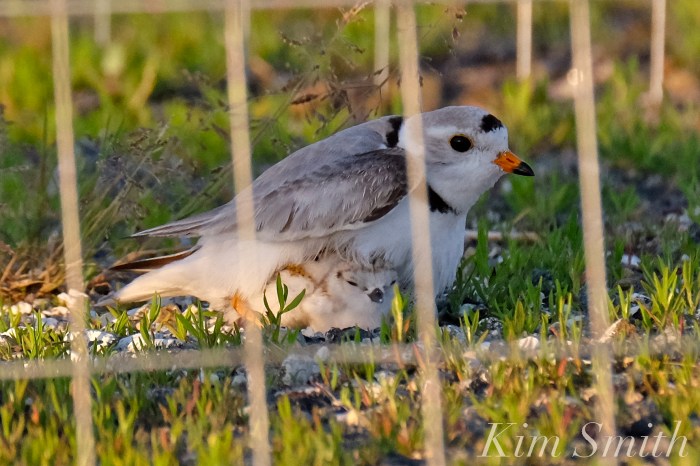
Papa and Pip snuggling today

Whenever folks stop by to ask questions at the nesting area and they see the little chicks snuggling under the adult PiPl, they almost automatically assume it is the Mama Plover. Half the time it is the female, and the other half, the male. Mom and Dad share equally in caring for the chicks, generally in twenty minute to half hour intervals. They are always within ear shot and while one is minding the chicks, the other is either feeding itself, grooming, or patrolling for predators. Last year, as is often the case, the Mama Plover departed Good Harbor Beach several weeks before the chick fledged, leaving Little Chick entirely under Papa’s care.

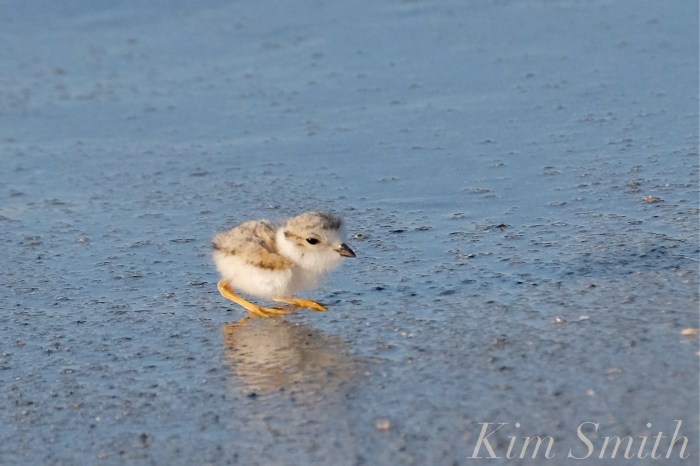
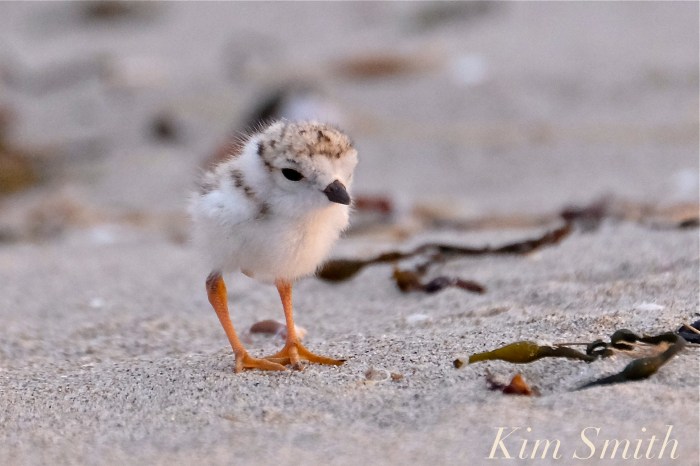
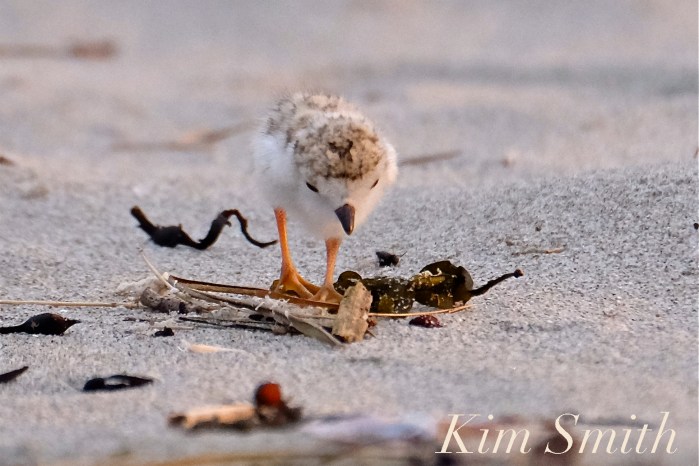
Eight-Day-Old Little Pip

Papa piping a warning call to Mama, while snuggling Pip 

If you would like to help monitor Pip and our PiPl family, please contact Ken Whittaker at kwhittaler-ma.gov.

OUR THIRD GOOD HARBOR BEACH PIPING PLOVER CHICK WAS KILLED THIS MORNING

We are so very sorry to share that the third chick was killed this morning. The seven-day-old chick was taken and eaten by a very large crow that swooped in unexpectedly, as witnessed by the volunteer monitors.

One week ago today all four Good Harbor Beach Piping Plovers hatched in the parking lot. We celebrated, but also knew that the really hard part was yet to come. Monitoring tiny marshmallow sized fluff balls, made the color of their surroundings, is like looking for sand upon sand. To do this several hours at a time is no small feat, made even more challenging on Gloucester’s busiest of beaches.

I would like to give a huge shout out and thank you to all our super dedicated PiPl monitors. Know that they are doing the very best they can to fend off predators of every kind, ill mannered people, astronomically high tides, diminished beach, people who have been drinking in the hot sun all day, garbage left behind on the beach (which attracts crows and gulls), and every other creepy thing you can think of. The core group is putting in many hours, are sunburnt, and neglecting their families.

A terrible mishap of death or injury to a chick could happen on anyone of our shifts. When you see a PiPl monitor at GHB, stop and feel free to ask questions about the plovers, and please thank them for their dedication. I honestly hope I don’t see one more facebook post/comment blaming the monitors about how we are not doing enough to keep the chicks safe and not reporting enough about the scofflaws. It is just plain cruel. Thank you. 

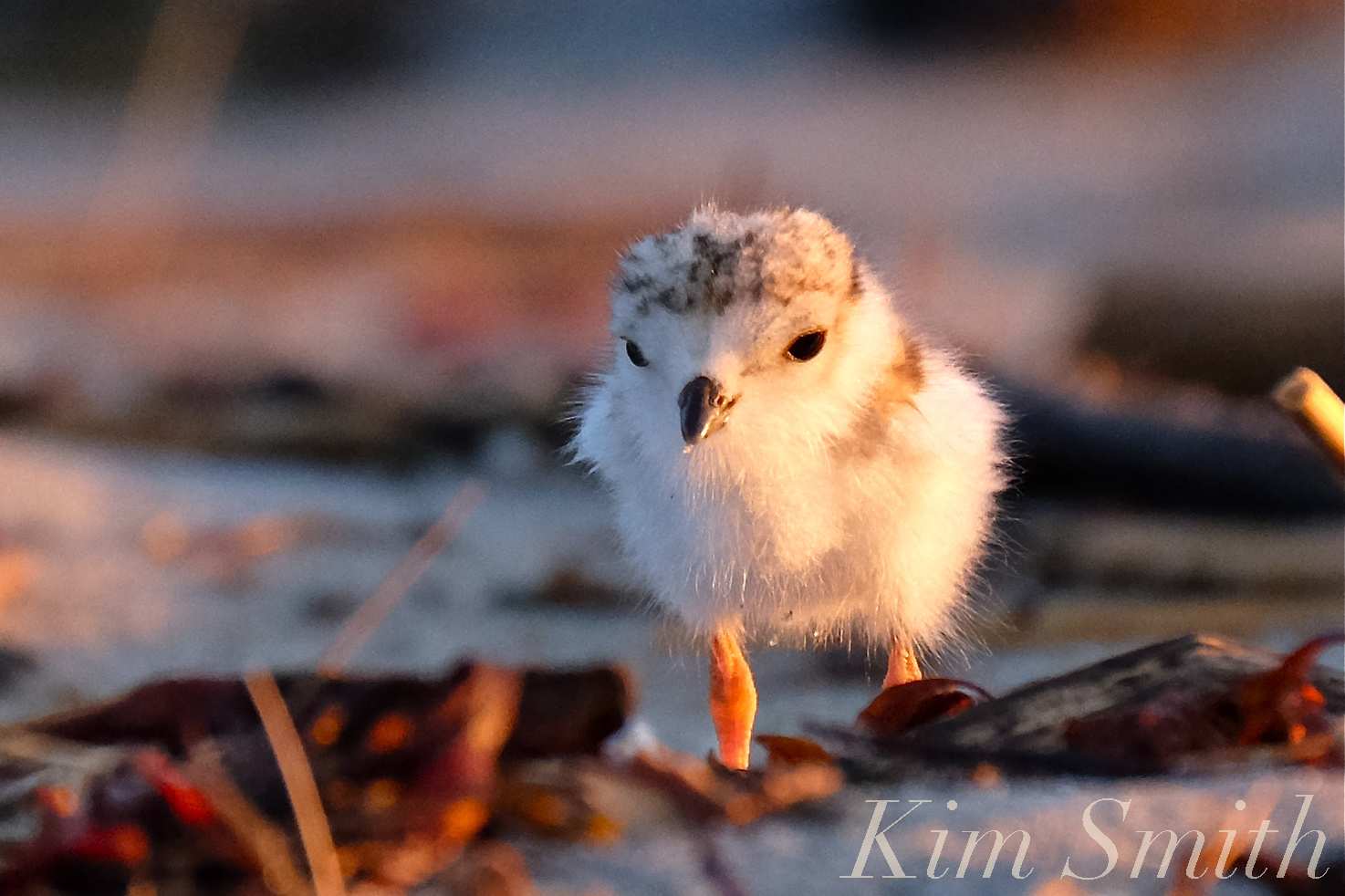
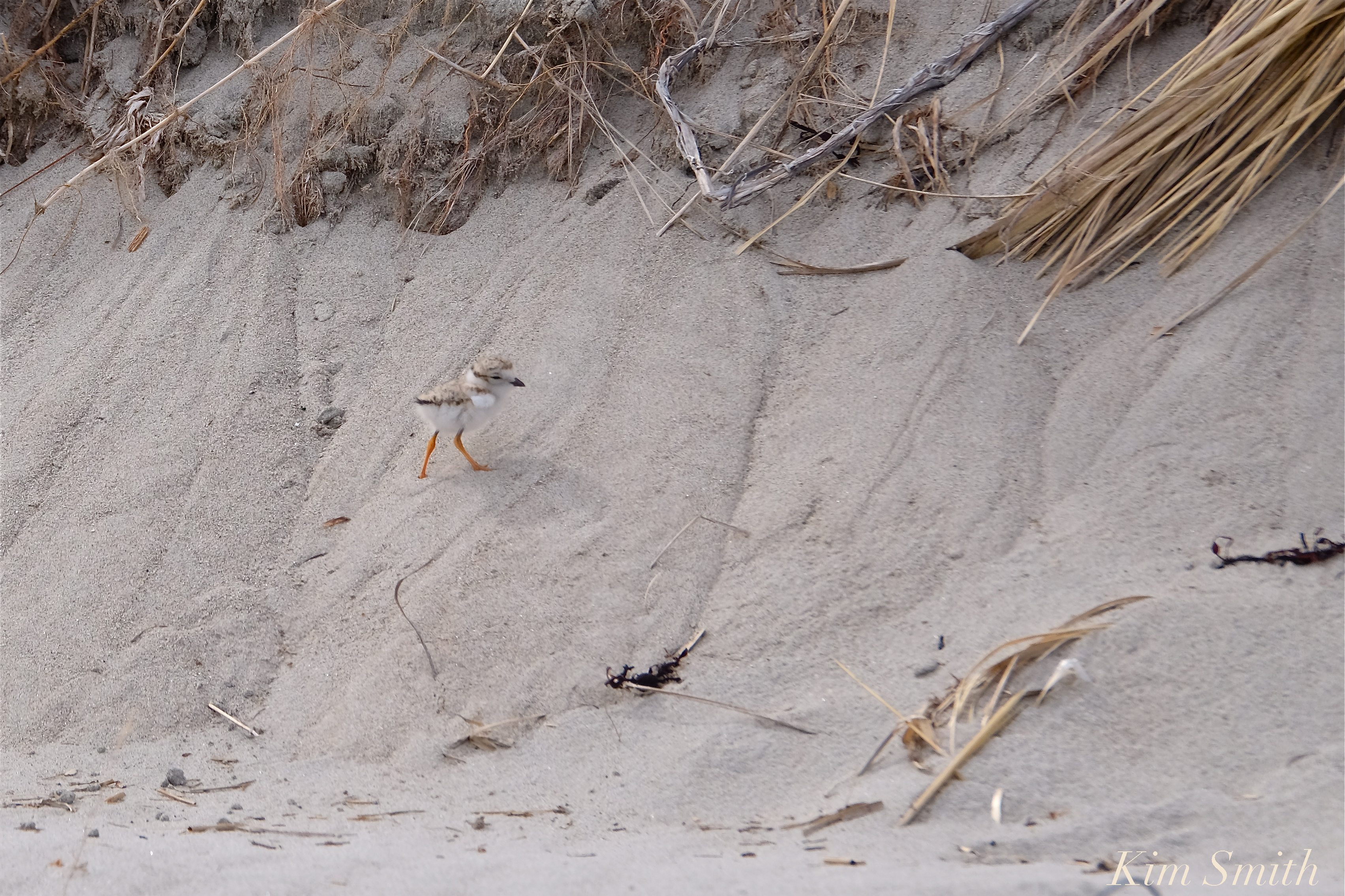
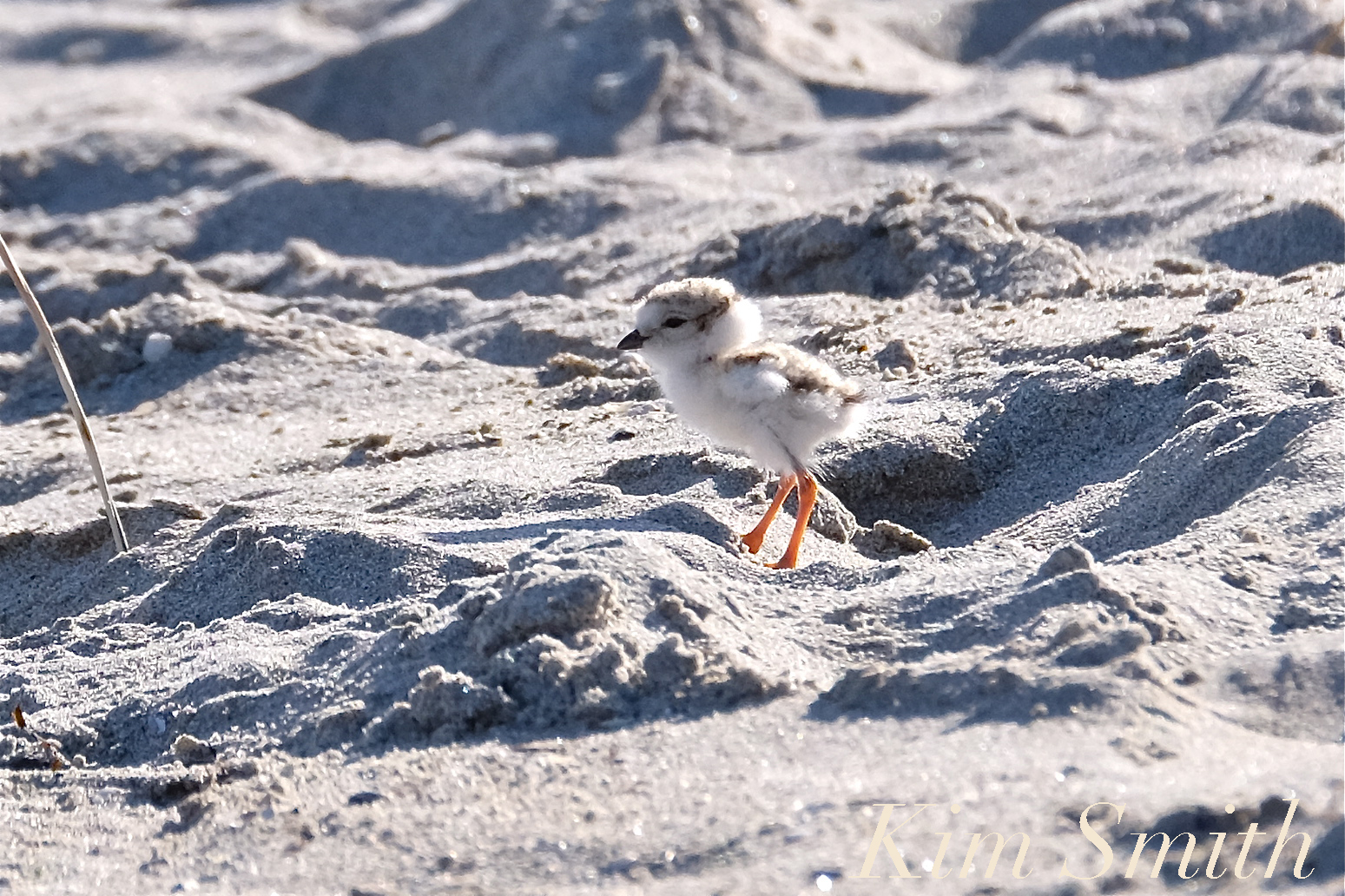
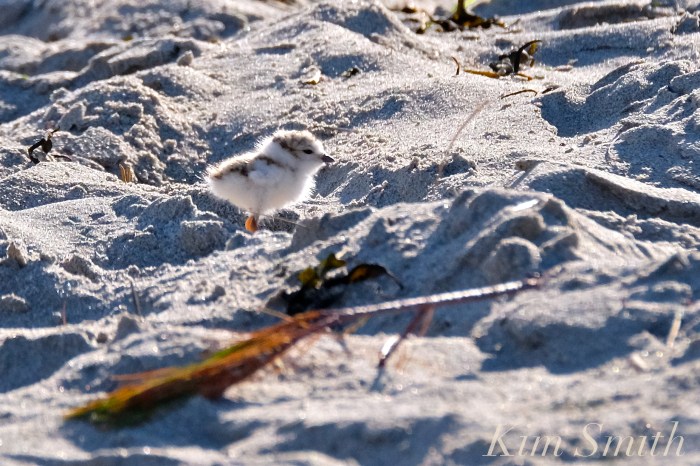
Our one remaining chick, the one volunteer monitor Heather Hall calls Pip, is the smallest of the hatchlings and the one we think hatched last. This afternoon Mom was keeping watchful eye while Pip was foraging between the foot of the dunes and line of folks at the rope’s edge.

Climbing Mount Washington

Mama Plover and Pip

Early this morning when we still had both chicks.
 

Good Harbor Beach

Took a late in the afternoon walk to Good Harbor Beach.  Everyone I met or talked to was so respectful of our little plovers.  Since all the negative things about what goes on with dogs at GHB, we have to remember that most of the time things are good.  Most important thank you volunteers for helping keep these cuties safe.

SHOUT OUT TO GLOUCESTER’S ANIMAL CONTROL OFFICERS TEAGAN AND JAMIE!

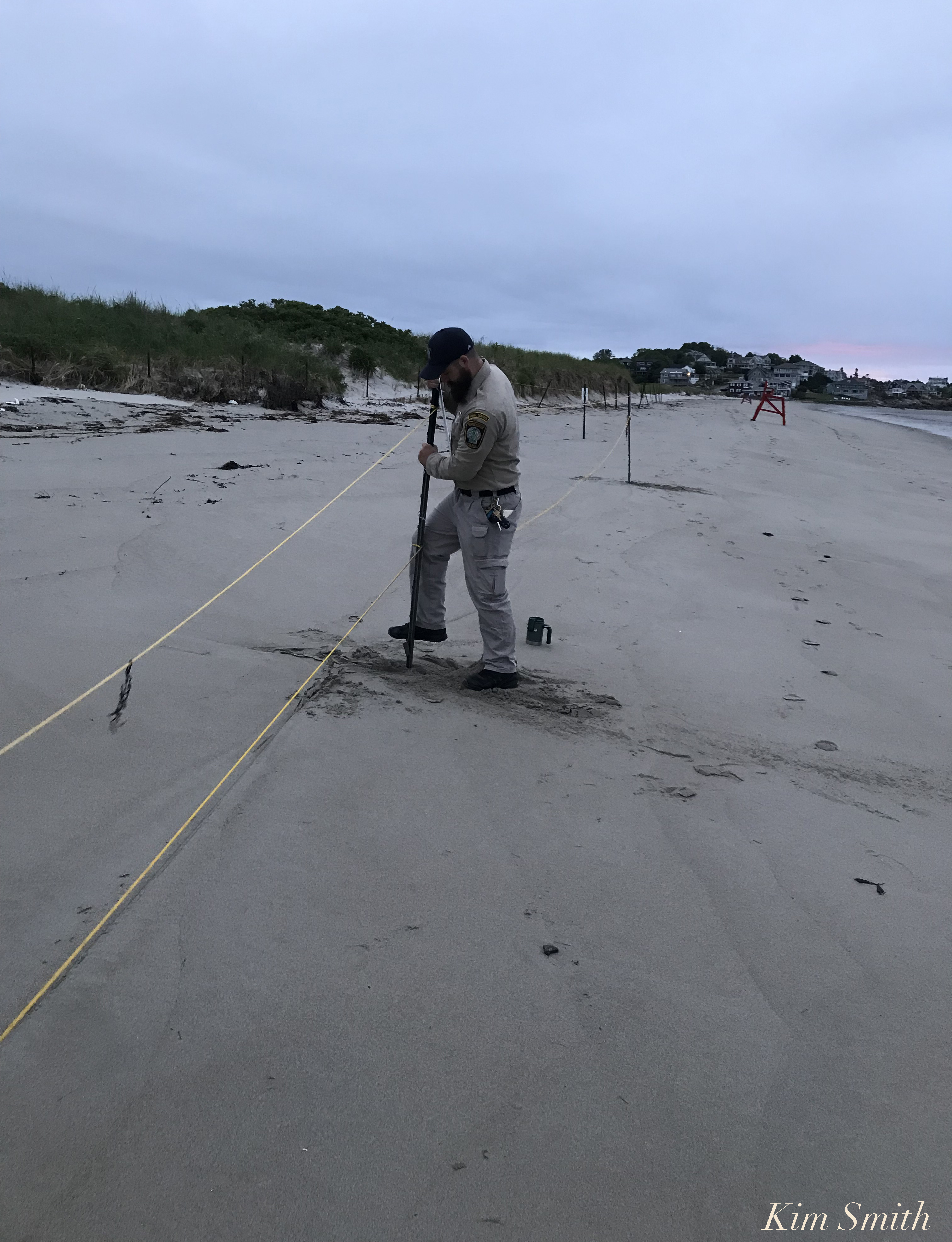
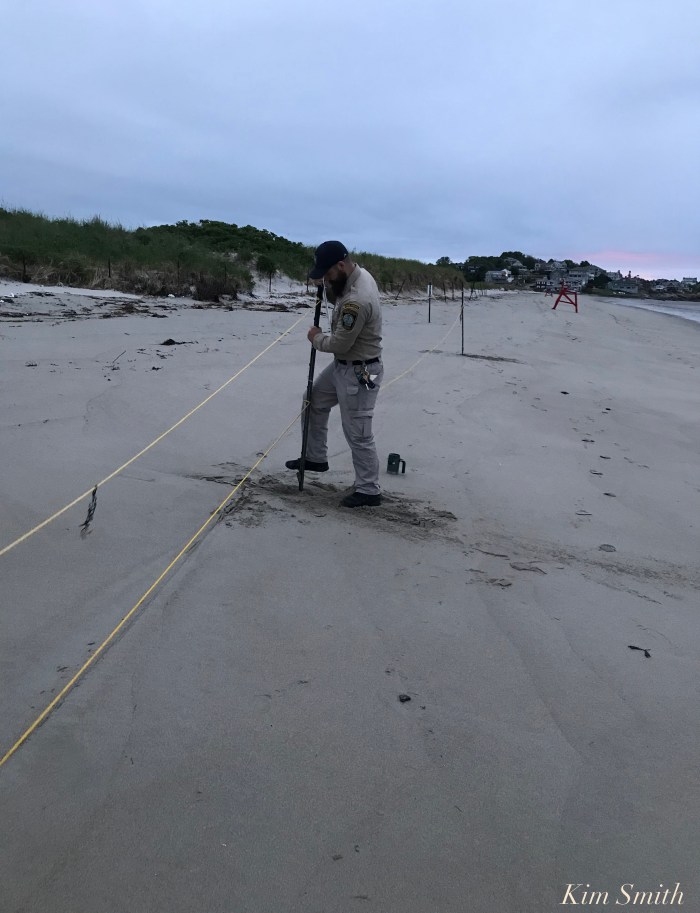
Gloucester’s Animal Control Officers Teagan and Jamie were on the scene at the crack of dawn at 4:30 this morning fixing the posts around the PiPl nesting area and writing tickets. Last night Jamie was on the beach as well. Thank you Jamie, Teagan, and Chief McCarthy for the stepped up patrolling.
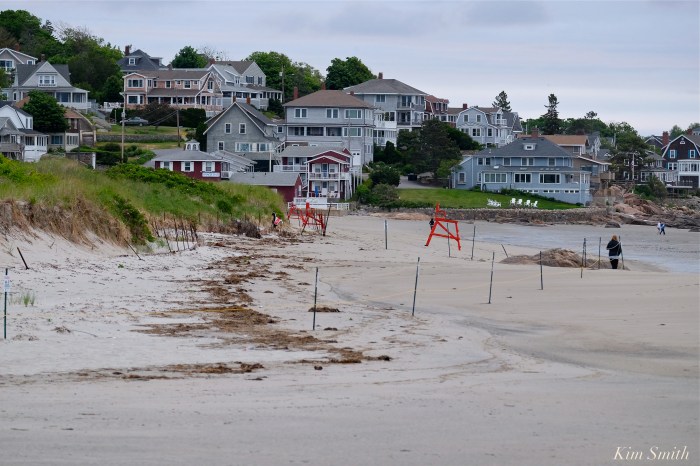
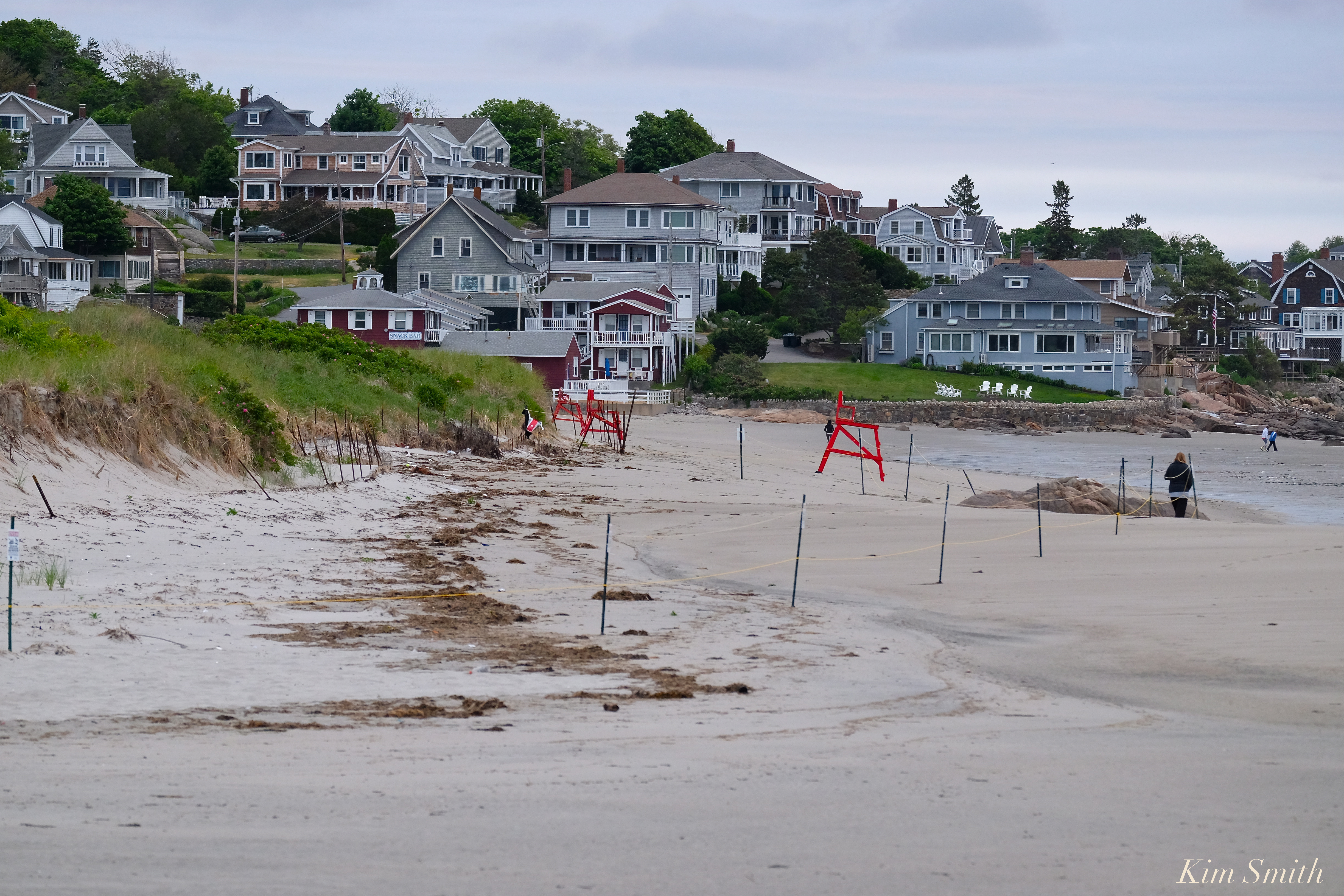
The posts needed to be pulled out of the sand because last night we had yet another super high tide, all the way up to the bluff for most of the length of the beach.

I read a comment yesterday that stated falsely that the animal control officers make $80,000.00 a year and sit around and drink coffee all day. I have it on good authority that their combined incomes do not total $80,000.00 a year. Stating misinformation and disparaging the hard working people in our community is creating a false narrative and is hurtful to everyone involved, to the people, the dog owners, and to the shorebirds.
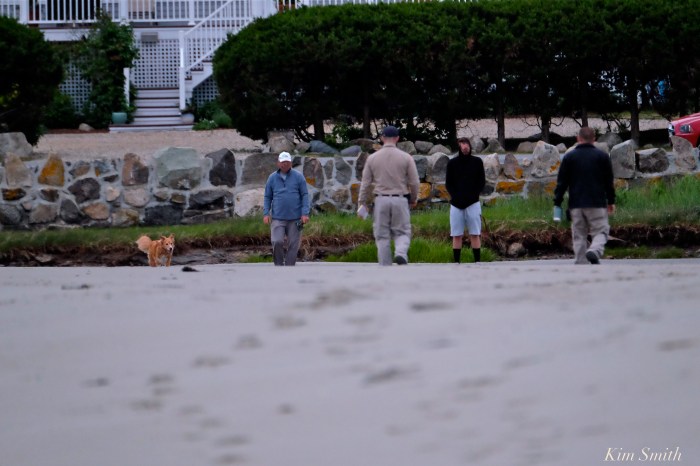
Teagan and Jamie writing tickets at dawn this morning.

We don’t have as much an enforcement problem as we do an issue with entitlement and ignorance. Ignorance in the sense that scofflaws may be from out of town and may be unable to read, and entitlement in that some people know the rules and know the dangers that dogs pose to the shorebirds, yet choose to do as they please.
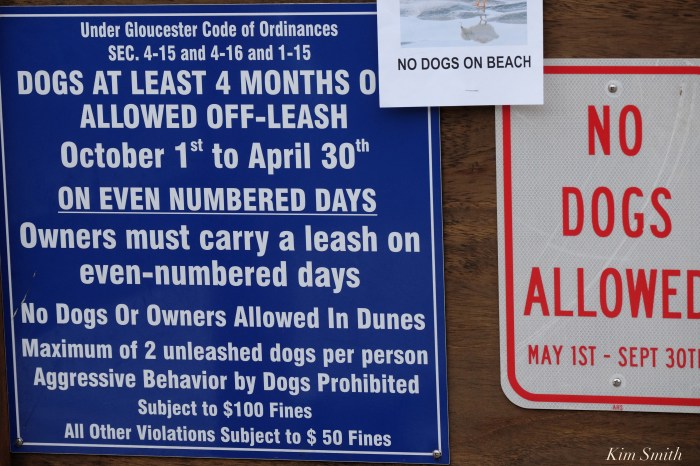
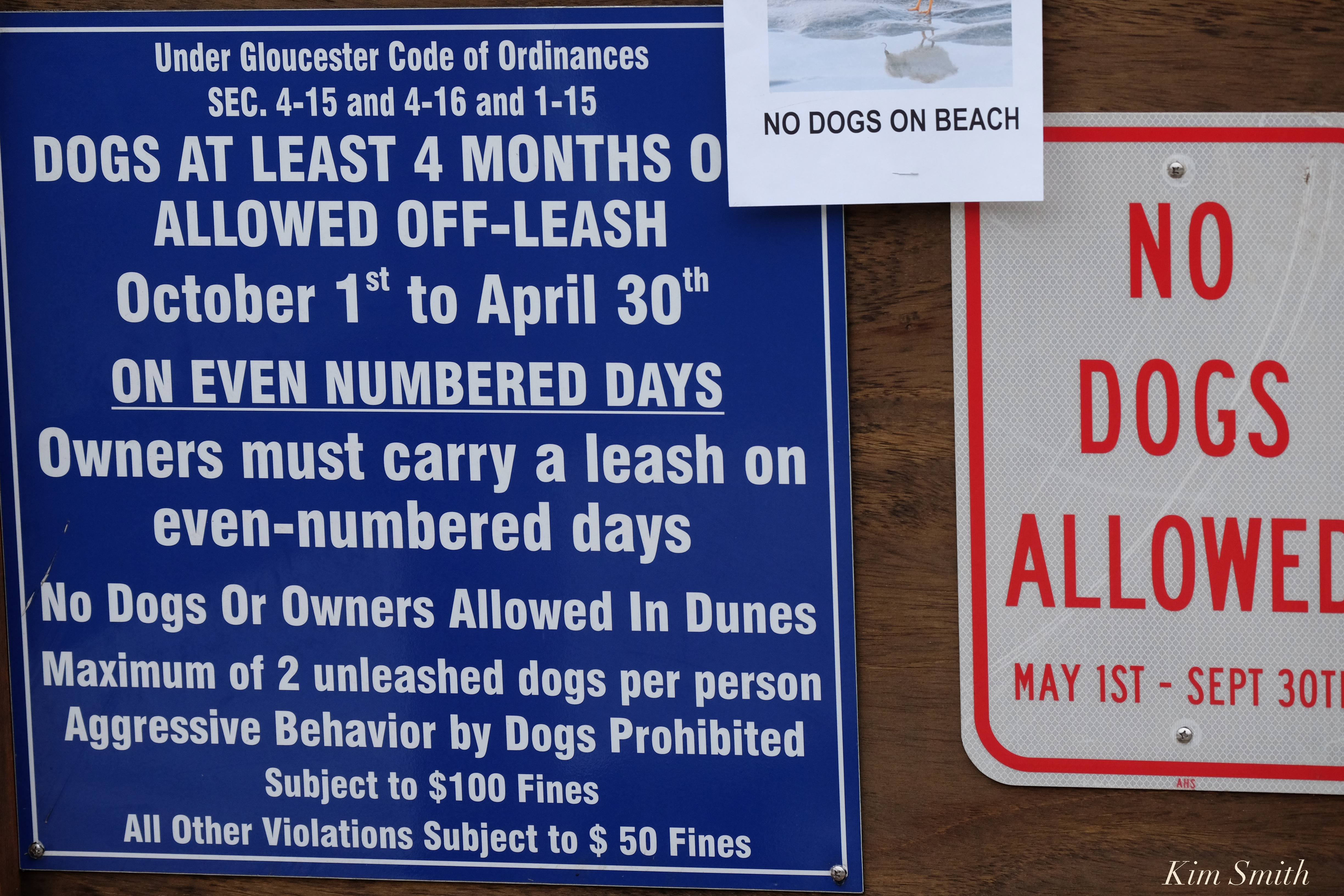
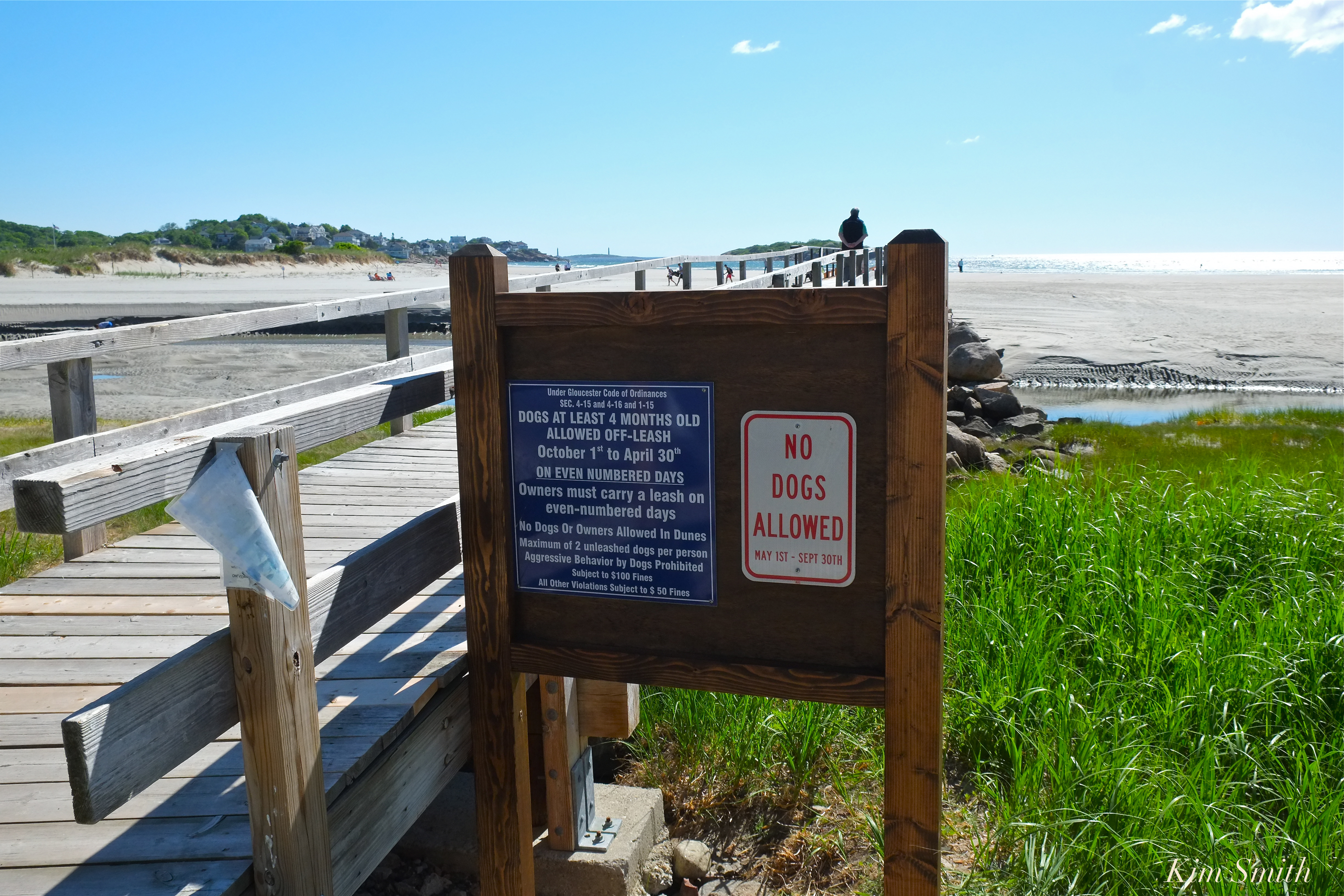
Upon entering Good Harbor Beach this morning, the scofflaws with their dog walked by these three signs.

Walking a dog on a beach is a purely recreational activity. For teeny tiny nesting shorebird chicks, protecting that same beach habitat is a matter of life and death.

If you see a dog at anytime or anywhere on Good Harbor Beach, please call this number: 978-281-9900.
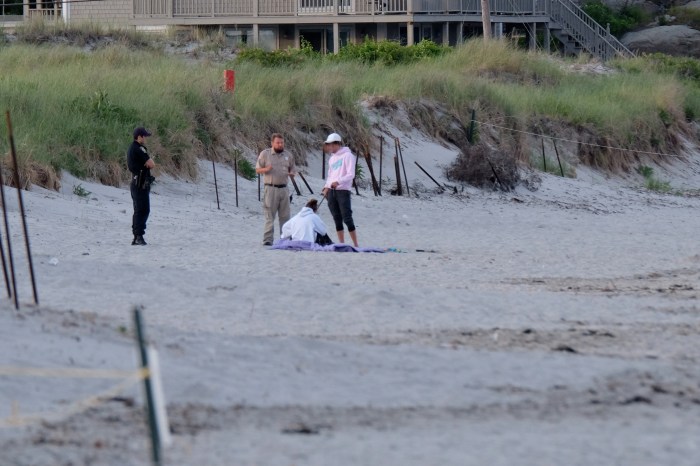
As of late, it appears as though many more people now have the need of a service dog. Having a service dog requires that it be on leash at all times, not jumping on people, and not running through the dunes. Service dogs cannot go in the dunes, or anywhere on the beach that is restricted to humans.

Would the people with service dogs consider taking their dog to any other of Cape Ann’s stunning beaches, rather than to Good Harbor Beach during shorebird nesting season I wonder? 
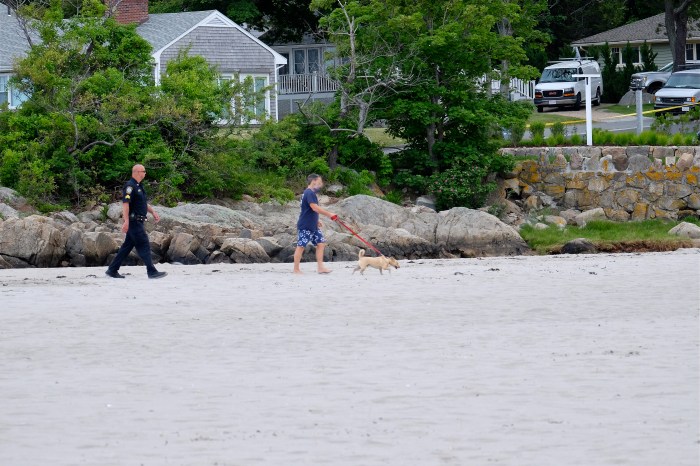
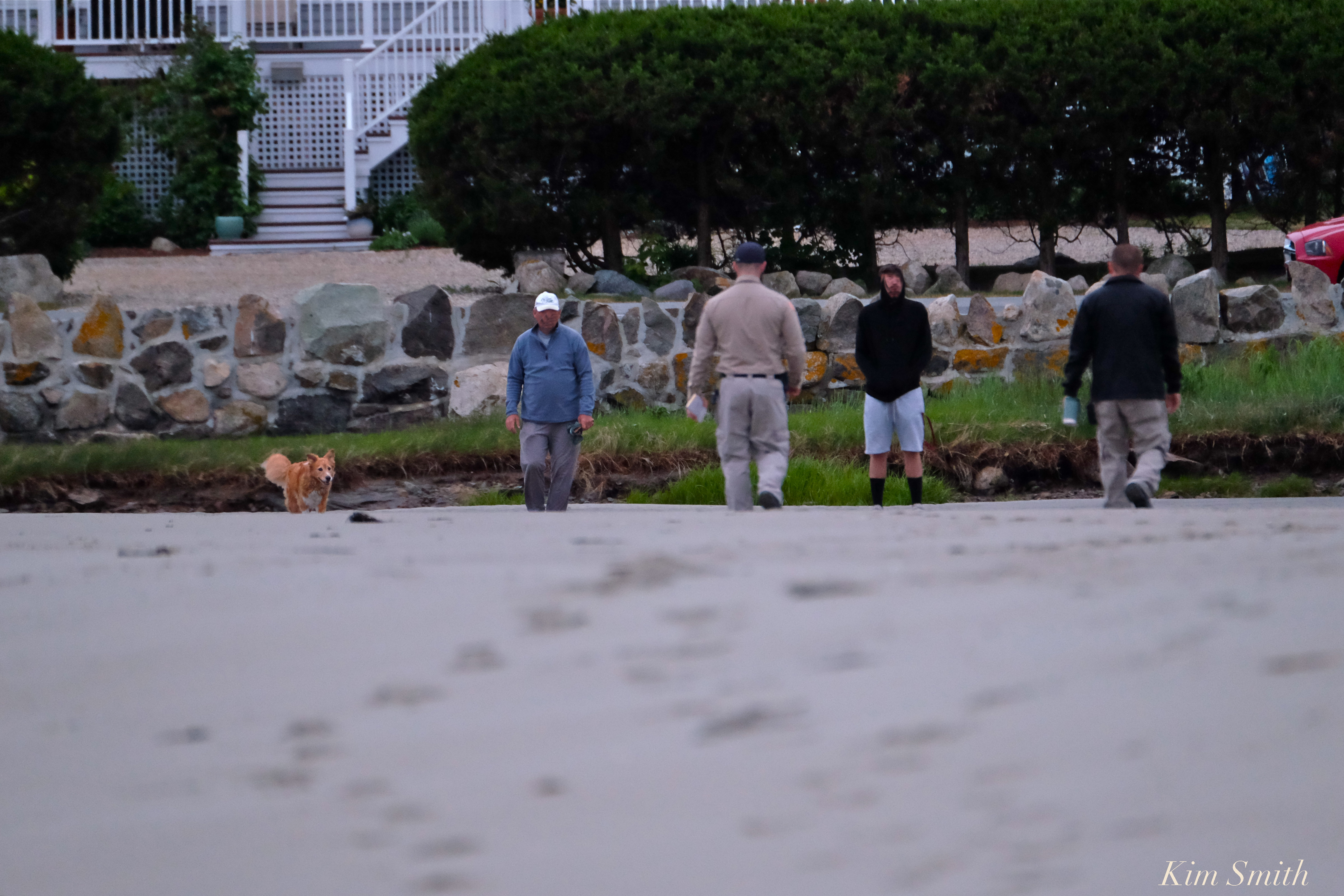
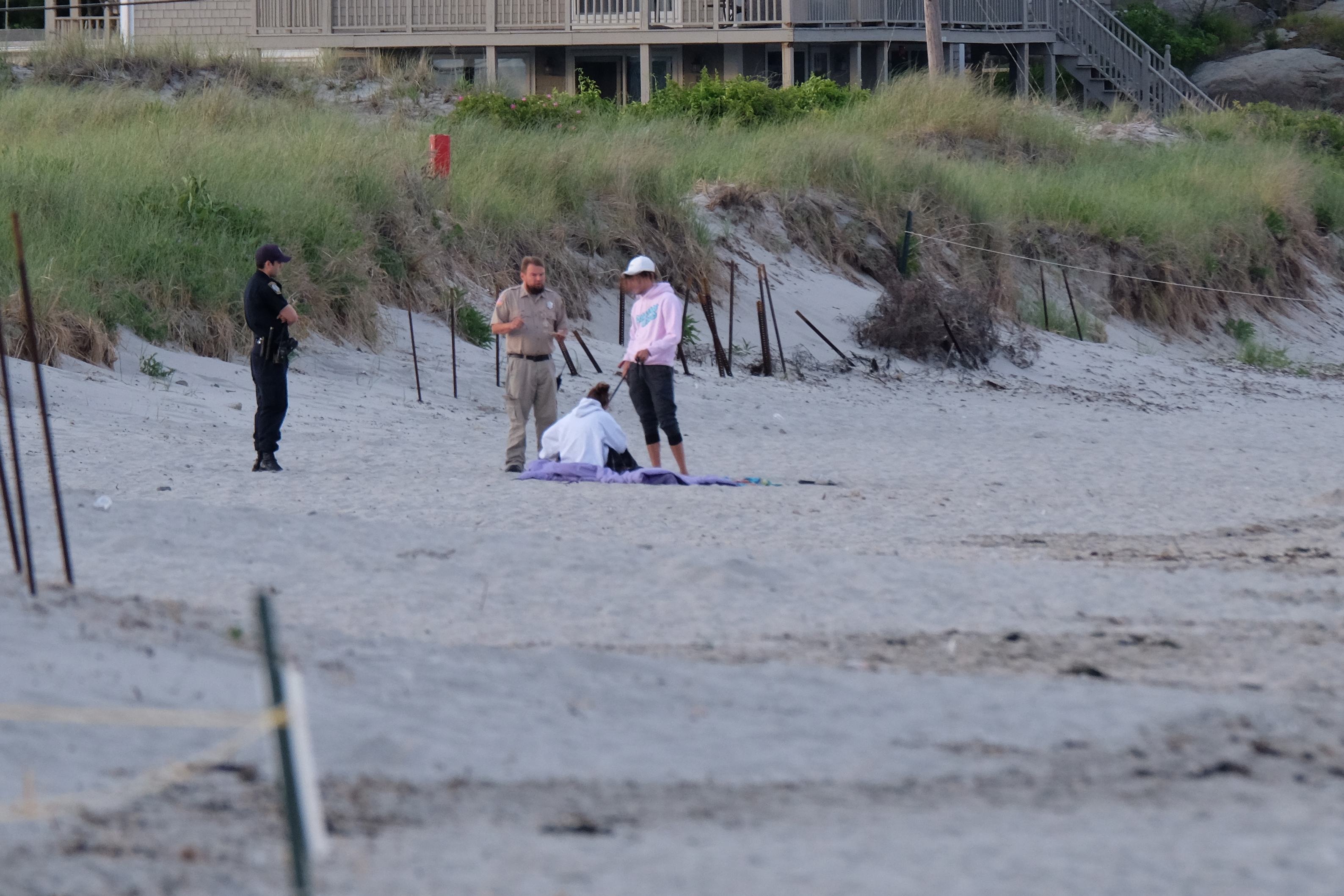
 Folks getting ticketed and escorted off the beach.

Truly, the most important action people can take is to volunteer to help watch over the chicks. We have a number of folks posing as helpers but sadly, they are not actually volunteering for shifts. Two monitors on each shift would be ideal, but this year we have fewer volunteers, and don’t even have single person coverage during large chunks of time. Keeping watch over the baby birds will make a difference in whether or not the chicks survive. Anyone can be a volunteer and anyone of us can show you what to do. Finding people to help has been especially difficult on the weekends. Please contact kwhittaker@gloucester-ma.gov if you would like to lend a hand. Thank you so very much  

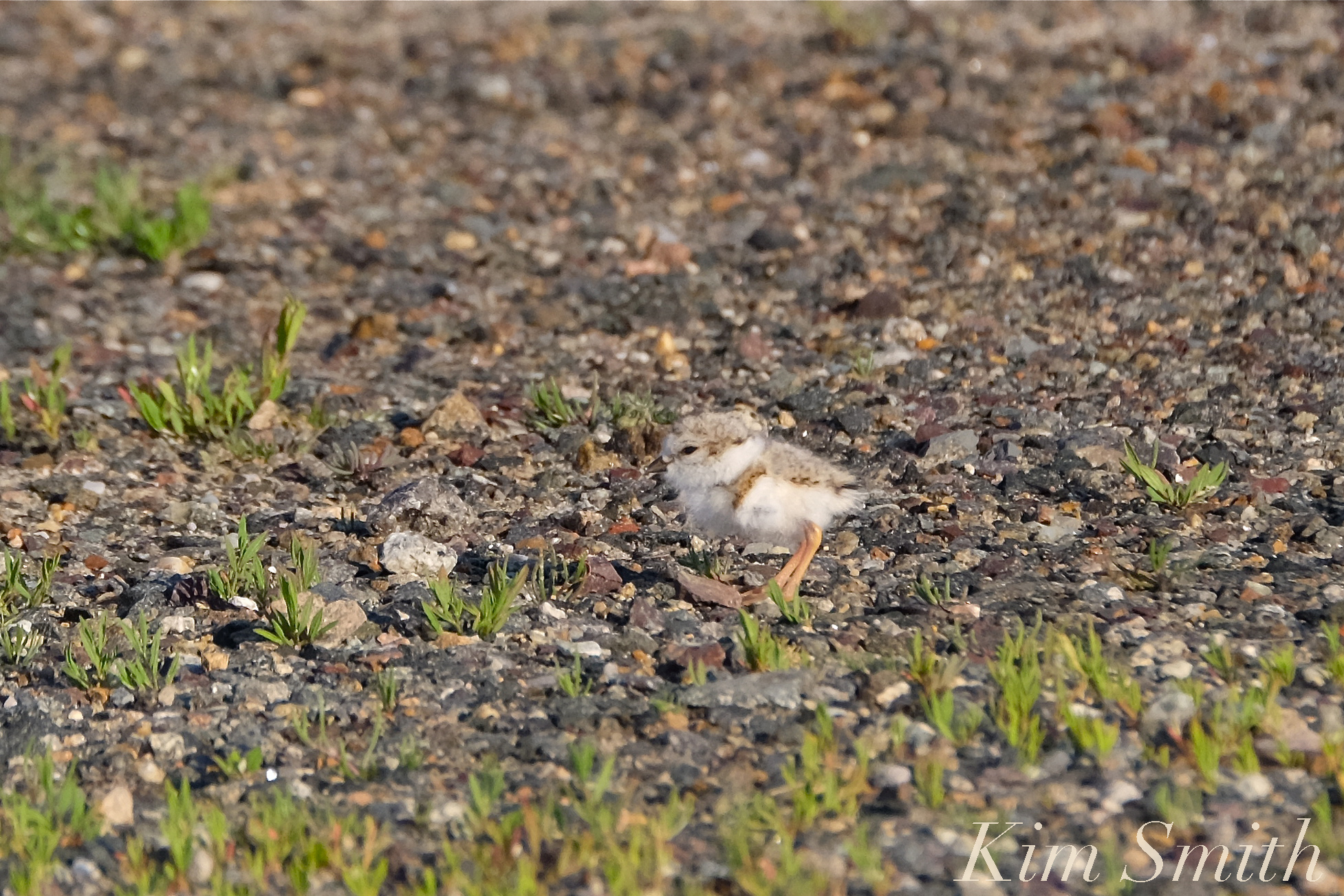
Six-day-old Piping Plover Chick

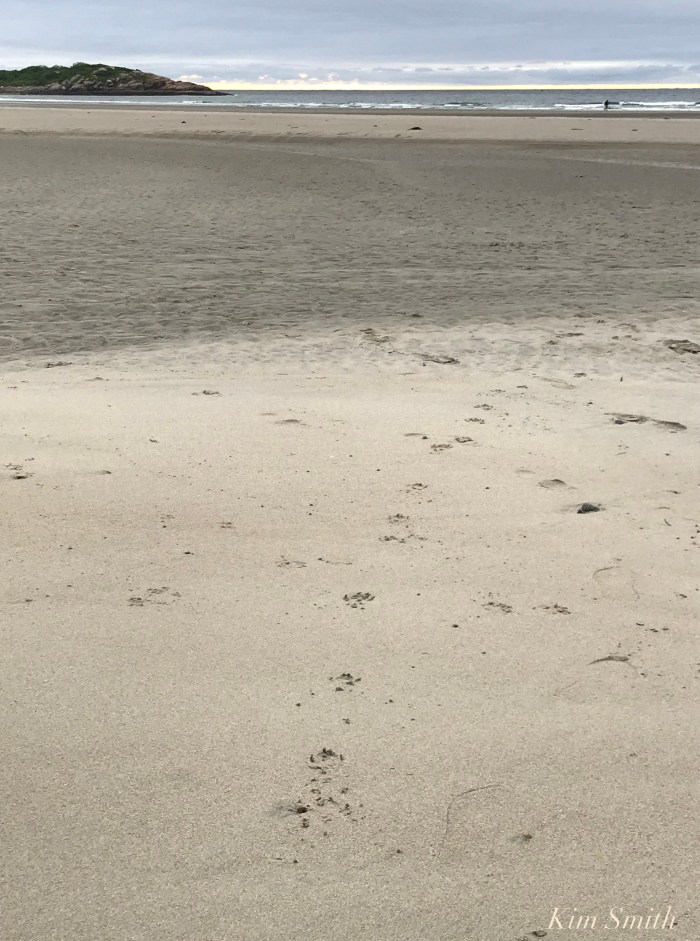
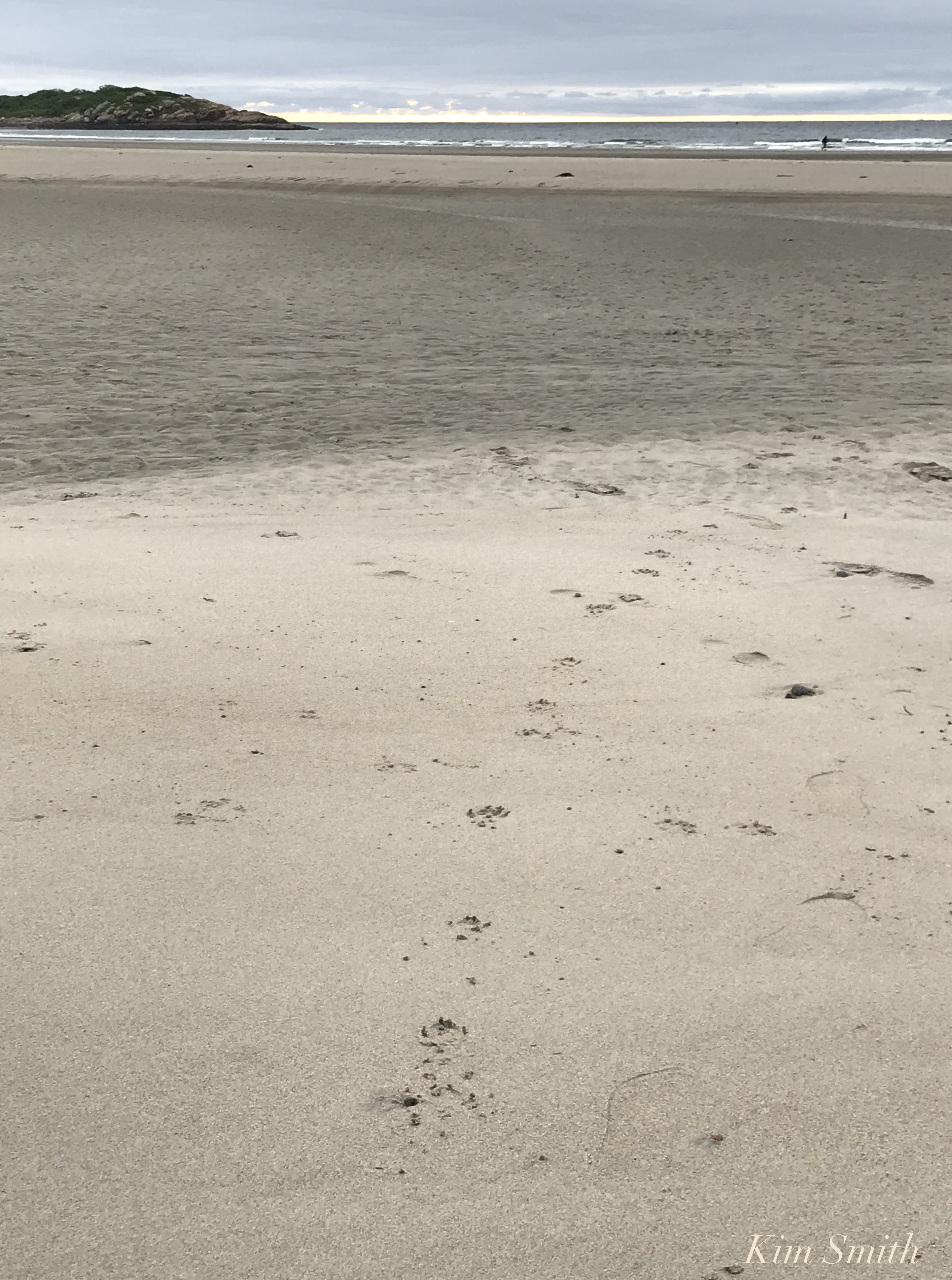
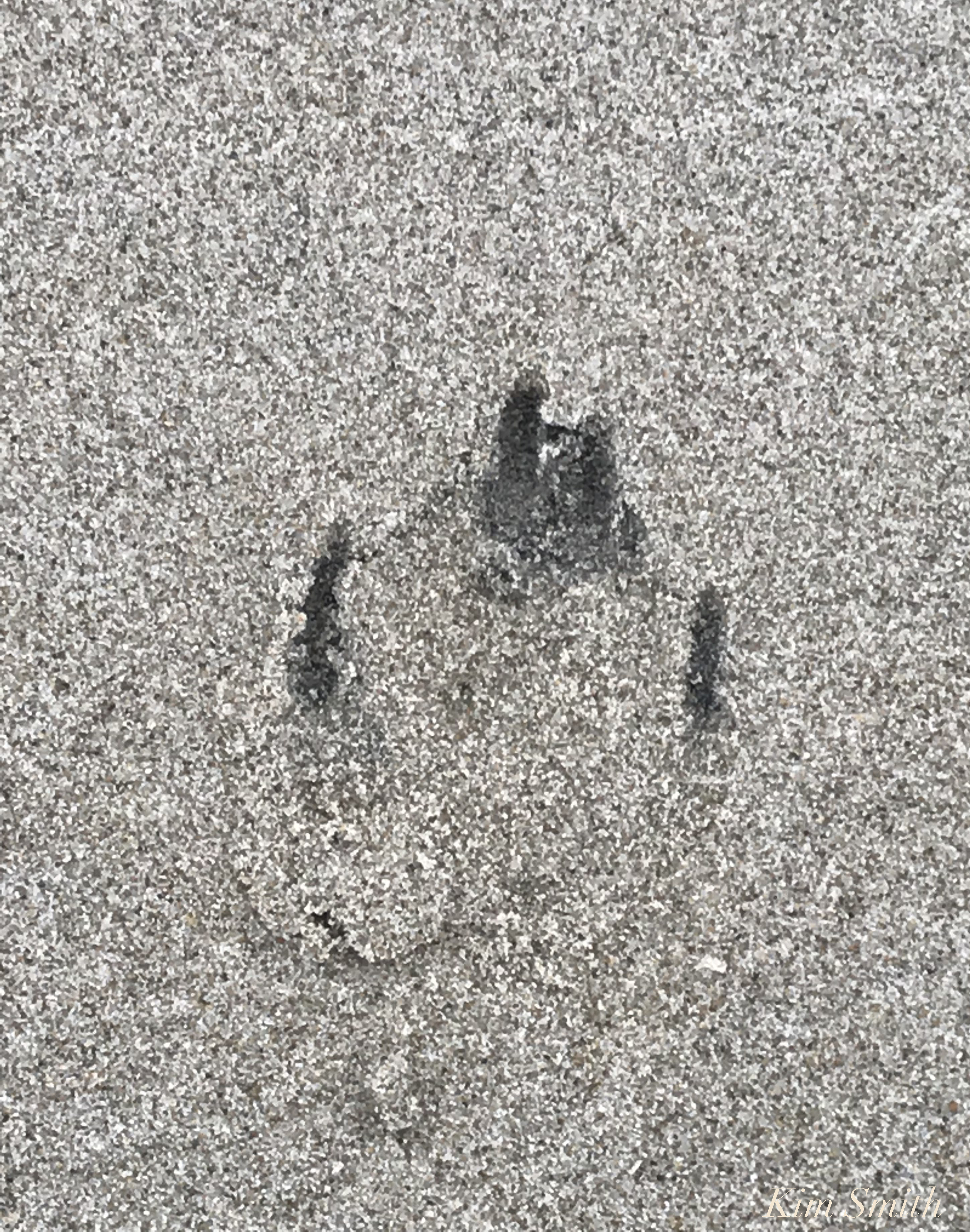
This morning’s dog tracks at Good Harbor Beach – Dog tracks are easy to spot and to differentiate from other canids (fox and coyote). For example, notice the sharp toenail indentation. Coyotes have rounded toe tip prints because they wear their nails down.
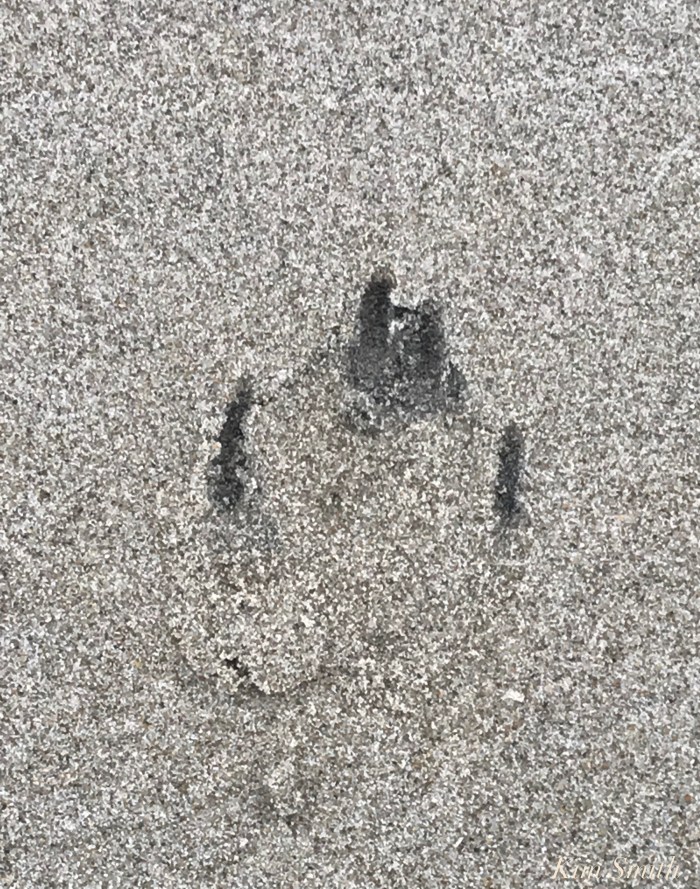
Dog tracks Good Harbor Beach

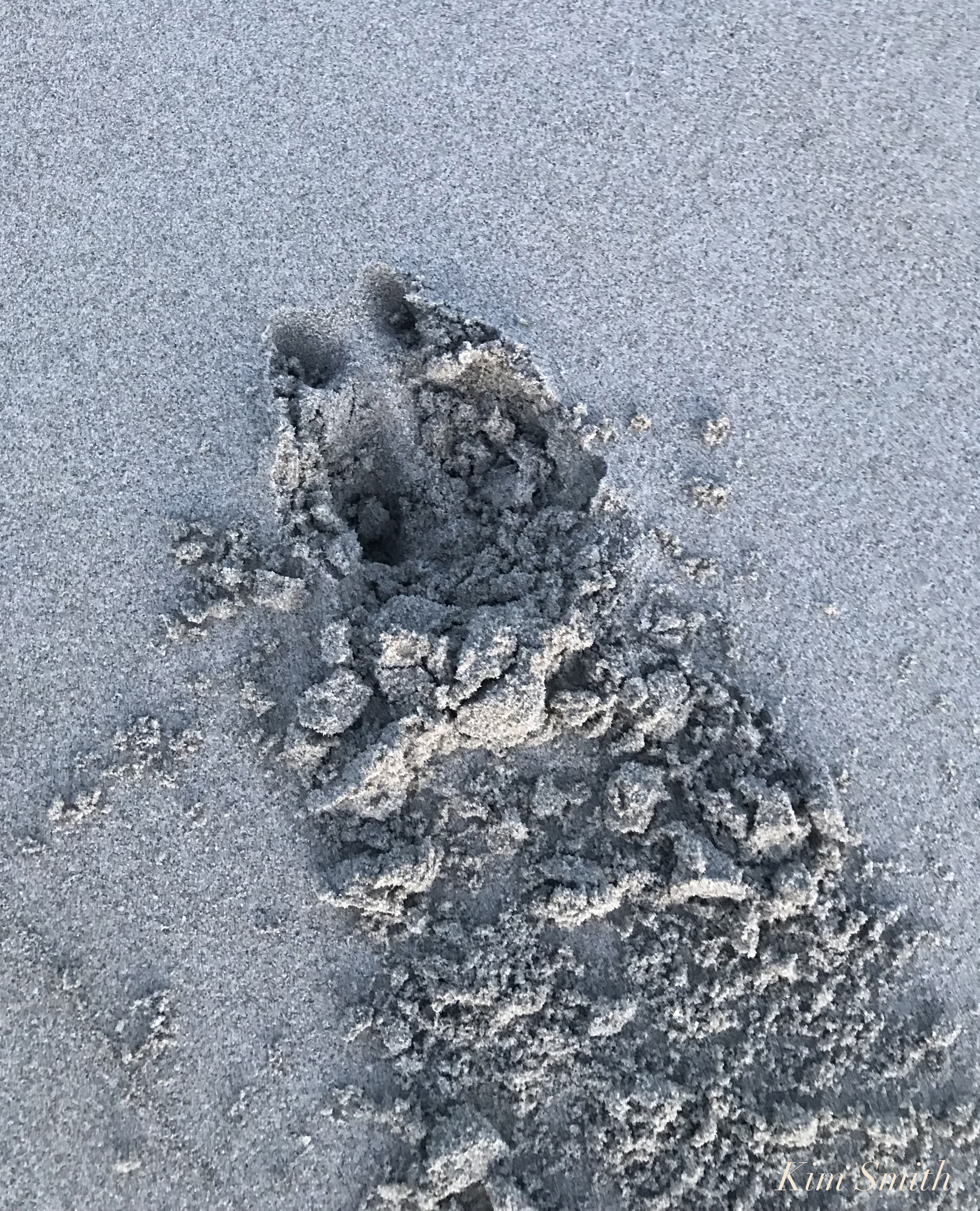
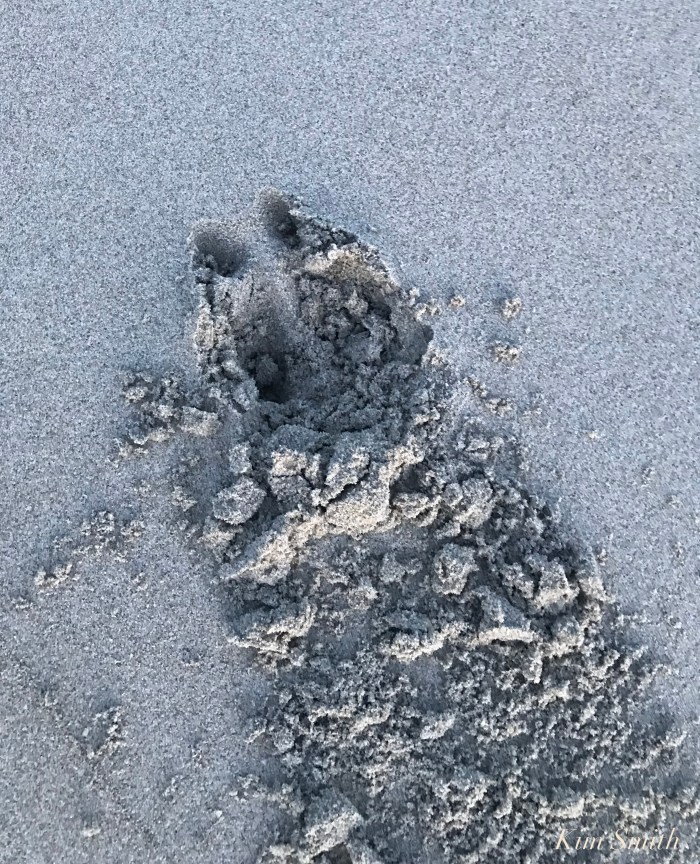
Look what other tracks were spied this week, deer! These too are easy to spot in the sand. The deer’s cloven hoof makes a broken heart shape.White-tailed Deer Tracks Good Harbor Beach
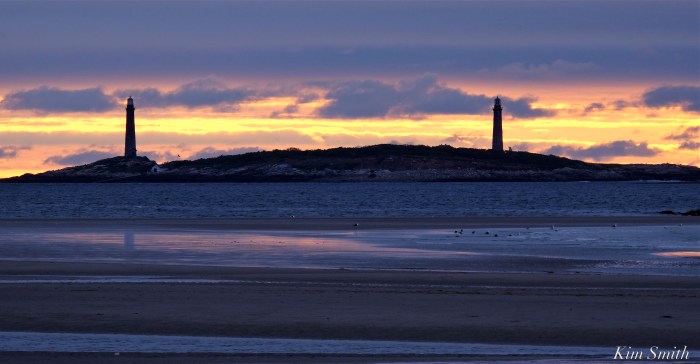
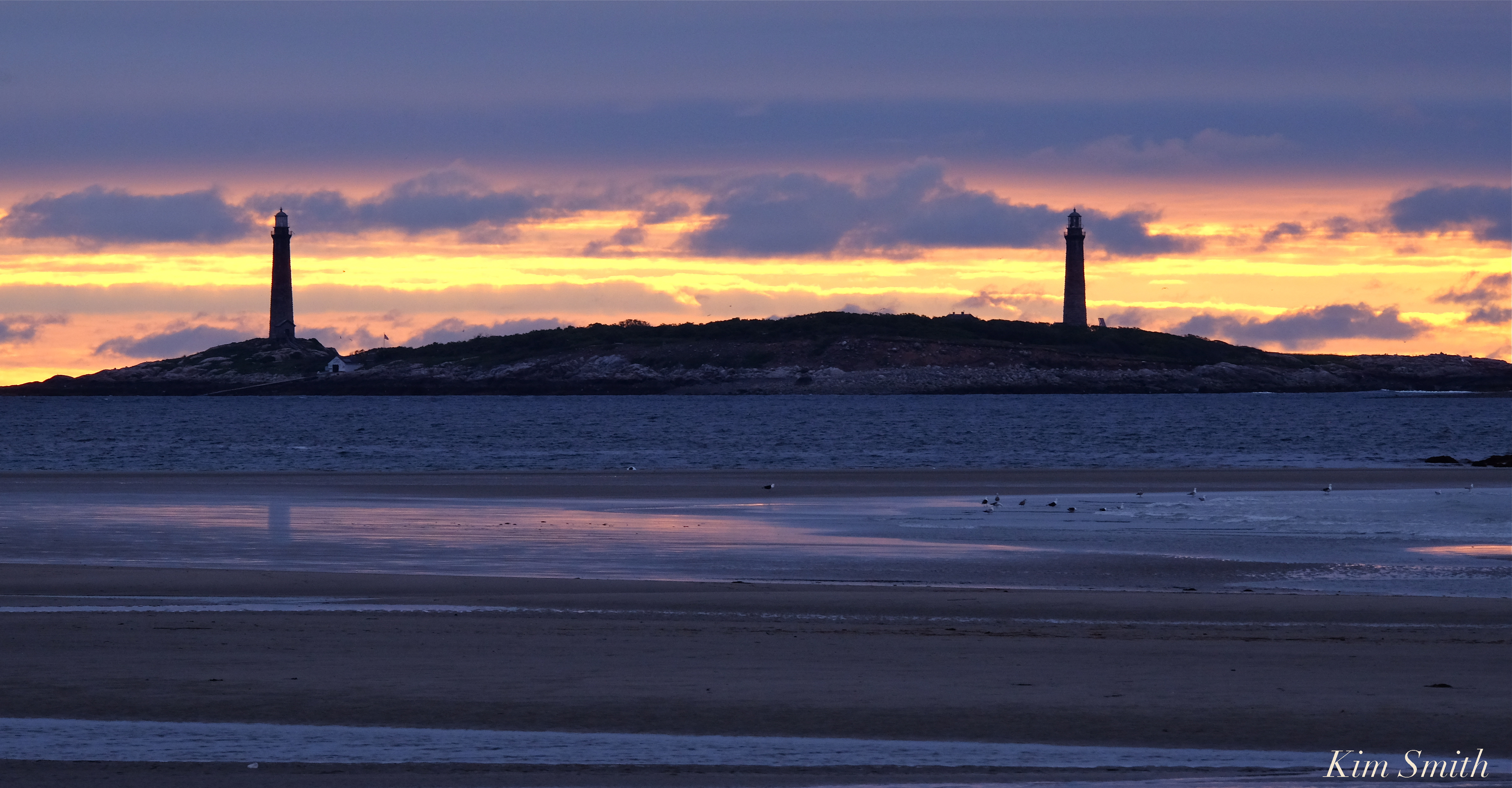
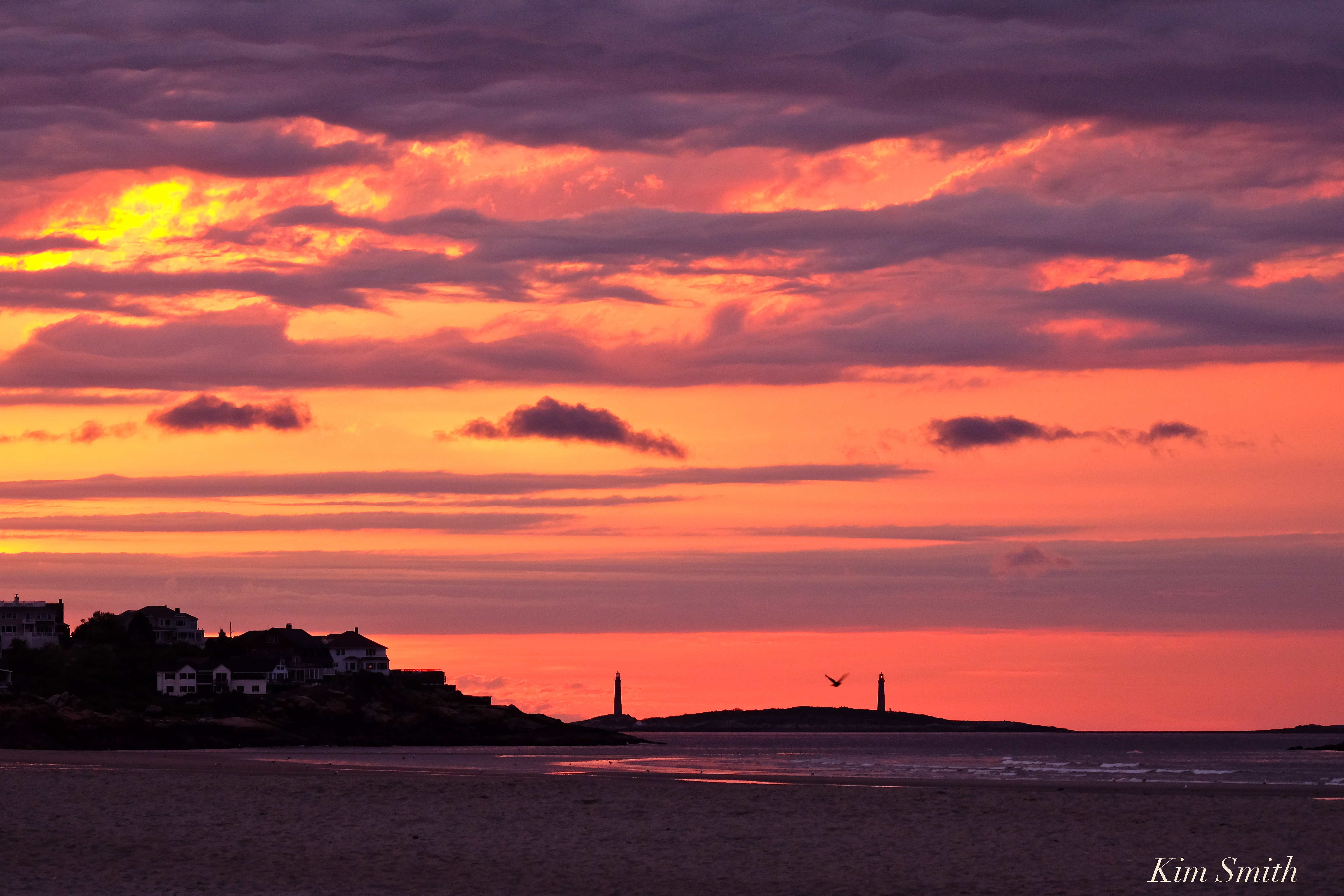
Today’s early morning Good Harbor Beach view of Thacher Island Twin Lights 

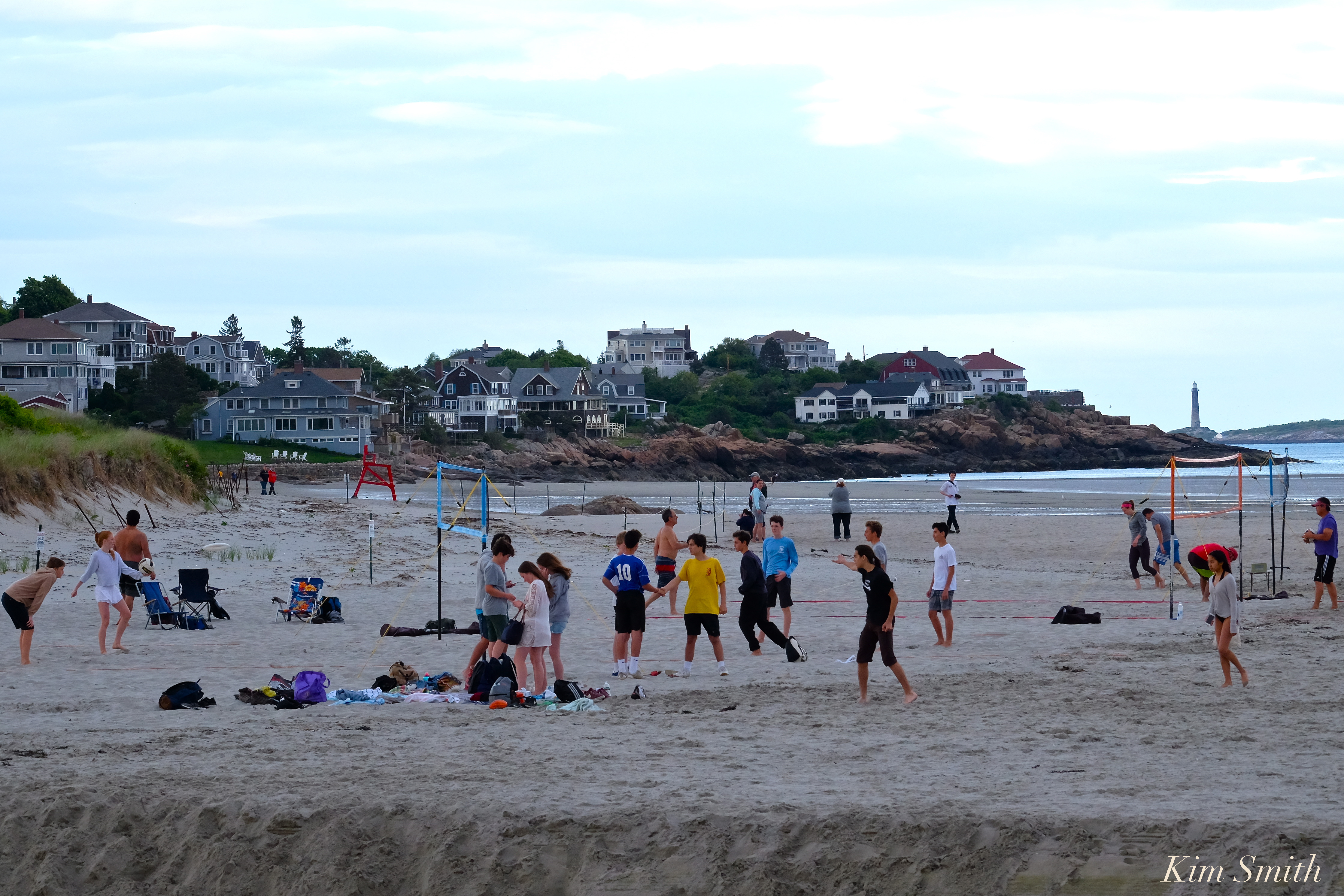
THANK YOU GLOUCESTER VOLLEY BALL PLAYERS FOR KEEPING GOOD HARBOR BEACH SO CLEAN!

Last night the GHB volleyball players group appeared to be larger than usual yet, despite that, there wasn’t an ounce of trash left on the beach. Typically what happens after a large group gathering on the beach is that the gulls descend en masse, eating and dragging all over the beach the food and garbage that is left behind. It becomes particularly difficult for the PiPl parents to keep the chicks safe from the hovering and deadly dangerous gulls and crows. Keeping the beach clean helps tremendously in keeping the gulls away. Thank you!

GLOUCESTER DPW GETTING THE JOB DONE-THANK YOU ONCE AGAIN!

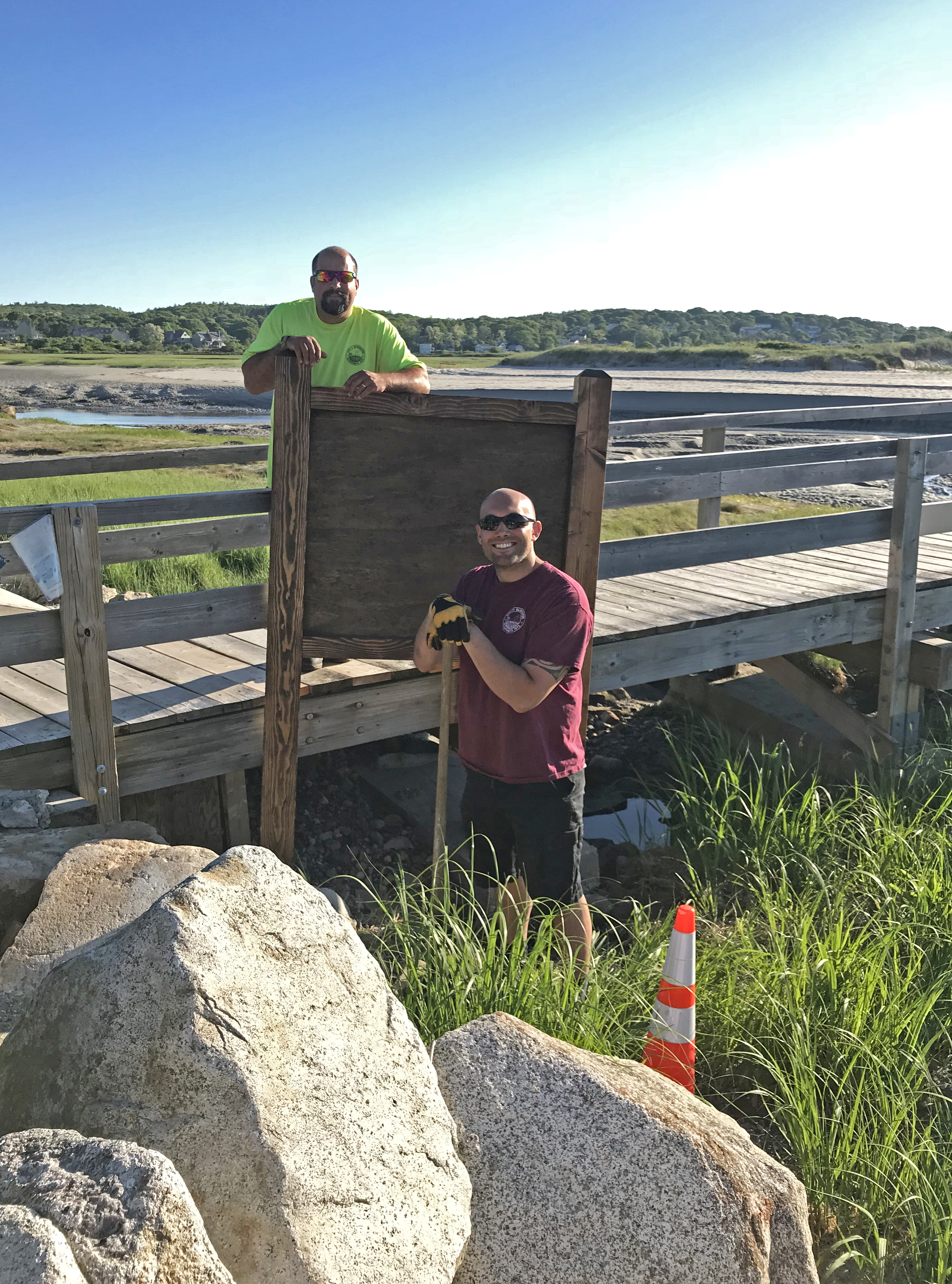
Phil Cucuru and Mike Tarantino installing the sign board.

Thank you again to the Gloucester DPW, and again to Phil Cucuru and Mike Tarantino. The repaired footbridge looks beautiful and the signage placement is very noticeable. We are grateful to Phil, Mike, Joe Lucido, Tommy Nolan, Kenny Ryan, Newt, Cindy, and the entire DPW and Good Harbor Beach crew for their outstanding effort in helping our PiPl family, since when they first arrived, way back on April 3rd. Their assistance, interest, and kindness is making a difference. Thank you That’s City Councilman Scott Memhard walking the footbridge to check on the PiPl. So sorry to Scott for not getting a better photo.

WE LOST TWO CHICKS TODAY

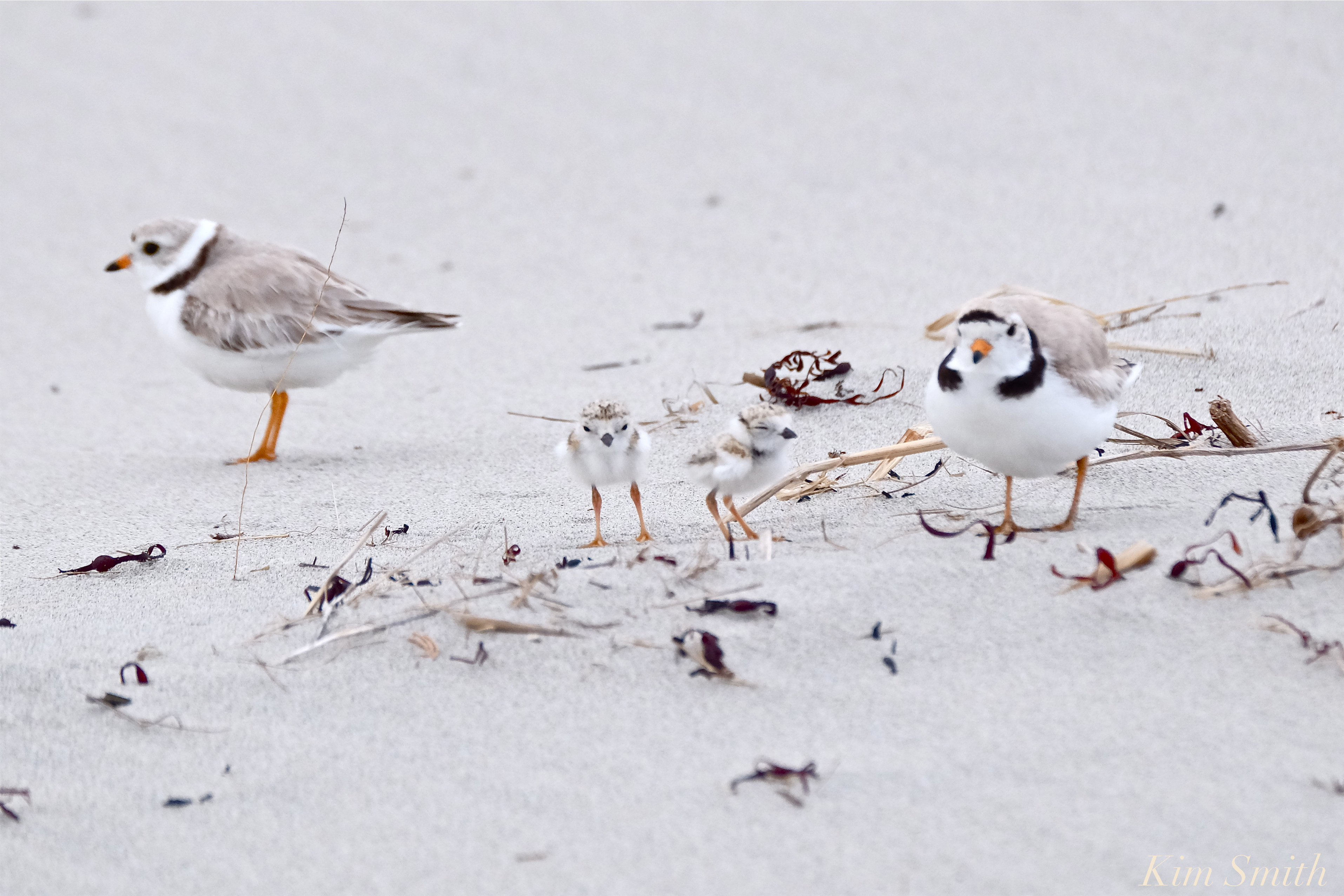
We’re so very sorry to write that two chicks were killed today. Catherine Ryan witnessed a terrible scene with a large dog tearing around in the nesting area at dawn, and a volunteer monitor observed one taken by a gull.All that’s left of our little GHB Pipl Family – Mama (left), Papa (right) and our two remaining chicks. 

Please volunteer to be a PiPl monitor. You will truly be making a difference in whether or not our PiPl chicks survive. And you’ll meet the nicest bunch of people. Anyone of us can show you what to do. The shifts can be as long as you like, but an hour is all we are asking. The weather forecast looks gorgeous this weekend, and it is Father’s Day on Sunday, so we are hoping to have two on at each shift. Contact kwhittaker@gloucester-ma.gov.

Please share this post and help spread the word that we need volunteers. Thank you ❤

GOOD HARBOR BEACH TWO-DAY-OLD PIPING PLOVER CHICKS

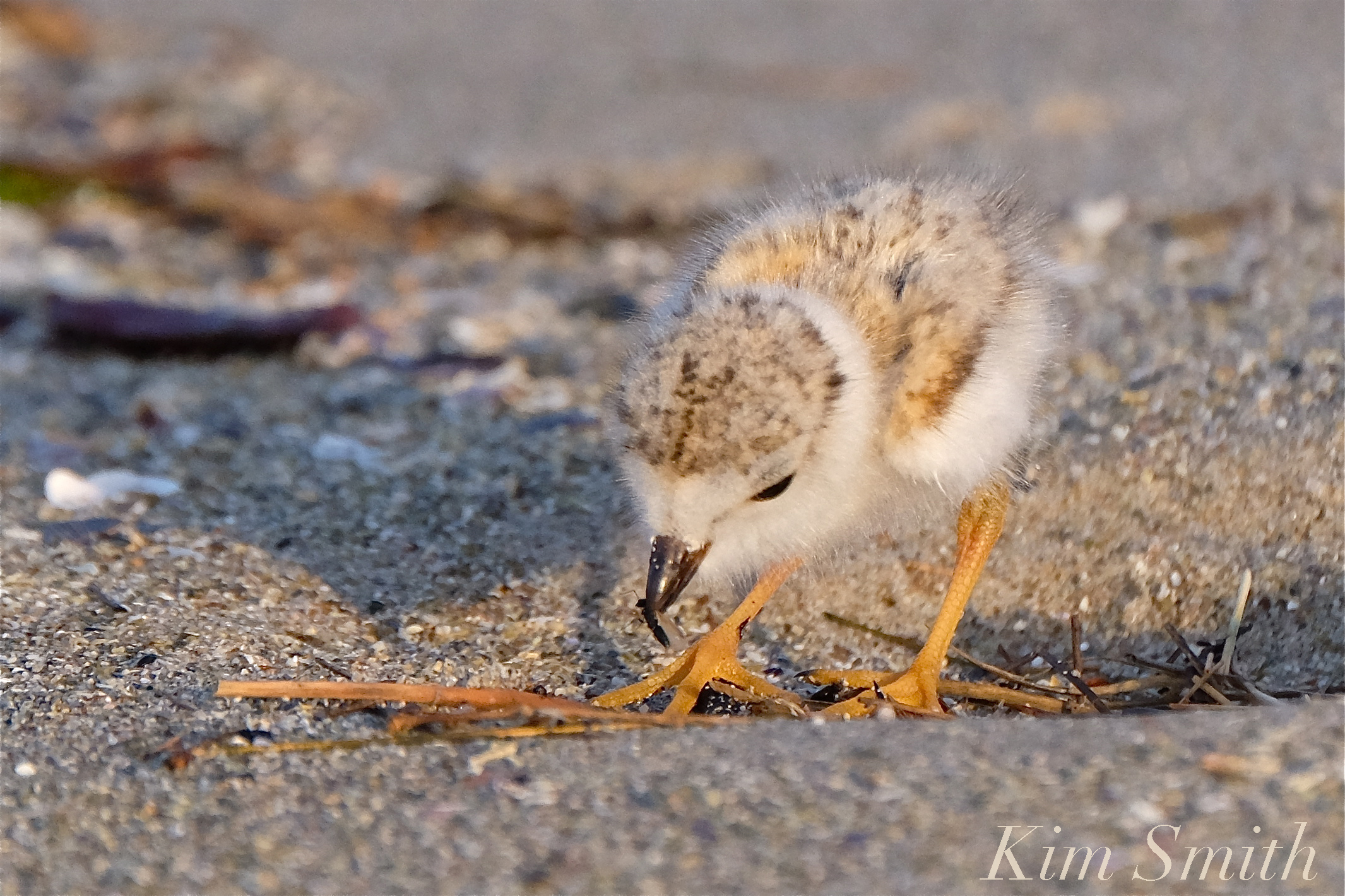
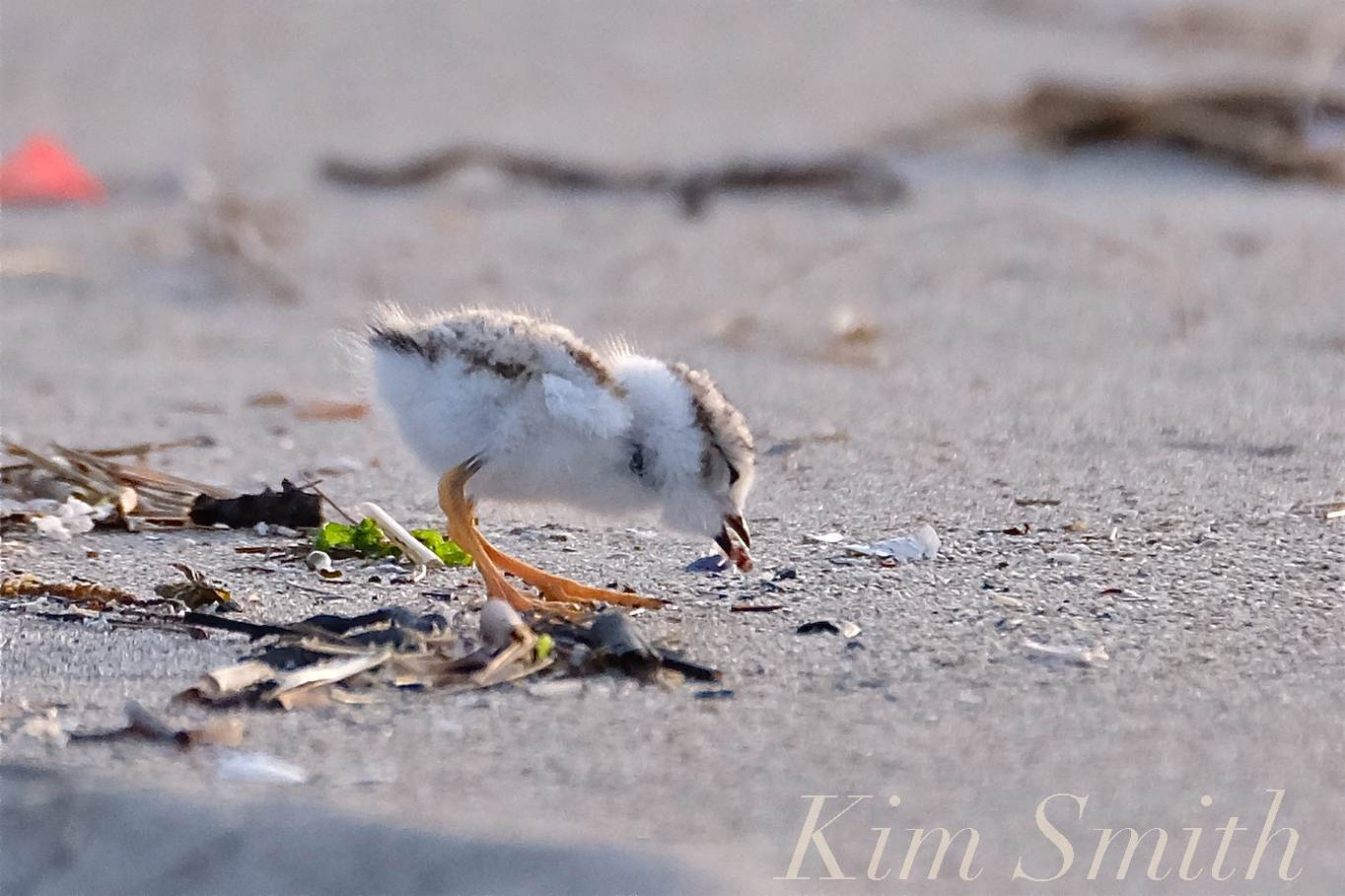
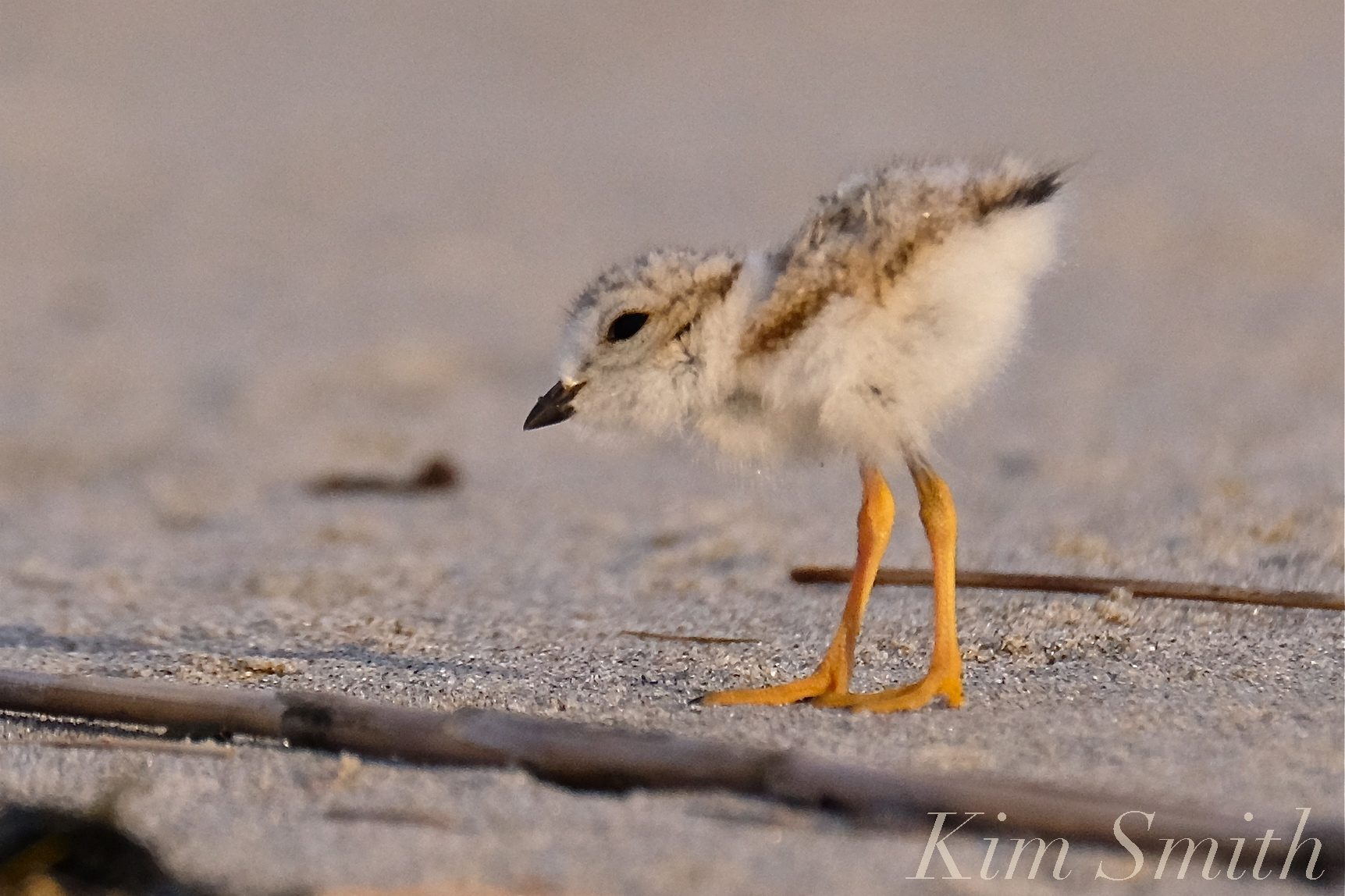
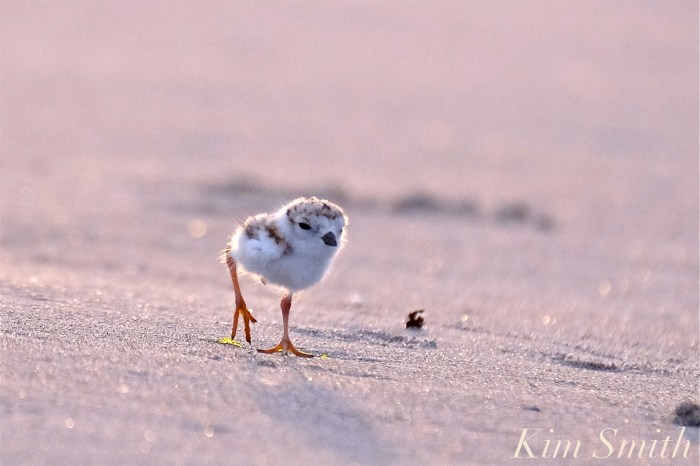
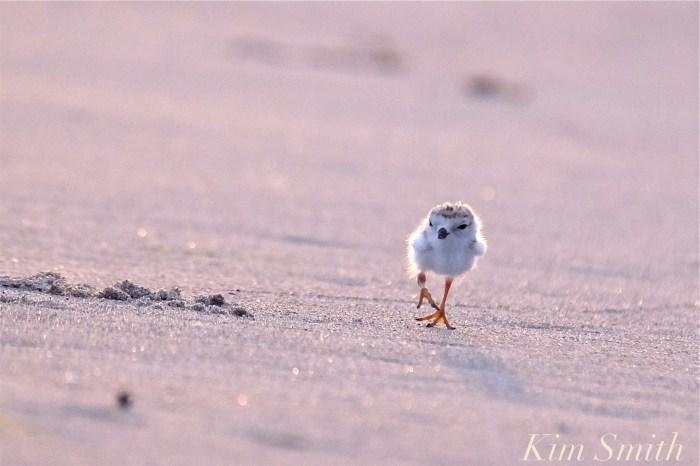
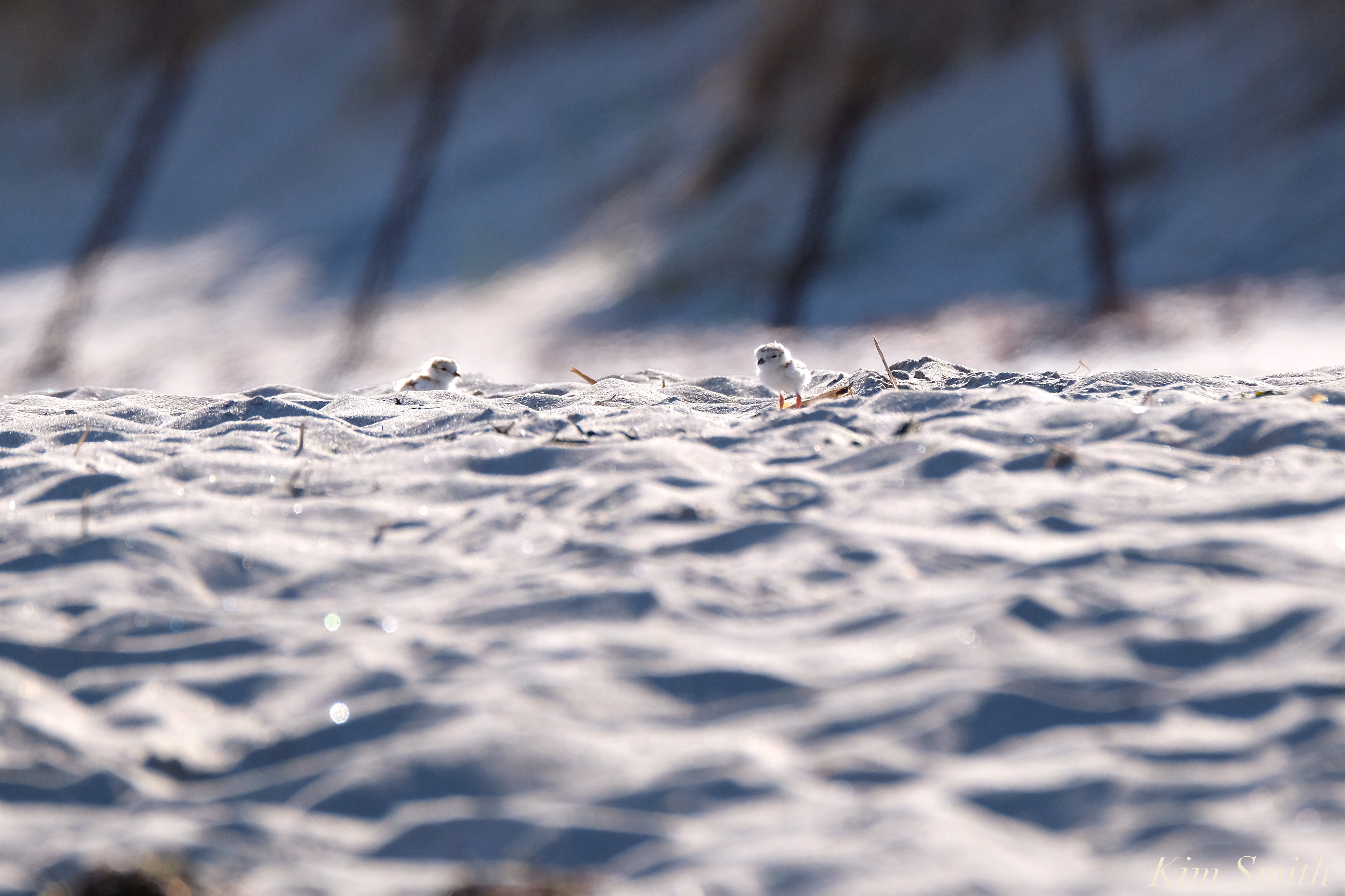
Our little family is settling in, most importantly, finding lots of tiny insects in the wrack area. Cars weren’t the only threat in nesting at the parking lot, there simply did not seem to be sufficient food in the gravel and hard pack. Today, the chicks spent the early morning snuggling often under Mama and Papa; the temperature was chilly and the wind had picked up. Once the sun was shining brightly, they made their way to the water’s edge, learning how to forage on teeny mollusks and sea creatures.

The seagulls were ferocious this afternoon, so much so that our fearless pint-sized PiPl Papa bit a comparatively ogre-sized Great Black-backed in the butt, and made him squwack! The gulls were attracted to a Dunkin munchkin box that had blown into the roped off area. And although I arrived at sunrise, a dog owner and its pet had made fresh tracks through the nesting area. Between the dogs and the garbage-hungry gulls, human-created threats are far more dangerous than natural predators.

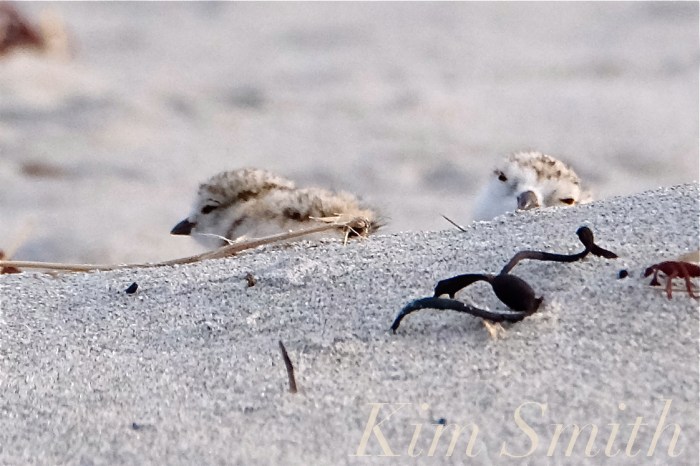
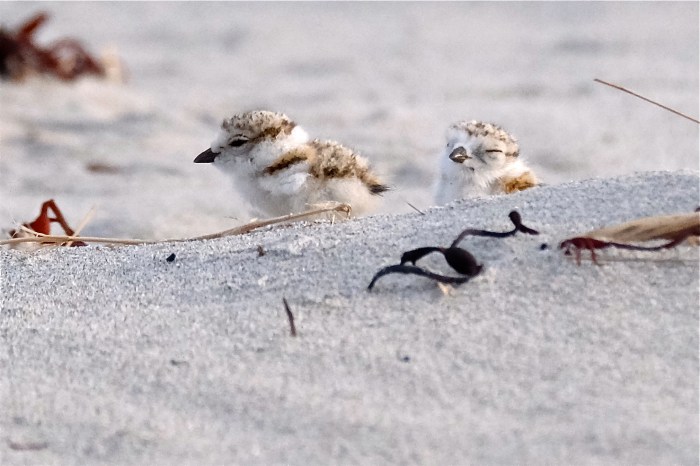
Sleepy eyes after morning snuggles

Looking mighty confident for only two-days old!

We definitely need more Piping Plover volunteer monitors, especially during the mid part of the day. If you would like to be a PiPl monitor, please email Ken Whittaker at kwhittaker@gloucester-ma.gov. Thank you


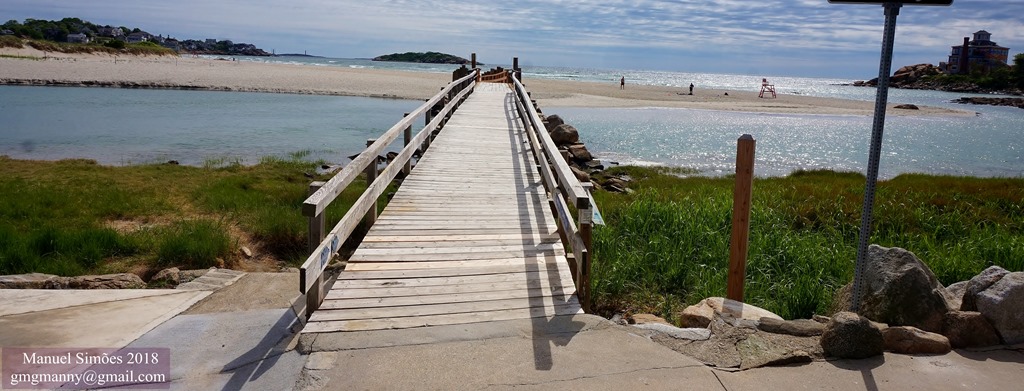
Bridge to Plover City is Complete

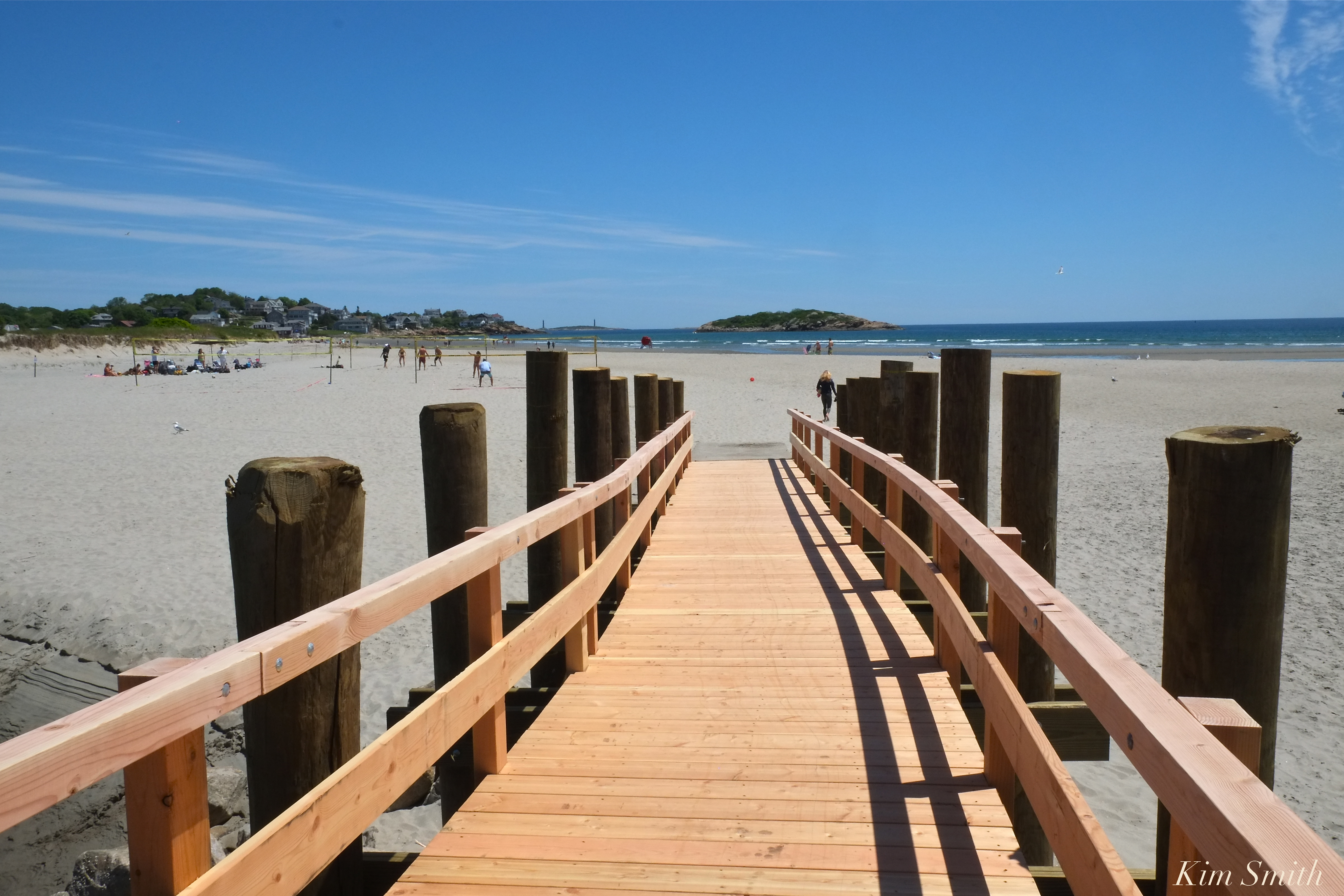
Good Harbor beach Footbridge is now complete. Great job from Gloucester’s  DPW

DSC08589

DSC08596 Stitch

BREAKING: OUR GHB PIPING PLOVER FAMILY MAKES THE EPIC JOURNEY TO THE BEACH

Late this afternoon, Essex Greenbelt’s Dave Rimmer and my husband Tom observed the Plover family leaving the parking lot and heading toward the dunes. Dave shares that they first appeared to be heading to the beach via the marsh creek end, when they suddenly switched direction and started back in the opposite direction towards Boardwalk #3. They went part way down #3, then back toward the parking lot, then back down #3. The family next began to go through the dunes toward the the middle of the beach, away from the #3 roped off area. After all the zig and zagging, the little family returned to the boardwalk, and then headed straight through the dunes, in the direction of #3 nesting zone. Dave lost sight of the chicks, but could hear the parents urging them on. Out they tumbled, down the dune edge, and into the roped off #3 area!

Please keep your eyes peeled for tiny toothpick-legged mini-marshmallow sized chicks zooming around in the sand.

We are elated that all four chicks made it safely out of the parking lot. Quite possibly this was the PiPl plan all along. Several times I observed the adults making the overland route at the very same time that they began nesting in the parking lot, which I had not seem them do in the the previous two years that they nested at GHB (in the very same location all three years).

The PiPl left the beach due to extreme dog disturbance while trying to court and nest, sadly finding the parking lot to be the quietest and safest place. Yesterday afternoon, we all observed folks trying to bring their dogs through the parking lot and onto the beach, after the life guards had left. The presence of dogs caused extreme alarm by the parents, they would pipe loud warnings and then leave the chicks to try to distract the dog. This is when chicks are at their most vulnerable, when the adults have to leave them to defend against predators. The problem is only going to get worse now that the footbridge has reopened. Please, please to the folks bringing your dogs to the beach after hours, now it is more critical than ever to please leave your pets at home. If any of our readers see a dog on the beach at anytime of day for any reason, first make sure the chicks are safe, and then please don’t hesitate to call the police.

Trash left on the beach is another huge issue for endangered shorebird chicks, of any species. Trash on the beach equals a plethora of seagulls. As do dogs, seagulls cause extreme duress for the PiPl parents. Even though the gulls prefer the easy garbage pickings left behind, they also eat baby chicks.

If you would like to be a a volunteer PiPl monitor, please contact kwhittaker@gloucester-ma.gov. Thank you!

Huge Shout Out to all our volunteers, Gloucester’s awesome DPW, Dave Rimmer, Ken Whitaker, Jasmine Weber, and Jonathan Regosin

Both Mama and Papa are now able to tend the chicks, while they are also able to feed and take care of themselves simultaneously keeping within earshot and eyesight of each other.

SUPER SHORT VIDEO ONE-DAY-OLD PIPING PLOVER CHICKS WAKING UP IN THE MORNING SUN

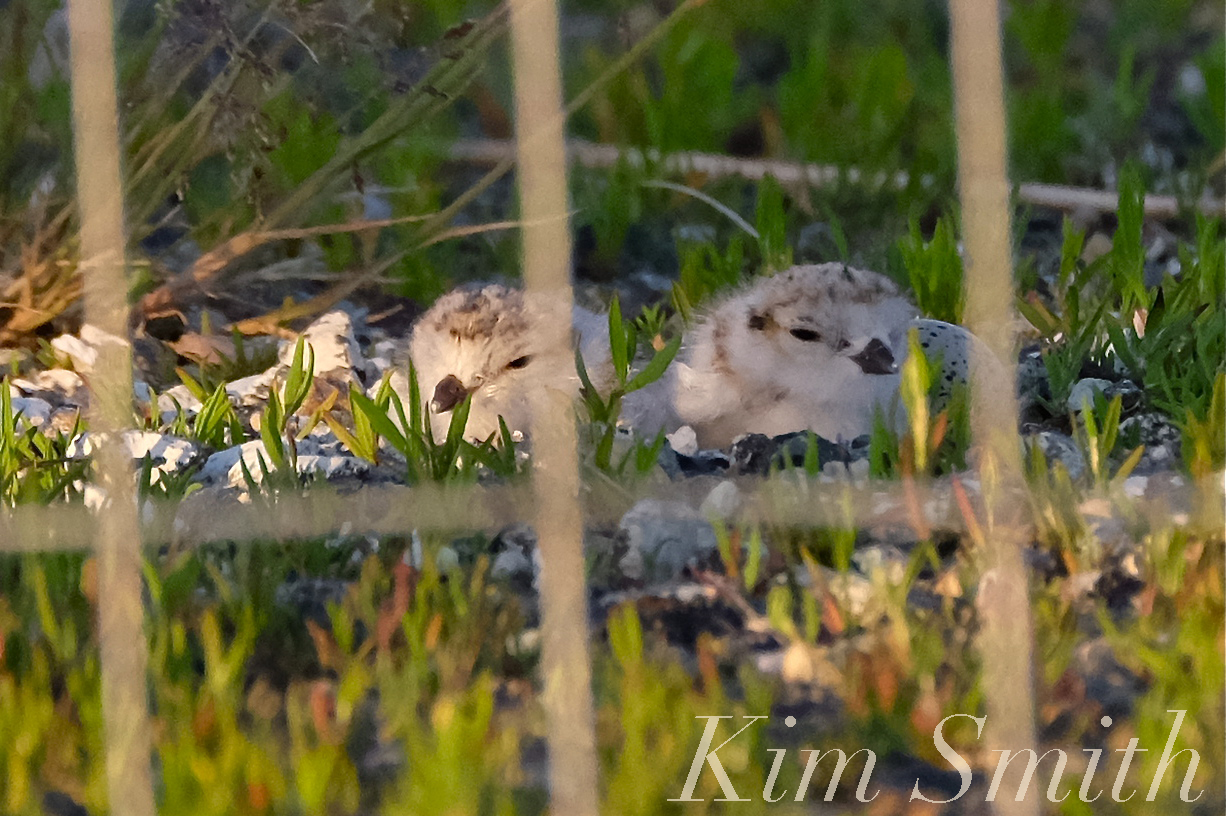
Our GHB Parking Lot Family survived the first night and day two, despite shenanigans from Barn Swallows, Red-winged Blackbirds, and the ever present Bachelor. The Bachelor’s aggressive behavior seemed even more pronounced this morning. Unmated males will attack baby PiPls in hopes of mating with the female, but our Papa PiPl has his number and does his best to keep him at bay. As if they don’t have enough to contend with, Plover on Plover violence is a real threat.

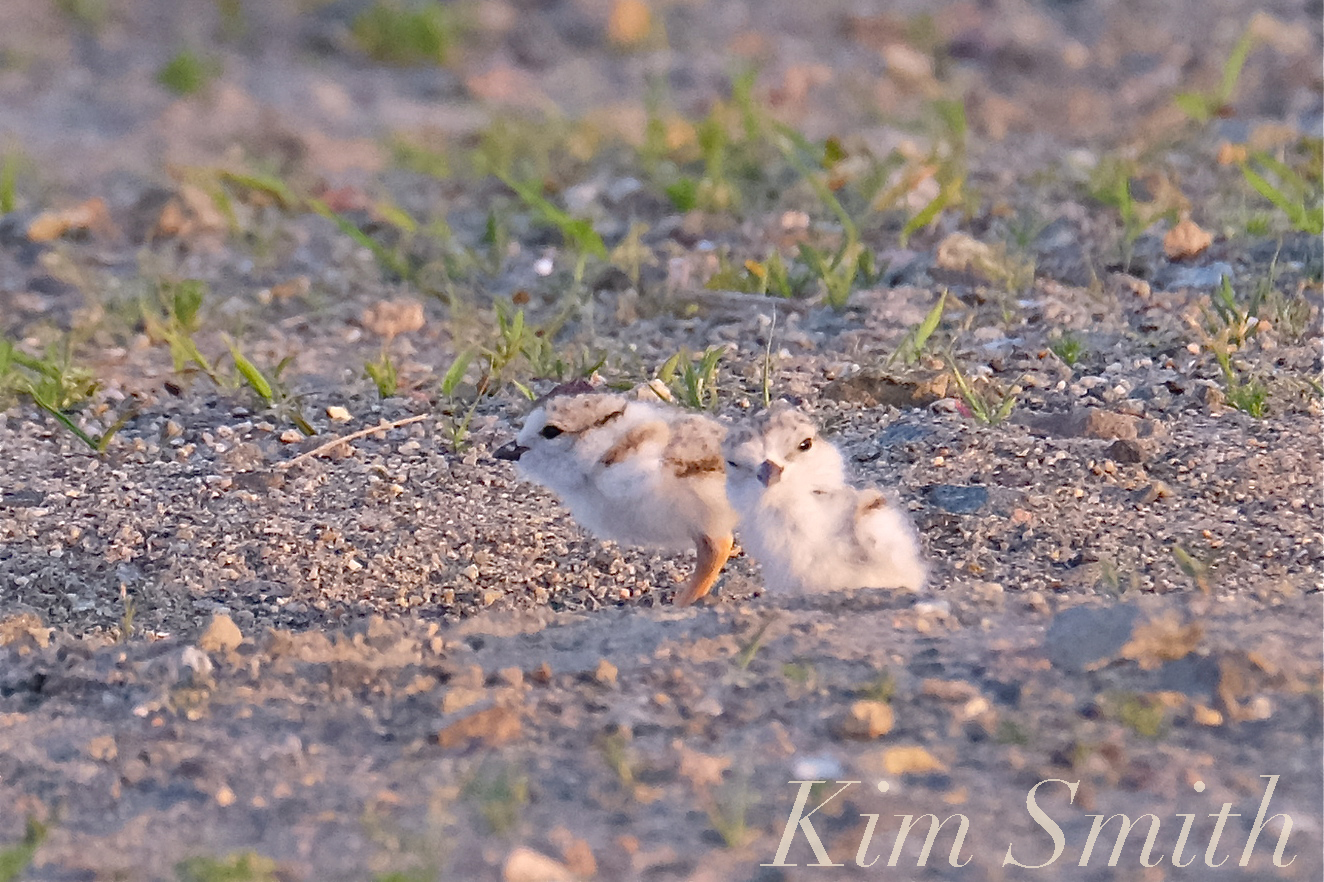
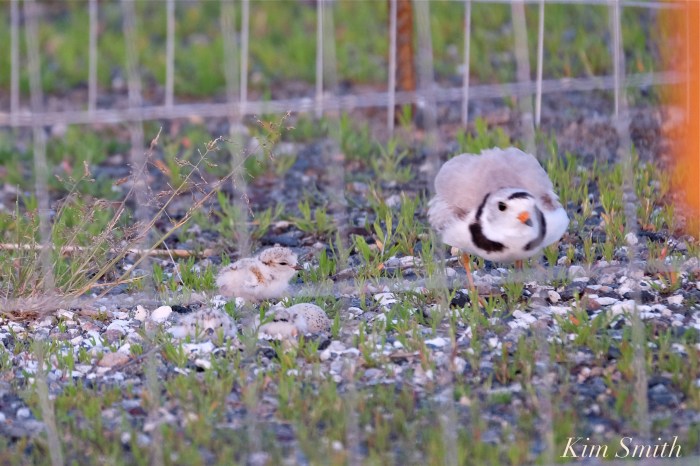
Here are the chicks waking up this morning after a snuggling session with Papa.

Thank you once again to Joe Lucido and Gloucester’s DPW for their interest and help throughout and to our amazing cadre of PiPl volunteers. If you would like to be a Piping Plover volunteer monitor, please email Ken Whittaker, Gloucester’s conservation agent, at kwittaker@gloucester-ma.gov.

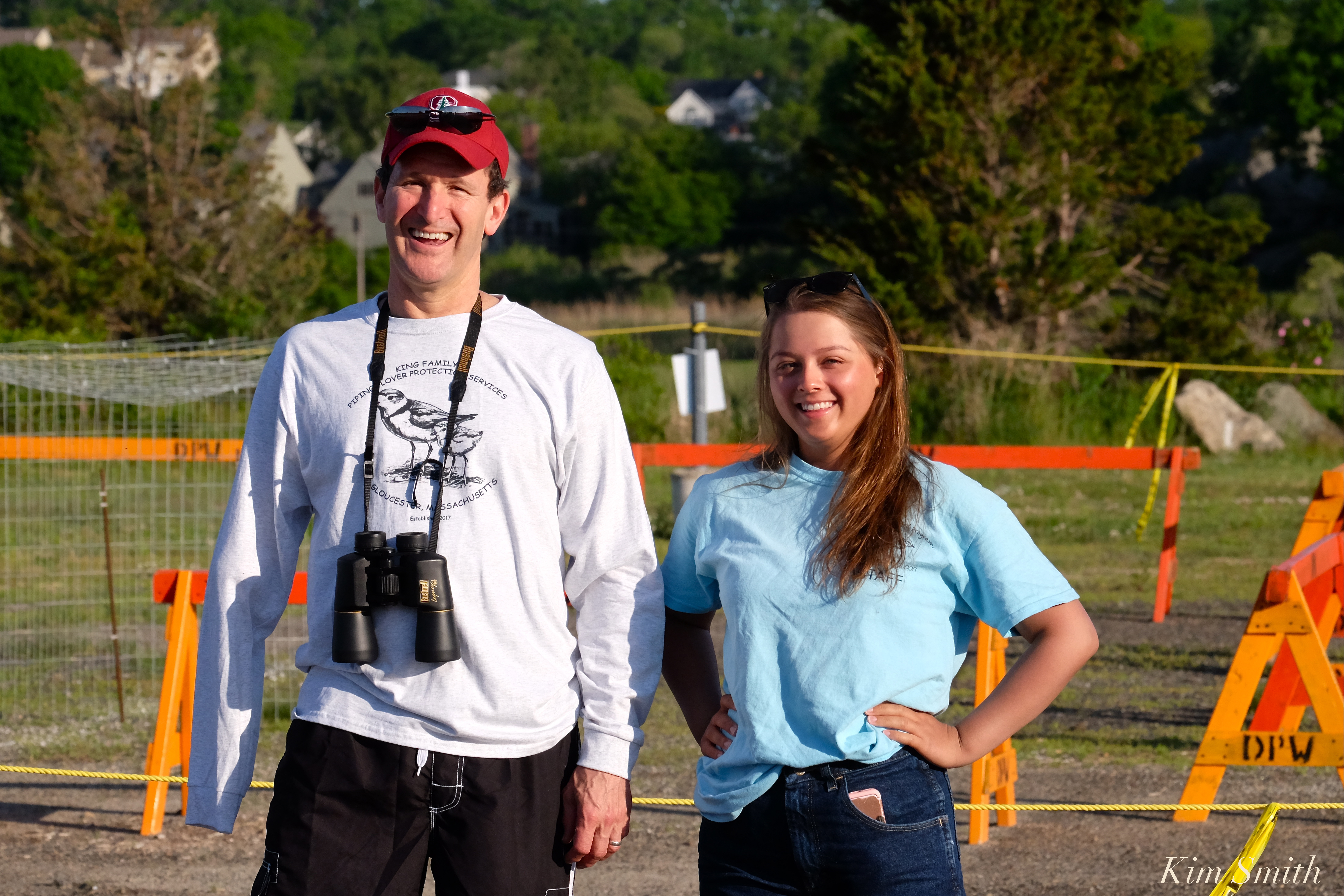
Mass Wildlife intern Jasmine Weber and her aunt Terry Weber 


Great DPW crew at Good Harbor Beach parking lot 

Gloucester MASS Good Harbor Beach lot attendants DPW staff wonderful_20180610_©c ryan

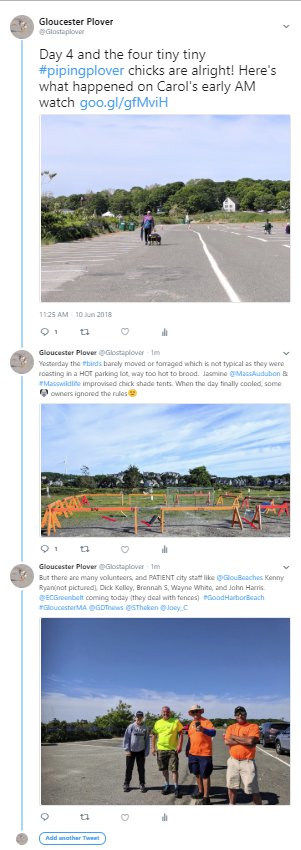
PATIENT city staff doing their job- Joe Lucido and Kenny Ryan (not pictured),  Brennah S, Dick Kelley, Wayne White, and John Harris all gave a shout out to GMG this morning.

piping plover chick update from this morning-

Day 4 Good Harbor Beach Gloucester Mass piping plover volunteers ©c ryan.jpg

BREAKING: HOORAY! THE GOOD HARBOR BEACH FOOTBRIDGE IS IN USE

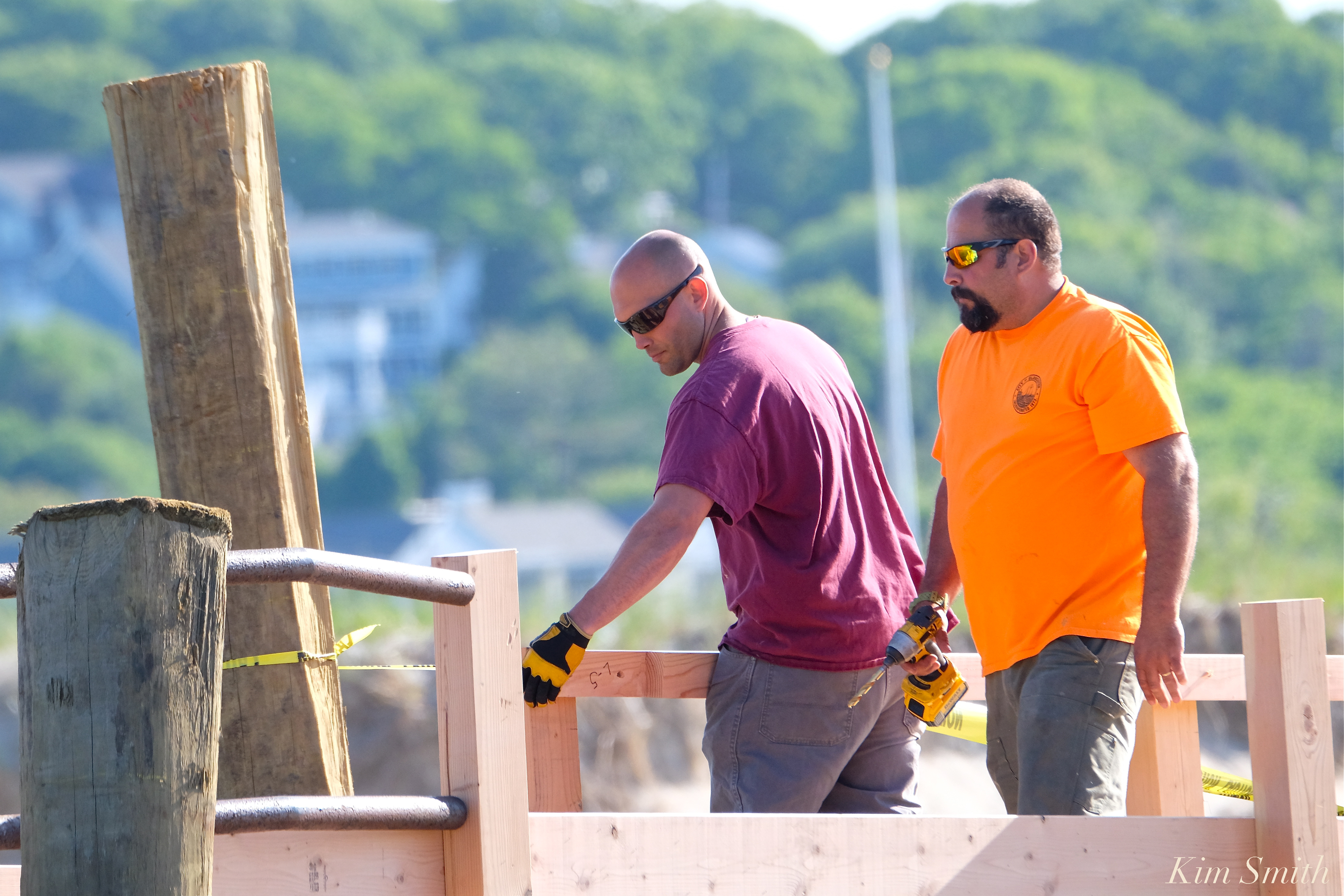
Thanks to the hard work and dedication of Phil Cucuru and Mike Tarantino, it appears as though the footbridge temporary bridge construction is complete. When we taped the podcast this morning, I was under the impression an inspection was required, which may be the case however, folks are using the bridge, and it looks perfect!

Great Work Phil and Mike!!!

GOODNIGHT SWEET PARKING LOT PLOVER FAMILY

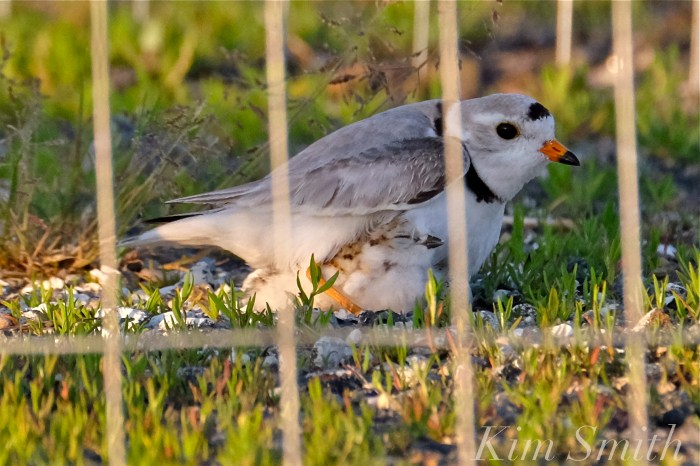
Chicks Tucked Under Papa Plover

Thanks to today’s dozen or so volunteers, Gloucester’s DPW crew, and John and Jasmine from Mass Wildlife, our parking lot PiPl family made it through day one with flying colors (meaning all four chicks survived). It appears as if they are slowly advancing towards the beach. Plovers are active at night–perhaps they’ll make the migration tonight after the lot is closed–let’s hope.

We need more volunteers, at least two per shift would be fantastic. More eyes equals better coverage. Please contact Ken Whittaker at if you would like to be a PiPl volunteer monitor kwhittaker@gloucester-ma.gov.

BREAKING NEWS: OUR PIPING PLOVER GOOD HARBOR BEACH PARKING LOT CHICKS HAVE HATCHED!!!

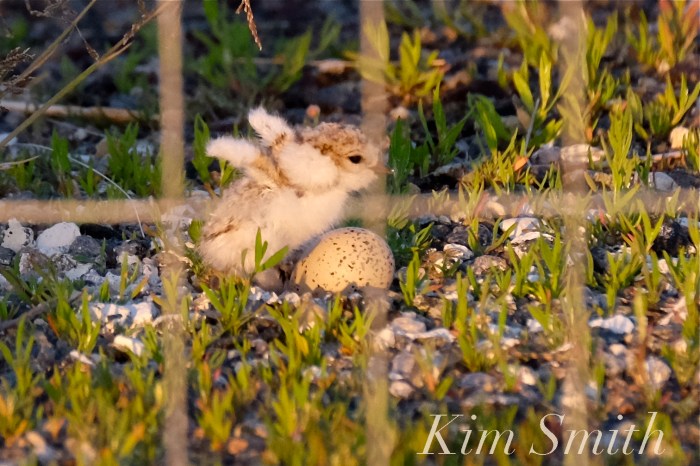
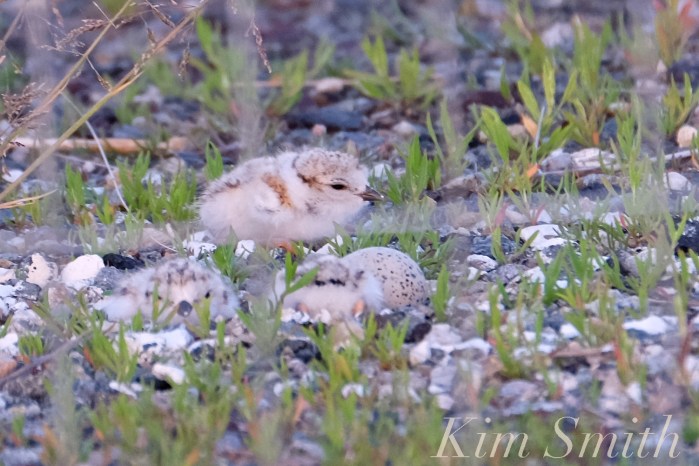
Our Piping Plover chicks began hatching yesterday afternoon. The fourth chick hatched today at 7:50am. We have all been on pins and needles and are overjoyed that all four babies appear to be healthy and vigorous.

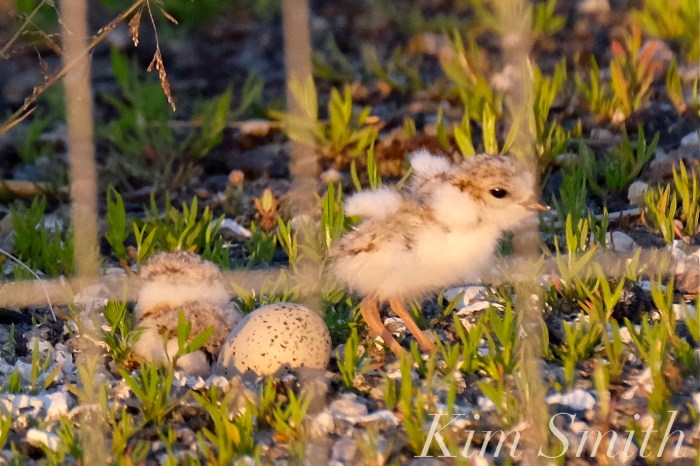
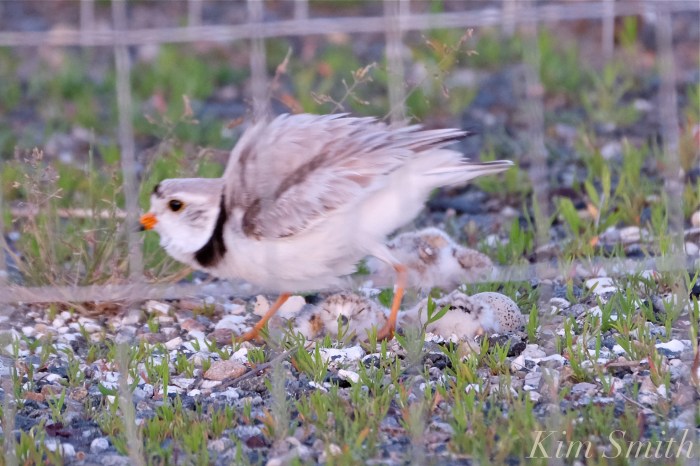
Hopping over the yet-to-hatch egg and testing out tiny wing buds.

Piping Plovers lend true meaning to the expression “take under a protective wing.”

With thanks and gratitude to Joe Lucido and our amazing DPW, Gloucester’ s conservation agent Ken Whittaker, Mayor Sefatia, Dave Rimmer from Greenbelt, Jonathan and Jasmine from Mass Wildlife, and to all our volunteers (especially Heather Hall who has been at the GHB parking lot every single day for several hours) for helping us get this far. Now the truly challenging phase begins, which is helping the chicks grow to the next stage of life. Piping Plover Chicks fledge on average at about 35 days, which is almost to the day when last year’s Little Chick departed our shores.

We were hoping to keep the hatching on the down low for a few days, but the PiPl is out of the bag, so to speak. Volunteer Piping Plovers are most definitely needed. Please contact Ken Whittaker at kwhittaker@gloucester-ma.gov

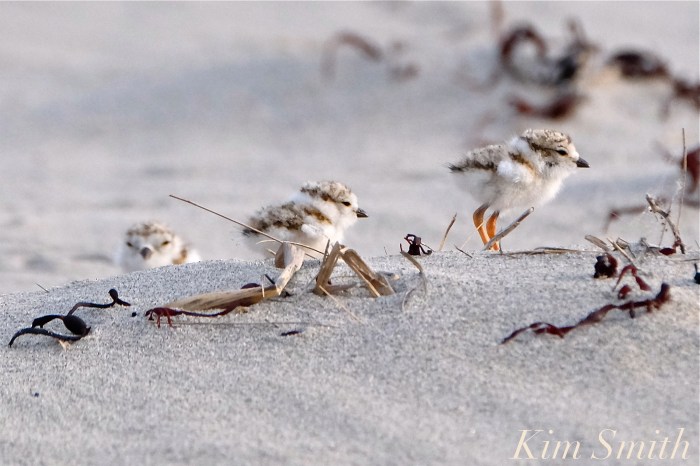
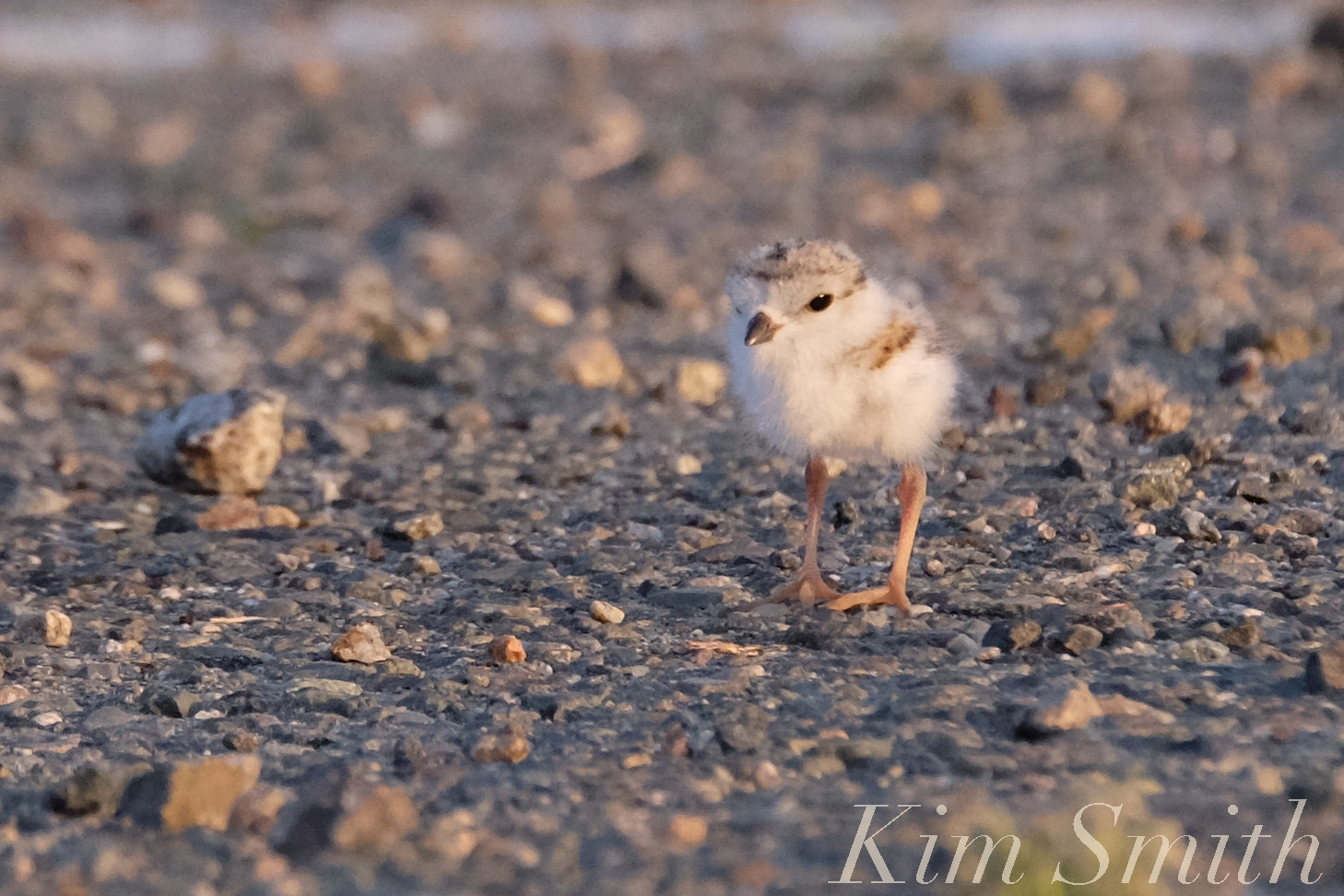
The first to venture out of the exclosure (at 7am this morning). Piping Plovers are precocial birds, which means that within hours after hatching they are mobile and relatively mature. Piping Plover chicks begin to feed themselves within the first 24 hours after hatching.

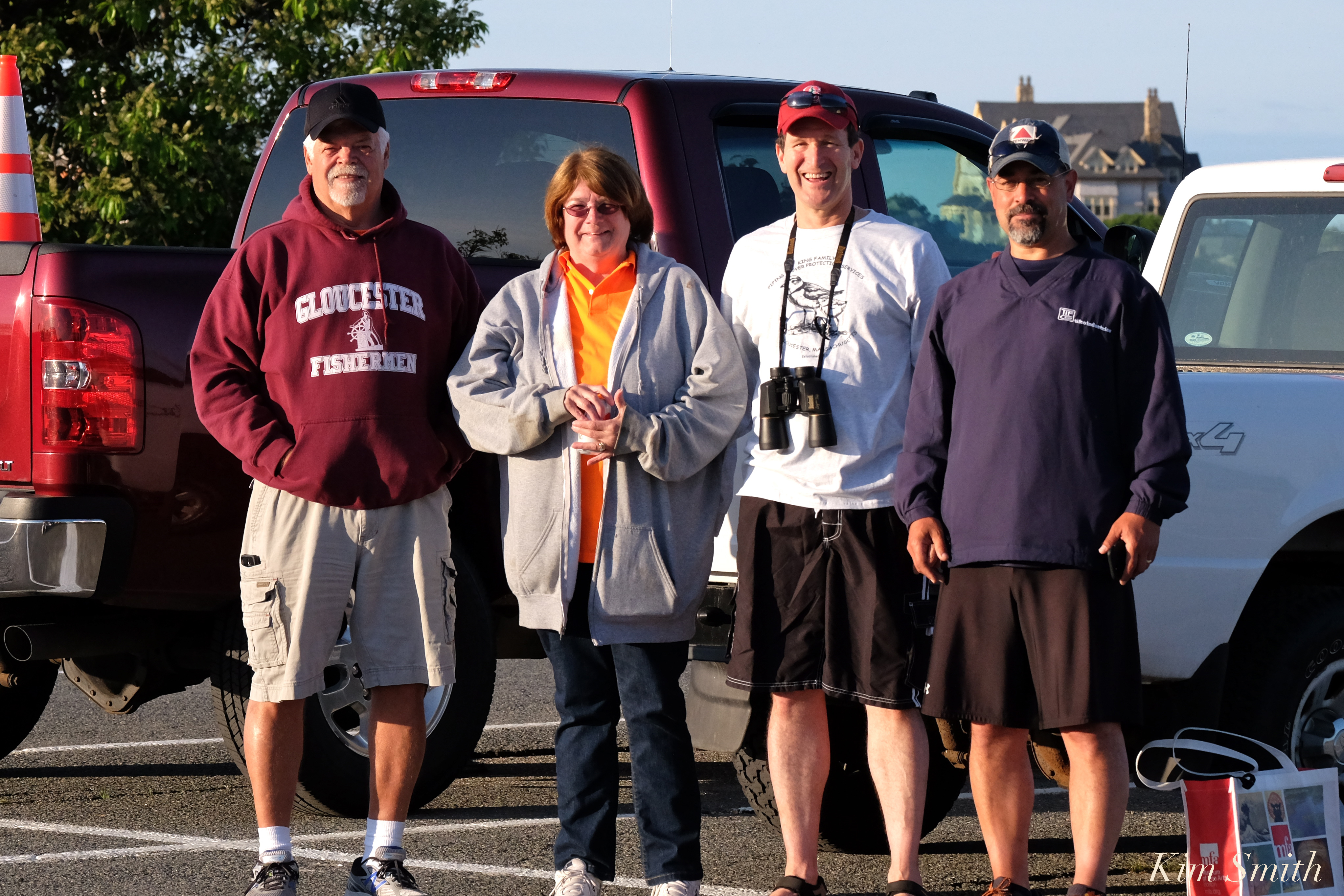
Kenny Ryan, Cindy Frost, Cliff King, and Joe Lucido

DPW Crew laying out the temporarily restricted parking area. The cordoned off zone will be in place this weekend and until the PiPl migrate to the beach.

Cliff King and Jasmine Weber – Jasmine joined the team yesterday. She is an intern at Mass Wildlife and will be with us all weekend.

Early this morning the Bachelor appeared on the scene, again, causing yet another kerfuffle. Papa leapt off the nest and chased him away, with a good bit of ruffled feathers.

A few more snapshots–see how adorable they are–wouldn’t you like to be a Piping Plover monitor this upcoming month

BREAKING: FOOTBRIDGE TEMPORARY BRIDGE CONSTRUCTION UNDERWAY!

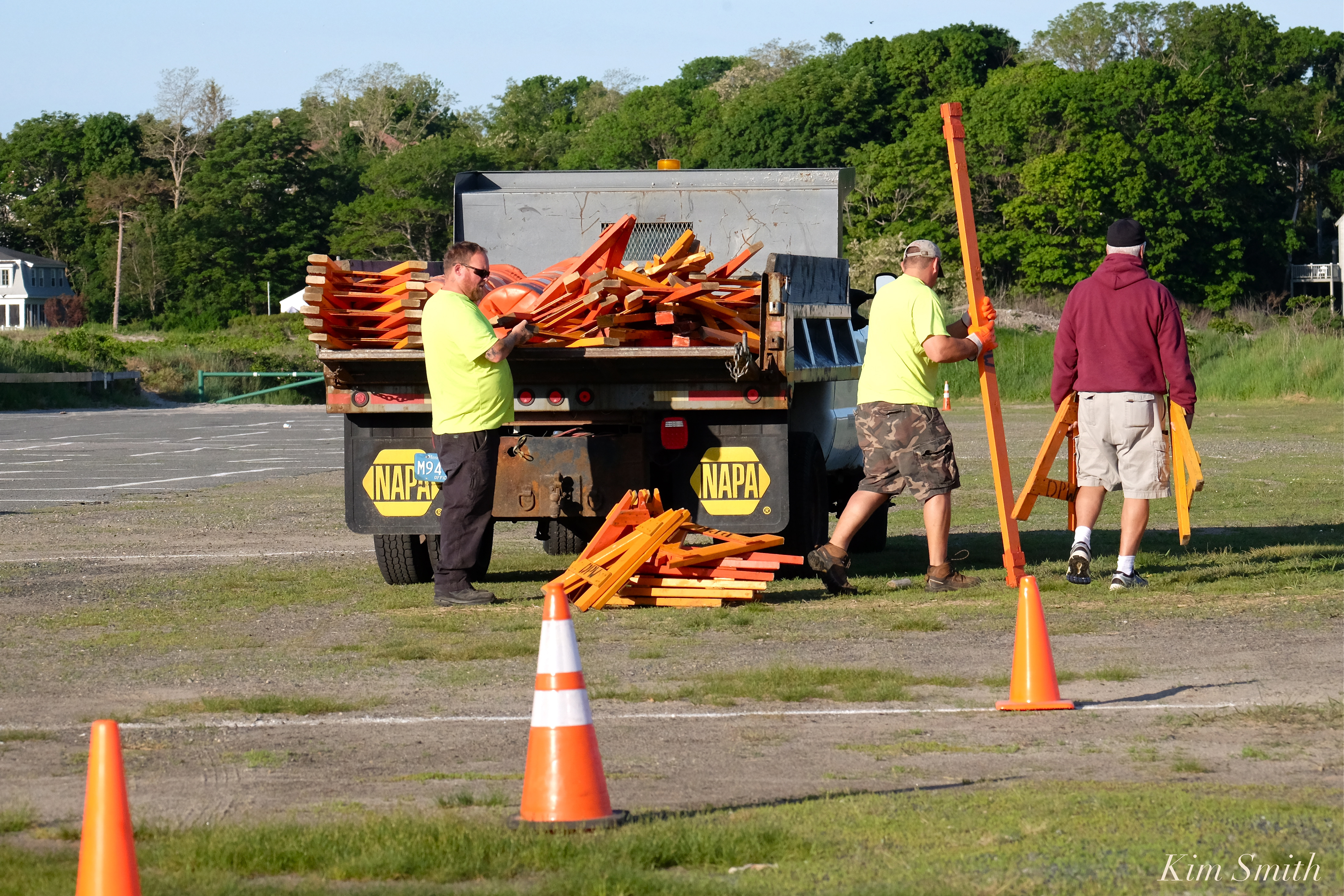
Gloucester’s DPW Phil Cucuru and Mike Tarantino arrived at Good Harbor Beach this morning ready to work with a truckload of pressure treated marine wood. Work will continue for the next two weeks. Looks like the footbridge will be operational by Fiesta weekend! 

OUR GOOD HARBOR BEACH KILLDEER PLOVER CHICKS!


You may recall that several weeks back we posted a photo of a Killdeer nest with four eggs. I only discovered the nest because each and every time anyone walked past, a Killdeer would call shrilly and drag its wings through the dunes in a dramatic display of “broken wing” trickery. I would often play along and see how far away the Killdeer would take me until one morning I decided to see what it was they were hiding.

Killdeer Broken Wing Distraction Display

Off to the side of the path that leads to the beach, not more than six feet away, was a loose scrape of dirt and sticks, with four perfect Killdeer eggs!

I had no idea when they had been laid, so there was no way of knowing when the chicks would hatch. Each morning on my way to check on the Piping Plovers I’d take a peak, until one day there weren’t any. How sad I thought, and wondered if a predator had eaten the eggs. But the nest had not been disturbed and there were no broken egg shells. A mystery.
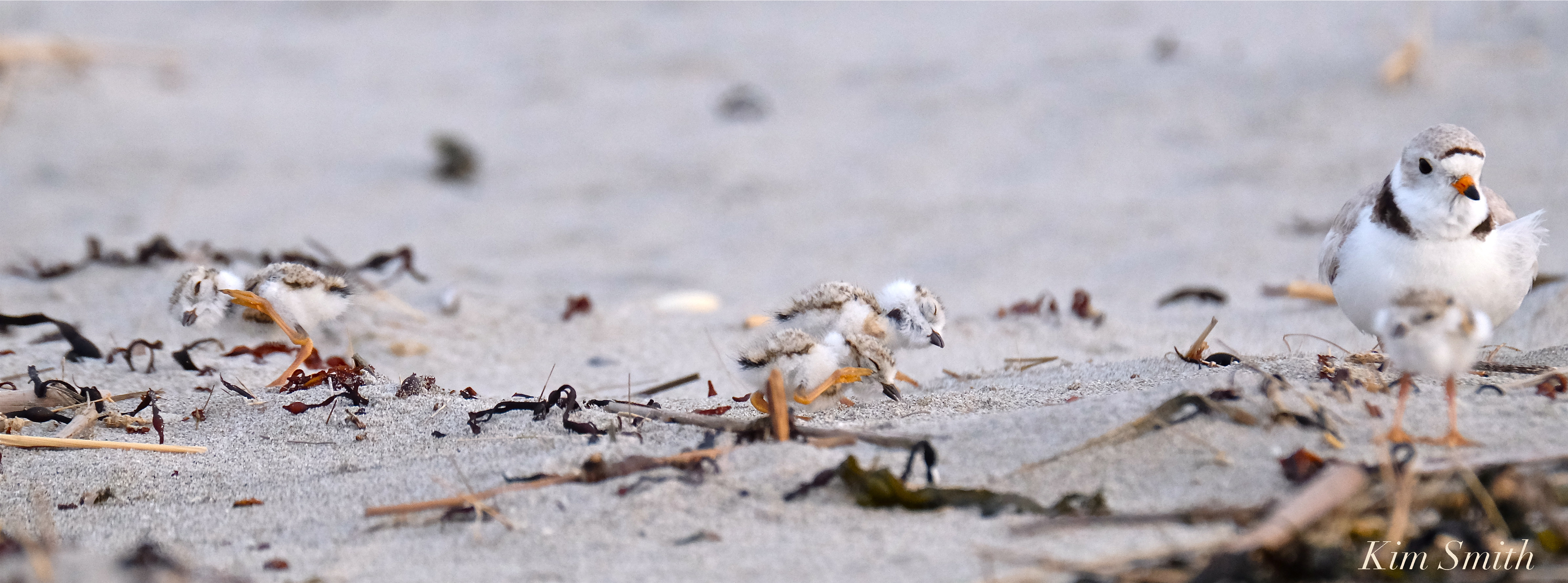
The following morning I checked on the Piping Plover nest in the parking lot. It was drizzly but there were two Killdeers near to where the PiPl exclosure is located. I sat in my car watching the adult Killdeers when to my delight and amazement, out tumbled four teeny chicks from under Mama Killdeer. A car makes the perfect blind and for quite some time I photographed and filmed the Killdeer family.

Off and on during that rainy day I stopped by to check on the Killdeers. Because of the weather, the parking lot was virtually empty. Tiny tufted black, brown, and white feather balls atop overly long spindly legs, the baby birds spent all their time zooming here and there, foraging on itsy bitty insects in the grass and gravel.
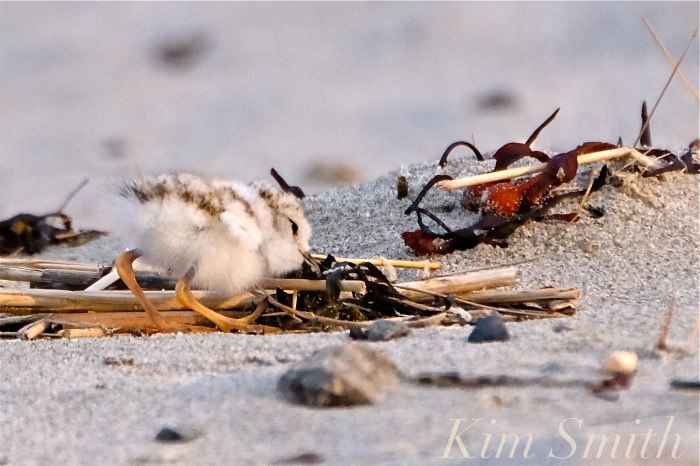
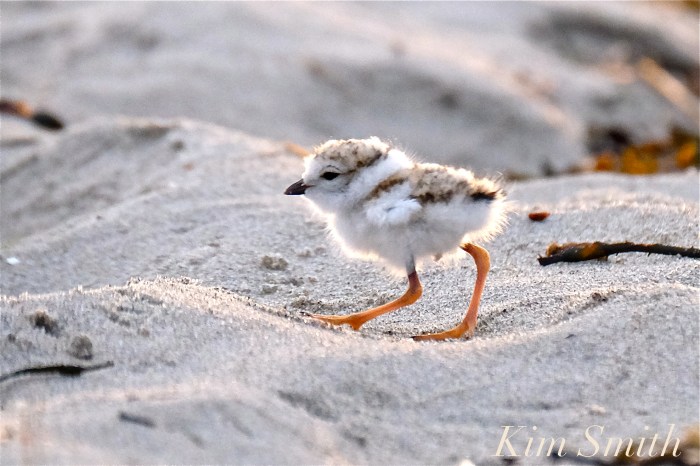
When not foraging, they would run under Mom or Dad to warm up on that damp drizzly day. Just like Piping Plover chicks, Killdeer chicks are precocial birds and can feed themselves within hours after hatching however, because they are so tiny, they lose body heat relatively quickly. The chicks need the warmth provided by snuggling under Mom and Dad.The next morning it was still drizzling, and the Killdeer family was still in the same location! I watched them for a bit, when a man showed up with his dog. The Killdeer parents went into high alert and did their best distraction displays. The dog chased the adult Killdeers around the parking lot while I spoke with the man. It is the same man who brings his dog to Good Harbor Beach via the footbridge end at the close of the day, after the lifeguards and dog officers have left. This was a tremendous problem last year after the Piping Plovers hatched. Last summer I was too busy preventing his dog from squashing a PiPl chick to get his license plate number, but not this time. The man and his dog left the parking lot.

Moving to the marsh

Shortly after the dog encounter, both Killdeer parents led the chicks into the marsh. To see the chicks navigate over the incline at the edge of the marsh was amazing; it must have seemed like fording a mountain to them. I’ve looked but have not seen the family since. I am hoping that they are thriving and growing in the marshland.

We don’t hear as much about Killdeer Plovers because they are not an endangered species. Killdeers are found in every state of the continental US, Alaska, Canada, Mexico, Central and South America. They are the least shorebird-like of shorebirds because they breed and dwell in many types of habitats including grasslands, fields, urban areas, gravel pits, airports, parking lots, athletic fields, and golf courses. Despite their super ability to adapt to human habitats, it is a species in decline.

Killdeers begin courting in our area in March. Although I imagine they have been nesting at Good Harbor Beach for a longer period of time, I only have a record of Killdeers nesting at GHB going back three years and it is yet another important reason as to why humans and pets should not be traipsing through the dunes.

It is difficult to tell the difference between a male and female Killdeer unless they are side-by-side, and even then, still challenging. The male is a bit larger.

Visitors from Houlton Maine

n _2018_05_11_103426

Father and sons enjoy Good harbor Beach on a very windy day.