Animal Advisory Committee meeting tonight at 6:30 at City Hall: Piping Plovers on the Agenda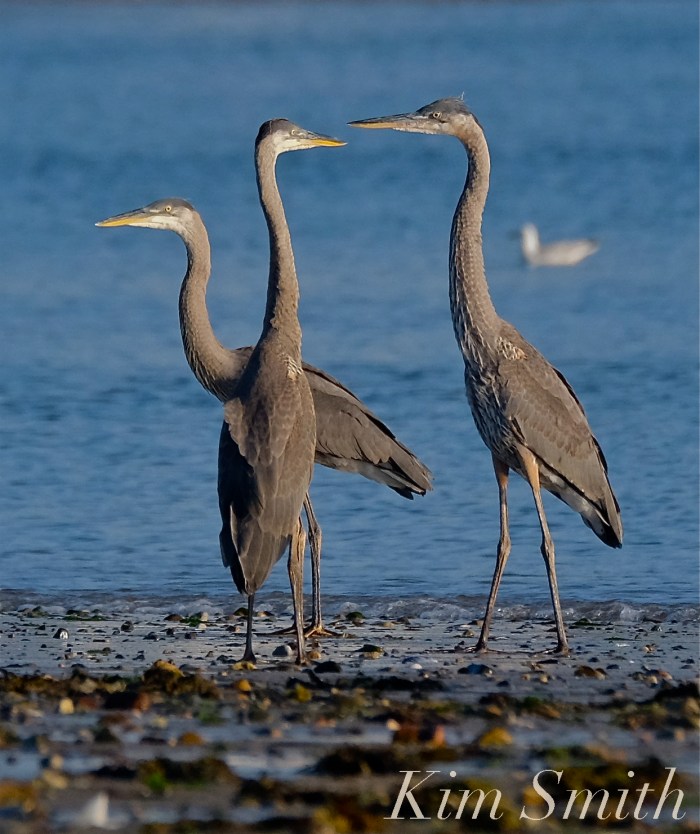
Photo of Great Blue Herons, because we share the shore with herons, too 🙂
My View of Life on the Dock
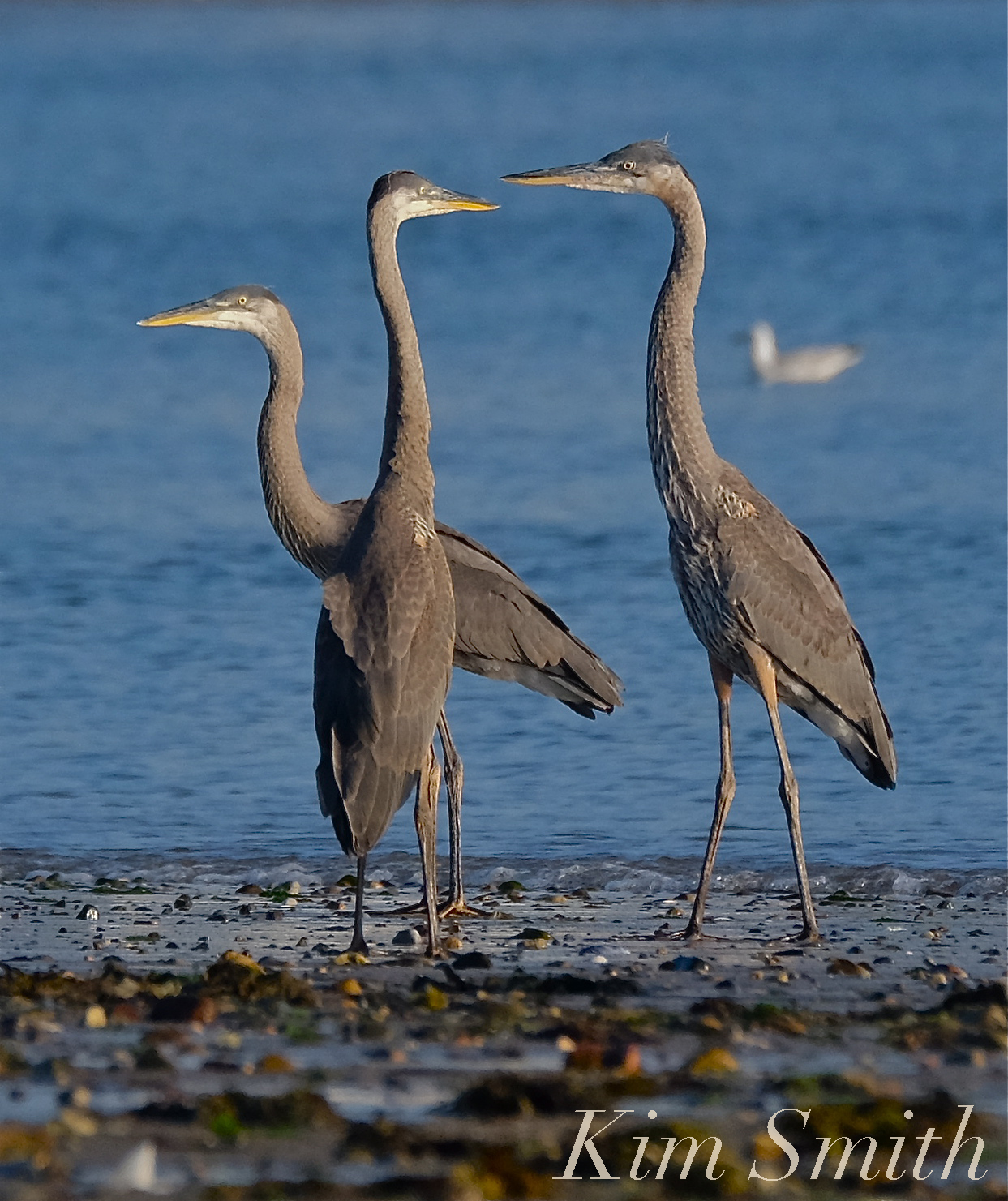
Photo of Great Blue Herons, because we share the shore with herons, too 🙂

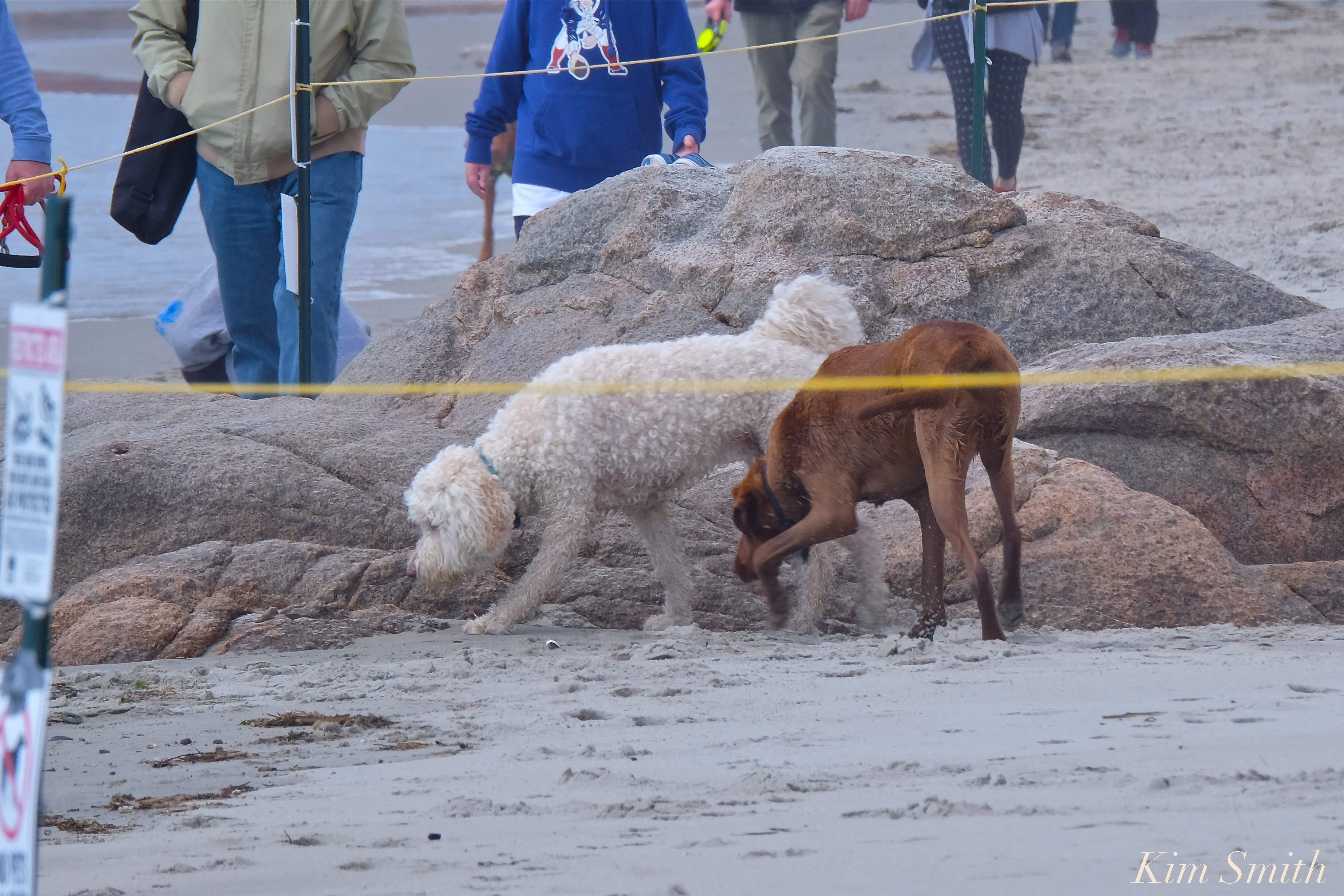 Dogs romping within the clearly posted and cordoned off nesting area in April, forcing the Piping Plovers off the beach and to nest in the parking lot.
This past spring and summer we had a tremendously difficult time with our nesting bird symbolic fencing. The posted and roped off area is referred to as “symbolic” because it is not an actual physical barrier, but a visual warning to let people know to keep themselves and their pets out of the cordoned off area. People often ask, why can’t more permanent fencing be placed around the nesting area? After nearly thirty plus years of working with Piping Plovers, biologists have established that physical fences placed on the shoreline and in the wrack area are all too easily washed away with high tides, create safety issues and, too, you wouldn’t want to trap dogs and predators within a nesting area.
The difficulty with our metal posts is that they were knocked about and pushed down with nearly every high tide, dragging the roping into the sand as well. The rope and posts needed almost daily righting.
The Massachusetts Department of Conservation and Recreation (DCR), which successfully protects Piping Plovers and other endangered birds at dozens of Massachusetts beaches have come up with what appears to be a good fencing solution for areas within tidal zones. DCR uses long, narrow fiberglass rods which can be pushed easily into the sand. The poles are strung with two rungs of roping, and in some places three rungs. I measured the distances between the poles at Revere Beach; they are placed about every twenty to twenty four feet.
In early spring, before the Piping Plovers and Least Terns have nested, historic nesting areas are roped off. After a nesting pair establishes a territory, a second row of poles and roping are added around the perimeter of the nesting area. The fiberglass poles can be adjusted without too much difficulty.
Wooden poles are used to post the nondescript, but informative endangered species signs. According to DCR staff, the only time they have complications with the fencing is when the wooden posts are tied into the fiberglass poles and the tide takes both down.
I don’t understand why the fiberglass poles are less likely to shift in the tide, but they don’t shift and appear to work very well in the tidal zone–perhaps because they are flexible and less rigid. If anyone knows the answer to that, please write.
PIPING PLOVER VOLUNTEER MONITOR GOOD HARBOR BEACH NESTING AREA FENCING RECOMMENDATION:
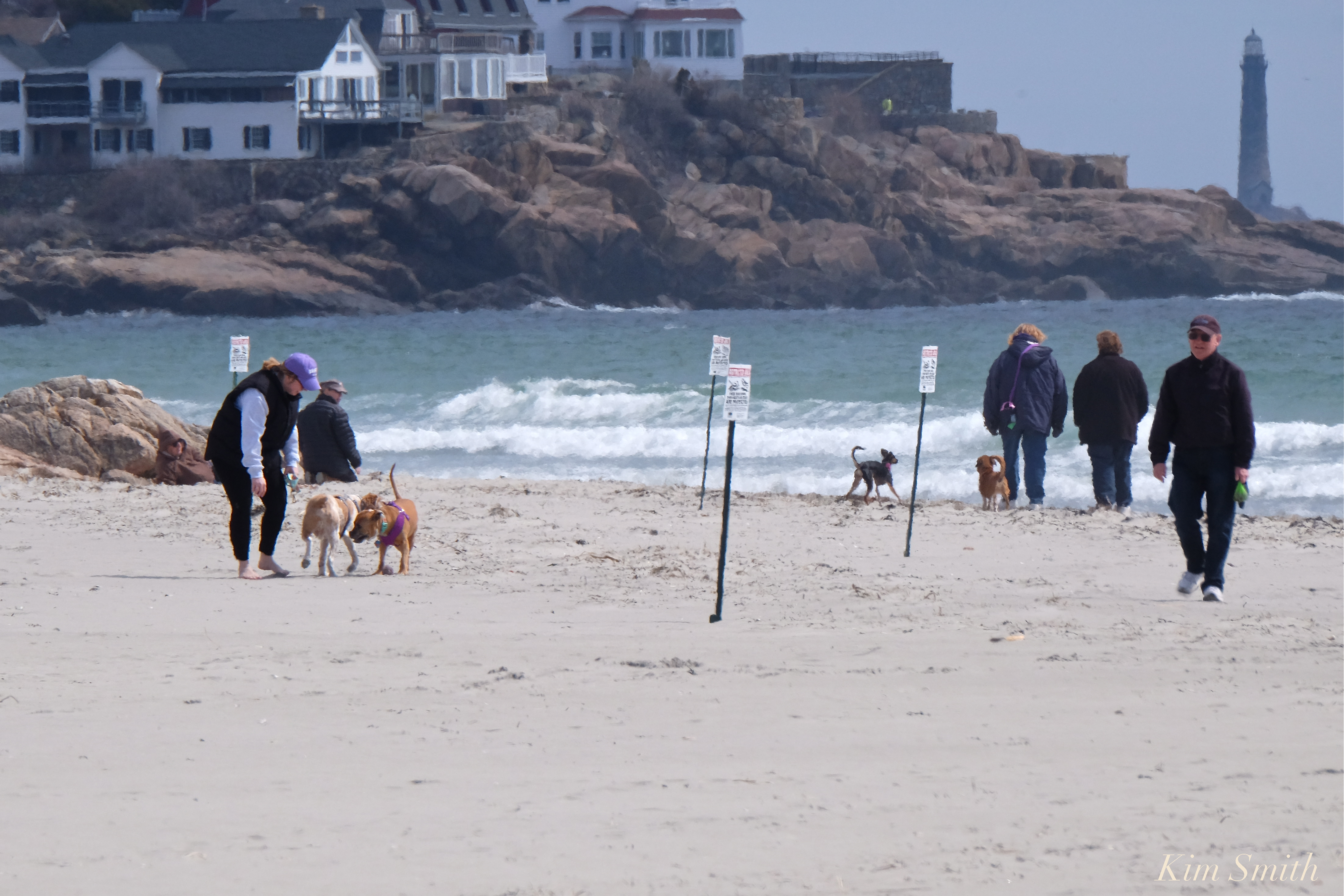 This photo, taken at Good Harbor Beach in early April, shows why it is so important to have the signs and roping in place by April 1st. People and dogs were playing in the nesting area while the PiPl were trying to nest. The top photo shows that a second, and even a third rung of roping, placed at dog height, may help to keep dogs out of the roped off area.
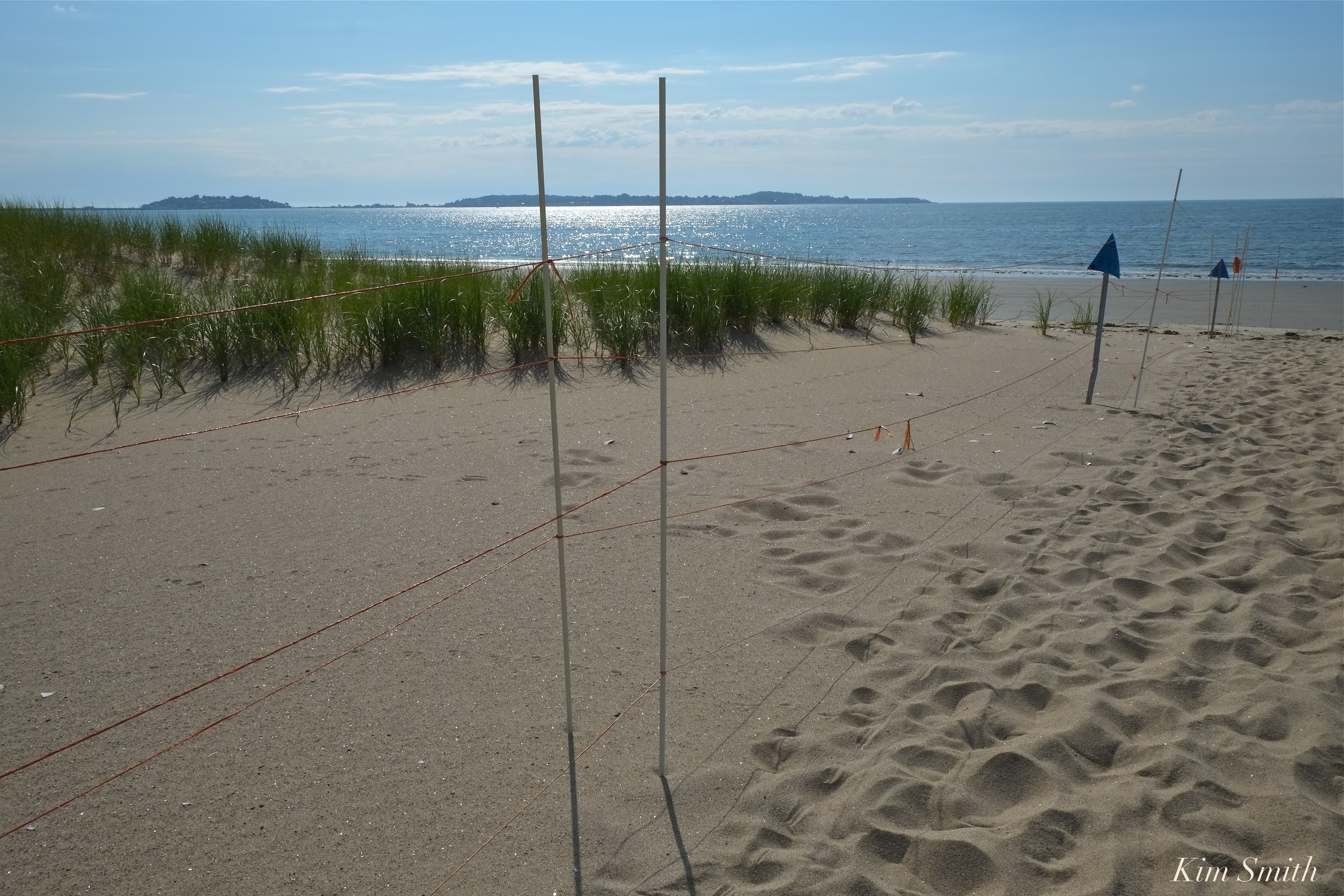 Examples of symbolic fencing areas at Revere Beach and Nahant Beach. Notice the double row of fencing and the double and triple rungs.
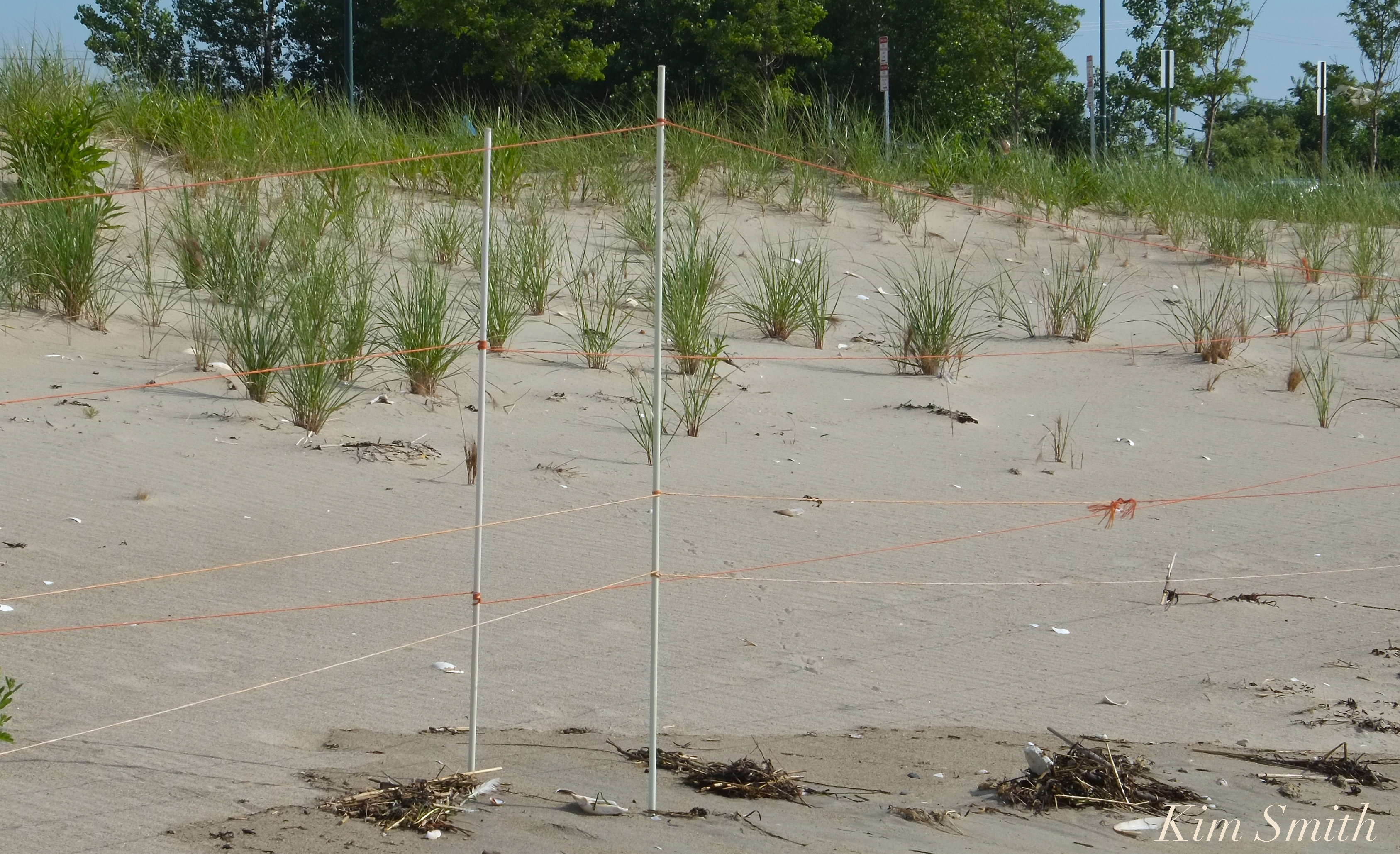
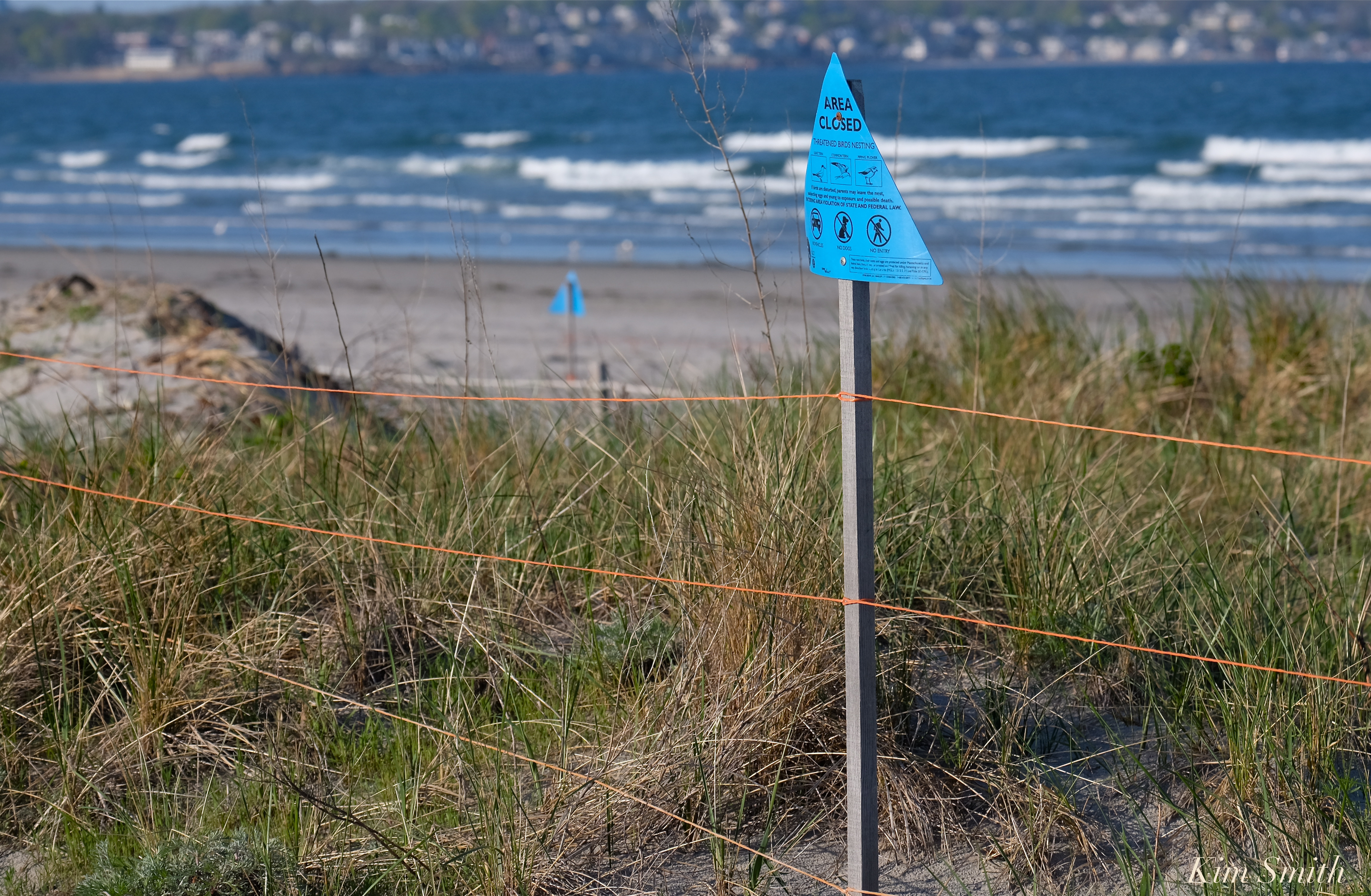
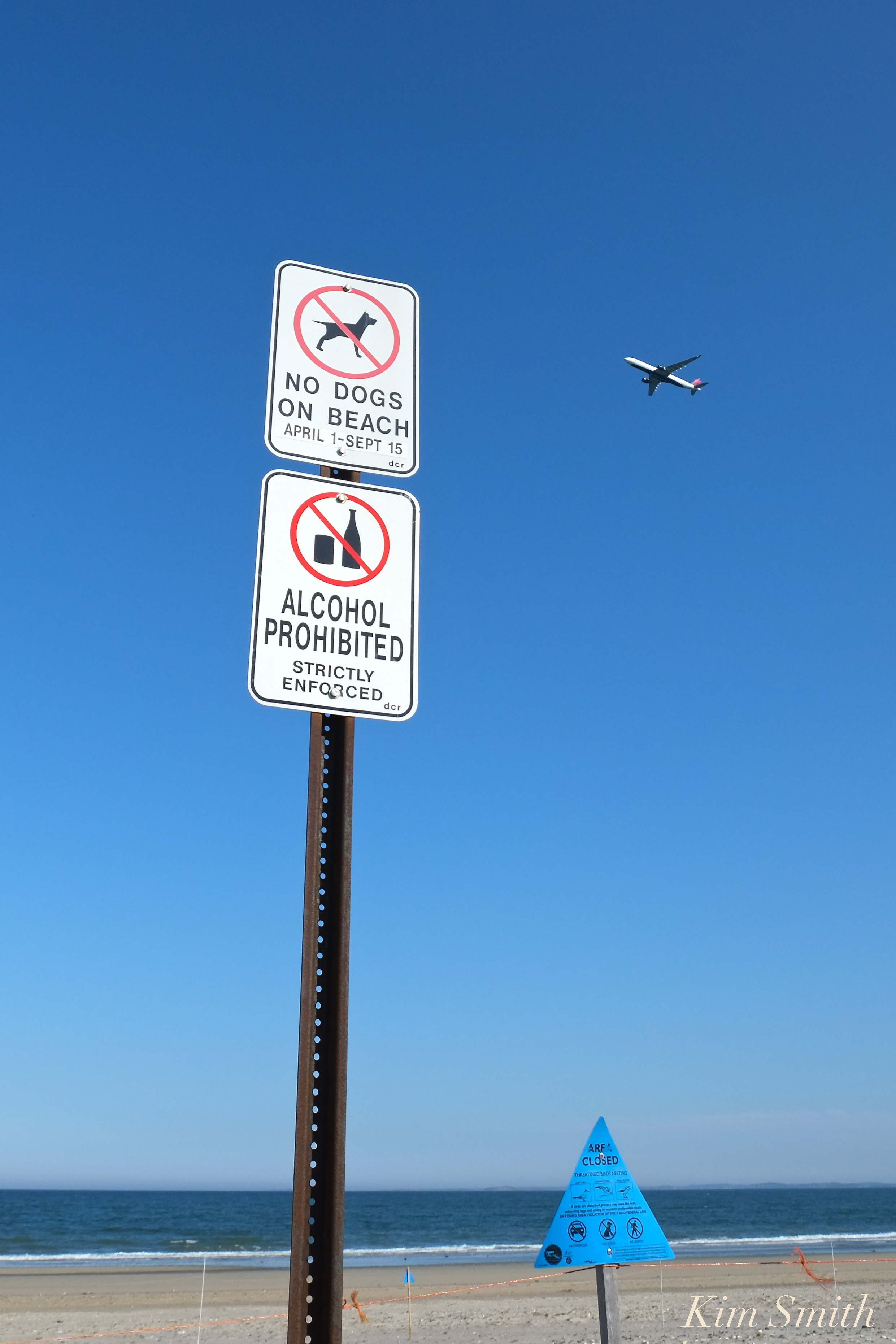 Information is unambigulously posted at Revere Beach
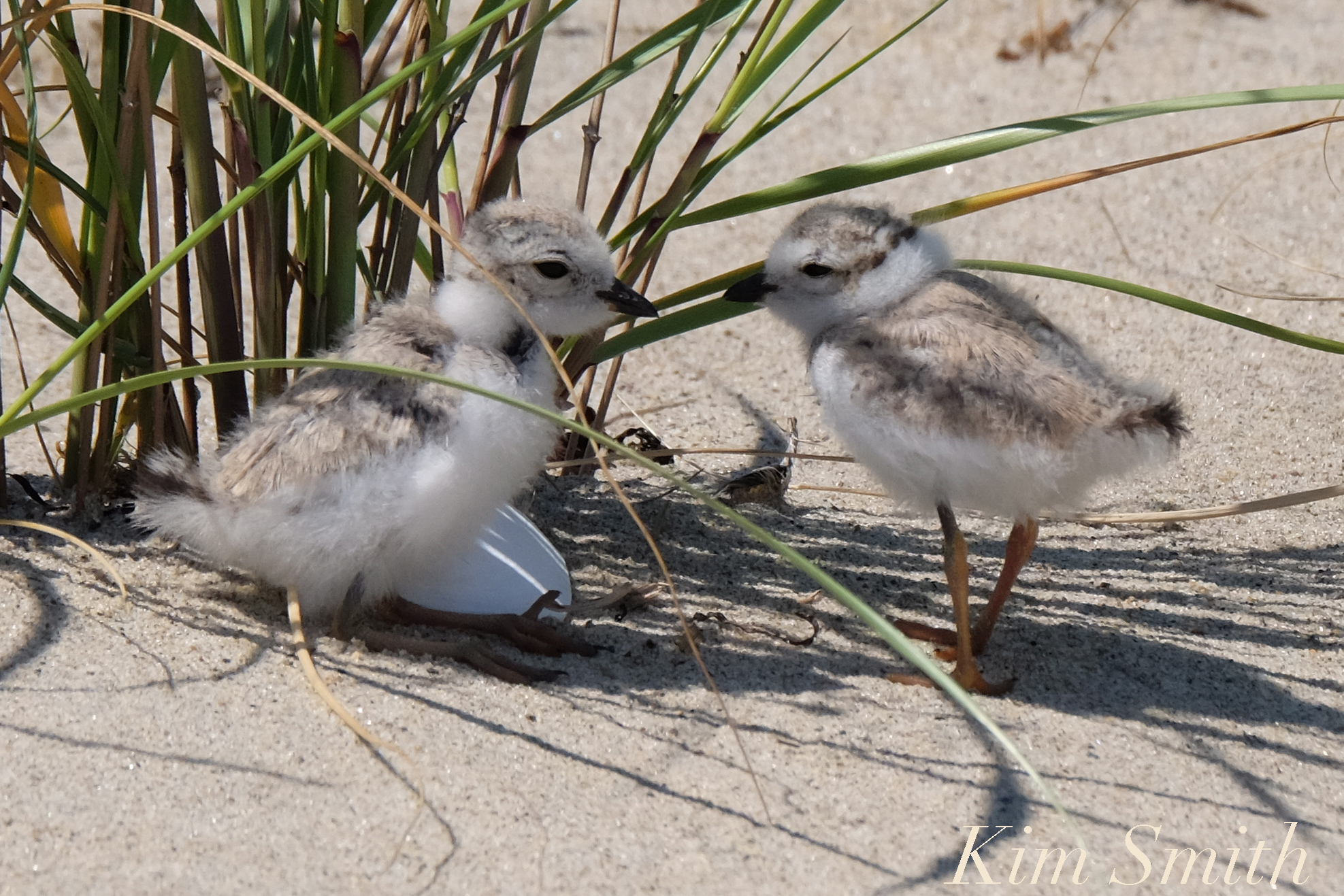 Piping Plover chicks finding shelter in the roped off nesting area on a hot summer day.
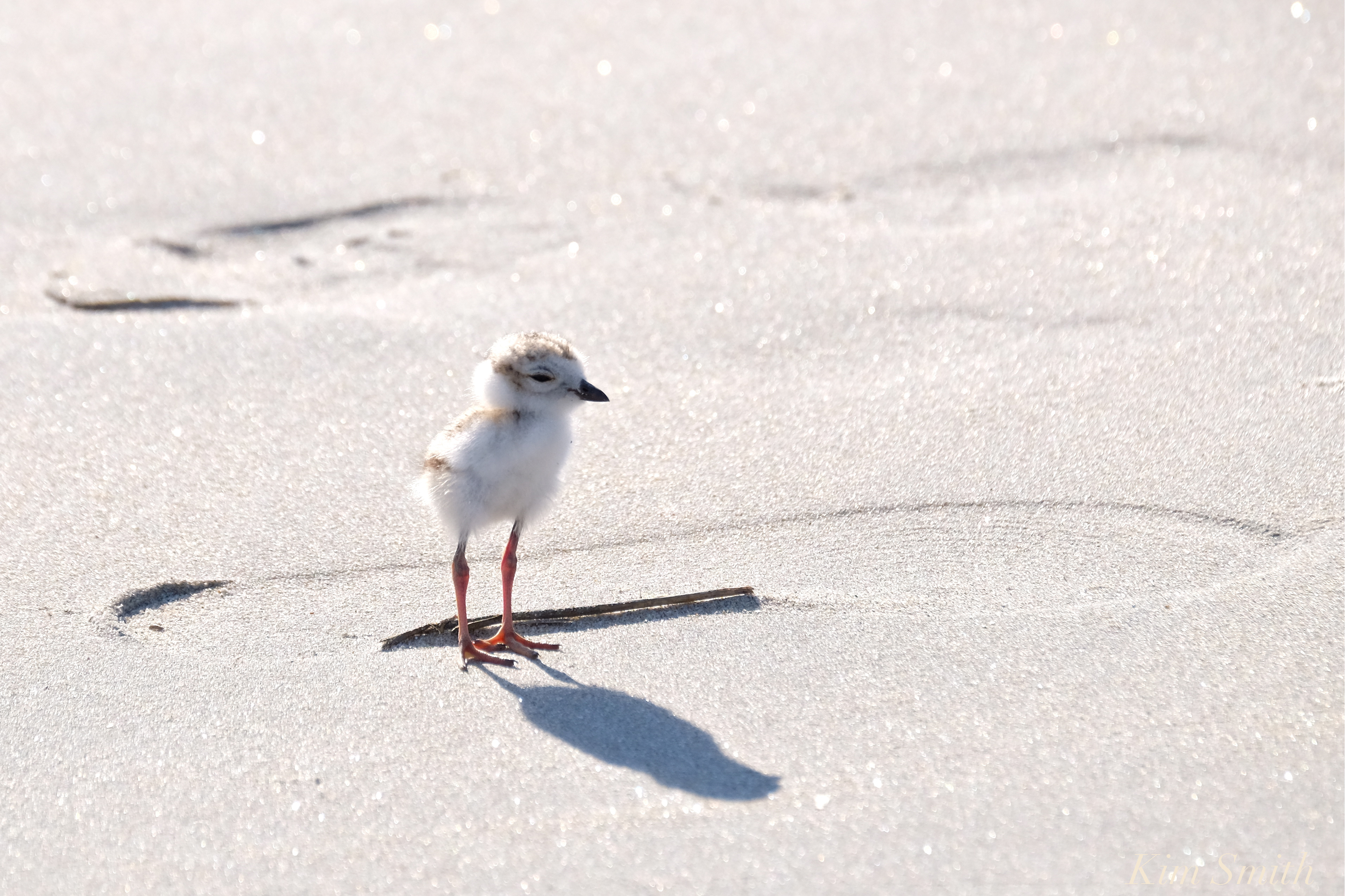 Treading lightly.


DPW worker re-setting sign post at Good Harbor Beach.

 Please come and show your support for endangered and threatened shorebirds in Gloucester. Thank you!
On the Agenda:
 The chicks of threatened birds such as Piping Plovers and Least Terns evolved to blend perfectly with their surrounding shoreline nesting habitat. This trait helps afford protection from hungry predatory birds flying overhead, birds such as hawks and owls. Because they are so well camouflaged, the shorebird nestlings are at great risk from fast moving pets and unknowing beach goers.
July 9, 2018
Dear Mayor Romeo Theken and Gloucester City Councilors,
We, the Piping Plover volunteer monitors, are submitting our short list of recommendations regarding the Piping Plovers nesting at Good Harbor Beach. Our goal is to have in place by next April 1, 2019, measures and ordinances that will greatly increase the likelihood that the hatchlings of this tiny threatened shorebird will have a fighting chance at surviving life on Good Harbor Beach.
Piping Plovers began nesting at Good Harbor Beach in 2016. Each year, the PiPl are coming earlier and earlier. In 2016, they arrived mid-May, in 2017 they arrived at the beginning of May, and this year, they arrived on April 3. It would appear that the same pair is returning to Good Harbor Beach, as the male marks his territory and attempts to build a nest scrape only several feet from the previous year’s nest (at Boardwalk #3 nesting area). More Plovers than ever were seen at Good Harbor Beach this spring, and if not for constant interruptions in the Boardwalk #1 nesting area, we would have had two pairs nesting on the beach.
Why are the birds arriving earlier and earlier? We can presume that the pair are more experienced travelers and that Good Harbor Beach is their “territory.” Does this mean we will eventually have dozens of pairs nesting on Good Harbor Beach? No, because the PiPl are very territorial and they will defend a fairly large area, preventing other PiPl from nesting in their site.
This year the PiPl pair hatched four chicks. All four chicks were killed by crows, gulls, and dogs. All three are human-created issues, and all three can be remedied. The following are the four recommendations and actions we wish to see take place.
Recommendations
1) Change the dog ordinance to not allow dogs on the beach after March 31.
Currently, dogs are allowed on the beach from October 1 to May 1. The Piping Plover volunteer monitor core group, Dave Rimmer from Greenbelt, Ken Whittaker, and Mass Wildlife’s John Regosin, all agree that dogs should not be allowed on Good Harbor Beach beginning April 1, but that it would be safe for Piping Plover fledglings and other migrating shorebirds for dogs to return after September 15.
This new suggested time frame will allow birds to nest on the beach (as opposed to in the parking lot), with far less interruption, shorebirds will nest earlier in the season, which will help with the chicks survival rate, and the chicks will be stronger by the time Good Harbor fills with summer crowds.
This is a very logical and simple solution. Disallowing dogs on Massachusetts coastal beaches where shorebirds are nesting, beginning April 1, is the norm. Allowing them to return after September 15, and in many cases after September 30, is also very common. For Piping Plovers and other nesting shorebirds, protecting their habitat and sharing the shore is a matter of life and death.
2) Rope off the nesting area by April 1.
Poles, with threatened species signs, and a triple row of roping of nesting sites, to be in place no later than April 1. Essex County Greenbelt’s Dave Rimmer will assist with this measure.
3) Enforce the existing ordinances regarding dogs (and littering) at all times throughout the year.
Only enforcing dog ordinances at Good Harbor Beach during nesting season is creating hostility toward the Piping Plovers.
Additionally, we do not recommend extremely high fines as we feel that may become an impediment to issuing and collecting the fines. We know of at least one example where the magistrate dismissed the tickets issued to a woman who claimed to have a service dog. This woman was running rampant on the beach and throughout dunes with her service dog off leash throughout the entire time the PiPl were nesting, from April through May. Despite the fact that former dog officer Diane Corliss caught the woman on camera with her dog off leash on the beach, and in the dunes, all her tickets that were issued by the animal control officer were dismissed. This is neither fair to the officers who are working hard to keep the dogs off the beach or to the plover volunteers who are spending inordinate amounts of time trying to keep the PiPl safe.
4). Increase trash collection.
When no barrels are placed at the entrances to the beach, people dump bags of trash there anyway. When barrels are in place, people put trash in the barrels however, when the barrels become full, they again resort to leaving bags of trash behind, only next to the barrels. In either scenario, gulls and crows are attracted to the trash. Both gulls and crows rip open the bags and the trash is blown throughout the parking lot and marsh, soon finding its way onto the beach and into the ocean. Hungry gulls and crows waiting for people to leave their trash behind eat tiny shorebirds.
A friend who lives on a North Carolina beach shares how her community keeps their public beaches looking pristine. Not only do they have barrels, but every few weeks, police patrol the beach and hand out fines for littering. This is taken as a wake up call, everyone is good for a bit of time, but then become slack about littering again. Out come the officers for another round of ticketing.
Thank you for taking the time to consider our recommendations.
Sincerely yours,
Kim Smith
cc Paul Lundberg, Steven LeBlanc, Val Gilmam, Ken Hecht, Melissa Cox, Jen Holmgren, Scott Memhard, Sean Nolan, Jamie O’Hara, Dave Rimmer, Ken Whitakker

Beach goers and sightseers were surprised to hear a car jump the rock wall that runs along the incline on Nautilus Road this afternoon. Fortunately, no was injured. Yikes, how does something like this happen?



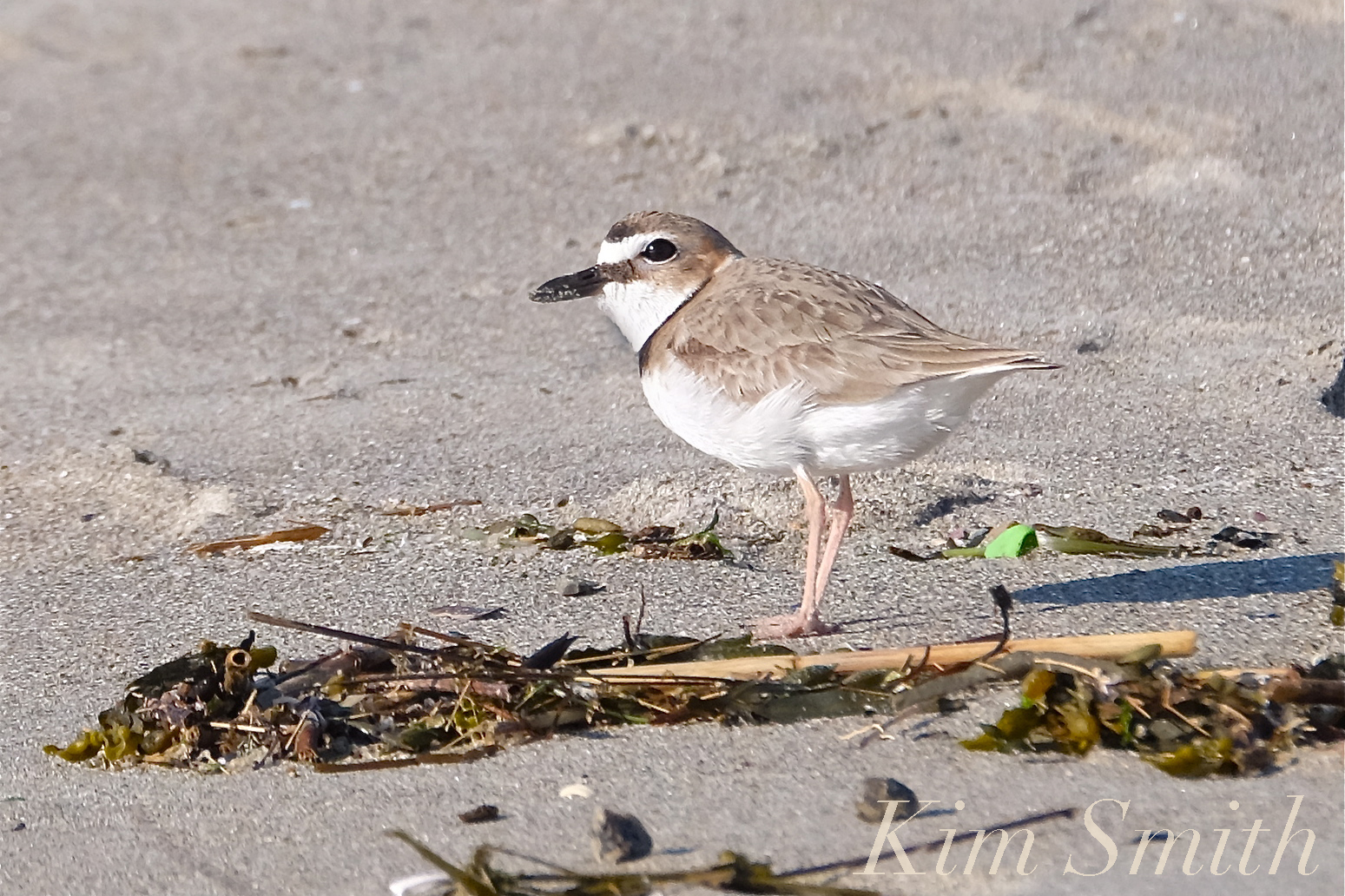 Last May you may recall that we posted photos of a tiny flock of three Wilson’s Plovers (Charadrius wilsonia) that were spotted at Good Harbor Beach. The fog was dense and I was on my way to work, so I only captured a few fleeting moments of footage and several photographs.
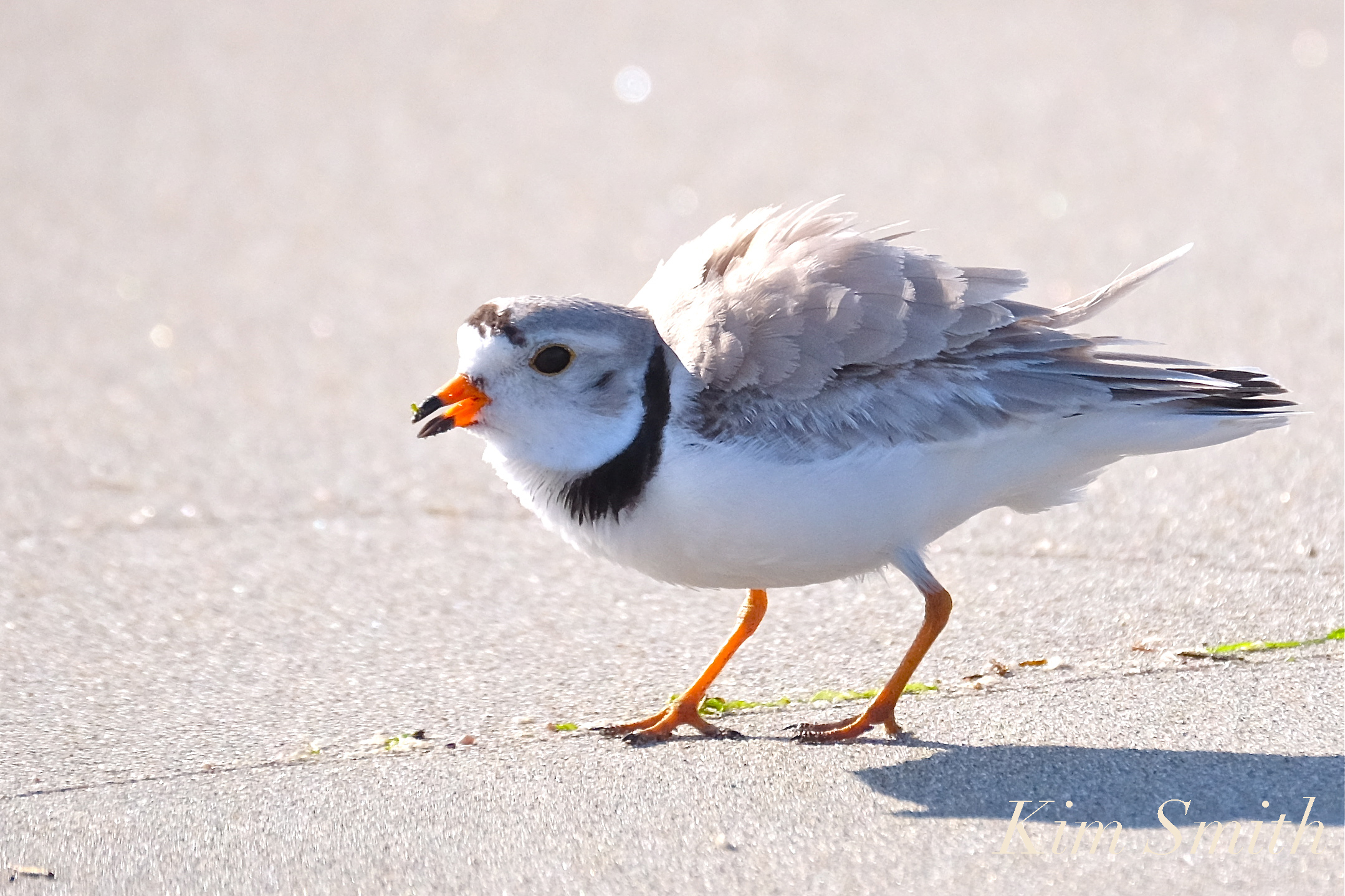 Compare Wilson’s Plover (top of page) to Piping Plover (above).
I was contacted by Sean Williams, secretary of the Massachusetts Avian Records Committee with a request to use my photos. Wilson’s Plovers are a southern species; it is quite rare to see them as far north as the New Jersey shore, let alone in Massachusetts. There is no previously known sighting ever of two or more Wilson’s Plovers ever seen before in Massachusetts history.
And to think this rare bird sighting happened on our Good Harbor Beach!
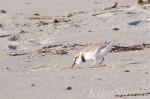
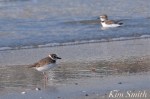
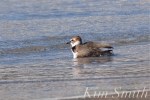
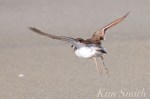

The Wilson’s Plovers were foraging by Boardwalk #3 in our Mama and Papa Piping Plover territory. There were a few minor skirmishes between Wilson’s and Piping but they all continued to go about their respective ways. The Wilson’s foraged at the wrack line, preened on the beach, and one took a bath in the shallow water of the incoming time.
You can see in the clip, Papa Plover giving brief chase to one of the Wilson’s Plovers.
Here is a copy of the report that MARC requested be filled out in the case of rare bird sightings.
Massachusetts Avian Records Committee (MARC)
Review List Species Report Form
Please answer each question with as much thought and detail possible. These details will help the MARC determine whether your review list species is sufficiently supported for acceptance. It is fine if you do not have all the details to complete the form; complete as much as possible.
Once completed, email this form to Sean Williams: seanbirder@gmail.com
Approximately 8-9:00am on May 9th at Good Harbor Beach, 99 Thacher Road, Gloucester, MA
Number of individuals: 3 birds, two persons, myself and Essex County Greenbelt’s Dave Rimmer
I was walking on Good Harbor Beach checking on our Piping Plover pair and saw the three birds in the fog, plus one sandpiper. The birds were foraging in the wrack line. One went higher up on the beach to preen, another took a bath in the shallow water. The WP were in the PiPl’s nesting territory and there were several skirmishes between the PiPl, and one Wilson’s chased another Wilson’s. After a bit, all three flew further down the beach and out of sight. I stopped by later in the day, after the fog had burned off, to see if they were still there and they were not.
Pale pink legs, thick bill and overall black, plumage similar to PiPl, but a little darker, but not as dark as Semi-palmated Plover, tiny bit larger than Piping Plover.
The waves were drowning out their vocalizing.
Foraging, preening, bathing, territorial dispute with PiPl, and flying.
Good Harbor Beach is a sandy beach, with the beach greatly narrowed this year because the beach dropped about six feet and the tide now comes right up to the dune during periods of high tides. The beach abuts a dune, large parking lot, and marsh.
Half an hour to an hour.
Behavior and photos.
Twenty to thirty feet or so.

A surprise meeting with a beautiful female Ruby-throated Hummingbird. She is drinking nectar from the wildflower Saponaria officinalis. The plant’s many common names include Soapwort, Bouncing-bet, and Wild Sweet William. The name Soapwort stems from its old fashioned use in soap making. The leaves contain saponin, which was used to make a mild liquid soap, gentle enough for washing fine textiles.
Saponaria blooms during the summertime. Although introduced from Eurasia, you can find this wildflower growing in every state of the continental US.
The hummingbird in the clip is a female. She lacks the brilliant red-feathered throat patch, or gorget, of the male. Ruby-throated Hummingbirds are all around us, you just have to know what to plant to bring them to your garden. Mostly they eat tiny insects but if you plant their favorite nectar-providing plants, they will come!
If I could only grow one plant to attract the Ruby-throats, it would be honeysuckle. Not the wonderfully fragrant, but highly invasive, Japanese honeysuckle, but our beautiful native trumpet honeysuckle that flowers in an array of warm-hued shades of Spanish orange (‘John Clayton’), deep ruby red (‘Major Wheeler’), and my very favorite, the two-toned orange and red ‘Dropmore Scarlet.’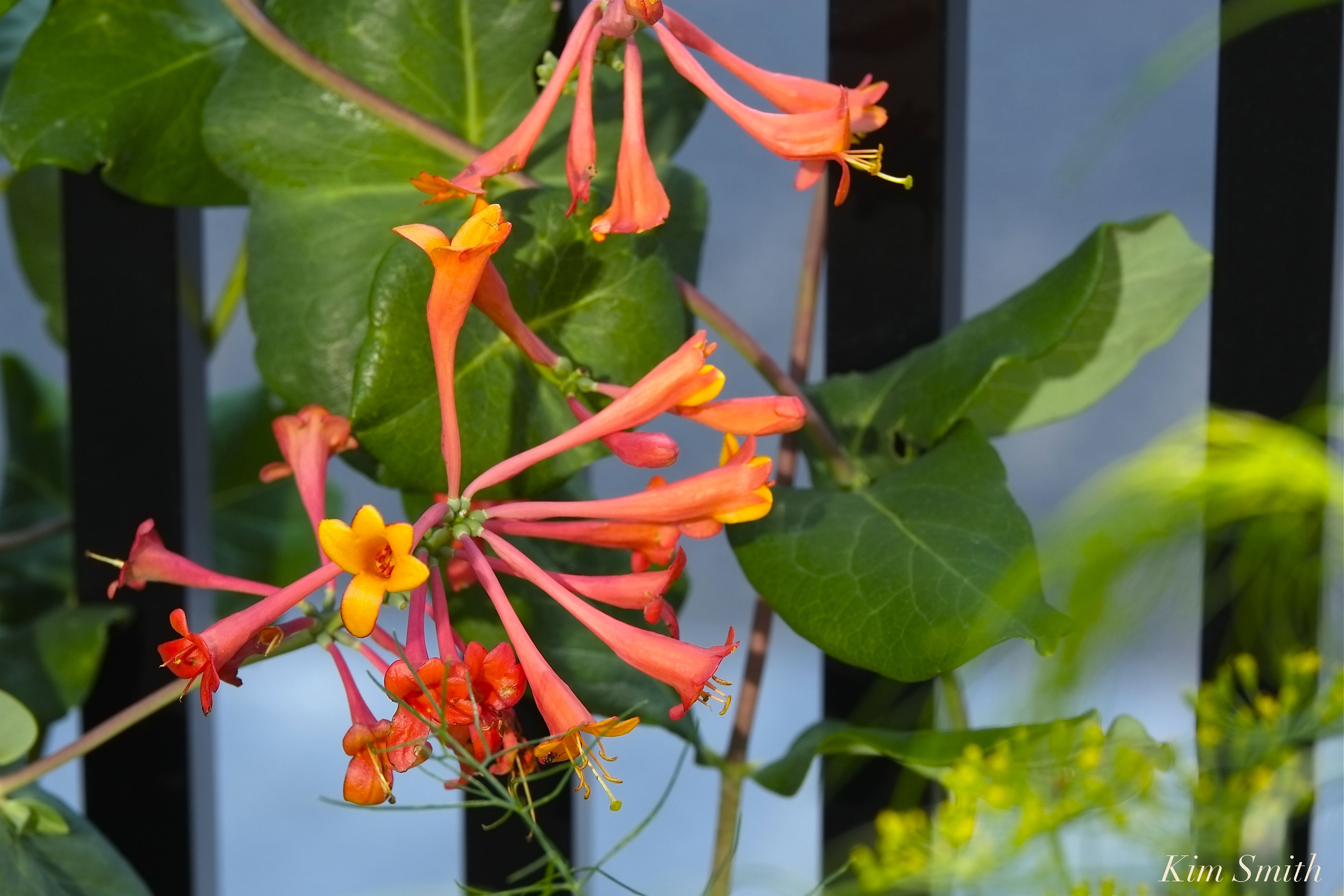 Lonicera sempervirens’ Dropmore Scarlet’
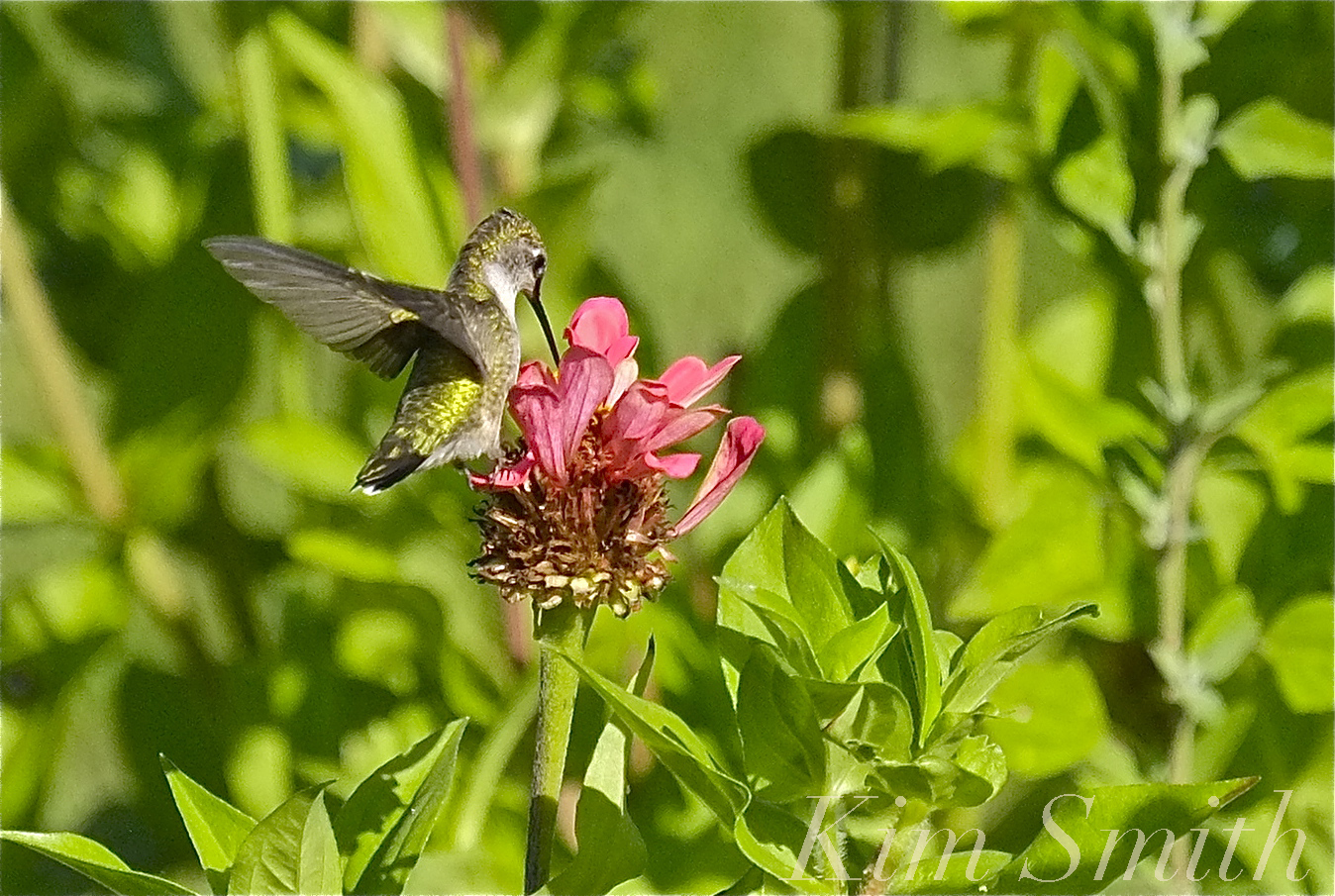 Female Ruby-throated Hummingbird drinking nectar from zinnia florets.


ON the Salt Island side of Good Harbor Beach – yoga with Elaine O’Rourke Saturdays and Sundays 8:00-9:00AM


July 9th 2018 – From the Trustees “The Piping Plovers at Crane Beach are doing great this year! 42 pairs have nested making this the third highest amount of nesting Piping Plover pairs since 1986. So far 42 chicks have spread their wings and flown. Many more chicks are still on the beach and we are waiting on more nests to hatch. Please remember to keep your distance and give these protected birds their space.”
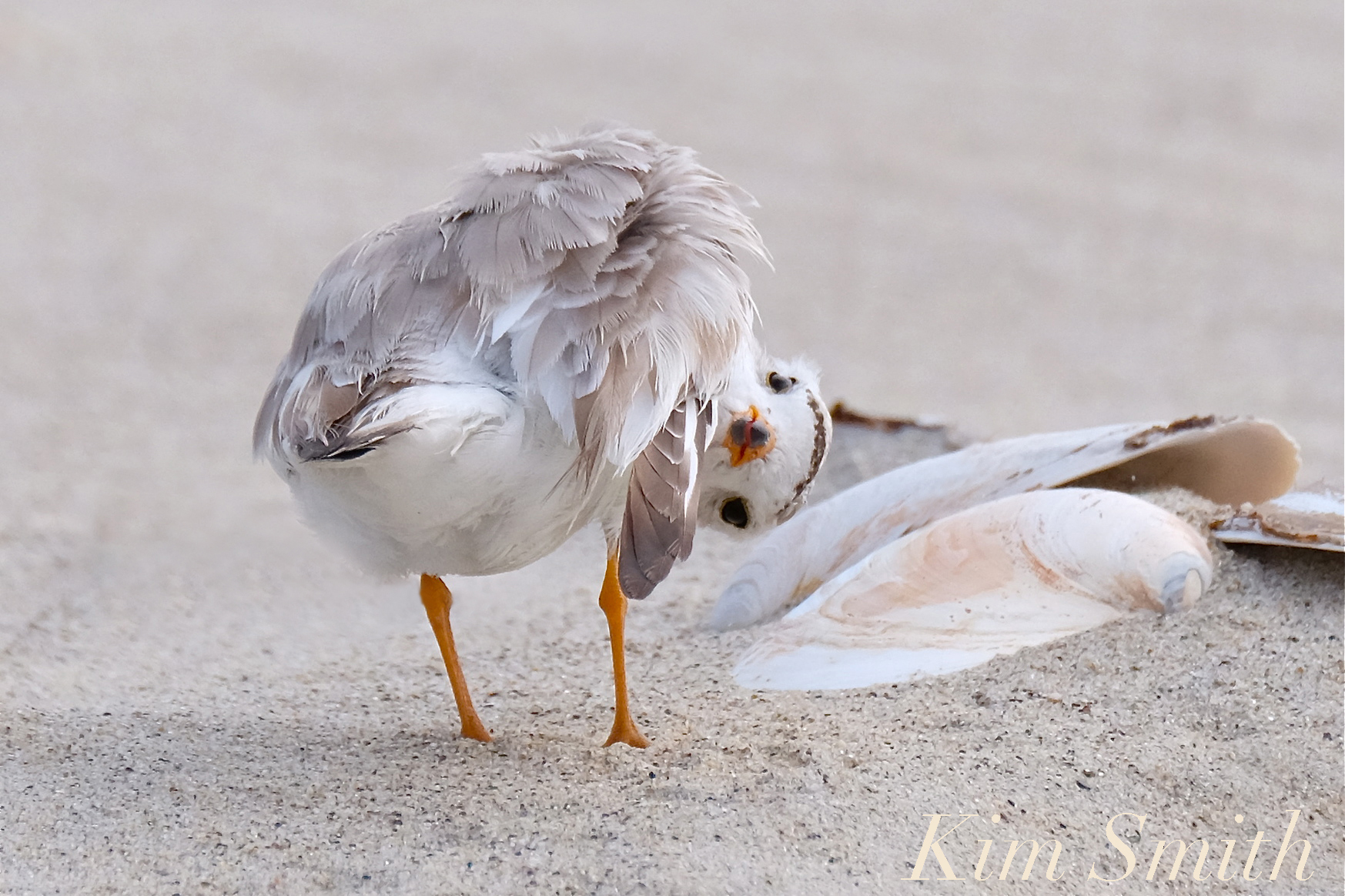 I love how the pale seashell coral pink in the clam shells mirrors the orange hues of the PiPl’s beak and legs. I don’t know why this photo strikes me as funny, but it just does. Tiny birds with huge personalities!

 Good Harbor Beach Twin Lights Sunrise

Dear Readers,
Last Tuesday we sent our letter to Mayor Sefatia and the City Councilors with a short list of recommendations, based on the past three years of daily Piping Plover monitoring by myself and our core group of volunteer monitors. We purposefully kept the recommendations modest out of consideration to both the Piping Plovers and to our Good Harbor beach going community. Please find below the recommendations suggested by the Piping Plover volunteer monitors.
July 9, 2018
Dear Mayor Romeo Theken and Gloucester City Councilors,
We, the Piping Plover volunteer monitors, are submitting our short list of recommendations regarding the Piping Plovers nesting at Good Harbor Beach. Our goal is to have in place by next April 1, 2019, measures and ordinances that will greatly increase the likelihood that the hatchlings of this tiny threatened shorebird will have a fighting chance at surviving life on Good Harbor Beach.
Piping Plovers began nesting at Good Harbor Beach in 2016. Each year, the PiPl are coming earlier and earlier. In 2016, they arrived mid-May, in 2017 they arrived at the beginning of May, and this year, they arrived on April 3. It would appear that the same pair is returning to Good Harbor Beach, as the male marks his territory and attempts to build a nest scrape only several feet from the previous year’s nest (at Boardwalk #3 nesting area). More Plovers than ever were seen at Good Harbor Beach this spring, and if not for constant interruptions in the Boardwalk #1 nesting area, we would have had two pairs nesting on the beach.
Why are the birds arriving earlier and earlier? We can presume that the pair are more experienced travelers and that Good Harbor Beach is their “territory.” Does this mean we will eventually have dozens of pairs nesting on Good Harbor Beach? No, because the PiPl are very territorial and they will defend a fairly large area, preventing other PiPl from nesting in their site.
This year the PiPl pair hatched four chicks. All four chicks were killed by crows, gulls, and dogs. All three are human-created issues, and all three can be remedied. The following are the four recommendations and actions we wish to see take place.
Recommendations
1) Change the dog ordinance to not allow dogs on the beach after March 31.
Currently, dogs are allowed on the beach from October 1 to May 1. The Piping Plover volunteer monitor core group, Dave Rimmer from Greenbelt, Ken Whittaker, and Mass Wildlife’s John Regosin, all agree that dogs should not be allowed on Good Harbor Beach beginning April 1, but that it would be safe for Piping Plover fledglings and other migrating shorebirds for dogs to return after September 15.
This new suggested time frame will allow birds to nest on the beach (as opposed to in the parking lot), with far less interruption, shorebirds will nest earlier in the season, which will help with the chicks survival rate, and the chicks will be stronger by the time Good Harbor fills with summer crowds.
This is a very logical and simple solution. Disallowing dogs on Massachusetts coastal beaches where shorebirds are nesting, beginning April 1, is the norm. Allowing them to return after September 15, and in many cases after September 30, is also very common. For Piping Plovers and other nesting shorebirds, protecting their habitat and sharing the shore is a matter of life and death.
2) Rope off the nesting area by April 1.
Poles, with threatened species signs, and a triple row of roping of nesting sites, to be in place no later than April 1. Essex County Greenbelt’s Dave Rimmer will assist with this measure.
3) Enforce the existing ordinances regarding dogs (and littering) at all times throughout the year.
Only enforcing dog ordinances at Good Harbor Beach during nesting season is creating hostility toward the Piping Plovers.
Additionally, we do not recommend extremely high fines as we feel that may become an impediment to issuing and collecting the fines. We know of at least one example where the magistrate dismissed the tickets issued to a woman who claimed to have a service dog. This woman was running rampant on the beach and throughout dunes with her service dog off leash throughout the entire time the PiPl were nesting, from April through May. Despite the fact that former dog officer Diane Corliss caught the woman on camera with her dog off leash on the beach, and in the dunes, all her tickets that were issued by the animal control officer were dismissed. This is neither fair to the officers who are working hard to keep the dogs off the beach or to the plover volunteers who are spending inordinate amounts of time trying to keep the PiPl safe.
4). Increase trash collection.
When no barrels are placed at the entrances to the beach, people dump bags of trash there anyway. When barrels are in place, people put trash in the barrels however, when the barrels become full, they again resort to leaving bags of trash behind, only next to the barrels. In either scenario, gulls and crows are attracted to the trash. Both gulls and crows rip open the bags and the trash is blown throughout the parking lot and marsh, soon finding its way onto the beach and into the ocean. Hungry gulls and crows waiting for people to leave their trash behind eat tiny shorebirds.
A friend who lives on a North Carolina beach shares how her community keeps their public beaches looking pristine. Not only do they have barrels, but every few weeks, police patrol the beach and hand out fines for littering. This is taken as a wake up call, everyone is good for a bit of time, but then become slack about littering again. Out come the officers for another round of ticketing.
Thank you for taking the time to consider our recommendations.
Sincerely yours,
Kim Smith
cc Paul Lundberg, Steven LeBlanc, Val Gilmam, Ken Hecht, Melissa Cox, Jen Holmgren, Scott Memhard, Sean Nolan, Jamie O’Hara, Dave Rimmer, Ken Whitakker
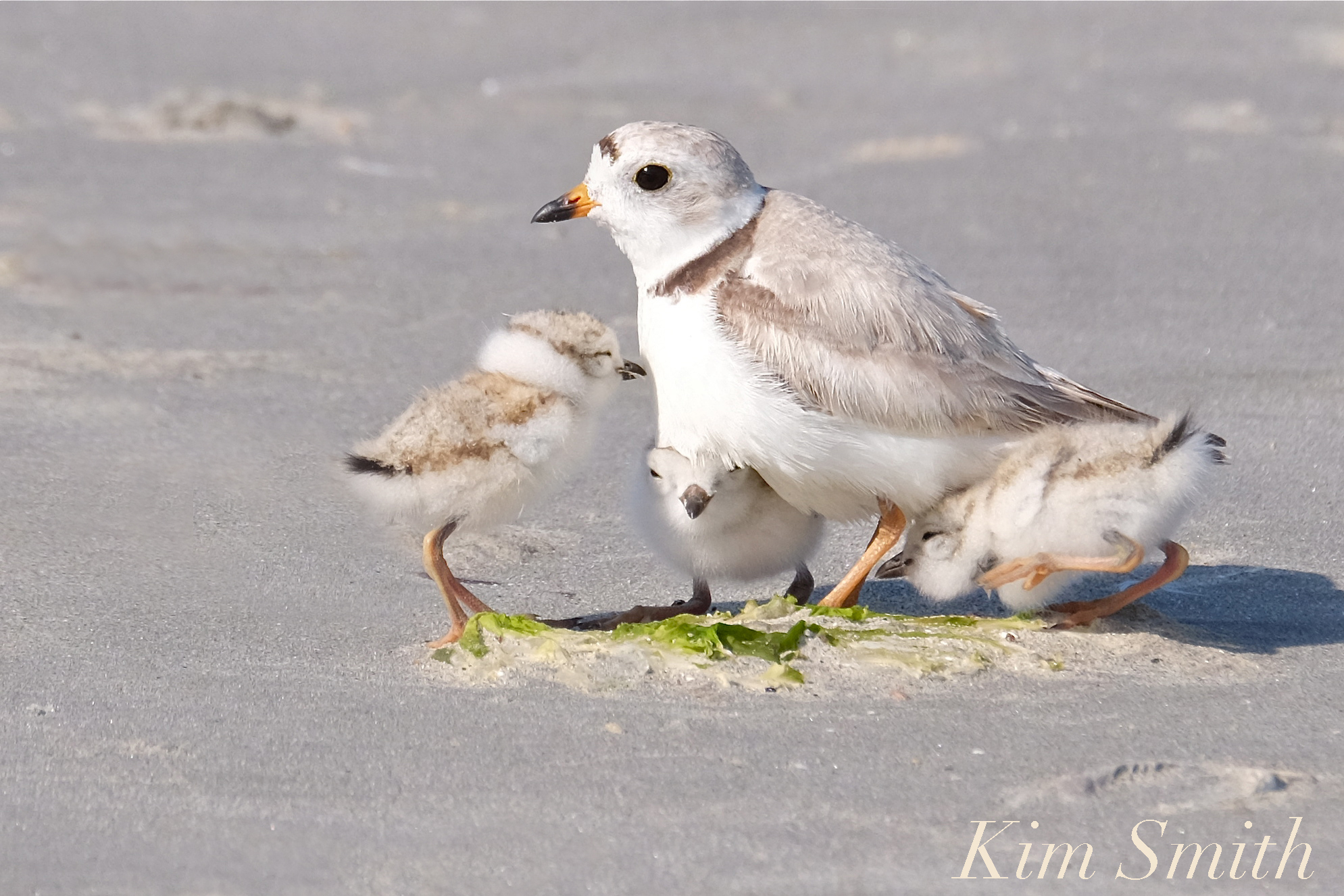 Piping Plover chicks coming in for some snuggles.

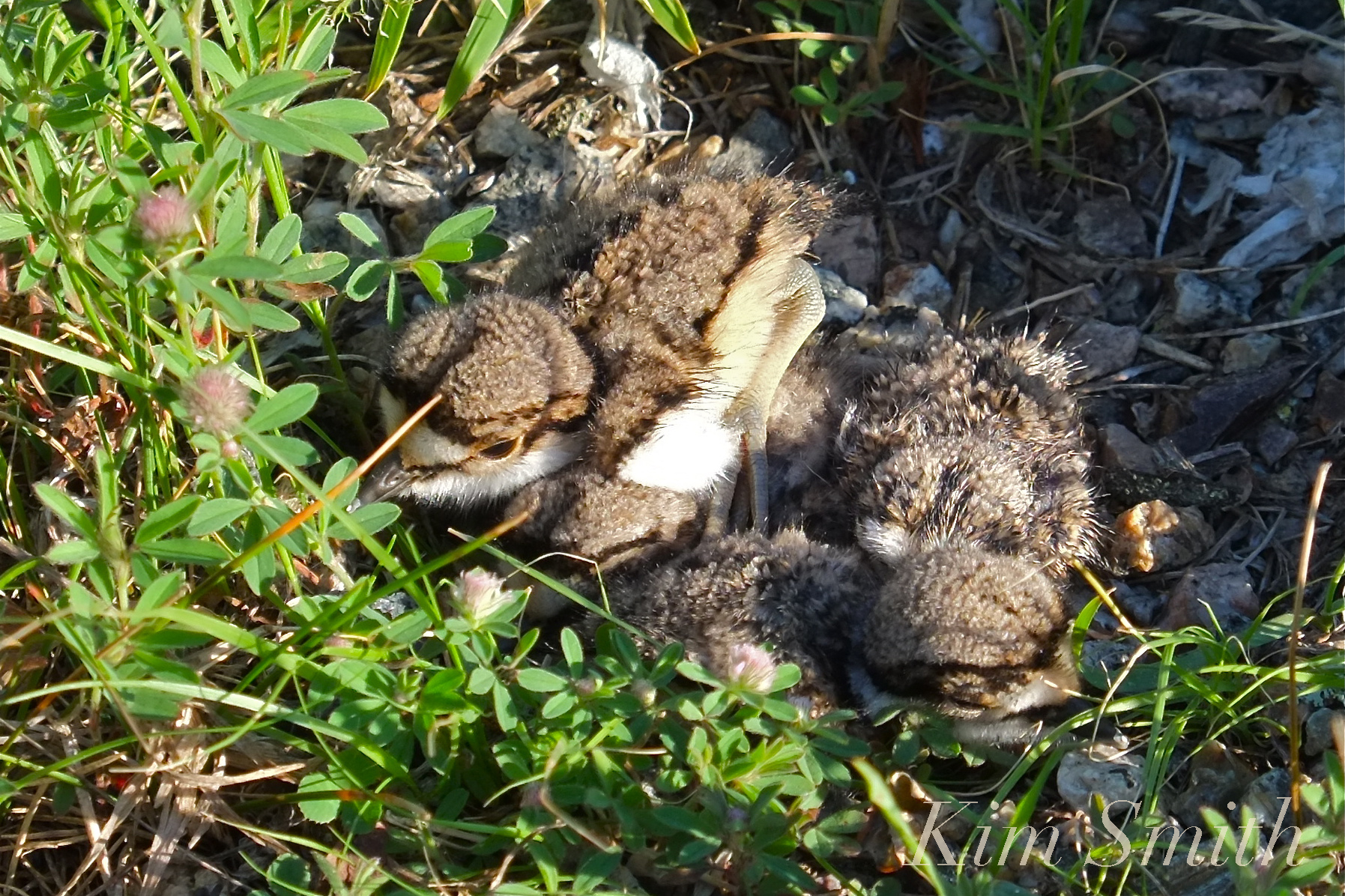 The Good Harbor Beach Killdeer Family has hatched a second clutch of four chicks!
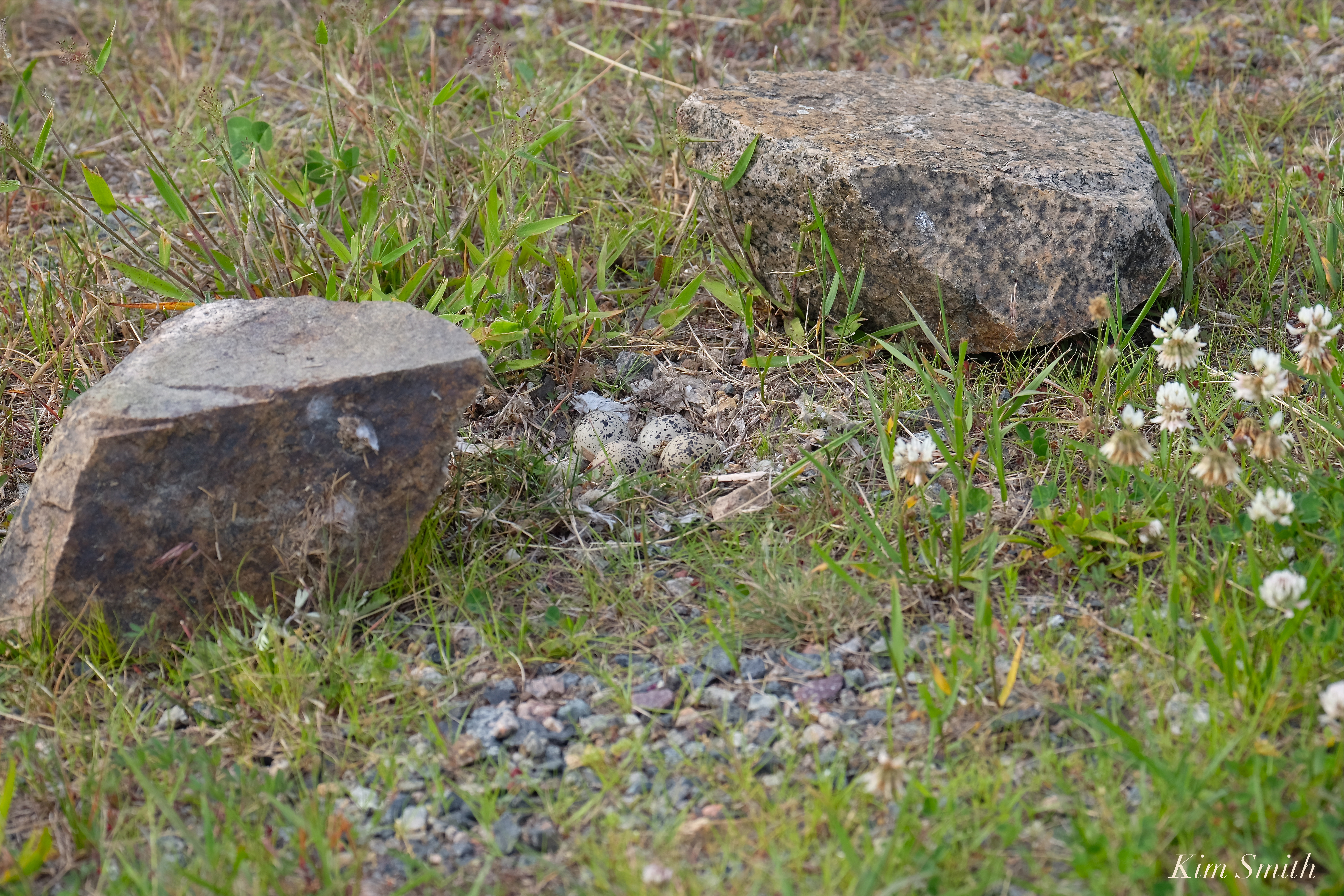 The first nest was located in the dunes, the second on the edge of the parking lot. The staff at the GHB parking lot placed two large stones on either side of the nest. A week or so later, an orange cone.
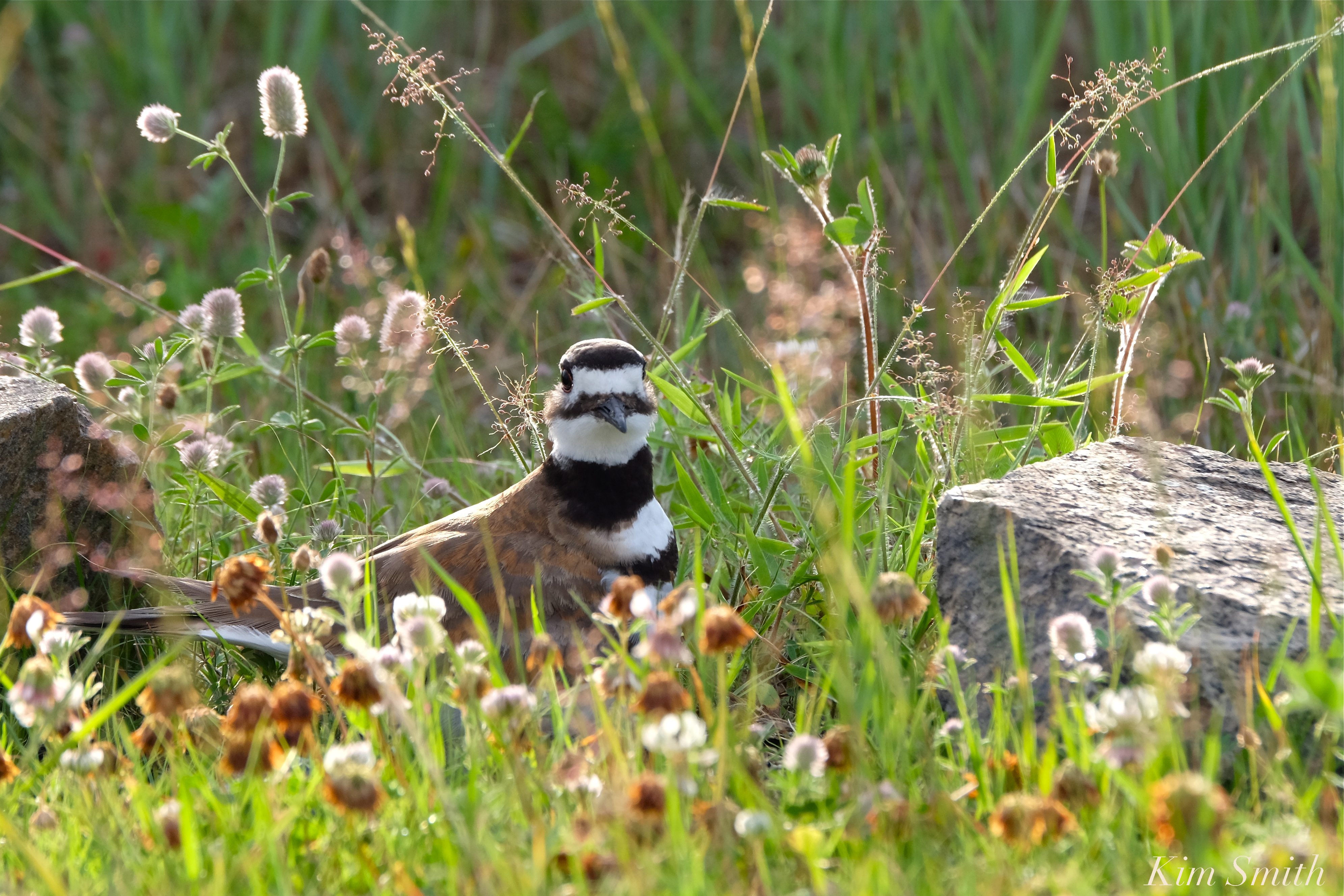 Nesting patiently and well hidden in the scrubby parking lot growth.
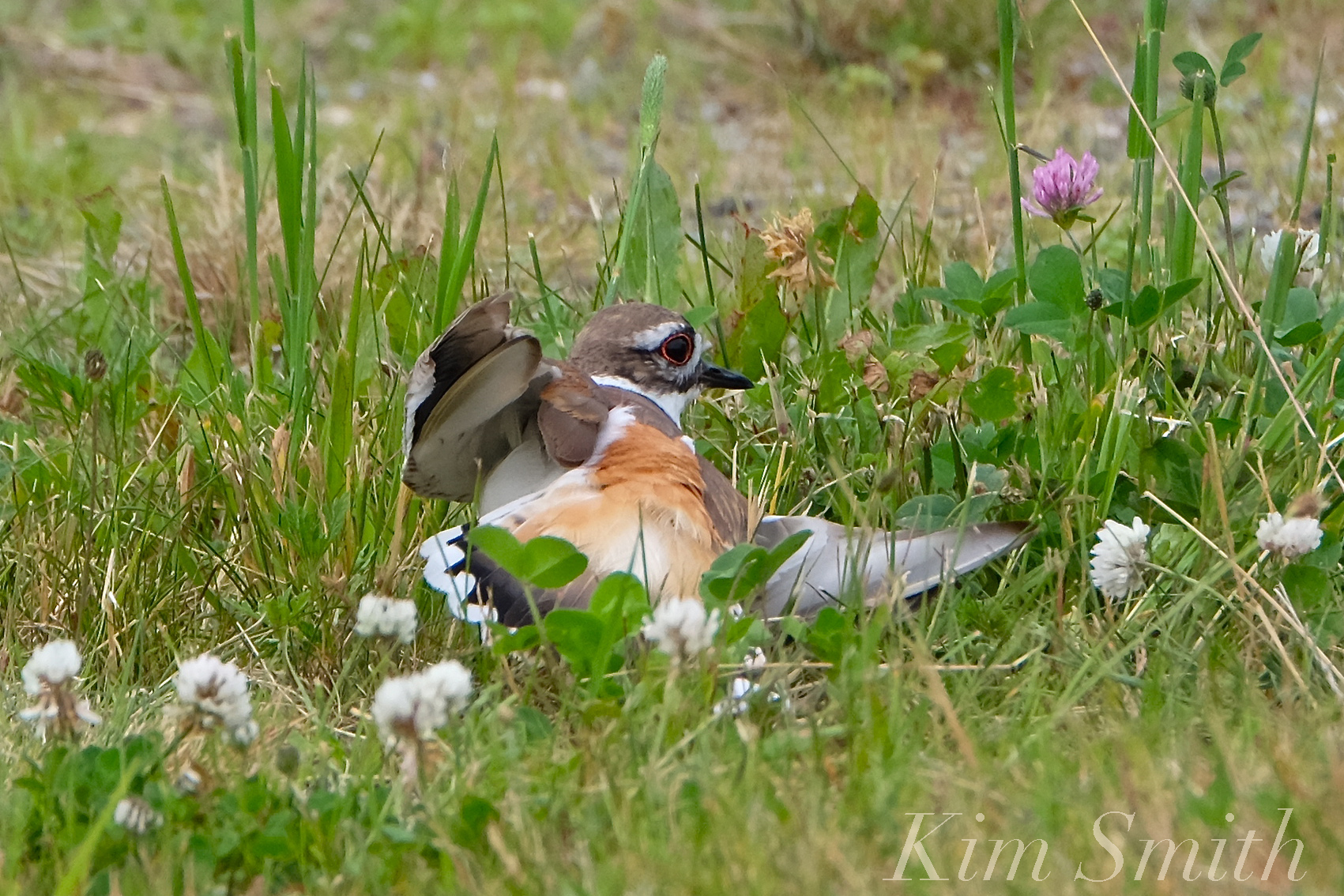 Mama and Papa Killdeer successfully distracted many a beach goer from getting too close to to the nest with their broken-wing distraction display.
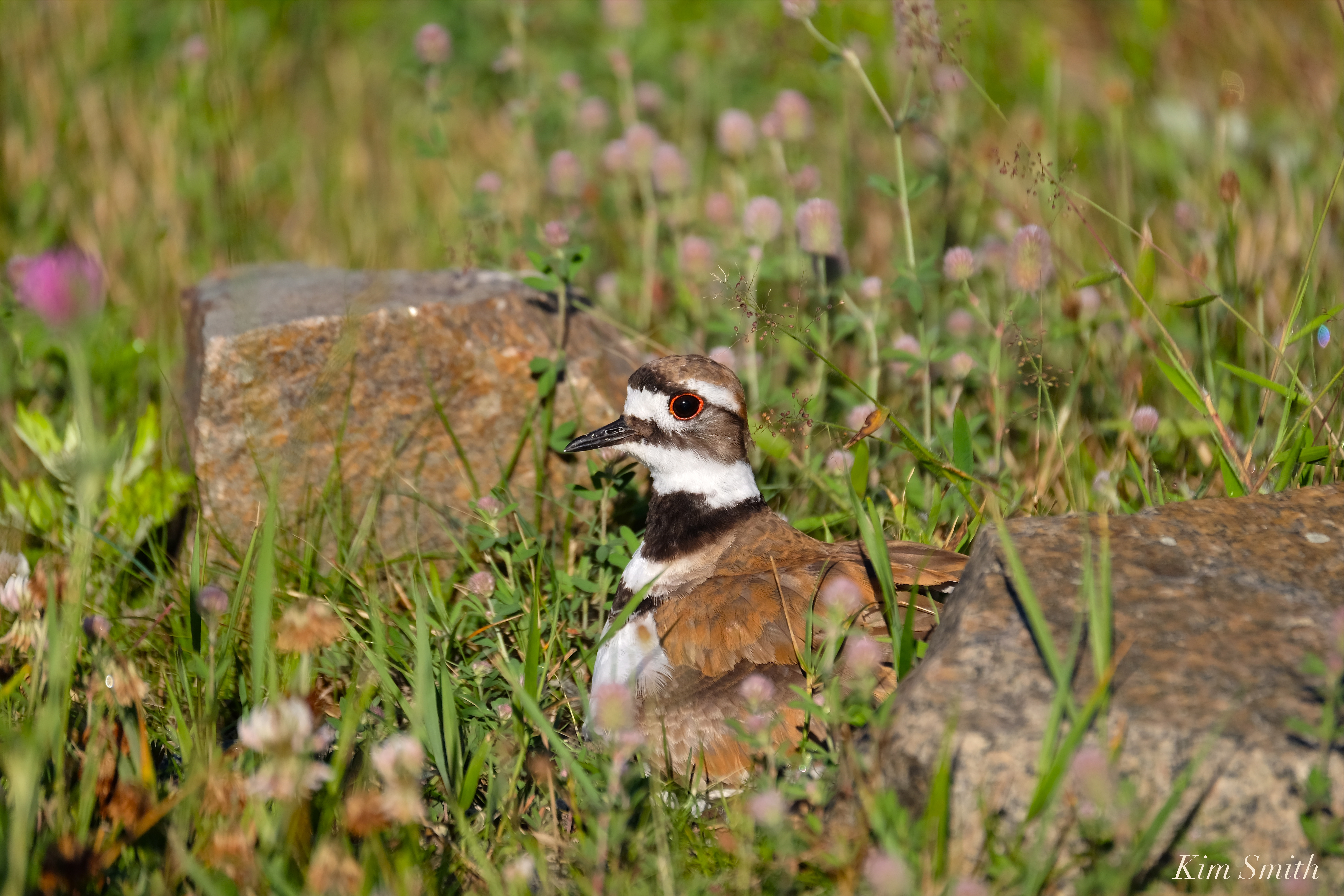 Killdeers are a species of plovers, as are Piping Plovers, Semi-palmated Plovers, Black-bellied Plovers, and Wilson’s Plovers. It takes about the same amount of time for the eggs to incubate, approximately 24-28 days.
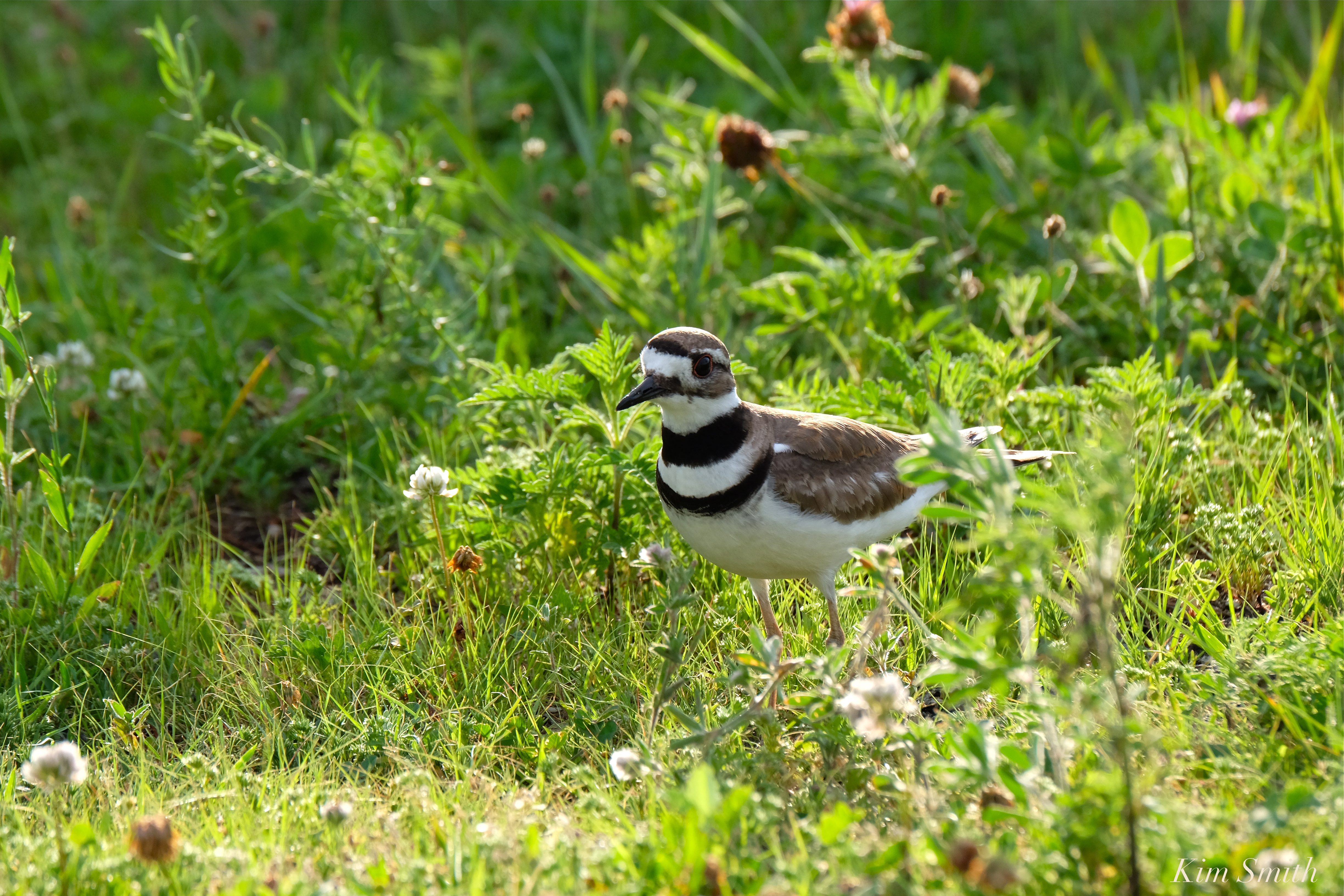 Both male and female Killdeers brood the eggs. It is not easy to tell the difference between the male and female unless side-by-side. The male is typically a bit larger than the female.
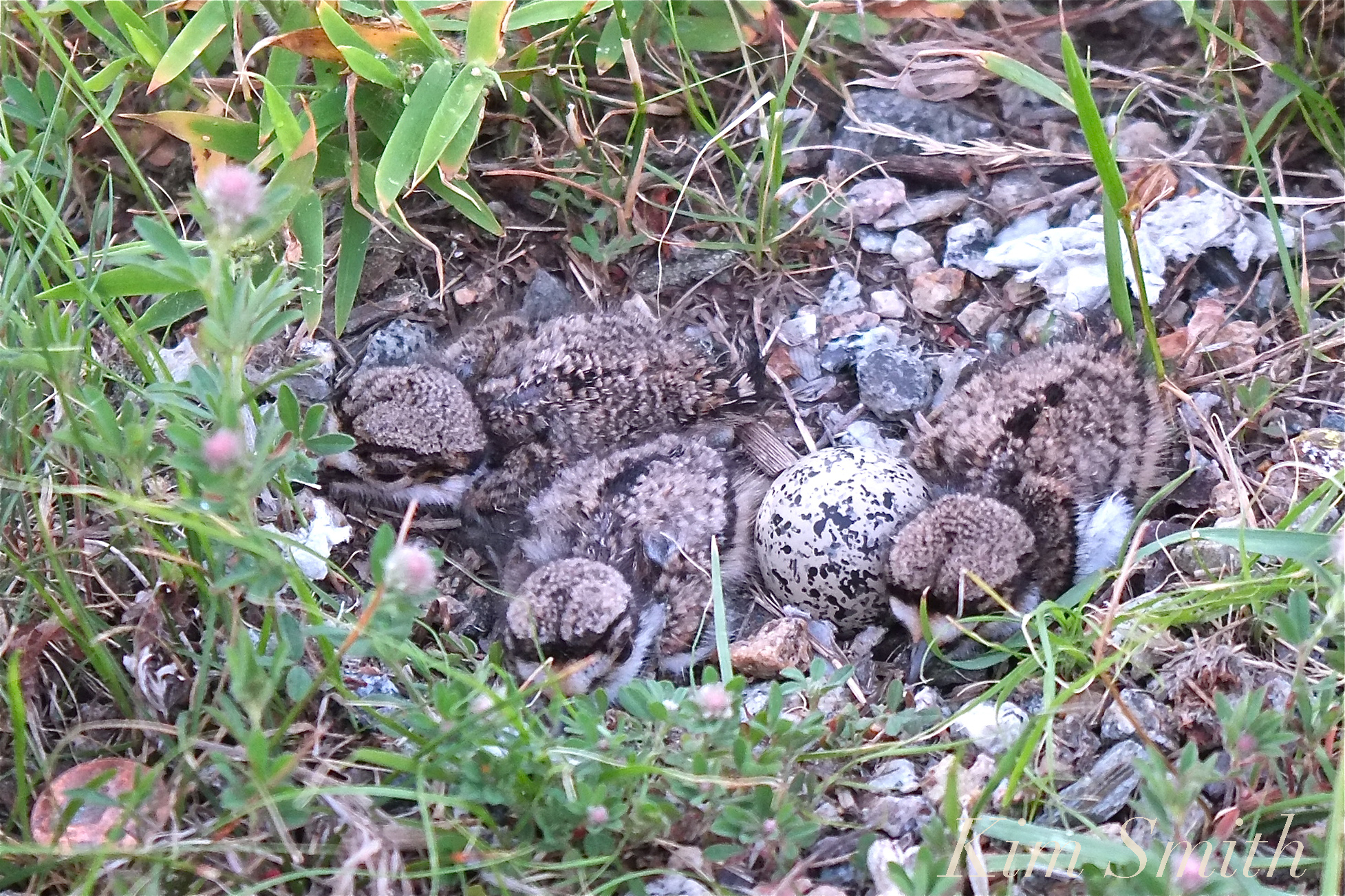 Three of the eggs had hatched by nightfall, the fourth hatched early the next day. This new little Killdeer Family safely made it out of the parking lot the day after hatching, heading into the marsh, just as did the brood that hatched earlier in the summer.

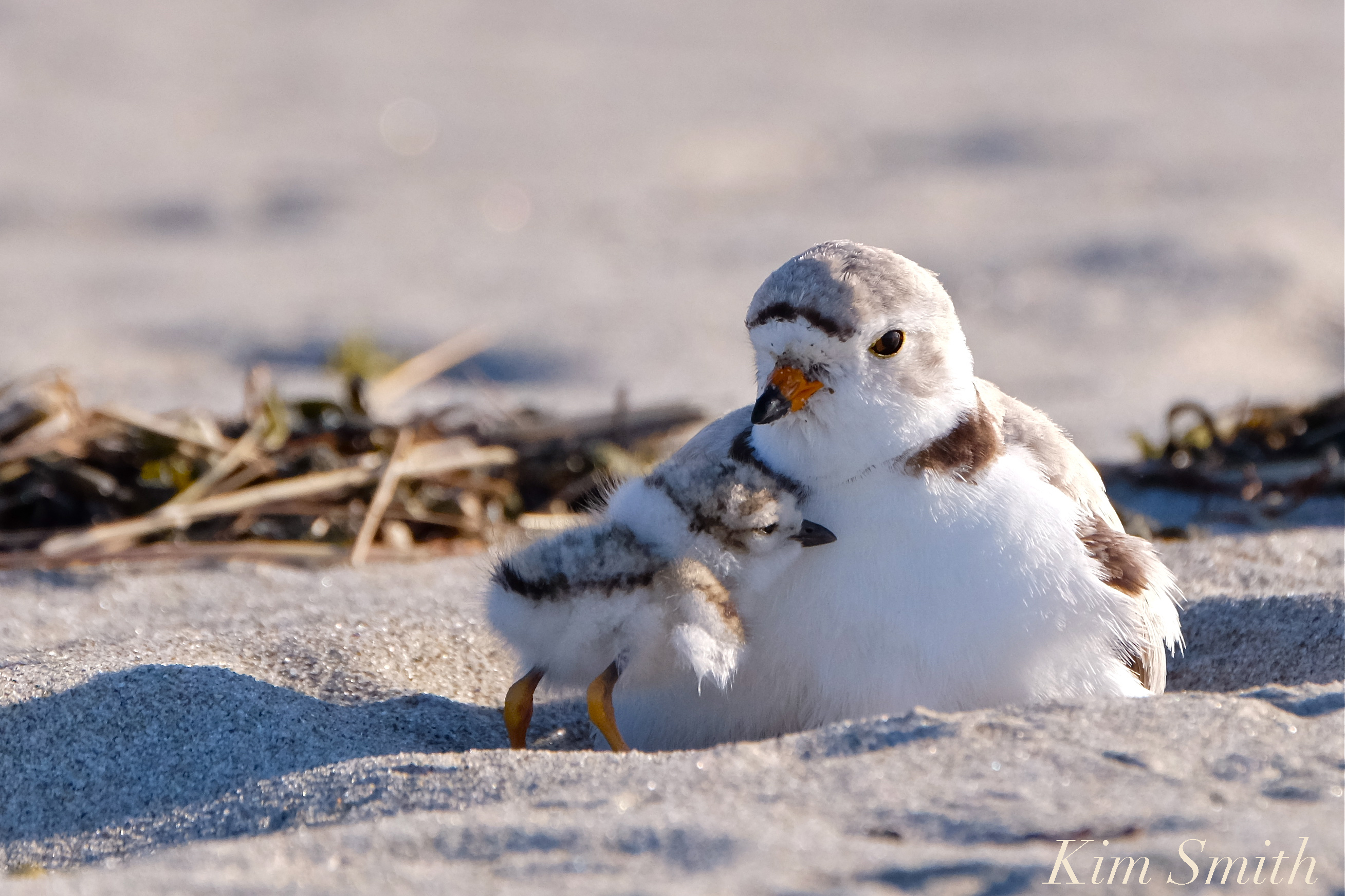 Good Harbor Beach Piping Plover Chick Three Days Old

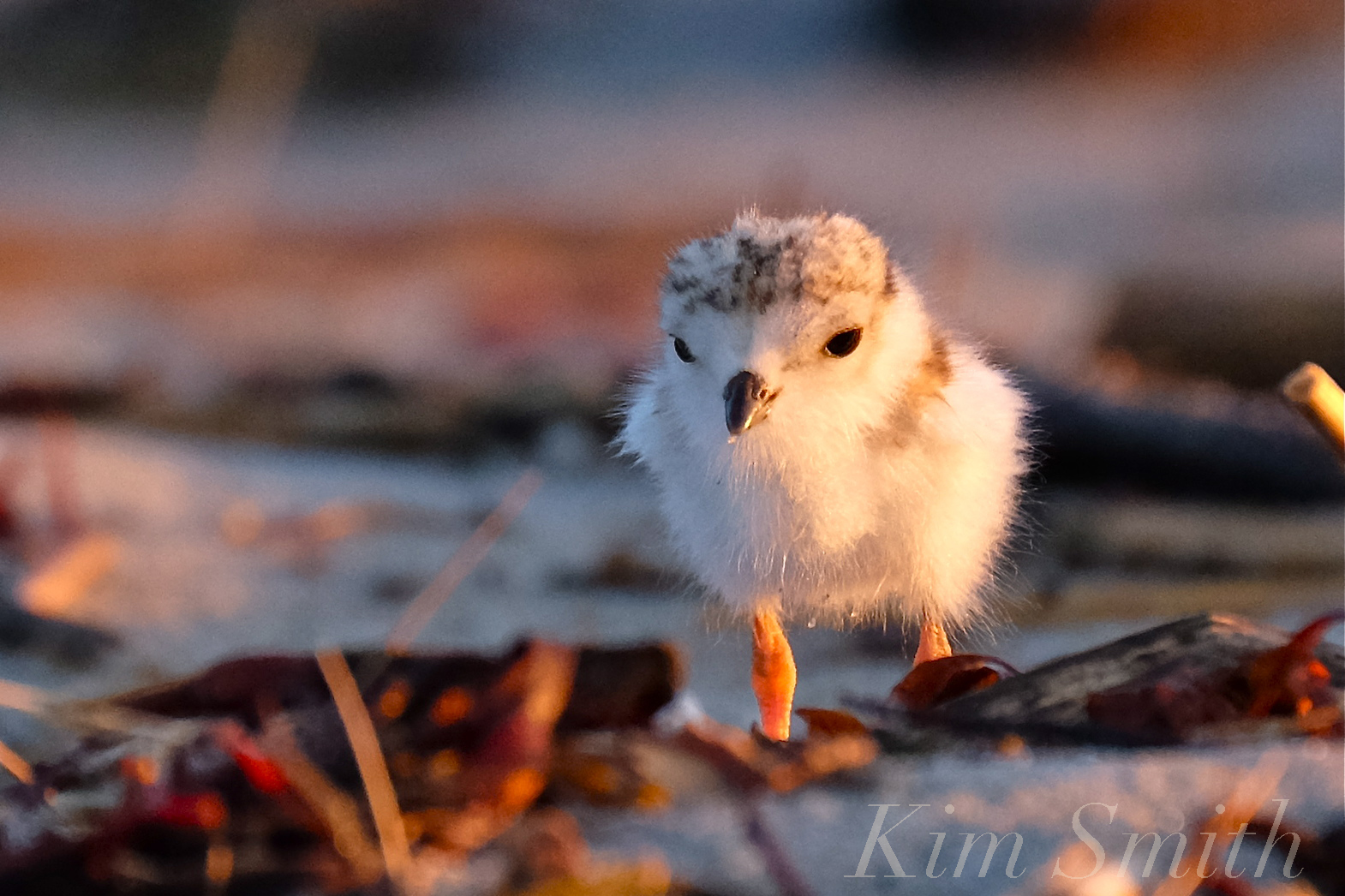

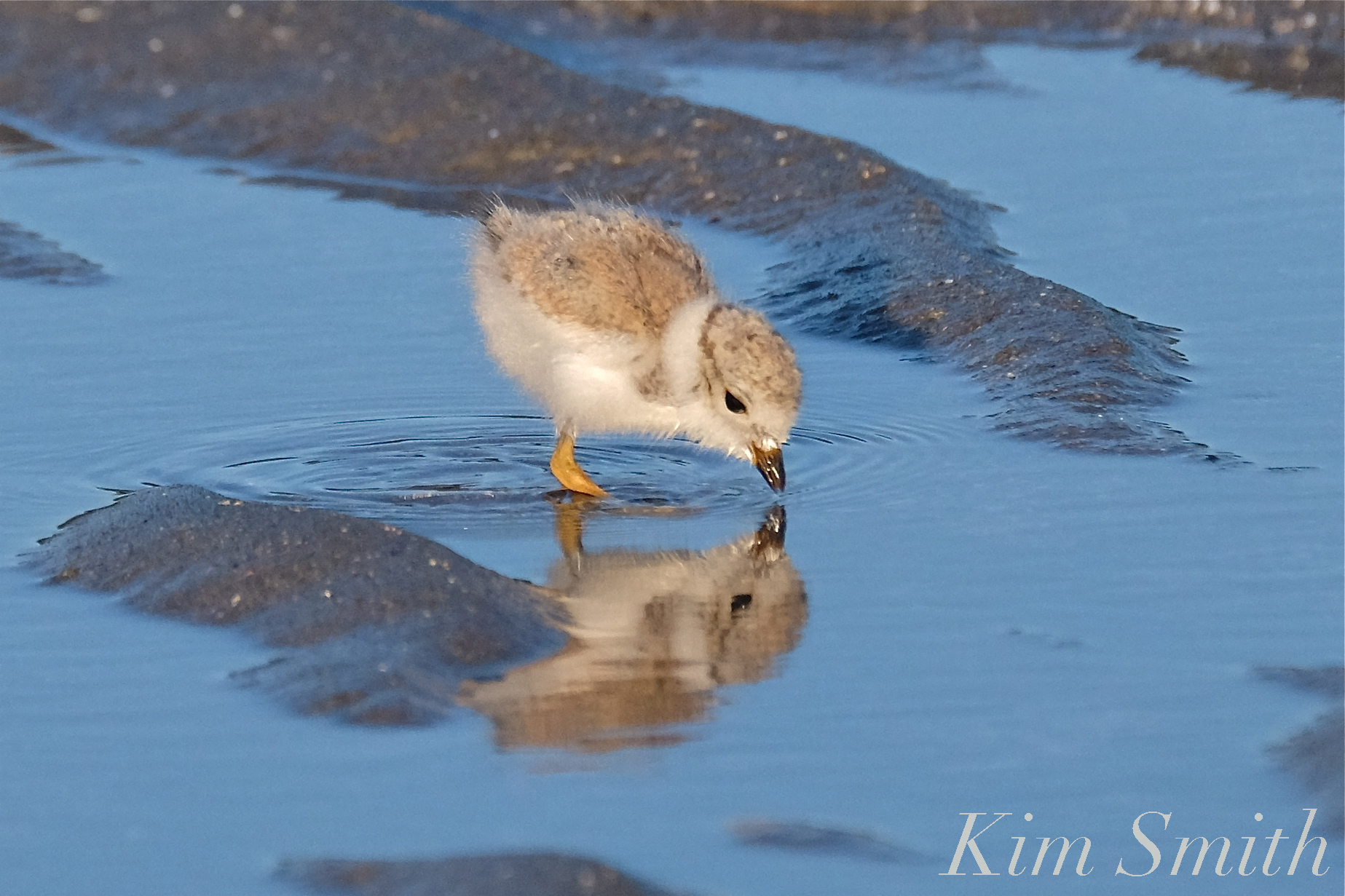 Pip, the day before he was killed.
You may be asking, “where are the Good Harbor Beach Piping Plovers now?” Surprisingly, they are still around! After the night the last chick was killed (tracks point to a skirmish with a dog and several people in the nesting area), two Piping Plovers were reported at Cape Hedge Beach the following evening. Rockport resident Gail, who first reported the sighting, and PiPl volunteer monitor Laurie Sawin and I, found one at Cape Hedge the next morning, and by the next day, two had returned to the roped off area at #3 boardwalk!
Everyday since, either Greenbelt’s Dave McKinnon, my husband Tom, Deborah Cramer, or myself have spotted at least one in the cordoned off #3.
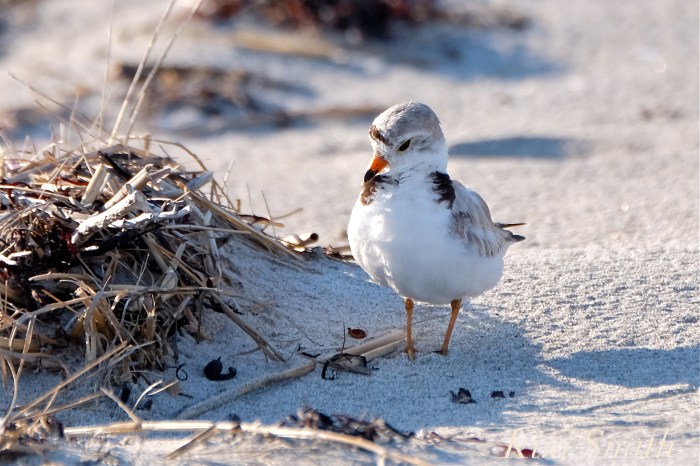
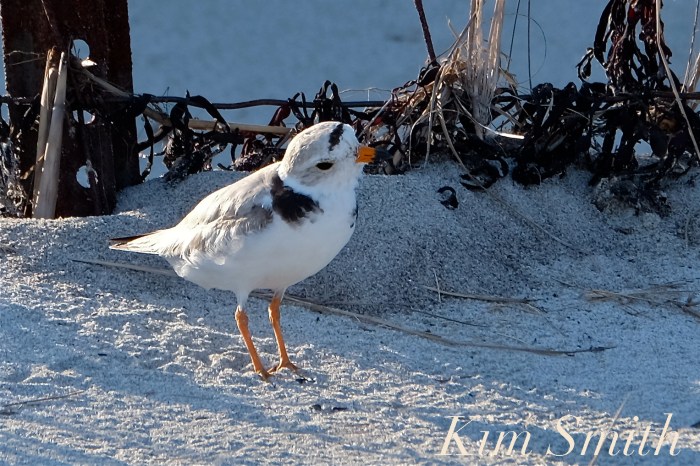

Recent PiPl sightings at the Good Harbor Beach nesting area.
Our thoughts are to leave some part of the roping up as long as the Piping Plovers are still using it as a sanctuary during high tide when the beach is crowded. For a second and even more important reason, many of us would like to see part of the cordoned off area stay in place for the simple reason it is helping with dune recovery.
You may recall that during late winter we had back to back nor’easters, which had a devastating effect on Good Harbor Beach in that much of the beach’s sand was washed away. The beach dropped about ten feet, which now causes the tide to come up high to the edge of the bluff. Beach grass and beach vegetation will help prevent future washouts. Because the area around #3 has been roped of since mid-April, a fantastic patch of beach grass has begun to take hold!!! If we leave a narrow strip roped off from the public, about ten to fifteen feet wide, running the length of the beach and around the creek bend, this simple step alone will have a marked impact on the overall health of the dune habitat.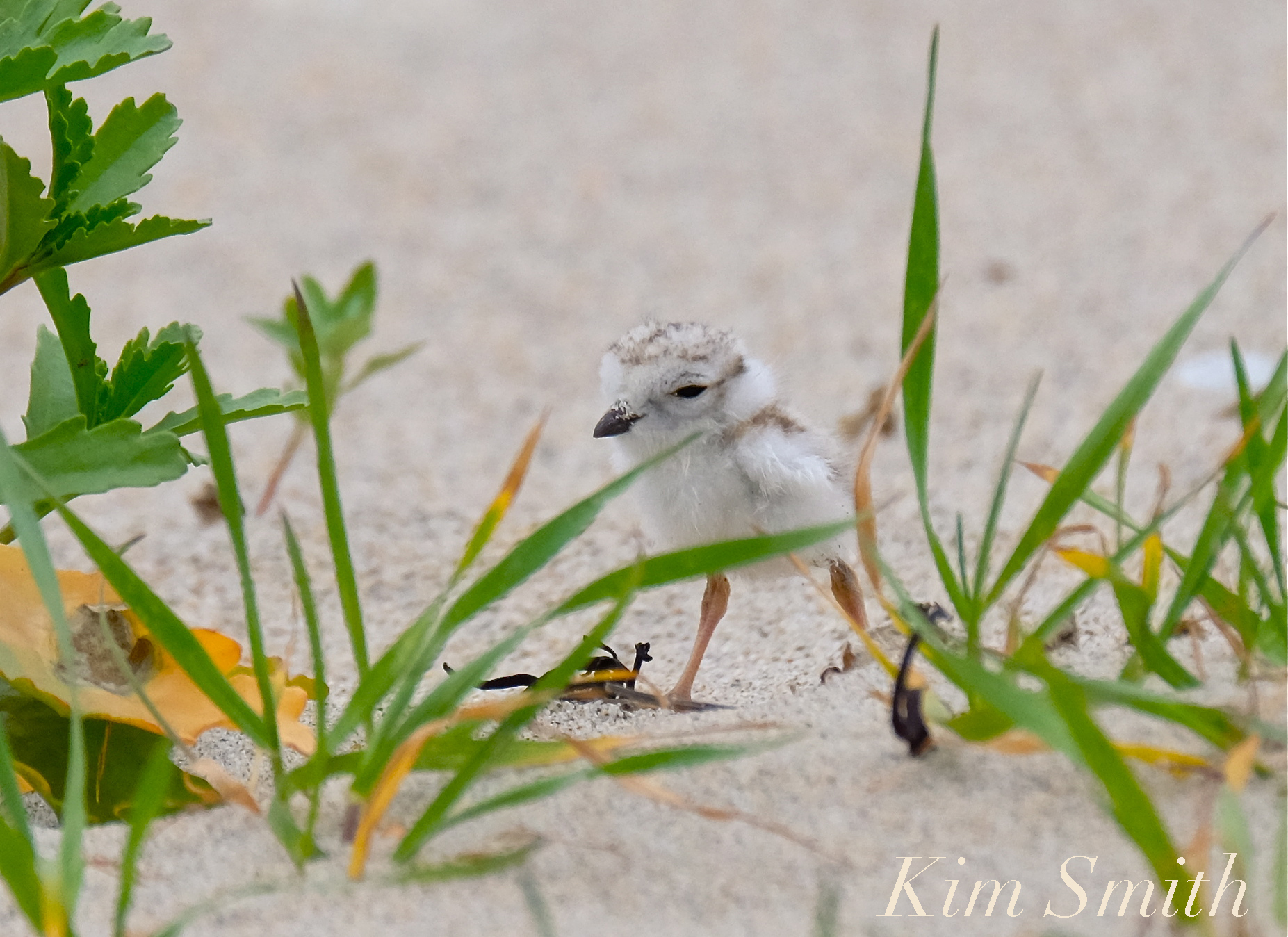 Beach plants help prevent erosion while also providing shade and shelter for tiny shorebirds.
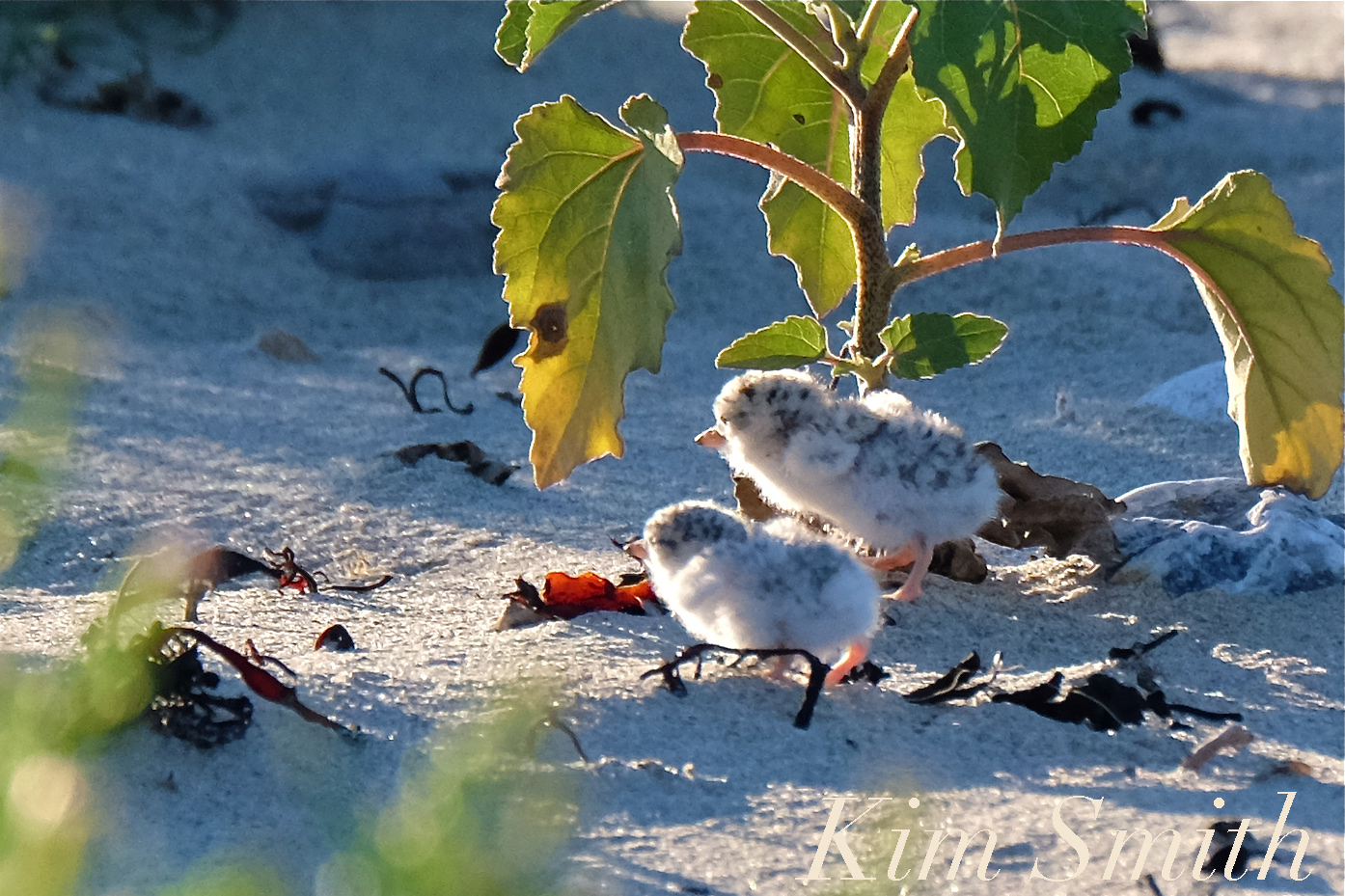 A pair of one-day-old Least Tern chicks finding shade.

It was quite a sight.


Dear Readers,
So sorry this PiPl update is so terribly brief but I am leaving shortly to go film Fiesta.
On the evening of the day our GHB Piping Plover Family were terrorized off Good Harbor Beach (between Tuesday 9:30 pm and Wednesday 4:40am), two were seen at Cape Hedge Beach by Rockport resident Gail Borgman.
The following morning, Thursday, I met Boston PiPl monitor Laurie Sawin at GHB. She had come all the way from Boston to check on the Cape Hedge report. We headed over to Cape Hedge to check on the sighting and met Gail and her husband there. Sure enough, a PiPl was going back and forth between the sandy beach and rocks at Cape Hedge! We didn’t stay long because of the downpour.
This morning, I met Essex Greenbelt Dave Rimmer’s assistant, Dave McKinnon. We were contemplating removing the symbolic fencing, when one, and then two PiPl entered the roped off nesting area. At first we thought it was the Mama and Papa, but it could also have been two males.
The symbolic fencing will remain at least for another few days. Although it is late in the season for nesting there is the possibility that the PiPl will re-nest. I guess we will all just stay tuned as to what our remarkable PiPls will do next!
We don’t know what terrorized the PiPl Tuesday night. There has been a great deal of dog tracks around the nesting area , as seen by all the morning volunteers, over the past week, as well as evidence of a party Tuesday night. A hypodermic needle was found on the beach by one of Coach Latoffs players early Wednesday morning. Friends, it is going to take a village if the PiPl re-nest. Please, please, if you see anything suspicious at GHB–bonfires, dogs, heavy drinking, and anything else along those lines, please, please call the police. Thank you!
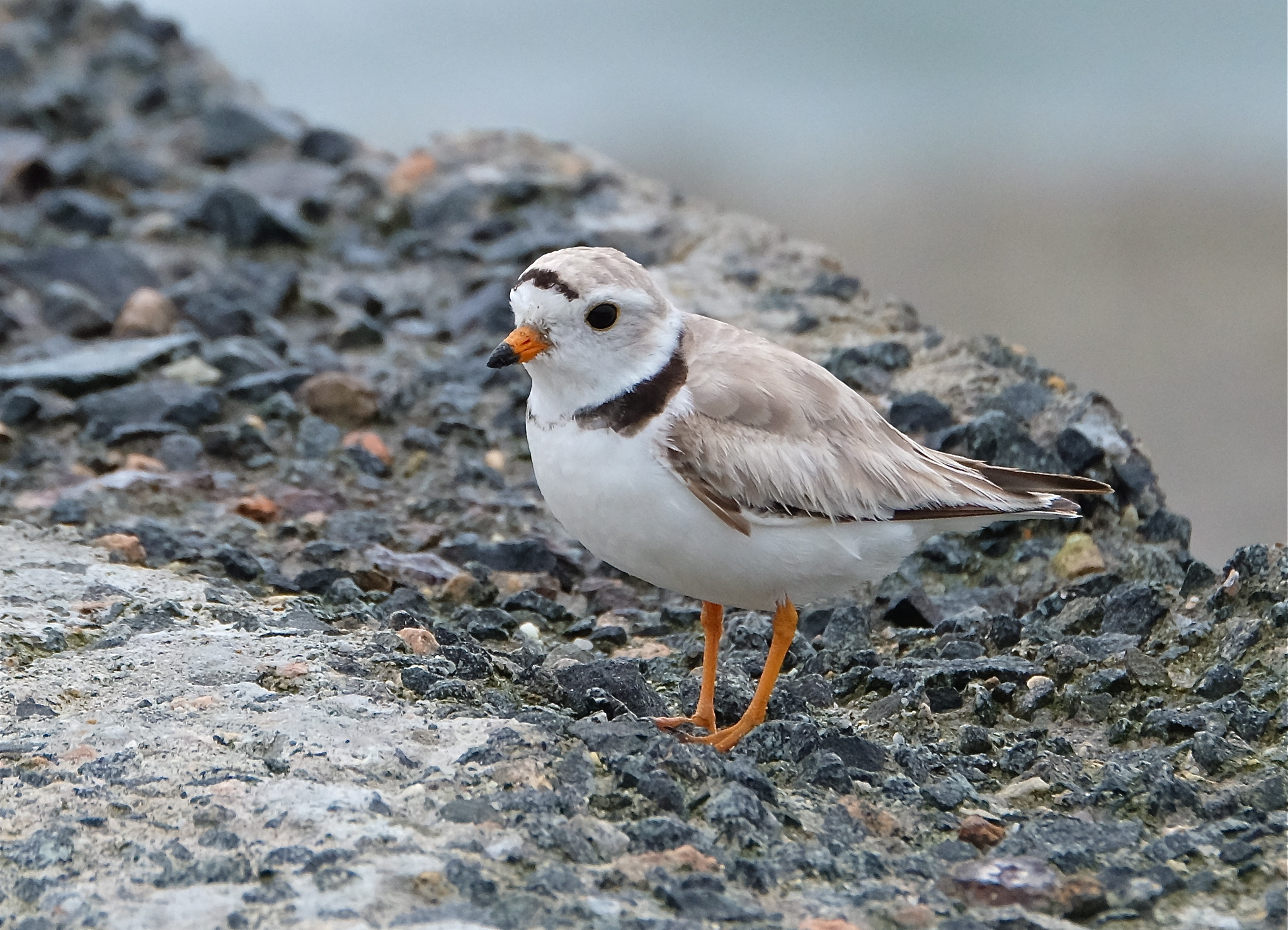 Piping Plover Cape Hedge Beach June 28, 2018


