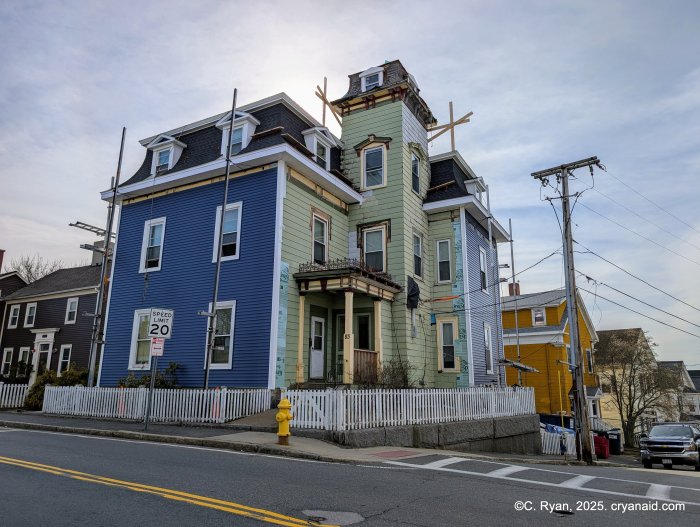
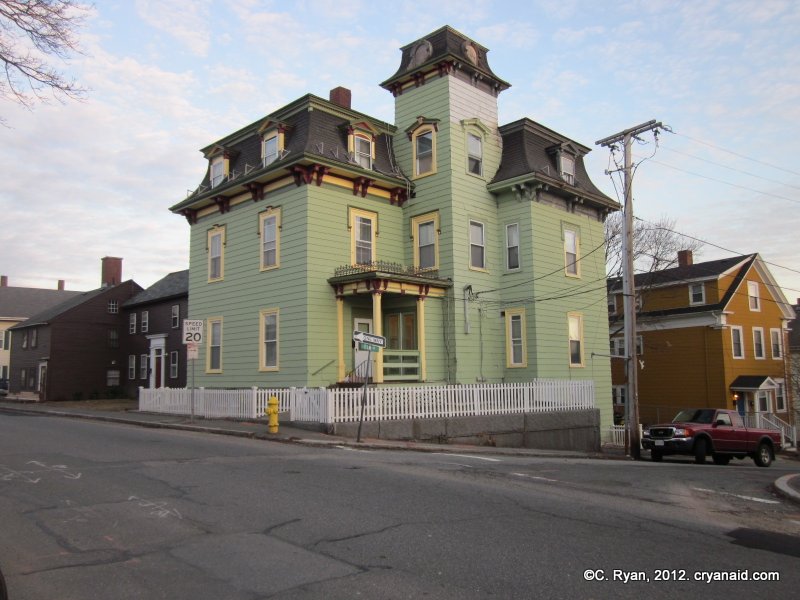
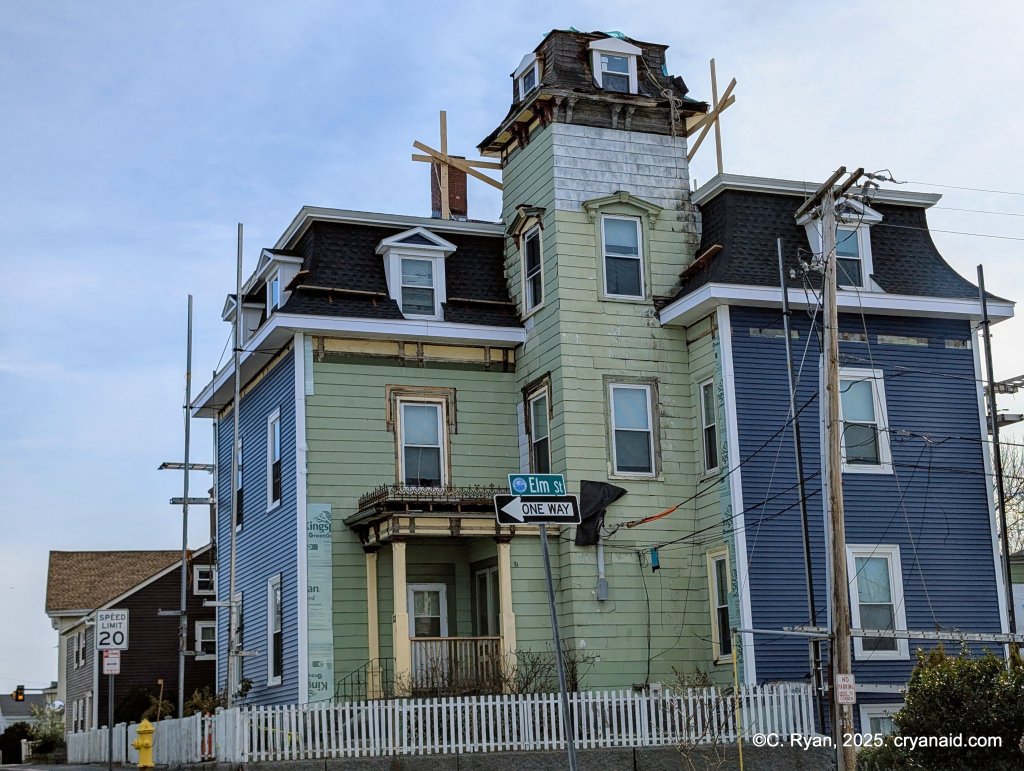
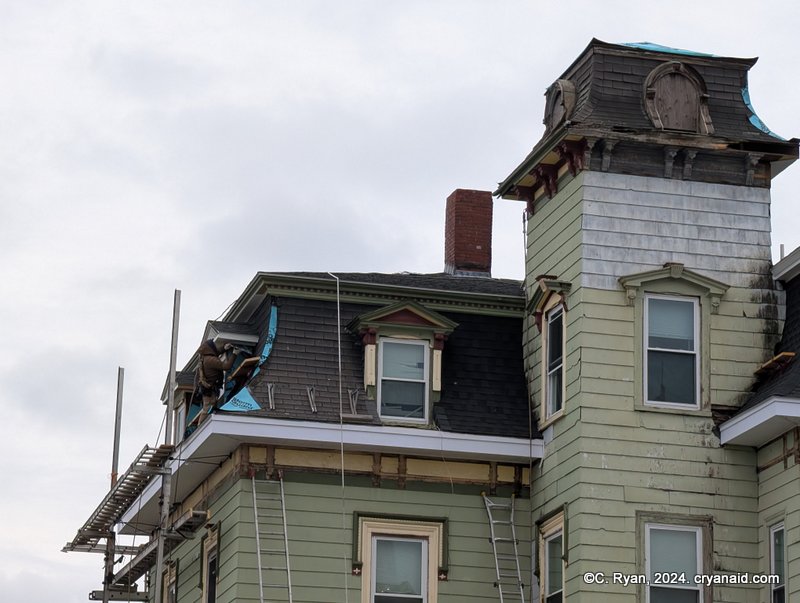
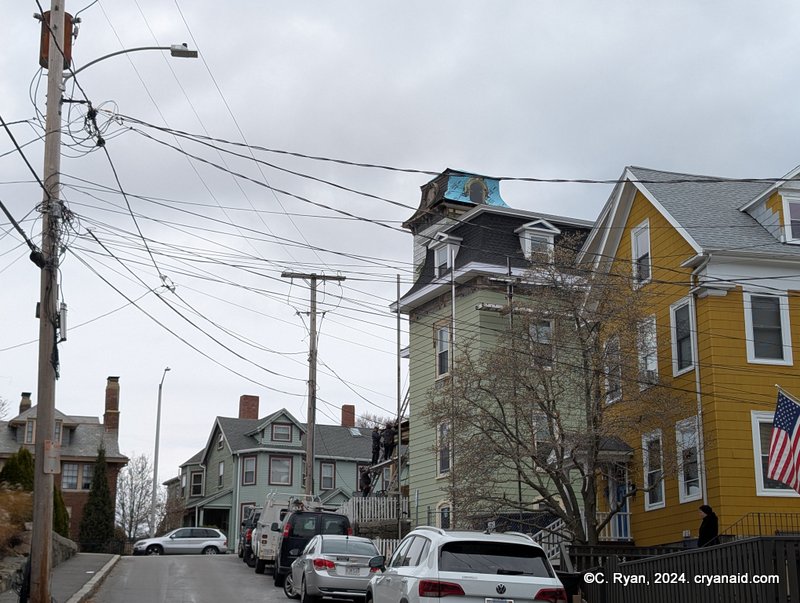
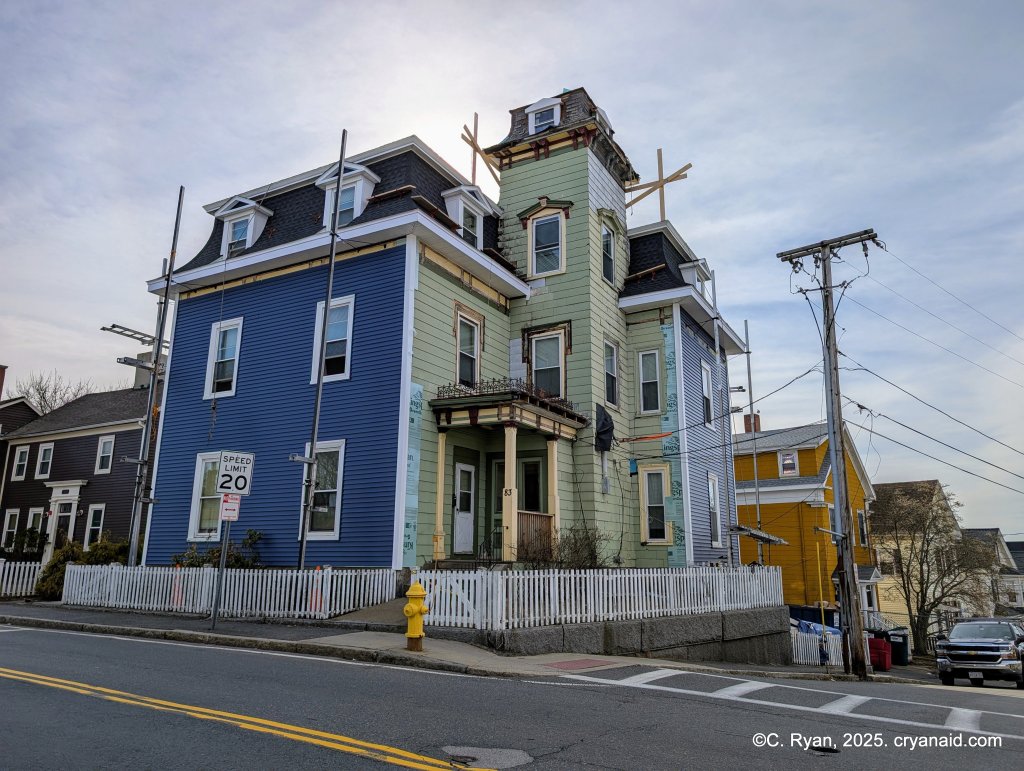
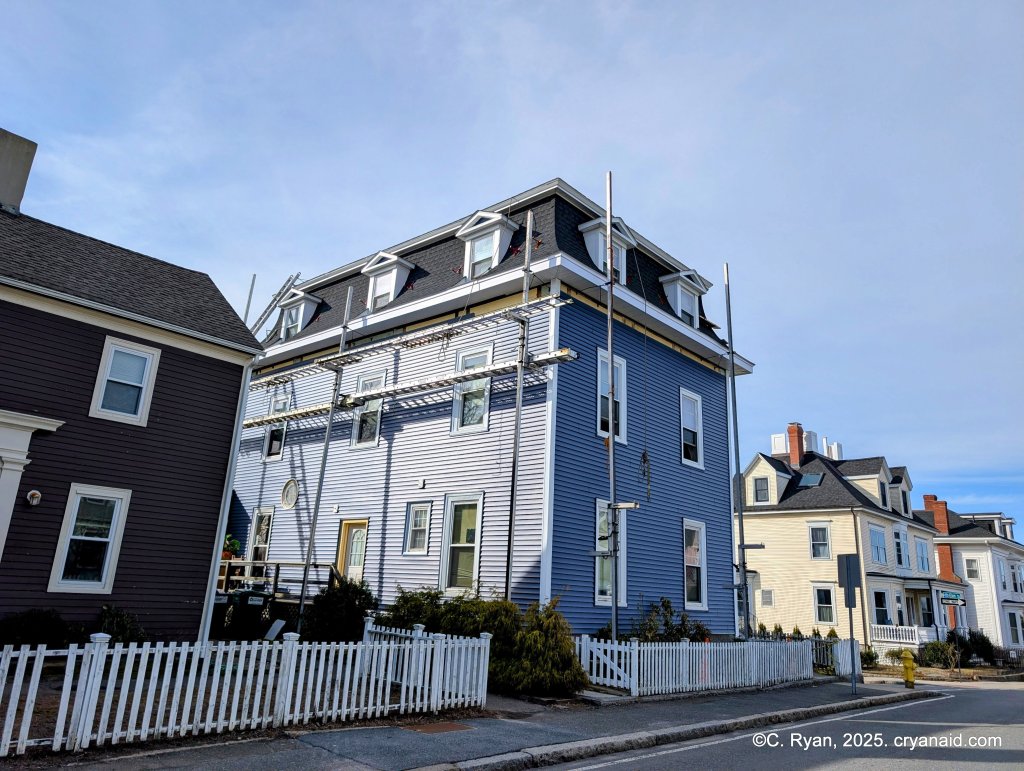
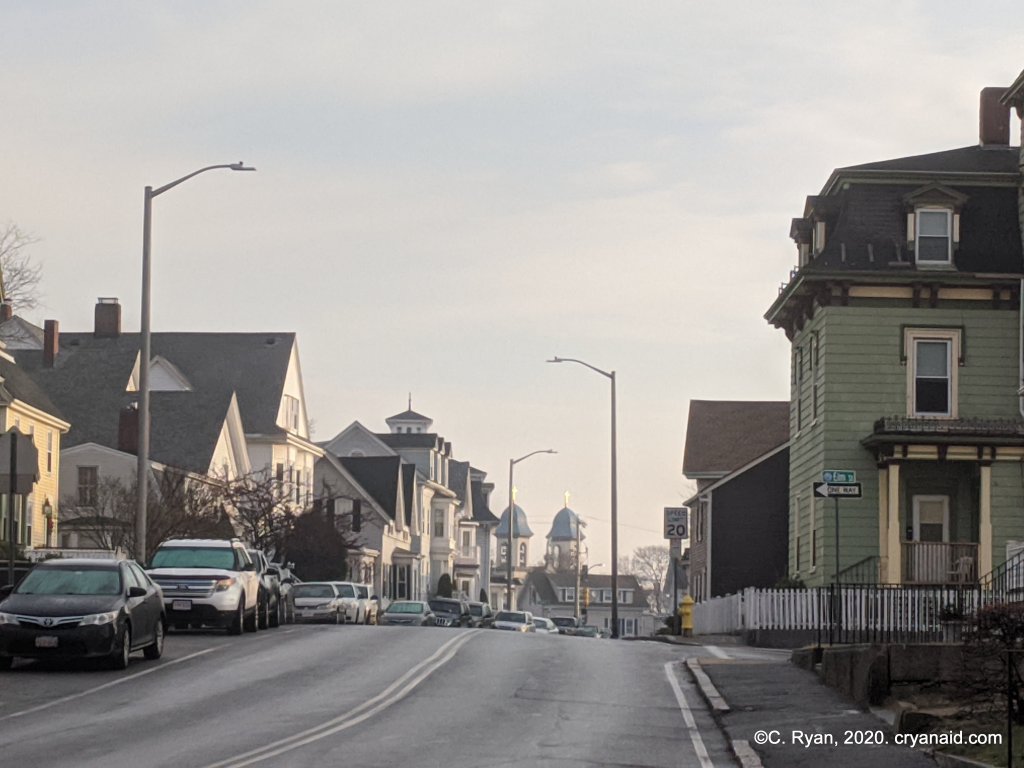
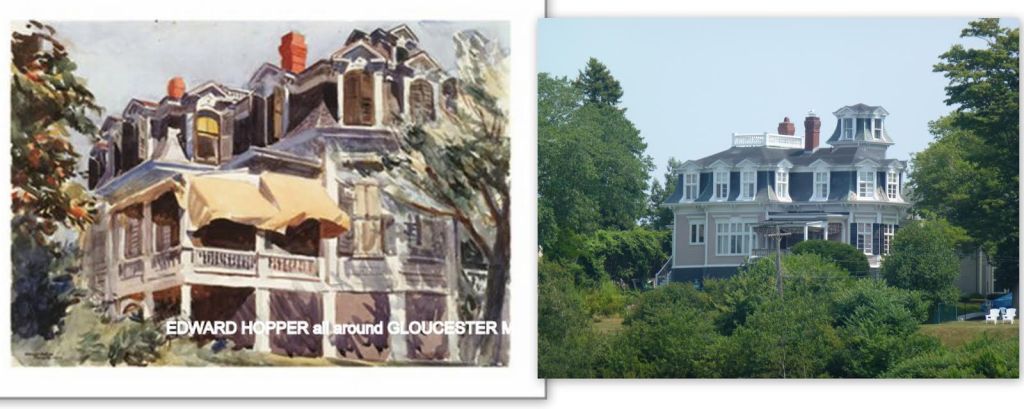
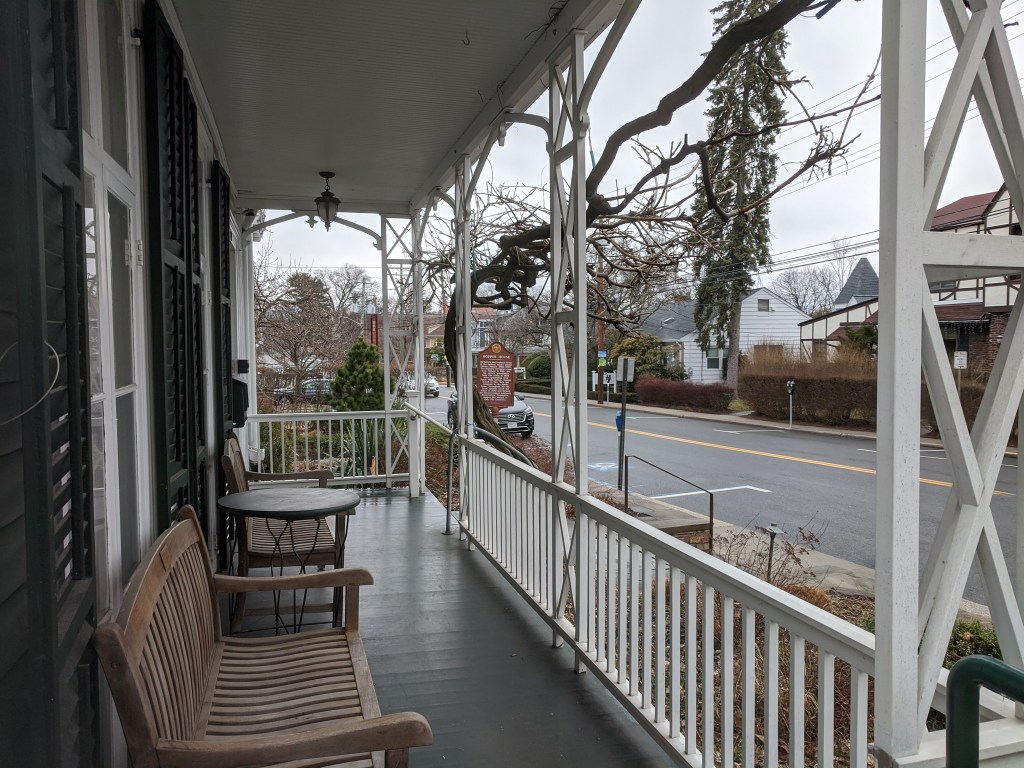
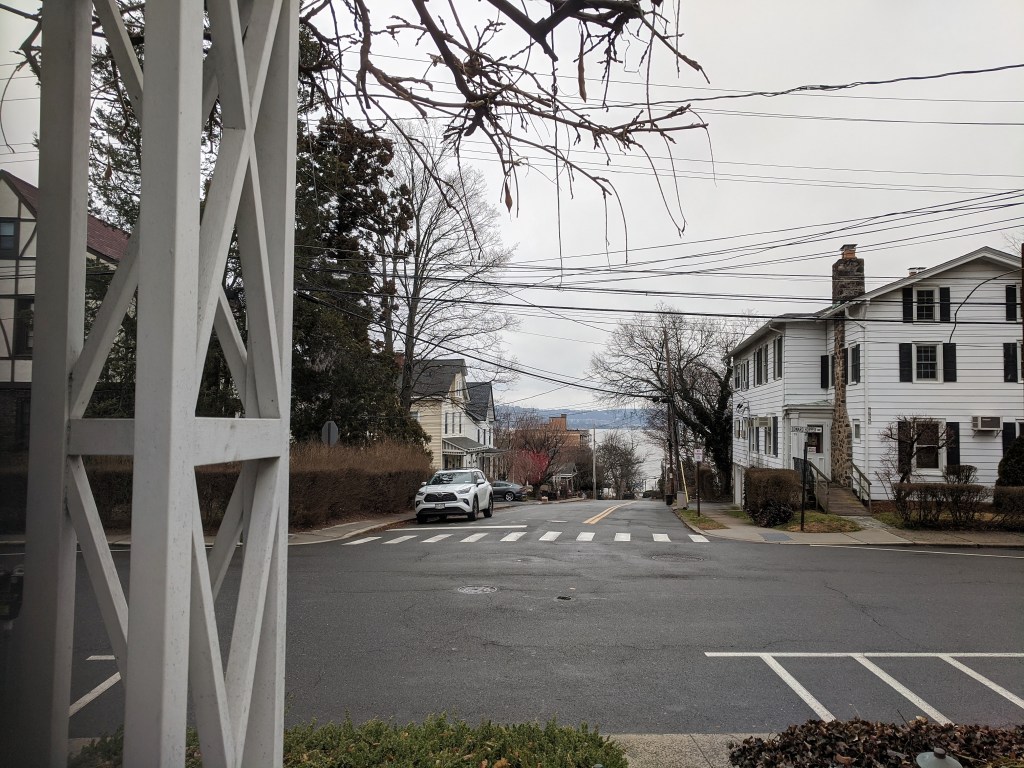
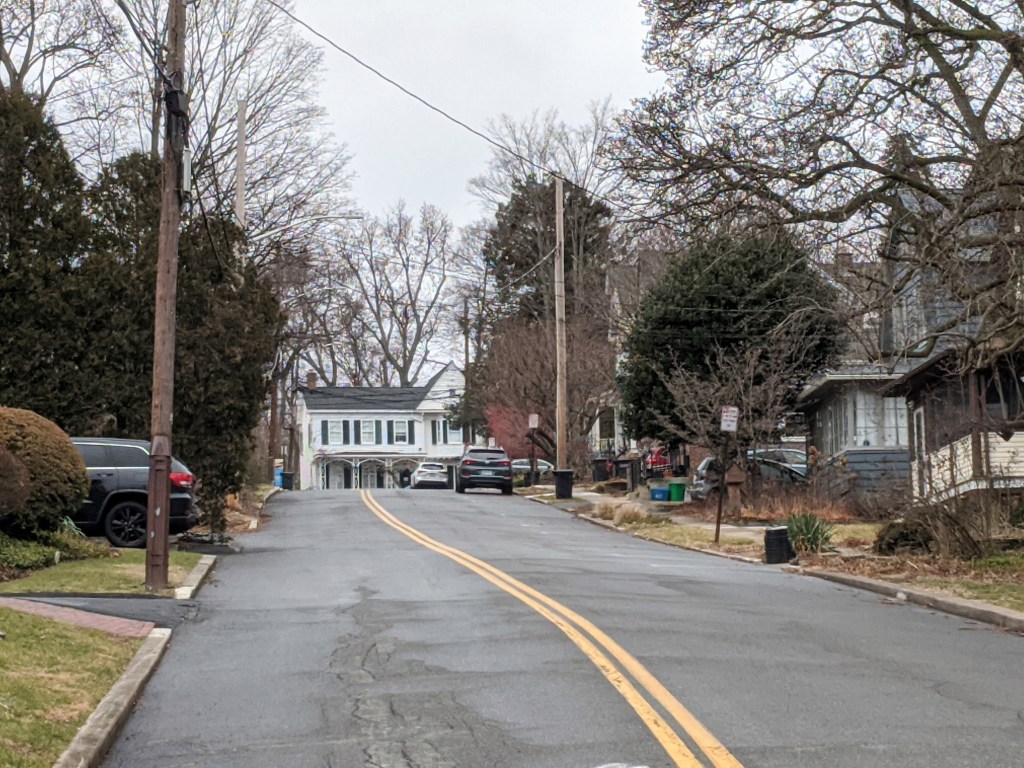
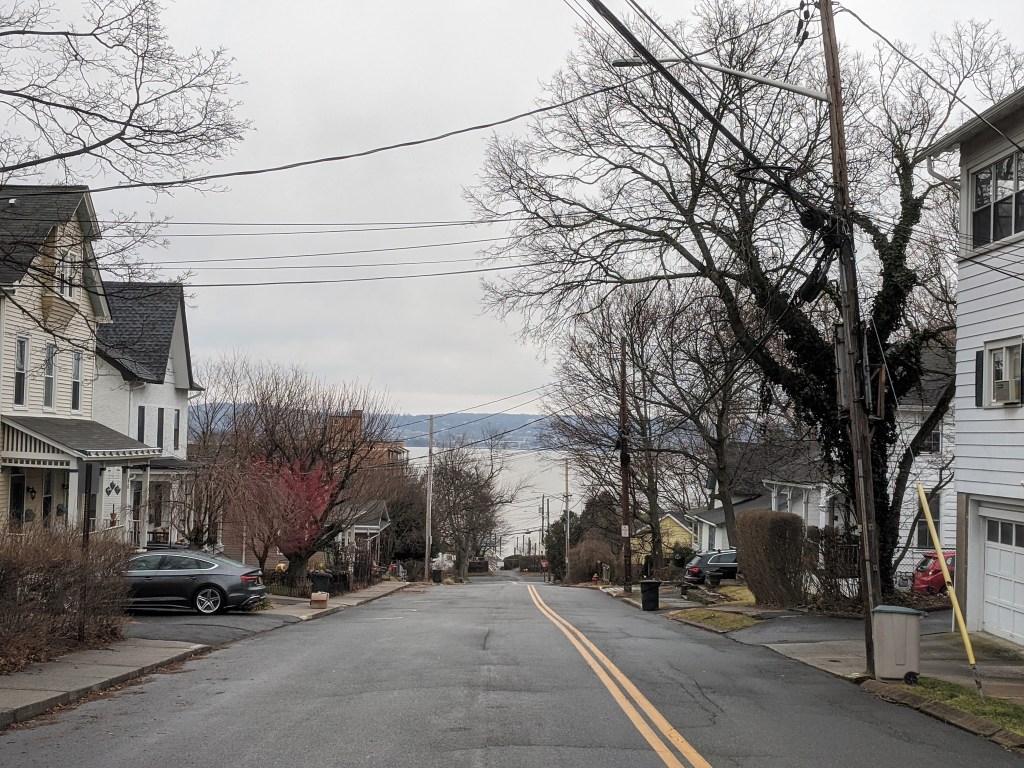
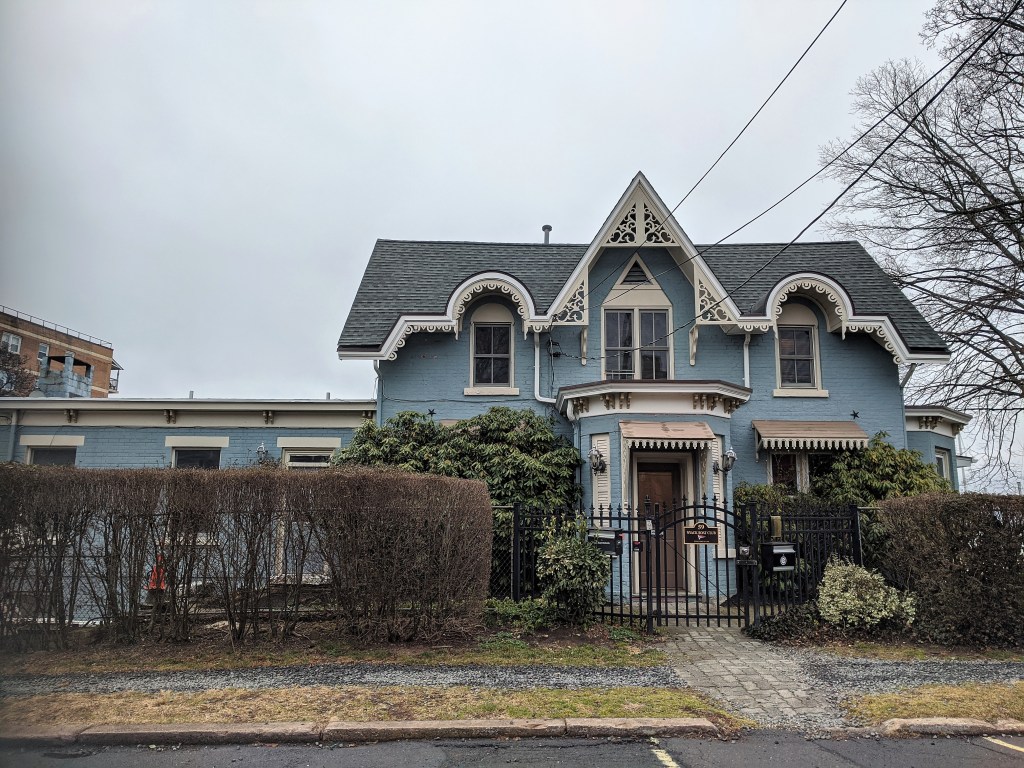
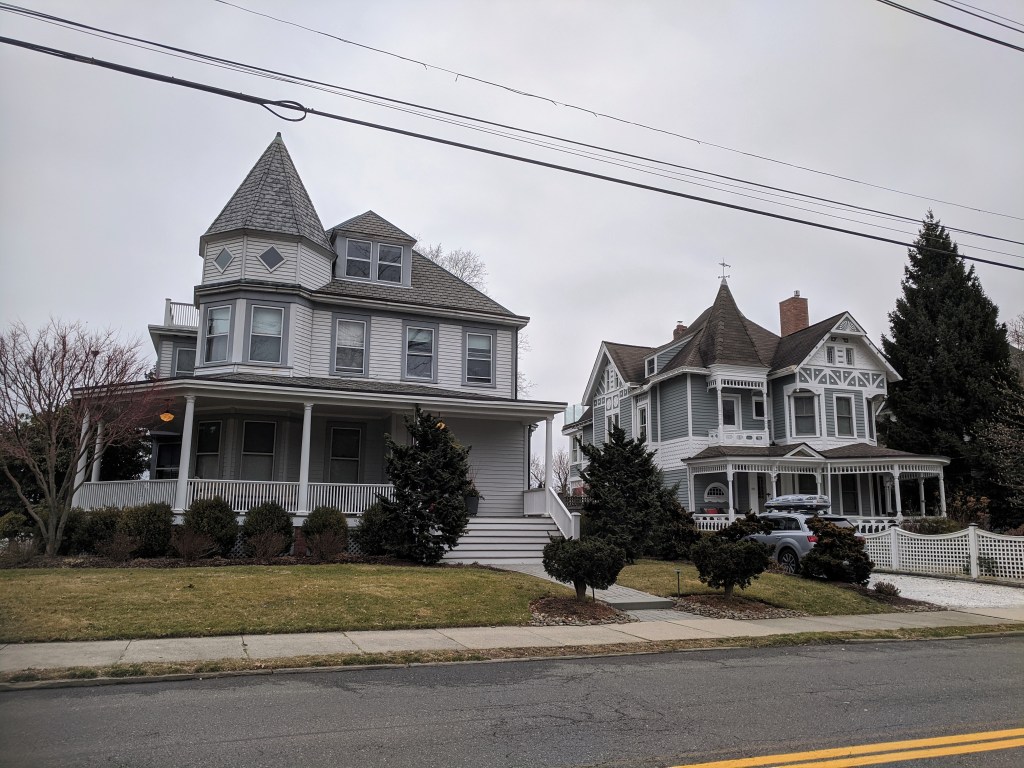
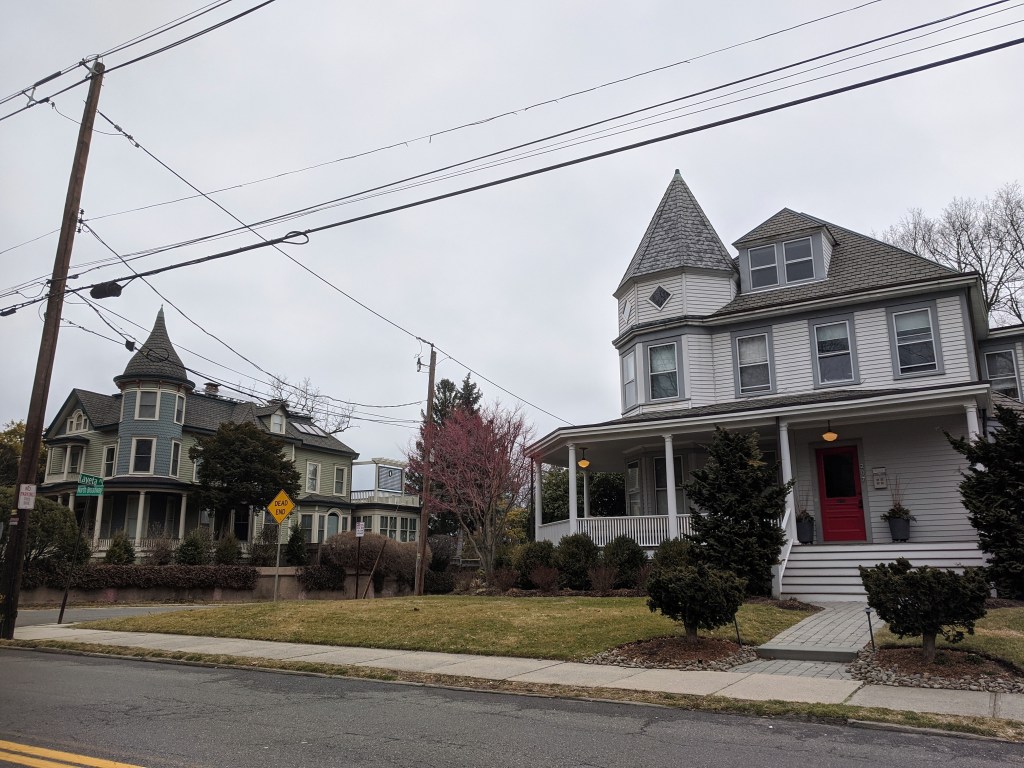
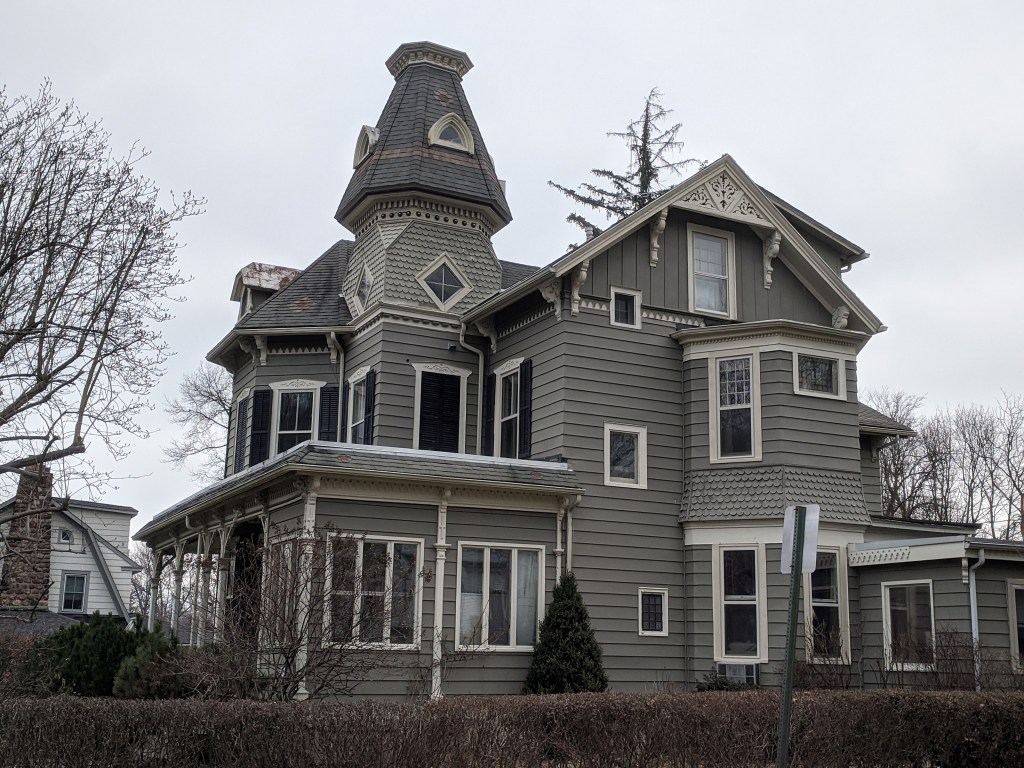
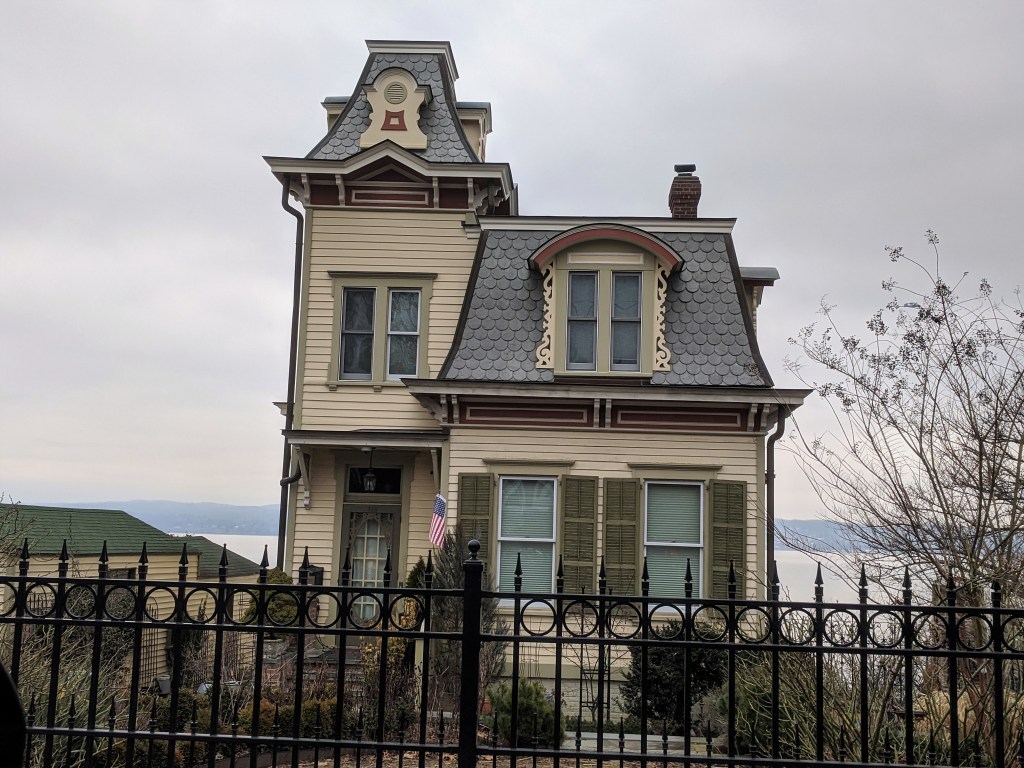
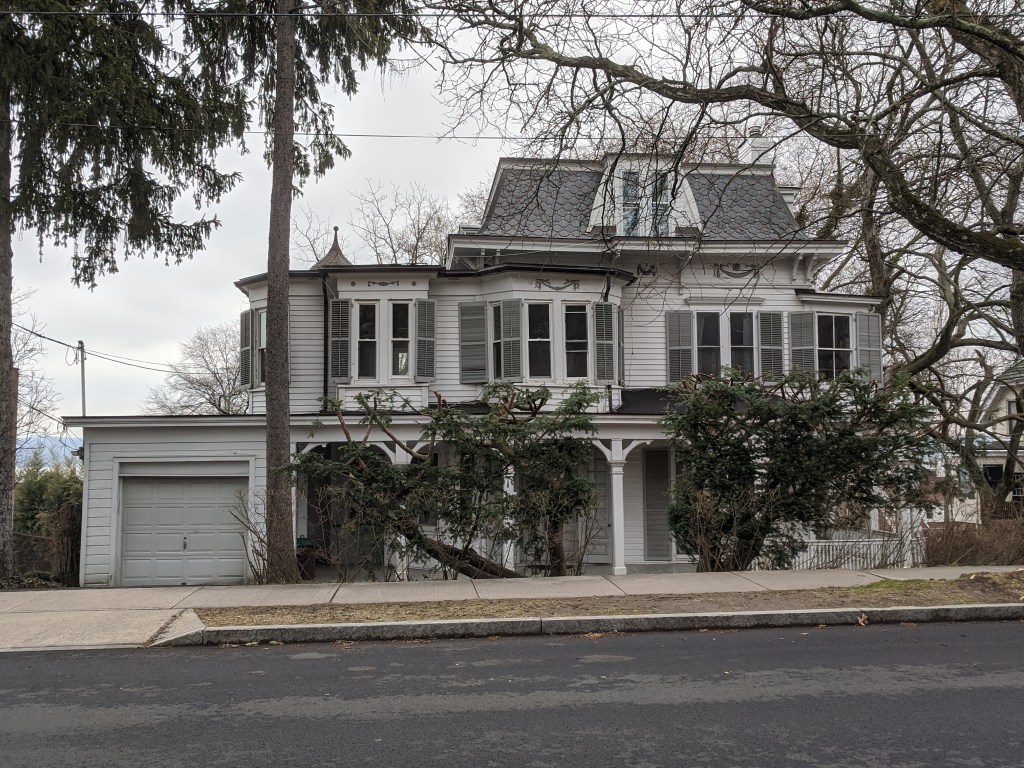
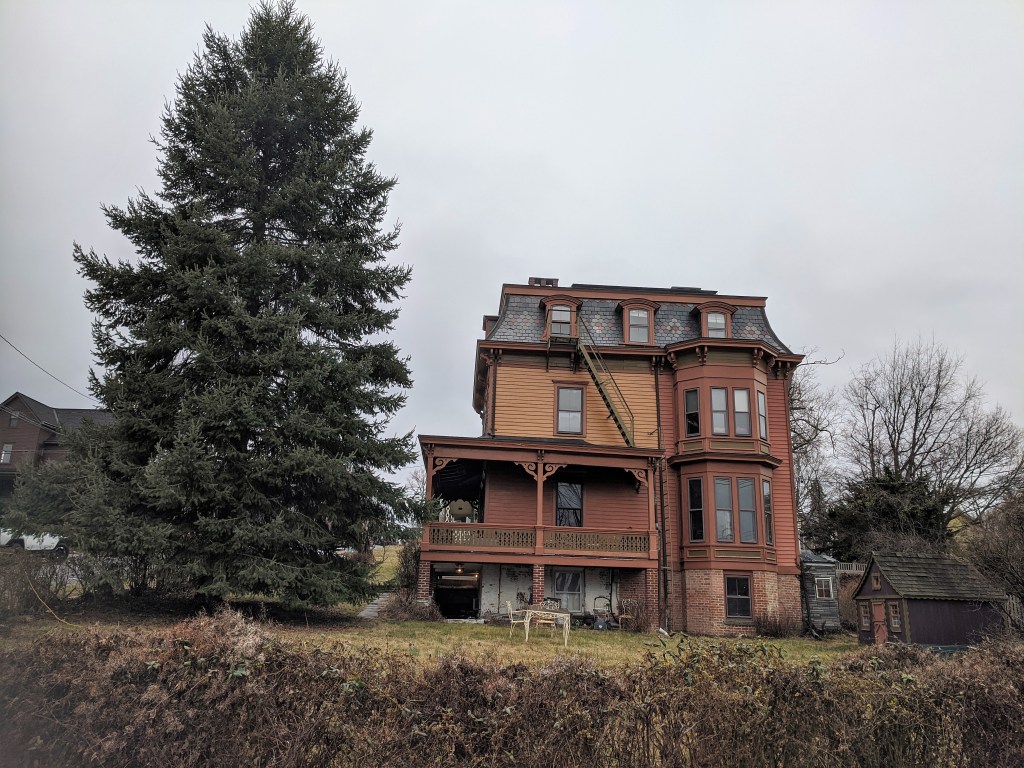
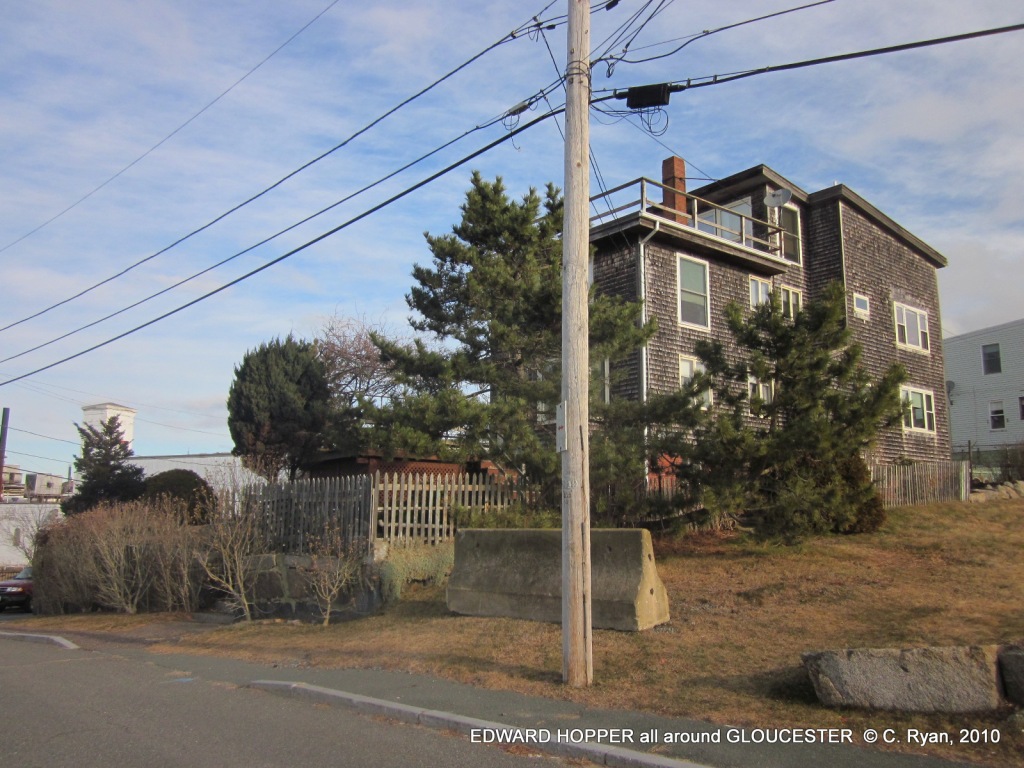
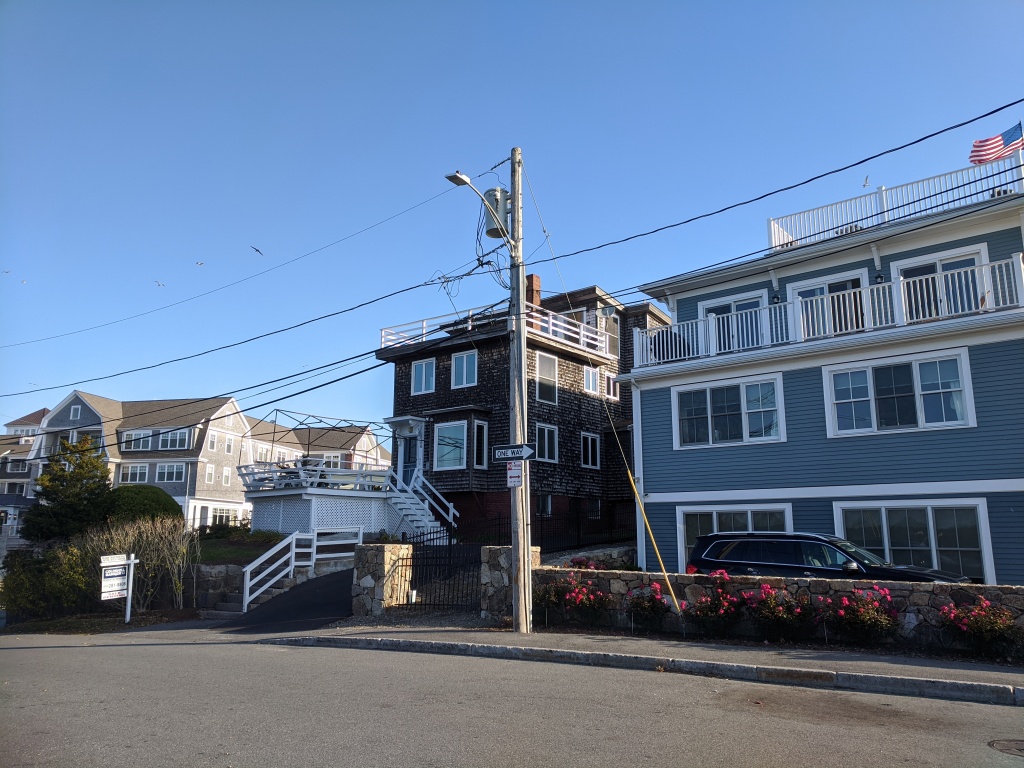
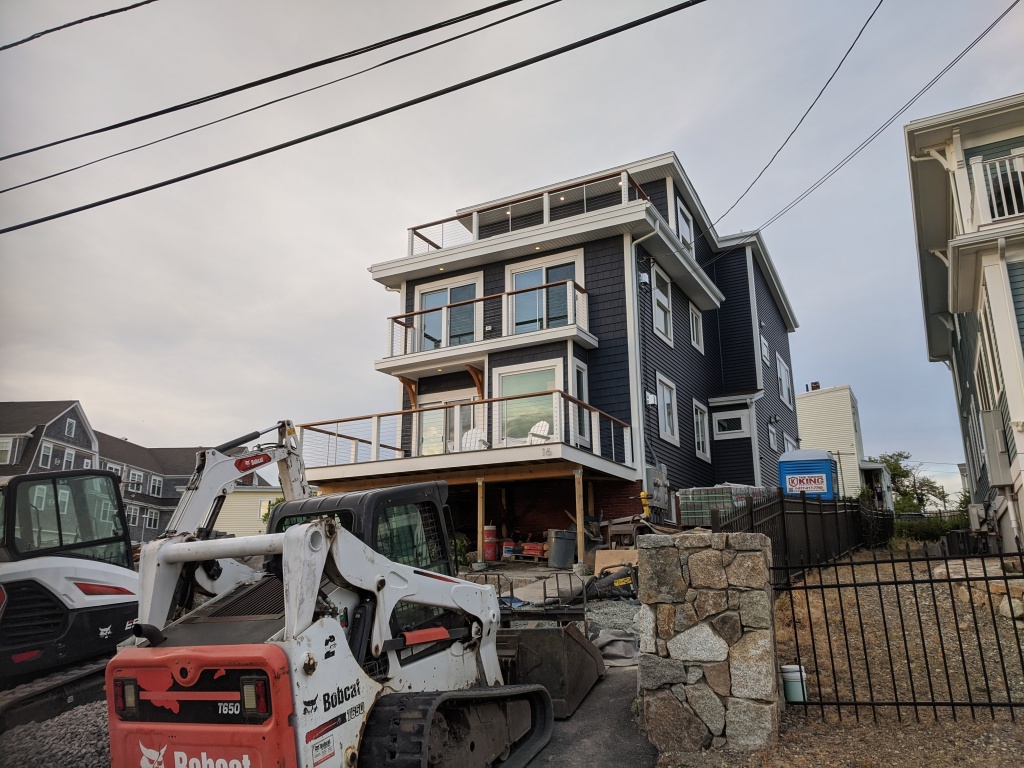
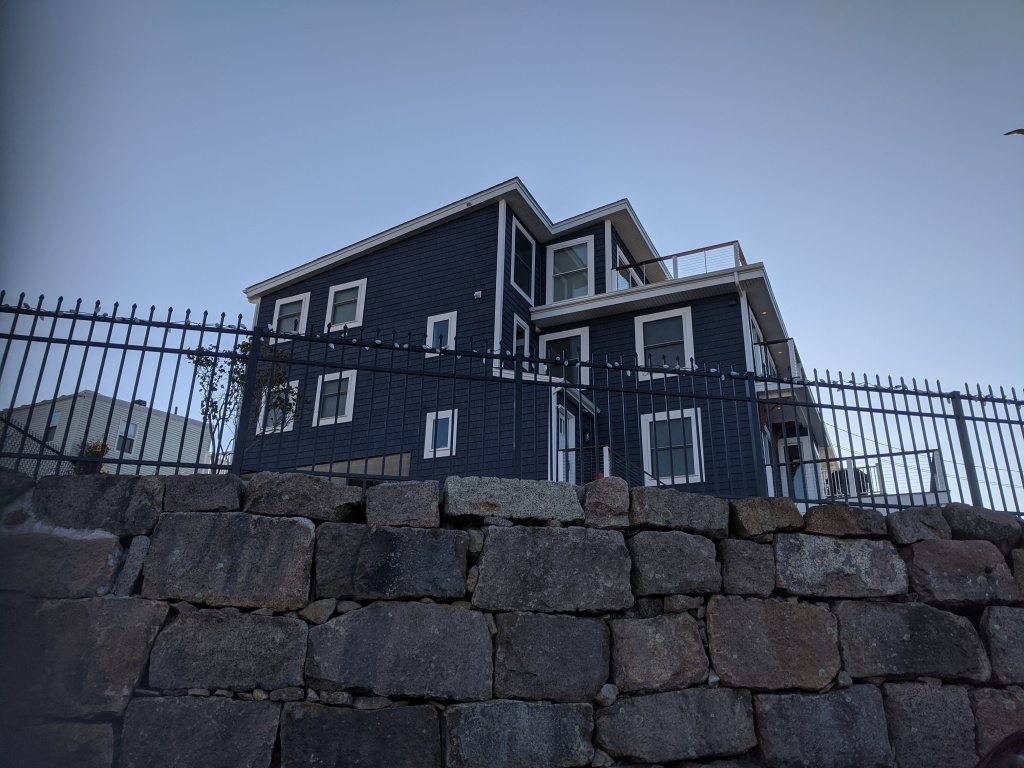
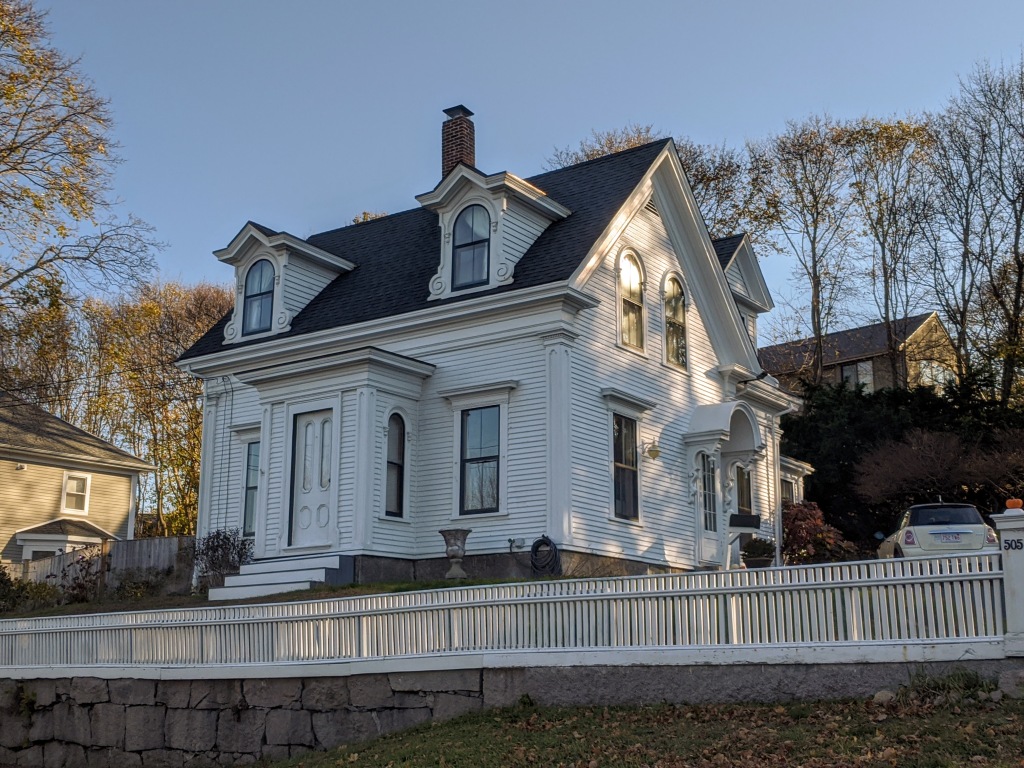
Roof work underway last fall and exterior reno in progress now on the stately Hopper-esque Second Empire home with a tower on the corner of Prospect and Elm in Gloucester, Ma. (83 Prospect Street)
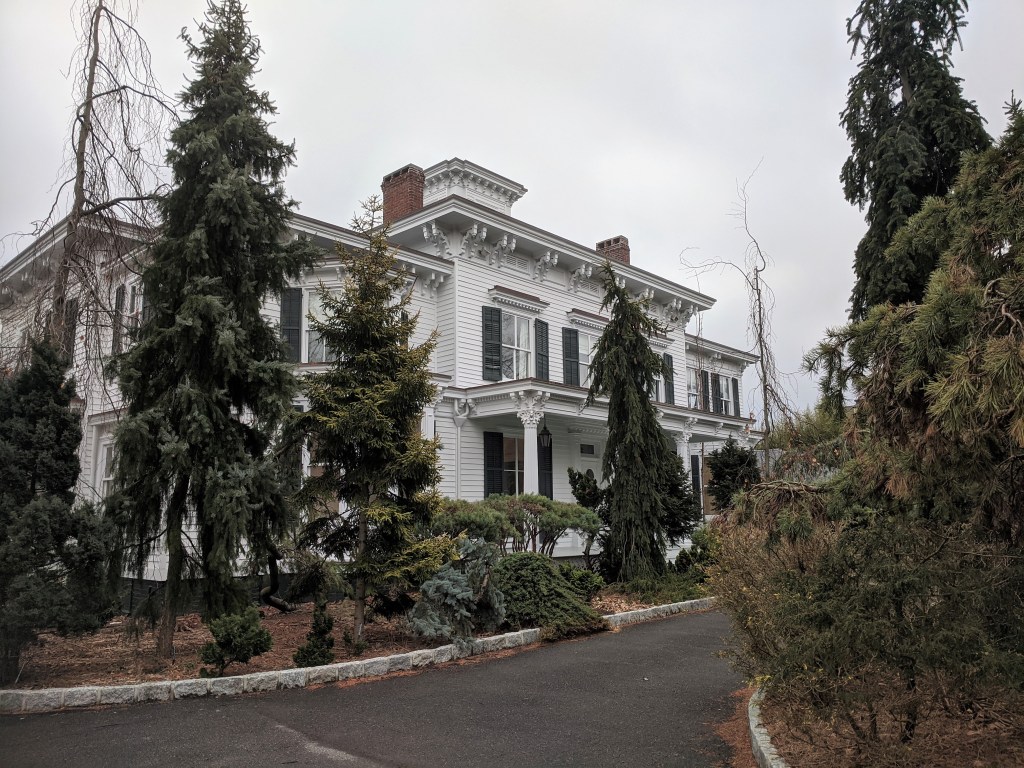
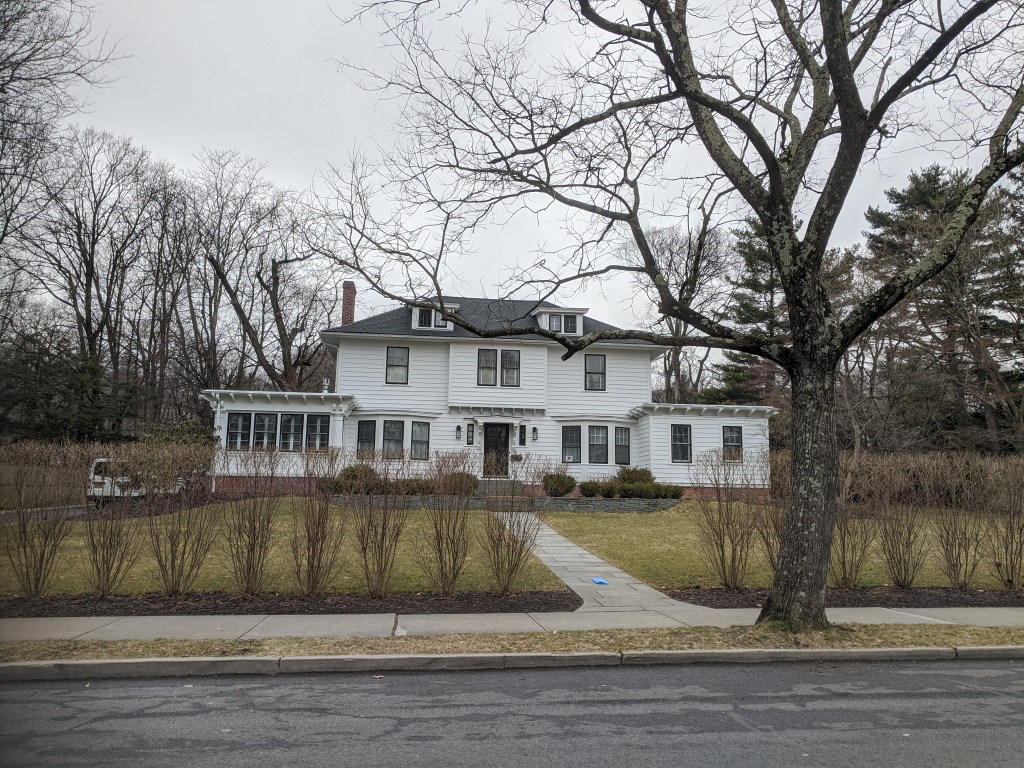
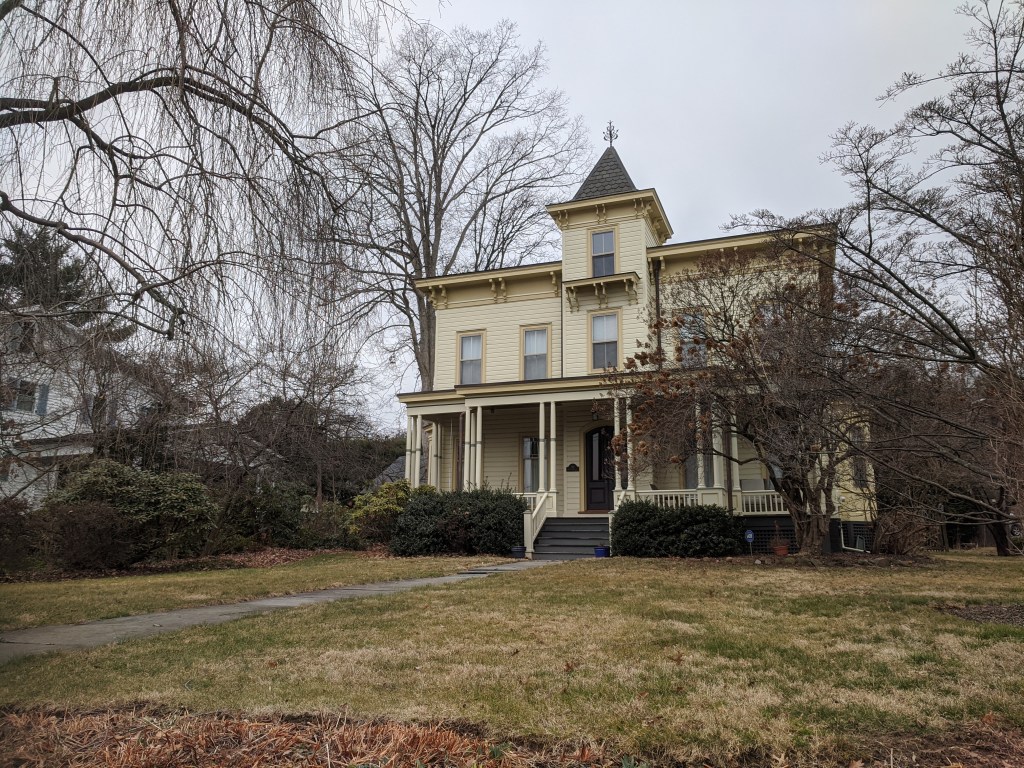
Here’s how it looked in 2012, 2020, 2024 (Dec. roofing), 2025 (March)
Spread The GMG Love By Sharing With These Buttons:
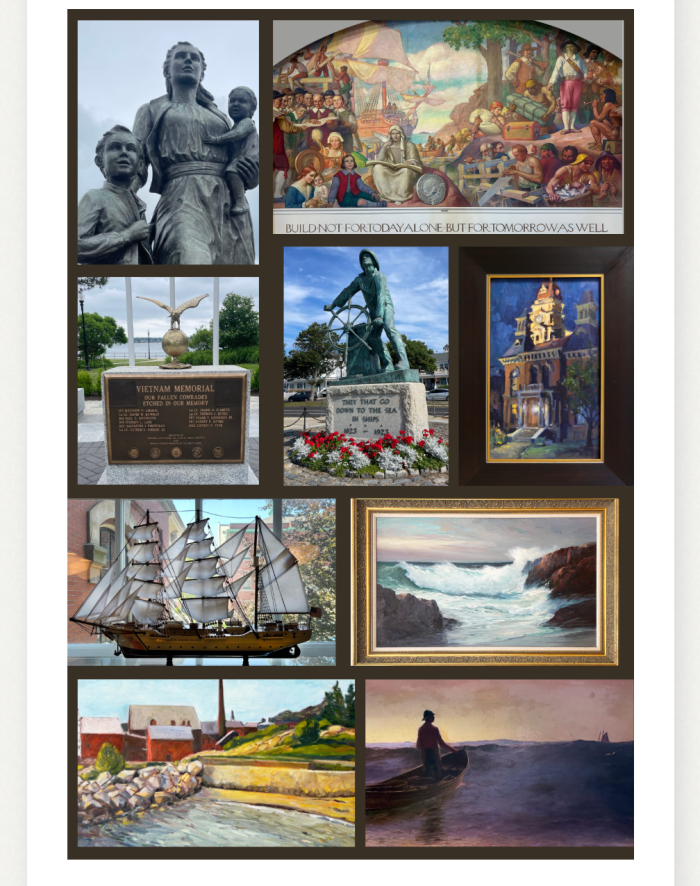
Art and culture have been laced throughout Gloucester’s history. City staff, departments, partner organizations, artists, and volunteers have kept detailed inventory checklists and care of a world class municipal art collection decade by decade for more than a century. Several lists were managed by American art luminaries. Here is a City Hall example from 1937, “A Catalogue of Murals and Decorations in Gloucester Done by Gloucester Artists in the Employ of the Federal Art Project”.
The 250th anniversary formed a committee for the arts. Mayor Alper reinvigorated the City Hall collection display in 1977, “Gloucester Arts & Humanities”. The Waywell inventory dates from the 1990s. When the City updated all its ordinances in 2000, the Committee for the Arts was formally added. In 2005 then CFTA Chair Kate Bodin and former CFTA member John Ronan drafted a prescient and comprehensive art policy celebrating all forms of creative expression. Since 2000, 6 inventory lists have been compiled—by volunteers and/or commissioned.
A major inventory checklist and report completed in 2006 was a dual project orchestrated by the City Archives (link here) andCommittee for the Arts that focused on City Hall. Although the report did not include artwork measurements and was a work in progress, it was another decade’s invaluable record to build upon.
The Art of Gloucester City Hall, 2006. See printable PDF of inventory below (some attribution errors). A written evaluation was included which I’ll add in.
Bethany Jay (principal writing and research)
Information on Gloucester City Hall compiled by Sarah Dunlop, Jane Walsh, and Stephanie Buck of the Gloucester Archives office. Supplemental materials were written by John Ronan. Mayor John Bell.
Gloucester Committee for the Arts- John Ronan, Judith Hoglander, Dale Brown, Christine Lundberg, Steve Myers, Sage Walcott
Committee for the Arts member, Eric Schoonover, took on the task of the first database and digitized record–CDs, later joined by Marcia Hart, with ladder in tow to double check the inventory status and measurements which was not on the 2006 report. Several excels and docs followed and were shared widely. Under successive administrations led by Mayor Kirk and Mayor Romeo Theken, an open access inventory and available online gallery was an expressed goal for multiple city and partner grants, the city’s tourism efforts (a precursor to Discover Gloucester), the City’s two cultural districts, HarborWalk, Gloucester Arts & Cultural Initiative, public arts projects, free apps and platforms.
In 2018-19, Williamstown Art Conservation completed a conservation and full inventory report for the City mural collection, triage and stabilizing–for the first time including works not on display. (author note: I will add the PDF here)
Flash forward to 2024, the Gloucester art collection archives is available anew in an online art gallery through Art Work Archive (www.artworkarchive.com). Keep in mind that this is a work in progress. Some of the artwork information is incomplete or a placeholder. I’m sure cross-checking with the original documentation will continue and help with corrections, and more works will be added.
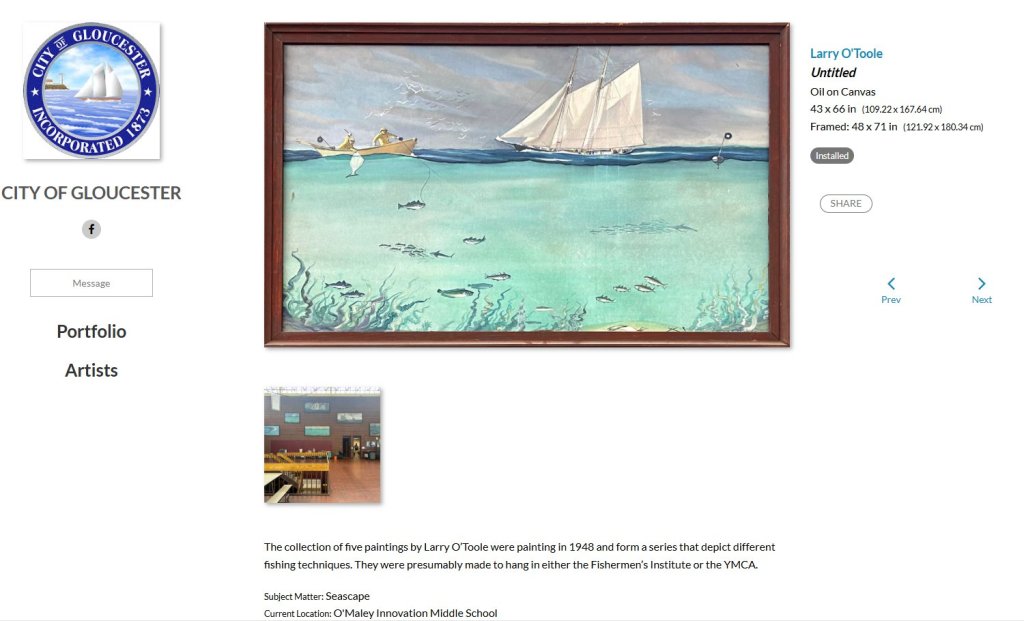
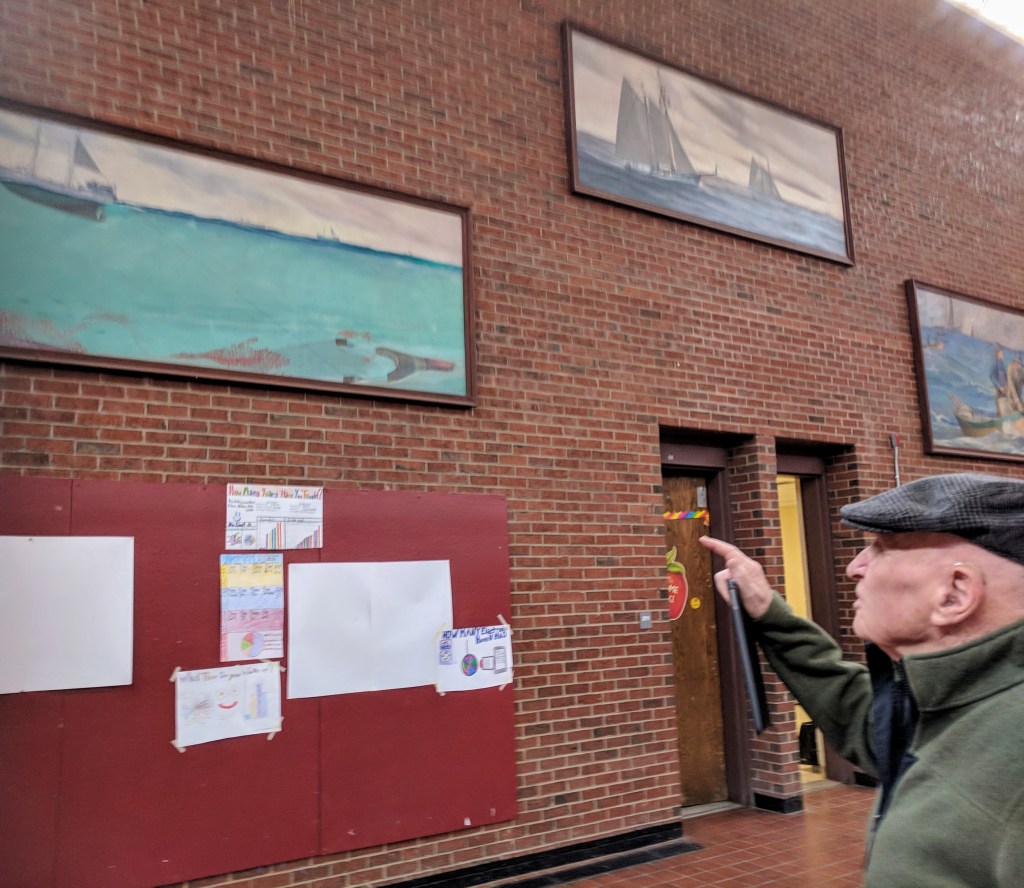
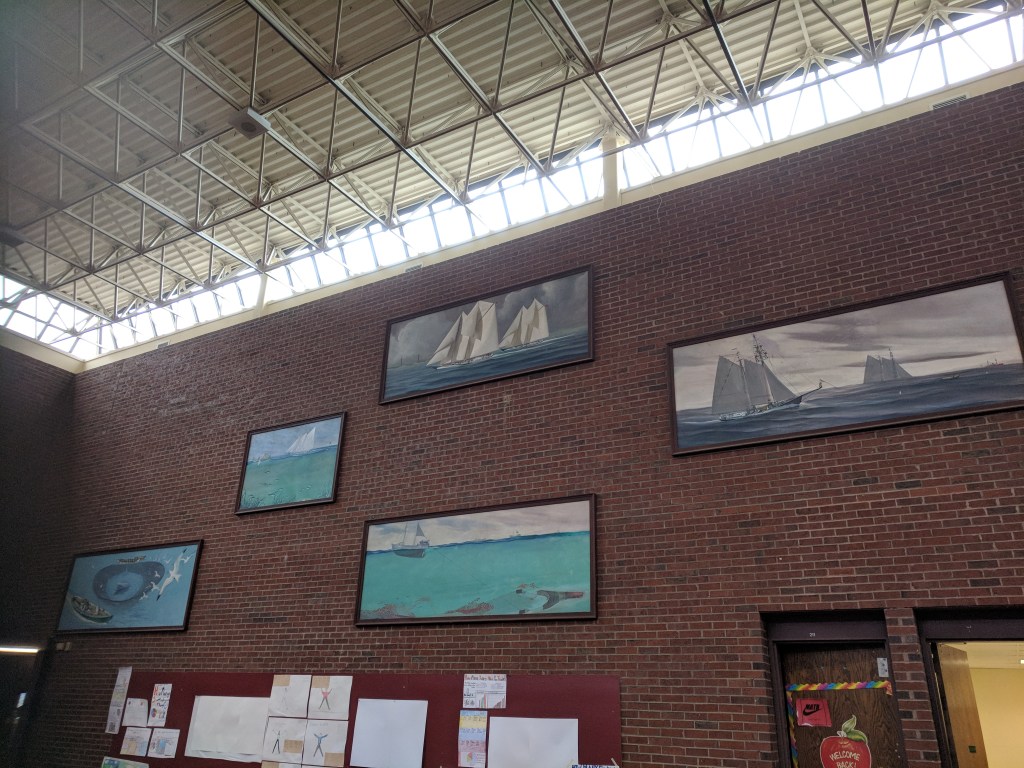
For example, the monumental murals by Lawrence “Larry” O’Toole (1909-1951) installed in 1982 in O’Maley Middle School are listed “Untitled” in the archive pages. They’re not untitled. They were originally commissioned by Ben Pine for the Gloucester Fisheries Institute and YMCA circa 1940-48 and illustrate fishing industry and vessels common in Gloucester. I interviewed Ron Gilson who confirmed the history and my research. DPW inspected and measured them almost 10 years ago and Williamstown Art Conservation Center, of course, when they did their evaluation. Titles are:
Larry O’Toole, Returning to Harbor, Twin Lighthouses
Larry O’Toole, Tuna Fishing with Spears
Larry O’Toole, Schooner with Rod Fishing
Larry O’Toole, Seine Fishing with Seagulls Overhead
Larry O’Toole, Trawling
Puzzlingly, the Mulhaupt series across from the O’toole’s are on display out of order at O’Maley and could have fit sequentially if the two series were switched at installation in 1982.
In 2021, the Wall Street Journal featured an article about WPA era art and online catalogue resources. Gloucester’s are largely absent, for many reasons. I shared the article news here (3/25/2021) and wrote:
Judith Dobrzynski highlights WPA murals and a renewed online resource* for “Arts in Review” the Wall Street Journal.
“During the Great Depression, federal programs funded the creation of thousands of murals in post offices, hospitals and other locations across the country, many of which can now be viewed online.”Judith H. Dobrzynski. The Staying Inside Guide: Big-Deal Art in Plain-Spoken Venues. Wall Street Journal. March 23, 2021. *A few of the WPA murals completed in Gloucester had been included in an earlier iteration of the website, in some cases misattributed. Gloucester is not mentioned in the article.
The reviewer highlights Coit Tower in San Francisco as one renowned example.
“The New Deal murals inside Coit Tower in San Francisco are also well-known. Painted by some two-dozen artists in 1934, they are social realist panels about life in California during the Depression, with titles like “Banking and Law” and “Meat Industry.” Their story, with a detailed layout, is available in a San Francisco Recreation and Park Department brochure.”Judith H. Dobrzynski for WSJ
The reverse ratio is evident here: Gloucester selected four artists who completed scores of masterworks* for specific public buildings. Monumental stunning mural cycles were commissioned under the auspices of Federal Arts PWAP and WPA-era programs from 1935-42 for Sawyer Free Library, City Hall, the High School on Dale Ave (now Central Grammar apartments), Hovey, Maplewood, and Forbes elementary schools. As schools were closed, disposed, or repurposed, murals were rescued and re-sited within City Hall and later O’Maley.
The City of Gloucester artists were significant muralists and painters. In truth, venerated. They captured stories of Gloucester and became a celebrated part of our history and artistry. When considered as a whole, the Gloucester murals rival WPA era collections completed in big cities. The density of murals are as concentrated as any found in larger cities, like Coit Tower in San Francisco, though spread out among buildings rather than one tower, or one structure, as with Harlem Hospital.
Gloucester’s post office nearly landed a commission, but fate intervened. I’ll save that for the Part 2 post.
Gloucester and greater Cape Ann artists were commissioned for murals beyond Gloucester and Massachusetts and served key roles on selection panels and planning.
Gloucester is not mentioned in this WSJ article or few major compilations.
“Though painted by nationally known and successful artists at the top of their game, the works have suffered from a perfect storm of anonymity.” Catherine Ryan, 2012
City Owned Art Work Archive online gallery
What is new about this 2024 city owned inventory online gallery is that 1) a wonderful creative director, Anna Chirico, was hired to photograph and inventory the collection. Fun fact, Chirico of course has helped her mom, JoAnn, with goodlinens studio on Main Street in Gloucester (goodlinenstudio.com), and 2) Kate Shamon Rushford, Gloucester’s arts, culture, and events coordinator was hired for a part time position within Community Development dedicated to projects like this one. Shamon Rushford is pursuing a Gloucester presence online through Bloomberg Connects Arts and Culture online, too.
I recommend that the city’s .gov website maintain exclusive pages as well, because what’s new and trending in arts engagement is not static or exclusive.
Gloucester DPW has utilized 3D photography for jobs (City Hall after the fire), and city departments including Community Development/Engineering make use of arcgis subscriptions. These resources on the .gov site would help with virtual tours and printables. It’s important to keep city ownership of the content. Gloucesterma.gov went to Discover Gloucester. As long as the content is retrievable, dedicated pages can be available on the .gov site itself regardless of technological or fad obsolescence.
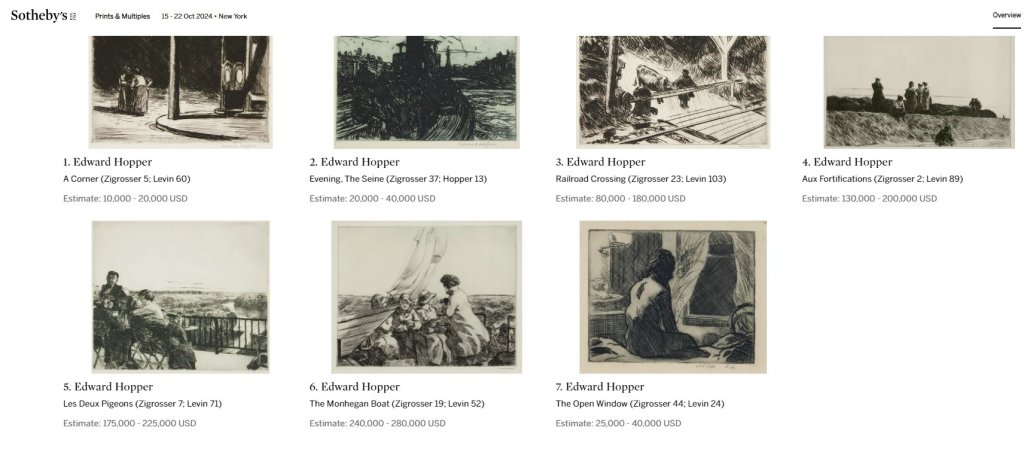
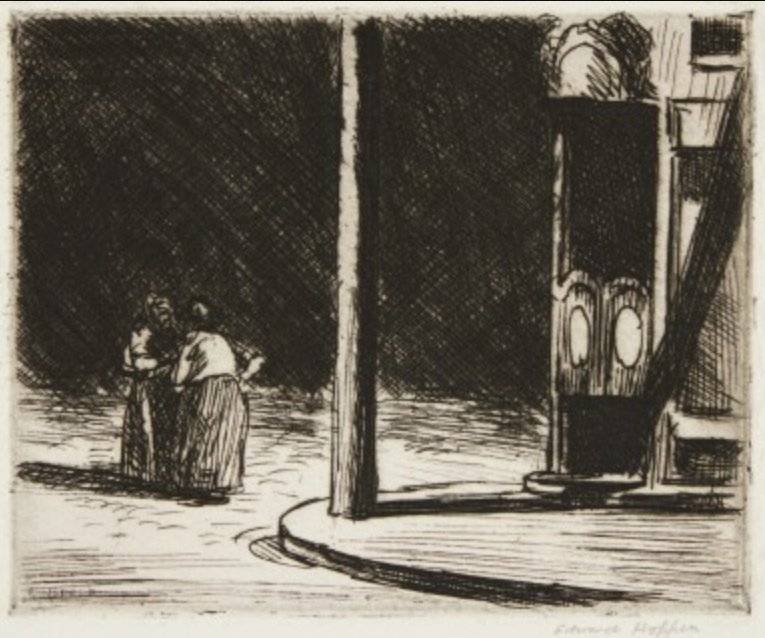
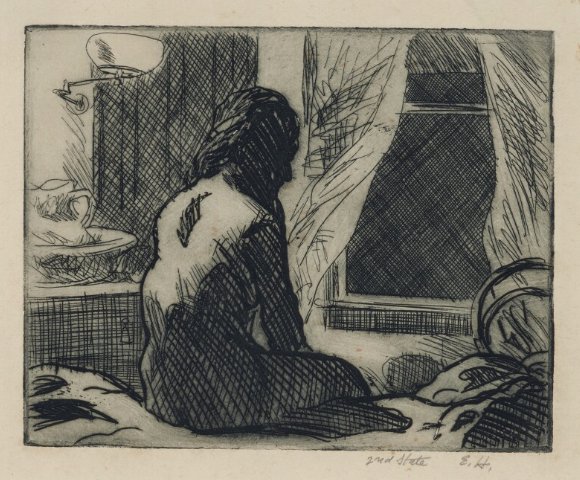
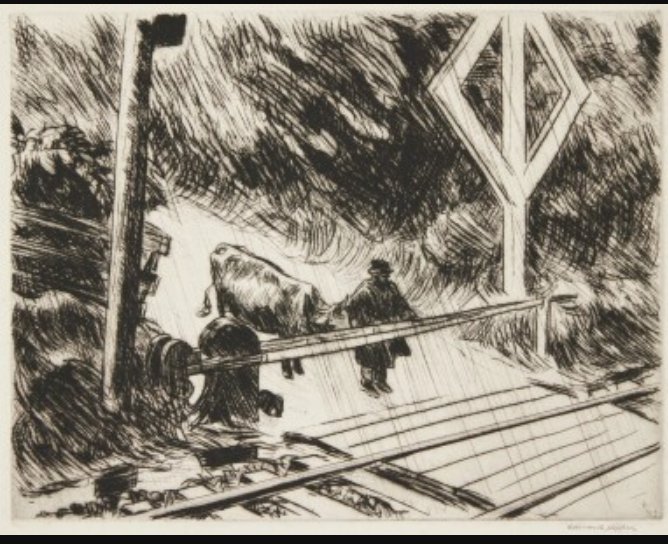
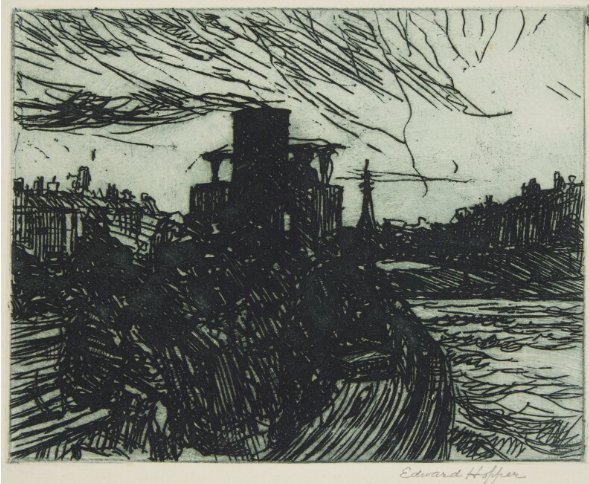
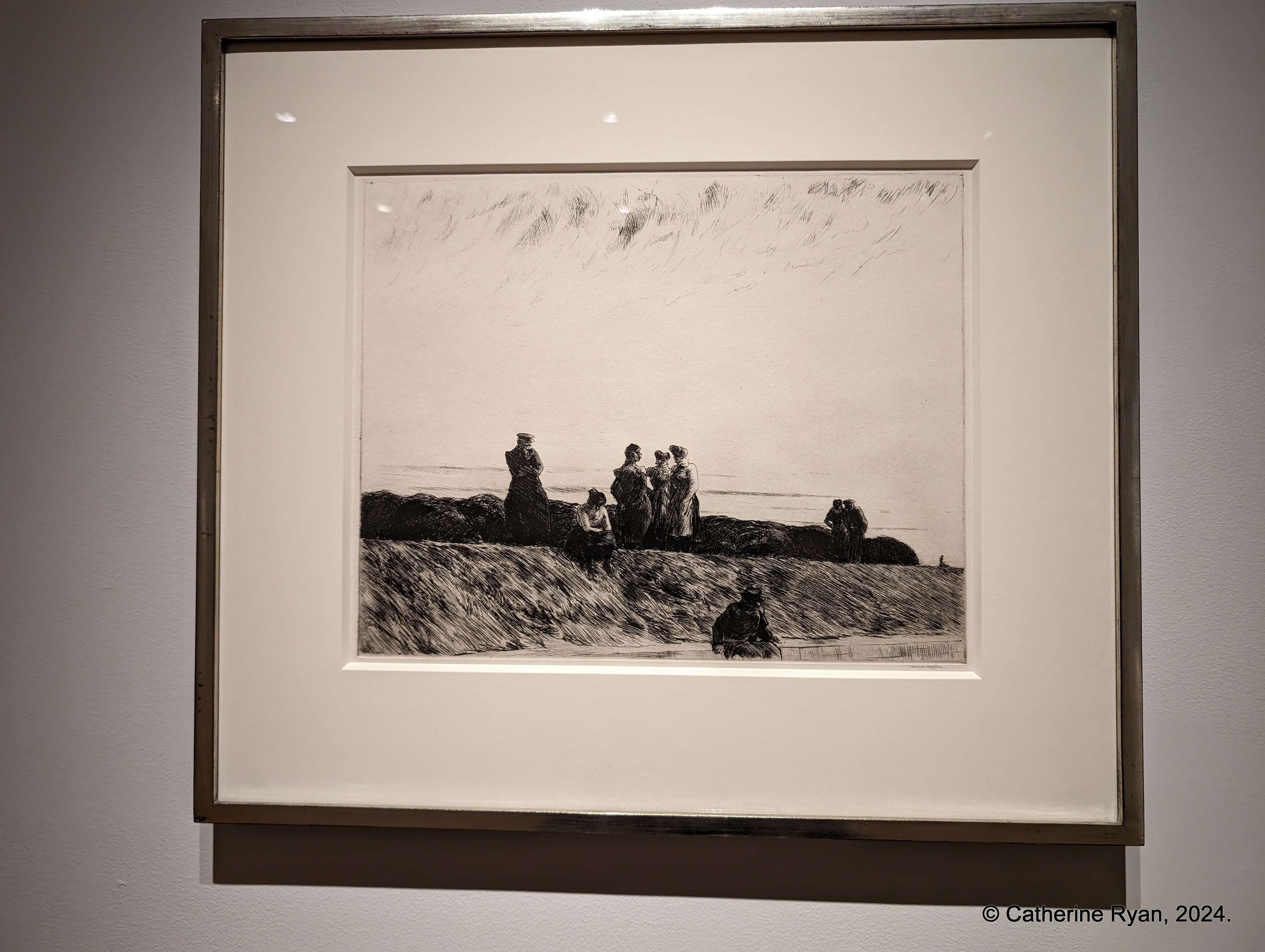
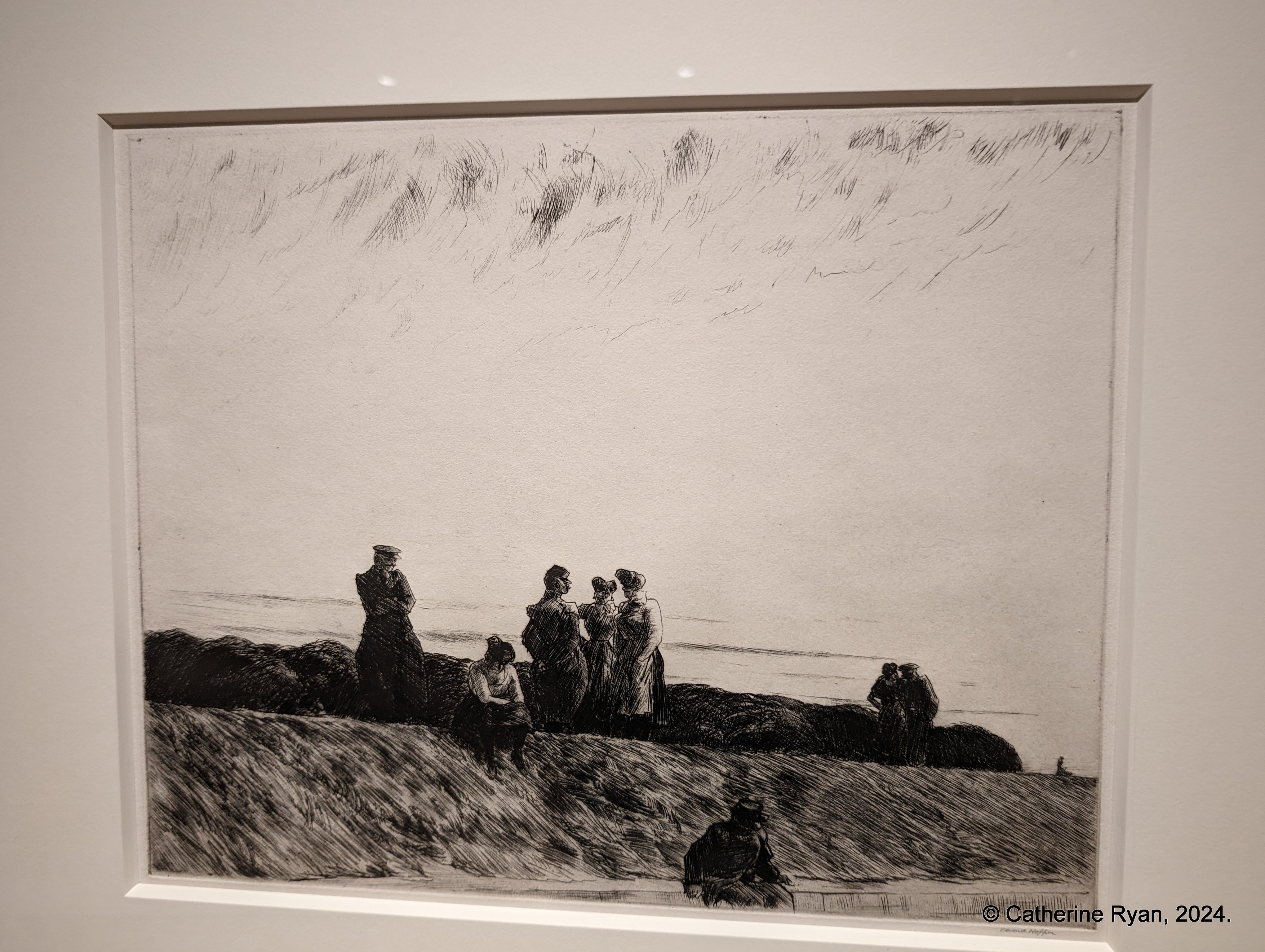
images: Edward Hopper prints offered through Sotheby’s online auction Oct. 22, 2024
A Corner, etching 1919 (presale estimate 10,000- 12,000) sold $18,000 (hammer price, excluding fees)
Evening, The Seine, etching circa 1915-1918 (est. 20,000-40,000) sold $24,000
Railroad Crossing, drypoint 1923 (est 80,000-180,000) did not sell
Aux Fortifications, etching 1923 (est. 130,000-200,000) did not sell
Les Deux Pigeons, etching 1920 (est. 175,000-225,000) sold $204,000
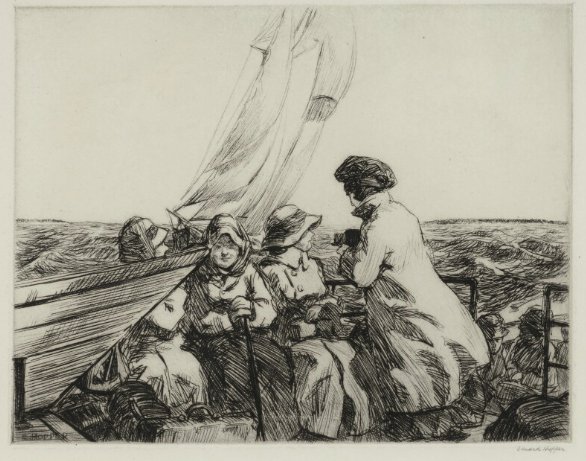
The Monhegan Boat, etching 1919, (est. 240,000-280,000) did not sell–reserve not met at $190,000
The Open Window, etching circa 1915-1918 (est. 25,000-40,000) did not sell
*Reserves weren’t met for unsold works.
I did not appraise these particular impressions selling today and don’t know their provenance. I have inspected other impressions of these editions from public and private collections in the past and was excited to see a stunning impression of Aux Fortifications for sale earlier this year.
Stuart Davis drawings circa 1912-1913, Houses on the Shore (Summer Cottages) est. 12-18,000 and Clam Diggers est. 7-10,000, failed to sell in Sotheby’s Oct 1 Modern Discoveries sale.
Spread The GMG Love By Sharing With These Buttons:
Gloucester DPW rehung art throughout City Hall following the 2023 fire & smoke damage. Frames were rewired.
In Kyrouz Auditorium, the Mayors Portrait Gallery installation was shuffled and reordered to incorporate portraits past and future with more to come. Two large Howard Curtis paintings recently donated to the city’s art collection are featured in the main hall.
The Mayor Portraits Gallery is extensive, nearly complete, and a work in progress. Mayor portraits are installed following service: A portrait of Mayor Romeo Theken will be added. A poster of the Mayor Barrett portrait will come, the third in a series of poster reproductions for the trio of Mayor portraits painted by Charles Allan Winter (quick, not from life, unprimed, and flaking). I recommended the portrait of Mayor Dyer (A.H. Bicknell, 1879) be brought upstairs in sequence with the others, and that Mayor Merchant be represented (he wasn’t), so it’s great to see those two included. I also recommended that the portrait of Mayor O’Maley be brought back from O’Maley school and one future day a portrait of Mayor Foster (rather than a plaque) and perhaps a larger portrait of Mayor Beatrice Corliss be commissioned.
As is common with Gloucester DPW, the staff admires the architectural details and history of the building. Here, Joe and Jim take in the ‘scenic overlook’ from the balcony. Jim talks about the Kyrouz ceiling lights: the original engineering mechanism that drops the fixtures so that the bulbs can be changed remains operational.
2023 custom scaffolding set up CLEANING CITY HALL CEILING AFTER THE BASEMENT FIRE/SMOKE DAMAGE
The ceiling is sparkling because workers could reach it from atop a specialty scaffolding platform (a la Michelangelo :)). Images: Kyrouz Auditorium, City Hall, 2023. Courtesy photos, Joe Lucido, Asst. Dir. DPW
Look up!
On the Dale Avenue entrance side of City Hall, above the fire & smoke incident, the stairwell walls and ceiling received attention, too. The facilities remediation project was smartly directed by DPW.
City Hall 1867 1869 1871
photo: 2013, C. Ryan
City Archives is open and as ever ready to help!
Spread The GMG Love By Sharing With These Buttons:
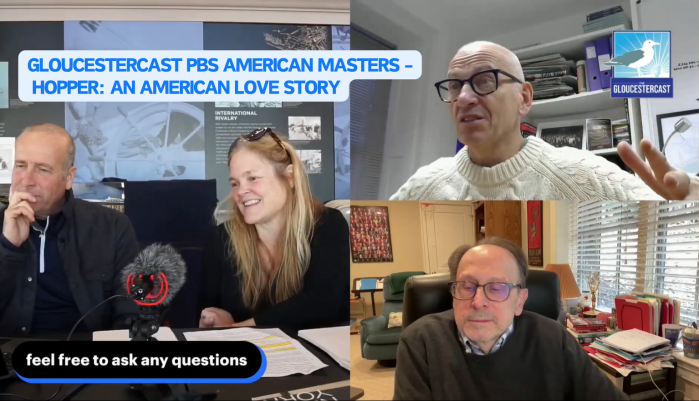
Interview hosted by Joey Ciaramitaro with Michael Cascio and Phil Grabsky, award-winning filmmakers who collaborated as co-writers and directors on PBS American Masters | Hopper: An American Love Story , a documentary that premieres nationally on PBS January 2, 2024 at 9pm.
Despite being one of America’s most iconic 20th century artists, Edward Hopper has not been the subject of an American Masters biopic until this feature.
Press play to listen (audio)-
Press play to watch and listen (video)-
This interview was broadcast from the Maritime Gloucester museum in Gloucester, Massachusetts on December 21, 2023. Host: Joey Ciaramitaro and Catherine Ryan with support from Pat Dalpiaz.
TOPICS INCLUDE
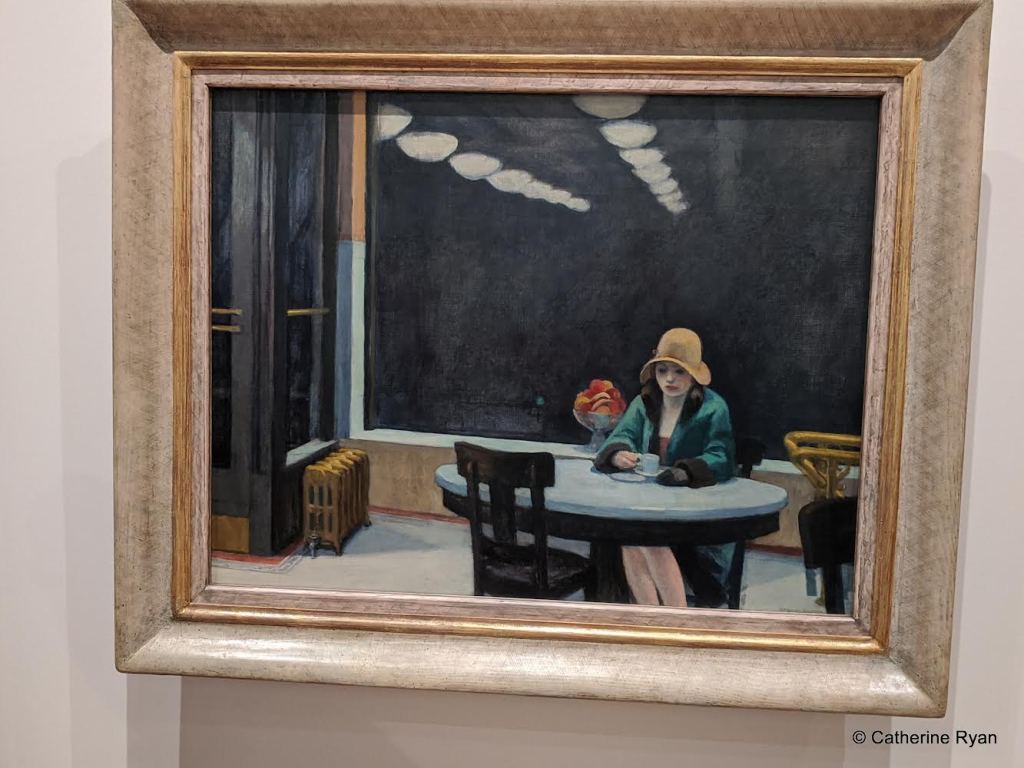
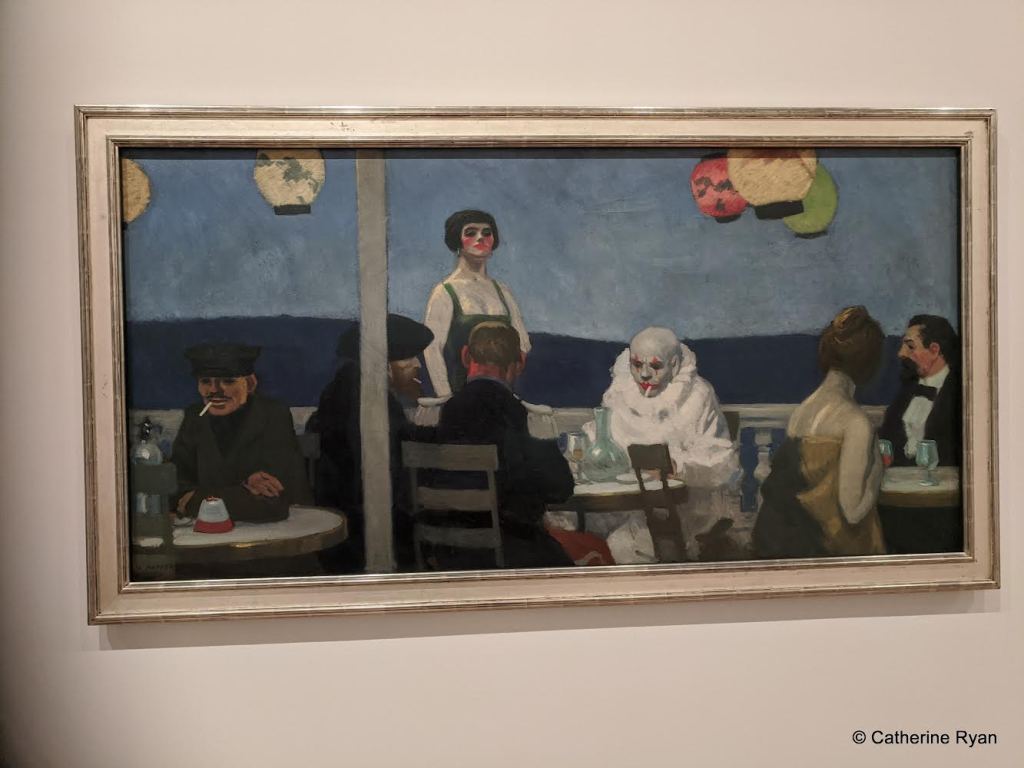
Michael Cascio (filmmaker); Phil Grabsky (filmmaker); the choice of the title (at 8:00min); Edward Hopper; Josephine Nivison Hopper (spouse & fine artist); the origins of Edward Hopper’s and Jo Nivison Hopper’s collaboration; the filmmakers’ access to locations of significance that inspired Hopper’s art (his formative years in Nyack where he was born and raised, Paris (33 min), Gloucester (15:22 min), Truro (Cape Cod), and Washington Sq. North in NYC; more Gloucester, Sebastian Junger & The Perfect Storm; Hopper artworks Nighthawks, 1942 (23 min and lengthier dive at 26:40 min), Soir Bleu, Automat 1927, and The Mansard Roof (18:14 min); showcasing archives rare color footage of Edward Hopper interviews (21:00 min) and Jo’s diaries (23:00 min); Hopper’s cinematic qualities (26 min); solitude; luminaries mentioned in passing such as Mozart, Vermeer, Rembrandt; recent Edward Hopper exhibitions at the Whitney Museum (Hopper’s New York), Cape Ann Museum, and the Hopper House Museum (which featured work by Jo Nivison)
Michael Cascio (2:58): Mentions Cape Ann Museum and Whitney: “The most important thing was the art.”
Phil Grabsky (3:21): The first Hopper exhibit I saw as part of this project was in Nyack which is fantastic, a wonderful place where Hopper was born and lived…fortunate that they had an exhibit of Josephine Nivison’s work…hadn’t happened very often since she met Edward Hopper in Gloucester…One of the great revelations of the film of course is you can’t understand him without understanding her and that is all cemented in Gloucester…
Michael: Film is done for American Masters on PBS that specifically looks at person and relationship to what they do. When I realized that American Masters had not done one on Hopper, which was a big surprise because they had done Wyeth and Rothko and others,…”
Joey Ciaramitaro (8:00 min.): How did the title Hopper An “American Love Story” come about?
Michael (13:00): Jo picked up the thread. She was the opposite…Story of modern day, of a wife giving up a very promising career to promote his…”
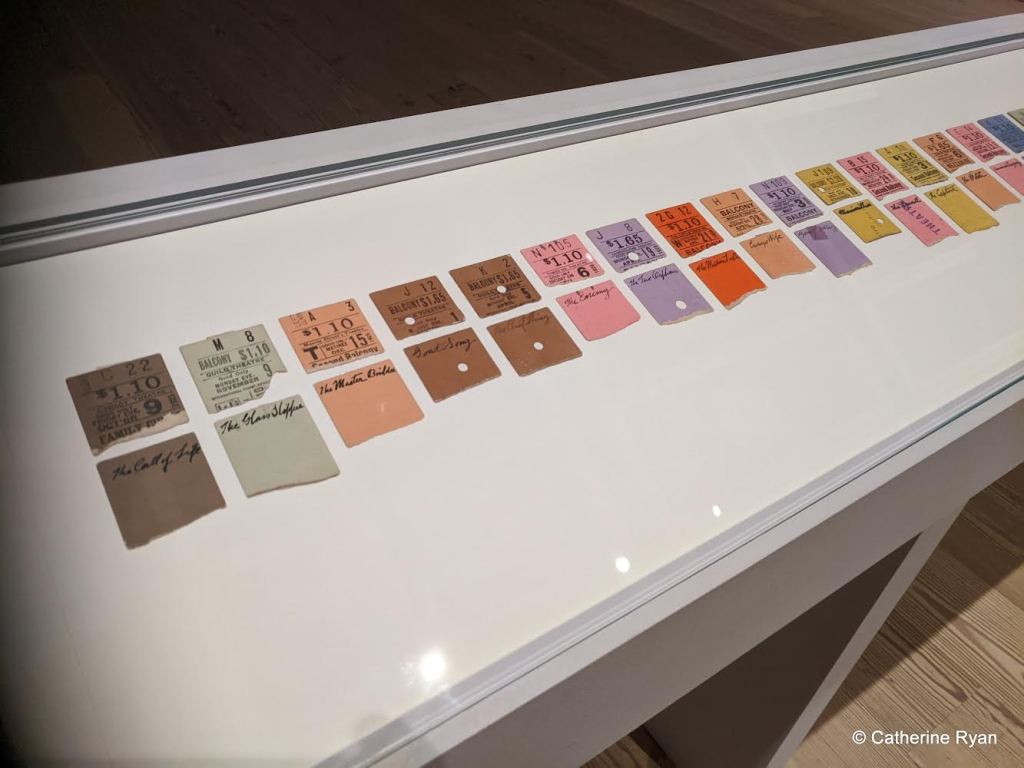
Phil (13:50): Also have to look at the evidence…The Whitney exhibition, Hopper’s New York…featured (theater) ticket stubs–multi-color torn in half, and they’d write on them what they’d seen–in a fantastic display case. You cannot understand the paintings which are iconic without understanding his biography, and you can’t understand his biography without understanding their relationship…
Joey (15:22): Edward Hopper and Jo Hopper clearly painted side by side in Gloucester. St. Ann’s steeple, if you’re from Gloucester, you know that site right away…
Michael: It’s amazing. Visual proof right there.
Phil (16:30): Surely you know in your community, what’s so attractive in Gloucester to artists and so many artists would come and paint (Joey: the light) boats, and fishermen. Hopper paints the front of buildings. What’s so great in Gloucester, and the film has these dissolves, these buildings are still there…You can see exactly what Hopper was painting. It’s fascinating to see how he transforms the 2-dimensional canvas into a painting. It really kicks off his career. Without Gloucester…
Michael (17:50): You can make the case without Jo there wouldn’t necessarily have been Edward Hopper. Without Gloucester there wouldn’t have been the two of them. It was a meeting point for both of their lives…
Joey (18:14): Was Mansard Roof the painting?
Catherine Ryan (CR) (18:30): You kick into Gloucester about 14 minutes into the documentary and the music changes. And it’s a light piano…
Michael (18:43): It’s a love story at that point. They’re falling in love. It’s a great moment. It’s essential to the story. It’s the pivot point for the entire story. And I think that’s part of what’s different in this particular documentary…Jo’s influence and the beginnings of which are in Gloucester are central to the story…
CR1(19:50): Can you tell us about the voice overs, the process working with them and getting such big notables (JK Simmons reading Ed and Christine Baranski reading Jo)
Michael (20:06): Our friends over at PBS (and the pandemic and the actors’ strike)…Christine Baranski was the perfect voice…They’re all wonderful. Christine Baranski was Jo personified.
Phil (21:00): Adds the first thing you do when you’re making a documentary film is try to find correspondence…letters, for more recent artists filmed interviews, video interviews. Because then you get their actual voice…Our fear with Hopper…can you imagine a very successful artist basically not interviewed (on the cover of Time magazine), he was almost like a recluse at times, but really what’s the reality?…when he does speak, when he writes a newspaper, when he does give an interview, he is extremely…What are the pictures telling me?
Joey (24:30): I found the interviews that you include fascinating and show that he cared about his legacy. He was not aloof.
Michael : You can see he’s thoughtful in the black and white earlier interview. And the color one which we dug up in the NBC archives which no one as far as I know had done anything of substance with it. He’s reflective. Back on his career and shows humor. He’s extremely observant about his career and his own work. There are no accidents. He’s very aware.
Phil (25:41): There’s an interesting point you raise there which is the extent to which he cared about what he thought after he died. (26:05 segues to cinematic qualities in Hopper’s work.)
Michael (27:25): And why am I, are we, so attracted to it…people bring their own views…Maybe the solitary aspect of it or communal…
Phil (28:26): What we do in the film is provide a chance to look at it again…
CR (29:00): I admired how you let the curators/experts’ personalities come through. They’re all seated. They’re almost all like Hopper (paintings)…I thought the film structure mirrors the artist’s process in that way. You let the art speak and the people interpreting.
Michael (30:00): The art is the star. The art tells the story. We’re not going to mess with it…As a result there are 30 or 40 images there that help tell the story. We didn’t skimp!
Phil (30:50): You want to have the audience have the questions in their minds before you give them, or some of the answers…
Continue listening! Find and/or download the Gloucestercast podcast 701 here
Images: Edward Hopper artwork discussed in the interview
Spread The GMG Love By Sharing With These Buttons:
When you subscribe you need to verify your email address so they know we’re not sending you spam and that you want to receive the podcast or GMG in your email. So once you subscribe check your email for that verification. If you don’t see it, check your spam folder in your email acct so you can verify that you’d like to get them via email subscription.
Topics Include:
Please share the podcast! If you share the podcast while we are taping we will write down your name and you will be entered into a drawing to win a prize that we will choose about 2/3 the way through the podcast.
Join the livechat here: www.facebook.com/goodmorninggloucester share the podcast while we are live and type “shared” in comments to be entered to win prizes we draw at the end of the podcast.
Spread The GMG Love By Sharing With These Buttons:
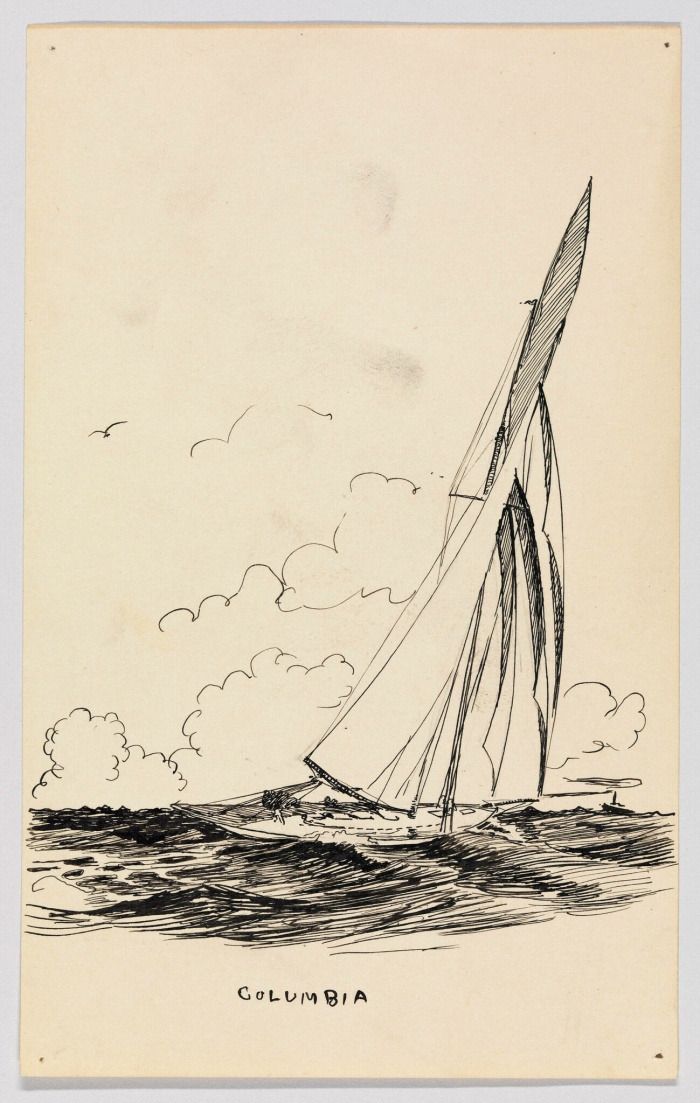
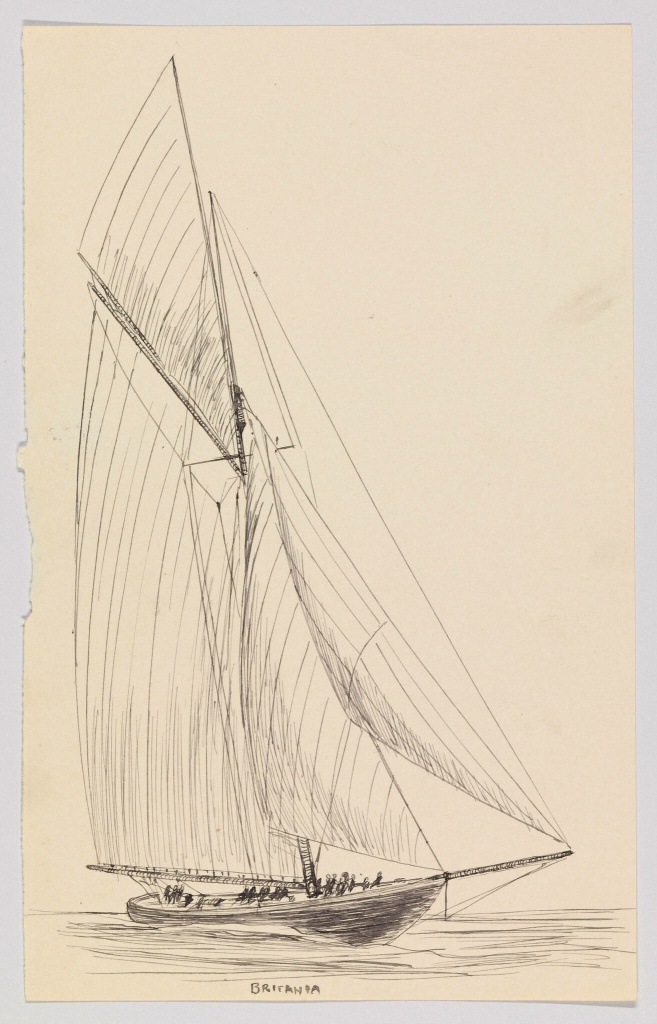
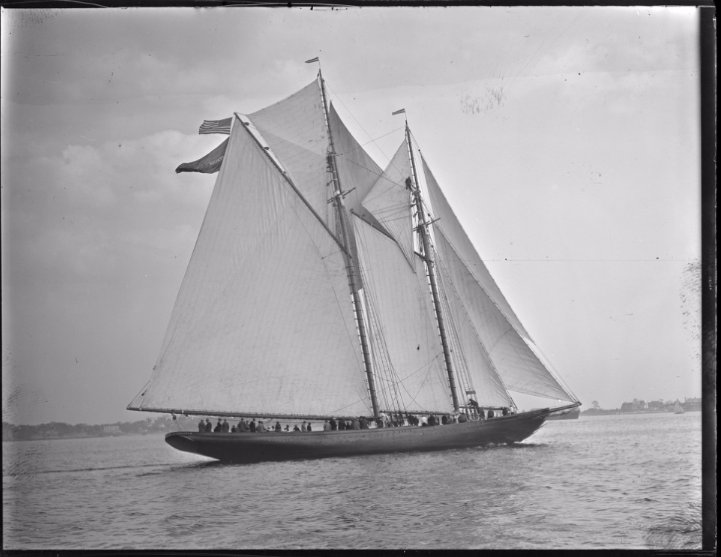
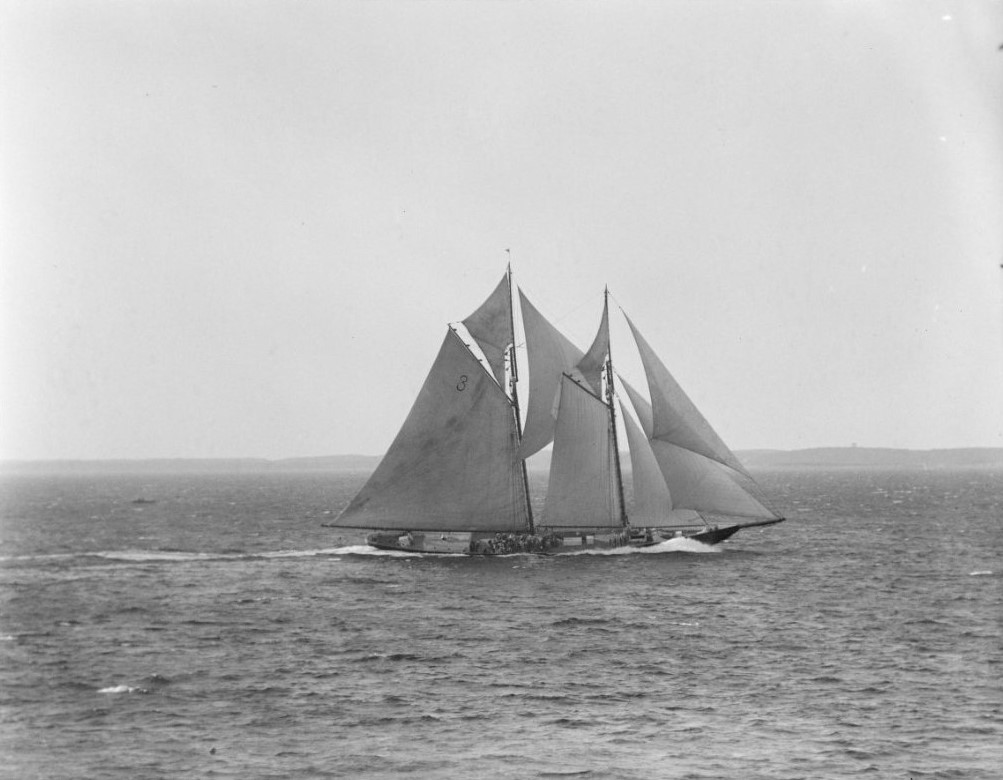
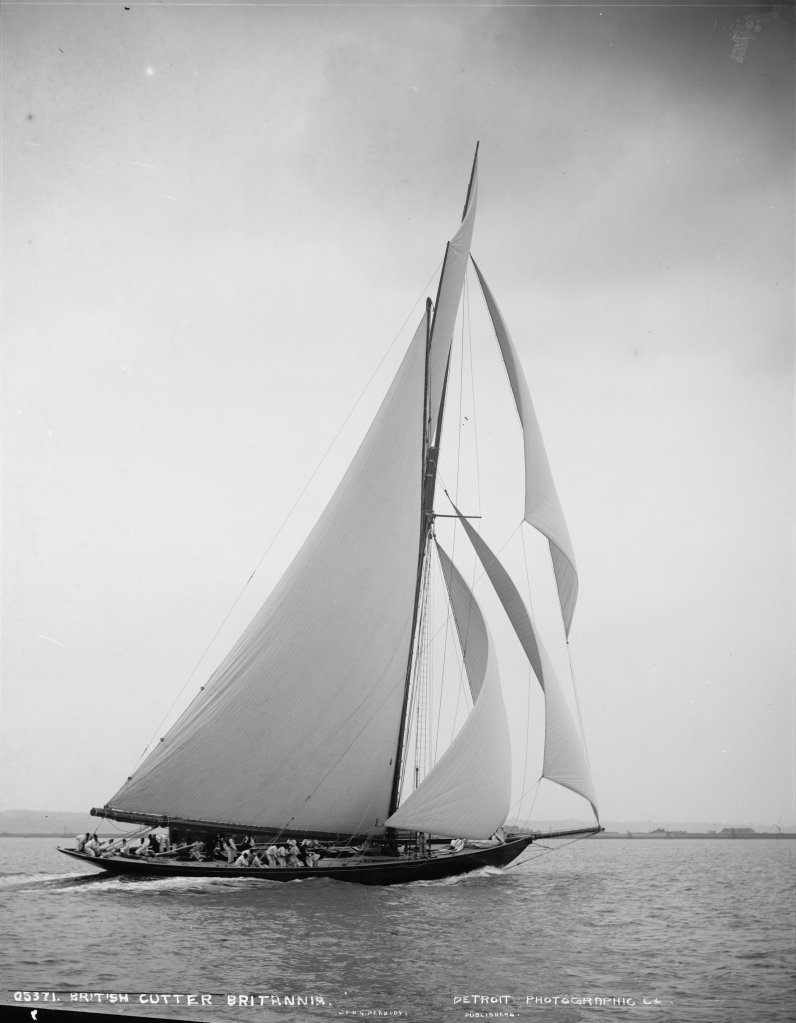
Edward Hopper’s sketch of the fast schooner Columbia was completed in Gloucester in 1923 or later: Columbia was built in Essex and launched in 1923.The Hopper drawing annotated ‘Britania’ is a misspelling. The Prince of Wales (future King Edward) commissioned the racing yacht (a cutter) Britannia in 1892. The racer was retooled several times.
Hopper traveled in the UK and Gloucester. It’s likely he saw Columbia in person in 1923 or on later Gloucester visits. If not he saw both boats reproduced in print and in the news. Gorgeous yacht and race photography was popular and circulated widely especially as marine photography advanced.
For Britannia, see British photographers, Alfred Beken and his son, Frank, who settled and worked in Cowes on the Isle of Wight from 1888 on.
For the fishing schooner Columbia see Boston photojournalist, Leslie Jones, collection Boston Public Library.
After 1923, news in the the 1920s: Britannia was racing regularly and Columbia and her crew disappeared in 1927.
Incomparable American photographer and boat fanatic–as much as Hopper–Boston based photojournalist, Leslie Jones
Image: Leslie Jones. Columbia and Henry Ford. Gloucester. (collection Boston Public Library)
Britannia in vintage photography
Image: Frank Beken. various photographs of Britannia.Image: Alfred John West. Britannia, 1894. Compare wind and sails with Hopper’s vantage. Edward Hopper Britannia
Images: Edward Hopper, Columbia, 1923. Whitney Museum. (Choppy and clouds- possibly sketched while here in Gloucester); Edward Hopper, Britania (sic), date unknown conjectured juvenalia, however he sketched yachts and boats from his youth on. Whoever annotated the sketch misspelled the boat. [Collection Whitney Museum of American Art]
Image: 1851. Fitz Henry Lane. The Yacht “America” Winning the International Race. Peabody Essex Museum.
Image: 2023. Columbia in Gloucester Harbor: (will add in soon)
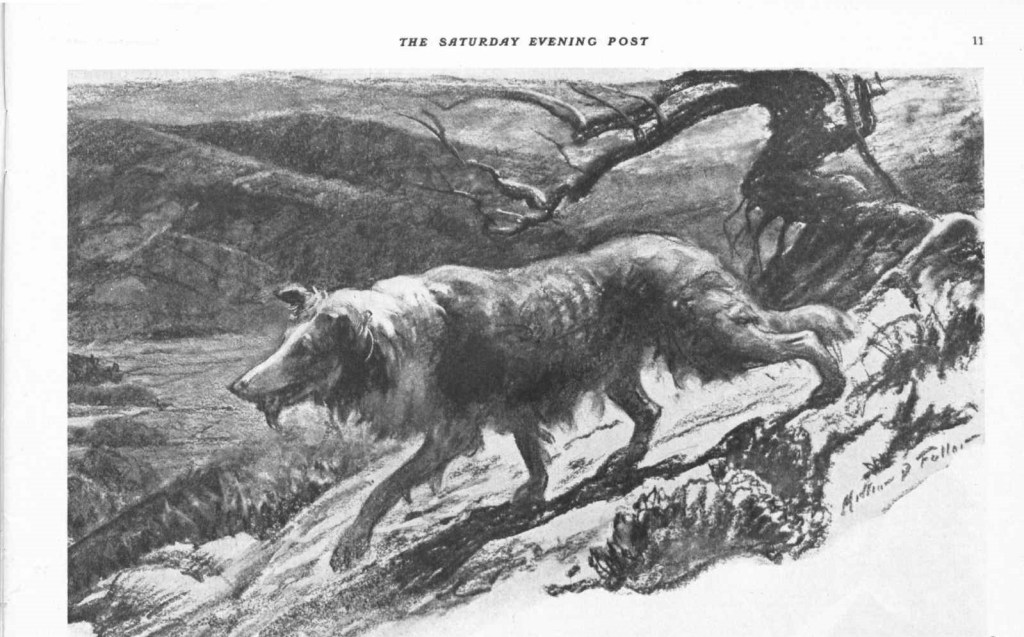
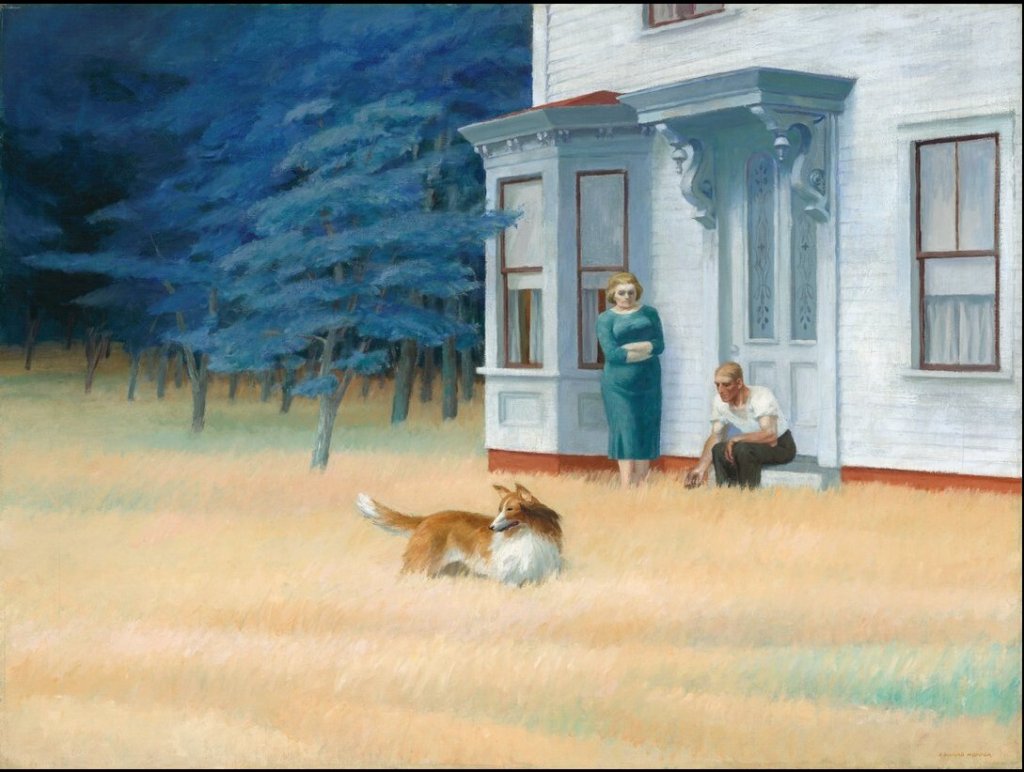
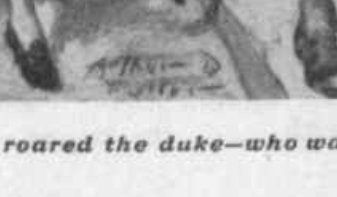
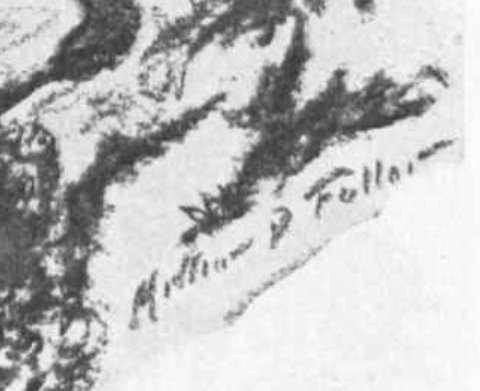
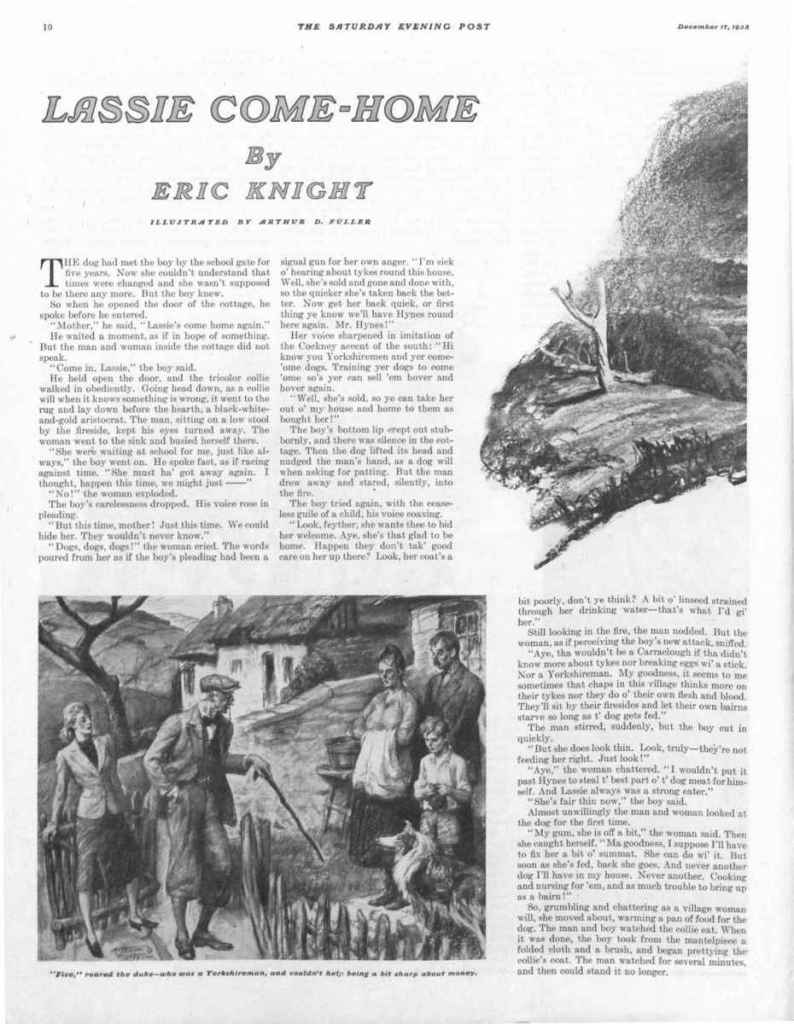
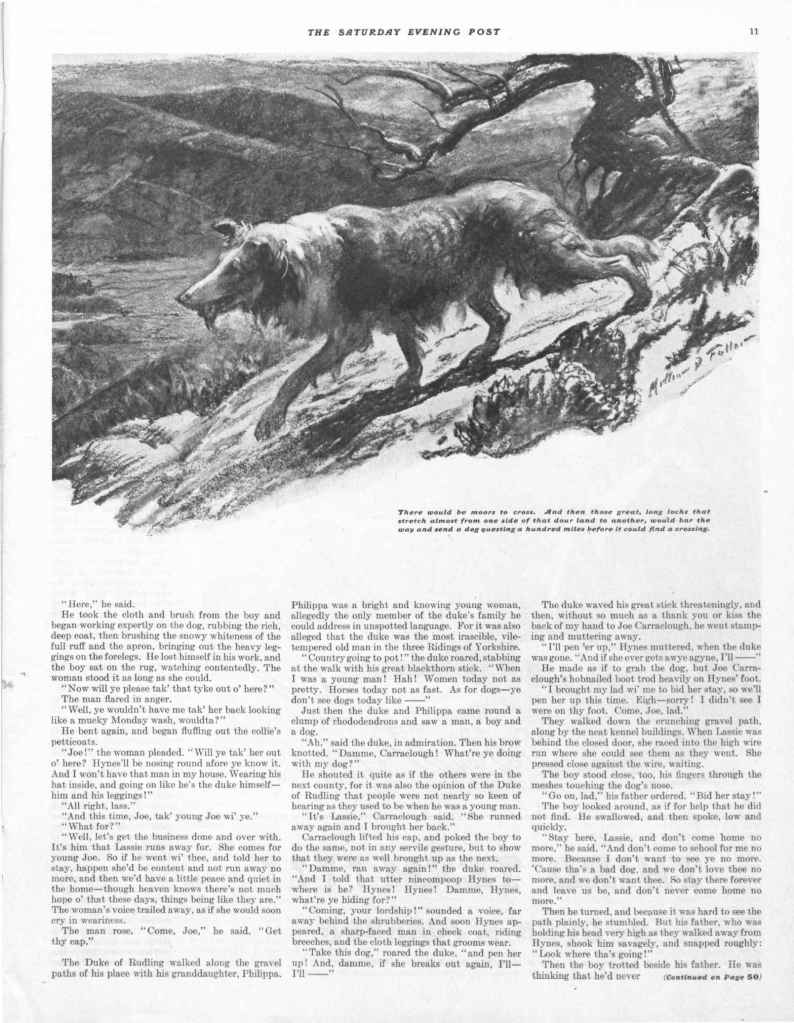
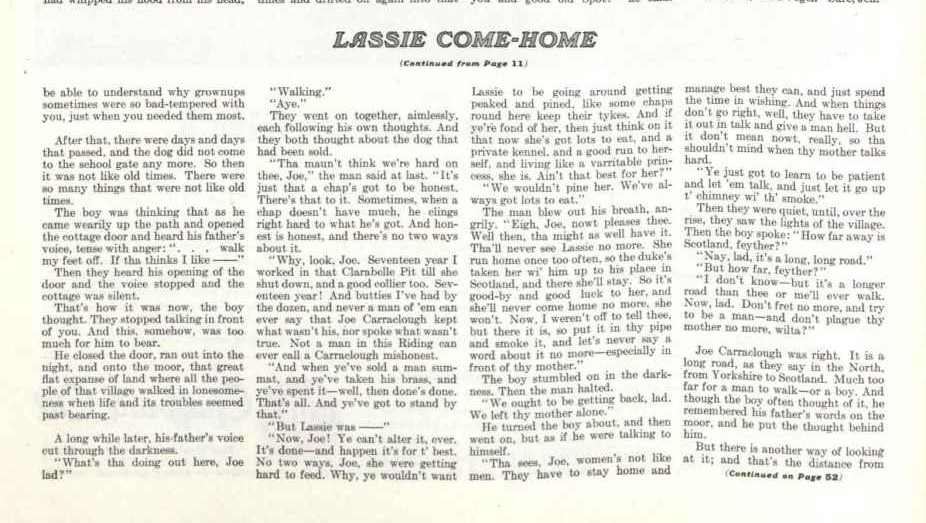
Illustrations: The short story, Lassie Come-Home by Edward Knight with illustrations by Arthur D. Fuller*, was an instant must-read-and-share when it was first published in the popular magazine, The Saturday Evening Post on December 17, 1938. Edward Hopper painted Cape Cod, Evening in 1939. *The illustrator’s signature is tough to read without the credit beneath the byline. (Scroll down to see and read the story pages or to print a PDF. It’s a great read!)
You may know the memorable and unbreakable bond of the boy and his dog which Lassie Come-Home describes, and the small and epic journeys.
The short story, Lassie Come-Home by Edward Knight with illustrations by Arthur D. Fuller, was an instant must-read-and-share when it was first published in the popular magazine, The Saturday Evening Post on December 17, 1938.
Edward Hopper painted Cape Cod, Evening in 1939.
The short story is set in England and opens with a small family of three in recurring and searing pain: Two parents who have fallen on hard times and are under great emotional strain struggle to comfort their only child because they sold the family dog. Their beautiful collie, “Lassie”, is so devoted to their son, the dog runs away from the new owner straight back to the boy over and over again. Under the circumstances, any and every solution is untenable. His parents’ misplaced anger, adult exchanges, and silence confuse the boy. Their anguish and love is palpable.
Out of desperation, Lassie is removed to Scotland which they believe will be an insurmountable distance to cover.
It’s not. And no wonder a legend is born!
The first Lassie novel was published in 1940. Swift adaptations followed. It’s easy to see how the story resonated with American audiences during the Great Depression, even perhaps the great American artist, Edward Hopper.
If not Lassie herself, it’s tempting to consider the intergenerational communication and couple dynamics explored in Knight’s story as themes Hopper noticed, too.
“…Then they heard his opening of the door and the voice stopped and the cottage was silent. That’s how it was now, the boy thought. They stopped talking in front of you. And this, somehow, was too much for him to bear. He closed the door, ran out into the night, and onto the moor, that great flat expanse of land where all the people of that village walked in lonesomeness when life and its troubles seemed past bearing…”
Lassie Come-Home, Edward Knight, The Saturday Evening Post, 1938 Dec. 17
Both used punctuation in titles. Knight offset the story’s title with a vital hyphen, Lassie Come-Home (command-comfort) that might have caught Hopper’s attention. Hopper used commas often for emphasis–as in Cape Cod, Evening.
Beyond the Great Depression, 1938 may have appeared especially distant, simpler, on first pass. Yet, with international tensions rising year by year and the horrors of WWI just a generation past, neither 1938 nor 1939 were simple. Jan Struther, another UK author, broached topics of peacetime, lengthy stasis, and looming loss in the popular Mrs. Miniver pieces, published in The Times London newspaper (1937-39 ), at the same times as Lassie. Reader’s Digest distribution was international beginning in 1938.
In Cape Cod, Evening 1939, Hopper’s dog reacts, hears something, like a whippoorwill, or so the story goes. (Lloyd Goodrich’s Hopper bio, 1971; also Gail Levin, 1995) Levin’s book takes time to introduce the reader to Hoppers’ friends, and so we understand the grief from the loss of their friend Harriet Jenness who died “in early July of 1939. It was she who had firmed up the Hoppers’ courage to build in the first place and provided a roof till theirs was done.” (Levin, 1995.)
Cape Cod, Evening is constantly changing because it’s laden with enigmatic motifs. It’s late summer and fall. Unsettling and calm. Are the man and woman taking a momentary break together (as with the son and father walking in the Lassie story) or engaged in a forced desist (as with the parents going silent in the Lassie story)? Active fight or passive summer ennui? And what about that evergreen Hopper forest at the edge? Is it a cool and reachable retreat? Are the trees leaning, falling? Is the sea of dry grass sunlit and waving or scorched and still? And why no path? The man and woman are lost in thought. Worried? Families will have to have difficult conversations. Some won’t return. And what about the significance of that star dog with the striking fur?
Hopper was 35 at the onset of WWI, registered, but not called for duty. He was 57 in 1939.
1939
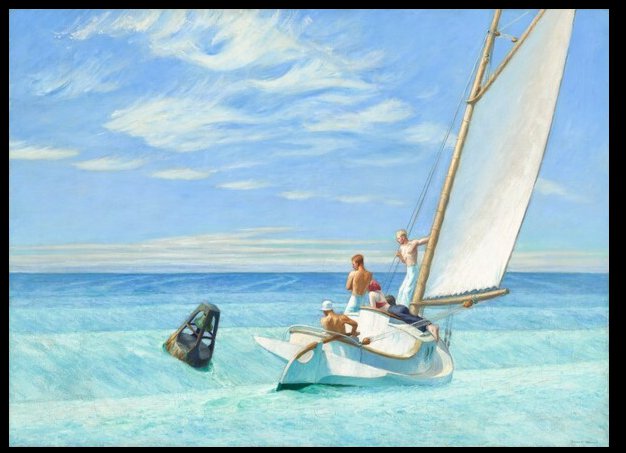
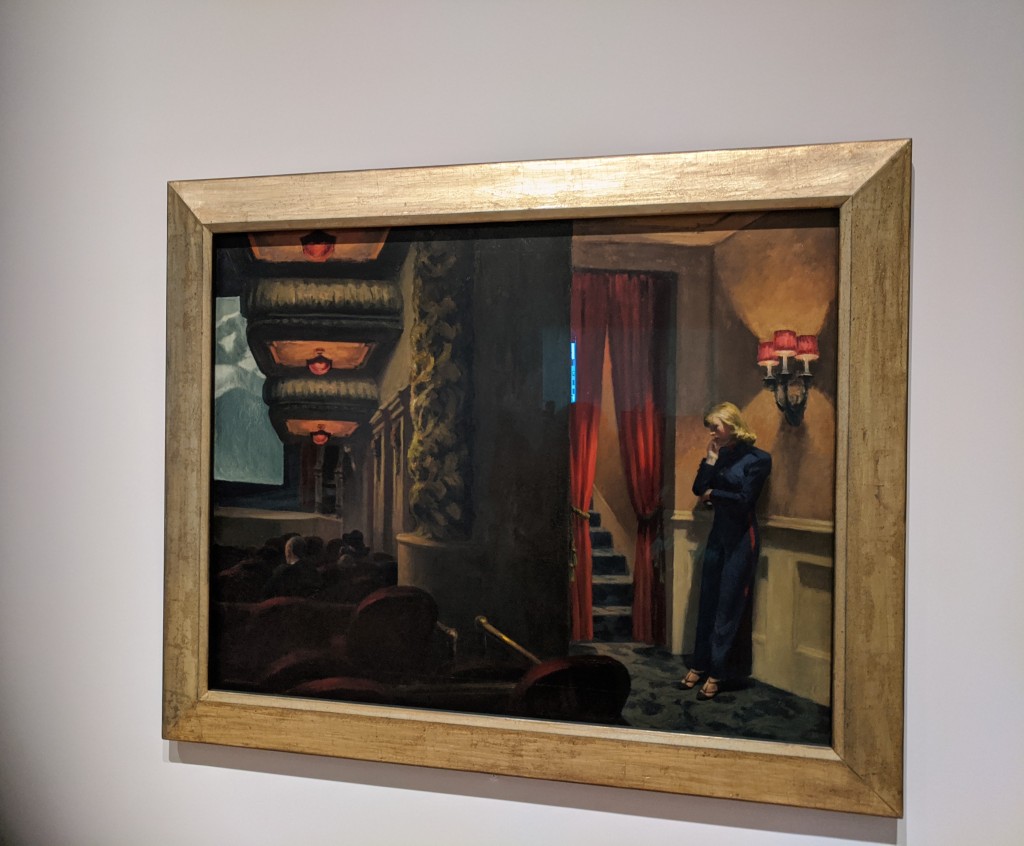
Edward Hopper paintings dated 1939: Bridle Path (Bruce Museum of Art, CT), Ground Swell ( NGA collection), Cape Cod, Evening(NGA collection), and New York Movie (MoMa). As a group, they make a strong case that Hopper was thinking about 1939 in 1939.
World War Two
Edward Hopper and Jo Hopper were on the Cape when war broke out.
On August 29, 1939, friends dropped by their summer home in Truro and Jo Hopper noted in her diary how the woman said, “…She’d been to England last week. Said they all prepared for war—everyone has his funkhole ready for an air raid.” On August 30 she added “E.” went to town on errands and picked up a magazine:
“Augu. 30. Still raining. After lunch E. went to P.O. & bought back kerosene, Readers Dig, postcard from Ginny at fair + the note from D R.—to see us Sept. 18 at 11. Onion soup & banana salad for lunch & tummy ache over dishes. E. so tired. Standing up at canvas. Canvas seems standing still. But I’ve seen that happen before…”
On September 1, 1939 Germany invaded Poland, and England and France declared war on Germany just two days later.
On September 3, Jo mentions art and war :
“…E’s 2 canvases*. Sailboat without sky as yet. Tonight Bertha Frank & Edgar Cobb came up to say good bye for the season. Everyone else in Truro had their supper dishes washed—but we hadn’t begun yet. E. was still working when they arrived. He’s been plenty interrupted today. We didn’t swim—it looked so cold. Ginny said not cold but very dirty + water full of pink jelly fish.
So war is declared today & yesterday we saw that over into Poland. E. had a Times yesterday & we saw that. How Nat. news dwarfs everything. Why Pittsburgh festivities. Why anything. E. said he could drive an ambulance. I hope not. We most of everything need to get well…”
Josephine N. Hopper, Sept. 3, 1939. *Ground Swell and Cape Cod, Evening
star dogs
Examples of dogs in famous visual arts and letters abound before Lassie. During WWI, the soon to be famous german shepherd puppy Rin Tin Tin was rescued from the battlefield by Lee Duncan, and brought back to the United States. He was trained exceptionally well then on a hunch for the Silent Movie era. The original Rin Tin Tin’s first Hollywood movie was a bit part in 1922. He starred in so many box office hits, when he died in 1932 his death ‘stopped the presses’. Generations of Rin Tin Tin descendents followed, representing his public legacy if not his agility and acting chops. Other shepherds were used in later vehicles. For more about Rin Tin Tin’s global fame and impact and Duncan’s life–he did not trademark the name– see Susan Orleans biography, Rin Tin Tin: The Life and the Legend. (Also her short piece The Dog Star, New Yorker, Aug. 2011 and a preview excerpt NY Times Oct. 2011.) I doubt Hopper would add a German Shepherd in a 1939 painting.
And before Rin Tin Tin? There would be no Dorothy without Toto. Frank Baum wrote the The Wizard of Oz in 1900. The production of the movie adaptation made news ahead of its release August 29th, 1939. (It failed to earn a profit until re-releases decades later.)
Jack London’s Buck in The Call of the Wild debuted in 1903.
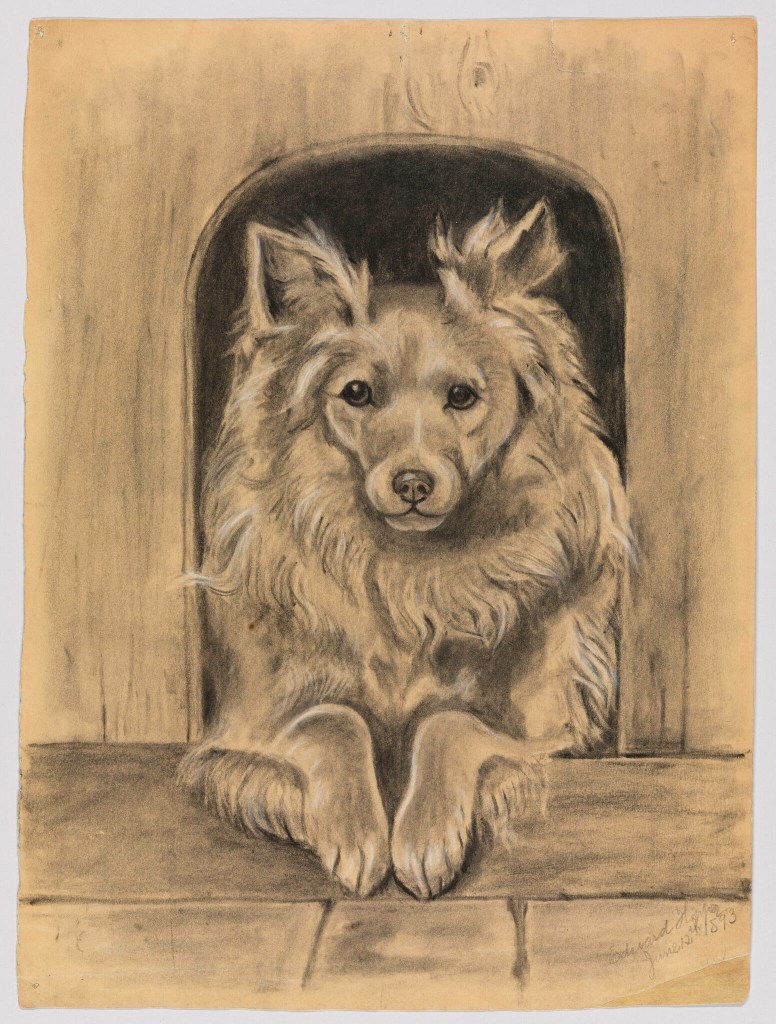
The Whitney Museum holds an early portrait drawing by Edward Hopper (1882-1967) of a contented dog–framed in a doghouse door naturally–dated 1893.
Edward Hopper Cape Cod, Evening 1939 was acquired by the National Gallery of Art in 1982.
I think about Wyeth and Chase a lot when I look at Hopper’s Cape Cod, Evening. Same when I encounter any one of the three.
Wyeth
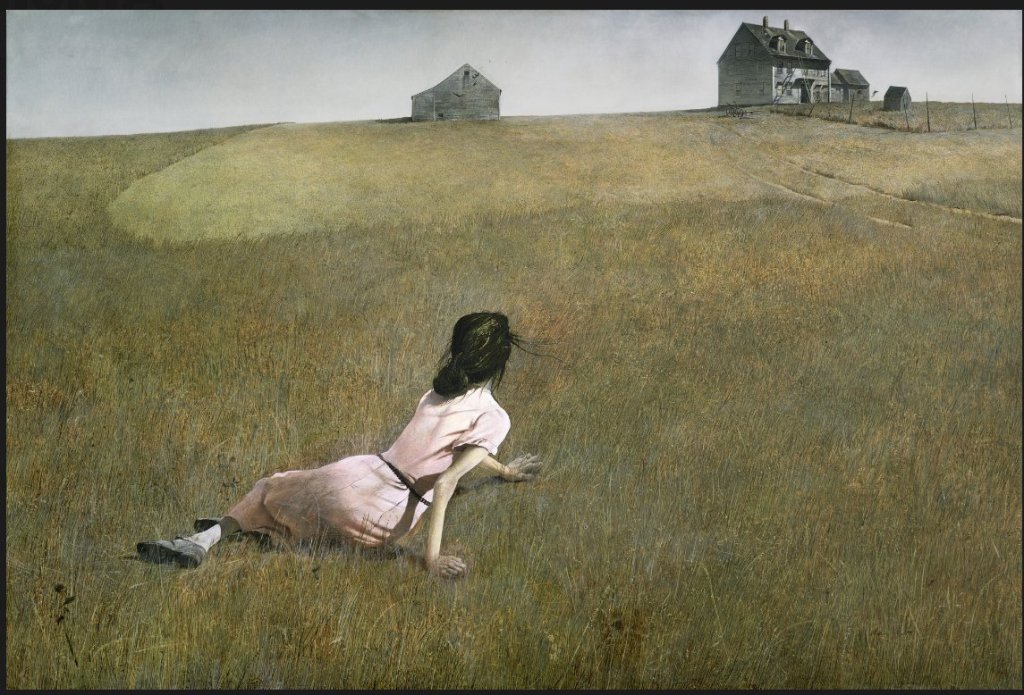
A decade after Cape Cod, Evening, American artist and fan of Hopper, Andrew Wyeth, completed Christina’s World, 1948 (Museum of Modern Art, New York).
William Merritt Chase
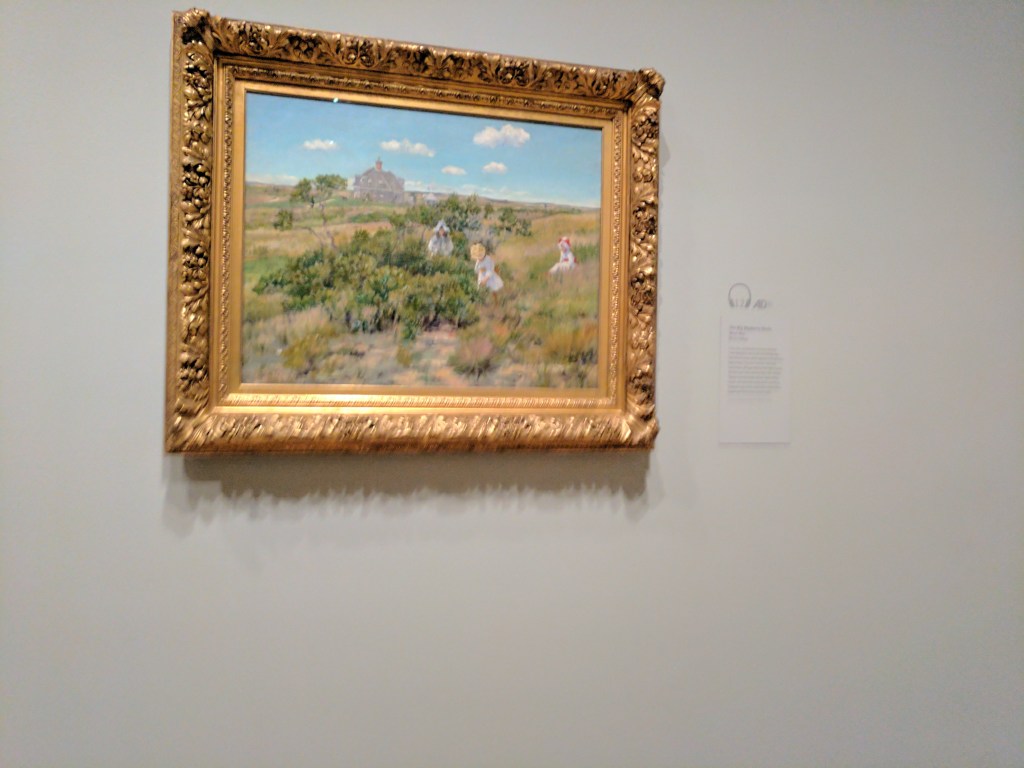
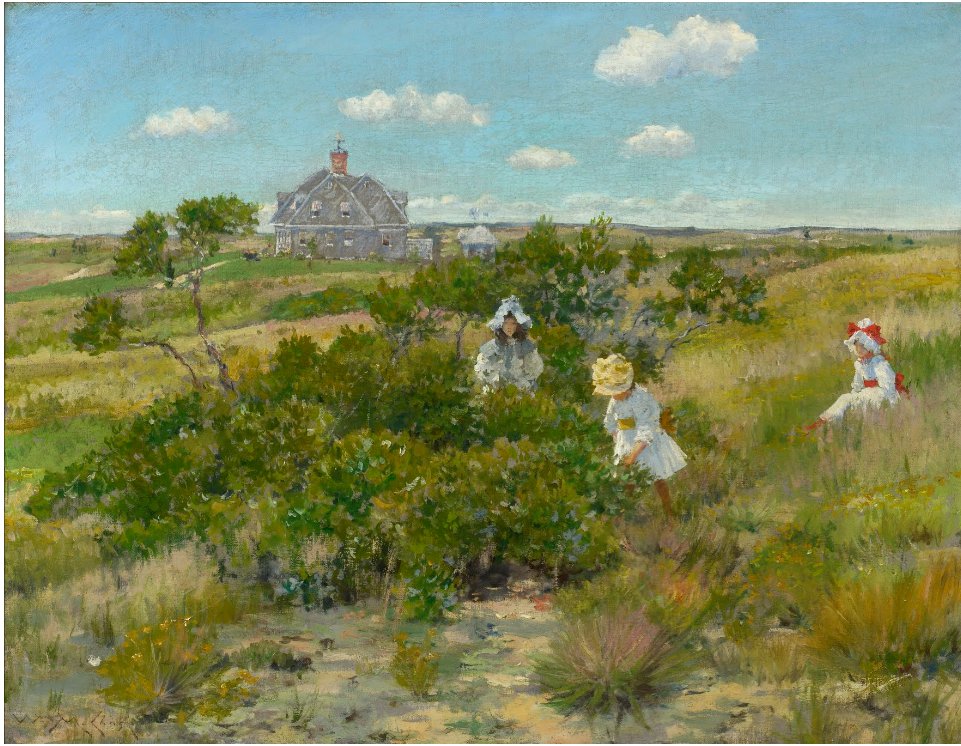
Dry grass dunes and vegetation in the Hamptons on Long Island by American artist William Merritt Chase, art world famous in his day, and one of Hopper’s esteemed fine art professors. Photos: C. Ryan. Installation views from the William Merritt Chase exhibition at the MFA in 2017. Shinnecock Hills of Southampton seen in two works: Bayberry Bush 1895 (Parrish Art Museum) and Seaside Flowers (Crystal Bridges) The photo with the supercharged green is how it’s often depicted, but not how I experience this Chase series in person. (Chase painted a bevy of great dogs in other works.)
Select to enlarge pages and pinch or zoom. PDF below. Lassie Come-Home by Edward Knight with illustrations by Arthur D. Fuller. The Saturday Evening Post. December 17, 1938
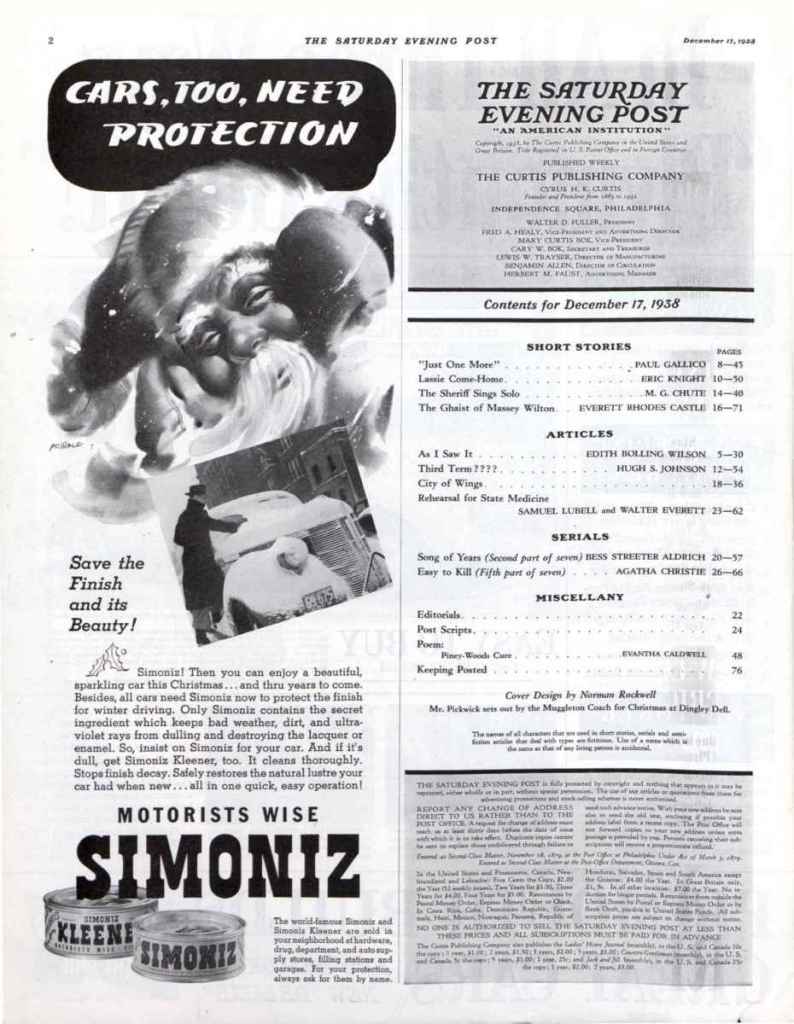
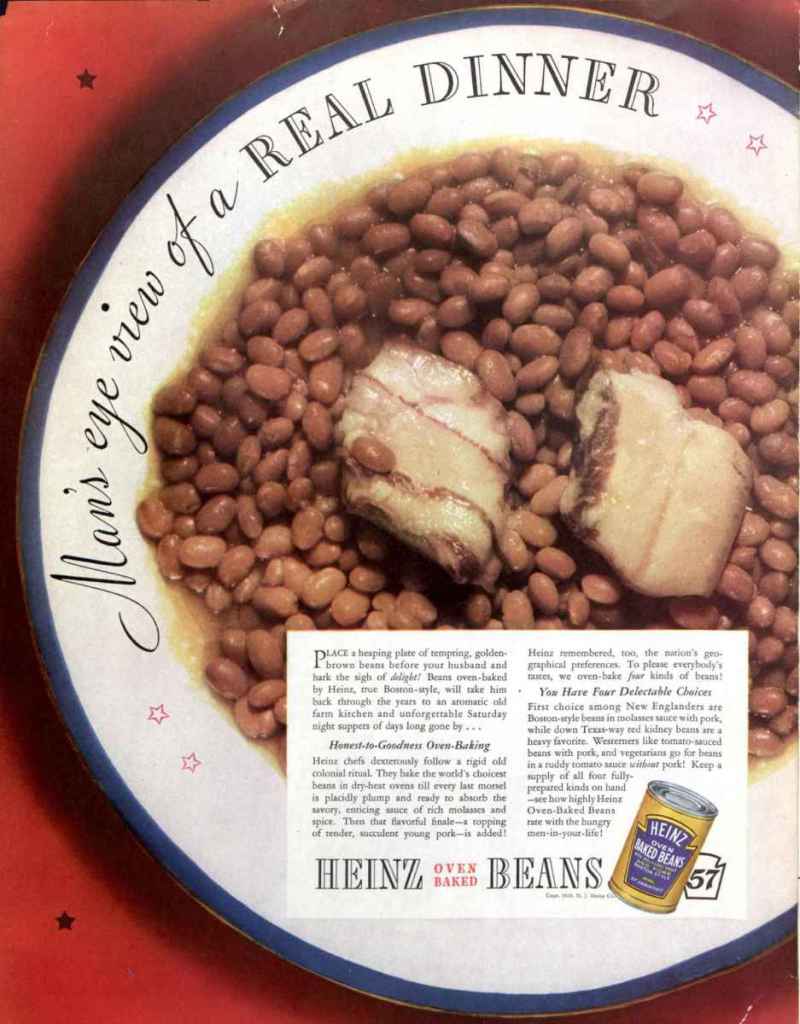
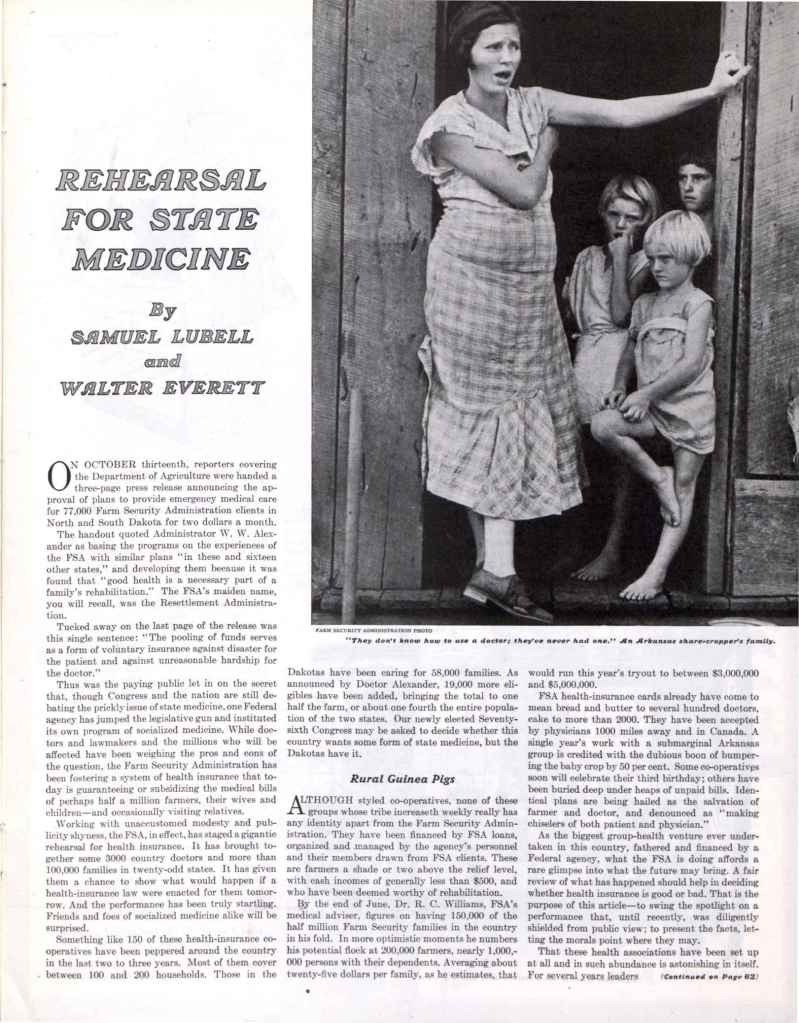
The issue also featured a Norman Rockwell on the cover, a serialized Agatha Christie installment, an investigative long read about universal healthcare– illustrated with a Farm Security Administration (FSA) photograph by Arthur Rothstein in Arkansas, circa 1935–and several classic ads. New Yorkers Jo and Ed Hopper did not eat at home much, and when they did…beans were a big draw. The prominent full page color Heinz ad was on the inside cover of this issue. I do not know the illustrator of the Gulfpride Oil ad, but it’s great. For more information about the FSA and Arthur Rothstein with a timeline continue reading here; for more about Roy Stryker & the origins of the FSA and Gordon Parks continue reading here; and for more about the FSA and Howard Liberman continue reading here.
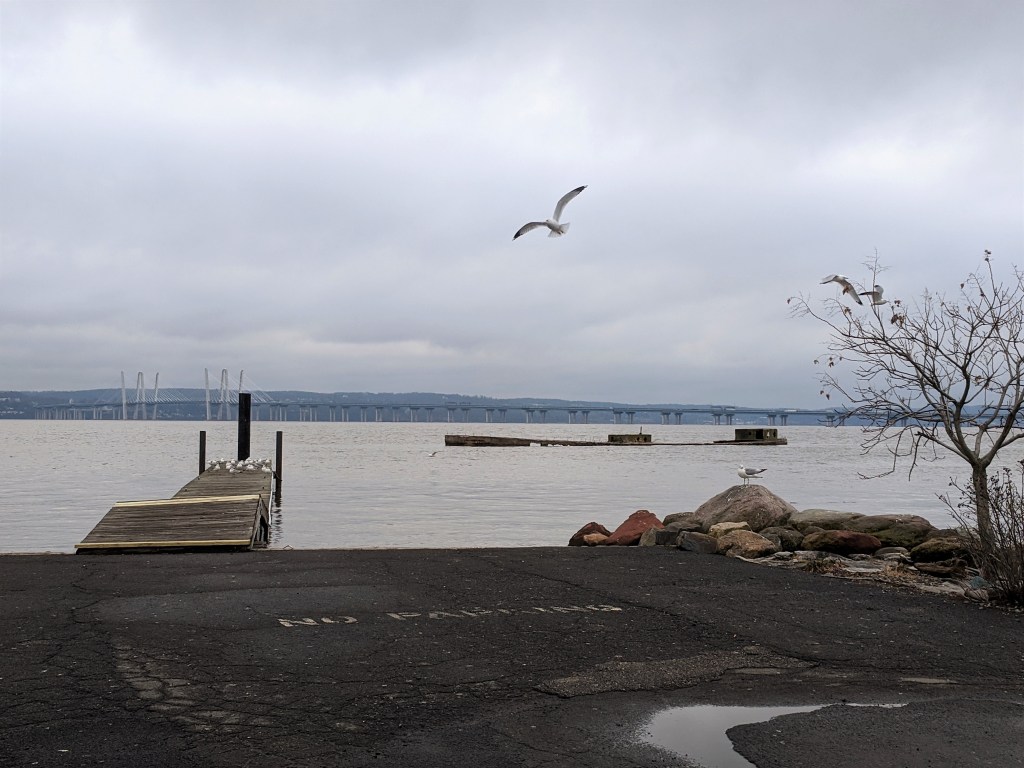
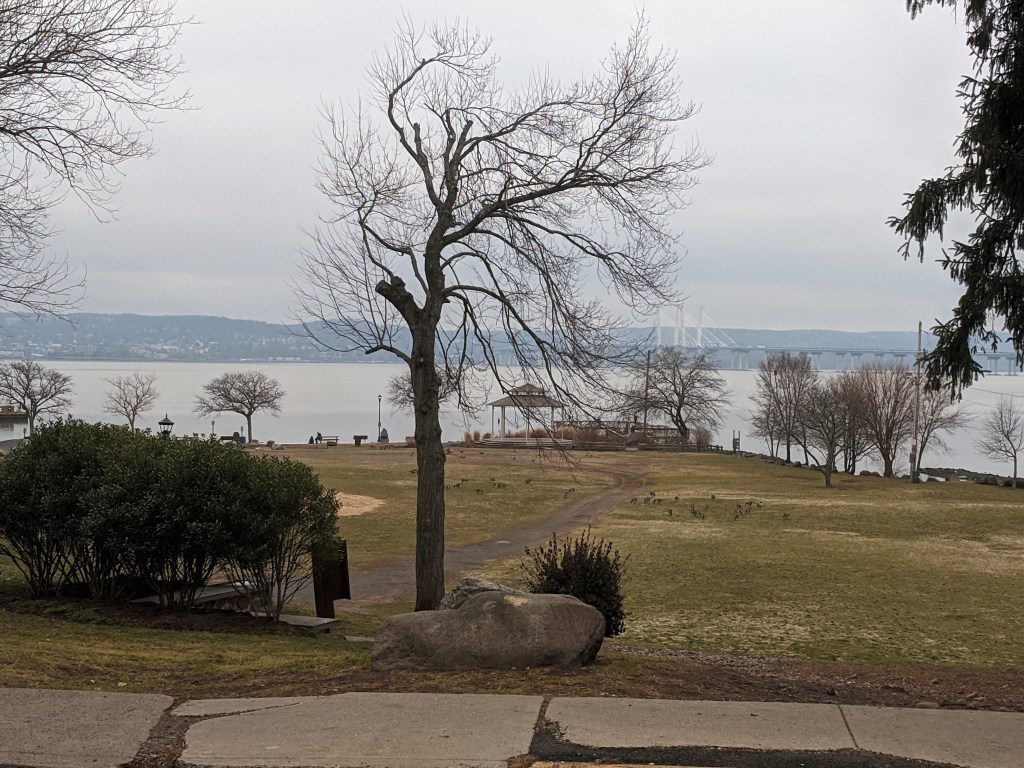
Edward Hopper in Nyack | Hudson River and Hook Mountain & Nyack Beach Loop, Palisades Park
American Artist Edward Hopper (1882-1967) was born and raised in Nyack, Rockland County, New York. The home he grew up in still stands because local stewards obtained its landmark status in the 1970s and eventually designation as an important historic house museum, The Edward Hopper House Museum & Research Center.
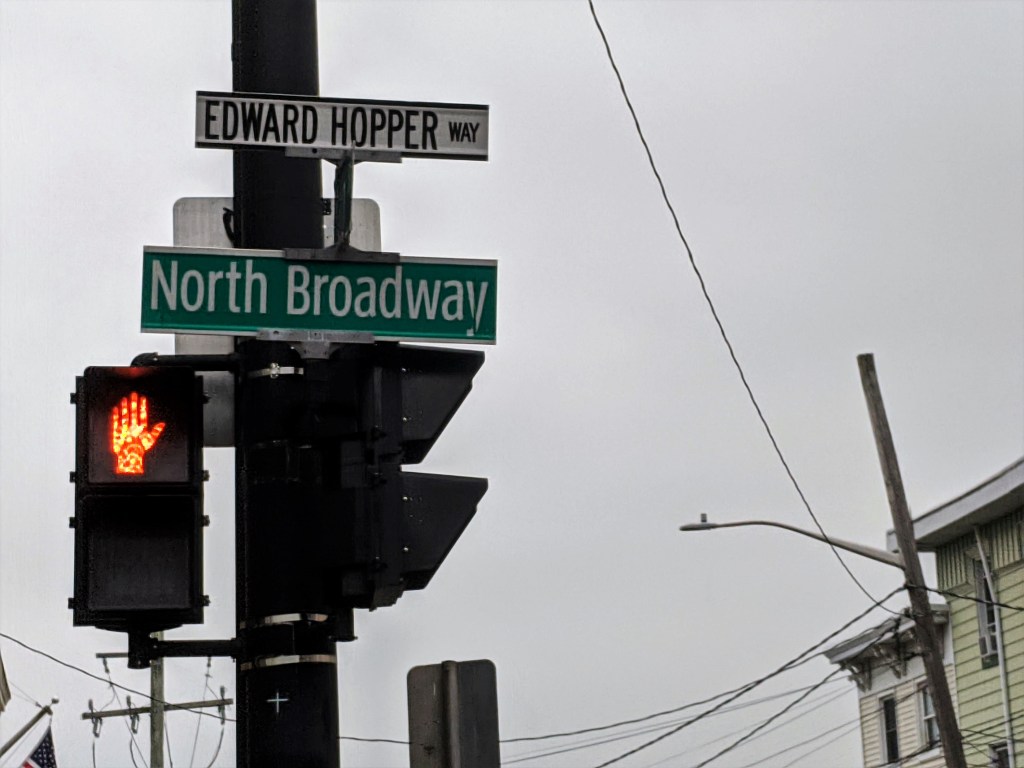
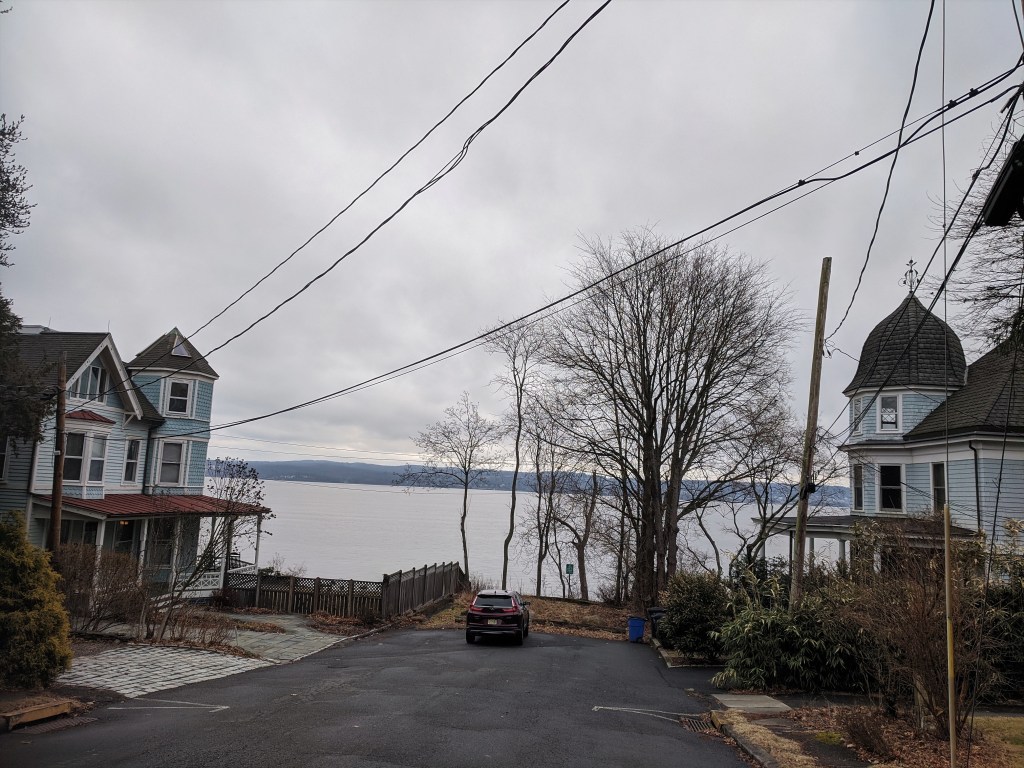
Hopper’s boyhood home on 82 North Broadway was perched on a rise with an unobstructed view downhill to the magnificent Hudson River with easy access to an active waterfront and smack dab in the middle of two worlds.
Stepping out the front door To the Right
To the right, it was a short walk to a cityscape: his father’s store, the train station, and all that was necessary for commerce in a bustling town at the turn of the century.
To the Left
To the left and surrounding streets nearby, it was a short walk to residential neighborhoods with a handsome array of American architectural styles common on the East Coast–but unique town by town.
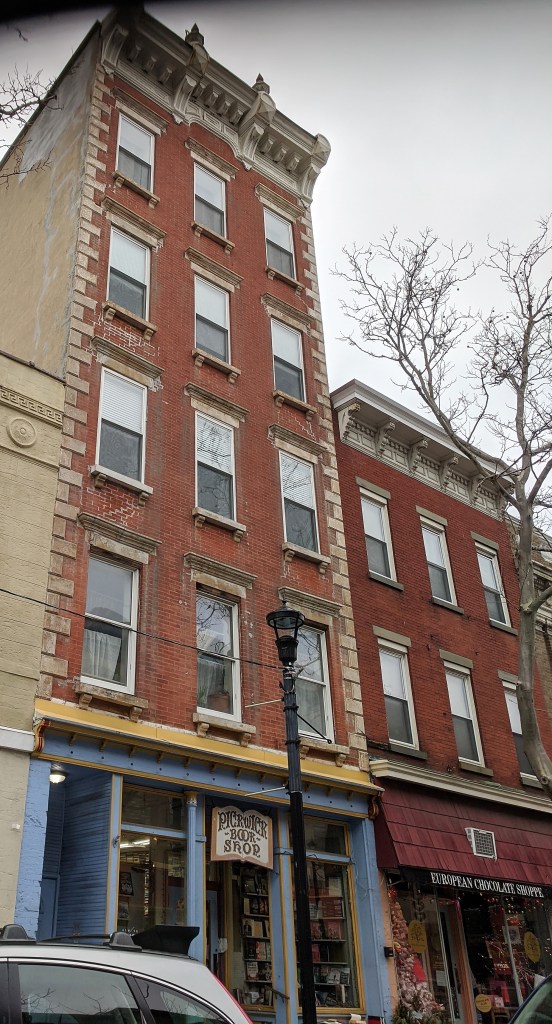
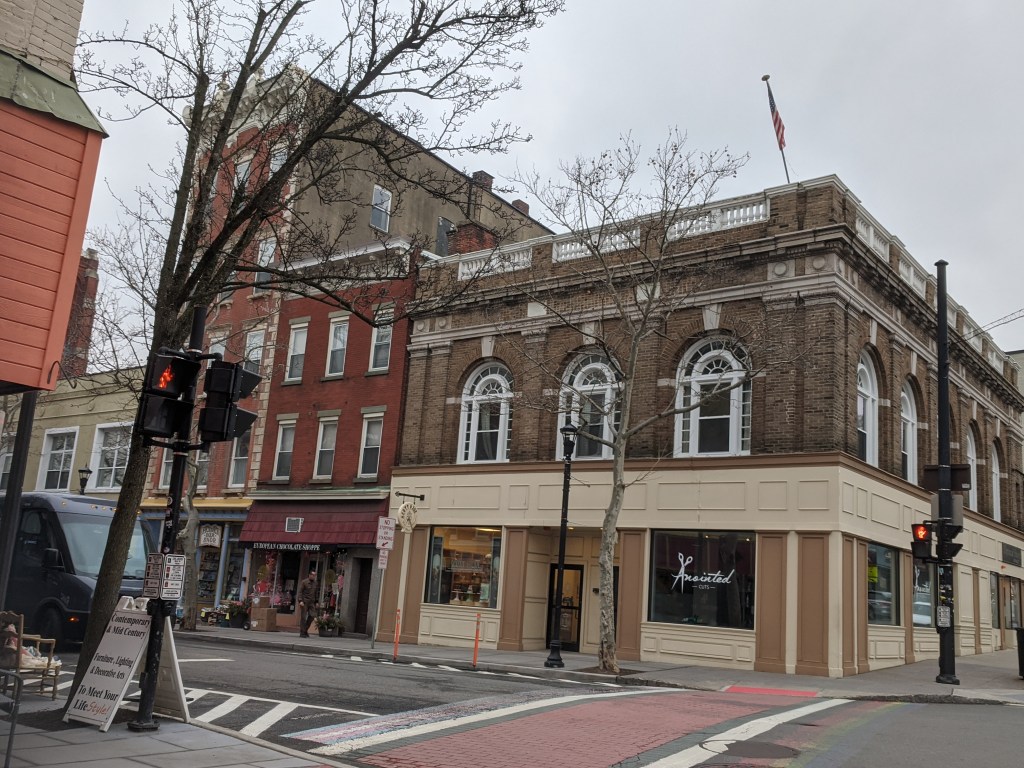
photos above: Catherine Ryan. 718 North Broadway, Nyack | Edward Hopper. Seven AM. 1948. Whitney Museum
FURTHER LEFT to HOOK MOUNTAIN
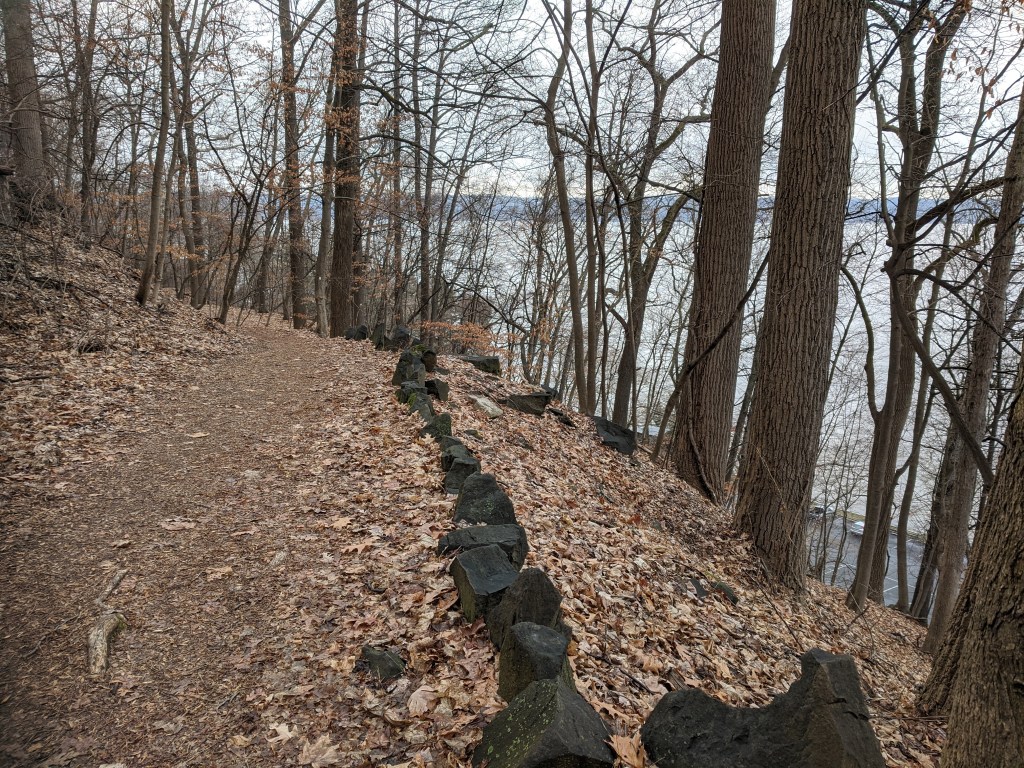
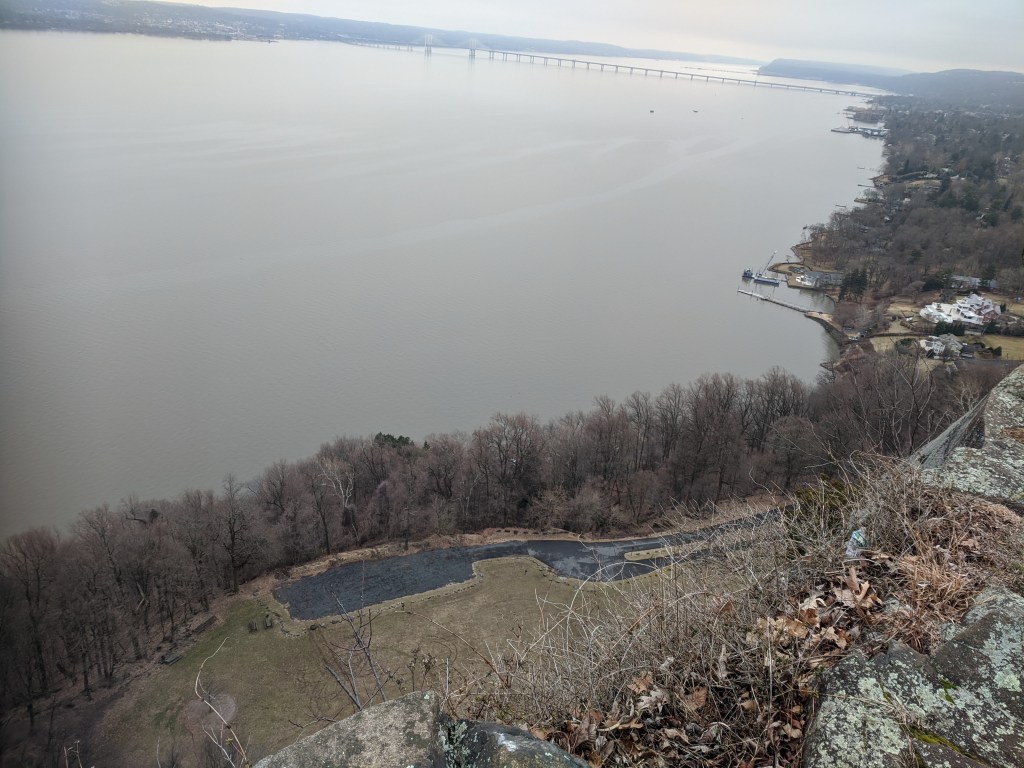
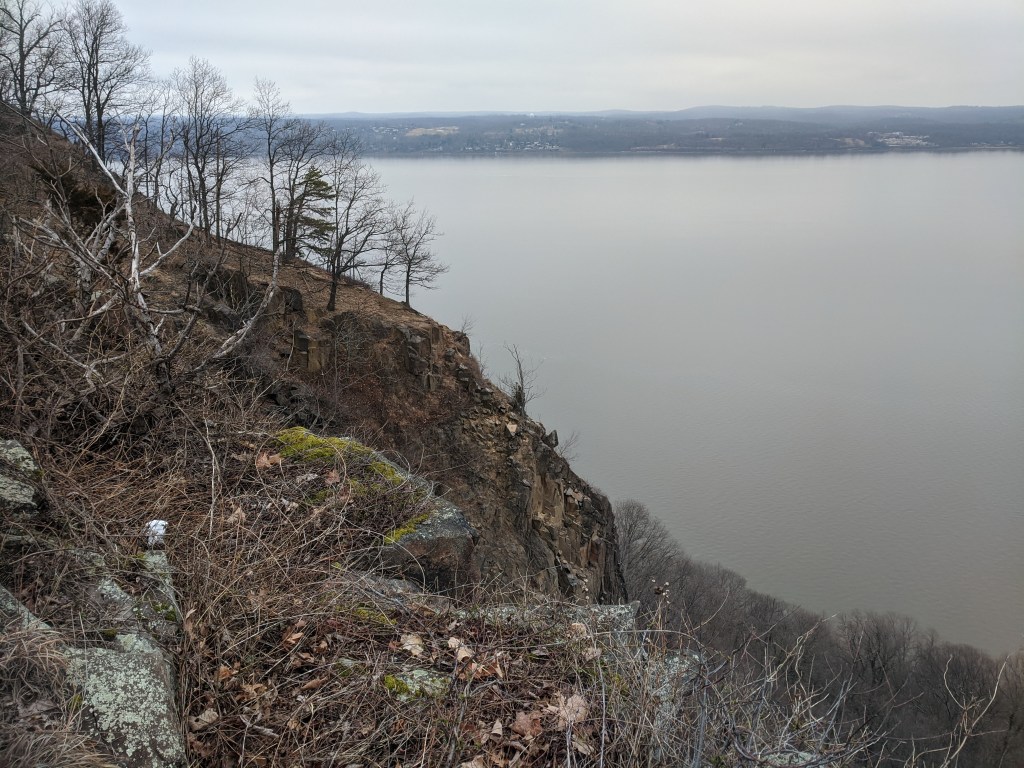
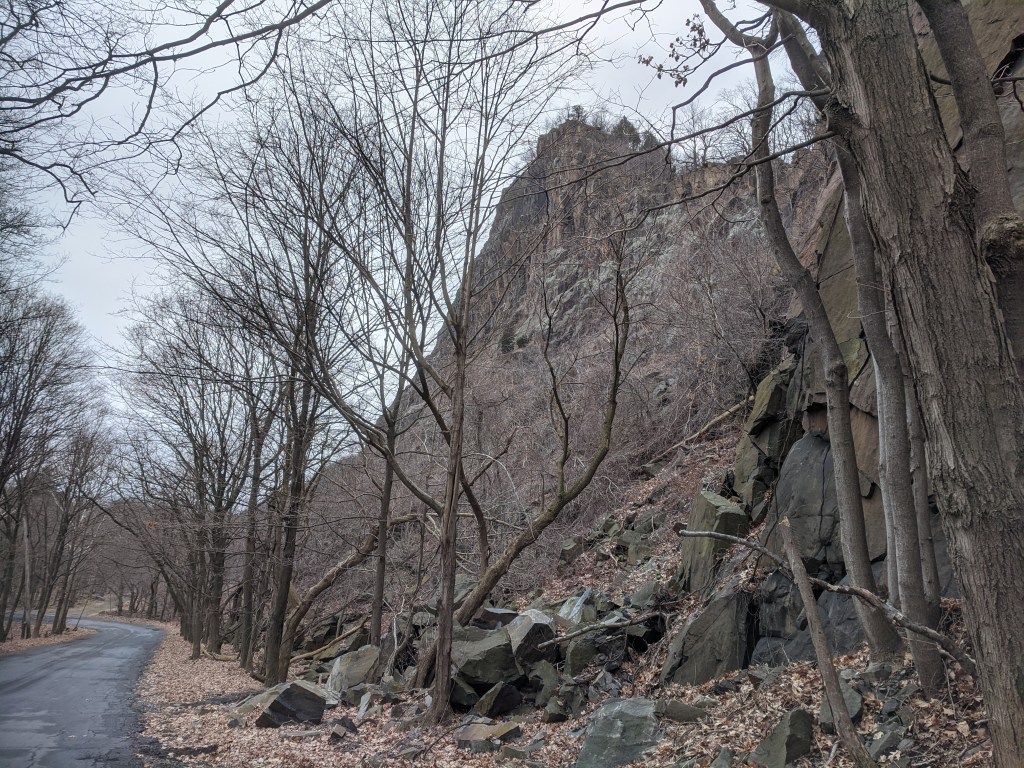
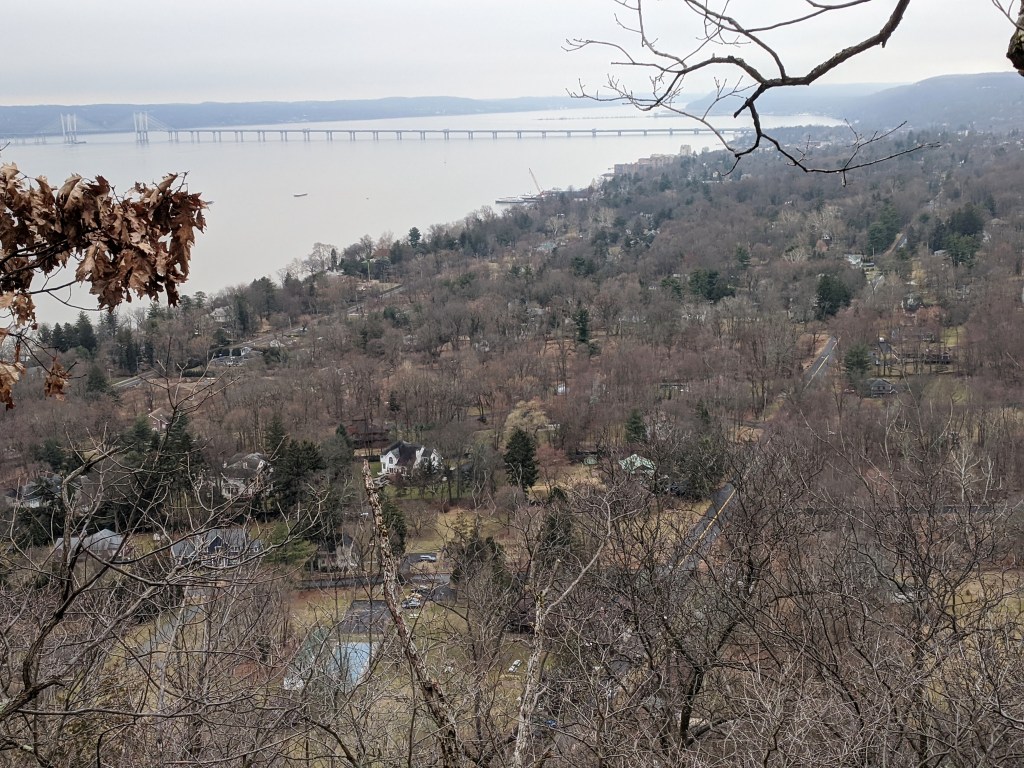
Further on to the left (less than 5 miles) it was a quick trip by bike to a range of scenic landscapes: rural, farm and river view estates–until the last stop—the rugged wildness of Hook Mountain, a local icon (and historic landmark for navigation), part of the Palisades park system, with stunning cliff views.
In recent years trail advocates established a complete Hook Mountain and Nyack Beach loop that’s about six miles RT. It’s awesome.
HOPPER PULSE | HALLMARK HORIZONTAL COMPOSITION
We can traverse Nyack’s particular stretch of riverfront geography because North Broadway–on the street where Edward Hopper lived and returned to–bisects the terrain parallel to the river. No matter which direction one ambles, the reassuring view of the Hudson and distant riverbank stays fixed, stretching horizontally as far as the eye can see.
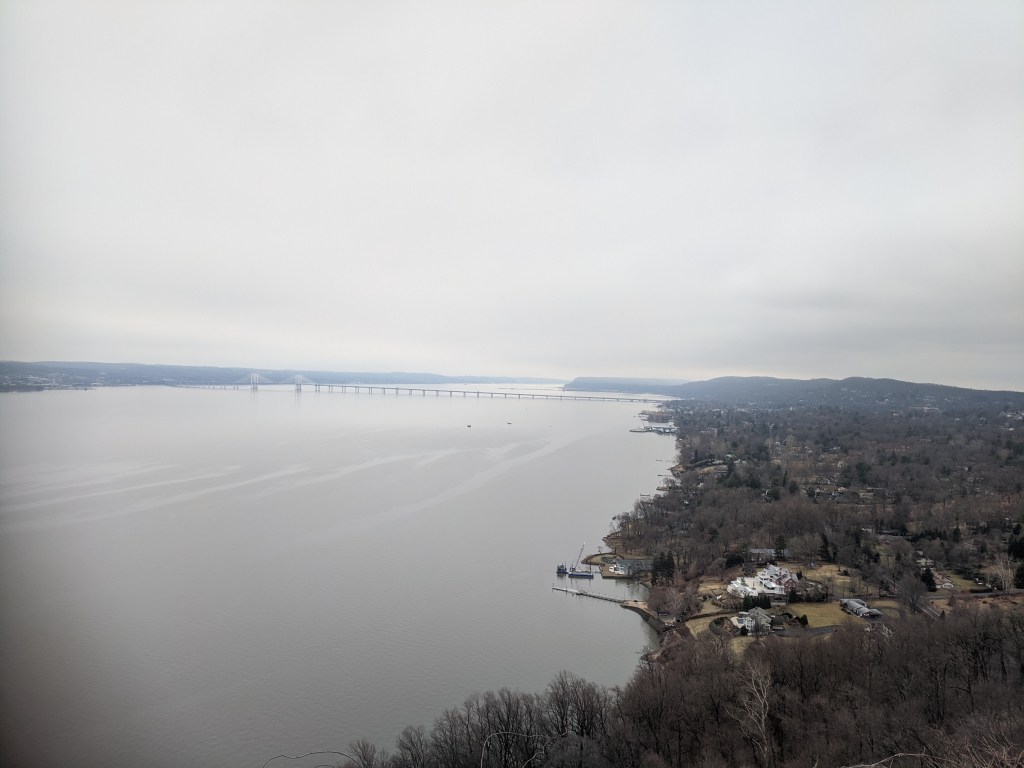
Westchester, Tarrytown across the river (and on a sunny day the Tarrytown lighthouse is visible)
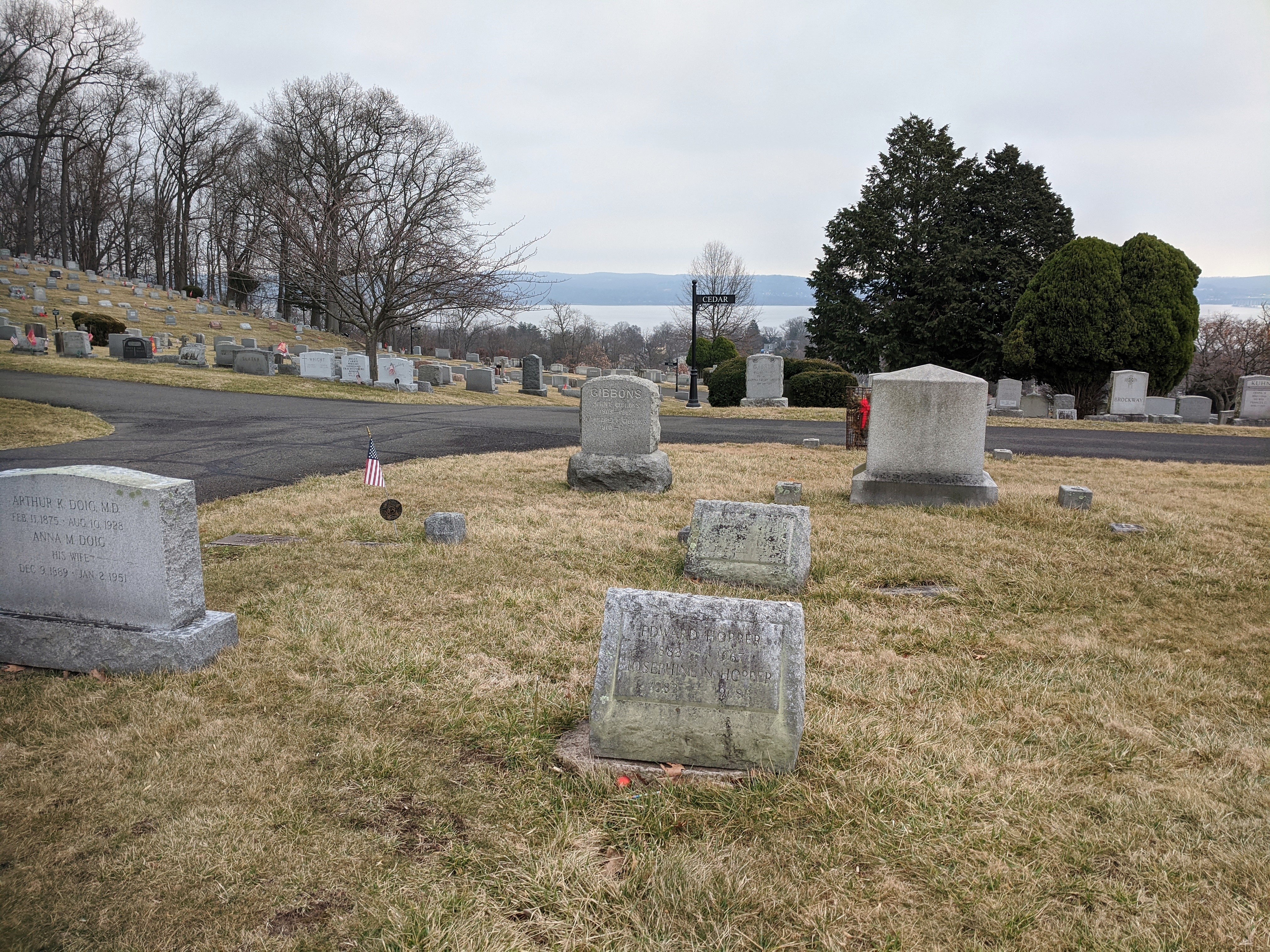
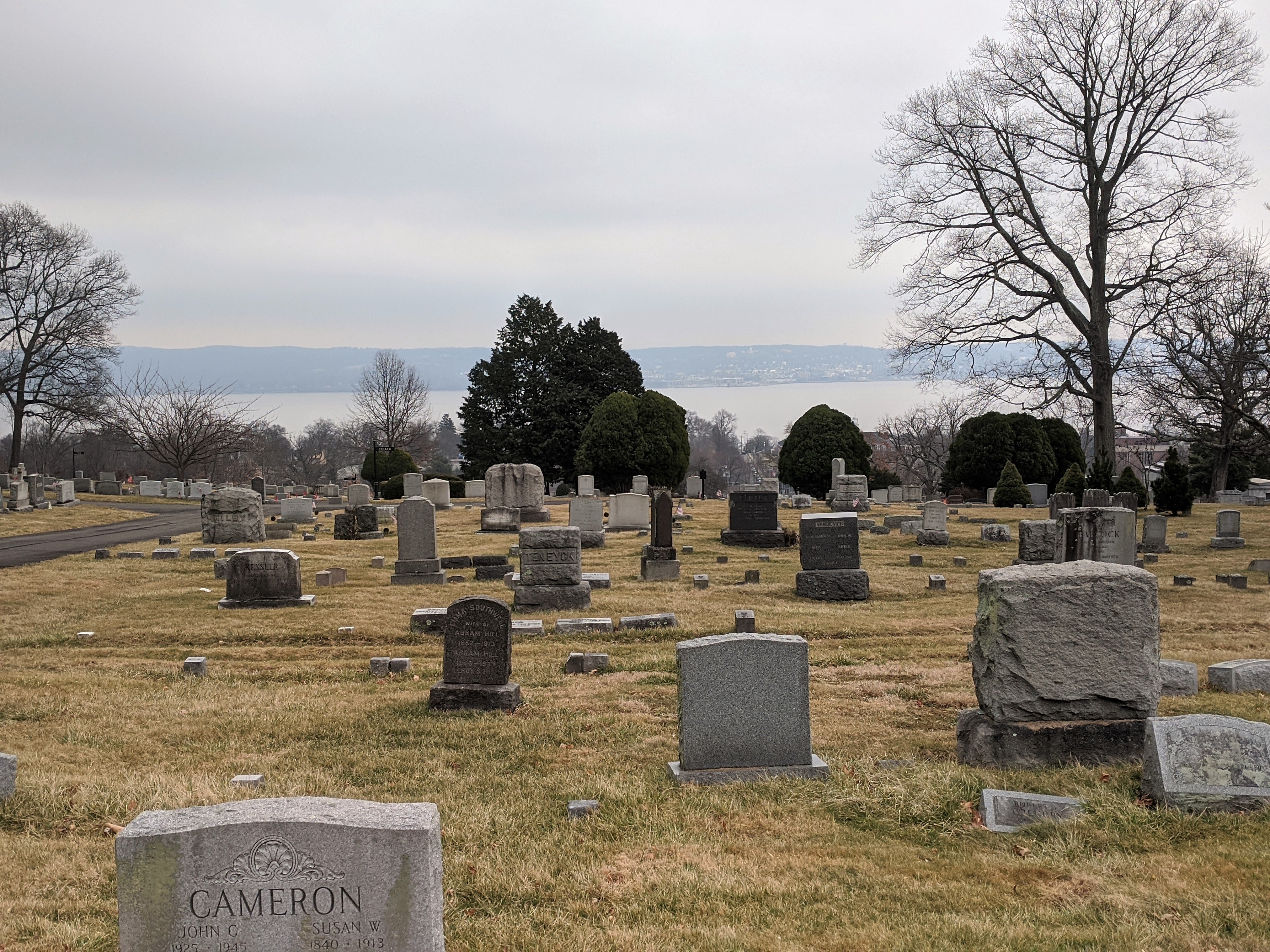
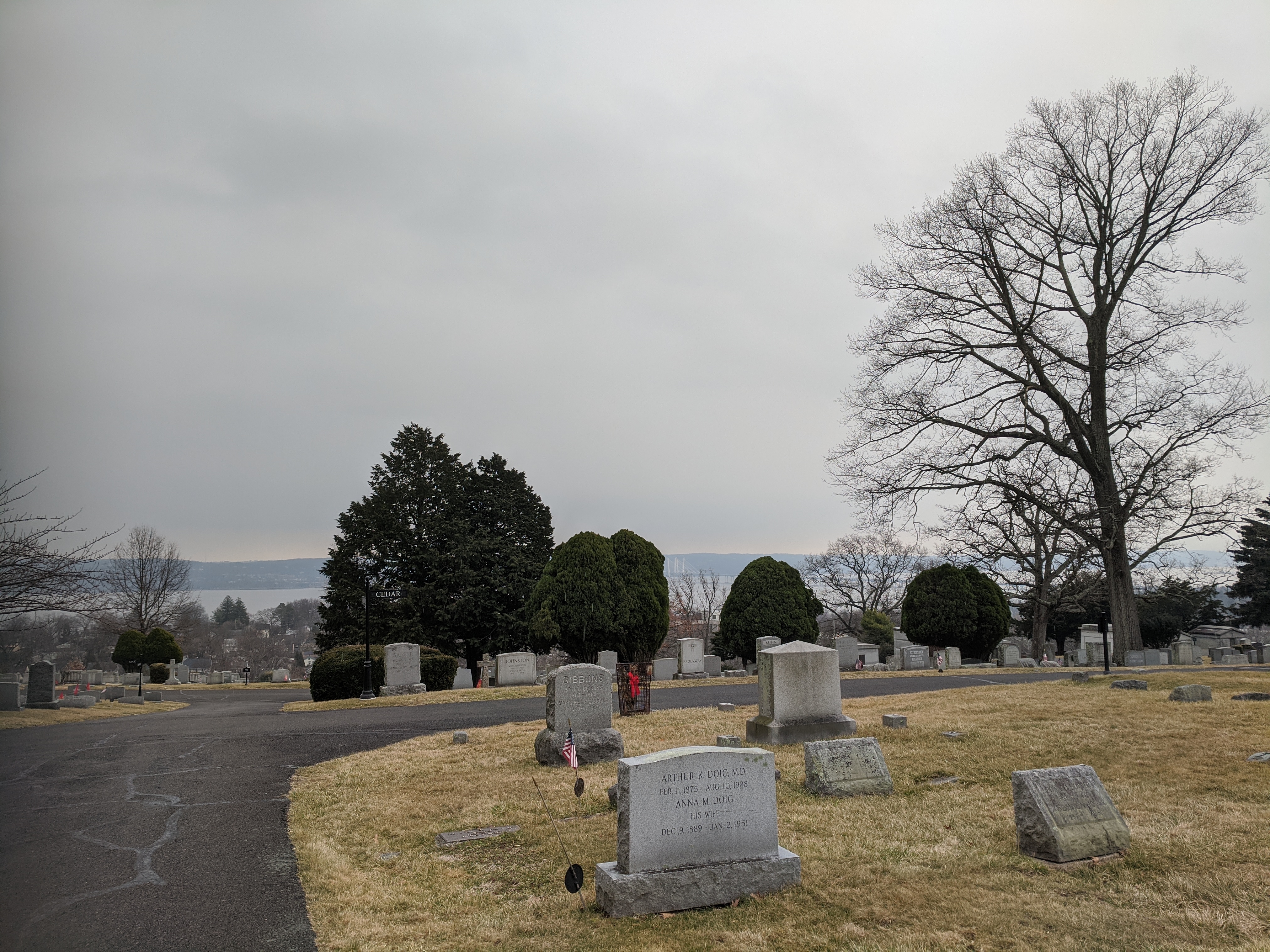
Above: OAK HILL CEMETERY NYACK
Of all the places he resided or visited, he chose to be buried in Nyack. Turns out, you can’t take Hopper out of Nyack.
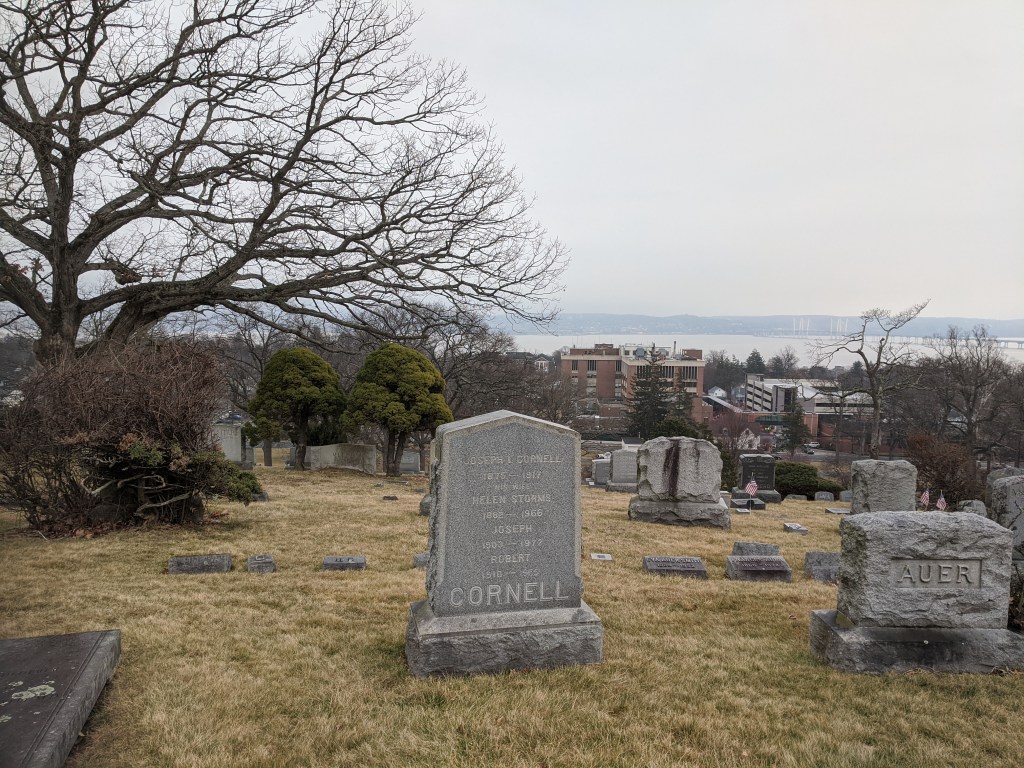
In Oak Hill Cemetery in Nyack, the grave of Edward Hopper and Jo Nivison are next to his parents and sister, high above the family home on North Broadway, with a view of the Hudson River and the unmistakable distant shore. And sited–fittingly for Hopper–on a corner, at a bend where paths converge.
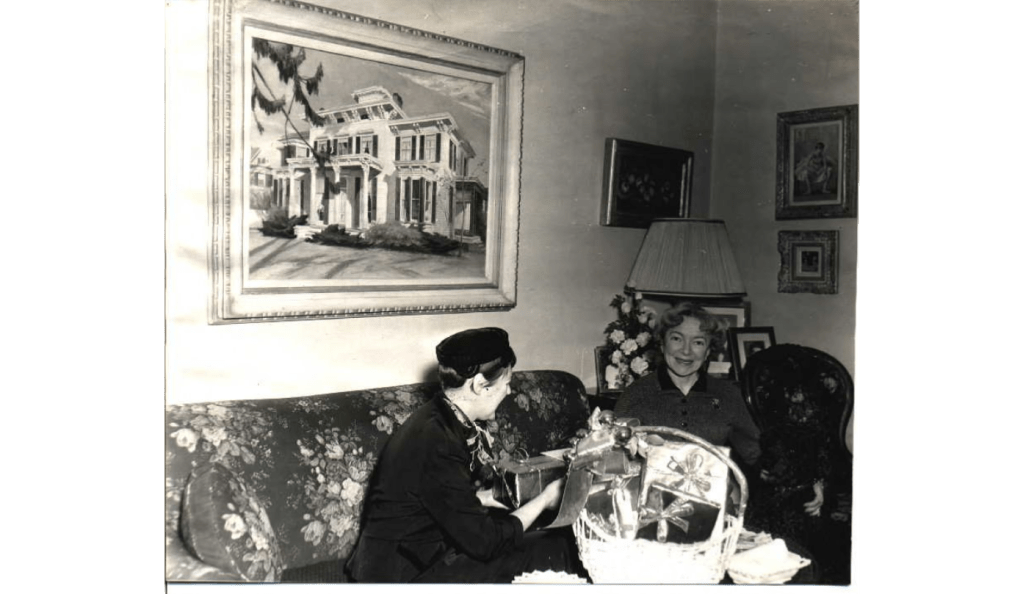
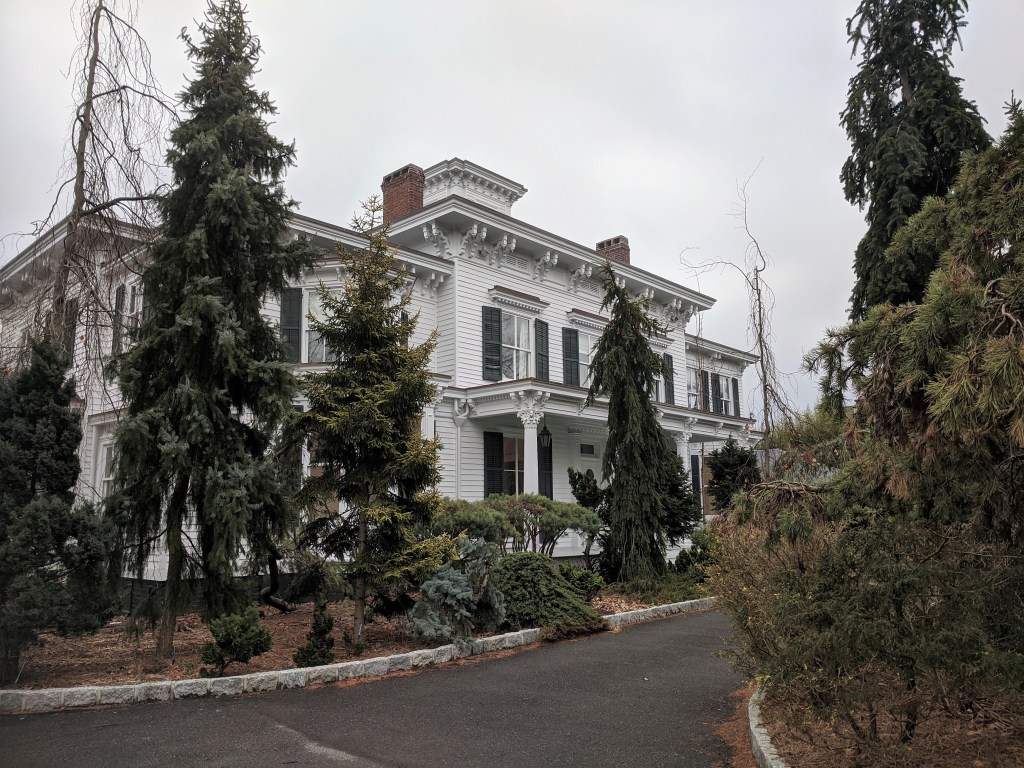
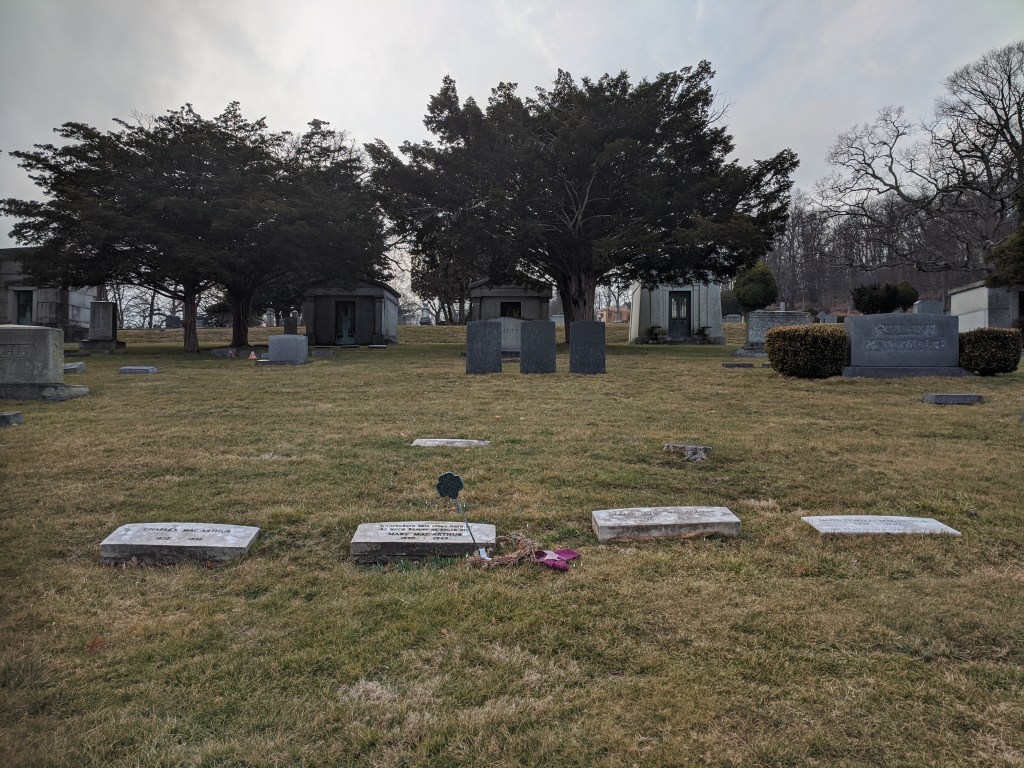
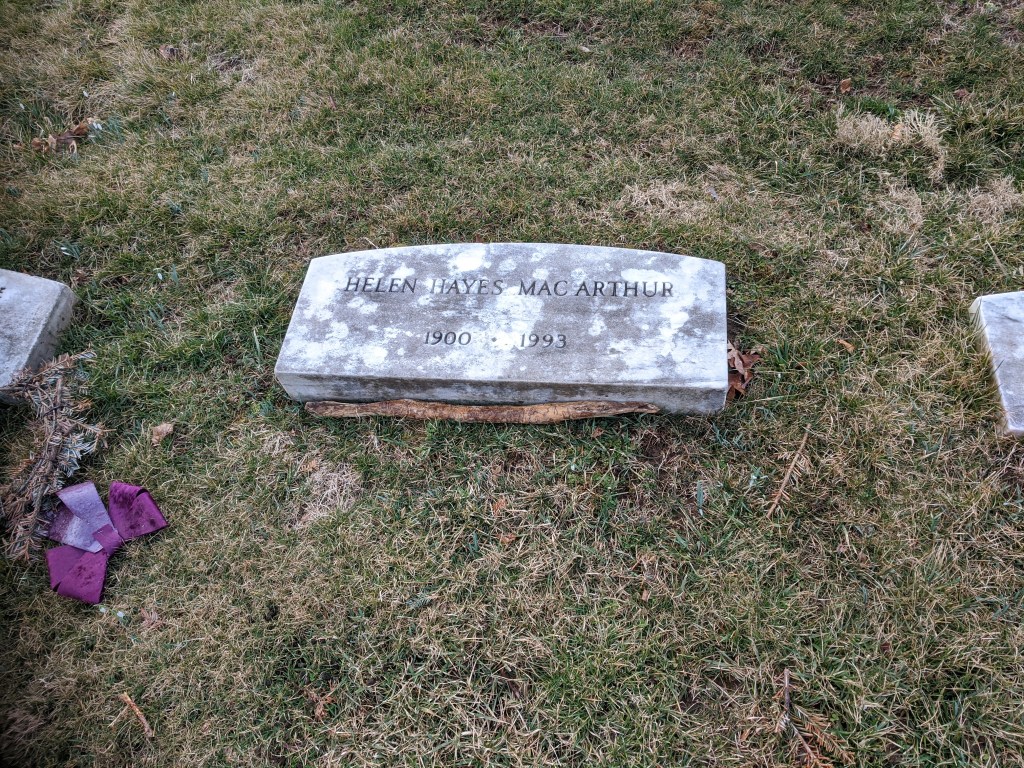
American theater legend, Helen Hayes (Helen Hayes MacArthur, 1900-1993), owned a riverfront estate across the street and a few blocks down the road from the Hopper family home, humorously nicknamed ‘Pretty Penny’ (in the block of house photos above), and drawn resentfully by Hopper when Hayes commissioned a house portrait through his art dealer or so she wrote. (I may write more about that.) The painting was hung prominently and visible in publicity stills .
Hayes is buried in Nyack’s Oak Hill Cemetery further down Oak hill from the Hopper markers. There are four flat markers flush with the grass for her family. Sadly, her daughter died in 1949 at age 19 from polio before the vaccine.
The grave for American artist Joseph Cornell is located down and off to the right of Hayes.
Edward Hopper in Gloucester
Hopper’s impressions of Nyack are repeated in his art throughout his life.
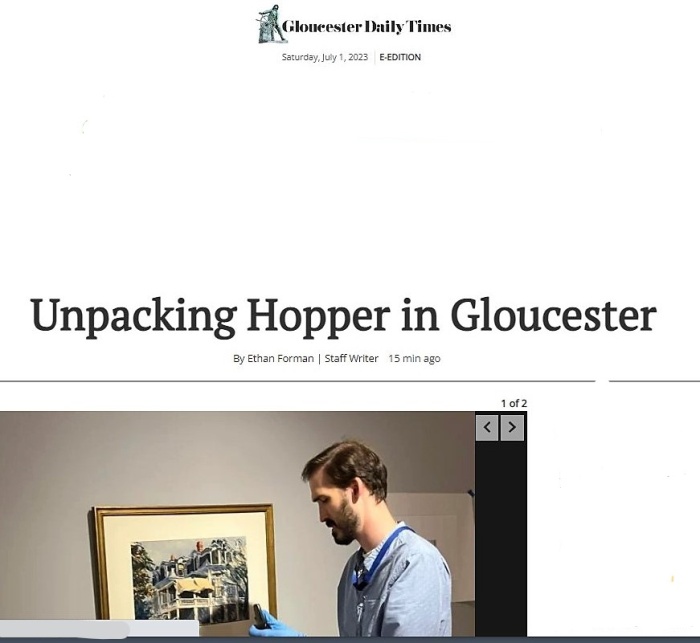
They’re installing at the Cape Ann Museum. Exciting news from Ethan Forman:
“On Friday, June 30, about 100 years after it was painted, “The Mansard Roof” returned to Gloucester, to the Cape Ann Museum, in the city’s 400+ anniversary year.
It and the 1928 painting, “House at Riverdale,” also on loan from the Brooklyn Museum, were unpacked and hung with care by Caroline Gillaspie, assistant curator of American Art at the Brooklyn Museum, and Leon Doucette, assistant curator of the Cape Ann Museum.”
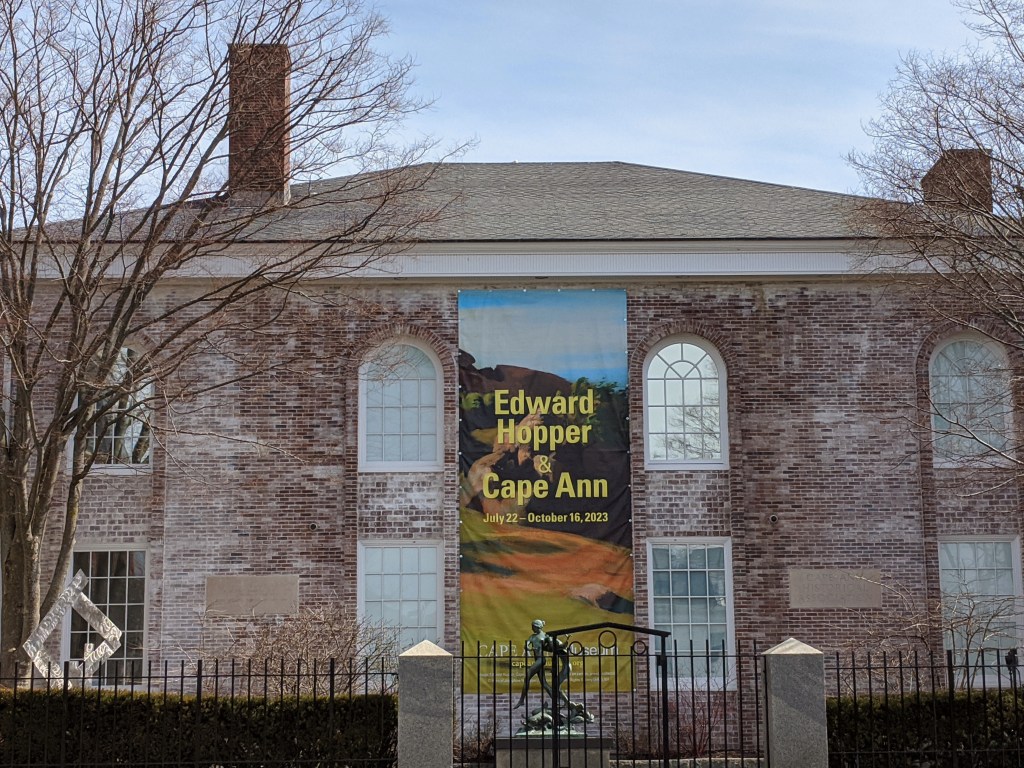
The Art Newspaper published an announcement preview about the upcoming show last week and Vanity Fair hyped the catalogue for a summer read. Looking forward to the many reviews of this special survey in Gloucester after the exhibition opens July 22, 2023.
Spread The GMG Love By Sharing With These Buttons:
The symposium features major American museum present and former curators and directors: Elliot Bostwick Davis, Kathleen A. Foster, Joachim Homann, Gail Levin, Virginia Mecklenberg, and Adam Weinberg. Several have compiled and published more than one renowned Hopper survey! On this weekend in September they’ll be focused on Edward Hopper in Gloucester!
FRIDAY, SEPTEMBER 29, 2023 Edward Hopper’s American Things, 6:00 p.m with Erika Doss, art historian and author of American Art of the 20th – 21st Centuries (2017), and Spiritual Moderns: Twentieth-Century American Artists and Religion (2022)
SATURDAY, SEPTEMBER 30, 2023, 10:00 A.M. – 4:00 P.M.
Edward Hopper and Jo N. Hopper on Cape Ann: “Beauty in the Commonplaceness”, 10:00 a.m. with Elliot Bostwick Davis, Guest Curator, Edward Hopper & Cape Ann
Managing an Artist’s Legacy within Museums: Edward Hopper & Fitz Henry Lane, 11:00 a.m. with Oliver Barker, CAM Director and Guests *Adam Weinberg
AFTERNOON BREAK, LUNCH PROVIDED, 12:00 P.M.
The Hoppers, Bernstein, and Meyerowitz, 1:00 p.m. with Gail Levin, Distinguished Professor of Art History, American Studies, and Women’s Studies at The Graduate Center and Baruch College of the City University of New York
American Watercolors: A Panel Discussion, 2:00 p.m. with Virginia Mecklenberg, Smithsonian American Art Museum; Kathleen A Foster, Philadelphia Museum of Art; and Joachim Homann, Harvard Art Museums
Closing Panel, 3:00 p.m.
Visit the Edward Hopper & Cape Ann exhibition, 4:00 p.m.
*Adam Weinberg, Alice Pratt Brown Director Whitney Museum of American Art from 2003- 2023. Several of the experts will have deep Massachusetts connections and experience. Before helming the Whitney, Weinberg was a long time curator here and abroad and Dir of the Addison at Phillips Academy in Andover 1999-2003.
Harvard is featuring a large American watercolor showInto the Light focused on drawings from its repository curated by Joachim Homann who is a featured panelist in Gloucester’s Edward Hopper symposium. Naturally art inspired by Gloucester make the list; Jane Peterson, Winslow Homer, Stuart Davis and more. The Truro Edward Hopper works are a great opportunity to compare drawings from both Capes in state at the same time.
video ftg. Hopper for American Watercolors, 1880–1990: Into the Light May 20, 2023–August 13, 2023.
Spread The GMG Love By Sharing With These Buttons:
If you stop to think about how many projects Gloucester’s DPW is pulled into that they may not have spearheaded but must deliver and complete, all the while doing their essentials, it’s no wonder other Public Works look at what Gloucester’s DPW provide and think they do a model job.
For permanent infrastructural projects (see Stacy Boulevard series) it’s evident that form and beauty are taken into consideration as much as possible.
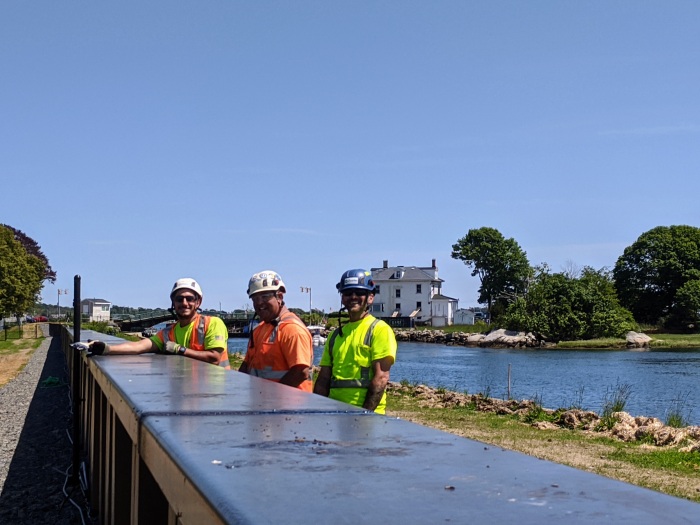
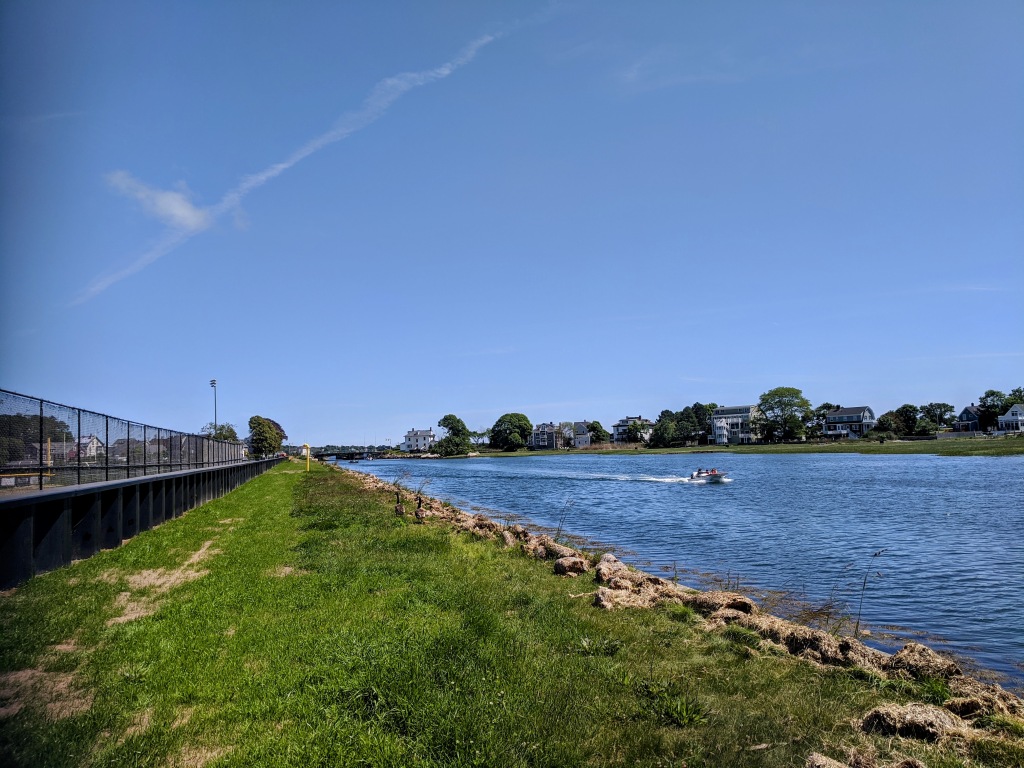
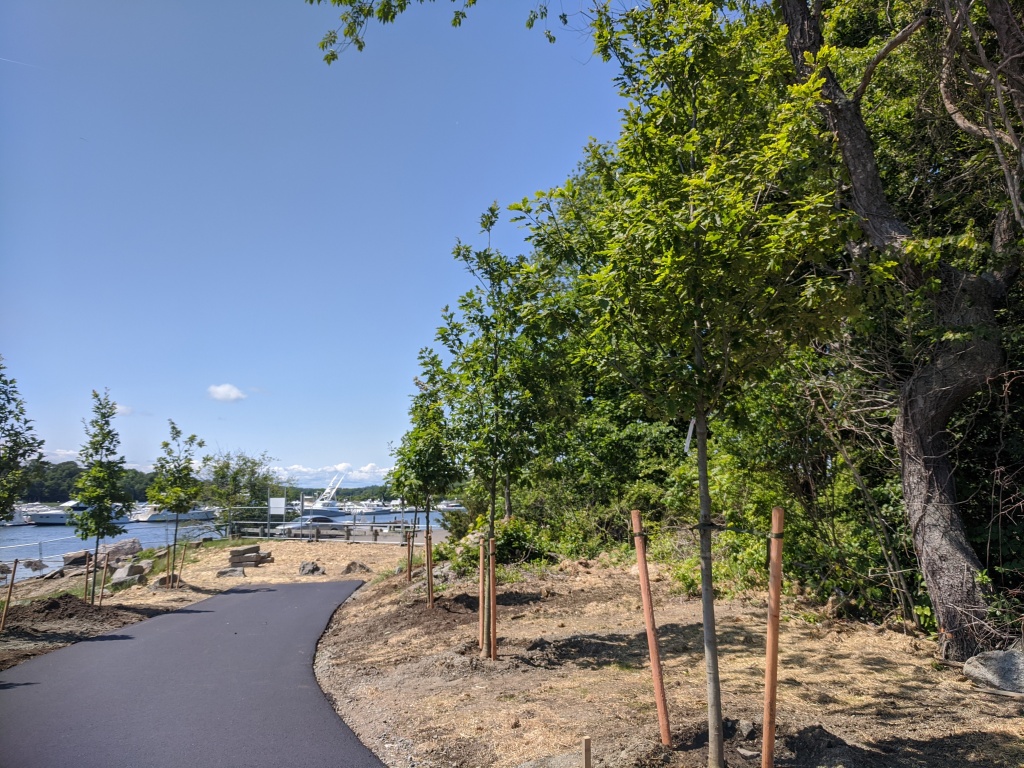
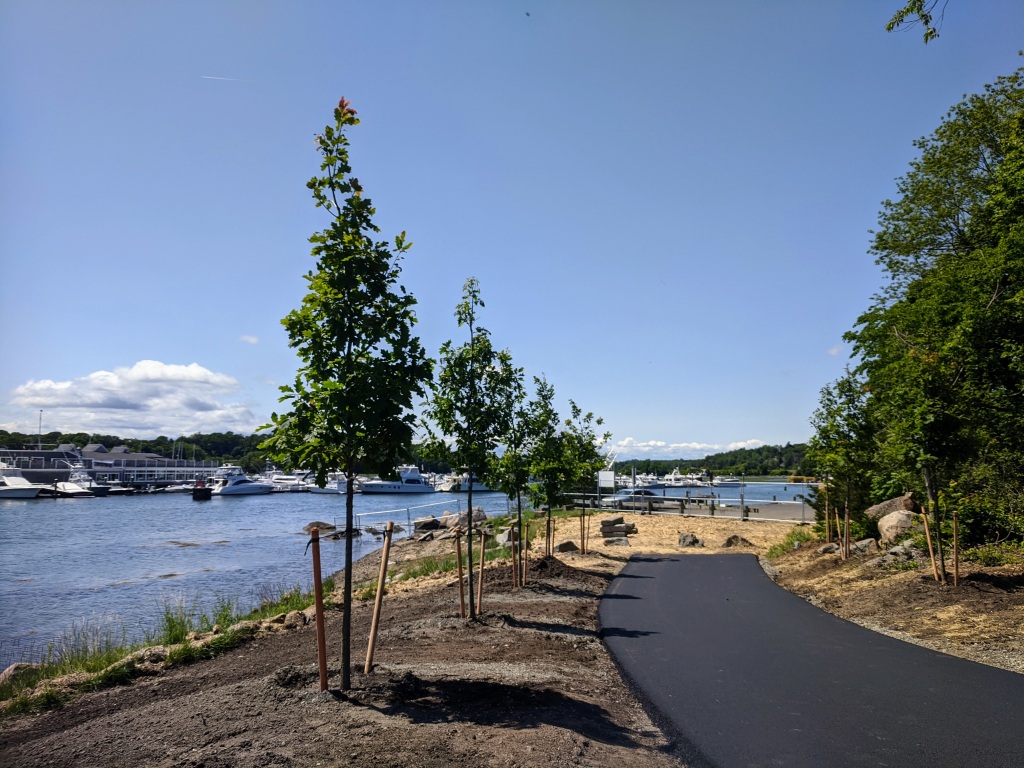
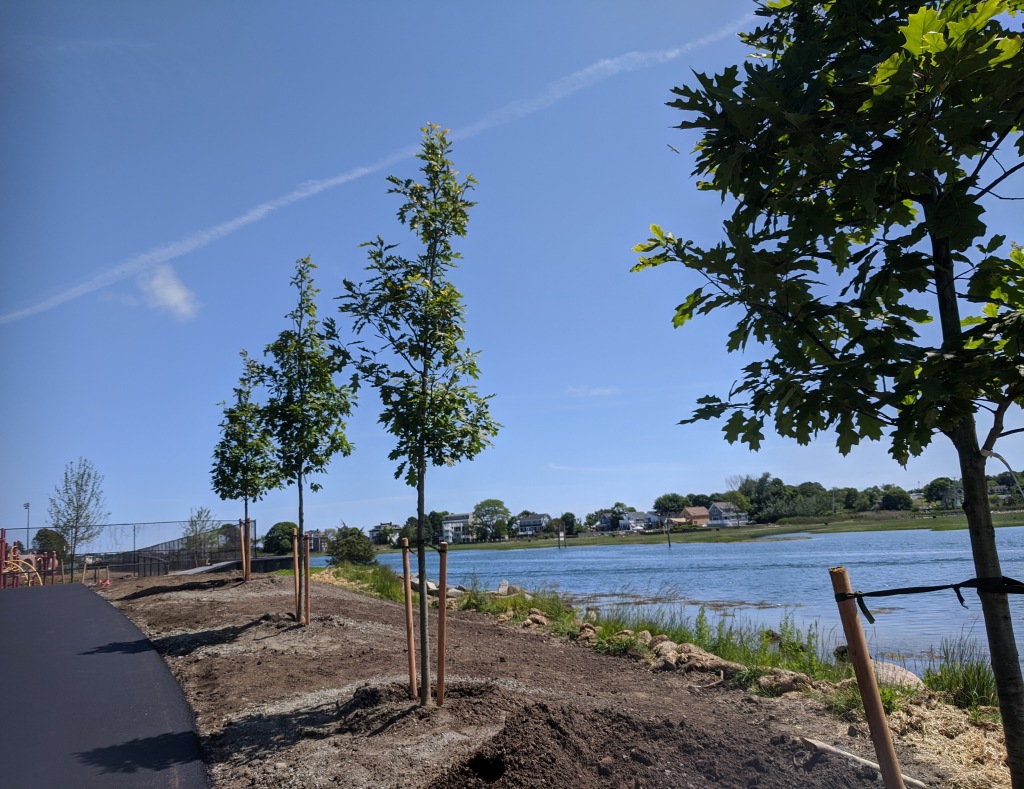
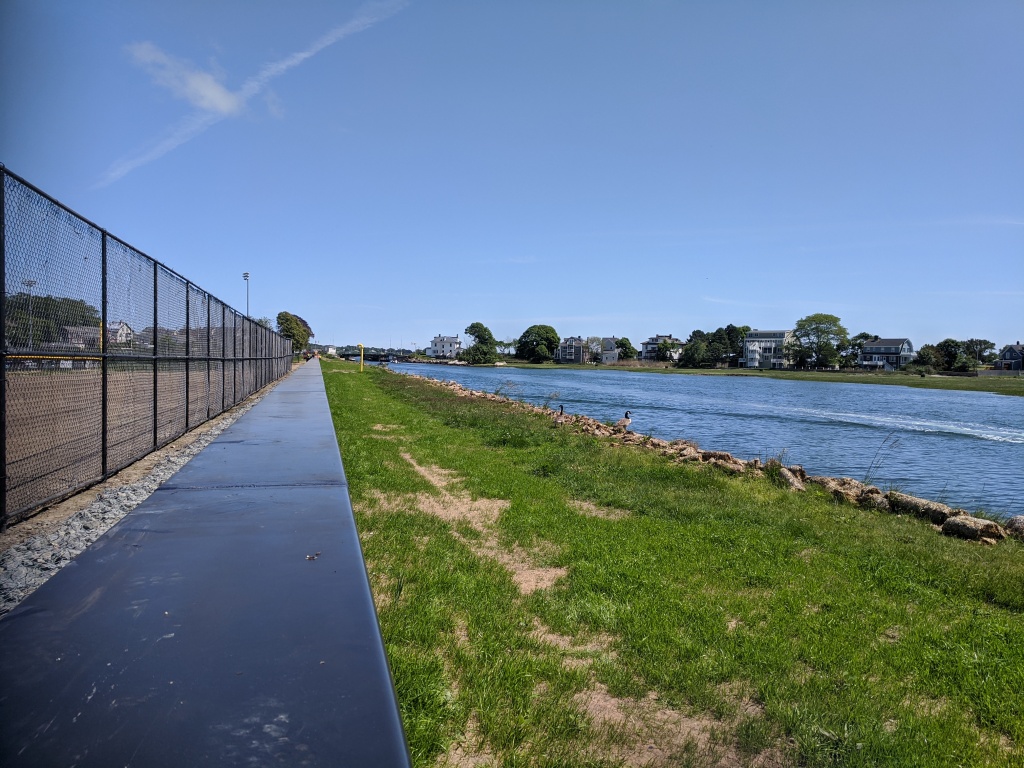
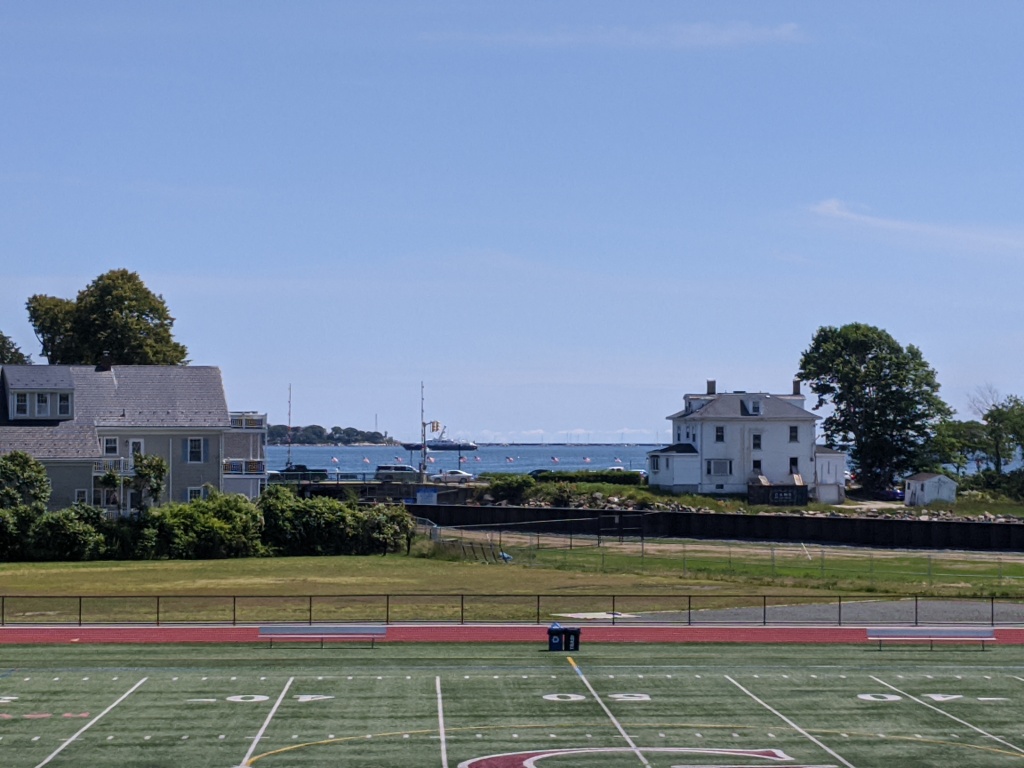
There’s a lot more green in the GHS Flood Control Project 2023 since the last photographs I posted a month ago. More plantings and landscaping coming will add even more appeal. New trees were laid this week.
“Construction went smoothly. With permanent infrastructure it’s tricky to balance form over function. Form is so, so important! To me. To the City. To the residents. I always try to strike a balance.”
Mike Hale, Dir. DPW, Gloucester, MA
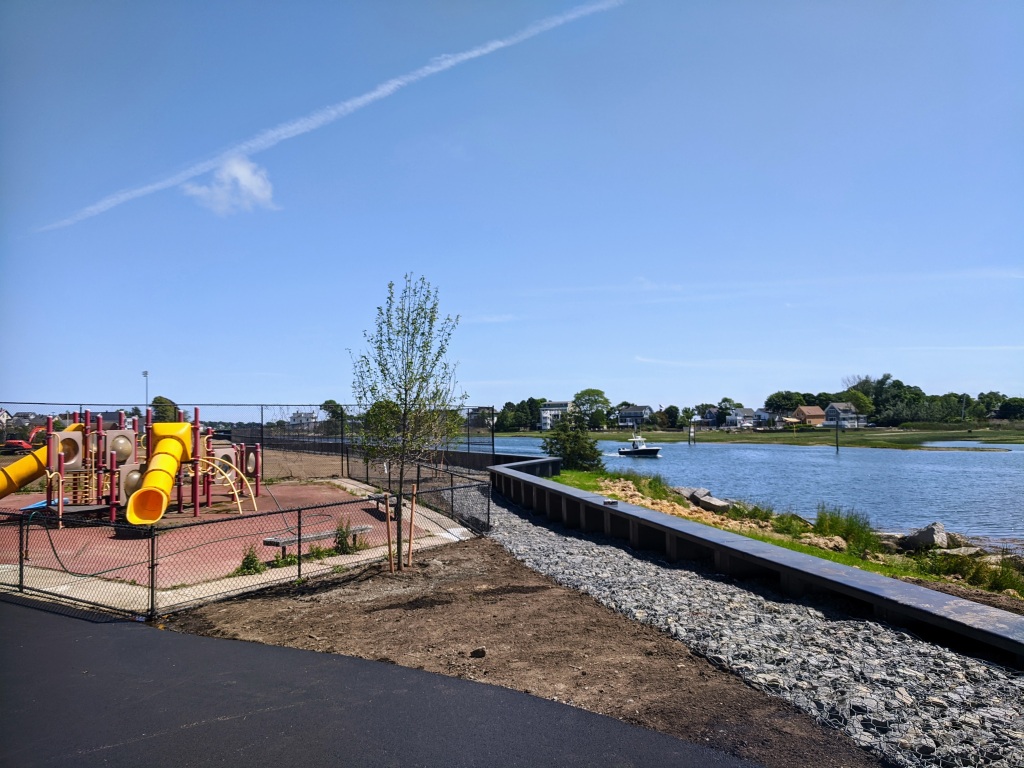
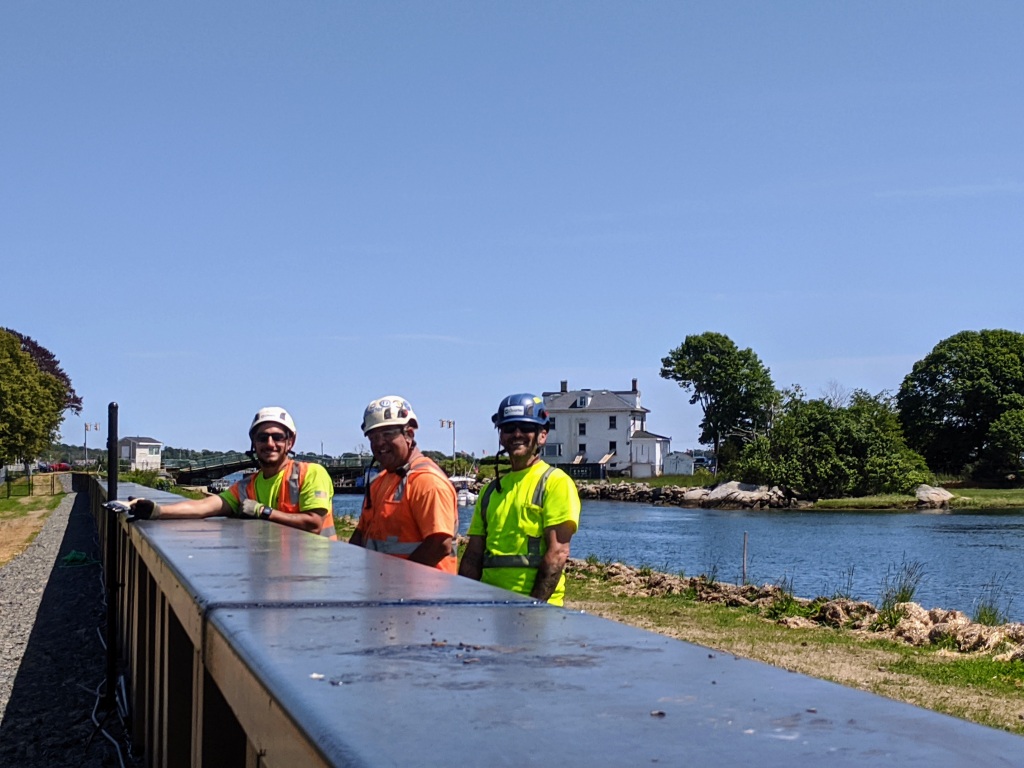
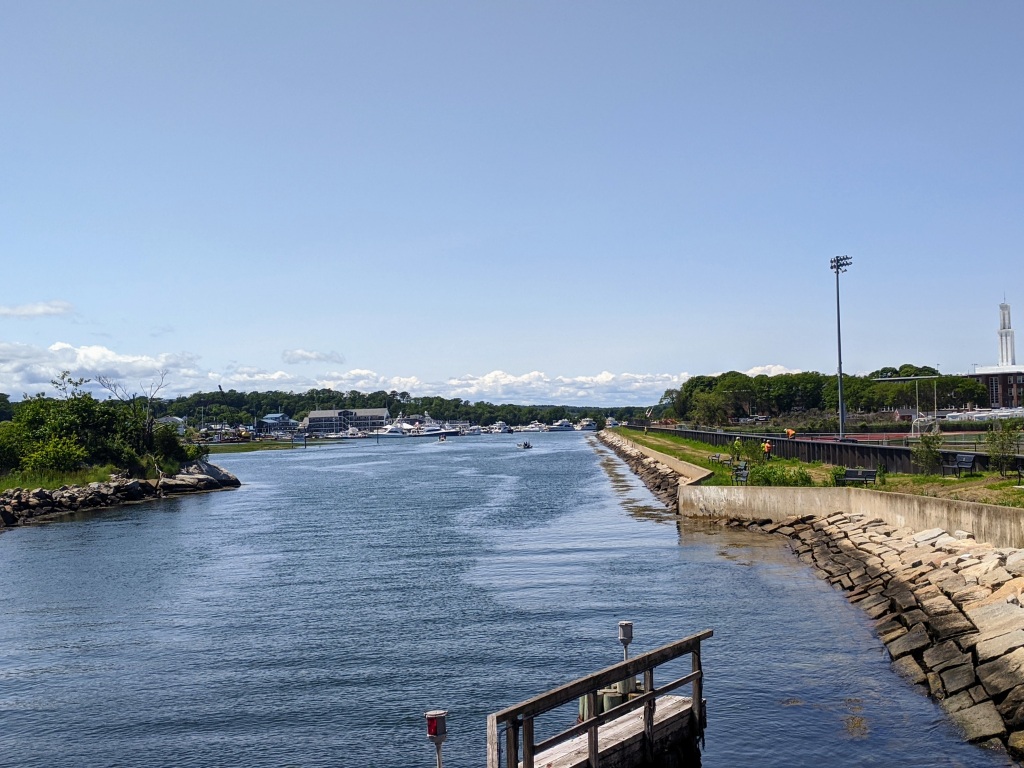
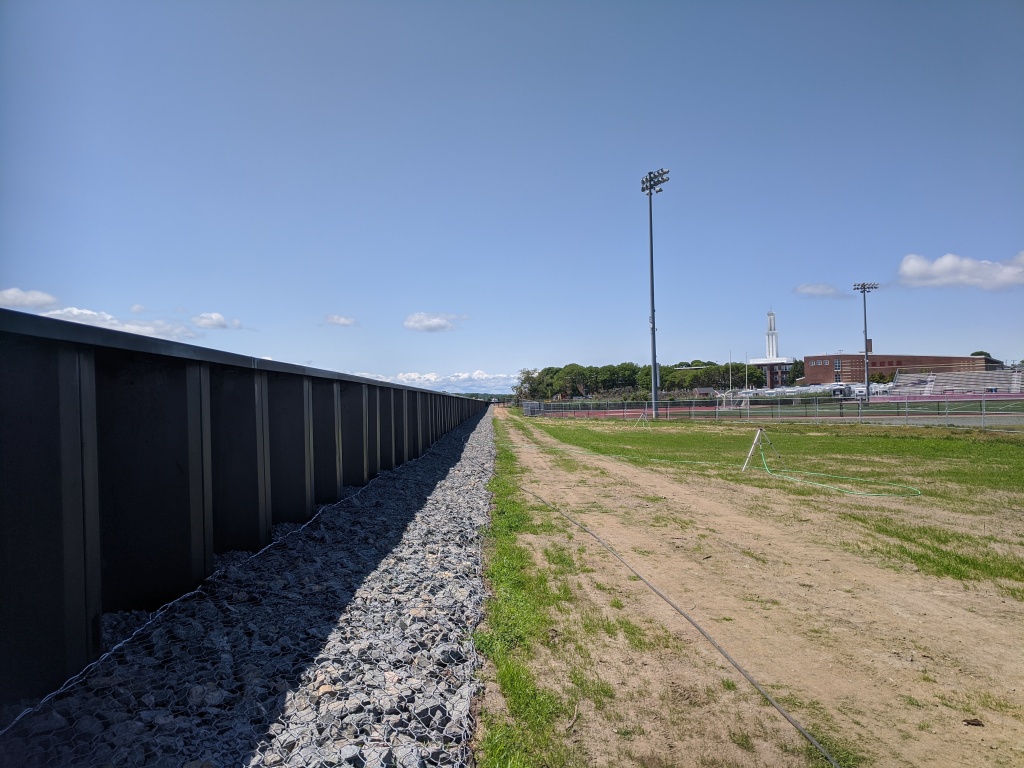
Diagonals and lines are incorporated into the landscape elements and the zig zag, tapered wall itself which is wide enough–by design for its purpose–and that someone climbing, sitting, or walking on top is not hurt. Final rounds of hydro seeding should be finished by Friday. Crews are working on “small stuff and finishing touches”. Removal of equipment like the mini excavator are scheduled for Monday.
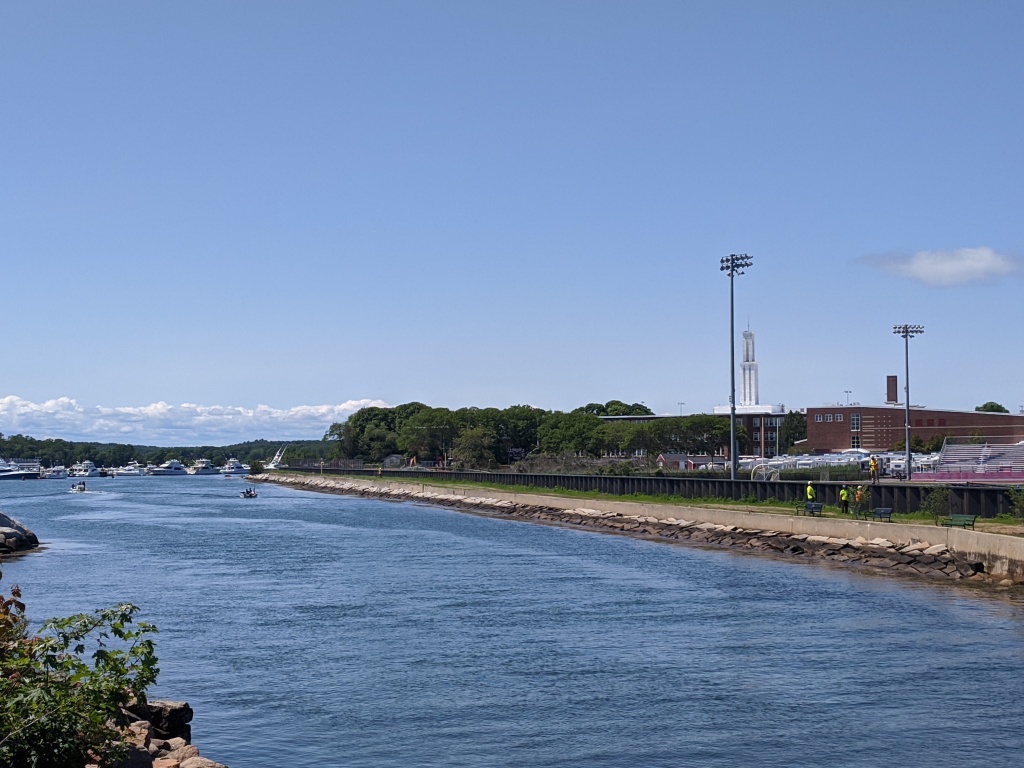
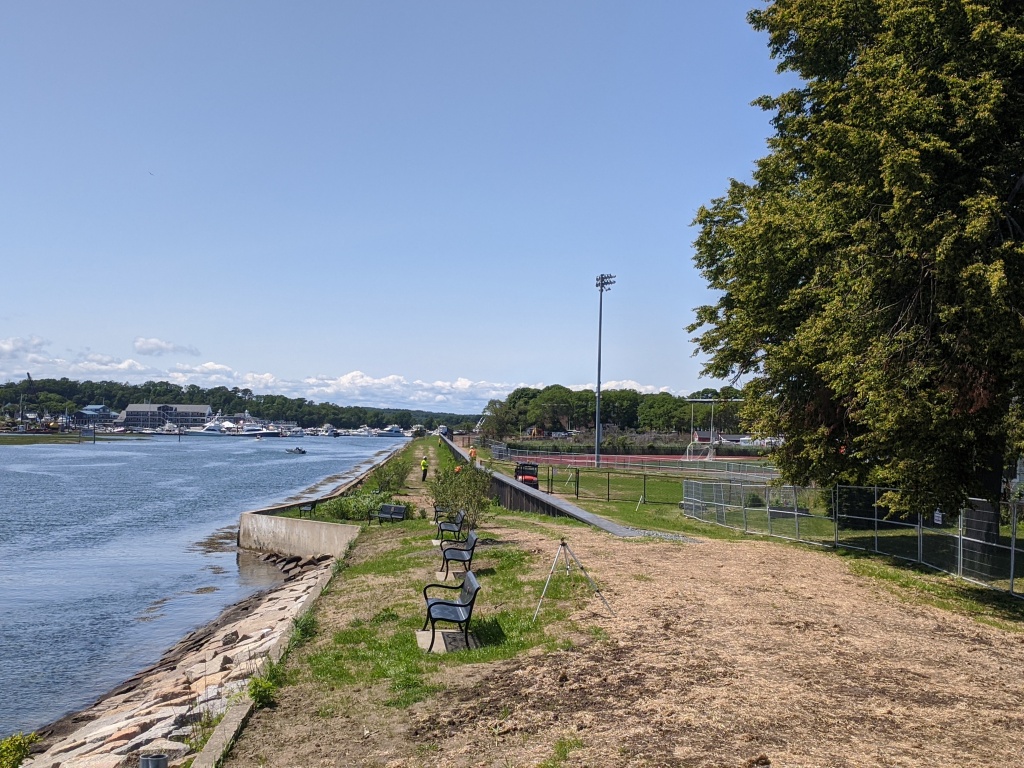
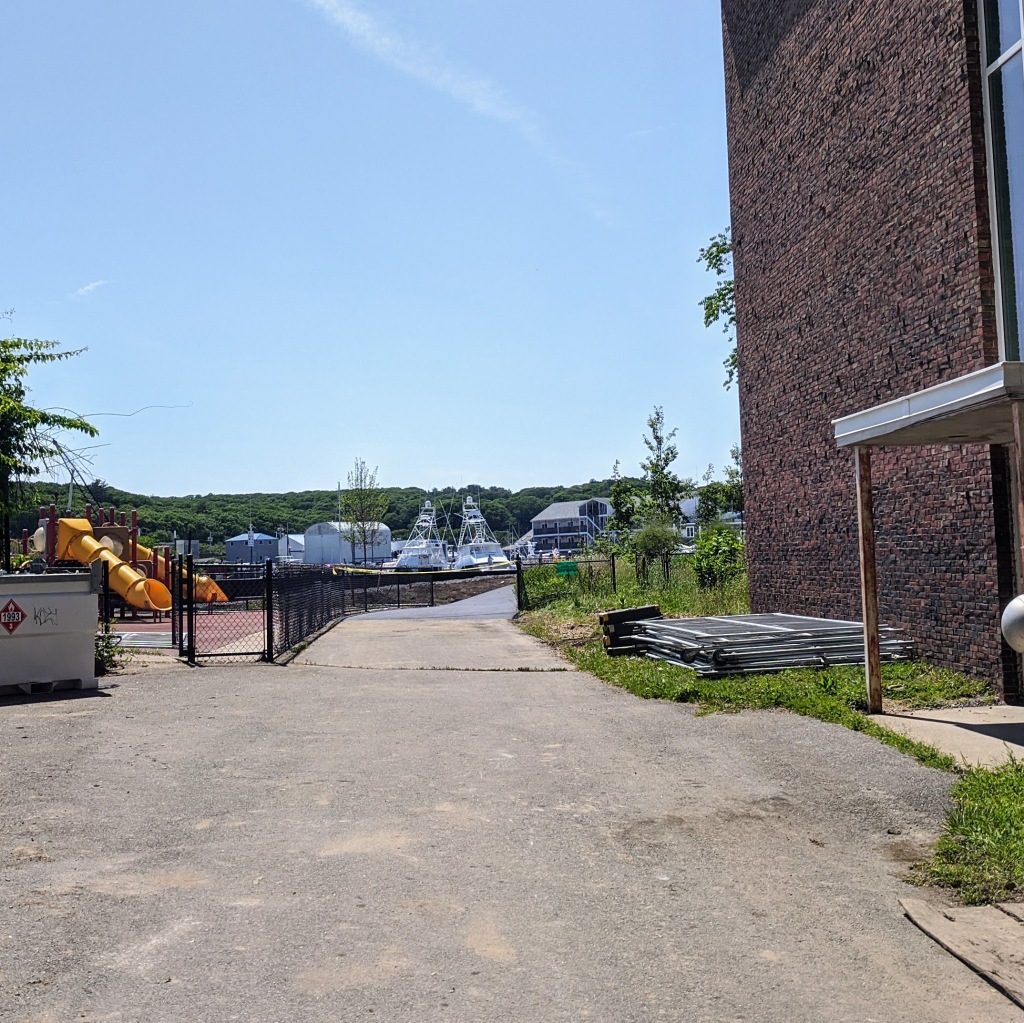
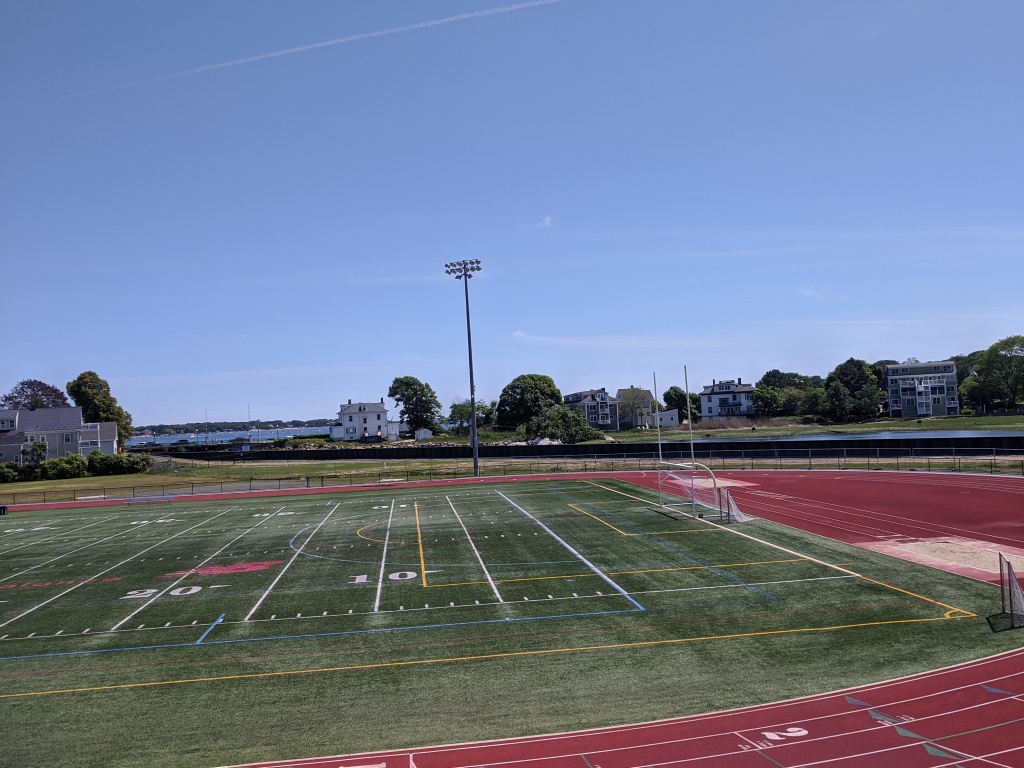
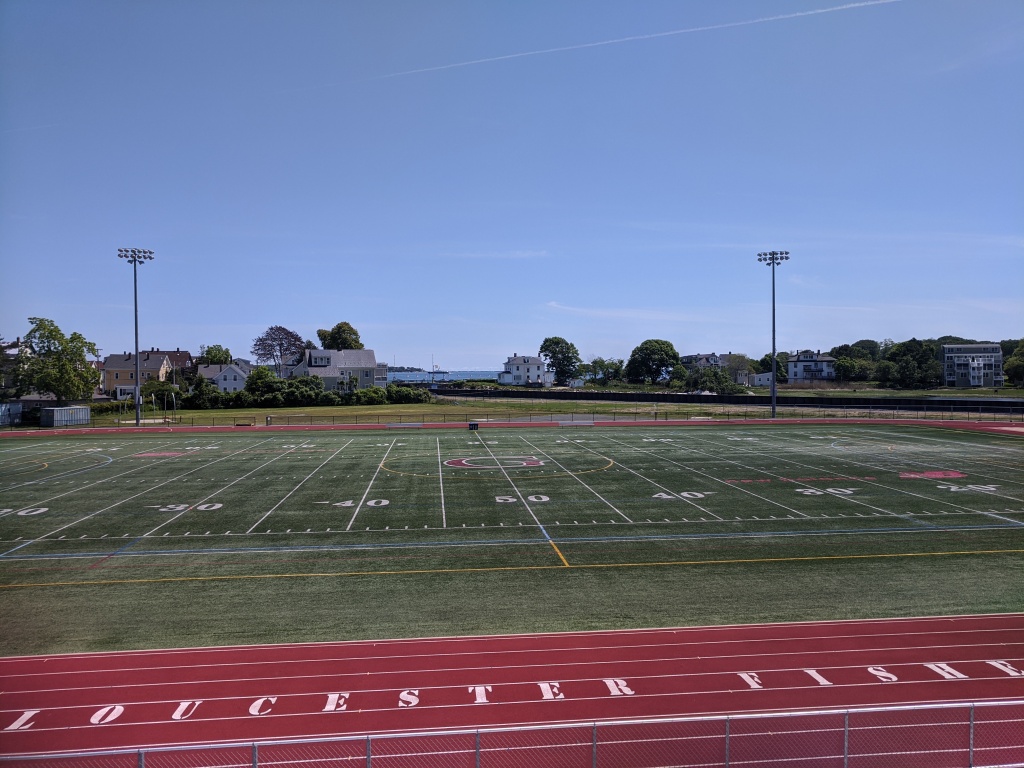
At this stage in the project, the grassy walk is wide and welcoming and the Annsiquam humming with activity. Two geese sauntered past unbothered. Maintaining public space and green additions are evident. The old preschool at the highschool’s playground equipment is enhanced and feels upgraded to a waterfront walk and park that’s as fun to visit as Cripple Cove. With 1000 less enrolled at GPS there’s ample room at GHS for relocating the preschool and school administration from Blackburn back into the highschool. There might even be room for the Pond Road or other city offices. They can make use of an enhanced amenity. When this community space opens there’s a full circle longer walk option around the school: from Dun Fudgin/Emerson, back of school, bit of Centennial to the riverwalk.
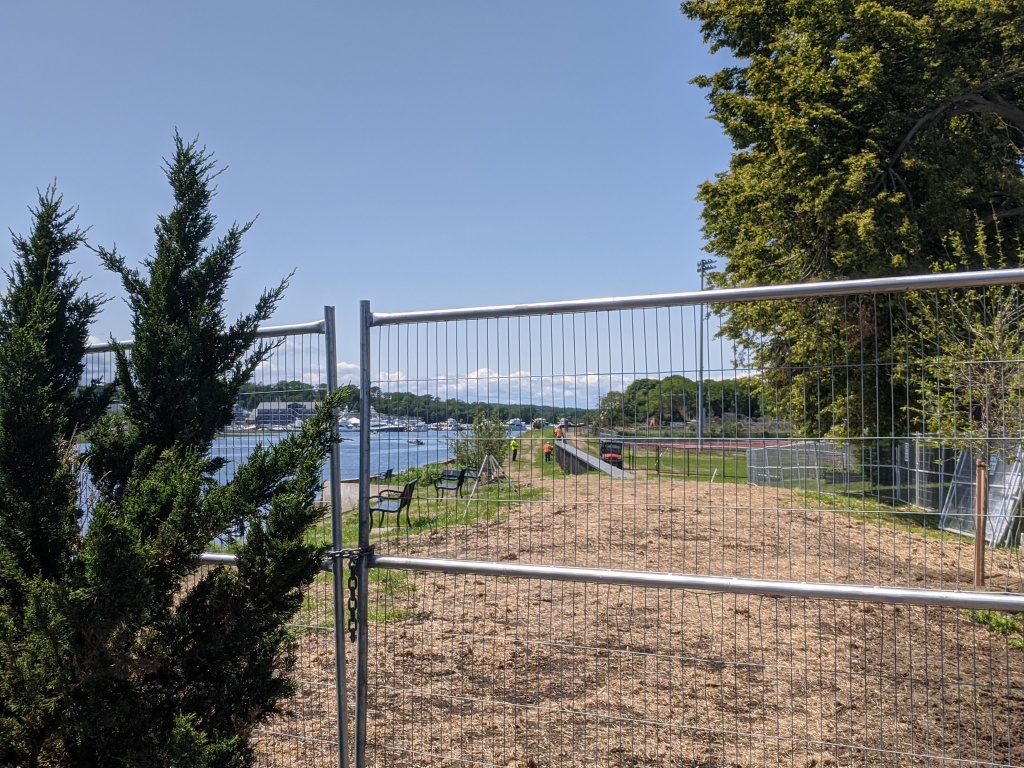
The public can resume access to the riverwalk along the ‘squam between the Cut and Dun fudgin’ next week. There are three ways to walk on: 1)to the right of the bridge tender from Stacy Boulevard, 2)from the high school (by the softball field), and 3)Dun Fudgin’. The bridge tender is city property; they lease it from the city. If you check out the progress before Tuesday, you can see the temporary fences and locked gates which will be removed.
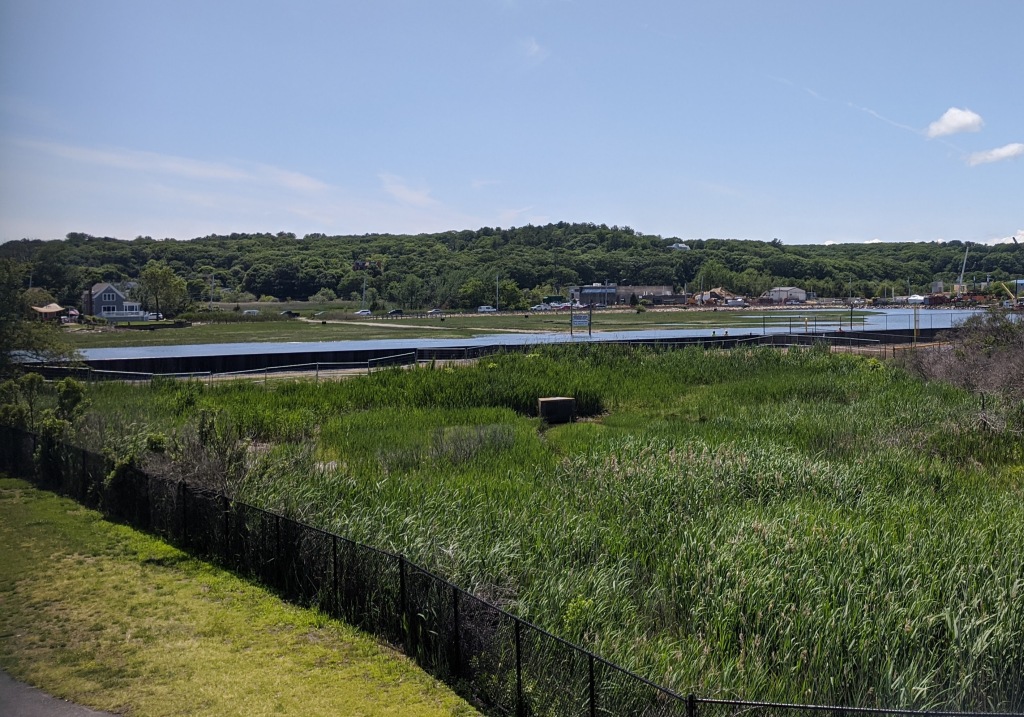
photo caption: Temporary fencing. Gates ajar Tuesday. This photograph shows the intentional natural planting for an earlier GHS flood mitigation project. Could sustainable planting partial strip like this continue along the back of the new wall (where the public is not meant to walk)? see next photo
Aerial View from Edward Hopper
image: Edward Hopper House on ‘Squam River, 1926. The Hopper drawing was gifted to the Museum of Fine Arts, Boston, in 1948. I thought about Hopper’s use of abbreviated ‘Squam and this vista for this post.
FAST STATS for the GHS Flood Control 2023
**Managed and partially funded by City of Gloucester, DPW**
Managed: City of Gloucester DPW
Engineers: GZA GEO Environmental, Amesbury
Contractor: Charter Contracting Boston
Status: nearly across the finish line. Progress: as of June 21, 2023 completion ETA is Monday June 26, 2023. Gates open Tues. Project start (historic): pre 1900 Modern project start: on the ground January 2023
Funding Awarded by:
from State: TBD Executive Office of Energy and Environmental Affairs; FEMA; Mass Emergency Management Agency
from City: TBD partially funded plus in kind by DPW
Funding in place as of: TBD
Gloucester grants over the years in this vicinity include: emergency work on Blynman collapse; earlier GHS storm water project; Newell Stadium New Balance Field special surface;
Bid Open and contract amount:3.244M Contract completion: 2023 Locations: Along ‘Squam length between cut bridge and dun fudgin Priority: 1,439 linear feet of flood wall necessity, for safety and continued investment along an area the city has developed since the landfill late 1800s, and longer related to the Cut. Infrastructure project with quality of life benefits for residents and visitors. Rather than traditional loud pneumatic pile driving, special drive sheets were fabricated to offset the noise (essentially vibratory) Temporary work site chain link fence: Required. The chain link fence is installed by the contractor to protect the work zone and define it better. Will be removed as soon as possible.
HIGH RES PLANS
High Res plans here
Wastewater Treatment Facility
Directly across the river, construction for another wall encircling the city’s wastewater treatment facility is nearly finished. That project includes deployable gates for overflow.
The city’s investments in infrastructure is not new nor its evergreen commitment to improvements.
Fiscal year 2023 the City’s proposed budget is 133.9M. The DPW budget is about 32.1M million. For comparison, the school budget is about 50M*, 60% more. If we want more services or faster, money is another piece of the form vs. function balancing act.
*50M base number excludes: facilities rental for preschool/admin at Blackburn, etc.; school choice out tuition costs; Essex Tech expenditure; new school project; and special budget supplemental request/loan orders (e.g. school portion of 2.15M IT)
MORE Greenhead trap boxes
DPW did not install the greenhead boxes in Gloucester. In the photos above you can see greenhead boxes added to the salt marsh here as well as the new ones behind Good Harbor Beach. The Commonwealth’s Northeast MA Mosquito Control installed 58 traps. Last year it was 20. There’s a history of mosquito AND greenhead control combined action plans by the state which I wrote about here when I saw the new Good Harbor ones. I will add to that list an article by Ethan Forman who wrote about Essex and Wingaersheek and the city considering reenrolling. See Gloucester Daily Times here. That article mentions board of health asking city council for greenlight for the greenheads (each box about $90 a piece and a 3 year contract).
I will try to find a map or list of site locations. In the recent past I remember them in the marsh behind Lobsta Land. Apparently there were a fleet of them in the 1980s. Do you remember seeing them in more places at that time or were you involved back then? I’d love to learn about any tallies and sites and compare with 2023.
Spread The GMG Love By Sharing With These Buttons:
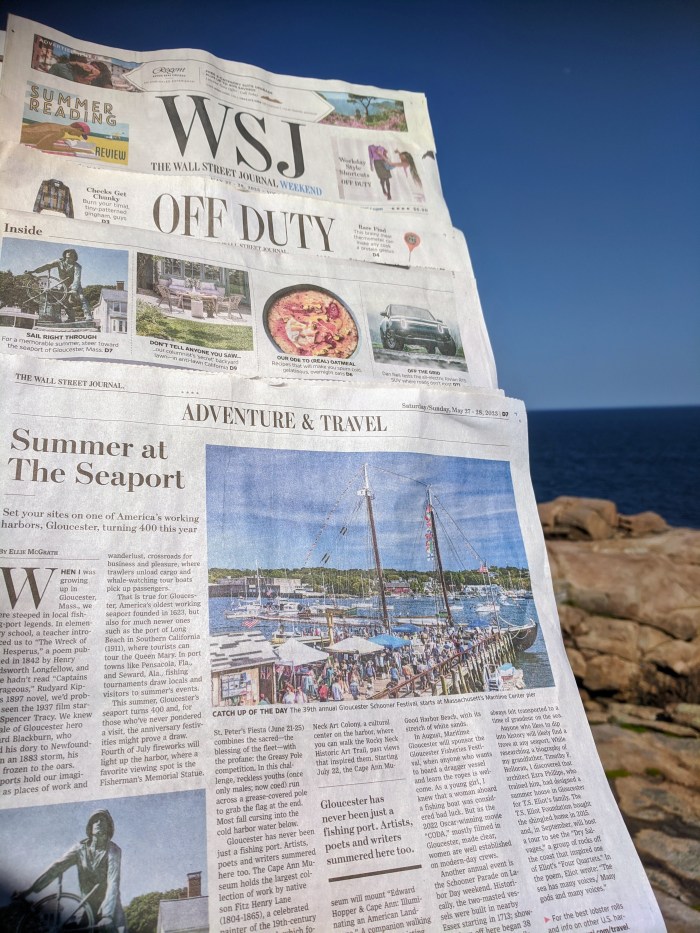
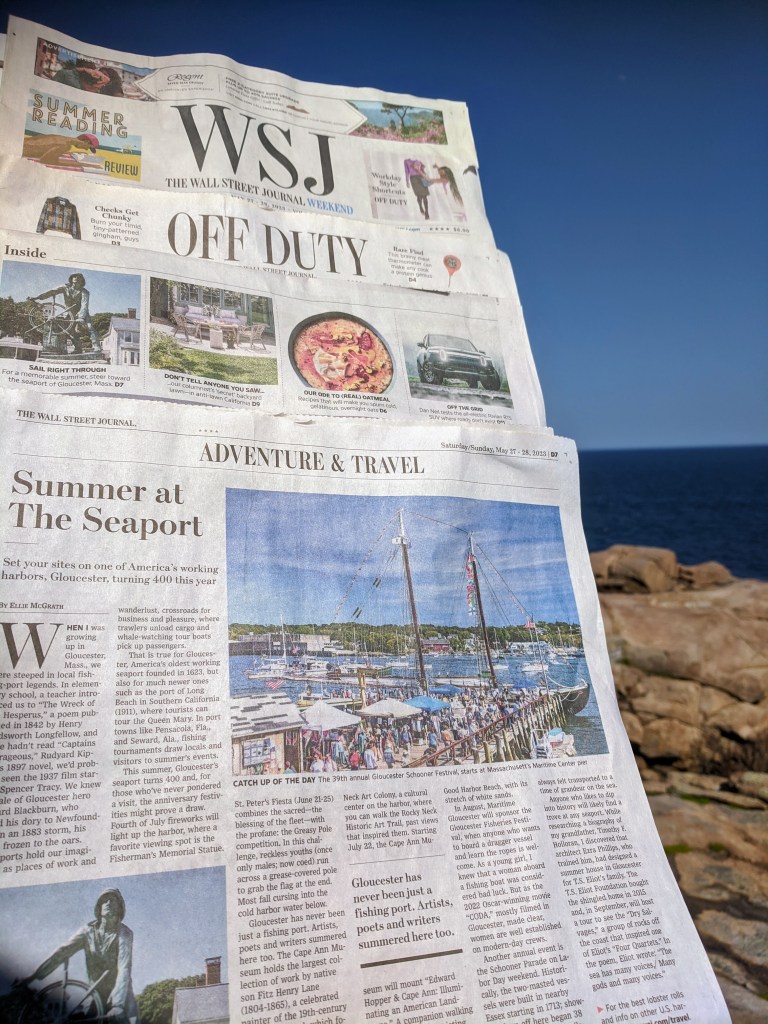
Color spread looks great! Gloucester’s history of summer seasons, the 400+ Anniversary festivities, the 4th of July Fireworks, and Cape Ann Museum’s Edward Hopper exhibition & walking tours are mentioned.
“When I was growing up in Gloucester, Mass., we were steeped in…”
McGrath, Ellie. “Summer at the Seaport.” Wall Street Journal. Print edition May 27-28, 2023. On line read here
Spread The GMG Love By Sharing With These Buttons:
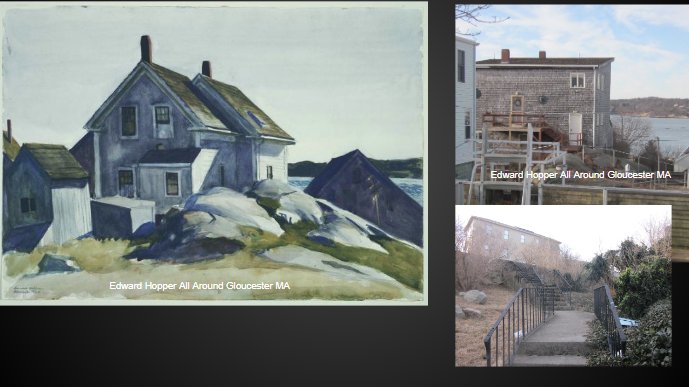
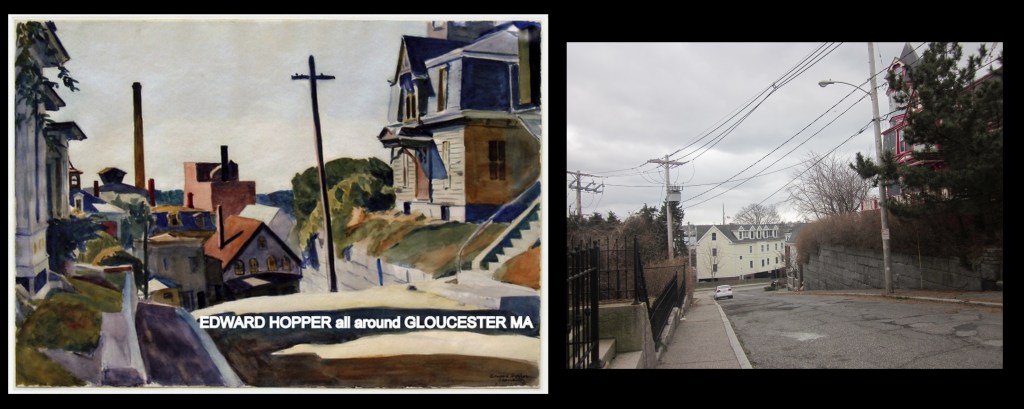
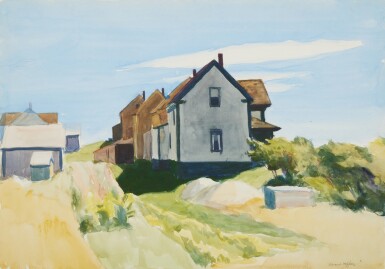
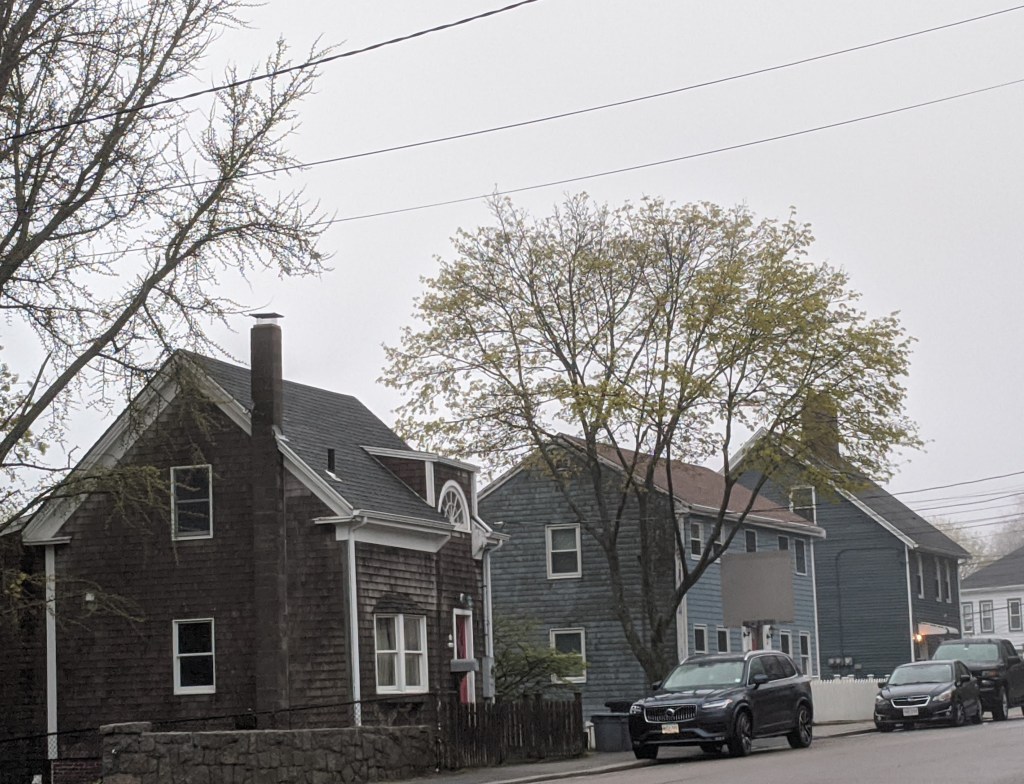
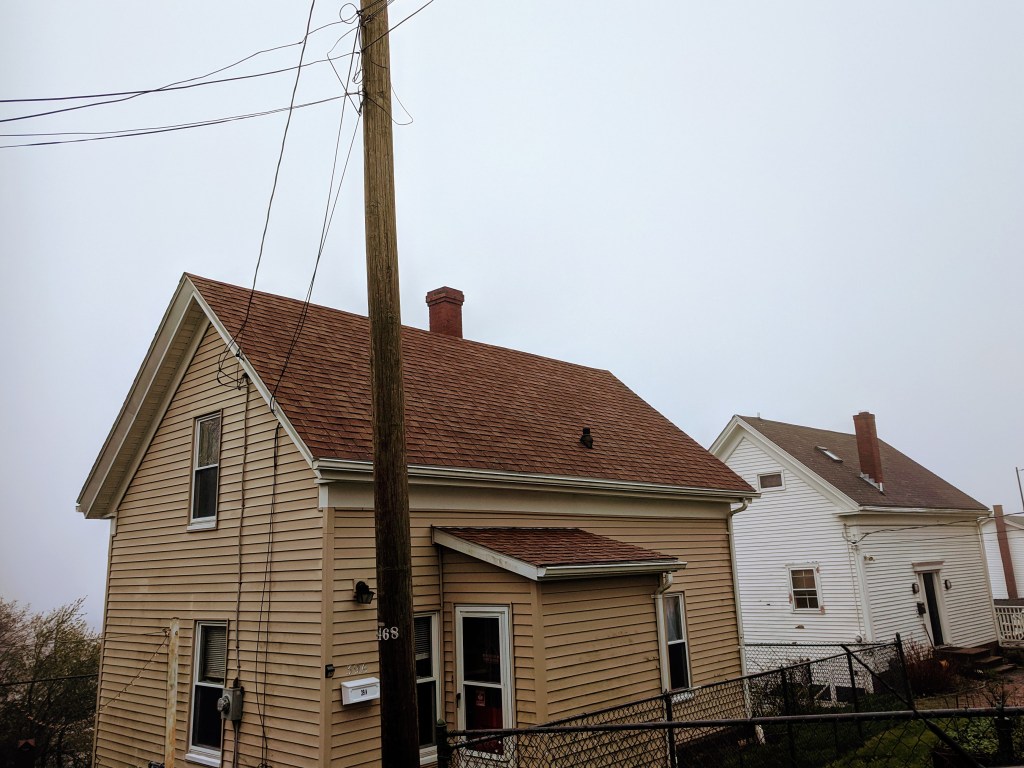
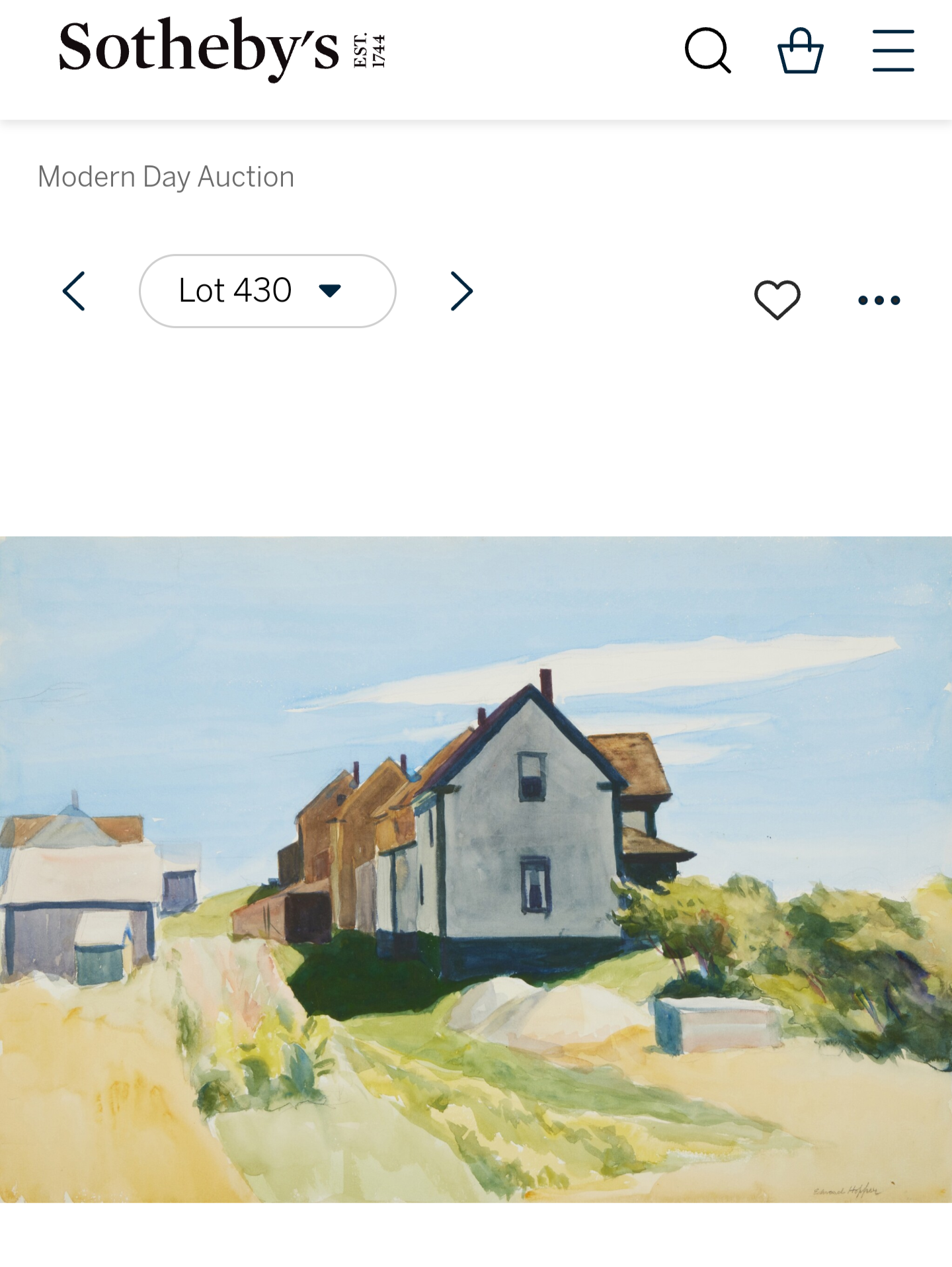
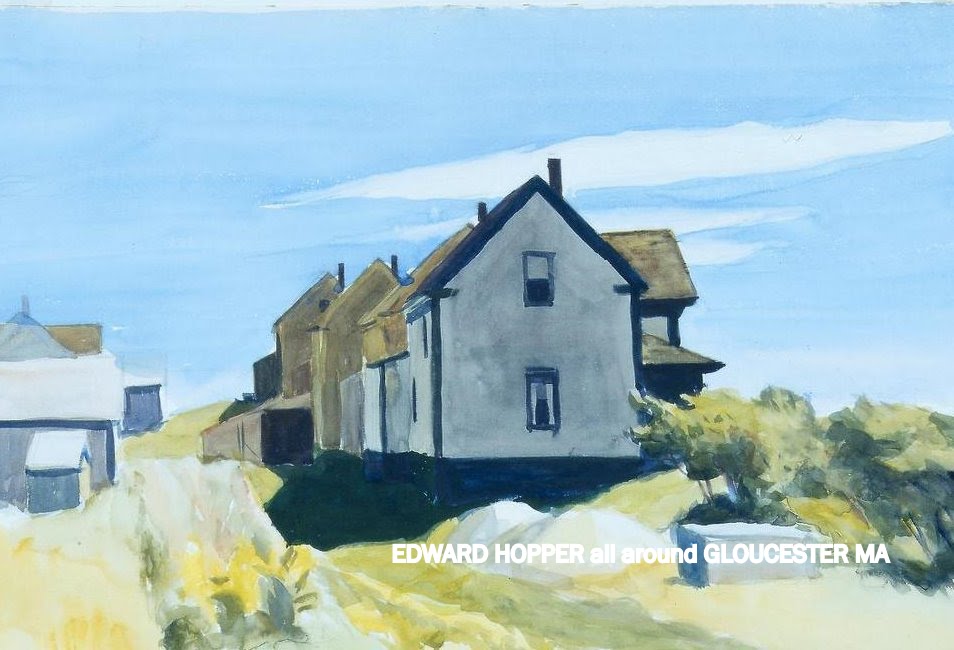
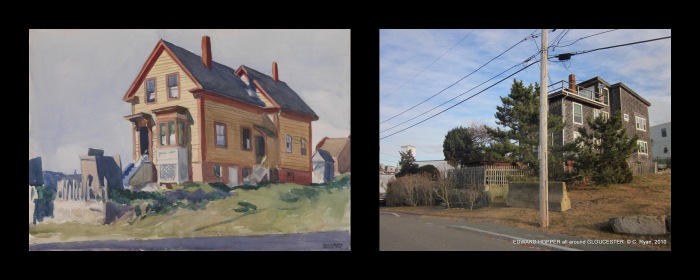
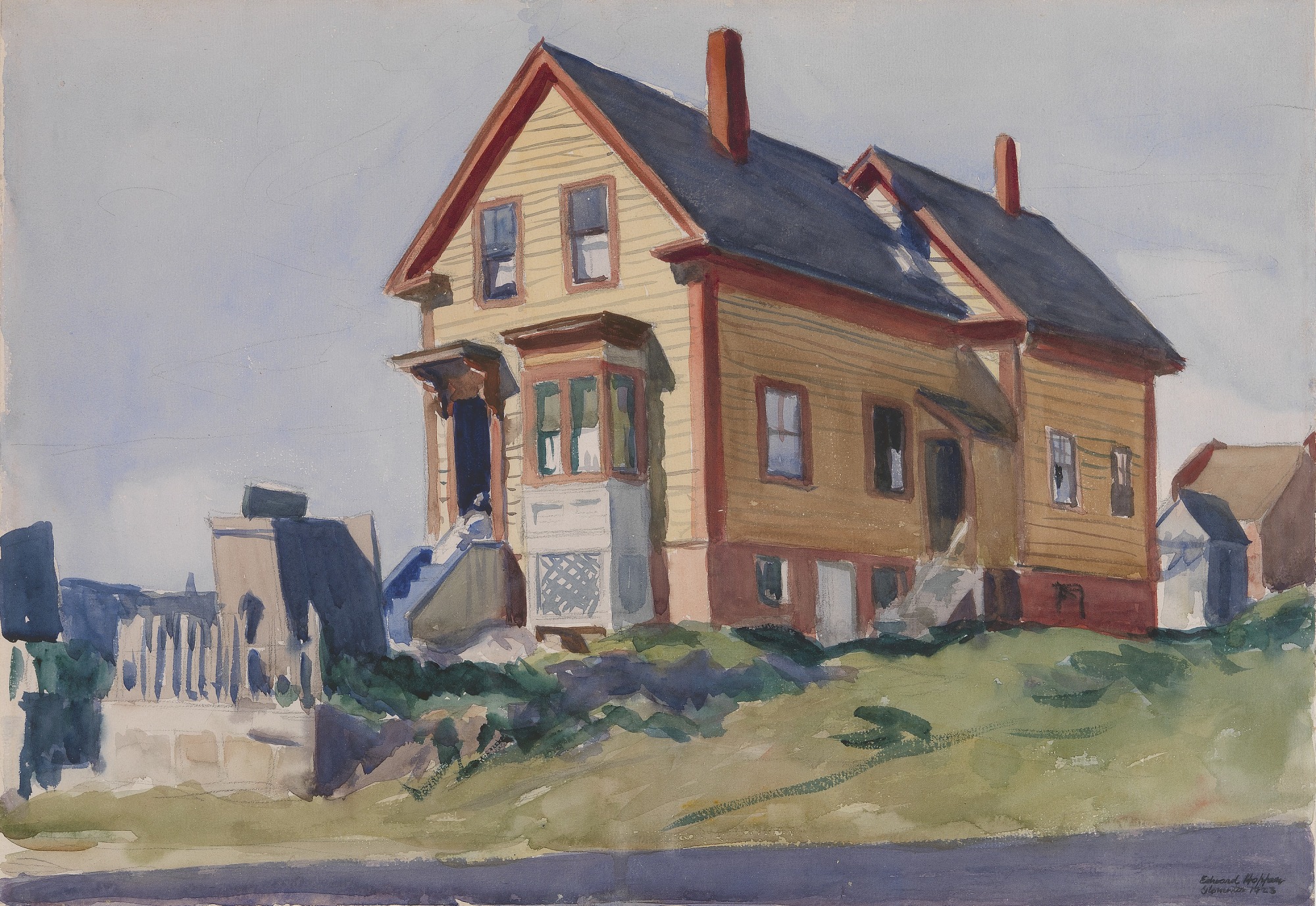
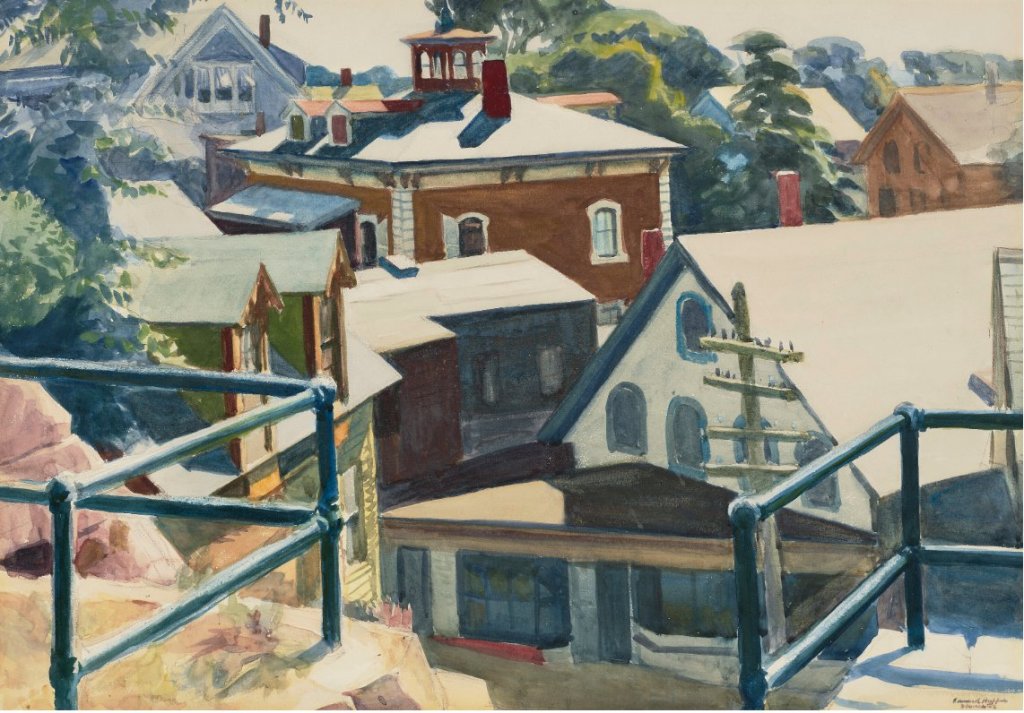
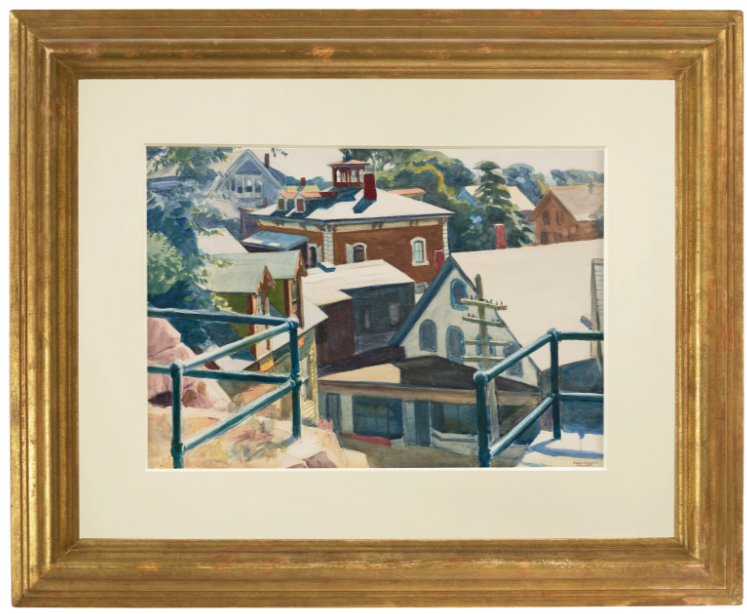
Do you know a cluster of homes perched like the subjects in this classic Edward Hopper watercolor painted here in Gloucester 100 years ago? Hallmark motifs and themes pair up throughout this bright and sunny scene: outhouse on the left and brush edged to the right (“nature calls”), passage between buildings and boulders, light and sharp shadow, double windows and curtains, roofline and sky, line up of chimneys, and the mystery of cropped views over the hill and off to the sides.
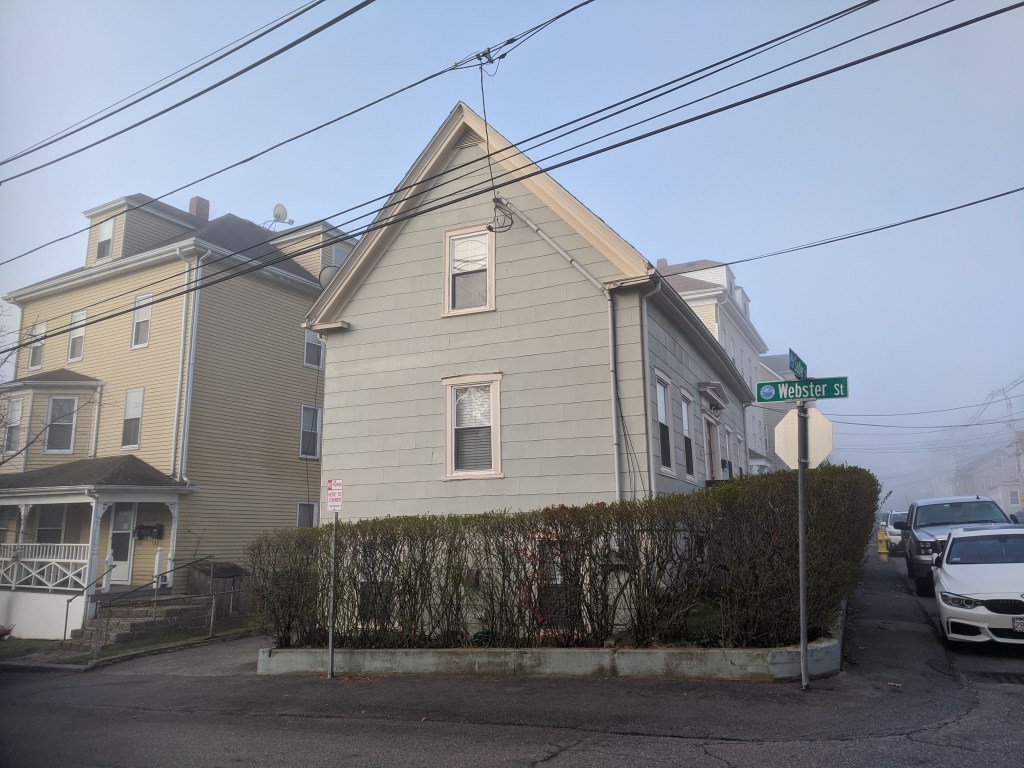
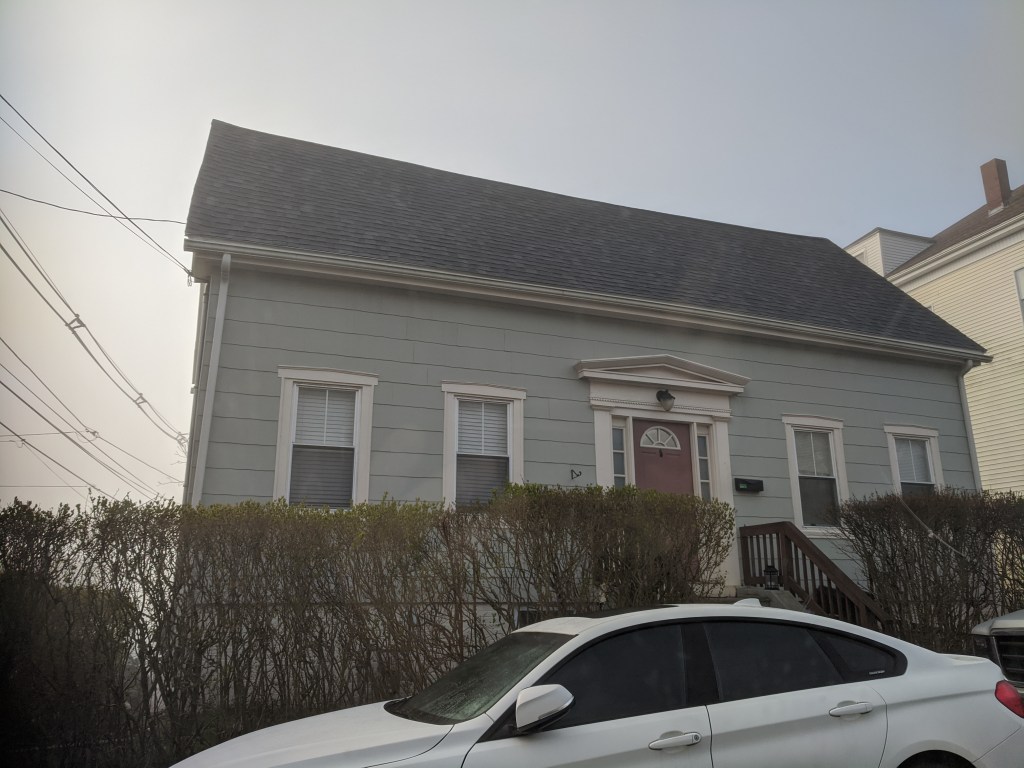
A house like the home on the right with dark trim and the pair of double stacked windows may appear to be a double story home from one side and as a single story from another. (A home at the corner of Webster and Sadler Sts. shows the vernacular charm and multi vantage points.)
At Sotheby’s May 2023
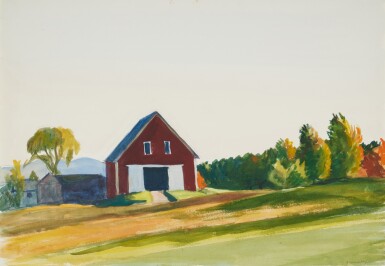
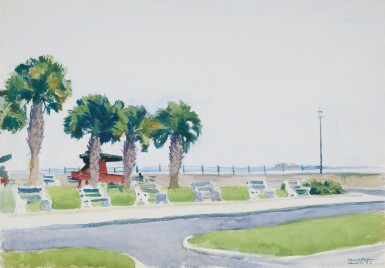
The drawing is available for purchase. The Whitney Museum of American Art is deaccessioning four Edward Hopper watercolors inspired by the artist’s travel to four locations: Gloucester, Truro, Vermont/NH, and South Carolina. Sotheby’s Auction House has listed them in their major upcoming New York spring sales: one painting for the Modern Evening auction May 16 and 3 paintings on paper for the Modern Day auction on May 17. A fifth Edward Hopper work on paper is included in the day sale.
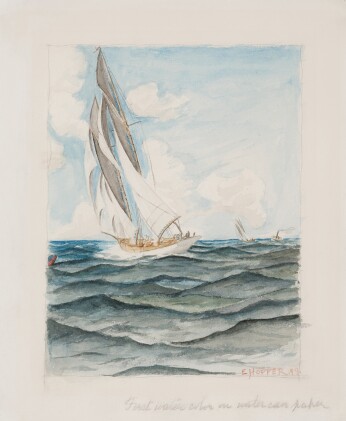
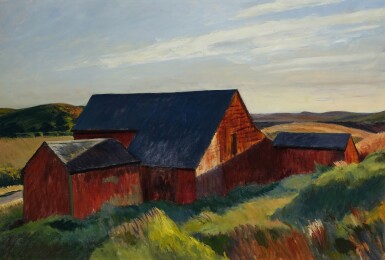
Images: Edward Hopper works from the Whitney collection at Sotheby’s auction May 2023, images left to right: Lot 434 Red Barn in Autumn Landscape, 1927; Lot 430 Gloucester Group of Houses 1923 est 500,000 – 700,000; Lot 432 The Battery, Charleston, SC 1929 est 500-700,000; Lot 145 Cobb’s Barn, South Truro, circa 1930-33, presale estimate 8-12 million. This painting was selected for display in the Oval Office* by President Obama. A later Edward Hopper Cape Cod watercolor from 1943, Four Dead Trees, with a presale estimate of 700,000-1,000,000, sold at Christie’s on April 23, 2023 for 1.5 million (price realized includes added fees). Lot 531 an Edward Hopper Sailboat study from 1899 from the Sanborn batch, presale est. $100,000 (w/ art and papers in the Nyack home following Hoppers’ deaths.)
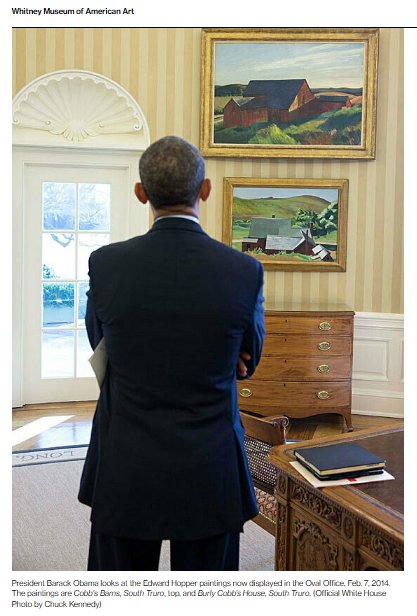
image: Portrait of President Obama viewing Edward Hopper paintings in the Oval Office by Chuck Kennedy. Loan from/by the Whitney Art Museum 2014 (and other selections and guidance see Michael Rosenfeld Gallery)
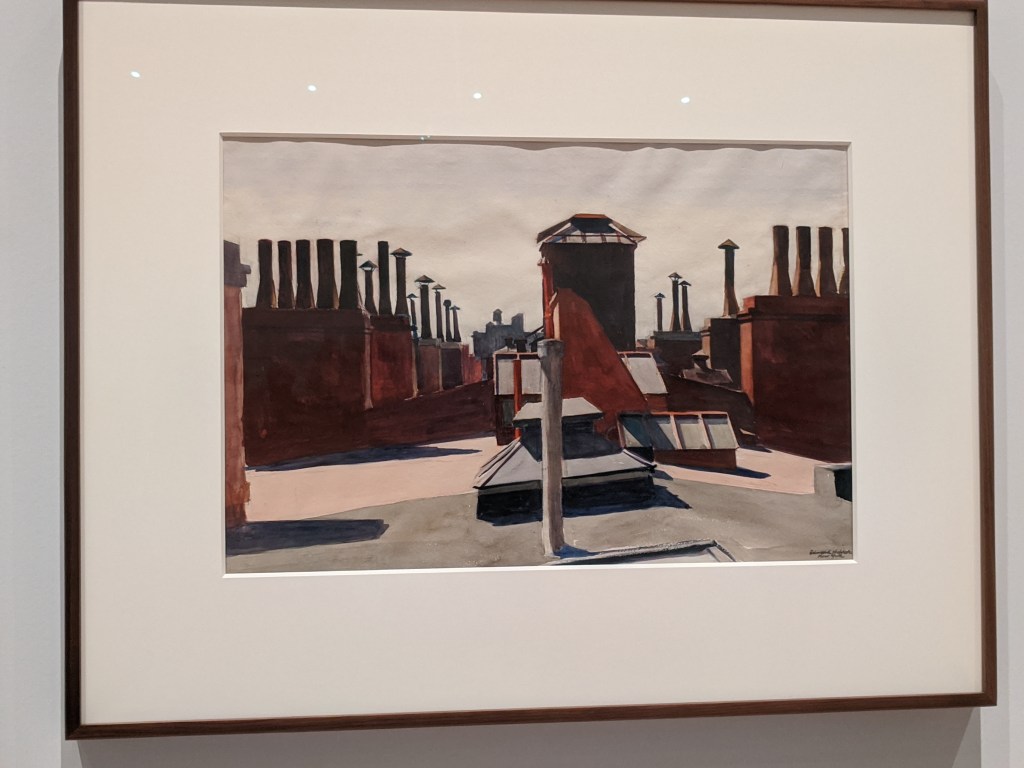
On right, Hopper’s NY Rooftops 1927 reminds me of the Gloucester forms ( installation view Whitney NY, Jan 2023), like vessels on the Hudson. Photo c ryan
—
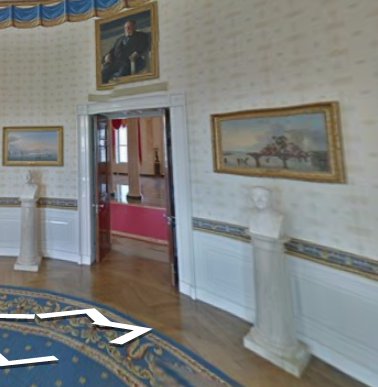
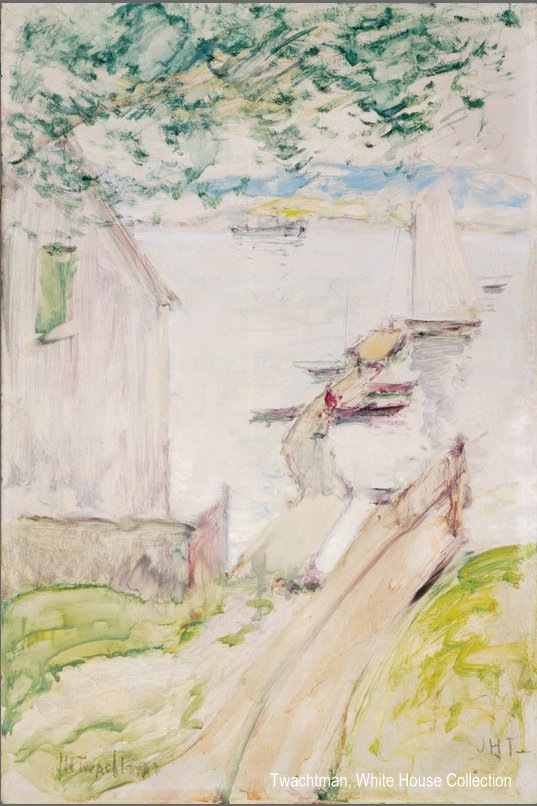
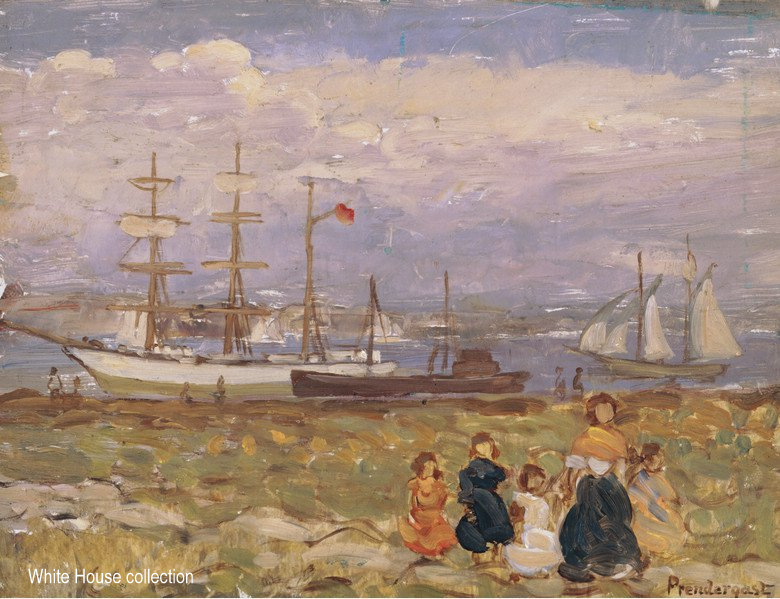
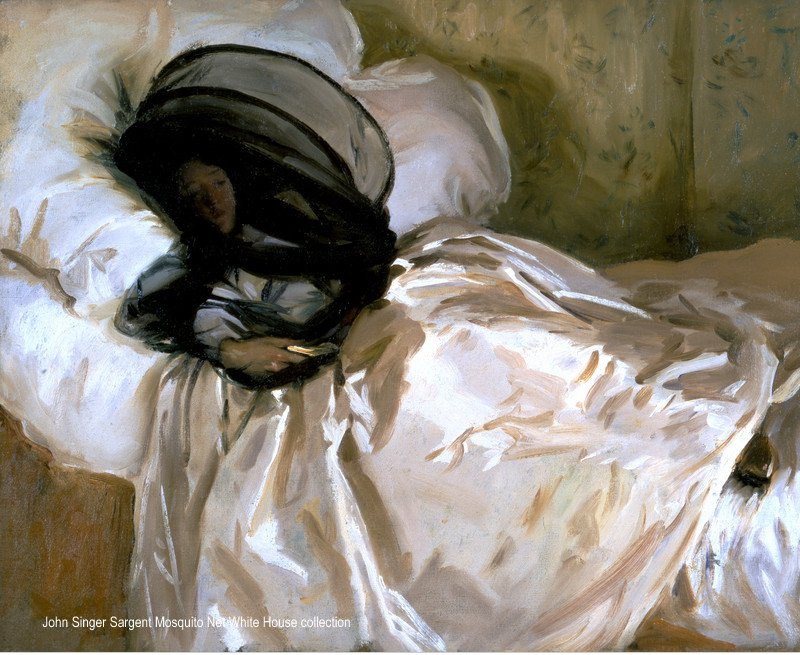
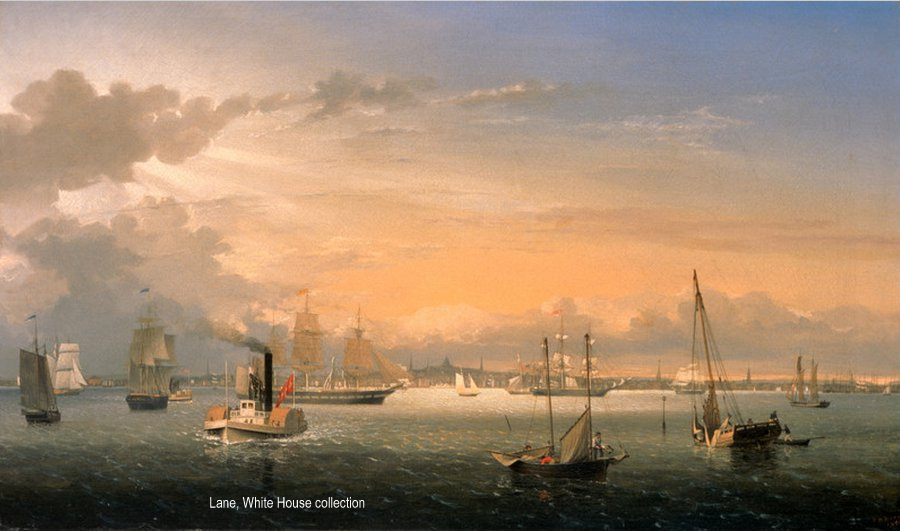
*I wrote about art at the White House in 2014 which was published here on GMG in 2015:
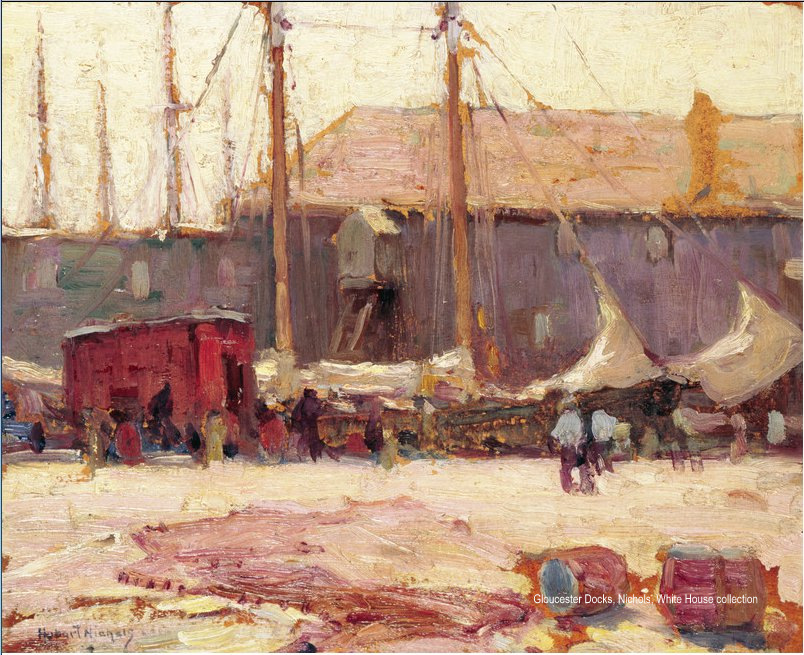
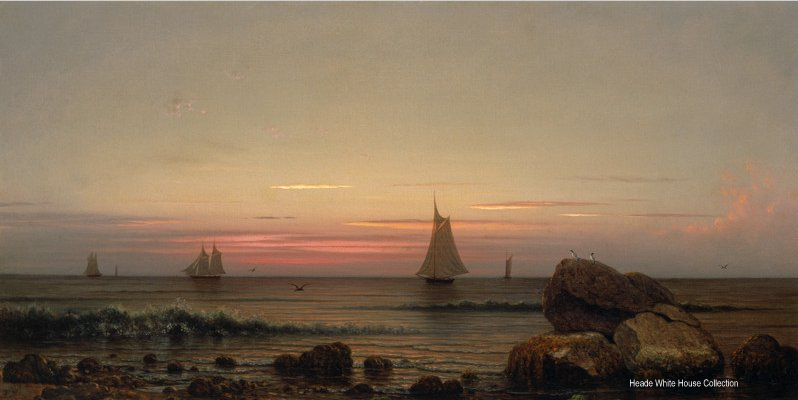
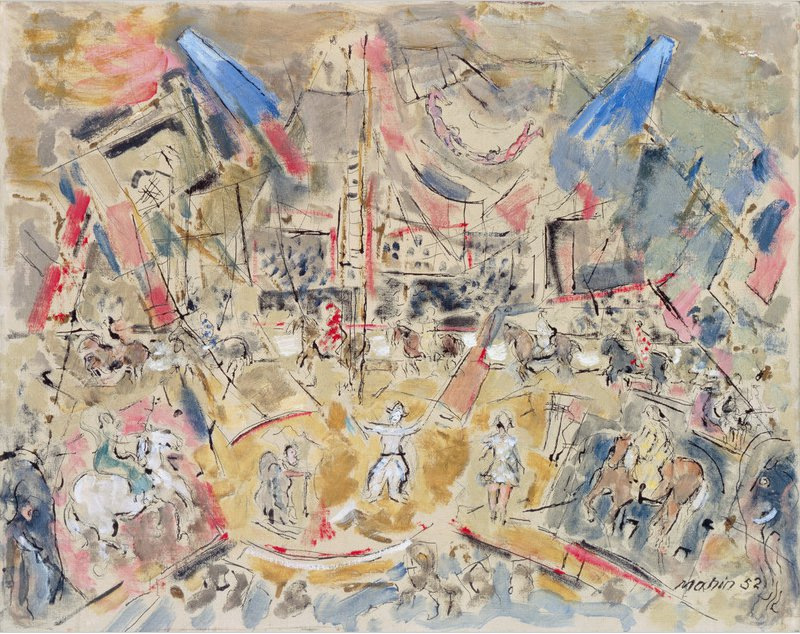
“What’s the best art inside the White House? No matter what is your artistic preference, Gloucester and the Commonwealth of Massachusetts could top the charts as the City and state with the best and most art ties featured at the White House. Let’s break down a selection of that Massachusetts list currently on display at the White House room-by-room, shall we?
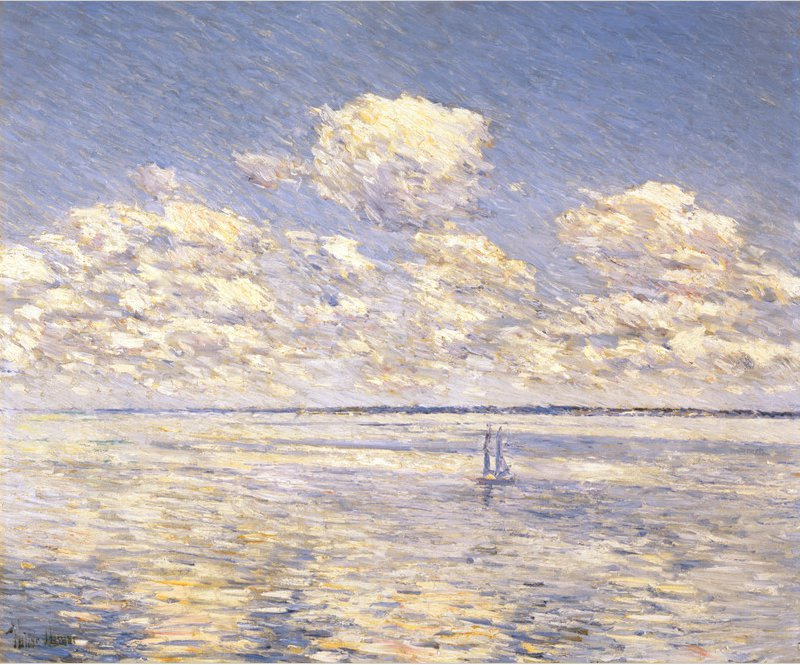
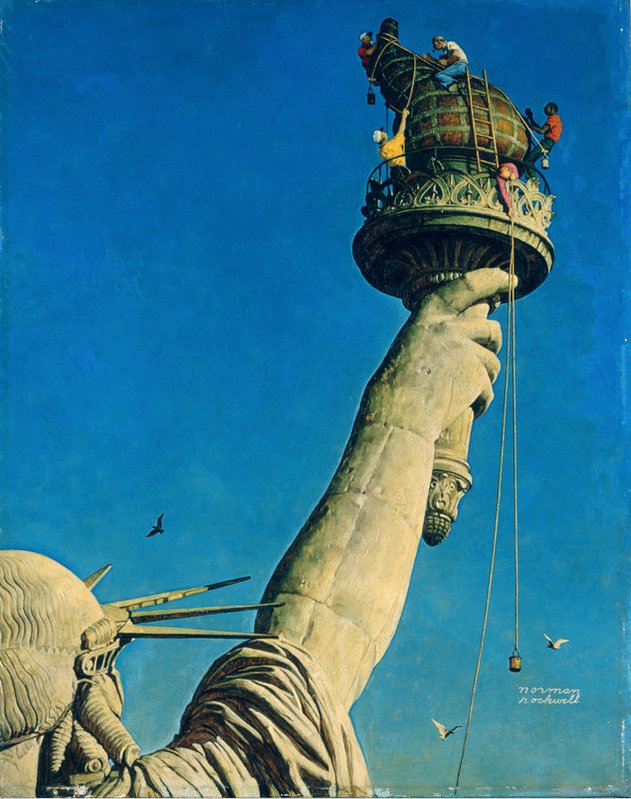
“Not one, but two Edward Hopper paintings, lent by the Whitney Museum of American Art, were installed one over the other, Cobb’s Barns, South Truro and Burly Cobb’s House, South Truro. The Childe Hassam’s painting, Avenue in the Rain, and Norman Rockwell’s painting, Statue of Liberty, were displayed nearby.
…How does the White House collection work? It is unusual for the White House to accept art by living artists. There are more than 450 works of art in the permanent collection. New art enters the collection after its vetted and is restricted to works created at least 25 years prior to the date of acquisition. For the public rooms, the Office of the Curator works with the White House advisory committee, the First Lady serves as the Honorary Chair, and the White House Historical Association. The private rooms are the domain of the First Family. Works of art from collectors, museums, and galleries can be requested for temporary loans and are returned at the end of the President’s final term. The Obamas have selected contemporary art, including abstract art, from the permanent collection, and borrowed work for their private quarters. Besides the Hopper paintings and John Alston’s Martin Luther King sculpture, they’ve selected art by *Anni Albers, *Josef Albers, Edgar Degas, Jasper Johns, Louise Nevelson, *Robert Rauschenberg, Edward Ruscha, and *Alma Thomas.” * indicates works that have been donated to the permanent collection.
Catherine Ryan, 2014
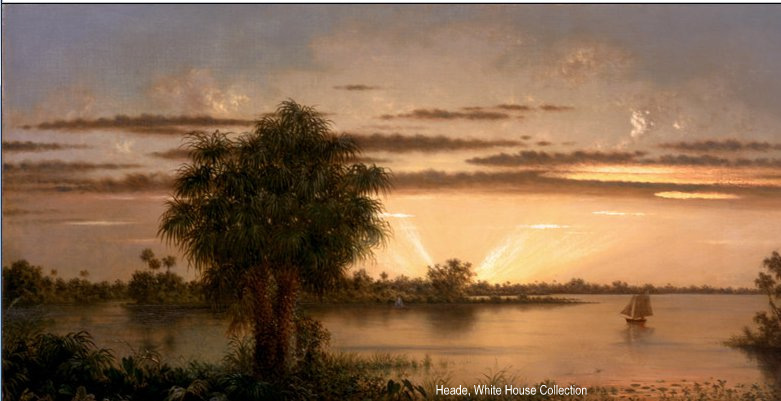
Works from the White House permanent collection
There are more than 120 Edward Hopper works inspired by Gloucester, MA. See Edward Hopper all around Gloucester. The Whitney Museum has sold Hoppers before. I’ll write more about that for another post.
Spread The GMG Love By Sharing With These Buttons:
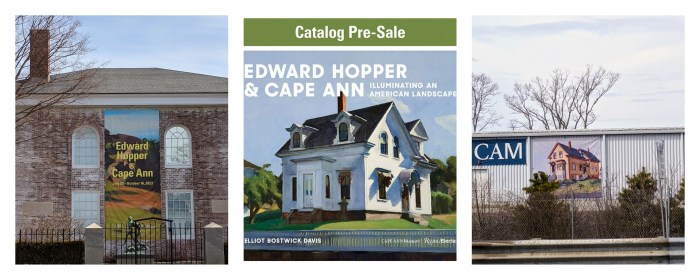
Pre-Sale Catalog Special Offer: Pre-order your Edward Hopper & Cape Ann: Illuminating an American Landscape catalog in anticipation of this special exhihibition. Shipping of the catalog will begin on the official release, May 2nd.
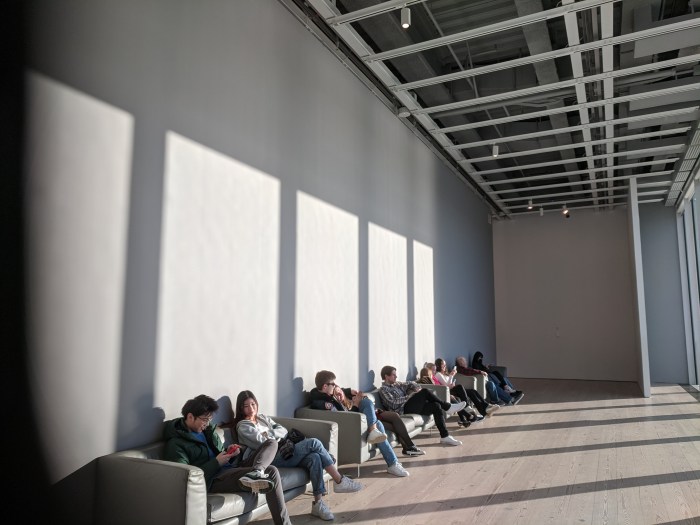
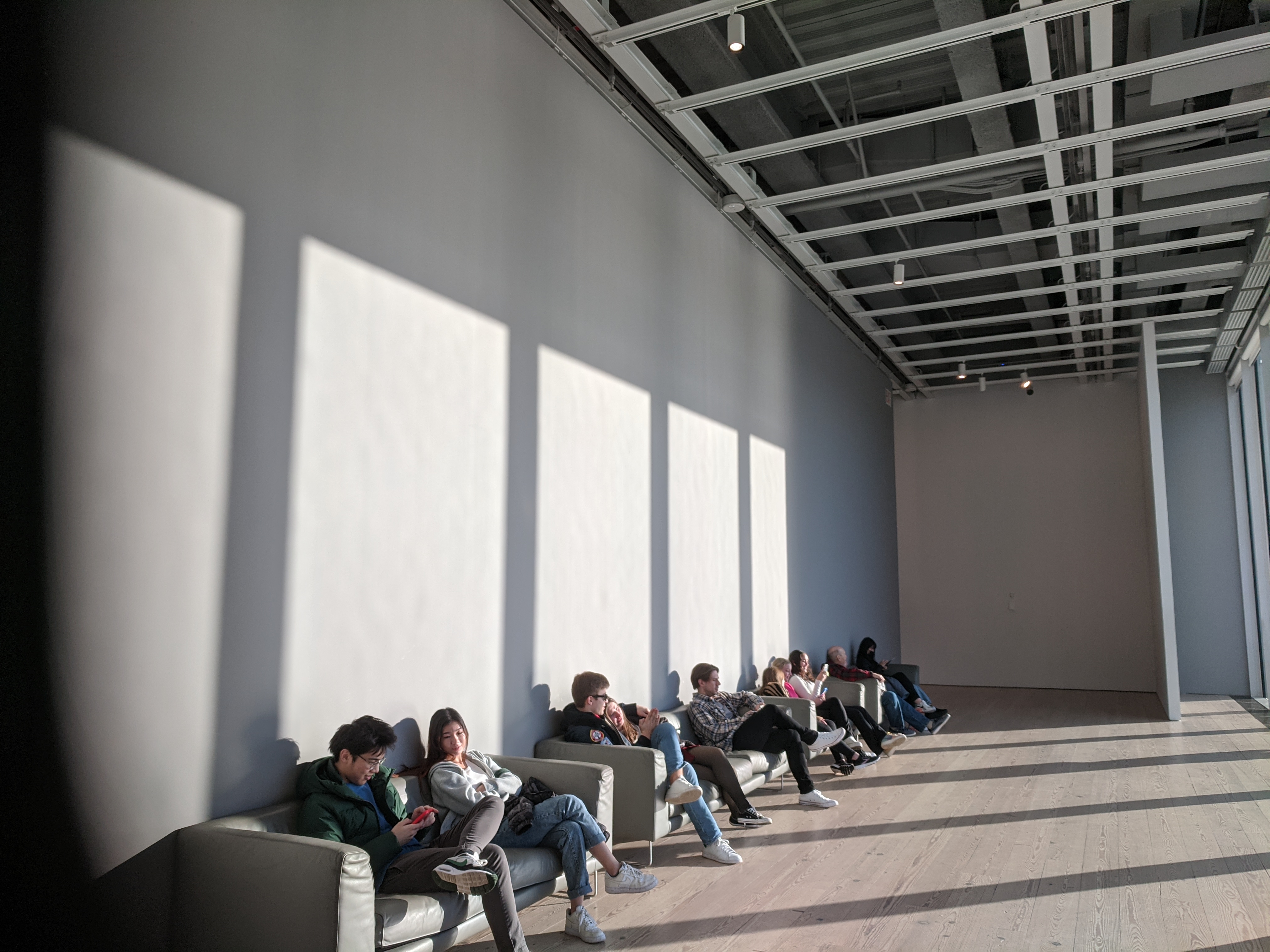
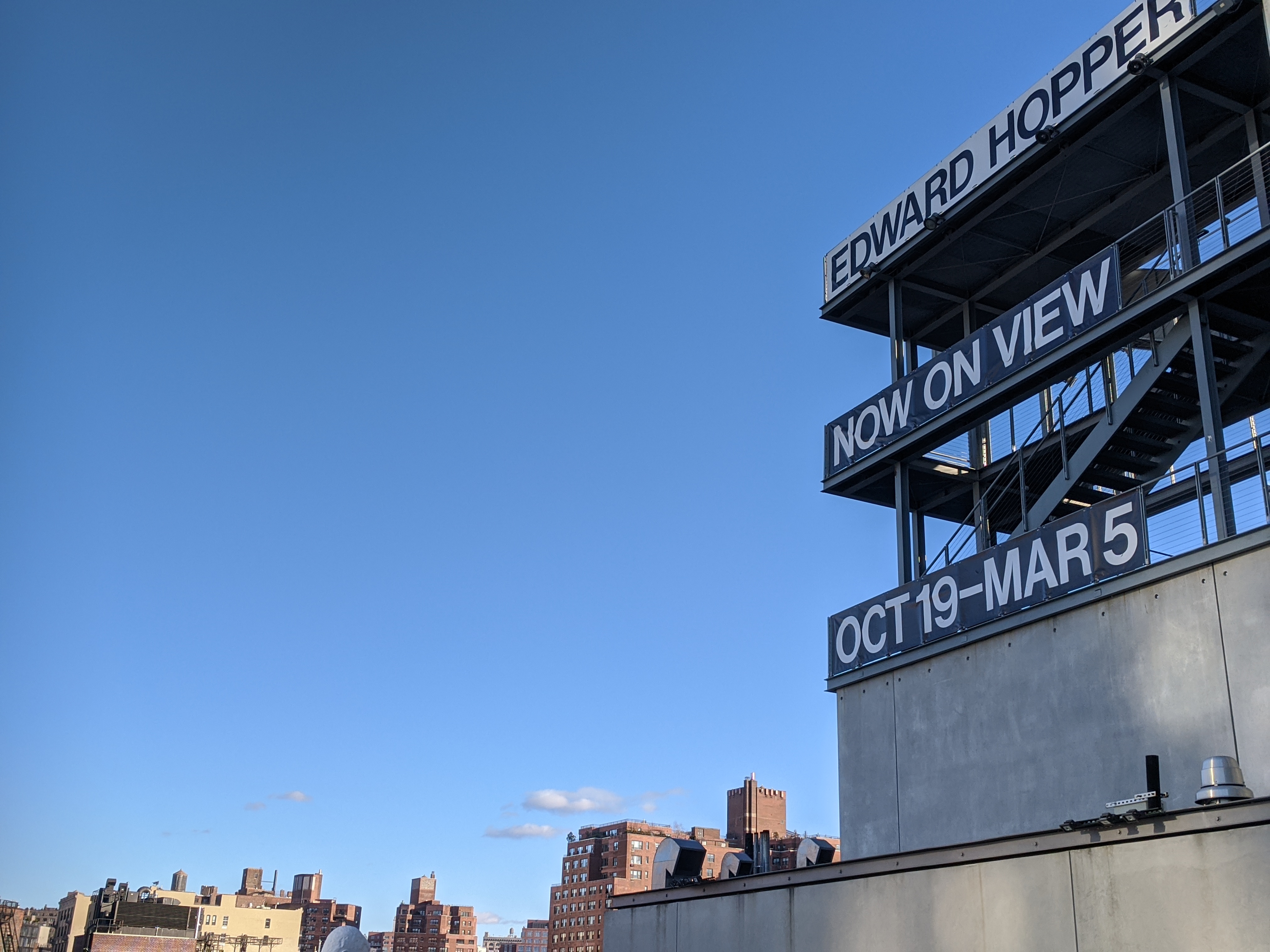
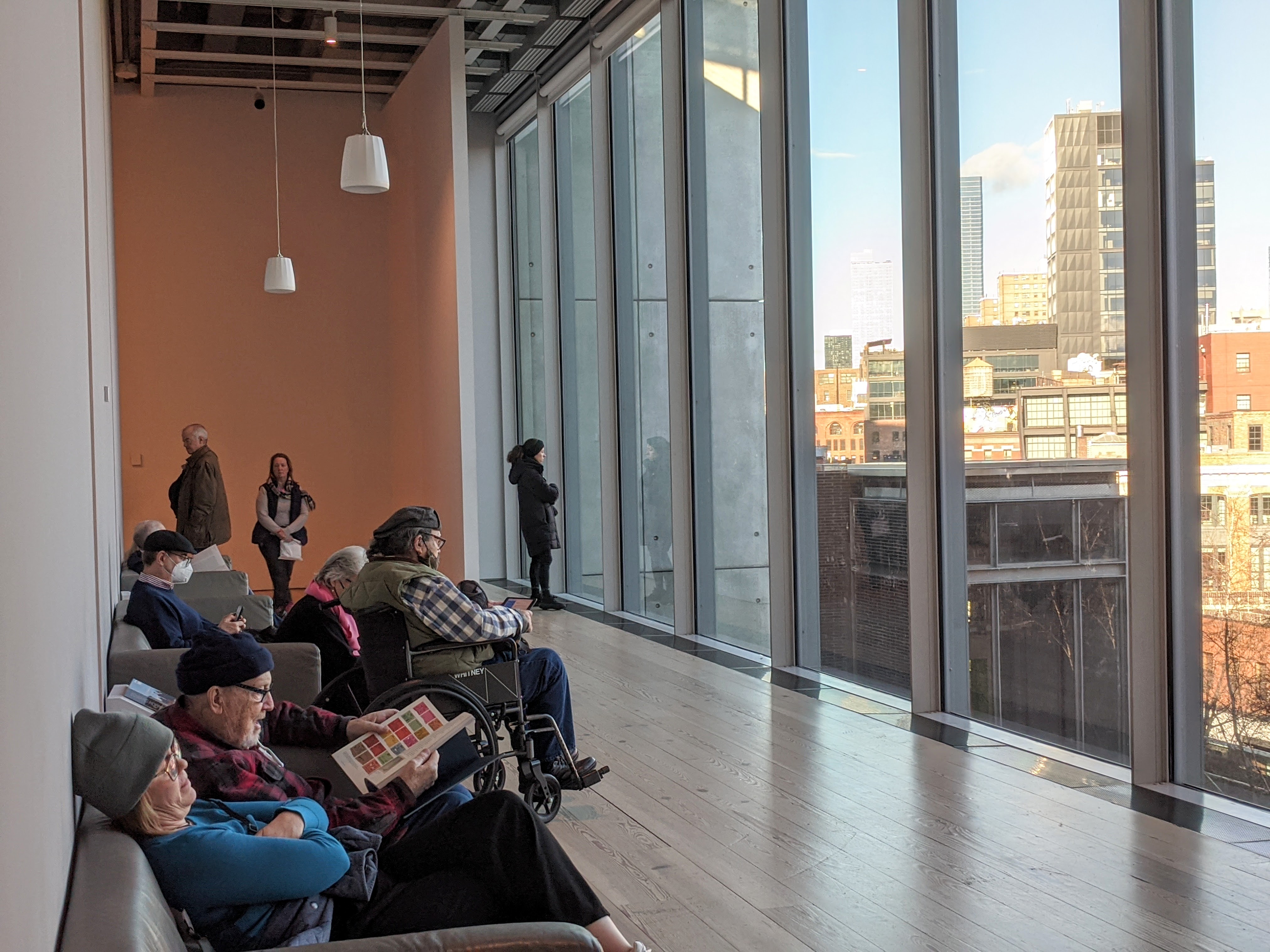
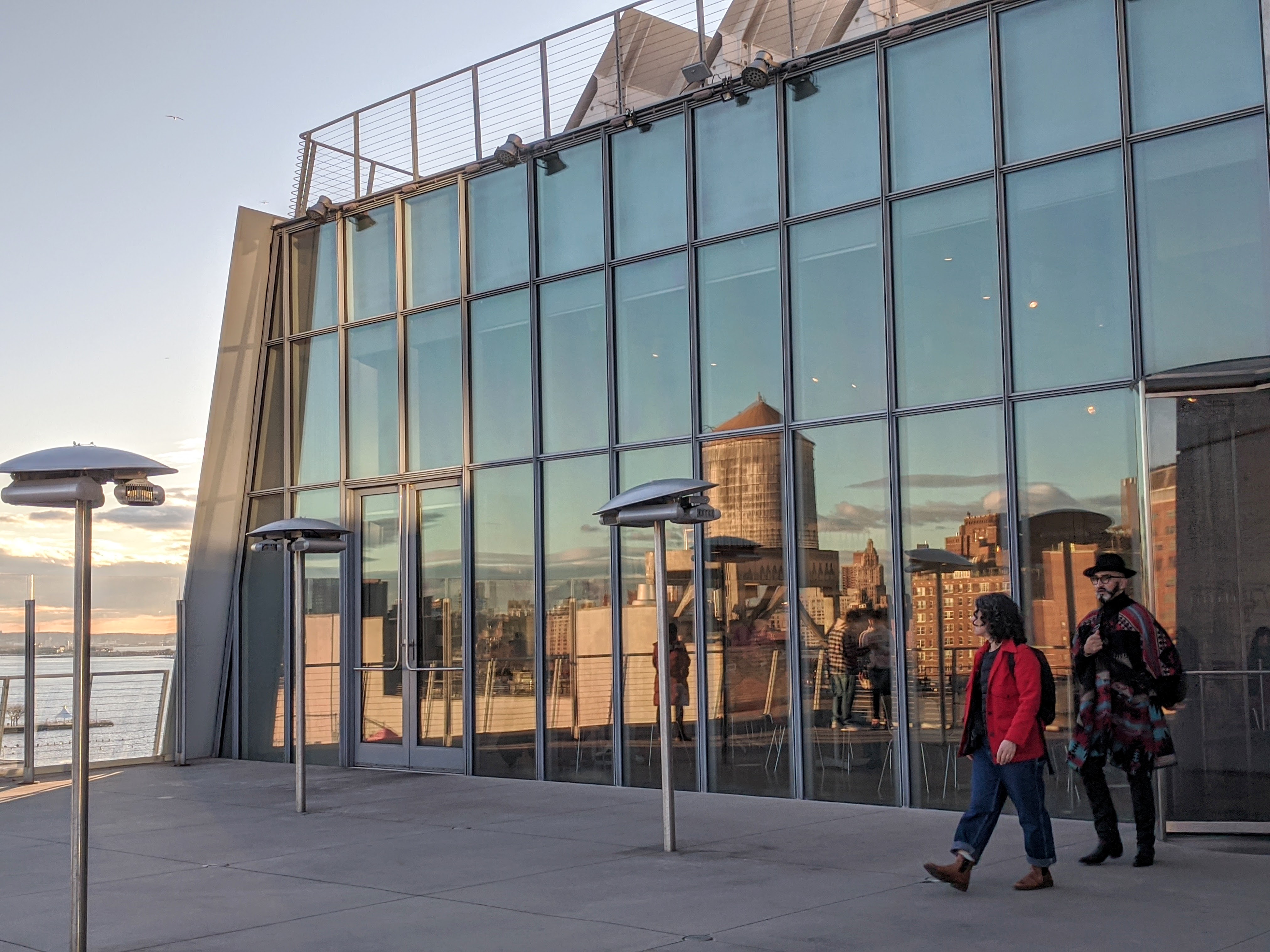
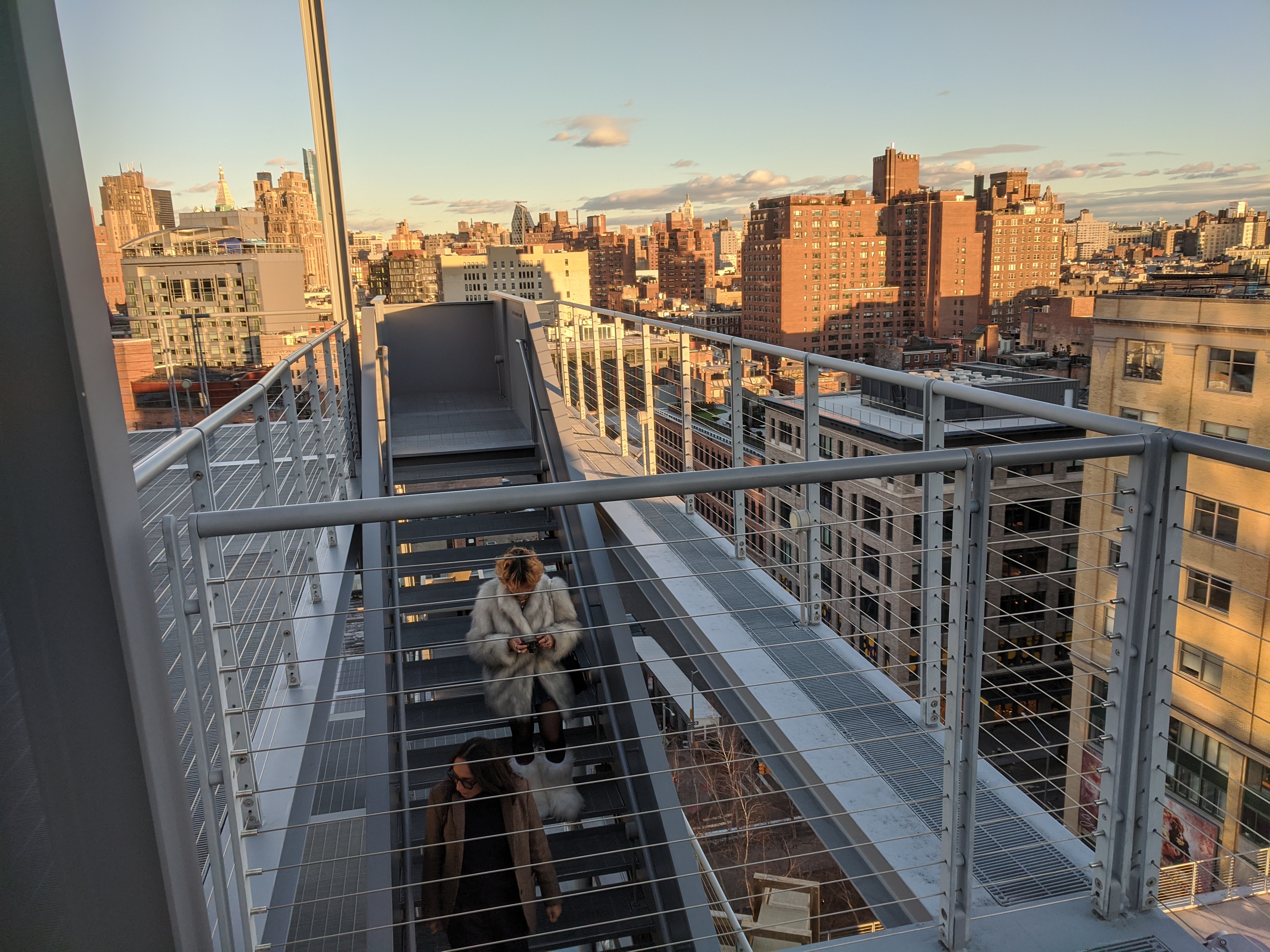
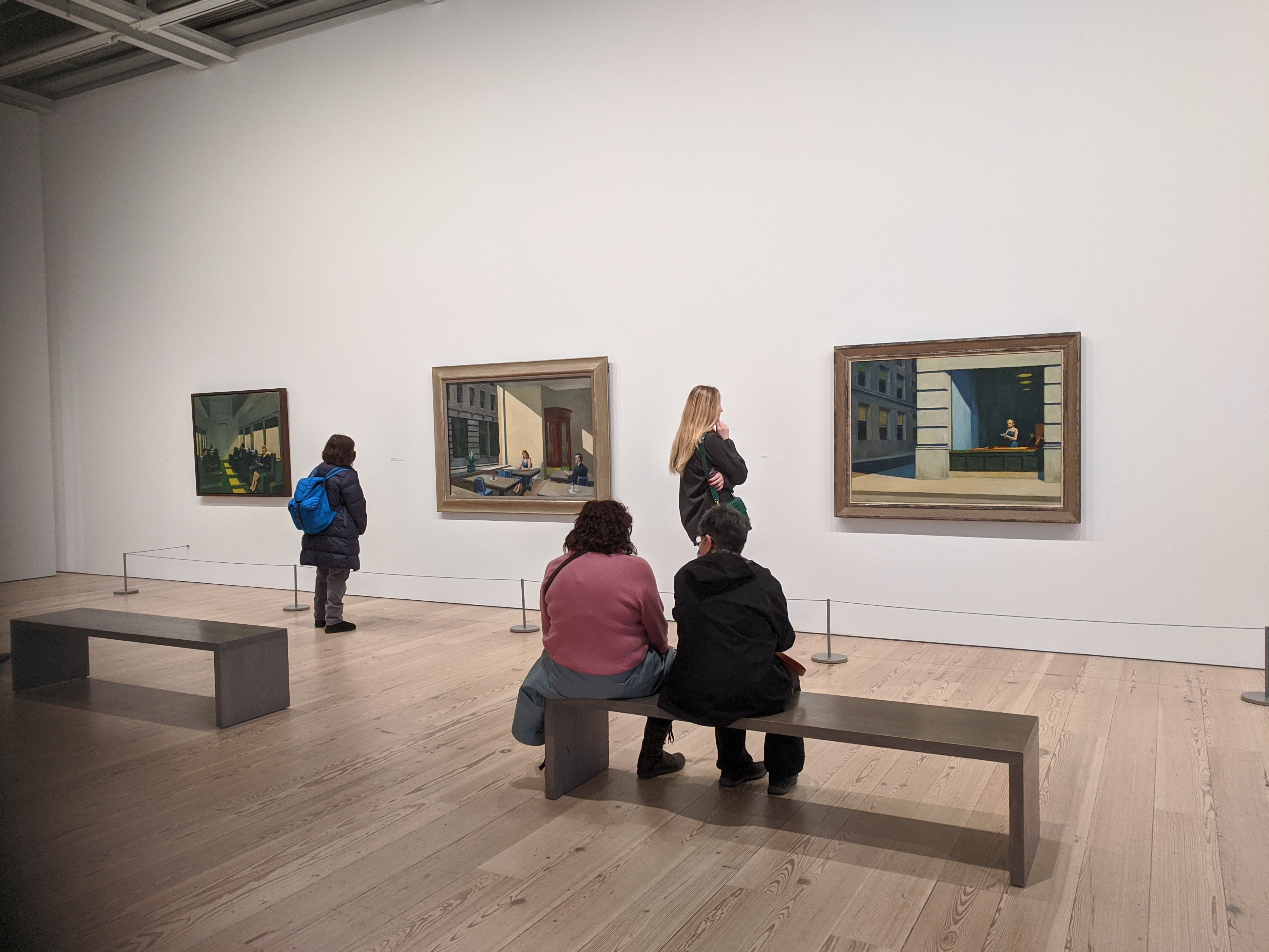
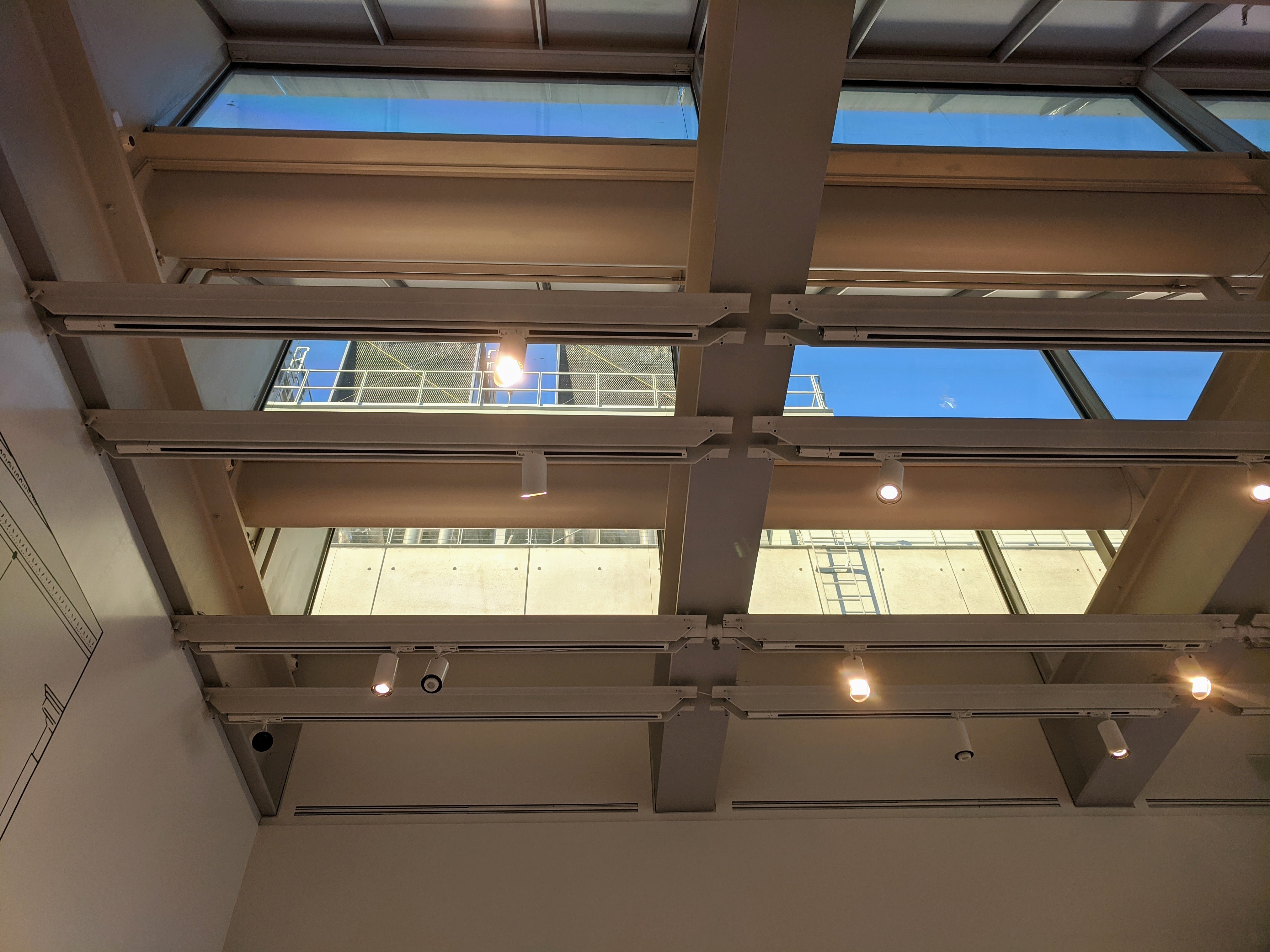
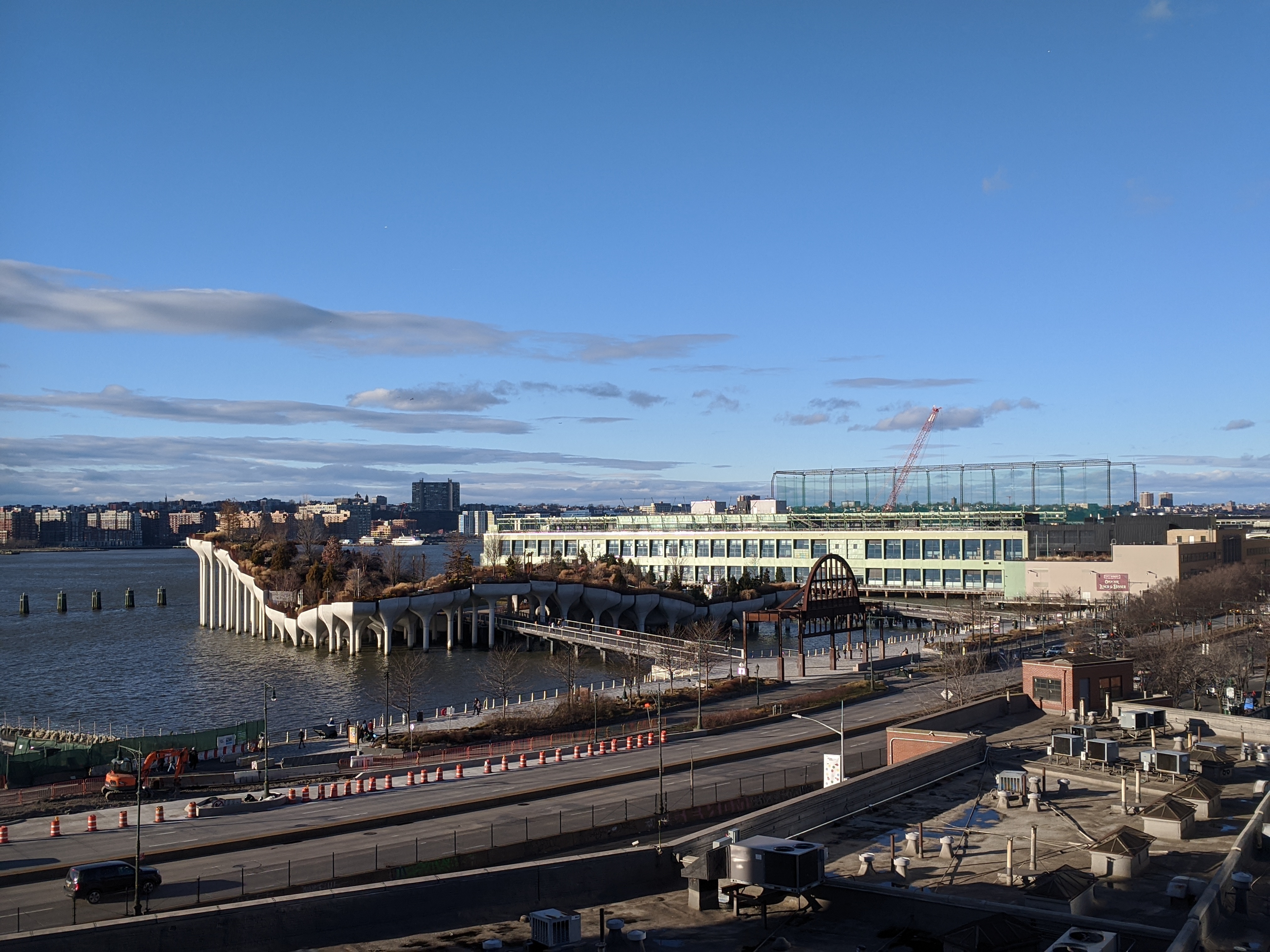
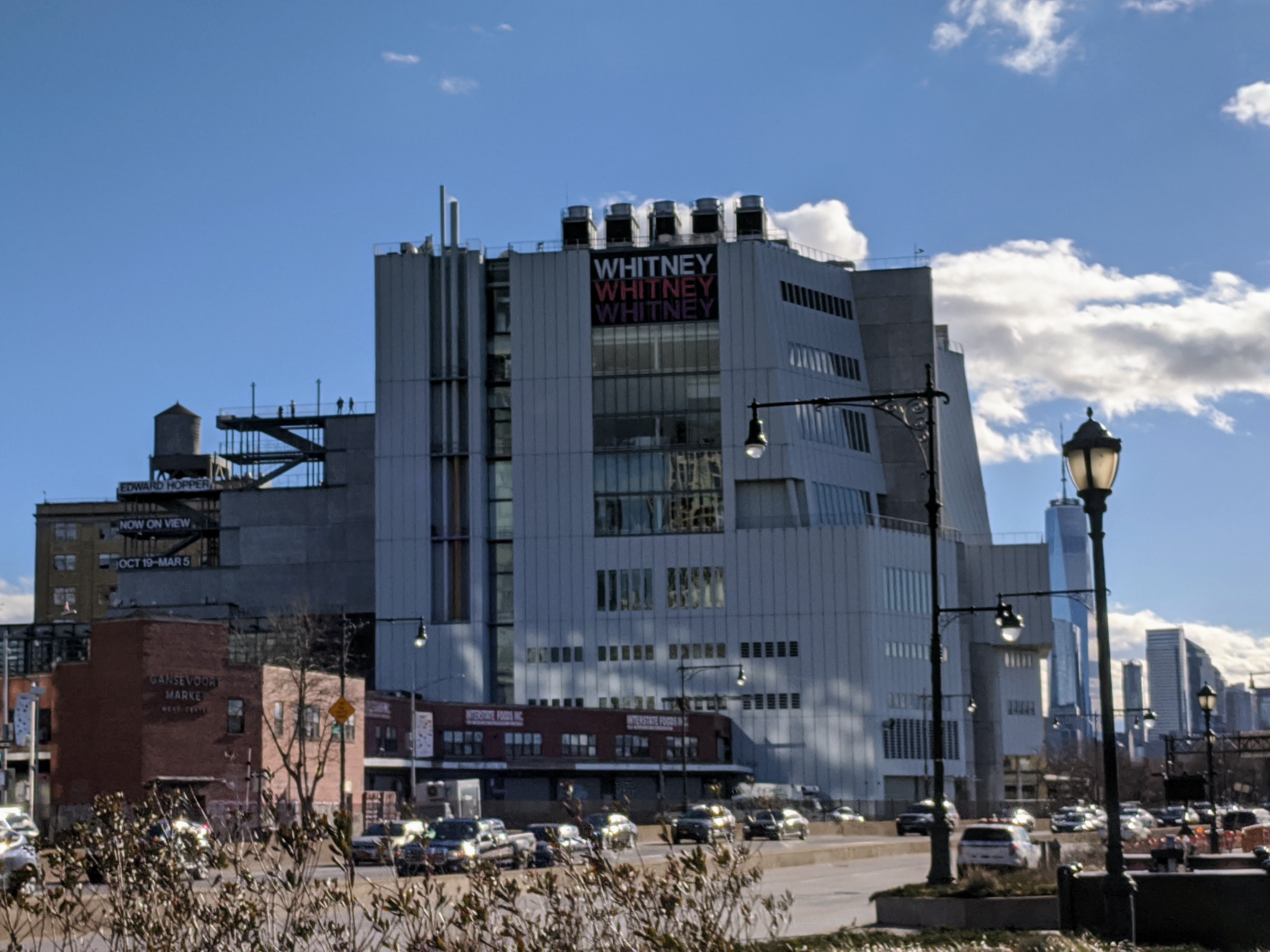
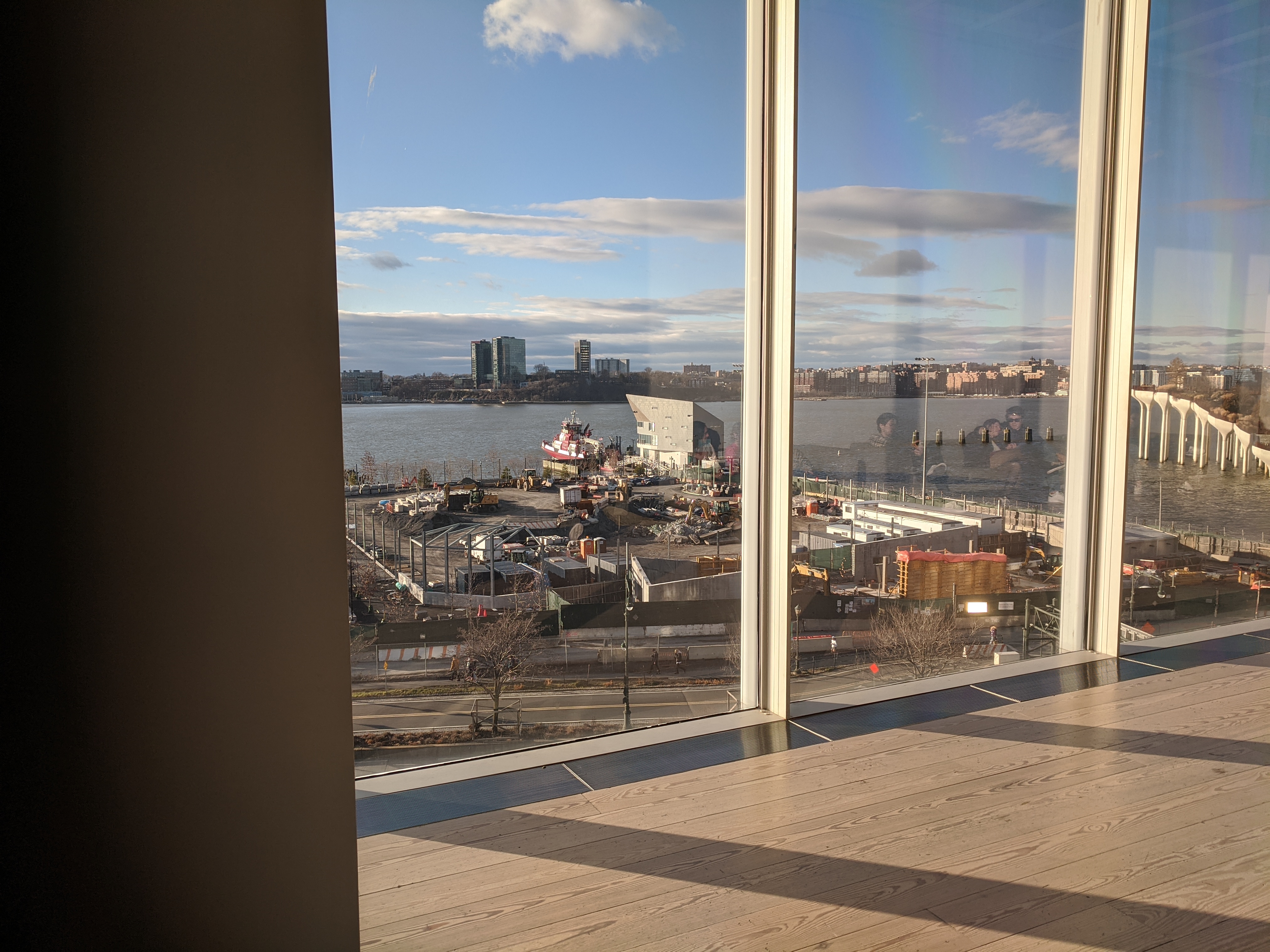
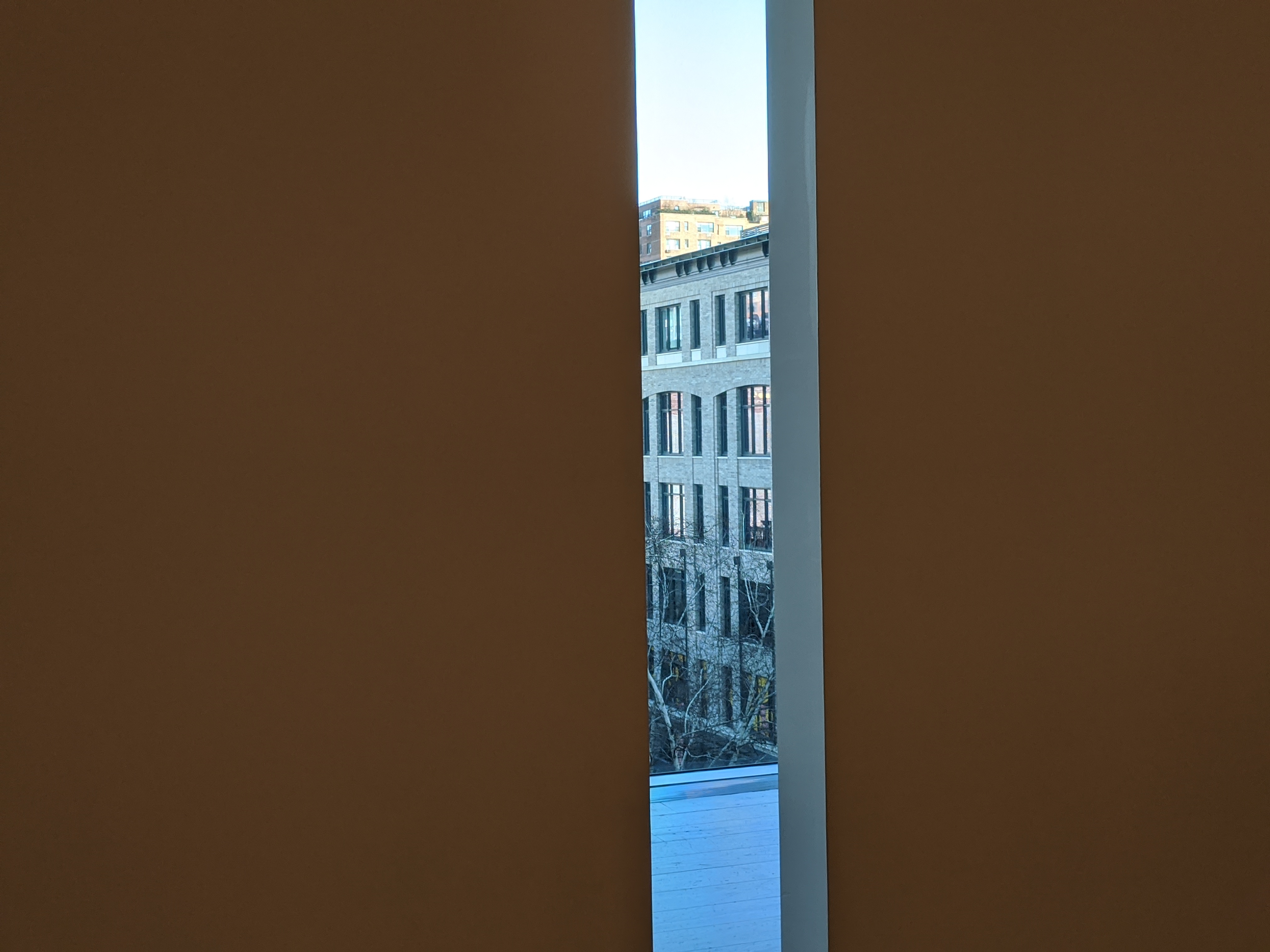
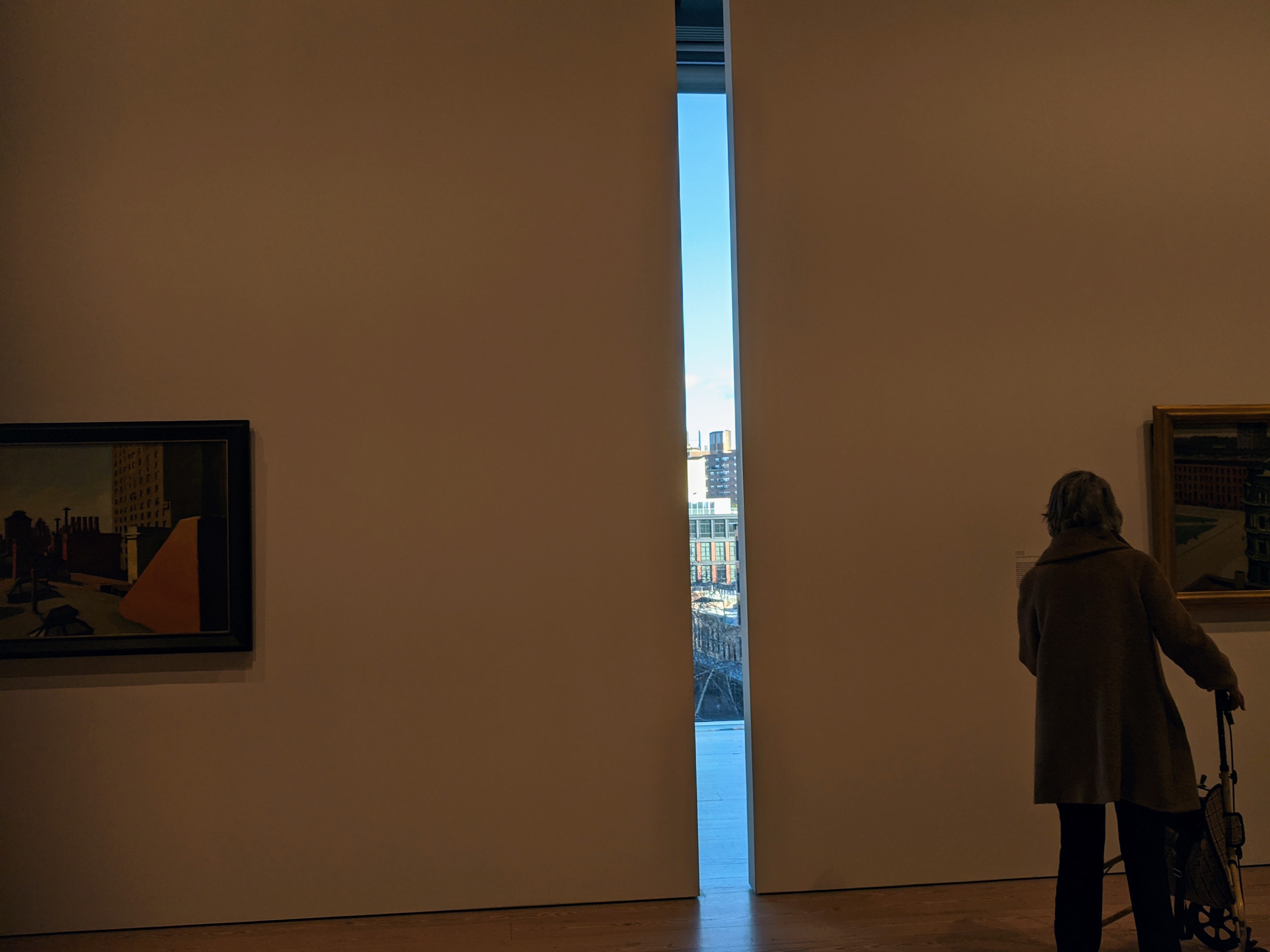
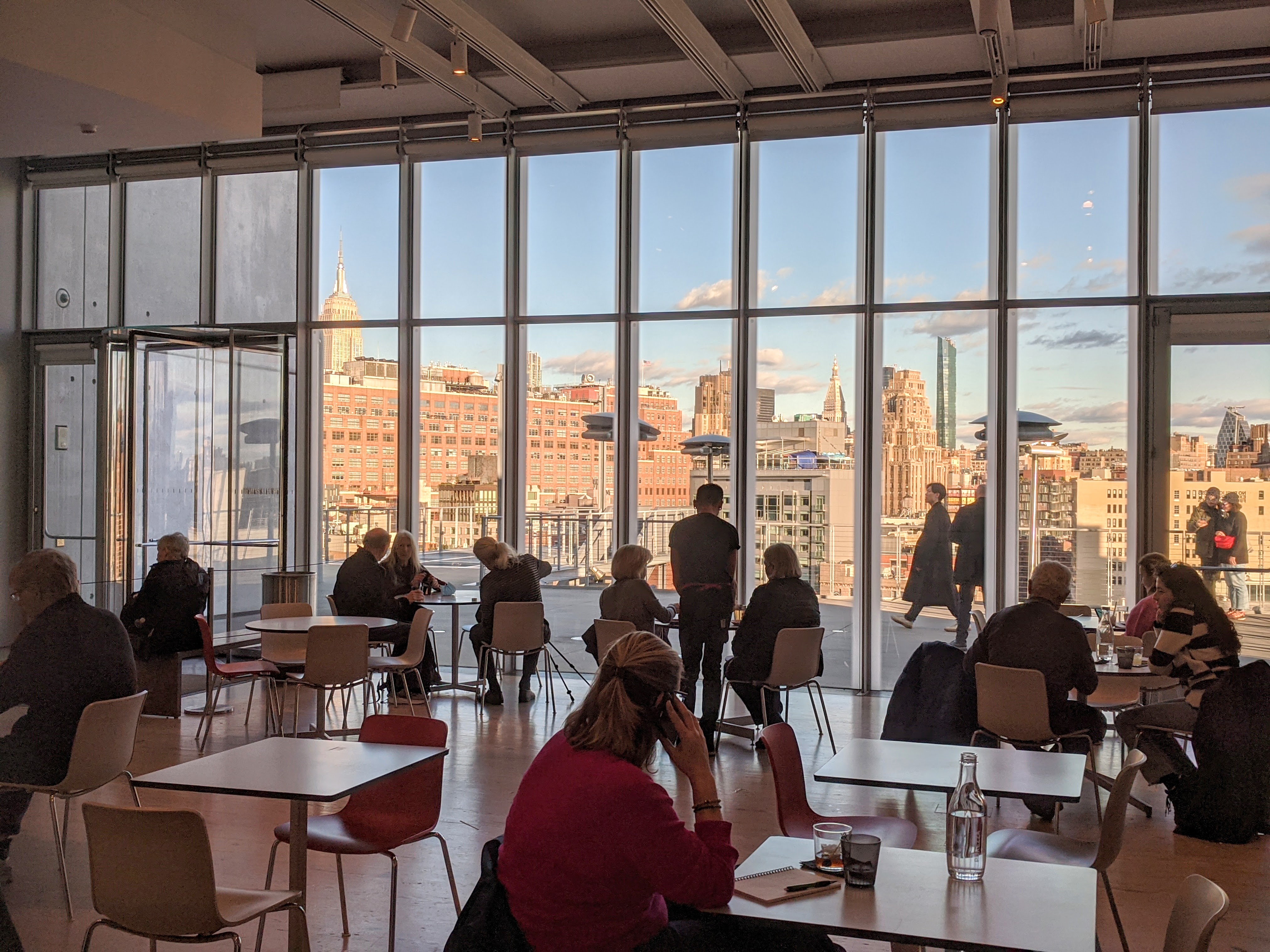
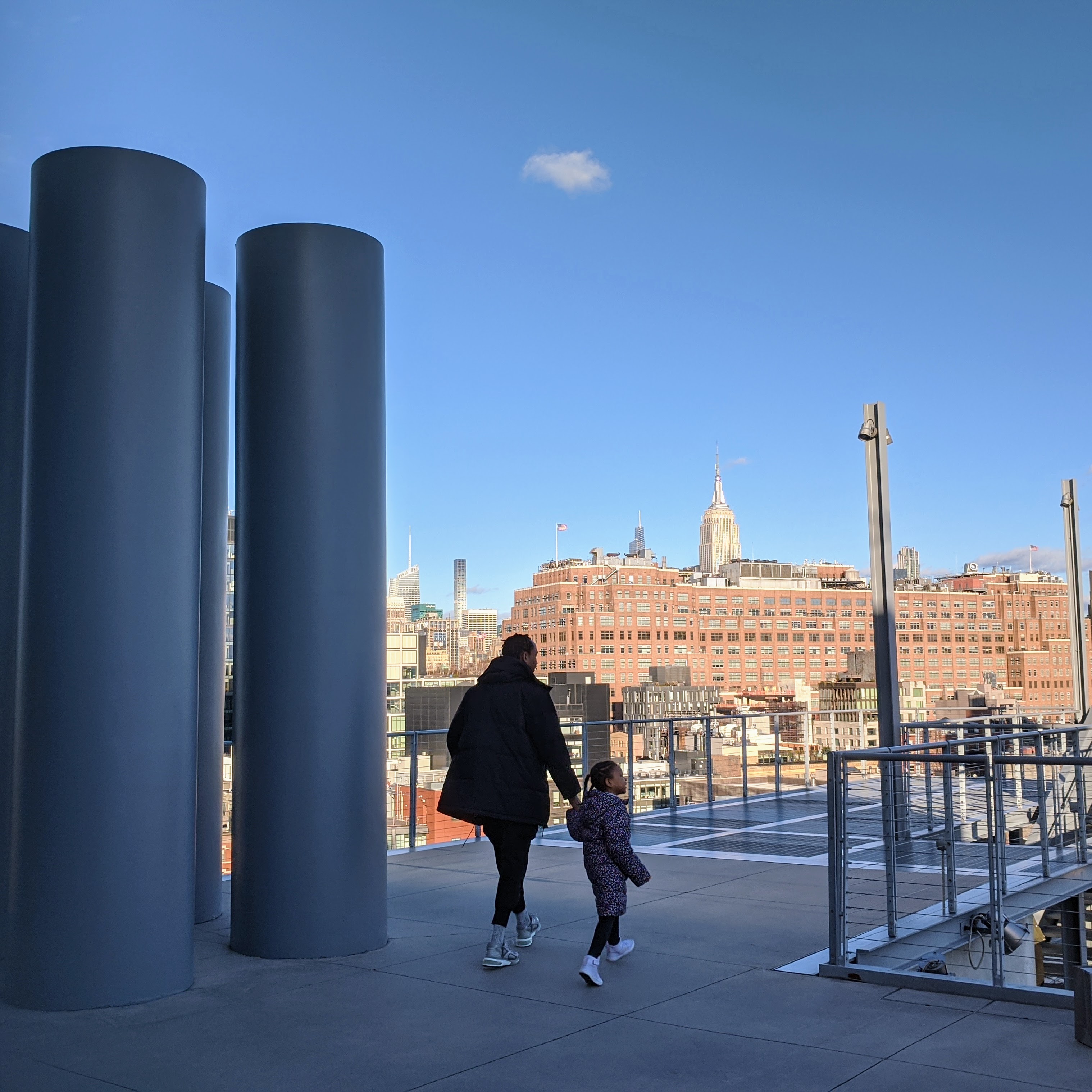
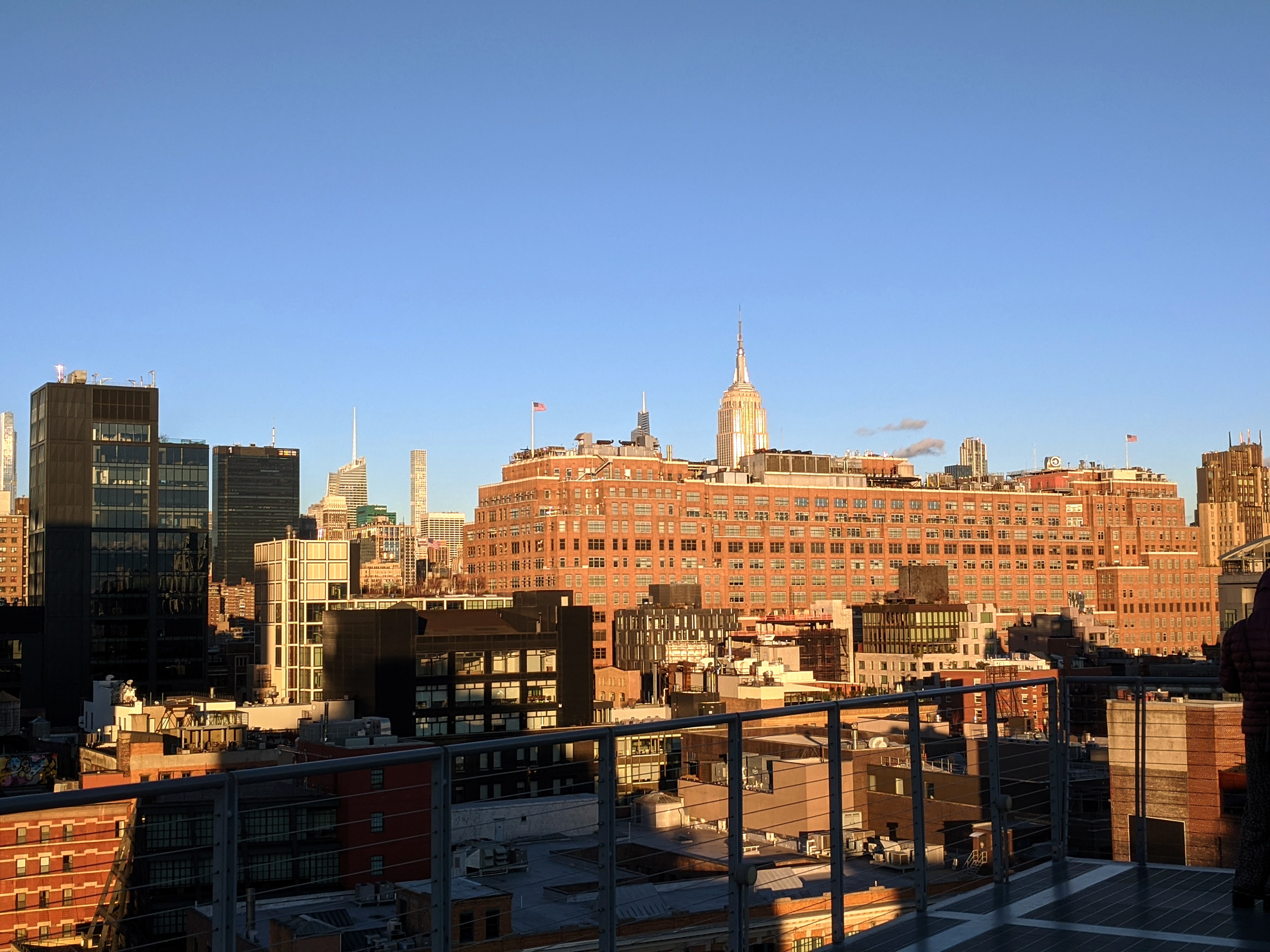
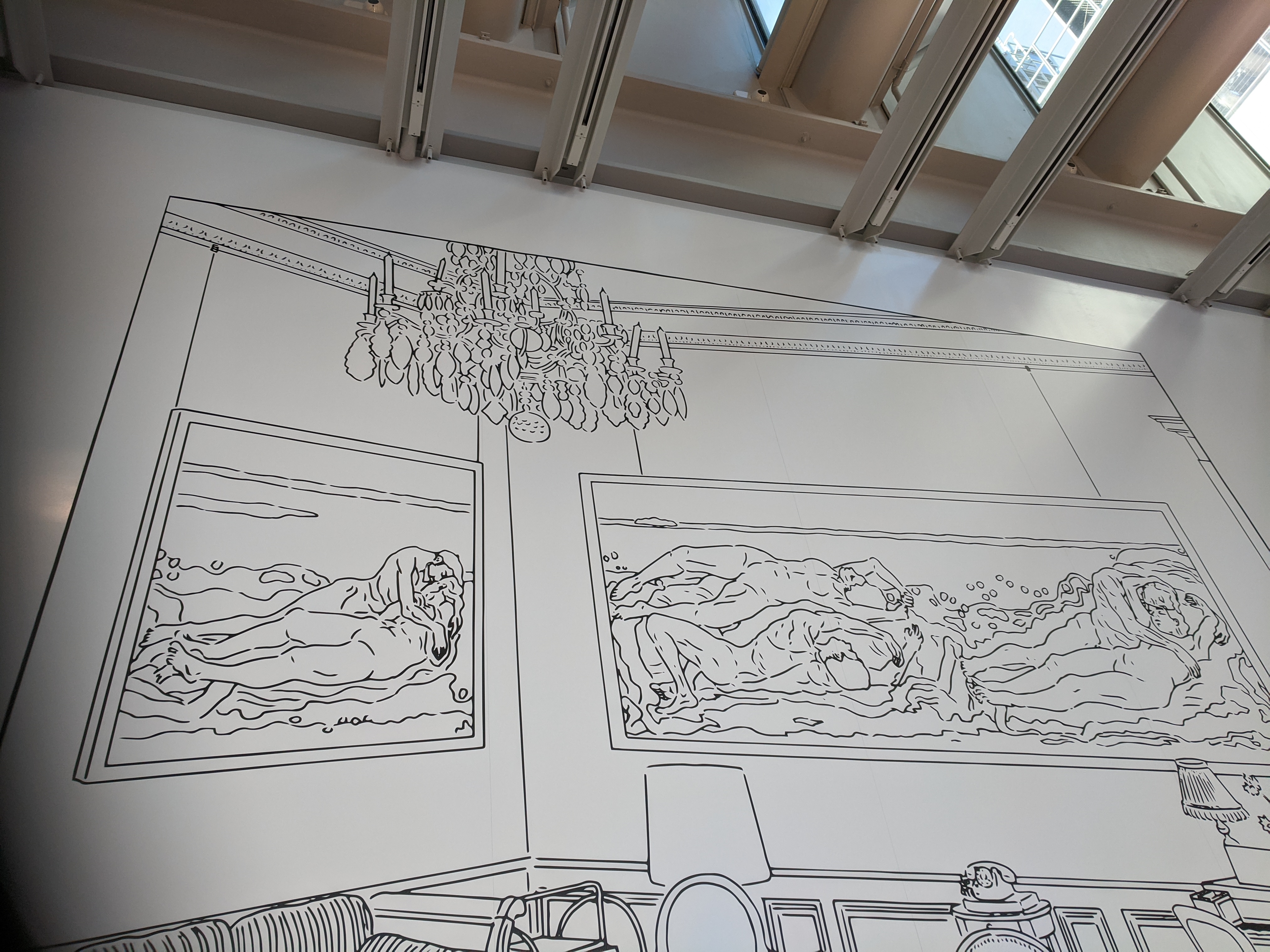
If you want to be thunderstruck by how much New York inspired Edward Hopper and how much Hopper influenced everything else, look no further than Renzo Piano’s spectacular design of the Whitney Museum flagship which opened on 99 Gansevoort in 2015. The building serves the art no matter the exhibit. Yet, I have not felt such an overwhelming Hopper vibe until this show.
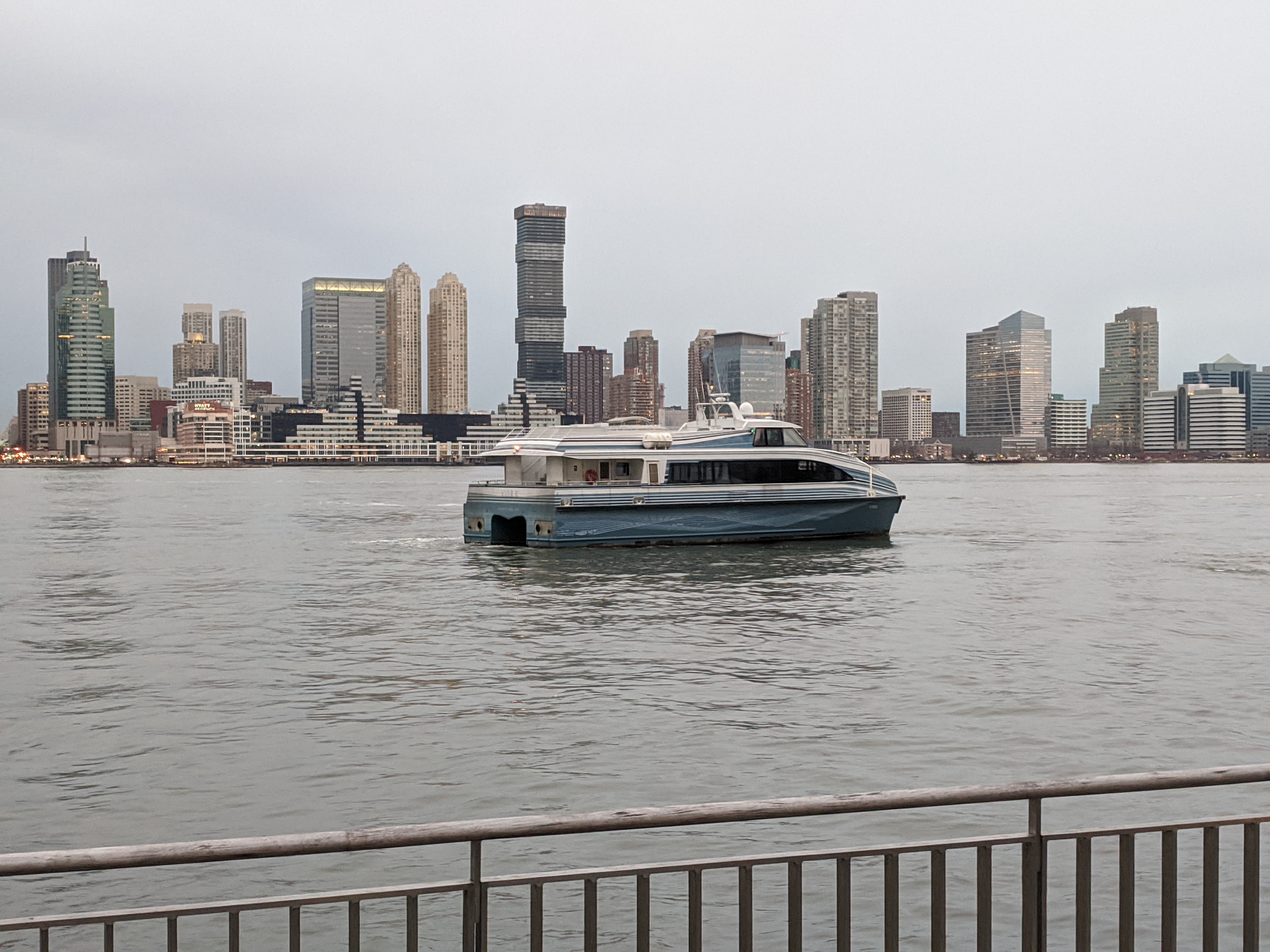
This piece is part one of a review with installation images and photo journal inspired by visits to Edward Hopper’s New York at the Whitney Museum (October 19, 2022-March 5, 2023).
Spread The GMG Love By Sharing With These Buttons:
A big save the date–July 22, 2023–in today’s paper!
“The exhibition, accompanied by a 225-page catalog, will include 65 paintings, drawings, and prints, 57 of them by Hopper, seven by Nivison, and one by Robert Henri…”
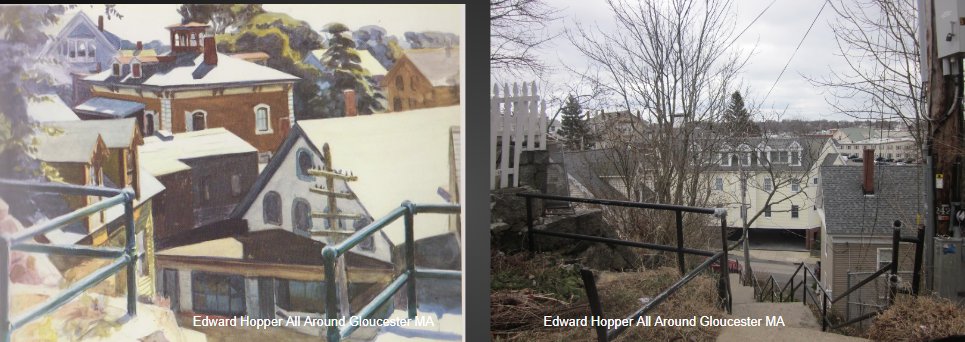
Step into Edward Hopper’s life in Gloucester with the web-based digital Google map I first created in 2010, Edward Hopper all around Gloucester, that reveals where scores of Hopper’s works of art were inspired in Gloucester beyond a well known core, and corrected several misidentifications possibly hinting at Maine or Cape Cod. By my last tally, there’s more than 120 in Gloucester! The exhibition at Cape Ann Museum will gather Gloucester originals together from public and private collections which is no small feat. What a thrill and opportunity to wander and wonder about art and ideas, and celebrate Gloucester.
Spread The GMG Love By Sharing With These Buttons:
Finally! A major exhibition of Hopper’s Gloucester is underway, and one that will be mounted right here in Gloucester. Mark your calendars for visits to Cape Ann Museum this summer to study up close 60 Edward Hopper paintings, drawings and prints inspired by Gloucester and Cape Ann, on loan from the Whitney Museum of American Art and other public and private collections, and featuring a selection of work by Josephine Nivison Hopper.
Masterpiece drawings are rarely on public view or loaned because 1)they are fragile and watercolors are especially susceptible to light damage and 2)they can be a fixture highlight of a permanent collection which does not warrant any absence easily. This gathering of Hopper originals inspired by Gloucester at the Cape Ann Museum will truly be a once in a generation or lifetime opportunity to see the drawings on view and together in one venue. Investments and improvements into Cape Ann Museum facilities undertaken during Ronda Faloon’s tenure as former Director improved conditions so much that the museum can secure and protect temporary loans of such significance.
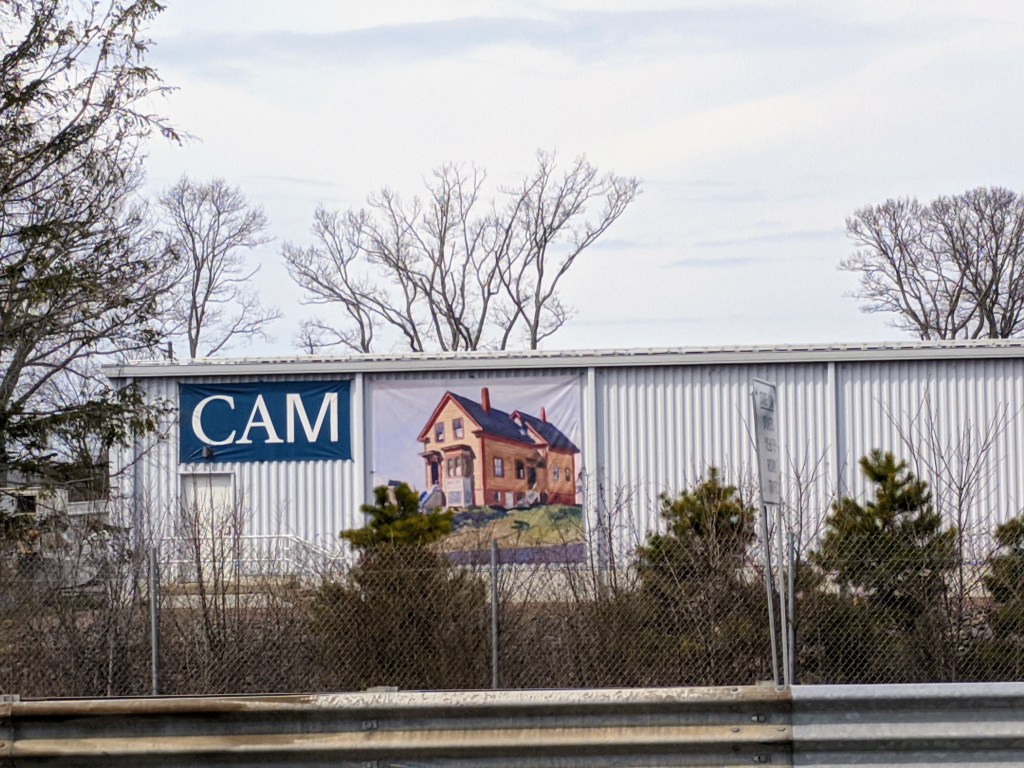
“Edward Hopper & Cape Ann: Illuminating an American Landscape is on view at CAM this summer 2023. Opening on July 22, Hopper’s birthday, exactly 100 years after his pivotal trip to Gloucester (then celebrating its 300th anniversary), this once-in-a-generation exhibition offers a fresh look at one of America’s best-known artists at the crucial moment that profoundly shaped his art and his life. It shows the largely ignored but significant origin story of Hopper’s years in and around Gloucester, Massachusetts—a period and place that imbued Hopper’s paintings with a clarity and purpose that had eluded his earlier work. The success of Hopper’s Gloucester watercolors transformed his work in all media and set the stage for his monumental career.”
Edward Hopper (1882-1967) earned respect from his colleagues since his student days and ‘world famous artist’ status in his own time. Admiration for his contribution to American 20th century art did not fade in the 21st century. Indeed it’s been supercharged. Dr. Elliot Bostwick Davis, a long time curator and former museum director, was brought in to lead the survey at Cape Ann Museum, and its accompanying catalogue, published by Rizzoli, the preeminent art publishing house, with a foreword by Adam Weinberg and available in May. Davis was part of the curatorial team that produced the major 2007 Hopper exhibit for the Museum of Fine Arts, Boston which traveled to the Art Institute of Chicago and National Gallery. Significant Hopper artworks are on permanent display and revered worldwide. One imagines that Davis’s efforts were certain to secure the loans Cape Ann Museum sought, and perhaps a future Hopper bequest for the museum. As an art dealer, I first met Dr. Davis when she was an assistant curator at the Metropolitan Museum of Art when Colta Ives was the director of the print department.
I determined that there are more than 120 Edward Hopper works of art inspired by Gloucester, and mapped them which helped with the walking tour developed at Cape Ann Museum years after and was credited in CAM’s brochure. Less than 30 had been identified and some were credited to locations elsewhere in Massachusetts or out of state.
Publishers back in 2010 and 2012 did not think there was enough of a market for a Gloucester focused Hopper monograph. Good Morning Gloucester did and was the first to publish that research. In the past decade, Hopper surveys–whether narrow in focus, a broad retrospective traveling in the United States and abroad, or a viral social media expression during the pandemic–have been blockbusters and relevant, inspiring bequests, discoveries, and original work by filmmakers, playwrights, authors and musicians. It’s Gloucester’s time!
Edward Hopper, House in the Italian Quarter, 1923, watercolor, Smithsonian.
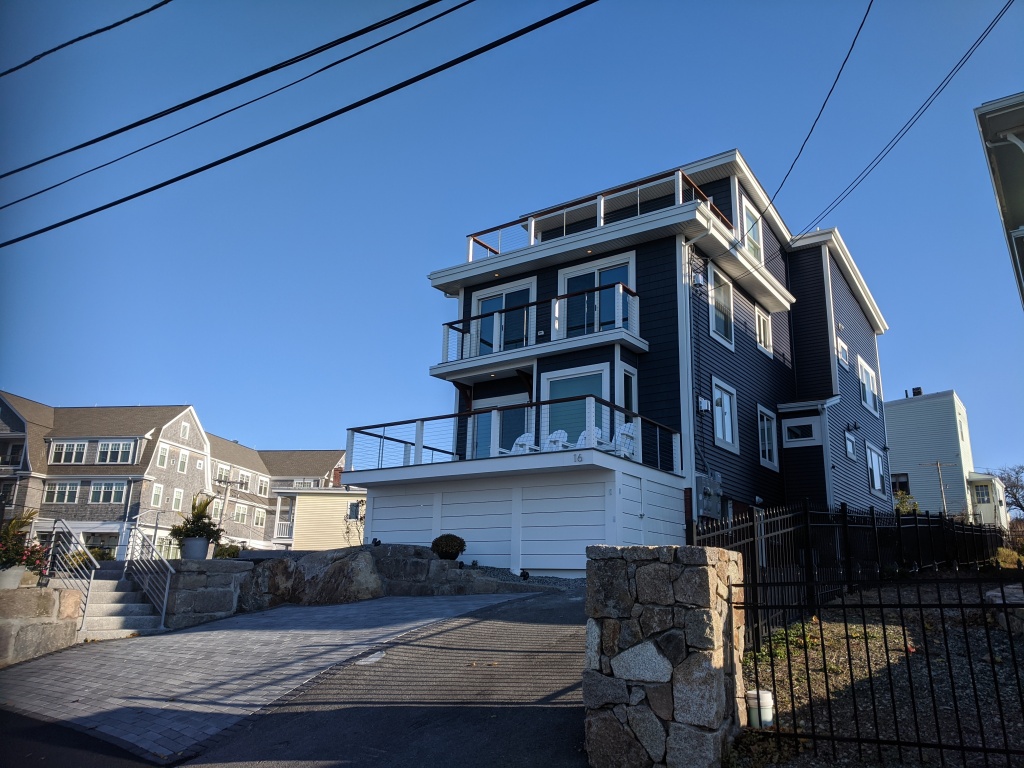
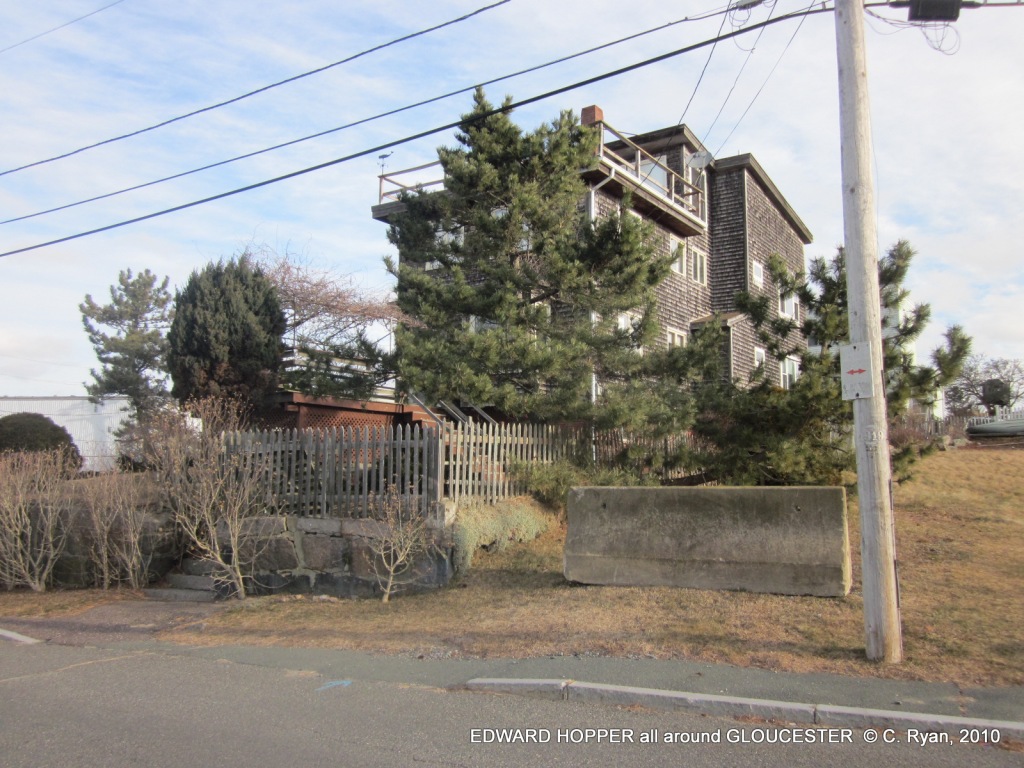
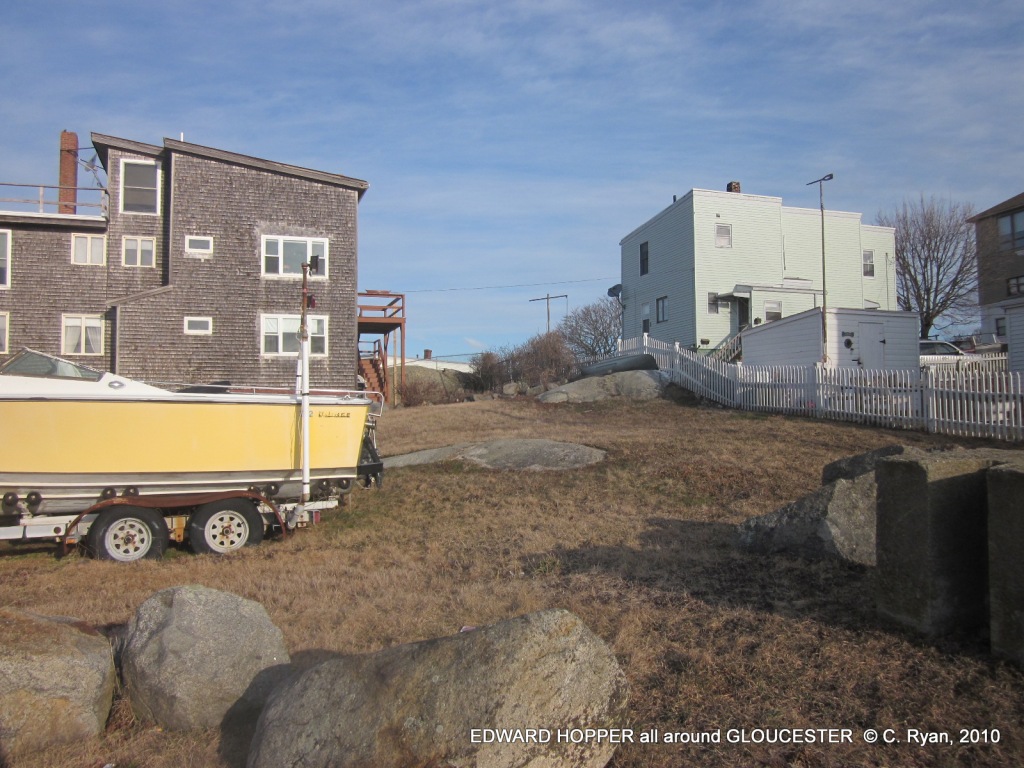
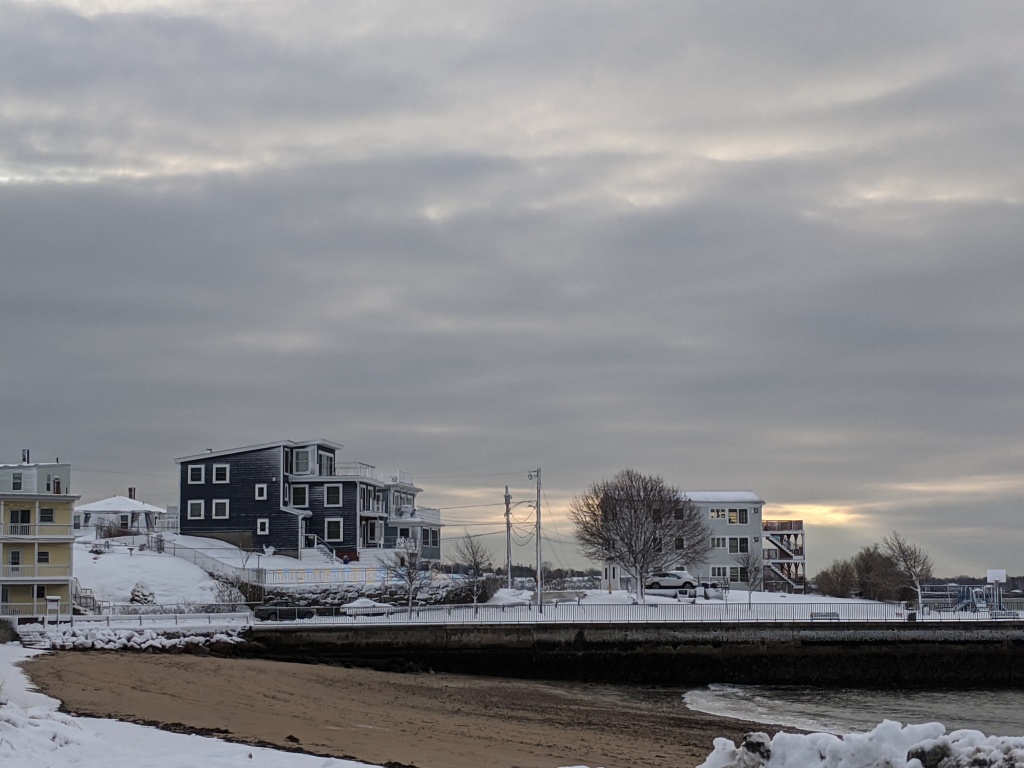
“#16 Fort Square Road, Gloucester, MA. Turn around with your back to Gloucester harbor and face “Tony’s House” at the angle shown here. In the painting, note the hint of city skyline lower left, and the slight slope along the right of the harbor. The double house and outhouses were irresistible and inevitable subjects.”
Catherine Ryan, 2010. Update: Shingles gone. The home was for sale in 2020, sold, and renovated. Blue cladding is recent. Photo with snow 1/24/2023. Note Birdseye in 2010 photos where Beauport Hotel is now.
The cover for the new catalogue features this home on Washington Street. The painting is in private hands, part of a wonderful collection in New York advised by fantastic curators associated with the Whitney. After this exhibit at Cape Ann Museum perhaps an eventual bequest here in Gloucester could happen.
Spread The GMG Love By Sharing With These Buttons:
view from Winchester Ct. / Spring St. stairs in 1928
The first sale was by Rehn Gallery to Edward and Grace (Cogswell) Root in 1929. They built a major modern collection.
Lot 138 Sold for $1,980,000 (plus fees)
Presale estimate was 1.2 – 1.8 million
EDWARD HOPPER (1882-1967) Gloucester Roofs, 1928 signed ‘Edward Hopper/Gloucester’ (lower right) watercolor and pencil on paper
Provenance
Frank K.M. Rehn Galleries, New York (1928).
Edward Wales Root, Clinton, New York (acquired from Rehn Galleries, 1929)
Mrs. and Mrs. Wilson H. and Mary D. Kierstead, New York and London (after 1962)
Hirschl & Adler Galleries, Inc., New York (1981). Sold to Mr. and Mrs. James A. and Edith Hall Fisher, Pittsburgh
Hirschl & Adler Galleries, Inc., New York — sold to Paul Allen, in 2016
The price realized for a second drawing, Lily Apartments, by Edward Hopper, Lot 153, was $1,620,000
The sixty lots included in the Paul Allen Part 1 sale last evening totaled 1.6+ billion. Paul Allen cofounded Microsoft in 1975. He died in 2018. Proceeds were raised for undisclosed charitable entities.
Spread The GMG Love By Sharing With These Buttons:







































 Good Morning Gloucester