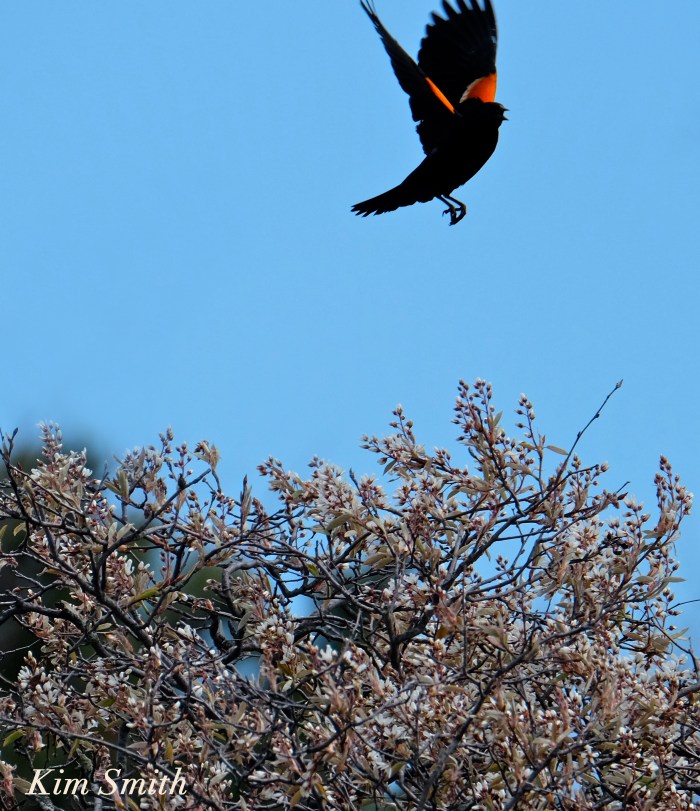
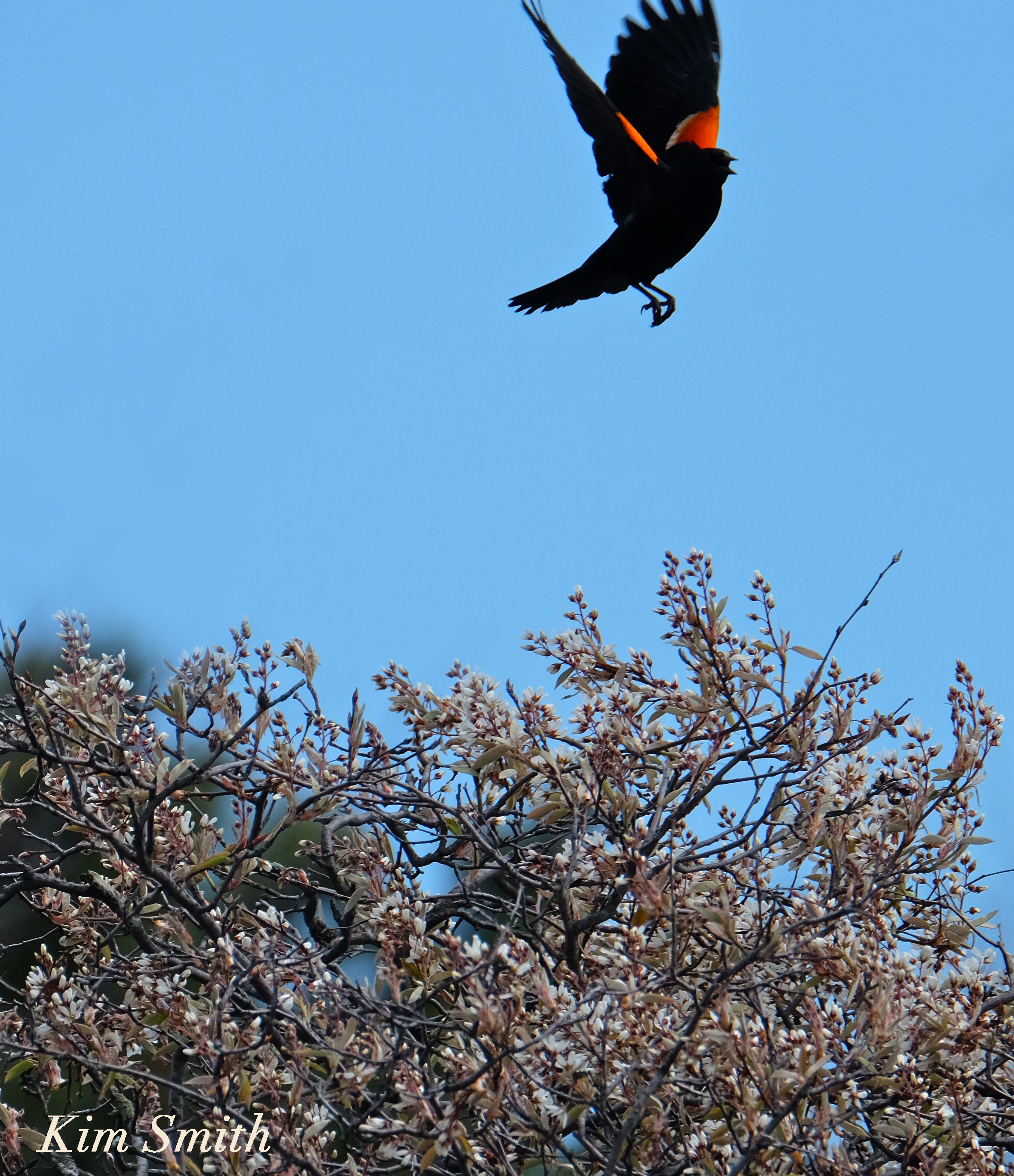
Shadblow blooming with Red-winged Blackbird coming in for a landing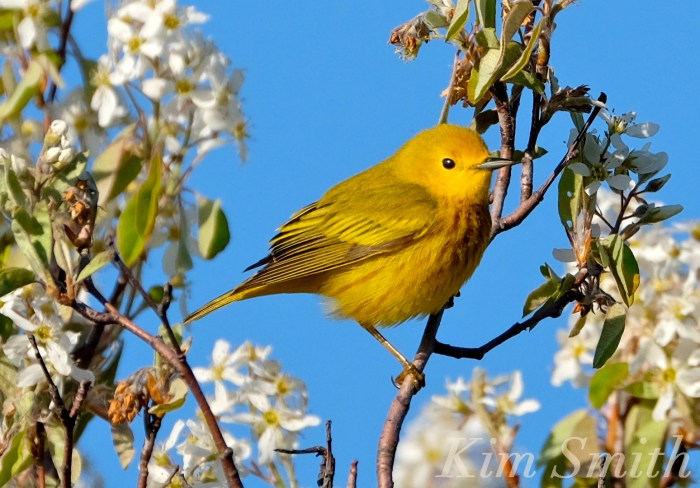
Male Yellow Warbler hopping through the Shadblow branches eating small insects
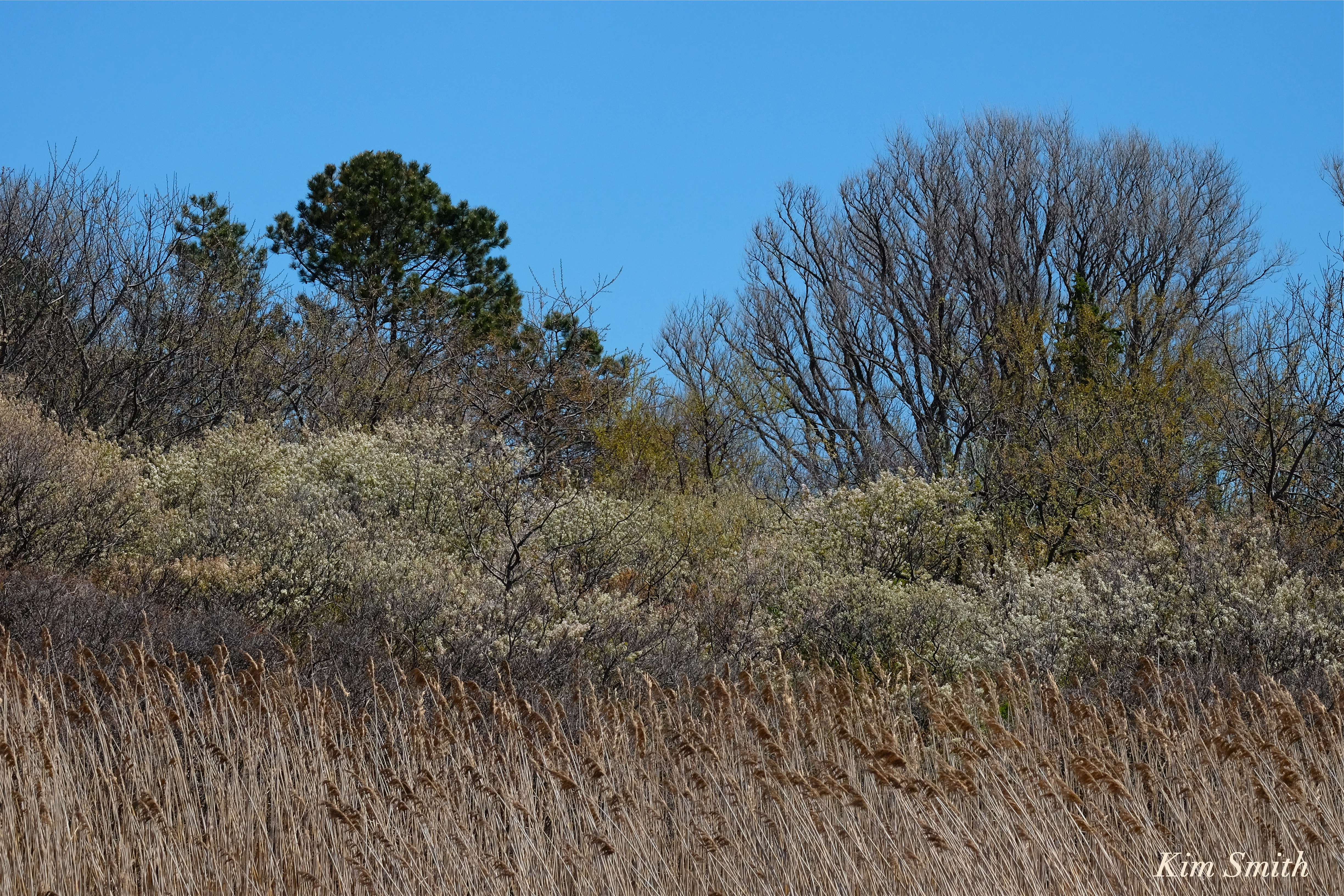
Shadbow, Shadbush, Chuckleberry Tree, Serviceberry, and Juneberry are just a few of the descriptive names given the beautiful Shadblow tree lighting up our marsh and woodland edges. With lacey white flowers, Shadblow (Amelanchier canadensis) is one of the first of the natives to bloom in spring, growing all along the Atlantic coastal plains.
A fantastic tree for the wild garden, over 26 species of songbirds and mammals, large and small, are documented dining on the fruits of Shadblow (including bears). The small blue fruits are delicious, though rarely consumed by people because wildlife are usually first at the table. The foliage of Shadblow is a caterpillar food plant for the Red Admiral Butterfly. Look for her eggs on the upper surface at the tip of the leaf.

Shadblow in bud at the water’s edge with dewdrop necklace
Fruiting in June at the same time of year as the annual spawning migration of shad, is how the names Shadblow and Juneberry came about. The common name Serviceberry is derived from the flower clusters gathered for use in church services.
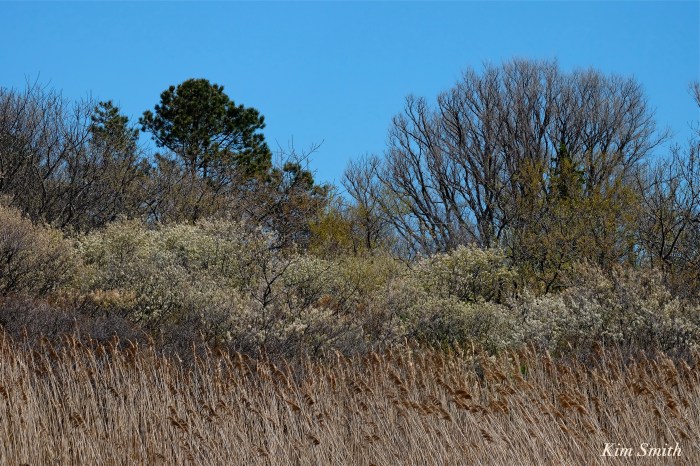 Shadblow in bloom Loblolly Cove
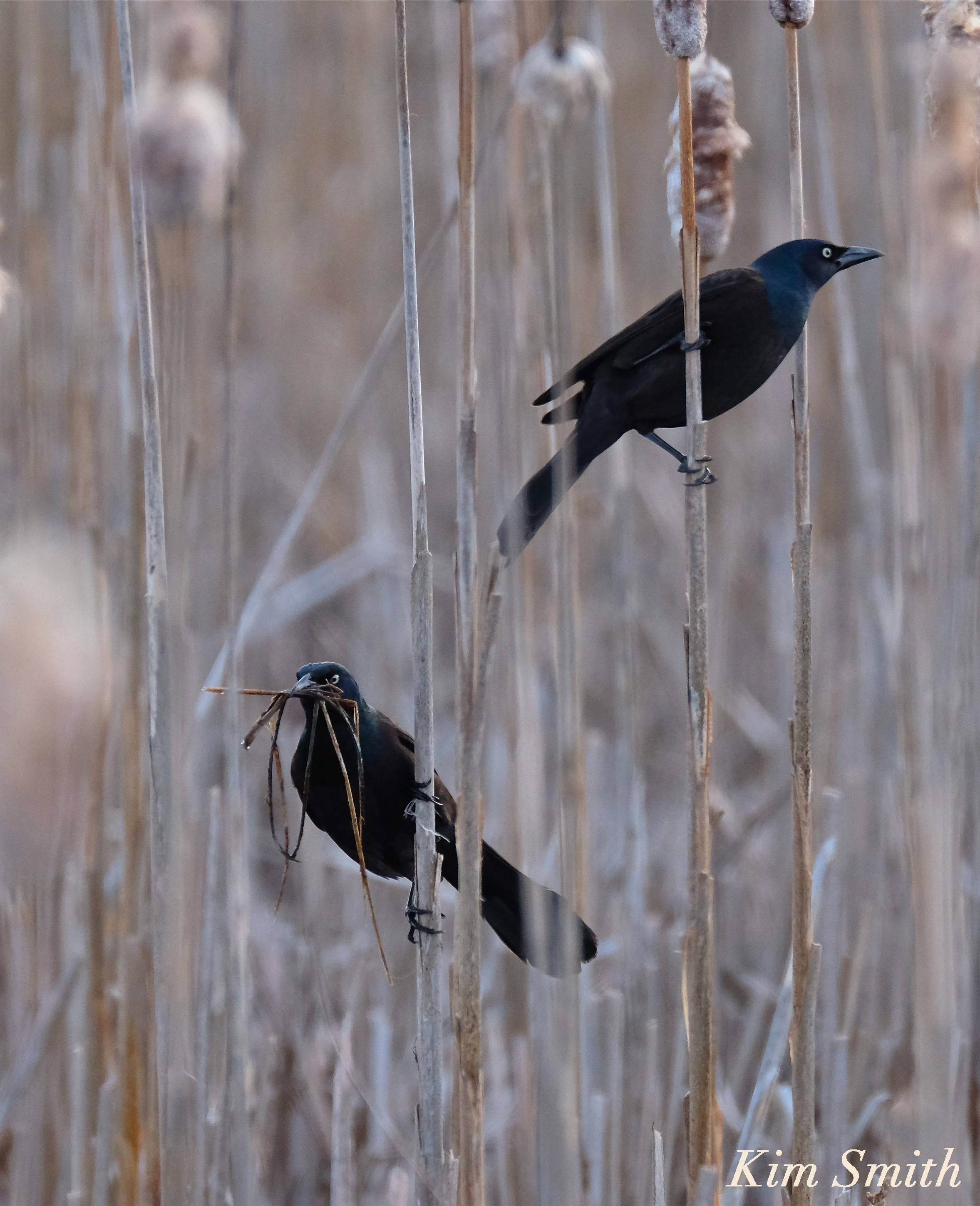
The Shadblow and reeds create a beautiful symbiotic habitat for the blackbirds, Grackles and Red-wings, especially. Reeds of cattails and phragmites make ideal nesting material and sites, and come June, above the nesting area, a songbird feast of Shadblow berries ripens.

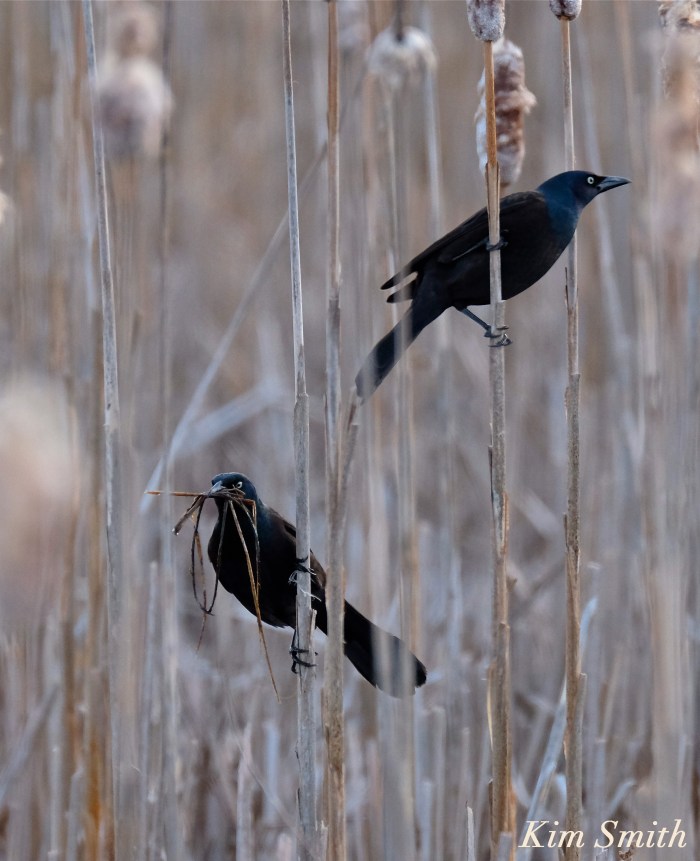 Male Common Grackles nest building in reeds
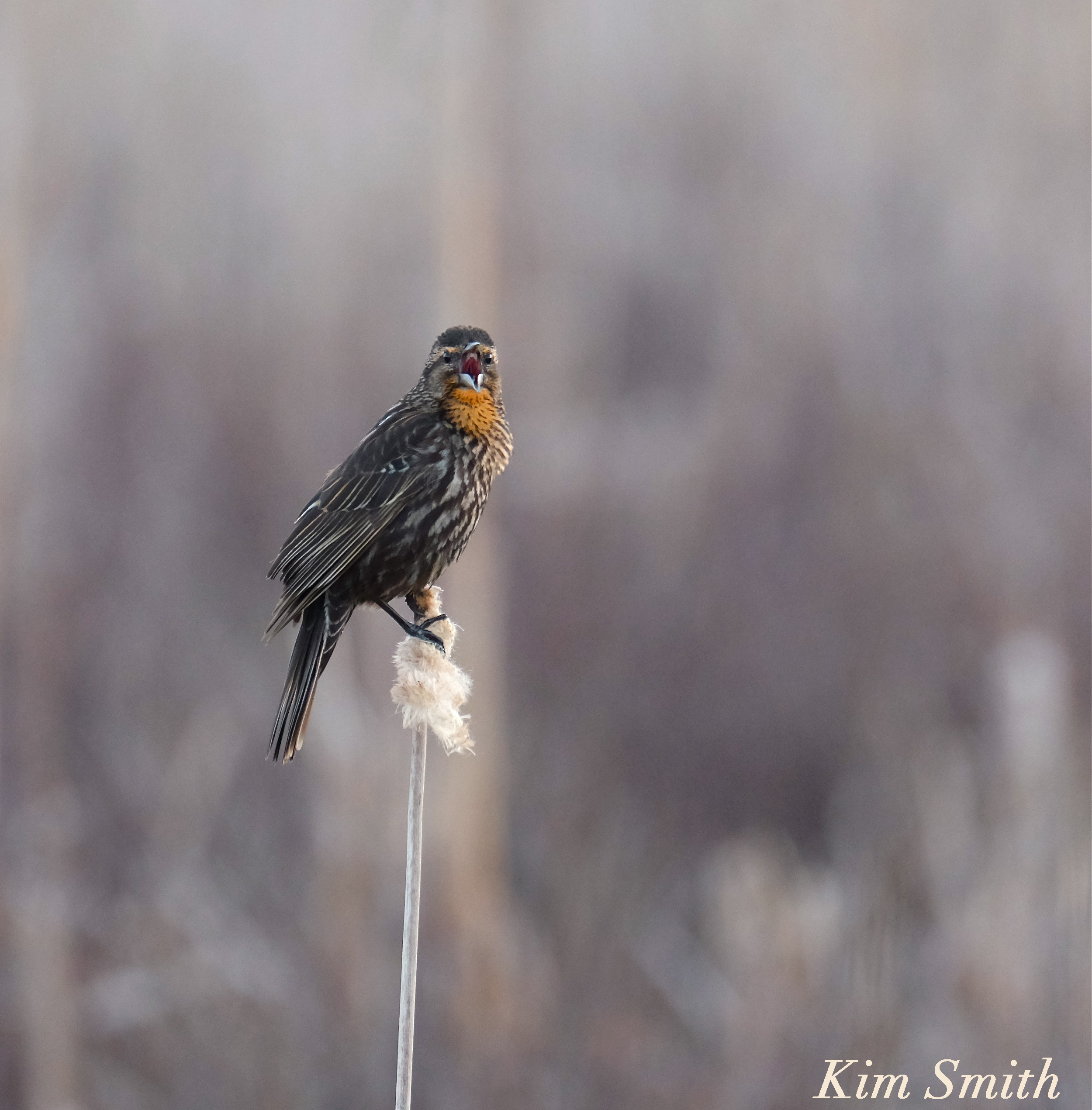
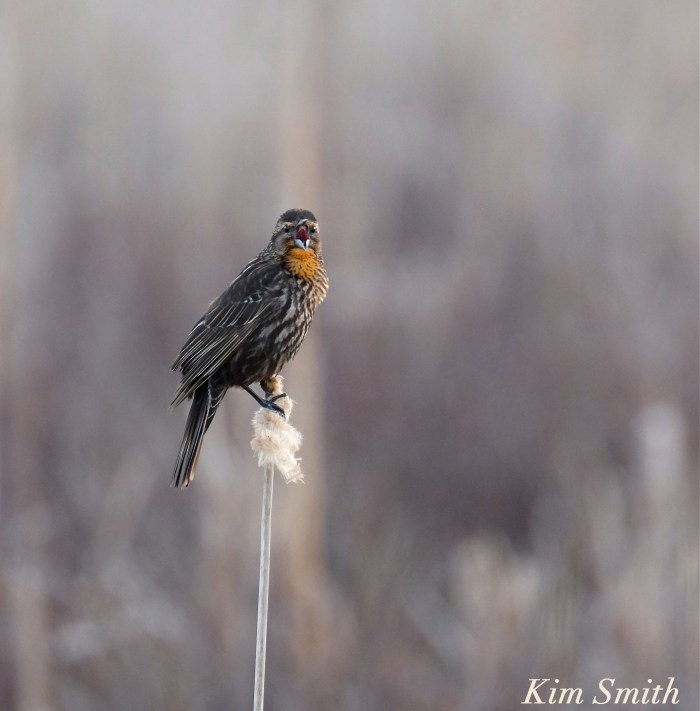 Female Red-winged Blackbird perched on cattail while collecting fluff for her nest and calling to her mate.
 Amelanchier in the moonlight
Spread The GMG Love By Sharing With These Buttons:
 The Mary Prentiss Inn front dooryard garden






























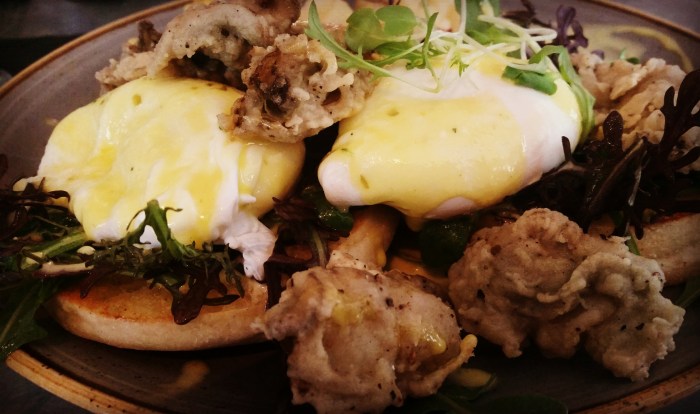
 Tyler was feeling southern with some chicken n’ waffles








 Good Morning Gloucester