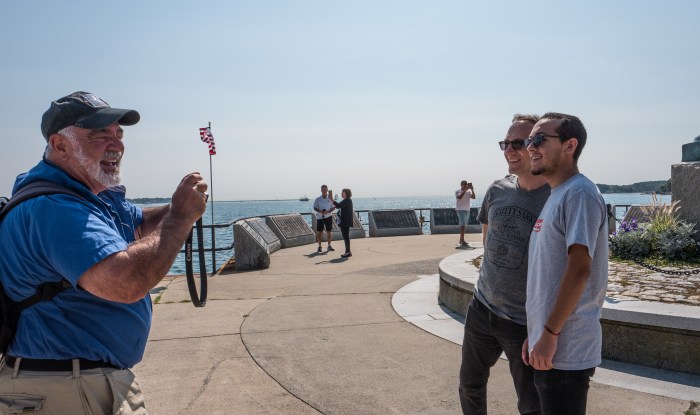

Kayaking around Magnolia Harbor on Monday
The only way to end a long work day and to get out and kayak around.
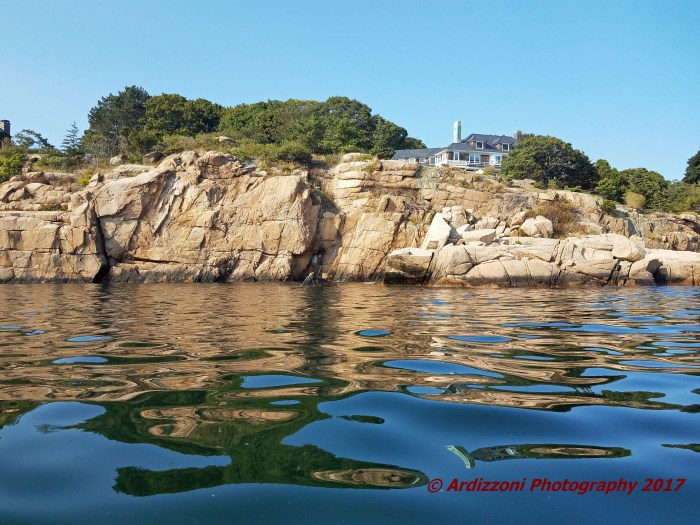
Magnolia Point
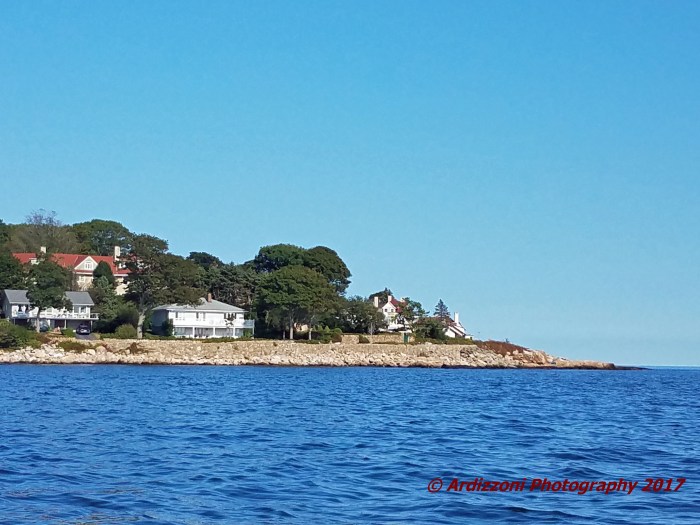
Coolidge Point
Spread The GMG Love By Sharing With These Buttons:

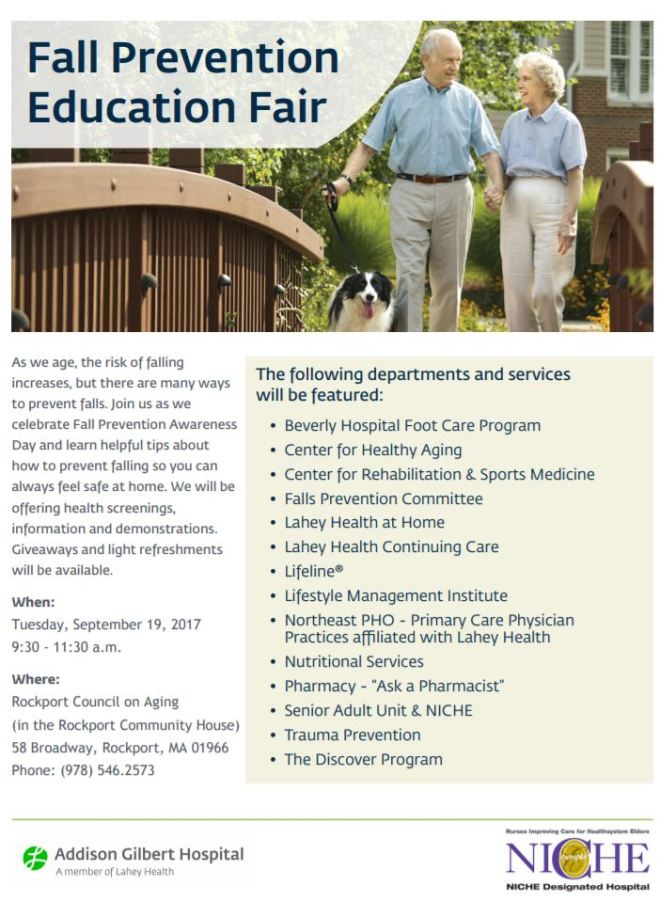
Falls Prevention Day is happening at Rockport Council on Aging!

Spread The GMG Love By Sharing With These Buttons:

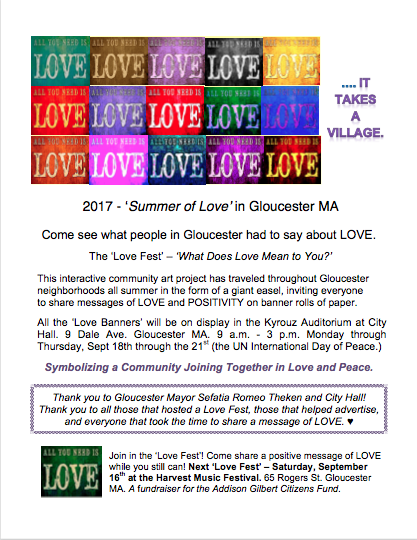
WOW, Isn’t it Great…So Much Love!

Spread The GMG Love By Sharing With These Buttons:

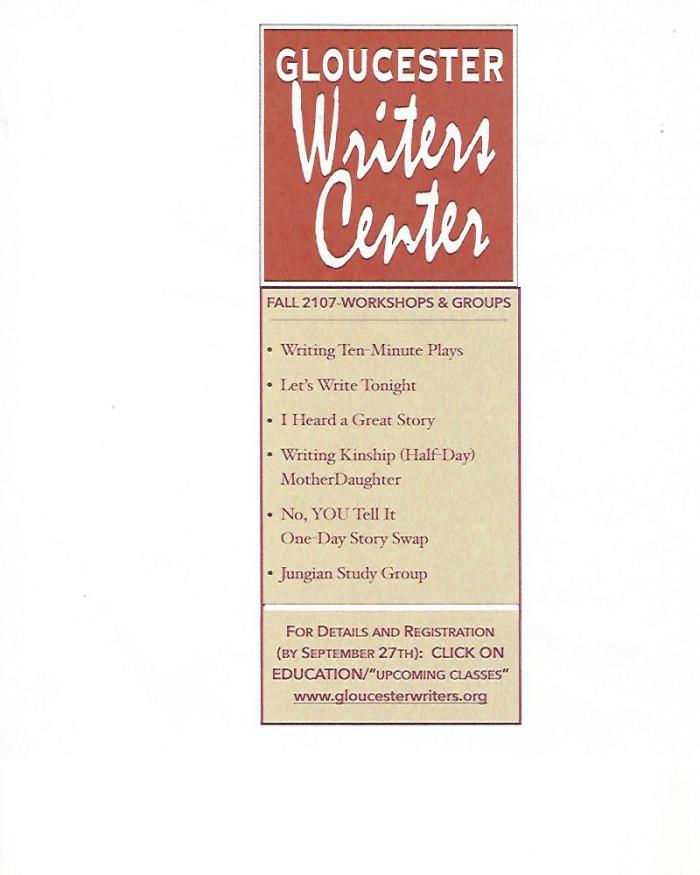
Gloucester’s Writers Centers
Spread The GMG Love By Sharing With These Buttons:

@kfoley41 <3

Spread The GMG Love By Sharing With These Buttons:
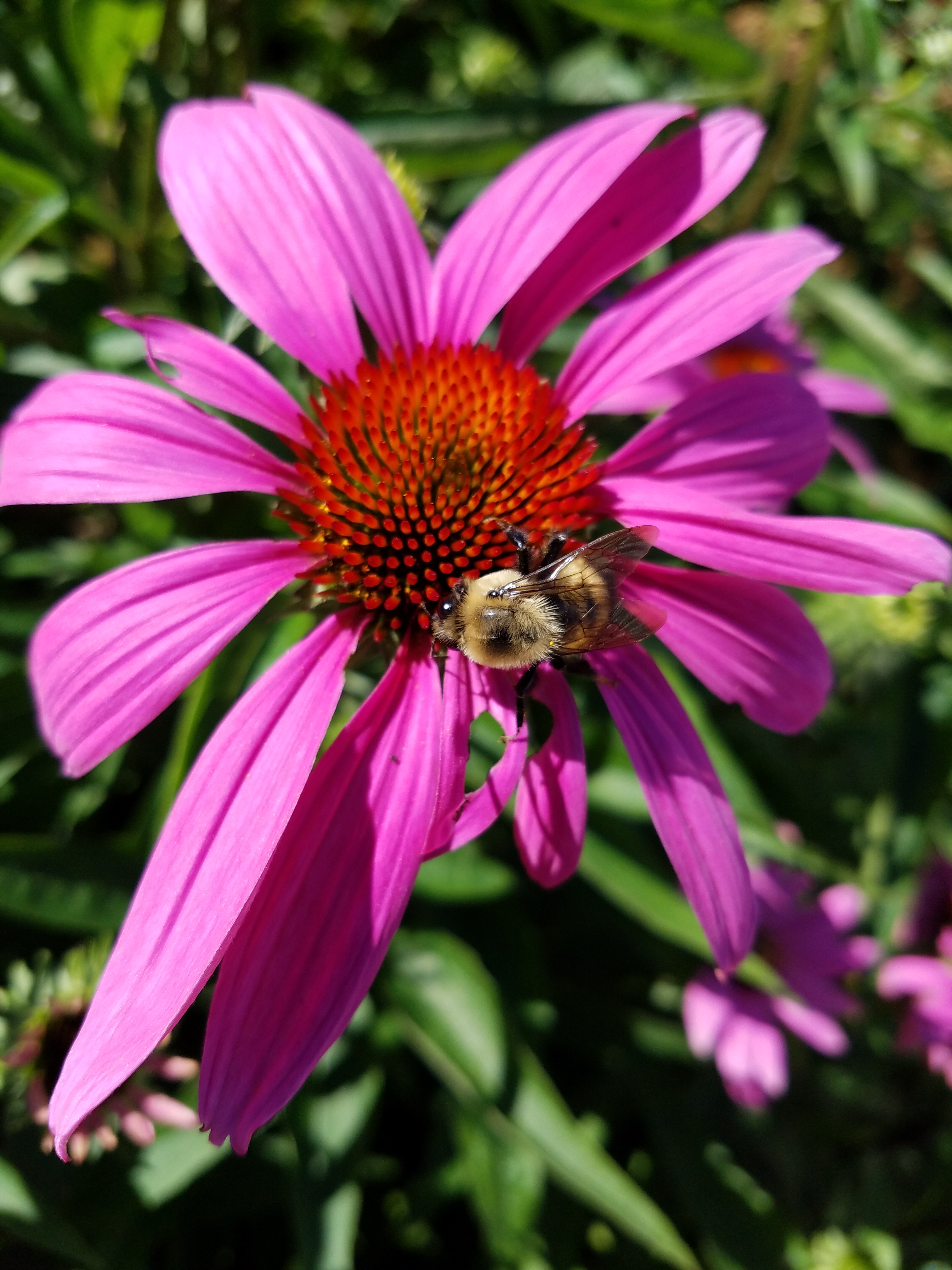
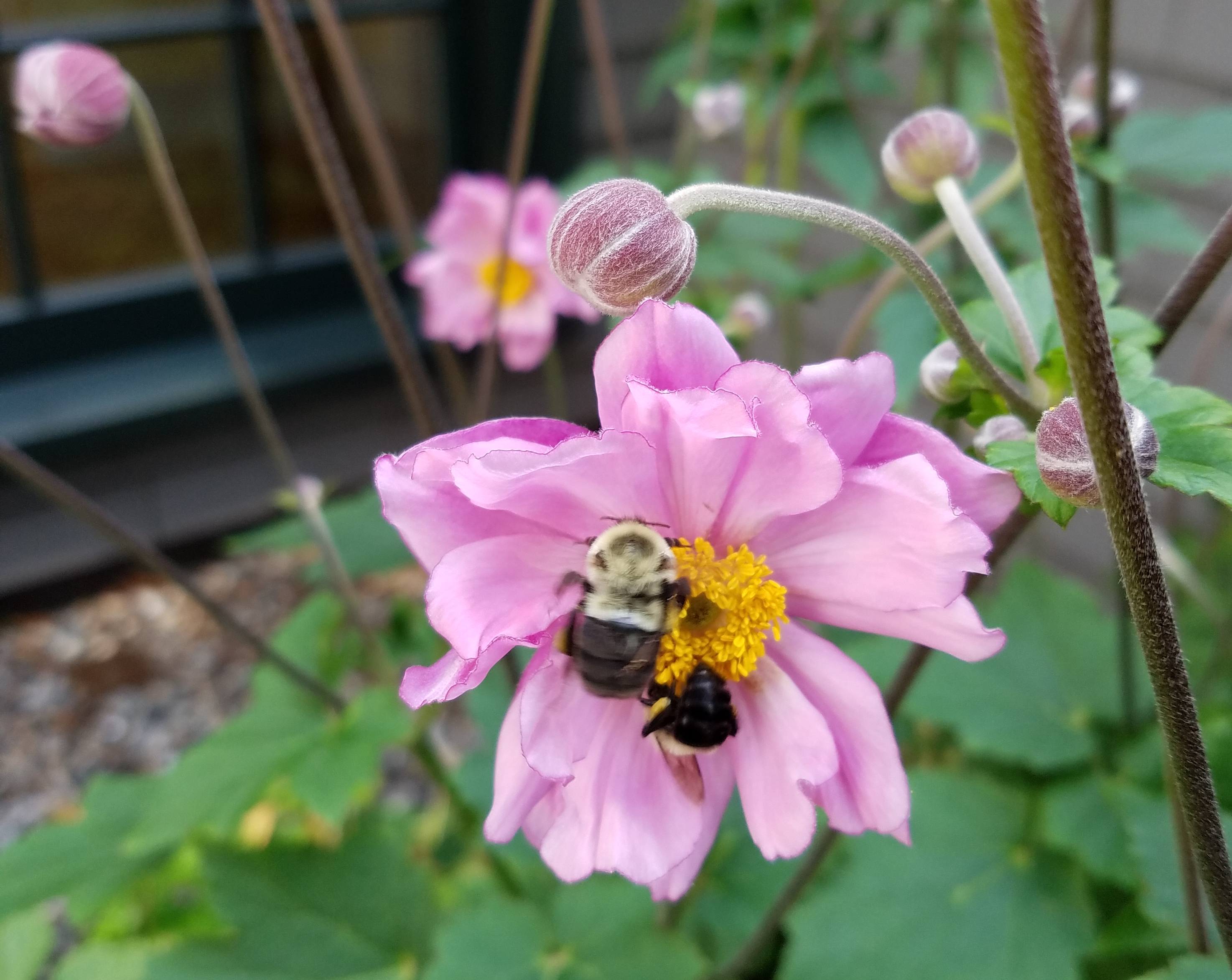
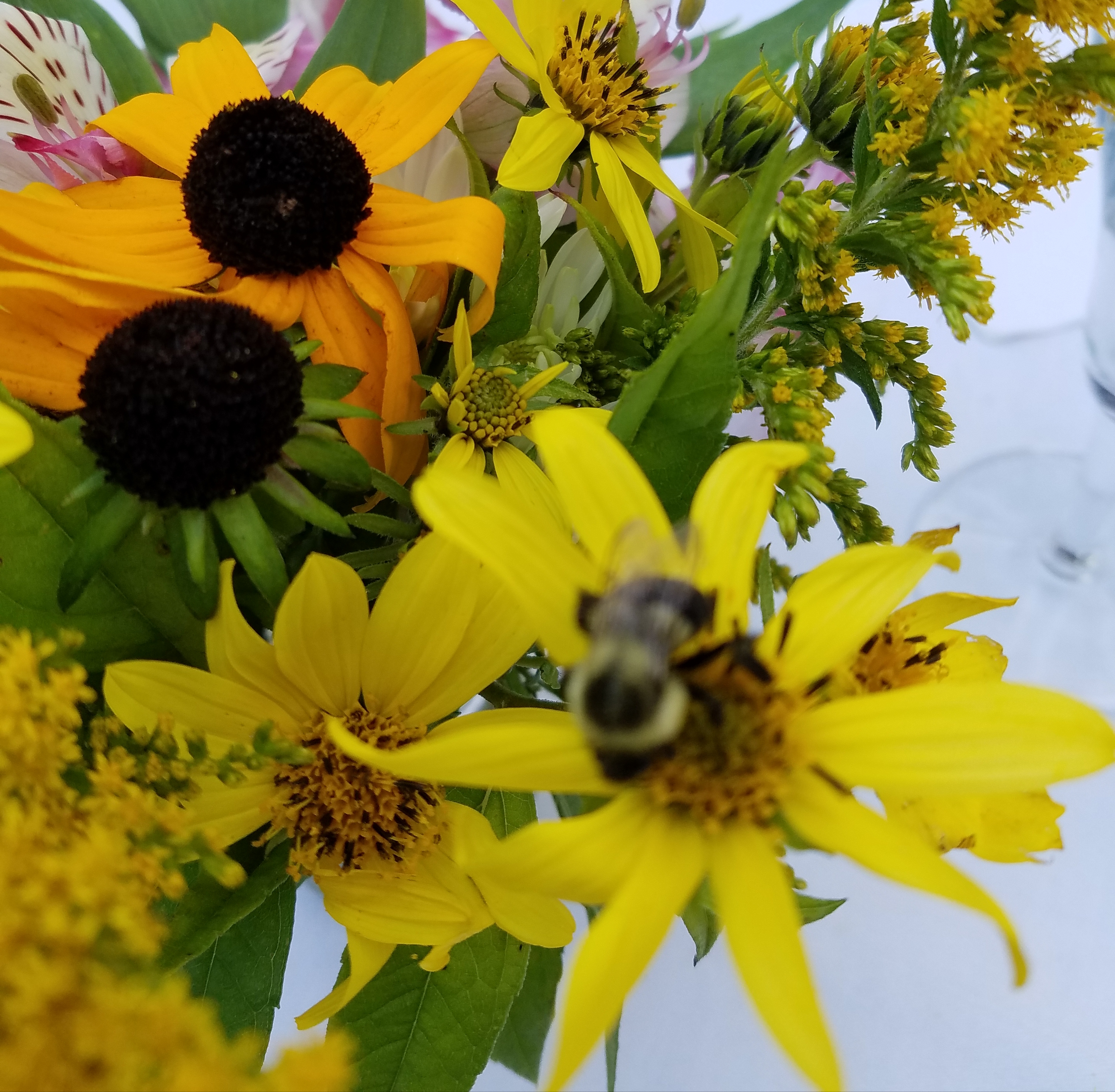
Bees & Flowers
Love seeing lots of bees among the flowers this year!

Spread The GMG Love By Sharing With These Buttons:

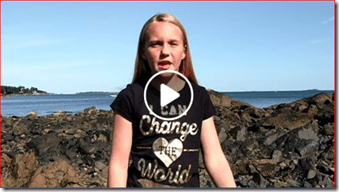
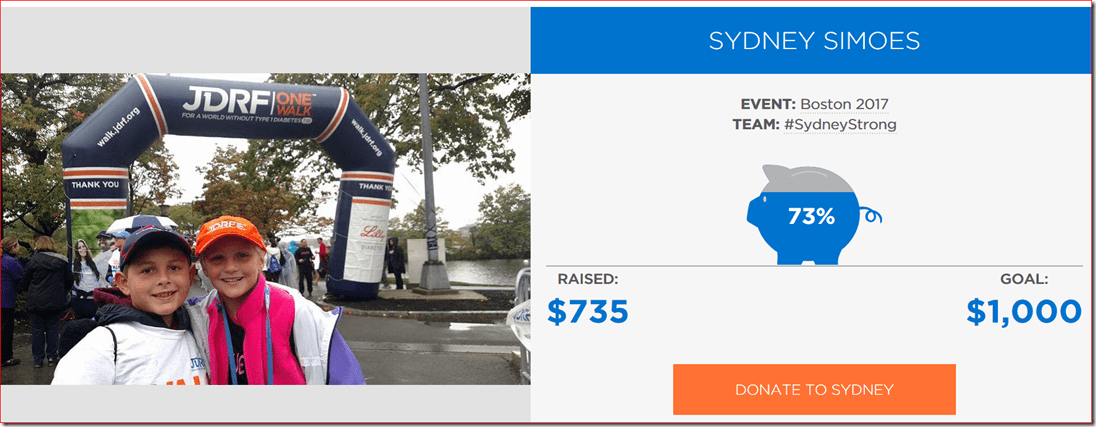
JDRF One Walk support
SYDNEY SIMOES
I’m participating in JDRF One Walk® to raise money to create a better future for the millions of people living with type 1 diabetes (T1D).
I was diagnosed with T1D a year and a half ago. This is my second year doing this walk. It’s important to me to do my part to help find a cure.
When you have T1D, your pancreas stops producing insulin—a hormone essential to turning food into energy. This means you must constantly monitor your blood-sugar level, administer insulin, and carefully balance these insulin doses with your eating and activity just to stay alive.
With T1D there are no days off and there is no cure. But there is hope.
Your donation will support life-changing breakthroughs that make it safer and easier to live with T1D, until we find a cure.
Your support makes it all possible.
Spread The GMG Love By Sharing With These Buttons:

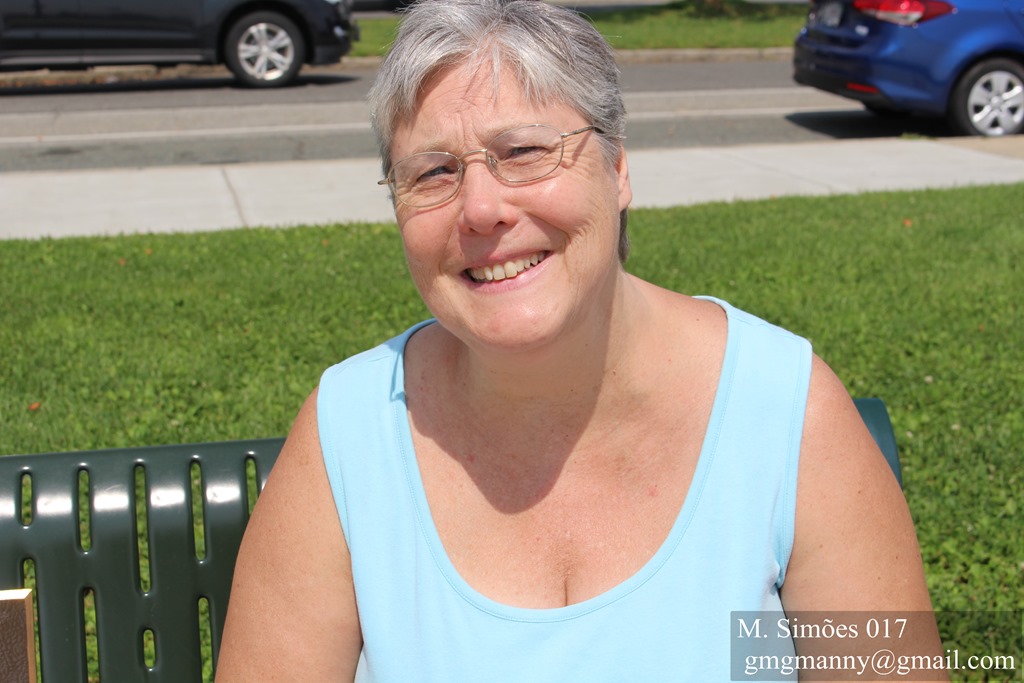
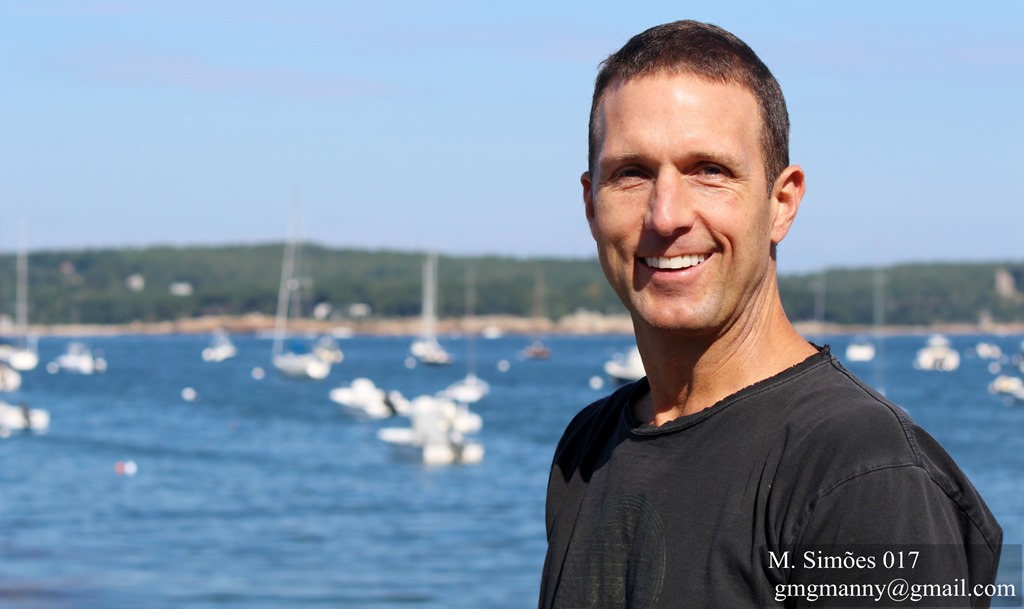
Gloucester Smiles-742
Spread The GMG Love By Sharing With These Buttons:

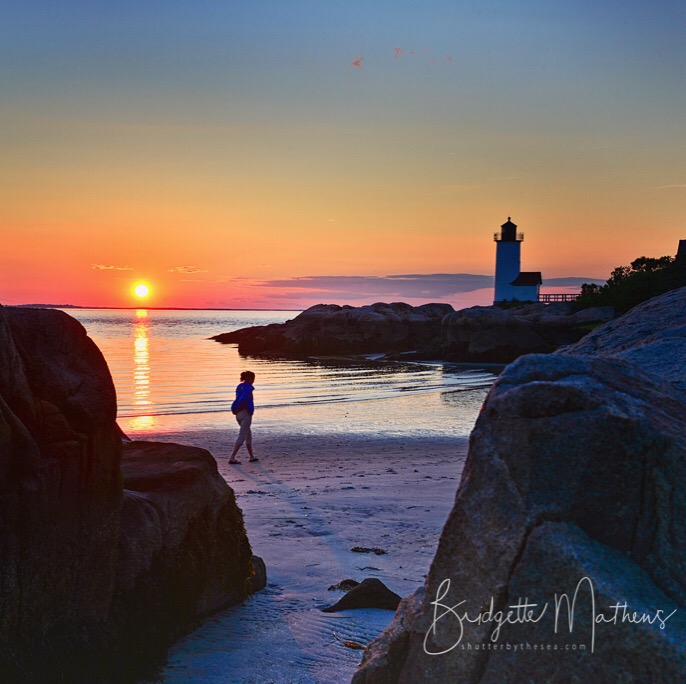
Peaceful walk
Summer may be over but walks on the beach are so much more enjoyable on our quiet beaches!
Spread The GMG Love By Sharing With These Buttons:

DON’T MISS THE FALL ISSUE OF CAPE ANN MAGAZINE!
Don’t miss the current issue of Cape Ann magazine featuring a terrific article about the Schooner Lannon and Captains Heath and Tom Ellis (and Polly Five Toes!), written by Terry Date. There’s also a great read about the Straitsmouth Savages and their restoration efforts to reclaim Straitsmouth Island, written by Mary Markos, with photos by Desi Smith. Our issue arrived this morning and I have yet to read all, but am looking forward to reading from cover to cover.
https://www.instagram.com/p/BY8UXL0F5wd-UkHRYiOcRGZCwvJpoOgqaH2cPk0/
Spread The GMG Love By Sharing With These Buttons:
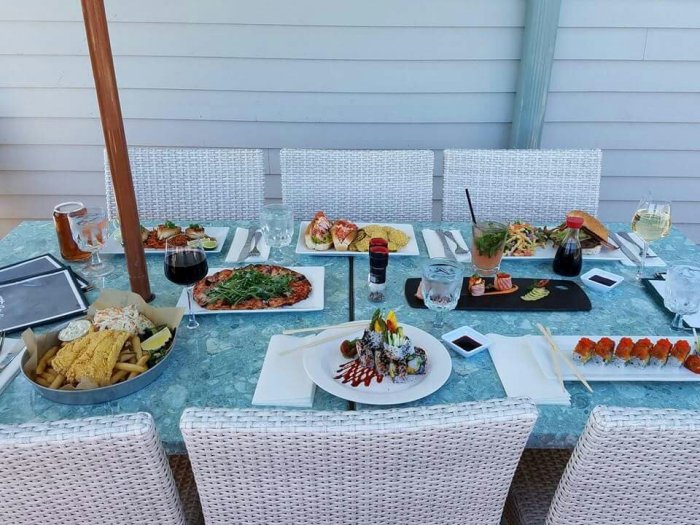
Half off sushi and regular menu at The Studio Today September 12, 2017
Spread The GMG Love By Sharing With These Buttons:

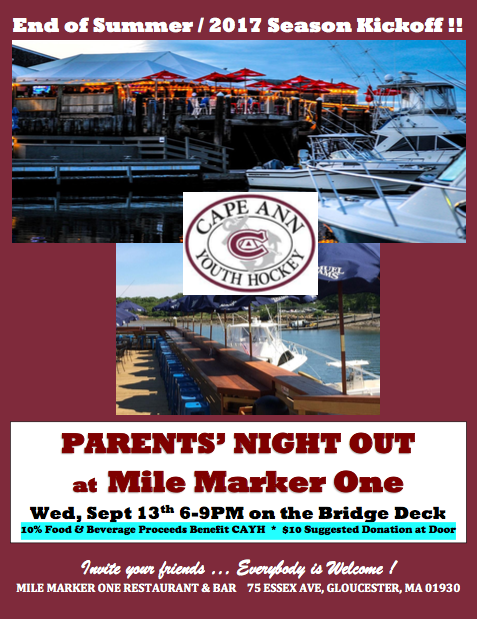
Dinner and Drinks at Mile Marker to Benefit Cape Ann Youth Hockey
A win, win! Come on down to the Bridge Deck at Mile Marker One, enjoy some yummy food and great drinks, and a portion of your tab goes to help Cape Ann Youth Hockey support its fantastic youth hockey programs!
This evening is OPEN TO ALL….so bring your friends, family, neighbors, coworkers, etc. and feel good that your work night fun is helping a great cause.
As if you need a reason to prolong summer fun on a sunny deck!
WEDNESDAY, SEPTEMBER 13th 6:00-9:00 pm
Spread The GMG Love By Sharing With These Buttons:

Gonna Miss Watching Isaiah…
Spread The GMG Love By Sharing With These Buttons:
This Is Buzza Selecting Perfect Cranberries For His Vodka Cranberry Nightcap
Spread The GMG Love By Sharing With These Buttons:
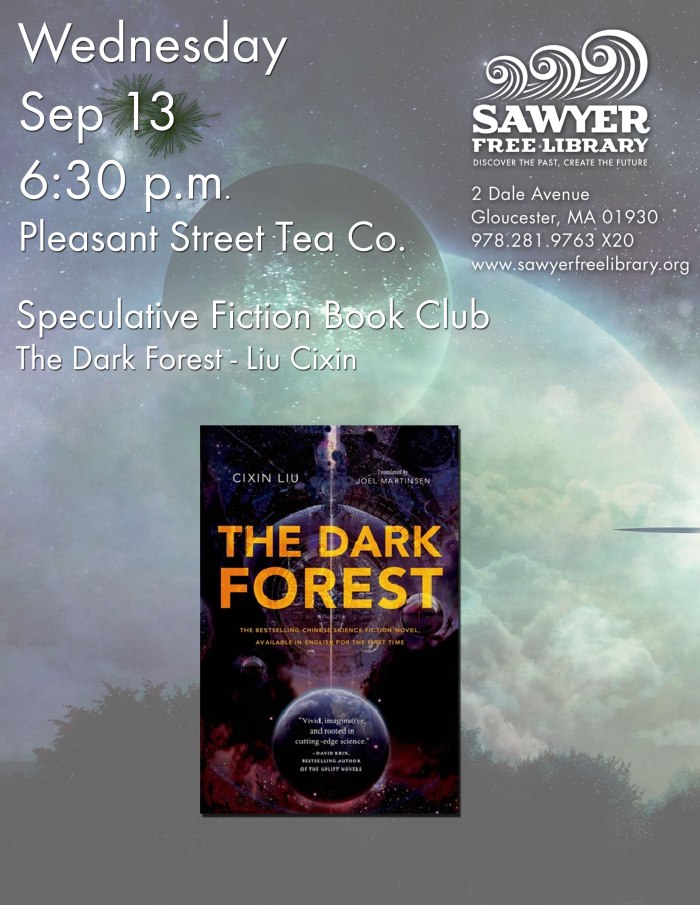
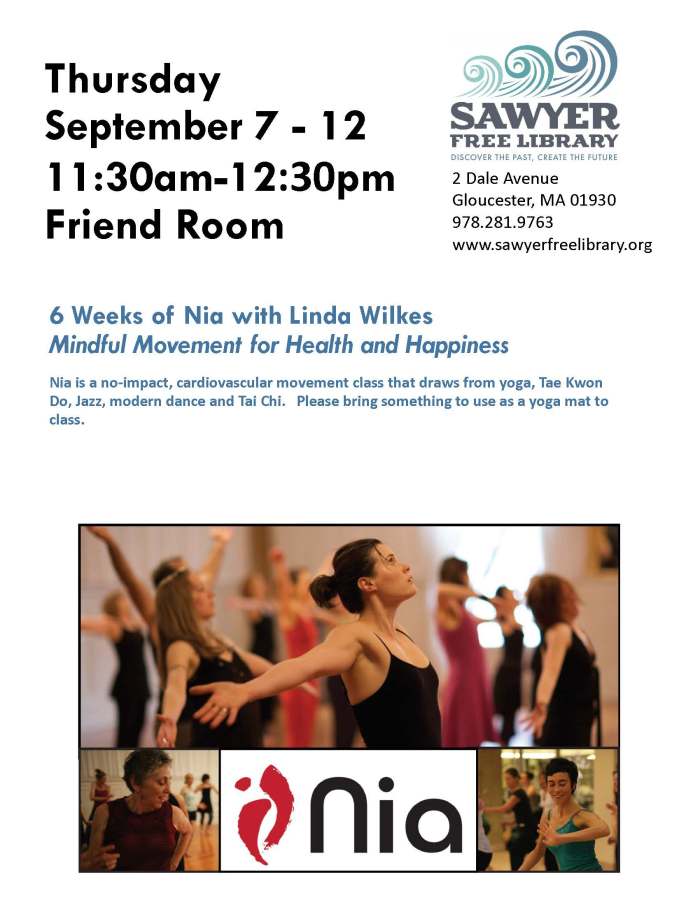
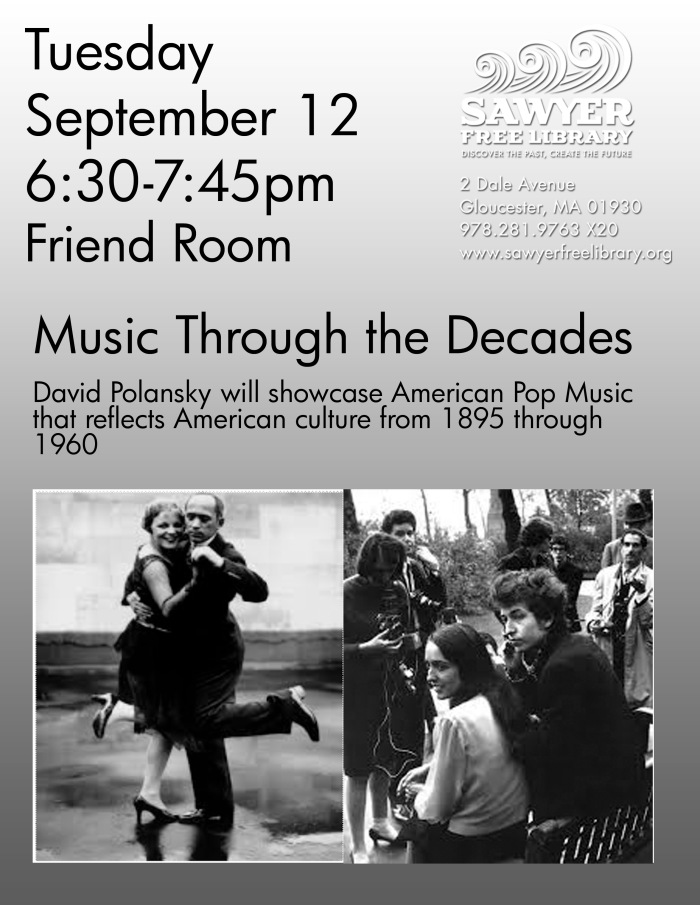
Sawyer Free Library Week of September 11, 2017




Spread The GMG Love By Sharing With These Buttons:
If You Have An Android Phone You Should Have The Awesome Good Morning Gloucester App I Built
Check out Good Morning Gloucester on Google Play! https://play.google.com/store/apps/details?id=com.andromo.dev439250.app400634
It’s pretty frickin awesome.
Spread The GMG Love By Sharing With These Buttons:
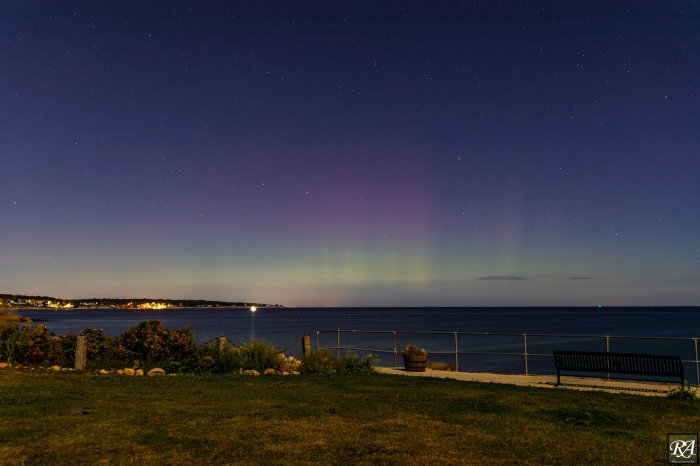
Robert Ackerman Northern Lights Photo Taken In #RockportMA
Hello,
My name is Rob Ackerman, I am sophomore at Endicott College. Last night, September 7th, I went to Old Garden Beach in Rockport to photograph possible northern lights. I was successful in my endeavors!!
I would like to share with you the best photograph from the night.
Spread The GMG Love By Sharing With These Buttons:

HOW DO HURRICANES AFFECT MIGRATING SHOREBIRDS LIKE LITTLE CHICK?
We can hope our Little Chick is taking his time migrating southward. Perhaps he has traveled only as far as Cape May, New Jersey, or maybe he has already migrated as far as Cape Lookout, North Carolina. Migrating shorebirds often travel shortly after a low pressure system and hurricanes are a part of the environment to which wildlife like Piping Plovers have adapted. However, no wildlife has in the recorded history of the world had to cope with a storm the magnitude of Hurricane Irma.
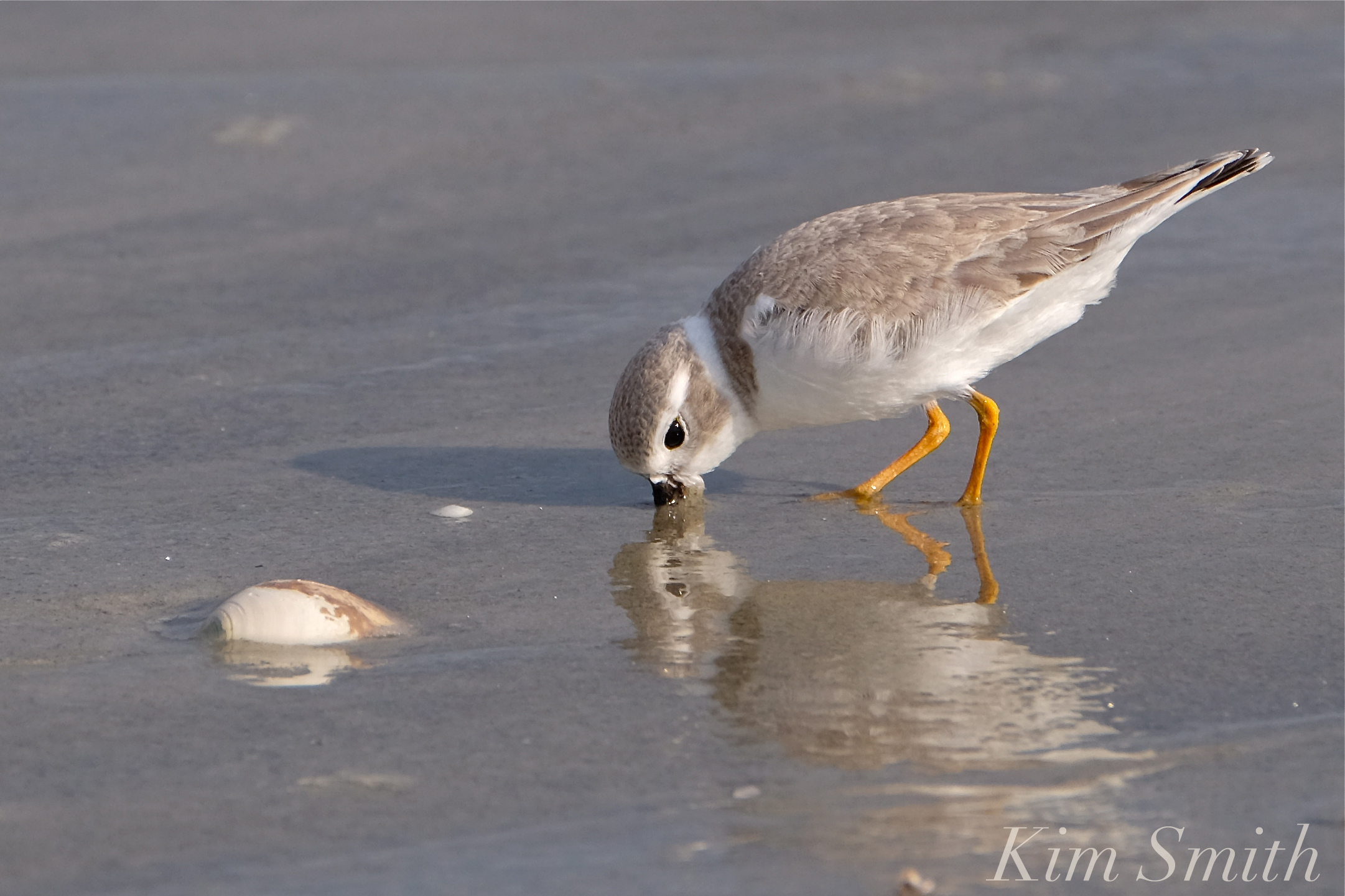 Piping Plover foraging, building fat reserves for the southward migration. The above PiPl was one of four of a small flock traveling in Gloucester, spotted on August 24, 2017.
Extraordinary weather events can push endangered species over the brink. High winds, storm surges, and wave action destroys coastal habitats and flooding decreases water salinity. Songbirds and shorebirds are blown far off course away from their home habitats, especially young birds. A great deal of energy is expended battling the winds and trying to return to course. Songbirds have it a little easier because their toes will automatically tighten around a perch but seabirds and shorebirds are the most exposed.
 Shorebirds like Piping Plovers feet have evolved to run over sand easily and do not grip well with their toes.
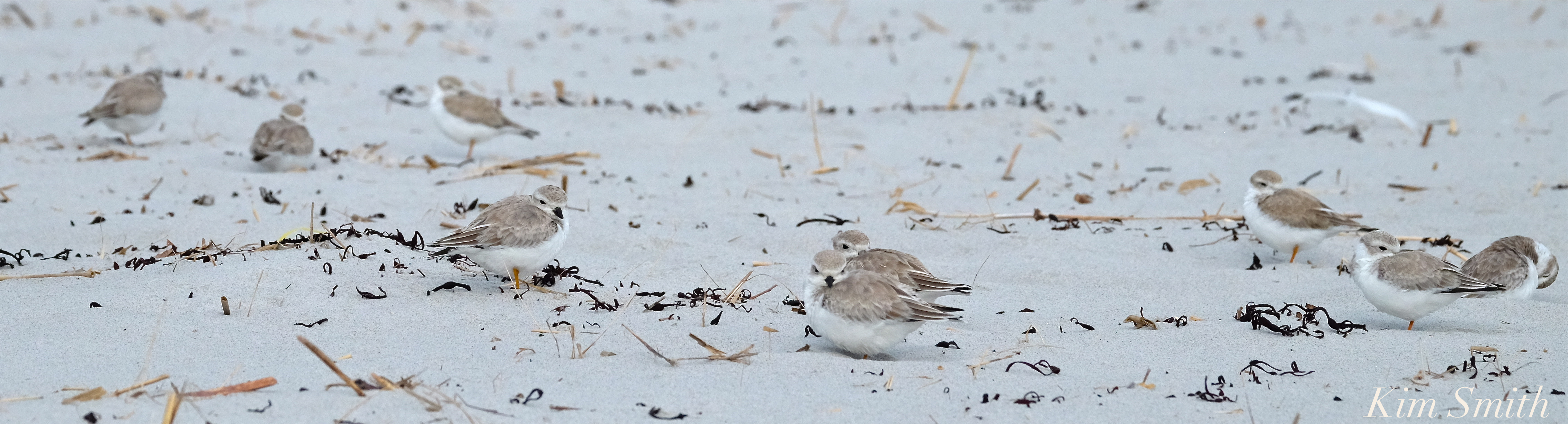 Numerous Piping Plovers winter over in the low-lying Joulter Cays, a group of sandy islands in the Bahamas, and one of the areas hardest hit by Hurricane Irma. Perhaps migrating PiPl sensed the pending hurricane and held off before crossing the Atlantic to reach the Bahamas and other Caribbean Islands. The flock of nine PiPl in the above photo were seen last year at the end of August in Gloucester (August 29, 2016.)
One famous shorebird, a Whimbrel named Machi, who was wearing a tracking device, became caught up in the eye of a powerful storm but made it through to the other side of the storm. Tragically, he was subsequently shot dead in Guadeloupe. Many migrating birds like Whimbrels know to avoid places like Guadeloupe where unbridled shorebird hunting is allowed, but Machi had no power over where he made landfall. Sea turtles too are severely affected by the loss of barrier beaches. Staggering loss of life has been recorded after recent powerful hurricanes–fish, dolphins, whales, manatees, baby crab and lobster estuaries, insects, small mammals, all manner of birds–the list is nearly as long as there are species, and nothing is spared.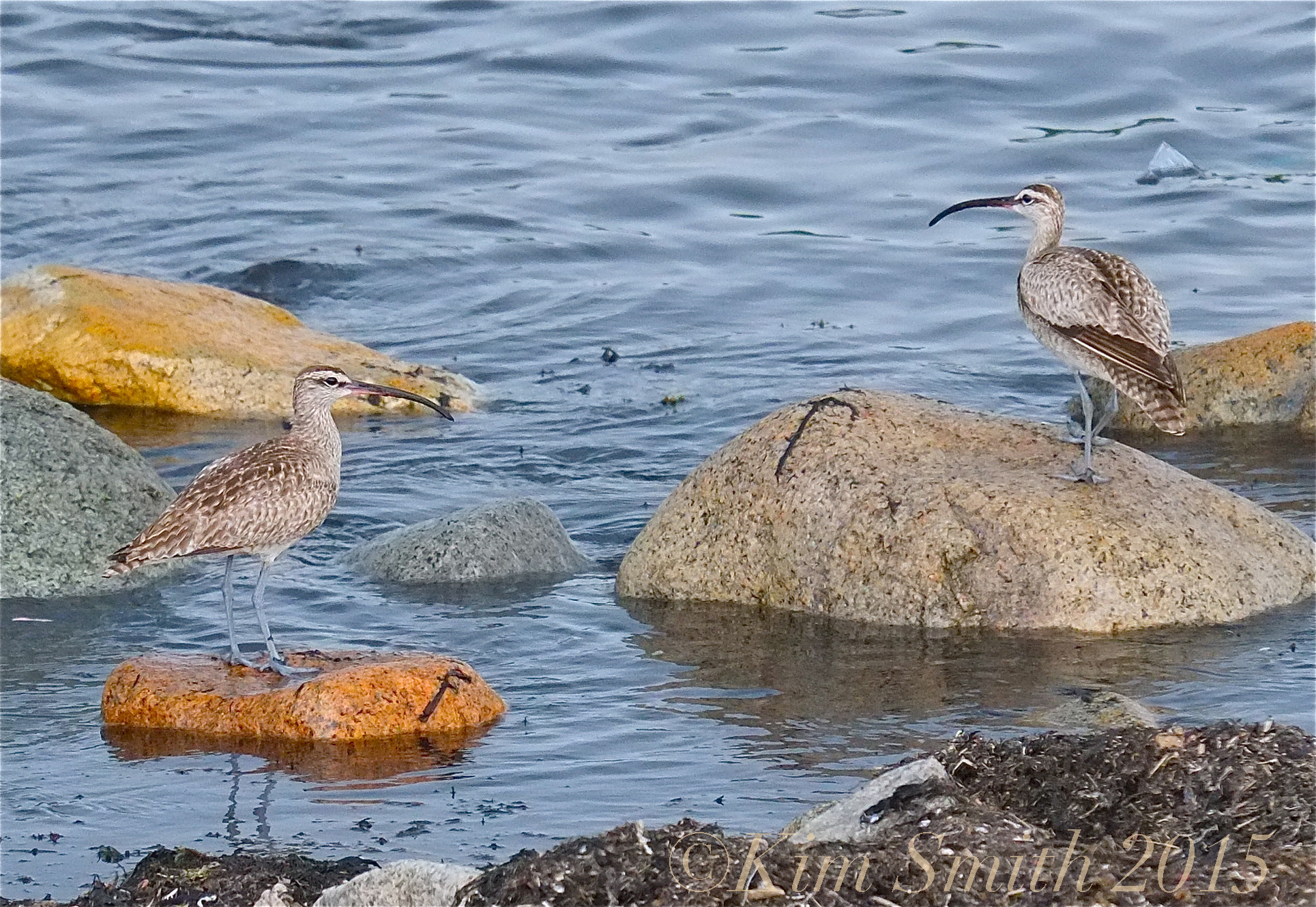
A pair of Whimbrels at Brace Cove in July 2015
If you see rare or an unusual bird after a storm or hurricane, please let us know and we can contact the appropriate wildlife official.
https://www.instagram.com/p/BY5x54fFMFBQigucWeo1zl5IpicgibKOr-SUjU0/
Spread The GMG Love By Sharing With These Buttons:

TWO MONTHS OLD!
Loving every precious moment of being a Grandmother ❤
https://www.instagram.com/p/BY4Jqn9FS5S0UZYR0TqzPGeGA2Pa3tAfFw_2dU0/
 Good Morning Gloucester