U.S. Dory Elimination Races

U.S. Dory Elimination Races- The International Dory Racing Committee will hold it’s elimination races off Niles Beach Saturday August 4th at 9 AM. All racing fans are encouraged to attend!! Those dues paying members who plan to race must attend sign ups Friday evening August 3rd at St. Peter’s Square at 6 PM or email before 12 noon. These races are strictly for 2 person teams in the following categories: Juniors (men under 18), Women, Mixed Doubles, Seniors (Men Open) and Master’s (Men over 50), and will determine who will represent the US against Canada in the upcoming International Races in Lunenburg Nova Scotia on August 18th. If needed there will be a finals race on Monday night at 6 PM at Niles beach. Please share this with friends and family. It will be a great day of racing, uniquely Gloucester, and fun for all!

image

GloucesterCast 290 With Susan Lipsett, Russ Steeves, Chris McCarthy, Mike Codair, Kim Smith and Joey Ciaramitaro 7/29/18

GloucesterCastSquare

GloucesterCast 290 With Susan Lipsett, Russ Steeves, Chris McCarthy, Mike Codair, Kim Smith and Joey Ciaramitaro 7/29/18

podcasticon1

When you subscribe you need to verify your email address so they know we’re not sending you spam and that you want to receive the podcast. So once you subscribe check your email for that verification. If you don’t see it, check your spam folder in your email acct so you can verify that you’d like to get the GloucesterCast Podcast sent to you for listening at your convenience..

subscribebutton

Topics Include:

Free Tickets To Cape Ann Community Cinema – Share this post on Facebook for a chance to win two free tickets to Cape Ann Community Cinema, The Cinema Listings are always stickied in the GMG Calendar at the top of the blog or you can click here to go directly to the website

Susan Lipsett brought Donuts

The Lannon

Supreme Roast Beef

The Crow’s Nest

Plus 90 Cigars

Gloucester BBQ Delegation Meetup

Bishop Fenwick Class of 85

Bishop Fenwick High School Baseball

Brodies Pub

Wilson’s Plover

Bluefin Blowout Next Weekend

Jim Masciarelli’s Book Launch Beyond Beauport

Happy Birthday To the Twins


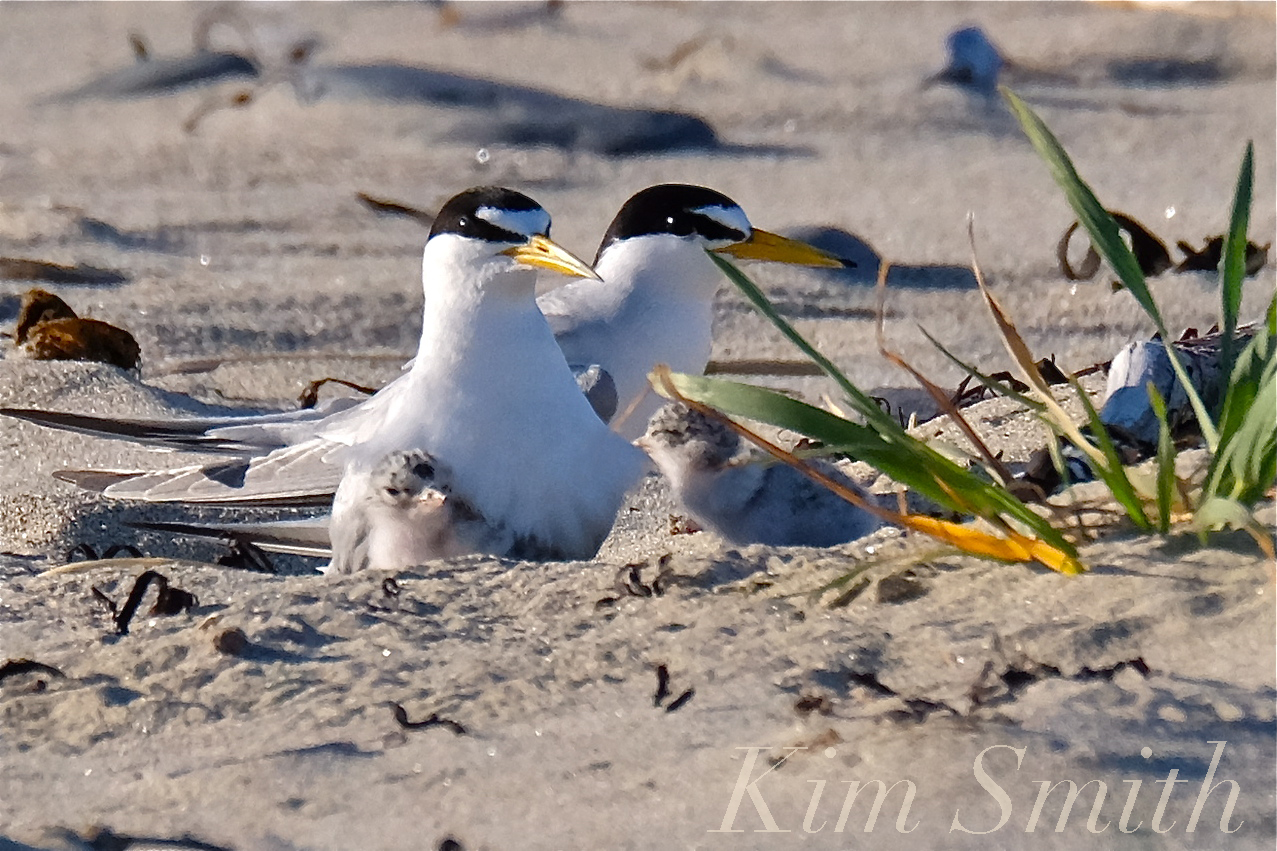
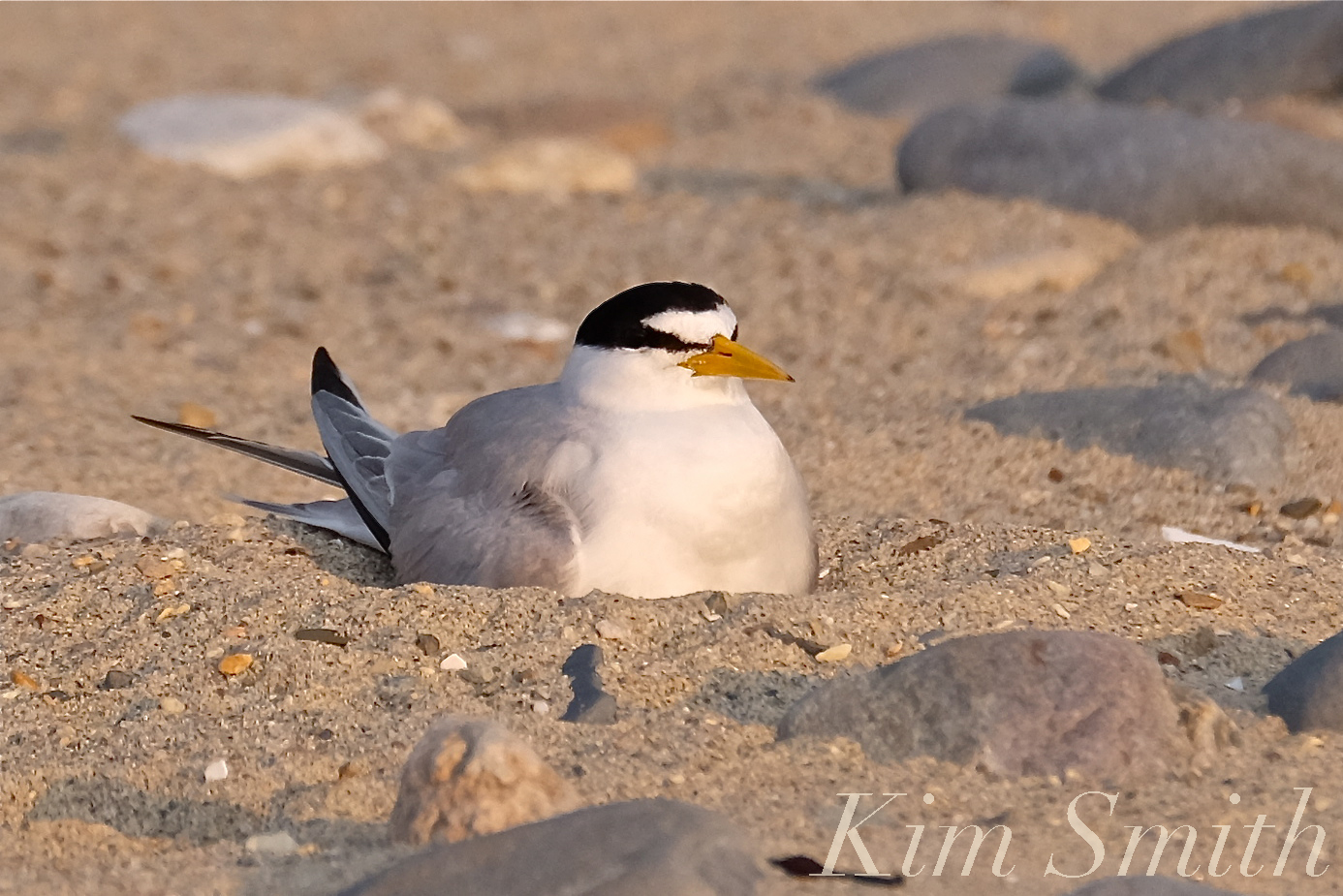
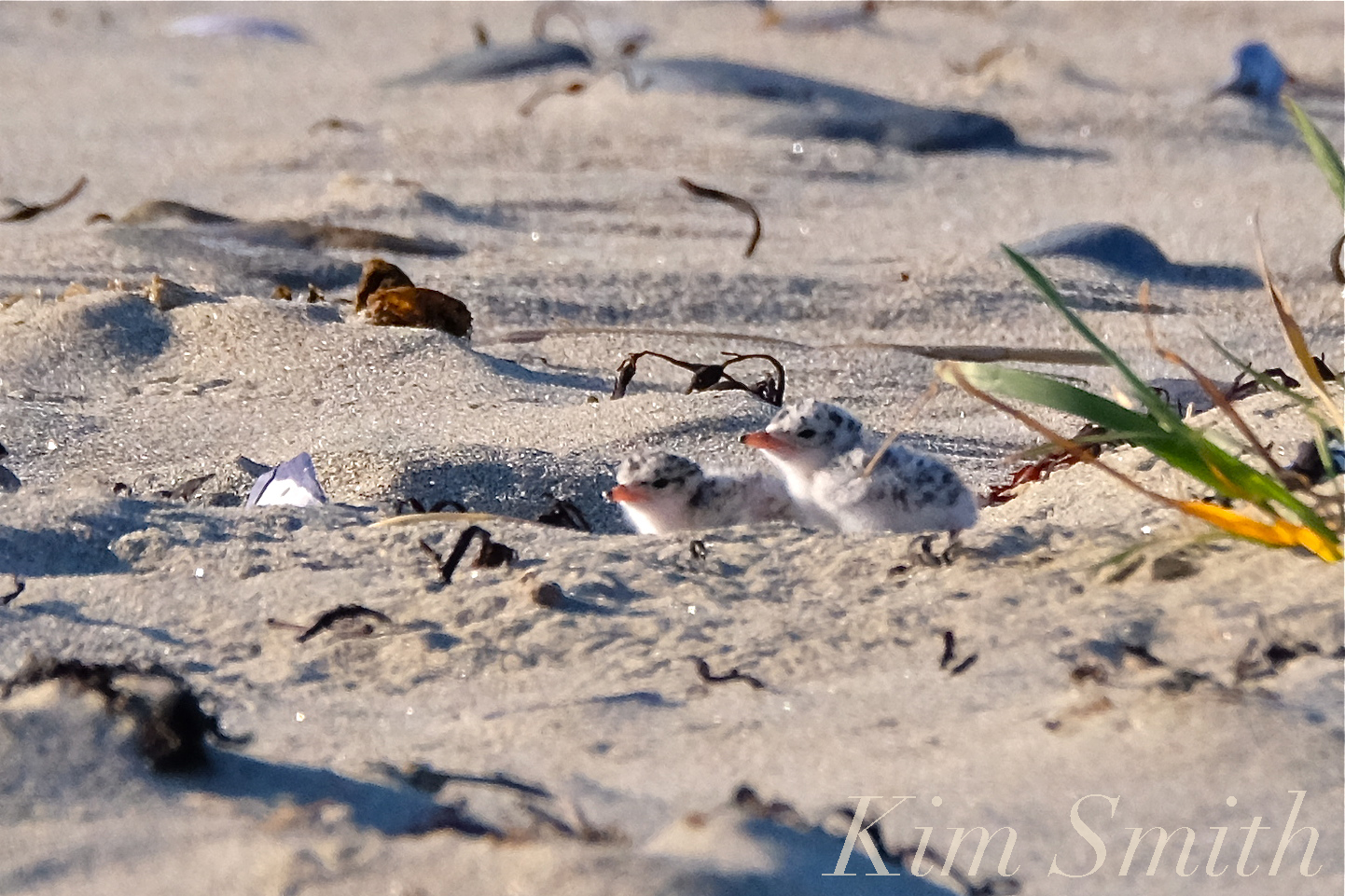
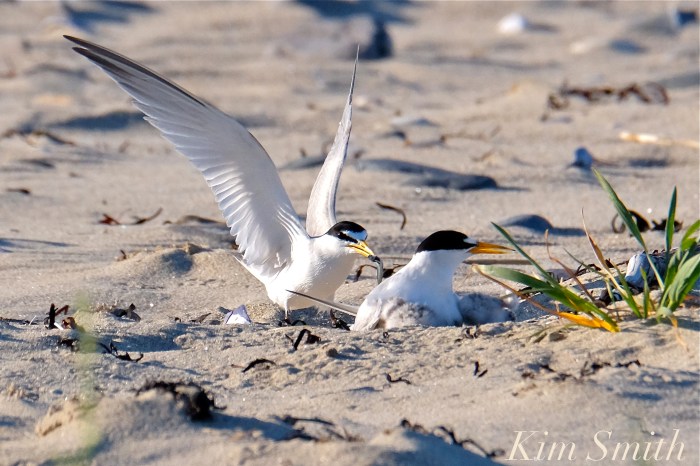
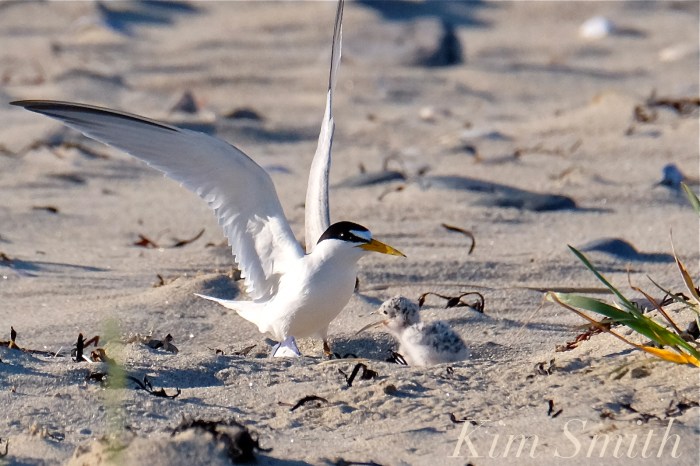
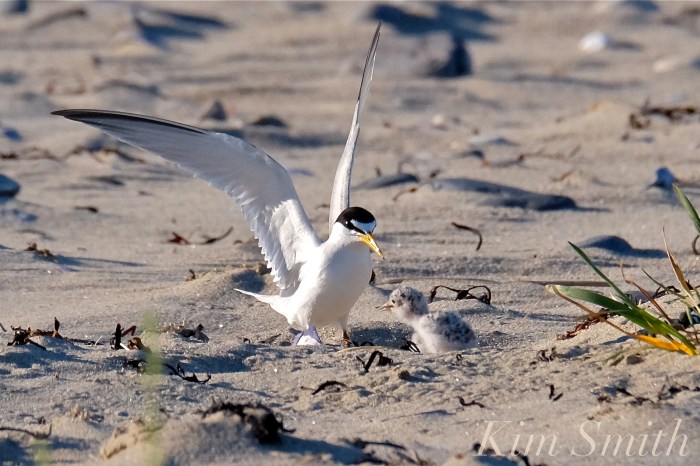
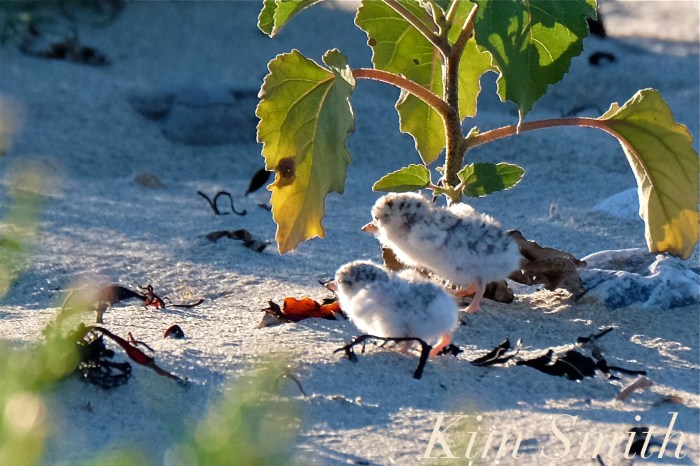
LEAST TERN ONE DAY OLD CHICKS!

The Rosetti’s Least Terns hatched both eggs and both chicks are doing beautifully!

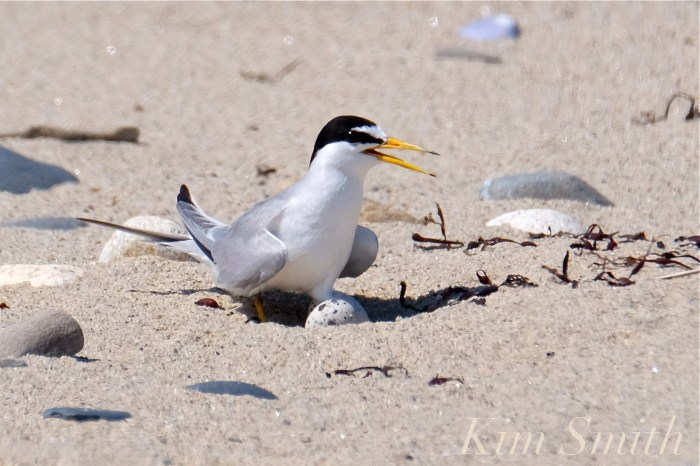
Least Tern eggs are astonishingly well camouflaged on a pebbly beach, making them nearly impossible to see. It’s easy to understand why the species is threatened, and in some regions, endangered. Least Terns nest on sandy beaches with little vegetation, the same type of beach habitat that people love. Piping Plovers and Least Terns often nest in association with each other. In Massachusetts, the Least Tern is considered a Species of Special Concern.

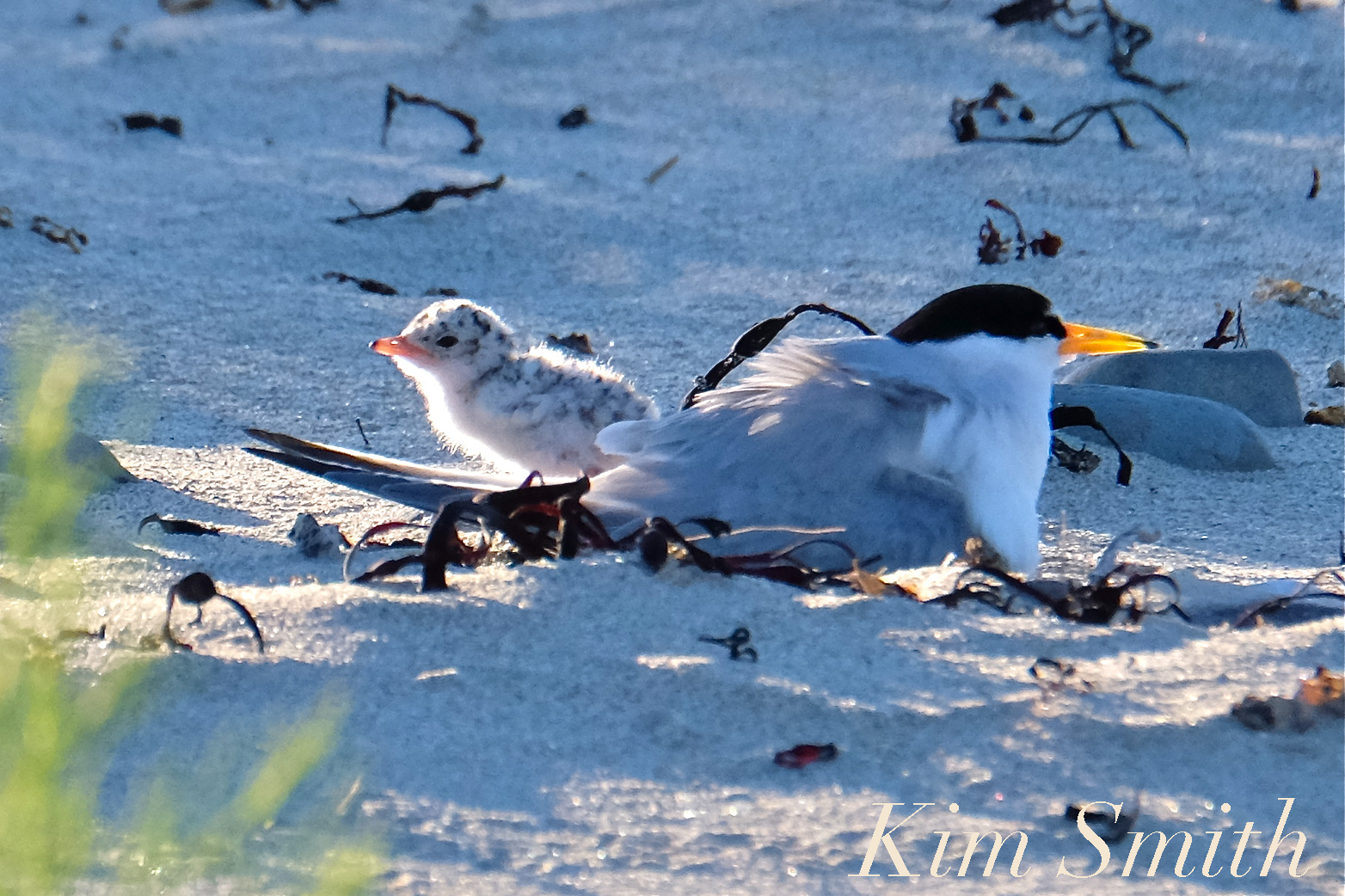
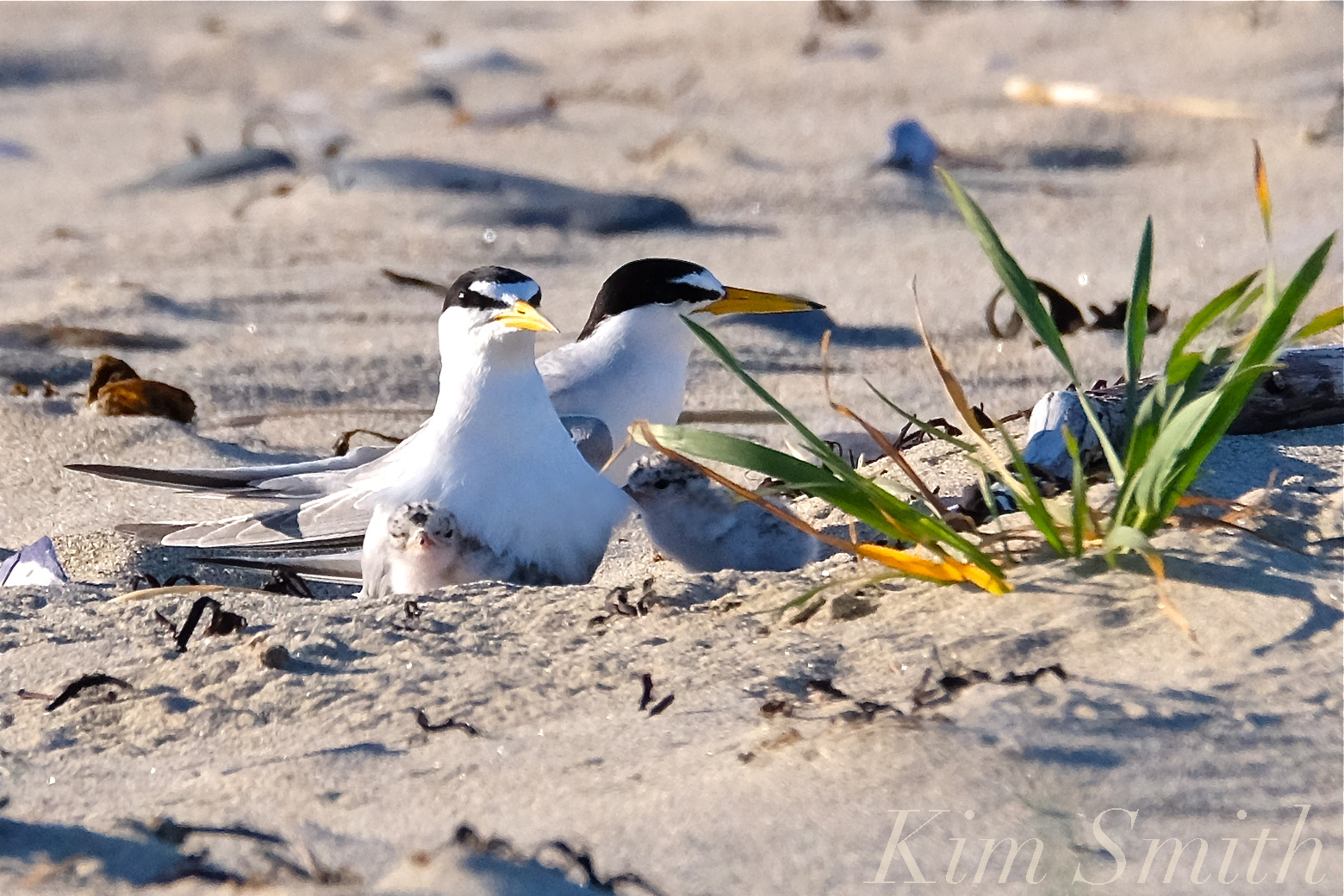
Mom and Dad Least Terns take turns brooding the eggs. Here they are changing places. Least Terns are monogamous and the Rosetti’s Least Terns are especially good parents.

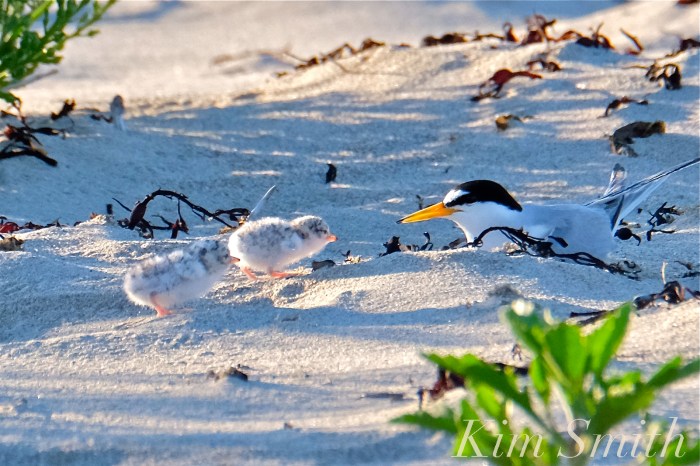
Least Terns are semi-precocial. Like Piping Plovers, which are fully precocial, Least Terns are mobile after one or two days and can leave the nest.

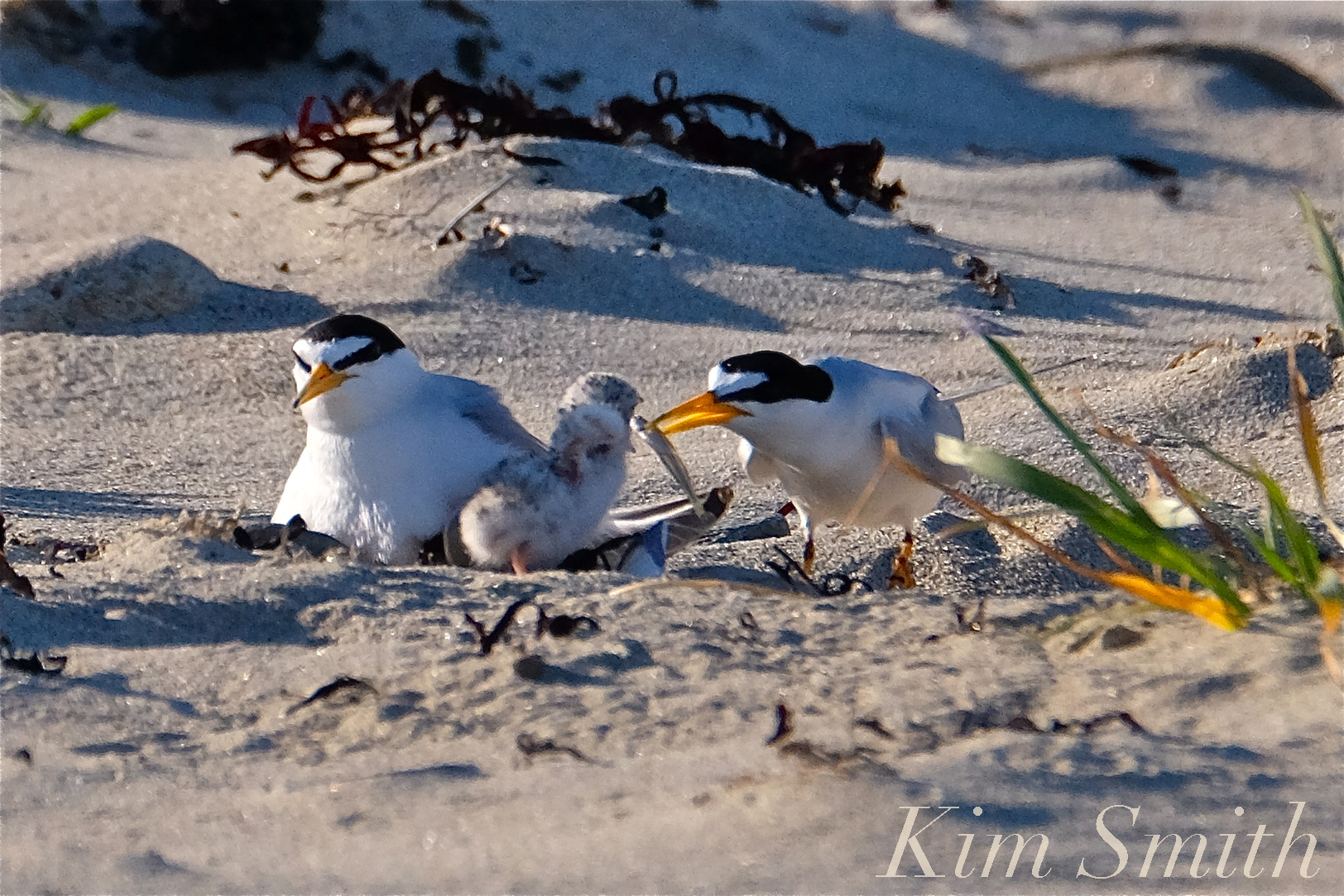
Unlike Piping Plovers, they cannot feed themselves and will be fed for the next eight weeks by Mom and Dad, a diet consisting mostly of tiny fish.

Tiny minnows, for tiny chicks. Dad does most of the feeding while Mom mostly broods the babies during the first few days. As the nestlings grow, the parents feed the chicks increasingly larger fish.

First day venturing away from the nest, and then returning to Mom for warmth and protection.

Just as the eggs are perfectly camouflaged, so too are the tiny chicks.

Almost as adorable as are Piping Plover chicks are Least Tern chicks. However, they are much, much harder to film and to photograph. Least Terns are shyer of humankind than are Piping Plovers. Anyone who has seen PiPl in action know that they have a high tolerance for people and may come right up to you especially if you are standing perfectly still and are perfectly quiet. Least Terns on the other hand are elusive and skittish. The nestlings quickly take cover behind a rock or clump of beach vegetation when disturbed. The Mom and Dad when both courting and nesting will let you know if you are too close by dive bombing and if you still can’t take a hint, will poop on your head. If either happens, then you know for sure you are way too close and are interfering with the chicks feeding. Back away and observe from a more considerate (considerate-to-the-Terns distance that is). Unfortunately, I recently observed a fellow photographer repeatedly being dive-bombed by a nesting pair of Terns, and that person has a humongously long telephoto lens. She would have gotten perfectly lovely photos from a distance more respectful of the Terns.


From The Paint Factory

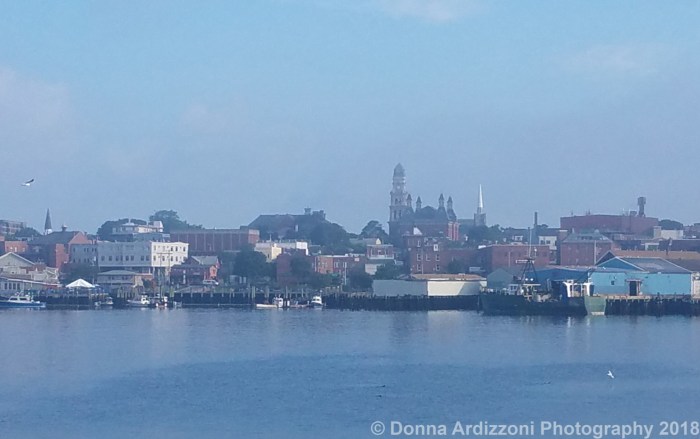
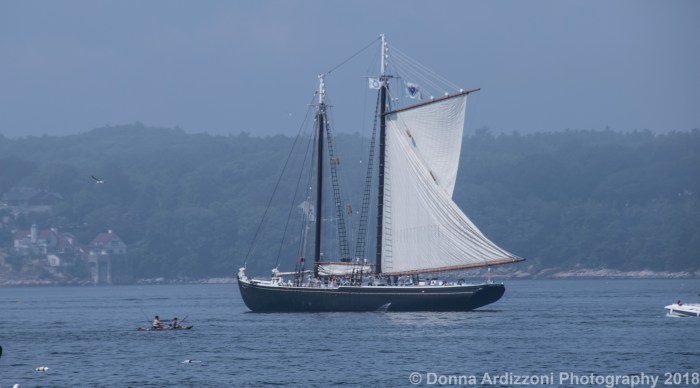
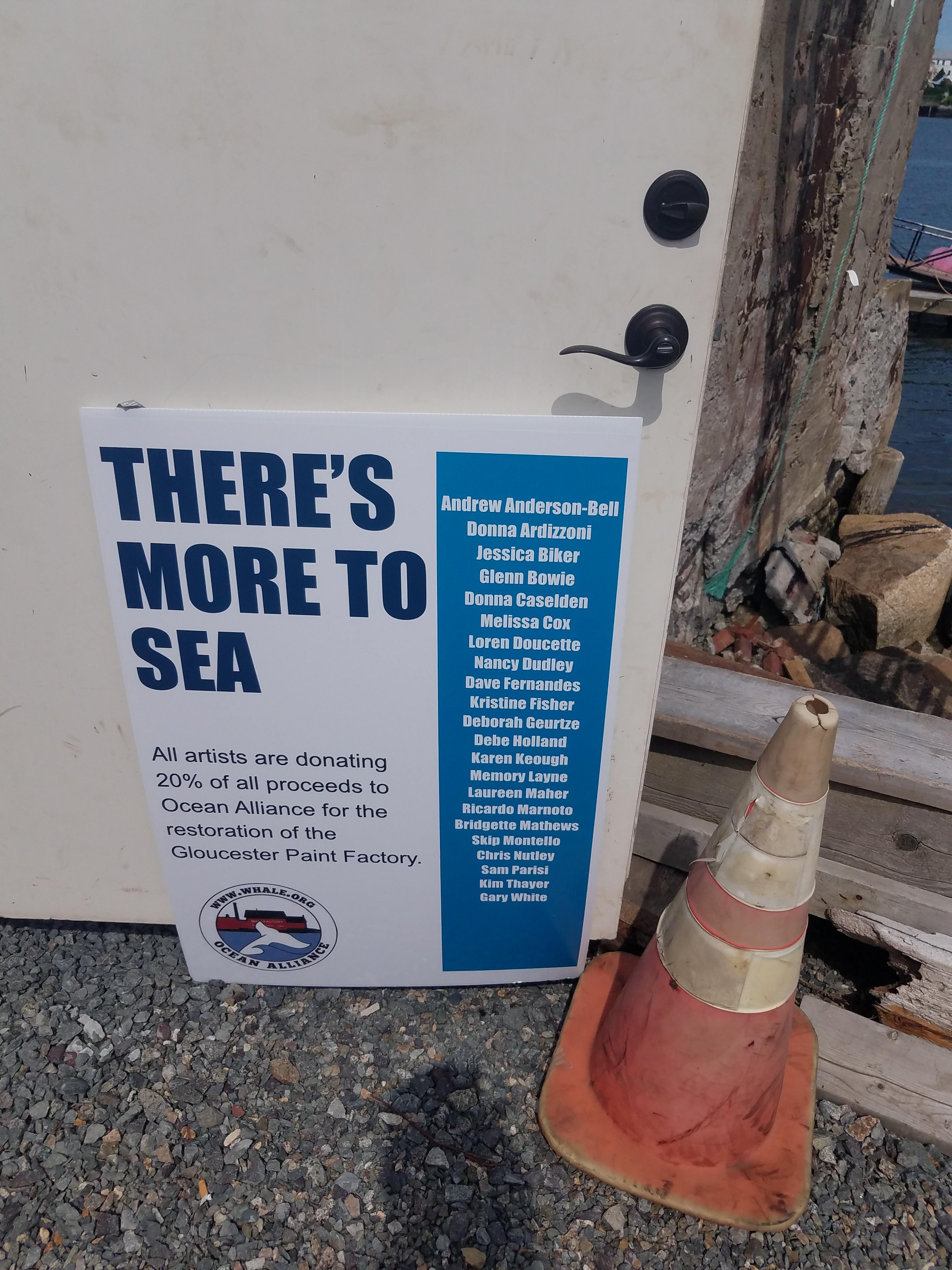
Before the Art Show at Ocean Alliance we cleaned Horton Street.  It was foggy and hazy and so beautiful.  Also the Schooner Adventure was out on an early sail.

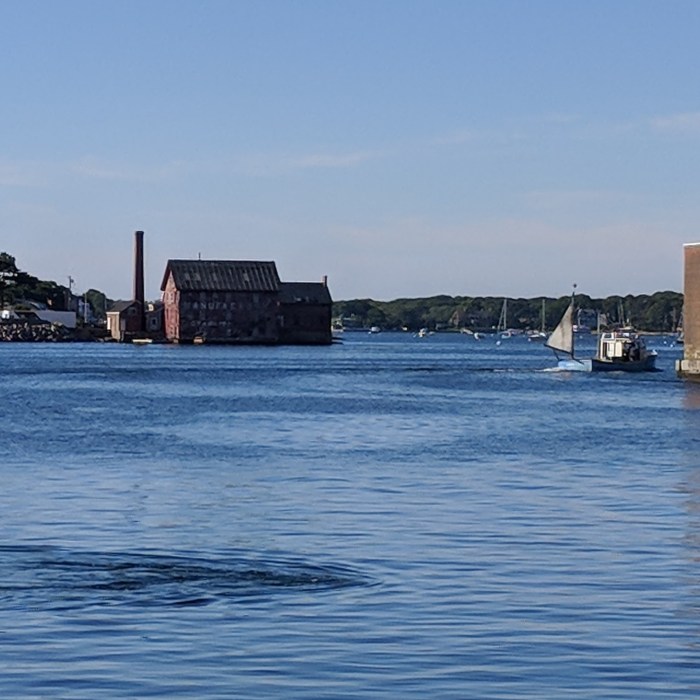
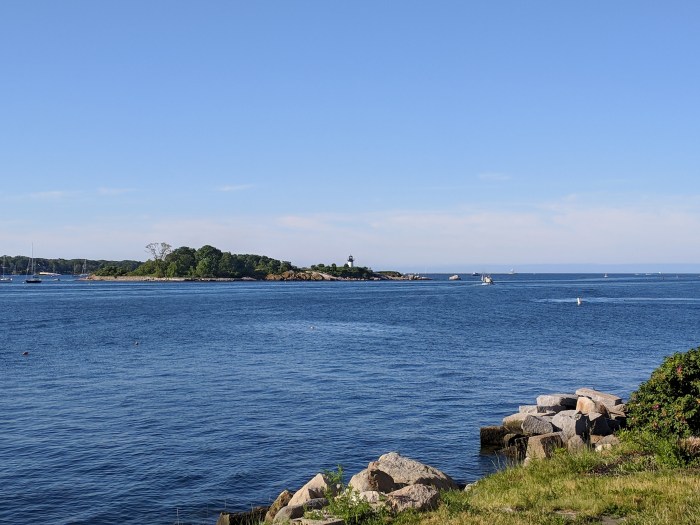
Took this from  the Paint Factory.


Weber Kettle Club Northeast Chapter / Gloucester BBQ Delegation Meetup 7/28/18

Joey Ciaramitaro's avatarNortheast BBQ

Can’t thank Craig Kimberley Enough For Hosting!

What a great group of people.

View original post

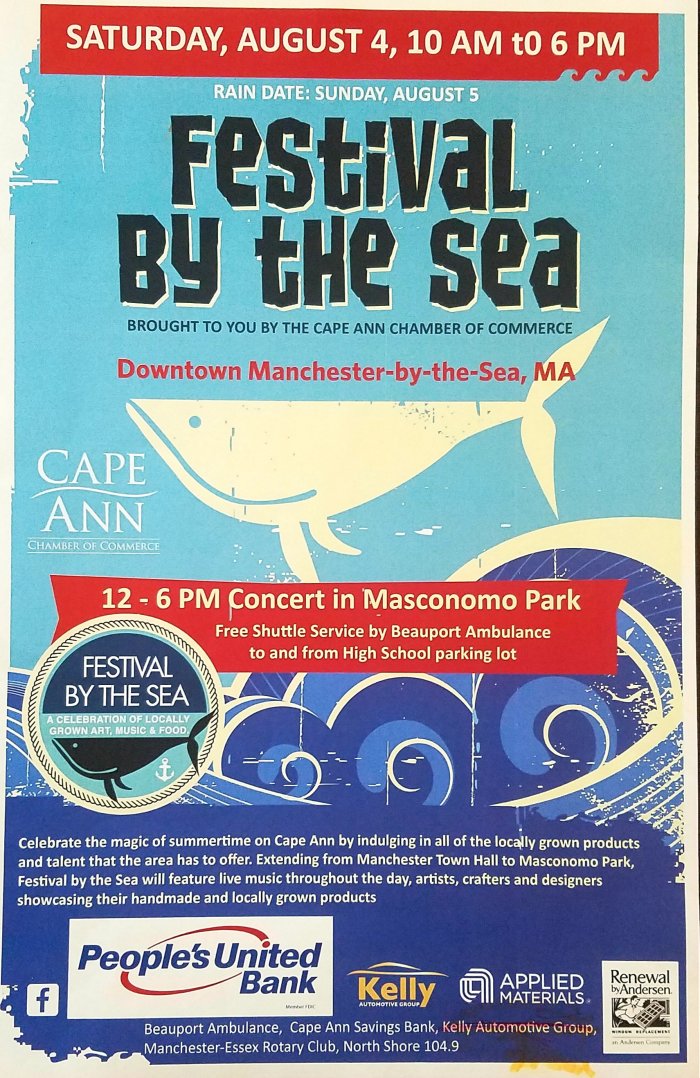
FESTIVAL BY THE SEA, August 4, 2018 – Downtown Manchester by the Sea

Cape Ann Chamber of Commerce is proud to present the 2018 Festival by the Sea in beautiful Manchester by the Sea, Saturday, August 4, 10 AM to 6 PM. We have over 100 Artist, Crafters and more! All for the love of Cape Ann.

Good Harbor at High Tide

An absolute mass of humanity. And gulls. The lingering fog added a nice touch.  If all these people were at the beach, who was driving all the cars on the roadways today?

IMG_3519IMG_3526IMG_3527

MONARCH PROTECTOR LINCOLN BROWER DIES

By Matt Schudel WASHINGTON POST JULY 23, 2018
WASHINGTON — Lincoln Brower, one of the foremost experts on the monarch butterfly, who spent six decades studying the life cycle of the delicate orange-and-black insect and later led efforts to preserve its winter habitat in a mountainous region of Mexico, died July 17 at his home in Nelson County, Va. He was 86.

He had Parkinson’s disease, said his wife, Linda Fink.

Dr. Brower, who taught at Amherst College in Massachusetts and the University of Florida before becoming a research professor at Virginia’s Sweet Briar College in 1997, began studying the monarch butterfly in the 1950s.

He made key discoveries about how it protected itself by converting a toxic compound from its sole food source, the milkweed plant, into a chemical compound that sickened its predators, primarily birds.
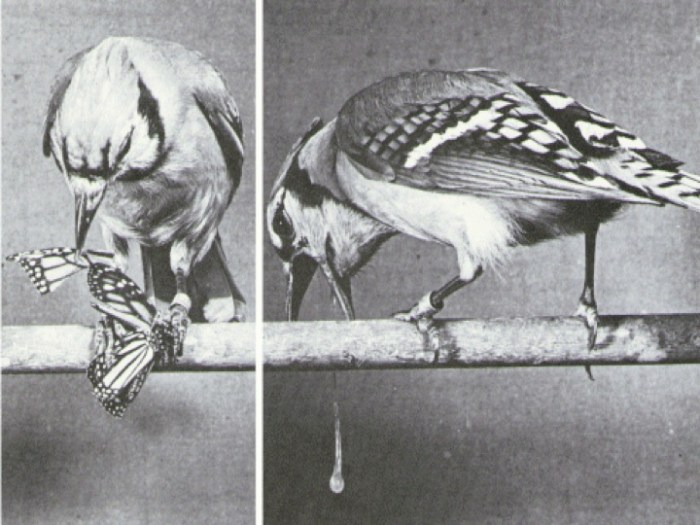
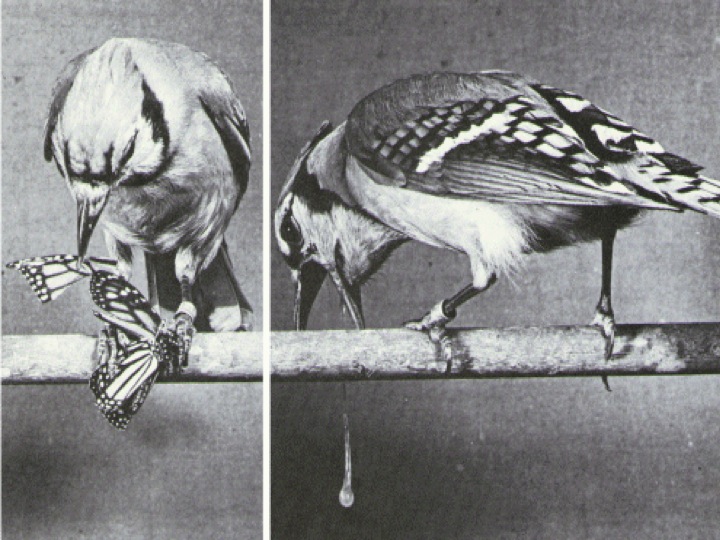
Dr. Brower’s famous “Barfing Bluejay” photo of a bird wretching after eating Monarchs, proved Monarchs don’t tast good. Dr. Lincoln Brower photo.

In the 1970s, other scientists discovered that monarchs had extraordinary migratory powers, more like birds or whales than insects. Each fall, monarchs from east of the Rocky Mountains travel thousands of miles to a Mexican forest, where they spend the winters. Monarchs from western North America migrate to California.

‘‘It has the most complicated migration of any insect known,’’ Dr. Brower told the Chicago Tribune in 1998. ‘‘Somehow they know how to get to the same trees every year. It’s a highly specific behavior that is unique to the monarch butterfly.’’

It takes three to four generations of monarchs to complete the one-year life cycle. After the migration to Mexico, the butterflies begin their return trip to North America, and a new generation is born en route, growing from larvae to caterpillars before taking flight.

With the arrival of cooler weather in the fall, the great-grandchildren of the monarchs that flew south the previous year will make the same trip, returning to the mountainsides visited by their ancestors.

‘‘It’s an inherited pattern of behavior and a system of navigation that we don’t really understand,’’ Dr. Brower said in 2007. ‘‘We don’t know exactly how they find their way. We don’t know how they know where to stop.’’

Dr. Brower first visited the monarchs’ winter quarters in a Mexican forest, about 80 to 100 miles west of Mexico City, in 1977. At an elevation of 9,500 to 11,000 feet, tall fir trees were entirely covered by hundreds of millions of butterflies.

When they stir their wings, ‘‘it sort of sounds like leaves blowing in the fall,’’ said Dr. Brower’s son, Andrew Brower, a biologist and butterfly expert at Middle Tennessee State University, in an interview. ‘‘It’s remarkable. You look up, and the sky is blue, but then it’s orange. It’s like an orange stained-glass window above your head.’’

During more than 50 trips to Mexico to study monarchs, Dr. Brower began to see that their numbers were shrinking.

In North America, Dr. Brower also pointed out, the monarchs face a further problem from the growing use of herbicide, which has eradicated much of their food source, the once-abundant milkweed.

There are still millions of monarchs in North America, but their numbers fluctuate from year to year, in an ever-downward trend. By some counts, the population has fallen by as much as 90 percent since the 1980s.

Dr. Brower joined efforts by environmental groups to have the monarch recognized as a ‘‘threatened’’ species.

Lincoln Pierson Brower was born Sept. 10, 1931, in Madison, N.J. His parents had a nursery and rose-growing business. He was 5 when he took notice of an American copper butterfly landing on a clover bloom. ‘‘I just stared at that tiny butterfly, and it was so beautiful to me,’’ he told NPR. ‘‘And that was the beginning.’’

He graduated from Princeton University in 1952, then received a doctorate in zoology from Yale University in 1957. Some of his early scientific papers were written with his first wife, the former Jane Van Zandt. That marriage ended in divorce, as did a second, to Christine Moffitt.

Mr. Brower leaves his wife of 27 years, Linda Fink, a professor of ecology at Sweet Briar College and a frequent scientific collaborator; two children from his first marriage, Andrew Brower of Christiana, Tenn., and Tamsin Barrett of Salem, N.H.; a brother; and two grandchildren.

With President Jimmy Carter

READ MORE HERE:

https://texasbutterflyranch.com/2015/02/16/q-a-dr-lincoln-brower-talks-ethics-endangered-species-milkweed-and-monarchs/

https://monarchjointventure.org/news-events/news/remembering-lincoln-brower-a-world-renowned-monarch-conservation-leader

Dr. Lincoln

SAVE THE DATE . . . August 20, 2018 Cape Ann License Plate low number auction!

Save the date . . . August 20, 2018, that the date we start auctioning the low number Cape Ann License Plates. Preview the plates available at Lovecapeann.com today. If you not in the market for a low number you can just scroll down and order your Cape Ann License Plate today, just click on the registry, fill out the form and it comes in the mail in 8-10 days with your new registration and sticker, you don’t even have to turn in the old plate!