BATHING BEAUTIES

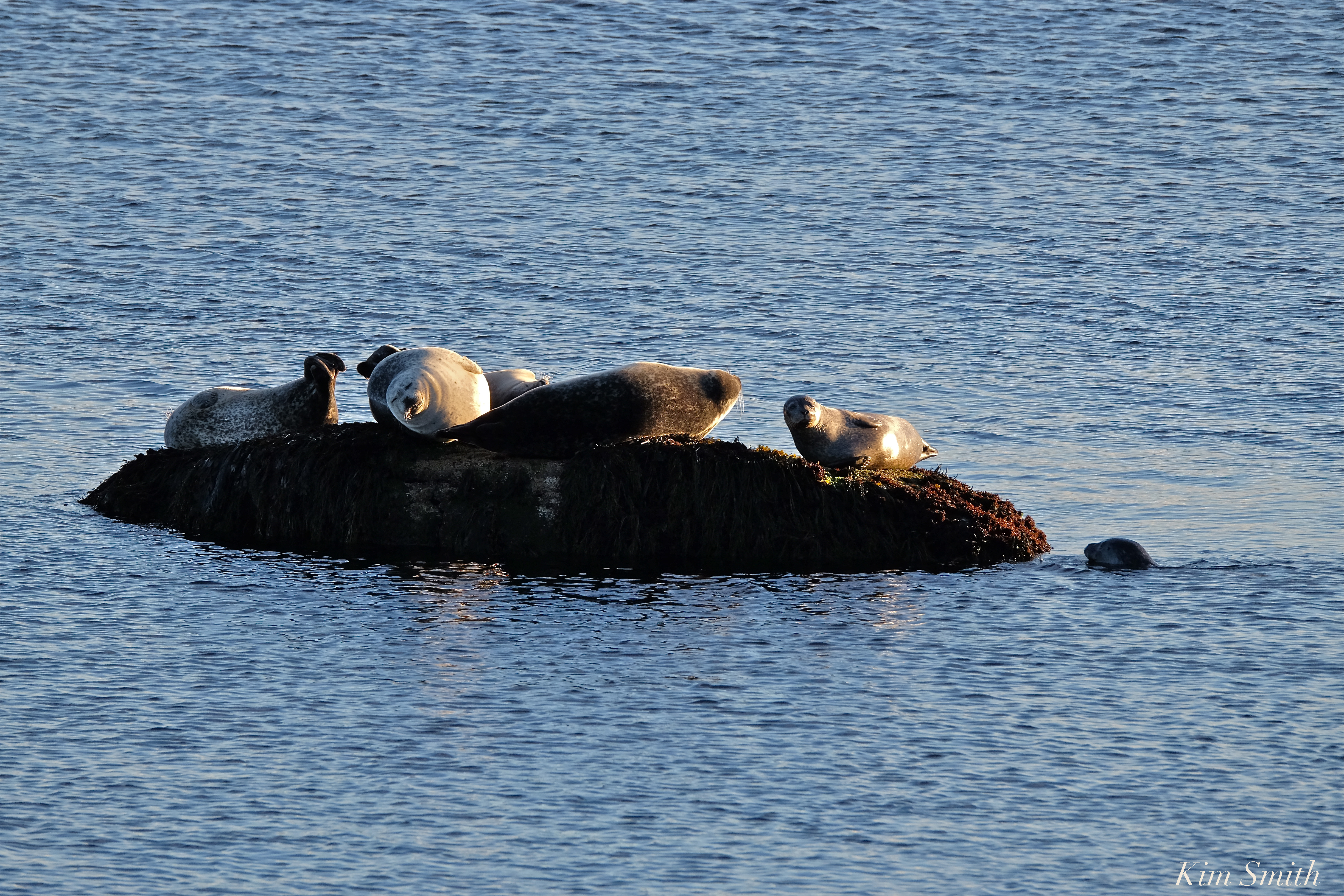
“Seal Rock” is without a doubt, the Harbor Seals favorite rock. There is usually a “king (or queen) for the morning,” and they determine who is allowed on the rock and who is not. Typically, the queen is the largest and she lets the visitor know, with lots of loud grunting and growling, if they are not welcome.

Harbor Seals are site faithful, meaning they will spend their lives along the same stretch of coastline where they were born, fish, and haul out.

Even though seals look like they are basking in the sun, they are actually hauled out to thermoregulate. Seals do not like to touch each other. Observe closely next time you see a raft on the rocks and you will notice that they go to great lengths not to physically come in contact with one another.

Brace Rock and “Seal Rock”

I am reposting the Harbor Seal psa because of a recent incident. What would be your initial reaction if you saw a seal hauled out on the beach? Most likely, to get up close to the seal to see if it was injured. That is human nature but it is actually the worst action you could take. The Harbor Seal in this video struggled to survive the world of curious humans. By approaching too closely, you could very well force the seal back into the water. Harbor Seals, especially juveniles, haul out for a variety of reasons, mostly to rest, less likely because of injury or illness, and oftentimes to escape a shark.

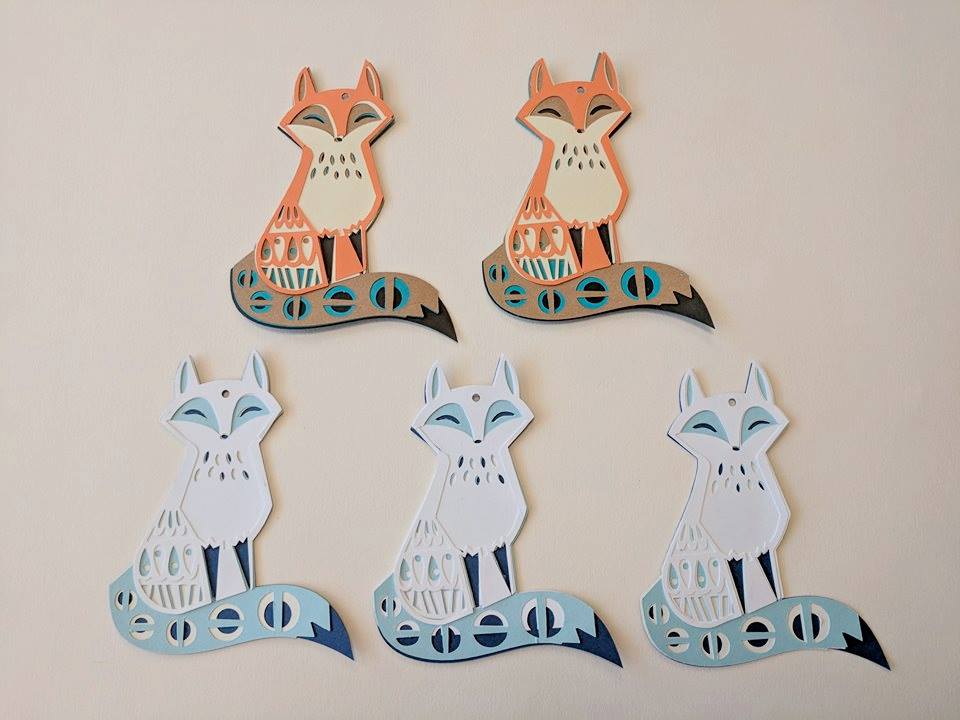
PRESENT GLOUCESTER ORNAMENT RELEASE DATE IS SATURDAY!

Celebrate Small Business Saturday with Present as we release our holiday ornaments! Foxes, narwhals, angels and more! The artists of Present will have wonderful things for your tree. Come early for the best selection!

SAFE TRAVELS MARIPOSA MONARCA! AND MONARCH FILM ONLINE FUNDRAISING UPDATE

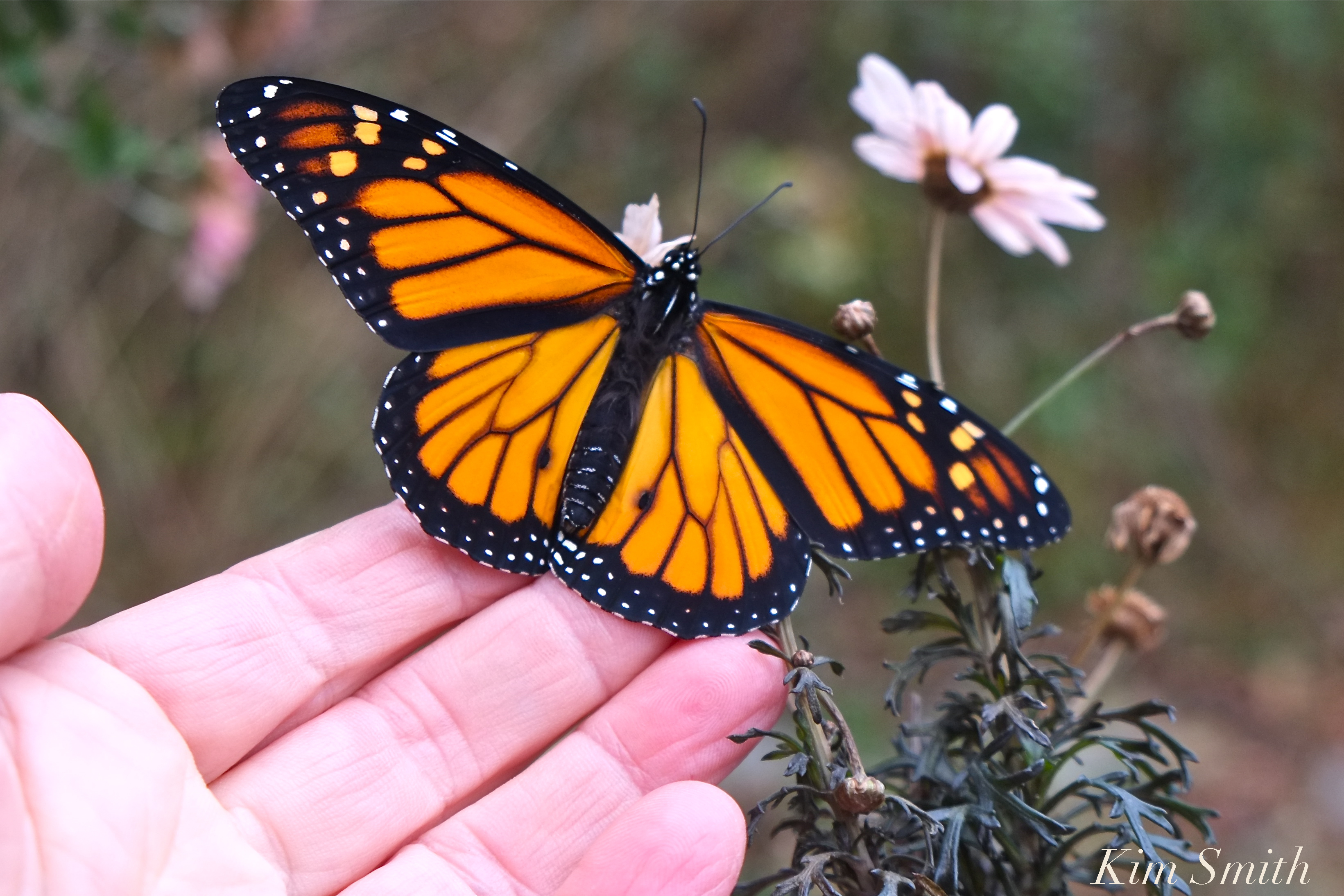
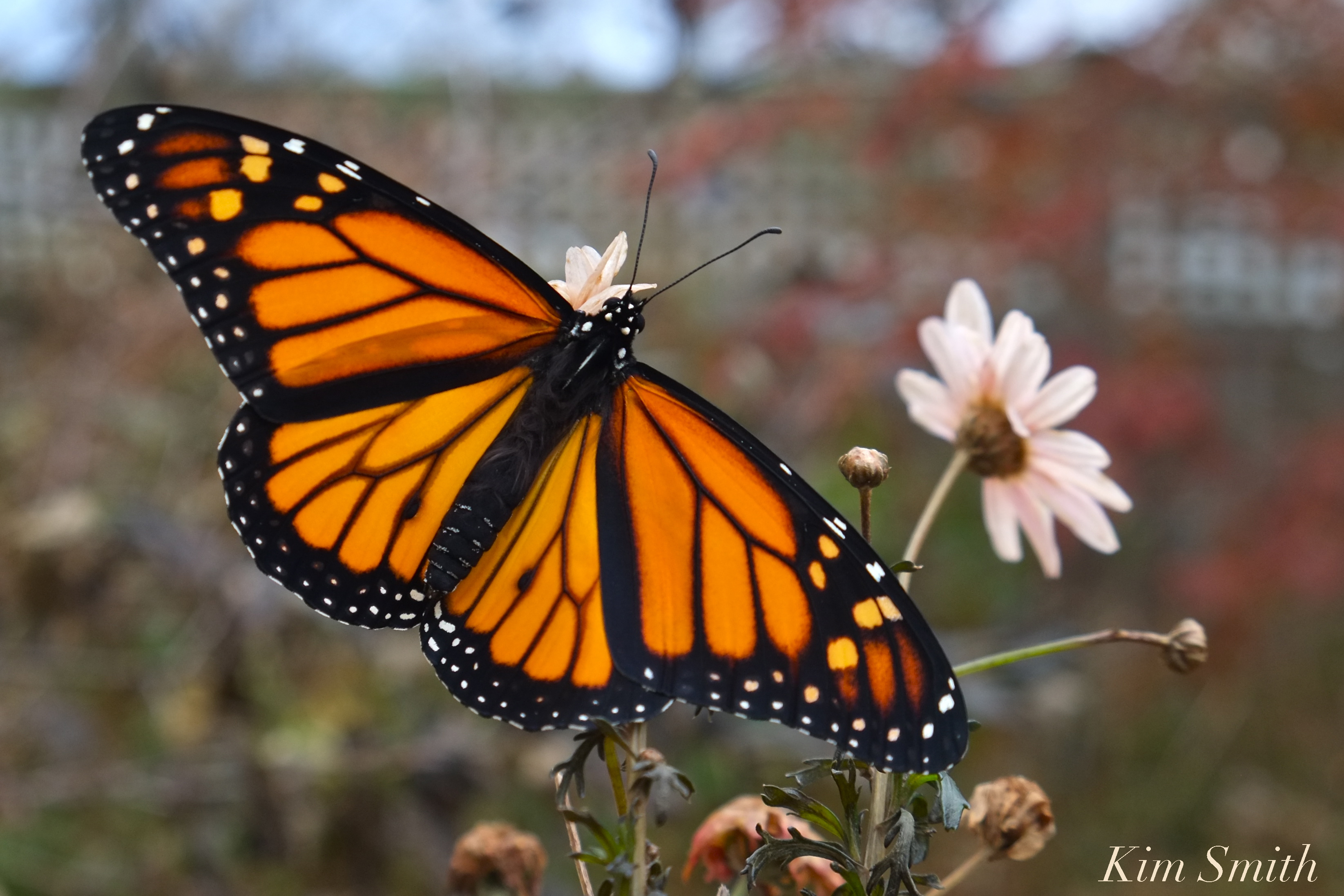
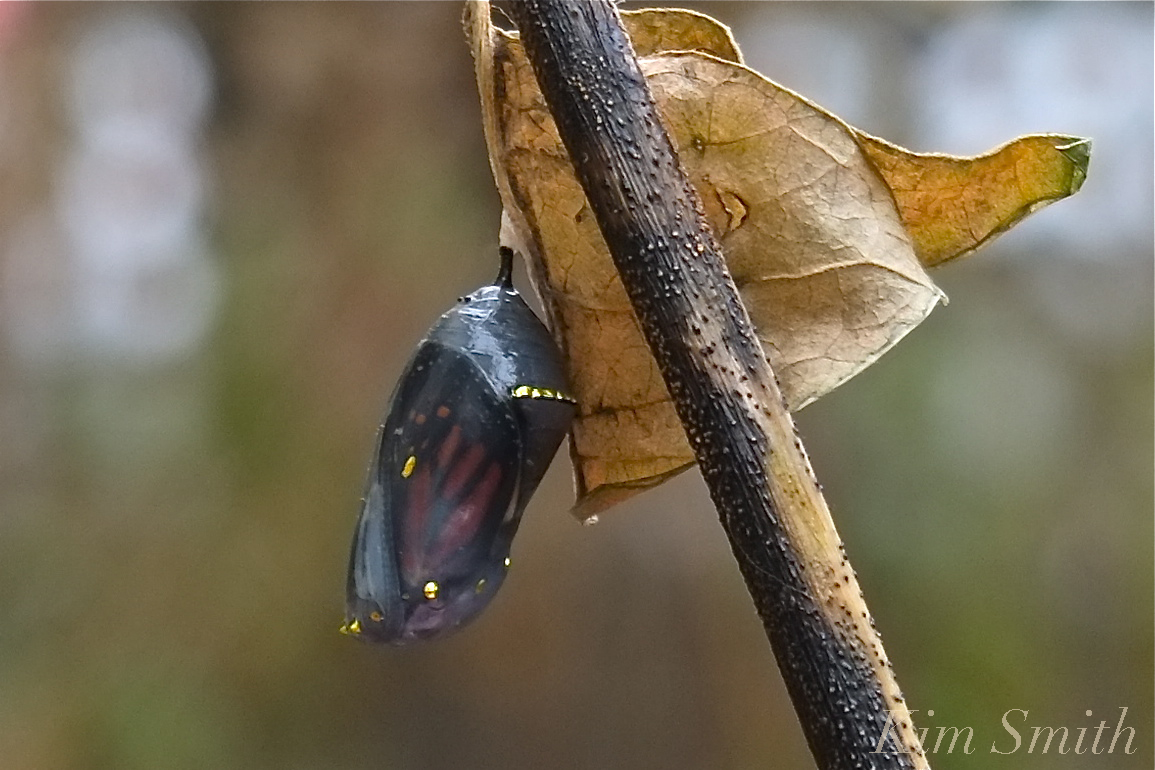
The Monarch last to eclose departed on Wednesday, November 15th. Although the air temperature was only in the low 40s when I left for work, the sun was shining. Our front porch faces southwest so it wasn’t long before his wings were warmed by the sun’s rays and away he flew. The forecast for parts further south along the east coast, the next leg of his journey–Westport, Long Island, and the New Jersey shore– looked promisingly mild. Thank you to my friend Patti Papows for the gift of this last little trooper.

We in the Northeast aren’t alone; I am reading reports about late comers from all around the United States, and even as far north as Toronto, Canada. So few Atlantic coast Monarchs were seen last year, do the great numbers this year portend of a permanent population increase? Bare in mind that the Monarchs were formerly counted in the billions when first discovered in the late 1970s, and now, forty years later, only millions.

A cold New England spring was offset by an unseasonably warm fall and that certainly helped the Monarchs (and myriad species of Lepidoptera). In response to the vast areas of farm acreage that no longer supports butterflies and bees, due to the use of Monsanto’s Roundup Ready genetically modified seeds of corn, soybean, and sorghum, people all across the U.S. are planting milkweed, creating pollinator habitats, and finding alternatives to pesticides and herbicides. 

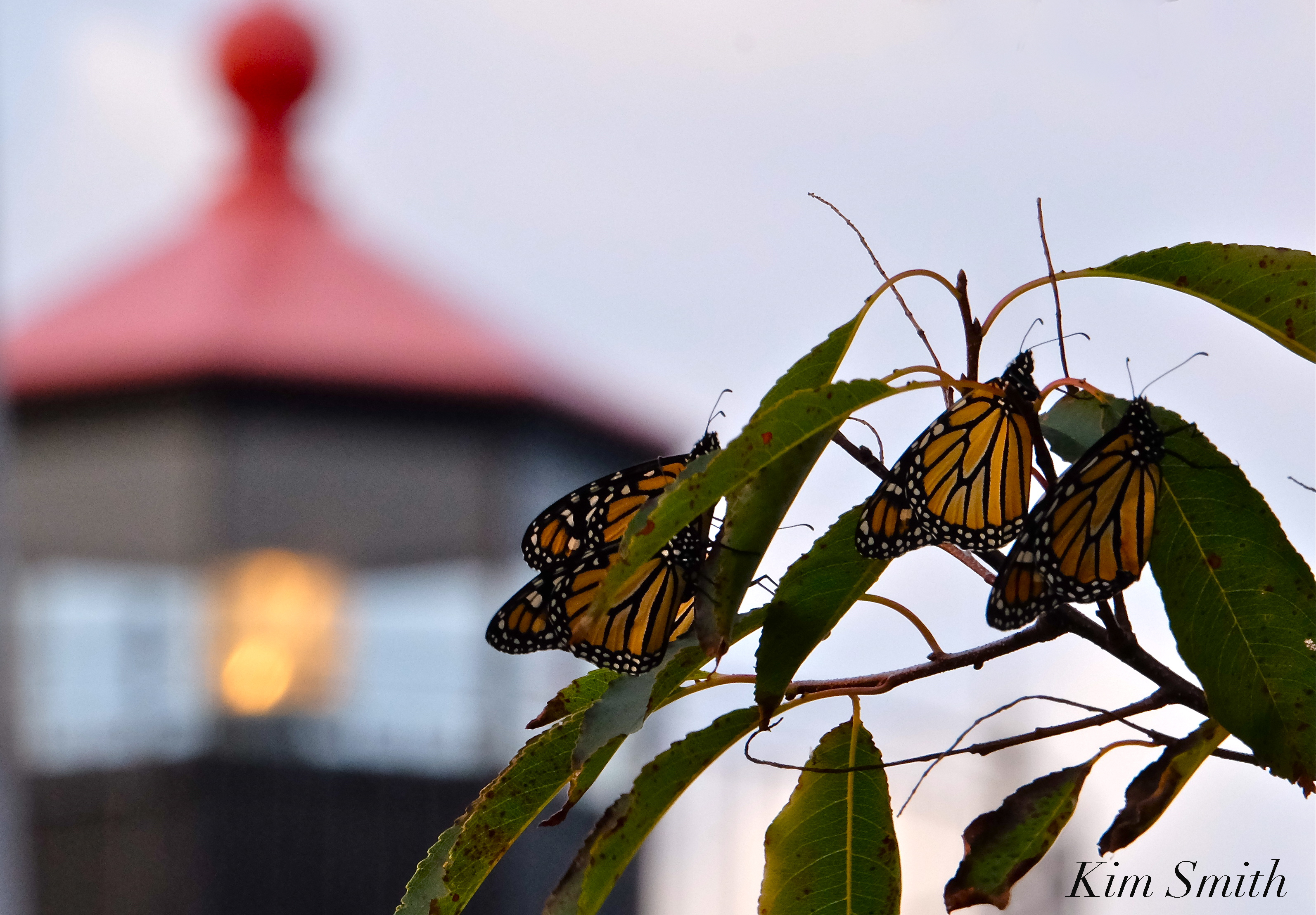
Monarchs Eastern Point Lighthouse Daybreak

With Thanksgiving only a few days away I am writing with the deepest appreciation and gratitude to my community for your tremendous contributions to Beauty on the Wing. From donations of $5.00 to $10,000.00, from over 70 donors, to date we have raised $24,710.00. We are well on our way to reaching our goal! Your kind words, contributions, and friendships mean the world. We are going to make an outstanding, thoughtful and thought-provoking film about the Monarchs that along the way, through storytelling and cinematography, shines a beautiful light on Cape Ann.

MY DEEPEST THANKS AND APPRECIATION TO LAUREN MERCADANTE (PRODUCER), SUSAN FREY (PRODUCER), NEW ENGLAND BIOLABS FOUNDATION, BOB AND JAN CRANDALL, MARY WEISSBLUM, SHERMAN MORSS, PETE AND BOBBI KOVNER (ANNISQUAM AND LEXINGTON), JAY FEATHERSTONE, MIA NEHME (BEVERLY), CHICKI HOLLET, JUNI VANDYKE, ERIC HUTCHINSE, KAREN MASLOW, MARION F., ELAINE M., KIMBERLY MCGOVERN, MEGAN HOUSER (PRIDES CROSSING), JIM VANBUSKIRK (PITTSBURGH) NANCY MATTERN (ALBUQUERQUE), DONNA STOMAN, PEGGY O’MALLEY, JOEY C., CATHERINE RYAN, JOEANN HART, JANE PAZNIK BONDARIN (NEW YORK), ROBERT REDIS (NEW YORK), NUBAR ALEXANIAN, PETER VAN DEMARK, PATRICIA VAN DERPOOL, FRED FREDERICKS (CHELMSFORD), LESLIE HEFFRON, JIM MASCIARELLI, DAVE MOORE (KOREA), LILIAN AND CRAIG OLMSTEAD, JOHN STEIGER, PAT DALPIAZ, AMY KERR, BARBARA T. (JEWETT, NY), ROBERTA C. ((NY), MARIANNE G. (WINDHAM, NY), PAULA RYAN O’BRIEN (WALTON, NY), MARTHA SWANSON, KIM TEIGER, JUDITH FOLEY (WOBURN), PATTI SULLIVAN, RONN FARREN, SUSAN NADWORNY (MELROSE), DIANE LINDQUIST (MANCHESTER), HEIDI SHRIVER (PENNSYLVANIA), JENNIFER CULLEN, TOM HAUCK, AND ANONYMOUS PERSONS FOR THEIR GENEROUS HELP.


https://www.instagram.com/p/BbvEnq_FlKp/

https://www.instagram.com/p/BbvFg8wF9kB/

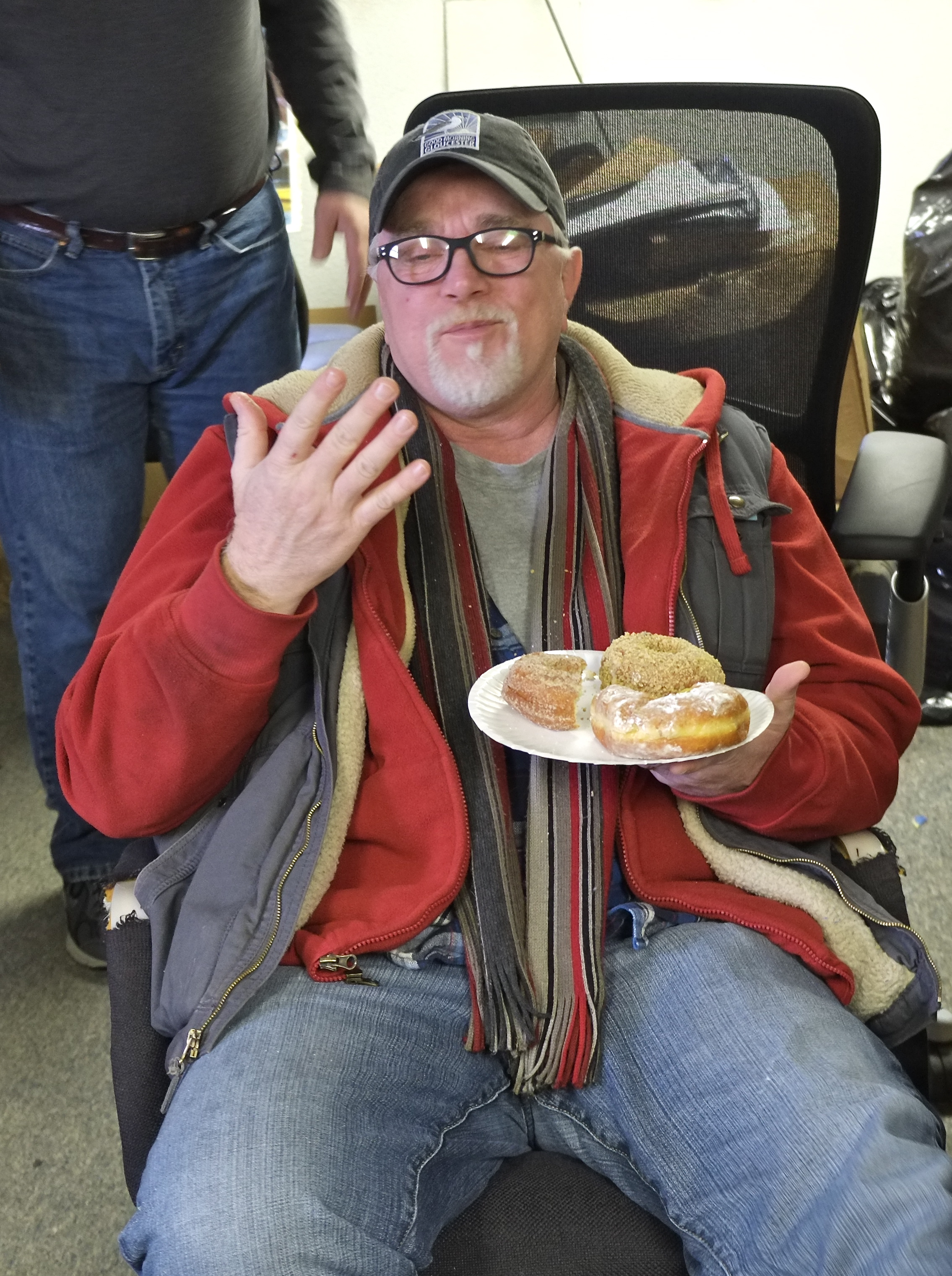
GMG BEST CAPE ANN DONUT CHALLENGE: YOU COULD HEAR A PIN DROP

https://www.instagram.com/p/BbsBTGlFcxX/

Stay Tuned! Results revealed during our podcast tonight at 8pm.

SNAPSHOTS FROM DOCUMENTARY FILM “DEAD IN THE WATER” WORLD PREMIERE

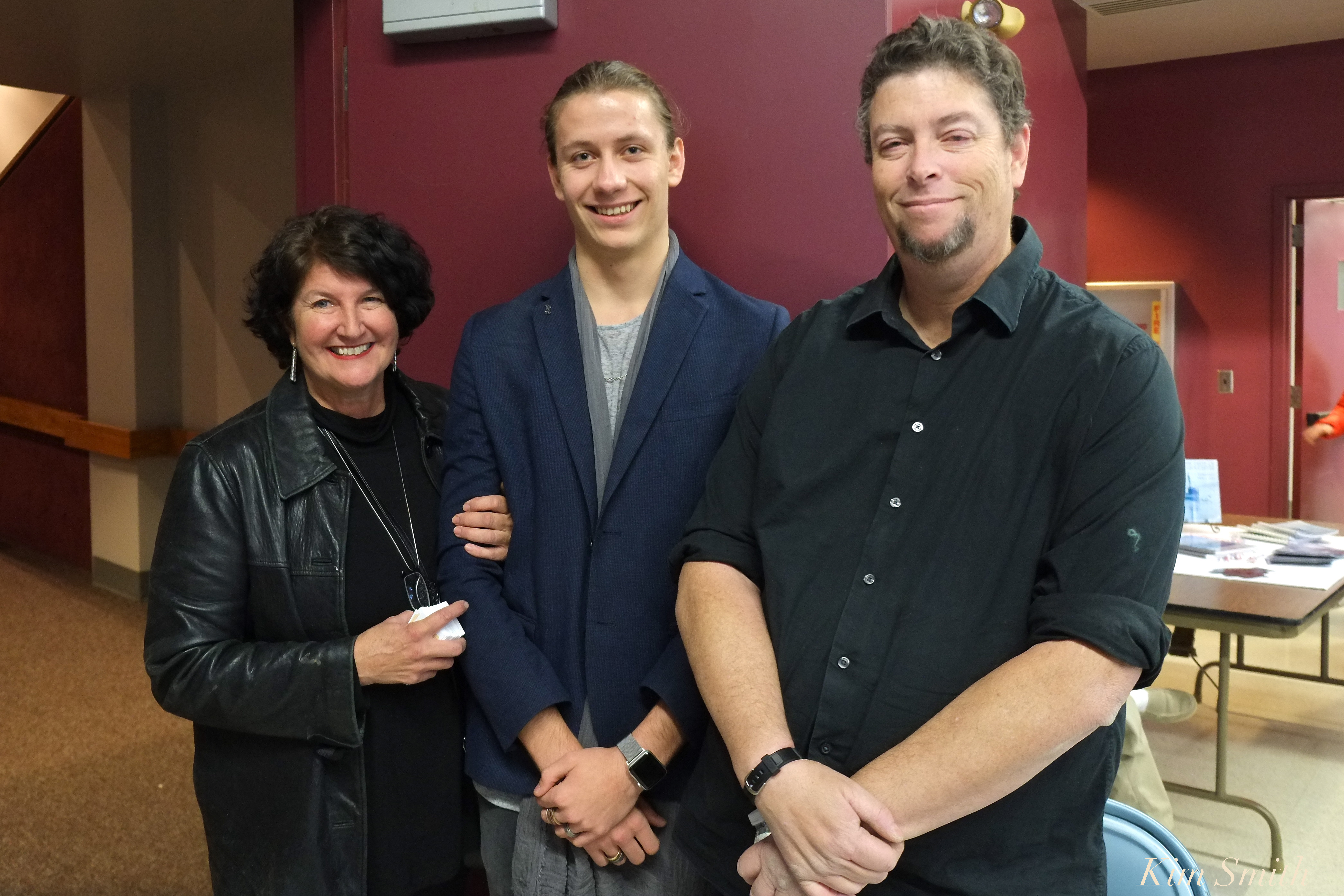
Photos and clip of Senator Bruce Tarr poignant response about the embattled fishing industry at the premiere of Dead in the Water, which was held last night at the Rockport High School auditorium. Director and producer, David Whittkower, is a graduate of Rockport High School and this is the second film he has premiered at Rockport. Save the date for the next local showing of the film, which will be held at the Cape Ann Museum on February 10th, 2018.

Tonia, Andrew, and David Whittkower  

Mark Ring, David Laveille, Al Cotone, and Paul VitaleSelma Bell and Nina Groppo


https://www.instagram.com/p/BbsRvxSlygf/

Salvi Benson, the greatest of all time and winner of ten Greasy Pole Championships (four Saturday and six Sunday)

DOCUMENTARY #GLOUCESTERMA “DEAD IN THE WATER” IS OUTSTANDING AND SUPER EXCITING NEWS: SAVE THE DATE FOR THE FILM’S CAPE ANN MUEUM SCREENING!!!

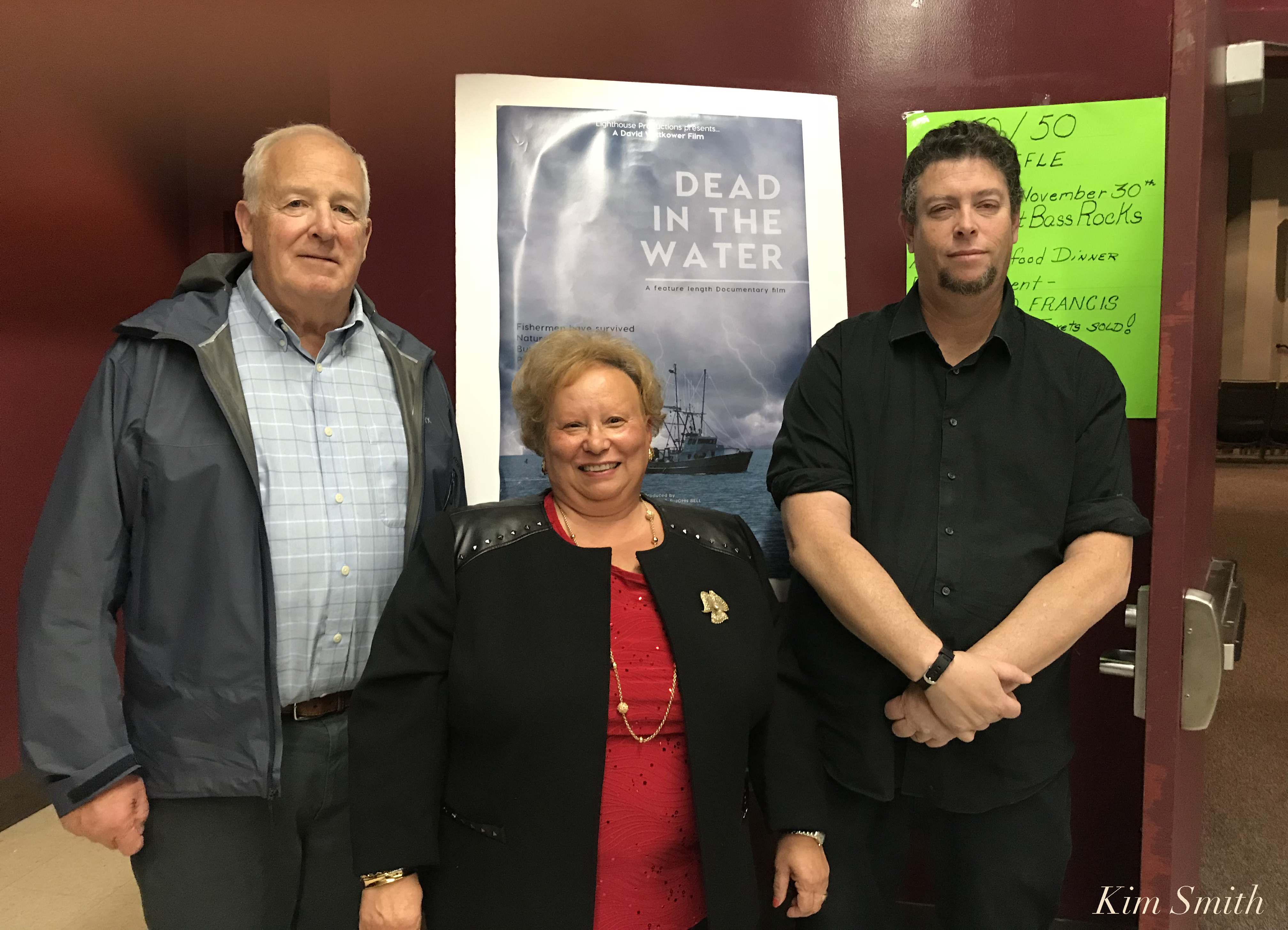
Producers John Bell and Angela Sanfilippo with Filmmaker David Whittkower

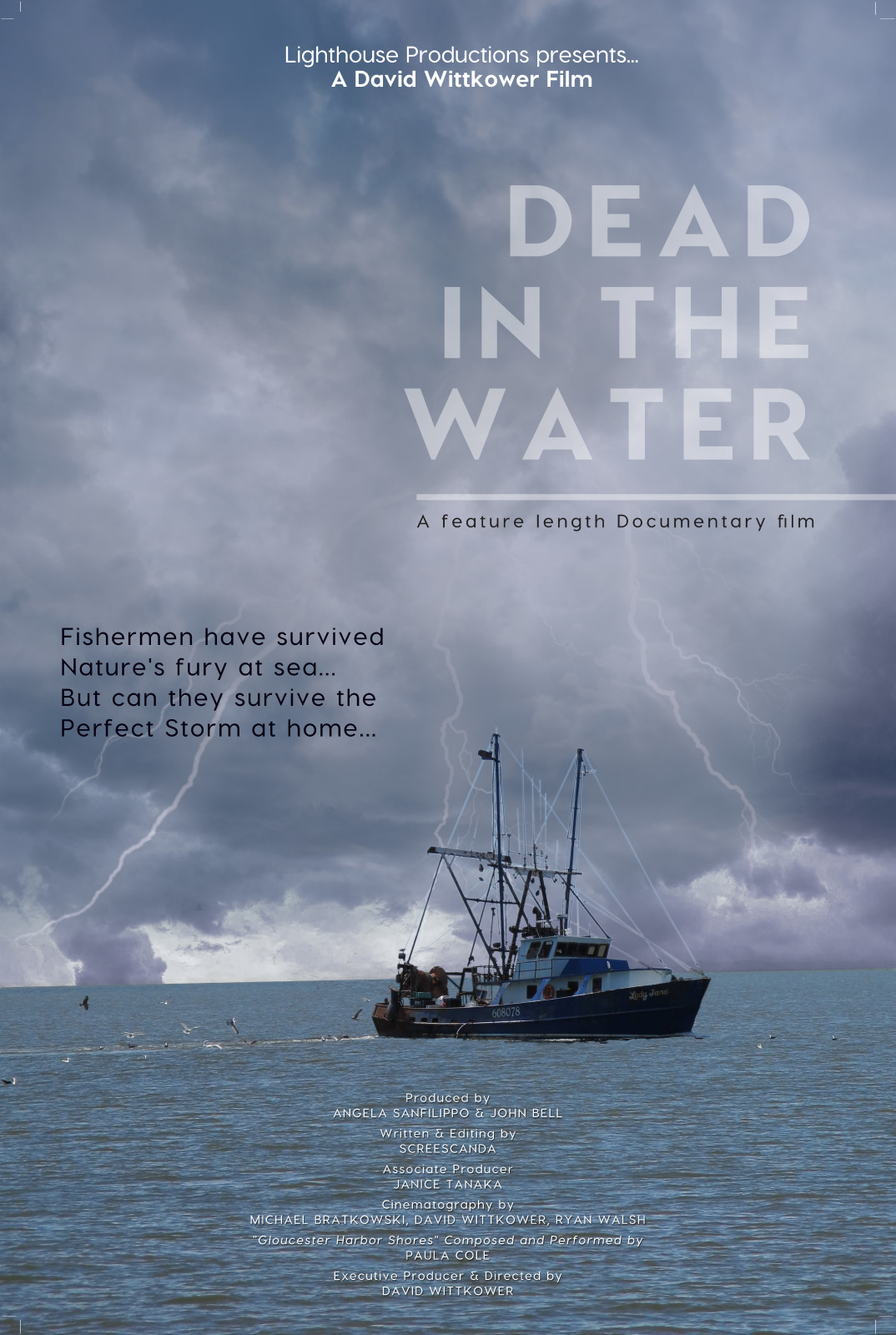
Dead in the Water, a documentary film by David Whittkower, premiered at the Rockport High School auditorium this afternoon. Photos and video clips of the Q and A will be posted tomorrow.

Save the date for the next local showing, which will be at the Cape Ann Museum on February 10th, 2018. This film is a must see for every member of our community and will inspire you to take an active role in helping to preserve our most treasured and valuable resource. Without the help of the entire community, the industry will soon be Dead in the Water.

THANK YOU DIANNE CORLISS FOR ALL YOUR PIPING PLOVER LOVE

Wishing Dianne much success on her new path. Our deepest thanks again for all that she did to keep the Good Harbor Beach Piping Plover family safe last summer. 


https://www.instagram.com/p/BbpTIJtFds9/

PEARLY CLOUDS OVER GLOUCESTER’S SKYLINE

Early morning, my absolute favorite time of day, especially living in Gloucester

MORE INSTAGRAMS FROM THE CAPE ANN FARMER’S HARVEST MARKET

https://www.instagram.com/p/BbpR8UCFygI/

https://www.instagram.com/p/BbpT4gFFuB2/

Would have loved to stay, but looking forward to babysitting this littlest sweetheart  <3. Next year she can come with!

“DEAD IN THE WATER” PREMIERING TODAY!

DEAD IN THE WATER PREMIERE TODAY AT 3:00pm AT THE ROCKPORT HIGH SCHOOL AUDITORIUM

24 Jerden’s Lane, Rockport

Tickets $20.00

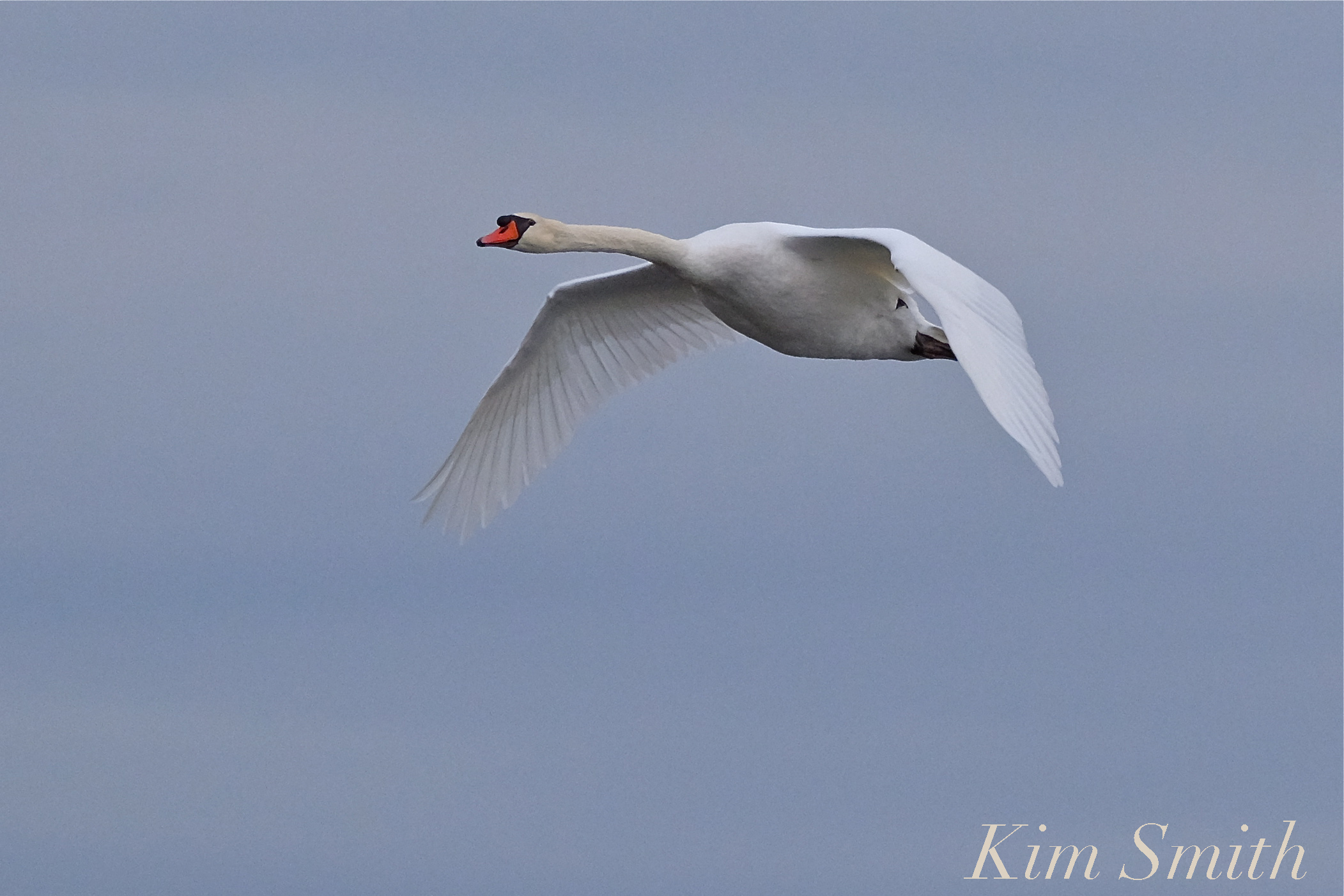
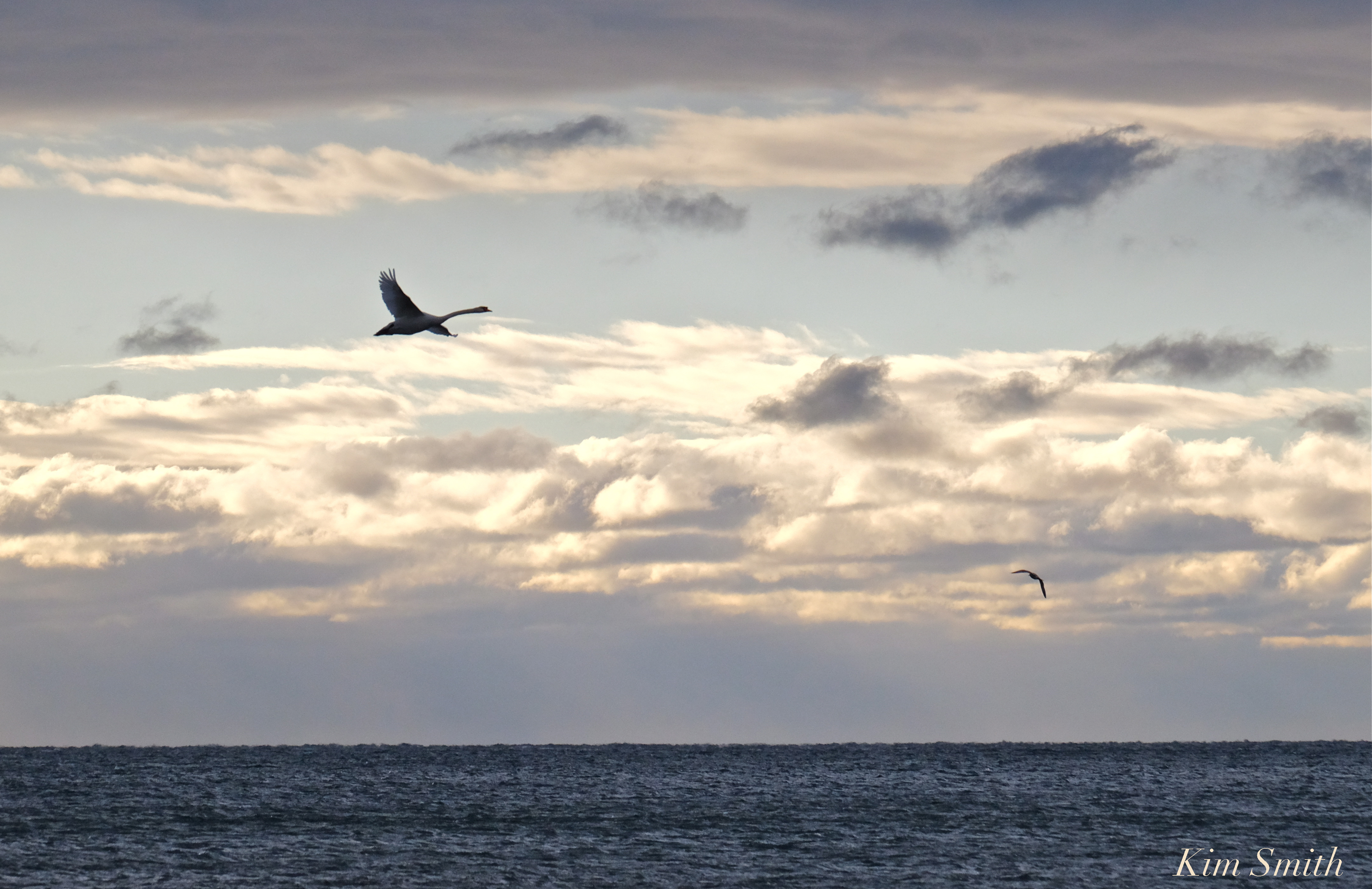
LOOKING GOOD MR. SWAN!


Soaring high overhead, our Mr. Swan is looking healthy at the onset of winter. Thanks to the care he received from his friends over the summer, it appears as though his foot is in much better shape. Keep on rockin’ Mr. Swan!

https://www.instagram.com/p/BbmYh6JlmL7/

https://www.instagram.com/p/BbnQMbJFO3B/

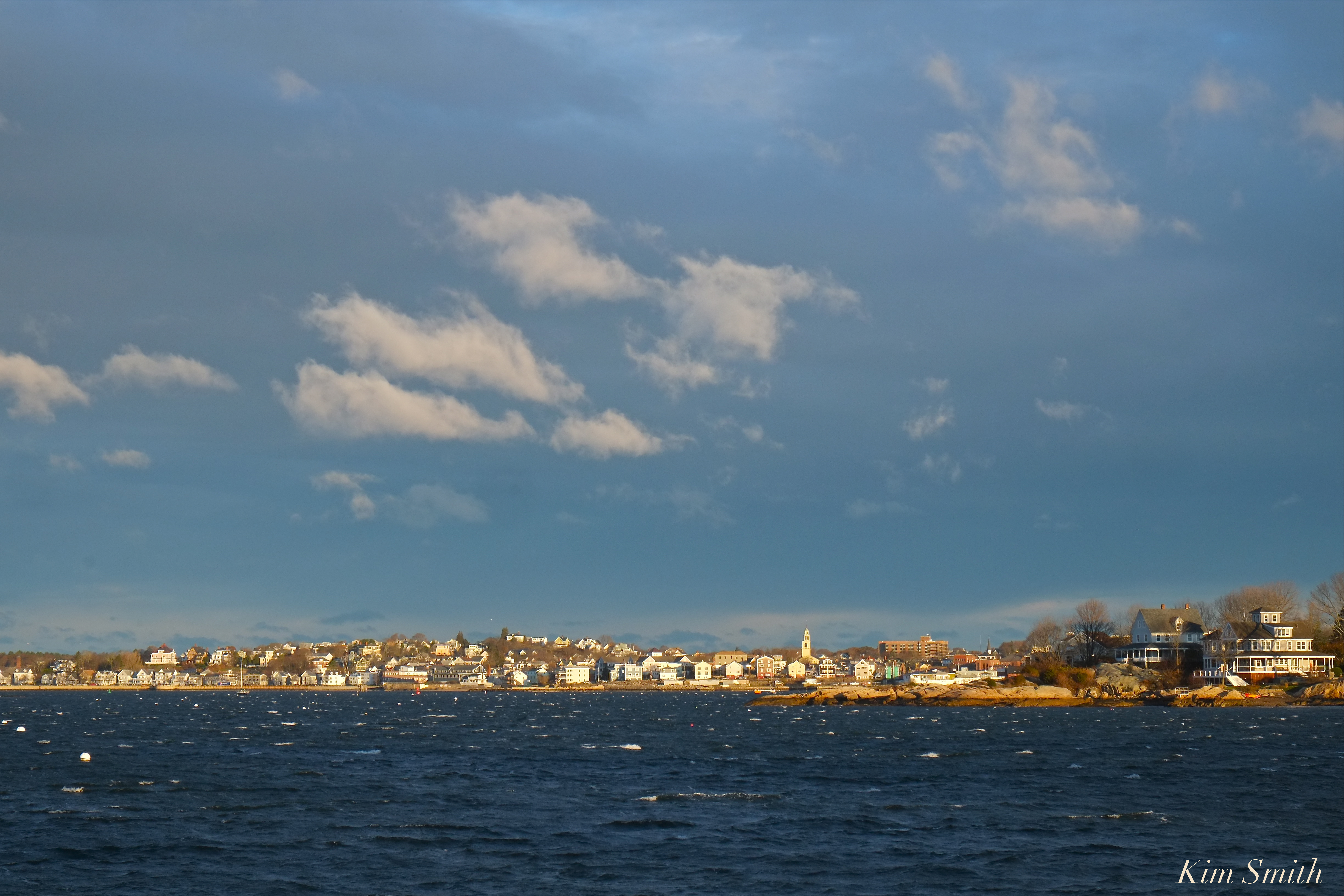
GTOWN AT DAYBREAK

Daybreak brought blustery winds, whitecaps in the harbor, and biting cold, but it was worth it to see our beautiful City in the early morning light. 

WEEPING FOR THE ELEPHANTS

Only fully conscious beings can mourn death.  

For more information on the David Sheldrick Wildlife Trust and the elephant Orphan Project visit the website here.

AN OTTERLY DELICIOUS BREAKFAST!

The North American River Otter is making an amazing comeback, not just on Cape Ann and all around Massachusetts, but in many regions throughout the United States. River Otters need unpolluted wetlands, streams, rivers, and ponds to survive, along with secluded places to den. Hollows in the banks of ponds and rivers make excellent dens and so do former Beaver lodges. As the perpetually-lodge-building Beaver has returned, so has the North American River Otter.

River Otters also need plenty of prey. Locally, they eat fish, frogs, snakes, and EELS!

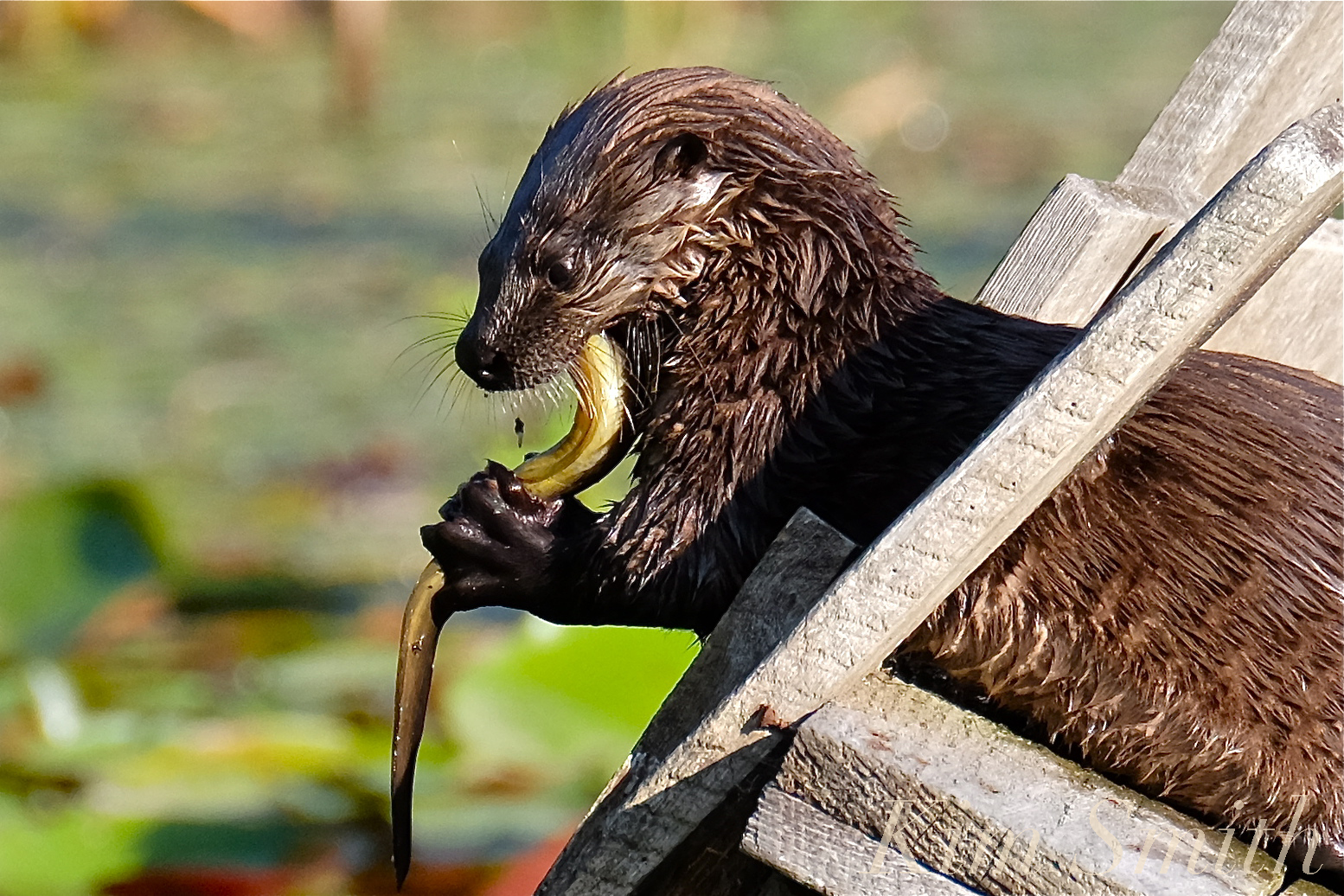
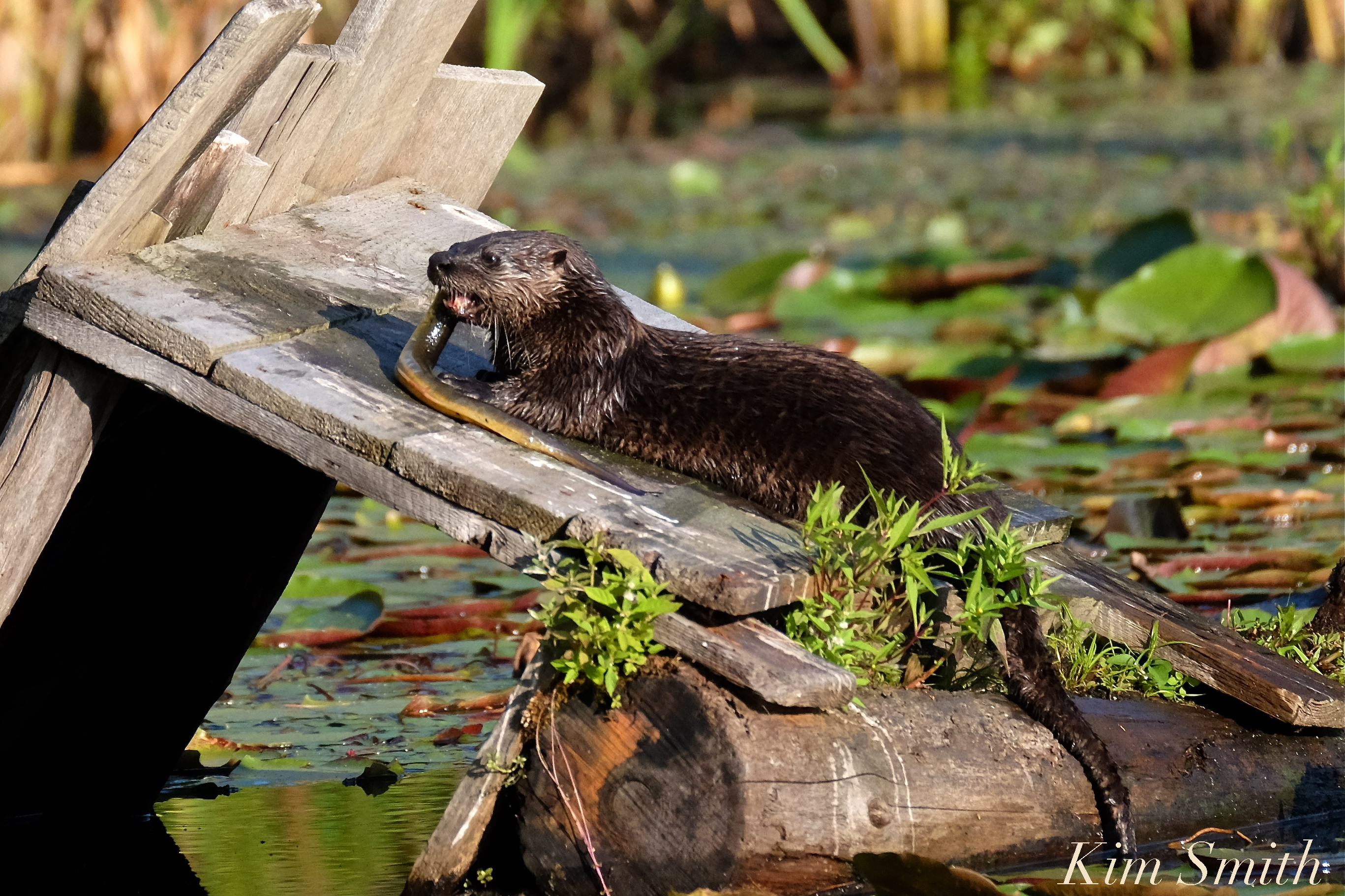
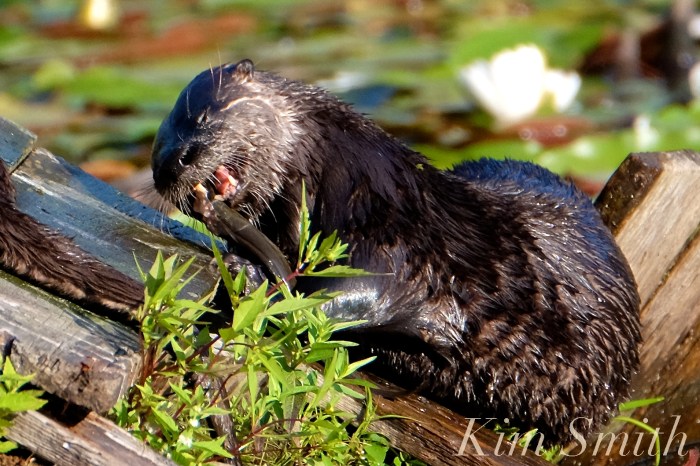
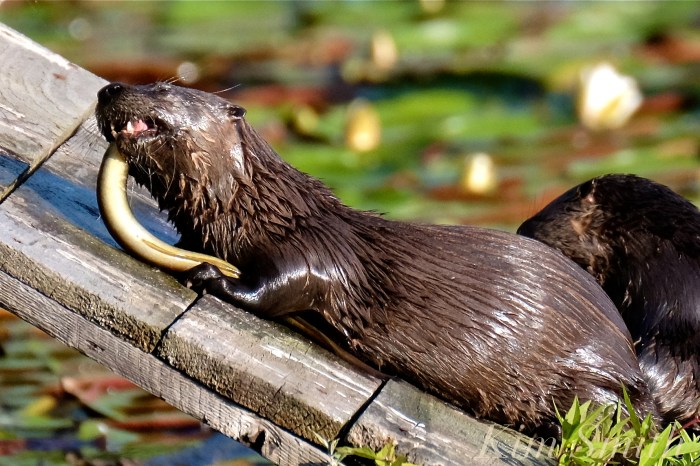
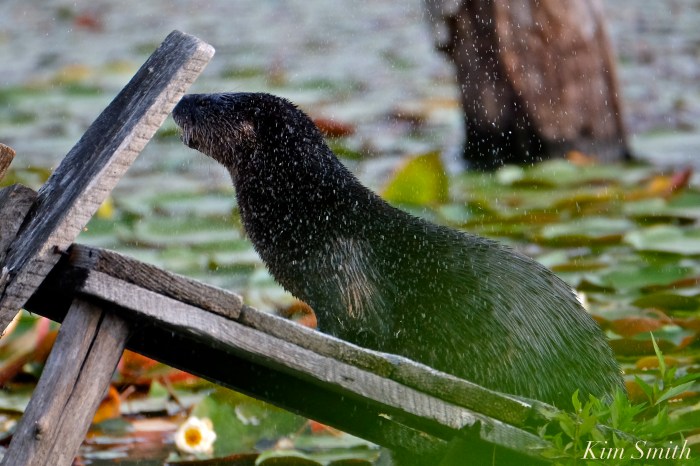
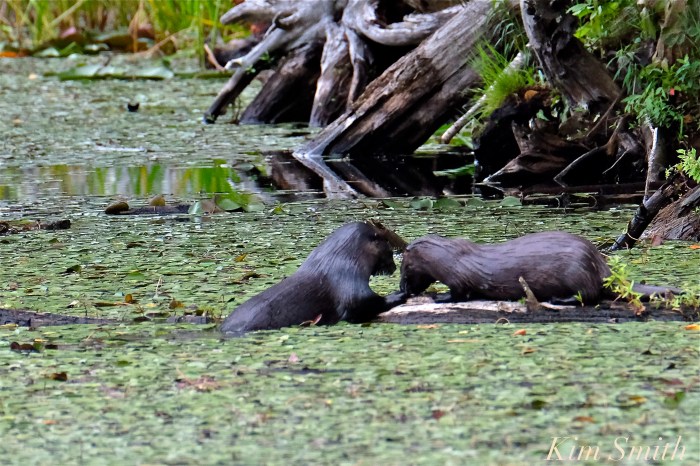
This summer over in West Gloucester there appeared to be two Otter families, one mama with three pups and another mama with four pups. After watching the romp of Otters eat tadpoles and frogs early in the summer, by midsummer they had graduated to American Eels. I at first could not figure out what they were doing skirmishing around in the tall grass at the pond bank. Compared to diving and resurfacing with a mouthful of frog, this was entirely new behavior. There was much excited chortling when one of the pups caught an eel, which then seemed to set off a chain of eel ambushing and eating. One morning I had the great fun of observing three otter siblings chomping down on an otterly delicious breakfast!

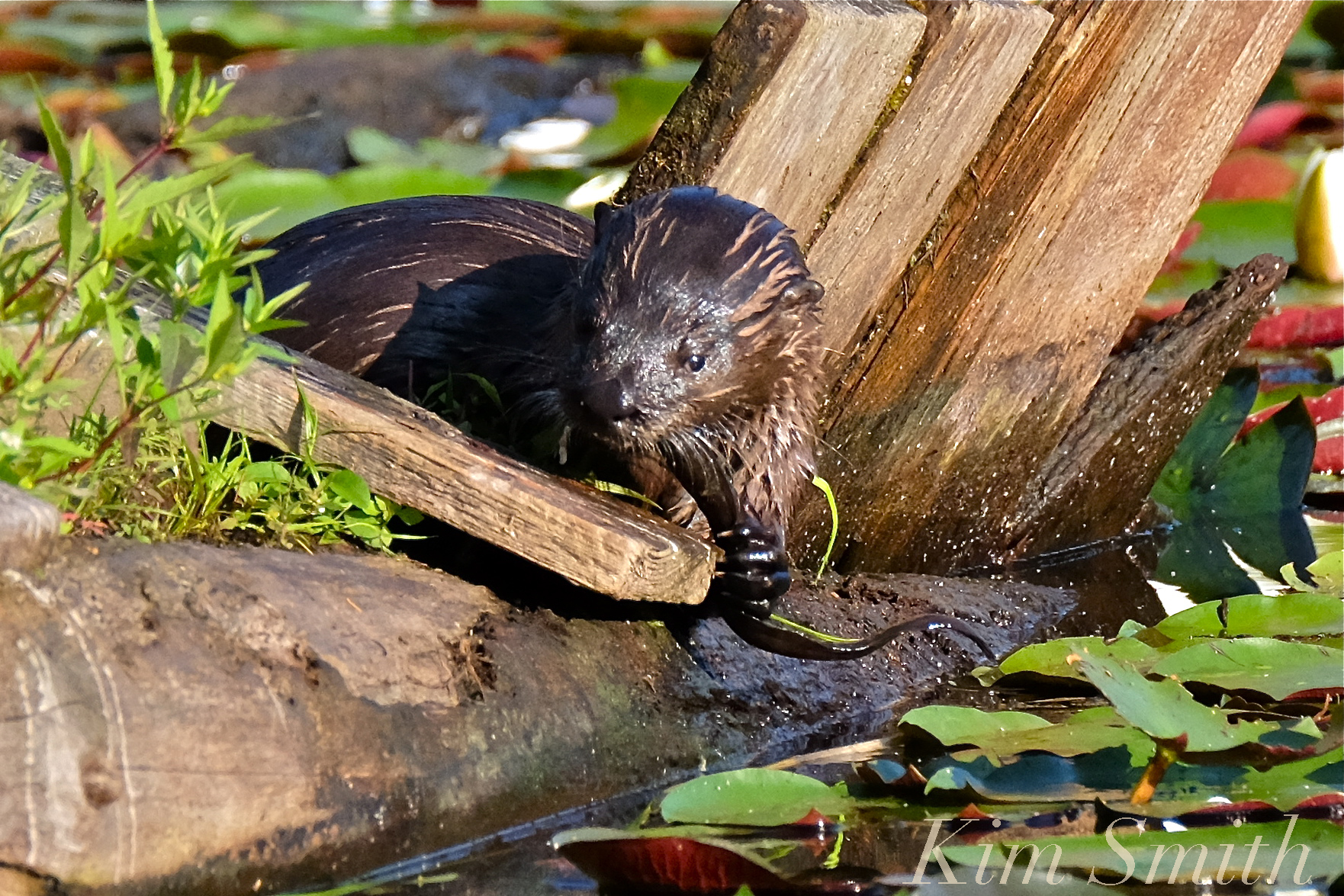
First one pup catches an eel and brings it to the old wooden perch, which is also the otters favorite place to play hide and seek with each other.

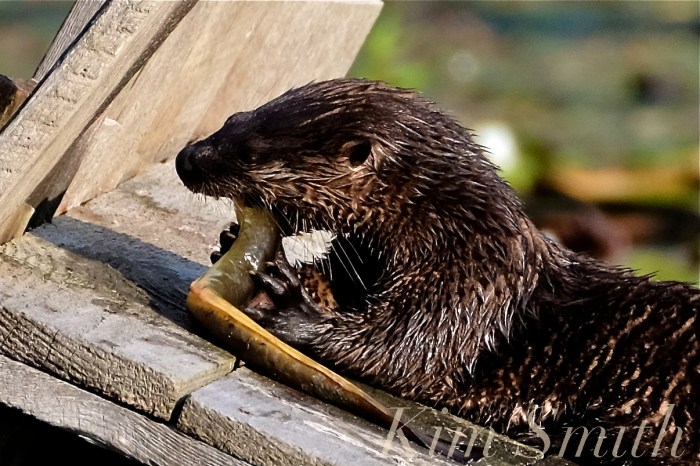
Then the second pup, and soon all three were chowing down on eels!

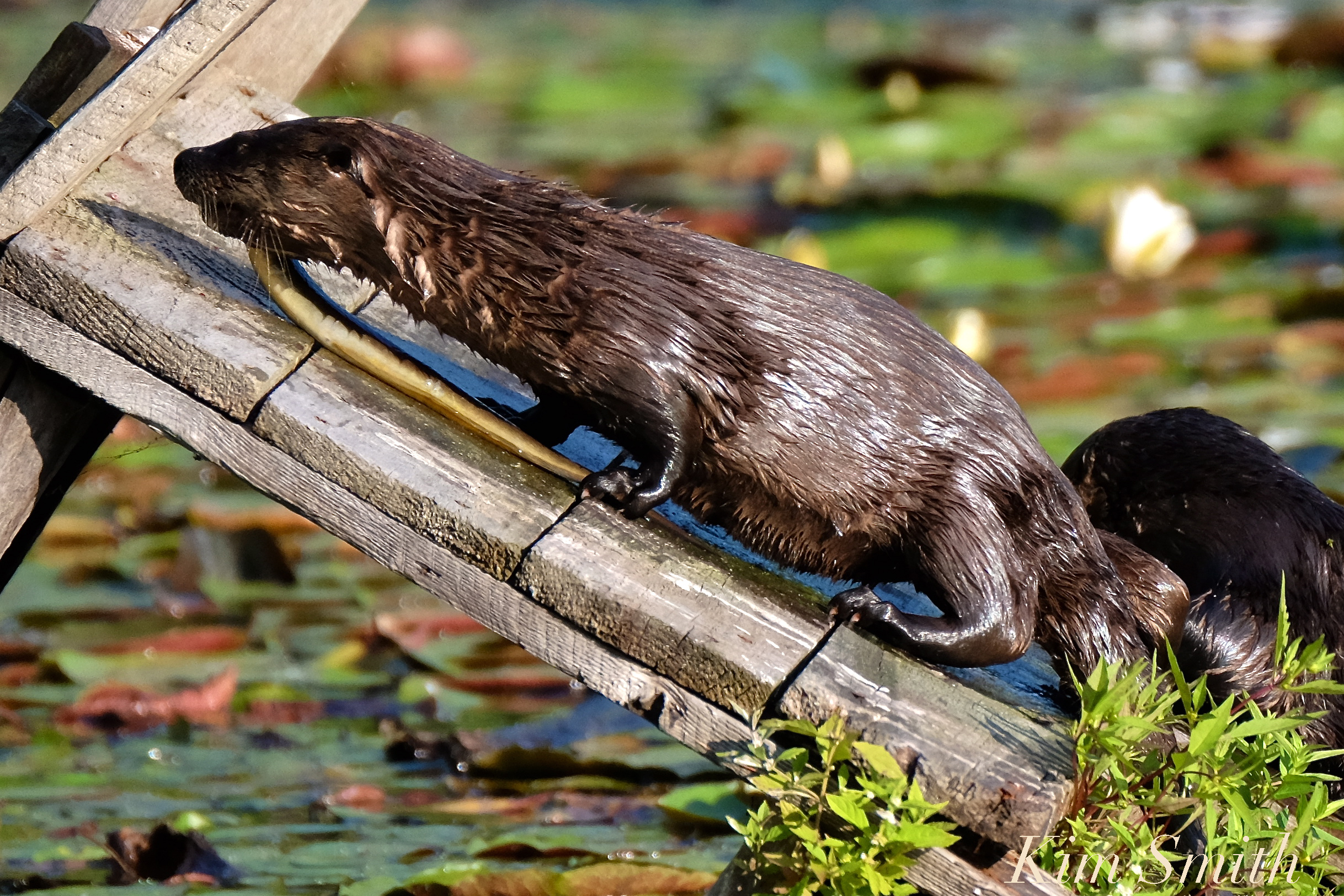
The first one was getting jostled by his siblings and sought out more private room in which to dine.


American Eels can grow up to five feet long and weigh as much as 16 pounds. These Eels were about three to four feet long. American Eels spend most of their lives in freshwater and only return to saltwater to spawn and then die.

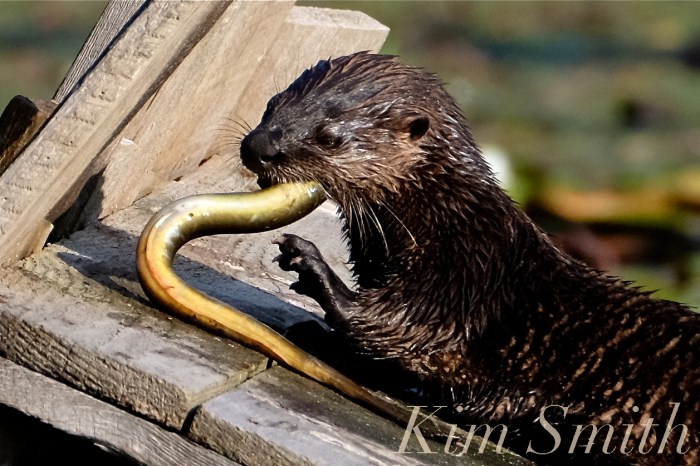
The pups deftly use their feet to hold fast the slippery eel.

Photographed on a different day, I think this pup is eating a snake. Notice the tapering tail in the above photo. 

Why is clean water so important for River Otters? Pesticides, industrial pollution run off such as polychlorinated biphenyls (PCBs), and mercury are absorbed by the River Otters prey. The chemicals accumulate in the River Otters, causing illness and death.

SUPER EXCITING NEWS: SINGLE USE PLASTIC BAGS BANNED!!!

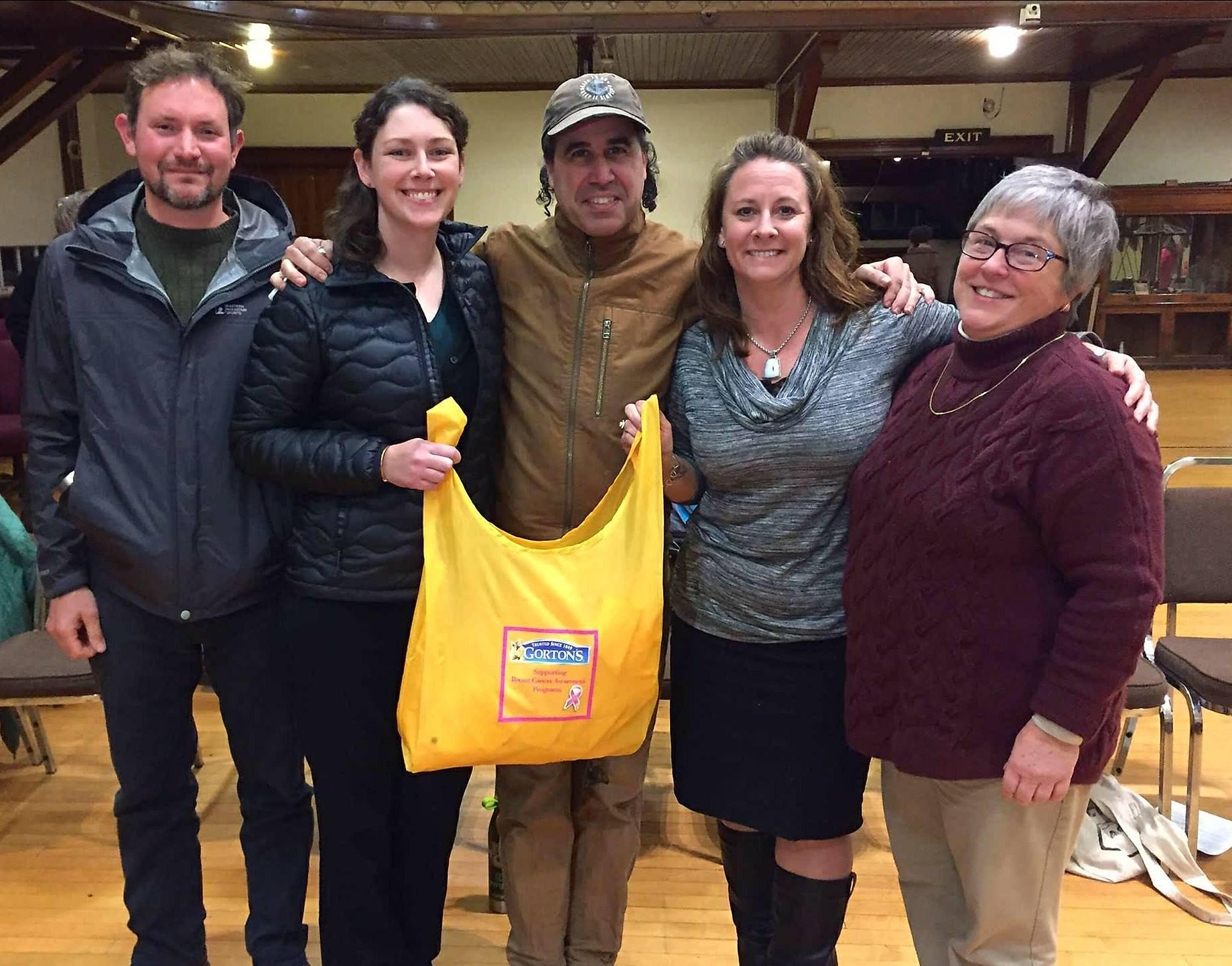
Ainsley Smith from Clean Gloucester writes, “We’ve got some great news! Gloucester is now Massachusetts’ 57th municipality to reduce our reliance on plastic bags! Thank you to everyone who came out and spoke in support or sent in emails. We look forward to working with our City Council on successfully rolling out this ordinance and related education to all of Gloucester’s residents.” The vote was passed seven to one.Gloucester Clean City Commissioners Nick Lilades, Ainsley Smith, Eric Magers, Councilor Melissa Cox, and Bev Low

THE LATE GREAT MONARCH MIGRATION CONTINUES

Too cold for the last of our intrepid Monarchs to fly away today.

Our last little Monarch to emerge struggled to gain the warmth needed for takeoff. What is the minimum air temperature needed to allow Monarchs to fly? When at Cape May several weeks ago and witnessing a large overnight roost of butterflies, the air temperature the following morning was the same as Gloucester’s temperature this morning–low forties–but the sun was shining. No sunshine today, combined with the low temperature, made flying impossible. Monarchs cluster together in overnight roosts for warmth. Our little guy was all alone on an isolated branch and with temperatures expected to dip into the mid thirties, I brought him indoors for the night.

Why the late season stragglers? Warmer than usual fall temperatures allowed eggs and caterpillars to reach maturity when in colder years, freezing temperatures would have prevented development

Some Monarchs begin migrating southward as early as August. And as we have seen, during the warm fall season of 2017 in particular, as late as November. The Monarch migration continues until halted by freezing temperatures. This staggered migration is yet another chapter in the survival strategy of the Monarch’s life story. If all Monarchs began migrating at exactly the same time, a powerful storm or hurricane, such as Harvey or Irma, could have devastating consequences on a great many Monarchs.

https://www.instagram.com/p/BbffiAGlqCk/

https://www.instagram.com/p/Bbfdku5Fga3/

WILL THIS MONARCH SURVIVE?

Today, November 13th, a Monarch will emerge from its chrysalis in a garden 2,800 miles north of its winter sanctuary. The thing is, Monarchs typically arrive in Mexico at harvest time and around Day of the Dead celebrations, or when Americans celebrate Halloween. In the language of the indigenous Purépecha peoples, the name for the Monarch is “Harvester” butterfly. Under the most ideal conditions, this Monarch won’t arrive until Christmastime.

Along the northern leg of his journey, he will find little or no nectar plants as we have had several nights of freezing temperatures. All the wildflowers and garden plants have finished blooming for the season. With little fortification, is it possible for Monarchs to fly great distances? Biologists look for this type of climate change mismatch to track how global warming is affecting wildlife. Butterflies can survive rain. The water beads up and drips off its wings, but snow and below freezing temperatures are fatal to Monarchs.

With a hope and a prayer, fair winds and good weather, perhaps our little intrepid Monarch will make it to sunny Mexico, or possibly, shorten his journey, and at least make Florida his home for the winter. Here’s hoping.


 *   *   *

WITH THE GREATEST APPRECIATION FOR OUR COMMUNITY OF FRIENDS AND SPONSORS, I AM OVERJOYED TO SHARE THAT TO DATE WE HAVE RAISED $23,960.00 FOR THE DOCUMENTARY FILM “BEAUTY ON THE WING” ONLINE FUNDRAISER! 

Friends of the Monarch Butterfly: If you would like to help towards the completion of the documentary film Beauty on the Wing: Life Story of the Monarch Butterfly, please consider making a tax deductible donation here:

DONATE HERE

Donors contributing over $5,000. will be listed in the credits as a film producer.

For more information, visit the film’s website here: Monarch Butterfly Film

For an overview of the film’s budget, please go here: Budget

Thank you so very much for your help.

With gratitude,

Kim

SCARY BUTTERFLIES AND THANK YOU MONARCH FILM DONORS FOR YOUR GENEROSITY!!!

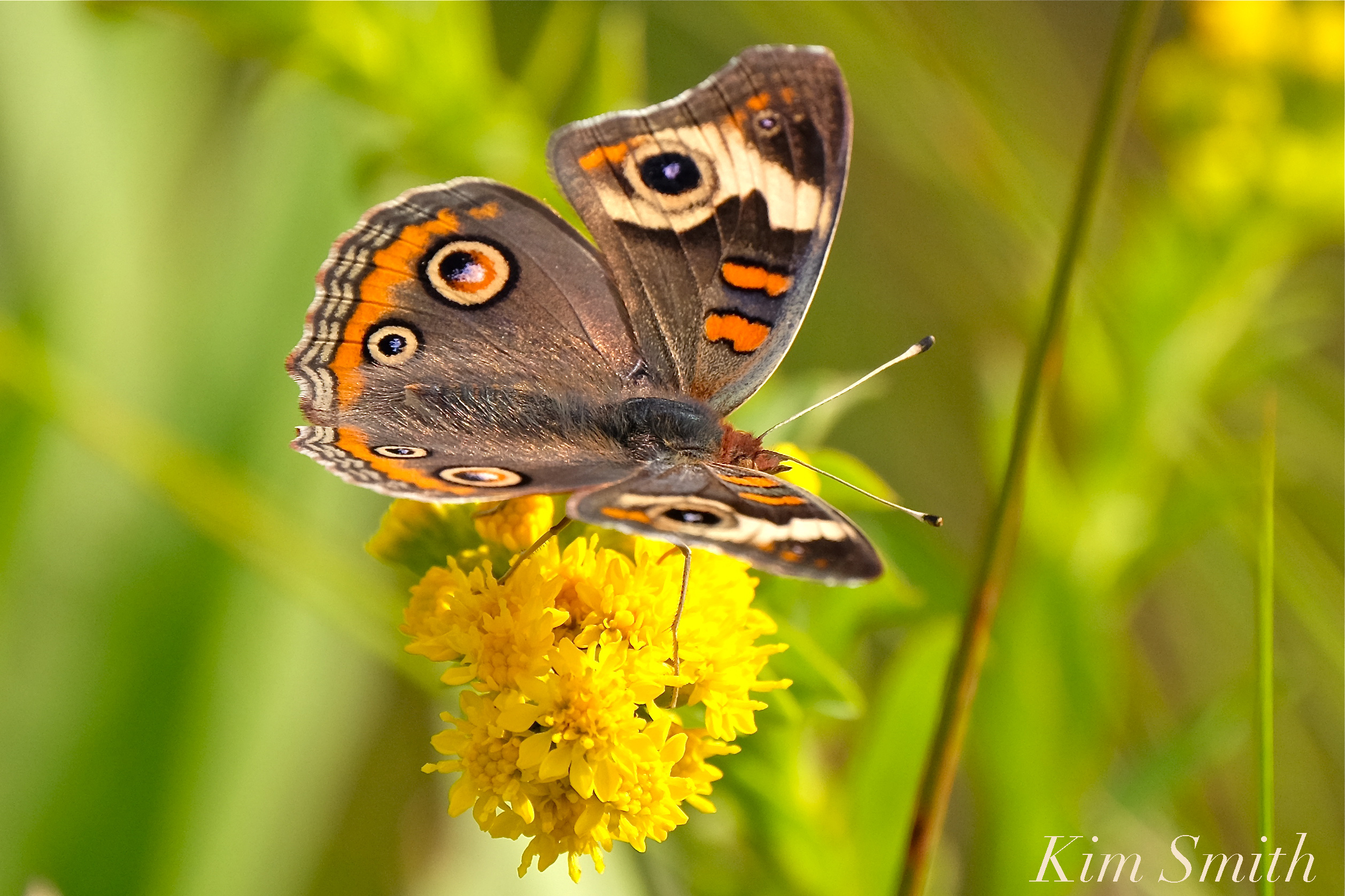
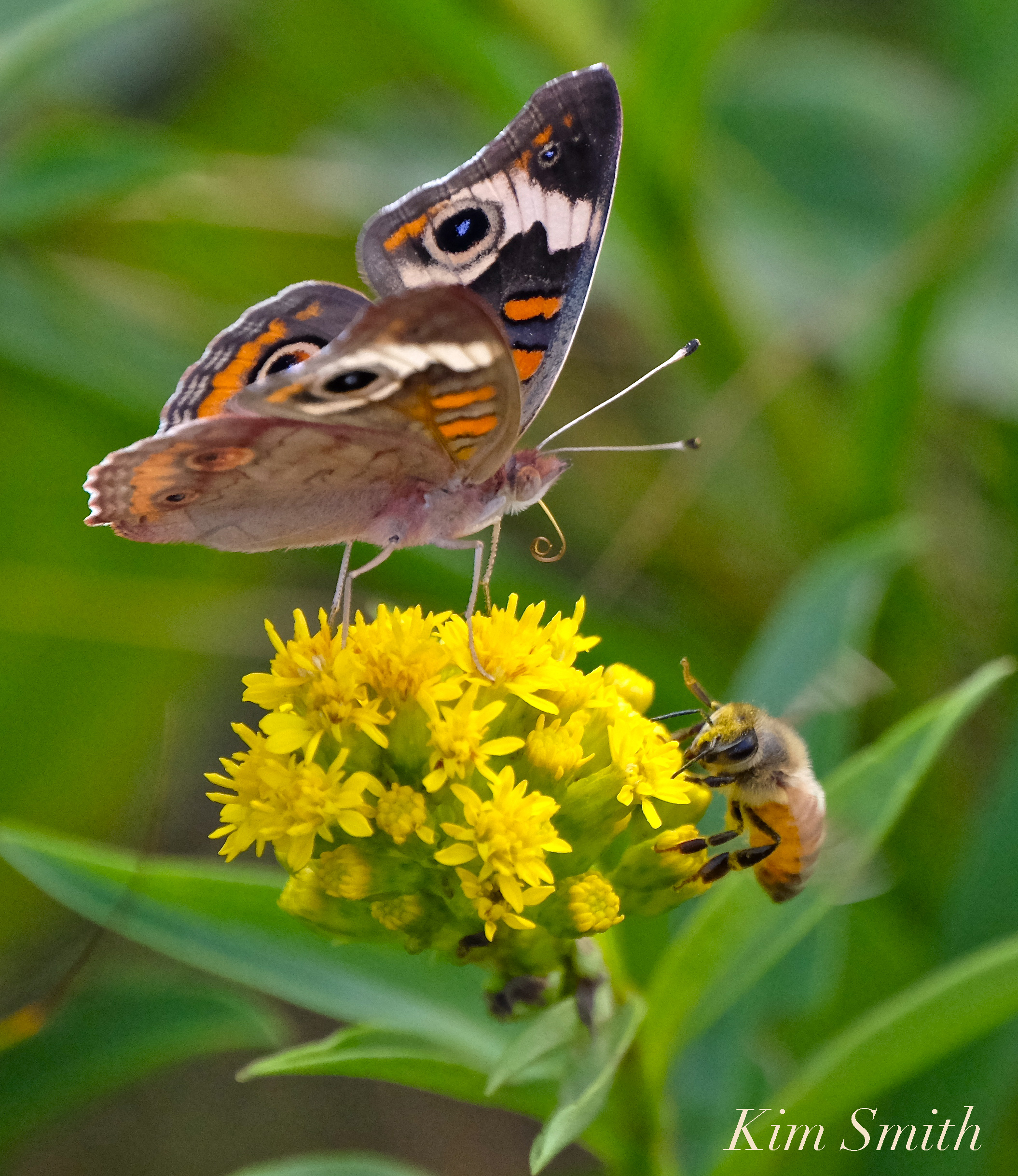
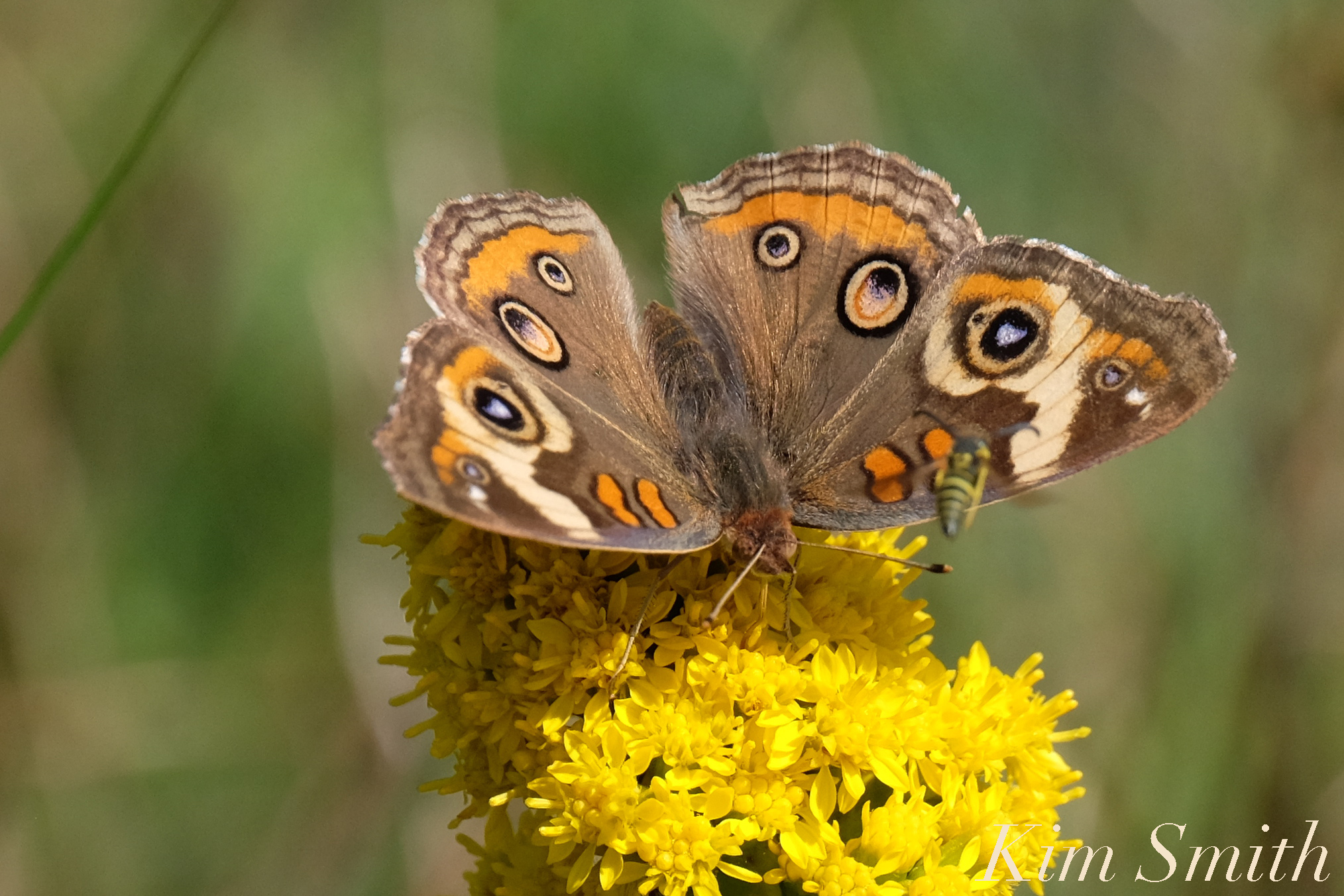
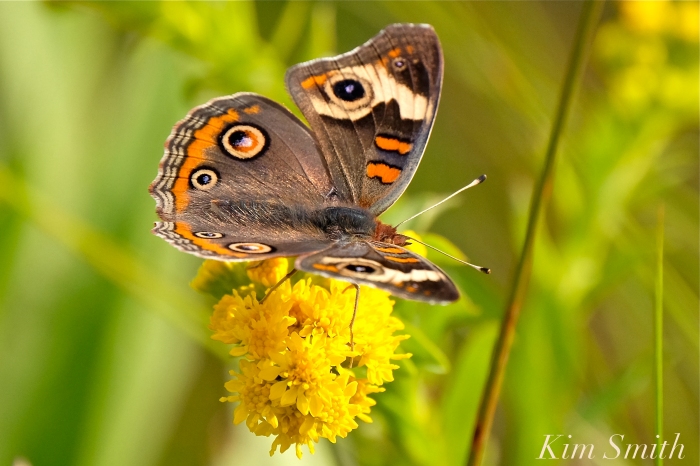
Beautiful to you and I, the large concentric circles strategically located on the wings of the Buckeye are meant to mimic the eyes of a larger creature. The eye patterns, or eyespots, frighten away would-be predators, mainly, hungry birds snipping at butterfly wings.
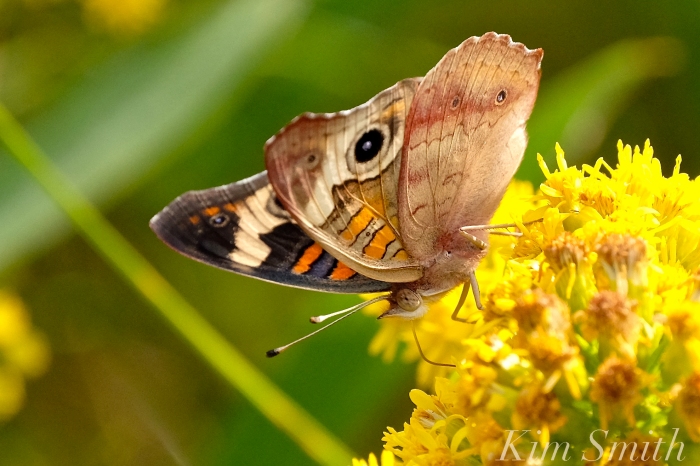
Many species of Lepidoptera have eyespots both in the adult and caterpillar stages, but butterflies and moths aren’t the only creatures that have evolved with eye-like markings. Reptiles, wild cats, fish, and birds also have eyespots.

Peacocks have very conspicuous eyespots, not to mimic and frighten, but to attract a peahen. The greater the number of “eyes,” the more desirable the male is to the female.

https://www.instagram.com/p/BU7mTlHFlbB/

The Foureye Butterflyfish, like butterflies, have eyespots located away from the more vulnerable head region; its eye markings are at the tail end.
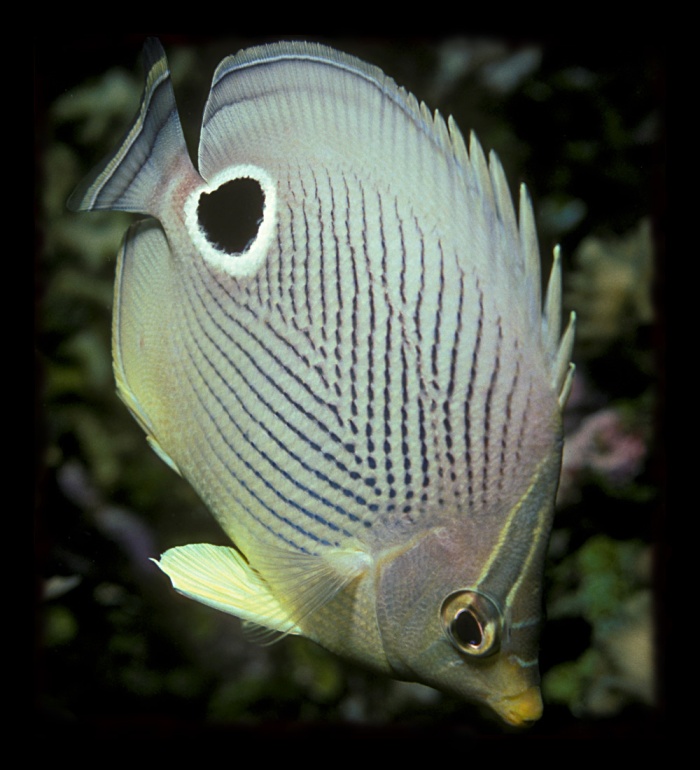
Foureye Butterflyfish are found in the Western Atlantic, from Massachusetts and Bermuda to the West Indies and northern South America. Photo courtesy wiki commons media.

Over the course of the many years documenting Monarchs, I often encounter the beautiful Buckeye during the end of the summer. Common Buckeyes migrate every year, departing our most southern states in the spring, repopulating the northern states on their way; in some years even reaching as far north as southern Canada. In the fall, Buckeyes return south as they are not adapted to survive northern winters.
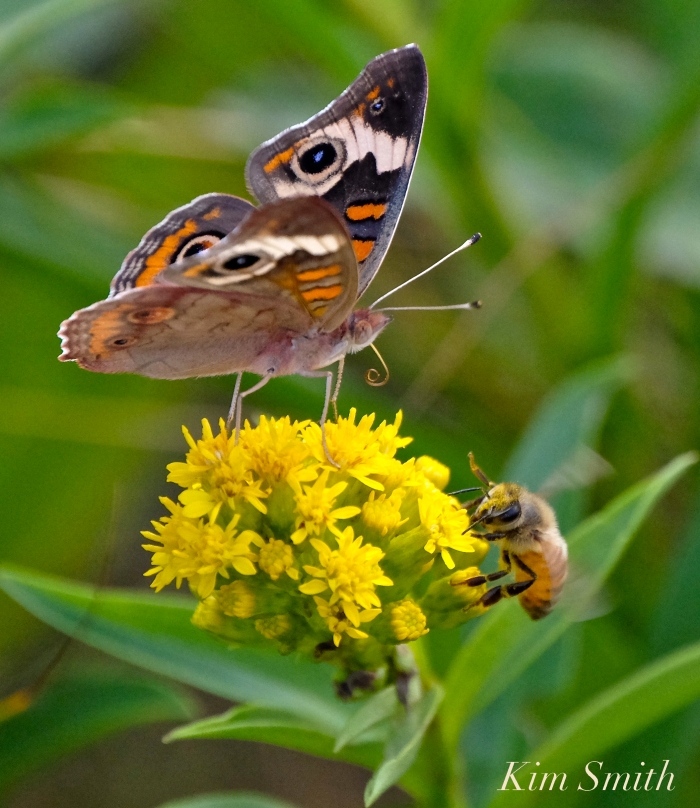
The Common Buckeye is most attracted to yellow flowers. Look for them drinking nectar at Seaside Goldenrod and the yellow florets at the center of New England and Purple-stemmed Asters.

Common Buckeye and Painted Lady, Fall Migration 2017

To date we have raised $23,960.00, thanks to the extraordinary generosity of our community. If you would like to help towards the completion of the documentary film Beauty on the Wing: Life Story of the Monarch Butterfly, please consider making a tax deductible donation here:

DONATE HERE

Donors contributing over $5,000. will be listed in the credits as a film producer.

For more information, visit the film’s website here: Monarch Butterfly Film

For an overview of the film’s budget, please go here: Budget

Thank you so very much for your kind generosity and help in completing and bringing Beauty on the Wing to classrooms and theaters.

With gratitude,

Kim

MY DEEPEST THANKS AND APPRECIATION TO LAUREN MERCADANTE (PRODUCER), SUSAN FREY (PRODUCER), NEW ENGLAND BIOLABS FOUNDATION, BOB AND JAN CRANDALL, MARY WEISSBLUM, SHERMAN MORSS, JAY FEATHERSTONE, GARTH GREIMANN (CAMBRIDGE), JUNI VANDYKE, MARION F., ELAINE M., KIMBERLY MCGOVERN, MEGAN HOUSER (PRIDES CROSSING), JIM VANBUSKIRK (PITTSBURGH) NANCY MATTERN (ALBUQUERQUE), DONNA STOMAN, PEGGY O’MALLEY, JOEY C., CATHERINE RYAN, JOEANN HART, JANE PAZNIK BONDARIN (NEW YORK), ROBERT REDIS (NEW YORK), NUBAR ALEXANIAN, PETER VAN DEMARK, PATRICIA VAN DERPOOL, FRED FREDERICKS (CHELMSFORD), LESLIE HEFFRON, JIM MASCIARELLI, DAVE MOORE (KOREA), LILIAN AND CRAIG OLMSTEAD, JOHN STEIGER, PAT DALPIAZ, AMY KERR, BARBARA T. (JEWETT, NY), ROBERTA C. ((NY), MARIANNE G. (WINDHAM, NY), PAULA RYAN O’BRIEN (WALTON, NY), MARTHA SWANSON, KIM TEIGER, JUDITH FOLEY (WOBURN), PATTI SULLIVAN, RONN FARREN, SUSAN NADWORNY (MELROSE), DIANE LINDQUIST (MANCHESTER), HEIDI SHRIVER (PENNSYLVANIA), JENNIFER CULLEN, TOM HAUCK, AND ANONYMOUS PERSONS FOR THEIR GENEROUS HELP.

FIRST BITE OF ICE CREAM!

Spending the day with Jessica, granddaughter Charlotte, and Liv–Charlotte fed herself a spoonful of ice cream at lunch today and it was priceless when she looked up at her Mama with an expression of pure bliss and amazement 🙂


Liv and Jessica Photos