Documentary filmmaker, photographer, landscape designer, author, and illustrator. "Beauty on the Wing: Life Story of the Monarch Butterfly" currently airing on PBS. Current film projects include Piping Plovers, Gloucester's Feast of St. Joseph, and Saint Peter's Fiesta. Visit my websites for more information about film and design projects at kimsmithdesigns.com, monarchbutterflyfilm.com, and pipingploverproject.org. Author/illustrator "Oh Garden of Fresh Possibilities! Notes from a Gloucester Garden."
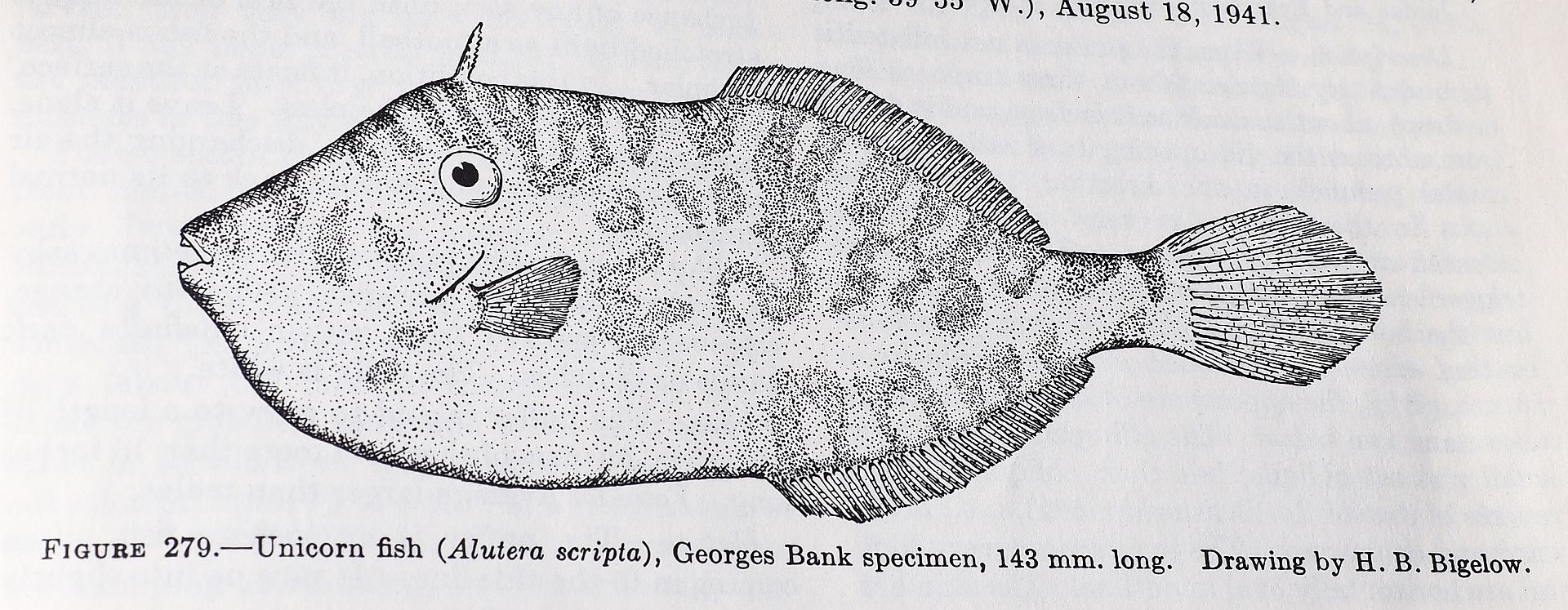
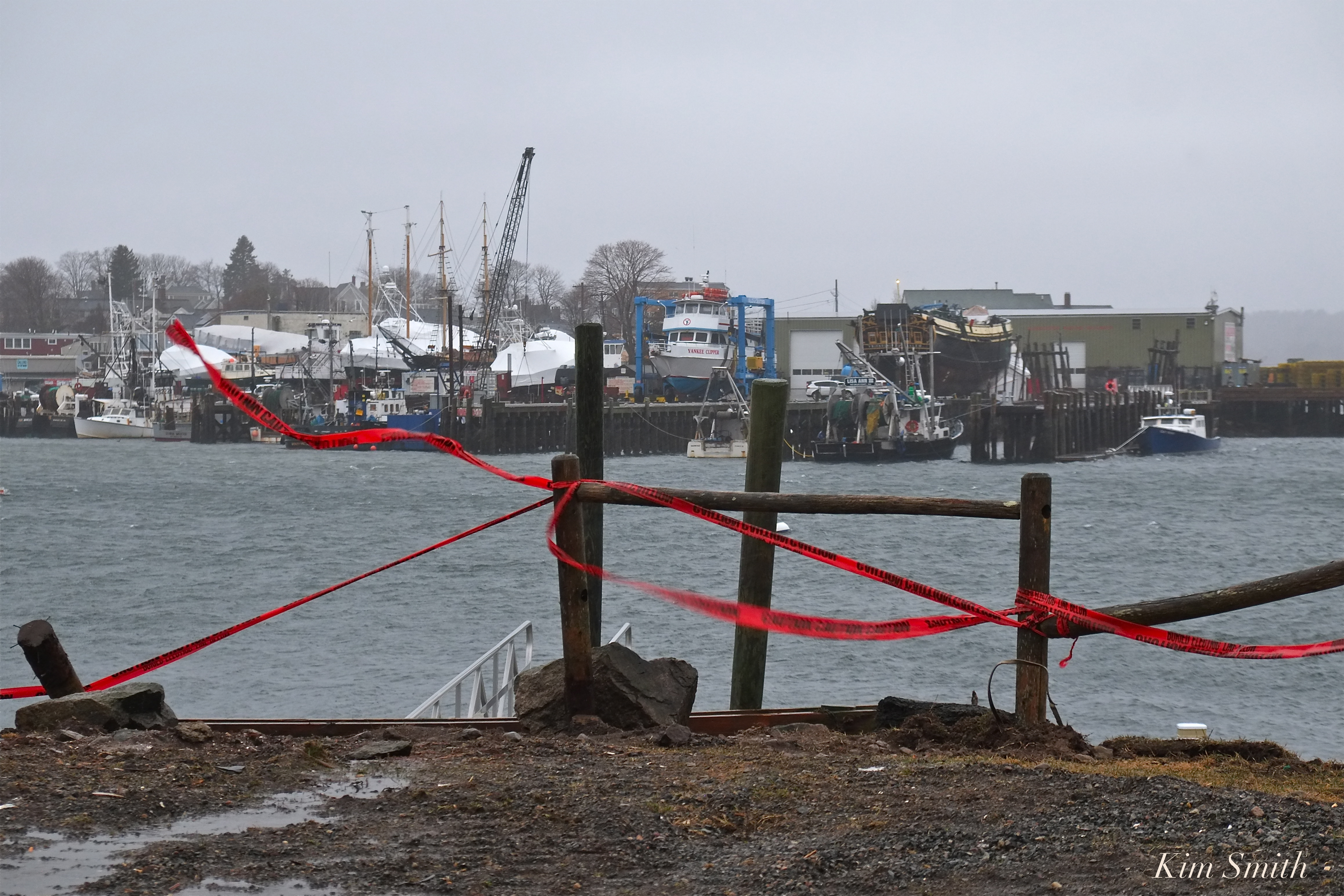
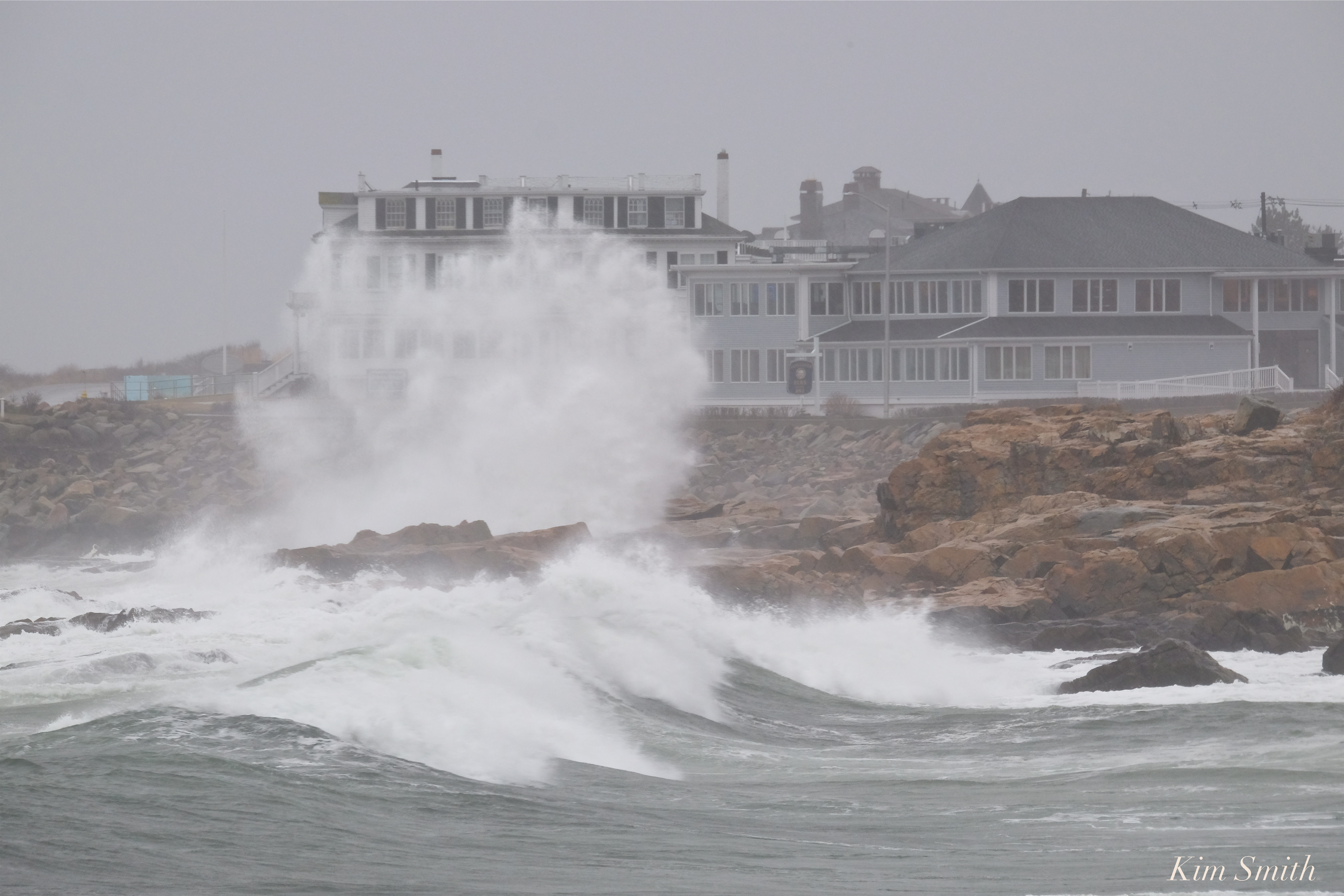
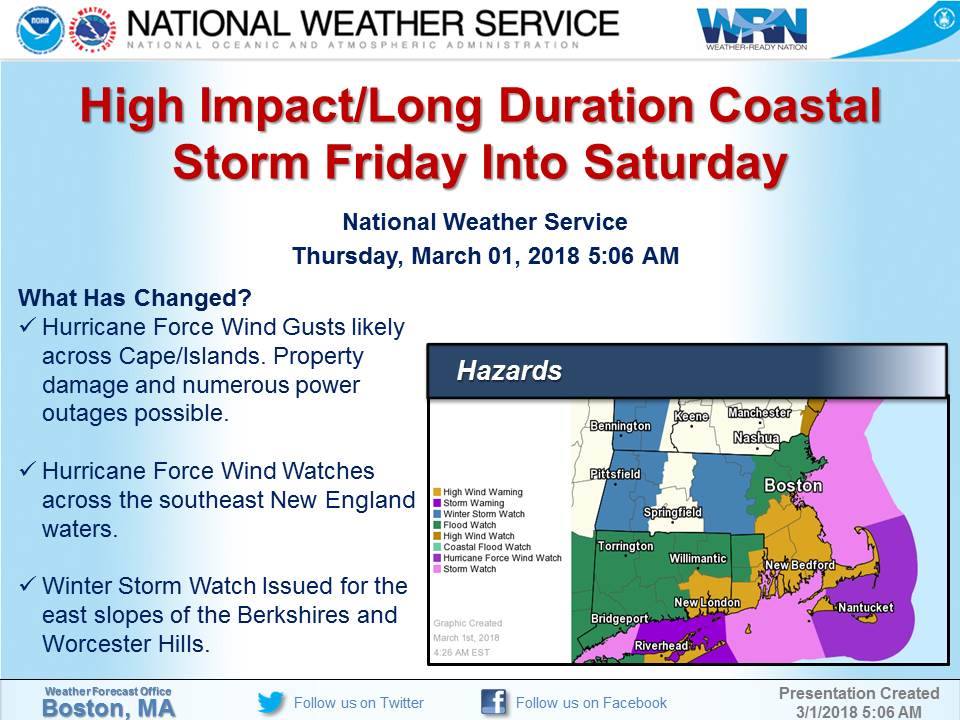
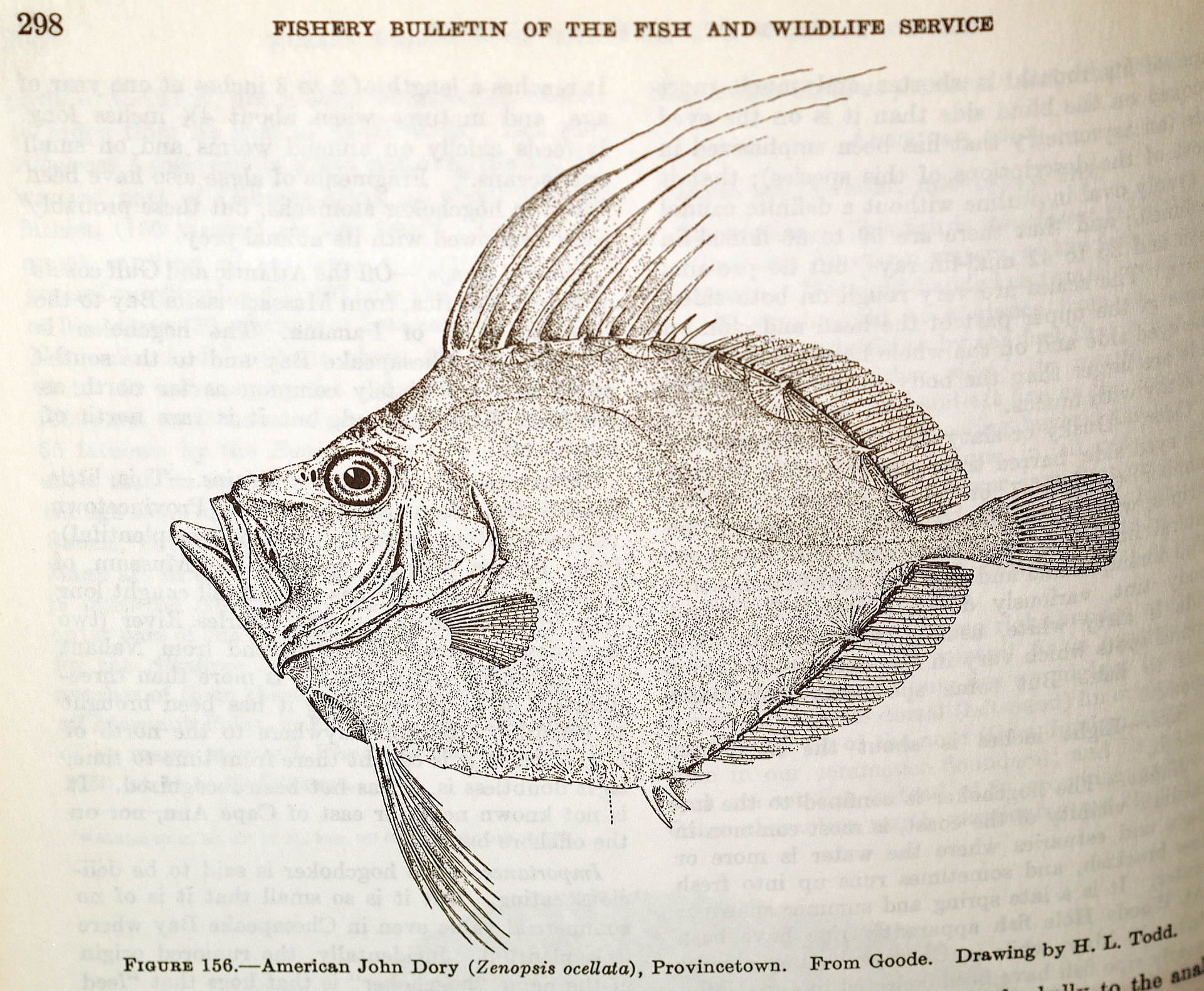
With Gloucester awash from a wicked storm nobody knows what may swim into town. If you come upon a creature like this please notify NOAA, for the unicornfish is quite rare. According to Fishes of the Gulf of Maine by Bigelow and Schroeder (1953) only two specimens have been found, both caught on the western edge of Georges in 1930 by the schooner OLD GLORY.
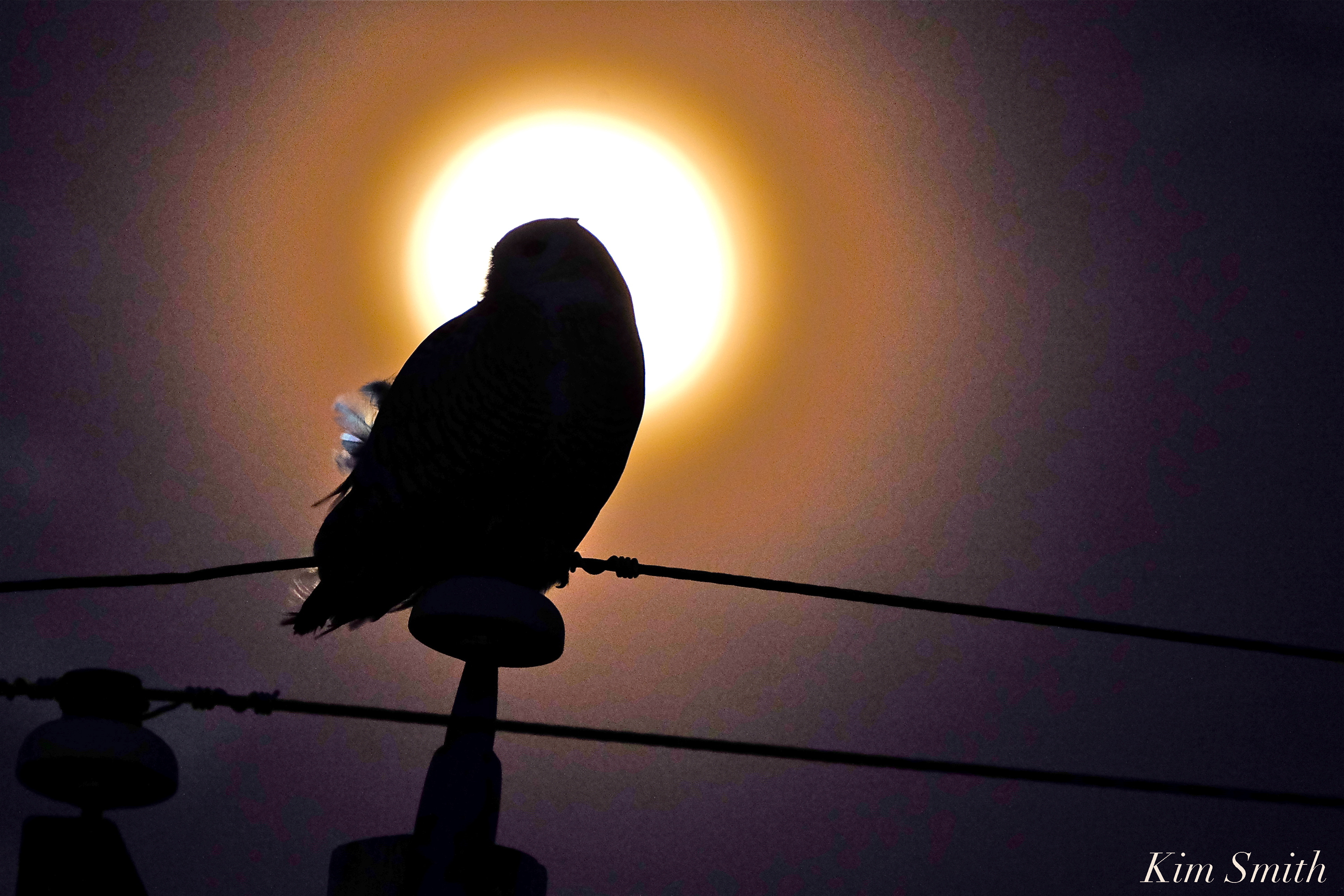
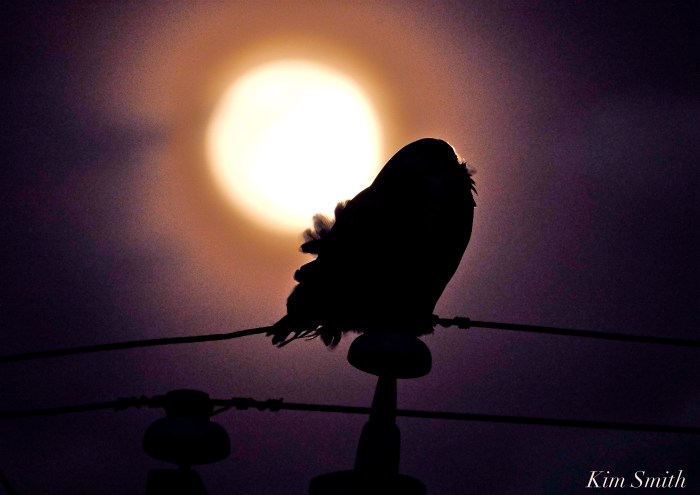
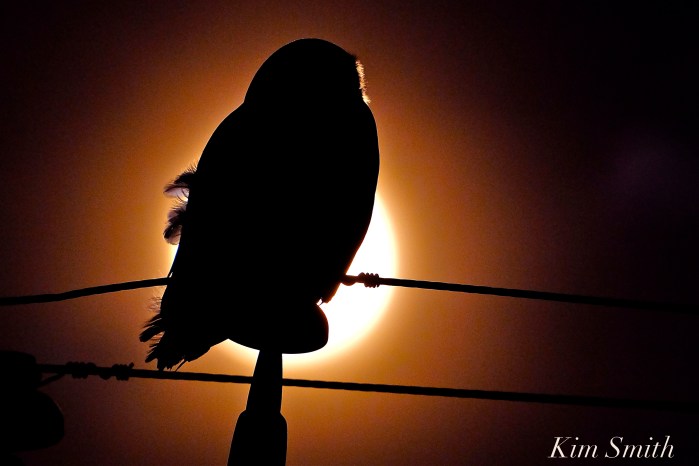
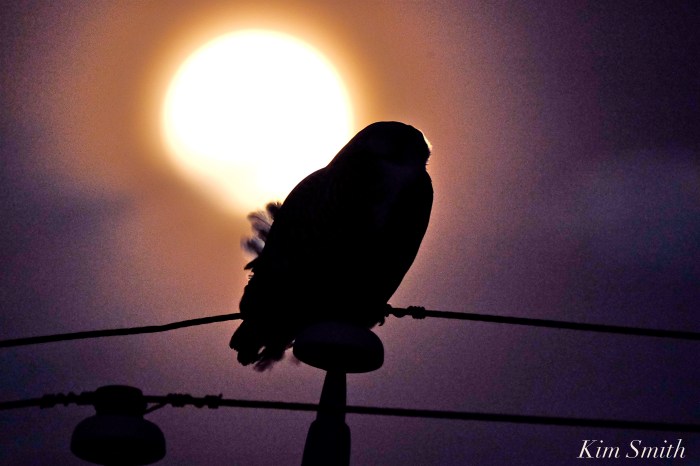
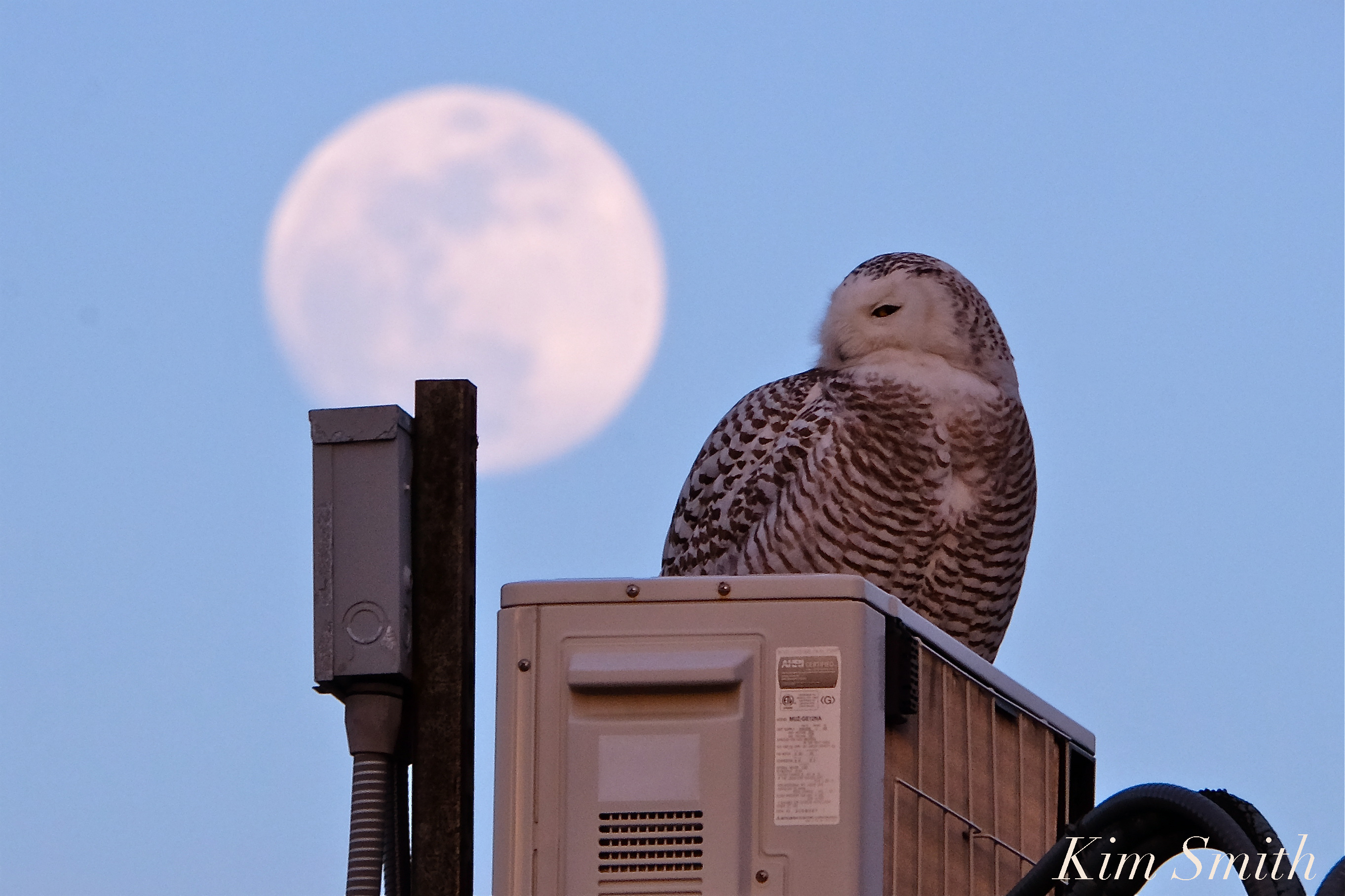
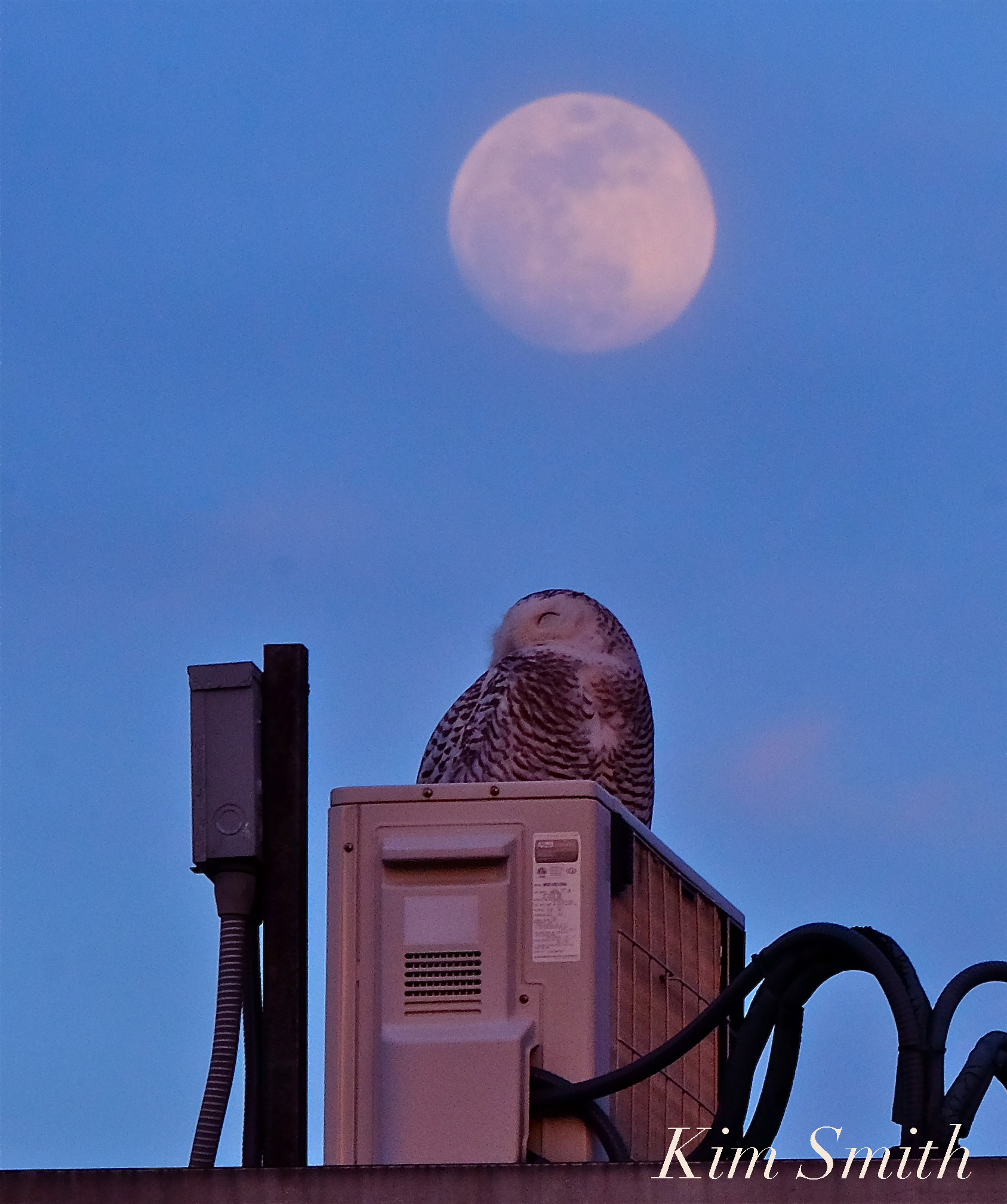
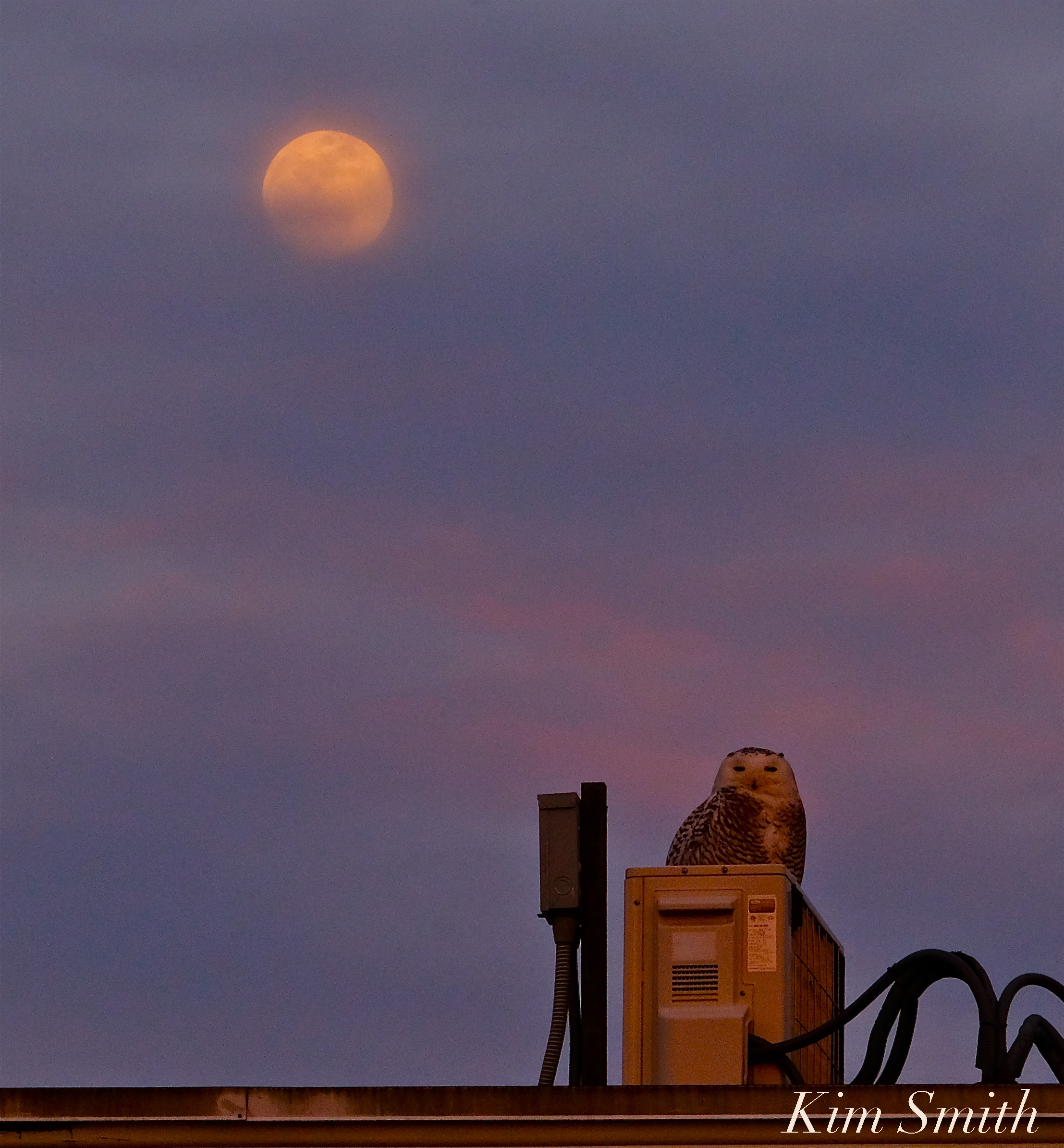
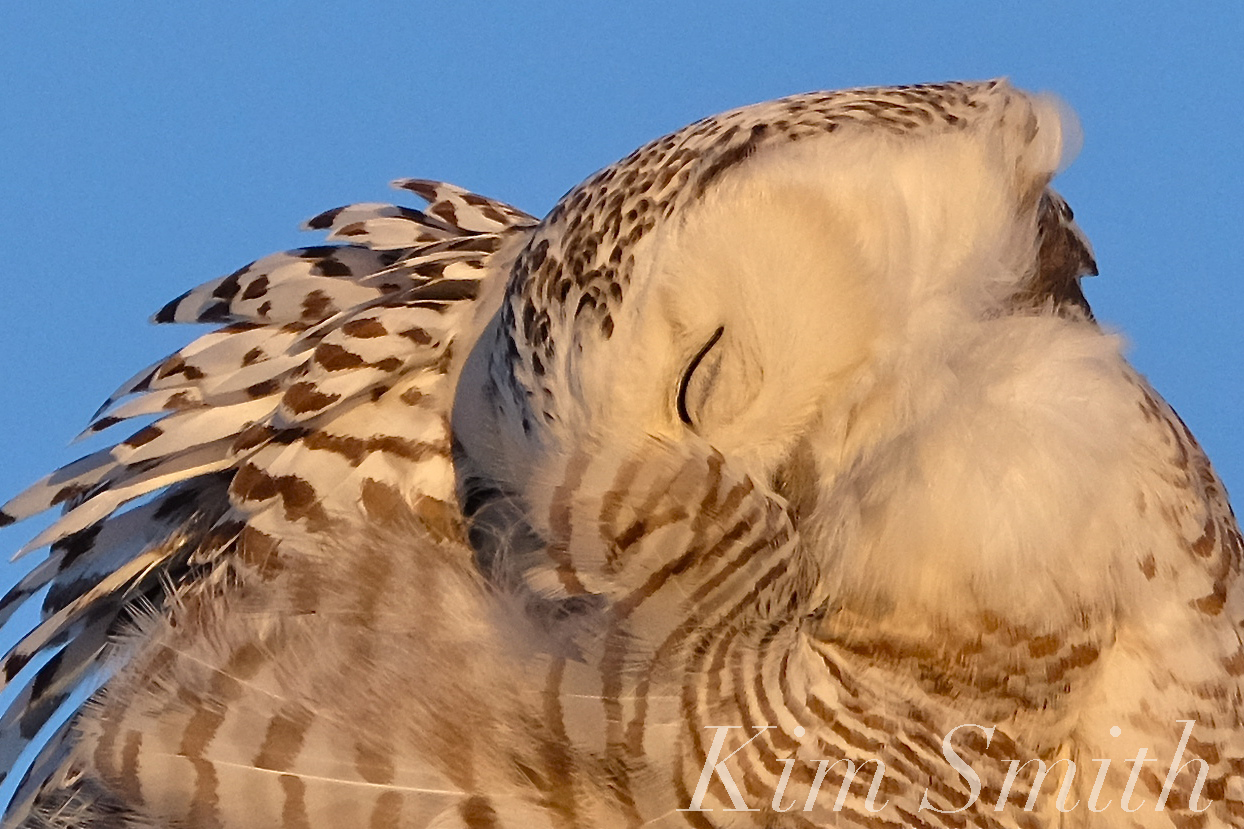
Hedwig is the gift that keeps on giving! What a joy to see her awakening in the rising full moon last night. She preened and fluffed, then flew through the moonlight to a nearby phone pole.
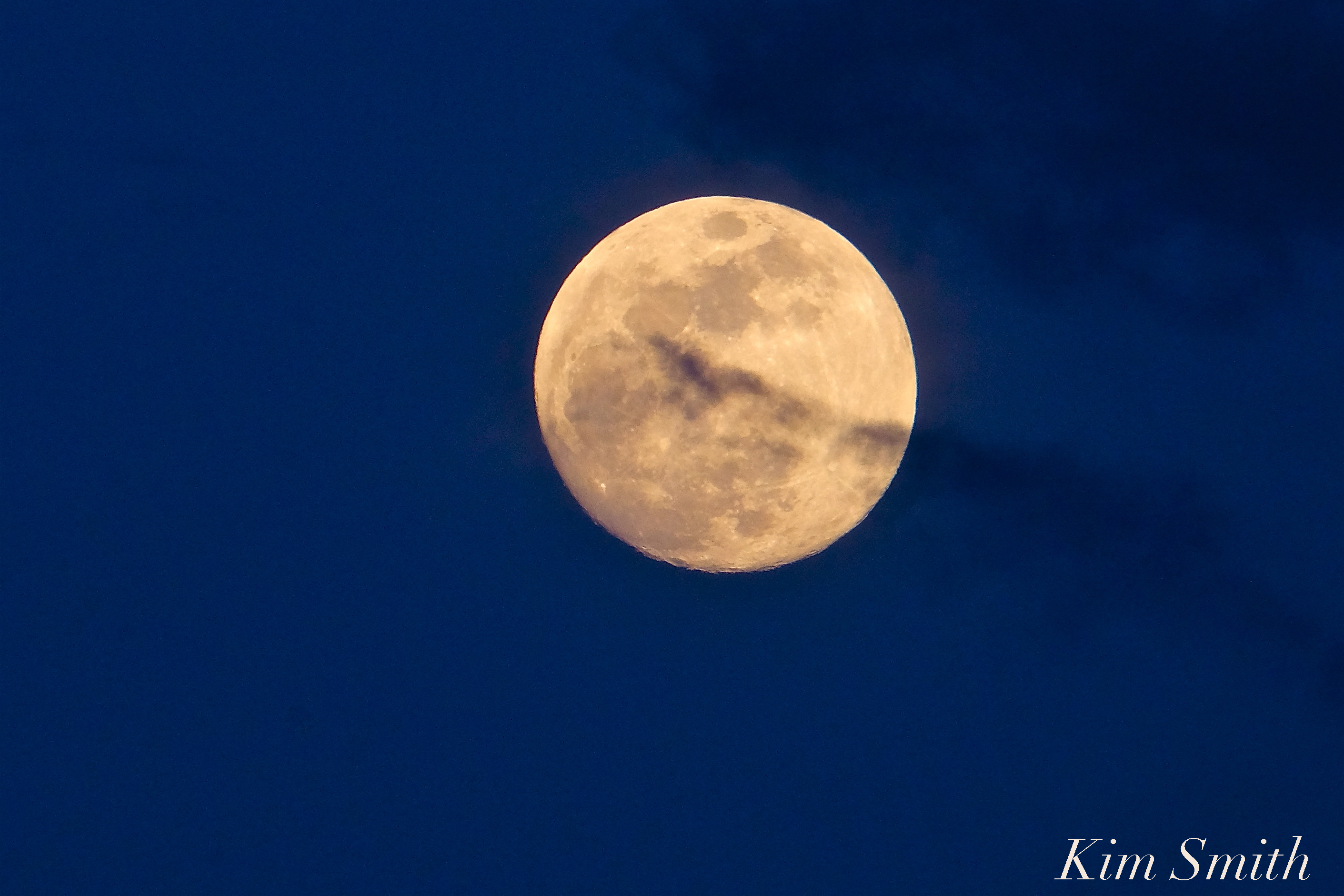
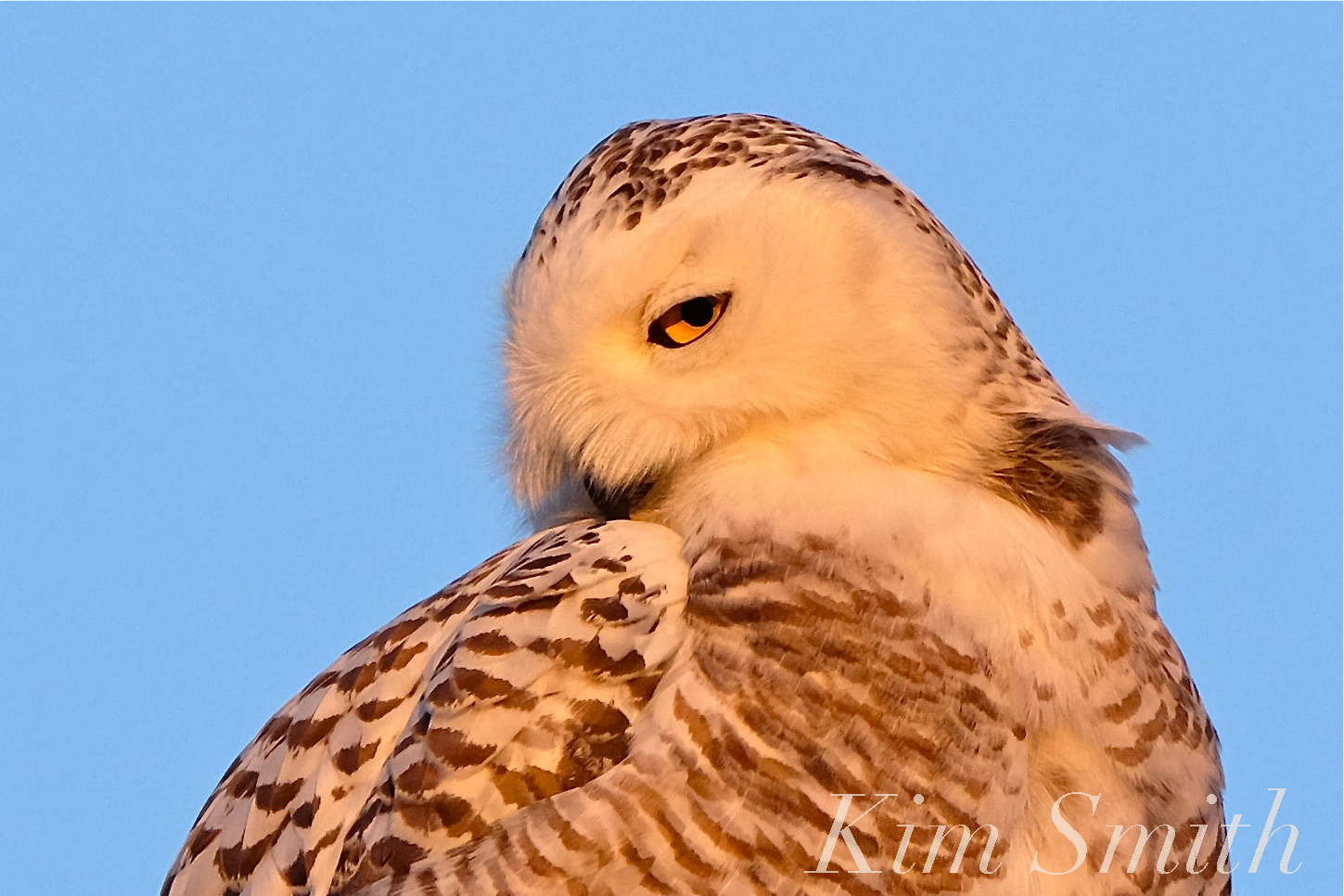
The wind was whipping up and ruffling Hedwig’s feathers, making her look extra fine in the glow of the Snow Moon rising.
Dear Friends,
While I am sorting through the challenges of one of the hard drives for my Monarch film crashing, I have been organizing the Snowy footage. Captured in photos and on film, we have her bathing, passing a pellet, pooping, eating, flying, and much more, and is going to make a terrific short film. It’s a mystery to me exactly where she goes when she disappears for several days and I am hoping to document every aspect of her stay in Gloucester. She has been spotted at several locales in East Gloucester, Salt Island, and Twin Lights but, if by chance, she is a regular visitor to your yard, please write and let me know. The best way to keep the information from becoming public knowledge is to email me at kimsmithdesigns@hotmail.com. I am also looking for a few minutes of footage of a Great Horned Owl (Bubo virginianus) as they are closely related to Snowies (Bubo scandiacus), so please write and let me know if you have a resident Great Horned Owl. Thank you so much for any leads given 🙂Full Snow Moon Rising
Spread The GMG Love By Sharing With These Buttons:
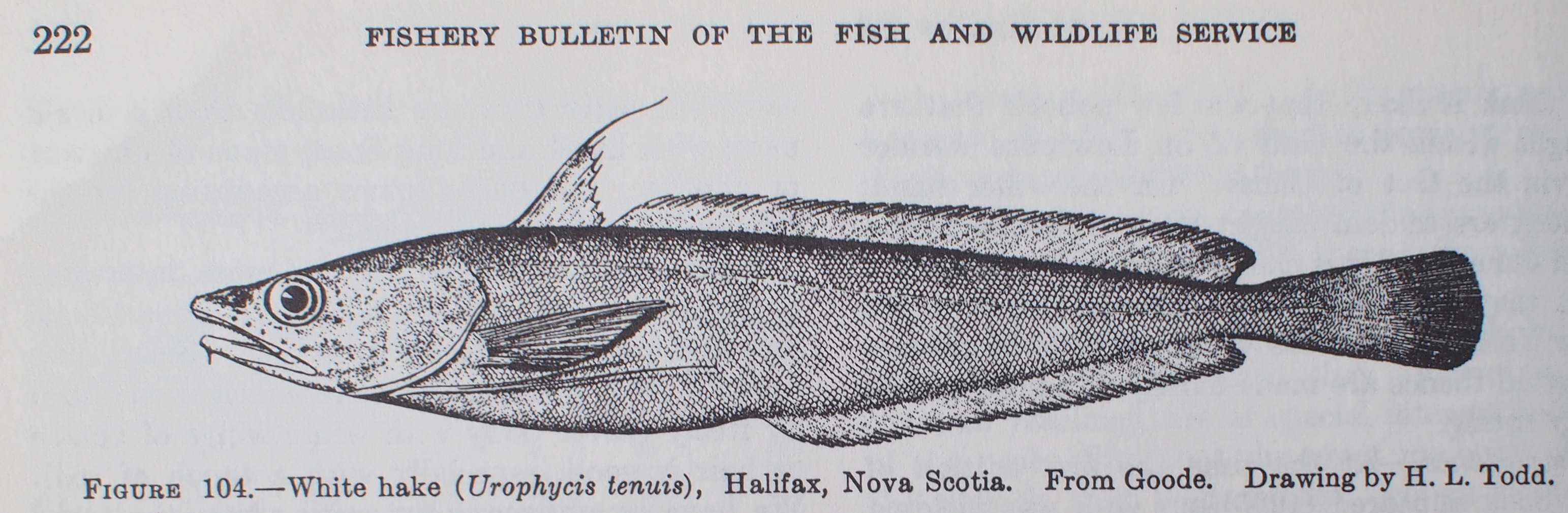
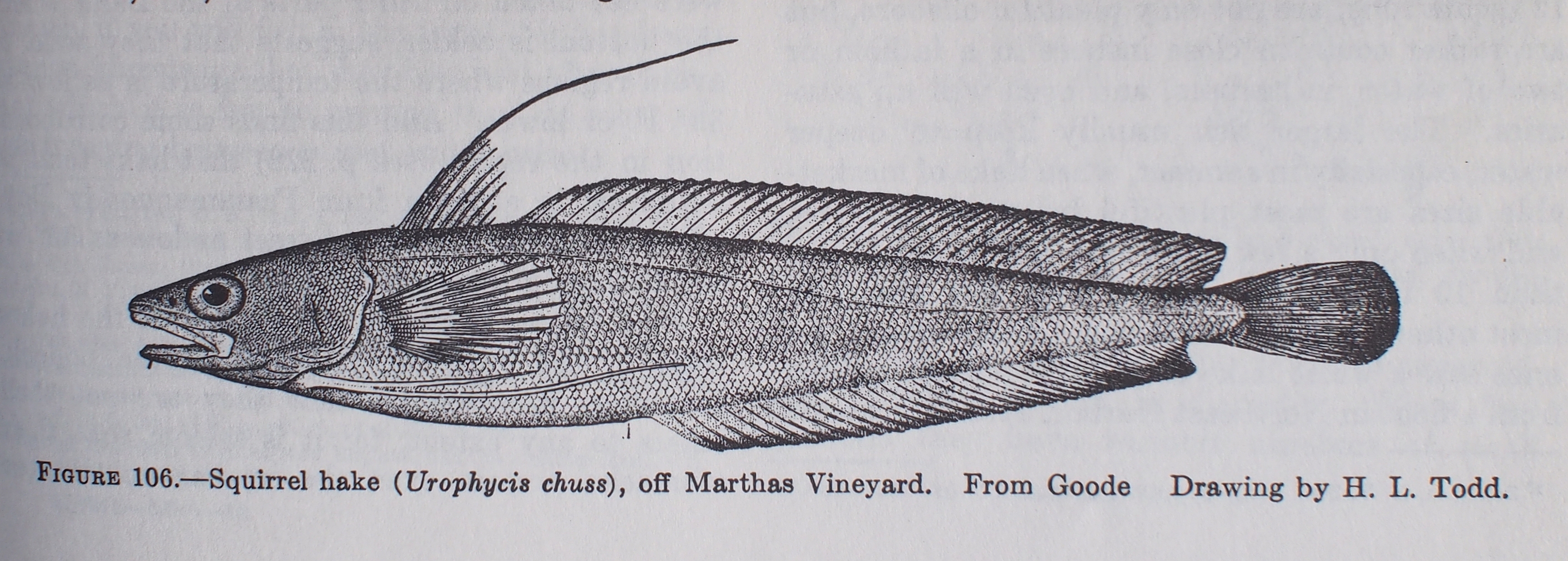
Our previous post spoke of two members of the hake tribe – WHITE HAKE aka BOSTON HAKE sometimes called BLACK HAKE and sometimes MUD HAKE when they are not simply called HAKE or their other name, LING. The other mentioned, SQUIRREL HAKE is more commonly known as RED HAKE, except when it is called LING. Got it?
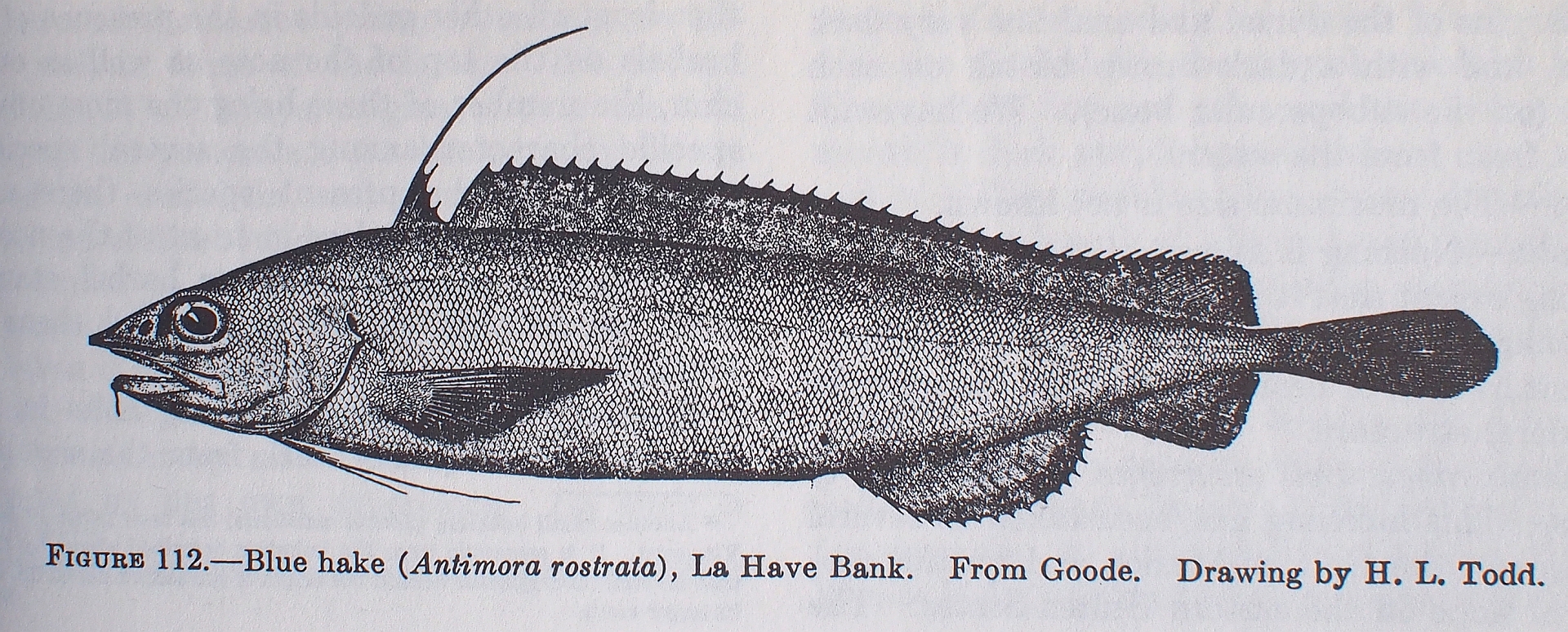
Today we have another – BLUE HAKE. It’s rare in the Gulf of Maine but common beyond the slope and has been taken at 1,000 fathoms. BLUE HAKE look much like WHITE and RED HAKE and also like BLACK HAKE which are really WHITE HAKE, as explained in the previous paragraph.
Fishes of the Gulf of Maine by Bigelow and Schroeder, 1953. Courtesy of MBL/WHOI – BLUE HAKE
WHITE HAKE; BOSTON HAKE; BLACK HAKE; MUD HAKE; HAKE; LINGSQUIRREL HAKE; RED HAKE; LING
Ever since 1616, when Capt. John Smith wrote “Hake you may have when the cod failes in summer, if you will fish in the night,” it has been common knowledge that they bite best after dark, from which it is fair to assume they do most of their foraging between sunset and sunrise.
We are forced to discuss these two hakes together, for they are so hard to tell apart that they are often confused, while they agree so closely in habits and distribution that what is said of one applies equally to the other, except as noted below.
From Fishes of the Gulf of Maine by Bigelow and Schroeder, 1953 _ Courtesy of MBL/WHOI
2010 to 2016 Massachusetts landings of white hake have been in the range of 3 to 5 million pounds. Squirrel (Red) hake landings 197 to 366 thousand pounds.
Spread The GMG Love By Sharing With These Buttons:
Beginning in July there will be I Am More portraits traveling to Gloucester City Hall, Addison Gilbert Hospital, Gloucester High School, Emerson College, Gloucester Stage Company, Action Inc., Lahey Behavioral Health, The Open Door, Cape Ann Cinema and Stage, Cape Ann Coffees, Magnolia Library and Community Center, Eastern Point Lit House, Cape Ann Animal Aid, Backyard Growers, Saltwater Massage Studio, Cape Ann Power Yoga, Willow Rest, Maritime Gloucester, and Sound Harbor Music School.
If you would like to host a display of one or more portraits in 2019 please let me know. You can see the portraits and read the essays here: https://amykerrdrawsportraits.wordpress.com.
Stay tuned for I Am More: Massachusetts…
Thanks for your support!
Amy Kerr
Spread The GMG Love By Sharing With These Buttons:
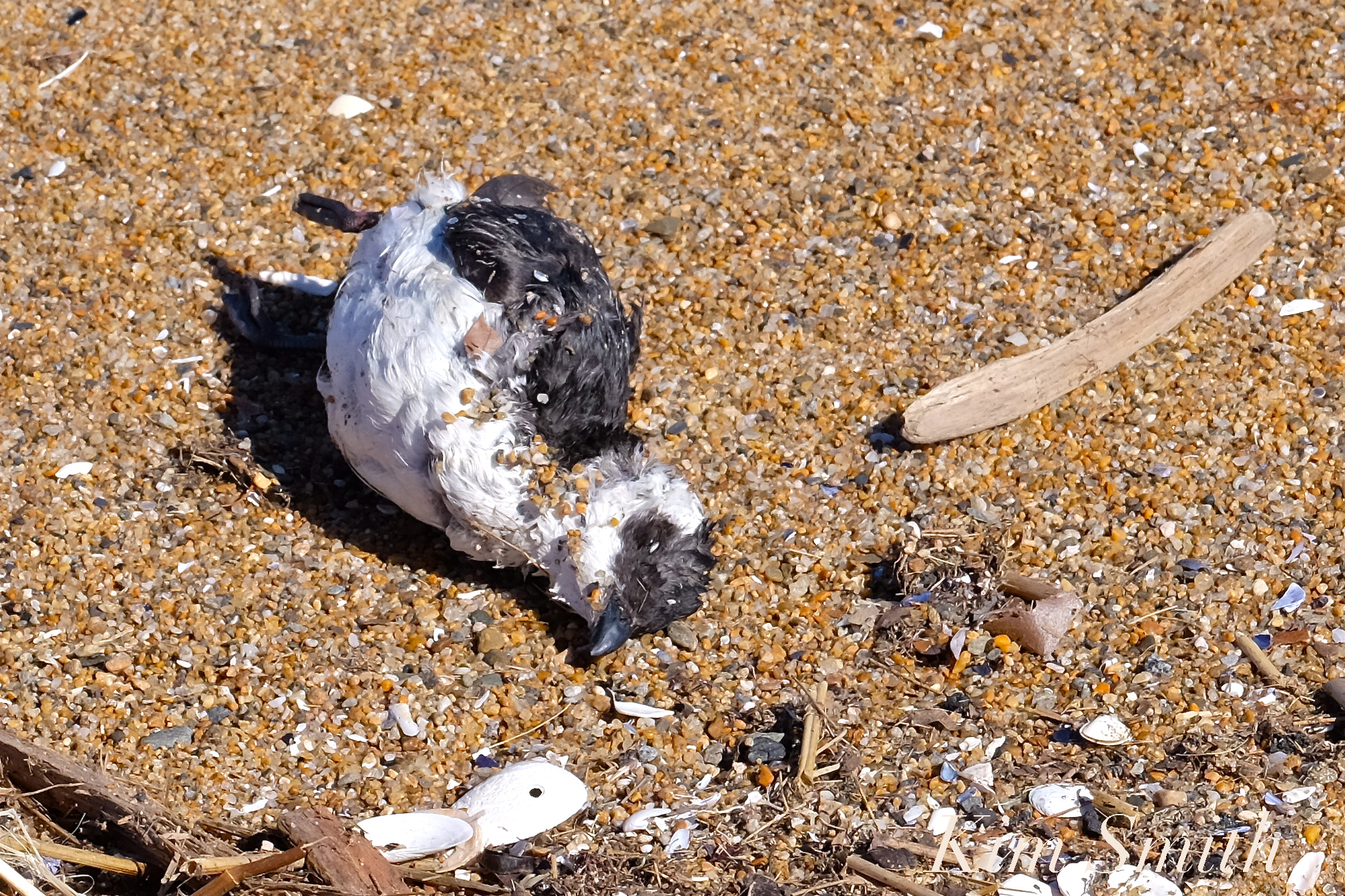
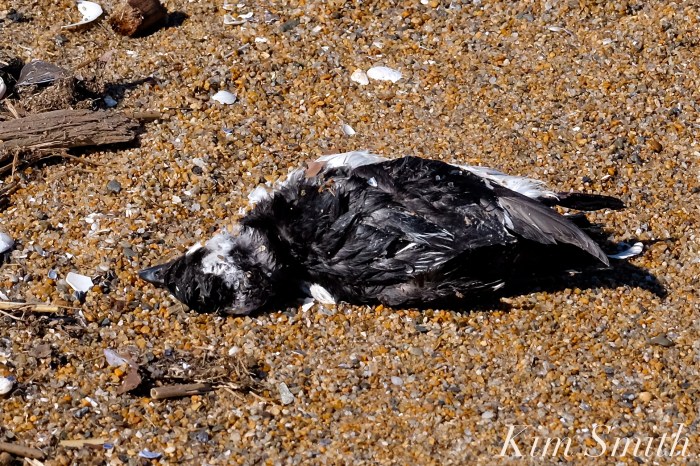
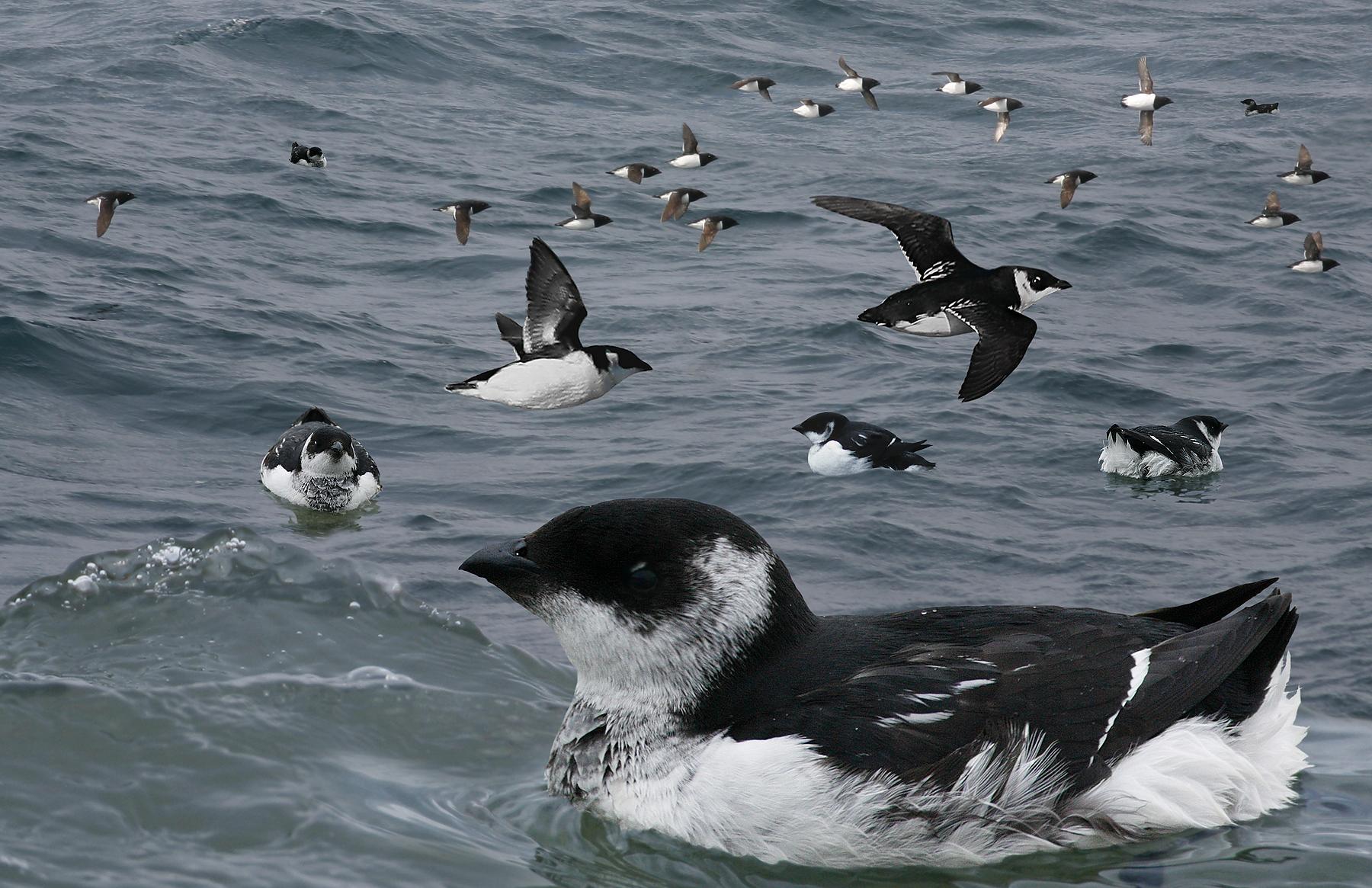
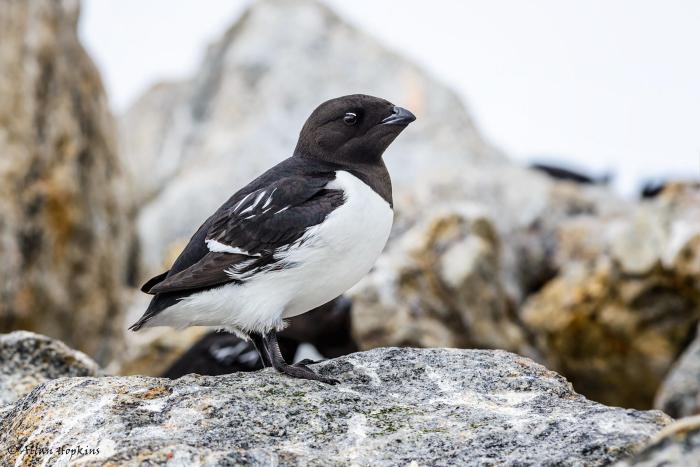
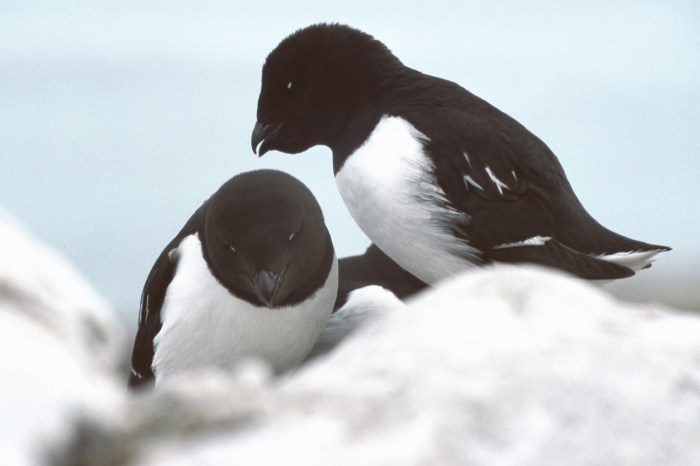
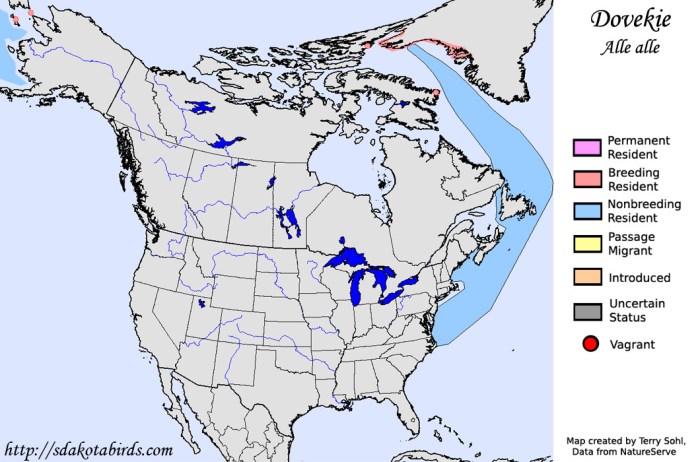
A tiny pelagic seabird, the Dovekie, was discovered this morning laying dead in the sand. I think it must have died very recently as it was completely intact. Dovekies are the smallest of the auks (the puffin family) and when on the beach they are in serious trouble because they walk very poorly and have difficulty taking off. Most of us will only ever catch a glimpse of this tiny treasure far away and out to sea and although very dead, it was beautiful to see.
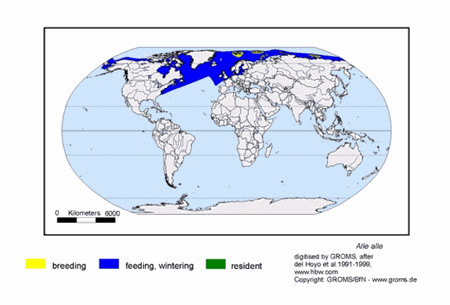
Dovekies (also known as the Little Auck) breed on islands in the high Arctic and move south to the the north Atlantic in the winter. Several weeks ago, one was spotted off the shoreline on Atlantic Road.
Photos of living Dovekies courtesy wikicommonsmedia.
Spread The GMG Love By Sharing With These Buttons:
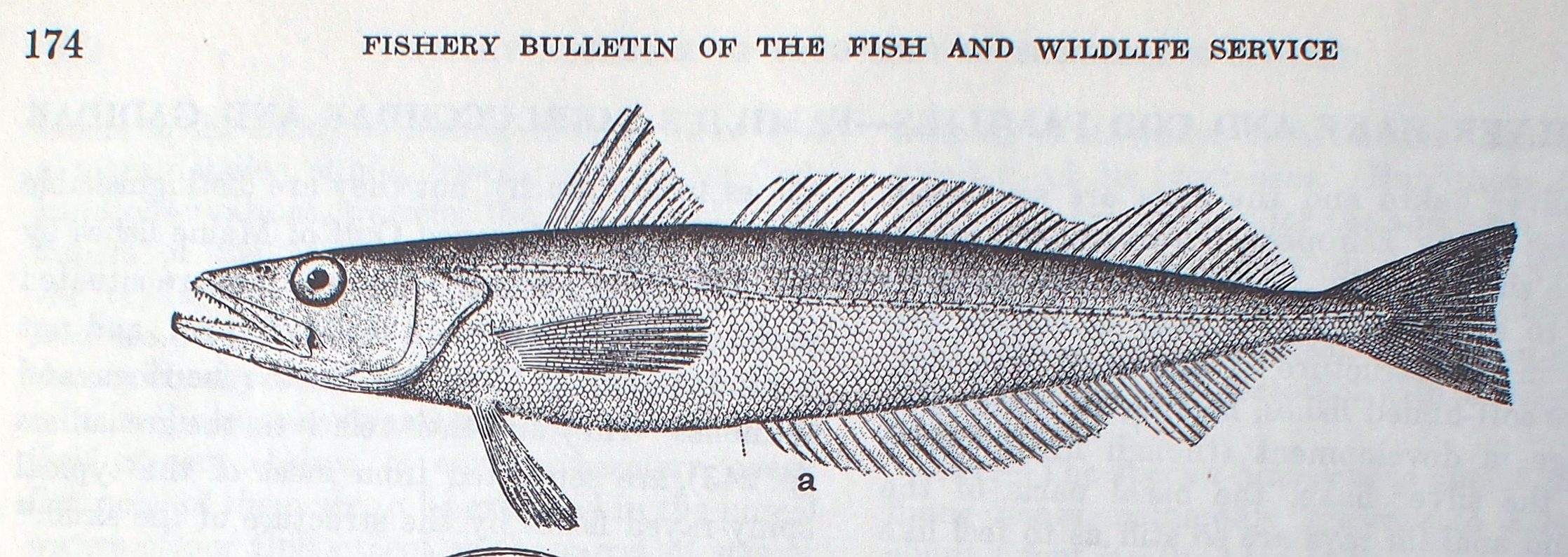
WHITING; NEW ENGLAND HAKE (Merluccius bilinearis). Differs from true hakes (genus Urophycis) Drawing by H. L. Todd
Silver hake are strong swift swimmers, well armed and extremely voracious. Probably a complete diet list would include the young of practically all the Gulf of Maine Fishes. A 23¼ inch silver hake, taken at Orient, N. Y., had 75 herring, 3 inches long, in its stomach. And it is probable that the silver hake that frequent Georges Bank feed chiefly on young haddock. As sweet a fish as one could ask, if eaten fresh or if slack salted overnight and used for breakfast the next morning. Soften so fast they must be frozen quickly.
Massachusetts landings of silver hake reached a peak in the 1950s with a high of 108 million pounds in 1957. From 2010 to 2016 landings have been in the range of 7 to 9 million pounds. (NOAA)
Spread The GMG Love By Sharing With These Buttons:
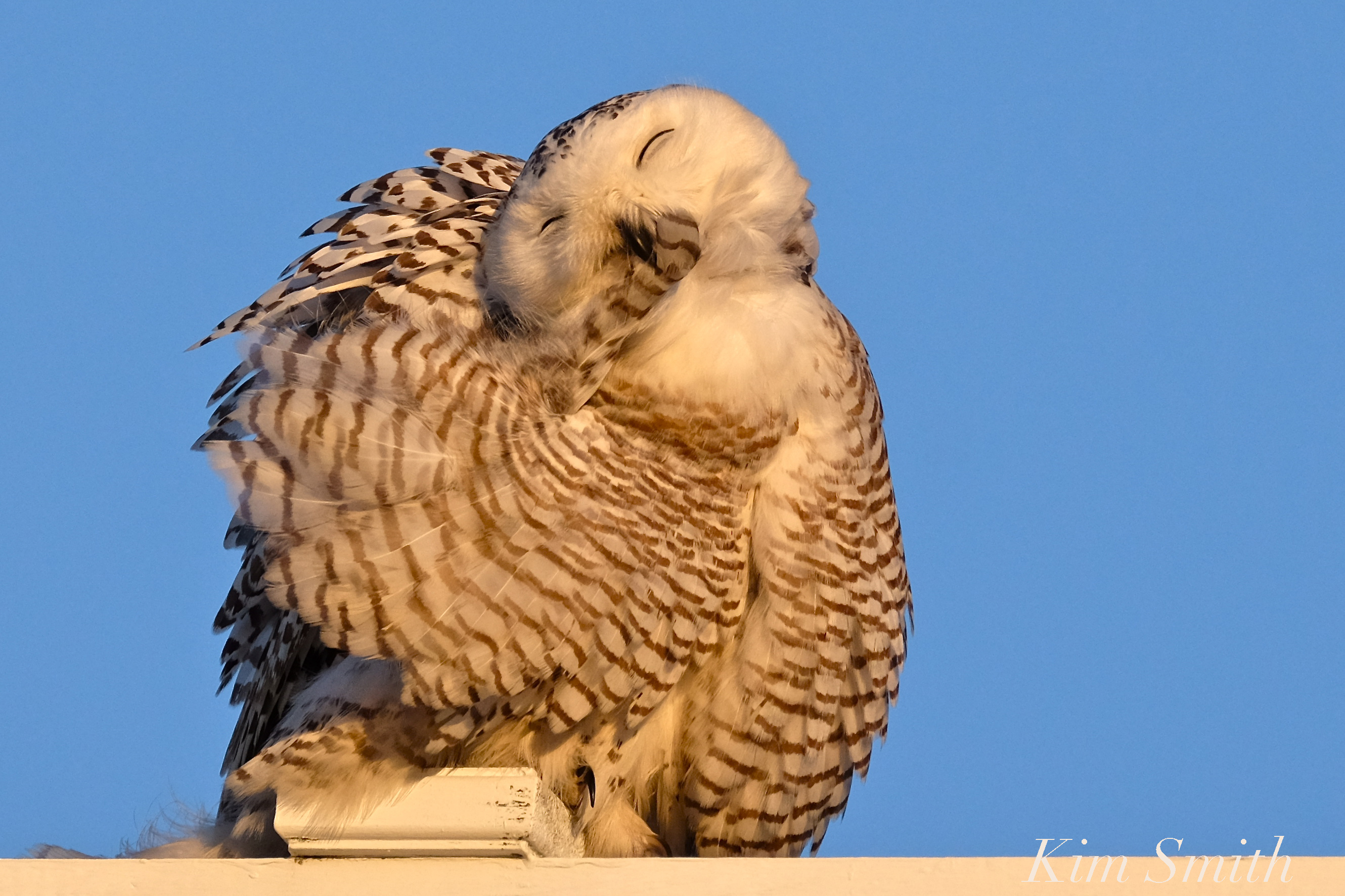
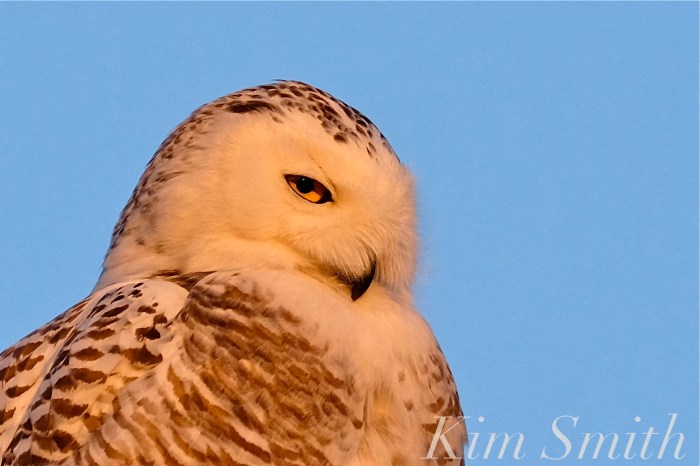
Good Morning Sleepyhead! Actually, afternoon, for you and I. Snowies hunt during the long day light hours of the Arctic summer, but here on Cape Ann, Hedwig awakens every afternoon to begin a night of hunting, returning to her roost at daybreak.
She spends a good deal of time grooming before take off–cleaning her feet, pulling her front feathers through her beak, washing overall, and fluffing out her feathers. Oftentimes she’ll spit up one, two, and even three pellets. Moments before take off she poops, and then off she goes.
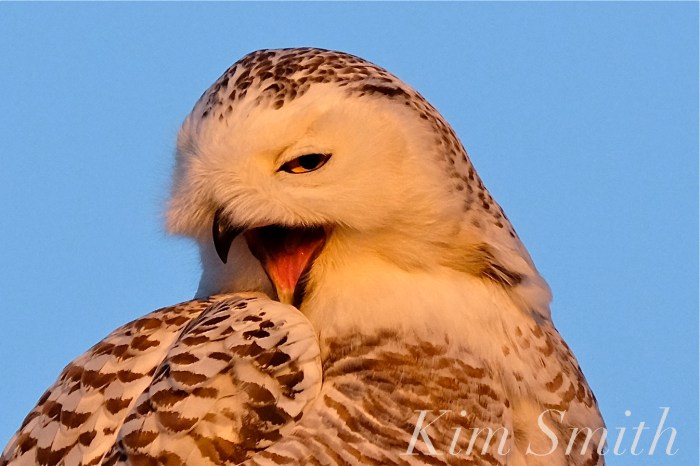
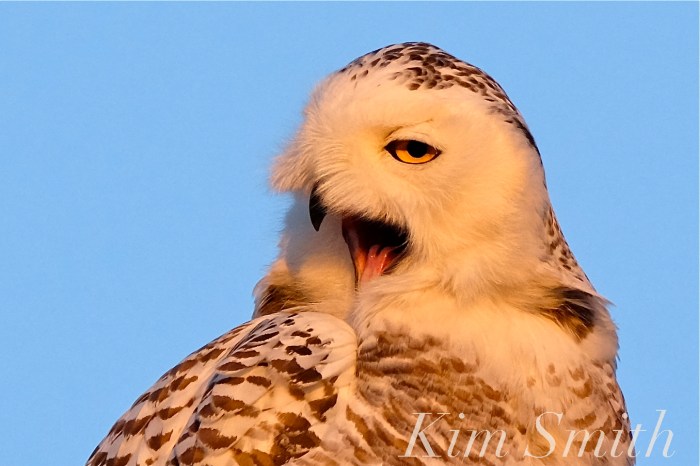
A Snowy Owl’s beak and mouth look small, covered in feathers as they are, until you see it wide open. The size of a pellet that is regurgitated from her mouth can be as large as a rat. The beak is covered in small bristles to help detect nearby objects. Snowy Owls have tiny ears and owl’s ears are often asymmetrically set on their head, all the better to hear sound from different angles.
Hedwig was observed everyday this past week in rain, fog, snow, and sun. She’s feasting well on Cape Ann fare!
Spread The GMG Love By Sharing With These Buttons:
Size— The largest four specimens yet seen measured 18¼ and 18½ inches; 19 inches, weighing 3 pounds; and 20 inches, weighing 4½ pounds and 24 inches, weighing 7 pounds
General range— Outer part of the continental shelf from the latitude of Chesapeake Bay to the vicinity of Sable Island, Nova Scotia, and perhaps to the Laurentian Channel that separates the Nova Scotian Banks from the Newfoundland Banks. It reaches the inner parts of the Gulf of Maine now and then as a stray.
From Fishes of the Gulf of Maine by Bigelow and Schroeder, 1953
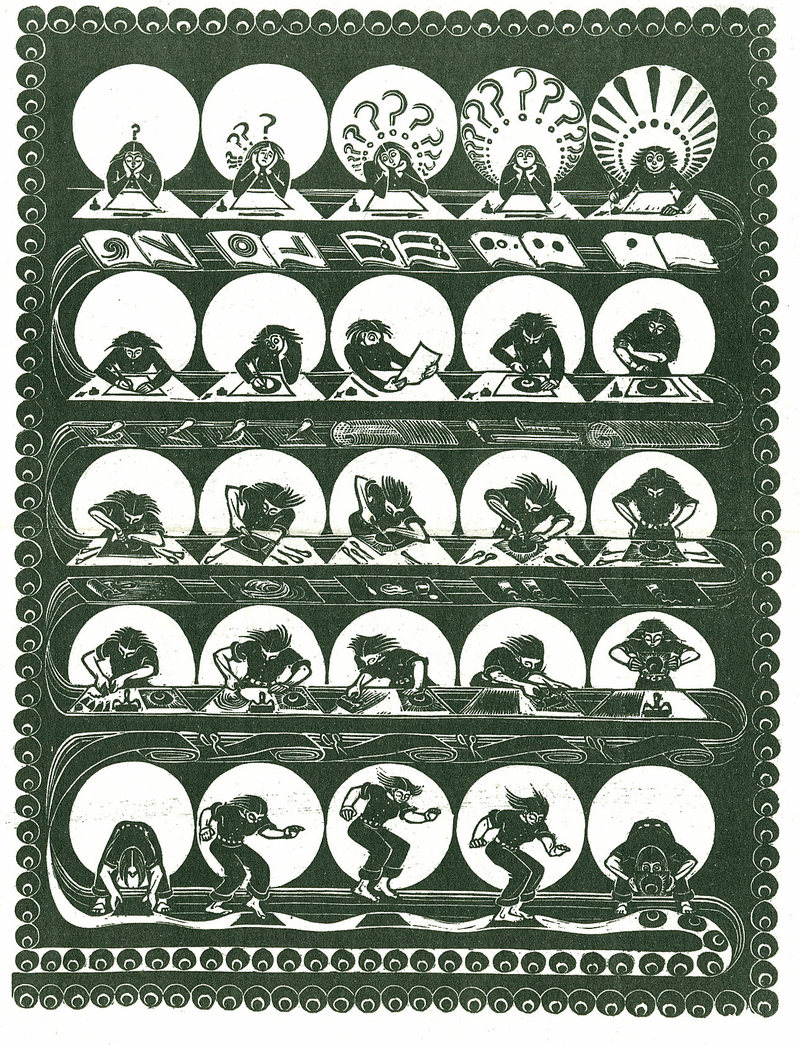
Led by beloved children’s author Virginia Lee Burton, this group of mostly untrained women created immortal designs.
Atlas Obscura
By Cara Giaimo
Folly Cove Designers Eino Natti “Polyphemus” 1950 Cape Ann Museum
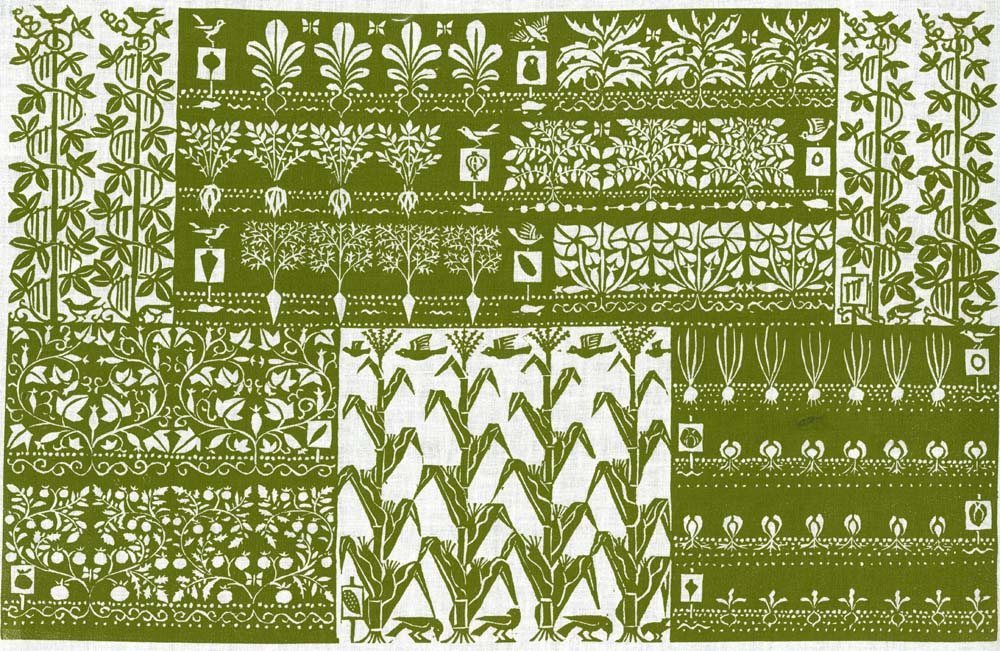
One by one, the prints unfold before you. One shows sheep leaping in the grass, another, children on a tree-hung swing, the moon shifting above them. All are charming, sophisticated, and unbelievably detailed. They take the essence of everyday objects and activities, and unspool them into mesmerizing patterns. No matter how much you may want them, though, you can’t get these prints on Etsy. In fact, you can’t get them anywhere.
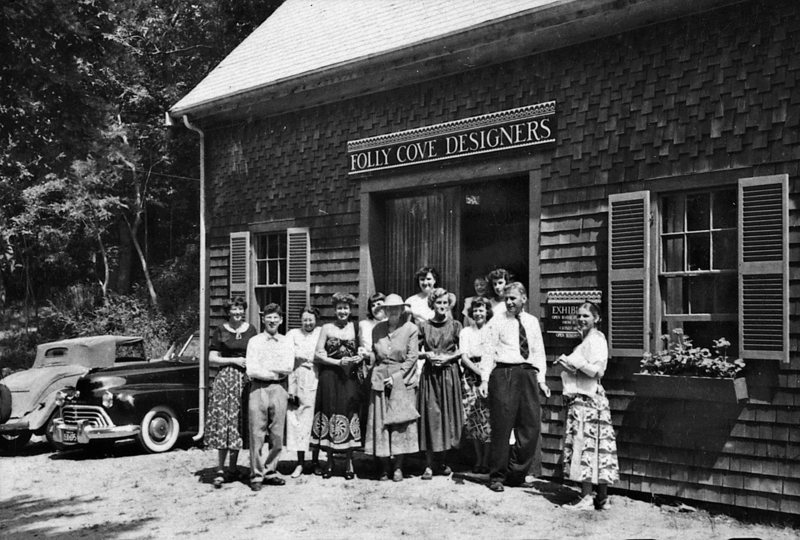
They live mere miles from where they were produced, at the Cape Ann Museum in Gloucester—the last bastion of the nearly forgotten Folly Cove Designers. Helmed by a children’s book illustrator and comprised of her previously untrained friends and neighbors, the Folly Cove Designers were hardworking, tight-knit, and sincere—so sincere, they eventually voted themselves into obscurity.
To children worldwide, Virginia Lee Burton is the beloved hand behind half a dozen classics, including Mike Mulligan and His Steam Shovel, Katy and the Big Snow, and The Little House, intricately illustrated tales of close-knit communities. But to her neighbors at Folly Cove, on the north shore of Massachusetts, she was Jinnee Demetrios. Jinnee and her husband, the sculptor George Demetrios, moved to the area in 1932 with their one-year-old son Aristides, who was soon followed by Mike. The couple quickly became community pillars, making art all day, and spending evenings gathering their friends and neighbors for raucous sheep roasts.
“Folly Cove gets its name because it would be folly to bring a ship in and turn it around,” says Christine Lundberg, producer of the film Virginia Lee Burton: A Sense of Place, as well as the upcoming Beautiful and Useful: The Art of the Folly Cove Designers. This ethos carried over into the rough-and-ready town life. “You couldn’t get pretty little things,” says Lundberg. “If you wanted them, you had to make them.” An artist through and through, Jinnee surrounded herself with homemade treasures, including, as the story goes, a particularly nice set of block-printed curtains. One of her neighbors, Aino Clarke, admired the curtains so much she wanted to make her own. Jinnee and Aino struck a deal: Jinnee would give Aino top-to-bottom design lessons if Aino, a member of the local orchestra, would teach Jinnee’s sons the violin. (A less legendary, but perhaps more truthful, version of this tale holds that Aino suggested Jinnee give design lessons to her neighbors in exchange for money to buy the necessary paper to illustrate her first book.)
Regardless of exactly how the two came together, Jinnee’s flint struck on Aino’s iron sparked an artistic movement. Within its rock-hard exterior, Folly Cove harbored a vein of artistic impulse that dated all the way back to the 1800s, when painters had flocked there to take advantage of the seashore’s distinct sunlight. (“If you spend time lying on the granite around here, you get creative powers,” one resident told Lundberg). As Jinnee and Aino dove into the lessons, other members of the community began joining them.
Folly Cove Designers Virginia Lee Demetrios “George’s Garden” 1964 Printed in her favorite color. Cape Ann Museum
Thus began the Folly Cove Designers (FCD), a ragtag group of locals united by their desire to fill their lives and their minds with a particular form of well-thought-out beauty. Many members were, like Aino Clarke, the children of Finnish immigrants, and sought to combat the economic and emotional hardships of the Great Depression. Others were so-called “Yankees,” who had moved permanently to Folly Cove after vacationing there as children, and who wanted something new to do. Eino Natti, one of the group’s few male members, was an Army veteran and former quarryman—experiences he drew on for prints such as Polyphemus, of a granite-carting train, and PT, which shows near-identical soldiers in mid-squat. Elizabeth Holloran, the local children’s librarian, printed young people skiing and sugaring. “A majority of them were never artists,” says Cara White, director of the Cape Ann Museum’s Folly Cove gallery. “They were editors, architects, housewives, accountants.”
The Folly Cove Designers “diploma,” presented to each member by Jinnee upon their entrance to the guild. Cape Ann Museum.
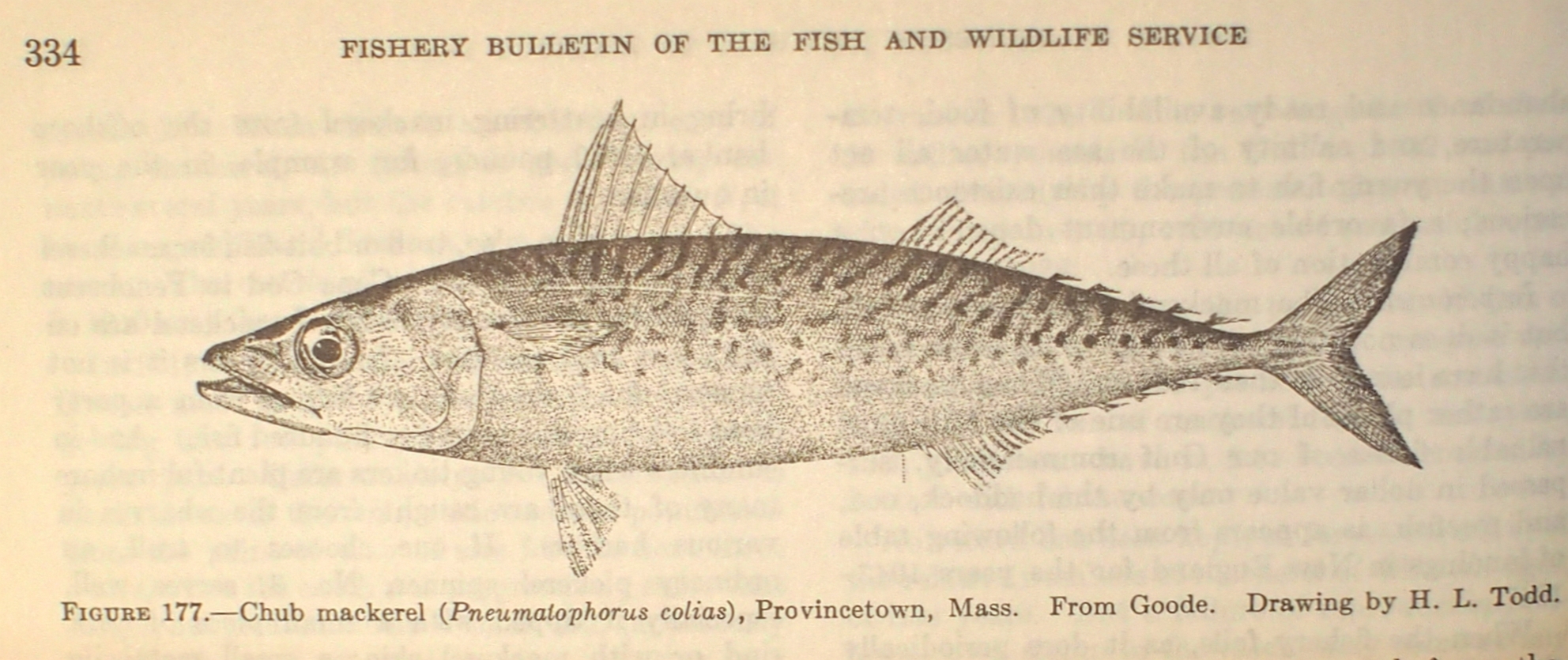
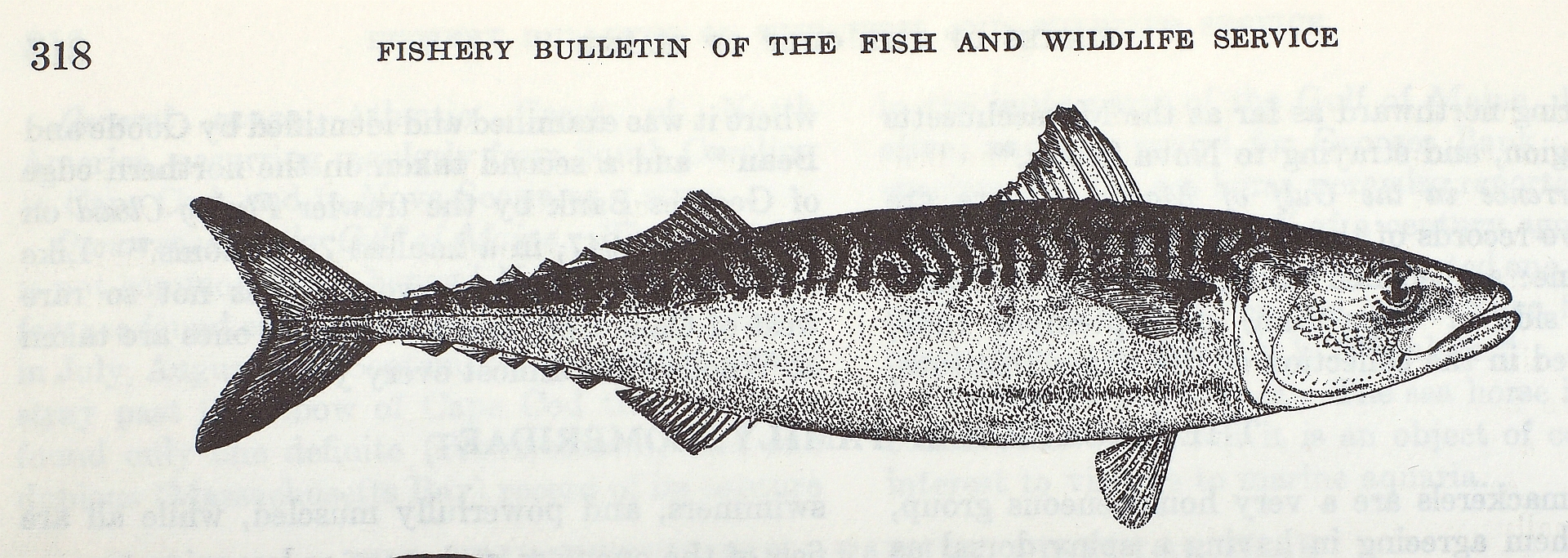
HARDHEAD; BULLSEYE The hardhead (by which name it is commonly known to fishermen) resembles the common mackerel. A smaller fish, growing to a length of 8 to 14 inches only. Tremendously abundant and so plentiful off Provincetown from 1812 to 1820 that three men and a boy could catch 3,000 on a hook and line. But it practically disappeared from the United States coast some time between 1810 and 1850. It is interesting to note that destructive methods of fishing had nothing to do with the case, for its disappearance antedated the introduction of traps, pounds, or purse seines; it also antedated the reappearance of the bluefish; hence cannot be blamed on these sea pirates. So completely did the hardheads vanish that the Smithsonian Institution tried in vain for 10 years prior to 1879 to obtain a single specimen. In its years of plenty, which fall at long intervals, however, the chub mackerel is likely to appear wherever mackerel do off the Massachusetts coast, especially about Provincetown.
From Fishes of the Gulf of Maine by Bigelow and Schroeder, 1953
As David Brooks and crew were dismantling the tree, the lobstermen who bid on them were loading the traps onto trucks. The men paid handsomely for the traps, with profits from the bidding going to help support next year’s one and only #GloucesterMA Lobster Trap Tree.
Spread The GMG Love By Sharing With These Buttons:
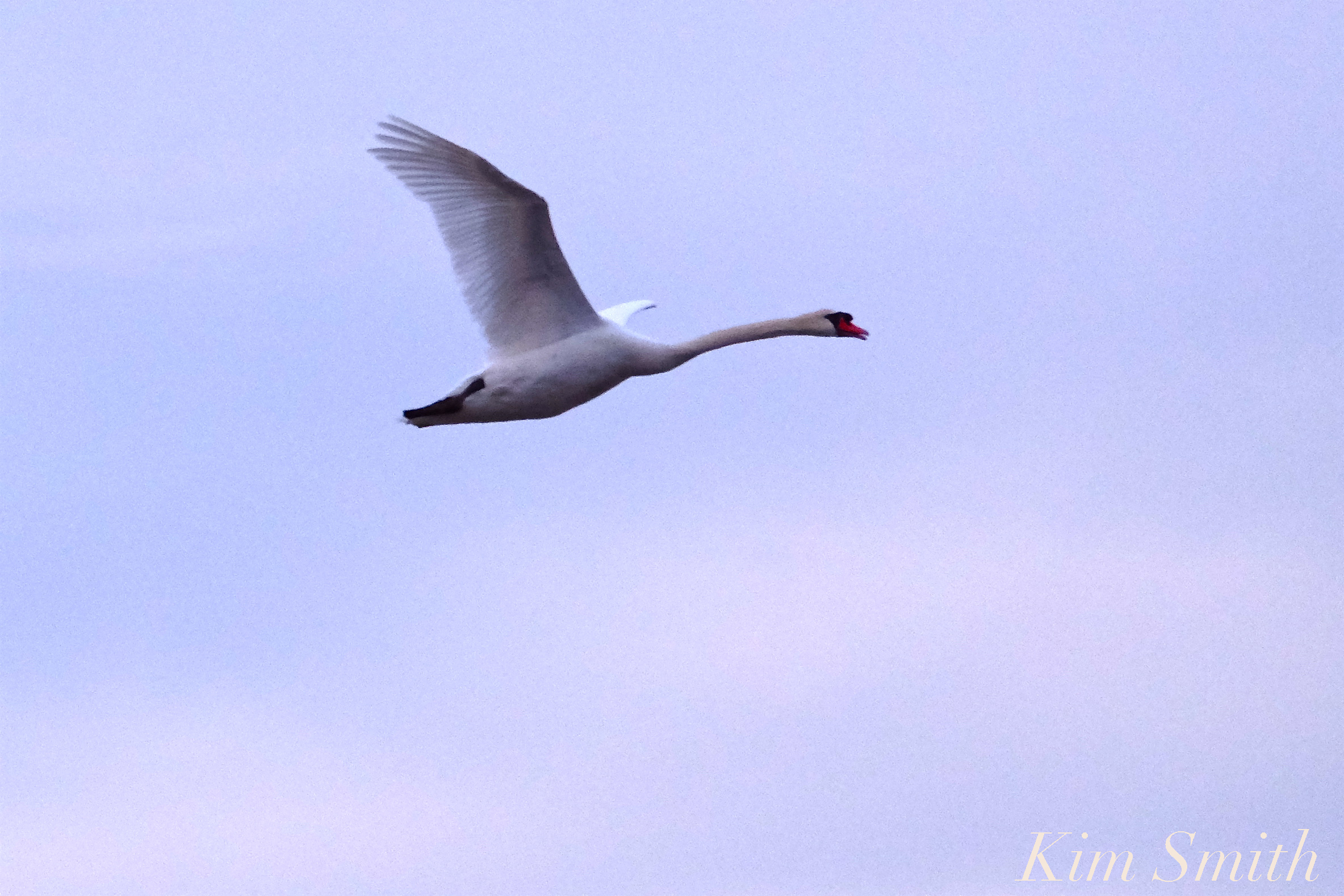
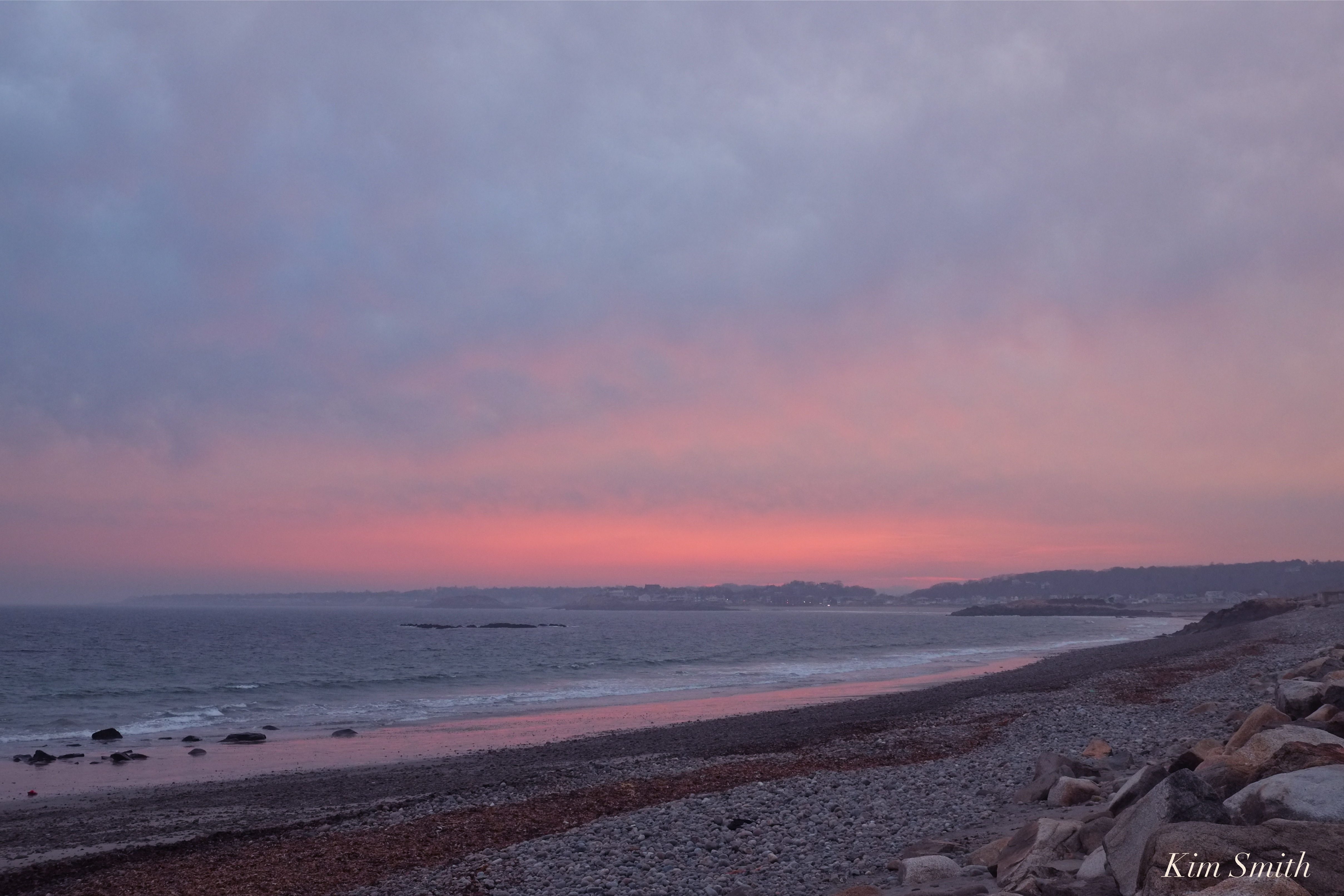
Mr. Swan is back to frequenting both Niles and Henry’s Pond. He’s reveling in the return of warmer temperatures, which with it bring access to his preferred freshwater nesting sites. As I was walking alongside the pond at twilight, he suddenly flew overhead. I wish I had a better photo, but here you can see he is flying well, and it was wonderful to see him looking so full of vigor in the fading rosy light.
The Young Swan is also faring well this winter. His kindhearted caregiver Lyn has taken to calling him Thomas, after Farmer Thomas Niles, who at one time owned all of Eastern Point, and for whom Niles Pond and Niles Beach are named.
Spread The GMG Love By Sharing With These Buttons:
MACKEREL (Scomber scombrus) Drawing by Luella E. Cable
On dark nights the schools are likely to be betrayed by the “firing” of the water, caused by the luminescence of the tiny organisms that they disturb in their progress. The trail of bluish light left behind by individual fish as they dart to one side or the other, while one rows or sails through a school on a moonless, overcast night when the water is firing, is the most beautiful spectacle that our coastal waters afford.
From Fishes of the Gulf of Maine by Bigelow and Schroeder, 1953
When bluefish invade mackerel schools at night the fireworks on display below are spectacular. The larger streaks tearing through a mackerel school tell the story.
Al Bezanson
Spread The GMG Love By Sharing With These Buttons:


























 Good Morning Gloucester