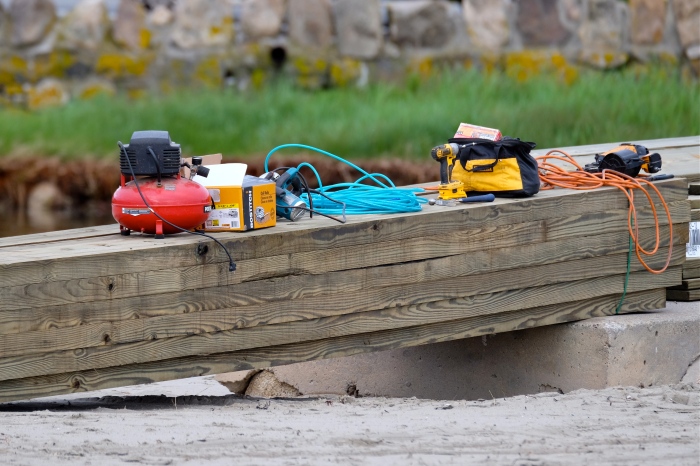
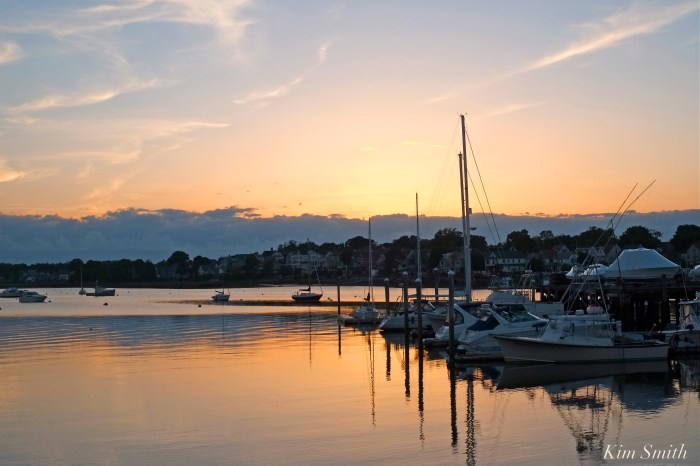
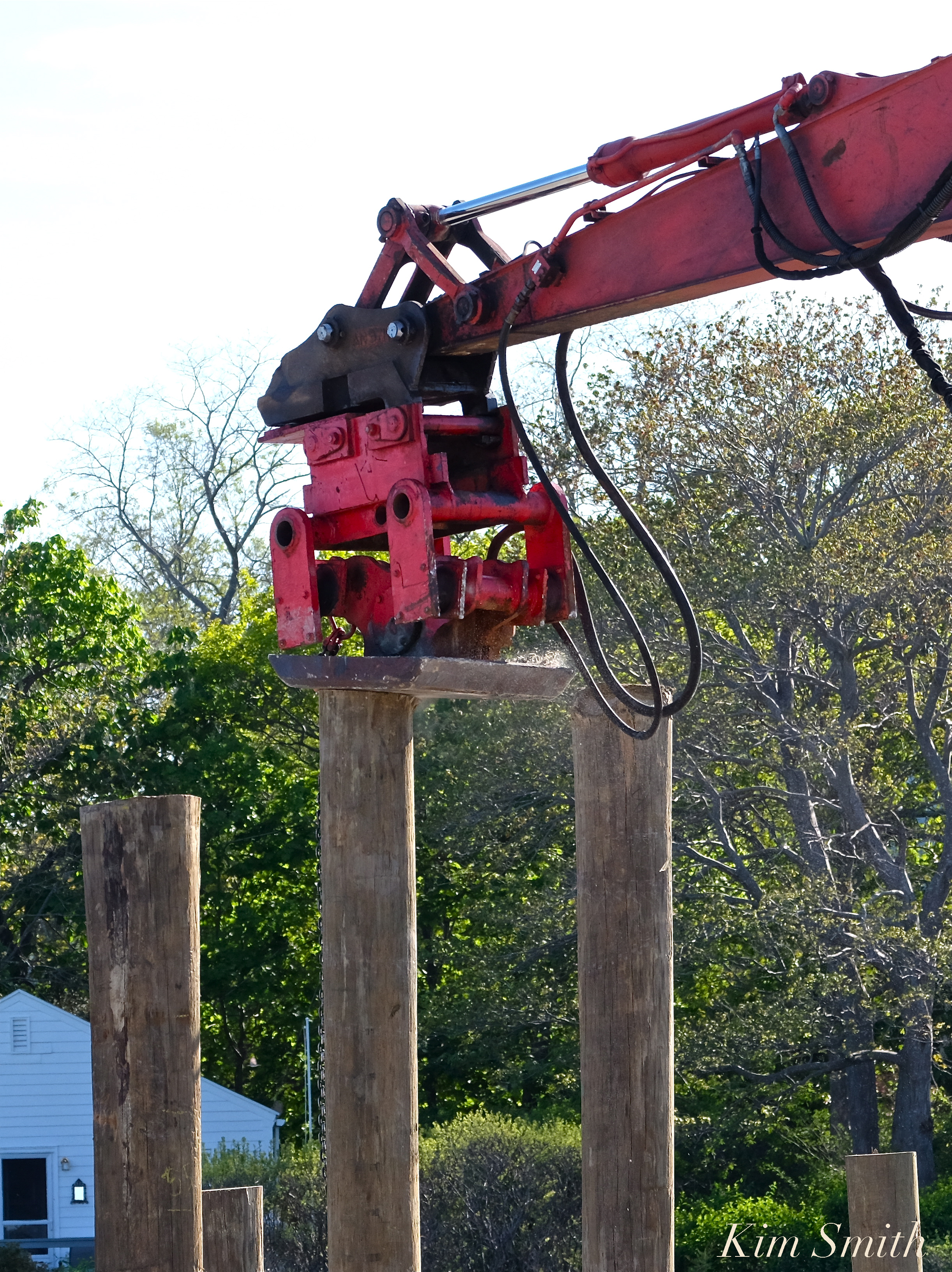
Gloucester’s DPW Phil Cucuru and Mike Tarantino arrived at Good Harbor Beach this morning ready to work with a truckload of pressure treated marine wood. Work will continue for the next two weeks. Looks like the footbridge will be operational by Fiesta weekend!
Author: Kimsmithdesigns
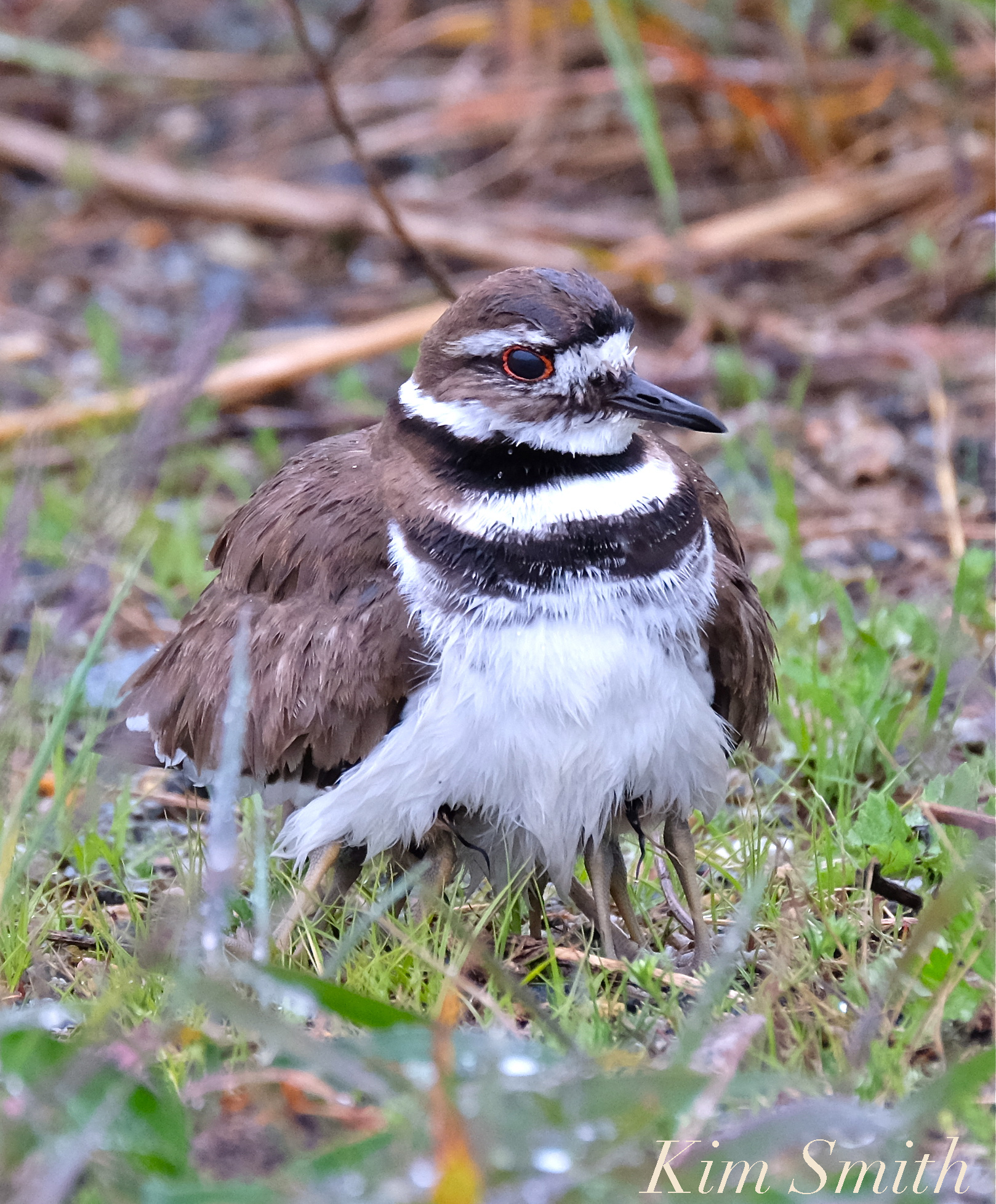
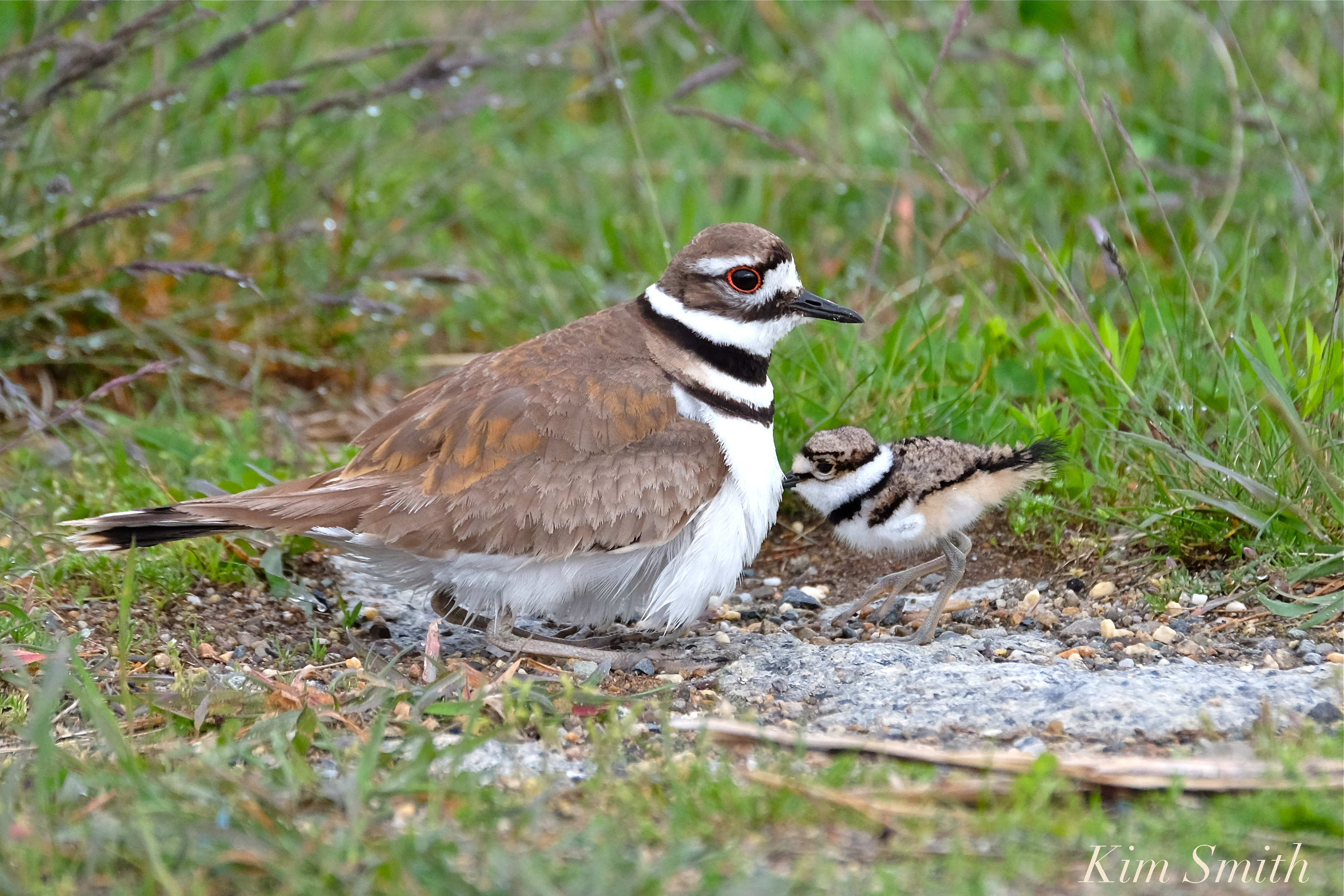
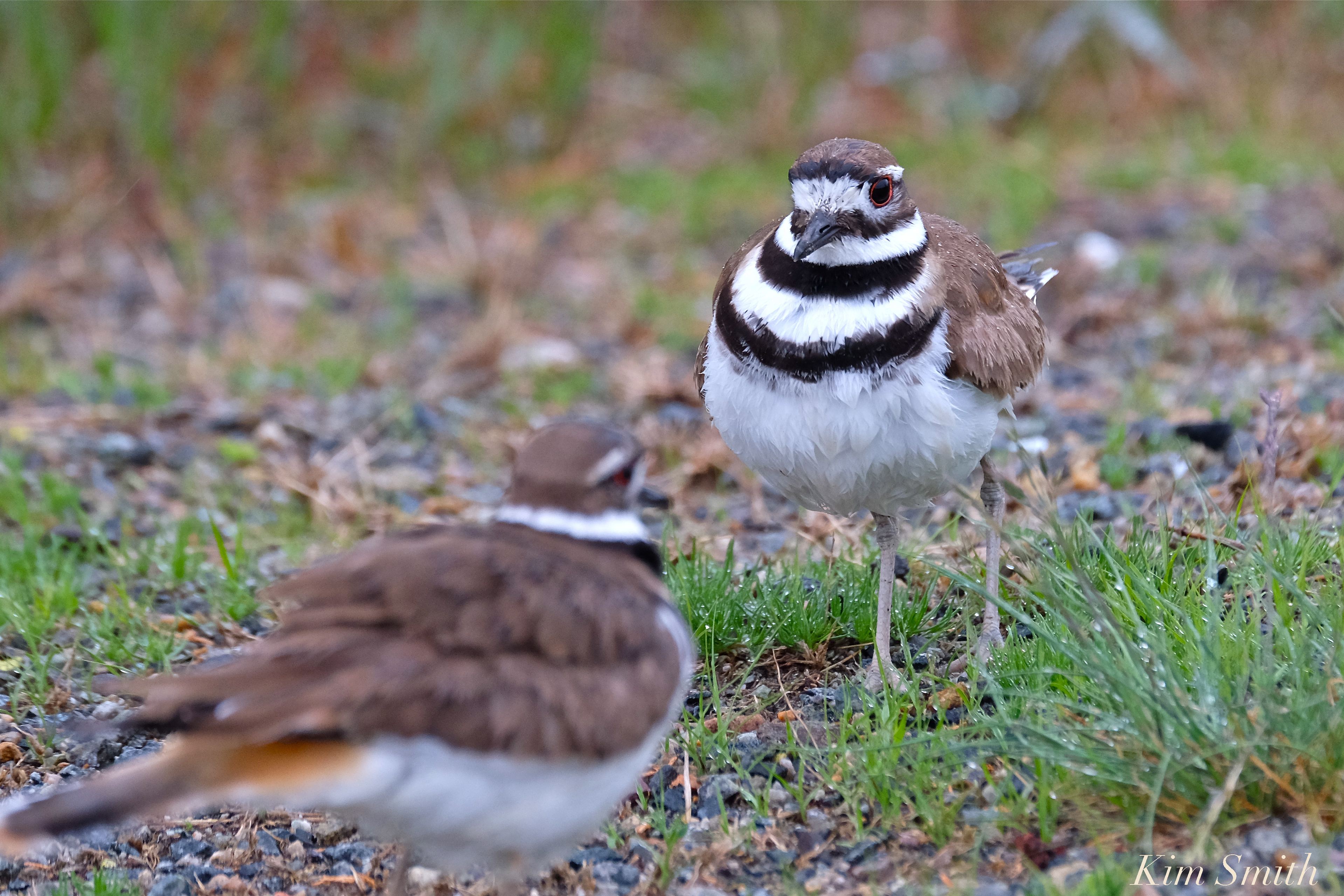
OUR GOOD HARBOR BEACH KILLDEER PLOVER CHICKS!
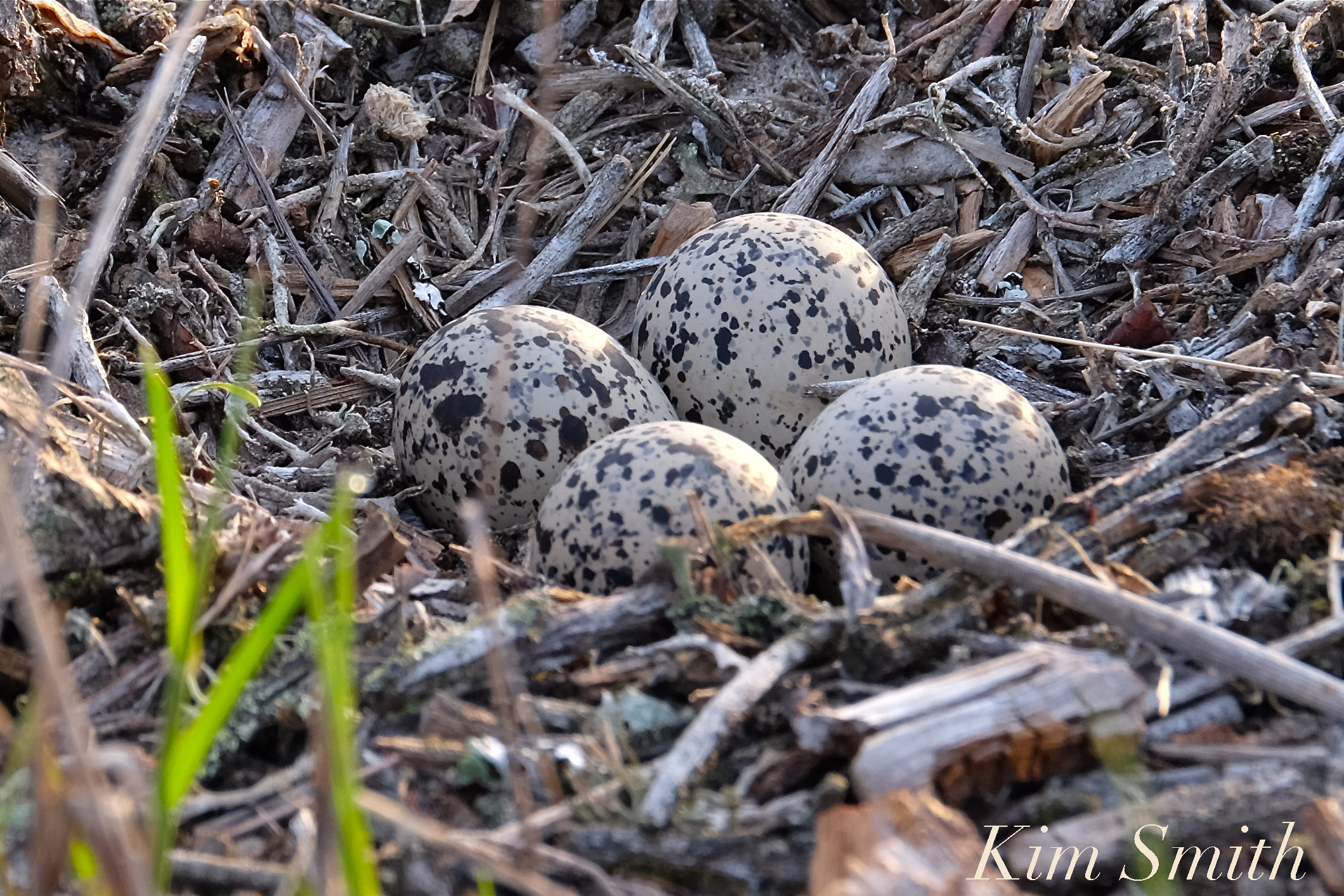
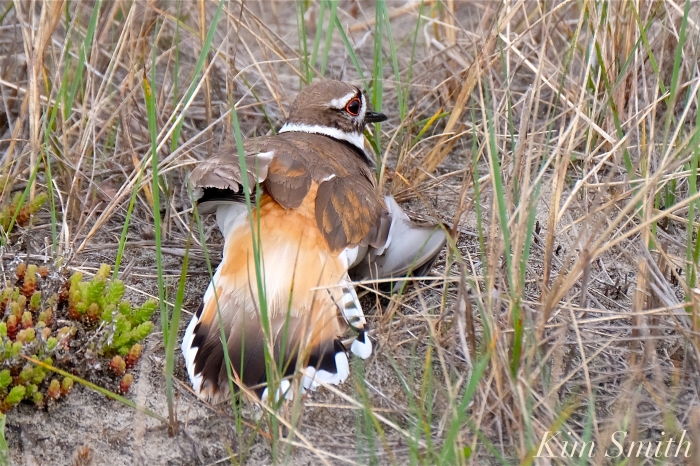
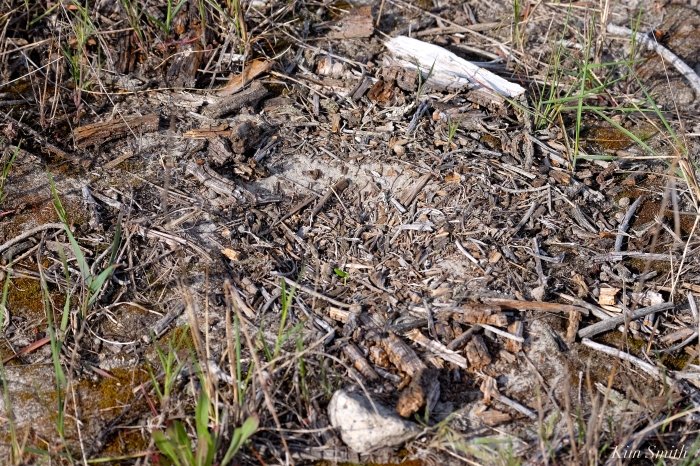
You may recall that several weeks back we posted a photo of a Killdeer nest with four eggs. I only discovered the nest because each and every time anyone walked past, a Killdeer would call shrilly and drag its wings through the dunes in a dramatic display of “broken wing” trickery. I would often play along and see how far away the Killdeer would take me until one morning I decided to see what it was they were hiding.
Killdeer Broken Wing Distraction Display
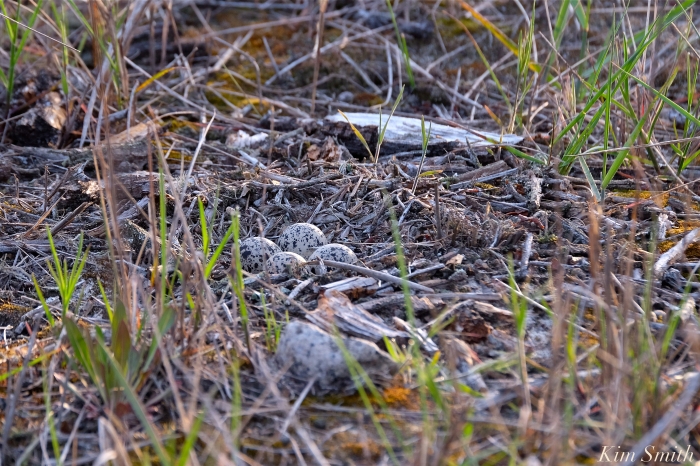
Off to the side of the path that leads to the beach, not more than six feet away, was a loose scrape of dirt and sticks, with four perfect Killdeer eggs!
I had no idea when they had been laid, so there was no way of knowing when the chicks would hatch. Each morning on my way to check on the Piping Plovers I’d take a peak, until one day there weren’t any. How sad I thought, and wondered if a predator had eaten the eggs. But the nest had not been disturbed and there were no broken egg shells. A mystery.
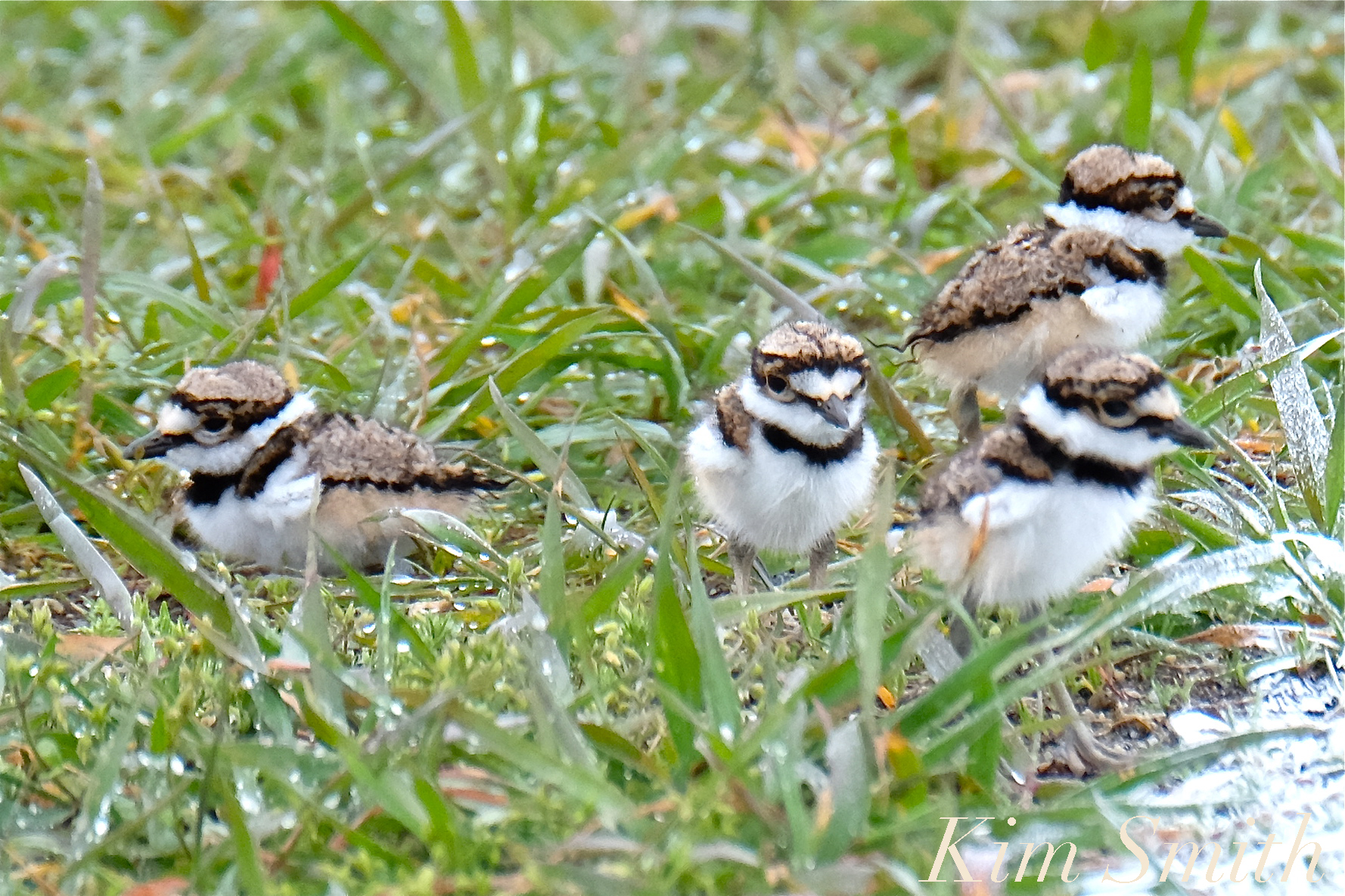
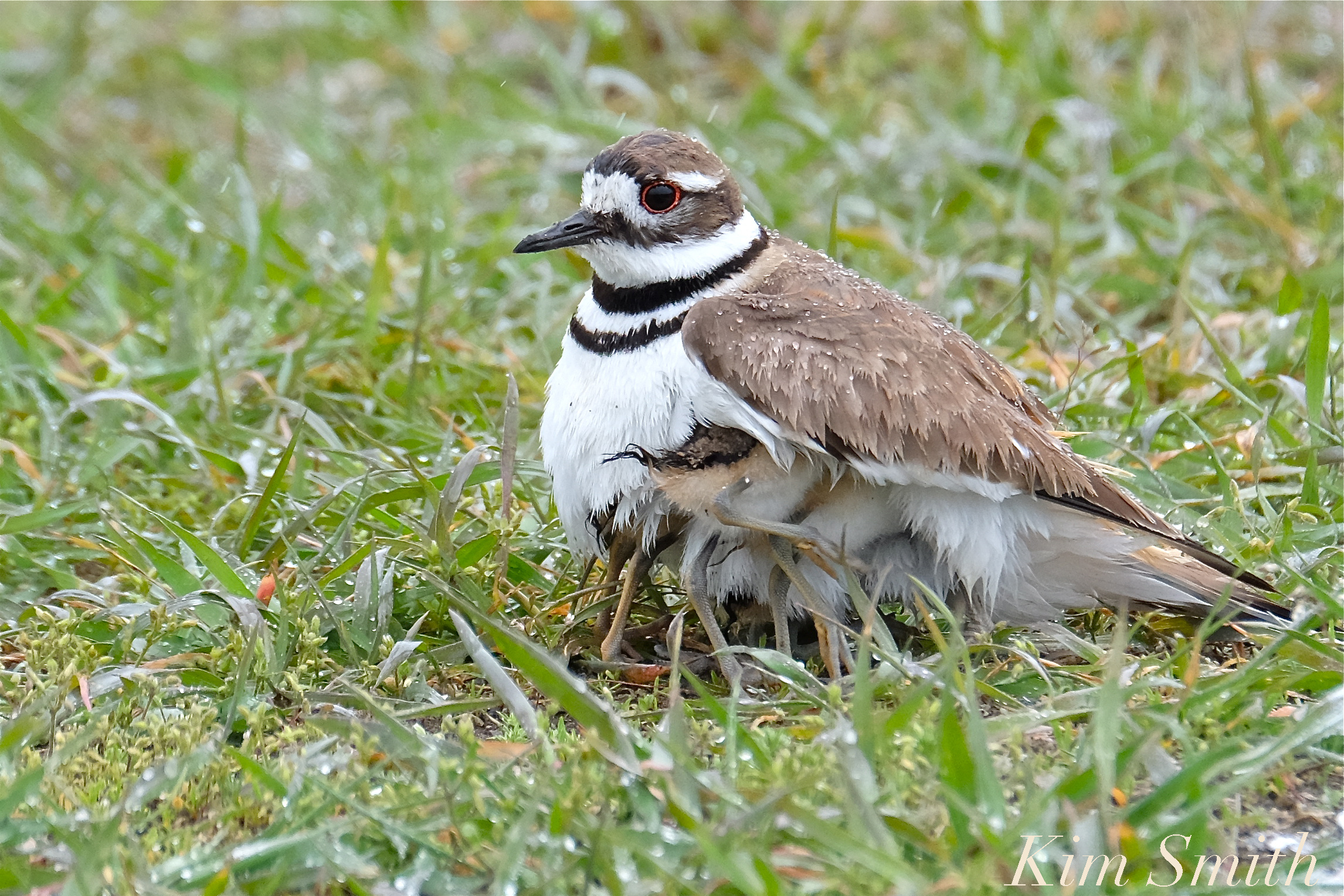
The following morning I checked on the Piping Plover nest in the parking lot. It was drizzly but there were two Killdeers near to where the PiPl exclosure is located. I sat in my car watching the adult Killdeers when to my delight and amazement, out tumbled four teeny chicks from under Mama Killdeer. A car makes the perfect blind and for quite some time I photographed and filmed the Killdeer family.
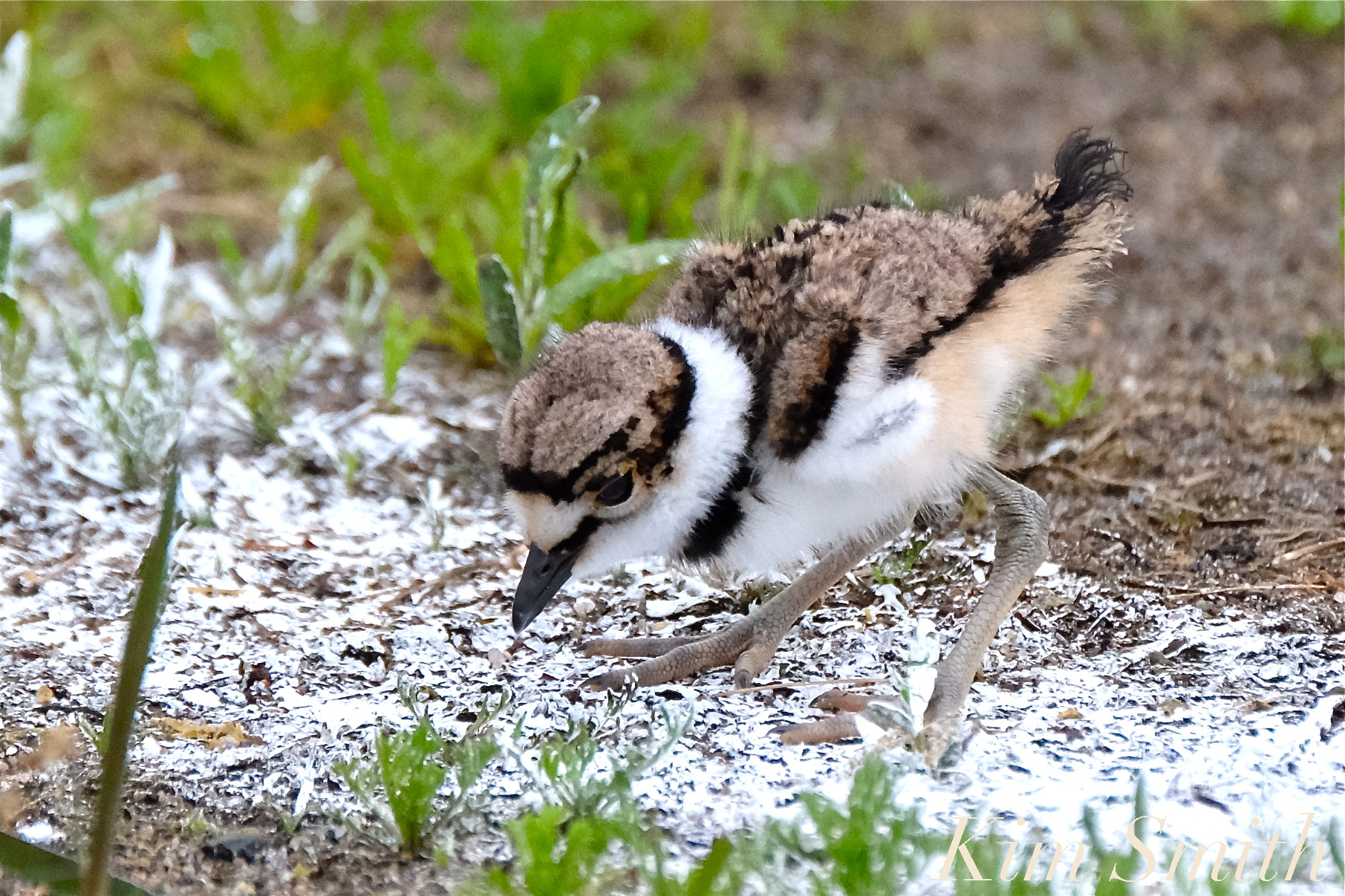
Off and on during that rainy day I stopped by to check on the Killdeers. Because of the weather, the parking lot was virtually empty. Tiny tufted black, brown, and white feather balls atop overly long spindly legs, the baby birds spent all their time zooming here and there, foraging on itsy bitty insects in the grass and gravel.
When not foraging, they would run under Mom or Dad to warm up on that damp drizzly day. Just like Piping Plover chicks, Killdeer chicks are precocial birds and can feed themselves within hours after hatching however, because they are so tiny, they lose body heat relatively quickly. The chicks need the warmth provided by snuggling under Mom and Dad.
The next morning it was still drizzling, and the Killdeer family was still in the same location! I watched them for a bit, when a man showed up with his dog. The Killdeer parents went into high alert and did their best distraction displays. The dog chased the adult Killdeers around the parking lot while I spoke with the man. It is the same man who brings his dog to Good Harbor Beach via the footbridge end at the close of the day, after the lifeguards and dog officers have left. This was a tremendous problem last year after the Piping Plovers hatched. Last summer I was too busy preventing his dog from squashing a PiPl chick to get his license plate number, but not this time. The man and his dog left the parking lot.
Shortly after the dog encounter, both Killdeer parents led the chicks into the marsh. To see the chicks navigate over the incline at the edge of the marsh was amazing; it must have seemed like fording a mountain to them. I’ve looked but have not seen the family since. I am hoping that they are thriving and growing in the marshland.
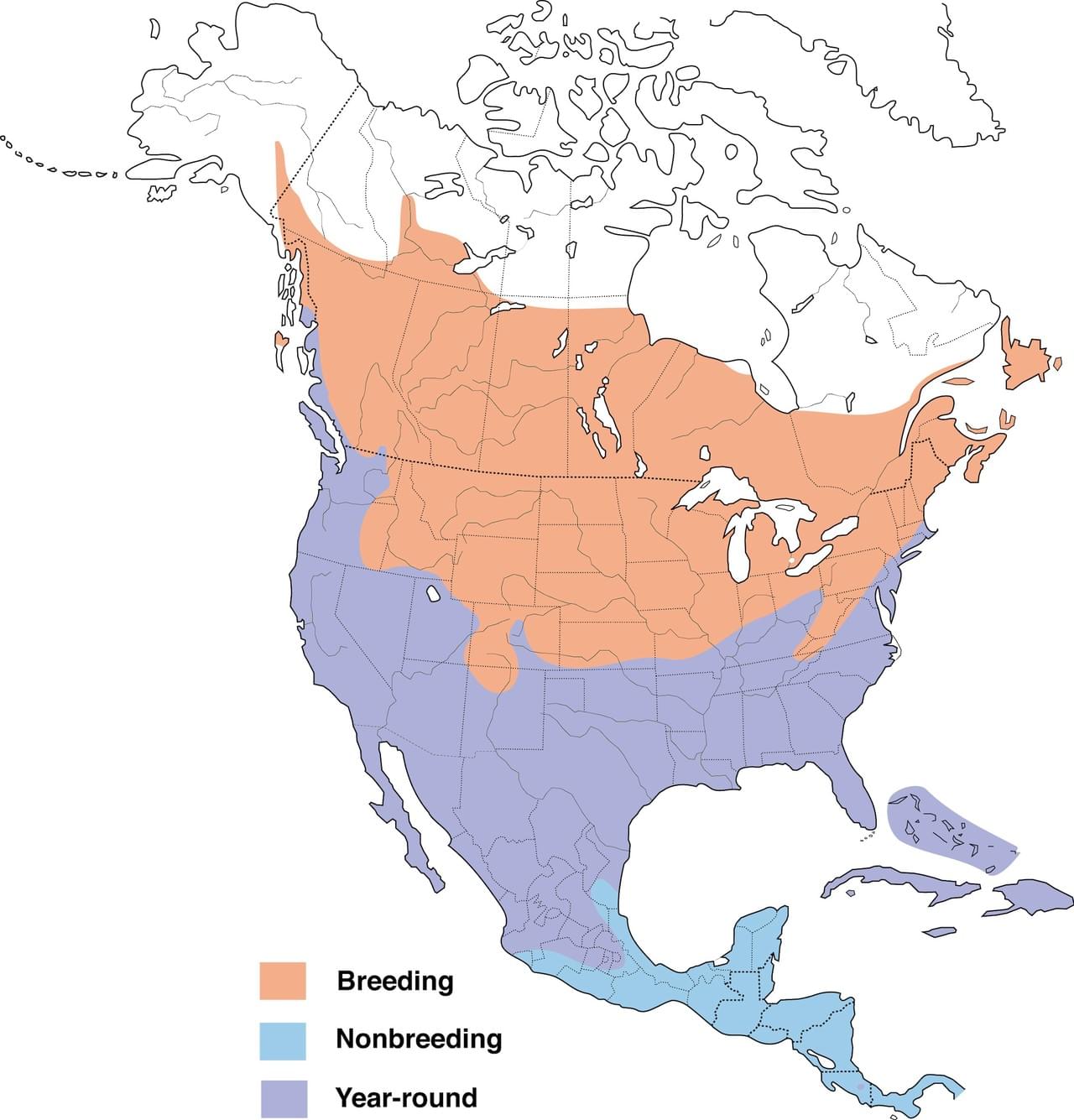
We don’t hear as much about Killdeer Plovers because they are not an endangered species. Killdeers are found in every state of the continental US, Alaska, Canada, Mexico, Central and South America. They are the least shorebird-like of shorebirds because they breed and dwell in many types of habitats including grasslands, fields, urban areas, gravel pits, airports, parking lots, athletic fields, and golf courses. Despite their super ability to adapt to human habitats, it is a species in decline.
Killdeers begin courting in our area in March. Although I imagine they have been nesting at Good Harbor Beach for a longer period of time, I only have a record of Killdeers nesting at GHB going back three years and it is yet another important reason as to why humans and pets should not be traipsing through the dunes.
It is difficult to tell the difference between a male and female Killdeer unless they are side-by-side, and even then, still challenging. The male is a bit larger.
DEBUNKING PIPING PLOVER MYTH #4, WINTHROP BEACH IS AMAZING, AND LOTS OF SEX ON THE BEACH
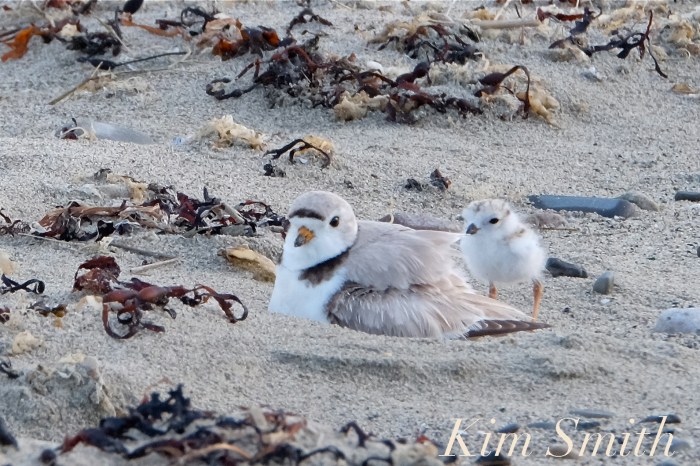
Piping Plover Mama and Chick, Winthrop Beach
Recently an “Anonymous” person made a comment on the post “Heartbreaking to See the Piping Plovers Nesting in the Good Harbor Beach Parking Lot.” The name Anonymous is placed in quotes, because the commenter is so oddly uninformed and factually incorrect, I am wondering if an actual Winthrop resident even wrote the comment. Anyway, here is the comment:
“I live in Winthrop. One pair nested on Winthrop Beach about 6 years ago. Now there are 7 nesting pairs. 80% of the beach is now roped off for the plovers. They are rarely successful and keep trying to breed until August. Gloucester needs to determine whether it would like the income from parking or a successful plover population on one of its nicest recreational beaches. I was at Good Harbor the other day and it appears that there is not much of a sandy beach left to use. I realize the birds are endangered and federal law protects them. Gloucester may have to by law pay for 24 hour security like they do in Plymouth.”
Just like the towns of Gloucester and Revere, Winthrop has a beautiful beach (officially named Winthrop Shores Reservation), which within the last decade has become home to nesting shorebirds. Both Revere and Winthrop beaches are managed by the Massachusetts Department of Conservation and Recreation (DCR) and both Revere Beach and Winthrop Beach have been on my to do list of places to visit to learn how other communities in Massachusetts manage their nesting shorebird populations.
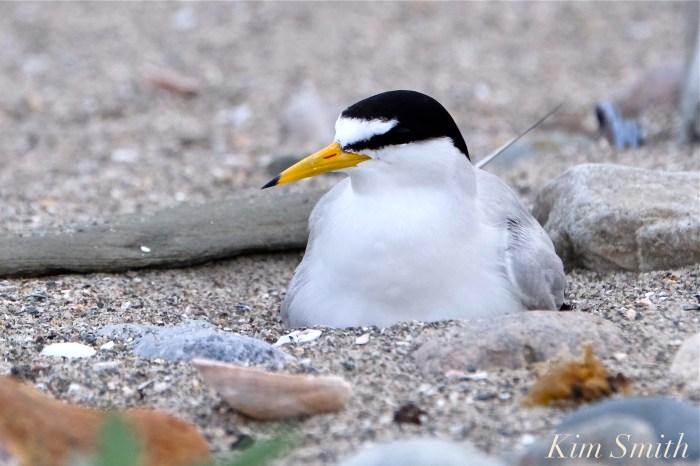
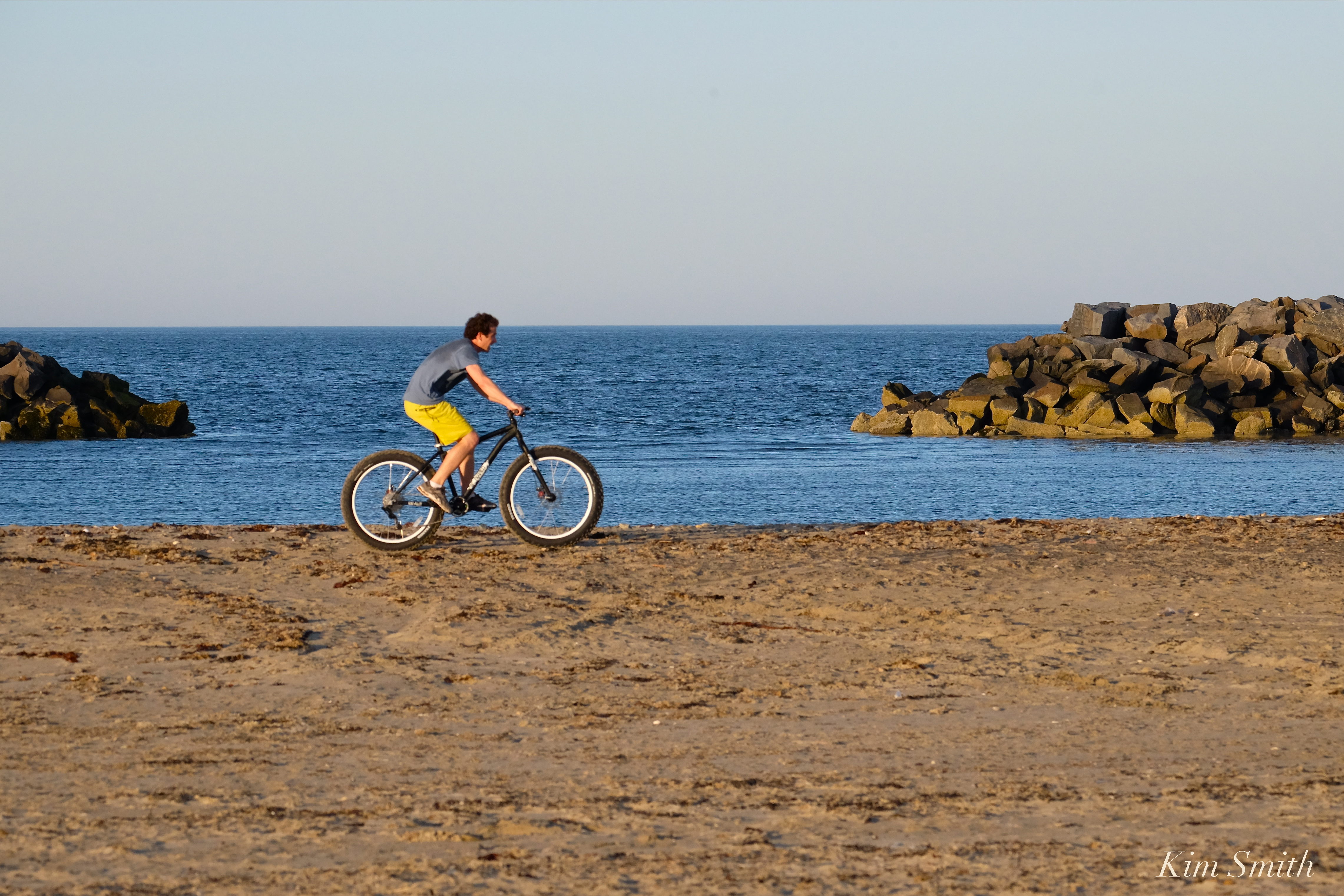
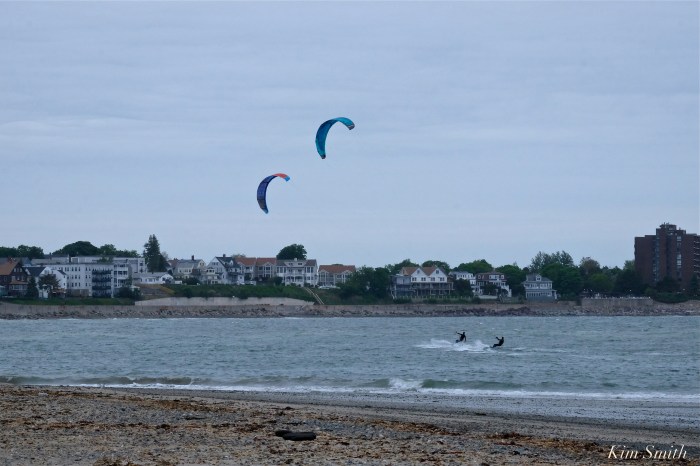
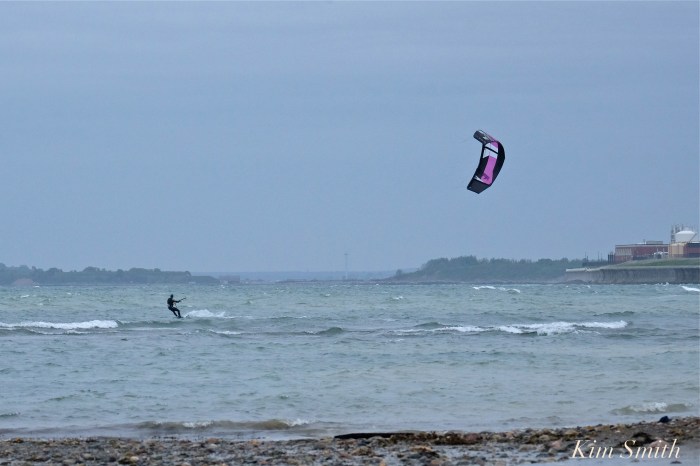
Revere and Winthrop Beaches are relatively narrow at high tide, similar to Good Harbor Beach, and both beaches run adjacent to densely populated urban neighborhoods. I have been making good use of my commute from Cambridge and Boston to Gloucester this spring by regularly visiting Revere Beach, and have now added Winthrop Beach. I am so glad that I did! Go to Winthrop Beach if you have never been, or haven’t been in recent years. It is a delight in every way. Visitors sunbathe, picnic, windsurf, paddle board, ride bikes, hold hands, walk their babies, and do all the things visitors do at our Gloucester beaches. You don’t need a sticker to park, and parking is free, if you can get a spot along the main thoroughfare.
Winthrop Beach wasn’t always beautiful. Over the course of the past one hundred years, the devastating effects of pollution and erosion had washed the sand off shore, causing the beach to dip twenty feet below the seawall in some areas. This meant that every time there was a major storm, the waves were not slowed by a gradually inclining beach, but instead slammed into the seawall, flooding streets and homes, and further eroding the foundation of the seawall.
Despite this, in 2008, two pairs of Piping Plovers began nesting at Winthrop Beach. Not only has Winthrop Beach become home to nesting PiPls, at least ninety pairs of Least Terns (Sternula antillarum), a similarly threatened species of shorebirds, have also begun to nest there. The endangered Red Knot (Calidriss canutus), along with a locally nesting pair of American Oystercatchers (Haematopus palliates) forage at Winthrop Beach as well.
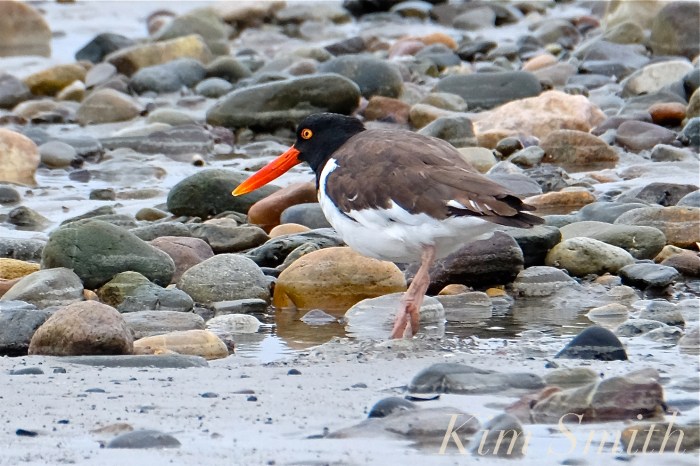
One half of Winthrop’s resident American Oystercatcher breeding pair.
Winthrop Beach is in the midst of a 31 million dollar restoration project. To renourish the beach, 500,000 cubic yards of sand have been distributed along the one-mile stretch, the seawall has been rebuilt, improvements to beach access and amenities have been made, road repairs to Winthrop Shore Drive completed, sidewalks widened and made handicap accessible, and gorgeous new lighting is being installed.
During the Winthrop Beach major renovation project, care was taken to protect the Piping Plovers and by 2017, the population had quadrupled. Unfortunately, despite the community’s best efforts, 2017 was an unusually bad year. No chicks fledged due to predation by a male American Kestrel. The Kestrel was subsequently captured and moved to the western part of the state.
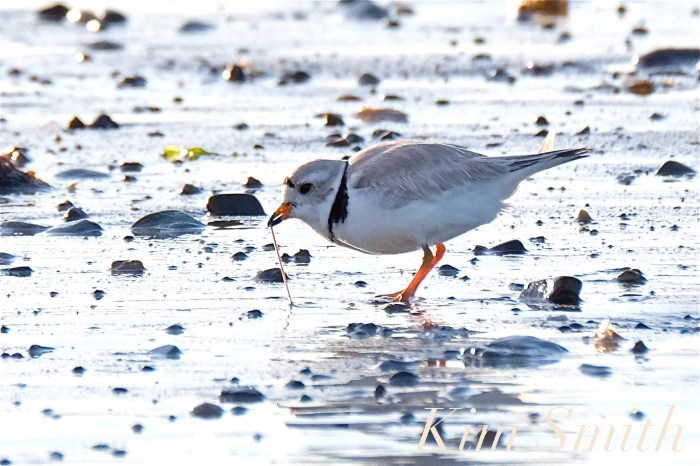
Massachusetts holds about 30 to 40 percent of the world’s population of Piping Plovers. It is a testament to our clean beaches and water. The Piping Plover’s diet consists of invertebrates and insects, and both require a clean environment.
From my observation during the past several weeks, there are only two roped off areas; one small, similar in size to GHB nesting area #3, and the other, about three times larger. The thing is, the large area is comprised of a restricted dune restoration project and the other part is filled with popples and cobbles, not in the least an ideal location to sunbathe or picnic. There is a wide sandy area in the center of the beach for recreation. Each time that I have been there, including the Saturday afternoon of Memorial Day weekend, there were very few people on the beach. The only people I had a free moment to speak with, a group of young women that live directly across from the cordoned off area, said they LOVE that their beach is home to the nesting shorebirds. The point is, just as exists at Good Harbor Beach, there is plenty of room to share the shore.
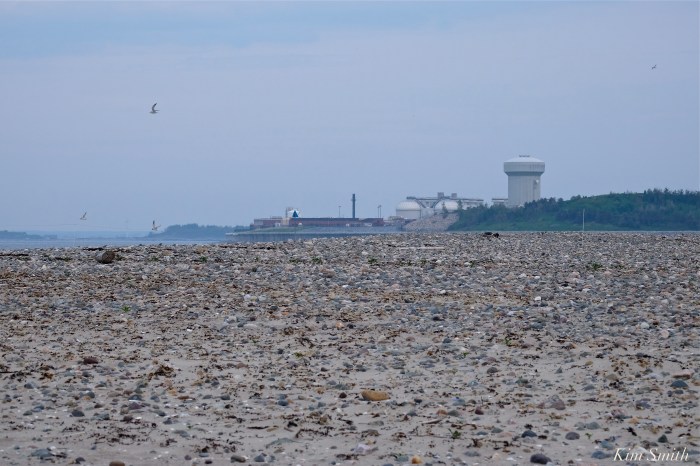
The shorebird nesting area is pebbly and part of a dune restoration project.
The “Five Sisters” breakwater area is well loved by windsurfers and paddle boarders as well as a favored habitat by foraging shorebirds.
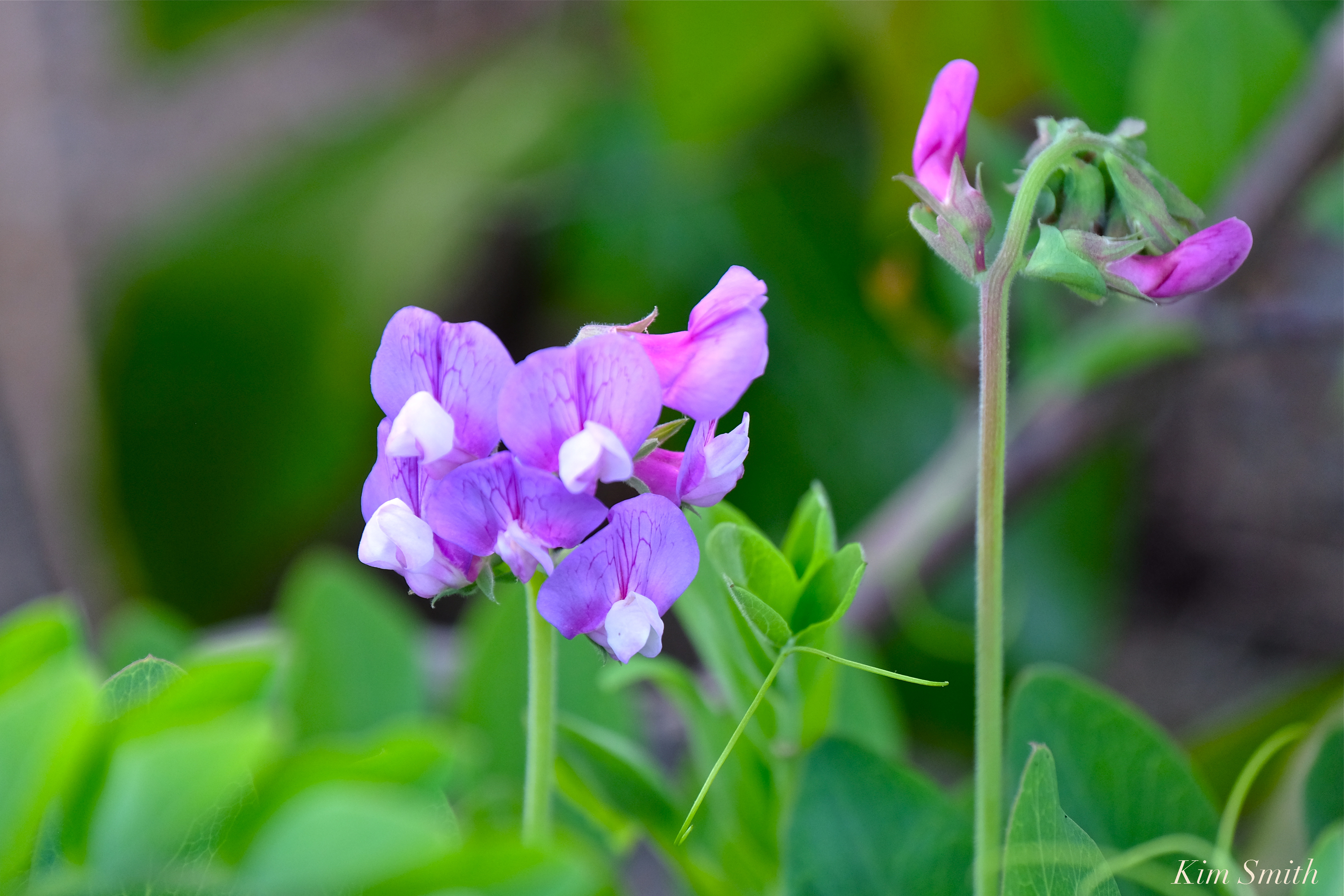
Beautiful Beach Pea (Lathyrus maritimous) growing in the restored dune/shorebird nesting area.
Access to Winthrop Beach is restricted by what appears to be a complete lack of public parking. Even with no one on the beach, it has been difficult to find a spot to park on the main drive along the beach, and it is not yet summer time.
On my first visit to Winthrop Beach, the timing could not have been more perfect. Least Terns and Piping Plovers were mating like crazy. It was wonderful to observe both species mating dances and rituals, and both are unique to each other. I’ll post more about the Least Terns courting, essentially “sex in exchange for fish,” as it was so terribly funny to observe.
Least Terns Mating. Males offer a minnow to a prospective female. She will allow him to mount her while simultaneously taking the fish although, sometimes the females take the fish before mating and fly off.
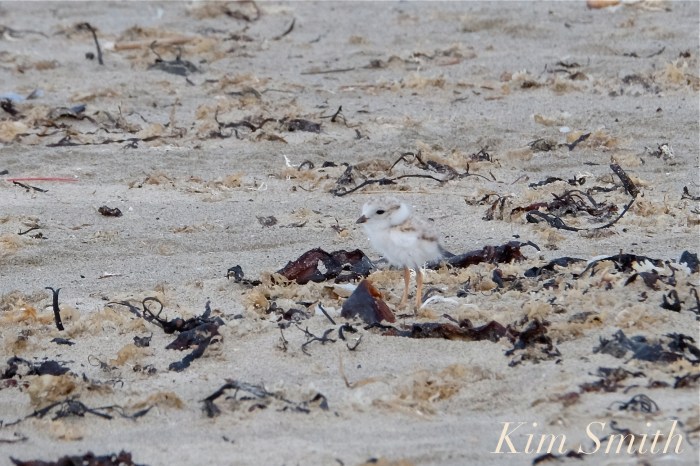
I’ve been back several times since and have seen some courtship displays, but nothing like the free for all of the first visit. There was however a newly hatched Piping Plover family of four tiny little chicks. And one of the pairs of Piping Plovers that I had observed mating is now nesting!
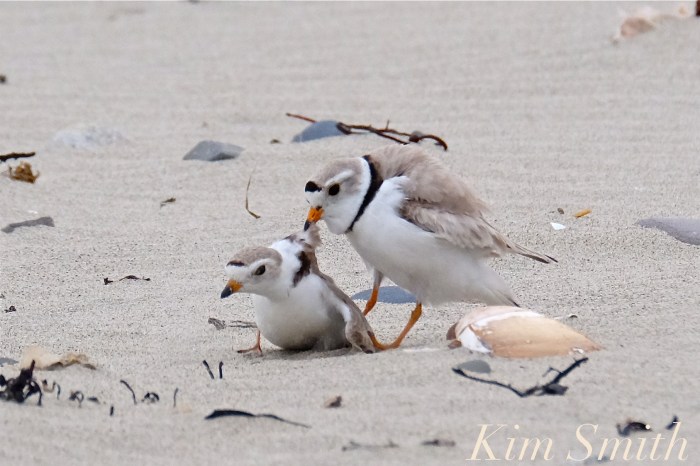
Piping Plovers Mating 1) The male’s high stepping dance, asking the female if she is interested. She says yes by positioning herself with her rear end tilted upward. 2) He dances on her back. 3) The Plovers join cloaca to cloaca 4)Invariably, love making ends with a not too nice sharp nip from the male.
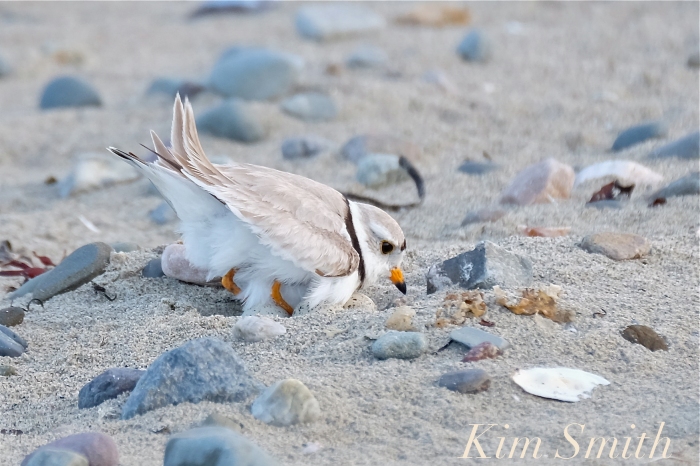
The mating pair are now nesting, with at least three eggs in the nest!
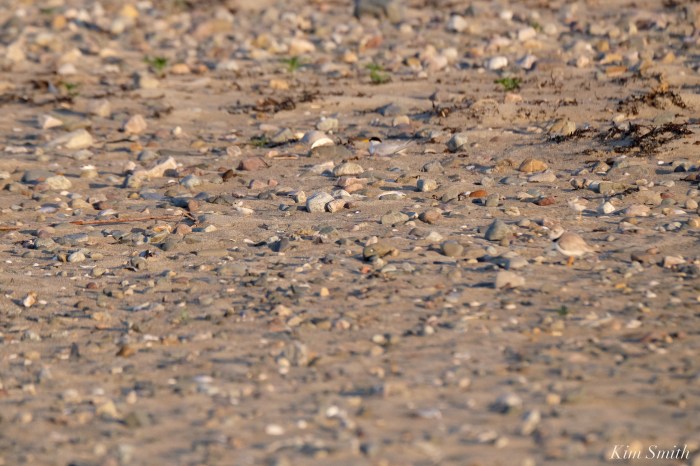
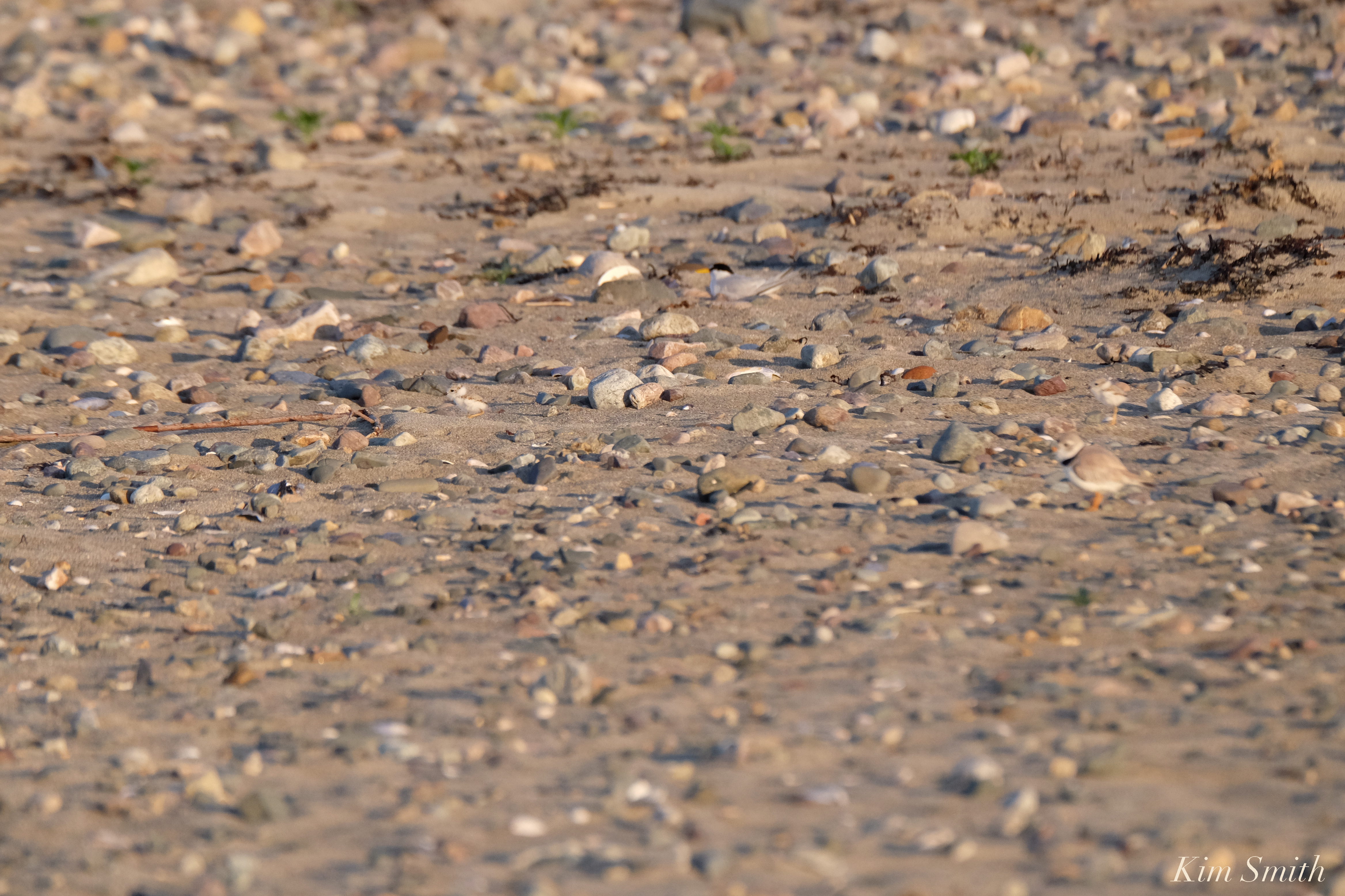
Camouflaged! Can you spot the four birds in the above photo?
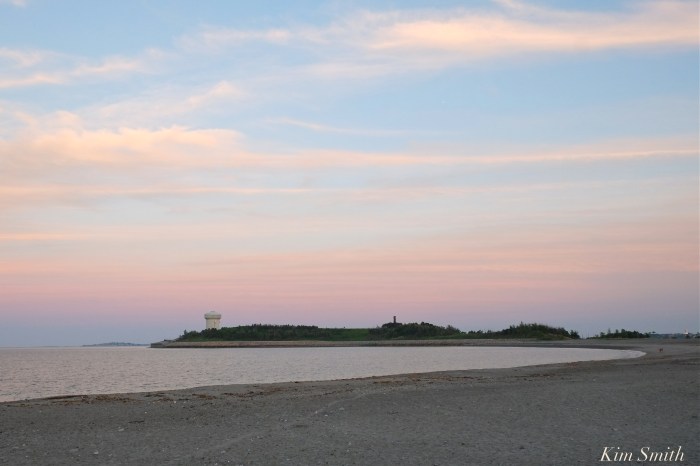
Just south of Winthrop Shore Reservation is Winthrop’s Yirrell Beach and it is home to several nesting Piping Plover pairs, as well as a pair of nesting American Oystercatchers.
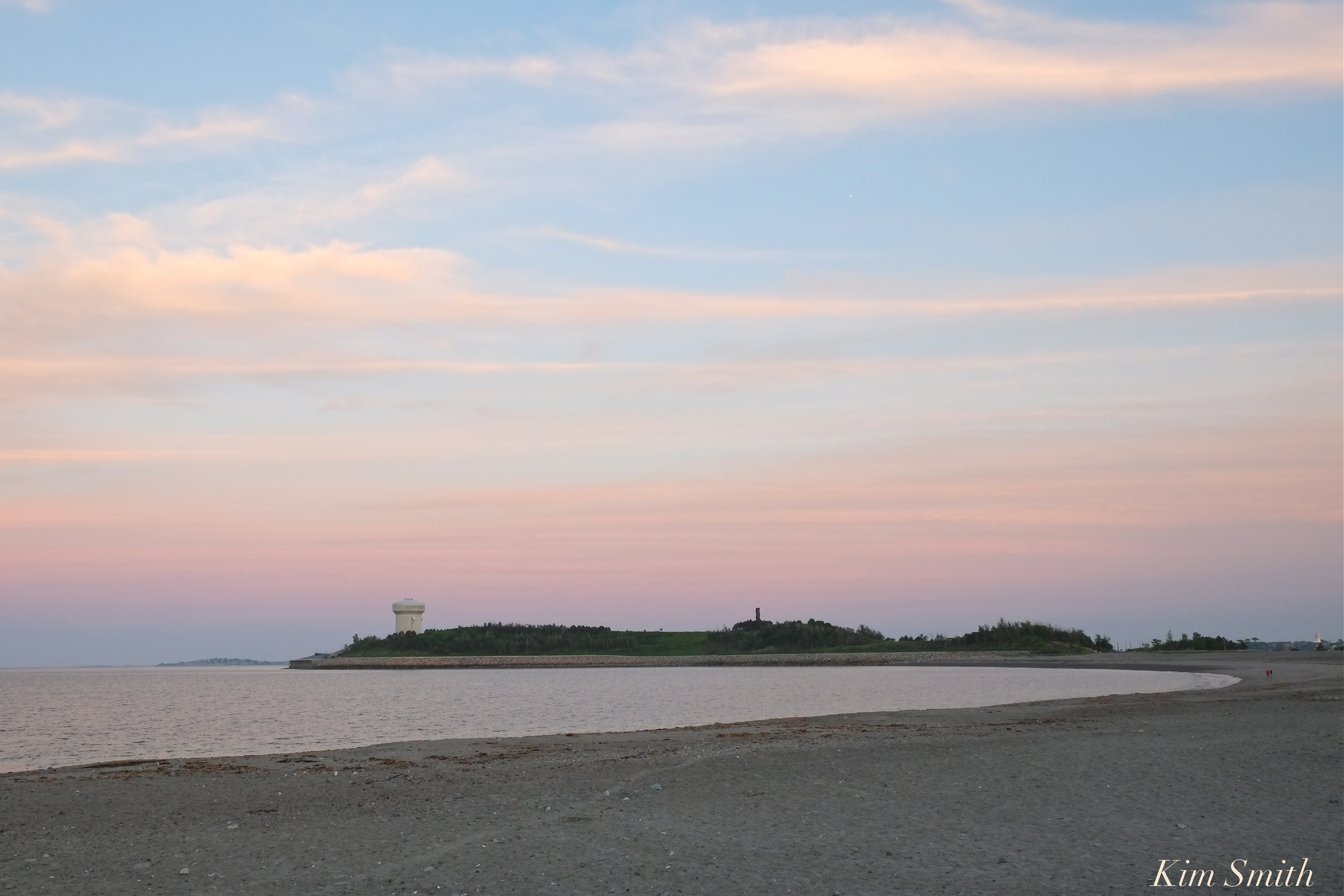
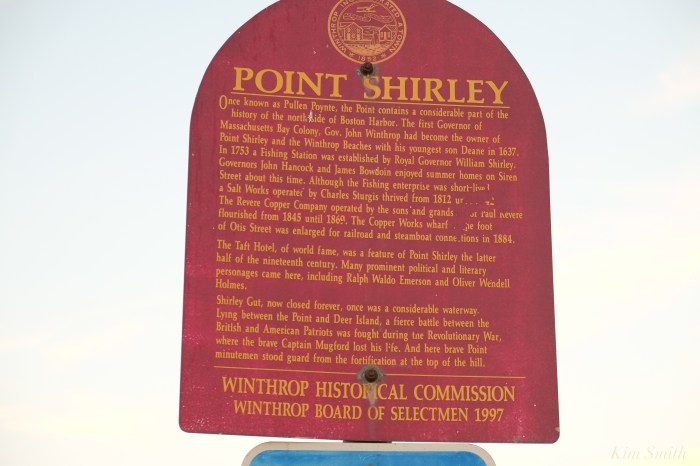
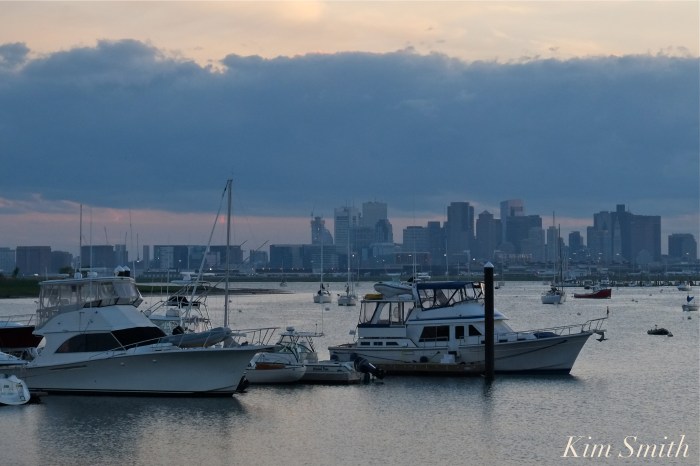
Point Shirley and Crystal Cove with views of the Boston skyline.
SHOUT OUT AND THANKS TO GLOUCESTER’S DPW JOE LUCIDO, CONSERVATION AGENT KEN WHITTAKER, AND GREENBELT’S DAVE RIMMER
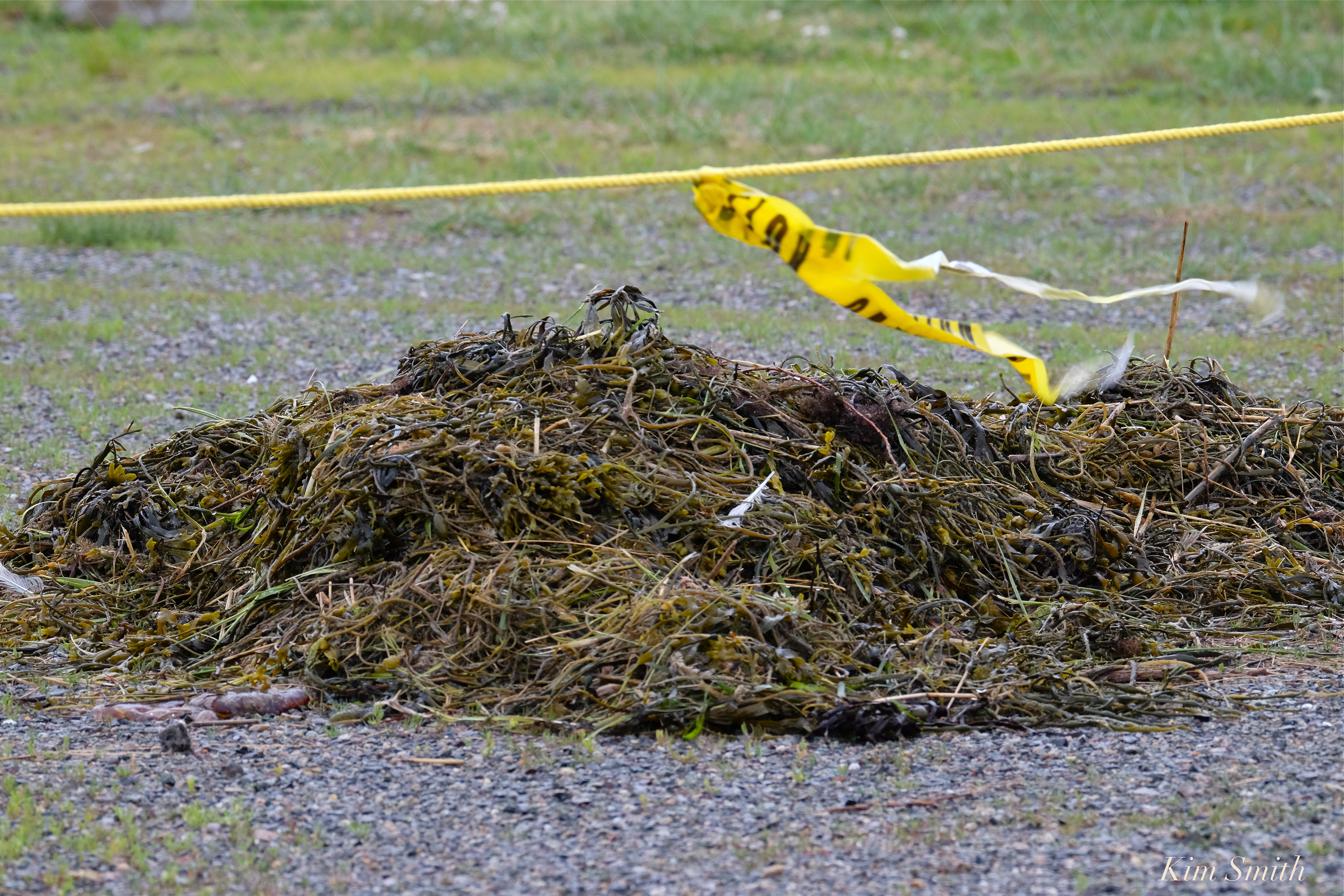
Early this morning seaweed was collected from the beach and spread in a small area next to Piping Plover’s roped off area. The purpose of the seaweed is to help the PiPl find nourishment once the chicks hatch. There are lots of teeny weeny insects that live in the gravel and grassy areas of the parking lot, and the seaweed will attract even more. 
UPCOMING CITY MEETINGS RELEVANT TO THE ISSUE OF DOGS ON BEACHES DURING SHOREBIRD NESTING SEASON
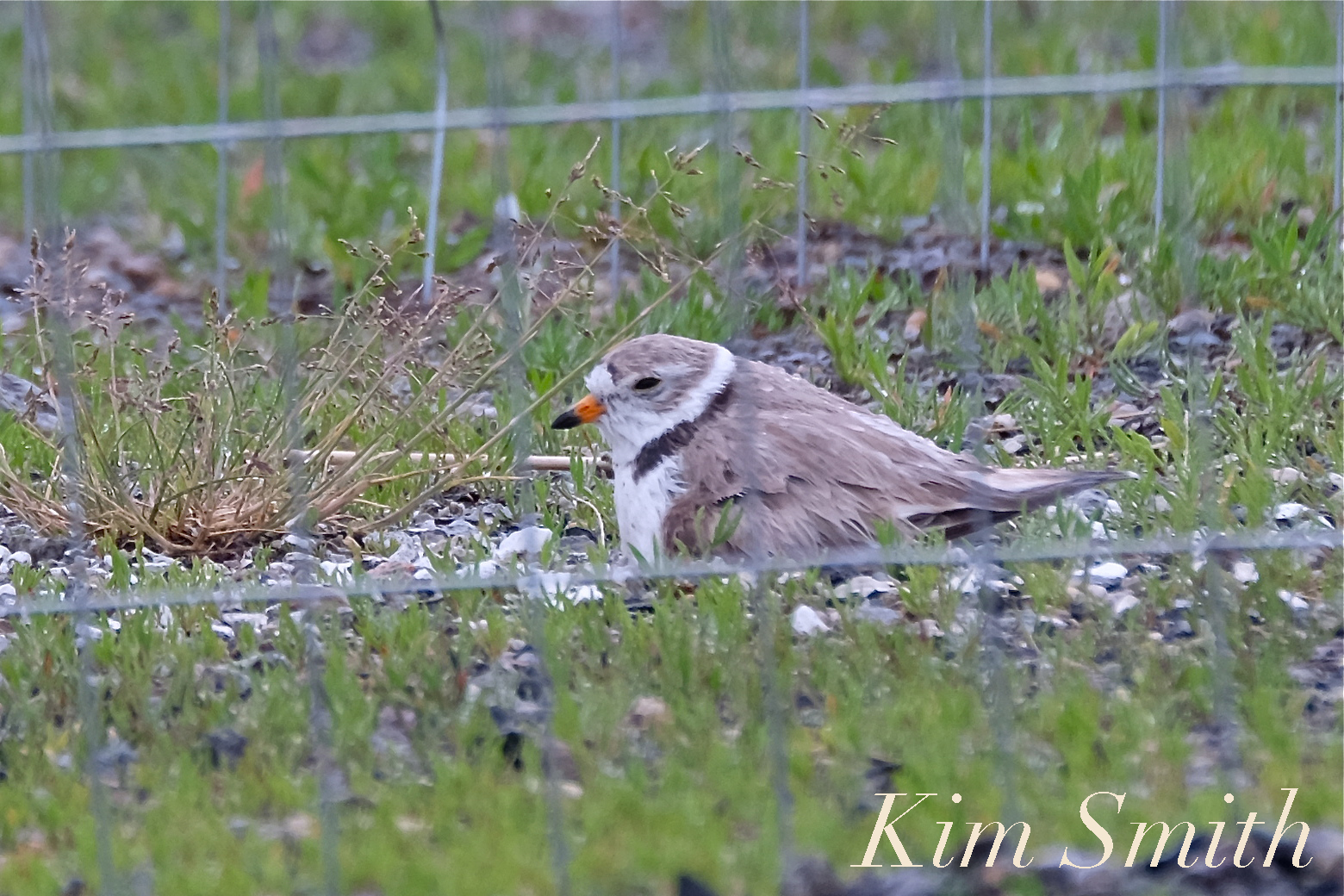
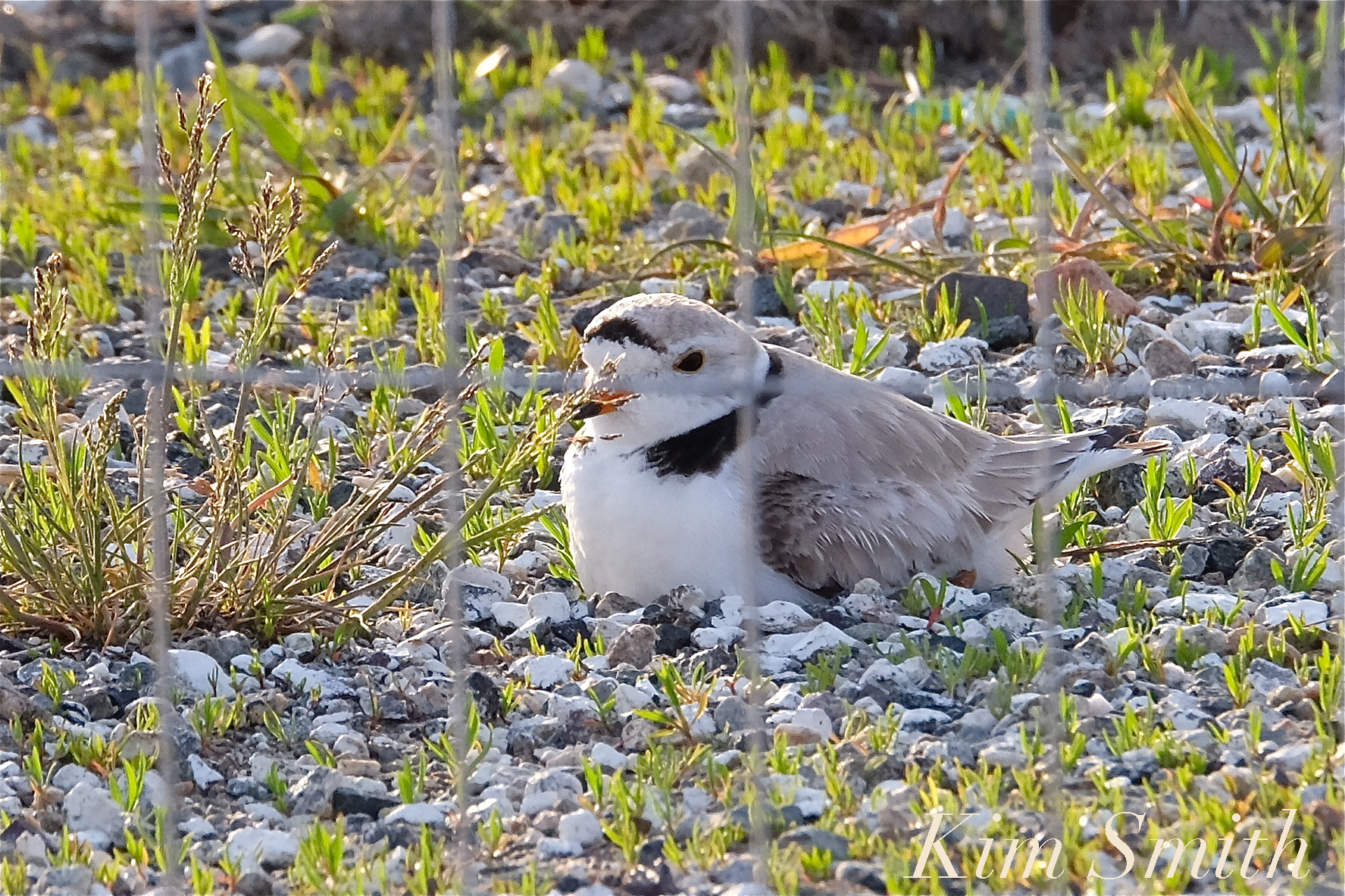
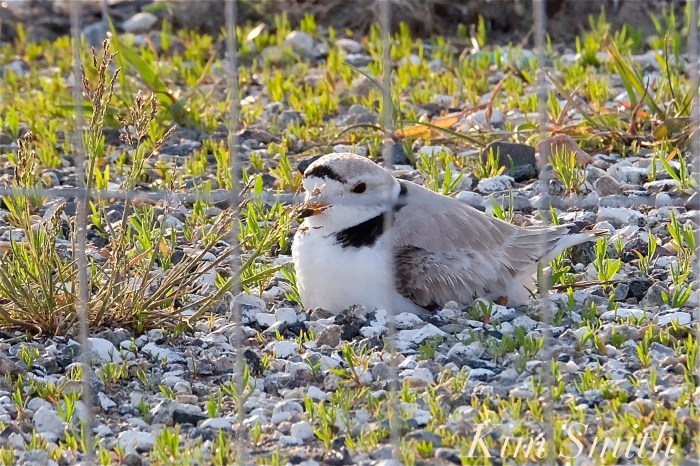
Mama Piping Plover leaving the nest for a few moments to change places with Papa Plover
Thursday, June 7th, the Animal Advisory Committee is meeting at City Hall, 3rd floor, at 6:30pm.
On the Agenda:
- Open discussion for public comments.
- Approval of meeting minutes 5/17.
- Committee elections.
- Piping Plover protections
- Review new facts/research.
- Dog leash ordinance – to vote.
- Education/awareness.
- Upcoming event planning.
- CAAA Rescue Reunion.
- Crab beach plunge.
- Pet food drive.
- Massachusetts laws in legislative review.
Animal Advisory Committee update from the Piping Plover meeting held May 17, 2018:
We will have a continuation of the plover discussion during our June 7th meeting; in the meantime, fact-finding and ongoing discussion with experts will be conducted as well as creation of a volunteer group or team for beaches. We will likely make final recommendation on dog & wildlife ordinances by July 2018.
Also, tonight, June 4th, is an Ordinance and Administration Committee meeting at City Hall, 1st floor, from 6pm to 8pm. I have never been to an O and A meeting, but plan to attend to learn more about how the process works.
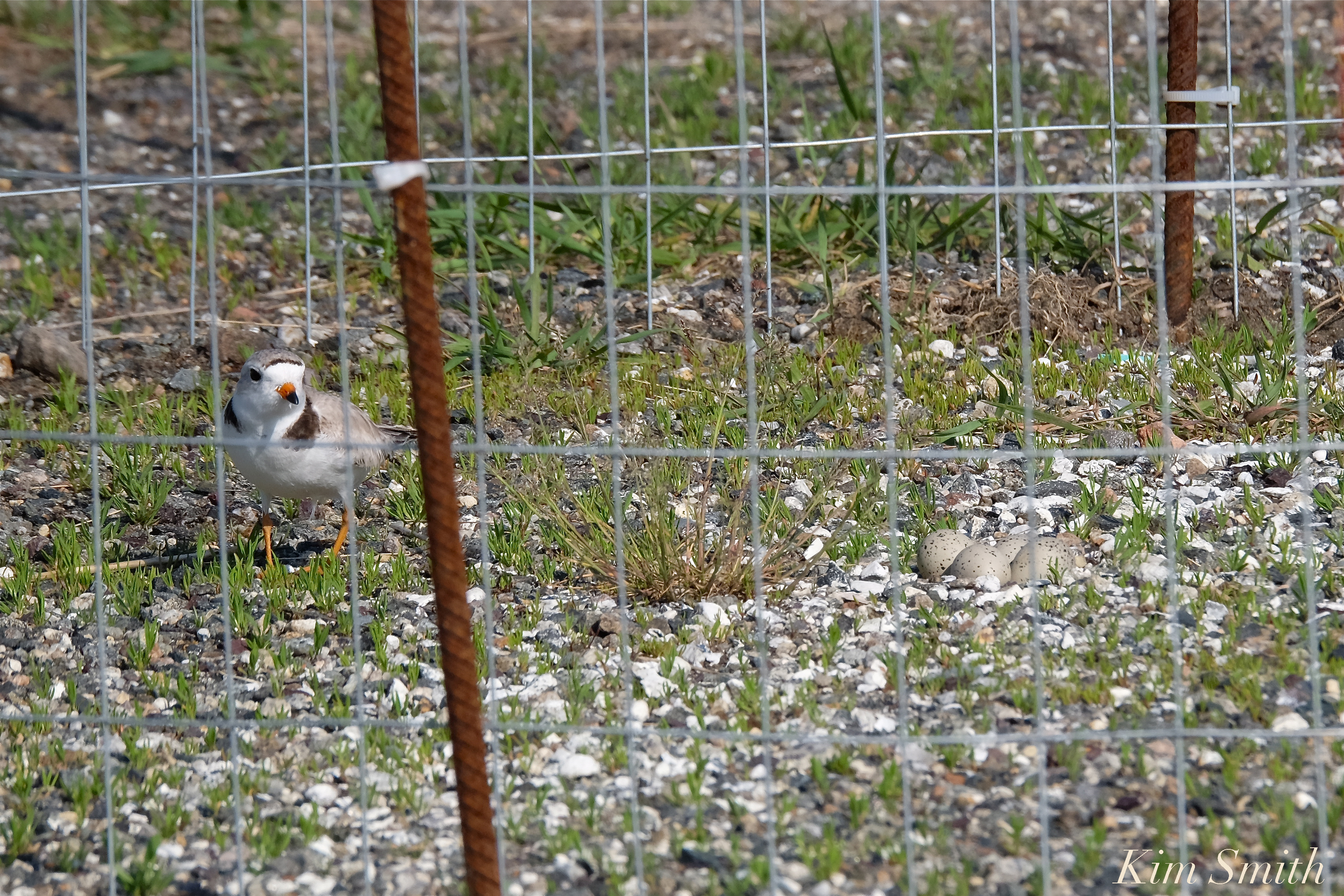
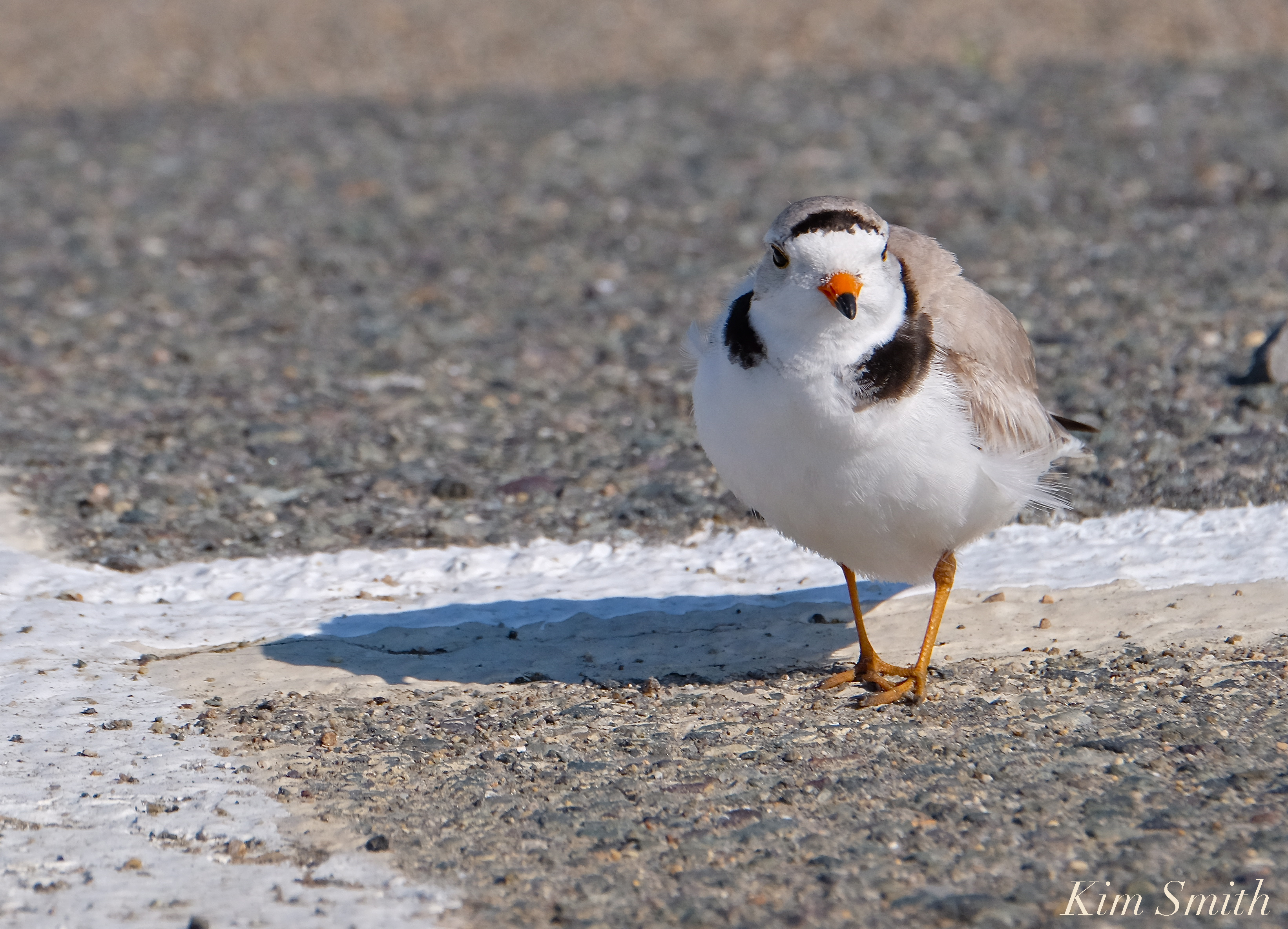
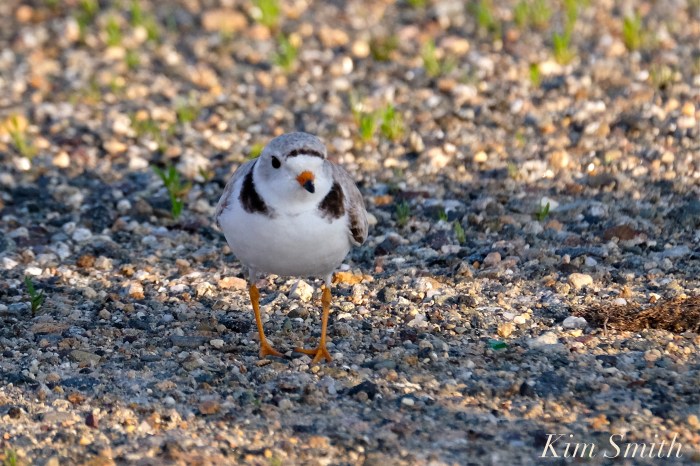
Parking Lot Piping Plovers, driven off the beach in April by the unrelenting interruption from dogs during courtship and nesting building in the roped off areas at Good Harbor Beach.
Parking Lot Papa waiting to change places with Mama
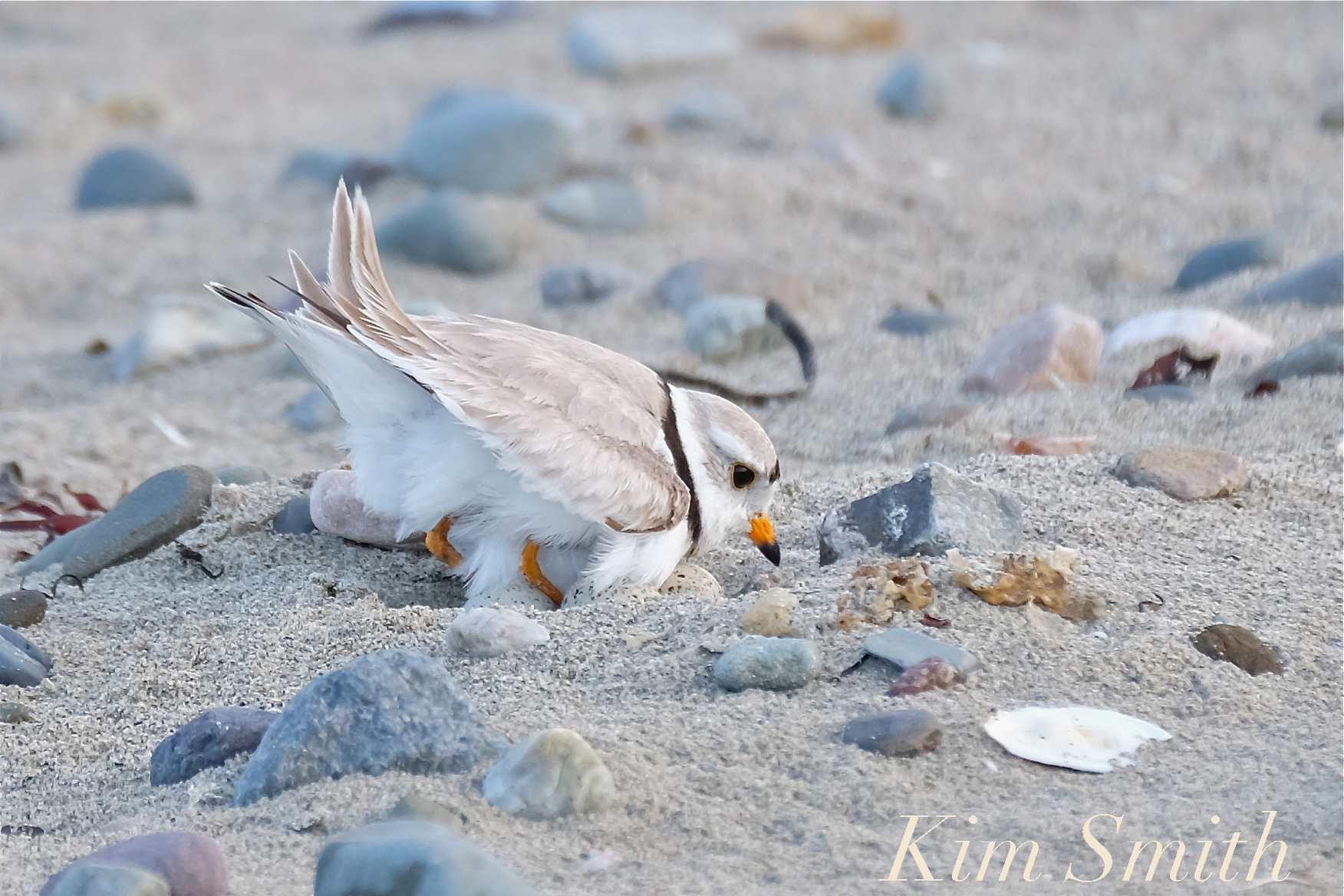
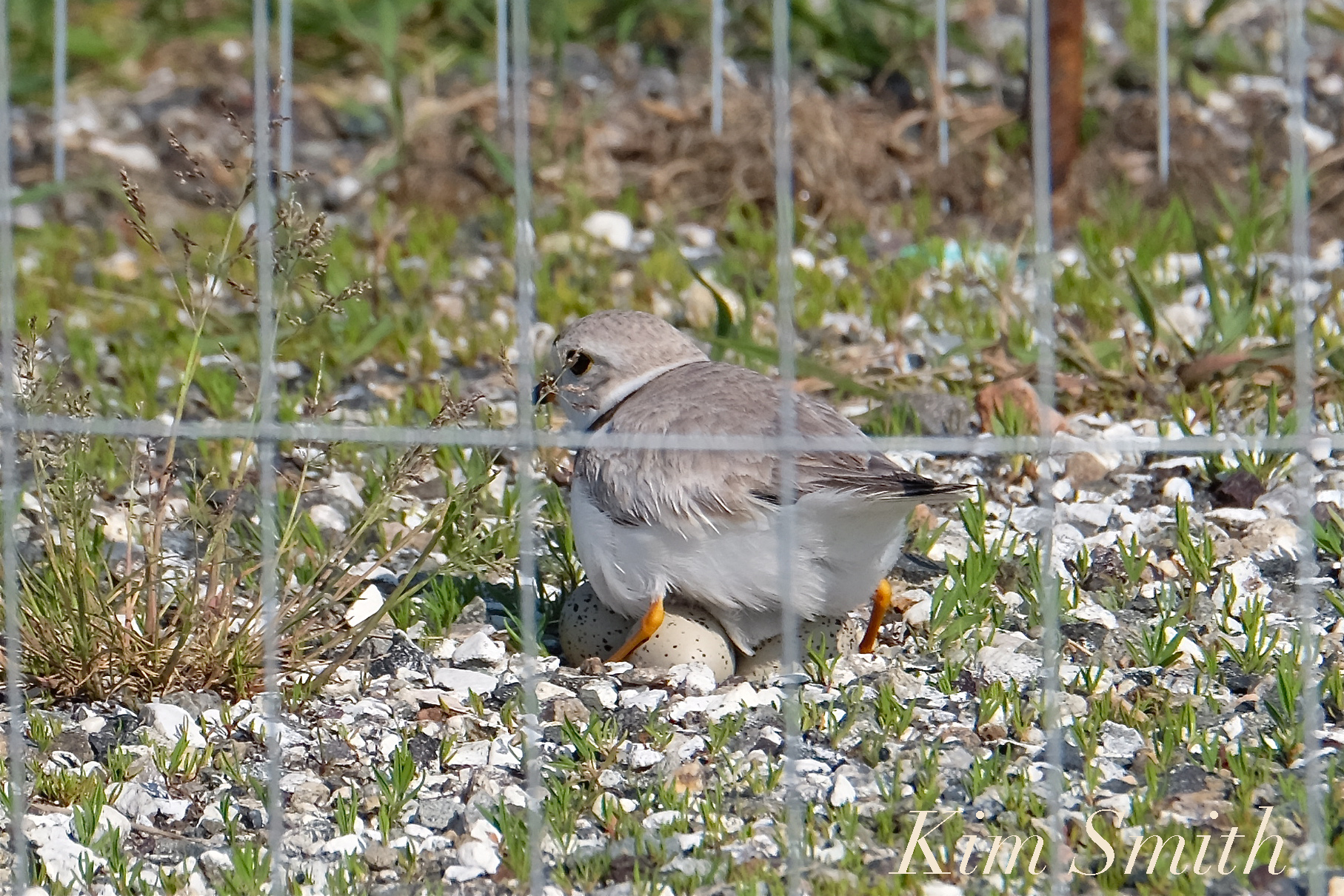
Giving the eggs a little turn with her feet and then settling back down on the nest.
Piping Plovers would much prefer to nest on the beach. The Good Harbor Beach parking lot is the location of “last resort.”
Link to post about GHB PiPl nesting in the parking lot.
GOOD MORNING GLOUCESTER! BROUGHT TO YOU BY THE NILES POND DUCKLING FAMILY
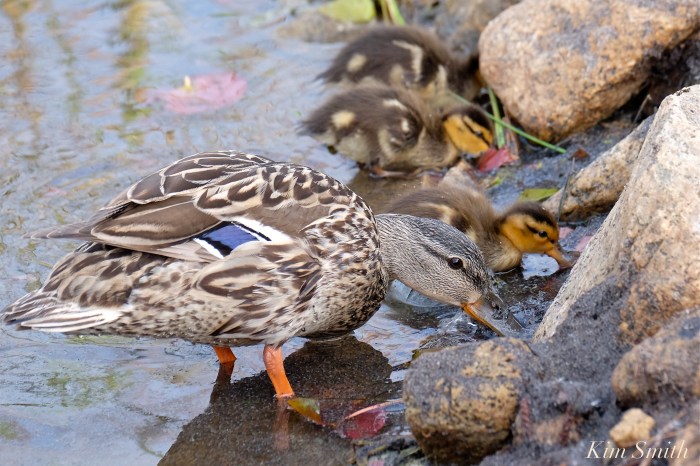
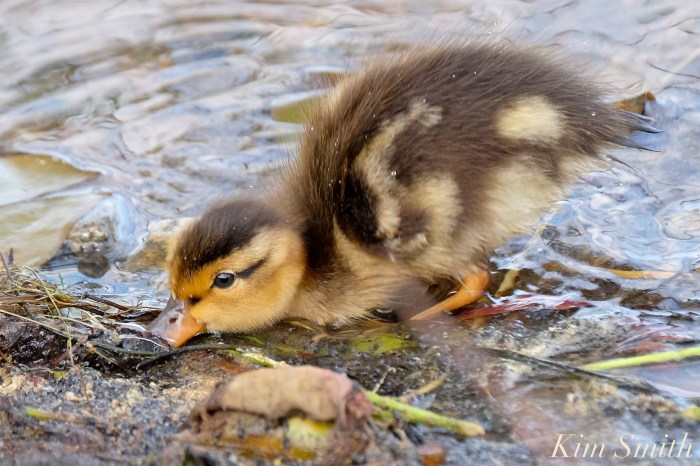
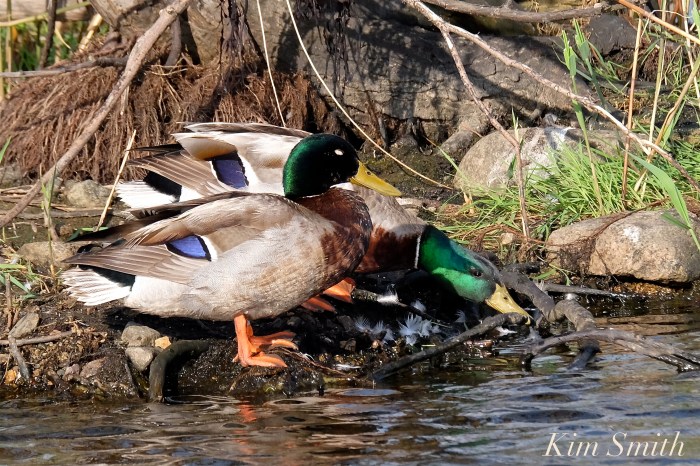
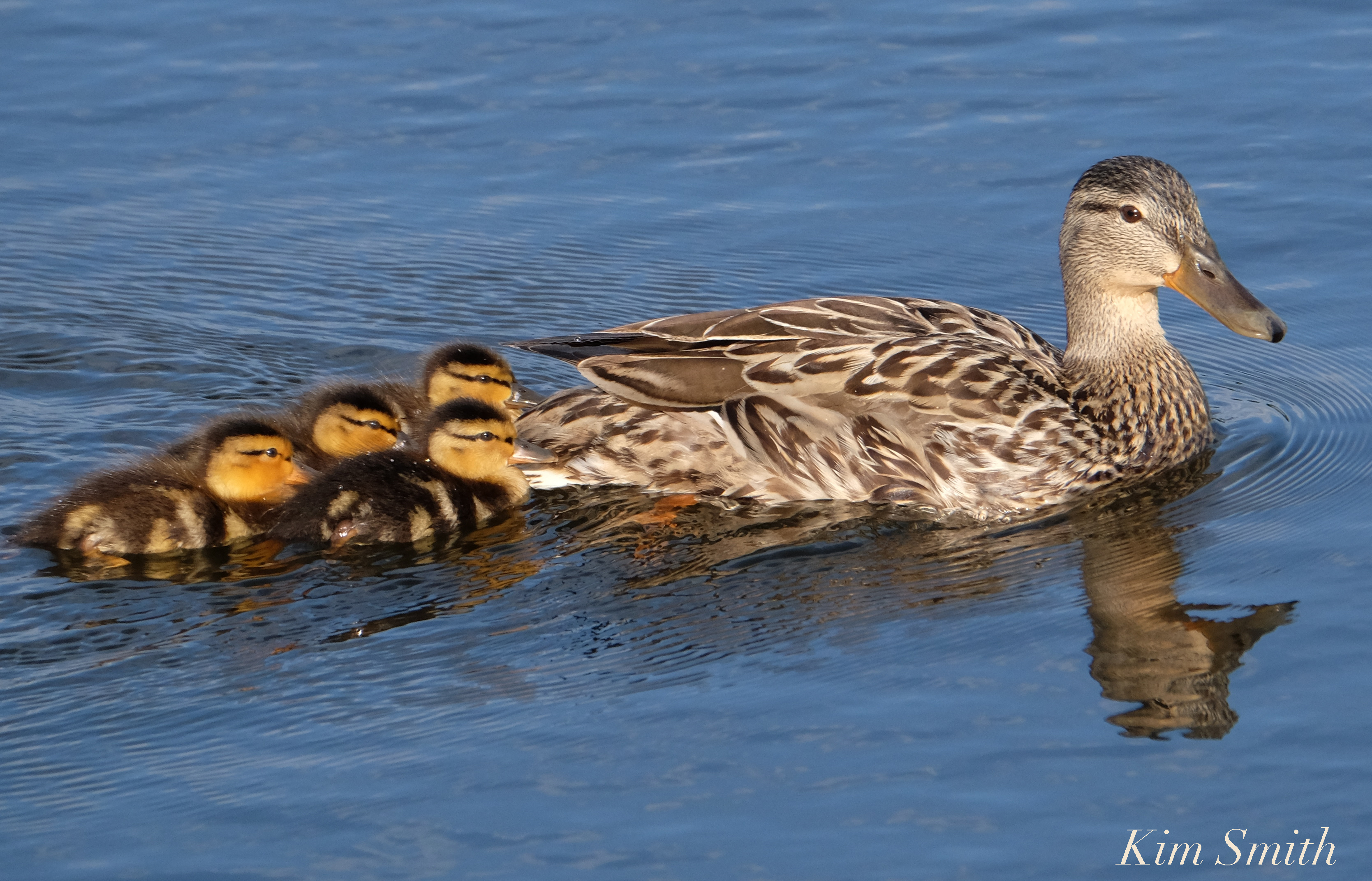
Without making a peep, from the dense patch of reeds on the north side of Niles Pond appeared Mama Mallard and four little ducklings. As long as I stood perfectly still and didn’t make any rustling noises, Mama didn’t mind my presence. She and the ducklings foraged all along the edge of the pond, until they spotted the males. They quickly skedaddled, making a beeline back to the reeds and just as quietly as they had emerged, back they slipped into the shelter of the cattails.
SMITH’S COVE NEW DAY
DANCING AT LUGHNASA OPENS AT GLOUCESTER STAGE
Robert Walsh, Artistic Director Jeff Zinn, Managing Director
TONY AWARD WINNER
DANCING AT LUGHNASA
OPENS AT GLOUCESTER STAGE
Featuring Academy Award Nominee Lindsay Crouse
Gloucester Stage Company continues its 39th season of professional theater with Brian Friel’s Dancing at Lughnasa from June 8 through July 8at Gloucester Stage Company, 267 East Main Street, Gloucester, MA. Dancing at Lughnasa received the Tony Award for Best Play in 1992. Set in County Donegal in 1936 during the Celtic harvest festival, Dancing at Lughnasa, chronicles the five Mundy sisters and their brother Jack, who has returned home from the missions after 25 years away. Brian Friel’s award winning Irish masterpiece reunites veteran director Benny Sato Ambush with Academy Award nominee and Gloucester resident actress Lindsay Crouse. The pair collaborated on Gloucester Stage’s critically acclaimed productions of Driving Miss Daisy in 2014 and Lettice and Lovage in 2016. The five Mundy sisters are Lindsay Crouse as Kate; Jennie Israel as Maggie, Bryn Austin as Agnes, Cassie Gilling as Chris, and Samantha Richert as Rose. The reminder of the cast includes Paddy Swanson as Father Jack, Ed Hoopman as Michael, and Chris Kandra as Gerry.
Often nicknamed the “Irish Chekov,” playwright Brian Friel had 24 plays published in a career spanning half a century. In addition to Dancing at Lughnasa his works include Philadelphia, Here I Come! and Faith Healer. In 1980 he co-founded the Field Day Theatre Company with actor Stephen Rea, which helped to unify opposing factions in Northern Ireland through performance. In 1989 BBC Radio launched the Brian Friel Season, a series launched in devotion to his work. Following his death in 2015 the National Library of Ireland valued his remaining notebooks and manuscripts at over one million dollars.
Director Benny Sato Ambush made his Gloucester Stage debut directing 2012’s Master Harold … and the boys for which he won the IRNE Award for Best Director. He returned to GSC in 2013 to direct Driving Miss Daisy and in 2016 to direct Lettice and Lovage, both productions featured Lindsay Crouse. Mr. Ambush is a professional SDC stage director, former Producer/Artistic Director of professional theaters, educator, consultant and published commentator. As a director he has worked at the Old Globe Theater; Oregon Shakespeare Festival; South Coast Rep; Alabama Shakespeare Festival; Merrimack Repertory Theater, Arizona Theater Company; Magic Theater; Geva Theater; Playwrights Horizon; Ford’s Theater; American Repertory Theater Institute; Philadelphia Festival Theater for New Plays; Lincoln Center Theater Institute; Heart of America Shakespeare Festival; Indiana’s New Harmony Project; Alaska Theater of Youth; International Theater Festival of Chicago; Sacramento Theater Company; National Black Theater Festival; Wellfleet Harbor Actors Theater; Lyric Stage Company of Boston; and North Carolina Black Repertory Company. He also directed in the Boston Theater Marathon and on NPR Radio as well as directing all five of the San Francisco Bay Area McDonalds Gospel Fests. In 2005 Mr. Ambush directed the 68th annual edition of America’s oldest and longest running outdoor dramaThe Lost Colony in the Outer Banks of North Carolina. His artistic leadership experience includes: Producing Director: Oakland (CA) Ensemble Theater; Associate Artistic Director: San Francisco’s American Conservatory Theater; Acting Artistic Director: Providence, RI’s Rites and Reason Theater Company; Co-Artistic Director: San Francisco Bay Area Playwrights Festival; and Producing Artistic Director – Richmond, VA’s LORT C TheaterVirginia (one of only 13 people-of-color to have ever been Artistic Director of a LORT Theater).Mr. Ambush was Associate Artistic Director of Anna Deavere Smith’s Institute on the Arts & Civic Dialogue at Harvard University in the summer of 2000 and Director of the Institute for Teledramatic Arts and Technology at California State University, Monterey Bay. For the past nine years he has served as the Senior Distinguished Producing Director-In-Residence of Emerson Stage, the producing wing of the Department of Performing Arts (PA) at Emerson College. He has taught on the Acting/Directing Faculty in the Department of Performing Arts at Emerson College, Boston MA as well as a Visiting Arts Professor for the NYU Graduate Acting Program; and Artist in Residence, Tisch School of the Arts, NYC. Mr. Ambush has served on numerous regional and national boards including Theater Communications Group (TCG), has been a panelist and site evaluator for the National Endowment for the Arts. He received an MFA from University of California, San Diego and a BA from Brown University.
Continue reading “DANCING AT LUGHNASA OPENS AT GLOUCESTER STAGE”
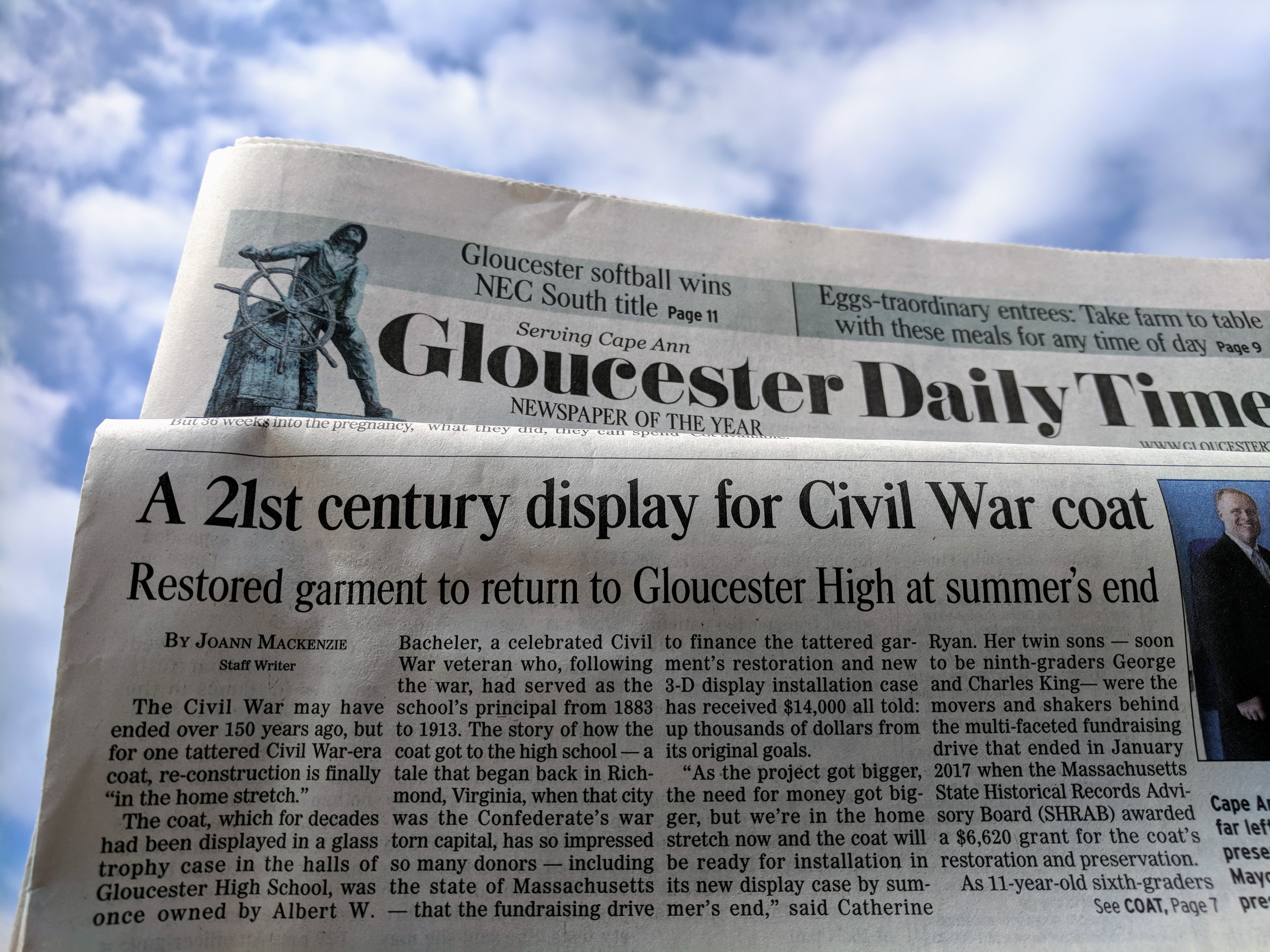
THE KING BROTHERS AND ALBERT COAT IN THE NEWS!
Charles and George King share the following,
Joann Mackenzie from the Gloucester Daily Times wrote an excellent article on the upcoming installation of the Civil War coat at GHS!
THE WONDERFUL WORLD OF WILDFLOWERS
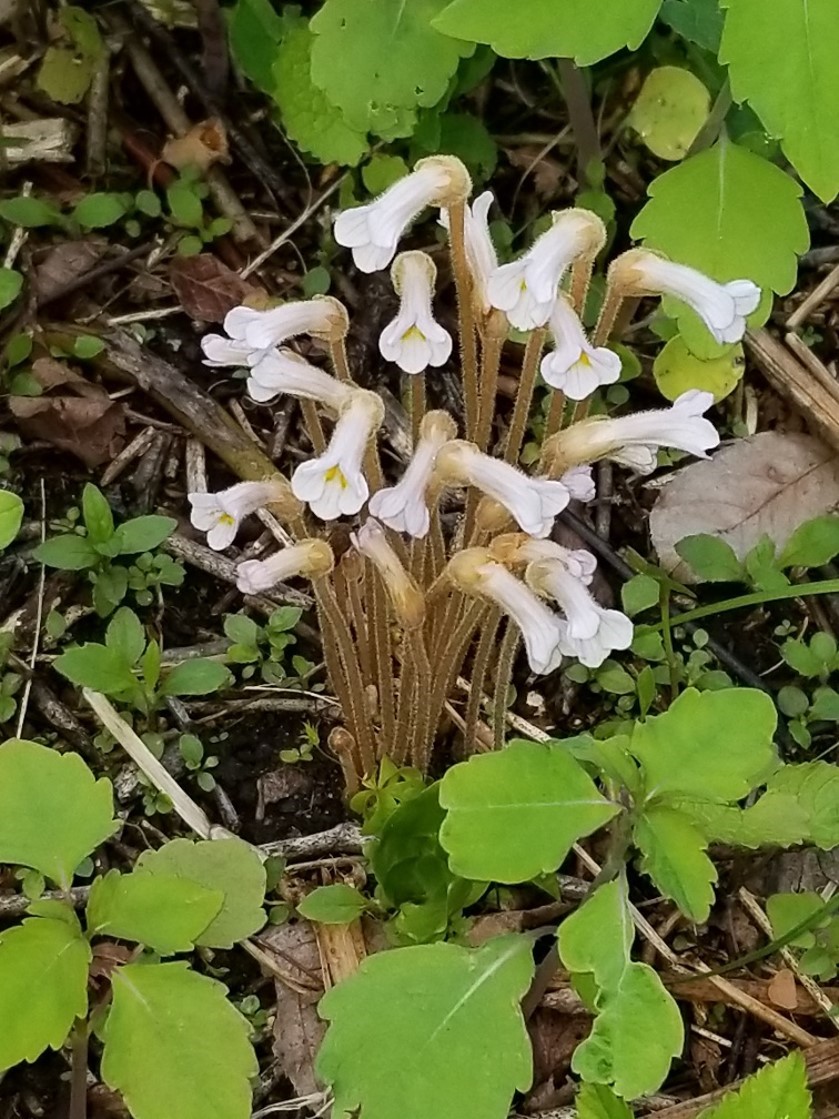
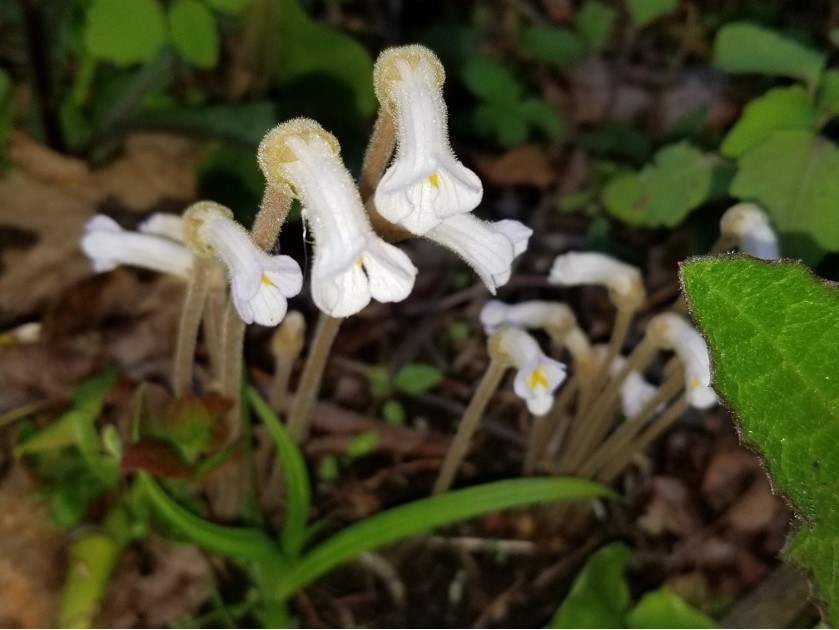
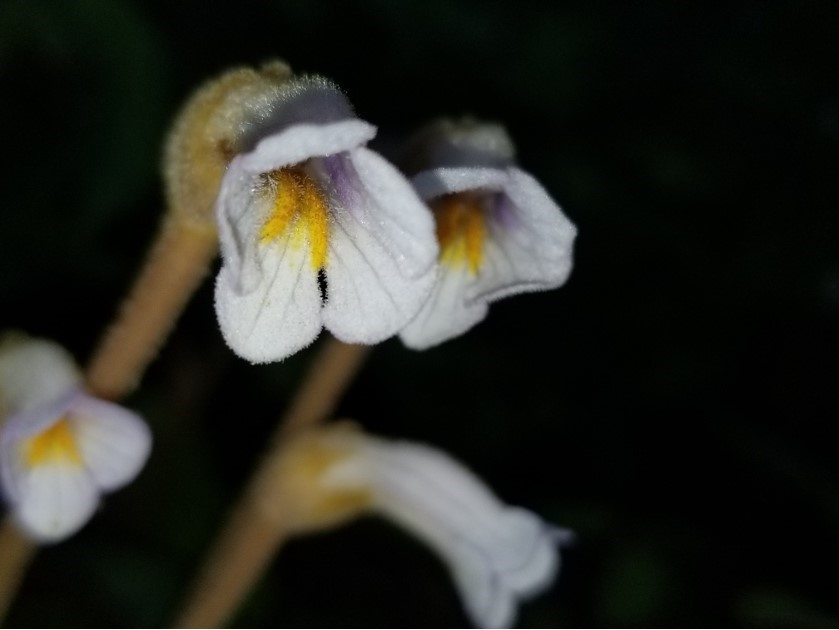
Reader Robert Millman sent photos and wrote the following question:
I am new to Gloucester, having bought a home two years ago.
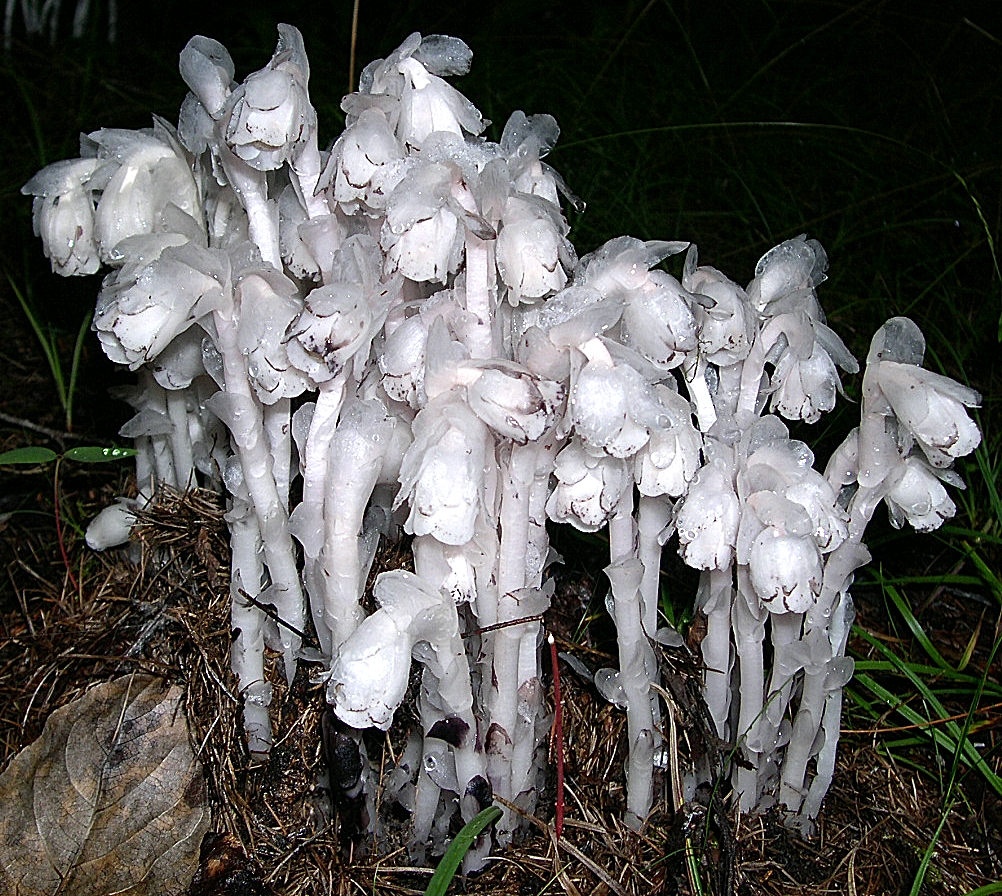
As we were clearing some down trees and brush, we came upon a small stand on what I think are Monotropa, related to Indian Pipes, but do not look like any other pictures I have found. Corliss and another local nursery were not able to provide anything further information.
Can you ask your readers or do you have any suggestions of who I could reach out to?
Thank you
Hello Robert,

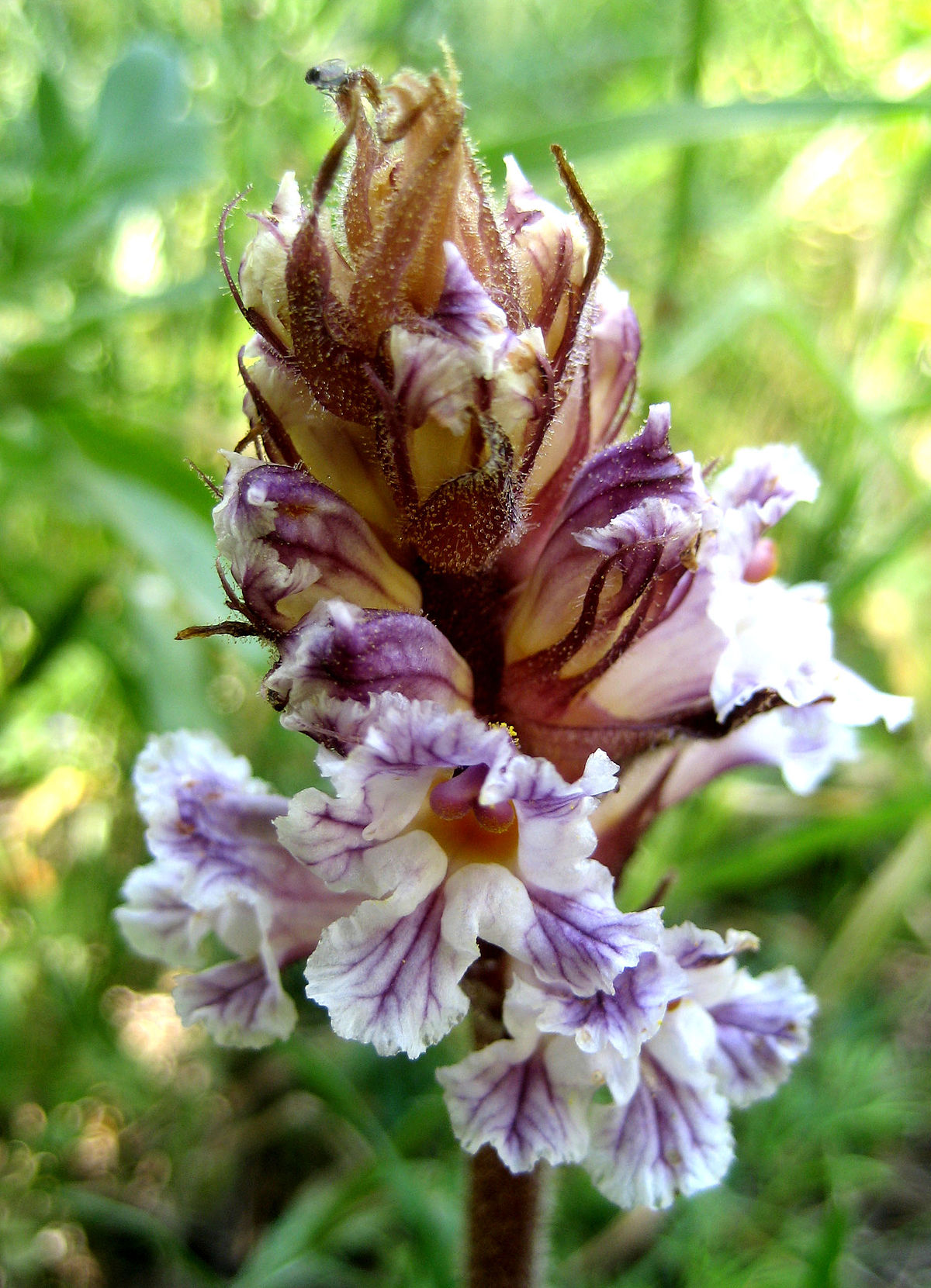
The stems of Sporchia (Orbanche crenata), a species parasitic on the fava bean, are gathered and eaten in the region of Apilia, in southern Italy. Image courtesy wikicommons media.
GOOD HARBOR BEACH FOOTBRIDGE GOOD NEWS PROGRESS REPORT!
Gloucester’s Department of Public Work’s Phil Cucuru updates us with the following good news:
Chad K and crew are finished installing the 21 pilings. The DPW is waiting for the special marine grade wood needed to build a temporary footbridge. The hope is that it will be here by Friday. As soon as the wood is delivered, Phil and Mike Tarantino will begin rebuilding the bridge. They plan to work nonstop, including weekends, until the bridge is complete and fully operational. Hooray and thanks to Phil and Mike for the update!


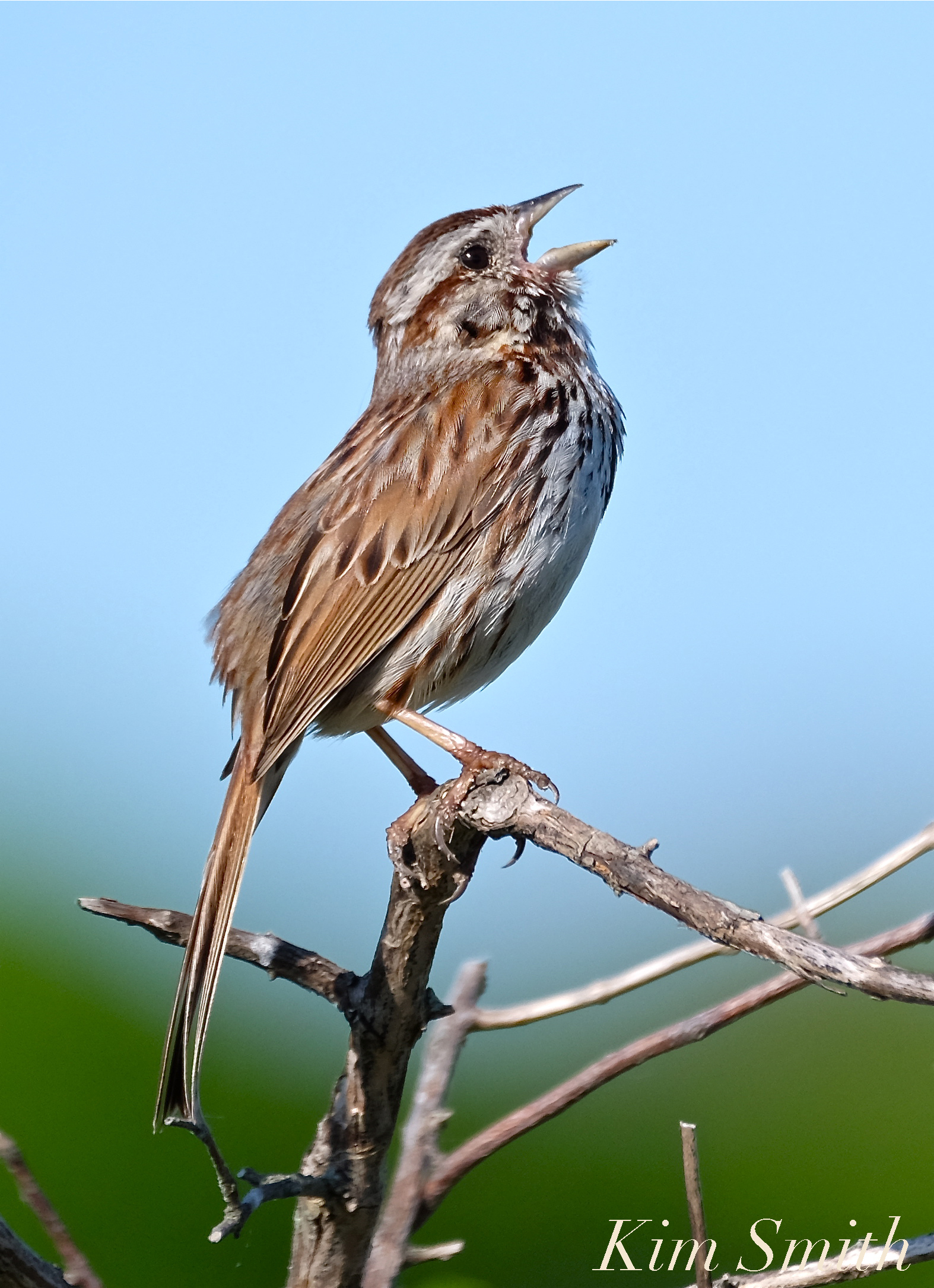
GOOD MORNING! BROUGHT TO YOU BY THE EBULLIENT SONG SPARROW
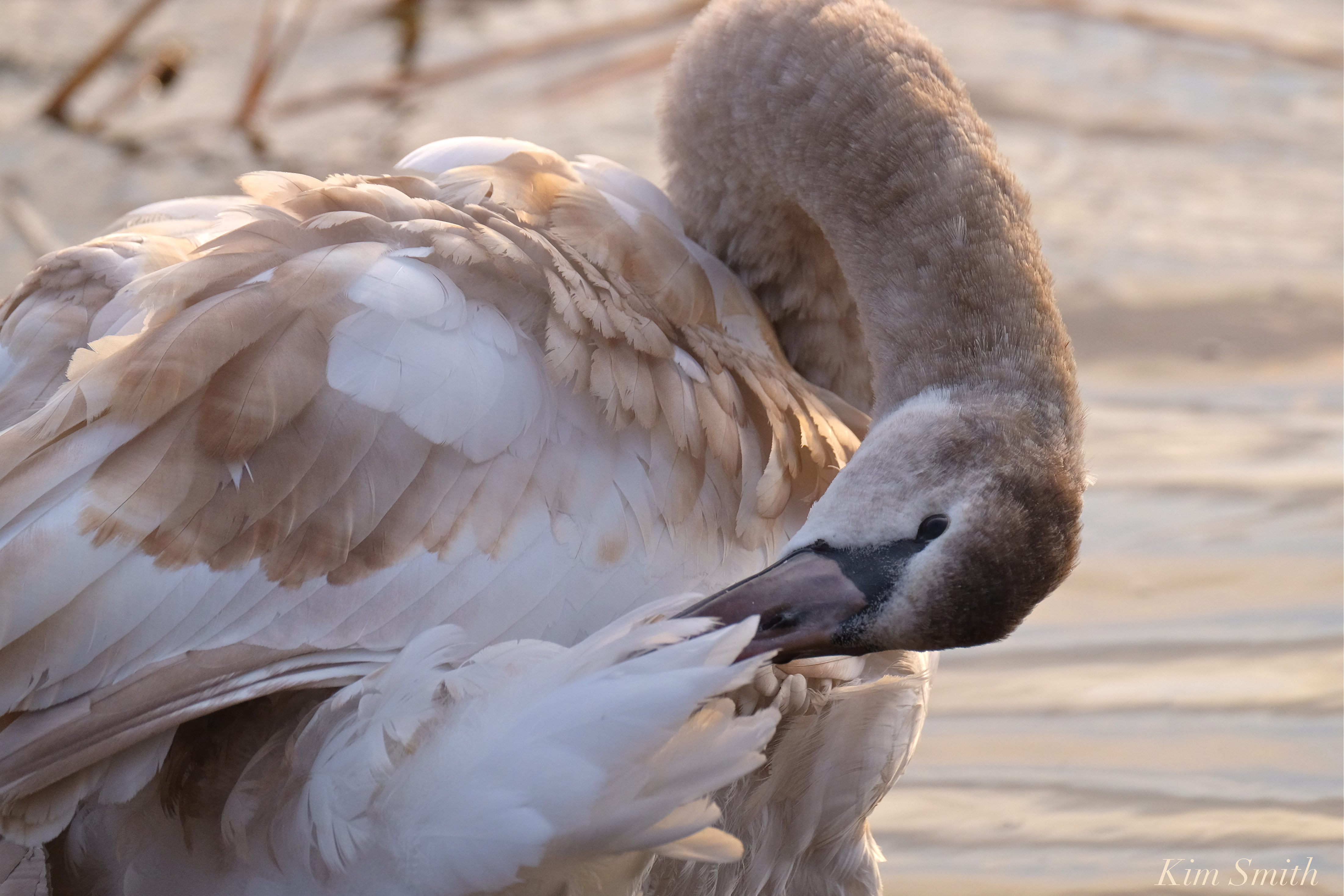
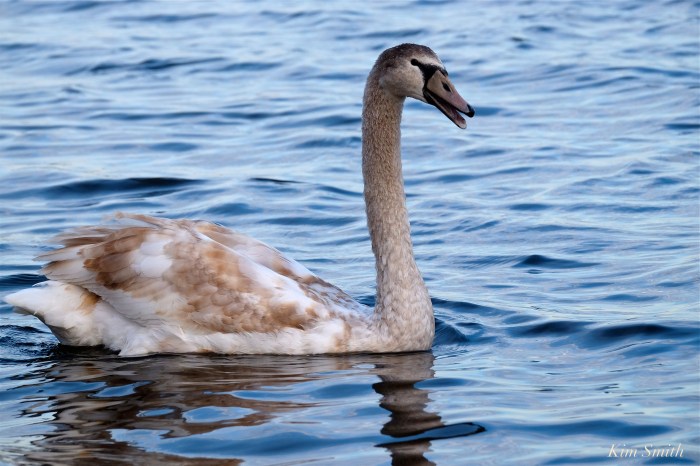
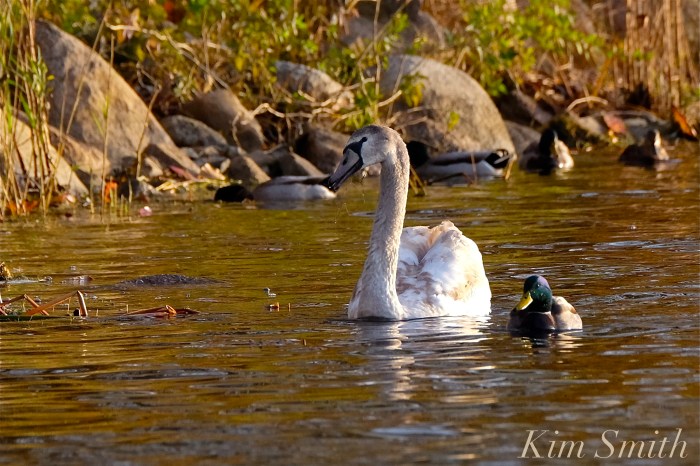
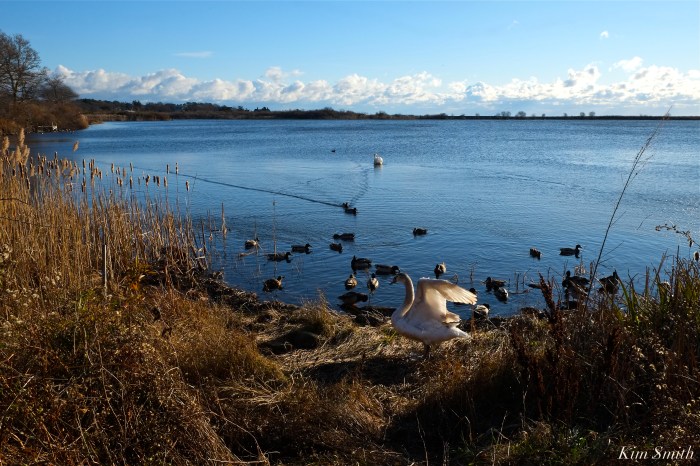
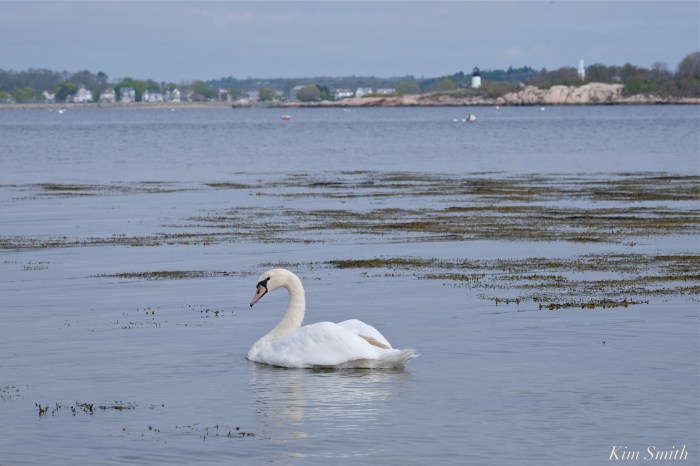
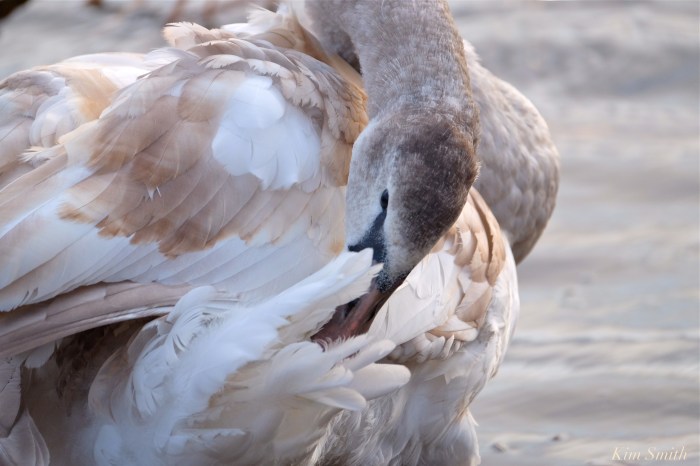
SO SORRY TO WRITE OUR LITTLE SWAN PASSED AWAY THIS MORNING
Sending heartfelt condolences to Lyn Fonzo, and to all of the Young Swan’s and friends and caretakers. The little Swan’s leg injury became deeply infected, all the way into the bone.
If you see Lyn Fonzo, please thank her for all that she has done over the past year in caring for our Young Swan and in trying to rehabilitate him to Niles Pond. Please thank and support Dr. Cahill, too, who generously donated his services.
BEAUTIFUL SHOREBIRDS PASSING THROUGH
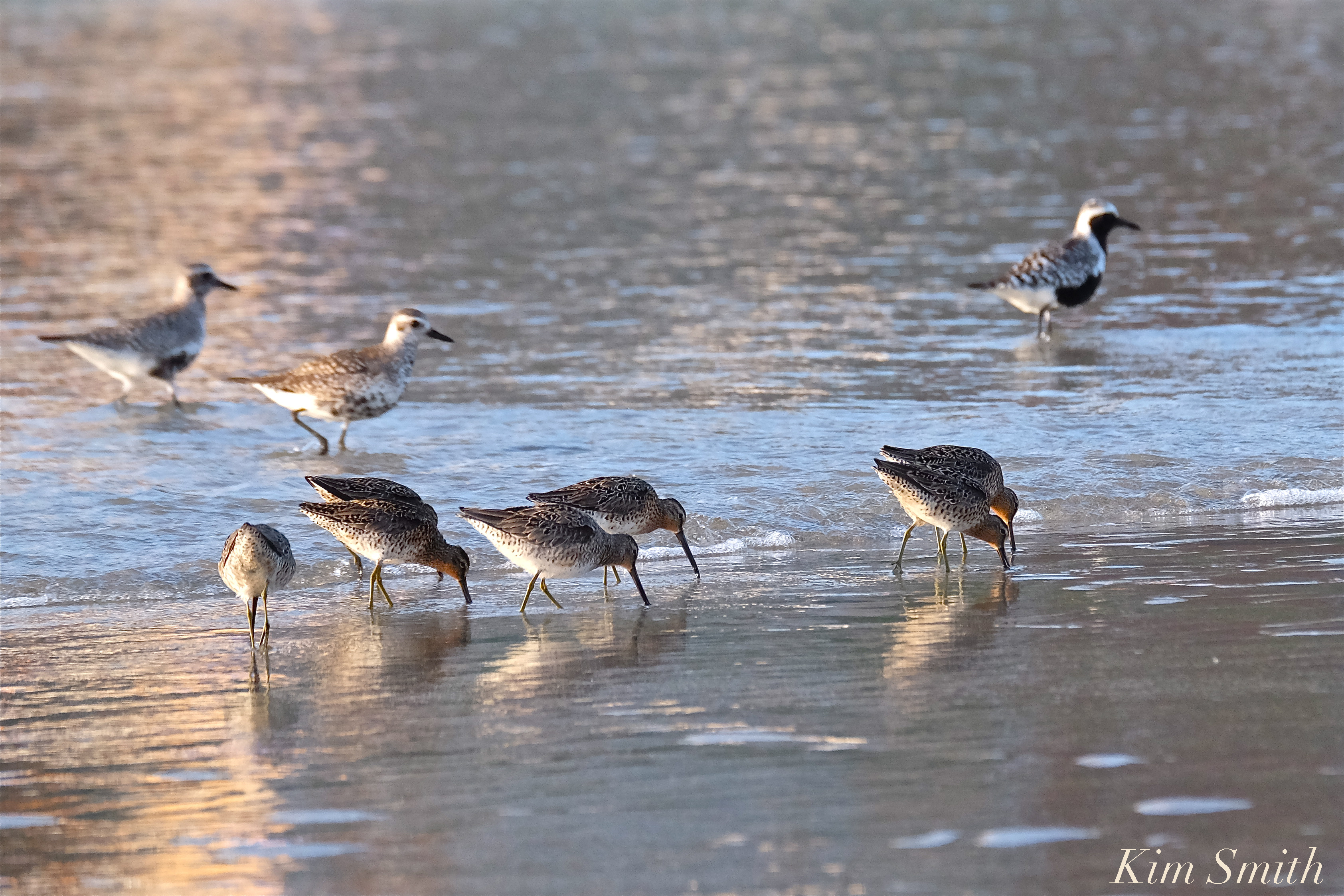
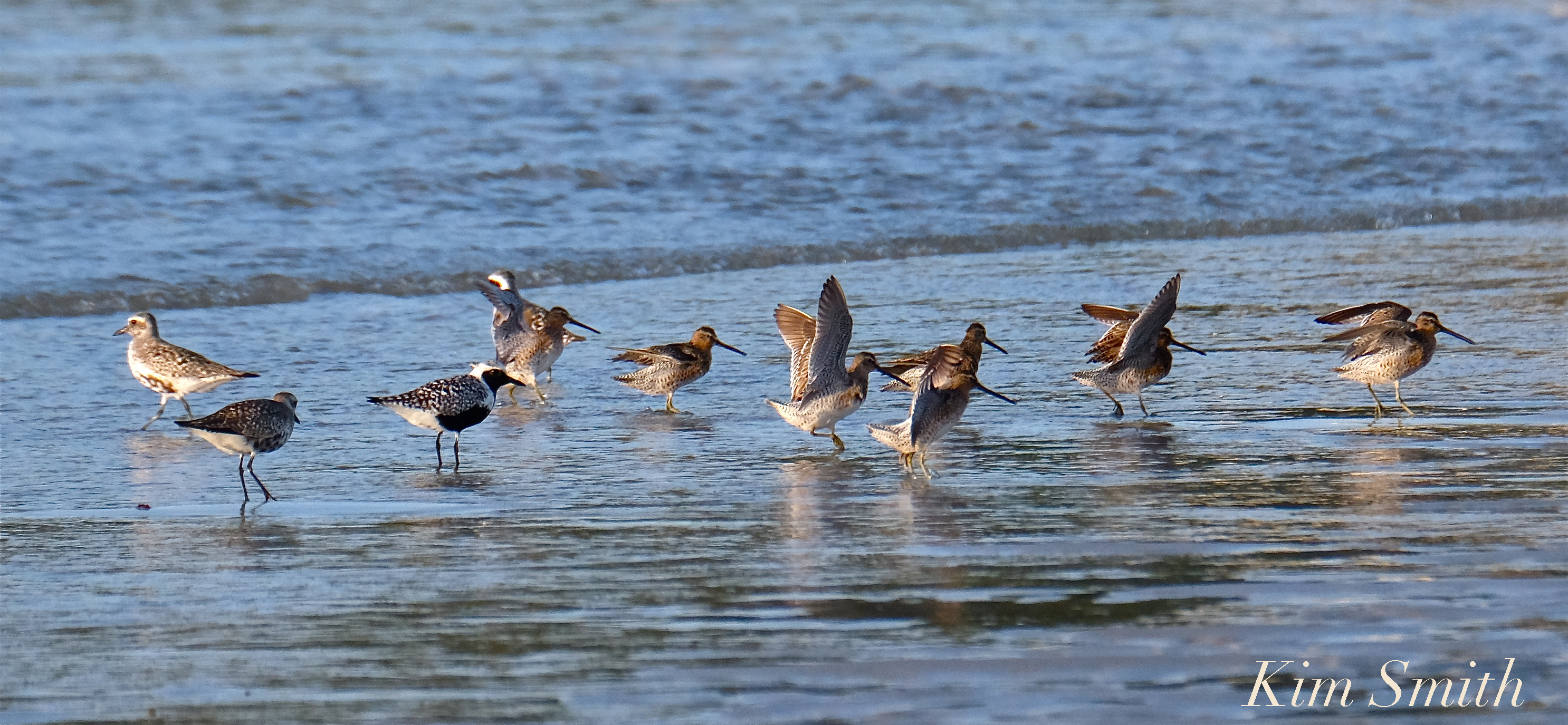
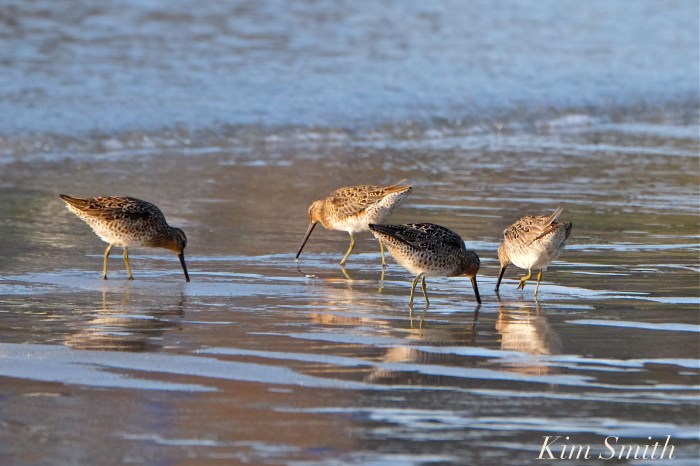
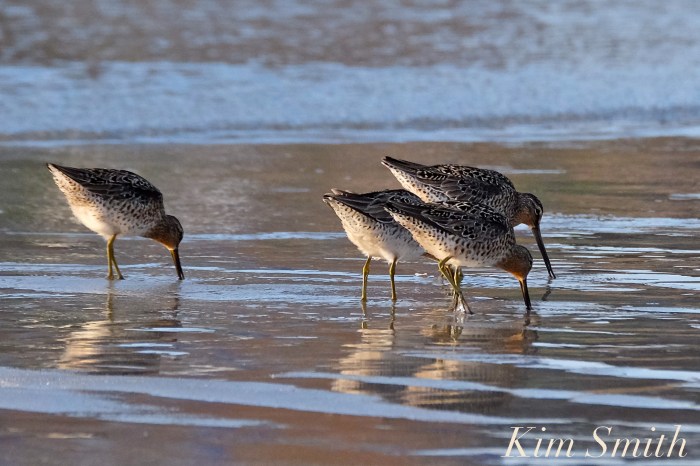
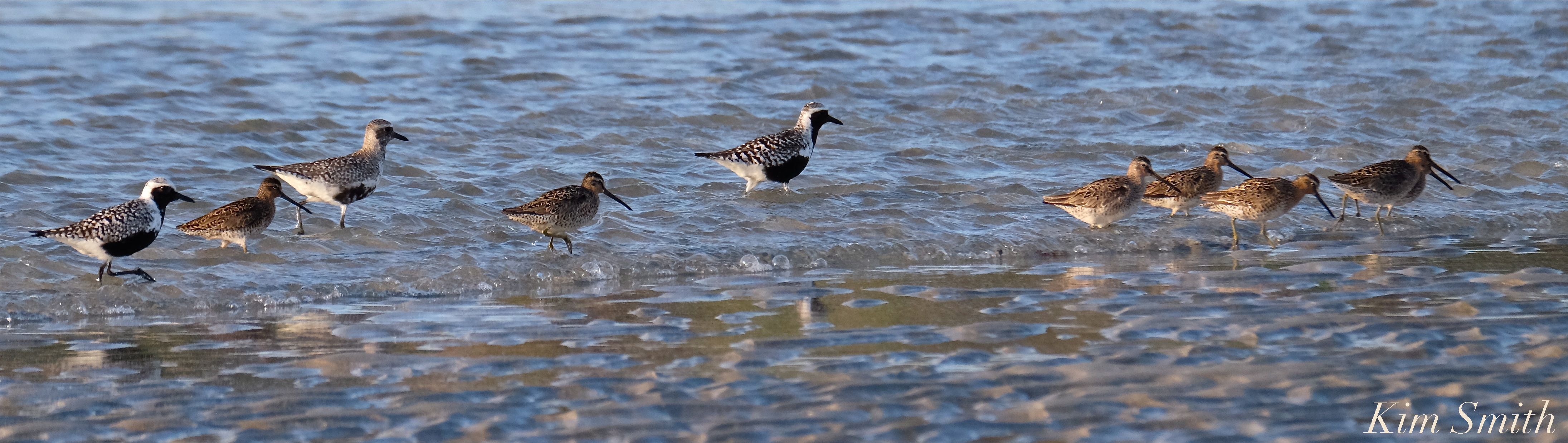
May is a magical month to see migrating species throughout Massachusetts. Over the weekend on an early morning Piping Plover check up I was delighted and surprised to encounter a small flock of Dowitchers and Black-bellied Plovers hungrily feeding at the shoreline. Two Semipalmated Plovers joined the scene, too, and for a brief moment our Papa Plover was feeding with the migrating flock.
Unlike Piping Plovers, which nest in our region, we will never see nesting Black-bellied Plovers, Dowitchers, and Semipalmated Plovers on our shores. They are migrating to their northern breeding grounds in the Arctic.
RAW SEWAGE SPILL INTO THE GREAT SALT MARSH
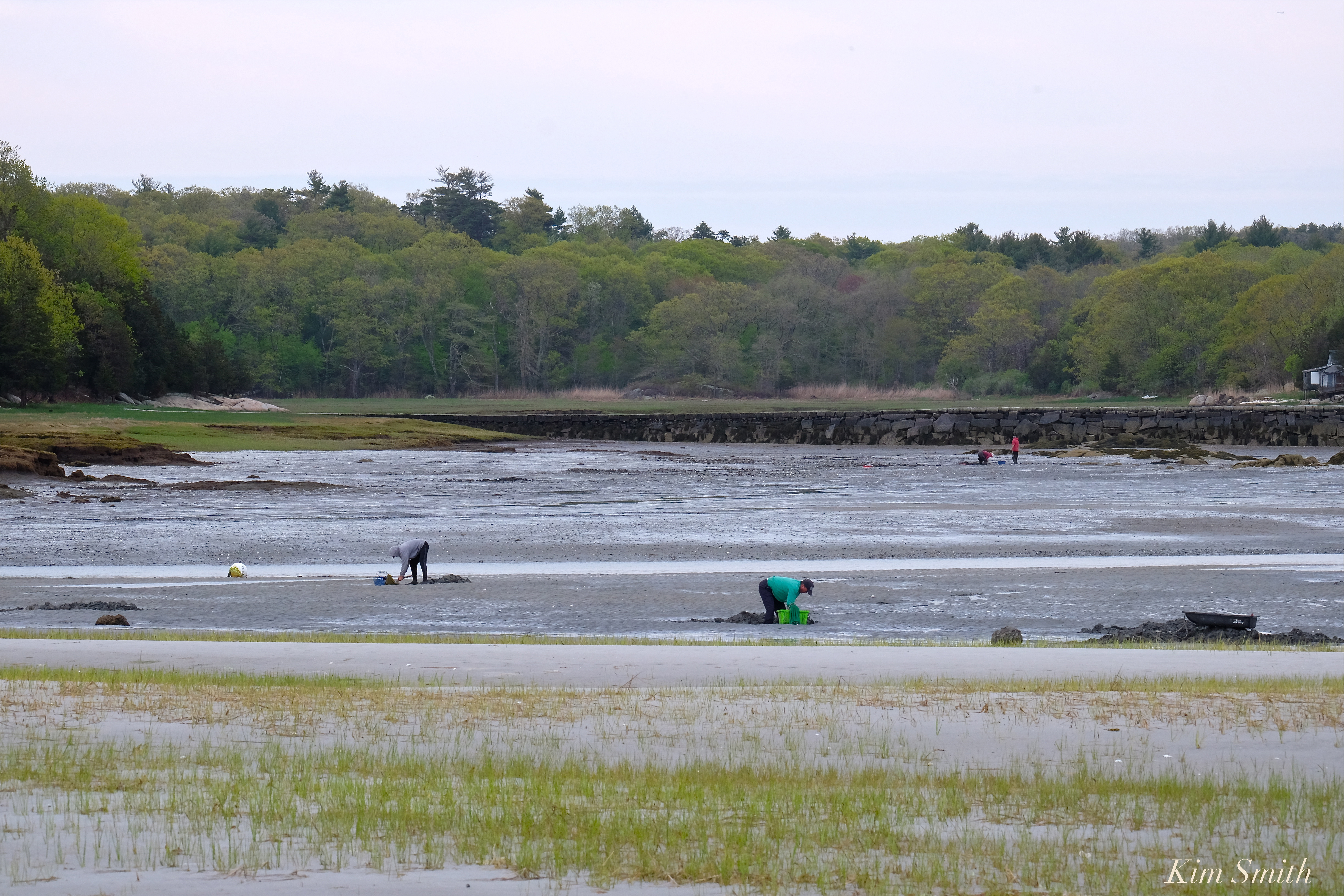
A sewer pipe in Essex broke over the weekend, spewing raw sewage into the Essex River Salt Marsh. I am so very sorry for our local clam diggers–just as the season was getting underway–devastating. The clam flats will be monitored, at a minimum, over the next 21 days before any determination about reopening will be made.
Essex River Clammers
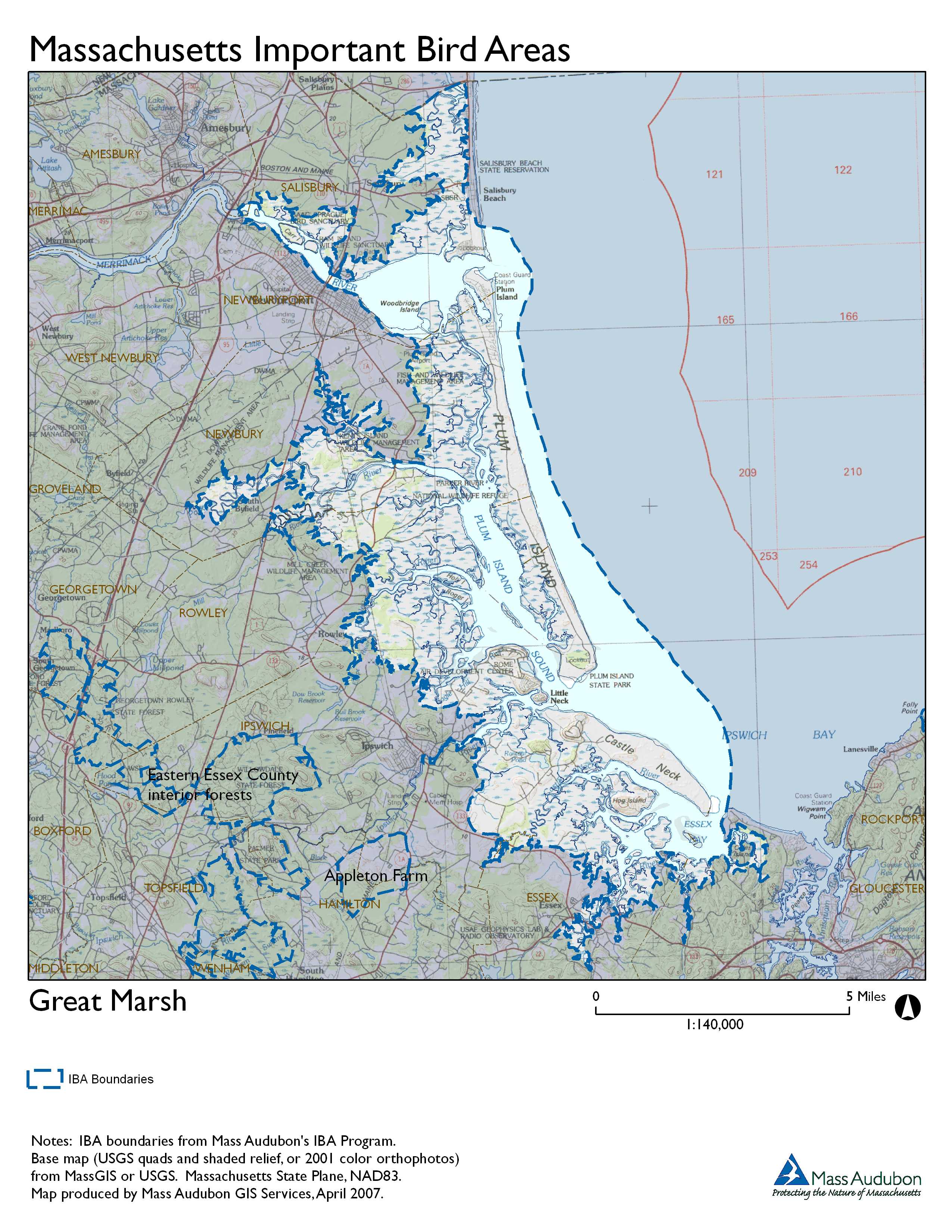
About the Great Marsh
“In Massachusetts, the North Shore’s Great Marsh is the largest continuous stretch of Salt Marsh in New England, extending from Cape Ann to New Hampshire. The Great Marsh includes over 20,000 acres of marsh, barrier beach, tidal river, estuary, mudflat, and upland islands extending across the Massachusetts North Shore from Gloucester to Salisbury. In recognition of these extraordinary resources, a portion of this area was designated by the state in 1979 as the Parker River/Essex Bay Area of Critical Environmental Concern. The Great Marsh is an internationally recognized Important Bird Area (IBA) as it contributes to the preservation of many breeding and migratory birds. This unique complex of natural systems add ecological, economic, recreational, and cultural value to our daily lives both on the coast and inland where land is connected by river and stream networks.” Read more about the Great Marsh Coalition here.
Beautiful Fish: Sargassum Fish

Sargassum Fish, Mousefish
Color— Creamy white, the fins as well as the head and body mottled with pale and dark brown. The fleshy tags are yellowish.
General range— Tropical and subtropical, living at the surface among floating seaweed; sometimes drifting far northward with the Gulf Stream.
Occurrence in the Gulf of Maine— A specimen about 4¾ inches (12 cm.) long, that was picked up in a purse seine near the surface over the west central part of Georges Bank, by the Schooner OLD GLORY on September 15, 1930, and a second of 2¼ inches, taken off the southeast slope of Georges Bank, by the sword fisherman LEONORA C, on June 15, 1937, are the only records of this fish in the Gulf of Maine; the most northerly records, in fact, for it for continental waters in this side of the Atlantic. But it has been picked up from time to time near Woods Hole. Living, as they usually do, among floating gulf weed (Sargassum), it is not astonishing that sargassum fish should drift in over the offshore banks, occasionally.
From Fishes of the Gulf of Maine by Bigelow and Schroeder (1953) online courtesy of MBL/WHOI http://www.gma.org/fogm/Histrio_pictus.htm
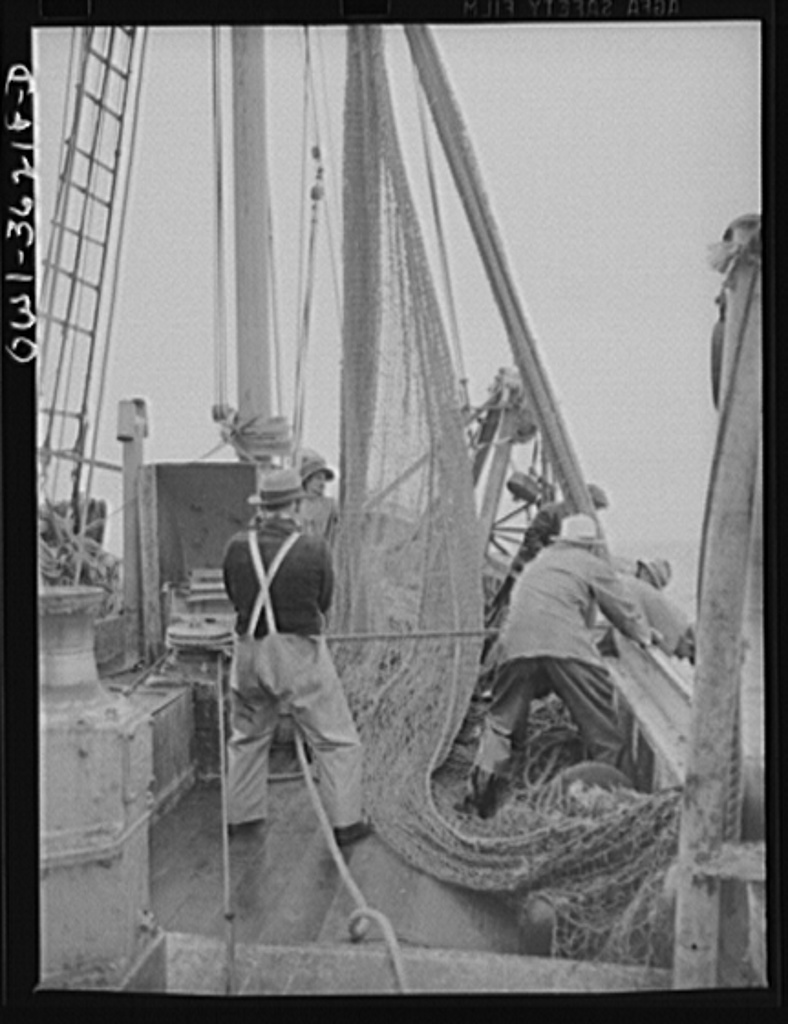
Photo – Hauling the seine, Schooner Old Glory
It was the Gloucester Schooner Old Glory that seined up the first reported tiny sargassum fish specimen. (Howard Liberman photo, 1942, aboard Old Glory, courtesy of the Library of Congress Online Catalog)
Al Bezanson
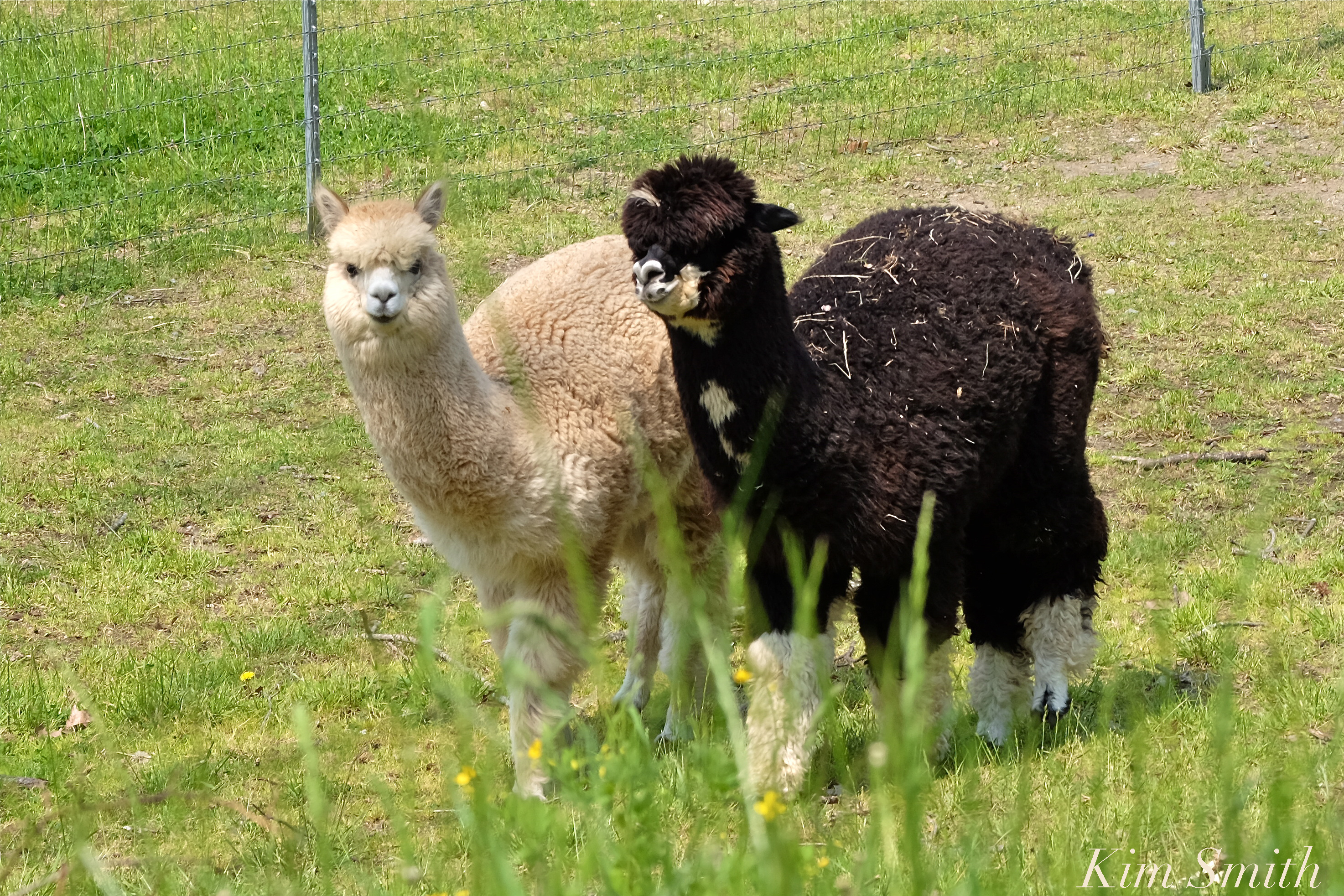
ANGIE’S ALPACAS <3
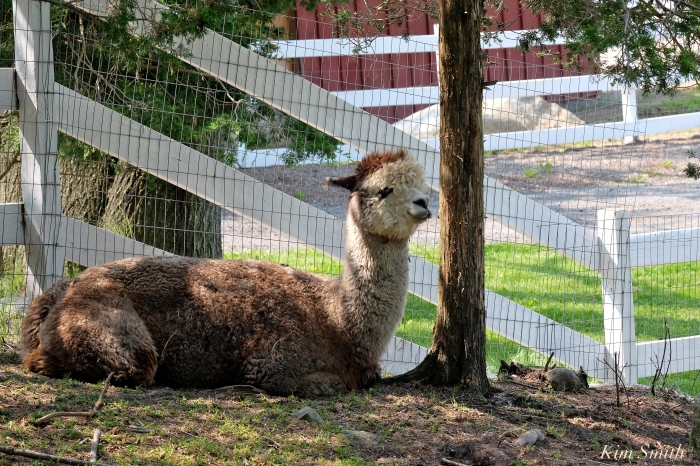
While ferrying plants from Cedar Rock Gardens to jobs this weekend I passed by Angie’s adorable Alpacas half a dozen times. Just had to stop and say a quick hello!
I think this one is named Magnolia, for the color of her softly hued hair. She was taking a languid roll in the grass. Doesn’t she look positively angelic?
Magnolia and Pippi Longstocking (please write Angie if the Alpaca’s names are incorrect).
PIPING PLOVER MEMORIAL DAY WEEKEND UPDATE
Despite the throngs of beach goers and a full parking lot by noon time on Friday, the nesting Piping Plovers appear to be doing a-okay. Both Mama and Papa Plover were seen at the nest this morning (Saturday) at daybreak. They traded places on the nest without event.
Piping Plover volunteer monitors will be checking on the PiPl throughout the day. The parking lot attendants are keeping an eye out our feathered friends as well. With a hope and prayer, and lots of cooperation from the community, our little pair will survive the holiday weekend 🙂
At daybreak this morning, Mama left the nest to stretch her wings, forage, and take a bath, but only after Papa flew on the scene to relieve her; Papa on the nest Friday evening.
NEW SIGNS AT GOOD HARBOR BEACH
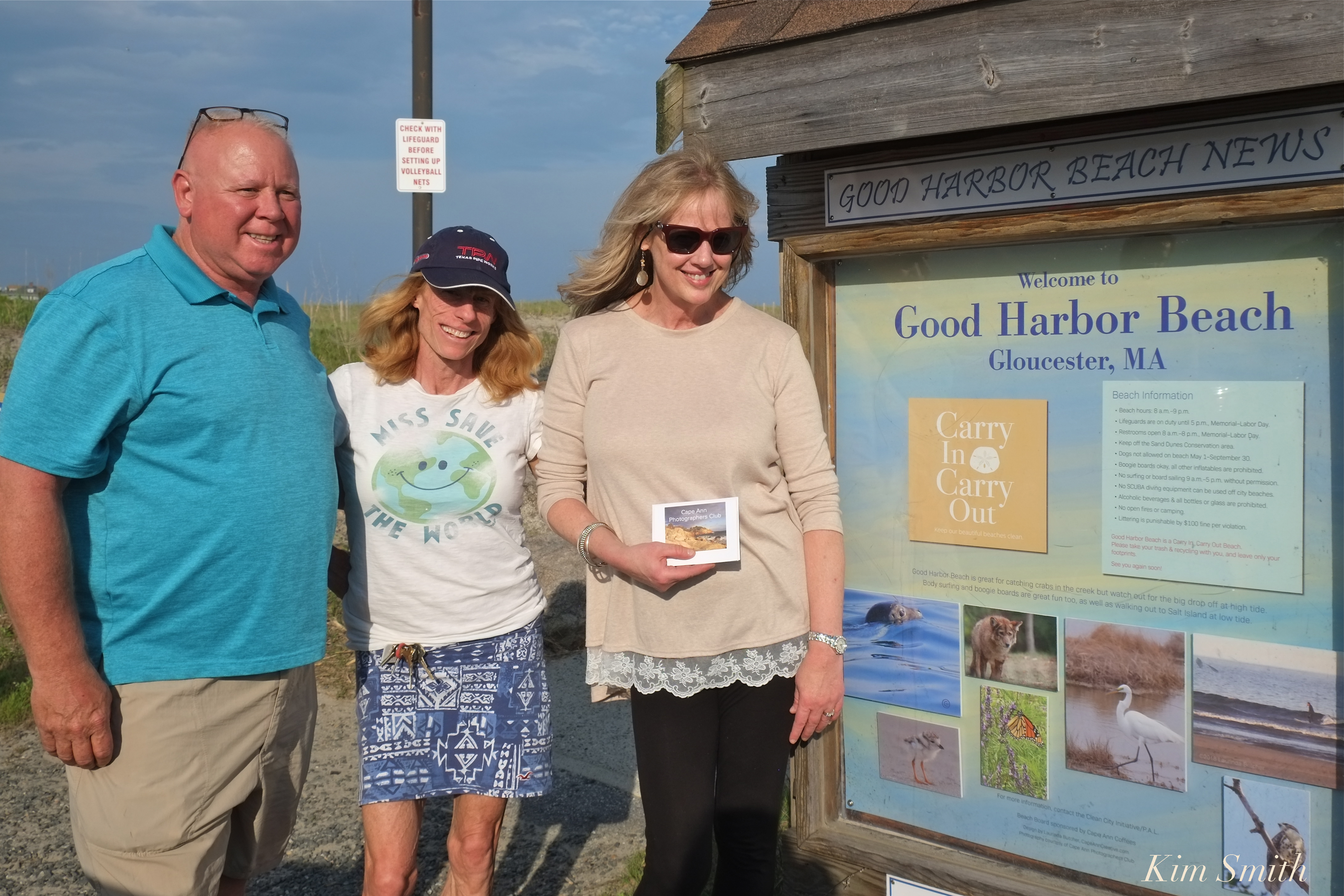
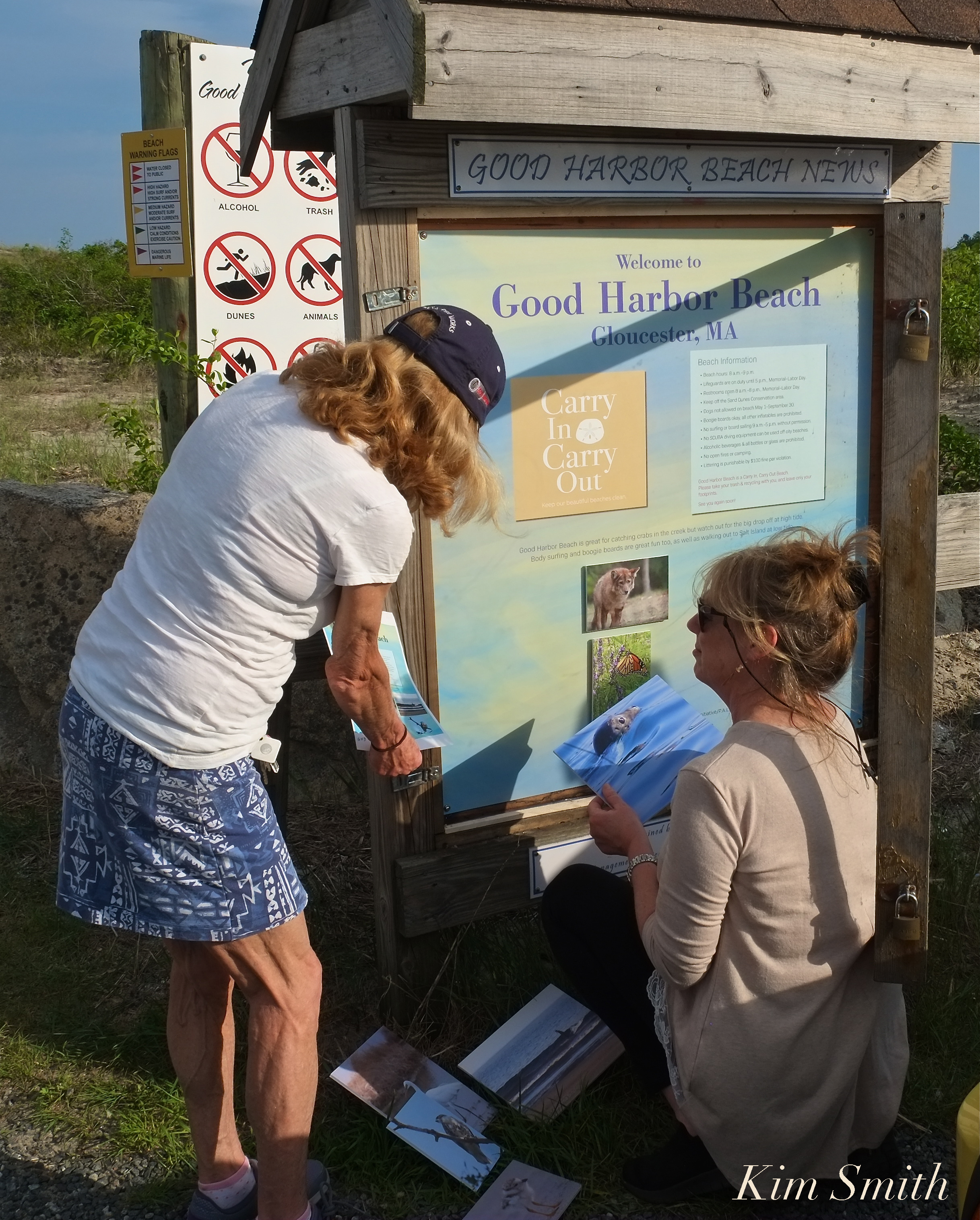
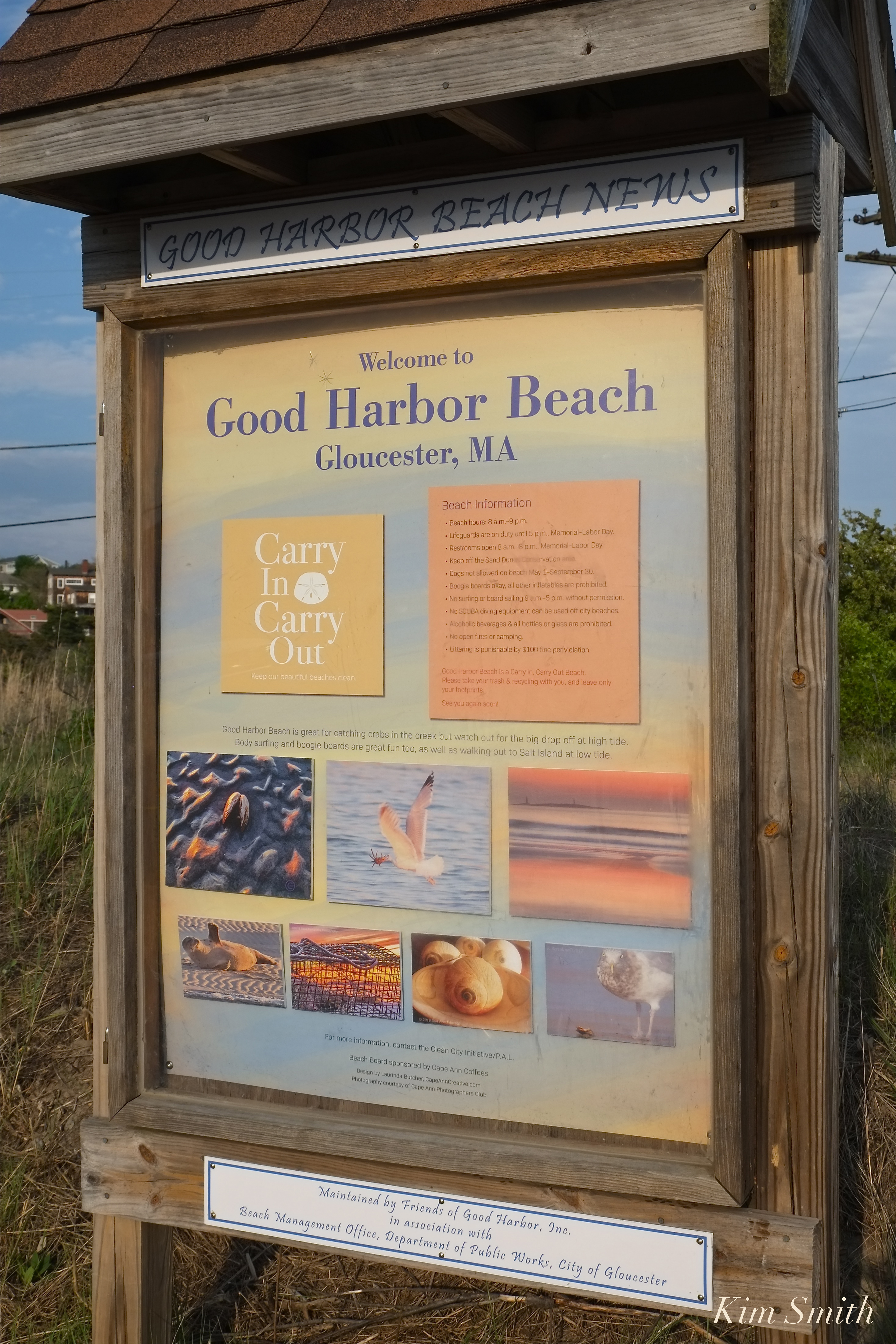
Four years in the making and planning stages, both Good Harbor Beach and Wingaersheek Beach have been outfitted with lovely new signs housed in the glass kiosks. We can thank Cape Ann Coffees, Neptune’s Harvest, Patti and Howie Amaral, Laurinda Butcher and the Cape Ann Photographers Club, and the Friends of Good Harbor Beach for the good work.
Patty and Laurinda installing the signs tonight.
Laurinda Butcher of Cape Ann Creative designed the bulletin boards and she, along with fellow members of the Cape Ann Photographers Club, donated the images. Photos are courtesy of the following contributors: Betty Grizz, Dave Fernandes, Skip Montello, Doug Burgess, Roger Porter, Karen Burgess, Gary Lander, Cate Partridge, Sue Ann Pearson, Glenn Bowie, James Eason, Jr., Donna Ardizonni, Kimberlee Bertolino, and Laurinda Butcher.
MORE SHOREBIRDS NESTING AT GOOD HARBOR BEACH!!
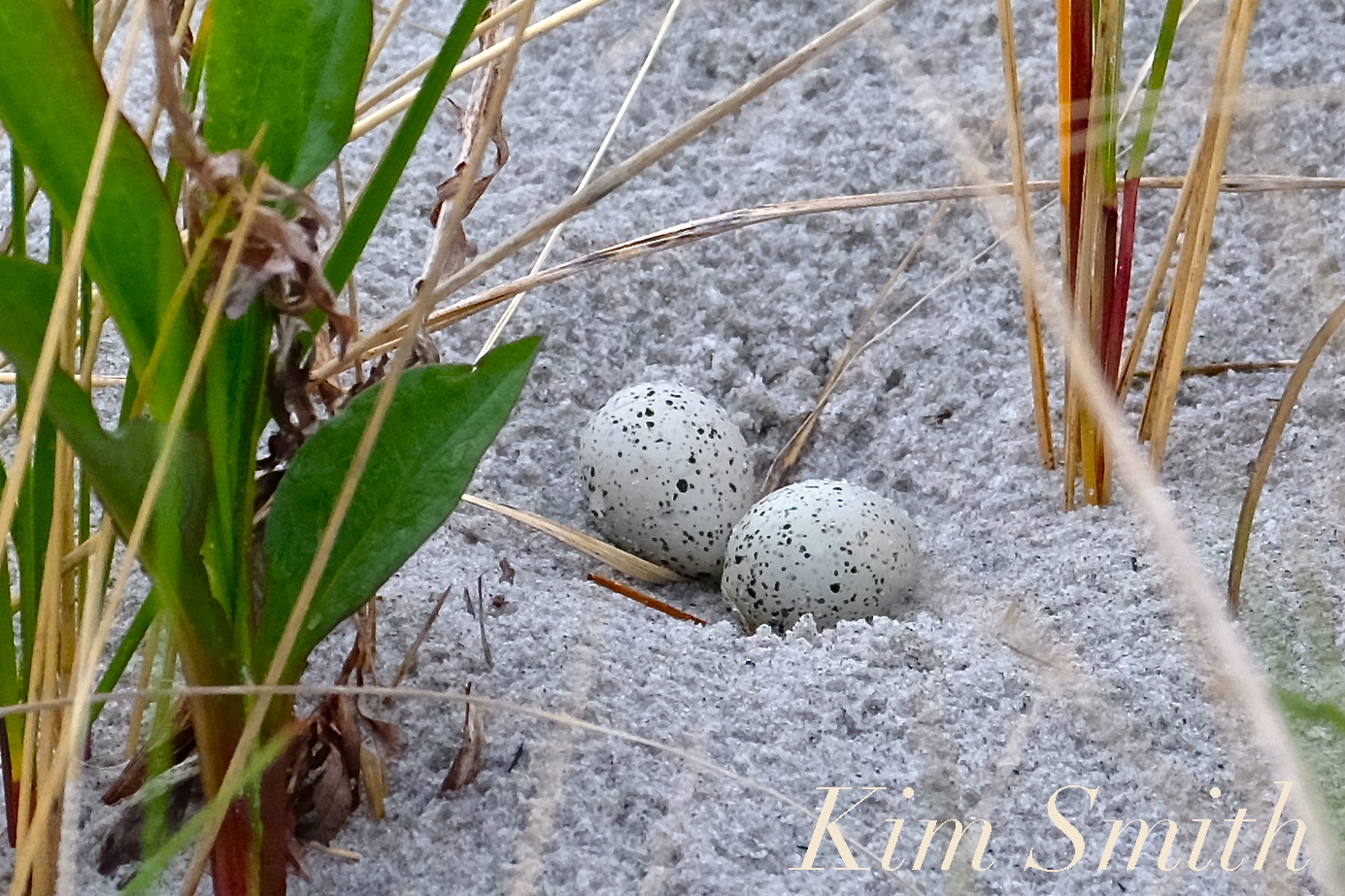
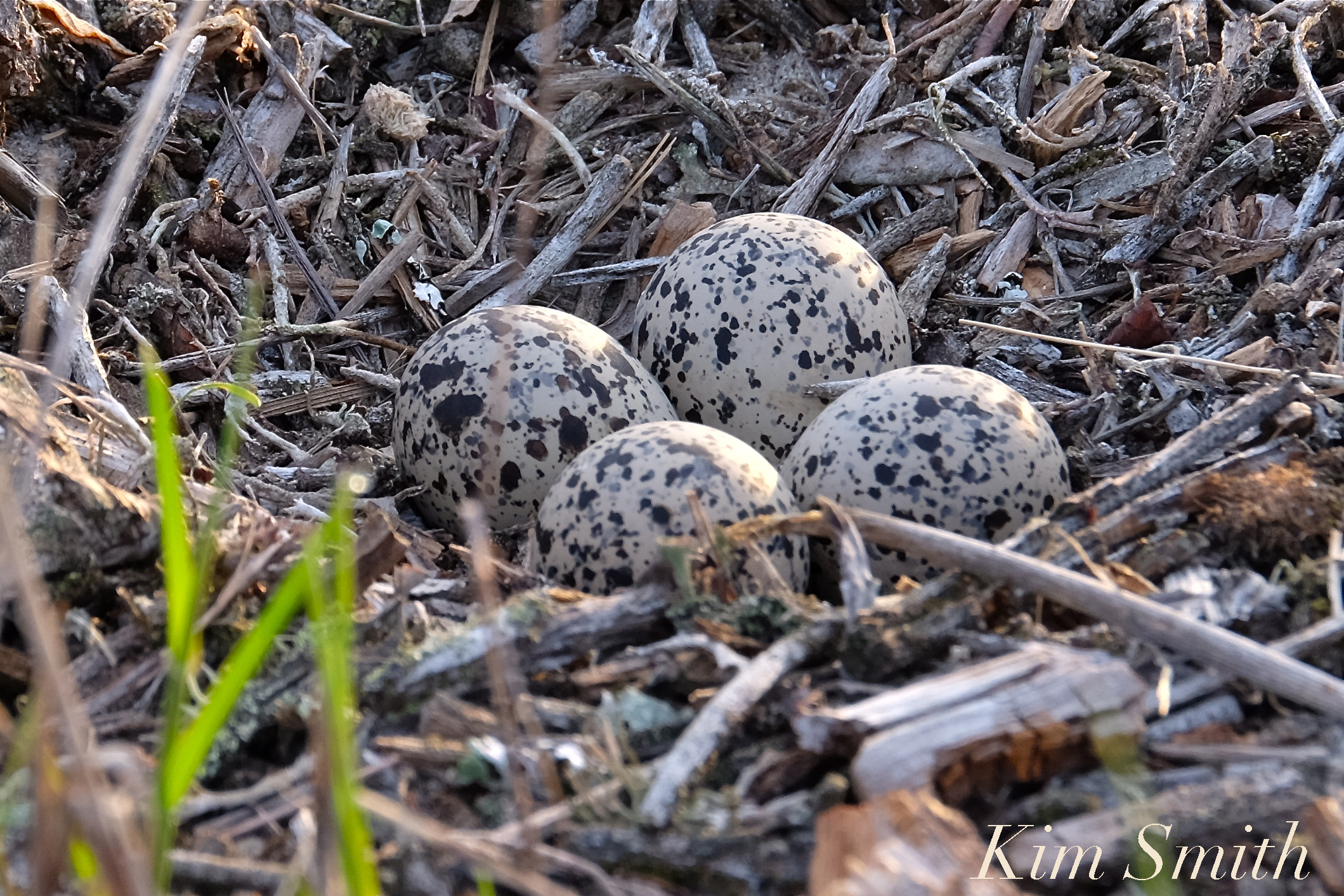
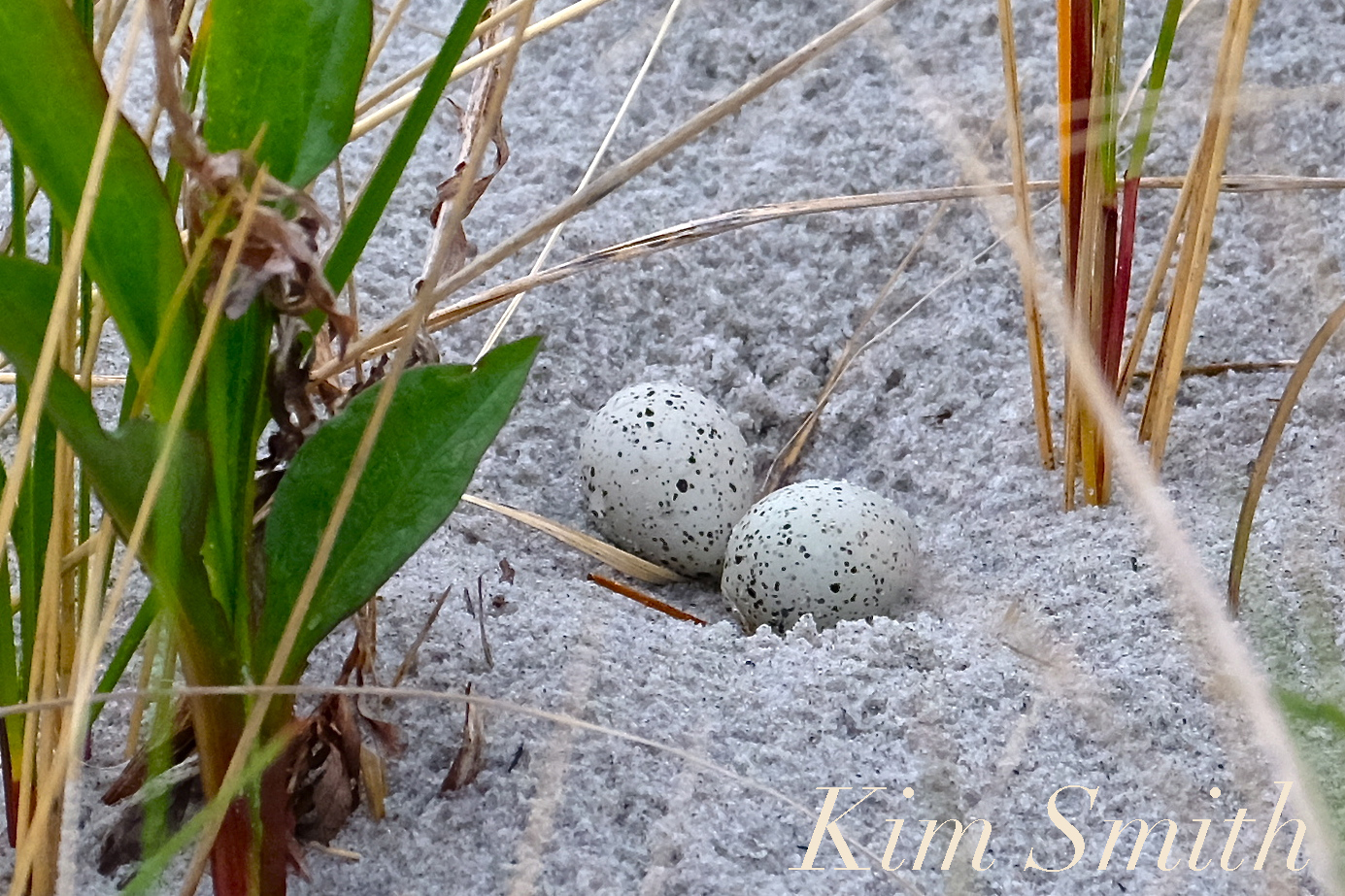
Pictured above are the beautiful mottled eggs of a different species of plover, the Killdeer. Notice how the Killdeer eggs look similar to the PiPl eggs, but are a deeper gray. Killdeers make their nest scrapes on the ground, just as do PiPl, but in gravel and soil, and the darker colored eggs are perfectly camouflaged amidst the sticks and stones. Piping Plover eggs are beautifully camouflaged when laid in sandy nest scrapes.
Stay tuned for wonderful news about our Good Harbor Beach Killdeer Family.
Piping Plover eggs
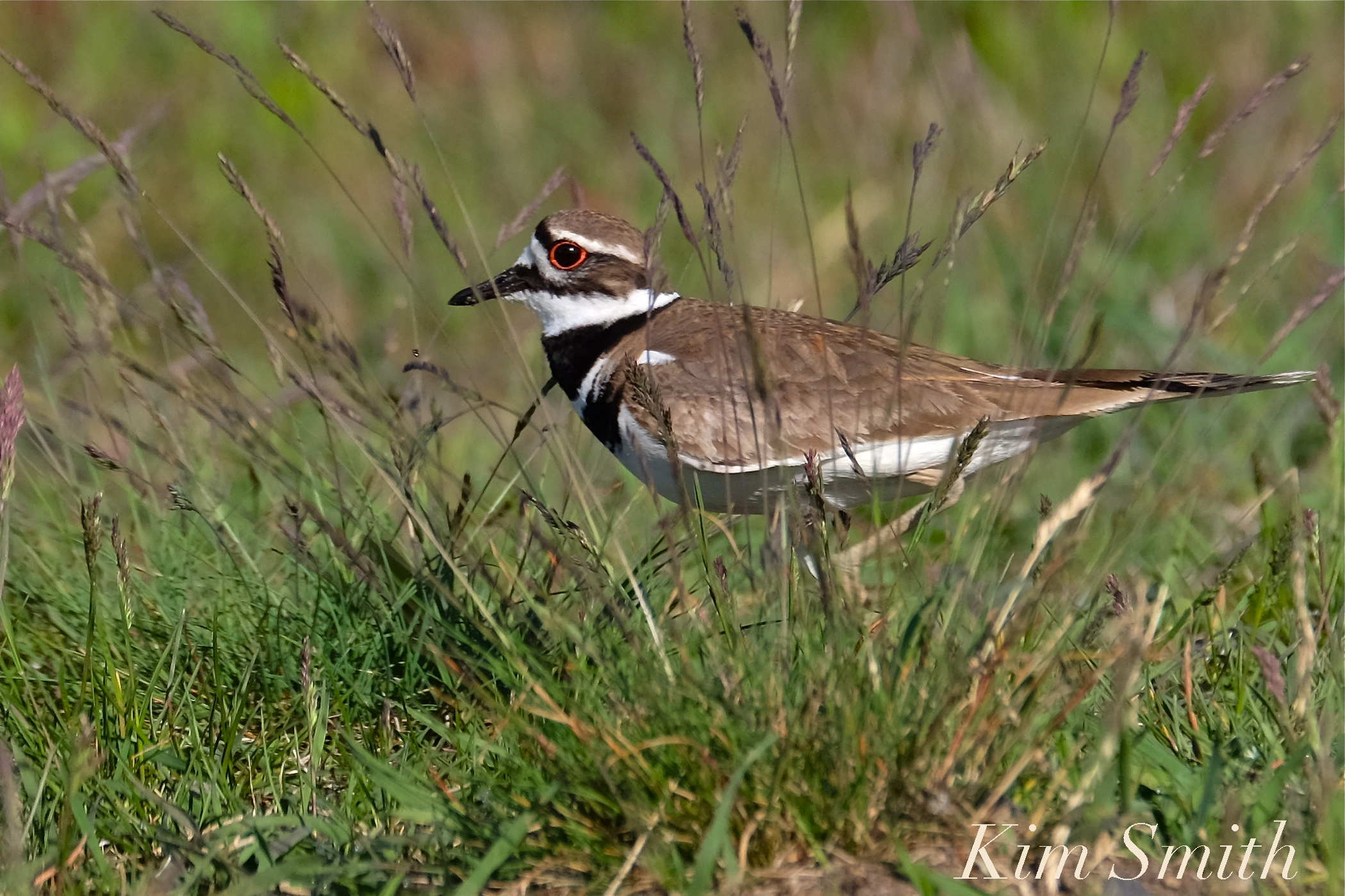
Killdeer, Good Harbor Beach Gloucester