My View of Life on the Dock

The beautiful French ultramarine blue of the Allison ~ Carol. The word ultramarine is derived from Middle Latin ultramarinus, meaning “beyond the sea,” because it was imported from Asia by sea.
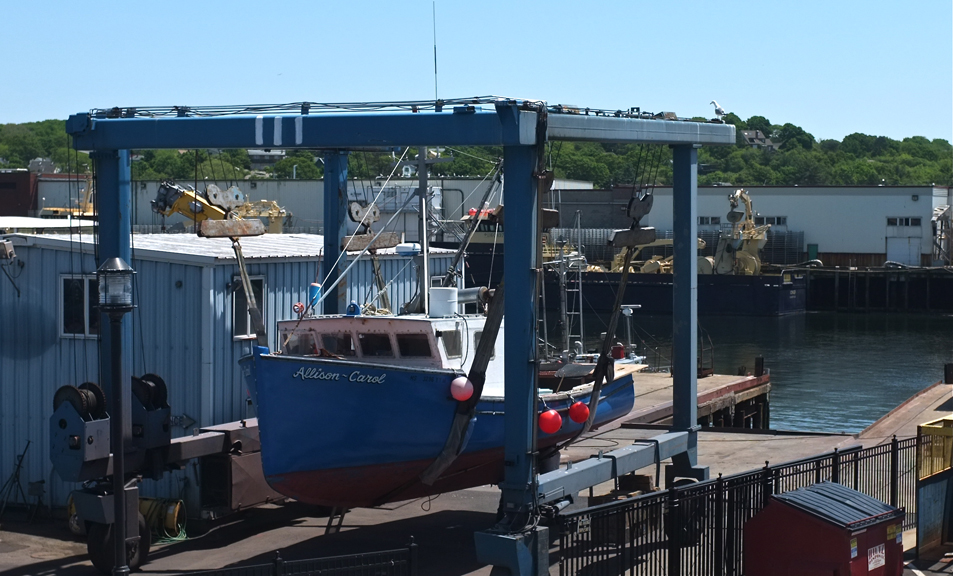 The Allison ~ Carol lobster boat in the travel lift at Rose’s Marine.
From wiki: Ultramarine is a blue pigment consisting primarily of a zeolite-based mineral containing small amounts of polysulphides. It occurs in nature as a proximate component of lapis lazuli.

Oftentimes well-meaning hybridizers neglect fragrance, instead favoring a particular color or over-sized blooms. Hemerocallis dumortieri is a species daylily meaning it is exactly as you would find it growing in fields of wildflowers in Manchuria, eastern Russia, Korea, and Japan. The golden yellow-orange flowers have a scent to match their color; the fragrance is a heavenly combination of orange blossoms and honeysuckle.

H. dumortieri is one of the earliest daylilies to flower, beginning to bloom in May in eastern Massachusetts. The plants are compact, with narrow, arching leaves and the copper-hued buds open to warm marigold-yellow, star-shaped flowers; the backs of the tepals are washed with reddish brown striations.

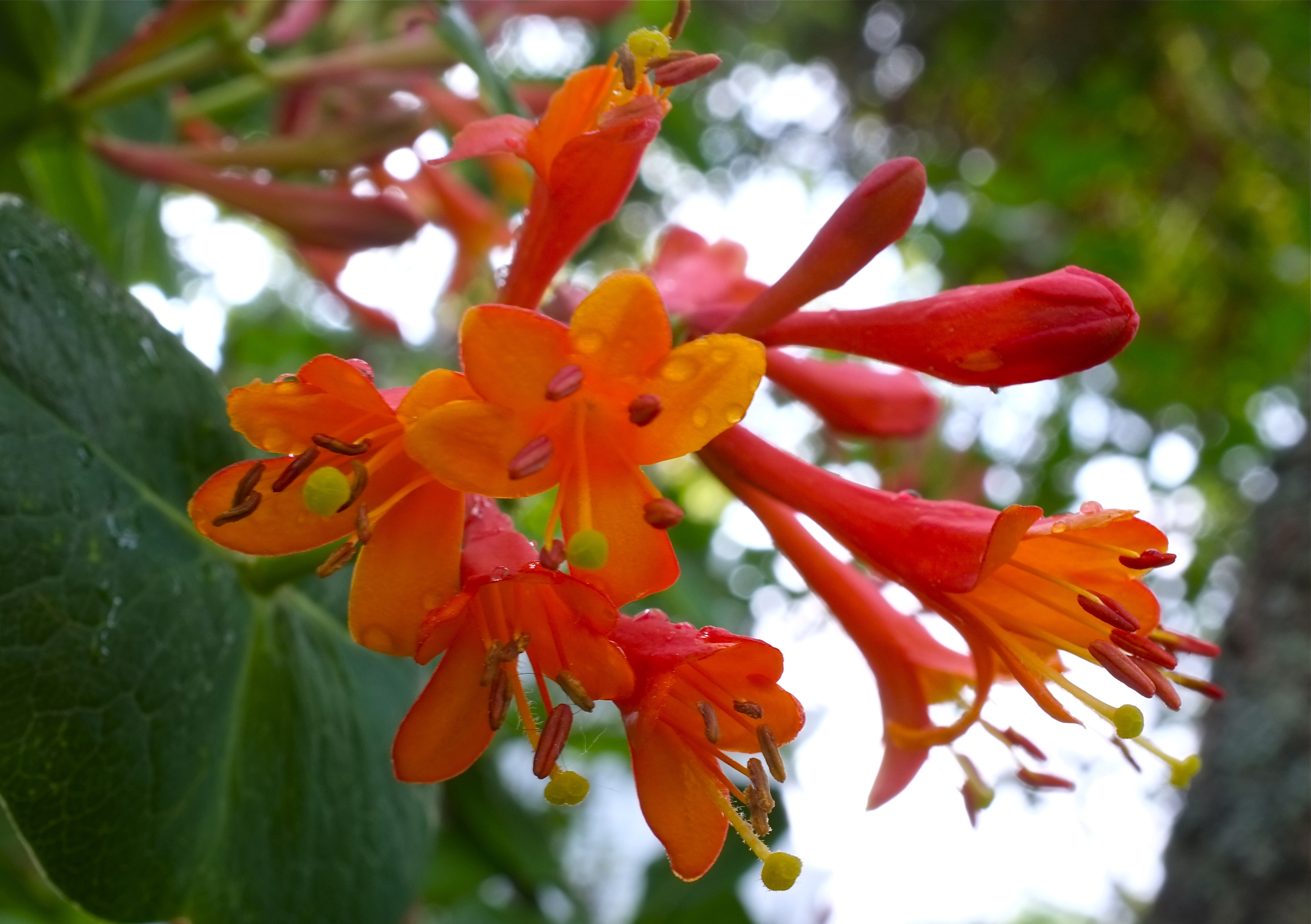 Hummingbirds can easily distinguish red contrasted against green.
Trumpeting the Trumpet
Early blooms are an important feature for the vine planted to lure hummingbirds. You want to provide tubular-shaped flowers in shades of red and orange and have your hummingbird feeders hung and ready for the earliest of the northward-migrating scouts. If nothing is available, they will pass by your garden and none will take residence. Hummingbirds can easily distinguish red contrasted against green. We go so far as to plant vivid Red Riding Hood tulips beneath our hummingbird feeders, which hang from the bows of the flowering fruit trees. Although hummingbirds do not nectar from the tulips, the color red draws them into the garden and the flowering fruit trees and sugar water provide sustenance for travel-weary migrants.
Lonicera sempervirens, also called Trumpet and Coral Honeysuckle, is a twining or trailing woody vine native to New England. Trumpet Honeysuckle is not at all fussy about soil and is drought tolerant. Plant in full sun to part shade. If Trumpet Honeysuckle becomes large and ungainly, prune hard to the ground—it grows rapidly and a vigorous pruning will only encourage more flowers.
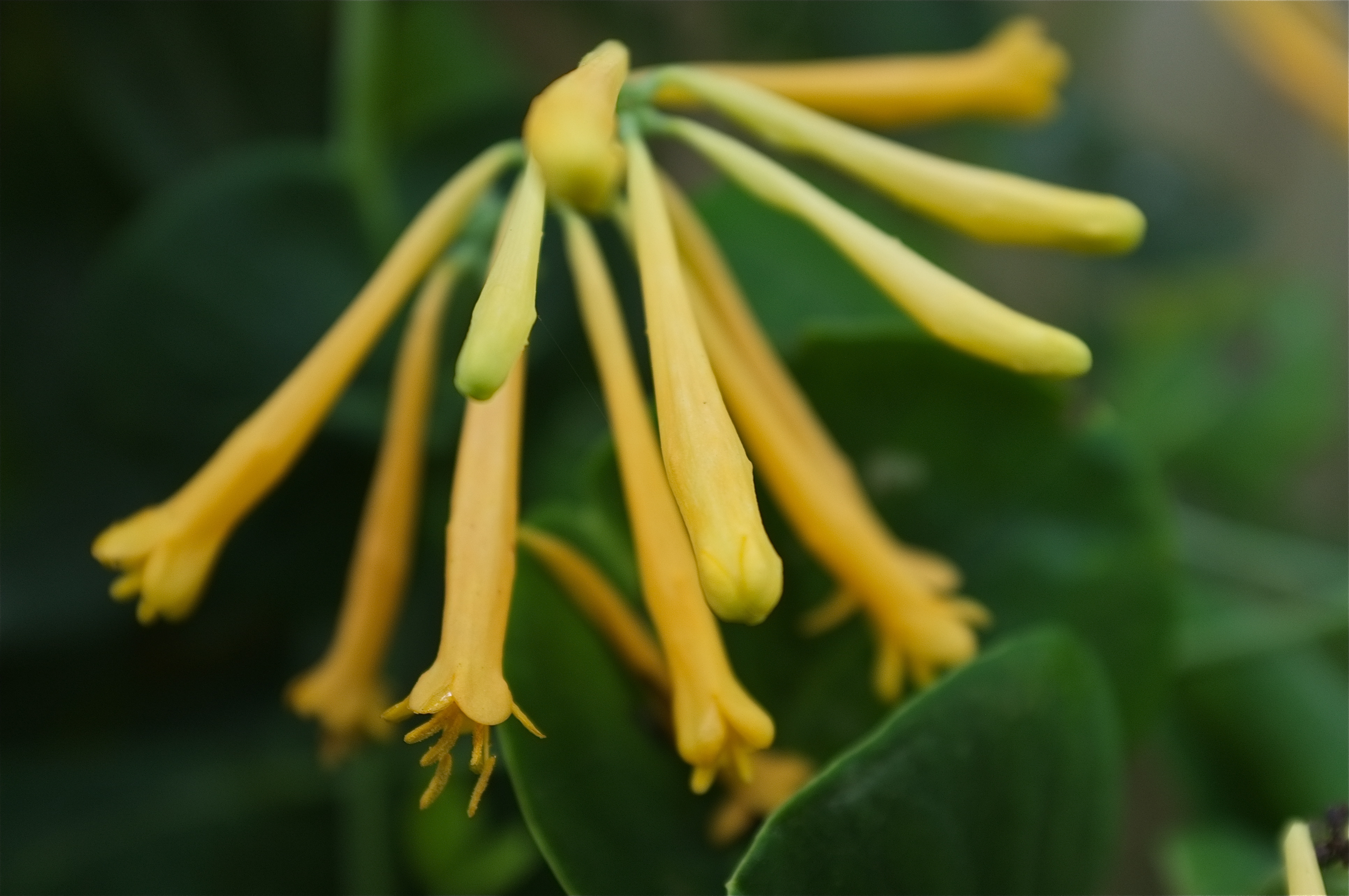 Lonicera sempervirens John Clayton
‘Major Wheeler’ flowers in a deeper red than that of the carmine of ‘Dropmore Scarlet.’ ‘John Clayton’ is a cheery, cadmium yellow, a naturally occurring variant of Lonicera sempervirens, and was originally discovered growing wild in Virginia. The blossoms of ‘Mandarin’ are a lovely shade of Spanish orange.
Trumpet Honeysuckle has myriad uses in the landscape. Cultivate to create vertical layers, in a small garden especially. Plant Lonicera sempervirens to cover an arbor, alongside a porch pillar or to weave through trelliage. Allow it clamber over an eyesore or down an embankment. Plant at least one near the primary paths of the garden so that you can enjoy the hummingbirds that are drawn to the nectar-rich blossoms. I practically bump into the hummingbirds as they are making their daily rounds through the garden flora. Did you know they make a funny squeaky sound? I began to take notice of their presence in our garden, when at my office desk one afternoon in late summer, with windows open wide, I heard very faint, mouse-like squeaks. I glanced up from my work, fully expecting to see a mouse, and was instead delighted to discover a female Ruby-throat outside my office window, nectaring at the vines. Trumpet Honeysuckle not only provides nectar for the hummingbirds, it also offers shelter and succulent berries for a host of birds.
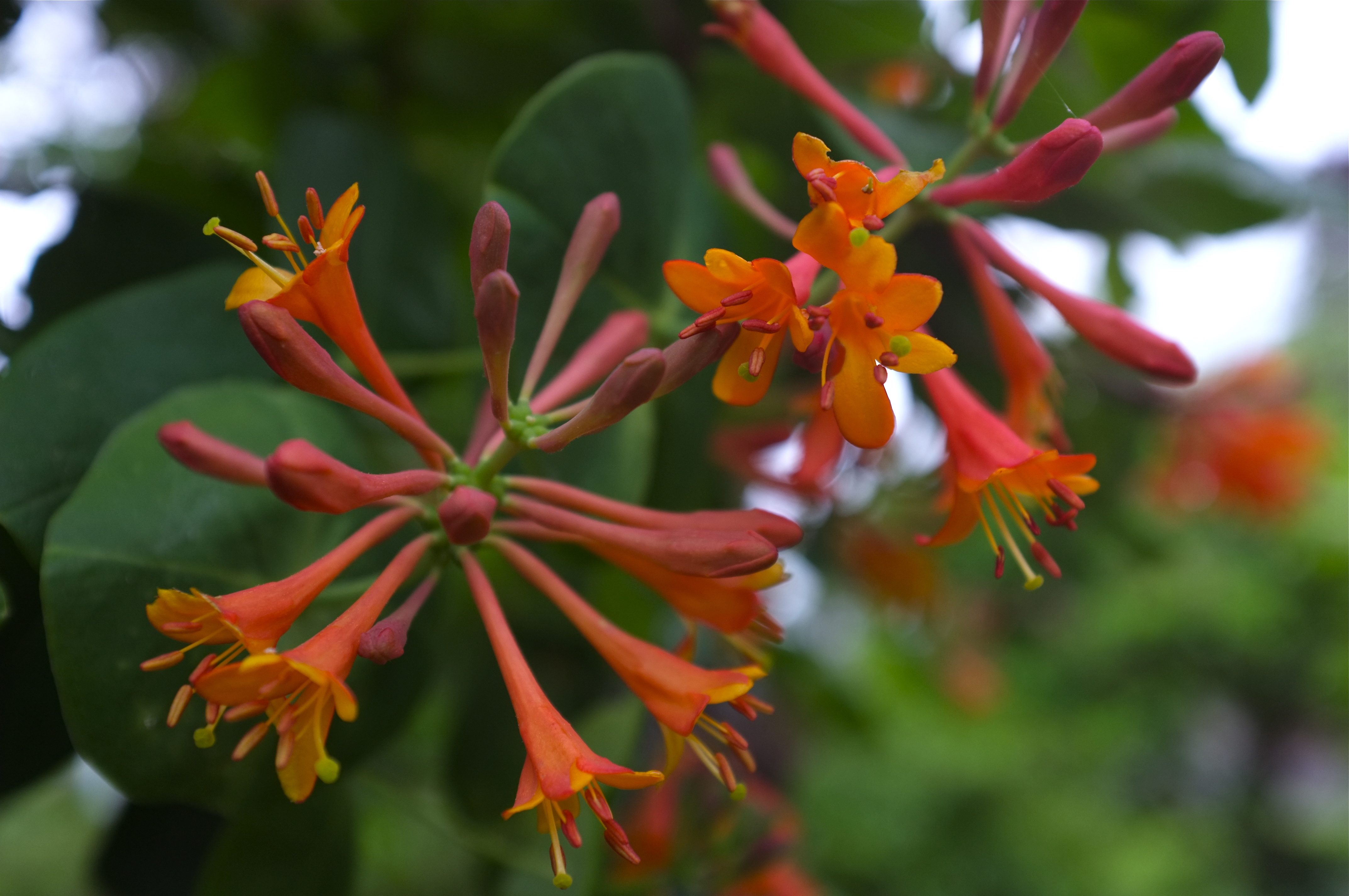 While planting the summer gardens at Willowdale this past week we observed dozens of Ruby-throated Hummingbirds nectaring at the Trumpet Honeysuckle embowering the courtyard doors.
Lonicera sempervirens is a caterpillar food plant for the Snowberry Clearwing moth.

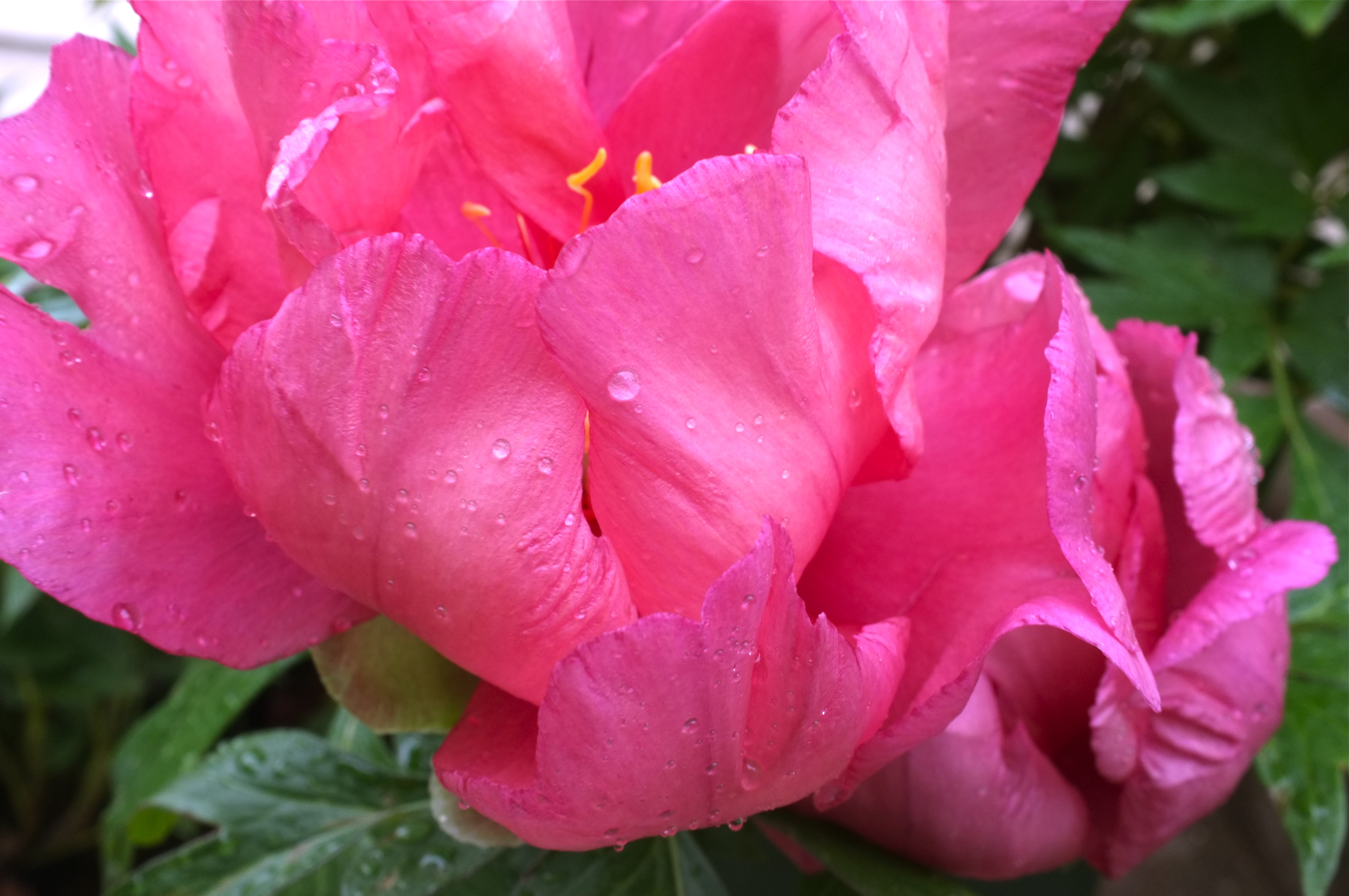
Today at Willowdale we are planting the stunning tree peony ‘Keiko’, which means “adored.” Briar’s favorite color is pink so I am always on high alert for rose-hued blossoms. I took one look at this drop dead gorgeous plant and just had to have it for Willowdale. Don’t you find in nature there are seemingly infinite shades of pink? The beautiful blowsy blossoms of ‘Keiko’ possess myriad.
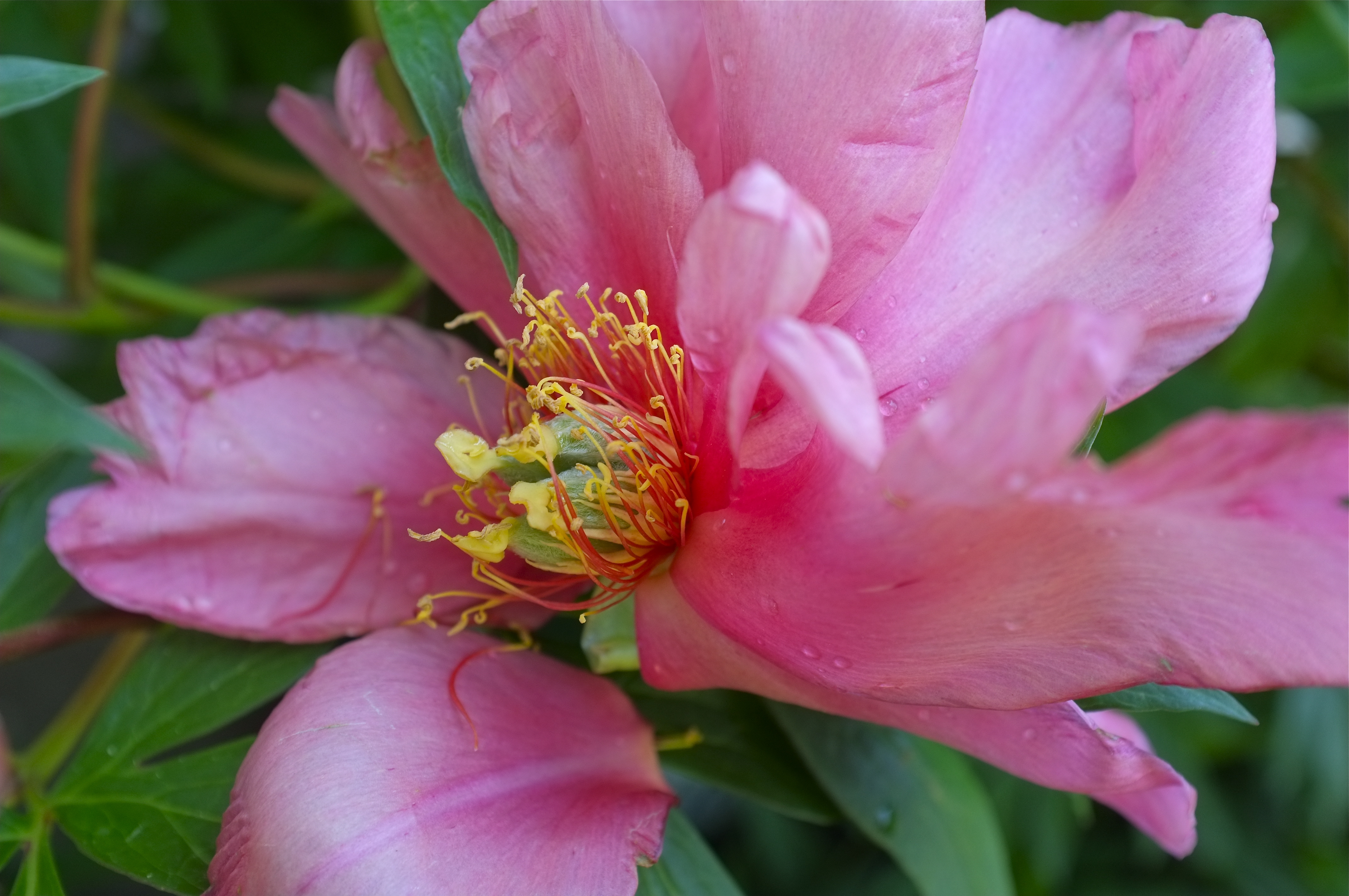 Did I mention ‘Adored’ is delightfully fragrant? The fragrance is sweet, but not cloying–very light and fresh.

To the Red, White, and Blue! I hope today brings you peace and fond memories of loved ones lost.
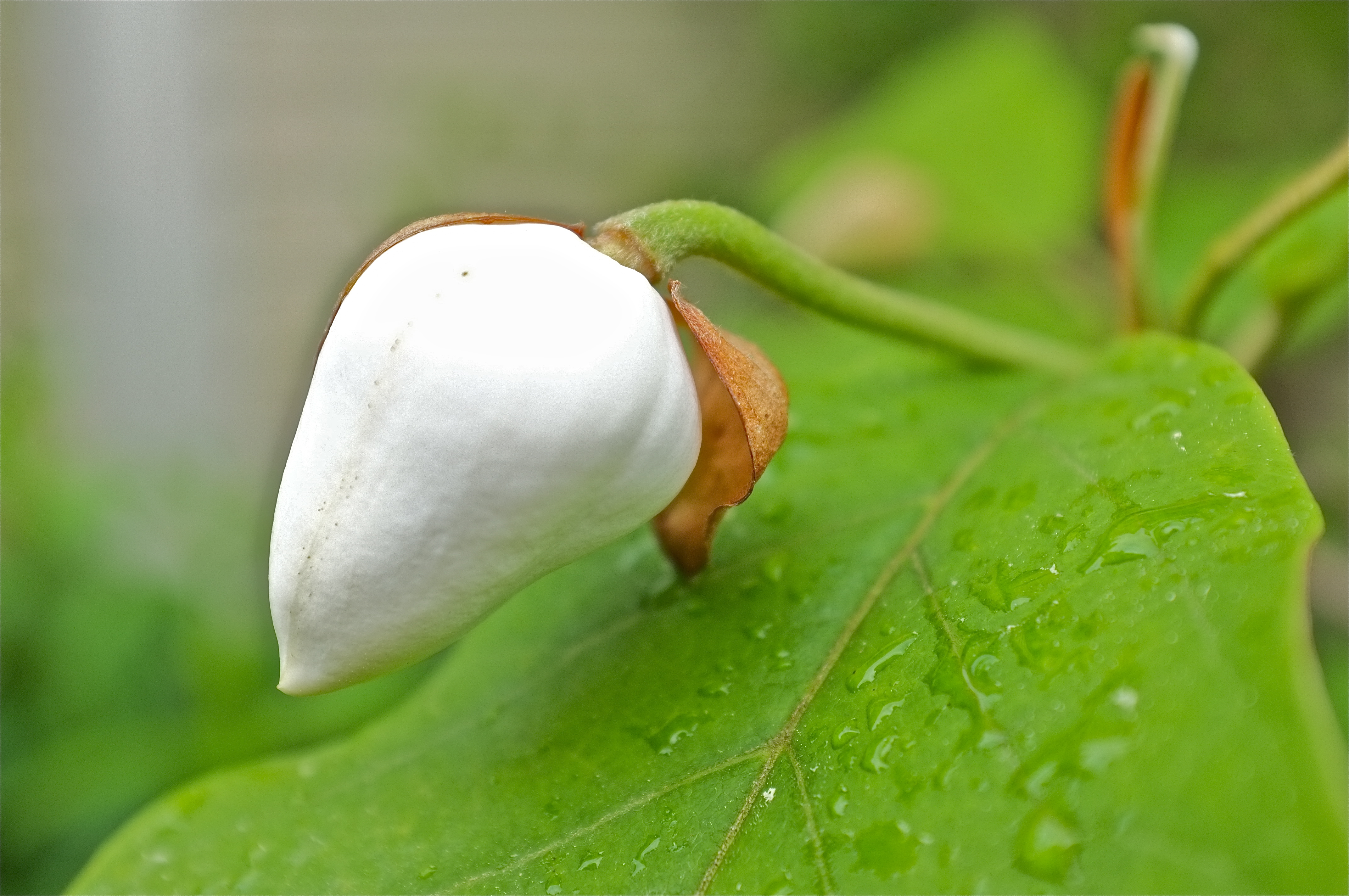
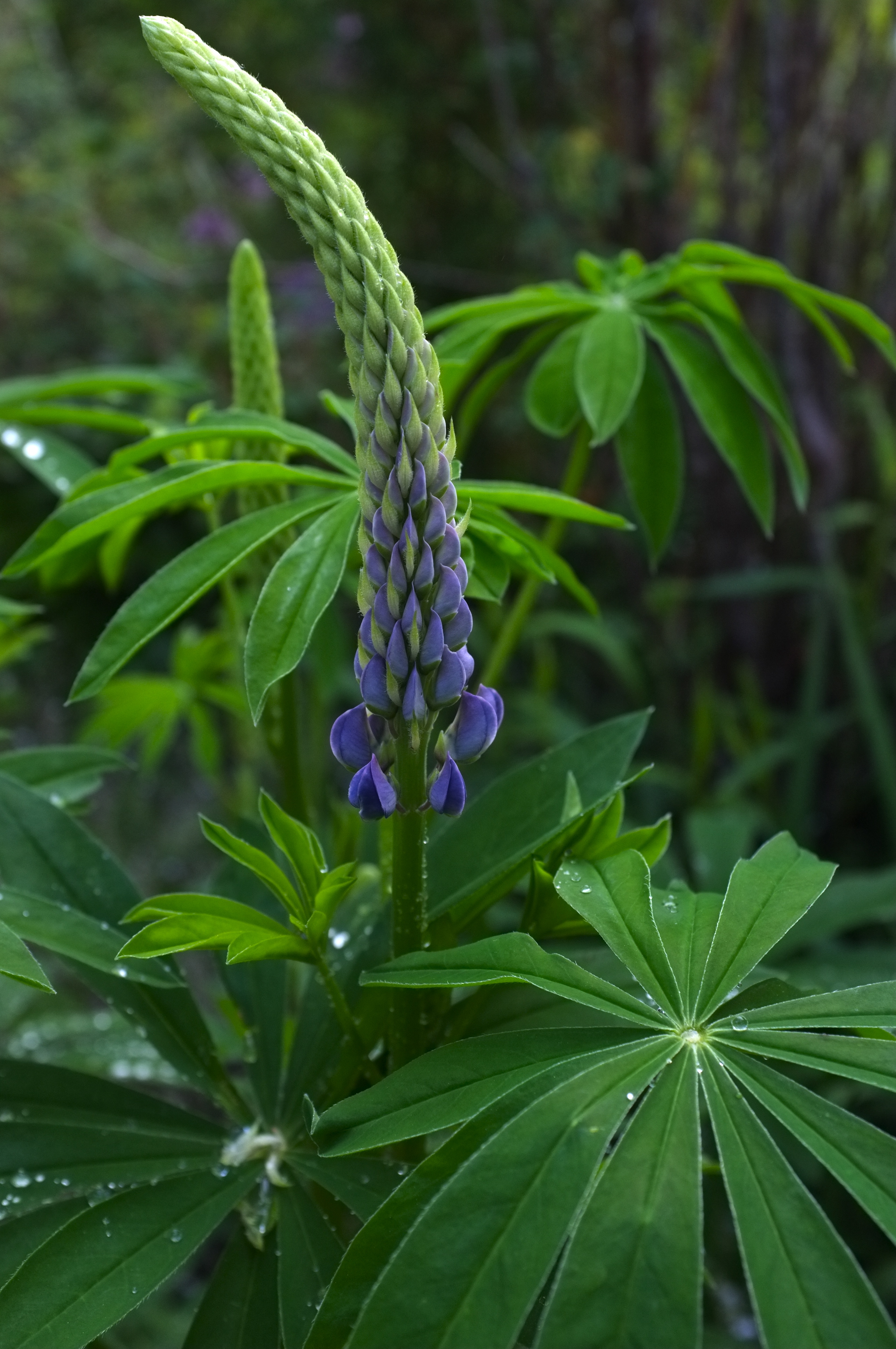

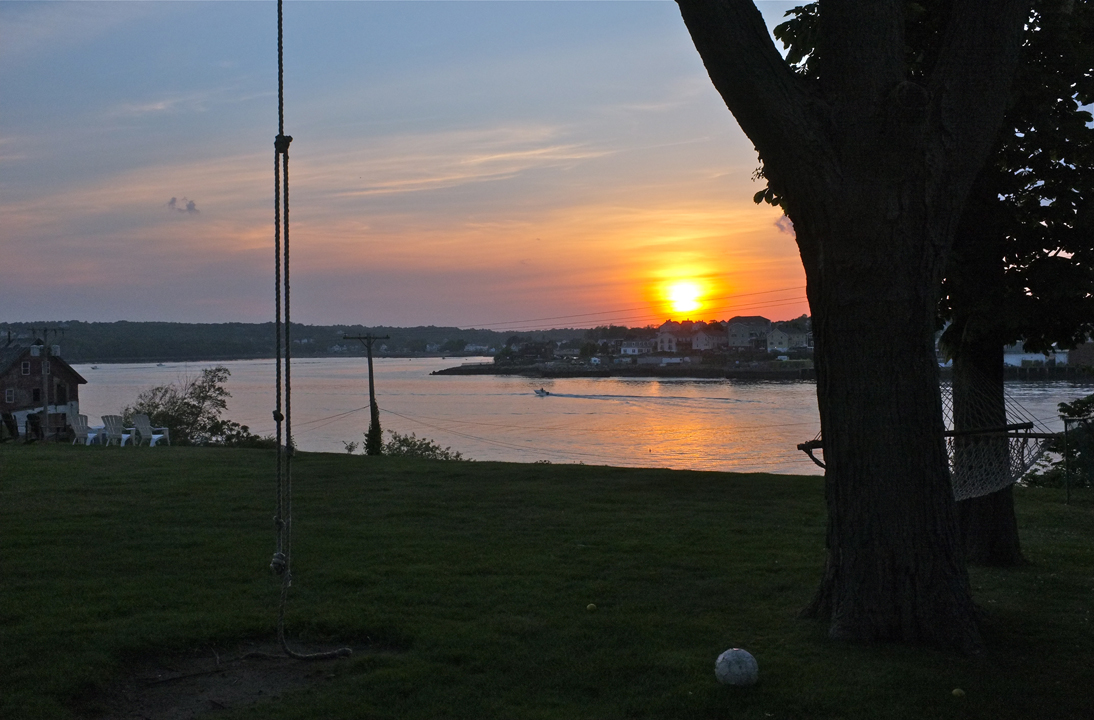
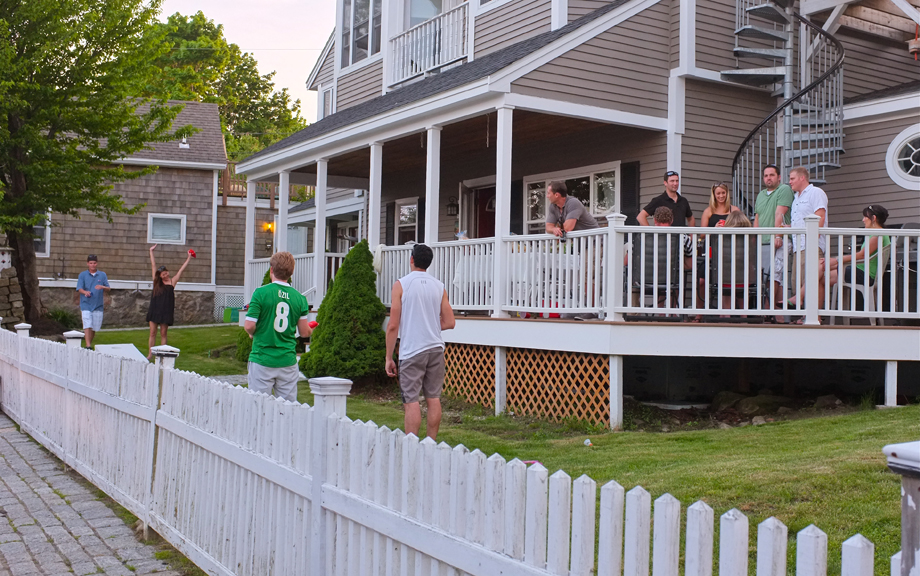
Snapshots from Saturday night on the Neck.
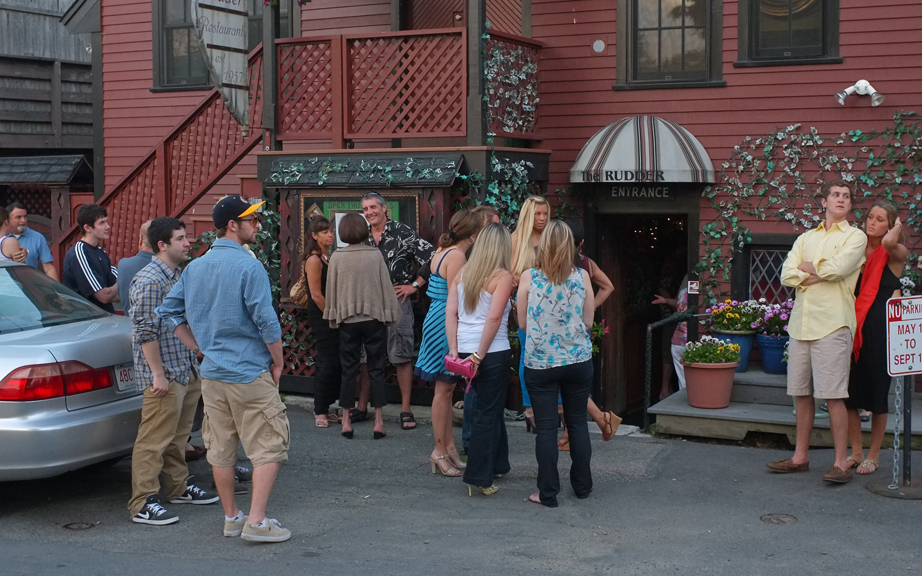 Waiting for a table at the Rudder.
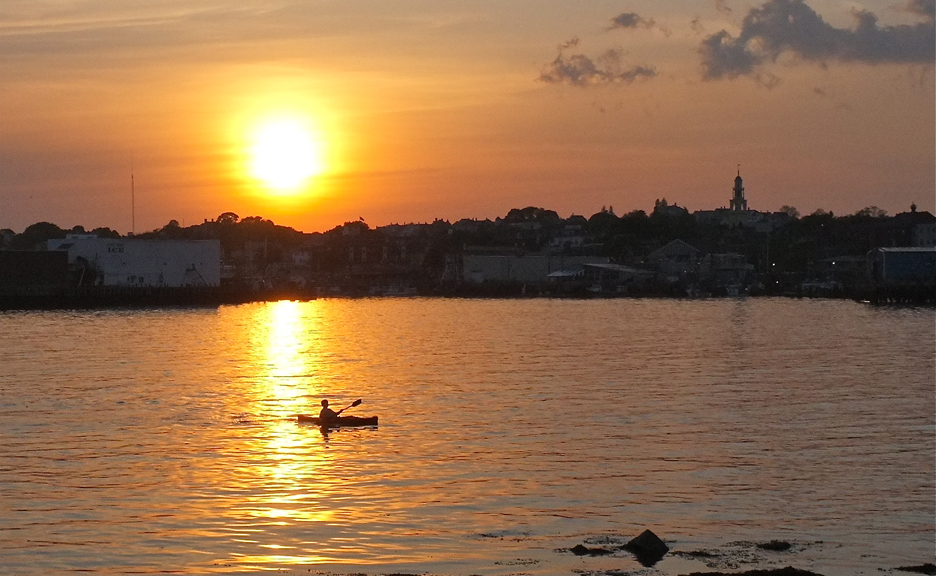
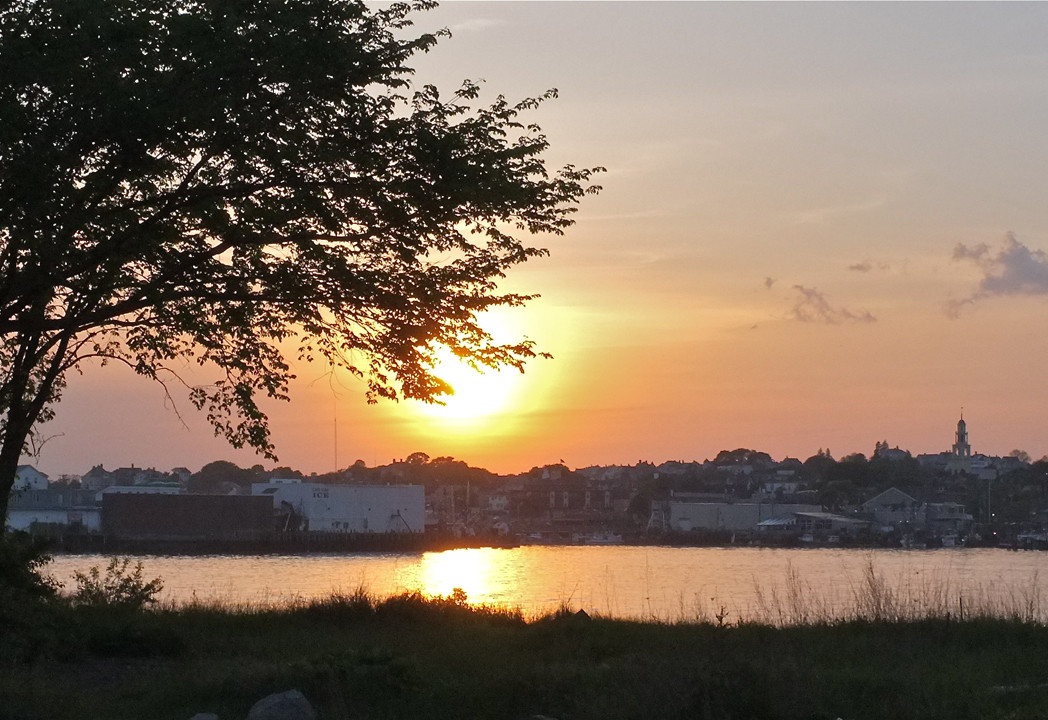 Smith Cove

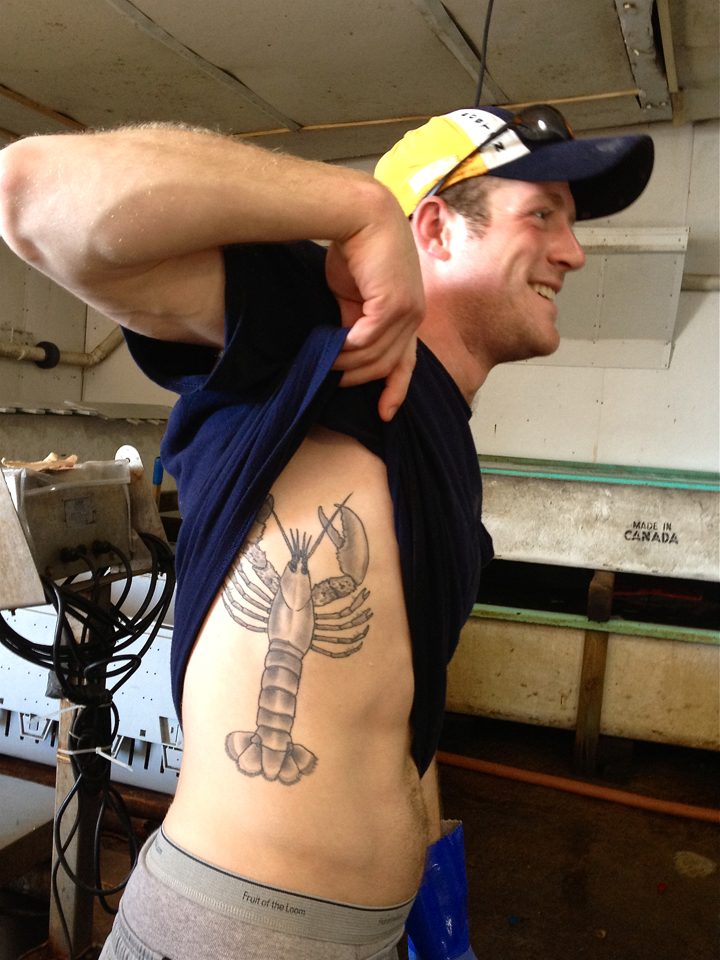 Sean’s (nickname ‘Spoonin’ Love’) Lobster Tatoo
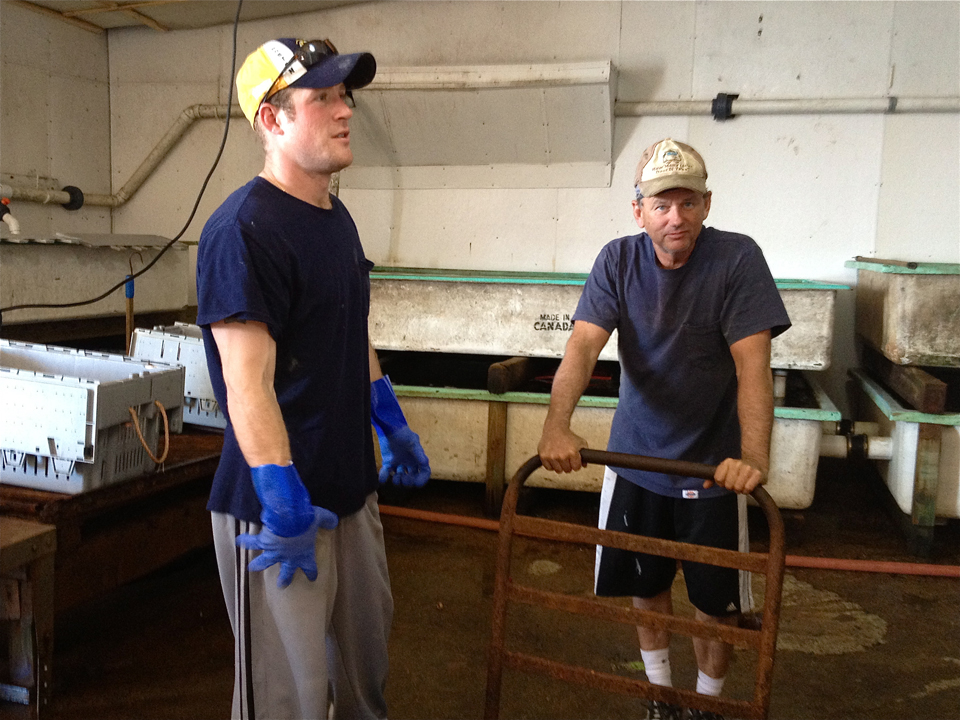
 The Degelyse’s Tuffy and Sean delivering the daily catch to Captain Joe’s.
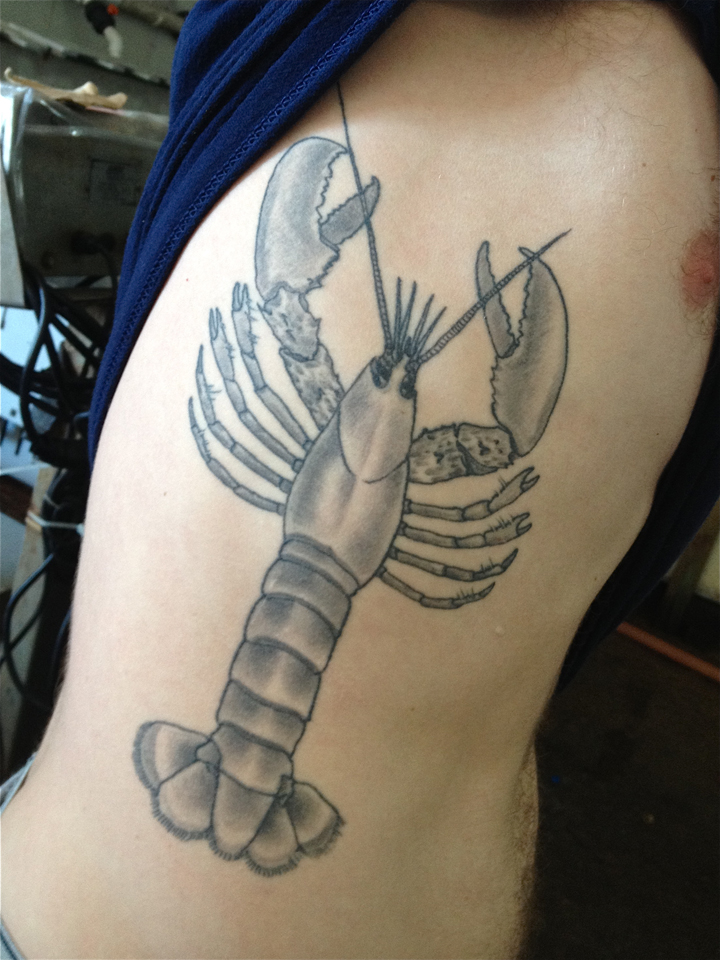 Although I am not an expert on the lobster’s anatomy this looks accurate, and beautifully rendered.
Read More about the adventures of Sean and Tuffy:
Sean Diving Off the Roof of Captain Joe’s
Degelyse Crew Captures Buddhist Lobsters

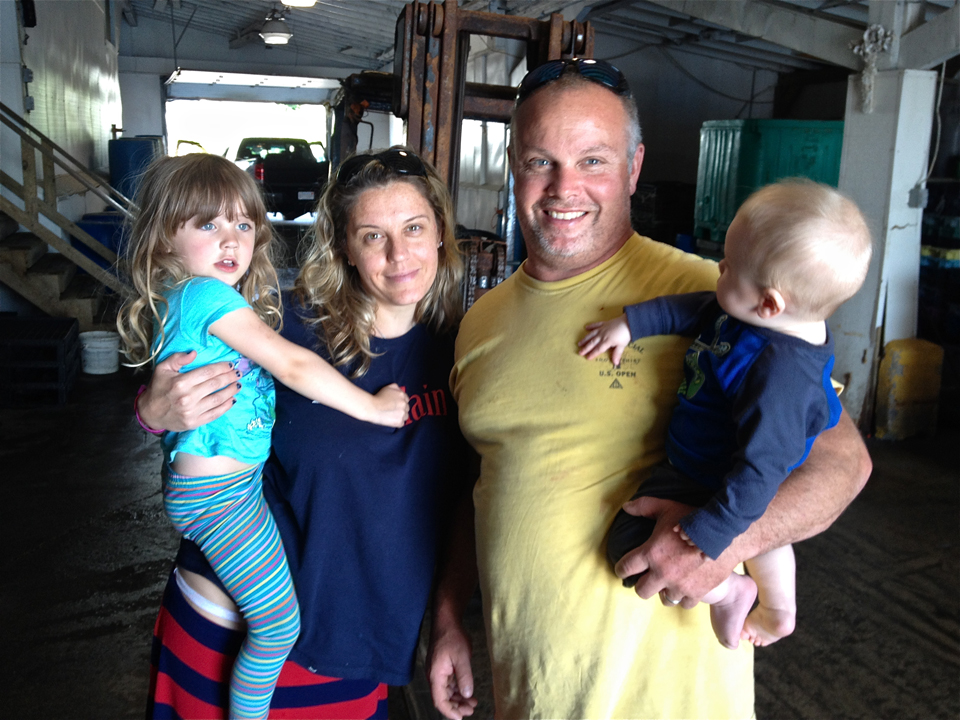 Captain Dave Jewell and his wife Erin, daughter Maddy, and son Wyatt say hello to Joey.
 Dave and Maddy
Dave is the Captain of the Lady J, which runs fishing charters throughout the year. Dave also provides lobsters to Captain Joes. Lady J Fishing Charters offers full and half day trips for bluefish, striped bass, cod, haddock, and tuna, and kids are encouraged–for an adventure of a lifetime! After reading about Dave’s charters I’d love to plan a trip with my son!
From Captain Dave’s website about the Lady J. Fishing Charters:
Hi, I am Captain Dave Jewell owner and operator of the Lady J. I would like to welcome you aboard my second home to experience what life is like as a professional fisherman. To me there is nothing better or more rewarding than a day at sea loading the boat with the best New England has to offer.
It is my mission to bring you the excitement that fishing offshore Gloucester brings me each day. Give us the opportunity to show you how great fishing can be and we will not disappoint. Just one trip and you’ll be hooked!

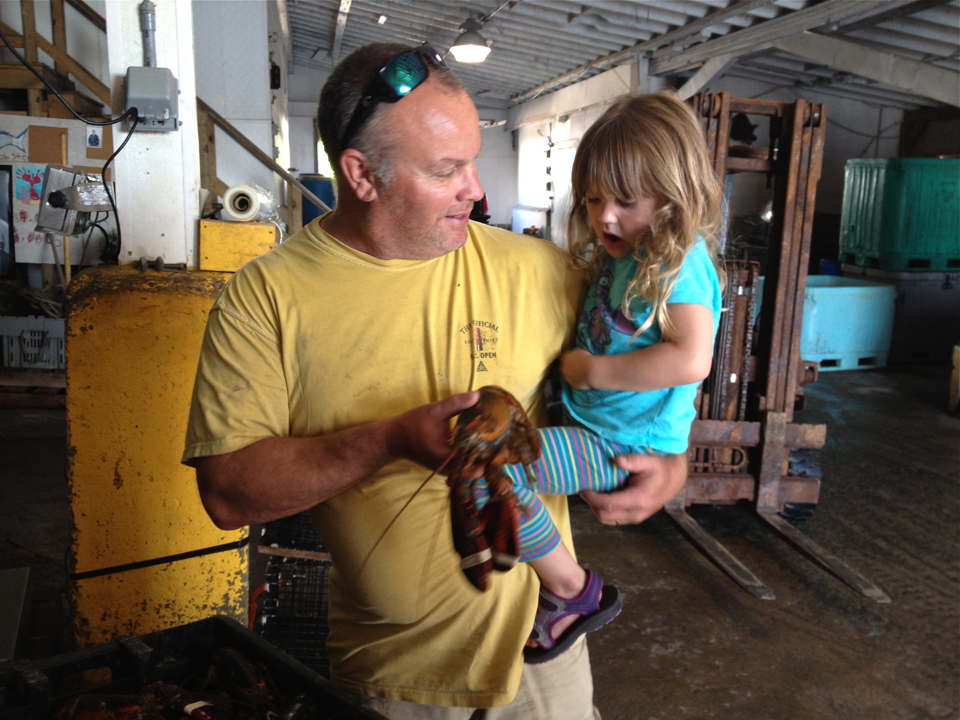
 Dave and Wyatt

I am receiving a mountain of emails about the beautiful butterfly with underwings of mottled brown and upper surface banded brilliant fiery orange-red.
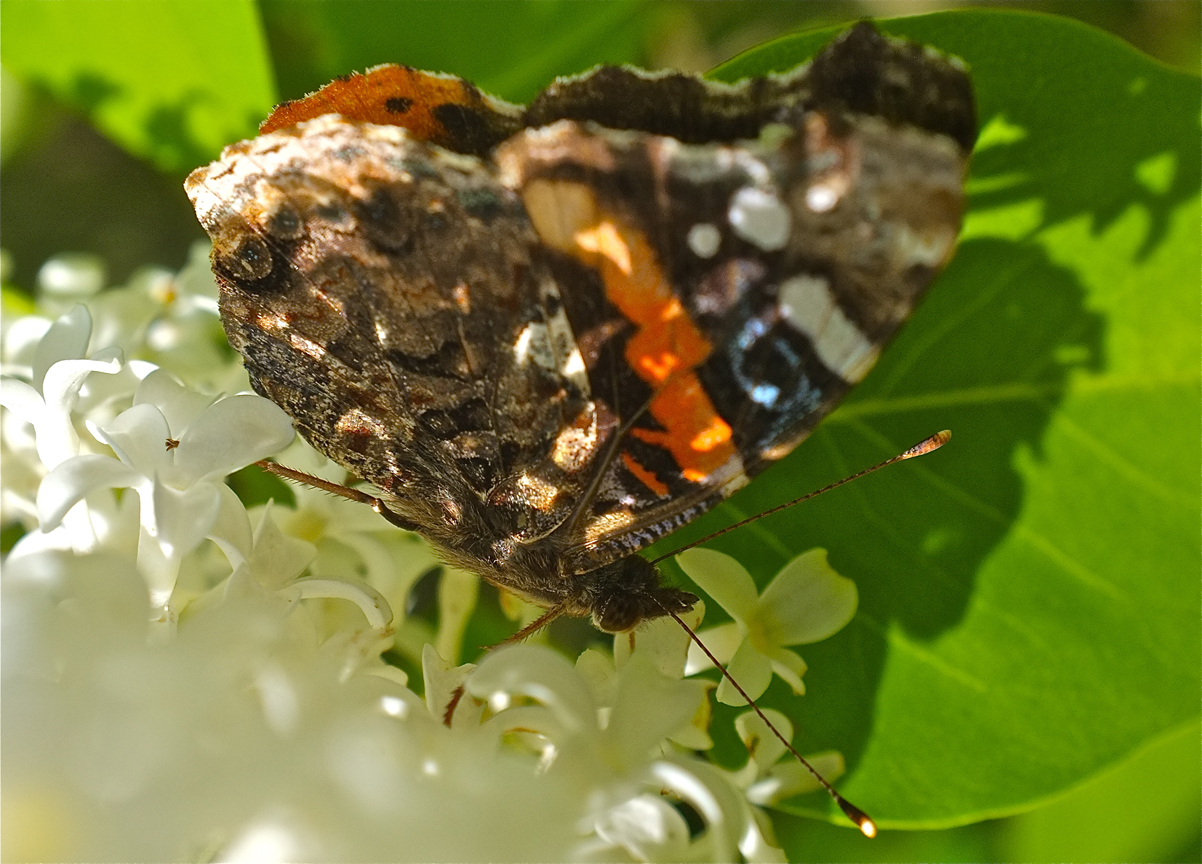
The Red Admiral butterfly is having an “irruptive” year and millions are streaming northward through gardens from Texas to Canada. An irruption for a species of butterfly can best be described as a sudden sharp increase in the relative numbers of a population.
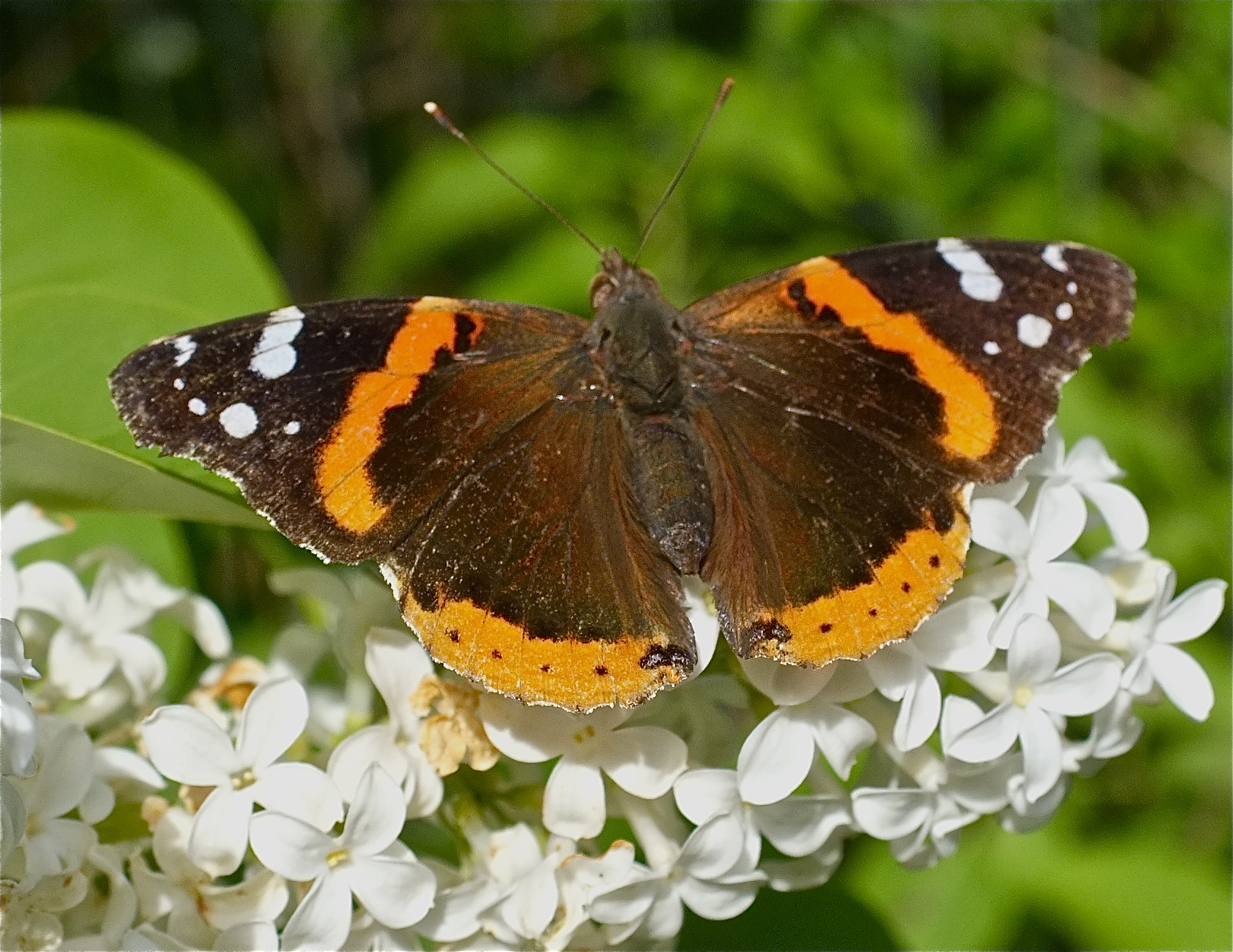
This has been an amazing spring for butterflies, not only because they emerged earlier, but because they are present in much greater numbers than is usual. I have also been filming many more Question Mark and Painted Lady butterflies than is typical for this time of year.
The following is excerpted from an article about the Red Admiral that I wrote several years ago. Click here to read the complete text.
Red Admirals are Holarctic, a term used by zoologists to define the ecozone covering much of North America and Eurasia, which share many faunal characteristics. In our region Red Admirals are a migratory species that cannot withstand cold winter temperatures. Their numbers in any given year vary, from uncommon to abundant, and their abundance depends on the nature of that year’s migration and the success of the resulting breeding season. In the first week of May, Red Admirals begin to appear from overwintering populations in North Carolina and southward. Males perch from advantageous lookouts and will dart out to investigate passersby— prospective mates, other insects, and humans. Famously friendly, the Red Admiral readily alights on people, attracted by the salts in perspiration. They are on the wing almost continuously from May to October. The second, and quite possibly third generation, from the initial spring flight, begins the southward migration in late August to October.
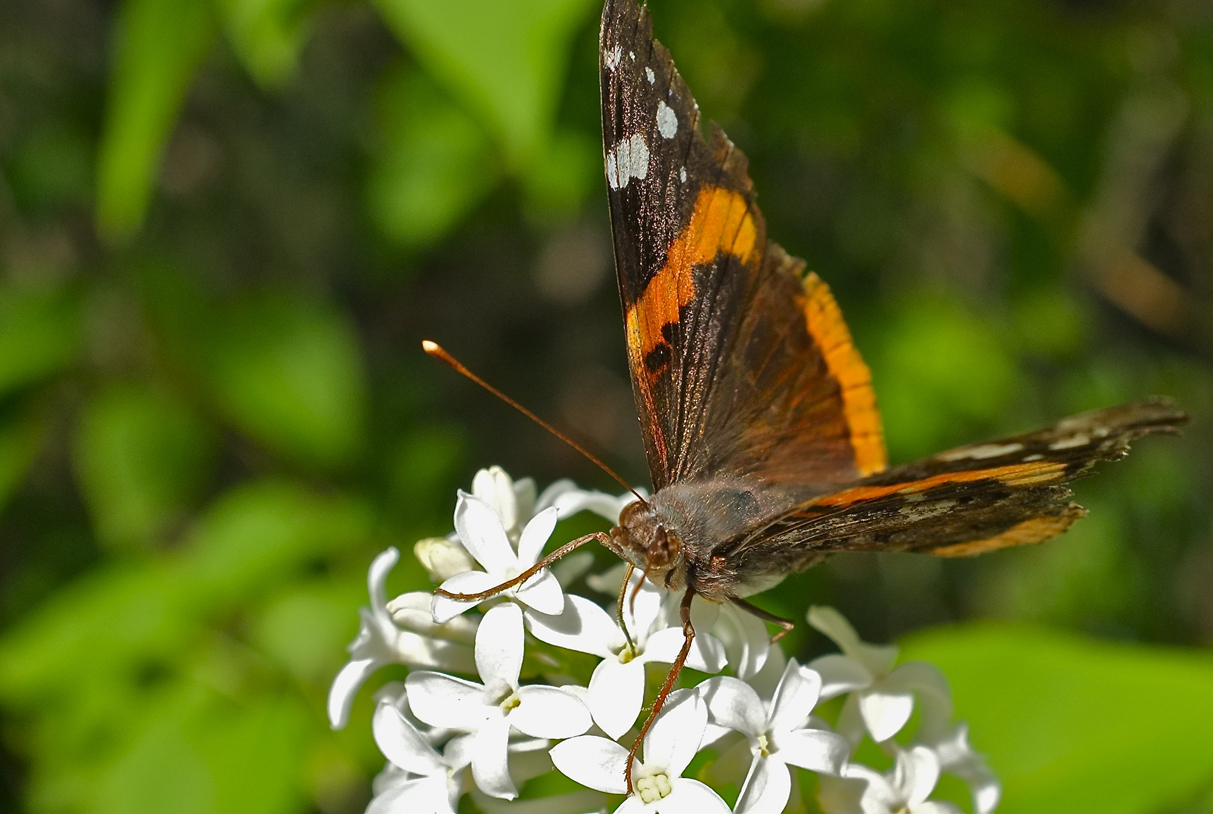 Red Admiral Nectaring at Common White Lilac (Syringa vulgaris)
The caterpillar’s primary food source is nettles—in New England these include Stinging, Tall, False, and Wood Nettles, all of which are unsuitable for the garden, particularly a small garden. The caterpillars “sew” the edges of the nettle leaves together with their silk and feed from within the shelter. The adults nectar at a wide variety of plants and are attracted to sap flows, rotting fruit, bird droppings, and wet soil.
Nabokov referred to V. atalanta as the Red Admirable and they appear several times in his novels to foreshadow death. “Its coloring is quite splendid and I liked it very much in my youth. Great numbers of them migrated from Africa to Northern Russia, where it was called ‘The Butterfly of Doom’ because it was especially abundant in 1881, the year Tsar Alexander II was assassinated, and the markings on the underside of its two hind wings seem to read 1881.”
Read More: The Red Admirable ~ Vanessa atalanta rubria

Love our Smith’s Cove and its ever-changing beauty!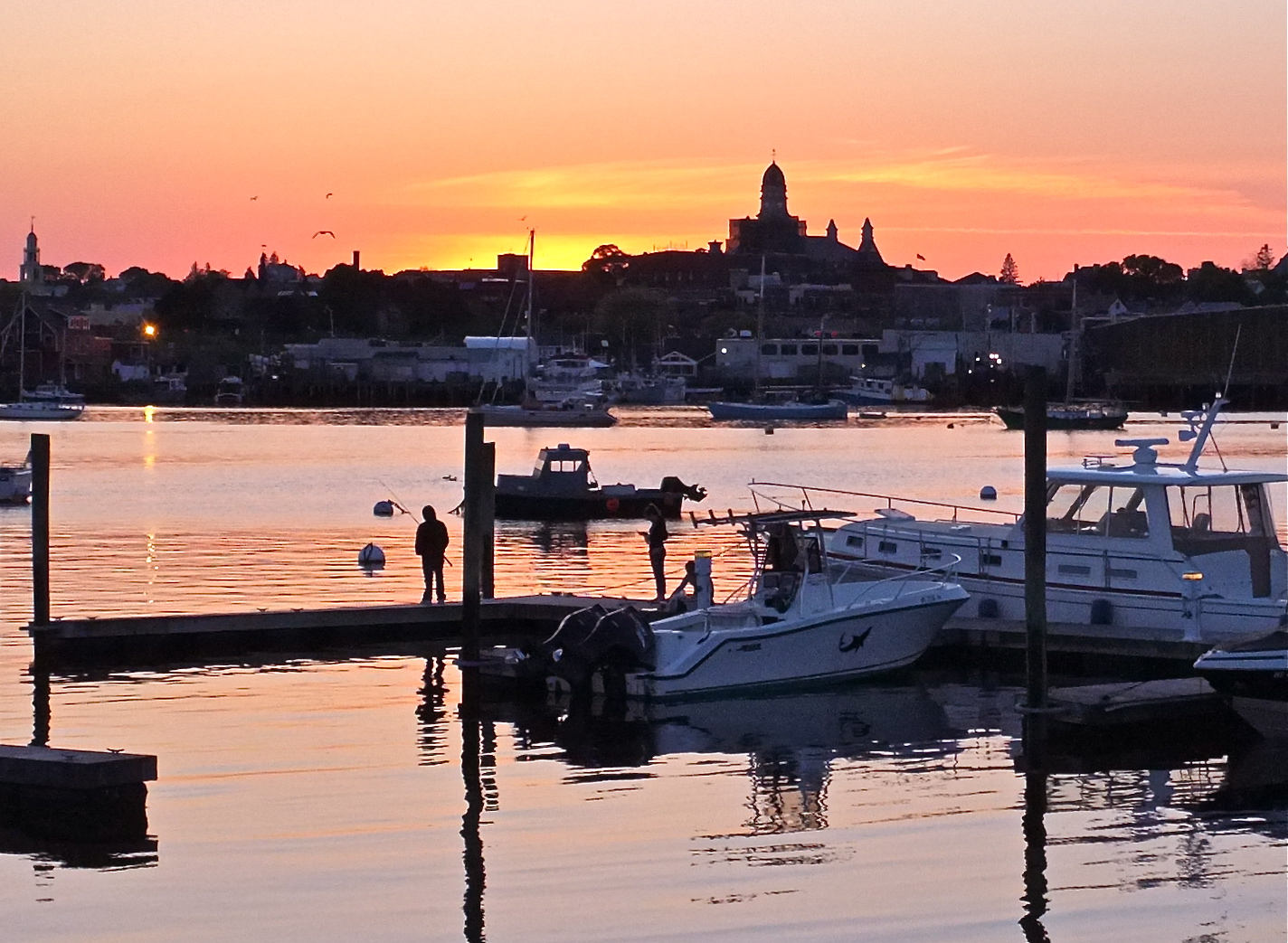

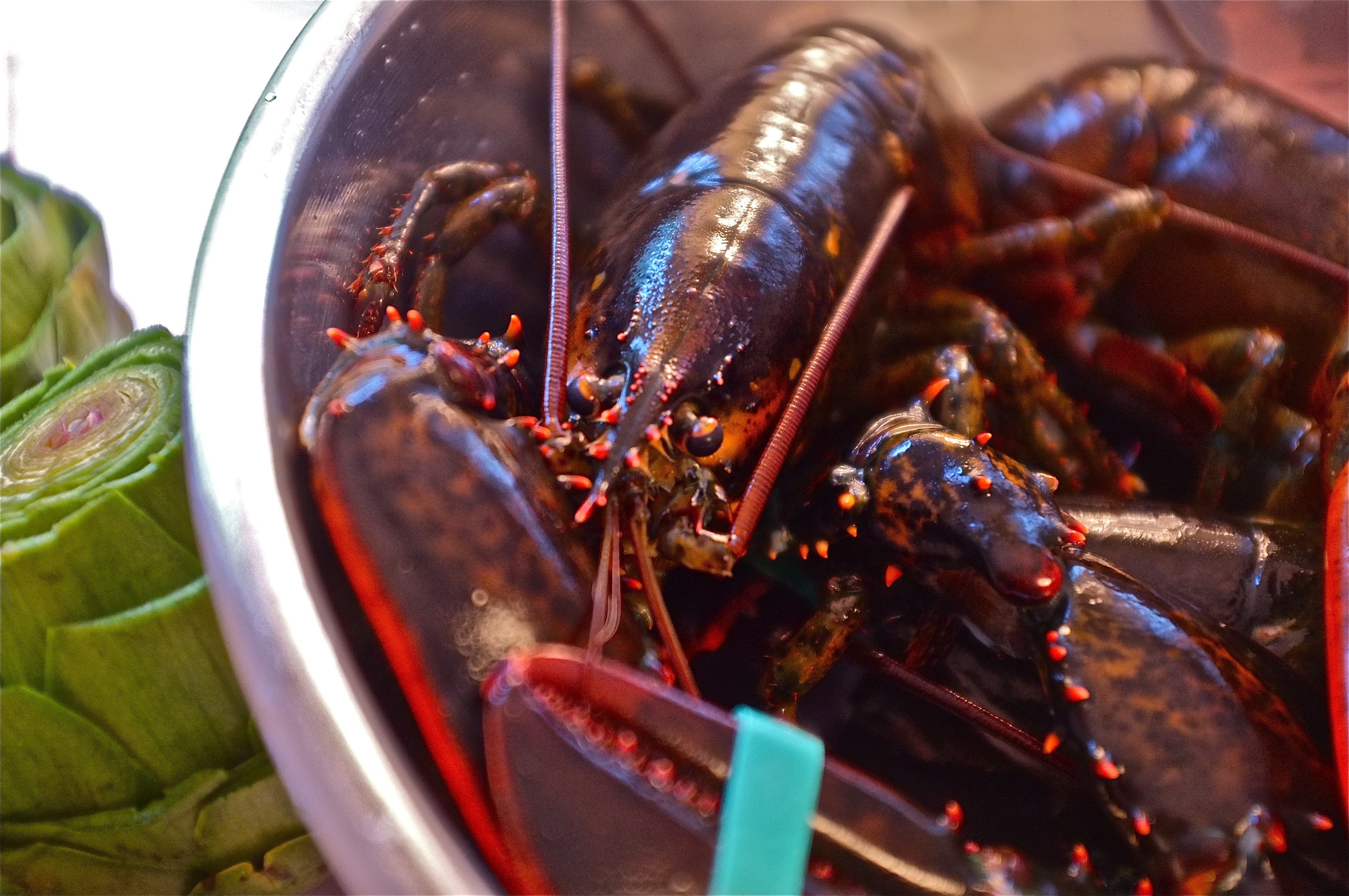
Captain Joe and Sons lobsters are simply the best! From dock to table, you can’t get much fresher than that. Happily so for me, both Liv and Alex are home at the same time for a few days–cooking their favorite dinners and reveling in the joy and laughter that fills our home whenever they are together.
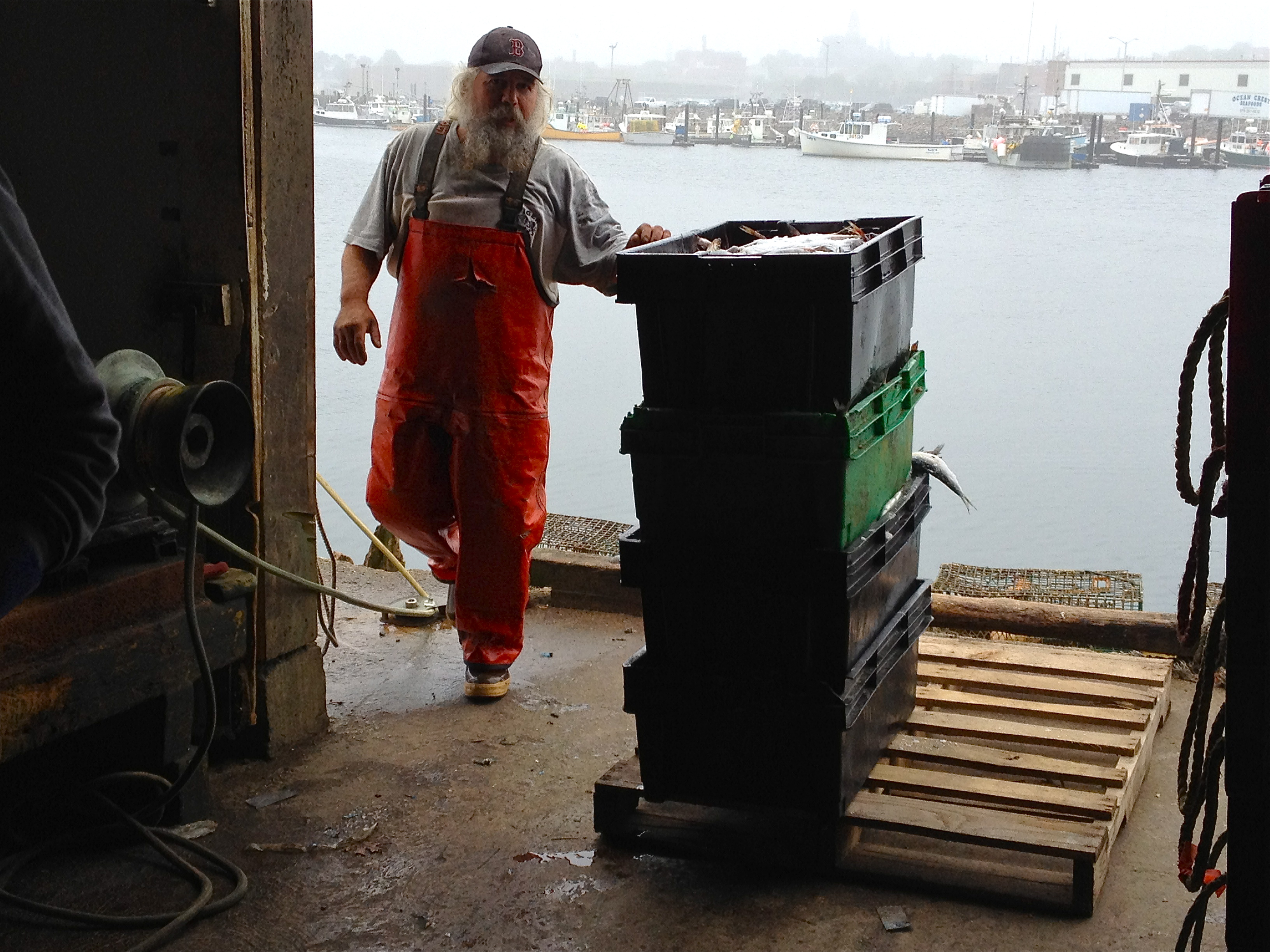 Toby Burnham
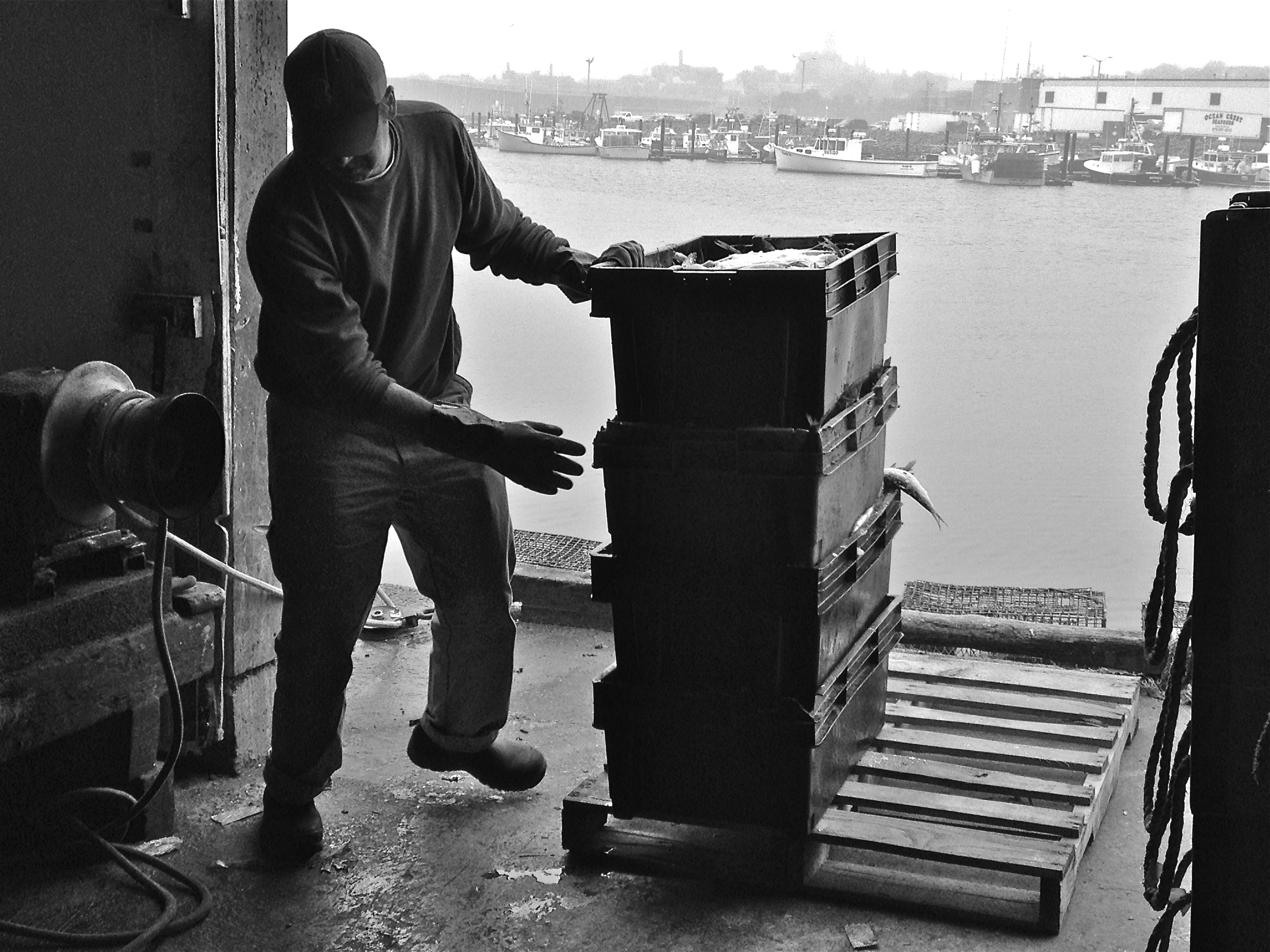 Joe Ciaramitaro

Many thanks to Nancy for forwarding the link to this 2 minute BBC video!

Wonderful fun at the E.J. Kahn and Good Morning Gloucester Gallery first Mug Up of the season. It was great to see the old gang and all the new faces. As is usual, guests brought the most delectable breakfast treats. The gallery walls and shelves are chock-a-block full of gorgeous new paintings, photographs, and pottery. Thank you E.J. for opening your gallery (and heart) to this crazy group and for creating a wonderfully positive weekly Sunday get-together! I have a feeling its going to be a GREAT summer! Everyone is always welcome and we hope to see you at the next Mug Up!
 Craig and Joey
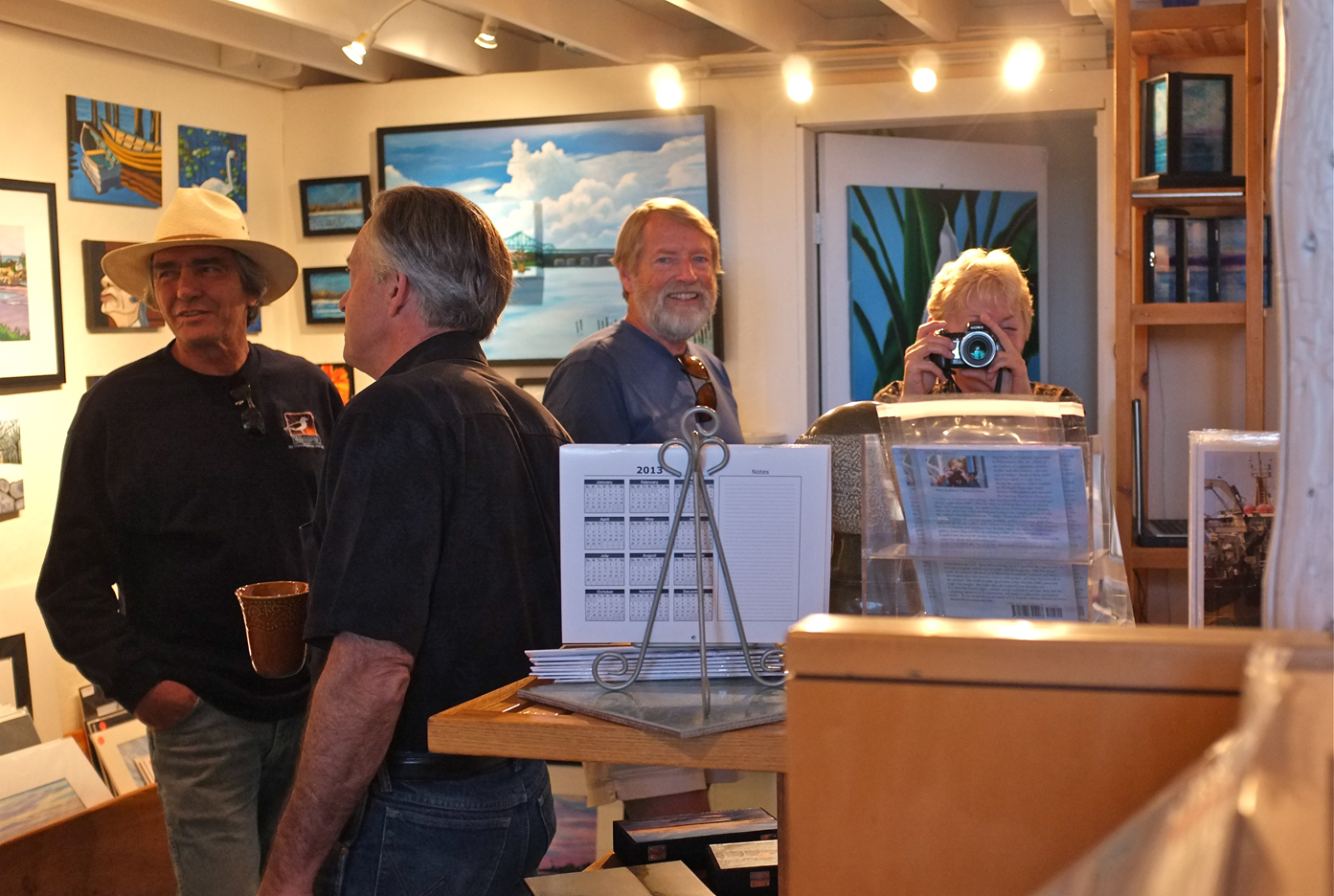 Ed, Greg, Barry, and E.J.
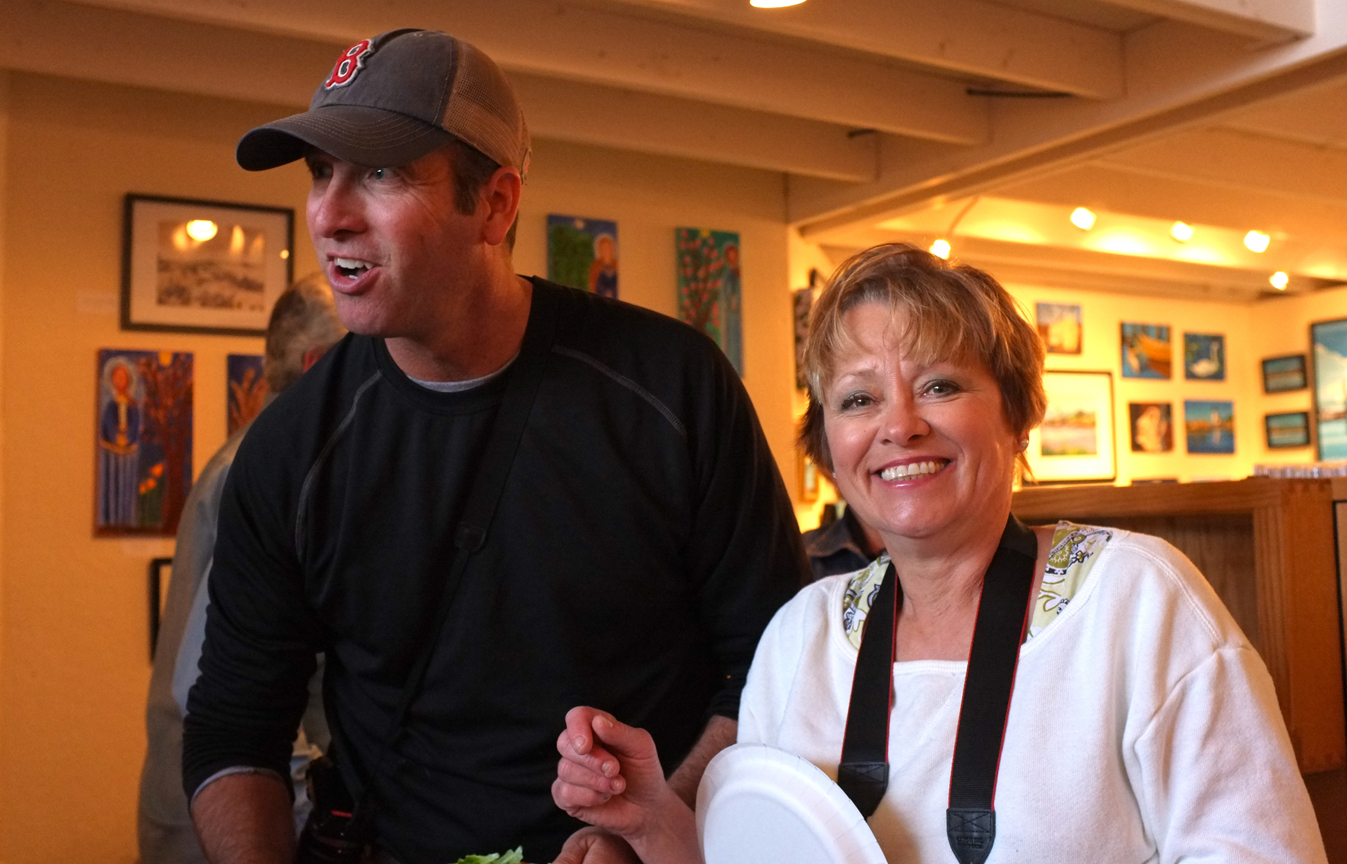 Joey and Donna
The Flower Eater
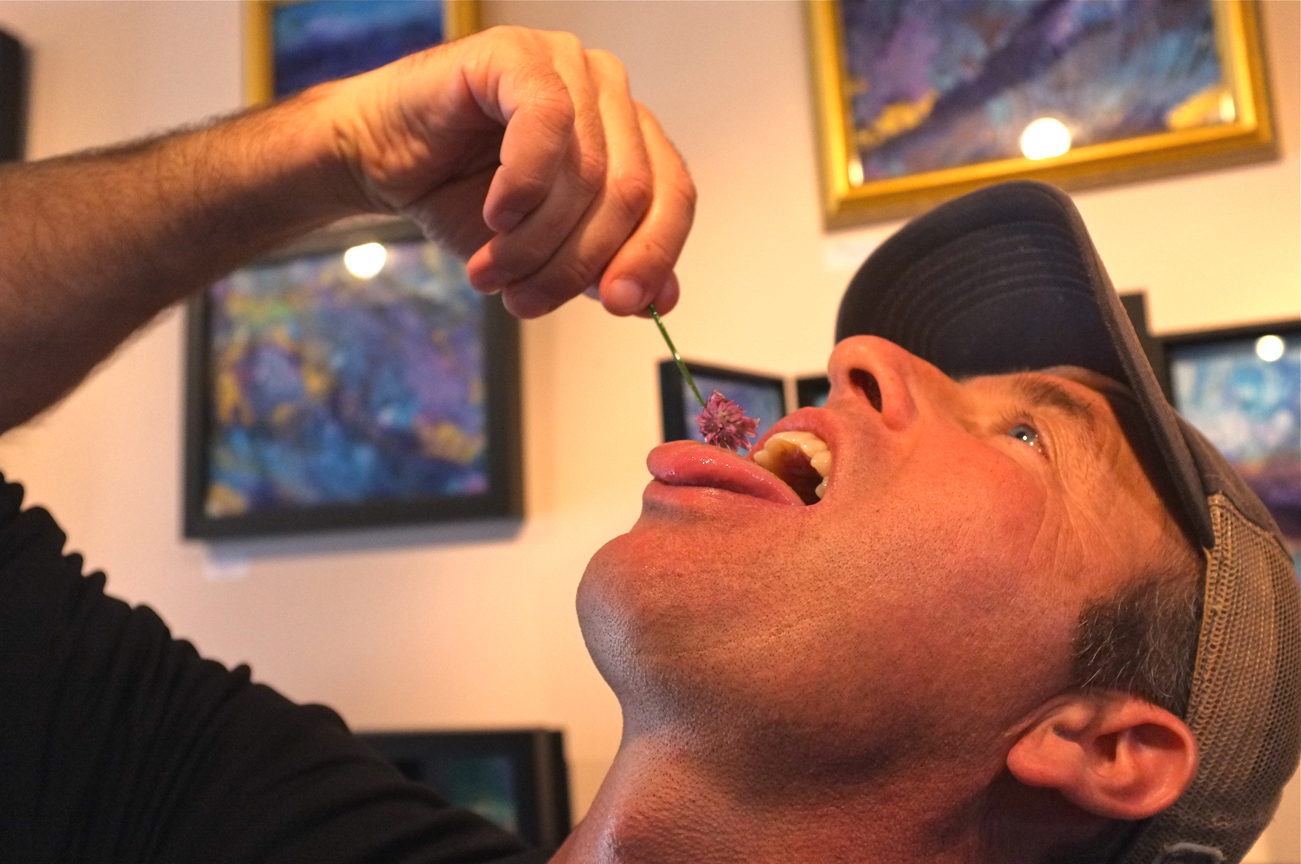 The flower and foliage of the chive (Allium schoenoprasum) plant are edible. Here’s our fearless leader Joey demonstrating.
Allium schoenoprasum is the only member of the Allium genus native to both the Old and New Worlds. Bees are attracted to the flowers and the plants are often grown amongst beds and borders to help ward of insects, the dreaded Japanese beetle, for example.

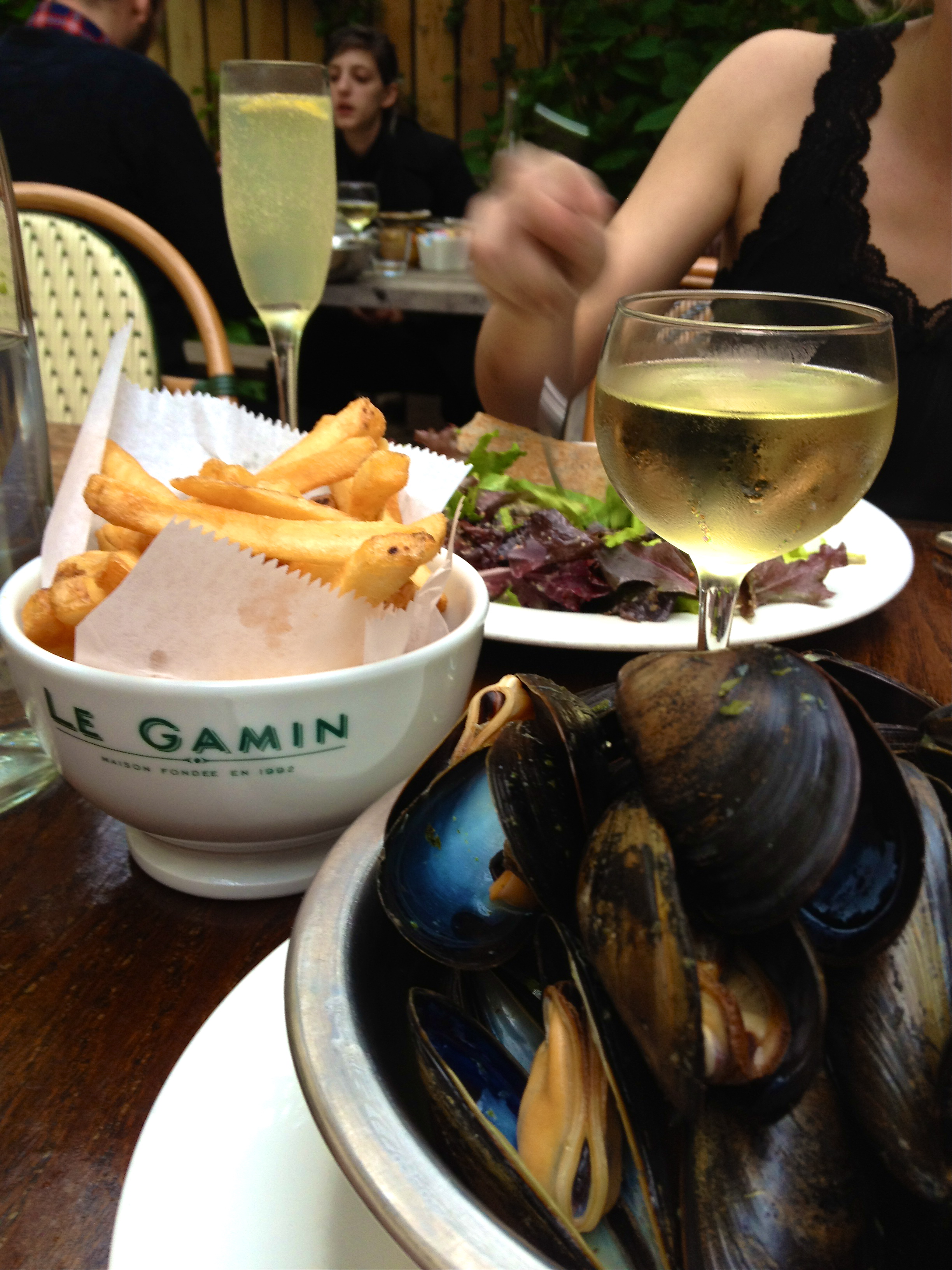 Dining al fresco at le Gamin
We had a very successful move and my daughter Liv is loving her new apartment. See her blog Boston to Brooklyn for several photos. For a lovely belated Mother’s Day treat, she took me to one of her favorite restaurants in Brooklyn, a sweet and authentic French cafe, Le Gamin. The charming patio was open, despite the soft evening mist, and we dined in the garden under the arbor. On Monday nights they serve exquisitely fresh and sweet, all-you-can-eat mussels, poached in Chardonnay and fresh herbs, along with a glass of wine, along with absolutely the most perfect fries; crisp outer skin, tender and hot inside–and all for only $20.00!! Liv and I shared the mussels and salade Niçoise and it was ablsoltuely perfect. She had her favorite mousse au chocolat and I had the most divine crème brûlée ever tasted. I am so taken with Robert Ardor’s recipes, I’ve just this moment ordered his cookbook, in its third printing, Joie de Vivre: Simple French Style for Everyday Living.
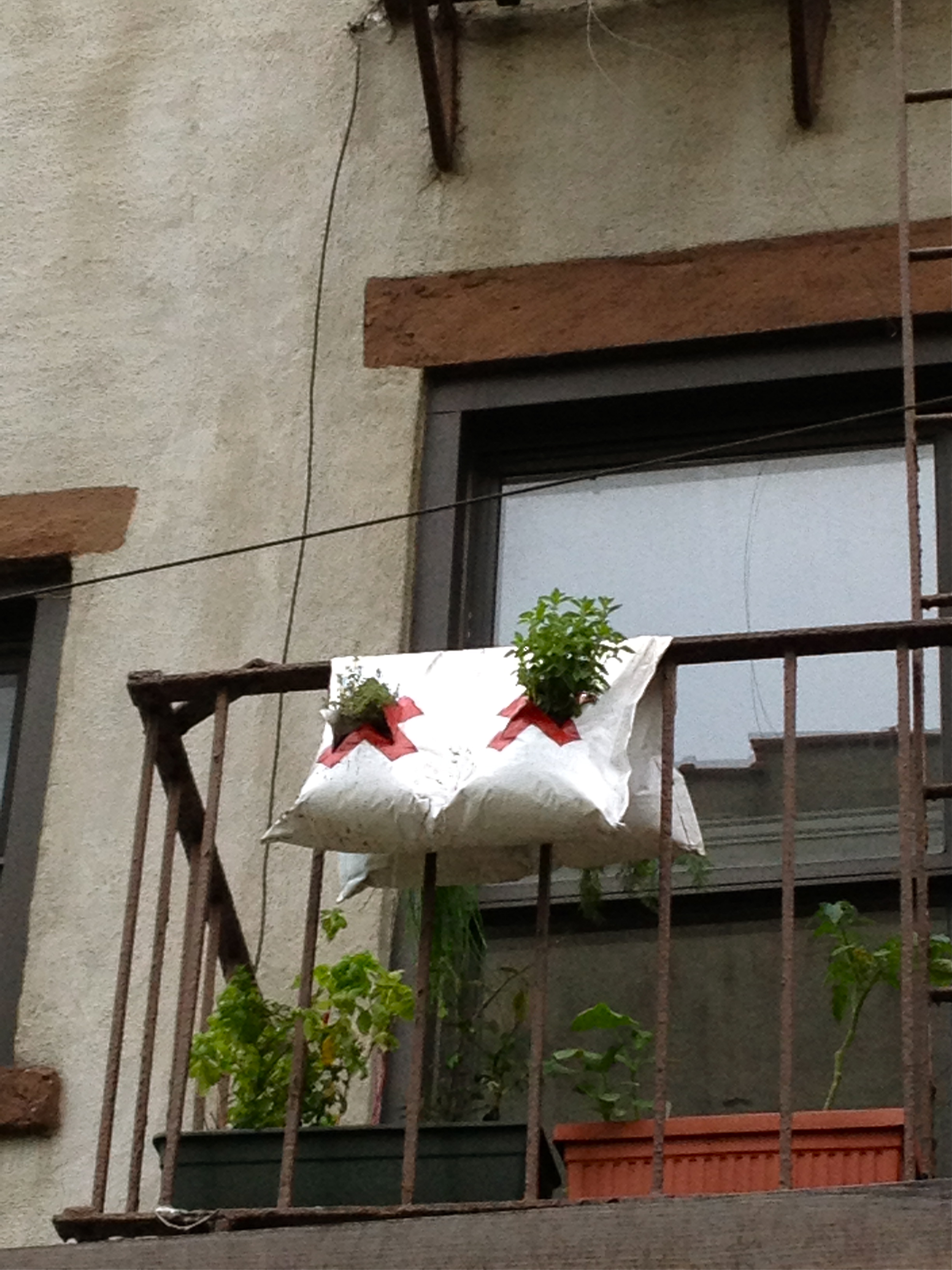
Brooklyn balcony above Le Gamin garden, with fresh herbs. Cleverly, the dweller of this flat has draped a bag of soil over the balcony’s edge, reinforced the slashes with industrial tape, and planted four different herbs; with what looks like oregano, thyme, parsley and dill. I am reminded of the beautiful story A Tree Grows in Brooklyn.

Click any photo to view slideshow
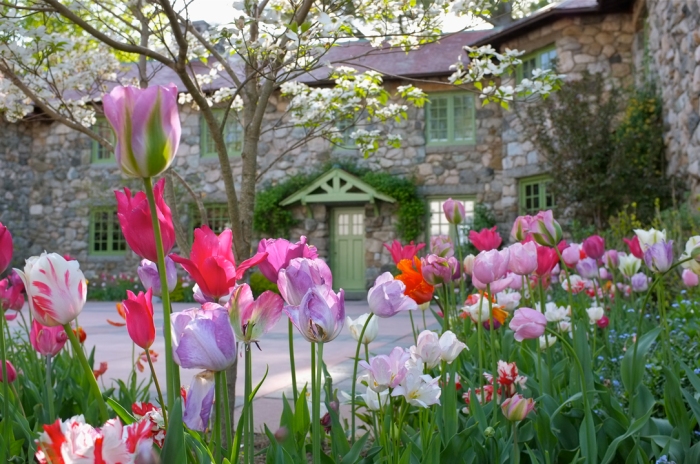
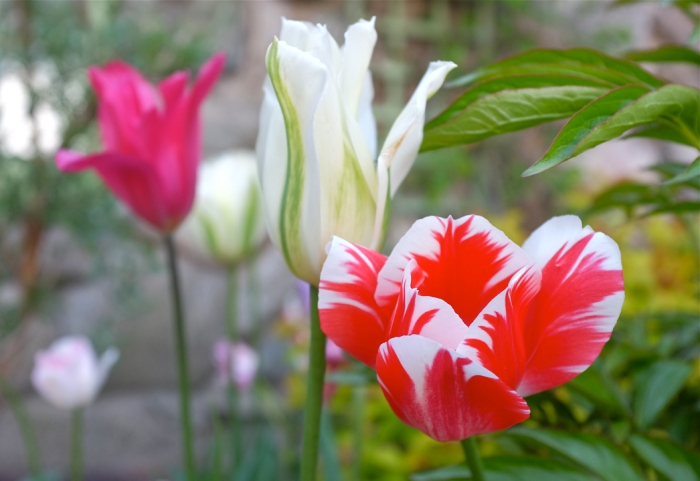
For weeks I had planned to photograph the tulips in bloom at Willowdale, but only in the late afternoon sun. Each afternoon I headed out, the sky grew overcast. Last Monday the sun shown gloriously the entire day.
Fortunately I caught the tail end of North Shore Wedding Magazine photographing their Premier Issue in the gardens at Willowdale. North Shore Wedding Magazine is a brand new biannual publication featuring quality North Shore wedding professionals and venues, and is the sister publication to New Hampshire Wedding Magazine.
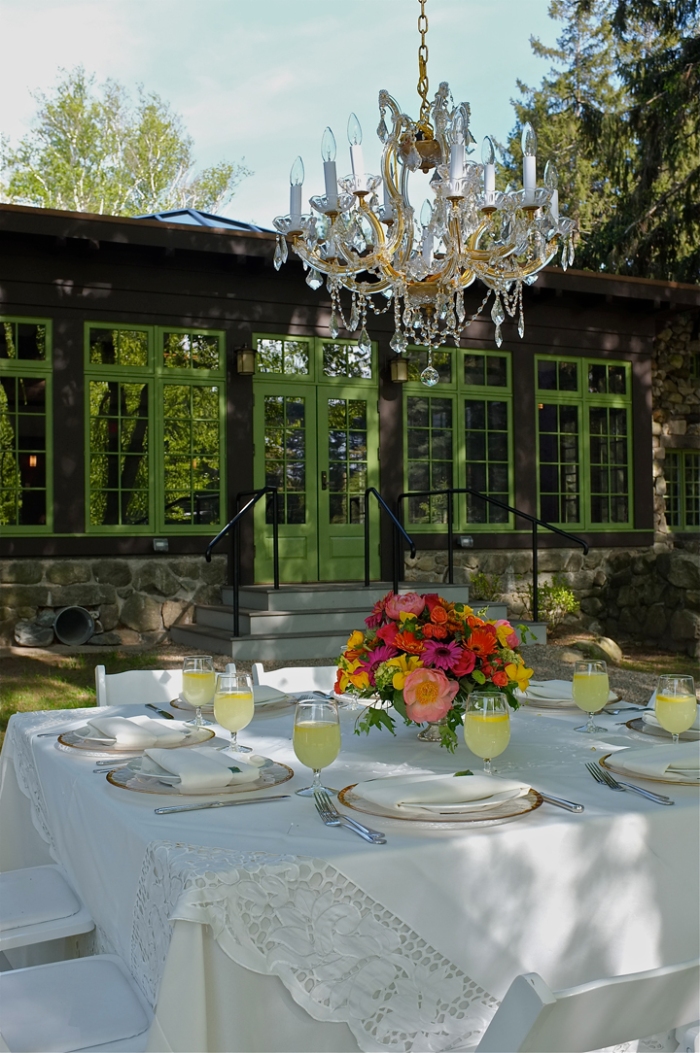
Sarah Boucher’s (Willowdale’s Planning Manager) lovely table styling for the North Shore Wedding Magazine photo shoot.
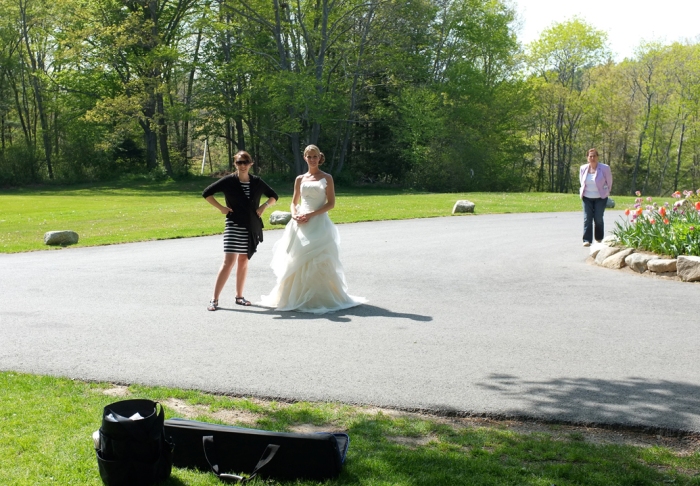 Kristina Hathaway with model
I hope this does not sound boastful however am mentioning because I just love it when people understand the design intention of a project. Kristina Hathaway remarked that she loved the feminine quality of the garden’s design juxtaposed against the masculine architecture of the stone mansion—music to my ears! The design challenges at Willowdale are multifold, yet rewarding, and from April 1st to until the first week of November you will find the gardens in bloom!
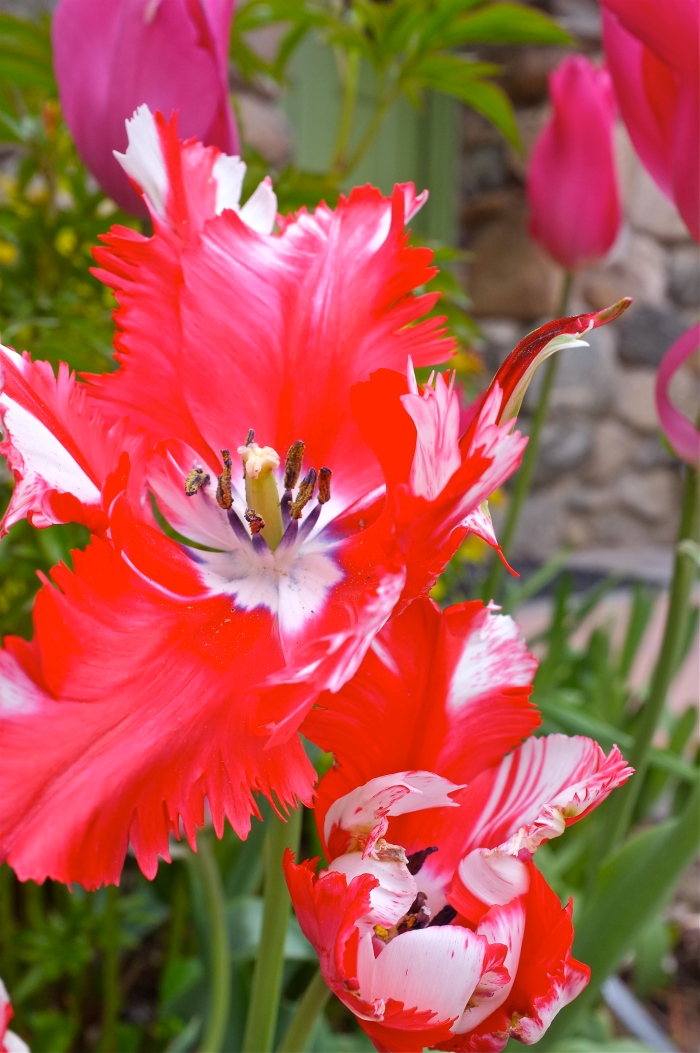
Tuesday evening, June 12, at 7:00 pm come join me in the gardens at Willowdale Estate. Enjoy refreshments and a tour of the garden, followed by a showing of my film “The Butterfly Garden at Willowdale Estate.” RSVP to Info@Willowdale Estate.
Click any photo to view slide show
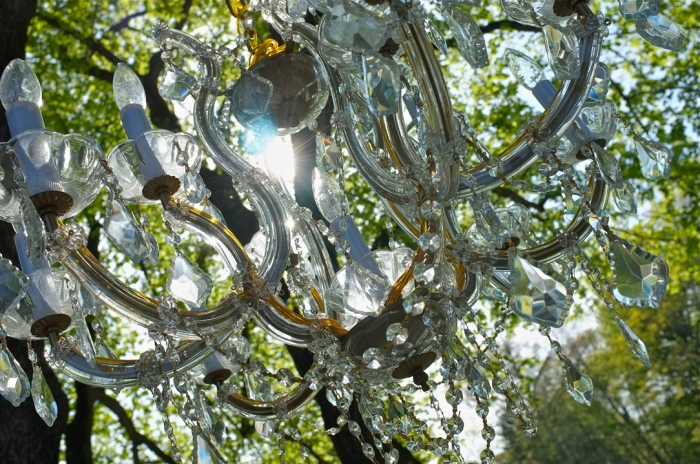

I am a little behind in posting my Super Moon May 2012 photos. I thought I hadn’t anything worth posting and didn’t bother uploading. Unfortunately, I broke my tripod taking the first shot. Photographing in the dark is not my specialty and the venture was my usual comedy of disasters.
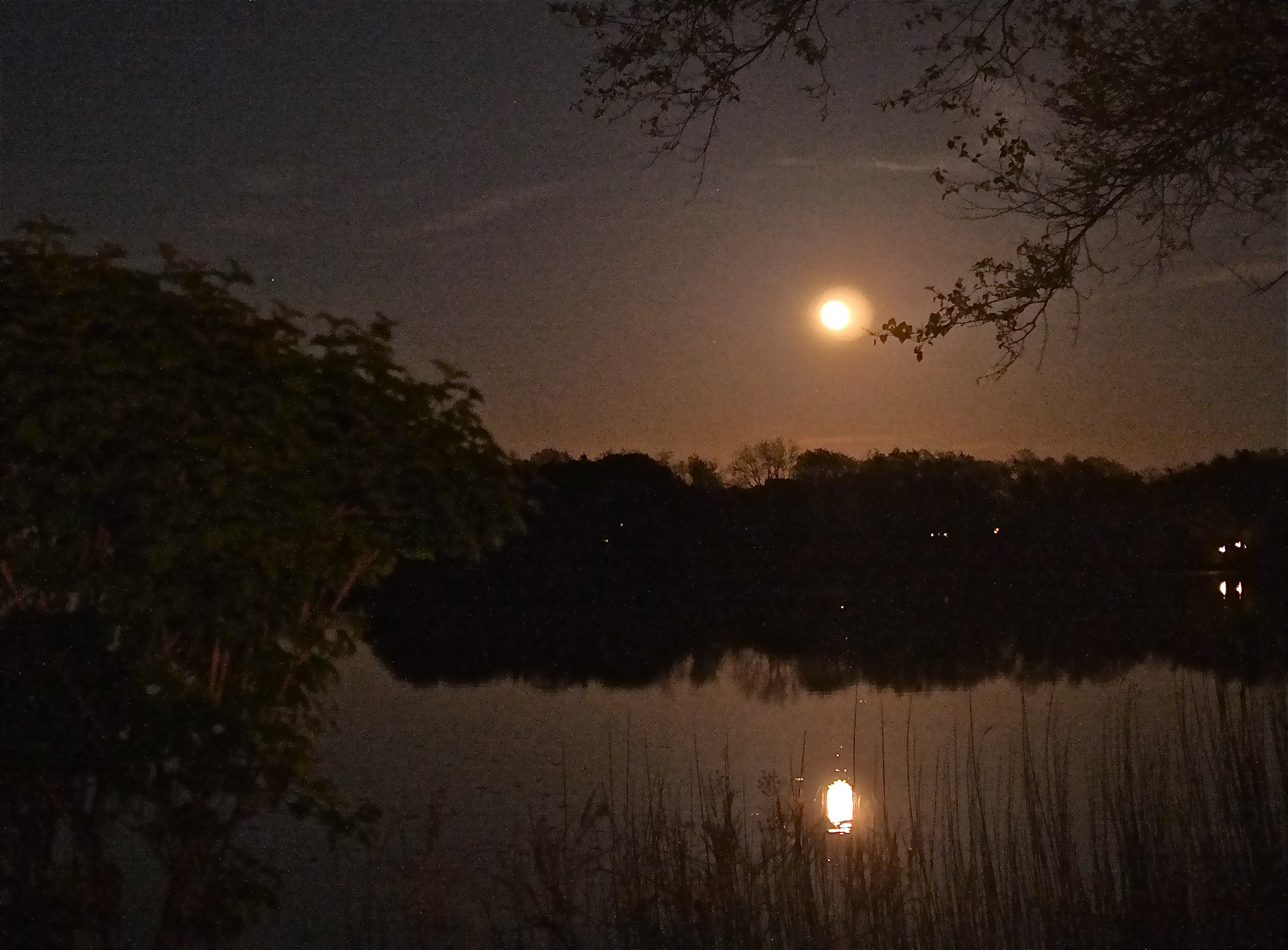 Perigree Moon at Niles Pond
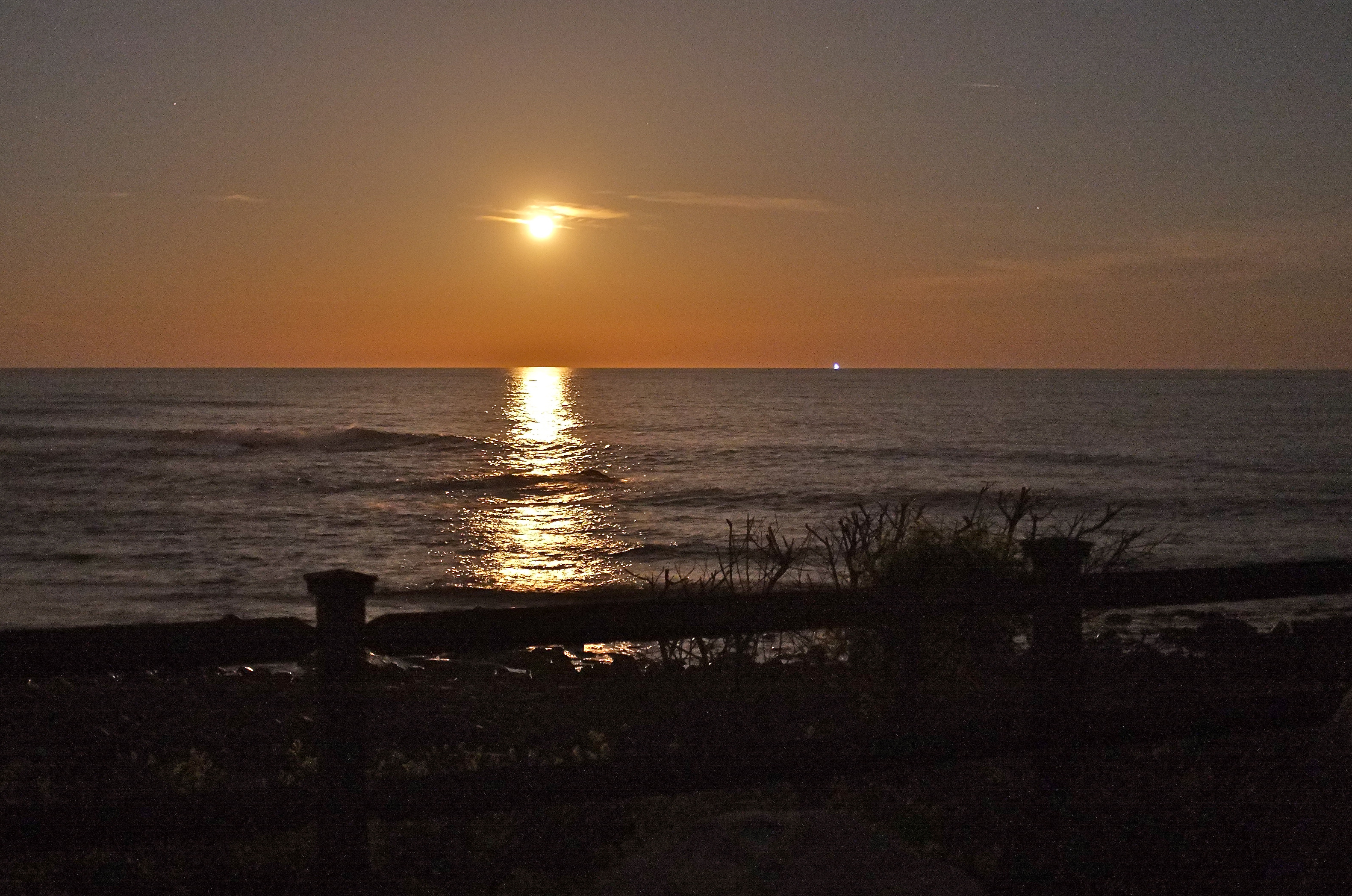
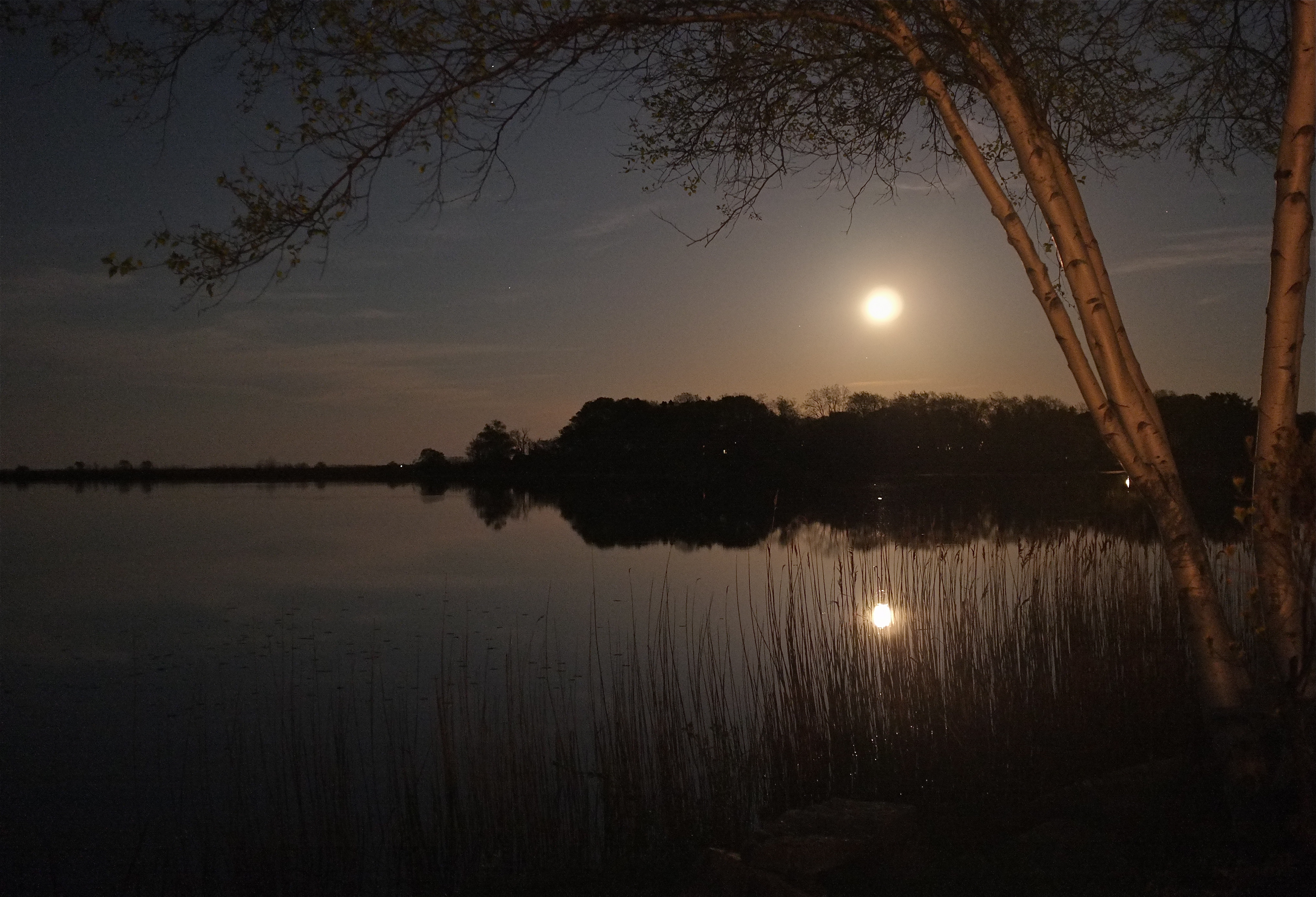 Birch Trees at Niles Pond for Maggie Rosa
I arrived at the Good Harbor foot bridge early and waited for the moon to rise, and waited, and waited. Nothing. Had I read the time incorrectly? Impatiently I left and as I was coming around the crest of the hill on the back shore, there was the perigree moon , in full glorious orange rising across sea. I hadn’t gotten the timing wrong, only the location. In my hurriedness to set up, I parked poorly and almost got run over getting out of the car. Struggling with my tripod in the dark I tripped and crashed and snapped off a leg; tripod is now a monopod. After all that, I was surprised to see the night wasn’t a complete waste of time. Note to self–bring flashlight and go with a friend when photographing late at night!

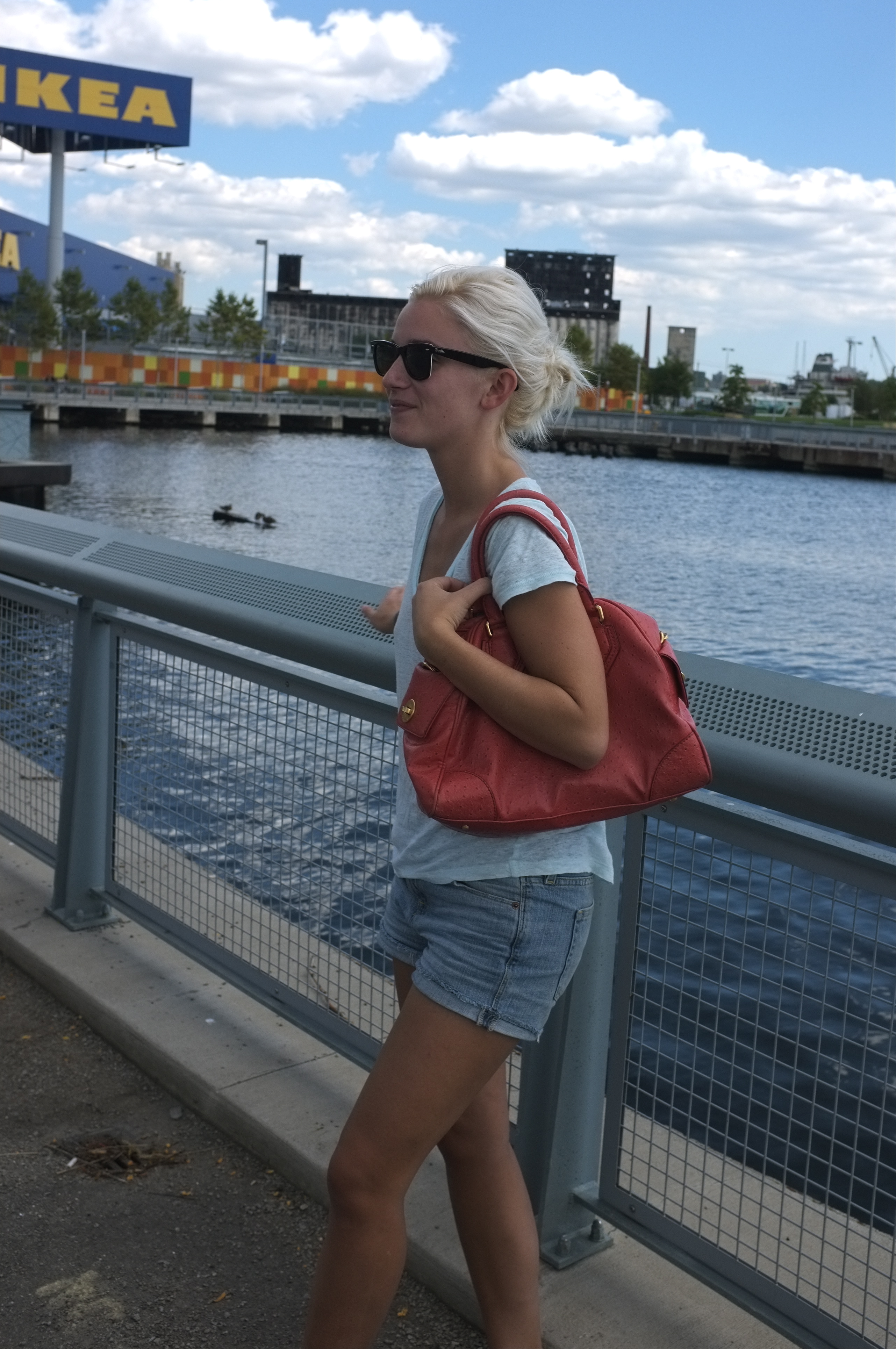
Heading to Brooklyn to visit darling daughter Liv and to help her move across town to her charming new apartment. Wish me luck assembling IKEA!

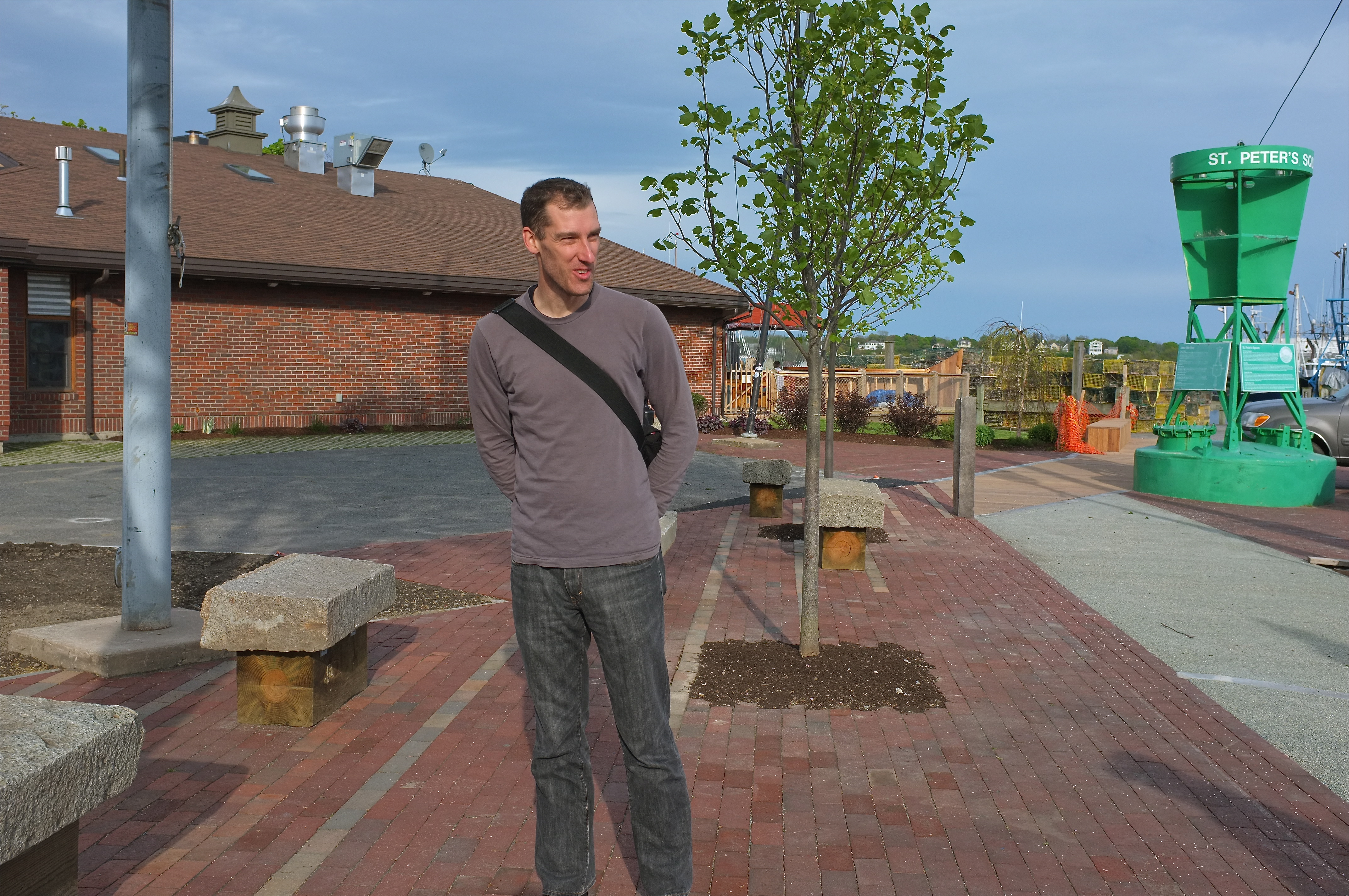 Chris Muskopf and the newly planted Tulip Trees at St. Peter’s Square
Friday late afternoon I took a stroll along the Harbor Walk to have a look at the newly planted gardens. I heard a friendly hello from behind and there was Chris Muscopf, primary architect and project manager for the Harbor Walk, stopping by to check on the gardens, too. Chris was later meeting JD MacEachern and they were on their way to a running race at Good Harbor Beach.

 Chris Muskopf and JD Mac Eachern
Chris lives in Jamaica Plain with his wife and young daughter and rides his bike, or runs, to his job at Cambridge Seven Associates nearly everyday, rain or shine. I’ve gotten to know Chris a little bit over the past year and he is an all around great guy, with a wonderful sense of humor. Chris is working tirelessly, and always with much enthusiasm, to make the Harbor Walk a success. Stop in and see the work in progress. I think you’ll agree, the Harbor Walk is coming along beautifully!


 Camilla Jerome
Before heading out to dinner last night, my husband Tom and I stopped in briefly at the Monsterrat College of Art annual fundraiser, Artrageous! 26. Tom had donated several paintings, as are all the works of art donated, and we had a great time looking at the paintings, prints, photos, mixed media, and sculpture. My favorite piece in the show was a self portrait by a young artist from Wenham, Camilla Jerome.
 Camilla Jerome’s Weigh Me Down -Click to view larger image
 Panorama Monsterrat Artrageous! 26 -Click to view larger.

 Good Morning Gloucester