HOW TO MAKE A SUPER FUN AND CUDDLY BABY BANDANA QUILT

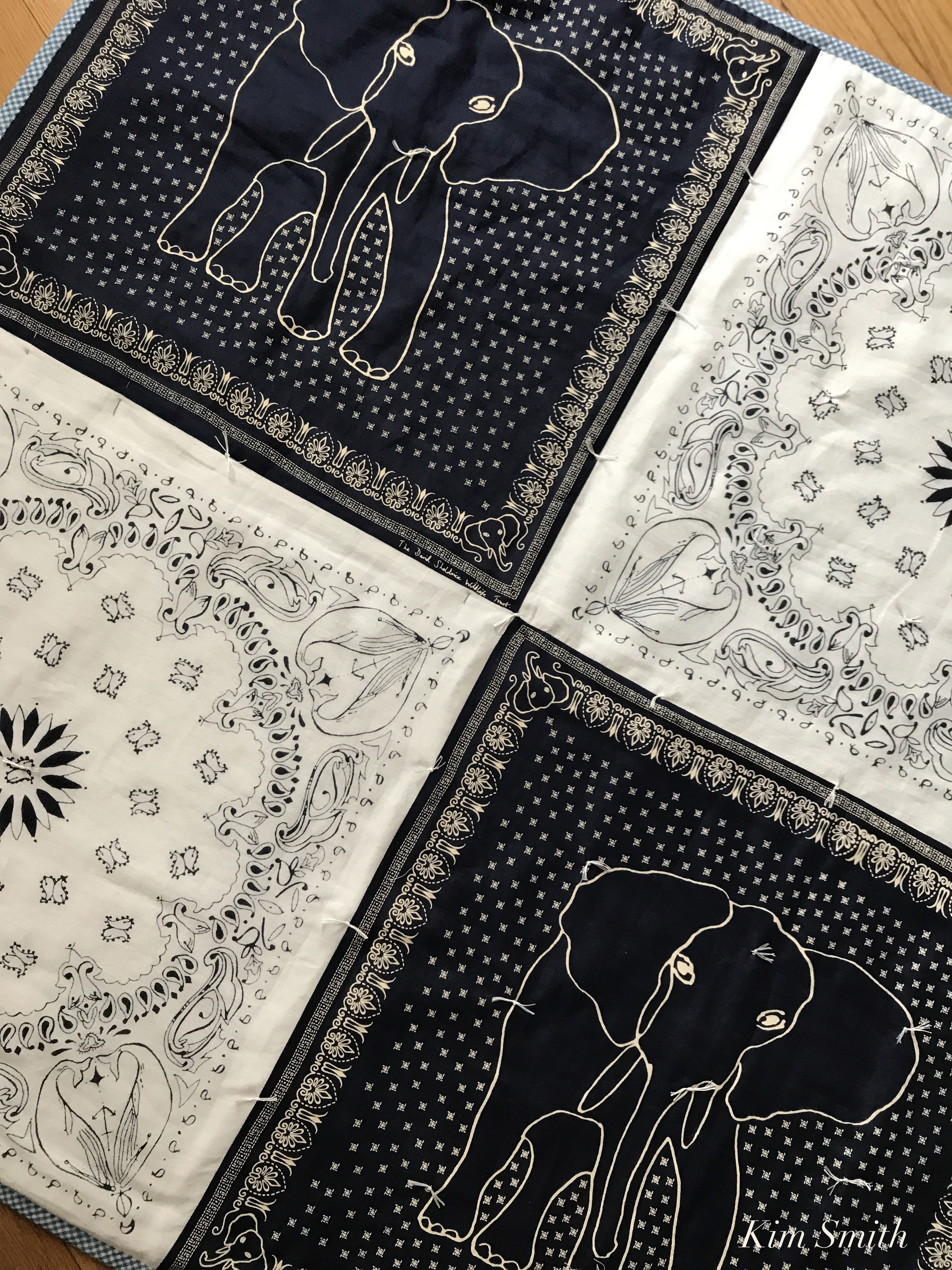
While looking for bandanas to make Charlotte, our baby granddaughter-on-the-way, a bandana baby quilt, I came across wonderfully whimsical animal inspired navy and white bandanas at J.Crew. The elephant bandana has little elephant heads in the corners and the whale bandana has an overall pattern that includes fishes, anchors, and a compass rose. The bandanas are printed on an ultra soft, almost batiste-like quality cotton fabric. Recalling that newborns can mostly only see black and white for the first three months, and that the J.Crew designs are so charming, I abandoned the pink idea and went for blue and white. And, a portion of the sale from the bandanas goes to support wildlife foundations.

Directions

1) Prewash bandanas, cotton batting, and backing fabric. Press.

2) Stitch together the four bandanas. Bandanas are not a woven design and oftentimes are not printed on the square perfectly. You have to fudge it a little and not be too fussy at this stage.

3) Press the bandana quilt top seams flat. Place the quilt top over cotton quilt batting. Pin or baste the batting in place. Trim batting close to quilt top edge.

4) Place quilt top and batting unit on top of cotton backing. Pin or baste through all three layers to keep in place. Trim to neaten edges.

5) Cut 4 bias strips, in desired width, in backing fabric, the length of each edge, plus two inches. I like to cut my bias strips 2 and 7/8 wide inches for binding a quilt. Fold bias strips in half and press.

Continue reading “HOW TO MAKE A SUPER FUN AND CUDDLY BABY BANDANA QUILT”

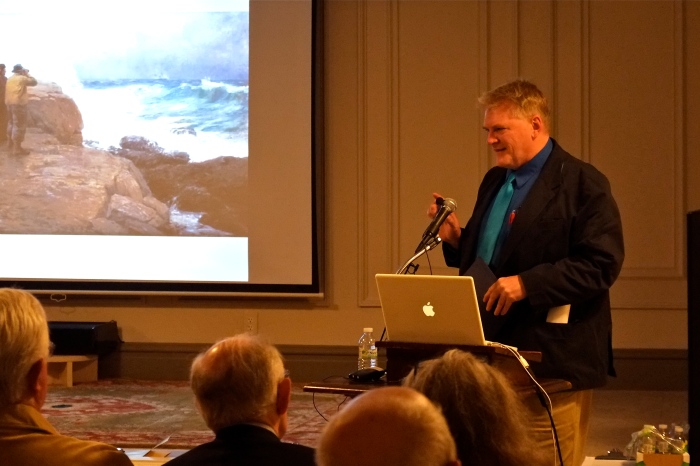
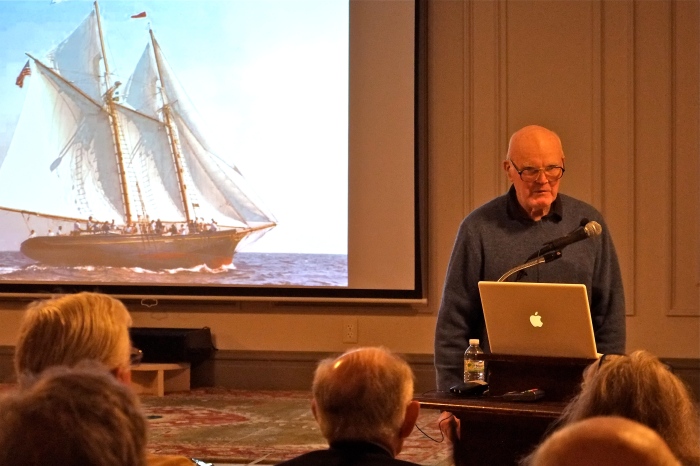
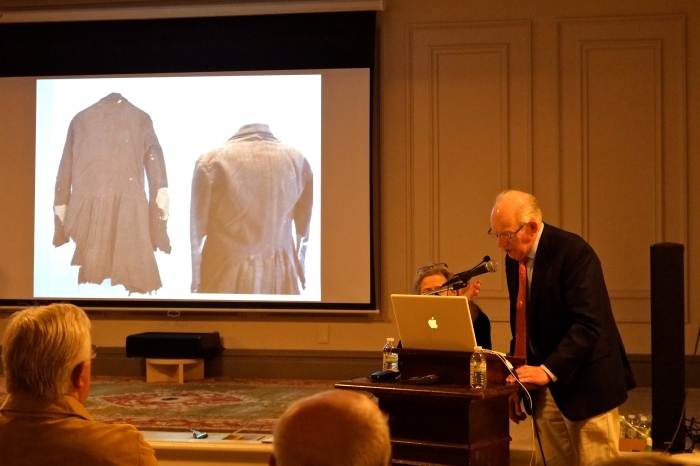
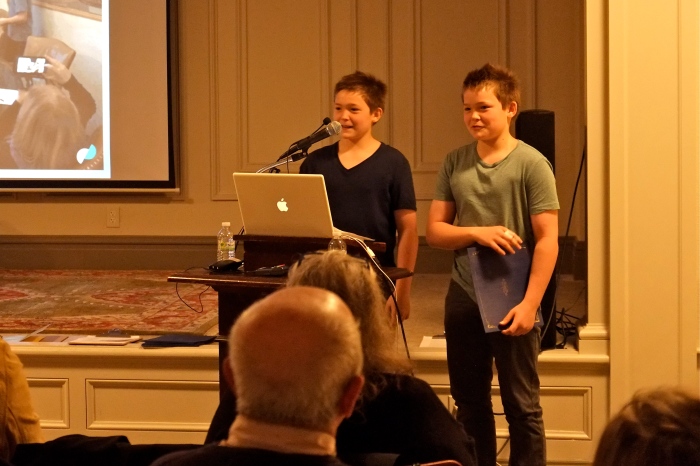
PHOTOS FROM THE GLOUCESTER HISTORICAL COMMISSION AWARDS

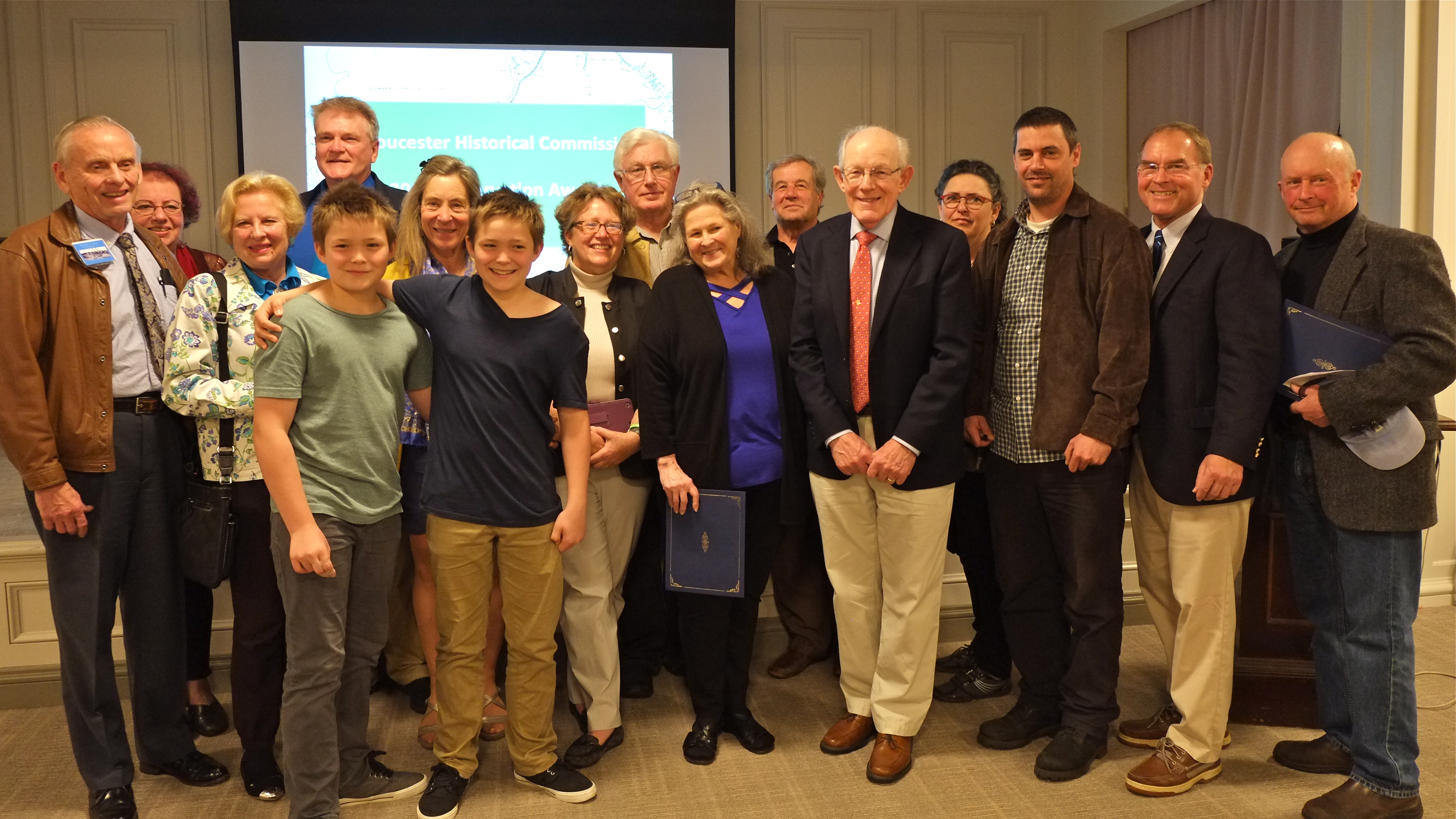
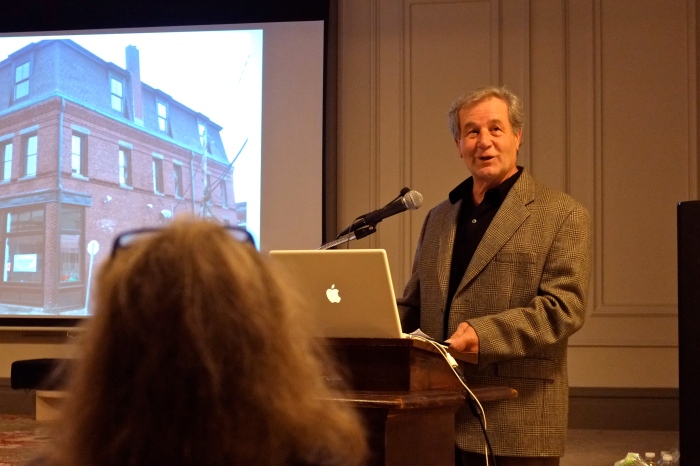
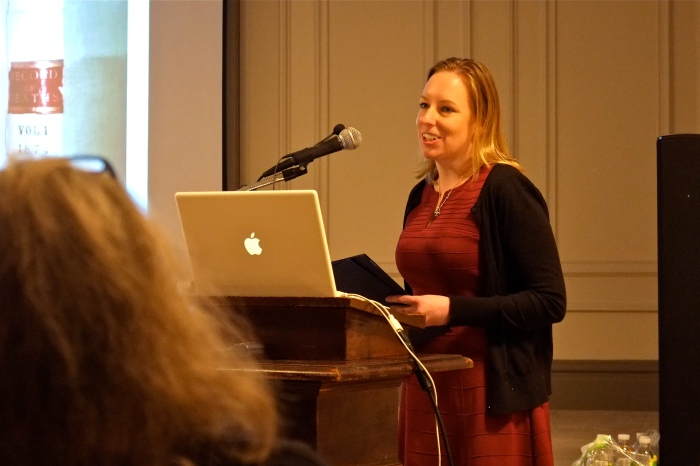
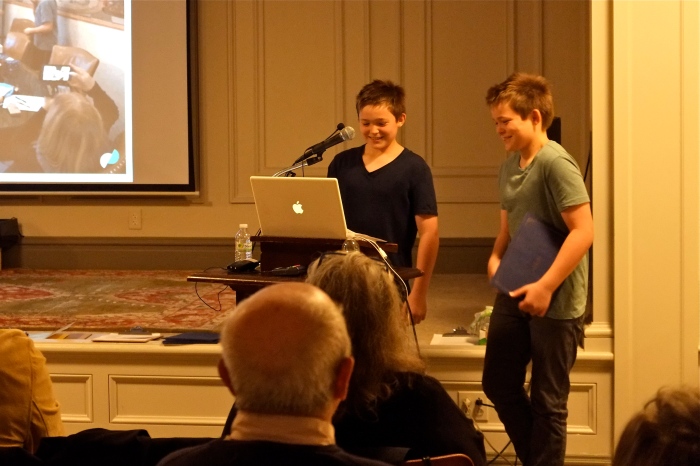
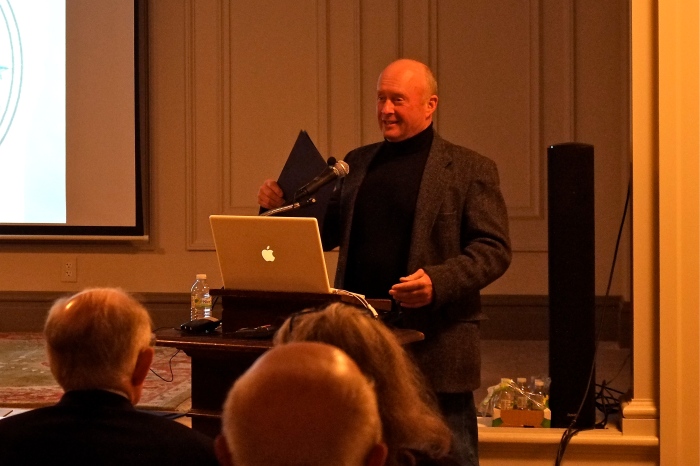
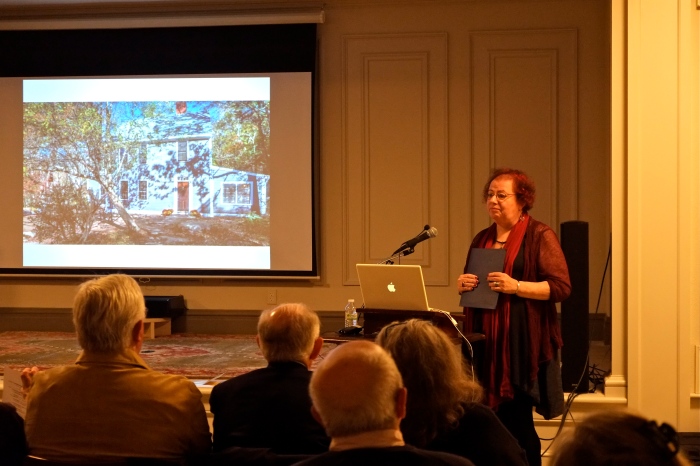
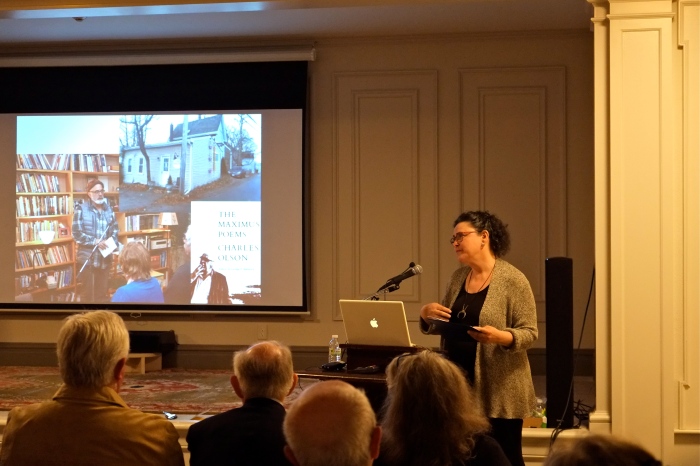
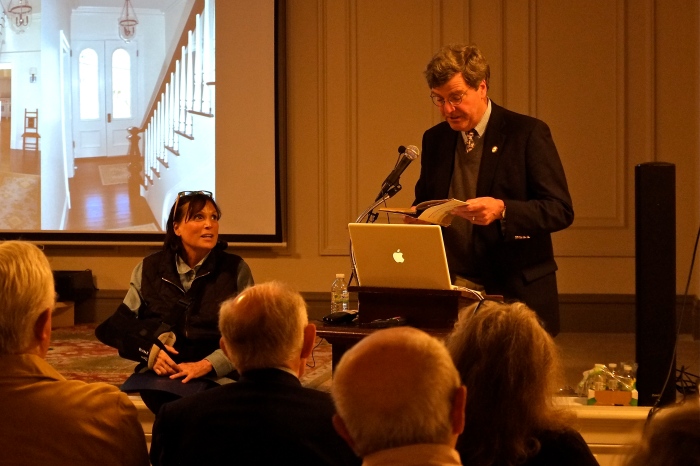
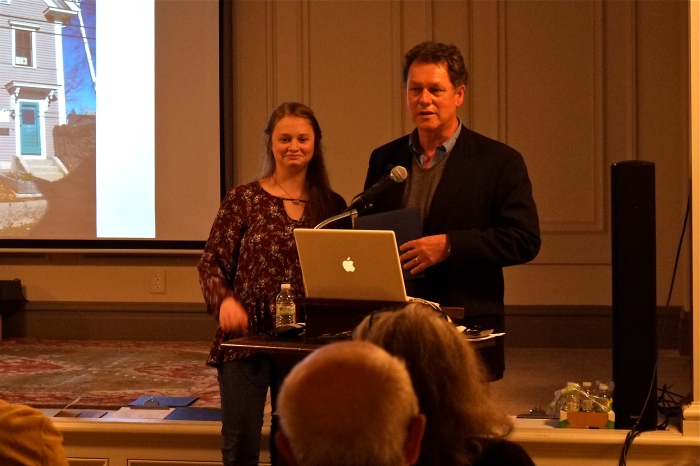
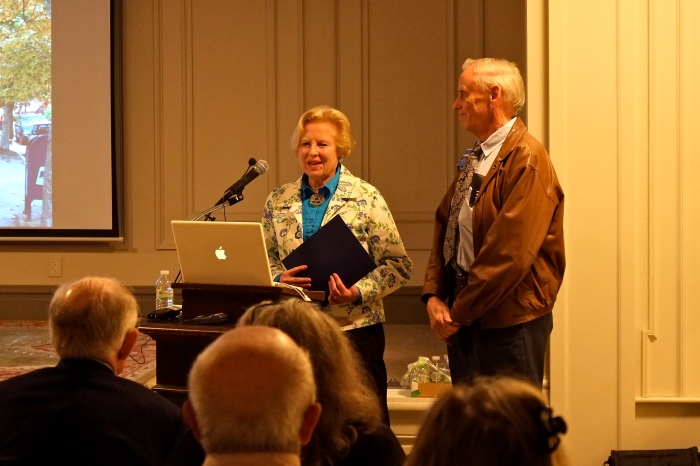
An outstanding group of citizens were recognized today by the Gloucester Historical Commission for their achievements in restoration, preservation, shipbuilding, education, outreach, stewardship, and documentation. Opening remarks were made by Mayor Romeo Theken. Co-chair Mary Ellen Lepoinka introduced the awardees. Congratulations to all the recipients for their great work, with an extra huge shout out to King brothers George and Charles.

The Gloucester Historical Commission are mayoral appointees. Commission members include co-chairs Bob Whitmarsh and Mary Ellen Lepoinka, Jeff Crawford, David Rhinelander (who is recovering from heart surgery and was unable to attend), Sandy Barry, Holly Clay, and Jude Seminara.

The recipients awarded for their stellar contributions to the beautiful community of Gloucester and Cape Ann are as follows:

Joseph Napolitano: Lifetime Achievement as a preservation contractor.

Sarah Dunlap: Lifetime Achievement as volunteer City archivist.

Harold Burnham: Local Preservationist, for his achievements in historic shipbuilding. Harold was unable to attend. His father Charles accepted the award for Harold.

Marietta Delahunt: Stewardship of the historic Sargent-Robinson House.

: Local preservationists, for their work on the Civil War coat.

Mariana Vaida: Rehabilitation and Restoration of 567 Essex Ave. by a preservation architect.

Gloucester Writers Center: Stewardship of the Maud/Olson Library in E. Gloucester.

Bing McGilvray: Education and Outreach, for his work on Cape Ann art history.

Captain Ray Bates: Education and Outreach, for his book on Cape Ann shipwrecks.

Christine & Paul Lundberg: Rehabilitation and Restoration of their Annisquam historic home.

Melanie & Mark Murray-Brown: Rehabilitation and Restoration of the Amos-Rackliffe House. Melanie was unable to attend and daughter Iona took her place.

John & Betty Erkkila: Documentation of Gloucester History, for their book on Lanesville.

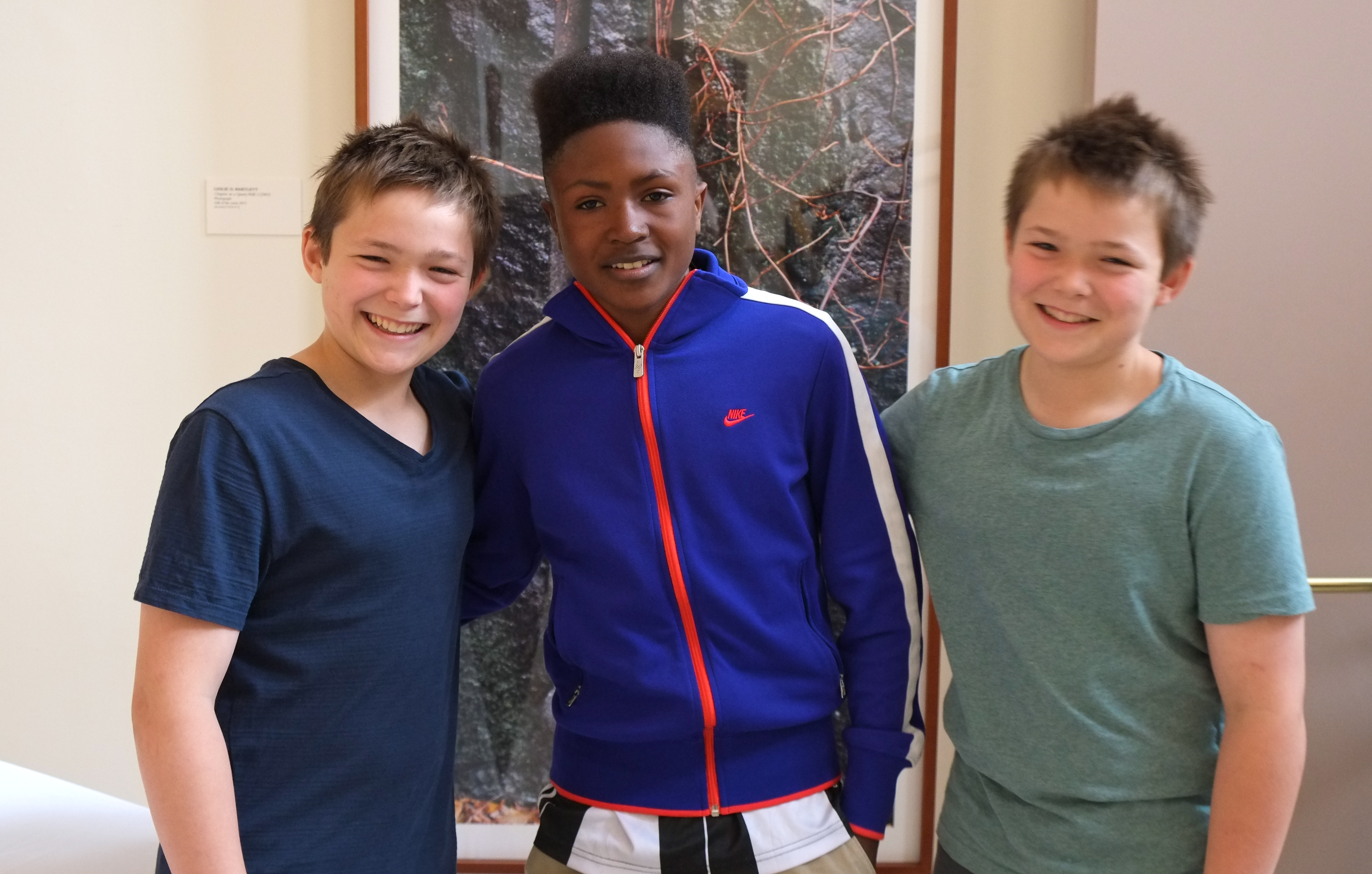
George and Charles with friend Robert

https://www.instagram.com/p/BTw8h1MFhmO/

SUPER EXCITING NEWS: OUR CHARLES AND GEORGE KING RECEIVING THE GLOUCESTER HISTORICAL COMMISSION AWARD TOMORROW (SATURDAY) AT THE CAPE ANN MUSEUM!!!

George and Charles write,

Hi Everybody!

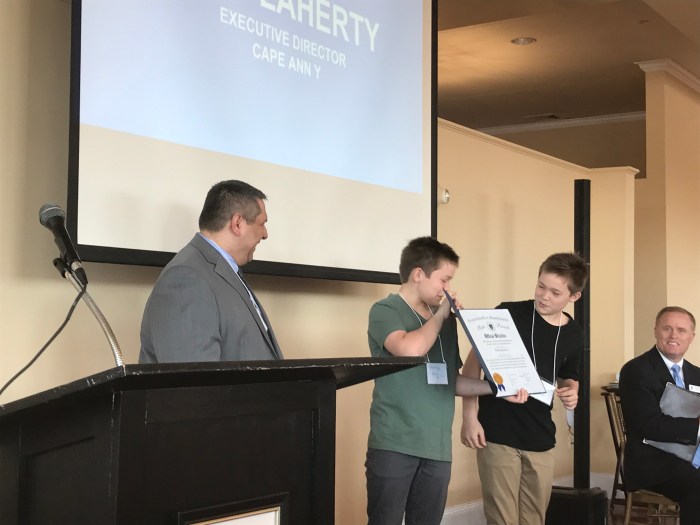
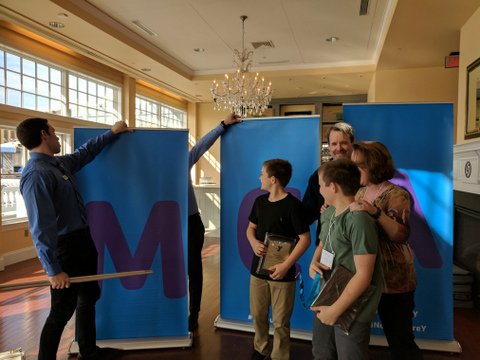
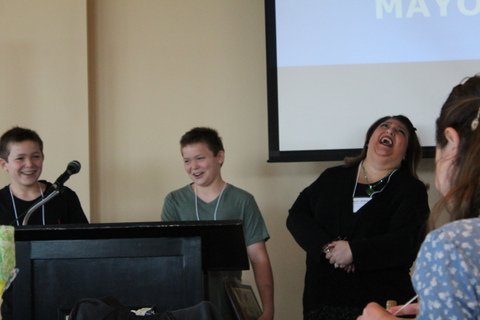
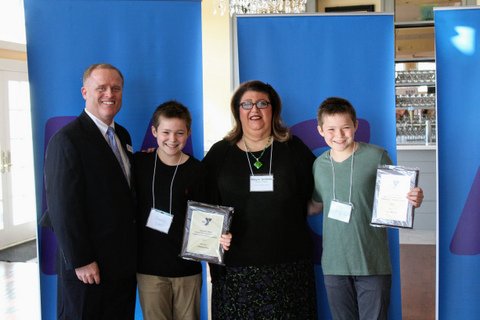
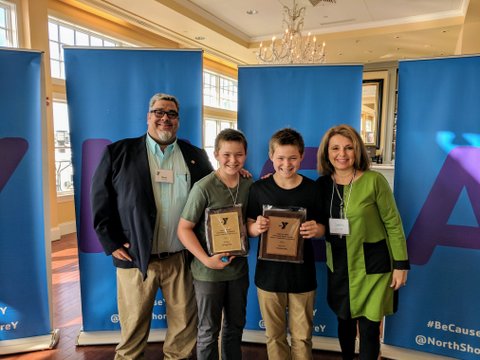
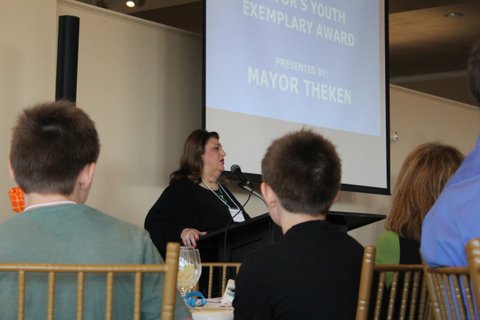
We are so, so happy to write about two special awards for the Albert Bacheler Gloucester Civil War coat. On April 13th, we received the YMCA MAYOR’S YOUTH EXEMPLARY AWARD from Mayor Romeo Theken at the 2nd Annual Community Awards. The Mayor gave an awesome speech and we felt truly honored to be included. There was a giant reception at Cruiseport including a delicious breakfast. We were presented with a great plaque from the YMCA and a Senate Citation from Senator Tarr. It’s cool to receive such an award from the YMCA because their mantra is exactly the same as Albert Bacheler’s: give kids a good opportunity to learn, have fun and be active. Also he cared a lot about character. The photos we are sharing are from Mayor Romeo Theken and were taken by Ashley Snell for the YMCA event that day.

The second award is from the GLOUCESTER HISTORICAL COMMISSION. It will be taking place tomorrow May 6 2017 at Cape Ann Museum. Please come to celebrate with us and see the presentations. There are many interesting projects being awarded. It’s going to be fun!


Here is what they sent us:

The Gloucester Historical Commission invites the public to attend the annual 2017 Preservation Awards ceremony on Saturday, May 6, 2 to 4 pm at the Cape Ann Museum in Gloucester.

May is National Historic Preservation Month, and each year the Commission recognizes outstanding cultural heritage preservation, restoration, and education projects, based on the following criteria.

Preserved neighborhood history through research, writing, or art
Preserved a property that is historically significant in age, style, or use.
Restored using traditional materials or methods.
Preserved historical integrity or appearance.
Protected from present threat or future harm.
Completed project within the past two years.
Accomplished by individual, family, group, or community advocacy or fundraising

Award categories include the following.

Archaeology
Adaptive reuse
Stewardship
Education and outreach
Landscape preservation
Restoration and rehabilitation
Local preservationist
Individual lifetime achievement
Documentation of Gloucester’s history

This year’s award recipients are:

Joseph Napolitano: Lifetime Achievement as a preservation contractor.

Sarah Dunlap: Lifetime Achievement as volunteer City archivist.

Harold Burnham: Local Preservationist, for his achievements in historic shipbuilding.

Marietta Delahunt: Stewardship of the historic Sargent-Robinson House.

Charles and George King: Local preservationists, for their work on the Civil War coat.

Mariana Vaida: Rehabilitation and Restoration of 567 Essex Ave. by a preservation architect.

Gloucester Writers Center: Stewardship of the Maud/Olson Library in E. Gloucester.

Bing McGilvray: Education and Outreach, for his work on Cape Ann art history.

Captain Ray Bates: Education and Outreach, for his book on Cape Ann shipwrecks.

Christine & Paul Lundberg: Rehabilitation and Restoration of their Annisquam historic home.

Melanie & Mark Murray-Brown: Rehabilitation and Restoration of the Amos-Rackliffe House.

John & Betty Erkkila: Documentation of Gloucester History, for their book on Lanesville.

At the ceremony, members of the Commission will introduce recipients and present award certificates. Slides will be shown, and recipients will talk briefly about their projects. This event will take place on Saturday, May 6th, 2 to 4 pm in the Cape Ann Museum at 27 Pleasant St., Gloucester, Massachusetts.

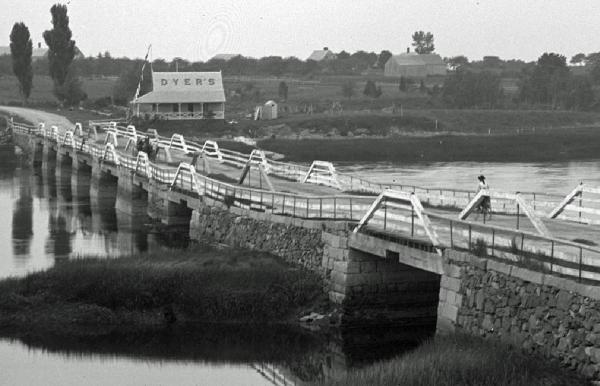
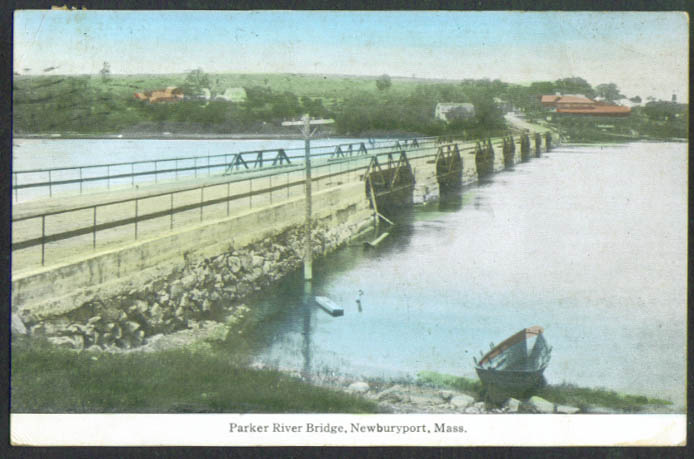
PARKER RIVER BRIDGE

The view from the Parker River Bridge Tuesday night gave me pause to turn around, pull over, and stop to take a photo. It’s always pretty, but this just seemed extra 🙂

From the Newbury Historical Commission:

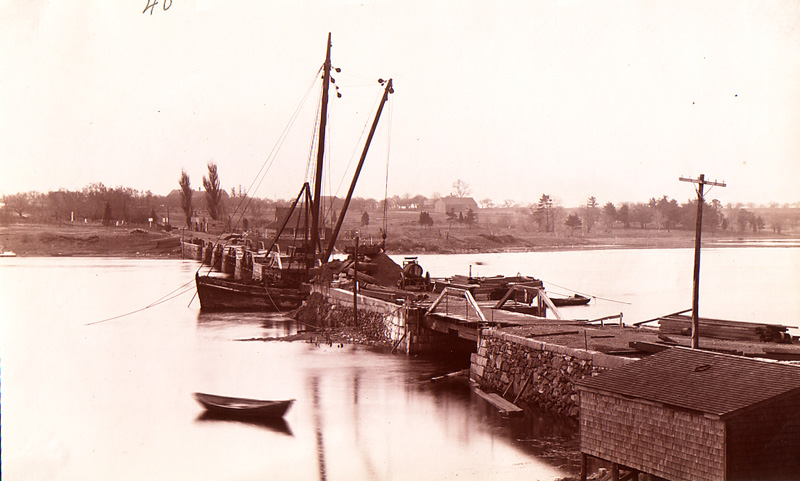
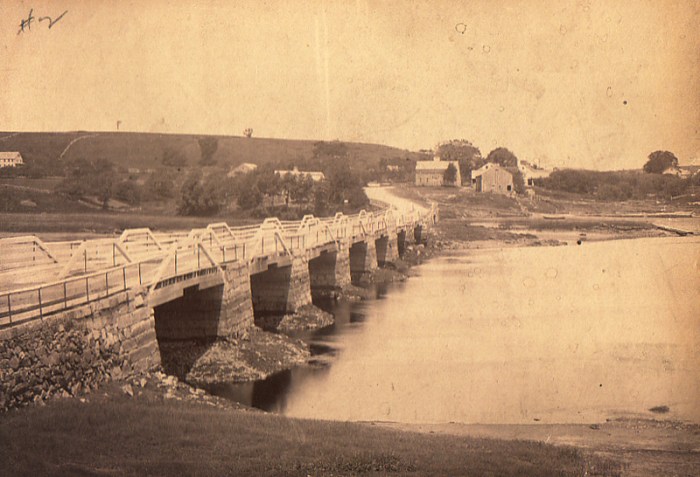
For a little over 100 years, the only bridge crossing the Parker River was Thurlow’s Bridge (1654), located on Middle Road (south of Governor Dummer Academy). The first bridge across the Parker River on the High Road (Route 1A), was built under the direction of Ralph Cross in 1758; it considerably shortened the distance to and from Rowley and Ipswich. Although the structure has been repaired and replaced many times since it was built, over it traveled Benedict Arnold in 1775, Washington in 1789, President Munroe in 1817, and the Marquis de Lafayette in 1824.  The 1911 structure was partially washed away in 1929.  The 1930 bridge was replaced with a new structure in 2010.


13 Ways Massachusetts Is America’s Black Sheep… And We Love It That Way

From Only In Your State

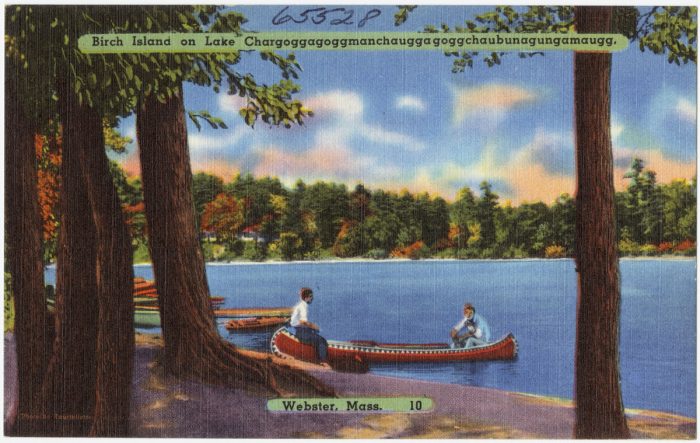
7. Not to mention Lake Chargoggagoggmanchauggagoggchaubunagungamaugg.

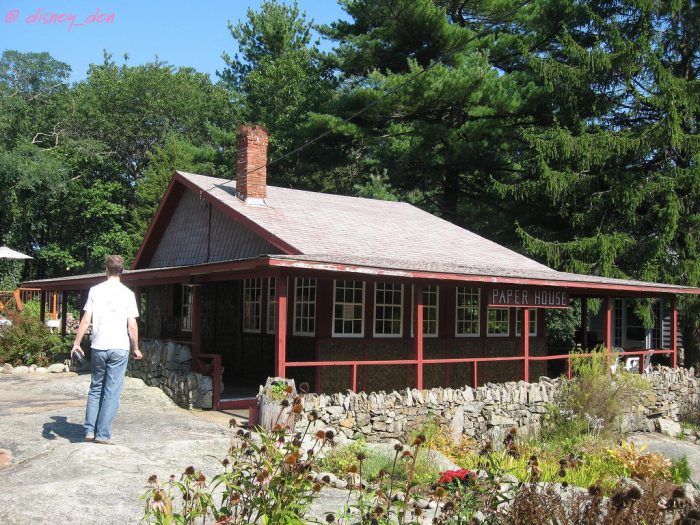
9. We have a house made of newspaper.

10. Childhood here still happens outdoors. Whether that means hours peering into tide pools and beach bonfires…

12. We’ve heard of spring, but rarely see it in person.

See all thirteen reasons here

BREAKING: COYOTE ALERT

The coyote was trotting down Bass Ave in the direction of Good Harbor Beach. It paused briefly at the garden at the corner of Bass Ave and Brightside and then proceeded to jaunt up Brightside before ducking into a yard.

https://www.instagram.com/p/BTtacKYF1C2/

M IS FOR MAY MIGRATION THROUGH MASSACHUSETTS

During the month of May, Massachusetts is graced daily with species arriving from their winter homes. Some need to fortify for the journey further north, to the boreal forests, bogs, and tundra of Canada and Alaska. Some will nest and breed in Massachusetts, finding suitable habitat along the coast, and in the marsh, scrub, shrub, forest, and grassland found throughout the state. For several projects on which I am currently working, I have been exploring wildlife sanctuaries along the Massachusetts coastal region. Here is just a sampling of some recently spotted migrants, and it’s only May 4th. Lots more to come!

Biggety Brant ~ This Brant Goose appeared to be the bossy boots of his gaggle, chiding, nipping, and vocally encouraging the group along. A large of flock of approximately 40 Brants was recently reported by readers Debbie and Dan, seen at Back Beach in Rockport. The Brants are heading to the wet, coastal tundra of the high Arctic. No other species of goose travels as far north or migrates as great a distance as do Brants.

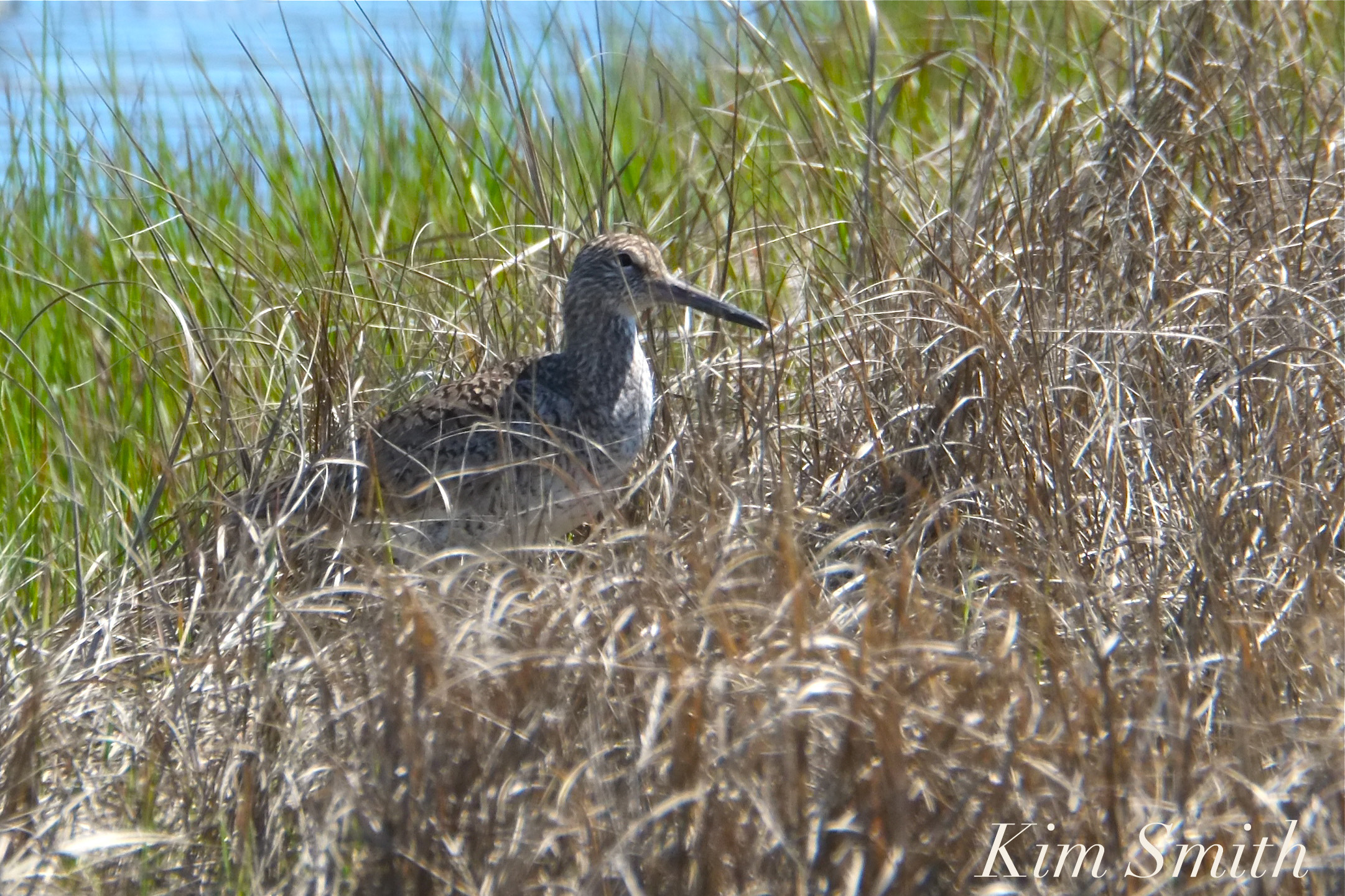
W is for Wading Willet. A PAIR were well hidden in the marshy grass! Both the flesh and the eggs of Willets are considered tasty. They were nearly hunted to extinction, saved only by the Migratory Bird Treaty Act of 1918. Willets breeding in Massachusetts is nothing short of a miracle. Notice how closely they resemble Greater and Lesser Yellowlegs; all three belong to the Genus Tringa.

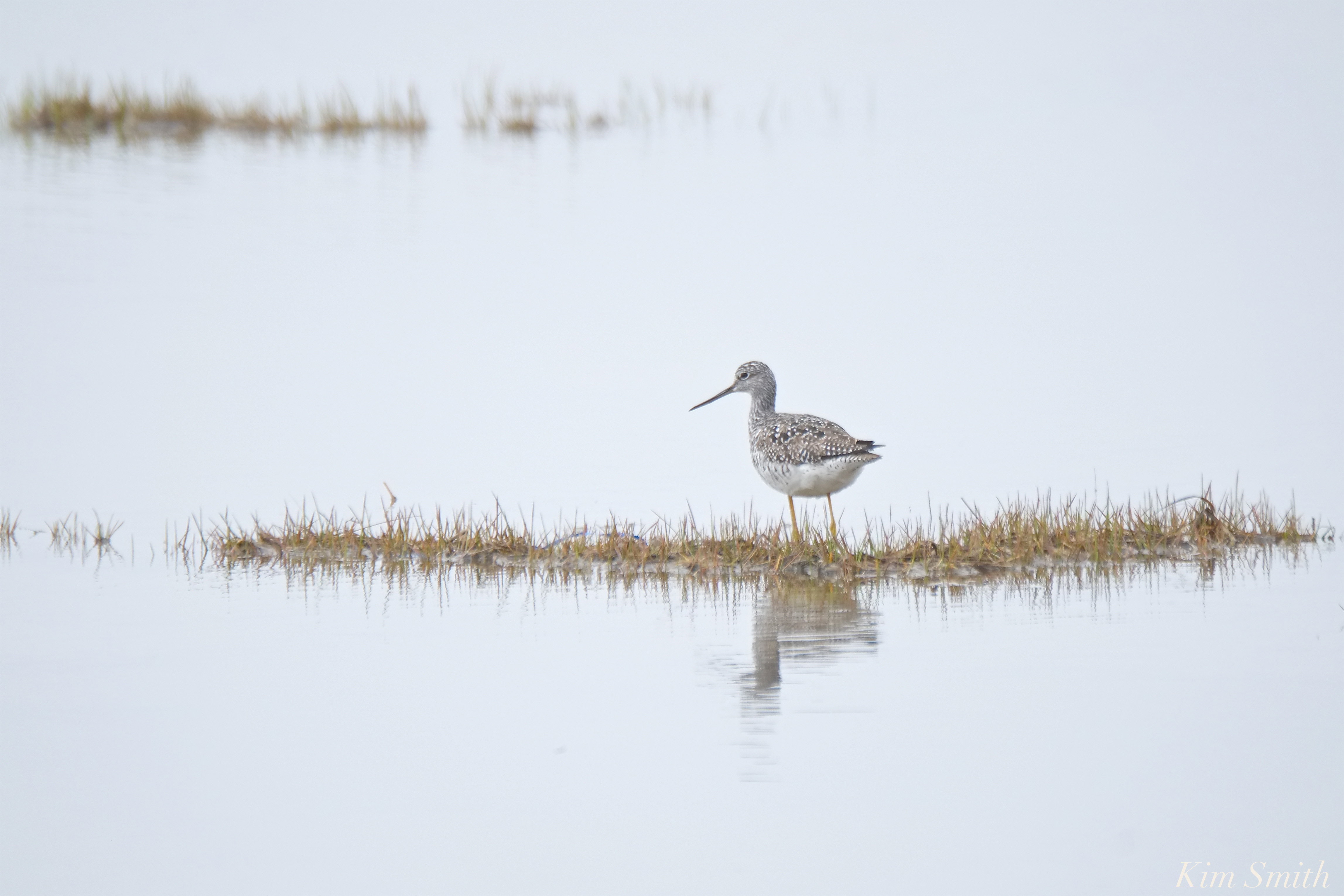
Y is for Yawping Yellowlegs. Both Greater and Lesser Yellow are seen in Massachusetts marshes at this time of year. Greater Yellowlegs have a loud, distinct call, which they utilize often. The Greater Yellowlegs are feeding on tiny crustaceans, killfish, and minnows to fortify for the journey to the boggy marshes of Canadian and Alaskan coniferous forests.

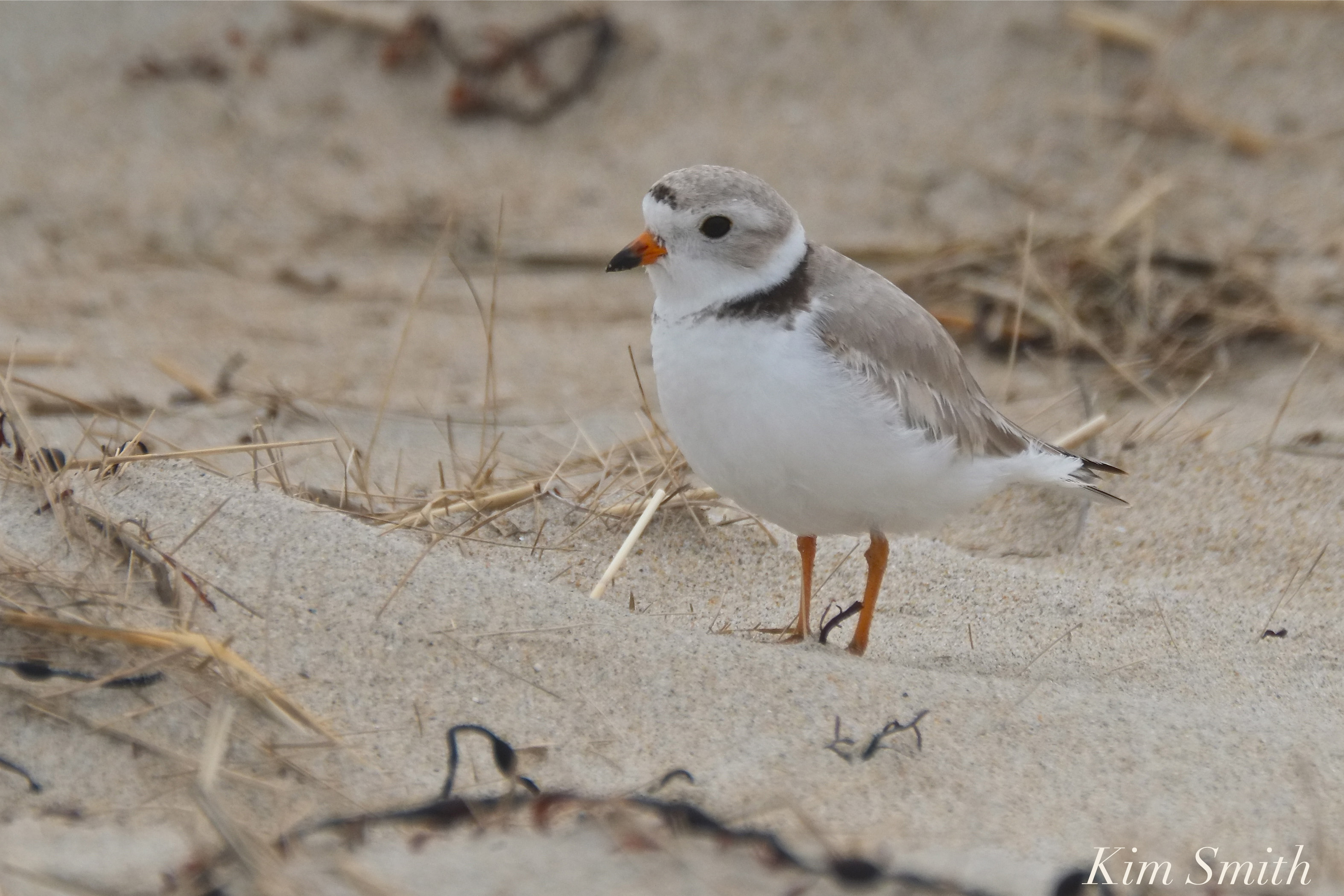
Piping Plover Piping ~ We should be proud that our state of Massachusetts has the greatest record of Piping Plover recovery. I recently saw a bar graph at a lecture presentation, given by Dave Rimmer at Parker River National Wildlife Refuge, which illustrated that the recovery rate has flatlined in Canada and New Jersey, and diminished in the Great Lakes region.

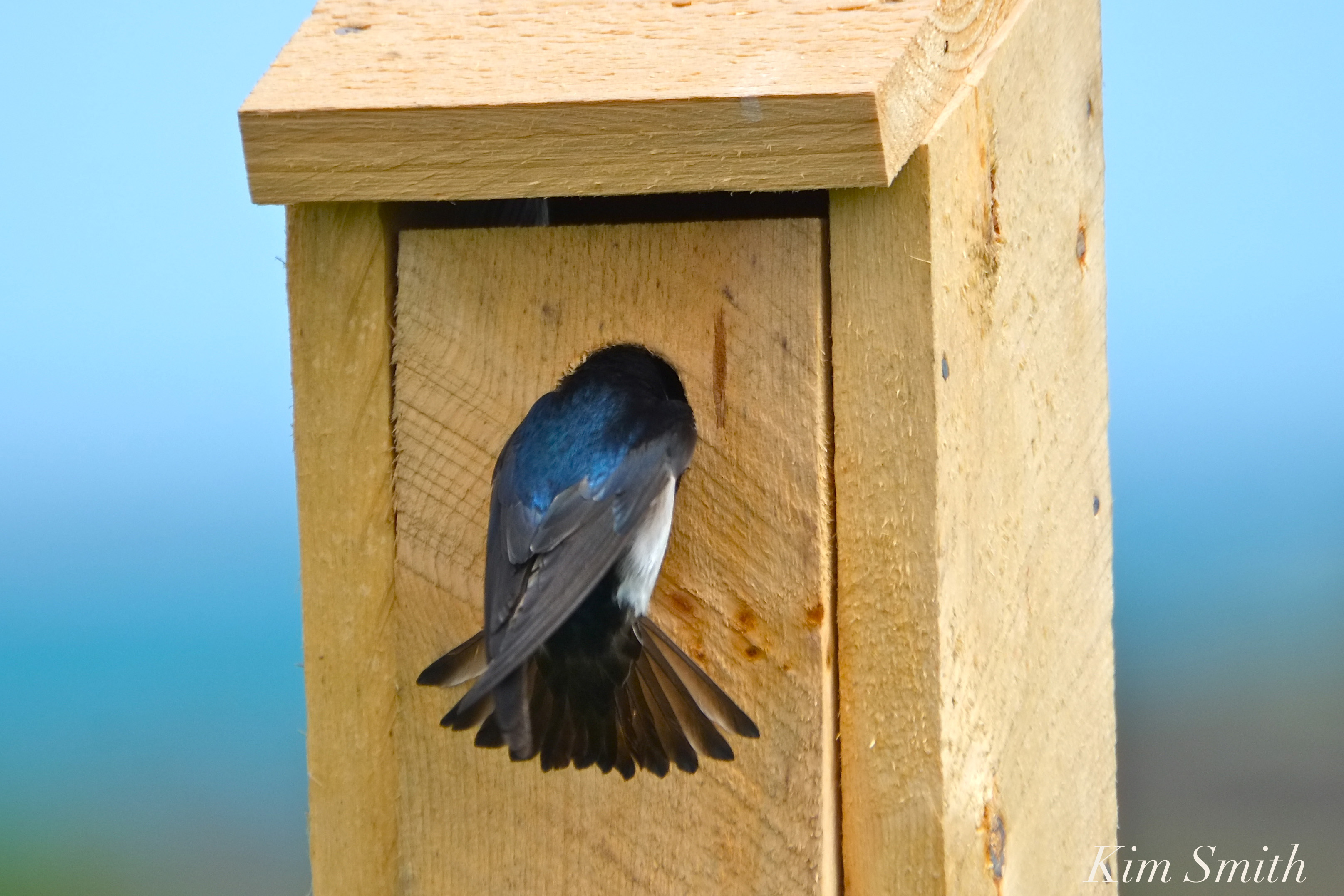
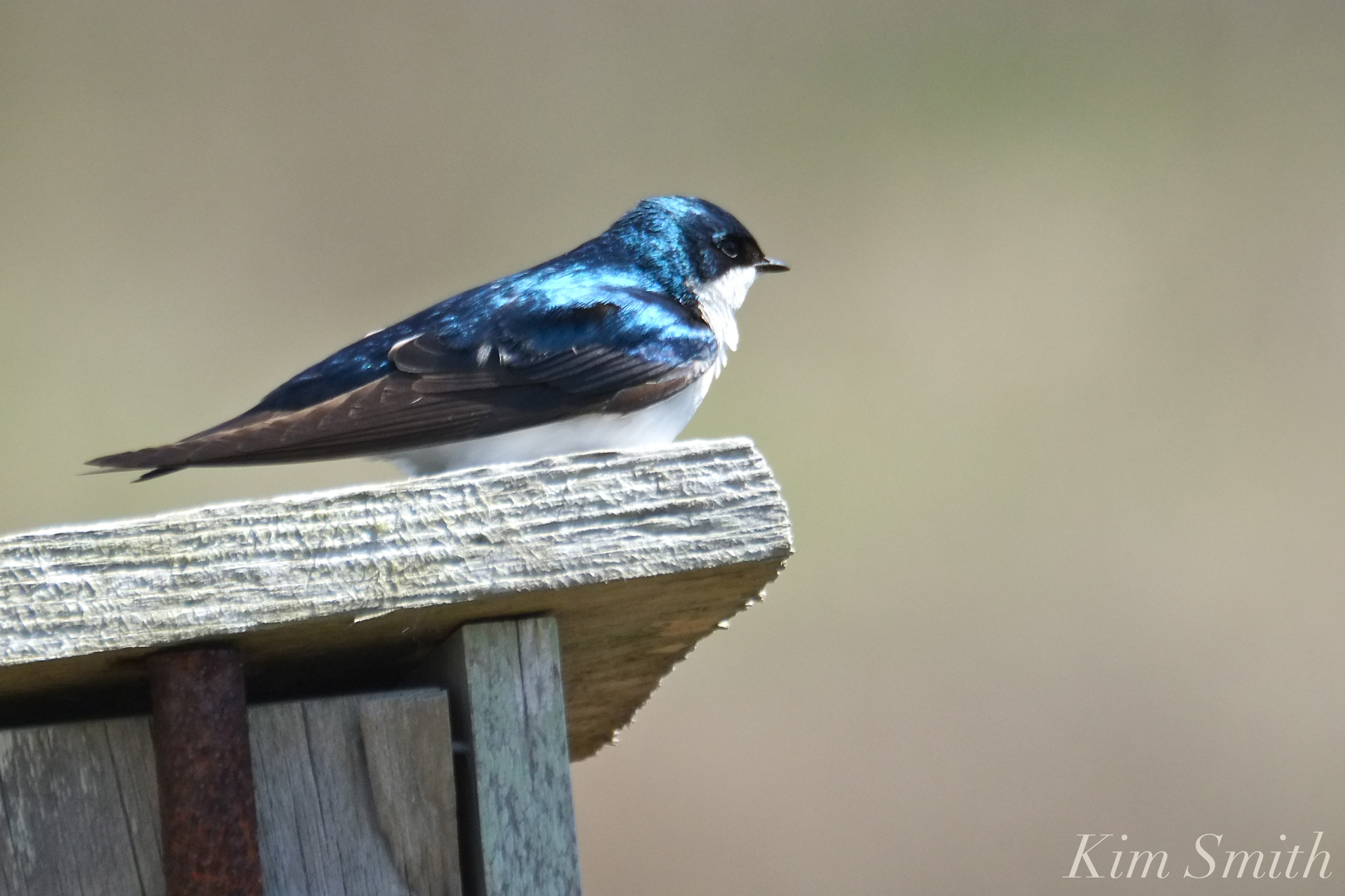
T is for Tree Swallow Tango ~ Males arrive on the scene prior to the females. The courtship ritual involves the gents showing the ladies possible nesting sites.

Tree Swallow preparing for takeoff.


REMINDER: DEBORAH CRAMER TONIGHT AT THE SAWYER FREE LIBRARY!

Don’t miss Deborah Cramer tonight at the Sawyer Free at 7pm. Her book is beautiful, and beautifully written. Deborah’s photos accompanying the presentation create an added depth of understanding to the plight of this most vulnerable of species.

MONARCH BUTTERFLY PRESENTATION TONIGHT IN SALEM

Learn about the life history, decline of, current status, and how the use of GMO Roundup Ready crops are killing Monarchs and pollinators. Learn how you can help the Monarchs breed in Massachusetts during the summer months and on their annual migration to Mexico in the fall. Lecture and slide presentation at the Salem Garden Club. For more information, email kimsmithdesigns@hotmail.com

Female Monarch depositing egg on Milkweed foliage and buds.

Cape Ann Vernal Pond Team Update

Rick Roth writes,

“Greetings from the Pond Team…

We had a nice time at the Mass State House yesterday. 48 people, mostly from the New England Herpetological Society, were there to oppose Senate Bill 490 which, if passed, would basically shut down our live animal educational presentations. The bill was not very well thought out or very well written. They lumped animal educators in with people who promote dog fighting. Several of us testified against the bill. At the end of the day, I think I could safely say… “That bill isn’t going anywhere.”

Sunday May 7, 2017 from 10am-4pm

Mass Reptile Expo at the Shaw’s Center, 1 Feinberg Way, Brockton MA.

I’ll be there with a Vernal Pond Display. Lots of vendors will be selling snakes, lizards, frogs and other crawlies. Food, animals and supplies.

Later,  Rick

we only have one earth, save it

We are adding more activity photographs to our new website… hope we have the kinks out now too!

activityphotographs

CAPE ANN TV POSTPONED: Lunch & Learn: Pre-Production

The Lunch & Learn previously scheduled for Thursday May 4 at 7 PM has been
POSTPONED to a later date.

We will send out an announcement when this event has been re-scheduled.

We apologize for any inconvenience this may cause.

Thanks!

Becky Tober
Supervising Producer
Cape Ann TV
www.capeanntv.org
978.281.2443
Like us on Facebook: Cape Ann TV
Twitter: @CapeAnnTVCATV

PICK YOUR OWN AT CEDAR ROCK GARDENS

Pick your own in a sea of lushalicious colors from which to chose. Elise’s tulips last and last in the vase. Hurry before they are gone!

https://www.instagram.com/p/BToYefulikW/

Cedar Rock Gardens is located on Concord Street, West Gloucester, and they are open everyday.

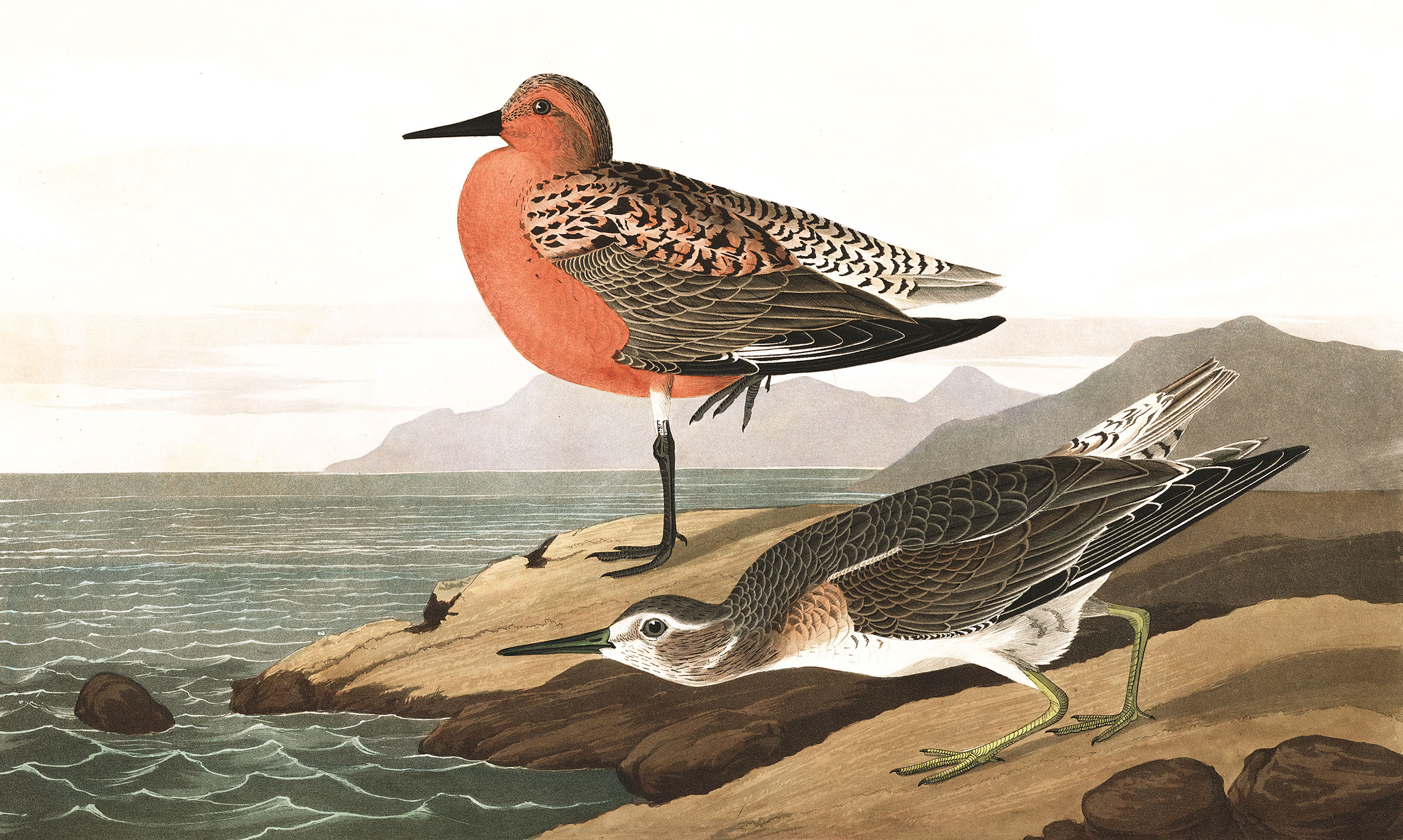
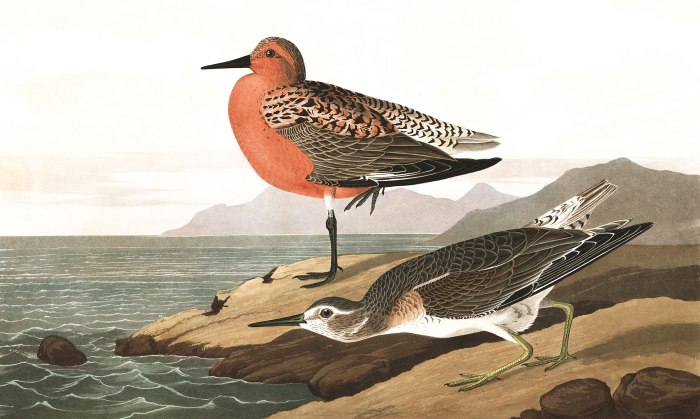
BIRDS OF MAY: NEW DOCUMENTARY ABOUT THE RED KNOT

Audubon Exclusive through May 7th: Watch ‘Birds of May,’ a New Documentary About Red Knots

The film explores the growing debate over the environmental impact of oyster farms in Delaware Bay, an important stopover site for the threatened shorebirds.

Documentary filmmaker Jared Flesher, “The Red Knot has been on my list since the very beginning,” he says. “As a species, it has all the elements of a dramatic story.” The bird is charismatic and attractive, particularly in its red-breasted summer plumage, and it makes one of the longest annual migrations on Earth, flying up to 9,000 miles each way from the southern tip of South America to the northernmost reaches of the Arctic where the species nests. Every May, as Red Knots make their long trek north, they pause at Delaware Bay in southern New Jersey to refuel, gobbling down the fat-rich horseshoe crab eggs that coat the shore.

At least, that’s what’s supposed to happen. Red Knots already have to overcome numerous challenges on such a long migration, but today they also face new threats. Climate change puts the species’ Arctic nesting sites at risk, and there’s trouble with their main food source at Delaware Bay, where in the early 2000s horseshoe crab over harvesting led to a Red Knot population crash. Since then, the subspecies that migrates through Delaware Bay has been listed under the Endangered Species Act, and the crab harvest has been limited. Red Knots seem to be slowly rebounding, but conservationists are worried that the population is still fragile.

As a storyteller, a species disappearing from earth forever—that’s just about the most dramatic hook there is,” Flesher says. And as he explores in Birds of May, which was partly funded by the Washington Crossing Audubon Society, a new threat may be lurking for the far-flying birds at their New Jersey stopover site.”

See the trailer below and watch the film exclusively at Audubon here only through May 7th.

Don’t miss Deborah Cramer speaking about the making of her book about the Red Knots “The Narrow Edge,” at the Sawyer Free Library on Thursday evening at 7pm.

On the sandy beaches of the Delaware Bay, in New Jersey, a visitor arrives each May from the southernmost tip of South America. Name: Calidris canutus rufa. The rufa red knot.

What makes the red knot remarkable is its epic journey: 19,000 miles per year, from Tierra del Fuego to the Arctic Circle and back again, one of the longest migrations in the animal kingdom.

The Delaware Bay serves as the most important stepping stone during the red knot’s long spring migration. Famished knots, having flown without rest for as many as seven days straight, arrive on the bay having lost half their body weight. For two crucial weeks, the birds gorge on the eggs of horseshoe crabs. Red knots that gain enough weight will survive the final leg of their journey to the Arctic. Others perish.

In 2015, the U.S. Fish & Wildlife Service listed the rufa red knot as a federally threatened species—it faces threats throughout the Western Hemisphere, from habitat loss in South America to the impacts of climate change in the Arctic. The calamitous overharvest of horseshoe crabs on the Delaware Bay last decade was another major driver of the red knot’s decline—when the starving birds arrived, there weren’t enough eggs waiting for them.

Most recently, in 2016, state and federal regulators approved a plan to permit a 1,400 percent increase in oyster farming on the Delaware Bay. The oyster farms operate on the same tidal flats used by hungry red knots at low tide.

Birds of May, filmed in May 2016 on the beaches of the Delaware Bay, is filmmaker Jared Flesher’s ode to the natural spectacle of the red knot’s annual visit. It’s also an investigation of potential new threats to red knot survival. Not everyone is sure that expanded oyster farming and red knots can happily coexist. Against the scenic backdrop of the bay, Flesher interviews both oyster farmers and the shorebird biologists who fear that an oyster farming boom here could push the rufa red knot closer to extinction.

Read more about filmmaker Jared Flesher here:

A tiny shorebird inspires N.J. filmmaker and a flock of poets
BEAUTIFUL CAPE ANN FOGGY DAYS

Greater Yellowlegs foraging in the marsh.

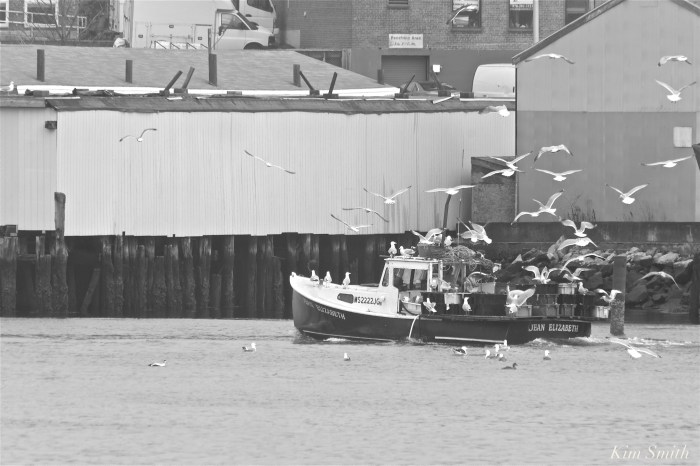
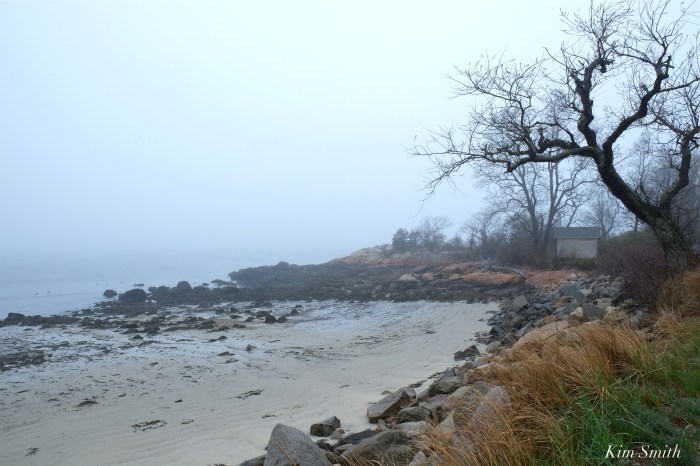
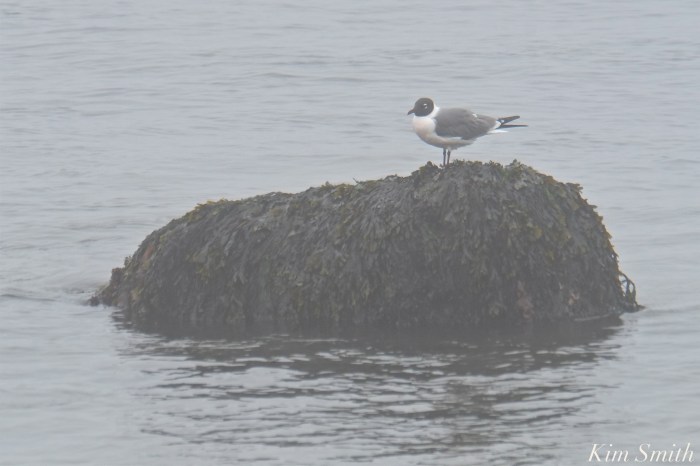
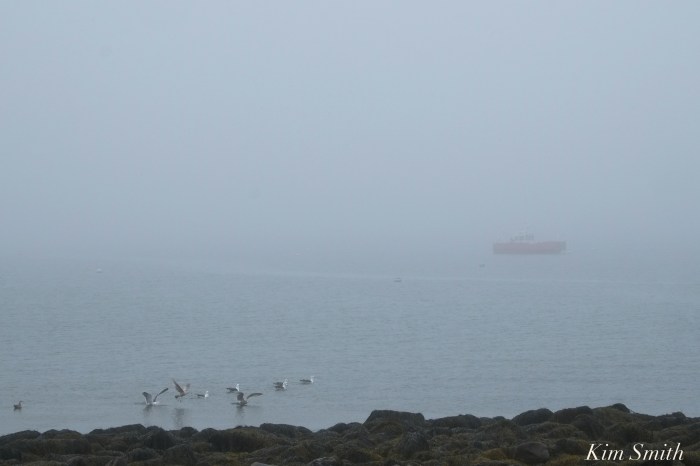
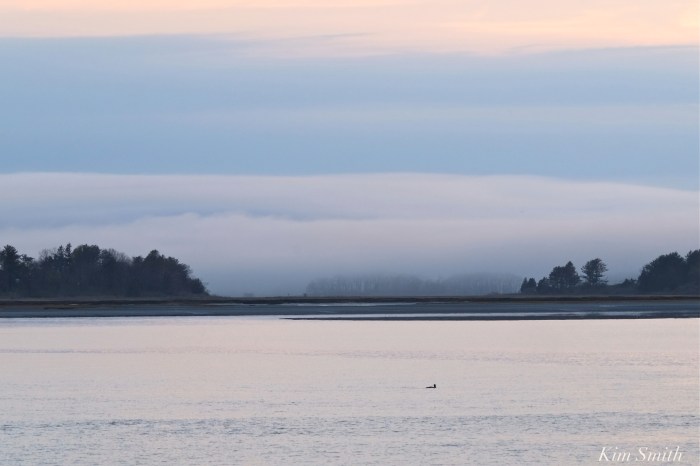
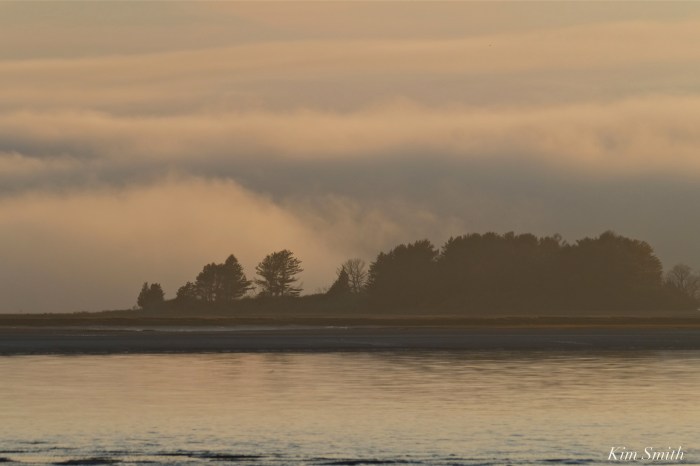
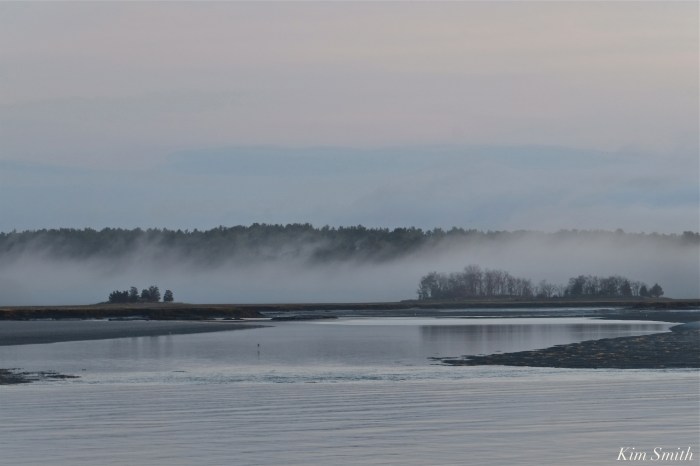
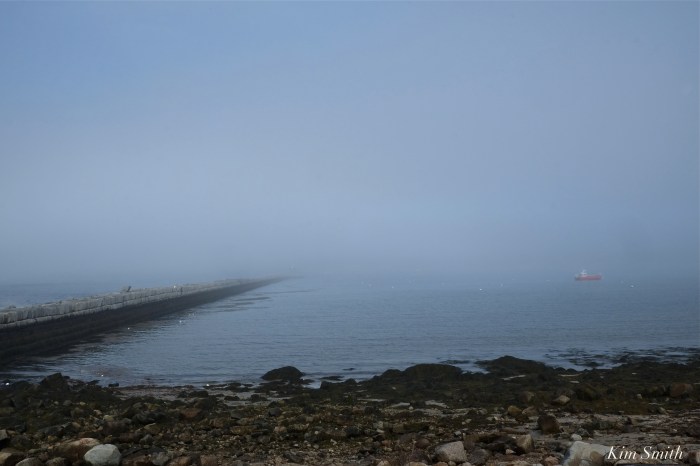
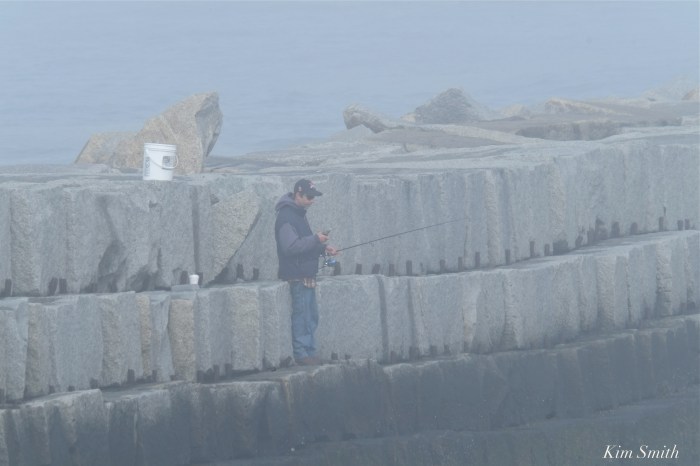
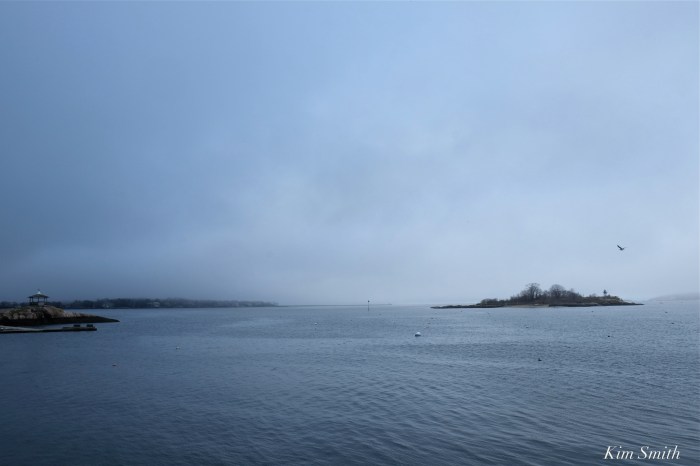
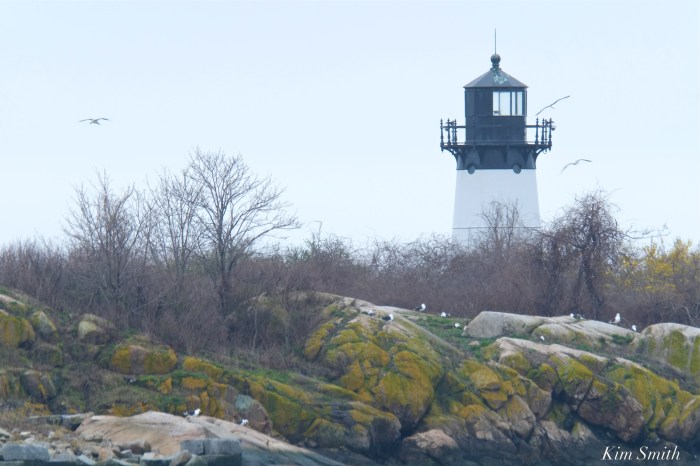
I have loved this past month’s atmospheric and textured, misty April weather. Do you recall an April as foggy? I don’t. Whenever out and about and a spare moment was mine, I grabbed my camera and had a go at capturing beautiful fog-shrouded Cape Ann.

Piping Plover

Trying out the new teleconverter–note the little tiny figure fishing on the breakwater in the photo on the left, which was shot at 18mm, and then with the 400mm lens plus tele.

Same focal lengths with Ten Pound Island.

And then the sun came out.

Cape Ann Shave to Save

Cape Ann Shave to Save

To Benefit St Jude Childrens Hospital

May 19th, 2017   6:00pm to 8:00pm

St. John the Baptist Church     52 Main St., Essex, MA 01929

Shave your head to help children with cancer. At St Jude families do not have to pay for treatment. The hospital helps children and their families all over the world. Follow the link to join the shave or make a donation. Mail donations to P O Box 74, Essex, MA 01929.

http://fundraising.stjude.org/CapeAnnShave

Join us at these restaurants. They will donate a portion of the night’s sale to the Shave.

Monday, May 8th @ Jalapeno’s, 86 Main St, Gloucester


For more information email dawnburnham_pchef@comcast.net

Jane Shaw janegrayw@comcast.net

Scandinavian Spectacular Set for Cape Ann Symphony

CAPE ANN SYMPHONY

THE 65th ANNIVERSARY SEASON

Yoichi Udagawa, Music Director

SCANDINAVIAN SPECTACULAR

CLOSES CAPE ANN SYMPHONY65th SEASON On

SATURDAY, MAY 20, 2017

Concert Features CAS Debut of RemarkableBlind Pianist

Yoo Jin Noh

Cape Ann Symphony wraps up the orchestra’s 65th Anniversary Concert Season on Saturday, May 20 at 8 pm with a Scandinavian Spectacular featuring stirring music from Scandinavian composers Carl Nielsen, Jean Sibelius and Edvard Greig and the CAS debut ofextraordinary  blind pianist Yoo Jin Noh at the CAS performance venue at Manchester-Essex High School Auditorium on 36 Lincoln Street in Manchester-by-the-Sea, MA. Manchester-Essex High School Auditorium is handicapped accessible. The Scandinavian Spectacular concert program features Nielsen’s Symphony No. 1;Sibelius’ Finlandia and piano phenom Yoo Jin Noh performingGreig’s gorgeous Piano Concerto. Maestro Udagawa is eager to bring the young soloist to Cape Ann, “Rockport Music’s David Deveau first introduced me to Yoo Jin Noh and I was so impressed with her ability. There is an incredible amount of musical talent in the Greater Boston area. All you have to do is hear some one like pianist Yoo Jin Noh to know that is true. We are looking forward to presenting this unique  talent to CAS audiences.” Ticket prices for the Cape Ann Symphony Scandinavian Spectacular concert are $40 for adults, $35 for senior citizens and $5 for Youth age 18 and under. For tickets and information, call 978-281-0543 or visit www.capeannsymphony.org.

Pictured: Guest Soloist Pianist Yoo Jin Noh

Courtesy Photo

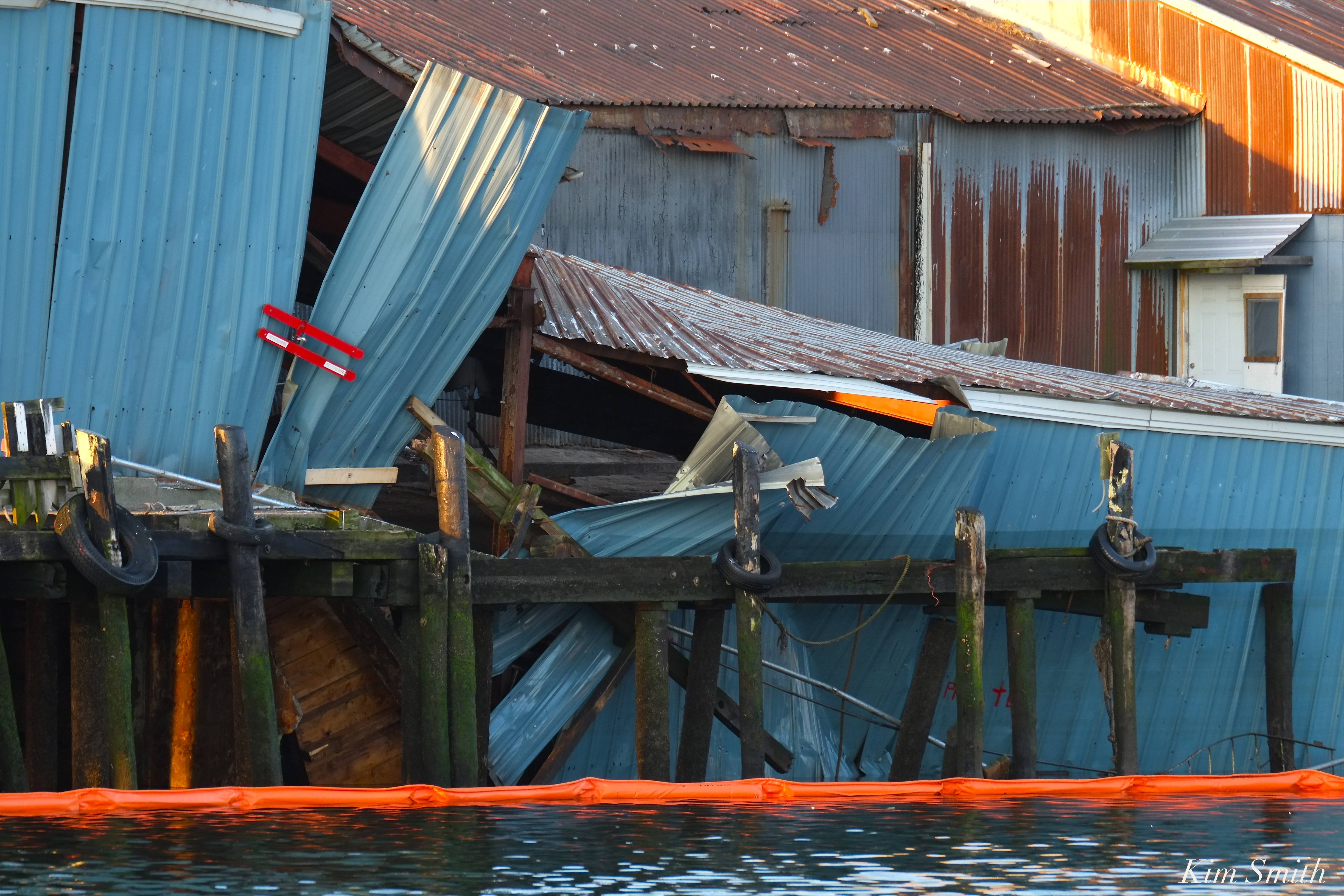
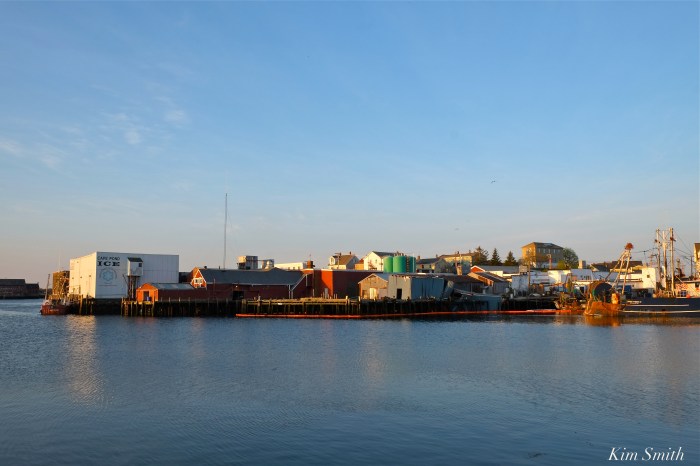
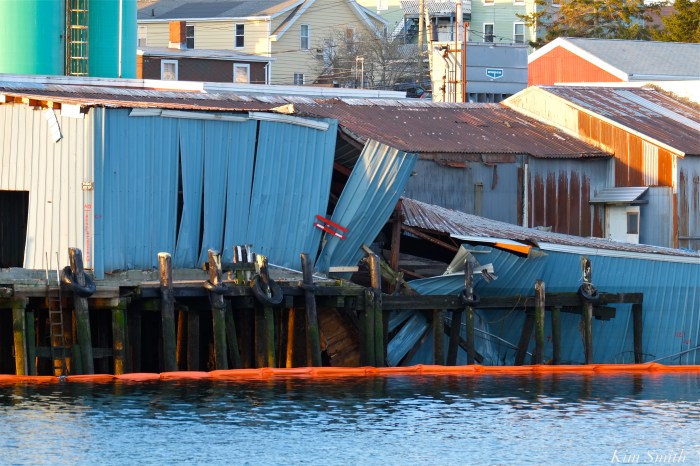
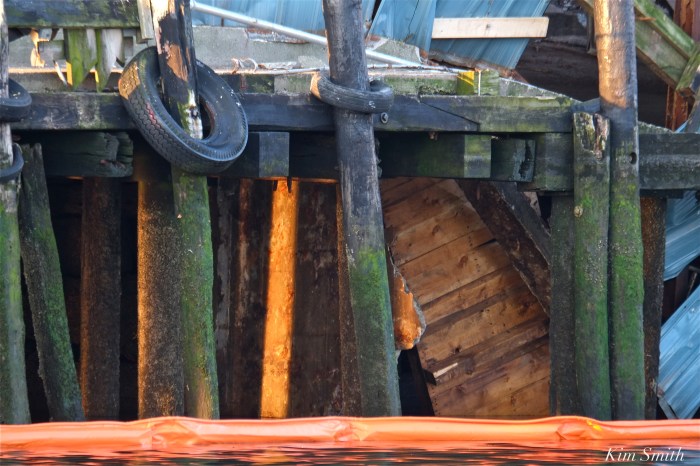
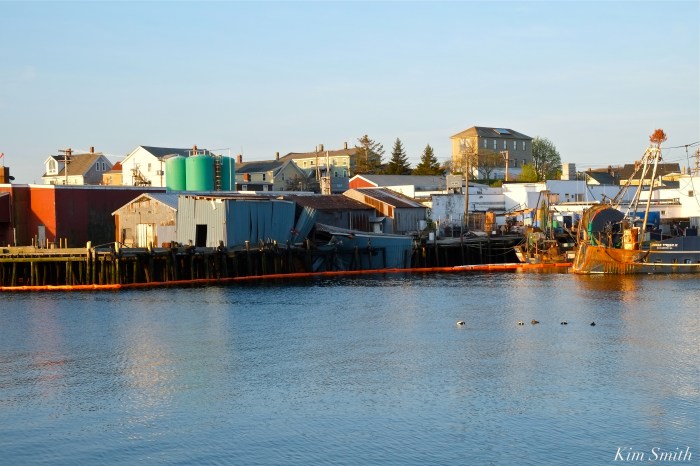
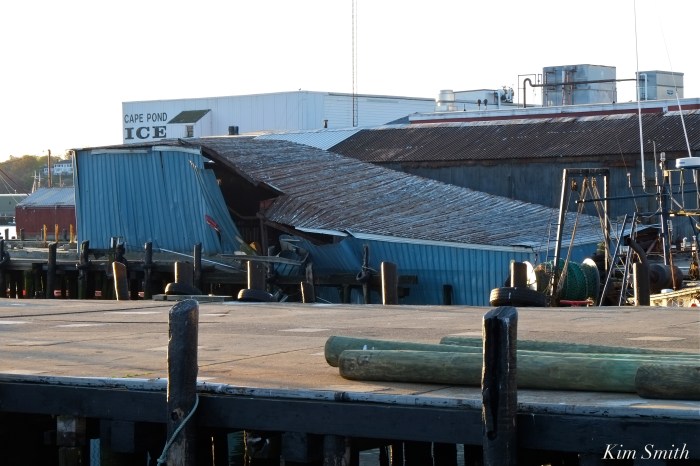
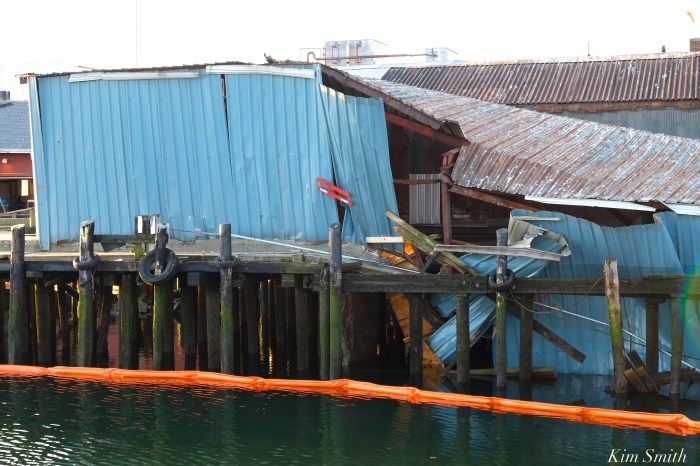
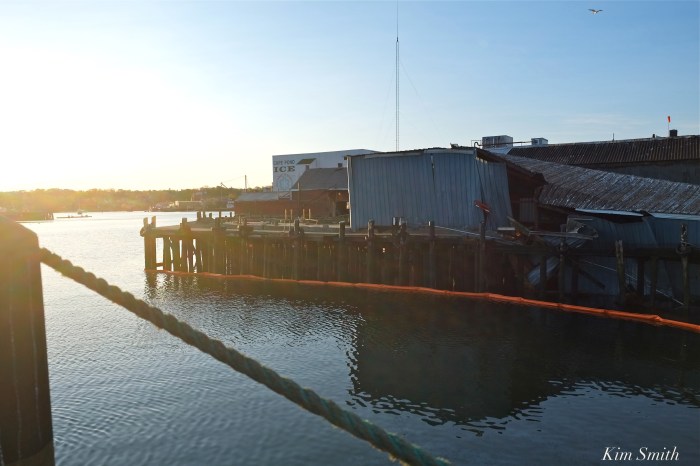
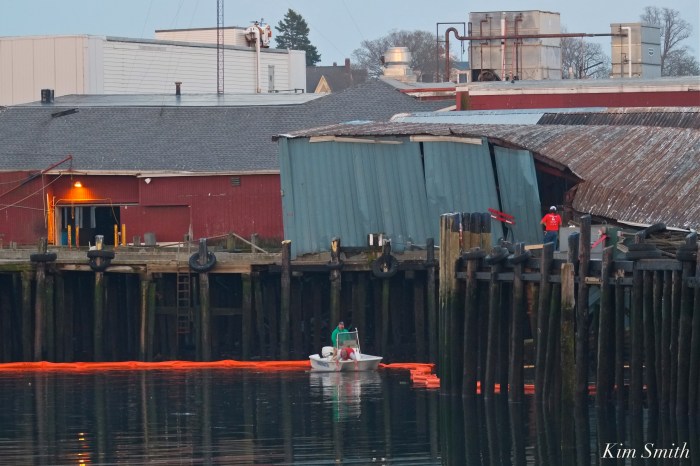
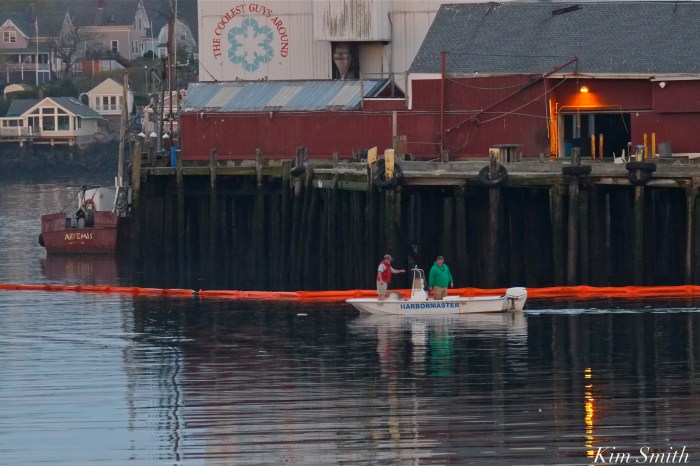
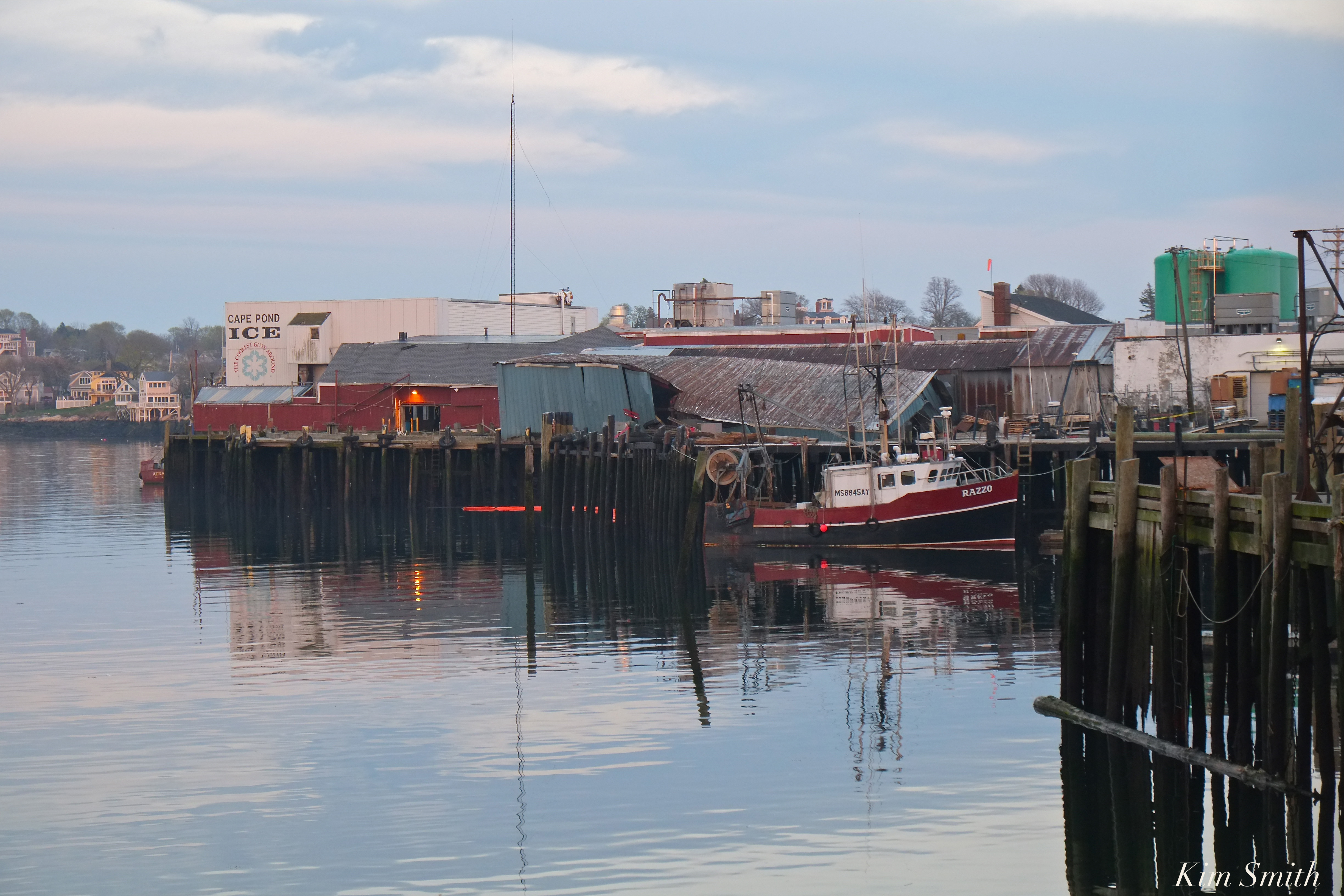
MICHAEL PERRINE CONSTRUCTION DISMANTLING COLLAPSED NORTH ATLANTIC FISH/CHANNEL FISH BUILDING

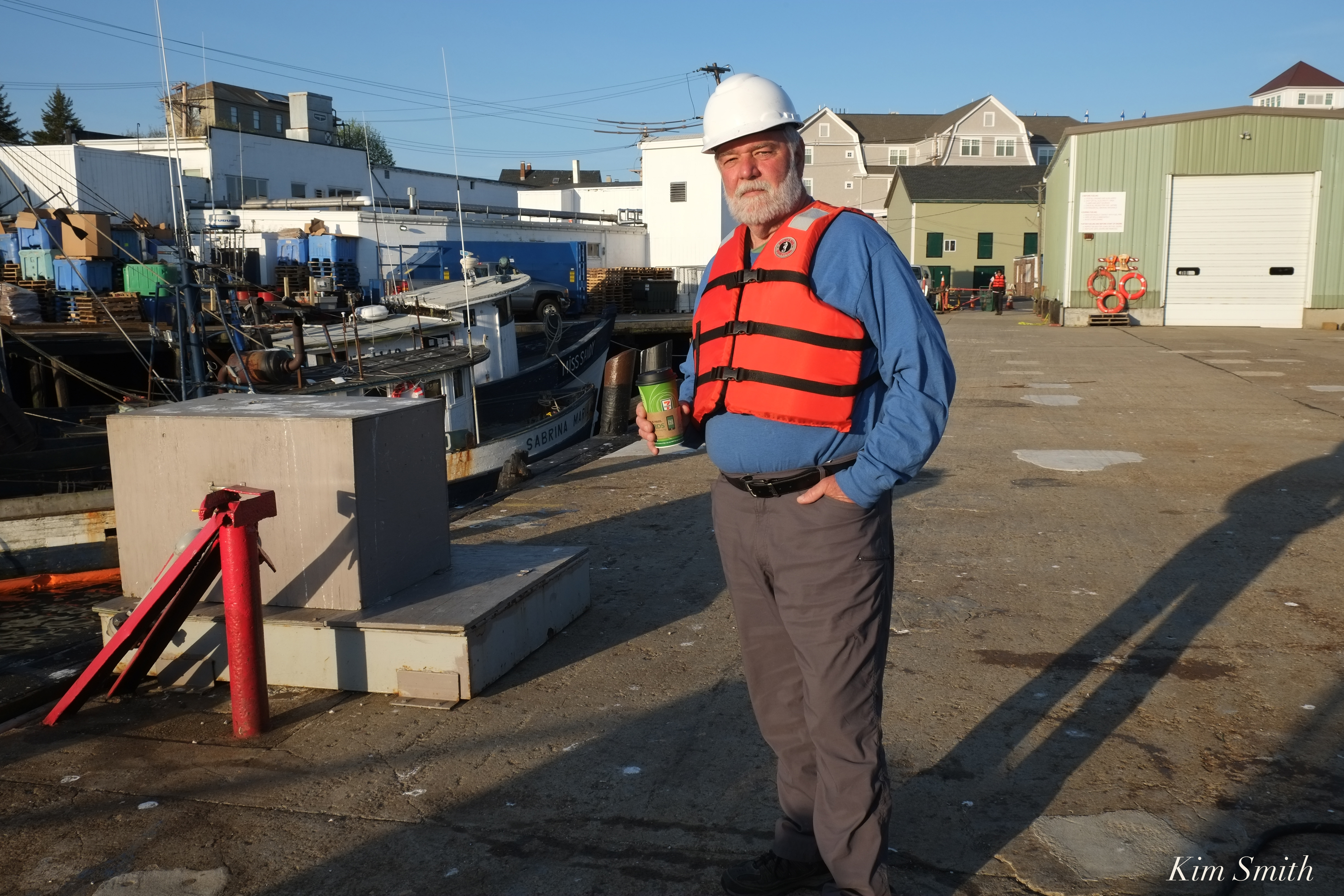
Mike Perrine and his team are on the job, systematically dismantling the collapsed North Atlantic Fish/Channel Fish building. According to Mike, the use of a barge and crane were considered but just the movement alone of the barge would have guaranteed even further damage to the wharf. Considerable expense is saved by manually removing the building. As Mike’s team is pulling the building down, the debris is being loaded onto a trailer on site.

The work area is fenced off and Mike warns that people not try to sneak on site. This is a very dangerous work zone. The dismantling can easily be viewed from I4-C2 and from the Cape Ann Brew Pub.

Michael Perrine

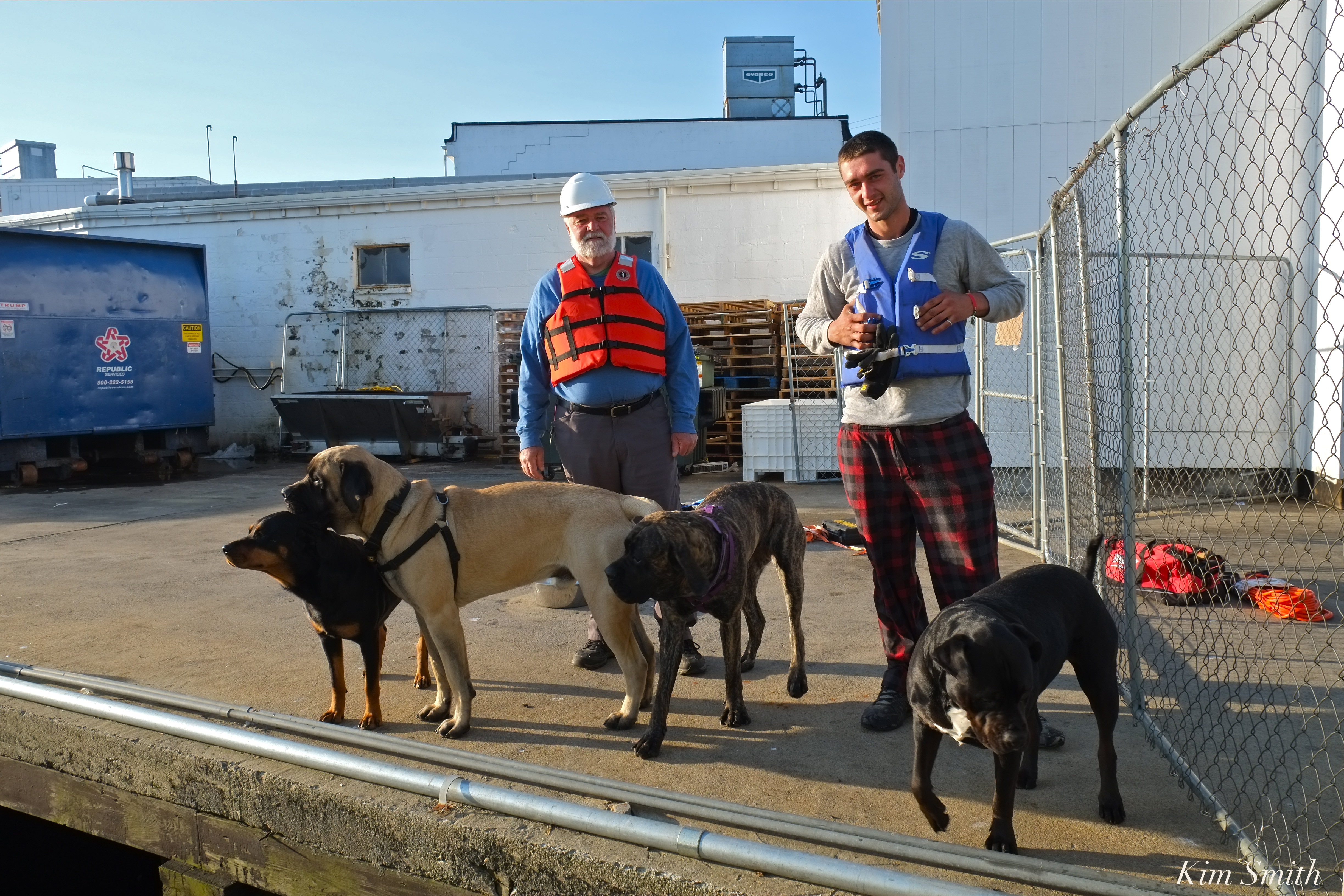
Mike and his son ZacK.

The two mastiffs are Mike’s and they are named Beauty and Beast 🙂 I didn’t catch ZacK’s dog’s names. Dog friendlies may recognize Mike and ZacK as they generously installed the waterlines for Gloucester’s dog park.
Booming off the water on Friday evening to insure debris does not contaminate the Harbor.

View from the Cape Ann Brew Pub Friday night.

For more information on the collapse see the Gloucester Times here.