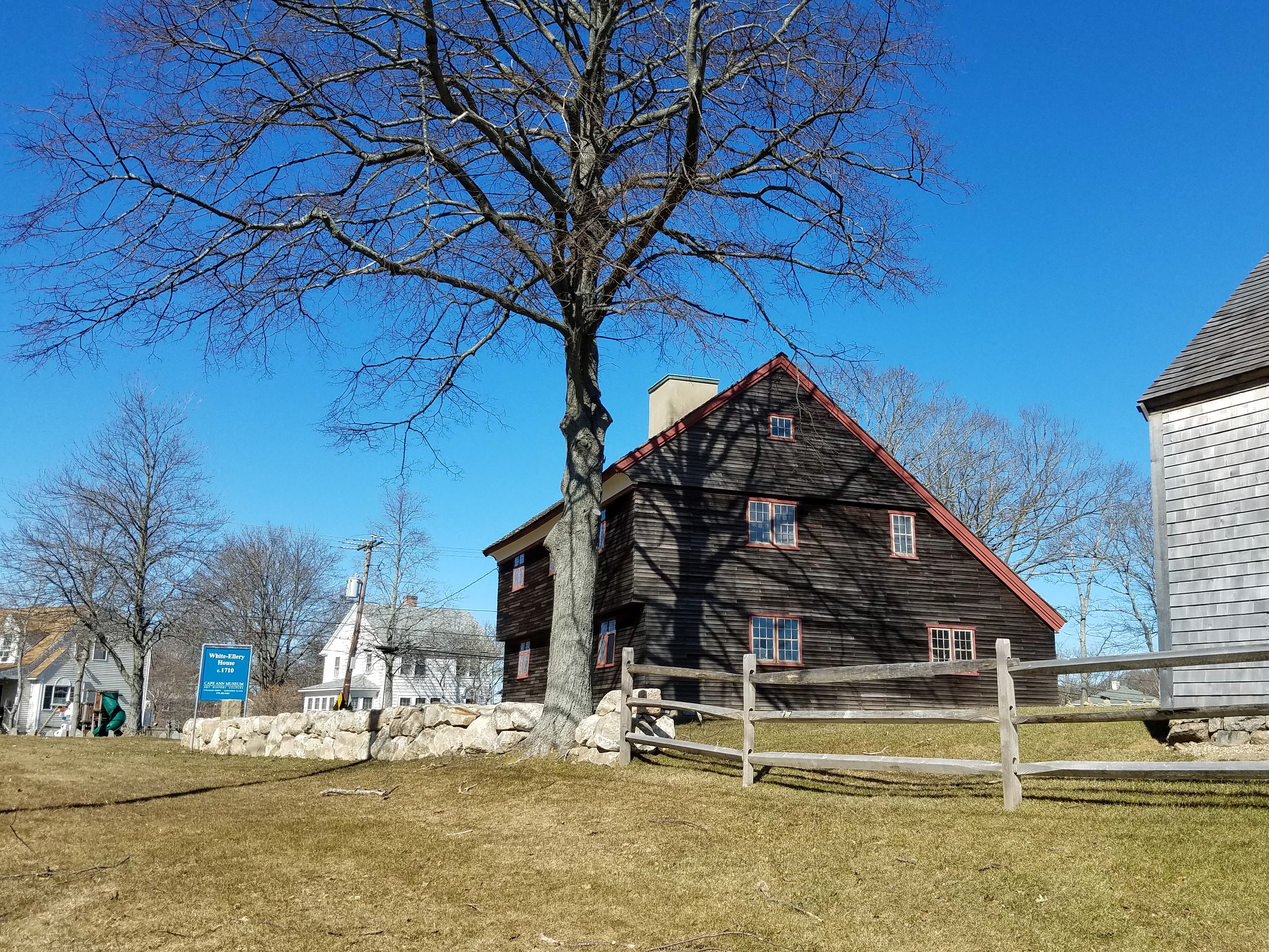
1890 Boston Globe historic houses article features White Ellery #GloucesterMA

Then and Now

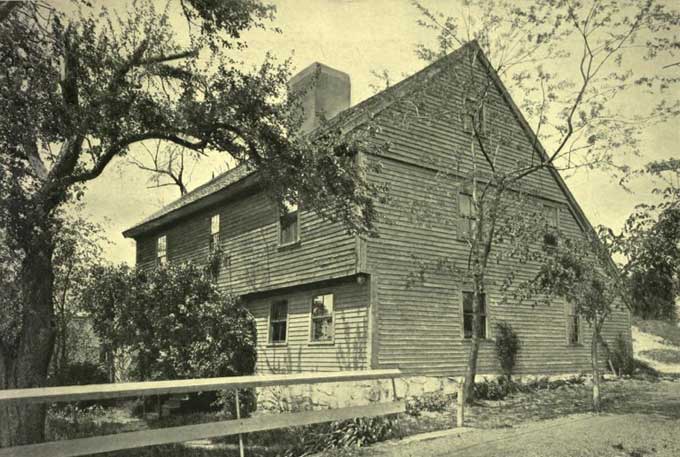
woodcut illustration for 1890 Boston Globe article | photos: c. ryan, mostly 2021

The first Massachusetts home featured in this Boston Globe historic house article was Gloucester’s “Ellery house”, as a classic First Period saltbox:

OLD HOMES, OLD FAMILIES. Houses in New England, Each of Which Has for Three or More Generations Sheltered the Same Race. Romances Drawn from Wood and Brick

The Sunday Globe begins today to publish stories and pictures of old New England homesteads which have sheltered at least three generations of the families now living in them.

This is not so endless a task as some may suppose it to be. New England, no doubt, contains a greater number of old houses than any other division of the country, but it is rare indeed to find one among those that has been long in the possession of the same family. Such a shifting of ownerships may reflect the growing prosperity of the original occupants who perchance have built greater homes than those of their fathers, but often the disappearance of the inheritors of these ancestral houses signifies either the utter extinction or the scattering and breaking up of the family.

The sketches in this series opening today appeal, therefore, in a peculiar way to the public curiosity, and the Sunday Globe would thank any of its readers if they would call attention to any houses within their own knowledge which may be occupied by a family who have possessed the property through three or more generations continuously or otherwise.

There are various periods in the history of Gloucester house building, each marked quite as distinctly to the architectural student as the different strata of the earth’s crust indicate to the geologist the various periods of formation. In the case of the old houses of note it may be said that they all belonged to the upper crust.

The houses of the first settlers of Gloucester, with rare exceptions, have long since been replaced by others of more elaborate design, and the few remaining in the suburbs are small one-story edifices of no particular architectural pretensions.

In common with Boston, Salem, Newburyport and other colonial seaports, Gloucester once owned a large fleet of ships, brigs and barks, that sailed to foreign ports, exchanging the products of the town and of the county for Spanish gold and Surinam molasses, which was converted into New England rum.

These merchants built commodious residences and dispensed a hospitality commensurate with their position as leaders of the social and intellectual life of the town.

The most historic edifice in town is the Ellery house, which stands just below the old meeting house green on Washington street in Riverdale, a suburb of the town.

It was built by Rev. John White shortly after he came here in 1702 to minister to the spiritual wants of the First Parish, receiving a grant of land from the town on which to build his home. At that time the main settlement was in that portion of the community, but the necessities of commerce and fishing made it convenient for the inhabitants to remove nearer the seashore, deserting their first habitations on what is now known as “Dogtown Common,” where the remains of their cellars can still be traced today.

The type of architecture is well portrayed by the accompanying cut. On the projection which overhangs the lower story in front there were four balls pendant, a style of decoration of the times, which have long been removed.

Inside, the old-fashioned low studded style of room is at once apparent, and the antique furnishings and general air of the place make one realize more vividly the age of the house and fixtures, which are of a nature to bring joy to the heart of an antiquarian.

Some of the furniture in the parlor is about 200 years old. The house was bought in 1710 by Capt. William Ellery, and it still remains in the hands of his direct descendants, the occupants being John Ellery and his wife. Thus it will be seen that it has been in this family 150 years.

The purchaser of the house was a son of the original settler, William Ellery. The Ellery family were prominent in the social and intellectual life of the place from the first, being leading merchants. Hon. Benjamin Ellery, called in the family “Admiral,” was the eldest brother of William. He went from Gloucester and settled in Rhode Island and was the father of Deputy Gov. William Ellery and grandfather of William Ellery who signed the Declaration of Independence, the signer being a grandnephew of the first owner of the house.”

Boston Globe 1890*

Read the full article (PDF) to see the other Massachusetts homes selected for the article.

The Declaration of Independence connection was artfully slipped in. Fast facts on the signers from the National archives here.

*For current information visit Cape Ann Museum

The White Ellery House is part of the Cape Ann Museum collection. There are inaccuracies in the 1890 nutshell above. James Stevens and the tavern he operated is absent. The rum trade is acknowledged; any NE slave trade economic connections are not. [Massachusetts was the first colony to legalize slavery. Vermont was the first to abolish (VT 1777 vs. MA 1783).] The article predates the build out of Rt. 128 which rallied a preservation relocation.

Maybe CAM might commission a set of woodcuts of the historic properties as they are now by various local artists.

Beautiful improvements on the grounds of Cape Ann Museum

note: pinch and zoom or double click to enlarge photos.

Classic Trucks at the White Ellery 🏠

Fun family event news from Courtney Richardson at Cape Ann Museum:

Classic Trucks at the White Ellery House | Linking past and present

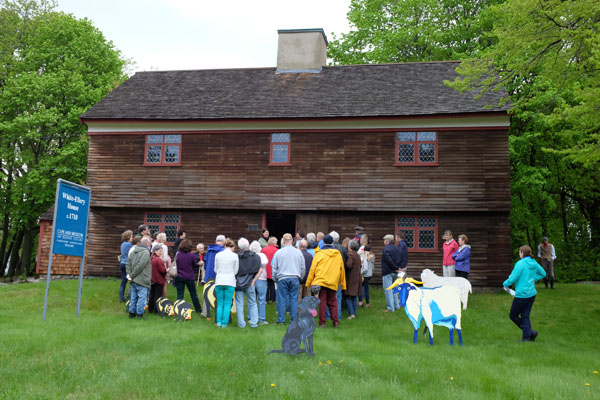
GLOUCESTER– In the spirit of connecting the past to the present the Cape Ann Museum will display classic trucks on the lawn of the historic White-Ellery House (245 Washington Street in Gloucester) on Saturday, August 4 from 11:00 a.m. to 3:00 p.m. This program is free and open to the public. All ages are invited to enjoy a ride down “memory lane” while taking in these classic vehicles as well as the historic house that served as a home until 1947. Local historians and Museum docents will be on hand to share the history of the house with visitors. Classic truck themed drawing, coloring and “I spy” activities will be available for children and families. All are welcome!

This program is offered in conjunction with the special exhibition Gone… Fishing: Recent Work by Jeffery Marshall

opening on August 10. For more information visit capeannmuseum.org or call 978-283-0455 x10.

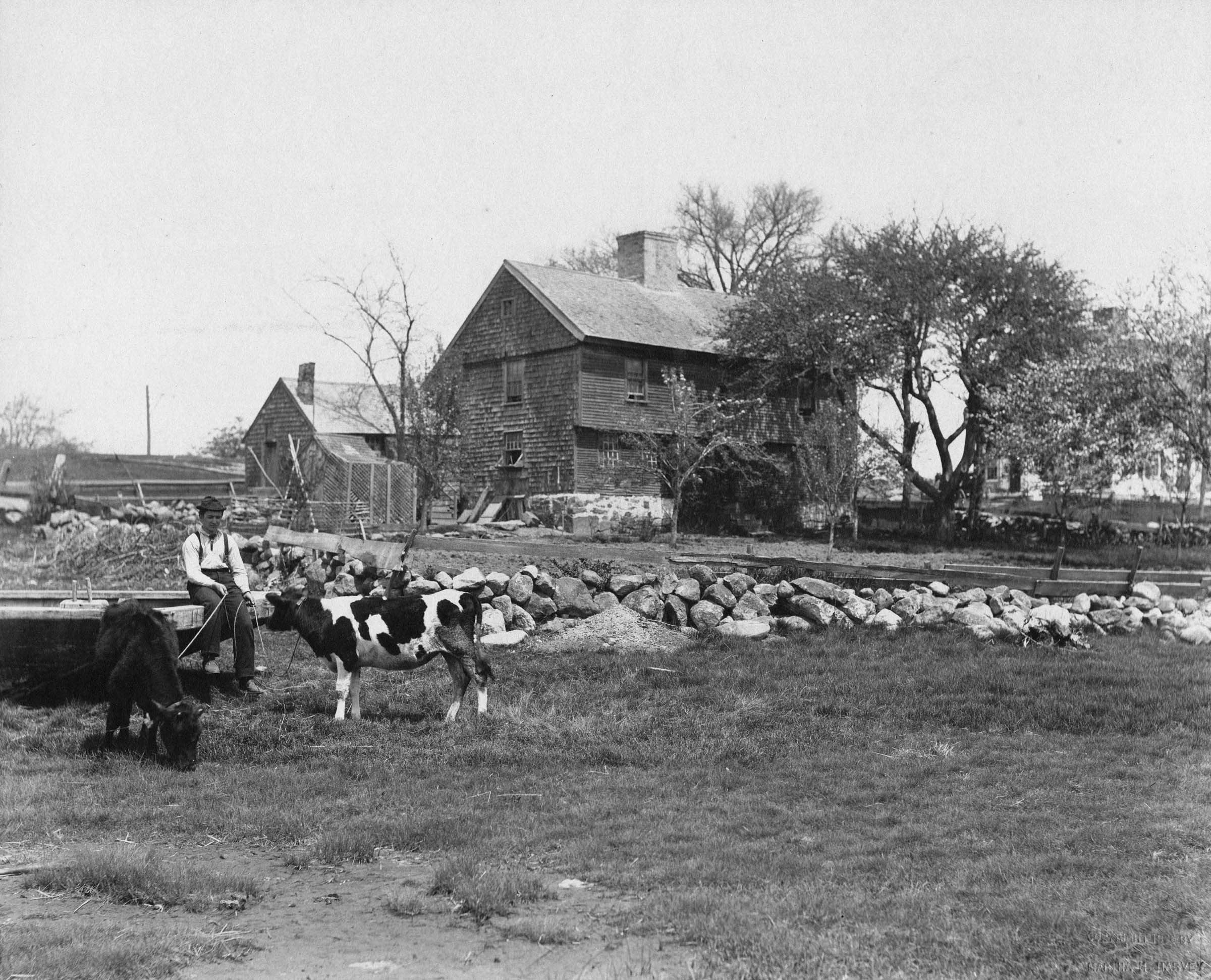
Ellery House with Cows

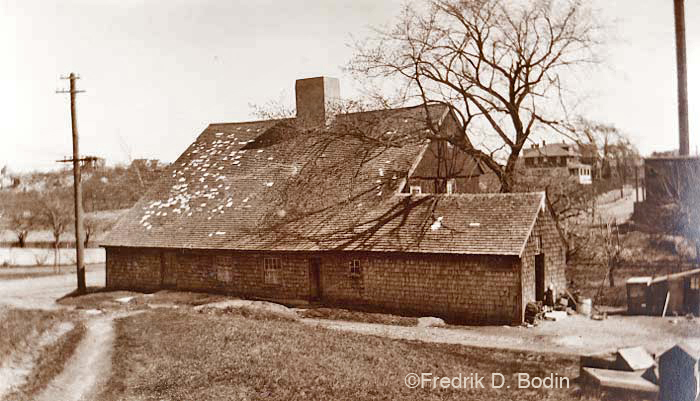
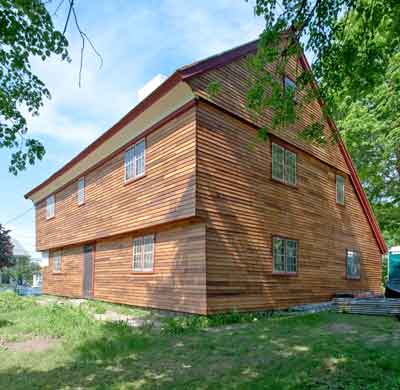
The White-Ellery House, located at 245 Washington Street in Gloucester at the Route 128 Grant Circle Rotary, was built in 1710 and is one of just a handful of First Period houses in Eastern Massachusetts that survives to this day. (First Period means c. 1620–1725.) Stepping inside today, visitors enter much the same house they would have 300 years ago.


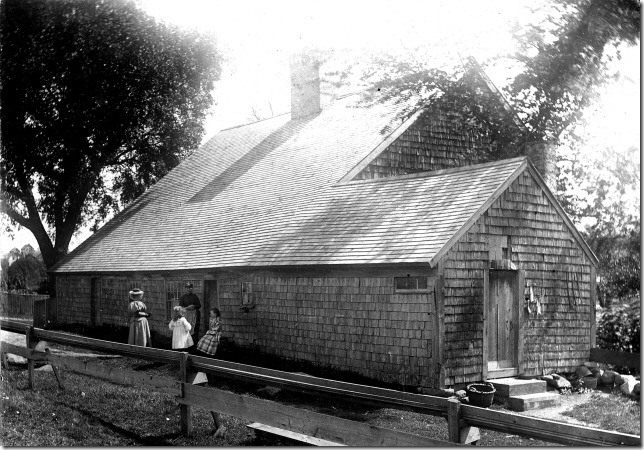
Image credit: Martha Hale Harvey, Old Ellery House, photograph. c1895. Collection of the Cape Ann Museum.

Appraisal Day June 2 Cape Ann Museum White-Ellery Historic House

©Cape Ann Museum White Ellery.jpg

From the Cape Ann Museum – ONE DAY ONLY

“The Cape Ann Museum is pleased to present an appraisal day with Blackwood March Auctioneers & Andrew Jacobson Marine Antiques at the White-Ellery House (245 Washington Street, Gloucester) on Saturday, June 2 from 11:00 a.m. 3:00 p.m.  Appraisals are $5 per item, limit 3 items. The historic house will be open for viewing without charge. Appraisal tickets can be purchased in advance by visiting camuseum.eventbrite.com or call (978)283-0455 x10.

Historic houses like the Cape Ann Museum’s White-Ellery House remind us that old things are worth hanging on to and when they are properly cared for they shine. In conjunction with the special exhibition Unfolding Histories: Cape Ann before 1900, the Museum presents an appraisal day, encouraging local residents to bring out their treasures, heirlooms and antiques, which illustrate the history of this area. Join appraisers Michael March from Blackwood March Auctioneers and Andrew Jacobson from Andrew Jacobson Marine Antiques

For two generations Blackwood March auctioneers and appraisers, based in Essex, have appraised and sold at auction fine art and antiques for trusts, estates, attorneys and individuals. In the art market they have established auction records for such artists as: Aldro Thompson Hibbard, Emile A. Gruppe and Frederick Mulhaupt, while selling antiques and accessories for strong prices for various clients. In addition to fine art, participants are encouraged to bring: silver, nautical antiques, Chinese items, Art pottery, Oriental carpets, quilts, Textiles, glass, china, and diverse accessories.

For over twenty years, Jacobson Marine Antiques, based in Ipswich,  has dealt in ship models, half hulls and pond models; nautical paintings and prints; rope work and curios; artifacts, medals and commemorative items; vintage photography; navigational instruments’ scrimshaw and whaling implements; ocean liner, steamship, lighthouse and life-saving memorabilia; and out of print books.

The White-Ellery House, located at 245 Washington Street in Gloucester at the Route 128 Grant Circle Rotary, was built in 1710 and is one of just a handful of First Period houses in Eastern Massachusetts that survives to this day. (First Period means c. 1620–1725.) It is a 2 ½ story “saltbox” structure with a massive central chimney that once serviced six fireplaces. Unlike other structures as old as this, the White-Ellery House has had very few interior alterations over the years. Stepping inside today, visitors enter much the same house they would have 300 years ago.

The White-Ellery House is on the National Register of Historic Sites because of its unique construction and important interior features. The house was built for the Reverend John White (1677–1760), brother-in-law of Cotton Mather, former Chaplain at Fort Saco, author of New England’s Lamentations (1734) and Gloucester’s first settled minister. In keeping with White’s esteemed position in the community, the House exhibits a certain elegance and refinement, perhaps best reflected in the surviving interior details.

At the time the House was constructed, the surrounding area was Gloucester’s Town Green—the center of the community. The Reverend Mr. White’s church, also called a meeting house, was located on the Green and most of the townspeople lived in the immediate area. The Annisquam River was readily accessible and was an important means of transportation for early residents, most of whom were farmers or simple tradesmen, and their families.

The second owner of the White-Ellery House was James Stevens who kept it as a tavern between 1735 and 1740. The House was owned next by the Ellery family who retained ownership of it until 1947. Although the center of Gloucester long ago moved from the Town Green to the Harbor Village, the site remains the entrance to Gloucester and an important historical site.

In 1947, plans were unveiled showing the soon-to-be-constructed Route 128 coming into Gloucester directly through the Town Green and literally on the doorstep of the White-Ellery House. Realizing the House’s importance, the City of Gloucester took it by eminent domain and sold the building to the Cape Ann Historical Museum with the proviso that it be moved immediately. Under the leadership of Museum president Alfred Mansfield Brooks, the House was picked up and moved approximately 100 yards to its present location. For the next decade, Brooks oversaw restoration of the structure, a process which successfully preserved much of the original fabric of the House and which has allowed visitors today to see this gem of First Period architecture, still standing on the edge of Gloucester’s former Town Green. The barn alongside the White-Ellery House is also a First Period structure, built in the mid-1730s, exhibiting the same early construction techniques as the House.

Today, the White-Ellery House serves as a study property, inviting visitors to explore not only the history of early American architecture but also the story of an ordinary New England family who worked hard to provide for themselves and to raise their children, who took part in events of local and national importance, and who sought to preserve their legacy in the face of an ever changing world. The House also serves as a unique venue for art installations and related programming which are held at the site during the summer months.”

Last Insights On Site art show for the season at White Ellery House: Leslie Lyman and Karen Battles installation October 1

Meredith Anderson from the Cape Ann Museum reminds us that “the one day exhibits at the White-Ellery House are not only a place to see some interesting local  contemporary art in a historical context…They are also a great chance open house for people who’ve never been to experience this remarkable 17th century home.”

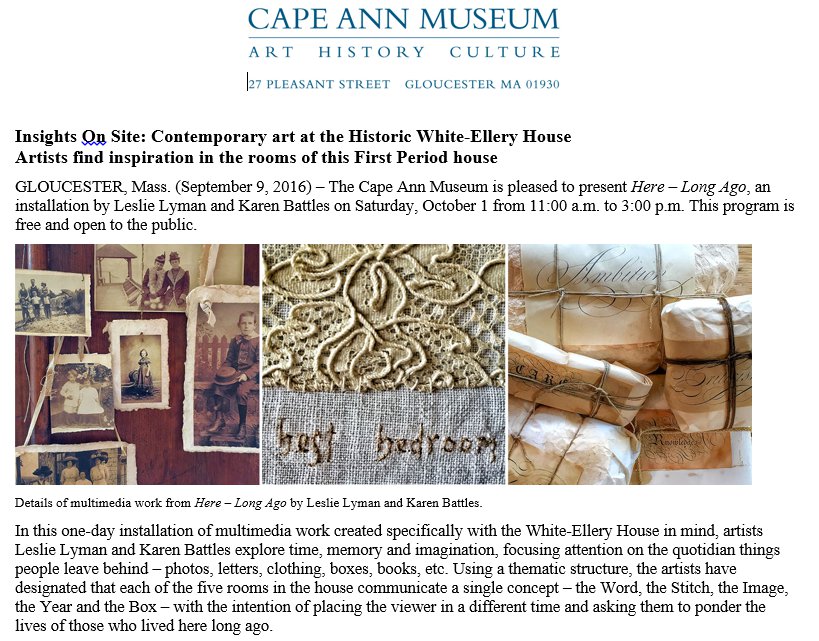
Cape Ann Museum printed matter about the Leslie Lyman and Karen Battles Insights On Site one-day-only exhibit on October 1.

cam

Continue reading “Last Insights On Site art show for the season at White Ellery House: Leslie Lyman and Karen Battles installation October 1”

Open House at the White-Ellery House Saturday August 1st

9ma1-1Historic Home free and open to the public for 17th Century Saturdays

The Cape Ann Museum, which owns and operates this historic property, will open the White-Ellery House on Saturday, August 1 from 11:00 a.m. to 3:00 p.m. Museum docents and staff will be on hand to educate the public about the unique house and its history. The house is located at 245 Washington Street at the corner of Poplar Street in Gloucester and is open to the public at no charge on the first Saturday of the month from May through October as part of Escapes North 17th Century Saturdays. Parking is available off Poplar Street in the field behind the house.

The White-Ellery House was built in 1710 and is one of just a handful of First Period houses in Eastern Massachusetts that survives to this day. Unlike other structures of this period, the largely unfurnished house has had very few interior alterations over the years. Stepping inside today, visitors enter much the same house they would have 300 years ago.

*   *   *

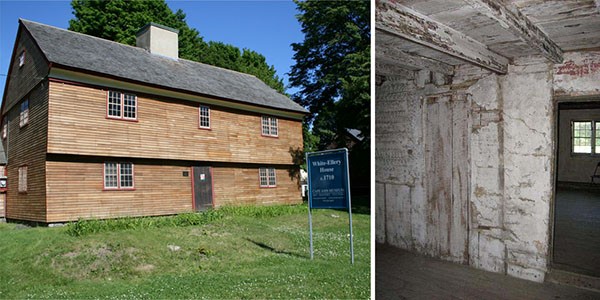
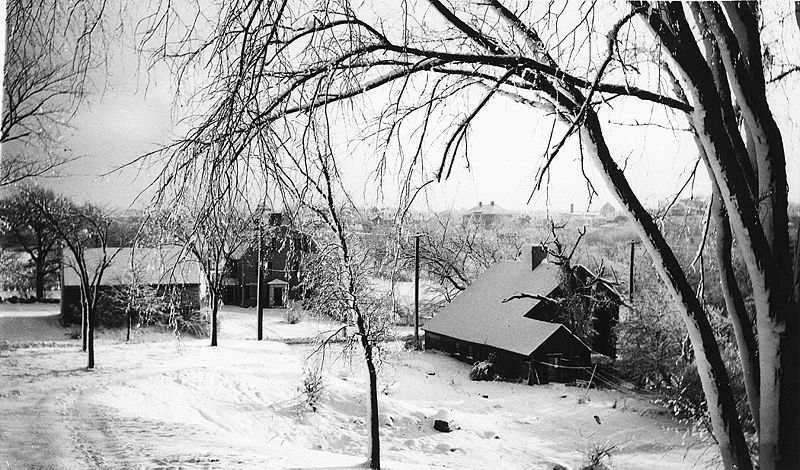
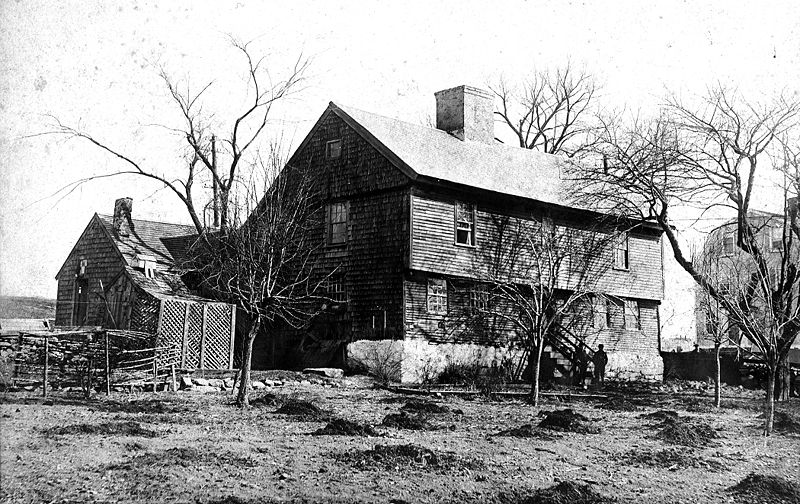
Ed Note- I was looking for a photo to go with this post for the Cape Ann Museum and found all photos through a Google image search. What history lies behind these walls!42_thumb

800px-White_Ellery_House_photos_012800px-White_Ellery_House_photos_007

a8445_010wm

weh1

17th Century Saturdays: Tours of the White-Ellery House

October 3 from 11:00 a.m. to 3:00 p.m.

White-Ellery-new-claps-and-

Join this celebration of the First Period in American Architecture throughout Essex County. Free and open to the public.

And as an added bonus!
A series of one-day contemporary art installations will also be featured.
Participating artists:

October 3                Susan Erony

The house is located at 244 Washington Street at the corner of Poplar Street, Gloucester. Parking available behind the house.