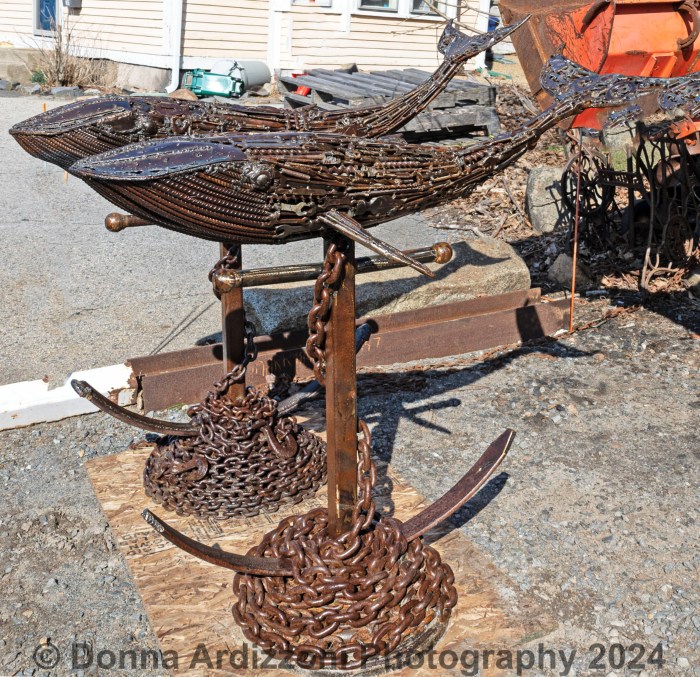
Love these sculptures from Kris Francis.
My View of Life on the Dock
Love these sculptures from Kris Francis.

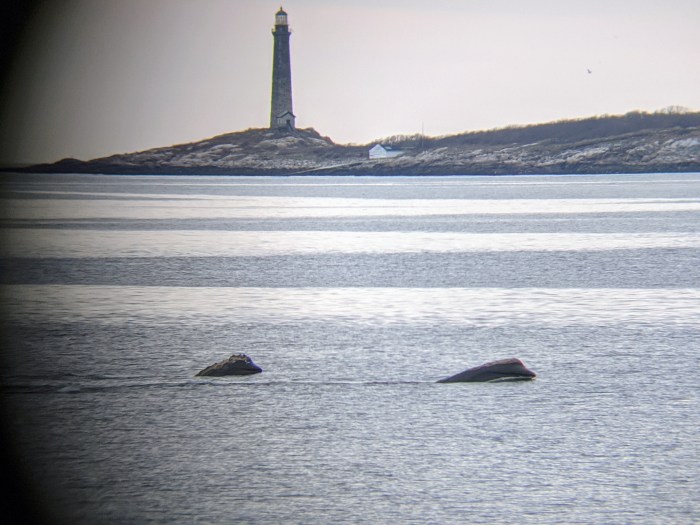
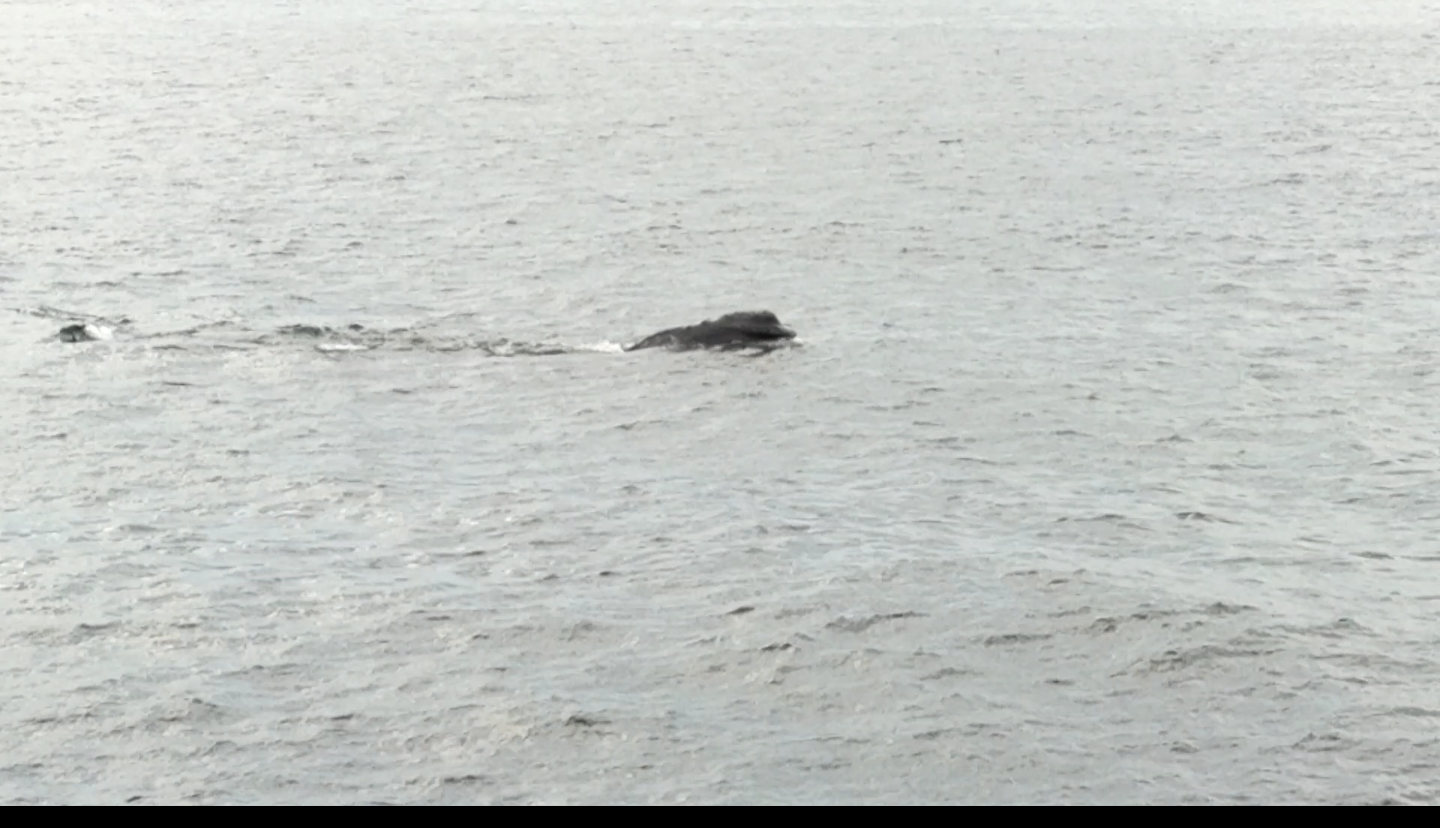
Spring time in Gloucester! Right whales visible from the shore May 5 and May 6, 2022. Not as close as 2018, but we could still hear the blows!
video snippets (3.5 min)
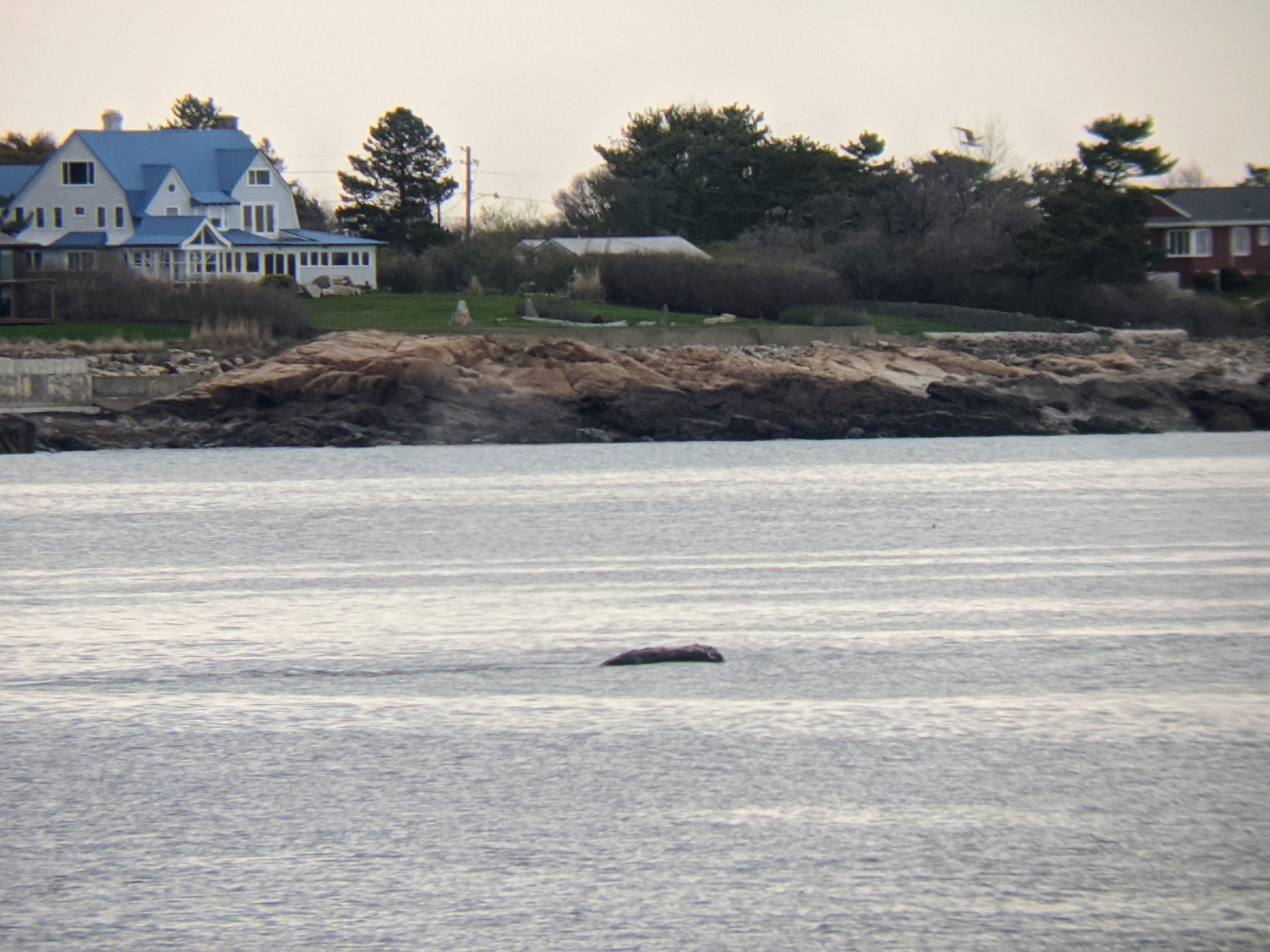
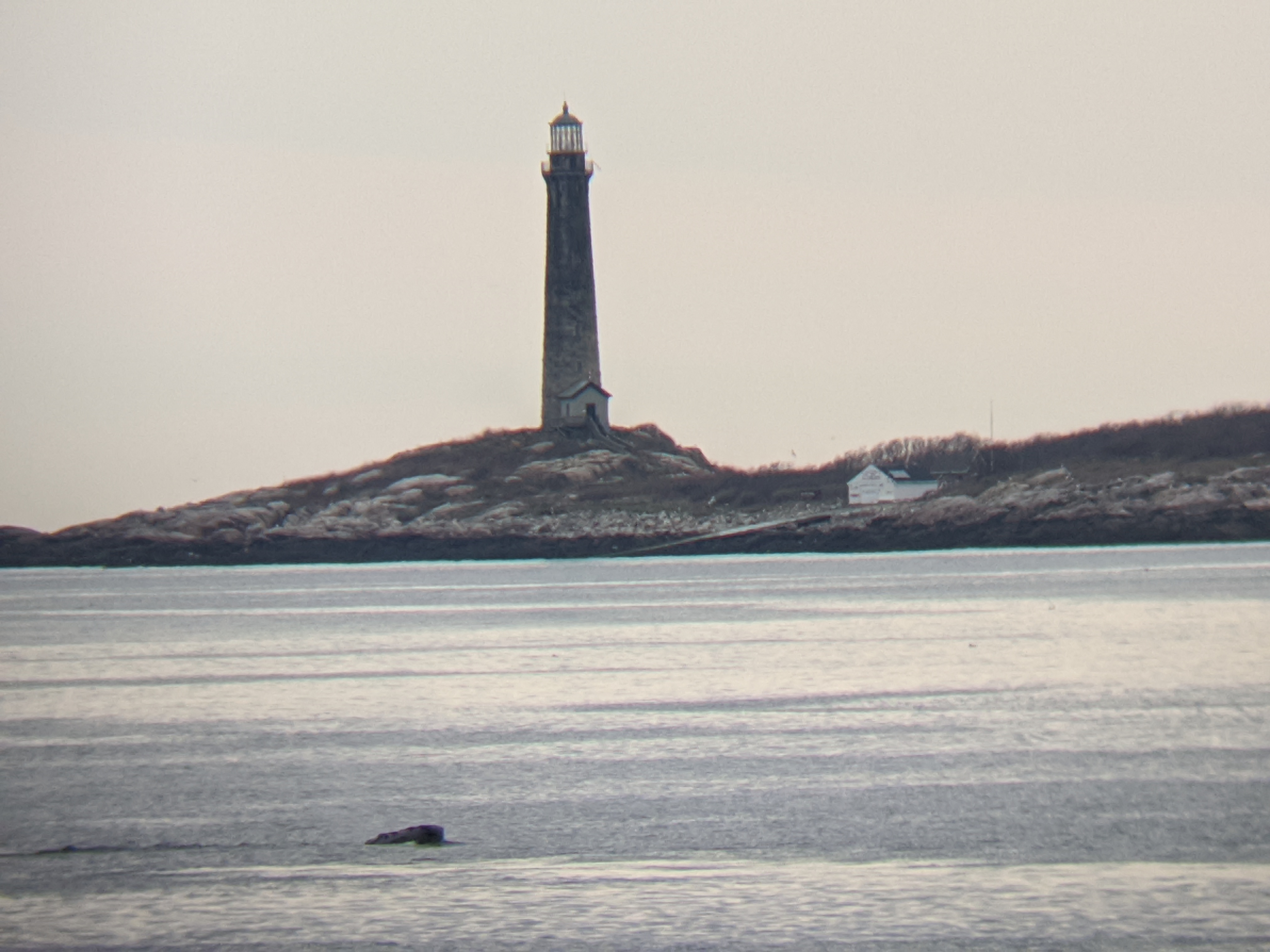

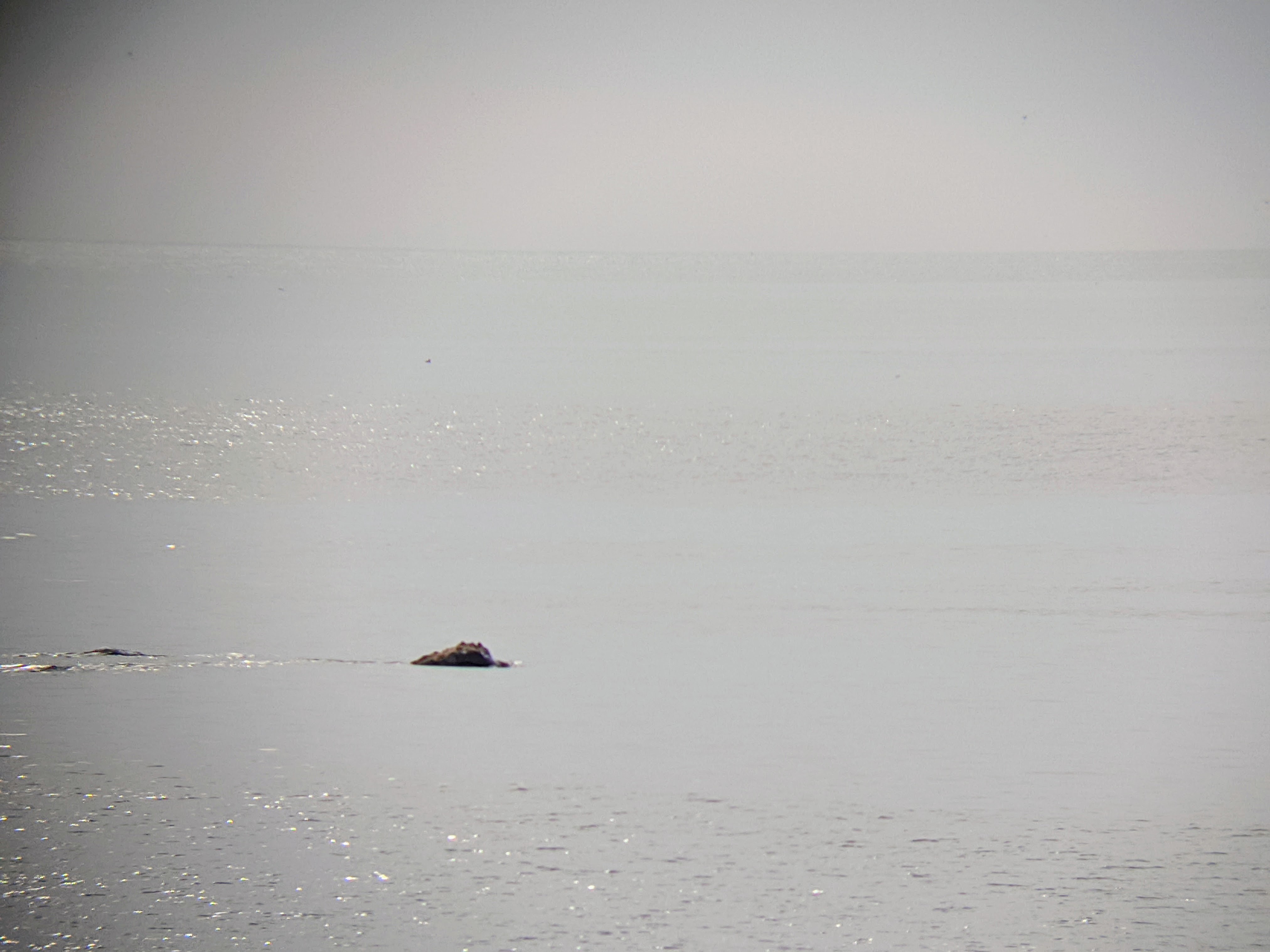


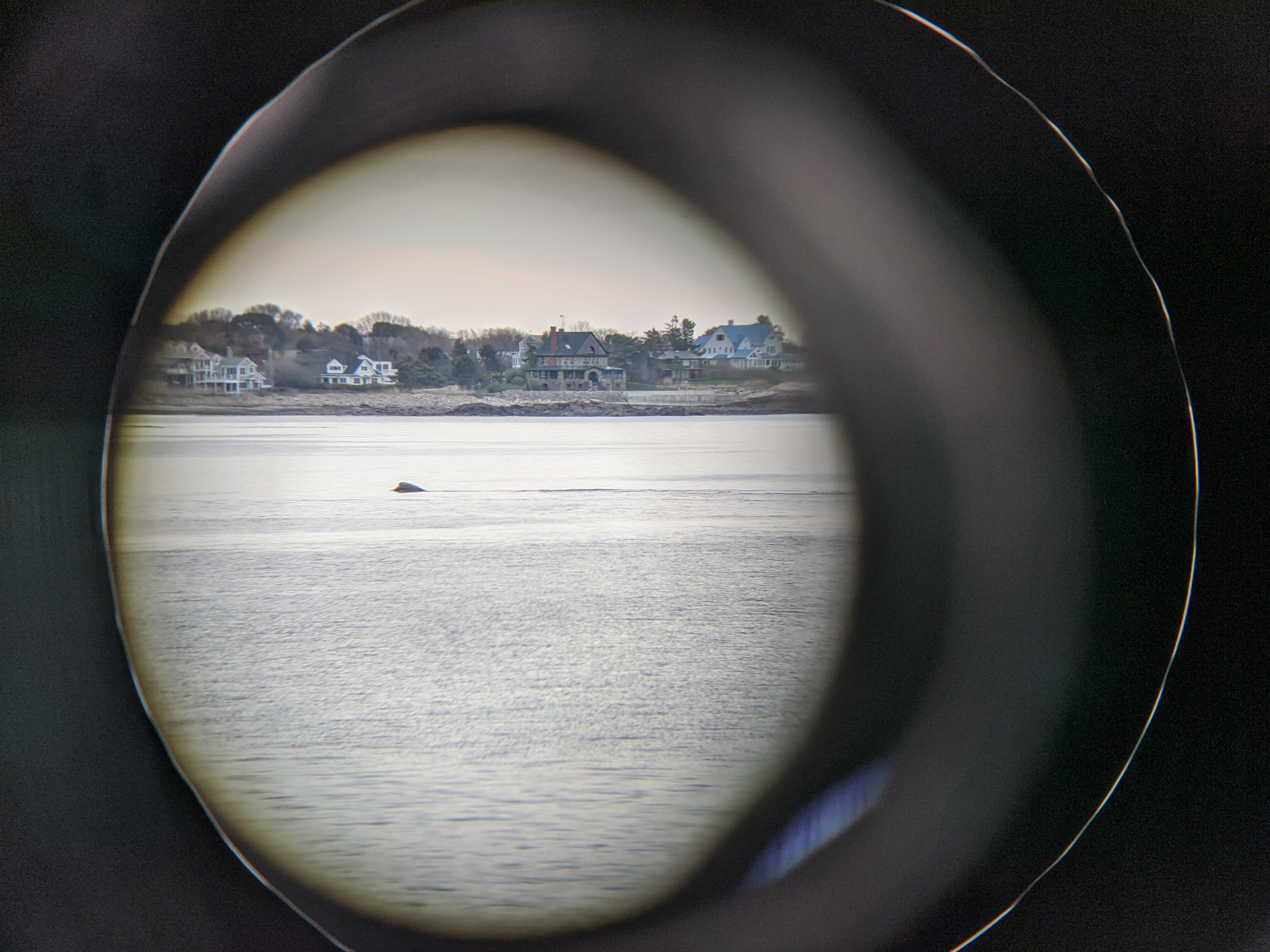
Donna Ardizzoni posted about the (humpback) whales off Magnolia last week.


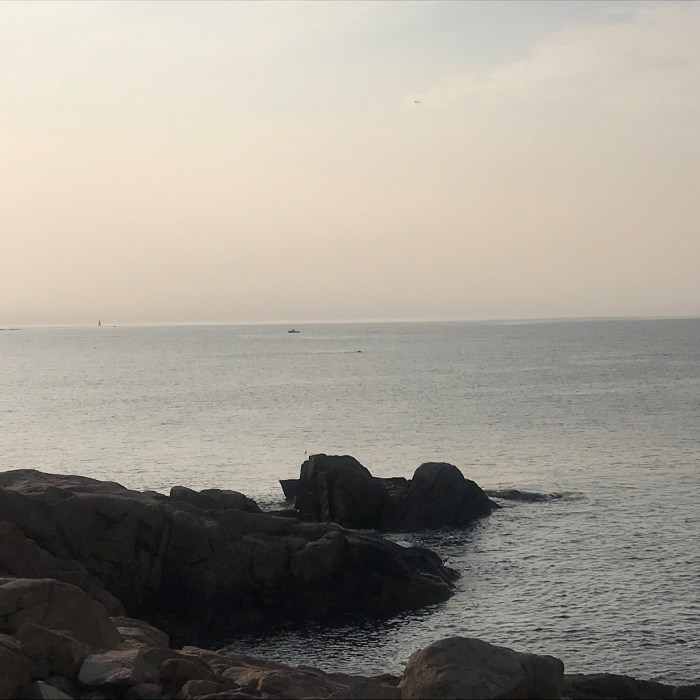
photos from Jeanne Blake July 10, 2019 – whale(s) passing back and forth


Video from Cliff- whale blows (look at left of frame at 30 sec mark in the distance) and bubbles or whale footprint at center. Ten minutes prior, observers describe seeing a dramatic whale breach. They could see the whale from its back and it was so far out of the water both fins visible.
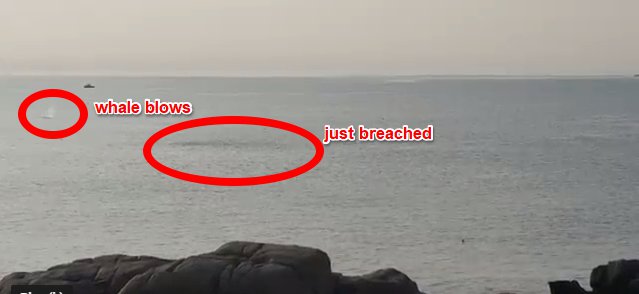
Perhaps these are the same minke whales spotted off Halibut Point July 9, 2019 mentioned in today’s GDT here: “On Monday, Rockport native John Parisi spotted two whales off the coast of Halibut Point on Monday while fishing with his son and his son’s friend. “We were fishing for stripers,” said Parisi. “There were a lot of porgies jumping out of the water. Then there was a huge commotion with the fish. I looked over and saw these two whales breach the ocean with their dorsal fins.” Parisi’s video here

The last few weeks have been pretty exciting at Ocean Alliance hosting a number of television crews.
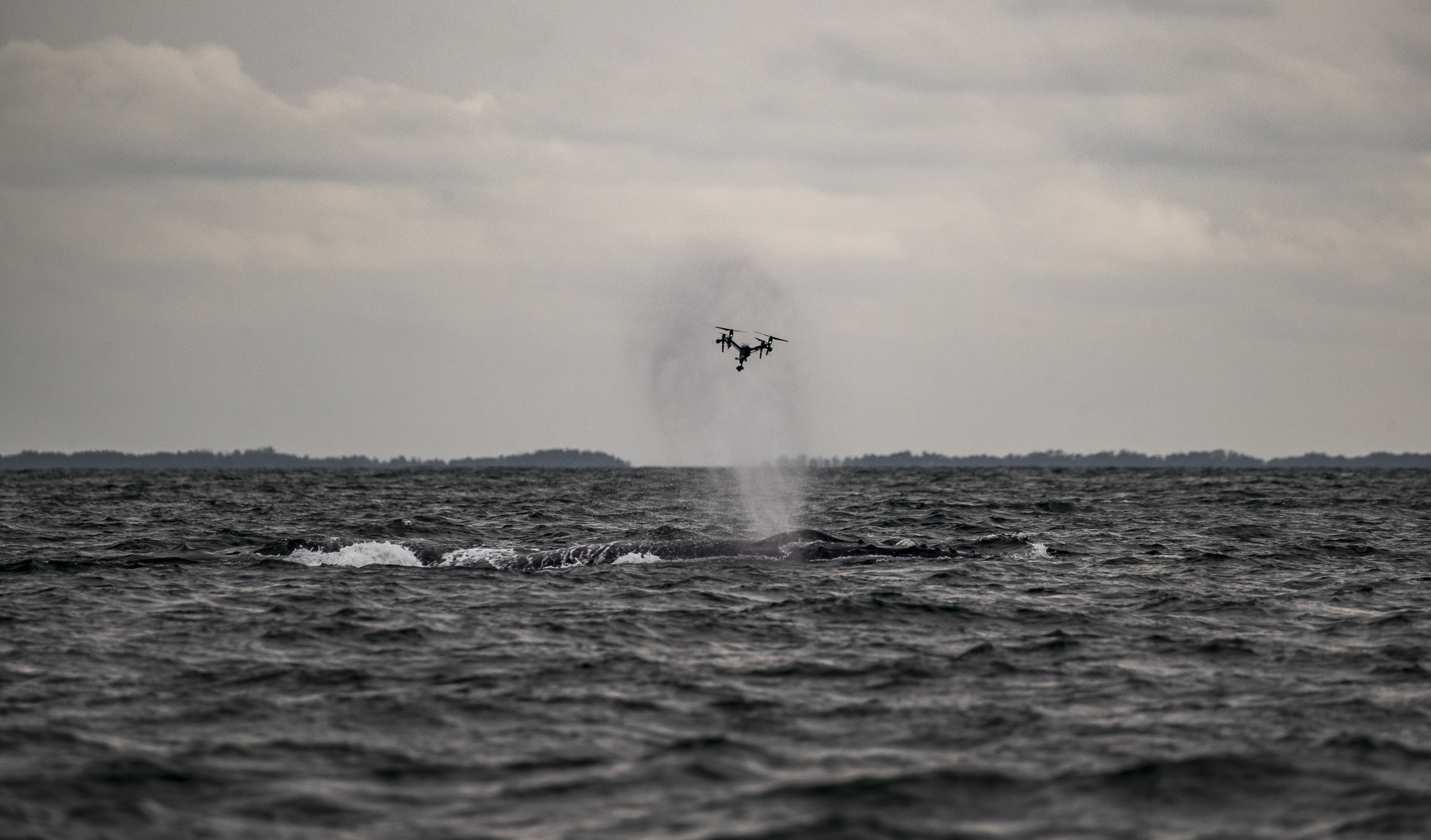
Two Saturday’s ago, Ocean Alliance had a CBS News shoot for a national news feature on SnotBot®. Host Tom Hanson interviewed Iain Kerr for the segment and filmed SnotBot® in action on Stellwagen Bank National Marine Sanctuary. We had really great weather and experienced a feeding frenzy of seabirds, dolphins, finback and humpback whales. Ocean Alliance collected great behavioral footage along with a robust snot sample from a Finback whale that will be analyzed for hormones, DNA, and microbiomes. The news story is planned to air on CBS News affiliated stations today, reaching a minimum of 5 million viewers!
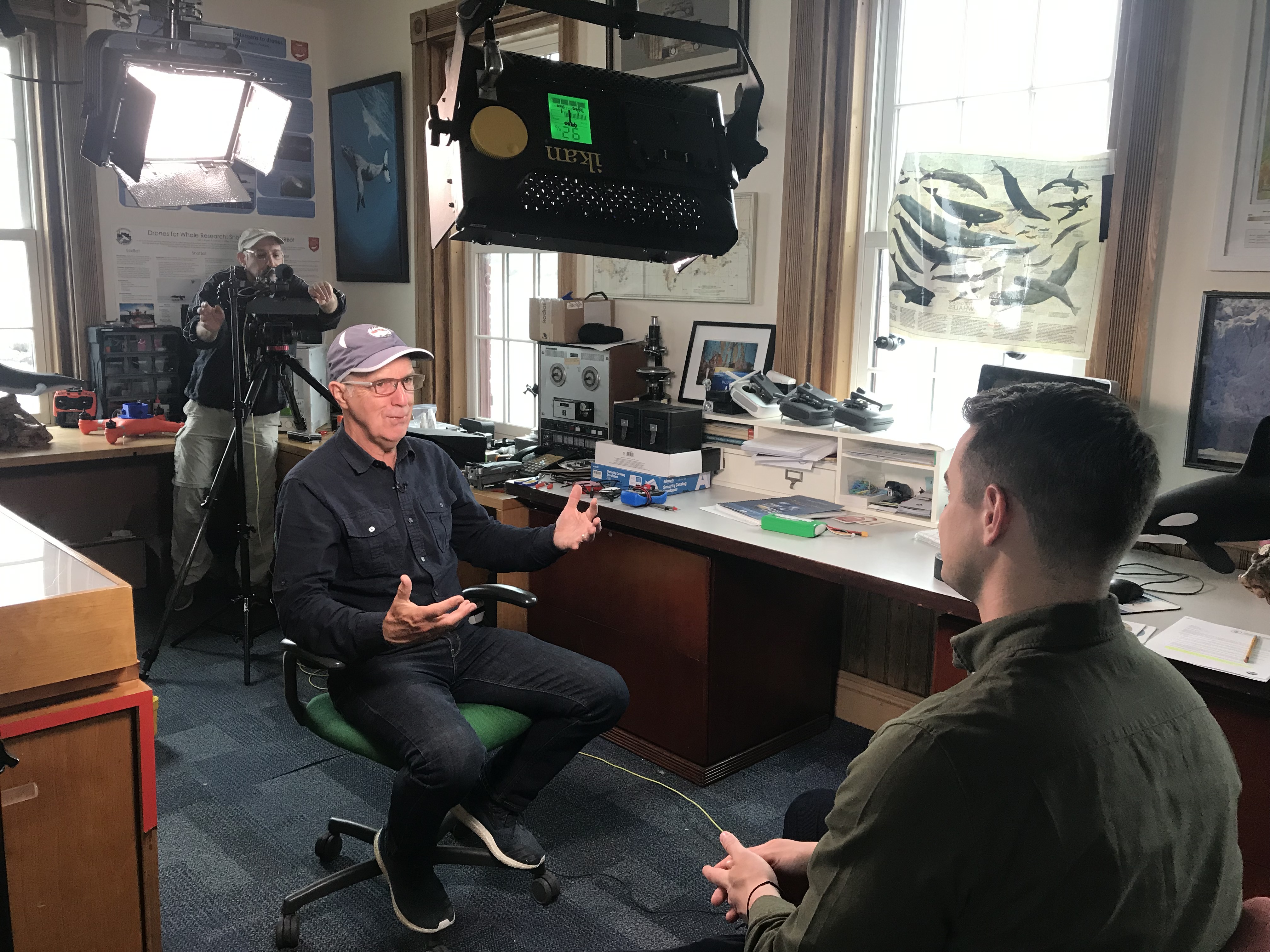
This past weekend actor/comedian Sir Billy Connolly spent three hours at the Paint Factory with Ocean Alliance filming a segment for Billy Connolly’s Great American Trail television show. The show will be broadcast on ITV in September 2019 and then worldwide. The production team was interested in filming in Gloucester because of the whaling history, wildlife, and Ocean Alliance’s new developments in whale research. Billy was able to test out our thermal imaging drone FLIRBot, and even fly a drone himself! It was a lot of fun hosting Billy and the production team at our Paint Factory headquarters. We’ll keep you updated on when the show will air.
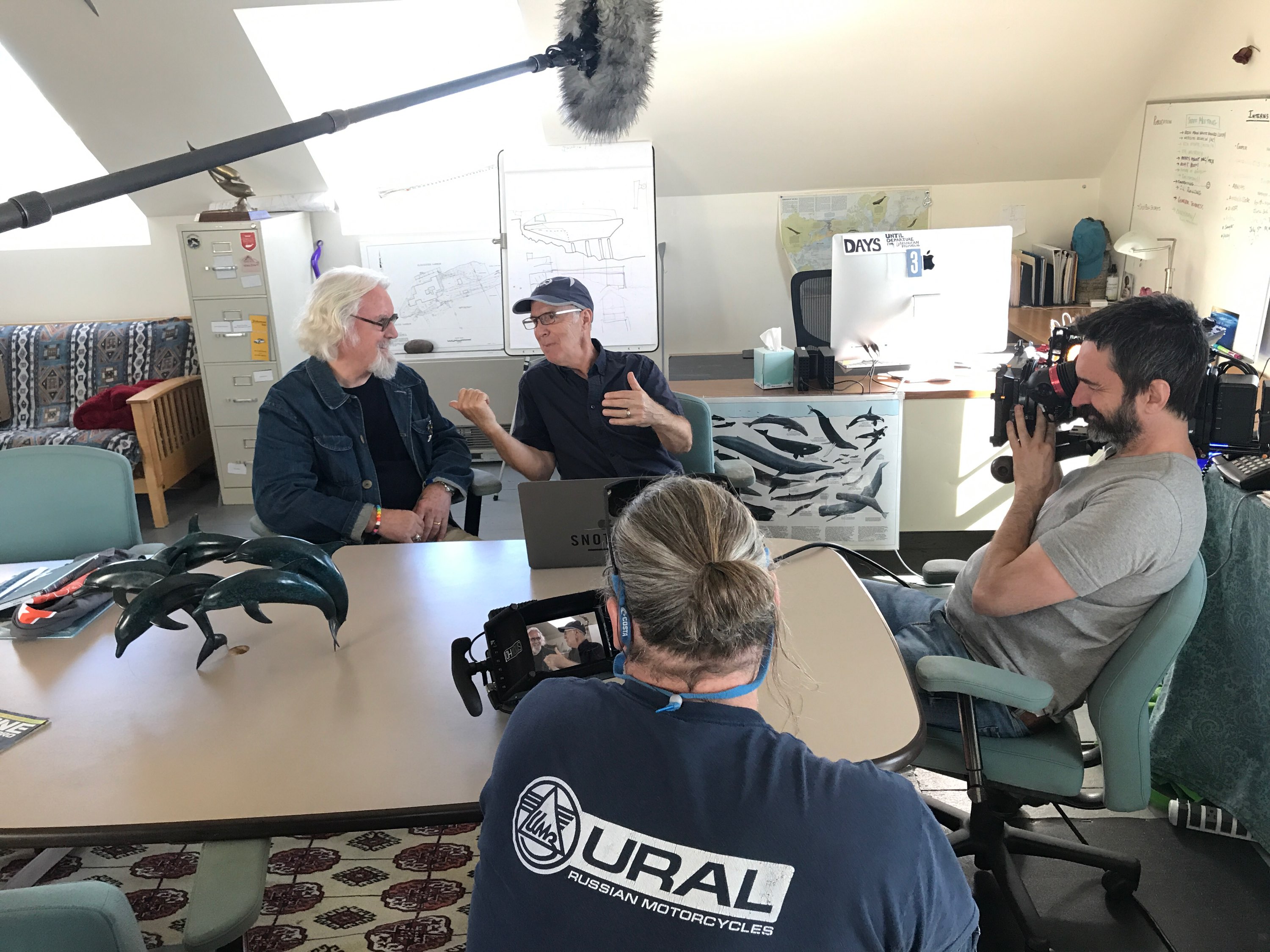
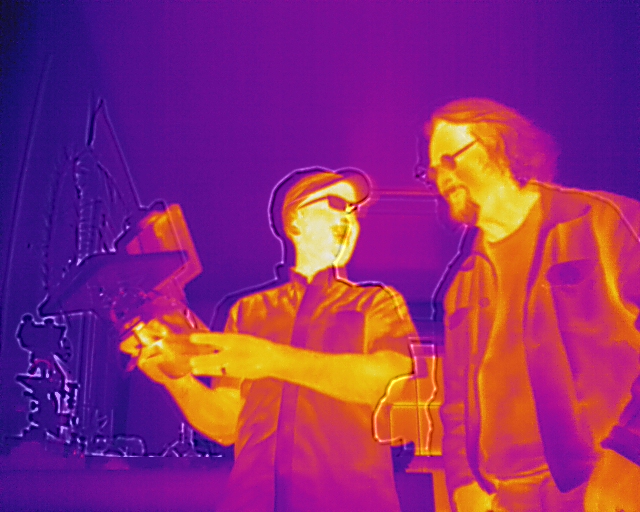
Last September, while on a Parley SnotBot expedition in Gabon, Africa the Ocean Alliance team filmed an episode of BBC’s Equator from the Air. For our UK friends the first episode will air on Sunday 26th May, on BBC Two at 20:00/8pm BST. The series will air at the same time each week for an additional three weeks. Look for it on BBC streaming in the near future.
To learn more about Ocean Alliance’s work and what is going on at the Paint Factory visit https://whale.org or follow us on social media.


Parley X MIT: Prevailing Wind and Whales Saturday April 27, 2019
Reserve tickets here
From the press release:
7:00pm Parley SnotBot, EarBot & Drones for Whale Research
Parley Pre-Concert Talk Featuring Drs. Iain Kerr & Roger Payne, Ocean Alliance
Cyrill Gutsch, Founder, Parley for the Oceans
Join Dr. Roger Payne, Dr. Iain Kerr, and Parley founder Cyrill Gutsch as we dive into the world of whales and the new technologies that are changing the way that we study them.
8:00pm MIT Wind Ensemble 20th Anniversary Concert
Dr. Frederick Harris, Jr., Music Director
Kenneth Amis, Assistant Conductor
Stephen C. Massey, Guest Conductor
MITWE Alumni
Kathryn Salfelder and Michael Weinstein, Guest Composers
Drs. Roger Payne and Iain Keer, Guest Speakers, Ocean Alliance
Cyrill Gutsch, Guest Speaker, Parley for the Oceans
To celebrate its 20th anniversary, MITWE brings together traditional and new music, works commissioned by the ensemble, special guests, and alumni. In tribute to its recent tour to the Dominican Republic and collaboration with Parley for the Oceans, the concert features “In Praise Of The Humpback,” prefaced by remarks by legendary biologist-environmentalist and whale song expert, Dr. Roger Payne.
Renowned music educator Stephen C. Massey leads Persichetti Symphony no. 6, and legendary wind ensemble conductor-historian Frank L. Battisti will be honored by performances of three works composed for his 85th birthday in 2016, by Kenneth Amis, Kathryn Salfelder, and Michael Weinstein. MITWE’s percussion ensemble performs a new work in honor of MITWE’s 20th anniversary and “Course Sax” performs Piazzolla’s famed “Cafe, 1930” from Histoire du Tango. MITWE alumni join current MITWE members to close out the program with Gustav Holst’s amiable Second Suite in F.
MIT Wind Ensemble
https://mta.mit.edu/music/performance/mit-wind-ensemble
Parley For The Oceans
https://www.parley.tv/#fortheoceans
Ocean Alliance
https://whale.org/
Center for Coastal Studies (informational materials available at the concert)
http://coastalstudies.org/

Dear Friends,
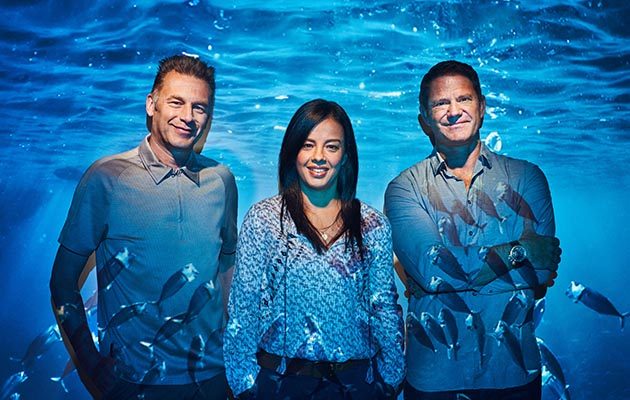
Chris, Andy and I have just arrived in Loreto. As advised previously we are pretty damn excited to be taking part in the BBC Blue Planet Live Series. You can find more information on the show here: BBC Blue Planet Live. As I understand it the first show went live today, with Chris Packham and the crew in San Ignacio Lagoon. I have it on good faith that Chris was downwind of a grey whale and he got Snotted!
I made a mistake in my last e mail, I thought that there were three shows but it turns out there are four.
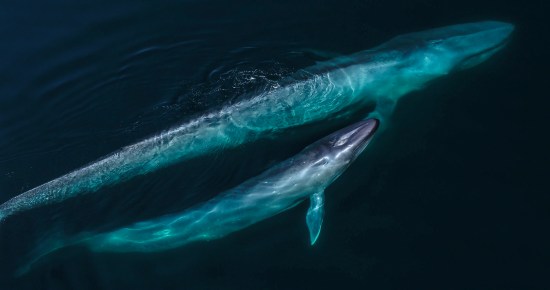
I am also excited but terrified to report that they have asked me to take part in the 4th live show on Sunday. So you can catch us on live TV on Wednesday the 27th (SnotBot with blue whales….🤞🤞) and Sunday 31st of March, EarBot and Humpback whales (🤞🤞). Right now my biggest concern is finding whales and good weather, preferably both at the same time, then of course not making a fool of myself on live TV.
For those of you not in England, there is a way to watch the show live on your computer, Chris says you have to get a VPN, which before last week I had never heard of. In short if the BBC website thinks that your computer is in England it will let you watch the show.
Clearly if you can’t watch the show live I am sure BBC will put it up on their website so I will send that information out next week.
So here we go – Get a VPN
Create BBC account
Watch BBC ONE
I will try to send out a few blogs from our time here, until then….
Best Fishes from Loreto.
Iain
Iain Kerr
Cell: 978 760 1784

Amy Kerr writes the following:
Below is a message from Iain, who is in the Sea of Cortez preparing for the BBC’s “Blue Planet Live” for this Wednesday and Sunday. He said he’d never do a live show with whales again, but here we are! The following are his instructions on how to watch outside of the UK (4:00 EST?), and if you can figure them out and DO you are a good good friend. At the very least, send him your positive whale-y, snotty thoughts!
Dear Friends,
Chris, Andy and I have just arrived in Loreto. We are pretty damn excited to be taking part in the BBC Blue Planet Live Series. You can find more information on the show here: BBC Blue Planet Live. As I understand it the first show went live today, with Chris Packham and the crew in San Ignacio Lagoon. I have it on good faith that Chris was downwind of a grey whale and he got Snotted!
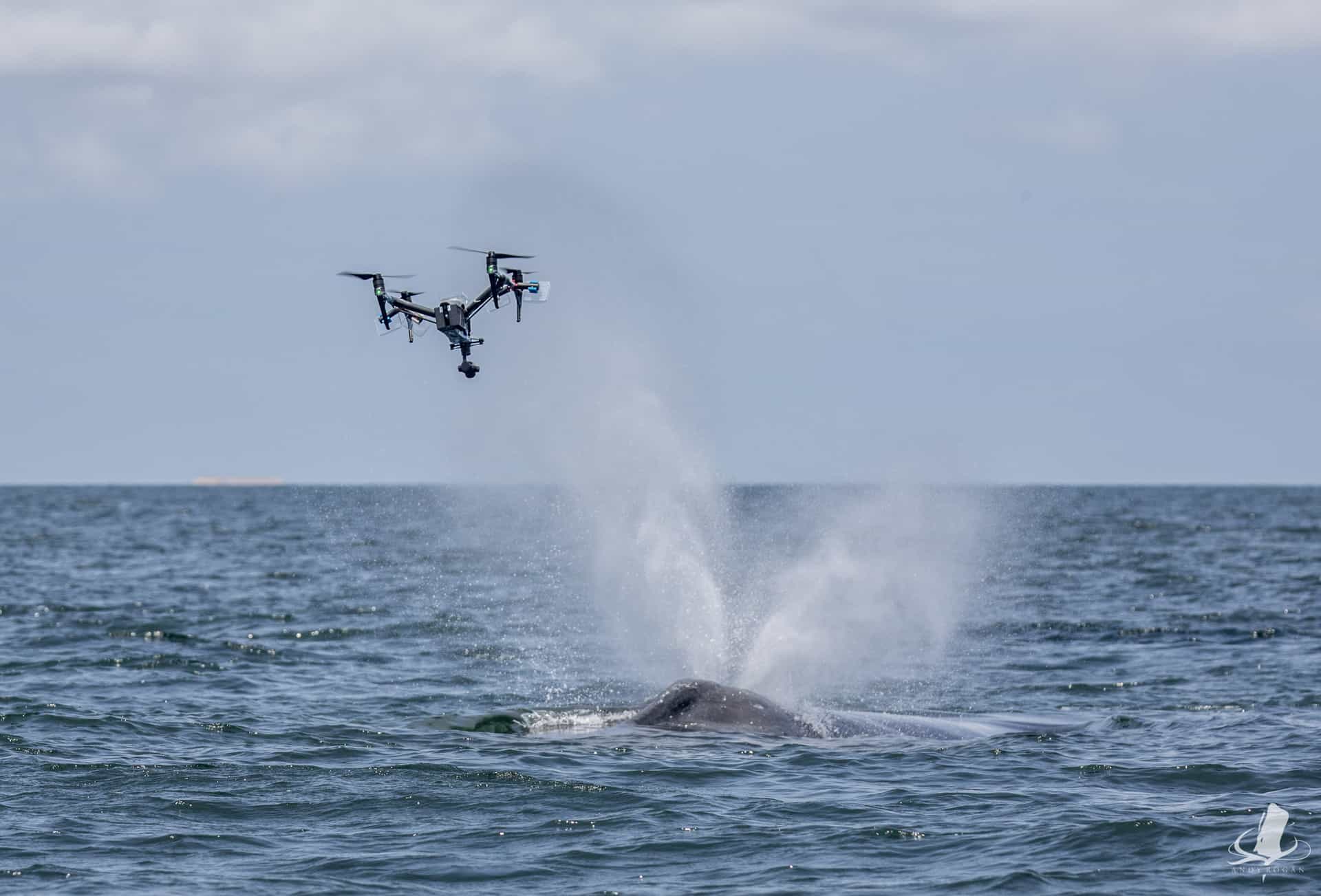
I am also excited but terrified to report that they have asked me to take part in the additional 4th live show on Sunday. So you can catch us on live TV on Wednesday the 27th (SnotBot with blue whales….🤞🤞) and Sunday 31st of March, EarBot and Humpback whales (🤞🤞). Right now my biggest concern is finding whales and good weather, preferably both at the same time, then of course not making a fool of myself on live TV.
For those of you not in England, there is a way to watch the show live on your computer, Chris says you have to get a VPN, which before last week I had never heard of. In short if the BBC website thinks that your computer is in England it will let you watch the show.
Clearly if you can’t watch the show live I am sure BBC will put it up on their website so I will send that information out next week.
So here we go – Get a VPN
Create BBC account
Watch BBC ONE
I will try to send out a few blogs from our time here, until then….
Best Fishes from Loreto.
Iain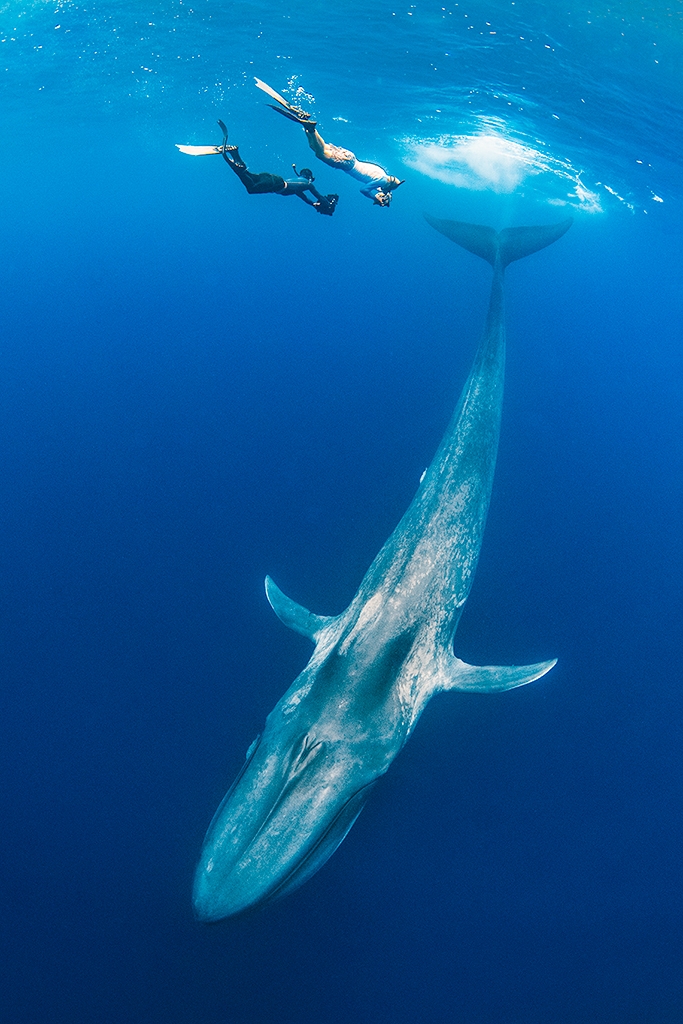
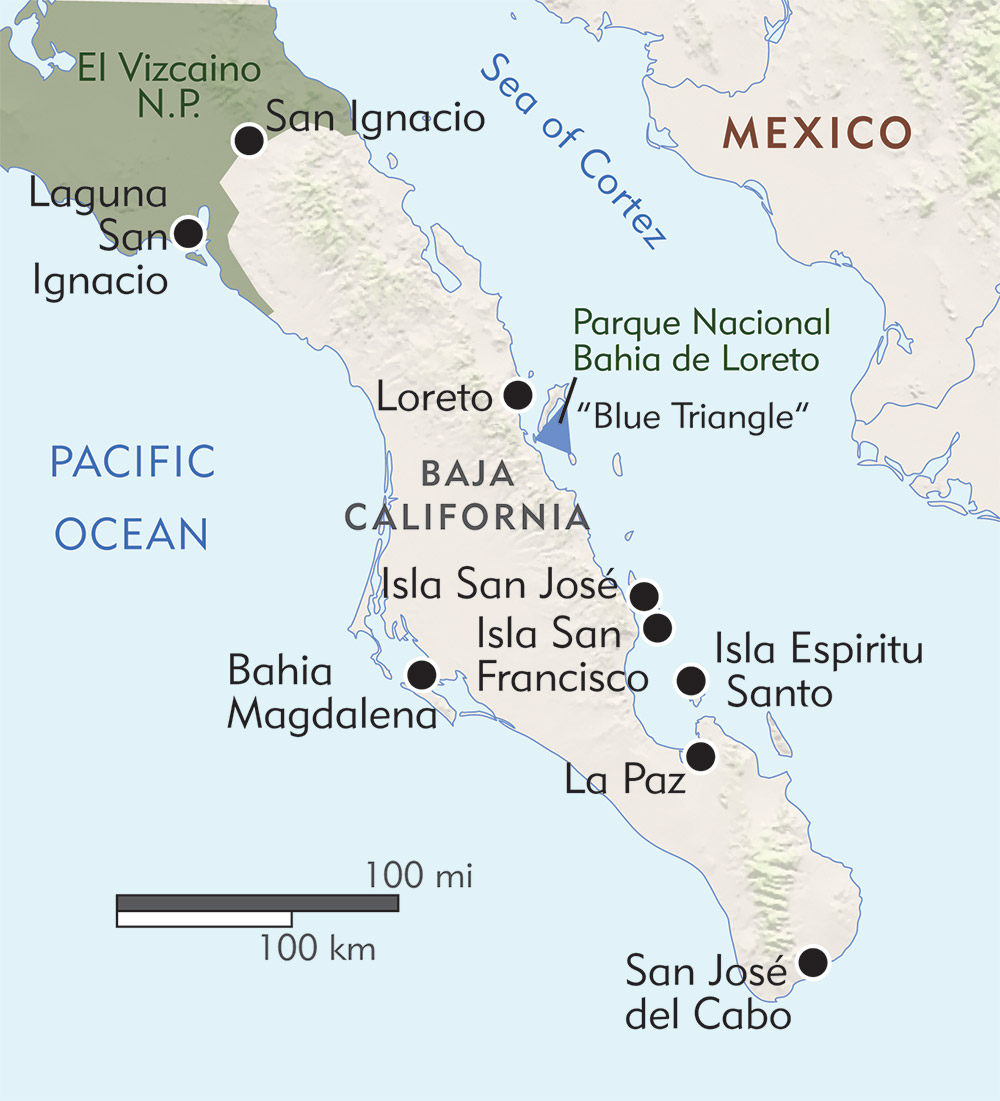

Take a look at these awesome photos of the humpback whales .. amazing.
SnotBot DR Blog 3 – Everything we had hoped for!
It gives me great pleasure to advise you that our last 3 days on the water have been fantastic, each day better than the previous. The weather has fallen into a typical trade wind scenario, calm in the early morning and picking up as the day goes on. We were on the boat this morning by 6:15 and had the pleasure of watching a sunrise at sea (with a whale of course).
Today we had our 1st sample by 7:15 am and had our 9th sample by 9:00 am, by 12:30 (when the winds picked up) we had collected a total of 14 samples bringing our expedition total to 54. Our goal was 50 samples, so we are now ahead of the game with 3 days to go. As the sun rose we were with a mother, calf and escort, we collected two Snot samples from each whale so we could have comparable samples, then we collected another sample from each whale flying at a higher altitude than the first set so that we can try to determine what effect height might have on the success/productivity of the biological data (snot) that gets onto the dish.
Angie Sremba is here from Dr. Scott Bakers lab at Oregon State, Angie has been focusing on the DNA analysis. She brought us some exciting information with regards to how our biological data capabilities have (successfully) evolved over time. It is important to remember here that part of this whole process is developing the collection tools and protocols and while Dr. Bakers lab is developing the preservation and analysis protocols. In summary 2016 we had a 39% success rate with regards to sexing the animals from the DNA and a 55% success rate on the mitochondrial DNA. In 2018 we had a 92% success rate with regards to sexing the animals from the DNA and a 96% success rate with the mitochondrial DNA. This is clearly exciting as it demonstrates that we are learning and getting better on all fronts.
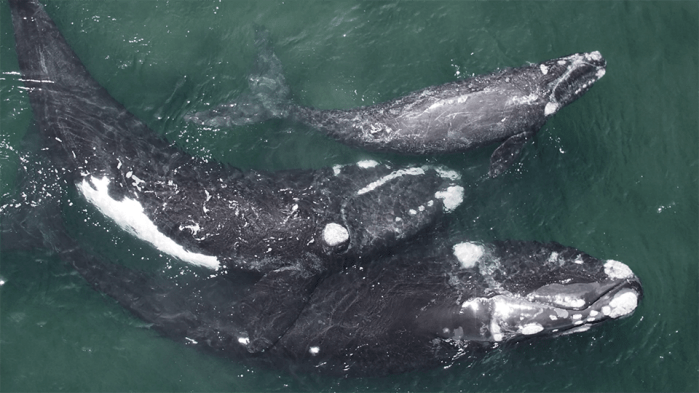
Another exciting data point today was the collection of some whale feces, the whales here are not feeding so it is unusual to find feces in this location. I think this is another amazing benefit of using drones for whale research, the drone saw the whale defecation (look very carefully for the brown stain in the last photo) and Britta and Andy were ready to collect it. This will prove invaluable in trying to put into context the hormone levels that we collect in the blow. We had a number of fun whale moments today but one of the best ones was a mother and calf lob tailing together (lifting their tails up and crashing them down onto the water). The mother would throw her tail down with an enormous crash and then the baby would do the same hardly making a splash. Andy caught one of these moments on camera (see attached photo).
Today we also did some sea trials with EarBot, after this expedition I will have four days at home and then Chris and I go to Cabo San Lucas with EarBot to work on a BBC special, so we need to make sure that EarBot is in tip top shape.
Last but not least I am happy to report that this blog is supported by some amazing photos from Christian Miller and Andy Rogan.
Best Fishes from the DR.
Iain
Iain Kerr
Cell: 978 760 1784

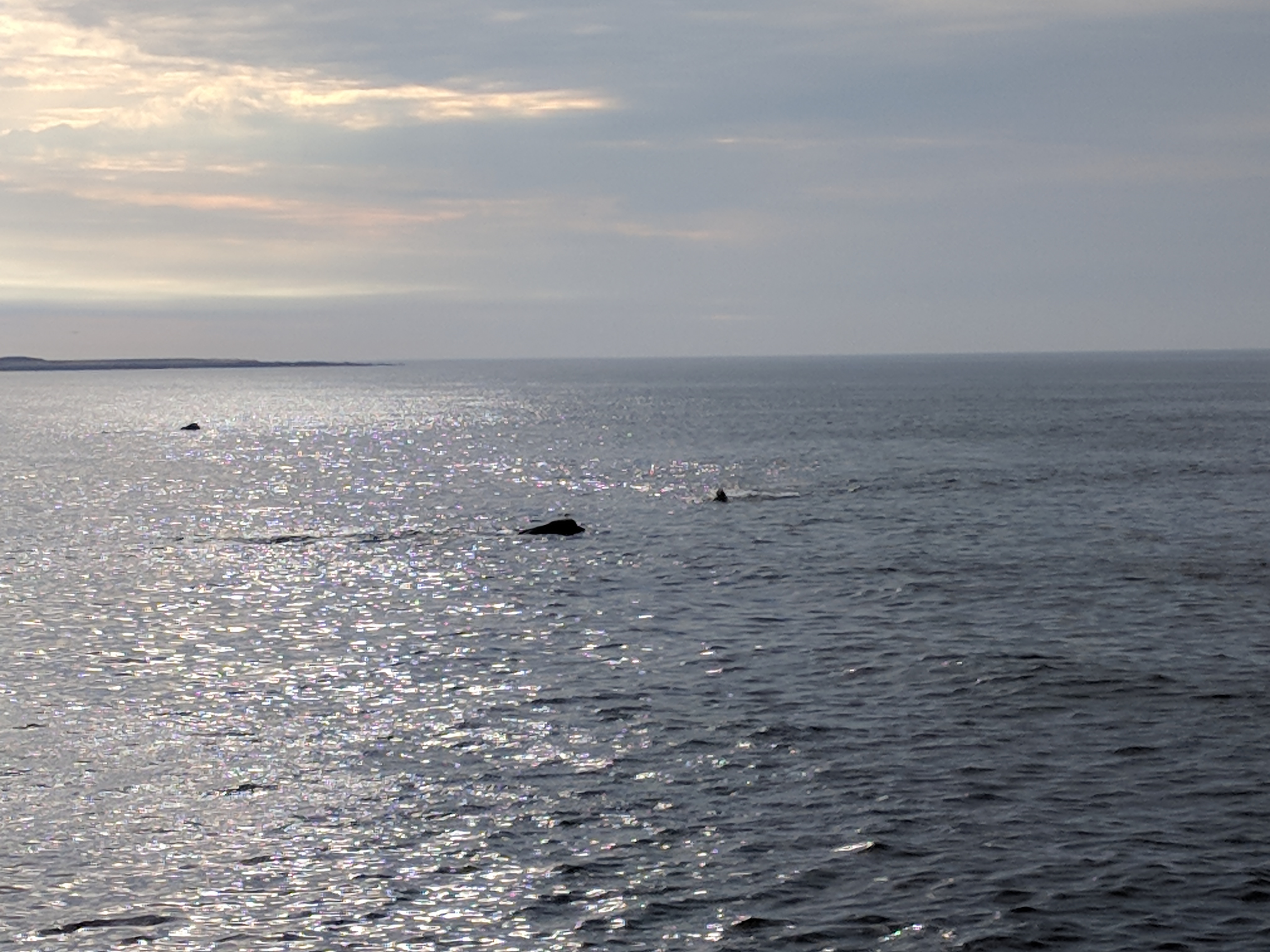
He’s counted five total today.
“The whales are around this morning; I saw the spouts around 9:00, relatively farther offshore. Yesterday they were in the vicinity all day, with one cruising between Magnolia and Kettle Island around noon, and all within view of the naked eye. Lots of people with binoculars, telescopes, cameras. As I mentioned in my post, at least one whale has a dorsal fin, which right whales apparently do not.”
“Please do remind everyone that it’s a stiff fine if one approaches them. Yesterday there were several kayakers and at least one paddle boarder who went out, and one sailboat too. The lobstermen seem to be observing the rule with care, as I haven’t seen very many.”
I look forward to seeing the Magnolia photographs and hearing more spectator reactions. What a gift this spring. Thanks so much for writing, David.

There are no words to describe these beautiful animals. They were not as close but you could see them and also their fluke and spouting.
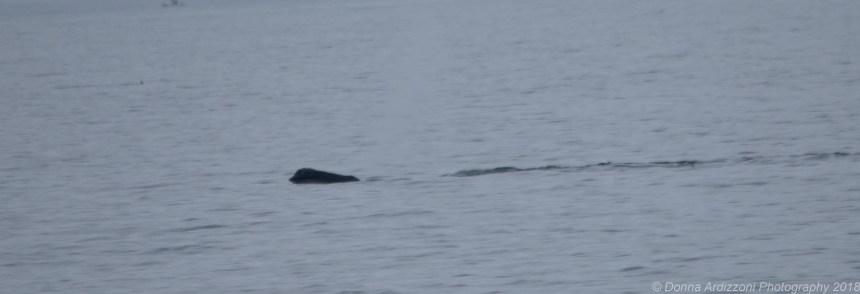
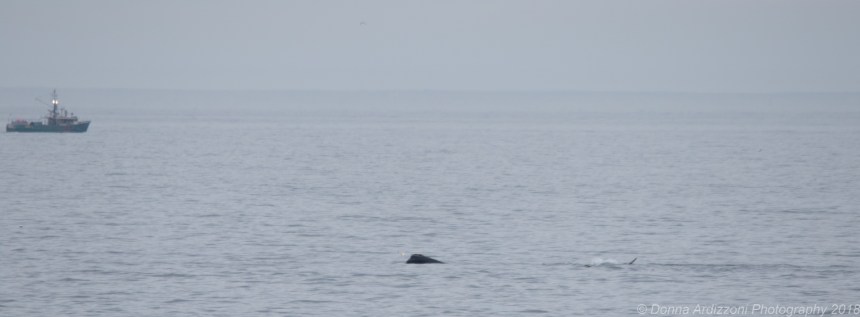
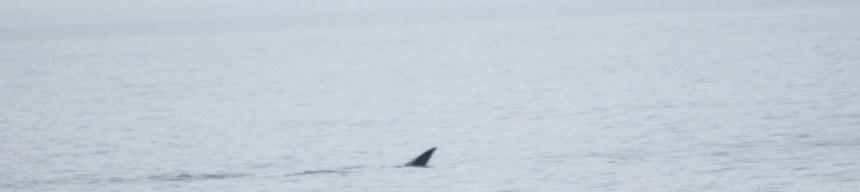

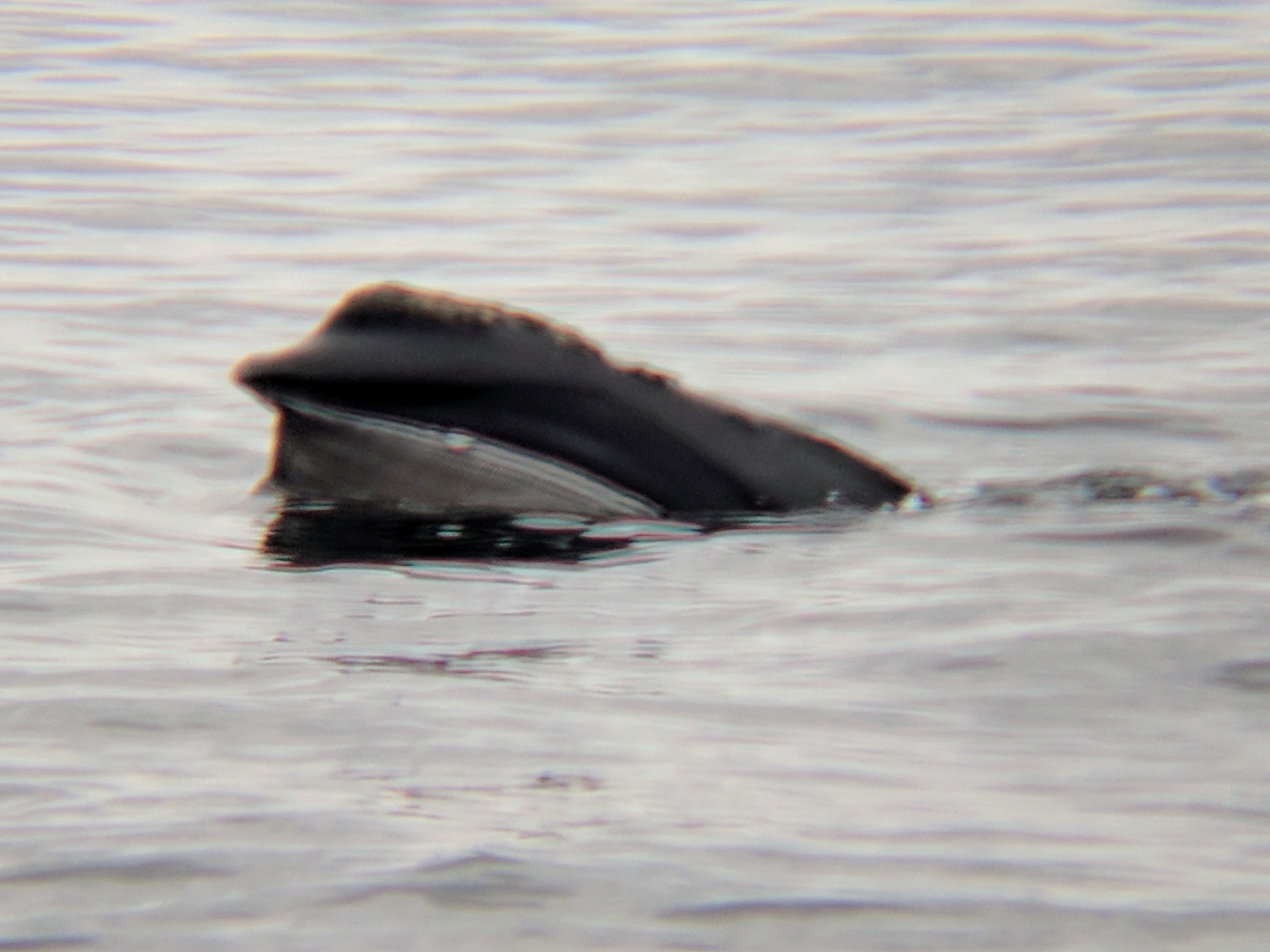
Cape Ann Marina guests can see whales from their rooms! Back home from work and spotted three whales immediately which means that some of the six right whales have been feeding more than ten hours HERE. It’s thrilling! I even saw one head to Salt Island and back. They check in and circle together. Two are lingering off Long Beach on the Gloucester side. When two and three are gliding along, stepped back one by one nearly together in a line, and moving fast, the legendary sea serpent stories did come to mind.
Nearly as much fun are the clusters of whale watchers at the waters edge like schooner race photos of yore. I added a short video with Long Beach cottages and the stretch of sand in the background to give another relational vantage.
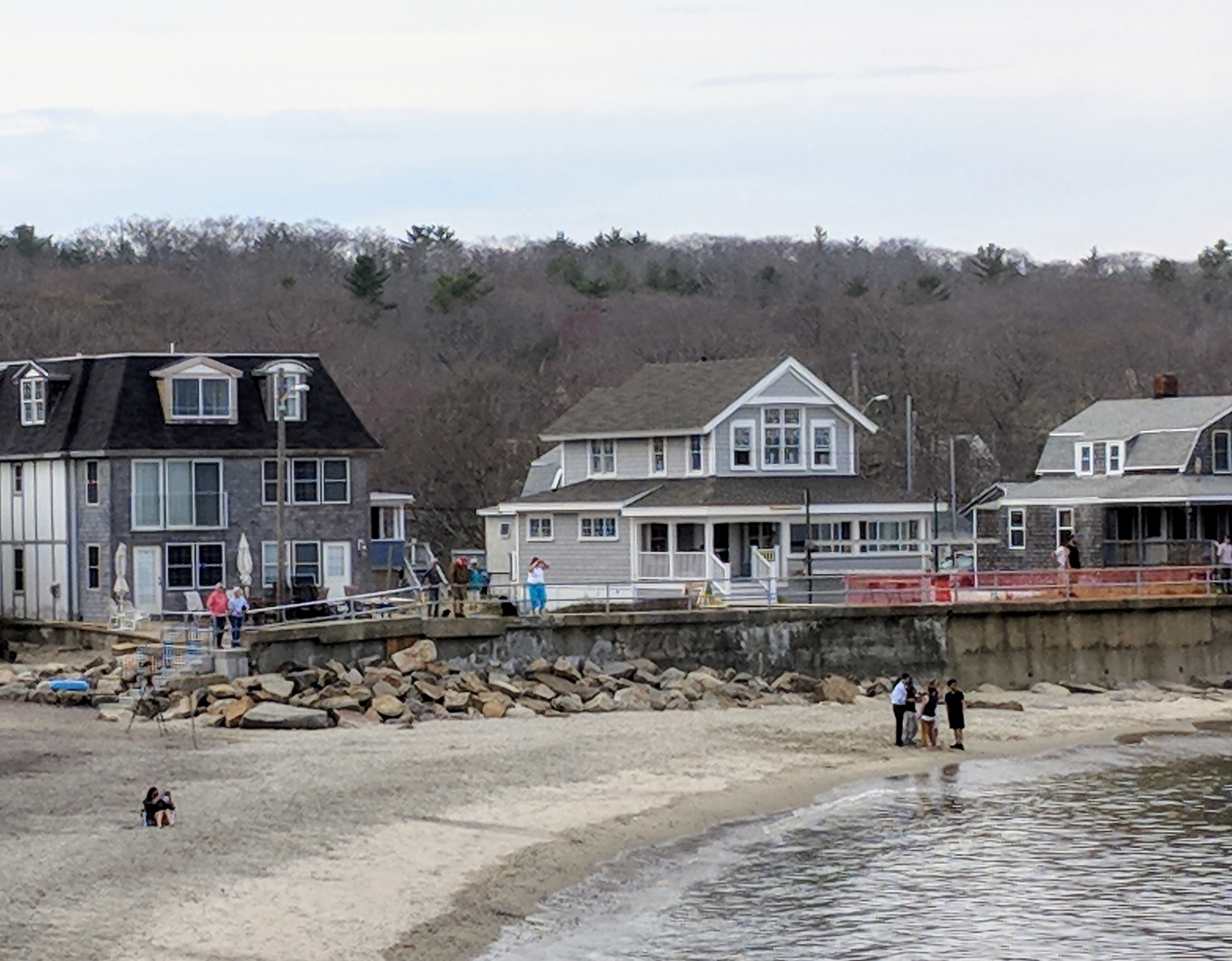
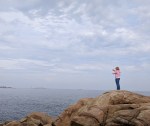
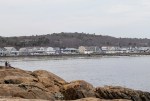
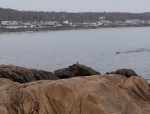
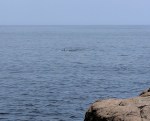
Long Beach video to show relation to sand and seawall–they’re further out now with tide coming in
early morning post began 6:30am
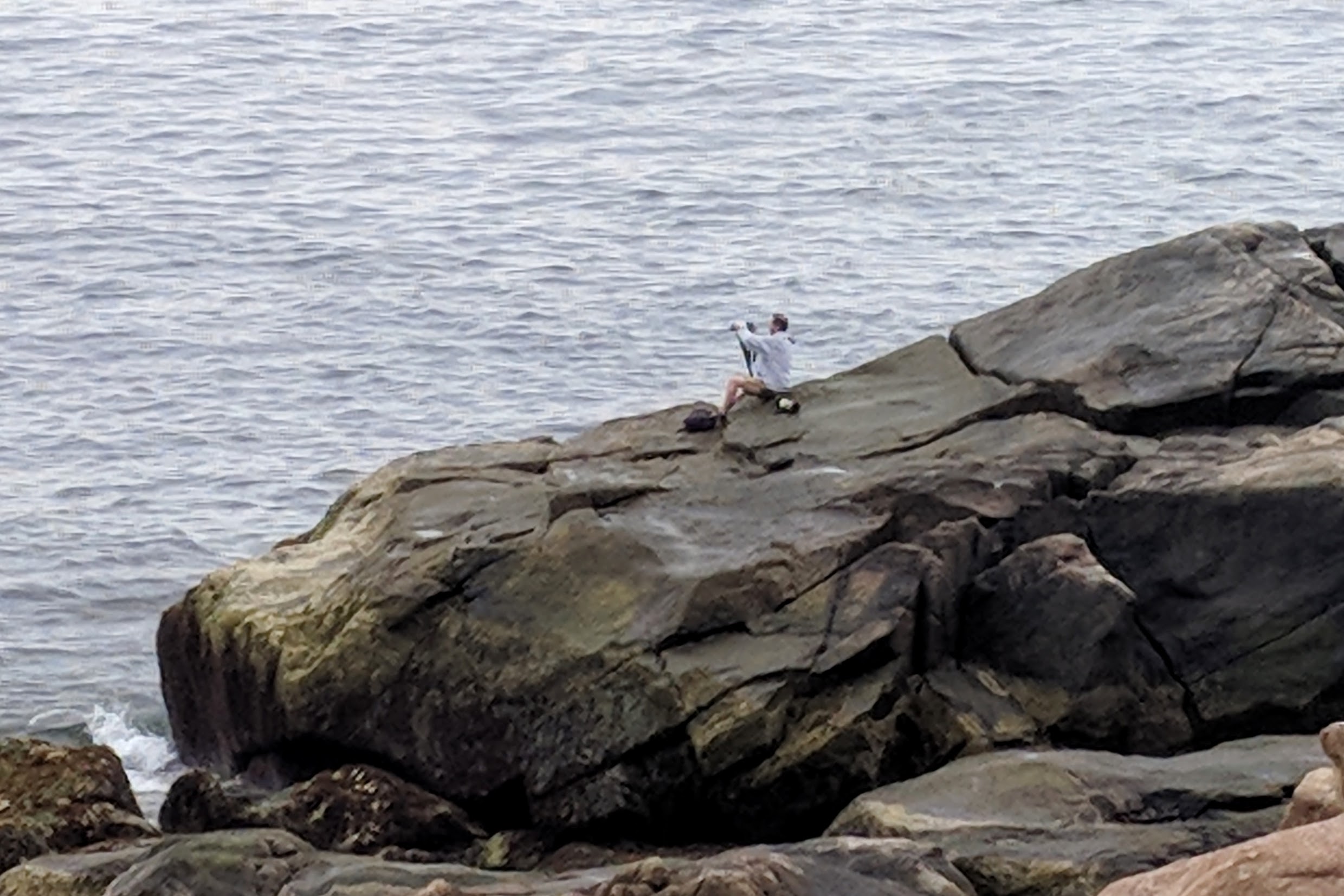

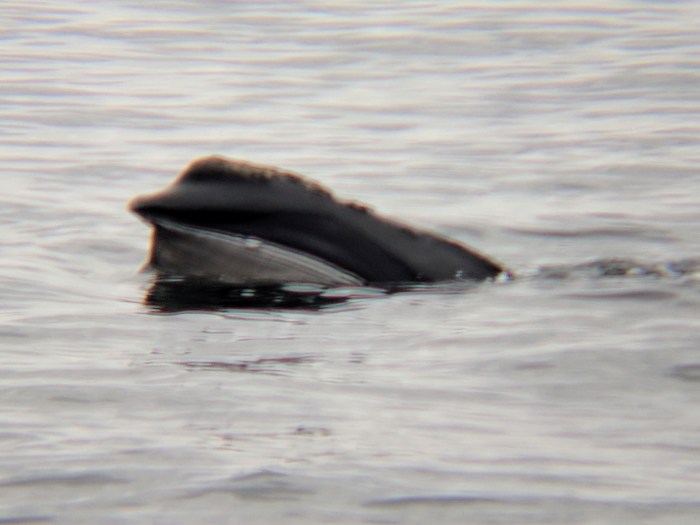


They’re making a bunch of noise!
2 min video below *apologies for the hand held zoom–trying to share some of this natural wonder
4 whales in this one
Prior post– WHALES 5+ feeding between Salt Island & Long Beach visible from shore now! #GloucesterMA

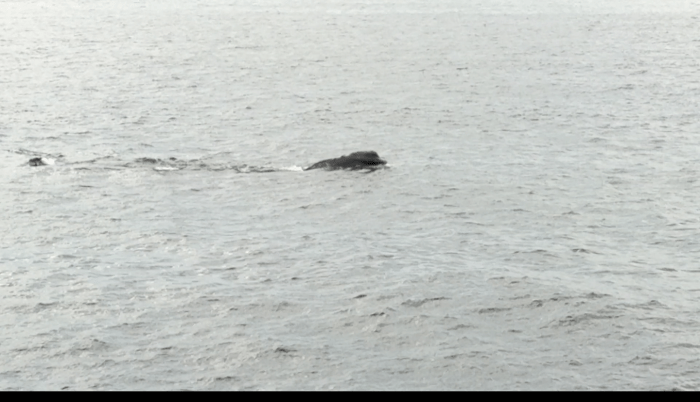
Update: we spotted five or six right whales at 6:30AM just off the shore between Salt Island and Thacher. They remained feeding in the area for 11+ hours. Two crossed past the Rockport side of Long Beach, and back again. They were surprisingly fast at times! Post was updated during the day with more photos and videos. I hope some photogs with professional lens will be sharing soon.
30 seconds 4 right whales out of 6 off Gloucester Ma, Long Beach, Twin Lights in backgrounds
1 min video tracking 1 of 6 right whales
How close? This close: here’s another image from an FOB whales out her window!
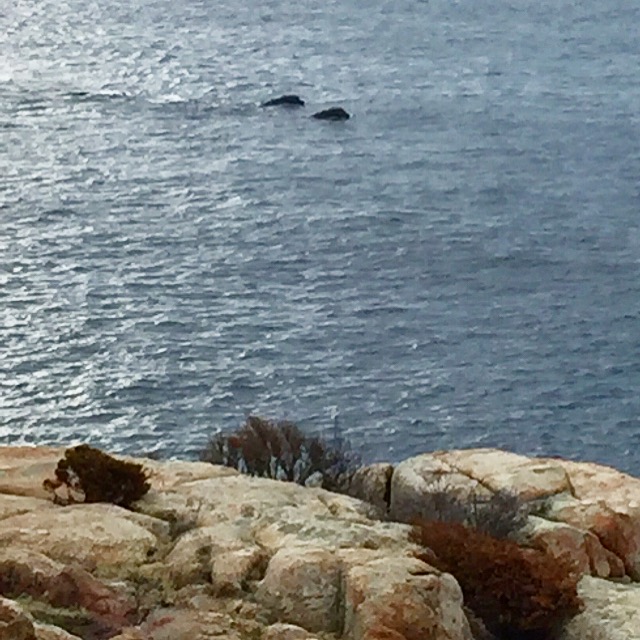
Is this Atlantic right whale detection app active?
Second post- close up
Third post after work– 3 whales still feeding here 11+ hours later!

These beautiful creatures are spouting and feeding. How exciting
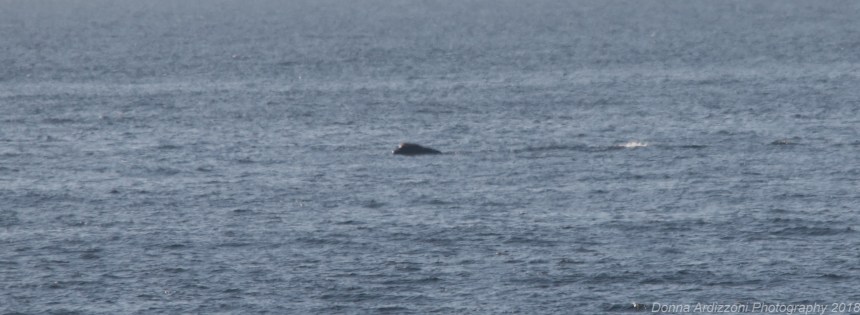
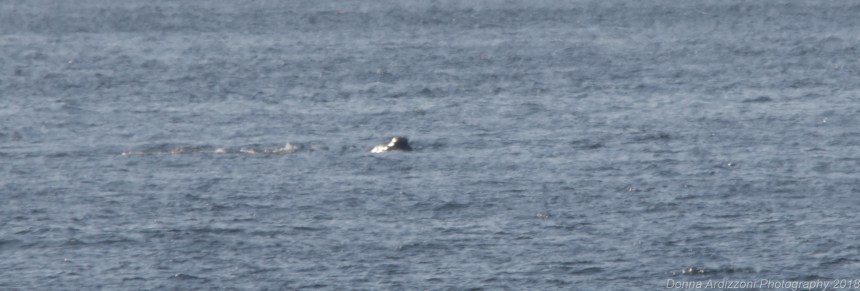
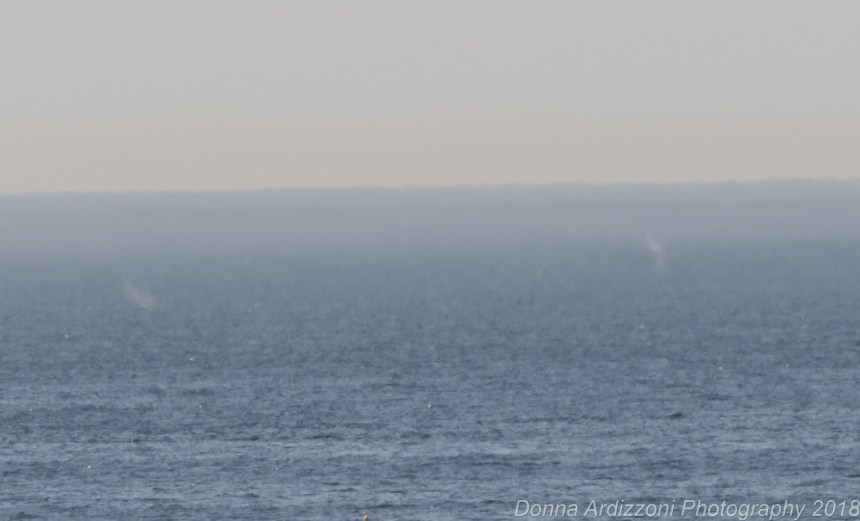

Thank you to Kathleen Morgan from Savour Wine and Cheese for sharing her latest batch of whale photos from Stellwagen Bank!
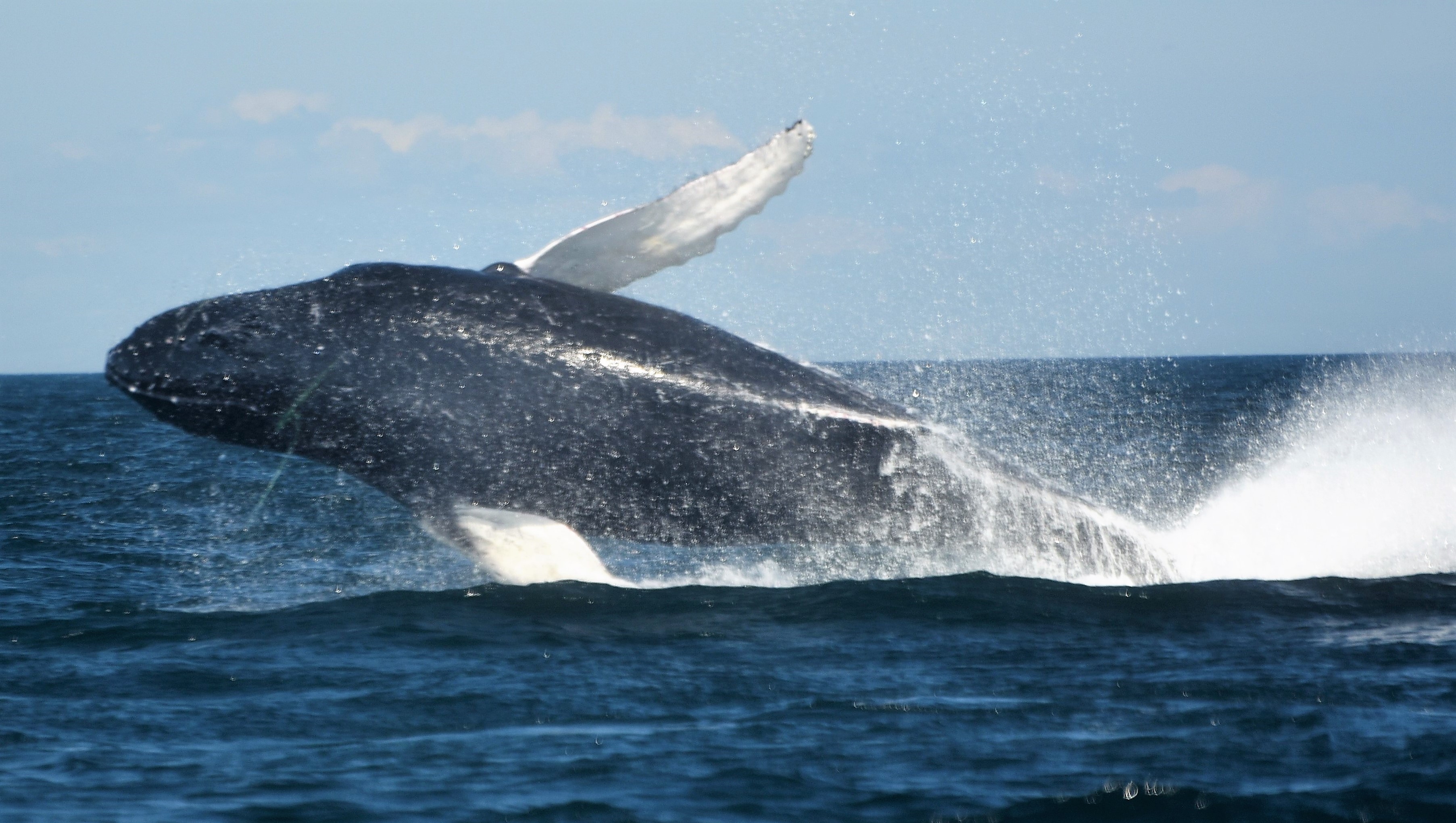


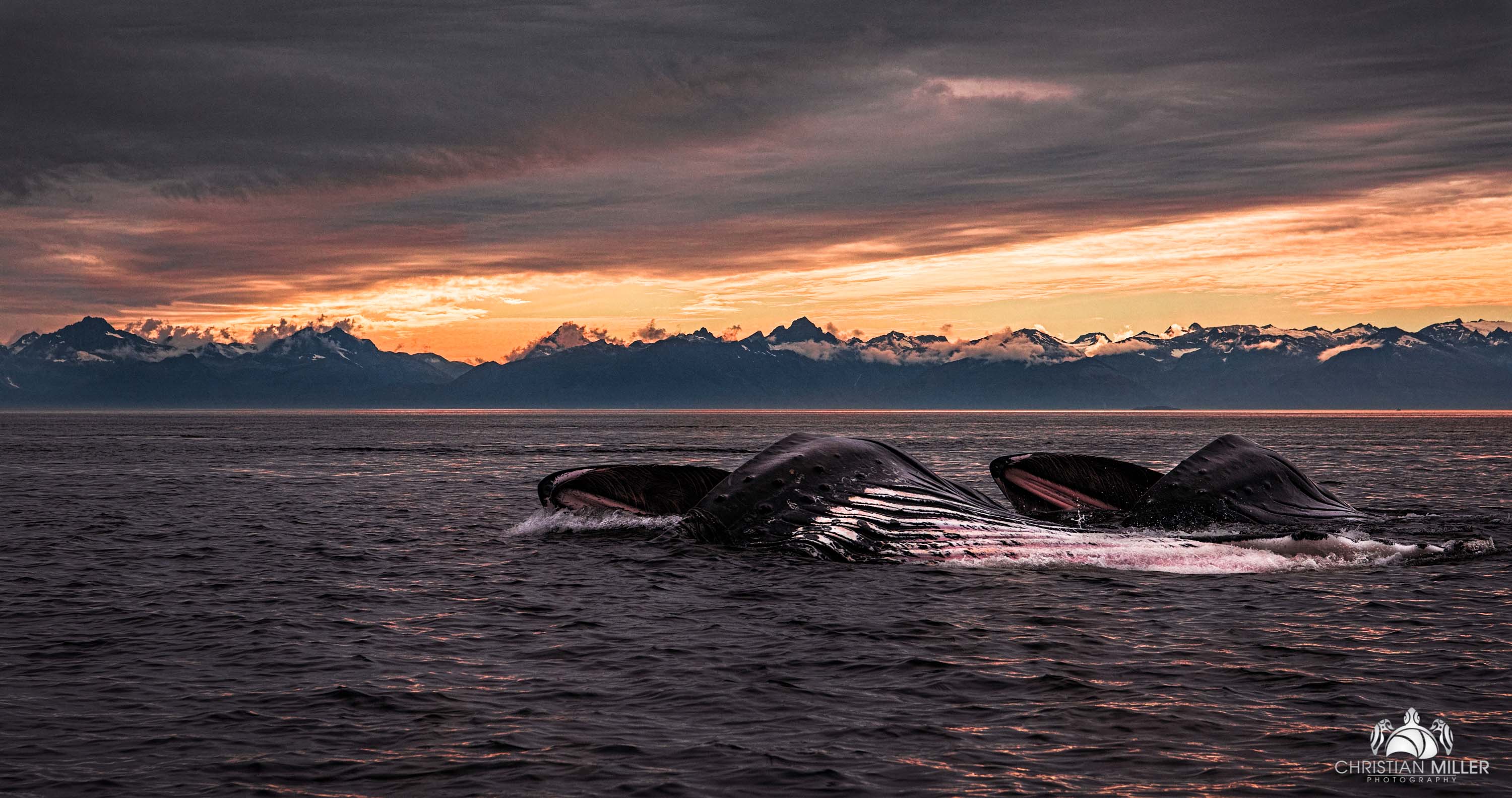 Iain writes, “Wednesday morning three Gloucester residents left for SE Alaska to conduct research on Humpback whales. Our work is going to be covered live Sunday the 9th. SnotBot is going to be featured in a National Geographic Live TV event called ‘Earth Live’ this Sunday July 9th 8:00 til 10:00 east coast time.
The Gloucester residents are: John Graham, Andy Rogan, and myself. The Paint Factory Robotics lab has been very busy with interns helping us prepare for this expedition. Interns are: Lydia Zuehsow, from Olin College of Engineering, Sam Vinson from Rockport, and Austin Monell from Gloucester all helping out.
http://channel.nationalgeographic.com/earth-live/videos/earth-live-extended-sneak-peek/
The show will be broadcast in 171 countries and 48 languages. It’s been an exciting year for Ocean Alliance and our Gloucester team, taking the story of innovation and persistence (a historic strength of Gloucester) around the world.”


From ocean trash to fashion smash.
For more than four decades, Ocean Alliance has been a global leader dedicated to whale research and ocean health. In 2008 the organization moved its headquarters to one of Gloucester’s landmarks, the Paint Factory (built ca.1880s). Ocean Alliance http://www.whale.org/
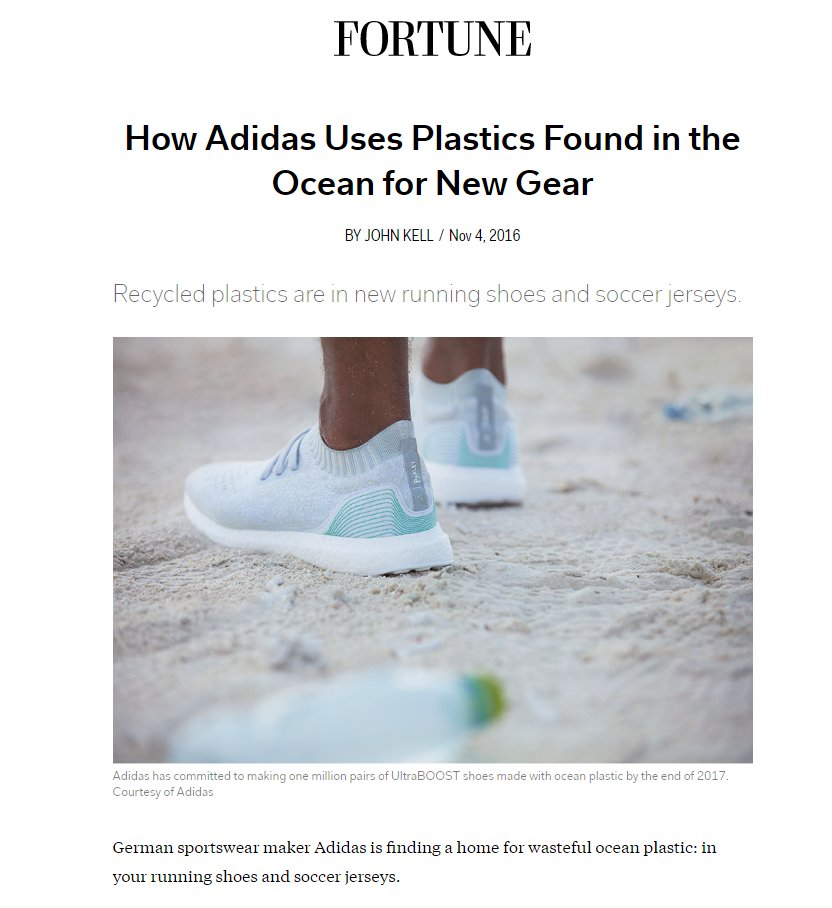
By 2017, Adidas will produce 1 million UltraBOOST sneakers with material made from trash grabbed from the ocean. “Meanwhile, soccer jerseys that use the plastic will be worn by the Real Madrid squad when it plays Real Sporting de Gijón later this month. Eric Liedtke, responsible for global brands at Adidas, claims that the jerseys will be the first to be made completely from materials found in oceans.” Read more Fortune magazine
GMG 2013 post Charting the paths for plastic soup patches of our oceans

Two men were on a boat in a fjord in Norway, then 6 gigantic whales decided to show up


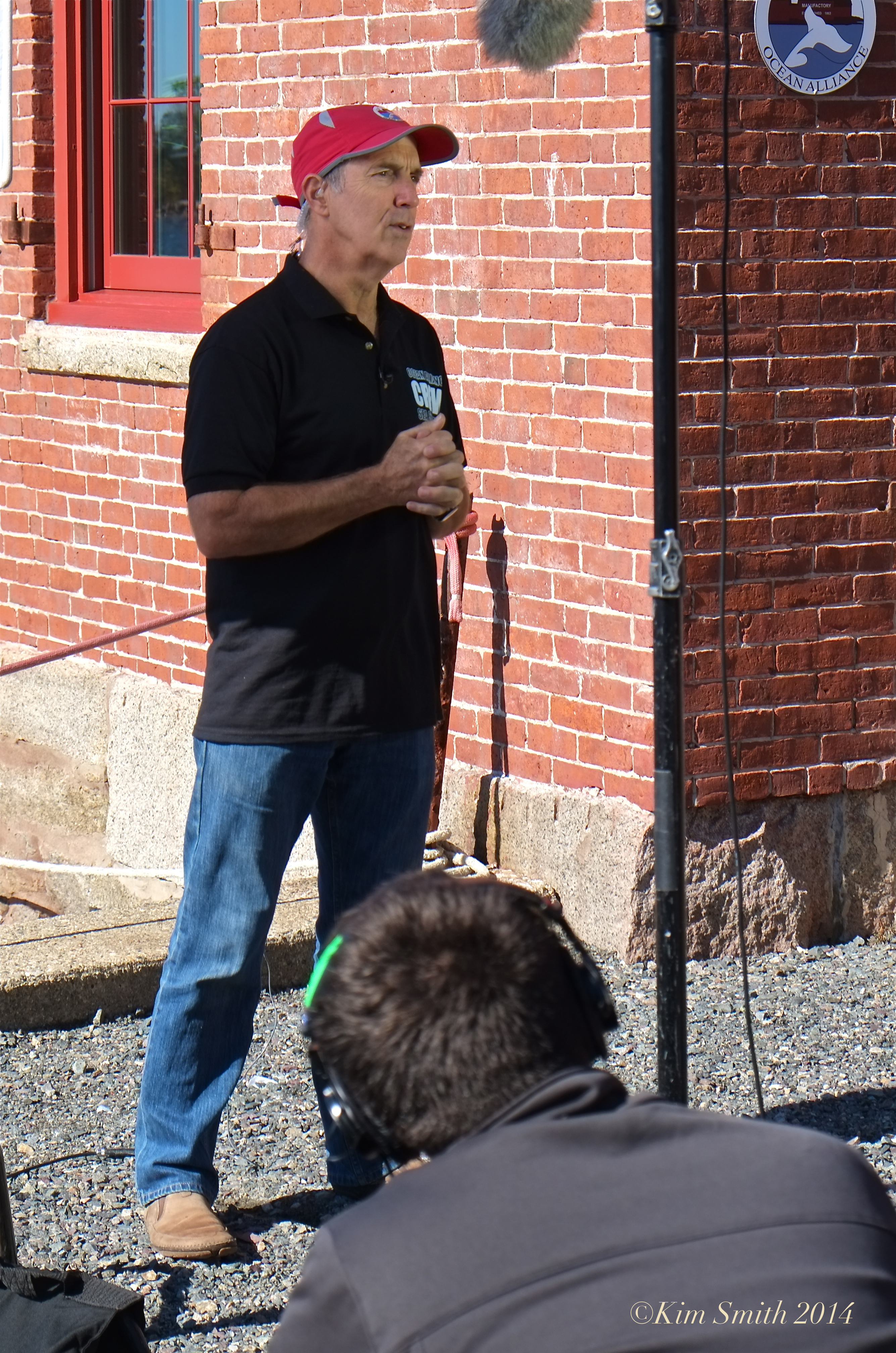 Iain Kerr Interview with Discovery
Sunday morning Discovery Channel News was at Ocean Alliance filming a story about SnotBot, the organization’s new drone. The drone was created by a group of Olin College of Engineering students, under the direction of Professor Drew Bennet, in the College’s robotics lab.
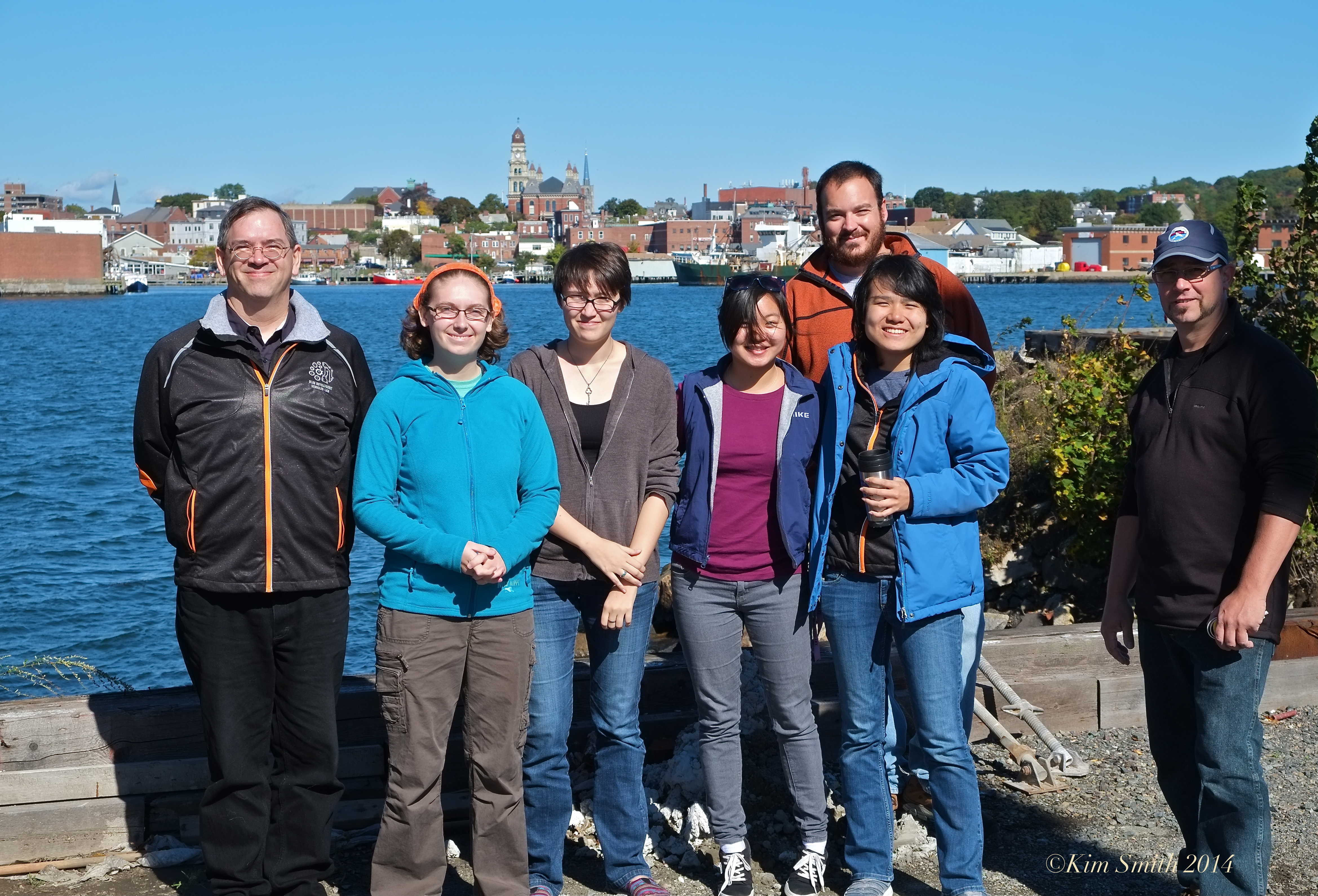
“SnotBot will be used to collect DNA, bacteria, viruses and stress hormones from whale blows. The team also tested SnotShot, a machine that makes a simulated whale blow (with the capacity to simulate different blow types) on demand—a testing tool that will actually help the scientists in the field collect a control sample.
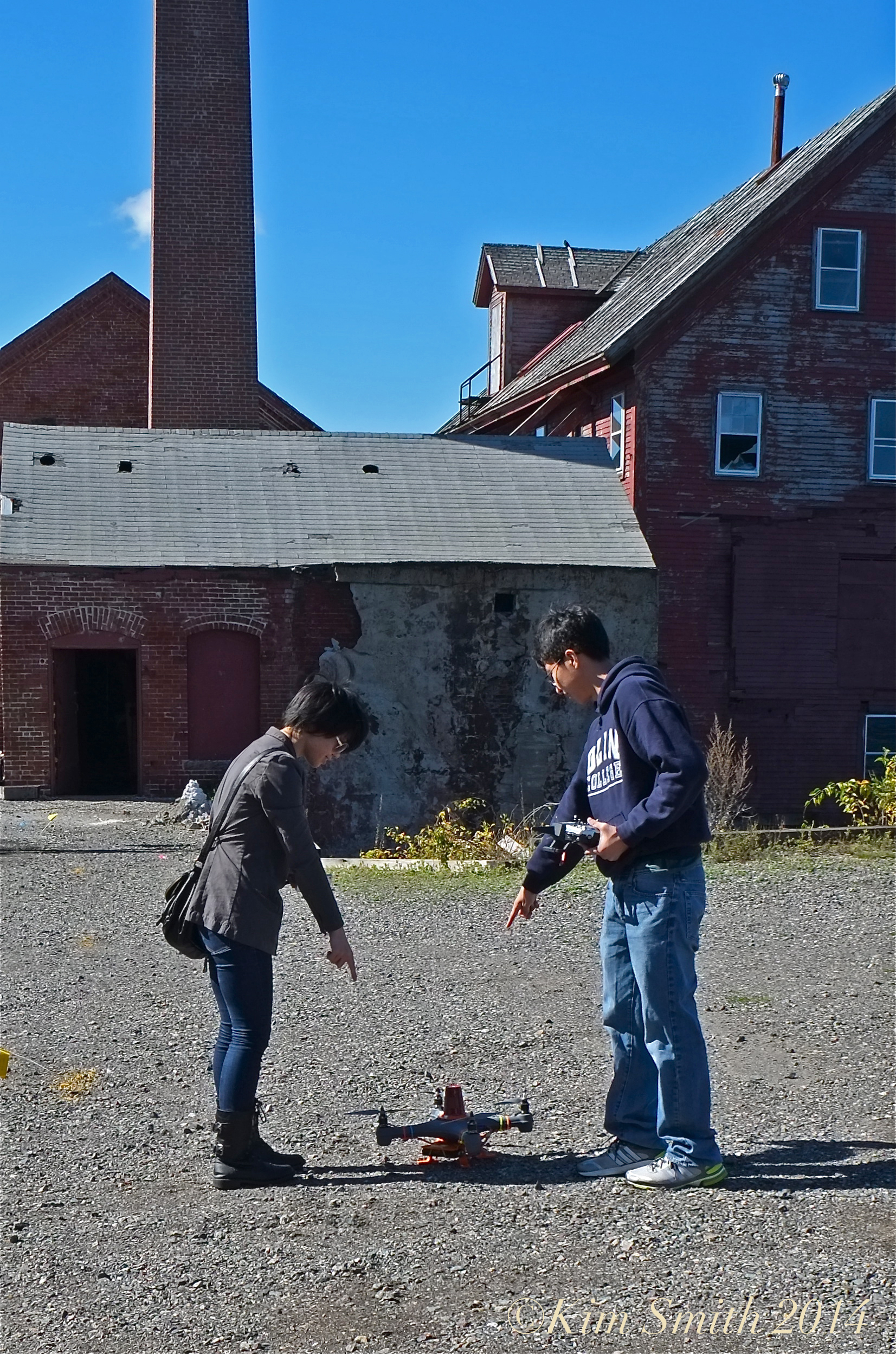
The SnotBot drone works something like this: “as SnotBot flies out to a whale that is approximately 300m from the research vessel, it hovers over a whale and the whale repeatedly blows onto a collection device. After the sample is collected and brought back to the RV Odyssey, the data is used to help interpret an animal’s state of heath through the analysis of bacteria, viruses, DNA, and stress hormones recovered from the whale’s blow.”
Read More from the Olin College of Engineering Website Here
Snot Bot Ocean Alliance Archives Here
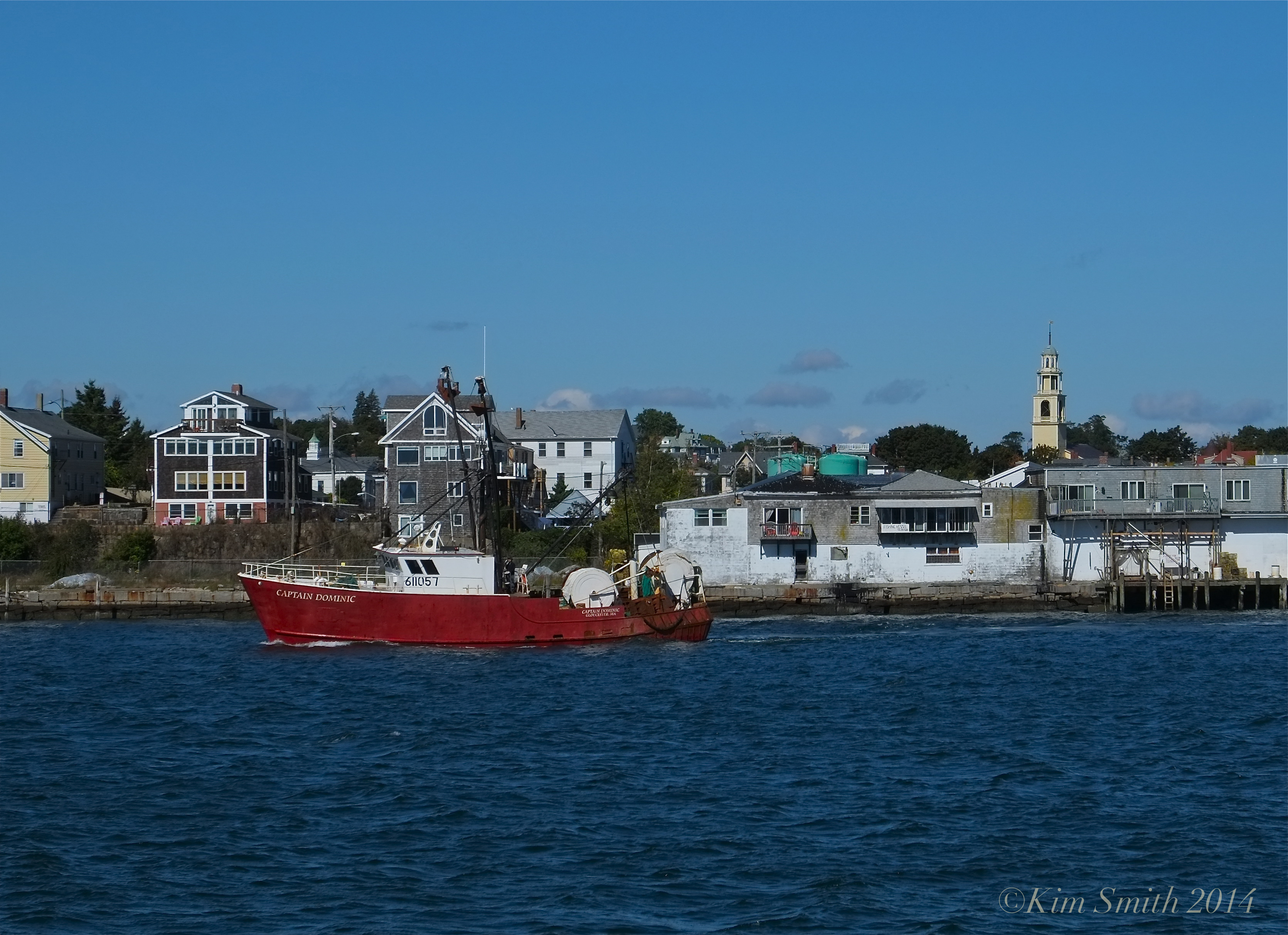 Gorgeous View from the Paint Factory of the Captain Dominic Fishing Boat
See More Photos Here
Continue reading “Discovery Channel at Ocean Alliance”

 Good Morning Gloucester