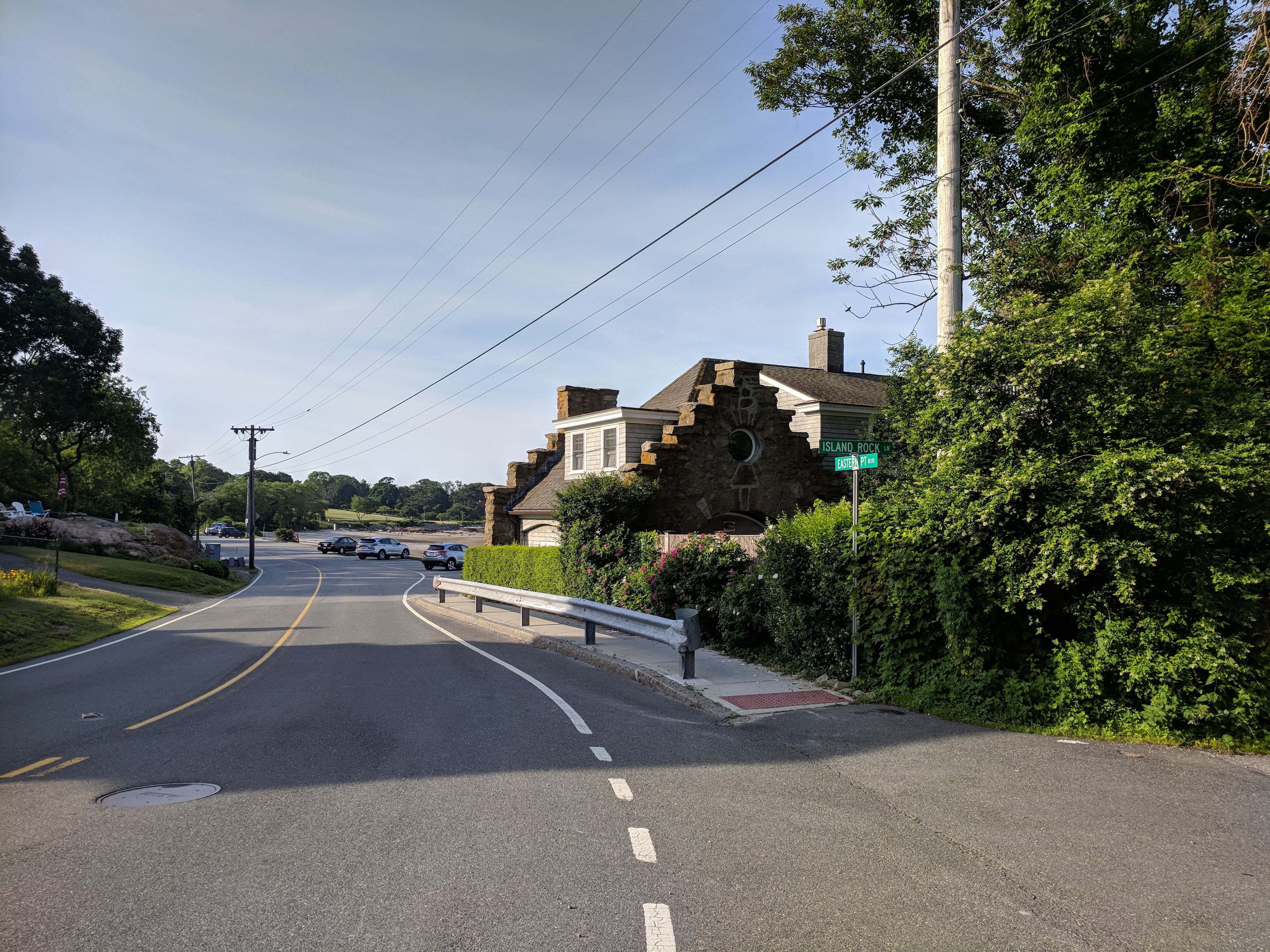
Bet you can name the cross streets. Scroll down for Then | Now Answer
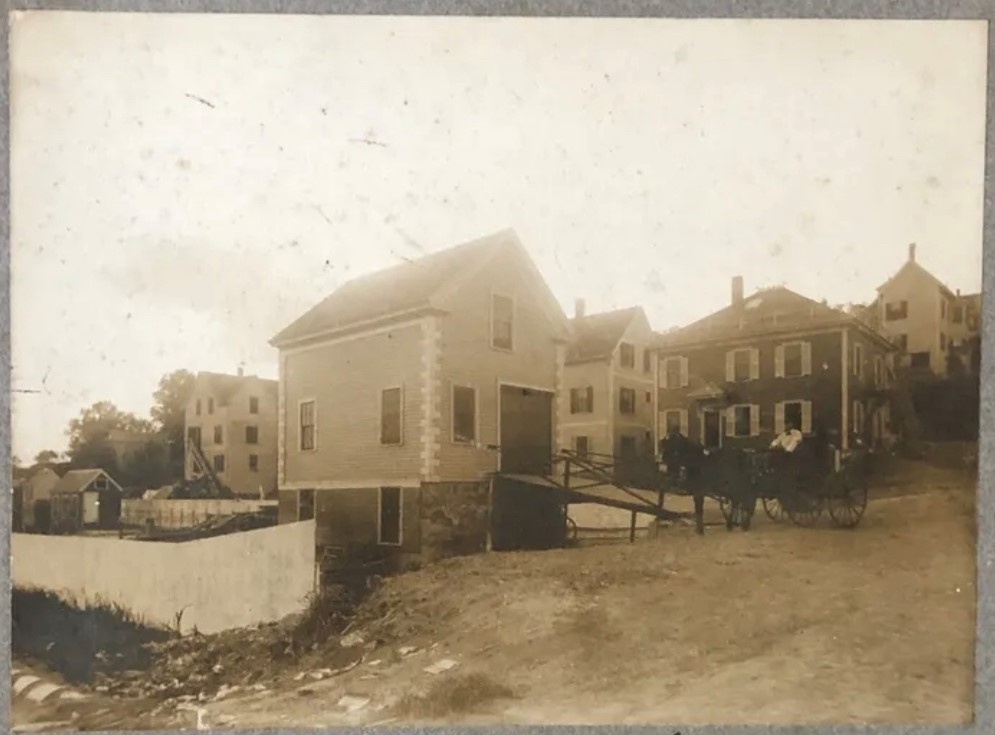
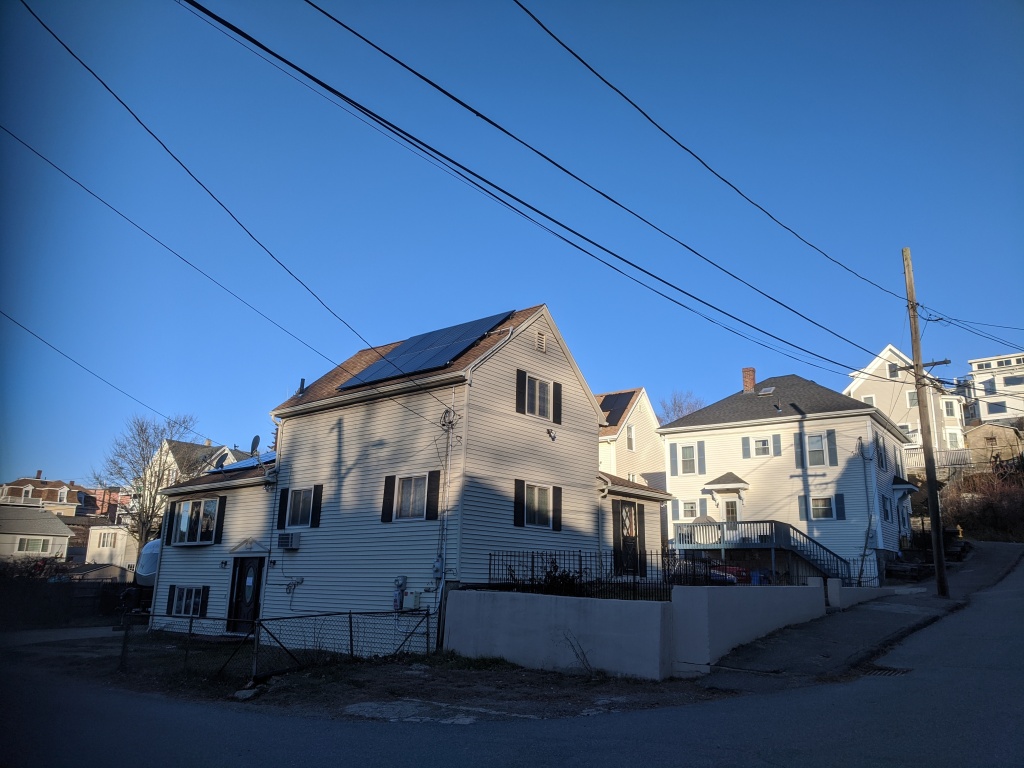
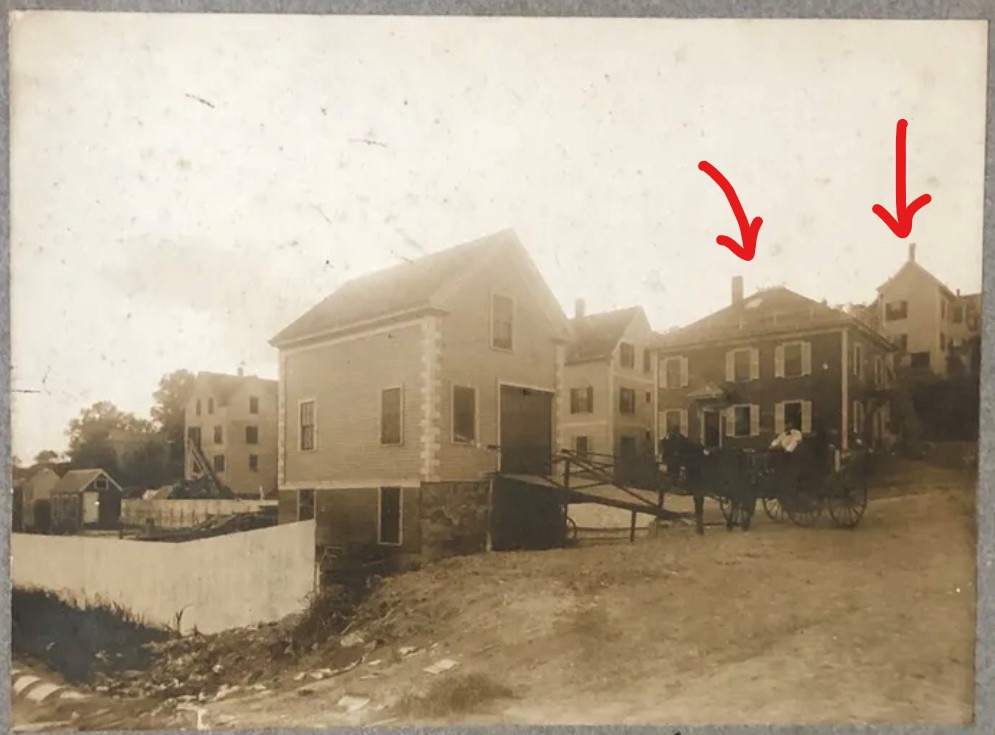
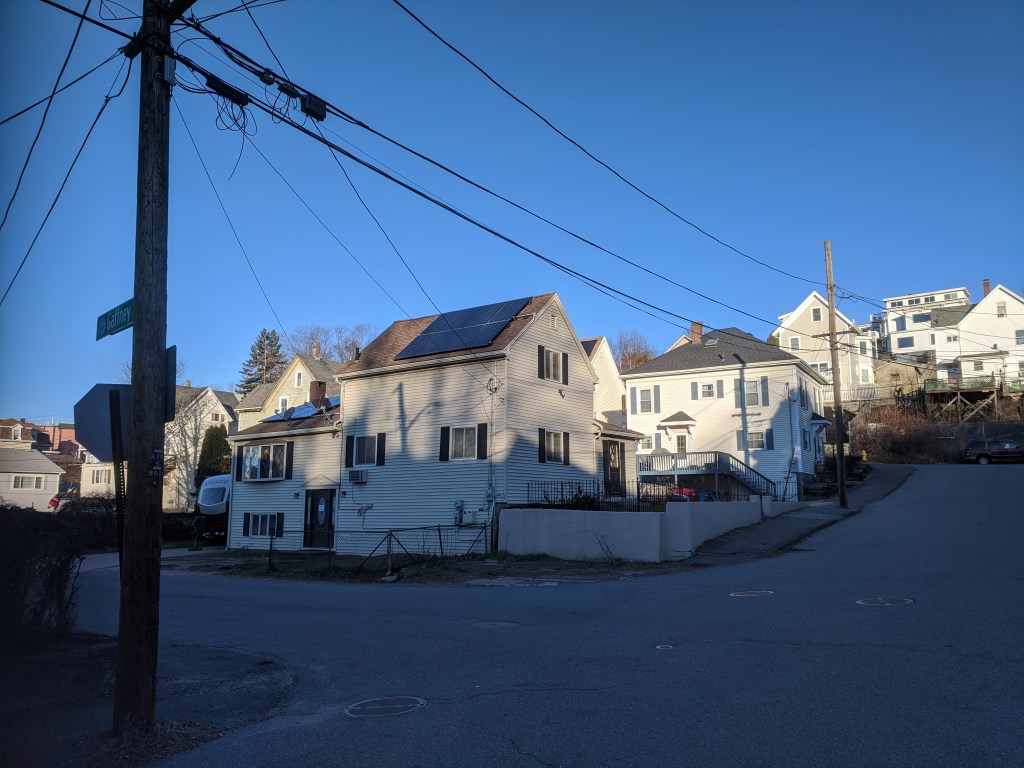
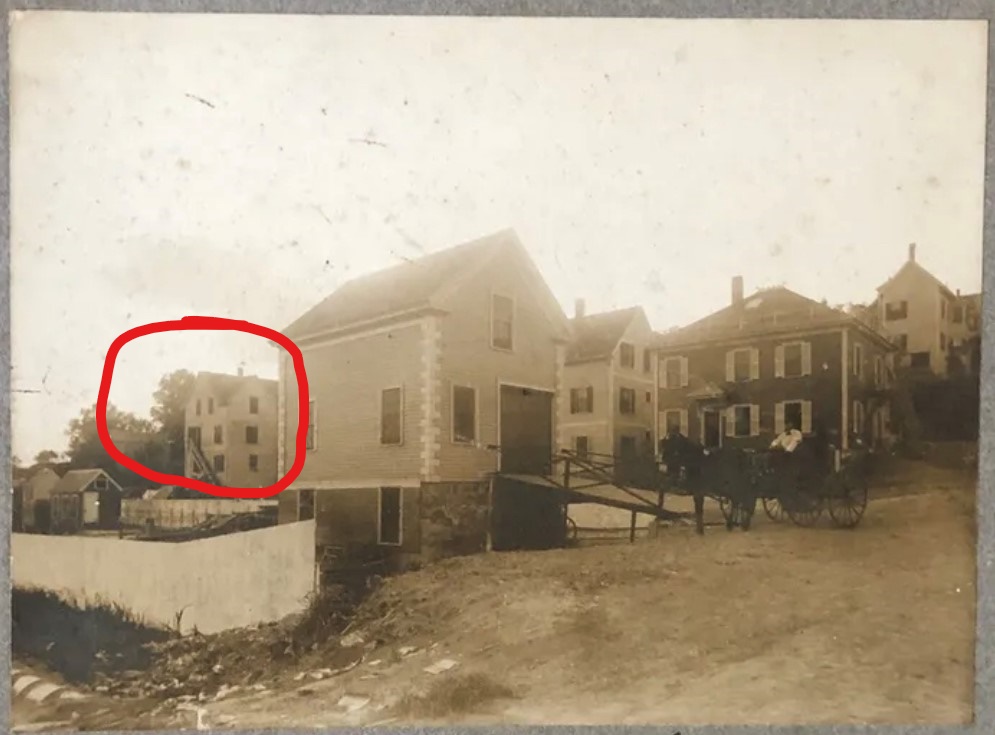
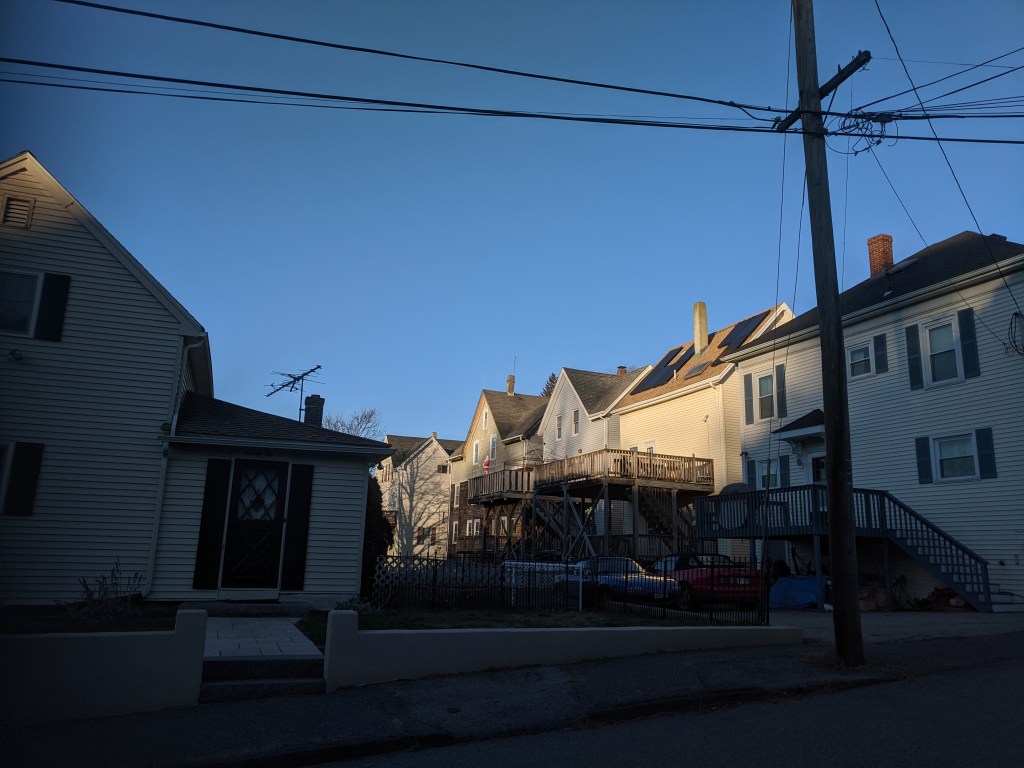
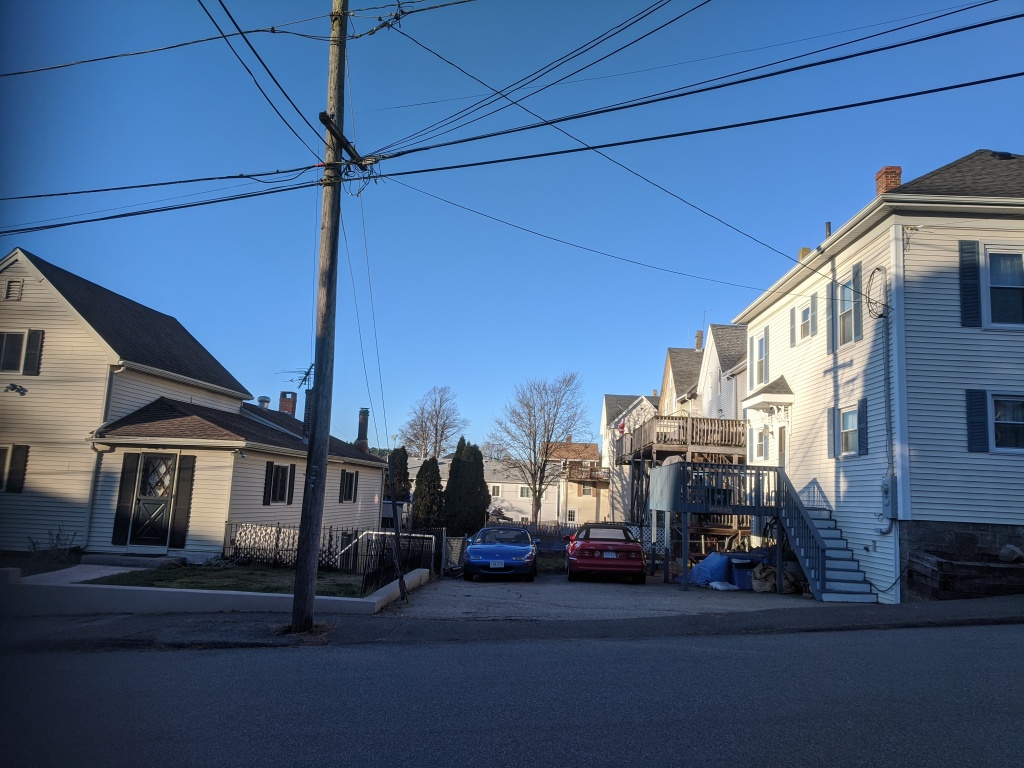
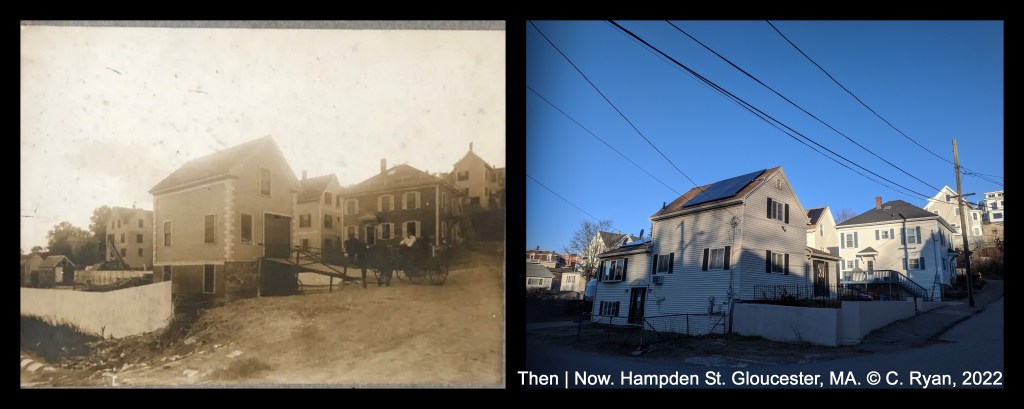
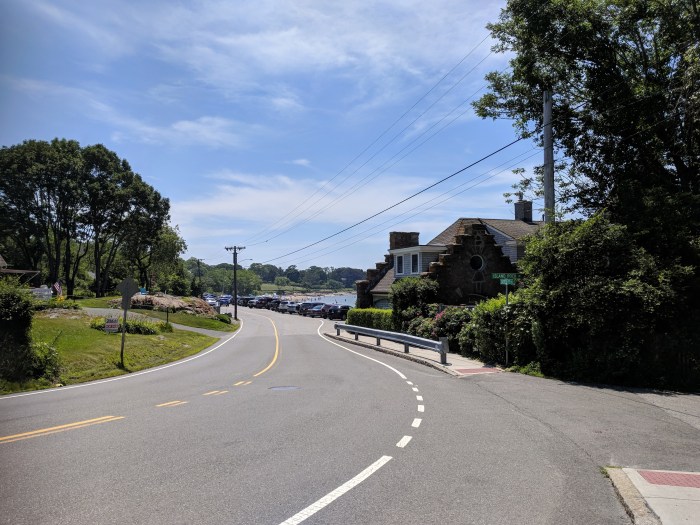
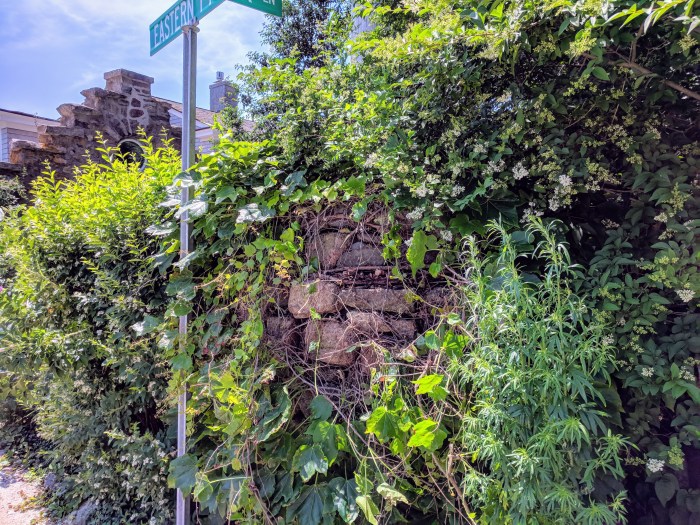
vintage photo album snapshot, with stable ramp: courtesy Jill. contemporary photos: C. Ryan, December 20, 2022
My View of Life on the Dock

Bet you can name the cross streets. Scroll down for Then | Now Answer
vintage photo album snapshot, with stable ramp: courtesy Jill. contemporary photos: C. Ryan, December 20, 2022

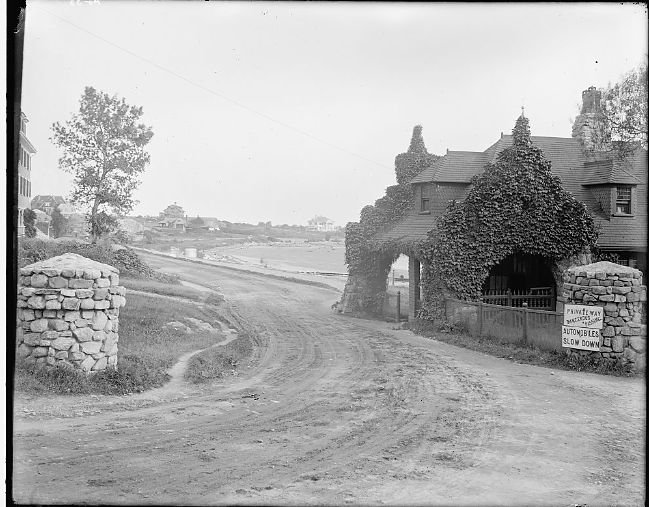
Moving ivy –
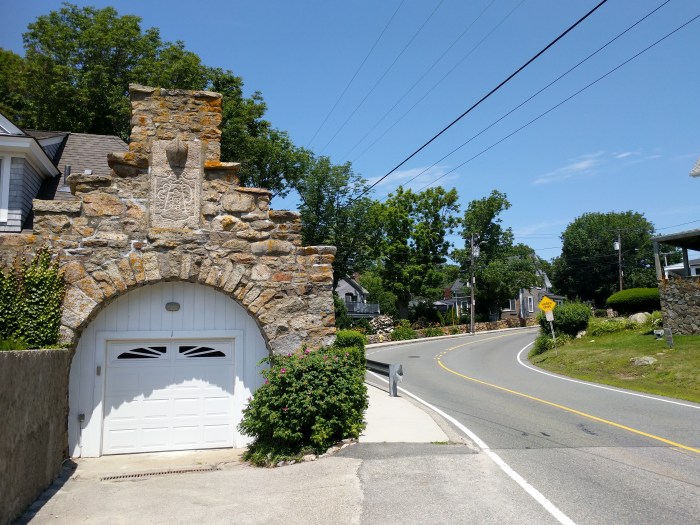
ivy clad Gate Lodge built 1888, photograph ca.1900 Vs. ivy clad stone marker and grounds today






 Annisquam Lighthouse on a crispy clear and chilly October morning
Excerpt from the terrific website, LighthouseFriends.com
Annisquam Lighthouse is situated on the Annisquam River, which is in fact an estuary that connects Ipswich Bay to Gloucester Harbor. In 1631, the village of Annisquam was founded on the eastern side of the northern end of the river. The village grew into a fishing and shipbuilding center that during its heyday rivaled Gloucester. For ships traveling the coast, the river was considered an important refuge.
The lighthouse got its start with an April 29, 1800 act of Congress that authorized the erection of a light on Wigwam Point in Annisquam. The act also provided for the appointment of a keeper and other support of such lighthouse at the expense of the United States, provided that sufficient land for the lighthouse be granted to the United States. That land was to come from Gustavus Griffin, who deeded six-and-one-half acres on October 26, 1800, for which the U.S. Government paid him $140. The area was known as Wigwam Point, because it was historically a summer gathering place for Native Americans. Annisquam is a combination of the local Native Indian name for a harbor, “squam”, and “Ann” from Cape Ann, after Queen Anne of England. Originally, it was frequently written as “Anesquam.”


In 1801, $2,000 was spent for the construction of the original thirty-two-foot wooden lighthouse, which displayed a fixed white light forty feet above the water. A two-room keeper’s dwelling was erected near the tower. The light’s first keeper was James Day, a Gloucester native, who was provided an annual salary of $200. George Day helped is father mind the light, and when James Day became seriously ill in 1805, George was made the official keeper.
An article published in the Boston Post during the early years of the light provides insight into the life of Keeper James Day and his family. The article, quoted in The Lighthouses of New England, states:
A large milk pan, an iron pot, and a dozen wooden spoons made up the greater part of their housekeeping articles; and their livestock consisted of a cow. It was their custom, while boiling their hominy for supper, to milk the cow into the pan, and after turning in the hominy and placing it on the floor, to gather around with their wooden spoons, and all help themselves from the same dish. On one of these occasions, old parson F., their minister happened to be paying them a parochial visit; and one of the boys, being a bit crowded, thought he could better his position by changing it to the opposite side of the dish. In attempting to do this, by stepping across, he accidently put his dirty foot square onto the milk and hominy, and before he could take it out again the rest had revenged themselves for the interruption by rapping him smartly on his bare leg with their wooden spoons, and without taking any further notice of the affair, went on eating as before…
 Aerial view of the Lighthouse and Coast Guard station 1956

Vintage Photos LighthouseFriends.com


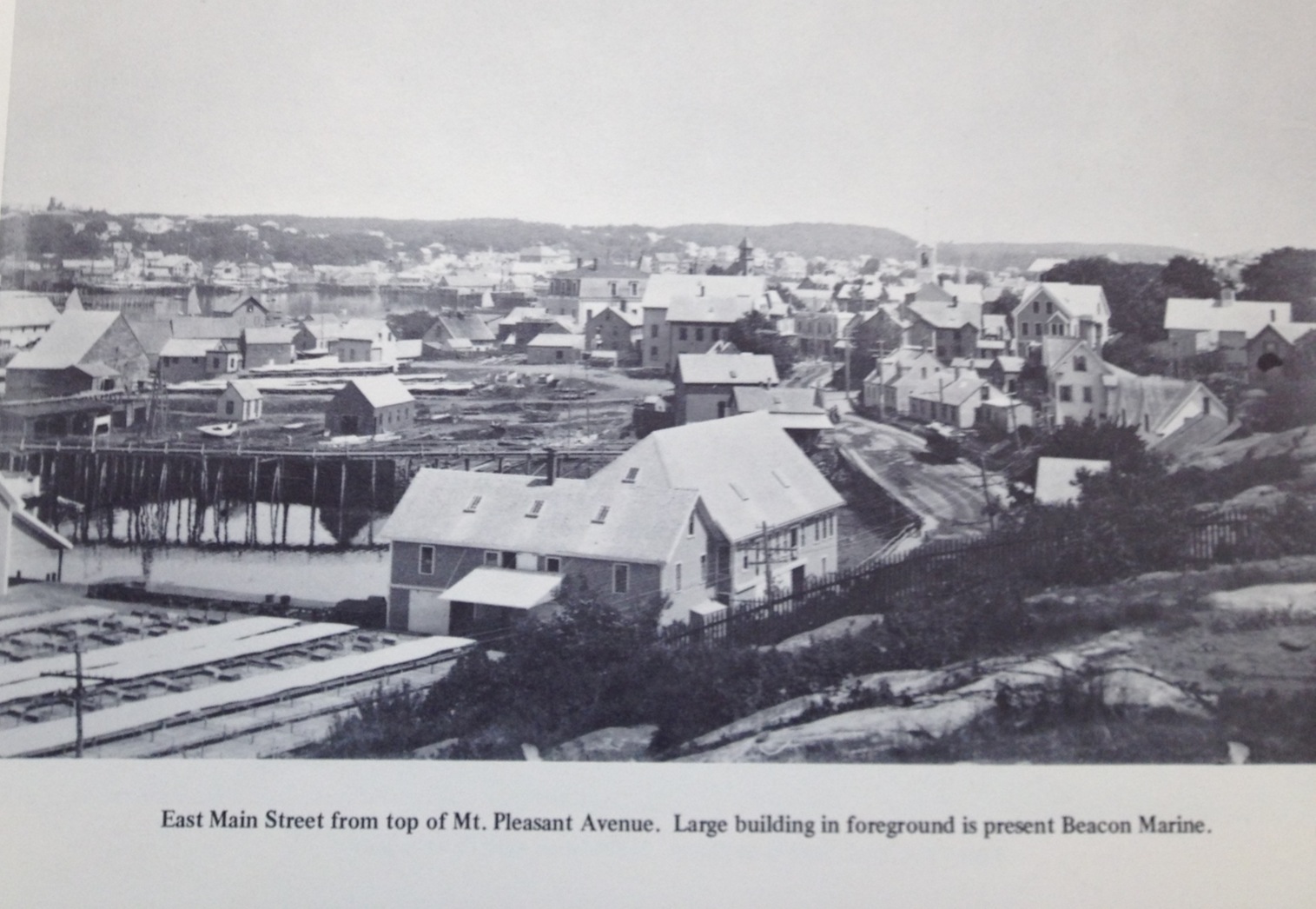
Good morning Kim ~ these photos came from a publication I have titled “Photographic History of Gloucester” published in 1976 by Cape Ann Bank and Trust. Notice the street car tracks ~ next photo you will be able to see the street car. Last night, Joey’s challenge reminded me of these photos which prompted my guess.
That’s my corner, Plum Street! Wonderful fun to see. Thanks for submitting Mary!

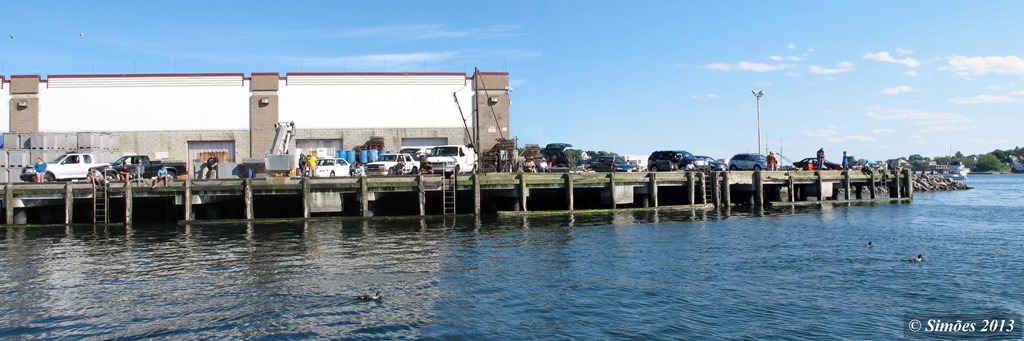
1938 – COMMUNITY FISH PIER COMPLETED
“All Ready for Business
Gloucester’s $1,250,000 Community Fish Pier – Modern in every respect”


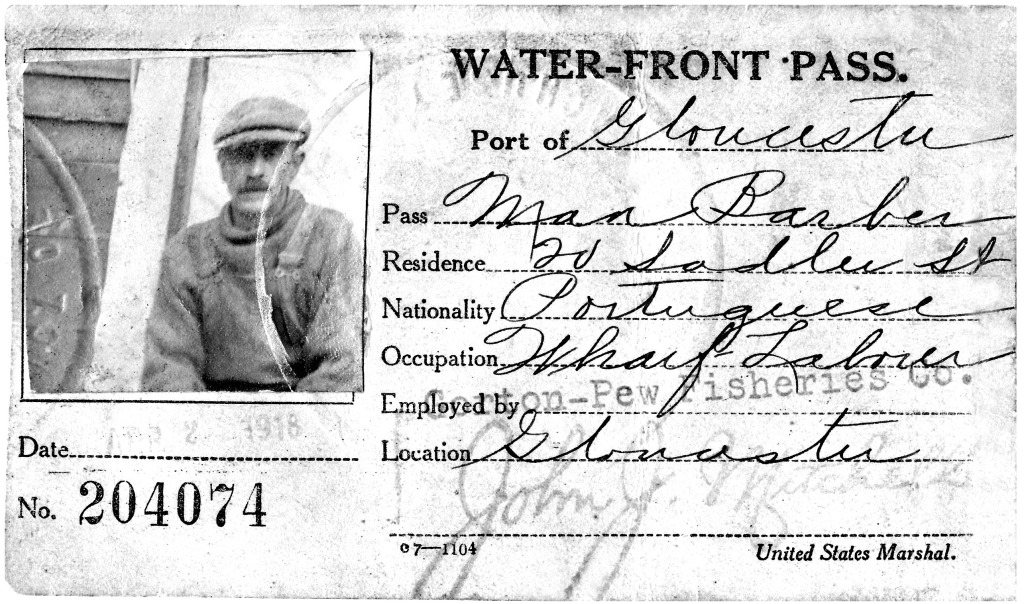
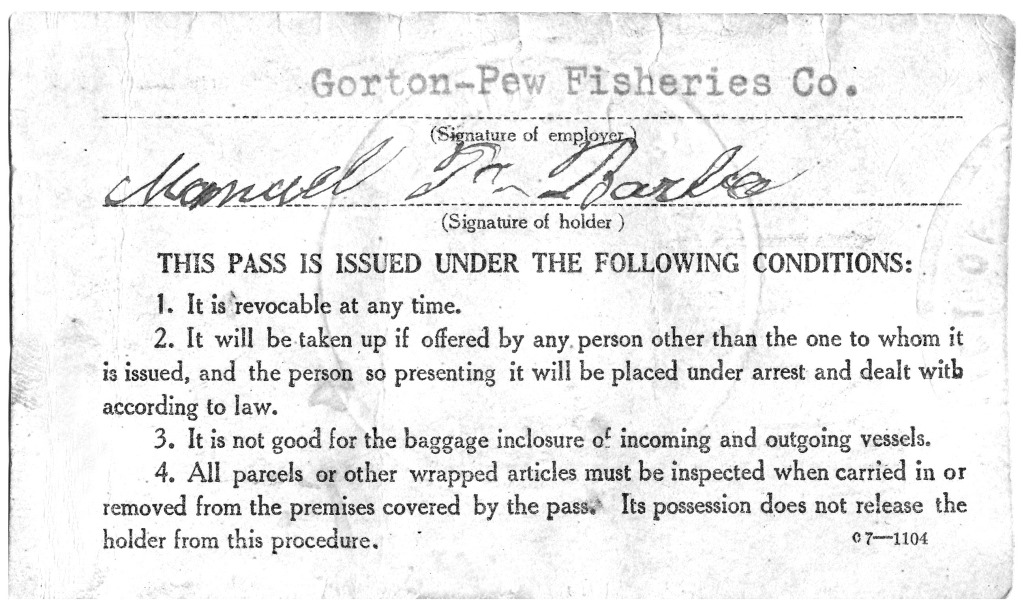
Below is an 1918 Water Front pass for Gorton-Pew Fisheries.
Manuel Barber (Azorean Barbaro) is the maternal great grandfather of Donald Lacerda a long time resident of Gloucester.
Barber was a Gloucester Fisherman, but after his wife died young, he worked for Gorton’s so he could care for his three children.
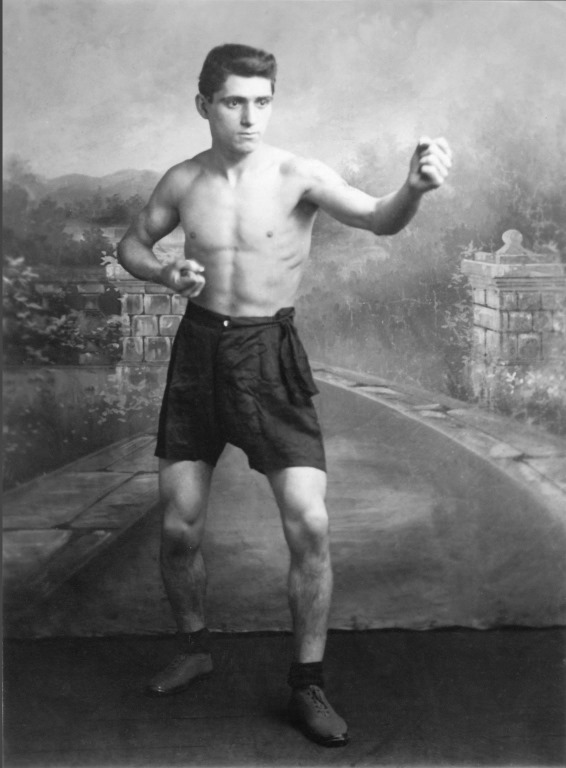
The Fighter below is of Don’s grandfather Joe Lacerda “Spats”, who was a long time barber in Gloucester.
Credit to Steve Mitchell who produced the passes and photo to share with GMG viewers.

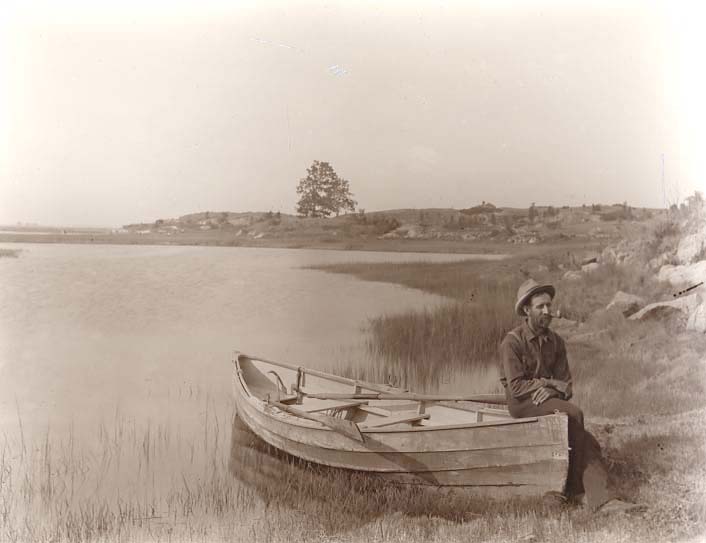
 Old Salt, circa 1890 Anonymous/ ©Fredrik D. Bodin
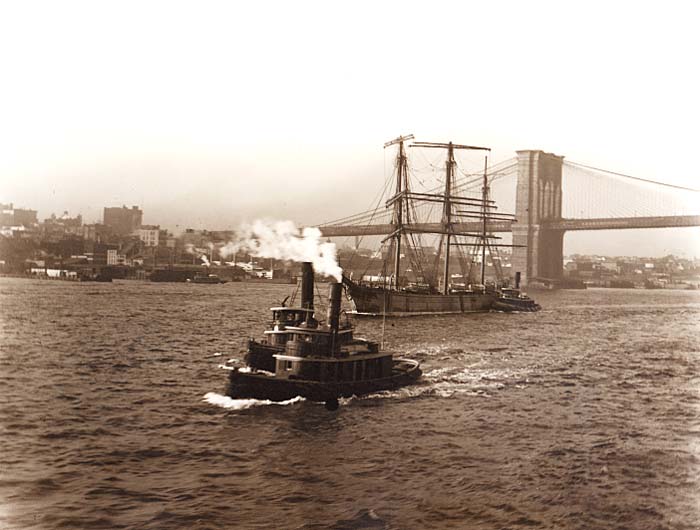 New York City, circa 1910 Charles H. Cleaves/ ©Fredrik D. Bodin
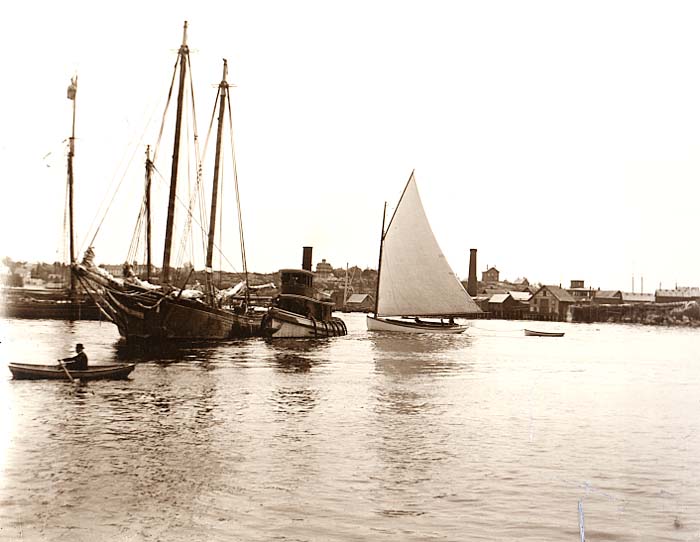 Gloucester Harbor, circa 1900 Russell Robins/©Fredrik D. Bodin
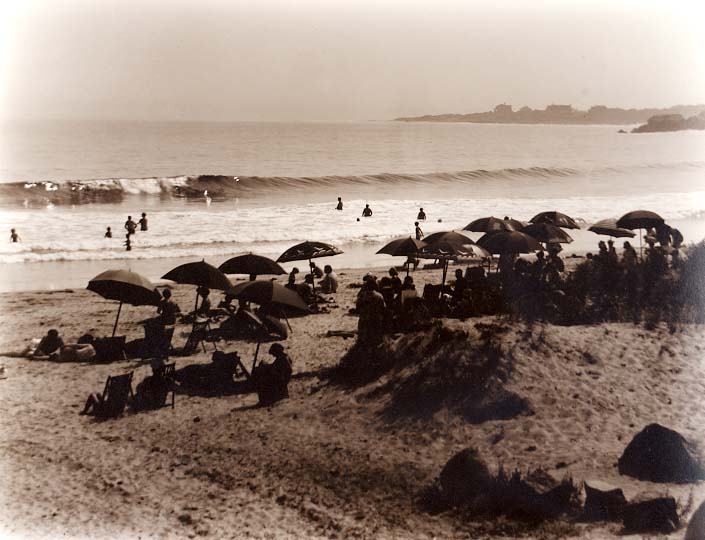 Good Harbor Beach, 1930 Alice M. Curtis/©Fredrik D. Bodin
 Cleaning the Catch, circa 1930 Anonymous/@Fredrik D. Bodin
Sailing home in rolling seas after a fishing trip, these men clean and sort the catch. Covered with fish guts and scales, there’s no showering or shaving on a working schooner. This was on-the-job reality in the 1930’s. One way I estimate the date of an old photo is by clothing style. In this shot, the man in the middle is wearing a 1930’s Trilby hat, and the men on either side are wearing 1920’s flat Newsboy hats. If anyone can identify any of these fishermen, please let us know.
Printed from the original 4×5 inch glass negative in my darkroom. Negative # A9145-246

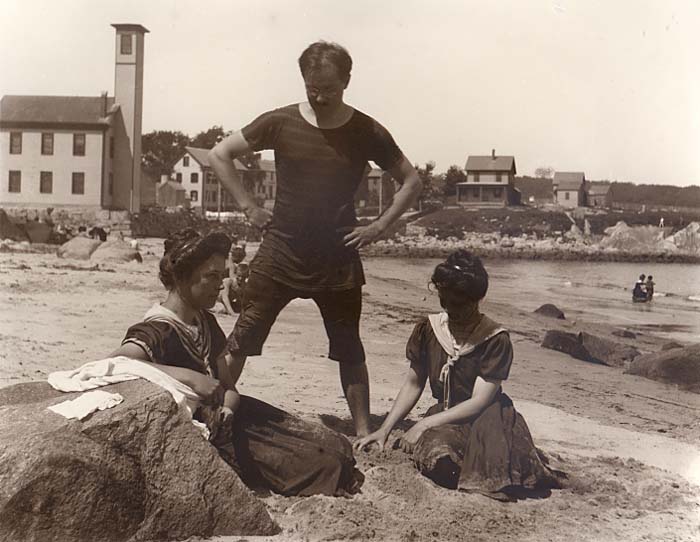 Front Beach, Rockport, circa 1900 Charles H. Cleaves/©Fredrik D. Bodin

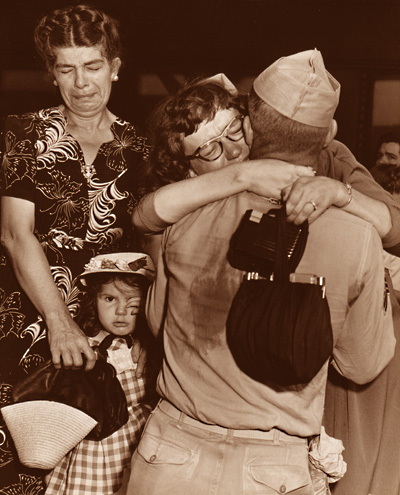 The Homecoming, circa 1950 Anonymous/©Fredrik D. Bodin
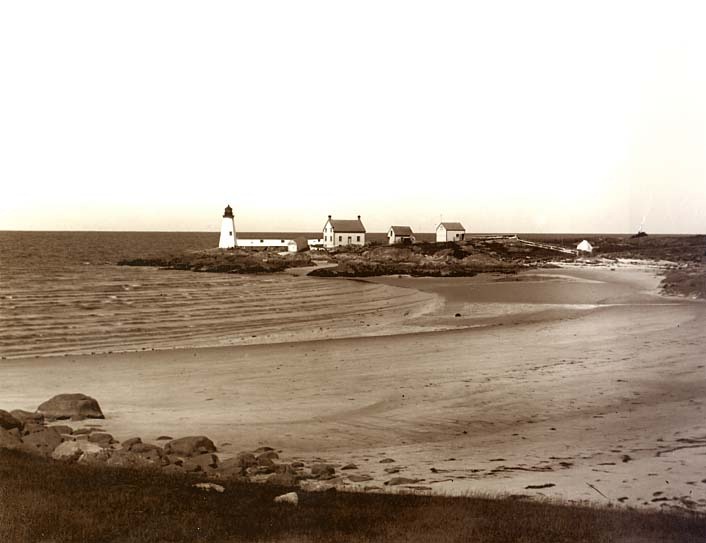


 Good Morning Gloucester