GLOUCESTER’S PIPING PLOVERS NEED YOUR HELP TUESDAY NIGHT

Gloucester’s City Council is voting on an issue that will have tremendous impact on our Piping Plovers.

When: Tuesday, February 26th, at 7:00pm 

Where: Kyrouz Auditorium, Gloucester City Hall

For more information, please find below links to posts and articles:

GLOUCESTER’S PIPING PLOVERS NEED YOUR HELP TUESDAY NIGHT

HOW DO GLOUCESTER’S DOGS ON BEACHES ORDINANCES COMPARE TO OTHER NORTH SHORE COMMUNITIES

LIST OF ARTICLES AND LINKS THAT EXPLAIN HOW DOG DISRUPTIONS HARM PIPING PLOVERS

MORE BACKGROUND INFORMATION ON CHANGES TO THE ANIMAL ORDINANCE REGARDING SAFETY OF THE PIPING PLOVERS NESTING AT GOOD HARBOR BEACH

Massachusetts Department of Conservation and Recreation (DCR) prohibits dogs on beaches from April 1st to September 30th
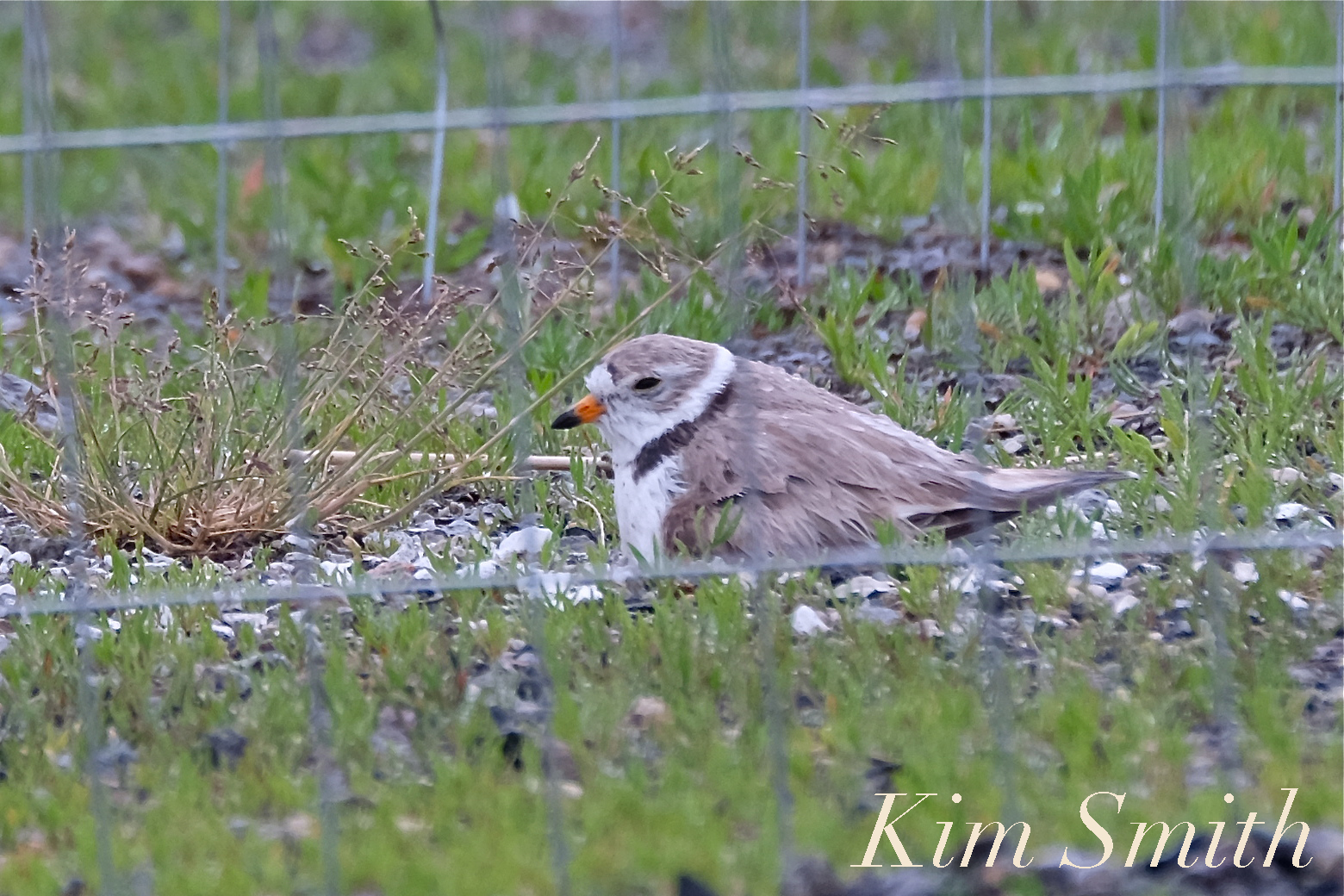
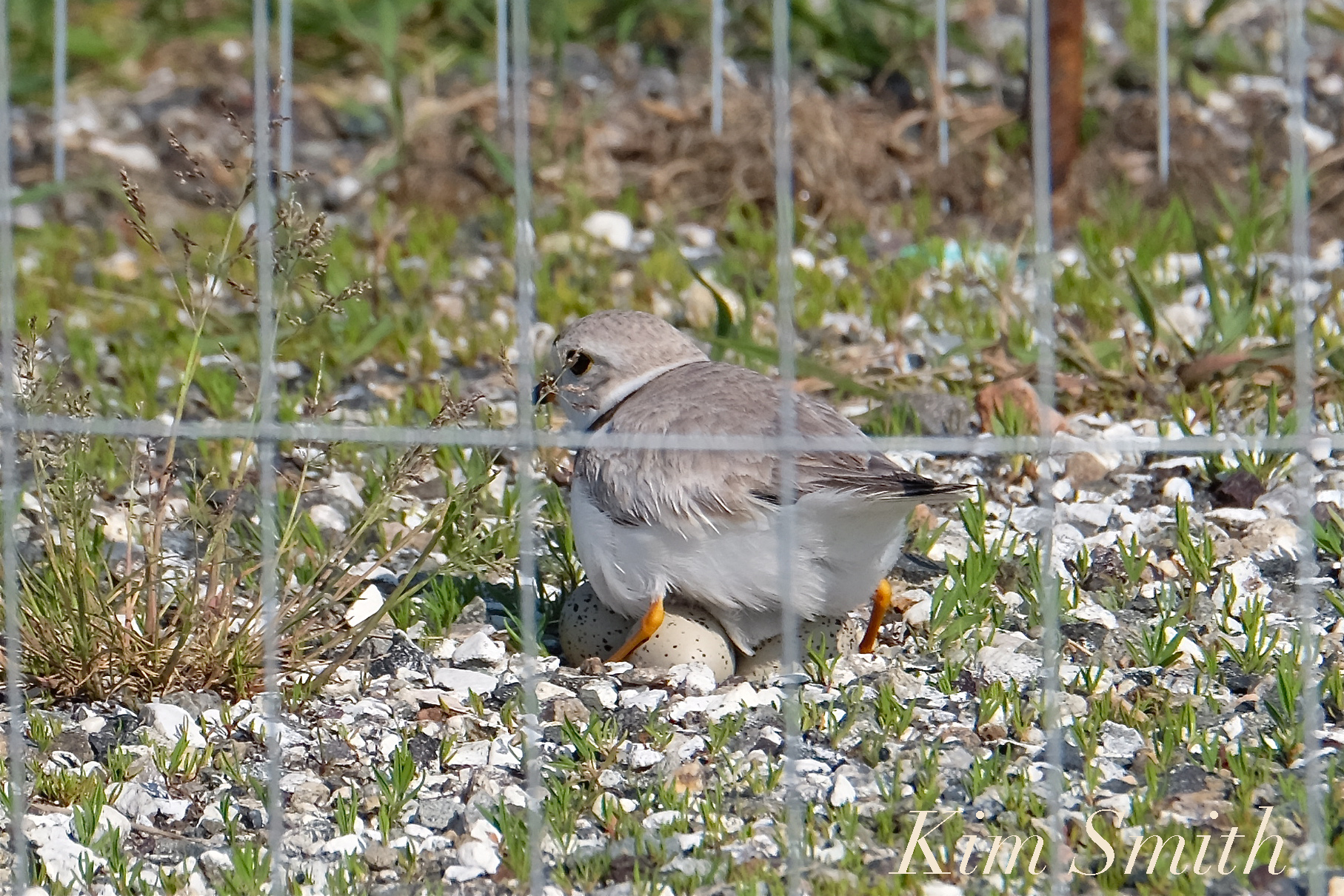
Piping Plover nest in the Good Harbor Beach parking lot.


ADVOCATING FOR THE PIPING PLOVERS

Last night we spoke during open comments at the January City Council meeting. Many, many thanks to Councilor Steven LeBlanc for the advice on how to address the councilors, and to all the councilors present for taking the time to listen, including Scott Memhard, Sean Nolan, Paul Lundberg, Melissa Cox, Valerie Gilman, James O’Hara, and Jen Holmgren.

We are working toward the goal to see the recommendations in place by April 1st of 2019, before the Piping Plovers arrive at Good Harbor Beach. These recommendations were first given in writing on July 9, 2018 to Mayor Sefatia and the City Council.

The following are the concerns and recommendations presented to the councilors on behalf of the Piping Plover volunteer monitors.

January 22, 2019

Piping Plover Recommendations

On behalf of the Piping Plover volunteer monitors, we are submitting our short list of recommendations regarding the Piping Plovers nesting at Good Harbor Beach. Our goal is to have in place by April 1, 2019, measures and ordinances that will greatly increase the likelihood that the hatchlings of this tiny threatened shorebird will have a fighting chance at surviving life on Good Harbor Beach.

Piping Plovers began nesting at Good Harbor Beach in 2016. Each year, the PiPl are coming earlier and earlier. In 2016, they arrived mid-May, in 2017 they arrived at the beginning of May, and this past year, they arrived on April 3. It would appear that the same pair is returning to Good Harbor Beach, as the male marks his territory and attempts to build a nest scrape only several feet from the previous year’s nest (at Boardwalk #3 nesting area).

More Plovers than ever were seen at Good Harbor Beach this spring, and if not for constant disturbances by dogs in the Boardwalk #1 nesting area, we would have had two pairs nesting on the beach.

Why are the birds arriving earlier and earlier? We can presume that the pair are more experienced travelers and parents and that Good Harbor Beach is their “territory.” Does this mean we will eventually have dozens of pairs nesting on Good Harbor Beach? No, because the PiPl are very territorial and they will defend a fairly large area, preventing other PiPl from nesting in their site.

This past year the PiPl pair hatched four chicks. All four chicks were killed by either crows, gulls, or dogs. All three are human-created issues, and all three can be remedied. The following are the four recommendations and actions we wish to see take place.

Recommendations

1) Change the dog ordinance to not allow dogs on the beach after March 31.

Currently, dogs are allowed on the beach from October 1 to May 1. The Piping Plover volunteer monitor core group, Dave Rimmer from Greenbelt, Mass Wildlife’s John Regosin, and Gloucester’s Animal Advisory Committee all recommend that dogs should not be allowed on Good Harbor Beach beginning April 1st.

This new suggested time frame will allow birds to nest on the beach (as opposed to in the parking lot), with far less interruption, shorebirds will nest earlier in the season, which will help with the chicks survival rate, and the chicks will be stronger by the time Good Harbor fills with summer crowds.

This is a very logical and simple solution. Disallowing dogs on Massachusetts coastal beaches where shorebirds are nesting, beginning April 1, is the norm. Allowing them to return after September 30 is also very common. For Piping Plovers and other nesting shorebirds, protecting their habitat and sharing the shore is a matter of life and death.

2) Rope off the nesting area by April 1.

Poles, with threatened species signs, and a triple row of roping of nesting sites, to be in place no later than April 1. Essex County Greenbelt’s Dave Rimmer will assist with this measure.

3) Enforce the existing ordinances regarding dogs (and littering) at all times throughout the year.

 Only enforcing dog ordinances at Good Harbor Beach during nesting season is creating hostility toward the Piping Plovers.

Additionally, we do not recommend extremely high fines as we feel that may become an impediment to issuing and collecting the fines.

We know of at least one example where the magistrate dismissed the tickets issued to a woman who claimed to have a service dog. This woman was running rampant on the beach and throughout dunes with her service dog off leash throughout the entire time the PiPl were nesting, from April through May. Despite the fact that former dog officer Diane Corliss caught the woman on camera with her dog off leash on the beach, and in the dunes, all the tickets that were issued by the animal control officer were dismissed. This is neither fair to the officers who are working hard to keep the dogs off the beach or to the plover volunteers who are spending inordinate amounts of time trying to keep the PiPl safe.

4) Increase trash collection.

When no barrels are placed at the entrances to the beach, people dump bags of trash there anyway. When barrels are in place, people put trash in the barrels however, when the barrels become full, they again resort to leaving bags of trash behind, only next to the barrels. In either scenario, gulls and crows are attracted to the trash. Both gulls and crows rip open the bags and the trash is blown throughout the parking lot and marsh, soon finding its way onto the beach and into the ocean.

Hungry gulls and crows waiting for people to leave their trash behind eat tiny shorebirds.

Thank you for taking the time to consider our recommendations.

Can these recommendations be actionable for the spring of 2019?
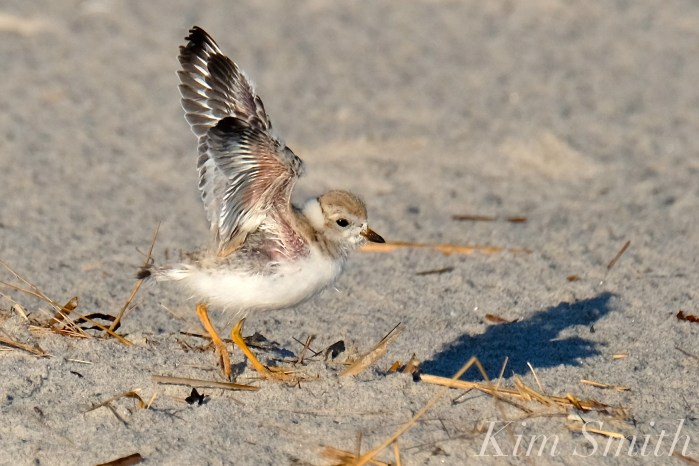
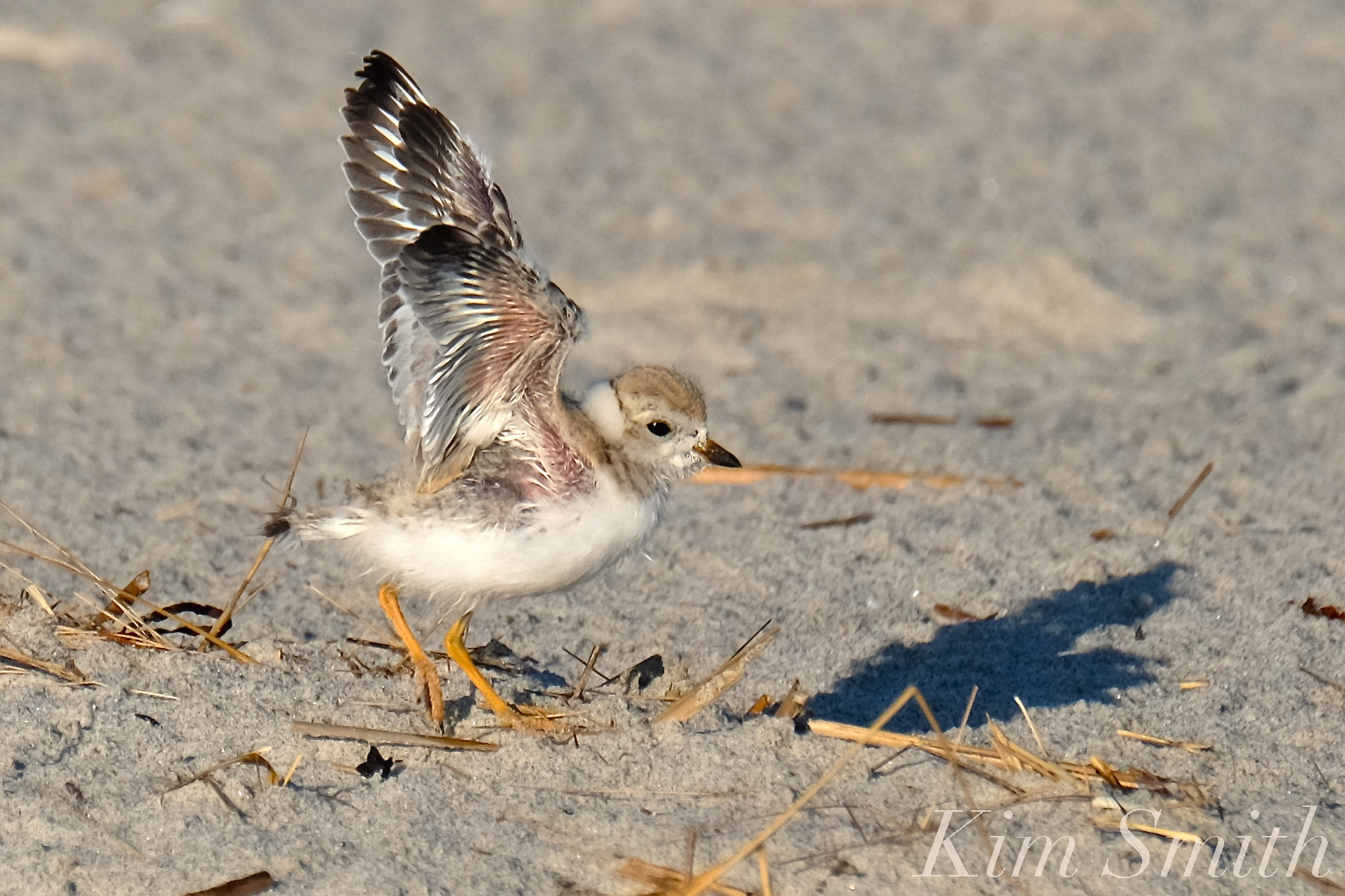
Piping Plover chick spreading his wings.

https://www.instagram.com/p/Bs9cvCgH2YS/


GREAT BLUE HERON TIMES FOUR!

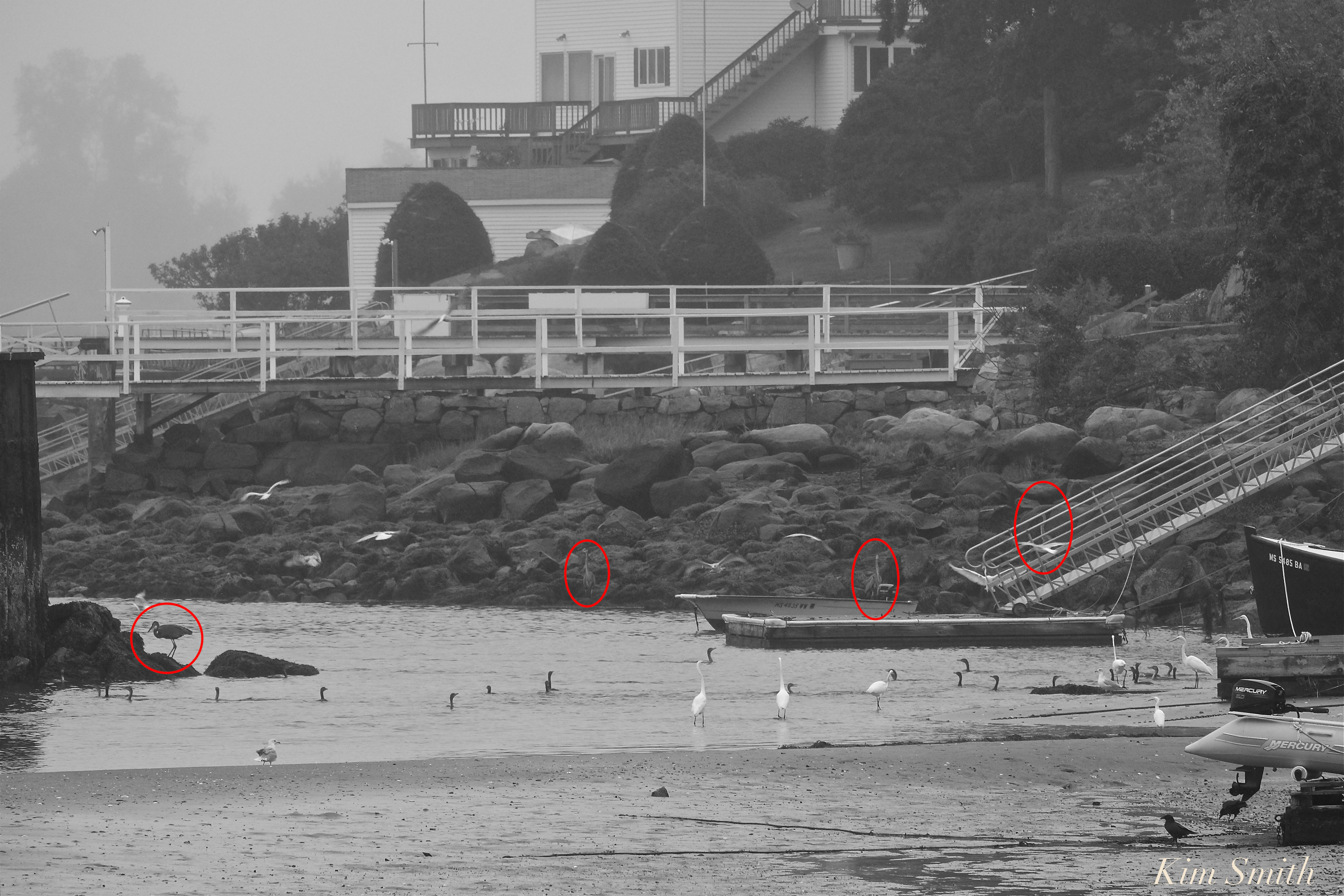
Last week we posted a photo of a group of Great Blue Herons, Cormorants, Snowy Egrets, Little Blue Herons, and Great Egrets all foraging together on a rainy morning. The Great Blue Herons are so perfectly camouflaged when perched on the rocky shoreline and we asked how many GBH folks could see. Reader Julie W. saw the most and she even sent the photo back with the Great Blues circled. Thank you Julie for taking the time to do that!!

I WANT WHAT YOU HAVE!

What do Great Blue Herons, North America’s largest species of herons, eat? Because they feed in a variety of both freshwater and saltwater habitats, their diet is richly varied. Great Blue Herons dine on small fish, crabs, shrimp, mice, rats, voles, frogs, salamanders, turtles, gophers, snakes, many species of small waterbirds including ducks and ducklings, and insects.

How many Great Blue Herons do you see in the photo above? I thought there was only one in the shot, until returning to my office and had a good look at the scene.

TWO TERRIFIC WILDLIFE PRESENTATIONS UPCOMING AT SALEM STATE UNIRVERSITY

JENNIFER JACKMAN SHARES THE FOLLOWING:

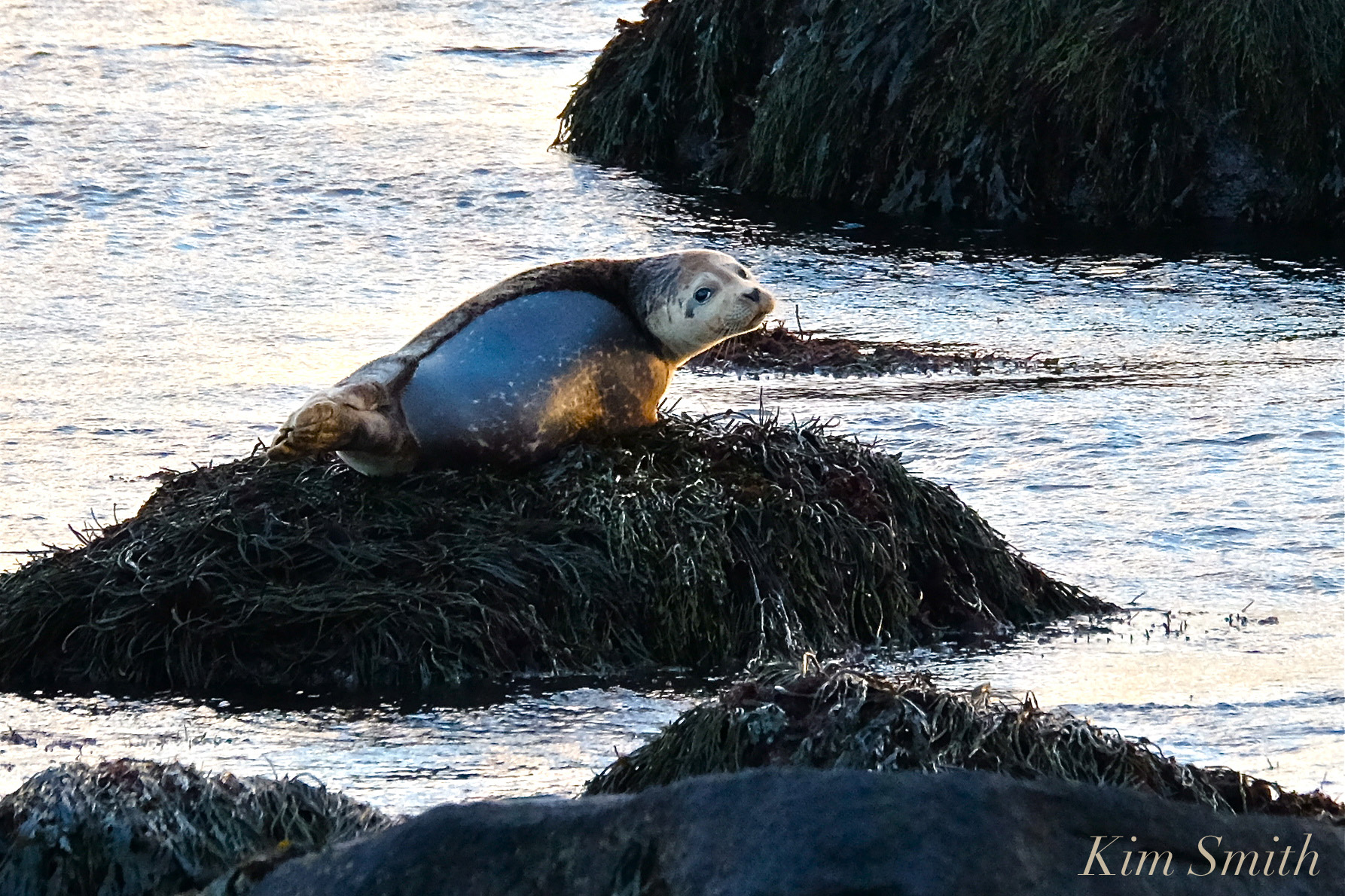
NOTE CHANGE OF DATE AND PLACE: On December 3, from 2:30-3:50pm at Veteran’s Hall B, Ellison Campus Center (place to be determined) Salem State University, Dr. Andrea Bogomoloni, Woods Hole Oceanographic Institute and Chair of the Northwest Atlantic Seal Research Consortium will speak on “Seals & Society: Biology, Ecology and Interactions in New England.” Her talk will review the history of seals in New England, examine their roles in the ecosystem and as ocean health sentinels, and discuss seal-fishery interactions.

Harbor Seal Gloucester

On Monday, November 19, from 2:30-3:50pm in Veteran’s Hall B, Ellison Campus Center, Salem State University, there will be a panel on “Wildlife in Peril.” Panelists include Andrea Zeren (Psychology) who will highlight the plight of elephants globally; Jack Clarke (Director of Public Policy and Government Relations, Mass Audubon) who will describe current threats to the Migratory Bird Treaty Act and the Endangered Species Act; and Mendy Garron (NOAA) who will discuss the plight of large whale species (particularly right whales). All three speakers also will discuss efforts to protect wildlife.

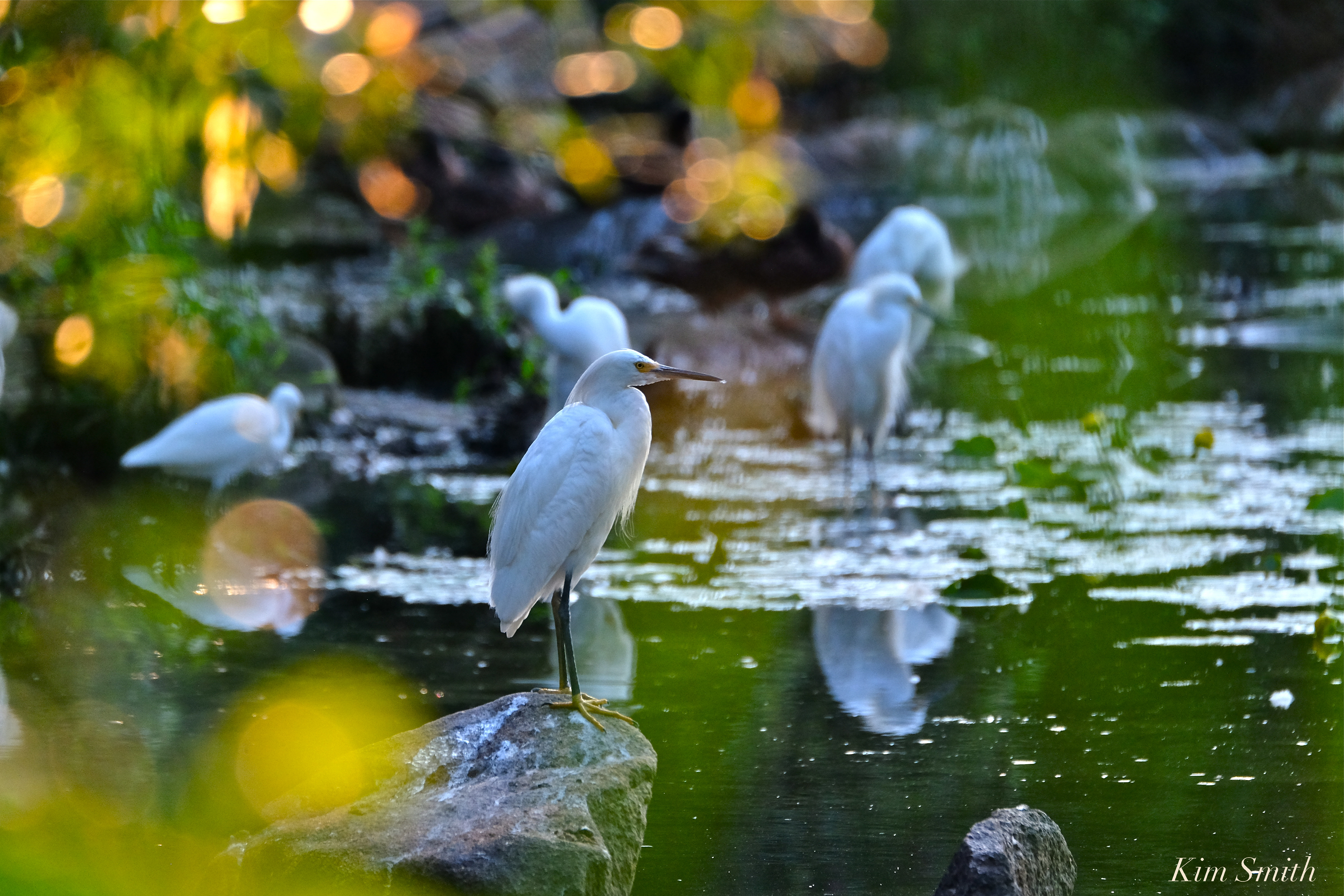
Snowy Egrets are just one of myriad species of birds that have been saved from the brink of extinction by the Migratory Bird Treaty Act and the Endangered Species Act.

These events are sponsored by the Salem State University Human Dimensions of Wildlife Unit at the Bates Center for Public Affairs and the Political Science Department and are open to the public. For more information contact, Jennifer Jackman at jjackman@salemstate.edu .

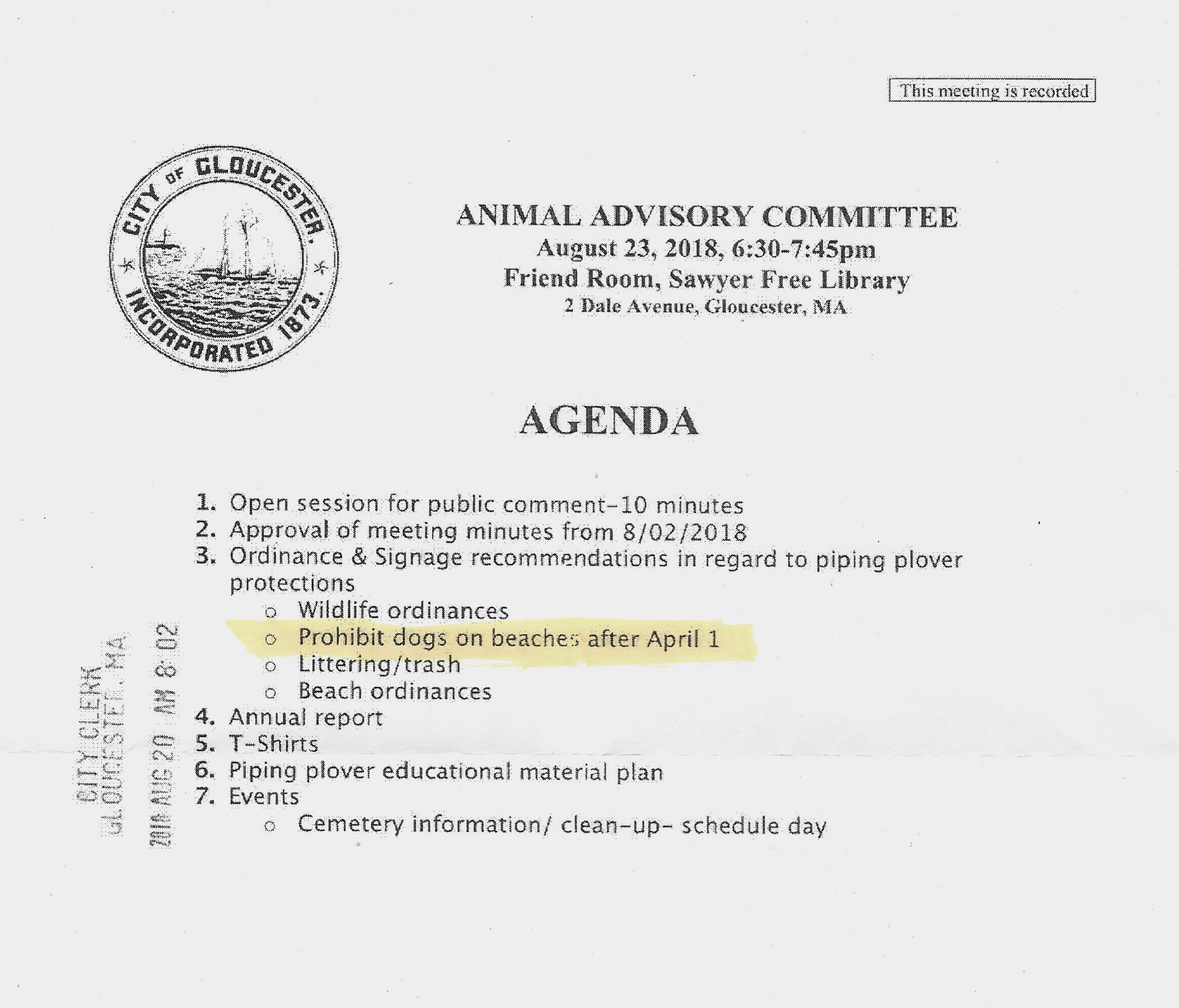
PIPING PLOVERS ON THE AGENDA AT TONIGHT’S AAC MEETING

ANIMAL ADVISORY COMMITTEE

OCTOBER MEETING TODAY AT 6:30

CITY HALL, 3RD FLOOR

1. Approval of meeting minutes from 9/12/2018
2. Education/Outreach Plans
3. Piping plover awareness and education
4. Off leash beach days
5. Rodenticides
6. Dogs in Cemetery
7. Materials
8. Shirts/Sweatshirts/Hats
9. Brochures
10. Public comment
11. New Business

A BANNER YEAR FOR MAINE’S PIPING PLOVERS!

Piping Plover Fledgling

PORTLAND PRESS HERALD

BY GILLIAN GRAHAM

September 4, 2018

With 128 fledglings this year, Maine is still meeting its conservation targets for gradually restoring the species of tiny beachcombers.

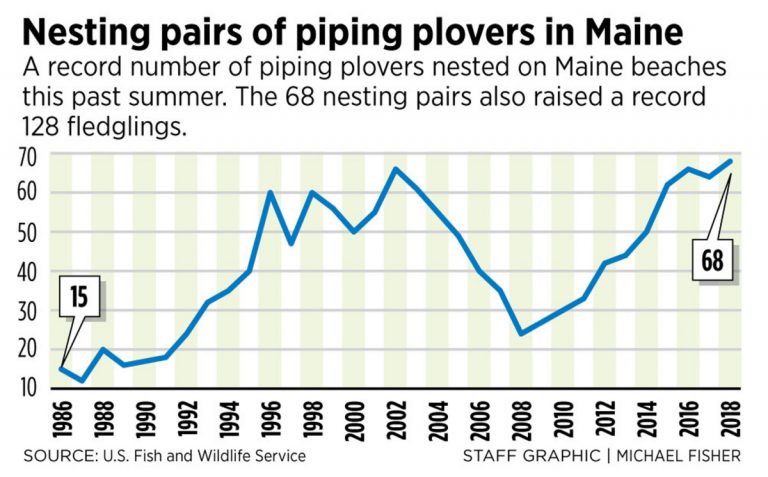
A record number of the endangered shorebirds nested on beaches from Ogunquit to Georgetown and produced a record number of fledglings, according to Maine Audubon. Maine beaches hosted 68 nesting pairs that fledged 128 birds, continuing a decade of steady growth in their population.

“That’s the most we’ve had in Maine since we began monitoring in 1981,” said Laura Minich Zitske, who leads the Maine Coastal Birds project for Maine Audubon.

After winter and spring storms left beaches in southern Maine in rough shape, there was some concern about how it would impact the tiny beachcombers that arrive in Maine in late April to early May to nest in the sand near dunes.

“We lost a lot of prime nesting habitat. Beaches like Ogunquit did look pretty rough at points, but thankfully the birds were adaptable and able to find spots to raise their young,” Zitske said.

Ogunquit Beach ended up seeing the most fledglings, with 24 produced by 11 nesting pairs. There were 15 fledglings each at Wells Beach and at Scarborough‘s Western Beach.

Zitske said the success of the plovers this year is due in large part to partnerships between Maine Audubon, the Maine Department of Inland Fisheries and Wildlife, the U.S. Fish and Wildlife Service and the landowners, volunteers and municipalities that create safe nesting conditions and educate the public about the endangered birds.

In 2005, just 27 chicks fledged on Maine beaches after nests and birds were wiped out by a combination of stormy weather and increased predation. While the numbers fluctuate year to year, the trend in Maine has shown consistent growth since then. Last year, 64 nesting piping plovers yielded 101 chicks.

The 100-plus fledglings – the stage at which chicks can evade predators or other dangers on their own – means Maine is still meeting its conservation targets for gradually restoring a diminutive species of shorebird that nests on Maine’s relatively few sandy beaches at the height of the summer tourism season.

Roughly 2,000 piping plover pairs nest on beaches from North Carolina to Newfoundland. The tiny birds can be spotted skittering at the ocean’s edge or on mudflats searching for worms, bugs and other invertebrates. When they aren’t foraging, plovers can be found nesting in the transition area between dunes and the sandy beach. Plover chicks are so small they are often described as cotton balls walking on toothpick legs.

Maine Audubon works closely with the state wildlife department and towns from Ogunquit to Georgetown to monitor the beaches for breeding pairs beginning in the spring and then advising the public about the birds’ presence. Nests with eggs are often protected by mesh fencing that allows the birds to skitter in and out of the area while keeping out predators. Volunteers and some paid beach monitors advise beachgoers and dog owners on how to avoid disturbing the sensitive birds.

READ MORE HERE

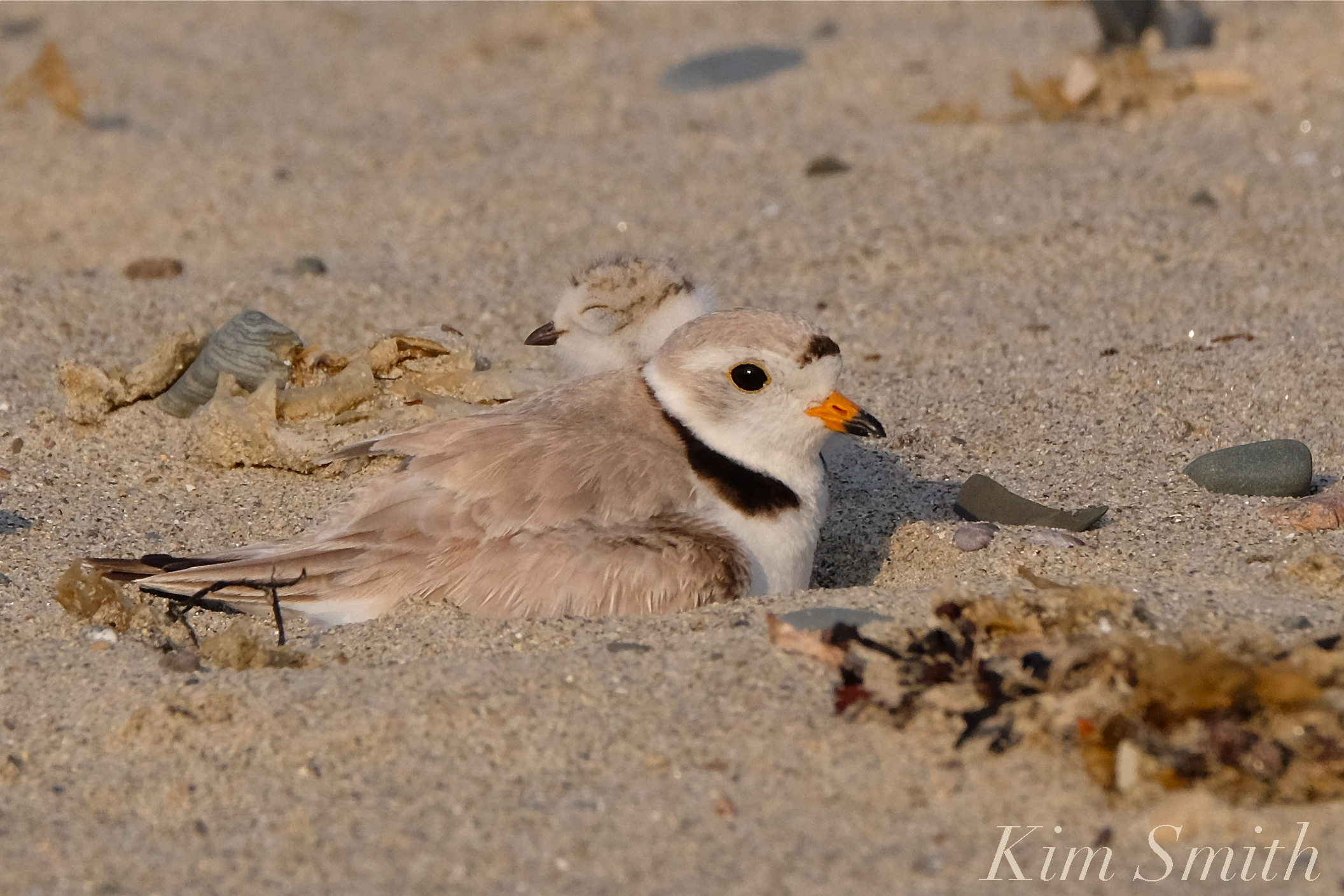
Piping Plover adult in the foreground, fledgling in the background. Note the lack of headband and should epaulettes on the fledgling, compared with the adult PIPL.

REMINDER – ANIMAL ADVISORY COMMITTEE MEETING TONIGHT AT 6:30PM: PIPING PLOVERS ON THE AGENDA

PLEASE NOTE THE CHANGE OF MEETING PLACE. THE MEETING WILL BE HELD AT THE FRIEND ROOM AT THE SAWYER FREE LIBRARY

GLOUCESTER DPW ROCKIN THE NEW FENCING AT GOOD HARBOR BEACH!

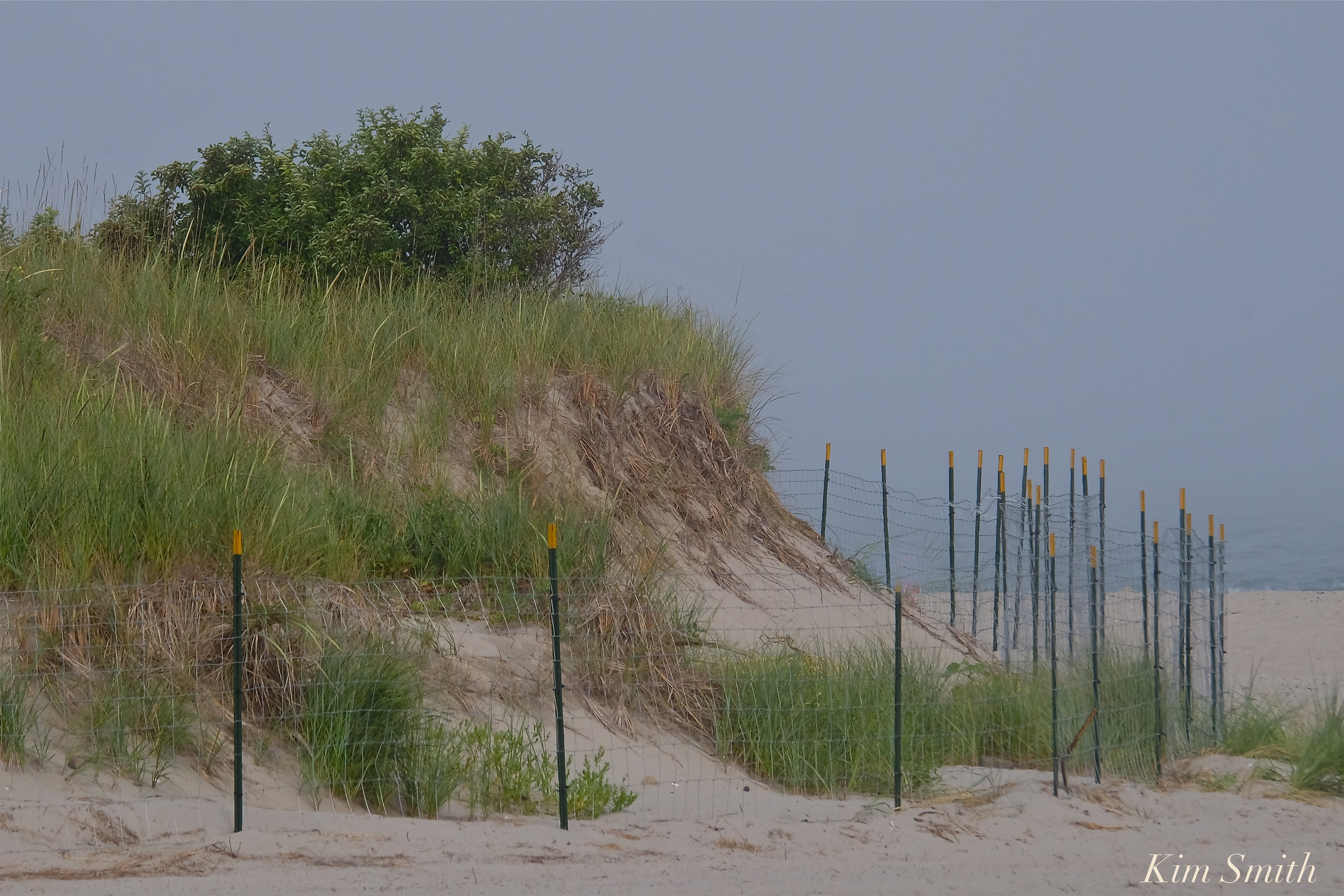
Check out the awesome new dune fencing recently installed at Good Harbor Beach by our DPW crew. The wire fencing runs along the length of the beach. The DPW did an outstanding job, very neat and unobtrusive.

Dune fencing plays an important role in reducing erosion. One of the main benefits of dune fencing is to help keep pets and people out of the dunes. Why is it detrimental to the dunes to allow uncontrolled dogs to run through the dunes and for people to use the dunes to access the parking lot, or worse, as their personal toilet? Repeated traffic through the dunes damages and kills the plants growing in the dunes. Plants help control erosion by stabilizing soil and sediments with their roots. Dune vegetation helps break the impact of of wave splash and rain, and also traps sand to help build up the dunes.

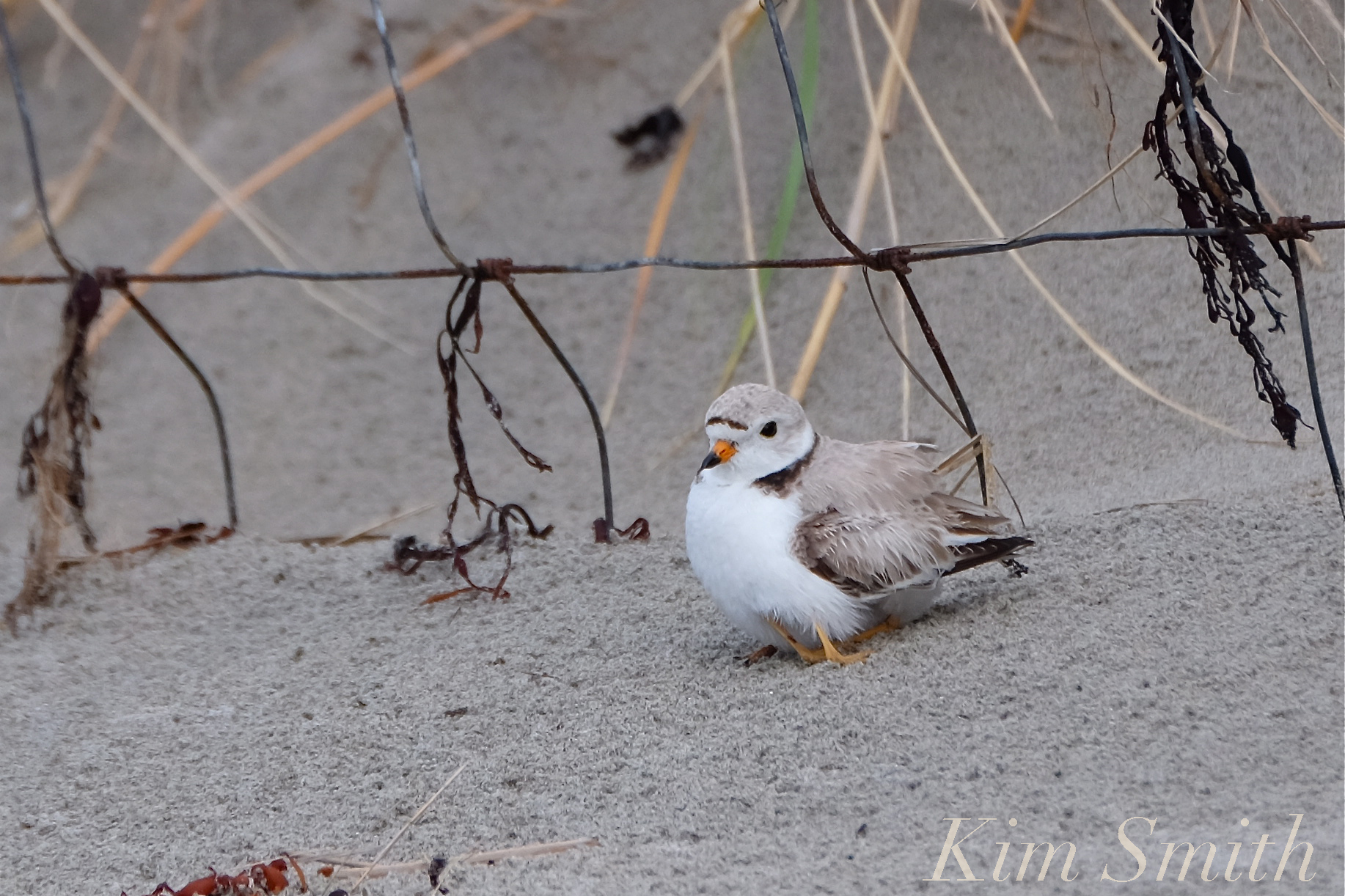
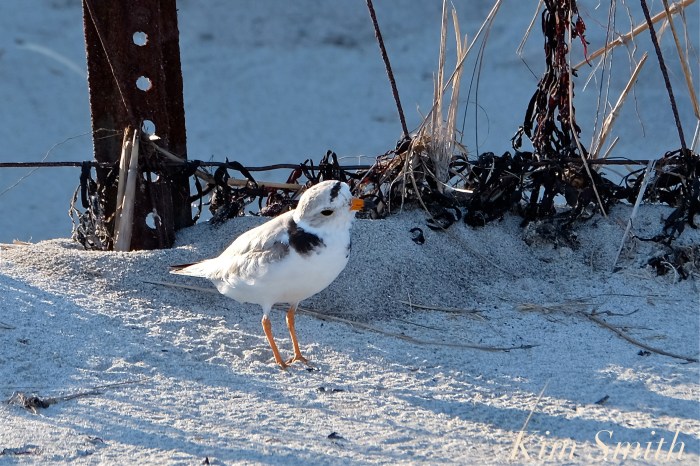
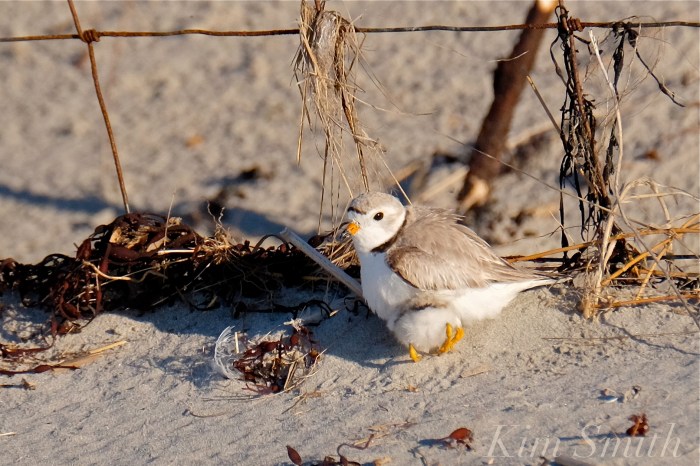
The fencing material installed by the DPW is an excellent choice for nesting shorebirds. This year especially, with much of the beach vegetation washed away and with the beach greatly narrowed, the Piping Plover adults and chicks had learned to use the area behind the old wire fencing for shade and to hide from predators. The open fencing still allows for small wild creatures to go in and out of the holes to find shelter and safety at the base of the dune.

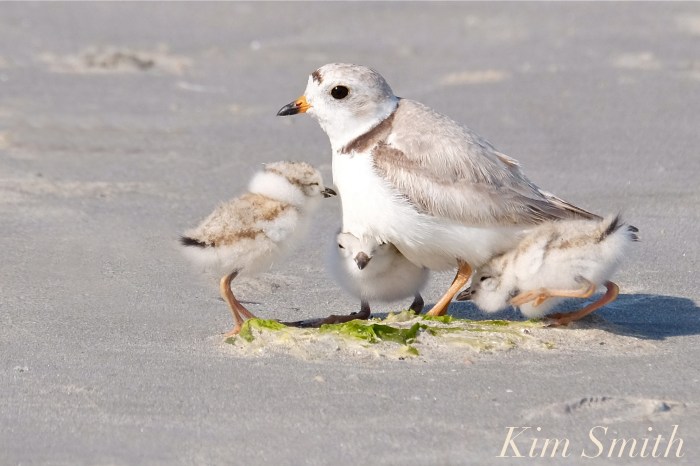
Pip snuggled under Mama PiPl at the old fence.

Thank you Gloucester DPW for a super job well done!

 Adult Piping Plovers and chicks found shelter along the wire fencing (the Bachelor left, and Mama and Pip, right).

SHOUT OUT AND THANKS TO GLOUCESTER’S DPW JOE LUCIDO, CONSERVATION AGENT KEN WHITTAKER, AND GREENBELT’S DAVE RIMMER

Rainy day nesting.

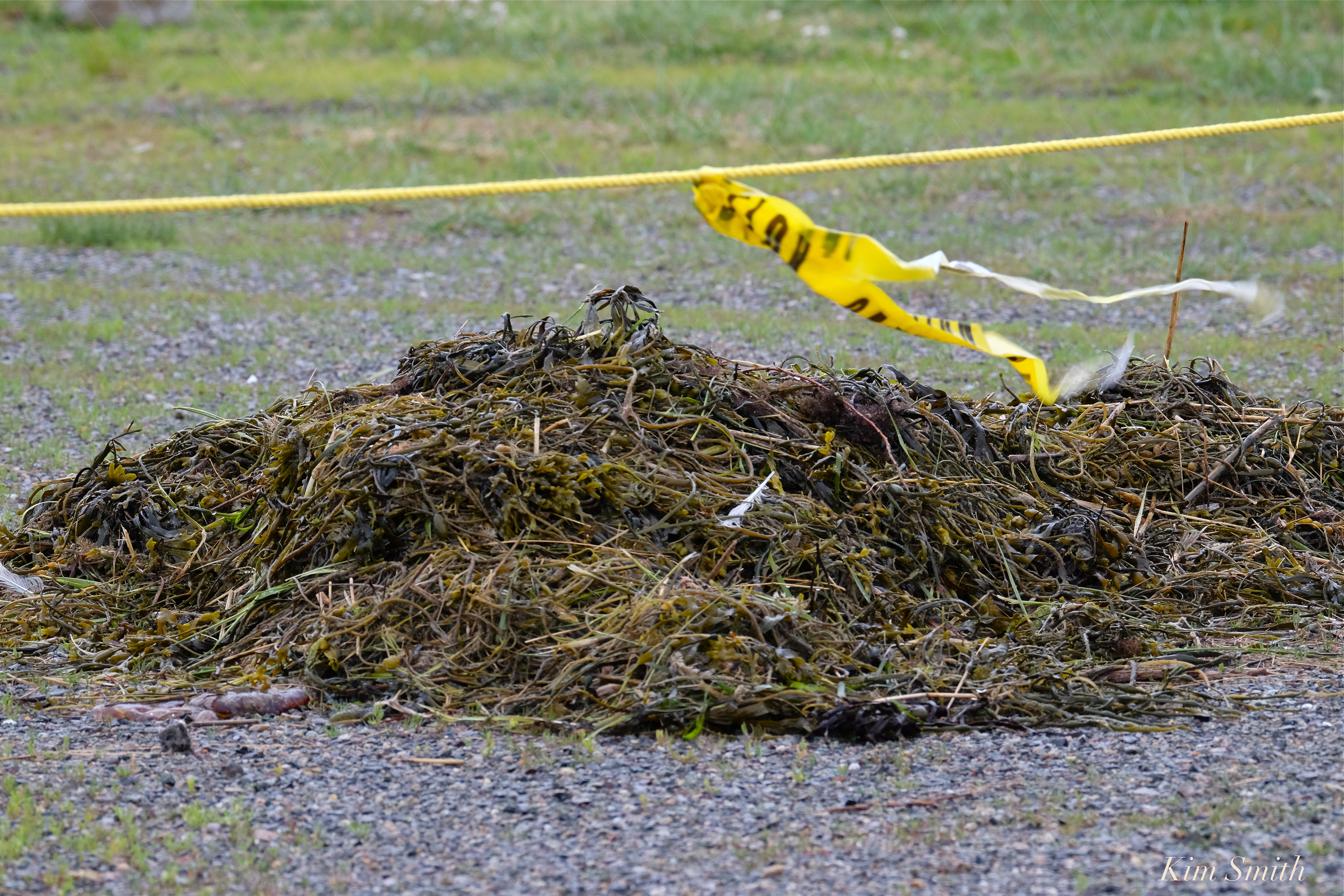
Early this morning seaweed was collected from the beach and spread in a small area next to Piping Plover’s roped off area. The purpose of the seaweed is to help the PiPl find nourishment once the chicks hatch. There are lots of teeny weeny insects that live in the gravel and grassy areas of the parking lot, and the seaweed will attract even more.  


UPCOMING CITY MEETINGS RELEVANT TO THE ISSUE OF DOGS ON BEACHES DURING SHOREBIRD NESTING SEASON

Mama Piping Plover leaving the nest for a few moments to change places with Papa Plover

Thursday, June 7th, the Animal Advisory Committee is meeting at City Hall, 3rd floor, at 6:30pm.

On the Agenda:

  1. Open discussion for public comments.
  2. Approval of meeting minutes 5/17.
  3. Committee elections.
  4. Piping Plover protections
    1. Review new facts/research.
    2. Dog leash ordinance – to vote.
    3. Education/awareness.
  5. Upcoming event planning.
    1. CAAA Rescue Reunion.
    2. Crab beach plunge.
    3. Pet food drive.
    4. Massachusetts laws in legislative review.

Animal Advisory Committee update from the Piping Plover meeting held May 17, 2018:
We will have a continuation of the plover discussion during our June 7th meeting; in the meantime, fact-finding and ongoing discussion with experts will be conducted as well as creation of a volunteer group or team for beaches. We will likely make final recommendation on dog & wildlife ordinances by July 2018.


Also, tonight, June 4th, is an Ordinance and Administration Committee meeting at City Hall, 1st floor, from 6pm to 8pm. I have never been to an O and A meeting, but plan to attend to learn more about how the process works.


Parking Lot Piping Plovers, driven off the beach in April by the unrelenting interruption from dogs during courtship and nesting building in the roped off areas at Good Harbor Beach.

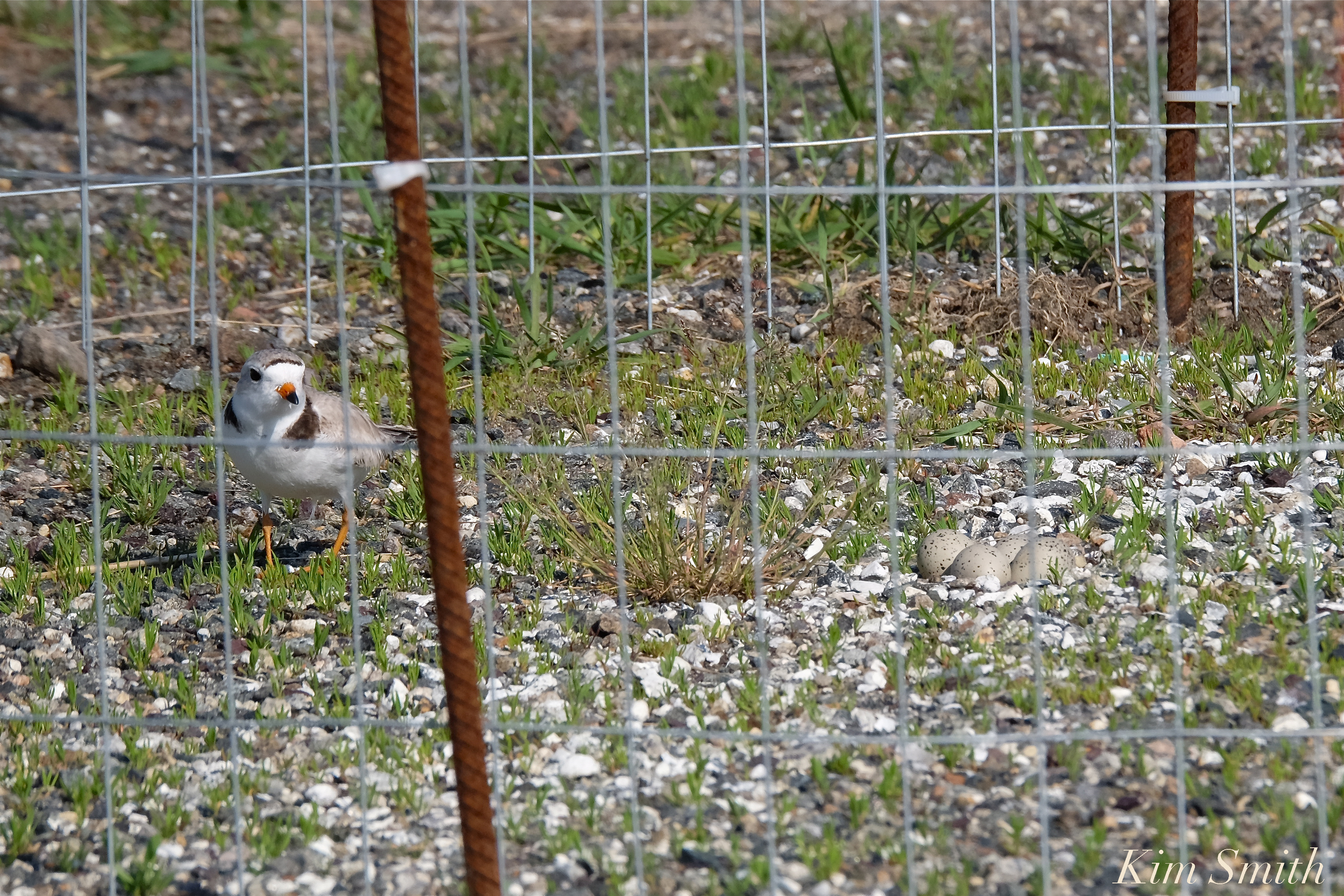
Parking Lot Papa waiting to change places with Mama

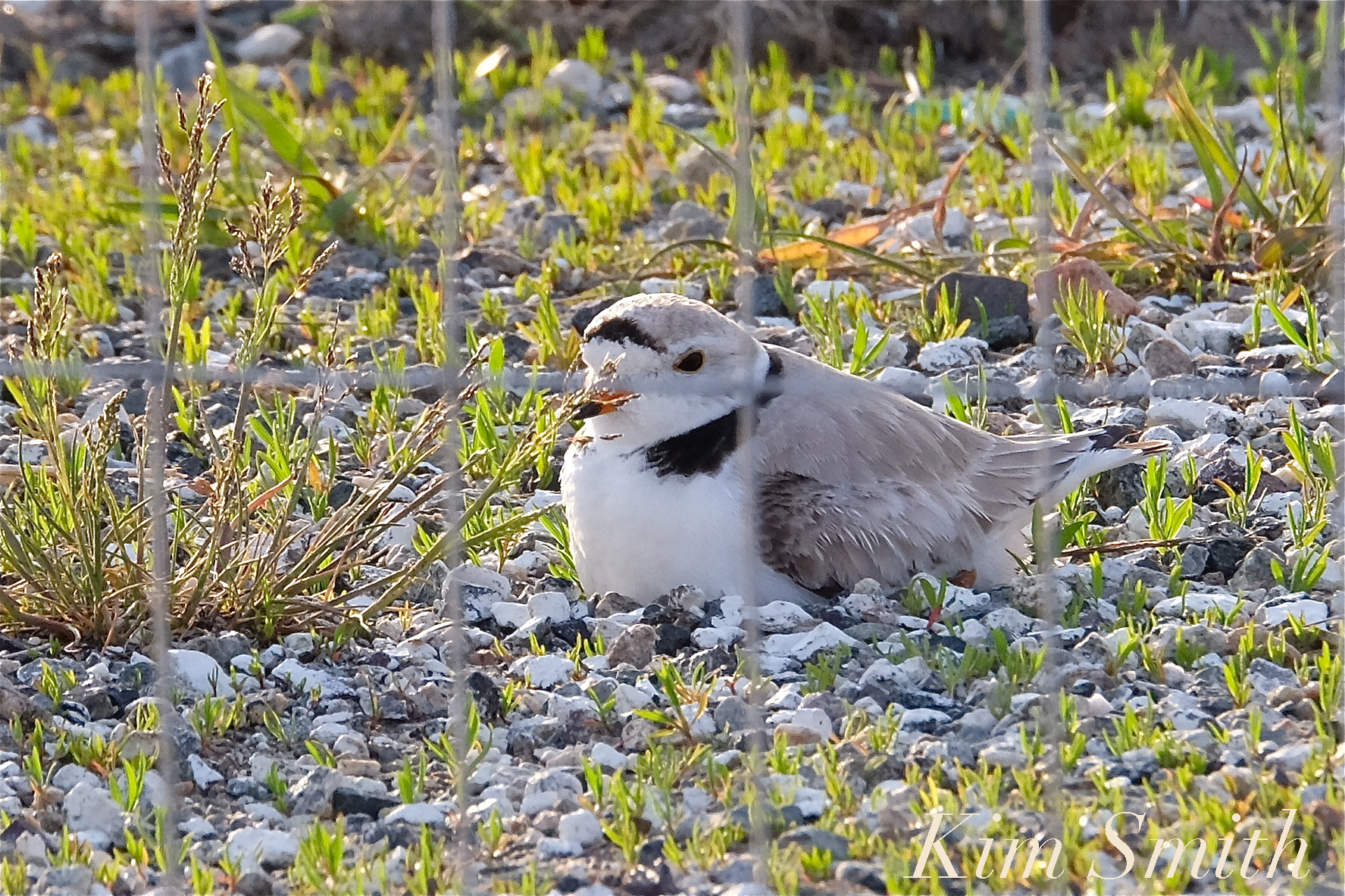
Giving the eggs a little turn with her feet and then settling back down on the nest.

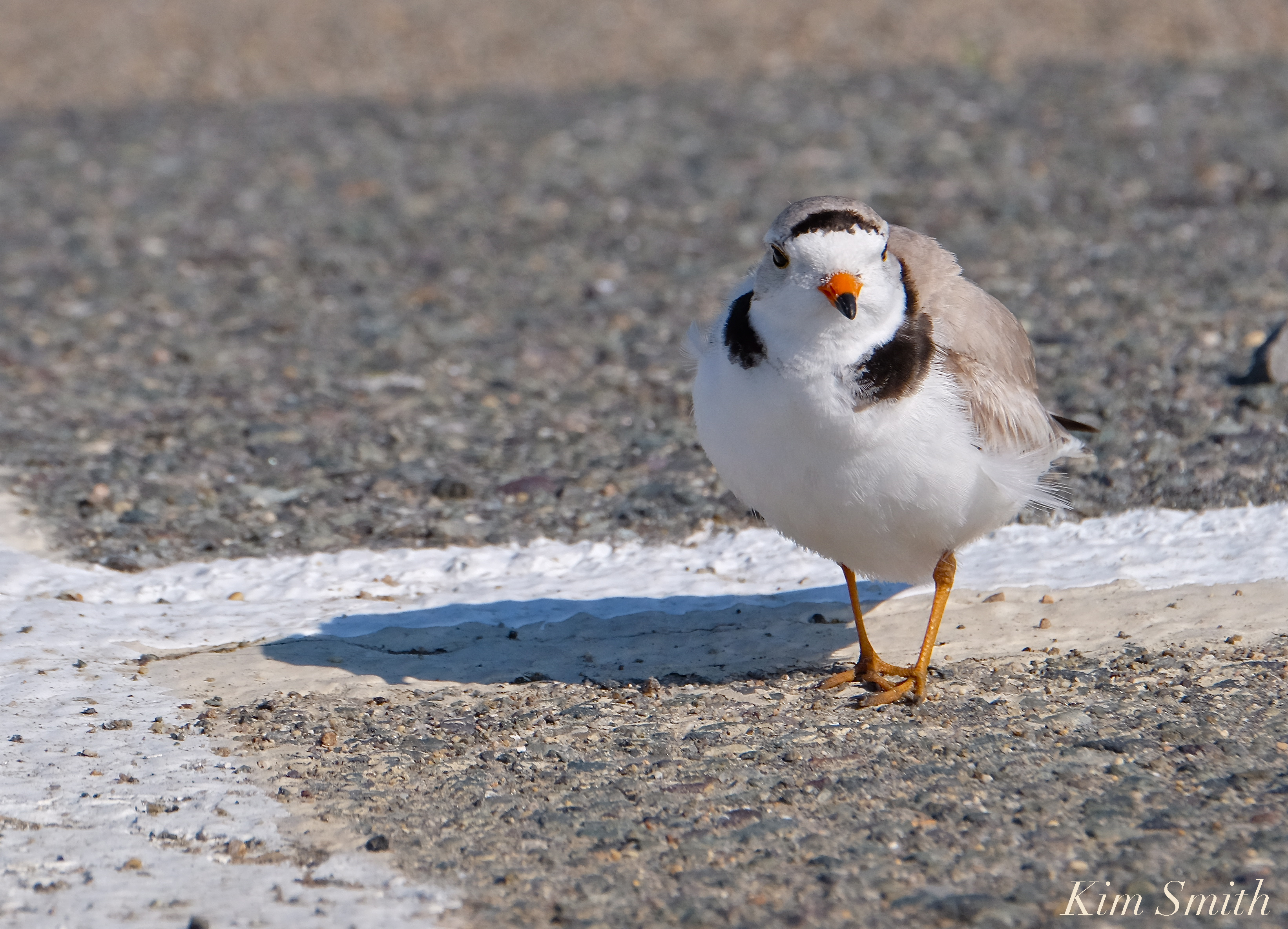
Piping Plovers would much prefer to nest on the beach. The Good Harbor Beach parking lot is the location of “last resort.”

Link to post about GHB PiPl nesting in the parking lot.
MORE SHOREBIRDS NESTING AT GOOD HARBOR BEACH!!

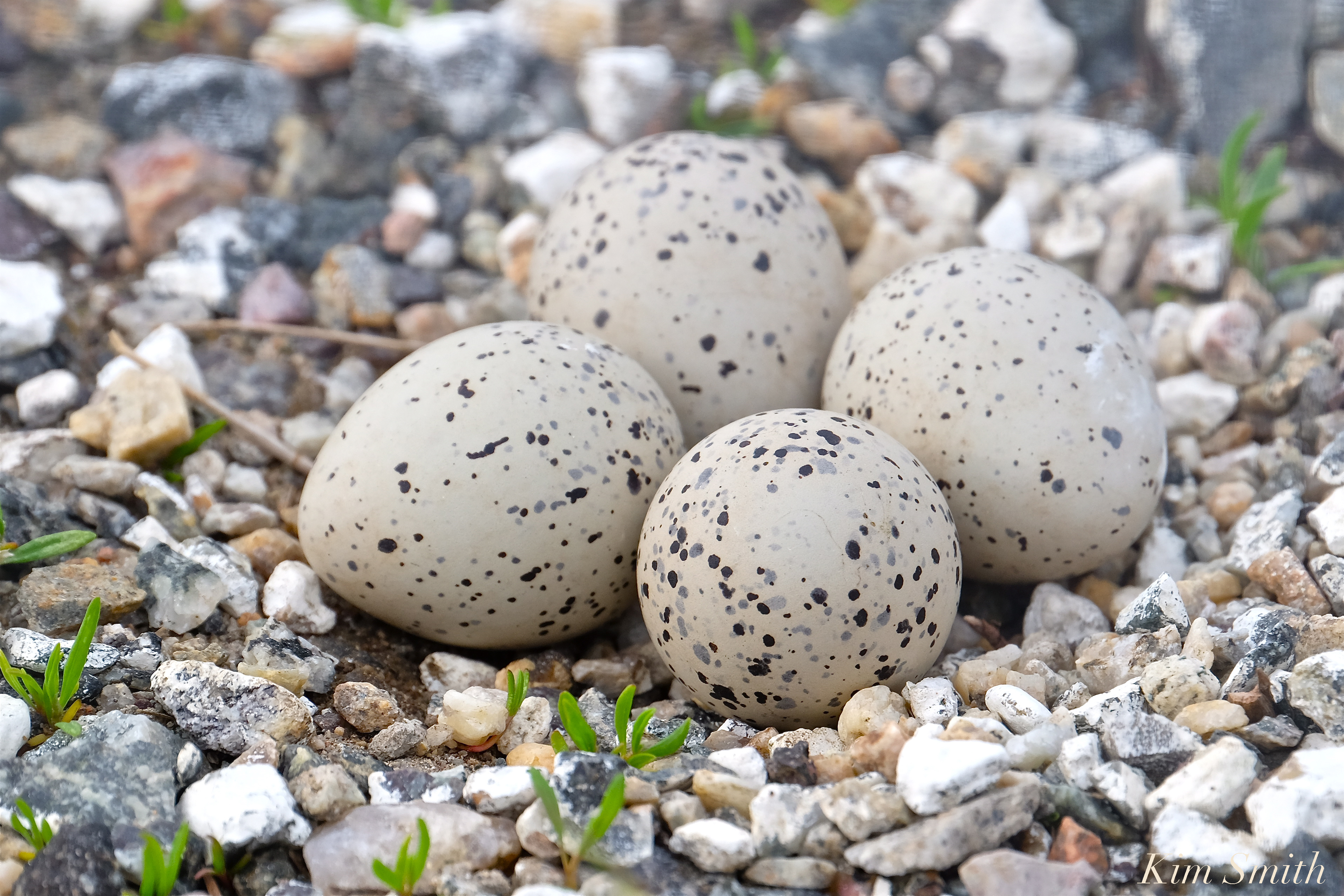
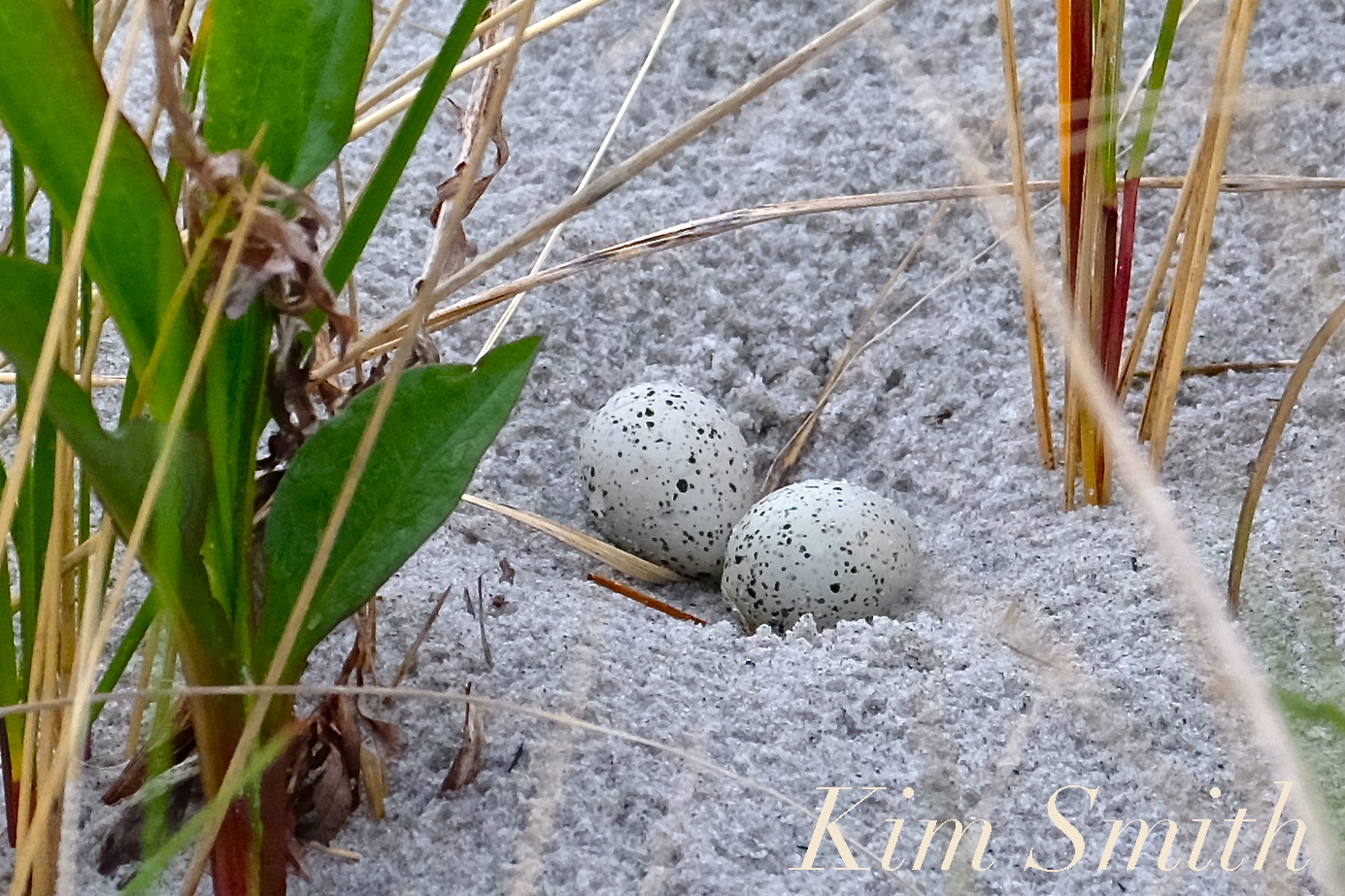
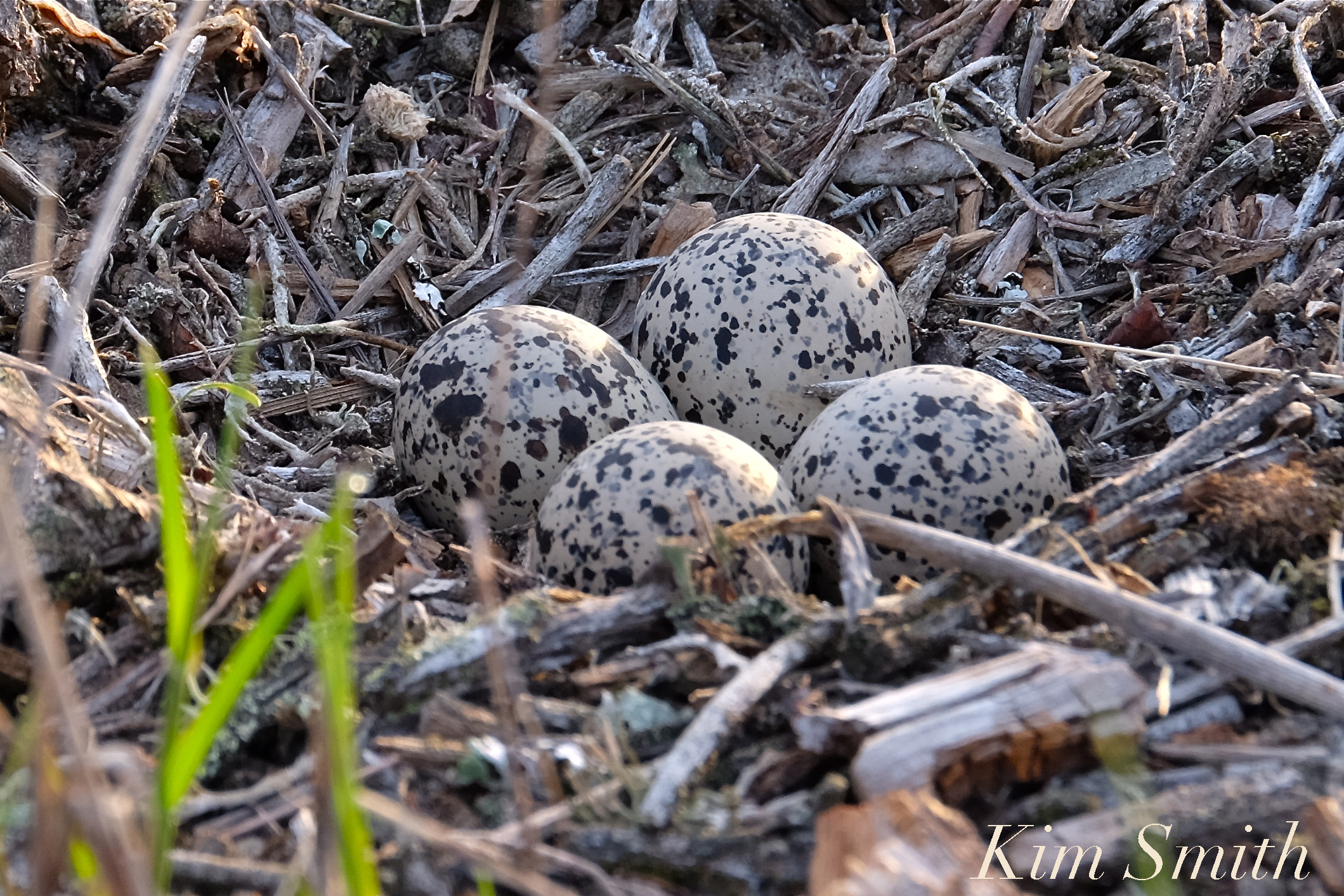
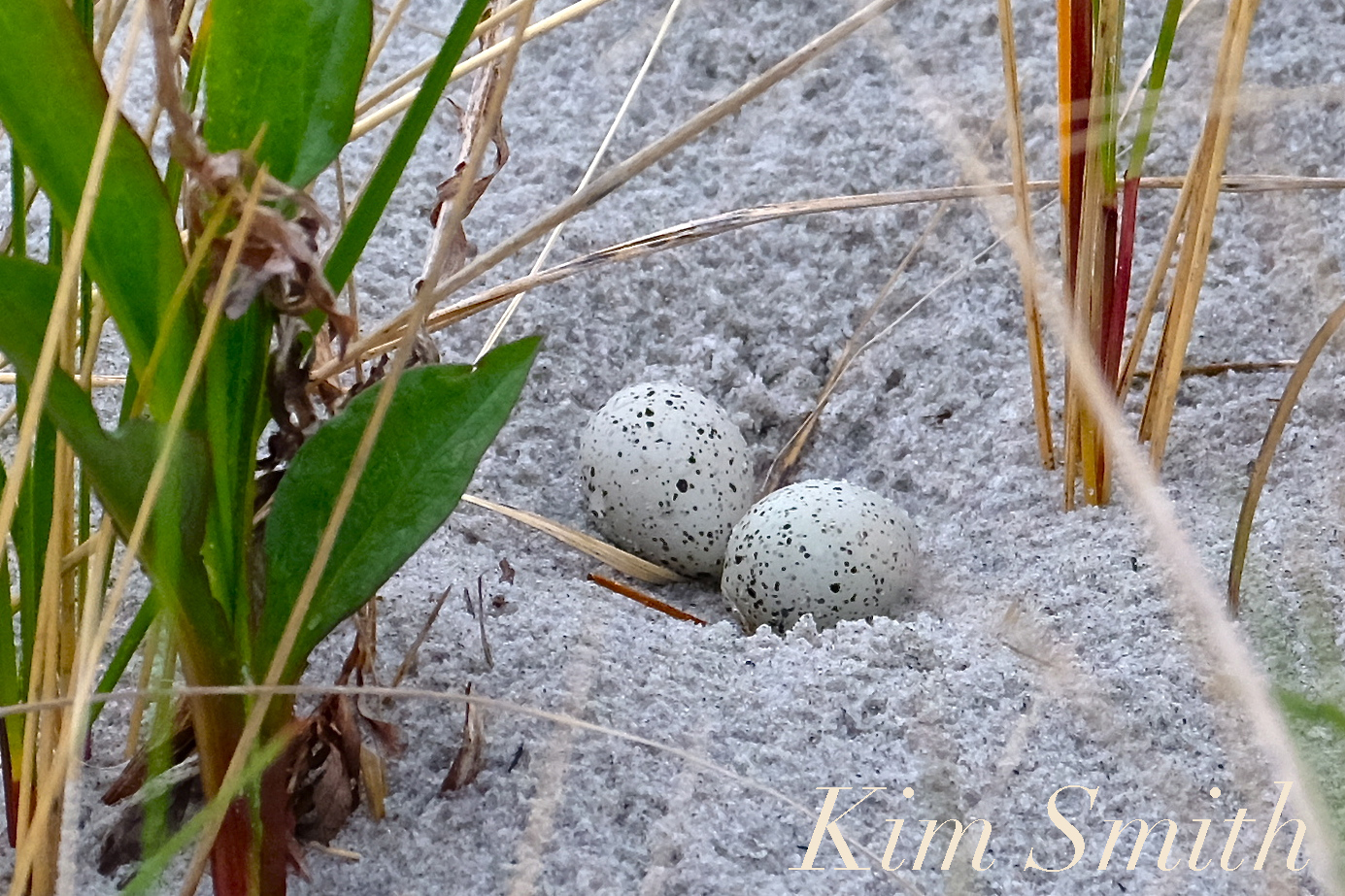
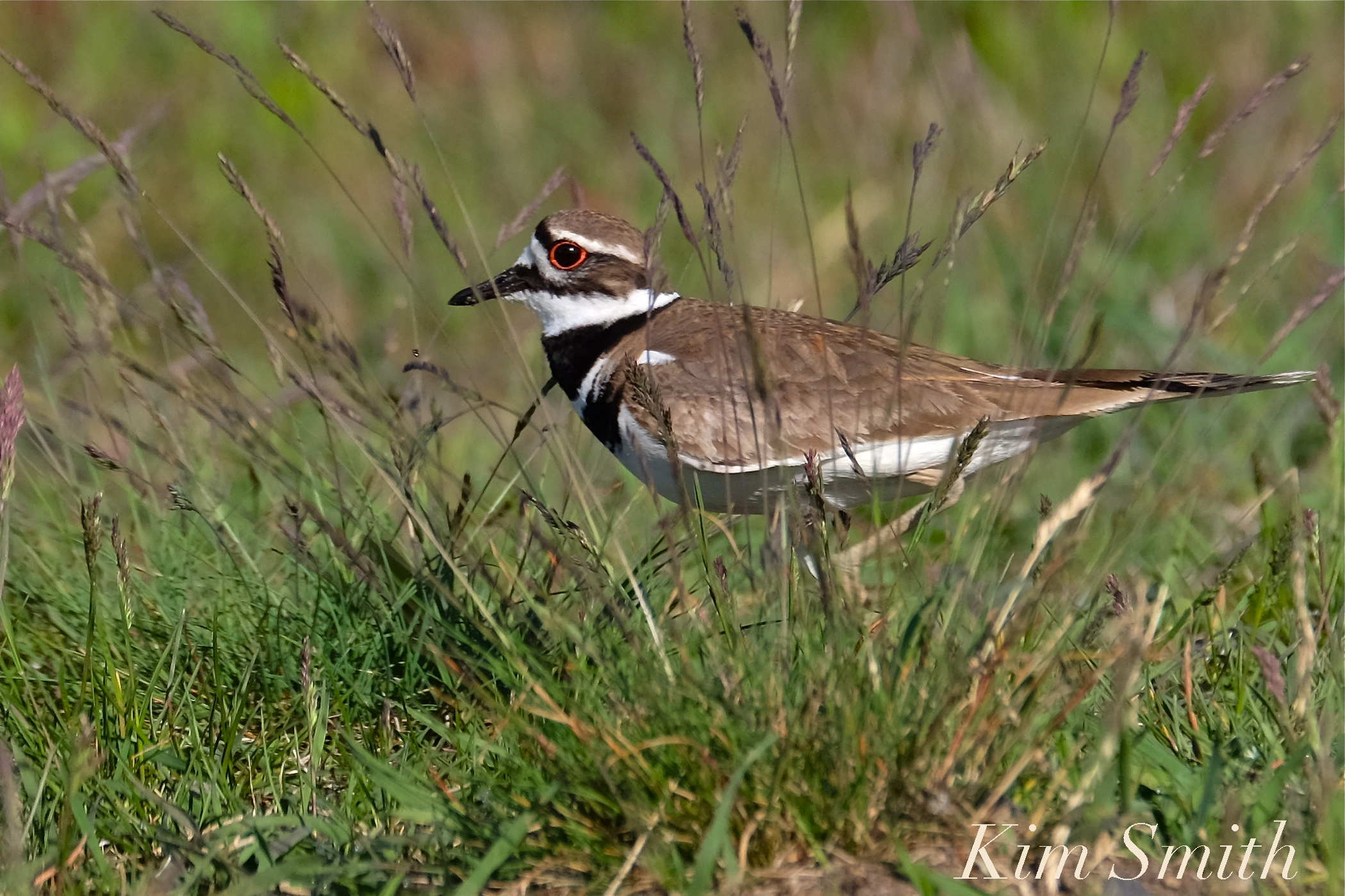
Pictured above are the beautiful mottled eggs of a different species of plover, the Killdeer. Notice how the Killdeer eggs look similar to the PiPl eggs, but are a deeper gray. Killdeers make their nest scrapes on the ground, just as do PiPl, but in gravel and soil, and the darker colored eggs are perfectly camouflaged amidst the sticks and stones. Piping Plover eggs are beautifully camouflaged when laid in sandy nest scrapes.

Stay tuned for wonderful news about our Good Harbor Beach Killdeer Family.

Piping Plover eggsKilldeer, Good Harbor Beach Gloucester

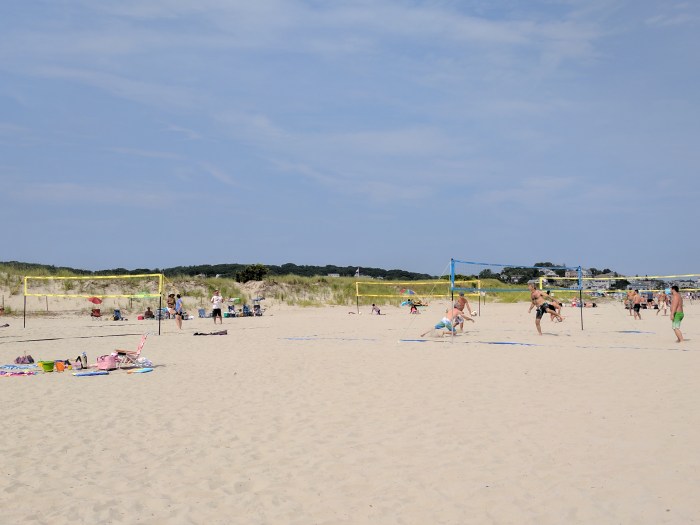
Good Harbor Beach volleyball players assist the piping plovers and

it’s not the first time! Love these stories. #sharetheshore

From Hazel, piping plover volunteer: I was round the bend (!) replacing signs a little later – one of the volleyball players said he had escorted both of them to the creek. I have been turning people back from playa del plover & maybe 1/2 hr ago a small boy spotted an adult as he (the boy) was leaving.

IMG_20170722_153405.jpg

Dave (whisperer) and Bill

IMG_20170722_153114.jpg

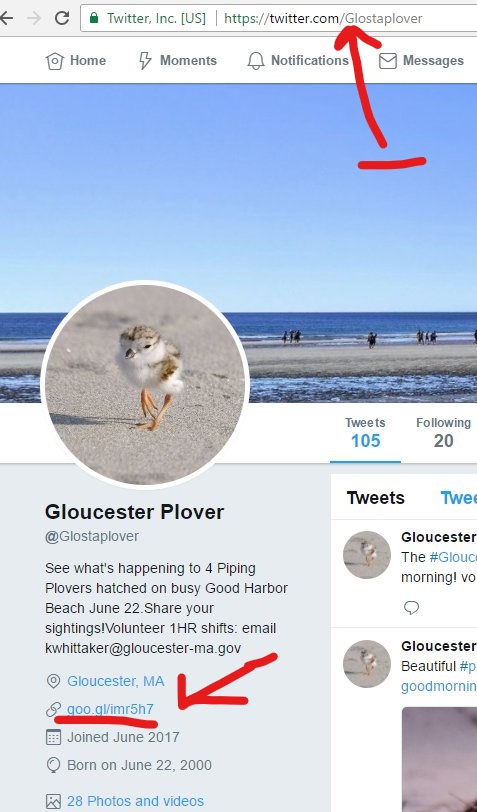
link to Gloucester Plover on twitter:  https://twitter.com/Glostaplover

link to Google docs Volunteer log 

#Glostaplover Twitter home page help.jpg