Because I lived on The Fort for six years, I’ve seen a few gulls in my day. Depending on the species, gulls have up to four plumage types as they mature, plus they change from breeding plumage to winter plumage as adults.
This causes many people to throw up their hands is discuss when trying to identify the birds they are seeing. I even get comments from seasoned birders and twitchers that they get confused. With this in mind, I have posted many gull tips over the past few years in hopes that it will help those of us on Cape Ann and also the many, many birders that come here in the winter to find them. Gloucester has some pretty cool birds here in the winter that many inlanders just don’t get to see.
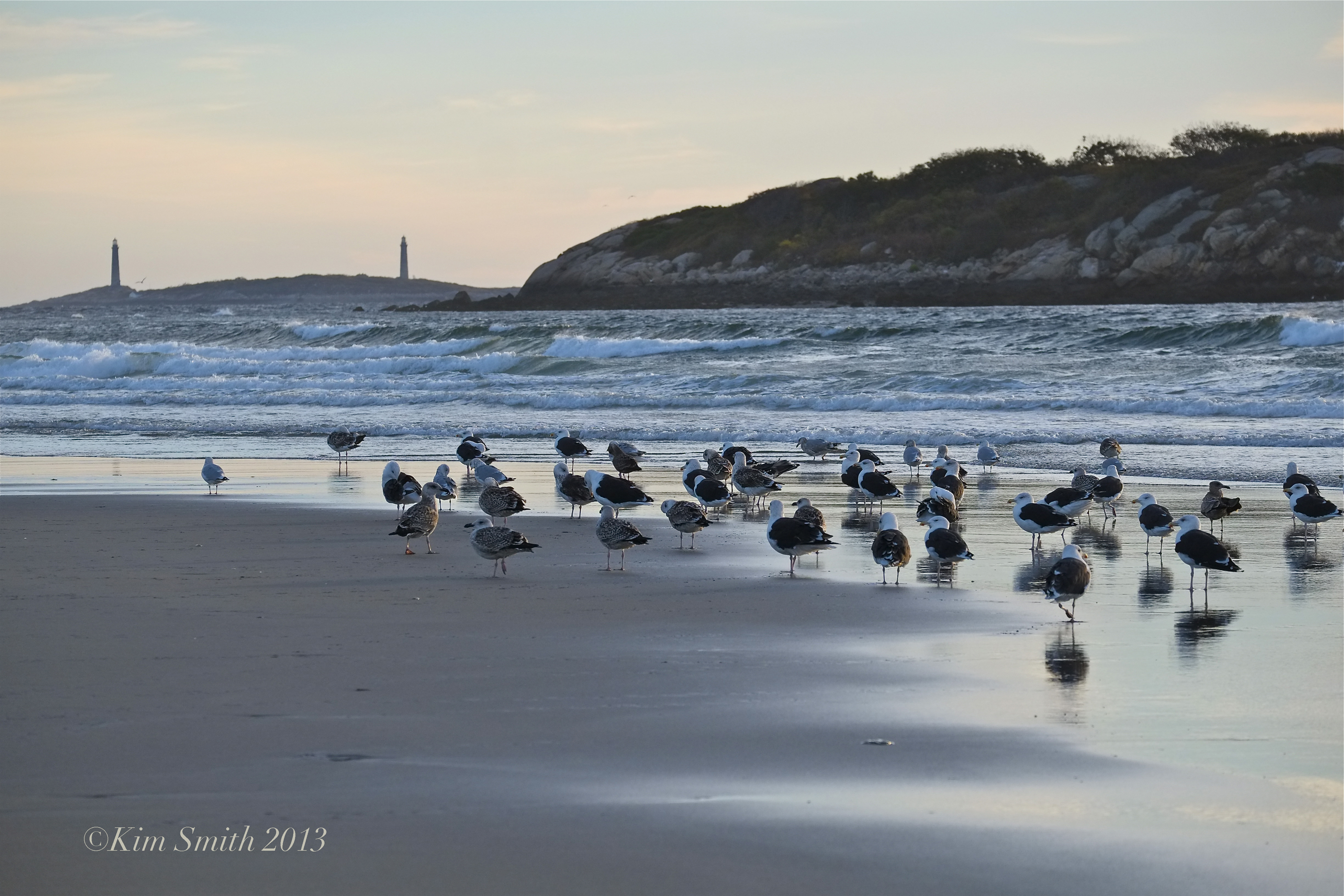
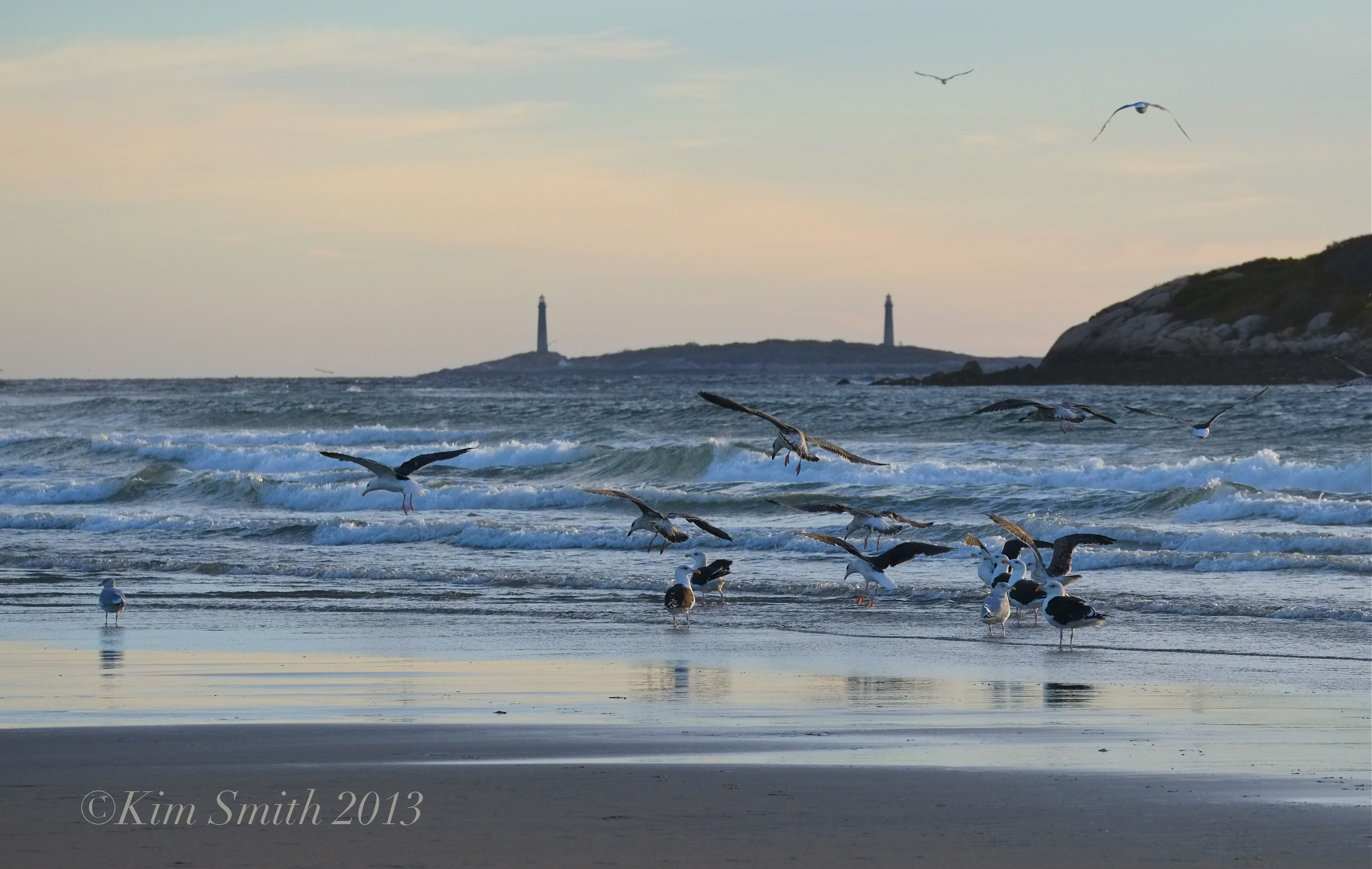
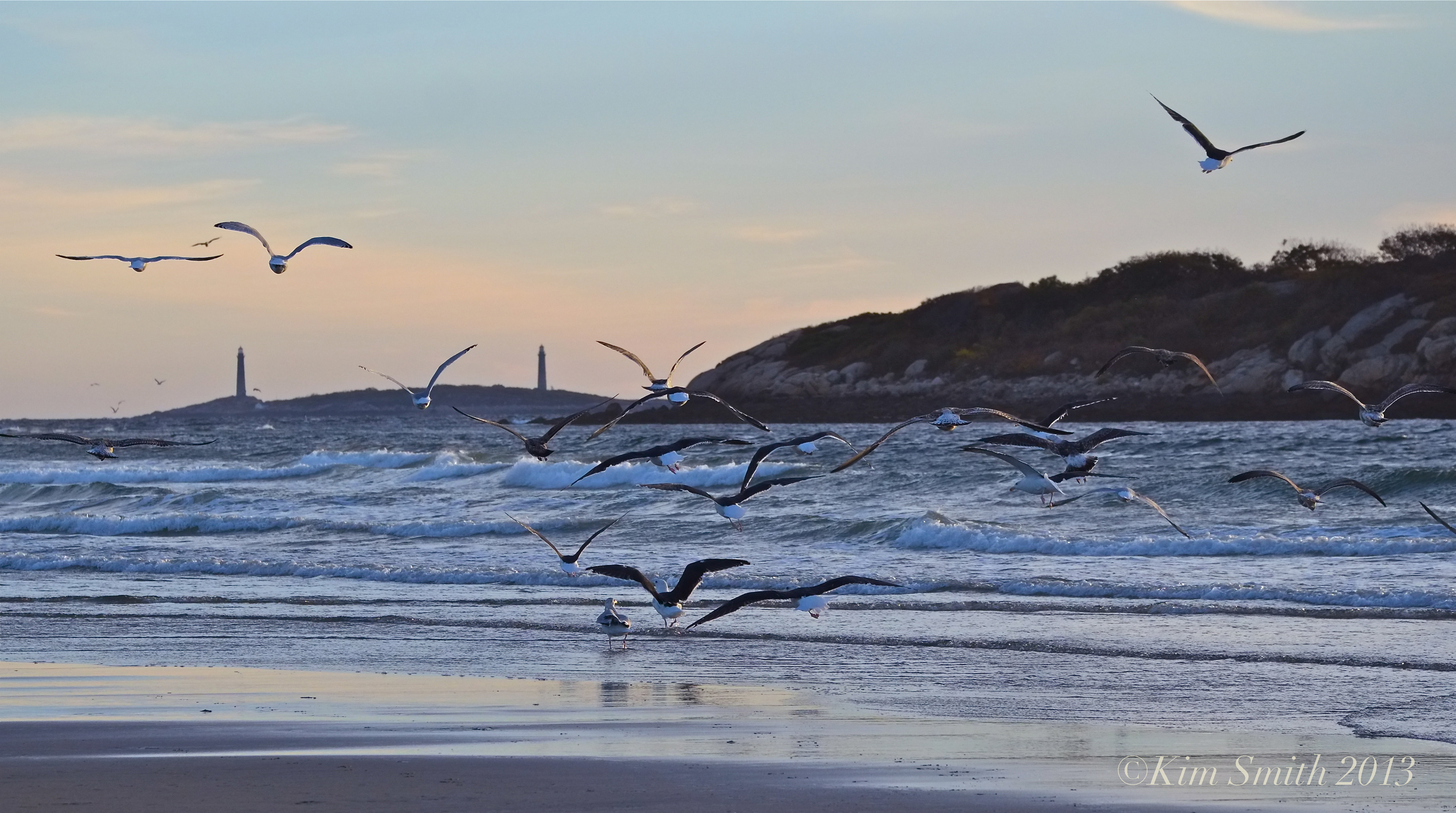
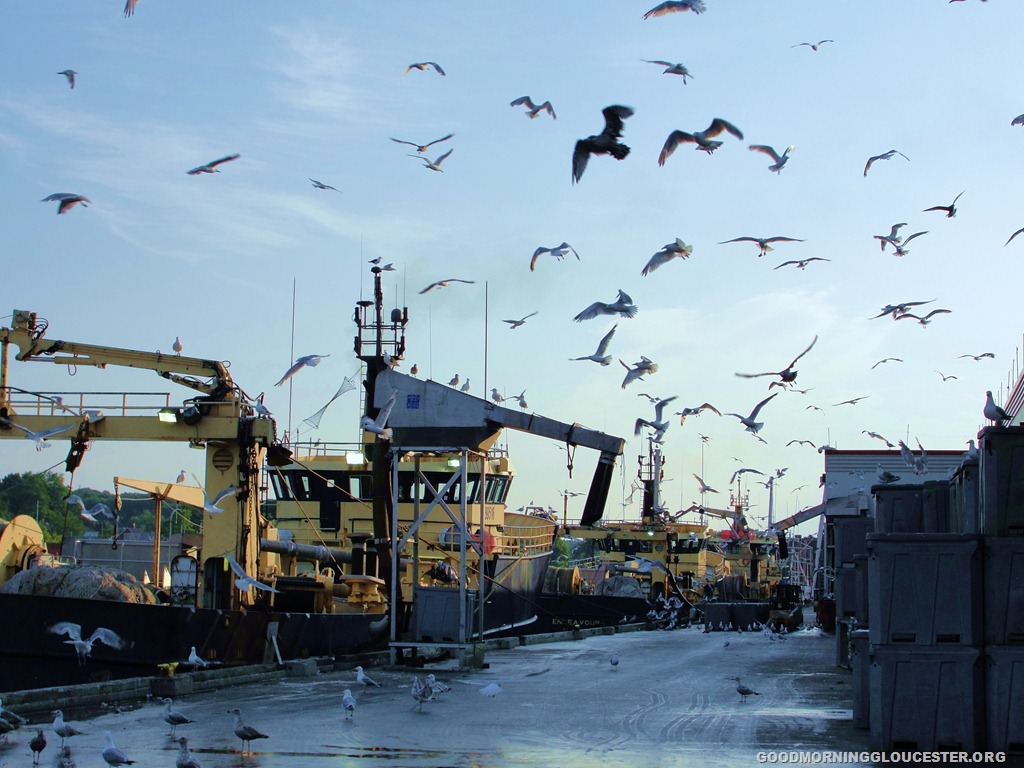
Although ubiquitous where ever we turn, I was curious about the several different species that are often observed fishing and feeding together at dawn. The flocks of seagulls that we see on Cape Ann at this time of year are typically comprised of two species and they are the Great Black-backed Gull and the Herring Gull. In the above photo taken at daybreak (click to view larger), you can see both species; the gulls with speckled feather patterns are first year fledglings of both the Great Black-backed and Herring Gulls.
Interestingly, early in the twentieth century, both species of gulls were mostly winter visitors, neither staying to breed when the weather warmed. The first pair of breeding Herring Gulls was discovered on Martha’s Vineyard in 1912. The first pair of breeding Great Black-backed Gulls was found in Salem in 1932.
The Great Black-backed Gull (Larus marinus) is the larger of the two, up to 30,” with a black back and wings, yellow bill distinguished by a red dot on the bottom near the tip, and pinkish legs.
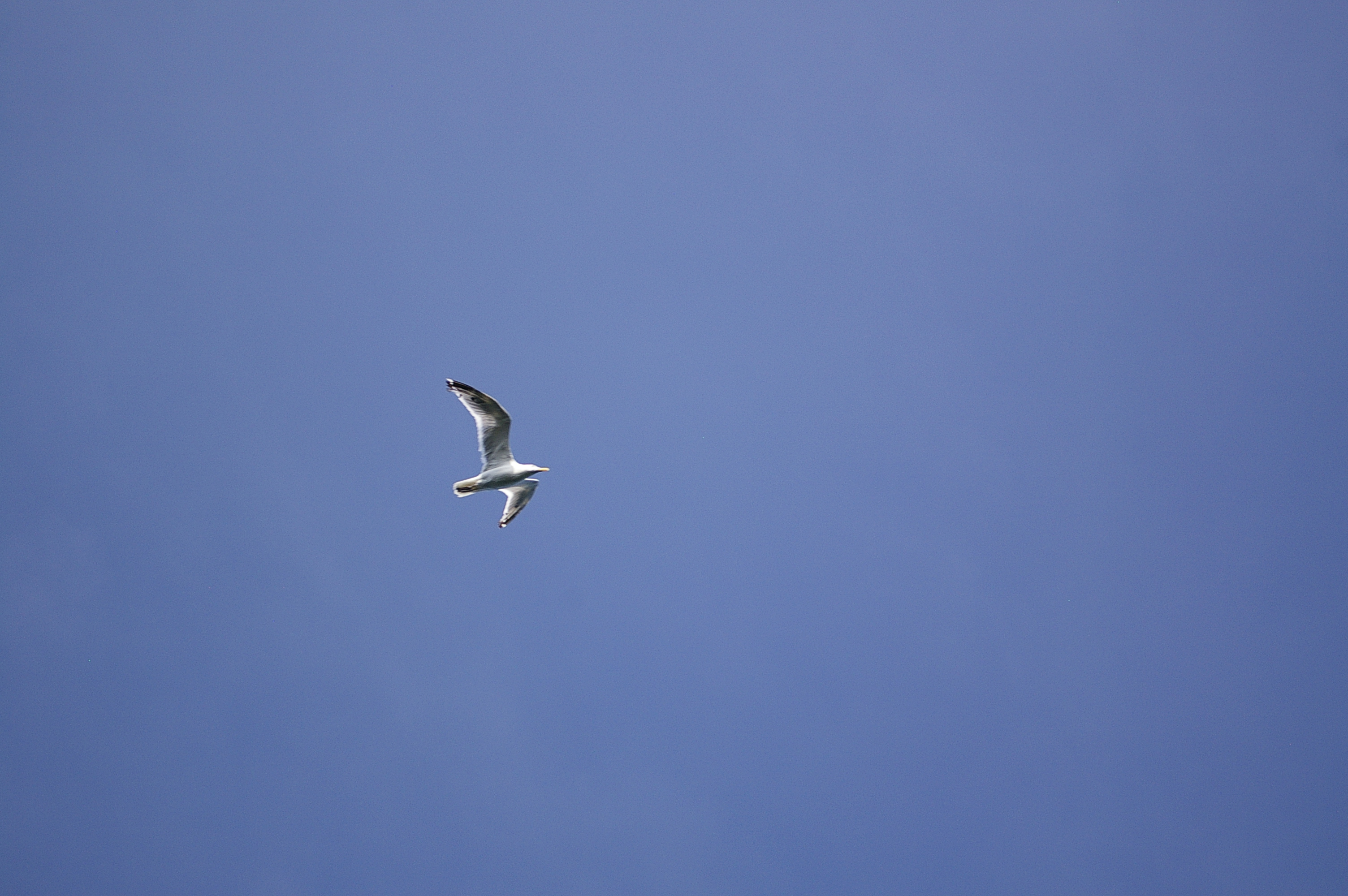
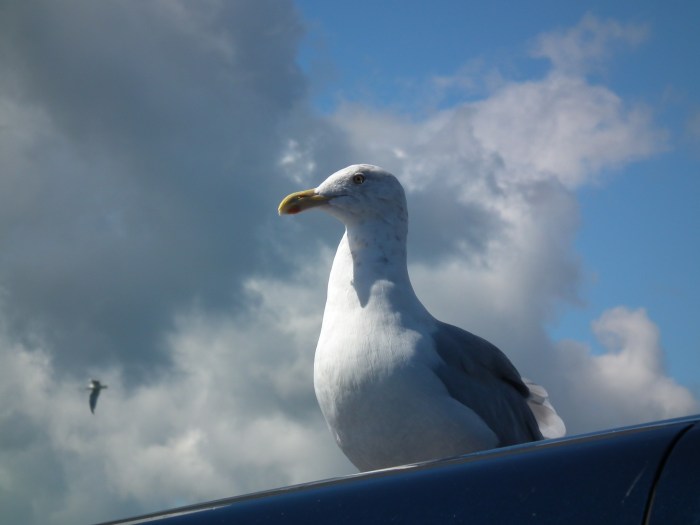
The Herring Gull (Larus argentus), at 25 inches, has gray wings tipped with black, gray back, white head, pinkish legs, and yellow bill also with a red dot on the bottom near the tip.
The Ring-billed Gull (Larus delawarensis) is also a regular visitor but according to Mass Audubon, it has never successfully bred in Massachusetts. The Ring-billed at first glance looks similar to the Herring Gull but is the smallest of the three at 17″ and is also easy to distinguish as it has yellow legs and a dark gray band near the tip of its bill.
Twins!
Spread The GMG Love By Sharing With These Buttons:
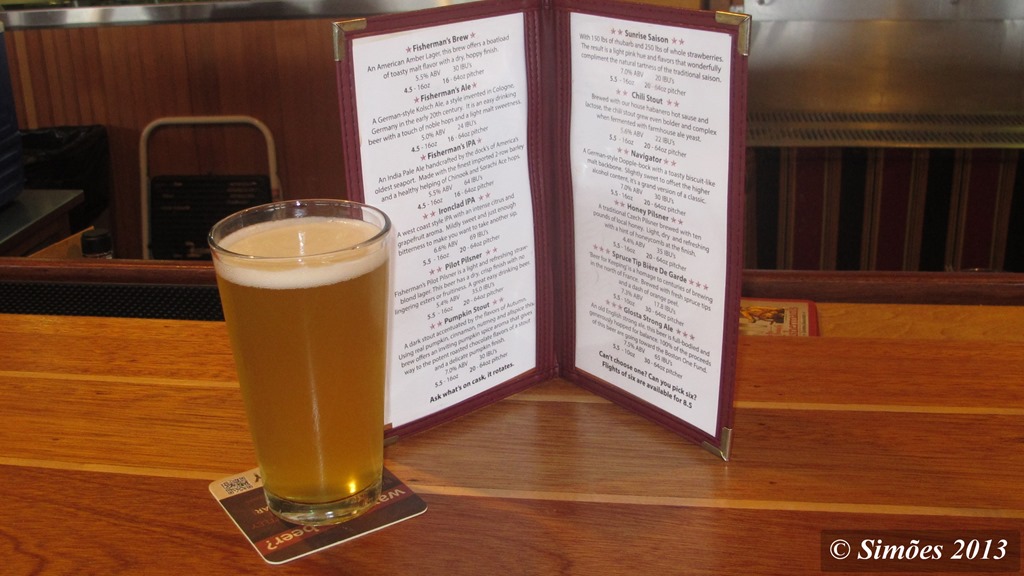
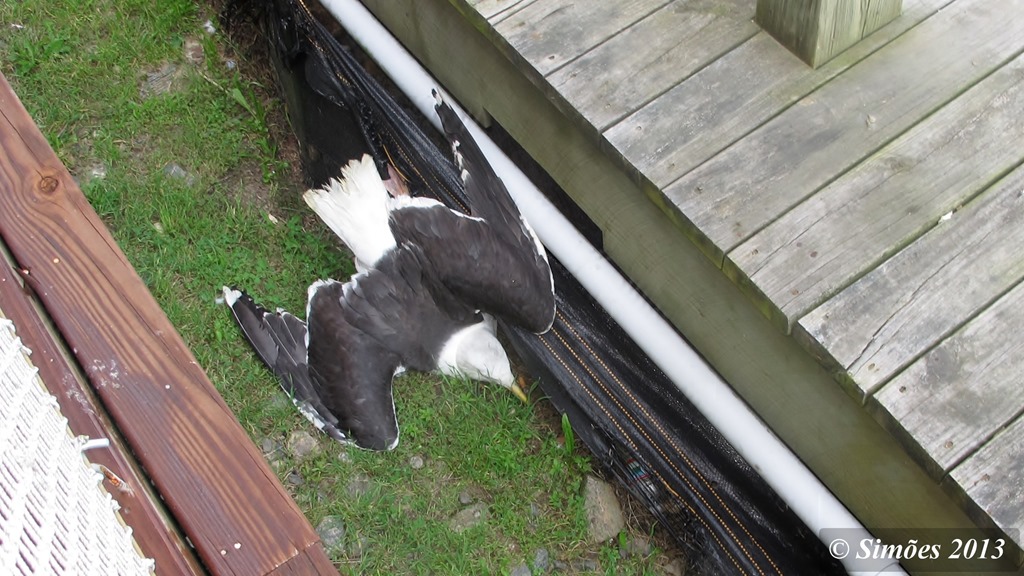
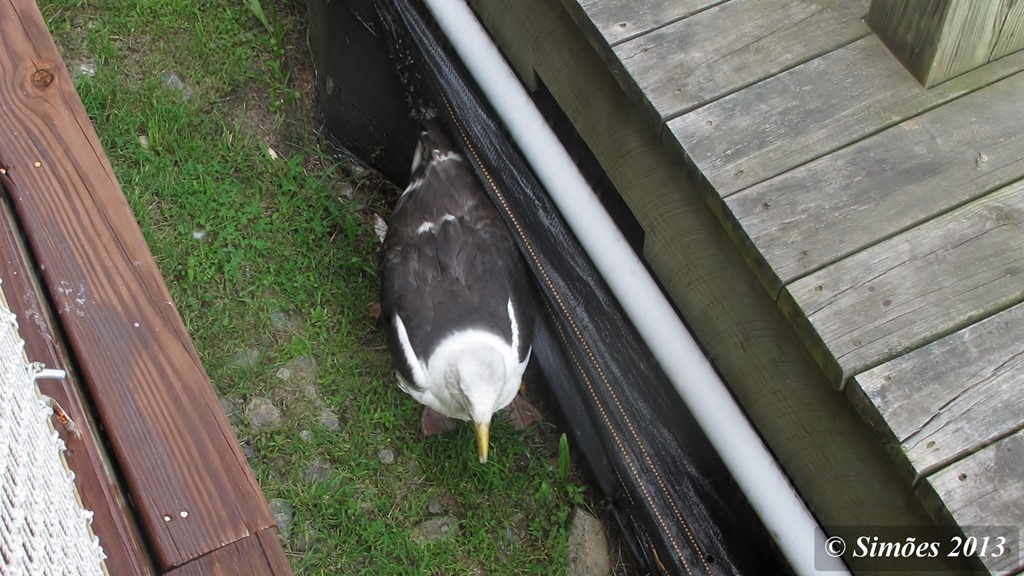
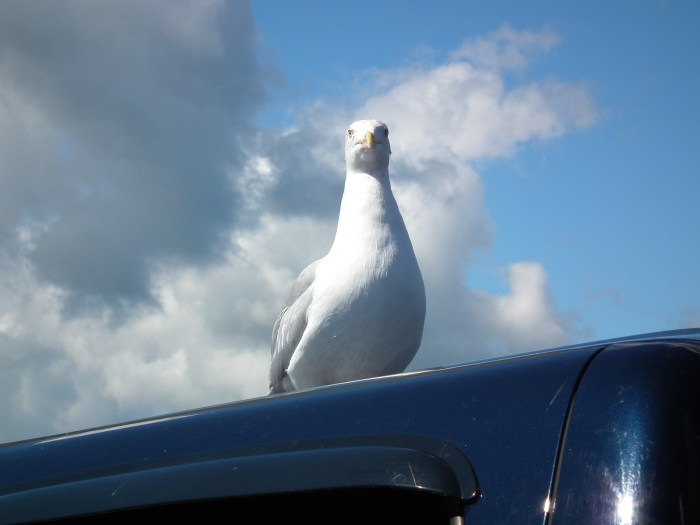
A seagull crashes into Cape Ann Brewery’s awning, but by the time I finished my beer he/she was on it’s feet ready to find a parked car somewhere in Gloucester.
Spread The GMG Love By Sharing With These Buttons:
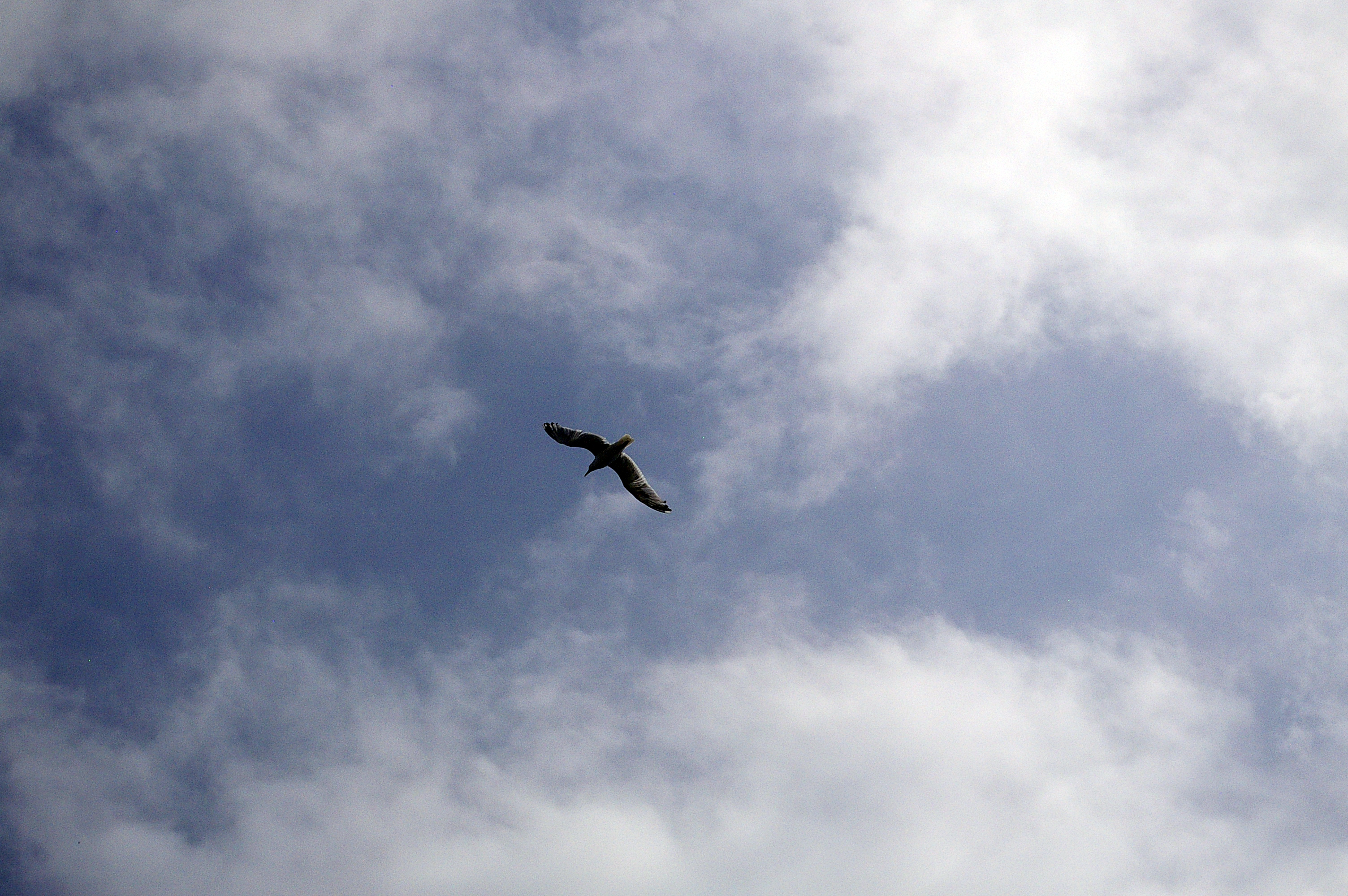
It’s not a Gloucester seagull, but these photos are pretty cool. You can decided if they’re blog-worthy.
I’ve had to enjoy Nemo through GMG since I’m out in Chicago for a death in the family. Really appreciated the lovely photos everyone has posted. And your marvelous humor during a hard time.
Best,
Shannon
Spread The GMG Love By Sharing With These Buttons:
One morning in late November I followed the elusive Great Blue Heron up and down the length of the salt marsh creek while a stunning sunrise unfolded in the background. The dance of the lone heron feeding was as hauntingly beautiful as is the ebb and flow of Fauré’s “Pavane” through its series of musical climaxes, and seemed perfectly choreographed to the intensely focused movements of the heron.
Earlier in the month of November I had filmed three herons feeding simultaneously—the most I typically see at Good Harbor are two at a time. That footage is lost, and perhaps it is just as well because it may not have been the most interesting as the focal length was some distance in order to capture all three in the frame. I found it captivating to see this lone heron feeding alongside the seagulls and ducks, not an event I have often observed. Whenever a dog approached or some other imagined disturbance startled the birds, all would take flight; the seagulls and ducks dispersed and the heron invariably headed to the opposite end of the marsh. This went on for several hours, back and forth, up and down the salt marsh. The Great Blue Heron is majestic in flight, with deep powerful wing beats, and a wingspan of five and a half feet to six and a half feet. Oftentimes difficult to find in the cameras’ lens, the heron’s subdued blue-gray and brown plumage is perfect camouflage against the rocky shoreline, particularly in the pre-dawn light and early hours of sunrise.
I looked for the herons again after that late date of November 29th, but I think they had all departed for warmer shores further south.
If you stay until the end, look for a funny clip after the credits have rolled. I couldn’t figure out how to make this most ordinary of body functions fit with the heron’s beautiful dance.
“Pavane in F-sharp minor, Opus 50,” was composed by Gabriel Fauré in 1887. Fauré’s “Pavane” obtains it slow processional rhythm from the Spanish and Italian court dance of the same name. The earliest known pavane was published in Venice in 1508 by Ottaviano Putrucci and is a dignified partner dance. The original music seems to have been fast, but like many dances, became slower over time. For this film I looked for a recording approximately 8 minutes in length, although Fauré’s “Pavane” is more typically six minutes long. The origin of the term is unknown; possibilities include from the Spanish pavón meaning peacock.
Spread The GMG Love By Sharing With These Buttons:
I took a little liberty with the editing to make it look like an old postcard. Didn’t add those seagulls in but to me they look too perfect and I wouldn’t blame someone for thinking that I did. Love the way it came out.
click for the larger version-
Spread The GMG Love By Sharing With These Buttons:
![Iceland Gull 11 January 2014 - 003[3][1]](https://goodmorninggloucester.com/wp-content/uploads/2014/01/iceland-gull-11-january-2014-00331.jpg "Iceland Gull 11 January 2014 - 003[3][1]")











 Good Morning Gloucester