Time for a Science Lesson.
Just kidding! There won’t be a Test.
I’m guessing not many GMG Readers would be able to pass.
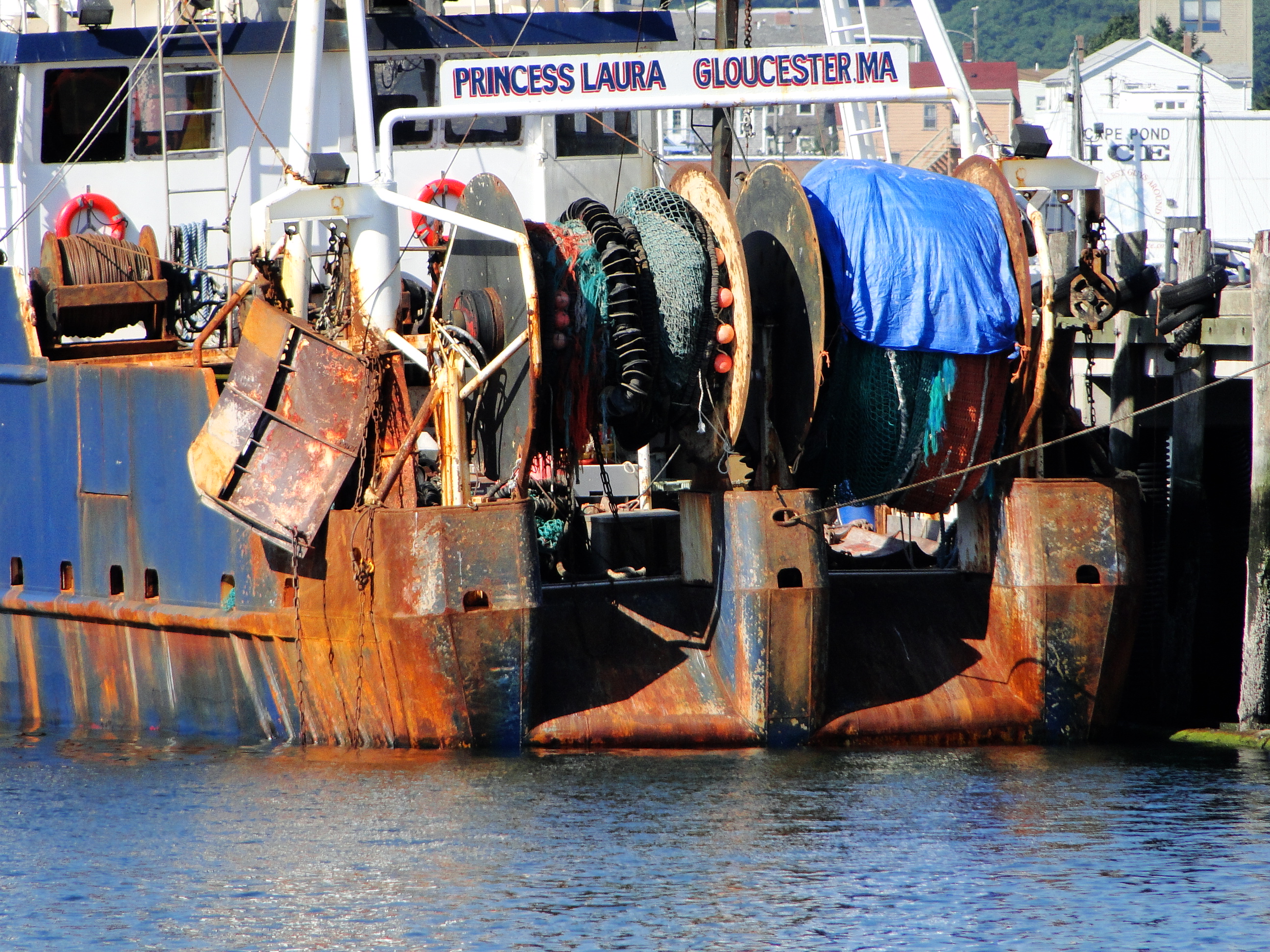
RUST!
From WIKIPEDIA;
“Oxidation of iron metal
When iron is in contact with water and oxygen, or other strong oxidants and/or acids, it rusts. If salt is present as, for example, in salt water, it tends to rust more quickly, as a result of the electro-chemical reactions. Iron metal is relatively unaffected by pure water or by dry oxygen. As with other metals, like aluminium, a tightly adhering oxide coating, a passivation layer, protects the bulk iron from further oxidation. Thus, the conversion of the passivating iron oxide layer to rust results from the combined action of two agents, usually oxygen and water. Other degrading solutions are sulfur dioxide in water and carbon dioxide in water. Under these corrosive conditions, iron hydroxide species are formed. Unlike iron oxides, the hydroxides do not adhere to the bulk metal. As they form and flake off from the surface, fresh iron is exposed, and the corrosion process continues until all of the iron is either consumed or all of the oxygen, water, carbon dioxide, or sulfur dioxide in the system are removed or consumed.[2]
Oxidation of iron metal
When iron is in contact with water and oxygen, or other strong oxidants and/or acids, it rusts. If salt is present as, for example, in salt water, it tends to rust more quickly, as a result of the electro-chemical reactions. Iron metal is relatively unaffected by pure water or by dry oxygen. As with other metals, like aluminium, a tightly adhering oxide coating, a passivation layer, protects the bulk iron from further oxidation. Thus, the conversion of the passivating iron oxide layer to rust results from the combined action of two agents, usually oxygen and water. Other degrading solutions are sulfur dioxide in water and carbon dioxide in water. Under these corrosive conditions, iron hydroxide species are formed. Unlike iron oxides, the hydroxides do not adhere to the bulk metal. As they form and flake off from the surface, fresh iron is exposed, and the corrosion process continues until all of the iron is either consumed or all of the oxygen, water, carbon dioxide, or sulfur dioxide in the system are removed or consumed.[2]“

 Good Morning Gloucester