THE HOUSE BUILT OF SPITE

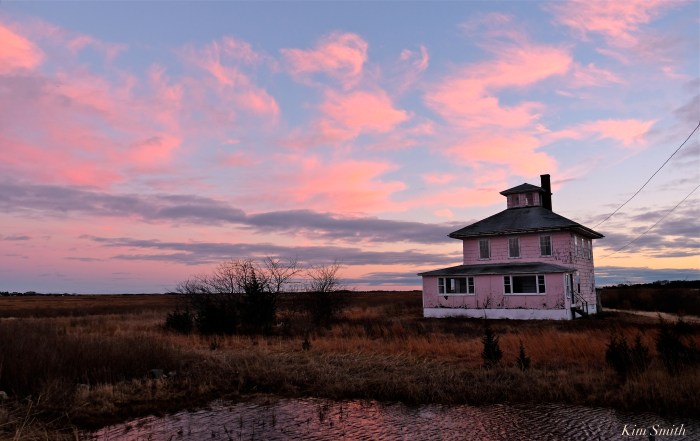
Pink house, pink cloud squiggles, pink marsh sea – 

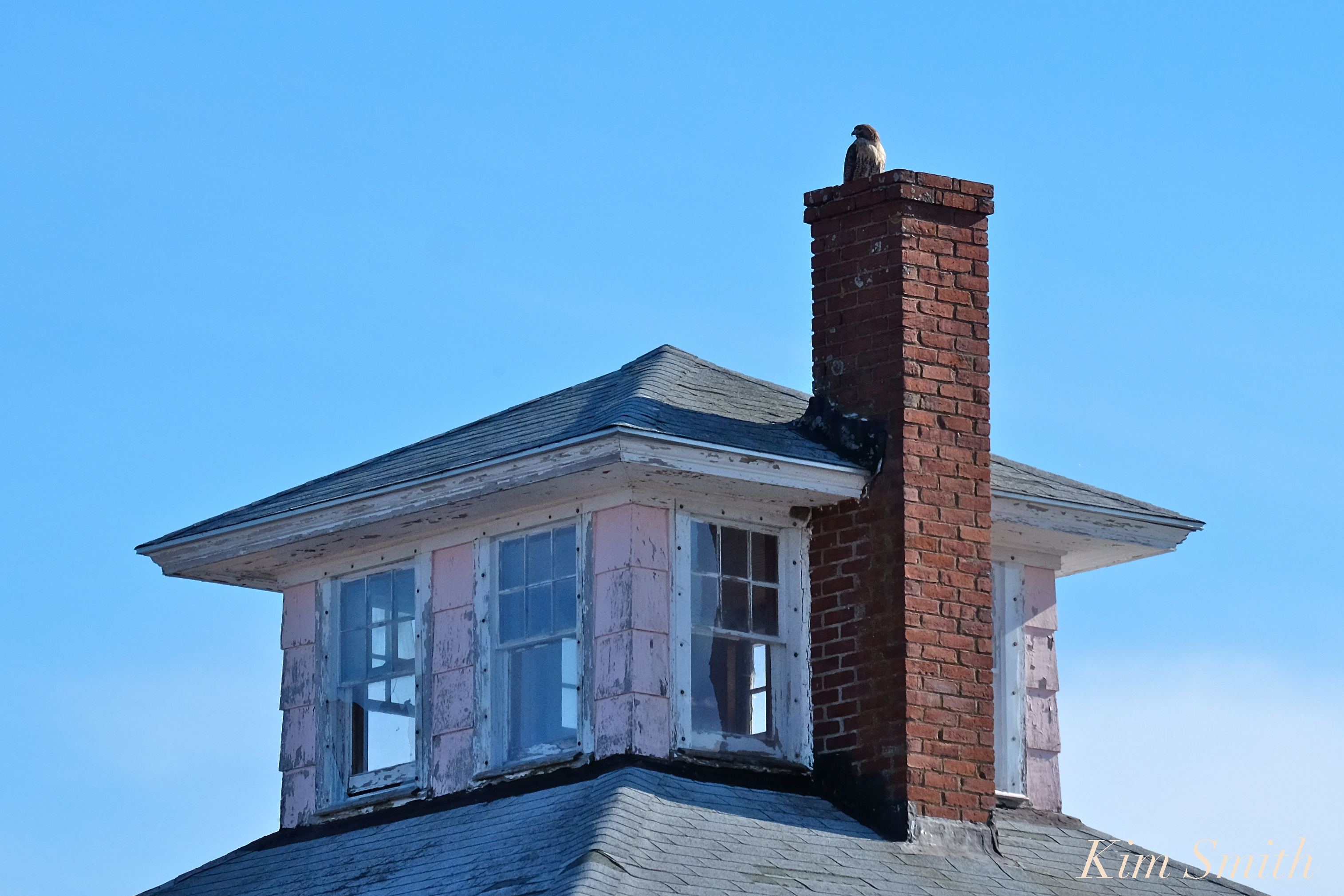
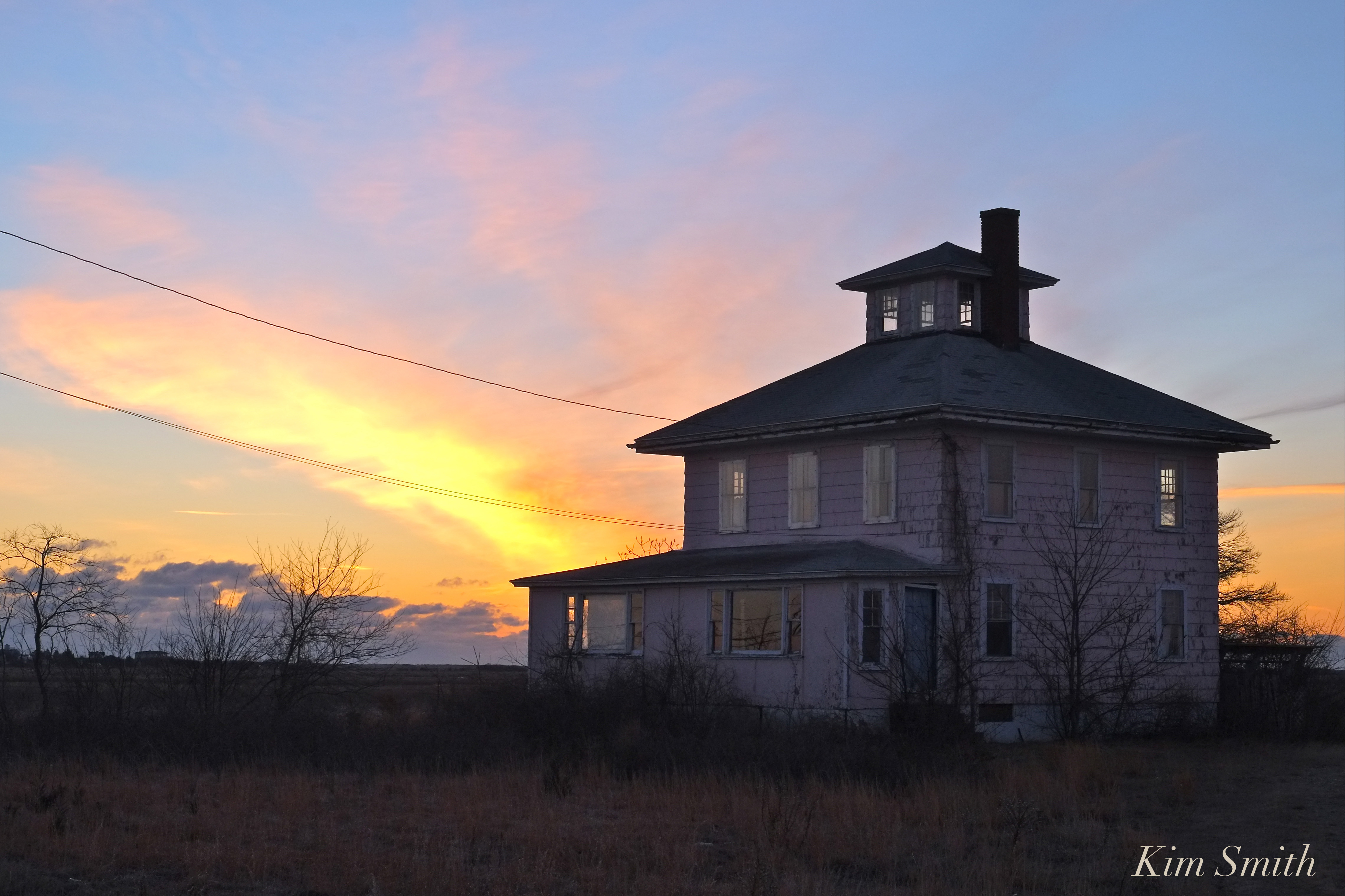
The lonely pink house of Plum Island’s Great Marsh is today only visited by hawks and Snowy Owls perching to scan the surrounding vista for their next meal.

Local lore has it that the house was built in 1922 by a couple who were in the process of divorcing and sorting their affairs. The wife asked that the husband build a replica of their Newburyport family home. She did not say where the house was to be sited. Out of spite, he built the house atop the isolated salt marsh, with only saltwater plumbing.

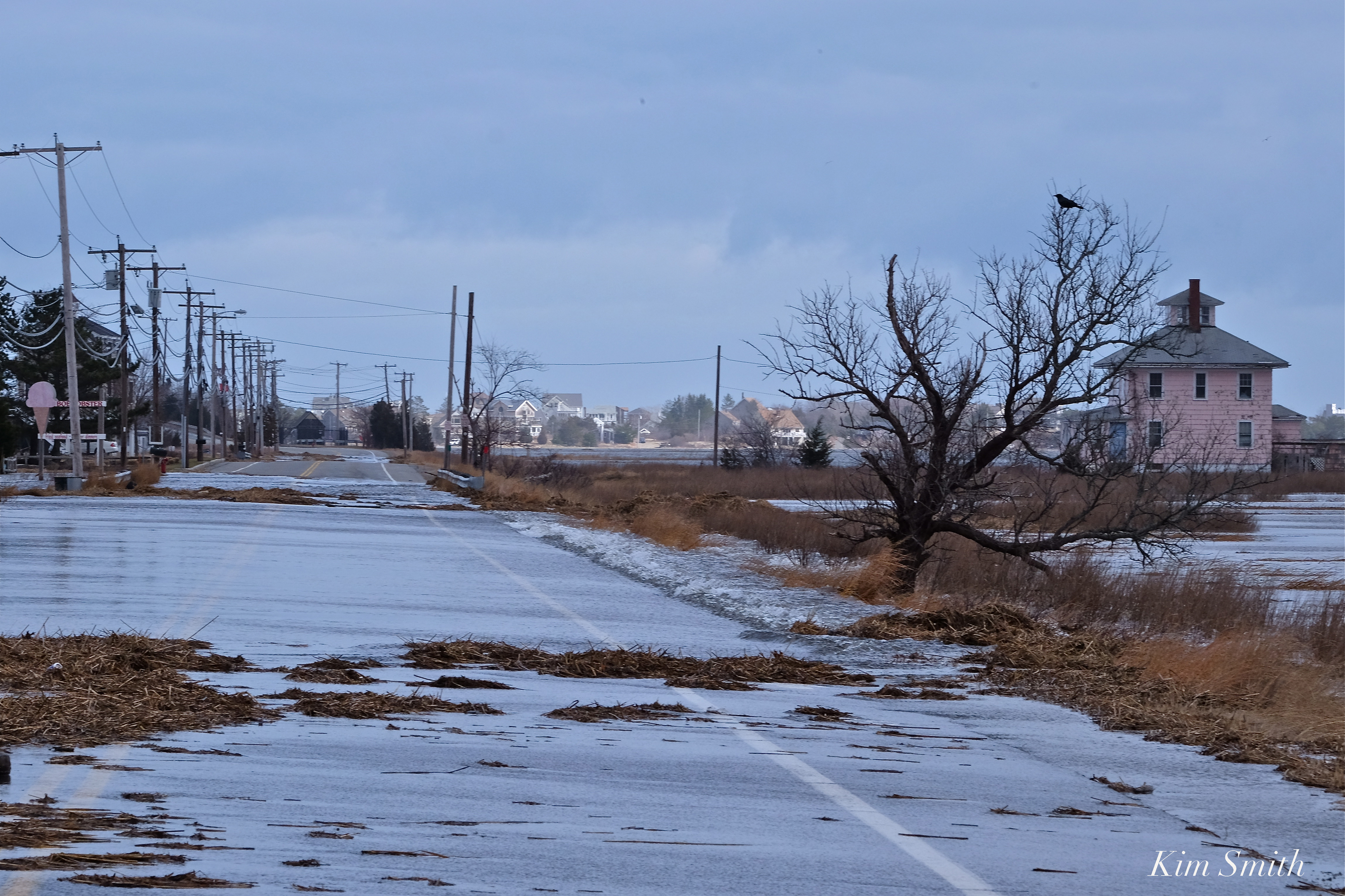
The Pink House has not been occupied since the early 2000s and looks worse with each passing year. Last winter I was at the refuge for a program held at the PRNWR headquarters. After the event I tried to drive towards Plum Island but with sea water gushing in from the marsh, the road in front of the house was flooded and much too dangerous to travel.

The house is FREE, if only you will either take it off the marsh or give Parker River National Wildlife Refuge a few acres of comparable land. The second option allows for the house to stay in its current location. Read more here: Free Pink House of Newbury: Take Me I’m Yours

TWO OWL SPECIES IN ONE DAY!

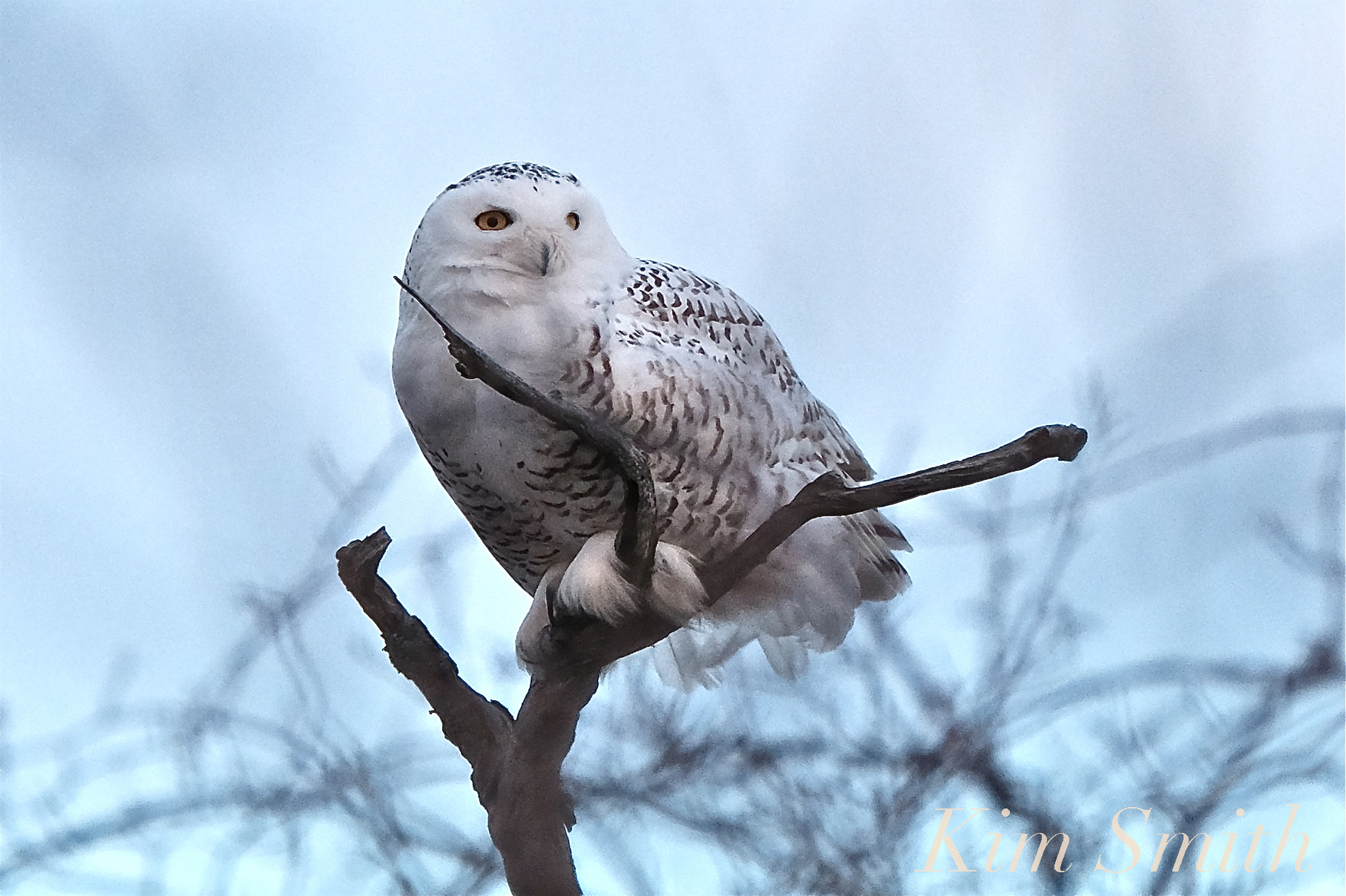
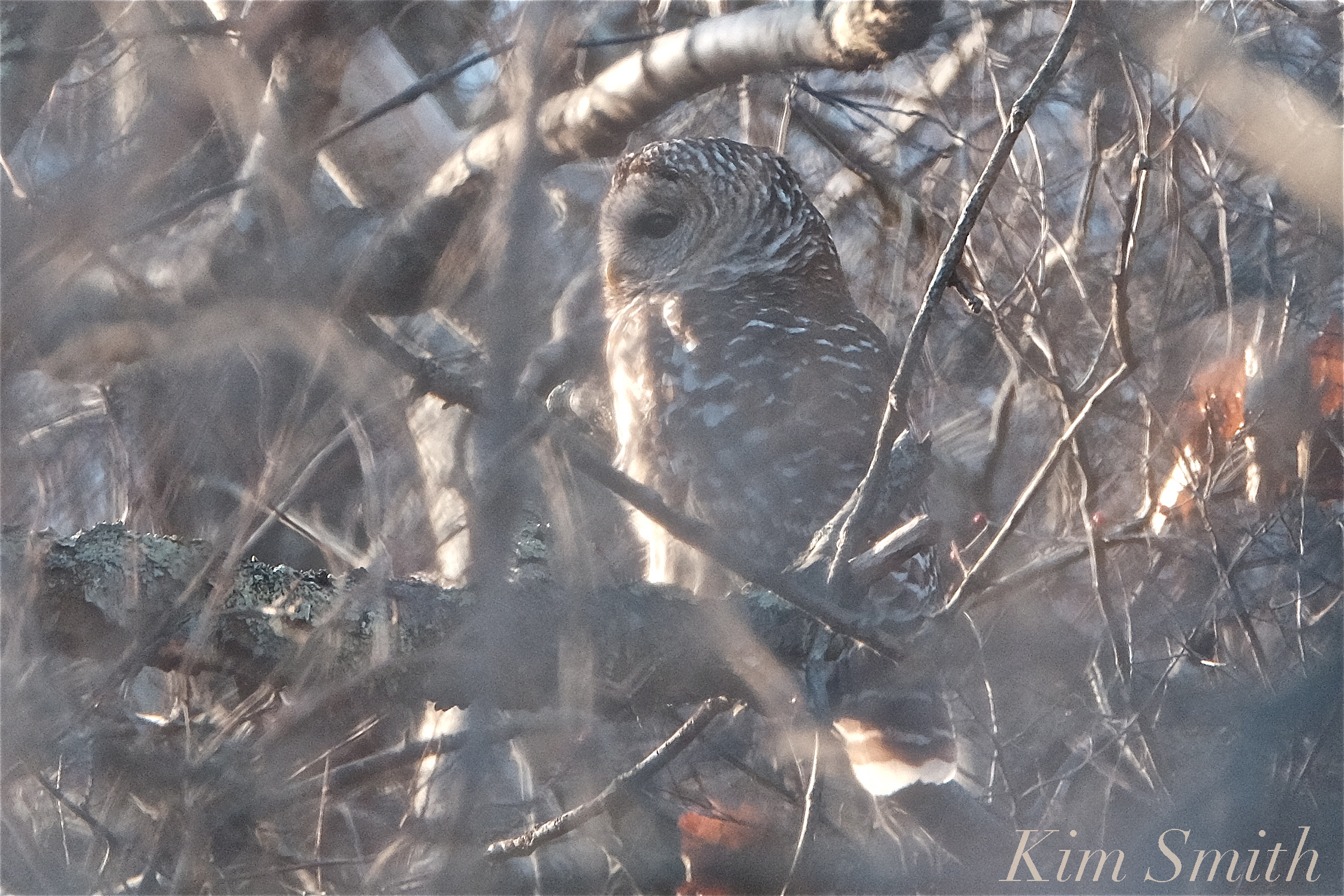
Saturday my daughter Liv and I took a break from all things Christmas and visited Parker River National Wildlife Refuge and Sandy Point Reservation. Hiking around the refuge is one of our favorite things to do and I was thrilled that she got to see not one, but two owls, a Barred Owl, and a Snowy Owl. The Barred was very nearly completely obscured in a dense thicket, nonetheless exciting to see, and the Snowy was spectacular, causing quite a hullabaloo with the onlookers as he perched in a tree by the road leading into the refuge.

To see an owl in the wild is a gift, and I am counting my blessings, for my beautiful, kind-hearted daughter, and wonderful wild creature encounters.

PIPING PLOVERS AND SANDY POINT BEACH NEEDS HELP! -By Kim Smith

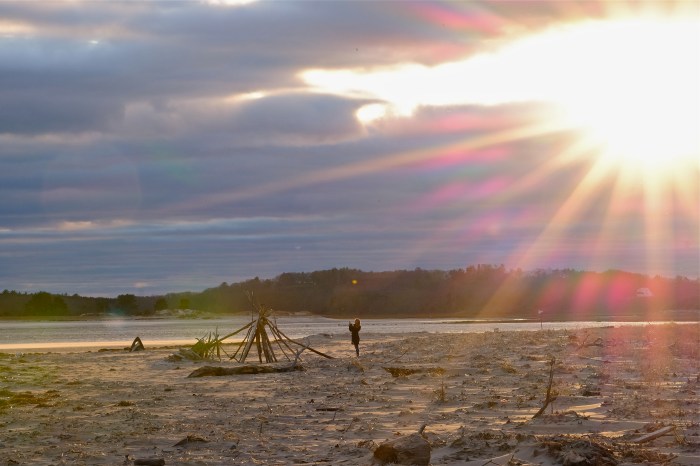
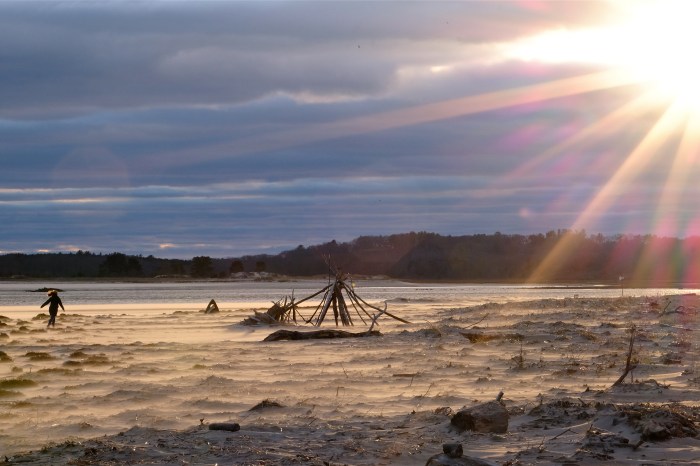
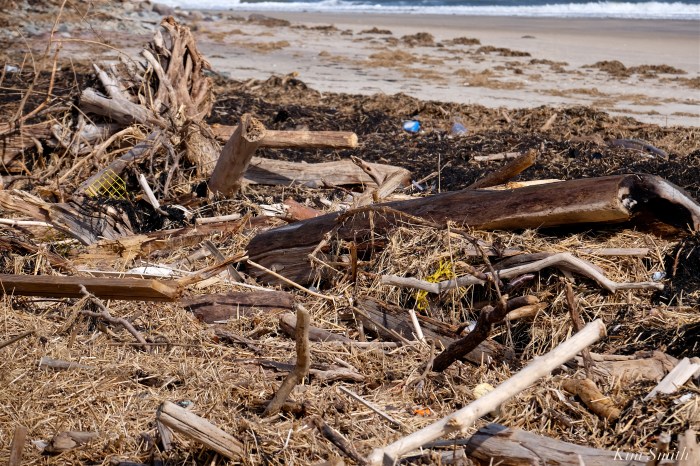
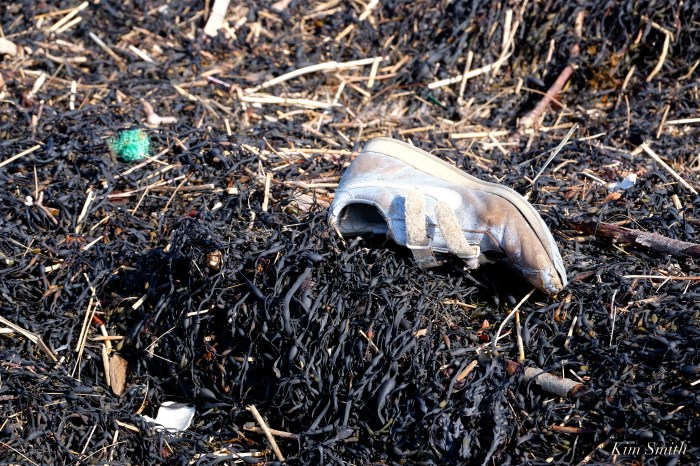
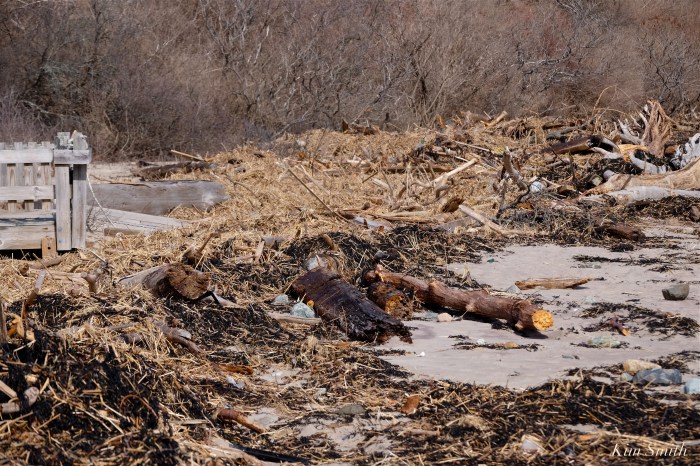
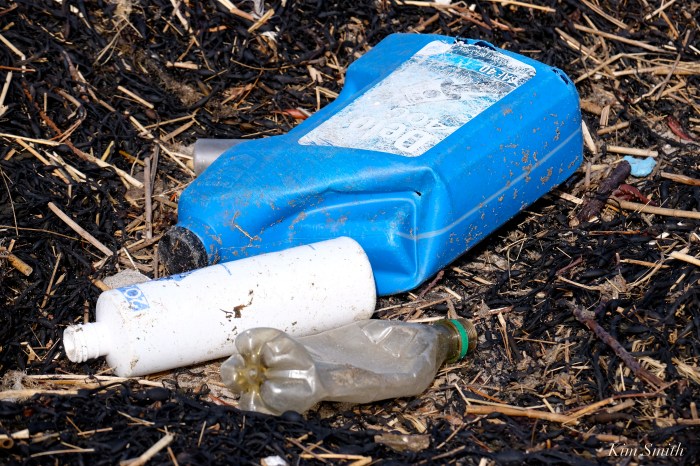
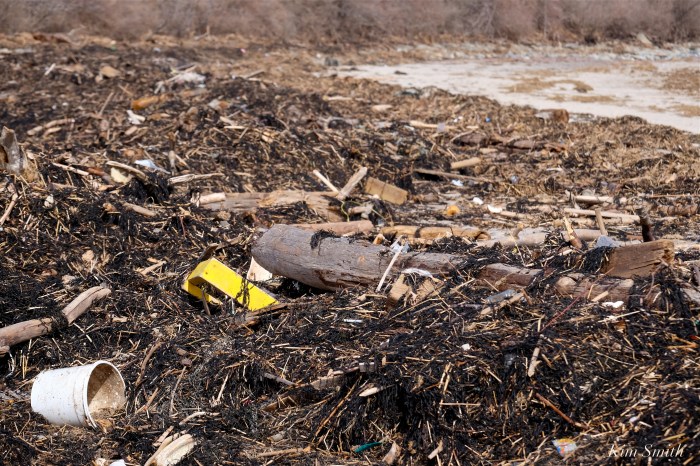
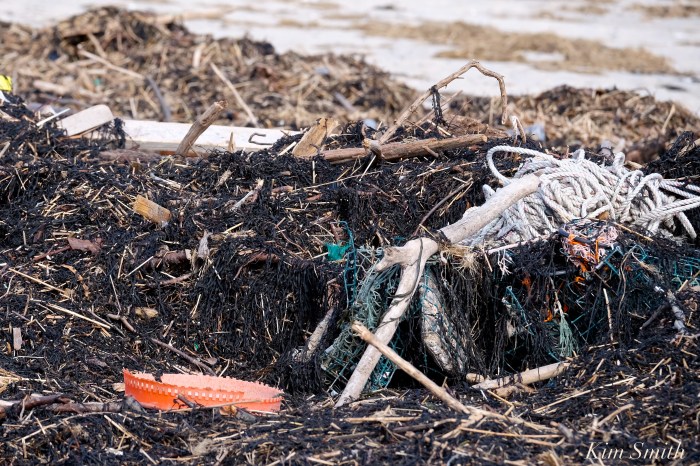
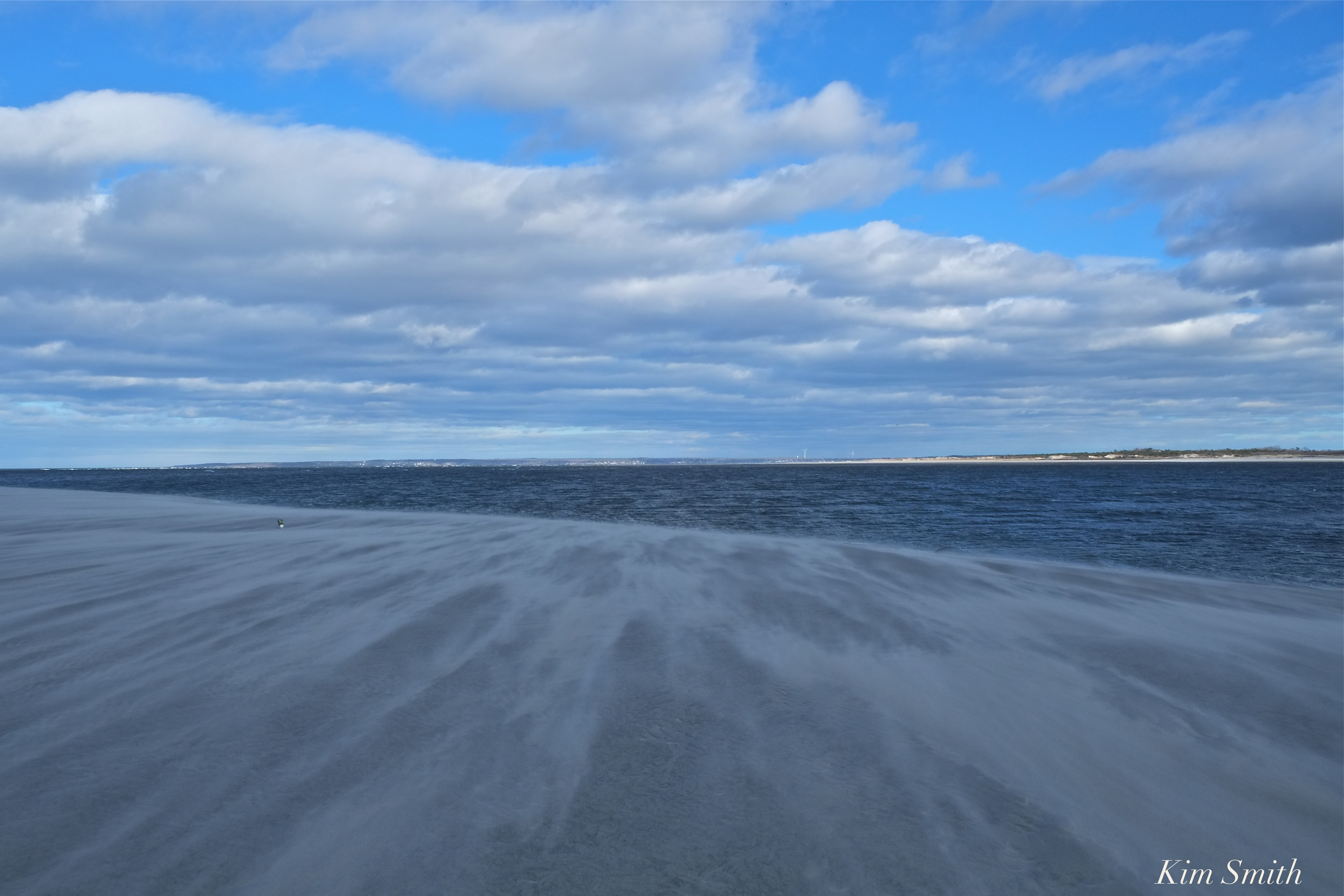
The storm devastation at Sandy Point Beach on Plum Island is alarming. The thing is, exactly where the debris pile-up is the densest, is precisely where the Piping Plovers nest. These photos were taken several weeks ago, and the mass of garbage has only grown greater with two subsequent storms. 

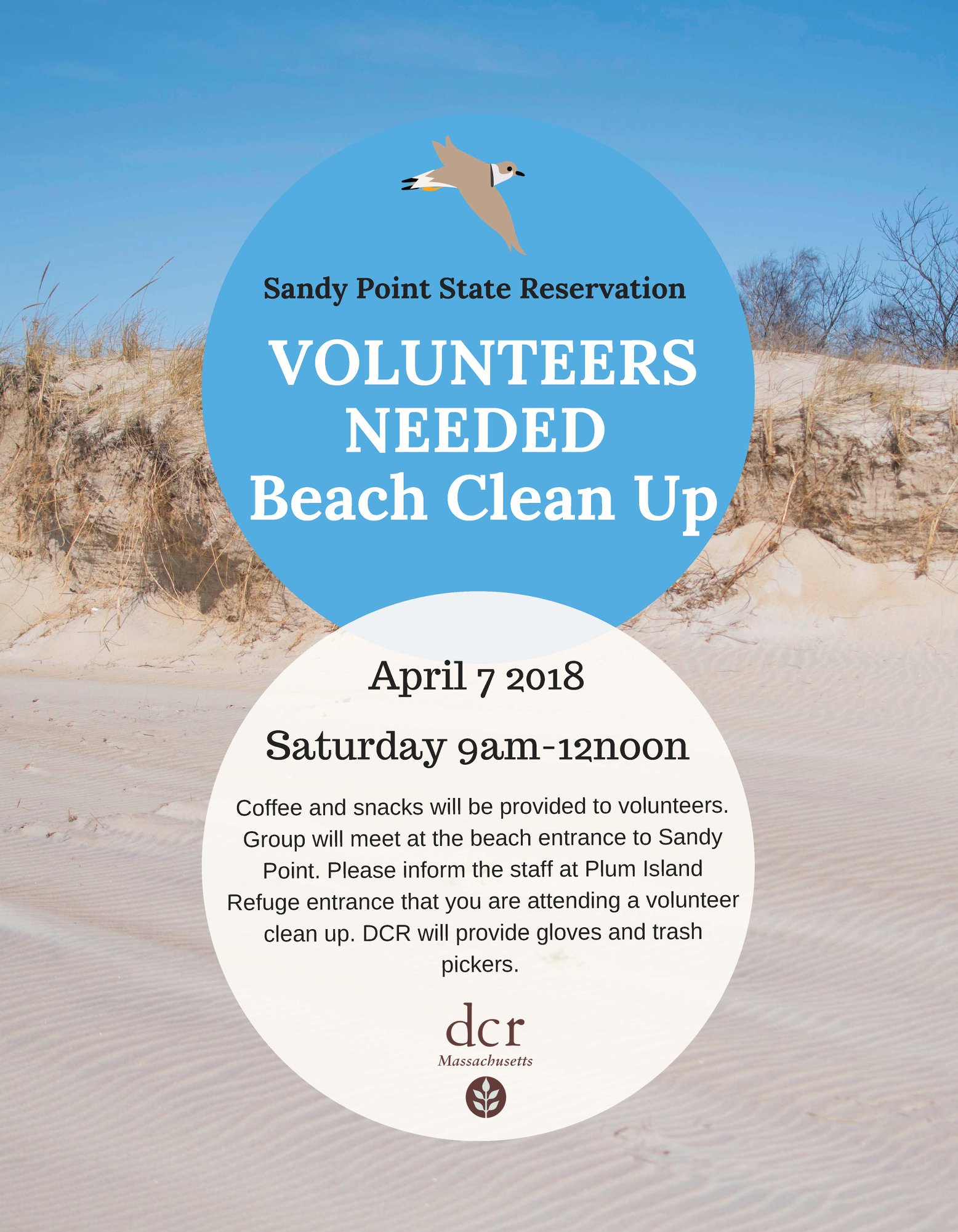
From PRNWR, “Although the refuge isn’t hosting a spring beach cleanup this year, Sandy Point State Reservation is! Join DCR on April 7th to clean up the southern tip of the island. Parking is limited, so carpooling from the refuge Visitor Center is encouraged.”

CATS AND DOGS AND BIRDS ON THE BEACH: A DEADLY COMBINATION

Thank you to Good Morning Gloucester reader Dave Moore, who is stationed in Korea and sent this brochure published by the USFWS. Dogs are not allowed at USFWS sanctuaries such as Parker River National Wildlife Refuge all year round, leashed or unleashed and this brochure explains just one of the reasons why. Thanks to Dave for sharing the following PDF.

Cats and Dogs and Birds on the Beach: A Deadly Combination

A tale of cat or dog versus bird may make an enjoyable cartoon, but the real-life version is deadly serious. When birds encounter cats and dogs, the birds rarely win. Many people believe that cats and dogs should be allowed to roam free. People introduced domesticated cats and dogs to this country, and however much we may appreciate them as part of our lives, those animals are not native wildlife or part of a naturally functioning ecosystem. Along the Atlantic coast, cats and dogs pose a serious threat to the continued survival of beach-nesting birds such as piping plovers, least terns and American oystercatchers.

Two months of living on the edge Piping plovers are vulnerable to wild and domestic animals as well as human interference while they guard their nests on sandy beaches for a month before eggs hatch. Plovers blend with their surroundings, so it can be difficult for you to see them. Adult plovers will stagger and feign a broken wing to distract predators from their nests and chicks. Unfortunately, the plover ploy backfires when they face predators more nimble than predators in their native environment. The plover may be caught and killed or injured.

After plover eggs hatch, the tiny chicks spend most of the next month foraging for the food needed to gain weight and develop flight feathers. The flightless chicks face myriad challenges and are simply no match for an agile cat or dog that instinctively sees the chick as something to hunt or chase. With the plovers’ low population numbers, each tiny chick embodies a precious hope for future recovery of the species.

An unfair fight Cats are natural hunters, and even wellfed cats chase and kill birds. Beach-dwelling birds are not adapted to co-exist with cats. Each year in this country, hundreds of millions of birds meet death in the claws of cats. Cats kill roughly 39 million birds annually in Wisconsin alone, according to a 1996 study. Many dogs are naturally inclined to hunt birds after generations of breeding for that purpose. Unleashed dogs chase birds, destroy nests and kill chicks. Plovers are so difficult to see on beaches that it is extremely easy to miss seeing a bird that your dog is chasing. Even when they are on leashes, dogs can frighten and kill birds. In a 1993 study, researchers found that the mere presence of pets disturbs piping plovers far more than human presence. While we cannot tell birds where we want them to nest, we can control cats and dogs.

Protecting our environment We not only have an obligation to protect birds as an important part of our environment, it is the law. The U.S. Fish and Wildlife Service placed Atlantic coast piping plovers on the List of Endangered and Threatened Wildlife in 1986 with a “threatened” designation, meaning that without care the species could face extinction. The plover future is so tenuous that for more than 20 years, people from local, state and federal agencies along with dozens of private organizations have provided intensive protection for the birds. They have spent countless hours managing predators and posting nesting areas to protect birds from pedestrians and off-road vehicles. By 2005, the piping plover population had grown to more than 1,400 pairs. However, protection is neccesary for the species’ survival because threats, including those from cats and dogs, remain.

Monitoring nests and protecting habitat are only part of the piping plover protection story. Plovers need everyone’s help, and vigilant pet owners play an essential role. We need to take advantage of every means to prevent plover deaths if we are to ensure the survival of this bird.

PIPING PLOVERS HAVE RETURNED TO CAPE ANN BEACHES!

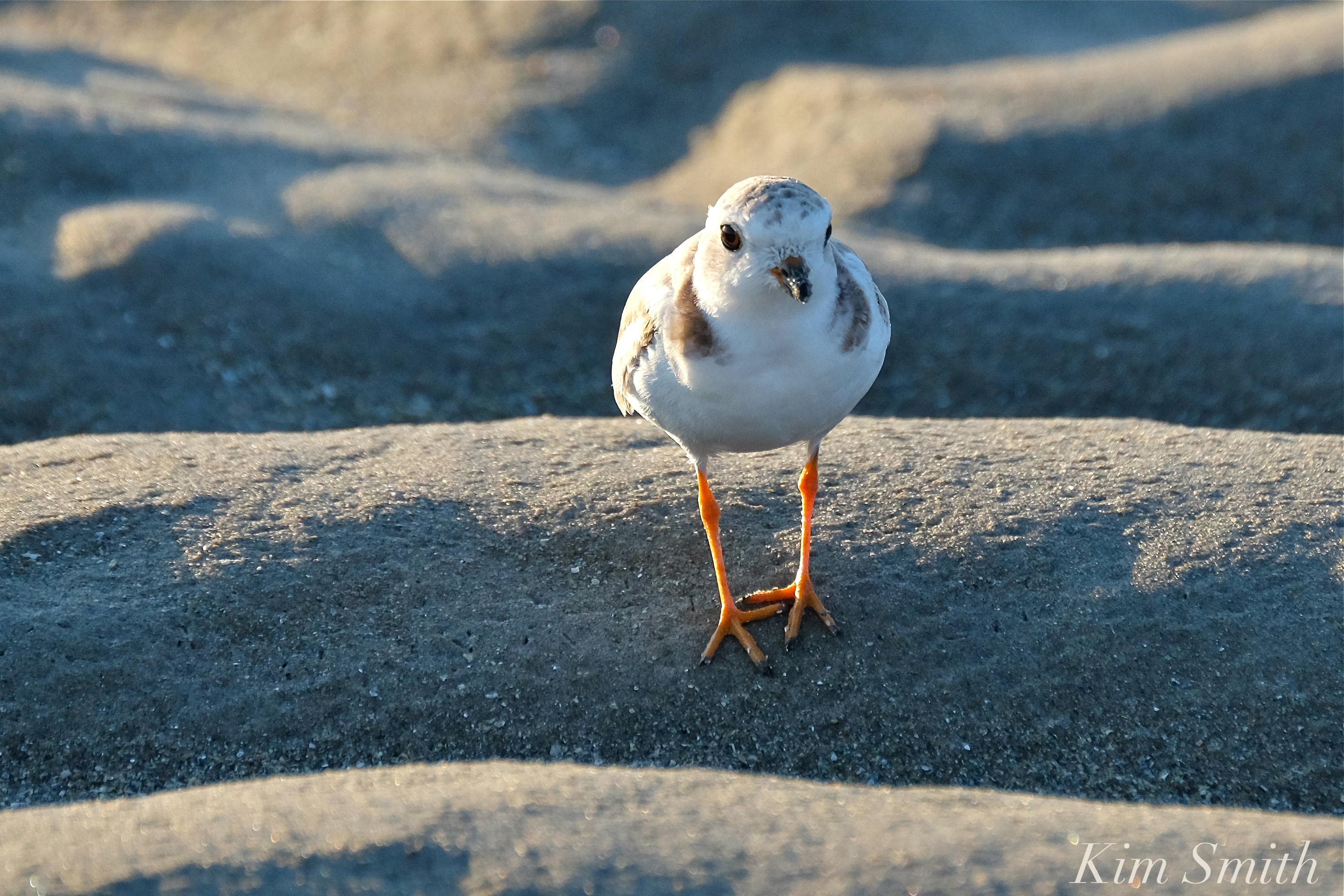
Male Piping Plover

The sweetest and tiniest of shorebirds has been spotted at several of our local beaches, including Wingaersheek and Good Harbor Beach. They have also been seen at Plum Island, as well as other Massachusetts barrier beaches, for several weeks. The Plovers have traveled many thousands of miles to reach our shores and are both weary from traveling and eager to establish nesting sites.

What can you do to help the Piping Plovers? Here are four simple things we can all do to protect the Plovers.

  1. Don’t leave behind or bury trash or food on the beach. All garbage attracts predators such as crows, seagulls, foxes, and coyotes, and all four of these creatures EAT plover eggs and chicks.
  2. Do not linger near the Piping Plovers or their nests. Activity around the Plovers also attracts gulls and crows.
  3. Respect the fenced off areas that are created to protect the Plovers.
  4. If pets are permitted, keep dogs leashed.


The last is the most difficult for folks to understand. Dogs threaten Piping Plovers in many ways and at every stage of their life cycle during breeding season, even the most adorable and well-behaved of pooches.

Dogs love to chase Piping Plovers (and other shorebirds) at the water’s edge. After traveling all those thousand of miles, the birds need sustenance. They are at the shoreline to feed to regain their strength.

Dogs love to chase piping Plovers at the wrack line. Here the birds are establishing where to nest. Plovers are skittish at this stage of breeding and will depart the area when disturbed.

Dogs love to chase Piping Plover chicks, which not only terrifies the adult Plovers and distracts them from minding the babies, but the chicks are easily squished by a dog on the run.

Please keep dogs leashed when at the beach. Thank you!

Female Piping Plover

*   *   *

Dave Rimmer, Greenbelt’s director of land stewardship, is giving a lecture about the Piping Plovers at Parker River National Wildlife Refuge on Thursday, April 27th, from 2:00 to 4pm. Preregister by email at: Andrew@ecga.org.


GLOUCESTER FROM PLUM ISLAND

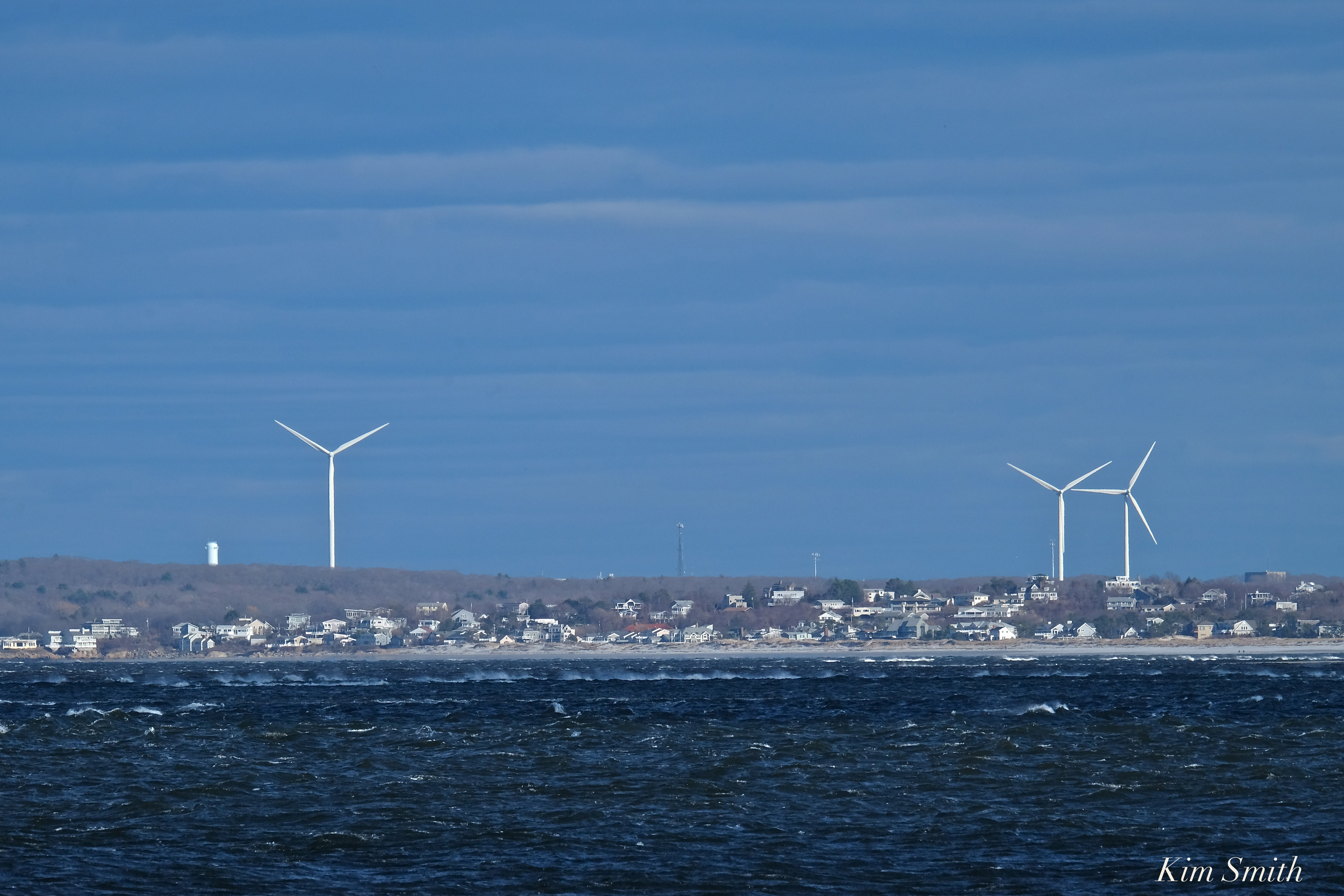
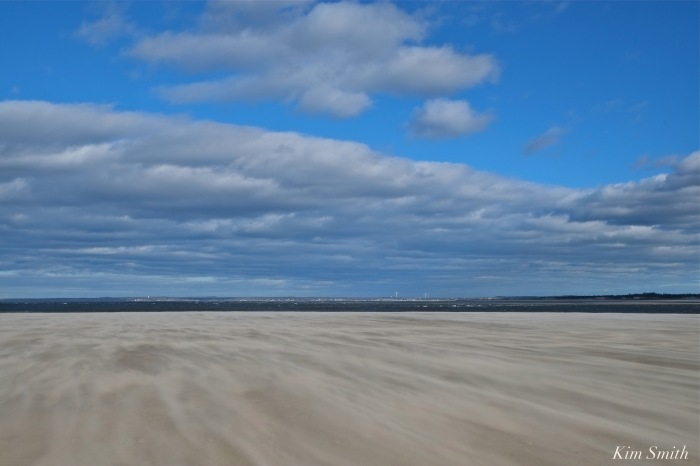
I think these are Gloucester’s wind turbines, looking across Ipswich Bay. The photo was taken at Sandy Point. Please write if you believe otherwise. Thank you!

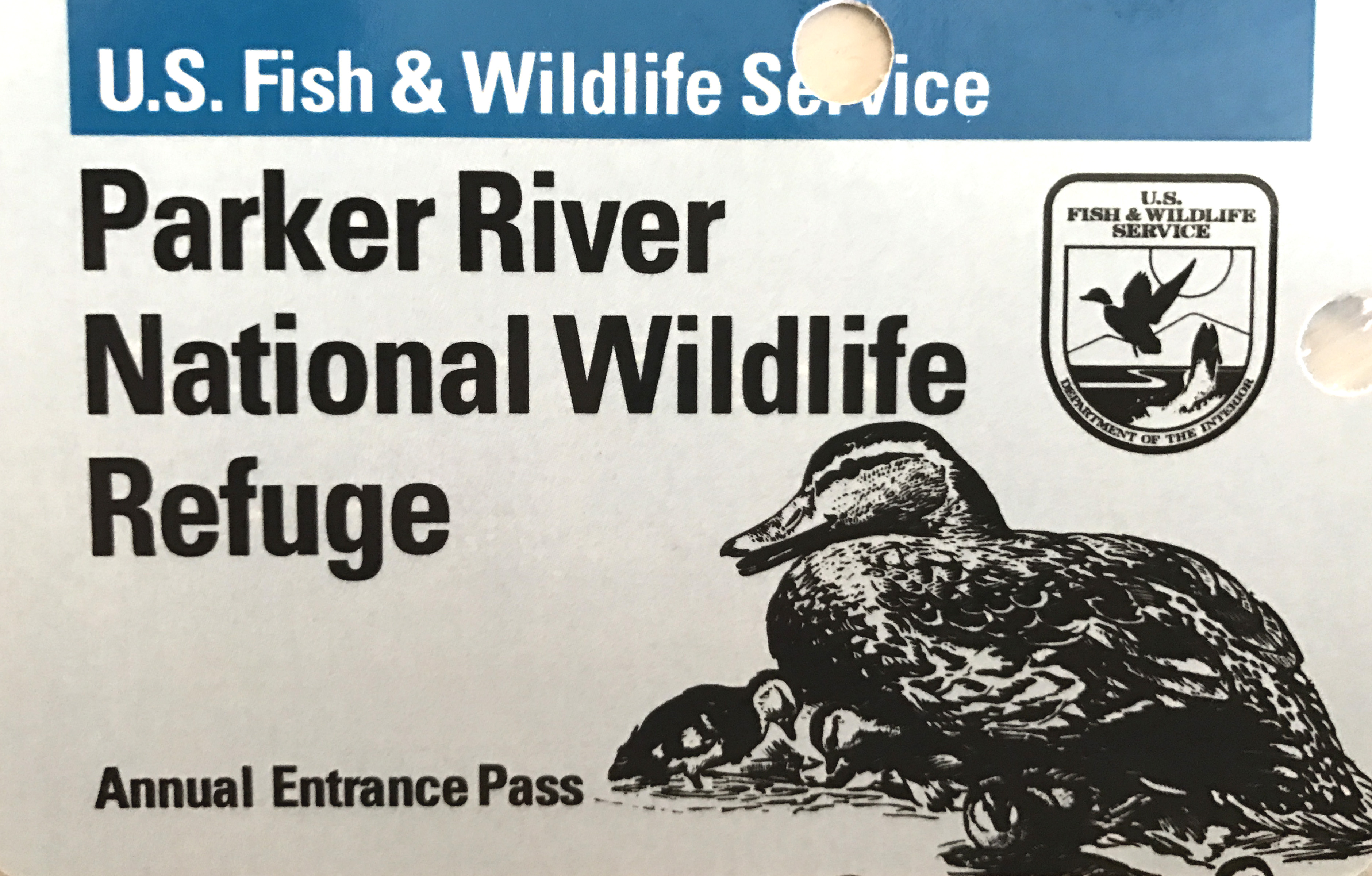
Super windy and chilly Saturday afternoon but nonetheless beautiful. I renewed our annual Parker River National Wildlife Refuge pass, which is good for one year, and think it is the best twenty dollars spent. Kudos for being the cutest pass, too!

https://www.instagram.com/p/BSpWN8CFncy/

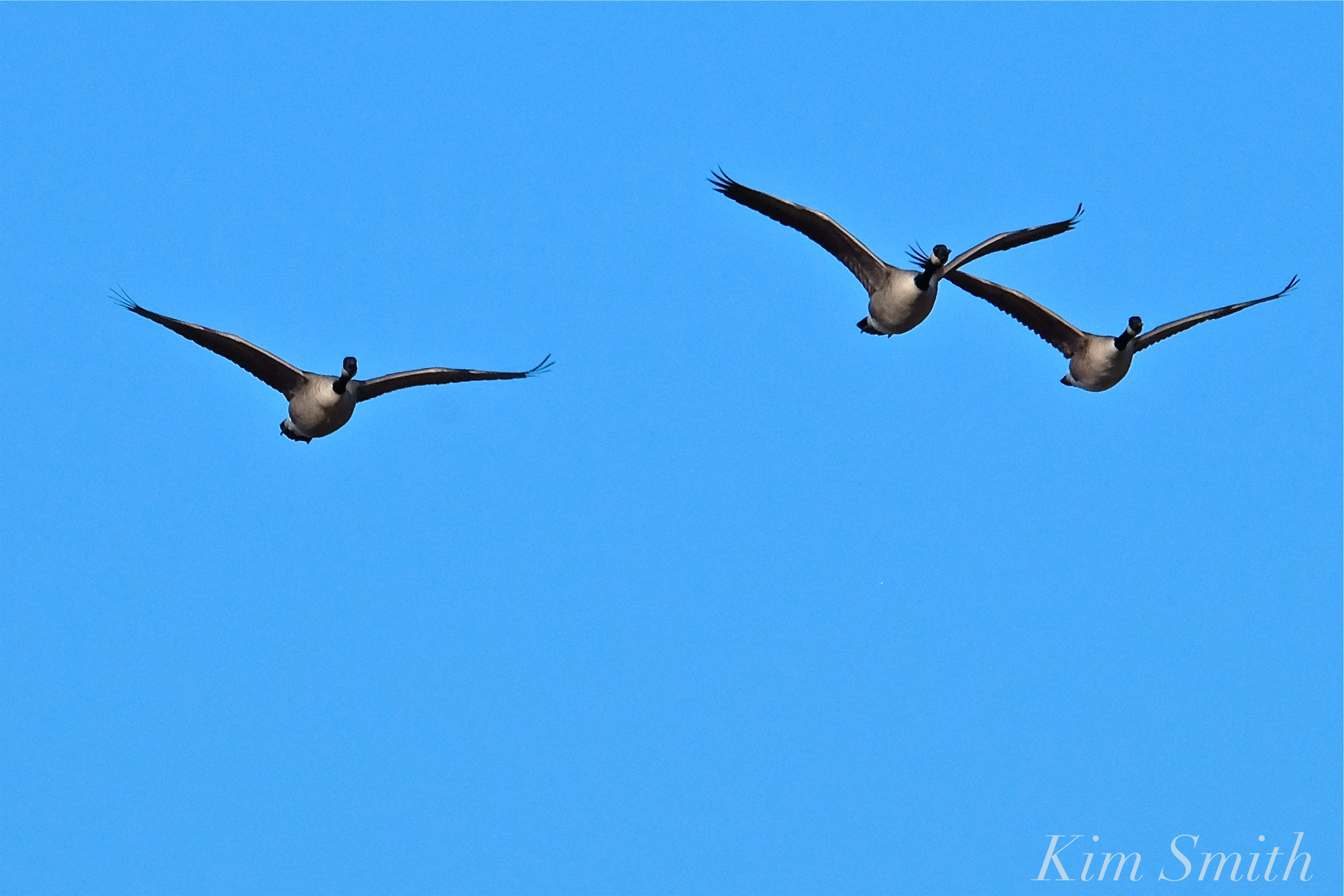
Plum Island Canada Geese

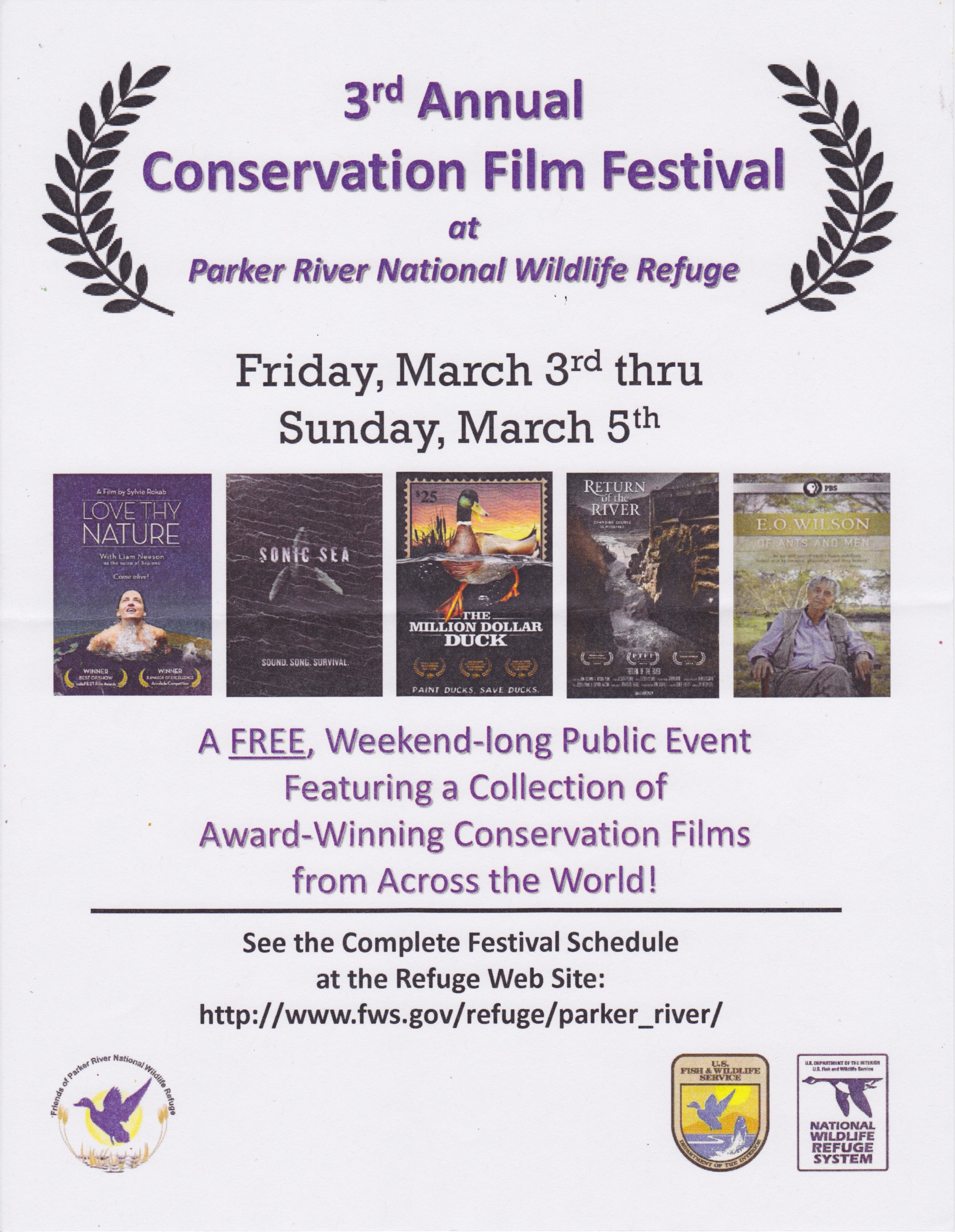
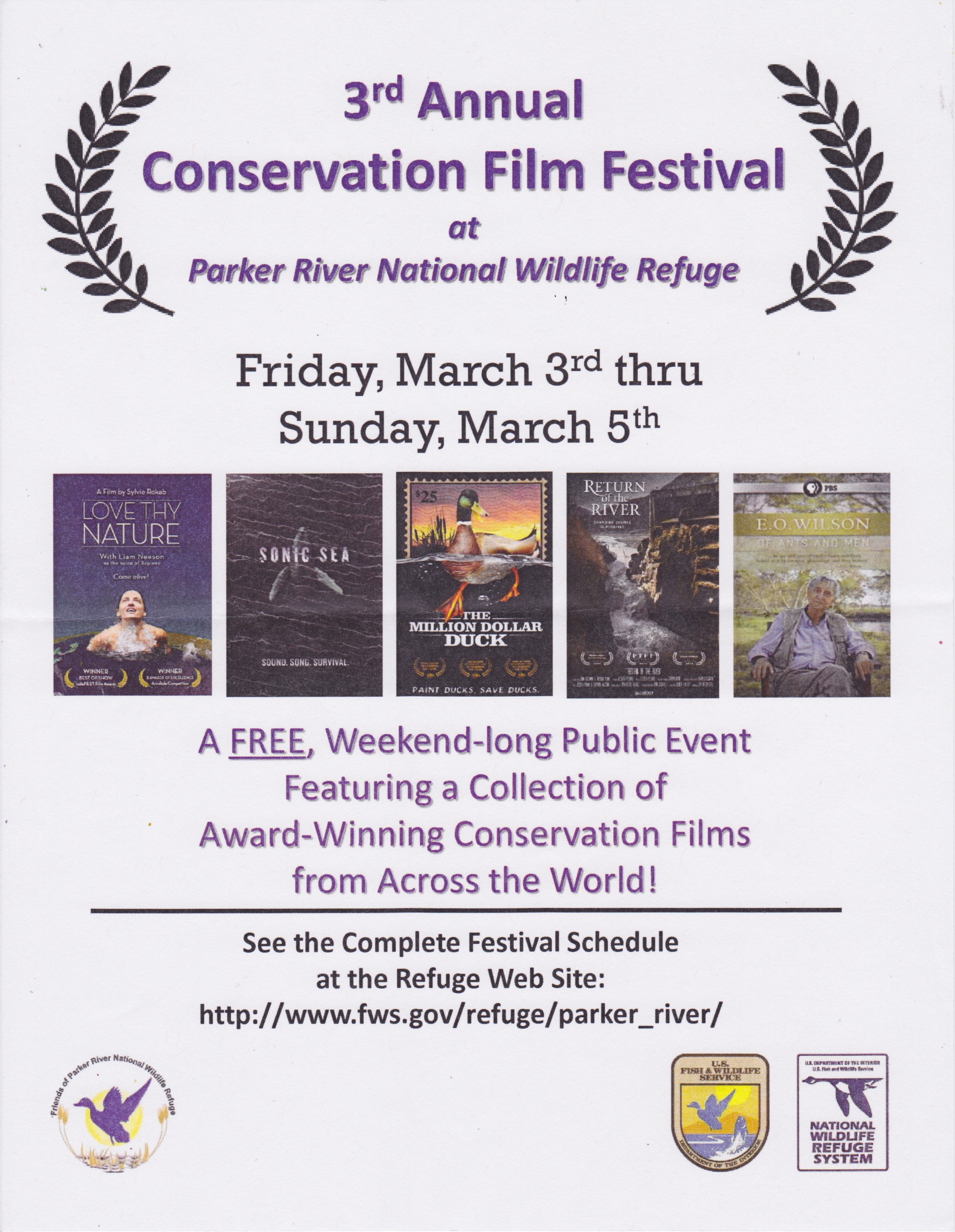
TOTALLY FREE! CONSERVATION FILM FESTIVAL HAPPENING THIS WEEKEND AT PARKER RIVER NATIONAL WILDLIFE REFUGE

conservation-film-festival

NEW SHORT FILM: THE UNCOMMON COMMON TERN

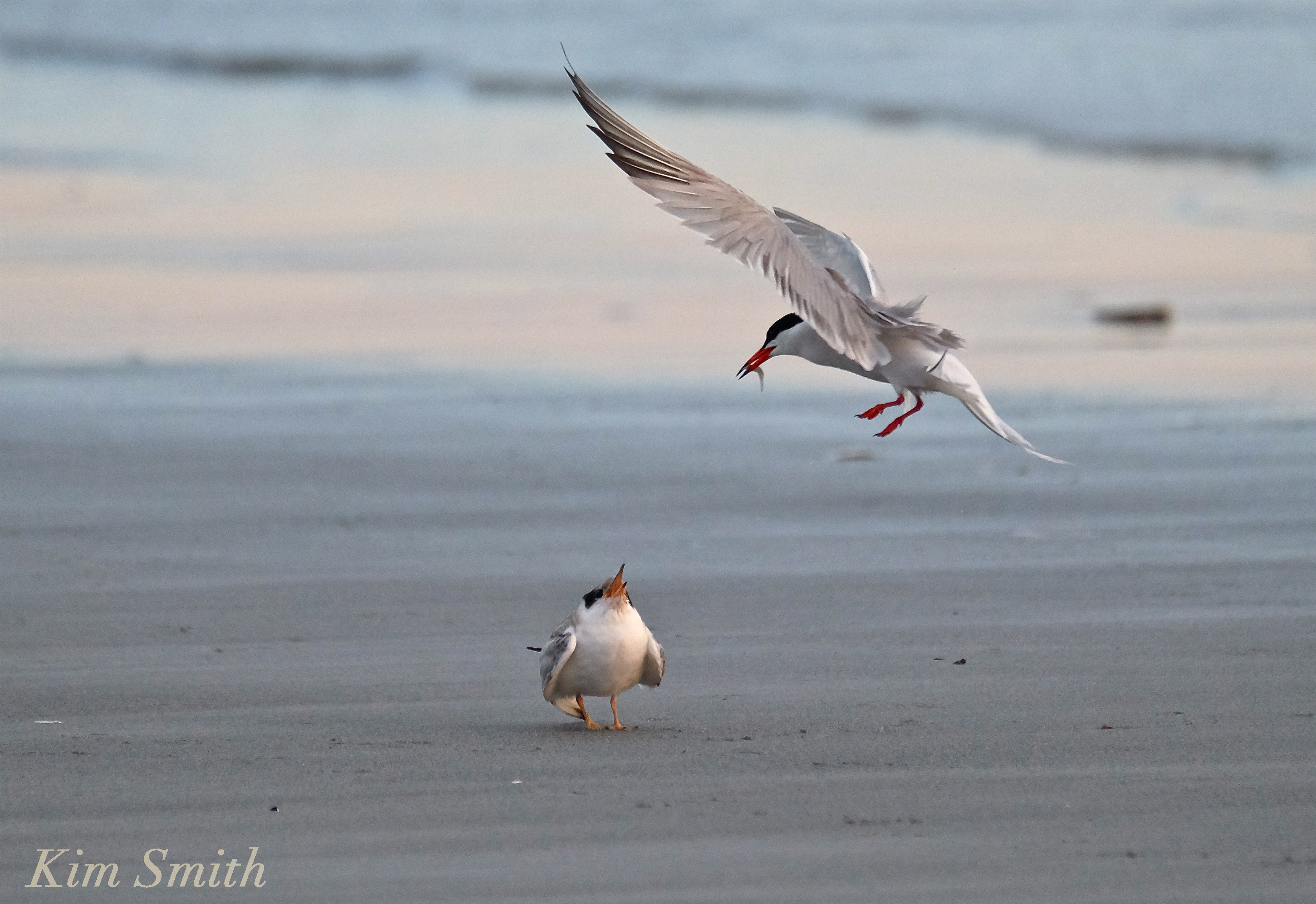
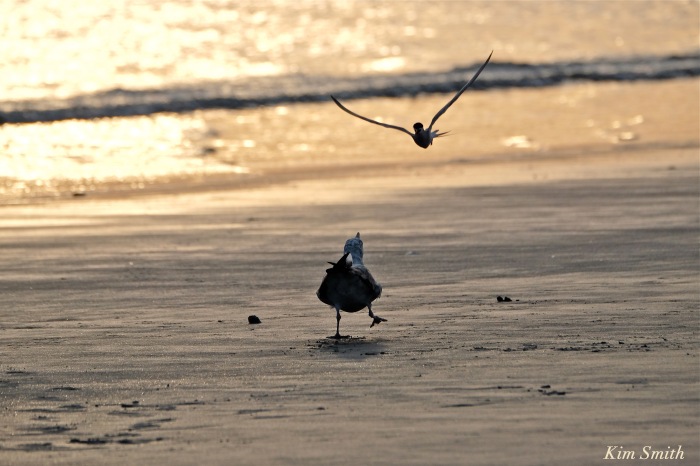
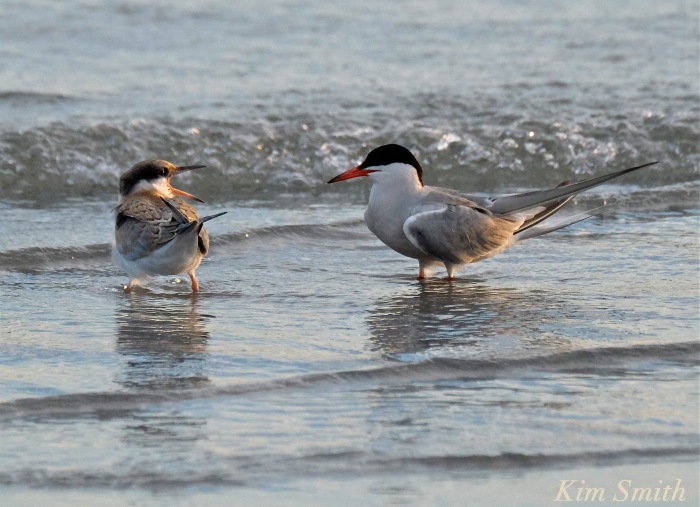
What fun to encounter a small flock of terns teaching its young to fish. Nearly as large as the adults, the tubby terns cheekily squawk and demand food (shrimp I think in this case). Watch as the fledglings try to master fishing skills while the adults tirelessly guide the young on how to feed themselves.

With thanks to Paul St. Germain, president of the Thacher Island Association, for information about the ongoing restoration of shorebirds on Thacher Island.

common-tern-fledgling-feeding-copyright-kim-smith

Continue reading “NEW SHORT FILM: THE UNCOMMON COMMON TERN”

HELP FROM READER REGARDING BARRED OWL IN OAK TREE

Recently a reader wrote the following about her Barred Owl:

-There is one in my yard-Have heard him at dusk and my husband has seen him twice in the stand of oak trees near my front door around 6:30AM-Same place I have heard him-You are welcome to come try and get a picture-Patti

Please contact me Patti. Unfortunately your email address is coming up anonymous in the comment section. I can be reached at kimsmithdesigns@hotmail.com. I would really love to come and record audio of your Barred Owl. So very much appreciate your kind offer. Thank you!barred-owl-sleeping-copyright-kim-smith-copy


CONSERVATION FILM FESTIVAL AT PARKER RIVER AND IT’S ALL FREE!!

All film screenings will take place at the Parker River National Wildlife Refuge visitor center, located at 6 Plum Island Turnpike in Newburyport, MA. All screenings are FREE. There is NO preregistration for this event. Spaces in the 85 seat auditorium will be filled on a first come, first served basis. The refuge phone number is (978) 465-5753.

conservation-film-festival


FOR THE COMPLETE SCHEDULE OF EVENTS CLICK HERE

PARKER RIVER NATIONAL WILDLIFE REFUGE PART ONE

Parker River National Wildlife Refuge Part One
red-tailed-hawk-2-copyright-kim-smith

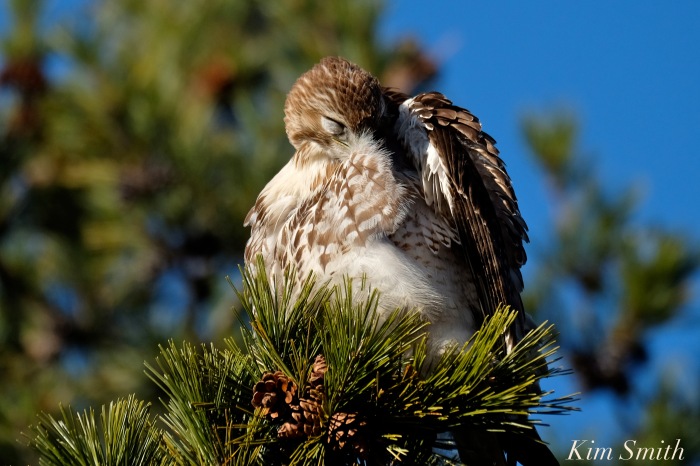
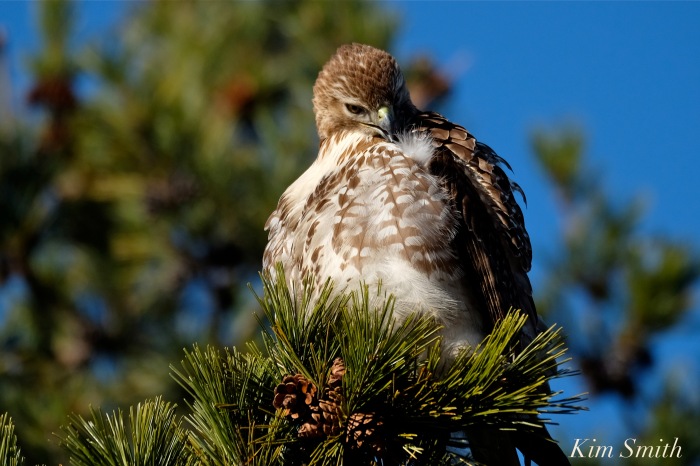
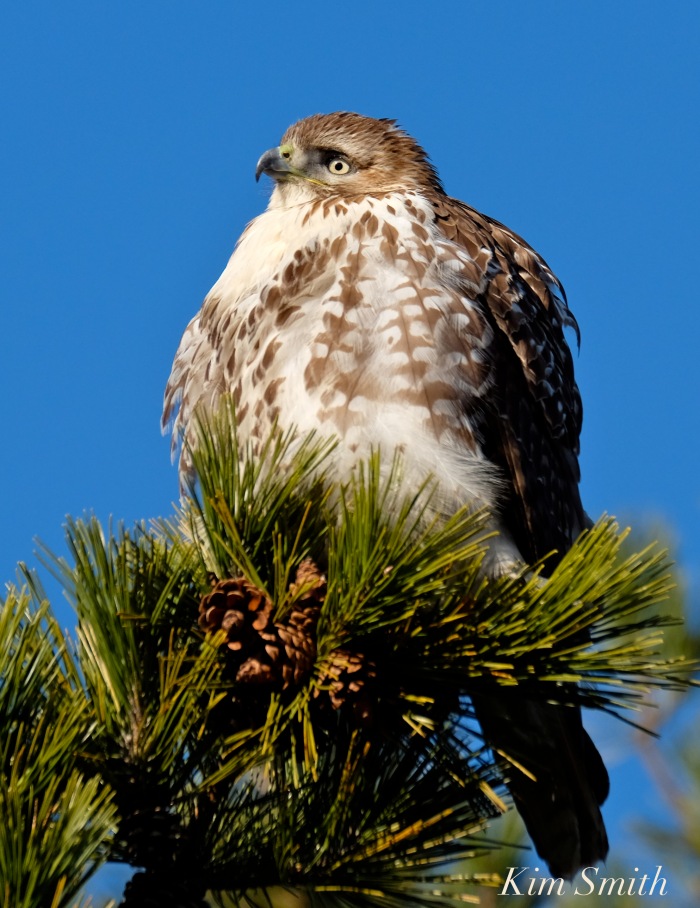
Juvenile Red-tailed Hawk listening for prey

I am in the midst of doing research for the Piping Plover film project and have found the Parker River National Wildlife Refuge to be a great resource. Recently I met a terrific warden there, Jean, and she gave me a copy of the historic brochure written in 1947 by Rachel Carson about the refuge. The brochure was reprinted and if you inquire, they may still have some copies in the back office. You can also download it at this link: Rachel Carson Parker River Wildlife Refuge brochure

The brochure provides an early history of the refuge and is a fascinating view of mid-century conservation. And, too, it is a tremendous example of Carson’s thoughtful and thought-provoking style of writing.
barred-owl-hunting-strix-varia-copyright-kim-smith

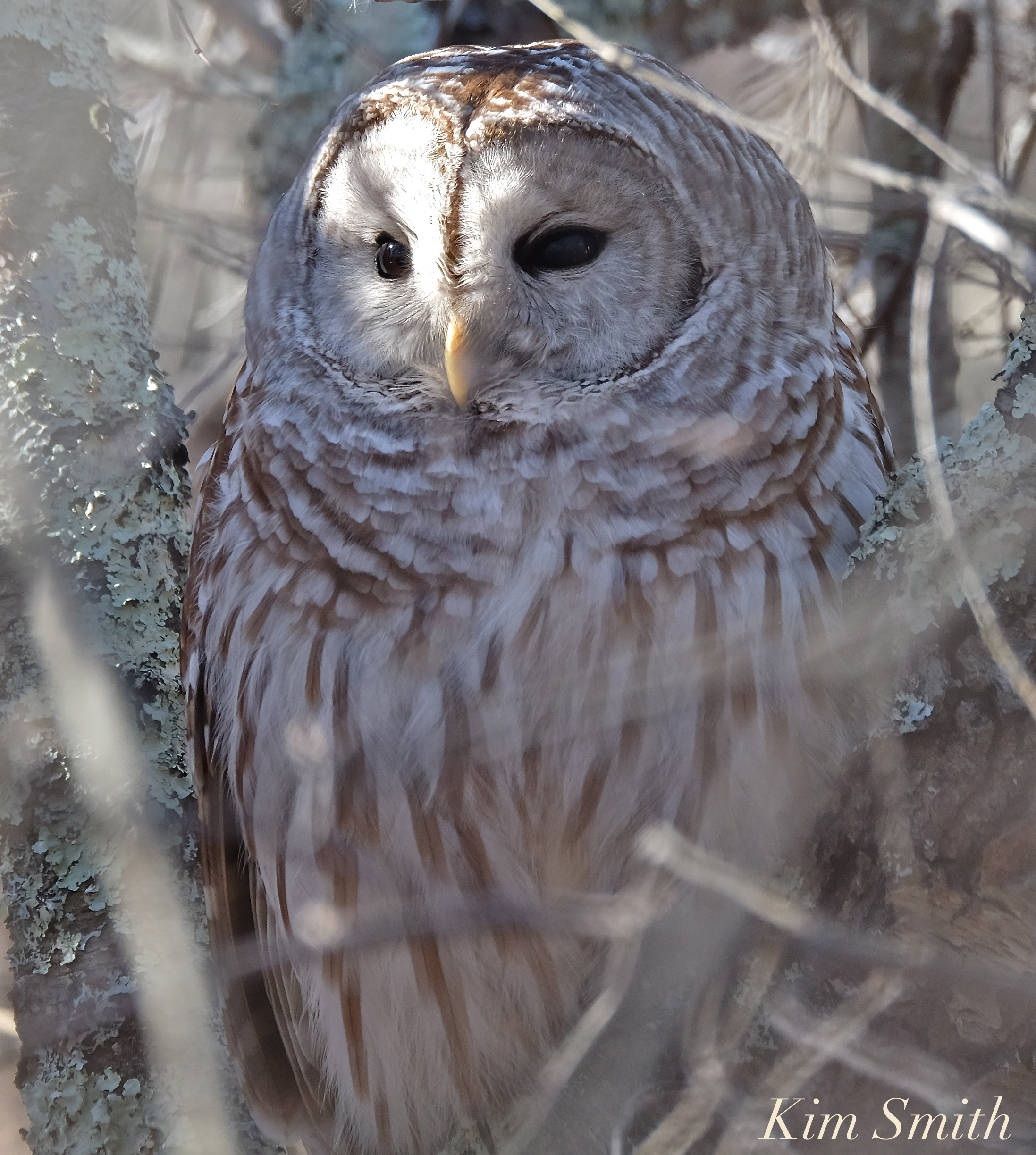
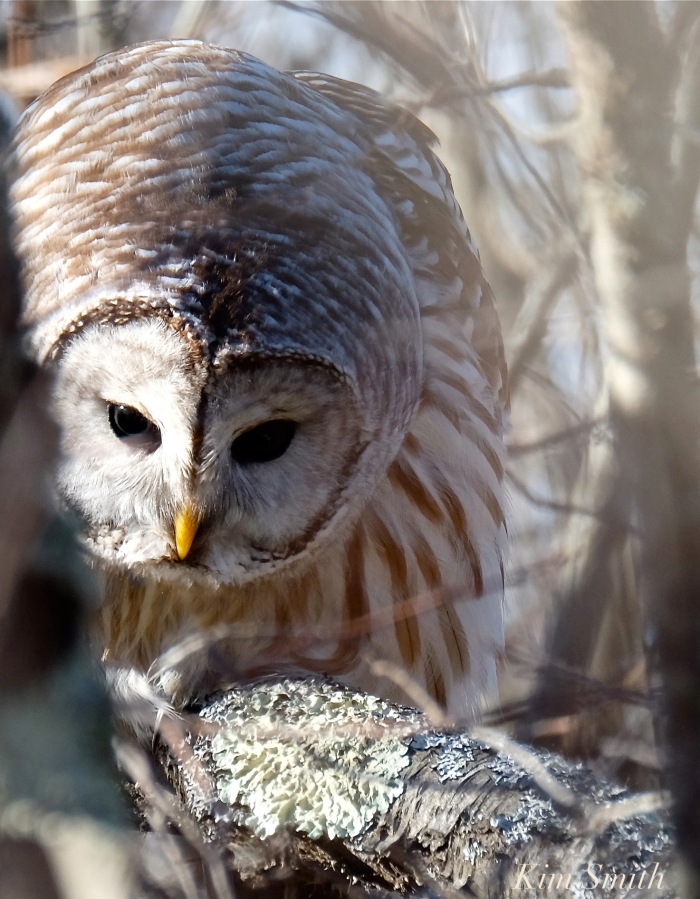
Barred Owl hunting – The refuge provides over 300 species of migratory and resident birds with vital habitat.

Some interesting facts about the refuge —

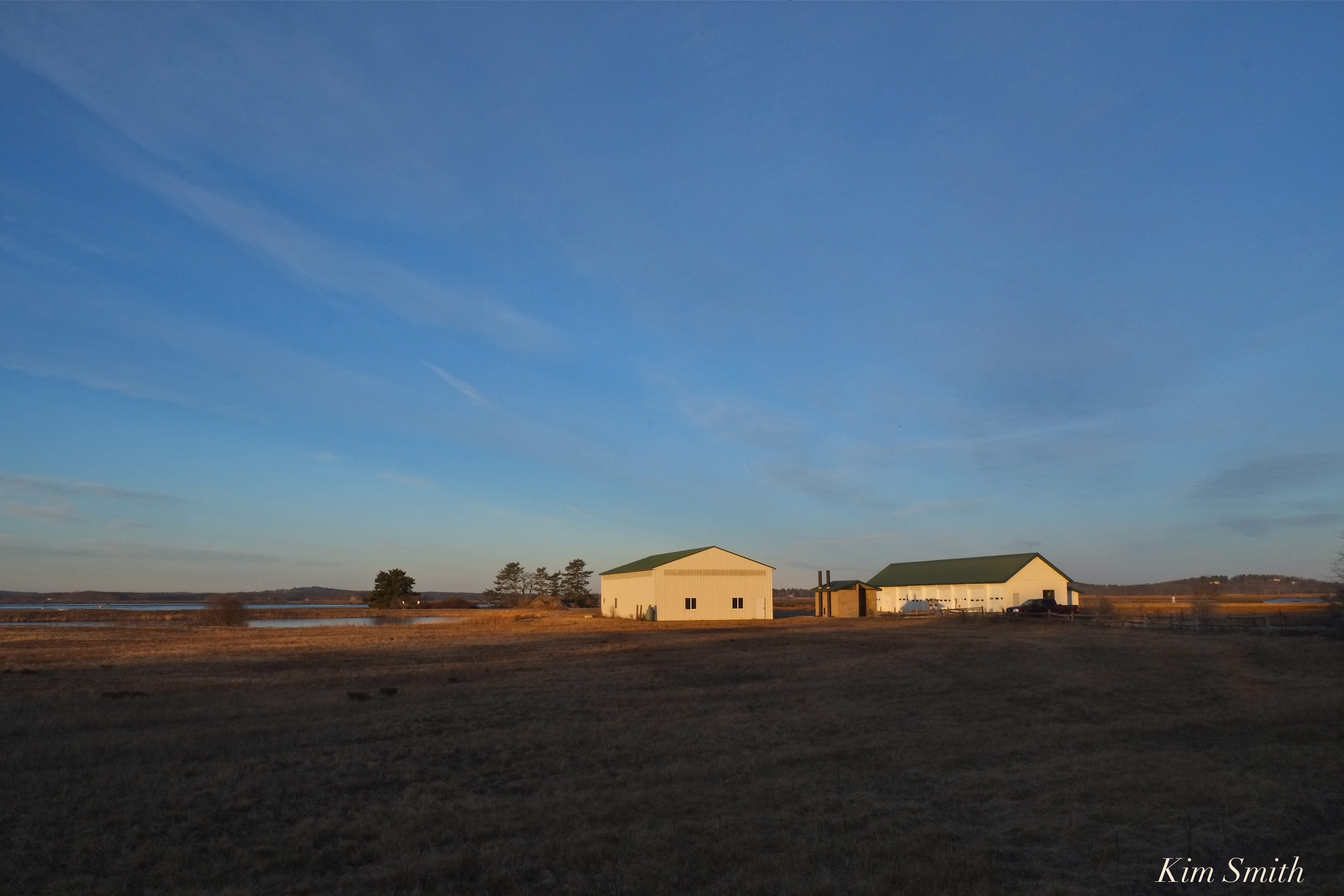
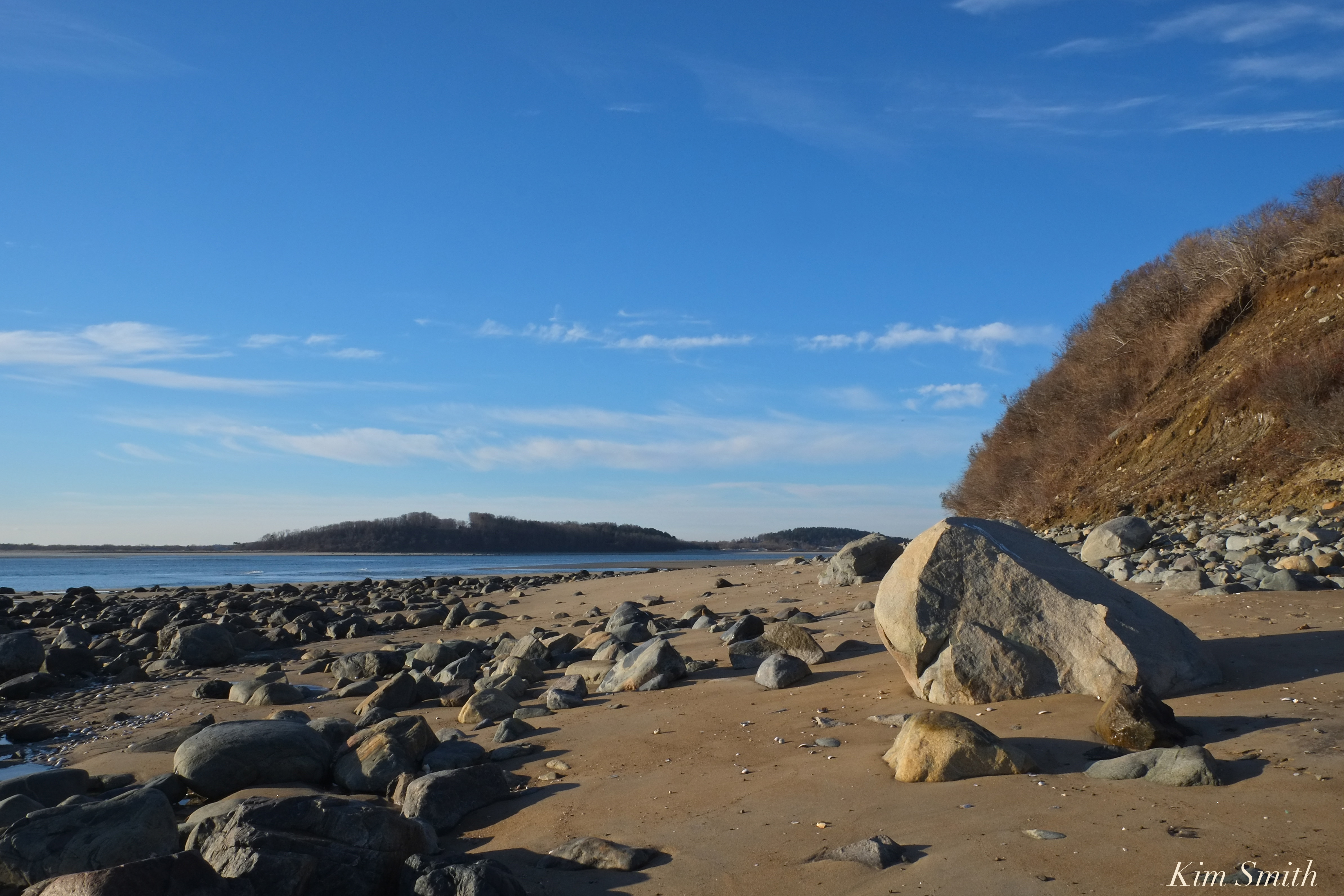
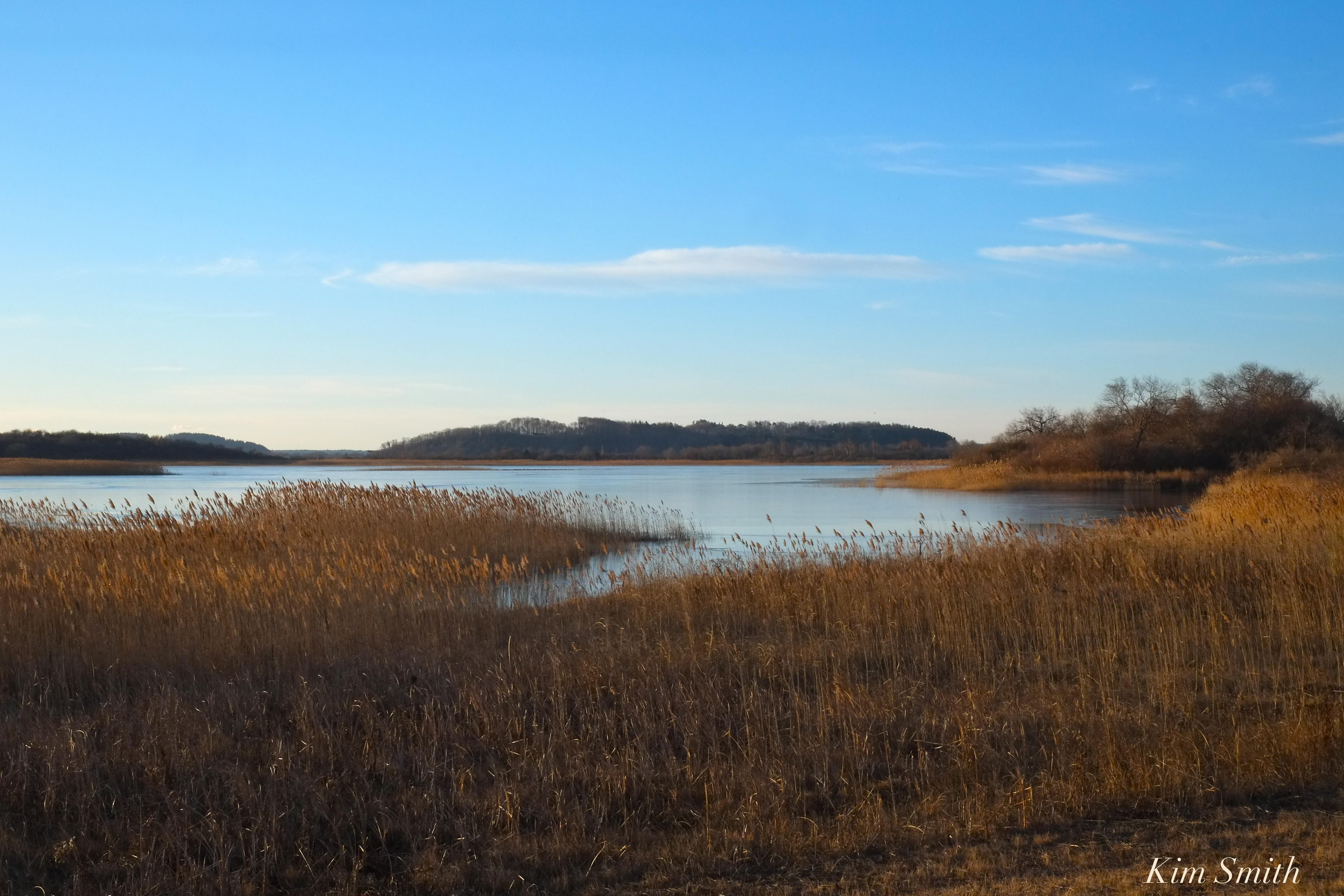
Located along the northeastern coast of Massachusetts, the Parker River National Refuge includes lands that lie within the three towns of Rowley, Ipswich, and Newbury. We think of Plum Island as the heart of the refuge. The wildlife refuge also consists of a range of diverse habitats and geographic features; over 3,000 acres of salt marsh, freshwater marsh, shrub lands, a drumlin, cranberry bog, salt pannes, beach and sand dunes, and maritime forest. The land is not conserved to revert back to a wild state, but is intensely managed in order to preserve and maintain the diversity of wildlife habitats.parker-river-national-wildlife-refuge-wardens-headquarters-copyright-kim-smith
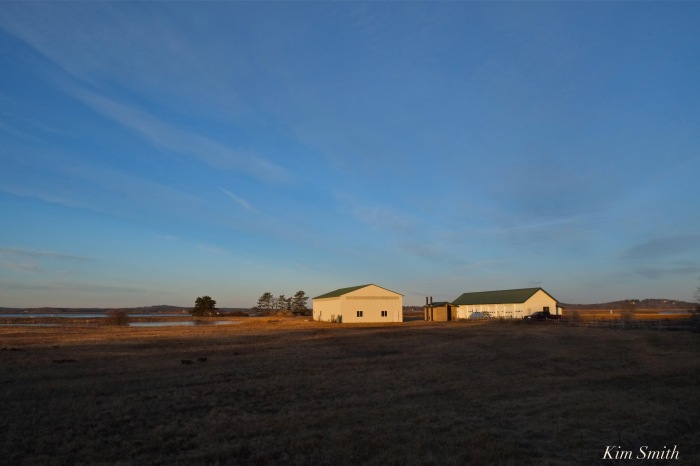
The original warden’s headquarters

Unlike our national parks, which preserves parklands and historic buildings, and are designed for people, a national wildlife refuge is established first and foremost for wildlife and their habitats, not for people. The preservation of wildlife is the number one priority of all our national wildlife refuges.plum-island-sunrise-copyright-kim-smith
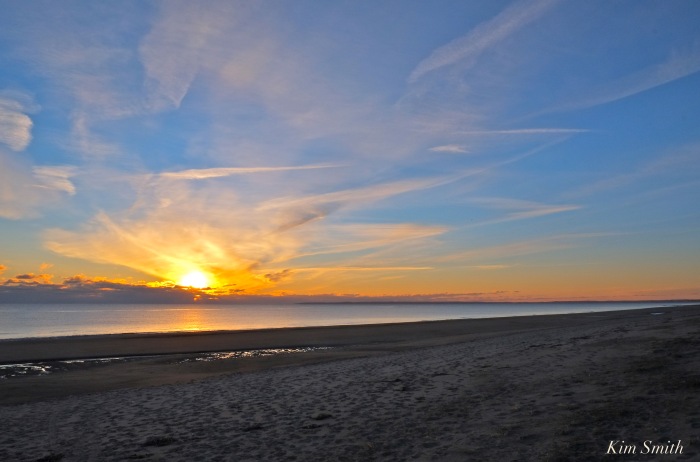
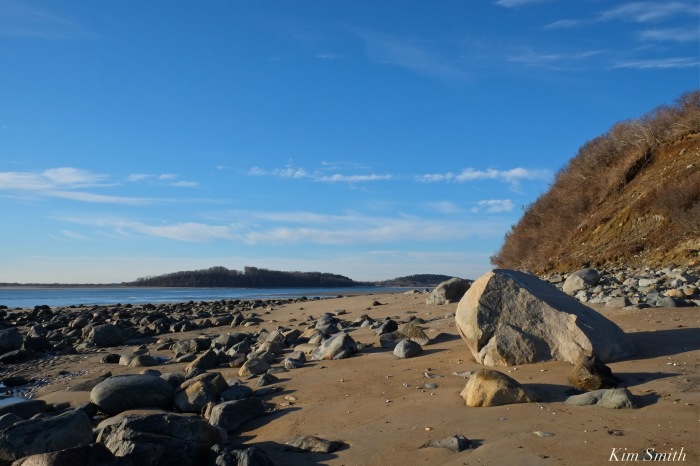
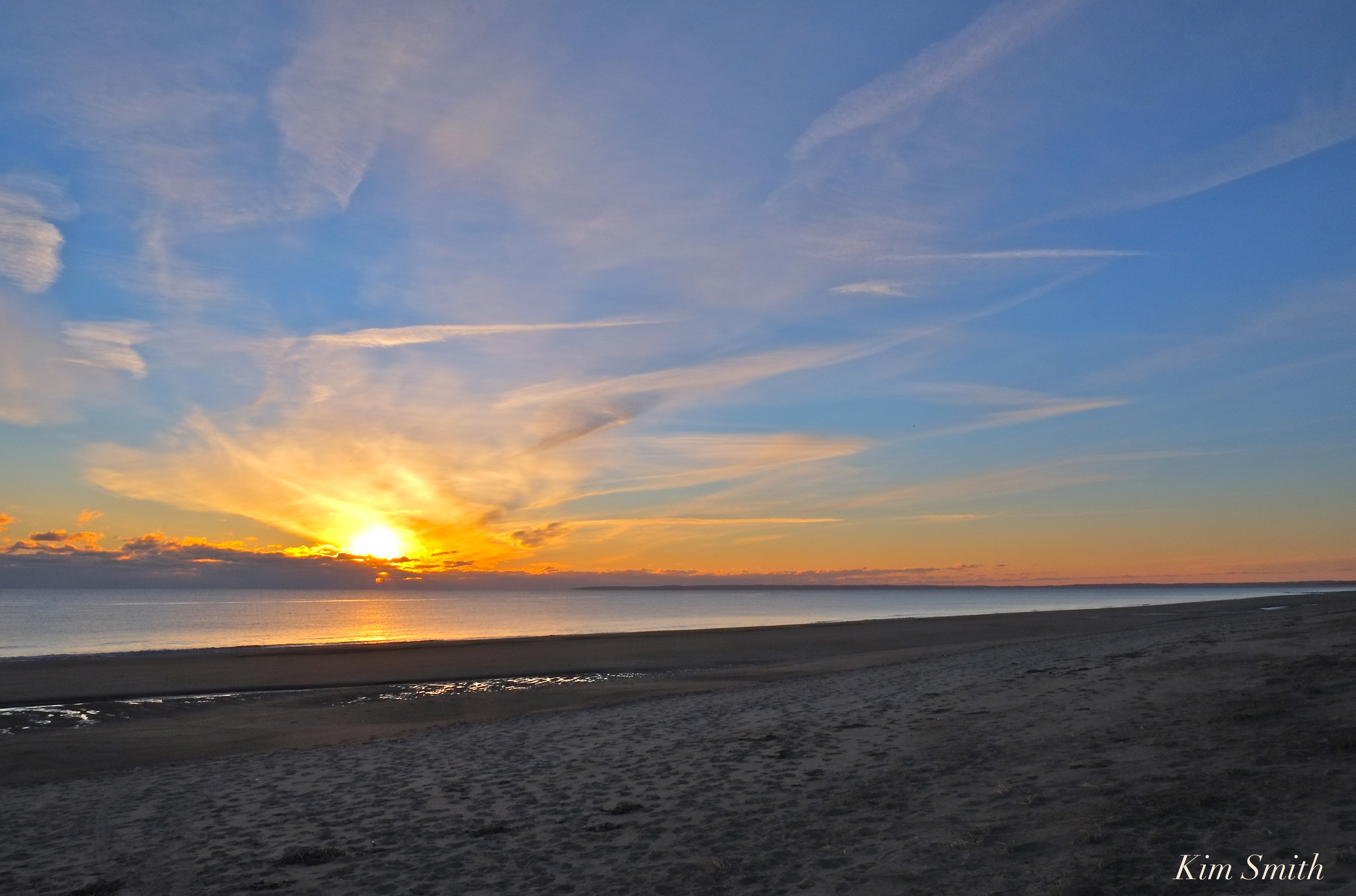
sandy-point-parker-river-national-wildlife-refuge-copyright-kim-smithPlum Island is a barrier island and especially noteworthy for providing critical habitat for Piping Plovers.

The Parker River National Wildlife Refuge was established in 1942 to help species of waterfowl that migrate along the Atlantic Flyway. There were three sharp declines in waterfowl populations in the early half of the 20th century, notably the American Black Duck, and national wildlife refuges all along the Atlantic coast were created in response to the precipitously low numbers.
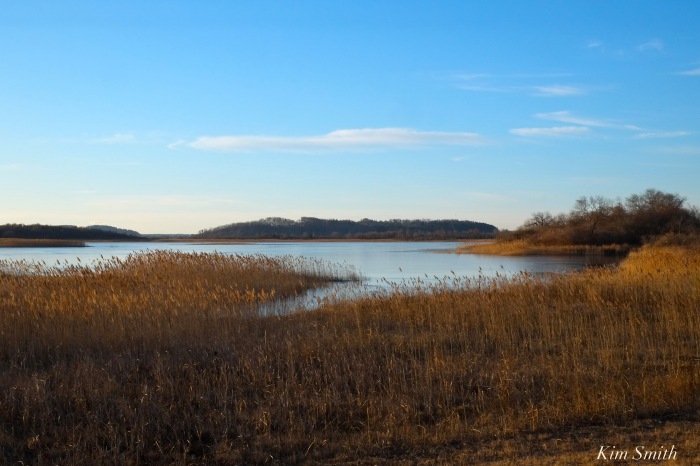
parker-river-wildlife-refuge-impoundment-copyright-kim-smithSalt Island Impoundment

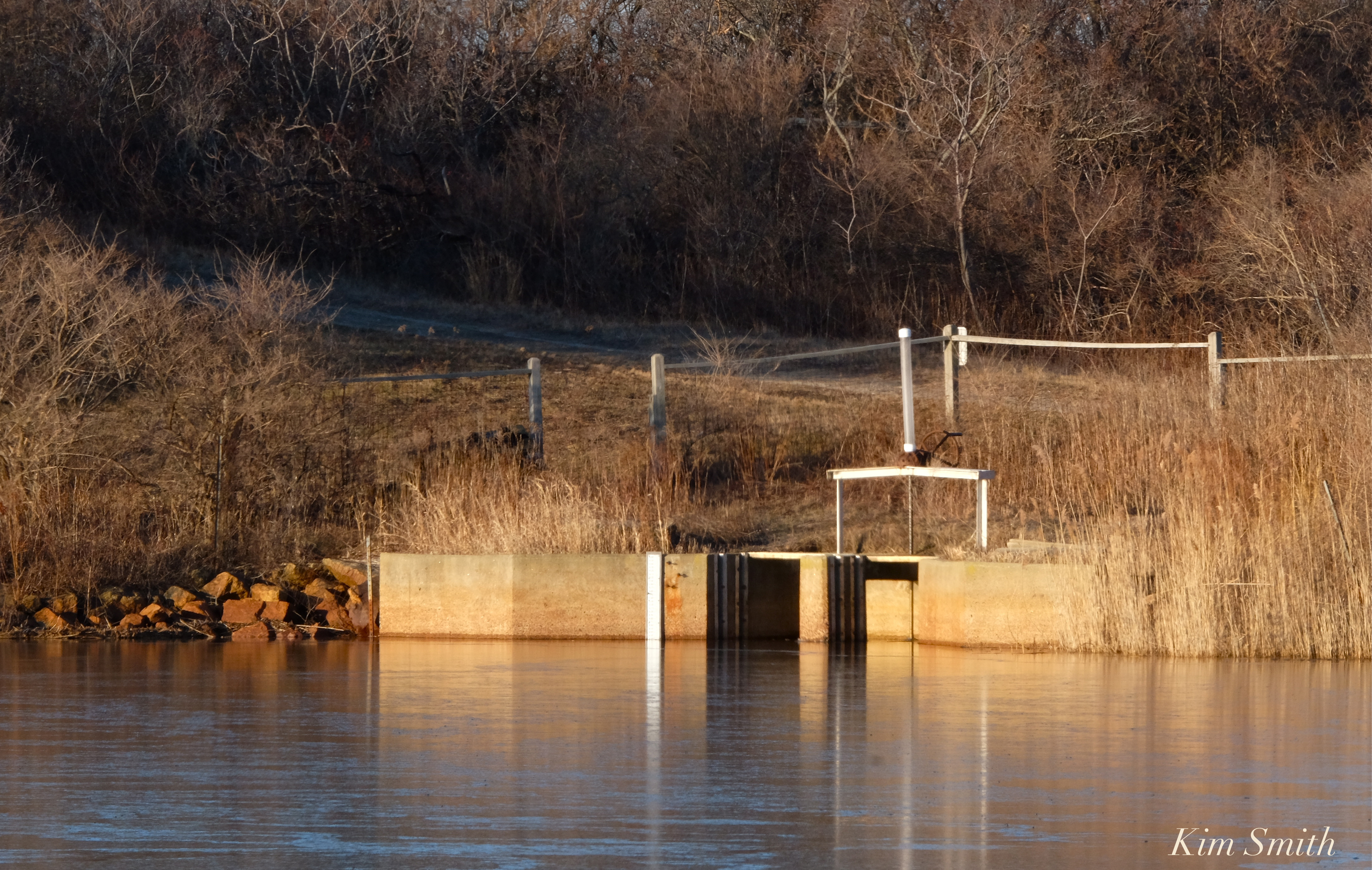
As we can see with our local Niles Pond, Henry’s Pond, and Langsford Pond shorebirds, waterfowl, and myriad species of wildlife thrive where they have easy access to both fresh water and salt water. The three bodies of fresh water that you see in the refuge look like ponds but they are actually manmade impoundments, created by dams and are highly controlled by a series of dykes and pumps.parker-river-wildlife-refuge-impoundment-pump-copyright-kim-smith
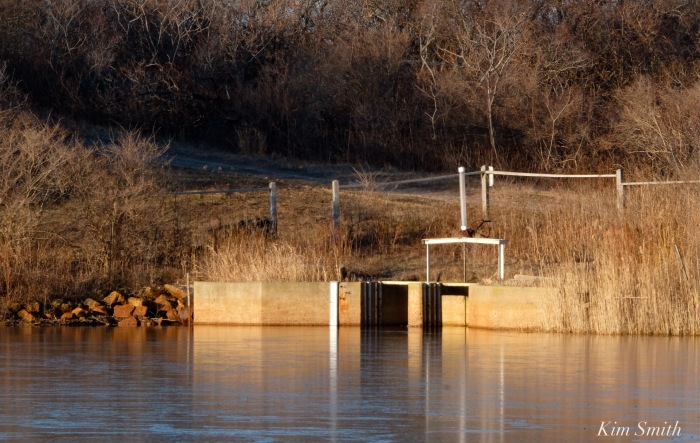
Salt Island Impoundment Pump

Parker River provides pristine habitats for a wide variety of mammals, insects, fish, reptiles, and amphibians. Hunting birds such as owls, hawks, osprey, eagles, herons, and egrets find an abundance of food at the wildlife refuge. Whenever at Parker River I never not see a raptor!

Red-tailed Hawk Preening
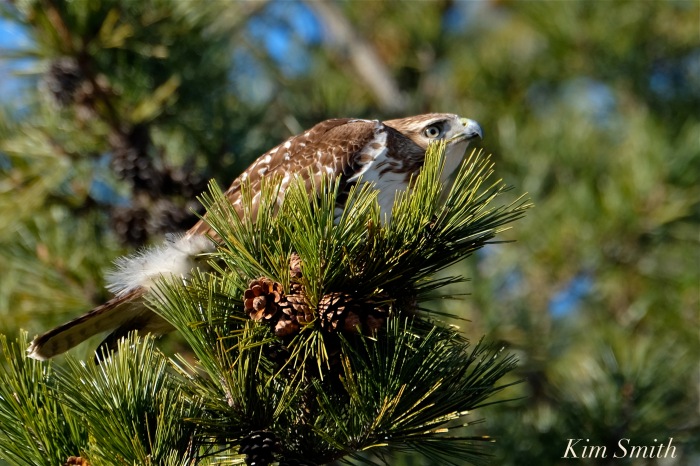
red-tailed-hawk-copyright-kim-smithWhen the Hunter is Hunted

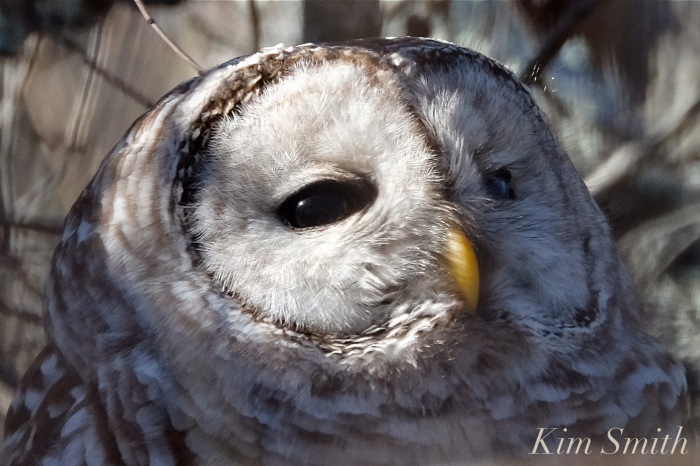
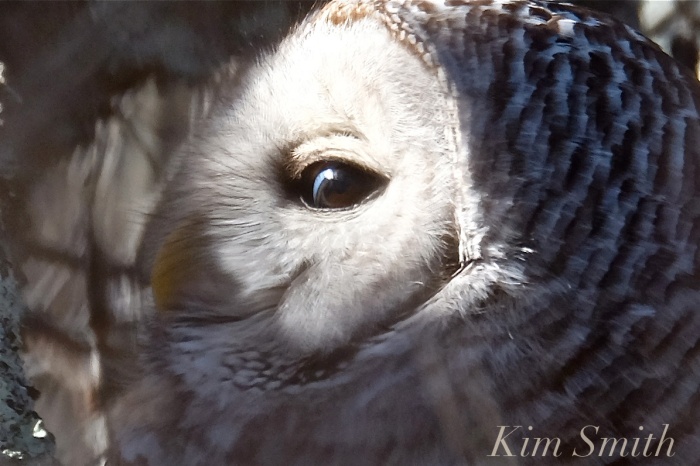
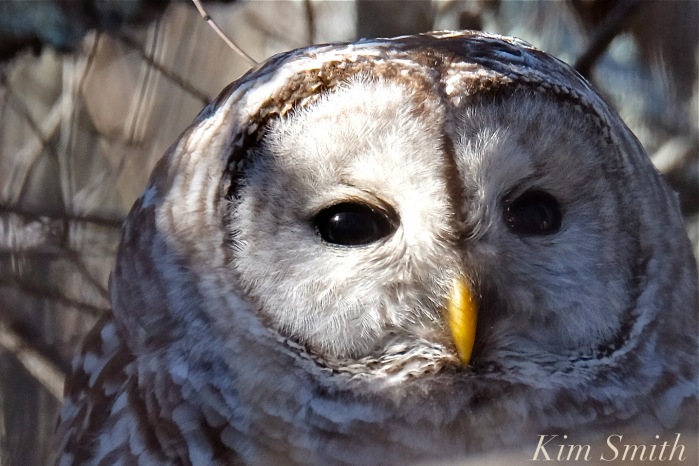
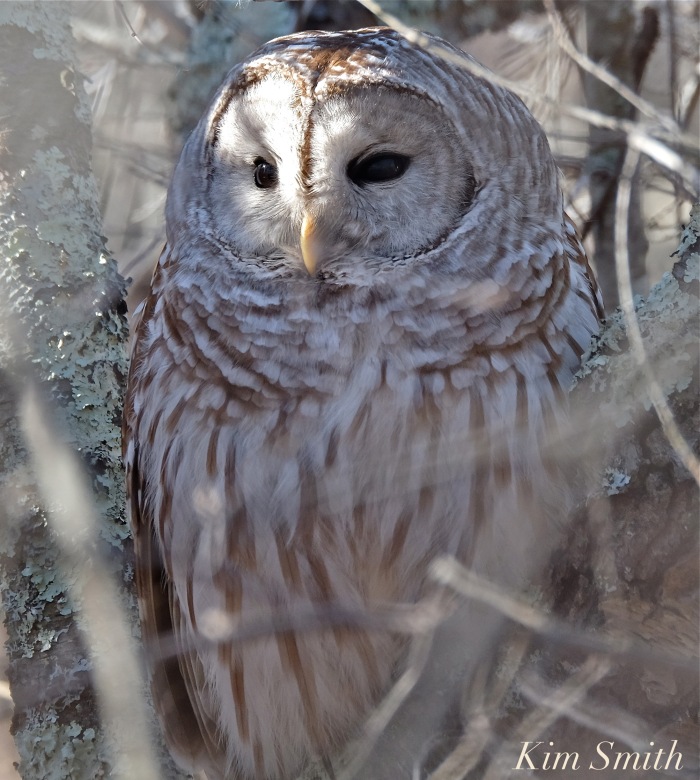
Transfixing Owl Eyes
barred-owl-strix-varia-copyright-kim-smith

Because owls mostly hunt at night their eyes are very efficient at collecting and processing light. To protect their extraordinary eyes, owls are equipped with three eye lids; an upper and a lower lid, and a third lid that diagonally closes across the eye. This action cleans and protects the eye.


More about Parker River National Wildlife Refuge to come.

FREE PINK HOUSE OF NEWBURY!

Take Me I’m Yours! A FREE HOUSE! You Only Need To…pink-house-newbury-plum-island-2-copyright-kim-smith

Many admire the Pink House that you see on the way to Plum Island and the Parker River National Wildlife Refuge, so much so that when it came time to demolish there was public outcry. The US Fish and Wildlife Service has agreed to preserve the house by either of these two conditions. Option number one: a person can take ownership if they are willing to move the house off the land, or option number two is that if you own several acres of comparable land near the refuge, you can exchange the land for the house. Option two allows the house to stay in its current location.
Perhaps the Pink House could become a community or art center. The building has been deemed structurally sound, although there is quite a bit of asbestos that needs removing.

The Pink House is the last house remaining on the refuge. All other homes and farms were either sold or taken by eminent domain; the very last on Stage Island was demolished just this past year.pink-house-newbury-plum-island-copyright-kim-smith

pink-house-newbury-plum-island-red-tailed-hawk-copyright-kim-smithpink-house-newbury-plum-island-red-tailed-hawk-2-copyright-kim-smithSnowy Owls, Red-tailed Hawks, and other raptors like to perch on the cupola of the Pink House.

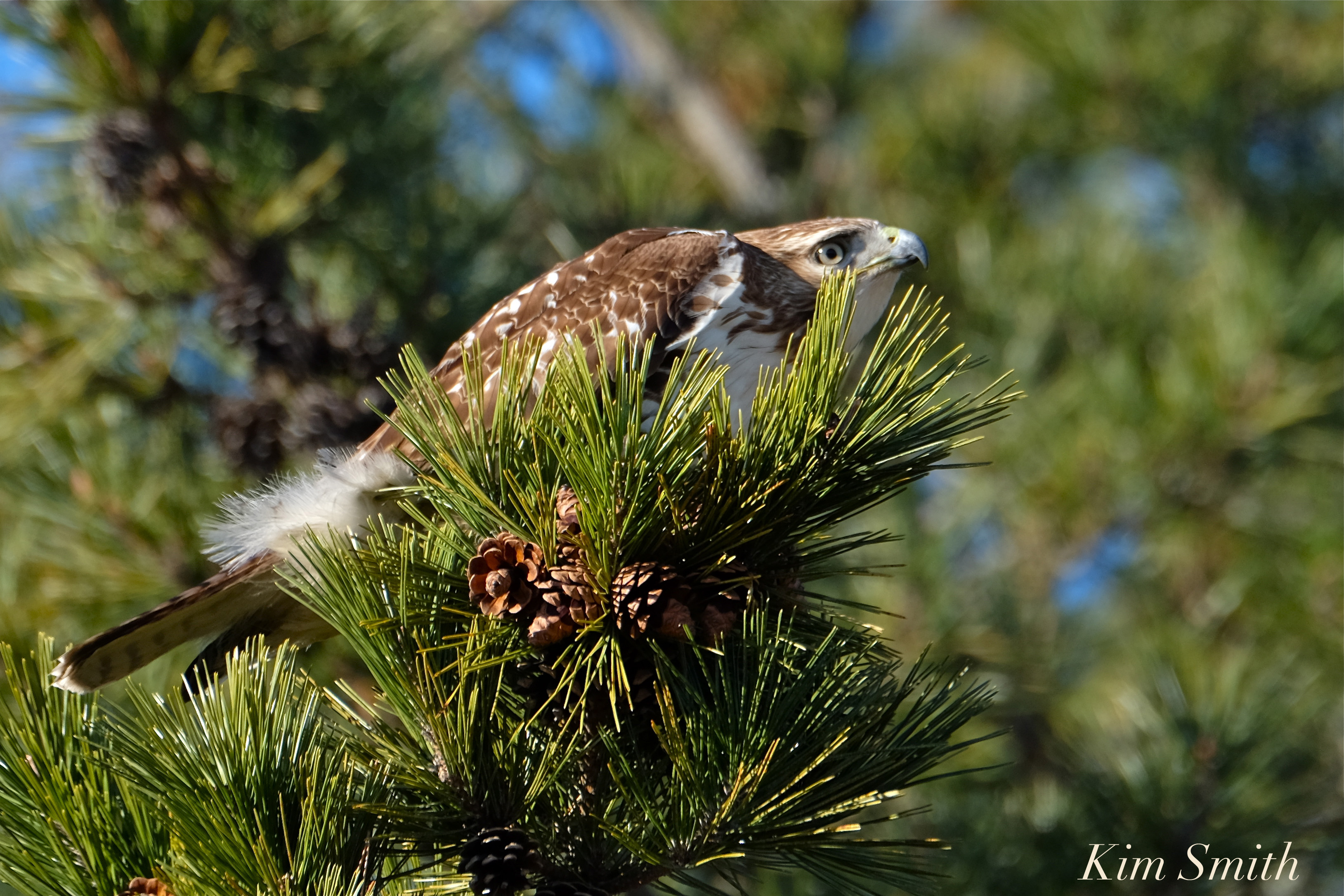
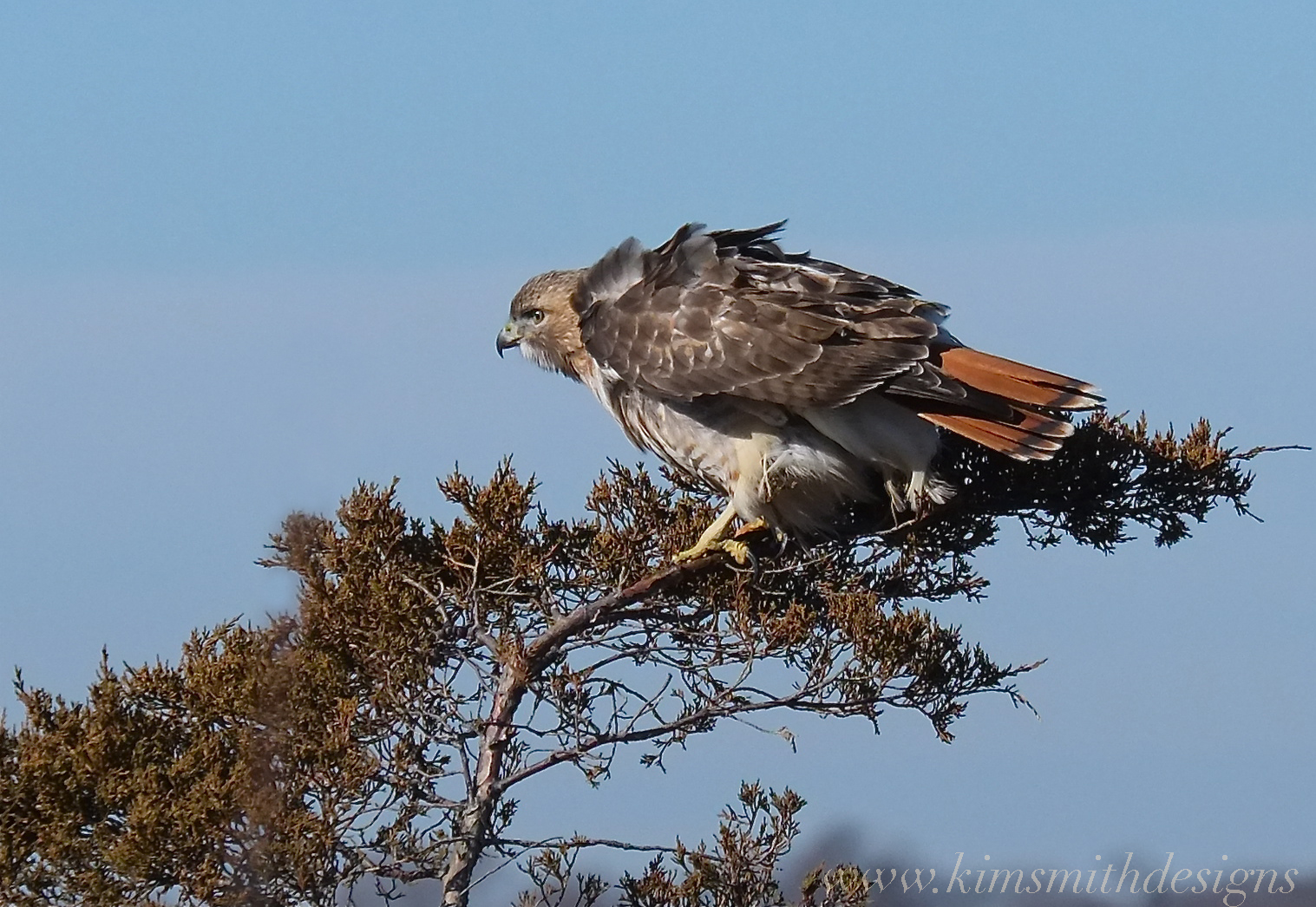
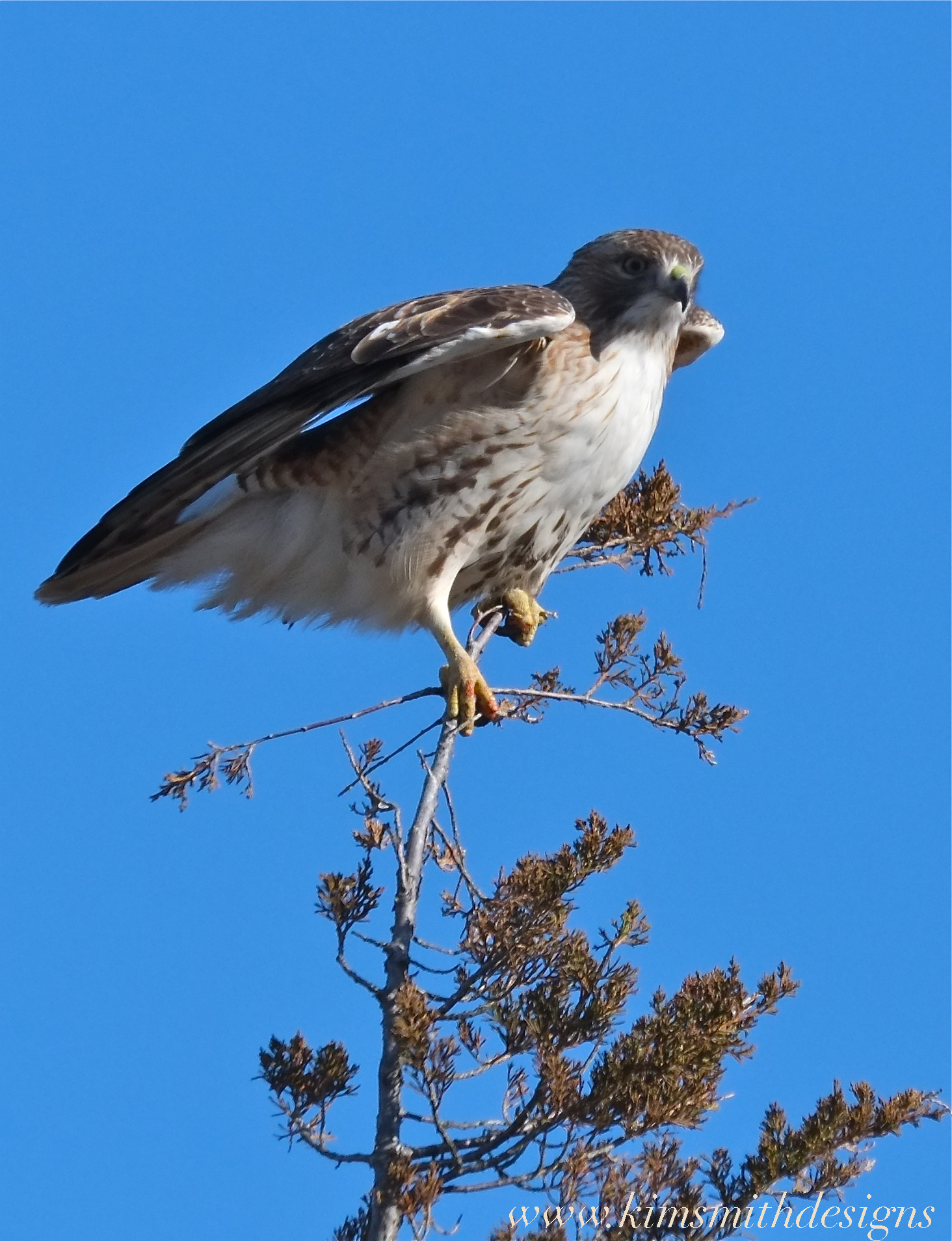
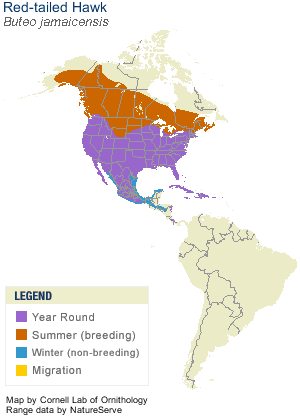
RED-TAILED HAWK READYING FOR TAKE-OFF

Many thanks to Parker River national Wildlife Refuge’s Bob Pete for the Red-tailed Hawk information. 

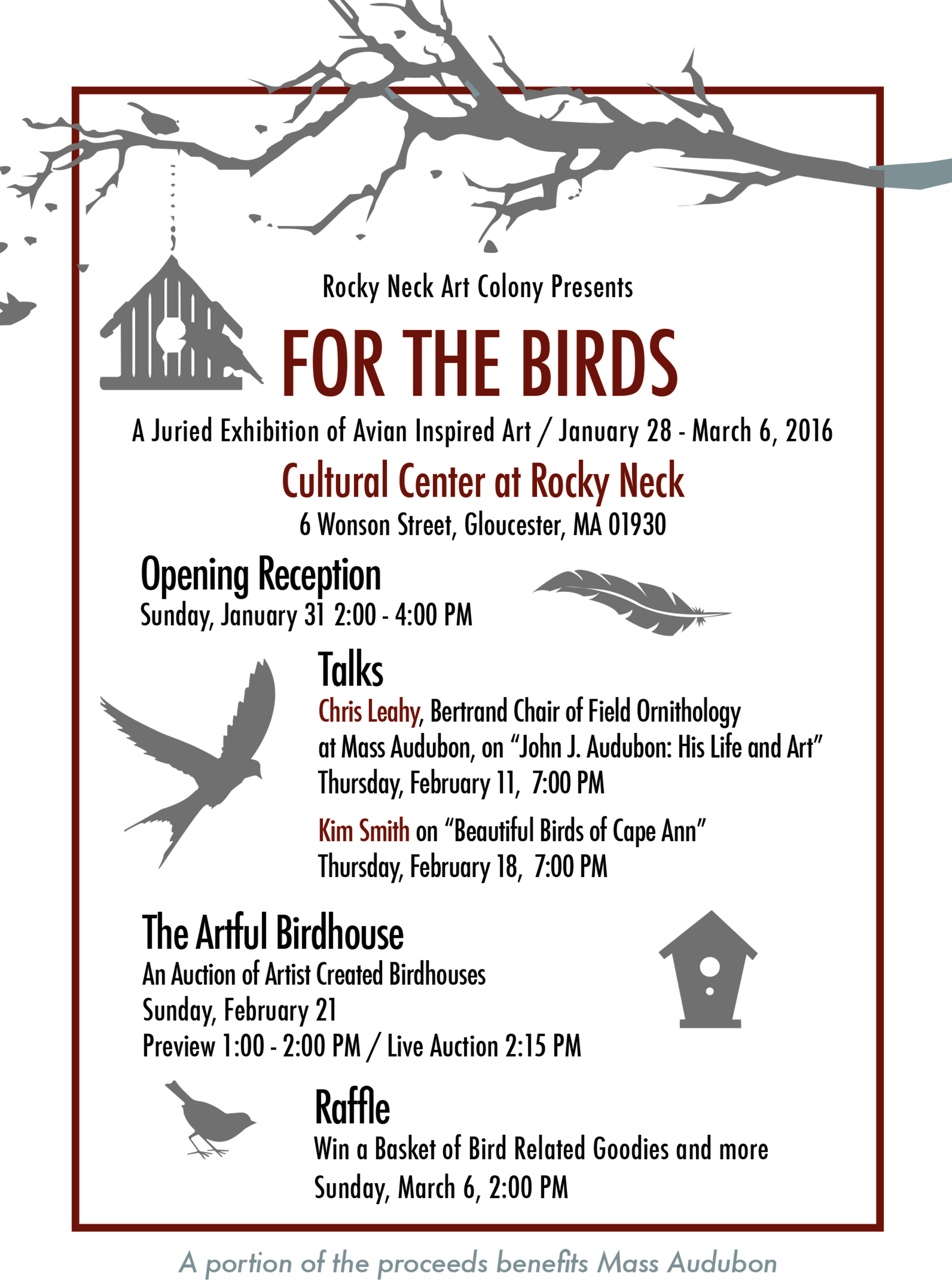
Please join us this Sunday from 2 to 4pm at the Rocky Neck Cultural Center artist’s reception “For the Birds.” I hope to see you there!Red-tailed Hawk Plum Island-2 www.kimsmithdesigns.com

Red-tailed Hawk Plum Island www.kimsmithdesigns.comReadying for take-off

Final-For-The-Birds-Events-Flyer

bute_jama_AllAm_map