
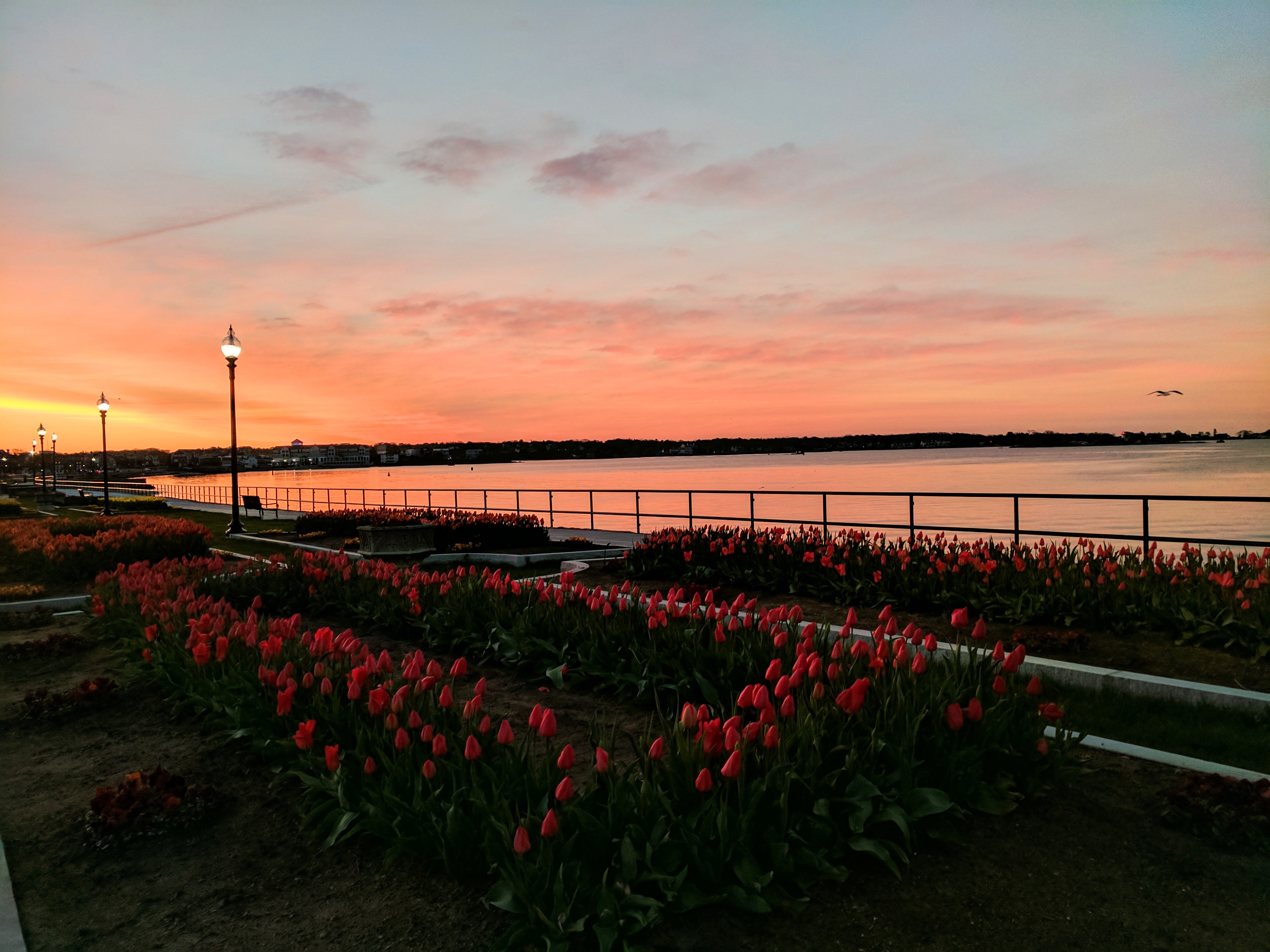
photos: © Catherine Ryan
Saturday May 6, 2017 is the official ribbon cutting re-opening of Stacy Boulevard by Mayor Romeo Theken. Thanks to the Mayor, Mike Hale and all Gloucester DPW, GZA, Essex County Landscape Assoc, Gloucester Community Preservation Act, Ann Giraldi Johnson, GFWA, Lieutenant Governor Karyn Polito, and groups like the Seaport Economic Council and Dir Carolyn Kirk, Department of Conservation and Recreation (DCR), Joe Lucido, Ed Parks, Mike Linquata, Donna Ardizzoni and One Hour at a Time Gang, Ringo Tarr, Bobbie Turner, YMCA and summer help, Wolf Hill, Generous Gardeners, and other volunteers!
Tulip Festival and bonnet parade Saturday 10AM
Ribbon Cutting 11:30AM
Party at Mile Marker Restaurant 6-10PM
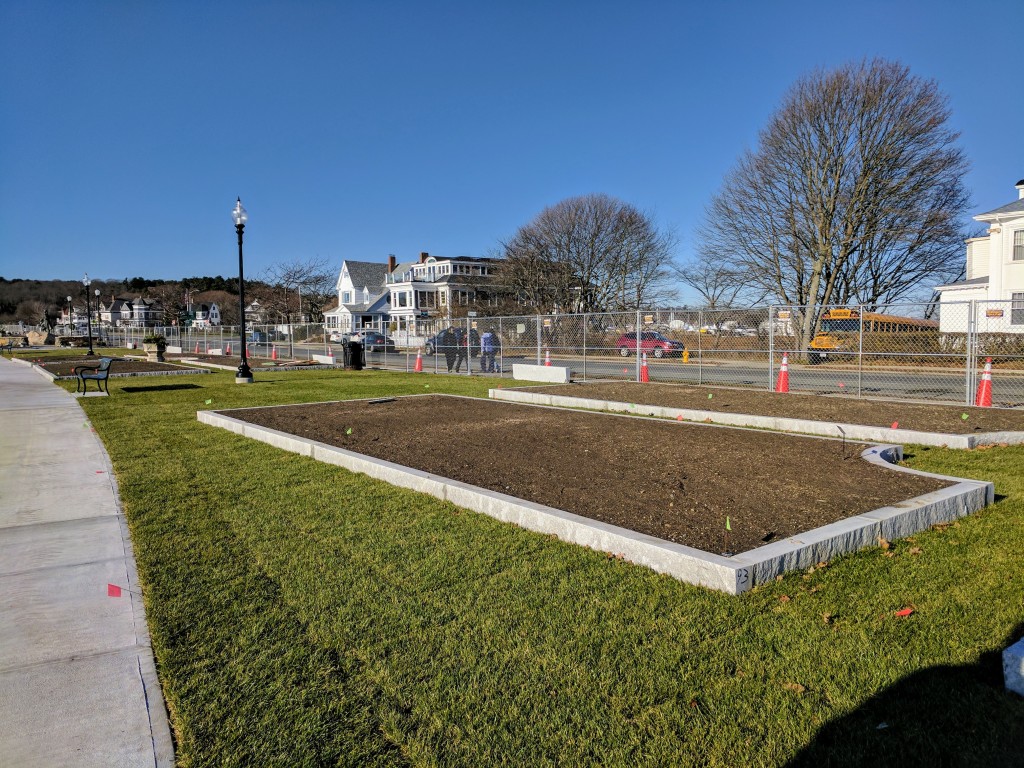
Enjoy a closer look at the engineering and landscape plans for the expanded gardens and before/after comparisons.


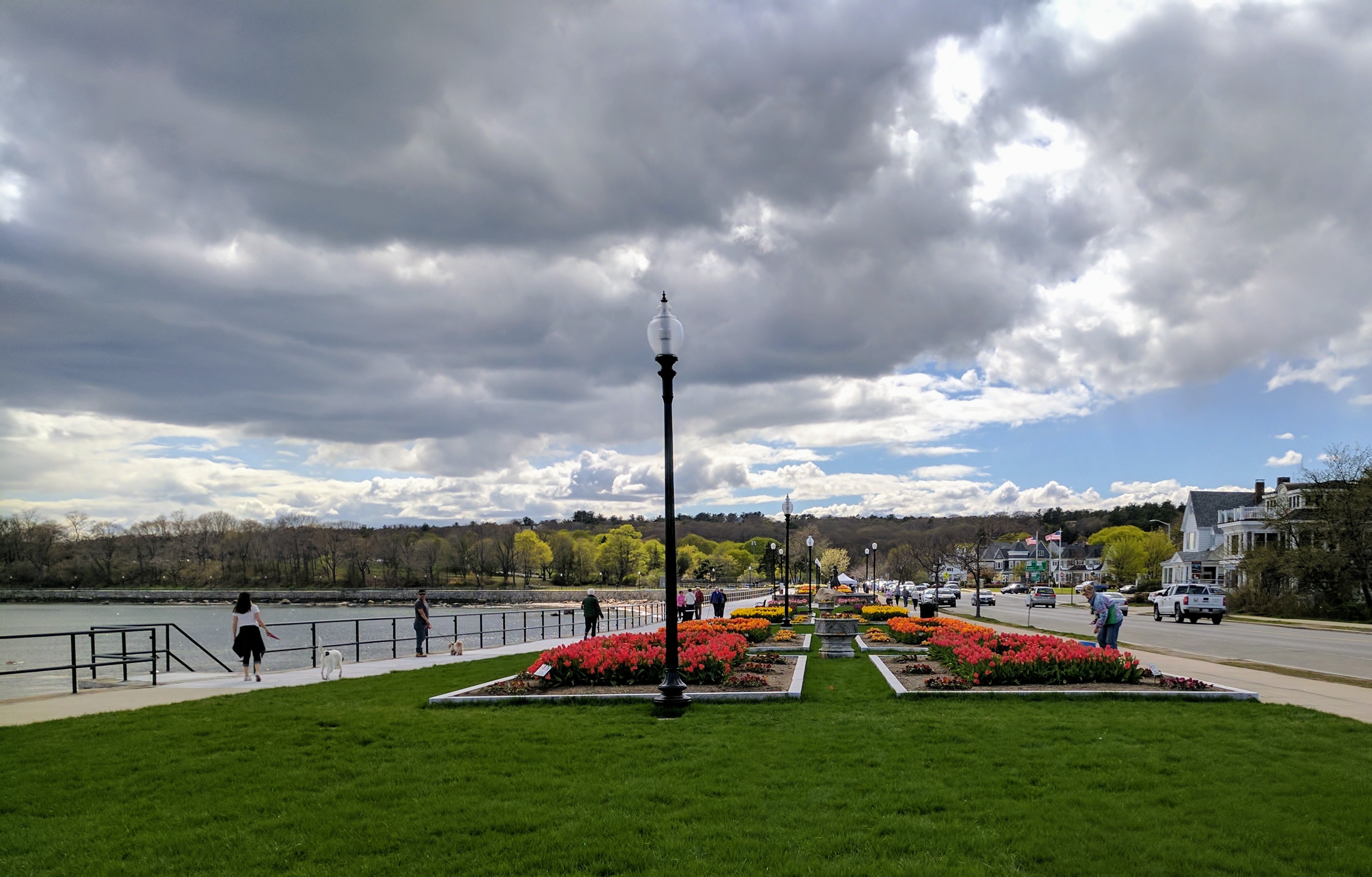
Before April 2017 | After May 2017





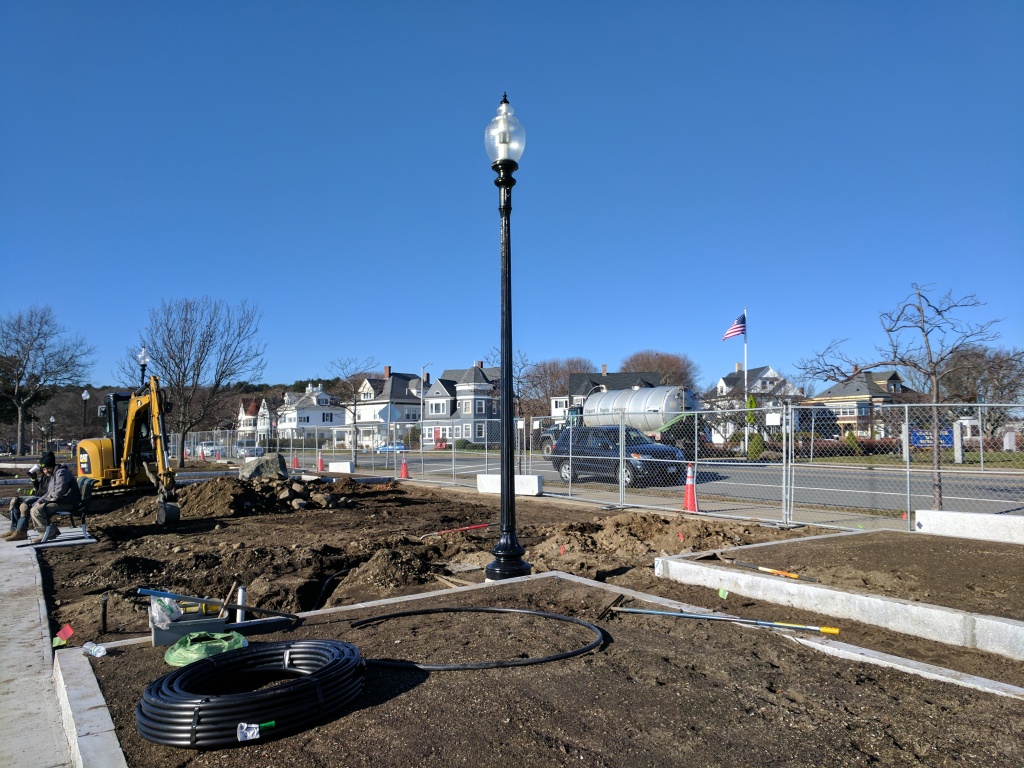
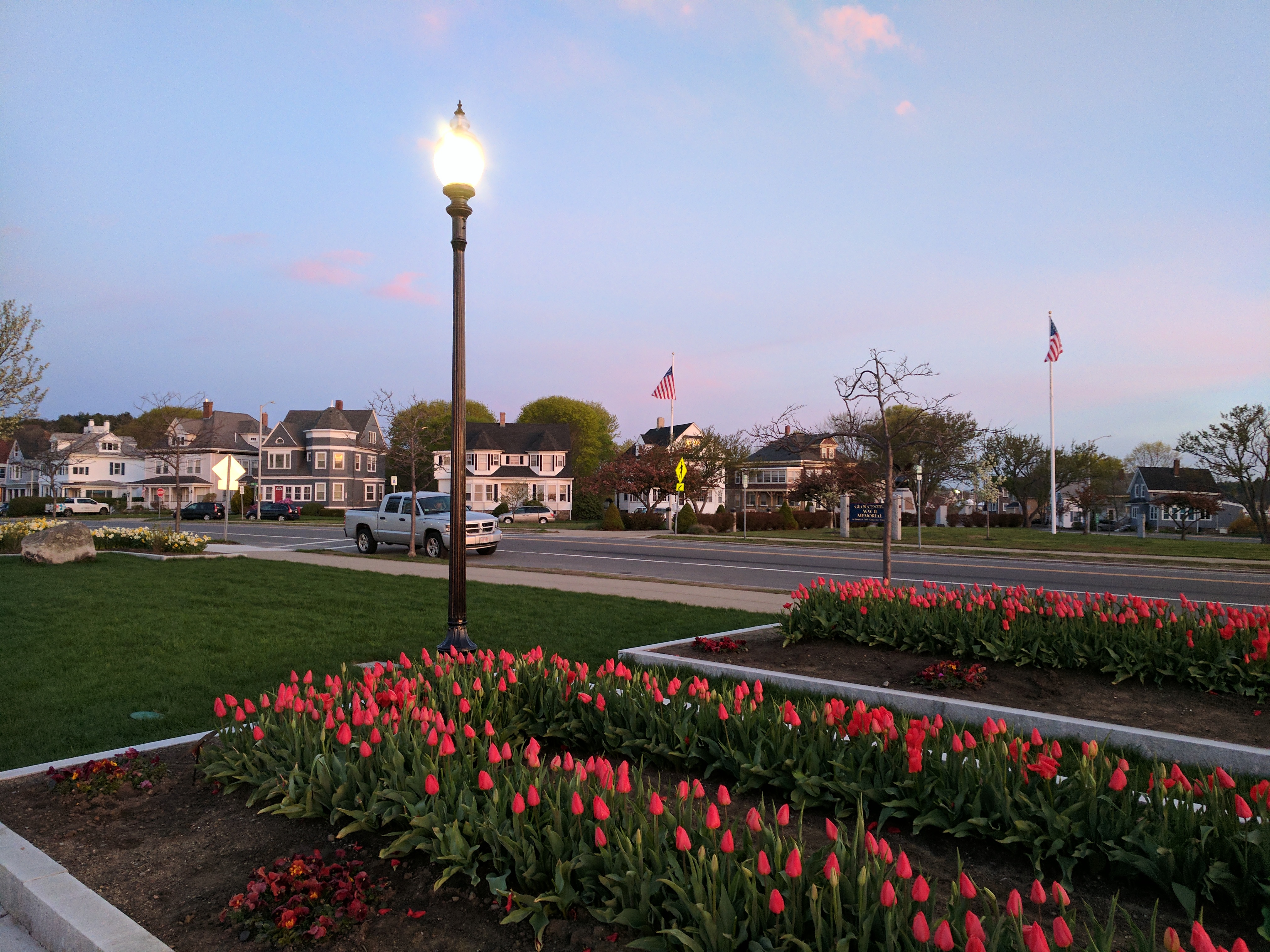
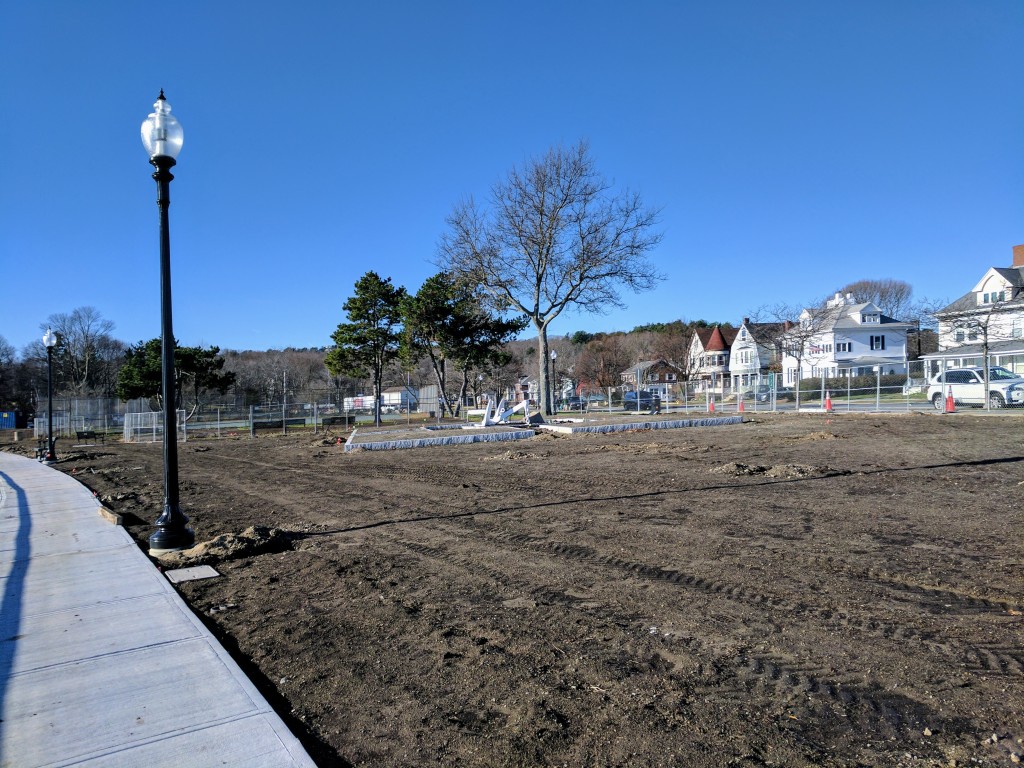
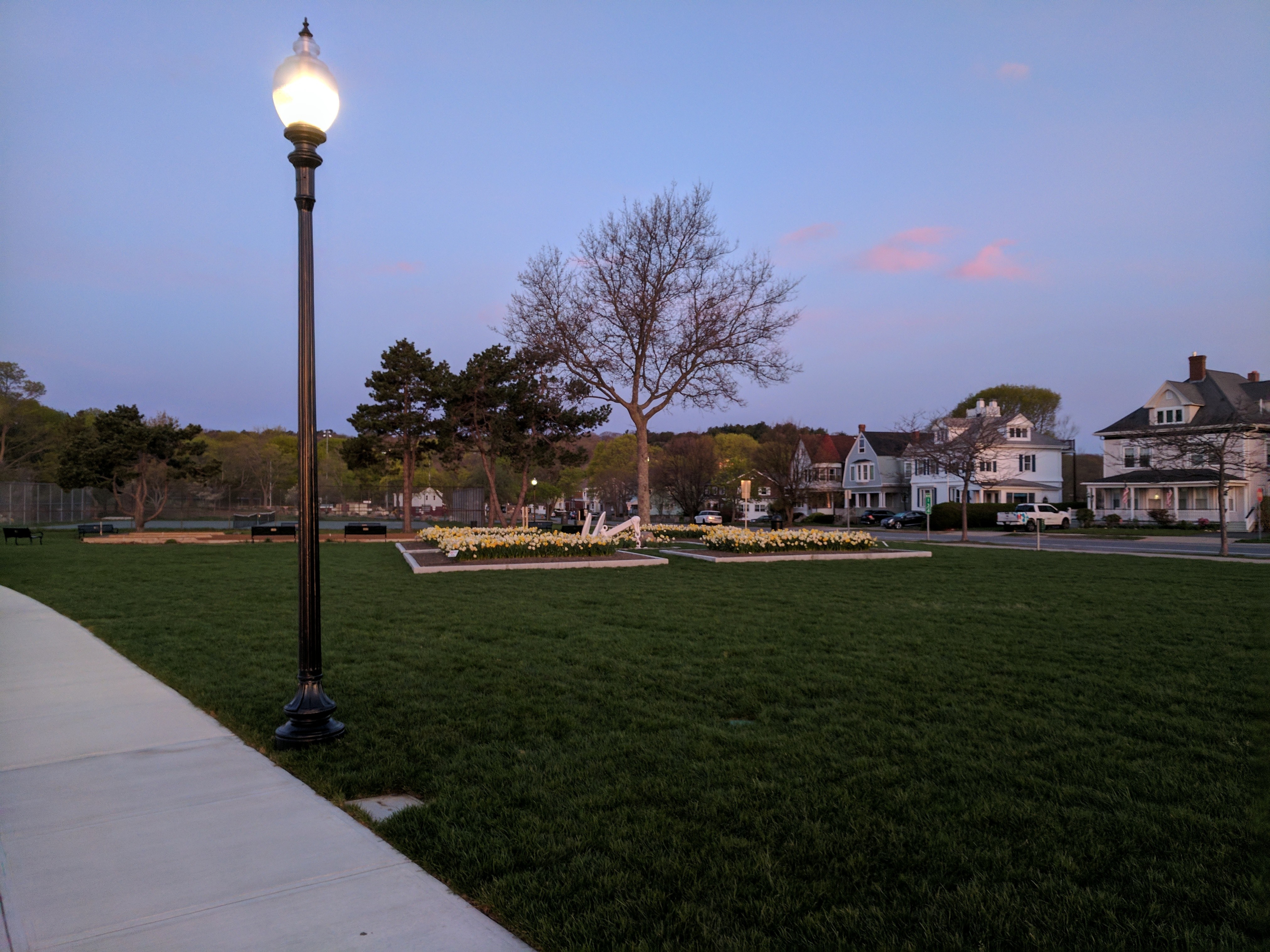

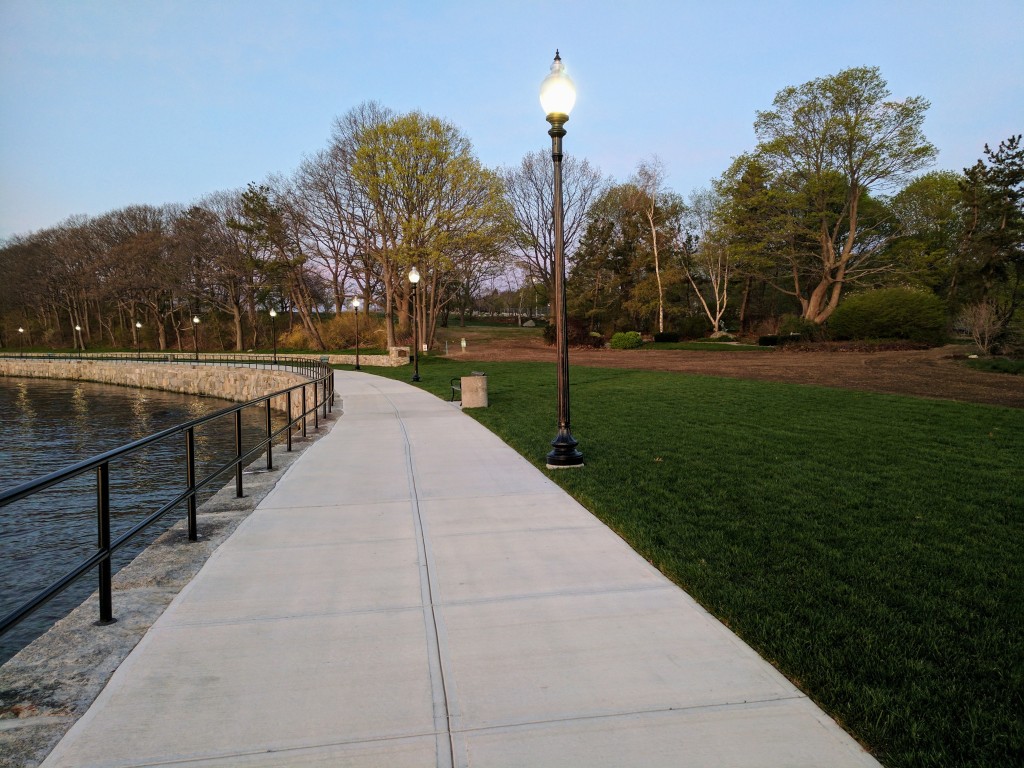


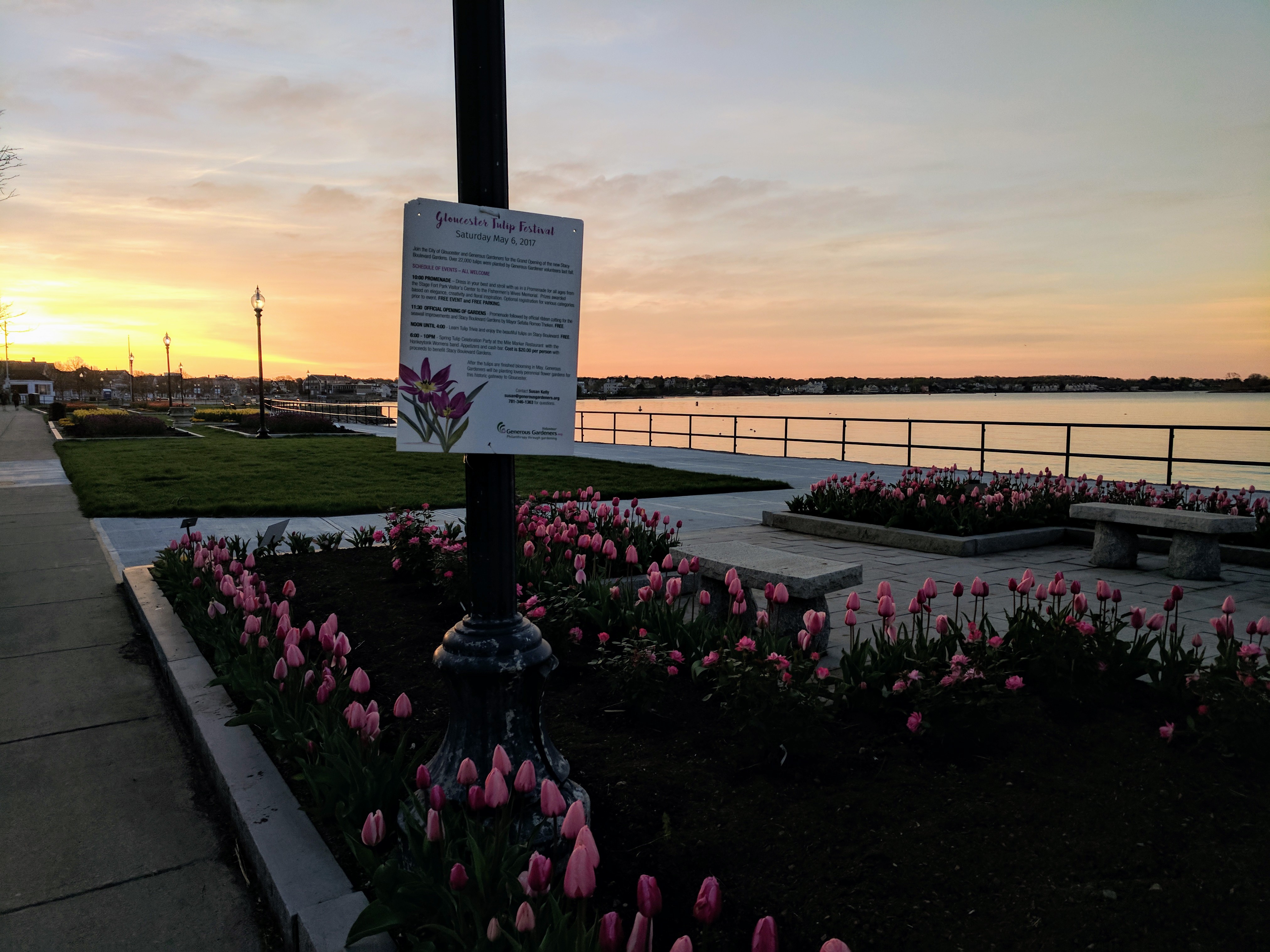 Funding for future perennials funded in part by the Gloucester Community Preservation Act
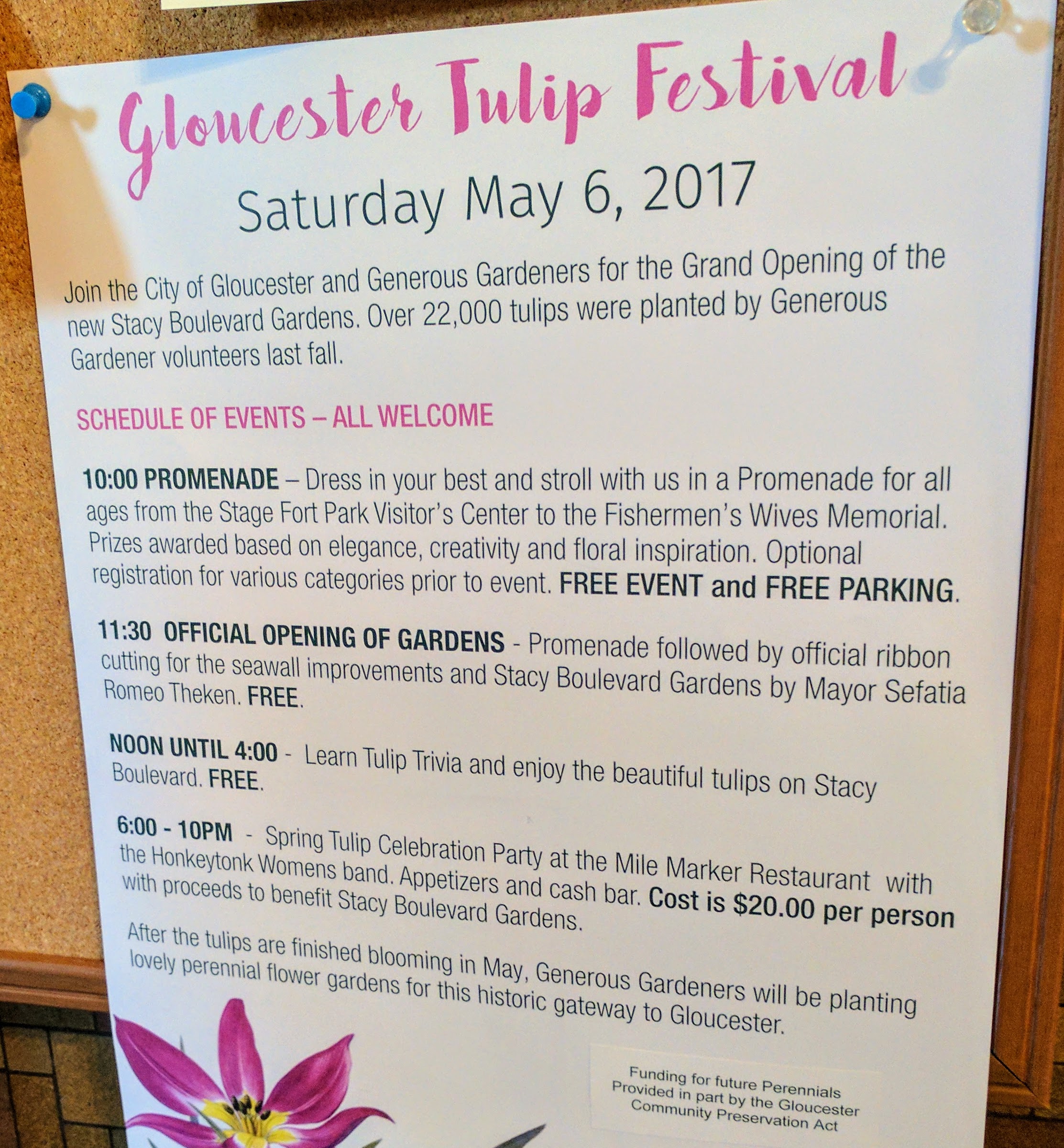
CPA grant towards new gardens summary of design and details

Series:
- Part 4 – Gloucester’s majestic public works construction stats: bringing the Stacy Boulevard plans to life
- Part 3- Gloucester’s Stacy boulevard public works construction Part 3: compare high res plans from 1922 and 1923 with today
- Part 2: Stacy Boulevard Public Works stunner | Gloucester is an early client for the Harvard and Olmsted trained landscape designer, Thomas Warren Sears. His 1908 photos are a must see!
- Part 1: STACY BOULEVARD NEARING THE FINISH LINE Part 1 – Walk this way: Gloucester’s stately Stacy Boulevard public works project is breathtaking and one for the ages!
- September 12 2016- Stacy Boulevard construction update: historic Blynman the Cut Bridge project scope plans and engineering details
- August 2016 Stacy Boulevard construction details. Gloucester DPW is impressive


 Good Morning Gloucester