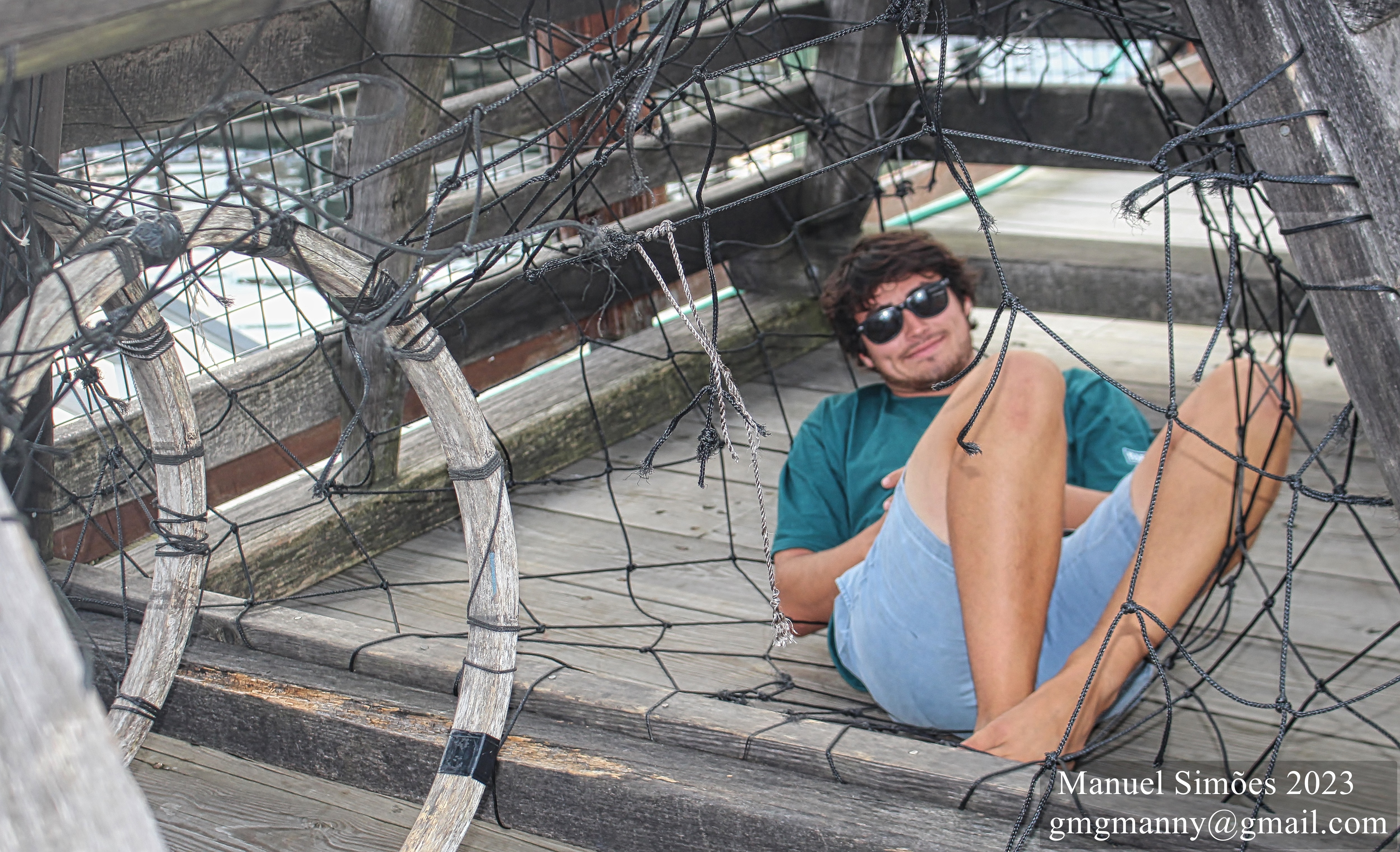
Napping in a Lobster Trap
My View of Life on the Dock

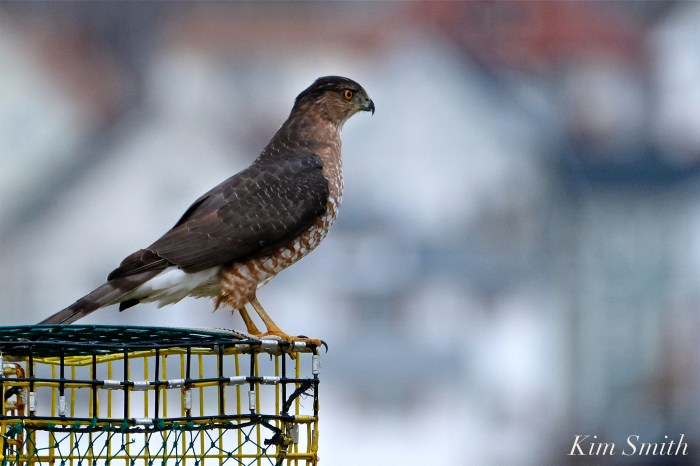
Perched on the lobster traps, I only had a fleeting moment to take a photo pulling into the parking lot at Captain Joe’s. While getting my camera out, the Hawk appeared to pop into a lobster trap. He popped back out, I took a snapshot under cover of car, then off he flew.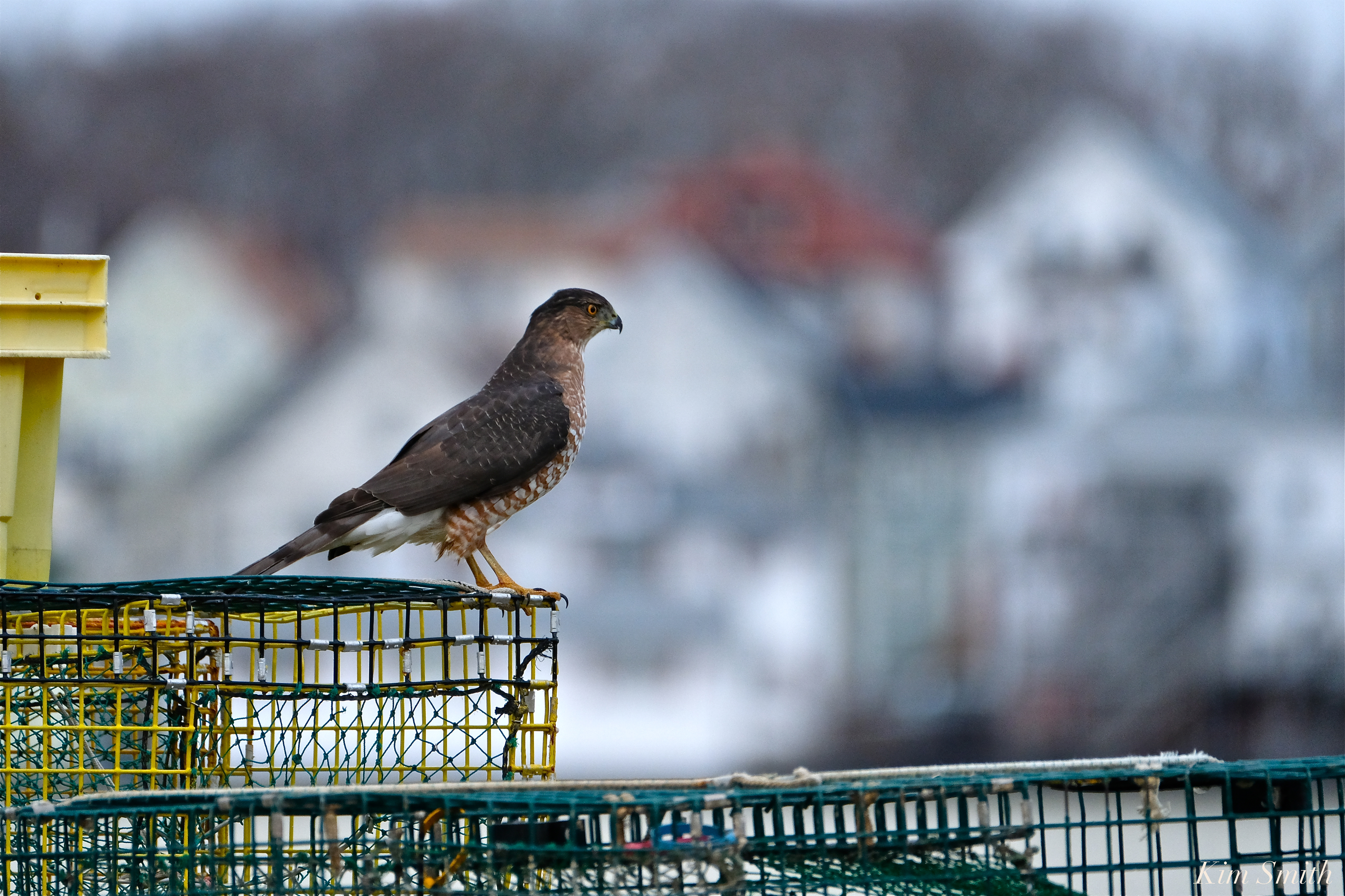
Raptors such as Sharp-shinned Hawks and Peregrine Falcons are attracted to lobster pots because the traps often house songbirds such as sparrows. The smaller birds eat the crusty tidbits found on the pots and the larger birds have learned to find a tasty meal there.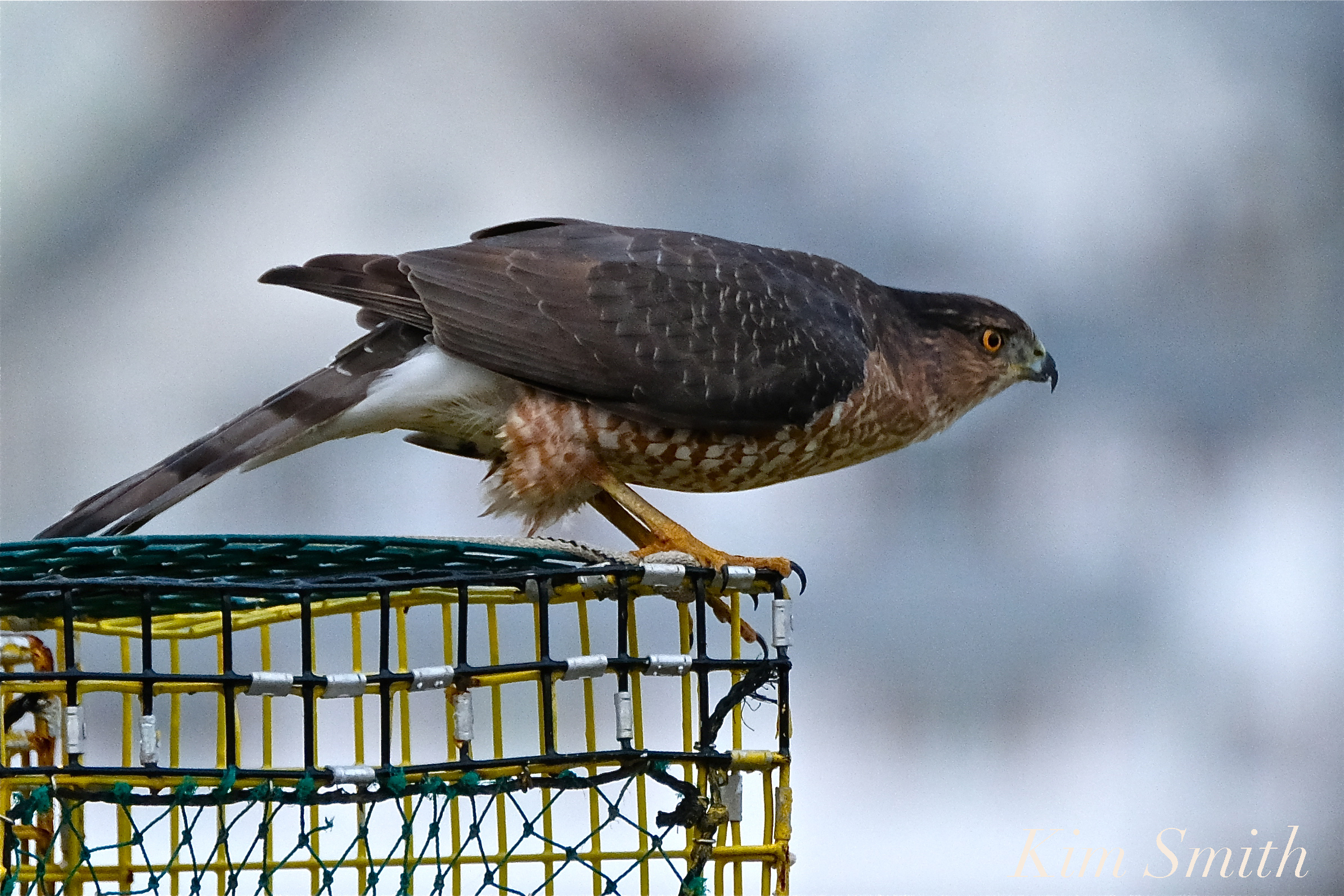
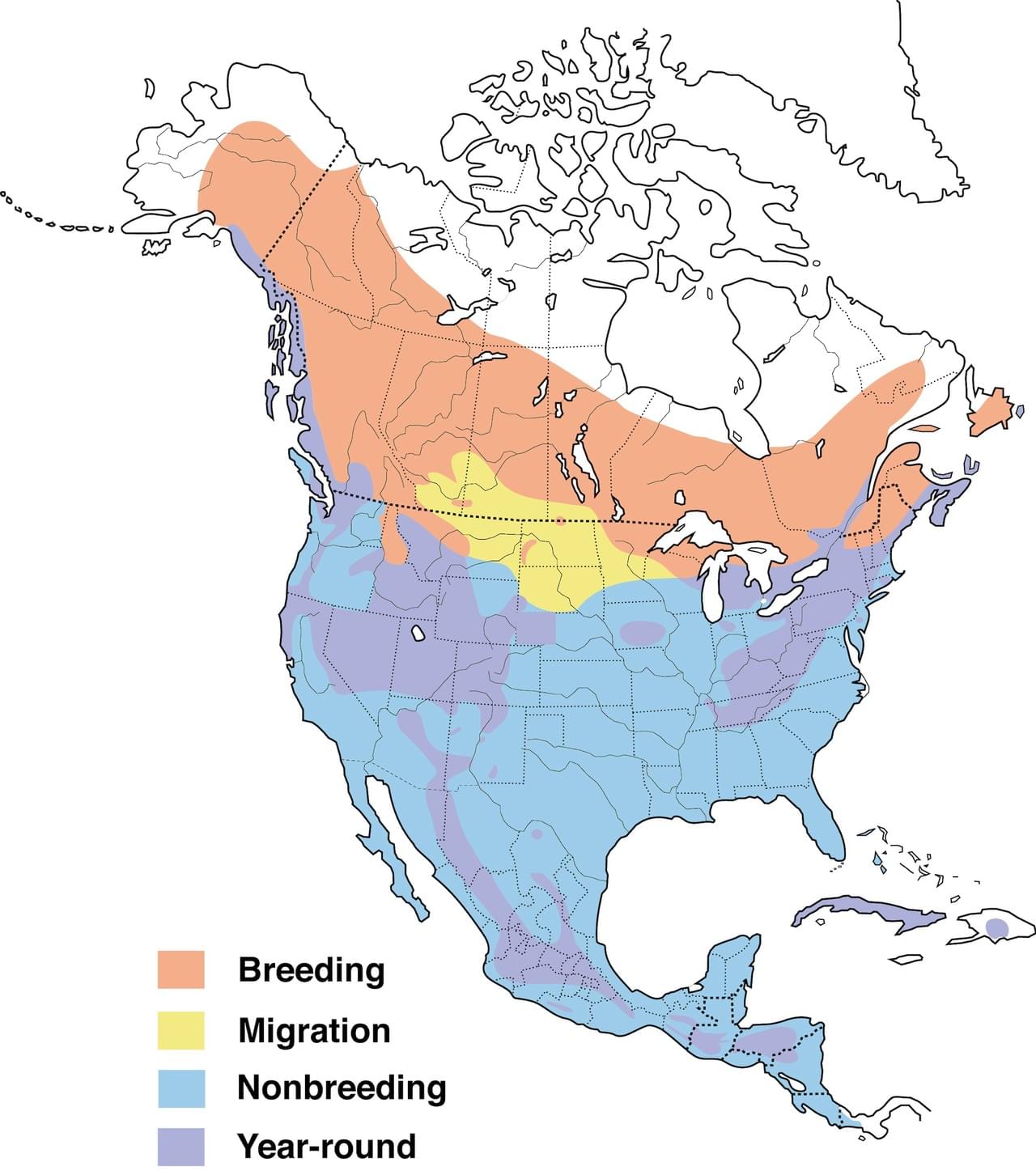 Sharp-shinned Hawk Range Map
Several years back when there was a male Snowy Owl at Captain Joe’s, a Peregrine Falcon flew on the scene, defending his territory by repeatedly dive bombing the Owl. The Falcon disturbed him so much so that the Snowy eventually departed. 


From THREE LANTERN MARINE AND FISHING
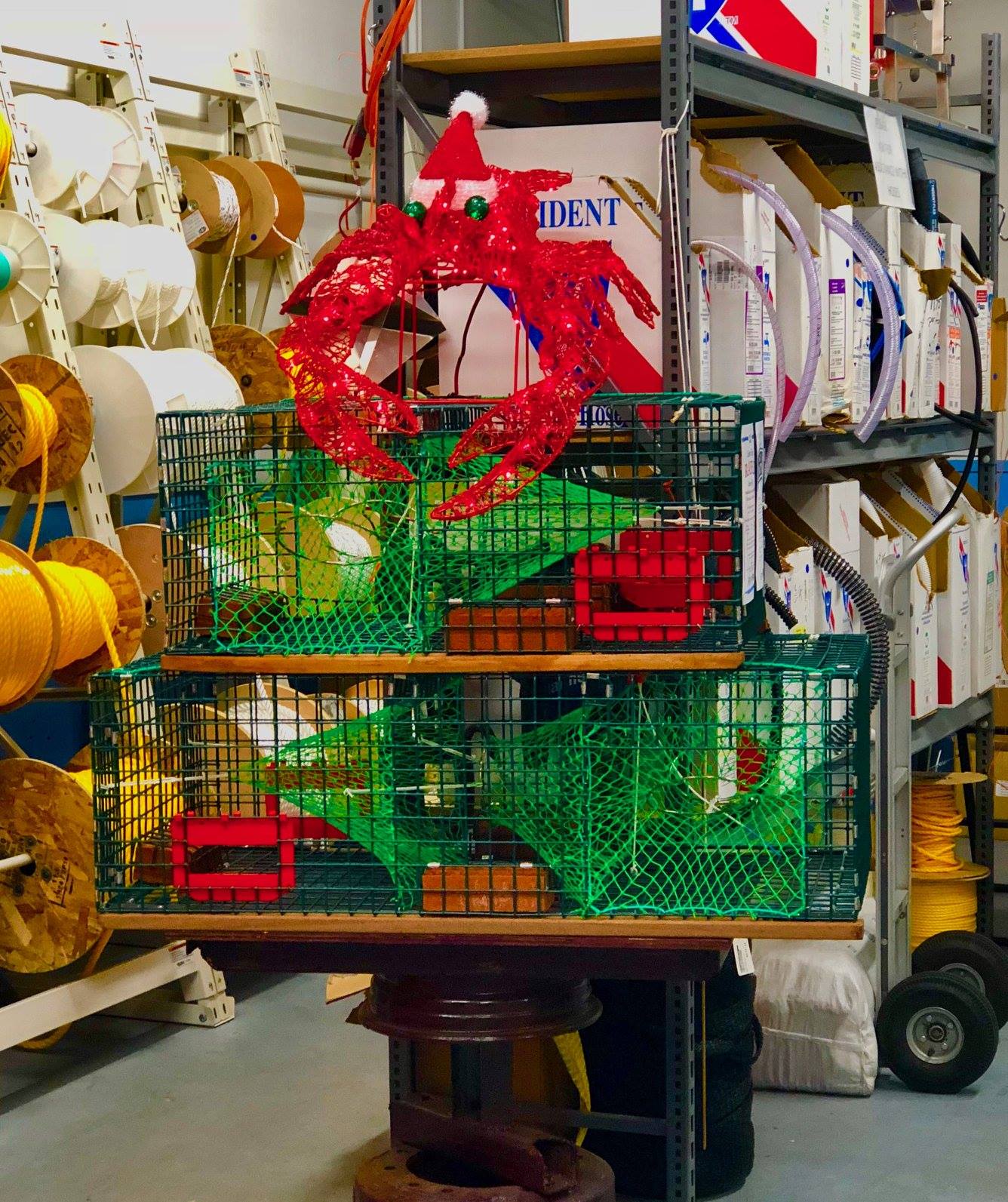
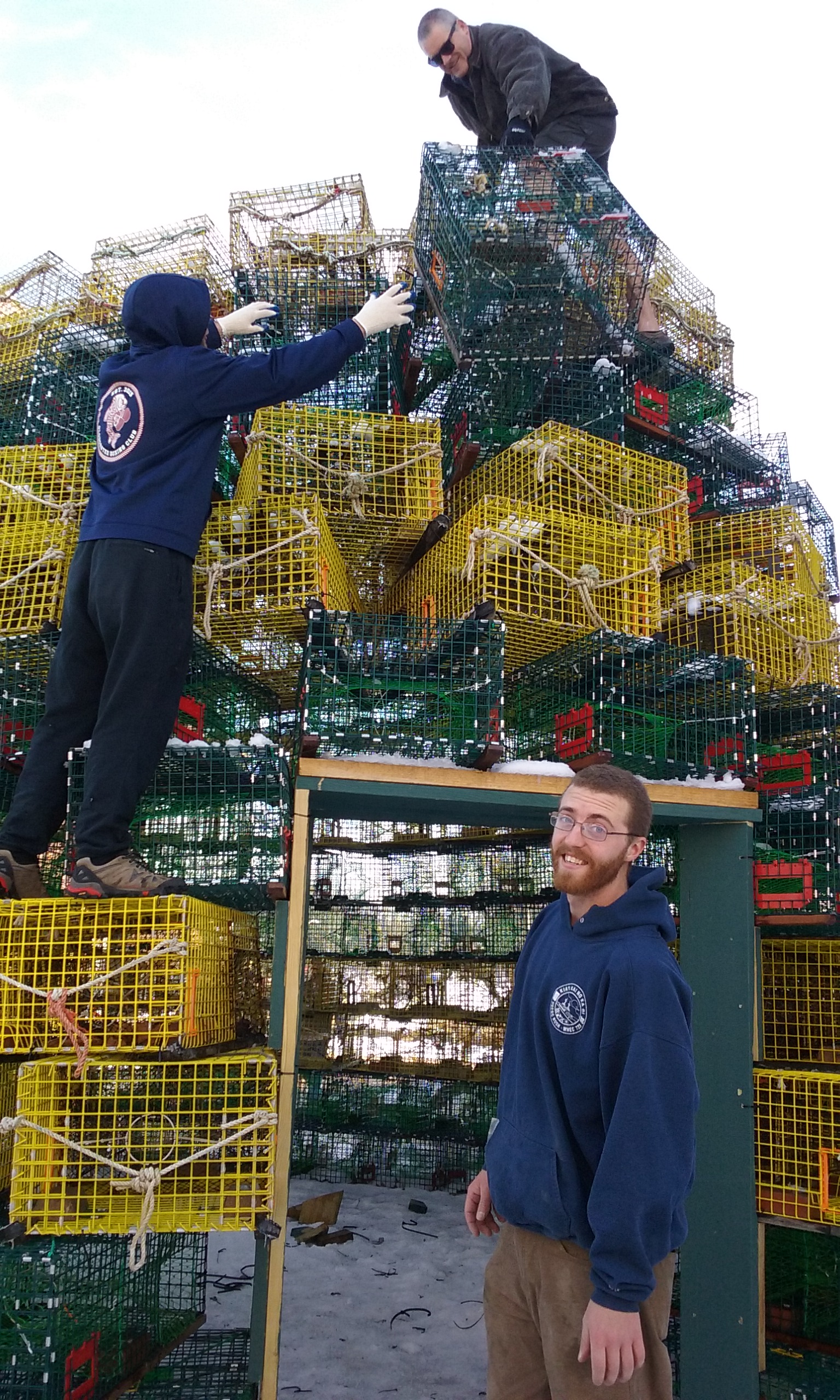
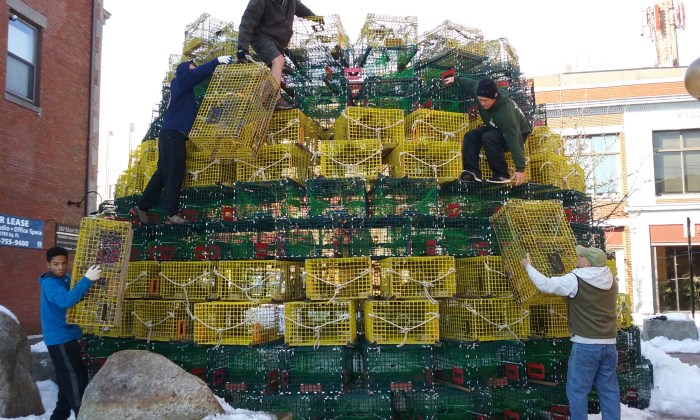
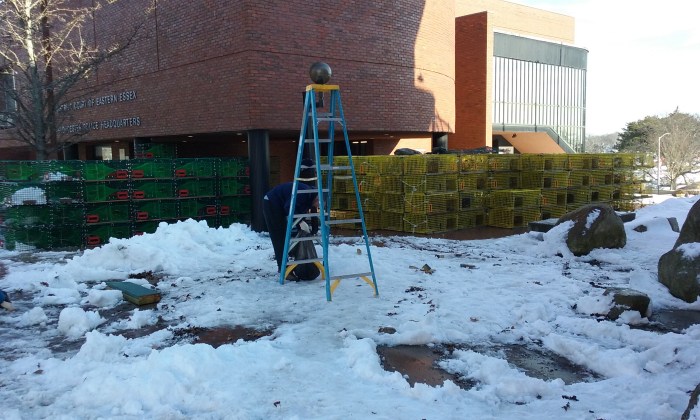
The Lobster Trap Tree is coming down Sunday.
If anyone is interested in purchasing the traps Please call the shop 978-281-2080 ASAP! They will have to be picked up at the Gloucester Police Station By 2/4/19 to receive TRAP TREE PRICES!!!!!

Lucky morning- favorite subjects in the dunes today 🙂

 A female Monarch newly emerged with a torn and tattered male Monarch

 Lisa Smith writes,

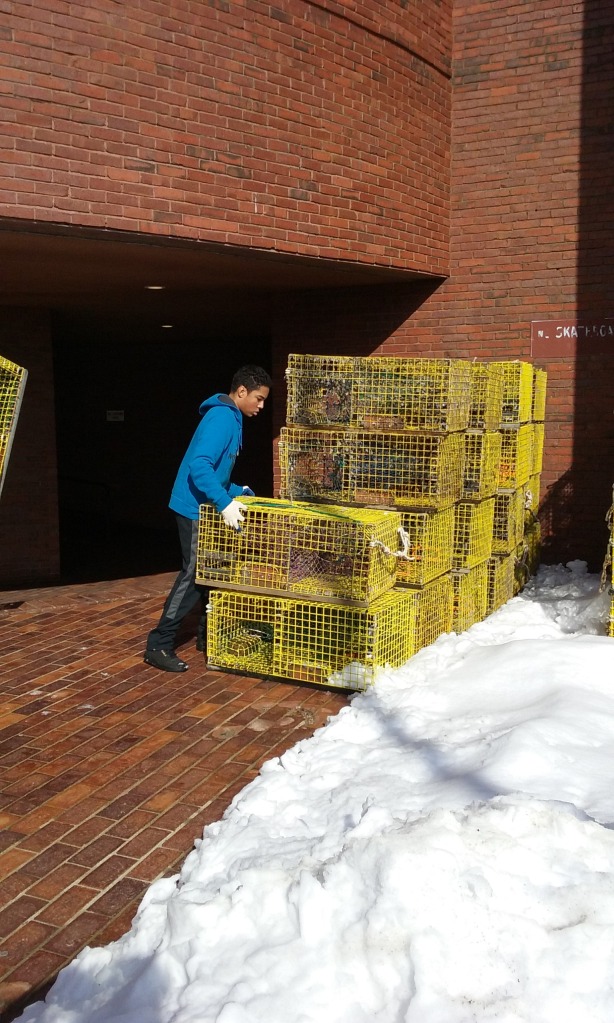


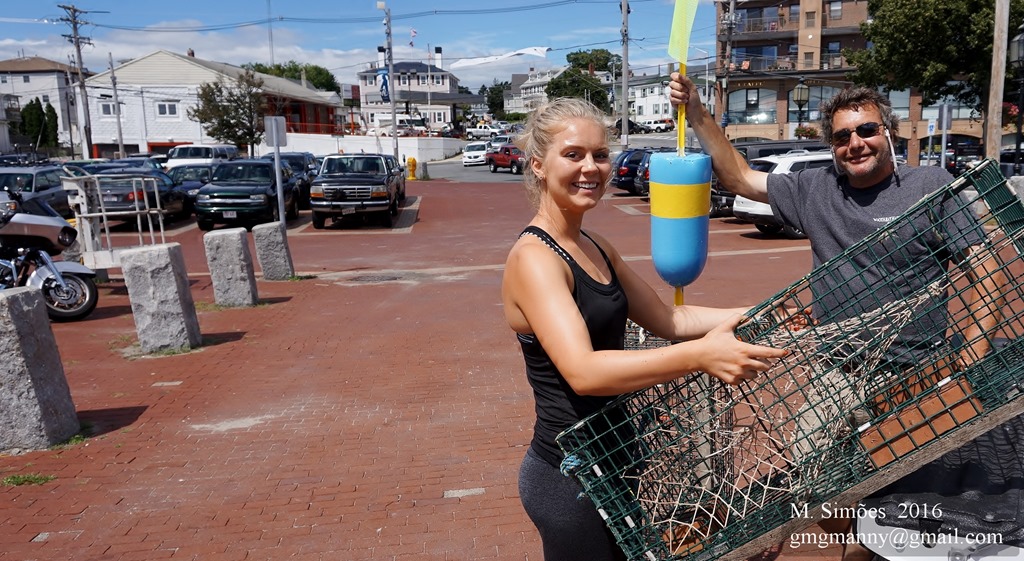

Tom and Johnny sure get their hustle on don’t they?

Do I know if it works? Hell no, but I thought our readers would be entertained-
Forwarded by Eian Woodman-

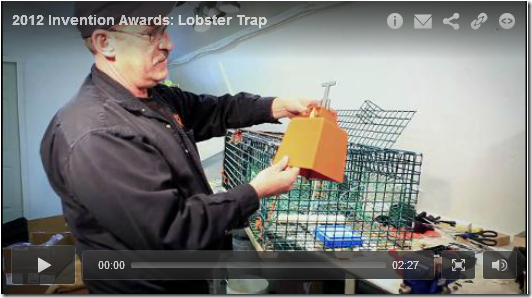
The Bait Savour adds the critical time dimension to crustacean catching
Bait Savour Riley Smith
During a regular fishing season, most lobstermen can afford to check and rebait their traps only every three or four days. Each run to the traps can cost as much as $600 for fuel and take 18 hours of work. But three or four days can be more than enough time for lobsters to eat the chunks of herring or mackerel that serve as bait. With no bait left, lobsters don’t enter the trap and fishermen are left with a smaller catch. Thus, the millions of traps that dot the Atlantic from Newfoundland to North Carolina remain empty about half the time.
Vince Stuart, the owner of a Nova Scotia company that makes winches, gantries and other fishing-boat rigging, first heard about the lobstermen’s problem from his clients on the docks in 2003. He soon began building the Bait Savour, a device that would release an extra supply of lobster bait a few days after a trap was laid. It allows the lobstermen to check their traps less frequently (about once every five days instead of every three or four), saving time, labor and fuel.
video-
click here for the entire article

Washed ashore on Wingaersheek.
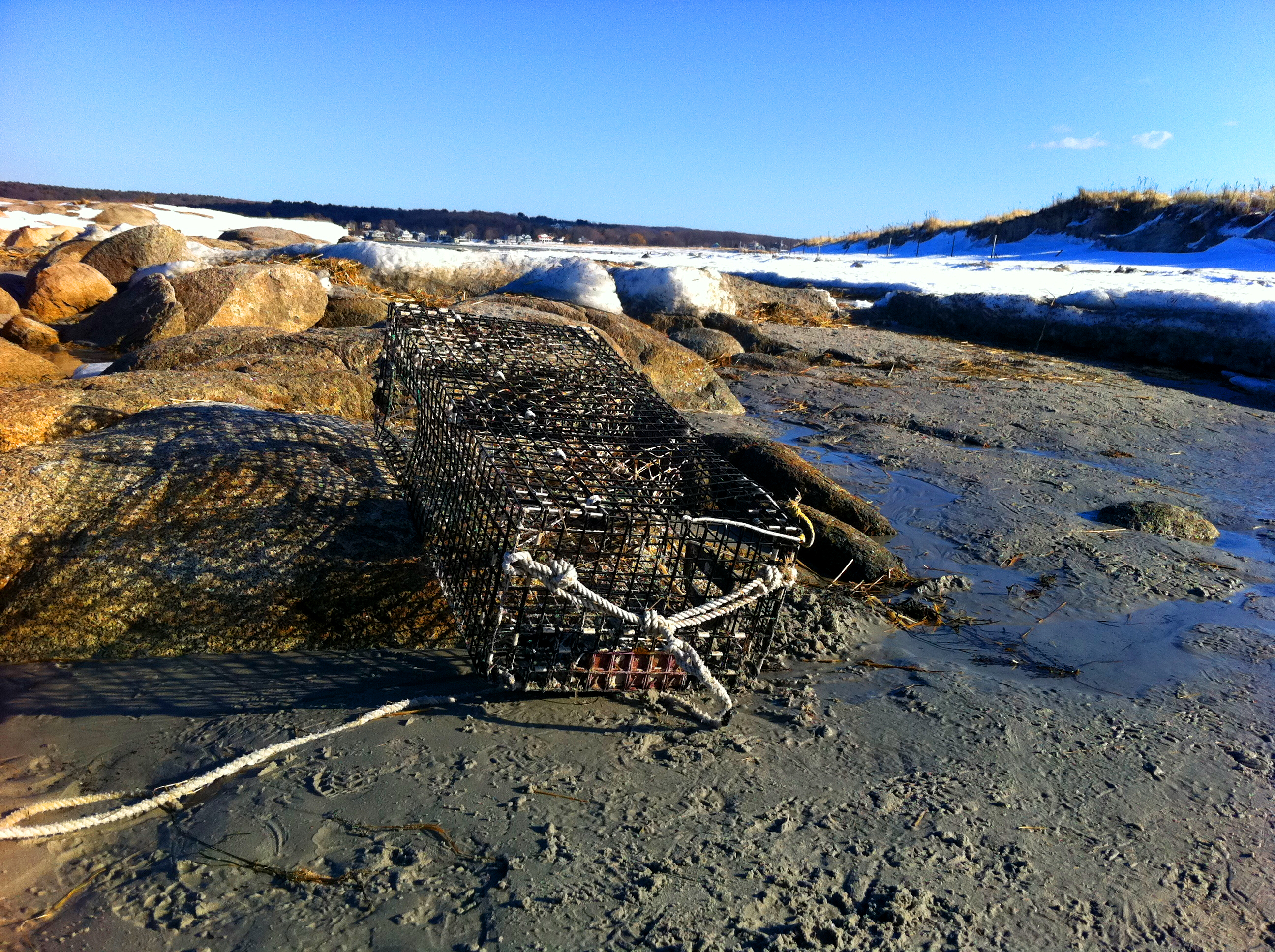 Question for Joey and the rest of the lobstermen out there…
Are the traps ever reclaimed? Is there a way to tell who the trap belongs too?

See the plastic tags along the top of the trap? Those are trap tags. They are issued by the government each year and it is a way to enforce the trap limit each lobsterman can fish. Each year each lobsterman gets their allotment of trap tags and every trap must have one in it. If the enforcement agent pulls up a lobsterman’s gear and it doesn’t have a trap tag it can result in a fine.

Lobster Eye View – Inside A Lobster Trap Up Close And Personal, originally uploaded by captjoe06.

once the lobster travels up through the head and drops into the parlor- it’s game over.

Lobster Eye View – A Lobster Trap Up Close And Personal, originally uploaded by captjoe06.

This is what a lobster sees just before he meets his impending doom.

Lobster Eye View – A Lobster Trap Up Close And Personal, originally uploaded by captjoe06.

Normal lobstering attire for mid November. Here is Sean once again.

Lobstering With Sean and Tuffy, originally uploaded by captjoe06.

Here’s Sean setting lobster gear in his underwear in November. Some things are unexplainable. This is one of them.

Sean Needs Some New Underwear, originally uploaded by captjoe06.


The Mighty Dog and I, originally uploaded by captjoe06.


Brandy New Lobster Gear, originally uploaded by captjoe06.
This here is what a brand new lobster trap looks like fresh out of the trap company.
No seaweed or crap hanging off it, just clean as a whistle.
Not for long though.

 Good Morning Gloucester