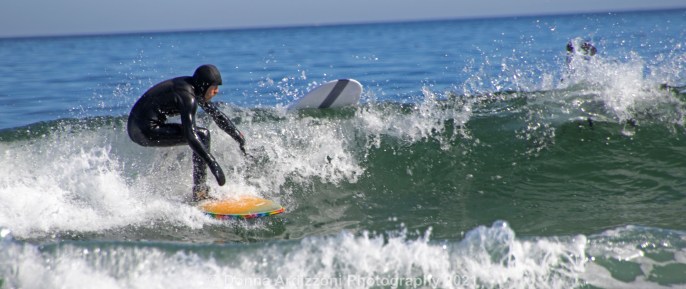
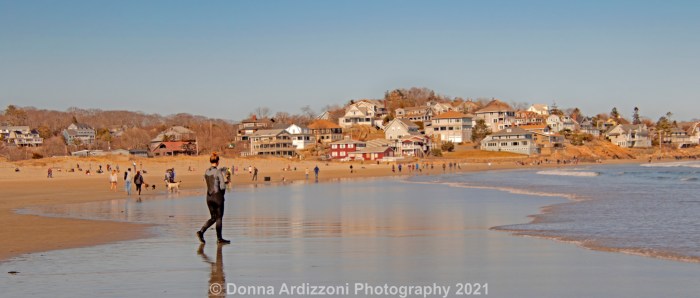
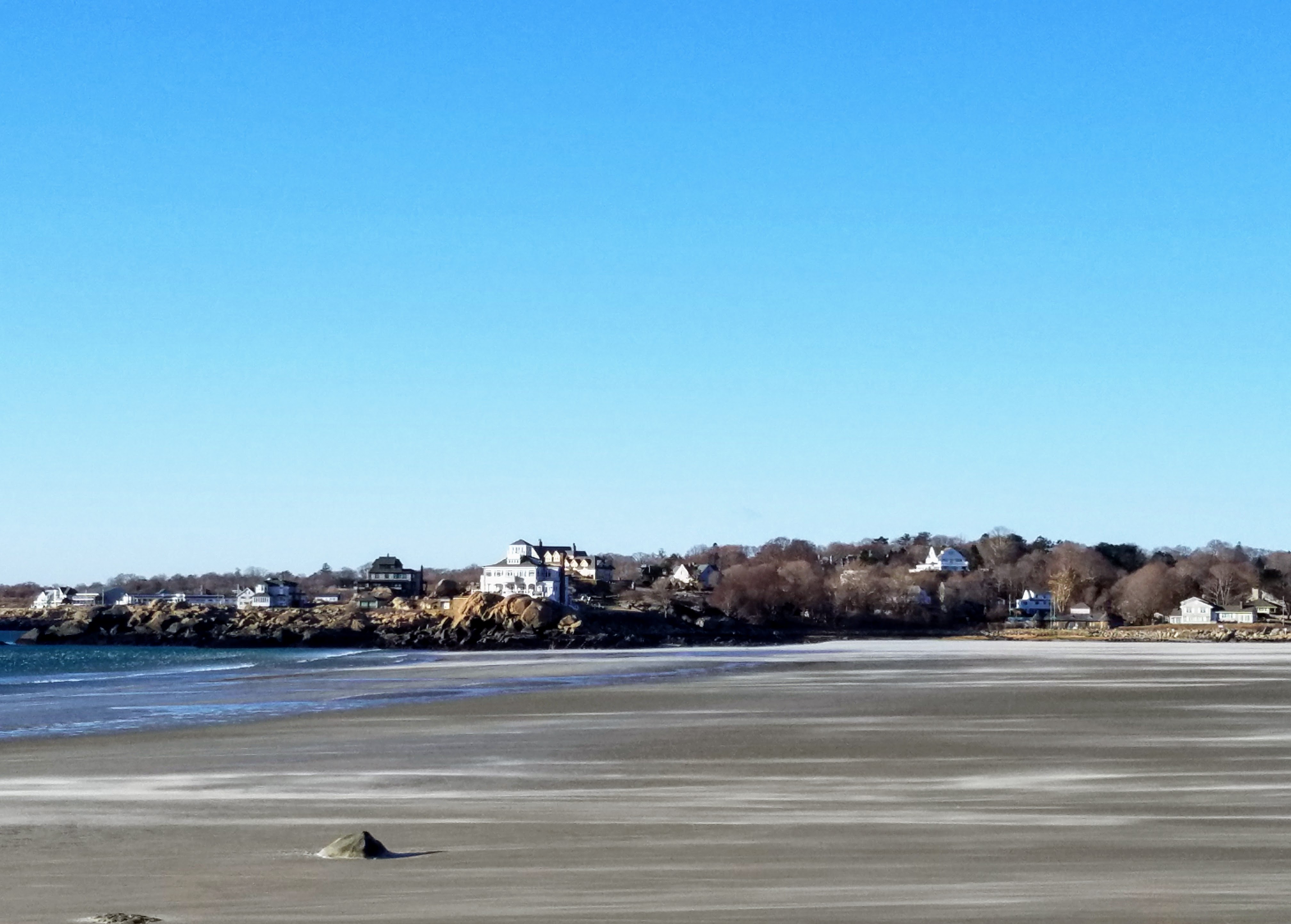
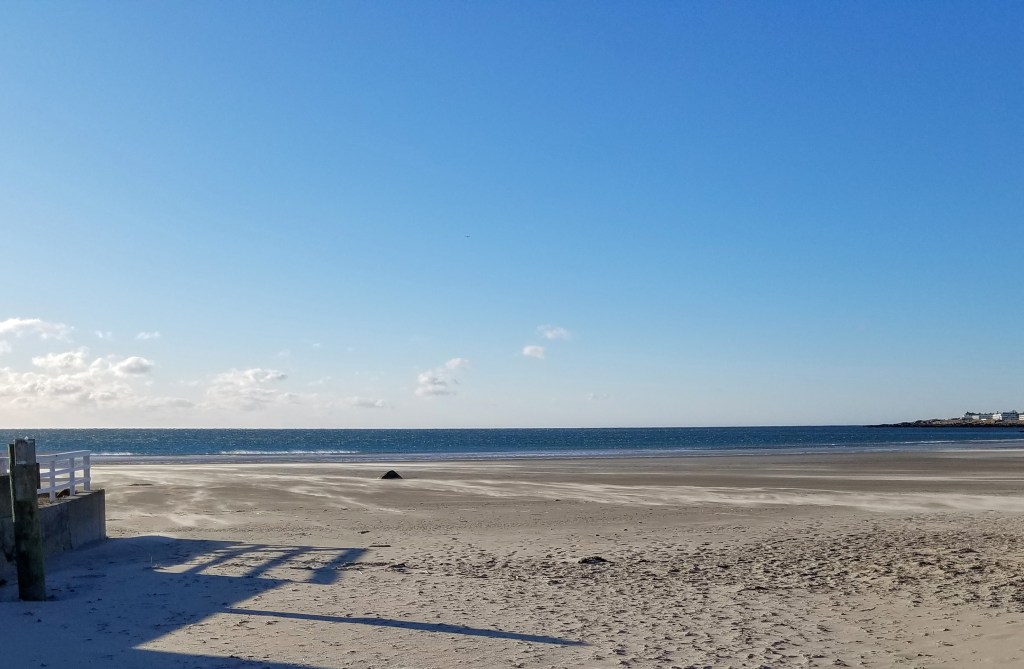
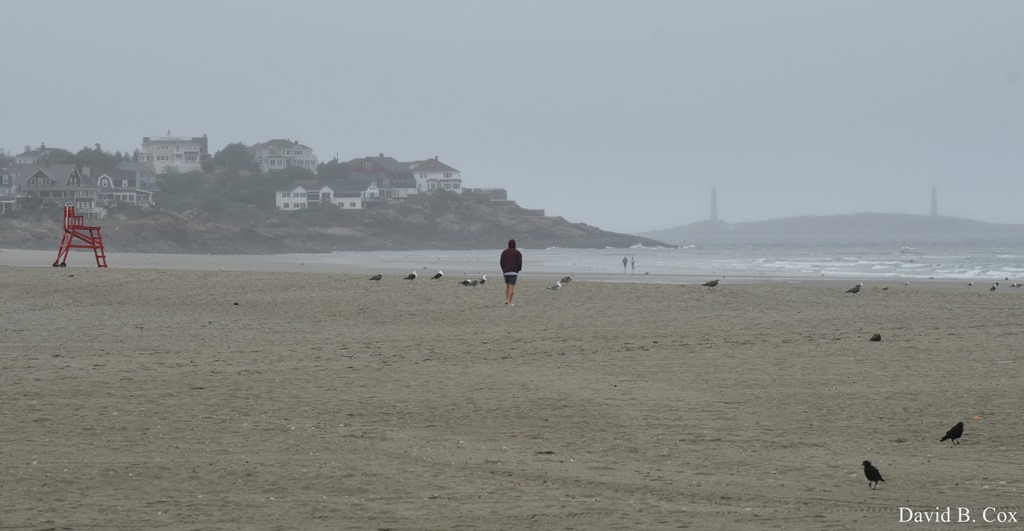
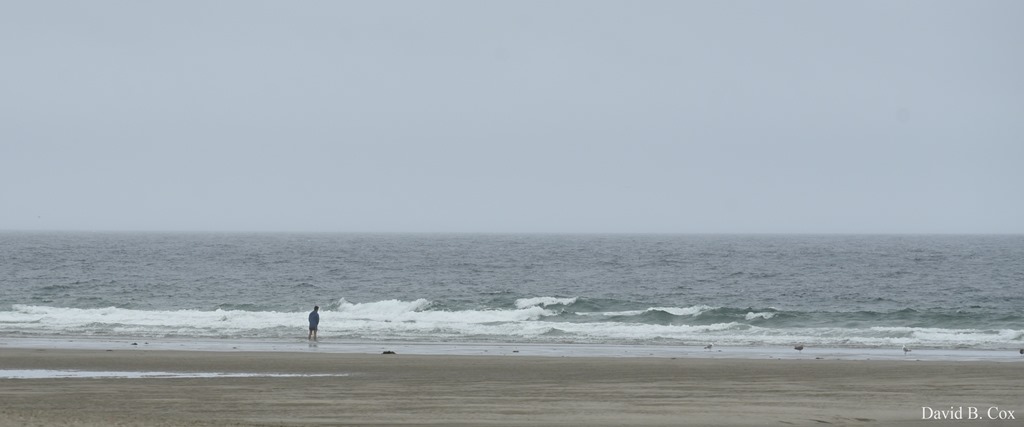
The weather on Sunday was outstanding and Good Harbor Beach was beautiful.
My View of Life on the Dock
The weather on Sunday was outstanding and Good Harbor Beach was beautiful.

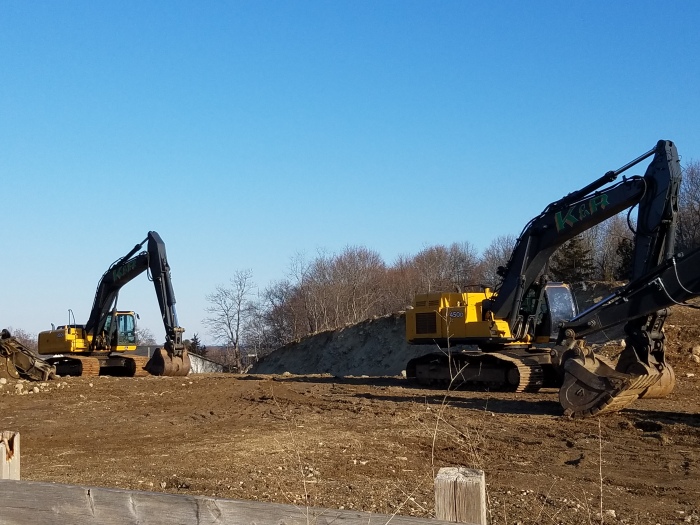
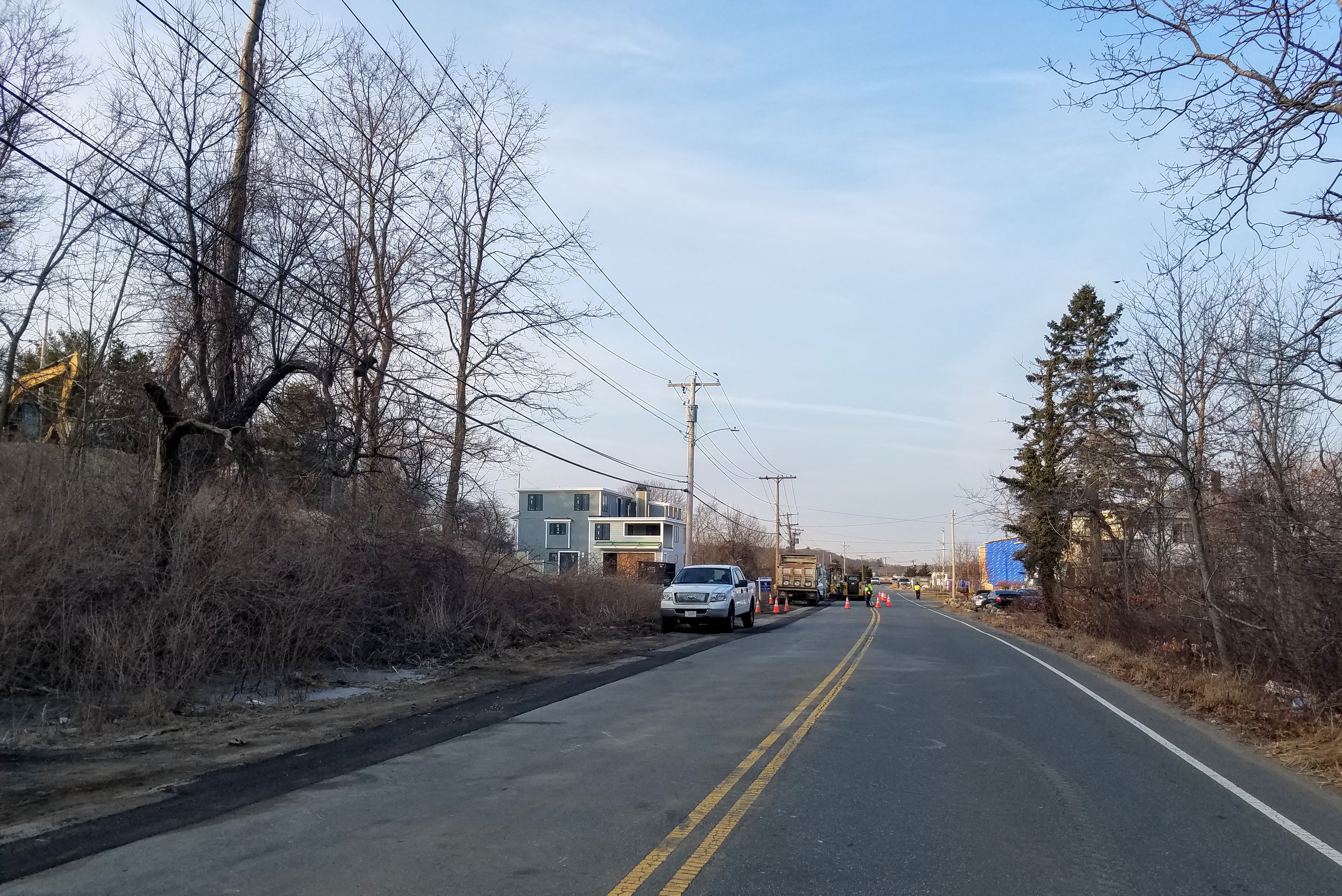
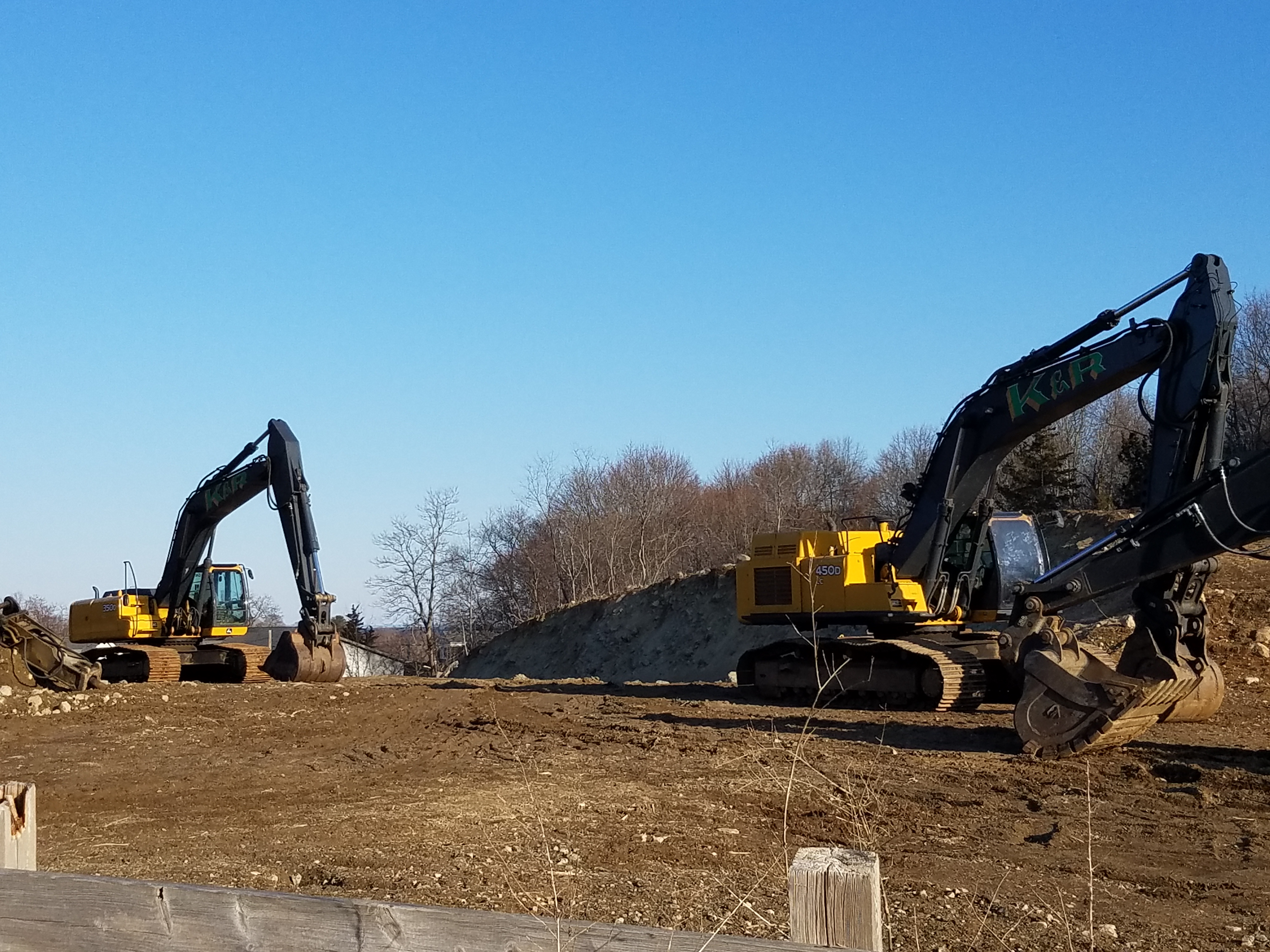
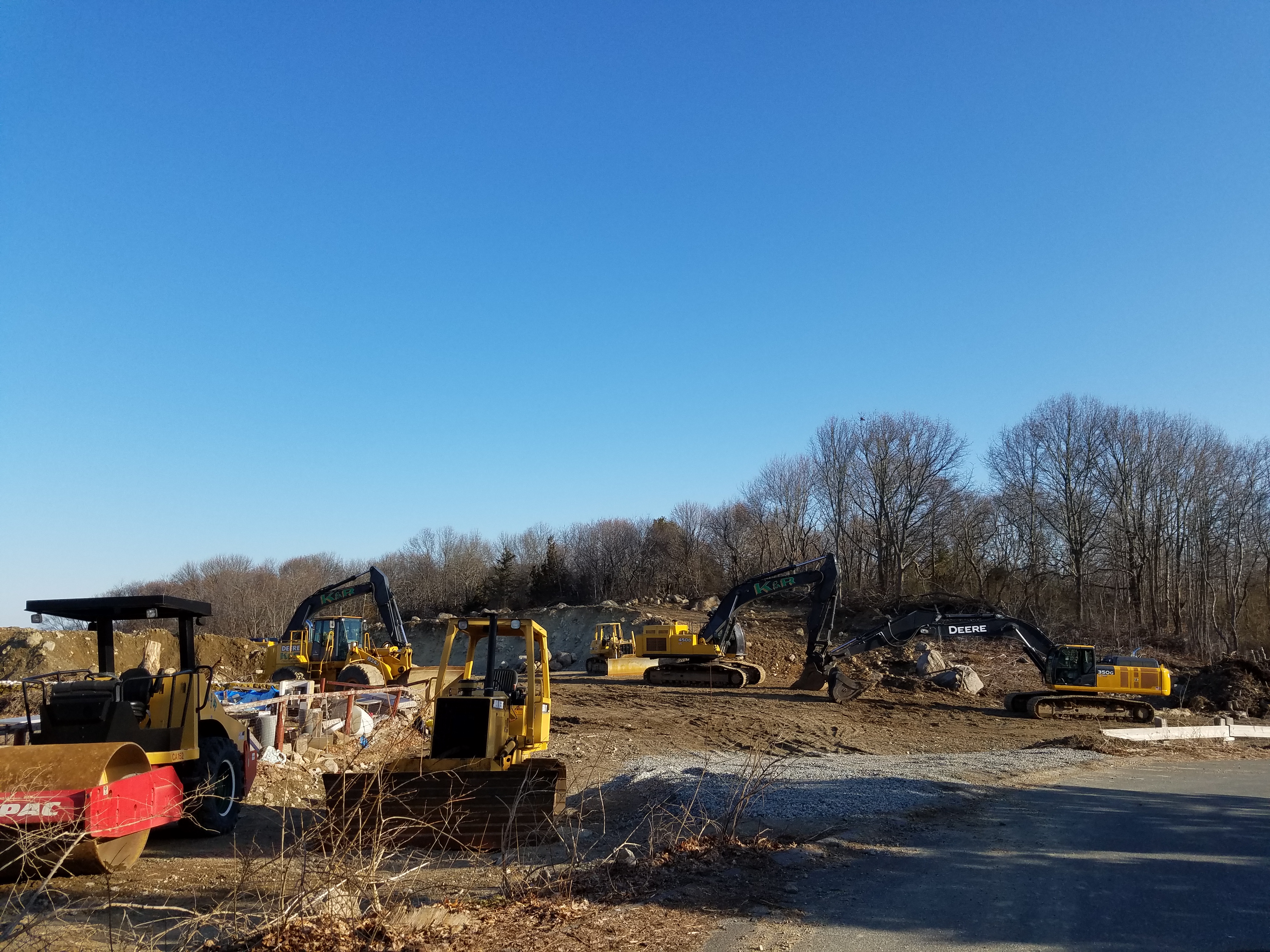
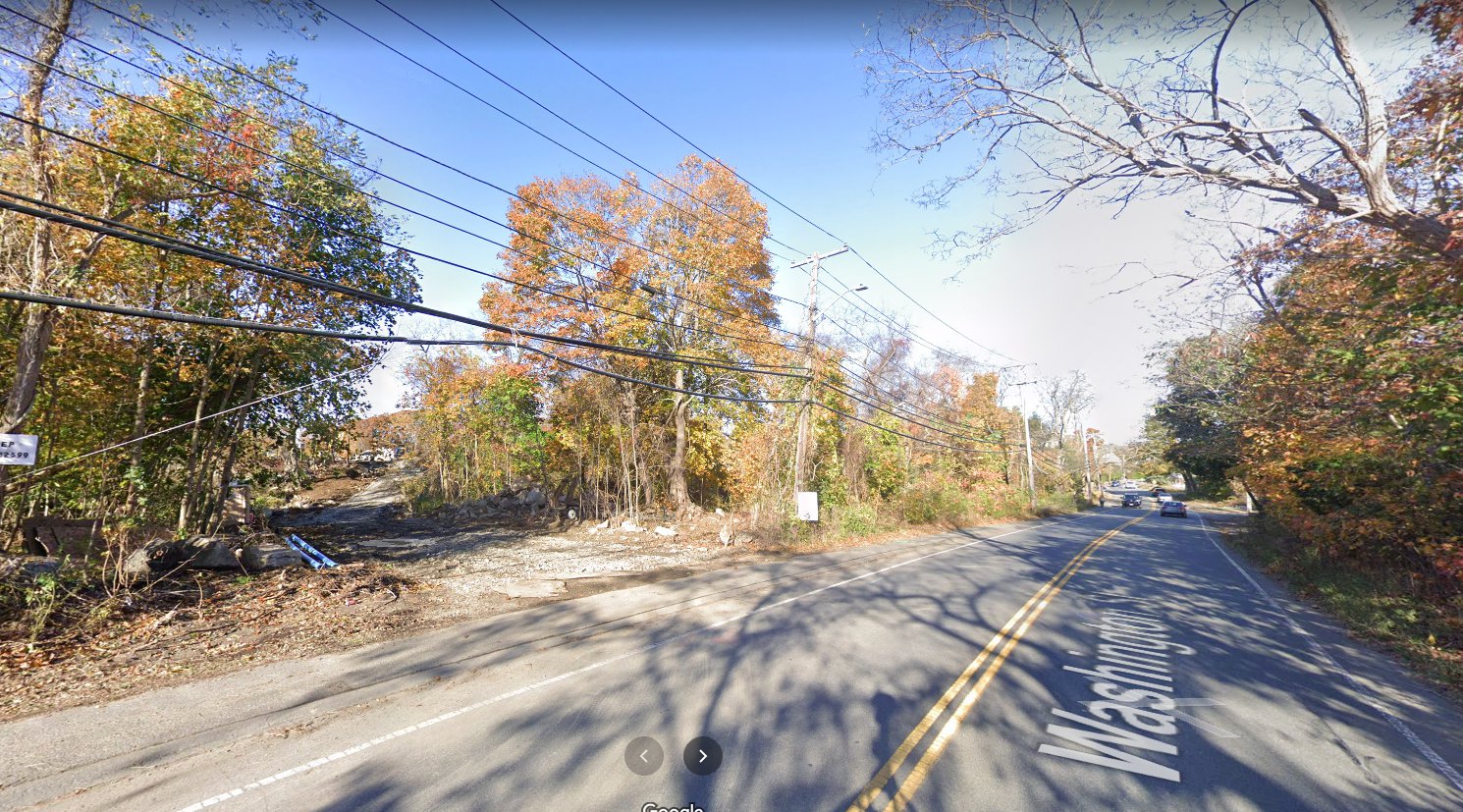
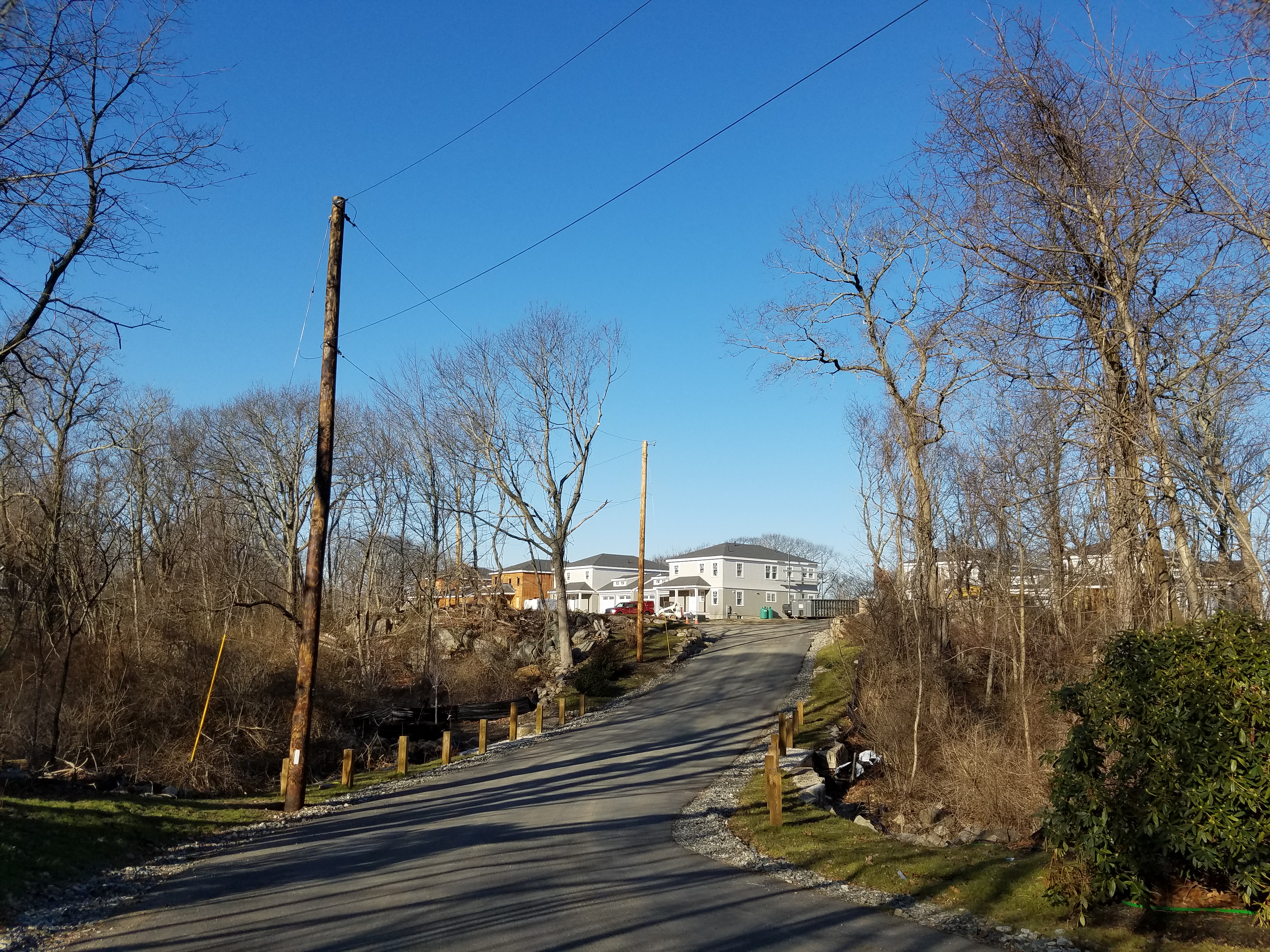
March 2021 construction status. Two projects near Good Harbor Beach at the four corners of Thatcher and Witham, and two projects in Riverdale off Washington Street.
pinch and zoom or double click to enlarge photos
Between Thatcher and Cliff Road
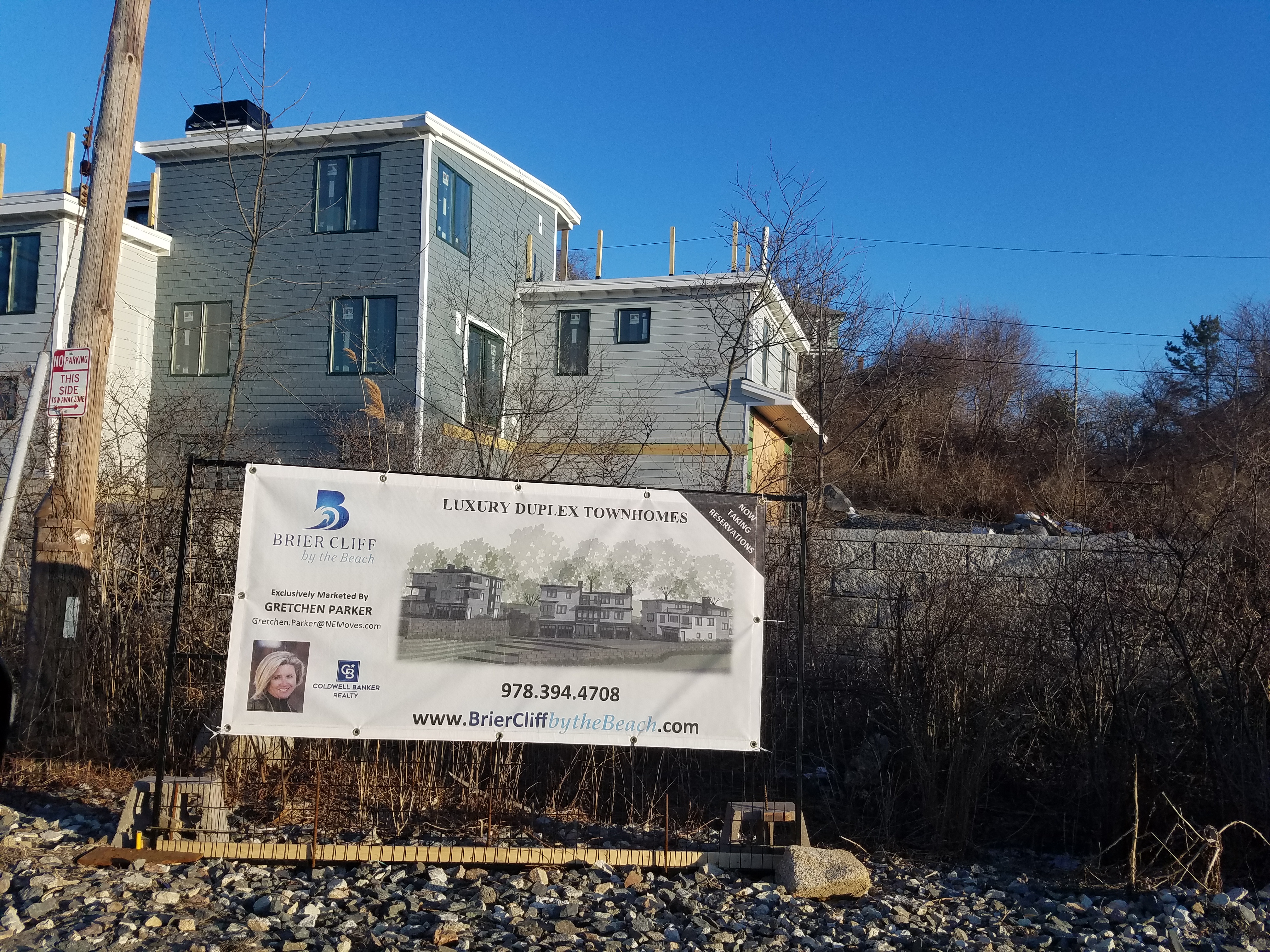
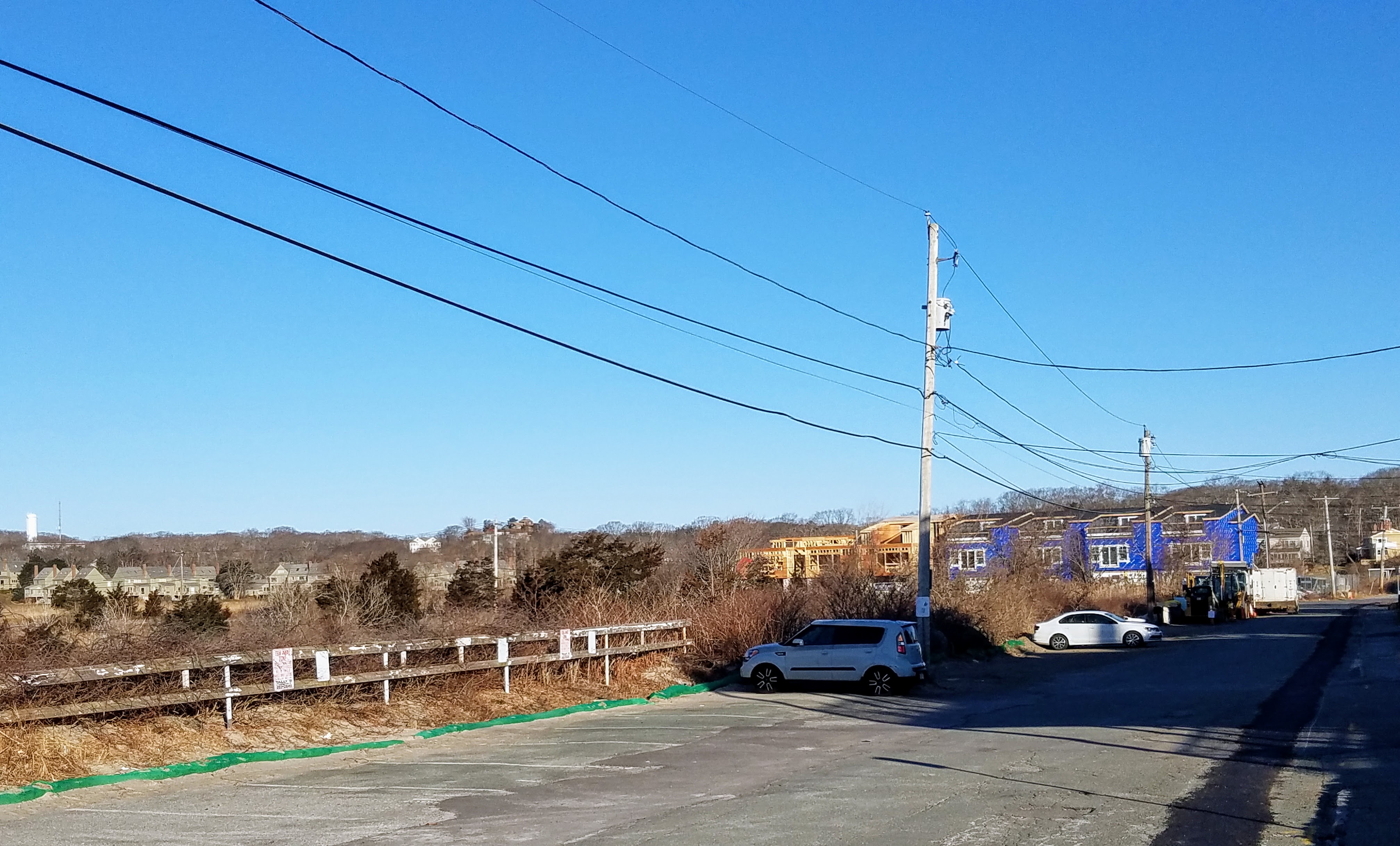
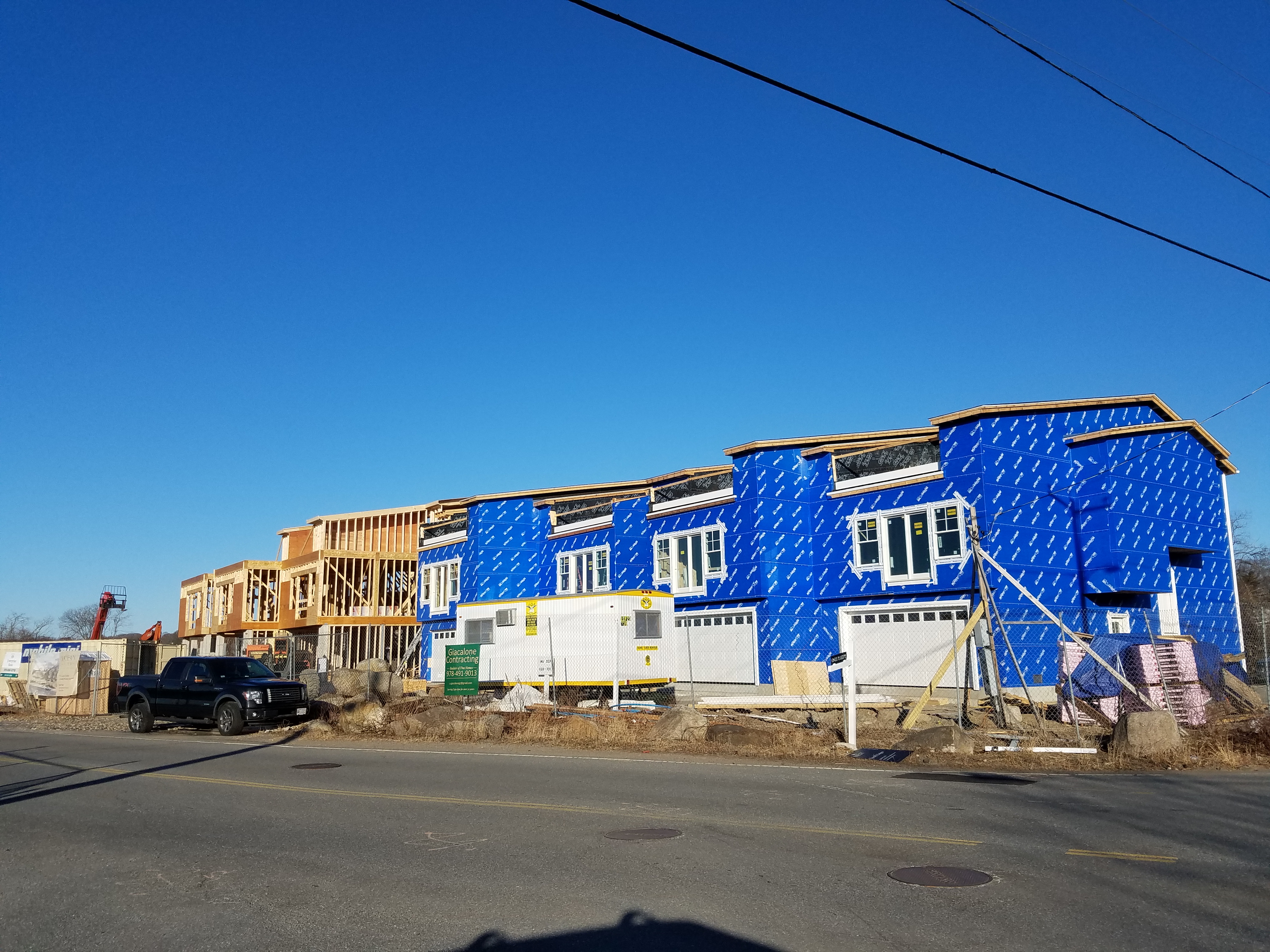
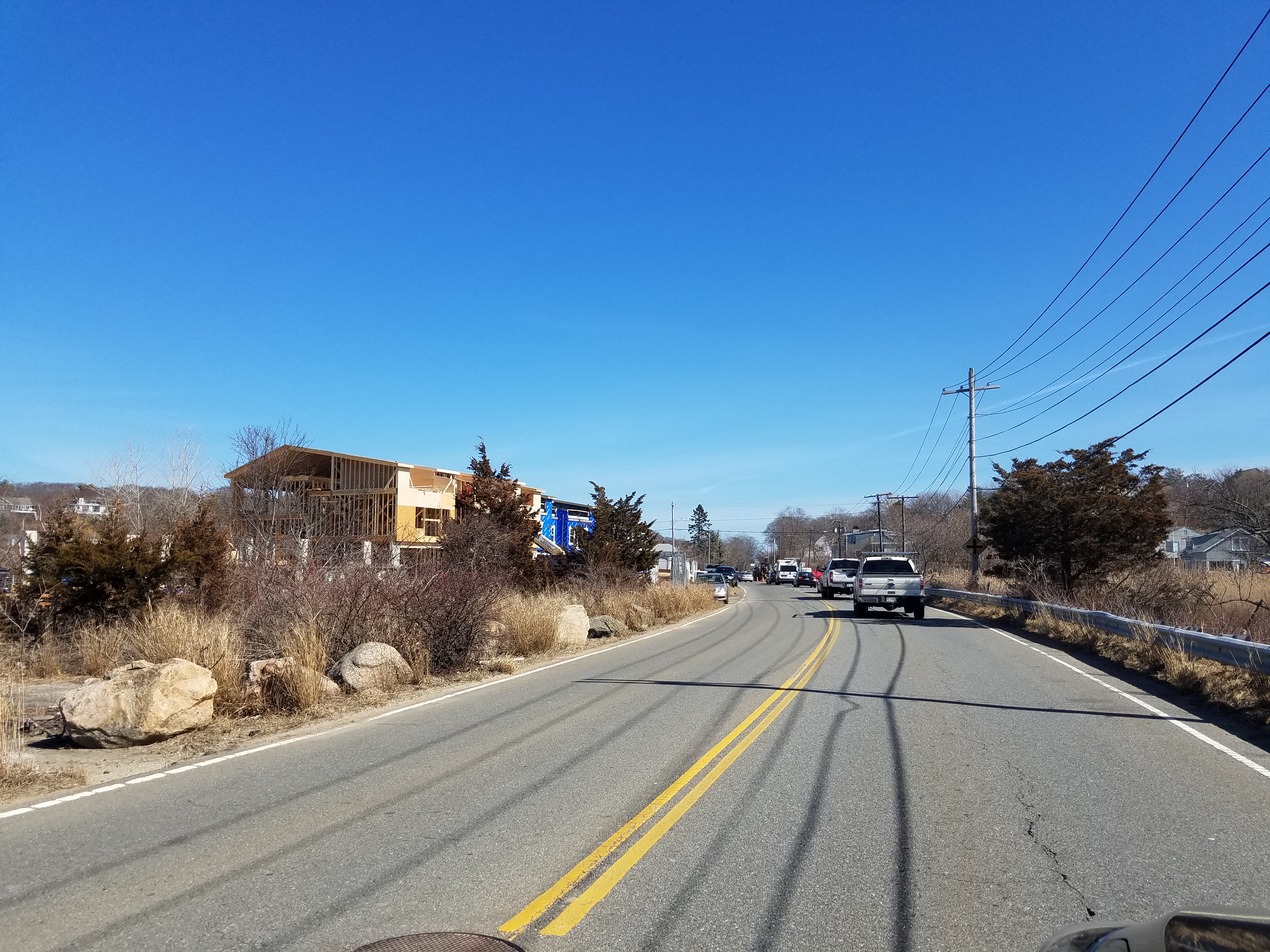
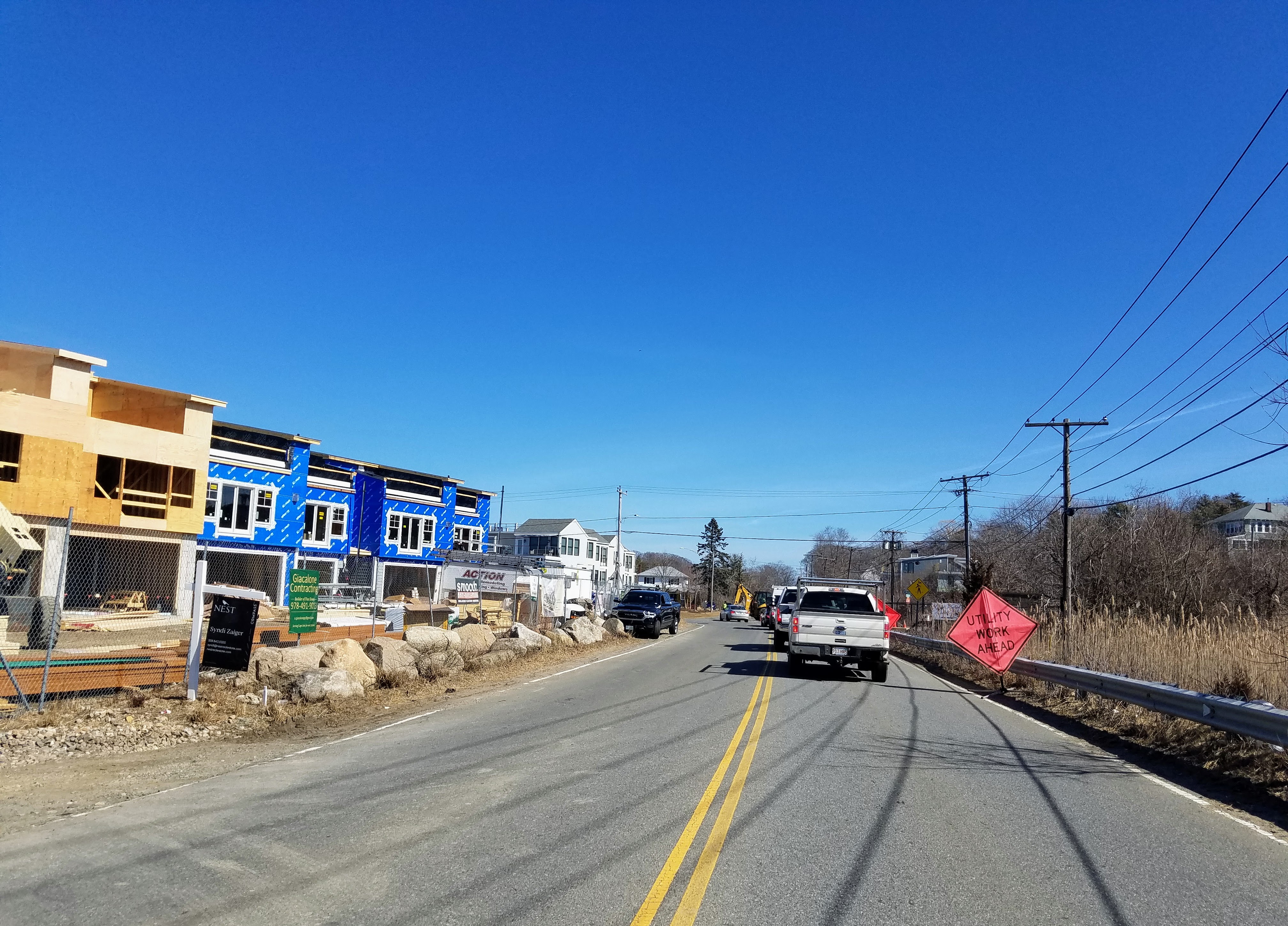
*formerly Brier Neck shores
(before Willow Rest)
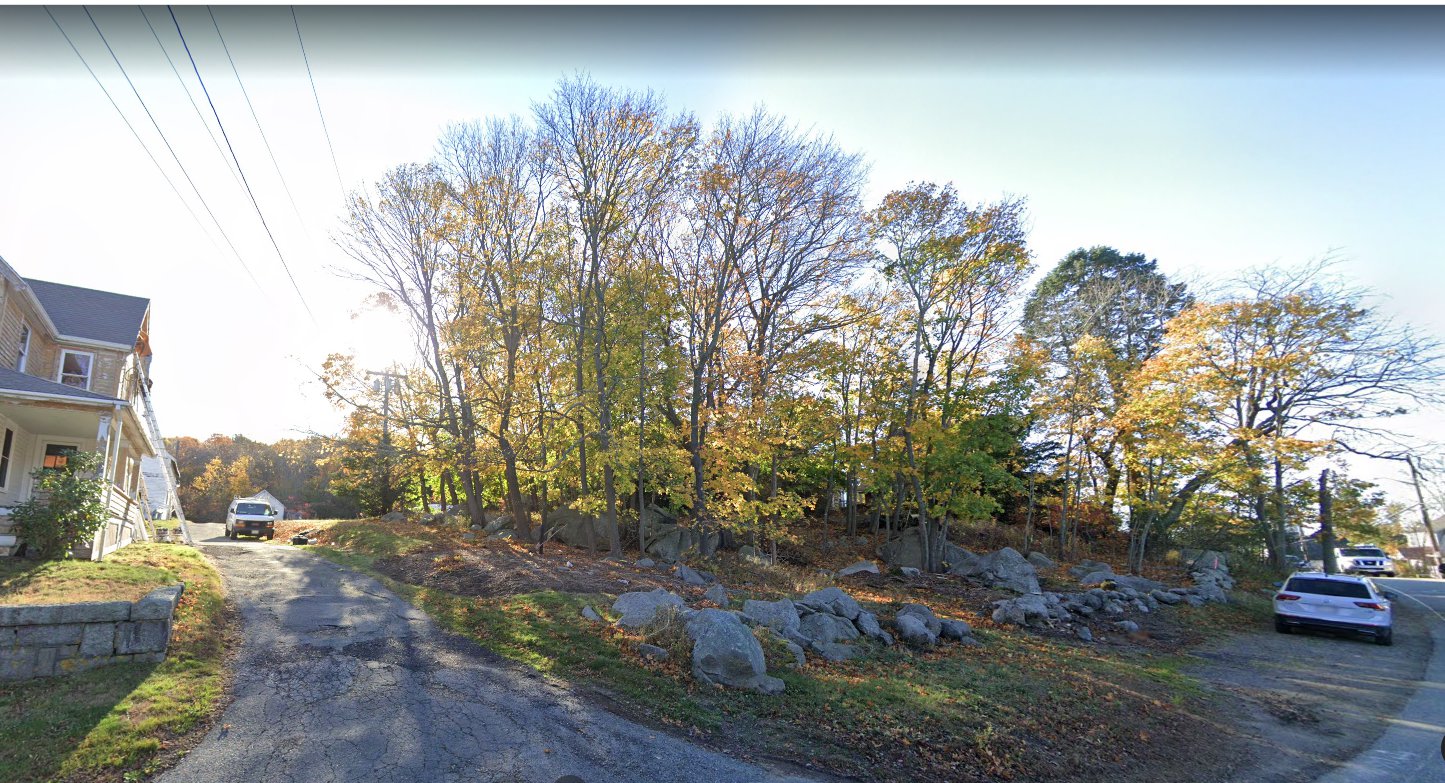
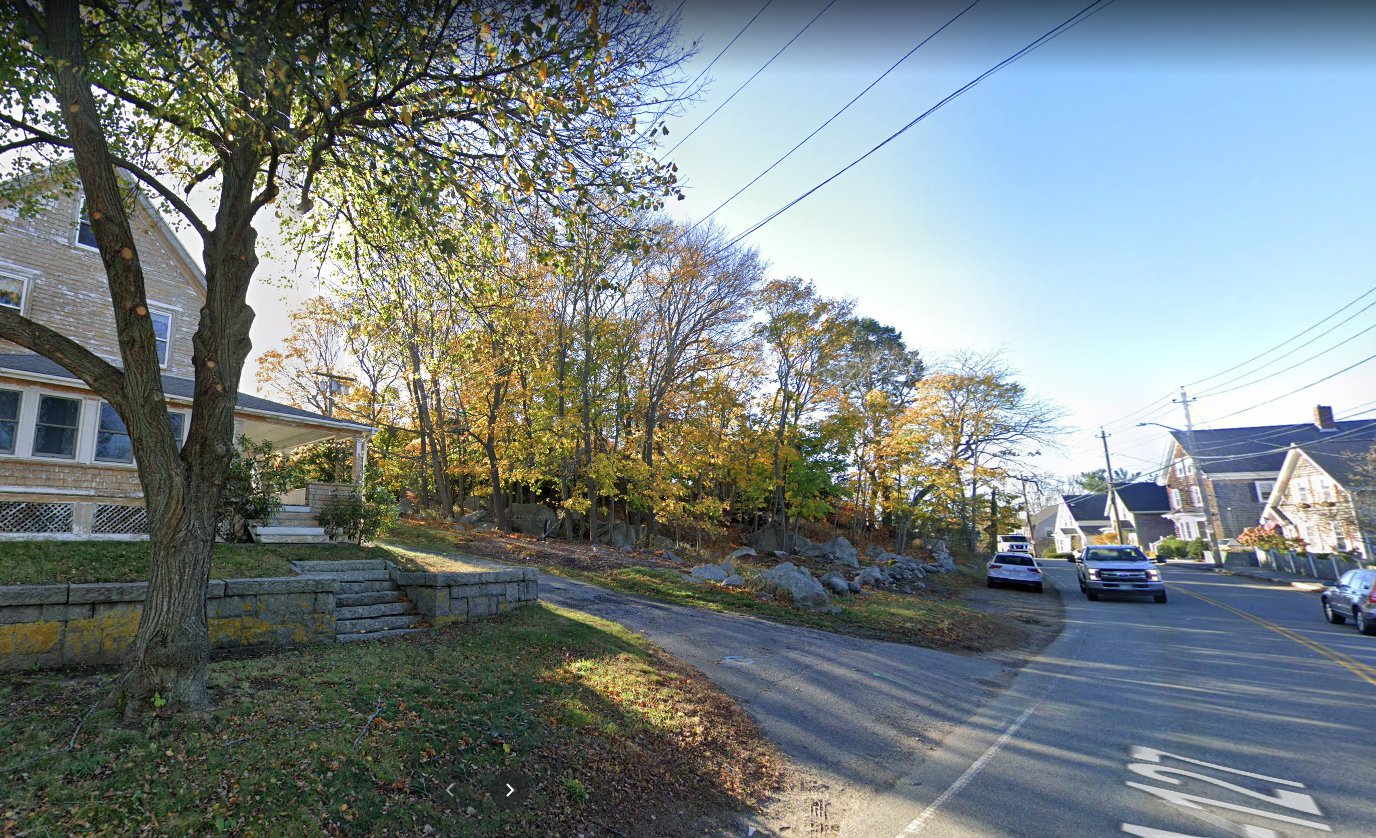
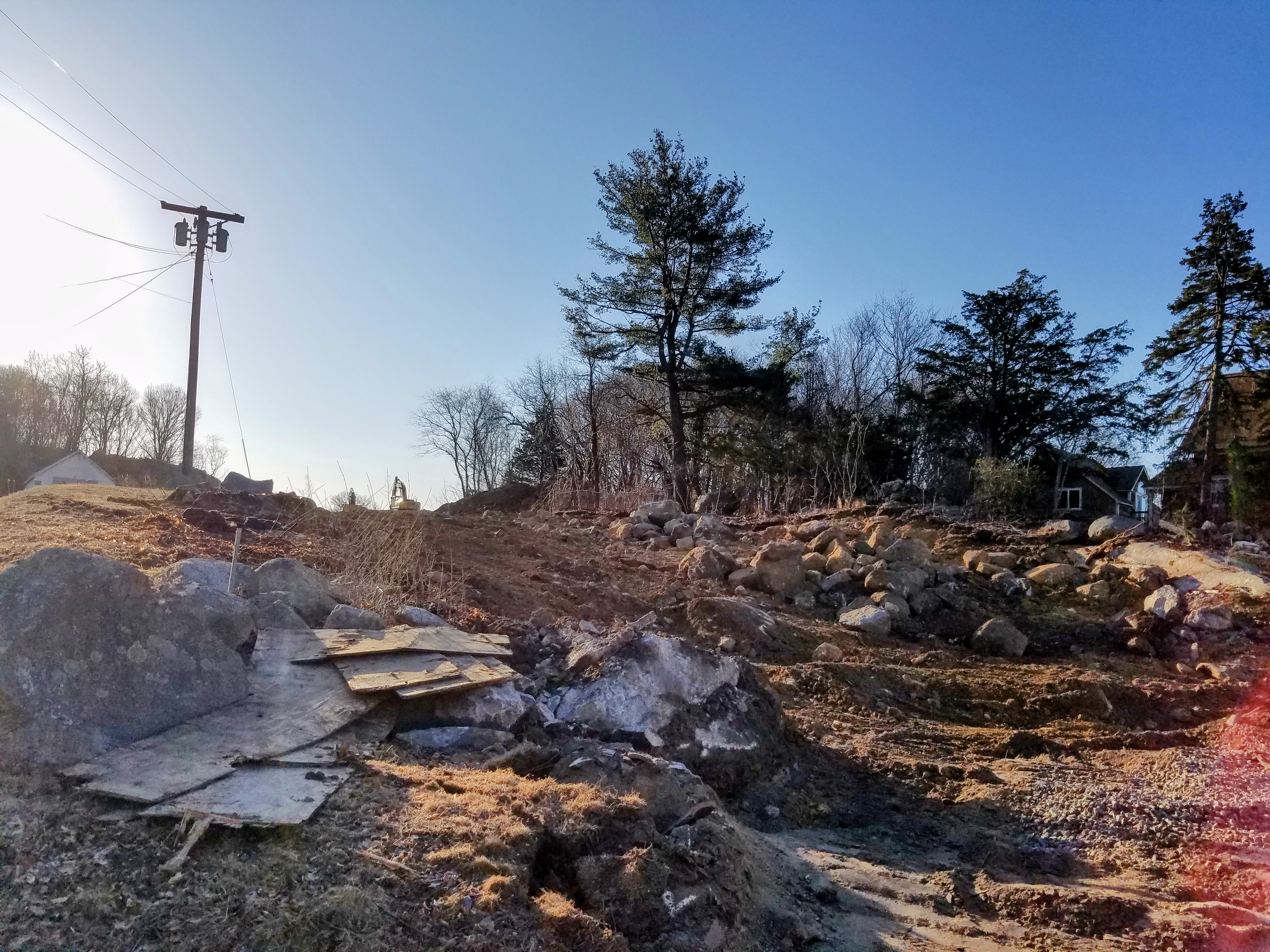
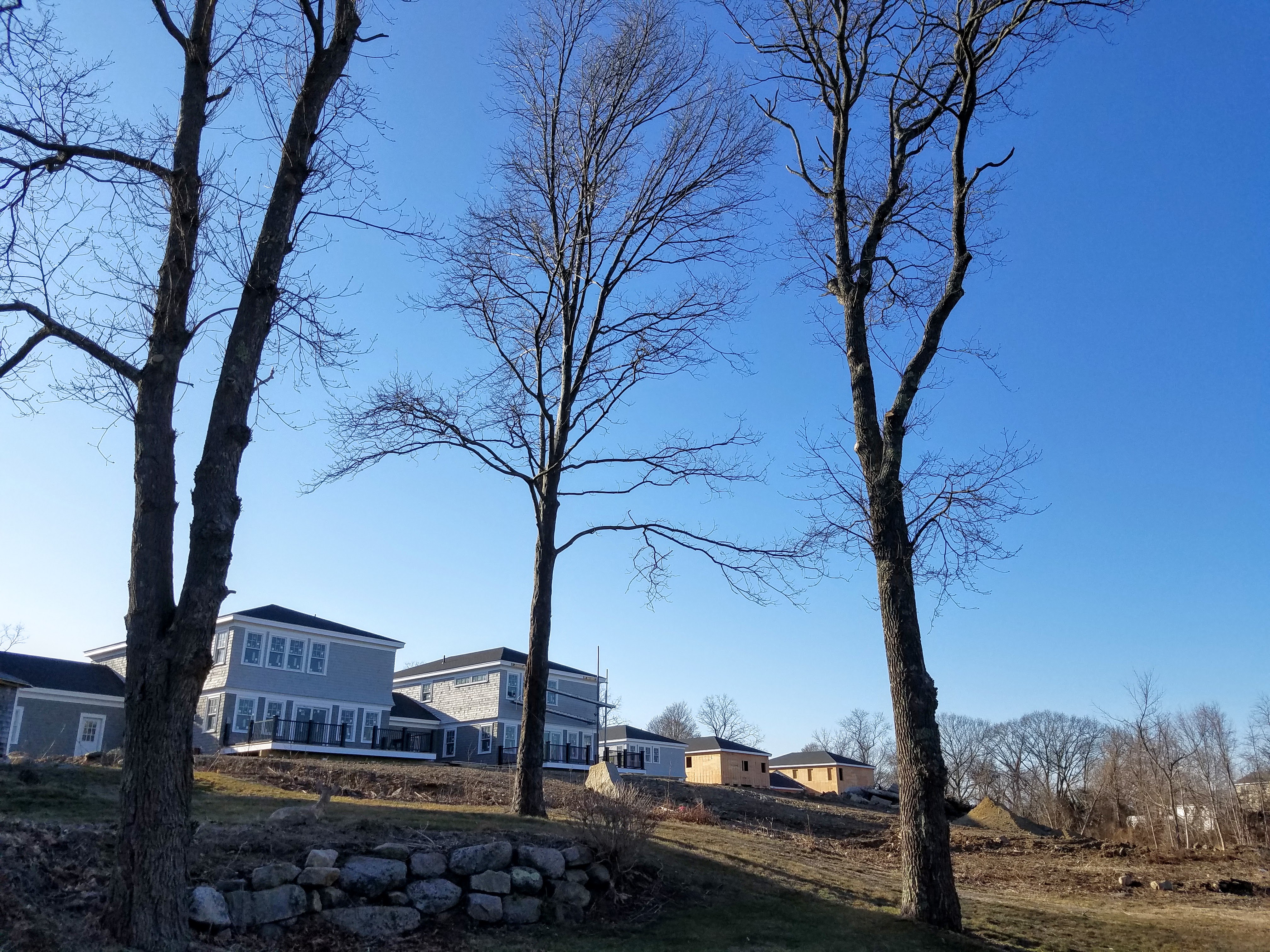

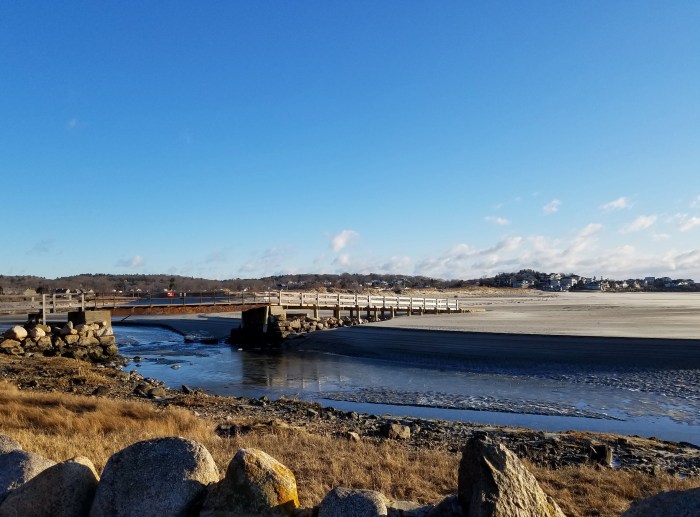
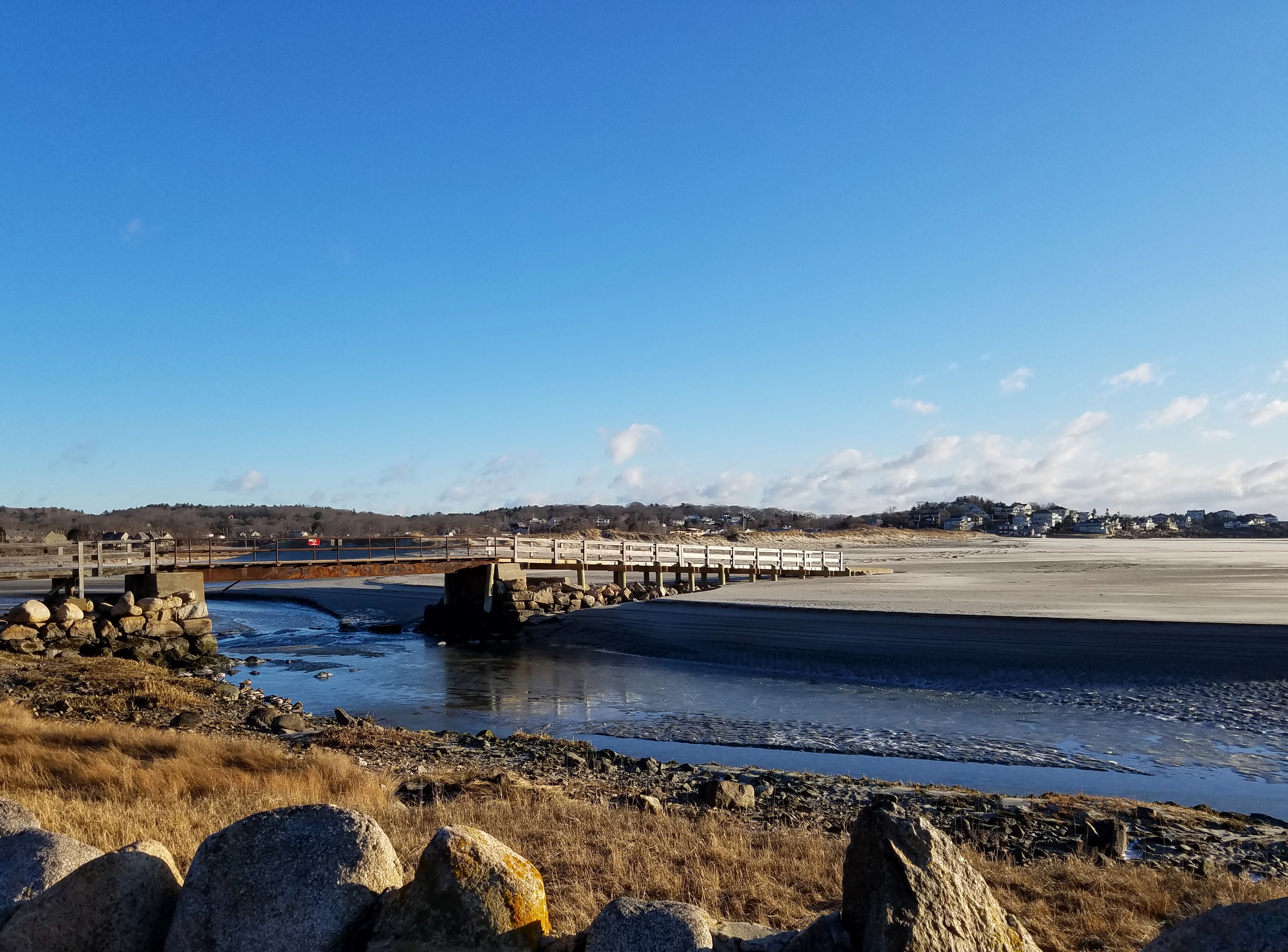
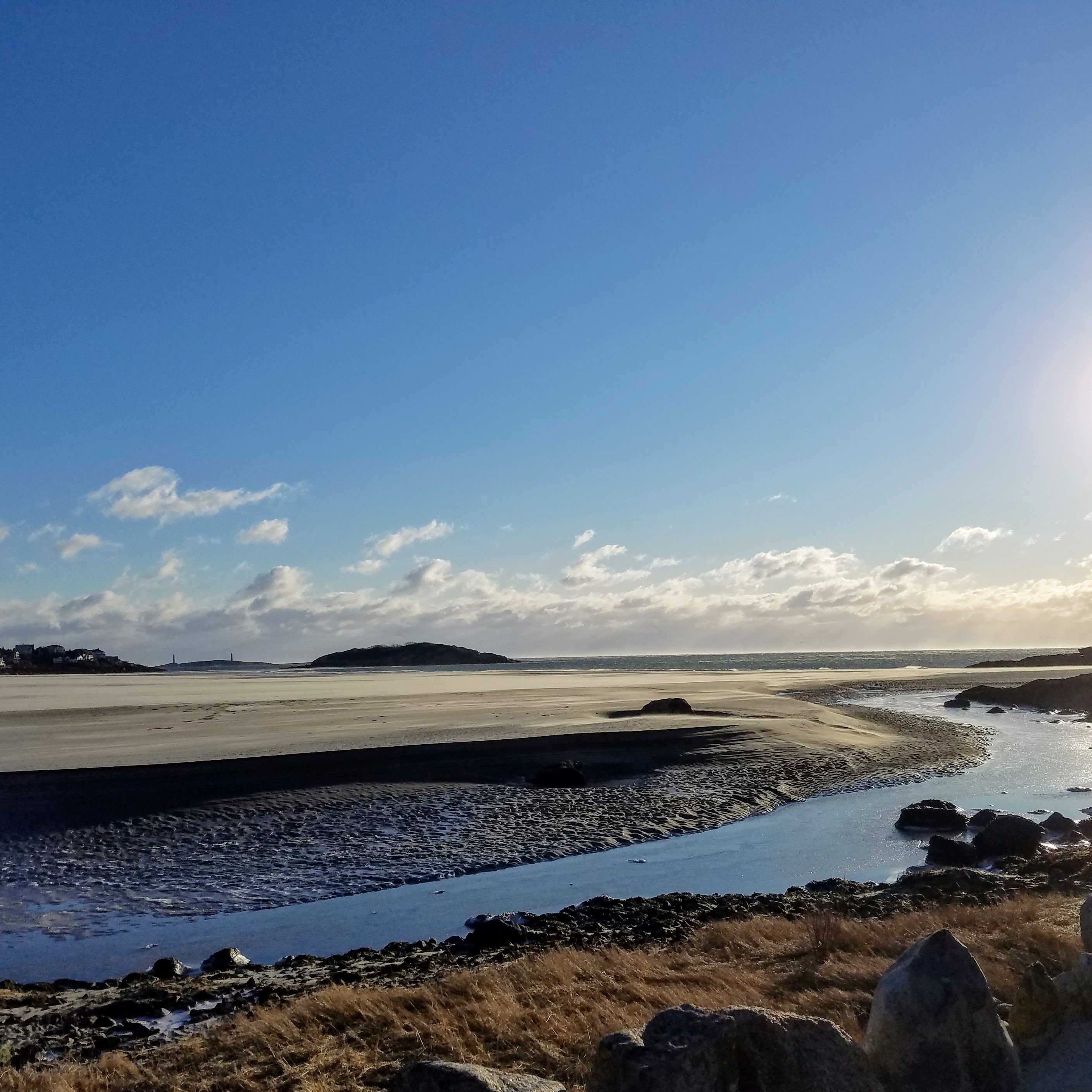
March 2, 2021 coming in chilly and v. windy
Low tide- frozen estuary slush patches by the Good Harbor Beach footbridge


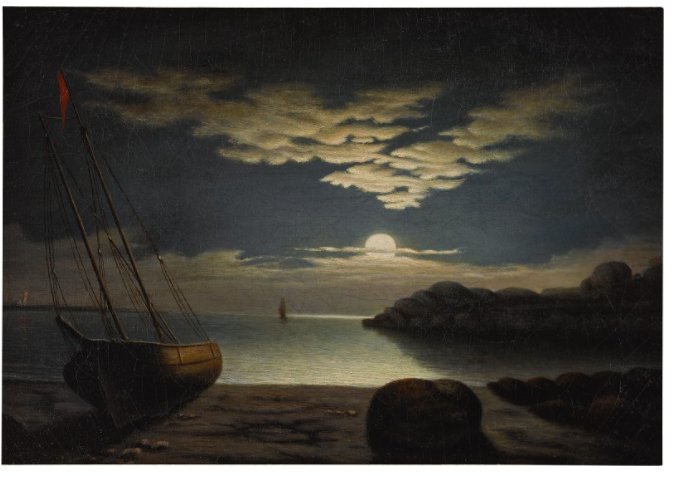
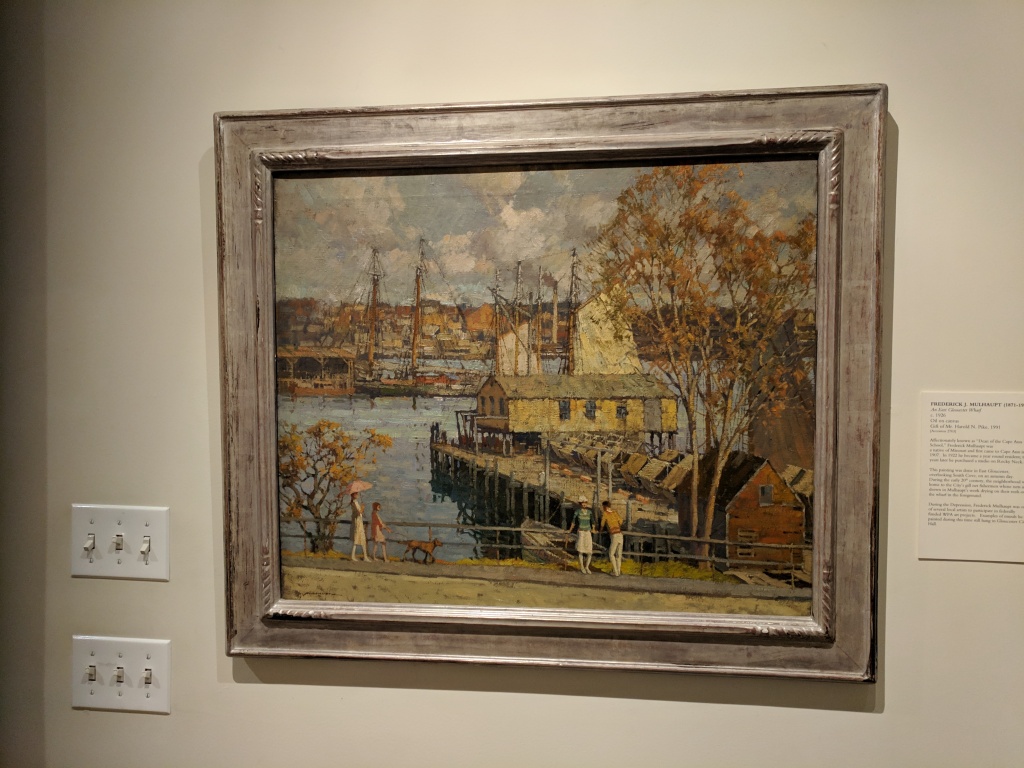
The Sotheby’s sale Two Centuries American Art closing March 3, 2021 highlights work by artists inspired by Gloucester and/or with Gloucester ties including these few: illustrations for Harper’s and Redbook by Frank E. Schoonover; work by Leon Kroll including a Good Harbor Beach scene; and views of Gloucester harbor by Frederick John Mulhaupt and Mary Blood Mellen:


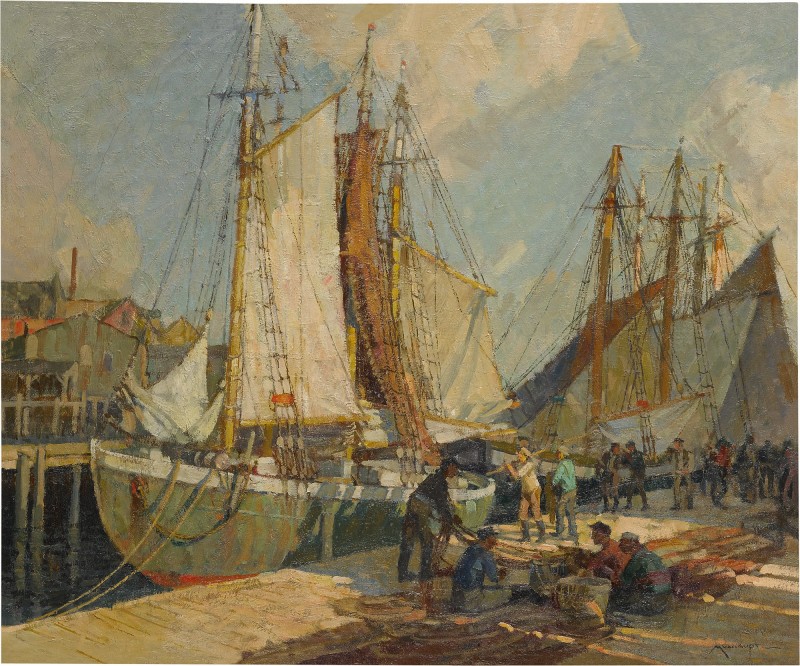
Gloucester Harbor, a central panel from one of Mulhaupt’s monumental mural masterworks, has been on display at Gloucester’s O’Maley school for decades. The center panel was commissioned under the auspices of the WPA-era programs and ultimately moved from its original site at Central Grammar to City Hall in 1972, and then again to O’Maley. Other sections of this mural were disconnected and dispersed within City Hall in 1972, and not all on display, which has confounded understanding of the sections individually and as a whole. All will be reunited one day–temporarily or permanently– back to the artist’s original, immersive art experience intent. Here are several photos of the mural to compare with the artist’s treatment of the harbor scene at auction.

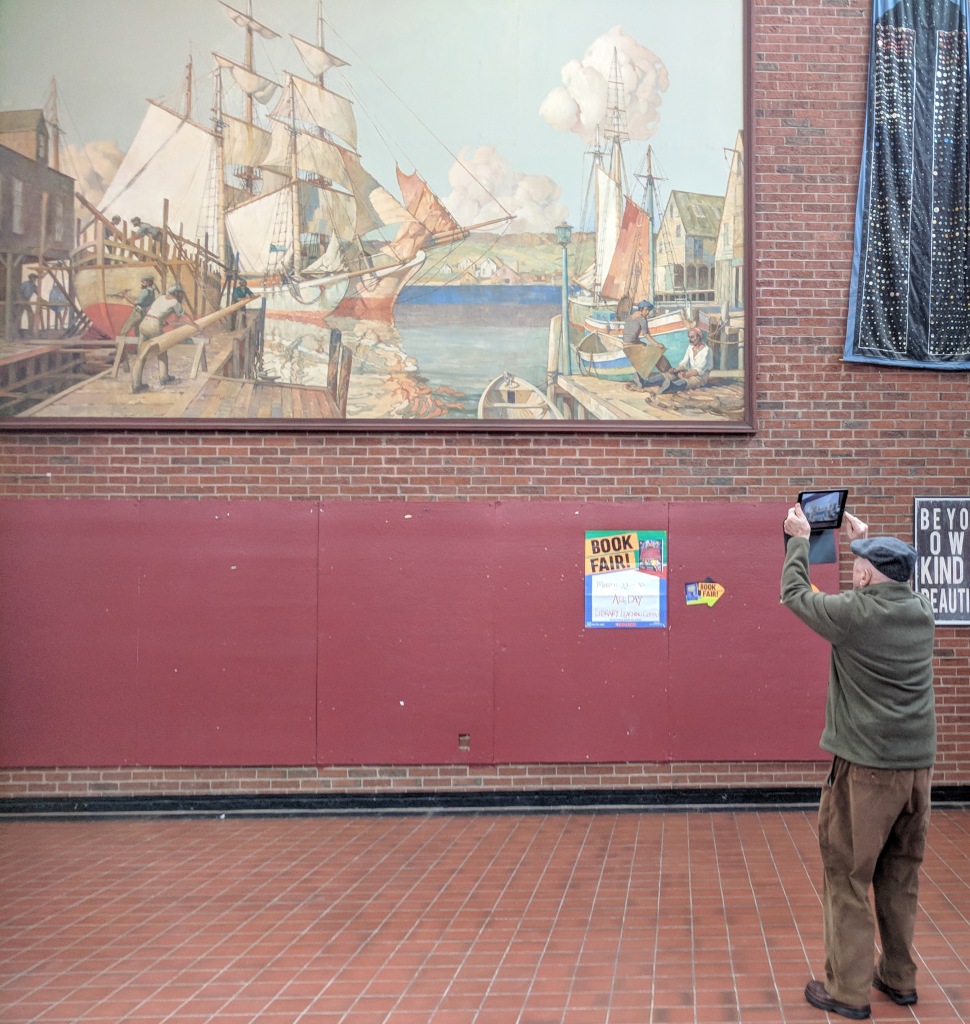

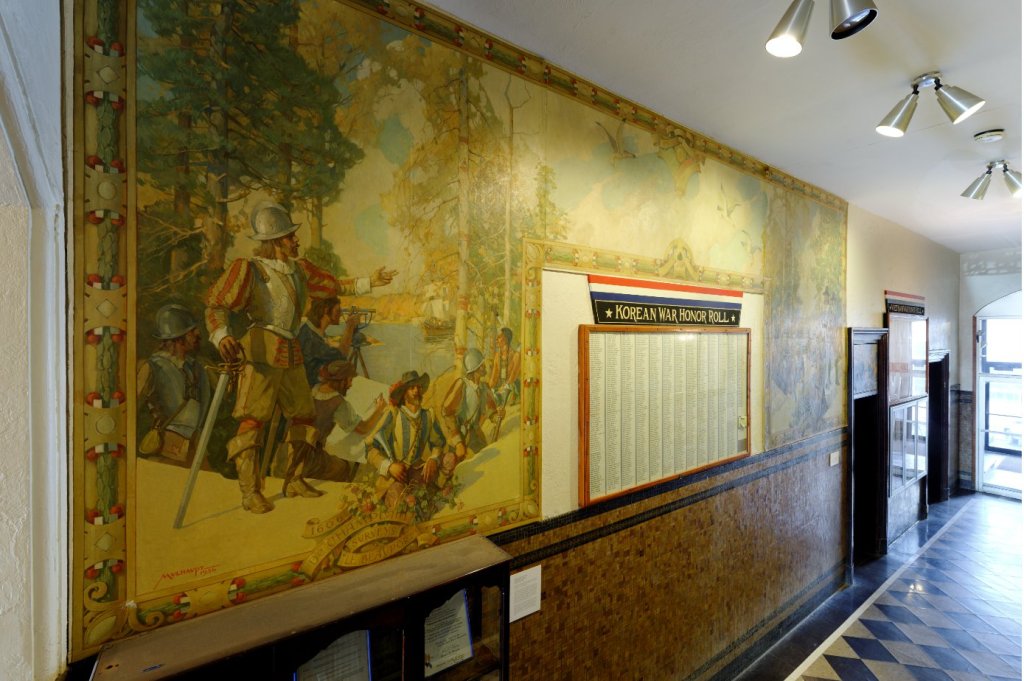

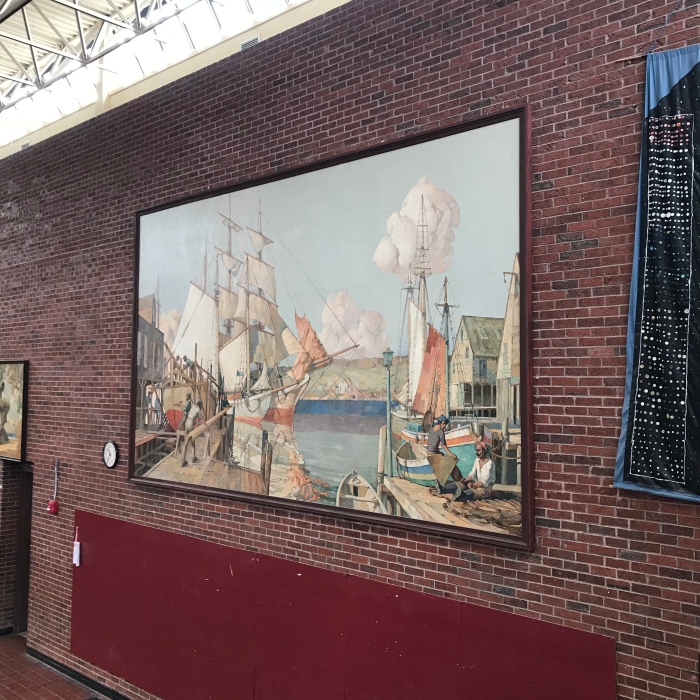
Fine examples by all the artists coming up at auction can be found at Cape Ann Museum within the permanent collection and/or special temporary exhibits.
photos c ryan: installation views at Cape Ann Museum (double click or pinch and zoom depending upon your device; right click to see credit info)





Happy New Year’s day! While thinking about 2021, I was looking back. 1900 seemed as good as any to share a fresh new chapter “then” story.
Let’s just say fasten your seat belts; reading about Mayor Merchant’s term is a bumpy ride for the entire year as reported in the Boston Globe. Heated exchanges dominate. Smaller items about conservation and deed issues related to Dogtown, Good Harbor Beach, and Briar Neck real estate development are detailed. I knew some details about Mayor French’s terms but did not run into Mayor Merchant before. I recognize the surname Merchant/Marchant as Gloucester history. Prior to this post I mostly associated Merchant with the street that was one of so many in Gloucester to inspire work by American artist, Edward Hopper.
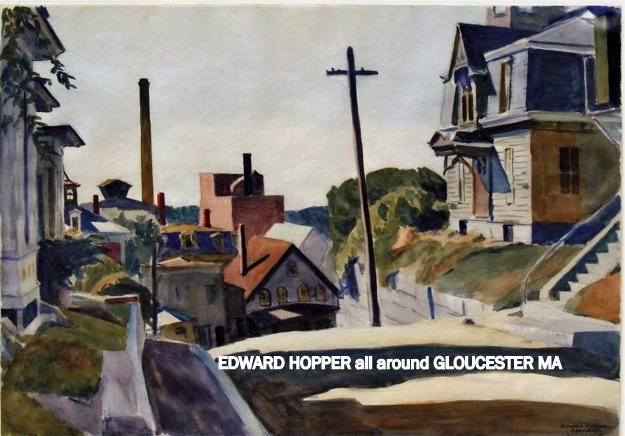
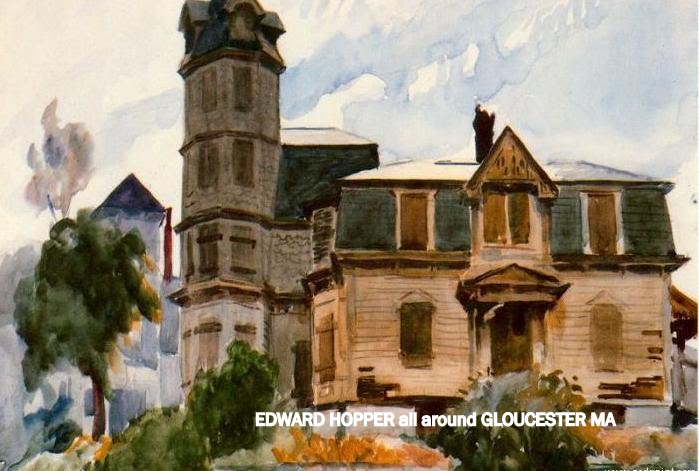
On some lists of Gloucester Mayors, he’s (conspicuously) not there. (Biographical details unroll at the end. Also, photographs of all the Mayor portraits.)

All heads south immediately following the swearing in, and I mean immediately. The Mayor address advanced to the paper is standard, rosy and prickly, not uncommon.

New Year’s Day, 1900 – Mayor Merchant of Gloucester
Gloucester, Jan. 1- Establishment of a City Workhouse, and Investigation of Assessing and Fire Alarm Systems Urged
The inauguration exercises of the city government for 1900 took place this morning in city hall. As usual, a large number were in attendance, the especial point of interest being the reading of the inaugural. Those who expected to hear a plain and straightforward statement of certain facts were not disappointed, as the inaugural certainly treated certain matters in a trenchant manner.
The chapters in relation to the administration of highways, the debt of the city, revaluation, the need of better discipline in the police force, recommendations in regard to an equitable reduction of water rates were received with especial favor. The inaugural made a distinctly favorable impression.
In considering the finances, he said that the city’s liabilities were $829,243.72. The net debt is $368,211.04, an increase of $77,713.72. The reserve amount which the city now can borrow is $22,496.78.
The following recommendations were made: The appointment of a special committee to investigate and report to the city council as to the present system of valuation of the city by the assessors, and what action, if any, is needed to secure more equitable taxation; an investigation and report by the committee on fire department as to the needs of an improved fire alarm service and the probable cost; the abolishment of the public library fund, a special committee to consider carefully the question of the scale of the poor farm property, and what may be done toward the establishment of a city workhouse, which would be such in fact as well as in name; the appointment of a joint special committee upon water, to act with the water commissioners upon all matters relating to the purchase of the work, the improvement of sources of supply, and to suggest in what manner an equitable adjustment of the rates may be made; that no claim made against the city be paid without first having had a reference to the proper department and report thereon in accordance with the advice of the law department, and the appointment of a special committee of the city council to investigate all matters relating to the collection of taxes, and to suggest how best a way may be found for better service in this connection.
The mayor advocated a gradual revaluation of the city, saying he believed it to be the duties of the assessors to look carefully into the matter. Under the subject of highways, the mayor took occasion to criticize adversely those having them in charge the past year, while those officials who were brought in close contact with the work performed were roundly scored. The schools, fire department and trust funds were kindly criticized in the interest of advanced ideas and business judgement. Regarding the police and the matter of license, the mayor emphasized the statement that while not looking for any difficulty in this line the police must do as they were bidden and observe discipline.
City clerk Somes administered the oath to the Mayor elect Merchant, after which the keys of office were delivered to him by Mayor French. Mayor Merchant administered the oath to the following aldermen: Ward 1 Alphonso Davis; ward 2 Osborne Knowles; ward 3 Levi J. Hotchkiss; ward 4 Edward H. Quigley; ward 5 Albert H. McKenzie; ward 6, William J. Sleep; ward 7, William L. Allen; ward 8, James W. Ingersoll.
The following members of the common council were also sworn in: Ward 1, Austin F. Coombs, Addison W. Bailey, John W. Gaskell; ward 2, John F. Riley, Samuel J. Somers, Melvin Parsons; ward 3, John J. Cunningham, Frank W. Lothrop, John A. Stoddart; ward 4, Ernest S. Parsons, John J. Sullivan, Ray S. Friend; ward 5, James E. Tolman, Samuel W. McQuinn, Thomas Hodge; ward 6, Addison G. Stanwood, Samuel P. Favor, James A. Lawrence; ward 7, William Stephens, Charles C. Smith, Thomas F. Wherty; ward 8, Ephraim R. Andrews, James M. Chadbourne, Howard T. Bray.
After the reading of the inaugural the boards proceeded to their respective chambers for organization.”
– From “For Year 1900: Recommendations Made by Bay State Mayors. How Government of Cities Can Be Improved. Necessity of Practicing Economy Where It Can be Done Without Detriment to the Public Good. Questions of Finances, Schools, Water. Lighting and Sewage in Various Municipalities of the Commonwealth.” , Boston Globe, New Year’s Day, 1900
MUNICIPALITIES INCLUDED IN THE ARTICLE: SOMERVILLE. HAVERHILL. LAWRENCE. EVERETT. MEDFORD. SALEM. GLOUCESTER. FITCHBURG. BROCKTON. LYNN. BEVERLY. MARLBORO. WOBURN. NORTHAMPTON. SPRINGFIELD. NORTH ADAMS. NEW BEDFORD. QUINCY. WALTHAM. HOLYOKE. PITTSFIELD. TAUNTON. MALDEN. WORCESTER. BEVERLY CITY FATHERS. FOR THE SECOND TIME.
This was uncommon.
Jan 1 Day one whiplash- Council upends Mayor’s first day.
At the organization of the government today there were two unusual incidents.
“Mayor Merchant read a communication from ——-, protesting against administering the oath of office to Councilman elect Thomas Whearty, announcing that Chairman should contest the election. Mayor Merchant decided that there was nothing for him to do but take the returns of the election as they were rendered to him, and accordingly swore Mr. Whearty in.
“This had an important bearing on the contest of the presidency of the common council. When that body proceeded to elect as president James E. Tolman, who was a candidate for re-election offered an order that Mr. Whearty be not allowed to take part in the deliberations of the board until his case was finally settled. After several points of order had been made it was decided, to sustain chairman Lawrence, in adding Mr. Tolman’s order out of order. Councilman William Stephens was elected president of the council…In the afternoon Mayor Merchant announced his committees…
“Immediately on their announcement Alderman Sleep moved that the communication of the mayor be laid on the table. Mayor Merchant made no reply. Alderman Sleep insisted that his motion be put. Mayor Merchant contended that the committed announcement was simply a communication from the Mayor.
“Alderman Sleep produced the rules that urged that the aldermen by the rules could elect their own committees. Alderman Hotchkiss offered and order, if the mayor would entertain it, that the whole matter be referred to the city solicitor for his opinion as to the right of the aldermen to appoint the committees.
“Alderman McKenzie said there were committees to which he was appointed on which he did not care to serve.
“Mayor Merchant, after asking for further business, stated that he did not care to appear in the light of bulldozing the aldermen and should give them every opportunity to act except in the illegal expenditure of money, and then he should interfere. He therefore withdrew his nominations, and an order previously introduced by Alderman Hotchkiss that the aldermen reassemble at 7:30 in the evening and ballot for committees was passed.
“The mayor stated that the appointment of the committees had always been a prerogative of the mayor and he had proceeded in the matter as did former mayors.
“This is the first time in the history of the city that a mayor’s committee appointments have been protested or withdrawn. The incident caused somewhat of a sensation, and resulted in some animated conversation after the board adjourned.
“At 7:30 all the aldermen but Allen were in their seats. Mayor Merchant not putting in an appearance, President Sleep presided.
After the adjournment a conference was held, and a committee list satisfactory to the aldermen was arranged. The aldermen then, for the first time in the history of the city, proceeded to elect their own committees…Alderman Knowles offered an order that the city solicitor give his opinion in regard to the legality of the action of the aldermen in electing committees after the mayor had announced the appointment of committees. This was not seconded.”
Boston Globe, 2nd article of the day Jan 1, 1900
Apparently this balking at Mayoral appointments was trending as Haverhill was in the same boat. Unsurprisingly, by the ides of March the Mayor and council are
Gloucester Aldermen on their Mettle. Render Useless Several Vetoes of Mayor Merchant. Mr. Sleep Proves a Sharp Critic of His Honor.
“The session of the board of aldermen this evening was one of the most sensational for some time. The old feud between Mayor Merchant and Alderman Sleep again broke out.
The mayor when “communications from the mayor” was reached, resigned the position of presiding officer to chairman Sleep and departed from the chamber. The chairman then proceeded to read the three vetoes to the aldermen and two presented in the council, which came up for action.”
Boston Globe March 17, 1900 excerpt
“The order adopted in relation to the payment to Sleep Bros. for certain services on Beacon Street was vetoed by the mayor on the ground of illegality and that it was work done on private land…Mr .Sleep said that despite the veto, the mayor had paid the bill of W.R. Cheves for stone and E.H. Griffin for cement, but objected to that of Sleep Bros. for labor ($97.50) on the same job because the members of the firm were unfortunate enough to bear the same name as the speaker…the action of the mayor was simply a matter of spite against him for certain matters which had occurred on inauguration day…The order to pay the money was carried…”
Boston Globe March 16, 1900 excerpt
“Some sharpshooting occurred on the veto of the mayor of the order that signs be placed at Good Harbor Beach by the committee on police and that all persons be prohibited from taking sand and ballast from the beach. The mayor informed the board that the proper way to proceed in this matter was for the committee on public property…Sleep denied there was any politics in this measure, and said the committee on public property attended to its work, but as it received no pay it was not its duty to lay around Good Harbor beach all the time and protect the property.”
Boston Globe March 16, 1900 excerpt
The order that the mayor and city register the land known as Dogtown commons, under the provision s of the Torrens law, was vetoed by the mayor on the ground that it was not the duty of the mayor but of the committee on public property.
Boston Globe March 16, 1900 excerpt
“…The mayor vetoed the order for an increase in the salaries of firemen because he said that the city was not in a financial condition to make the raise…Sleep stated that some of the business men are raising money to put through the defeated charter which the mayor favors and which provides for salaried commissioners and clerks. Money for their friends was all right, but when it came down to the firemen it was a decidedly different matter…”
Boston Globe March 16, 1900 excerpt
Governor Crane named ex-Mayor French to Gloucester Police Court
And the Mayor is in the story.
“Gloucester has had a little Oklahoma boom. The place in question where this excitement has occurred is at Briar neck. The strip of land has for many years been vacant, with the exception of one (shack)…although it is claimed by two capitalists, who assert that they have deeds…
“It is a strip of about 200 acres of shore land, which is undoubtedly one of the sightliest and most desirable places for a summer home along the North Atlantic.
Briar’s Neck development
“Early in the season an attorney inserted a small item in a local paper to the effect that there was no valid title, and that anyone who settled down on the property could hold it. Mayor Merchant was the first one to squat down on the property and his example was followed by others, and there was a veritable rush for the place for several days. All the available sites were staked out and the names of those who had located claims were written on the stakes. There was a rumor circulated that the mere staking of the land was unavailing and that nothing less than the erection of a building of some sort would hold the land. A nondescript settlement immediately sprung up, and the sound of the hammer and saw was loud for several days…”Seashore Boomers“
“There has been a great hunting up of old deeds and a revamping of family genealogies, …The Parsons of Joppa do not believe that the present squatters can hold the land, but eventually will be ousted. Mayor Merchant, by the way, claims descent from the Parsons.” Two capitalists of the city, George R. Bradford and George J. Tarr assert ownership of the tract, and have taken measures to protect their property…”
-excerpts from wild story about Briar Neck origins in the Boston Globe (Thacher is spelled Thatcher’s Island in this one)
Assuming its veracity, how did this Briar Neck business sort out? Two years earlier, a Boston Globe report stated Mayor Davis had plans for Briar:
Long standing Briar Neck controversy –
The controversy as to the ownership of Briar Neck property, between the street railway company and Mayor Davis, resulting in the company acknowledging the city’s rights in an old road there, has become further complicated. Today two of Gloucester’s wealthiest capitalists, George R. Bradford and George J. Tarr, entered the fight, and served papers on the street railway company. The plaintiffs claim that they own 36 acres of land at Briar Neck, which extends from the stone wall to the beach, including the fresh water pond, lowlands and uplands traversed by the street railway company. Meanwhile Mayor Davis has something up his sleeve in regard to ownership of the property which will be developed later.
August 1898 Boston Globe
The Mayor was limiting the amount of the council’s loan request.
“A long and tedious period of silence, lasting over 40 minutes, followed. Mayor Marchant holding his chair through fear that his seat might be usurped by Alderman Sleep, who is president of the board. In the meantime two of the aldermen had gone out in search of legal advice…”
“…Alderman McKenzie: “Since the mayor refuses to entertain my appeal, I appeal to you.” Mr. Sleep put the motion and Mr. McKenzie was sustained by the unanimous vote of the board…the portion of the loan not approved by the mayor was then passed over his veto by a unanimous vote…Having accomplished their purpose the board adjourned.”
Boston Globe October 24, 1900
Mayor French is back in the saddle. (The prior November, ex-Mayors Cook and French, Alderman Hotchkiss and ex-Alderman Barrett vied for the nomination.)
1899 New Year’s message for the Boston Globe by Mayor William French — who was back in as Mayor for 1901.
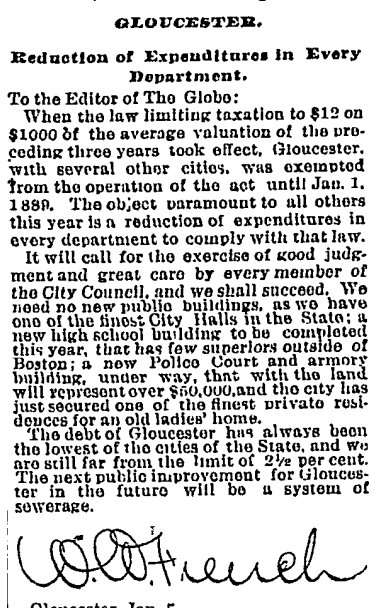
and his 1902 address published in the Gloucester Daily Times. I had read about French before.
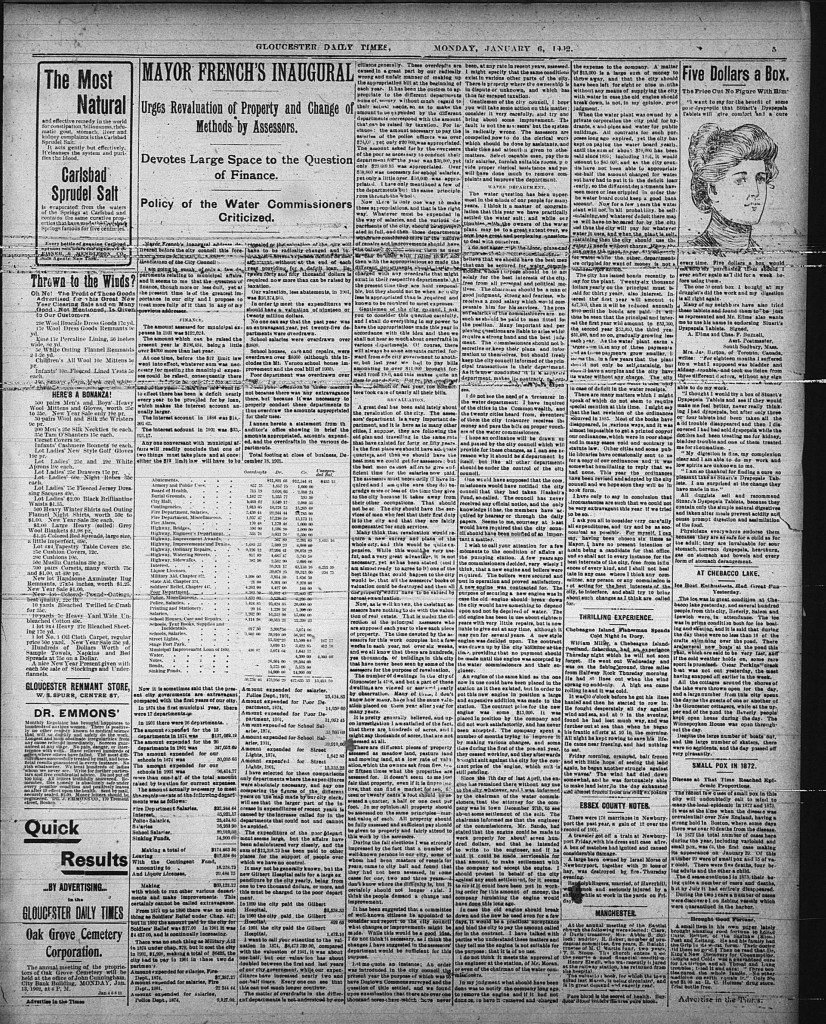
photo caption: Gloucester Daily Times archives retrieved at Sawyer Free November 2018. Read more about 1902 and Haskell Dam in my prior post here on GMG, .
He was described as a modest man from a well known and well regarded “old Cape Ann family”, and endearing accounts about his enthusiasm at reaching his 50th wedding anniversary milestone suggest a loving one, too. (Gloucester Daily Times obit)
Prior to serving as Mayor, he served a term as an alderman 1886-87 (and many appointments/commissions before. Waterways after Mayor).
| Born | 1853, Gloucester |
| Occupation | Adult – Printer/printing since 1870 when he began his career at John S.E. Rogers, owner and printer Gloucester Telegraph, various newspaper jobs. And printing press from his home at advanced age after retirement. Boyhood 1870 census- 16 years old, working as a fisherman (family lore he was the cook on father’s boat; father in business with his sons) giving it a go for 8 years like generations of his family. Education unknown, presumed self-taught. Prior to Mayor-1886-87 served as city councilor (overlapping with his father) and more since 1870s. After Mayor, appointments, too. Master gardener. Family historian-writer. Photography. |
| Father | George Merchant Master mariner, fisherman, owner; founded seine net repair business 1873; fisheries advisor; served years as city councilor Ward 1 Affinity & skill for art- studied painting with FH Lane; fisheries display models, etc. (And his father was an incredible violinist.) Full & busy life, family man. 31 Main Street family residence See Shute & Merchant |
| Mother | Mary Douglass Merchant (1832-1923) Oak Grove Cemetery |
| Siblings Parents had 9 kids | Mary Jane 1851 – 1944 George Edward 1853 – 1929 Orlando 1856 – 1930 Flora Estelle died at 2 1858 – 1860 Eugene Howard died at 2 1861 – 1863 Robert Clifford 1864 – 1936 Joseph Carleton 1867 – 1961 unnamed son 1870 – 1870 Percy Washburn |
| Wife | Charlotte E. Lufkin (1857-1945) |
| Children | twins died at 8 days and 9 days Ernest H (16 years old when his father was Mayor; GHS 1904) –buried in Santa Barbara– George E. Jr. (14 years old when his father was Mayor; GHS) |
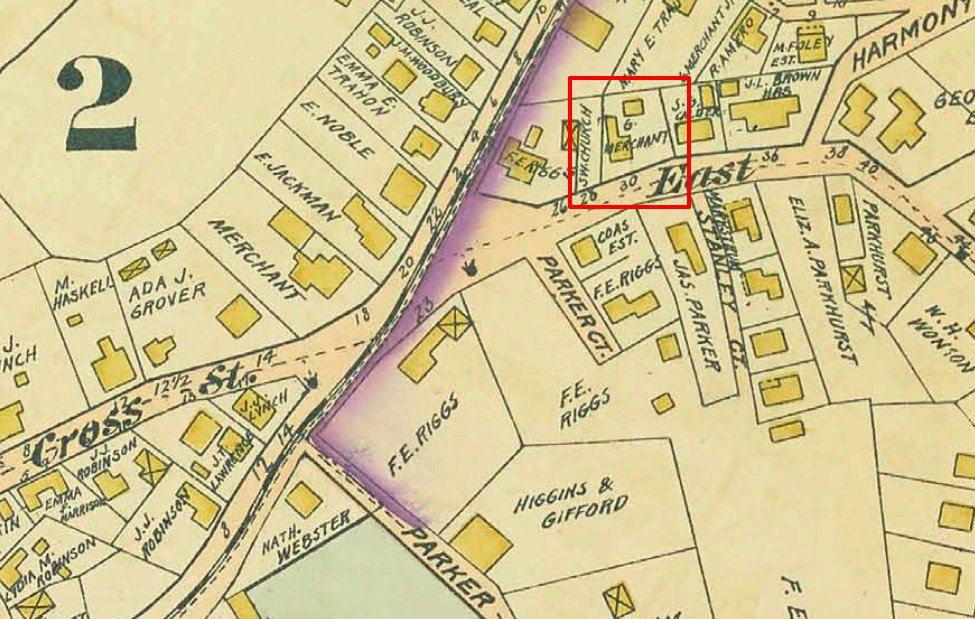
| Residences | 1900 33 Eastern Avenue family compounded variously split up before/after eventually 31 Eastern Ave where Charlotte remains |
| Death | 1929 see 50th wedding anniversary Mt. Pleasant Cemetery |
| Obit both “well known member of old Cape Ann family” |
George E. Merchant, Gloucester, Mass.

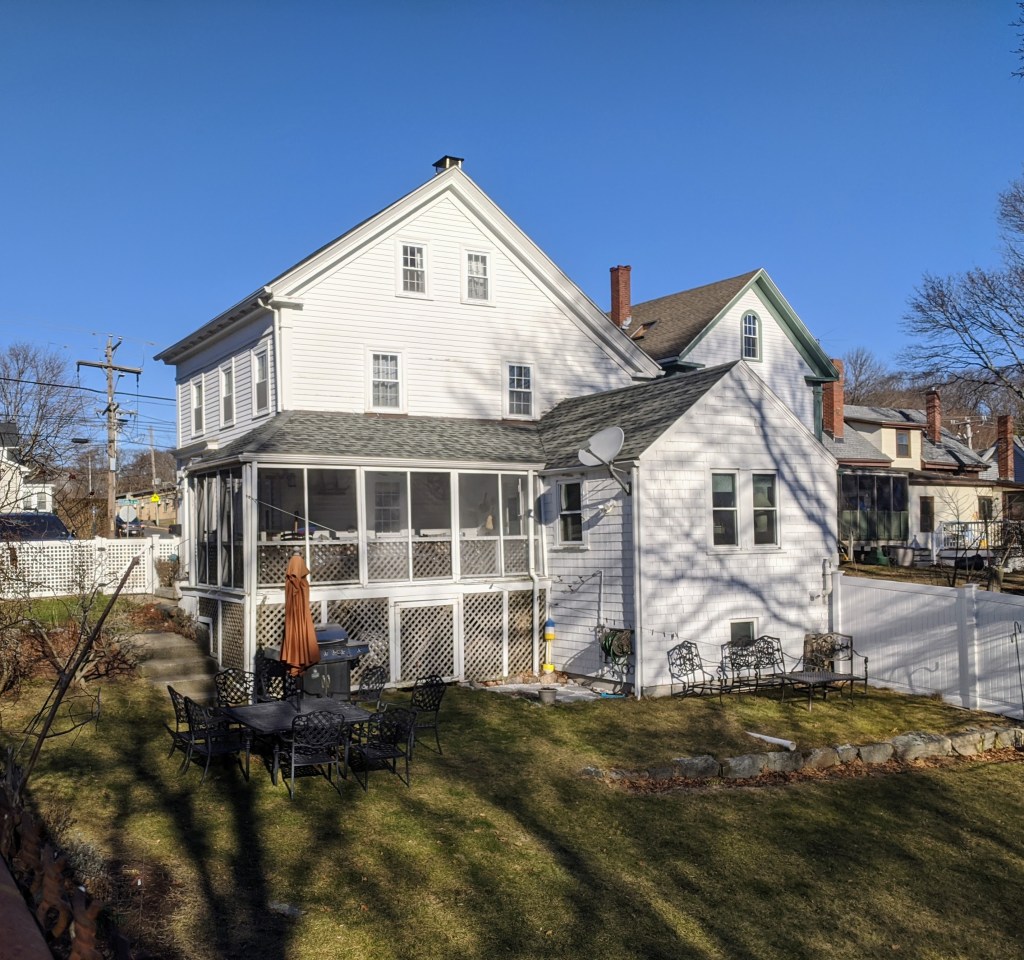
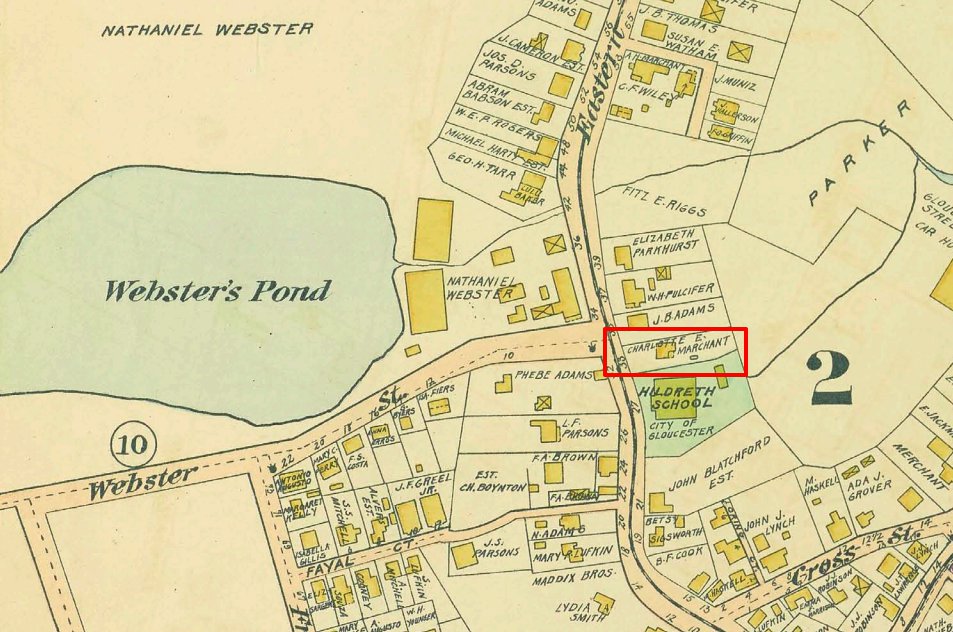
George Merchant, Gloucester, Mass.
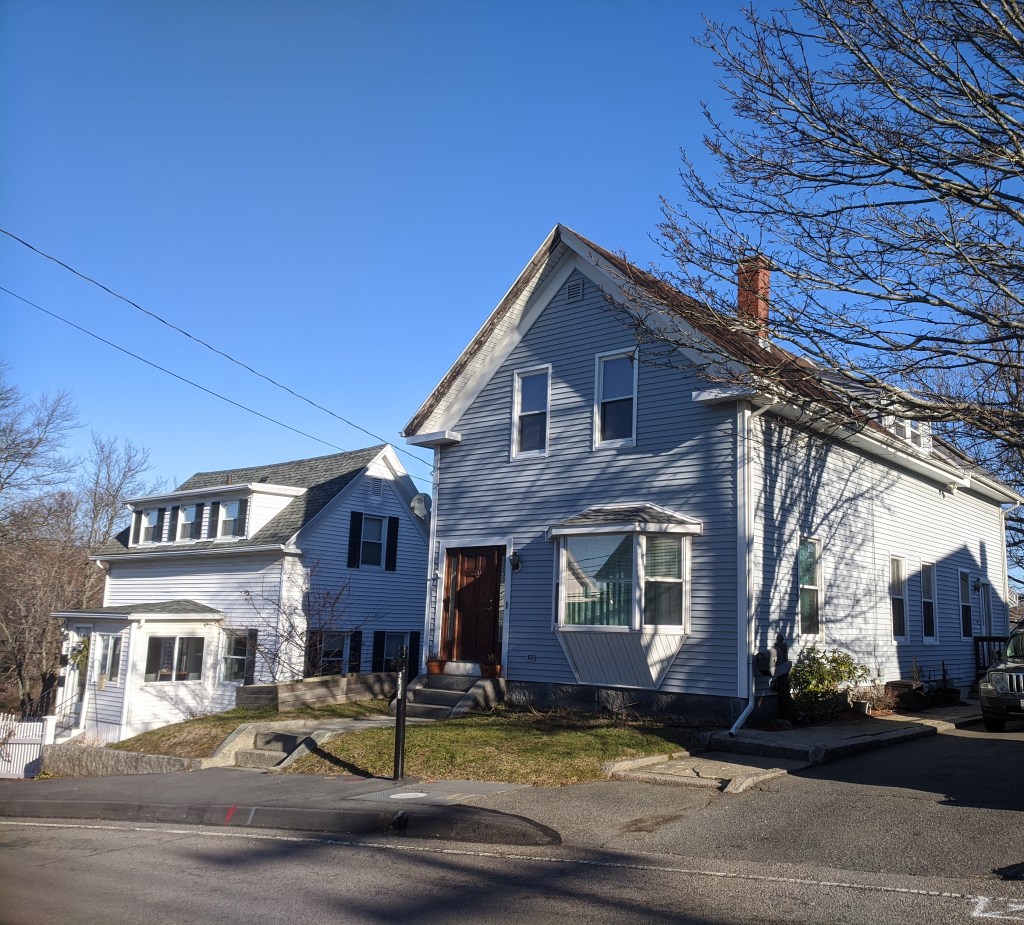
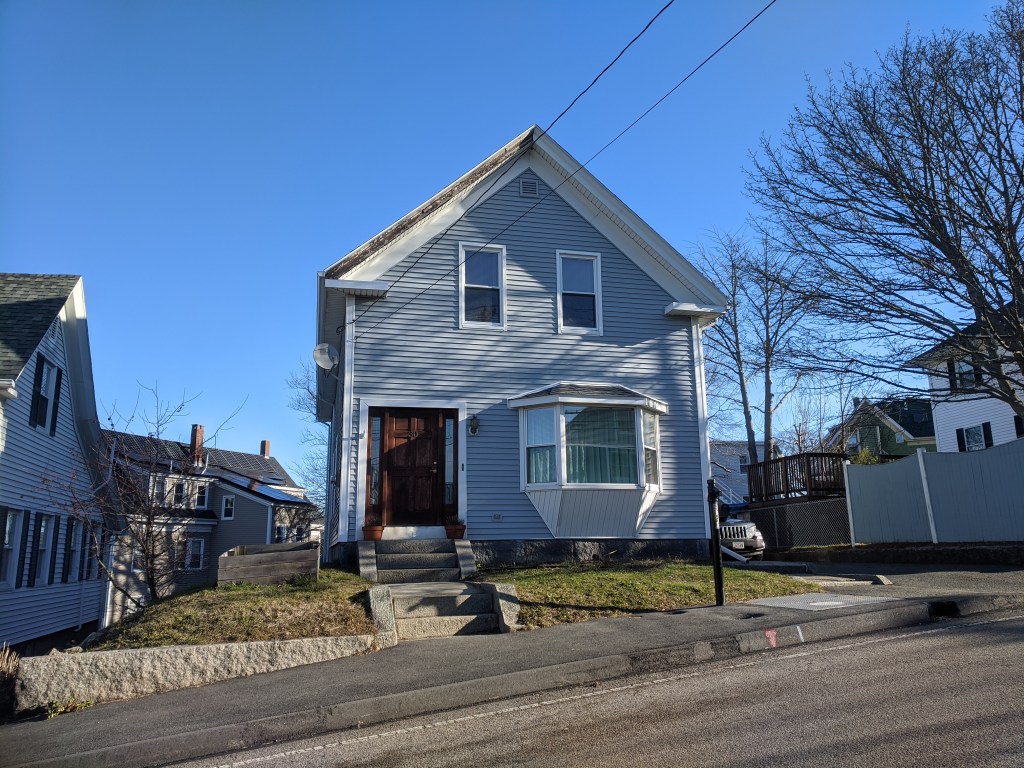
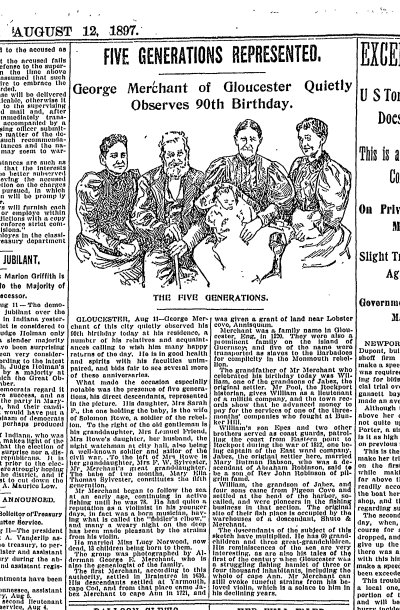
Such creative, multi-talented family members! George E.’s photograph and family historian piece on the occasion of his grandfather’s 90th birthday was published in the Boston Globe
“He had quite a reputation as a violinist in his younger days, in fact was a born musician, having what is called “fiddler’s elbow,” and many a weary night on the deep has been made pleasant by the strains from his violin.”
About George Merchant (George E.’s grandfather)

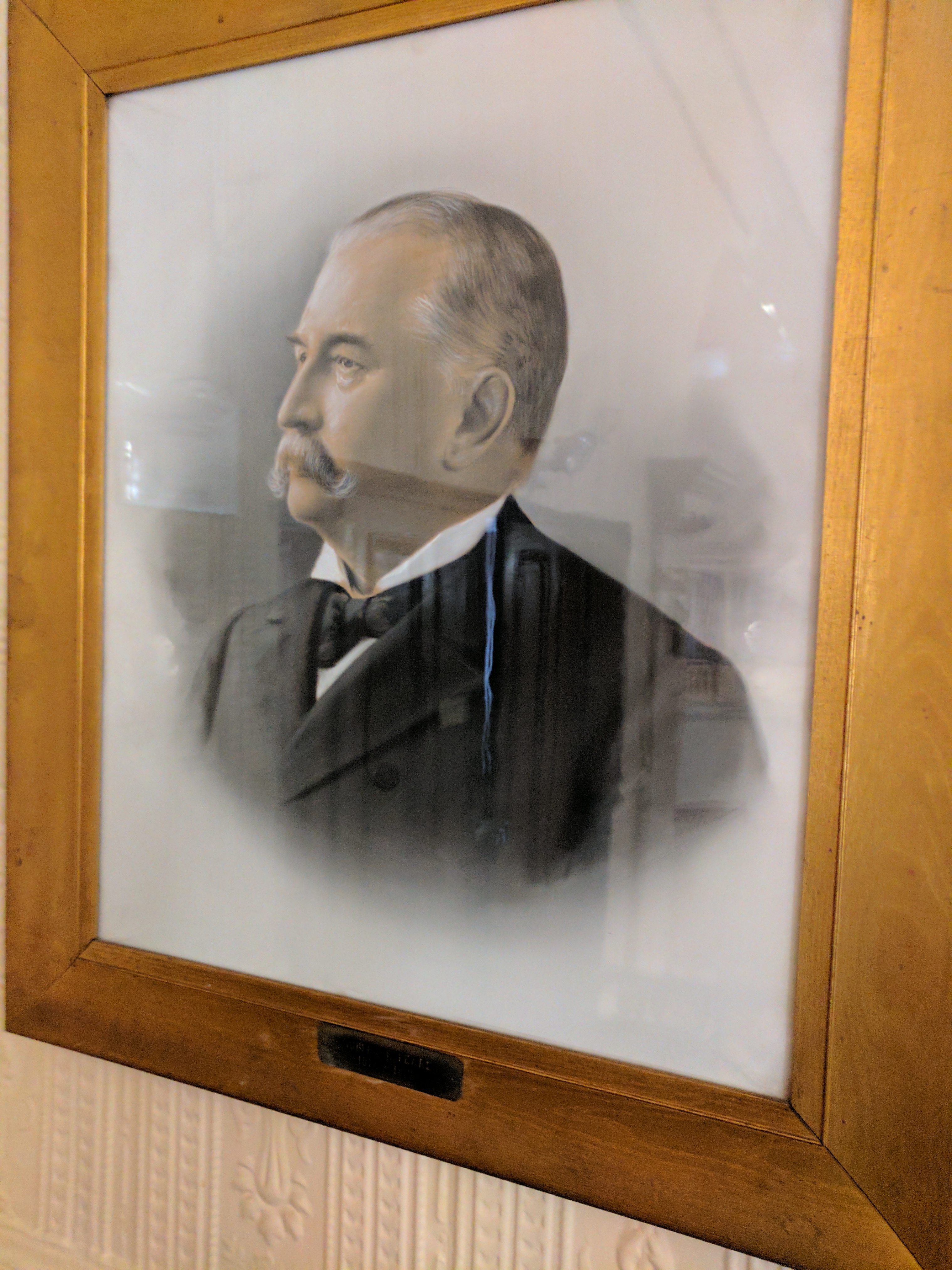
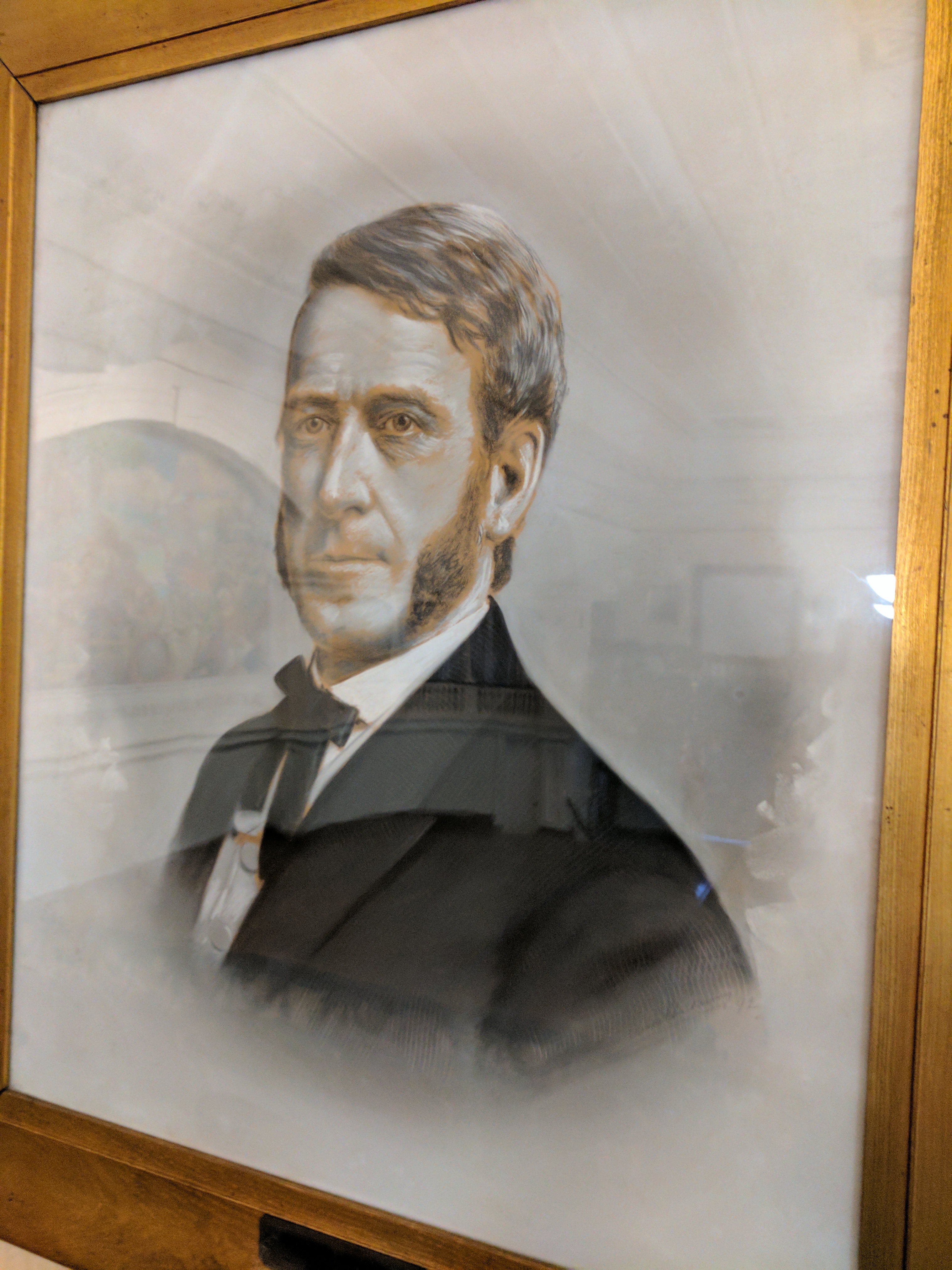
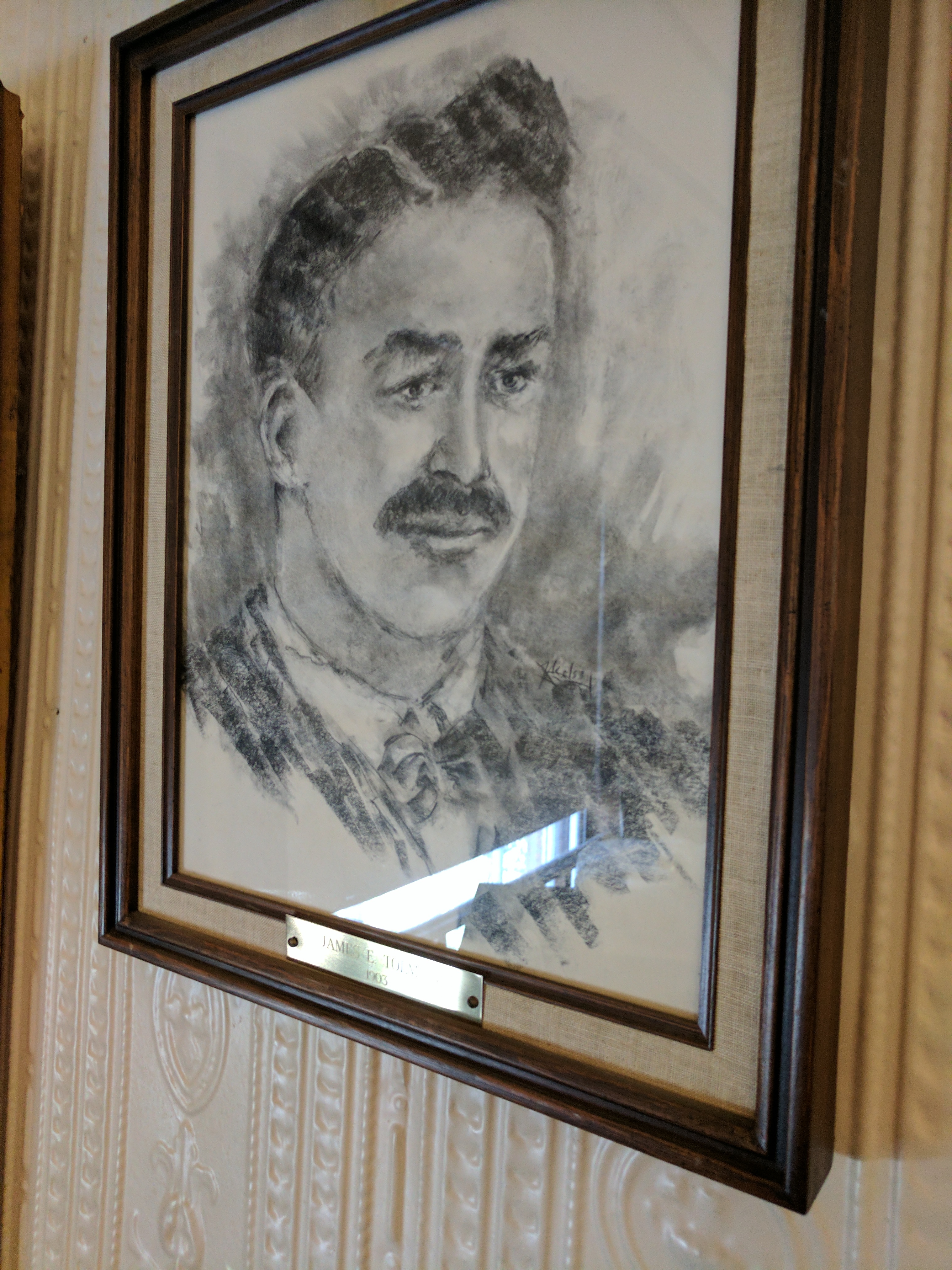
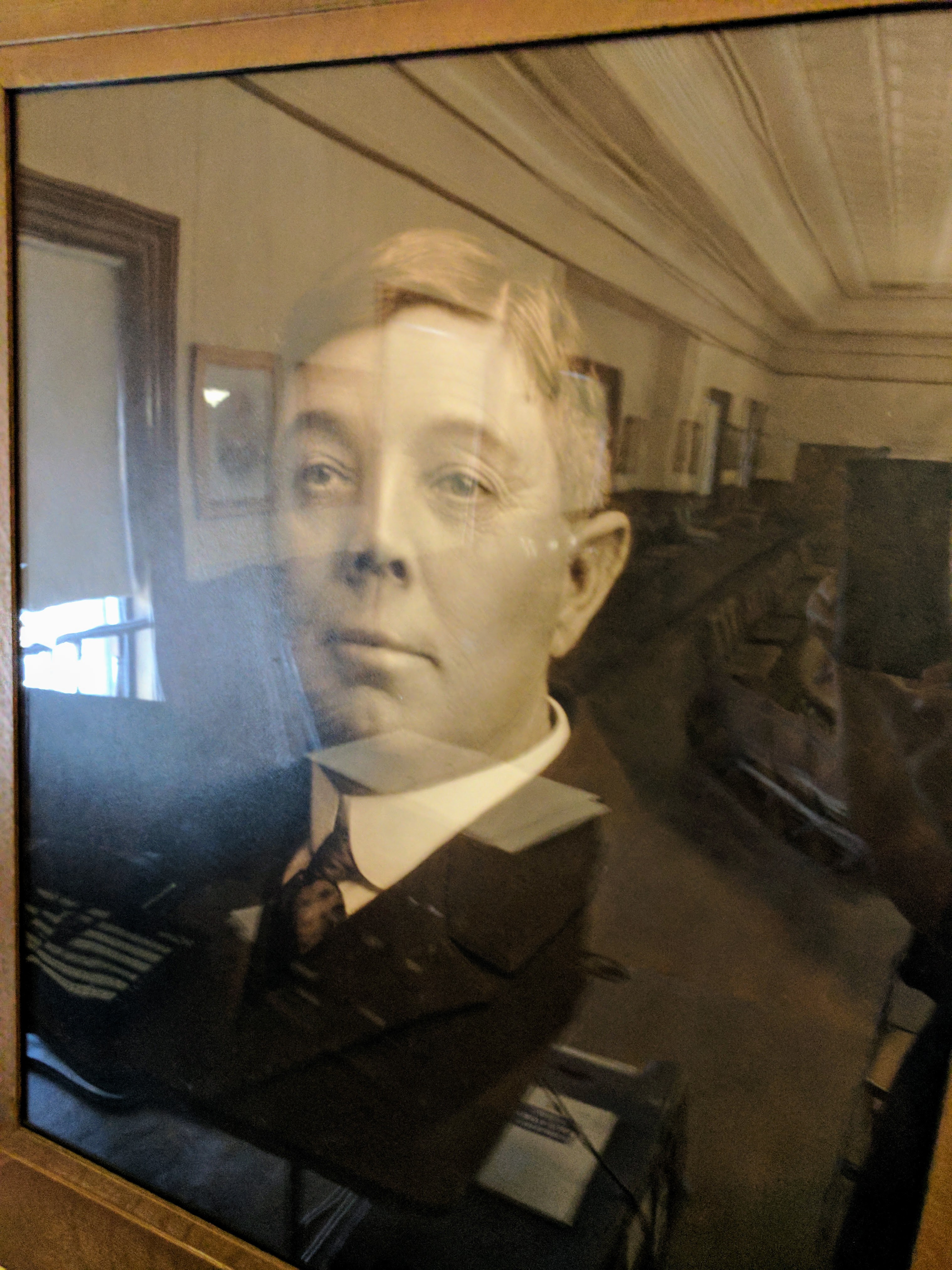
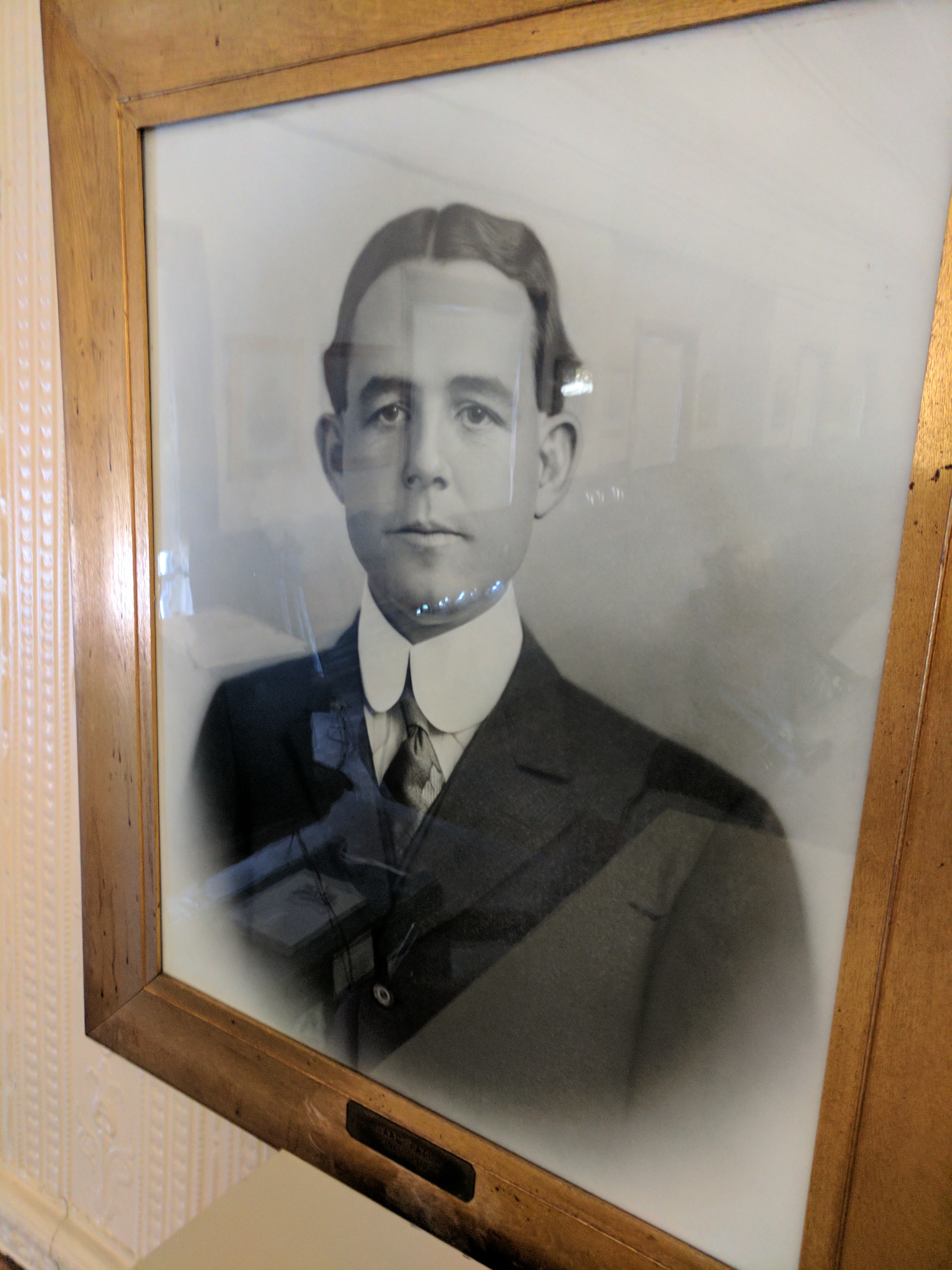
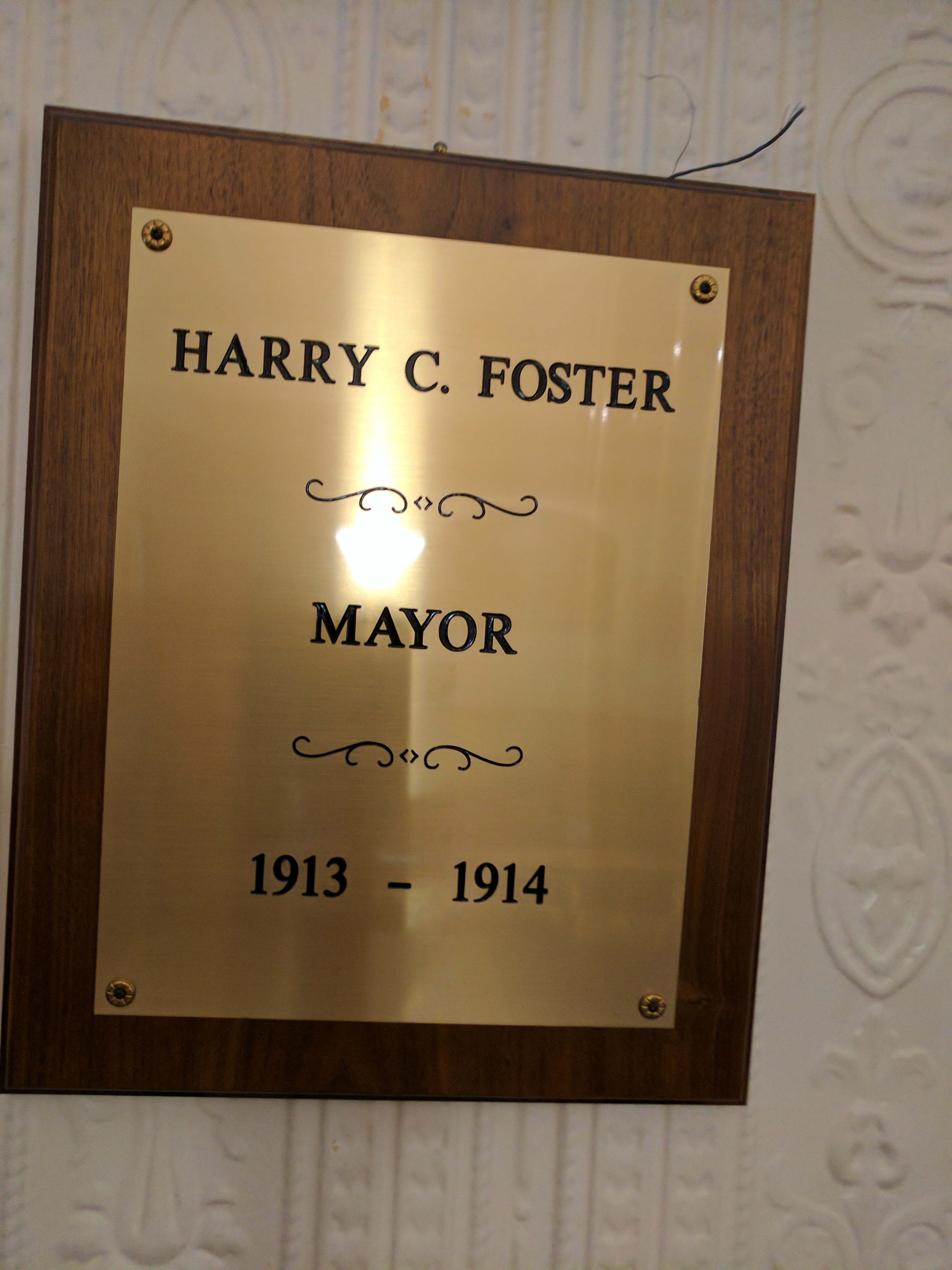
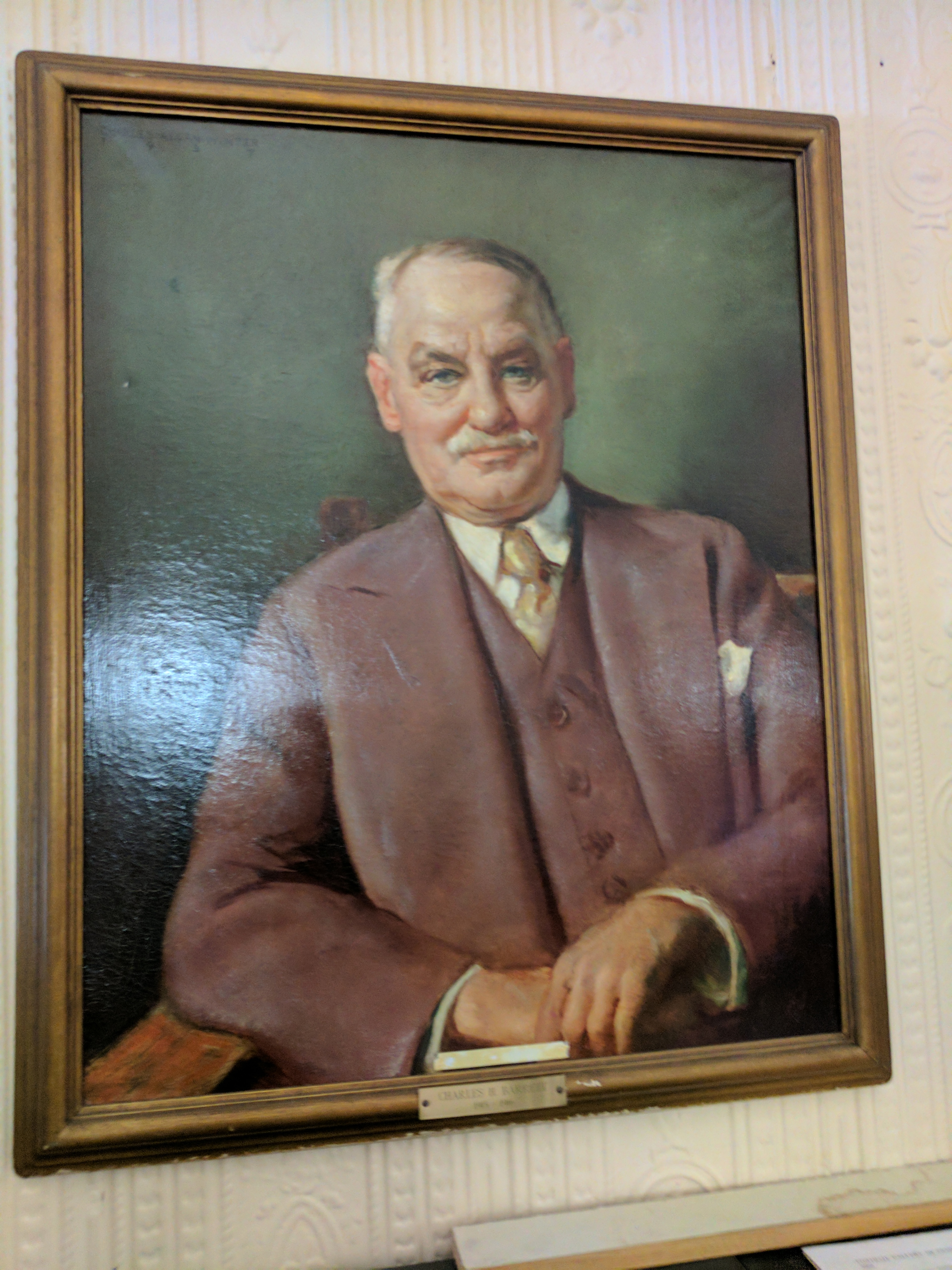
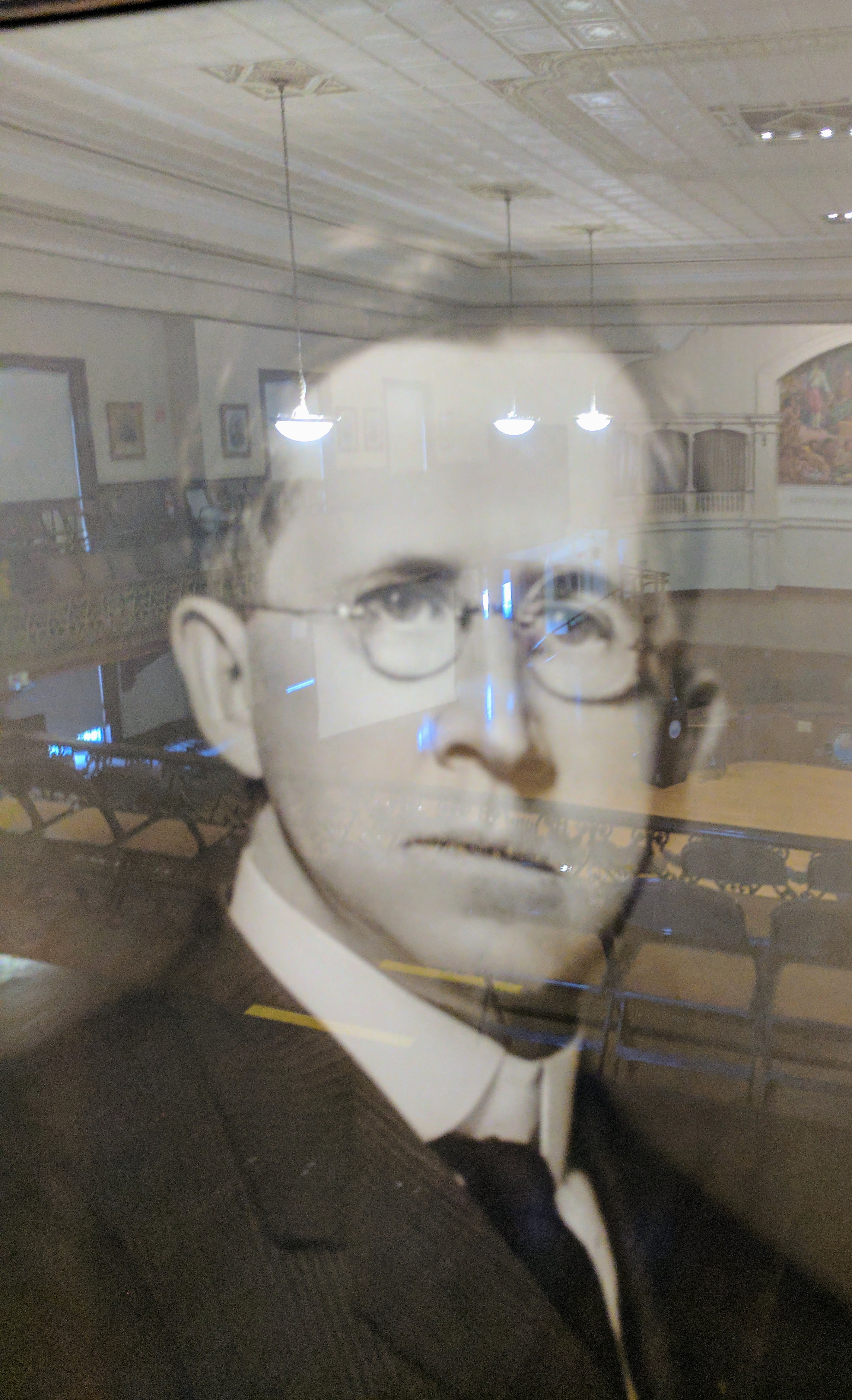
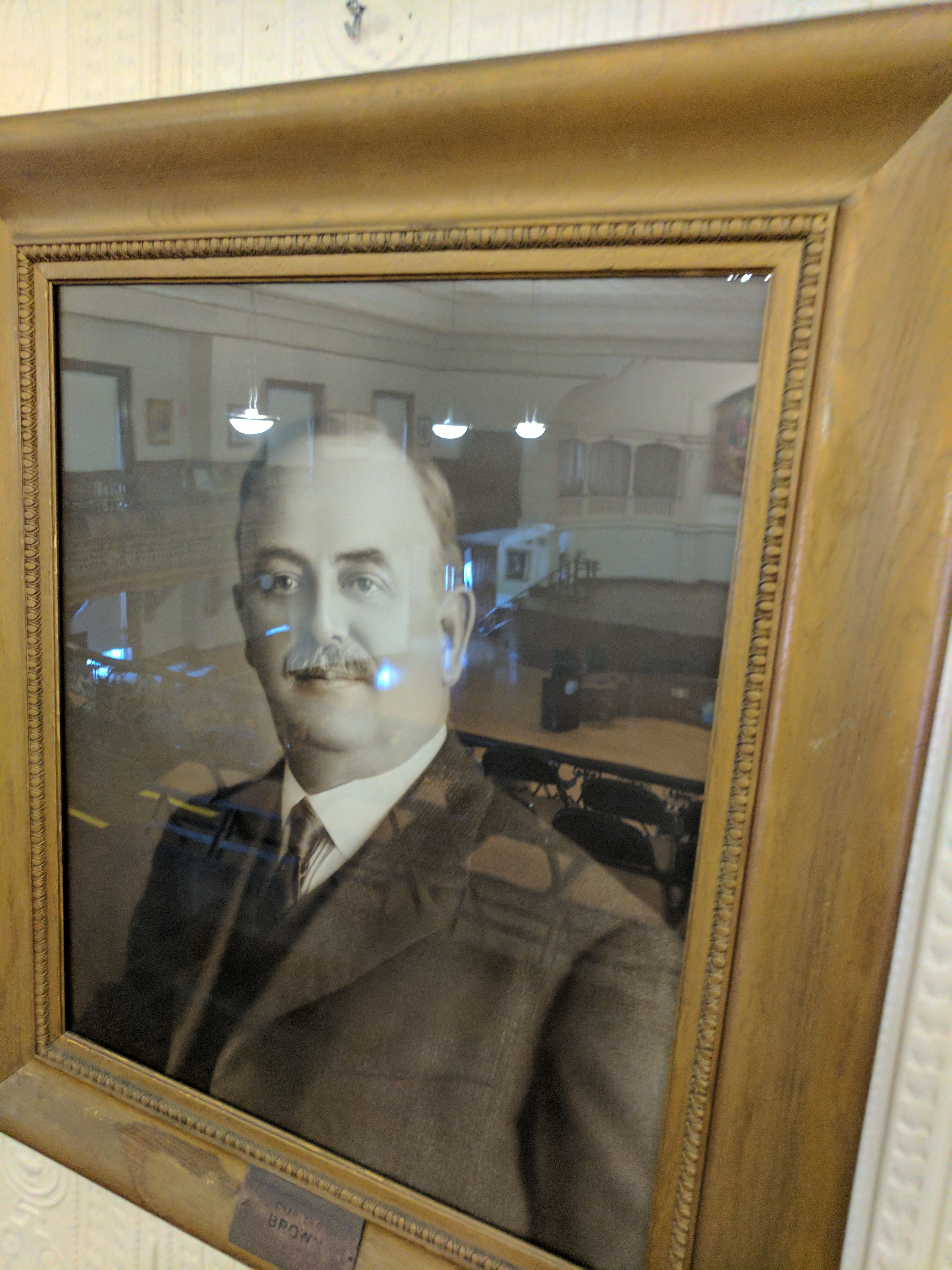
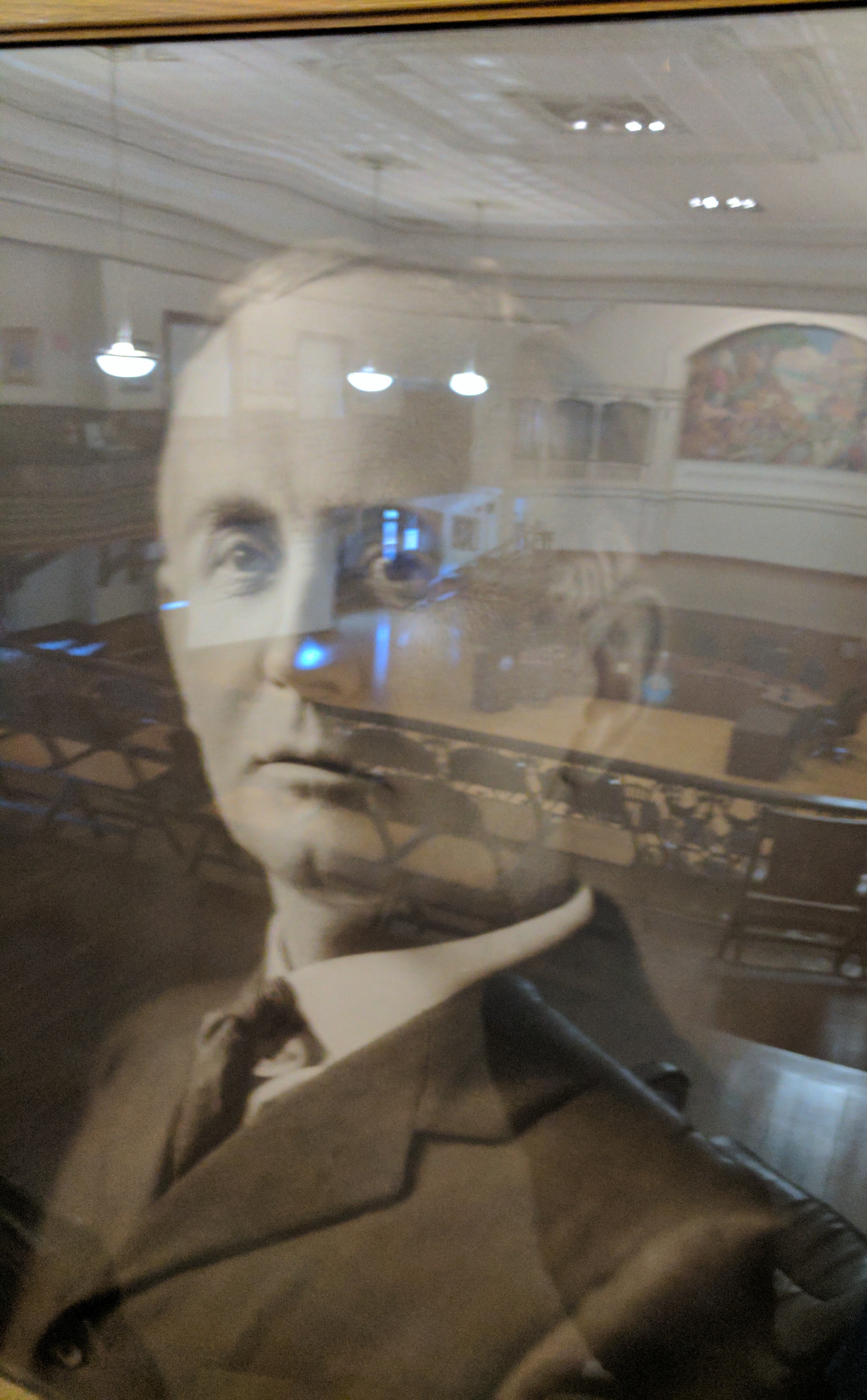
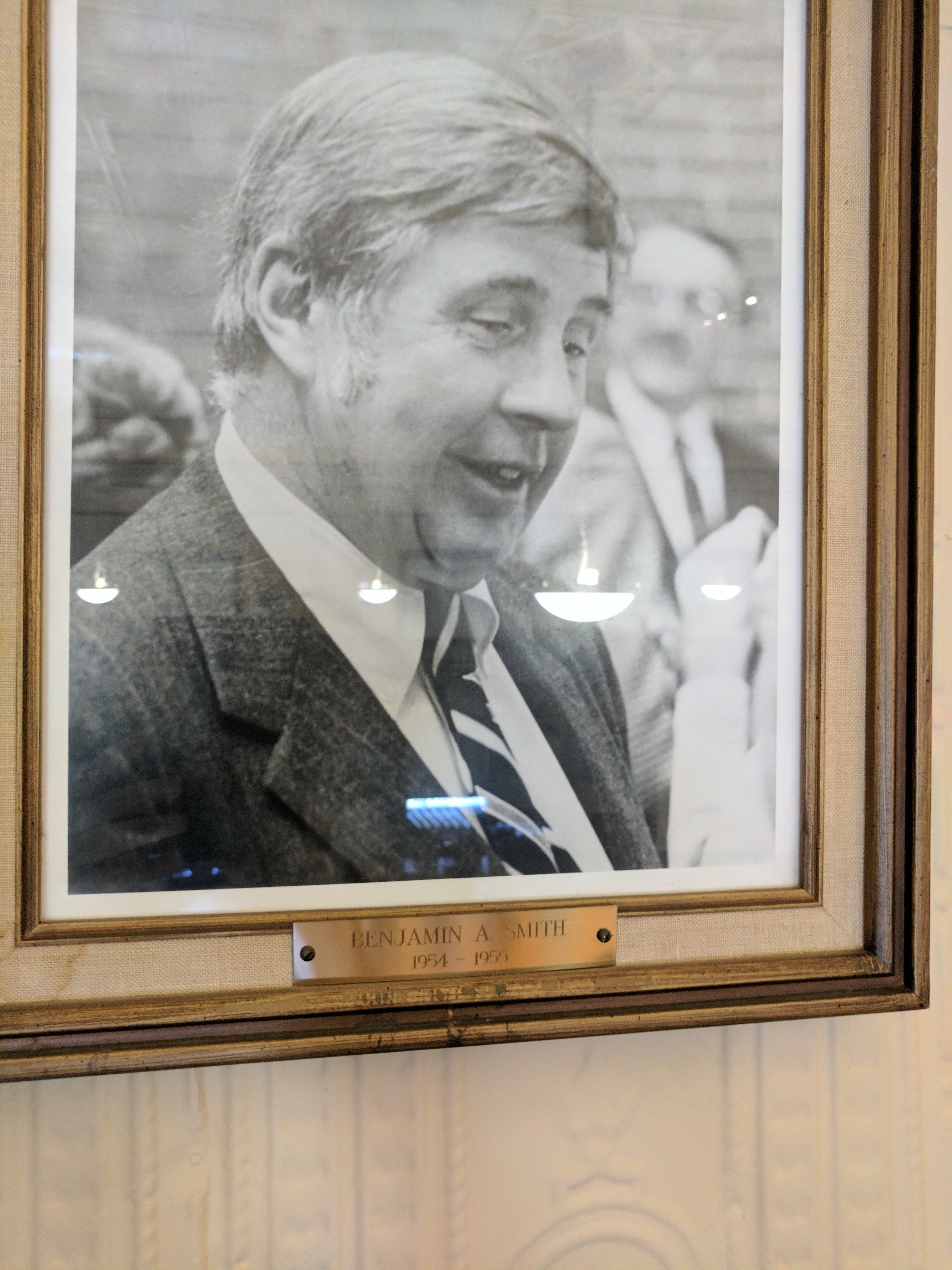
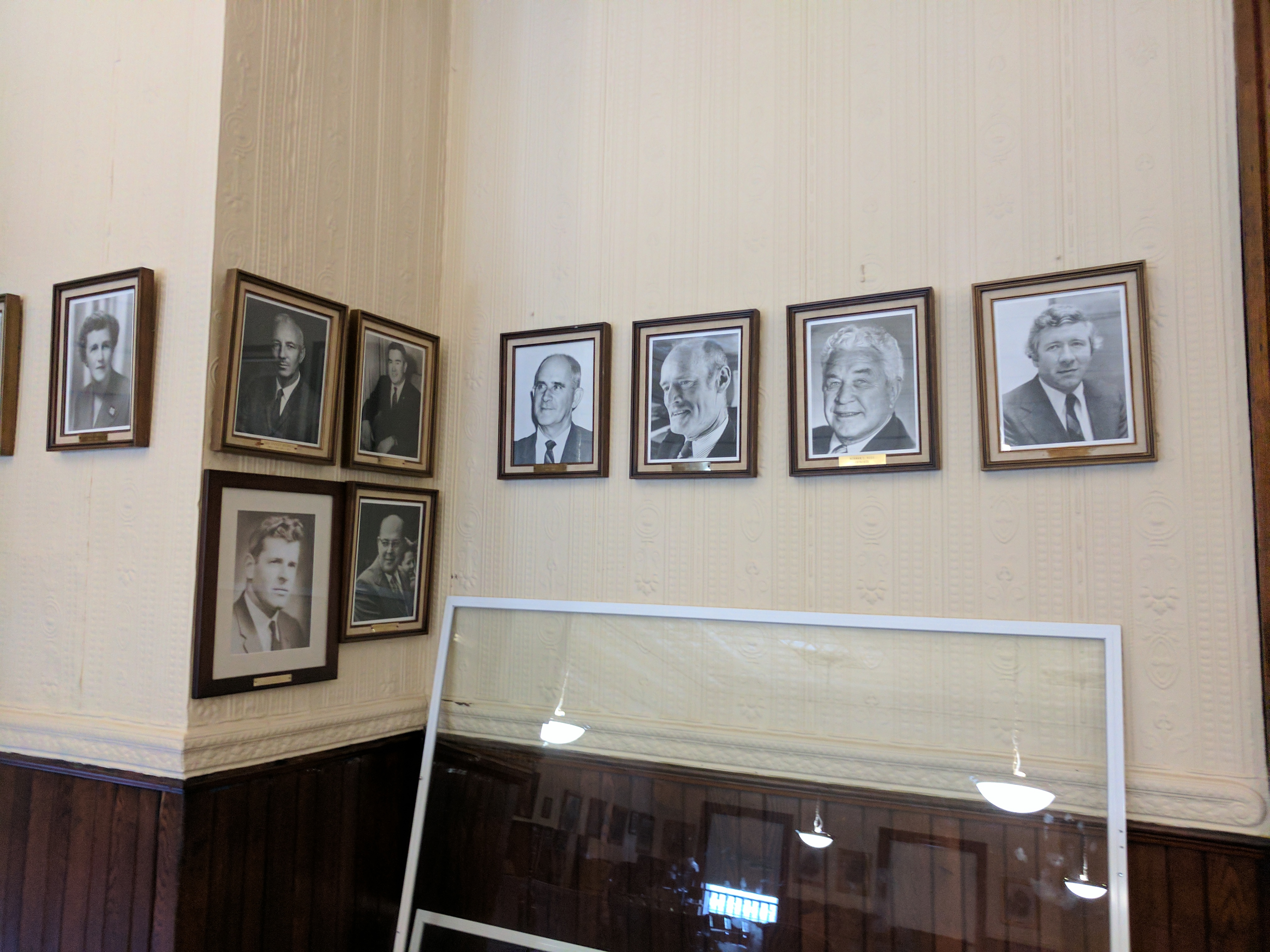
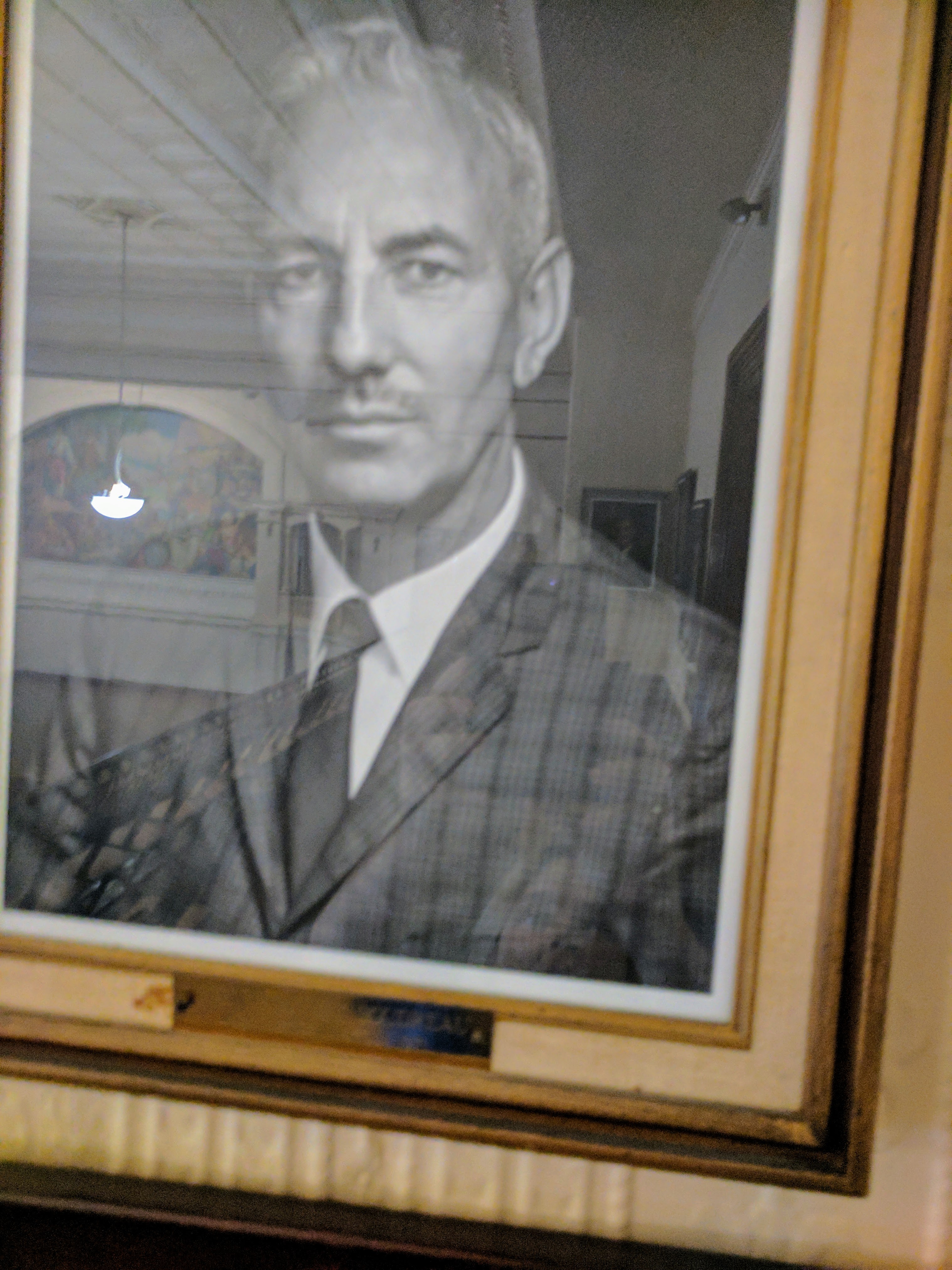
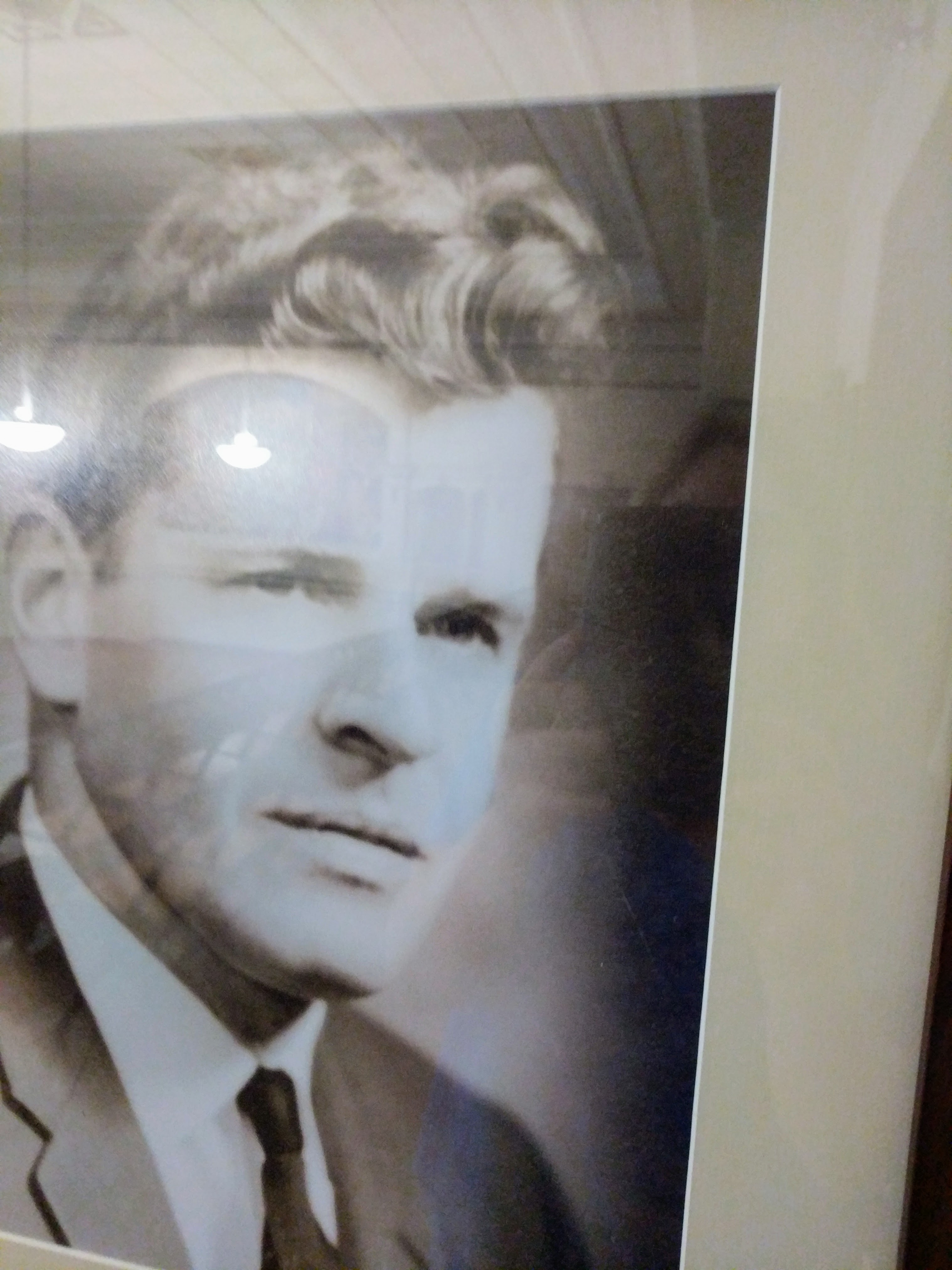
Portraits of many Gloucester Mayors are exhibited in Gloucester City Hall. These are photographs of (most of the) Mayor portraits I took back in 2017, after another inauguration. Paintings, photographs and drawings of Mayors have been commissioned or gifted then installed after the term(s) years of service.


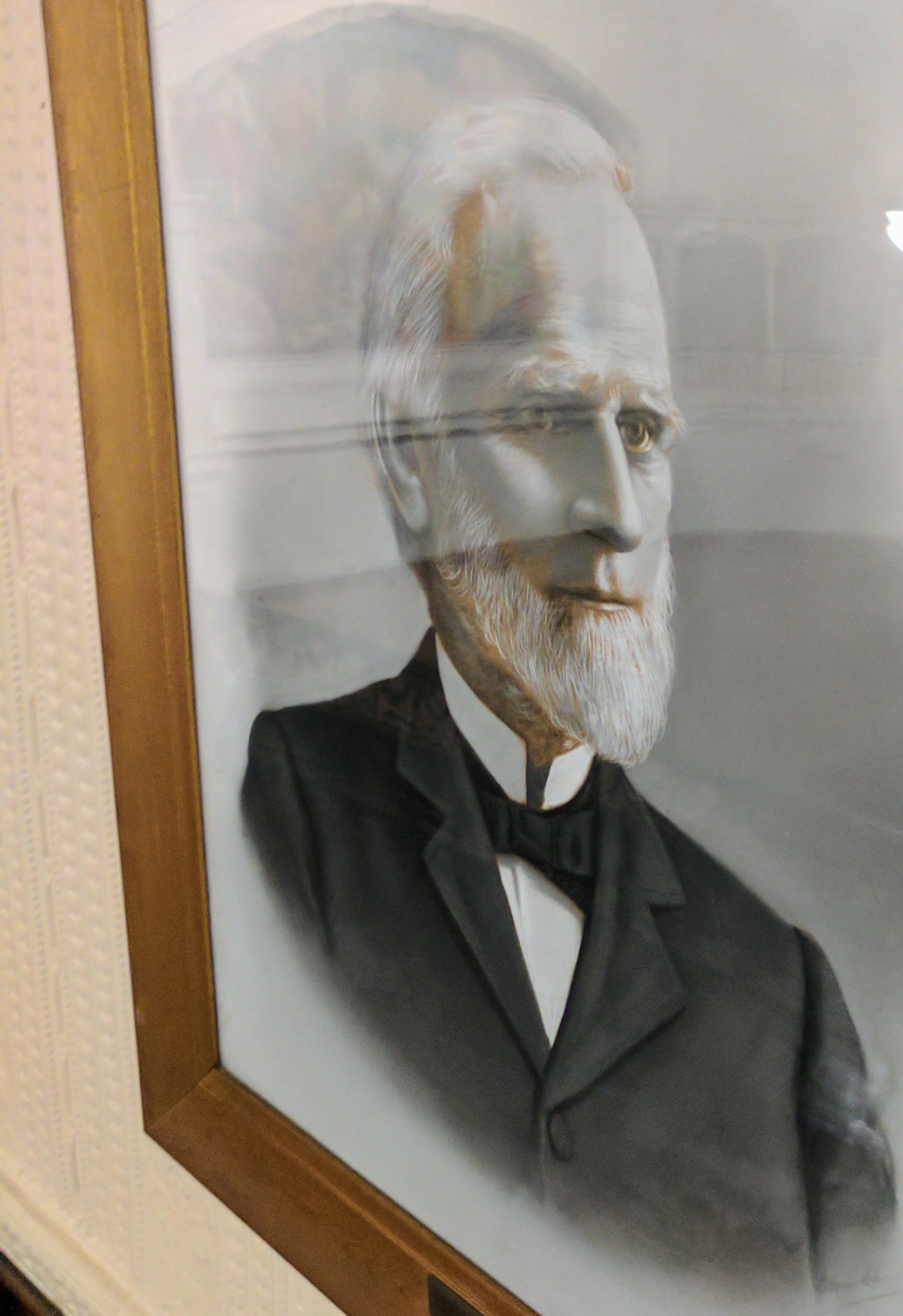
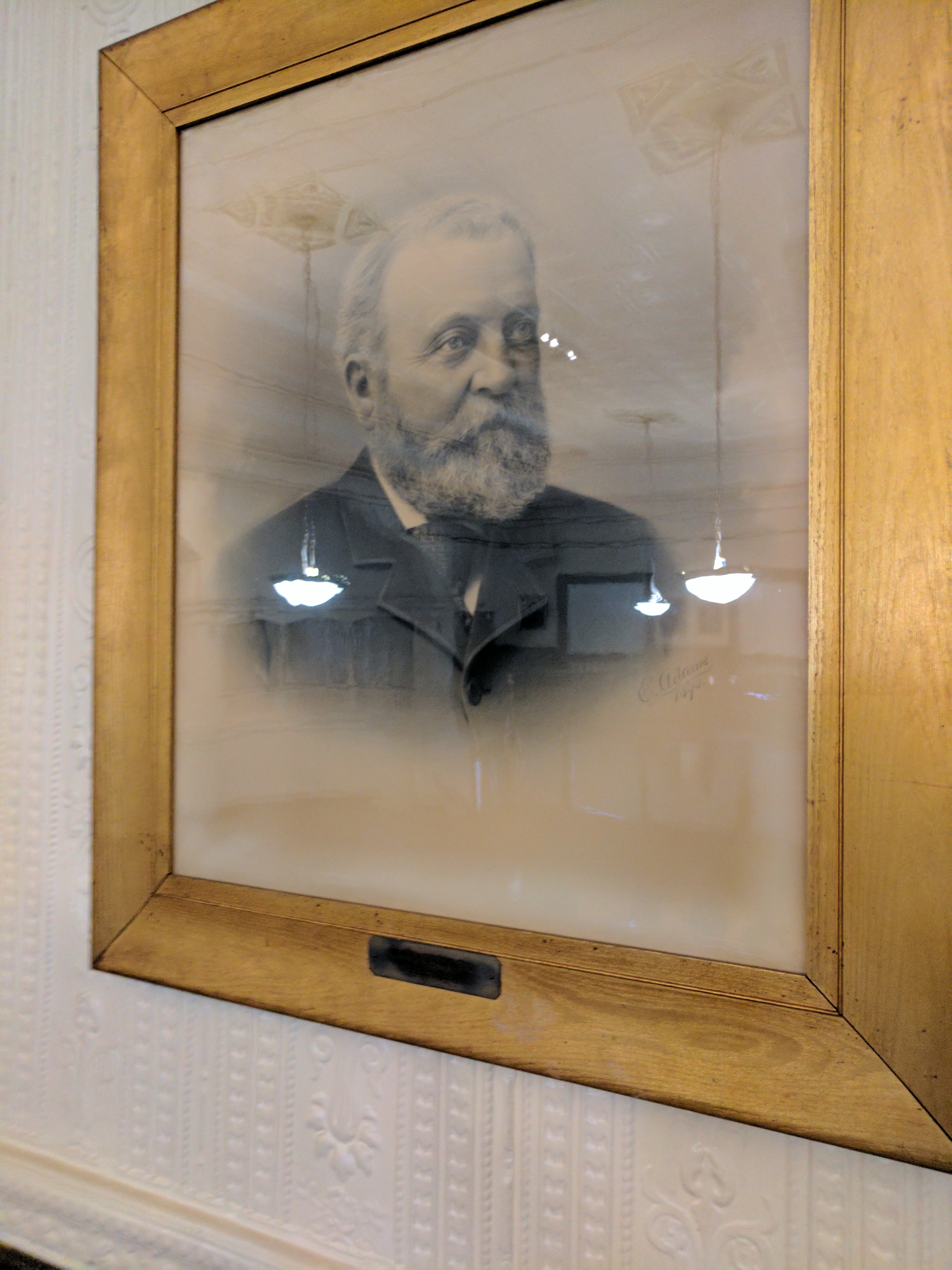
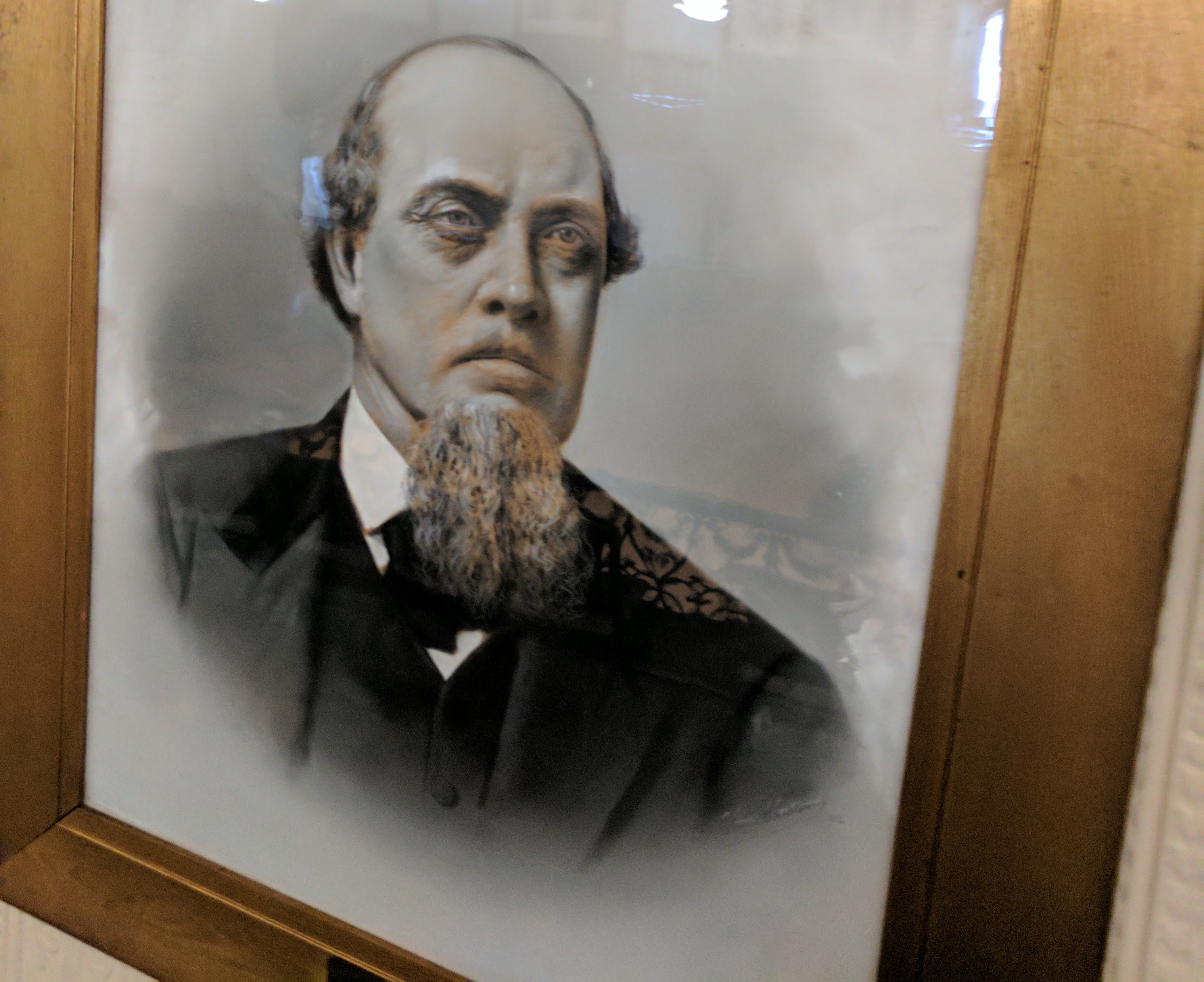

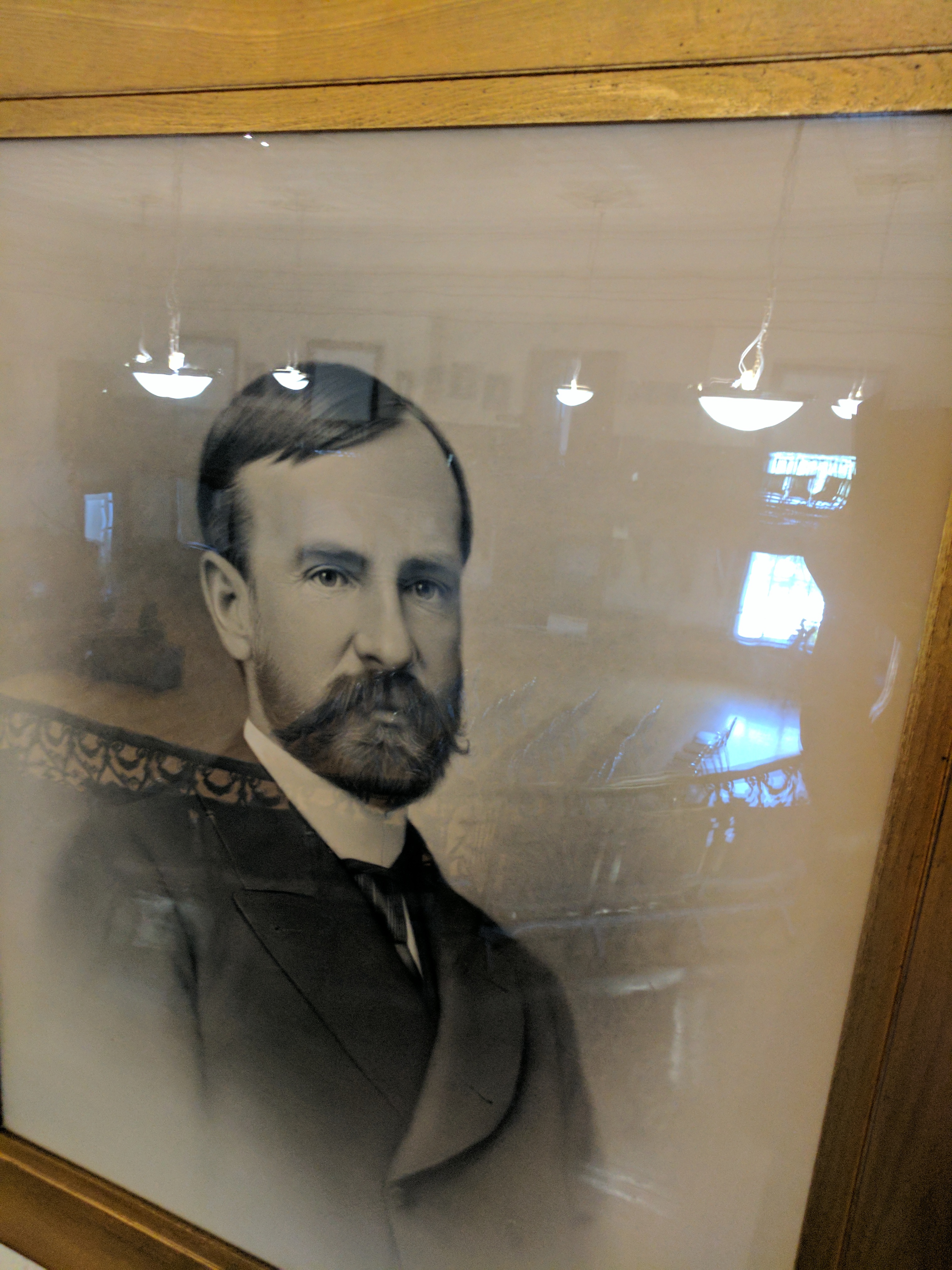
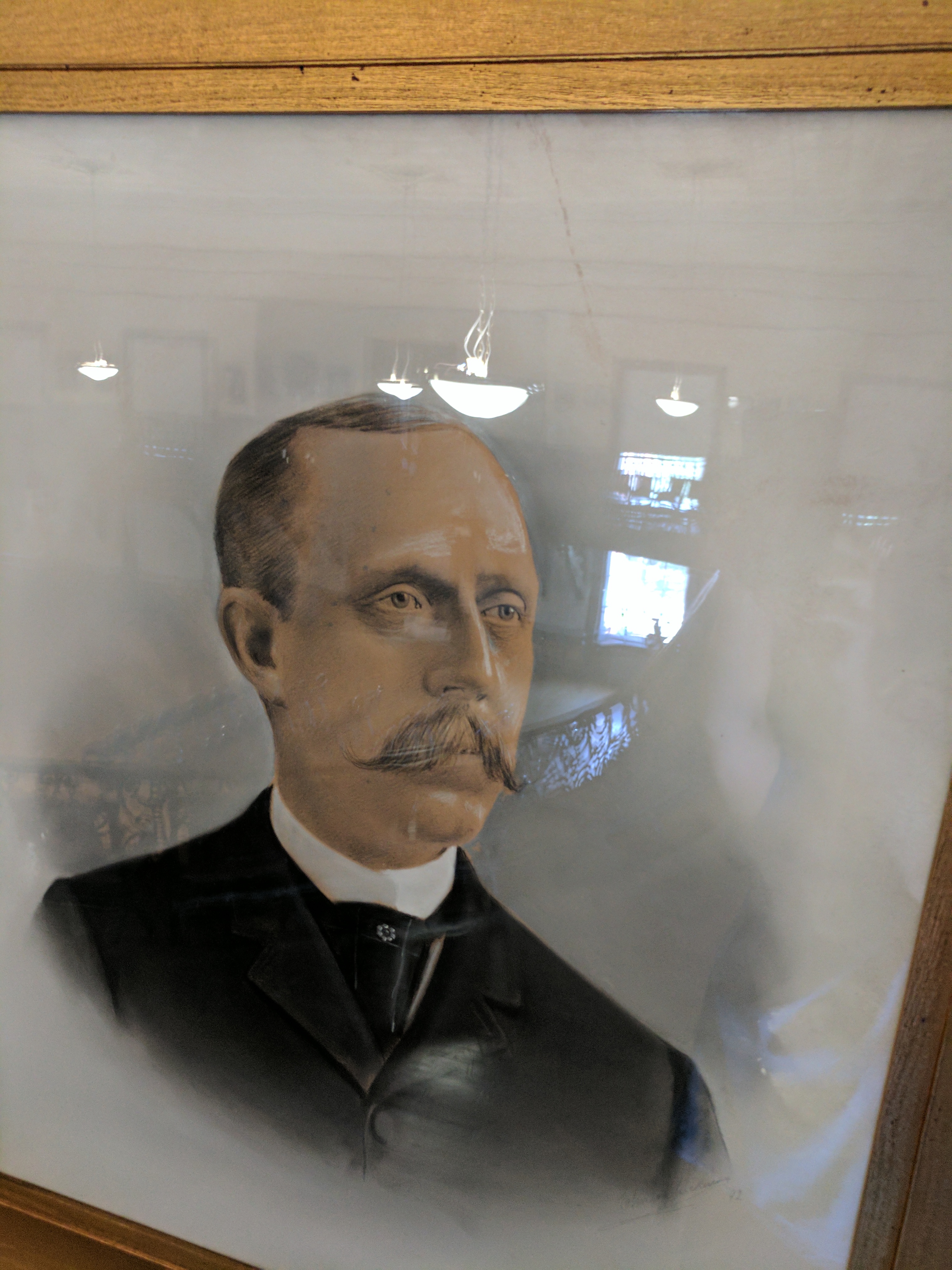
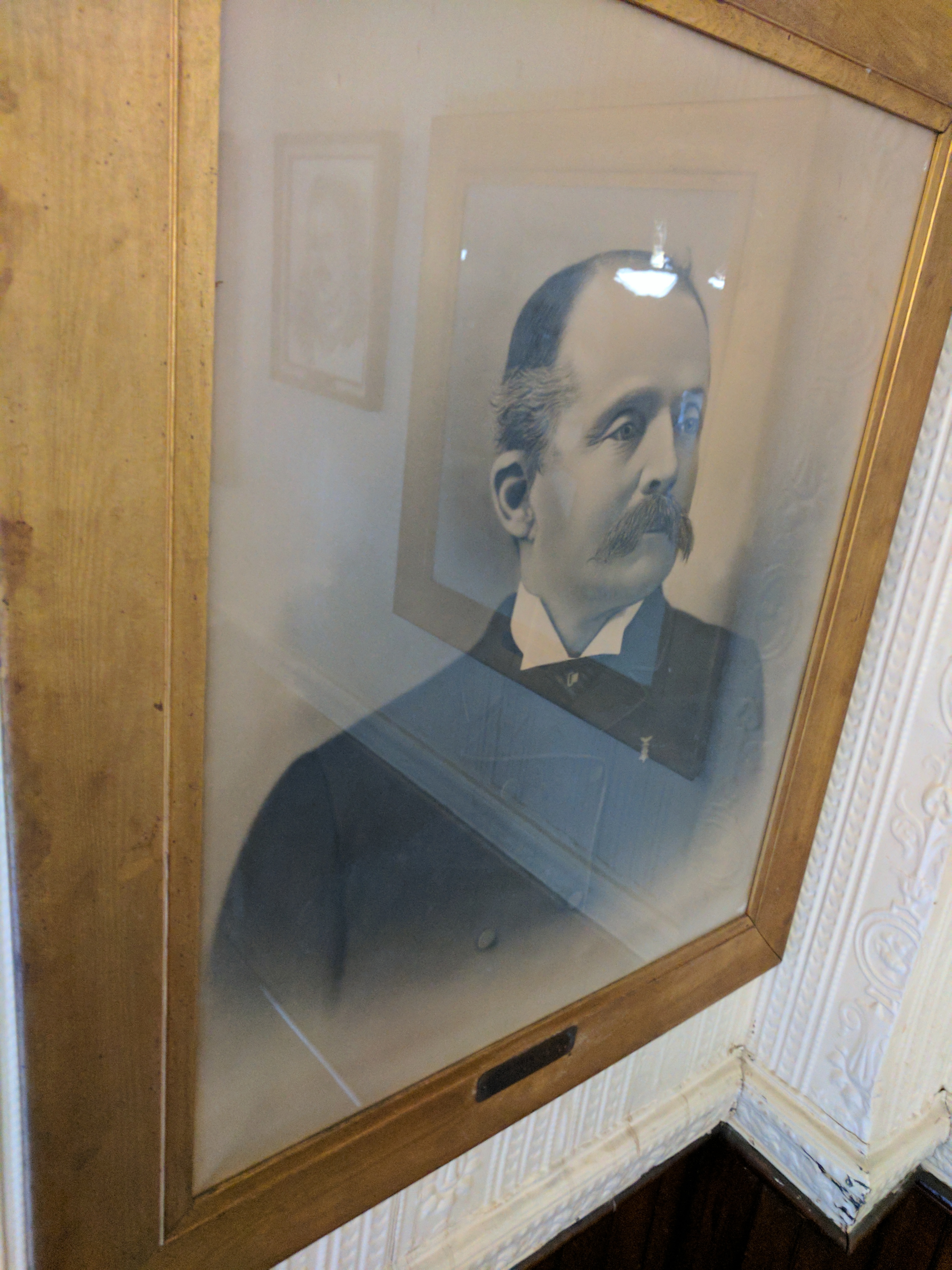
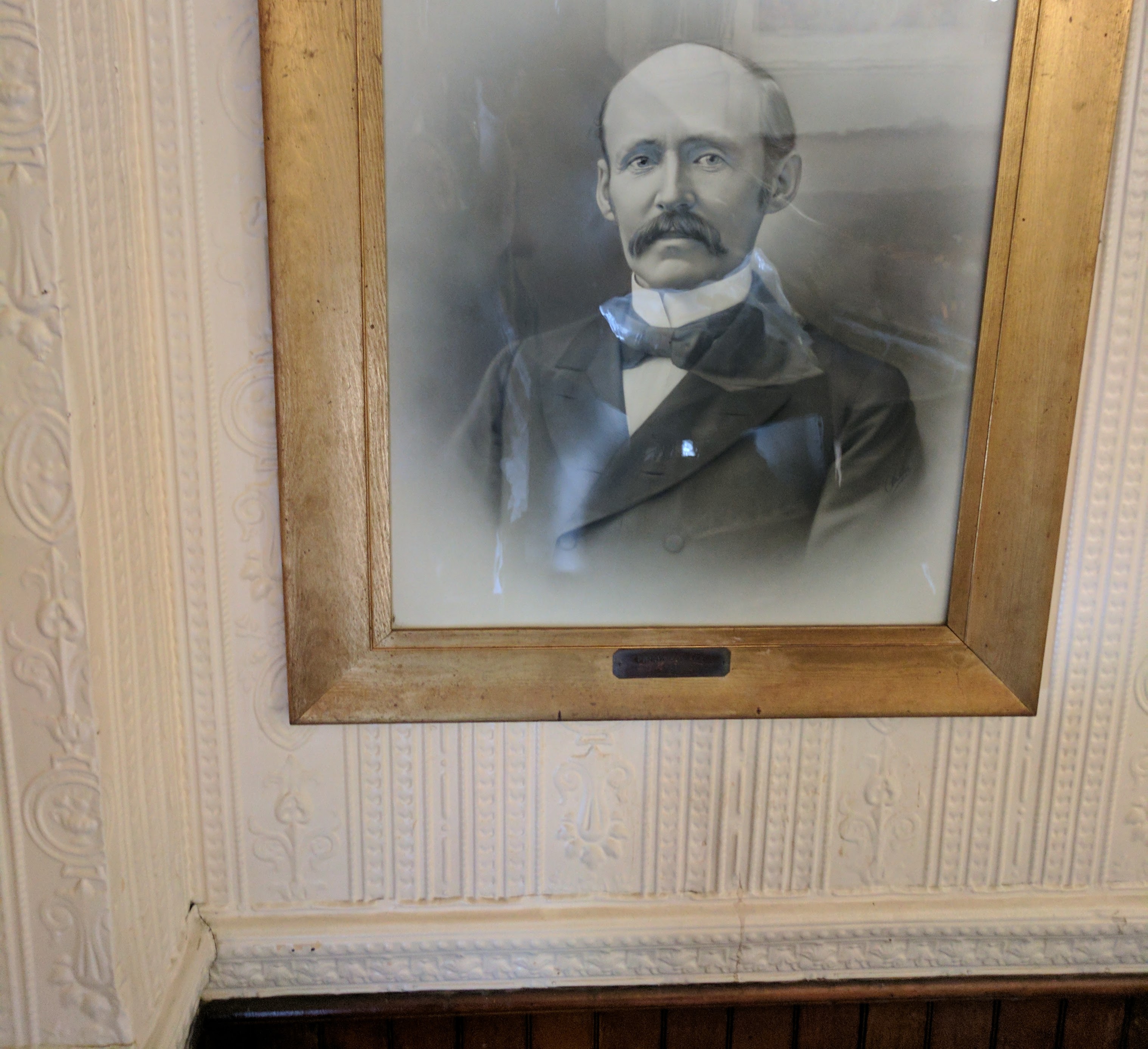

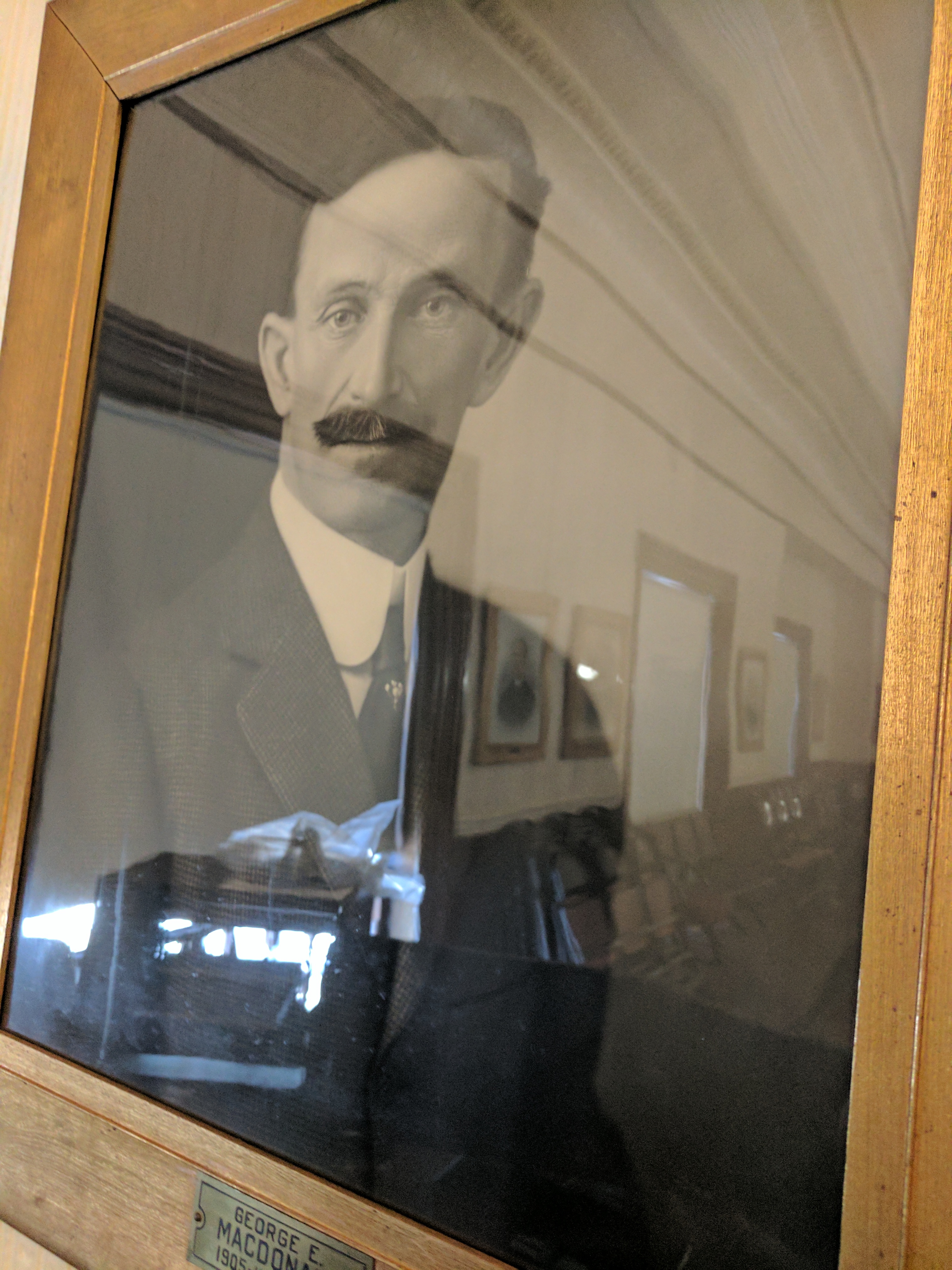


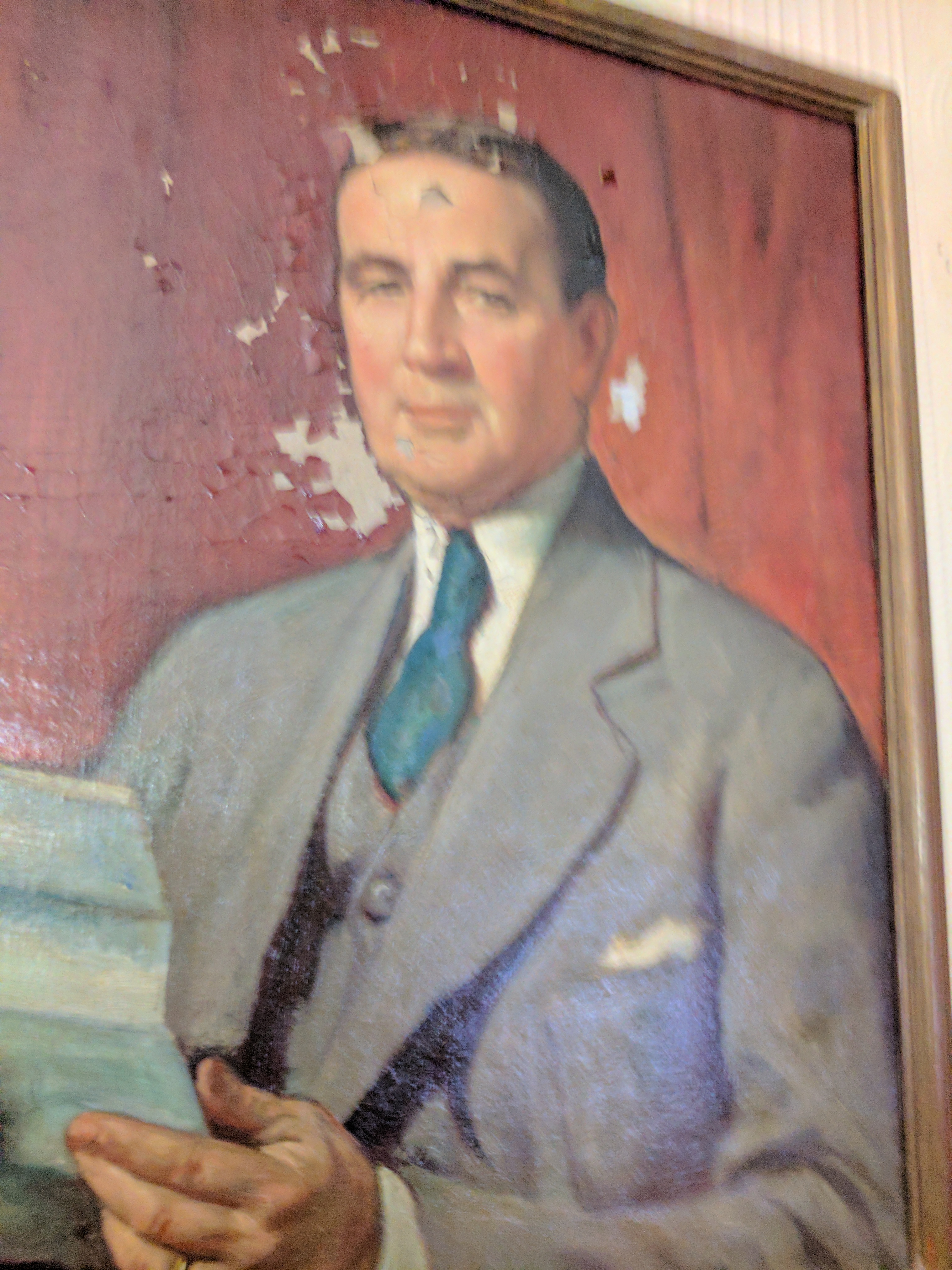


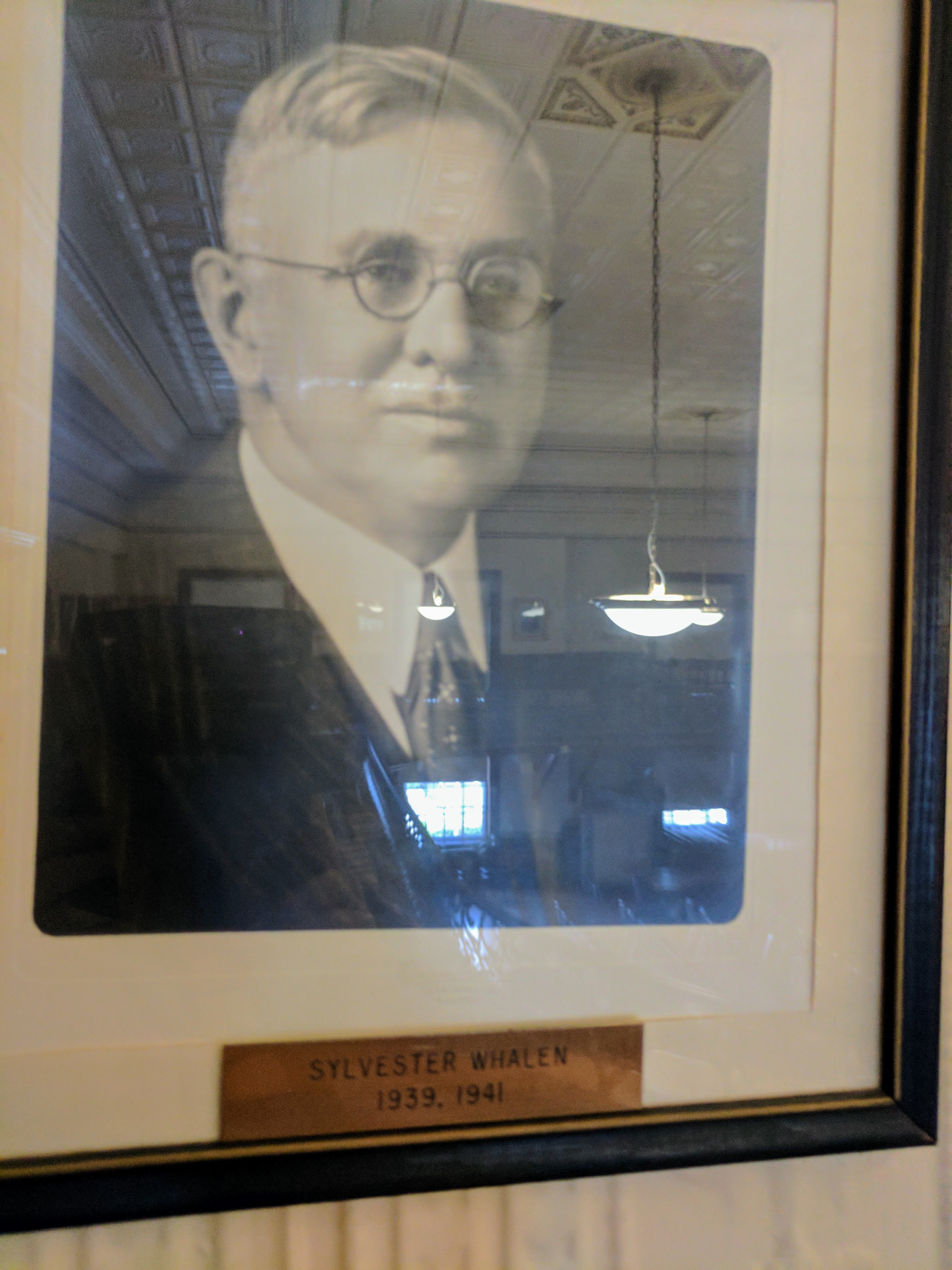

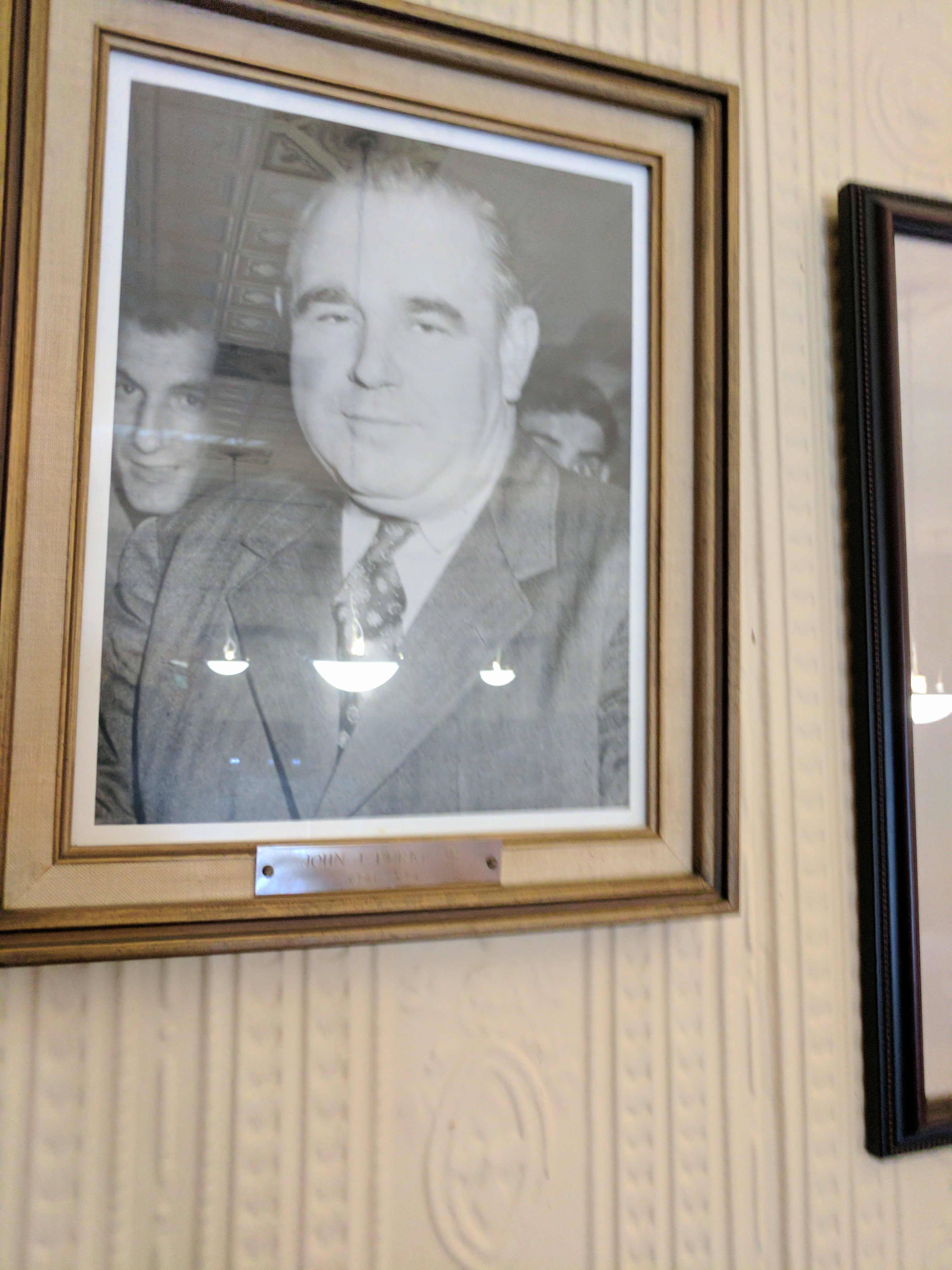
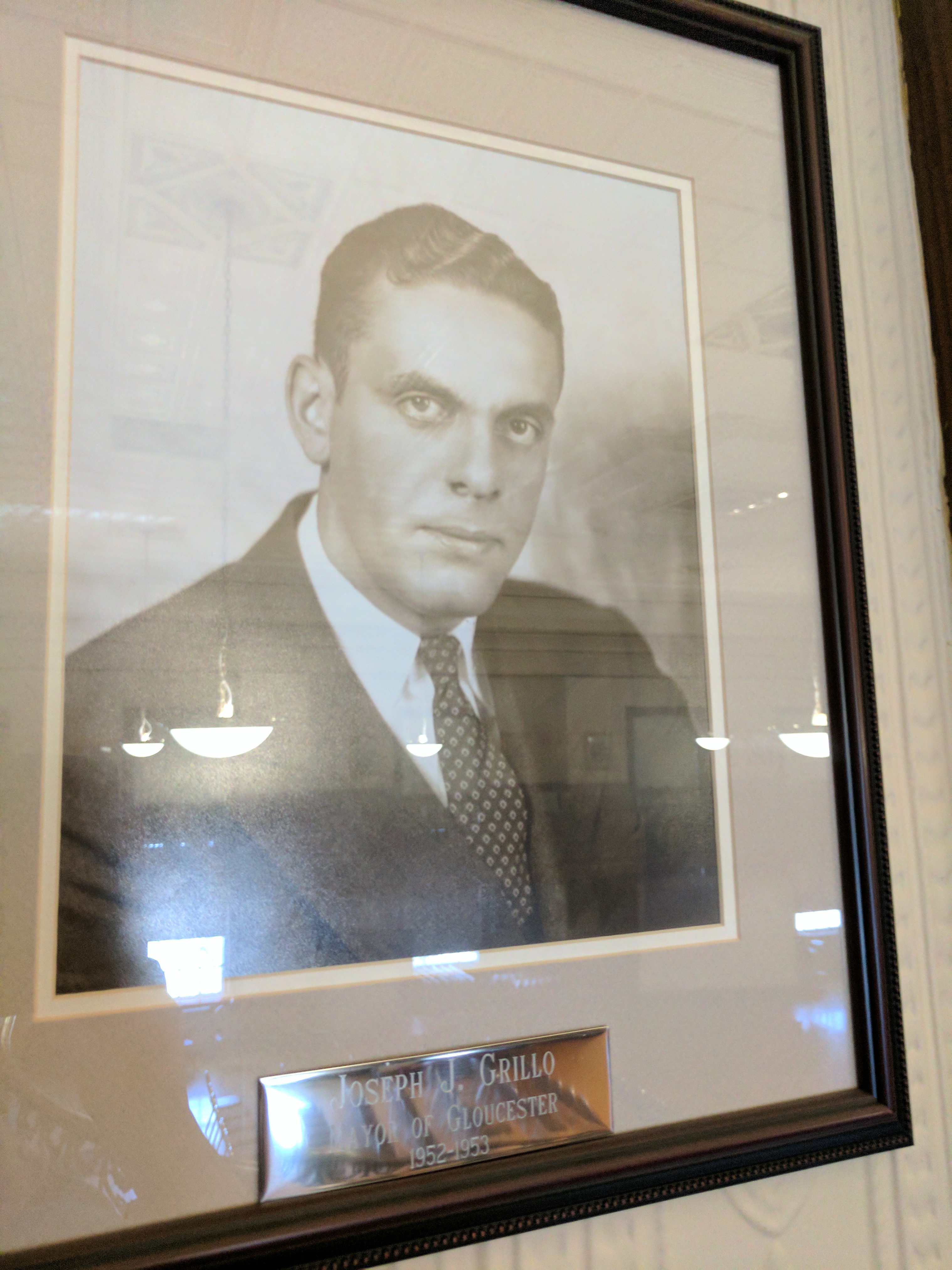




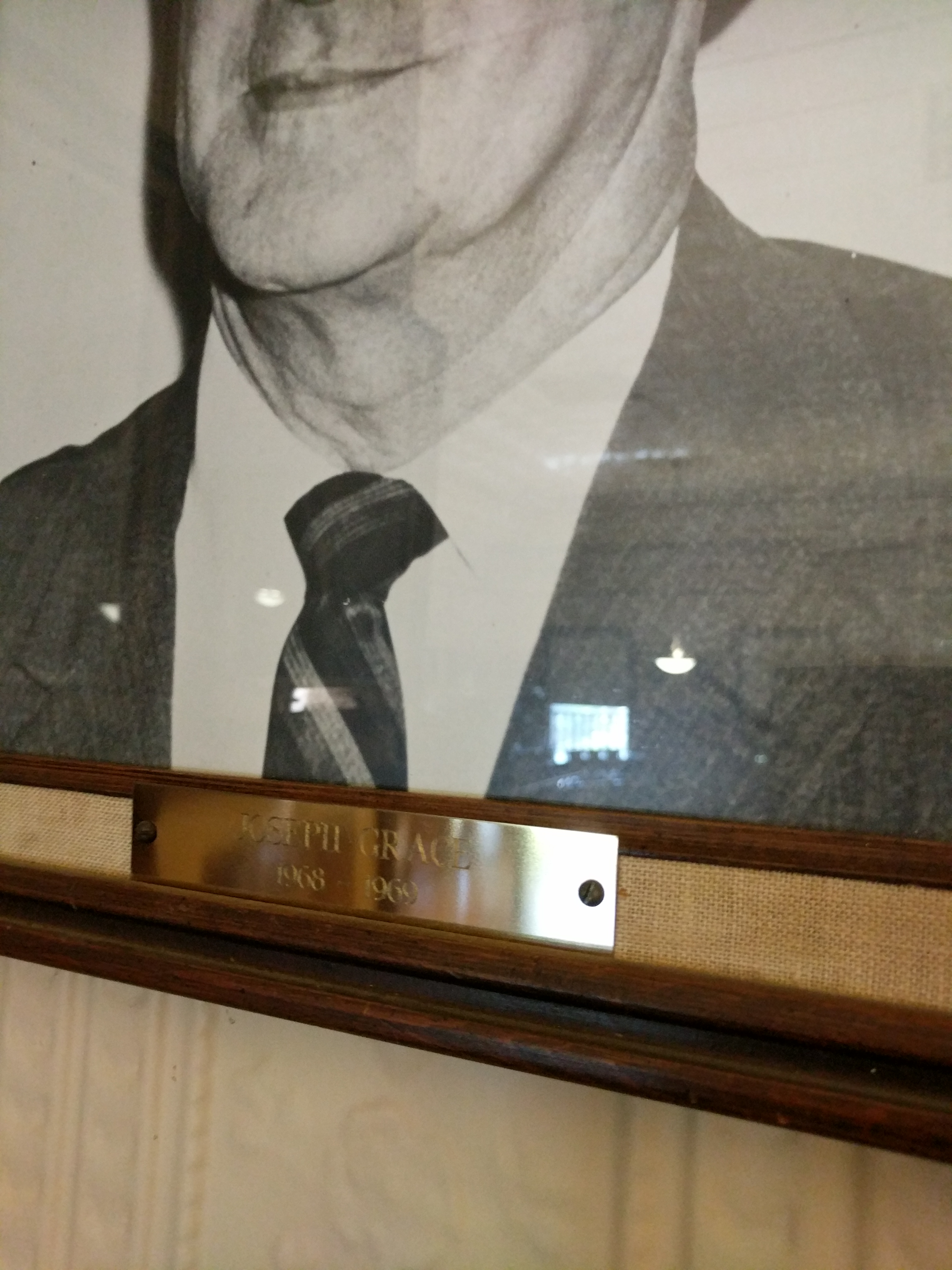
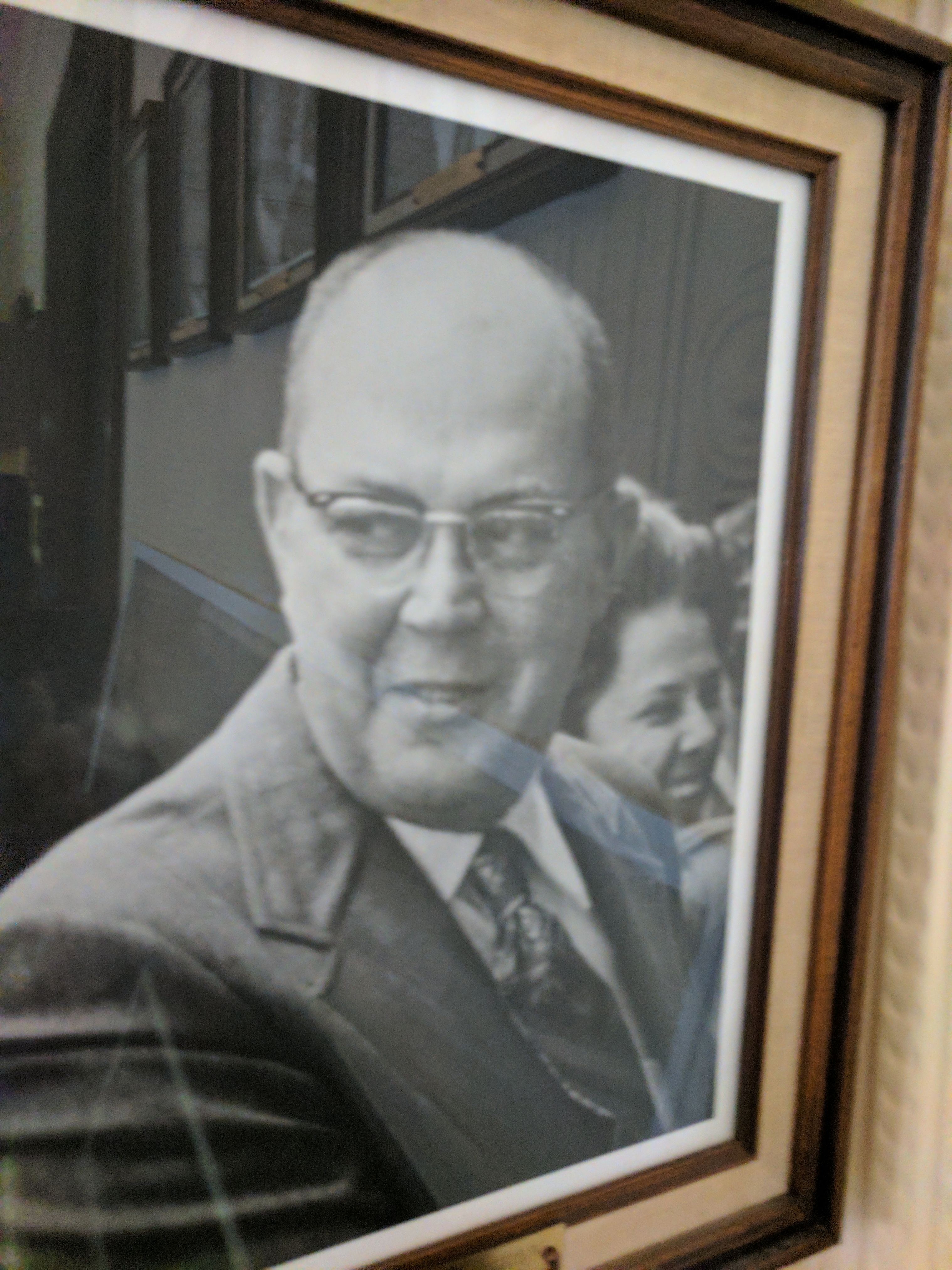
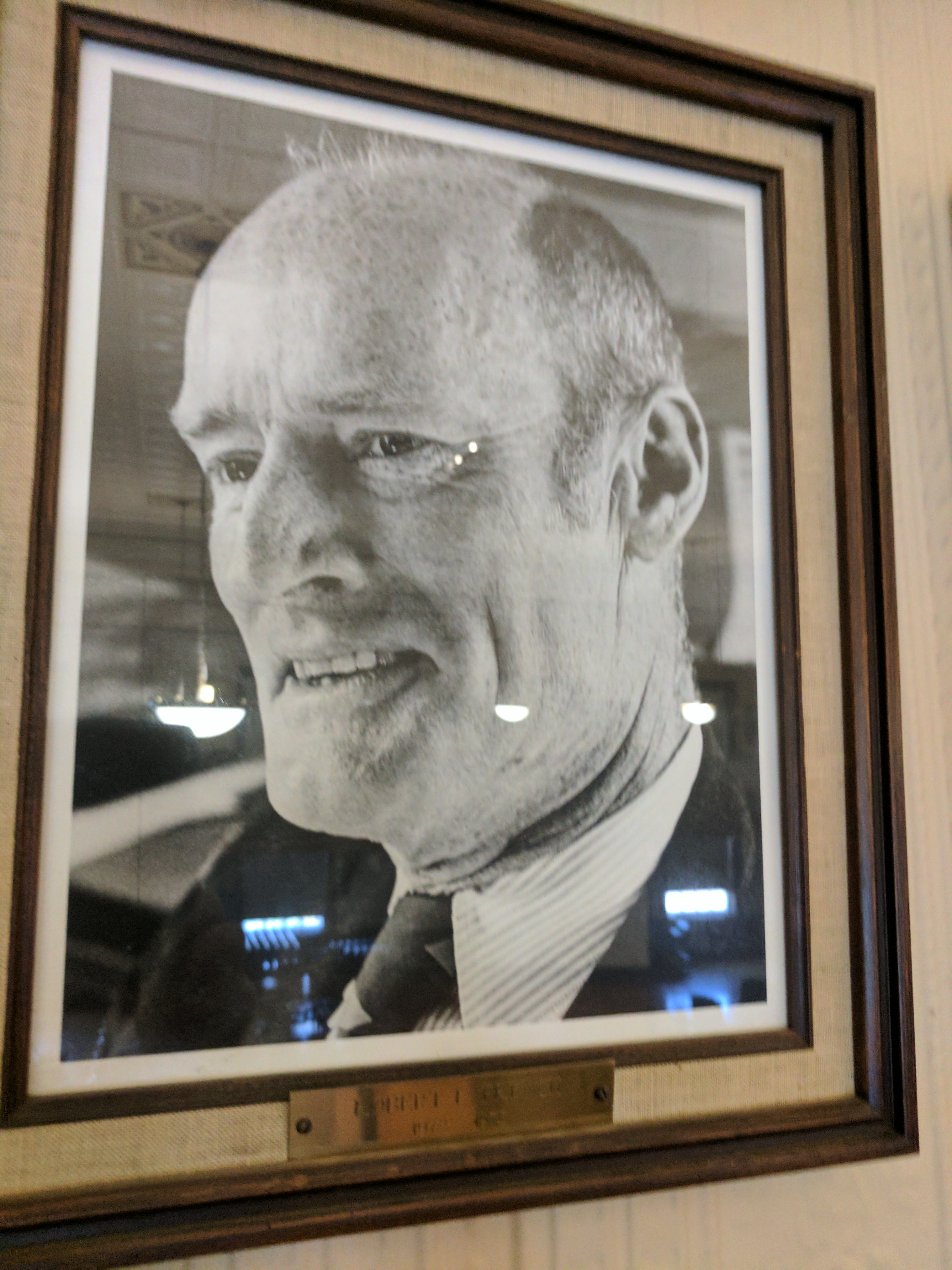


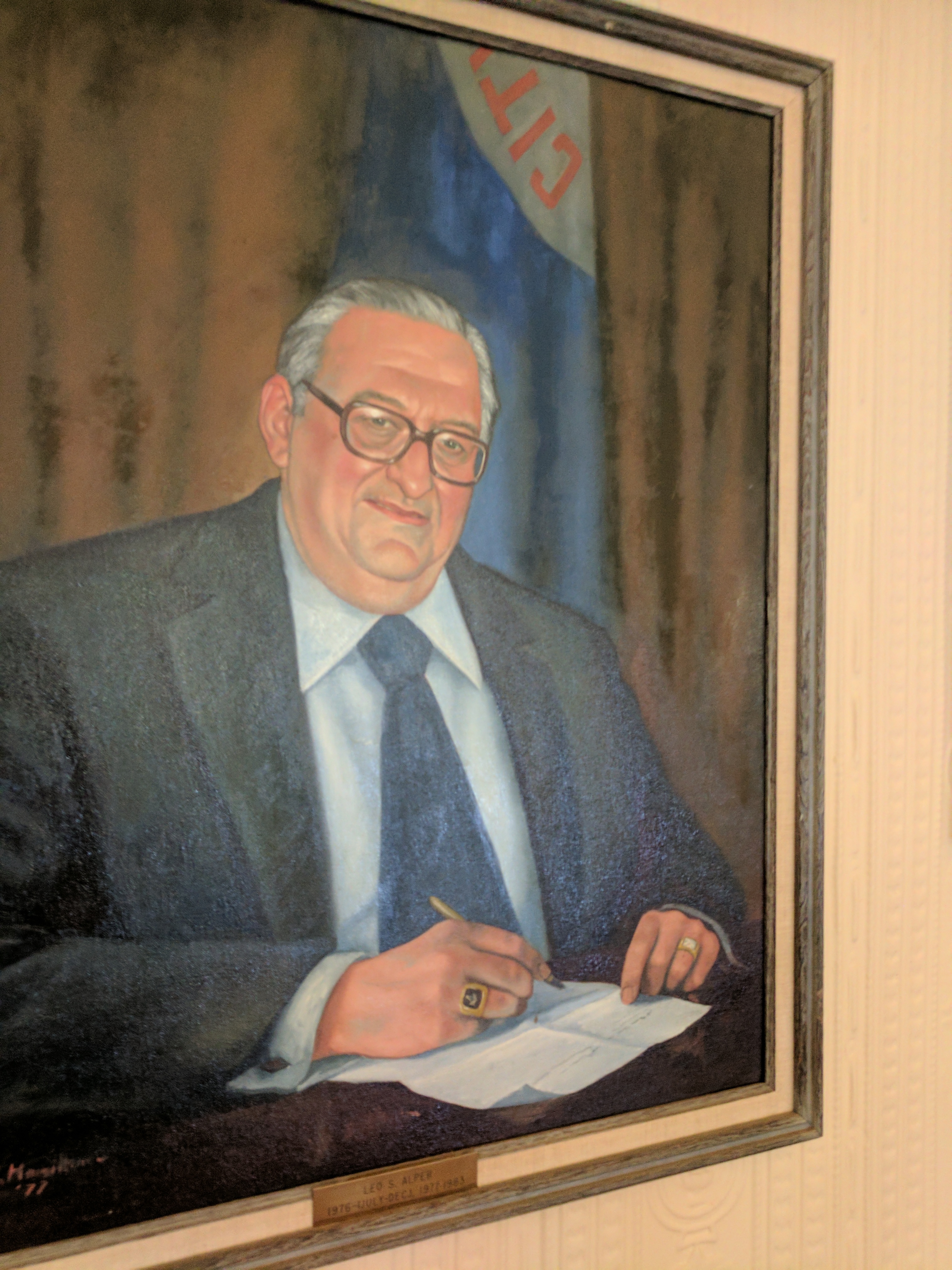
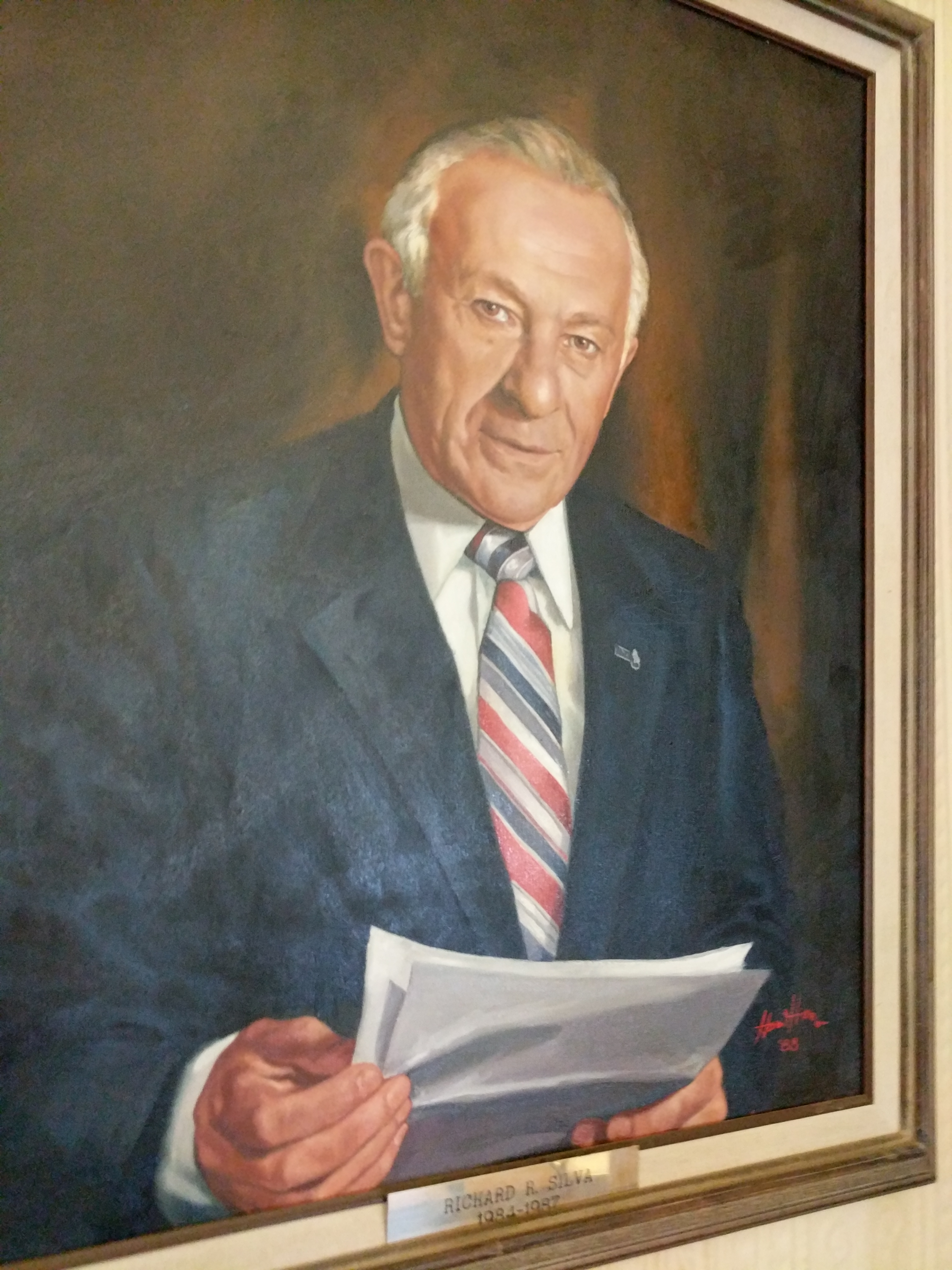

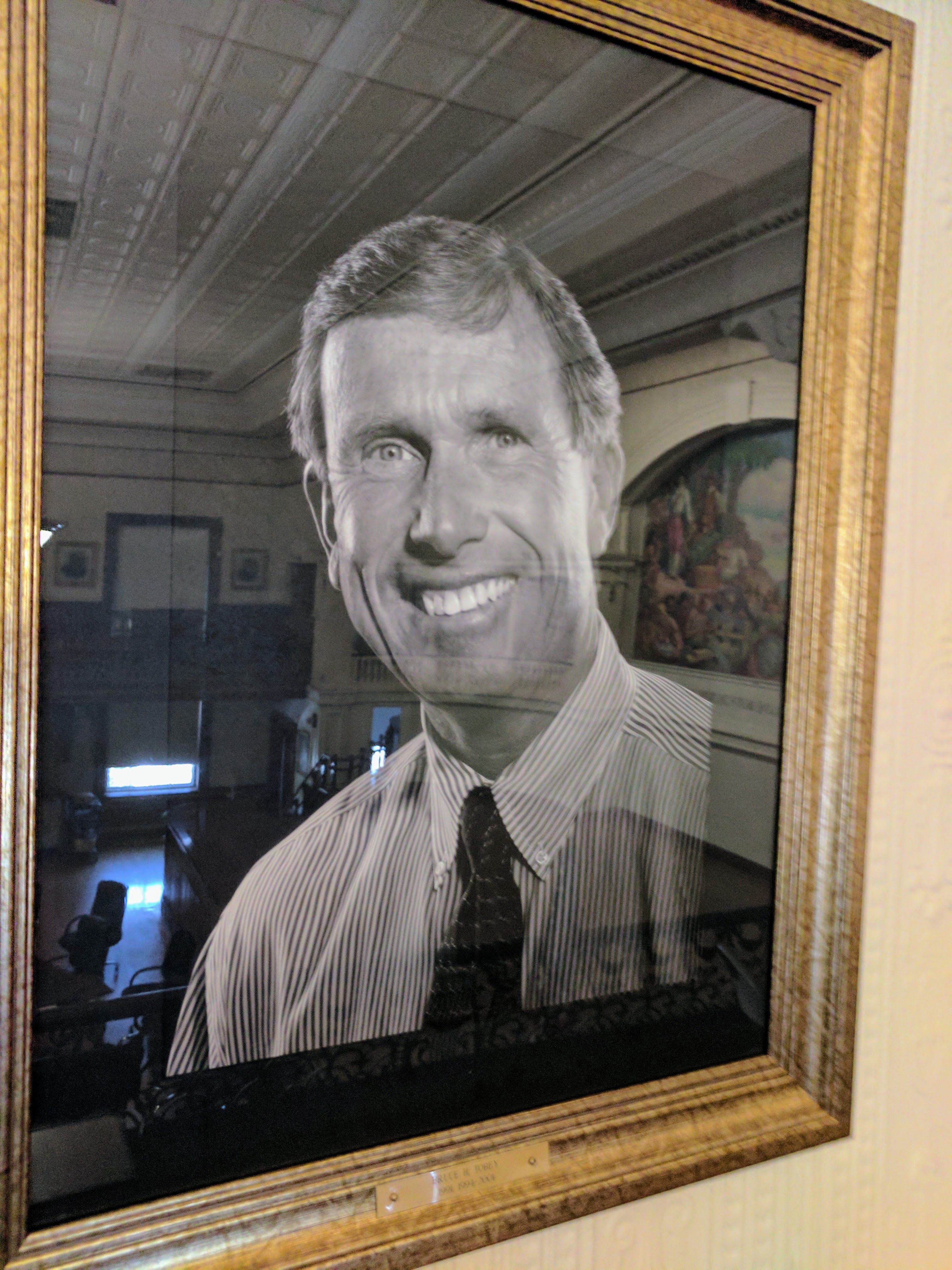
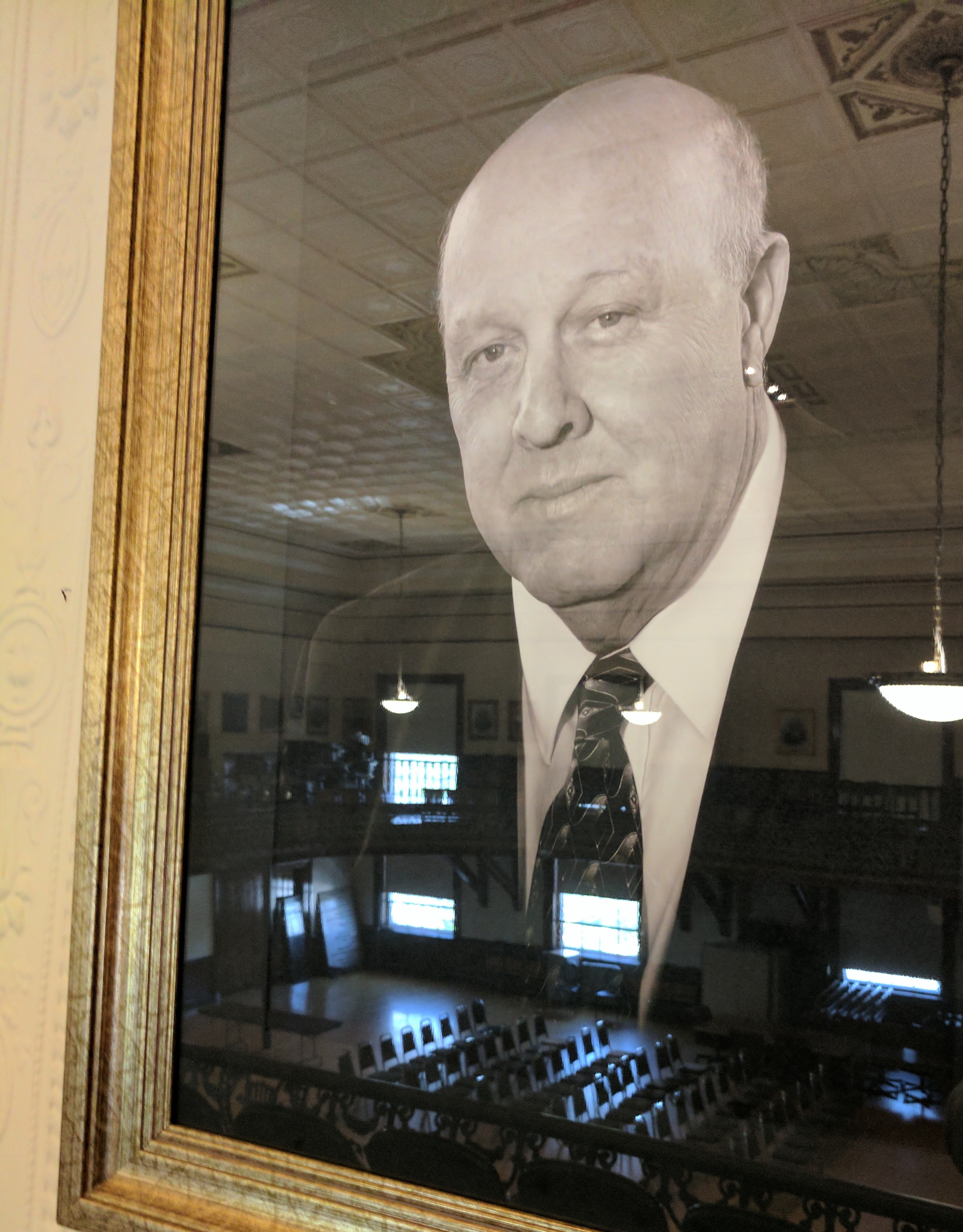
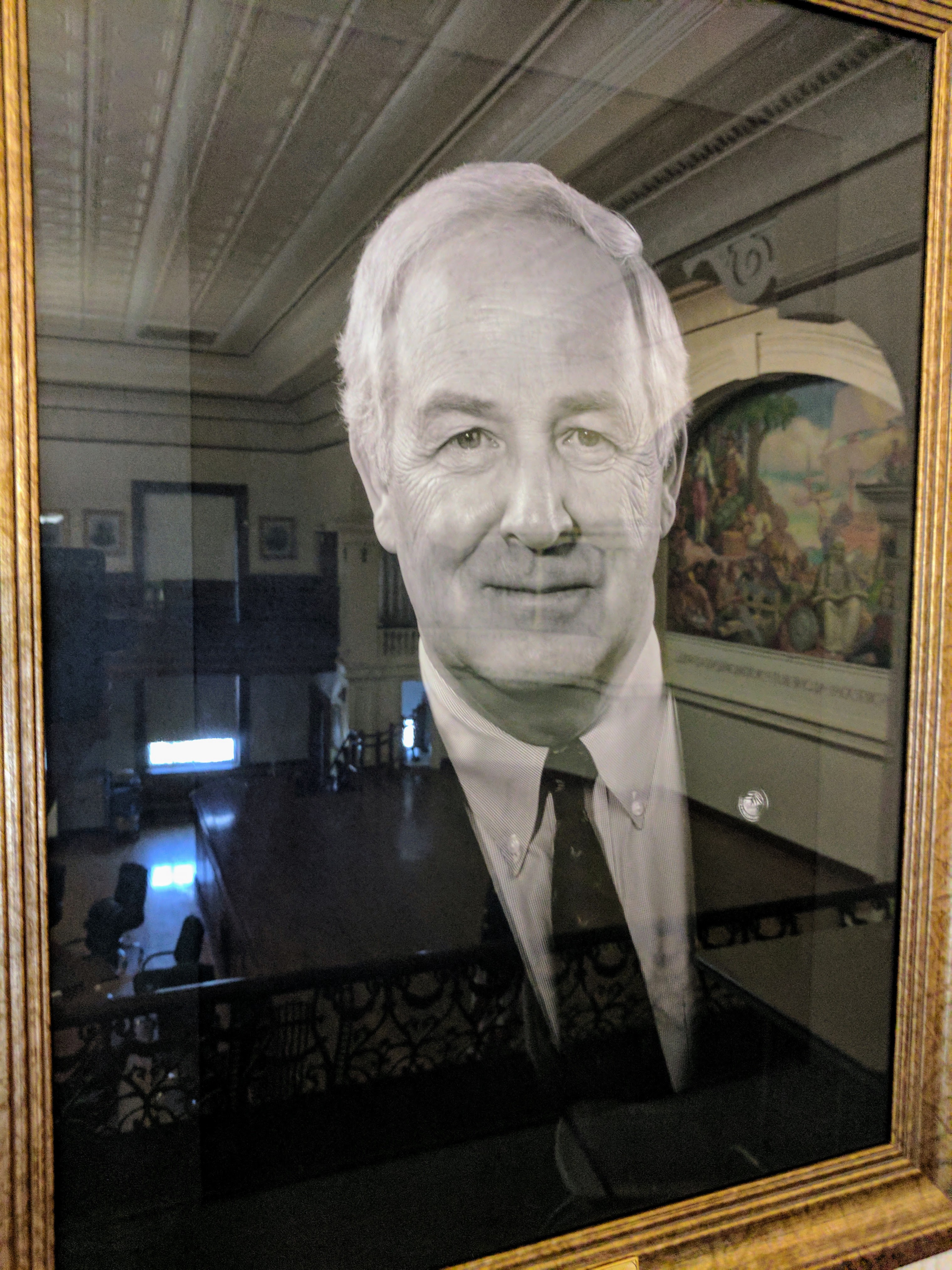



Clarence Manning Falt (1861-1912) by Catherine Ryan
Clarence Manning Falt was a Gloucester poet and photographer, a son of a Canadian immigrant & fisherman and a Gloucester mother & homemaker (born and raised in a fisherman generations family herself). They had seven children. The Falt family eventually purchased 172 East Main Street; Clarence and his surviving siblings continued to live there as adults. It’s a huge home.
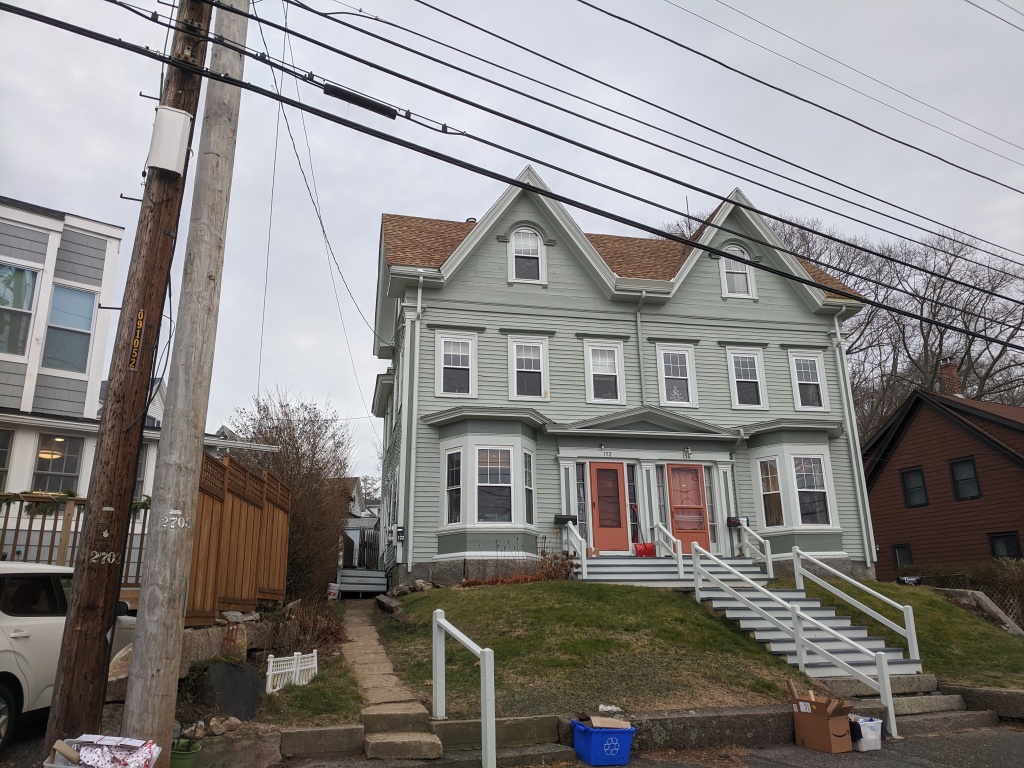

photo caption: 172 East Main Street, Gloucester, Mass. An Edward Hopper drawing of this Gloucester house, which I identified, was gifted to the Minneapolis Art Institute and included in a travel exhibition highlighting major drawings from this famous repository.
Clarence Manning Falt clerked for various businesses on Main Street to support his art practice.

By the 1900 census, clerk was dropped from the “occupation” category, “Author” stood alone.
Falt photographed and wrote about Gloucester, where he was born and raised during the late 1800s. His work reflects his own personal experiences including the fishing industry of his parents’ world. The best ones connect readers to this world because of his talents and an insider’s careful observations. Some of the writing relies too much on tropes and can be a chore, though never as difficult as the jobs he portrays, and may stick with you just the same because he is successful in providing such accurate and detailed examples of the business of fishing and the beauty of Gloucester. Some poems rise to evoke a full and cinematic day at the docks and ideas to mull over.
Falt’s book of poems and photographs, Points of Interest Gloucester in Song, was published in 1894, the year after his mother died. He dedicated the volume to her. Examples of his original and stunning photographs are from the copy held in the collection of the Library of Congress which was digitized. The pairings aren’t always successful and one might long for more photos, as I have. A few appear to be source photos for vintage postcards.
“To those who have grown up from childhood amid the grandeur and solemnity of these scenes, to the stranger who has become familiar with them, may their hearts be quickened with a keener appreciation for, and a deeper sympathy with, all that has made Gloucester and its suburbs charming and historic.”
Clarence Manning Falt
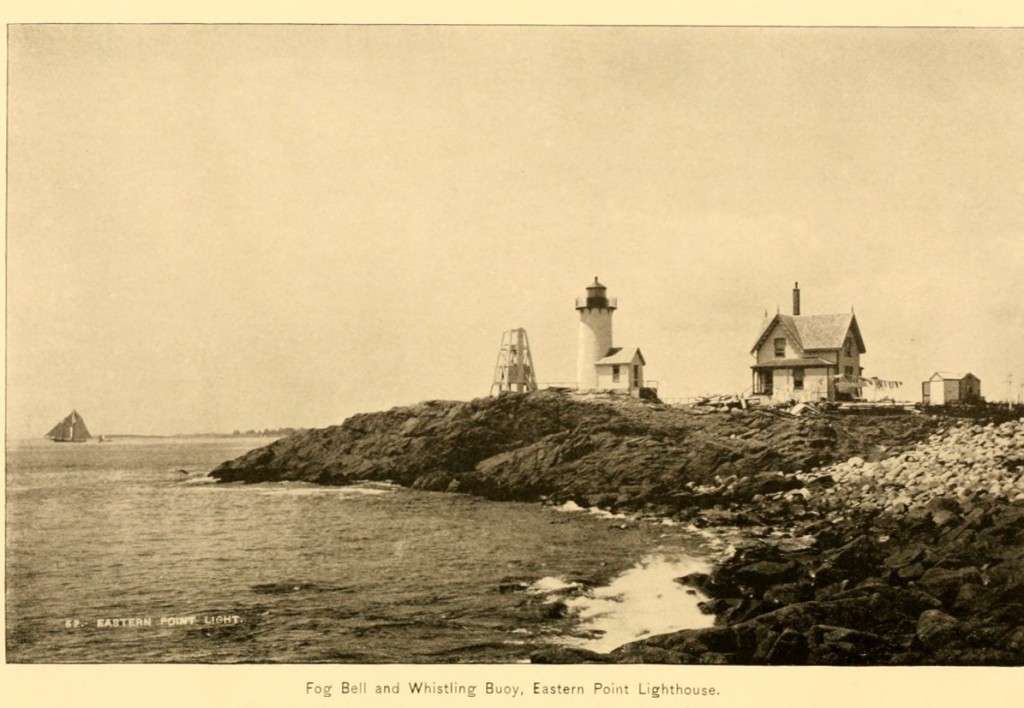
and: The Old Fort, Eastern Point and: The Bell, The Whistle, and the Buoy
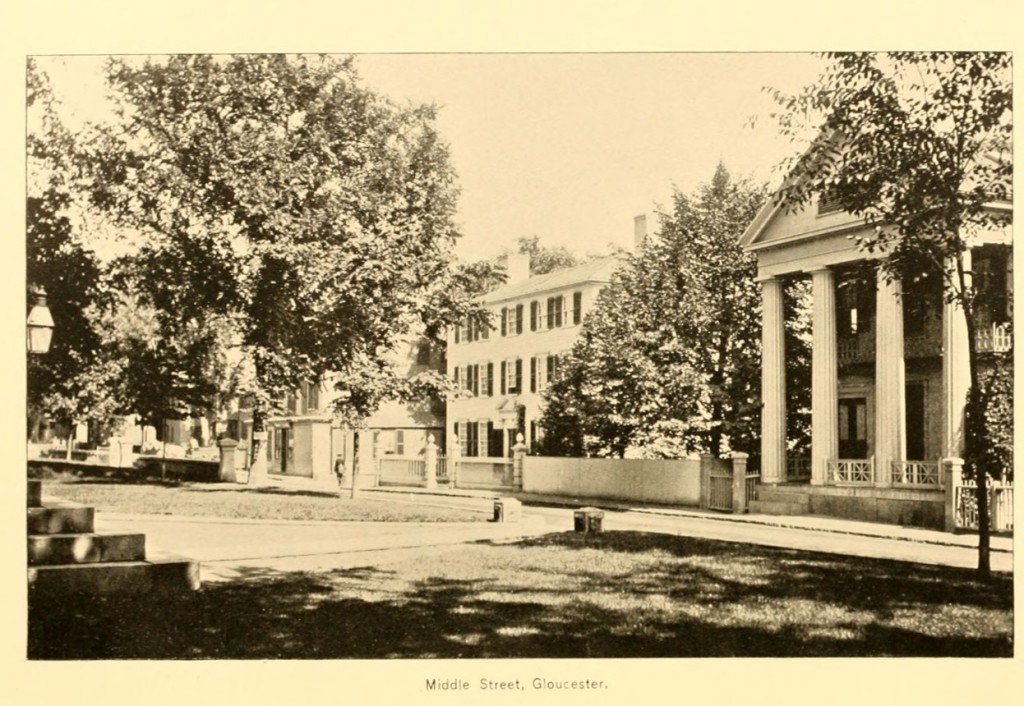
Have you seen this rock face profile?
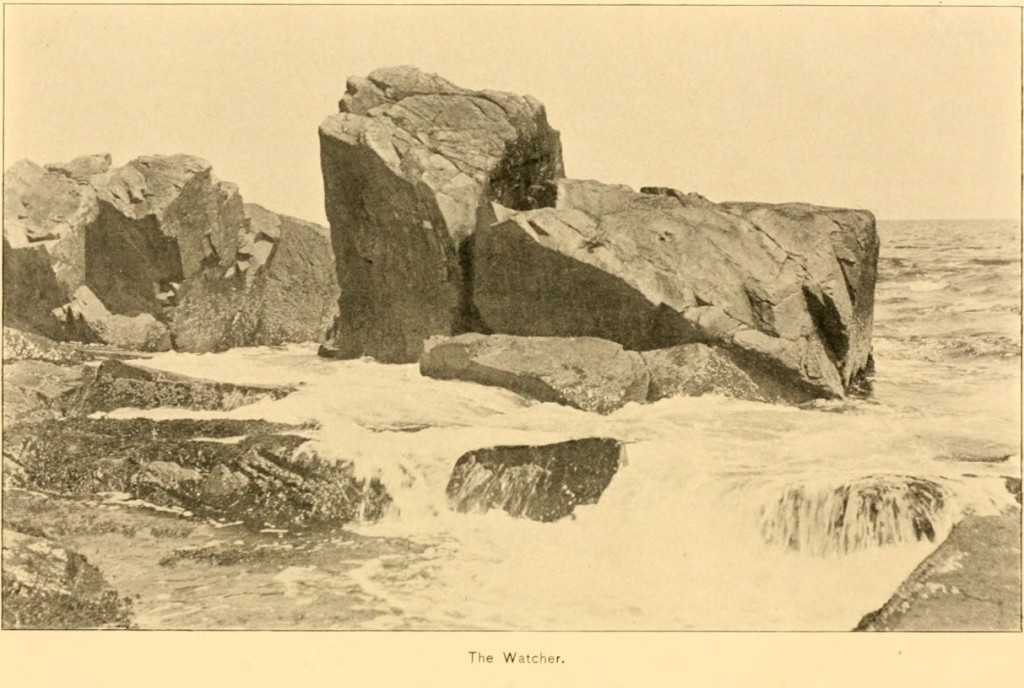
photo caption: The Watcher
Have you walked past this balancing skinny topper?
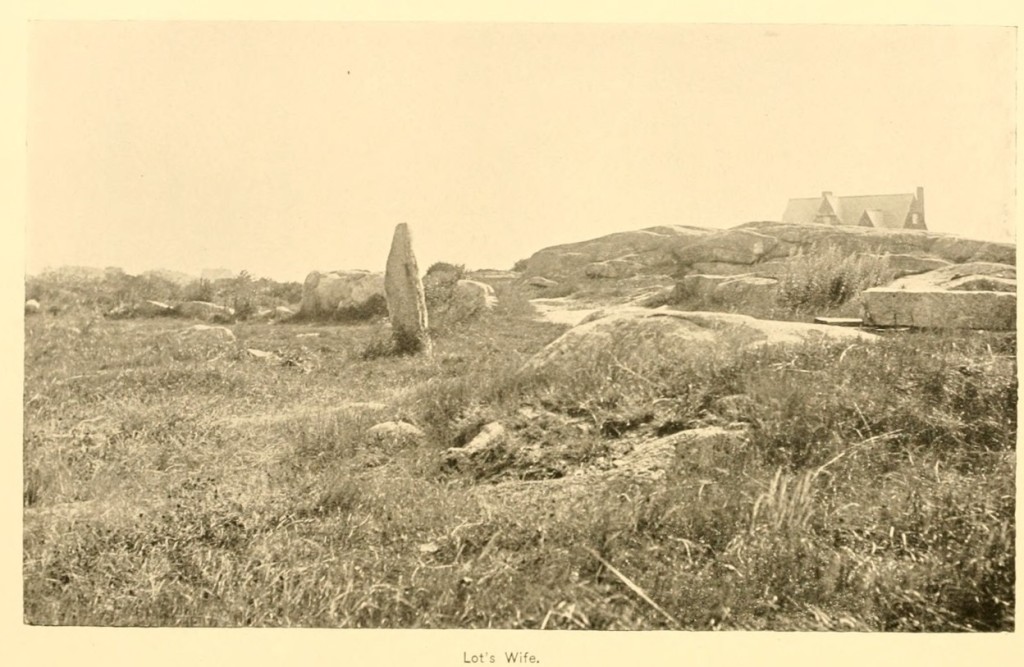
Poem titles and links for the photo grid below:
(take time to enlarge the photos!)

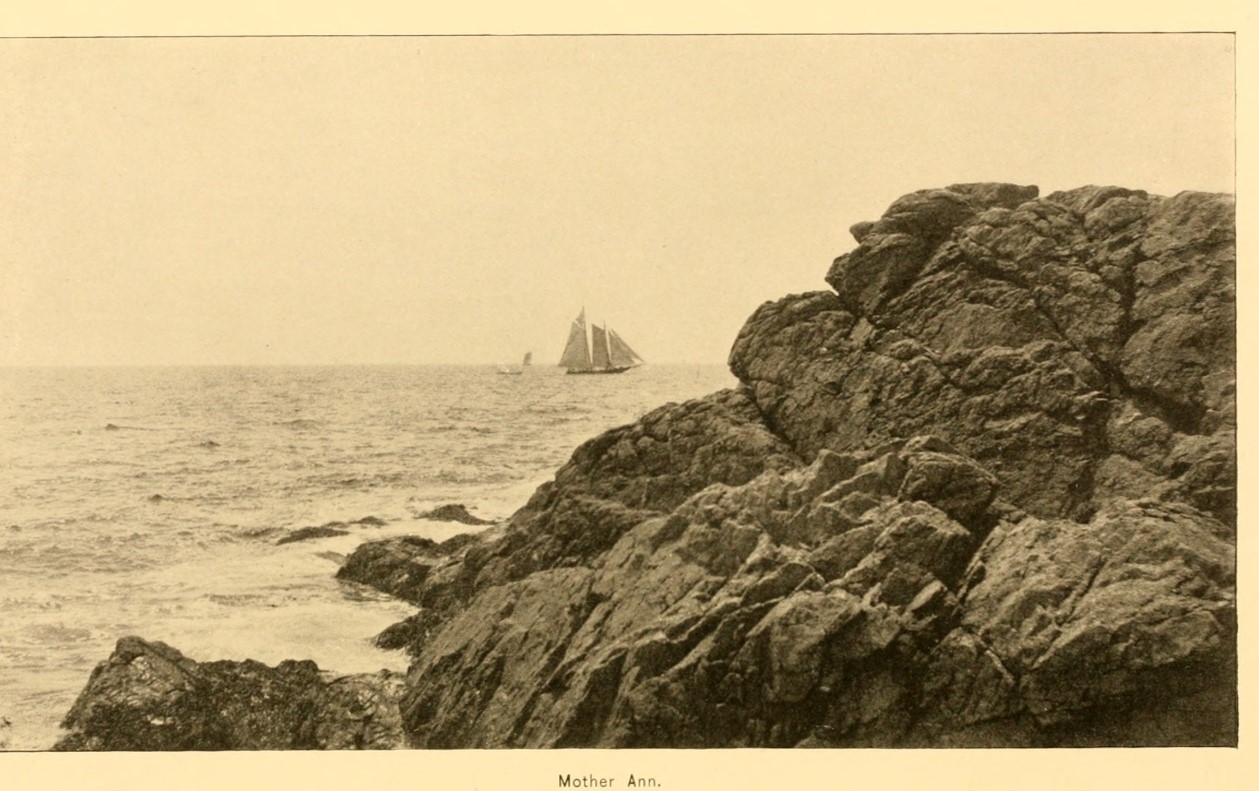
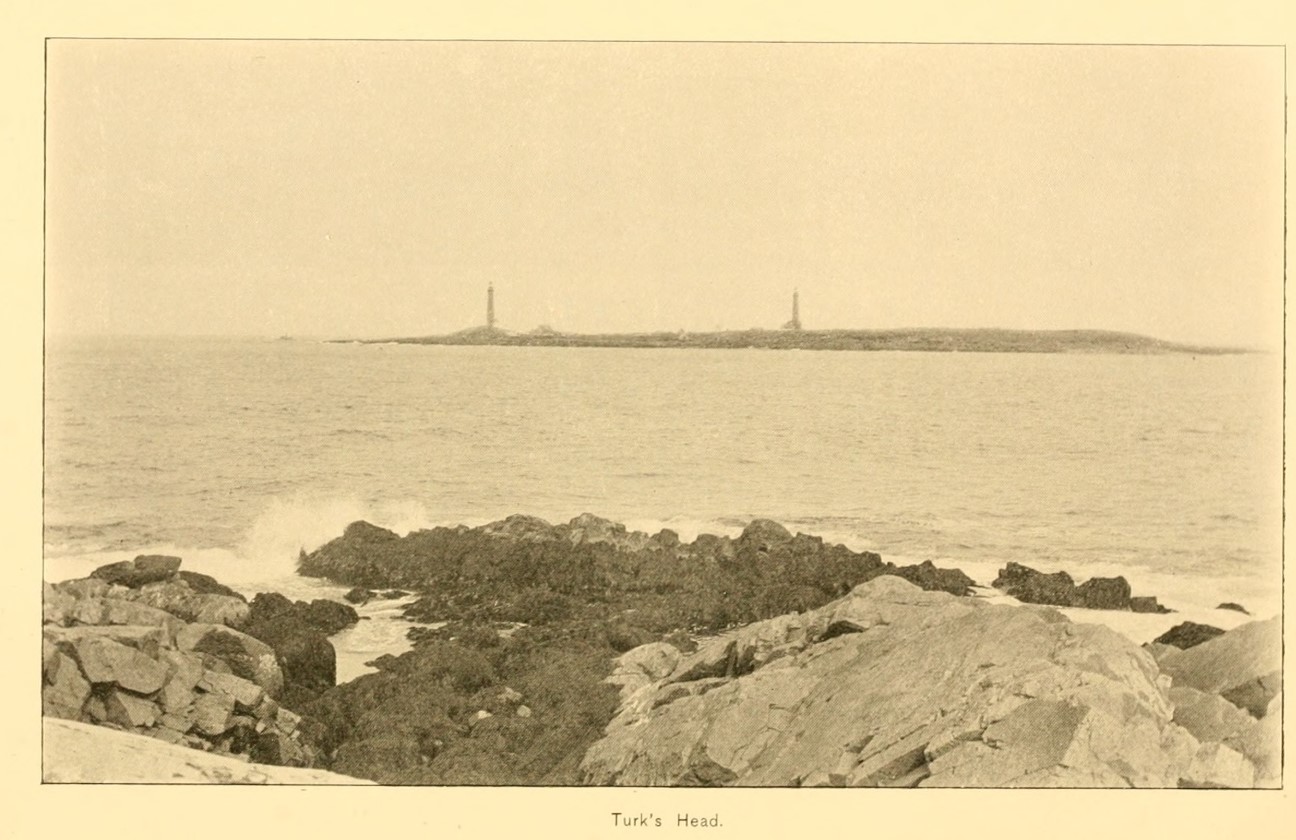

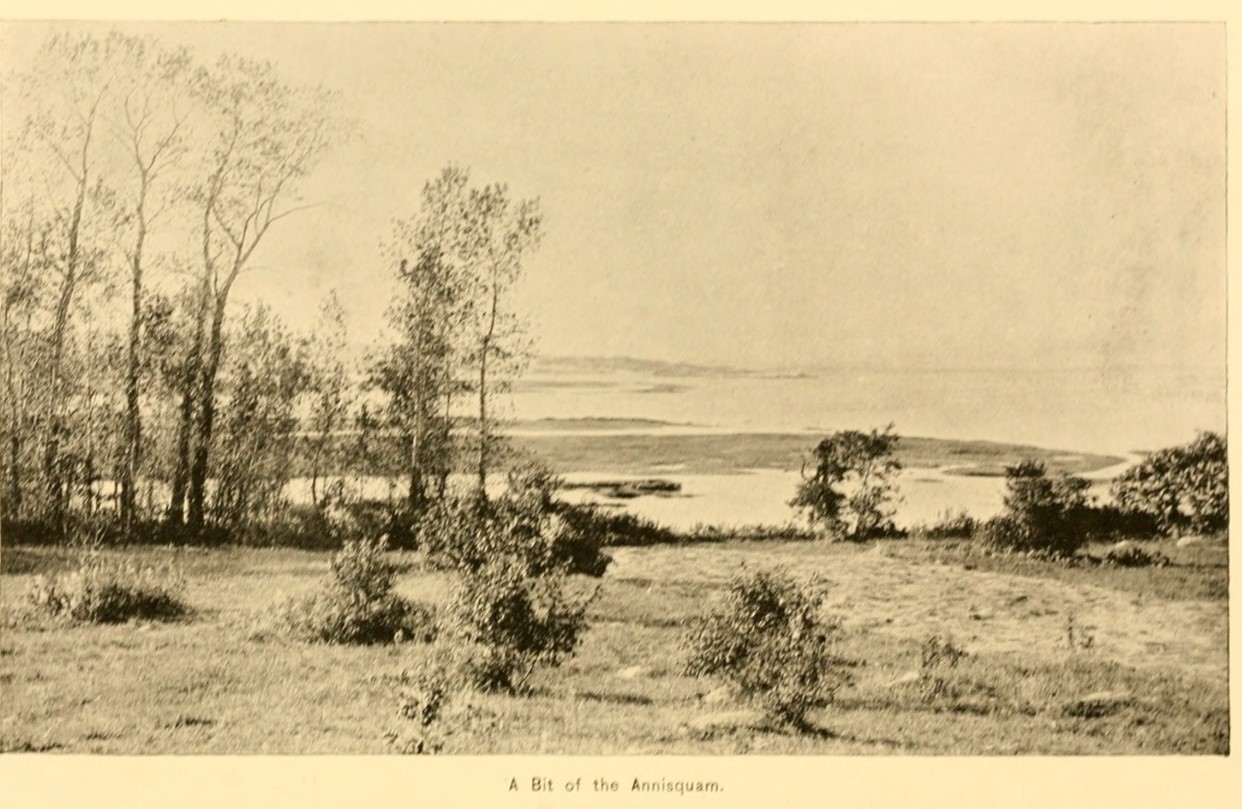
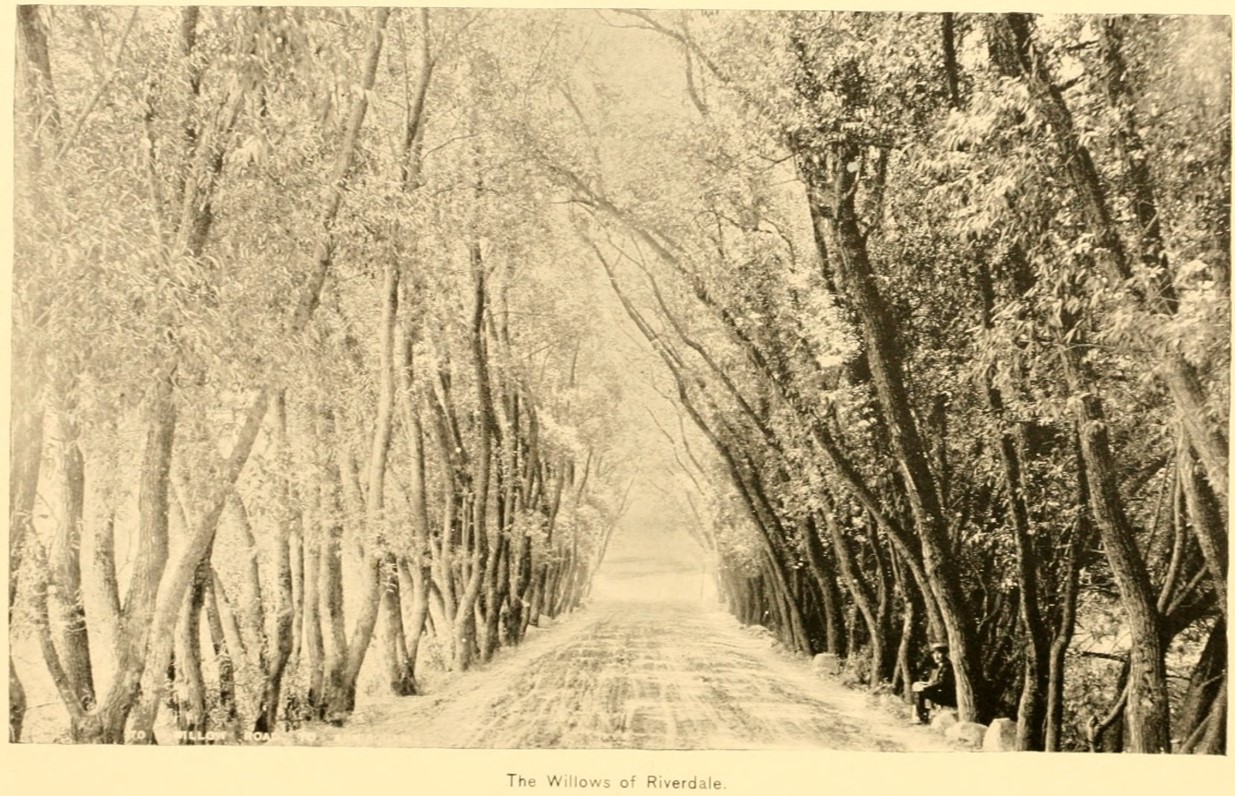

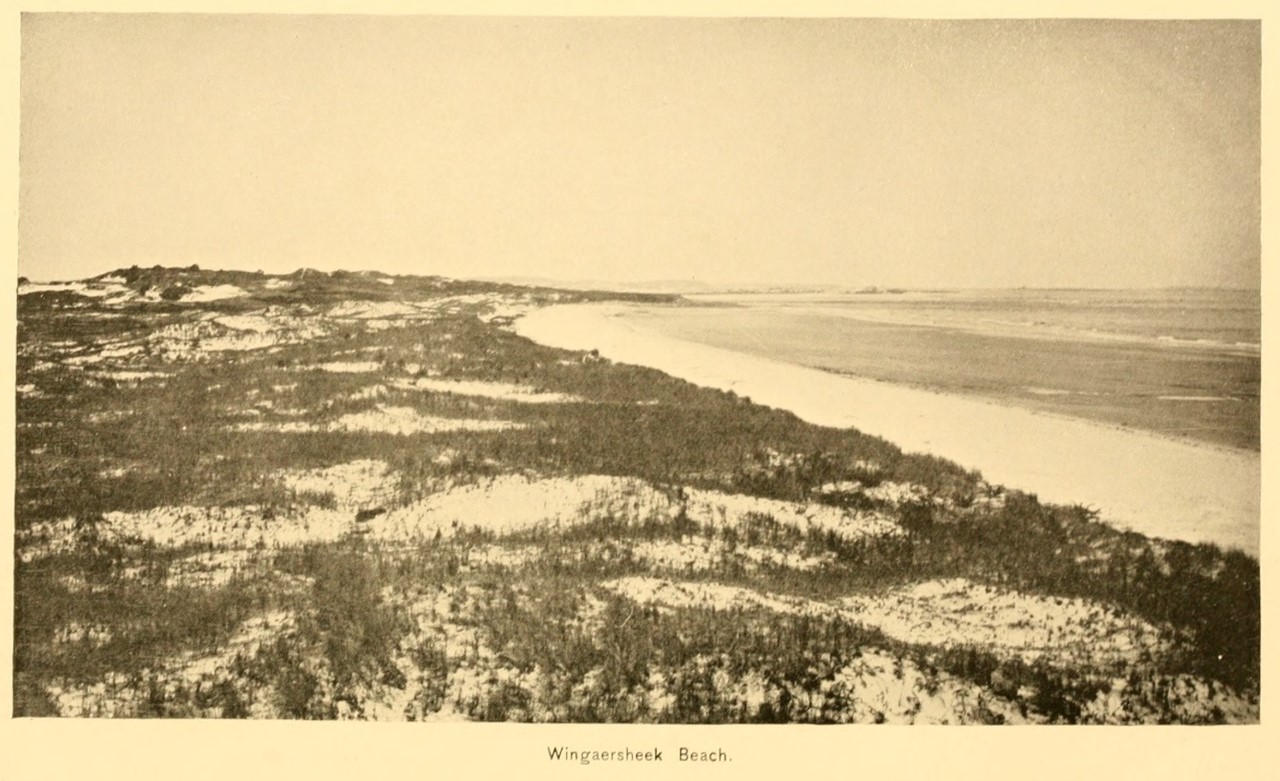
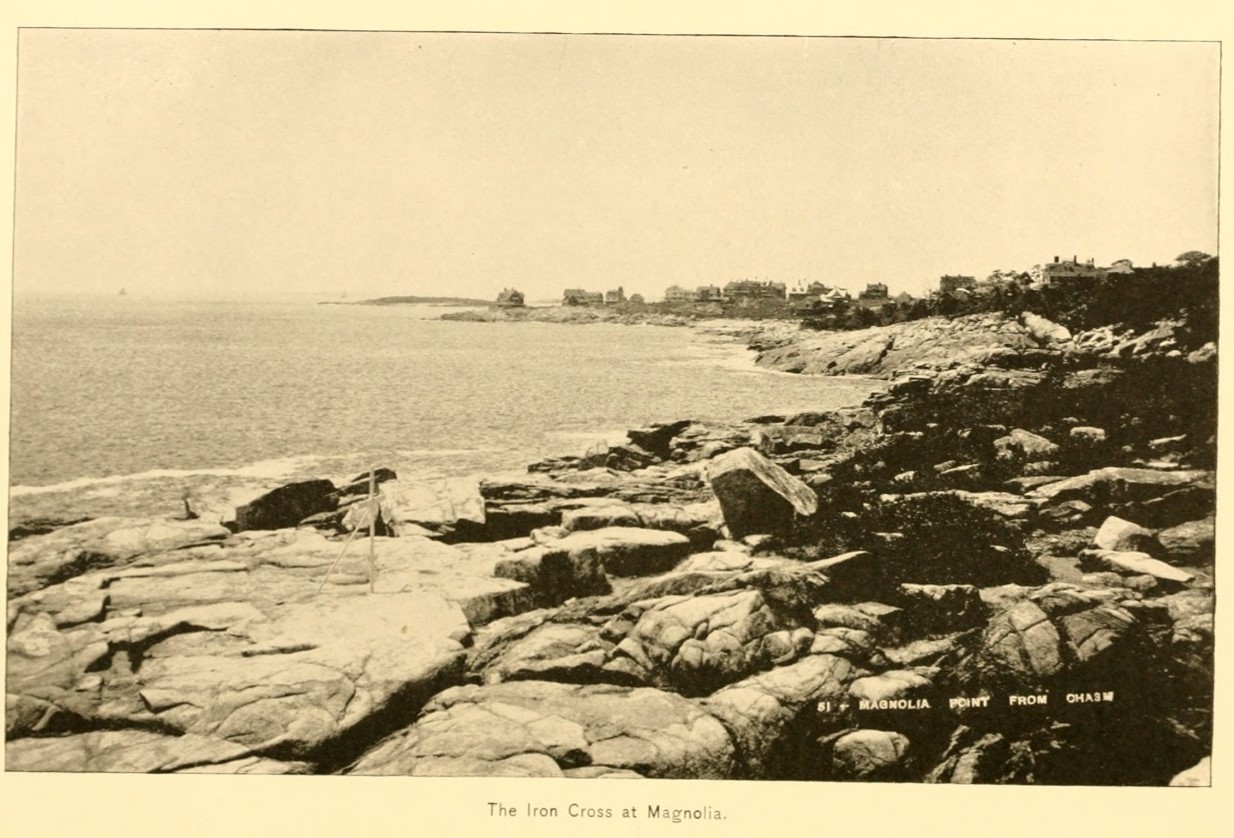
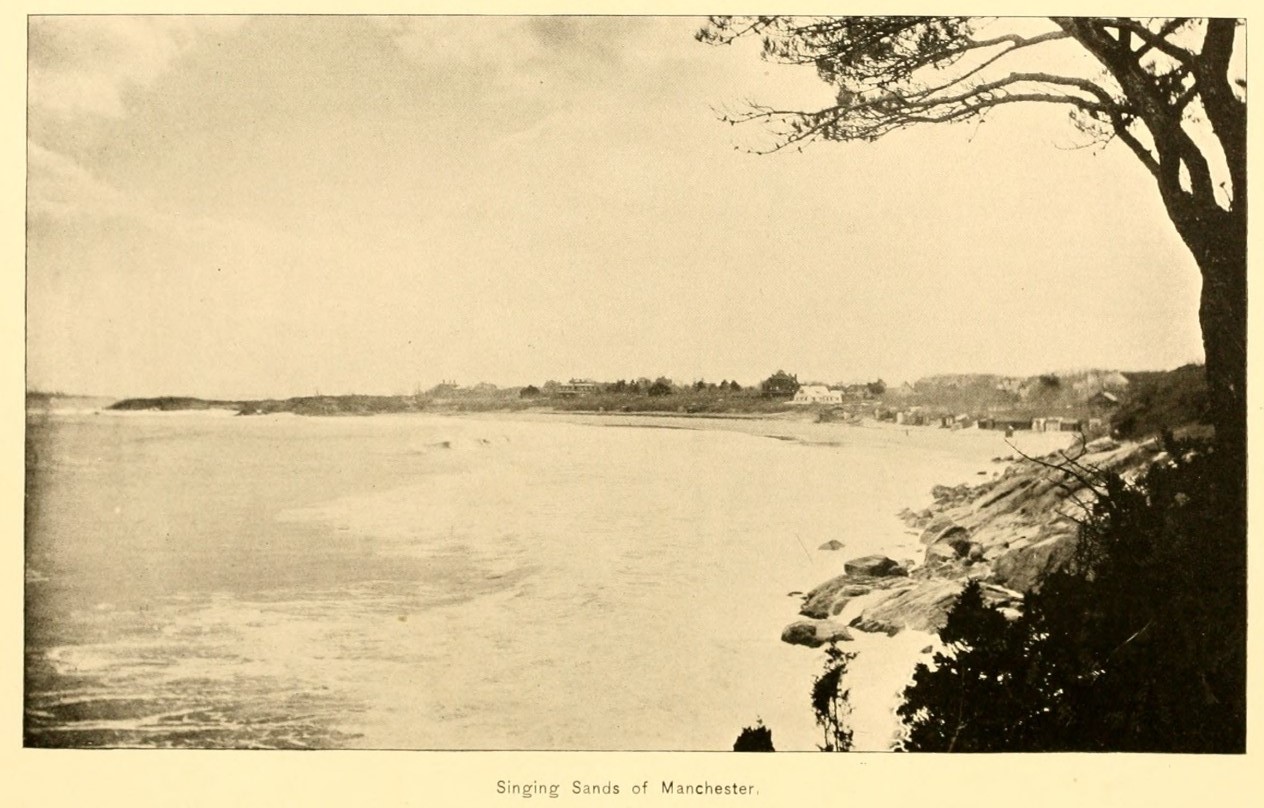

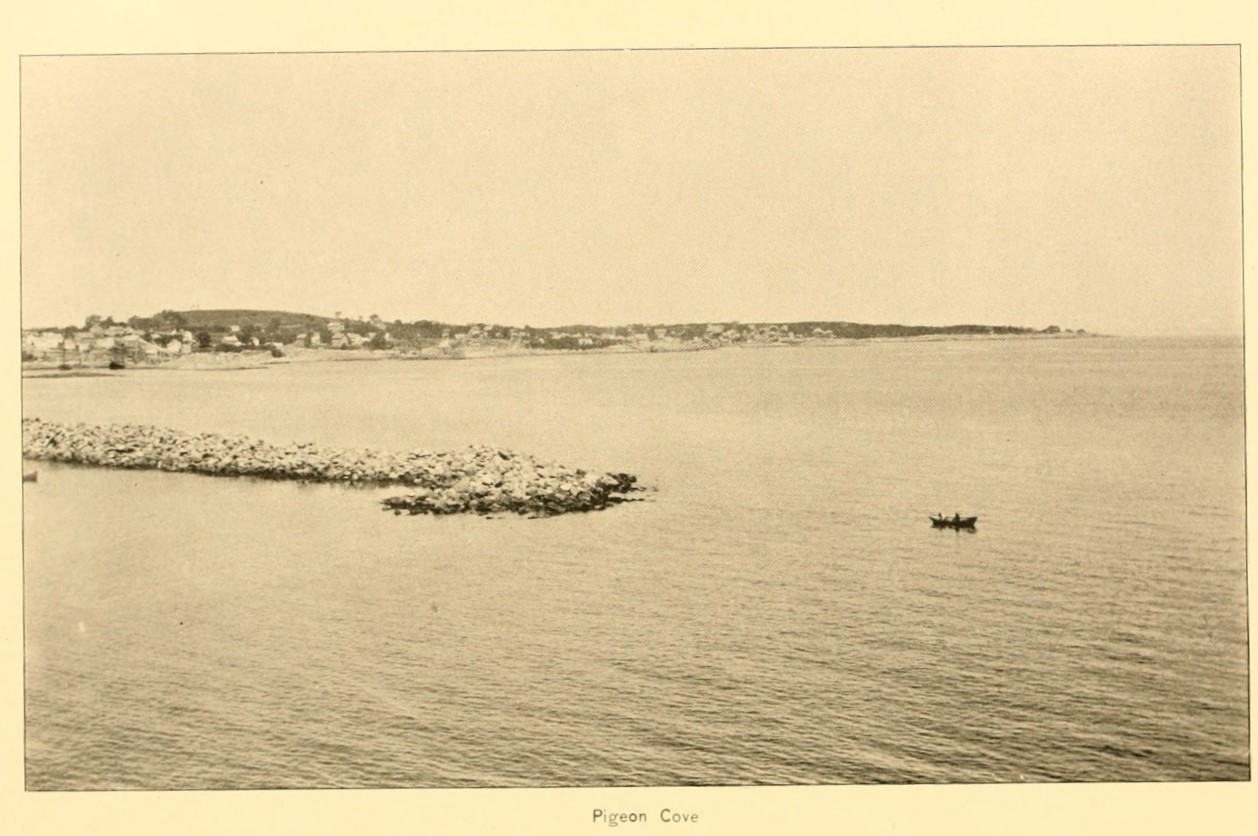
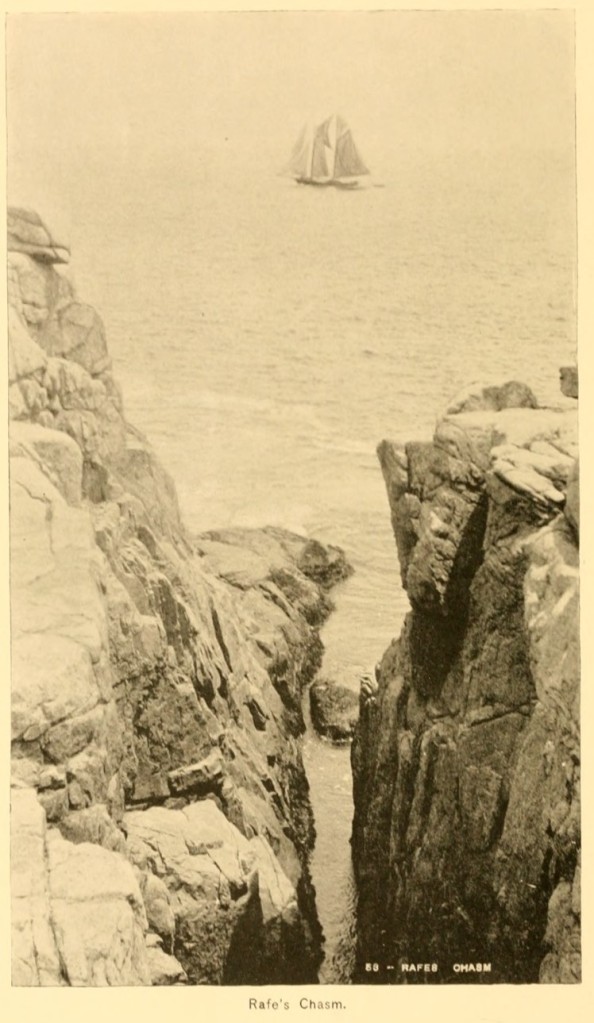
Falt poems from nature (without photographs) from this volume and worth a read
THE BLUETS

 IN mosses green
 A charming scene,
 To me a sweet surprise,
 In bright array
 This fair spring day
 The bluets greet my eyes.

 Each dainty cup,
 Is lifted up
 With tints of heaven’s hue;
 Each budding gem
 A diadem
 Bespangled with the dew.

 Like tiny shields
 Amid the fields,
 On bodies, slim and frail,,
 They wave and bend
 And sweetly send
 The Welcome Spring’s All hail!

 Where bright sunshine
 By one divine
 Can reach each fragile heart,
 They lovely gleam
 Like some sweet dream
 And Joy’s sweet pulses start.

 My better self
 (The heart’s stored wealth)
 Enraptured at the sight
 On each sweet face
 See’s Heaven’s grace
 And life, immortal, bright.

 On, tiny blooms,
 When waking tombs
 Lie buried ‘neath the snow,
 And Death doth keep
 Guard o’er thy sleep
 And blust’ring winds they blow,

 Backward apace
 My heart will trace,
 And bring, begemmed with dew,
 ‘Mid mosses green
 The charming scene
 Of you, sweet buds of blue.

 -Clarence Manning Falt, 1894,
in Gloucester, Ma.

Bluets, photo courtesy Justine Vitale
Falt’s volume of poems and photographs, Wharf and Fleet: Ballads of the fishermen of Gloucester, was published in 1902. A copy of the book held at the University of California was digitized and uploaded in 2006.
This one was dedicated to Winthrop L. Marvin* (1863-1926), author of The American merchant marine; its history and romance from 1620 to 1902, also published in 1902.
“…Ever since 1713 Gloucester has been the peculiar home of the schooner, and this is now and long has been the unvarying rig of her unrivalled fleet of deep-sea fishermen. The first entry of a schooner in Boston’s commerce occurs in 1716, — “Mayflower,” Captain James Manson, from North Carolina. As Captain Andrew Robinson was a direct descendant of John Robinson who preached to the Pilgrims at Leyden, it is conjectured that this “Mayflower” was the fist schooner, the original Gloucester craft. Be this as it may, her useful successors are numbered by the thousands,…”
and re: the 100 days War with Spain:
“At the Gloucester recruiting station, in the early summer of 1898 , 76.5% of the men examined were accepted. At Boston the percent accepted was 14.5; at New York only 6. This means that in physique and intelligence the fishermen of New England are very much superior to the merchant sailors of the great seaports. So valuable a national resource as the deep-sea fisheries cannot be suffered to decline.”
*Winthrop Lippitt Marvin – U.S. journalist, and author; Civil Service Commissioner of Massachusetts; secretary of the Merchant Marine Commission
Back to Falt
Clarence Manning Falt was clearly proud of his parents and hometown and had a linguist’s ear and aptitude for the music of words. He studied public speaking and drama in Boston and New York. This book incorporates strongly stylized dialect deliberately, heavily.
“There is no distinct vernacular used, for the nationalities represented in this fishing port are so complex as to render that impossible, but there are many phrases in general use which I have endeavored to bring forth in these ballads. Born in this seaport city, with blood of seafaring people in my veins, the grandeur and pathos of this variable life have ever enthralled me.”
Clarence Manning Falt

More From his intro
Gloucester’s “population at the writing of this work is about 29,000. As a fishing-port, it is the largest in the world. Here can marine life be studied in all its phases. Here, lying at their moorings, will be found the up-to-date Gloucester fishing vessels, for the modern type of fishing vessel is t he pride and delight of a Gloucester skipper’s heart. He considers his stanch craft his ocean home. Indeed, these handsome vessels are as fine as the stately yachts that daily grace the harbor, for one would immediately note their fine sheer, perfectly fitting sails, clean decks, trim rig, and crews of able-bodied seamen, marking a wonderful and almost magical development from the primitive types of the quaint shallops, pinnaces, and pinkies of the olden days.
Gloucester harbor, like some might arena of old, is terraced with impregnable bastions of rugged hills and seared and time-furrowed cliffs…At night its beauty is unrivalled. Seaward its light-towers flash and gleam…the fleets glowing to port and windward, vying landward with the city’s brilliant reflections, sparkling with the shimmering glows of the wharf lights, the anchored fleets, and the inverted spangles of the stars of heaven… The wharf life has also developed marvelously. Every up-to-date method of prosecuting this industry is employed. This development has brought many new occupations and newer characteristics of the life. ”
Clarence Manning Falt, 1902 excerpt from his introduction Wharves and Fleet
A Matter of the Ear
“Packin’ Mack’r’l” — that does sound musical, and easily missed! How it makes me smile imagining Falt enlivened by the sights and sounds all about, fishing for just the right words and photographs; all the while diligently preserving a specificity of Gloucester’s fishermen’s dialect; a language all its own, encompassing many nationalities; one in which he was fluent and could translate and that he felt through his art. I wish that there was an audio recording of his reading aloud (or under his direction).
reminder comparable- post Civil War there was an uptick of slang dialects expressed in American writing, notably Tom Sawyer published 1876 and Huck Finn 1885(US)
Falt poem & photos- Gloucester sound and “see”scapes


Many of the poems from Wharves and Fleet include vivid definitions tagged beneath which are delightful, personal and informative.

In building a wharf, the piles are first inserted into holes made in the dock, then after being carefully inserted and put in shape, they are driven down to a certain point by a heavy iron weight suspended from the top of the scow.
“Fly an’ spider”: figuratively used when the heavy iron weight (“th’ spider”) strikes the top of the pile (“th’ fly”). An old saying, long handed down by the fisher-folk**.
Notes from – Clarence Manning Falt
**have you heard this expression?
Ride stilts- “reflections of the piles at low tide. As the hawser lifts and drips and the crew hauls upon it, the phosper at night gleams most beautifully.
Notes from – Clarence Manning Falt
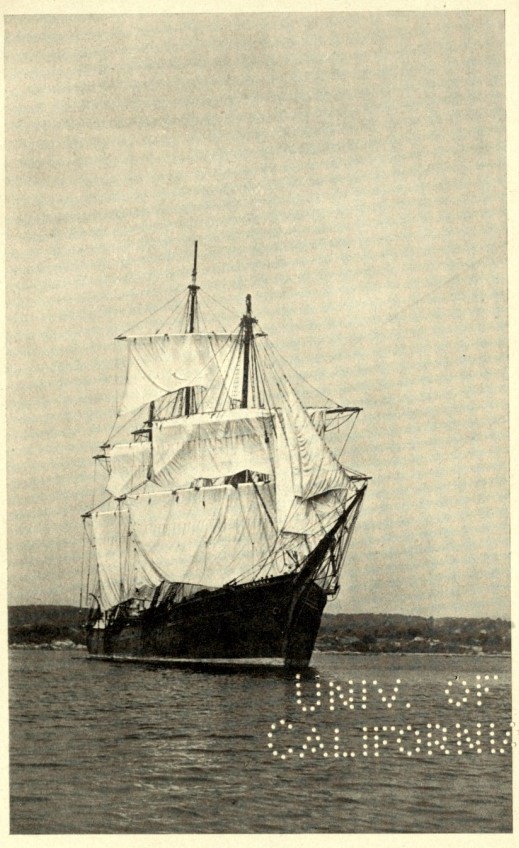
Dryin’ time after a heavy rain or spell of easterly weather, one of the most picturesque scenes of the harbor is the hanging of hoisted and half-hoisted sails from all sorts of crafts to dry in the coming forth of the sun.
Note about “Drying Time” – Clarence Manning Falt
Some of the poems I like most helped me learn about ancillary jobs and a bigger , tender portrait of this port.
           GITTIN’ UNDERWAY
 In th’ early dawn ere th’ doors unlock,
 Then it’s crick, crick, crick, an’ it’s
      crock, crock, crock
 An’ it’s ho an’ hi fer th’ blocks ter talk
 In th’ early dawn e’er th’ doors unlock.

 Then it’s ho na’ hi fer th’ dreams ter die,
 Fer th’ crews an’ th’ bunks ter say good-by,
 Fer th’ yawn an gape, fer th’ stretch an’ sigh,
 In th’ early dawn ere th’ cocks crow high

 Then it’s ho fer doublin’ th’ Woolsey smocks,
 An’ twicein’ th’ toes in th’ home-knit socks,
 An cuddlin’ th’ ears up under th’ locks,
 An’ haulin’ down tighter th’ souwes’ chocks.

 Then it’s ho fer housin’ th’ rubber boots,
 An’ firmin’ th’ heart in th’ stiff oil suits,
 W’ile the cuddies blaxe, an’ th’ coffee goots,
 An’ th’ windlass creaks, an’ th’ horn it hoots.

 Then it’s ho fer grubbin’ an’ hi fer drink,
 Then shadder th’ gangway an’ meet th’ brink
 Ter shape out th’ course an ter careful think
 In th’ early dawn w’ile th’ stars still blink.

“Block ter talk”: the hoisting of the sails.
“Woolsey smocks”: flannel shirts.
“Souwes’ chocks”: the flannel-line lappets
that are attached to the sou’westers.
“Housin’ th’ rubber boots”: pulling them on.
“Cuddies”: forecastle.
“Windlass”: it is located forward the foremast,
and is used in weighing up the anchor.
“Horn”: the hand foghorn.
“Shape out th’ course”: making the grounds
by chart and compass.
“Sou’wester”: a broad-brimmed oil-cloth hat
with ear-lappets lined with flannel.
   -------
 Clarence Manning Falt, Wharf and Fleet, 1902, Gittin’ Underway, p. 37-38
          TH’ NIPPERWOMAN

  I SEE her black shawl mid th’ butts
      Clutched tight erpon her breast,
  I see her black cloud full uv ruts
      Er shamin’ off its best,
  I see her pinched an’ wrinkled face
      Er quizzing uv th’ crew,
  An’ this ter-nigh is ole Mart Place,
      That once wuz Marthay True.

   I see her lookin’ down th’ deck
      Ter git some welcome nod,
   Or still perchance th’ courage beck
      Ter put her feet erboard.
   I know her arms are tired out
      Er holdin’ uv th’ string,
   Fer ev’ry one is knitted stought
      Ter pace th’ haddickin’.

   Oh, Marthay True uv long ergo,
      Could you have looked ter see
   Yer rosy cheeks an’ eyes erglow
      Come cryin’ back ter thee,
   Could you have looked ter see each braid
      Thin twisted stran’s uv snow,
   I know yer would ter God have prayed
      Fer ankrige long ergo.

   Oh, Marthay True that bird-like sang,
      An’ twined th’ red rose high,
   An bade my boyhood’s heart ter hang
      Er love-light in thine eye,
   Could you have known th’ years would
               fling
   Yer, stranded wreck uv Time,
     Ter sell with ev’ry knitted ring
   Er dead heart’s silent chime,

   Er Nipper woman in th’ cold,
      Unnoticed an’ forlorn,
   Mid fisher faces sad an’ bold,
      With hearts bruised like yer own,
   I know yer would ter God have prayed
      Fer ankrige long ere this,
   Than rather been by Fate errayed
      Er thing fer chance ter kiss.

   O, Marthay True, we laugh an’ woo,
      An’ twine th’ red rose high,
   An prate, an’ tell what we will do,
      With laughter in our eye;
   But way down in our hearts we know
      Time’s but er fickle thing,
   An’ ere life’s winds begin ter blow
      Come grief an’ sufferein’.

   Oh, Marthay True, we laugh an’ woo,
     An’ twine th’ red rose high,
   An prate, an’ tell what we will do,
     With laughter in our eye;
   But soon, too soon, our castles fall,
     Our gay ships drink th’ sea,
   An’ what should been joy’s merry call
    Jest tears fer memory.

   Oh, Marthay True, God wot that thou
     Meet luck with all th’ fleet,
   An if er kind word will endow
     I’ll speak it quick an’ neat.
   I know er fisher’s tender spot
     Is ankered in his heart,
   Fer once with Christ they threw th’ lot,
     An’ hauled er goodly part.

   Oh, Marthay True, yer tale is told.
     Th’ hearts are tried an’ staunch,
   An, they have trawled er sum uv gold
     Ter speed yer in joy’s launch.
   God wot that thou mayst happy be.
     Jest keep yer sad heart bright,
   An’ He will steer yer down Life’s sea
     Ter find Hope’s port erlight.

Nipper woman: one of a class of women who knit
and sell to the crews of the fleet the woolen
nippers worn to prevent chafing of the fishing lines.
It is an industry pursued in the winter
and sold to the firms and the crews in the
early spring, at the fitting out or in the fall
at the “shifting of voyages.”

Nippers: when the trawl gets caught,
--“hung up,” in fishing vernacular,
--mittens are removed and the trawls
are hauled in with a pair of nippers,
bracelets of knitted wool or
cloth held in the palm of the hand,
creased to allow of a better hold of the line.

 ------
Clarence Manning Falt, Wharf and Fleet, 1902
Th’ Nipper woman,  p. 37-38
Woolen nippers from Gloucester on view at the Smithsonian were exhibited in the 1883 International Fisheries Exhibition in London. I think of Falt’s poem, Th’ Nipper Woman, above, when I see this display, and find it all the more poignant now picturing the women & men working the dock and sea and seasons at port. Intimate and full. Gentle and rough.

          GAFFIN' FISH
 W’EN th’ tide is out er flirtin’,
   An’ fergits ter shut its door,
 An’ th’ happy clams are squirtin,
   Playin’ injine with the shore,

 An th’ kids are ripe fer junkin’,
   An’ fer skippin’ rocks an’ shells,
 An fer woodin’ an’ fer punkin’
   Bobbin’ bottles in th’ swells,

 An’ yer hear th’ rats er squalin’
   Frum th’ black cracks in th’ walls,
 An’ yer quiz th’ tomcats stealin’ Nearer,
   nearer ter th’ calls,

 An’ yer mark some ole trap histid,
   Like er giddy thing on cogs,
 With its body kind uv listid
   T’ward th’ black spiles an th’ logs,

 All togged up in robes uv coal tar,
   Yaller oaker, sash’s an’ bo’s,
 P’r’aps er crimson-pintid five-star
   Sunburs’in’ its puggy nose,

 Like some poor, ole primay donnay
    Thet has wobbled all her say,
 Now shoved further ter th’ corner
    W’ile th’ daybute works her lay,

  P’r’aps er ole T.D. er puffin’
    Frum er drollin’ mouth er stern,
  Use ter bluffin’, use ter cussin’,
    Use ter words I know yer’v hern,

 Then yer know time’s ripe fer gaffin’
   An’ fer puntin’ roun’ th’ docks,
 Fer it’s then th’ crews git chaffin’
   An’ er rattlin’ th’ pitchforks,

 Fer it’s then th’ strays go slippin’
   Frum th’ ole caps with er thud,
 An’ th’ guick gaffs raise ‘em drippin’
   Ter th’ sly punts frum th’ mud.

 Oh, it’s art ter watch th’ sneakin’
   Uv th’ puntin’ through th’ spiles,
 Oh, it’s art ter watch th’ peekin’
   Uv th’ gaffers an’ th’ wiles,

 Fer it’s thievin’ pure an simple
   An’ it’s skittish work at bes’,
 Though th’ cheek may wear th’ dimple,
   An th’ eye stan’ heaven’s tes’.

 Oh, it’s risky work er gaffin’,
   Full uv duckin’s, fights, an’ jaws,
 Full uv skuddin’, full uv chaffin’,
   Full uv haul-ups, full uv laws.

 Fer if caught, as sure as Moses,
   Yer’ll be chucked deep in th’ dump,
 W’ile th’ smells uv sweet June roses
   Won’t c’logne up th’ homeward slump.

When the trips are being taken out,
often many fish slip from the pitchforks
and sink to the docks. A class of young
men and boys then row around in little boats,
called punts, and gaff up the fish beneath
the wharves and sell them. It is an illegal
business, and if caught, they are subjected
to a fine and imprisonment.
It is operated at low tide.

“Ole trap histid”: the old-fashioned shore
boats that haul up on the dock flats for repairs.

"Pintid five-star”: an old-fashioned emblem
For decorating ends of bowsprits.
------
Clarence Manning Falt, Wharf and Fleet:
ballads of the Gloucester Fishermen, 1902
Gaffin’ Fish, p.39-41
For me, this one is a compelling balance: he carries water for the skippers and (less) for the gray market hustlers. It’s messy. His dad’s guiding hand on this one. Scroll back up and look at the “Th’ spider an’ th’ fly” photograph, the pilings and surface of the water. The images and words flow and force, back and forth. The pairings aren’t so cut and dry.
| Born | August 1861, Gloucester, Mass. |
| Father | Cpt. Walter M. Falt (b. Canada April 18, 1823- d. Glouc. 1904) emigrated in 1845; fish dealer aka fish merchant 1870 census; skipper; master fisherman 1880 census; day laborer 1900 census misspelled as “Fault”, Cpt and Master Sea Foam 1878 |
| Mother | Mary Carlisle Robinson (b. Glouc. 1826 – d. Glouc. 1893) parents married Nov. 30, 1847 “keeping house” |
| Resided family home | 172 East Main Street, he and his siblings with their parents Edward Hopper drawing of this house in the collection of the Minneapolis Art Inst. |
| Day job | clerk for downtown businesses (drugstores on Main) |
| University | studied oration and acting |
| Occupation | “clerk” and “apothecary clerk” on earlier census “author” on 1900 census |
| 6 siblings | dates on family headstone Marion, (1849 -1931) 1848? Walter P. (1851-1877) laborer 1870 census Julia Procter (1852-1924) Clarence M. (1861-1912) author 1900 census Austin C. (1866-1915) stevedore 1900 census Roland H. (1868-1870) Mary Taylor (1876-1917) 1874? |
| Published works | 1894- Points of Interest: Gloucester in Song 1902- Wharf and Fleet: ballads of the Fishermen of Gloucester |
| Died | 1912 |
| Grave | family plot, Mt. Pleasant Cemetery |
Note from the author: Over the past week, I’ve shared Boston Globe Gloucester stories about immigrants: Swedish, Canadian, Italian, Sicilian, Portuguese , Irish, Scotch and so on. I thought of Falt’s books with each post.
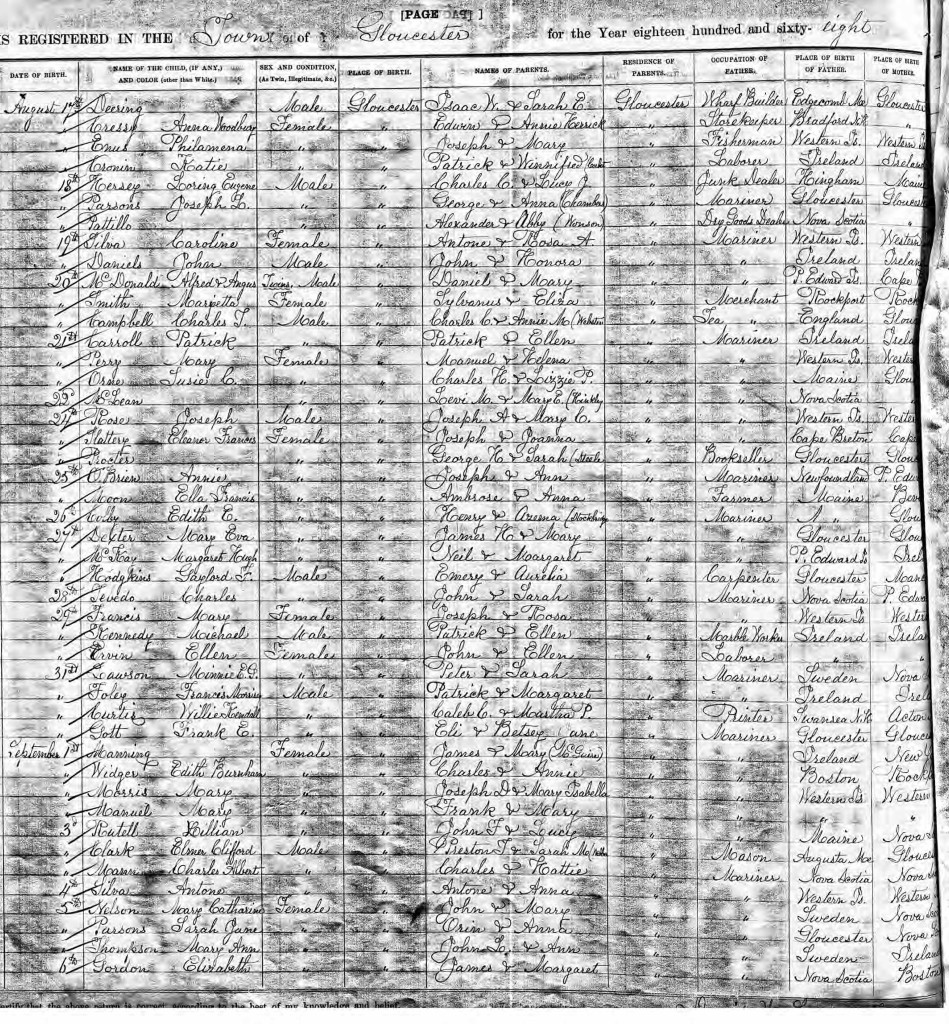
Nations jump from the page when scanning vital stats documents, too- like this one from Gloucester birth registry 1868 – scroll over to the right through Occupation / place of Birth of Father/ place of Birth of Mother.
(To get the full experience, go big! The wordpress format reduces the size, however all photos in this post can be clicked, double clicked through, or pinch & zoomed to enlarge)
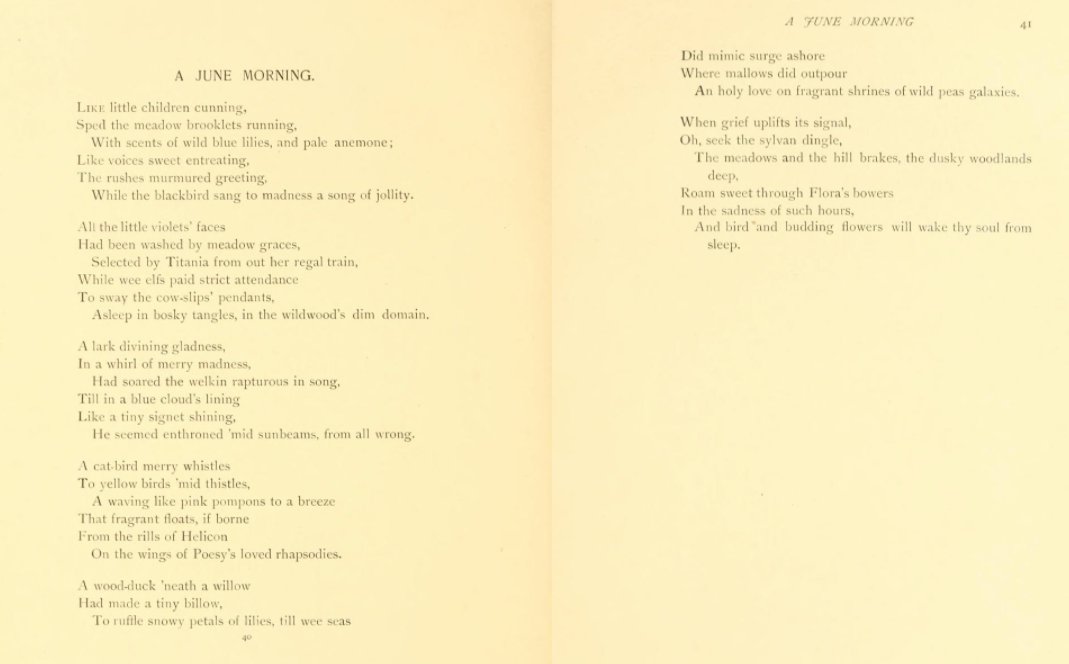
A June Morning – arch yes to my ear, and interesting catalogue of flora and fauna then

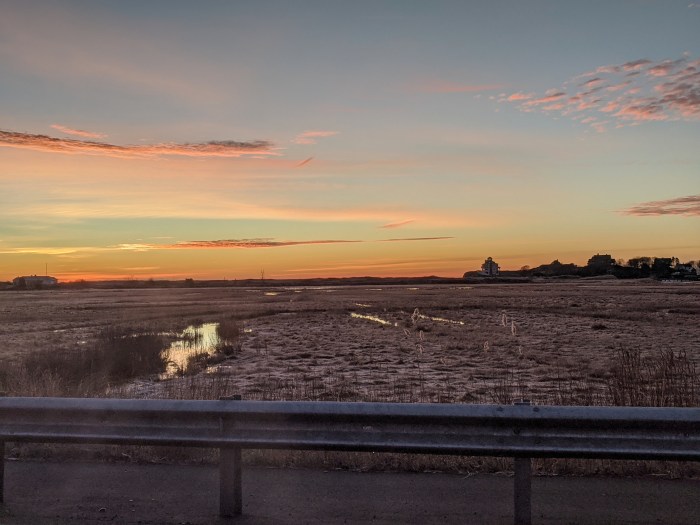
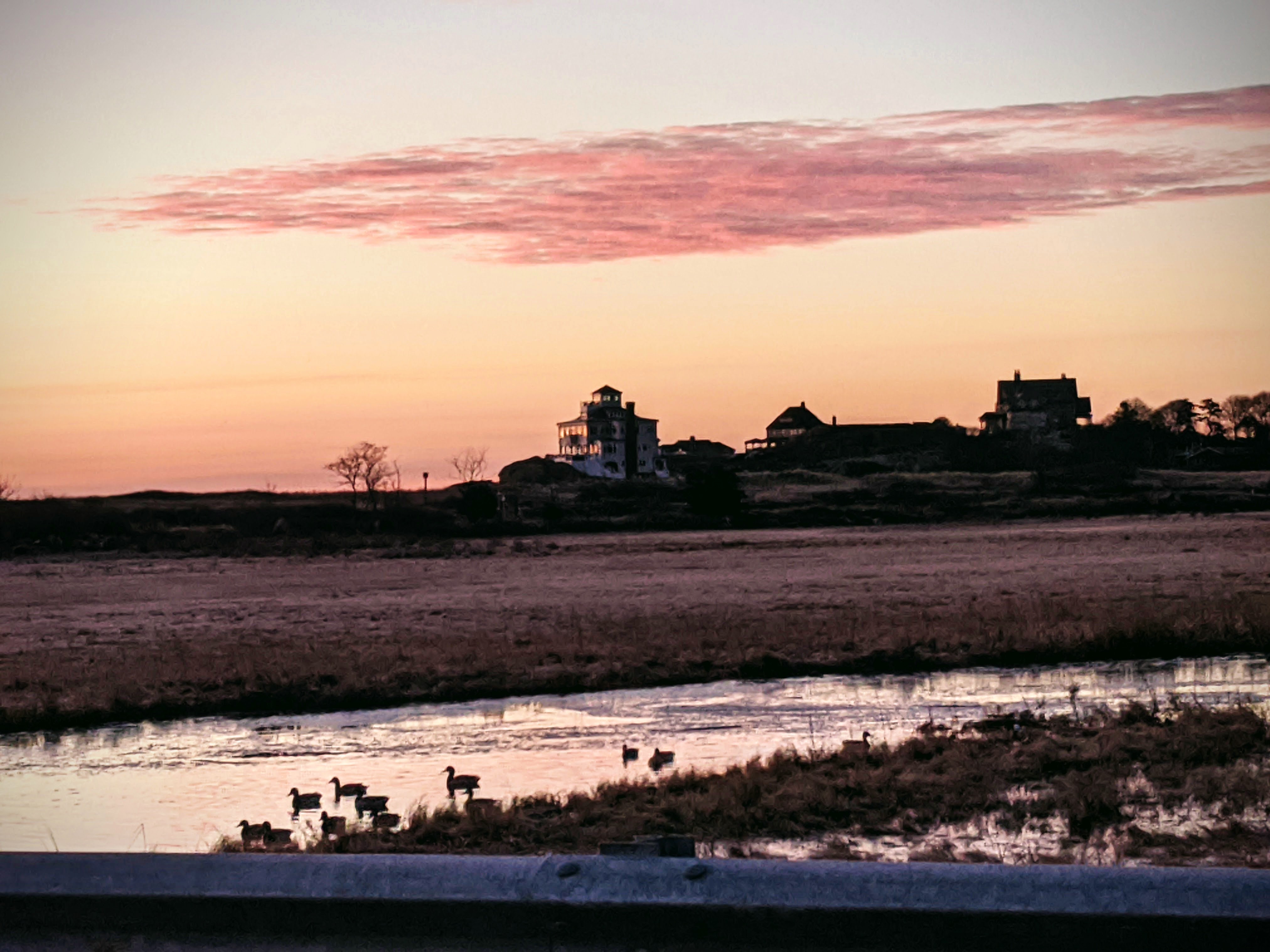
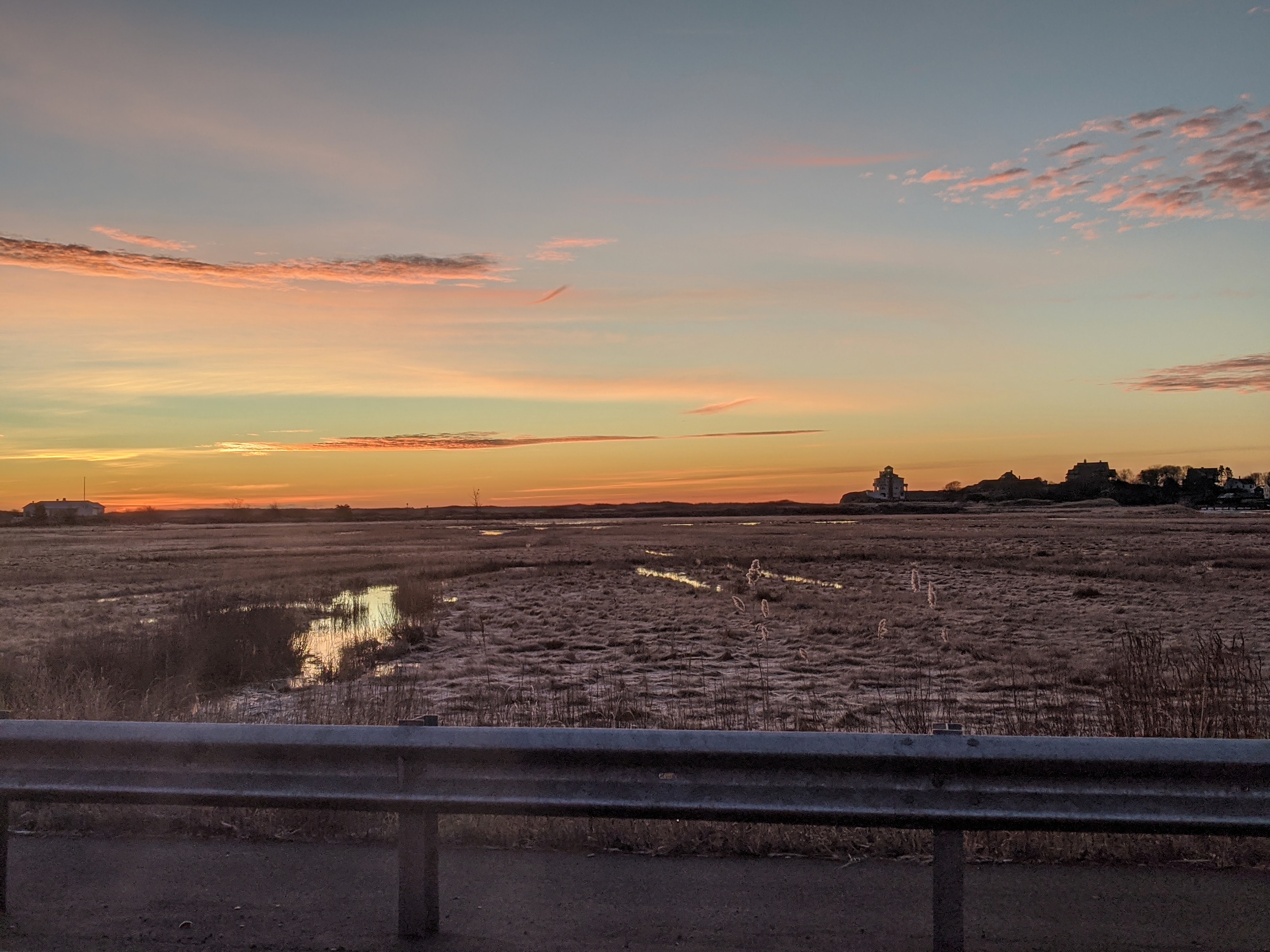
And ducks. Two photos Dec. 11, 2020


Surfari will be relocating from Main Street to a larger space on 88 Bass Avenue, with more parking and closer to Good Harbor Beach. The space is across from Charlie’s and next to Cape Ann Coffees.

Shop Surfari open on Main Street now for December specials.

Note: Serendipity Playhouse closed in this space in October. Stay tuned for future news and reach out to them about their extensive character costume collection for rentals.

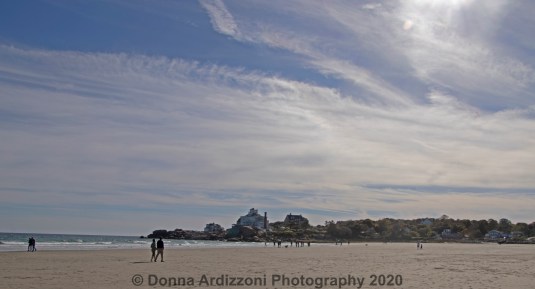
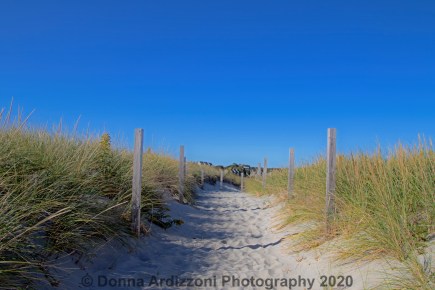




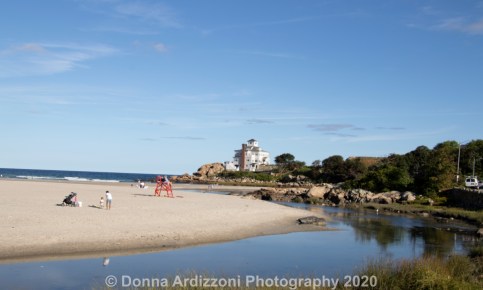
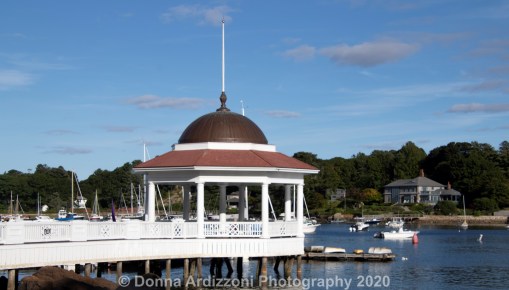

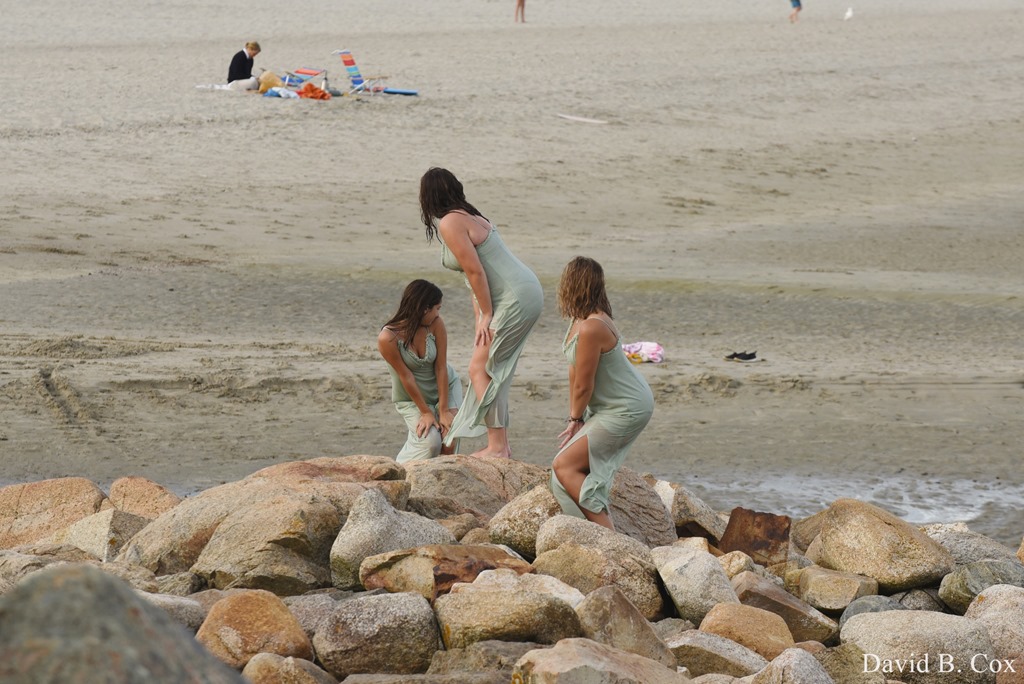
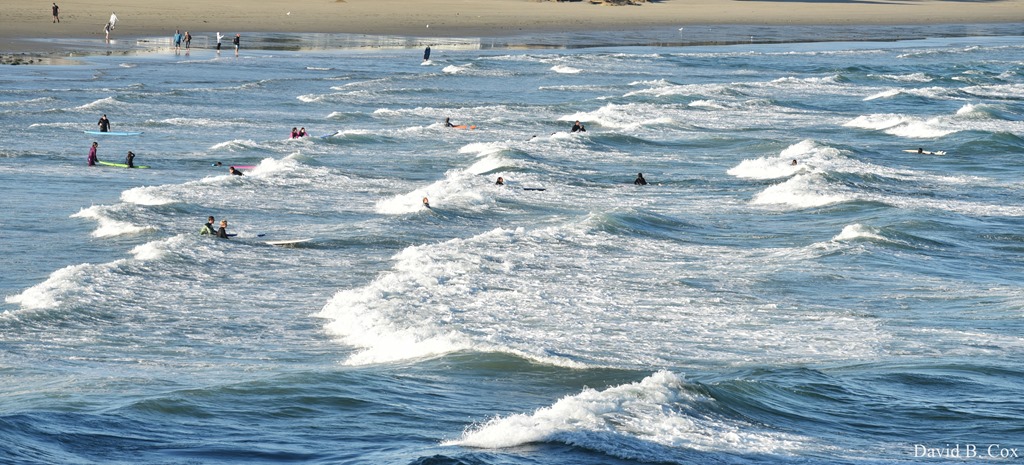
At Good Harbor Beach…
ch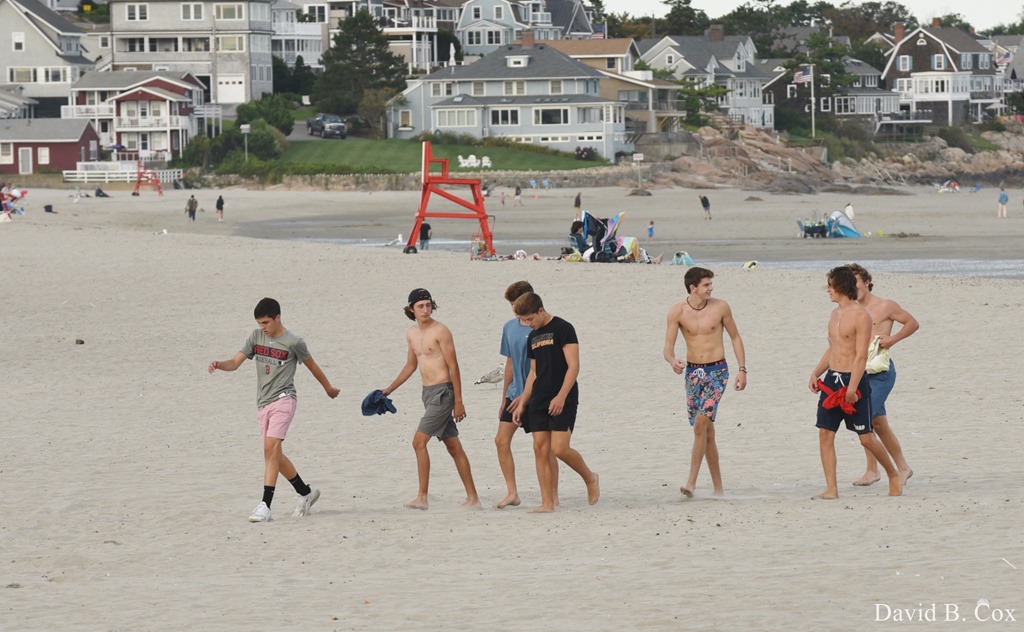




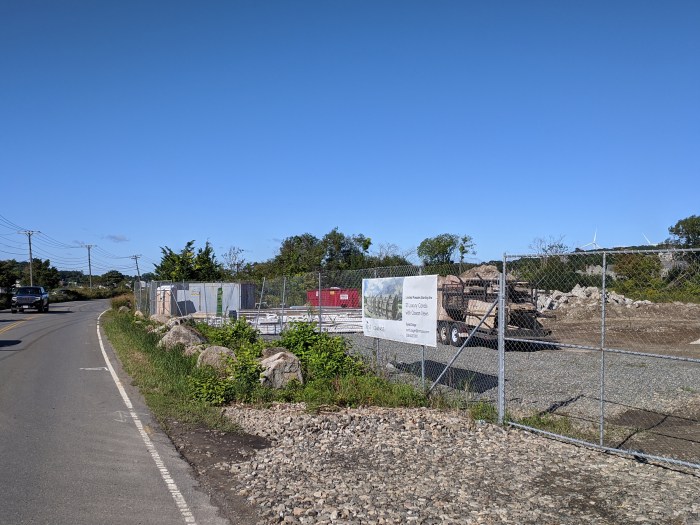
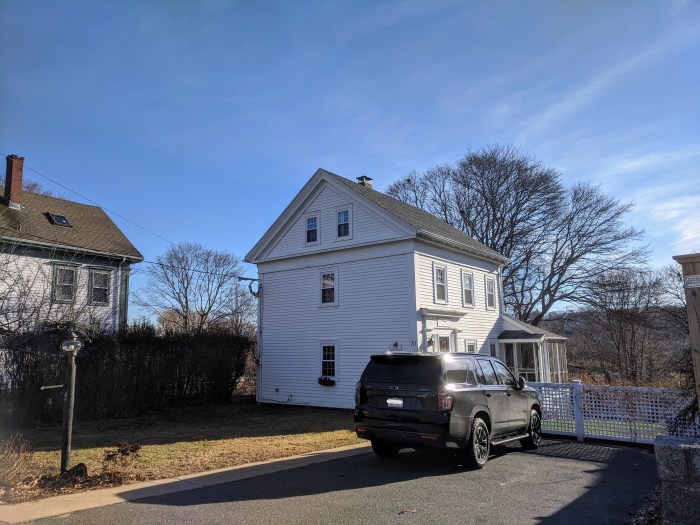
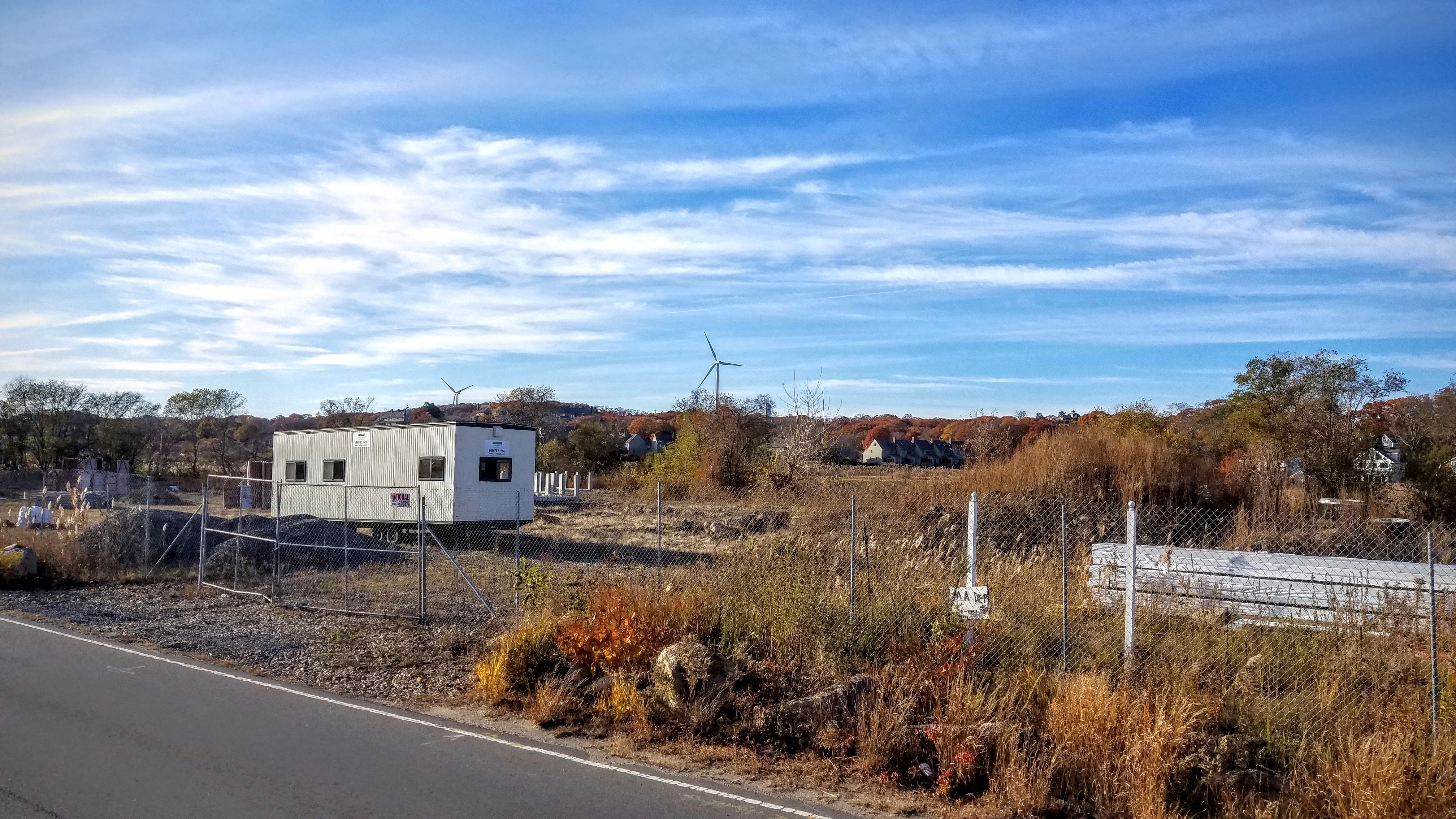
Heavy equipment was brought back behind the fence at the corner of Thatcher and Witham (70 Thatcher Road – 74 Thatcher Road) and a new sign.
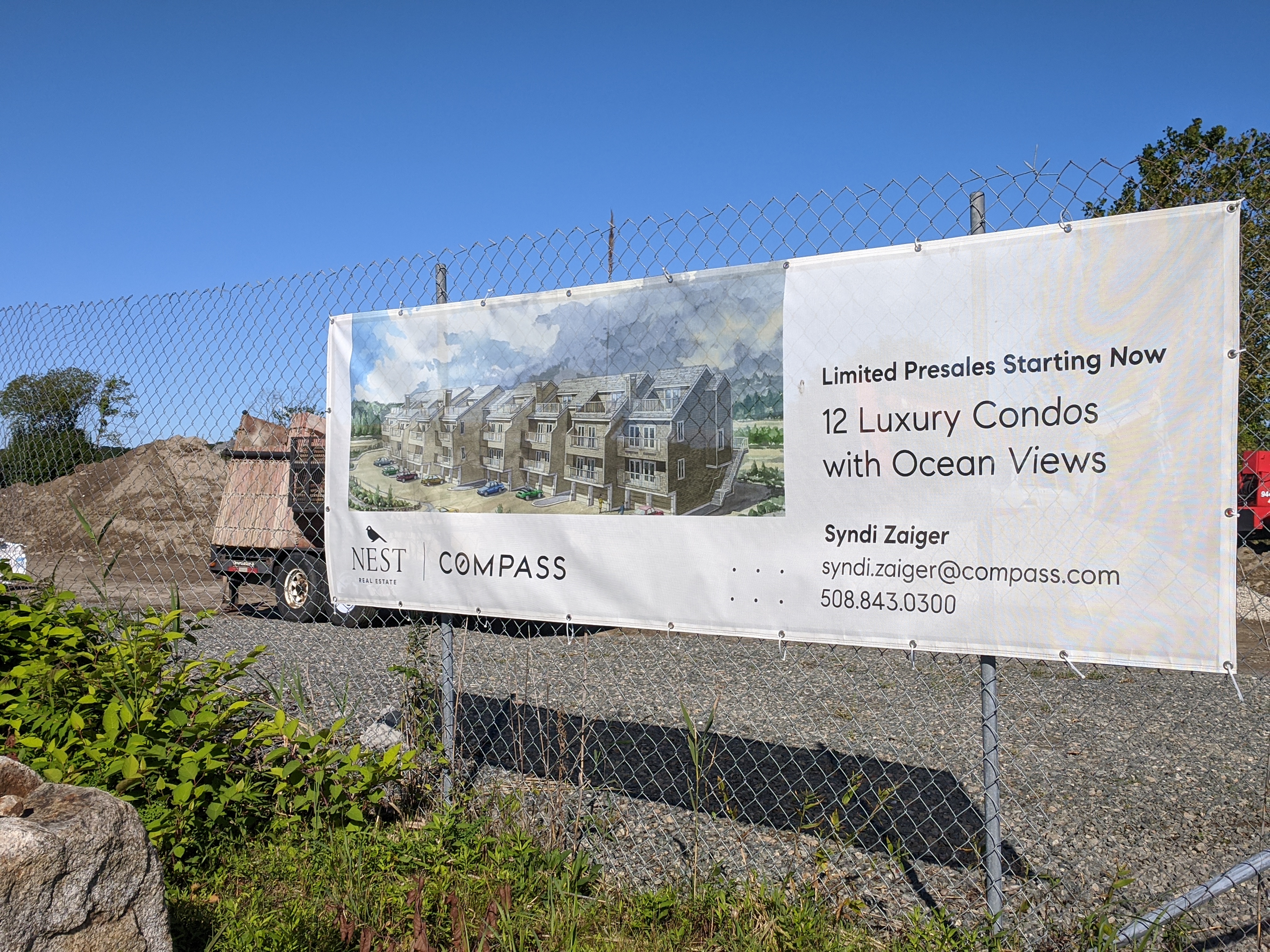
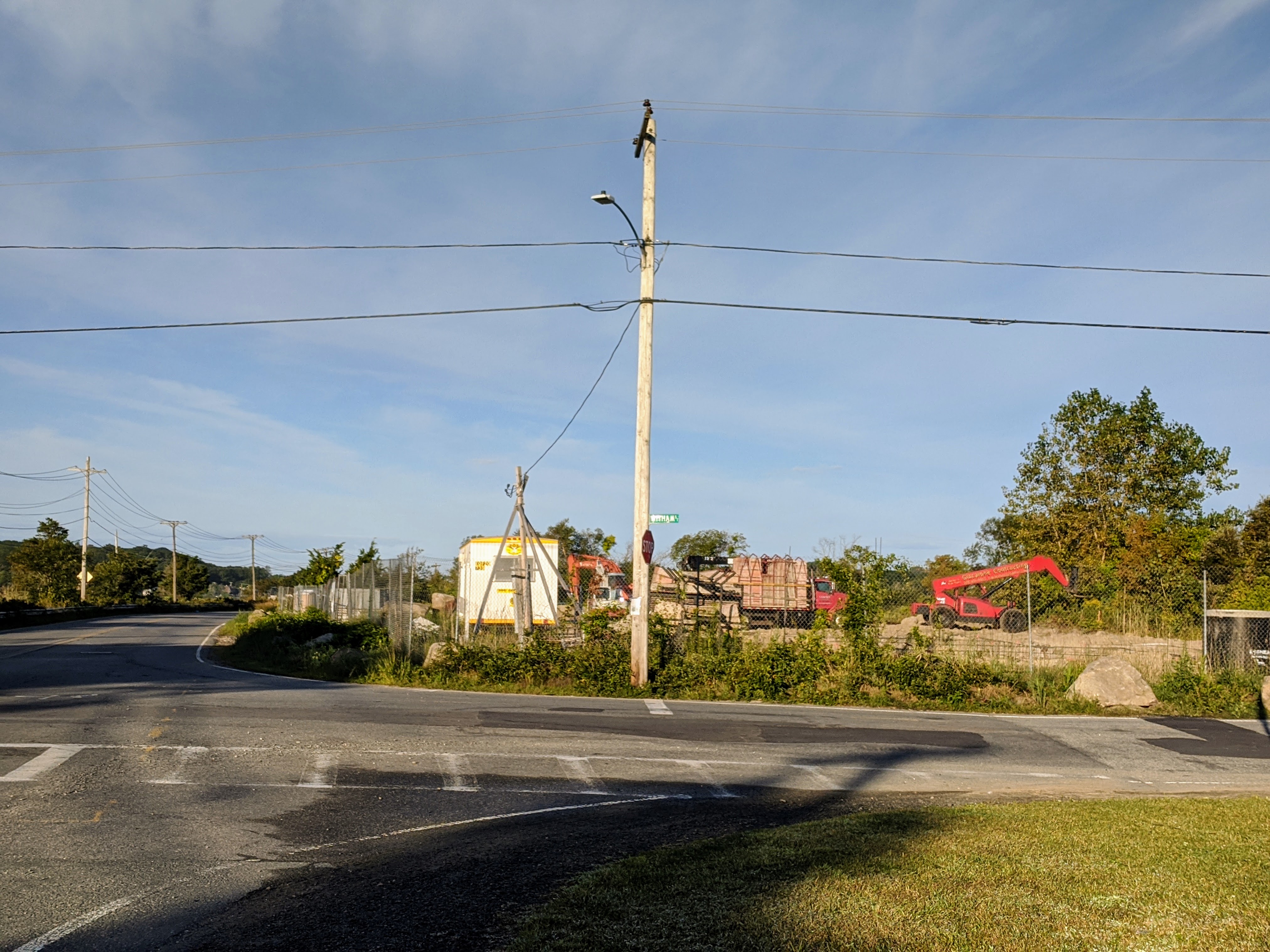
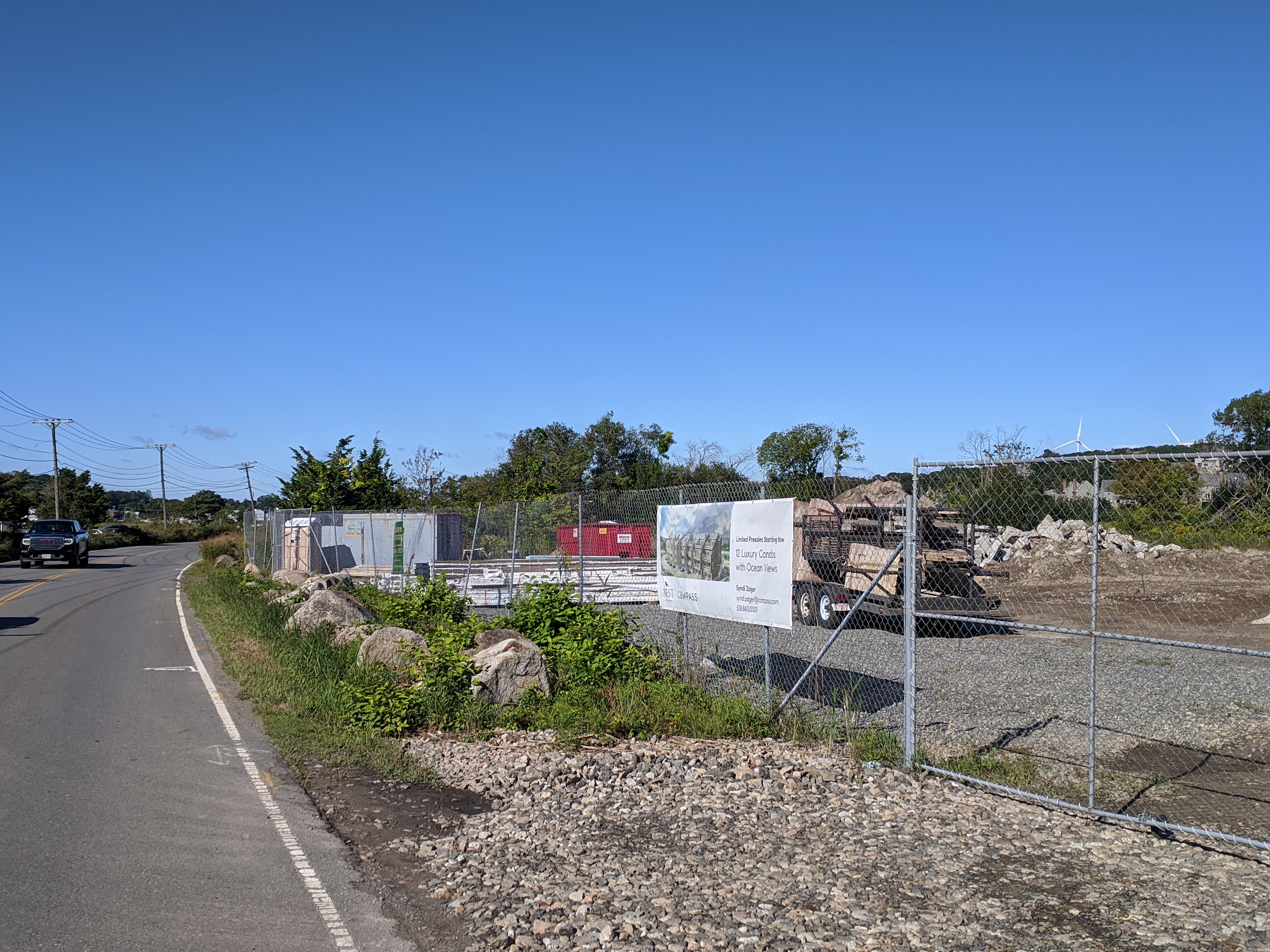
vs. back in Fall 2016

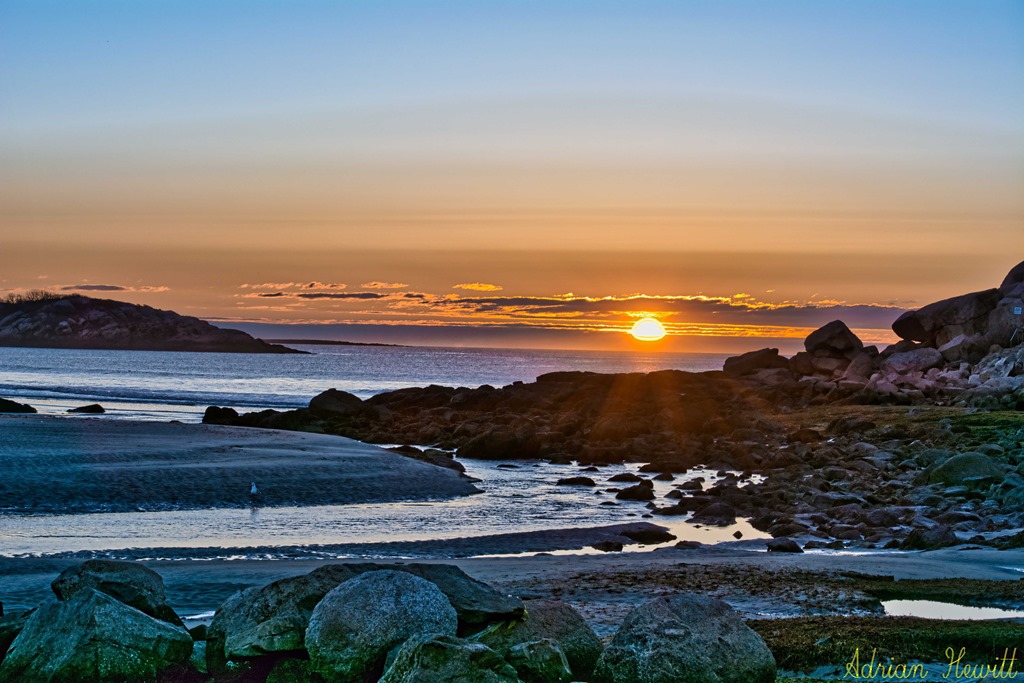

 Good Morning Gloucester