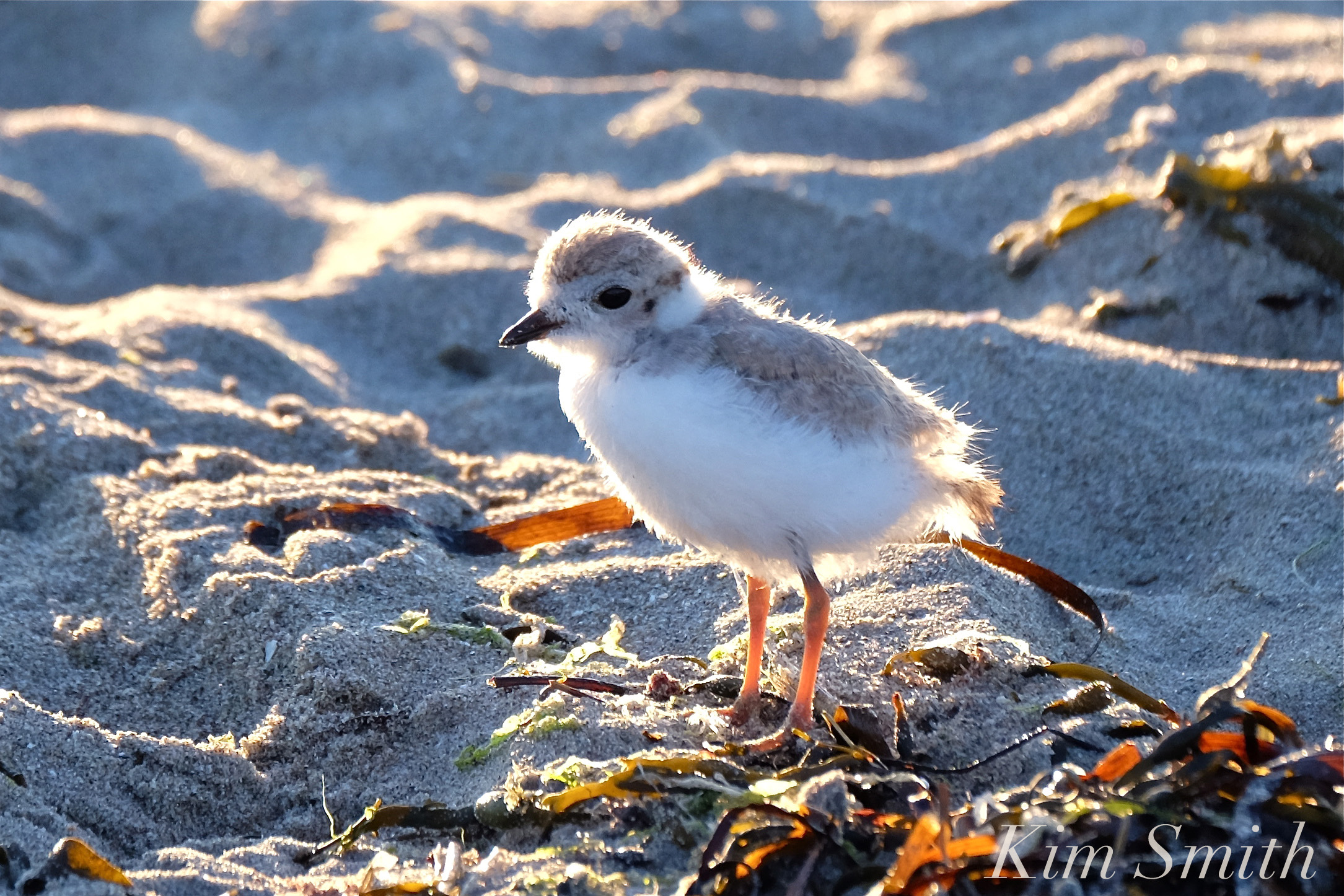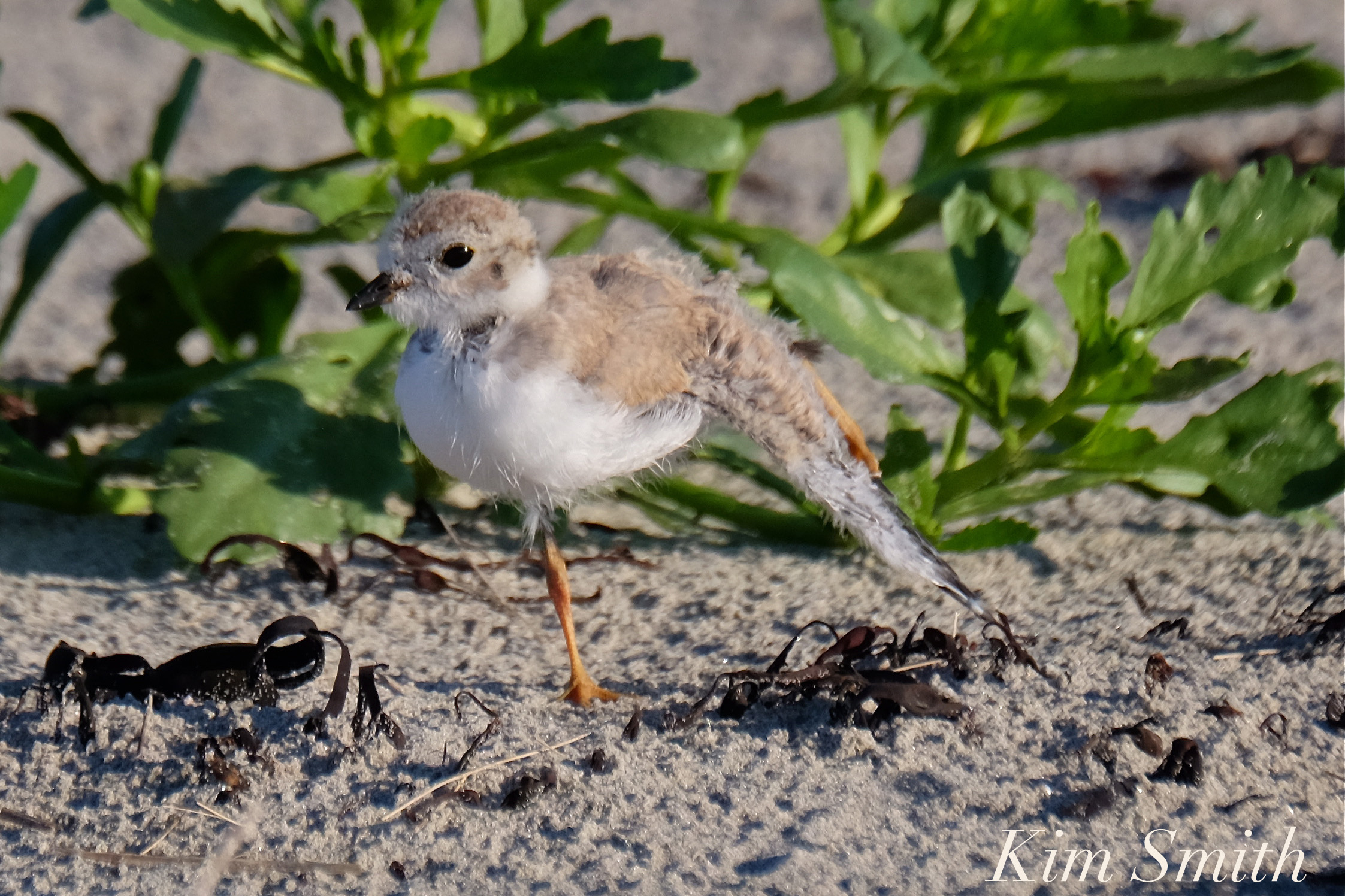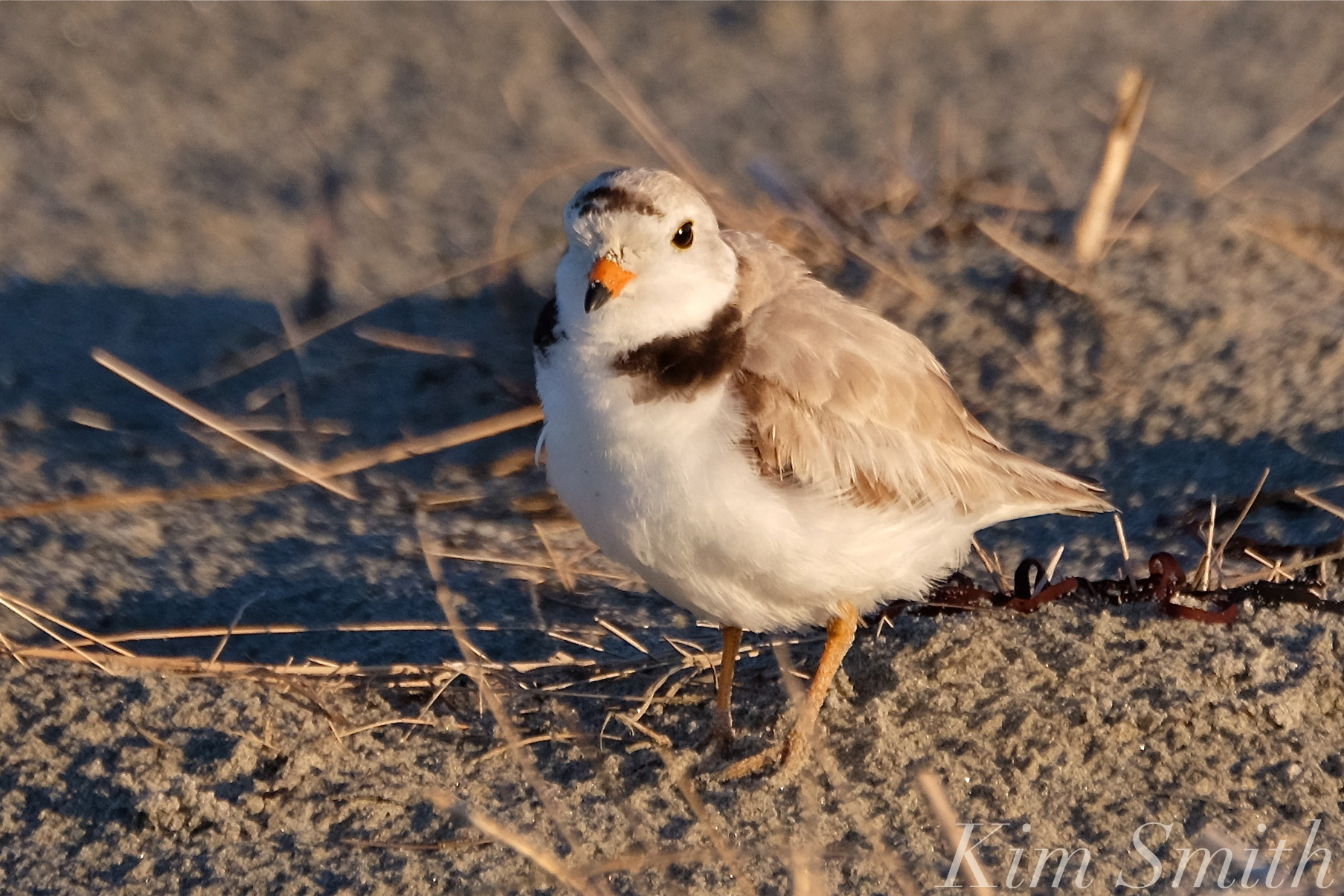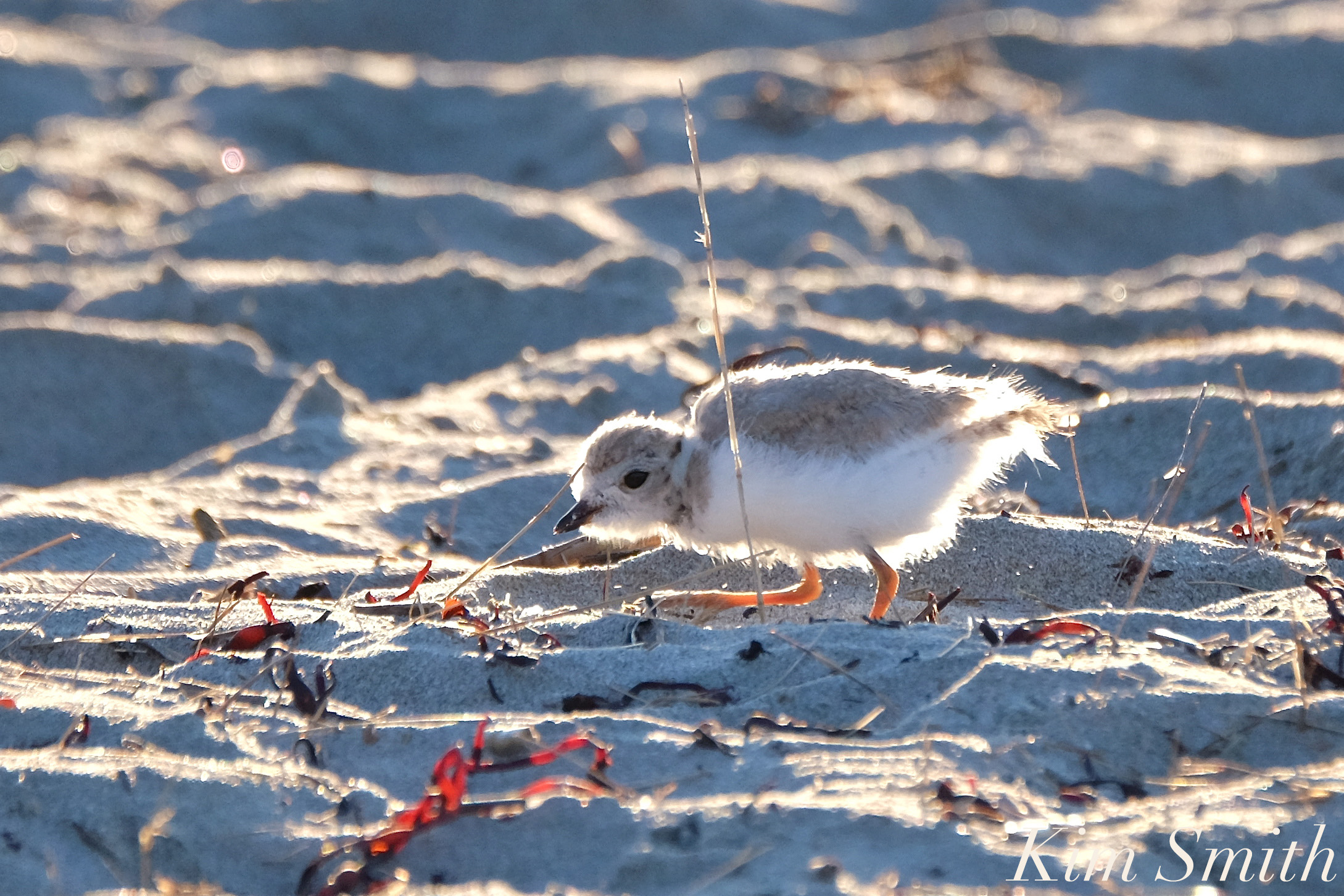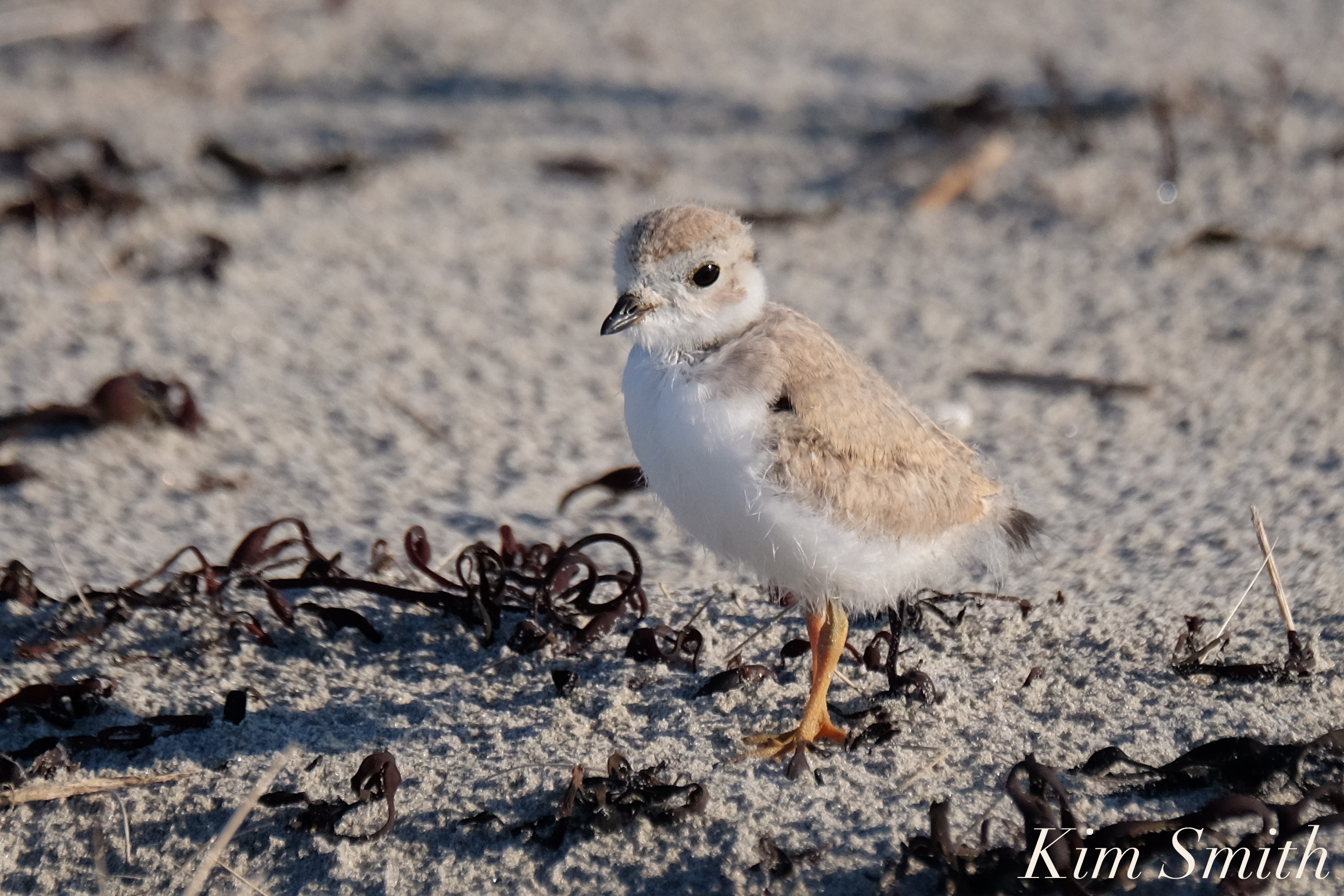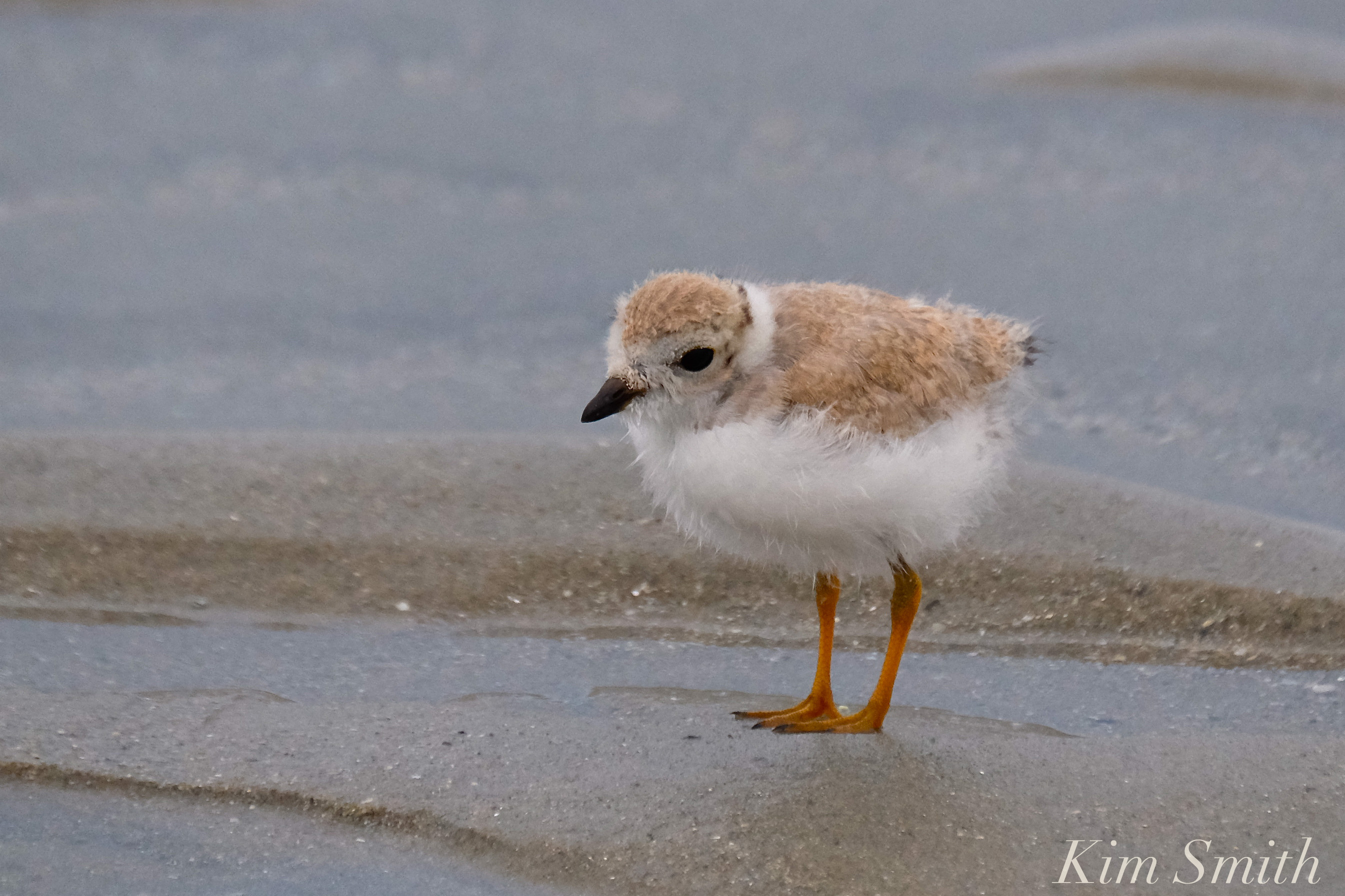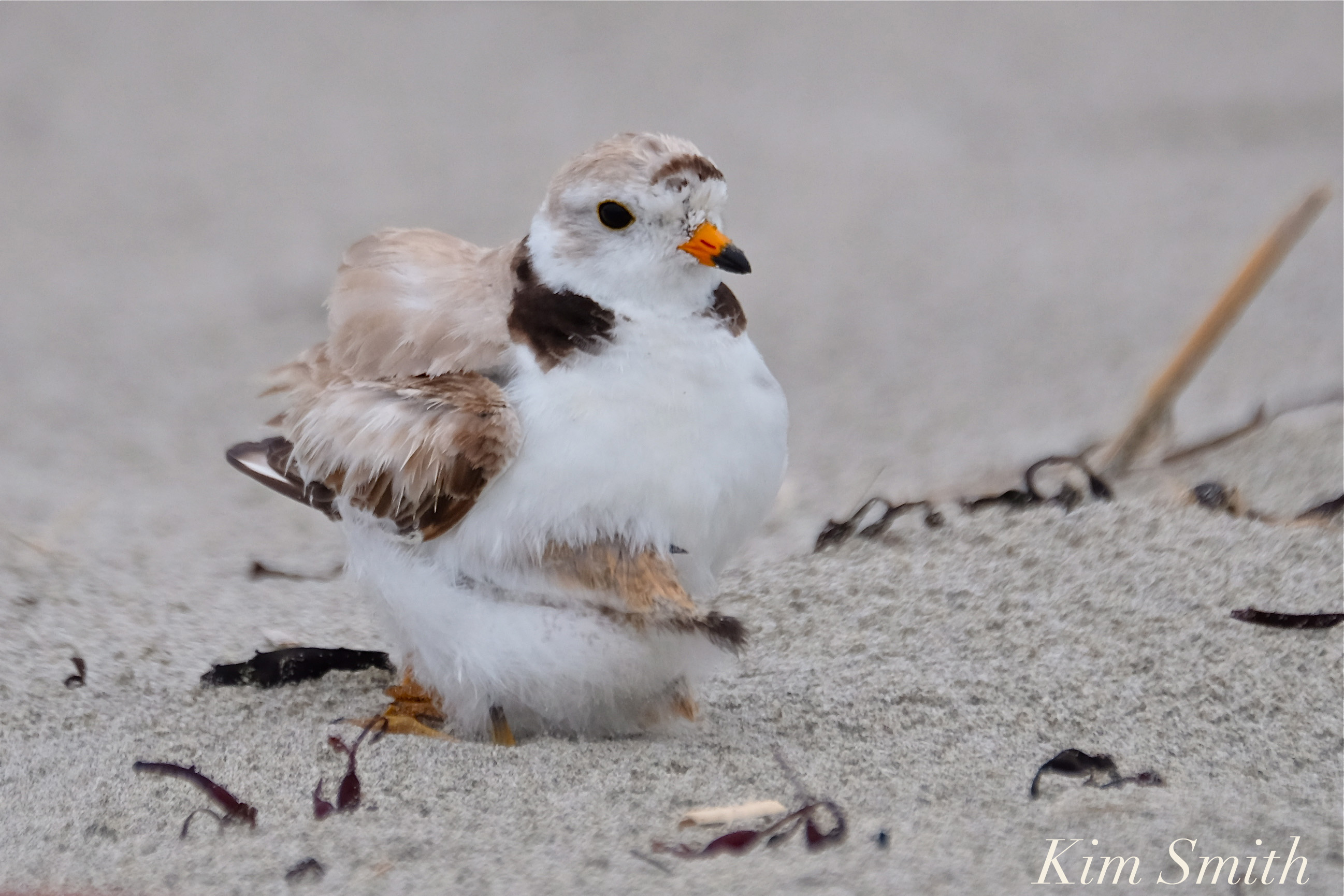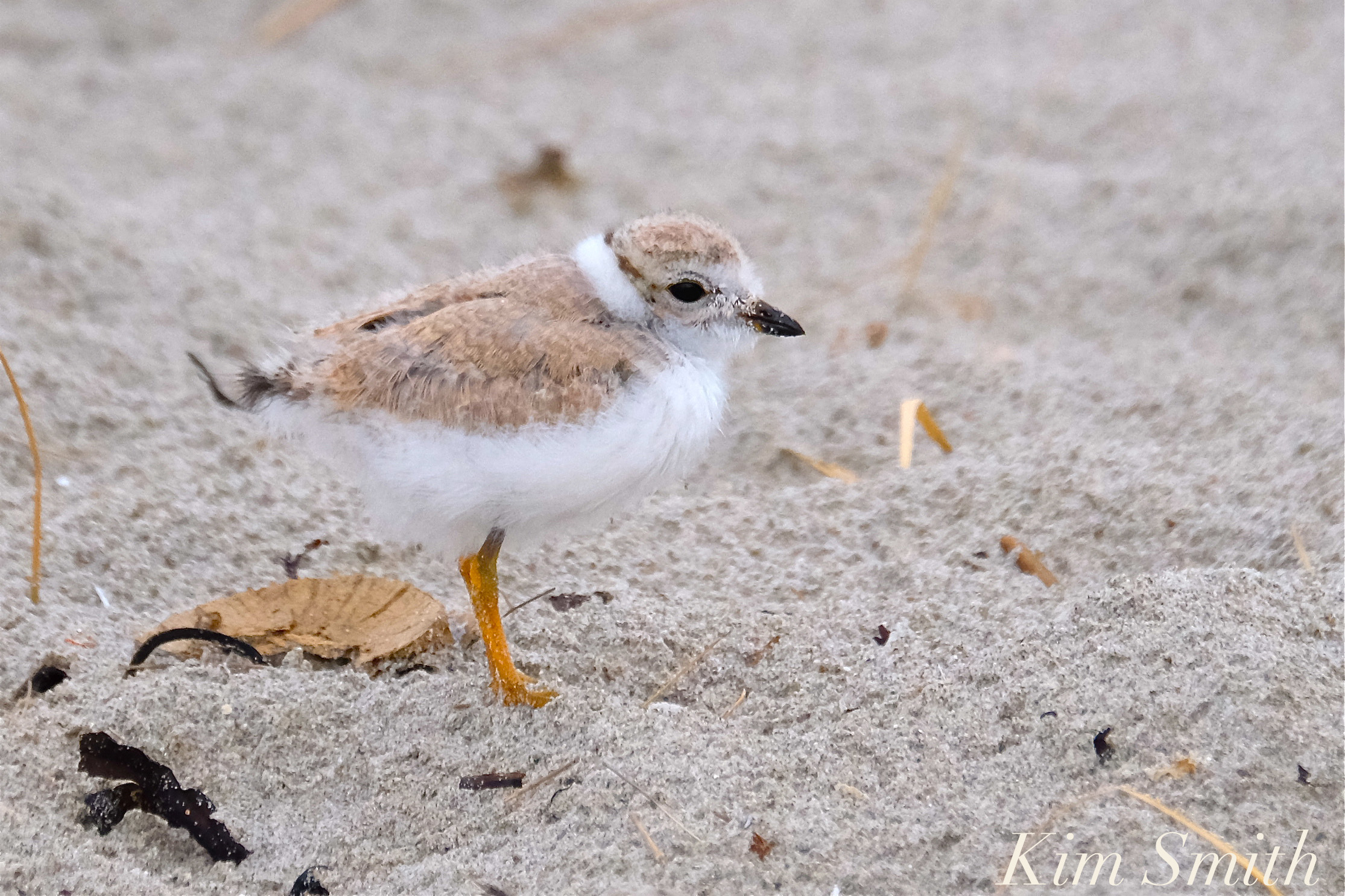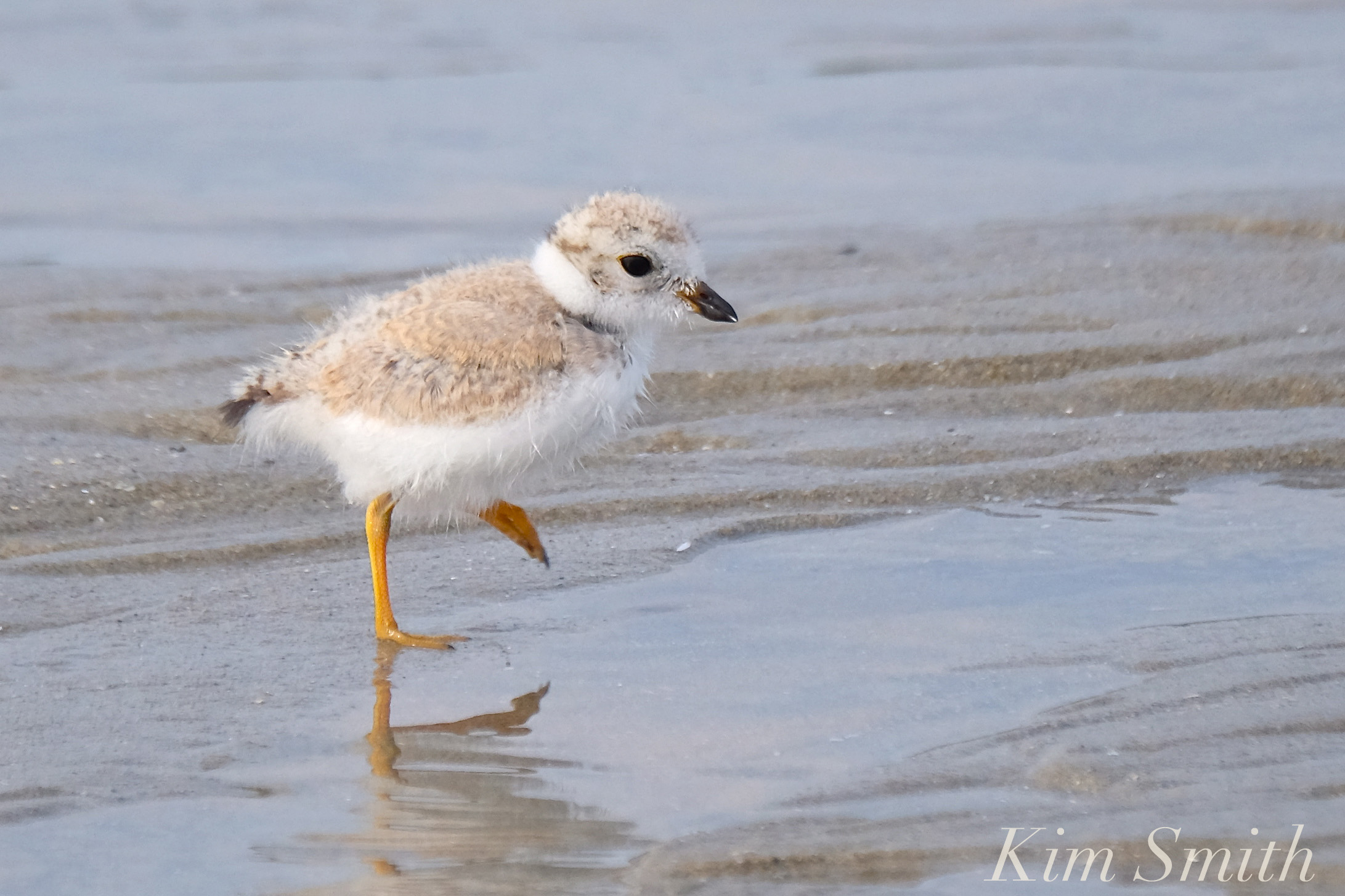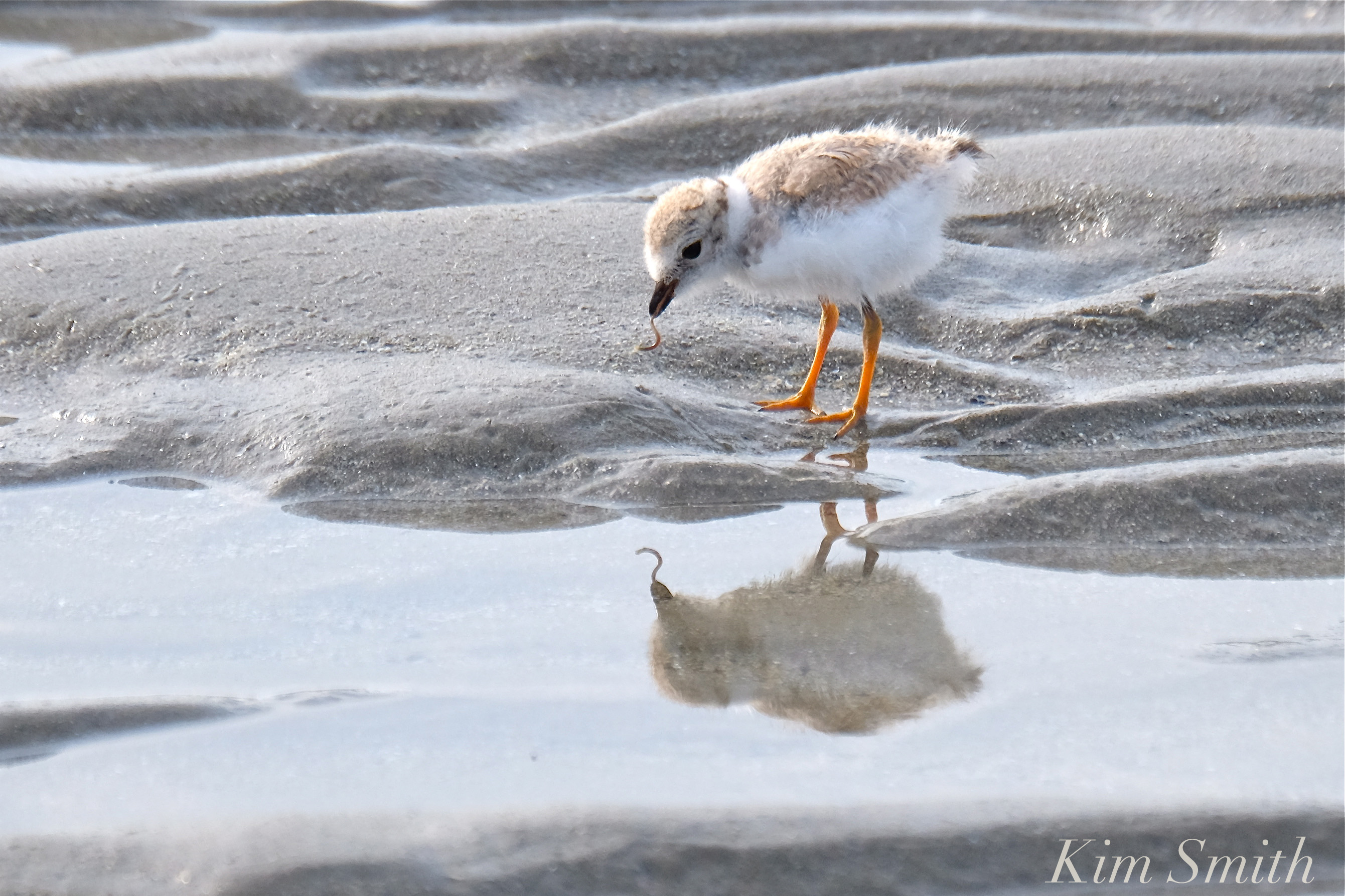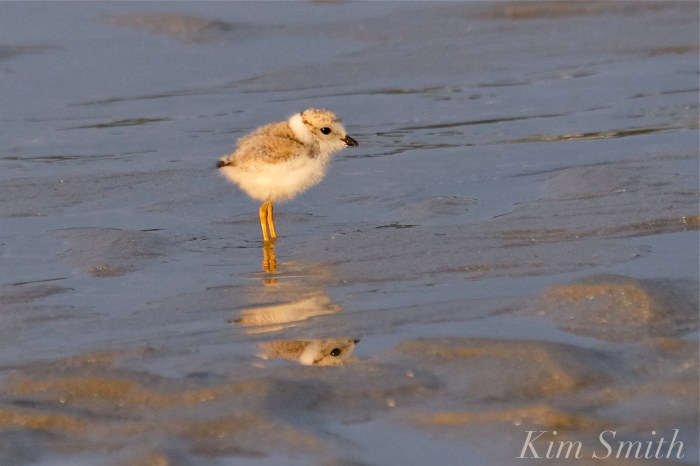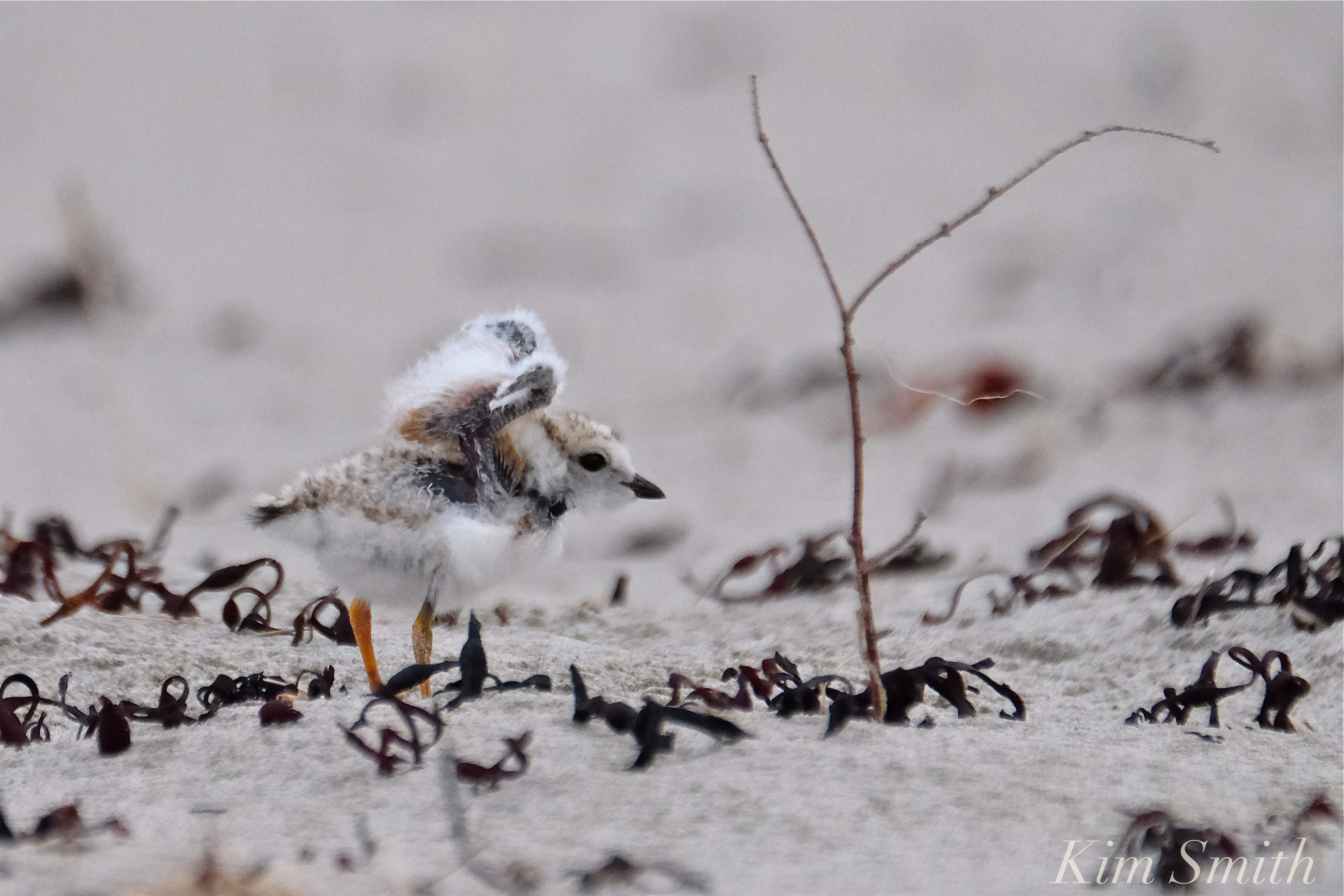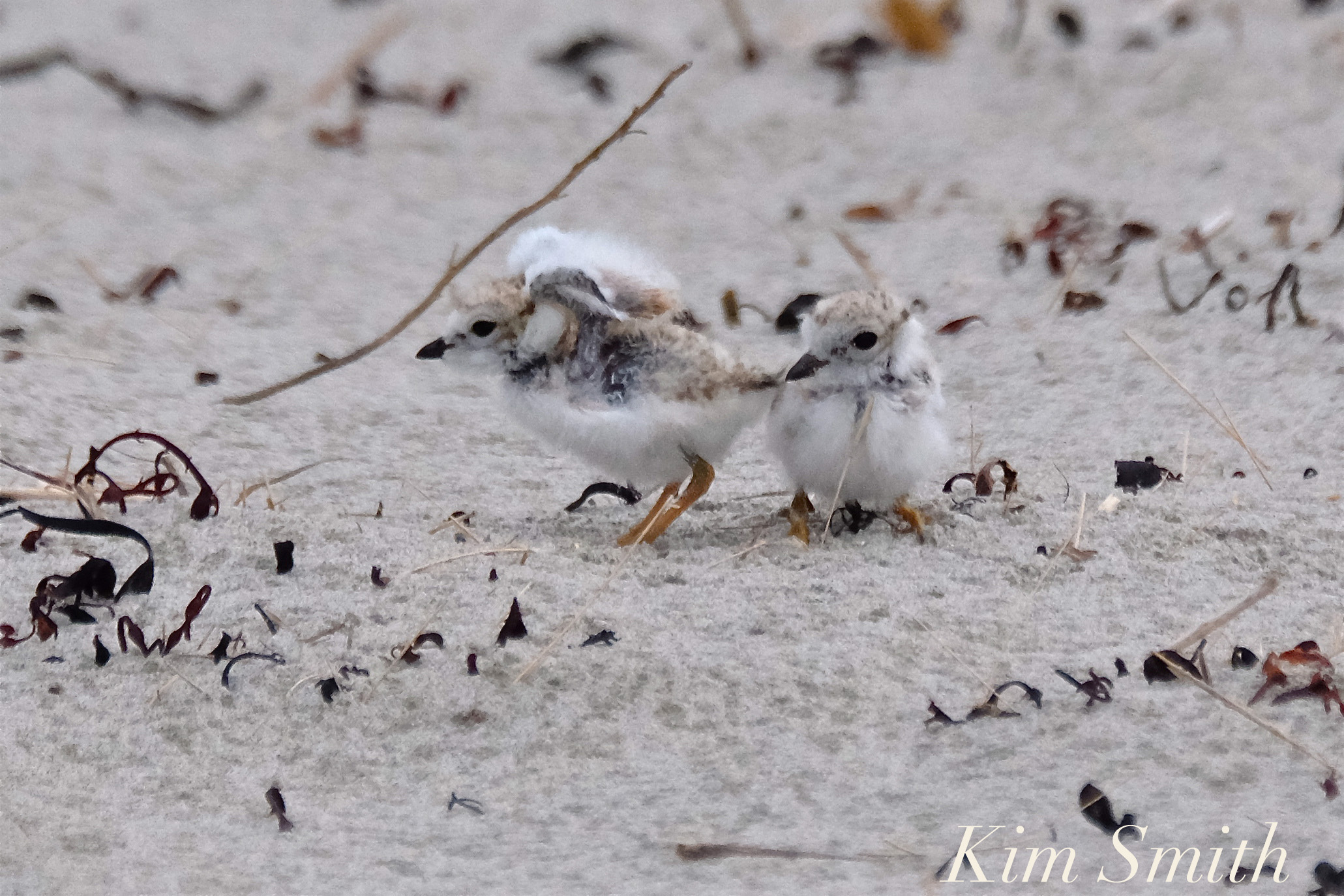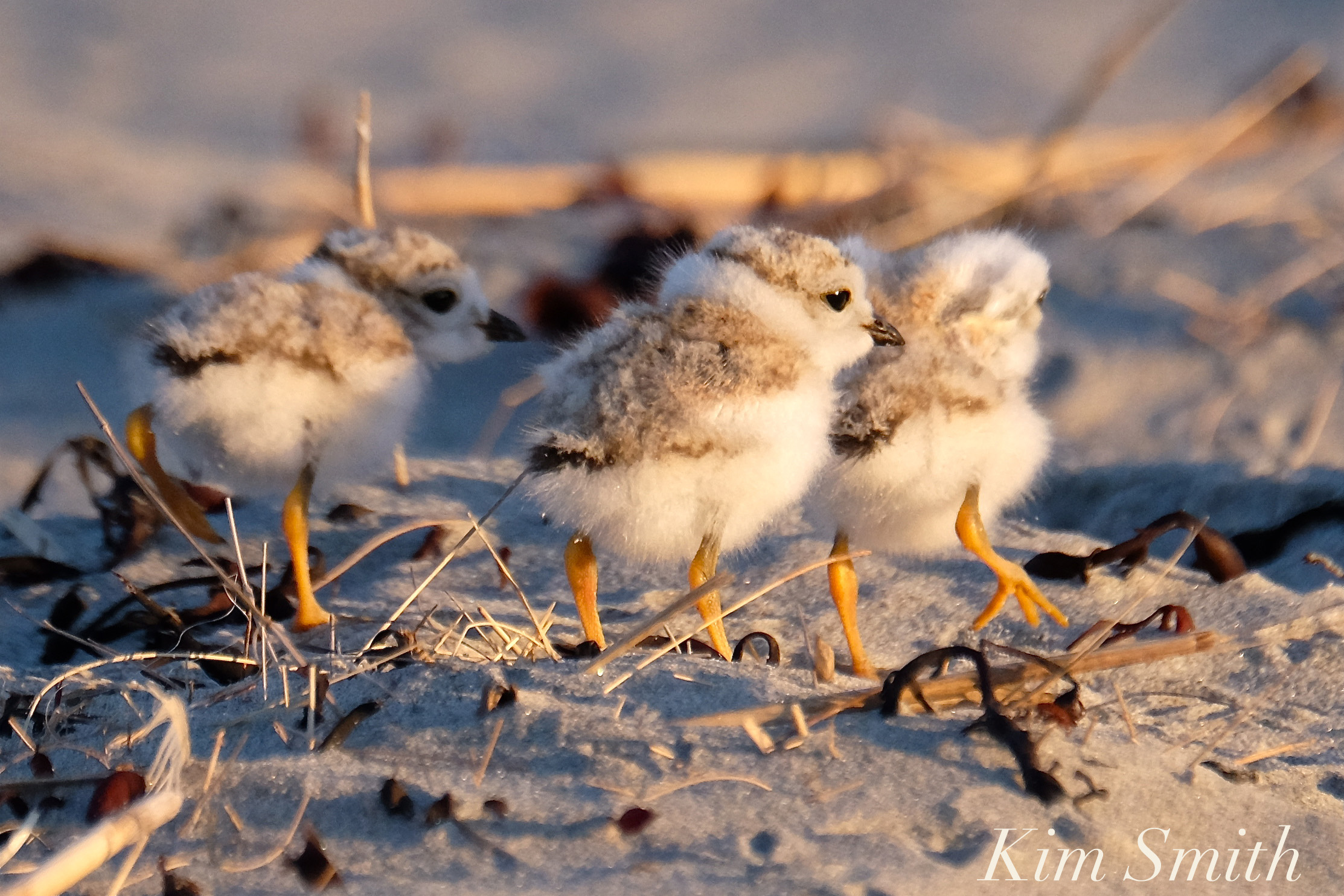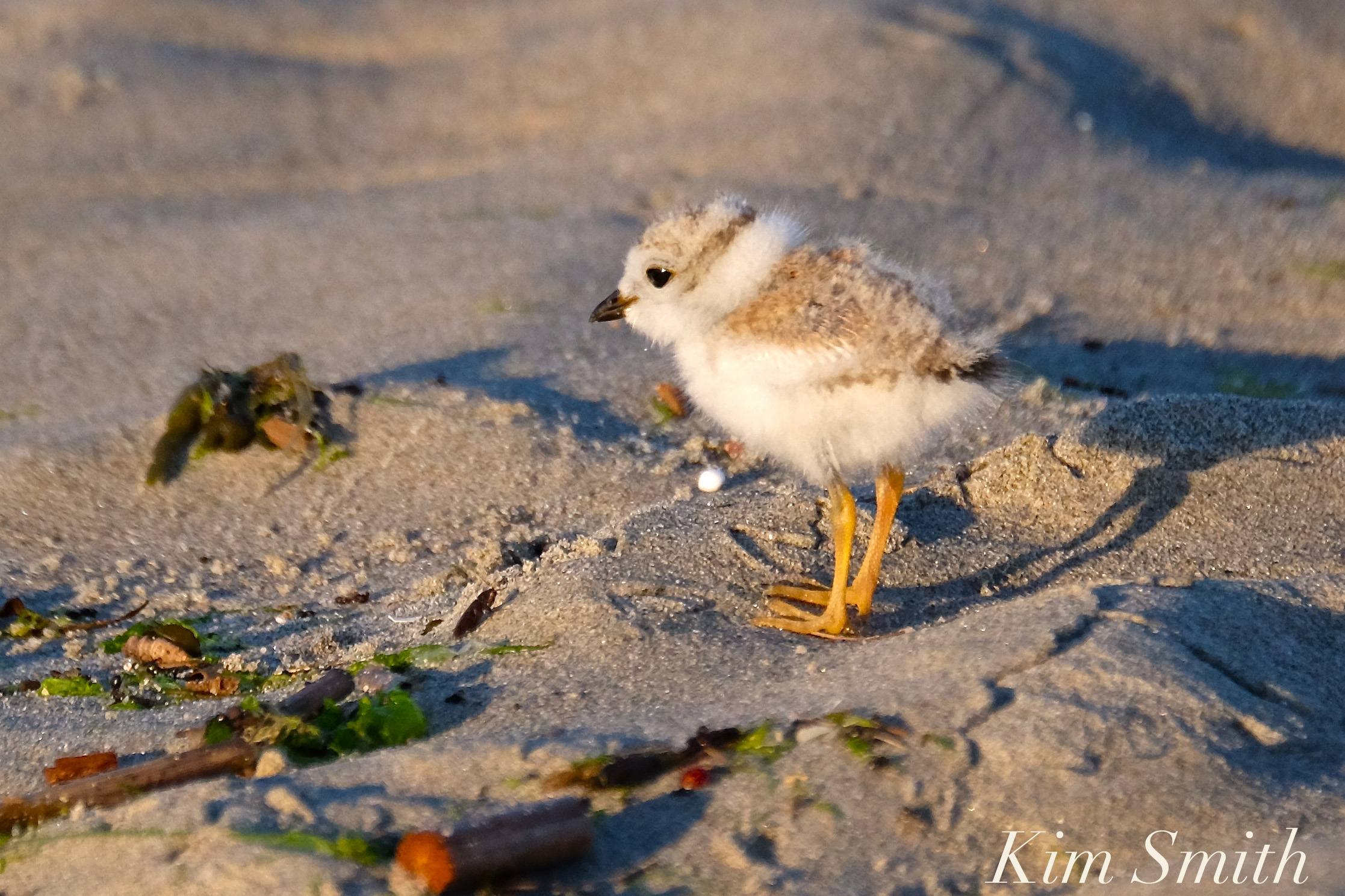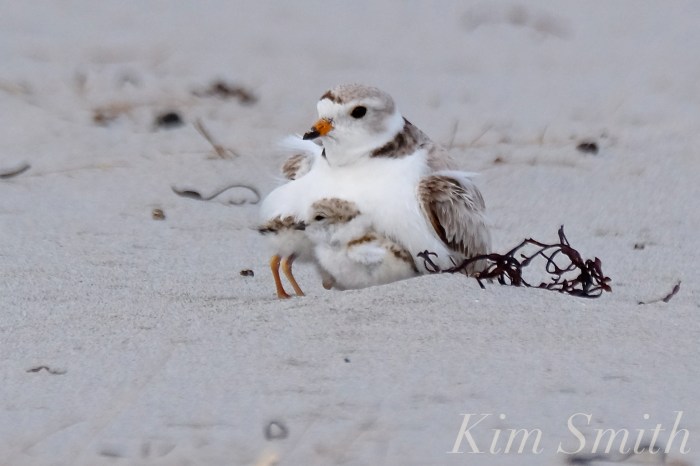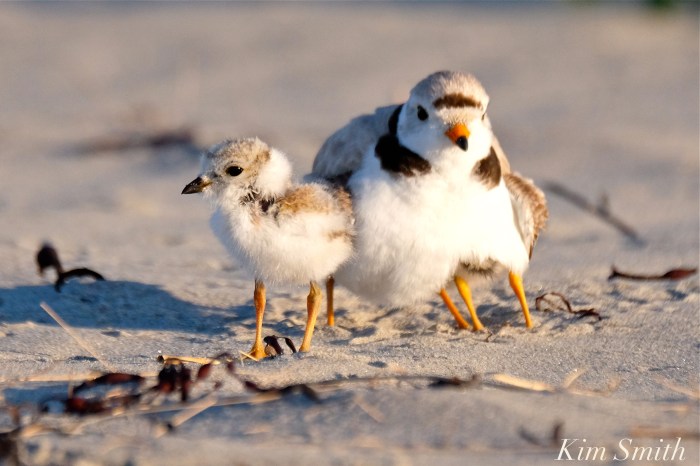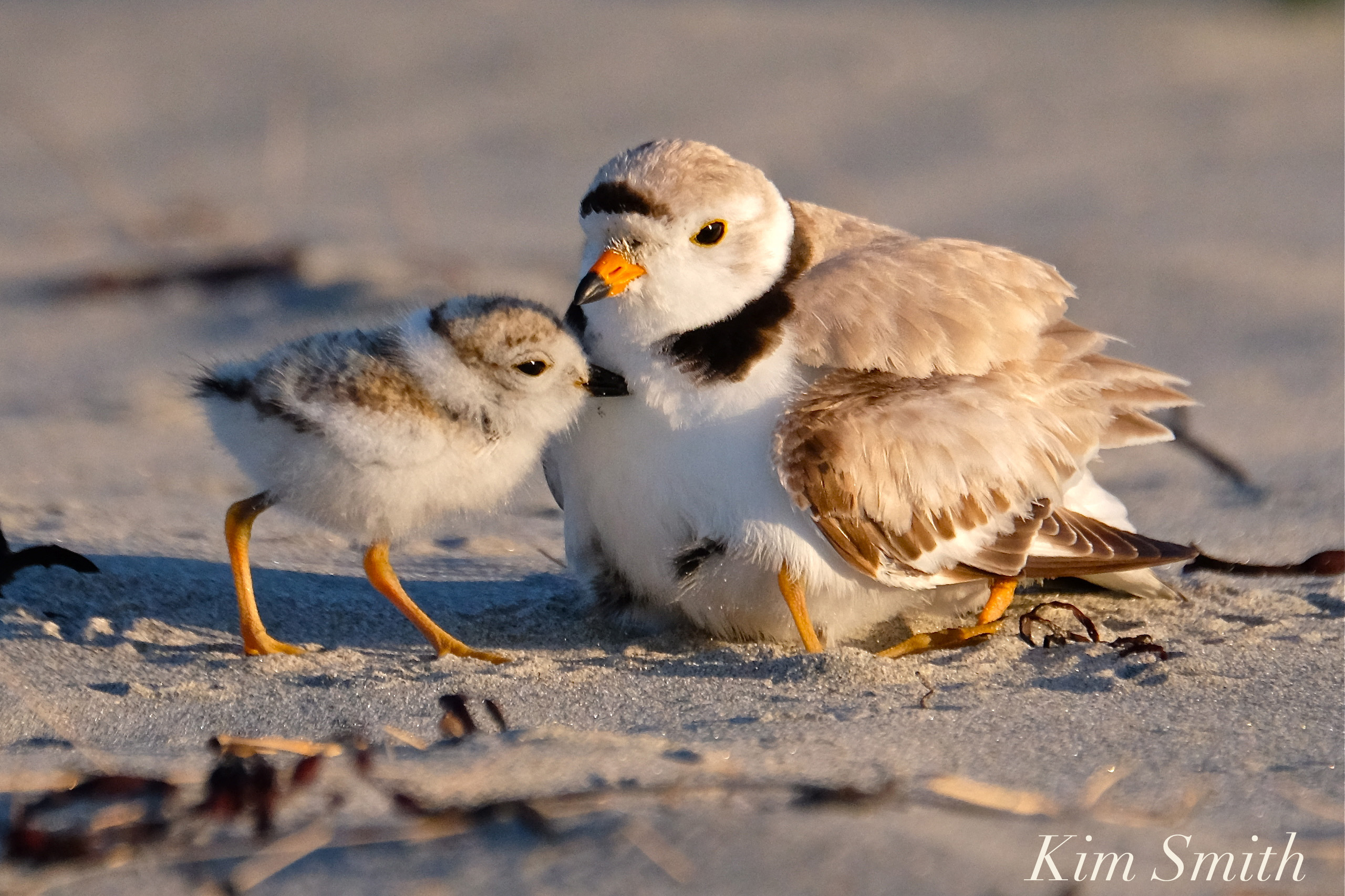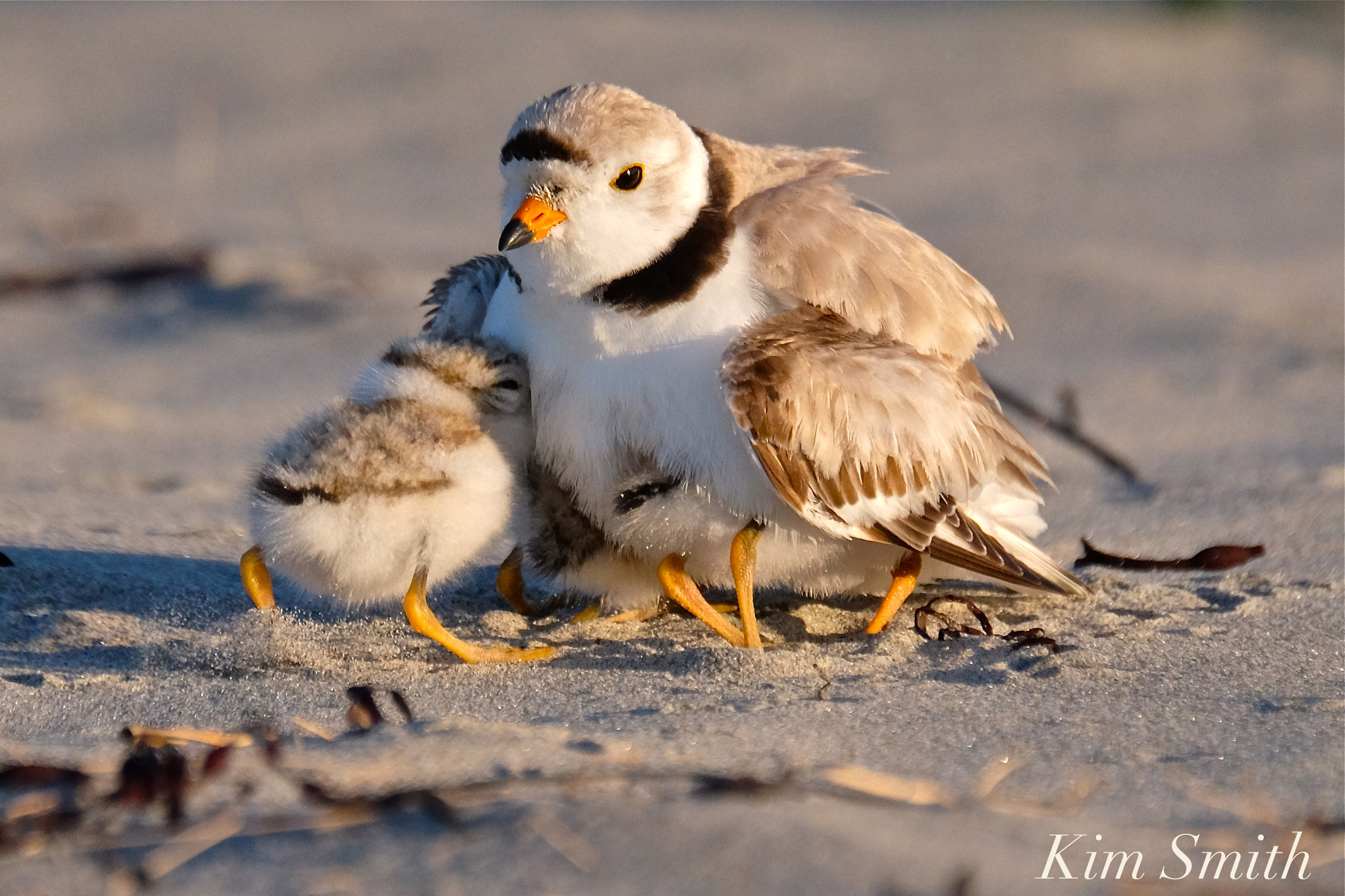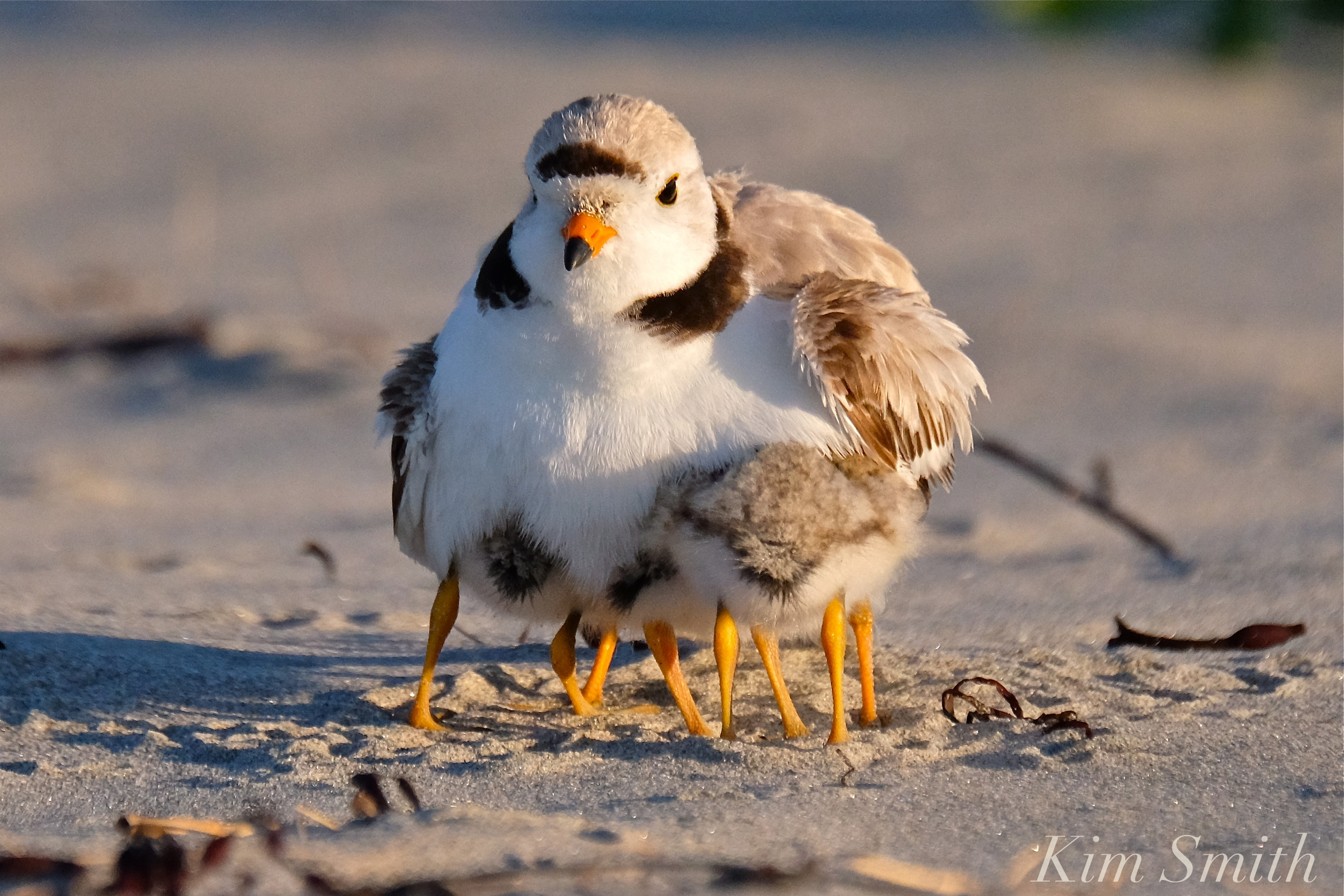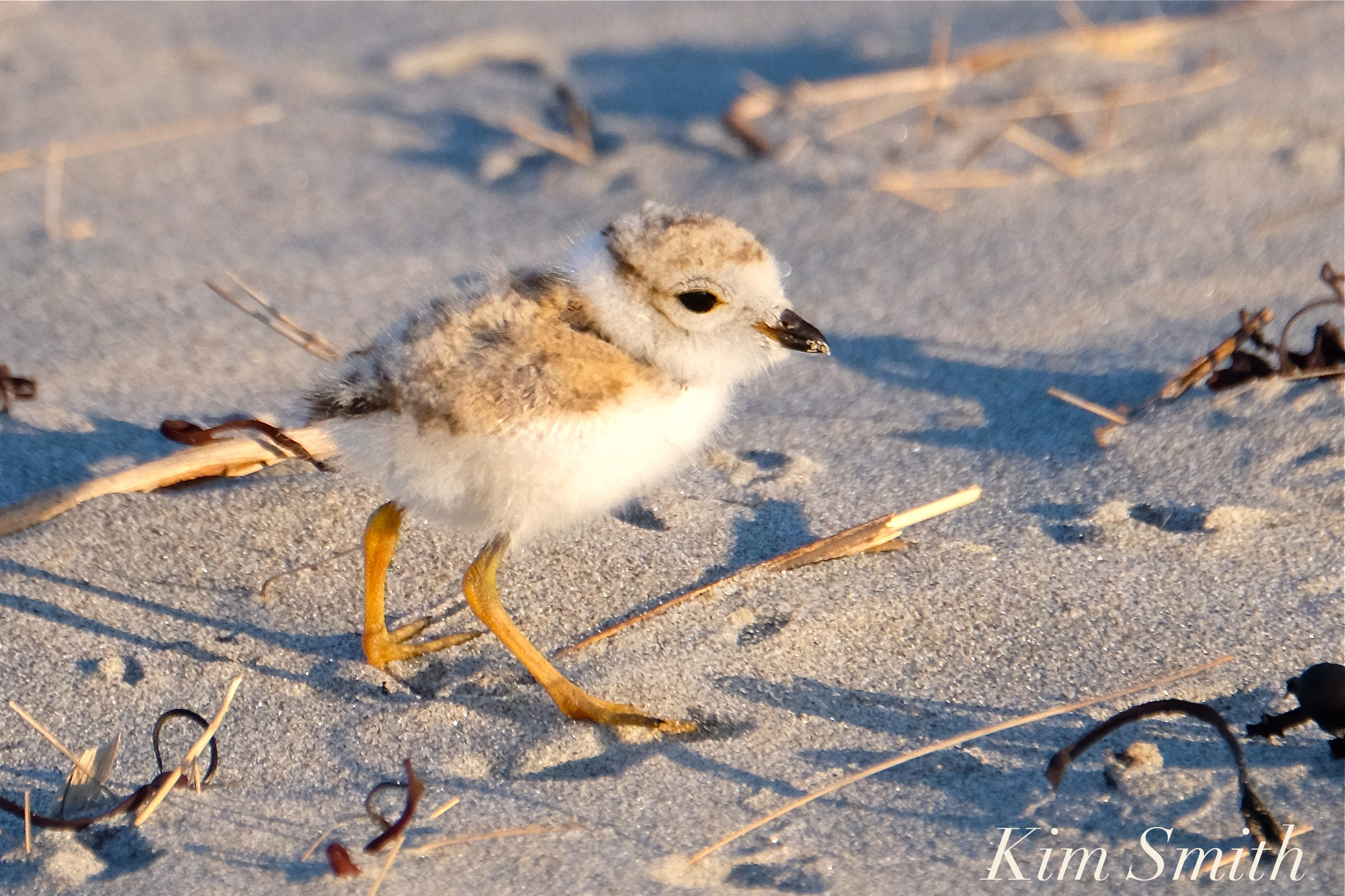
HOORAY FOR OUR TWENTY-THREE-DAY-OLD PIPING PLOVER CHICK!

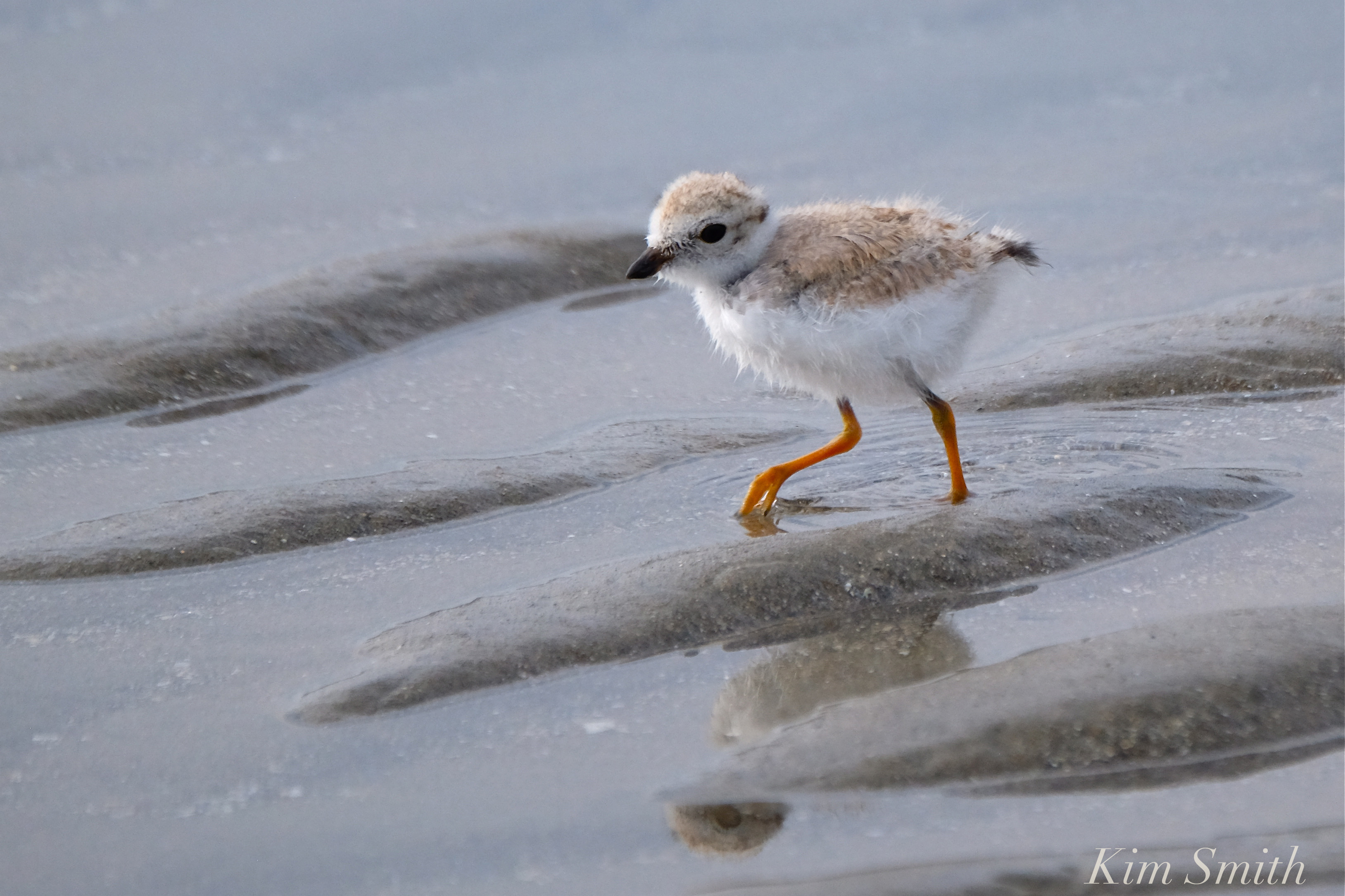
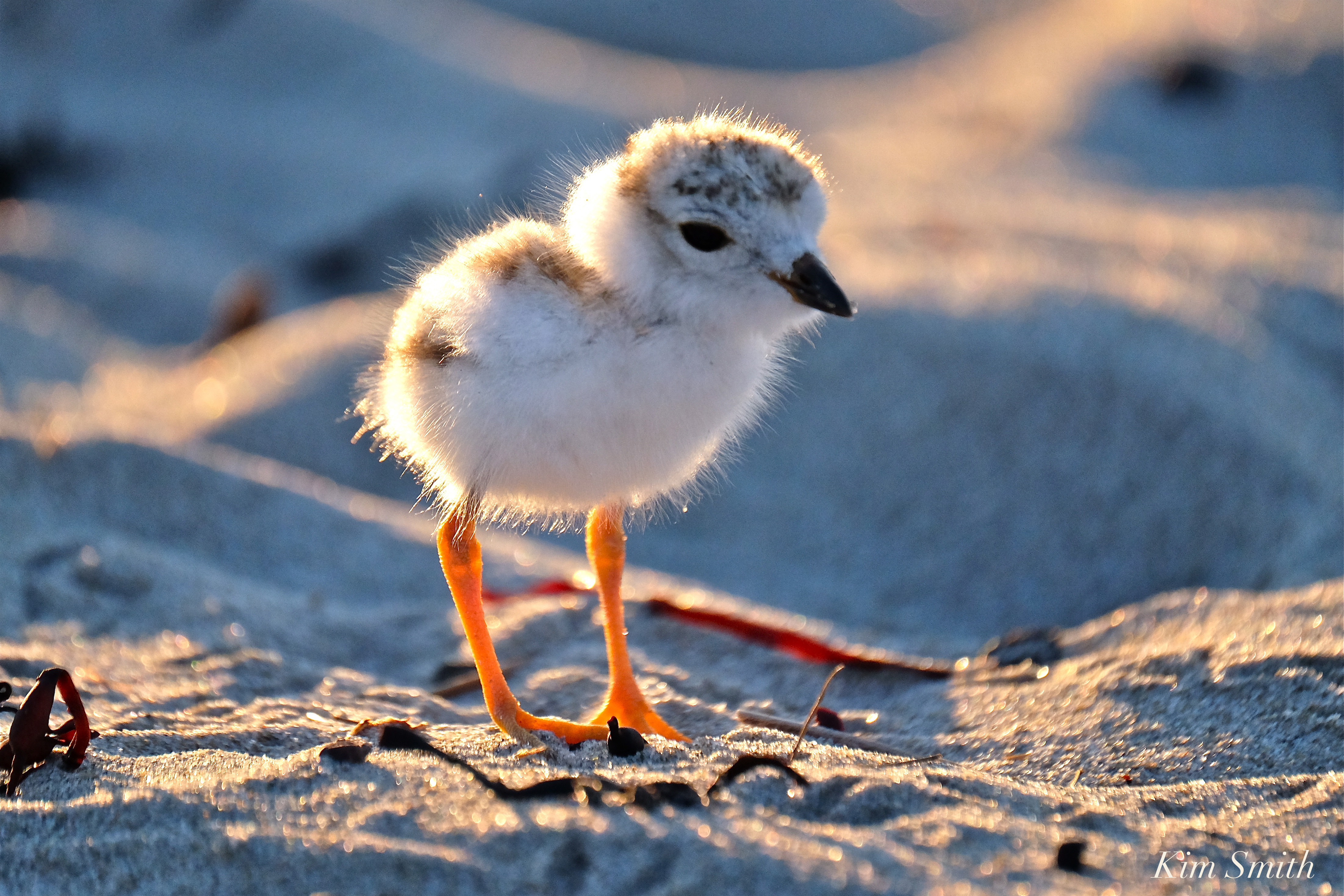
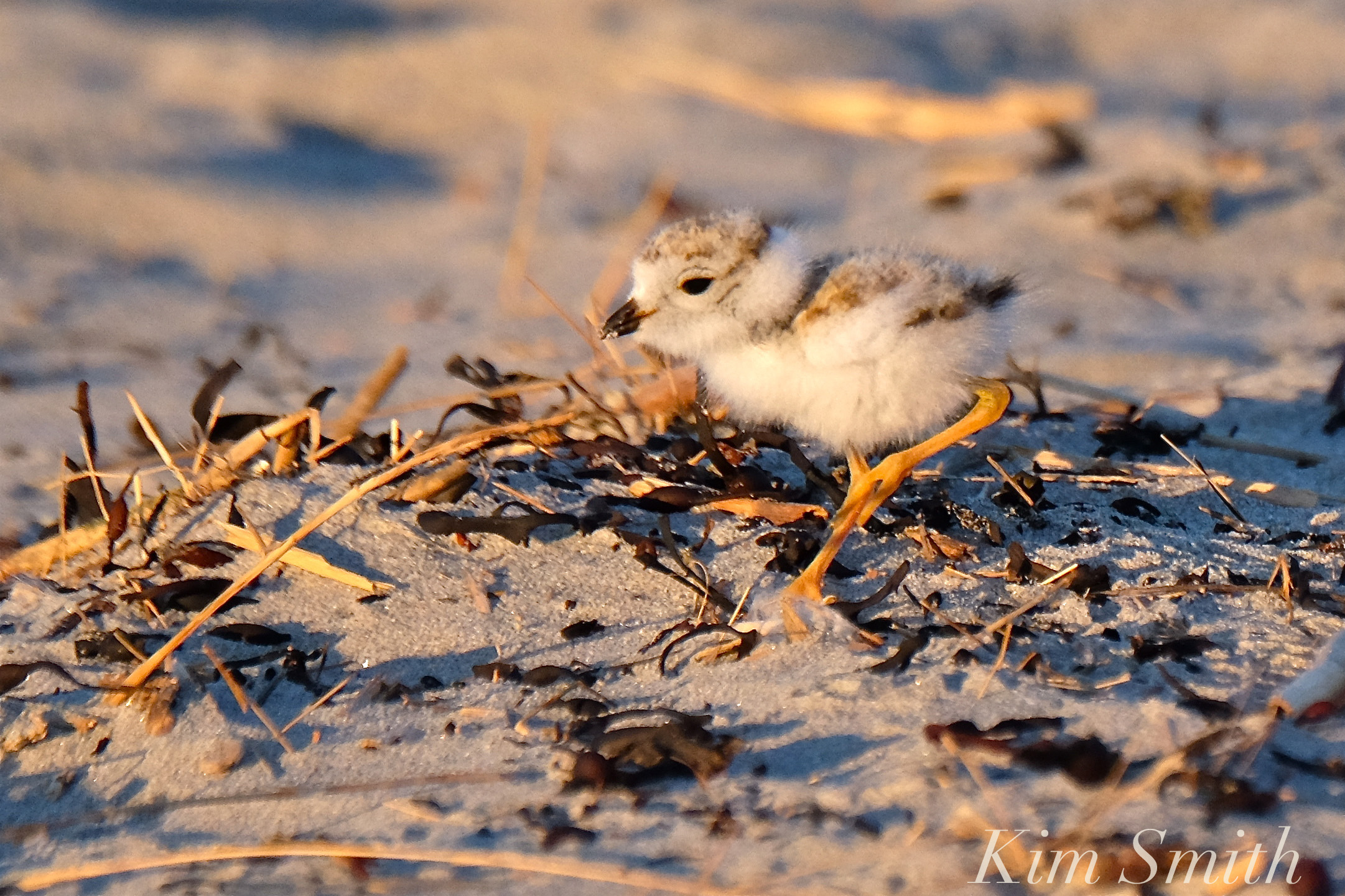
Bravo to our little chick, who this evening, we are celebrating day twenty-three! Thank you to all our volunteers who are working so conscientiously to help the GHB PiPl survive Gloucester’s busiest beach.

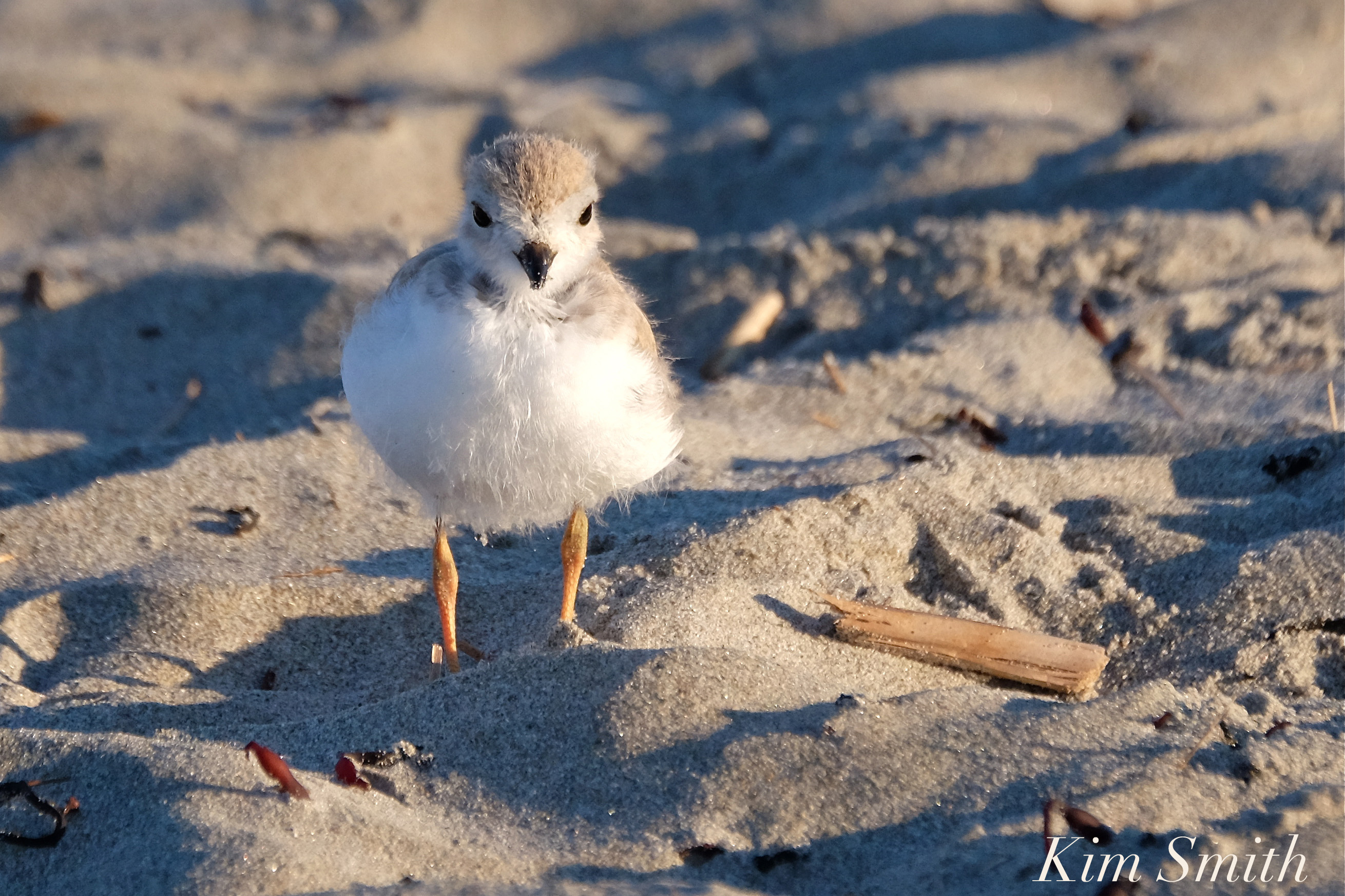
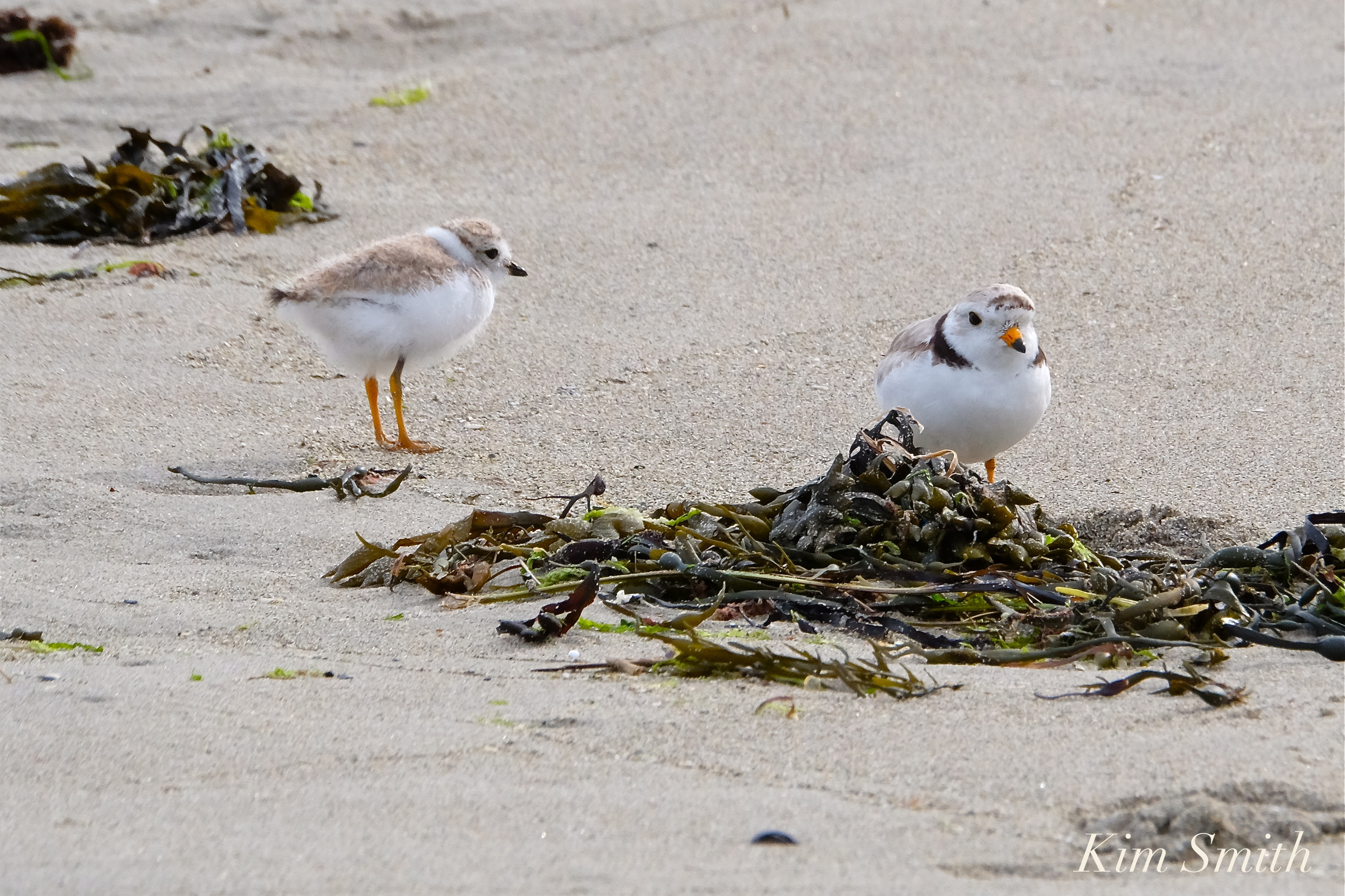
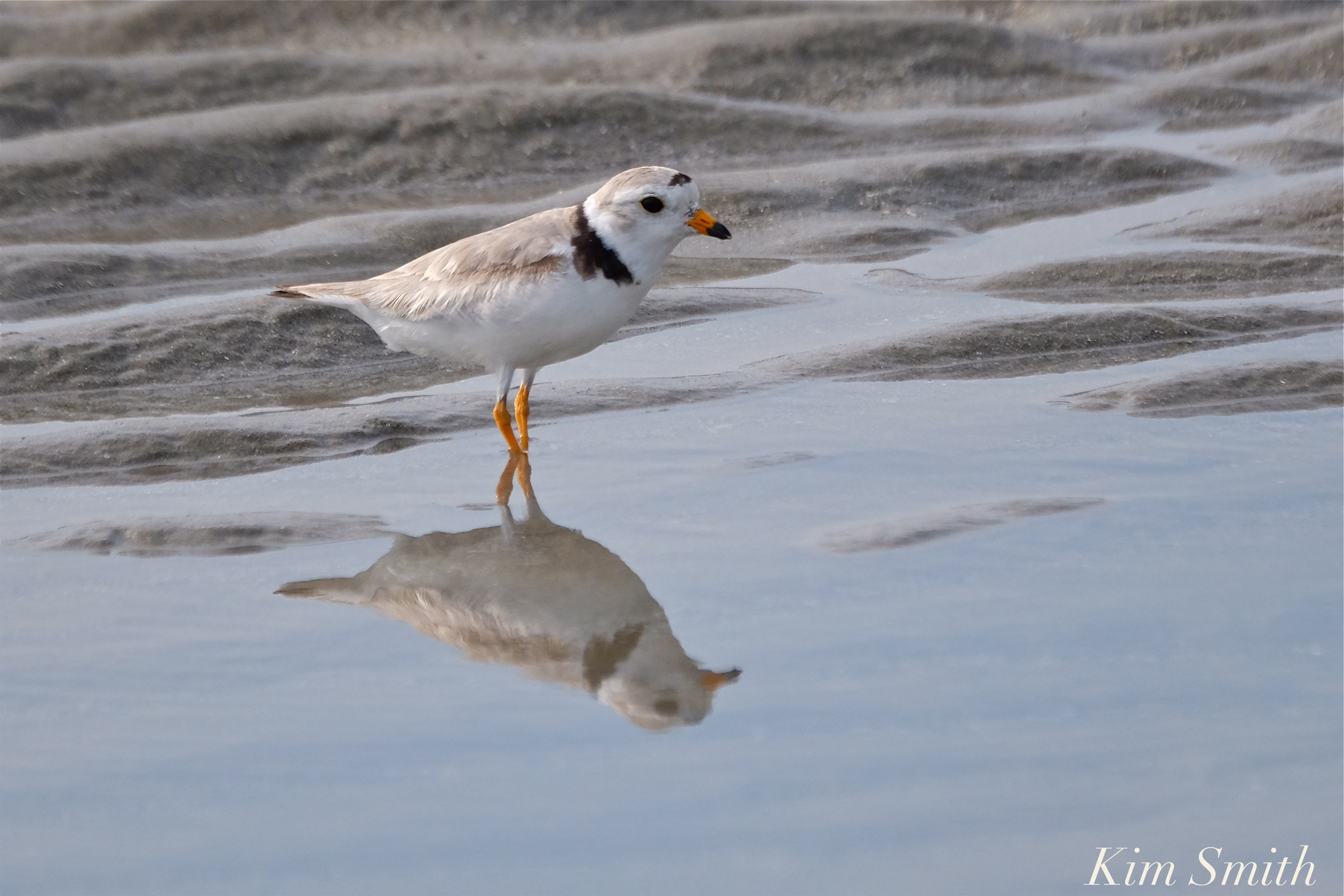
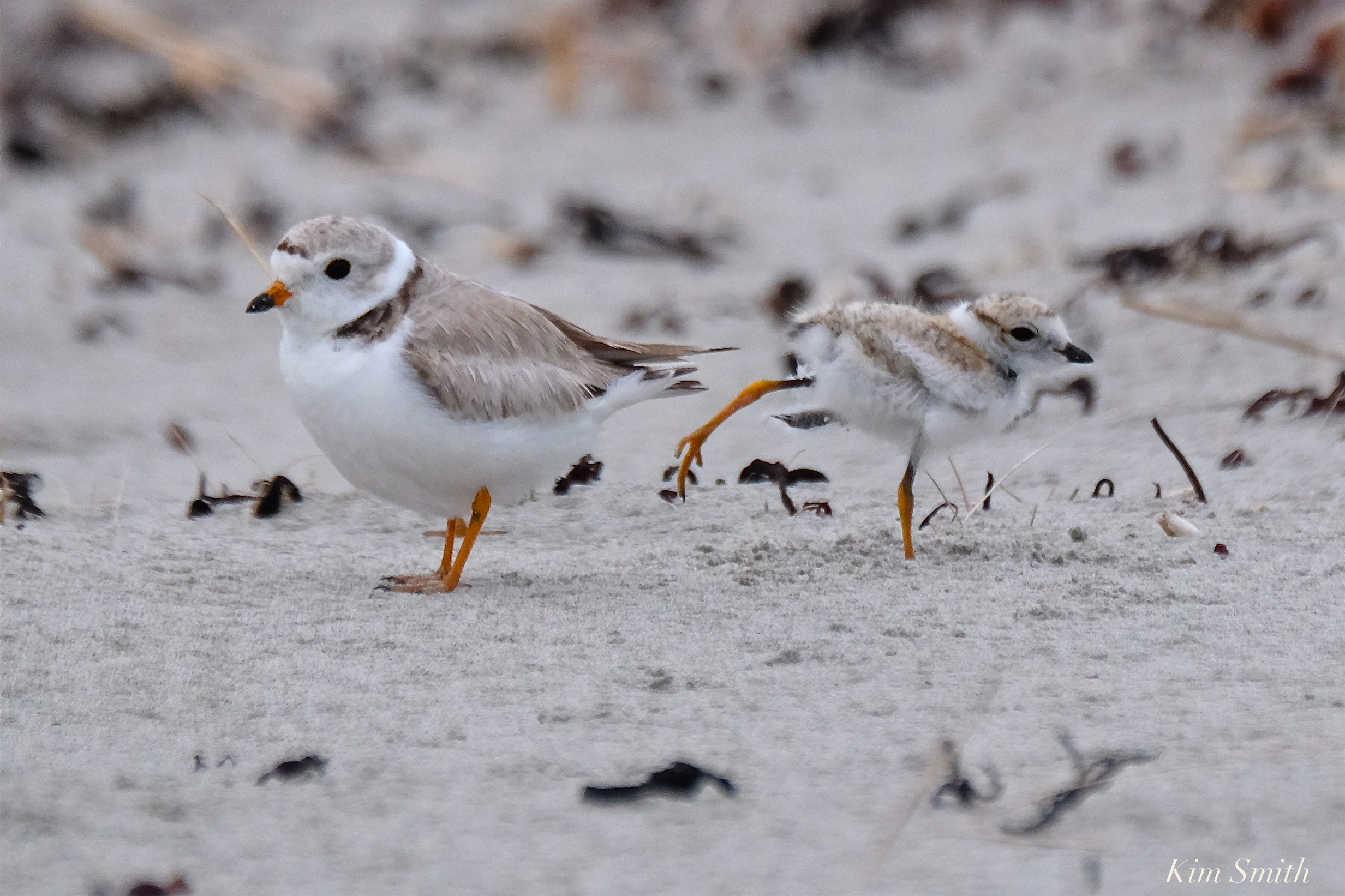
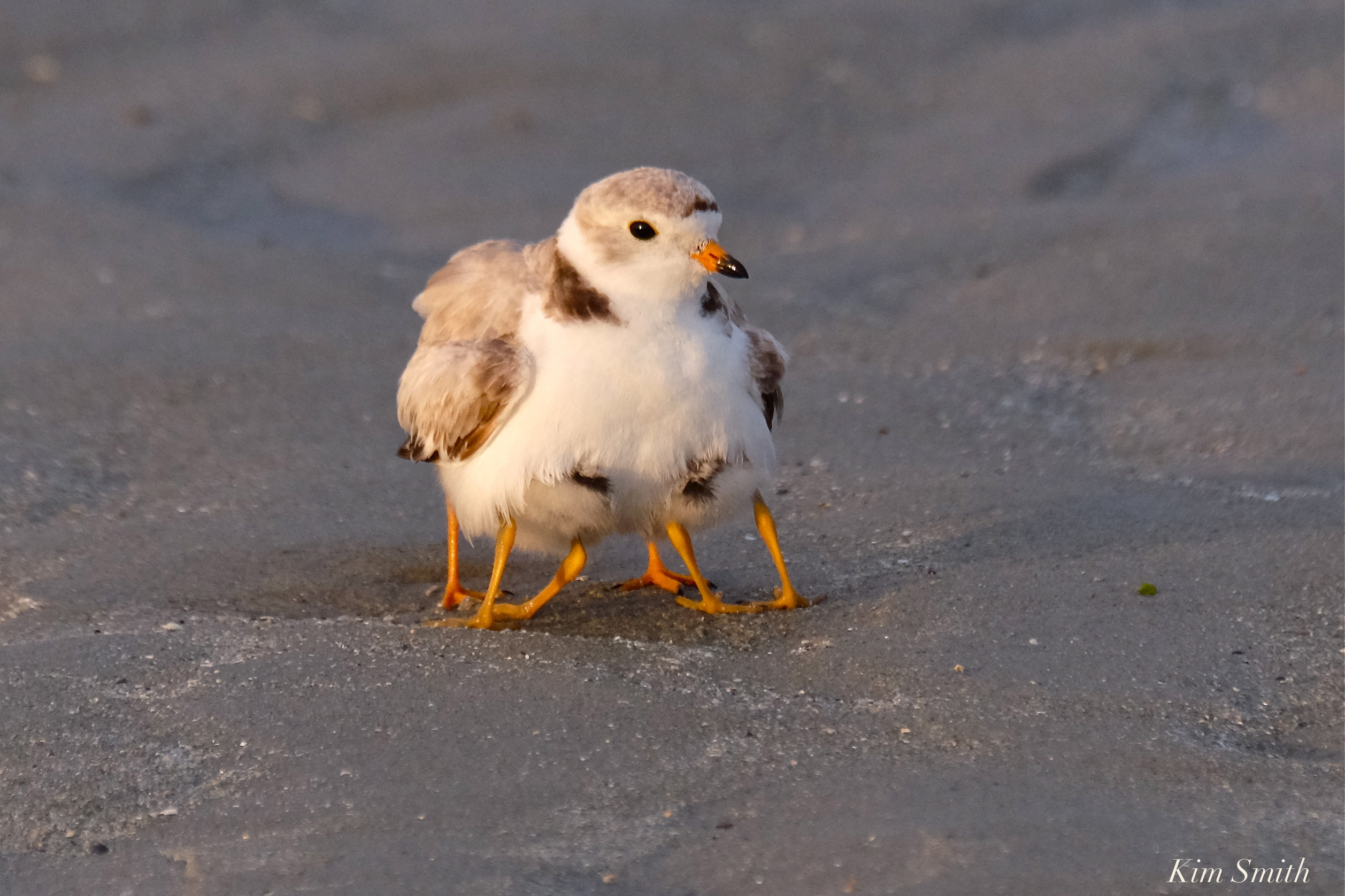
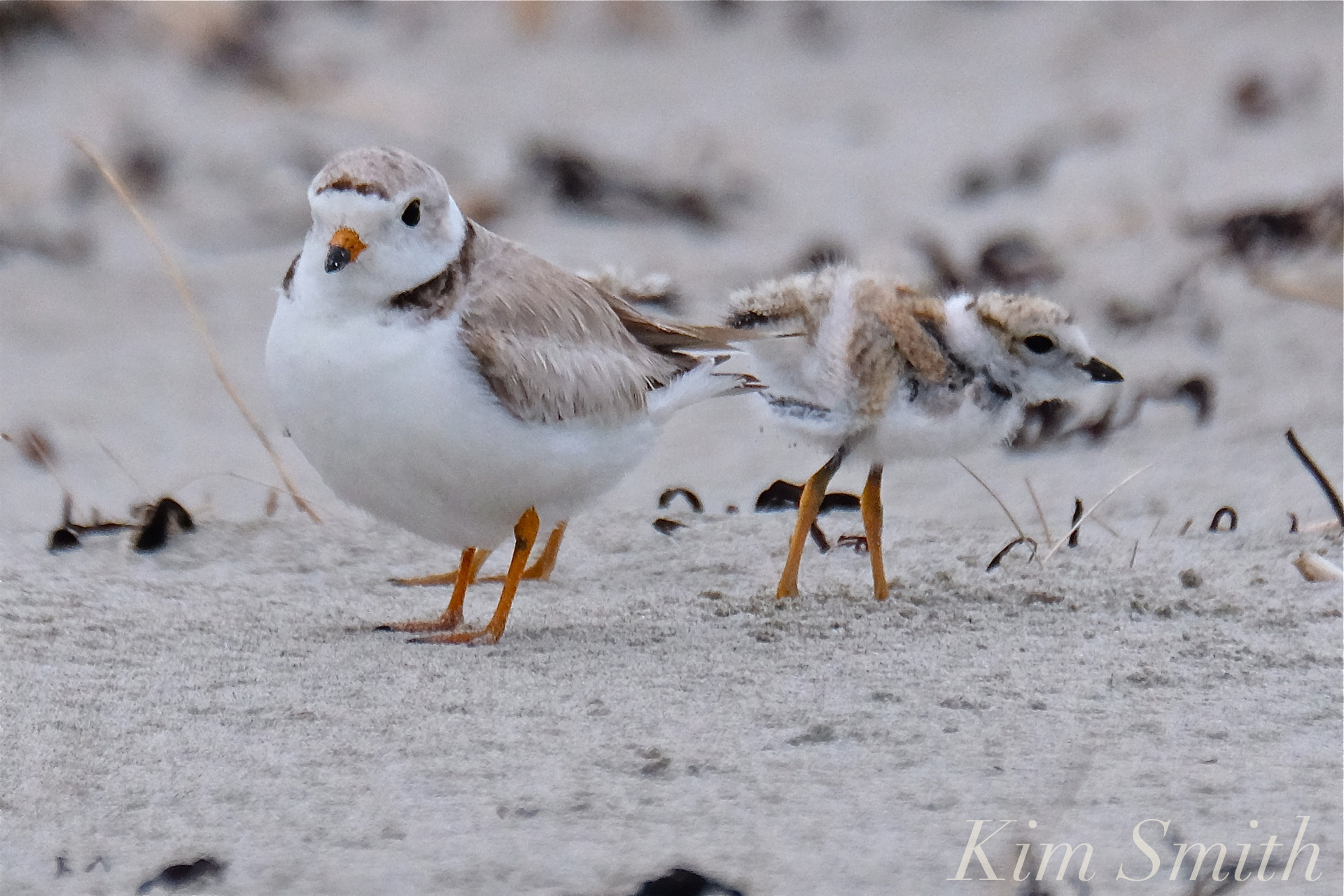
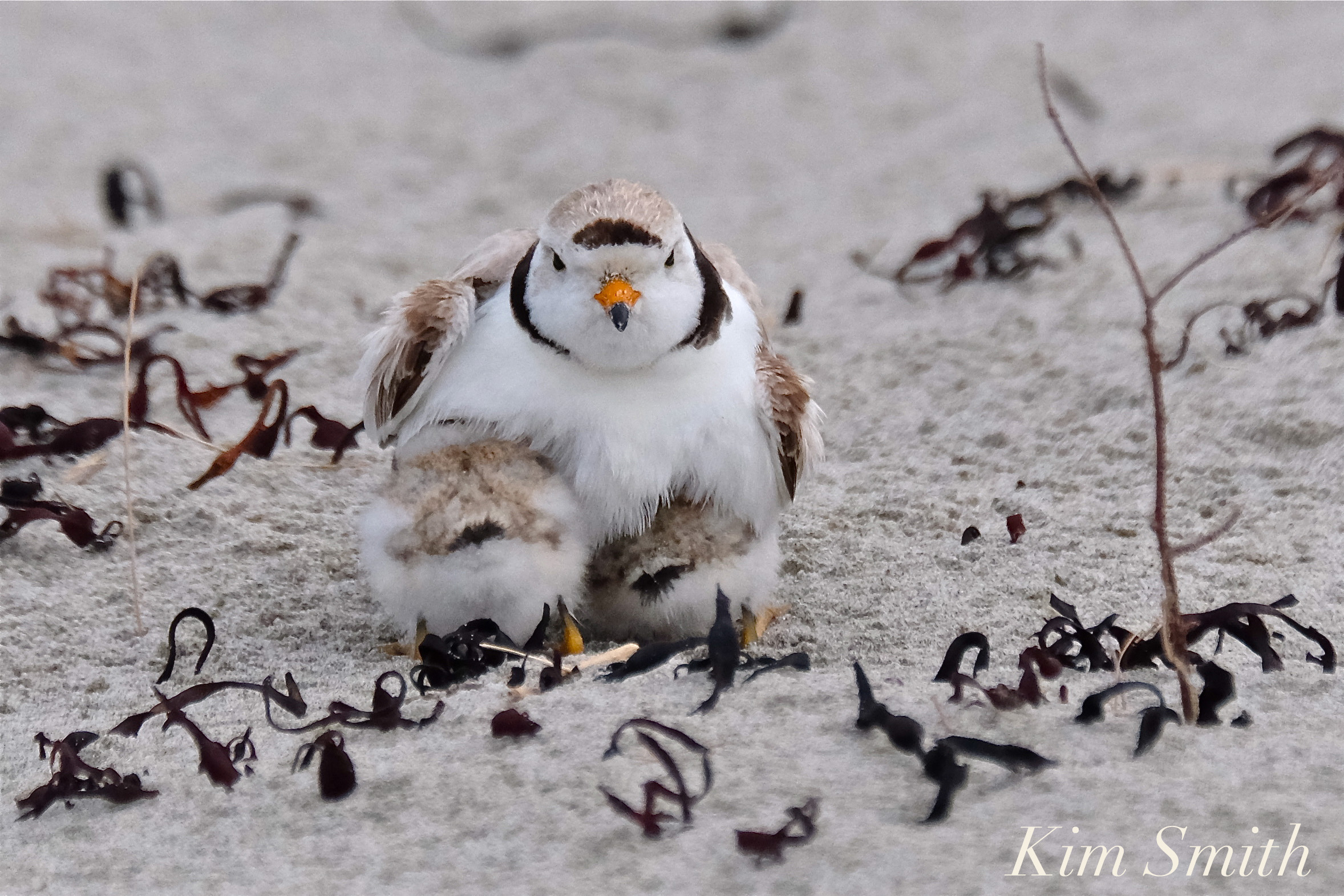
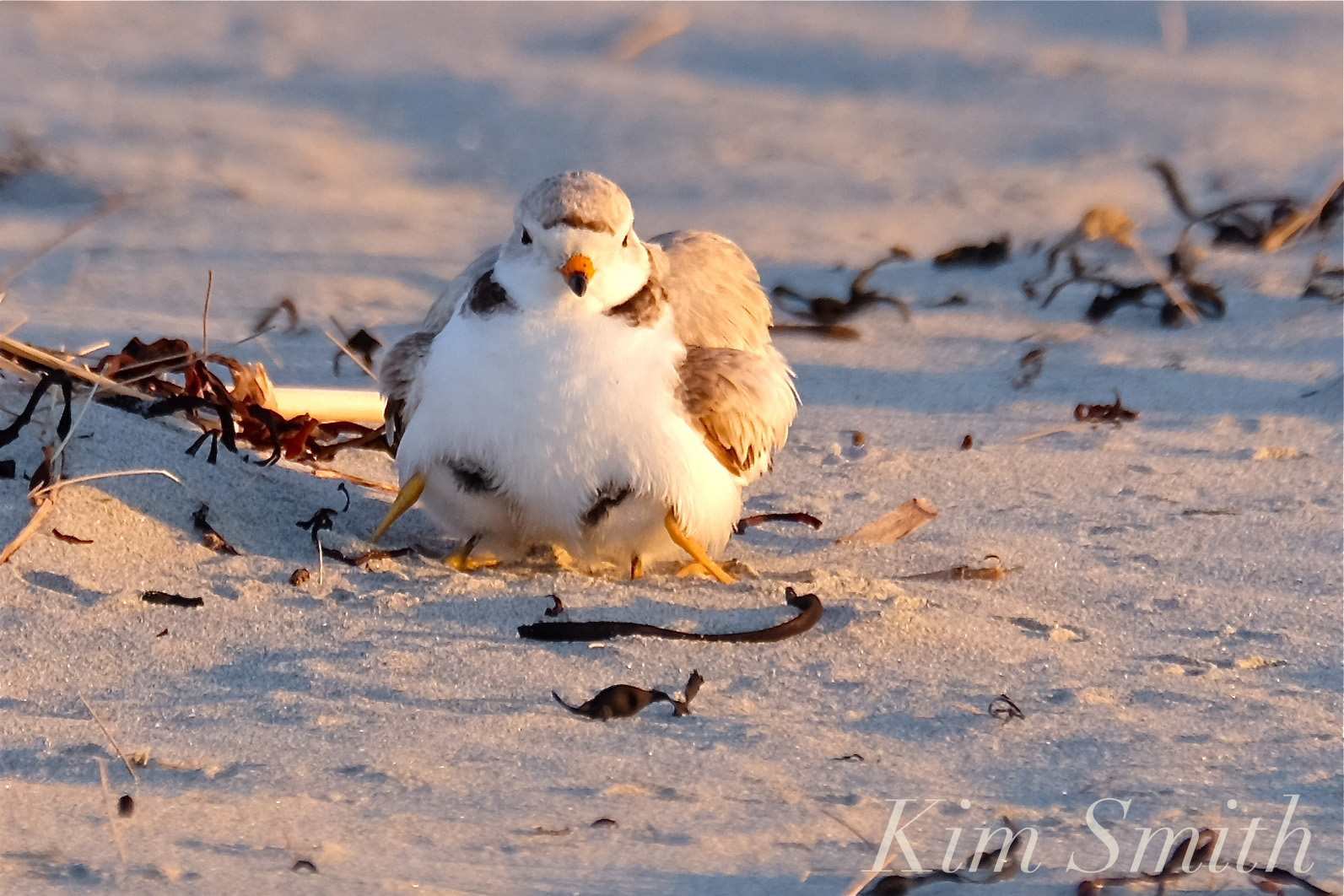
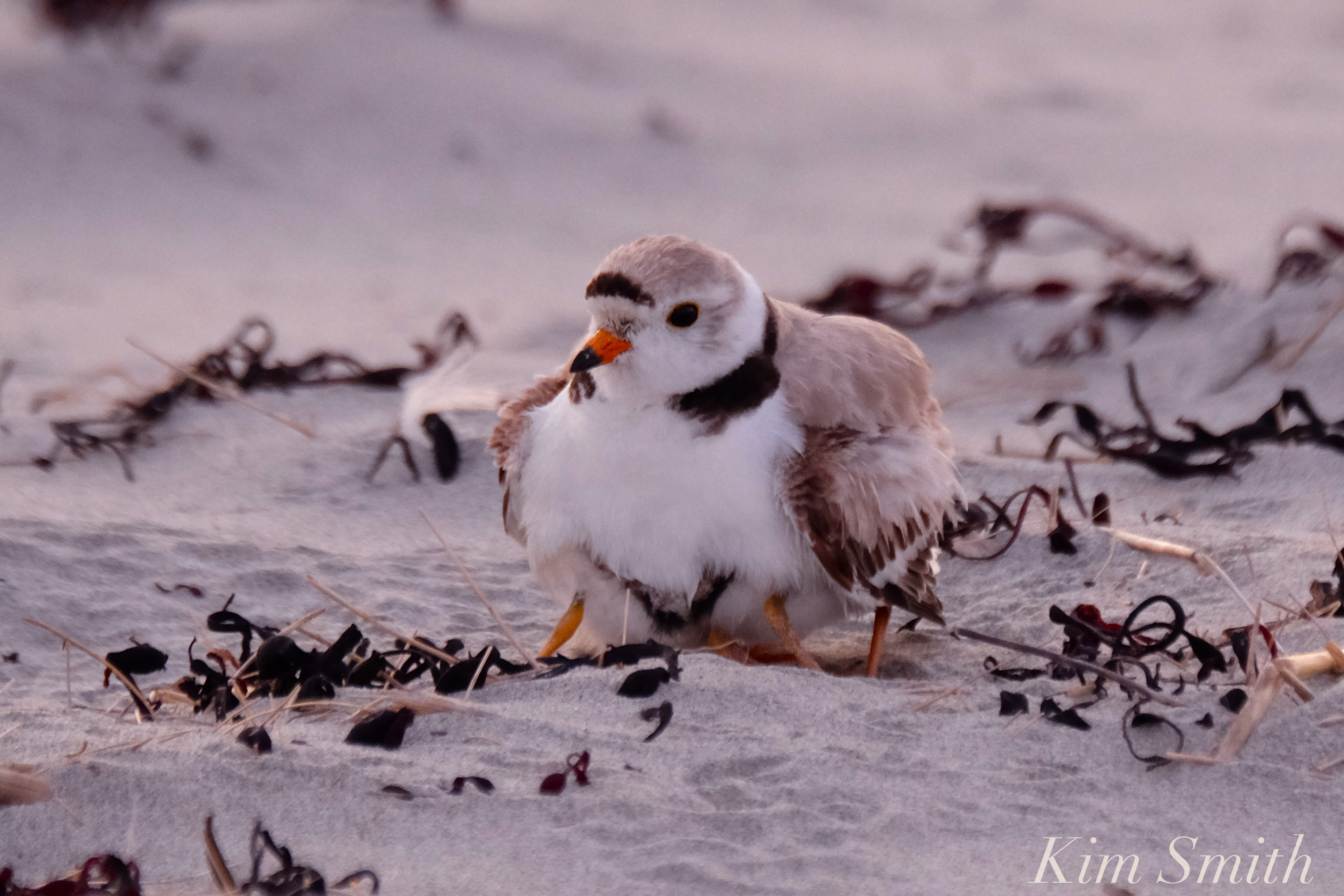
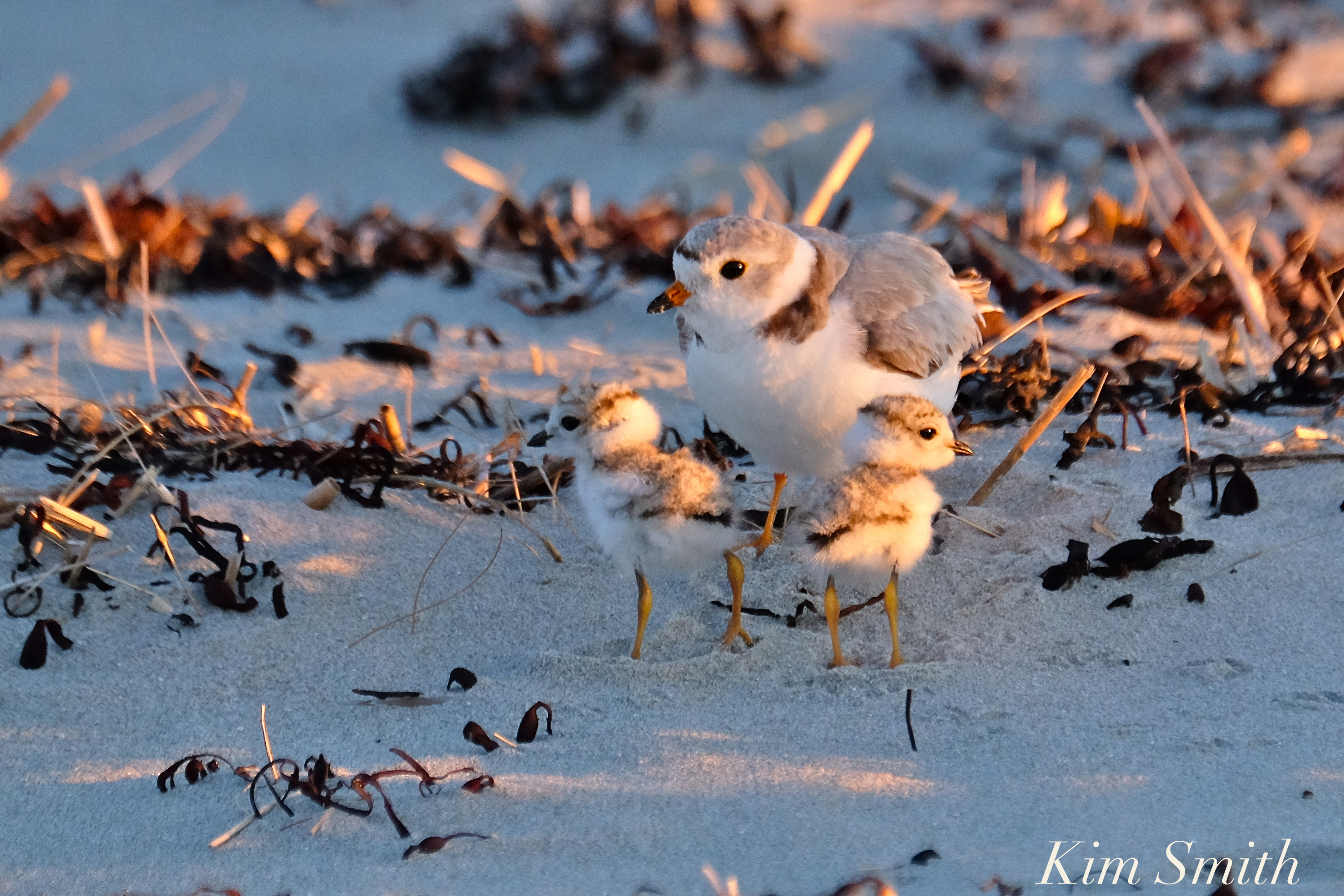
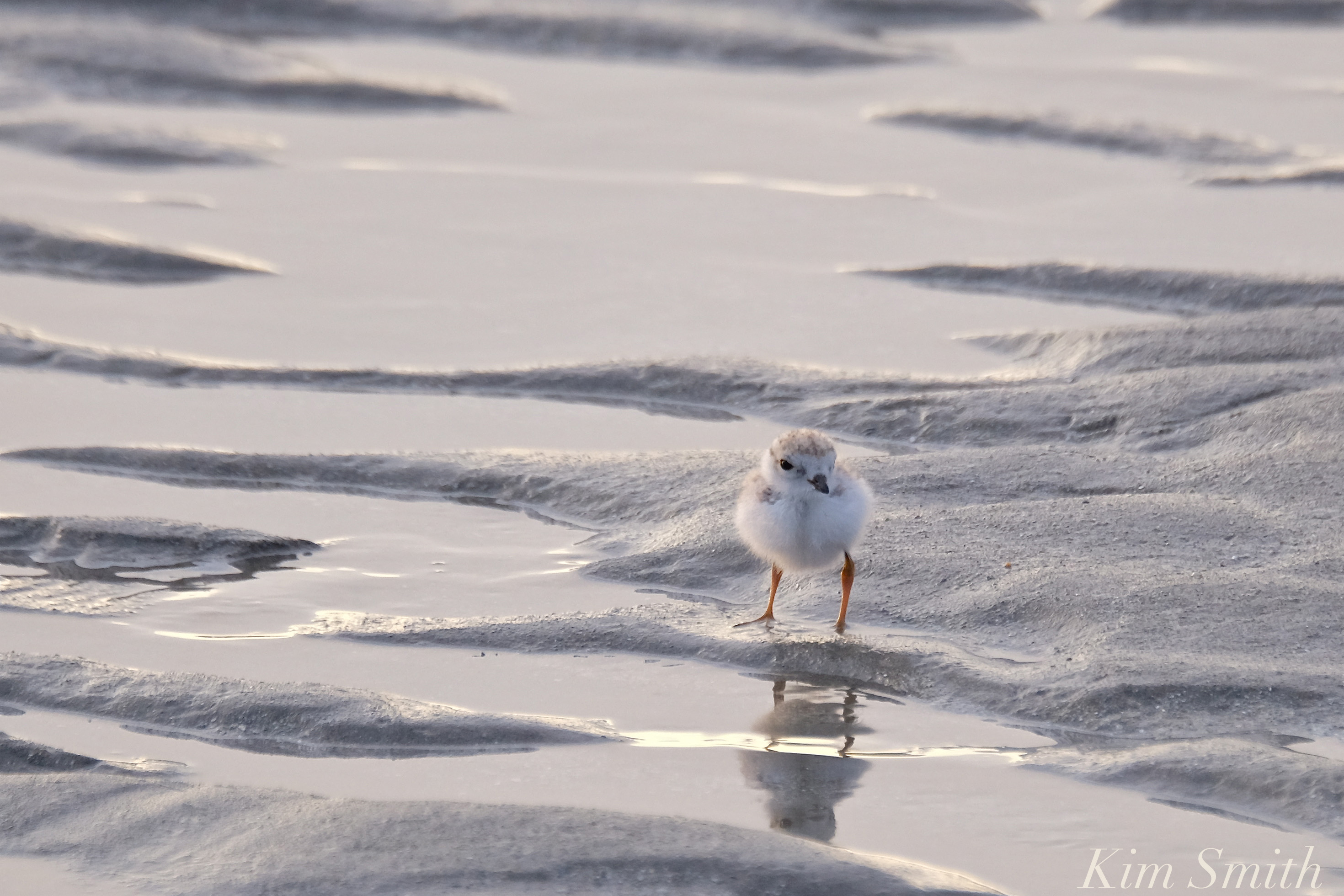
Despite the fact that he can’t exactly still fit under Papa and Mama, at twenty-three-days-old, Little Chick still needs snuggles to thermoregulate.

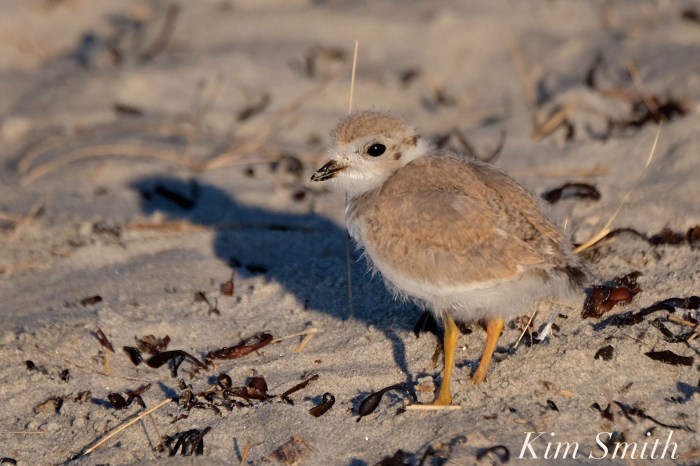
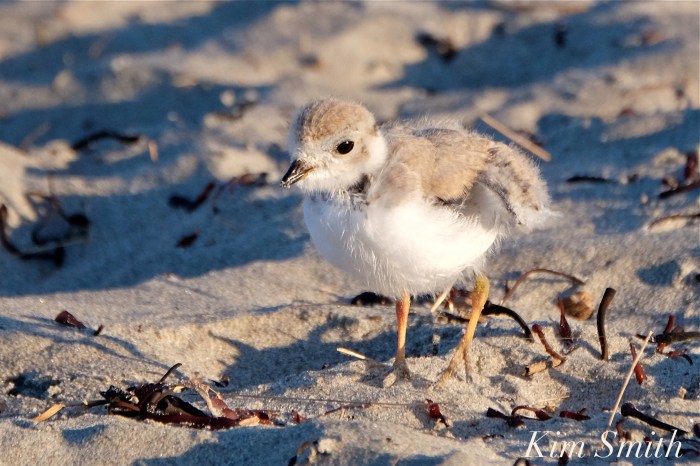
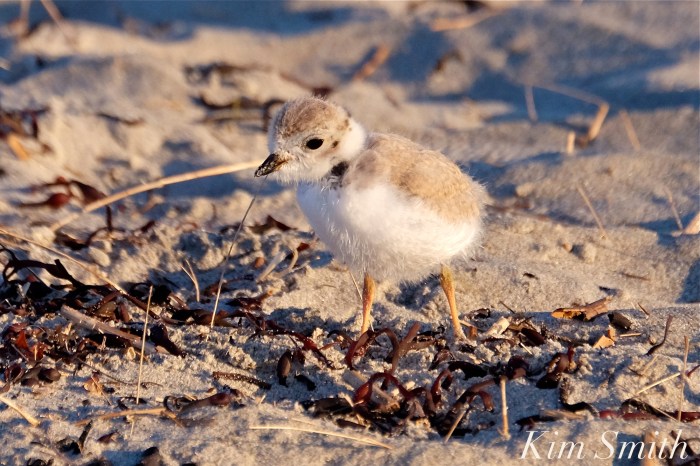
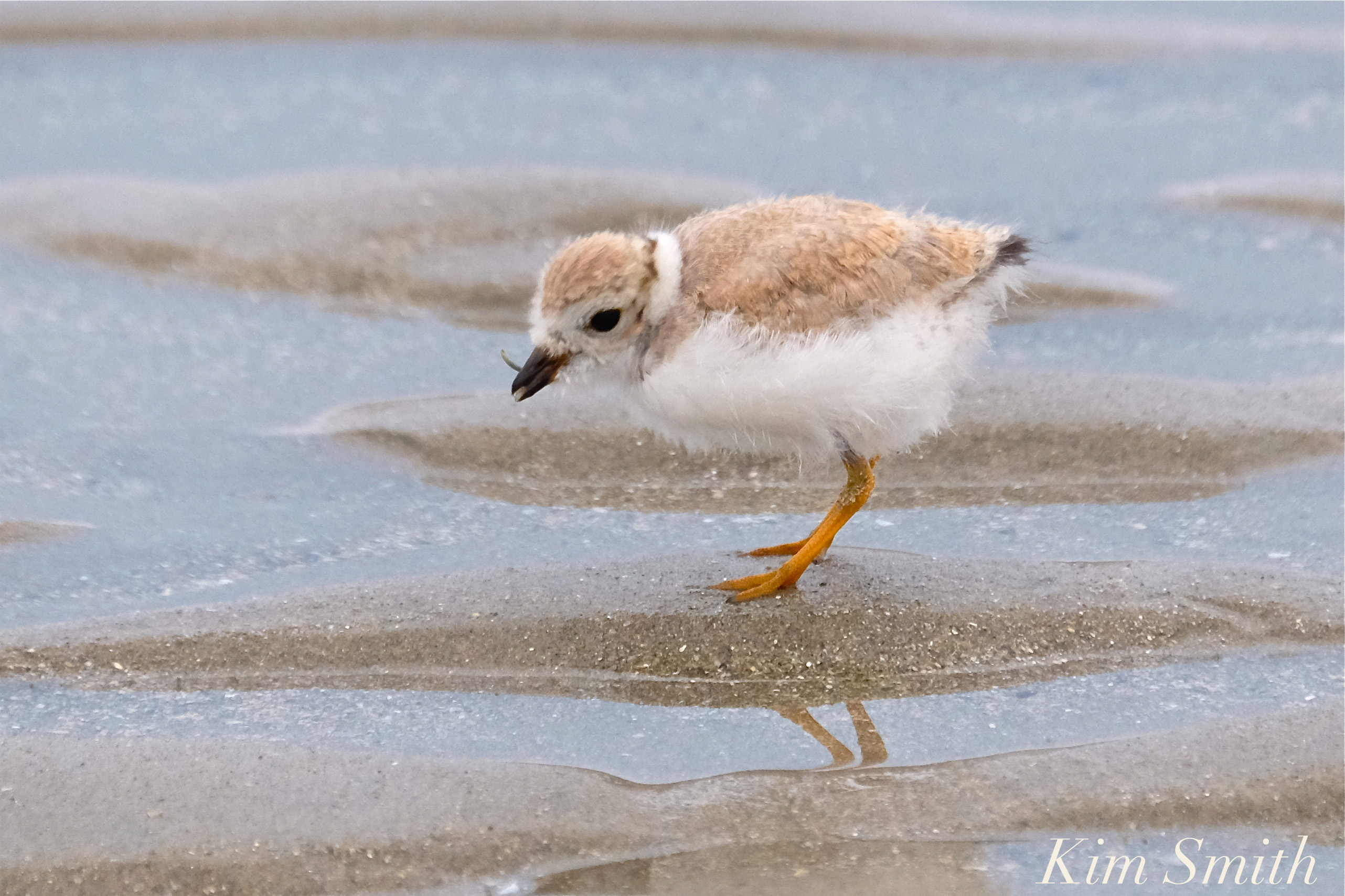
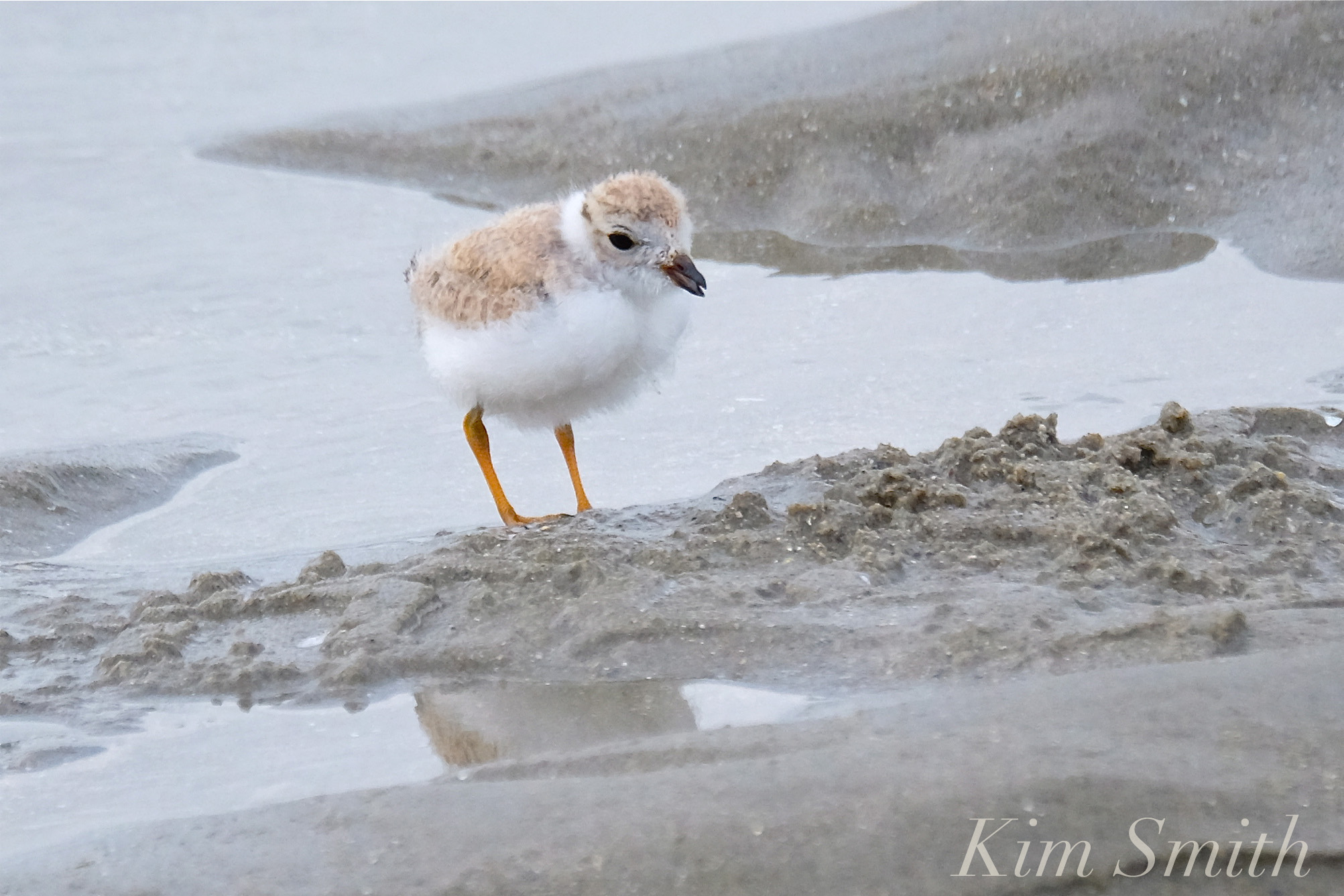
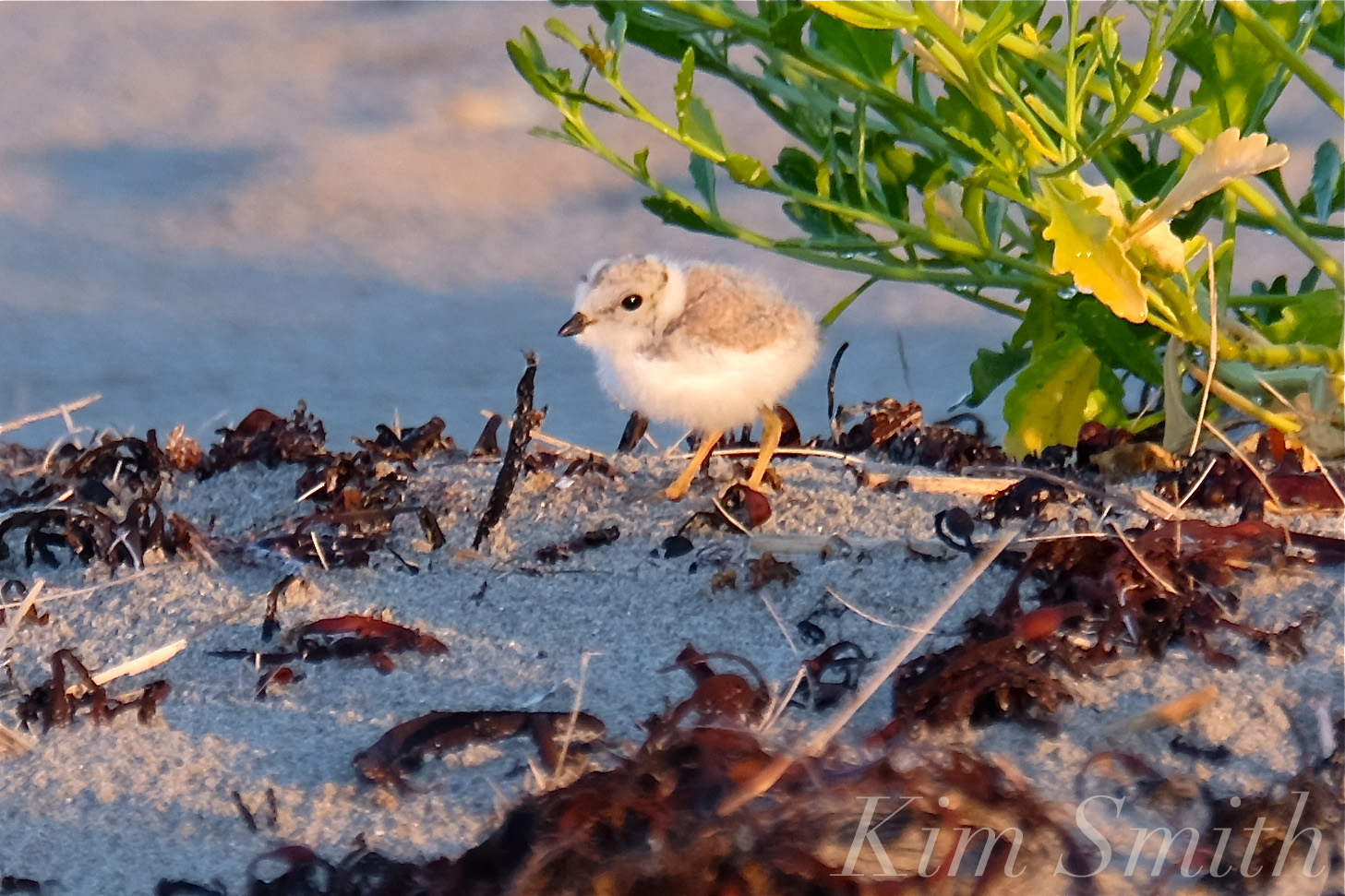
Note how large Little Chick’s beak is growing.

Twenty-three-day-old Piping Plover: Of the four Piping Plover chicks that hatched on the morning of June 22nd (the first hatched at about 6am, and all had hatched by noontime), our little chick is the sole survivor.

At 6:30 this morning another fight with the interloper took place. I was able to capture some of it on film and, surprisingly, a very similar battle took place later this morning between the Coffin’s Beach Piping Plovers.

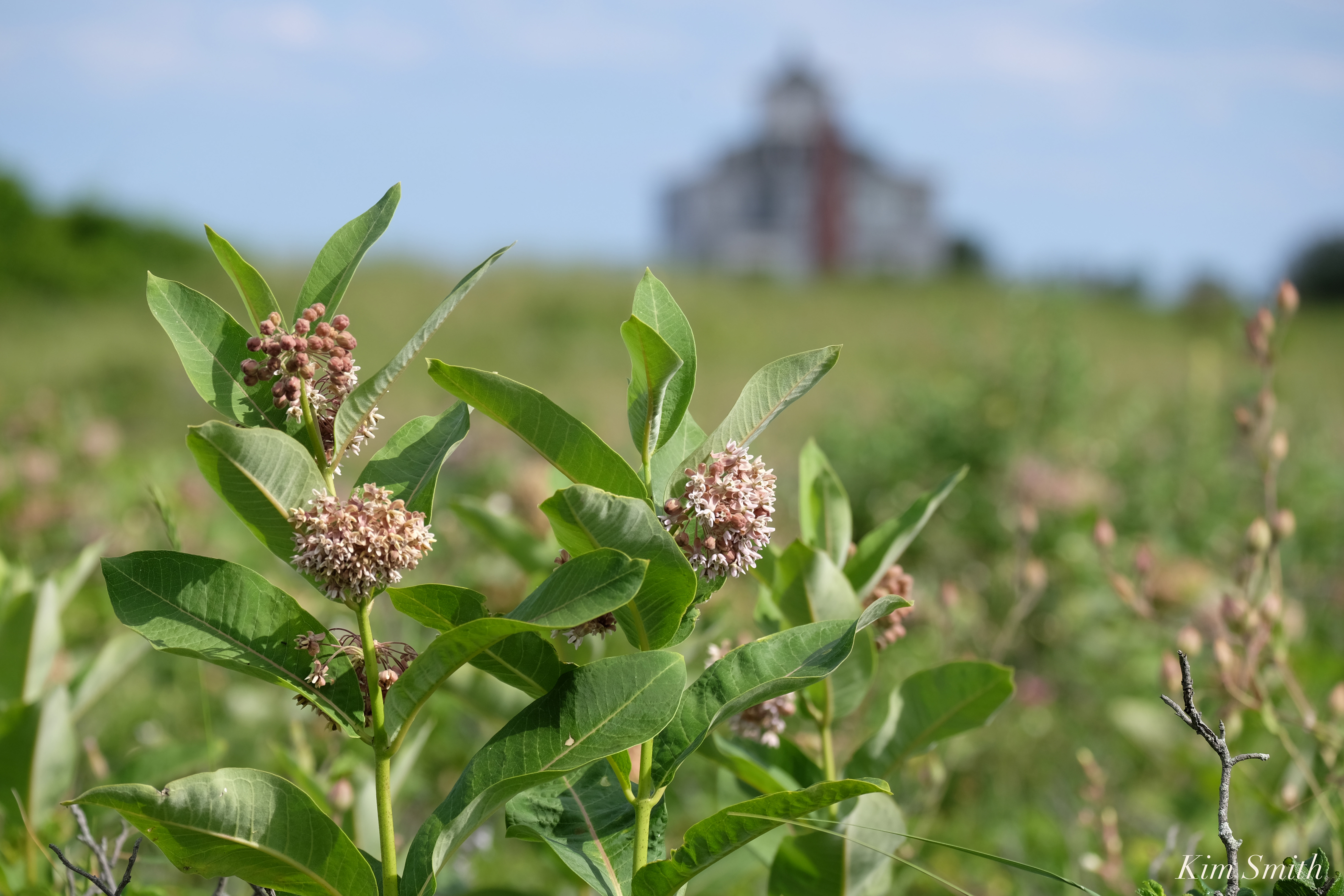
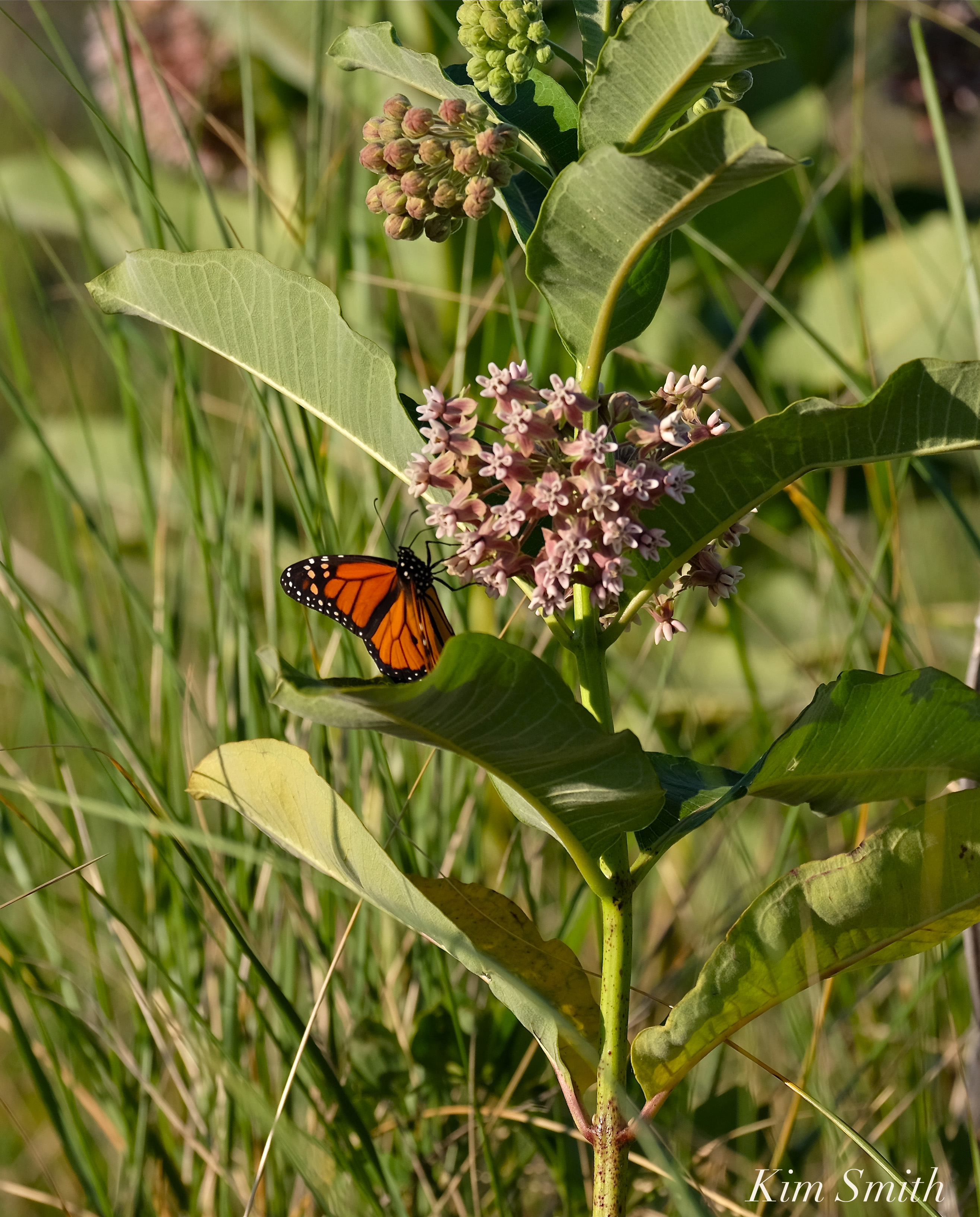
The Good Harbor Beach dunes are teeming with life. I spied five Monarch Butterflies on the Common Milkweed this afternoon, with many reports shared by readers of Monarch sightings all around Cape Ann and Massachusetts. We’ll do a post about Monarchs this coming week, and in the meantime, please share your Monarch sightings.

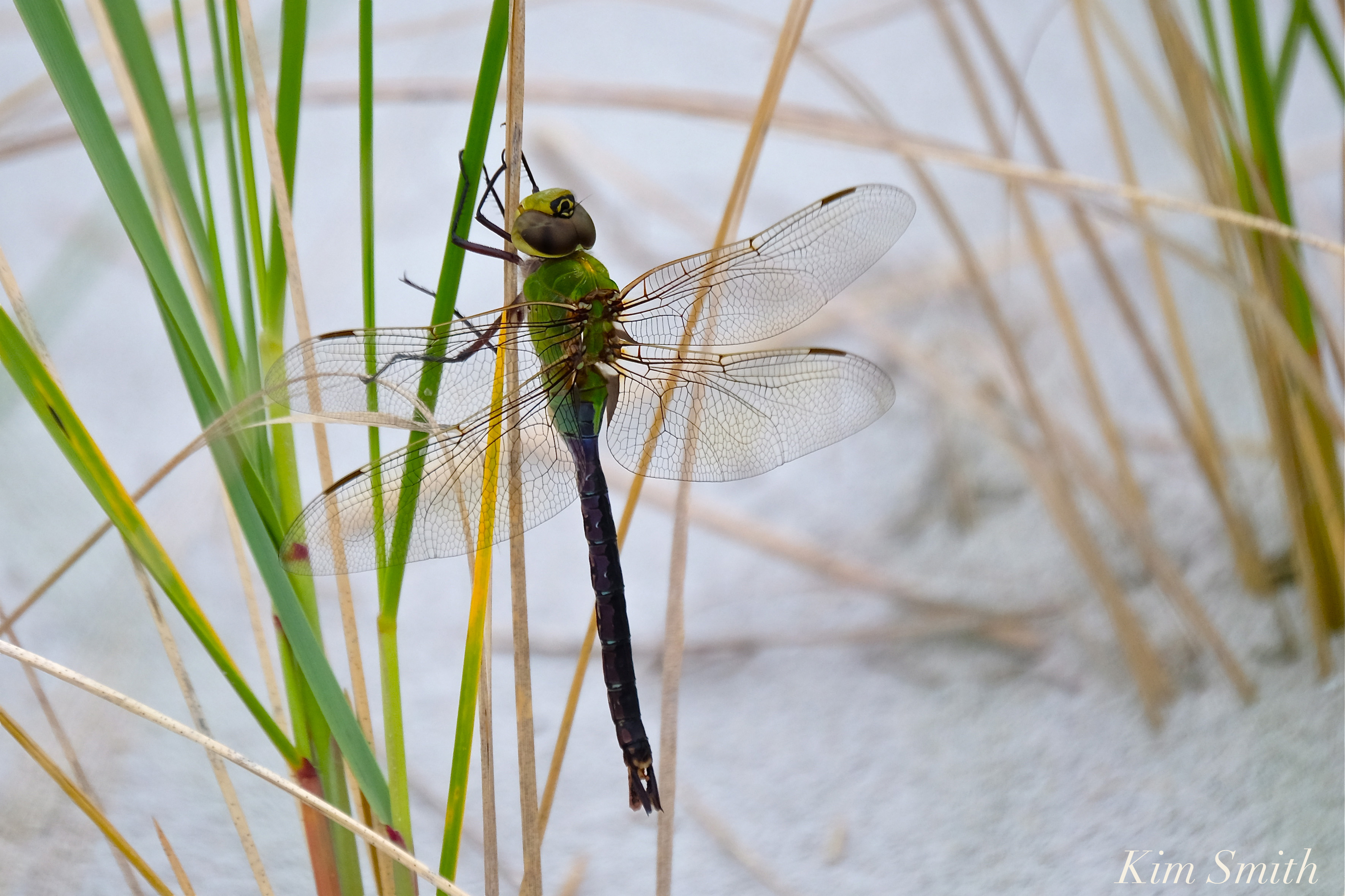
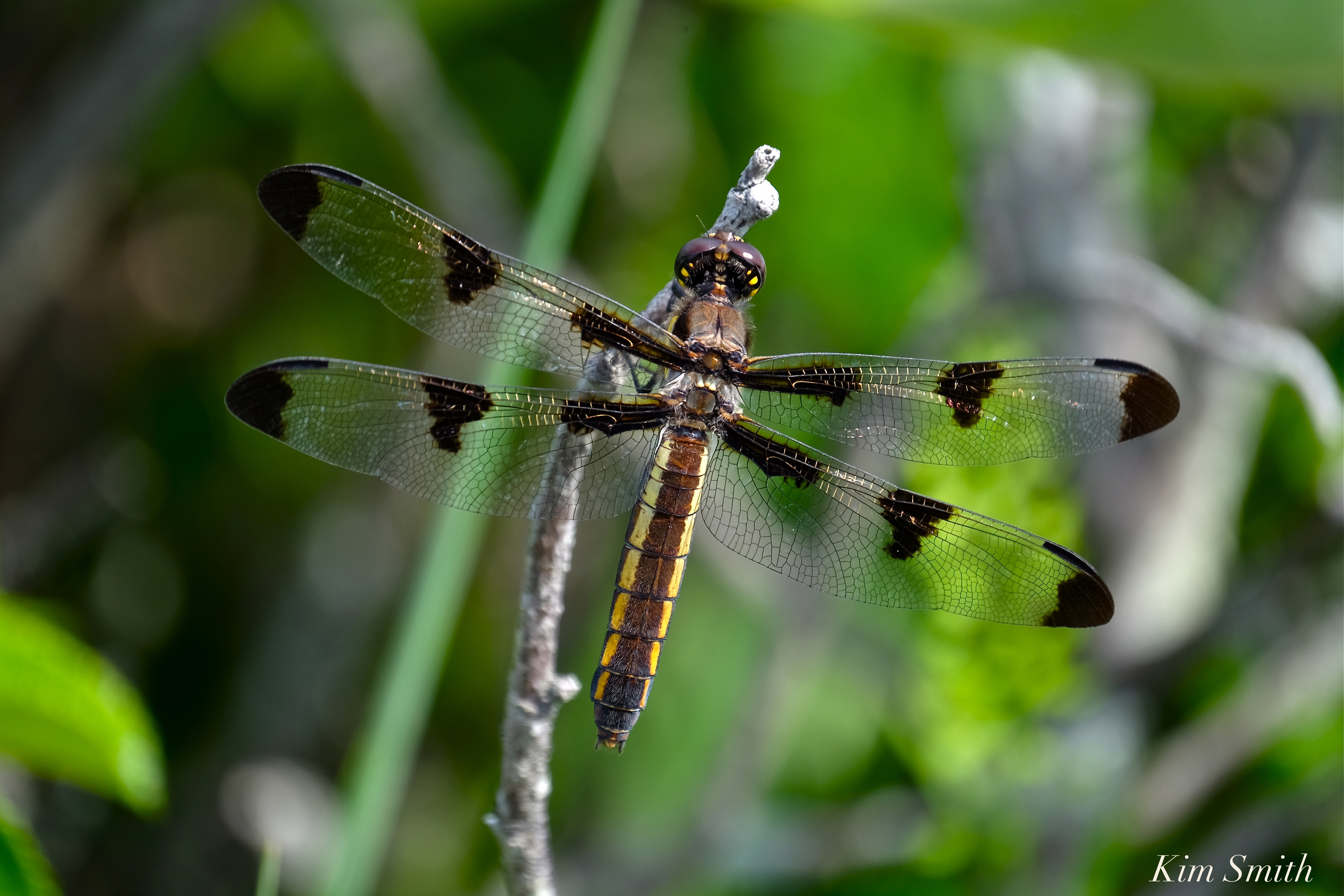
Dragonflies are predacious, and like our Piping Plover chick eat tiny invertebrates.

Green Darner Dragonfly and Twelve-spotted Skimmer lying in wait for insects.

Beach bunny munching wild salad greens for breakfast.

Monarch Butterfly and Common Milkweed, Good Harbor Beach

OUR TWENTY-TWO-DAY-OLD PIPING PLOVER IS AS PLUMP AND PERKY AS A PICKLE

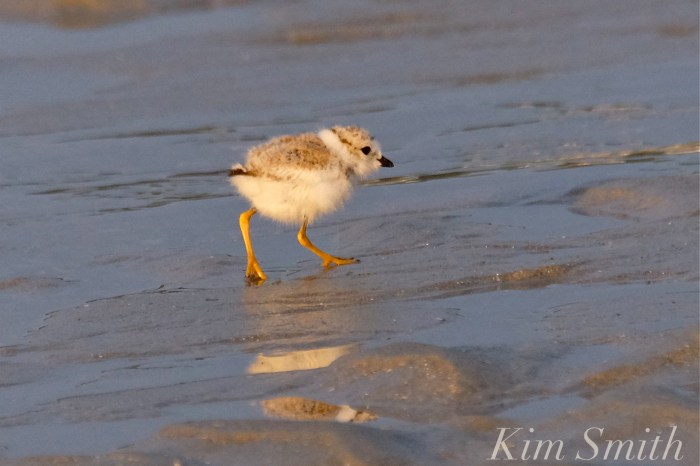
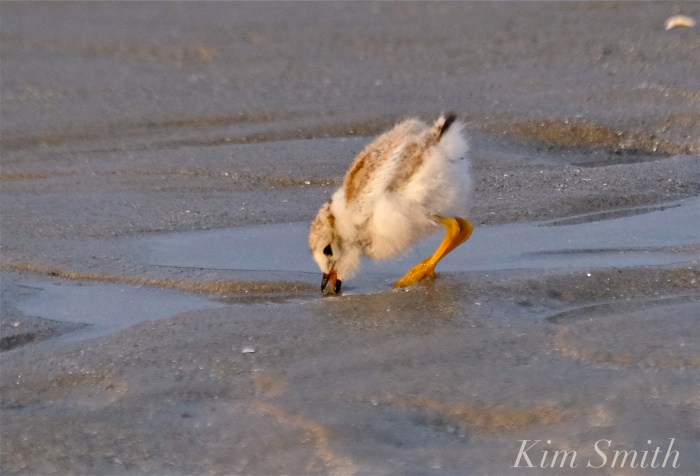
Running pell mell, pecking in the tide pools for tasty morsels, and softly peeping, our perky twenty-two-day-old Piping Plover is becoming quite the little plumpling.

We observed an exciting self-defense development today. While foraging in the sand at the high tide line, Little Chick suddenly crouched down, completely flattening himself level with the sand. Seconds later, a seagull swooshed over him, flying, very, very low. It was tremendous to see this defense mode kick in and wonder whether instinctual, or learned from the parents.Piping Plover chick and Mom foraging at the high water line. Our chick is growing so quickly. Even though he is nearly as large as Mom, he still needs snuggles in the morning to thermoregulate.

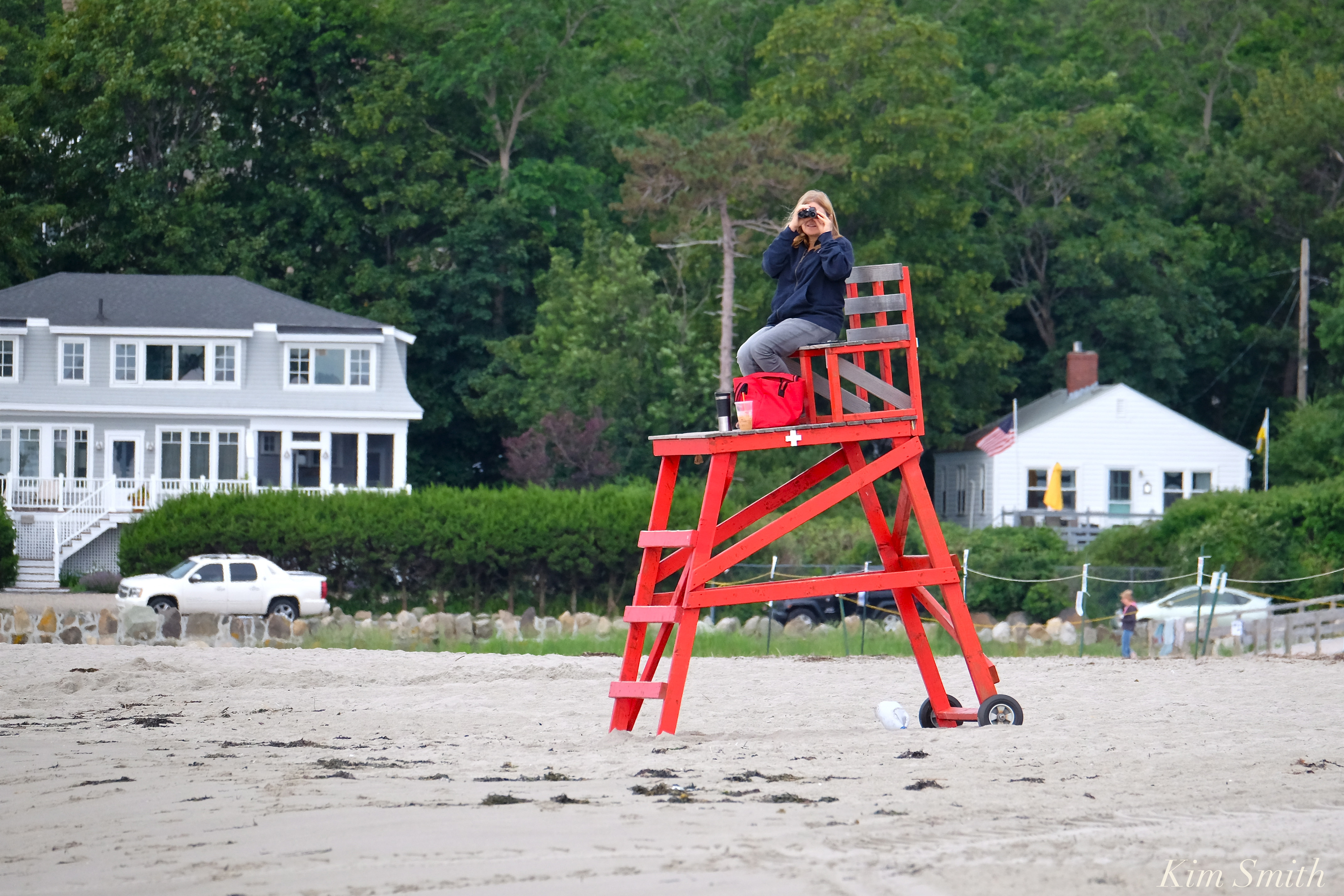
Piping Plover super volunteer Catherine Ryan keeping an eye on the PiPl from her favorite perch.

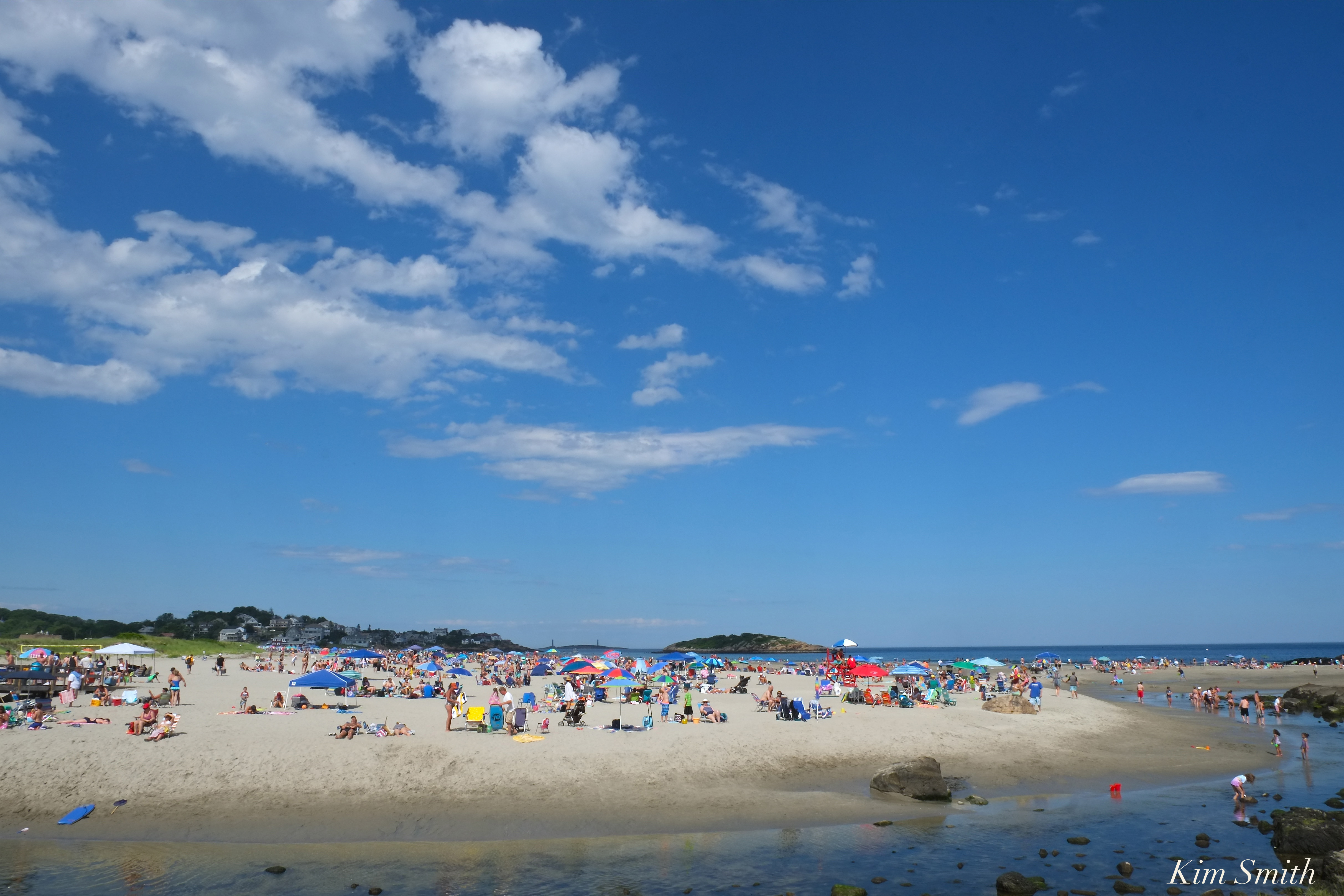
The cold weather may be dampening beach goers fun, but we lovers of the Piping Plovers like it because GHB has been much quieter than usual.

 Twenty-two-day-old Piping Plover

CELEBRATING DAY TWENTY WITH OUR PIPING PLOVER CHICK–ALMOST FLEDGLING

Confident Little Chick

With each passing day, our Little Chick looks less and less like a chick and more and more like a fledgling. As with all Piping Plover new fledglings, the pretty stripe of brown feathers across the back of the head is becoming less pronounced, while flight feathers are rapidly growing and replacing the baby’s downy fluff. It won’t be long before we see sustained flying.

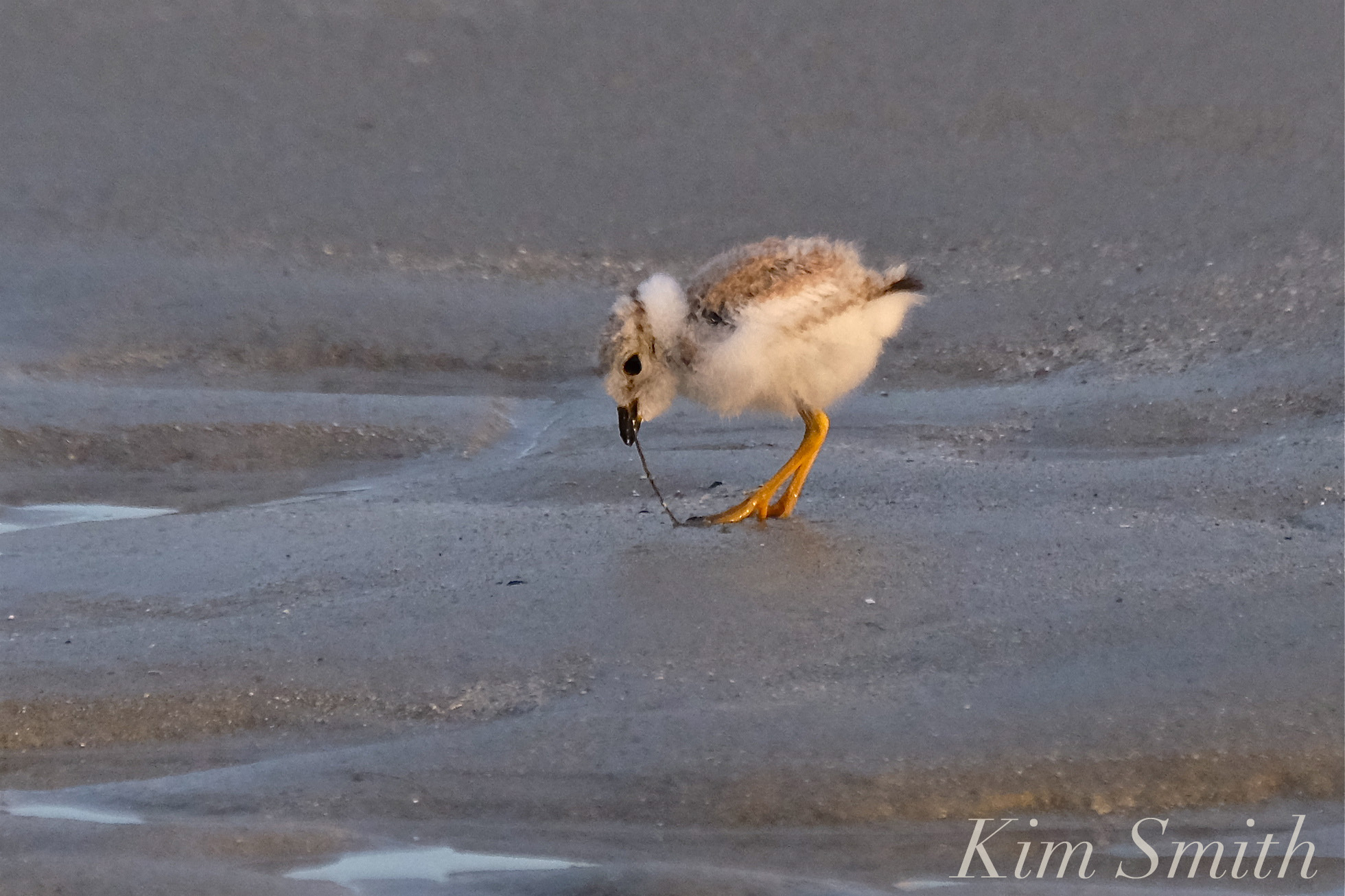
Little Chick spent a good part of the morning at the intertidal zone finding lots of yummy worms and mini crustaceans.

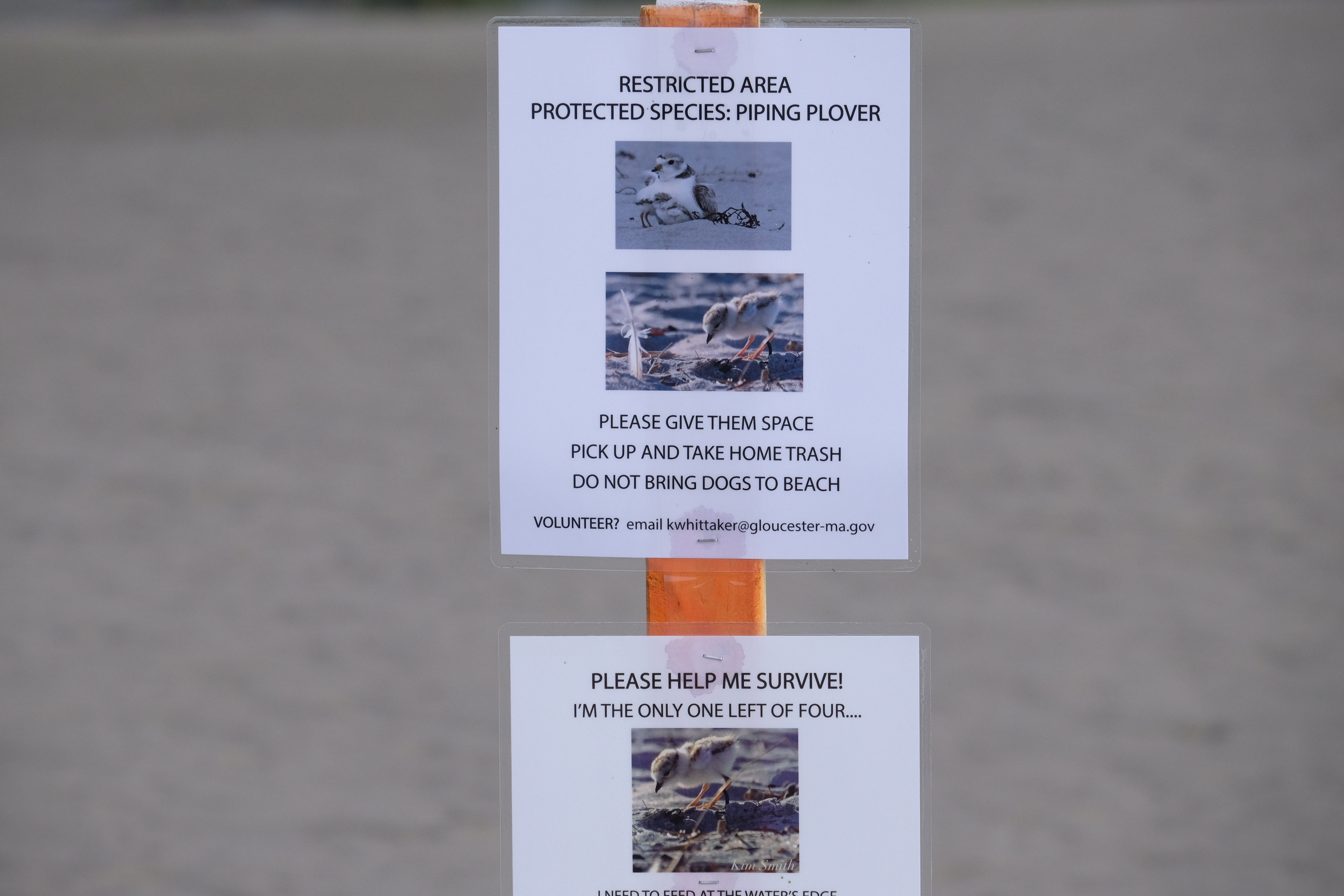
Thanks to all our volunteers for their continued work in monitoring the Good Harbor Beach Piping Plovers. Volunteer Hazel Hewitt has created a series of informative signs, placing them all around the beach and at every entrance. 

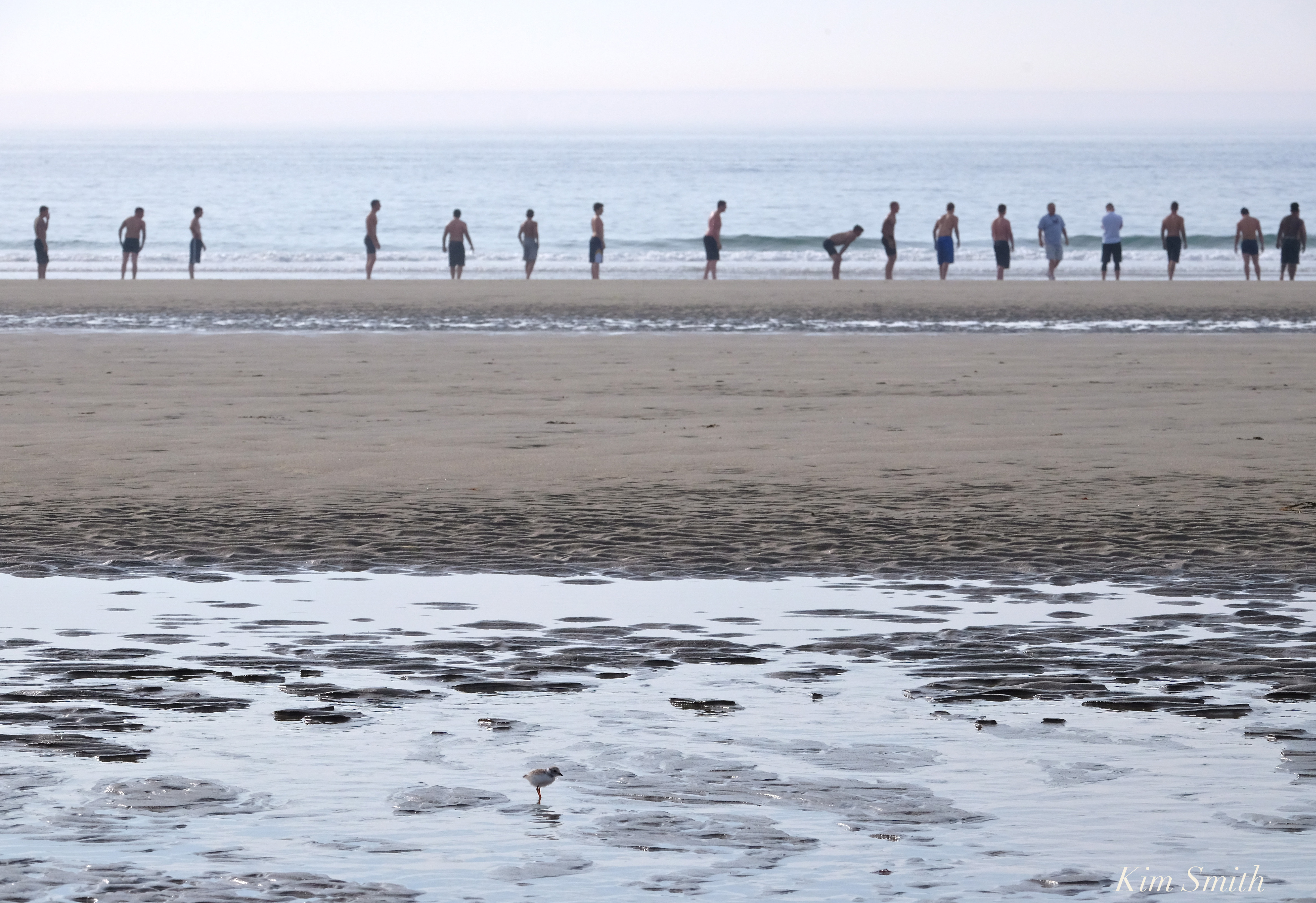
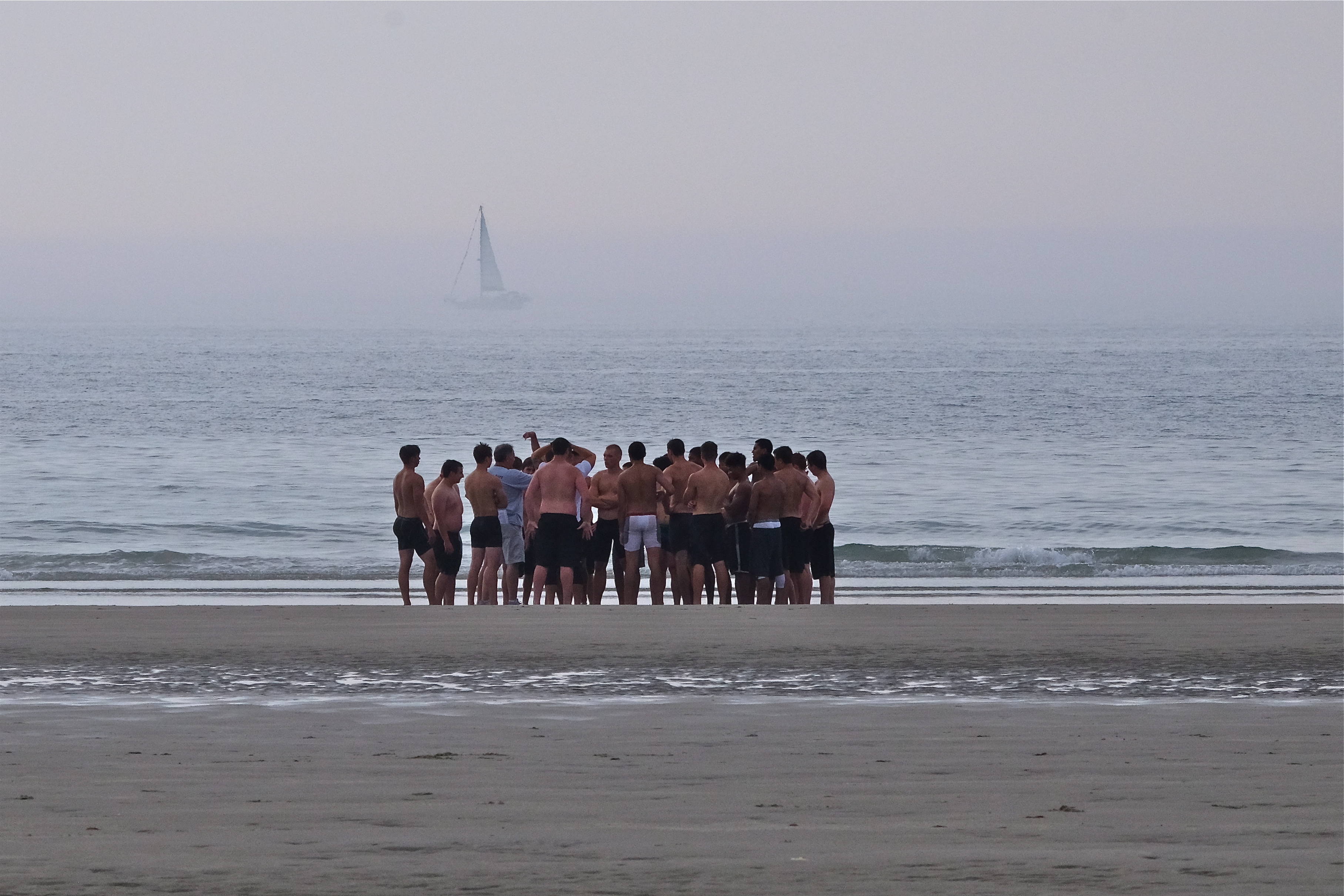
Thanks to GLoucester High School Coach Mike Latoff and the players for keeping an eye on the Plovers.

Papa Plover, sometimes feeding in close proximity to Little Chick, but more often, now watching from a distance. Twenty-day-old Piping Plover Chick

CHICK YOGA

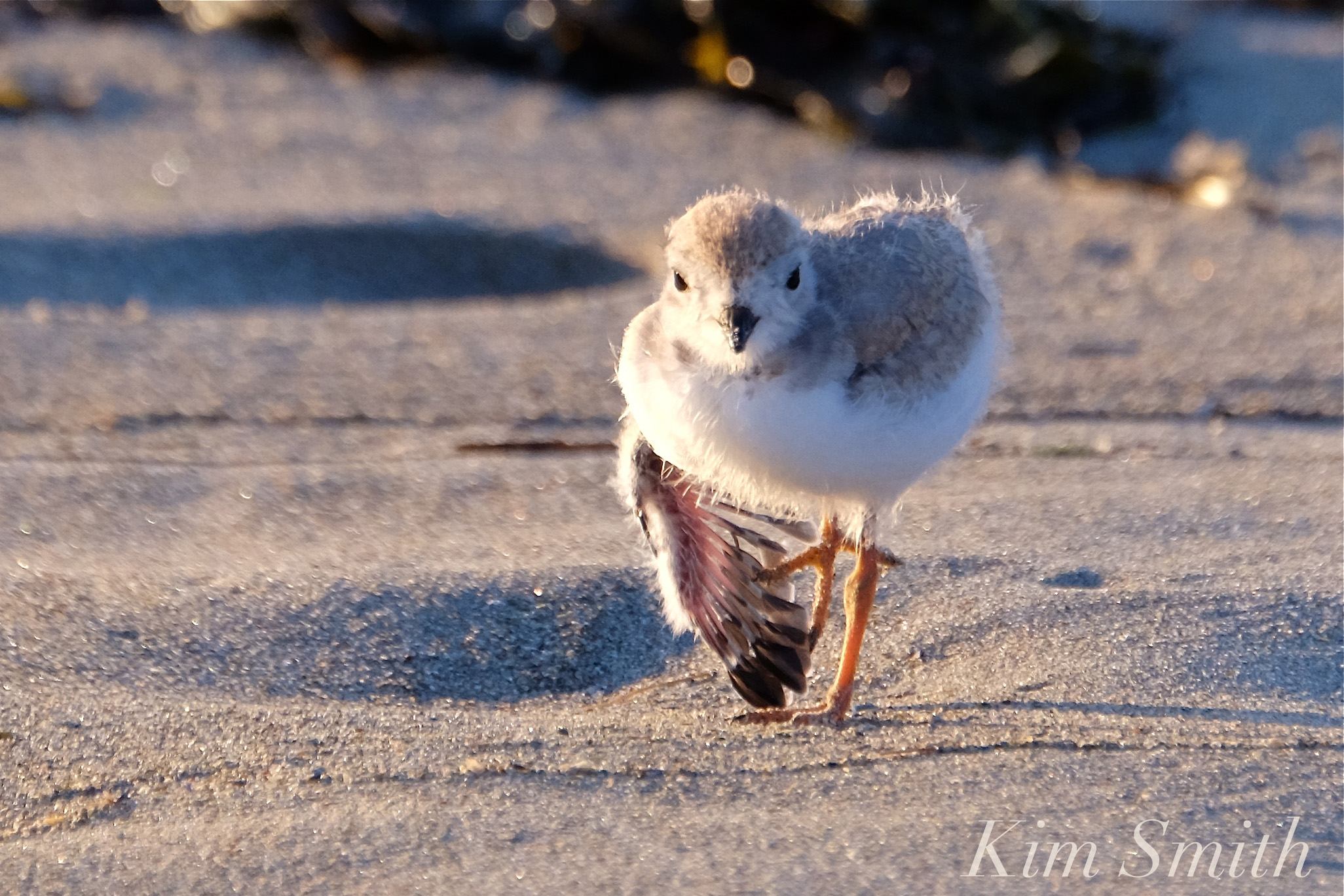
Piping Plover chick yoga that is, mastering Warrior Three.

A funny little morning stretch the PiPl chicks do often.

WHAT DO PIPING PLOVERS EAT?

The question should really be what don’t they eat in the world of insects and diminutive sea creatures. Over the past two summers I have filmed PiPl eating every kind of beach dwelling crawly insect and marine life imaginable.

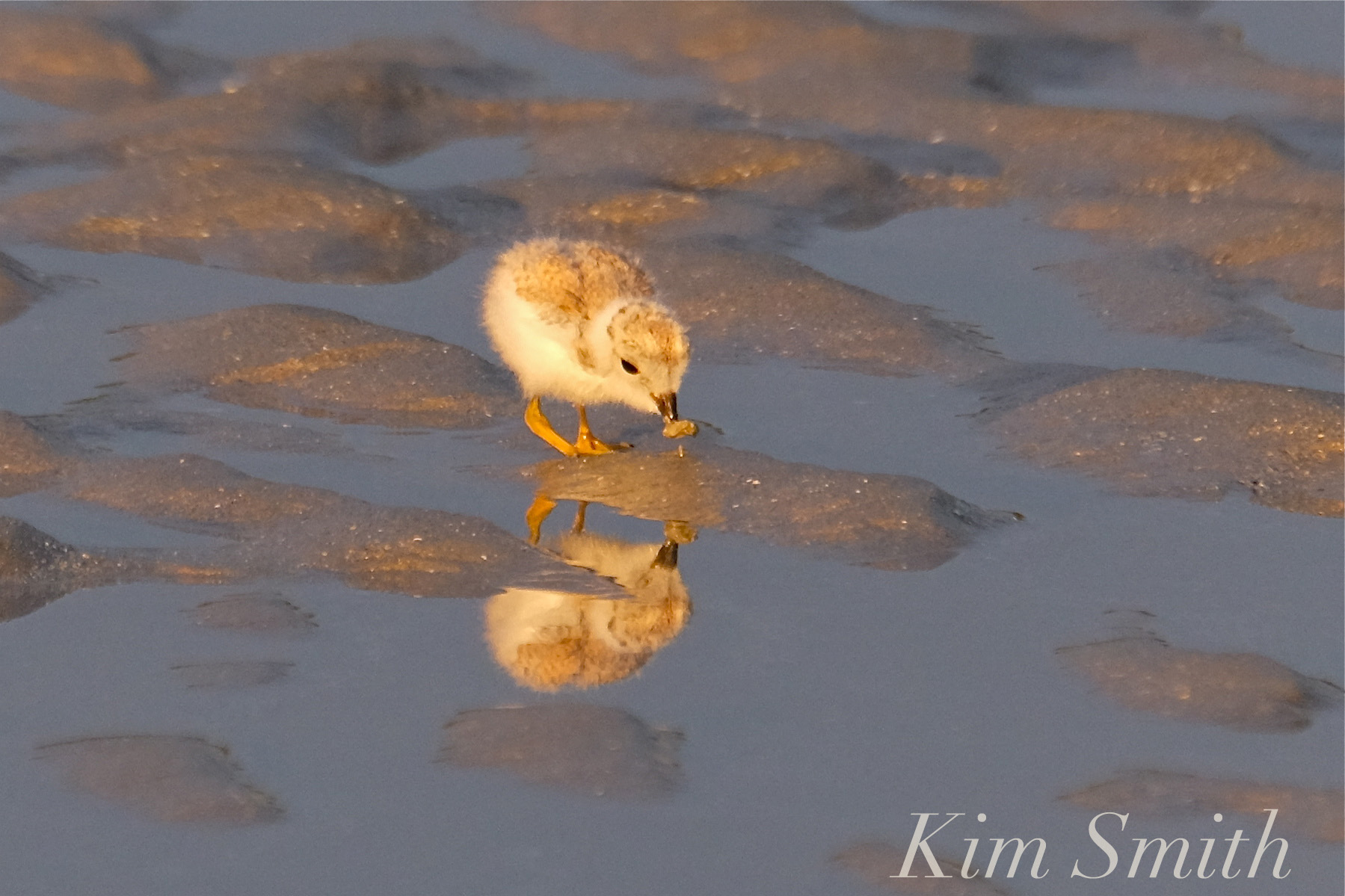
Piping Plovers eat freshwater, land, and marine invertebrates. Their general fashion of foraging is to run, stop, peck, repeat, all the day long, and during the night as well.

Run, Stop, Peck

When foraging along the wrack line and up to the dune edge Piping Plovers eat insects, both alive and dead, including ants, spiders, grasshoppers, crickets, and beetles, along with insect larvae such as fly larvae. Foraging at the intertidal zone, Piping Plovers find sea worms, tiny mollusks, and crustaceans, as well as crustacean eggs.

When the chicks get a little older they will learn how to do a sort of foot tamping technique where they rapidly shake their feet in the sand to stir up crustaceans. I have yet to see our chicks do this, but soon enough.

The purpose of discontinuing to rake the beach to help the Piping Plovers is twofold. Not raking in the nesting site creates a habitat rich in dry seaweed and dry grasses, which attracts insects, the PiPl food on dry land. Secondly, raking in the vicinity of the Plovers after they hatch can be deadly dangerous to the chicks. Not only is there danger of being squished, but also, they can easily become stuck in the impression in the sand made by the tires of heavy machinery.

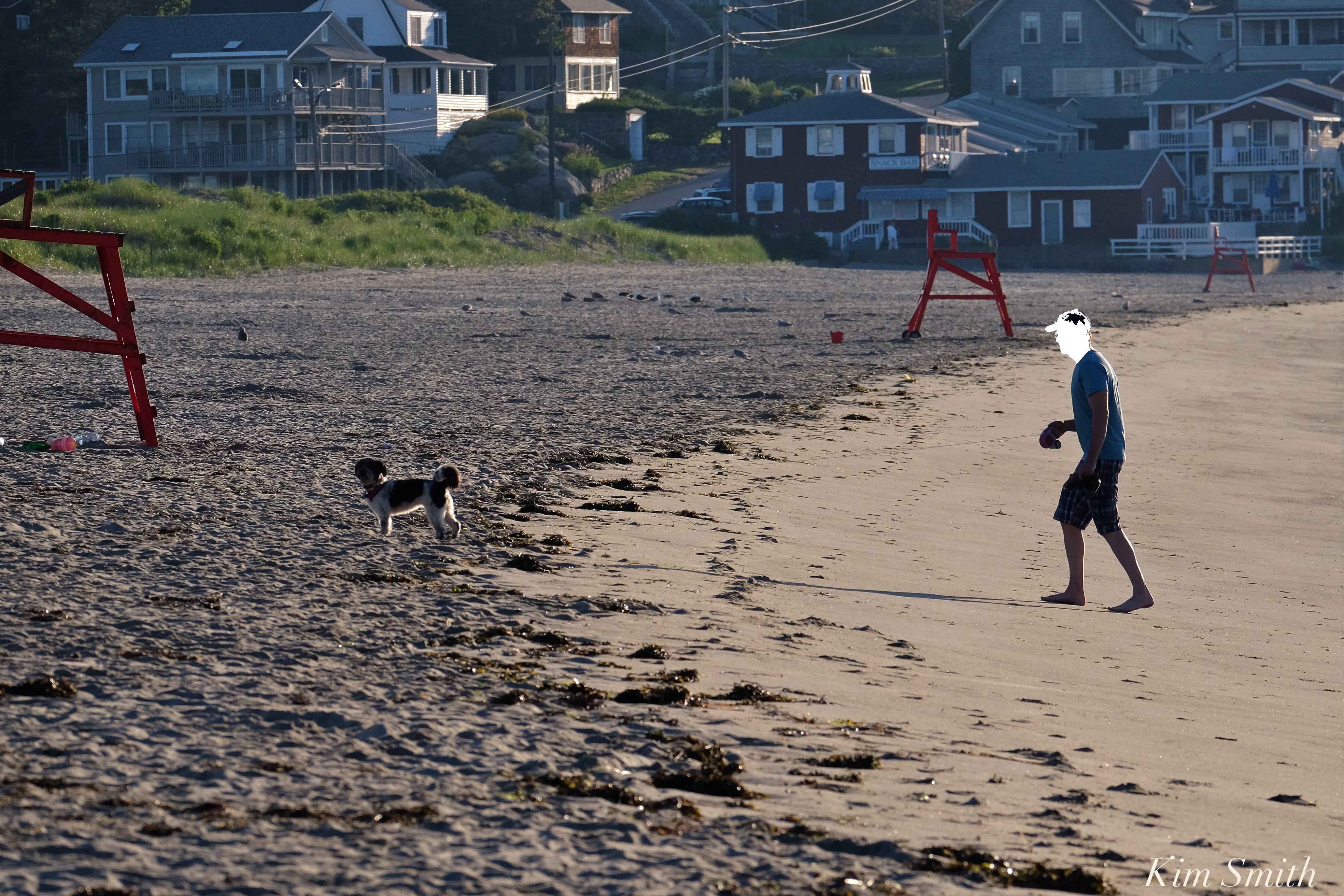
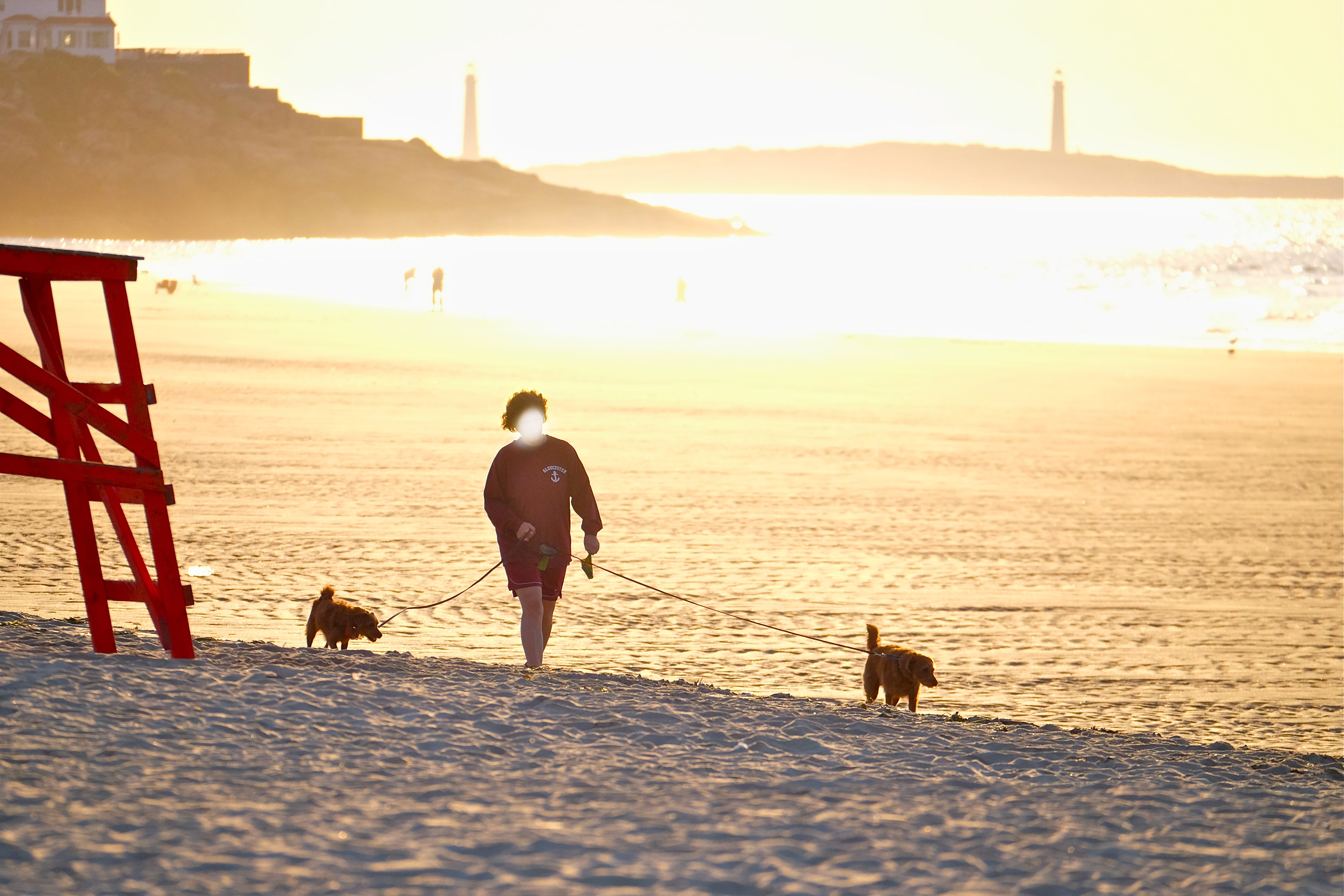
This morning I had a disagreeable conversation with a woman about her unleashed puppy. She feigned lack of knowledge about the dog ordinances, but aside from that, she informed me that her large puppy would be “afraid” of a chick. And there seems to be a frustrating lack of understanding about where the chicks forage. We can only share again that the Piping Plovers, both adults and chicks, feed from the dunes’s edge to the water’s edge, and everywhere in between. Sunrise and sunset are not safe times to walk dogs on the beach because Piping Plovers forage at all times of the day, and into the night. Adult birds can fly away from a person or dog walking and running on the beach, but a shorebird chick cannot.

Big Beach, Tiny Chick ~ Sixteen-day-old Piping Plover Chick Foraging at the Ocean Edge

ONLY ONE CHICK SEEN THIS MORNING (*EDITED RE DOGS ON THE BEACH)

Our one remaining Piping Plover chick spent the early morning in the vegetation at the edge of the dune.

Perhaps we lost the third chick to the tremendous deluge late yesterday that happened not once, but twice. Or perhaps to the crows. When I arrived at the sanctuary this morning there was a tremendous kerfuffle underway between two crows and both adults. As the crows were departing, after being vigorously chased away by the PiPl parents, I couldn’t see clearly whether or not they were carrying off a chick. Or perhaps, none of the above. There was an unleashed puppy on the beach, but after speaking with the woman, she and her dog departed. The PiPl were up by the sanctuary at that time so I am sure it wasn’t because of the puppy. I hope with all my heart we can don’t loose the one remaining chick.

*Comment added from my Facebook friend Susanne: Thank you to all for your kindness re the baby plovers. Yesterday after the downpour, I went to Good Harbor. No life guards and it was relatively quiet. There were three groups of people with dogs and two dogs were unleashed, One unleashed dog was near the piping plovers and too far from me to catch easily. I talked to two of the other dog owners. One said they didn’t know the rules and thanked me. The other said her dog is very old and this may be the last time she ever gets to walk on a beach. I love dogs and hope people have a lovely time on our beautiful beaches. I also wish they cared more about following our beach rules, which are common sense and about caring for others

The adults and chick were acting oddly this morning, not wanting to venture too far from the symbolically roped off area. Papa Plover spent a great deal of time perched on the party rock and surveying the family’s territory (not usual behavior), and got into several times with the Interloper.

Thank you so much to all our volunteers who are trying their best to help keep these beautiful protected birds safe.

Today’s Good Harbor Beach sunrise

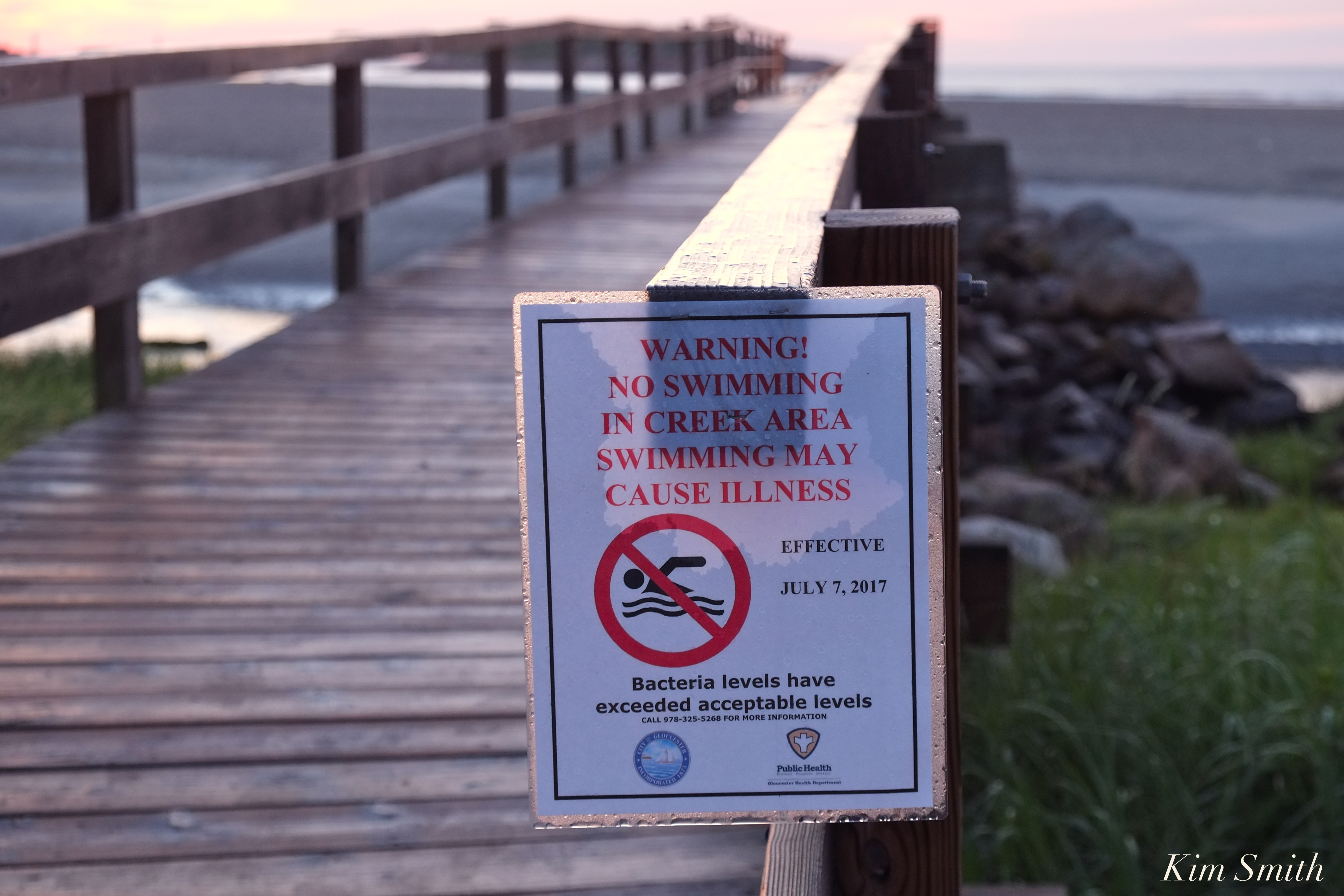
WARNING! NO SWIMMING IN THE CREEK AT GOOD HARBOR BEACH

SWIMMING IN THE GOOD HARBOR BEACH CREEK MAY CAUSE ILLNESS FROM ELEVATED BACTERIA LEVELS

OUR LITTLE PIPING PLOVER CHICK PASSED AWAY LAST NIGHT

Avery from the Tufts Wildlife Clinic at the Cummings Veterinary Medical Center phoned this morning to let us know that our Piping Plover chick passed away in the night. Although he was showing some positive signs yesterday, after a traumatic brain injury such as his, bleeding on the brain and other complications can occur. Know that he was well cared for by the incredible team at Tufts and that they did their very utmost best to save him.

I spoke with Avery about what would have happened had he survived. Little chick would have been re-habituated with other Piping Plovers. As Piping Plovers are a protected species, U.S. Fish and Wildlife dictate where his recovery were to take place.

Although it was very unusual for the clinic to have a Piping Plover, they have helped even smaller animals recover from injury. Most recently, a wounded hummingbird in their care was healed and released back in the wild.

Thank you to everyone for your kind concern.

Thank you to Jodi Swenson from Cape Ann Wildlife for meeting us at the beach at nine in the evening and caring for our little injured chick until the following morning when Catherine, George, and Charles delivered him to Tufts veterinary school. We should all thank our volunteers, Catherine, Caroline Haines, Hazel Hewitt, George King, Charles King, Paul Korn, Cliff King, Chris Martin, Diana Peck, Lucy Merrill-Hills, Cristina Hildebrand, Carol Ferrant, Jeanine Harris, Ruth Peron, Karen Shah, Annie Spike, and conservation agent Ken Whittaker for their diligent and continued monitoring of our two remaining chicks.

Please let’s everyone be mindful of the chicks afoot, help keep the beach clean, and please, please dog owners, please leave your sweet pooches off Good Harbor Beach. Thank you.

If you find orphaned or injured wildlife, the clinic has pages to guide you in appropriate procedures for birds, squirrels, mammals, and more, as well as a list of links to wildlife organizations. Go here for more information: Useful Links from the Tufts Wildlife Clinic

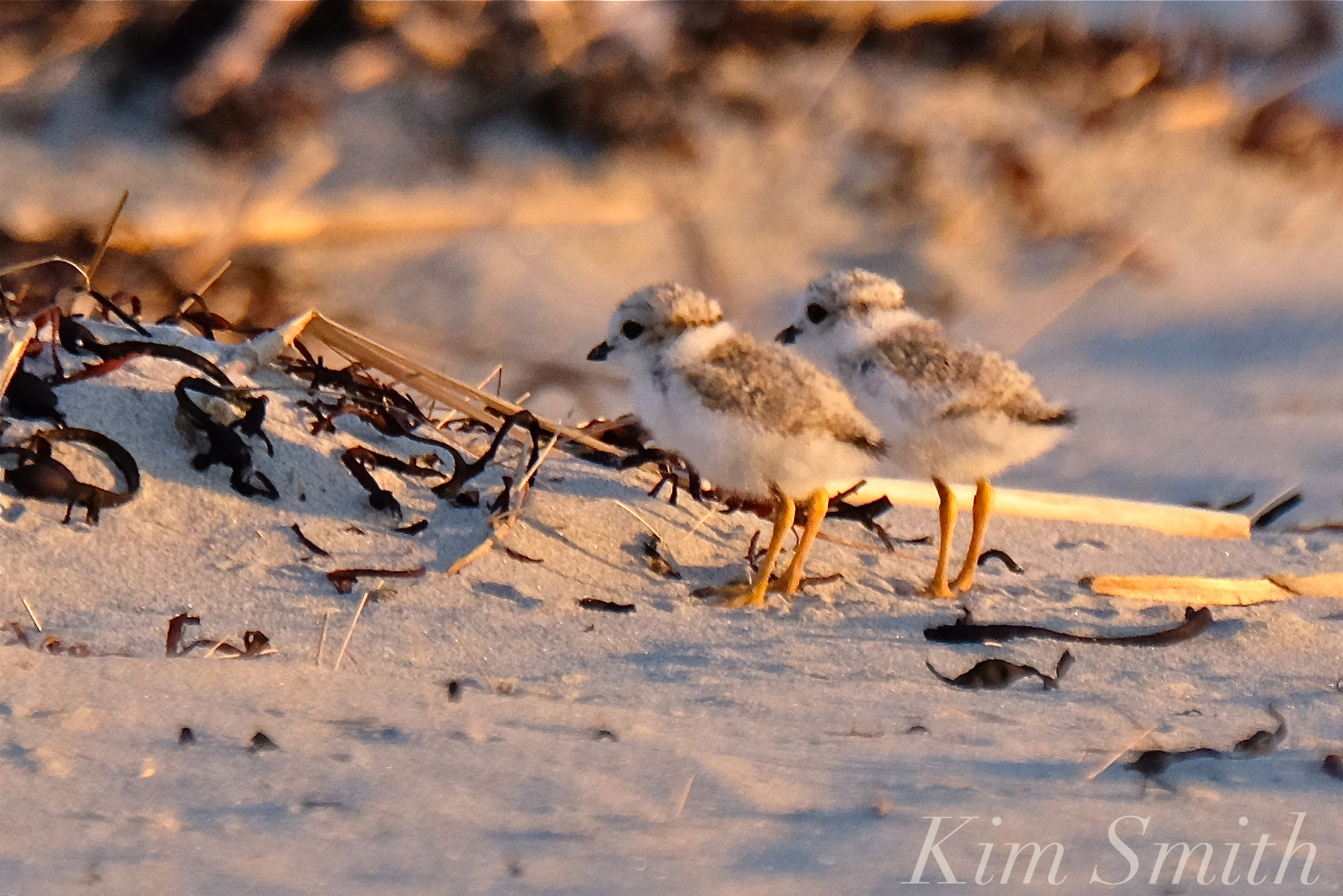
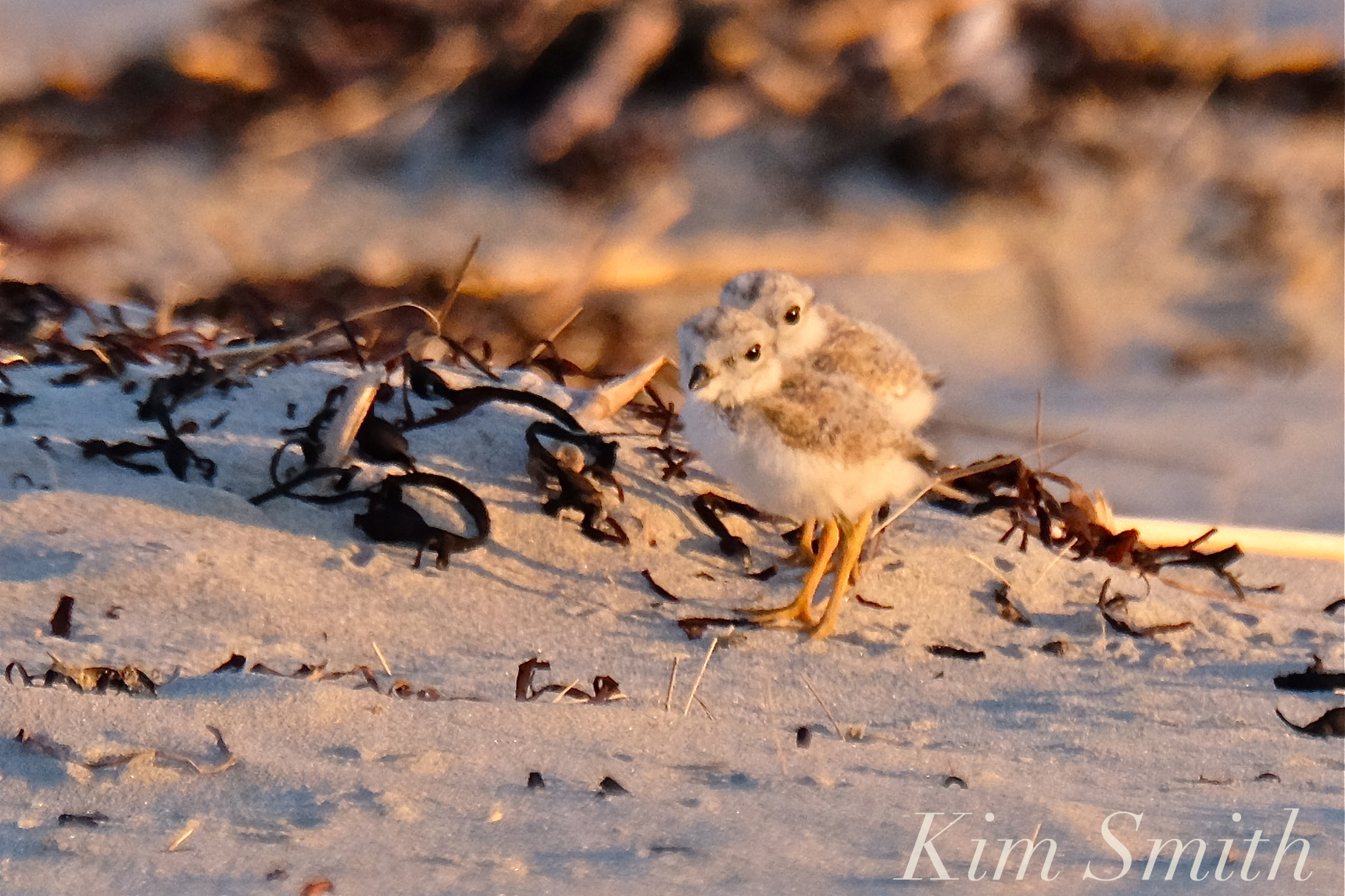
Two sixteen-day-old chicks snuggling under Papa Plover this morning at daybreak.

Two Different days..Thursday & Friday

Thursday the boulevard….Friday the back shore and Good Harbor Beach.

INJURED (AND NON-INJURED) PIPING PLOVER CHICKS UPDATE

Our little injured chick is hanging on. Crystal from the Cummings School of Veterinary Medicine phoned to report that she fed him through the night. He remains on supportive care and is being given antibiotics and pain medication. Little chick has been moved to a heated incubator. The veterinarians are again stating that prognosis is unpredictable.

What are these things called wings?

Meanwhile, these two chick were having an easier morning than usual. There were no fires, dogs, or beach rake, and with the cooler temperatures and overcast skies, many fewer people. PiPl super volunteer monitor Hazel came by with flyers of the injured chick and she posted them around the beach, hoping to help people understand why we need to be on the look out for chicks afoot.

Fifteen-day-old Piping Plover Chick with MamaI wonder what a baby bird think of its funny little appendages that will soon grow into beautiful wings?

Not a great deal of information is known about when exactly PiPl fledge. Some say 25 days and some reports suggest up to 32 days. In my own observations filming a PiPl family last summer on Wingaersheek Beach, the fledglings could not fly very well until mid-August. The PiPl fledglings and parents maintained a family bond through the end of August, even after it was becoming difficult to tell whether they were fledglings or adults. All during that period, the fledglings appeared still dependent upon the adults, who were still parenting, for example, offering distinctive piping instruction especially when perceived danger such as joggers and dogs were in the vicinity.

Two little butts, extra snuggles under Dad’s brood patch on this chilly day fifteen.

INJURED PIPING PLOVER UPDATE #2

4:20pm Update:
Catherine, George, and Charles drove our littlest chick to the Cummings School of Veterinary Medicine at Tufts. Thanks to Jodi, they were prepared and waiting for him. Little chick was assigned a case number and we were told to call after 3pm. As I am writing this report, Avery from the school just returned my phone call. She sounds terrific and was very helpful in explaining little chick’s injury and care. He has a traumatic brain injury, most likely caused by being stepped on. Little chick is being given supportive care, which includes pain medication, an anti-inflammatory, and fluids. He is also in an oxygen cage that allows him to breathe more easily. The vets are guarded in their prognosis as recovery from head trauma is very unpredictable.

Very sadly, I have to report that dogs were running around the beach unleashed at the time of the injury. No one witnessed exactly what happened, but last year I saw a dog running over and instantly killing a chick, despite my very best efforts to get the owner to control his dog. This morning at 6am dogs were on the beach leashed, but the owner was obliviously walking her two dogs through the sanctuary area precisely where the chicks were darting about. Leashed or unleashed, irresponsible dog owners are one of the chick’s greatest threats. Please, please folks tell your friends and neighbors about the Plovers and why it is so important to follow the dog ordinances. It seems as though late in the day, after 5 and before sunset, the chicks are the most vulnerable. Perhaps folks think its okay to bring dogs to the beach after the life guards leave. Early evening is exactly the same time of day that the chick was killed last year.

Our two Good Harbor Beach siblings, this morning at fourteen days old.
Earlier this morning updates:
Catherine writes, “I called Kim who met me right away at the beach. Soon After 9pm Jodi was there getting the bird. Jodi implemented  ER incubator and hydration methods. By 11pm chick pooped which may be sign that he was reacting to rehydration. (She explained that body shuts down digestion quickly to protect brain and heart. Pooping could be things working.) One eye swollen may equal head injury or seizure. All was speculation and she hoped chick would make it through night.”
Volunteer Nancy, who found the chick wrote, “My daughter spotted the chick on the soft sand lying just off the wet sand of the creek bed near where we were this morning. My son in law carried the chick from creek bed to large enclosure. I held chick while giving it water and tried to keep it warm, then put it in the covered part of the enclosure on advice of Audubon woman, hoping its mom would be able to give care. We called every emergency number we could find but no one picked up. Thank you so much for responding as you did.”
Today at 6:15am–dog walking through the Plover’s sanctuary–leashed or unleashed, dogs (as well as people) unintentionally step on Plovers. Please be careful.

INJURED PIPING PLOVER UPDATE

Our littlest Piping Plover is on its way to Tufts with Catherine and her sons George and Charles.

Photo: Jodi Swenson, Cape Ann Wildlife. Jodi is Cape Ann’s resident bird rescue expert.

BREAKING: TWO CHICKS CELEBRATING TWO WEEK MILESTONE, ONE CHICK HANGING ON BY A THREAD

Mama and the two fourteen-day-old chicks this morning at daybreak.

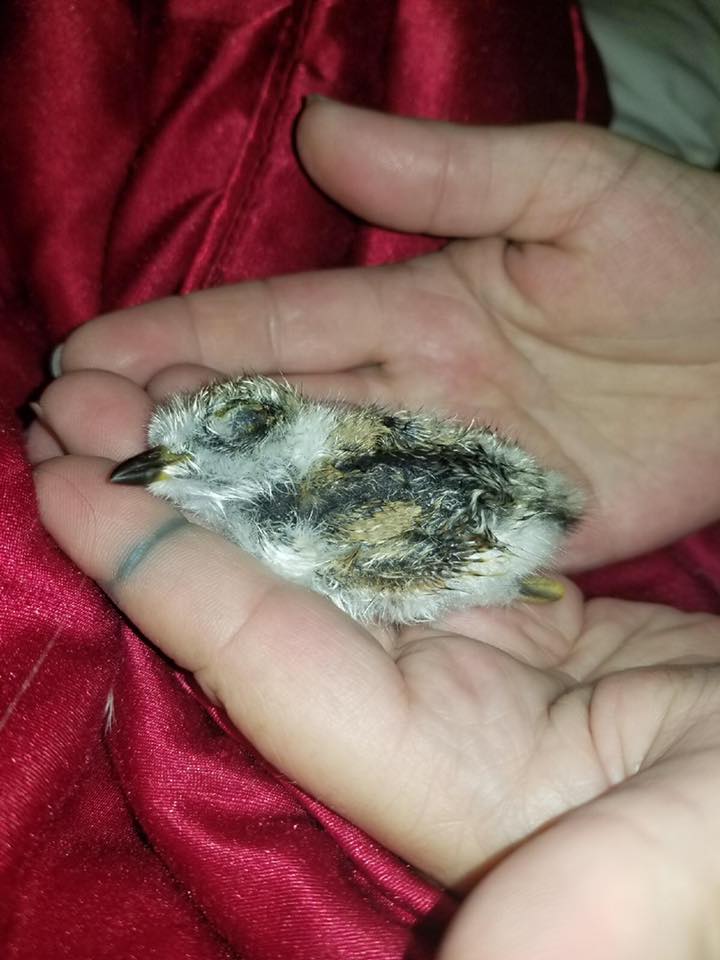
Two of our three Piping Plover chicks are doing beautifully, the third however is hanging on for dear life. The littlest chick was found limp and helpless by beach goers, on the dune edge near the creek. The chick was placed in the wire enclosure where Catherine Ryan and I found it at around nine pm. Jodi Swenson from Cape Ann Wildlife arrived shortly thereafter. She immediately tucked the chick into her shirt and has been keeping the chick in a warming nest. Jodi reports that the chick’s eye is swollen and that it is having neurological problems. More information to follow.Little Chick’s right eye is very swollen.
Jodi’s snapshot from last night.

GOOD HARBOR BEACH PIPING PLOVERS DAY THIRTEEN

Thirteen-day-old Piping Plover Chicks

Foraging for tiny crustaceans at the high water line.

This morning at 5am found all three adorable balls of fluff zig zagging in and out of their roped off area. All was going well and I had planned to leave at 6:30 for work when the beach rake arrived on the scene. At the very moment the roaring rake was passing in front of the roped off safety area, the chicks decided to head to the water. It was harrowing trying to herd the chicks back up towards the wrack zone and at one point I lost sight of one. The rake passed twice in front of the sanctuary and both times the chicks were in extreme, extreme danger. The beach rake driver is super conscientious and stopped for Papa Plover when he ran in front of the rake, but not in a million years would a chick have been seen. I think eventually the chicks will learn to run in the opposite direction of the giant noise-making machine, but at this stage of development, they are running directly towards the beach rake. Additionally, while the rake drama was unfolding, half a dozen gulls flew in. I don’t know if they were there to check on what was tumbled up by the beach rake, or if they knew the babies were vulnerable as both parents were trying to herd the chicks away from the rake.

After writing this post, the next order of business is emailing Dave from Greenbelt and our conservation agent Ken Whittaker about the beach rake. I sincerely hope it can be redirected to stay on either side of the safety zone, traveling behind the beach through the parking lot road to clean both sides, but completely avoiding the area the PiPls are using as their morning and night time sanctuary.

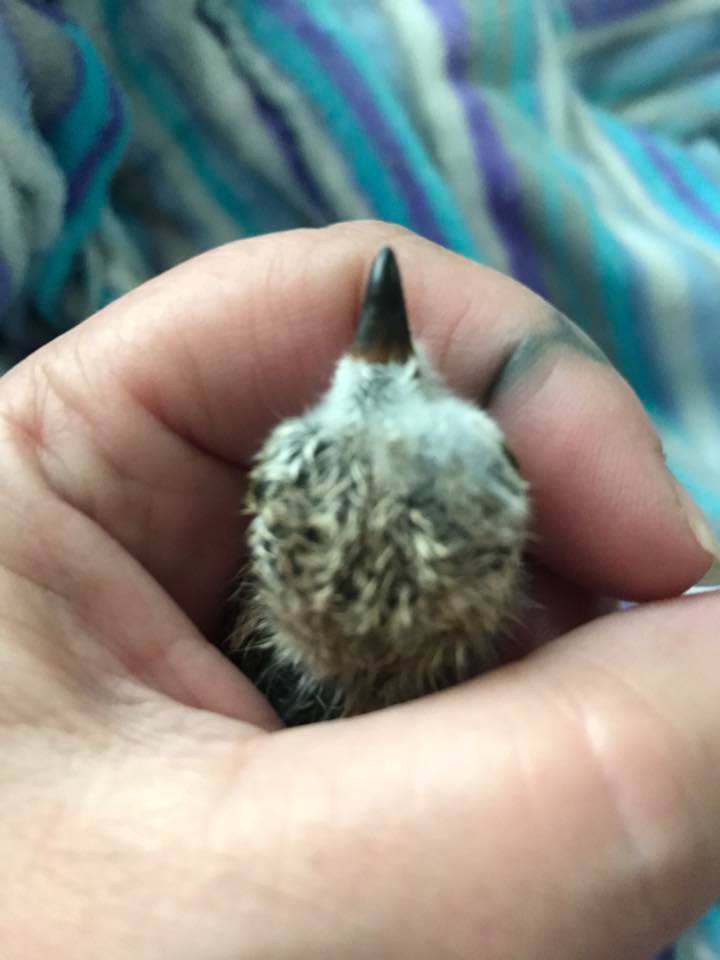
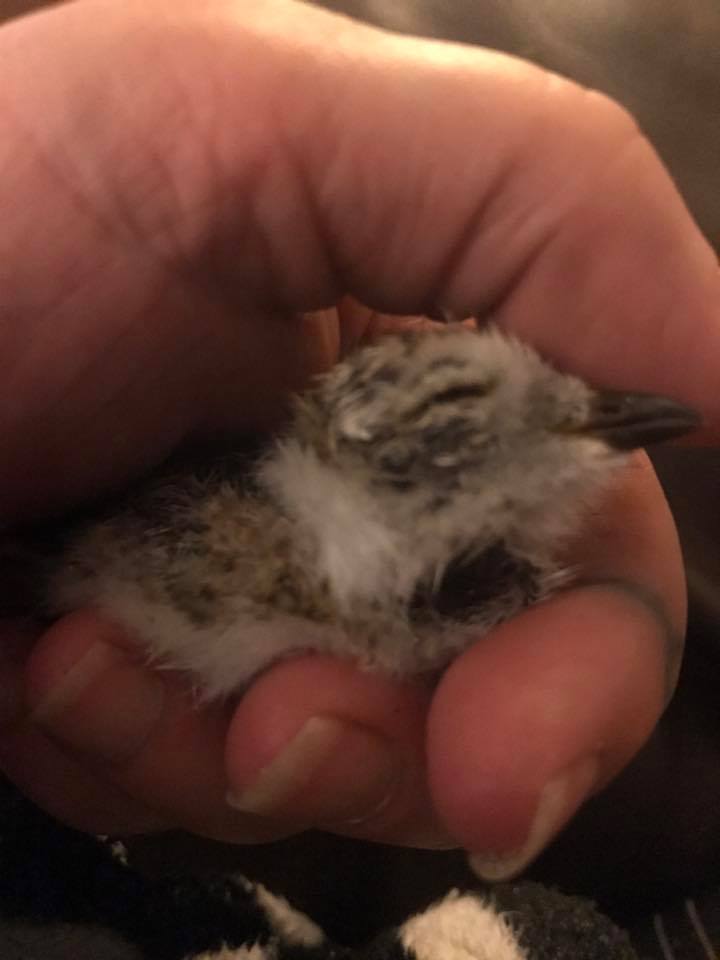
Compare the photo on the left of a one-day-old chick and the photo on the right of the thirteen-day-old chick.

Despite their growing size, warmth and cuddles are still needed from Papa and Mama.

One of my favorite images, I think I’ll call this photo OctoPop.

Thirteen-day-old Piping Plover chick looking mighty confident.

Ocean is warm enough to swim – went from 61 to 65 degrees in one day

Never fails to amaze me how that can happen so quickly!

IMG_20170705_074925

CAPE ANN SUP is renting paddle boards at Cape Ann Motor Inn Long Beach and Beauport Hotel Pavilion Beach. It’s a great day to try it out, but be warned. We did that last year and bought a couple of kypads because of Dominic!

 Save the Date August 12  and check out Cape Ann SupahBowl 

We’re looking forward to the First Annual Cape Ann SUPAHBOWL on site at Beauport Hotel.

SUP

GOOD NIGHT LITTLE CHICKS

Nine pm, the tail end of the July Fourth weekend, and all three Piping Plover chicks are tucked under Dad’s wings. Great work everyone! Good night little Plovers.

GOOD HARBOR BEACH PIPING PLOVERS DAY TWELVE

Twelve-day-old Piping Plover Chick

This morning found all three chicks (hooray for three!) hungrily zooming around the symbolic enclosure, as well as outside the roped off area, and occasionally down to the water’s edge, but only for very brief moments. When the PiPl chicks get to the water they drink quickly before mom or dad calls them back up towards the wrack zone. Later in the morning they will journey over to the creek, where they can safely spend more time in the water drinking and feeding.

Zooming around the beach at top speed.

So this morning, five of the endangered nesting bird signs were either knocked over or mangled. Young adults lighting fires on a busy public beach is just plain dumb, but destroying the signs is just plain unkind. The Piping Plover monitor volunteers are so terrific and 99.99999999999 percent of the community are rooting for the Plovers; it’s just sad to see how a tiny minority can so negatively impact Plover recovery programs.

More food for thought–why do you think there was a Coyote spotted this morning on Nautilus Road in nearly exactly the same spot where there should be a trash barrel? Because of the disgusting pile of food and plastic garbage that sits there every night and well into the morning (or blows into the marsh and ocean), until the DPW arrives. The Coyote’s favorite meal is the the human garbage they have scavenged. Additionally this morning, I filmed super up close two crows alongside the Plover area and they were very expertly digging in the sand and un-burying food that had been buried there in the sand.

Mama Plover and twelve-day-old chicks.

Thankfully, Patti Amaral and the King family reset the signs and a full schedule of volunteers will be monitoring the PiPlover family again today. Thank you to all the volunteers and to our wonderful community for all you are doing to help the Piping Plovers survive our busiest of beaches.

Happy Fourth of July Glorious Beach Day!

https://www.instagram.com/p/BWHp6Z3lYH6/

TRASH IDEA SHARED BY GMG READER BARBARA FARRER

GMG Reader Barbara Farrer shares an excellent trash idea and photo,

“My daughter and I went for a walk on the beach today and picked up handfuls of trash. This picture is from walking around 1/3 of the length of the beach and we couldn’t carry anymore garbage by that point. We noticed an abundance of plastic straw wrappers that we suspect came from the snack bar; perhaps the city should consider providing unwrapped straws to mitigate the problem, or stop giving straws (although that would be the tip of the iceberg). The real solution is a little effort and consideration by those who visit our beach, but a change to the snack bar’s straw policy may be a good start.”