CAPE ANN WINGED CREATURE UPDATE

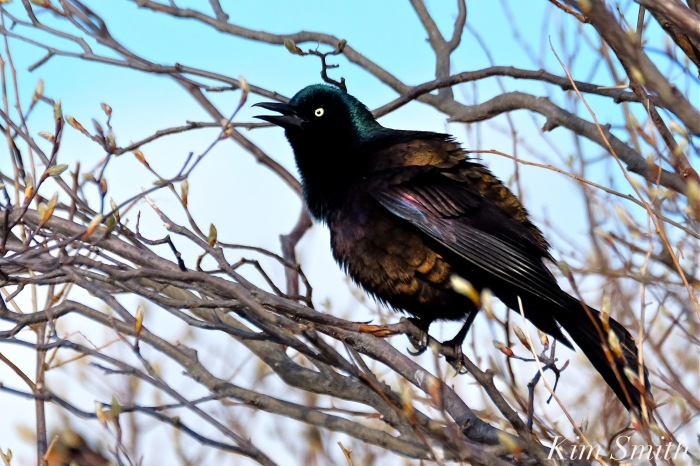
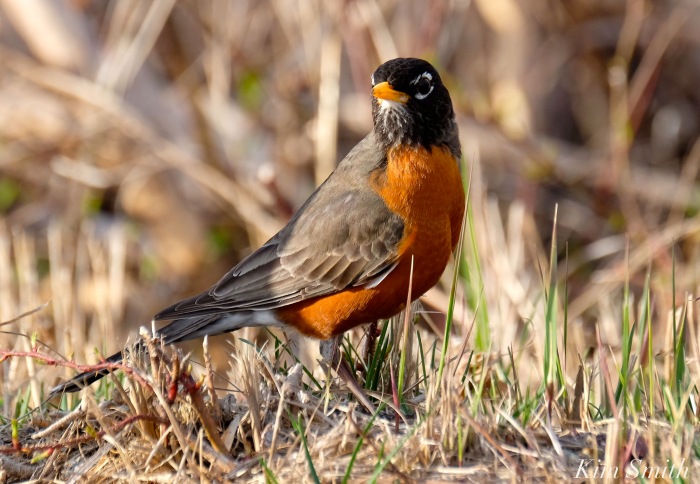
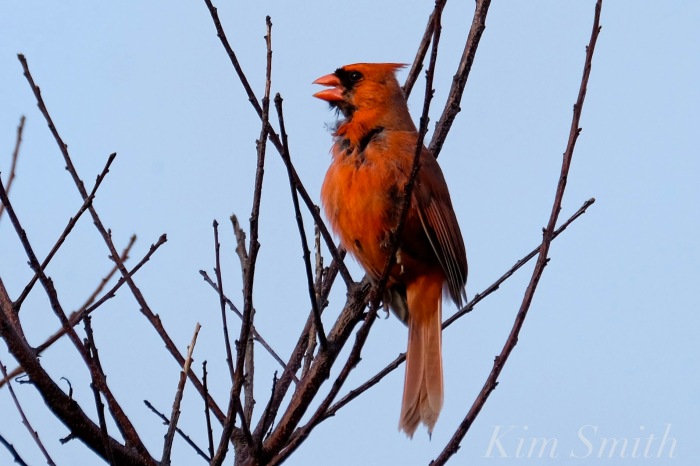
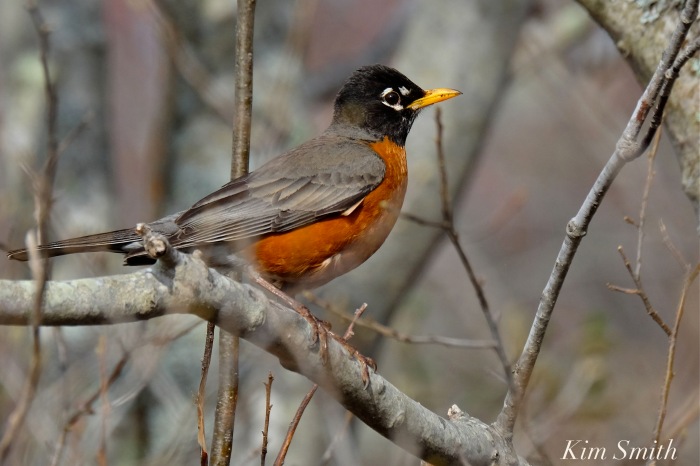
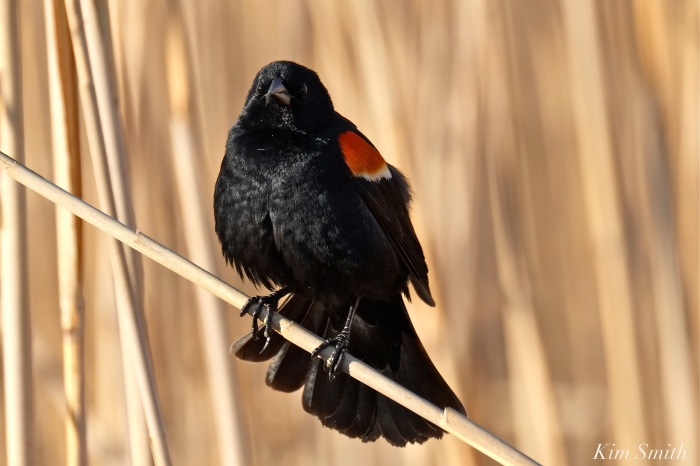
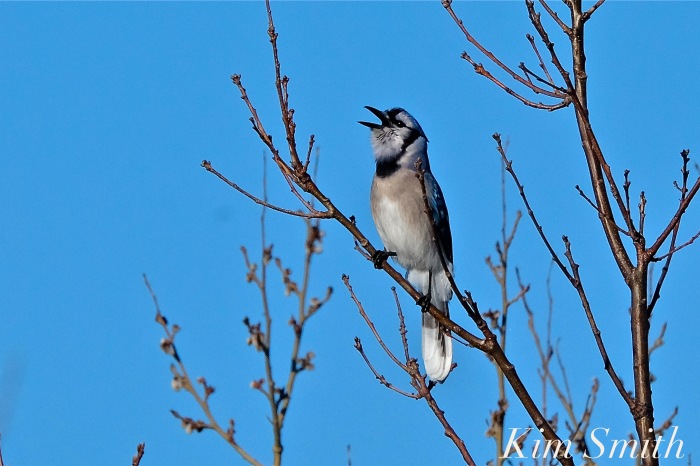
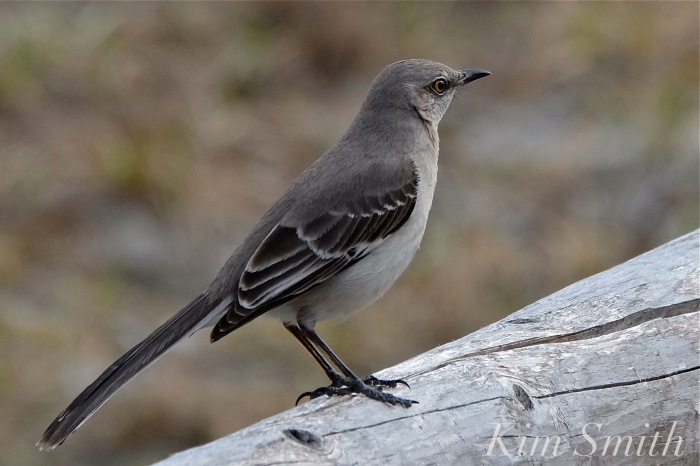
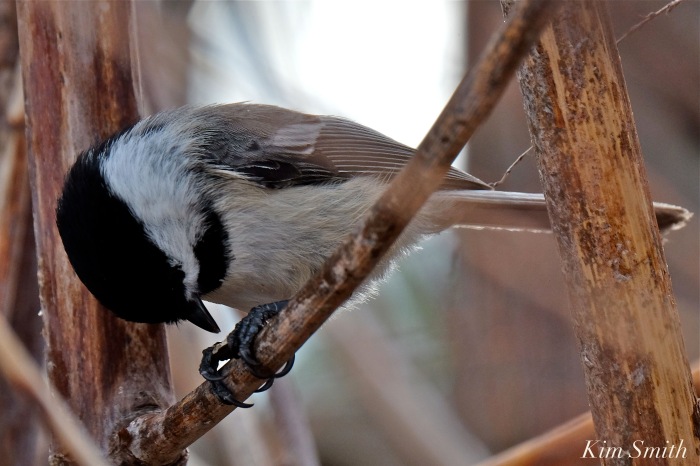
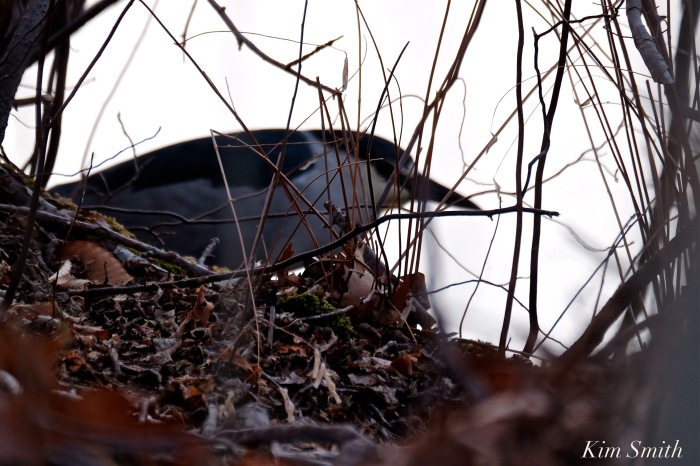
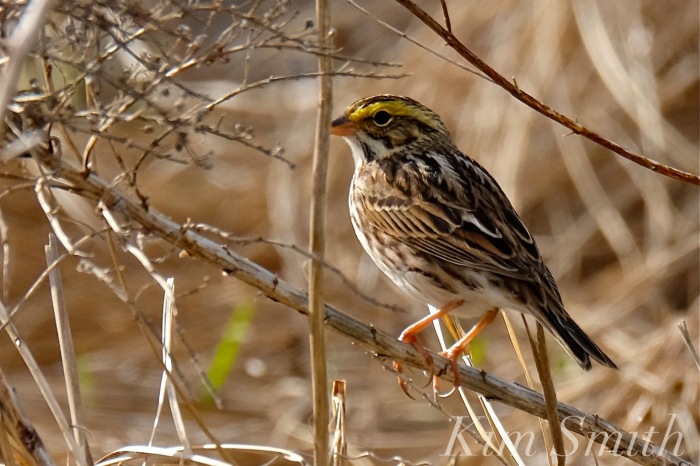
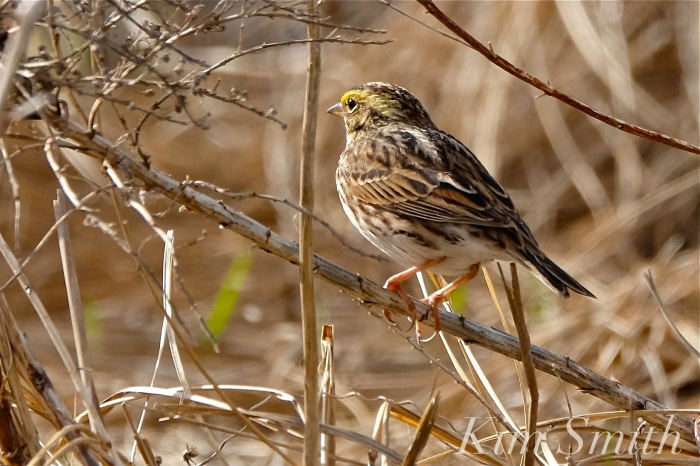
Featured: Brant Geese, Black-capped Chickadees, Black-crowned Night Heron, Blue Jays, Cardinals, American Robins, Mockingbirds, Savannah Sparrows, House Finches, Red-breasted Mergansers, and Common Grackle.  

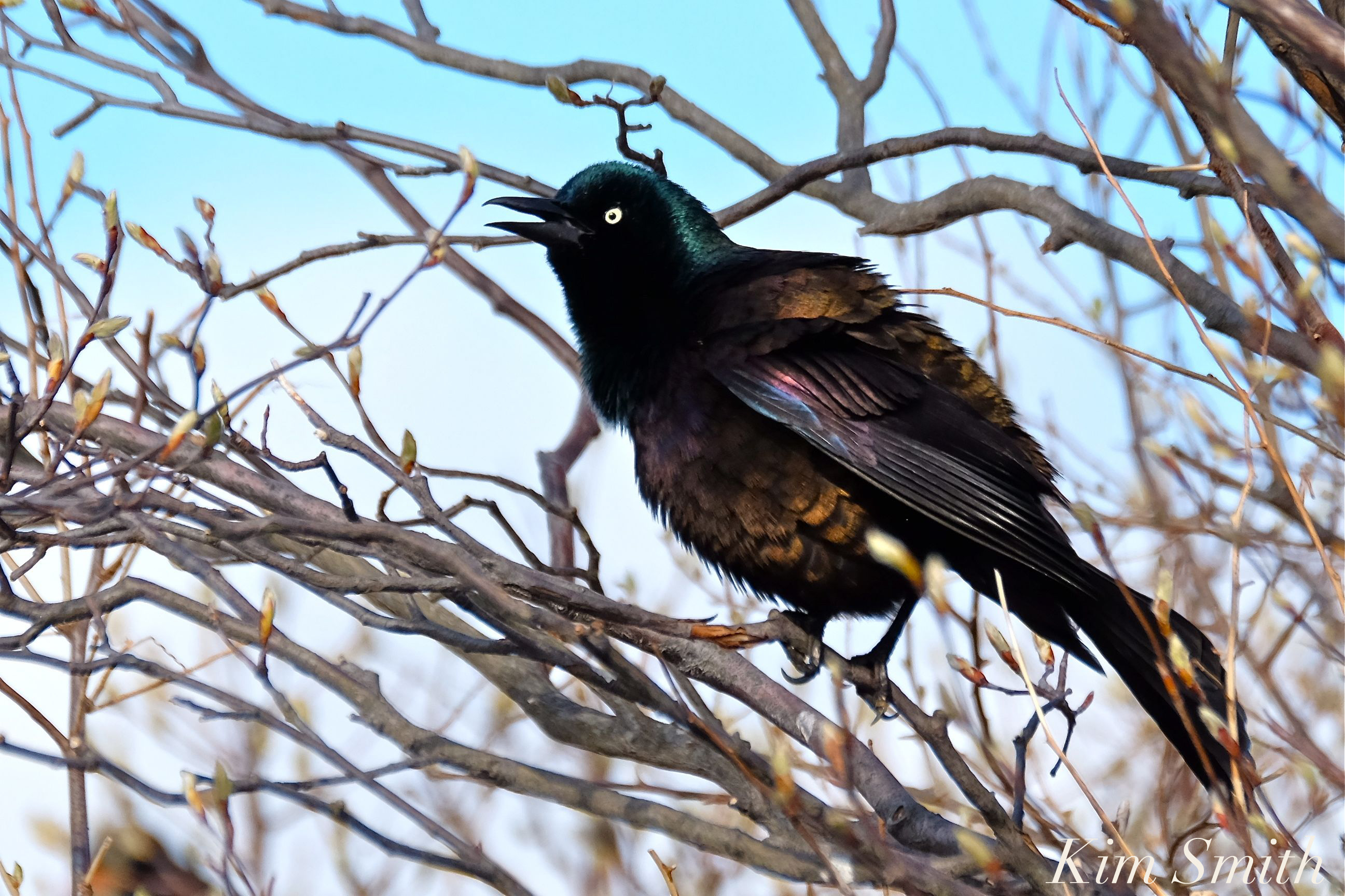
Beautiful iridescent feathers of the Common Grackle.

Spring is a fantastic time of year in Massachusetts to see wildlife, whether that be whale or winged creature. Marine species are migrating to the abundant feeding grounds of the North Atlantic as avian species are traveling along the Atlantic Flyway to summer breeding regions in the boreal forests and Arctic tundra. And, too, the bare limbs of tree branches and naked shrubs make for easy viewing of birds that breed and nest in our region. Verdant foliage that will soon spring open, although much longed for, also obscures nesting activity. Get out today and you’ll be richly rewarded by what you see along shoreline and pond bank.

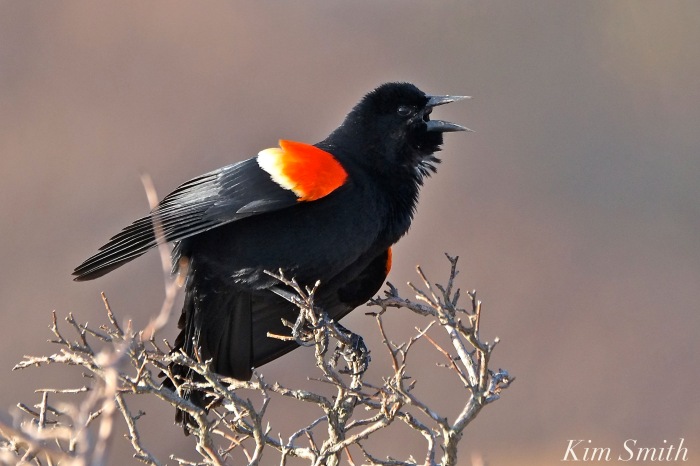
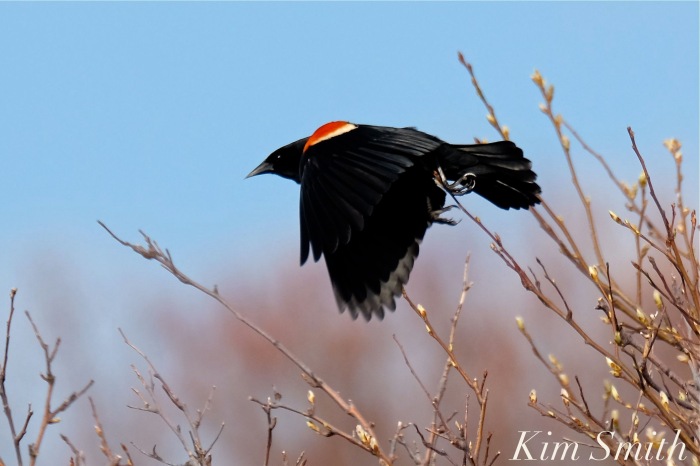
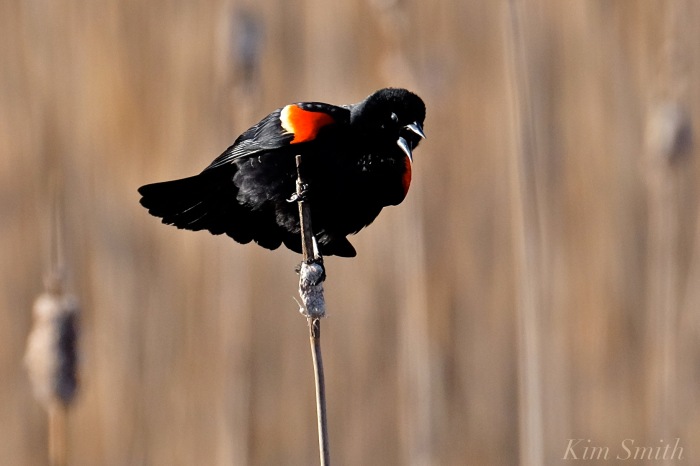
Male Red-winged Blackbird singing to his lady love.

Once the trees leaf, we’ll still hear the songsters but see them less.

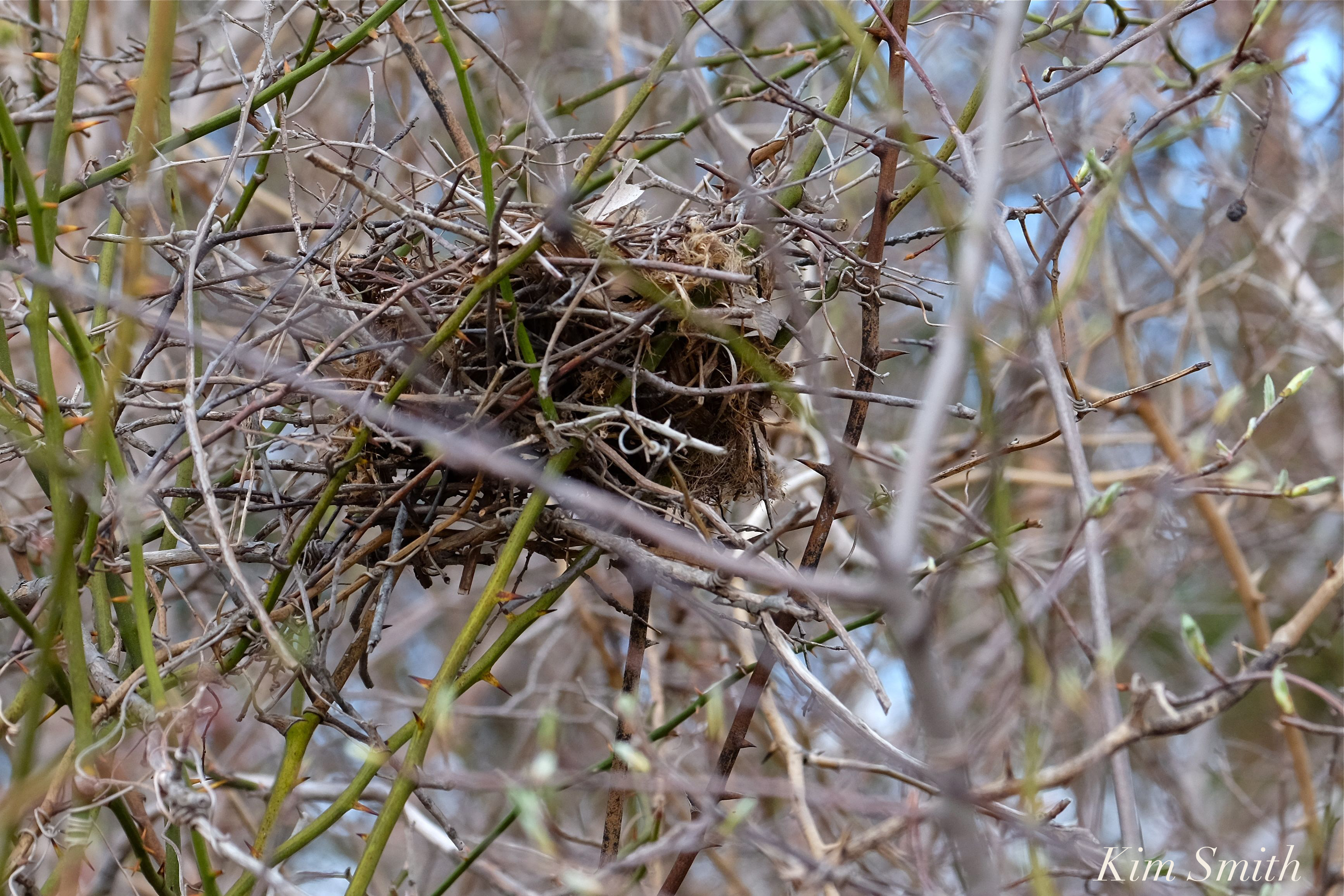
Nests will be hidden.

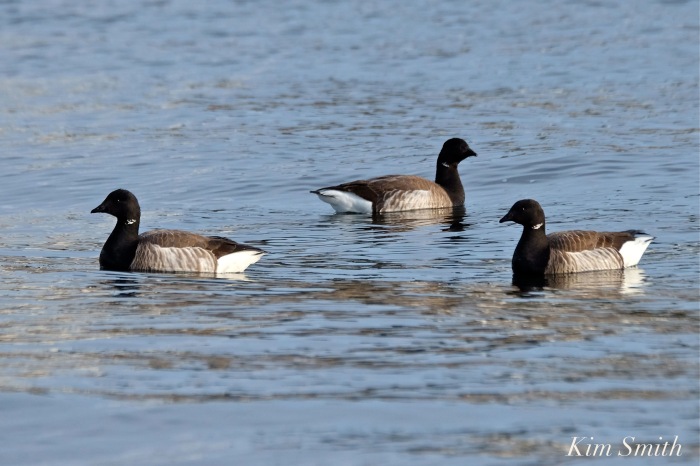
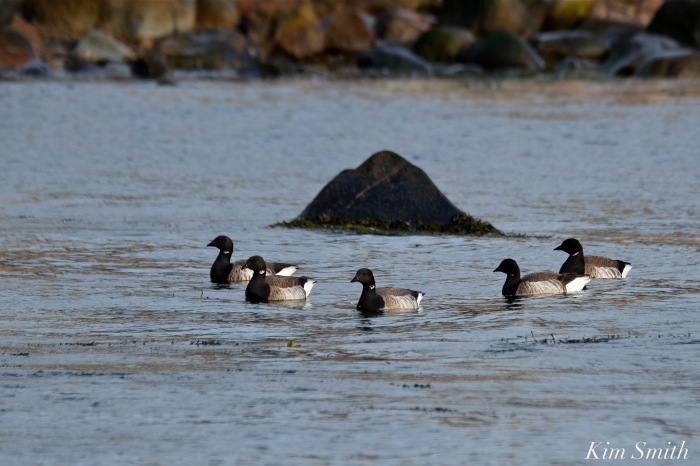
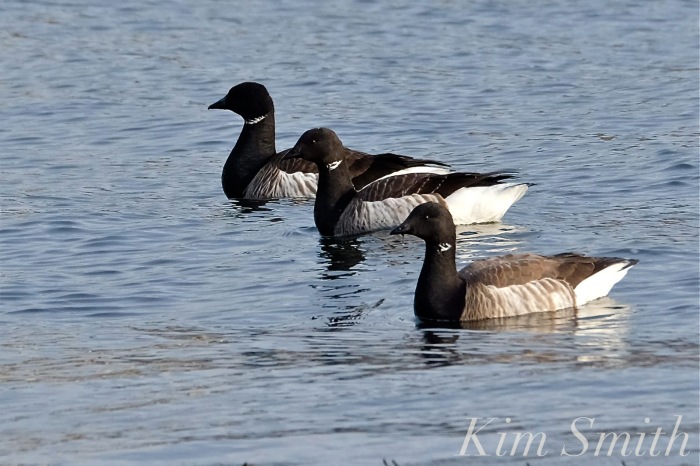
Five migrating Brant Geese were foraging on seaweed at Loblolly Cove this morning.

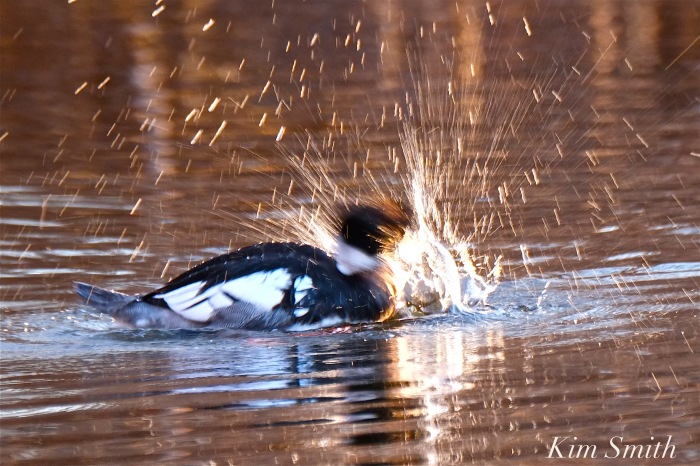
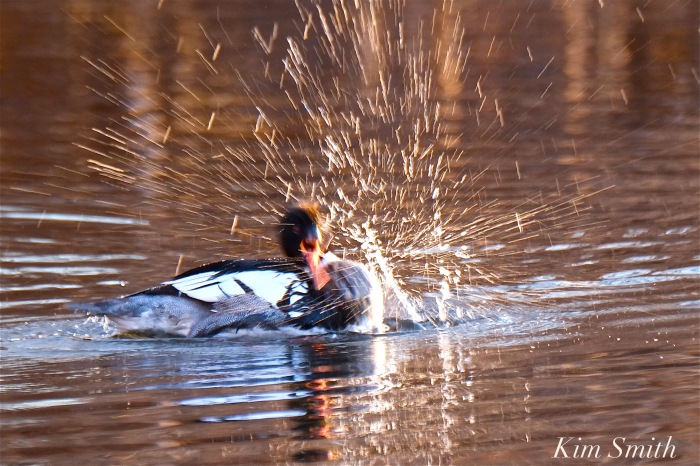
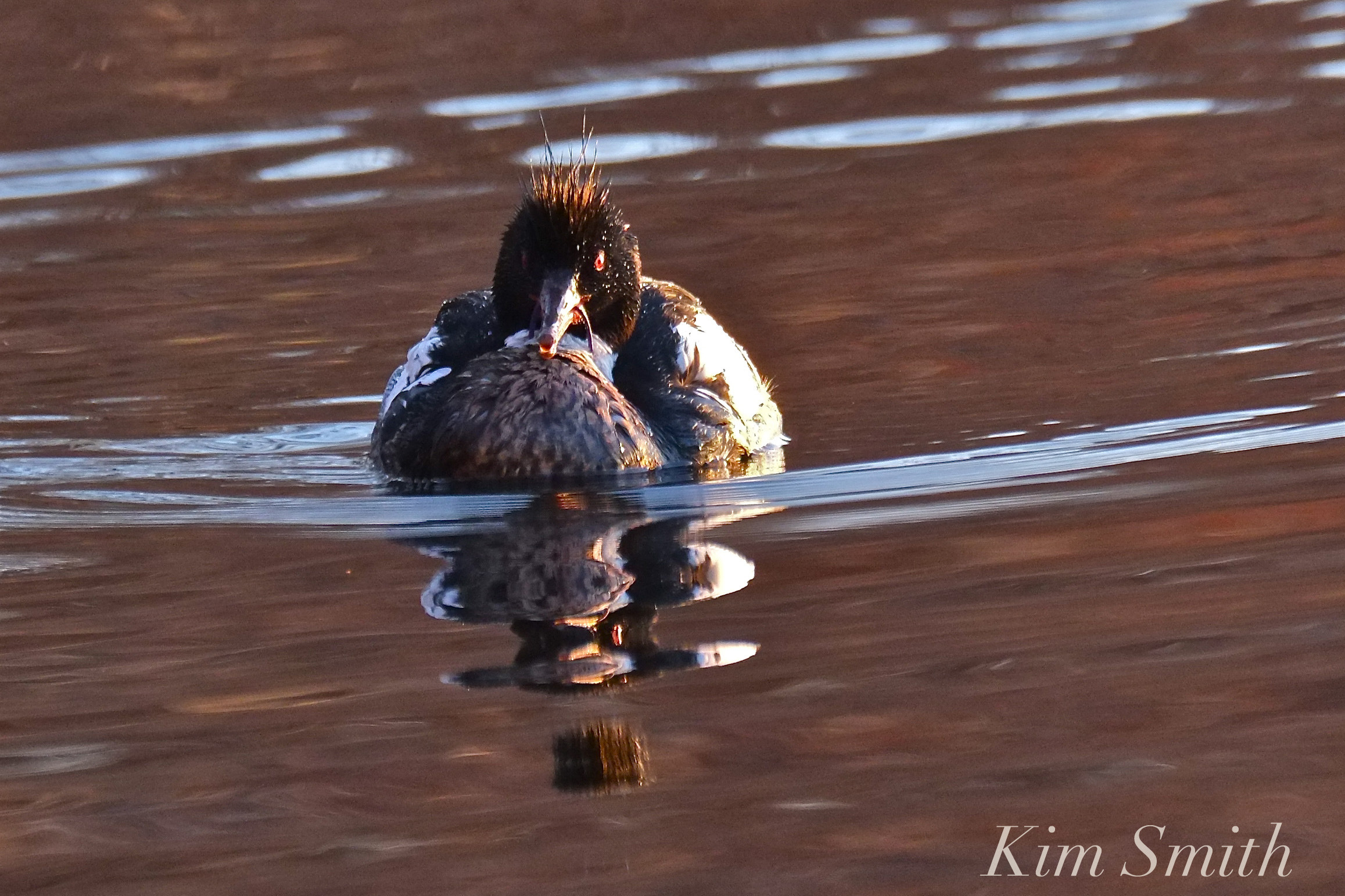
Red-breasted Merganser Bath Time

LET’S HELP BACKYARD GROWERS WIN A $35,000.00 GRANT- IT’S EASY, JUST VOTE!

Soooo exciting and very best of luck to Backyard Growers!!! Please share this post with your friends and ask them to vote, too.

Lara Lepionka, Executive Director of Backyard Growers, writes,

Hello Friends of Backyard Growers,

Backyard Growers is one of three finalists in the b.good Family Foundation’s competition to win a $35,000 grant! In all of Greater Boston, we were chosen as one of the finalists because of the work we are doing right here in Gloucester—so proud!

We are now at the public voting stage. Please do the following to help us win!

Thank you! Lara


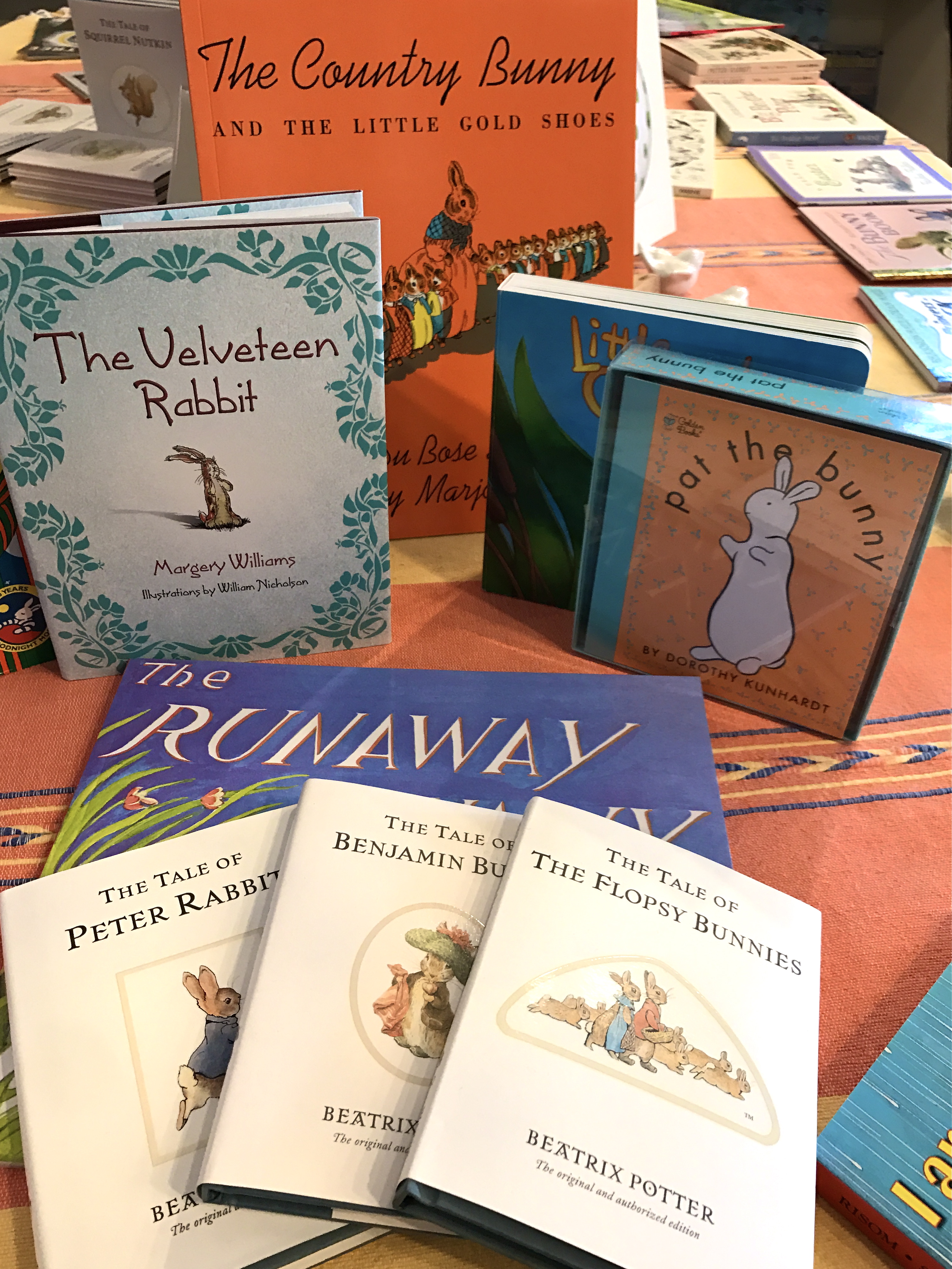
SHOPPING AT THE BOOKSTORE OF GLOUCESTER FOR BUNNY LOVE

The Bookstore of Gloucester has a wonderful selection of spring-themed children’s books. Having fun with baby granddaughter Charlotte on the way!

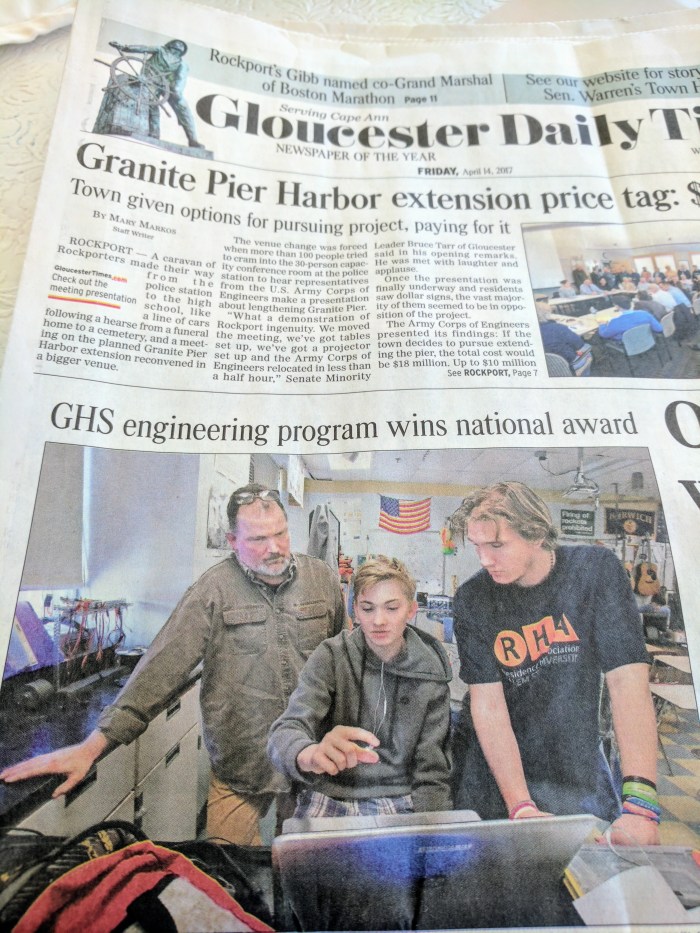
In the news: Congratulations Kurt Lichtenwald for leading Gloucester High School robotics and engineering program and students to another recognition–this one national! And those smart Monnells…

Well deserved. See wonderful story by Ray Lamont in today’s Gloucester Daily Times: GHS Engineering program wins national award, Photo by Mike Springer shows Kurt with students Austin Monnell and Conor Williamson.

NATIONAL AWARD FOR EXCELLENCE FROM THE INTERNATIONAL TECHNOLOGY AND ENGINEERING EDUCATORS ASSOCIATION  

TEACHER EXCELLENCE AWARD 

IMG_20170414_112808.jpg


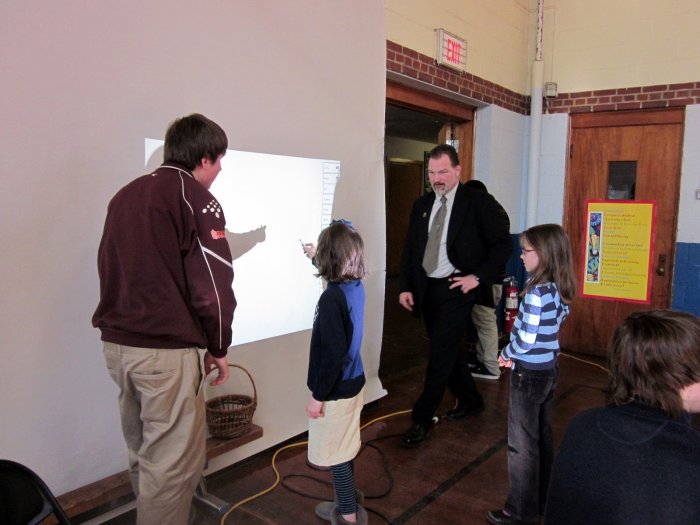
It’s close to Kurt’s 20th anniversary at Gloucester High School. Here’s a throwback photo I took in February 2012 at East Gloucester Elementary. Kurt brought the high school students in to the elementary school to lead science and robotic stations for all the kids. He told me then about his approach:

“For too long; students who could memorize facts were considered highly intelligent. In my classes students must learn to apply the knowledge and prove that they learned the topics. This is a different kind of intelligence (kinesthetic – hands on intelligence)  that for so long has gone unappreciated and unrecognized.  Mixing the two types of intelligences (multi level) in a class just makes common sense and great products (student work).”-Kurt Lichtenwald


IMG_3403

IMPORTANT SAINT PETER’S FIESTA DATES FOR 2017

The dates of Saint Peter’s Fiesta are June 21st through June 25th and the schedule will be posted on the Saint Peter’s Fiesta website. There is a rumor circulating that Fiesta falls on the following weekend, which is definitely not true. This information comes straight from Fiesta committee member Al Millefoglie.

Tremendously exciting that this year marks the 90th anniversary of the Saint Peter’s Fiesta. I think it’s going to be the BEST FIESTA EVER!!

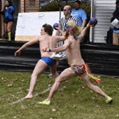
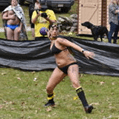
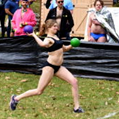
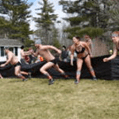
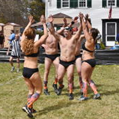
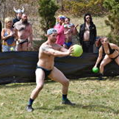
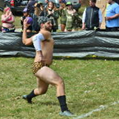
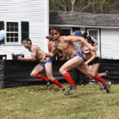
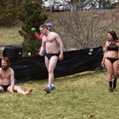
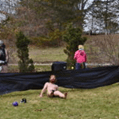
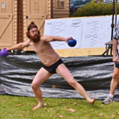
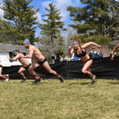
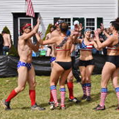
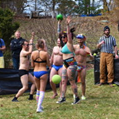
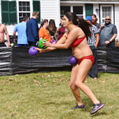
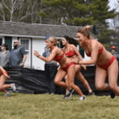
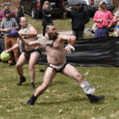
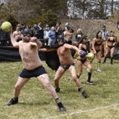
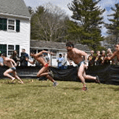
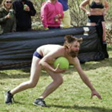
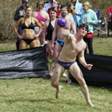
Bikini Speedo Dodgeball

Fun for the players…fun for the spectators…and raised some money for Sweet Paws.

Celebrating 63 Years in the USA Today

Anibal 2 (2)

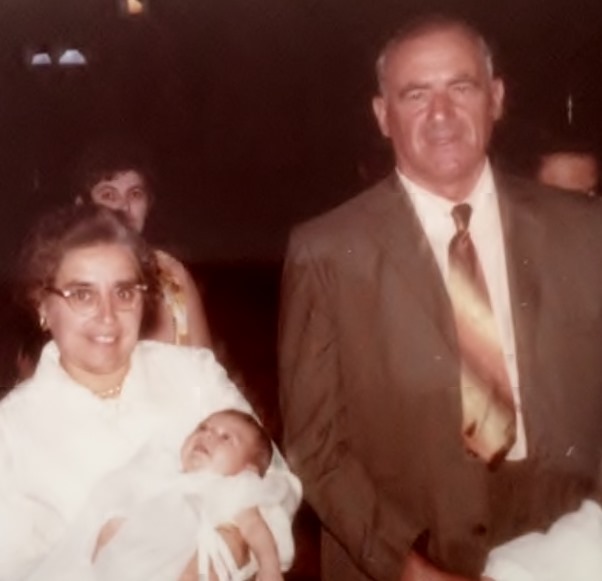
This day  March 23rd, I celebrate my arrival in Gloucester in 1954 from Lajes do Pico Azores.

Many thanks to my parents Anibal and Adelina for all their scarifies bringing our family to this great country.

Photo of my parents as God Parents during a christening in 1969.

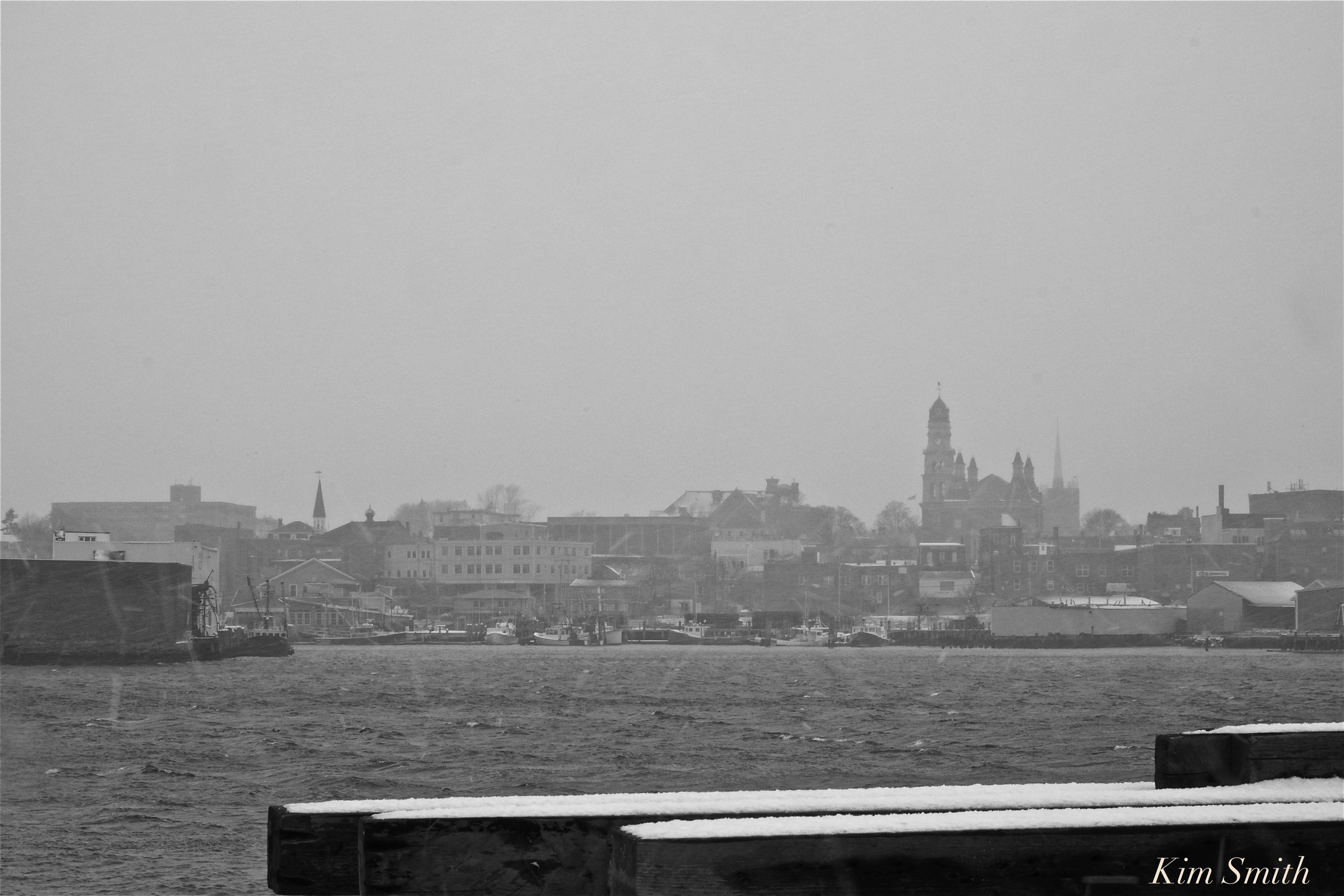
#blizzard2017 UNDERWAY!

Blizzarding! I hope everyone is keeping warm and cozy indoors ❤

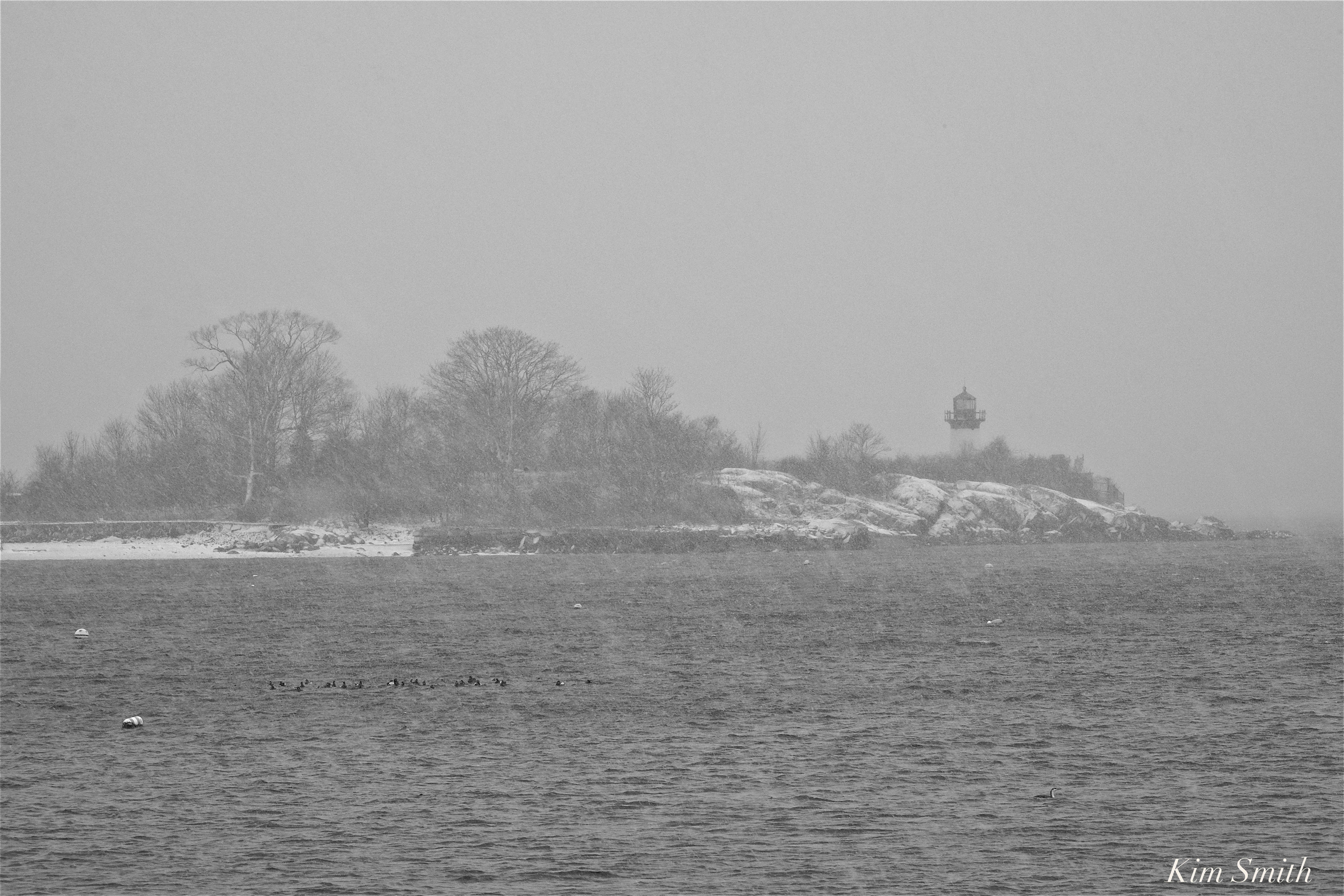
Ten Pound Island with Common Loons and Eiders

https://www.instagram.com/p/BRoAhBFla4r/

https://www.instagram.com/p/BRn9obylgvM/

https://www.instagram.com/p/BRn-qU4lM1w/

GLOUCESTER HONORS INTERNATIONAL WOMEN’S DAY

The following is Mayor Sefatia’s message from this morning and tonight, the light at City Hall tower is shining red in honor of International Women’s Day.

“Today, March 8th, is International Women’s Day, a global day celebrating the social, economic, cultural and political achievements of women. The day also marks a call to action for women to take action helping to show unity and strength, with many also participating in “A Day Without Woman” which asks women take the day off from their job.

Here in Gloucester, we ask people to wear red to show support and for those of us who cannot afford to take the day off, we will be sounding the bells at Gloucester City Hall at 12 Noon and lighting the tower red. At that time, we will be taking a moment of silence to honor all women. If you are with another woman at 12 Noon, please show appreciation directly. Though many are asked not to shop today, if you are, please shop locally today and support businesses owned by women. By recognizing the enormous value that women of all backgrounds add to our socio-economic system and taking actions in solidarity with other community, we are proud of all women and we remind all in our community to cherish one another today. Thank you!”

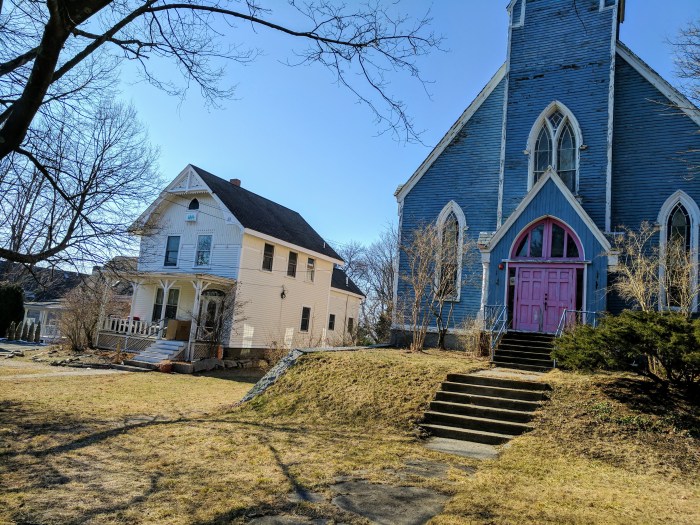
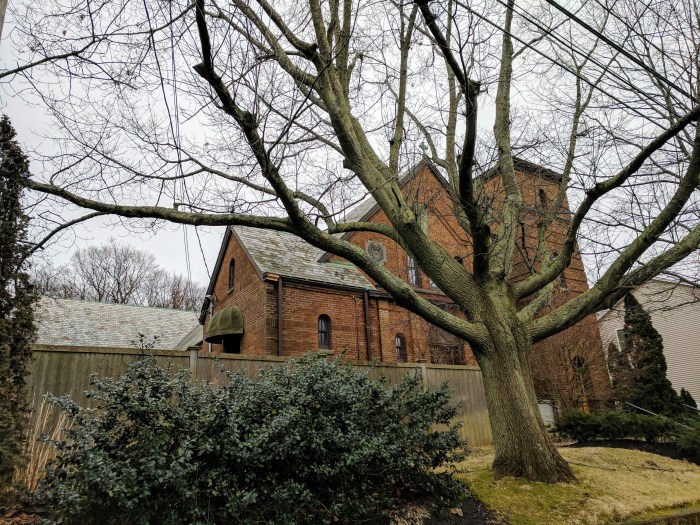
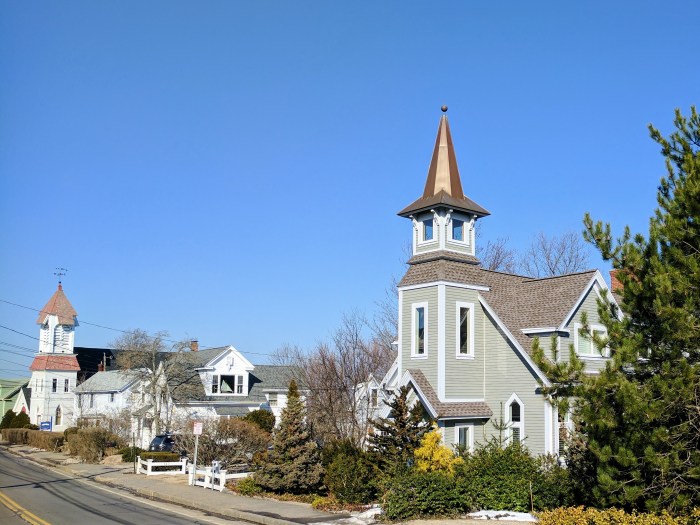
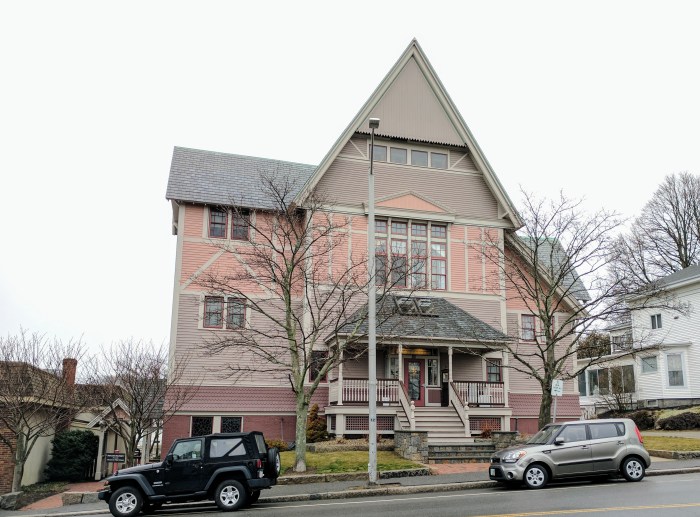
Motif Monday New England architecture: religious conversion

So many titles! This Old Church. When a house of worship is a house. I wonder about the people and the history behind their unique architecture, and smile thinking about dedication and reverence. What were the maddening, fascinating and funny stories of the houseproud chapters?

granite hillIMG_20170301_084202

IMG_20170223_142058

IMG_20170301_075951

Continue reading “Motif Monday New England architecture: religious conversion”

What if…a section of Dogtown brush was cleared away? If you missed Chris Leahy at Sawyer Free Library last week come to a summit by Essex County Greenbelt & Mass Audubon at Cape Ann Museum March 4

“This Saturday morning forum is offered in collaboration with Essex County Greenbelt, Friends of Dogtown, Lanesville Community Center and Mass Audubon and held at Cape Ann Museum. The forum will be moderated by Ed Becker, President of the Essex County Greenbelt Association.”

Register here

UPDATE: Cape Ann TV is scheduled to film the event!

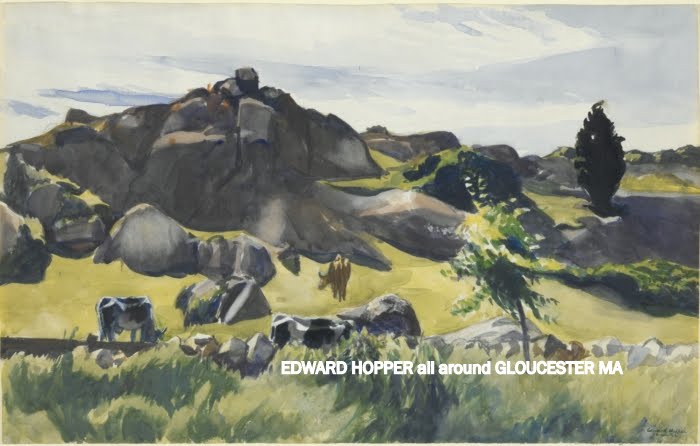
hopper-yale
Edward Hopper Cape Ann Pasture watercolor drawing (ca.1928) was gifted to Yale University in 1930
2
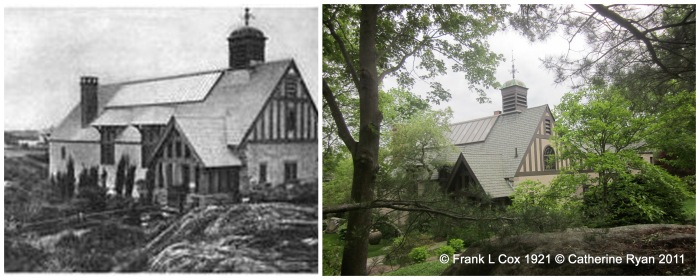
East Gloucester Atwood’s Gallery on the Moors as seen on the left in 1921–open vistas at that time


Chris Leahy gave a presentation at Gloucester Lyceum & Sawyer Free Library on February 23, 2017: Dogtown- the Biography of a Landscape: 750 Million Years Ago to the Present
A photographic history through slides presented by the Gloucester Lyceum and the Friends of the Library. Mary Weissblum opened the program.

Chris broadly covered the history of the local landscape from an ecological bent with a bias to birds and blueberry picking, naturally. New England is a patchwork of forested landscapes. He stressed the evolution of bio diversity and succession phenomenon when the earth and climate change. “Nature takes a lot of courses.” He focused on Dogtown, “a very special place”, and possible merits of land stewardship geared at fostering greater biodiversity. Perhaps some of the core acres could be coaxed to grasslands as when parts of Gloucester were described as moors? Characteristic wildlife, butterflies, and birds no longer present may swing back.  There were many philosophical takeaways and tips: he recommends visiting the dioramas “Changes in New England Landscape” display at Harvard Forest HQ in Petersham.

“Isolation of islands is a main driver of evolution”

“Broad Meadow Brook Wildlife Sanctuary in Worcester has the highest concentration* of native butterflies in all of Massachusetts because of secondary habitats.”  *of Mass Audubon’s c.40,000 acres of wildlife sanctuaries statewide. “The fact that Brook Meadow Brook is in greater Worcester, rather than a forested wilderness, underscores the value of secondary habitats.”

“1830– roughly the time of Thoreau (1817-1862)– was the maximum period of clearing thus the heyday for grasslands…As farmsteads were abandoned, stages of forests return.”

Below are photos from February 23, 2017. I added some images of art inspired by Dogtown. I also pulled out a photograph by Frank L Cox, David Cox’s father, of Gallery on the Moors  (then) compared with a photo of mine from 2011 to illustrate how the picturesque description wasn’t isolated to Dogtown.

img_20170223_200058img_20170223_190206img_20170223_190350img_20170223_200204

hopper-2
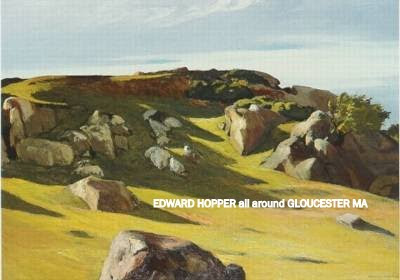
Edward Hopper, Cape Ann Granite, 1928, oil on canvas can we get this painting into the Cape Ann Museum collection?

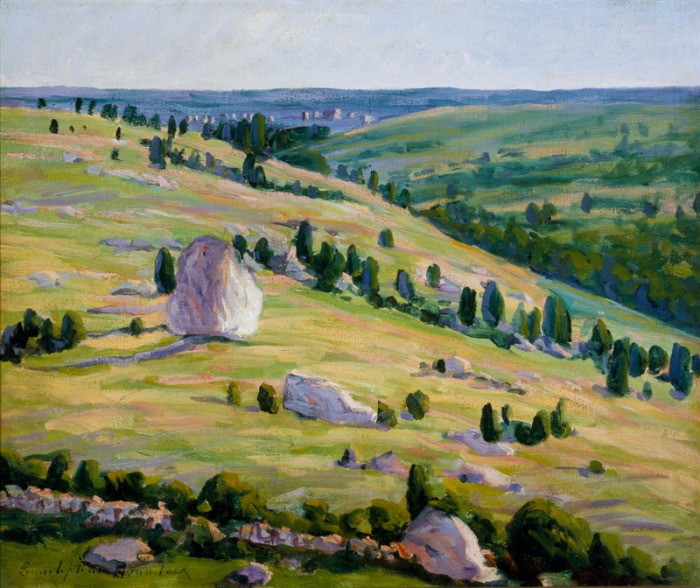
dogtown-cape-ann-massachuestts-by-louise-upton-brumback-o-c-vose-galleryLouise Upton Brumback (1867-1929), Dogtown- Cape Ann, 1920 oil on canvas

atwood-cox-gallery-on-the-moors-photo-1921

MARSH MAGIC

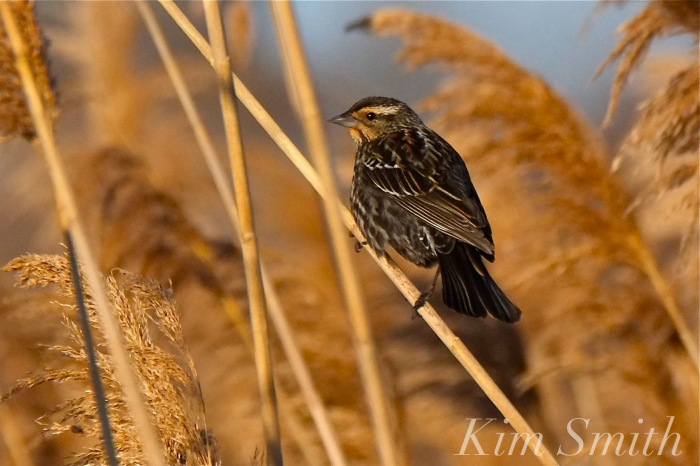
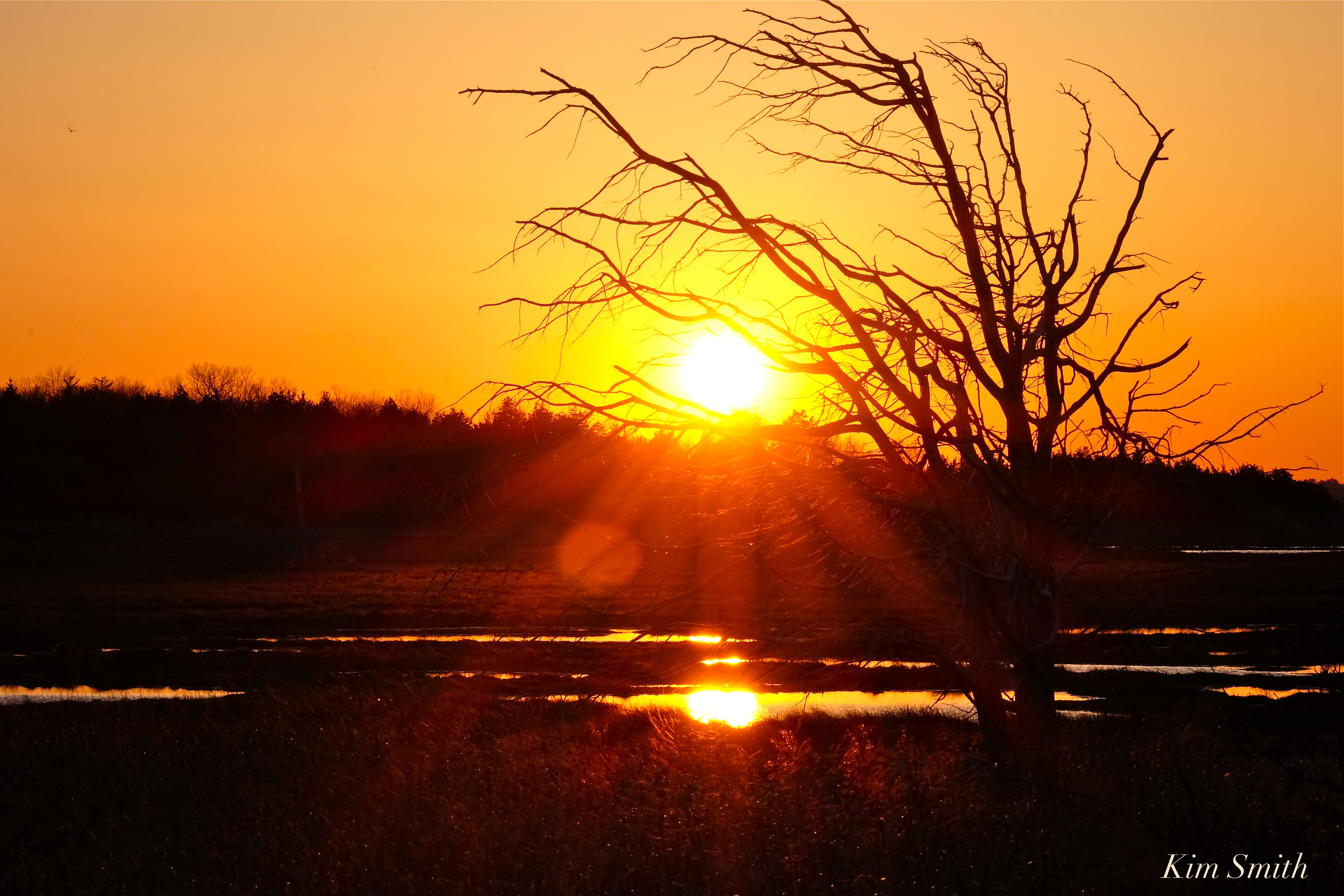
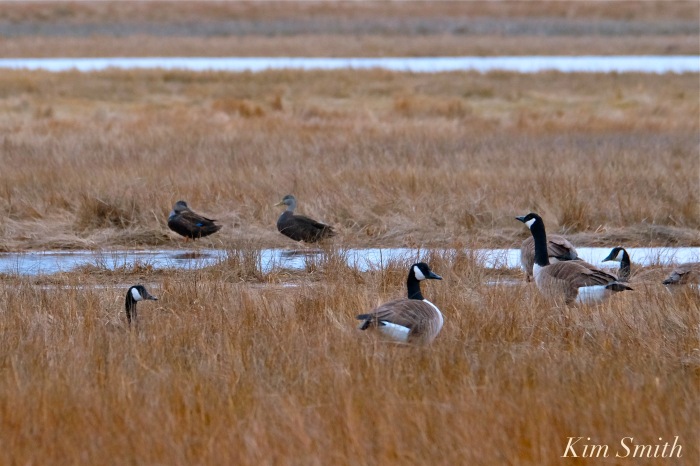
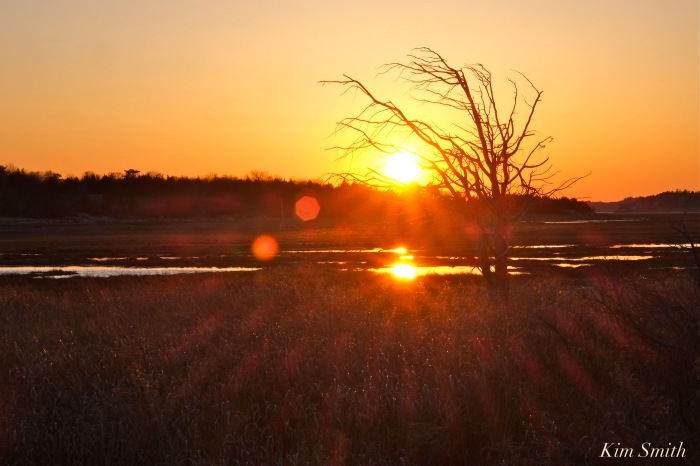
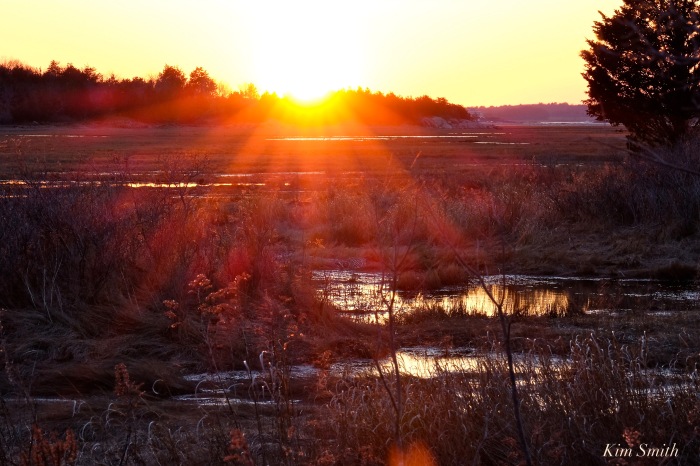
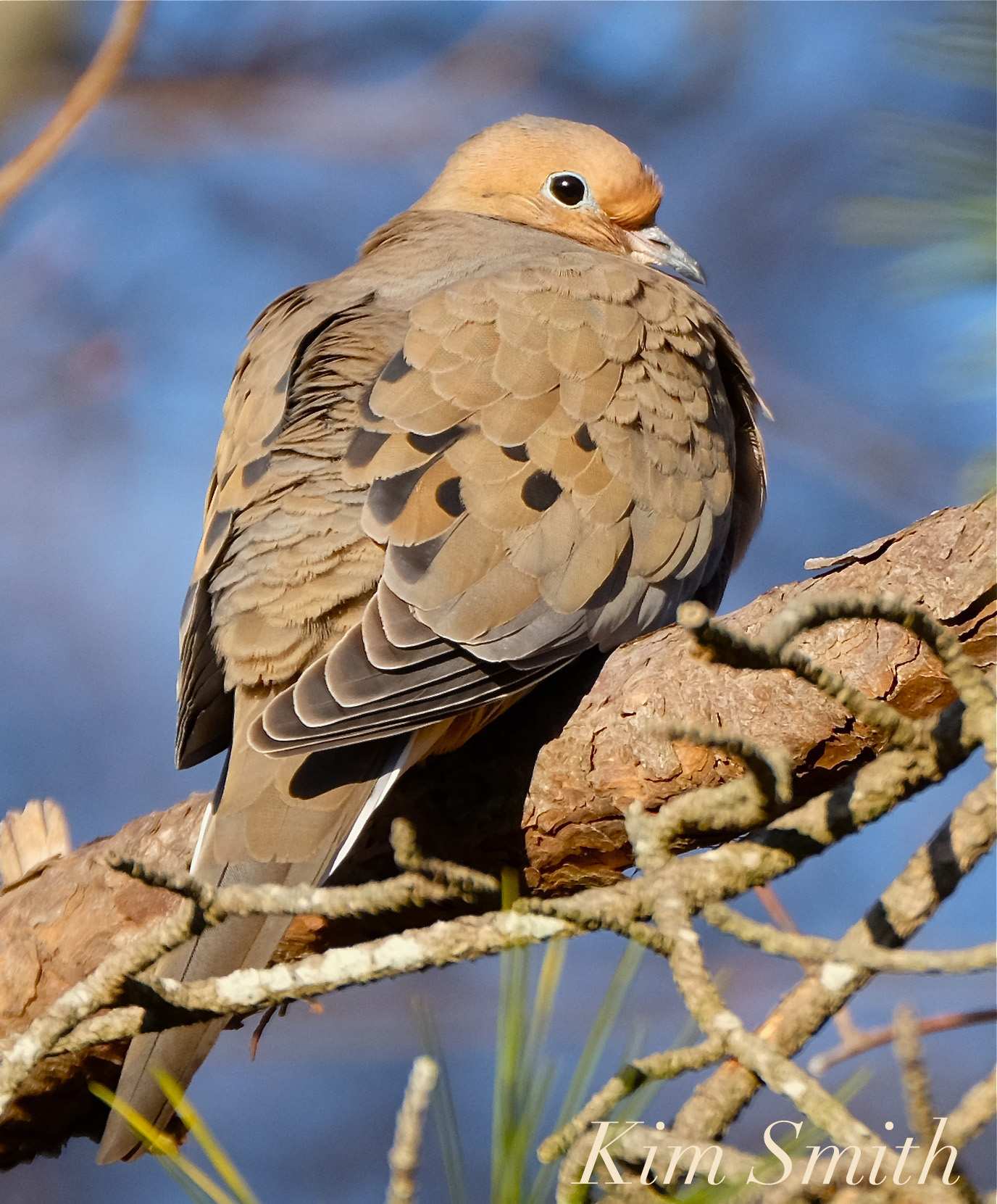
marsh-gloucester-sunset-copyright-kim-smithOur Great Salt Marsh is beginning to spring back to life. Red-winged Blackbirds can be seen, and heard, chortling from every outpost, Morning Doves are nest building, and the Mallards, Black Ducks, and Canada Geese are pairing up. Only 19 more days until the official start of spring!

morning-dove-copyright-kim-smithMourning Dove

POST FOR GMG FOB DAVE IN RESPONSE TO HIS QUESTION ABOUT WHY THERE WERE NO WILD TURKEYS ON CAPE ANN IN HIS YOUTH

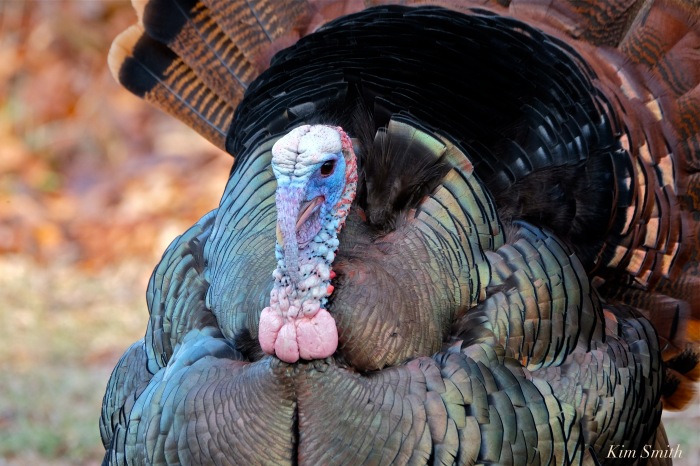
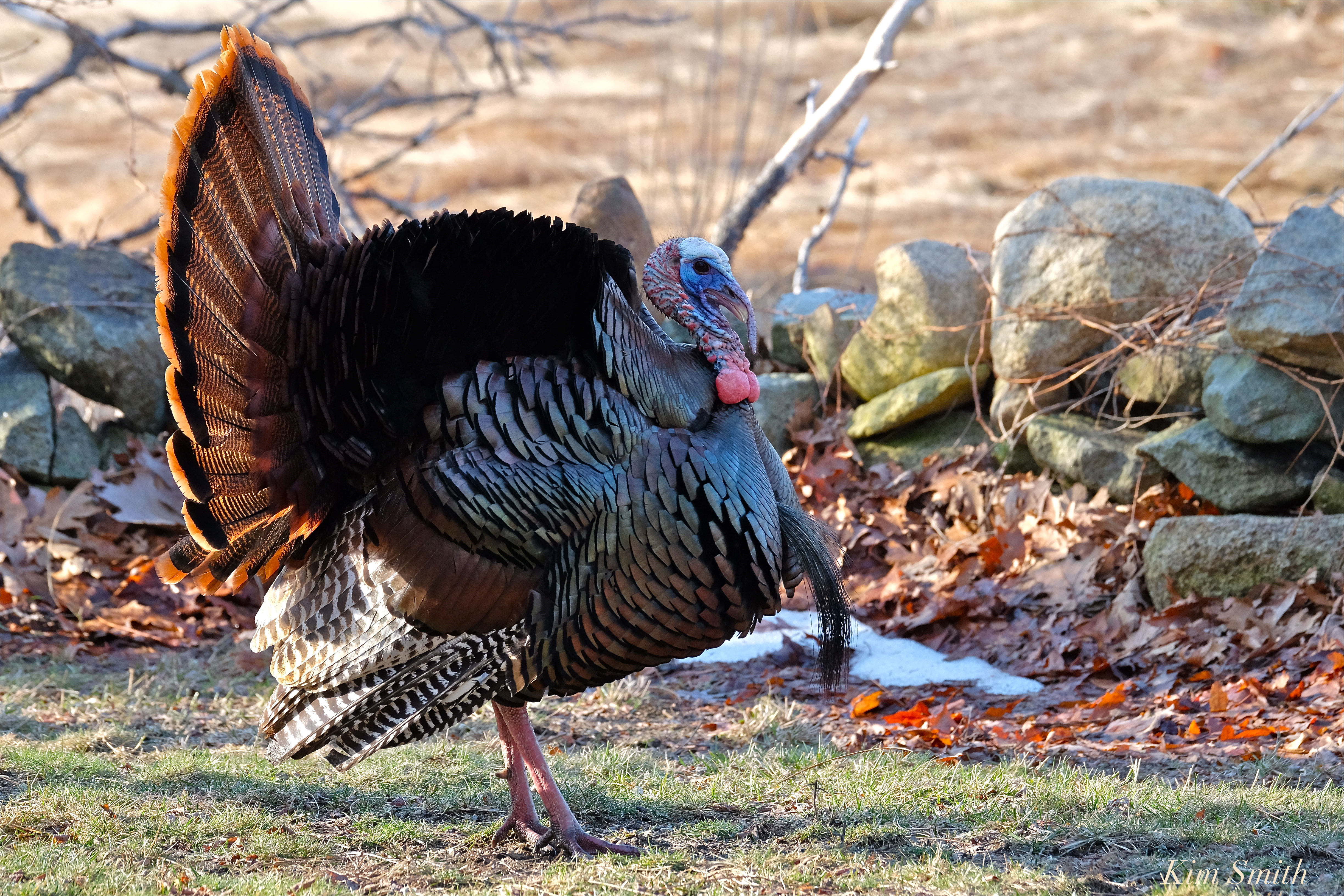
eastern-wild-turkey-male-gloucester-ma-1-copyright-kim-smithGMG Reader Dave wrote recently saying that he did not recall seeing turkeys on Cape Ann when he was growing up. Although the Eastern Wild Turkey is native to Massachusetts, it was rarely seen after 1800 and was completely extirpated by 1851.

The Wild Turkey reintroduction to Massachusetts is a fantastic conservation success story and a tremendous example of why departments of conservation and protection are so vital to our quality of life.

Massachusetts was recently ranked the number one state by U.S. News and World Report and conservation stories like the following are shining examples of just one of the many zillion reasons why (healthcare and education are the top reasons, but conservation IMO is equally as important).

Reposted from the Wild Turkey FAQ page of the office of the Energy and Environmental Affairs website.

“At the time of Colonial settlement, wild turkeys were found nearly throughout Massachusetts. They were probably absent from Martha’s Vineyard and Nantucket, and perhaps the higher mountain areas in the northwest part of the state. As settlement progressed and land was cleared for buildings and agriculture, turkey populations diminished. By 1800, turkeys were quite rare in Massachusetts, and by 1851 they had disappeared.

Between 1911 and 1967 at least 9 attempts in 5 counties were undertaken to restore turkeys to Massachusetts. Eight failed (probably because of the use of pen-raised stock; and one established a very marginal population which persisted only with supplemental feeding.

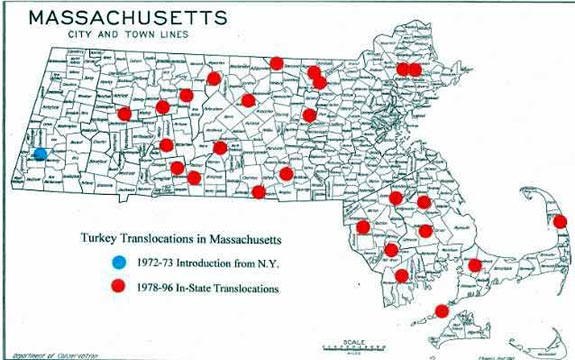
In 1972-73, with the cooperation of the New York State Department of Environmental Conservation, MassWildlife personnel live-trapped 37 turkeys in southwestern New York and released them in Beartown State Forest in southern Berkshire County. By 1976, these birds had successfully established themselves and by 1978 this restoration effort was declared a success.

Beginning in 1978, MassWildlife began live-trapping turkeys from the Berkshires and releasing them in other suitable habitat statewide. Between 1979 and 1996, a total of 26 releases involving 561 turkeys (192 males, 369 females) were made in 10 counties (see the following Table and the accompanying map).

turkey-trans-map

Turkey Transplants within Massachusetts
1979-1996
Location Town County Year Number (Sex)
Hubbardston State Forest Hubbardston Worcester 1979, 1981 22 (10M, 12F)
D.A.R. State Forest Goshen Hampshire 1981-82 14 (6M, 8F)
Mt. Toby State Forest Sunderland Franklin 1982 22 (7M, 15F)
Holyoke Range Granby Hampshire 1982 24 (8M, 16F)
West Brookfield State Forest West Brookfield Worcester 1982-83 24 (12M, 12F)
Miller’s River Wildlife Management Area Athol Worcester 1982-83 24 (11M, 13F)
Koebke Road Dudley Worcester 1983 25 (7M, 18F)
Groton Fire Tower Groton Middlesex 1984 21 (10M, 11F)
Rocky Gutter Wildlife Management Area Middleborough Plymouth 1985-86 25 (12M, 13F)
Bolton Flats Wildlife Management Area Bolton Worcester 1986-87 24 (8M, 16F)
Naushon Island Gosnold Dukes 1987 22 (6M, 16F)
John C. Phillips Wildlife Sanctuary Boxford Essex 1988 21 (9M, 12F)
Fall River-Freetown State Forest Fall River Bristol 1988 24 (11M, 13F)
Baralock Hill Groton Middlesex 1988 16 (5M, 11F)
Camp Edwards Army Base Bourne/Sandwich Barnstable 1989 18 (6M, 12F)
Jones Hill Ashby Middlesex 1990 20 (7M, 13F)
Whittier Hill Sutton Worcester 1990 22 (9M, 13F)
Conant Brook Reservoir Monson Hampden 1991 27 (3M, 24F)
Bradley Palmer State Park Topsfield Essex 1991 18 (1M, 17F)
Hockomock Swamp and Erwin Wilder WMA West Bridgewater Plymouth 1992-93 24 (5M, 19F)
Slade’s Corner Dartmouth Bristol 1993 23 (10M, 13F)
Wendell State Forest Wendell Franklin 1993 19 (4M, 15F)
Facing Rock Wildlife Management Area Ludlow Hampden 1994 8 (1M, 7F)
Peterson Swamp Wildlife Management Area Halifax Plymouth . 1994 26 (11M, 15F)
Cape Cod National Seashore Wellfleet Barnstable 1995-96 28 (5M, 23F)
Terrybrooke Farm Rehoboth Bristol 1996 20 (8M, 12F)
Totals 561; (192M, 369F)


By 1996, turkeys were found in Massachusetts about everywhere from Worcester County westward, except in the immediate vicinity of Springfield and Worcester. Good populations are also now found in suitable, but more fragmented, habitats in Bristol, Essex, Middlesex, and Plymouth Counties. On Cape Cod, Barnstable County, turkeys may be found on and near the Massachusetts Military Reservation and the Cape Cod National Seashore. These birds have also moved northward from releases in Plymouth County into southern Norfolk County. On Martha’s Vineyard, wild-strain birds are absent; however, feral pen-raised birds may be found over much of the island. Turkeys are absent from Nantucket and Suffolk Counties. The average statewide fall turkey population is about 18,000-20,000 birds.

Land-use changes have historically influenced the population and distribution of the wild turkey and other wildlife. Such changes will continue to affect the natural environment. For a historical perspective, see the references by Cardoza (1976) and Cronon (1983).”eastern-wild-turkey-males-8-gloucester-ma-copyright-kim-smith

TURKEY BROMANCE

eastern-wild-turkey-males-gloucester-ma-6-copyright-kim-smithConferring

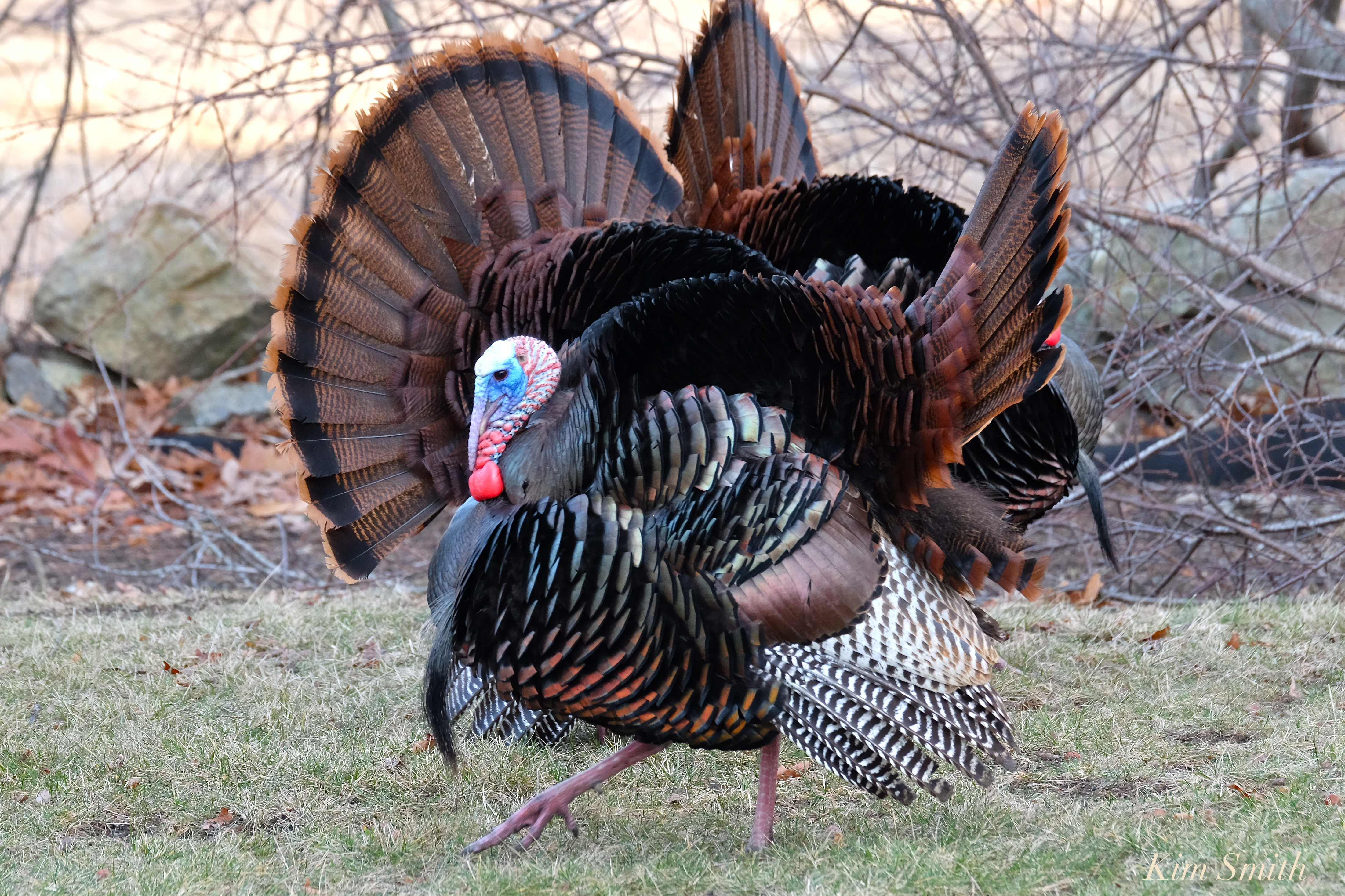
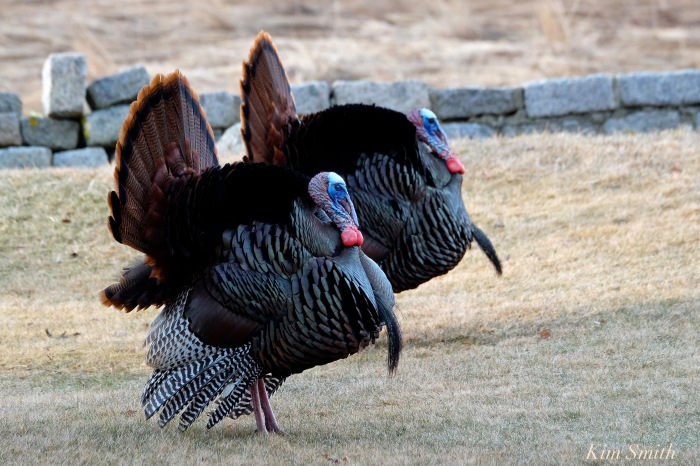
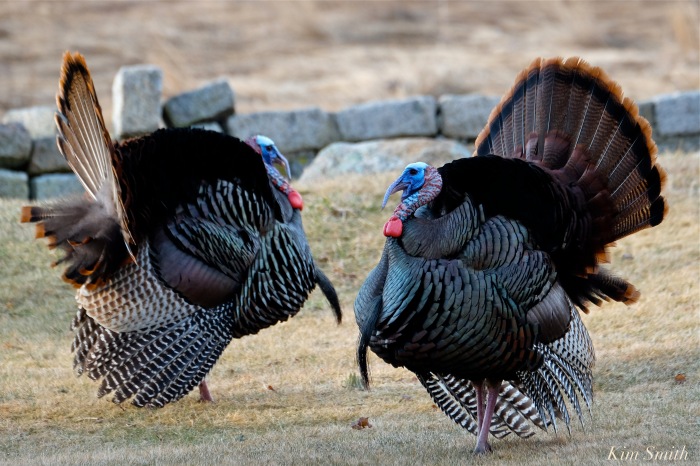
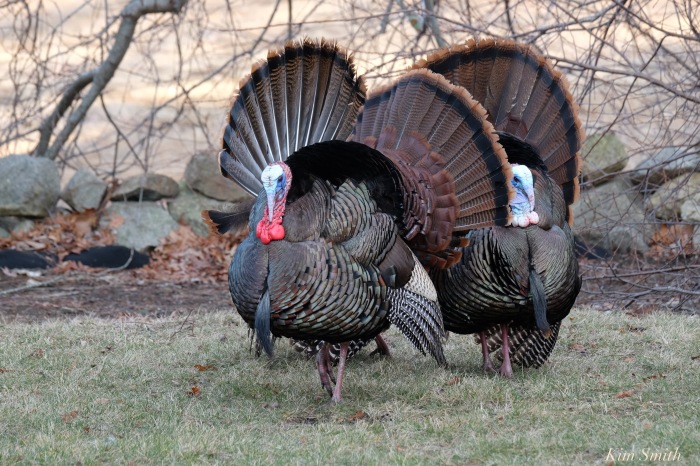
From far across the marsh, large brown moving shapes were spotted. I just had to pull over to investigate and was happily surprised to see a flock of perhaps a dozen male turkeys all puffed up and struttin’ their stuff. I headed over to the opposite side of the marsh in hopes of getting a closer look at what was going on.
eastern-wild-turkey-female-foraging-gloucester-ma-copyright-kim-smith

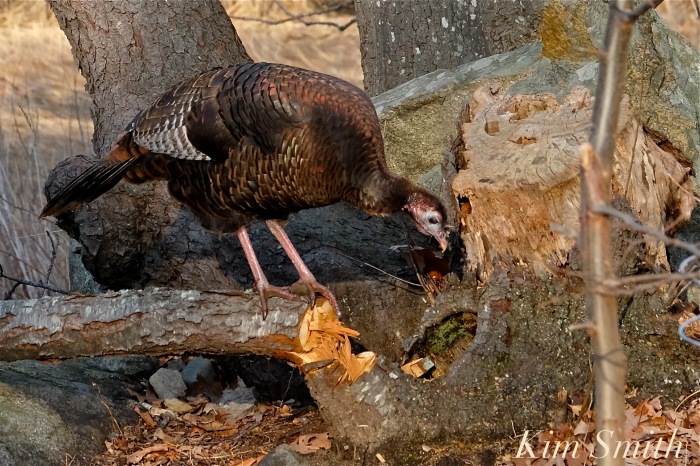
Turkey hen foraging 

Found along the edge, where the marsh met the woodlands, were the objects of desire. A flock of approximately an equal number of hens were foraging for insects and vegetation in the sun-warmed moist earth.
eastern-wild-turkey-males-3-gloucester-ma-copyright-kim-smith

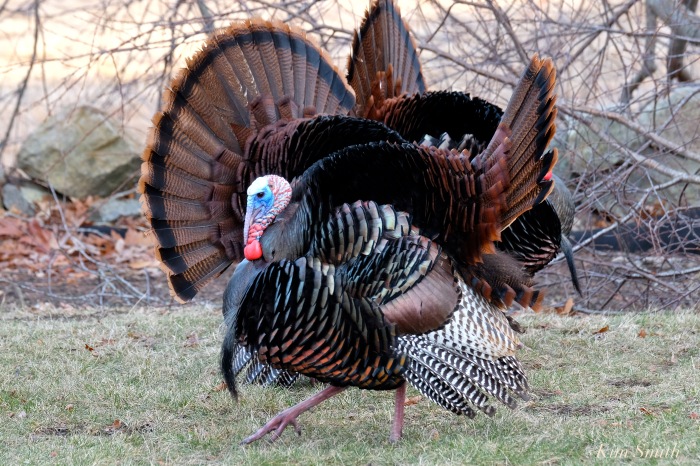
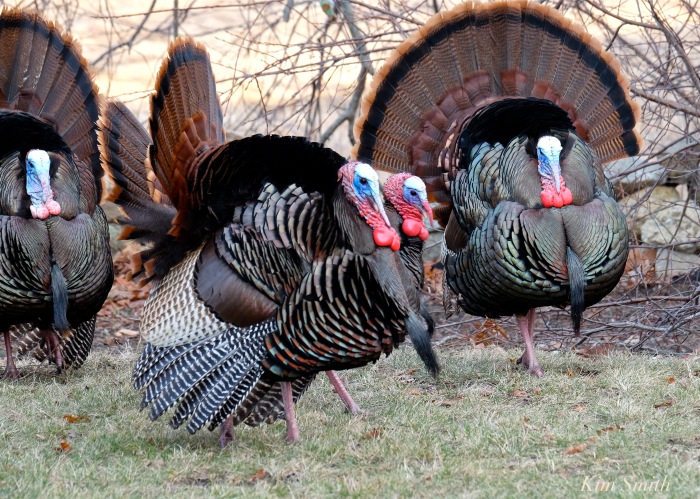
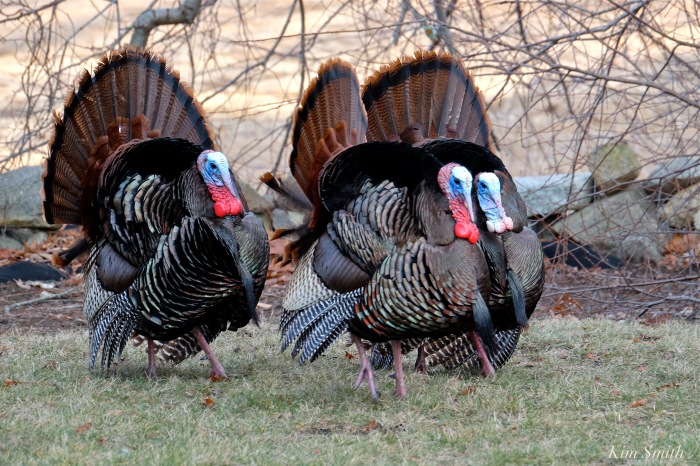
Males begin exhibiting mating behavior as early as late February and courtship was full underway on this unusually warm February morning. The funny thing was, the toms were not fighting over the hens, as you might imagine. Instead the males seemed to be paired off, bonded to each other and working together, strategically placing themselves in close proximity to the females. A series of gobbles and calls from the males closest to the females set off a chain reaction of calls to the toms less close. The last to respond were the toms furthest away from the females, the ones still in the marsh. It was utterly fascinating to watch and I tried to get as much footage as possible while standing as stone still for as long as is humanly possible.eastern-wild-turkey-males-gloucester-marsh-copyright-kim-smith
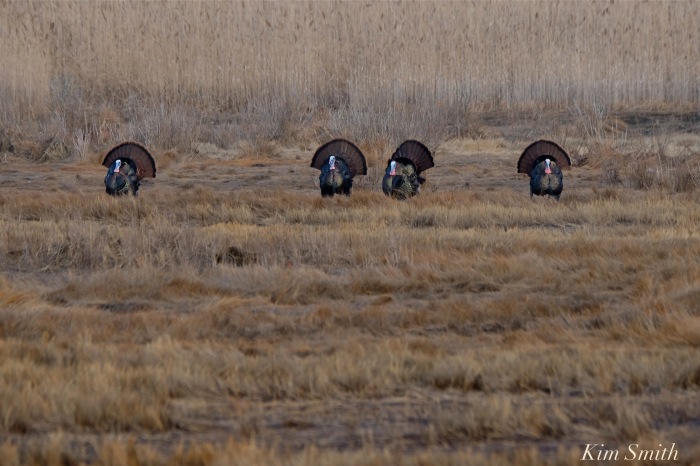
With much curiosity, and as soon as a spare moment was found, I read several interesting articles on the complex social behavior of Wild Turkeys and it is true, the males were bromancing, as much as they were romancing.

Ninety percent of all birds form some sort of male-female bond. From my reading I learned that Wild Turkeys do not. The females nest and care for the poults entirely on her own. The dominant male in a pair, and the less dominant of the two, will mate with the same female. Wild Turkey male bonding had been observed for some time however, the female can hold sperm for up to fifty days, so without DNA testing it was difficult to know who was the parent of her offspring. DNA tests show that the eggs are often fertilized by more than one male. This behavior insures greater genetic diversity. And it has been shown that bromancing males produce a proportionately greater number of offspring than males that court on their own. Poult mortality is extremely high. The Wild Turkey bromance mating strategy produces a greater number of young and is nature’s way of insuring future generations.

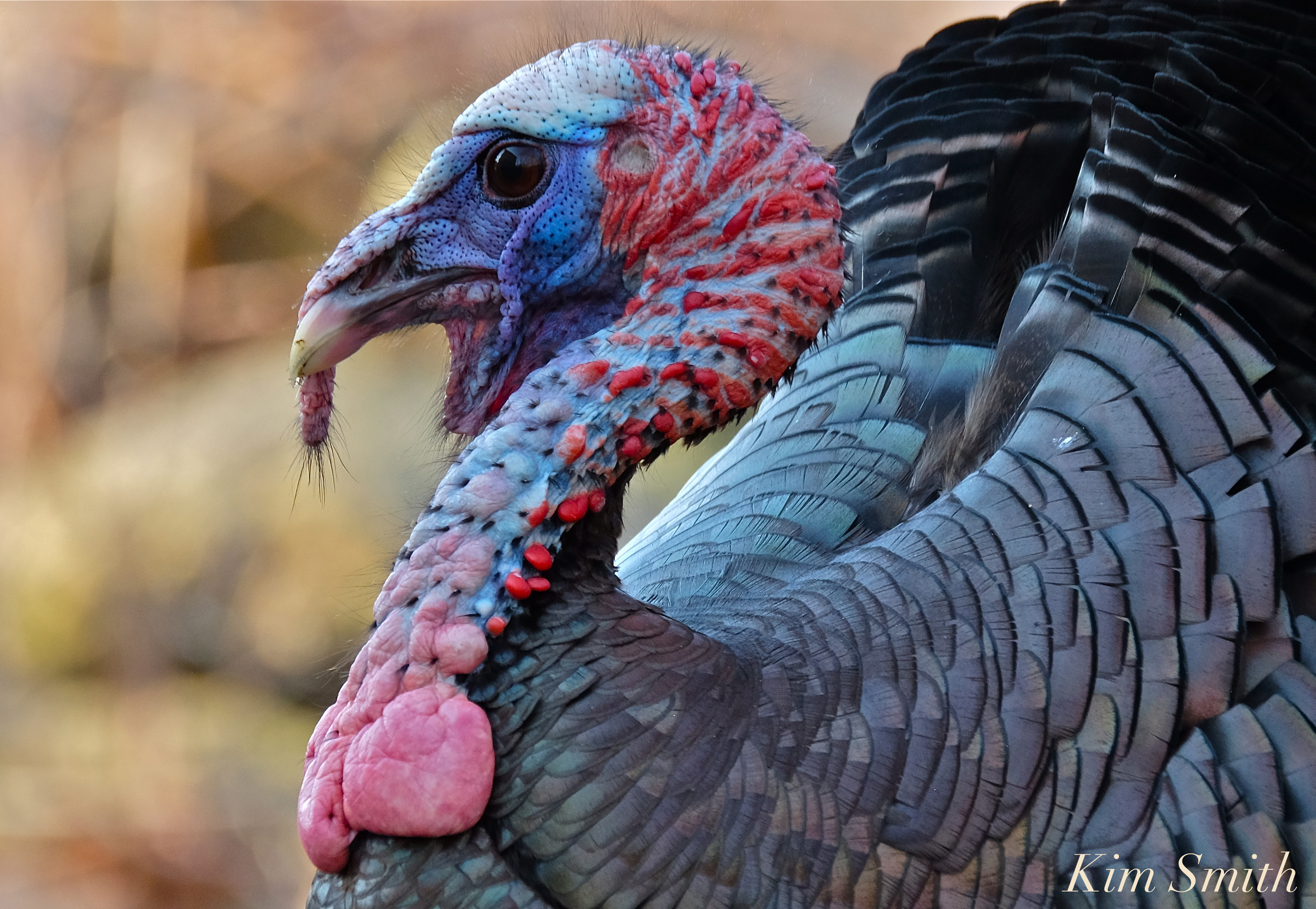
The snood is the cone shaped bump on the crown of the tom’s head (see below).eastern-wild-turkey-male-snood-caruncles-gloucester-ma-2-copyright-kim-smith
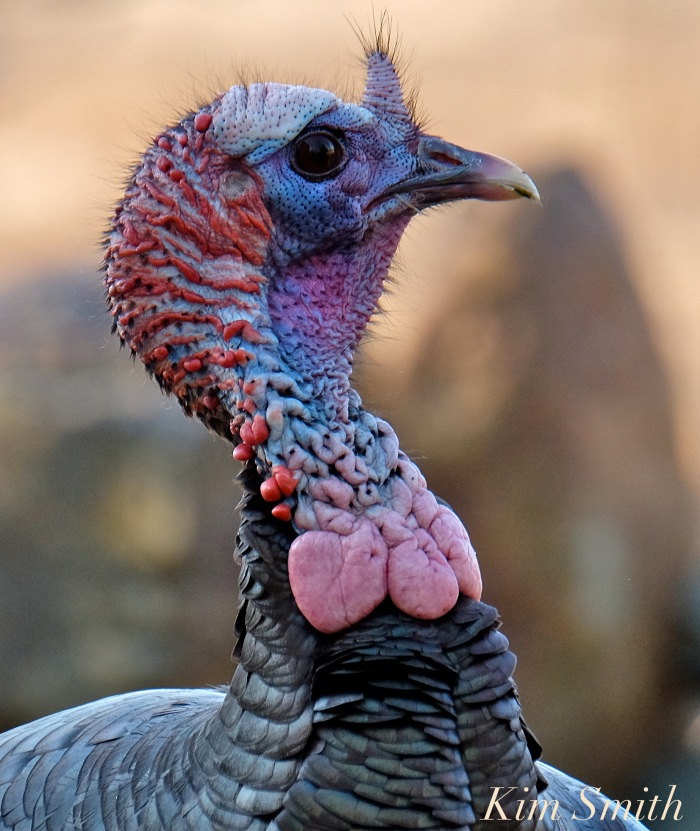
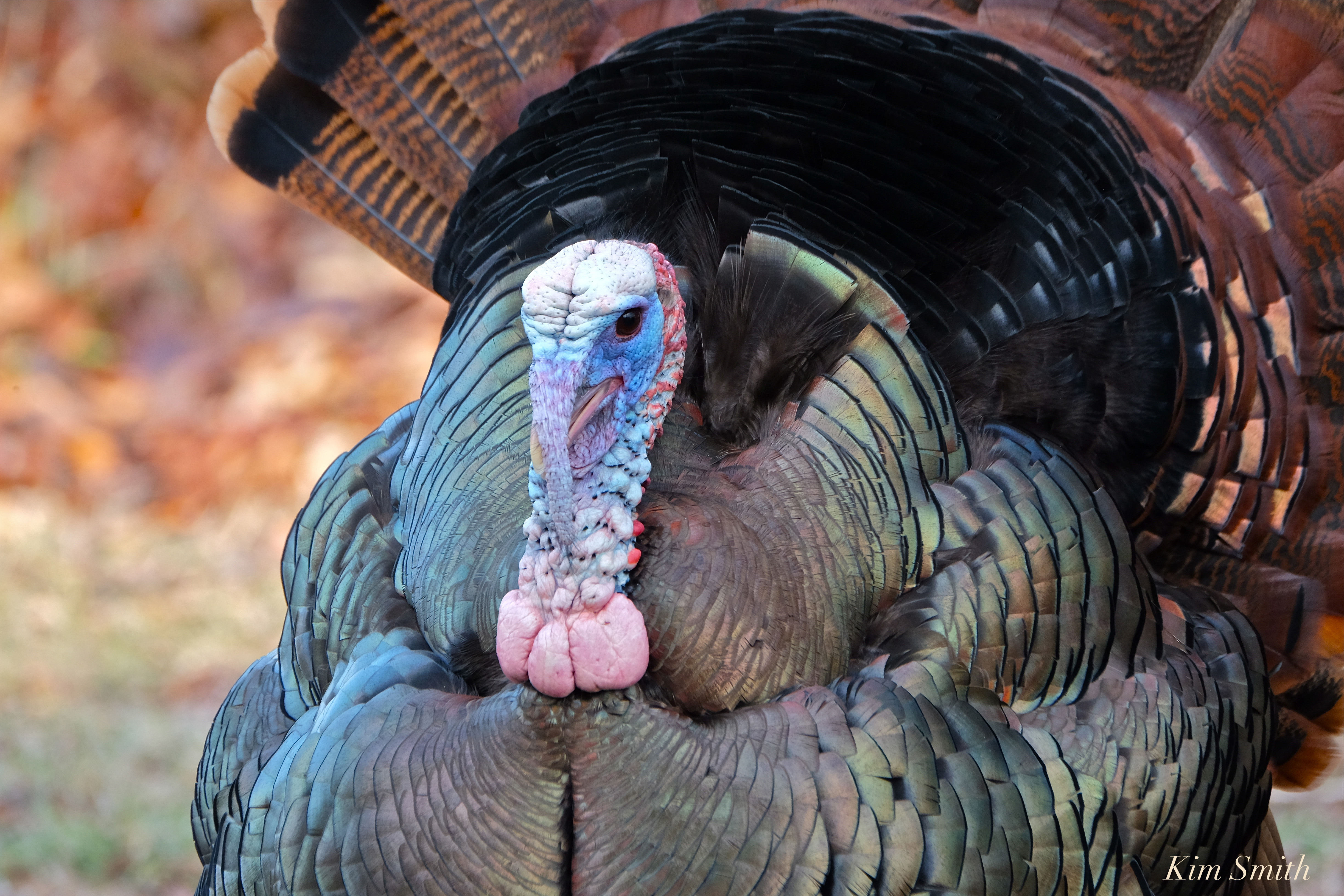
The wattle (or dewlap) is the flap of skin under the beak. Caruncles are the wart-like bumps covering the tom’s head. What are referred to as the “major” caruncles are the large growths that lie beneath the wattle. When passions are aroused, the caruncles become engorged, turning brilliant red, and the snood is extended. The snood can grow twelve inches in a matter of moments. In the first photo below you can see the snood draped over the beak and in the second, a tom with an even longer snood.

eastern-wild-turkey-male-close-up-gloucester-ma-copyright-kim-smithIt’s all in the snood, the longer the snood, the more attractive the female finds the male.

eastern-wild-turkey-male-snood-extended-carnuckle-gloucester-ma-10-copyright-kim-smith

eastern-wild-turkey-male-gloucester-ma-copyright-kim-smitheastern-wild-turkey-male-gloucester-ma-9-copyright-kim-smithMale Turkey not puffed up and snood retracted.

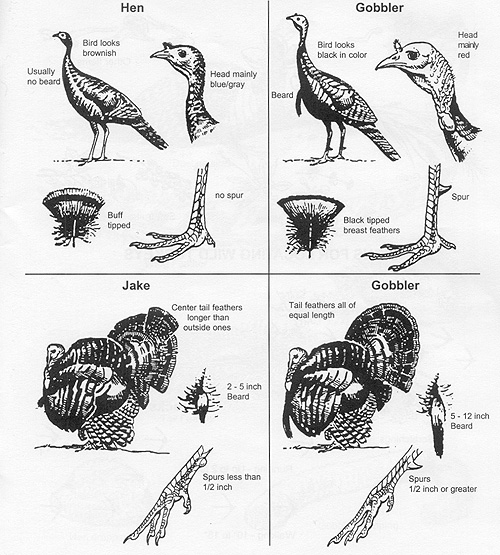
A young male turkey is called a jake and its beard is usually not longer than a few inches. The longer the beard, generally speaking, the older the turkey.eastern-wild-turkey-male-beard-gloucester-ma-copyright-kim-smithMale Wild Turkey, with beard and leg spurs.eastern-wild-turkey-males-snood-extended-retracted-gloucester-ma-copyright-kim-smith
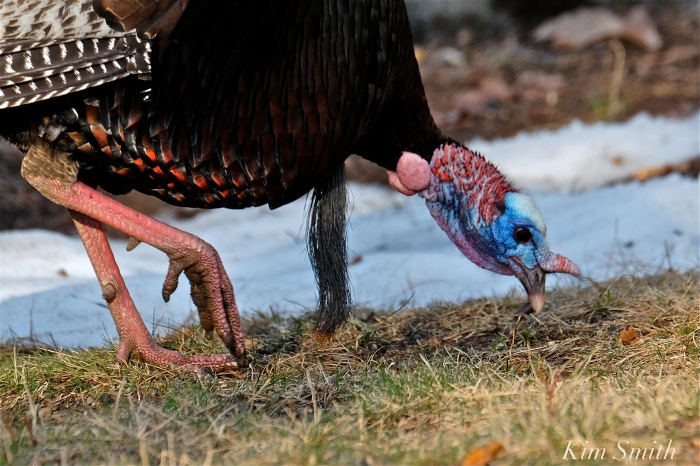
Male Wild Turkeys with snood extended (foreground) and snood retracted (background).

eastern-wild-turkey-male-tail-feathers-gloucester-ma-copyright-kim-smithWhen the butt end is prettier than the face

8643866_orig


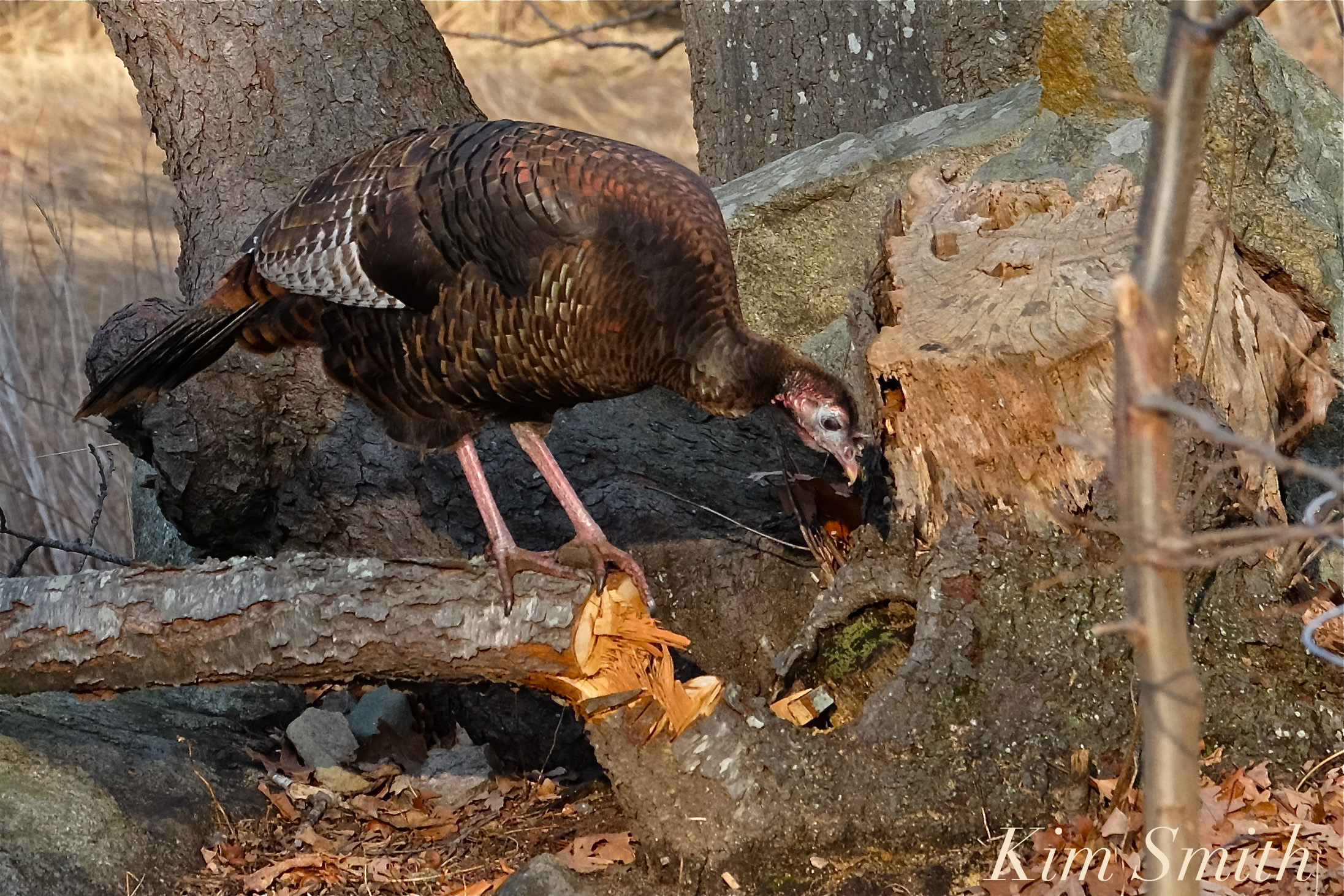
In case you are unsure on how to tell the difference between male (called tom or gobbler) and female (hen), compare the top two photos. The tom has a snood, large caruncles, carunculate (bumpy) skin around the face, and a pronounced beard. The hen does not. Gobblers also have sharp spurs on the back of their legs and hens do not.
 

turkeycharacteristics

Read more here:
http://www.alankrakauer.org/?p=1108

http://www.berkeley.edu/news/media/releases/2005/03/02_turkeys.shtml

http://www.mass.gov/eea/agencies/dfg/dfw/fish-wildlife-plants/wild-turkey-faq.html