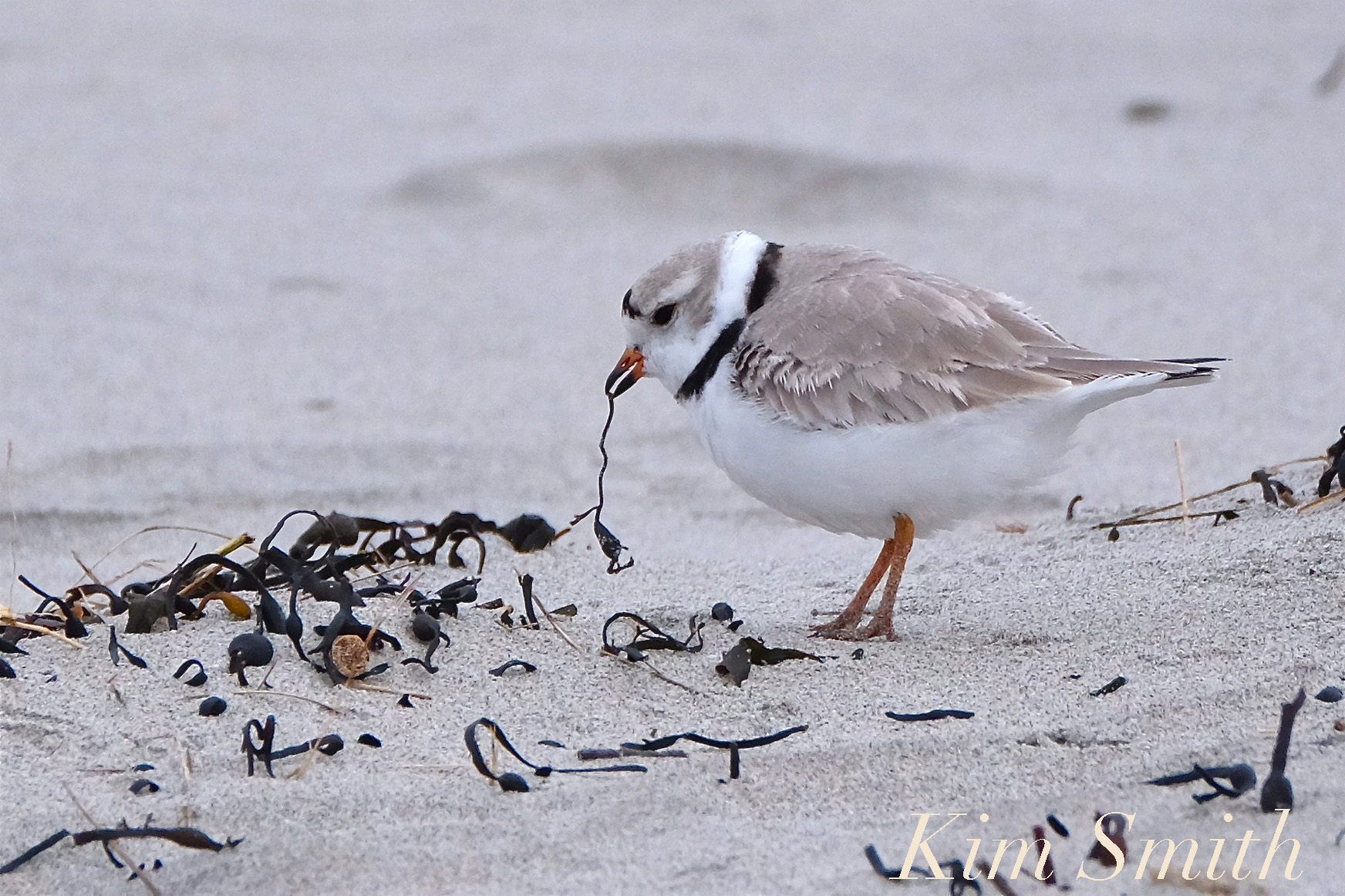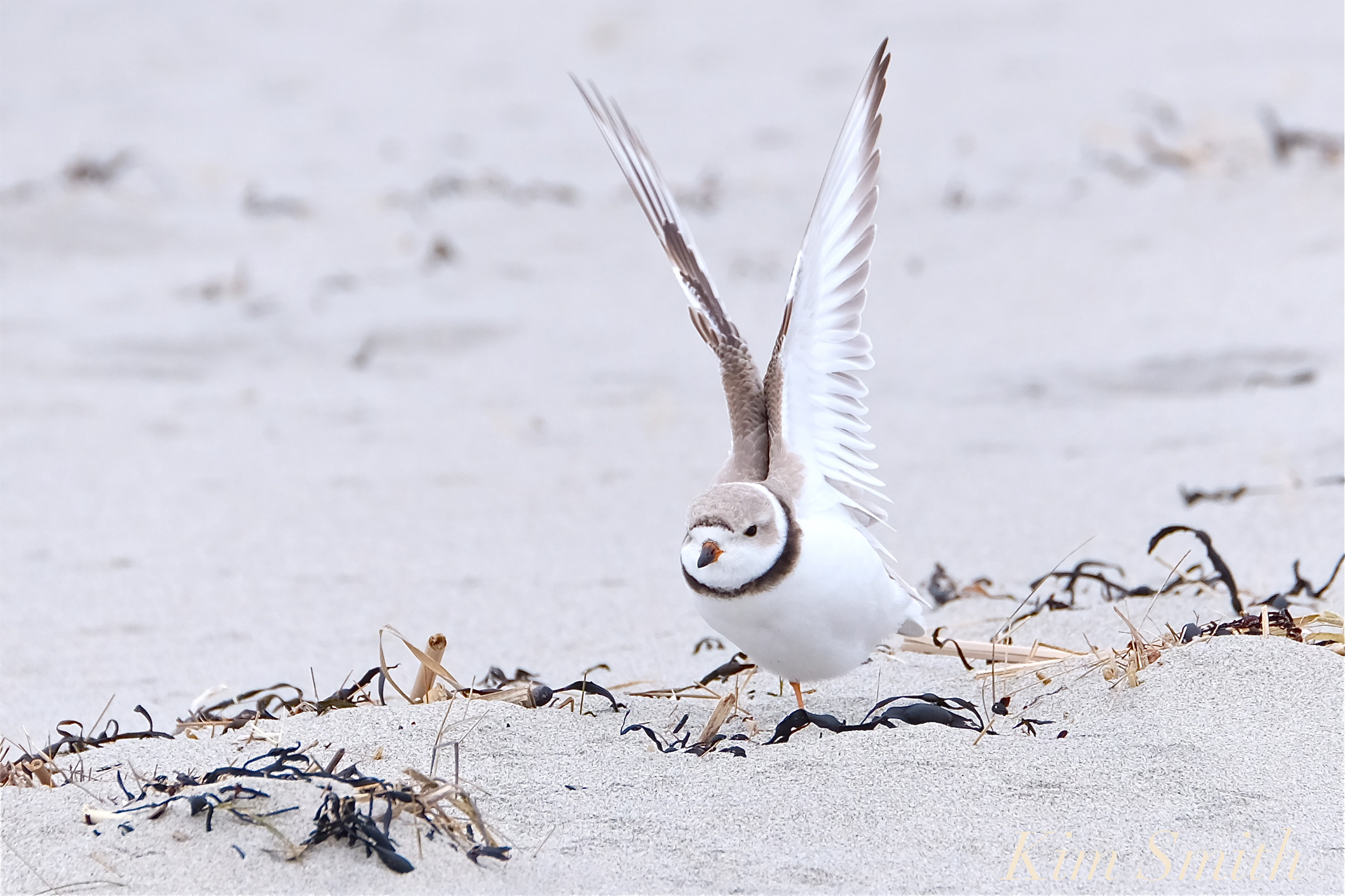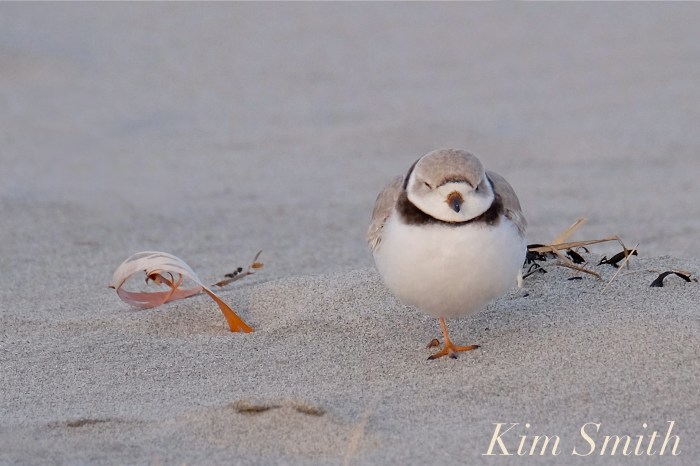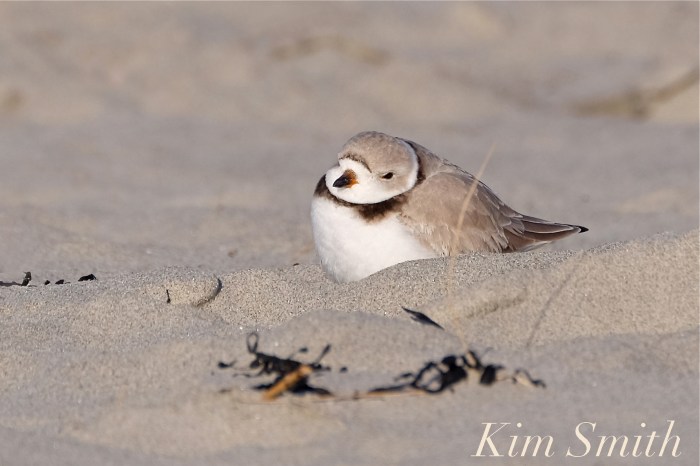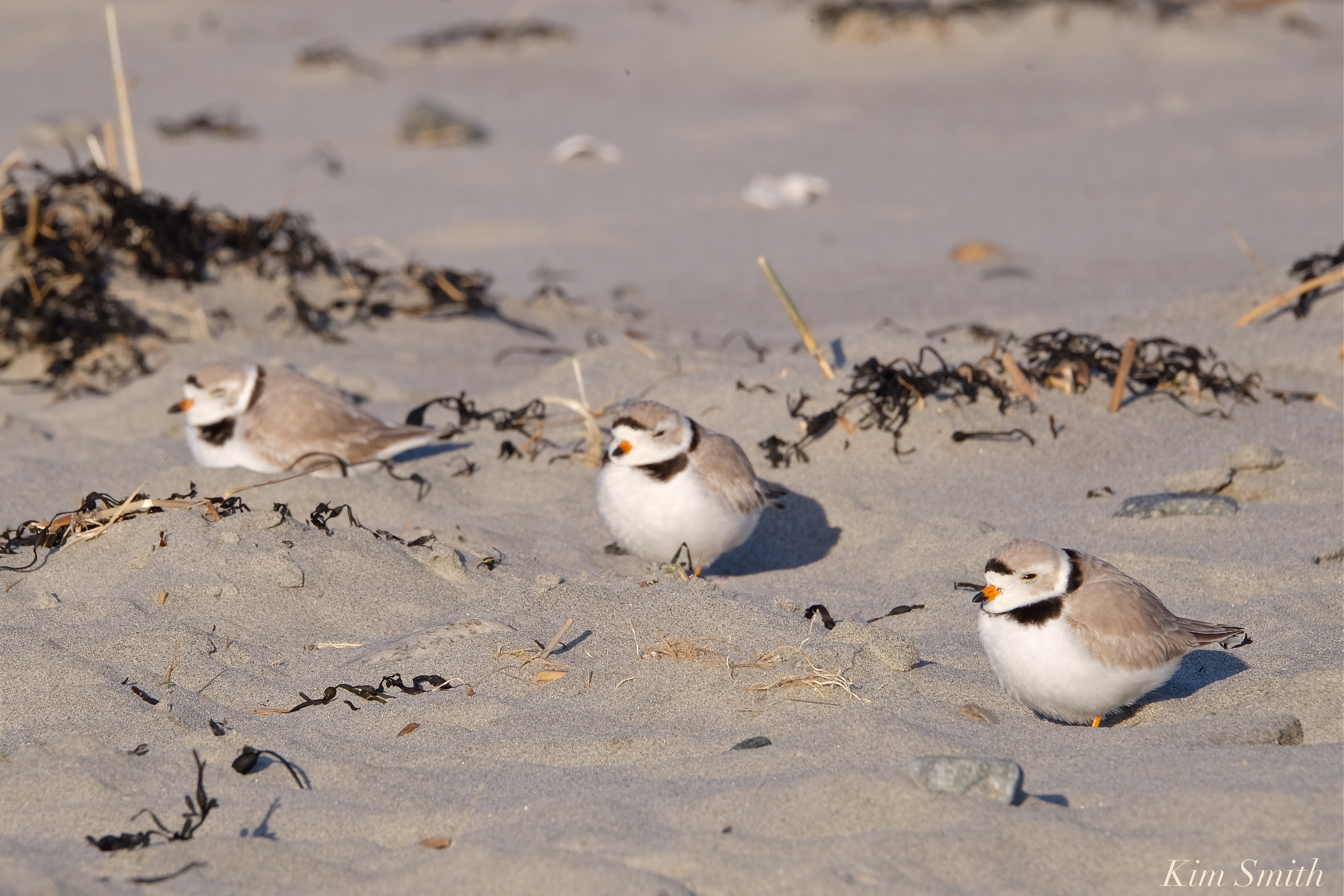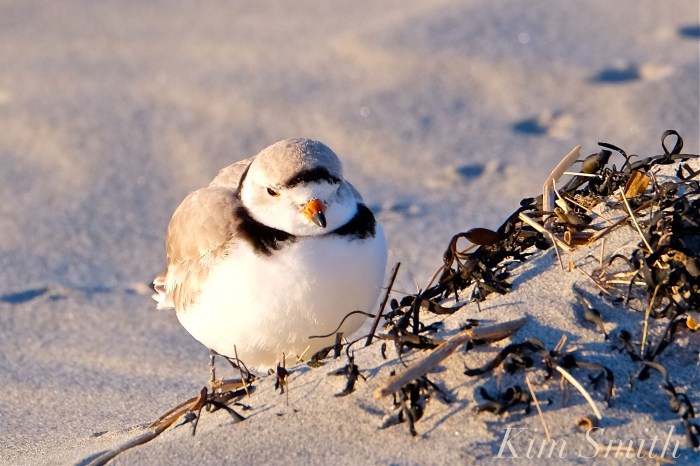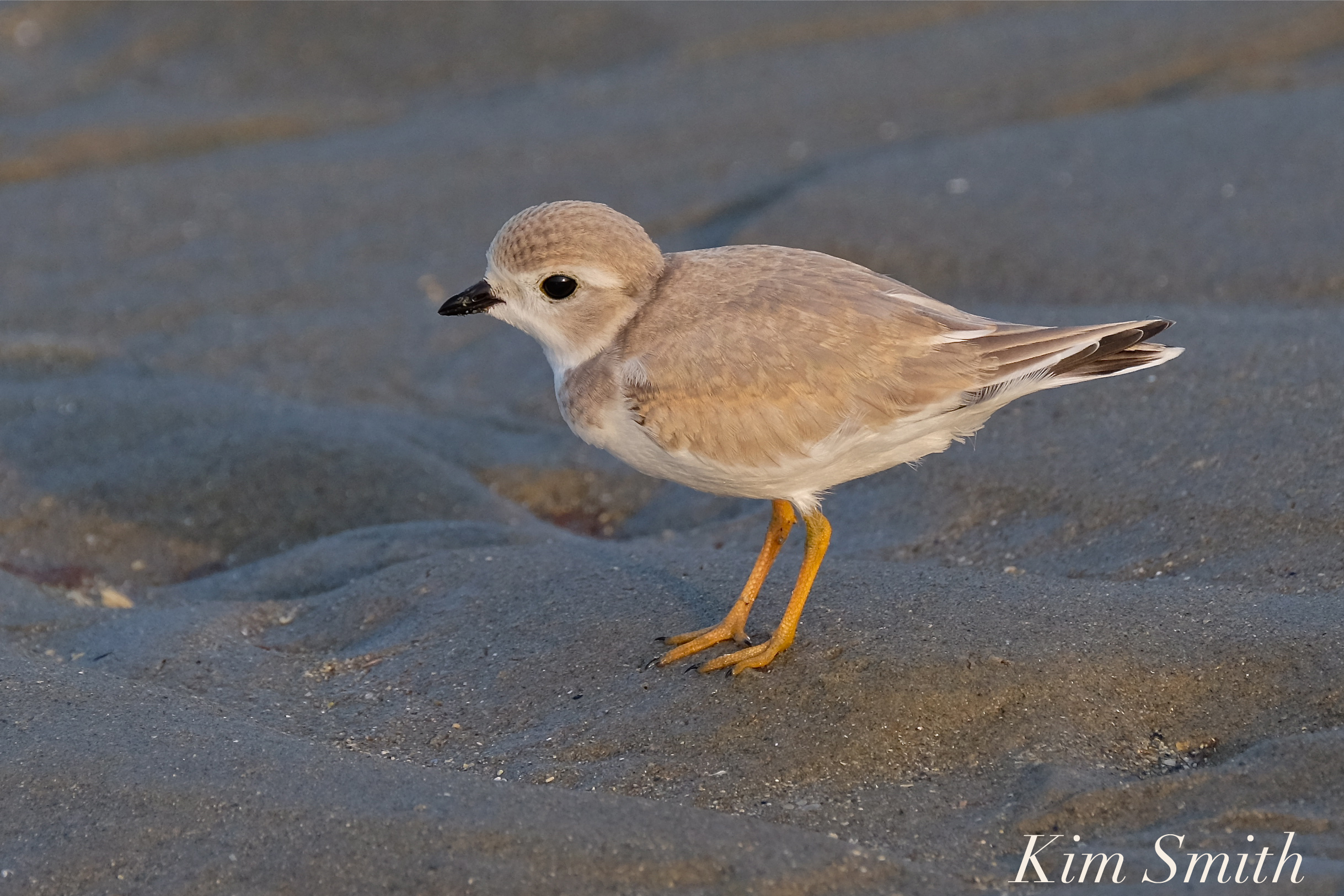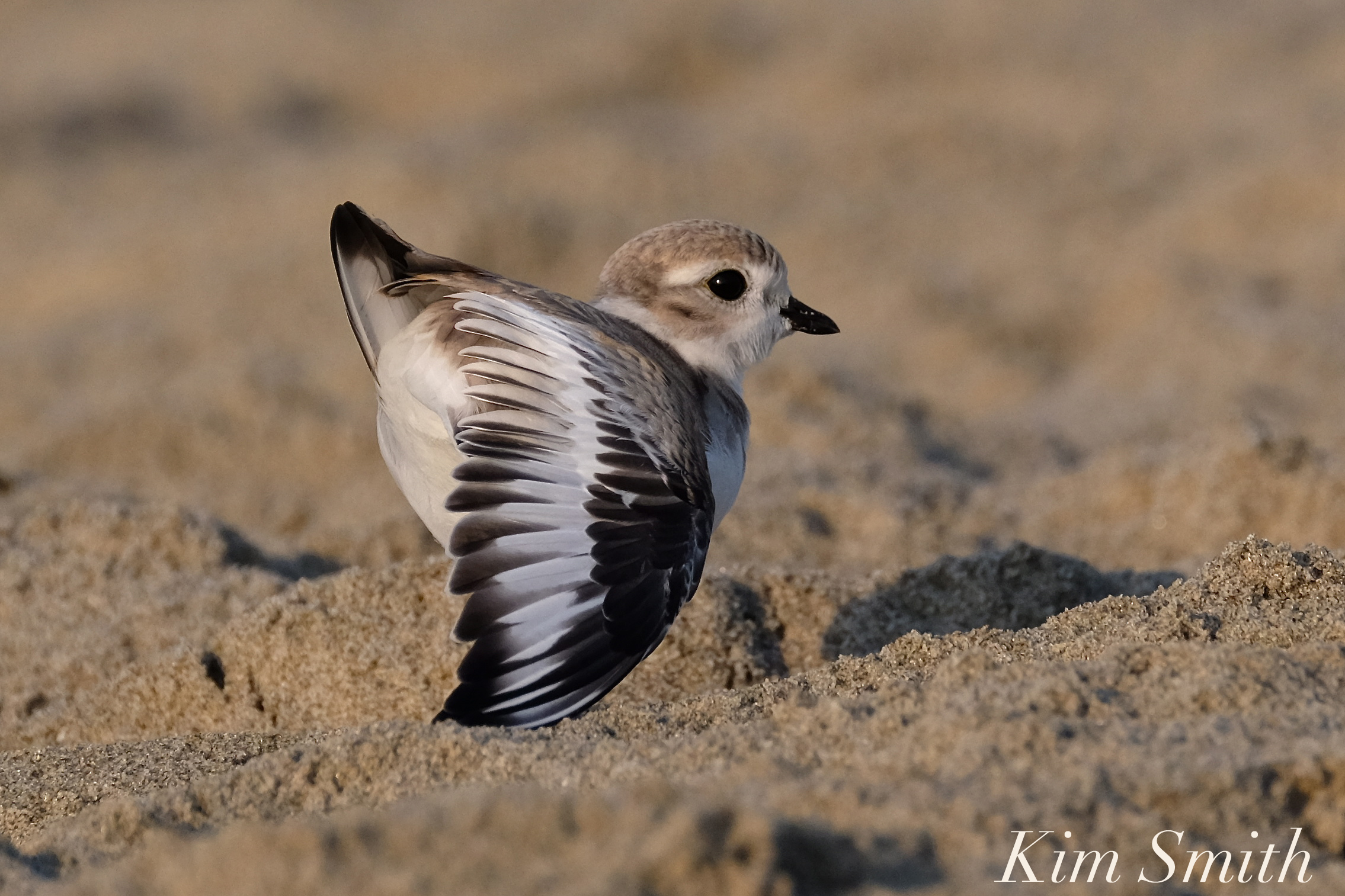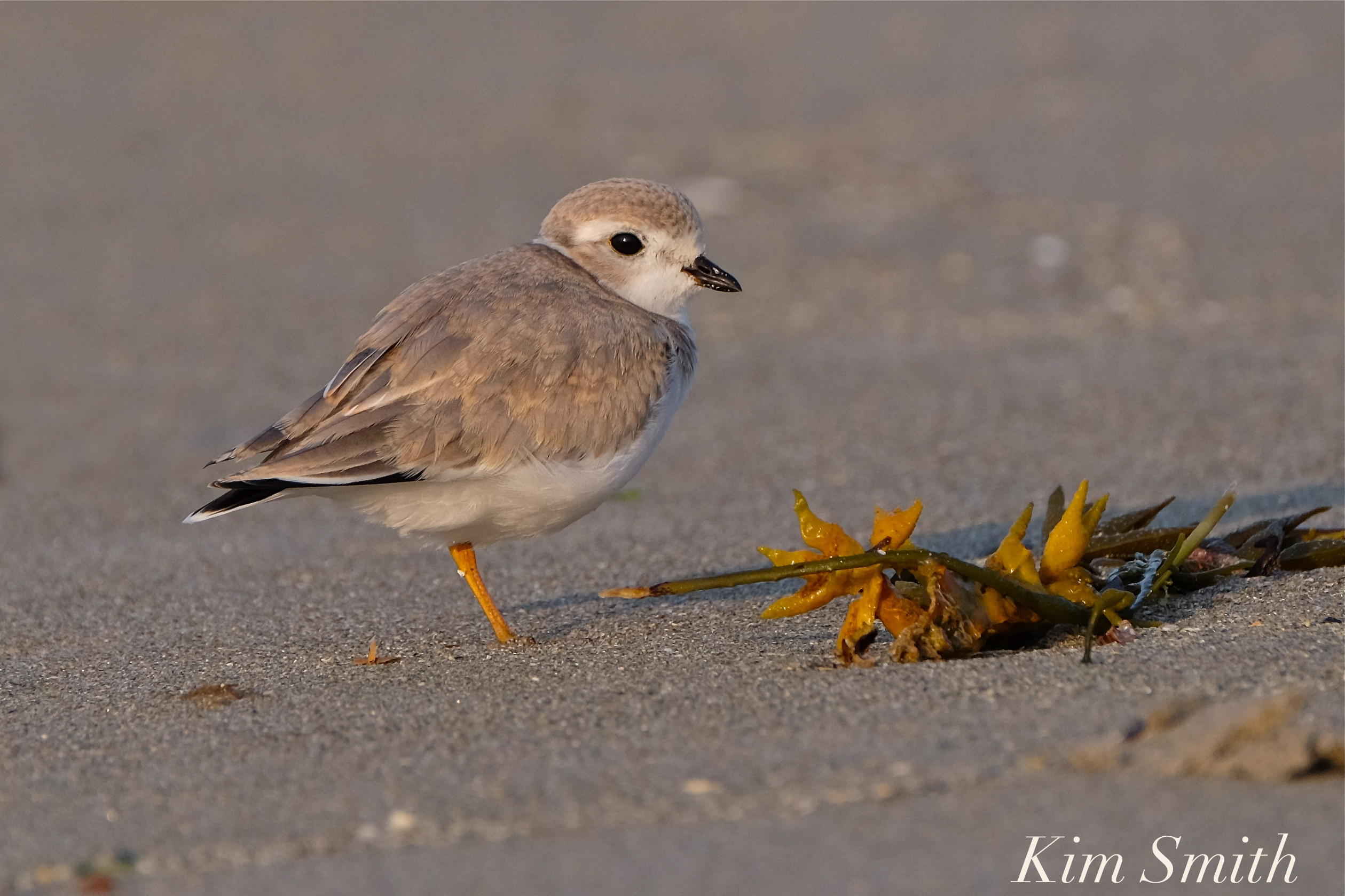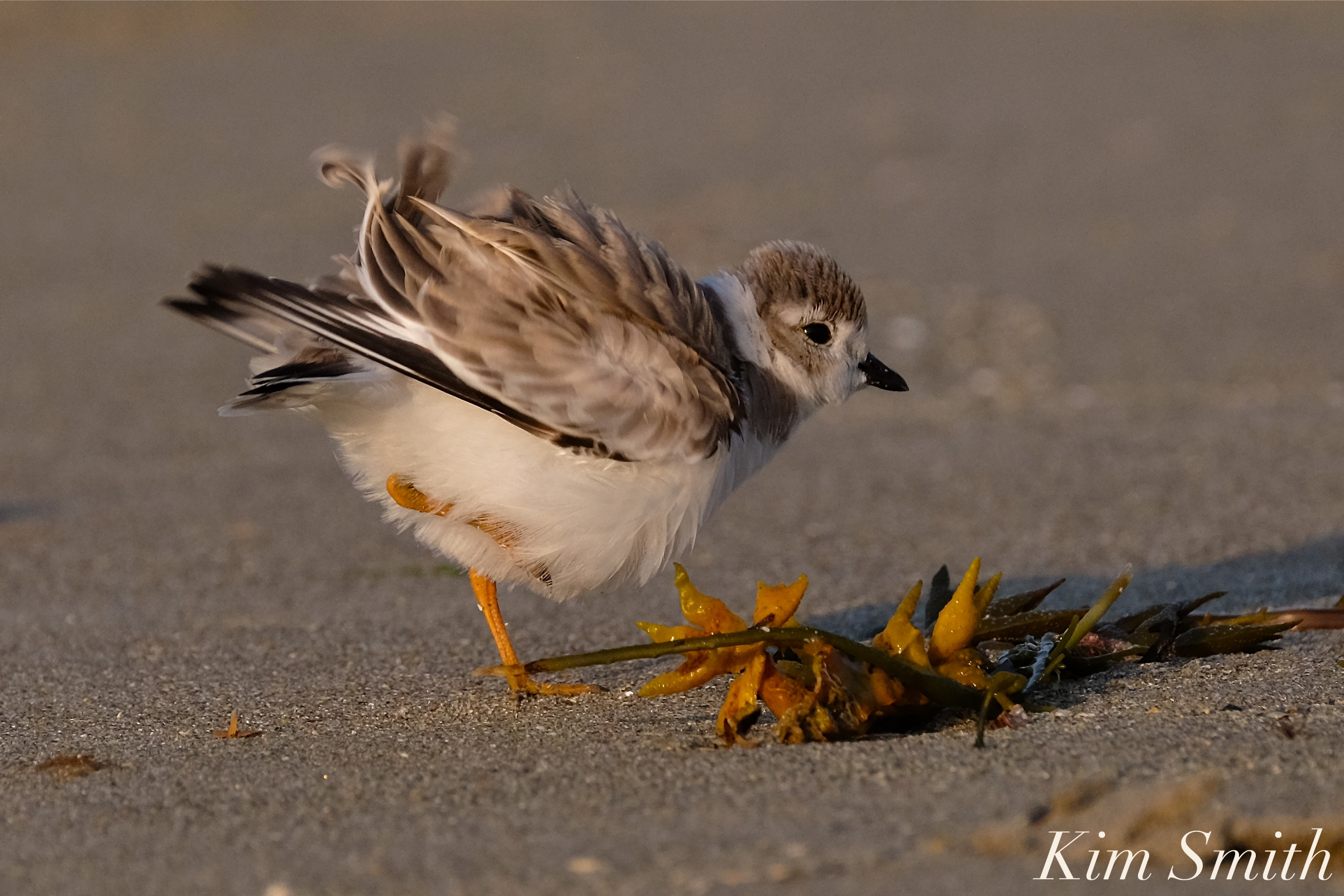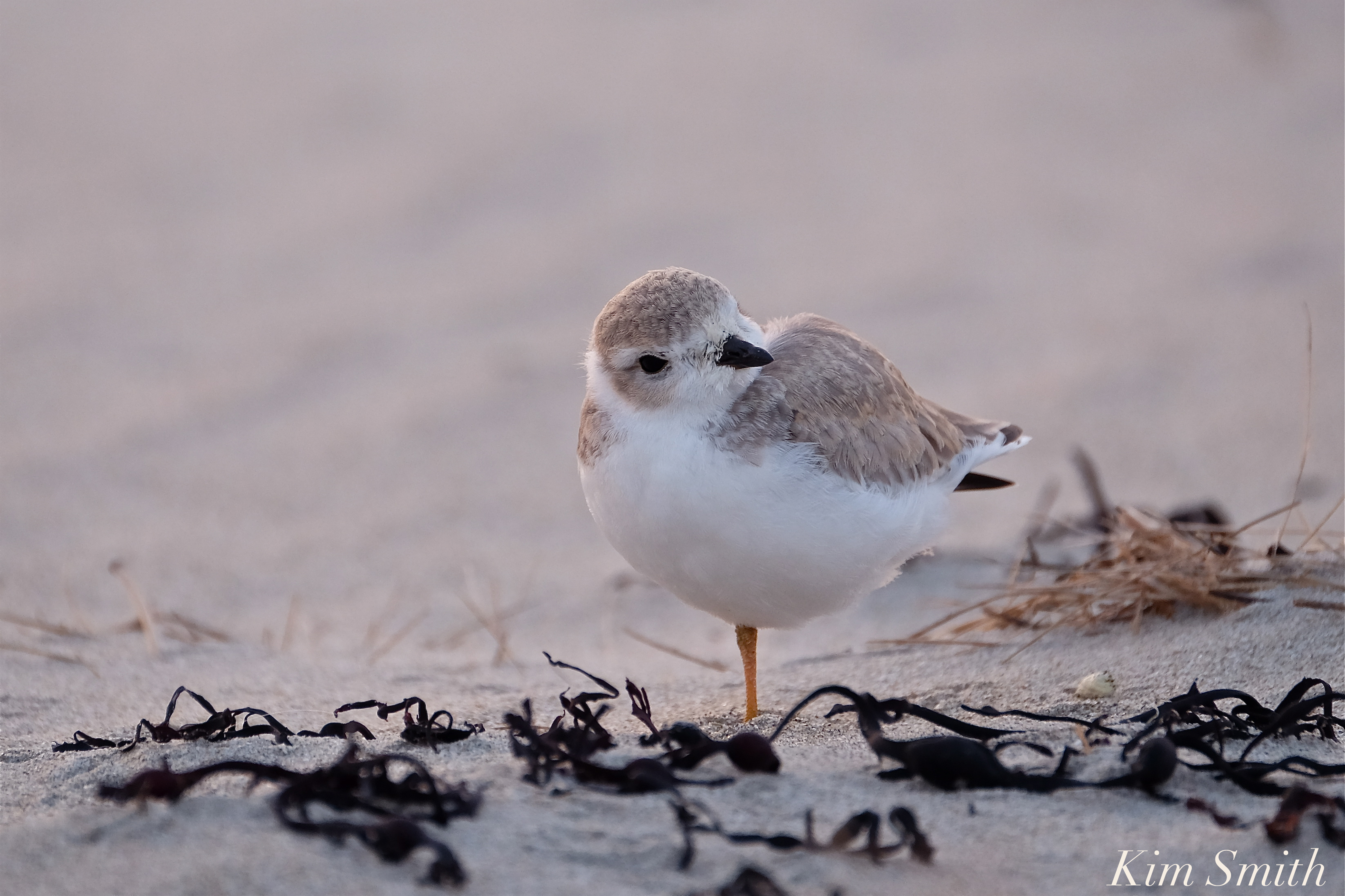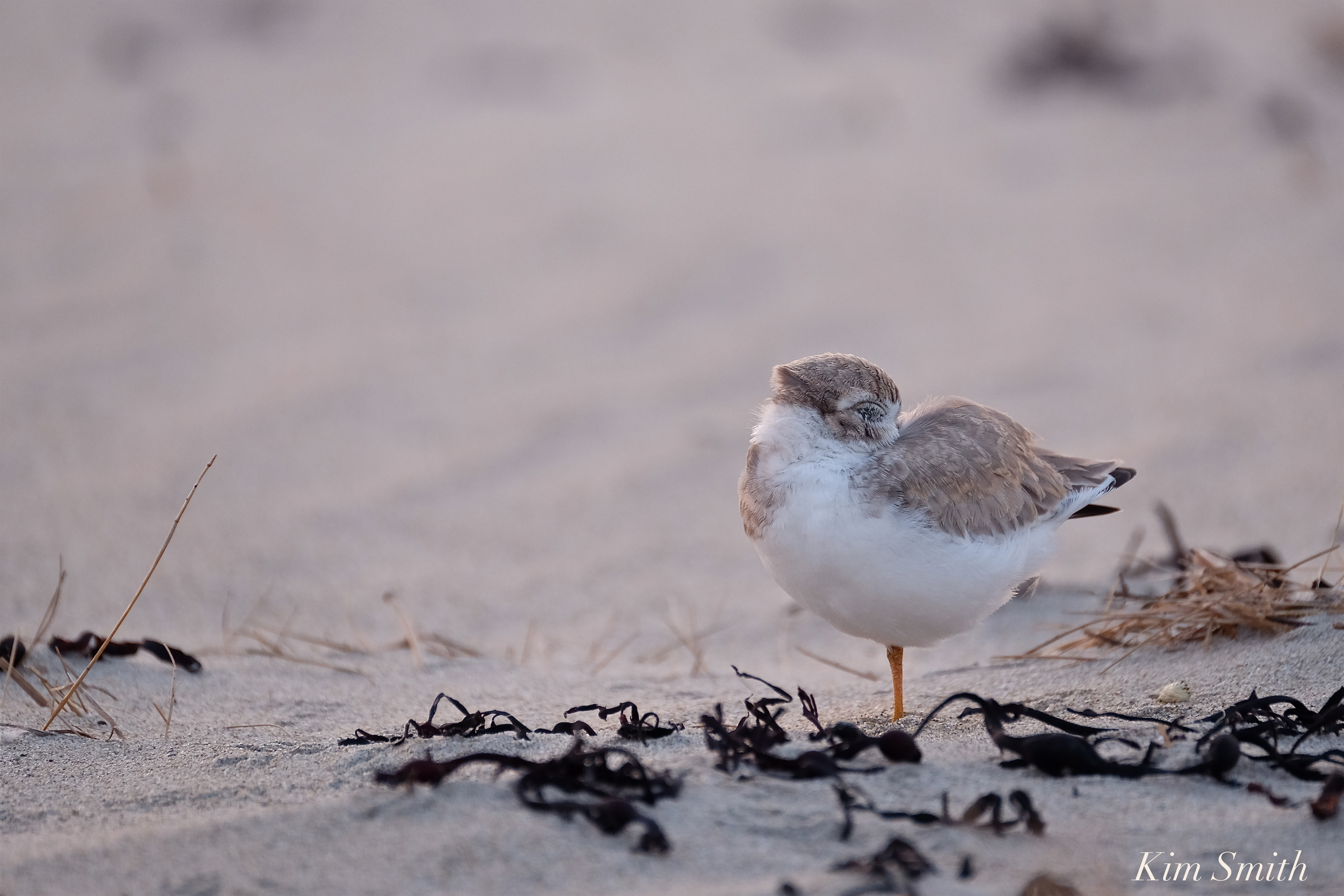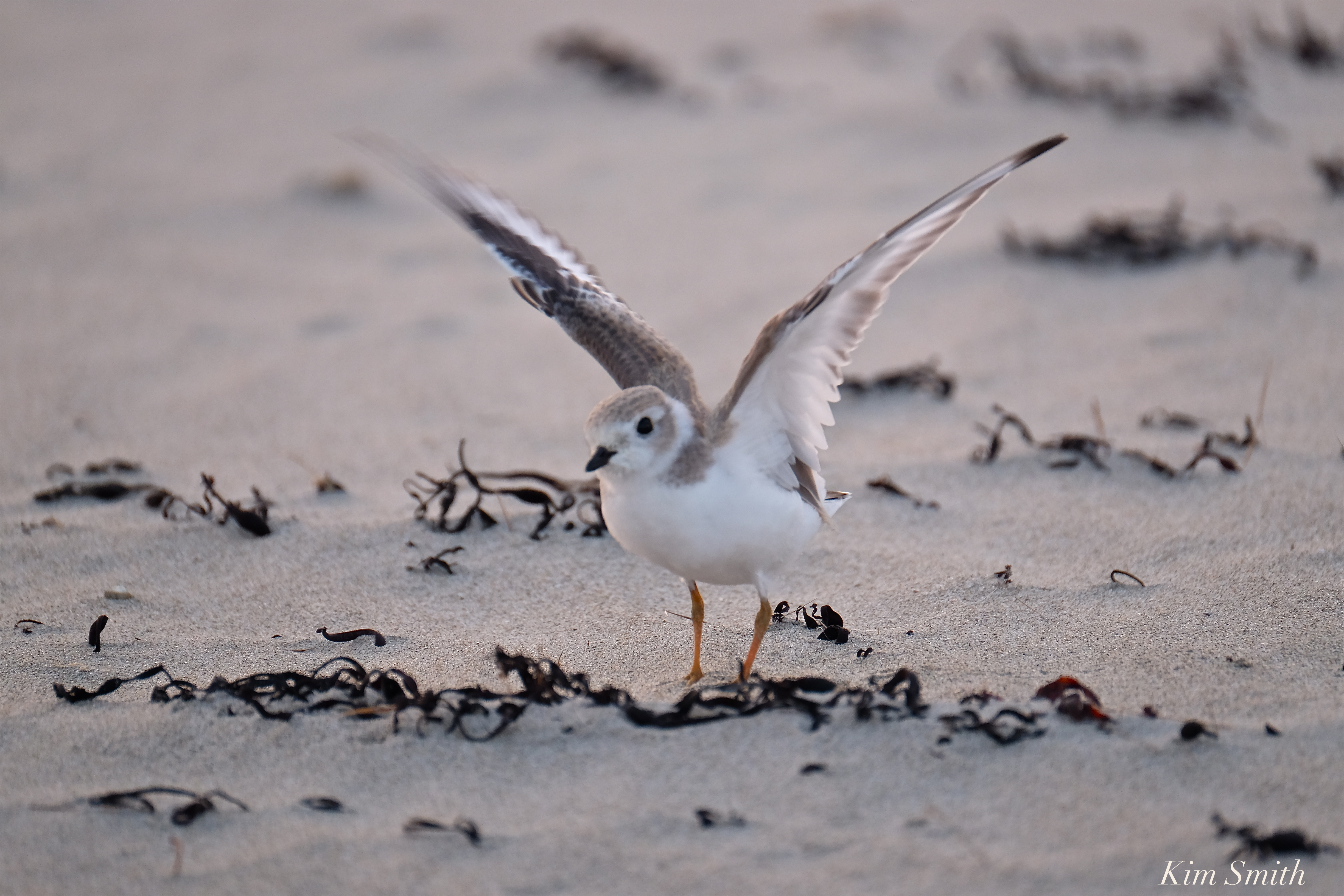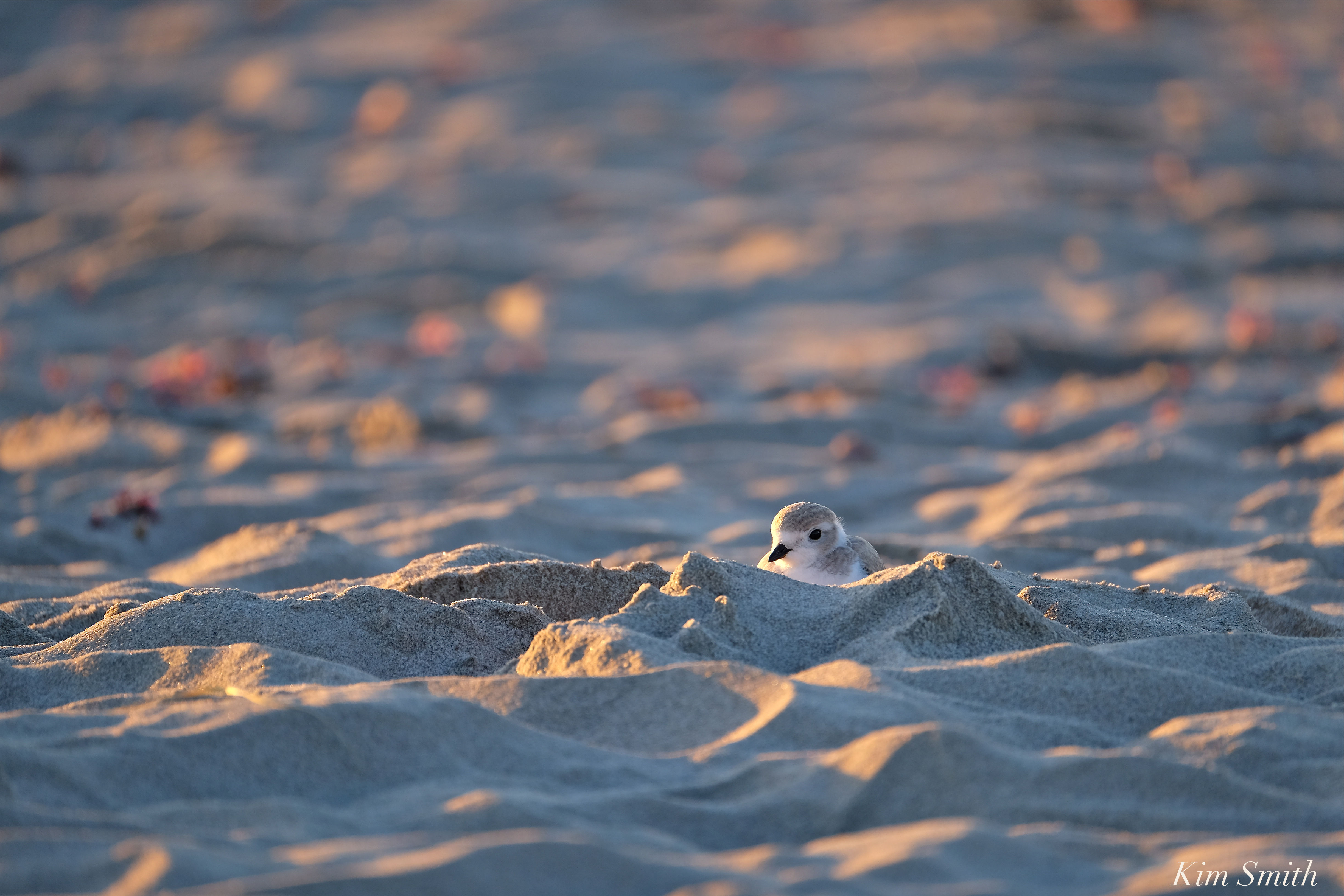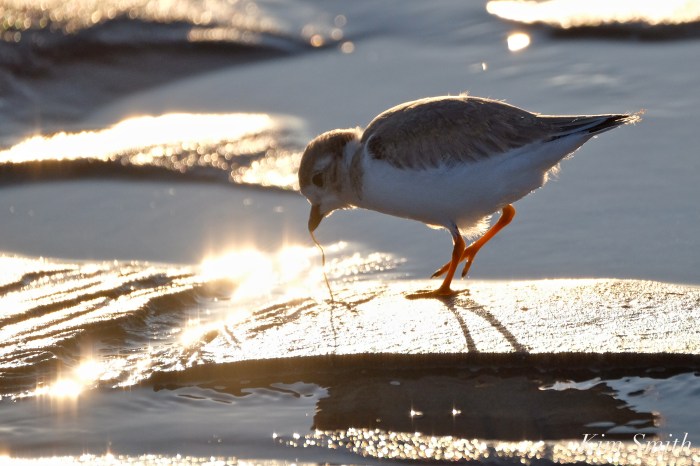
GOOD HARBOR BEACH SLAMMED AGAIN WITH STORM DAMAGE – CAN THE PIPING PLOVERS SURVIVE OFF-LEASH DOGS AND HISTORIC HIGH TIDES?

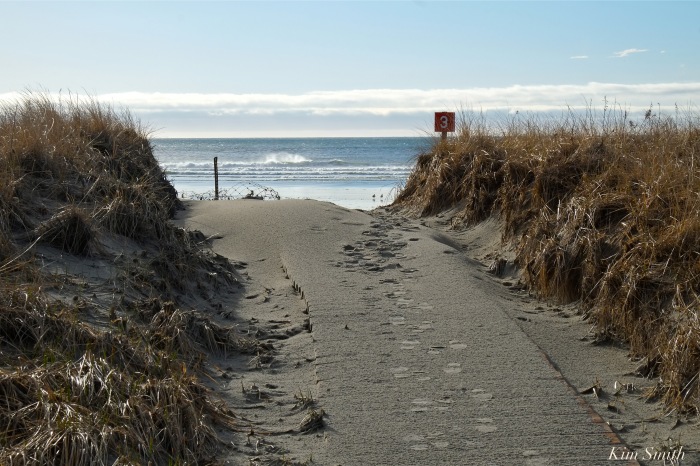
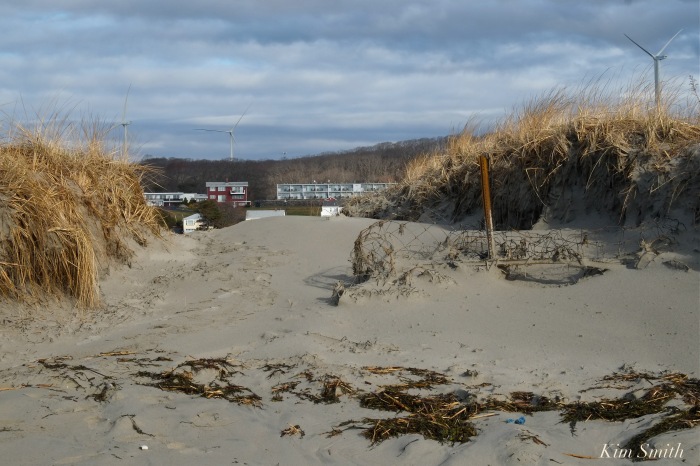
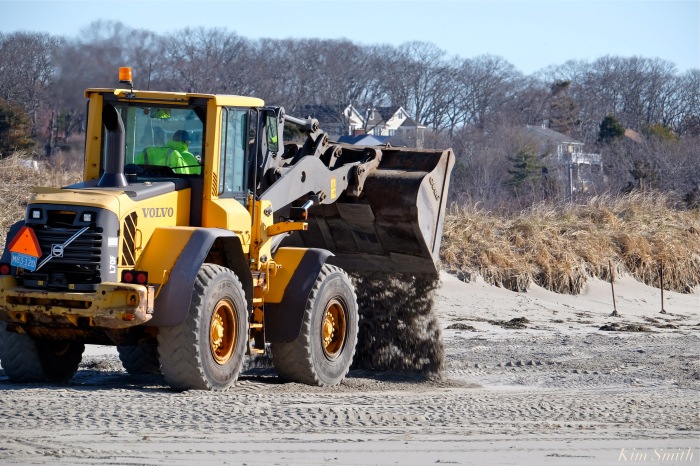
Good Harbor Beach was slammed hard again by yesterday’s April storm. The high tide was hitting the edge of the dune, with more water surging through the openings in the dunes, dumping sand several feet deep ten feet down the boardwalks.

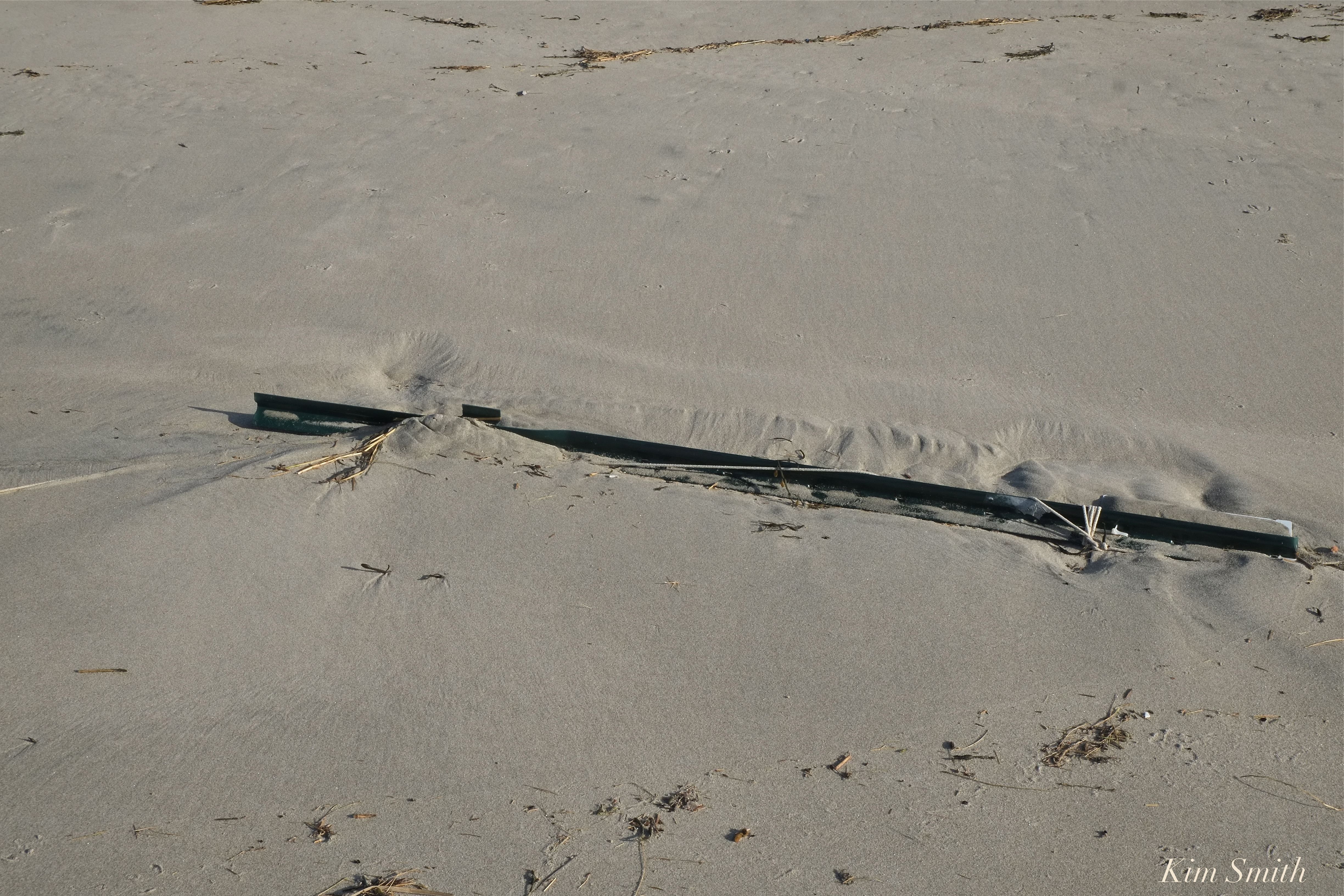
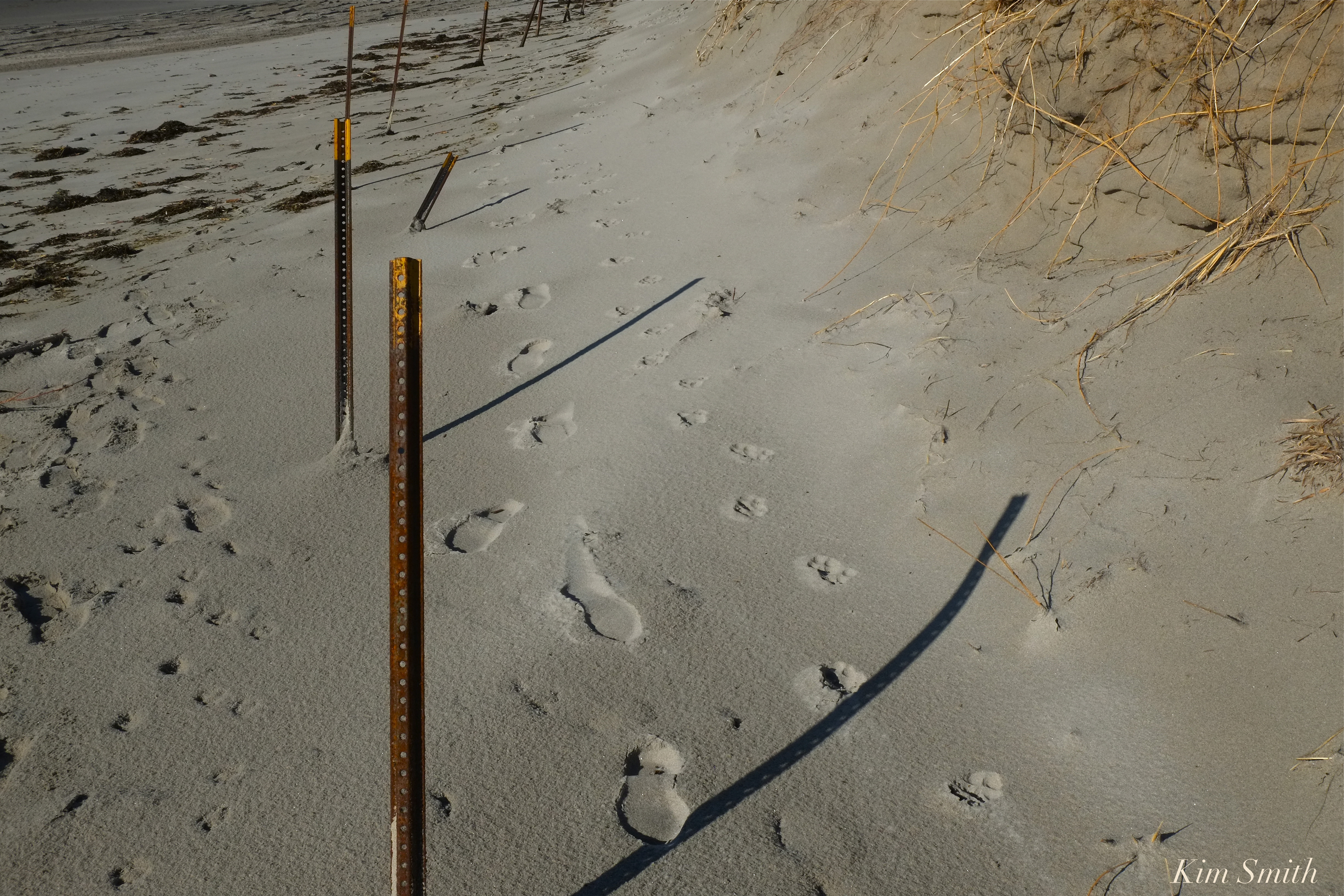
Half the Piping Plover signs were were buried in the sand, as well as the ropes.

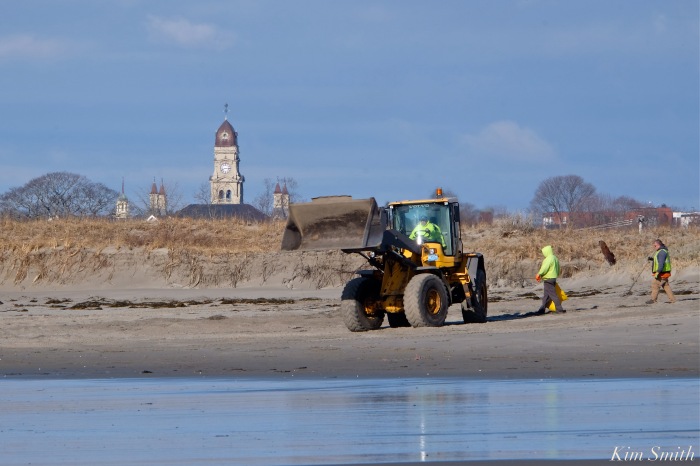
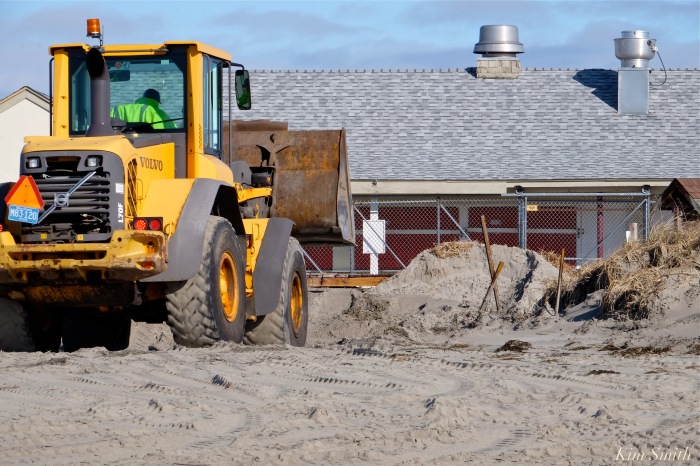
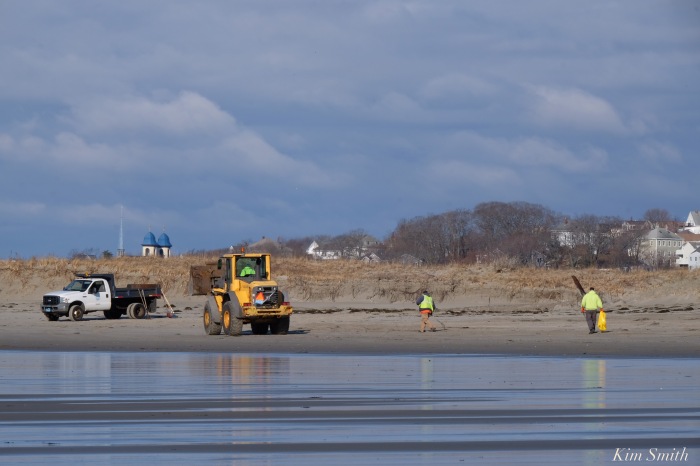
The DPW was on the scene digging out the snack bar boardwalk, beach entrance #2.

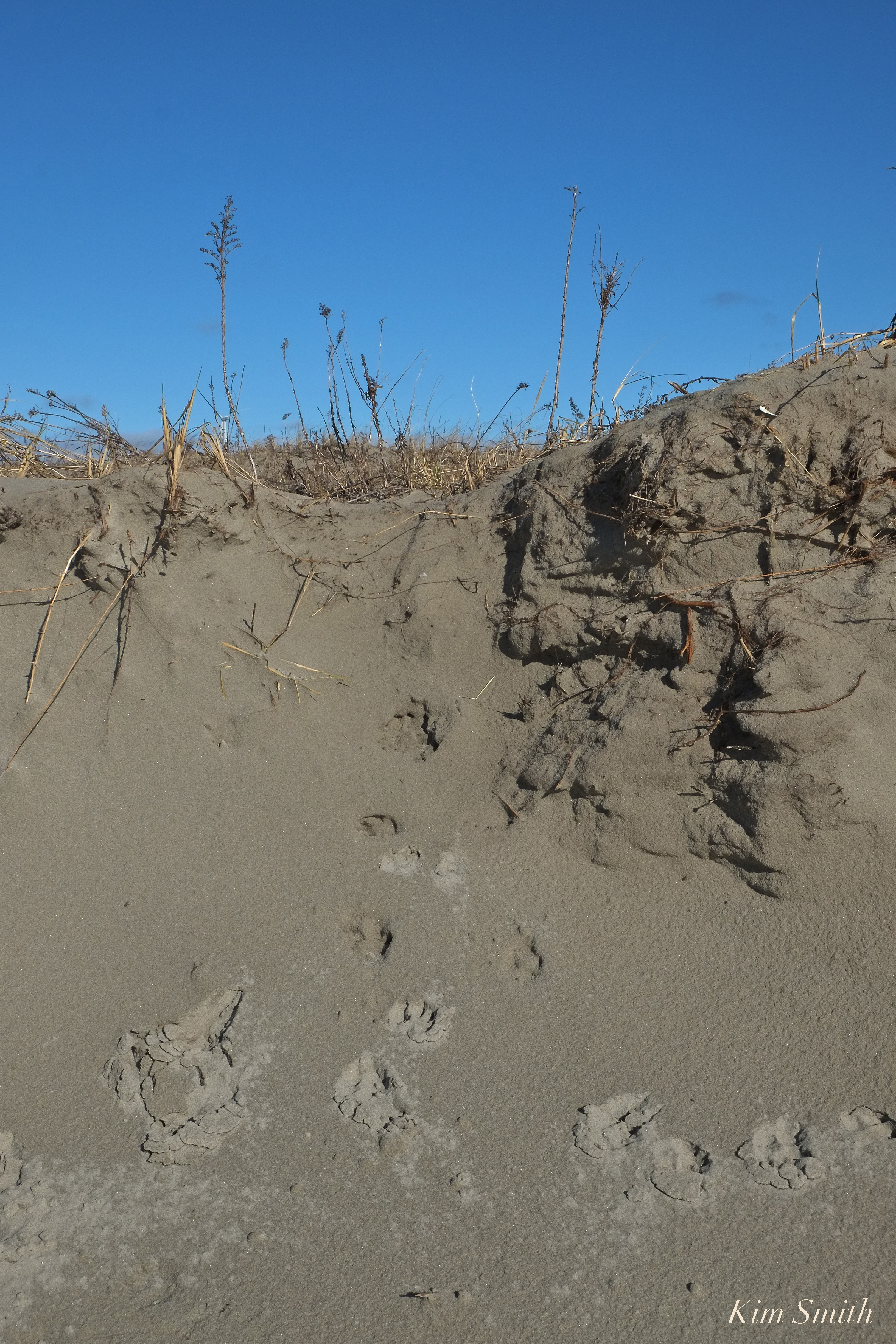
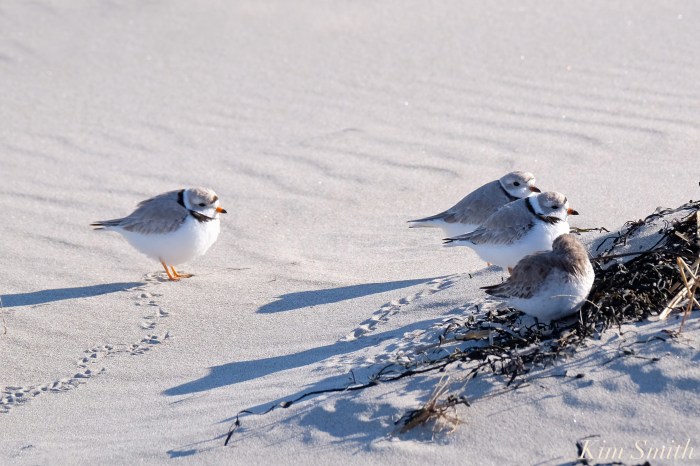
Fresh dog and owner tracks on the dune side of the fence. Why?? Our beaches are in trouble folks. Please keep off the dunes.With so many dogs and people trampling the Piping Plovers nesting area over the weekend, followed by the fierce storm and historic high tides, I wonder if the PiPl will even return to the nesting area. A total of five had been here since April 3rd (what appear to be two nesting pairs and one bachelor) but I could only find one lone male this morning.


PIPING PLOVERS DRIVEN OFF THE BEACH

Despite the case that posted signs were in place for Saturday’s off leash day, it was a complete disaster for the Piping Plovers.

When I was there early in the morning there was a large group of dog owners by the Good Harbor Beach Inn area and the dogs were playing by the water’s edge, away from the nesting sites, and it was wonderful to see!
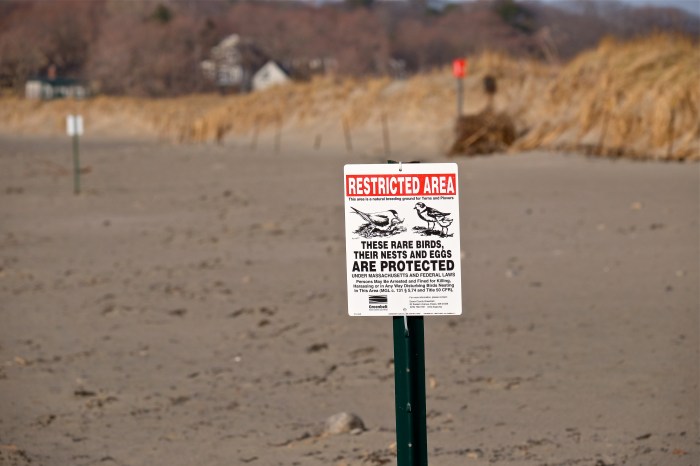
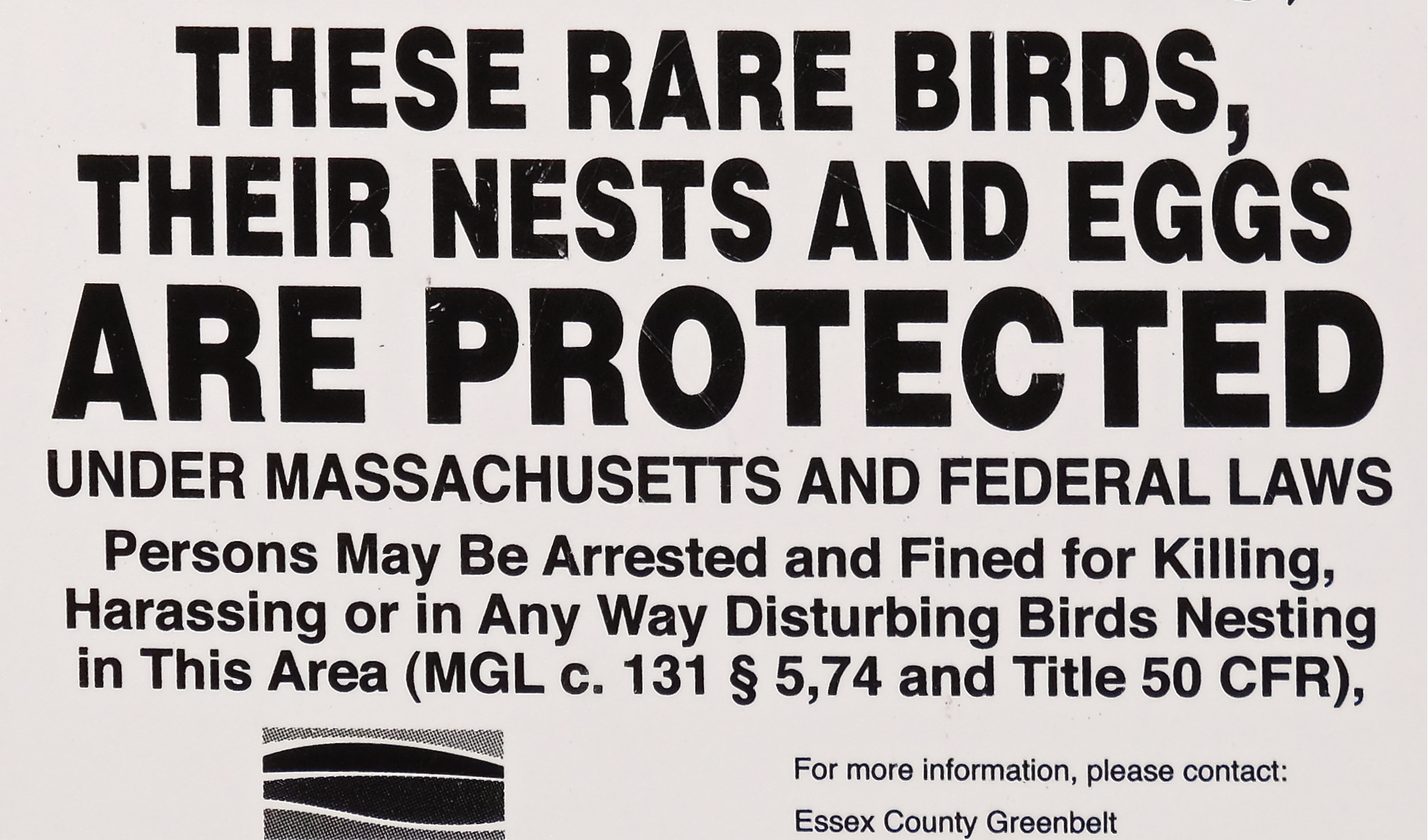
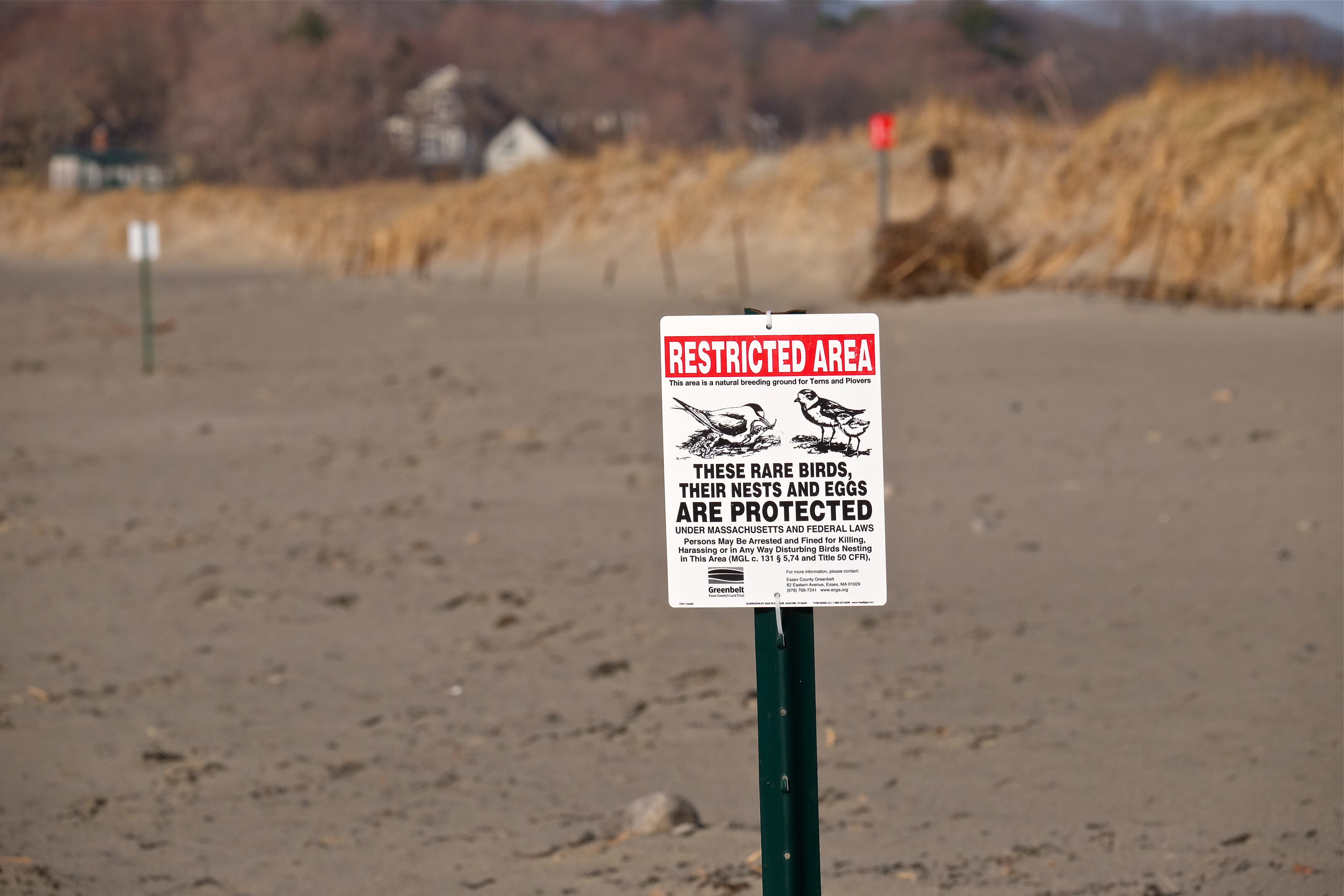
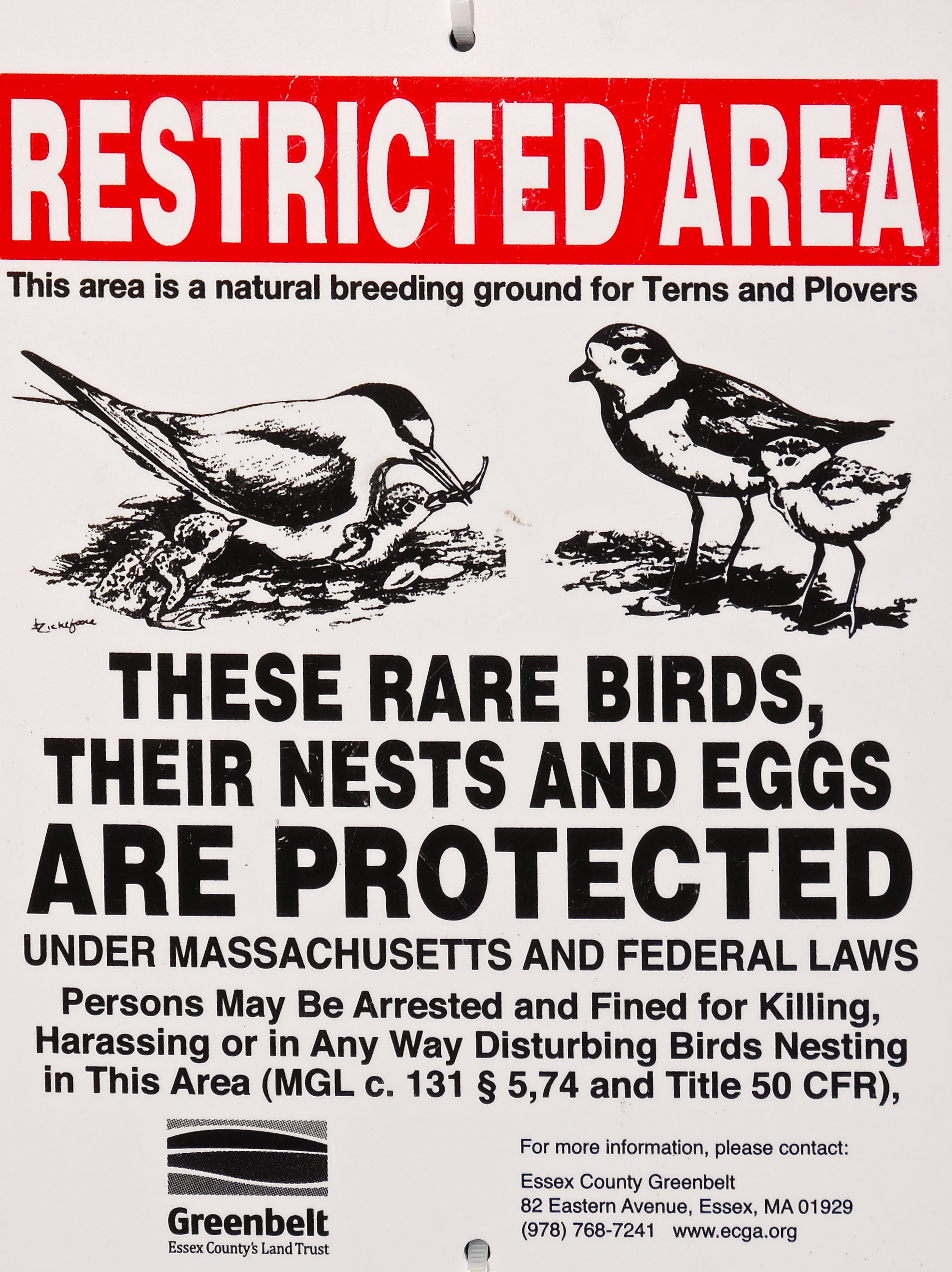
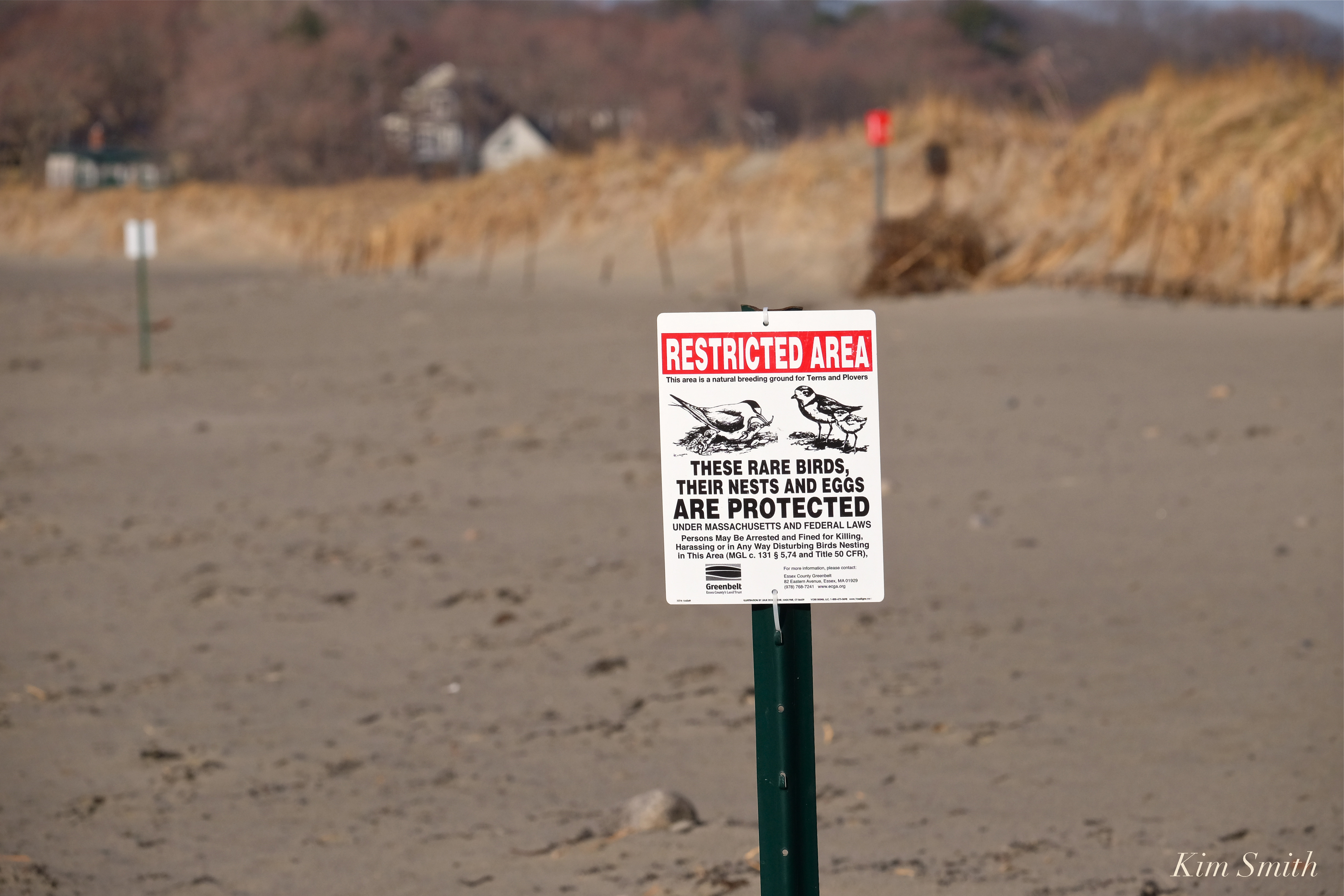
Piping Plover nesting signs on the beach.

At noon I stopped by for a quick check on the PiPl, in between a meeting and babysitting, and it was a complete and utter disaster. There were dozens of dogs and people frolicking WITHIN the nesting areas, as if the signs were completely invisible. The nesting areas were so full of people and dogs, one of the pairs of PiPl had been driven off the beach and into the parking lot. They were trying to make nest scrapes in the gravel. Heartbreaking to see.

My husband and I put up roping as soon as I was finished babysitting. We ran out of rope for both areas and came back today to finish cordoning off the nesting sites. Hopefully the rope will help.

https://www.instagram.com/p/BhkaJUNnmW4/

Perhaps because of climate change, and for reasons not fully understood, for the third year in a row, we now have a beautiful species of shorebird nesting at Good Harbor Beach. This year they arrived on April 3rd. Piping Plovers are a federally threatened species and it is our responsibility to do all that is humanly possible to insure their safety.

We live in coastal Massachusetts, which means we also have a responsibility in the chain of migration along the Atlantic Flyway to do our part to help all wildlife, particularly endangered wildlife.

Wouldn’t it be tremendous if the dog friendly people and all citizens of Gloucester would work together to change the leash laws to restrict dogs from our barrier beaches, Good Harbor Beach (and Wingaersheek, too, if birds begin nesting there as well), beginning April 1st?

Much, much better signage is needed as well as a wholehearted information campaign. And better enforcement of the current laws would be of great help as well however, if the laws are written such that dogs are allowed on the beaches during the month of April, which is the beginning of nesting season, then we are not being good stewards of species at risk.

We need help enforcing rules about keeping people and pets out of the dunes. The dunes are our best protection against rising sea level and are weakened terribly by trampling through the beachgrass and wildflowers.

It may be helpful for people to understand that the earlier the PiPl are allowed to nest, the earlier the chicks will be born, and the greater their chance of survival. Yesterday morning one pair mated and the female helped the male dig a nest, which means we could very well see eggs very soon (if they return to the nesting sites after yesterday’s debacle).
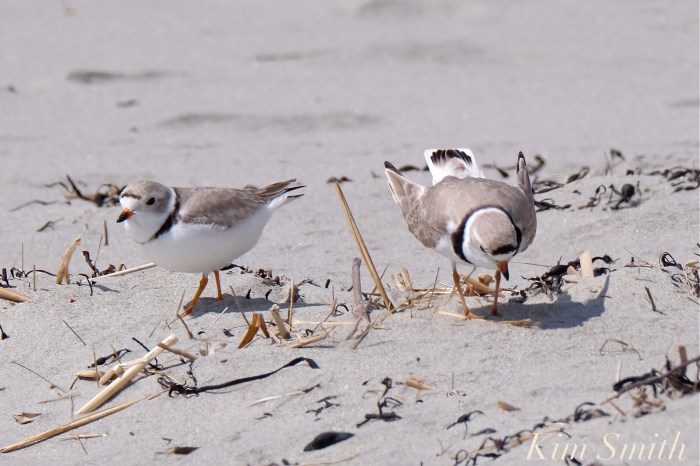
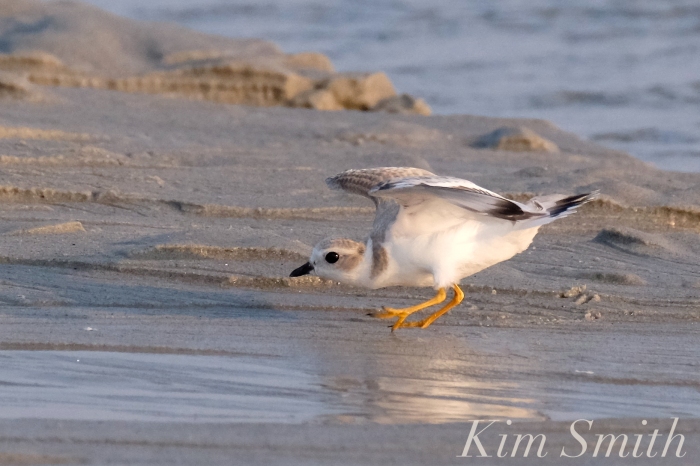
Papa Plover bowing in the courtship dance.
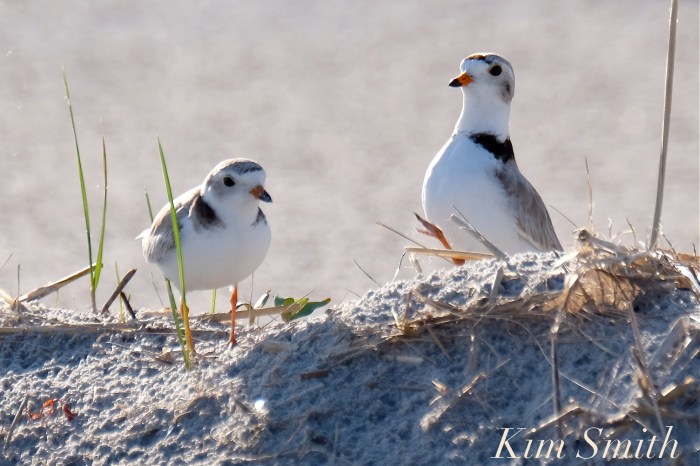
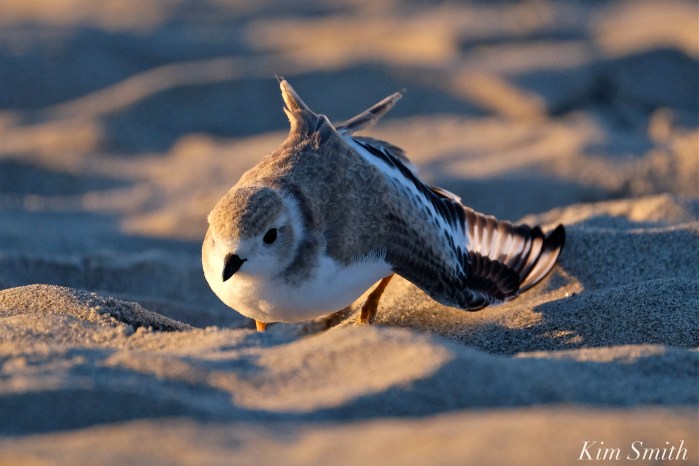
And here he is puffed out and high-stepping in the mating dance.

If the PiPl begin laying eggs now, and it takes about another month for hatching from the time the first egg is laid, the chicks would be a month old by the time July 4th arrives, when GHB becomes packed with visitors.

If the eggs and nest are destroyed, the nesting cycle will begin all over again and we will have chicks born over Fiesta weekend, with days-old chicks running around the beach on July 4th, as happened last year.
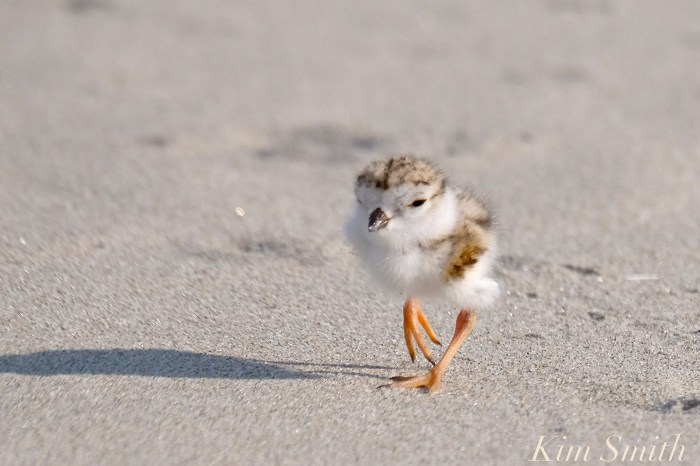
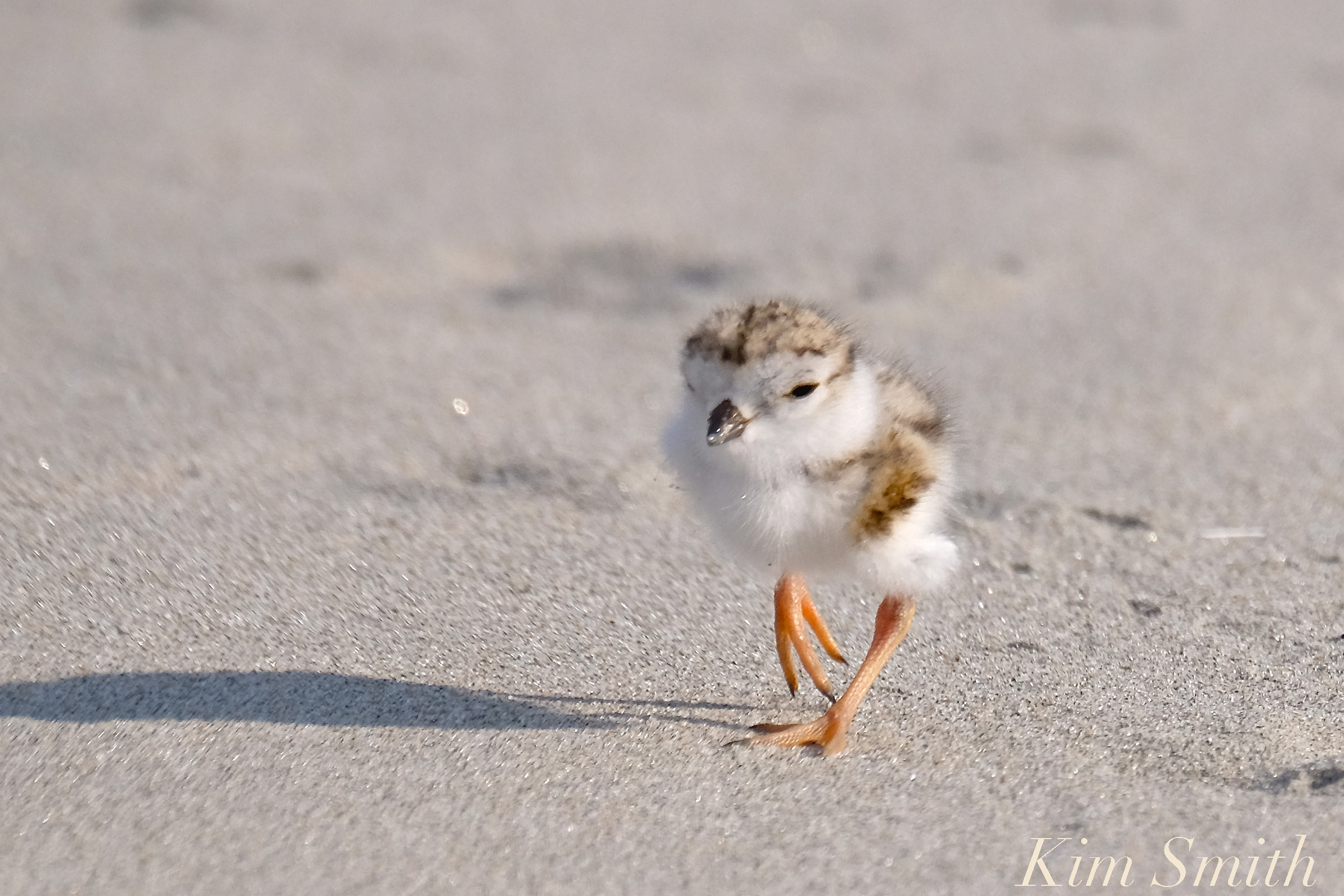
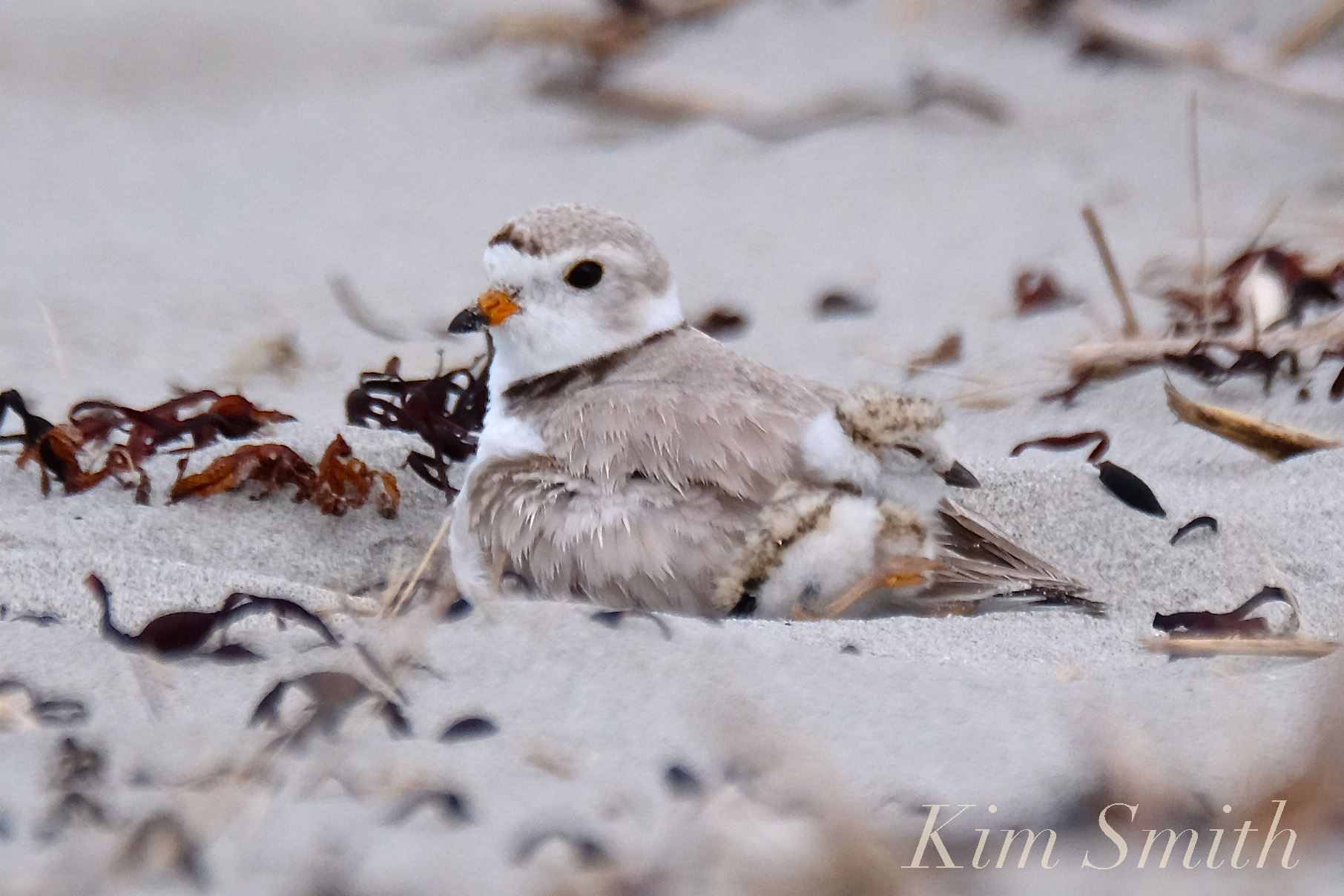
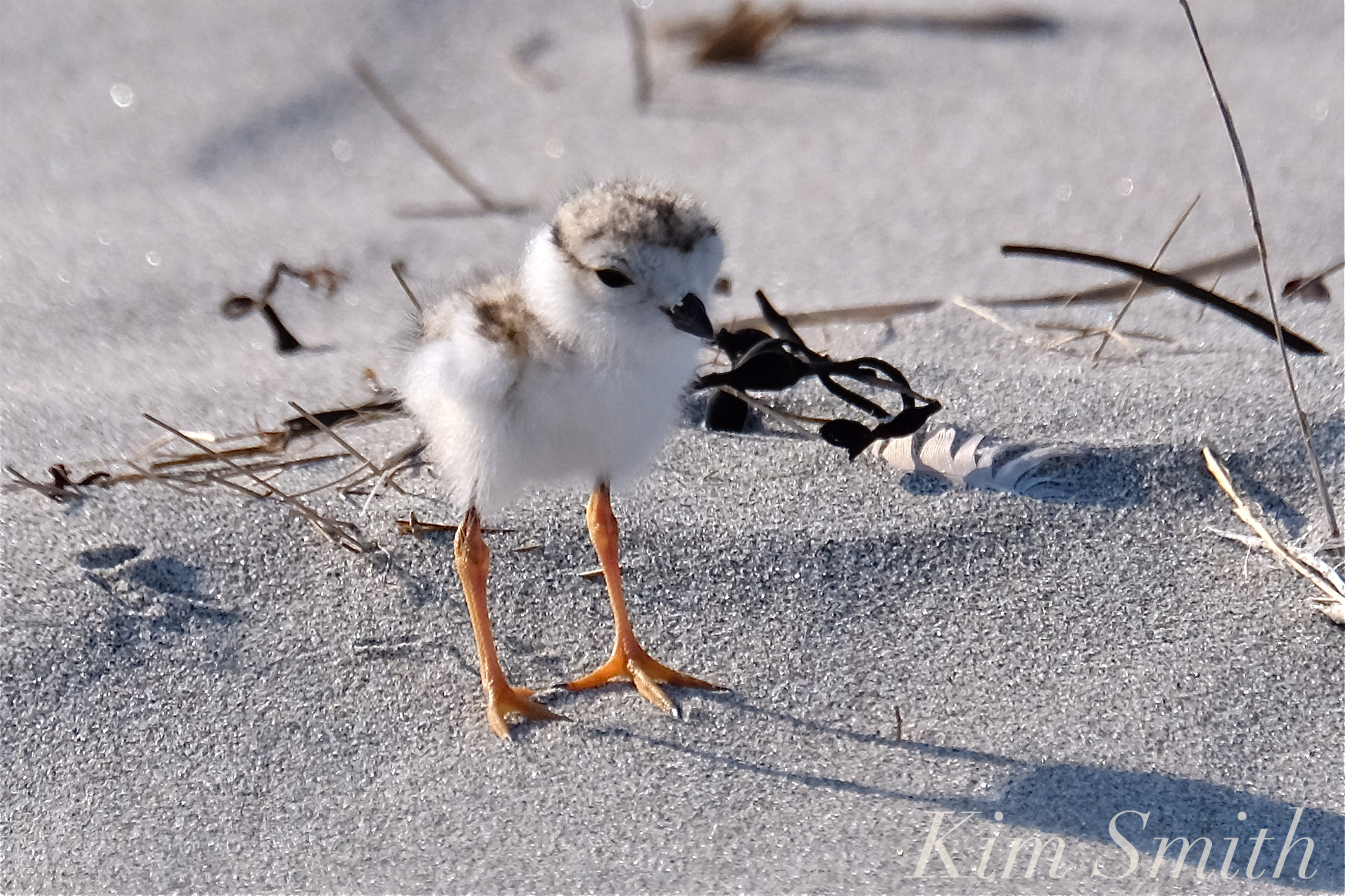
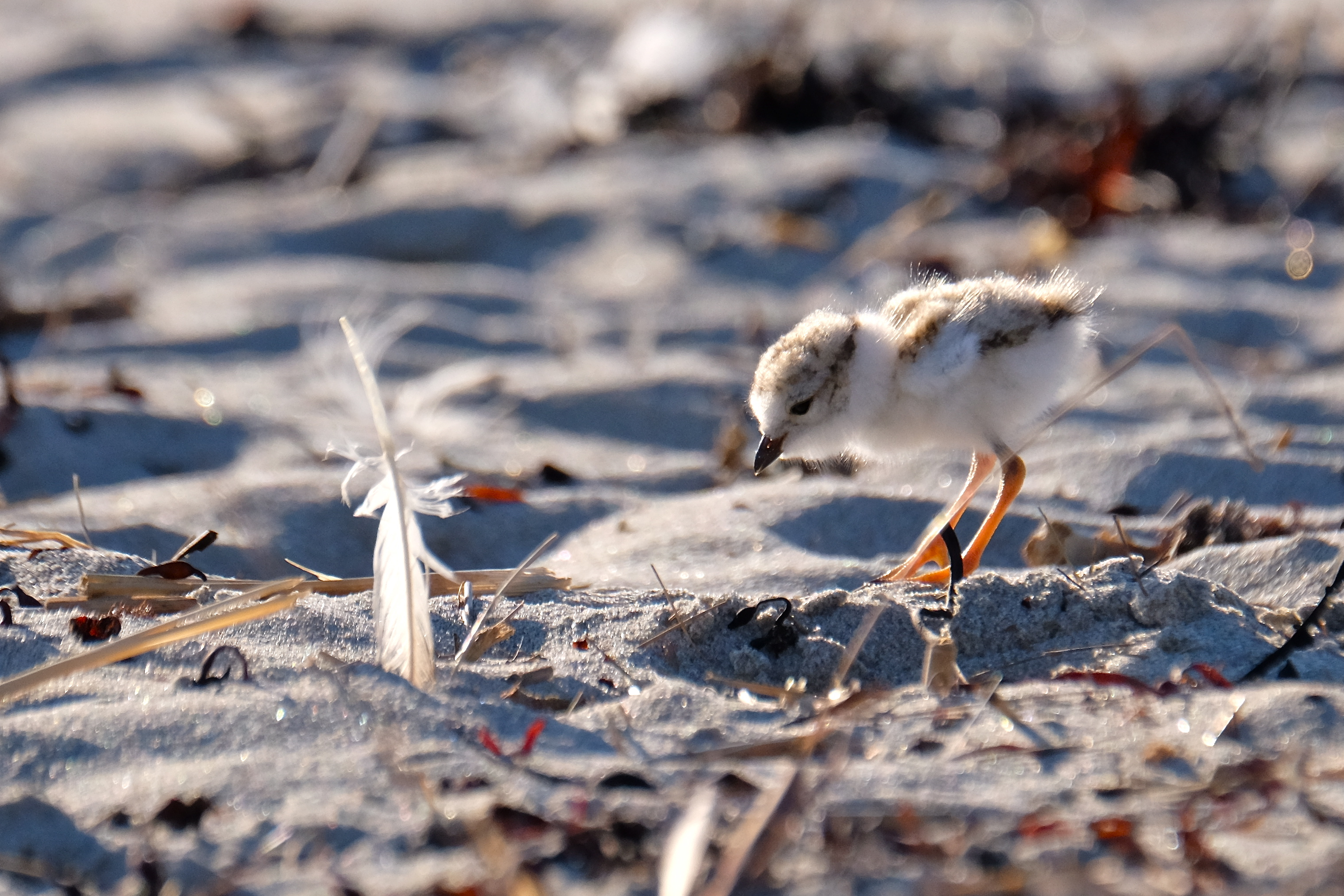
One-day-old Piping Plover chick – a marshmallow-sized chick with toothpicks for legs is super challenging to watch over on a typical Good Harbor Beach summer day!

I believe that as a community we can work together to help the Piping Plovers, as was done last year. It took a tremendous effort by a fabulous group of volunteers. The hardest thing that the volunteers had to deal with were the seemingly endless encounters with scofflaw dog owners. Especially difficult were the sunrise and sunset shifts because folks think they can get away with ignoring the laws at those times of day. I cannot tell you how many times I have had terrible things said to me when I tried to speak to people about keeping their dogs away from the PiPl nesting sites. Some folks do not want to be told that their dog cannot play there.

Rather than expecting volunteers and citizens to call the dog officer, when it is usually too late by the time they arrive, the dog officers should be stationed at the beach at key times, on weekends, and after five pm, for example.

Now that we know the Piping Plovers are here this early in the season, better rules, signage, and more information need to be in place. Gloucester is not the only north shore coastal Massachusetts area this year experiencing Piping Plovers arriving earlier than usual. We can learn much historically from how other communities manage these tiniest and most vulnerable of shorebirds. For example, after April 1st, no dogs are allowed at Crane Beach. Throughout the year, no dogs are allowed at Parker River National Wildlife Refuge, and at Revere Beach (also home to nesting Piping Plovers), which was the first public beach established in the United States, no dogs are allowed from April 1st to mid-September.
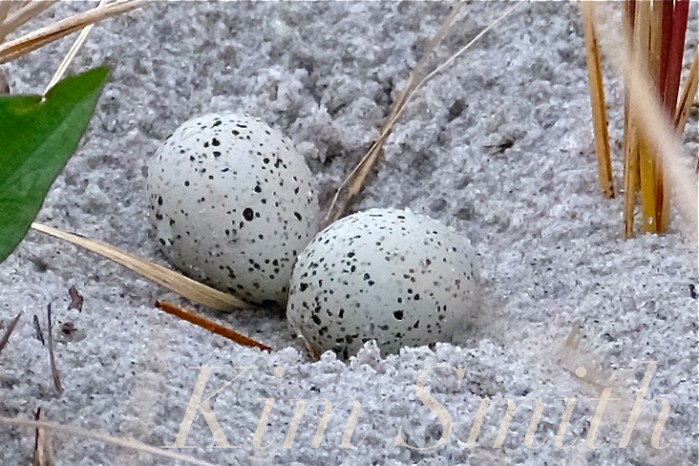
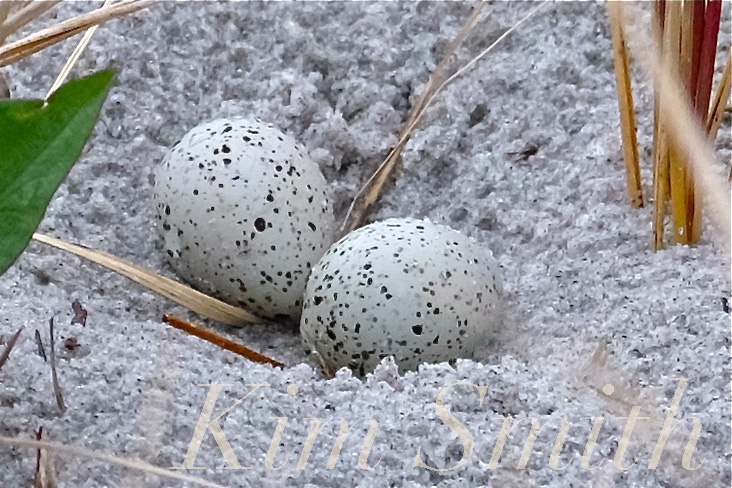
The female Piping Plover lays one egg approximately every day to every few days, usually until a total of three to four eggs are laid. The male and female begin sitting on the eggs when all are laid. Until that time, the eggs are extremely vulnerable to being stepped upon.

Currently the two nesting areas identified on Good Harbor Beach are taking up more space than will be the case once the PiPl begin to lay eggs. As soon as the first egg is laid, an exclosure will be placed over the nest and the overall cordoned off area will shrink some.
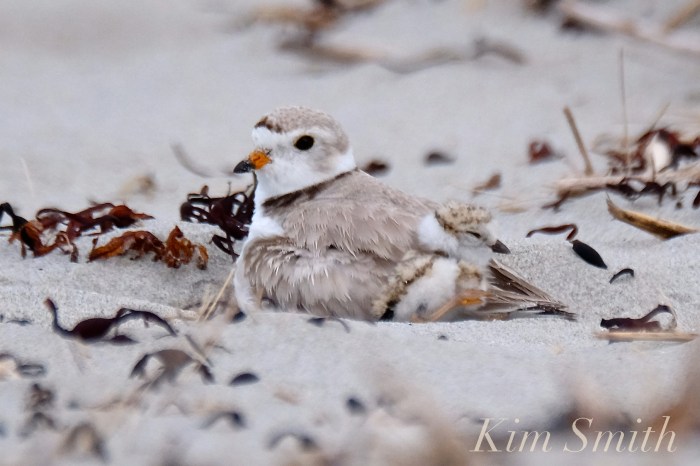
Mama PiPl and one-day-old chick

HELPING PIPING PLOVERS AND A HUGE SHOUT OUT TO GREENBELT’S DAVE RIMMER AND DAVE MCKINNON

Help arrived for the Piping Plovers yesterday afternoon when Greenbelt’s Dave McKinnon installed the symbolic posts and informative signage. Roping will come next week, but at the very least, cordoning off the nesting area informs the community to tread lightly and where to keep out. Two nesting areas have been identified. The signs are posted between boardwalk 3 and the footbridge, as well as between boardwalks 1 and 2.

So many thanks to Dave Rimmer and Dave McKinnon. I happened to meet up with them yesterday morning and initially Dave R. thought they would not be able to help until next week. What great relief when I read the email from Dave R. that Dave M. would be back later in the day to install the posts and signs!

Thank you, thank you, thank you!!!

REMINDER: TOMORROW IS AN OFF LEASH SATURDAY, WHICH IS GOING TO BE VERY, VERY TOUGH ON THE PIPING PLOVERS. PLEASE DOG OWNERS, IF YOUR DOG IS NOT UNDER VOICE COMMAND, THEN THE RULE IS, THE DOG IS NOT ALLOWED ON THE BEACH. PLEASE TRY TO UNDERSTAND THAT THIS THREATENED SPECIES OF SHOREBIRDS NEEDS EVERYONE’S HELP. THANK YOU!

I wrote the above because yesterday I got a very disturbing call from a friend, a person who is usually mild mannered and not easily angered. He was calling to say that he had just observed a woman with her “birder” dog chasing the Plovers up and down the beach over and over again. When he spoke with her about the Plovers, she said she was aware of the threatened birds, but that she couldn’t control her dog because he “was having a bad day.” All I can write, is please, please, please do not allow your dog to chase the Piping Plovers. It may be fun and games for you and your dog, but allowing the PiPl to nest is a matter of survival for these beautiful and tiniest of shorebirds.

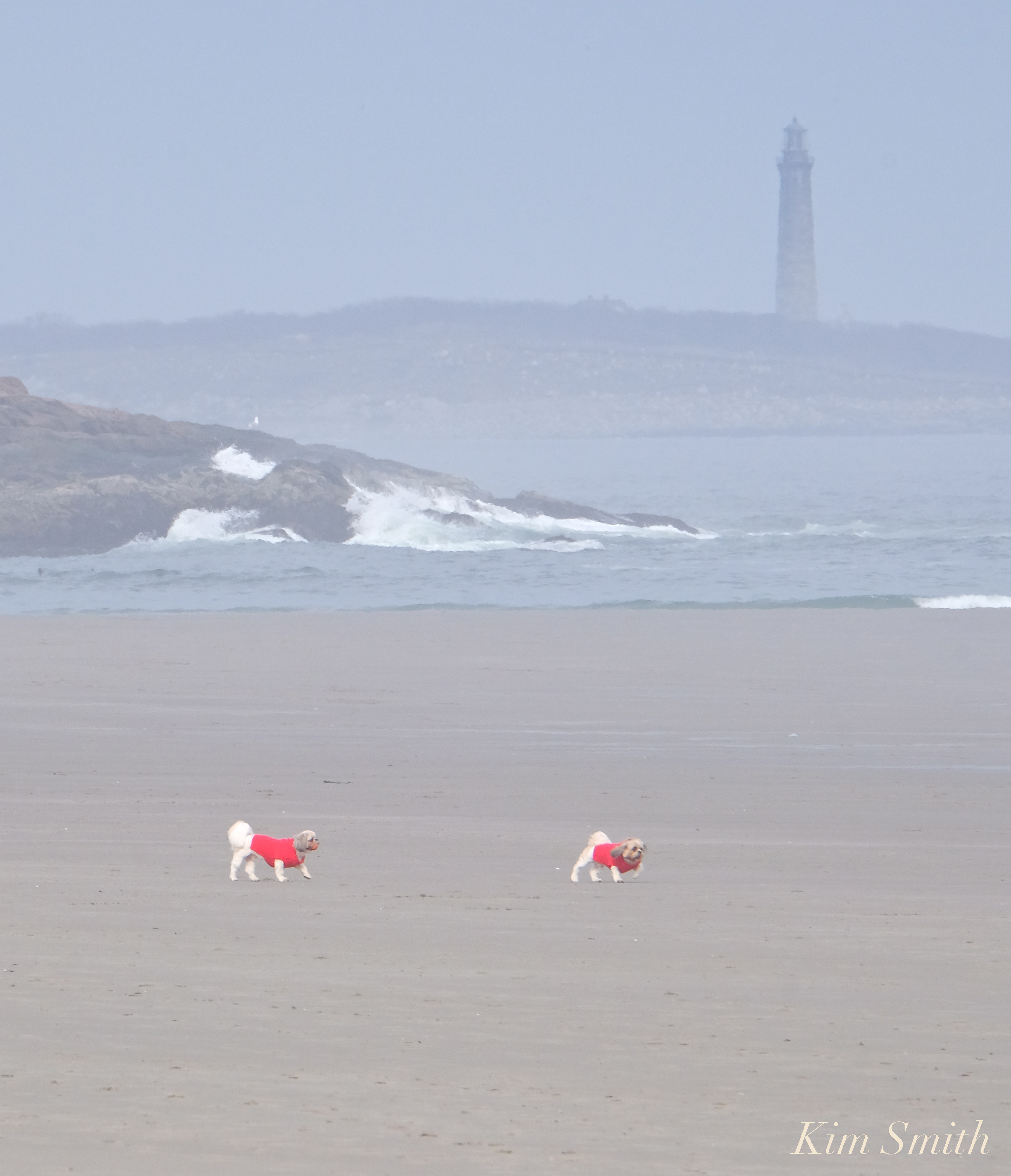
Two adorable sweet dogs, off leash today, on an on leash day.

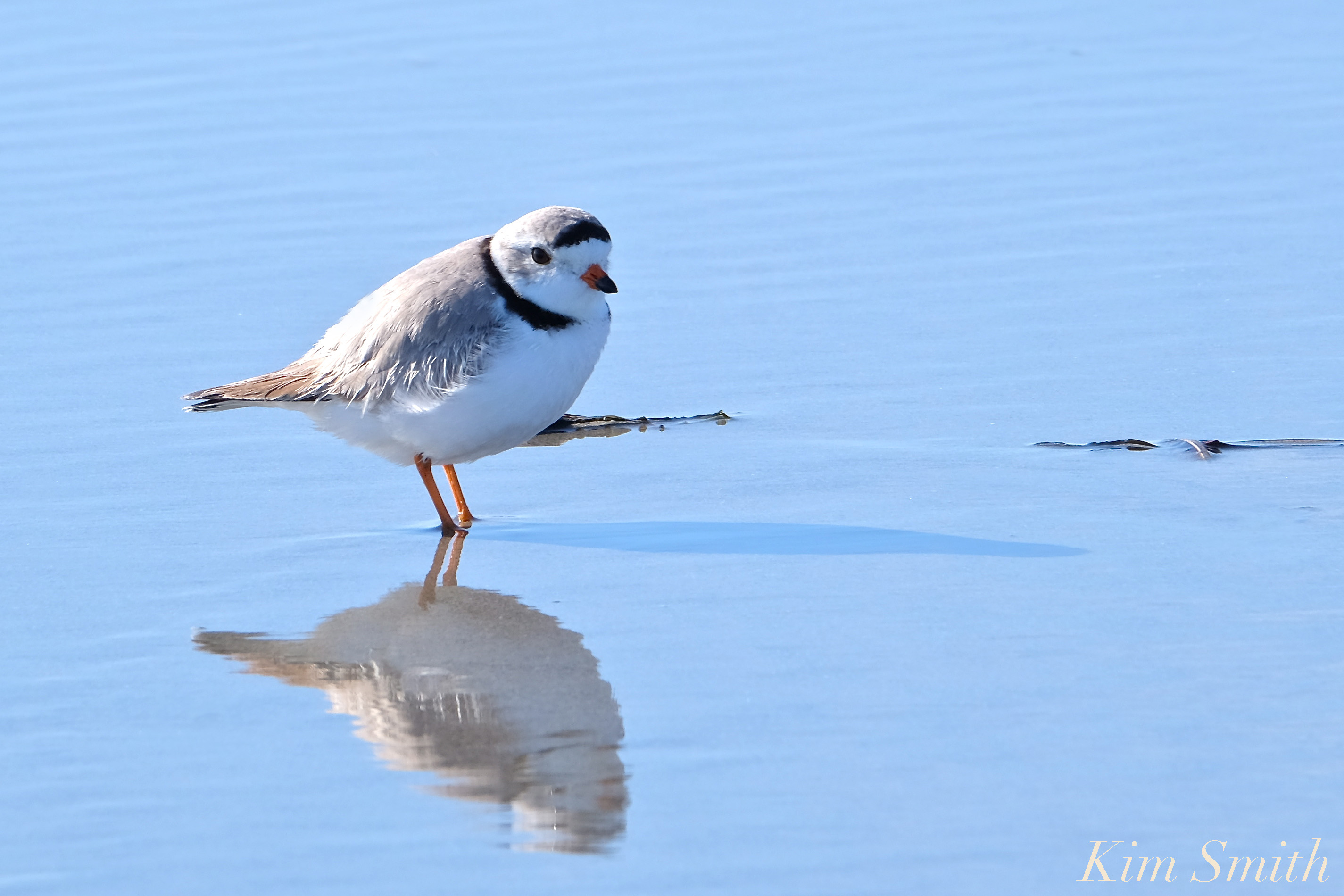
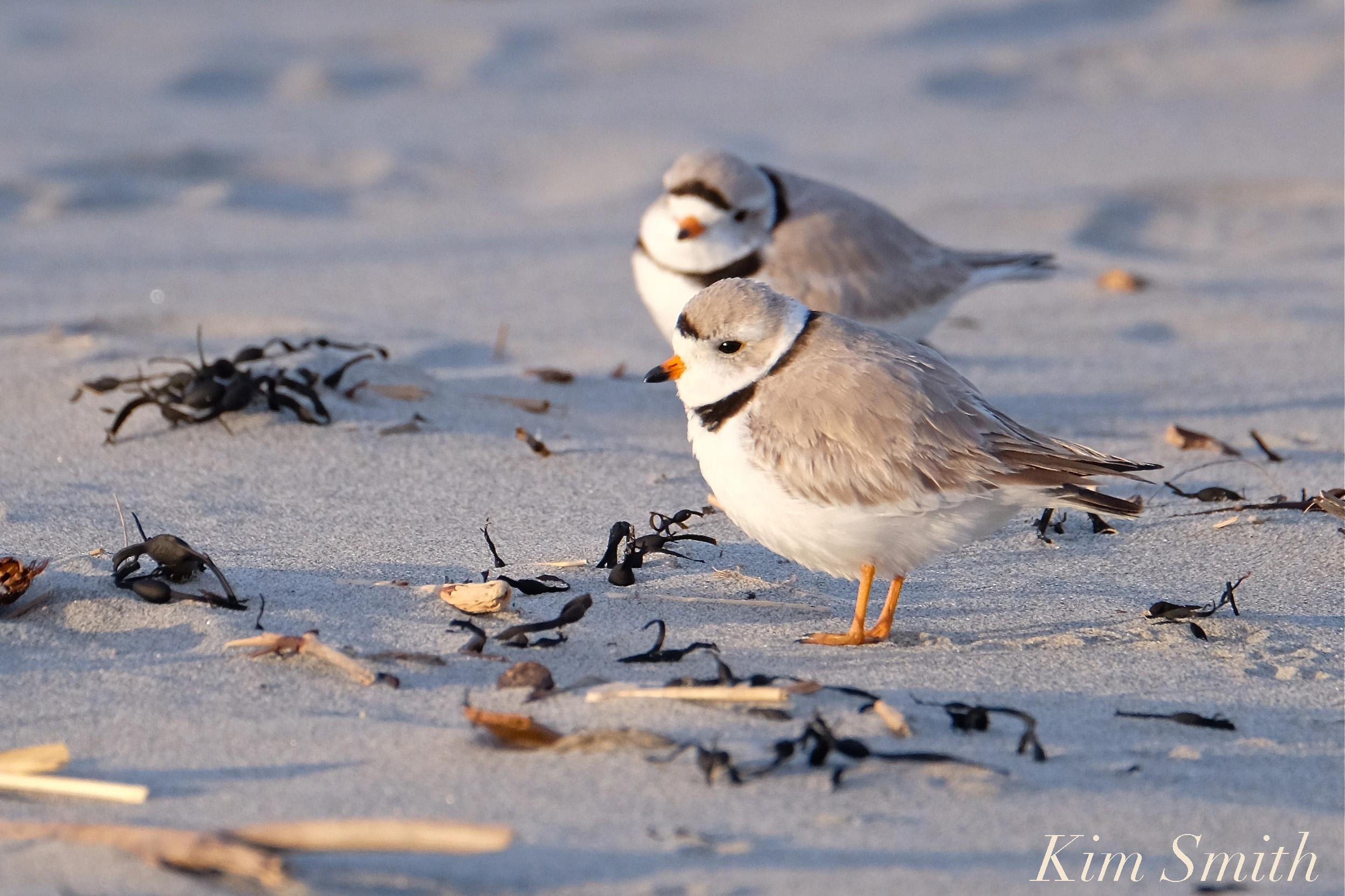
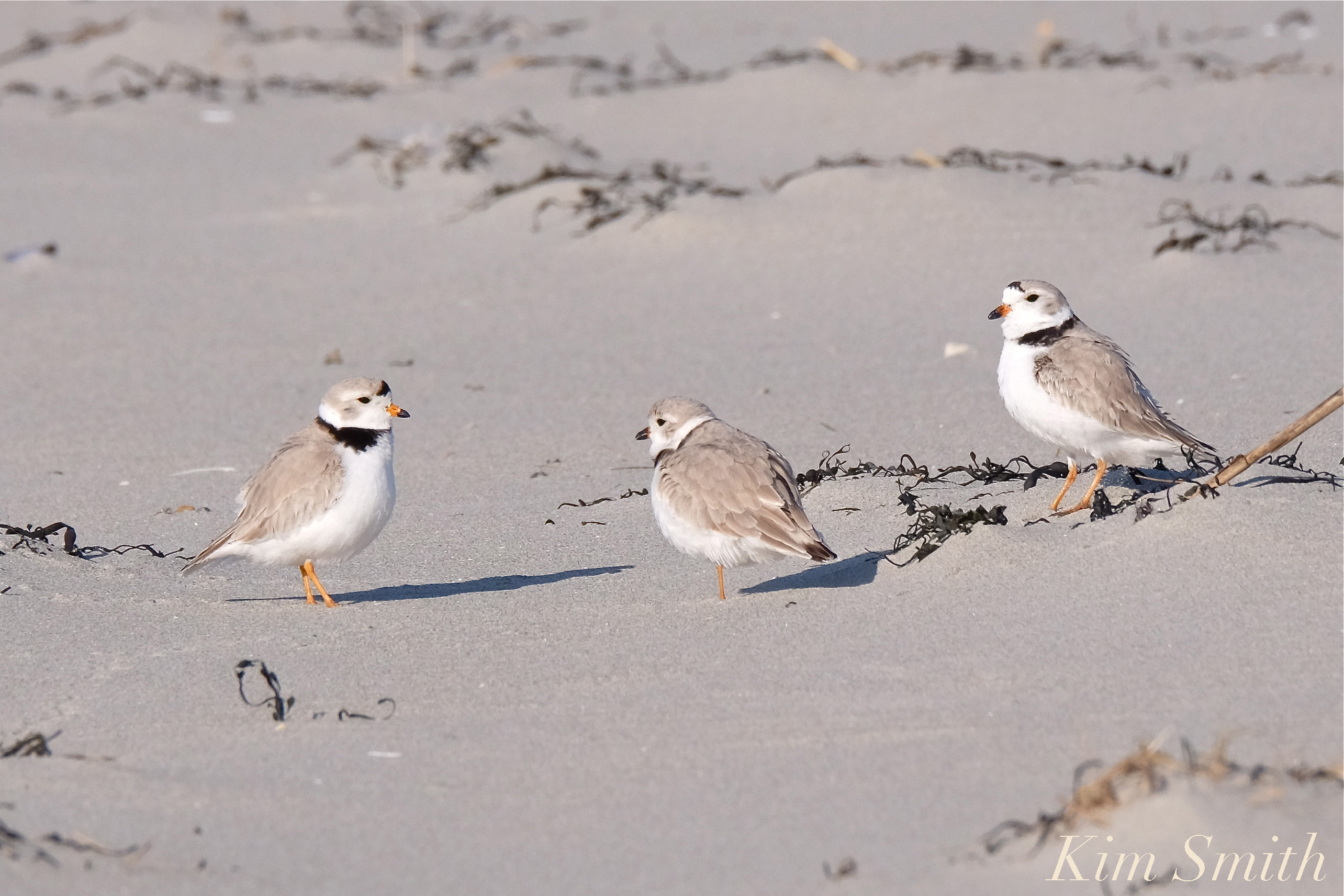
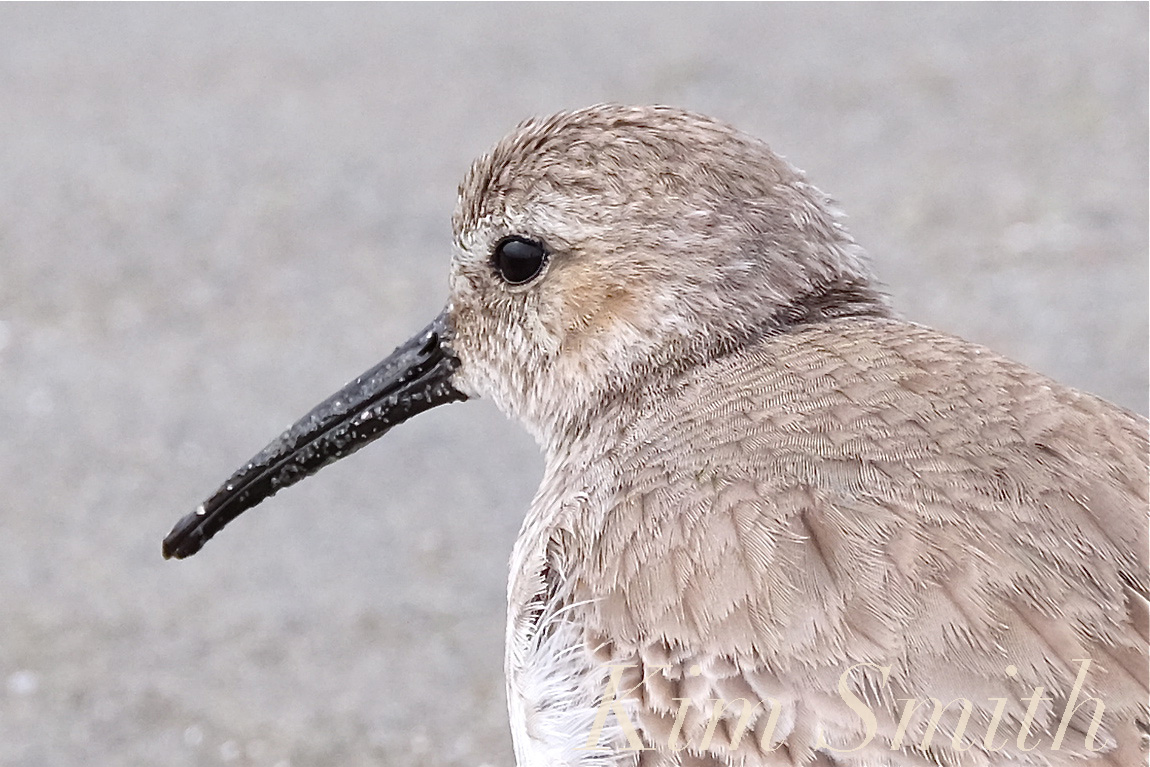
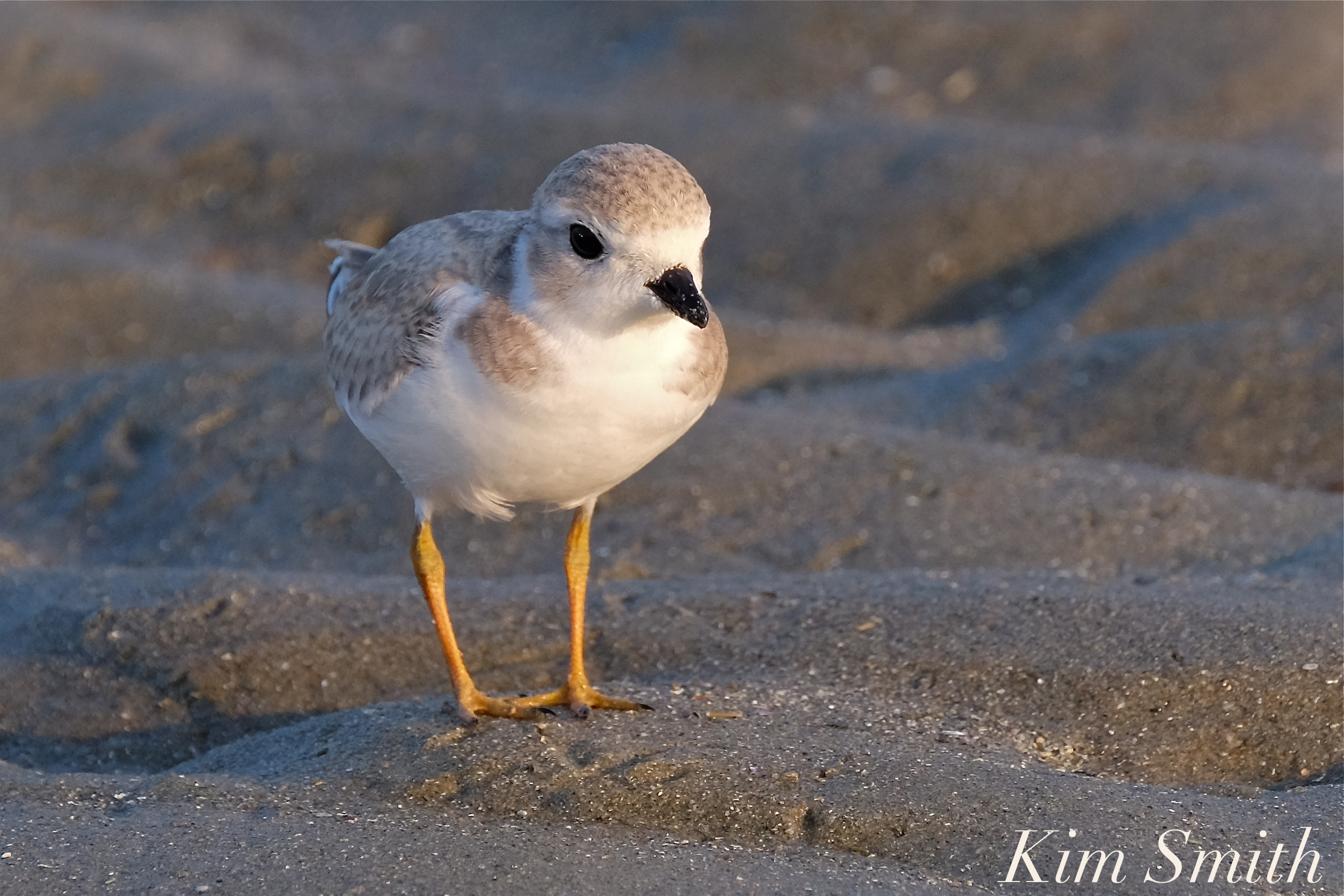
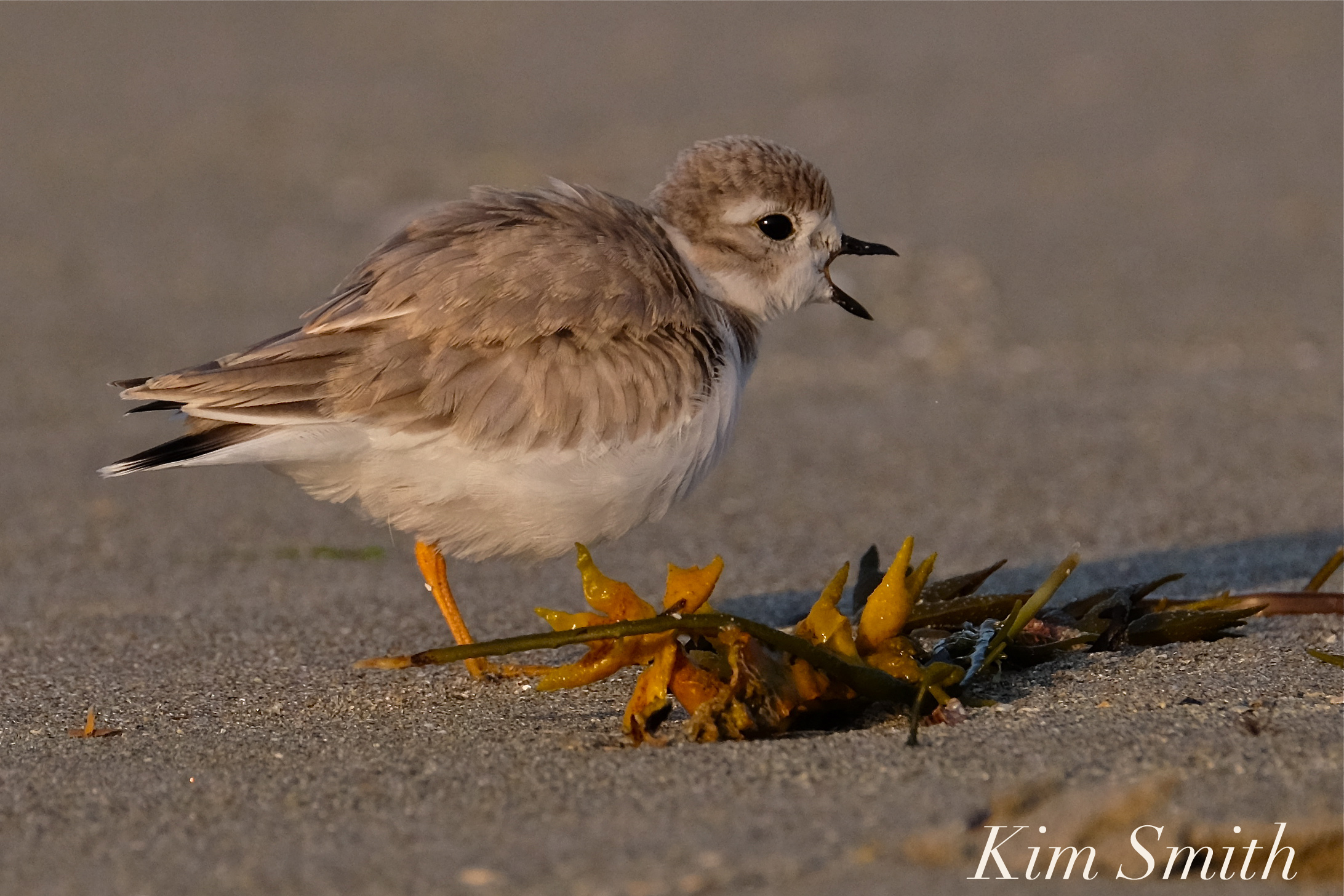
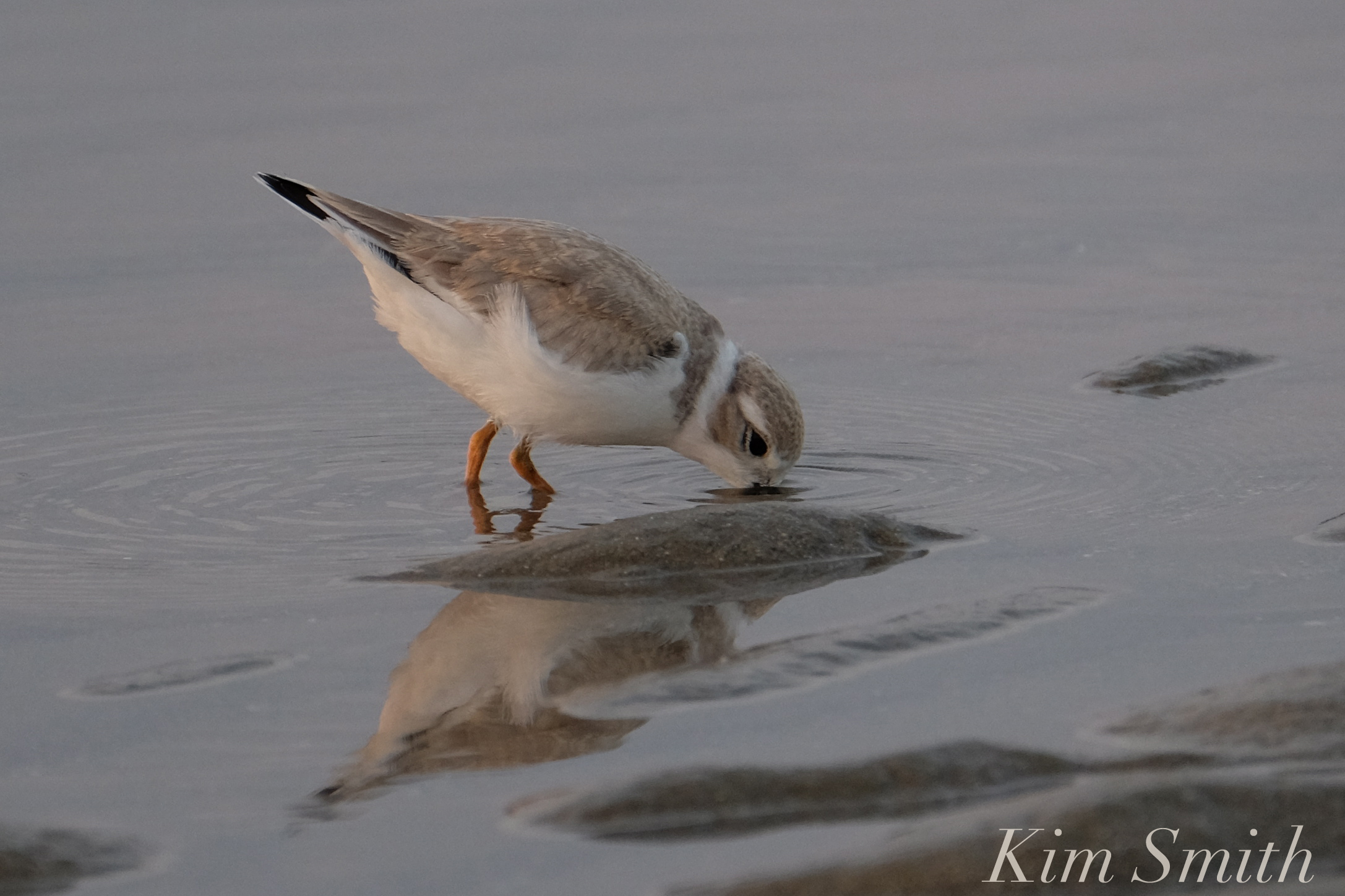
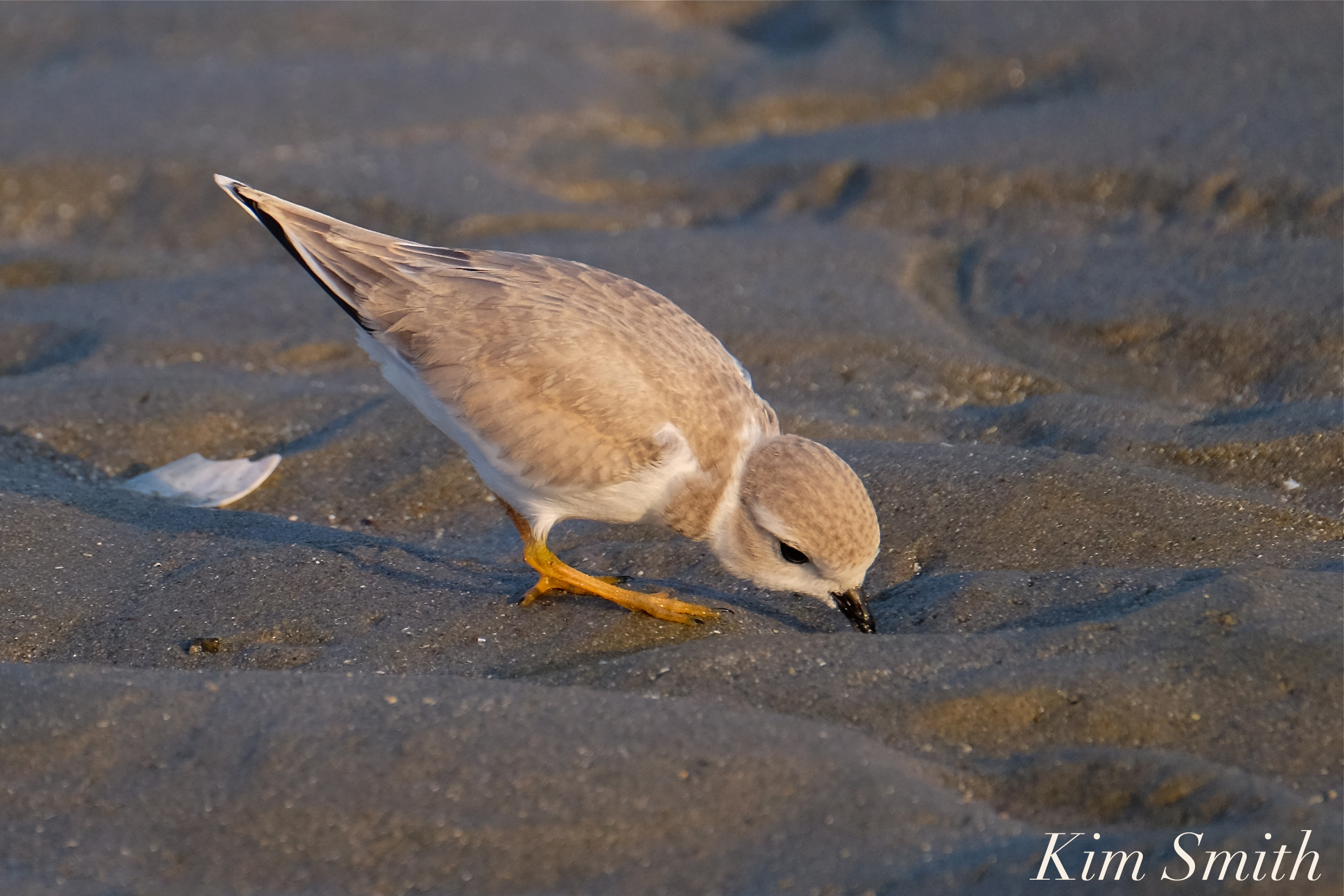
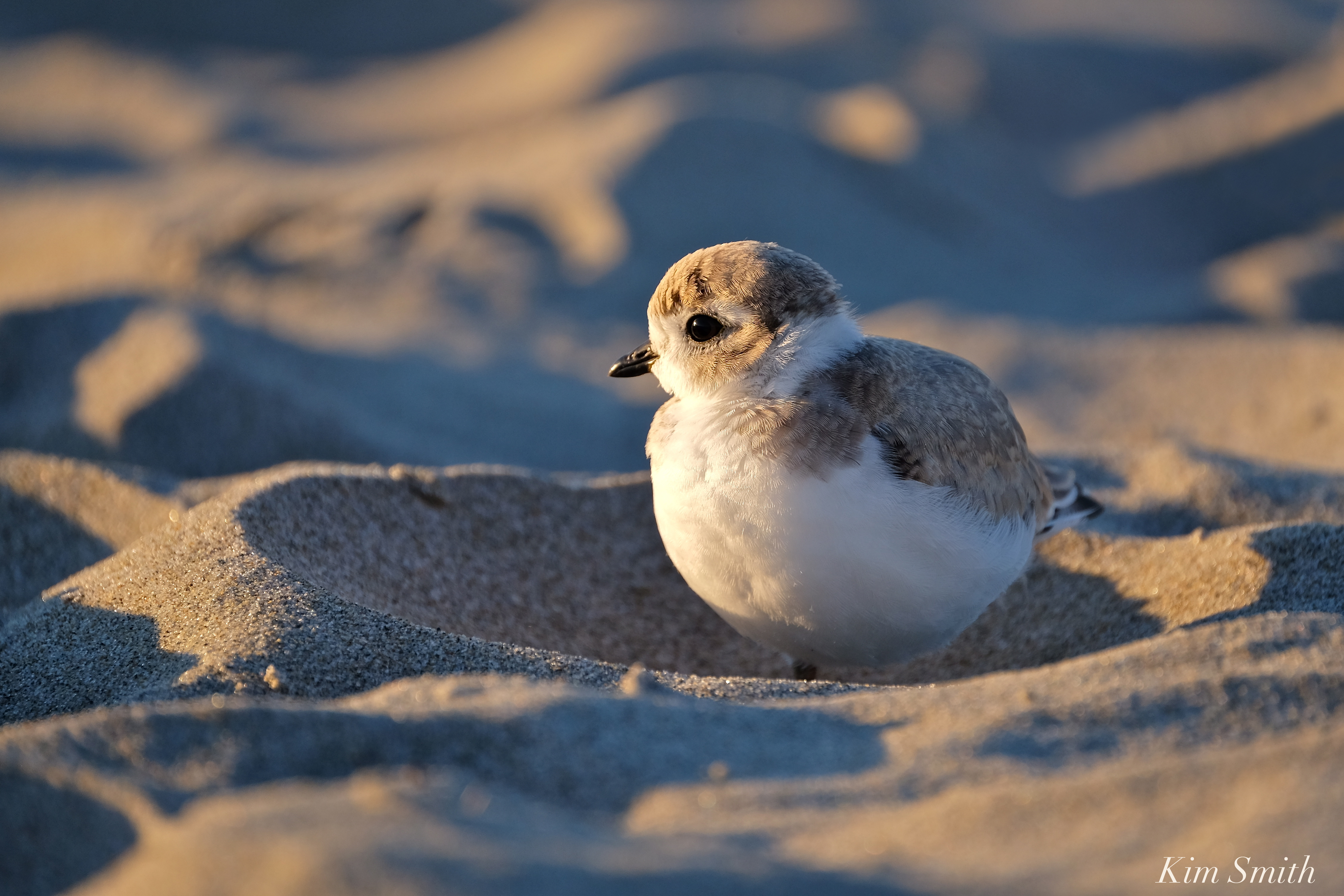
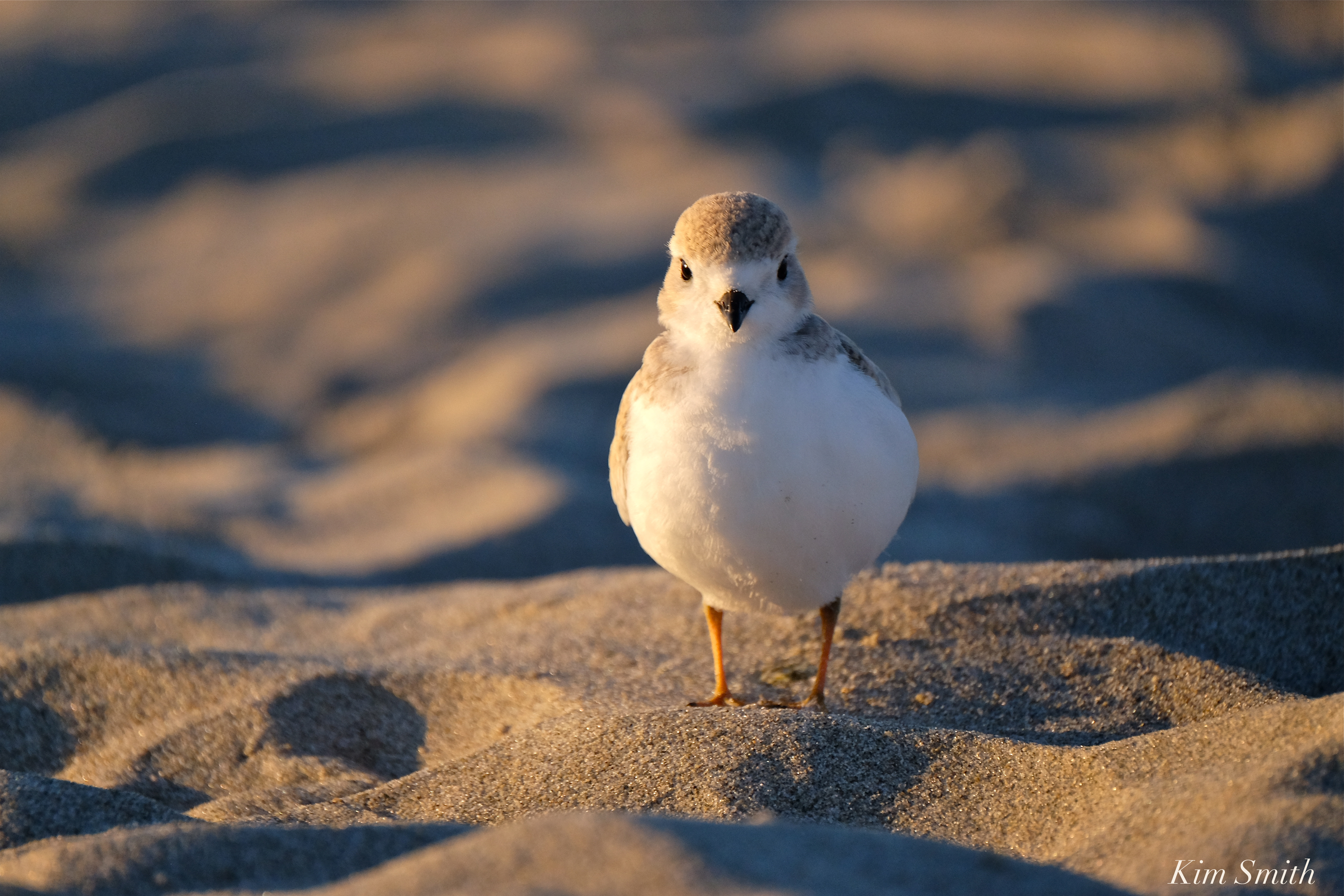
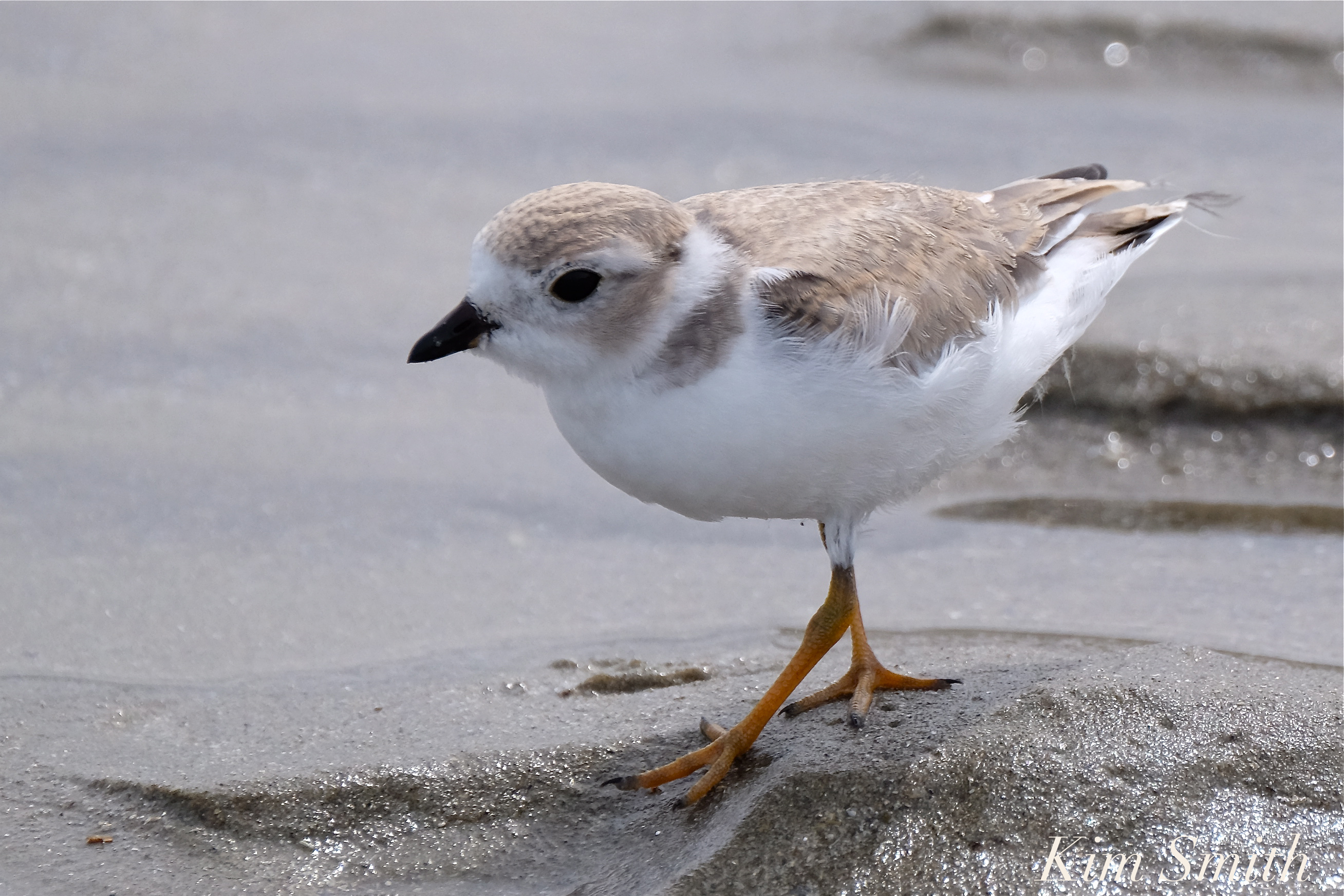
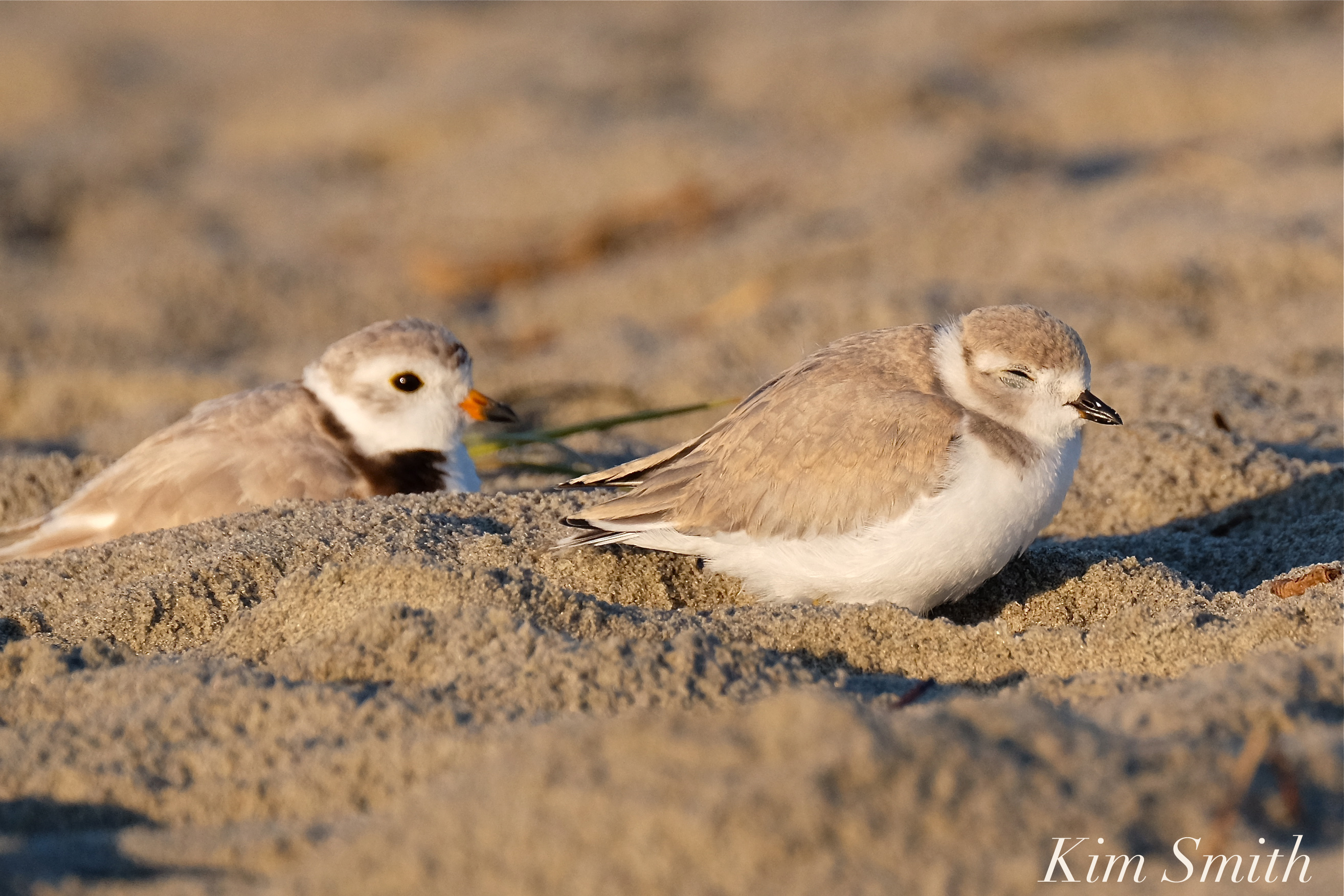
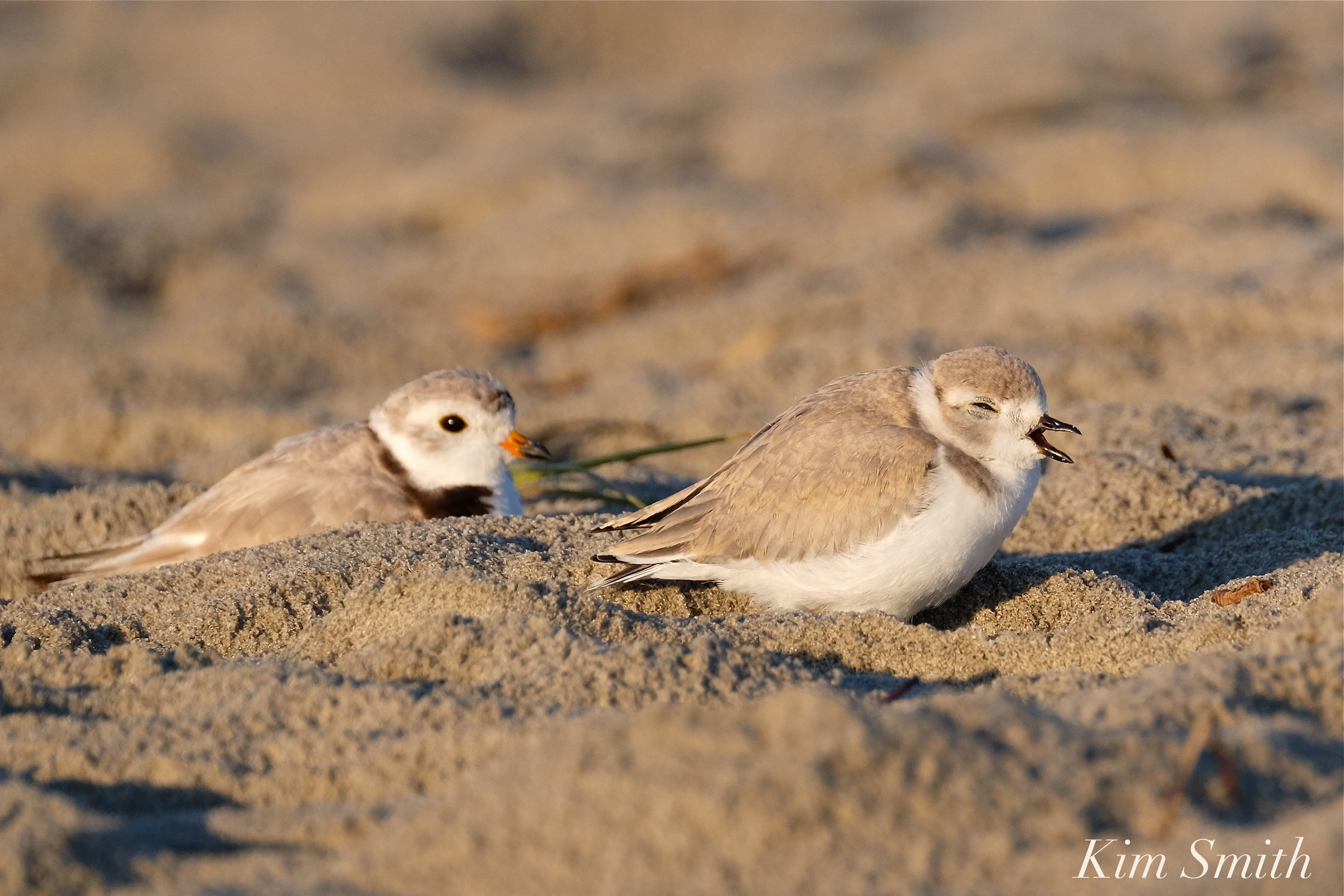
Currently there are four PiPl at Good Harbor Beach. One very bonded pair (excellent possibility that it is our Mama and Papa Plover from the past two summers) and two unattached males. The above photo is of one of the two bachelors.

FENCING IS URGENTLY NEEDED FOR THE NESTING PIPING PLOVERS!! PLEASE SHARE THIS POST

The Piping Plovers are nesting between Good Harbor Beach entrance #3 and the footbridge area. They have been here for eight days, since last Tuesday, and courtship is fully underway.

Greenbelt has not yet put up the posts and roping that the PiPl so desperately need to keep safe. In the mean time, would it be possible for dog owners to spread the word and let fellow dog owners know that on off-leash days it would be so very helpful to the Plovers if folks allowed their dogs to play from #3 entrance to the Good Harbor Beach Inn? That encompasses most of the beach. This would create a safe nesting zone for the PiPl.

Please share if you would. Thank you so very much for your kind help.

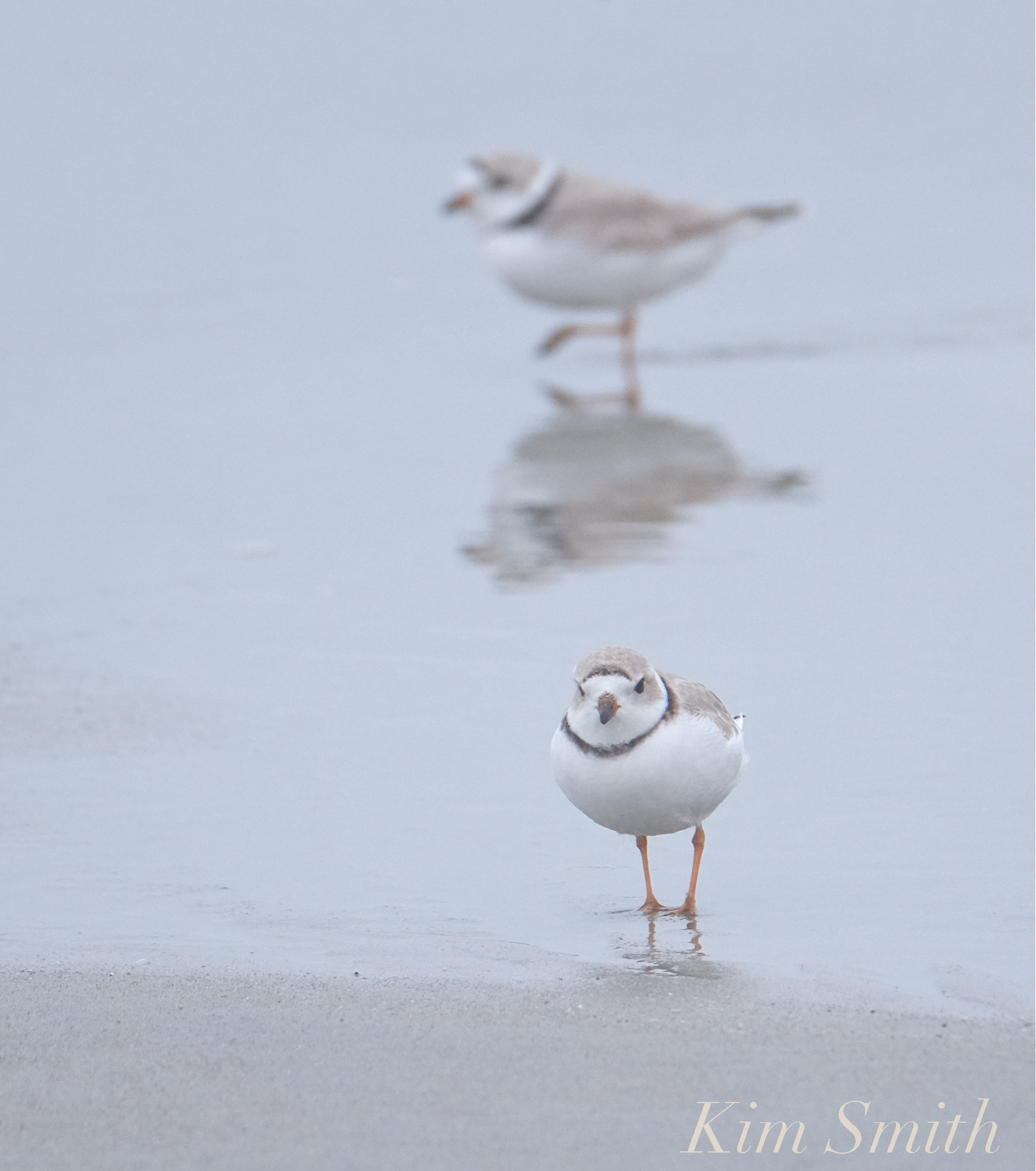
Foggy Morning Plovers Courting

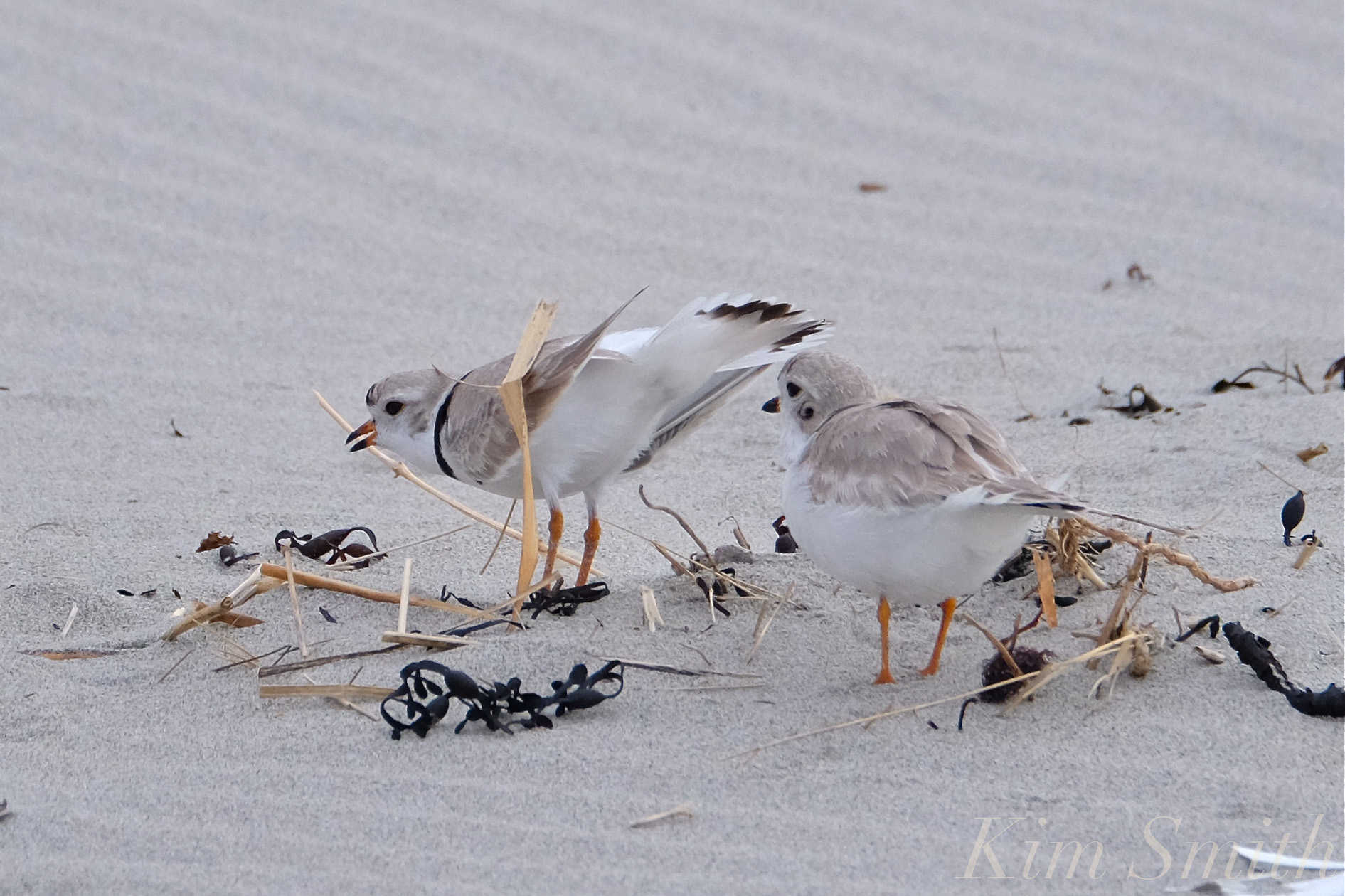
Papa creates a variety of nest scrapes by digging shallow miniature teacup-size craters in the sand.

He pipes his love call to Mama, inviting her to come inspect the potential nest site.  

And adds some dried bits of seaweed to the nest to make it extra appealing to her.

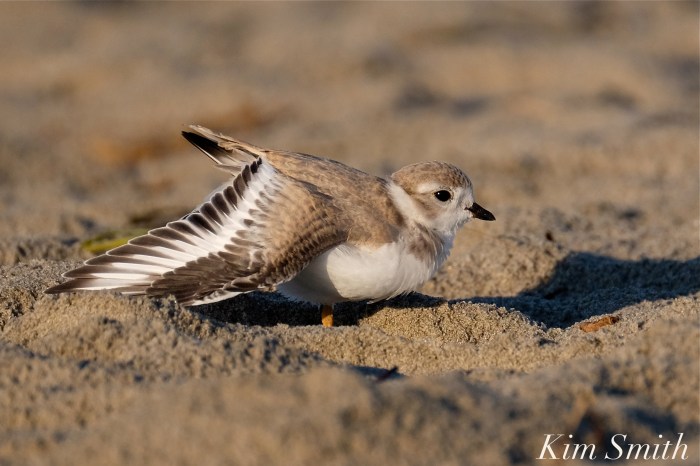
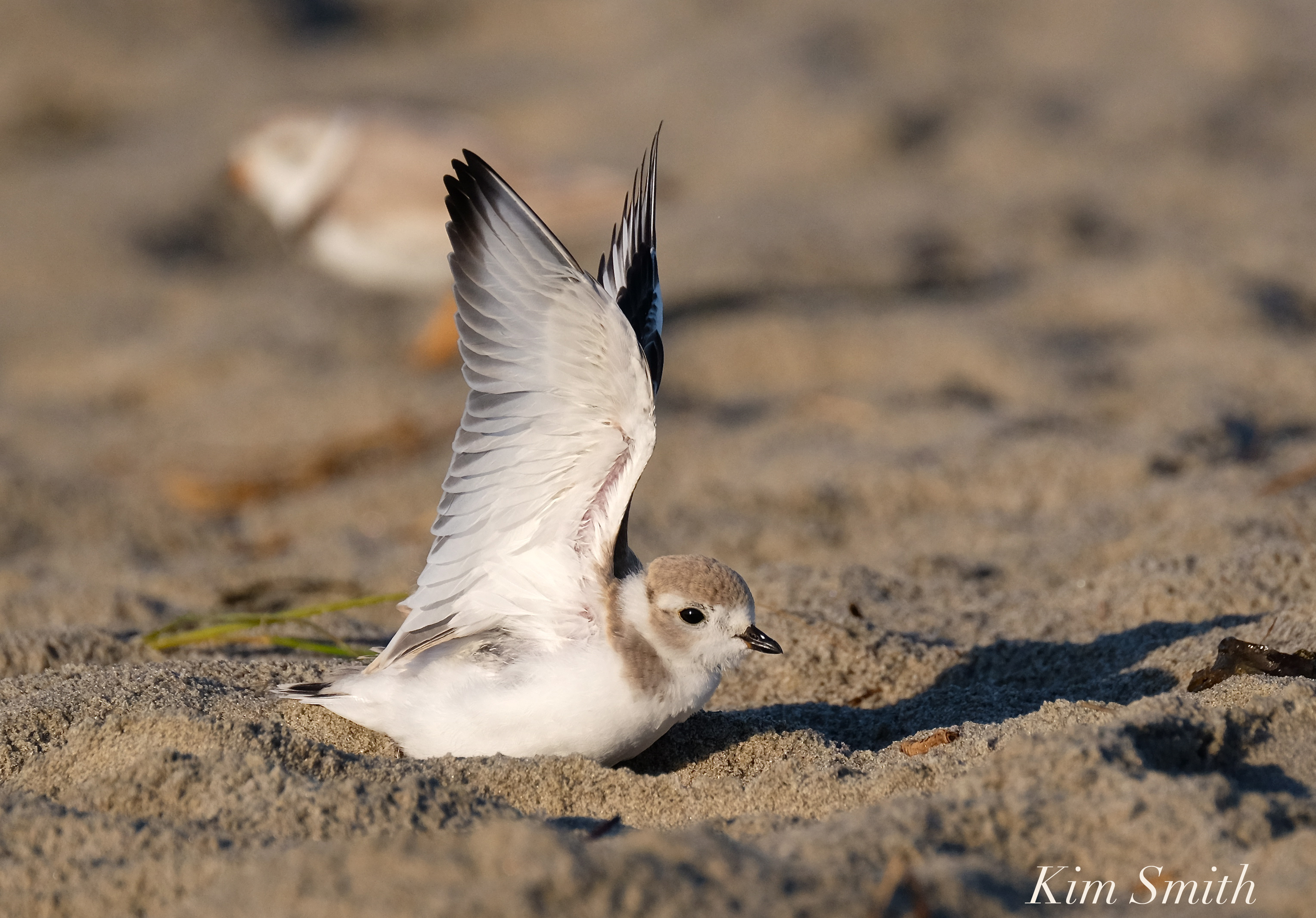
With a flourish of her wings she says NO.

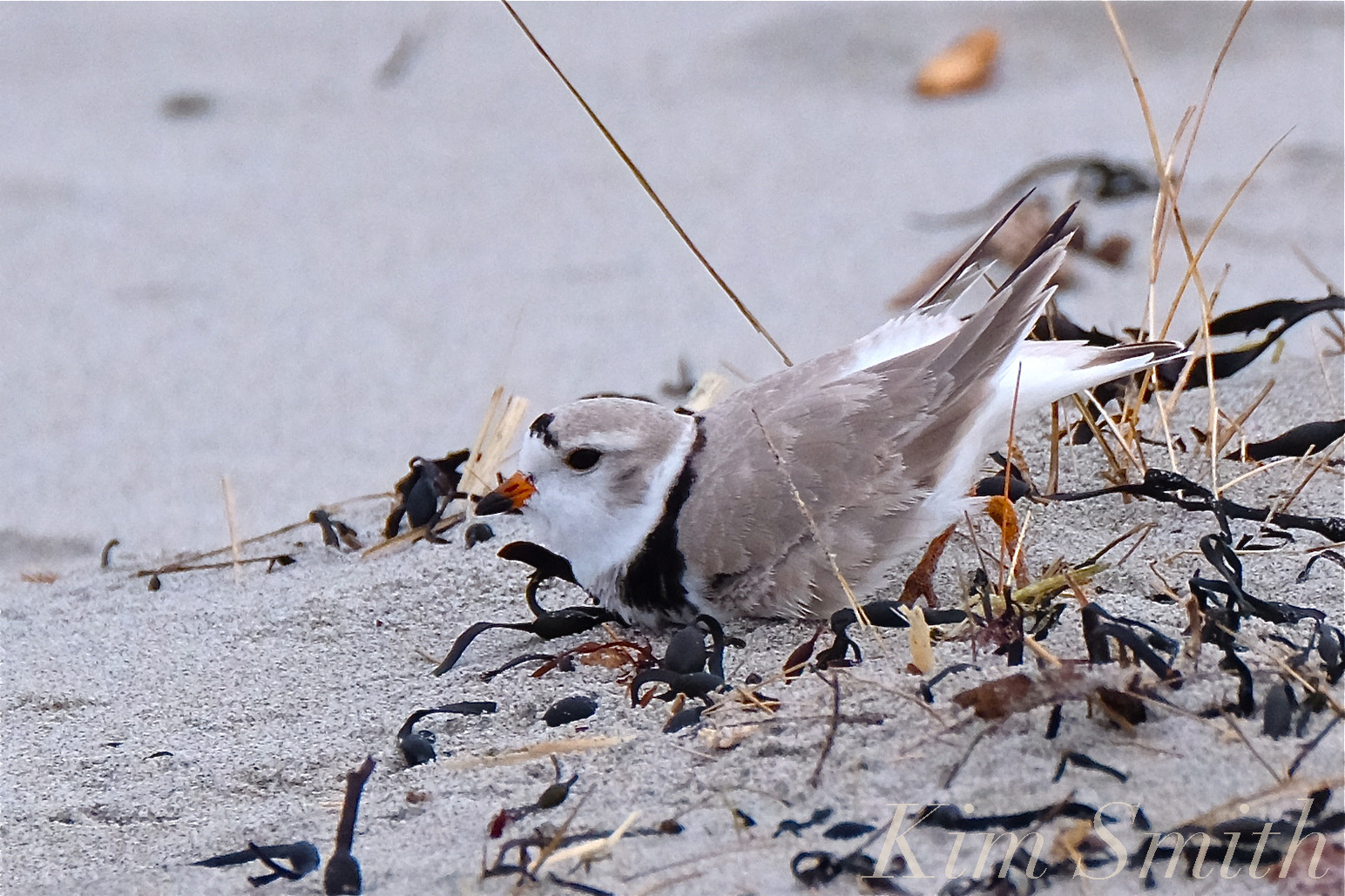
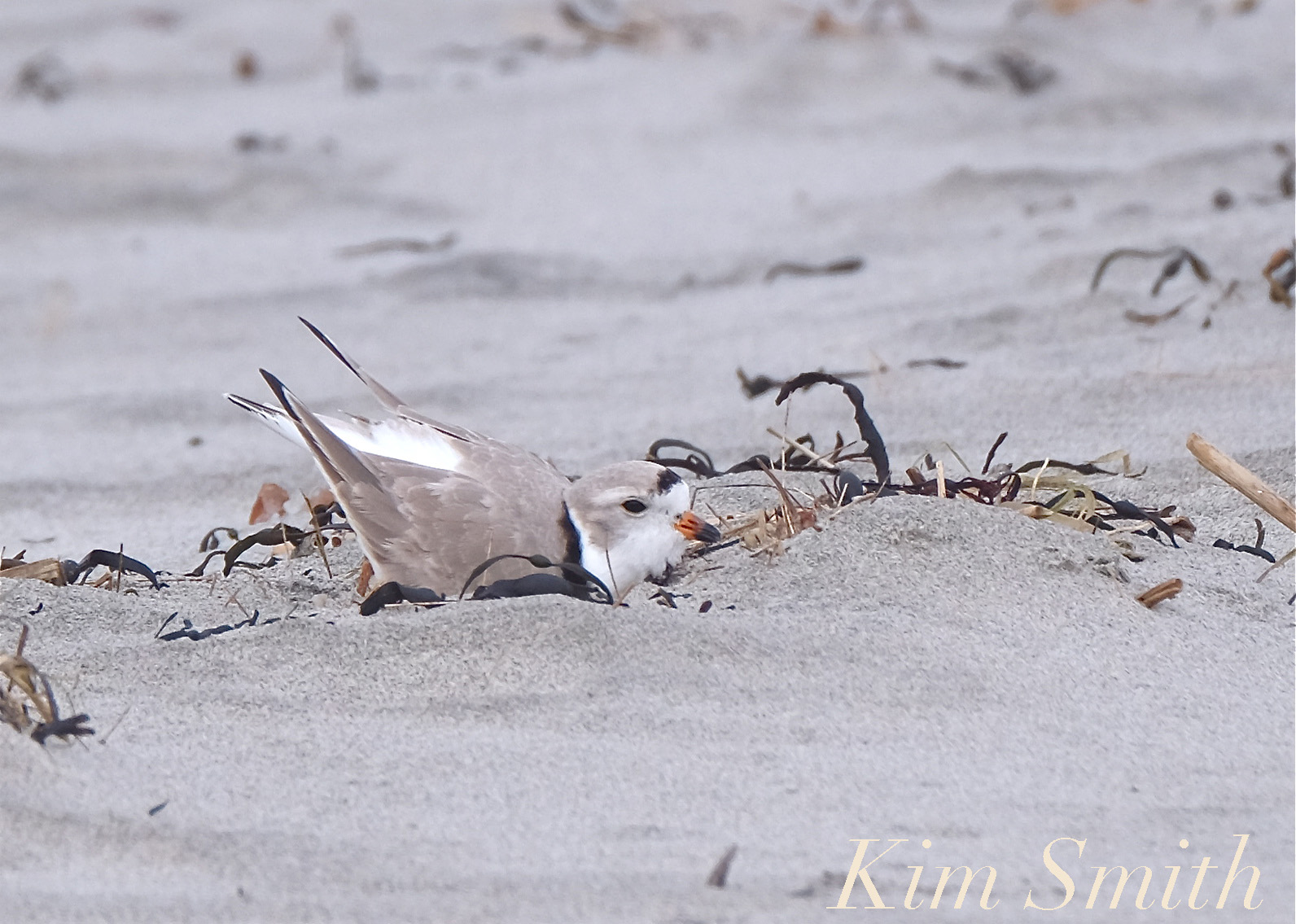
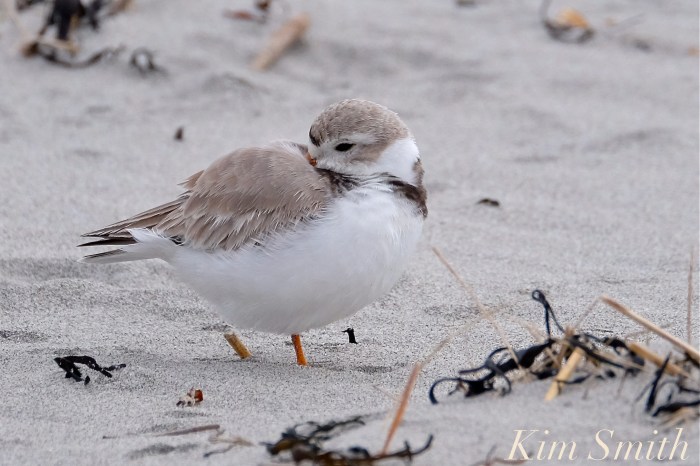
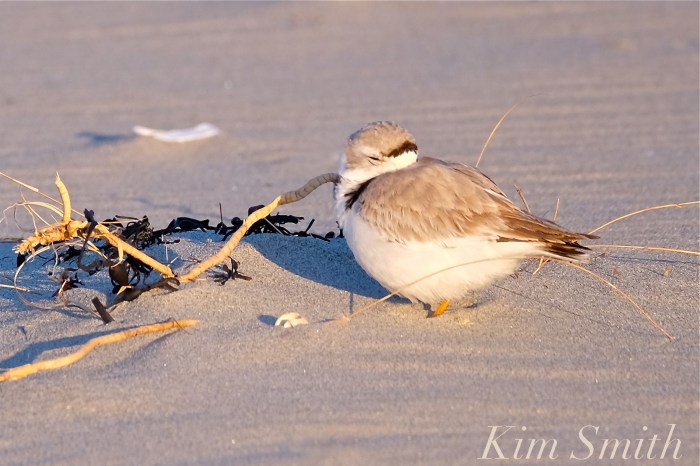
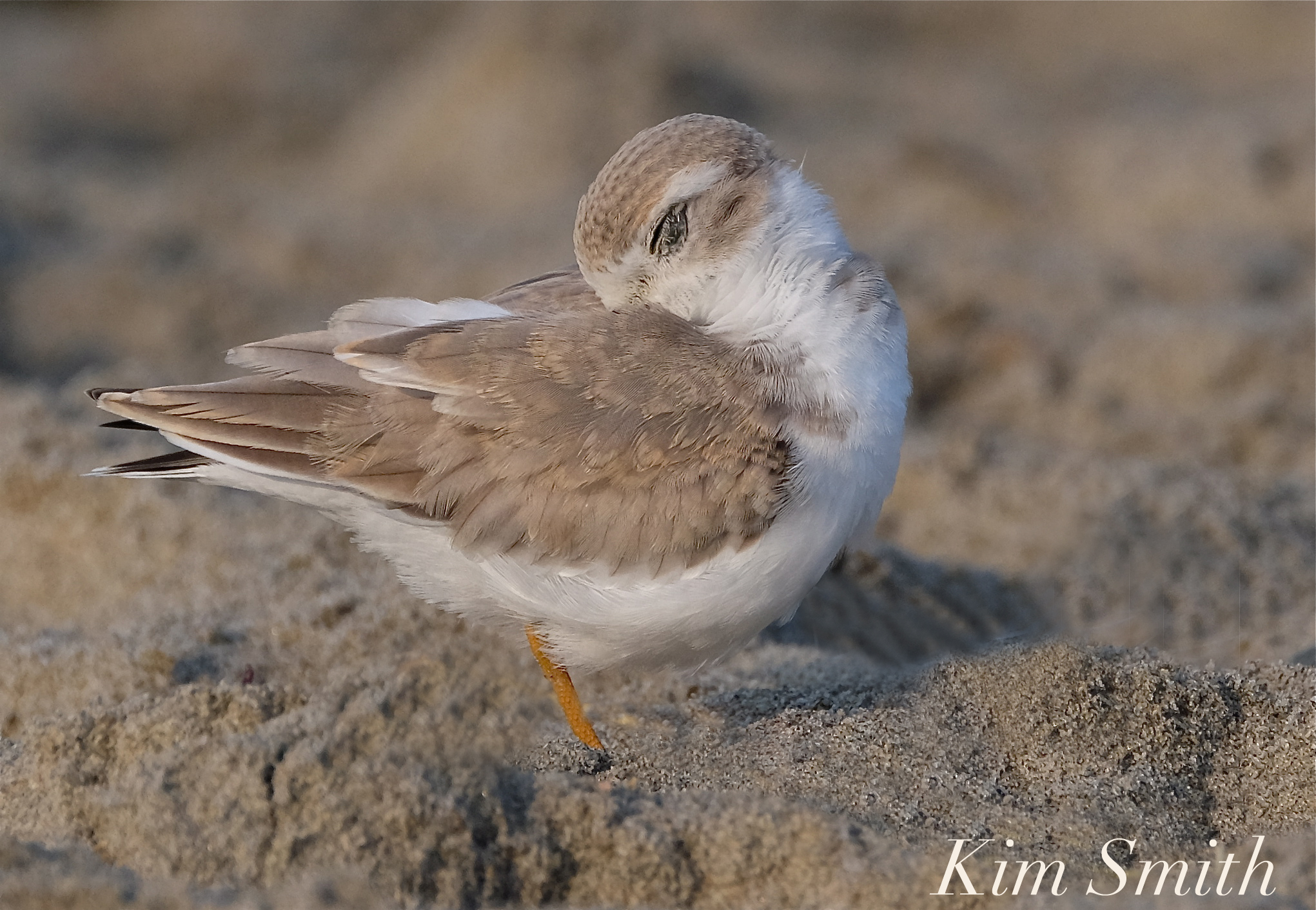
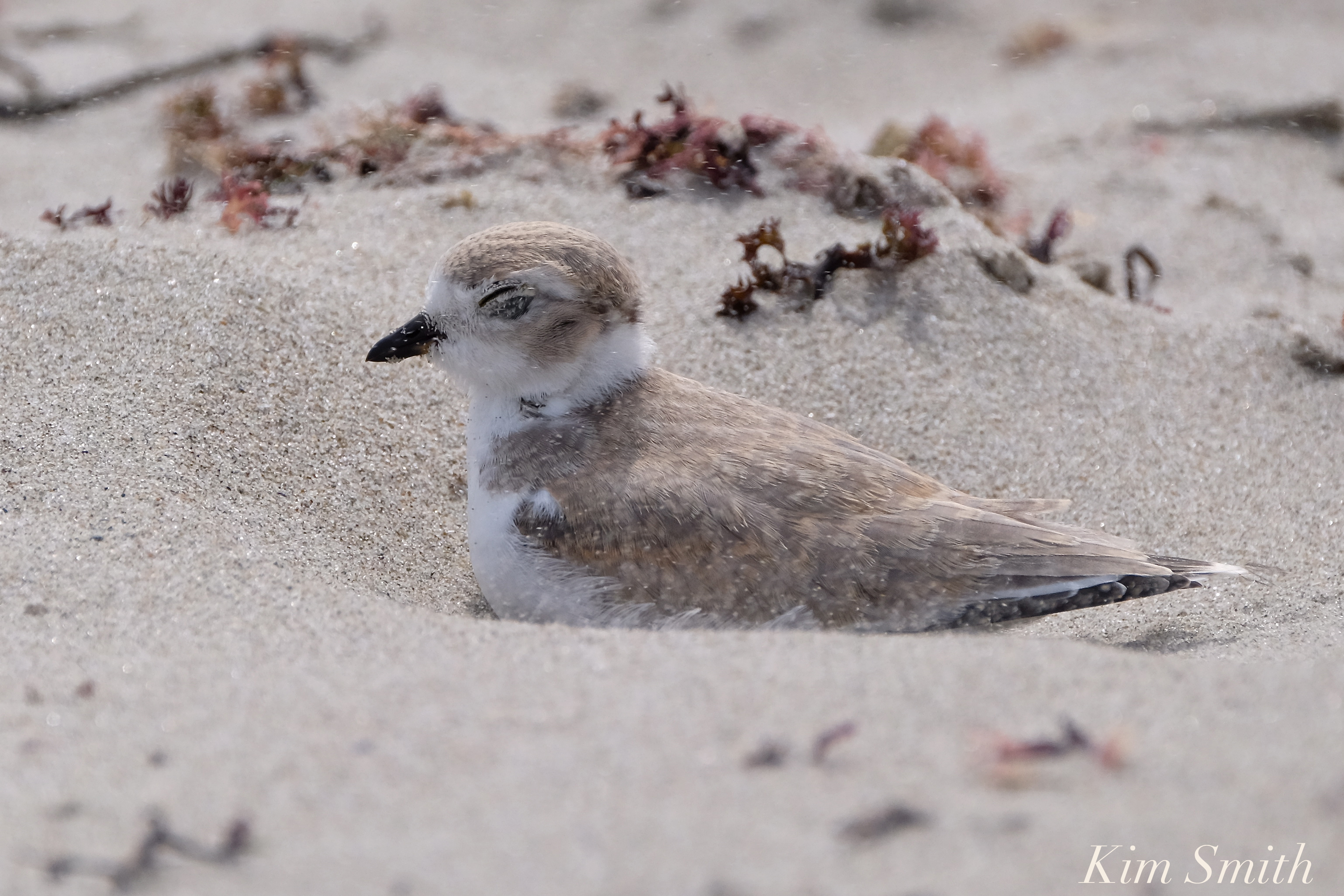
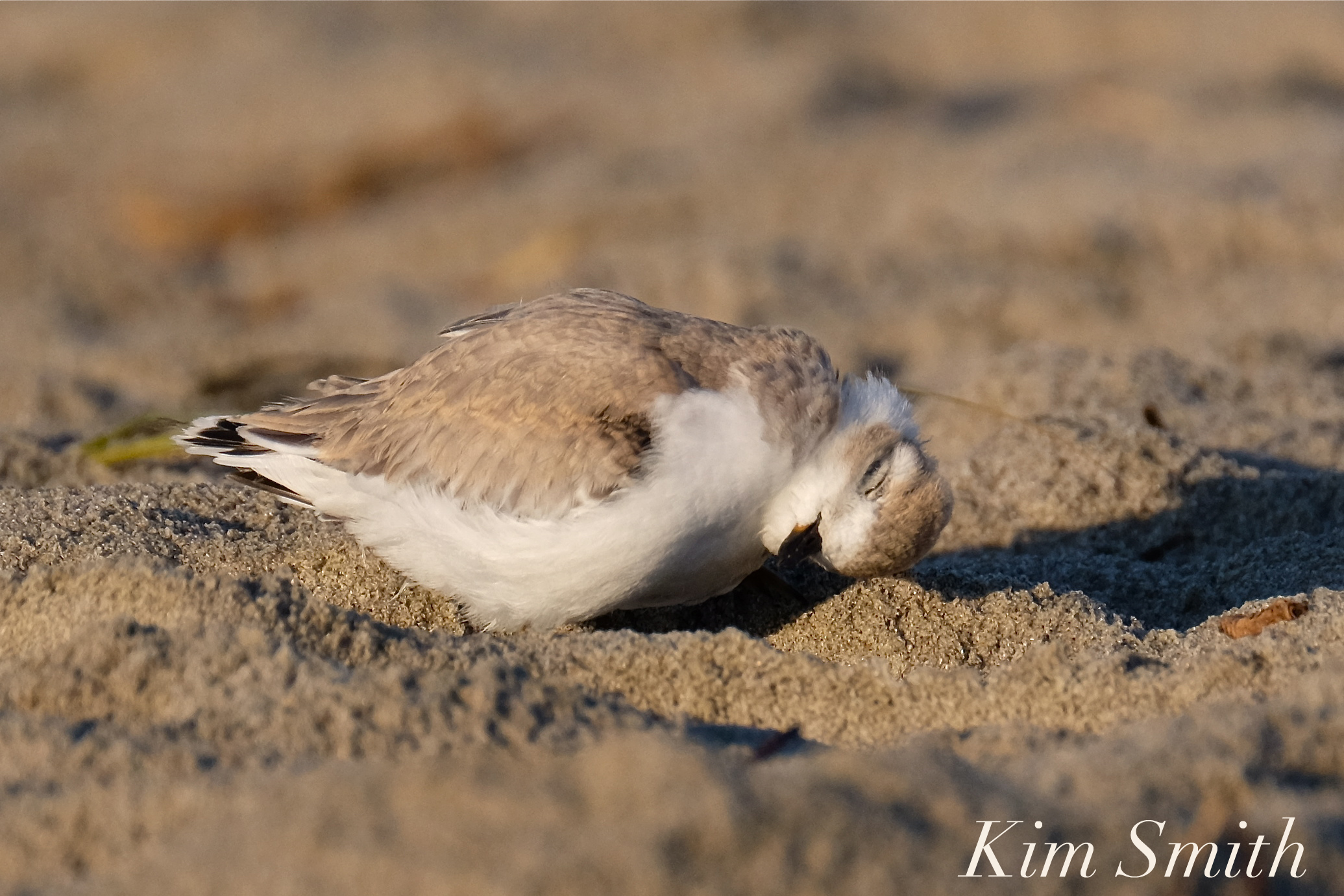
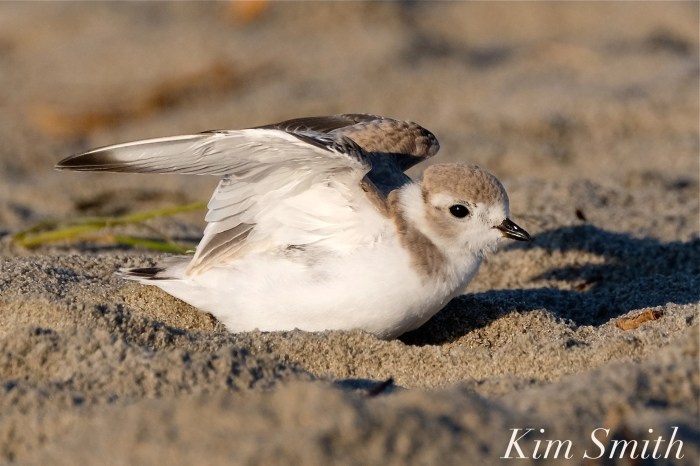
Nest inspecting is very tiring and Mama takes a nap in between inspections (even though Papa is doing all the work!)
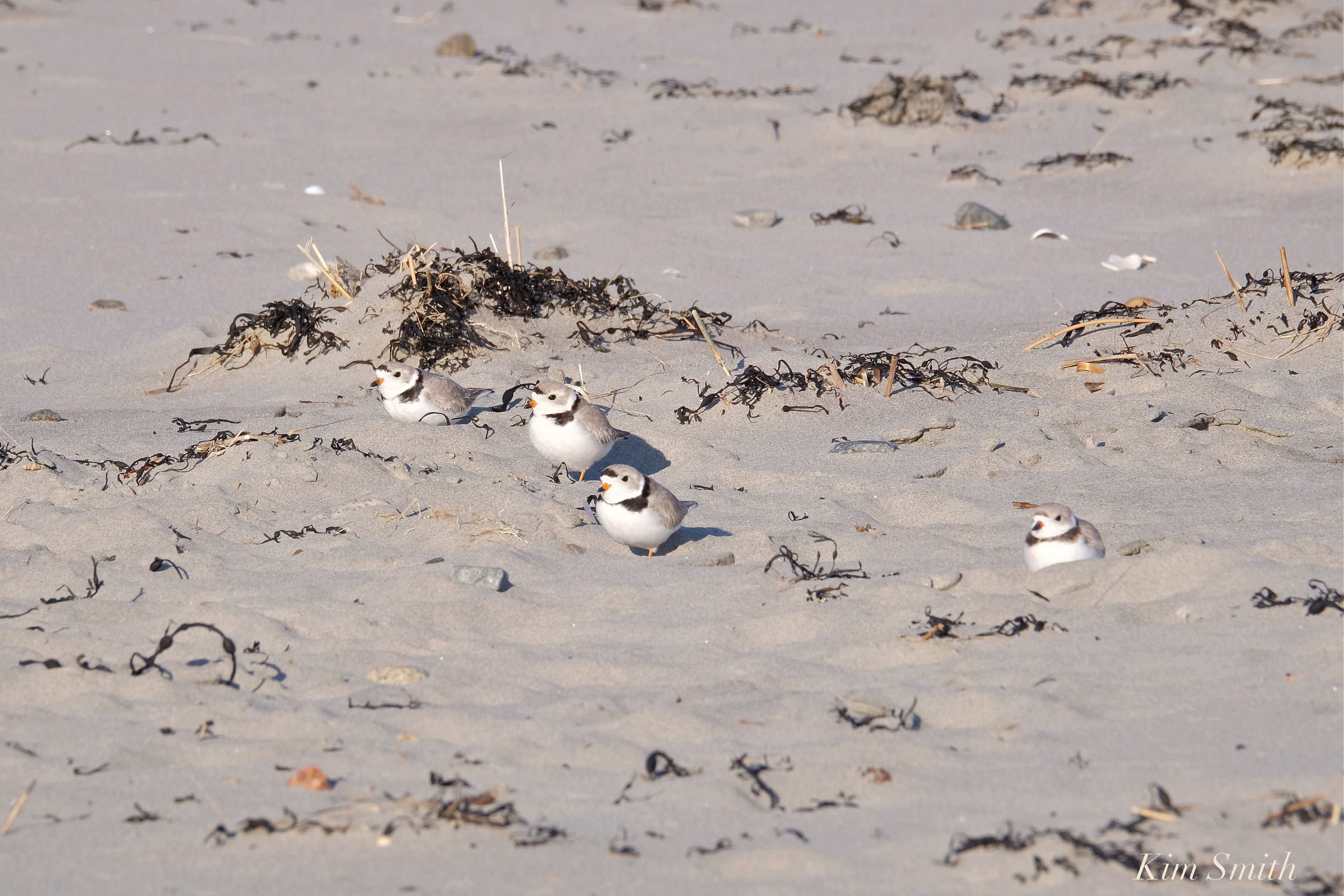
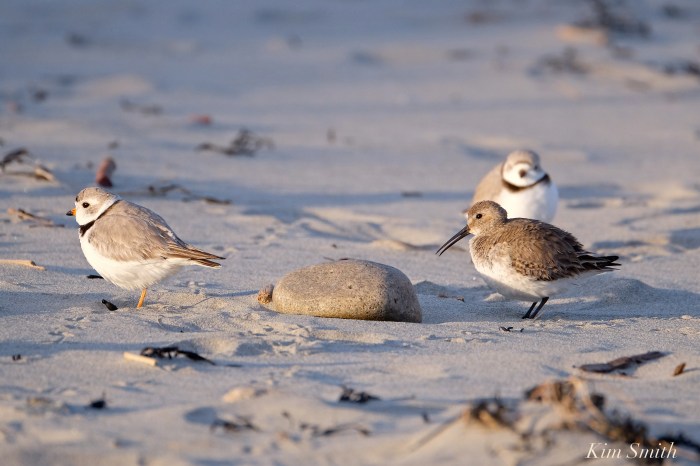
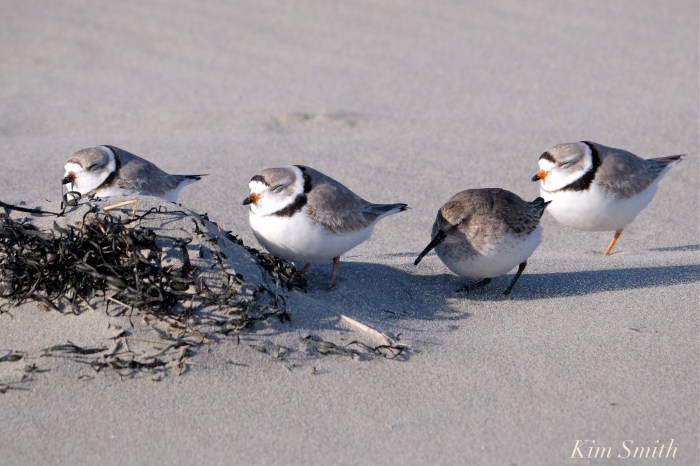
NOT THREE BUT FOUR PIPING PLOVERS ON GOOD HARBOR BEACH! (AND ONE DUNLIN)
April 7th

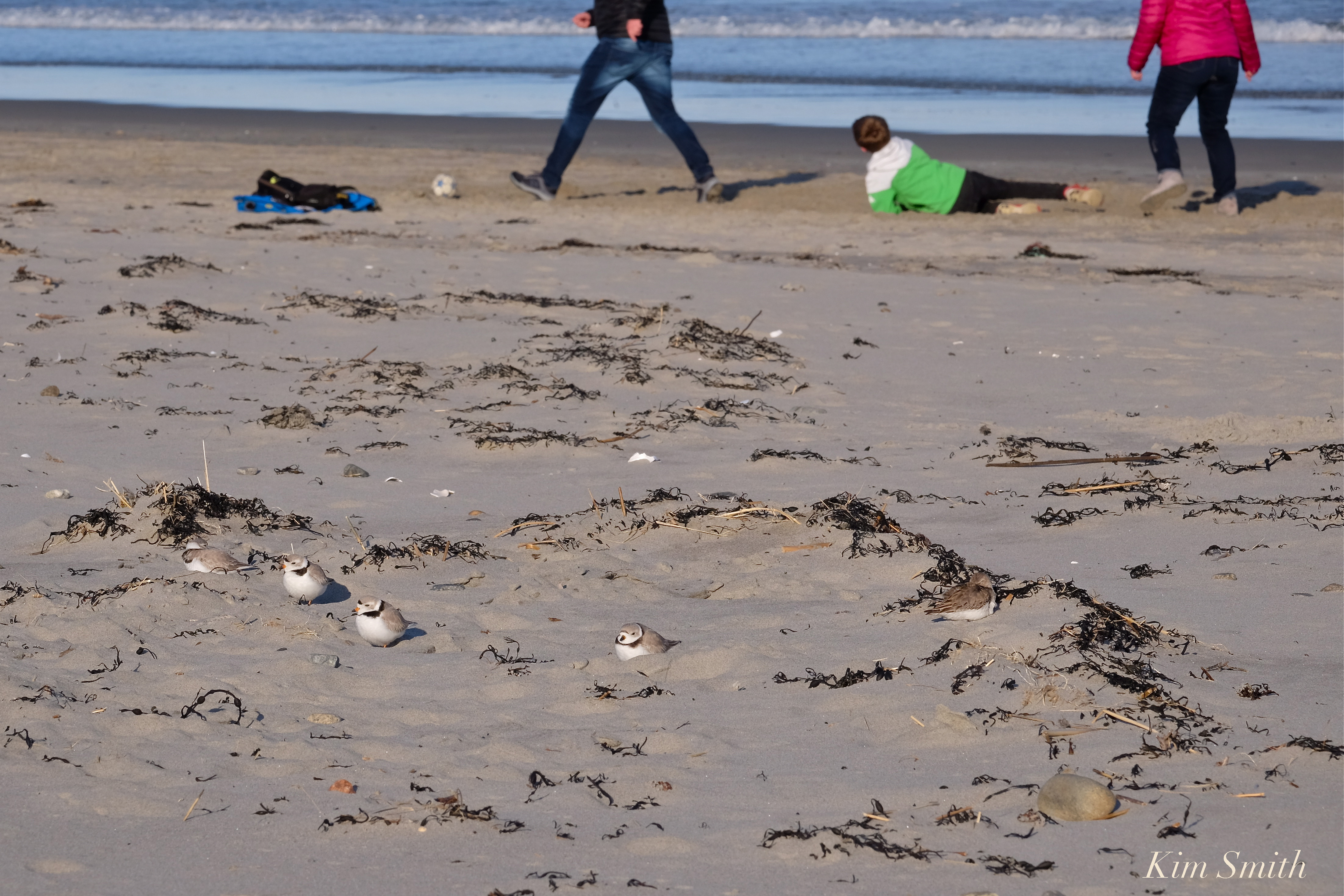
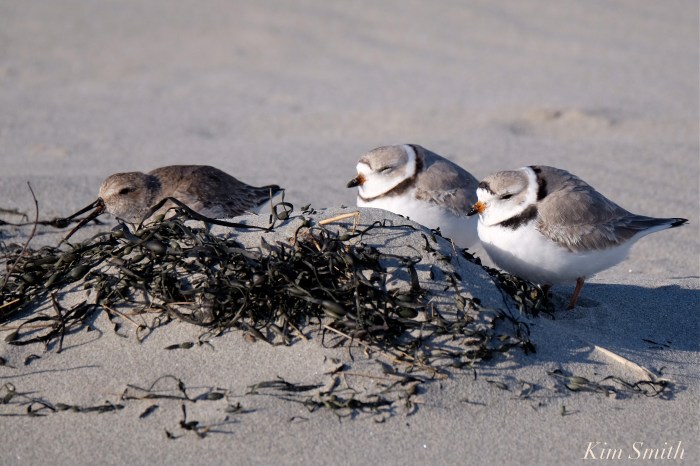
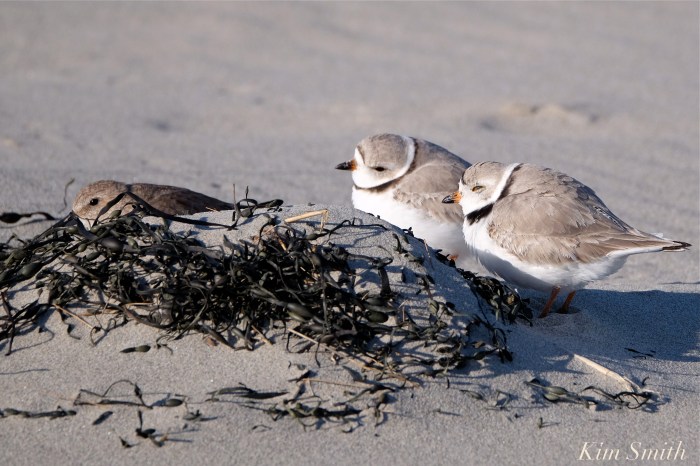
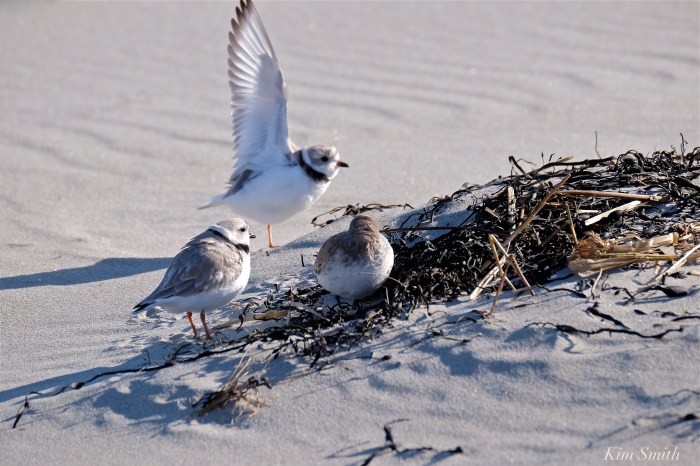
Saturday at 5:30pm and there are not three, but four PiPl!! The Dunlin is still here and doing everything Plover, it is so funny to see. I think we have three males and one female.

They were sleeping at the wrack line but as the sun was setting, more and more dogs. They don’t seem to mind people playing in close proximity, but then a bunch of dogs ran through where they were resting and so down to the water’s edge they flew.

Sixteen off leash between 5:30 – 7pm, and it’s an on leash day. I avoid GHB during the off season because of dog owners that allow their dogs to jump on you, but it is so disheartening to see them running wild through the dunes. So much habitat destruction taking place. How will the dog owners respond when they learn the Piping Plovers have returned and are nesting again at GHB I wonder.

April 8th

Total mayhem on the beach. Dogs are everywhere, on the shoreline, the wrack zone, and running completely wild through the dunes. One knocked me over. I love dogs but this is crazy. The PiPl don’t have a chance and it’s too distressing to watch them try and rest and forage and nest and constantly be chased off.

Precisely where they were sleeping at the wrack line, a couple threw their dog’s tennis ball right smack at the PiPl. So startled, I and the PiPl both jumped up half a foot, before they flew off. Of course the couple didn’t know the PIPl were sleeping but it’s just really, really frustrating.

I wish so much we could do what they do at Crane’s Beach, where during the off season, dogs are allowed on a section of the beach. And at Cranes dog owners do not allow their dogs to run rampant through the dunes.

Tom came back from a walk at noon and couldn’t find the PiPl anywhere, and he is really good at spotting. I’ll check back at sunset to see if the PiPl can be found. Praying and hoping they have found a safe place.

Heartbroken. No plovers at sunset, anywhere, walked from the creek to the hotel twice. Still chaotic with dogs. Will try tomorrow at dawn.

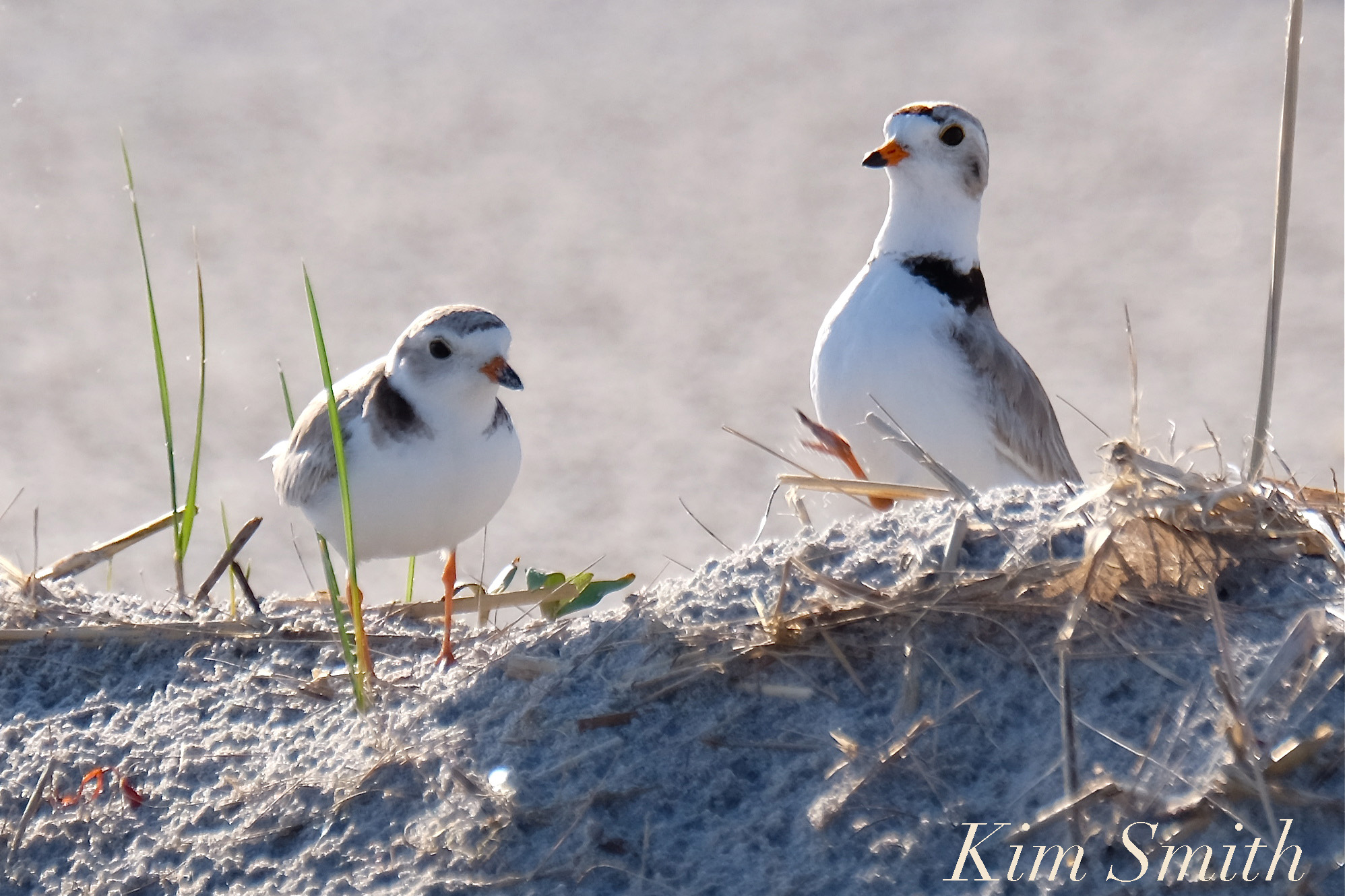
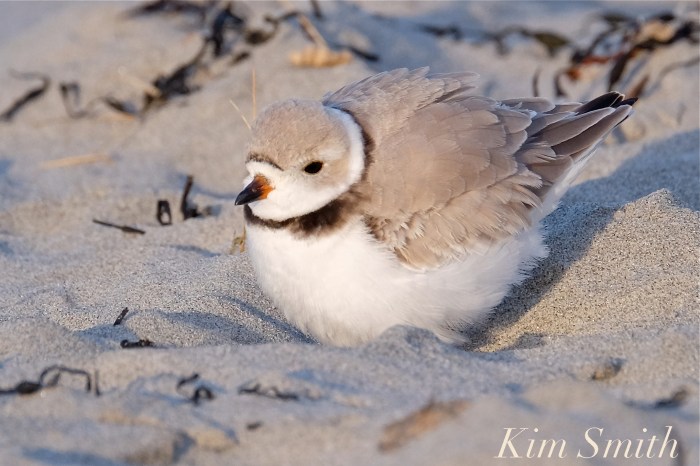
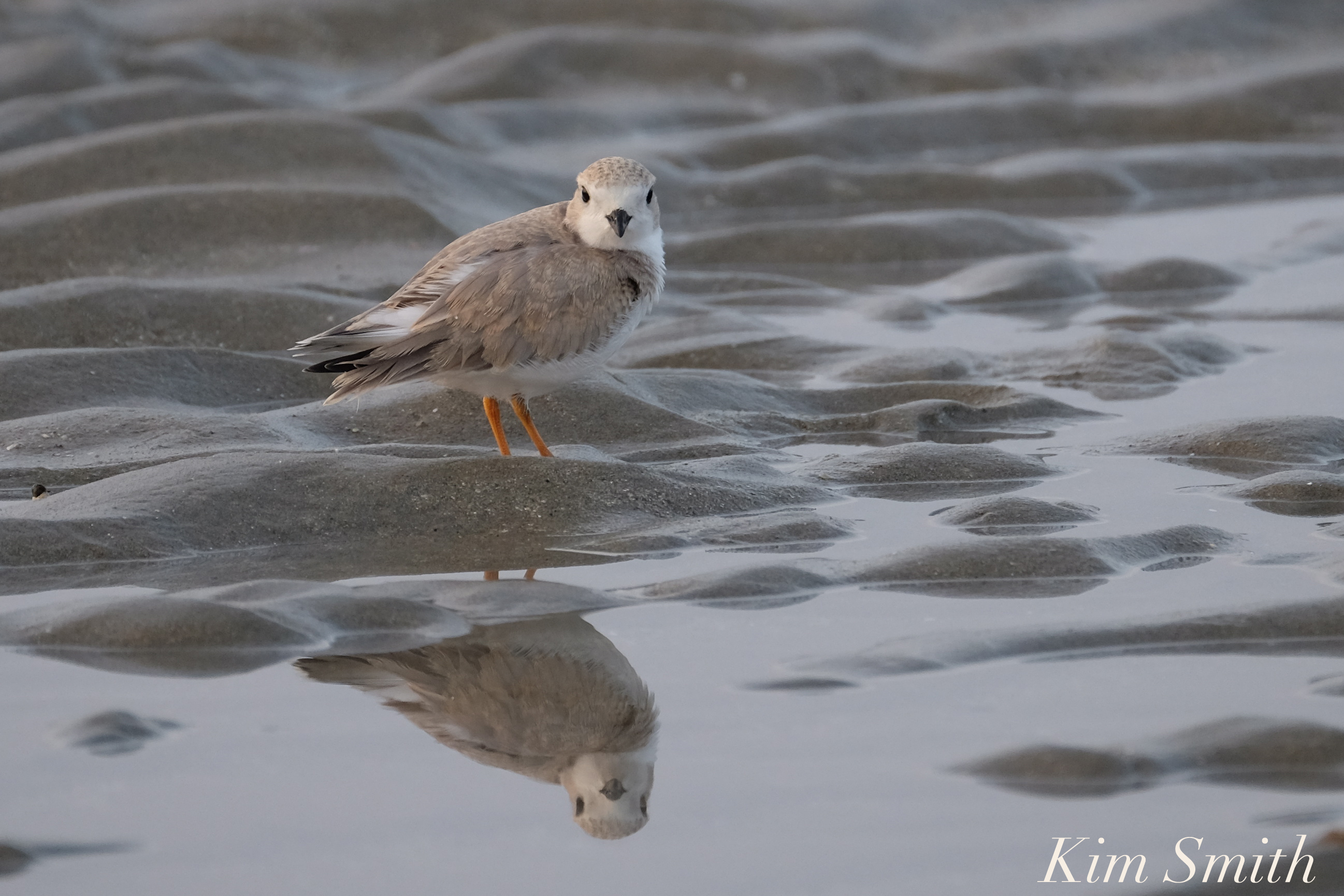
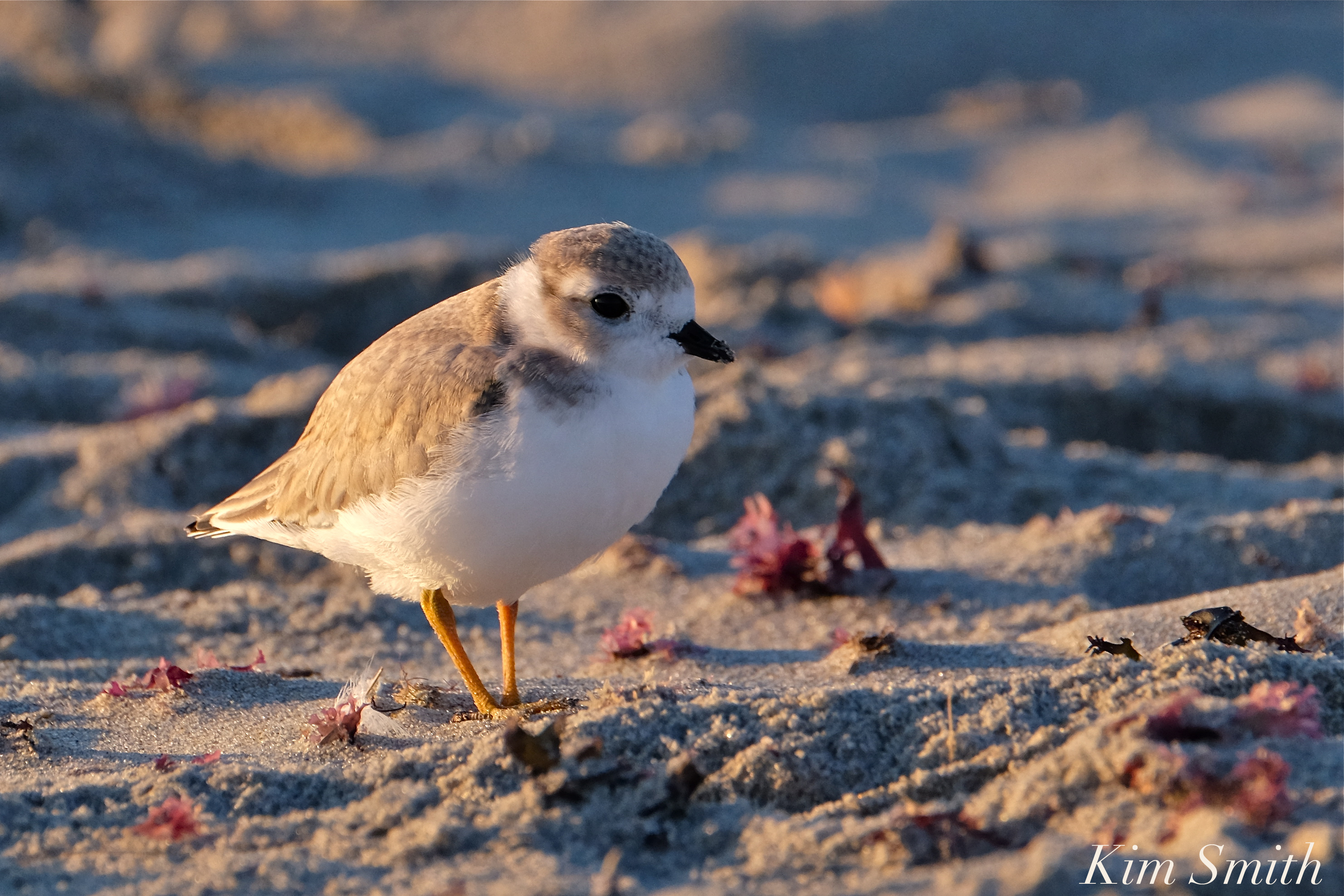
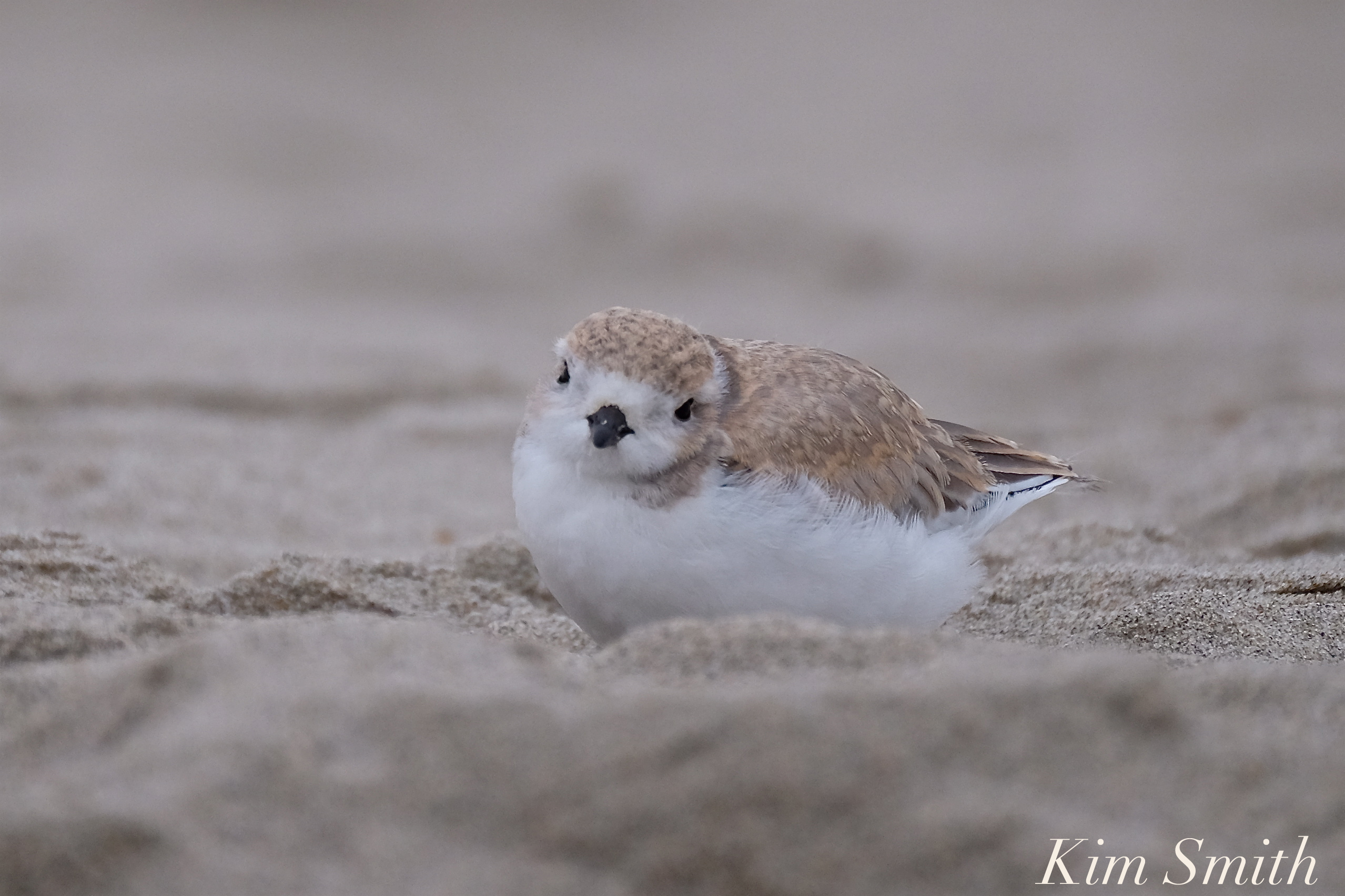
Pretty Mama Plover

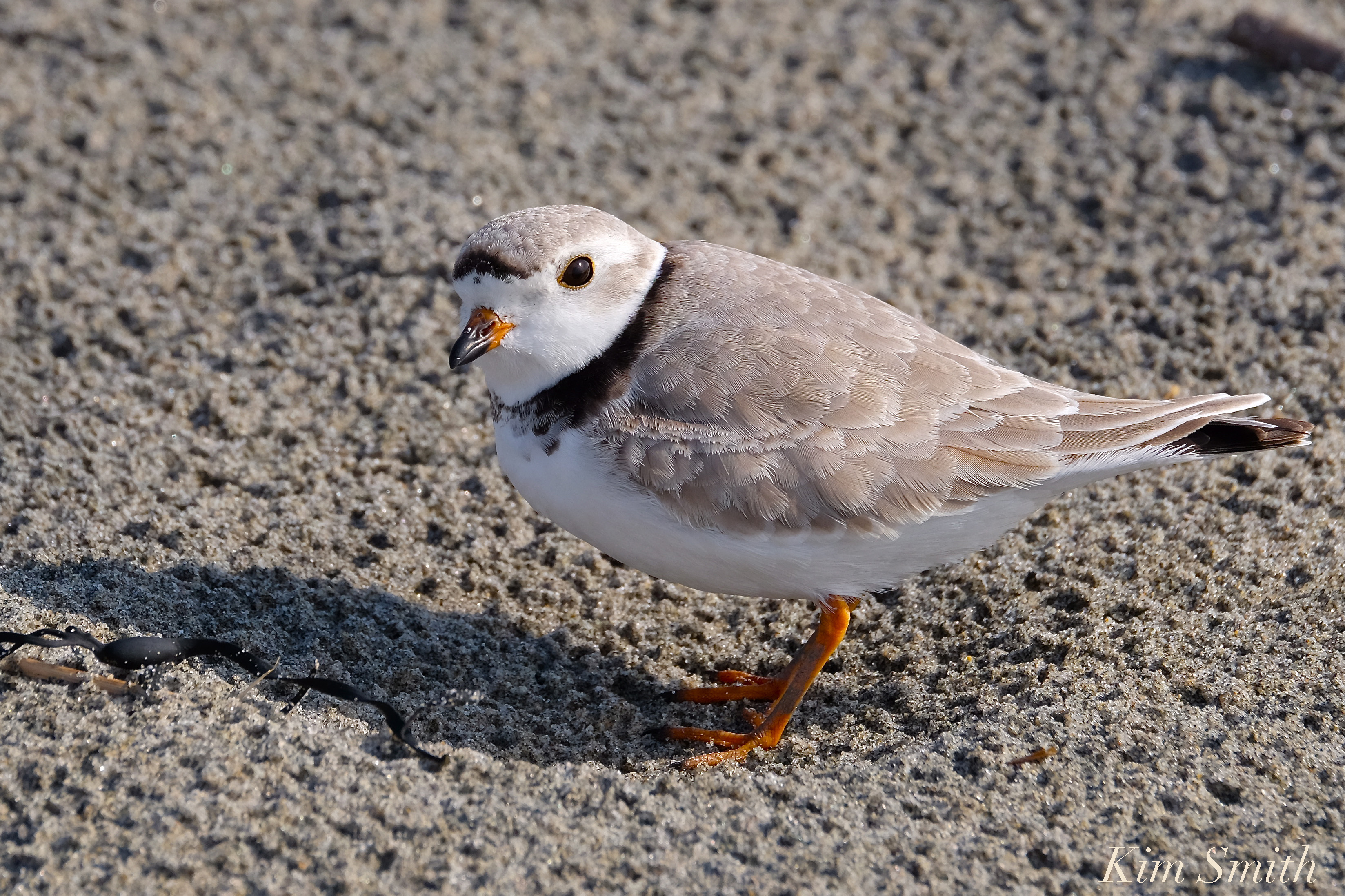
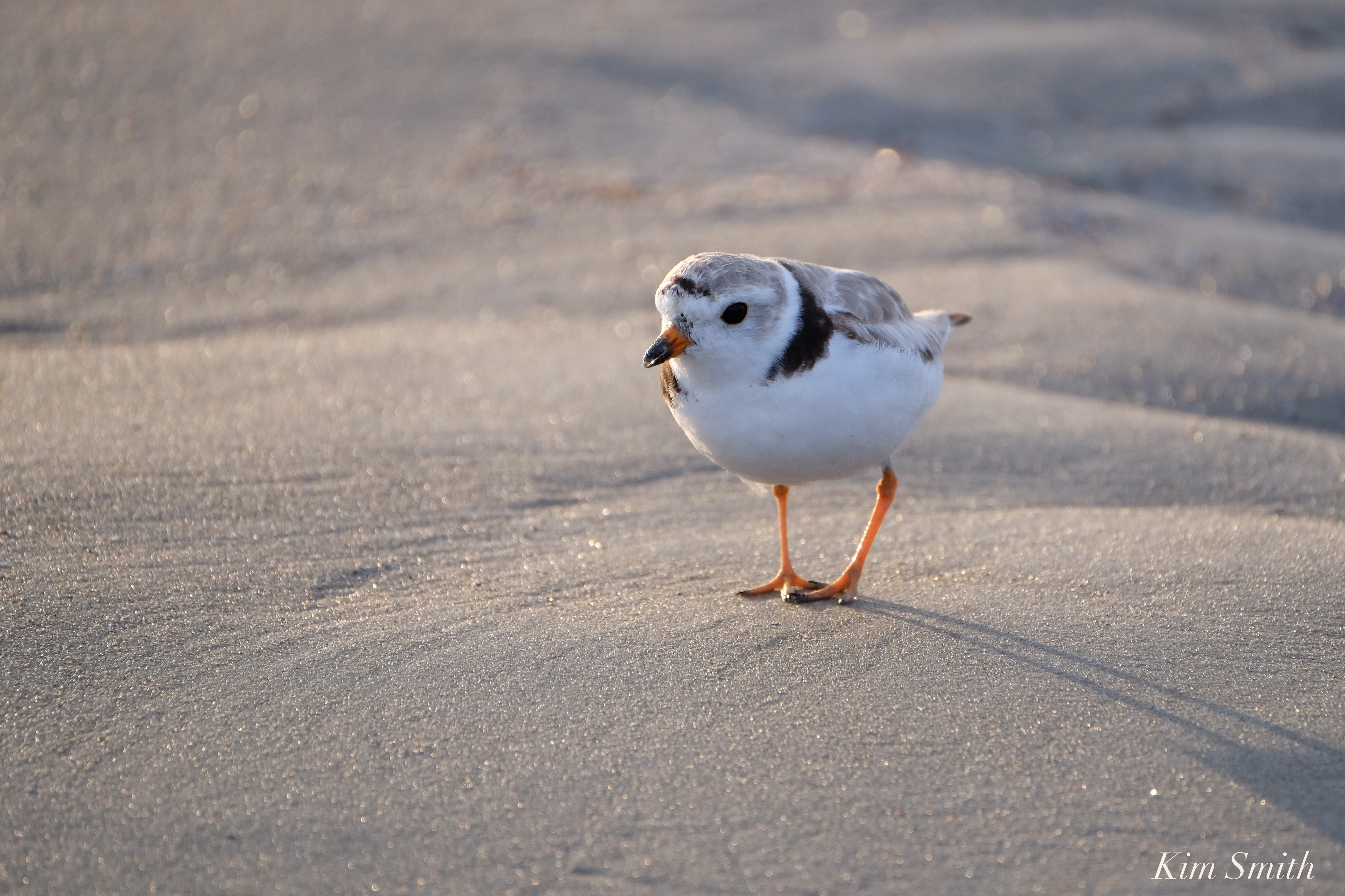
The boys of spring.

April 9th

Hooray!! Daybreak and I found them, three Plovers sleeping all in a row! Hopefully will find the other PiPl and Dunlin later today. Emailed Ken Whittaker, Gloucester’s awesome conservation agent, and we are meeting this afternoon. The goal is to get a cordoned off area in place before the next weekend when dogs are off leash. Reminder to let people know to contact Ken if they would like to help this summer by being a Plover ambassador.

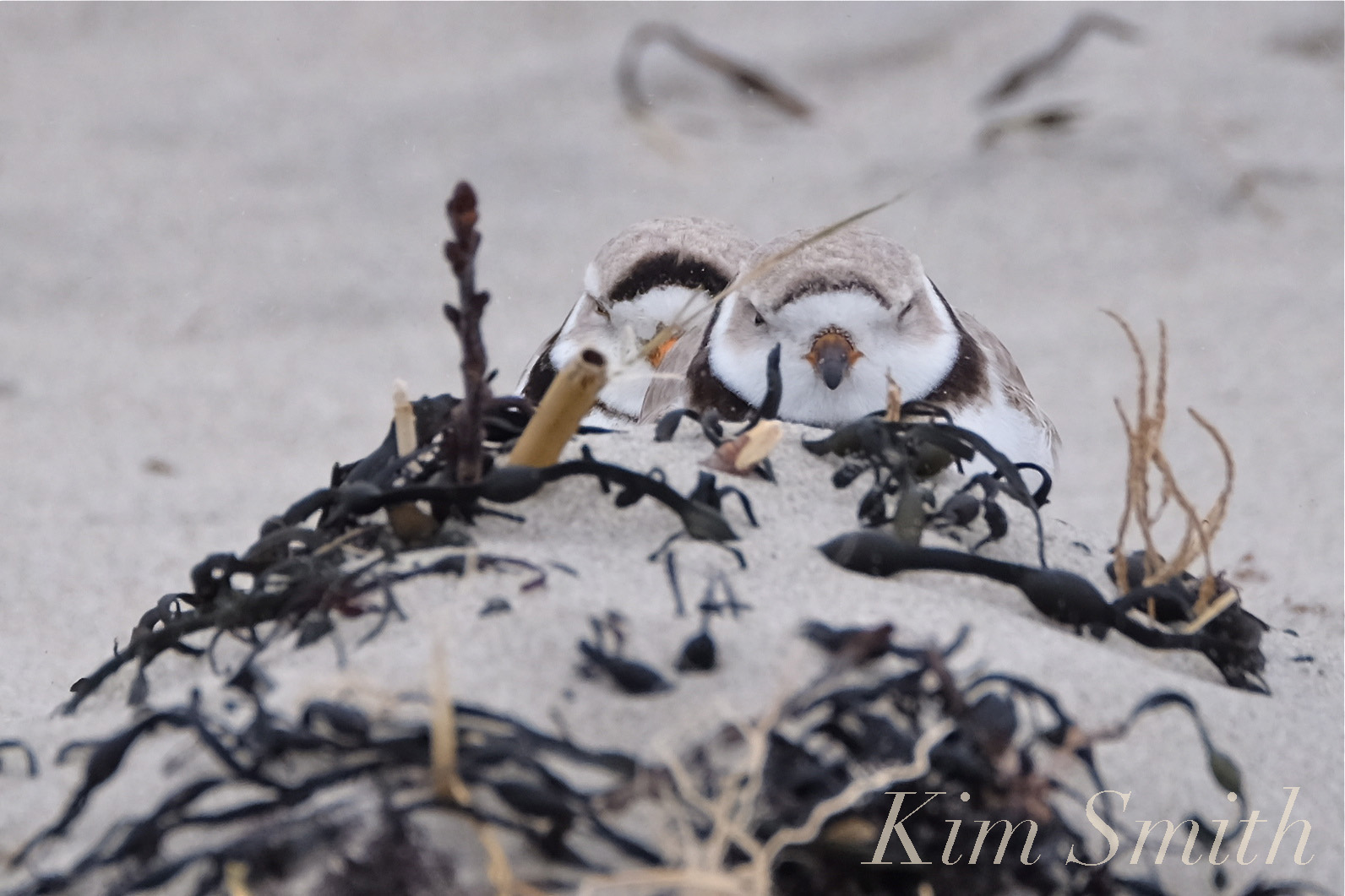
Three in a row sleeping this morning, with Mama in the middle

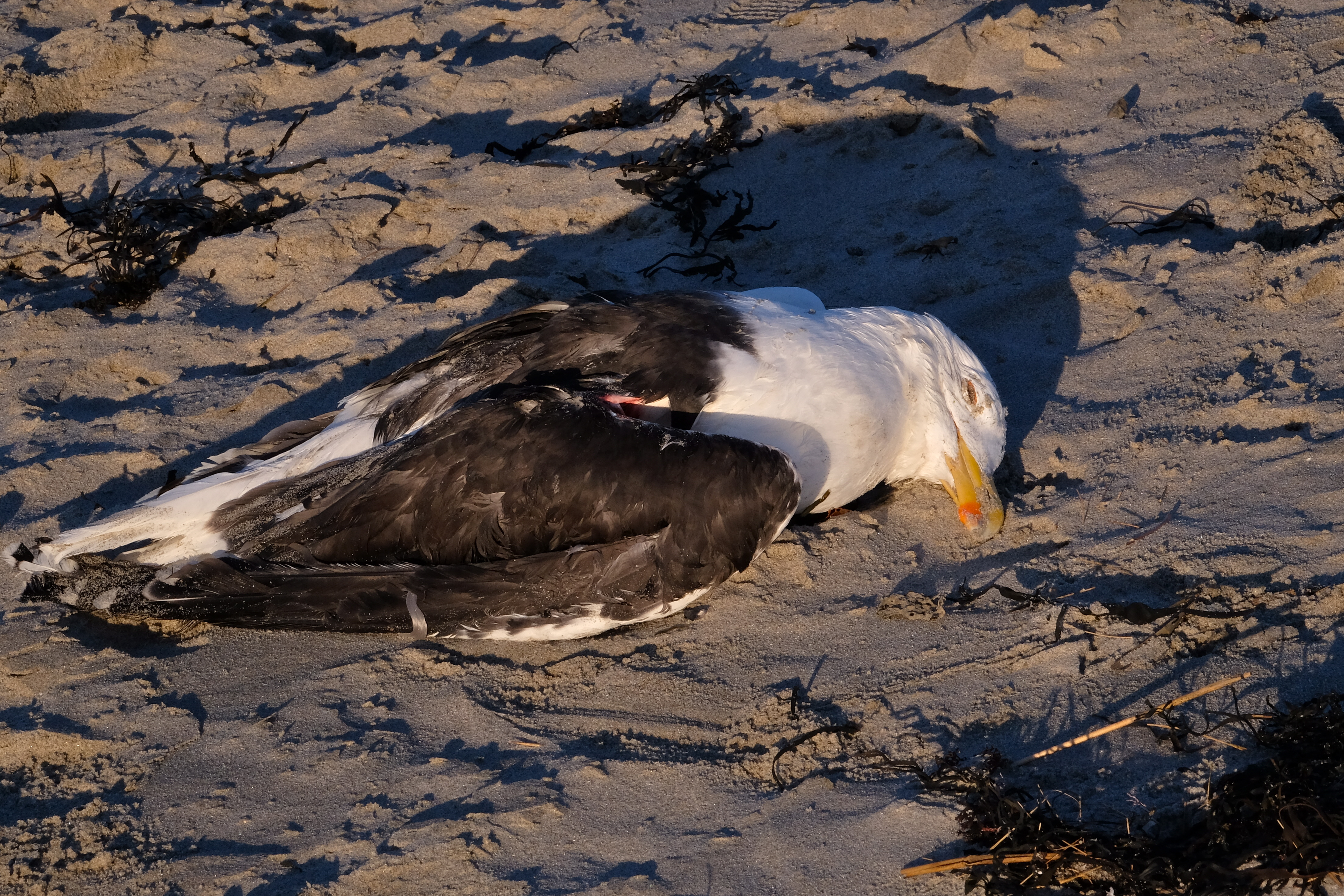
Large dead Black-backed Gull on the beach near the big rock and will move that this afternoon after I speak with Ken. We don’t want to attract varmints to the Plovers’ nesting area!

PIPING PLOVER AMBASSADORS NEEDED!

If you would like to become a Piping Plover ambassador and cover Plover monitoring shifts this season at Good Harbor Beach please contact Gloucester’s conservation agent Ken Whittaker to volunteer.

Thank you so much, and the PiPl thank you, too!!

Ken Whittaker contact information: kwhittaker@gloucester-ma.gov

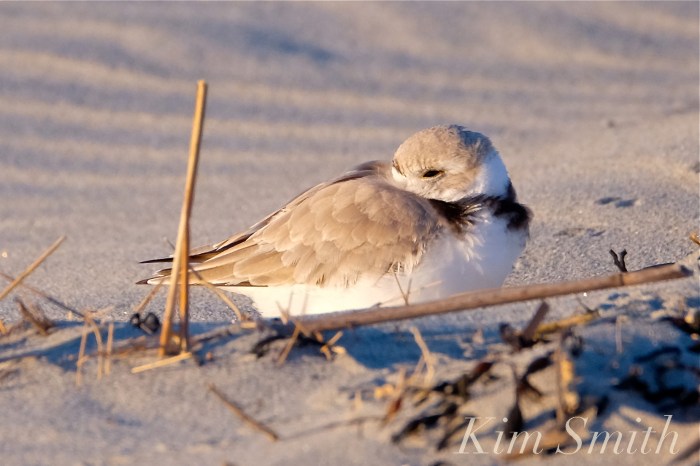
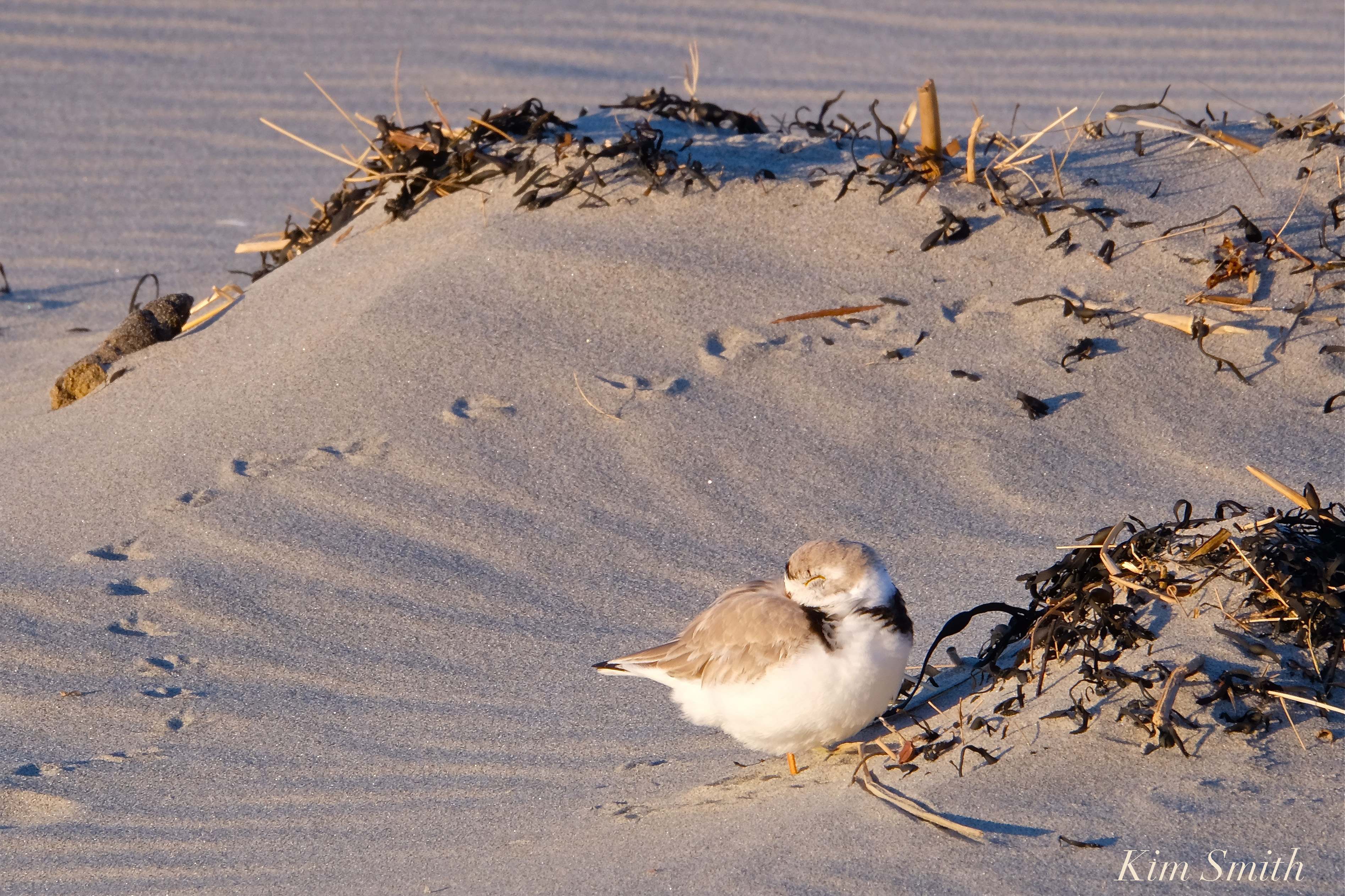
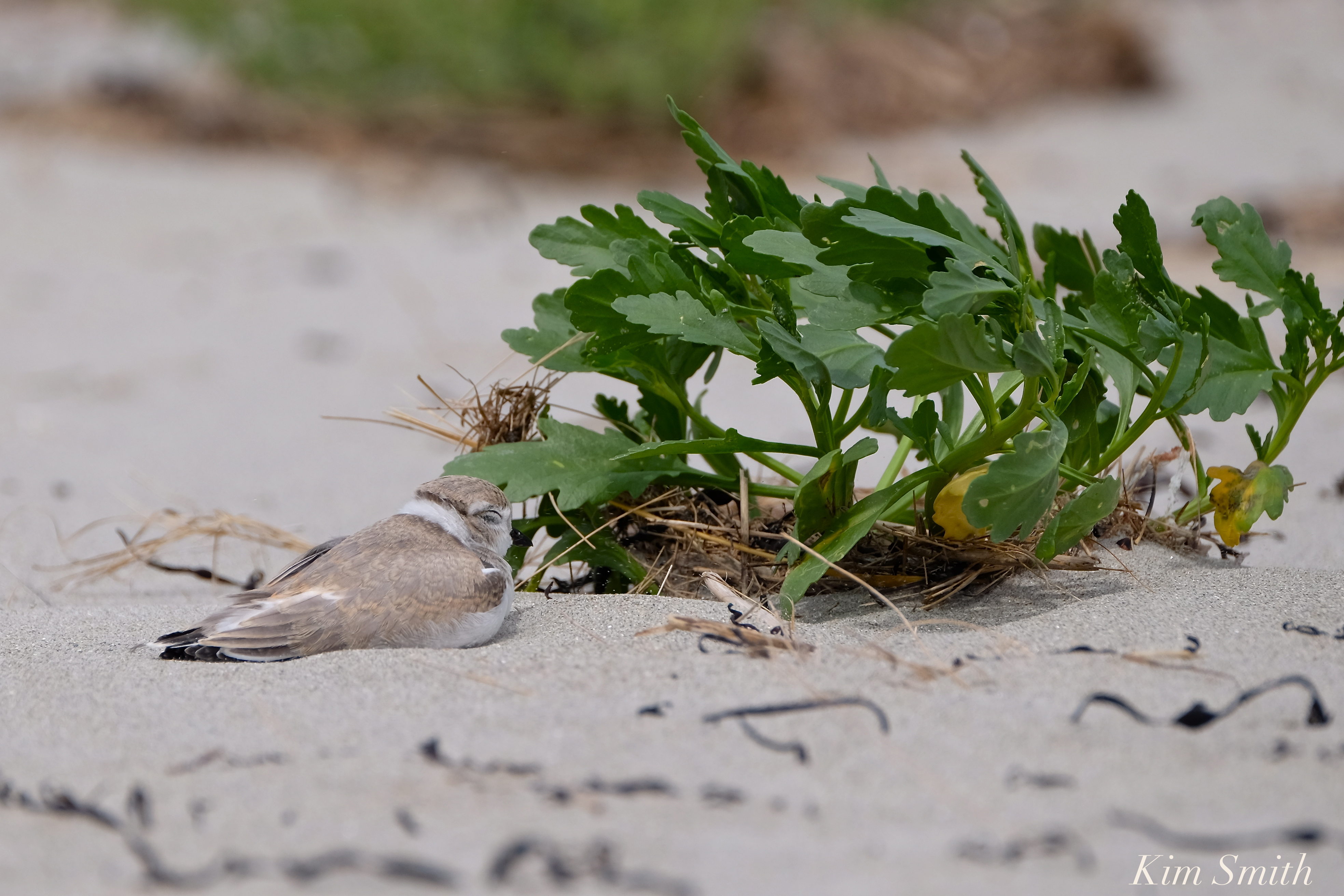
Male Piping Plover sleeping and PiPl tracks in the sand.

BREAKING: PIPING PLOVERS LITTLE CHICK AND FRIENDS RETURN!!! -By Kim Smith

Tuesday April 3, 2018

Oh Happy Day! Overjoyed to see the return of Little Chick and Friends!!!! Daily for the past several weeks I have been checking to catch sight of Piping Plovers. I looked this morning and nothing, but as Tom was leaving for a noon walk on GHB I asked him to keep his eyes peeled. My heart skipped a beat when he called only fifteen minutes later and said he thought there were three. I raced over, and sure enough, YES, three little plovers!!! They are so weary I don’t know what to think. Did they fly straight from the Carolinas or even further, from the Turks and Caicos, or possibly some remote island in the Bahamas? They are so sleepy-eyed and only want to rest.

Will they stay or are they on their way further north? Is this a passing passel of plovers? Could this be Little Chick or Papa and Mama Plover returning? It’s so cold and damp, rain is predicted and later this week, snow. What do Plovers do in the snow?

Wednesday April 4thDunlin in the drizzle

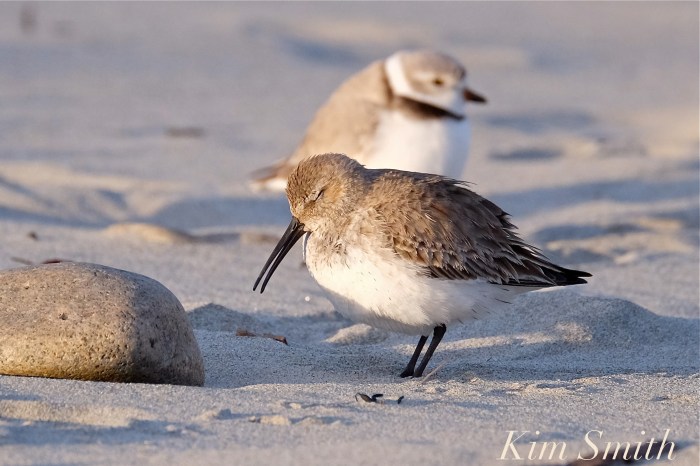
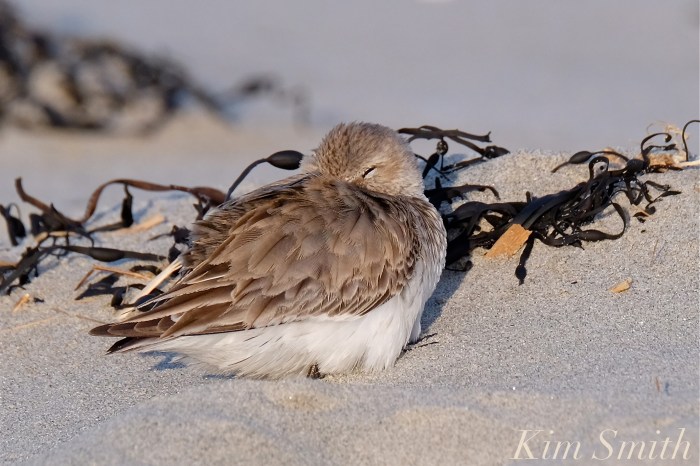
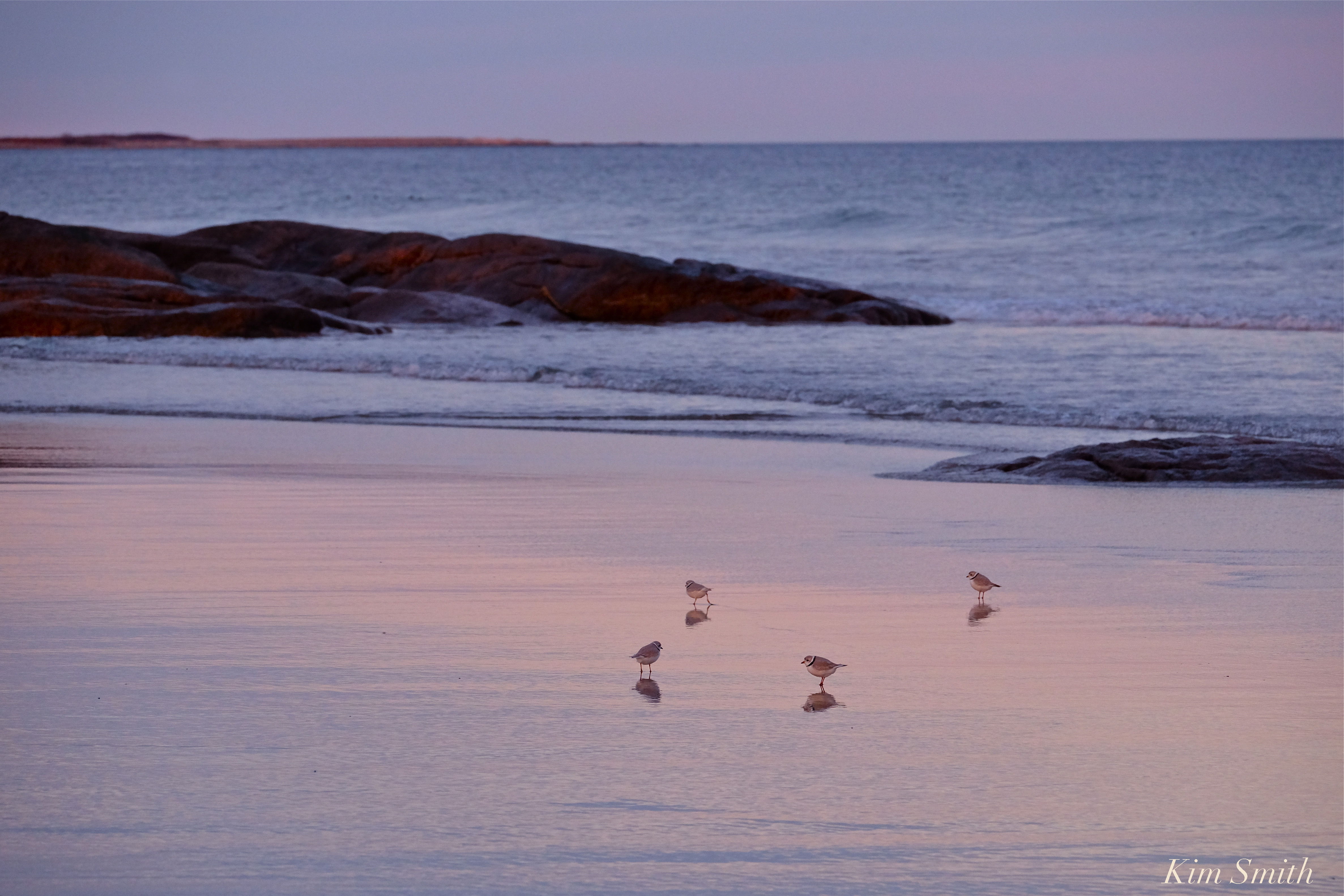
The Piping Plovers stayed the night, all three! They have been joined by a nearly as tiny little shorebird, a Dunlin I think. The PiPl appear to accept the Dunlin as part of the troupe. The Plovers seem a bit more perky today, foraging in the tidal flats.

Why oh why do folks encourage their dogs to chase shorebirds? Will have to post about the Plovers if they decide to stay. Too foggy and drizzly for my cameras on the beach today.

Thursday April 5th


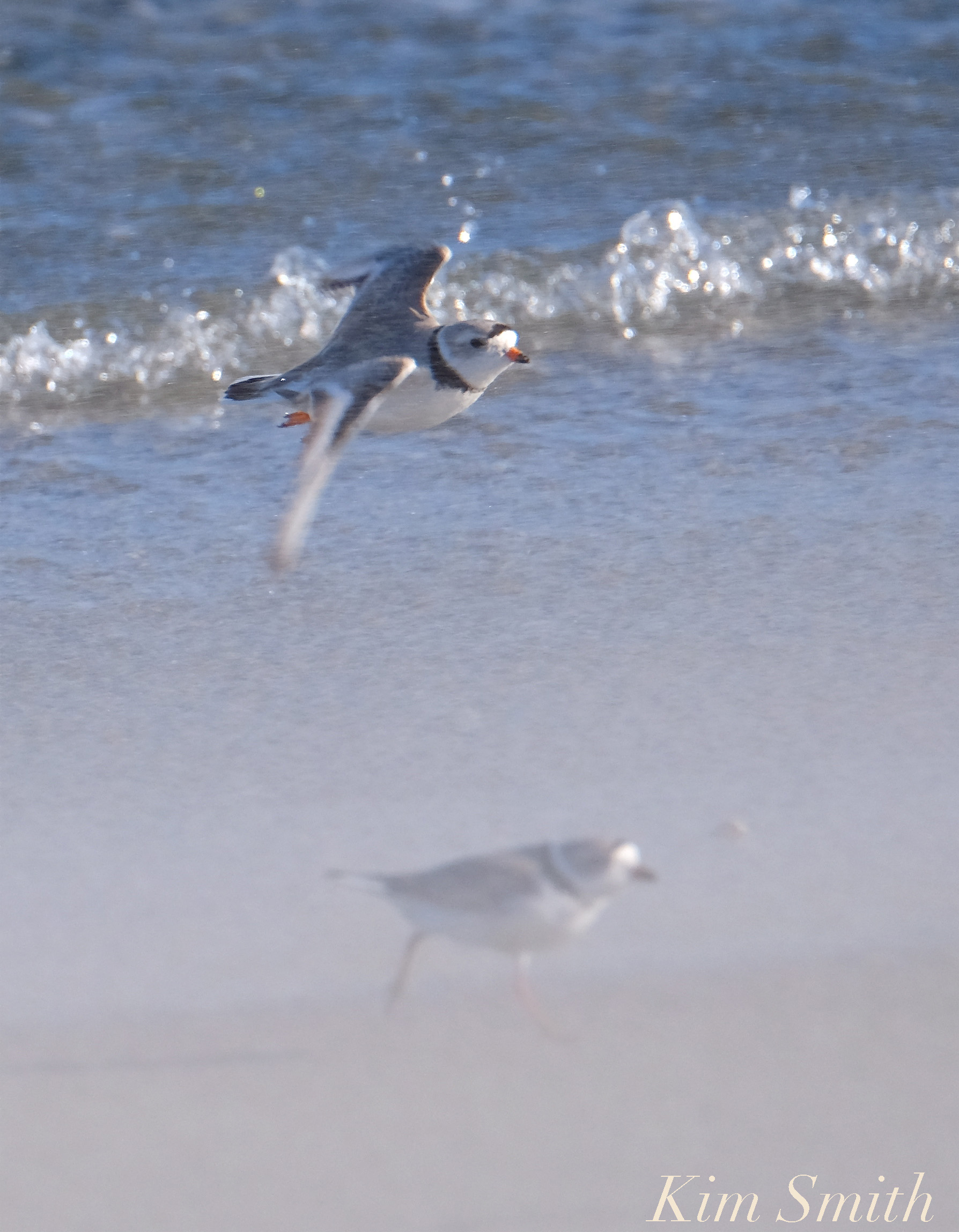
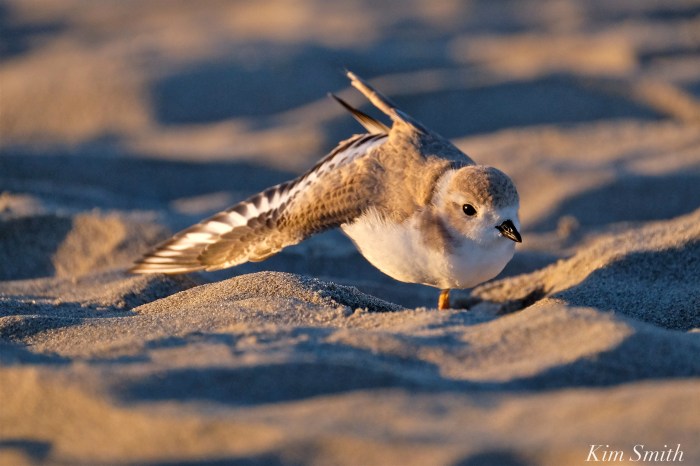
Plover flying through a sand storm.

Joy! They are still here.

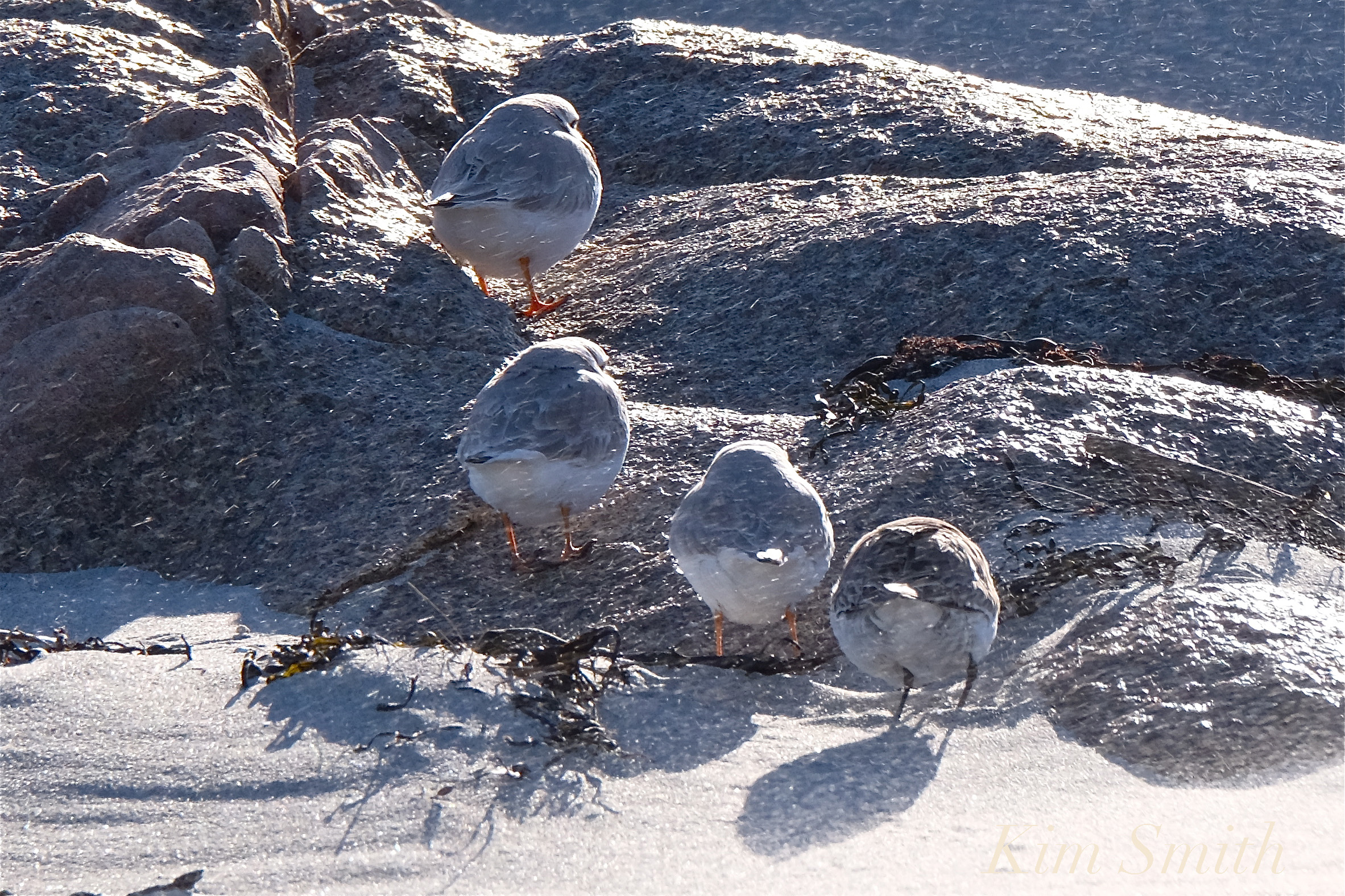
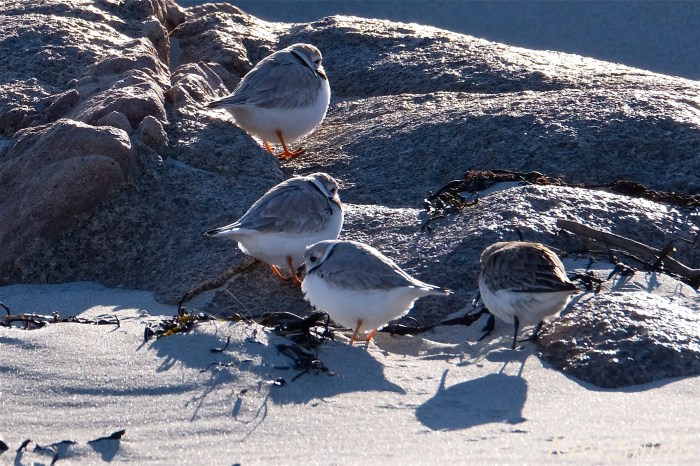
Terribly, terribly windy. The Plovers are trying to forage but are being blown sideways. So smart–they are seeking and finding shelter behind the big rock, and are huddling with the Dunlin. Too much sand blowing on my cameras.

The Dunlin-that-thinks-he-is-a-Plover

Friday April 6th

The PiPl are courting!!! Does this mean they have made GHB home for the summer? If they lay eggs now, won’t that be tremendous because chicks will hatch well before July 4th. I think there are two males, one female, and the Dunlin is still here.

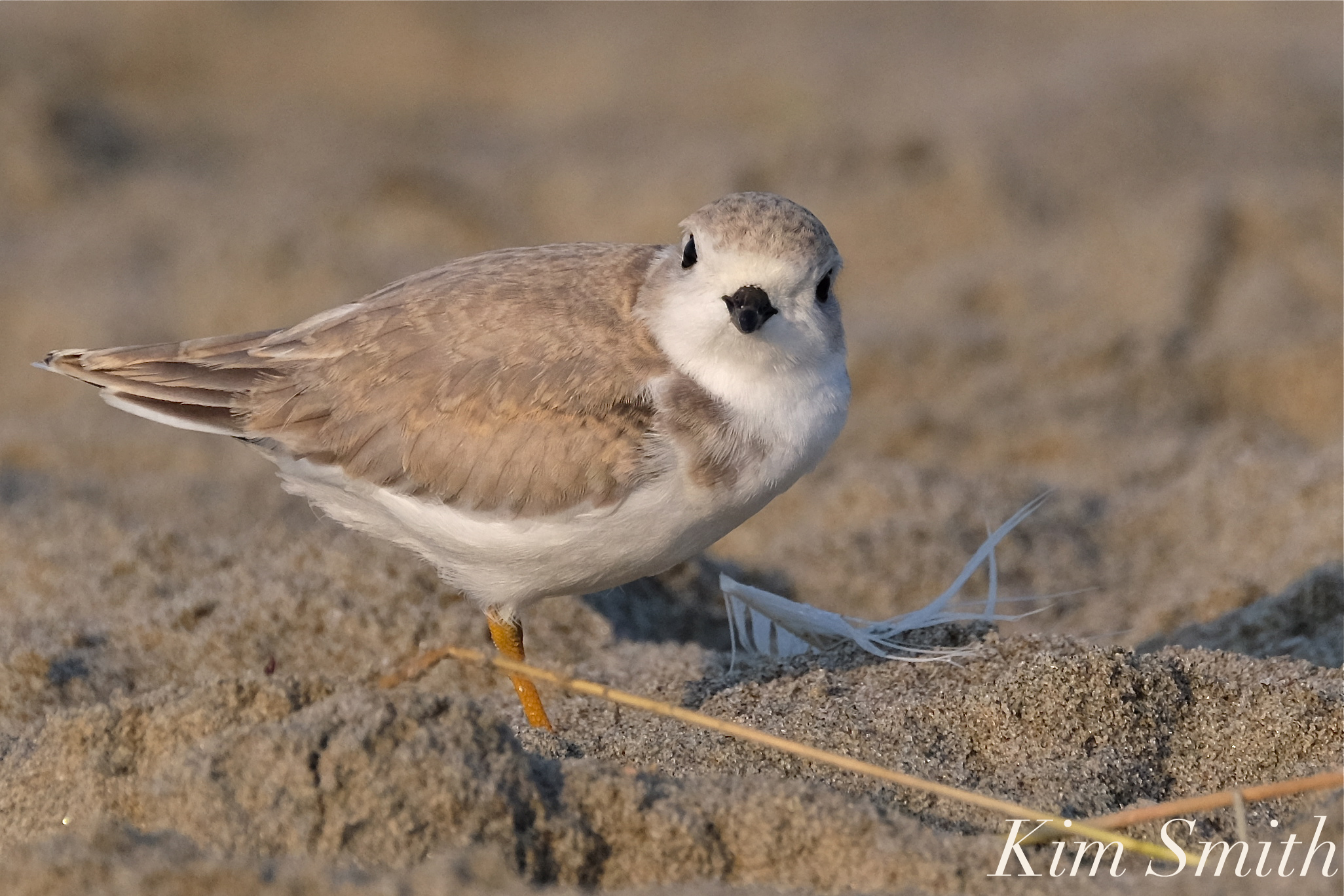
 Object of desire.

The male with the brightest orange bill made several nest scrapes, inviting the female to come sniff his cloaca and to inspect the site. Courtship was interrupted numerous times by curious and exuberant pooches. The dogs are off leash on even numbered days. Perhaps the Dog Friendly people will help and keep dogs on leash when near this potential nesting area. I hope so much we can make this happen. If the PiPl are able to nest early, the chicks will have a much, much better chance of survival. Millions and millions of dogs, but only about three thousand nesting pair of Piping Plovers remaining. Will the numbers again drop this year after multiple hurricanes and late season nor’easters?

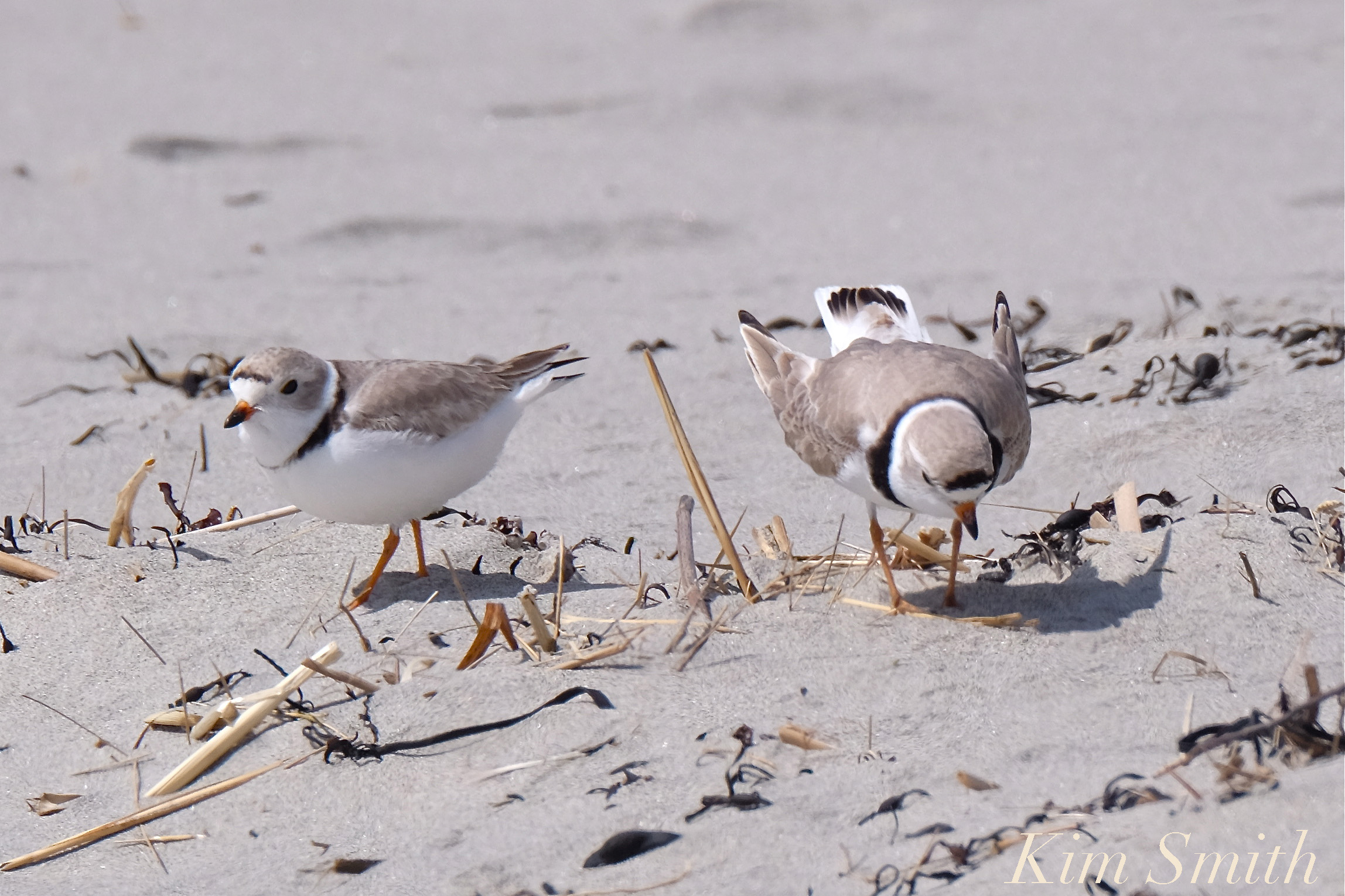
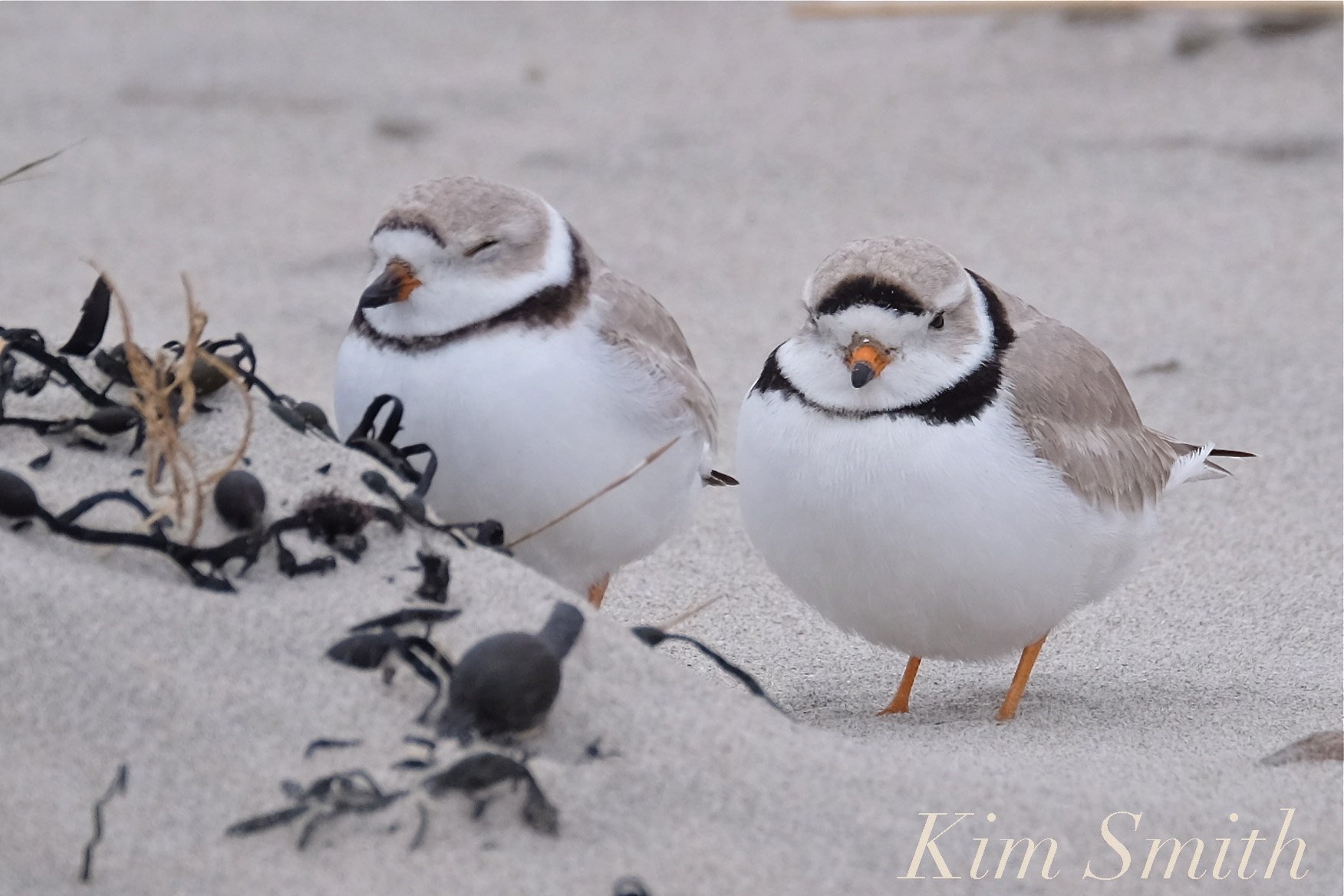
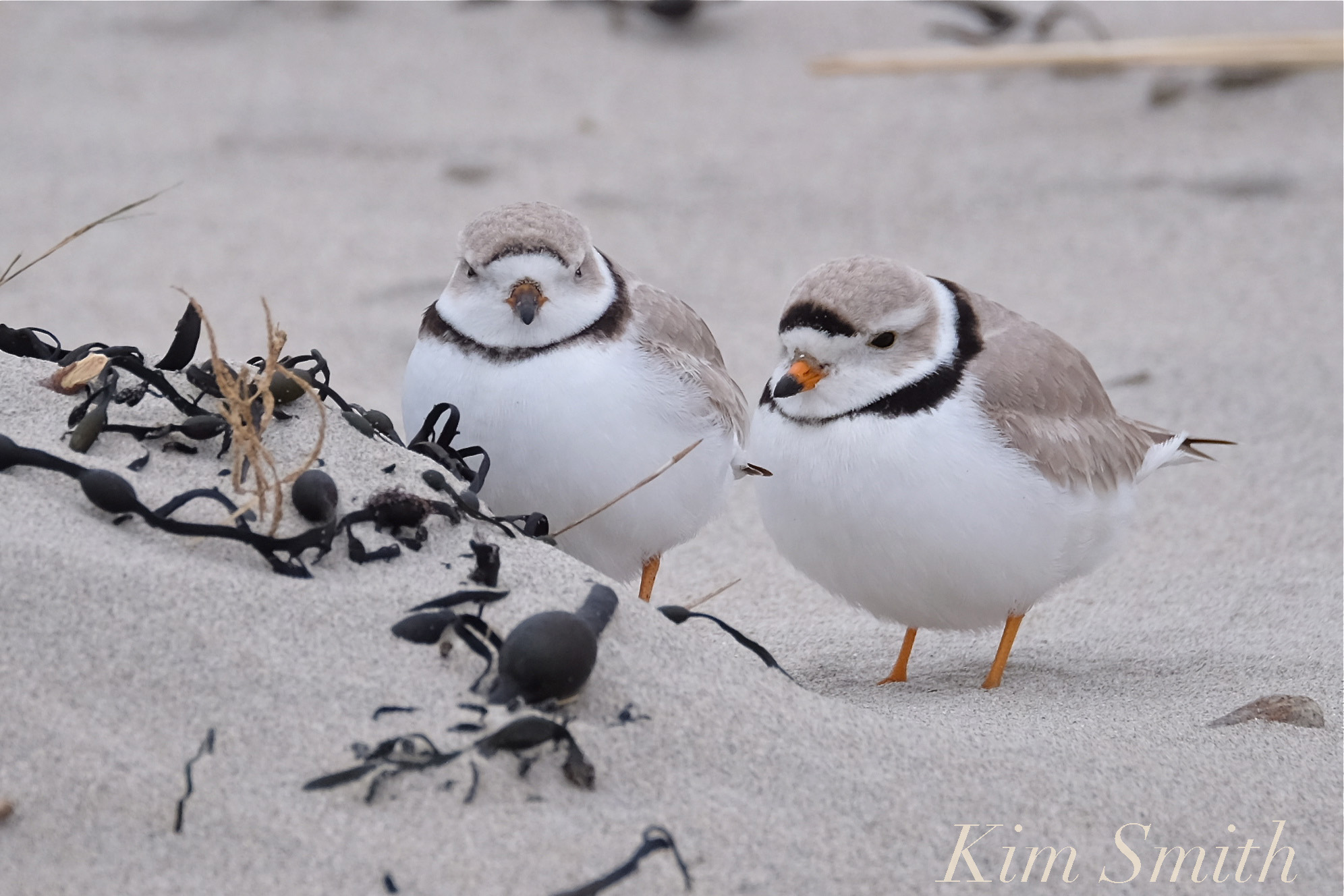
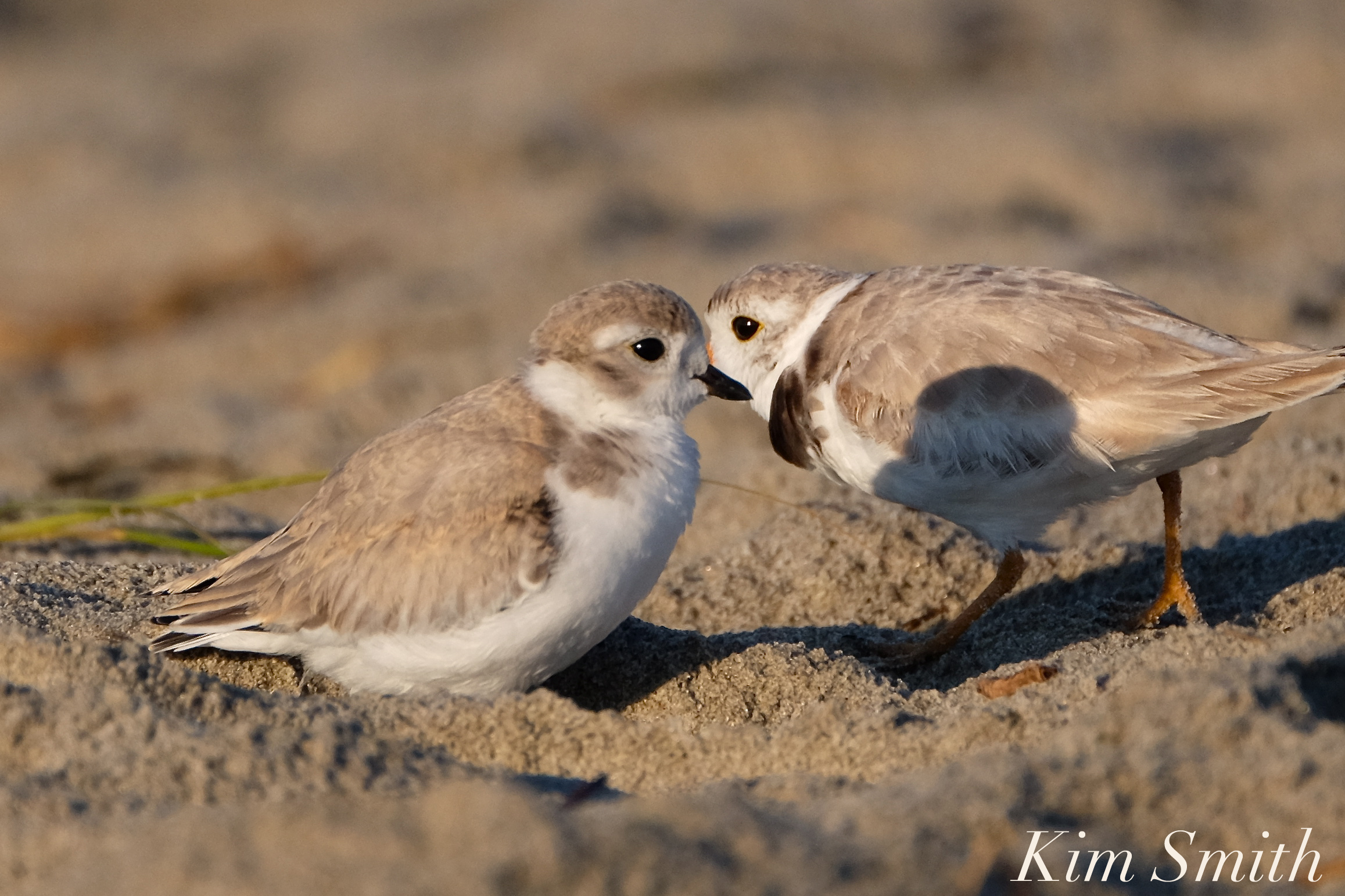
Female left, male right – notice the female Plover’s paler crescent band across her forehead, just a beautiful example of the difference between a male and female PiPl.

It’s time to let folks know about the Plovers, and we need a roped off area as soon as possible.

Sunny and cold and beautiful, with snow later today.

Late afternoon–what do Piping Plovers do in a snow squall? They forage! No photos, but a tiny bit of film footage. What were nice puffy wet flakes at home in my garden became icy, stinging cold driving rain/snow mix on the beach and too much for cameras to stay long.

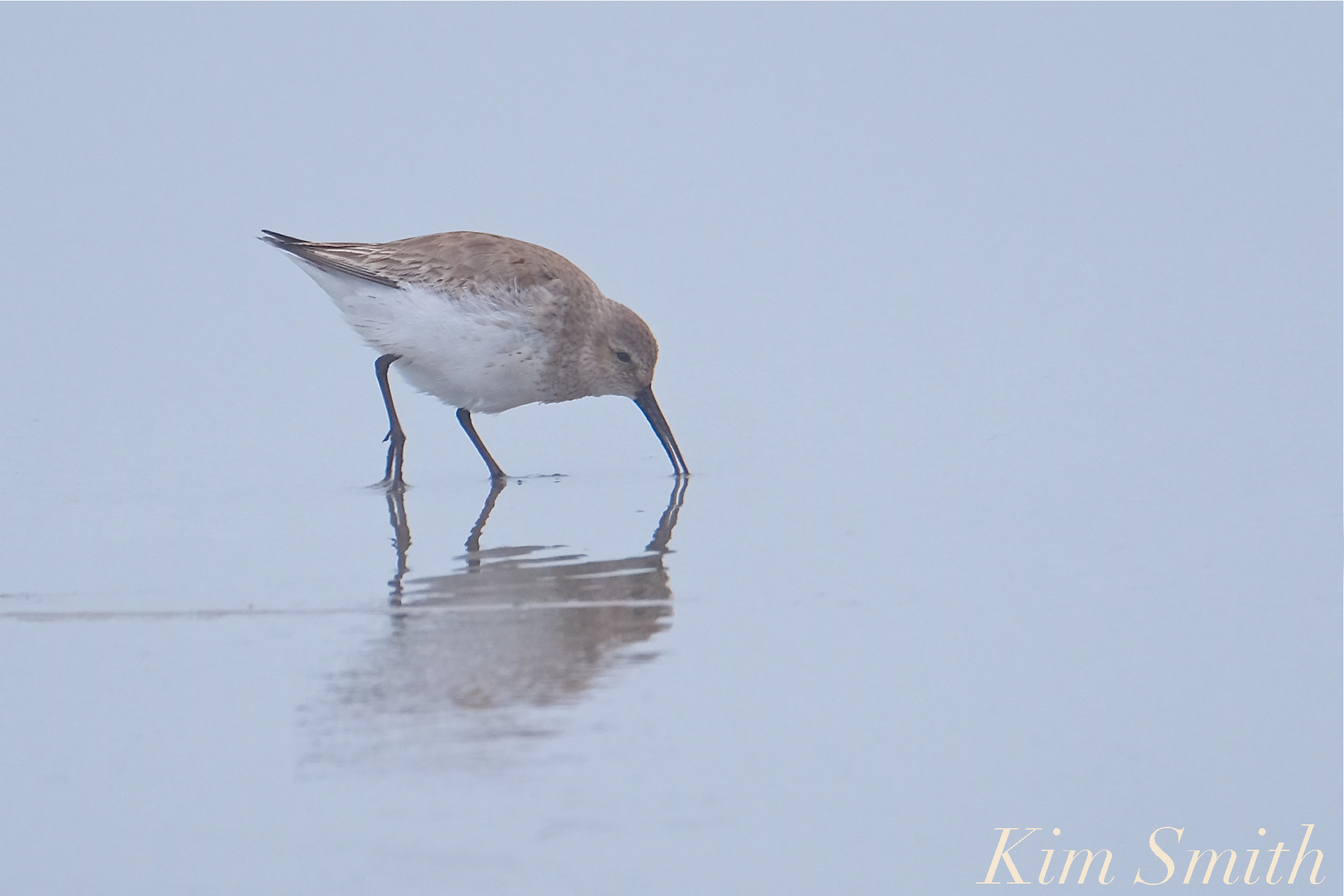
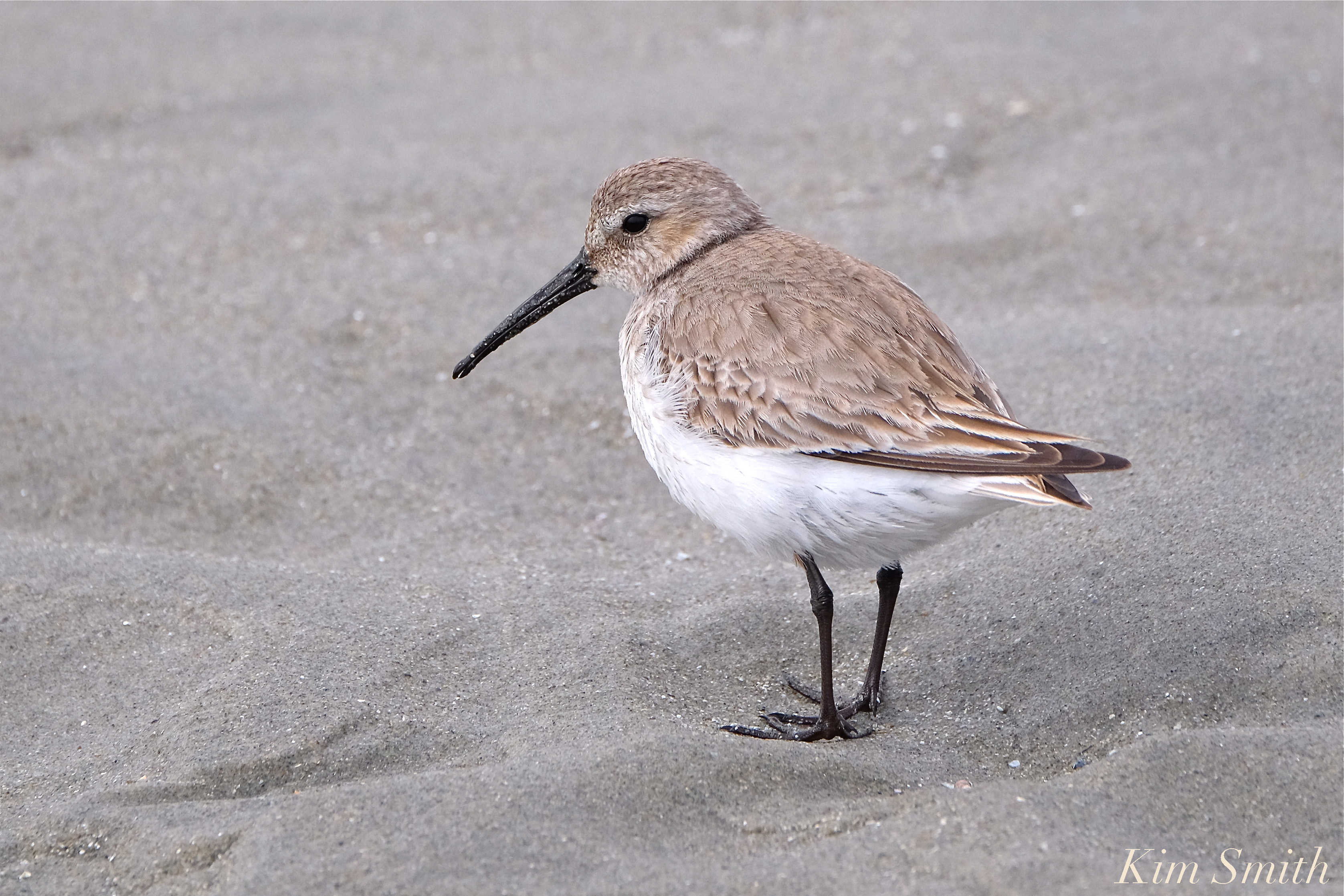
Dunlin  (Calidris alpina) close-up
Posting Saturday and Sunday tomorrow when I have a chance to go through photos.

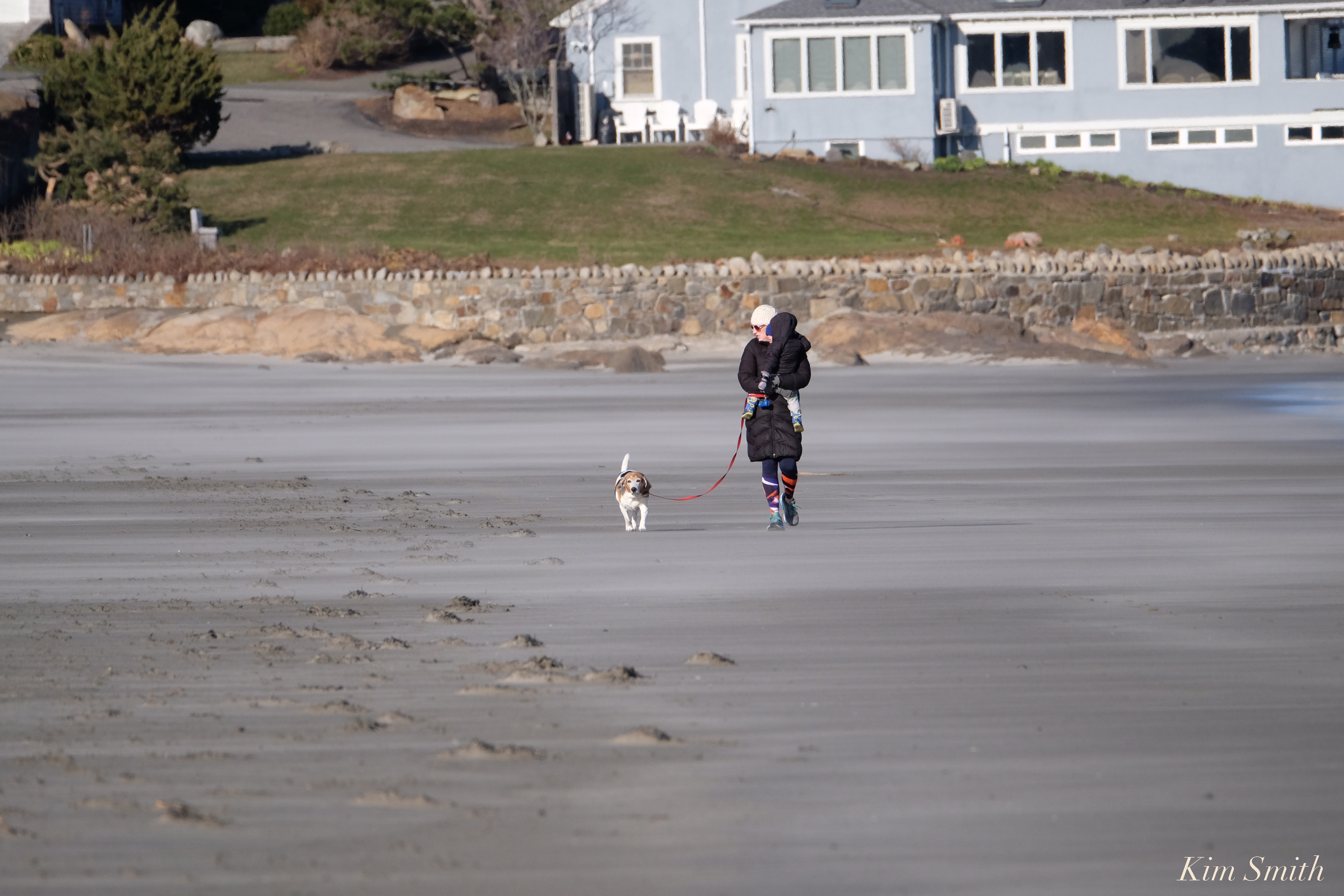
Great Gloucester citizen and friend to wildlife–kudos to this Mom for walking her dog on a leash, while carrying a child!

THANK YOU DIANNE CORLISS FOR ALL YOUR PIPING PLOVER LOVE

Wishing Dianne much success on her new path. Our deepest thanks again for all that she did to keep the Good Harbor Beach Piping Plover family safe last summer. 


https://www.instagram.com/p/BbpTIJtFds9/

THANKS TO KEN WHITTAKER AND GLOUCESTER’S PIPING PLOVER VOLUNTEER TEAM

A huge thank you once again to our city’s conservation agent Ken Whittaker and the amazing team of Piping Plover volunteers who, with their kind dedication, helped one little chick survive Gloucester’s busiest of beaches.

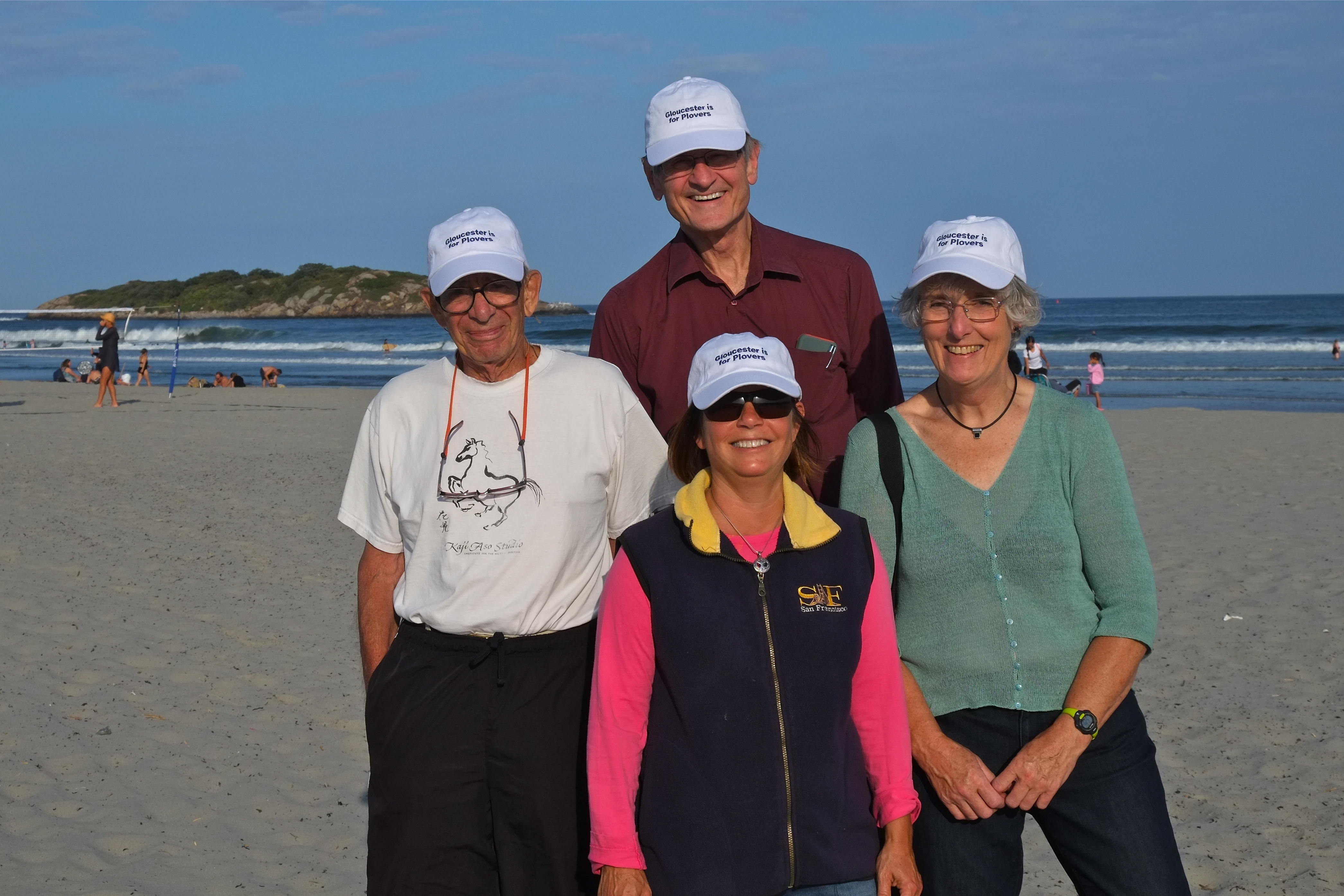
Ken met recently with some of the volunteers, to review ideas and suggestions for next year, and to give volunteers thanks, as well as the fun caps pictured above. Left to right; Chris,  Ken, Carol, and Hazel.

Little Piping Plover Chick Three Days Old

FRIENDS OF LITTLE CHICK UPDATE

Piping Plover Flight Dance

Eclipse Day was a dream day filming wildlife on Cape Ann. I did the usual early morning stops at my “migrations stations,” but because I had taken the afternoon off to see the eclipse, I got to film in the afternoon, too, which I don’t often get a chance to do. First stop was Good Harbor Beach to see a beautiful subdued and rosy-hued sunrise.

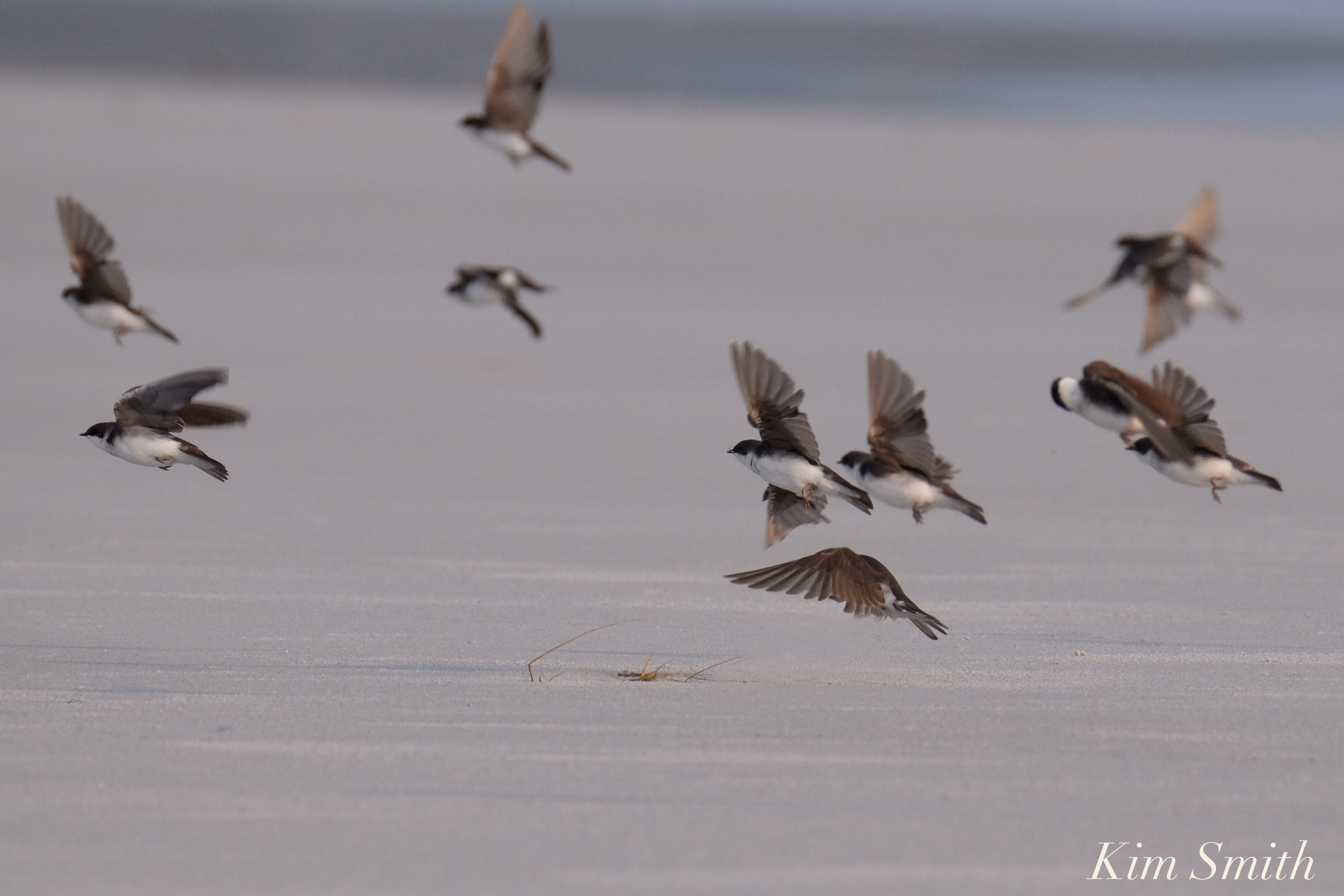
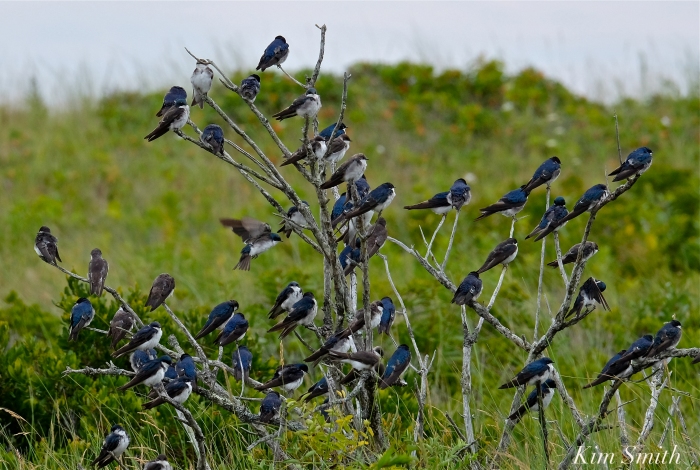
The Tree Swallows were everywhere, in dunes, on the beaches, lined up on telephone lines, in meadows, and marsh. I filmed and photographed that hullabaloo for a bit, along with a dozen other species of migrating shorebirds and songbirds; there are simply too many images for one post. I’ll share these migration photos in the upcoming days.

Tree Swallows Biting and Fighting

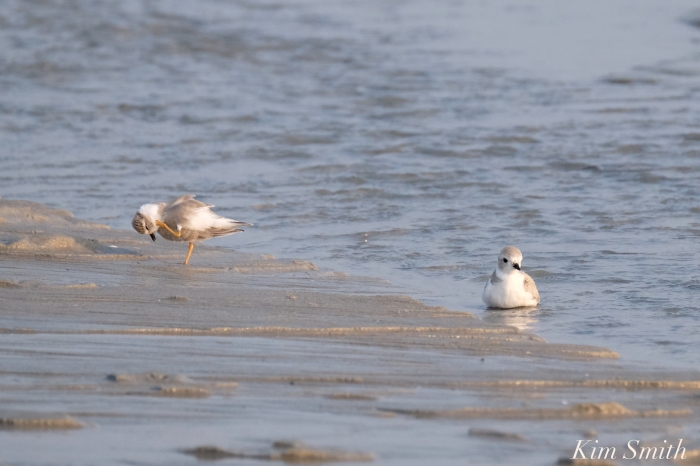
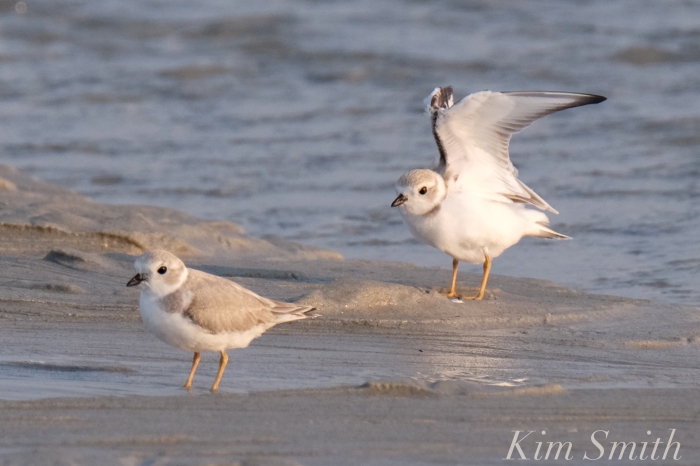
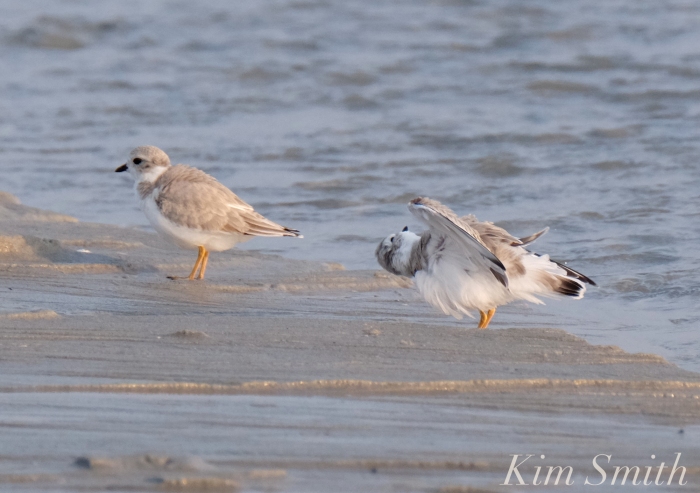
The most wonderful of all was coming upon a tiny flock of Piping Plovers. Initially I thought only two, then a third joined the scene, and then a fourth!

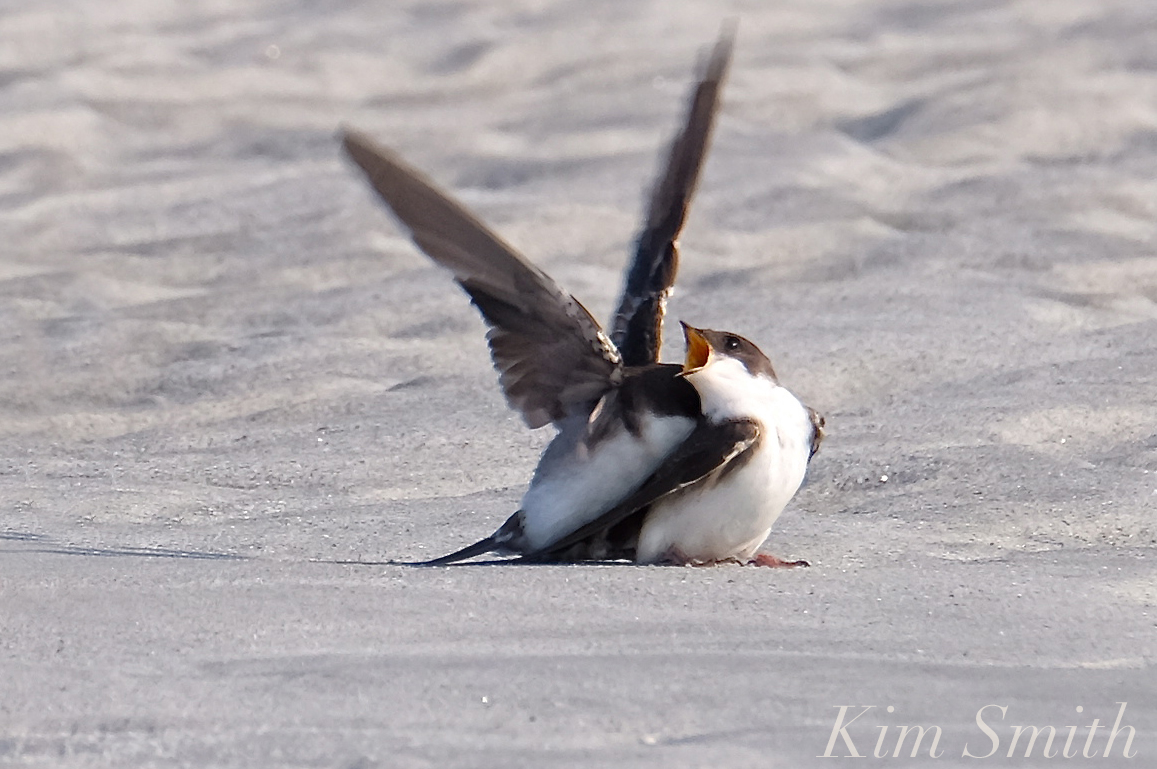
One was definitely a juvenile, about the same age as would be our Little Chick. The PiPl were bathing, grooming, and foraging in the intertidal zone while also being dive-bombed by the Tree Swallows. This is behavior that I filmed last year as well. Tree swallows, although beautiful, are the fightenist little tuffies you’ll ever see. They’ll fly straight at other birds, biting one of their own kind, Barn Swallows, and plovers alike.

PiPl bath time

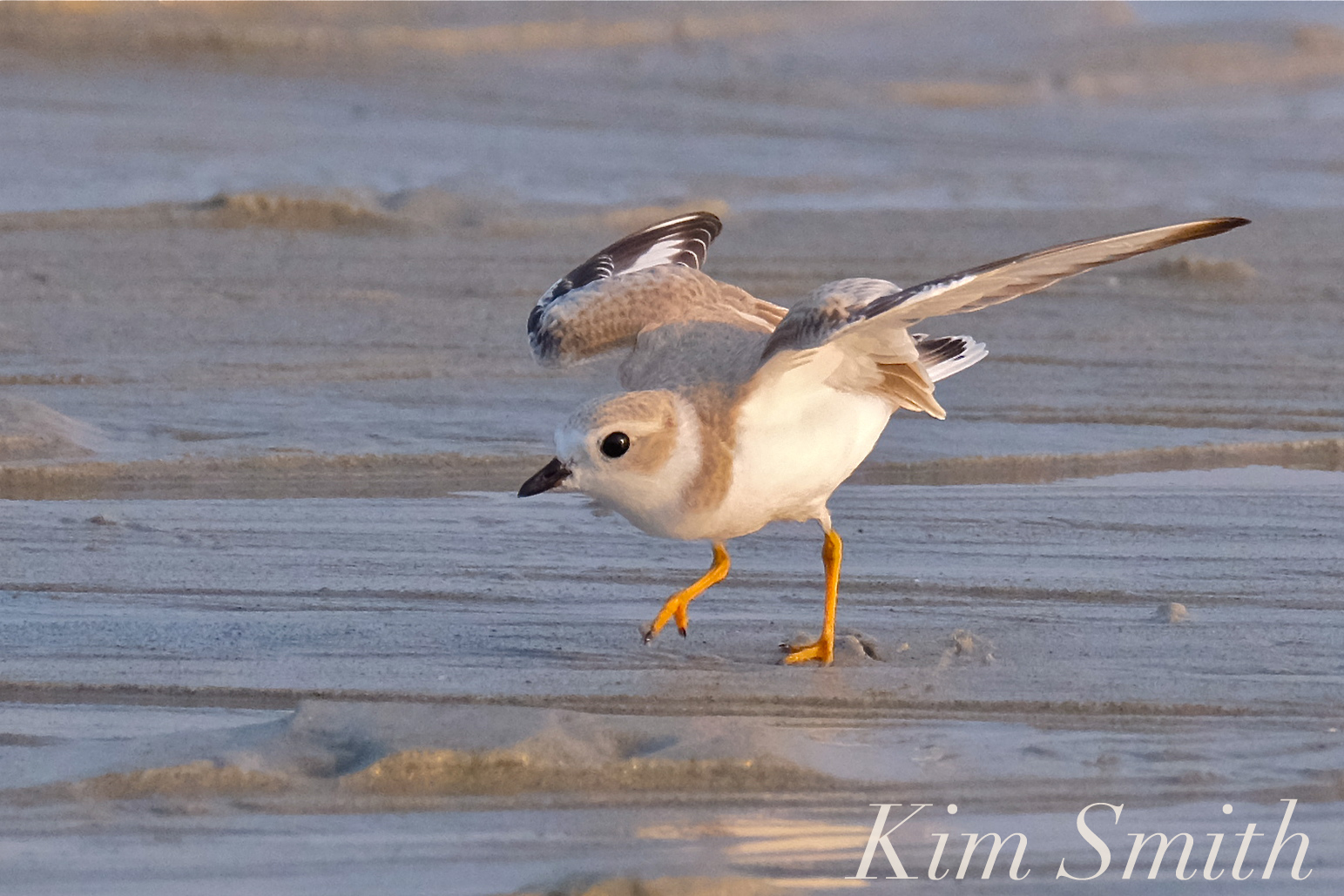
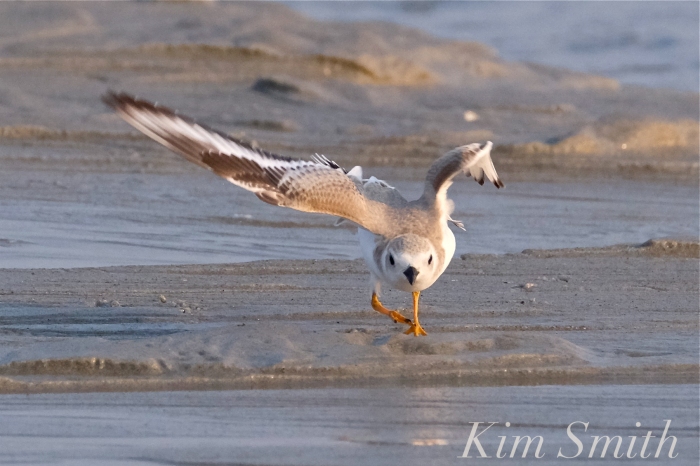
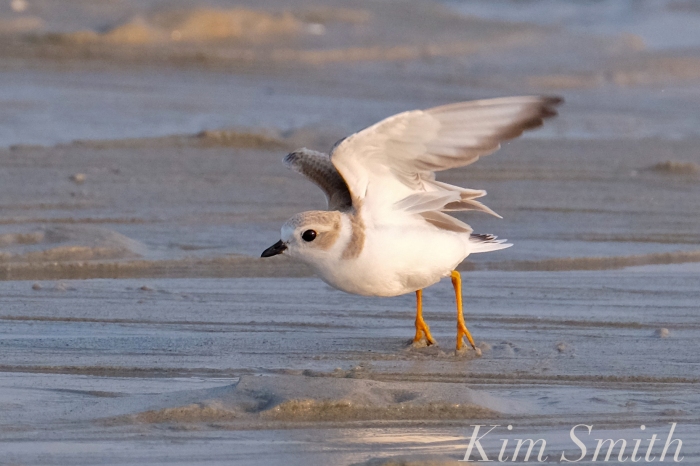
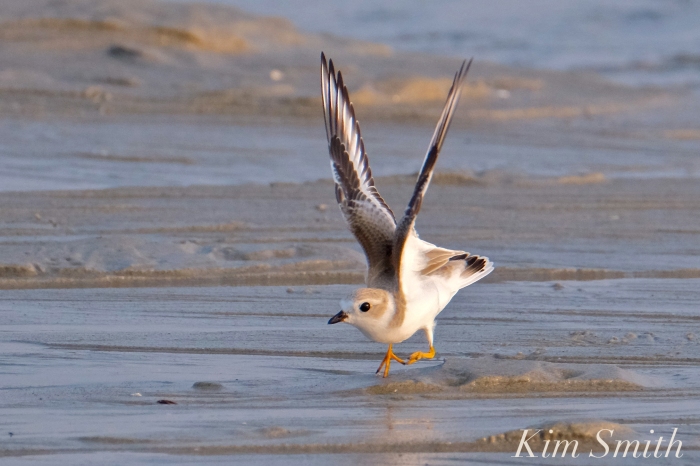
The PiPl that looked just like Little Chick also did the funny flight take-off dance that we all observed of LC. He flew around in a circle, backwards and forwards, spreading and unspreading his wings, and hopping up and down. It’s very comical and I can’t wait to share the film footage and storybook. Anyway, the little traveler I encountered on Eclipse Day was doing the PiPlover flight jig for an extended period of time.

Doing the Jig!

I stayed to watch the Plovers for a bit longer and then finished walking the length of the beach. On my return walk I was surprised from a quiet reverie to hear a flock of Plovers piping. I looked up and before I could turn my movie camera back on, a group of a dozen Piping Plovers flew past. Happy Day!

Tree Swallows Massing
Eclipse Day Sunrise Good Harbor Beach

 Backlogged with wildlife photos, more to come. Some wonderful surprises!

FRIENDS OF LITTLE CHICK

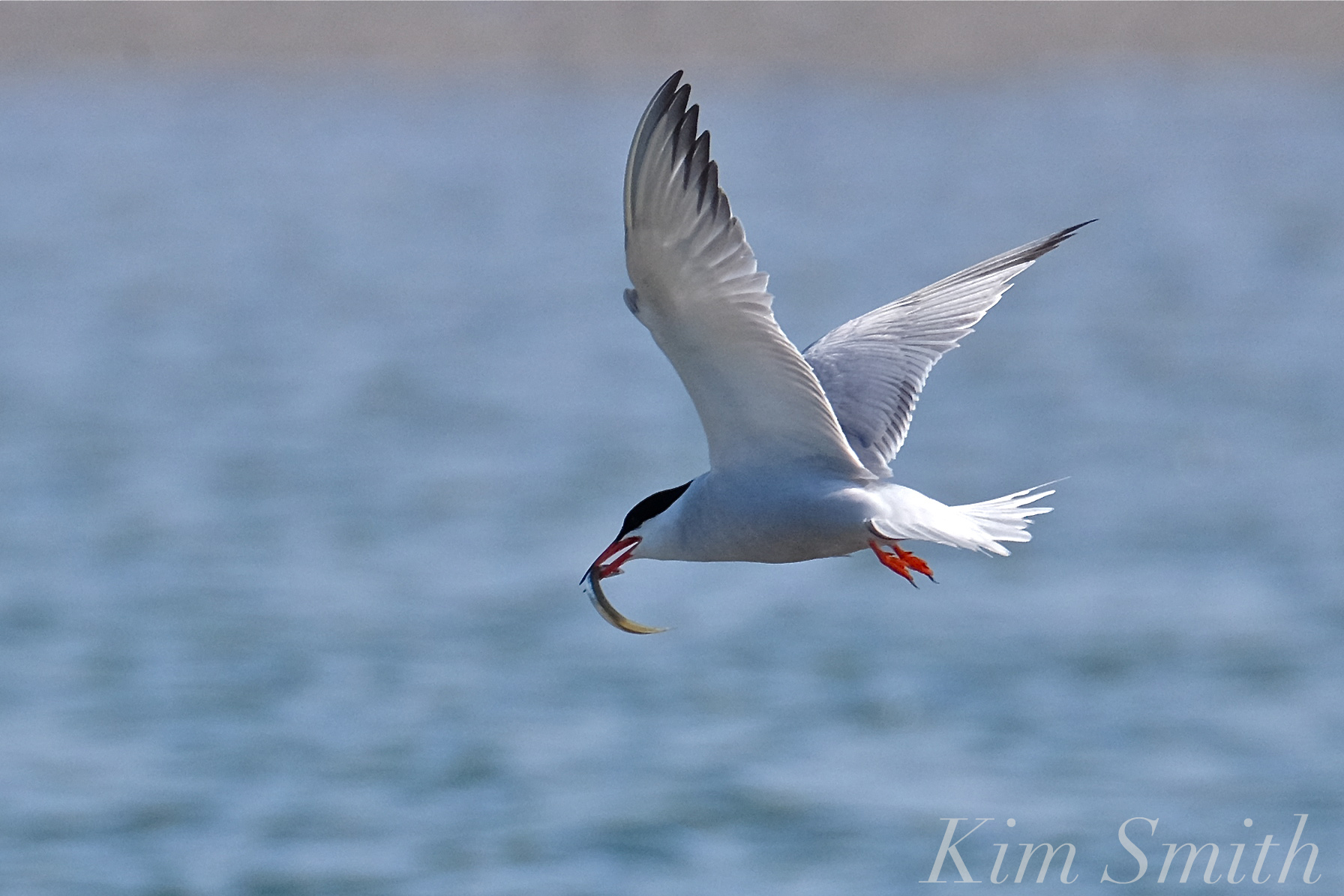
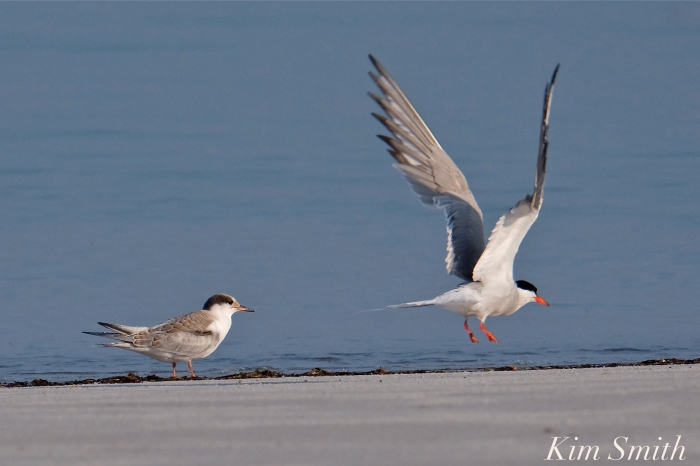
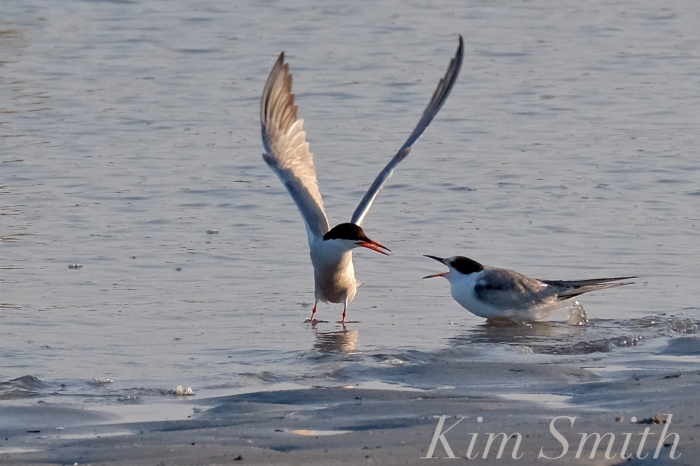
Common Tern delivering breakfast to its fledgling.

Here are a collection of recent photos of different species of shorebirds and songbirds gathering and migrating along Cape Ann beaches that Little Chick may encounter on his journey south.

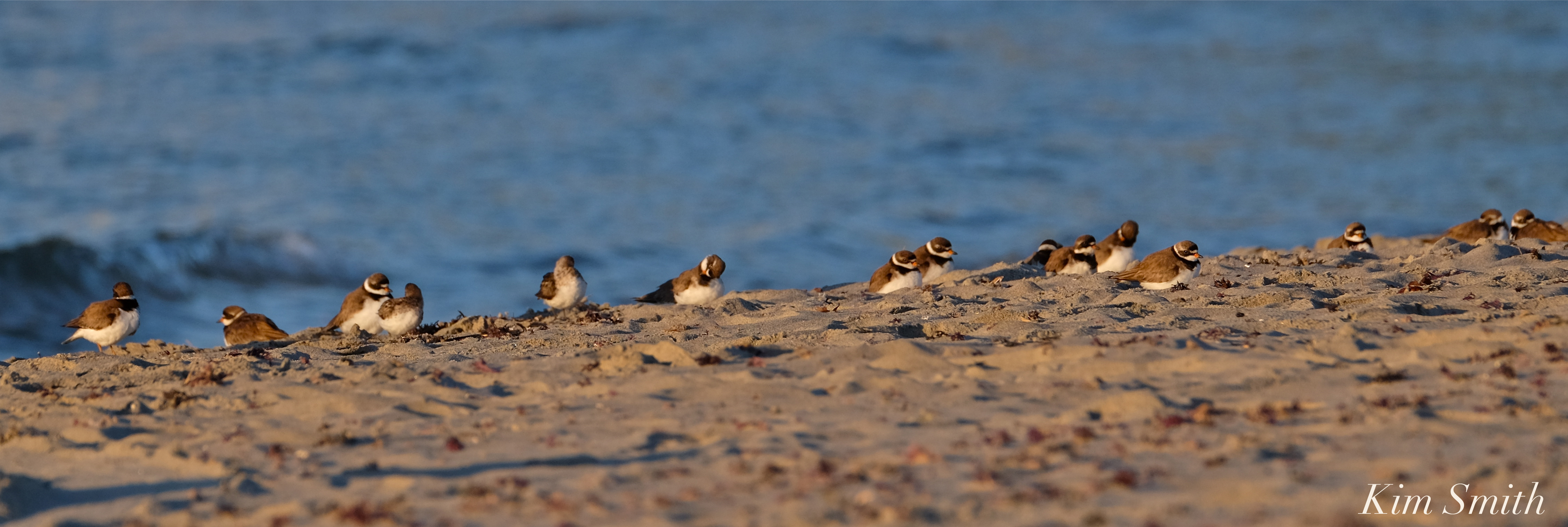
During the spring breeding season Piping Plover mating adults chase all other birds out of their territory, from the largest Black-backed Gull to the tiniest Song Sparrow. At this time of year, during the summer southward migration, you’ll often see PiPl feeding alongside other PiPl, as well as with Semipalmated Plovers, Black-bellied Plovers, Killdeers, peeps, terns, and gulls.

Ruddy Turnstones

Ruddy Turnstones Photobombed

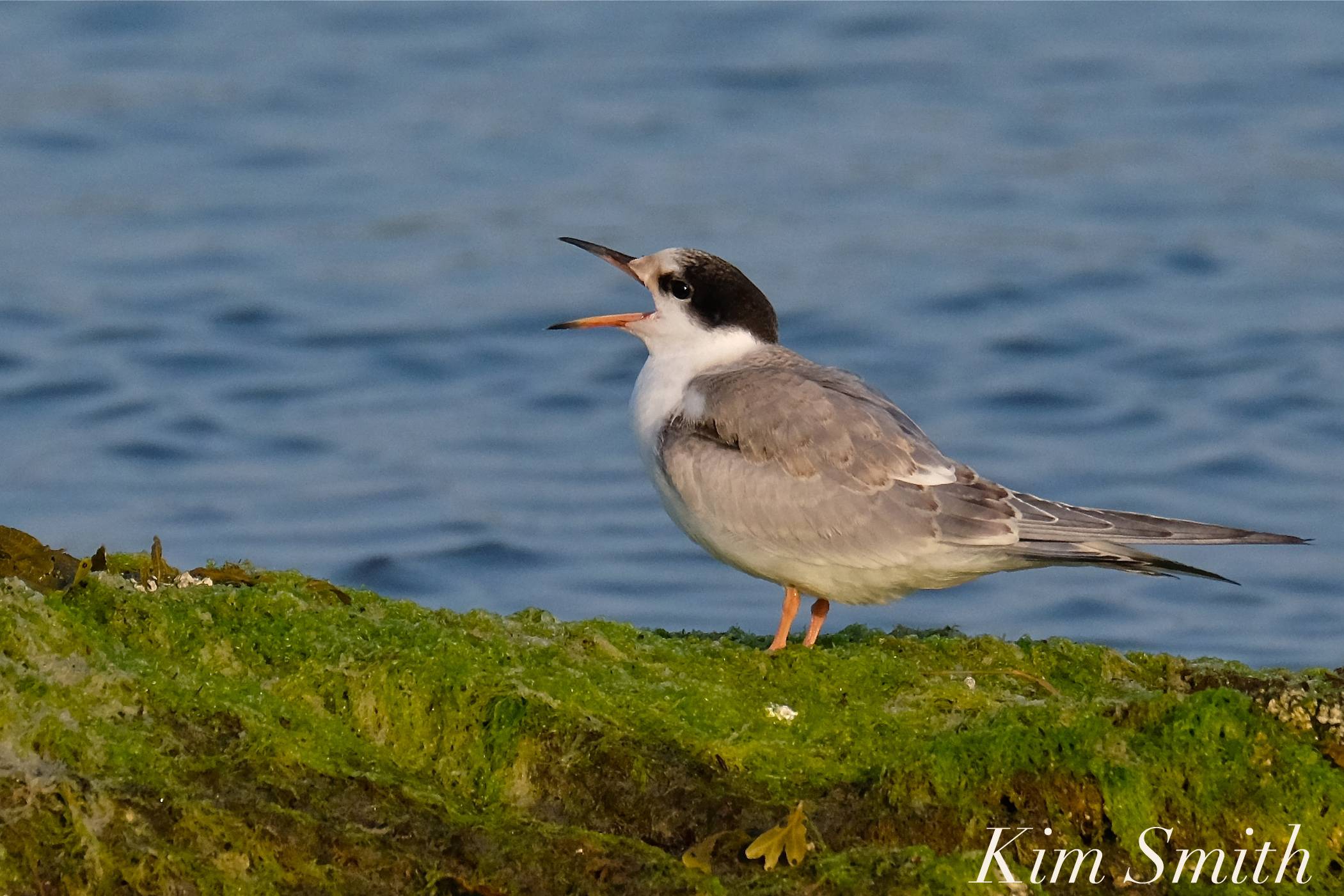
Common Tern fledgling squawking for breakfast.

Won’t someone, anyone, please, please feed me! Unlike Piping Plover chicks, Common Tern chicks cannot feed themselves at birth. Common Tern chicks can walk and swim, but it will be many weeks before they learn to fish.

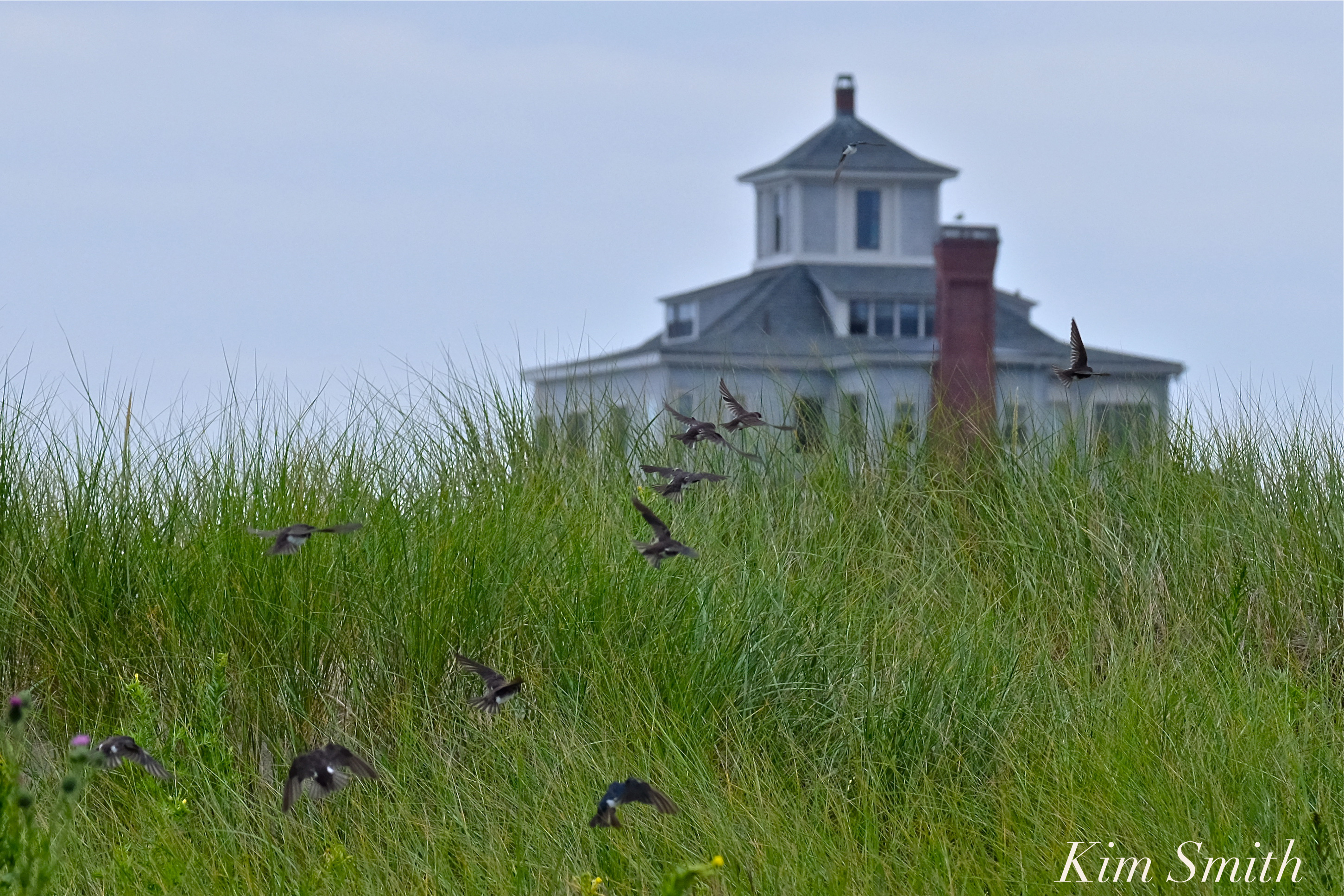
Tree Swallows massing, foraging in dunes rich with insects and berries.

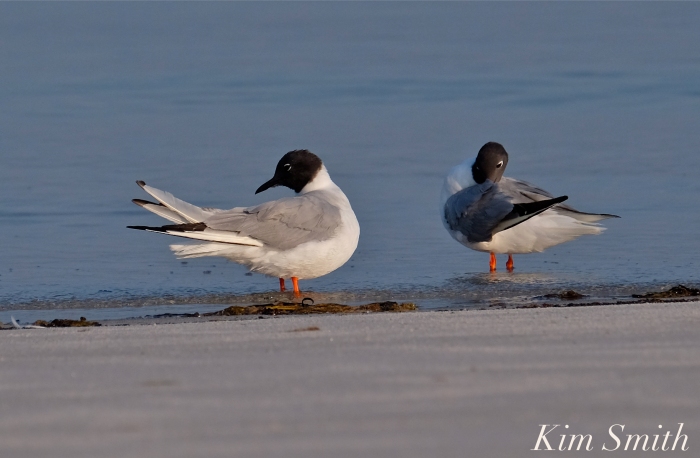
Bonaparte’s Gulls


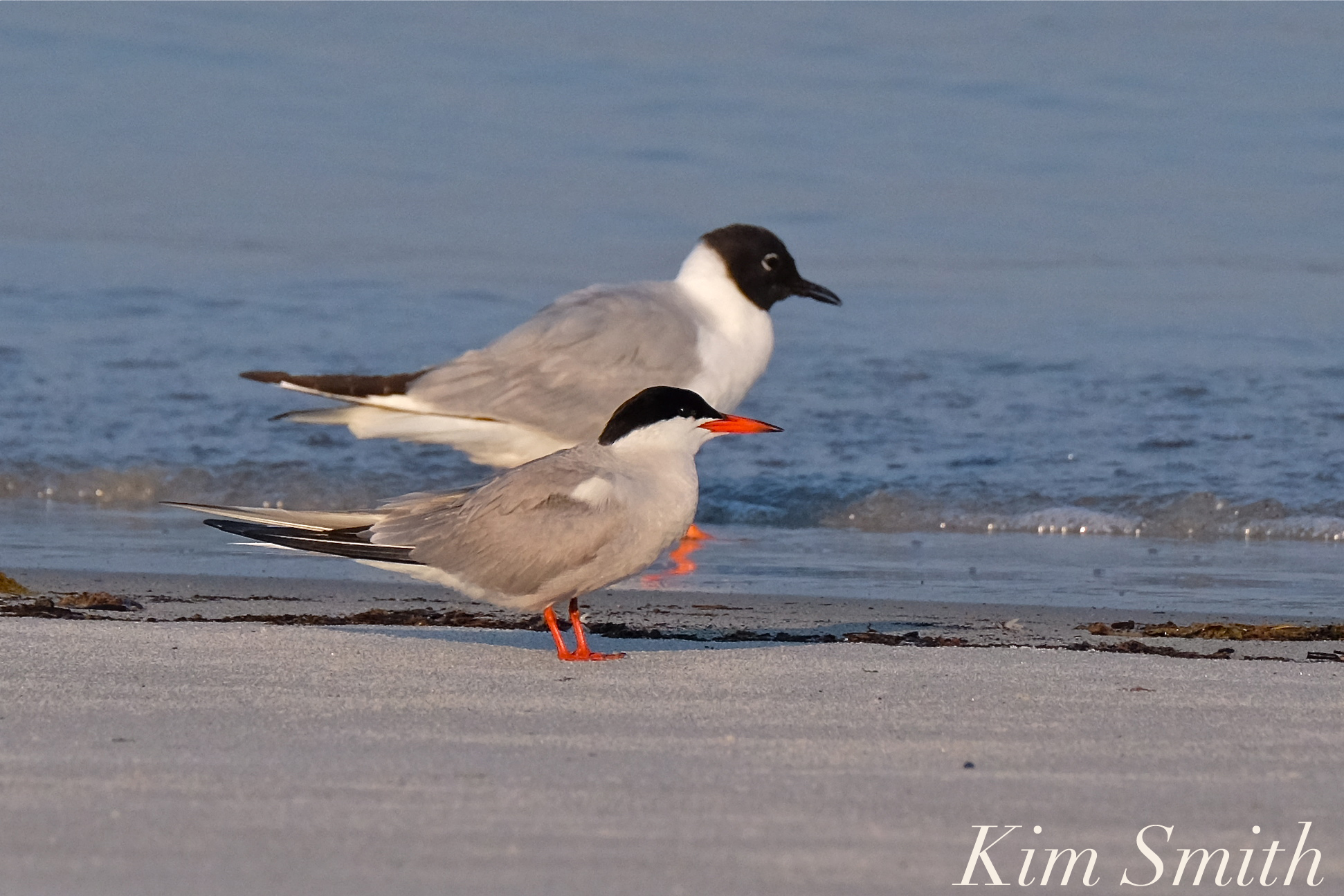
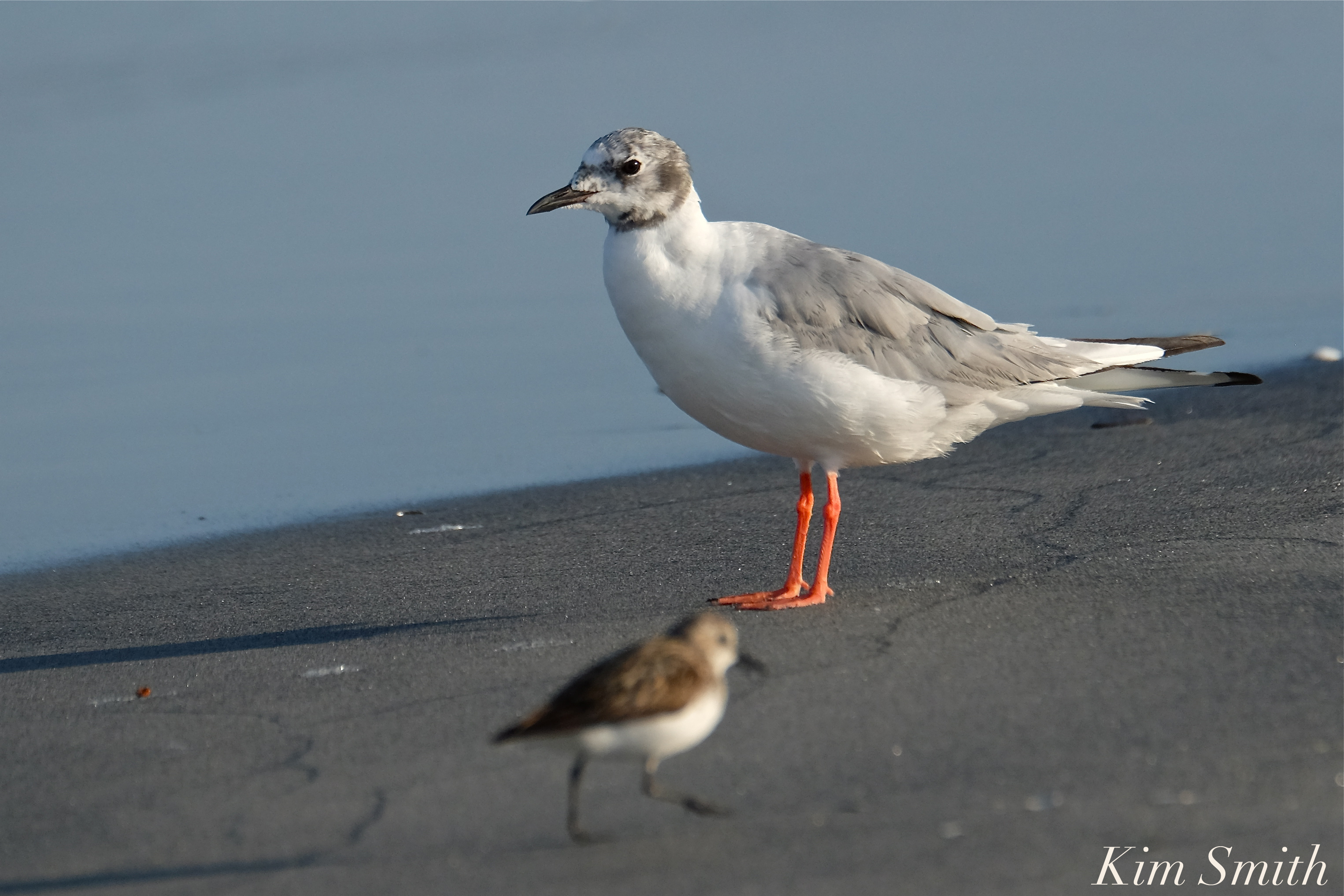
Compare Common Tern in the foreground to Bonaparte’s Gull in the background. Both have red-orange legs and feet and both are black-headed. The easiest way to differentiate when on the beach is the Common Tern’s bill is orange; the Bonaparte’s Gull’s bill is black. 


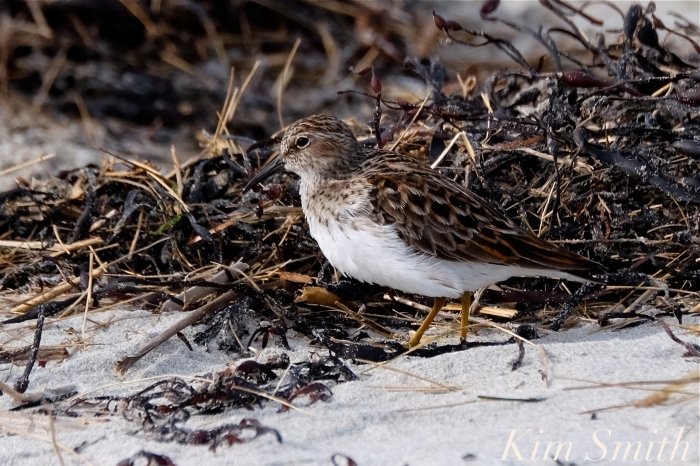
Least Sandpipers are the smallest of peeps. Note how beautifully camouflaged are they in the drying seaweed at the high tide line.

Daybreak and early morning are often the most beautiful time of day to see wildlife.

POSSIBLE LITTLE CHICK SIGHTINGS!

A postscript to yesterday’s “Farewell Little Chick” ~ 

Thank you to Everyone for your kind notes, thank yous, love, and interest in our Little Chick. 

I thought  readers would like to know that since Little Chick departed Good Harbor Beach Friday morning several friends have shared that they have seen a small flock of Piping Plovers at other local beaches!

Carol Ferant wrote that Friday afternoon she was swimming by Corliss Landing and saw a small group feeding on lots of worms at the low tide sandbar. They stayed for a good long while and then flew off towards the marsh.

Abbie Lundberg wrote that in Annisquam this morning, Saturday, she saw a group of four Piping Plovers, three the same size, and one seemingly appeared smaller, about 2/3 the size of the others.

It makes complete sense to me that the Piping Plovers would move around from local beach to local beach before undertaking the long journey south. Comparing notes from last year, a mixed group of adults and fledglings grew larger and larger in number until one day, nearing the end of August, they all departed.

Today I was looking through the photos, from back in April though yesterday. We have every aspect of our Good Harbor Beach plover family documented–courtship, mating, eggs, all the different stages of development, friends, predators, other species of migrating shorebirds, scenery–thousands of images to organize. And after that, the next step is tackling all the film footage.  Big Project!

 Four-day-old and five-week-old Little Chick

FAREWELL LITTLE CHICK!

Our six-week-old Little Chick has begun his southward journey. At sunrise this morning I found him sleeping in front of the roped off area. Way down by the water’s edge, was a small flock of three Piping Plovers, but the light was so soft I could not tell if they were males, females, or fledglings. Sensing Little Chick’s time to depart was nearing, I didn’t want to investigate just then, but stayed on the beach to film our plover.

Little Chick awoke with his usual stretching routine and then made his way through the tidal flats mostly eating, but stopping several times to arrange his feathers. In no time he was foraging alongside the three migrating Piping Plovers and, within mere moments he, and the Piping Plover flock, flew, not along the beach or over to the creek as he has been doing, but this time, first straight out to sea and then curving around and disappearing behind the Sherman House.

I stopped by Good Harbor Beach several times later this morning and again in the afternoon, as have several of the volunteers, and no one has seen our Little Chick. Although feeling somewhat melancholy (but also very happy) to see him depart, this is the best possible outcome. We can all hope his journey is a safe one. And we hope too, that he parents many offspring!

We have been treated to a window into the world of nesting Piping Plovers. Most species of shorebirds breed many thousands of miles away, in the Arctic tundra of Canada and Alaska. We were blessed to see this beautiful story unfold, despite taking place in the least of safe habitats.

The greatest thanks to all the Piping Plover volunteers: Carol Ferant, Caroline Haines, Jeannine Harris, Hazel Hewitt, Charles King, Cliff King, George King, Paul Korn, Chris Martin, Lucy Merrill-Hill, Diana Peck, Ruth Peron, Catherine Ryan, Karen Shah, and Ken Whittaker. Without their daily monitoring of people, balls, dogs, gulls, crows, and what have you, we most assuredly would not have seen our Little Chick grow into a fledgling. Thank you too for their eagerness in sharing information about the PiPls with interested beachgoers. There is still a great deal about Piping Plovers that is a mystery. Studying the life story of one plover family creates a focusing lens from which we can all learn. I’d like to add special thanks to volunteer Hazel Hewitt who created the informative signs describing the PiPl that you may have seen all around the beach entryway ways.

If you see Ken Whittaker, Gloucester’s conservation agent, please thank him for all his help. After I discovered the Piping Plover nest on May 23rd, I spoke with Dave Rimmer to let him know precisely where the nest was located, and Ken immediately became available to lend a hand. In a way, we can thank Sharon Bo Abrams, too. After reading about how we were struggling to keep last year’s chicks alive, it was she who suggested that we form a group of volunteers. I mentioned this to Dave, who in turn spoke with Ken. It was Ken who spearheaded the volunteer effort and organized the group’s schedule so that at all times of day, from sunrise to sunset, someone was on the beach monitoring the Plover family. We can also thank Ken for listening to us volunteers regarding the importance of leaving the symbolic fencing in place as long as the chick was using it as his “safety zone.”

Thank you to Mayor Sefatia, Chris Sicuranza, and Frank DiMecurio for their interest and support. Thank you to all our readers for your kind comments and interest in the Plover daily updates.

Thank you to Gloucester Police Chief John McCarthy and Gloucester’s Animal Control Officer Dianne Corliss for their help monitoring the dog owner situation. They both made Good Harbor Beach part of their routine and their mere presence has made a tremendous difference.

A huge shout out to Gloucester’s Department of Public Works Mike Hale, Mark Cole, and Joe Lucido, and the DPW’s team of beach cleaners and rakers, who always went out of their way to keep an eye out for Little Chick and helped keep him safe.

Thanks is owed to Gloucester’s volunteer beach-picker-uppers who, on a daily basis, before everyone else arrives to enjoy the beach, are out there cleaning up what was left from the night before and helping to prevent a plethora of plastic from contaminating the ocean. Three who come to mind immediately, and who have been taking care of Good Harbor Beach for years are Patti Amaral, and husband and wife Patti and Kerry Sullivan. By cleaning the beach, it helps tremendously to keep down the crow, gull, and coyote populations, all of which are predators of shorebird eggs and chicks.

Thank you Community!  Without your support, care, and kindness I would not be writing this thank you note.

Several readers have suggested that I write a children’s book, with photographs, about The Good Harbor Beach Little Chick. While I am giving this idea serious consideration, I would only want to undertake a project like this with a top-notch publisher.

Perhaps Papa Joe and Mama Joy will return to Good Harbor Beach for a third year. With less than 8,000 Piping Plovers remaining in the world, we can only hope.

Bon voyage and safe travels Little Chick!

If I have neglected to thank you, please accept my sincere apology and please write and let me know so that I may add your name to the post. Thank you so much.

HAPPY SIX WEEK BIRTHDAY LITTLE CHICK!!!

Celebrating day forty-two with our Good Harbor Beach Little Chick!

Our Little Chick had a great morning, feeding in the intertidal zone, resting and preening by the enclosure, and flying more than several times up and down the length of Good Harbor Beach. He is gaining confidence in his flying ability. And, too, he quickly moves out of the way of approaching danger. Little Chick didn’t associate much with the other species of birds feeding at the water’s edge until the mixed flock got spooked by a jogger and all took flight at once.

He only flew to the edge of the enclosure while the Semipalmated Plovers, Sanderlings, and Semipalmated Sandpipers headed down to the private end of Good Harbor. Last year, about mid-August, migrating Piping Plovers began arriving at Good Harbor Beach, staying for varying lengths of time to forage and to rest. My greatest hope for our Little Chick is that he will find a flock of Piping Plovers (or they will find him) to join with before undertaking the long journey south.

Notice how Little Chicks flight feathers are gaining in length and strength. Everyday his bill looks more and more like an adults’s bill, too.

Little Chick showing off his primary and secondary flight feathers

Resting, Preening, and Piping, all on one leg!

Foraging at the tide pools at day break.

And at the intertidal zone later in the morning.


Sherman House reflection


WHY IS LITTLE CHICK “MISSING” A LEG?

Why is Little Chick “missing” a leg? That is a question I am often asked when filming Little Chick and an interested person stops by to visit our GHB Piping Plover. Or the comment, “Oh, no, he is one-legged!”

If you see Little Chick resting in the sand and he is standing on one leg, know that he is doing it very purposefully. The short answer is that for the simple reason that you put your hands in your pockets when cold, birds stand on one leg to conserve heat. Birds also stand on one leg to relax muscle fatigue in the retracted leg.

The long answer is that birds’ legs have a blood flow referred to as “rete mirabile” that minimizes heat loss. The arteries that transport warm blood into the legs are next to the veins that return colder blood to the bird’s heart. The arteries act as a heat exchanger and warm the veins. Because the veins also cool the arteries, the bird’s feet are closer to environmental temperature and thus don’t lose as much heat as they would if they were at body temperature. By standing on one leg, a bird reduces the amount of heat lost through unfeathered limbs.

Birds that have short legs, such as Mourning Doves, do not need to stand on one leg because they have fleshy feet and they can snuggle down so that their warm belly presses against their feet.

Forty-one-day old Piping Plover standing on one foot.

Our Little Chick is doing beautifully. I checked in on him briefly at day break and again at 9:30 this morning. Foraging, resting, flying (the longest distance yet, from the enclosure to the back of the Creek.) Both last night (thank you Heidi Wakeman) and this morning, I found him in the enclosure. I think our Little Chick is extra super smart to recognize the roped off area as his “safety” zone. We are grateful to the community and to Gloucester’s conservation agent Ken Whittaker for allowing the roping to remain in place. 

The light was very low and the photo is a little too softly focused, nonetheless I liked the image of Little Chick taking off.

WHERE WILL YOU GO LITTLE CHICK?

Our Little Chick is growing stronger (and plumper) everyday. He will most likely leave Cape Ann by the end of August, based on the Plovers that I filmed last summer. His voyage is a long one for a little bird weighing only about six ounces. Like all migratory species of birds (and butterflies), he must build his lipid, or fat, reserves before undertaking the journey.

Where will Little Chick spend the winter? Perhaps along the Atlantic coastline of South Carolina or Florida, or possibly even further afield to the Caribbean Sea, to the Bahamas, or further still, to Turks and Caicos.

*Note to Friends of Little Chick ~ While walking toward the enclosure yesterday, I was slammed in the back with a football. It was very startling, painful, and wholly unexpected. I was under the impression that there are guidelines about not playing ball in densely populated areas of the beach, whether football or volleyball. This occurred after five, after the lifeguards had left, but the beach was still crowded. Facing toward the enclosure, the ball games were taking place just to the right. If the ball had hit the chick, he would have been killed instantly. I am hoping folks can help Little Chick keep safe by taking their ball games to less populated areas of the beach, away from the roped off area. Just hoping 🙂

Piping Plover Chick Day Forty

https://www.instagram.com/p/BXQZsc_lrpo/

HOORAY FOR LITTLE CHICK!

All by his lonesome, Little Chick survived his first super busy Sunday entirely on his own. Perhaps he needs a new grown up name, such as Tuffers, something that recognizes his strong little spirit–or instinct for survival–subject to how anthropomorphic your views. I’ve gotten used to calling him Little Chick, but am open to suggestions 🙂

Little Chick in a Bowl

Stretch two three, right two three, left two three.

Thirty-nine-day old Piping Plover

https://www.instagram.com/p/BXNs7ZmFZoe/

PIPING PLOVER CHICK DAY THIRTY-SEVEN AND THIRTY-EIGHT AND NO PAPA PLOVER

Saturday through Sunday and still no sign of Papa. He has not been seen since Friday night. We can only surmise that he has departed of his own accord or been killed by a predator. Either way, it’s terribly worrisome for the chick, just one of its kind, at the city’s most popular of beaches. Little Chick hasn’t as of yet shown great flying skills, and only Friday, Papa was piping warning commands when predators approached.

Bonapartes Gull

The summer migration is underway and within this past week we’ve seen Bonarparte’s Gulls, Laughing Gulls, Least Sandpipers, Sanderlings, and Semipalmated Plovers at Good Harbor Beach.

Flock of Semipalmated Plovers at Good Harbor Beach

Little Chick has been foraging in close proximity to the Semipalmated Plovers, which are similar in size to Piping Plovers, only much darker. The SemiP know to fly away when the beach rake is near; Little Chick still only hunkers down deeper into the sand. His plumage works as both an advantage and disadvantage. He’s well camouflaged from predators, and too much so from well meaning beach goers.

Notice how much paler the Piping Plover (foreground) is in comparison to the Semipalmated Plover.

Little Chick tried to rest at the high tide line during yesterday’s blustery afternoon. He didn’t like the strong winds one bit and quickly changed his mind, taking shelter beneath the vegetation in the roped off area.

Thirty-seven-day old Piping Plover

PAPA PLOVER IS MISSING

Papa Plover was no where to be found this morning (5:30 to 8am). This is very unusual as neither he nor Mama ever left the chicks alone for more than a few moments.

Little Chick spent a good part of the morning resting alone in the sand except for a few moments when he was feeding with the migrating Semi-palmated Plovers. If you see Little Chick, keep a safe distance, which will allow him to forage and rest. If anyone notices Papa, please let us know in the comment section or email me at kimsmithdesigns.com. Thank you so much.

EAT, SLEEP, STRETCH, CHECK IN WITH PA, REPEAT

Day thirty-six and our Superstar is growing beautifully. Barring people and predator dramas, Little Chick and Papa’s days have taken on a confident routineness –forage, sleep, wake, preen, do stretches, maybe practice flying (and maybe not), check in with Pa, repeat.

Extra shout out to Chief McCarthy for making Good Harbor Beach his early morning routine, too. Thank you everyone for all that you are doing to help the Good Harbor Beach Piping Plovers!

Eat

Nap

Wake up 

Preen

Stretches

Check-in with Papa

Repeat