
My View of Life on the Dock

Photo Kevin Berrigan

If you are like many residents of Rockport and have such fond memories of growing up on… or watching your own children skate on…Mill Pond, please pay attention!
The Mill Pond is in dire need of being dredged before it all but disappears. Please attend a very important meeting to hear more on Wednesday, January 13th at 7:00 pm in the Brenner Friends’ Room at the Rockport Public Library.
Follow this link to read more!


23 East Main Street Gloucester MA
Follow them on Facebook Here –
https://www.facebook.com/pages/AJs-at-the-Harbor/999261313448873
So far there’s not much information on the Facebook page but it gives you location and other info
Joey,
Happy New Year! I hope all is well with you and your family. Looks like you all had a nice holiday.
Chris and I were just up in your neck of the woods meeting with our new
restaurateurs — AJ and Chuck Gianakakis. AJ’s at the Harbor will open in a couple of weeks and I think you and the other Gloucesterites will be very happy! The Gianakakis family is best known for the White Cap Restaurant in Essex which they successfully ran for many years. Grandson AJ wants to continue the tradition, so he and his dad, Chuck, are bringing their talents to 23 E. Main St.
Be on the lookout for them. They know that GMG is the place to go for an introduction to the community and will be reaching out to you when they are closer to opening day. I think you’ll really enjoy getting to know them — they’re super friendly, really eager, talented and can’t wait to open their doors.

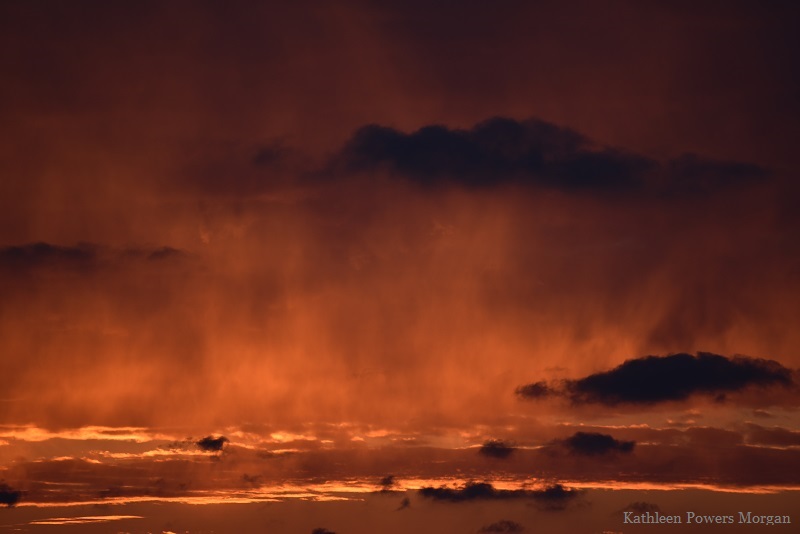
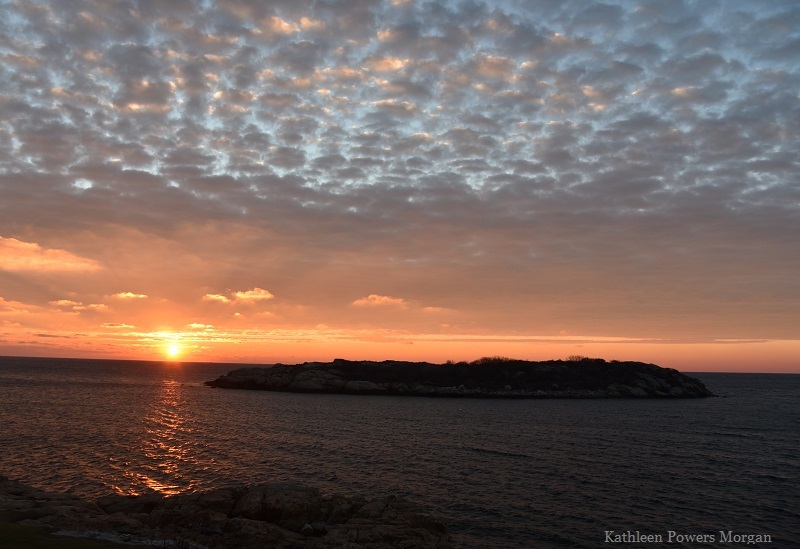
GMG FOB Kathleen Powers Morgan, Savour Wine and Cheese proprietor, submitted these photos of this morning’s GHB sunrise. Wild!



Hanna 2 years old and Riley 4 came for an overnight visit to Papa and Nonnie. Even in the winter time there is so much fun we can have in Gloucester. We went to see my favorite horses and of course visited Marshall Farm to see the Alpacas.


More Cape Ann Wellness News –
http://www.capeannwellness.com

Come and meet people who like feeling strong, healthy, and clear headed. One of the most exciting things about practicing yoga is knowing that you and the people around you sincerely care about their own health and the well-being of those around them. Come and get to know your incredible neighbors at our first Yoga Movie Night!
View original post 106 more words
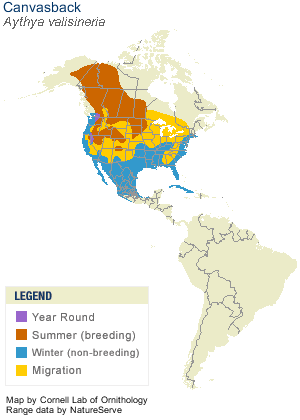
This first weekend of 2016 was an exciting one for our lovers of all things avian. Niles Pond especially was teeming with beautiful diving ducks, most notably the Canvasback Duck. Several Ring-necked Ducks were spotted as were a trio of the elegantly understated dabbling Gadwalls. American Coots and Buffleheads have been at Niles now for more than a month; the Buffleheads are especially abundant.
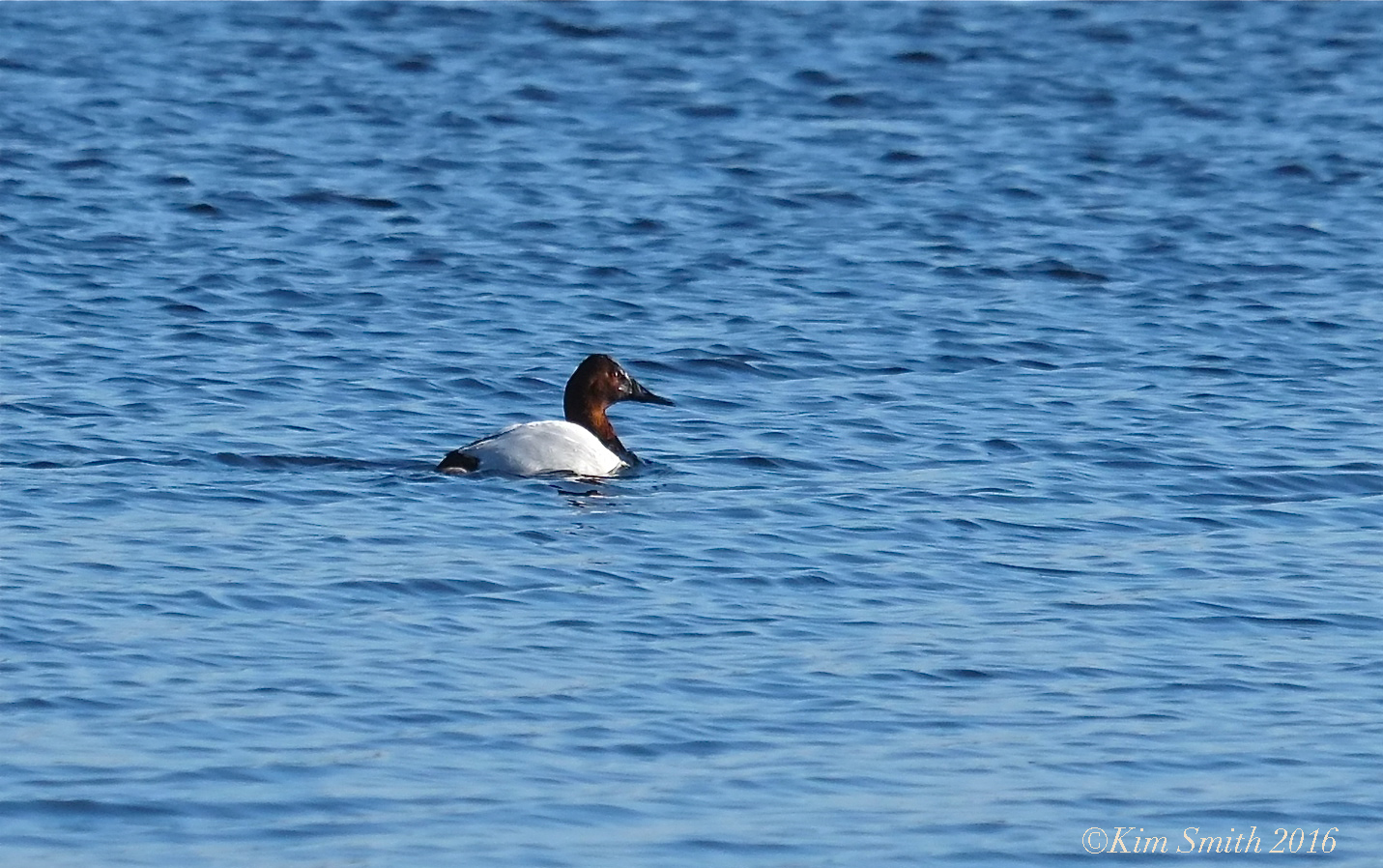 Too far in the middle of the pond for my wimpy 200mm lens, at least you can see for identification purposes the Canvasback Duck and the Ring-necked Duck
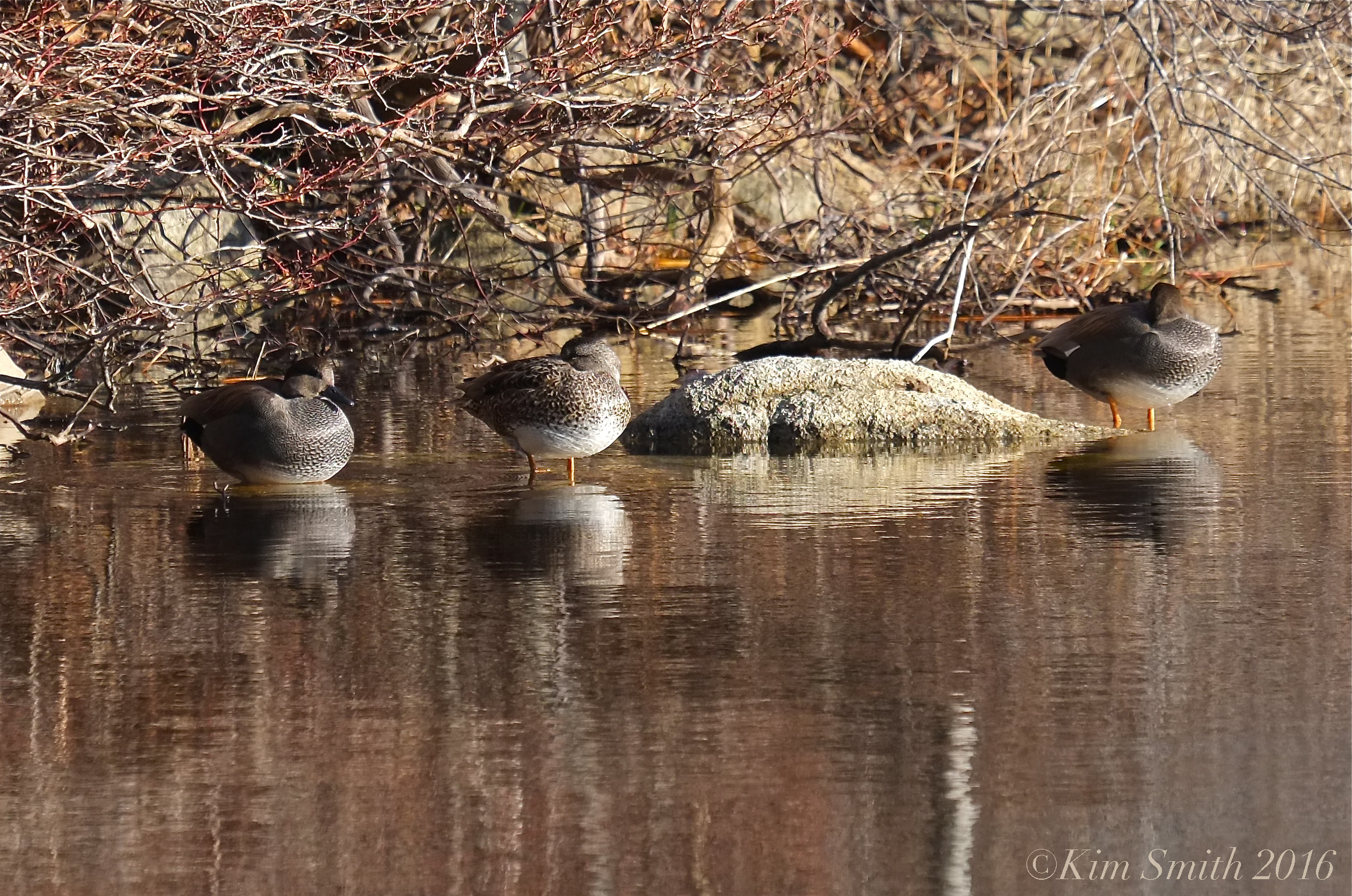 Gadwalls
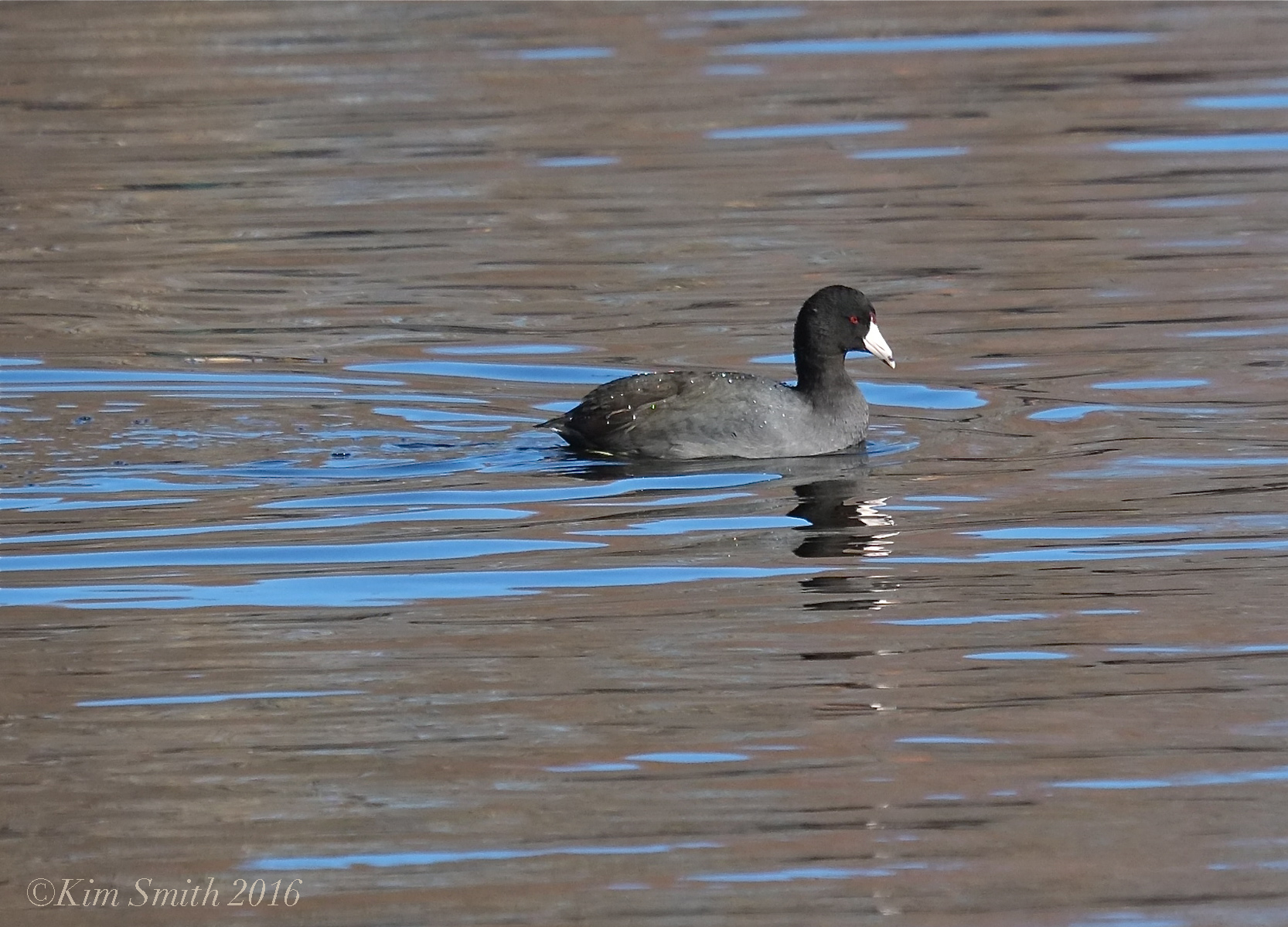 American Coot
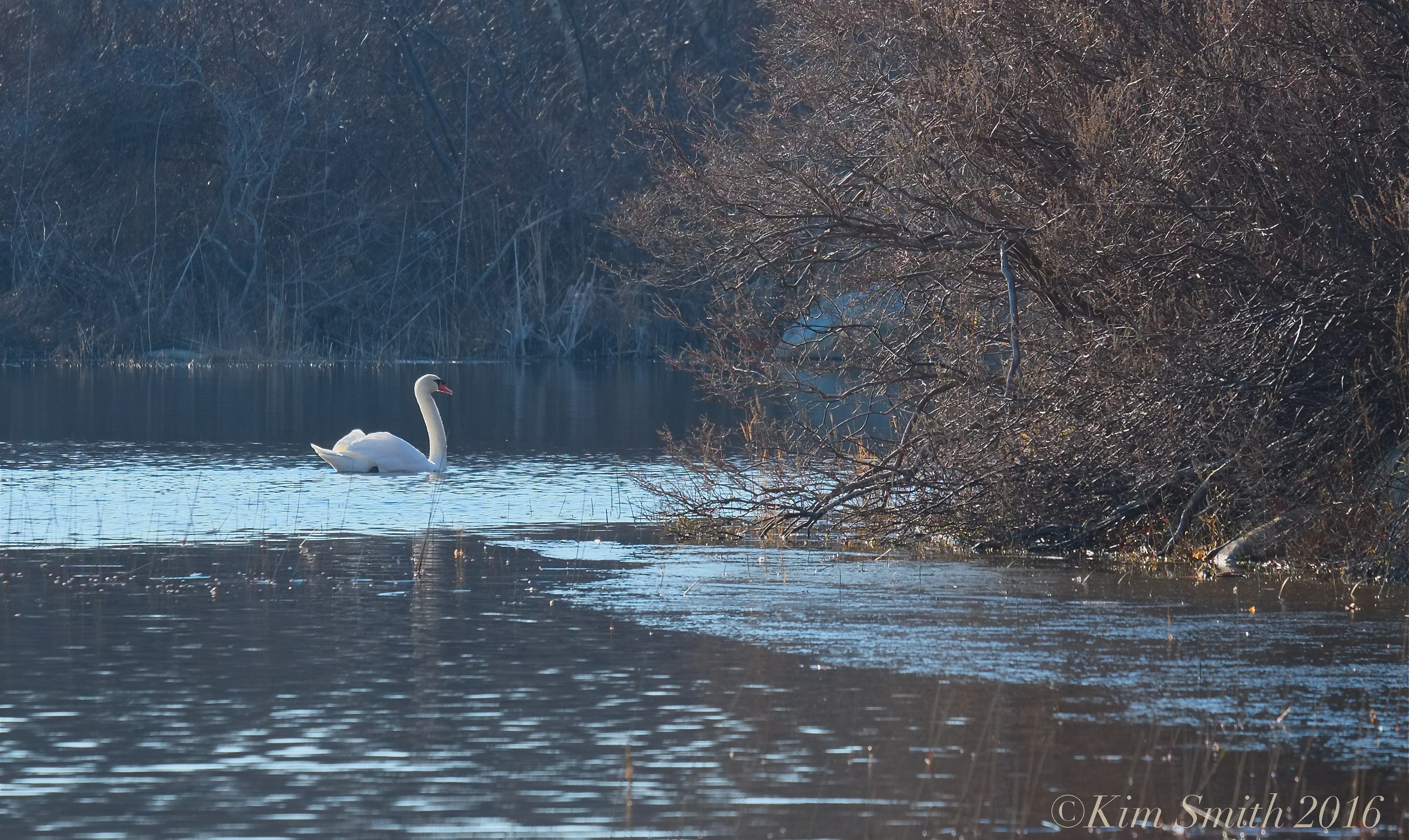 Mr. Swan!

Ring-necked Duck and Canvasback Duck
Canvasback Range Map



http://www.theonion.com/r/37839
By Andrea Martin
via theonion.com
This computer has great specs, Windows 7, and an awesome price.

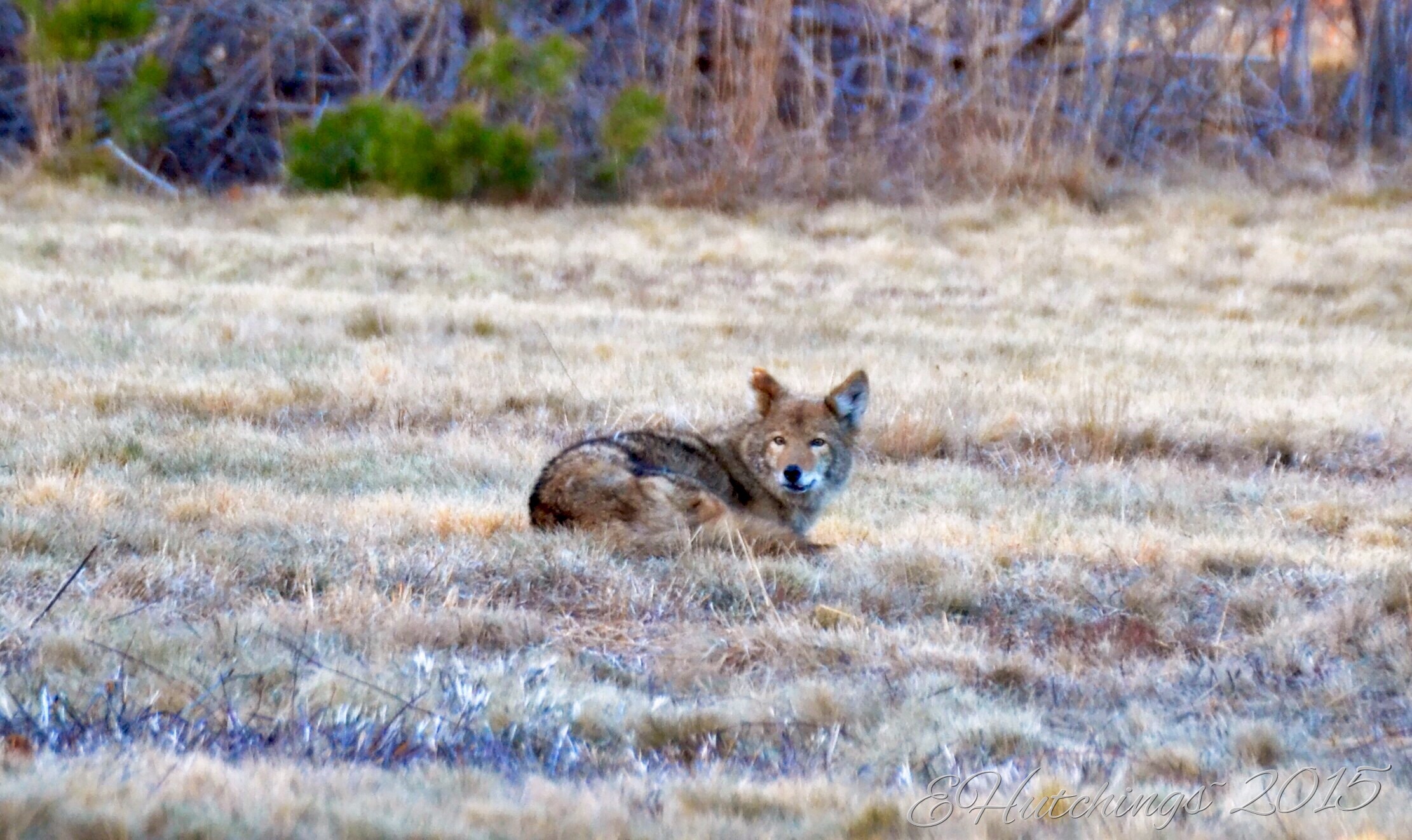
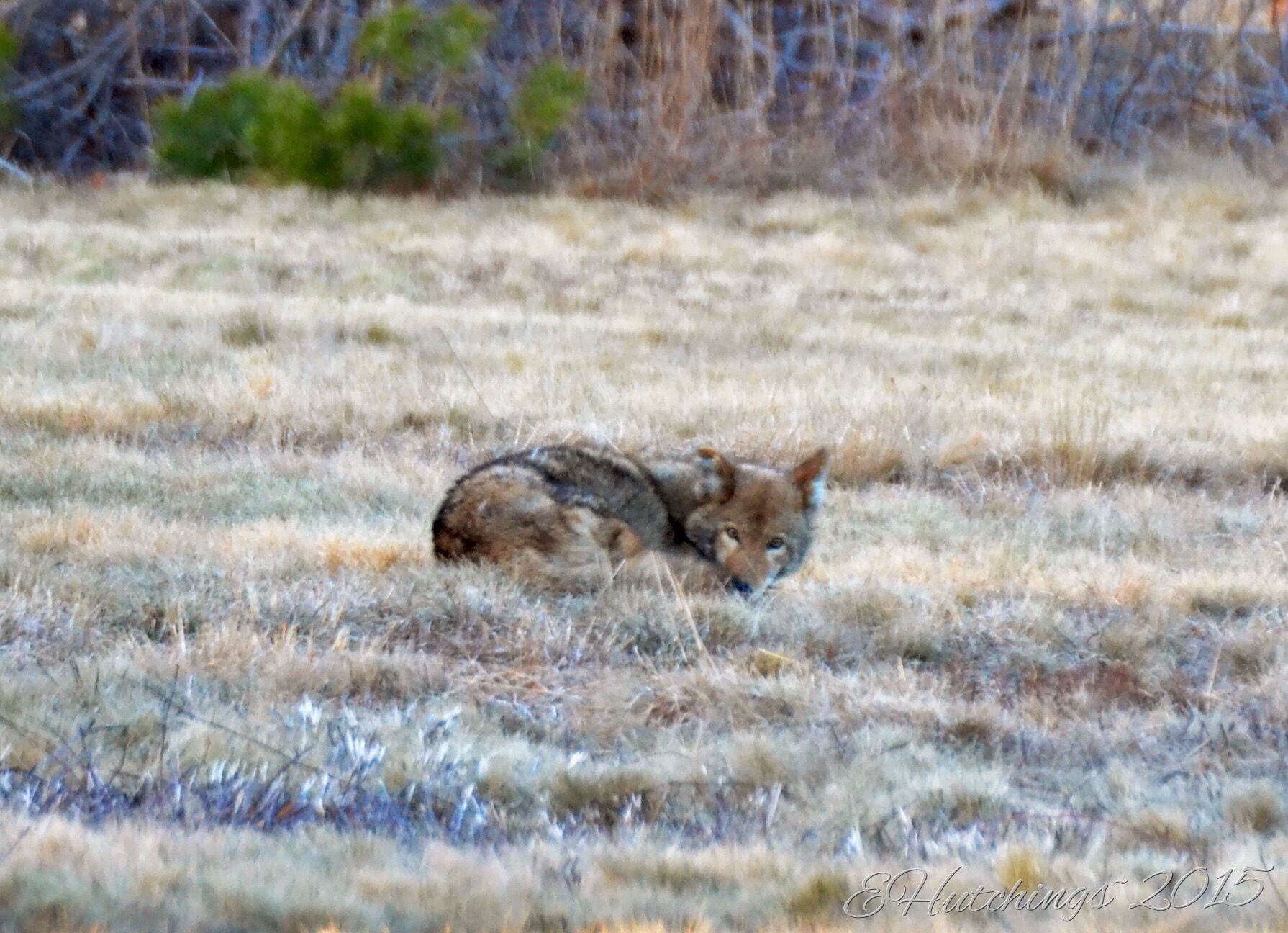
Hi Joey,This was the other coyote (more typical coyote coloration and size) that was lounging around alongside the very large coyote (coywolf) from the other day. 🙂
Erin Hutchings

More Cape Ann Wellness News –
http://www.capeannwellness.com
 Promoting Optimal Wellness for Body, Mind and Spirit
New Year’s Resolutions – The tradition of New Year’s resolutions can include the promise of self-improvement or doing more to help others.
According to the Statistic Brain Research Institute, listed among the top 10 Resolutions in 2015 were –
#1 – Lose Weight. #5 – Stay Fit and Healthy. #7 – Stop Smoking
All 3 Can be Helped Through Reiki, Meditation and Hypnosis! The 2015 Holiday Season has come to a close and now it’s time to get back on track with healthy eating, exercise, and other positive, healthy goals.For the full list of ‘Top 10 Resolutions in 2015’ – Statistic Brain Research Institute
A Google Consumer Survey found the top 2 Resolutions for 2016 were –
#1 – Enjoy Life to the Fullest #2 – Enjoy a Healthier Lifestyle.
Ralph Waldo Emerson said – “The 1st Wealth is…
View original post 615 more words
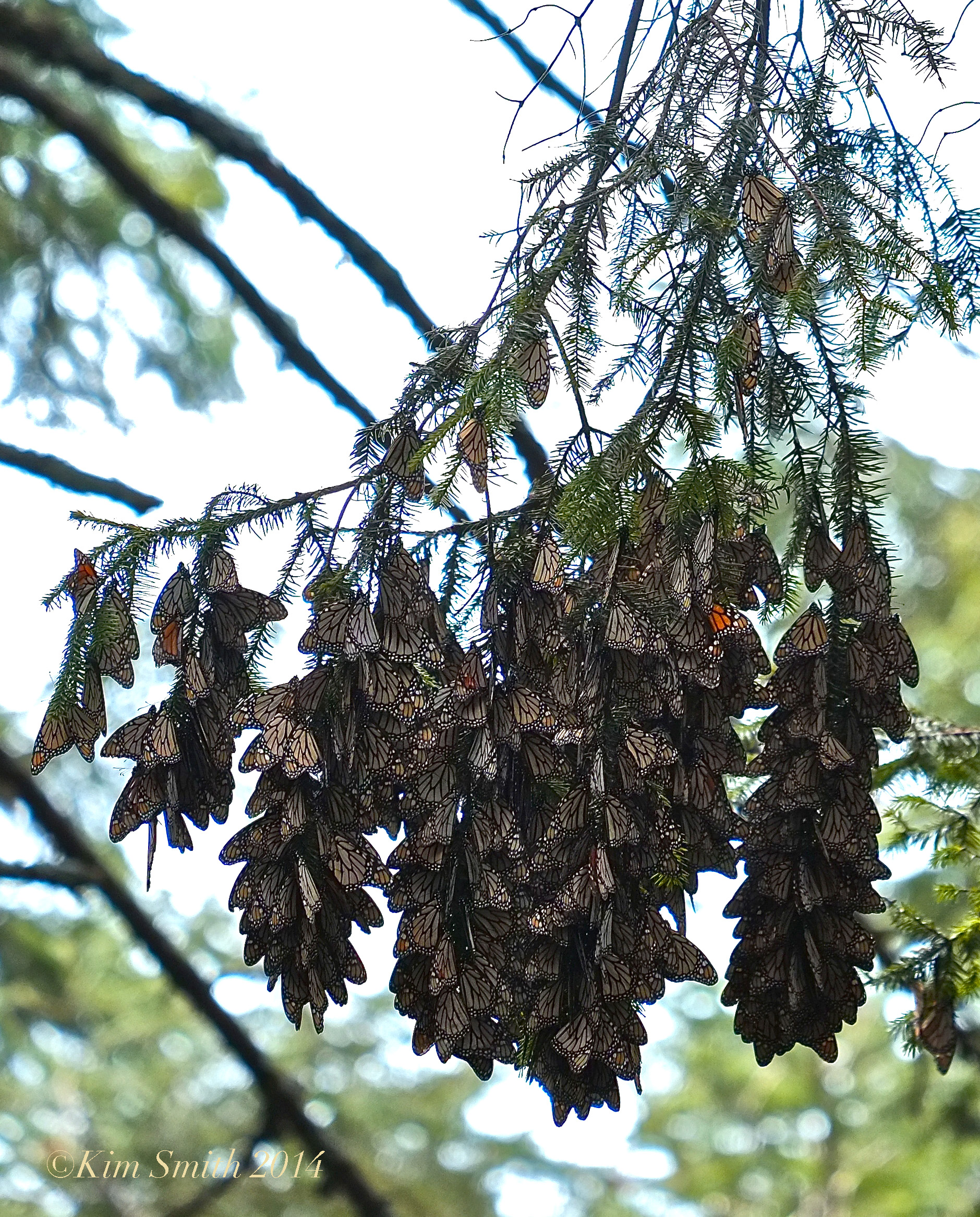 In February of 2014 when I traveled to El Rosario Monarch Butterfly Biosphere Reserve in Angangueo to film the Monarchs, we encountered some difficulty locating the butterflies. Because of global warming conditions the Monarchs had roosted much further up the mountain than was typical. We needed to climb an additional 1500 feet, nearly to the top of the mountain. There was no place higher for the butterflies on this mountain and I wondered at the time, where would they go as the earth becomes increasingly warmer.
Butterflies are heliothermic, which means they gain heat from the sun. During the winter it is imperative that the butterflies remain relatively cool and in a state of sexual immaturity, called diapause. The sheltering boughs of the sacred Oyamel Fir (Abeis religiosa) trees and the cool temperatures at the higher altitudes of the Trans-Mexican Volcanic Mountain Belt, in the past, have provided optimal habitat for the butterflies.
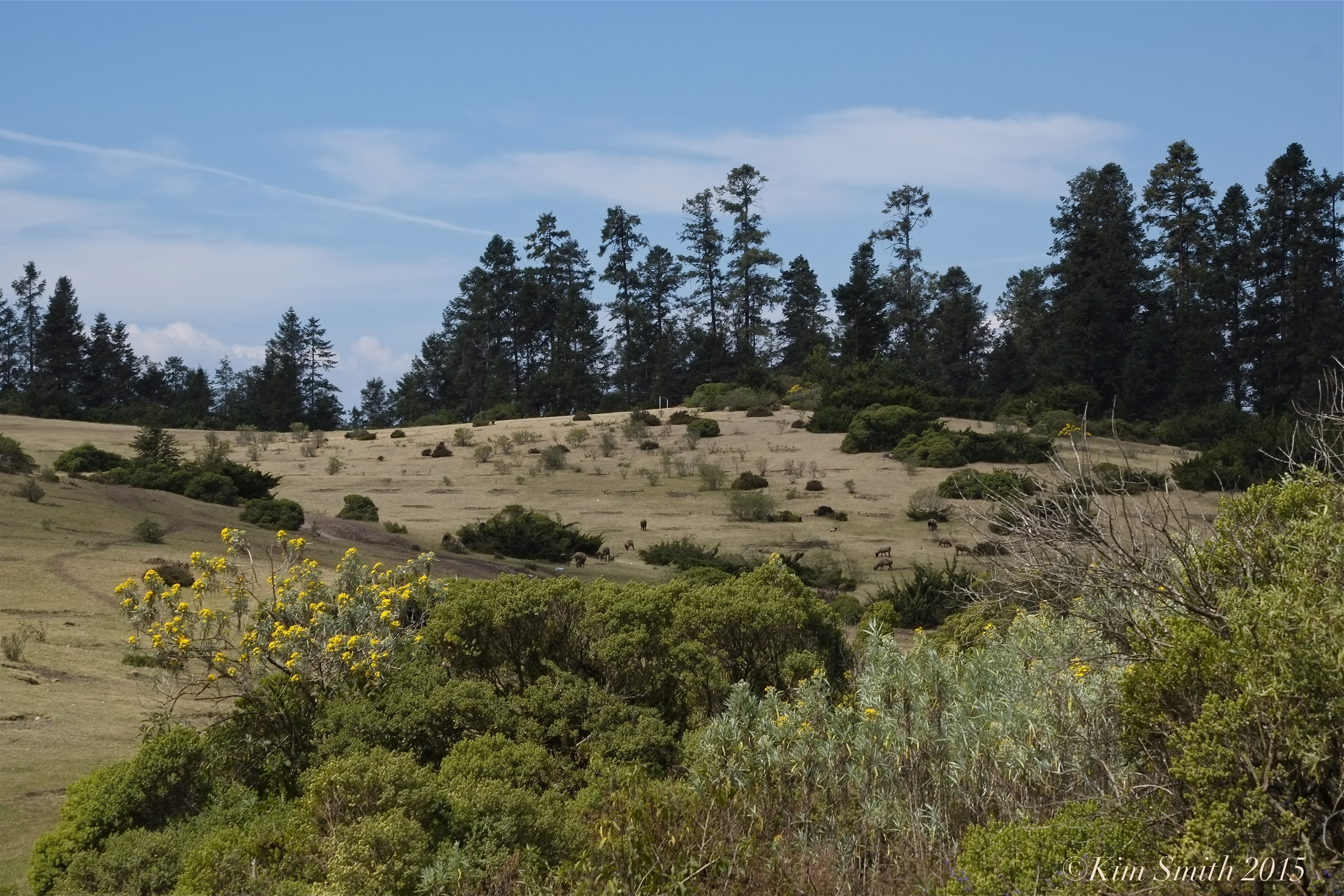 Leaving the Chaparral and Entering the Oyamel Fir Forset
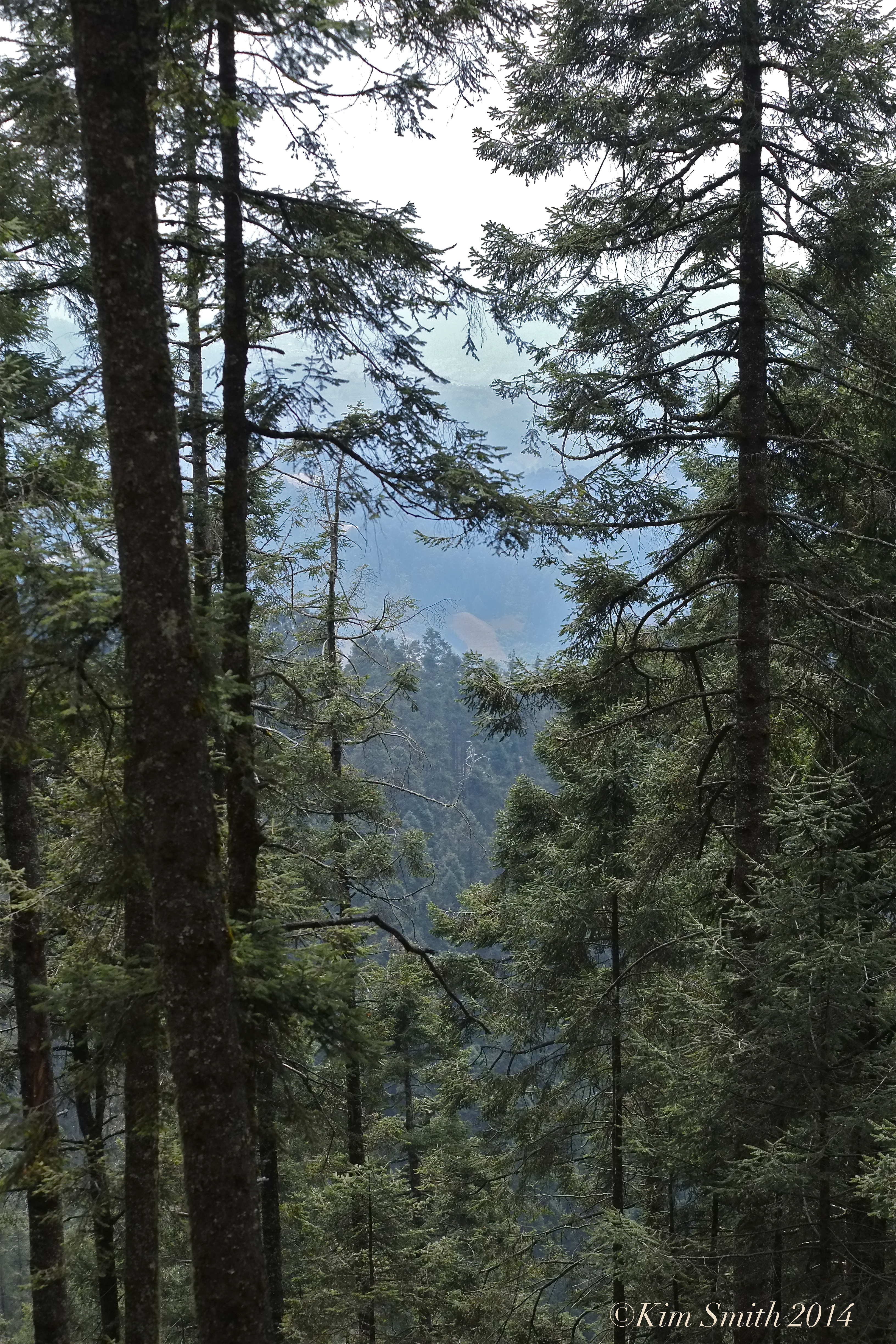 Oyamel Fir Forest
The butterflies currently roost at altitudes between 9,500 and 10,800 feet. Mexican scientists are planning to progressively move the trees higher up the mountainsides in a race to save the fir trees. Last summer several hundred seedlings were planted at 11,286 feet where habitat best suited to Monarchs is expected to be by 2030.
Excerpt from “To Protect Monarch Butterfly, a Plan to Save the Sacred Firs”
By Janet Marinelli
“While U.S. biologists urge gardeners to plant milkweeds to help restore the monarchs’ summer habitat, Mexican scientists are pinning their hopes on a plan to move the species progressively higher up local mountainsides in a race to save these firs and the butterflies that depend on them. “We have to act now,” says the plan’s architect, Cuauhtémoc Sáenz-Romero, a forest geneticist at the Universidad Michoacana de San Nicolás de Hidalgo. “Later will be too late, because the trees will be dead or too weak to produce seeds in enough quantity for large reforestation programs.”
When the rainy season arrived last summer, a few hundred seedlings were planted at 11,286 feet, where habitat suited to oyamel fir trees is expected to be by 2030. By then, according to retired U.S. Forest Service geneticist Jerry Rehfeldt, who co-authored a paper with Sáenz-Romero on global warming’s effect on oyamels, temperatures in the reserve could rise above pre-industrial levels by 2.7 degrees Fahrenheit by 2030, and suitable habitat could shrink by nearly 70 percent. The scientists’ research further suggests that by the end of the century, habitat that meets the fir’s needs may no longer exist anywhere inside the reserve. Trees would have to be planted at higher altitudes on peaks more than 100 miles away from the monarch’s migratory home.
The sacred fir is a poster child for the plight of trees around the globe. Trees provide habitat for countless species and underpin ecosystems as well as human economies, but as a group they are highly imperiled. A diagram in the Intergovernmental Panel on Climate Change’s 2014 Working Group II report shows that of all life forms, trees are least able to respond to rapid climate change. Rooted in place, they have not evolved for rapid locomotion. Many take decades to mature and reproduce.
The breakneck speed of current global warming dwarfs anything in the fossil record, even what Lee Kump, professor of geosciences at Penn State University, has called “the last great global warming” 56 million years ago during the Paleocene-Eocene Thermal Maximum. At that time, over the course of a few thousand years, global temperatures soared 9°F as the supercontinent Pangaea broke apart. By comparison, if carbon emissions are not slashed soon, scientists warn it’s possible we could witness that much warming in a matter of centuries, if not decades. Without human help, trees and many other plant and animal species most likely won’t be able to migrate fast enough to keep pace with rapidly changing conditions.”
READ THE COMPLETE ARTICLE HERE
So many thanks to my friend Eric Hutchins for forwarding this article!!
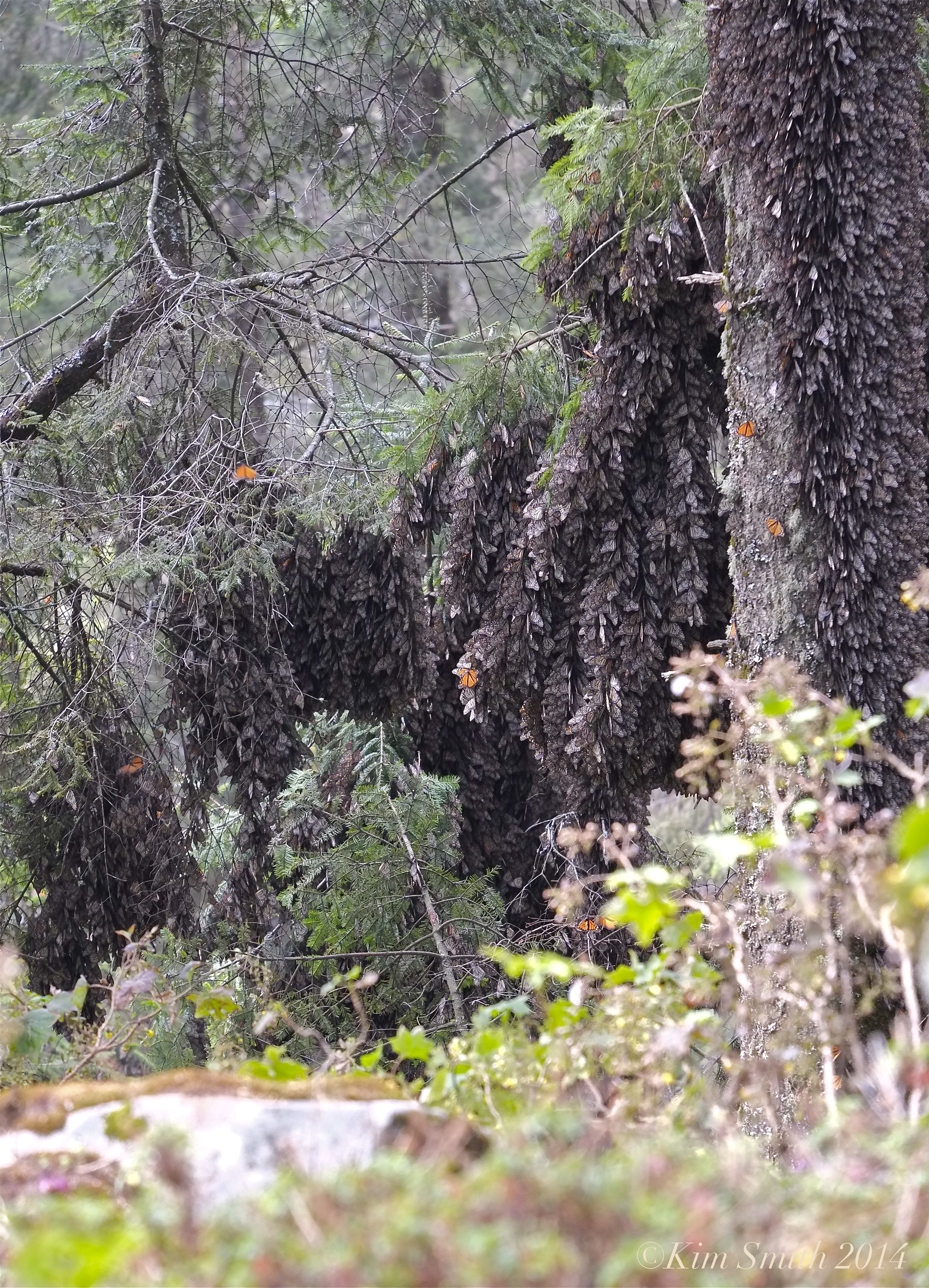 Oyamel Boughs Enveloped in Monarchs







 Good Morning Gloucester