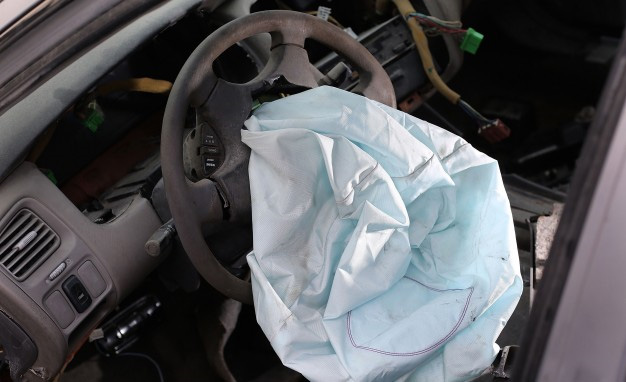
 Photography by Joe Raedle/Getty Images
Everyone has a measure of it. Children have faith in their parents, people have faith in their spouse or loved one, their friends, their community, their doctor. No one gets in an airplane, train, car or bus without faith that it will get them safely where they are going. No one goes in for surgery without a certain amount of faith in their surgeon and anesthesiologist to bring them through safely.
Faith is defined in the dictionary as: “complete trust or confidence in someone or something”; and defined in the Bible as: “the assurance of things hoped for, the conviction of things not seen.”
Some would say that those who put their faith in God practice “blind faith”. That can only be said by people who do not know God, who is perfect, and created and is in control of all. Those who don’t put their faith in God, by default put their faith in man. Man was created in perfection, but, because he also was given free will, chose to become imperfect. Hence anything man does or creates is inherently imperfect. Just consider the current Takata airbag defect issue, possibly affecting up to 34,000,000 vehicles; and the exploding lithium batteries, to name just two current evidences of the imperfection of man’s creations (of course there are hundreds of thousands of examples). On putting faith in man, a study in the September 2013 issue of the Journal of Patient Safety says that between 210,000 and 440,000 patients each year who go to the hospital for care suffer some type of preventable harm that contributes to their death. That would make medical errors the third-leading cause of death in America, behind heart disease, which is the first, and cancer, which is second.
The millions who know and put their faith in God can live with assurance in an imperfect world, being imperfect themselves and surrounded by other imperfect people, because we put our faith in the perfection of God rather than the imperfection of man. That is not to insinuate that nothing “bad” ever happens to those who put their faith in God, but we have the assurance that whatever does happen is in God’s control, and therefore not “bad” at all, but necessary for ultimate good. That allows us to live in a state of peace in a world that does not know peace.
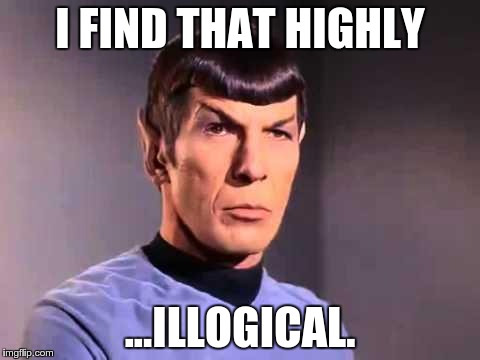
Personally, I would much rather be viewed as foolish by people for putting my faith in God, than to actually be foolish by putting my faith in what I know to be imperfect. To quote Mr. Spock: “I find that highly illogical.”
E.J. Lefavour
http://www.hobbithousestudio.com































 Good Morning Gloucester