BLUE HERON – FIERCEST HUNTER OF THE FROG POND

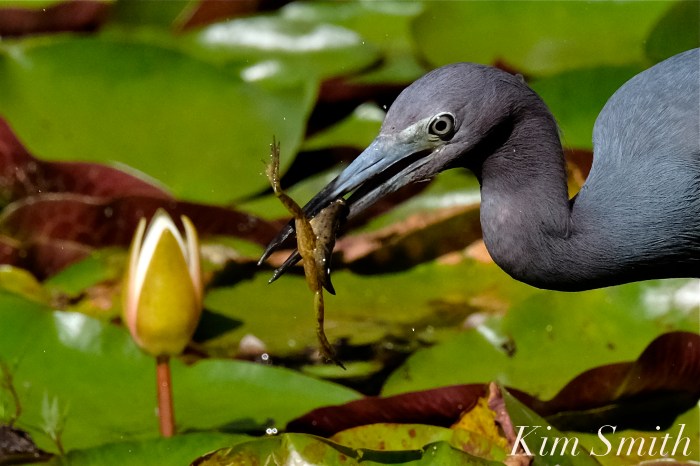
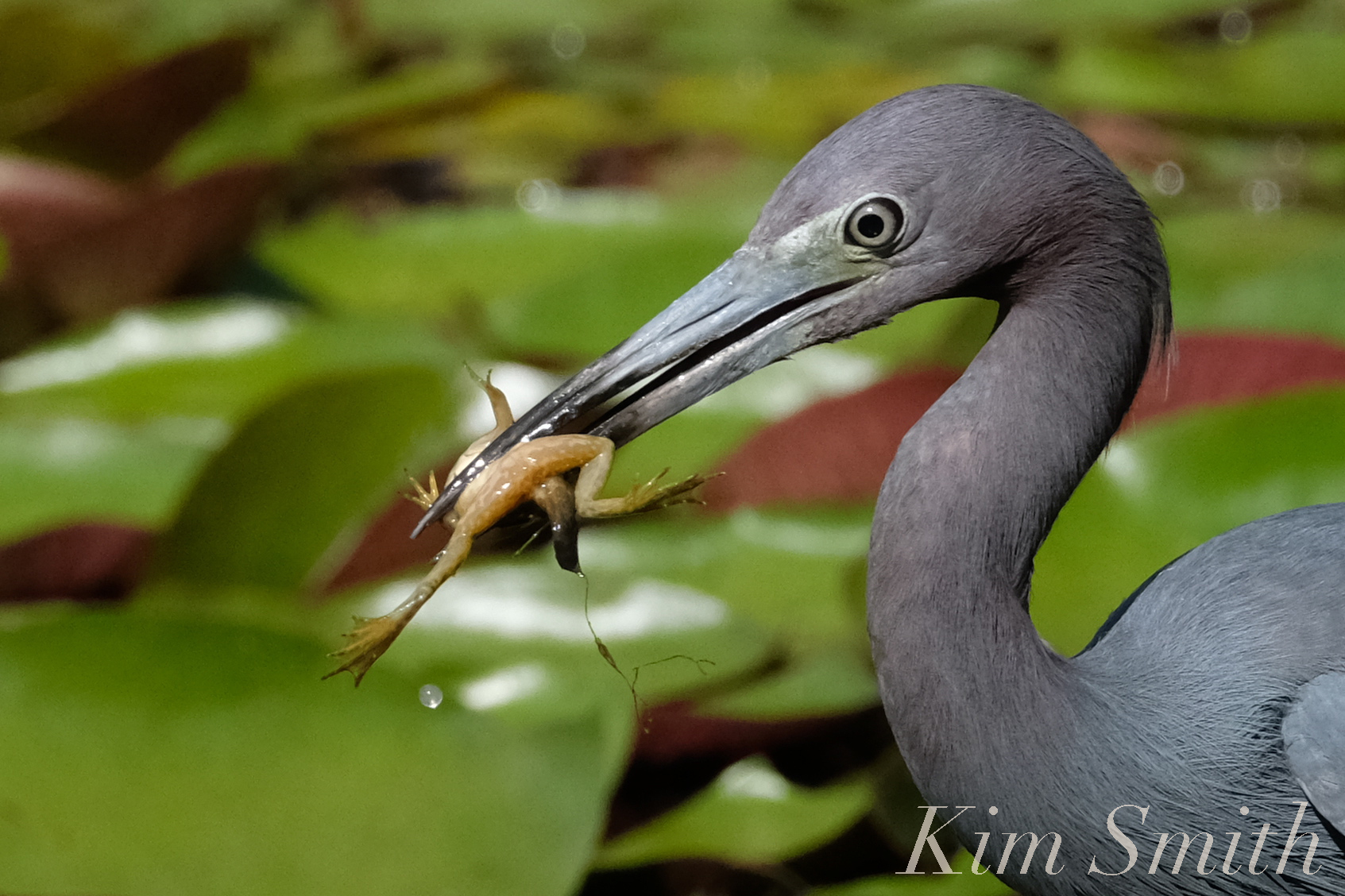
In the span of about ten minutes, fifteen minutes tops, this Little Blue Heron ate a fish and three froglets (froglets are frogs that still have their tadpole tails).

Little Blue Heron eating froglet (note the frog’s tail).

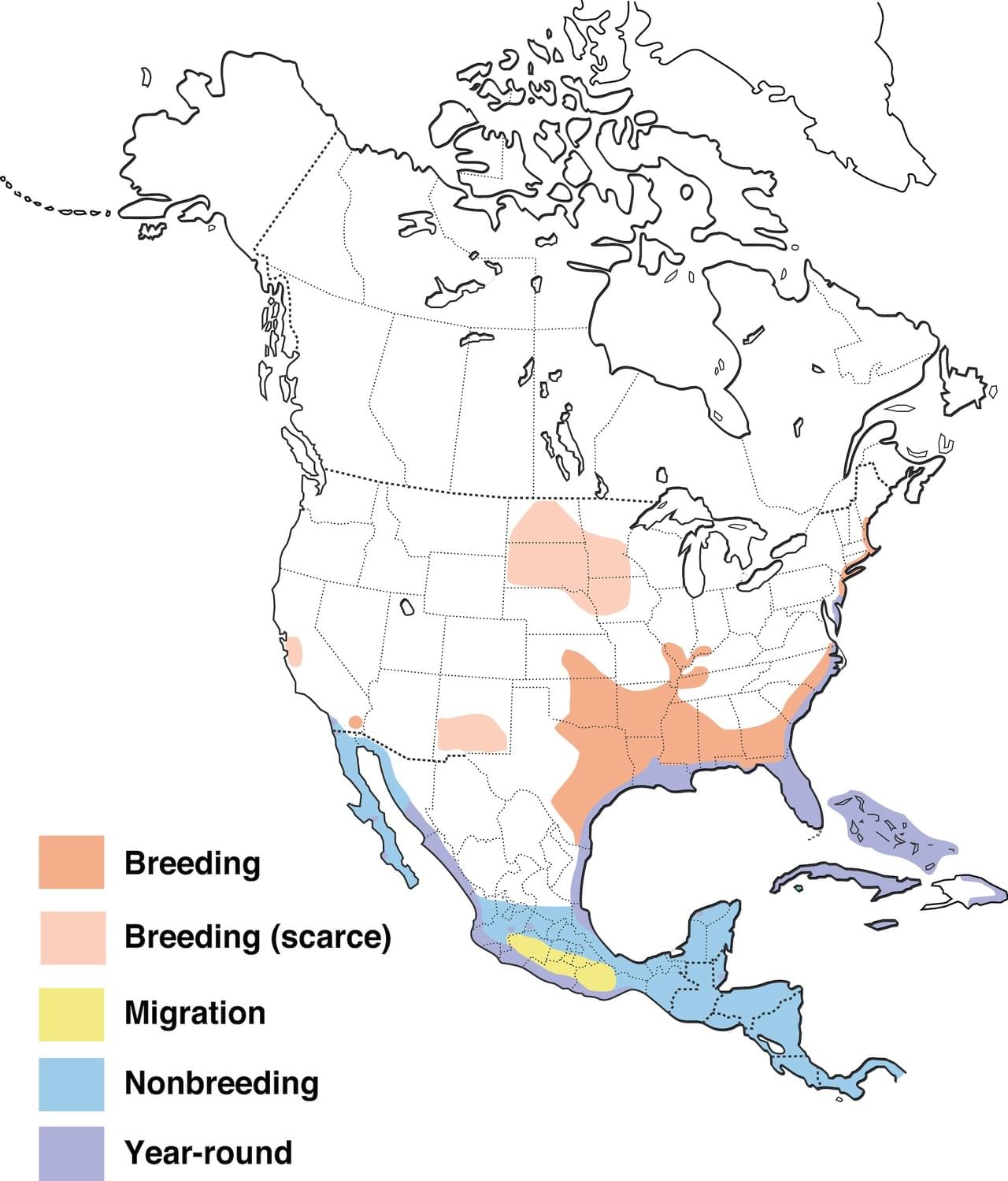
According to Audubon and Cornell’s website, they are scarce breeders on Cape Ann, but I am not so sure about that. Although we are at the northern range of their breeding range, every year we see many first hatch year Little Blue Herons gathering at our local ponds along with other herons and egrets. They are definitely breeding on Cape Ann, despite maps that say otherwise.

https://goodmorninggloucester.org/2018/10/02/admiring-the-rarely-seen-little-blue-calico-heron/

https://goodmorninggloucester.org/2018/08/13/a-fine-froggy-lunch-for-a-little-blue-heron/

https://goodmorninggloucester.org/2018/09/18/a-fine-froggy-dinner-for-a-little-blue-heron/

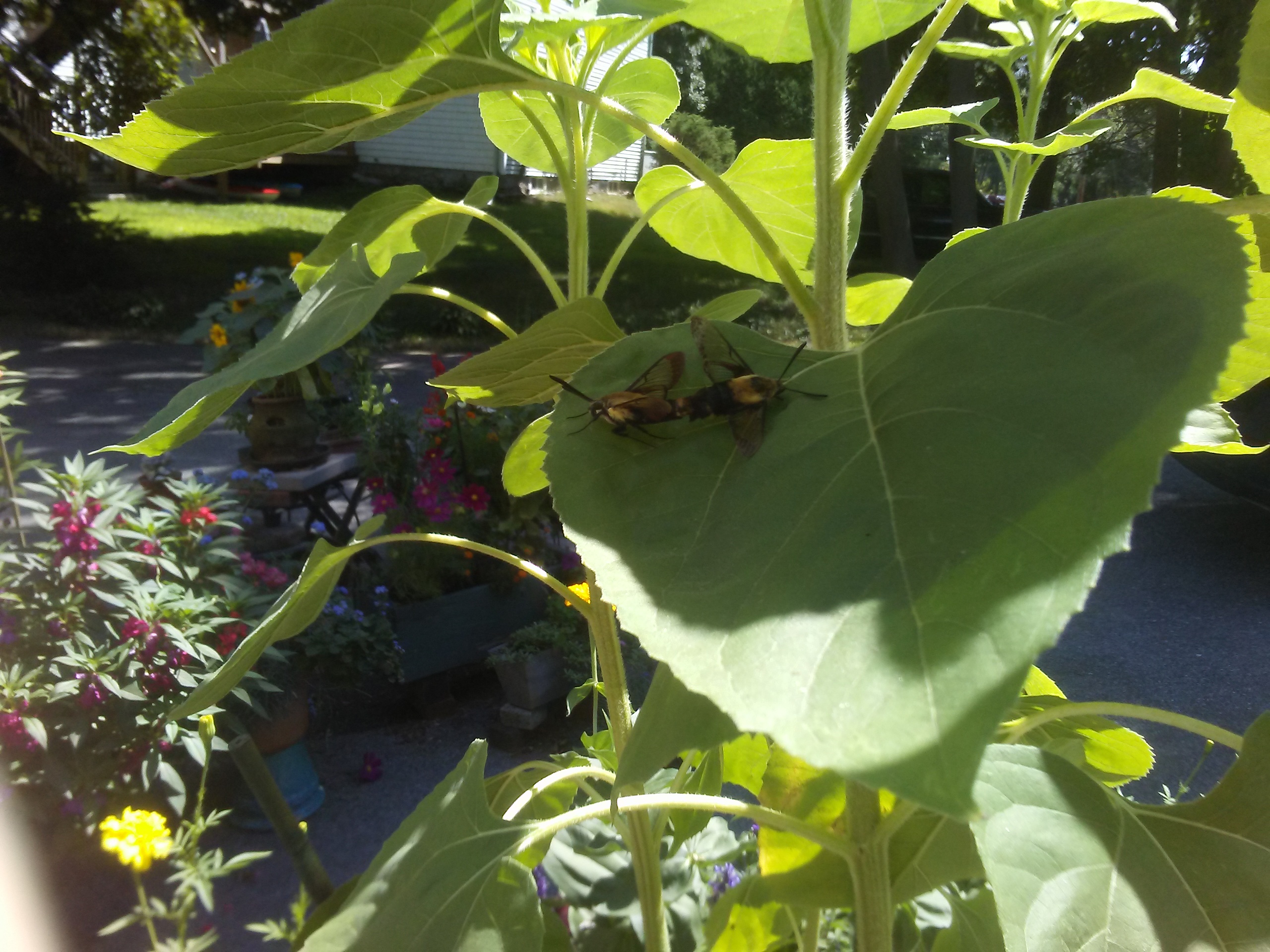
SNOWBERRY CLEARWINGS MATING ON SUNFLOWERS!

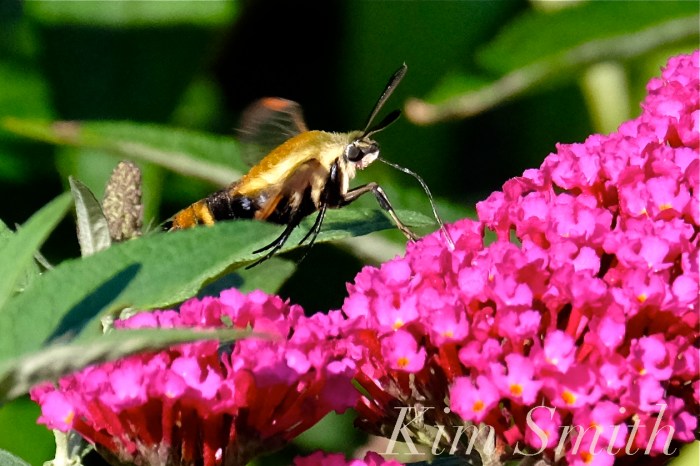
Reader DB sent in this terrific capture of a pair of Snowberry Clearwing Moths mating on her sunflowers.

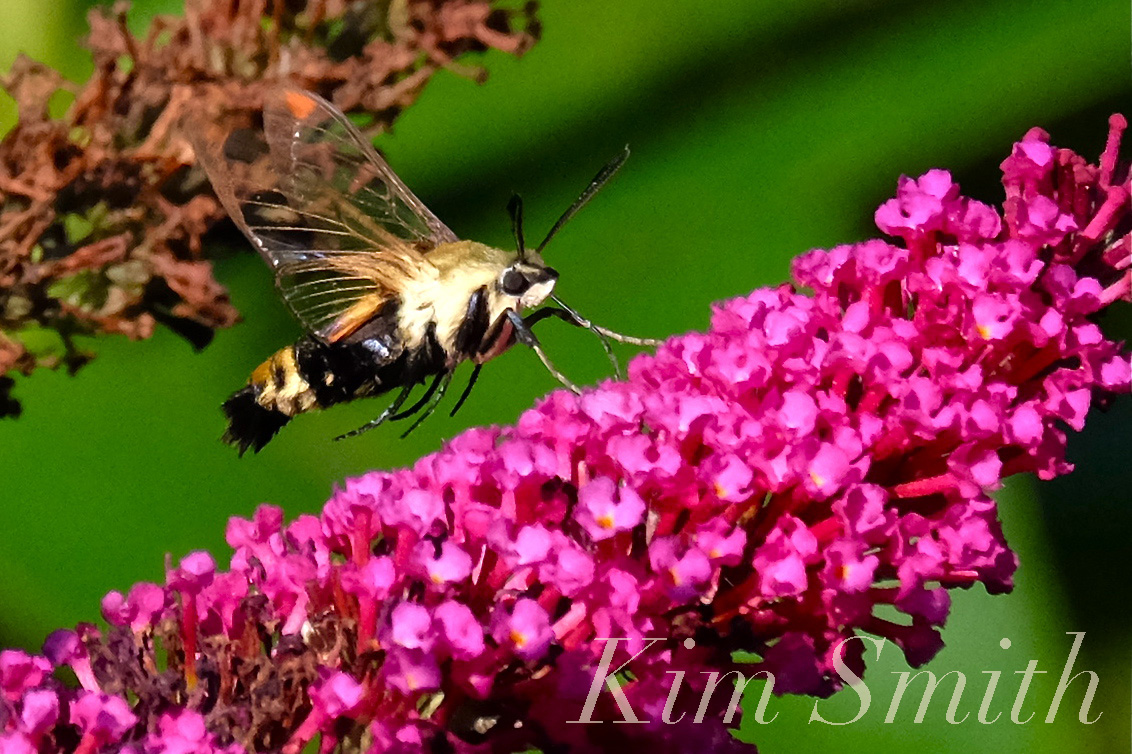
Another name for the Snowberry Clearwing Moth (Hemaris diffinis) is Bumblebee Moth. Snowberry Clearwings are in the same family as Hummingbird Clearwing Moths (Hemaris thysbe). Snowberry Moths have yellow and black colors similar to Bumblebees while Hummingbird Clearwings, which are reddish brown and green, look more like Ruby-throated Hummingbirds.

If you would like to attract clearwing moths to your garden, plant plenty of nectar-rich flowers that bloom in July especially. And even more importantly, plant the caterpillar food plants. The females deposit their eggs on honeysuckles, viburnums, blueberries, snowberry, and members of the rose family.

Another way to help clearwing moths is to NOT tidy up your garden in the fall. As is the case with so many species of Lepidoptera, and other insects, they overwinter in the leaf litter at the base of plants. Snowberry Clearwing Moths emerge in late spring and early summer from cocoons hidden in leaves.


Snowberry Clearwing Moth

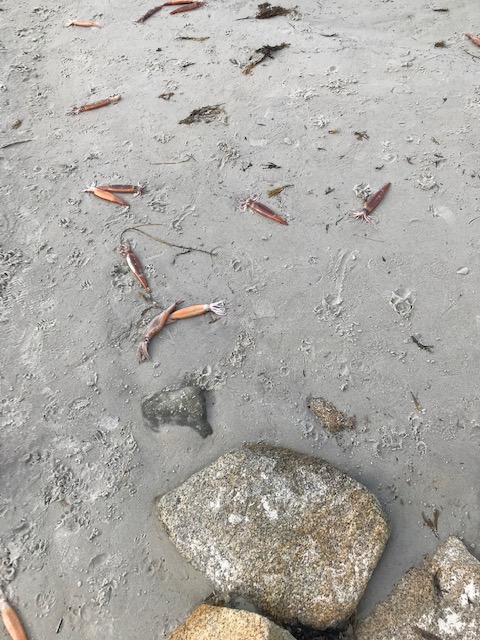
HUNDREDS OF SQUID WASHED ASHORE AT LIGHTHOUSE BEACH IN ANNISQUAM

Friends Bobbi and Pete Kovner sent in the snapshots from this morning. I didn’t go over to see because Bobbi reported back that the seagulls were eating the squid.

The photos show just a portion of the beach, there were actually much more.

Does anyone have an idea as to why there were so many squid at Lighthouse Beach. Thank you so much for writing if you do!

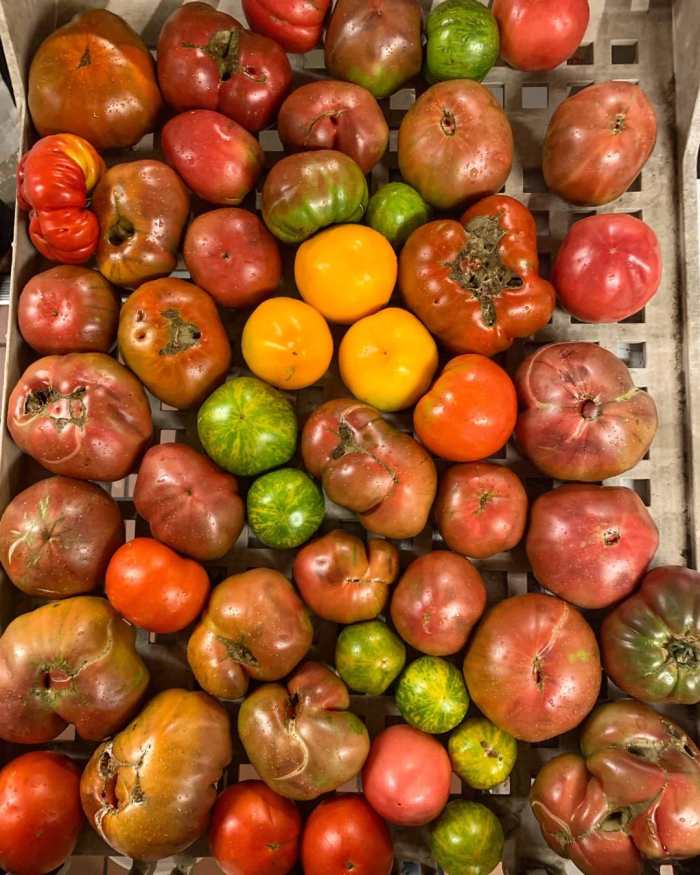
Today we have a #TonnoLesson on @ironoxfarm Heirloom Tomatoes! 

tonnogloucester's avatarcapeanneats

67724611_1574871522648106_3806245948095463424_o.jpg

Today we have a #TonnoLesson on @ironoxfarm Heirloom Tomatoes! 🤓 📝

What makes an Heirloom Tomato an heirloom? 🍅 These tomatoes seeds are passed down from season to season, (sometimes even generation to generation) taken from the tomato plants that produced the best fruit. This process allows farmers to select certain desirable traits like juiciness, size, shape, or color and produce the #UltimateTomato💪🏼


Heirloom tomatoes are also often open-pollinated, which means that they are pollinated naturally, by birds, 🐦 insects, 🐝 wind, 💨 or human hands.🤠👋🏼 No weird science-y genetic modification here!

Tonno Gloucester

2 Main St.

Gloucester, Massachusetts 01930

(978) 879-4795

View original post

Belly at the Bar

abhankinson's avatarCape Ann Wellness

49

Belly Dance is coming to MAC!

Celebrate summer and get a taste of the Belly Dance classes coming to MAC this Fall!

Gather your girlfriends for a drink and learn some luscious moves that will make you feel beautiful!

ALL AGES + LEVELS WELCOME! Bring your daughters, mothers, grandmothers, friends for an unforgettable experience! Event is open to the community!

Attire: Anything that makes you feel luscious and beautiful. People typically wear yoga/workout clothing. Hip scarves provided, or bring your own!

About the instructor: Marci “Selena” Johnson has taught and performed all over the world. She holds a BA from UCLA and a Masters from Harvard. Her students range in age from 0-99. She has taught multicultural dance to preschoolers, teens, mothers, grandmothers, prenatal belly dance, and so much more. She has danced for multiple fundraisers for local schools and museums, and danced professionally on tour with many top performers…

View original post 65 more words

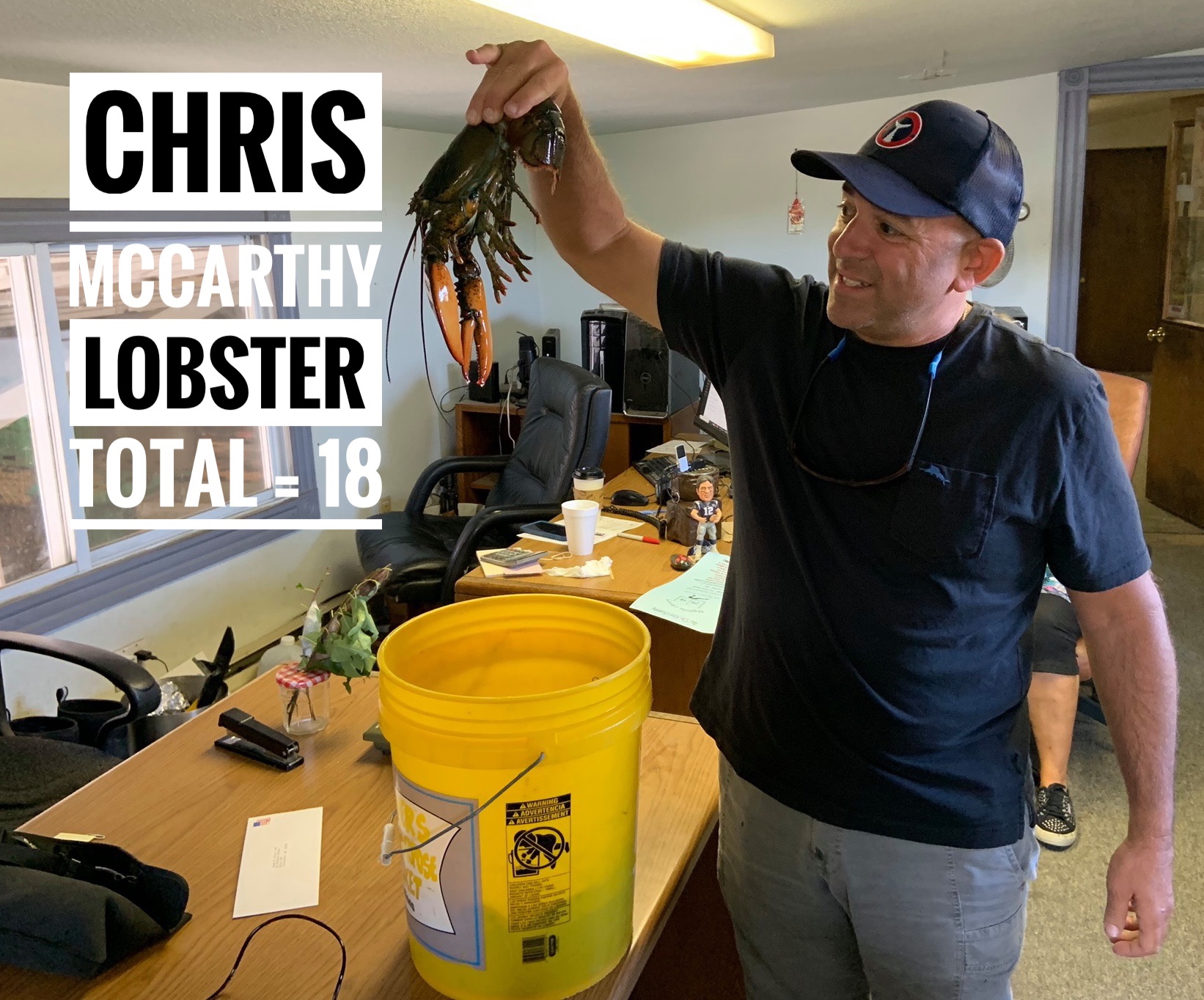
Chris McCarthy @mcgolf67 2019 Lobster Count Is 18

Chris McCarthy @mcgolf67 2019 Lobster Count Is 18! 5 Hauls $540 investment. This brings his per lobster 🦞 cost down to $30. He’s making headway! Yesterday’s haul was 8 lobsters and the trajectory is up!

DANCE OF THE SWALLOWS

Without doubt, the spectacular summer/autumn migration that takes place each year along the shores of Cape Ann has begun. Everywhere we turn, there are magnificent creatures foraging along our shoreline. In one day alone on an early morning walk this past week were Ruddy Turnstones, Black-bellied Plovers, Willets, Spotted Sandpipers, and great flocks of Semi-palmated Plovers and Sanderlings. I think I’ll write a little series with a paragraph or two devoted to each species for the upcoming week.

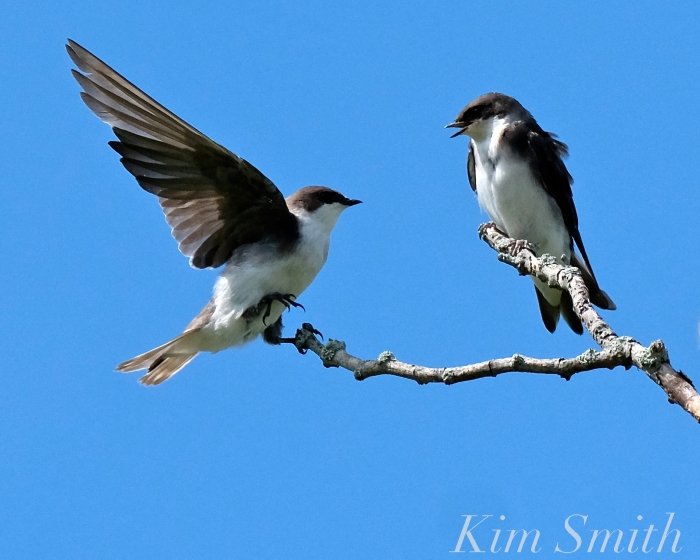
For today though, I wanted to share photos of a flock of Tree Swallows that were gathering at Good Harbor Beach. A friend wrote wanting to know more about the beautiful birds we see massing at both Good Harbor and Wingaersheek Beaches at this time of year.

From 2018 – Over the course of the summer while filming the Piping Plover Family at Wingaersheek Beach, Tree Swallows began flocking in ever increasing numbers. They became part of the Piping Plover story not only because they occasionally dive bomb the Piping Plovers, for whatever reason I am not entirely sure, but also because they are beautiful to observe, and occasionally, seemingly playful, too.

Songbirds that they are, Tree Swallows make a cheery chirping chatter. They have long narrow forked tails, all the better for gliding and for their signature aerial acrobatics. The male’s upper parts are a brilliant iridescent blue-green, the female’s somewhat duller, and both female and male have white underparts. The migrating juveniles are almost entirely brown with either white or pale grayish underparts.

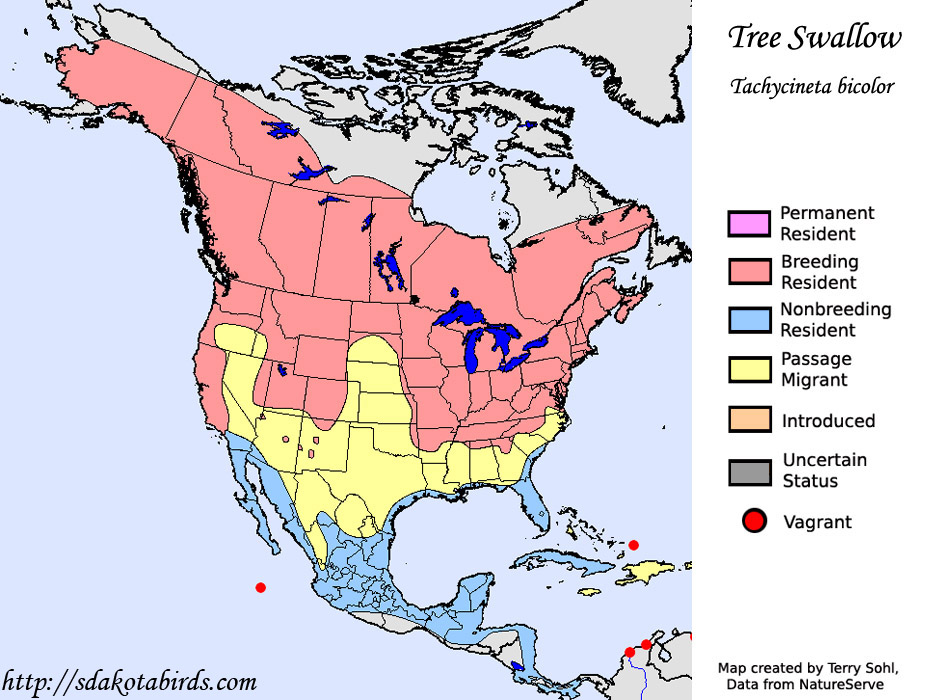
Tree Swallows breed in the wetlands and fields of Cape Ann. Their name comes from the species habit of nesting in tree cavities. Tree Swallows have benefited tremendously from efforts to help save the Eastern Bluebird because they also nest in the nest boxes built specifically for the Bluebirds.

Acrobatic aerialists, they twist and turn mid-flight to capture a wide variety of insects including butterflies, dragonflies, greenheads, bees, beetles, and wasps.

Utilizing both fresh and saltwater to bathe, Tree Swallows have a unique habit of quickly dipping and then shaking off the excess water while flying straight upwards.

Tree Swallows begin migrating southward in July and August. The flocks that we see gathering on Cape Ann migrate along the Atlantic Flyway. They overwinter in the southern states of the U.S., Mexico, the Caribbean, and Central America. Unlike migrating species of butterflies, several generations of Tree Swallows migrate together, the older birds showing the younger birds the way.

Music composed by Jules Massenet: “Méditation” from Thaïs
WHAT IS THAT BRILLIANT “STAR” SHINING SO BRIGHTLY NEXT TO THE MOON?

Have you been wondering what that brilliant star is, adjacent to the Moon, and shining so brightly in the sky? I have been when out and about photographing. I think it is Jupiter, but hope some of our astronomy experts will let us know for sure. Thank you.

The little dot to the lower left of the Moon is what I am talking about. It doesn’t look like much in the photo, but in reality is beautiful.

Went kayaking on the Annisquam

On Saturday Rick and I went kayaking on the Annisquam from Corliss Landing. What a great paddle. We paddle to Wingaersheek Beach. Great views and exercise.