WHEN A WEED IS NOT A WEED and Why Joe-Pye is So Darn Lovable!

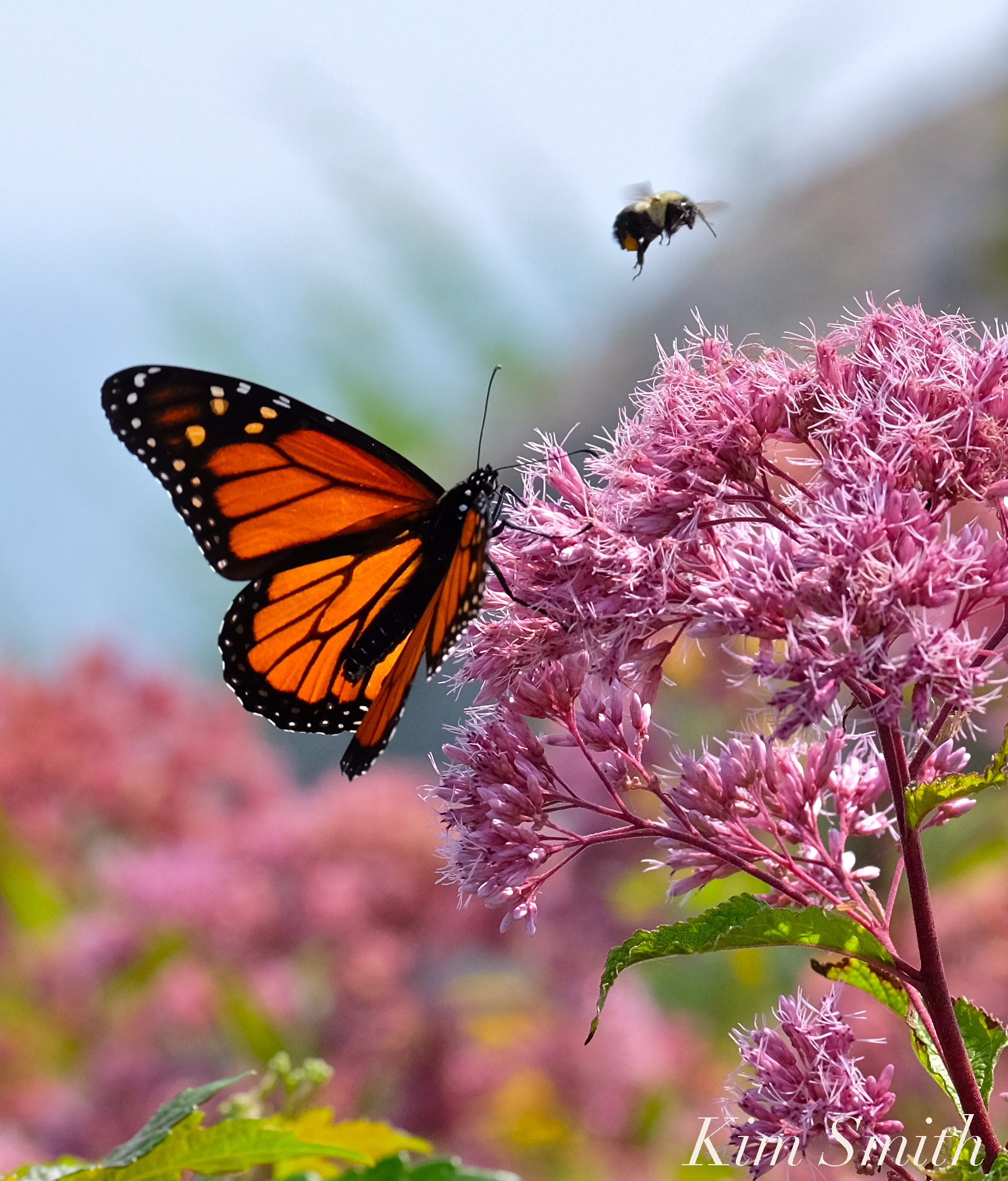
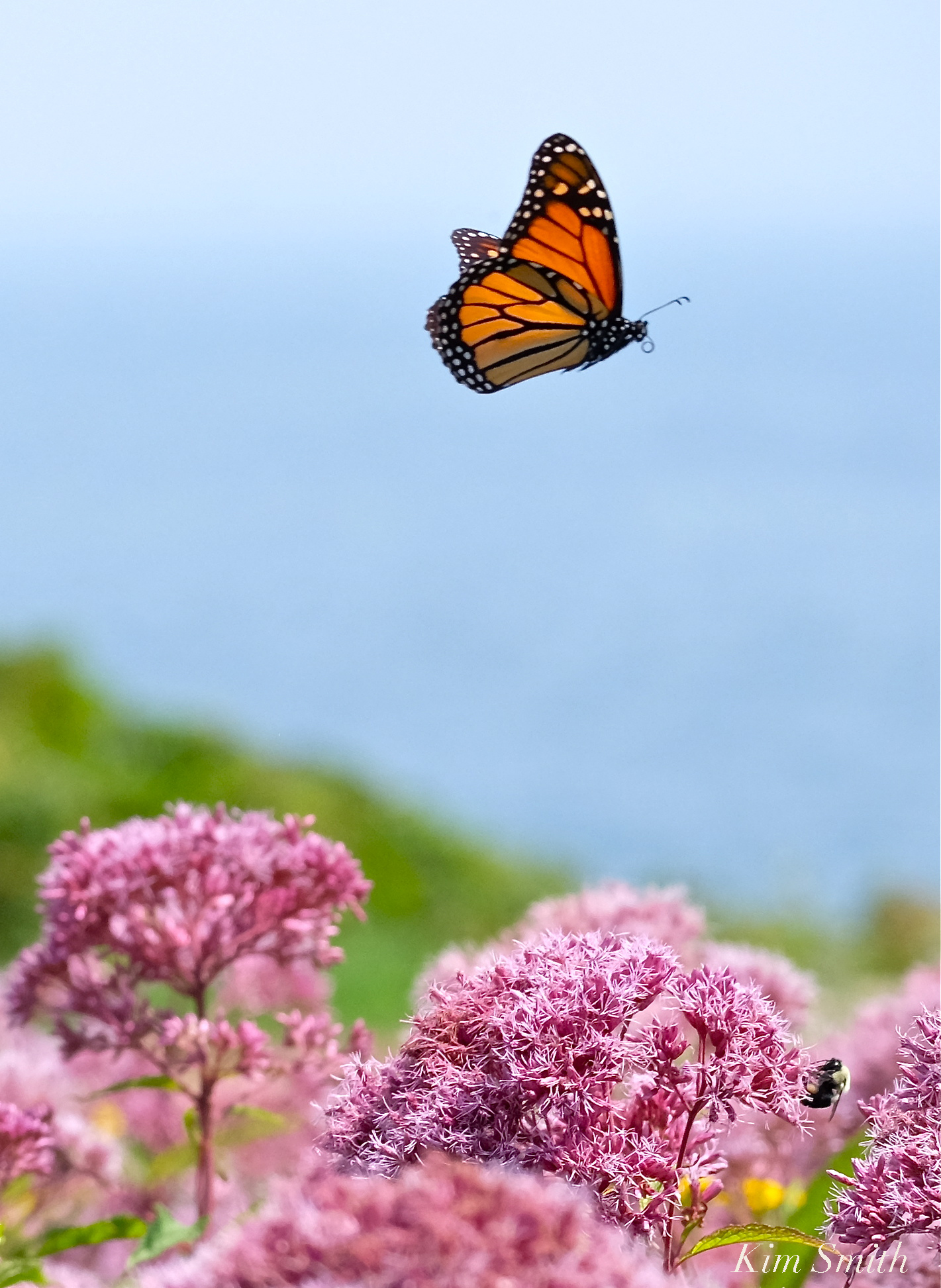
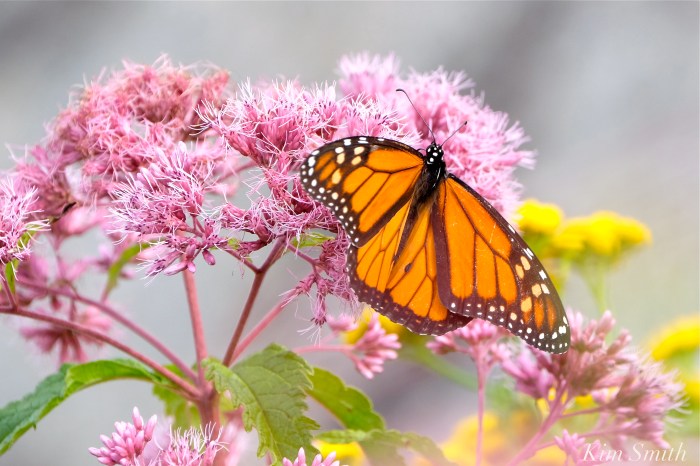
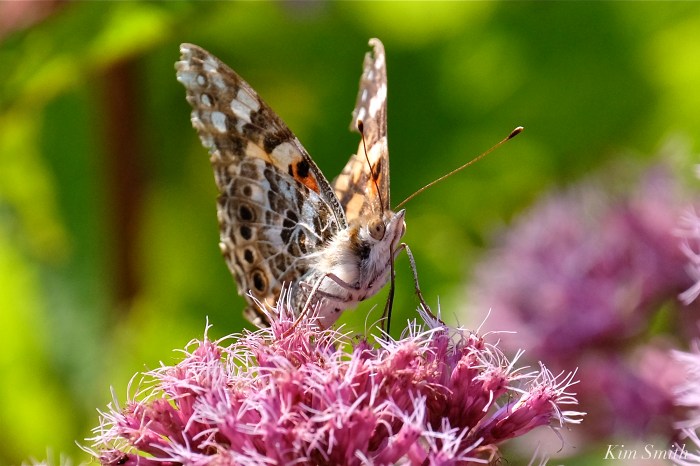
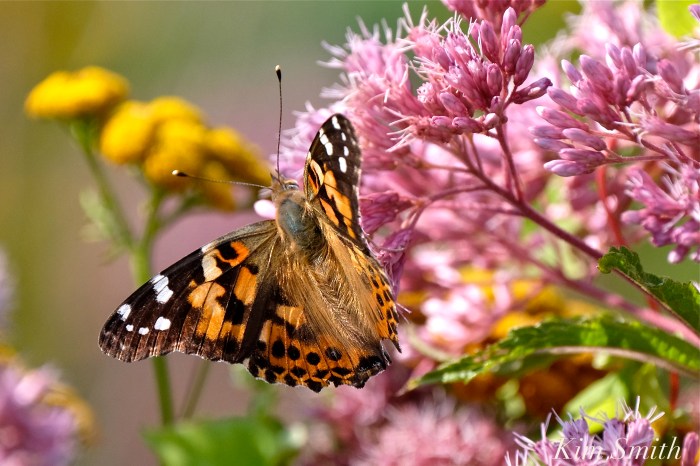
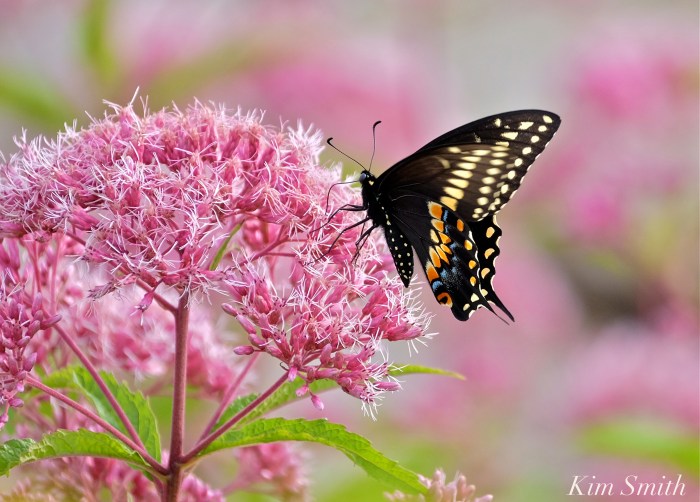
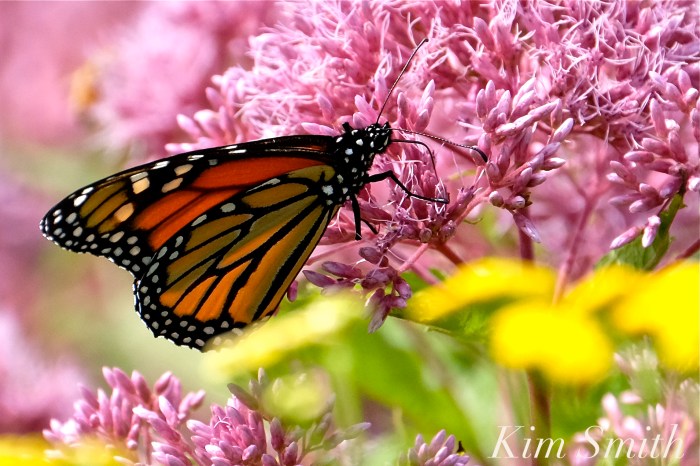
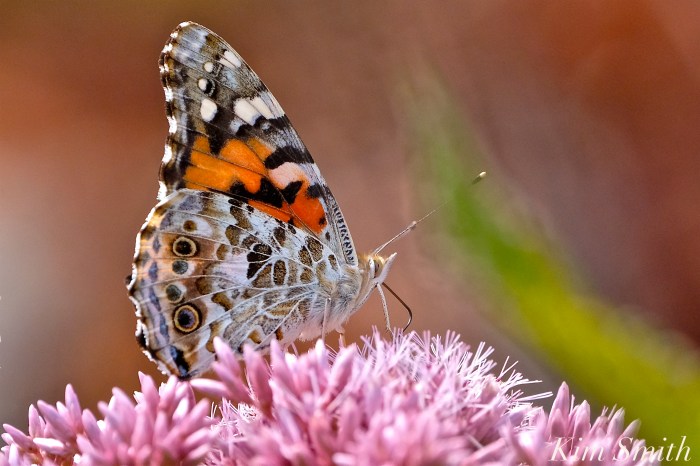
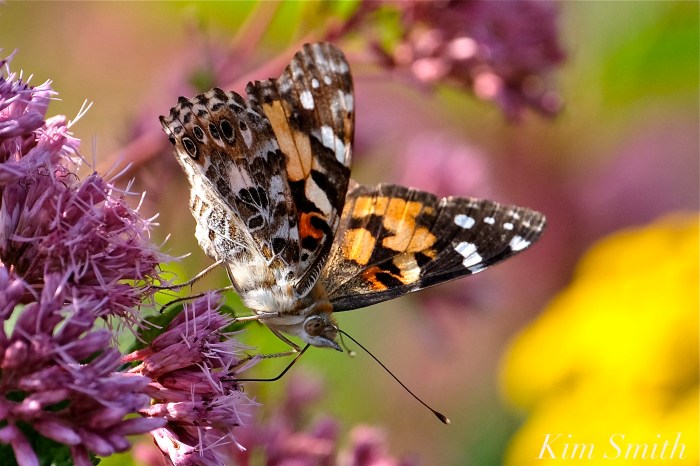
A bodacious beauty possessing the toughest of traits, Joe-Pye Weed (Eutrochium) is the stalwart star of the eastern native plants garden. Large, airy dome-shaped flowerheads blooming in a range of shades from pink to lavender to purple provide food, by way of nectar, foliage, and seed heads to myriad species of bees, butterflies, and songbirds. Beginning in mid-July and continuing through mid-October, pollinators on the wing can find sustenance in a garden planted with Little Joes and Big Joes.

Joe Pye, the person, is thought to have been a North Carolina Native American medicine man who used these wildflowers to cure many ailments, including typhoid fever. The plants became know as Joe Pye’s weed.

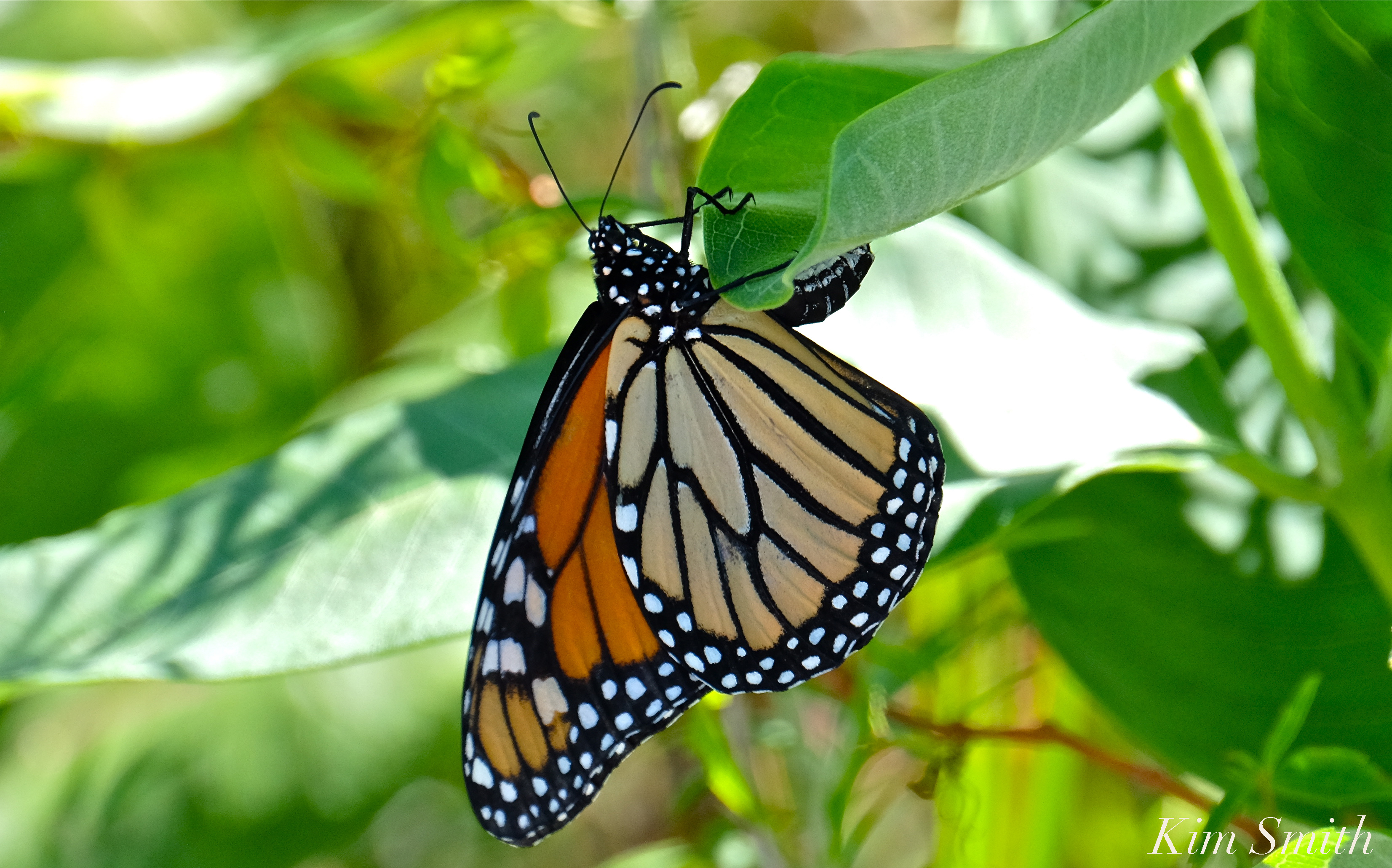
A name changer from weed to wildflower would be a game changer for numerous species of native plants. Why do so many native wildflowers have the suffix weed? Because when the colonists arrived from Europe, they wanted their crops, as well as European cultivated flowers, to grow in their new gardens. Anything native that interfered with their plans was deemed a “weed.” Examples of beautiful and invaluable North American native pollinator plants with the name given weed are milkweed (Asclepias), sneezeweed (Helenium), ironweed (Veronia), and jewelweed (Impatiens capensis).

Three favorite and fabulous species for the New England landscape are Eutrochium purpureum, E. maculatum, and E. dubium. Joe-pye grows beautifully in average to moist soil, in full sun to light shade. Plant Joe-pye in the back of the border. E.purpurem grows five to seven feet tall, while Little Joe grows three to five feet. With their beautiful blossoms, robust habit, winter hardiness, and disease resistance, these long blooming members of the sunflower family are treasured for their ability to attract an array of butterflies, bees, and songbirds to the garden during the mid- to late-summer season.

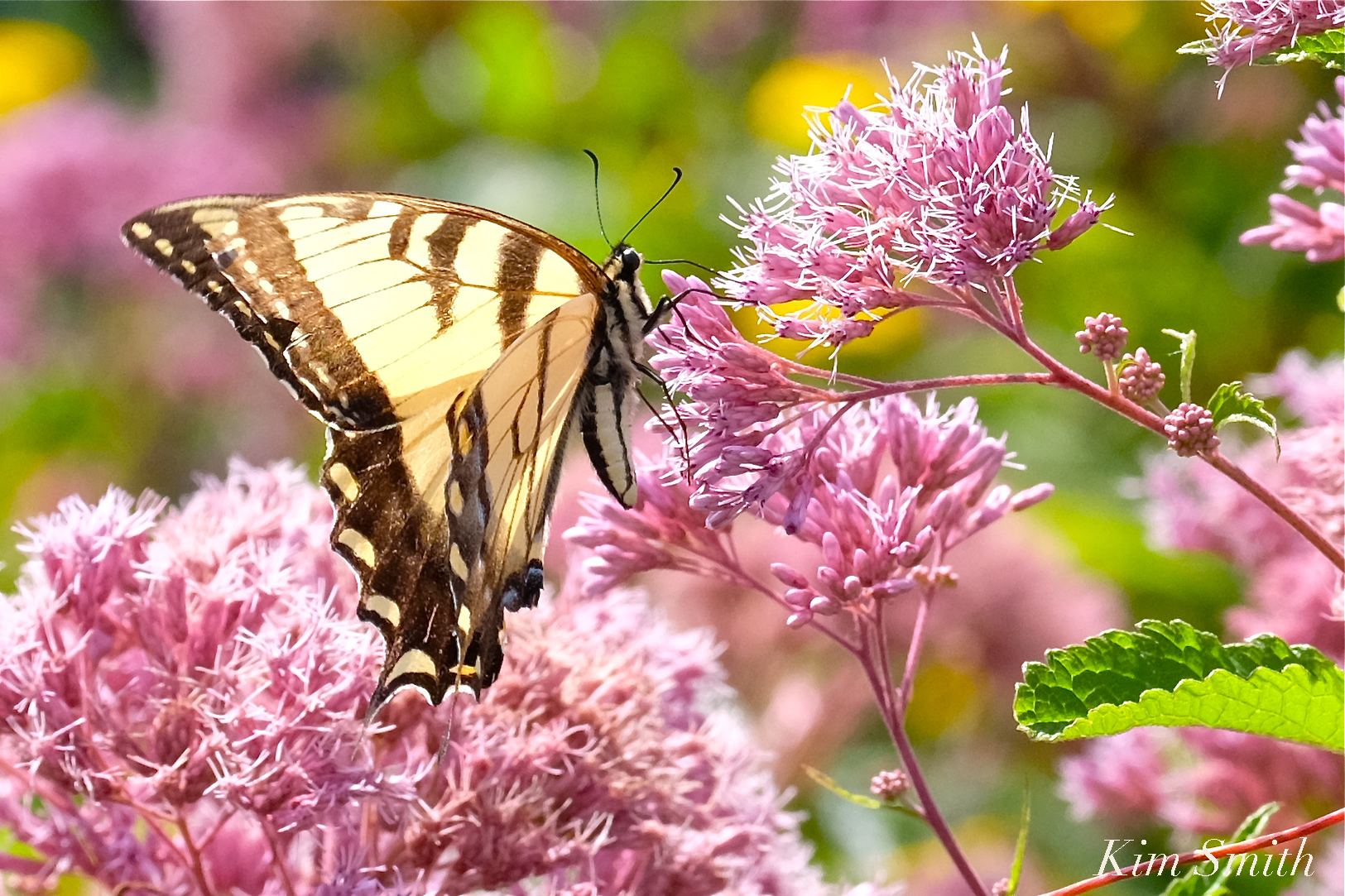
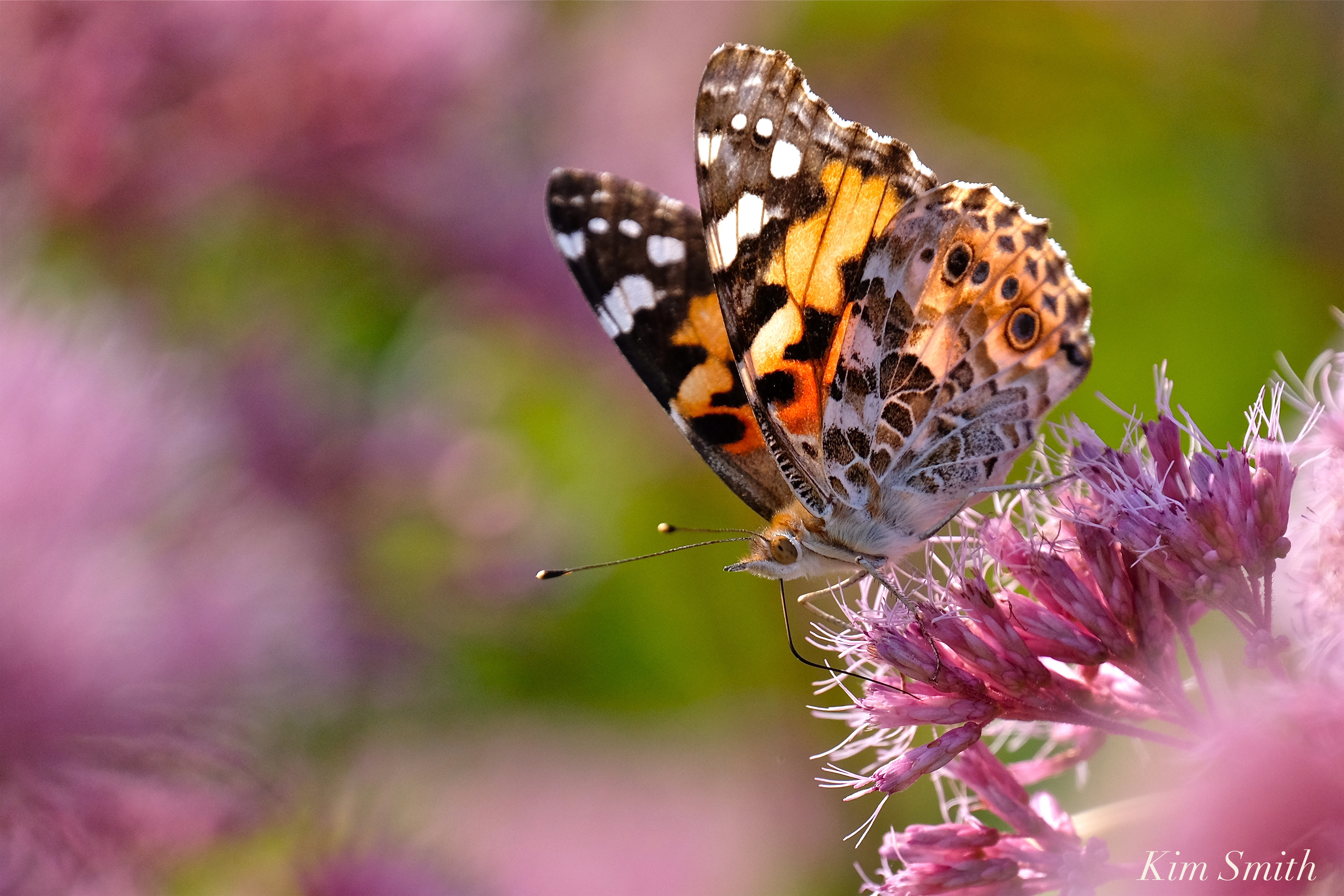
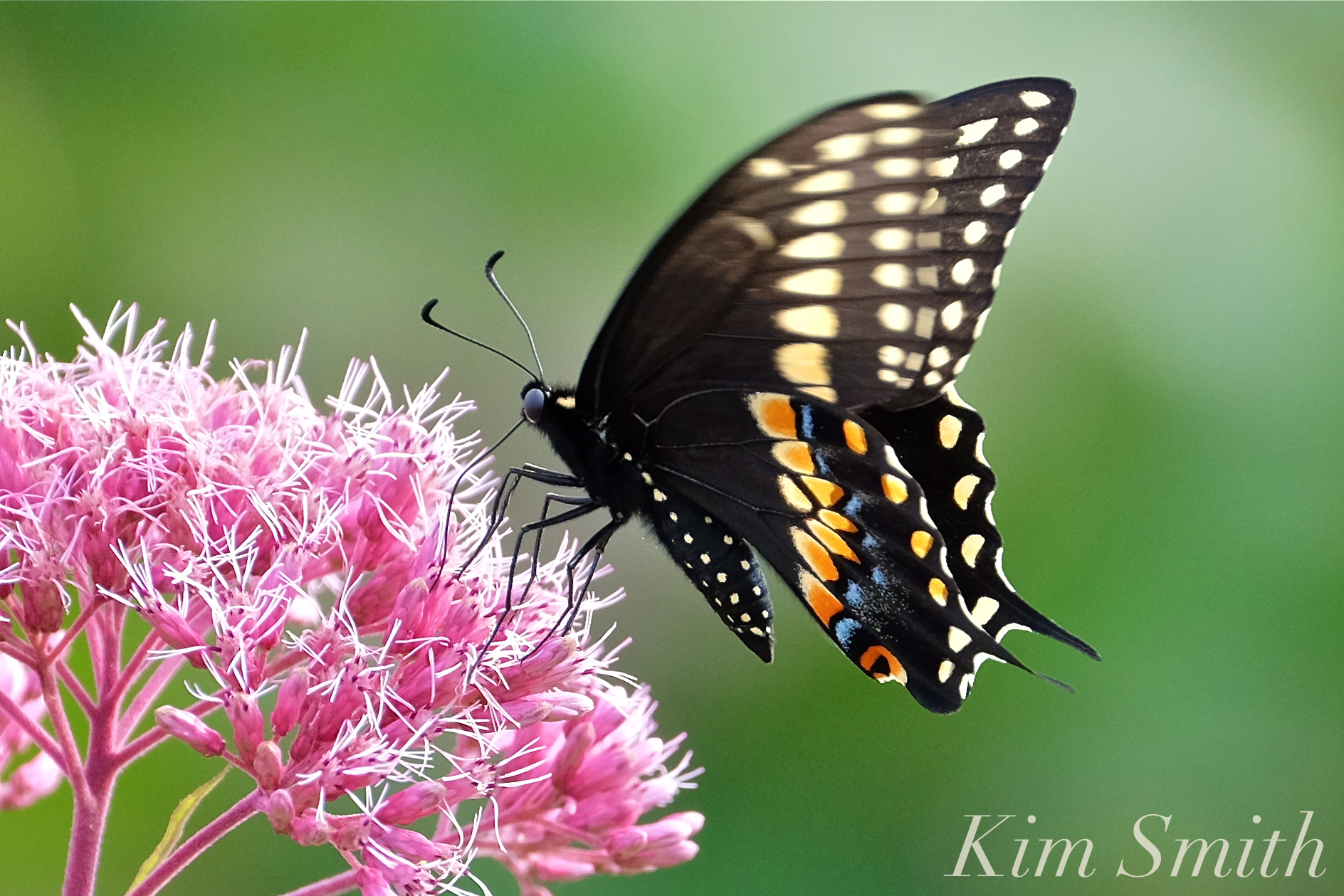
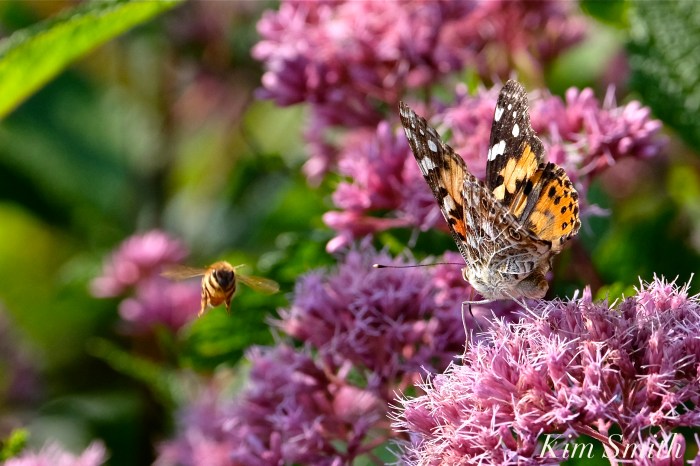
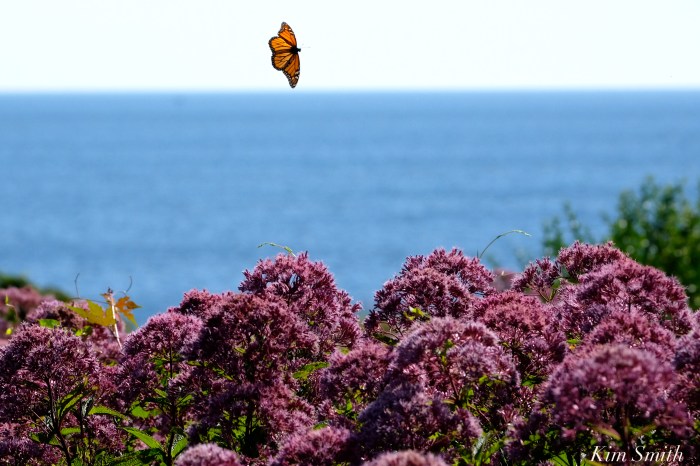
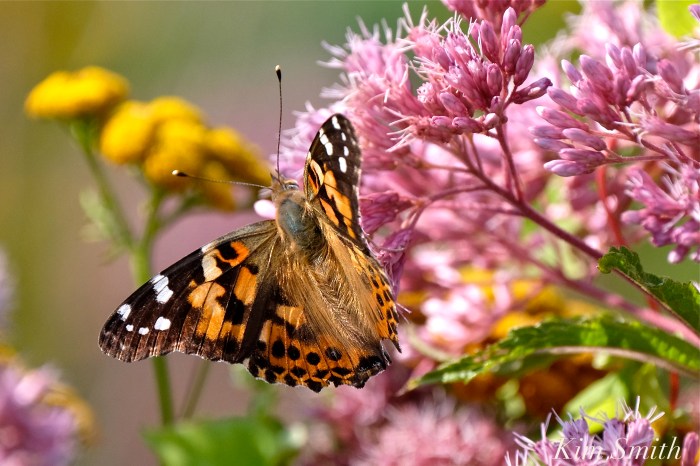
Just look at this sampling of the different species of Lepidoptera finding noursihment from the blossoms of Joe-pye!

Tiger Swallowtail

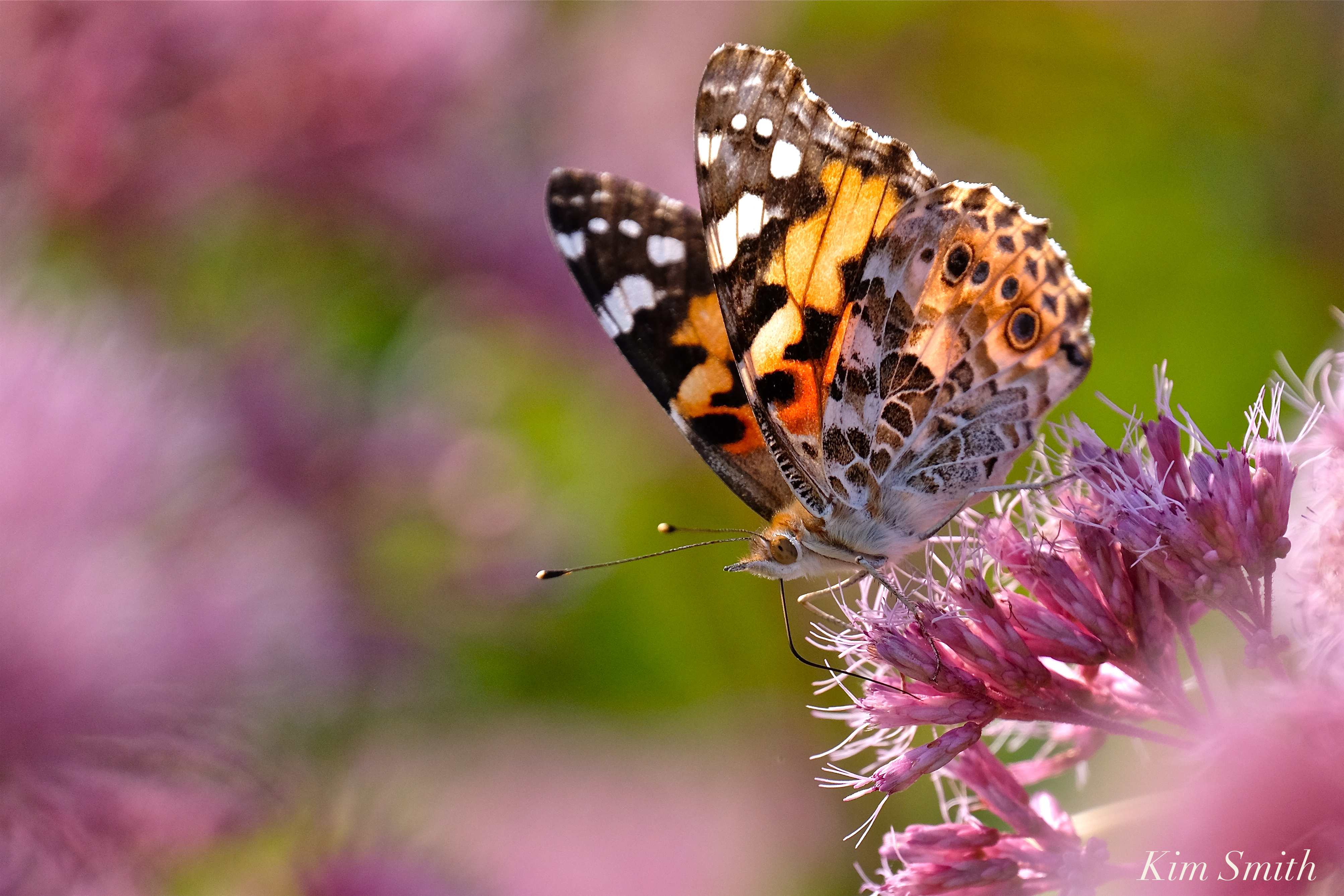
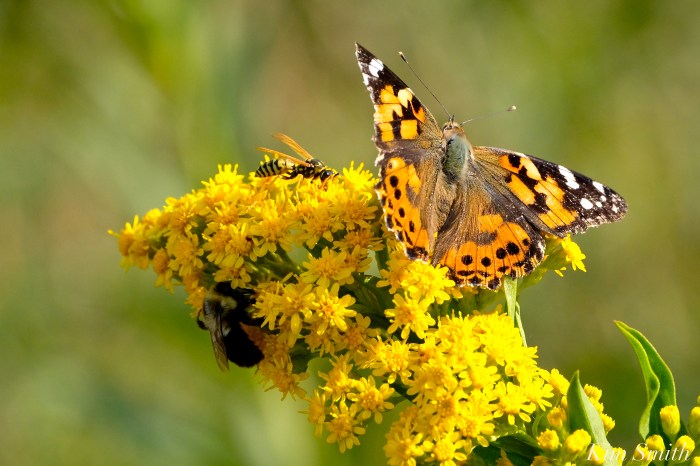
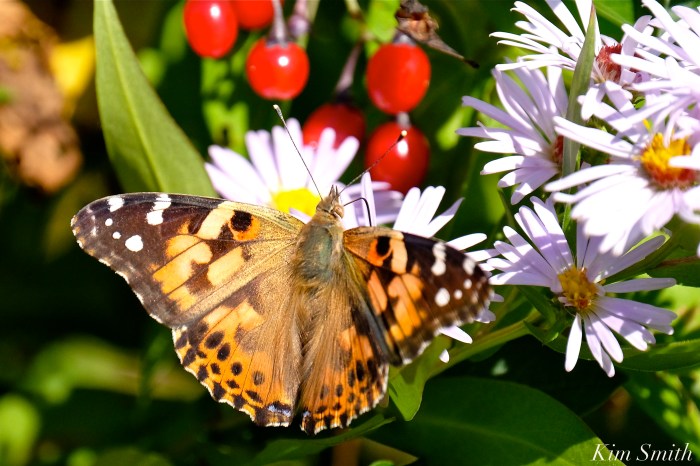
Painted Lady

Black Swallowtail

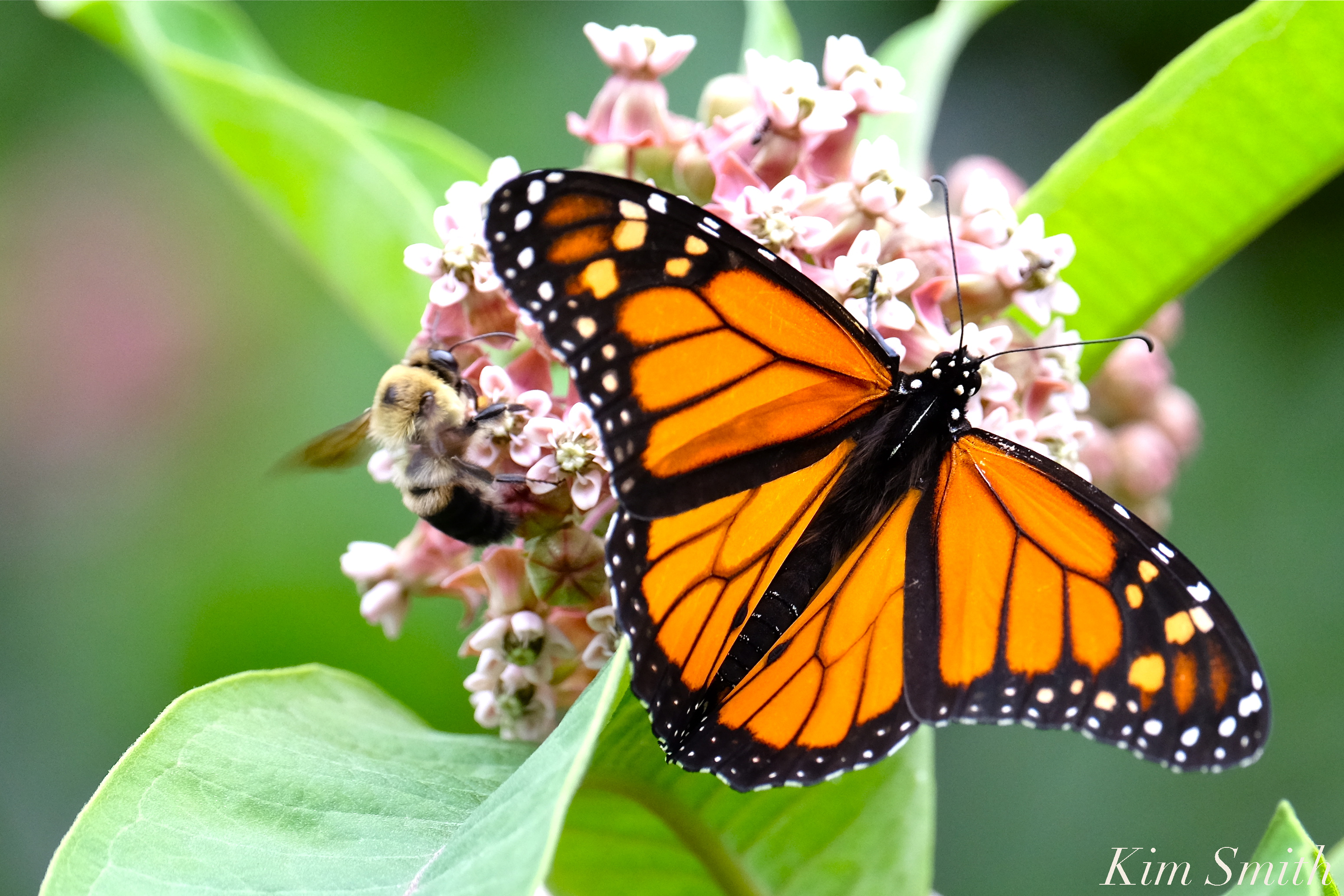
Monarch

Joe-Pye does especially well in a coastal native plants garden.


If you enjoyed reading this post, I hope you will consider donating to the completion of my documentary film Beauty on the Wing: Life Story of the Monarch Butterfly. Every contribution is tremendously appreciated. For more information on how you can help, please visit the film’s website at www.monarchbutterflyfilm.com


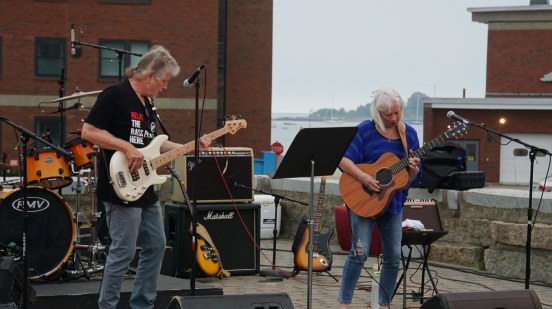
Wednesdays at The Rhumb Line ~ Allen Estes hosts the evening with his special guests: Julie Dougherty & Woody Woodward 7-10pm 10.11.2017


Dinner Specials Each Week!
Wednesday, October 11th – 7pm
Your Guest Host: ALLEN ESTES!

Allen Estes covers for me this week at the Rhumb with his
all-around world-class musicianship and vast arsenal of
moving original material. His guests? Julie Dougherty and
Woody!

Such a great night it will be! ~ Fly
Dinner with great music!
*Each week features a special, invited musical guest
The Rhumb Line Kitchen……now features Janet Brown with some new and healthy ideas!
Plus a fine, affordable wine menu!
Next week…
10/18 – JB & DB

Visit: http://www.therhumbline.com/
Looking forward……to seeing you there 🙂

“TO KILL A MOCKINGBIRD” TRIUMPHS AT GLOUCESTER STAGE COMPANY!

Photo left to right – Scout: Carly Williams, Atticus Finch: Lewis D. Wheeler, Jem: Nathaniel Oaks & Dill: Gabriel Magee

To Kill a Mockingbird Triumphs at Gloucester Stage Company

By Tom Hauck

The Gloucester Stage Company is renowned for introducing important new plays to New England and often the world. In To Kill a Mockingbird, the company proves it has the same magic touch with a story that since its publication in 1960 has become an American classic. The stage version, written by Christopher Sergel, made its debut in 1990, and won the Pulitzer Prize.

The GSC production of To Kill a Mockingbird is nothing less than a magnificent shooting star streaking across the heavens and with only a month of performances, you must see this masterful interpretation before it vanishes into the night. Every aspect of the production, directed by Boston stage legend Judy Braha, is exceptional. Led by GSC veterans Amanda Collins as the grown-up Scout and Lewis D. Wheeler as Atticus Finch, with Aaron Dowdy as Tom Robinson and Cheryl D. Singleton as Calpurnia, Carly Williams (Scout), Nathaniel Oaks (Jem), and Gabriel Magee (Dill) as the children, the cast is pitch-perfect throughout. They’re supported by an evocative and flexible set designed by Jon Savage and sublime lighting by John Malinowski. The lighting, in particular, effectively sets the mood for each scene, whether it’s the ramshackle courthouse interior or the deep and mysterious woods on Halloween night.

This is a great story masterfully interpreted by an outstanding company. To Kill a Mockingbird  deeply touches our hearts and connect us with the humanity of each of the characters. The GSC production is outstanding on every level, and it is my guess that during the final scene when Boo Radley makes his appearance, you will be among the many people in the audience who feel tears gathering in their eyes.

To Kill a Mockingbird is onstage now through October 28. For schedules and ticket information, visit www.gloucesterstage.com or call 978-281-4433. A smash hit, get your tickets today!

All Photos Courtesy Gloucester Stage Company By Gary NG


Scout: Carly Williams & Jean Louise Finch: Amanda Collins


SUPER FUN COMMUNITY MILKWEED SEED POD PROJECT FOR THE POLLINATORS!

Monarchs Mating in a Milkweed Patch, Good Harbor Beach Dunes

Recently, Good Morning Gloucester reader John Steiger gave me a large bag filled with ripe milkweed seed pods collected from his garden. I had a total blast throwing the seed pods around on my early morning walk, tossing alongside the road where ever I thought milkweed might have a chance to take hold (which is easy as milkweed even takes root in sidewalk cracks).

I’d like to do more of this and Joe had the great idea to ask folks to make it a community project as we did several years ago with the milkweed and New England aster seeds and plant sales. He has again very generously offered the dock on Sunday morning after the podcast, between 10:30 and noon. If you have ripe milkweed seed pods in your garden, please bring them Sunday morning. Anyone who wants to distribute the seeds, stop by the dock and we’ll arm you with seed pods. I’ll also be collecting Joe-pye, goldenrod, and aster seeds later this fall when these wildflowers go to seed. If we get more folks dropping off bags of pods than wanting to distribute, that will be okay. I know tons more places that need milkweed and I will be happy to do the distributing. These are areas that probably at one time had milkweed and other wildflowers growing there, but they have been mowed over or taken over by bittersweet and phragmites. As people are learning more about the importance of wildflowers and pollinators, I am hoping the wildflowers will have a better chance of becoming reestablished.

Female Monarch Depositing Eggs on the Undersides of Milkweed Leaves

MILKWEED SEED COLLECTION AND DISTRIBUTION PROJECT SUNDAY OCTOBER 15TH

Collect ripe milkweed seed pods (only Common Milkweed and Marsh Milkweed please). Place in a paper bag, not plastic, as plastic can cause the seed pods to become damp.

Bring seedpods to Captain Joe and Sons on Sunday morning between 10:30 and noon. Captain Joes is located at 95 East Main Street, East Gloucester.

If you’d like to distribute seeds, meet at the dock between 10:30 and noon and I will show you what to do.

NOTE: It is easy to tell when milkweed seedpods are ripe. The seeds inside turn brown. Do not collect the pods when the seeds are white or green. If you pick them too soon, they will never be viable. You can check the seed pods by slitting the pod a tiny bit and peeking inside.

Any questions, please comment in the comment section or email me at kimsmithdesigns@hotmail.com. Thank you and I hope to see you Sunday morning!

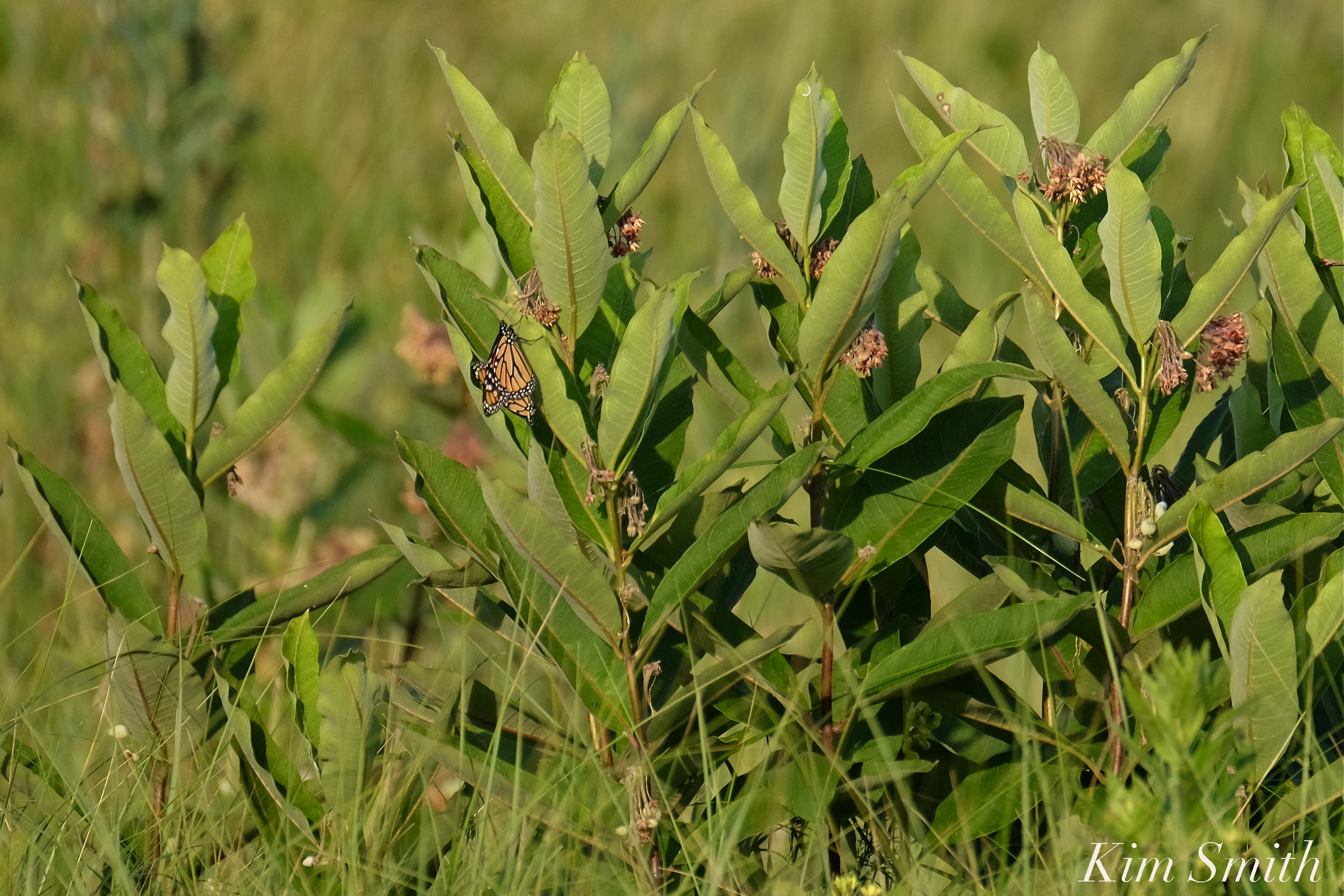
Milkweed is not only the Monarch caterpillar’s food plant, the florets are a very important source of nectar for myriad species of pollinators.

To learn more about how you can help fund the documentary Beauty on the Wing and the Monarch Butterfly Film Online Fundraising, please visit the film’s website at monarchbutterflyfilm.com.


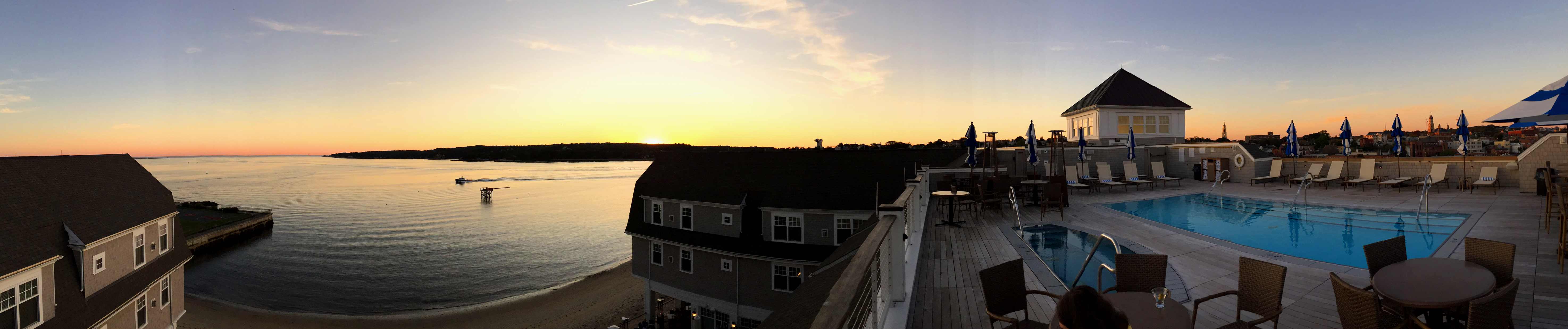
PANORAMIC SUNSET VIEW FROM ATOP THE BEAUPORT HOTEL

My brother-in-law Arnold shares this panorama from the roof during a recent stay at the Beauport Hotel.

TOM HALSTED OBITUARY

Sending our heartfelt condolences to the Halsted Family on the passing of Tom, the kindest gentleman and one of Gloucester’s brightest stars. 

Thomas A Halsted, Tom, to all who knew and loved him, sailed out on the morning tide for the last time, on October 7, 2017, one day before his 84th birthday. Born on October 8th, 1933, he died of cancer. Now he is having a new adventure, sailing into the unknown.

Tom was a true Renaissance Man. He could do almost anything and he did most of them well. He was a wonderful husband, father, and grandfather. From the 1950s to the 1980s he worked in Washington, in and out of government, on intelligence, national security and arms control issues, including SALT I and II, the Non-Proliferation Treaty, and Nuclear Test Ban Treaties. He was a founder and the first Executive Director of the Arms Control Association and the Director of Public Affairs of the Arms Control and Disarmament Agency under President Jimmy Carter. He served in the US Army for seven years, from 1954 until 1961, leaving with the rank of Captain. Tom was also a proud member of Nixon’s second enemies list in 1972.

Before moving to Gloucester, Tom served as a Manchester Town Selectman, a role which highlighted his life-long love for community service. He was for many years a Docent at the Cape Ann Museum in Gloucester, MA, a role he loved almost as much as the museum and its visitors loved and cherished him. In every job and circumstance, he demonstrated his skills and talents as Sailor, Writer, Historian, Artist, Humorist, Poet, Humanitarian, Patriot (in an original, true sense of the word) and all-around brilliant man, who cared deeply about his family, his friends, and his country. The world is a smaller place without him. He lives on through his deeds, his family, and his friends.

He is survived by Joy, his wife of 62 years, his son Tom Halsted and spouse Deb Dole, daughter Beth Paddock and husband Simon Paddock, and four grandchildren: Mo Dole, Abby Dole, Zoe Paddock, and Emma Paddock. He is also survived by his siblings, Nell Moore, Charles Halsted, and Bella Halsted.

A celebration of life will be held at a date to be announced. Contributions in lieu of flowers may be sent to the Cape Ann Museum or Care Dimensions Hospice 75 Sylvan St. Suite B-102 Danvers, MA 01923
The Sea and the Stars

By Tom Halsted

Posted on August 21, 2017

The sea has always been a part of my life. Every summer, from the time I was an infant, I could hear the boom of surf bursting on the rocks below our grandparents’ house, the sifting of tumbling pebbles and the louder clatter of larger stones as a just-broken wave drew back before rolling forward again, the mewing of the gulls and the groan of the foghorn, three miles away. Salt was in the air I breathed, and sun-warmed kelp, bladder-wrack and Irish moss.

One of the first books I remember reading was about a boy who grew up in a lighthouse. I remember nothing of the story but this: his father, the lighthouse keeper, sternly told him never to refer to the sea as the “ocean”. “That word’s for maps and schoolbooks; we live by and on the sea,” he said. I have adhered to that sound advice ever since. The “sea” connotes strength, power, and permanence. “The ocean” is only ink on paper.

When I was 6, I was invited by a friend’s parents to spend a weekend at their seaside summer house, where we boys were allowed to sleep aboard his father’s schooner. More than 75 years later, I still remember lying awake in my berth, listening to the sounds of waves splashing against the hull, the creak of a line running back and forth through a block somewhere in the rigging overhead, and those thoroughly nautical smells – a mixture of varnish, mildew, bilge water, and tarred marline.

When I was 8, my grandfather set out to teach me to sail, beginning with basic seamanship: how to turn an eye splice, tie a bowline, come up on a mooring, feather my oars, and make fast a halyard. How to rescue a “man overboard” in the form of a hat or cushion he would suddenly throw over the side. How to tell where the wind is blowing from by feeling the pressure in my ears, and how hard it is blowing by reading the ripples and the whitecaps on the waves. And how to read the weather in the clouds, and always, always, to sense from the rise, the fall, and the onward thrust of the great long swells the power, the dominance, and the endless permanence of the sea.

For most of my life I have owned a boat of one kind or another, and I’ve sailed the seas with many others on theirs, both large and small, whenever I had a chance. I’ve sailed on the Atlantic, the Pacific, the Mediterranean, and the Caribbean. For years I kept a boat on Chesapeake Bay, and then on Massachusetts’ North Shore. And for 30 years I cruised the waters of Maine, Nova Scotia, and New Brunswick with a good friend in his Friendship sloop.

He didn’t care much for high-tech gadgets, and we navigated in the ubiquitous Maine fog more by our senses than anything else: the sound of waves on a nearby shore, the smell of seaweed on sunbaked rocks, the moan of a whistling buoy or the clang of a bell, the cry of gulls overhead. We were close to nature, and we liked it that way. My grandfather would have approved.

In 2006, when he was 88, my friend finally sold his boat, and I did very little sailing thereafter. But I often think of a spiritual moment on a summer night a few years earlier, anchored in a little bay surrounded by uninhabited islands.

In the early morning darkness I had gone on deck to find the half-moon had set and the sky was afire with a billion stars. The Milky Way spread overhead from east to west, dividing the sky in two. The Big Dipper lay low in the northern sky, and the close-packed seven sisters – the Pleiades – glowed faintly over my shoulder. I could make out Cassiopeia and Polaris, and broad-backed Orion was shouldering his way out of the sea to the East. Dozens of other stars and constellations whose names I couldn’t quite remember looked down.

And dozens more looked up from the surrounding sea. Without a breath of air blowing, without a ripple on the silent waters, every star above, every constellation, had its glittering counterpart reflected from below. We floated in the center of a sparkling sphere of light, broken only by the dark ring of islands that defined the horizon.

Then the remains of a great sea swell miles to the south sent a soft ripple through the waters of the bay, the silken mirror trembled, and the spell was broken. But I had been one with the sea and the stars.

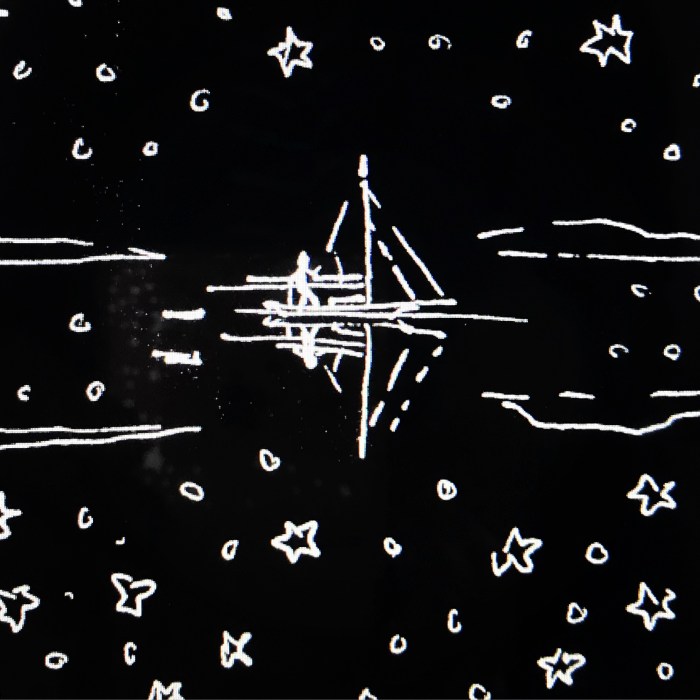
Screenshot of Tom Halsted Doodle

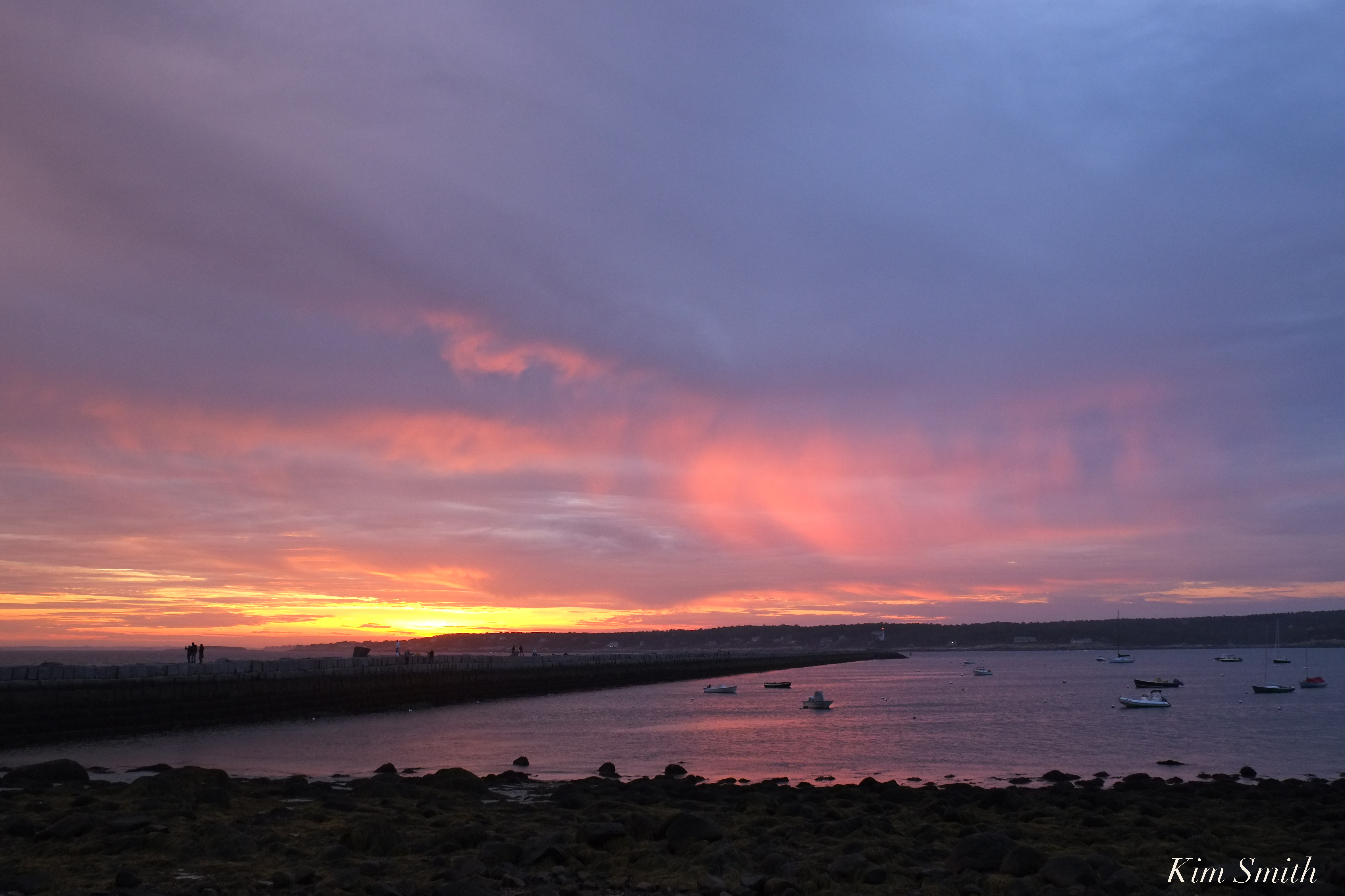
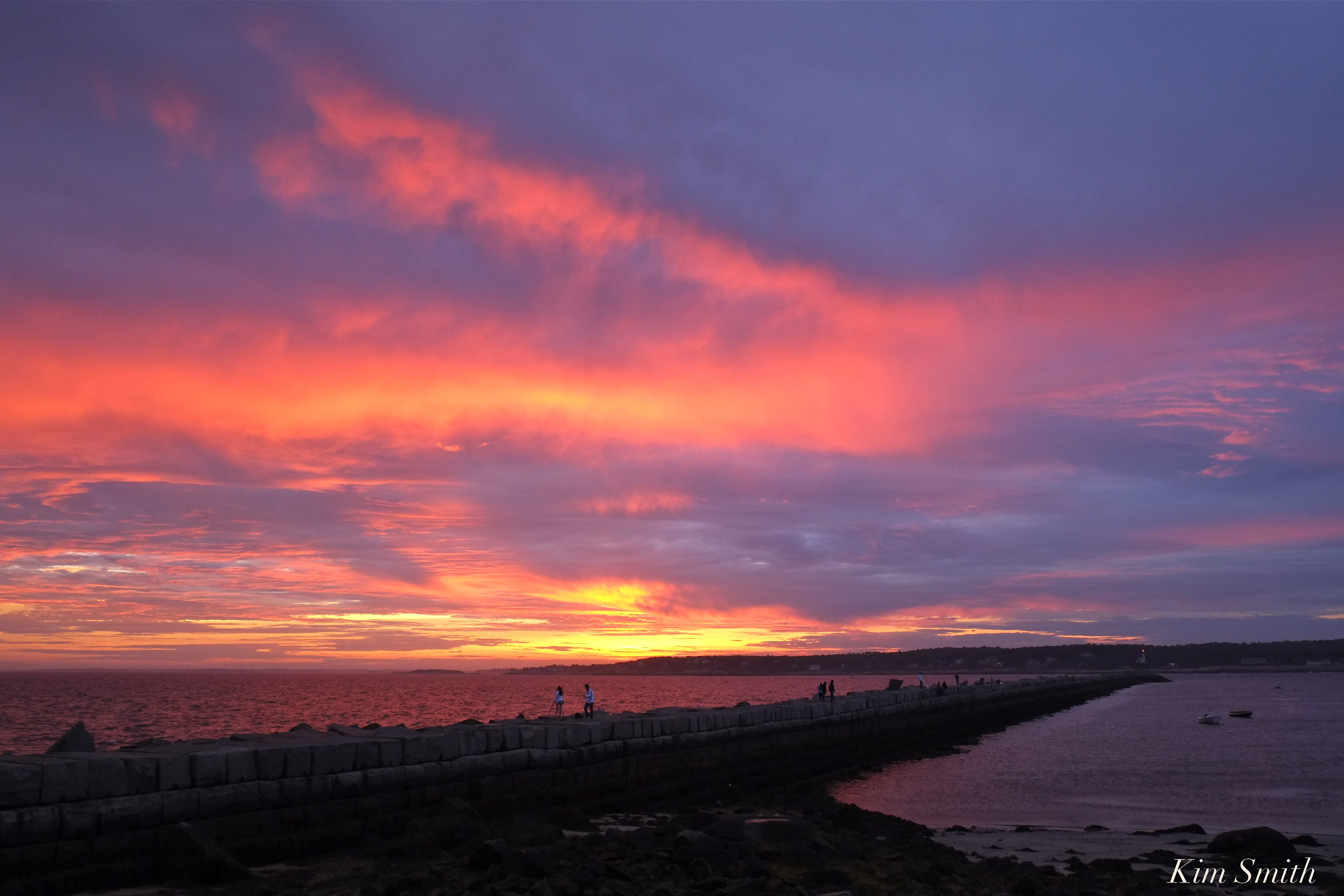
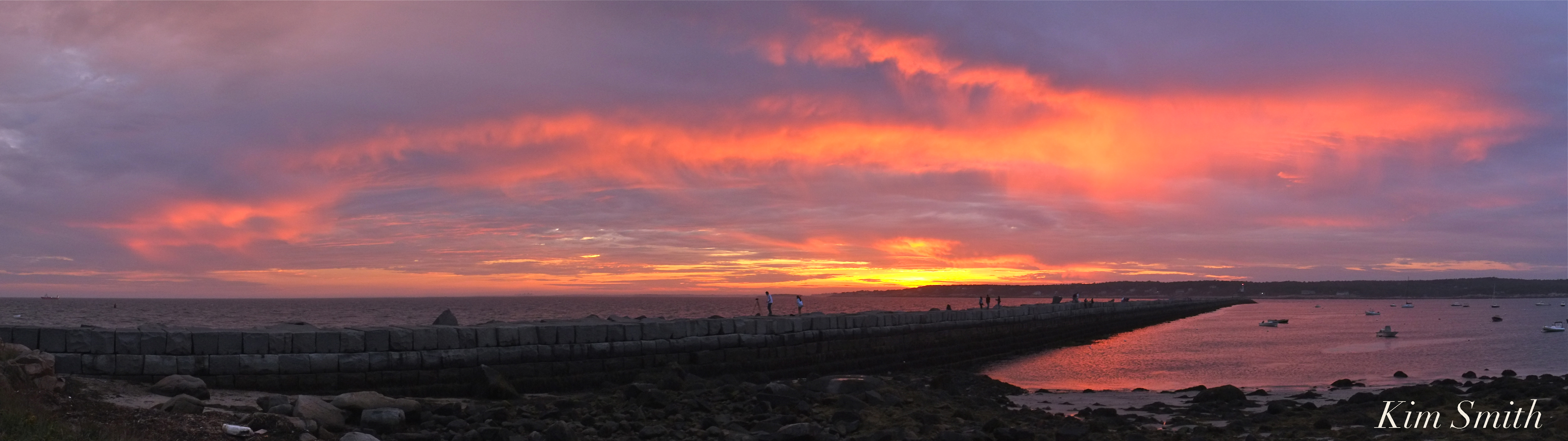
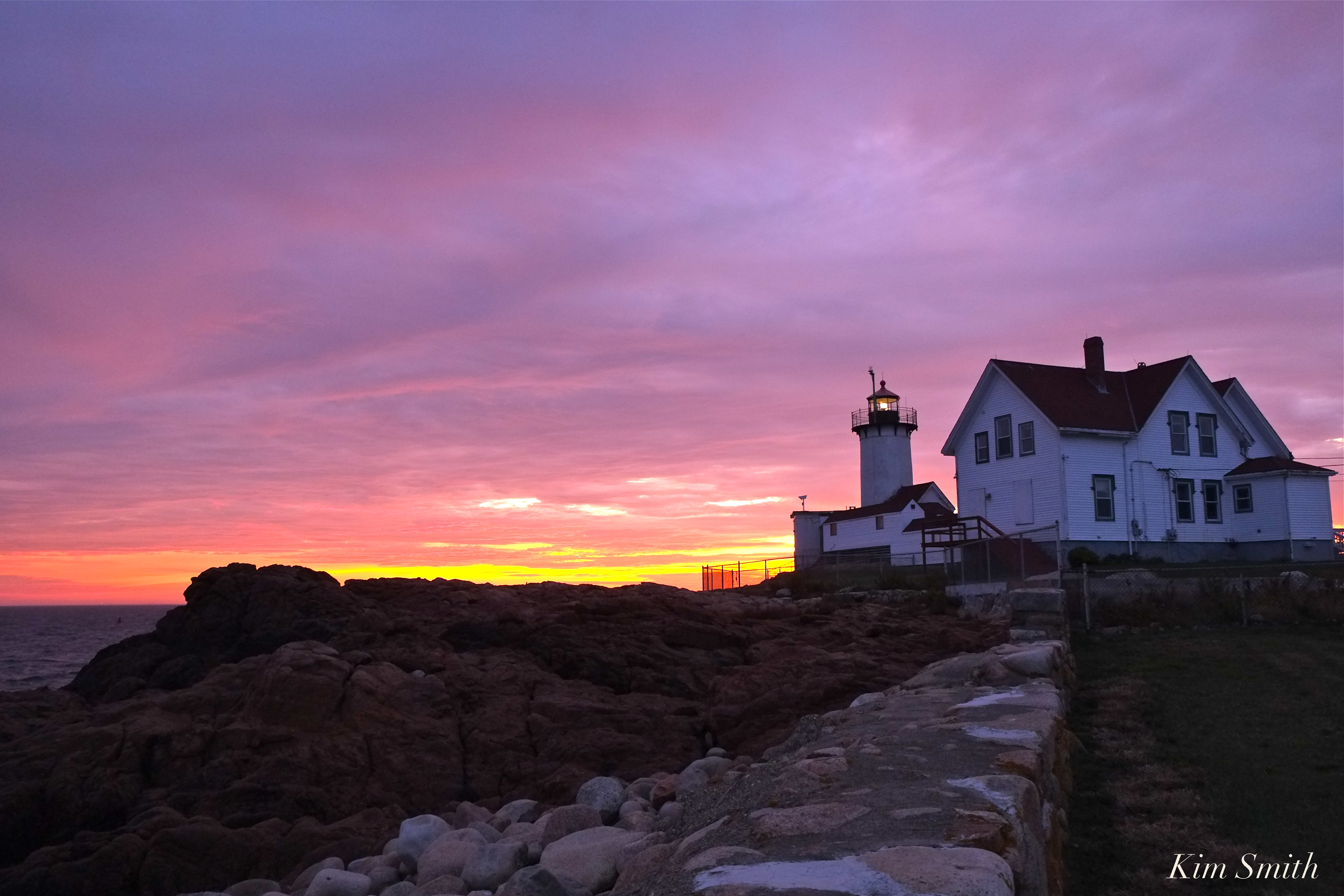
GLORIOUS SUNSET OVER EASTEN POINT LIGHTHOUSE AND DOGBAR

There were lots of folks out on the Dogbar enjoying the delightfully balmy weather and sunset spectacle Saturday evening.Dogbar Breakwater Panorama
Eastern Point Lighthouse and Mother Ann
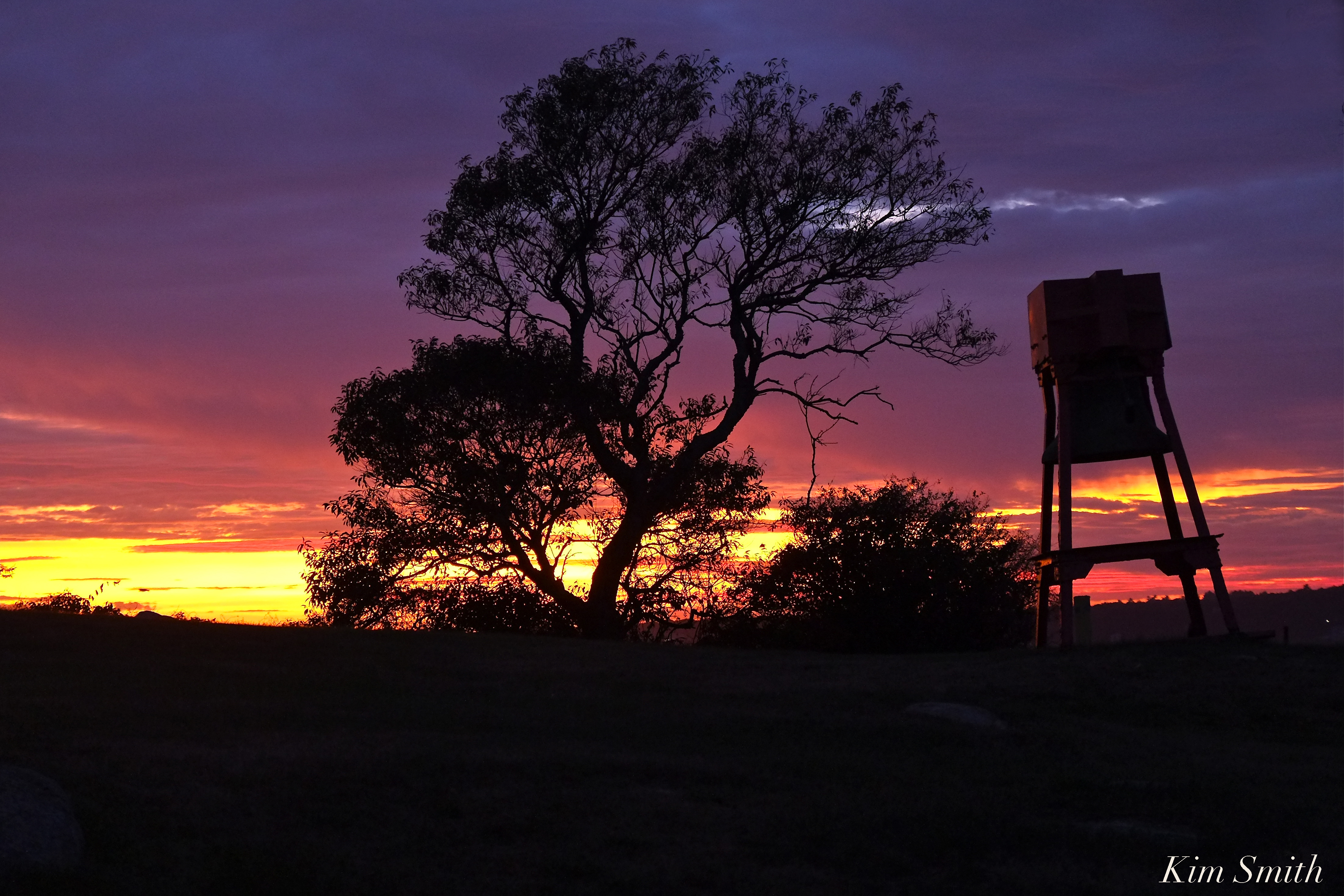
 Old Lighthouse Bell and Chokecherry Tree

The sunset hues grew richer as night fell.

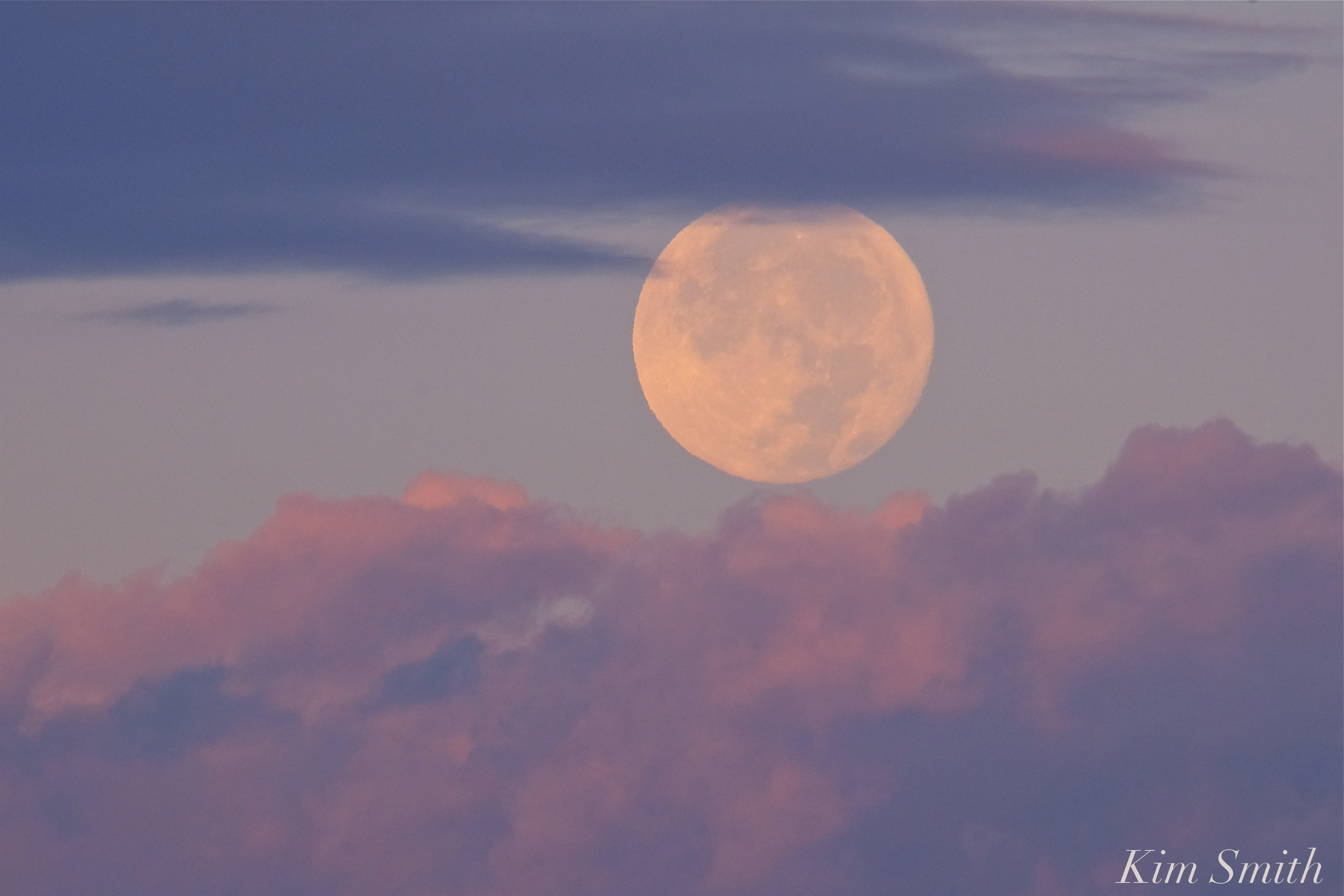
HARVEST MOON DESCENDING INTO DAWN CLOUDS

From several mornings ago, of the full October Harvest Moon. As the sun was rising, the moon was clearly visible over the Harbor and from the vantage point of the Dogbar Breakwater.
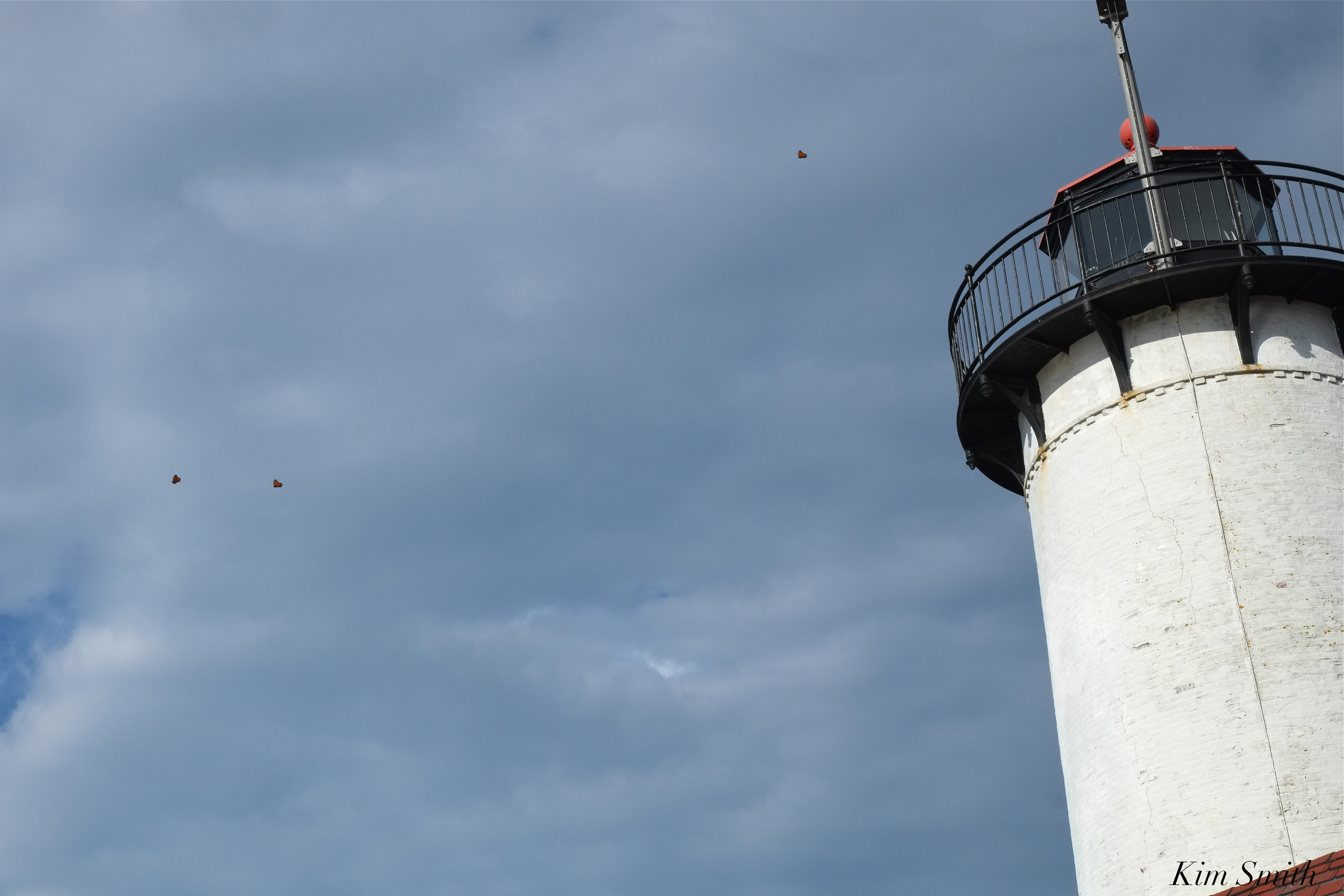
THANK YOU! AND MONARCH FLAKES AT EASTERN POINT LIGHTHOUSE

 Monarchs were streaming all along the coast of Cape Ann yesterday and it was a beautiful sight!

I AM OVERJOYED TO SHARE THAT WE HAVE RAISED 800.00 IN 24 HOURS!!! MY DEEPEST THANKS TO LAUREN M. FROM MANCHESTER, DONNA STOMAN AND PEGGY O’MALLEY FROM GLOUCESTER, JOEY C, AND ANONYMOUS FOR THEIR GENEROUS HELP. 

Please help towards the completion of my documentary film Beauty on the Wing: Life Story of the Monarch Butterfly, filmed in the wilds of Cape Ann and Angangueo. Thank you! DONATE HERE.

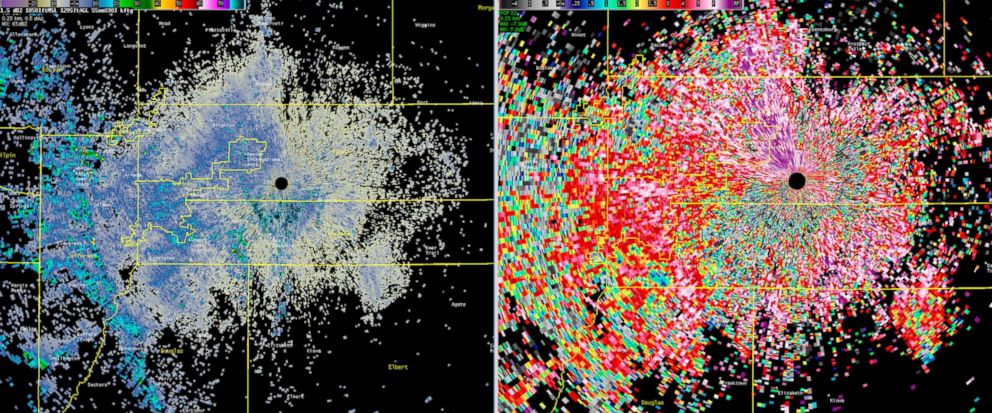
Massive Wave of Painted Lady Butterflies Lights up Denver Weather Radar

Thank you to Meg and Donna Stoman for sharing this fantastic story of a 70 mile wide “butterfly cloud!”

DENVER STAR

DENVER—A lacy, cloudlike pattern drifting across a Denver-area radar screen turned out to be a 110-kilometre-wide wave of butterflies, forecasters say.

Paul Schlatter of the National Weather Service said he first thought flocks of birds were making the pattern he saw on the radar Tuesday, but the cloud was headed northwest with the wind, and migrating birds would be southbound in October.

He asked birdwatchers on social media what it might be, and by Wednesday had his answer: People reported seeing a loosely spaced net of painted lady butterflies drifting with the wind across the area.

Schlatter said the colours on the radar image are a result of the butterflies’ shape and direction, not their own colours.

Midwestern radar stations occasionally pick up butterflies, but Schlatter believes it’s a first for Denver.

An unusually large number of painted ladies, which are sometimes mistaken for monarch butterflies, has descended on Colorado’s Front Range in recent weeks, feeding on flowers and sometimes flying together in what seem like clouds.

Sarah Garrett, a lepidopterist at the Butterfly Pavilion in Westminster, Colorado, said people from as far away as the Dakotas have called to report seeing the butterflies, whose population typically surges with plentiful flowers.

Research on the painted ladies in North America is limited, but scientists believe they migrate to the southwestern United States and northwestern Mexico in the fall. In Europe, studies using radio tracking have shown they migrate south from Europe to Africa in the fall and return in the spring. Studies also show that monarch butterflies often use wind to their advantage and glide on currents for periods of time, Garrett said.

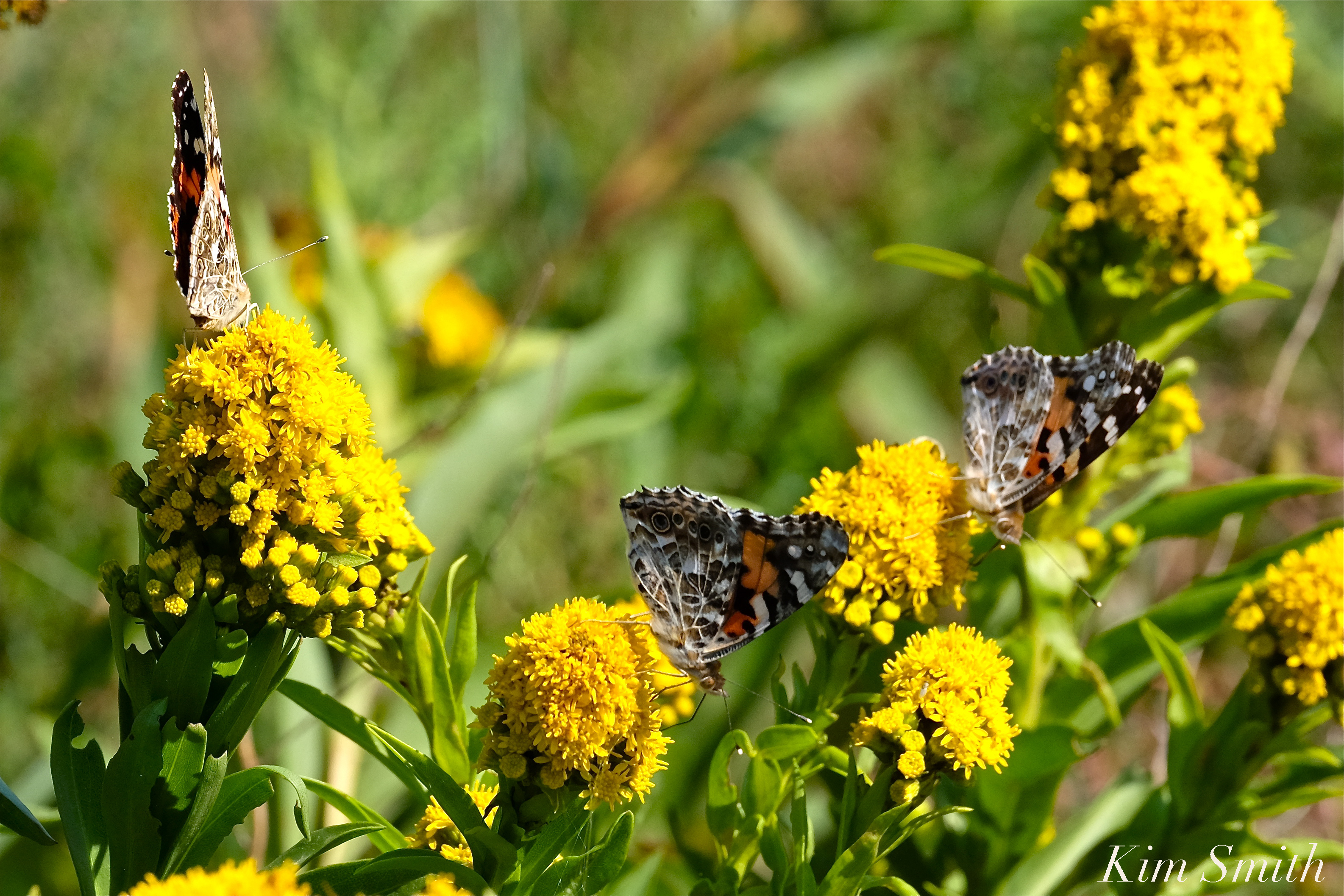
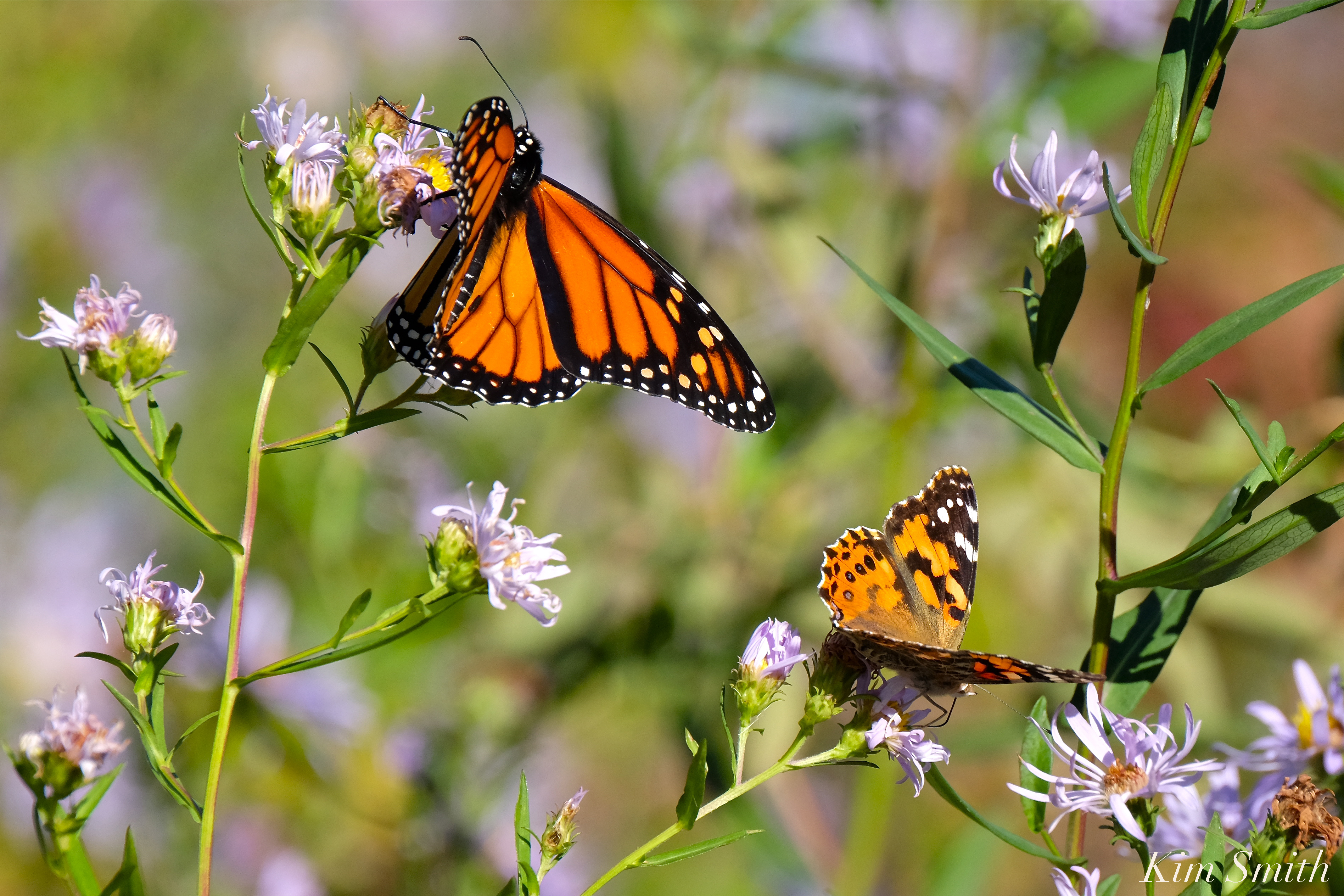
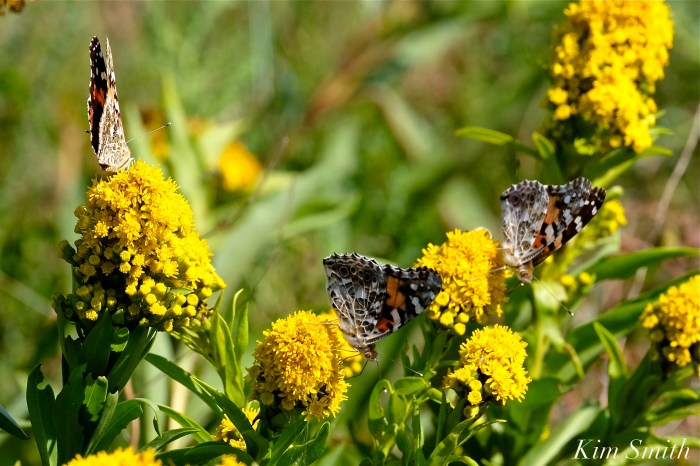
An irruption of Painted Ladies is occurring in the northeast and throughout the U.S. Painted Ladies drinking nectar at Seaside Goldenrod.

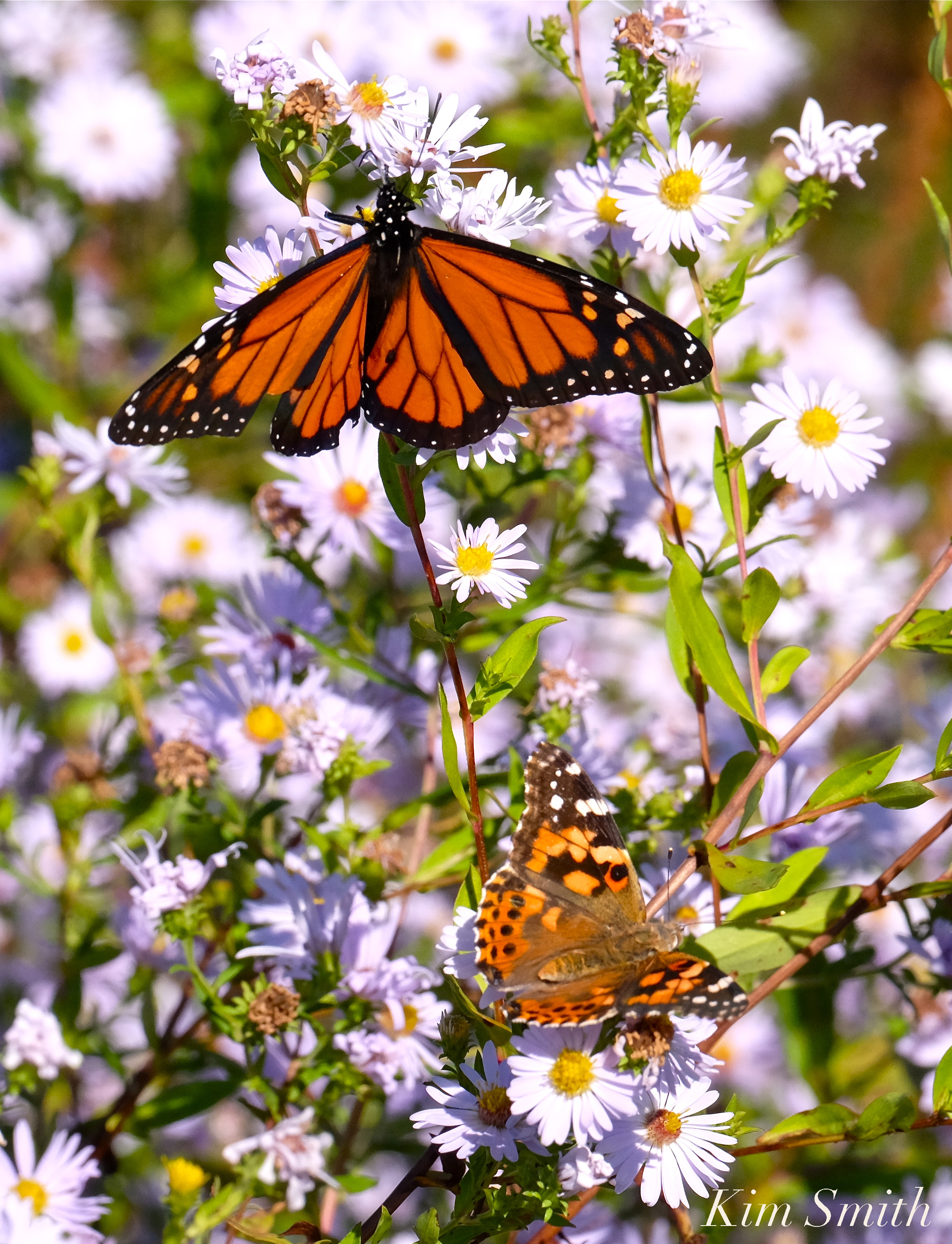
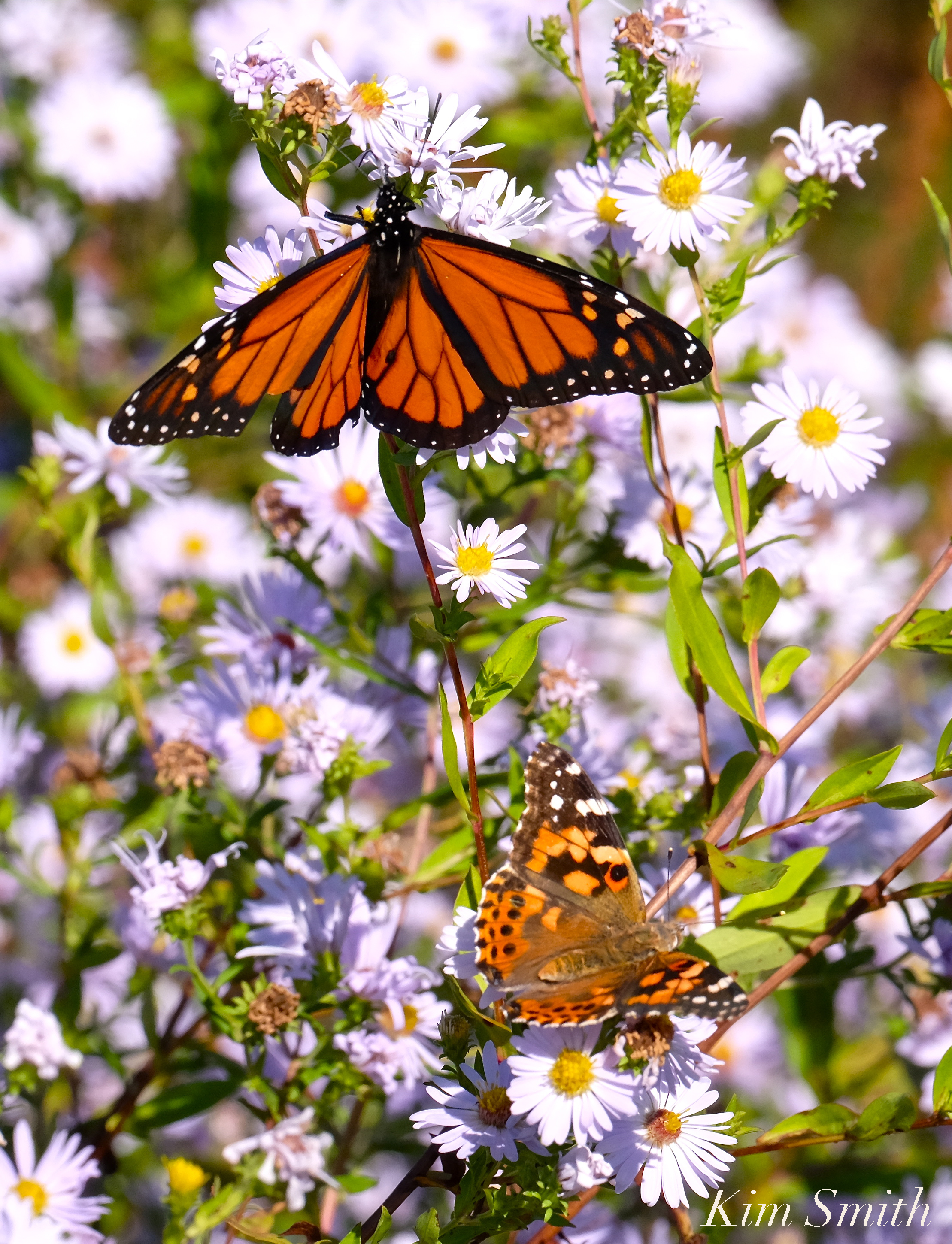
Compare the larger Monarch (top) to the smaller and richly patterned Painted Lady.

HOW YOU CAN HELP FUND MY MONARCH BUTTERFLY FILM!

I AM OVERJOYED TO SHARE THAT WE HAVE RAISED 1800.00 IN THE FIRST TWO DAYS OF “BEAUTY ON THE WING” ONLINE FUNDRAISER!!! MY DEEPEST THANKS  TO LAUREN M., DONNA STOMAN, PEGGY O’MALLEY, JOEY C, ELAINE M., CATHERINE RYAN, JOEANN HART, JANE PAZNIK BONDARIN AND ROBERT REDIS (BOTH FROM NEW YORK), AND ANONYMOUS PERSONS FOR THEIR GENEROUS HELP.  

Dear Friends,

Today I am excited to launch the online fundraising campaign for my documentary film Beauty on the Wing: Life Story of the Monarch Butterfly.

This film—more than five years in the making—chronicles the extraordinary story of the Monarch butterfly. Tiny creatures, each weighing less than a paperclip, journey thousands of miles from their northern breeding grounds, of which Cape Ann is an integral part, to the trans-volcanic mountaintops of central Mexico. The most magical thing is that their story unfolds in our own backyards, marshes, meadows, and fields. Beauty on the Wing reveals the interconnection between the butterfly’s habitat and wildflowers and the importance of conserving their ecosystems. The film is unique in that every stage of the butterfly’s life cycle is recorded in vibrant close-up in the wild, both on Cape Ann and in Mexico.

The current goal is to raise funds to create a 55-minute feature-length final cut to distribute to elementary schools nationwide. My fundraising partner is the nonprofit Filmmakers Collaborative and donations are tax deductible. Please consider donating what you can. No donation is too small ($5, $25, $100) and every dollar helps get us one step closer to completing the film.

DONATE HERE

Donors contributing over $5,000 will be listed in the credits as a film producer.

For more information, visit the film’s website here: Monarch Butterfly Film

For an overview of the film’s budget, please go here: Budget

Thank you so very much for your help.

With gratitude,

Kim Smith

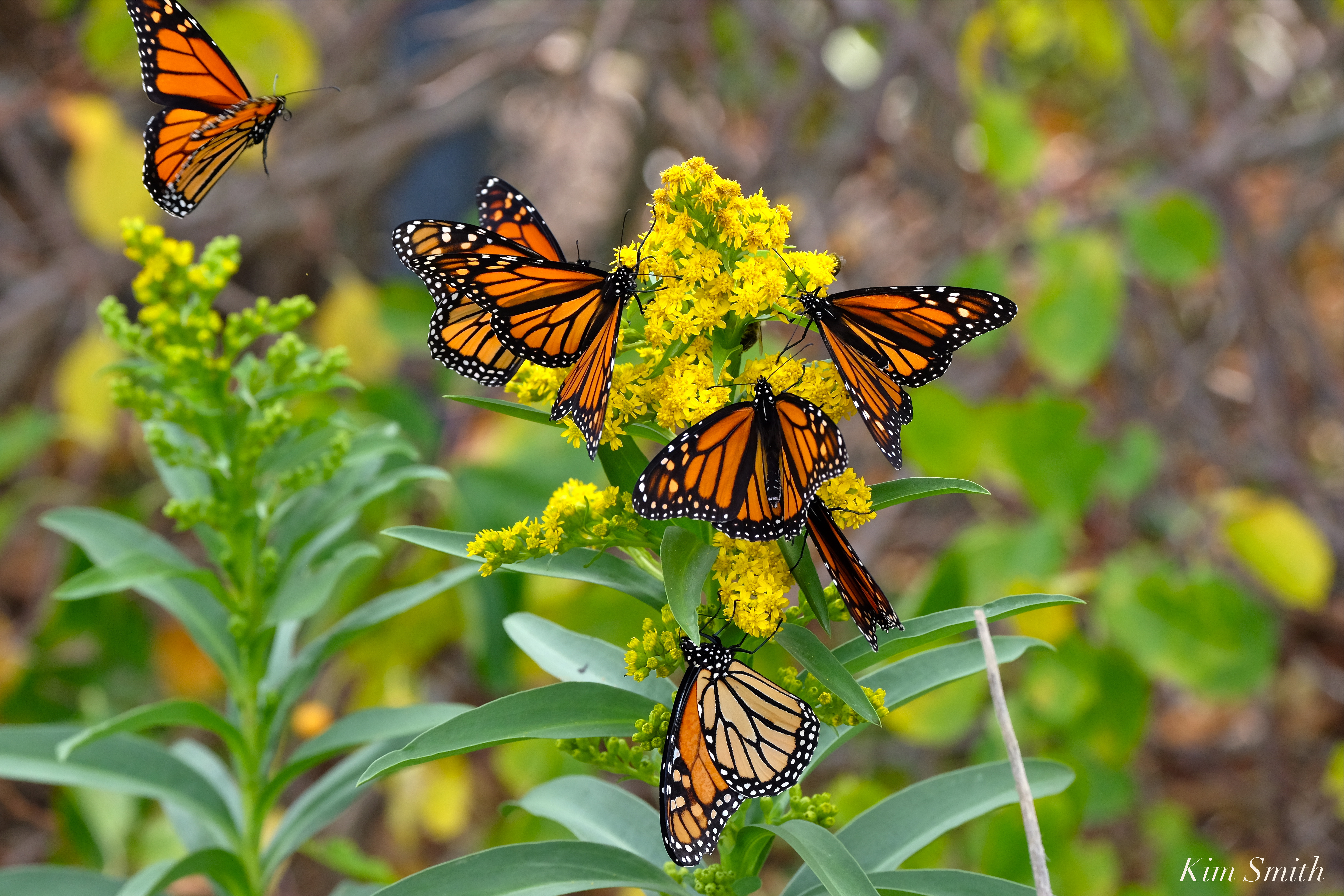
Pure magic in the marsh this morning! For one moment, there were eight Monarchs on this single spray of Seaside Goldenrod.

https://www.instagram.com/p/BZ7AgYml1koxVpEtiuxZHIowzTQrC1NUYL8Mbo0/

OCTOBER’S HARVEST MOON RISING OVER NILES POND

Returning from photographing at the Lighthouse I turned the bend and there was tonight’s spectacular full Harvest Moon rising over Niles Pond. I wished there had been time to set up my tripod! 

Dave Sag’s Blues Party Tonight @ The Rhumb Line w/ Jon Ross, John Cameron, Dave Mattacks and Dear Ol’ Dave 8:30pm 10.5.2017

40 Railroad Avenue
Gloucester, MA 01930
(978) 283-9732

http://www.therhumbline.com/

PHOTO CONTEST!!! WIN A FREE FLUTTER SHAWL! Design of Mine 33 Main Street, Gloucester, MA

Betsy seems a little blue today come down come down to Design of Mine and take your picture with her to cheer her up. Tag our Facebook when you post it on Facebook or Instagram and you’ll be automatically entered into a drawing to win a free Flutter Shawl! Contest runs through Sunday, October 8th, 6pm. Winner will be drawn on Monday morning! 33 Main Street, Gloucester!

www.thefluttershawl.com #DesignofMine #TheFlutterShawl#GloucesterMainStreet #PhotoContest #ShopLocal  #SmallBusinessShopping


Design Of Mine

33 Main Street

Gloucester, MA

https://www.facebook.com/thefluttershawl/

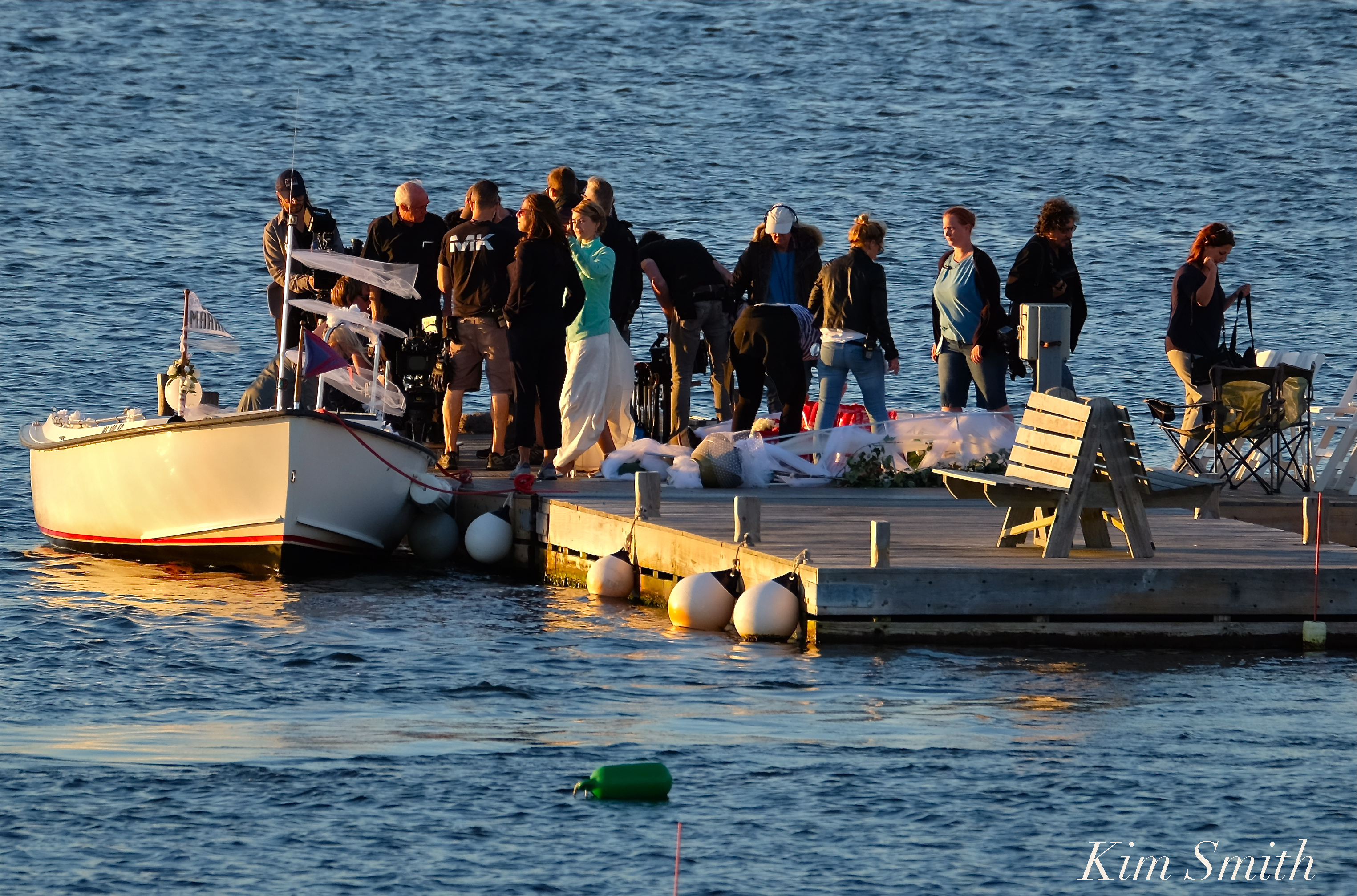
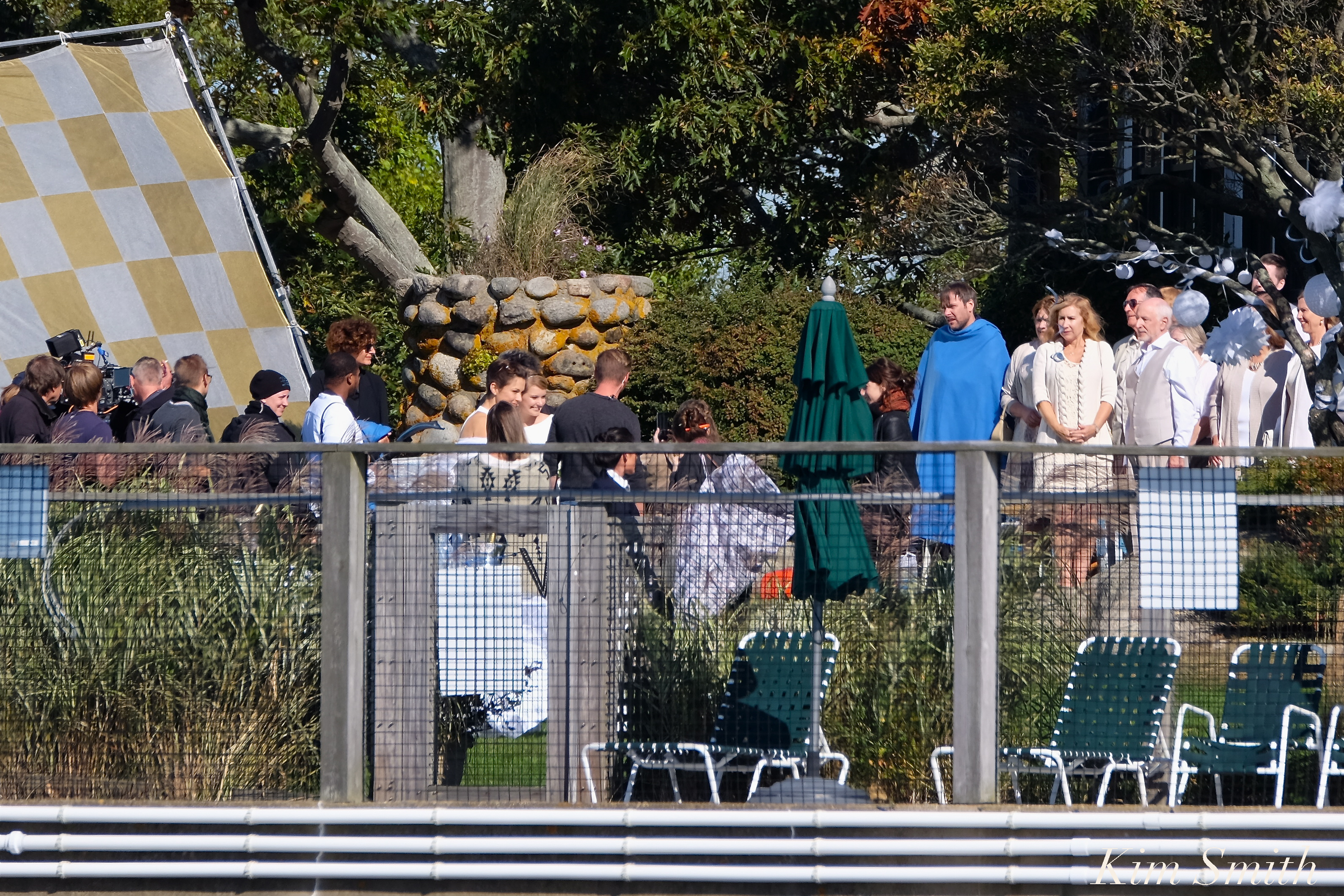
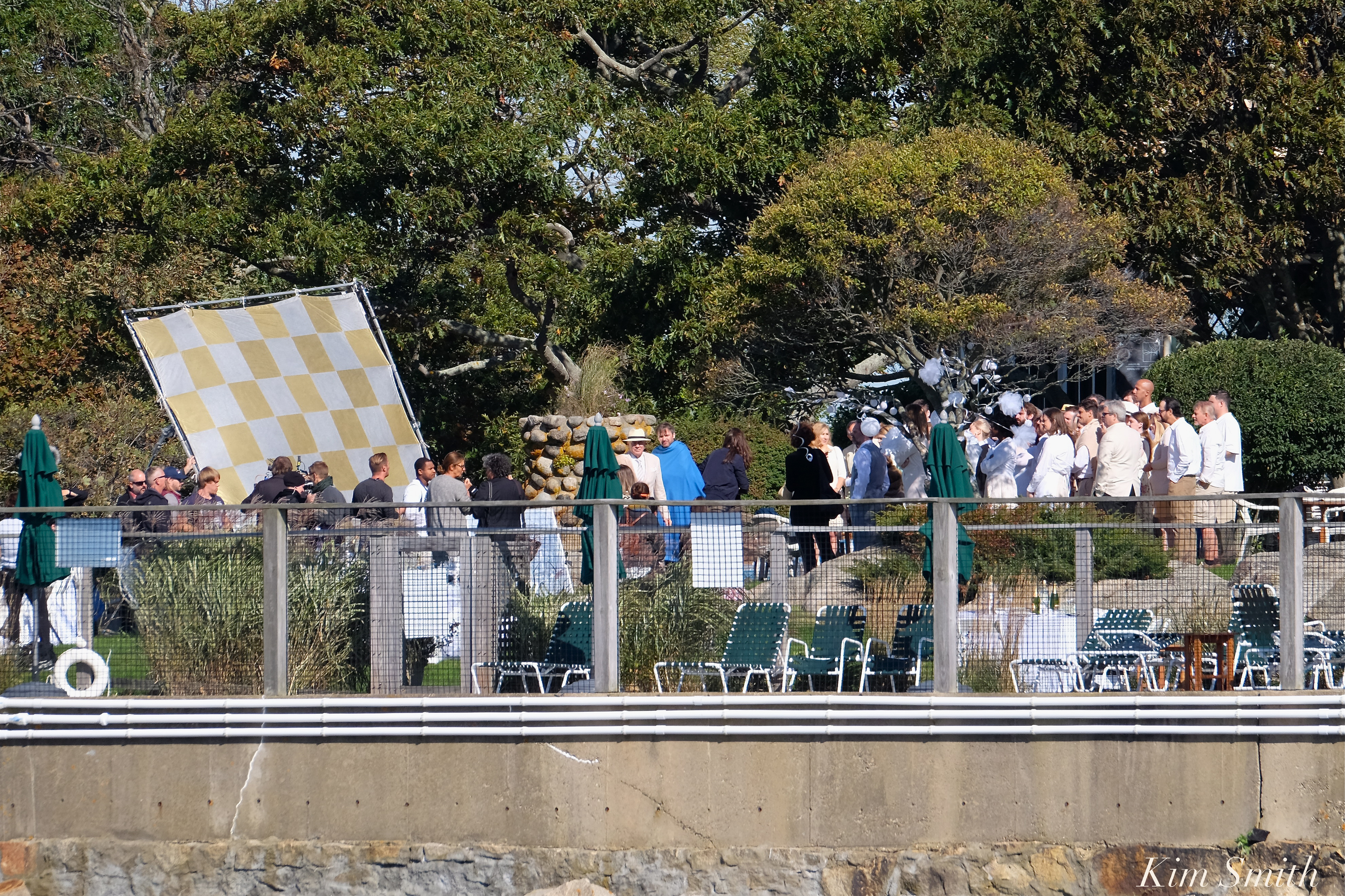
BRIDE TOSSING THE BOUQUET IN THE LATEST KATIE FFORD MOVIE

Arriving at the Lighthouse just as the bride was tossing the bouquet in this latest Katie Fford drama filming in Gloucester.(The bouquet is up in the trees).
Wrapping up for the day’s shooting.

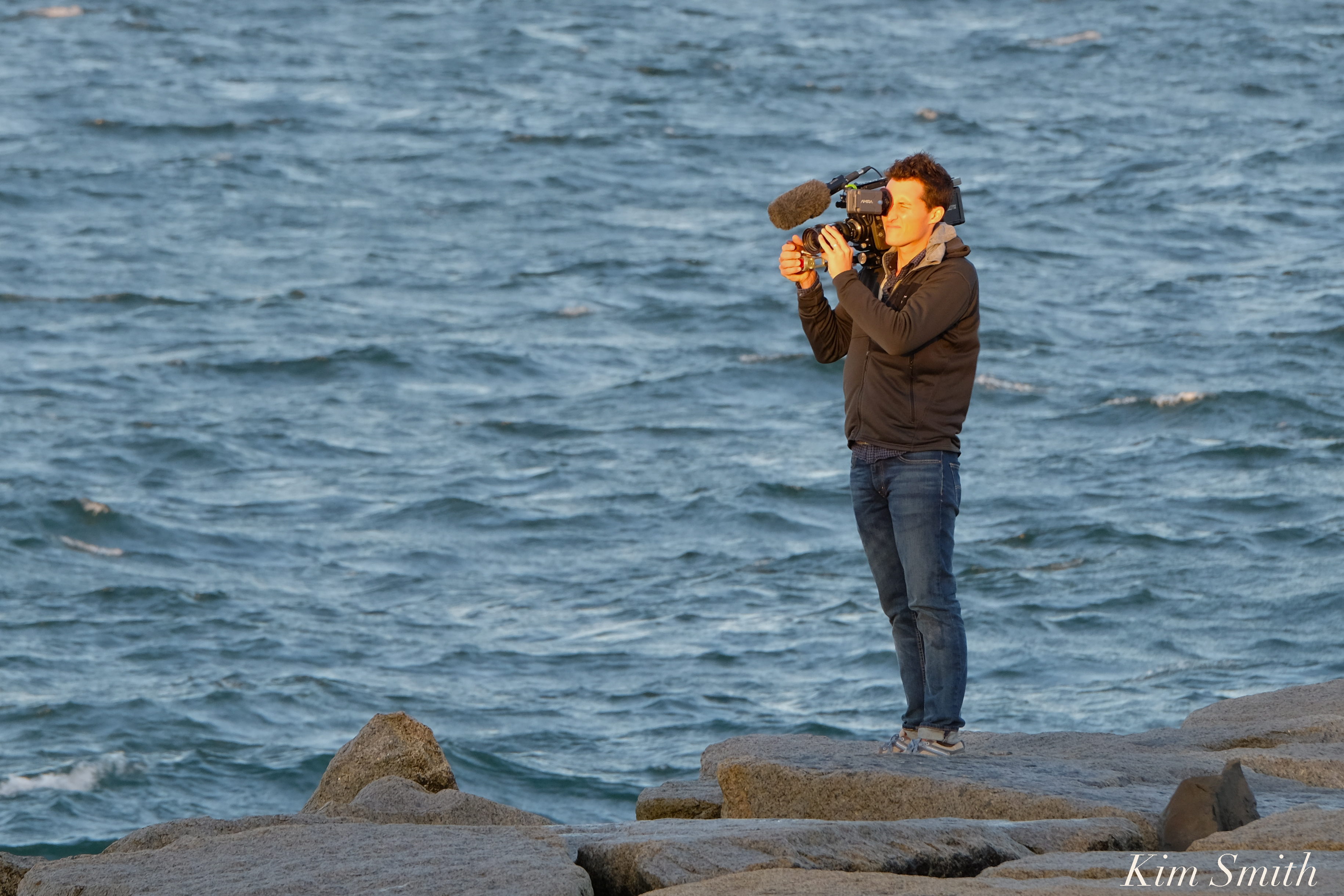
GERMAN TV KATIE FFORDE FILMING IN GLOUCESTER!

Filming on Katie Fforde romance movies for German television ZDF is currently taking place at Eastern Point.


A SPECTACULAR PAINTED LADY BUTTERFLY IRRUPTION HAPPENING RIGHT NOW!

The sheer number of Painted Ladies migrating are stealing some of the Monarchs thunder!

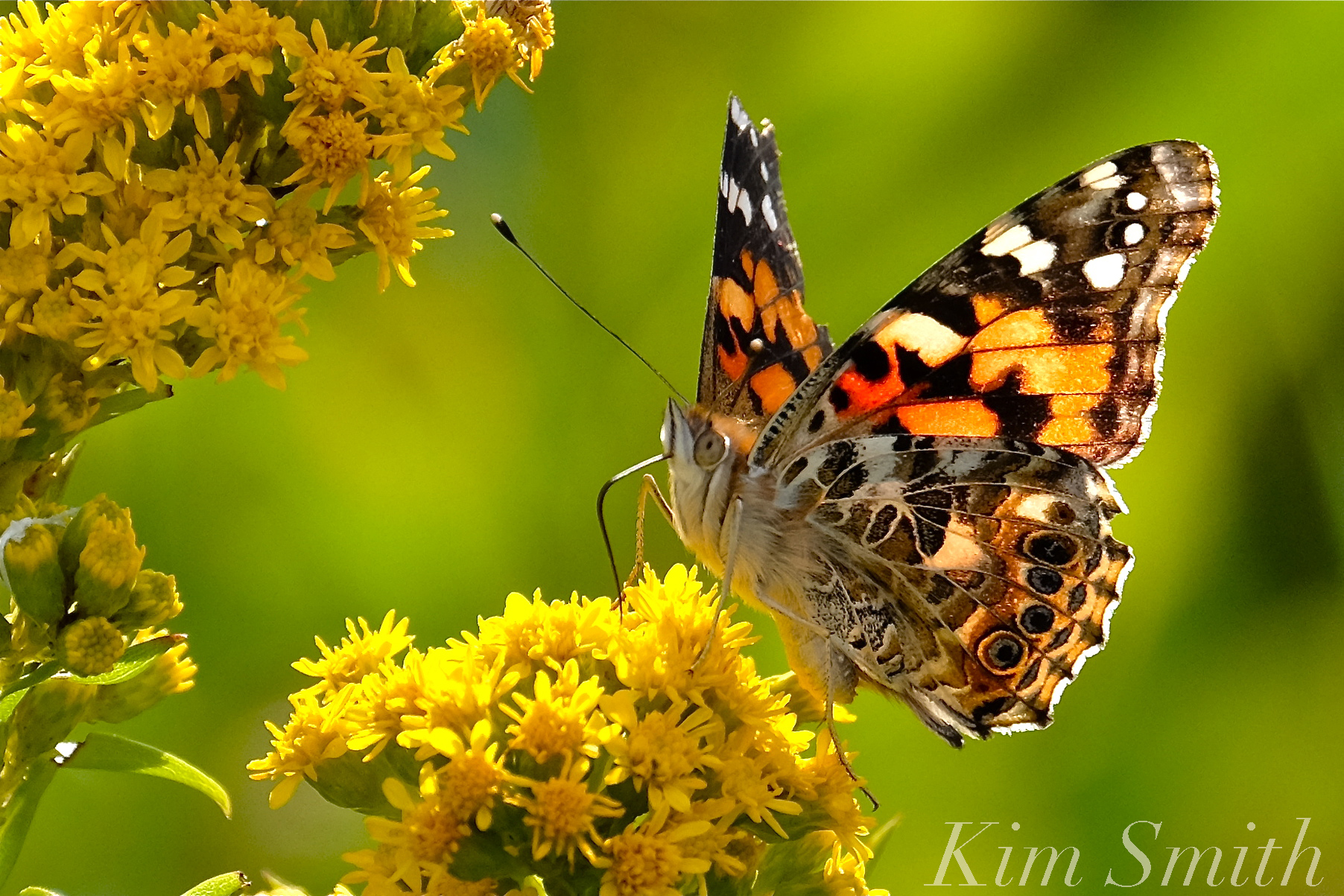
Many readers have written inquiring about the beautiful butterflies with wings in a tapestry of brilliant orange, brown, black, cream, and blue. Painted Ladies (Vanessa cardui) are often confused with Monarch butterflies, especially during the late summer. Both are currently migrating and you will often see the two species drinking nectar side-by-side.

As do Monarchs, Painted Ladies depart from Mexico to begin their northward migration in springtime. Both Monarchs and Painted Ladies belong to the brush-foot family (Nymphalidae) and can only survive in warm climates.Monarch Butterfly, top, and Painted Lady bottom. Note that the Painted Lady is about half the size of the Monarch

Sightings from the midwest recorded large numbers early in the season, and 2017 has proven to be an outstanding year for this most successful of butterflies. The Painted Lady is also nicknamed the “Cosmopolitan” butterfly because it is the most widespread butterfly in the world.

Painted Lady drinking nectar from the Seaside Goldenrod at the Gloucester HarborWalk

One reason we may possibly be experiencing a Painted Lady irruption in North America is because a rainy spring in the south was followed by a fabulous bloom of dessert annuals that provided abundant food plants for the caterpillars. Unlike Monarch butterflies, which will only deposit their eggs on members of the milkweed family (Asclepias), Painted Lady caterpillars eat a wide range of plants. More than 300 host plants have been noted; favorites include thistles, yarrow, Pearly Everlasting, Common Sunflower (Asteraceae), Hollyhock and many mallows (Malvaceae), various legumes (Fabaceae) along with members of Boraginaceae, Plantaginaceae, and Urticaceae.

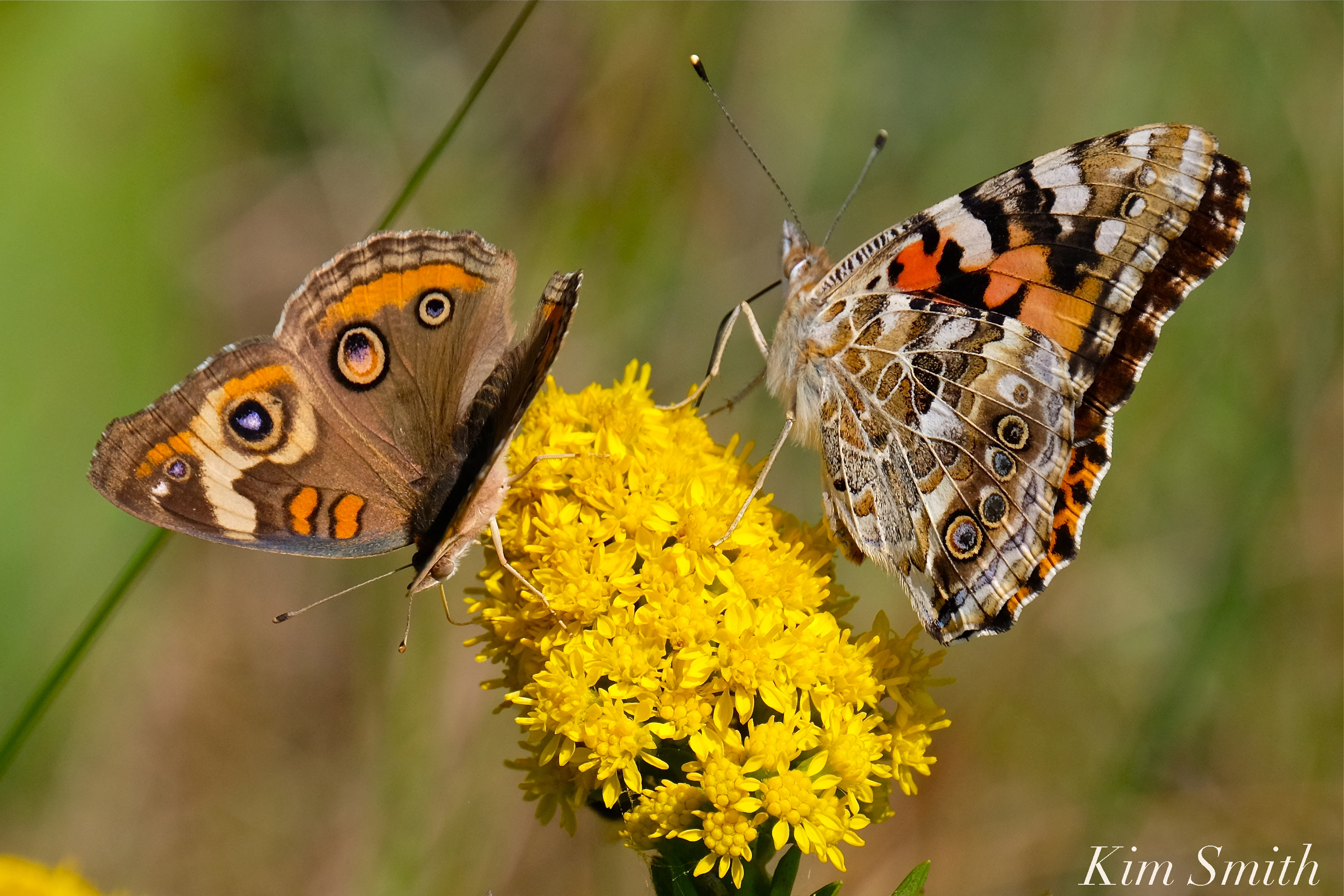
Common Buckeye and Painted Lady Nectaring at the Seaside Goldenrod at the Gloucester HarborWalk  

Much, much more remains to be discovered about the beautiful Painted Lady, its habits and how their behavior and seasonal distribution varies by geographic location.

Read More about Painted Ladies here:

DANCE OF COLOR AND LIGHT

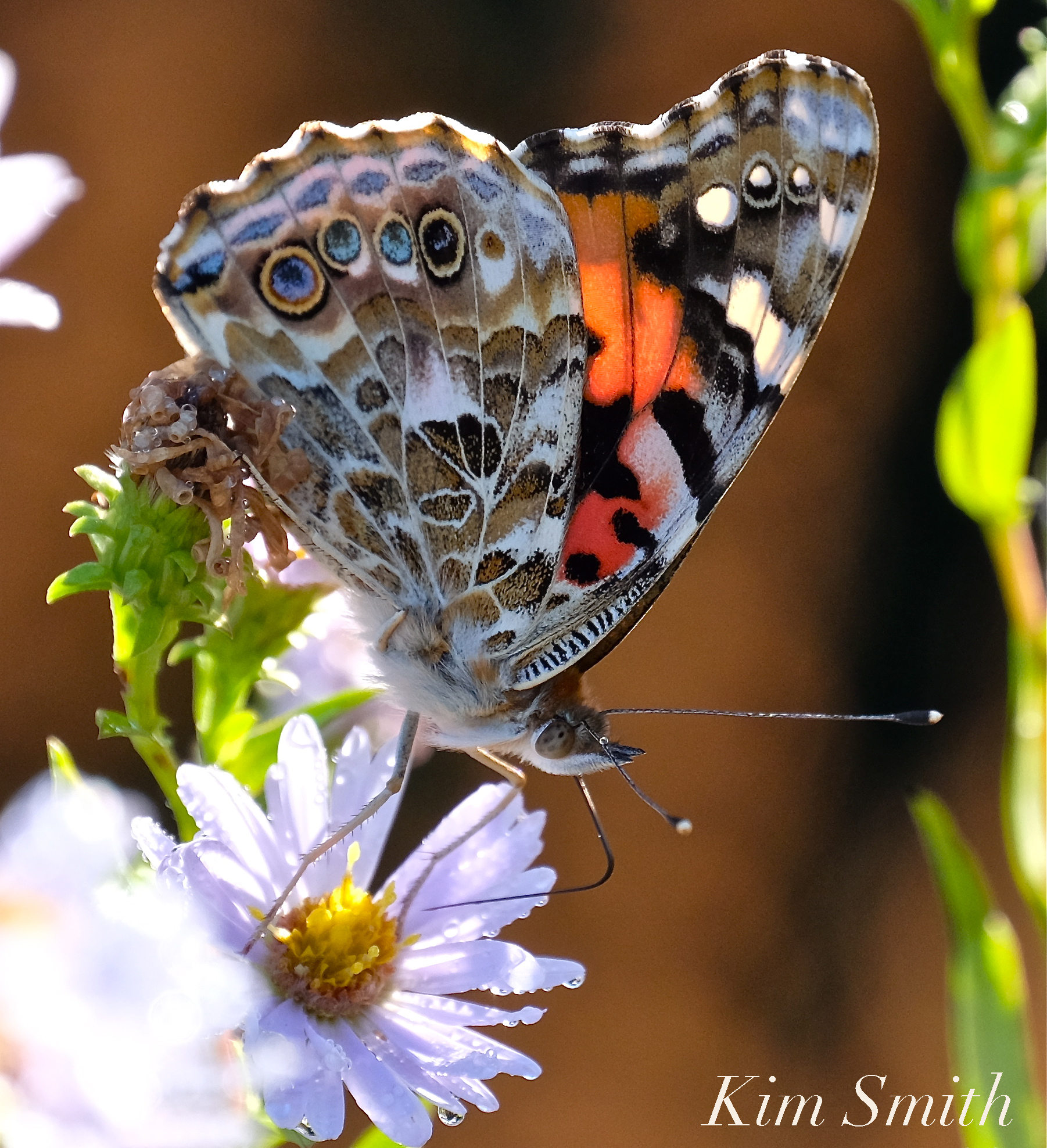
Painted Lady Drinking Nectar from the Purple-stemmed Aster

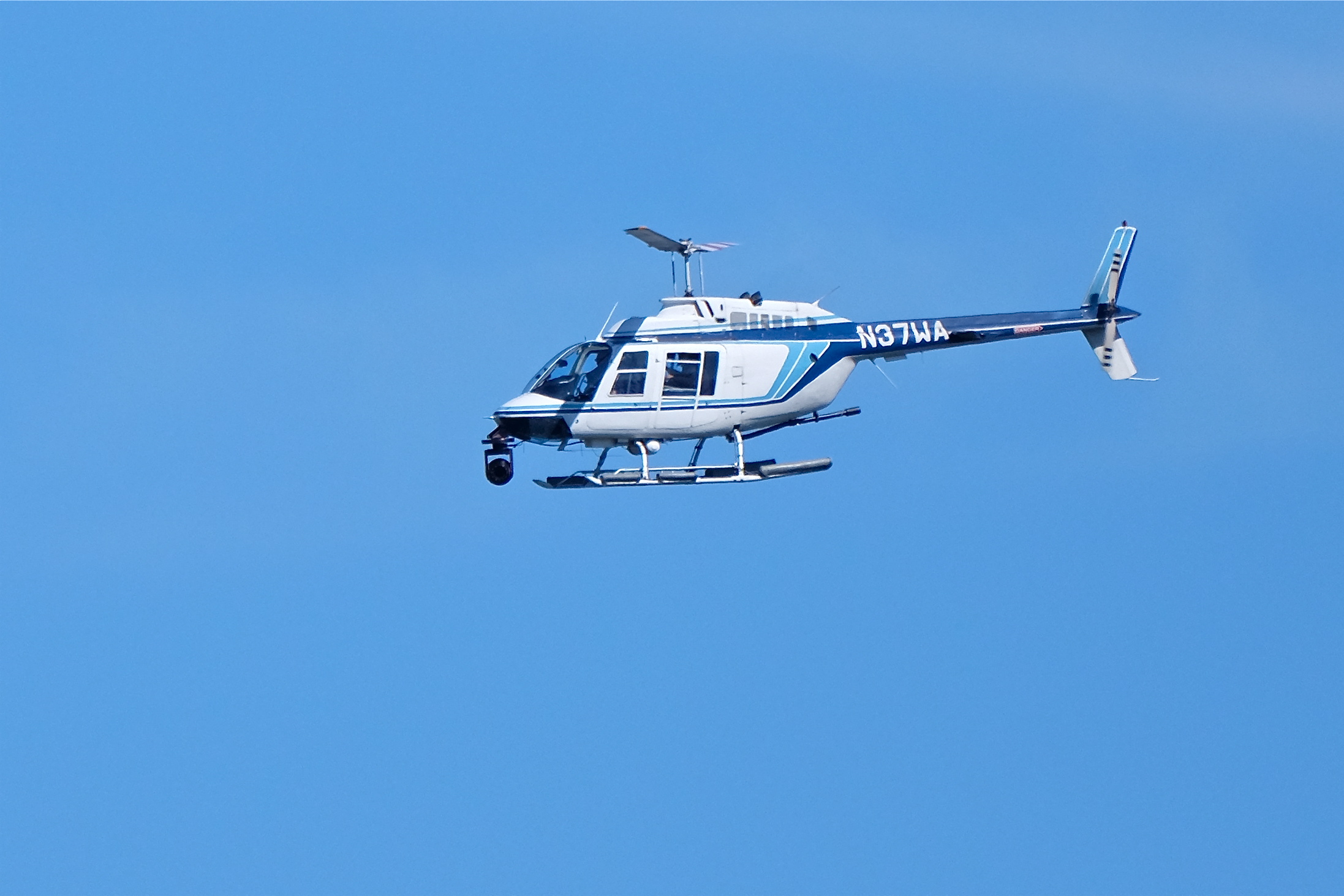
HELICOPTER CIRCLING ROUND EASTERN POINT AND FLYING LOW

Helicopter repeatedly circling over Eastern Point at mid-day today.

I am curious to know if that is a camera on the front of the helicopter.

VINTAGE SHORT FILM CLIP OF GLOUCESTER IN 1955 WHEN “A MILLION POUNDS OF FISH A DAY” WAS THE CATCH

Thanks so much to Pat Dalpiaz for sharing this classic footage of Gloucester’s working waterfront, with the carillon bells of Our Lady of Good Voyage playing in the distance.