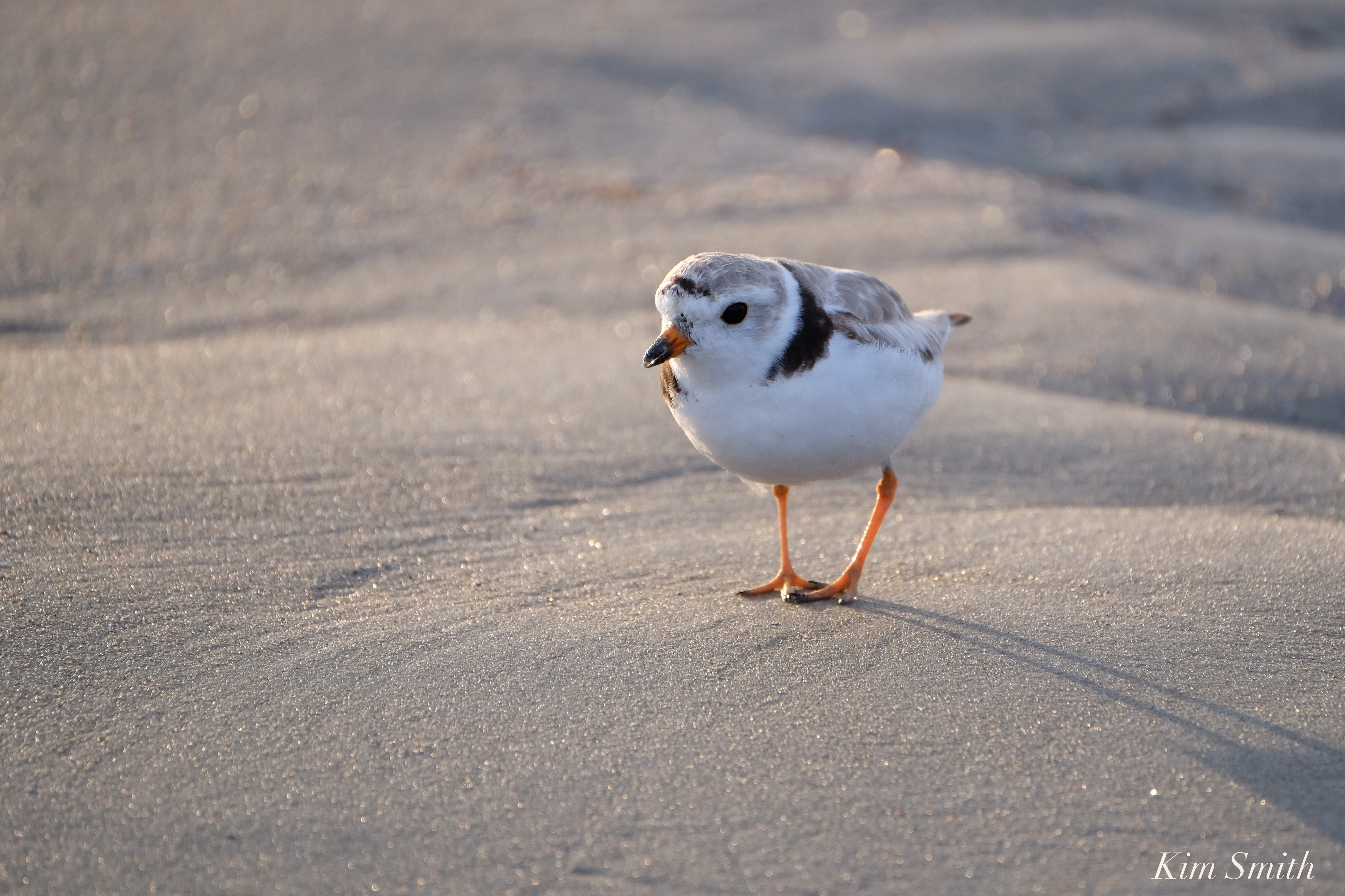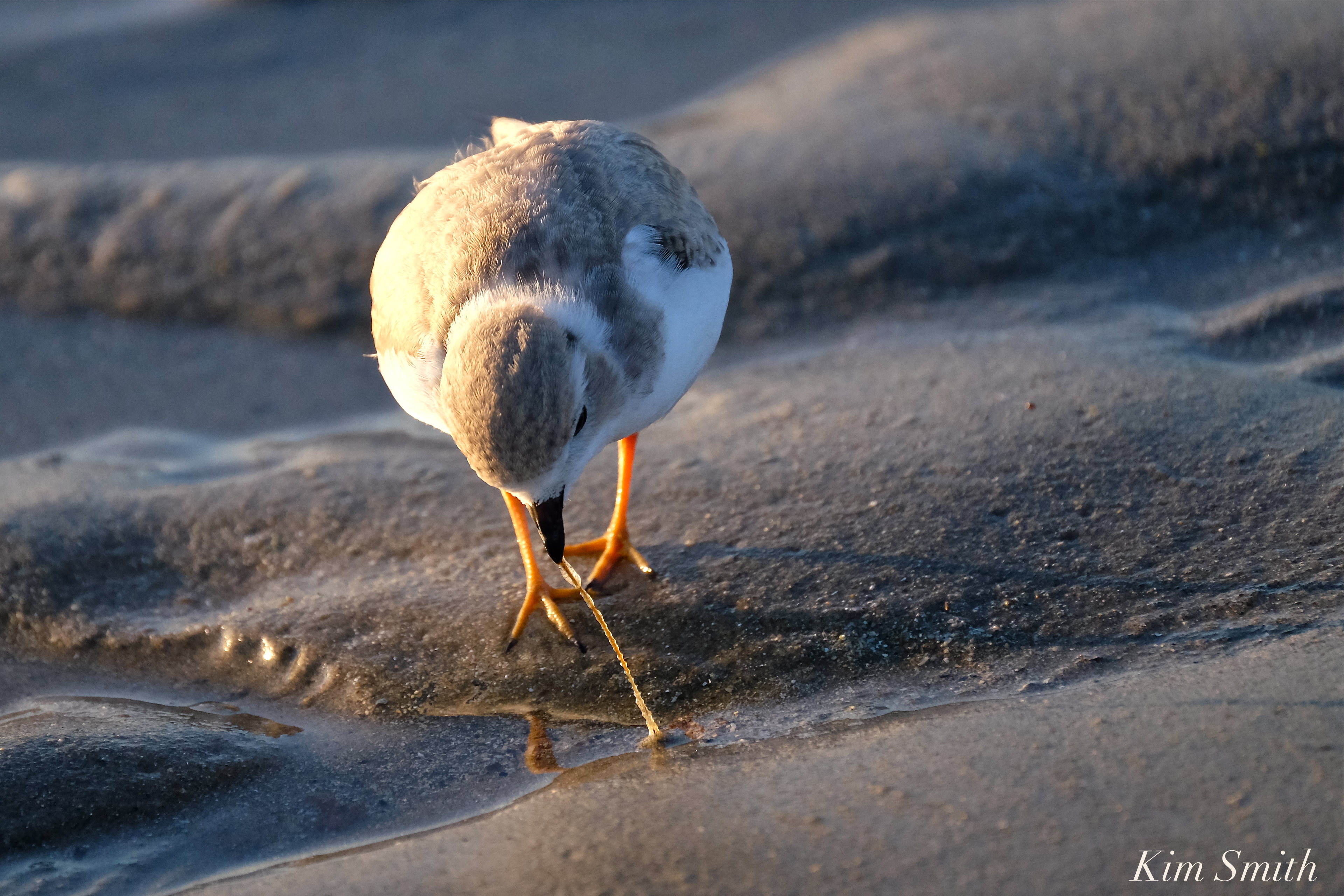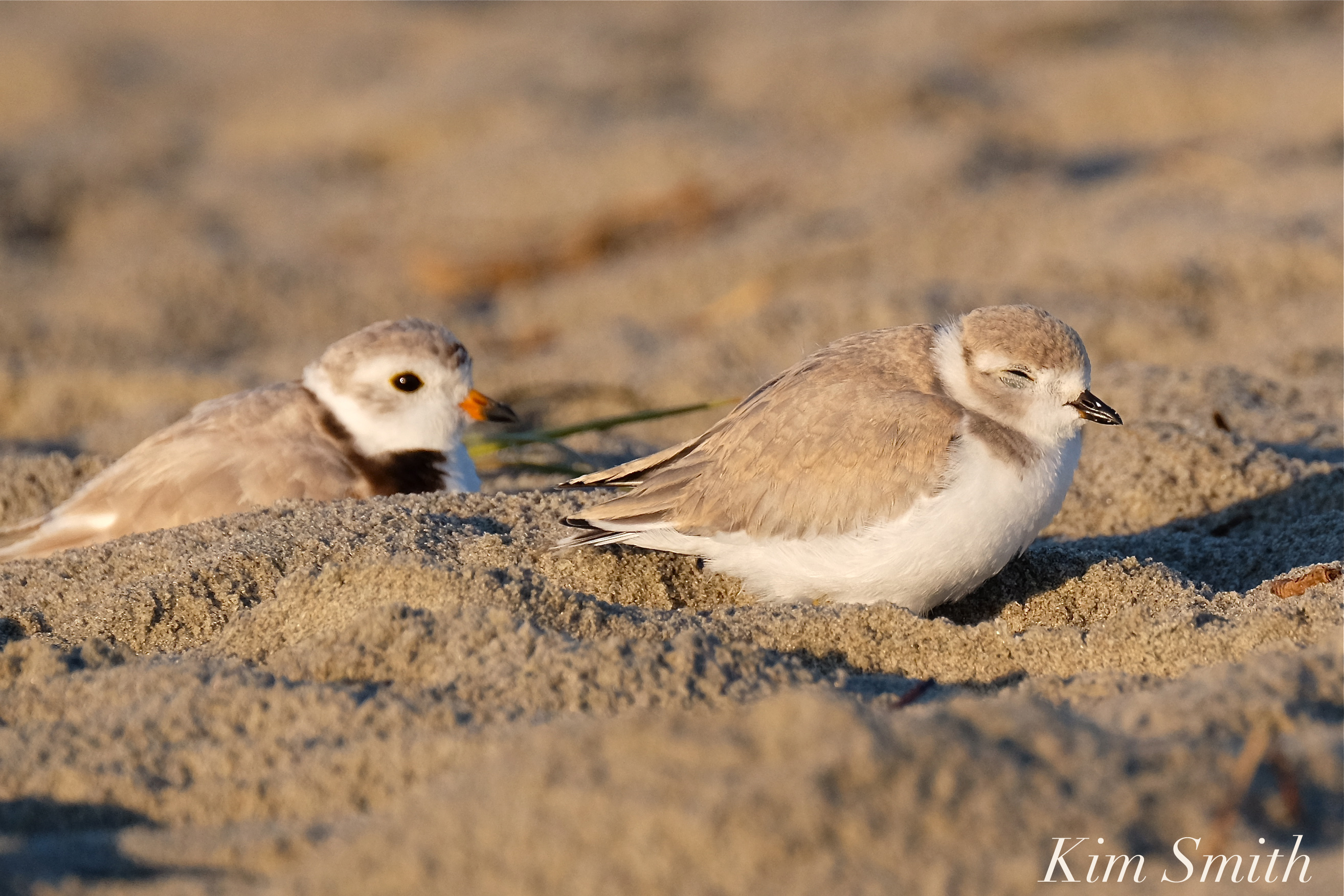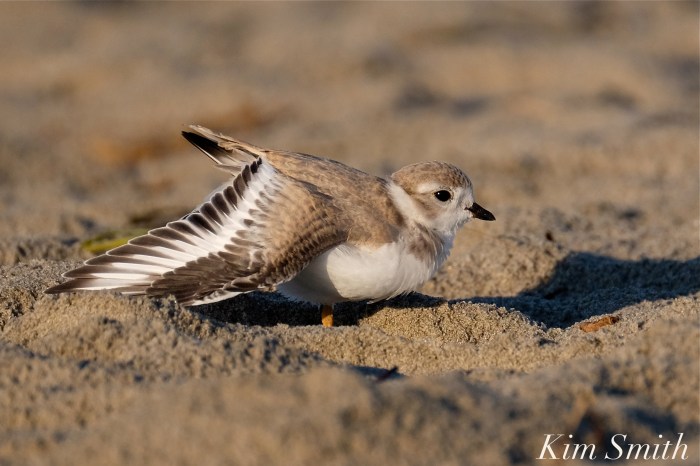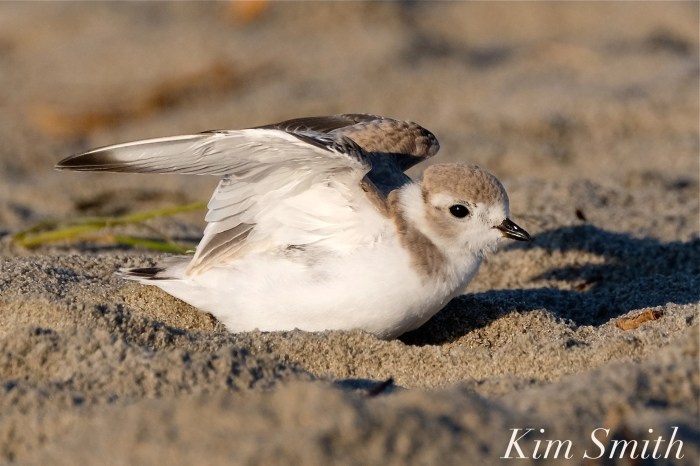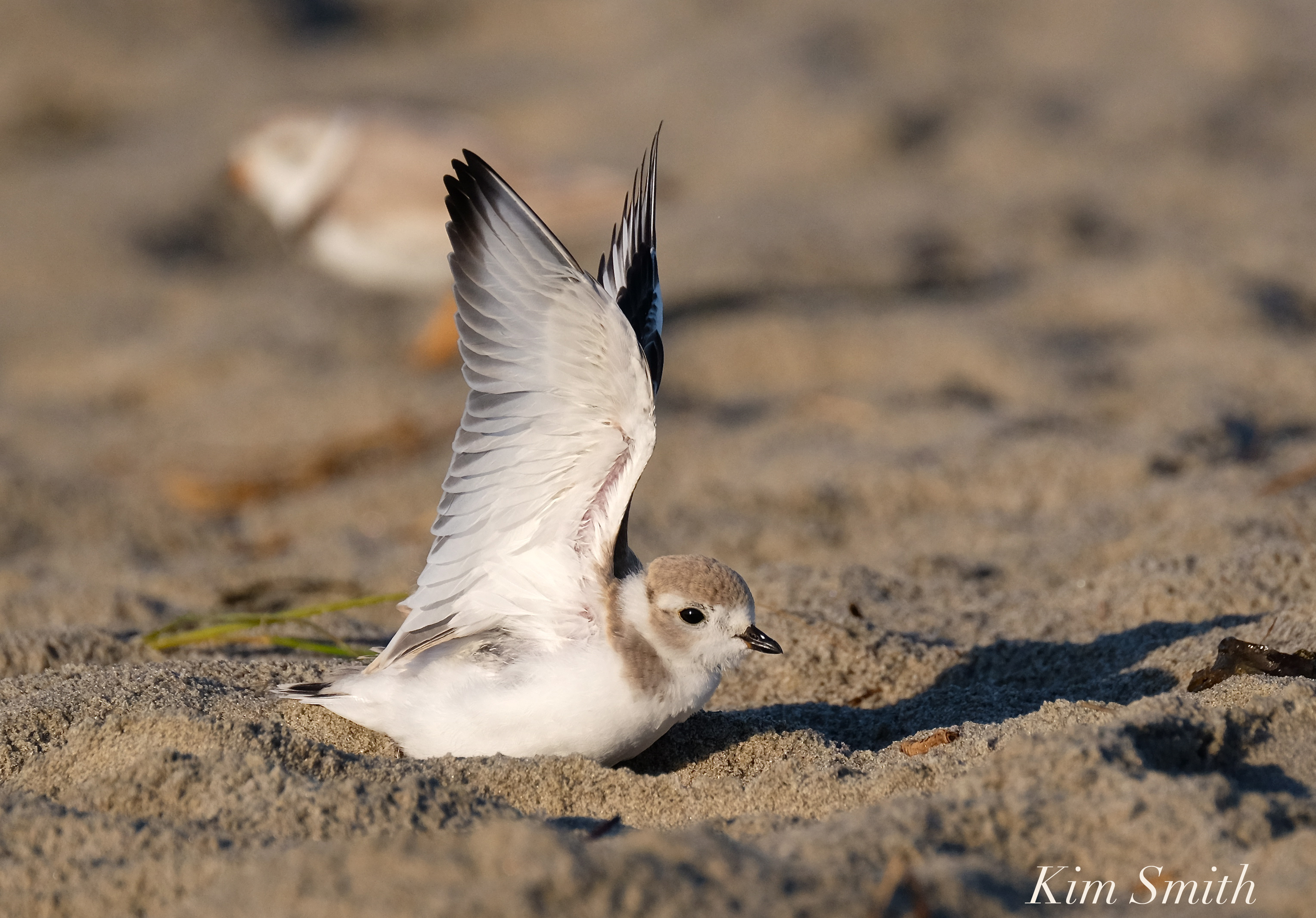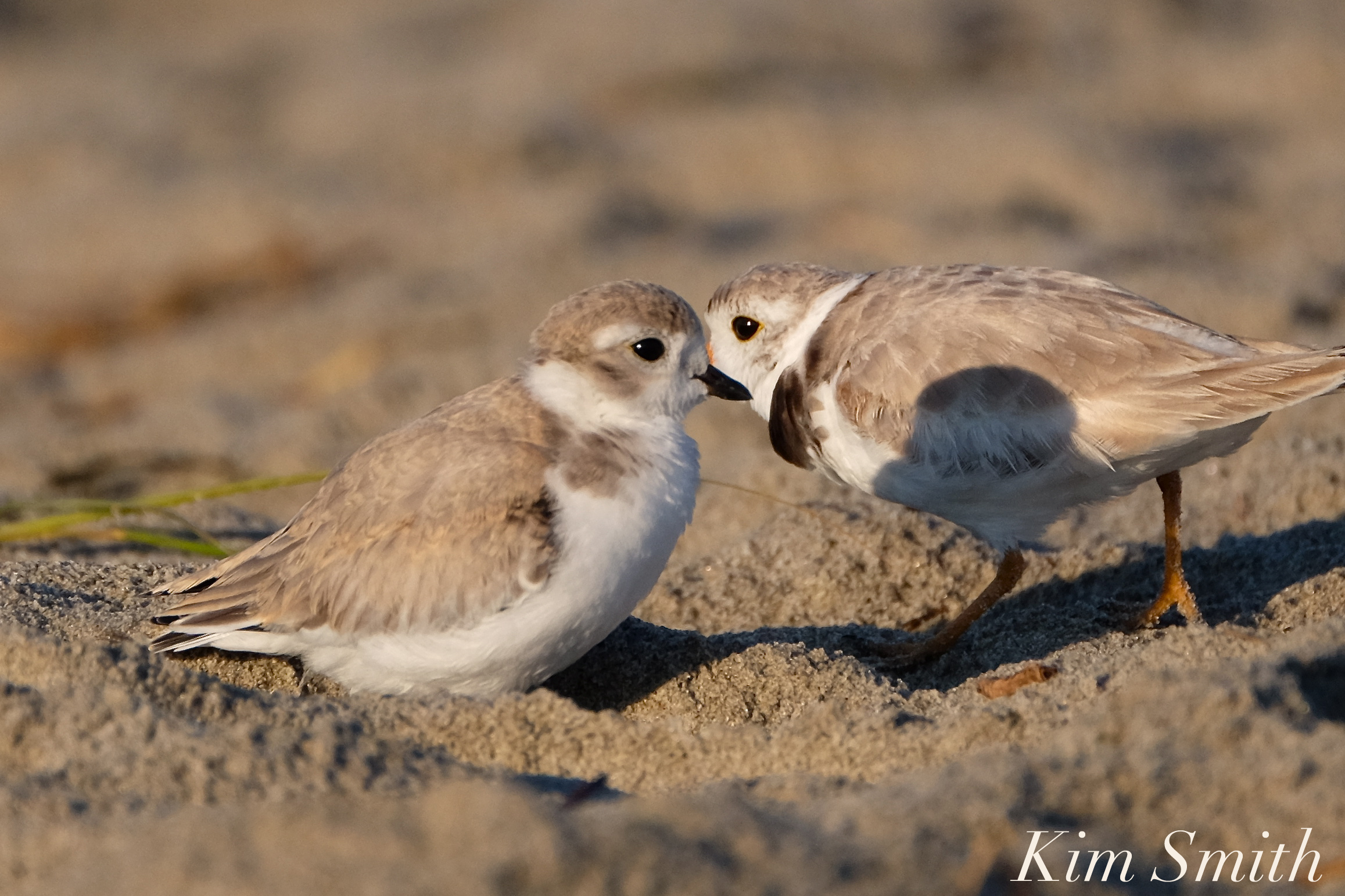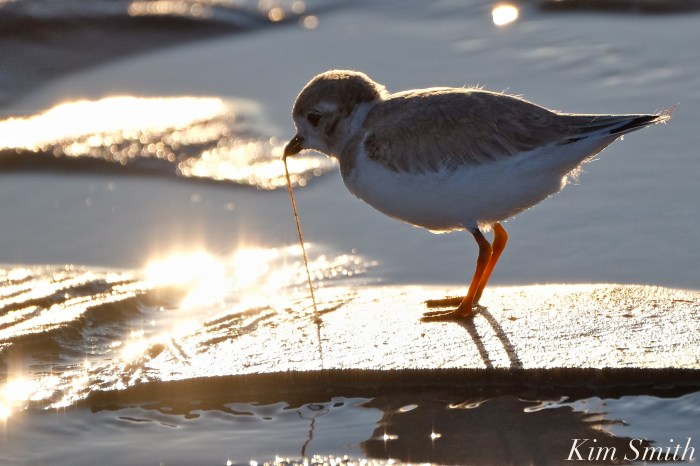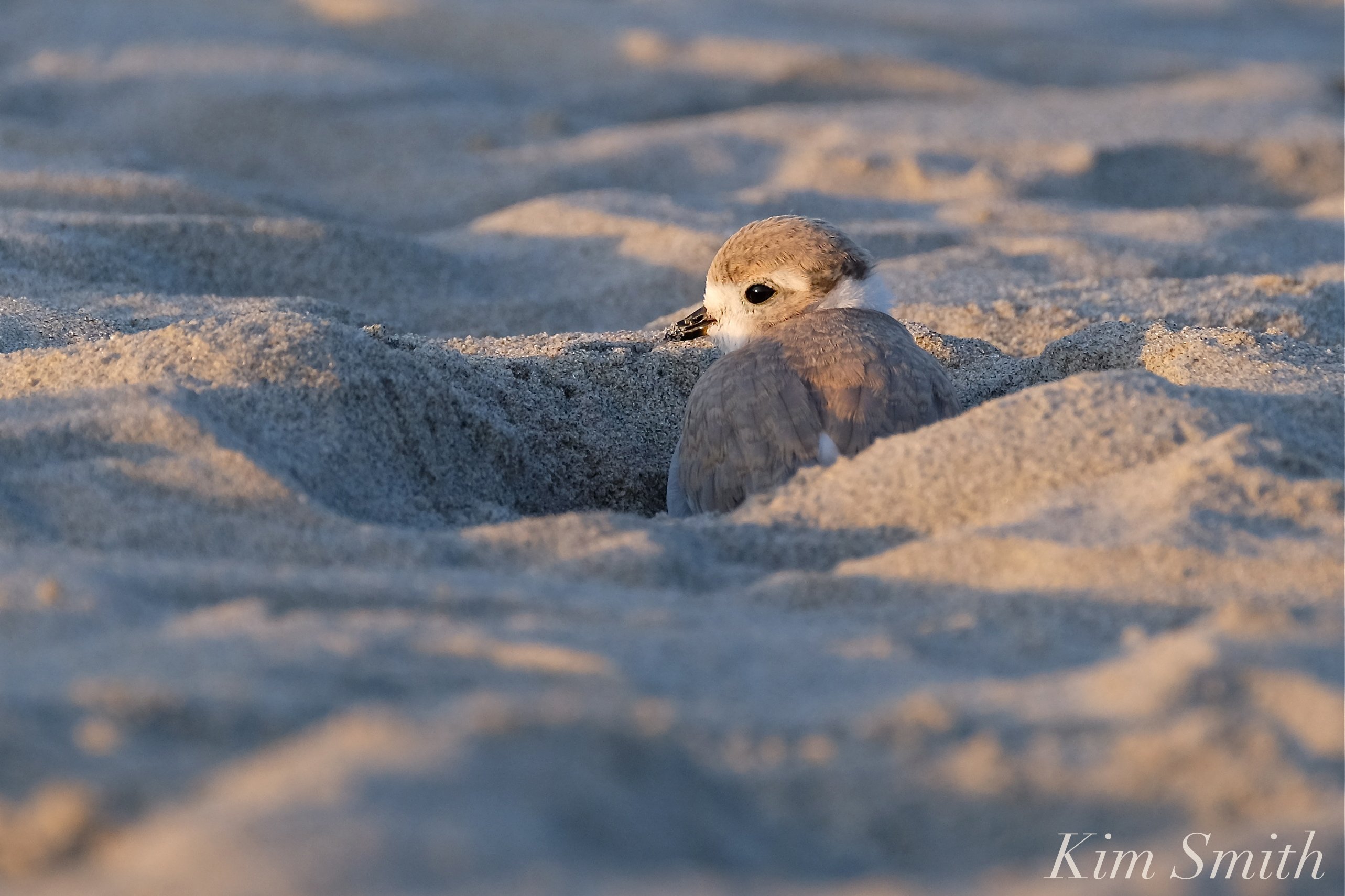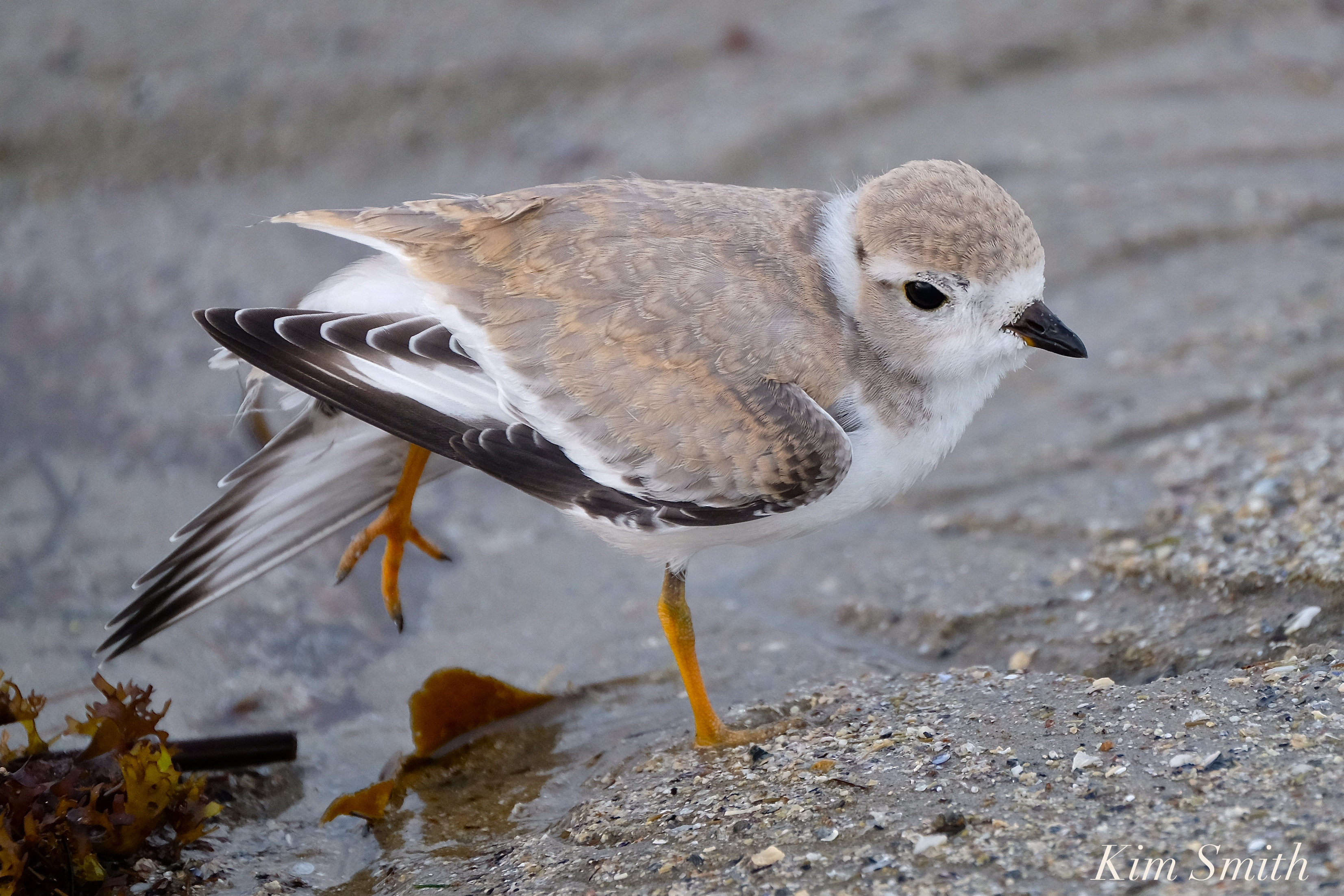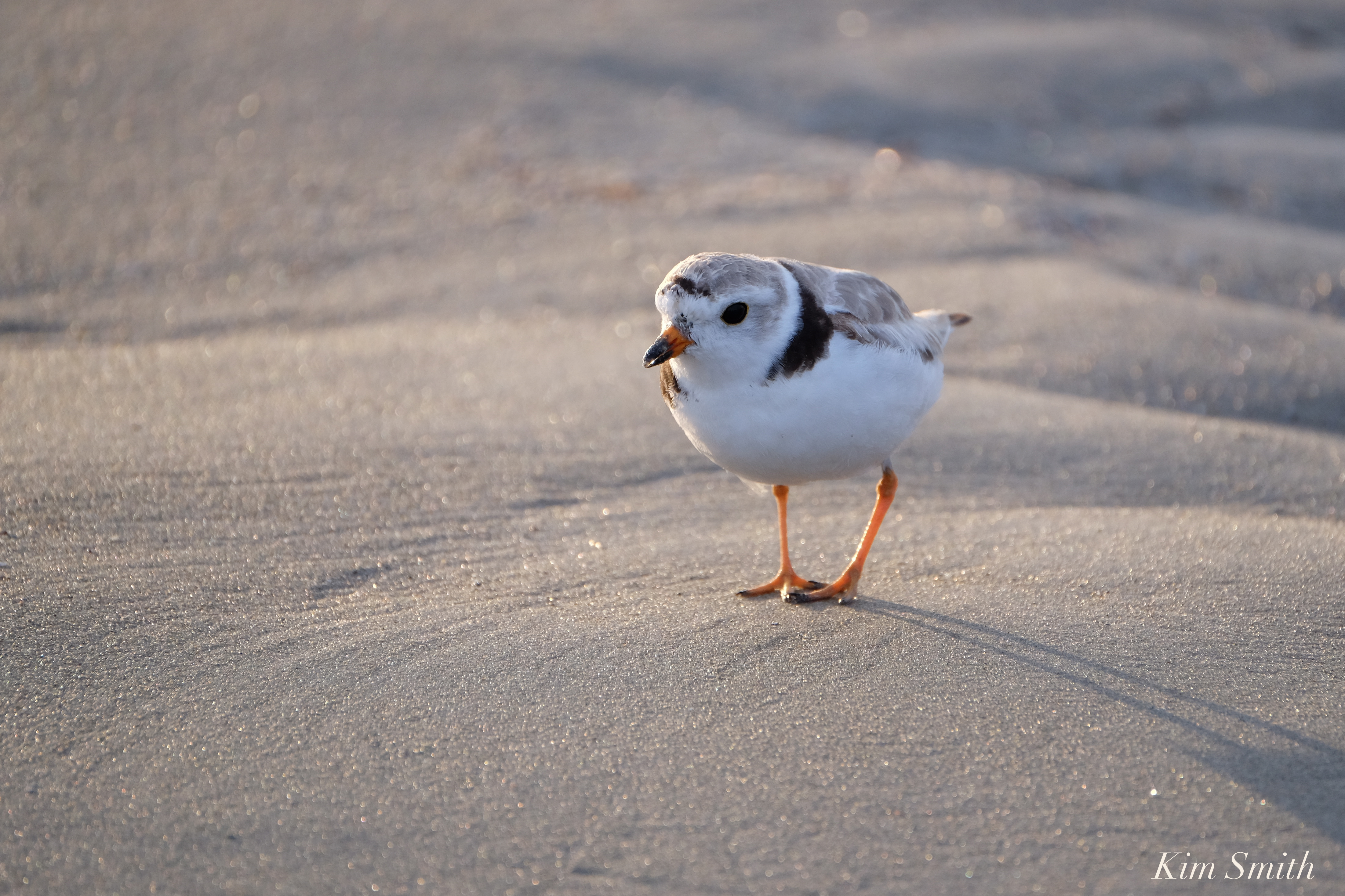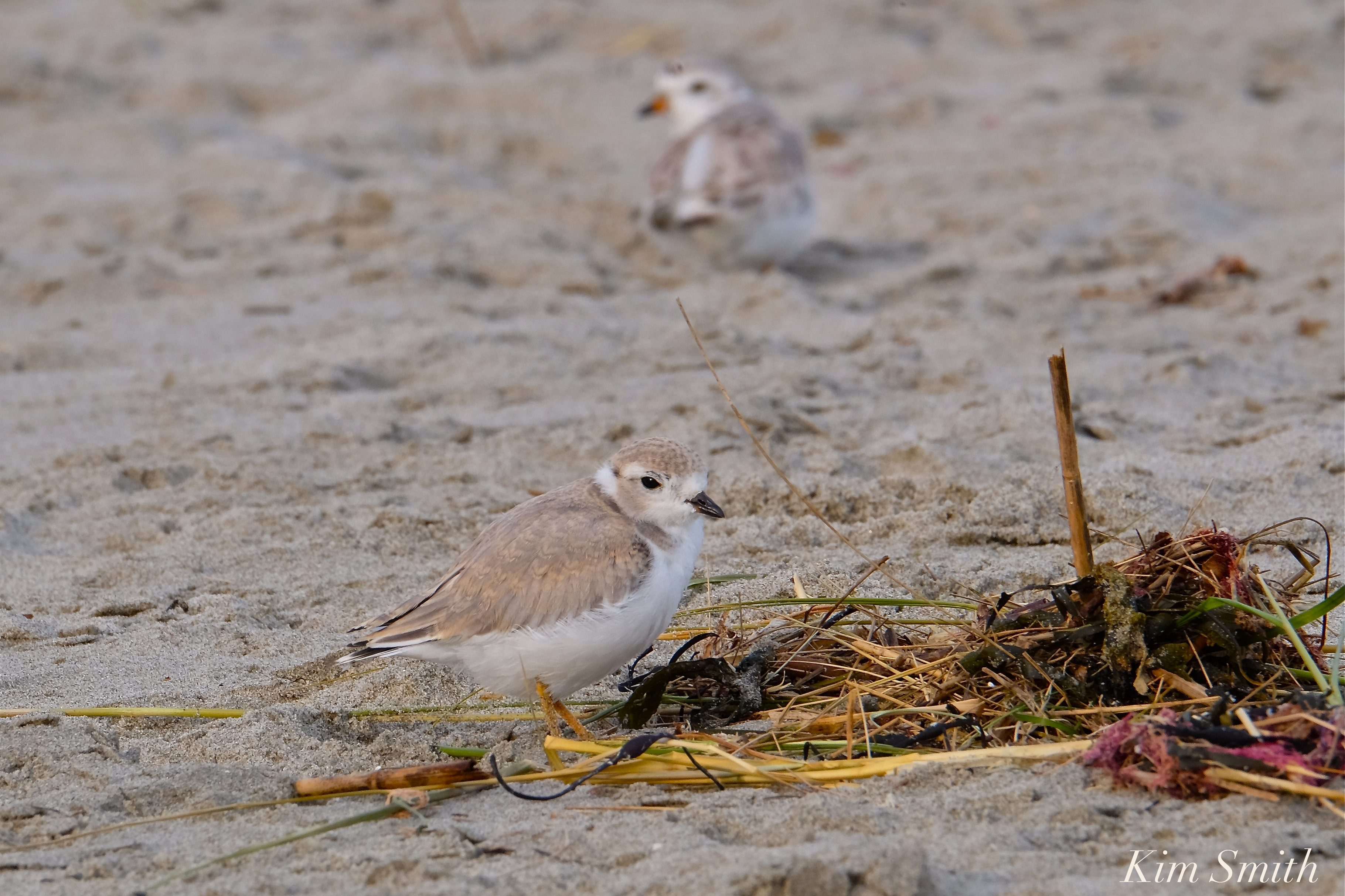
HOORAY FOR LITTLE CHICK!

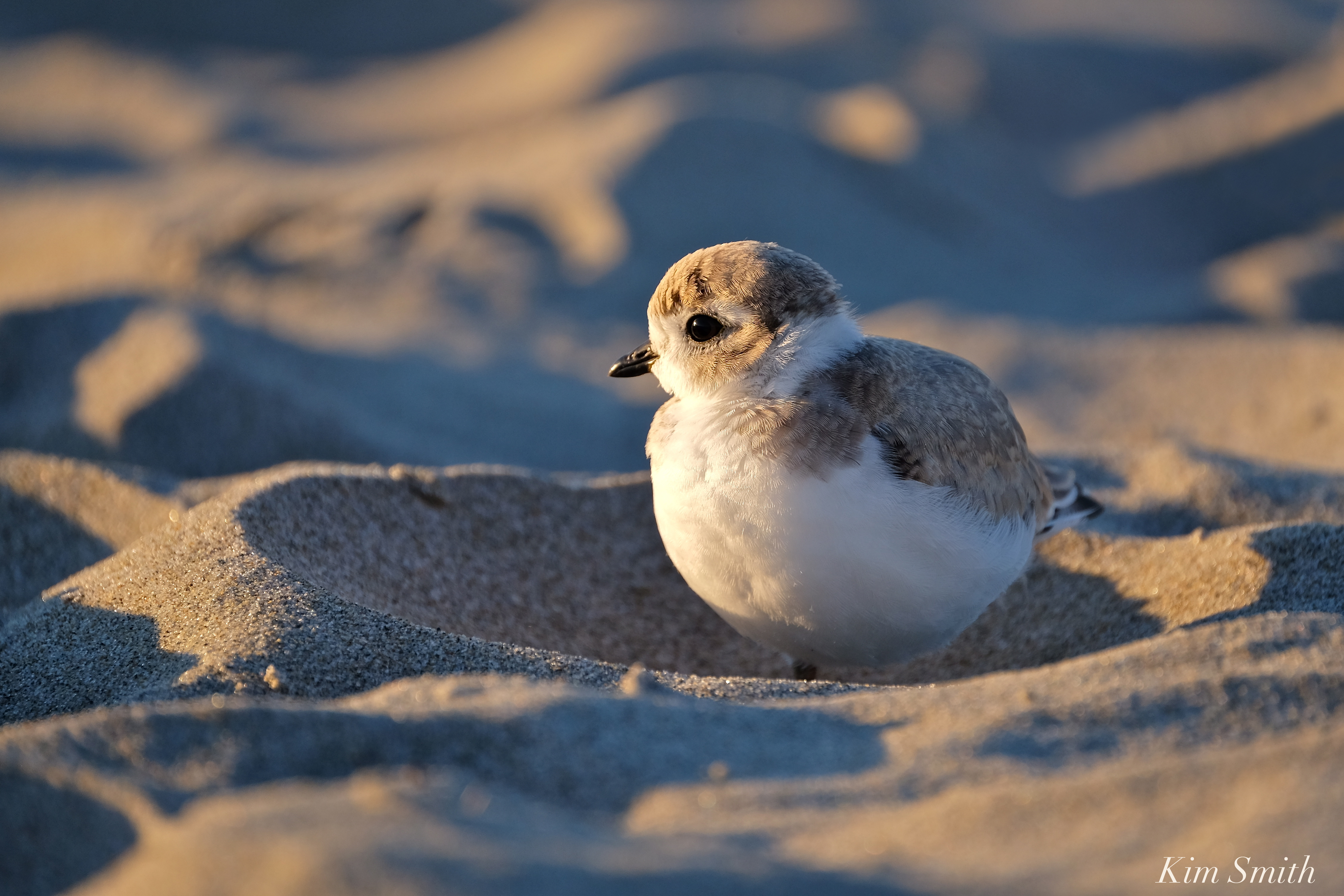
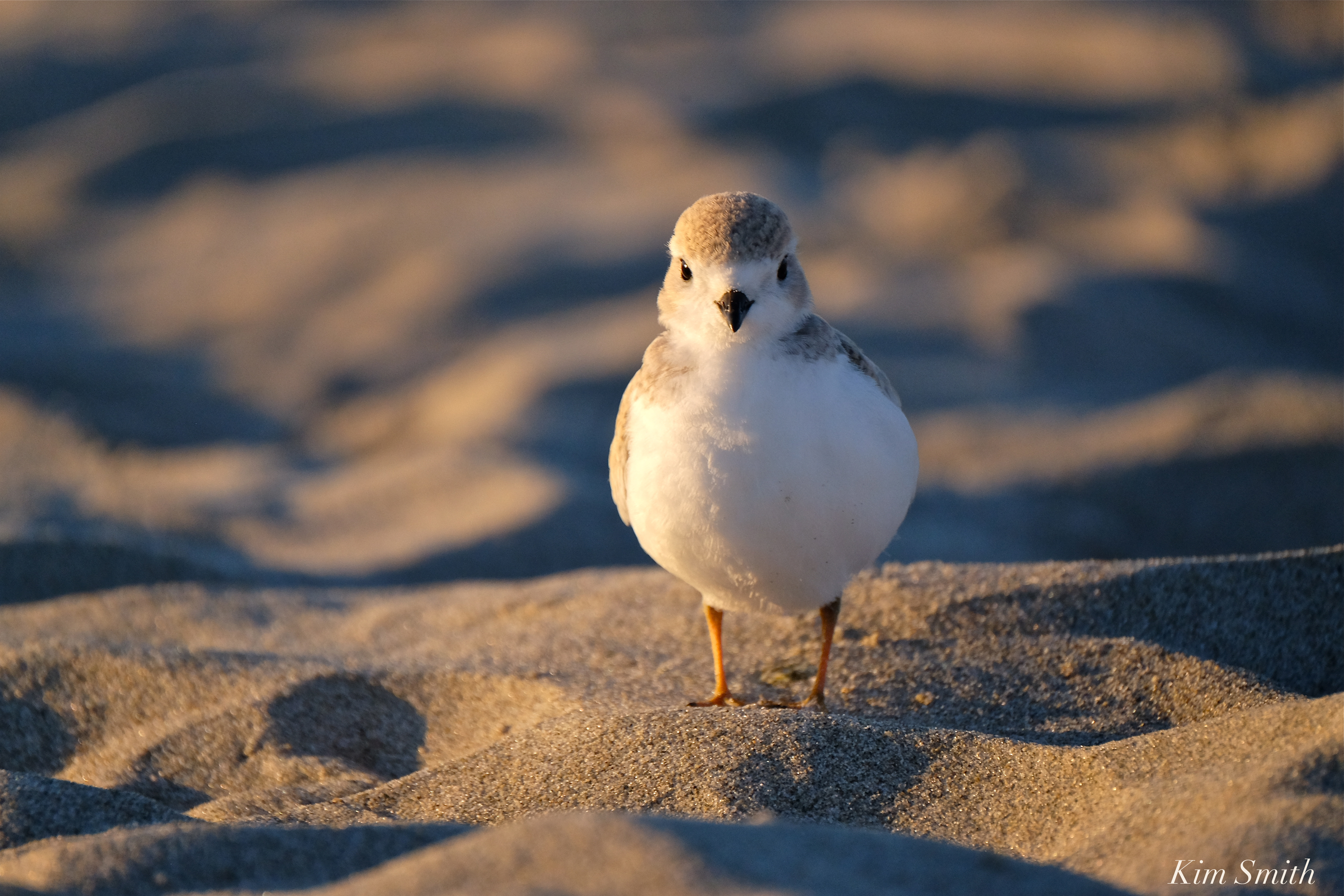
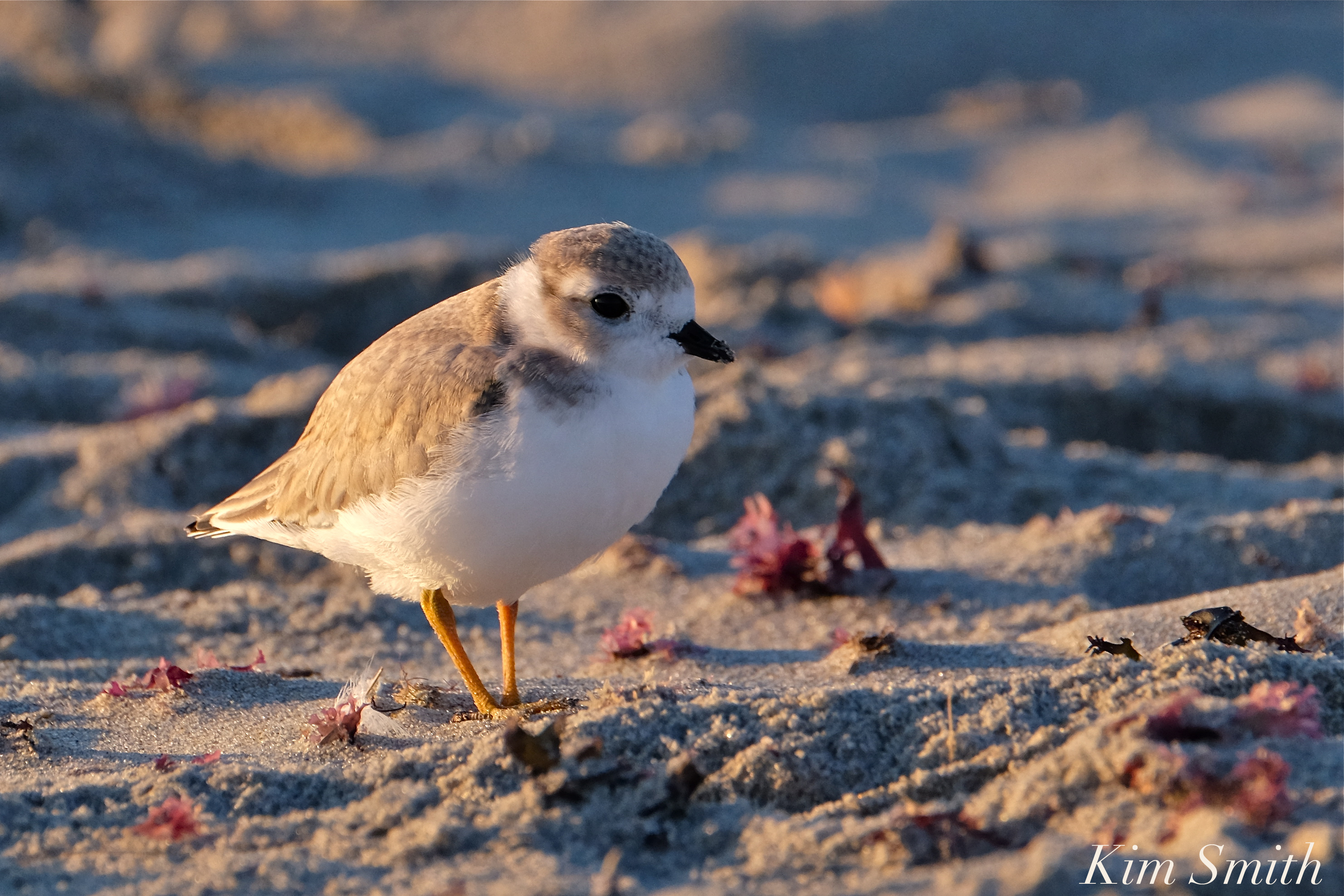
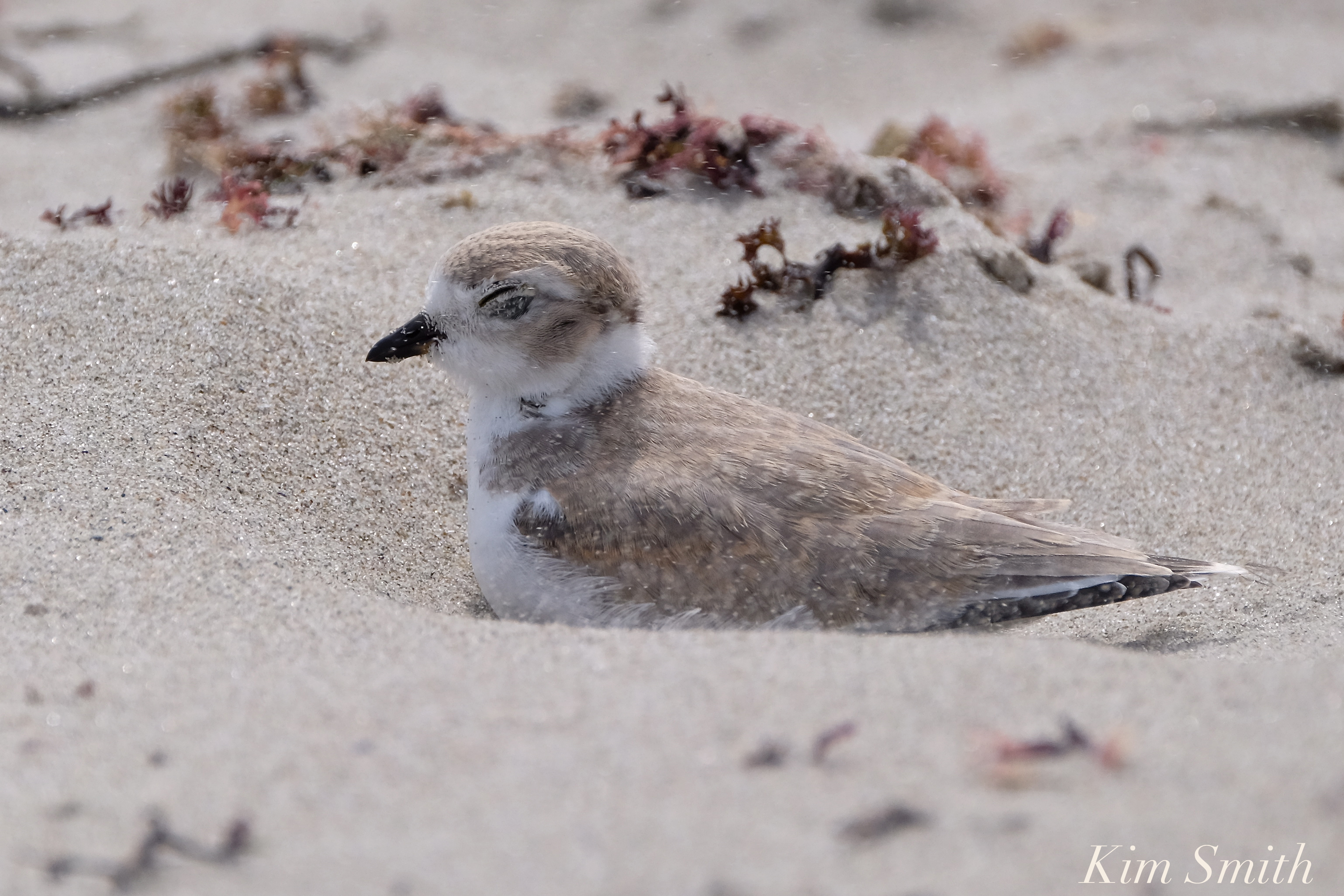
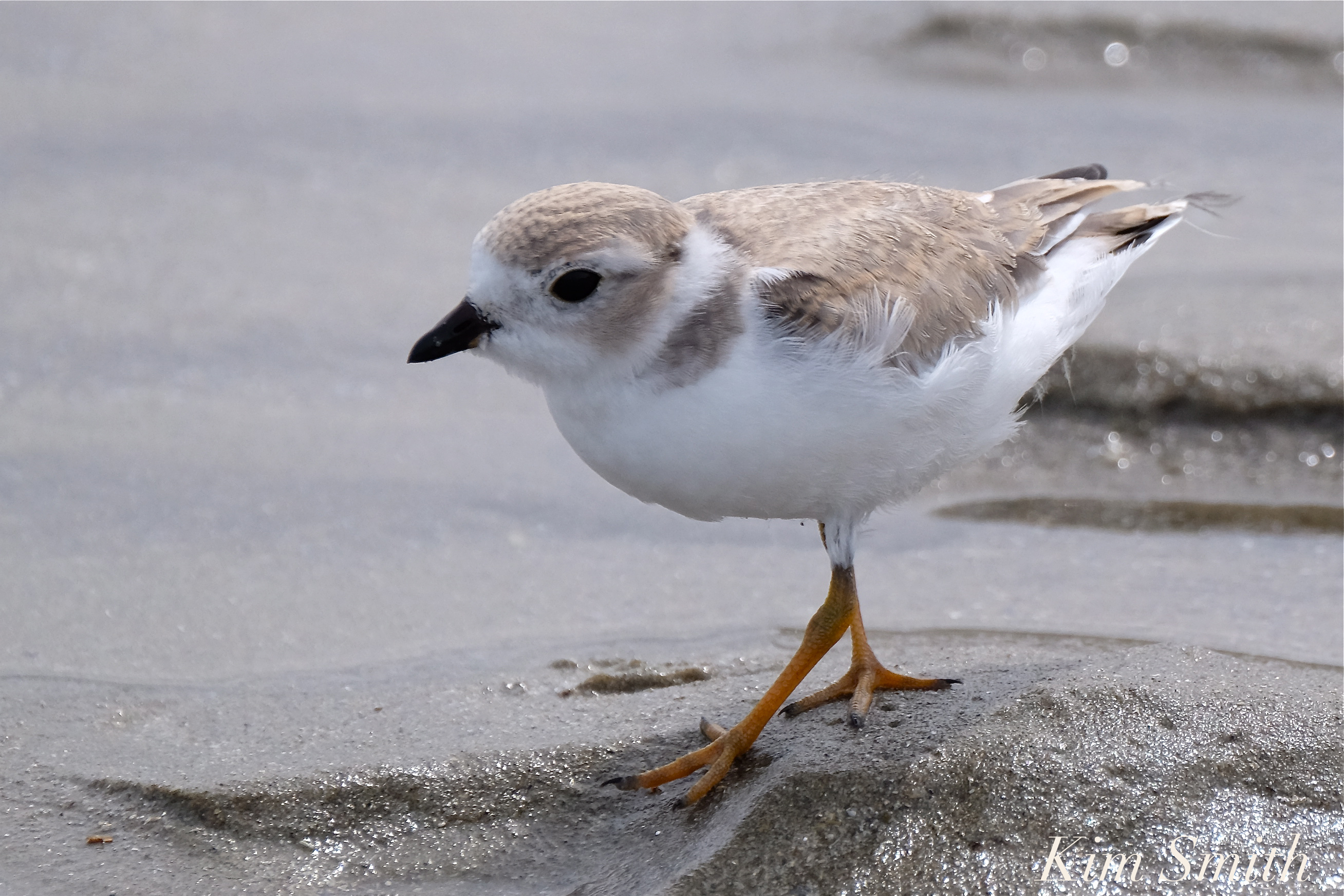
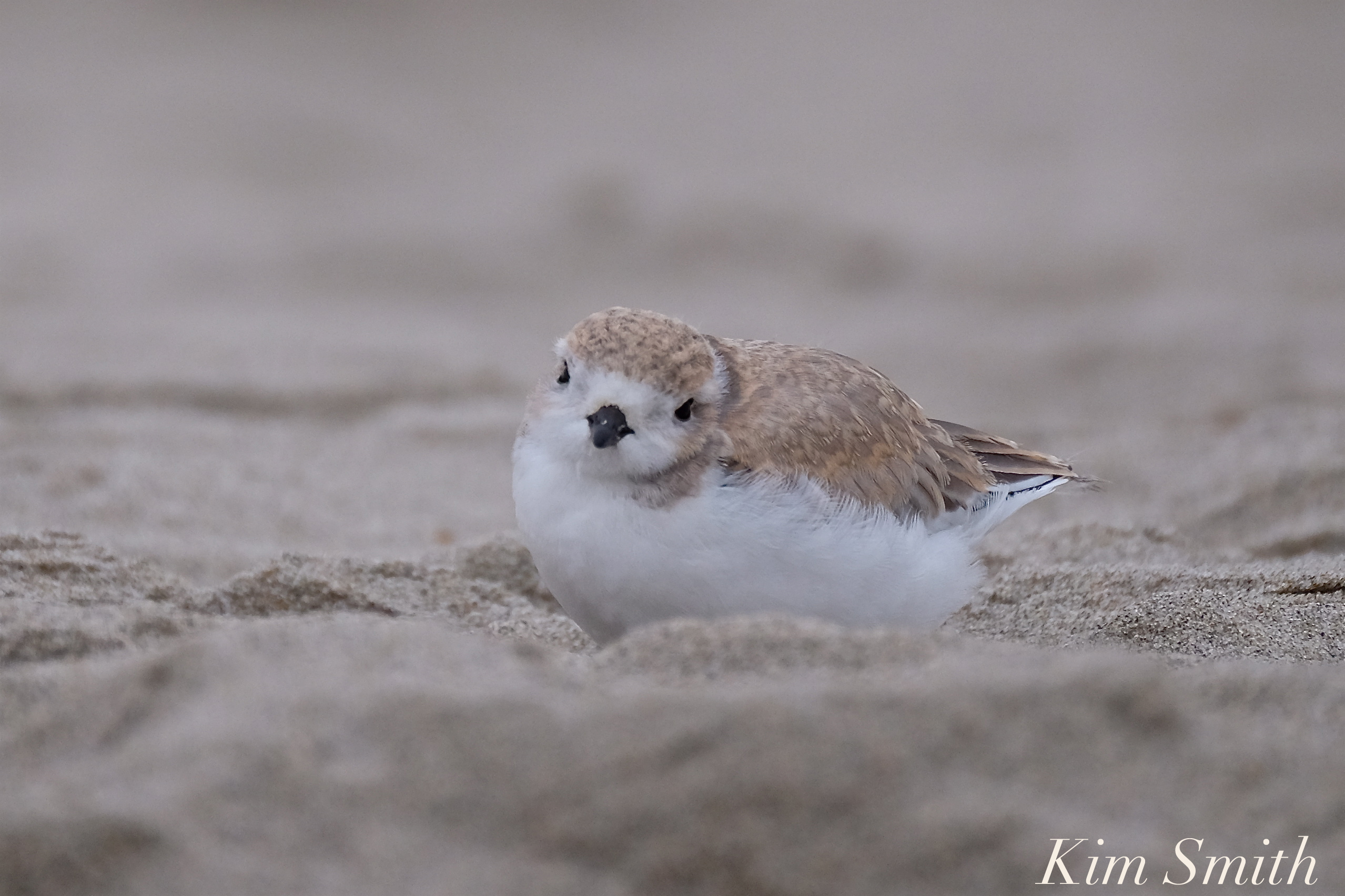
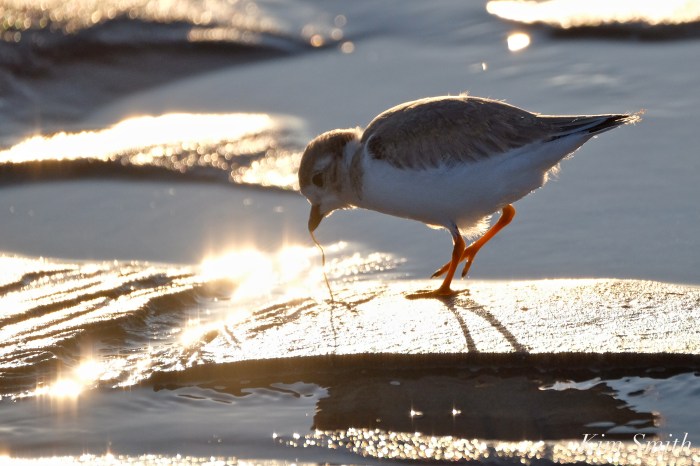
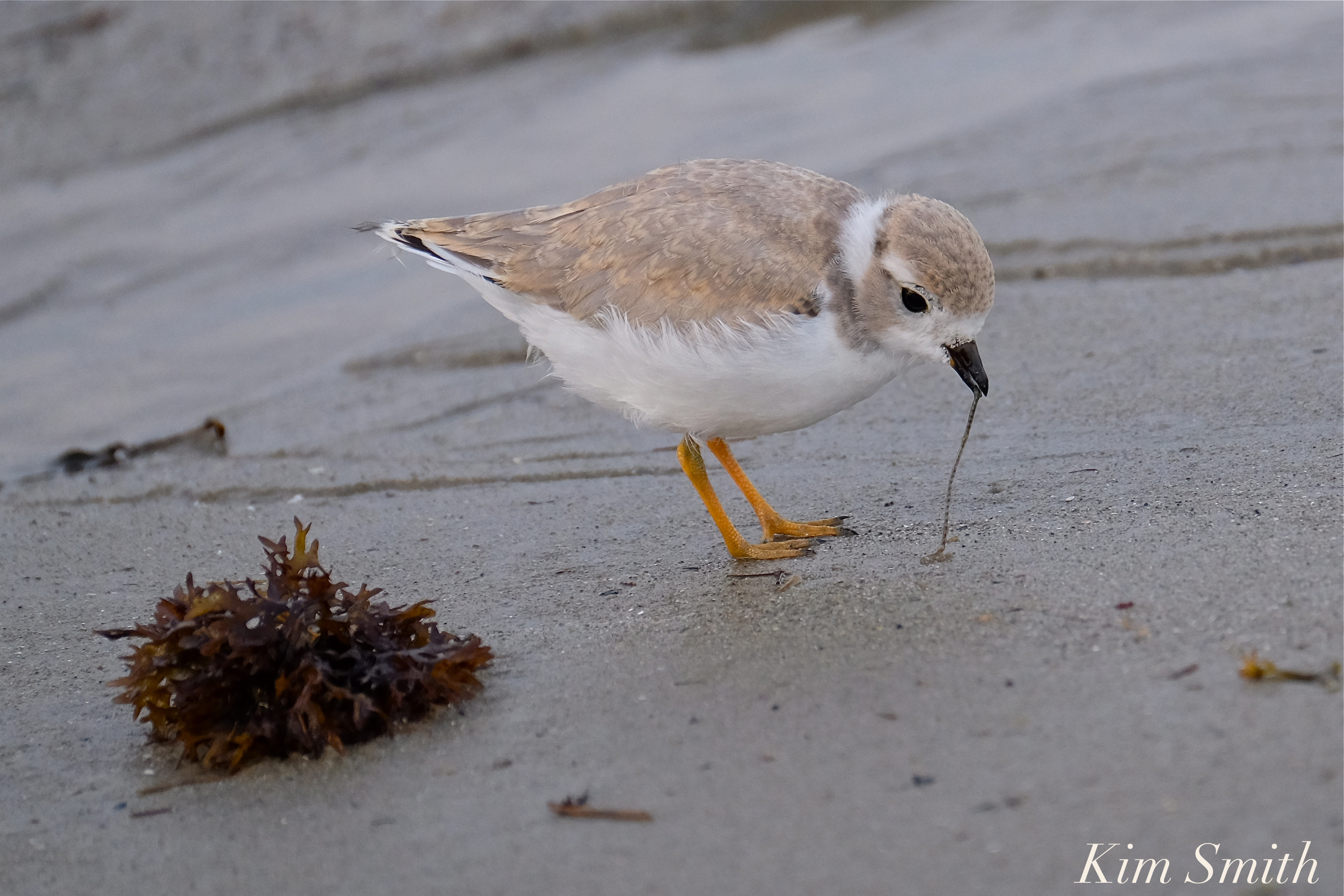
All by his lonesome, Little Chick survived his first super busy Sunday entirely on his own. Perhaps he needs a new grown up name, such as Tuffers, something that recognizes his strong little spirit–or instinct for survival–subject to how anthropomorphic your views. I’ve gotten used to calling him Little Chick, but am open to suggestions 🙂

Little Chick in a Bowl

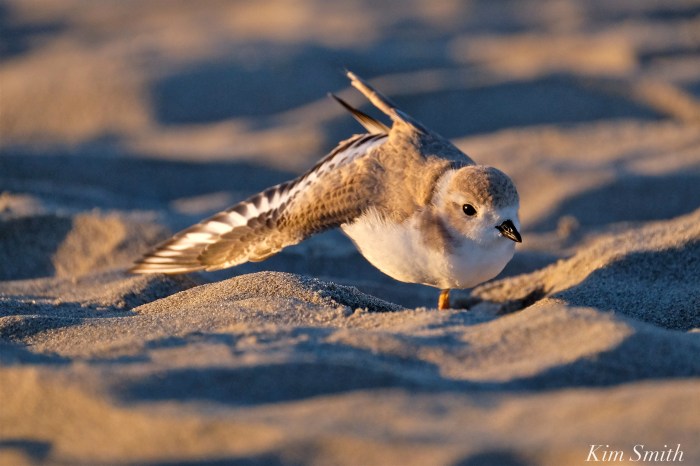
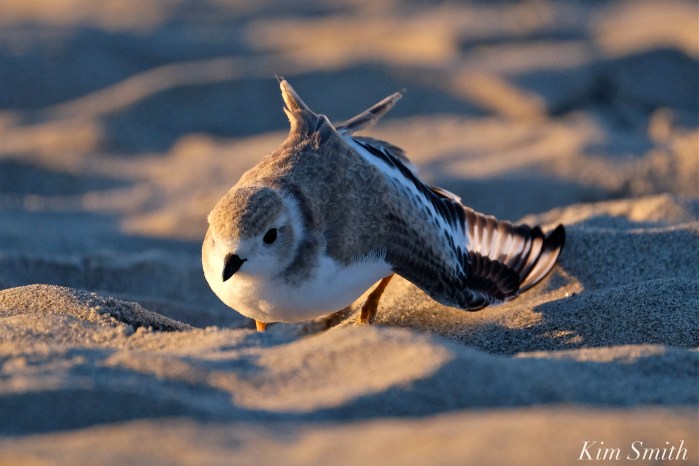
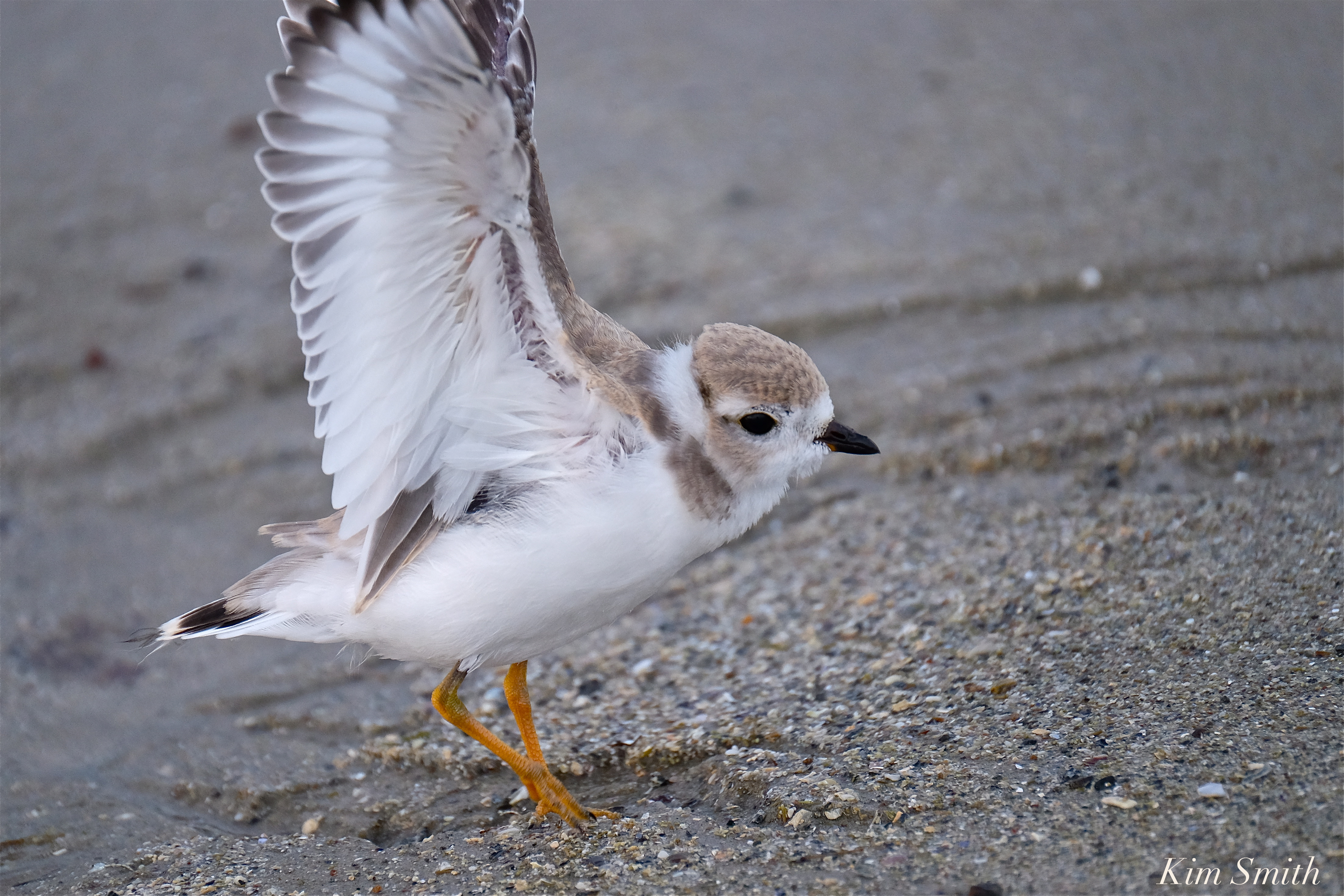
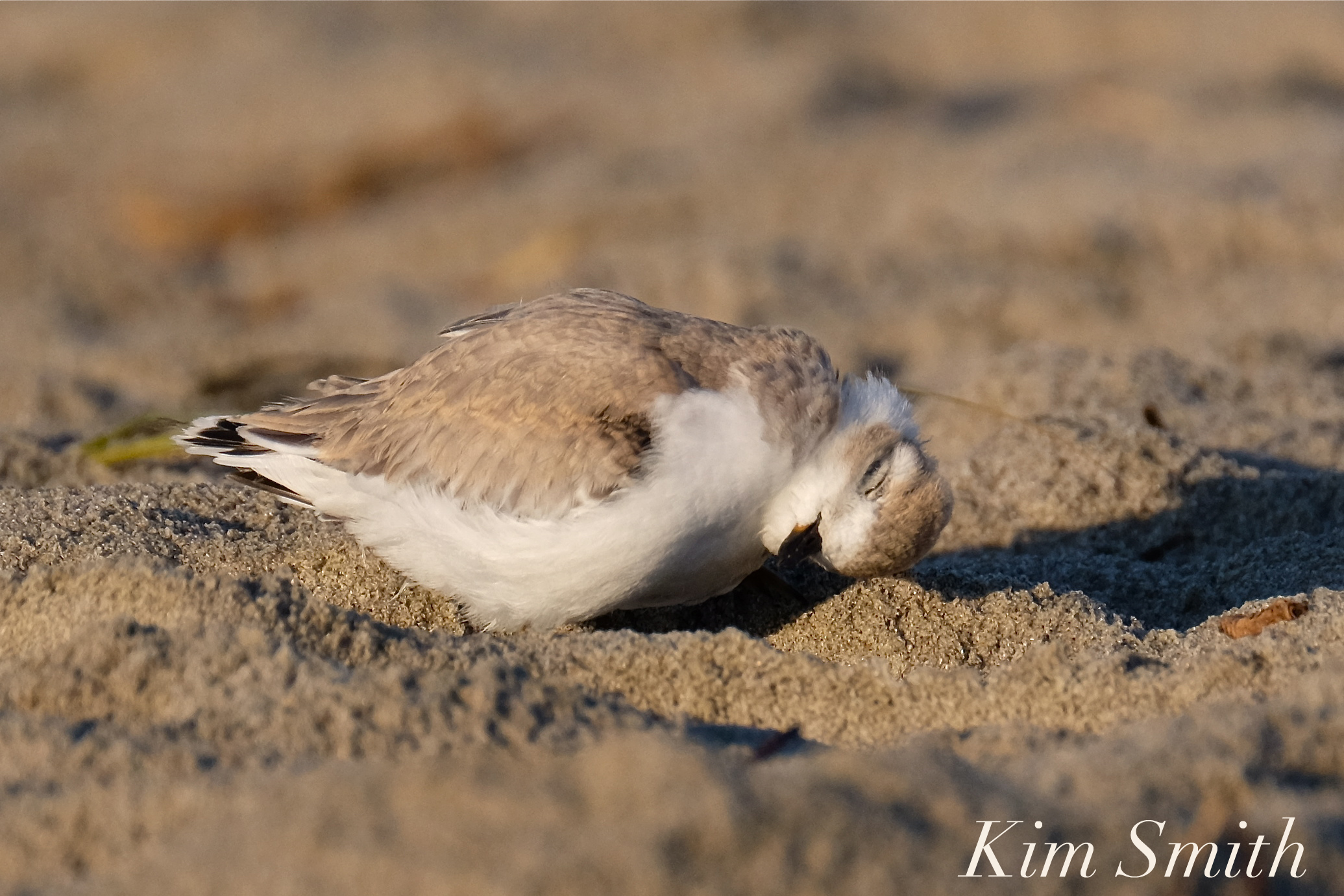
Stretch two three, right two three, left two three.

Thirty-nine-day old Piping Plover

https://www.instagram.com/p/BXNs7ZmFZoe/

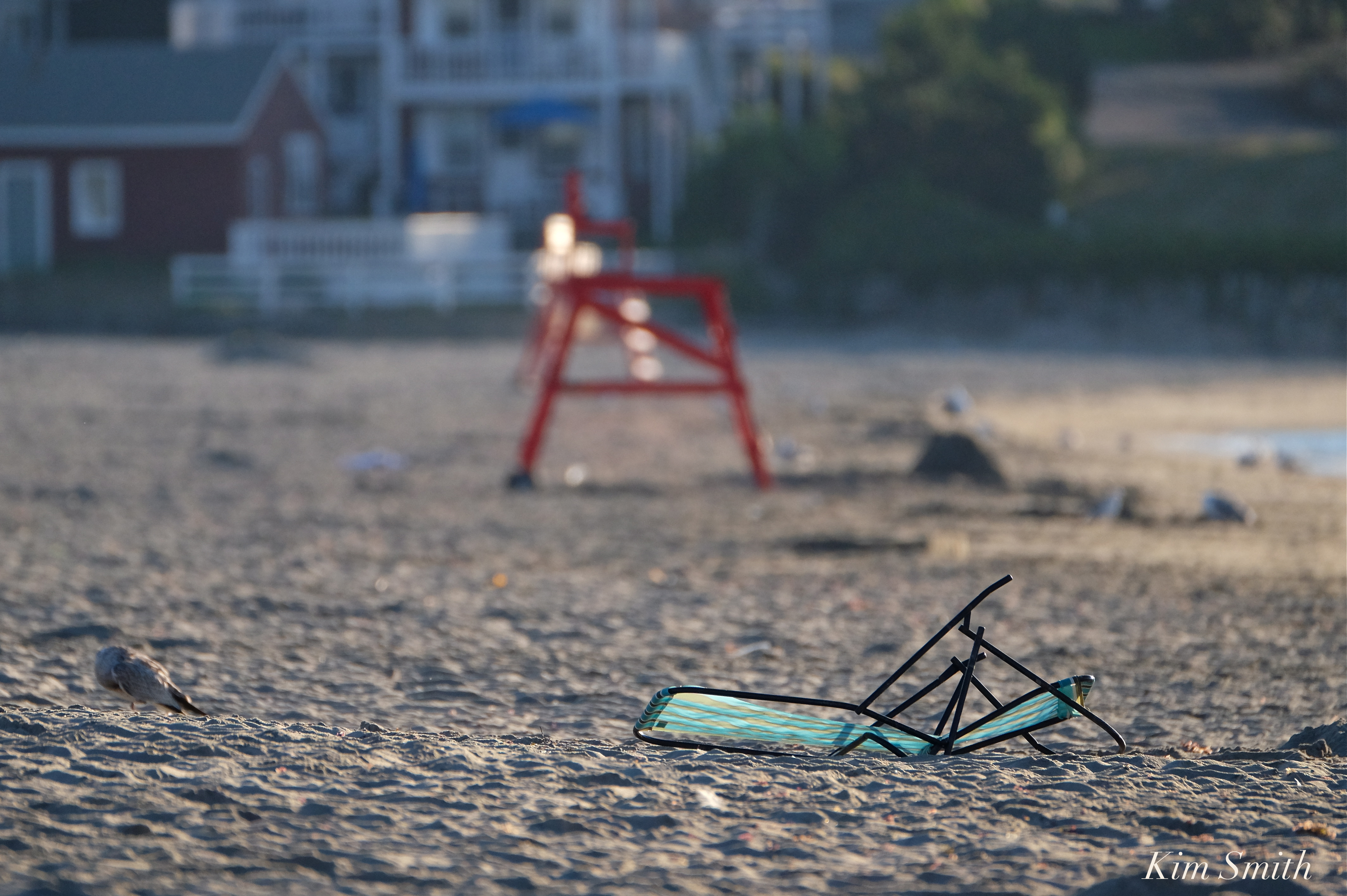
DID YOU KNOW THAT THIS IS HOW WE FIND THE BEACH EVERY MORNING AFTER A BUSY BEACH DAY?

You’ll never see this when you come to the beach after 8:00am because our awesome DPW beach crews and volunteer beach-picker-uppers do a tremendous job cleaning the beach each and very day.

Just saying, for some folks, after a day of fun and relaxation, they must be too worn out to pick up their belongings and garbage.

“WOOD, WIRE, and WIND” AT THE ANNISQUAM VILLAGE CHURCH

Wood, Wire and Wind

Sunday, August 20 at 8:00pm

Annisquam Village Church
820 Washington Street, Gloucester MA

Beverly and Andrew Soll complete our summer series on Sunday, August 20th  at 8 PM with a concert on the three Adams instruments that reside at the Village Church. Besides the 13-stop gallery organ with its bold voices and fiery reeds, the Adams two-manual Flemish harpsichord (to be played by Beverly Soll) and the highly resonant chamber organ on the church’s altar will change up the spectrum of sound.  A violin and viola join in on a Mozart piece in this eclectic, imaginative program ranging across six centuries of fascinating music.

A reception follows each concert, providing the occasion for declamation of an “Ode” from Annisquam’s beloved bard, Duncan Nelson.

Tickets:   $20 per event  (Students and seniors, $15.)  are available at the door or in advance at The Bookstore or Diamond Cove Music in Gloucester and at Toad Hall Bookstore in Rockport.

The Annisquam Village Church is located at 820 Washington Street in Gloucester (01930) and is handicap accessible.

PIPING PLOVER CHICK DAY THIRTY-SEVEN AND THIRTY-EIGHT AND NO PAPA PLOVER

Saturday through Sunday and still no sign of Papa. He has not been seen since Friday night. We can only surmise that he has departed of his own accord or been killed by a predator. Either way, it’s terribly worrisome for the chick, just one of its kind, at the city’s most popular of beaches. Little Chick hasn’t as of yet shown great flying skills, and only Friday, Papa was piping warning commands when predators approached.

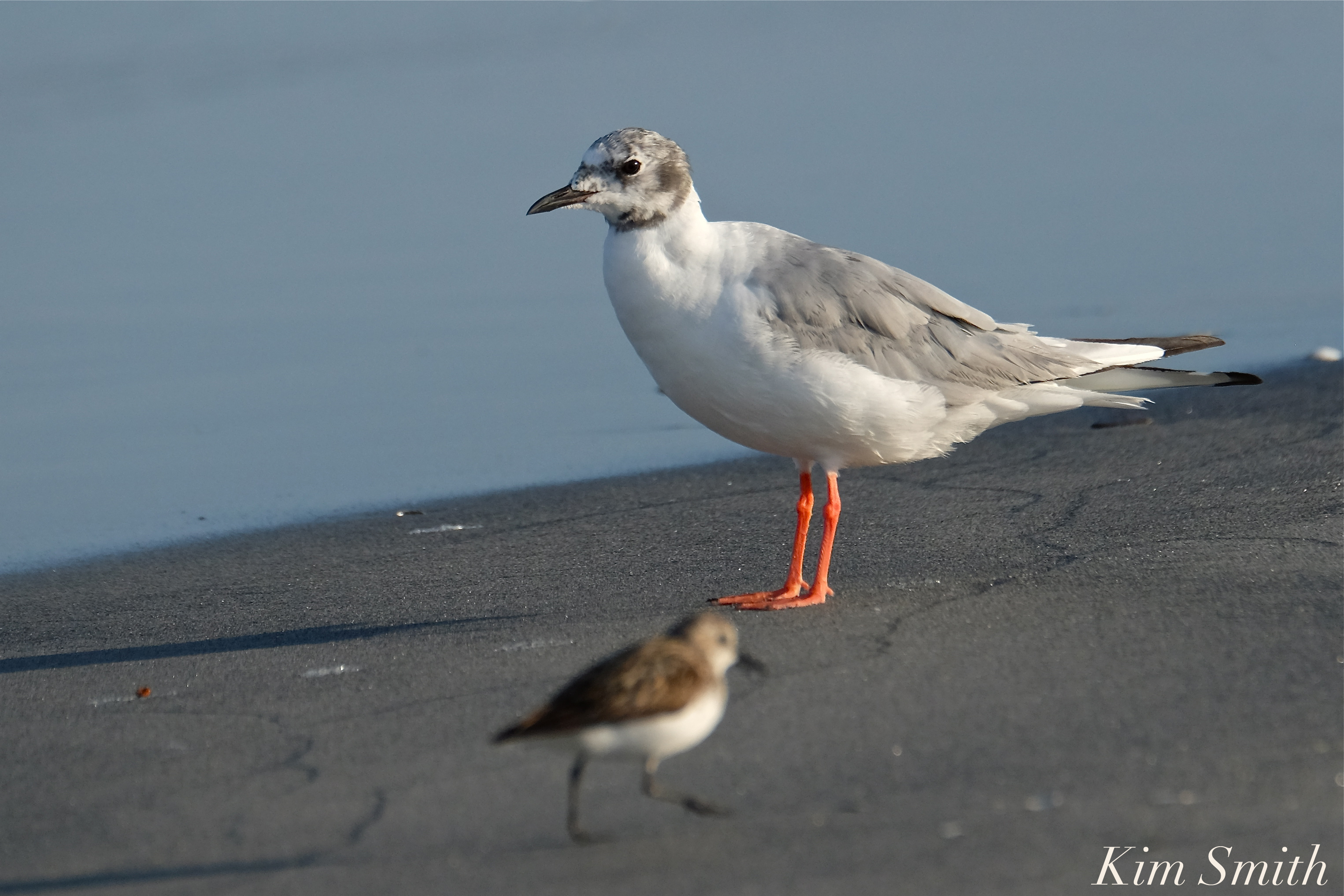
Bonapartes Gull

The summer migration is underway and within this past week we’ve seen Bonarparte’s Gulls, Laughing Gulls, Least Sandpipers, Sanderlings, and Semipalmated Plovers at Good Harbor Beach.

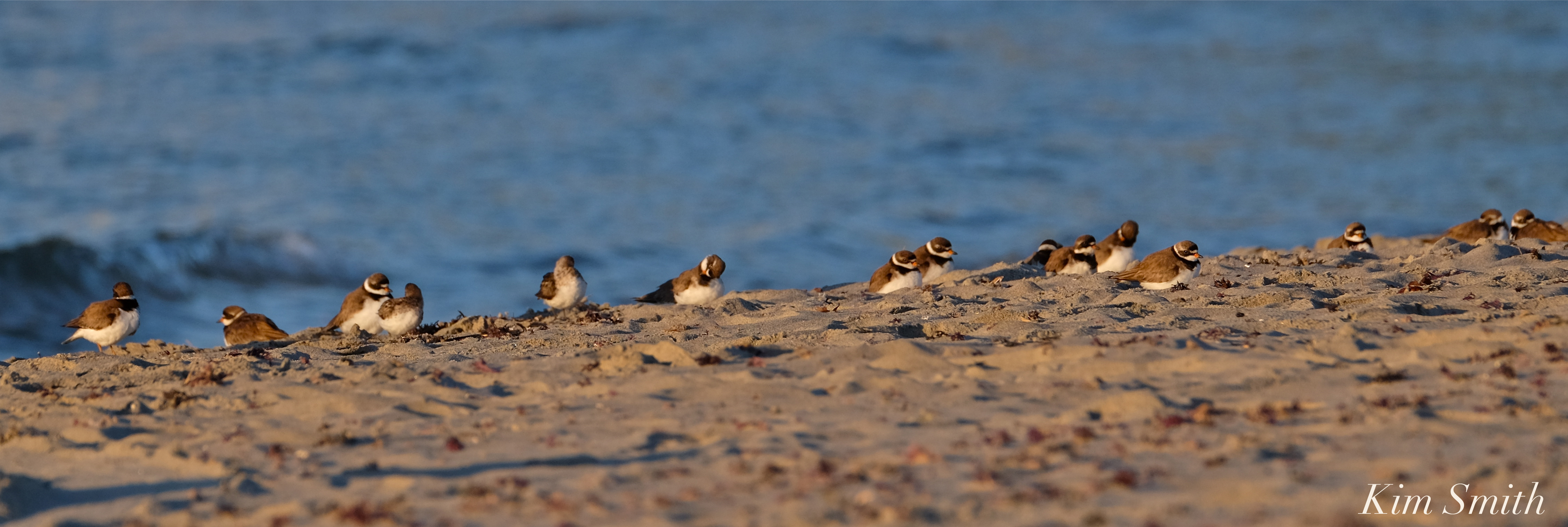
Flock of Semipalmated Plovers at Good Harbor Beach

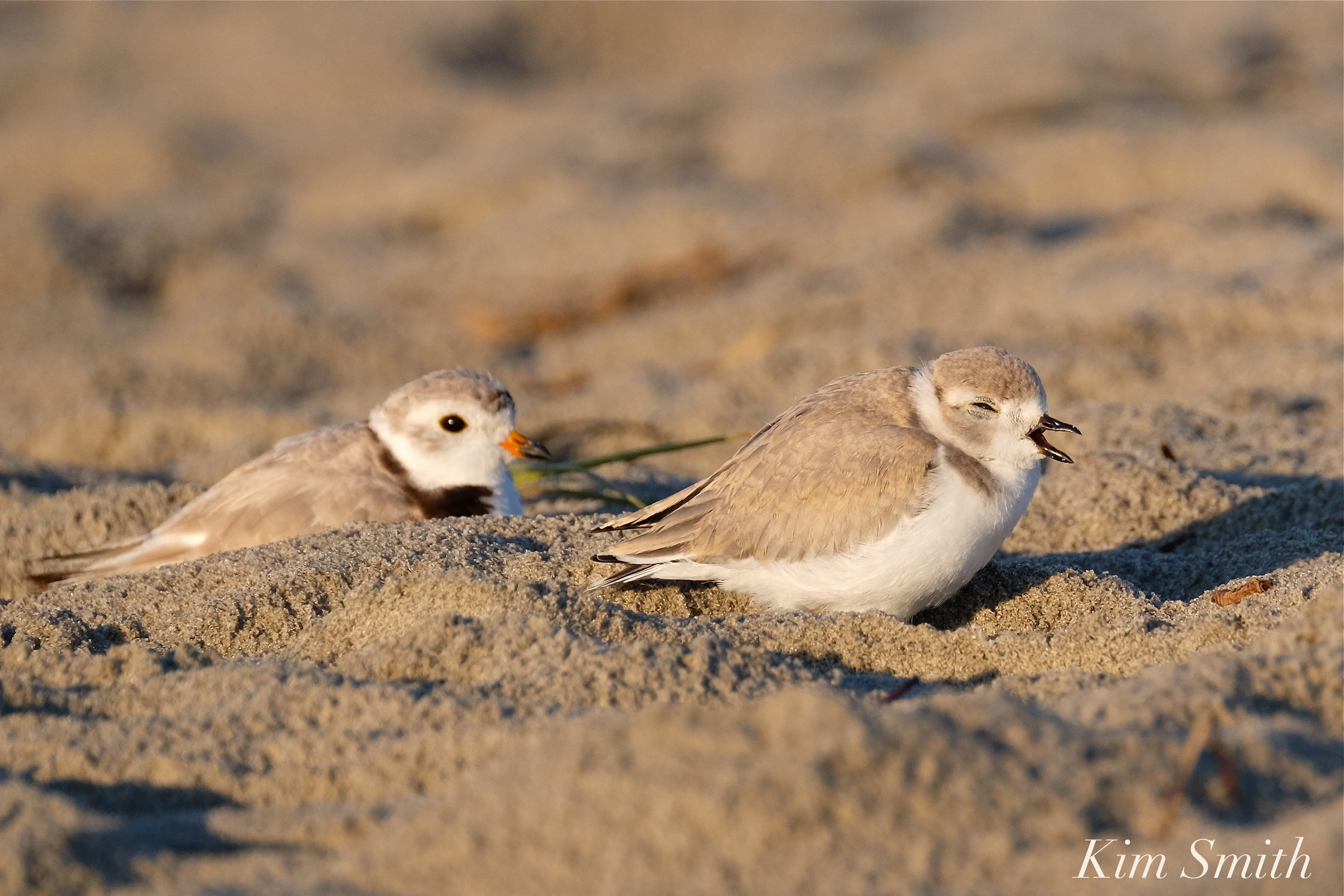
Little Chick has been foraging in close proximity to the Semipalmated Plovers, which are similar in size to Piping Plovers, only much darker. The SemiP know to fly away when the beach rake is near; Little Chick still only hunkers down deeper into the sand. His plumage works as both an advantage and disadvantage. He’s well camouflaged from predators, and too much so from well meaning beach goers.

Notice how much paler the Piping Plover (foreground) is in comparison to the Semipalmated Plover.

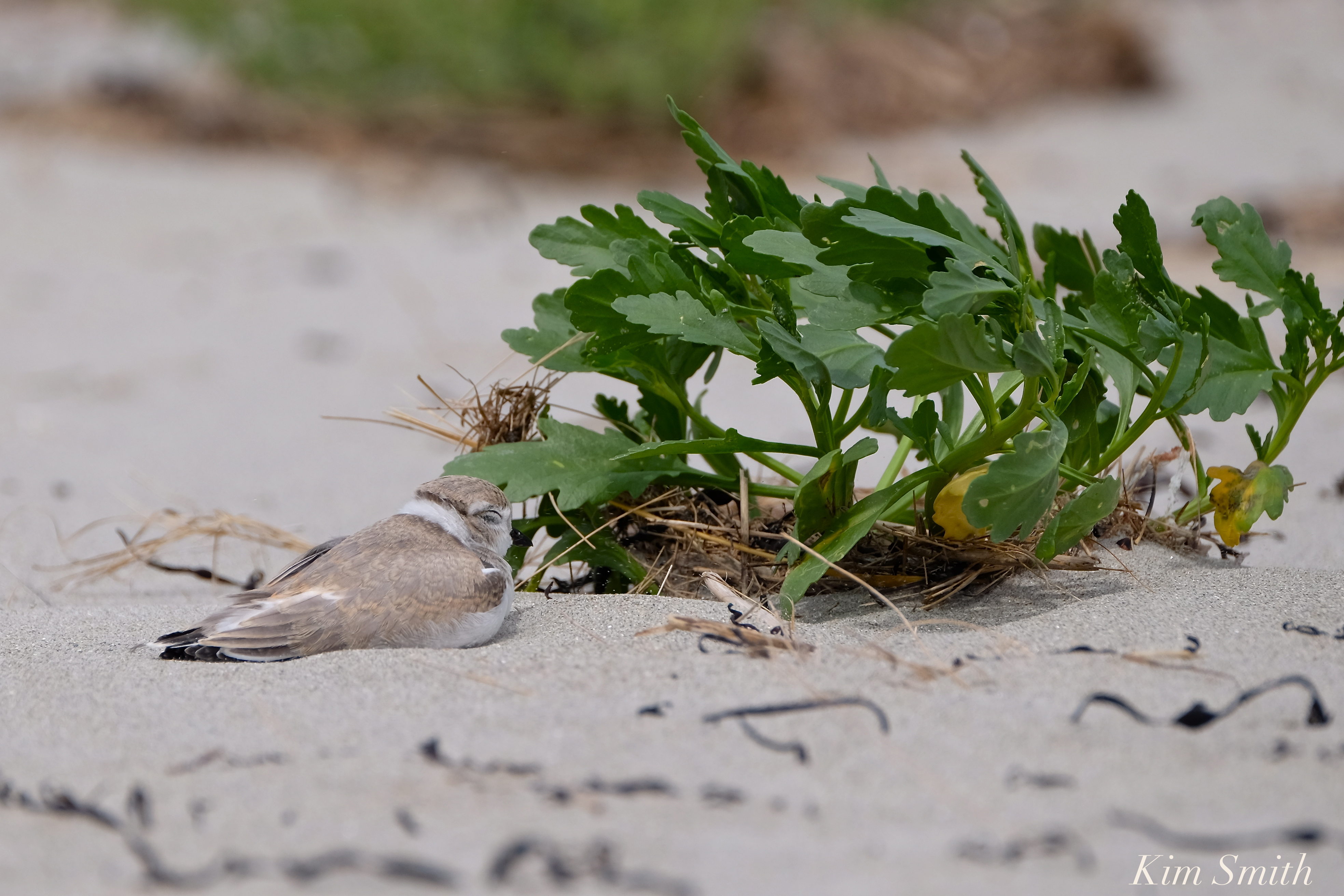
Little Chick tried to rest at the high tide line during yesterday’s blustery afternoon. He didn’t like the strong winds one bit and quickly changed his mind, taking shelter beneath the vegetation in the roped off area.

Thirty-seven-day old Piping Plover

DUCKWORTH’S BISTROT AND EATERN POINT LIT HOUSE BOOK CLUB EVENT: ONE HUNDRED YEARS OF SOLITUDE MODERATED BY LILLIAN-YVONNE BERTRAM

BOB GILLIS AND PIXIE HARRINGTON LENDING A HAND

Thanks so much to Bob and Pixie for helping to keep Good Harbor Beach beautiful!

GOOD MORNING GLOUCESTER BROUGHT TO YOU BY VIOLET SKIES

Vivid violet sunrise panoramas from Good Harbor Beach.

Click panoramas to embiggen.

PAPA PLOVER IS MISSING

Papa Plover was no where to be found this morning (5:30 to 8am). This is very unusual as neither he nor Mama ever left the chicks alone for more than a few moments.

Little Chick spent a good part of the morning resting alone in the sand except for a few moments when he was feeding with the migrating Semi-palmated Plovers. If you see Little Chick, keep a safe distance, which will allow him to forage and rest. If anyone notices Papa, please let us know in the comment section or email me at kimsmithdesigns.com. Thank you so much.

EAT, SLEEP, STRETCH, CHECK IN WITH PA, REPEAT

Day thirty-six and our Superstar is growing beautifully. Barring people and predator dramas, Little Chick and Papa’s days have taken on a confident routineness –forage, sleep, wake, preen, do stretches, maybe practice flying (and maybe not), check in with Pa, repeat.

Extra shout out to Chief McCarthy for making Good Harbor Beach his early morning routine, too. Thank you everyone for all that you are doing to help the Good Harbor Beach Piping Plovers!

Eat

Nap

Wake up 

Preen

Stretches

Check-in with Papa

Repeat 


DANCE OF THE TREE SWALLOWS

Male Tree Swallow

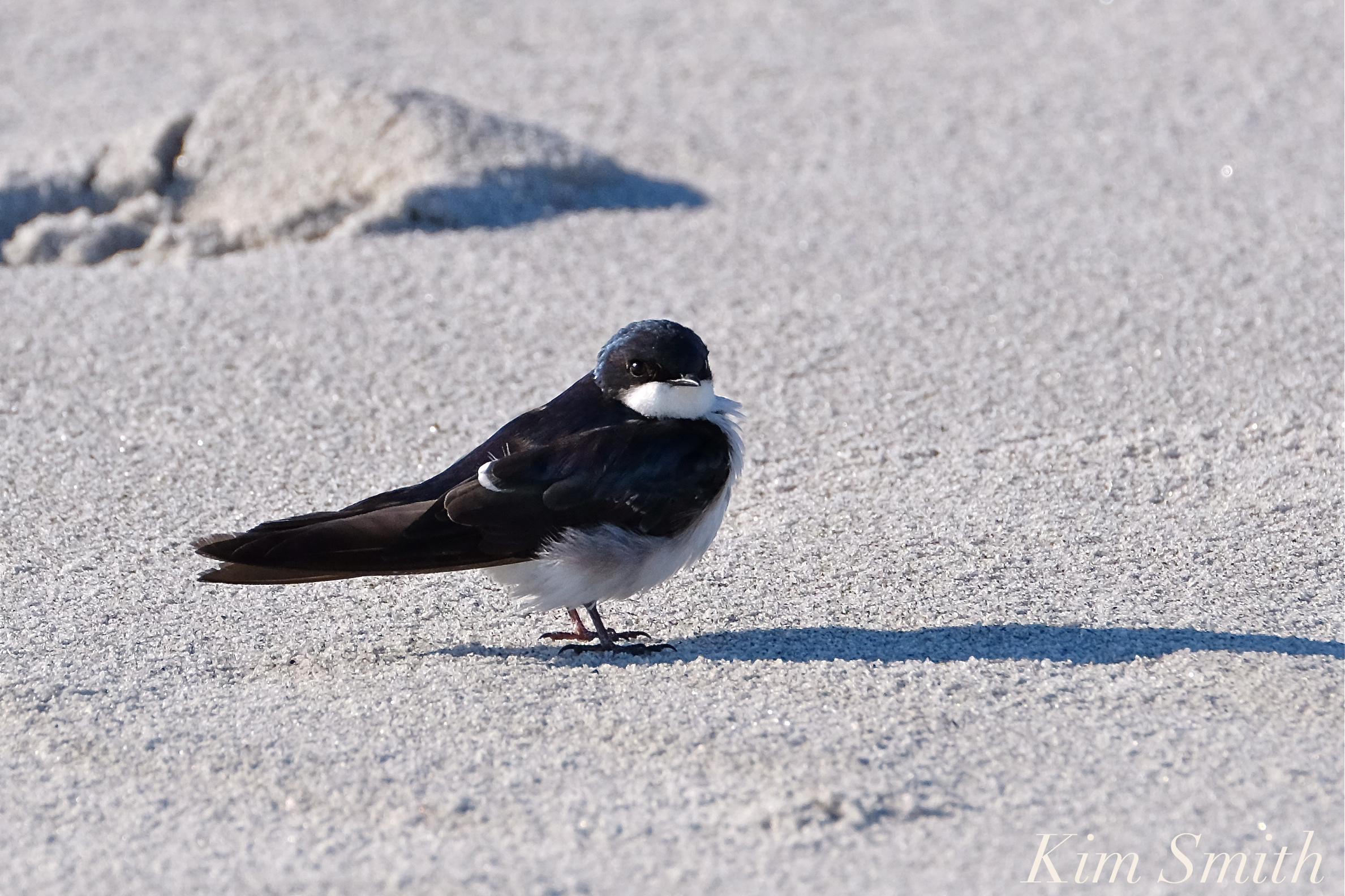
You may have noticed the pretty swallows perching in clusters on telephone lines and flying low over the sand. Both Barn and Tree Swallows can be found at the beach throughout the warmer months, but the birds that are beginning to gather on Cape Ann en masse are the Tree Swallows. The following is a short film from last year’s migration that explains what is happening at this time of year with the Tree Swallows here on our beaches and dunes, and in our neighborhoods.

M is For Migration Through Massachusetts
Responding to Reader’s Questions About Tree Swallows
New Short Film: Tree Swallows Massing

GOOD HARBOR BEACH NEW SHOWER INSTALLED

Work is progressing at the Good Harbor Beach footbridge at a fast and steady pace.

Newly installed outdoor shower.

LITTLE CHICK CELEBRATING FIFTH WEEK MILESTONE! AND CURRENT STATUS UPDATE

Little Chick is spending greater amounts of time in the deeper tide pools.

On Gloucester’s busiest of beaches, a tiny Piping Plover chick has survived five whole weeks. His survival is in large part due to the tremendous effort and kind caring of our community.  My most heartfelt thanks to everyone who has helped this resilient little guy come so far. Thank you especially to all the PiPl monitors, the crews of the DPW, especially the gentlemen who clean the beach and who drive the beach rake, beach picker uppers such as Patti Amaral, Patti and Kerry Sullivan, Gloucester conservation agent Ken Whittaker, Police Chief McCarthy, Animal Control Officer Dianne Corliss, the Volleyball Players, Coach Latoff and the GHS sports teams, the GHS cheerleaders, and countless others who have made allowances for the Piping Plovers to successfully nest at Good Harbor Beach.

All who are monitoring Little Chick have seen him fly fairly low to the ground in approximately ten foot distances. Within days he will have fully fledged, but it will still be several weeks more I think before he can undertake his first migration to the lower Atlantic states, Bahamas, or West Indies. He and Papa have adapted well to Good Harbor Beach and they very possibly could stay several weeks into August, feeding to build reserves for the long migration south. Or, they could leave GHB and join the Piping Plovers starting to gather at other barrier beaches such as Cranes and Plum Island. Young birds travel with old birds, who show them the way.

Hourly monitoring may no longer be needed, but it doesn’t hurt either to check in with the little guy and Papa regularly. It’s super important for the roping to stay in place as the family continue to use the cordoned off area as a “safe zone.” I will continue to film and update as long as they are at Good Harbor Beach, because that is part of the documentary, too.

The most rewarding moments are meeting on the beach fans of our Little Superstar. They are full of delighted interest and concern for the chick. Just this morning, I met mom Amy and her daughter Emma. They live in Southborough and have been daily following along with the adventures of Little Chick on Good Morning Gloucester. Amy thanked us for sharing Little Chick’s story.The beach was awash in seaweed, perhaps brought ashore by the storm of several nights ago. Extra wormy and mini-sea creature breakfast deliciousness today.

Well camouflaged in the sand and taking a brief rest before returning to the tide pools.

Warrior Three mastered, and don’t you love the beautiful patterning of the Piping Plover feathers.

Papa never to far off and always, always watching.

MONARCHS HERE, THERE, AND EVERYWHERE PART TWO AND PLEASE CONTINUE TO REPORT YOUR MONARCH SIGHTINGS

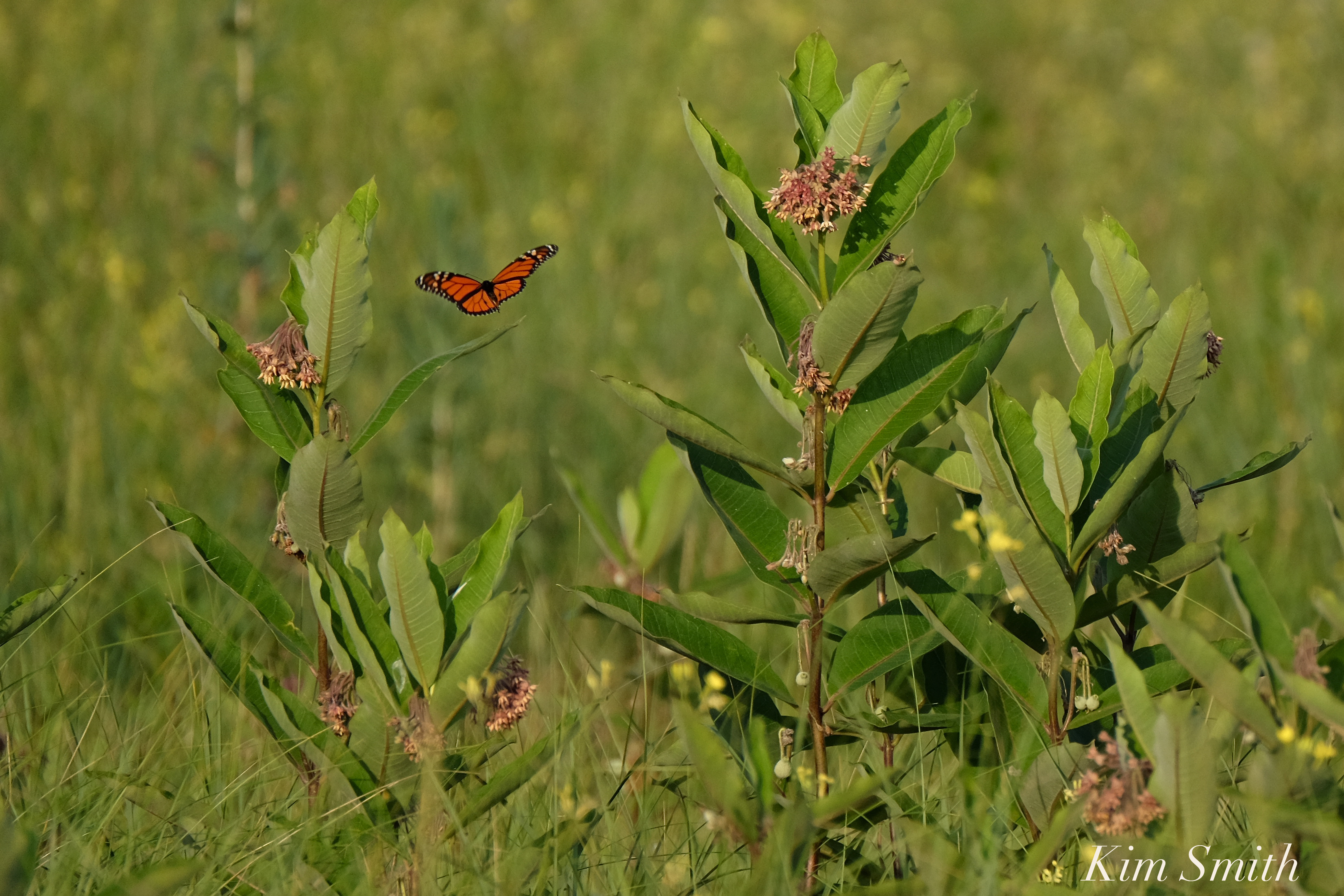
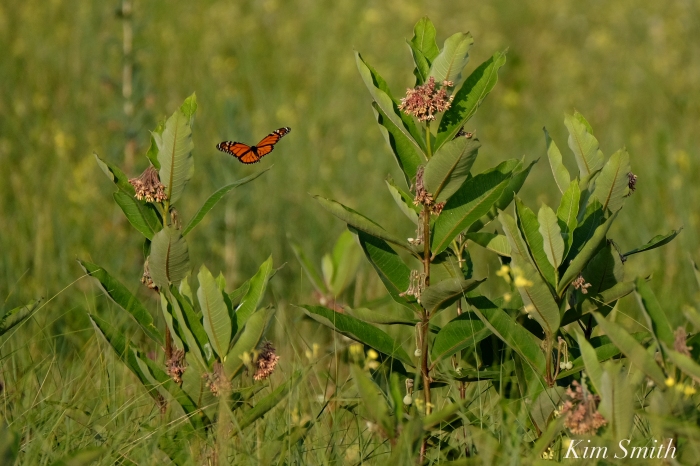
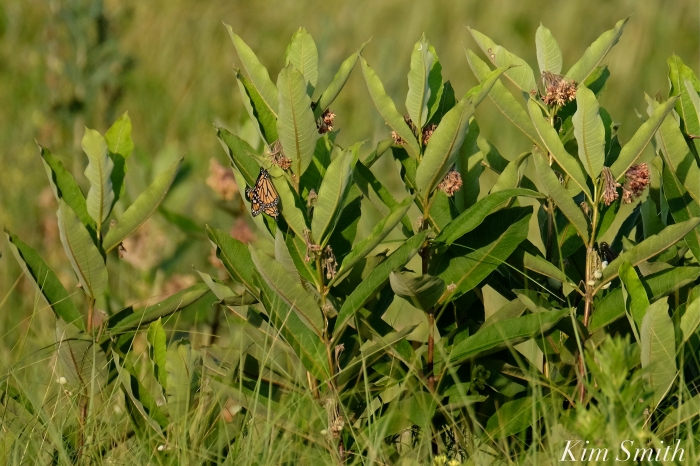
The title of the post could just as easily have read Monarchs, Eggs, and Caterpillars Here, There, and Everywhere. I haven’t seen this much Monarch activity on Cape Ann in over ten years and hope so much the number of Monarchs seen in gardens, meadows, and dunes indicates a strong migration.

Thank you to everyone who has written in with your Monarch sightings! The reports are tremendously informative and fun to read, so please, do continue to let us know. The rainy cool weather has temporarily put the kibosh on mating and egg laying, but they are here on our shores and just waiting for a few warm hours and the sun to come out to renew breeding activity.

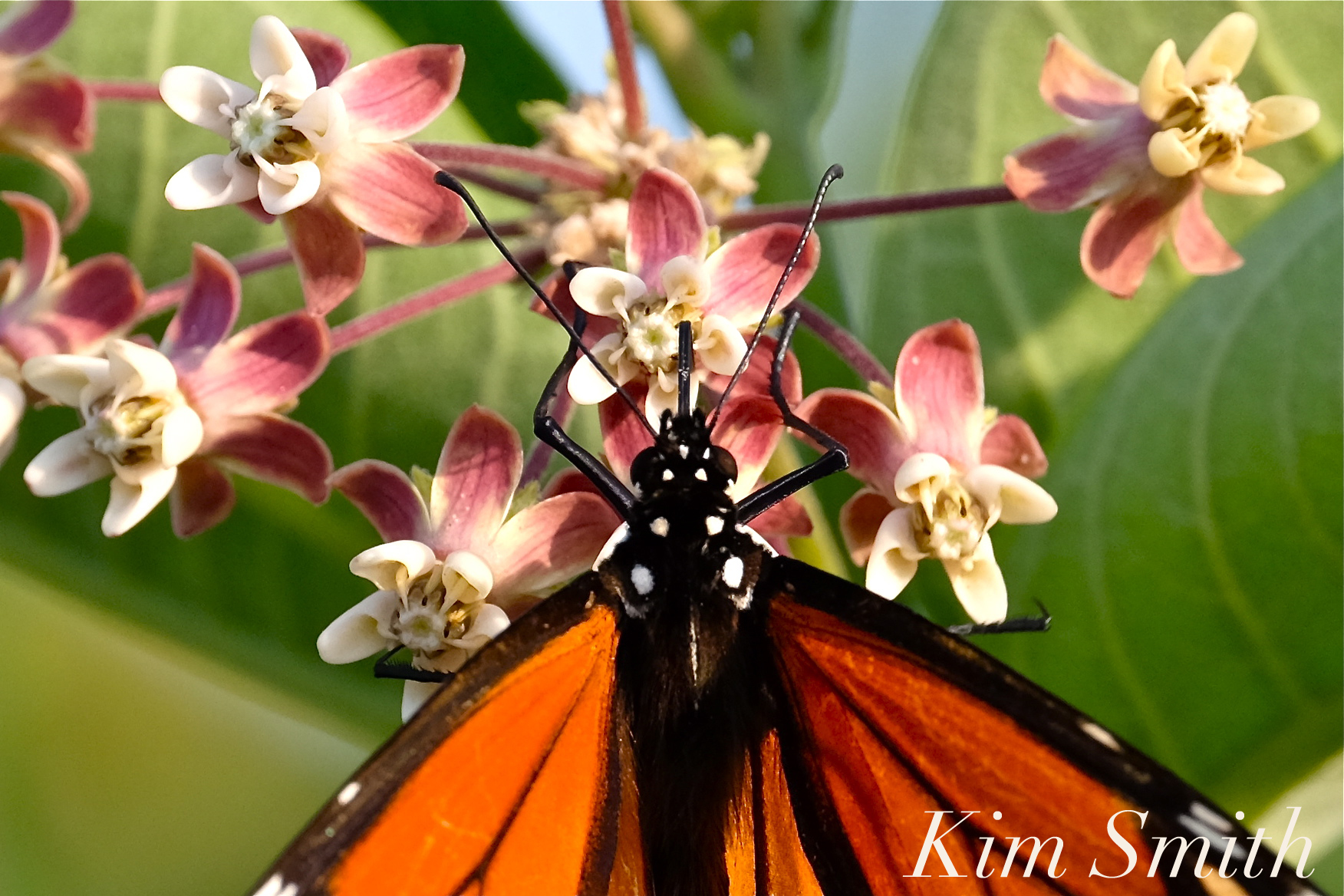
Monarchs not only drink nectar from the florets of milkweed, it is the only species of plant on which they deposit their eggs. In the above photo you can clearly see the Monarch probing for nectar with her proboscis, or drinking straw. 

Look for the butterflies, eggs, and caterpillars wherever milkweed grows. In our region, they are most often found on pink flowering Common Milkweed (Asclepias syriaca) and Marsh Milkweed (Asclepias incarnata), as opposed to the orange milkweeds, A. curassavica and A. tuberosa.

Female Monarch depositing an egg on an upper leaf of Common Milkweed.

The eggs are typically laid on the underside of the leaf, near the top of the plant. Tiny golden domes, no larger than a pinhead, Monarch eggs are easily confused with the eggs of other insects.

Once the tiny caterpillar emerges, it will stay towards the top of the plant, venturing further to larger leaves as it grows.

Four Monarchs in One Photo!

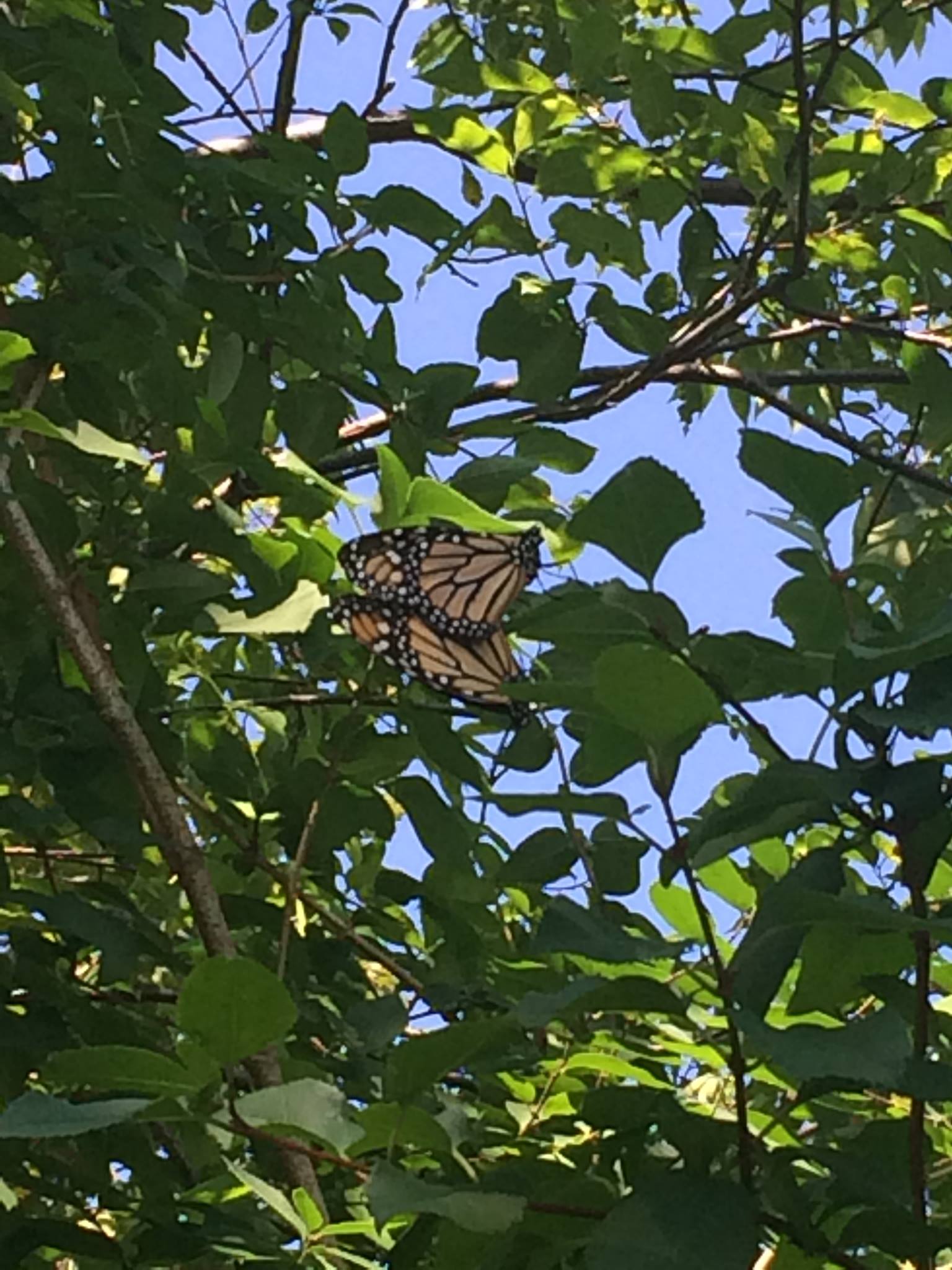
I was trying to take a snapshot of two Monarchs flying but not until I returned home did I realize that resting on a leaf were a pair of Monarchs mating. Lara Lepionka had just sent a photo the day before of a pair mating in a tree above her garden. Typically Monarchs will begin mating on the ground, or the foliage of a lower plant plant such as squash or milkweed. They will join together abdomen to abdomen and, once securely attached, the male then carries the female to a safer location. A male and female Monarch will stay coupled together for four to five hours before releasing (see photo below of a pair of Monarchs mating, towards center left. 
Lara Lepionka cell phone photo of Monarchs mating in a tree.Monarch and Common Milkweed Good Harbor Beach

Not everyone has a gorgeous milkweed patch like Patti Papows. Don’t despair. You don’t have to go far! I am finding tons of eggs and caterpillars on the Common Milkweed that grows around the edge of the parking lot at Good Harbor Beach.

Patti Papows Common Milkweed with Monarch and Bee


https://www.instagram.com/p/BXBPKguFU2C/

https://www.instagram.com/p/BW7wfw-F5o9/

https://www.instagram.com/p/BXDTPFllQh9/

https://www.instagram.com/p/BW1R9IEFAoI/

https://www.instagram.com/p/BXAv8MHF0bO/

WORK PROGRESS UPDATE AT GOOD HARBOR BEACH WITH JOE LUCIDO, PHIL CUCURU, AND MIKE “THE NEW GUY” TARANTINO

Joe Lucido, Phil Cucuru, and Mike Tarantino

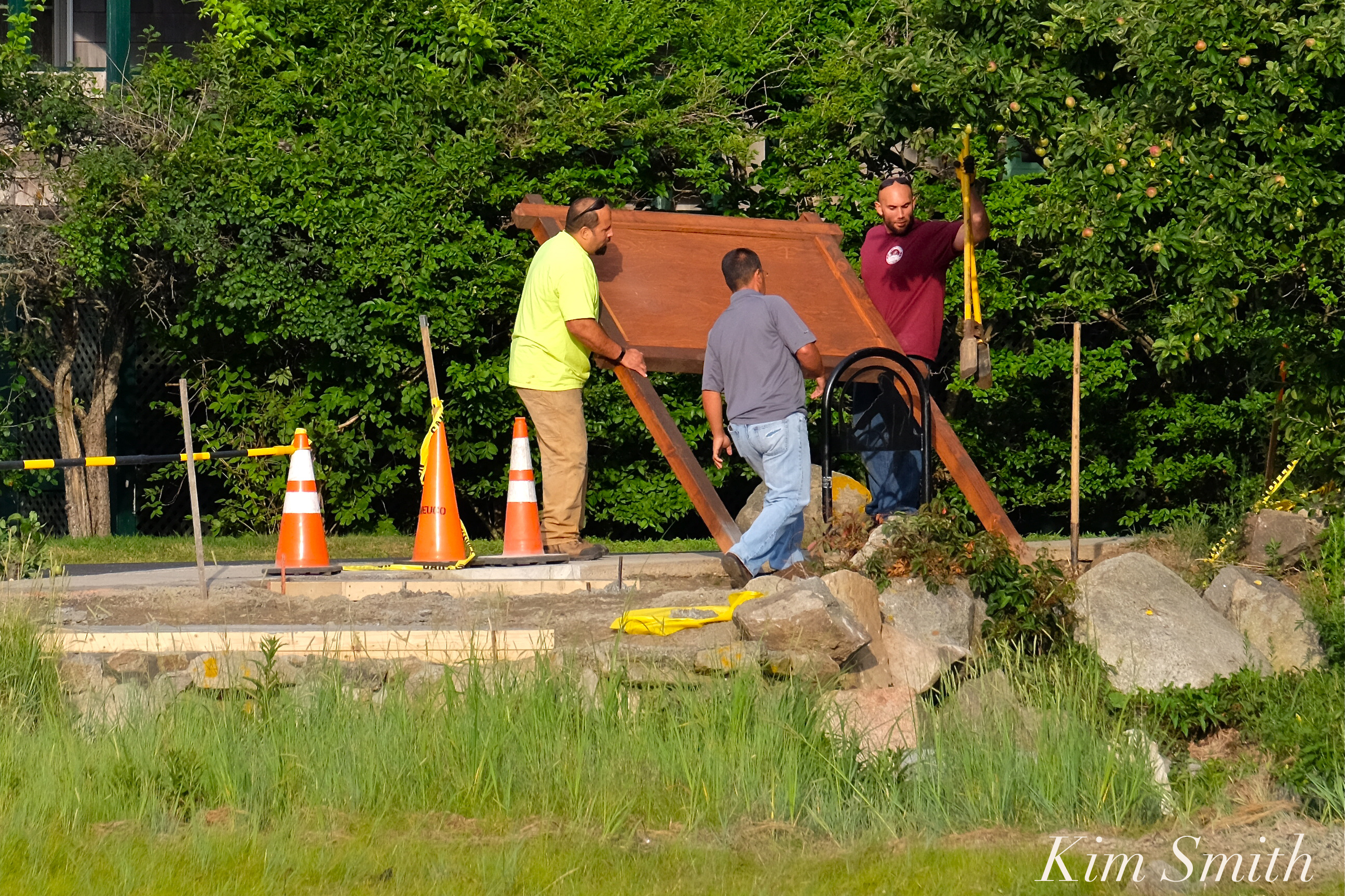
Today the sign was installed at the new guest area at the footbridge. The sign will display information about Good Harbor Beach and, as was the previous sign, will be maintained by the community group “Friends of Good Harbor Beach.”

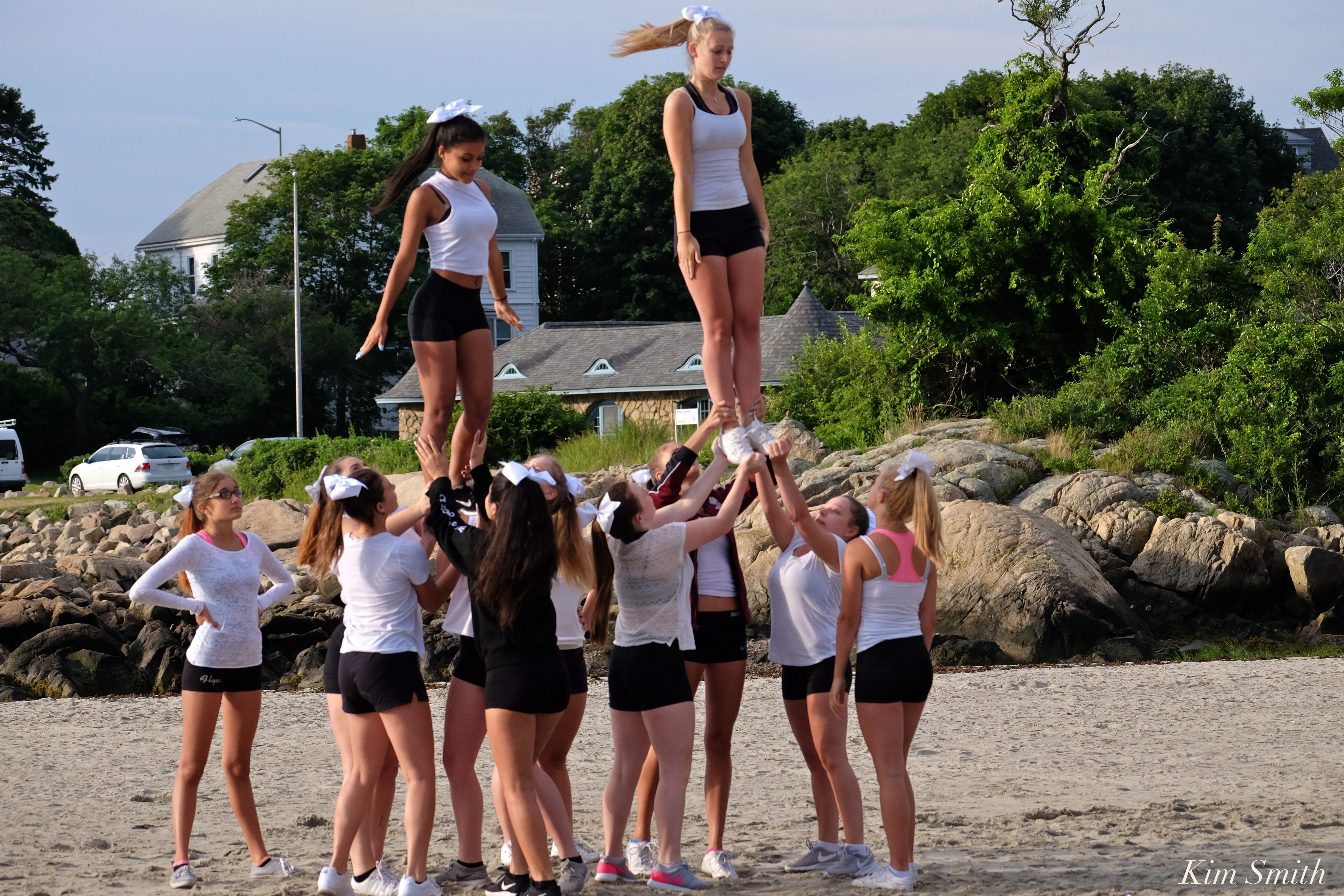
GLOUCESTER HIGH JV CHEERLEADERS PRACTICING AT GOOD HARBOR BEACH!

Gloucester High School Junior Varsity cheerleader’s beach practice.

Great group of girls and coaches, along with their sweet littlest helper, Aria, making an important phone call. Thanks to the girls for their help today with the Piping Plover documentary!

LITTLE CHICK SUPERSTAR

https://www.instagram.com/p/BXAtYouF4aJ

 Hooray for day thirty-four Little Chick!

WORK PROGRESSING ON THE SHOWER AT GOOD HARBOR BEACH FOOTBRIDGE

John Trupiano and Nick Fletcher
At daybreak–ready to pour the concrete for the shower and bases for two benches.
The concrete  had been poured by noon. Mark Cole stated that the shower is similar to the one at Stage Fort Park. Peastone will be placed around the cement bases, along with some landscaping. My sincere hope is that native plants only will be planted. We don’t want non-natives such as daylilies and hosta planted where they can easily spread into the marsh. Seaside goldenrod is an example of a native pollinator plant that would blend beautifully with the surrounding area. We have an abundance of it at the HarborWalk Butterfly Garden that are ready to divide so the plantings wouldn’t have to cost the city a single penny!

The work at the footbridge will be completed within the next week or so.