CEDAR ROCK GARDENS OPENING TODAY!

You never know what beautiful pollinator you will encounter while shopping at Cedar Rock Gardens! 

Eastern Tiger Swallowtail and Sunflower, Cedar Rock Gardens

For more information visit Cedar Rock Gardens website here and see post from earlier this week.

BRIAR BARN INN: EXCLUSIVE PREVIEW FOR GMG READERS – LUXURIOUS NEW COUNTRY INN ESTATE COMING TO THE ESSEX COASTAL SCENIC BYWAY (AND WOMAN-OWNED BUSINESS, TOO!)

My friend Briar Fandetti Forsythe is building a luxurious country inn estate in Rowley, on the Essex Coastal Scenic Byway. The grand opening for Briar Barn Inn is scheduled for November. Last week I toured the Inn with Briar, while it is still under construction.

Set against a bucolic background, everything about Briar Barn Inn embodies relaxation, luxury, and comfort, from the full service restaurant to the art gallery, spa, and swimming pool. Designed by architect Gerald Fandetti, with interiors by artist Charlotte Forsythe, stunning and elegant architectural details abound.

Each wing of the Inn has a unique theme, and design to suit the theme–an elegant silo turned library for example–and each wing has a common area with gorgeous soaring vaulted ceilings. The guest rooms surround an inner courtyard; every guest room is actually a suite, with beautiful arching entryways leading from bedroom to living area, and every room has its own fireplace!  

Stay tuned- more updates on the Inn’s progress to come!

Construction photos of the Inn ~


The restaurant at the Inn is a beautifully designed post and beam barn, and will not only be open year round, but the rustically elegant decor also makes the perfect setting for weddings and special events. Ben Lightbody, Willowdale Estate’s renowned executive chef, partners with local farms, including Cedar Rock Gardens and Aprilla Farm, to offer the freshest seasonal produce and seafood. The full service restaurant will be open to hotel guests and the community, serving breakfast, lunch, and dinner, seven days a week, the year round.

Briar Barn Inn is located in Rowley on the Essex Coastal Scenic Byway at 101 Main Street (Route 1). For more information about the Inn visit the Briar Barn Inn website here. To book your stay call 978-653-5323.

Artists renderings of Briar Barn Inn ~ 

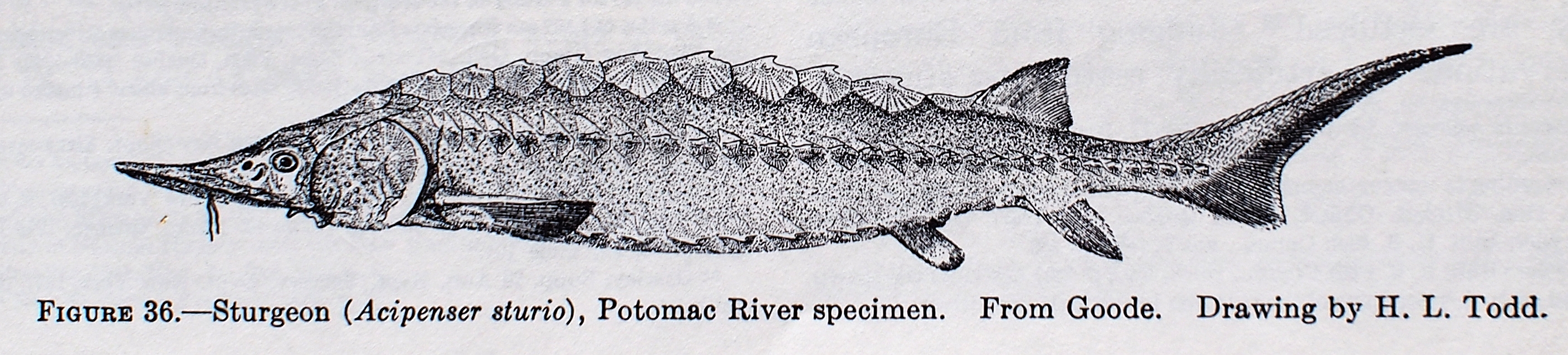
Beautiful Fish: Sturgeon

OLYMPUS DIGITAL CAMERA

Large quantities were shipped to Europe from near Ipswich, Mass., in 1635.

The sturgeon makes most of its growth in salt water but enters fresh-water rivers to spawn, as do the salmon, the shad, and the alewife.  Nine weighing between 350 pounds and 600 pounds were landed in Portland, Maine, from the South Channel, Georges Bank, Browns Bank, and Western Bank off Nova Scotia during the period 1927-1935.  About 12 feet is perhaps the greatest length to be expected today. But 18 feet, reported for New England many years ago, may not have been an exaggeration, for sturgeon as long as that have been reported from Europe also.

The sturgeon is a bottom feeder, rooting in the sand or mud with its snout like a pig (the barbels serving as organs of touch) as it noses up the worms and mollusks on which it feeds and which it sucks into its toothless mouth with considerable amounts of mud.

From Fishes of the Gulf of Maine by Bigelow and Schroeder (1953) online courtesy of MBL/WHOI http://www.gma.org/fogm/Acipenser_sturio.htm

Sturgeon have the curious habit of leaping out of the water.  This may explain why:  https://www.nytimes.com/2001/10/21/sports/outdoors-the-lofty-mystery-of-why-sturgeon-leap.html

Al Bezanson


GOOD HARBOR BEACH SLAMMED AGAIN WITH STORM DAMAGE – CAN THE PIPING PLOVERS SURVIVE OFF-LEASH DOGS AND HISTORIC HIGH TIDES?

Good Harbor Beach was slammed hard again by yesterday’s April storm. The high tide was hitting the edge of the dune, with more water surging through the openings in the dunes, dumping sand several feet deep ten feet down the boardwalks.

Half the Piping Plover signs were were buried in the sand, as well as the ropes.

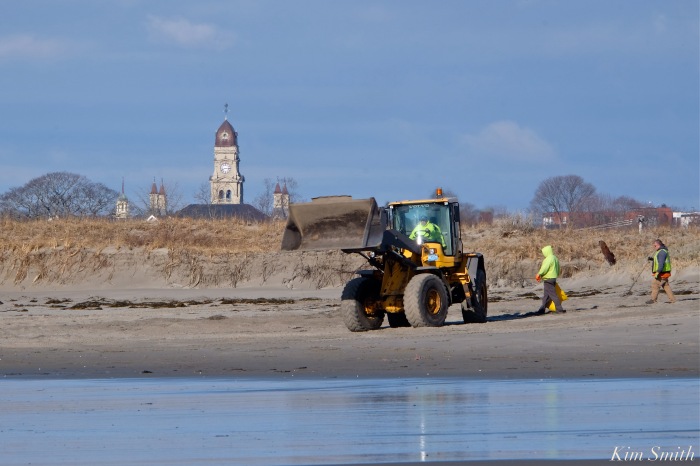
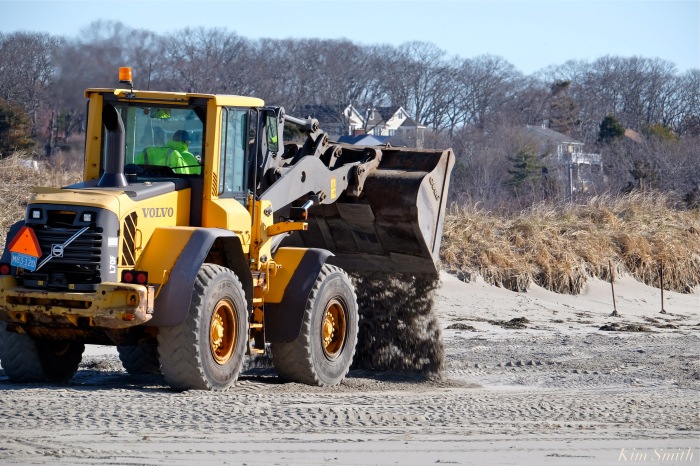
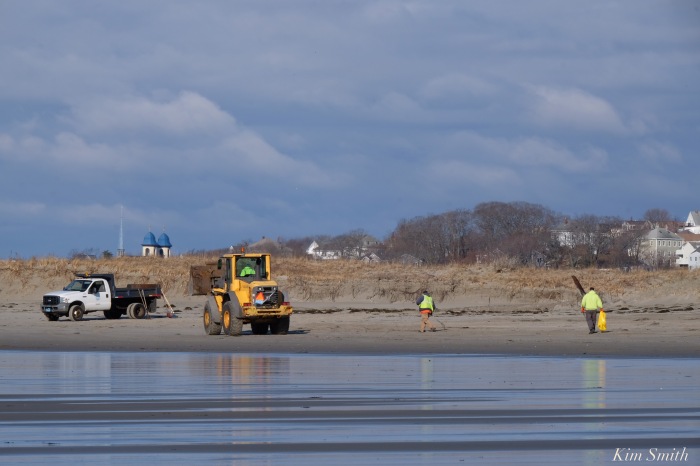
The DPW was on the scene digging out the snack bar boardwalk, beach entrance #2.

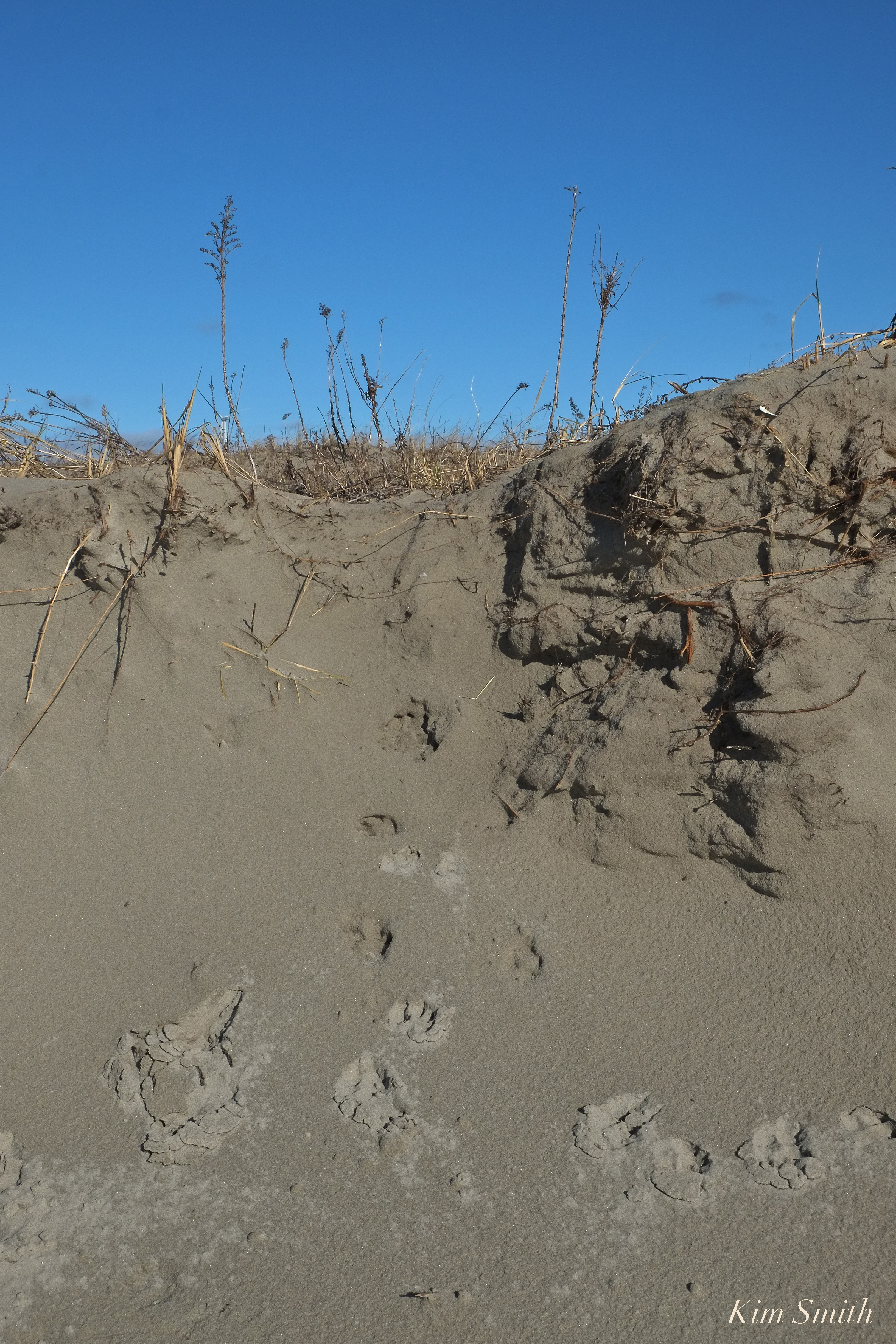
Fresh dog and owner tracks on the dune side of the fence. Why?? Our beaches are in trouble folks. Please keep off the dunes.With so many dogs and people trampling the Piping Plovers nesting area over the weekend, followed by the fierce storm and historic high tides, I wonder if the PiPl will even return to the nesting area. A total of five had been here since April 3rd (what appear to be two nesting pairs and one bachelor) but I could only find one lone male this morning.


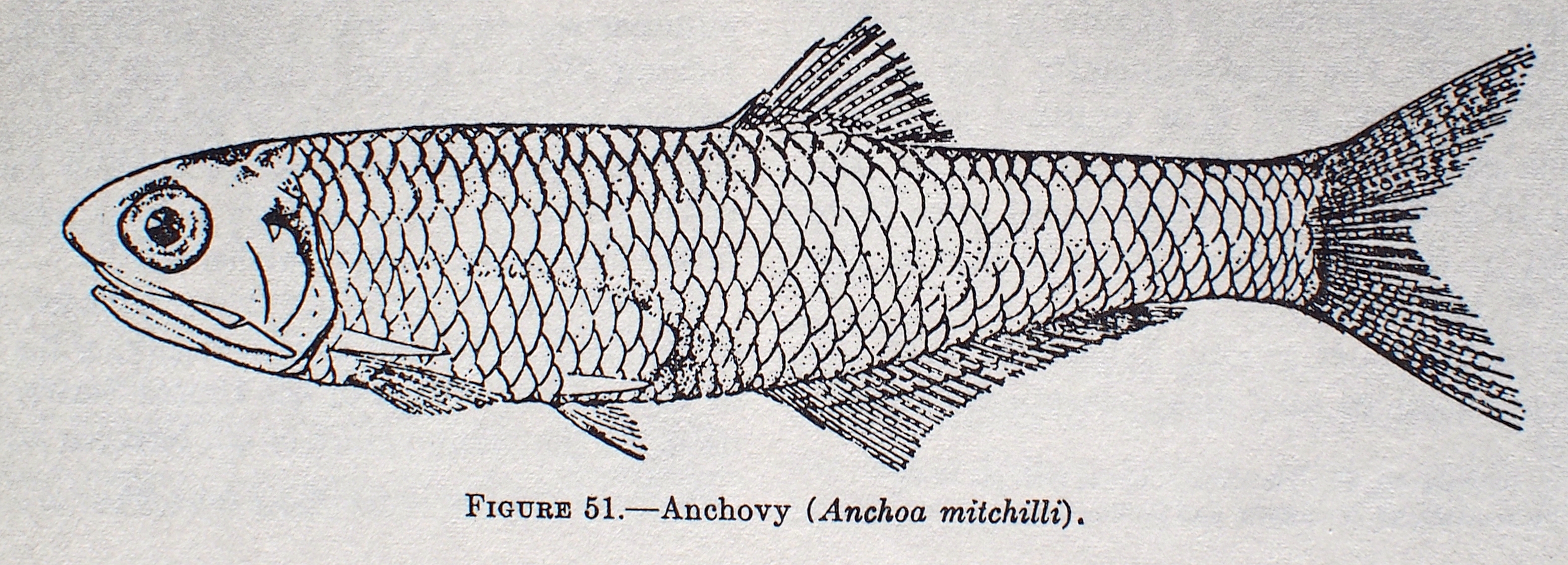
Beautiful Fish: Anchovy

 Anchovy, Whitebait

This is a whitish silvery, translucent little fish, its most characteristic marking being an ill-defined silvery band scarcely wider than the pupil of the eye, running from the gill opening back to the caudal fin. There are also many dark dots on body and fins.  Seldom more than 3½  inches long.

Occurrence in the Gulf of Maine –We mention the anchovy because it has been taken in Casco Bay and at Provincetown. It has no real place in the Gulf of Maine fauna, seldom straying past Cape Cod, though it is abundant about Woods Hole and thence westward and southward. Stragglers may be expected most often in the Gulf in midsummer for it appears from May to October in southern New England waters. Sandy beaches and the mouths of rivers are its chief resorts.

From Fishes of the Gulf of Maine by Bigelow and Schroeder (1953) online courtesy of MBL/WHOI http://www.gma.org/fogm/Anchoa_mitchilli.htm


Al Bezanson

CEDAR ROCK GARDENS OPENING FOR THE SEASON THIS COMING THURSDAY!!!

This beautiful lady in the pick-your-own peony patch.

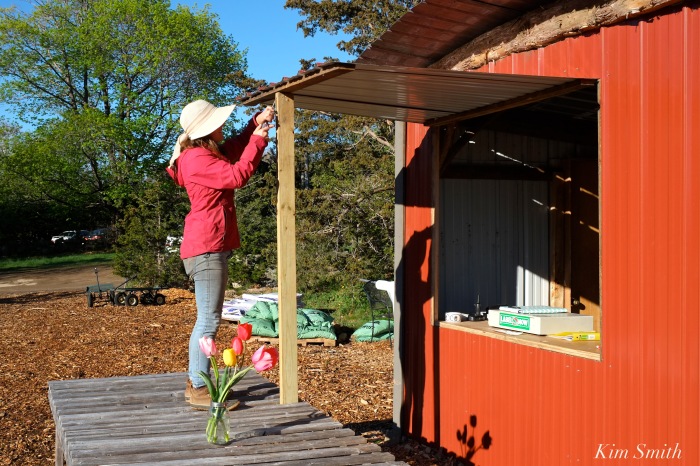
Cedar Rock Gardens, the fabulous organic and homegrown nursery owned by Elise Jilson and Tucker Smith, is opening on Thursday April 19th. They will be open everyday. See below for hours of operation and the complete selection of flower, vegetable, and herb seedlings that will be available to purchase this spring. Cedar Rock Gardens is located at 290 Concord Street in West Gloucester, just minutes off of Route 133.

A small sampling of just some of the flowers and veggies you will find at Cedar Rock Gardens, and a reminder that spring truly will be here soon.

For more information, check out Cedar Rock Garden website here.

COMPLETE LIST OF PLANTS AND GARDEN RELATED PRODUCTS CEDAR ROCK GARDEN SPRING 2018

READ MORE HERE Continue reading “CEDAR ROCK GARDENS OPENING FOR THE SEASON THIS COMING THURSDAY!!!”

CHECK OUT GLOUCESTER’S DPW PHIL CUCURU SHOWING EXTENSIVE STORM EROSION: GOOD HARBOR BEACH RESTORATION UPDATE

Thank you to Phil Cucuru for the Good Harbor Beach information and news of restoration plans to begin soon, after the public school’s April vacation. During the week when the school children are off premises, the DPW turns its attention to the school buildings and grounds. As soon as vacation is over the DPW will be resume work at Good Harbor Beach and all the Gloucester Beaches.

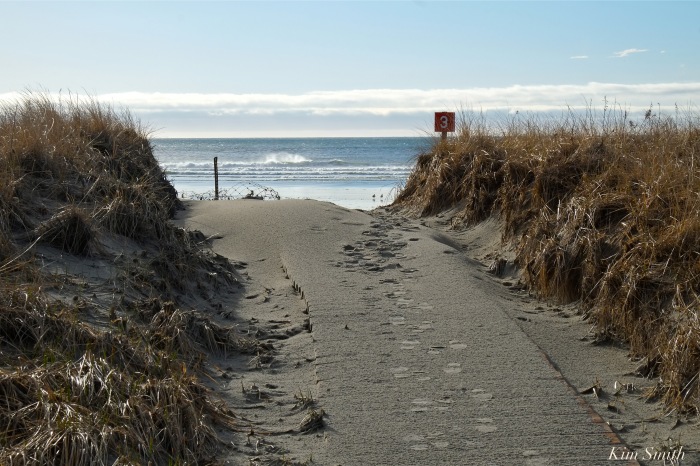
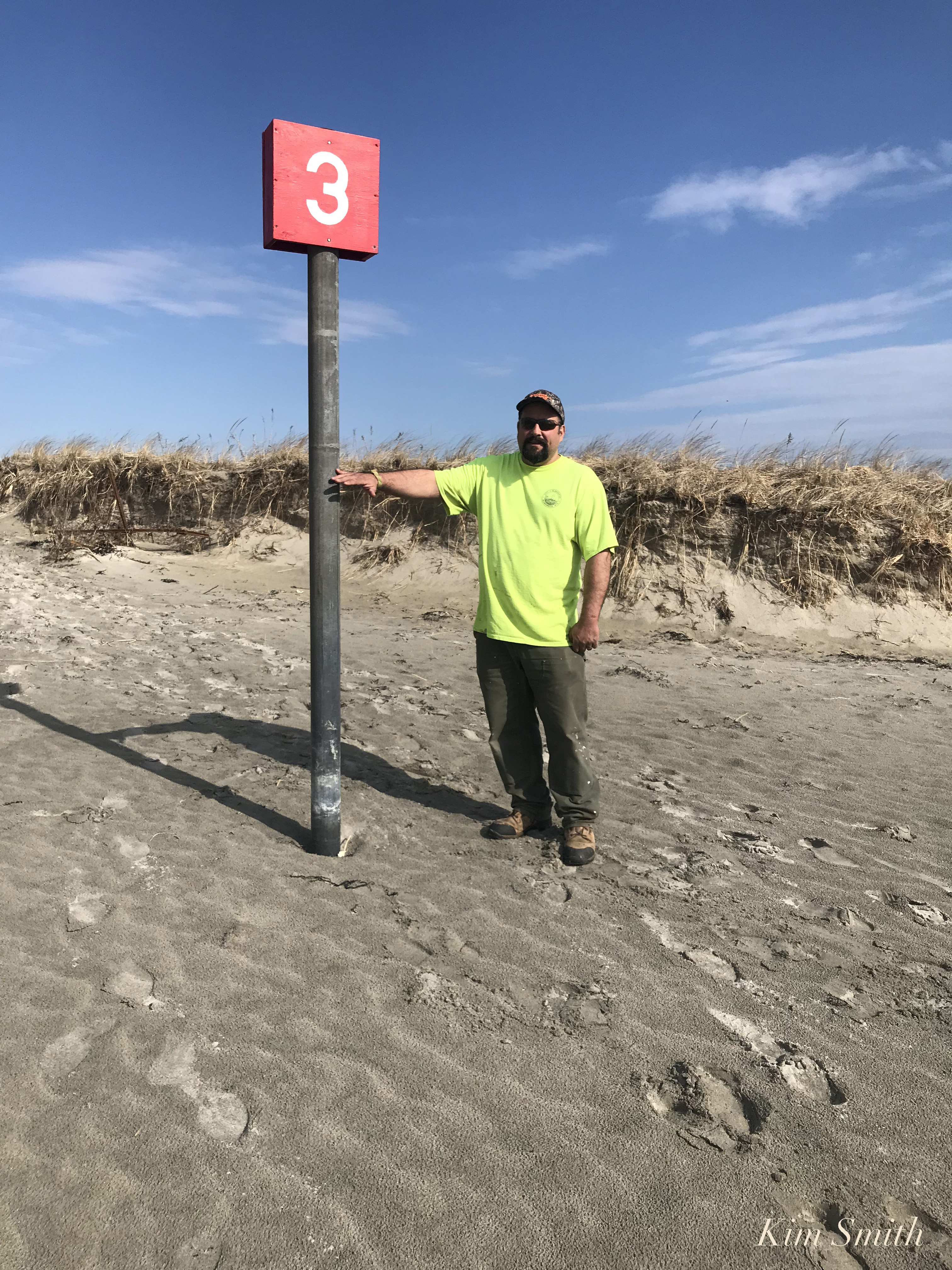
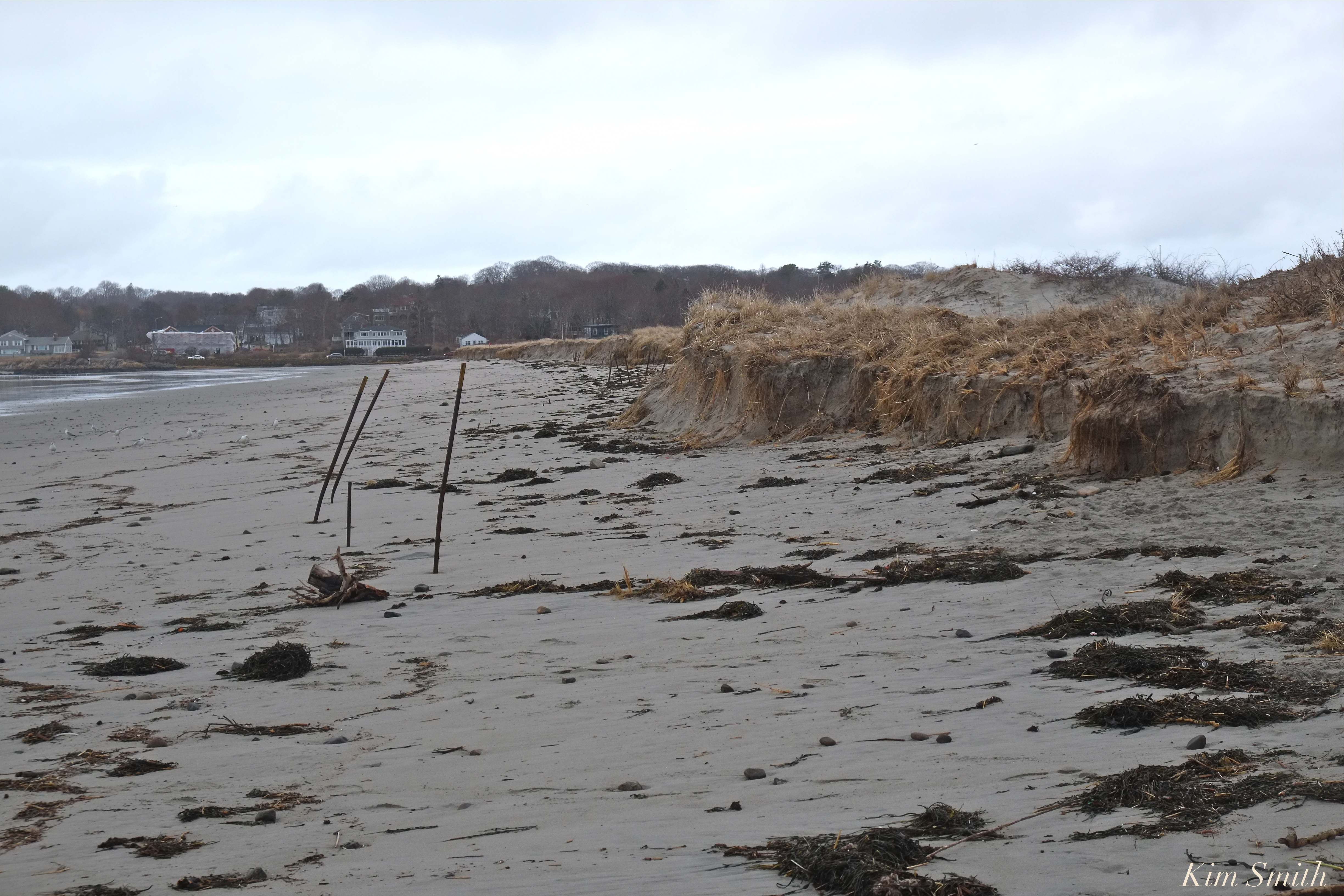
We lost about three to four feet –in depth– from Good Harbor Beach (Wingaersheek, as well). As you can see in the above photo, Phil is pointing to where the sand came up to the #3 sign prior to the March storms. This is why the tide is coming in so high and so close to the bluffs, and why the big rock has become even more exposed.

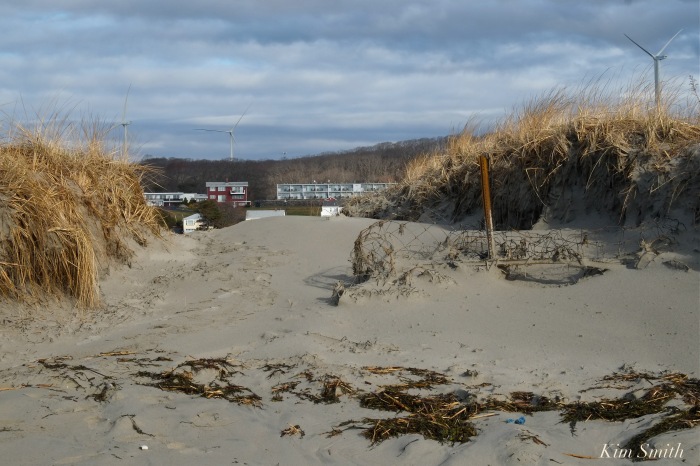
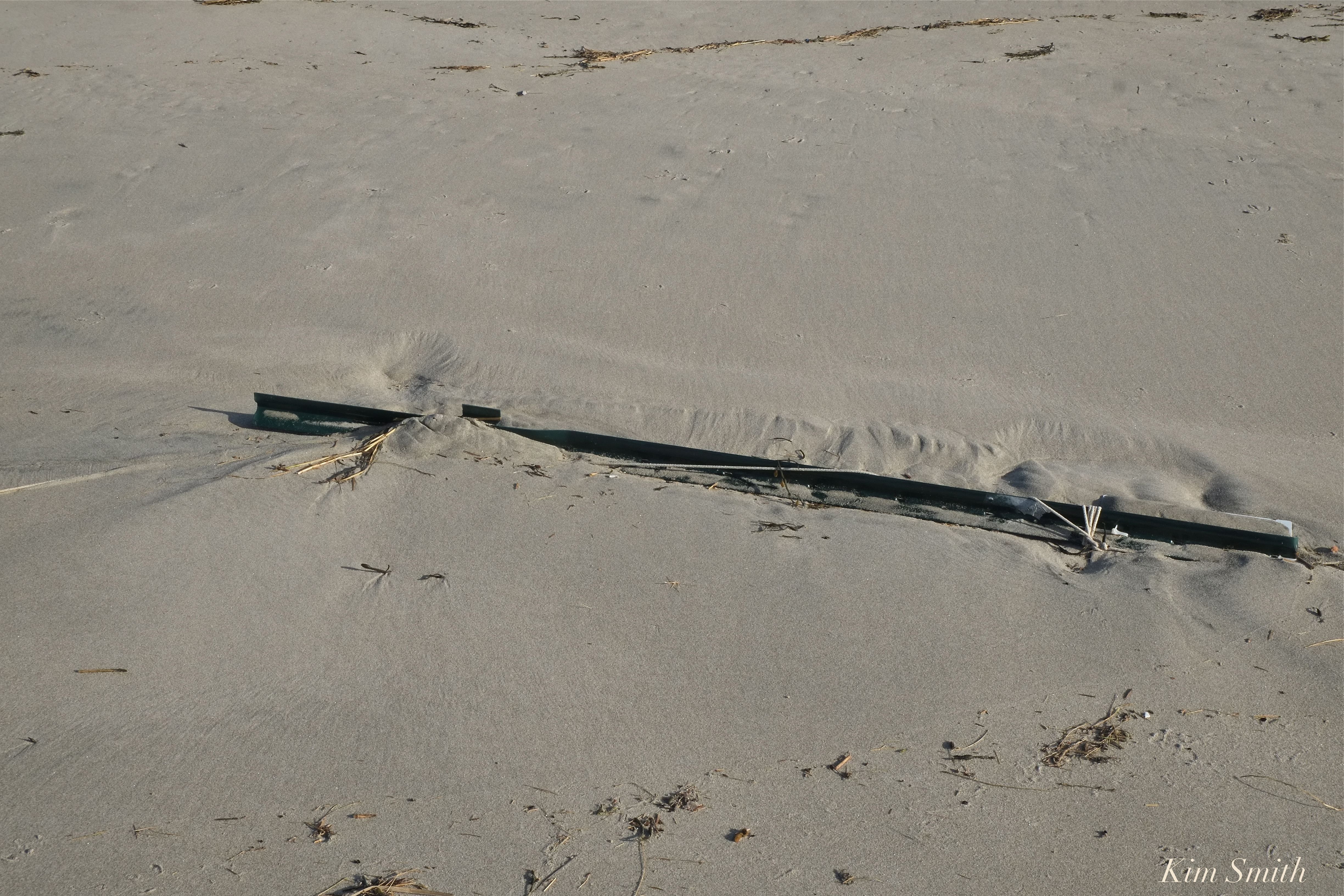
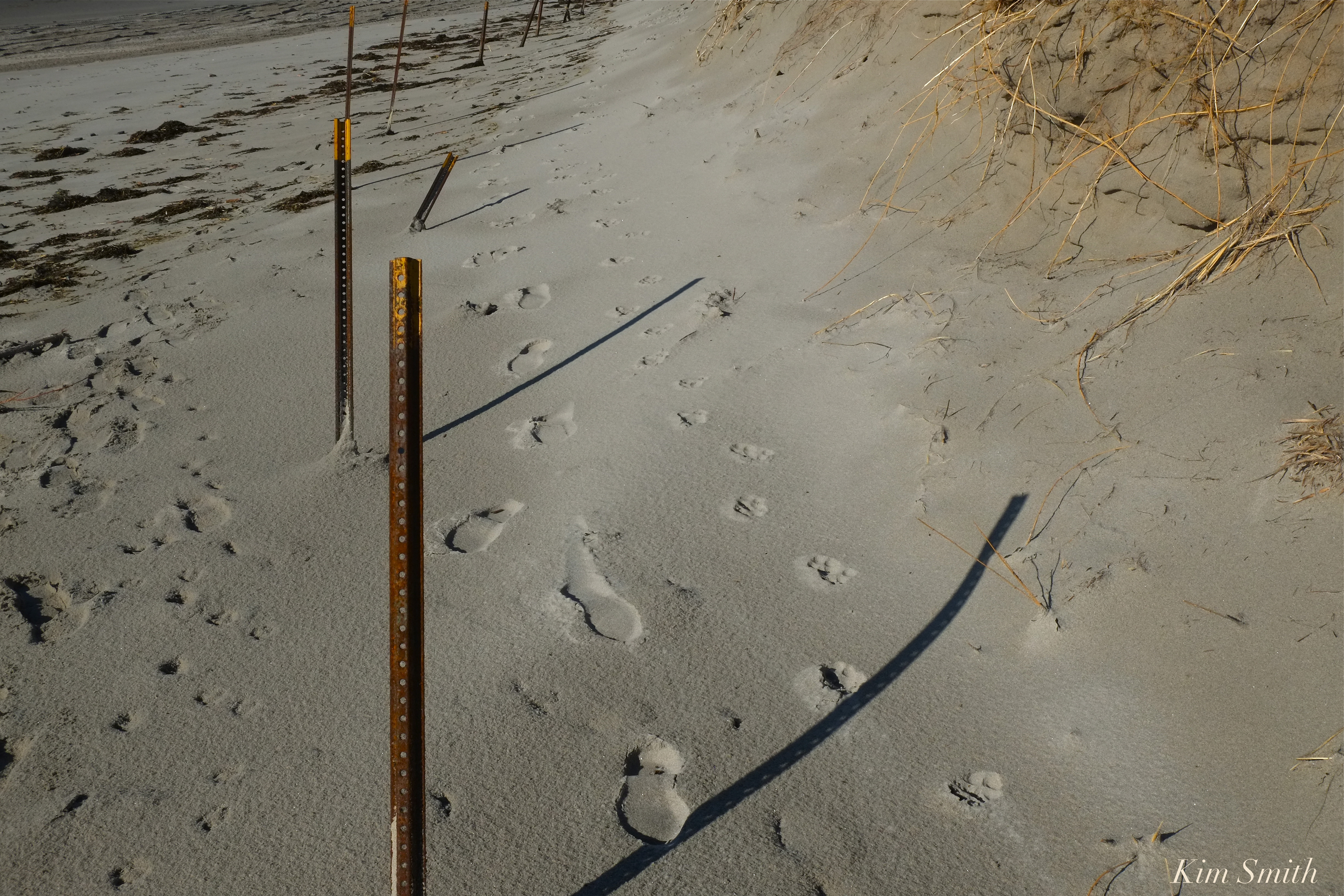
Up until the March storms, the metal fence posts were nearly completely buried beneath sand that had built up, with only about 3 inches protruding above the sand. Now they are completely exposed, with a sheer bluff, rather than a gently sloping dune.

Plans have been in place since last year to restore the dune fencing this coming summer! I was so happy to hear this update about the dunes from Phil because the fencing helps to create areas of vegetation on the beach, at the base of the bluffs, and fencing helps to keep people and pets out of the dunes and from trampling the fragile habitat, especially the wildflowers and beach grass so necessary for a strong, healthy, and vital dune ecosystem.

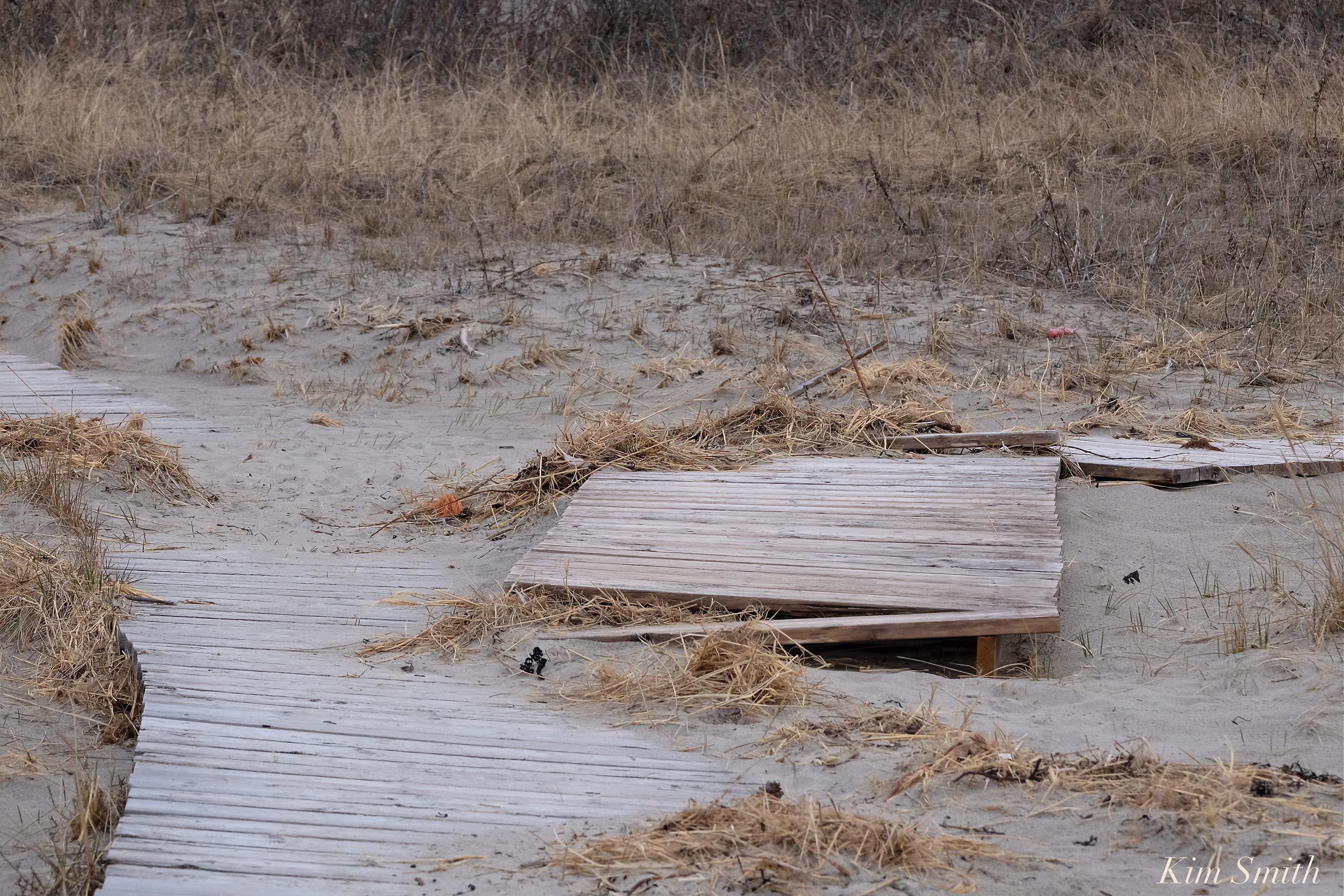
All three boardwalk accesses to the beach were severely damaged. Believe it or not, the storm surge was so strong, it broke away huge sections of the boardwalks, and pushed them twenty and thirty feet back into the dunes. Boardwalk number two is nearly destroyed, which is especially frustrating because the DPW completely redid boardwalk #2, and made wider for handicap accessibility, last spring. The surging ocean water poured all kinds of debris into the dunes as well, and widened the walkways onto the beach. Phil said that in twenty years of working for the DPW he has never seen the likes of the March nor’easters and, with that, such extensive damage to Gloucester beaches.

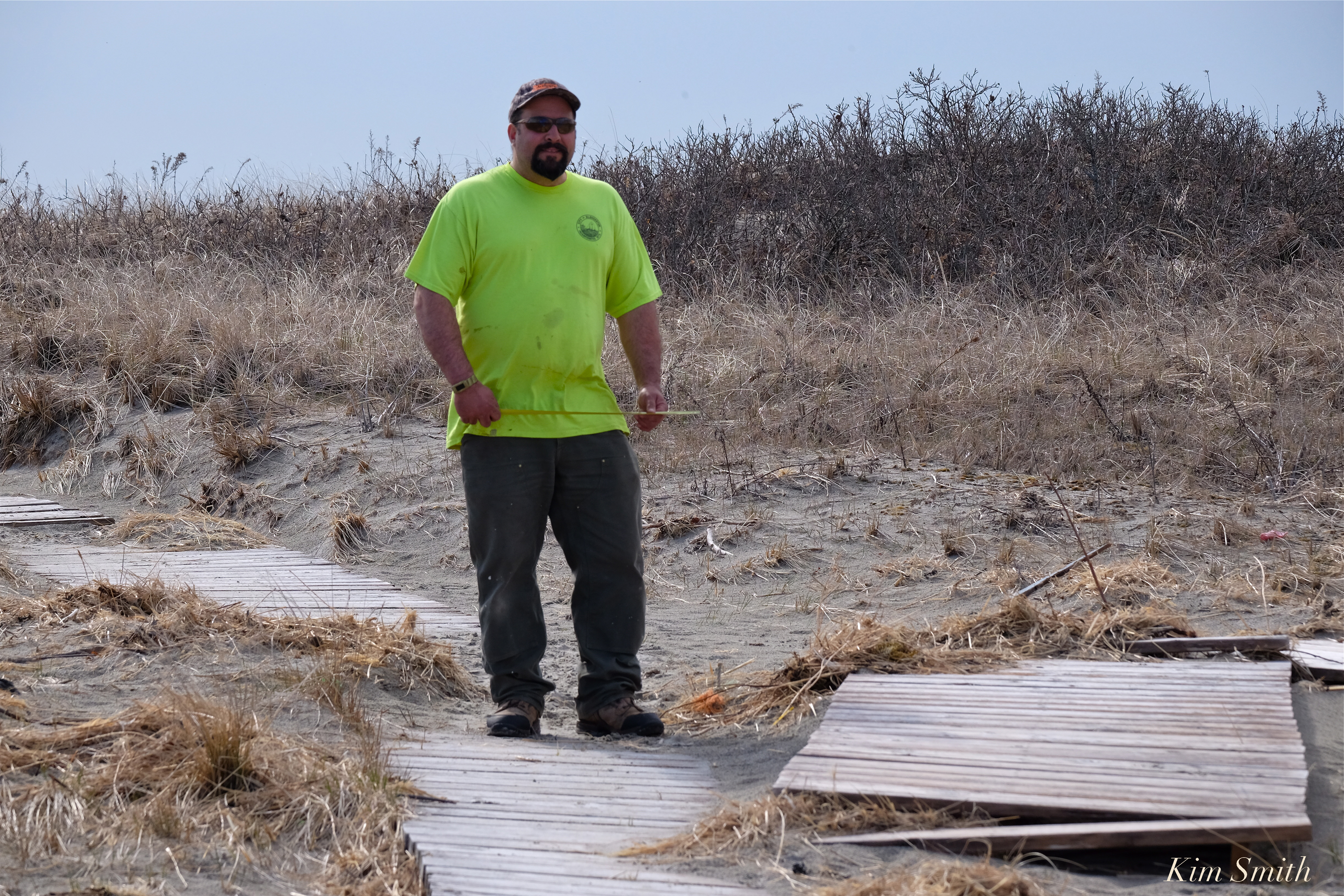
Phil measuring for repairs.

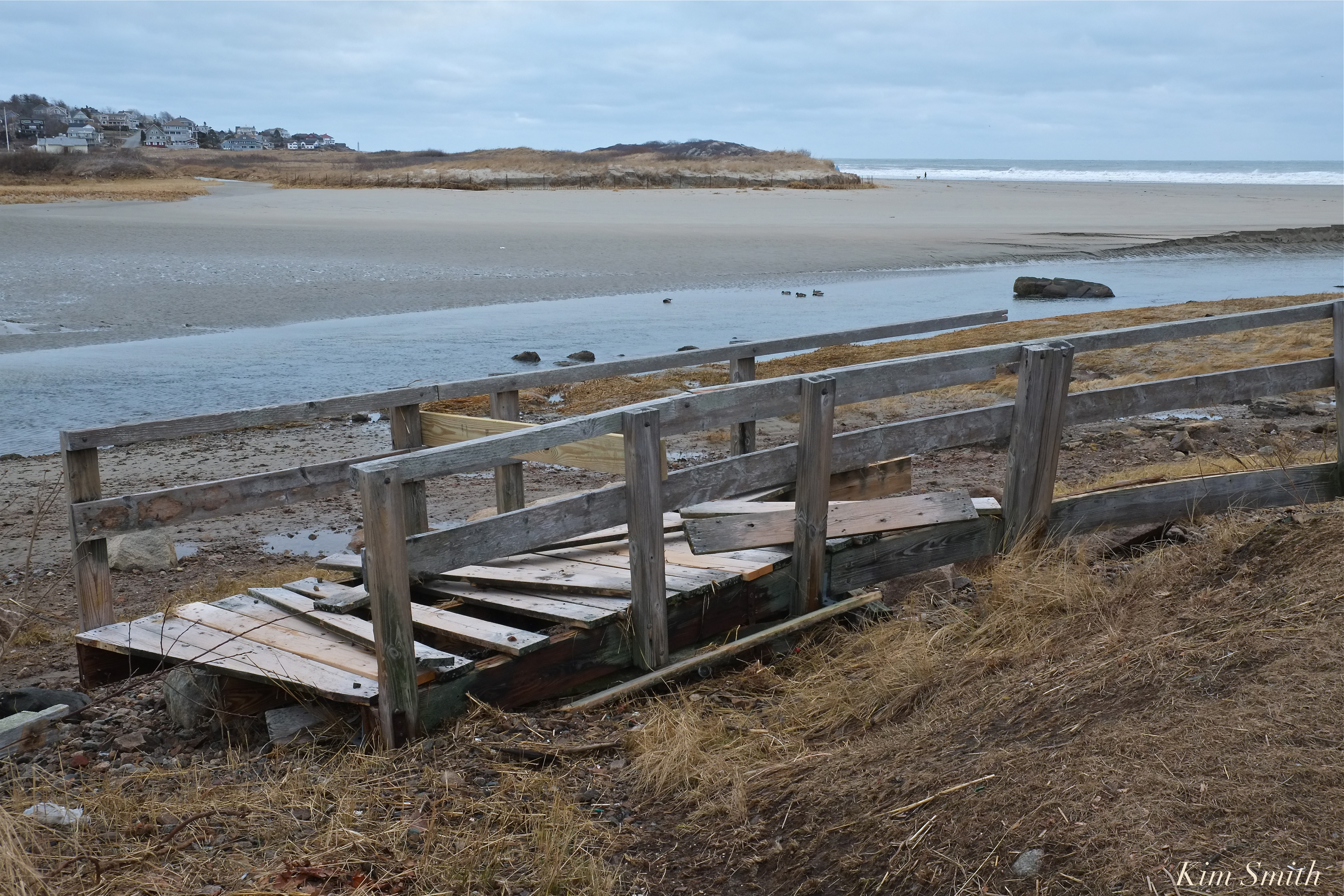
Good Harbor Beach footbridge torn from its footings and in the marsh.

The day before the first nor’easter Phil and fellow crew members added steel braces to help shore up the bridge but unfortunately, nothing was safe from the power of the late winter storms. Plans too are being developed to repair the footbridge, with the goal of full restoration by Memorial Day weekend.

Thanks again to Phil Cucuru for the updates, so glad to hear the good news!


Beautiful Fish: Pipe Fish

Usually 4 to 8 inches long; occasionally up to 12 inches.  The chief home of this pipefish is among eelgrass or seaweeds, both in salt marshes, harbors, and river mouths, where it often goes up into brackish water, and on more open shores as well. In such locations it is caught as often today by boys dipping up mummichogs for bait as it was when Storer wrote of it, nearly a century ago.  Male pipefishes nurse the eggs in the brood pouch.  The embryos within the eggs are nourished by the epithelial lining layer of the pouch, so that the latter functions as a placenta.  The young are retained in the brood pouch until they are 8 or 9 mm. long, when the yolk sac has been absorbed.

From Fishes of the Gulf of Maine by Bigelow and Schroeder (1953) online courtesy of MBL/WHOI http://www.gma.org/fogm/Syngnathus_fuscus.htm


NOT TO BE MISSED! the shaman show at iartcolony

Portals open on April 28th at 5pm. 

PIPING PLOVERS DRIVEN OFF THE BEACH

Despite the case that posted signs were in place for Saturday’s off leash day, it was a complete disaster for the Piping Plovers.

When I was there early in the morning there was a large group of dog owners by the Good Harbor Beach Inn area and the dogs were playing by the water’s edge, away from the nesting sites, and it was wonderful to see!
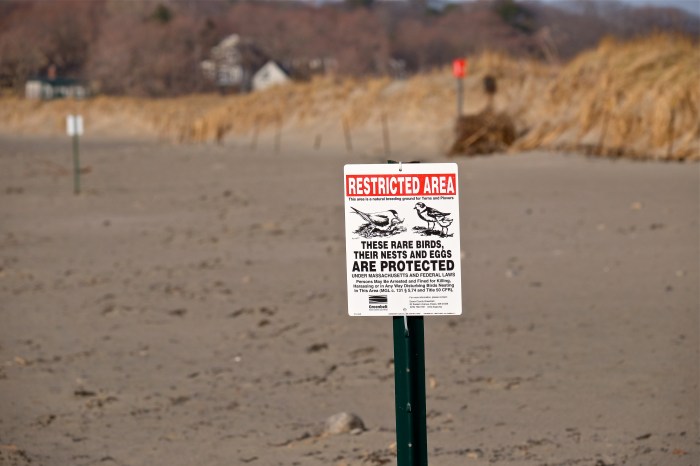
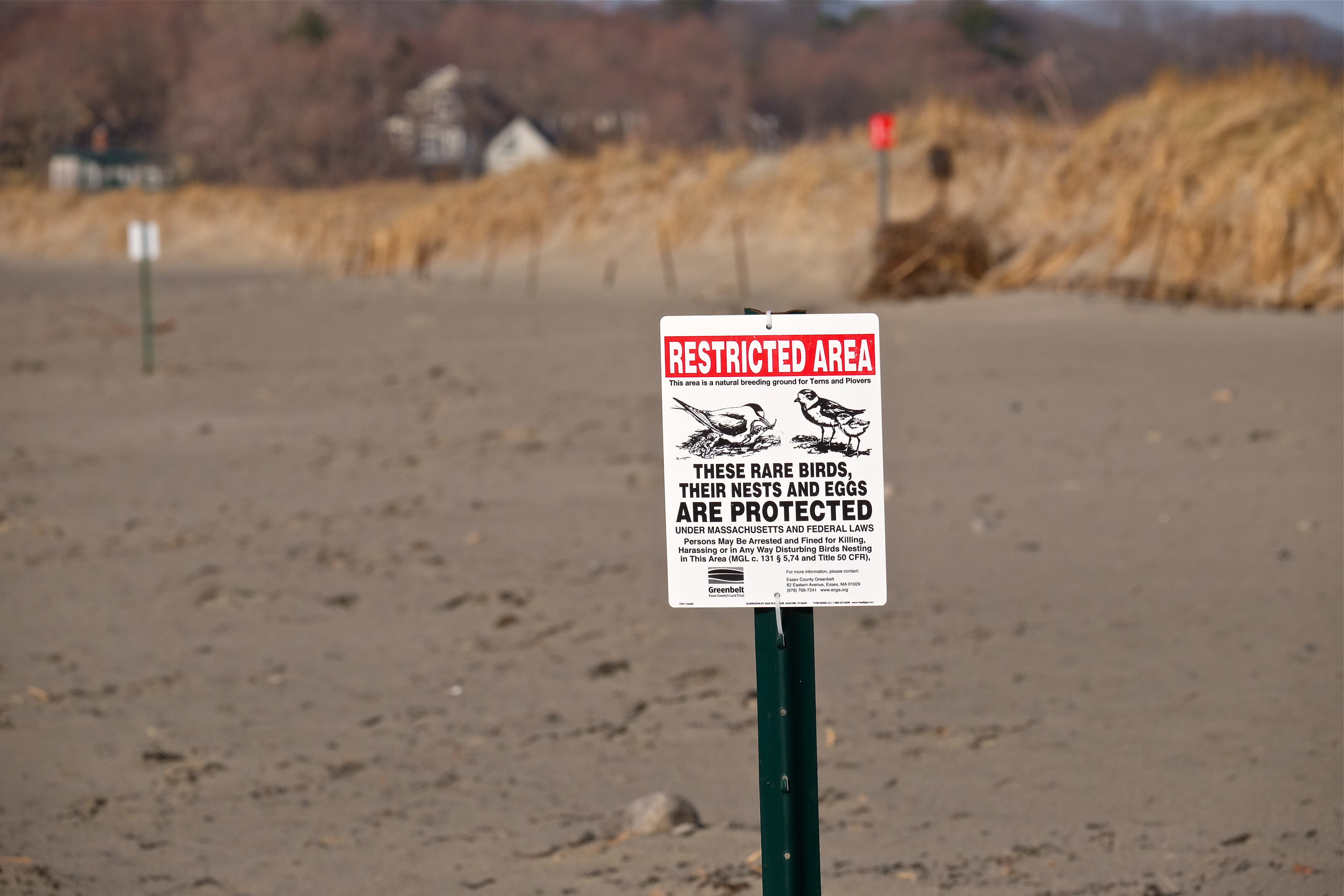
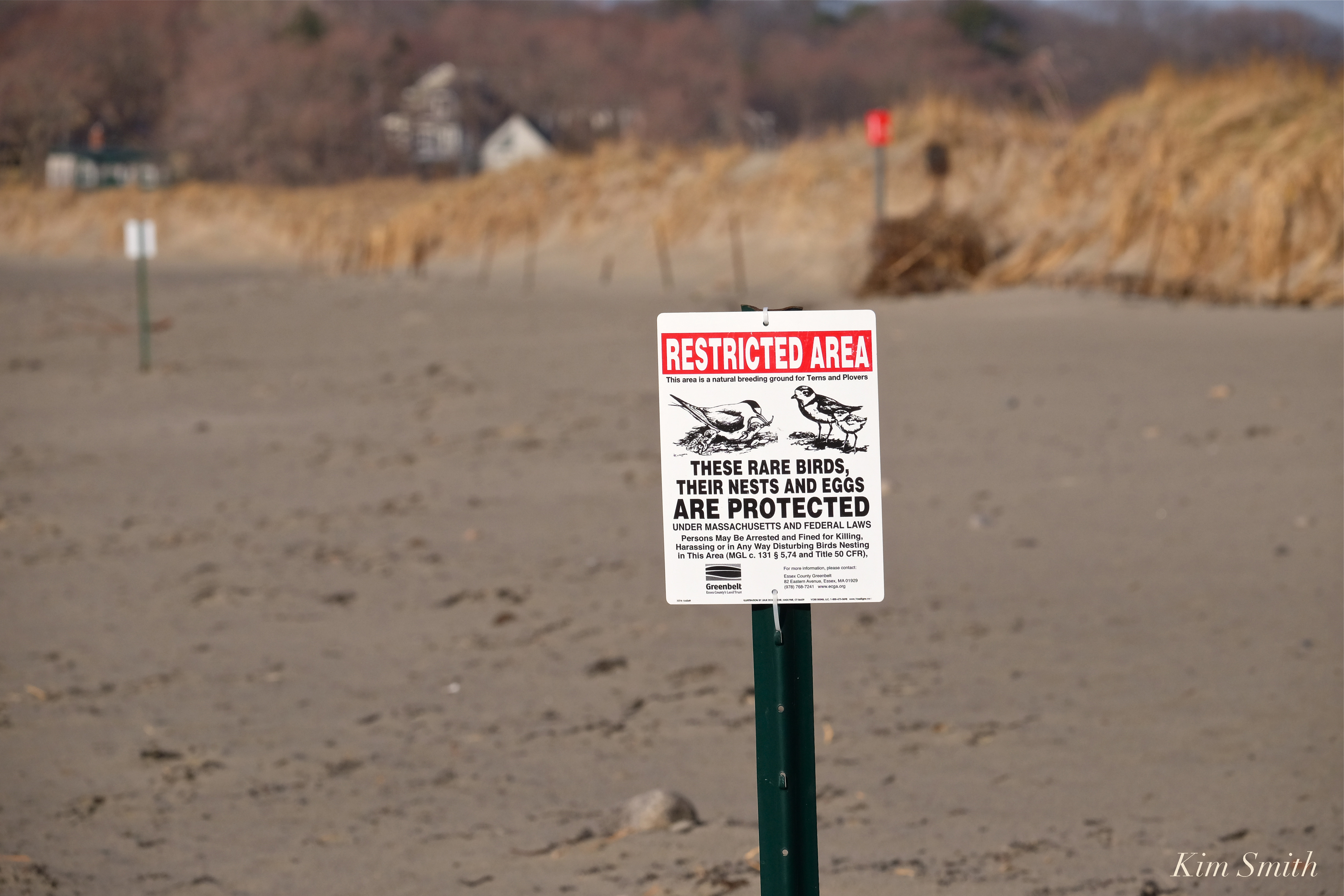
Piping Plover nesting signs on the beach.

At noon I stopped by for a quick check on the PiPl, in between a meeting and babysitting, and it was a complete and utter disaster. There were dozens of dogs and people frolicking WITHIN the nesting areas, as if the signs were completely invisible. The nesting areas were so full of people and dogs, one of the pairs of PiPl had been driven off the beach and into the parking lot. They were trying to make nest scrapes in the gravel. Heartbreaking to see.

My husband and I put up roping as soon as I was finished babysitting. We ran out of rope for both areas and came back today to finish cordoning off the nesting sites. Hopefully the rope will help.

https://www.instagram.com/p/BhkaJUNnmW4/

Perhaps because of climate change, and for reasons not fully understood, for the third year in a row, we now have a beautiful species of shorebird nesting at Good Harbor Beach. This year they arrived on April 3rd. Piping Plovers are a federally threatened species and it is our responsibility to do all that is humanly possible to insure their safety.

We live in coastal Massachusetts, which means we also have a responsibility in the chain of migration along the Atlantic Flyway to do our part to help all wildlife, particularly endangered wildlife.

Wouldn’t it be tremendous if the dog friendly people and all citizens of Gloucester would work together to change the leash laws to restrict dogs from our barrier beaches, Good Harbor Beach (and Wingaersheek, too, if birds begin nesting there as well), beginning April 1st?

Much, much better signage is needed as well as a wholehearted information campaign. And better enforcement of the current laws would be of great help as well however, if the laws are written such that dogs are allowed on the beaches during the month of April, which is the beginning of nesting season, then we are not being good stewards of species at risk.

We need help enforcing rules about keeping people and pets out of the dunes. The dunes are our best protection against rising sea level and are weakened terribly by trampling through the beachgrass and wildflowers.

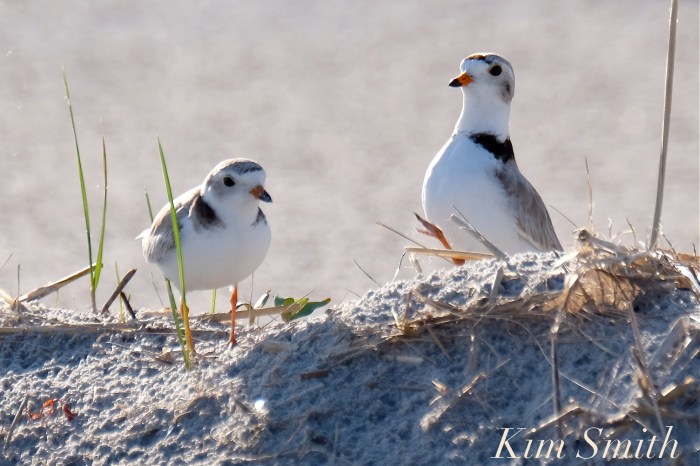
It may be helpful for people to understand that the earlier the PiPl are allowed to nest, the earlier the chicks will be born, and the greater their chance of survival. Yesterday morning one pair mated and the female helped the male dig a nest, which means we could very well see eggs very soon (if they return to the nesting sites after yesterday’s debacle).
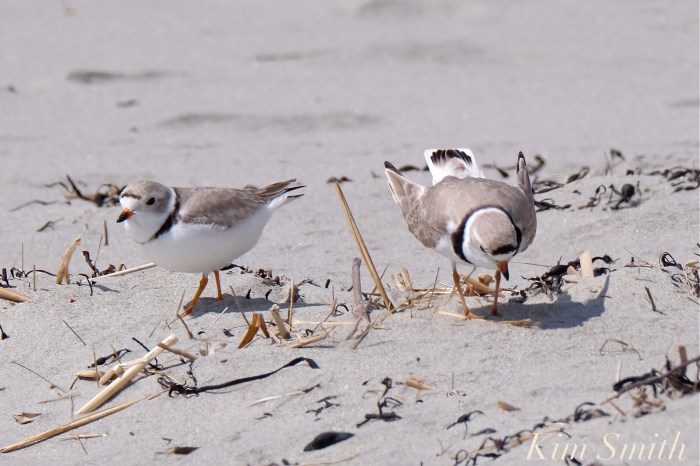
Papa Plover bowing in the courtship dance.
And here he is puffed out and high-stepping in the mating dance.

If the PiPl begin laying eggs now, and it takes about another month for hatching from the time the first egg is laid, the chicks would be a month old by the time July 4th arrives, when GHB becomes packed with visitors.

If the eggs and nest are destroyed, the nesting cycle will begin all over again and we will have chicks born over Fiesta weekend, with days-old chicks running around the beach on July 4th, as happened last year.
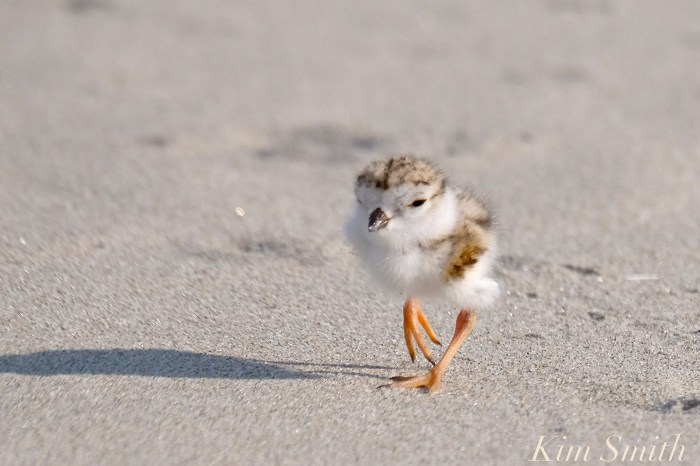
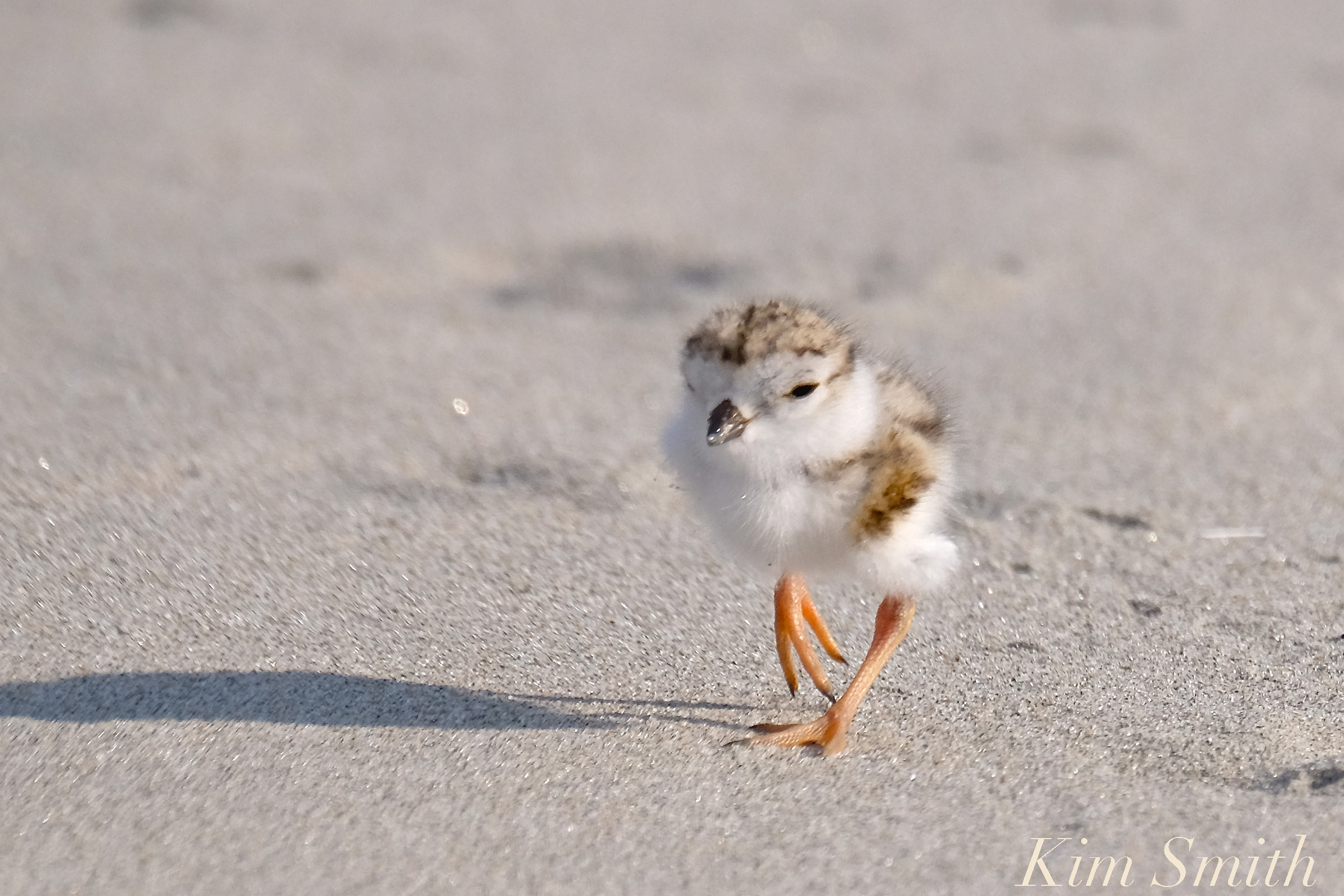
One-day-old Piping Plover chick – a marshmallow-sized chick with toothpicks for legs is super challenging to watch over on a typical Good Harbor Beach summer day!

I believe that as a community we can work together to help the Piping Plovers, as was done last year. It took a tremendous effort by a fabulous group of volunteers. The hardest thing that the volunteers had to deal with were the seemingly endless encounters with scofflaw dog owners. Especially difficult were the sunrise and sunset shifts because folks think they can get away with ignoring the laws at those times of day. I cannot tell you how many times I have had terrible things said to me when I tried to speak to people about keeping their dogs away from the PiPl nesting sites. Some folks do not want to be told that their dog cannot play there.

Rather than expecting volunteers and citizens to call the dog officer, when it is usually too late by the time they arrive, the dog officers should be stationed at the beach at key times, on weekends, and after five pm, for example.

Now that we know the Piping Plovers are here this early in the season, better rules, signage, and more information need to be in place. Gloucester is not the only north shore coastal Massachusetts area this year experiencing Piping Plovers arriving earlier than usual. We can learn much historically from how other communities manage these tiniest and most vulnerable of shorebirds. For example, after April 1st, no dogs are allowed at Crane Beach. Throughout the year, no dogs are allowed at Parker River National Wildlife Refuge, and at Revere Beach (also home to nesting Piping Plovers), which was the first public beach established in the United States, no dogs are allowed from April 1st to mid-September.
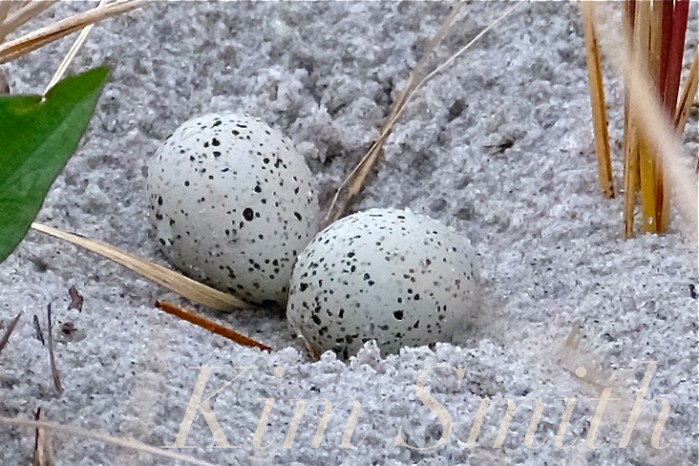
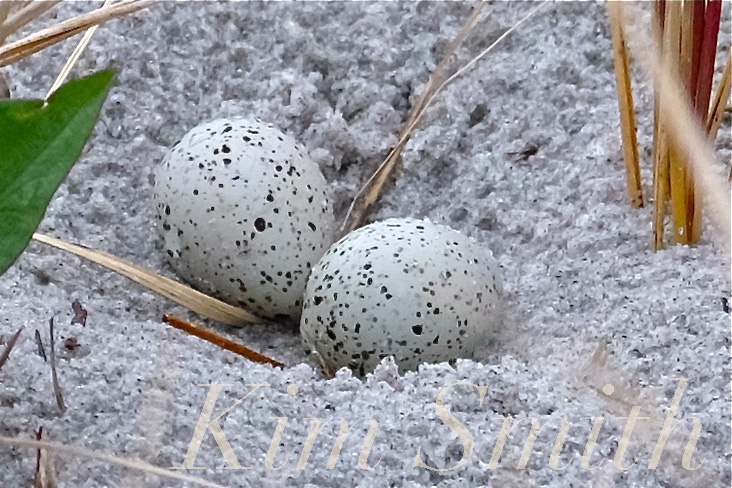
The female Piping Plover lays one egg approximately every day to every few days, usually until a total of three to four eggs are laid. The male and female begin sitting on the eggs when all are laid. Until that time, the eggs are extremely vulnerable to being stepped upon.

Currently the two nesting areas identified on Good Harbor Beach are taking up more space than will be the case once the PiPl begin to lay eggs. As soon as the first egg is laid, an exclosure will be placed over the nest and the overall cordoned off area will shrink some.
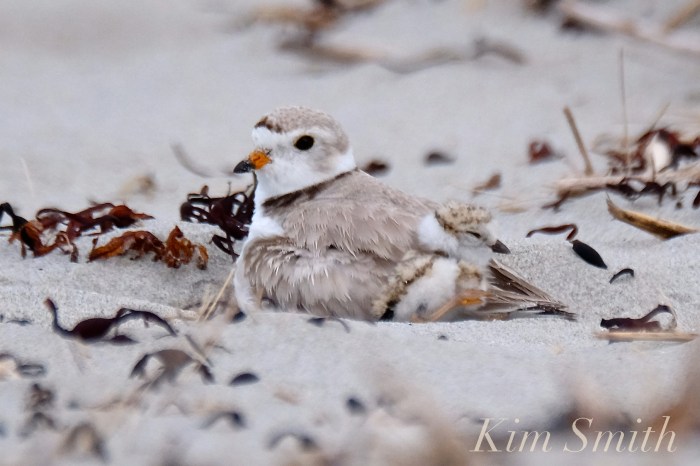
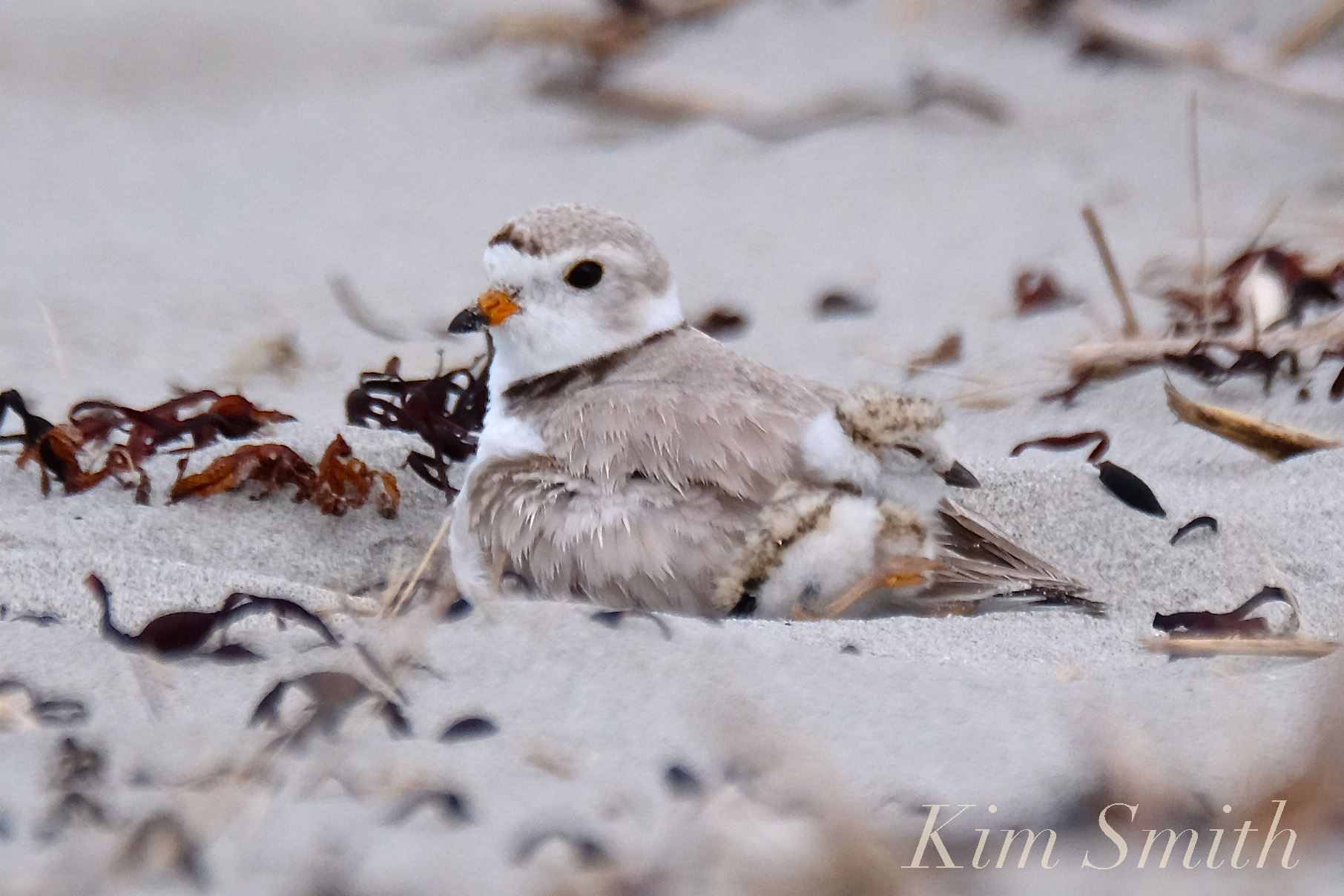
Mama PiPl and one-day-old chick

LOCAL DRUMMER DAVID ROBINSON OF THE CARS ENTERS THE ROCK AND ROLL HALL OF FAME!

Super huge shout out and congratulations to David Robinson, artist and owner of the Rockport gallery Windmere Art and Antiques, for entering the Rock and Roll Hall of Fame, with fellow band members Ric Ocasek, Elliot Easton, Greg Hawkes, and Ben Orr (posthumously).

The ceremony airs on May 5th at 8pm on HBO, and in the meantime, here are some clips. Read more in the Boston Globe here.

 The Cars: David Robinson, Ric Okasek, Elliot Easton, Greg Hawkes


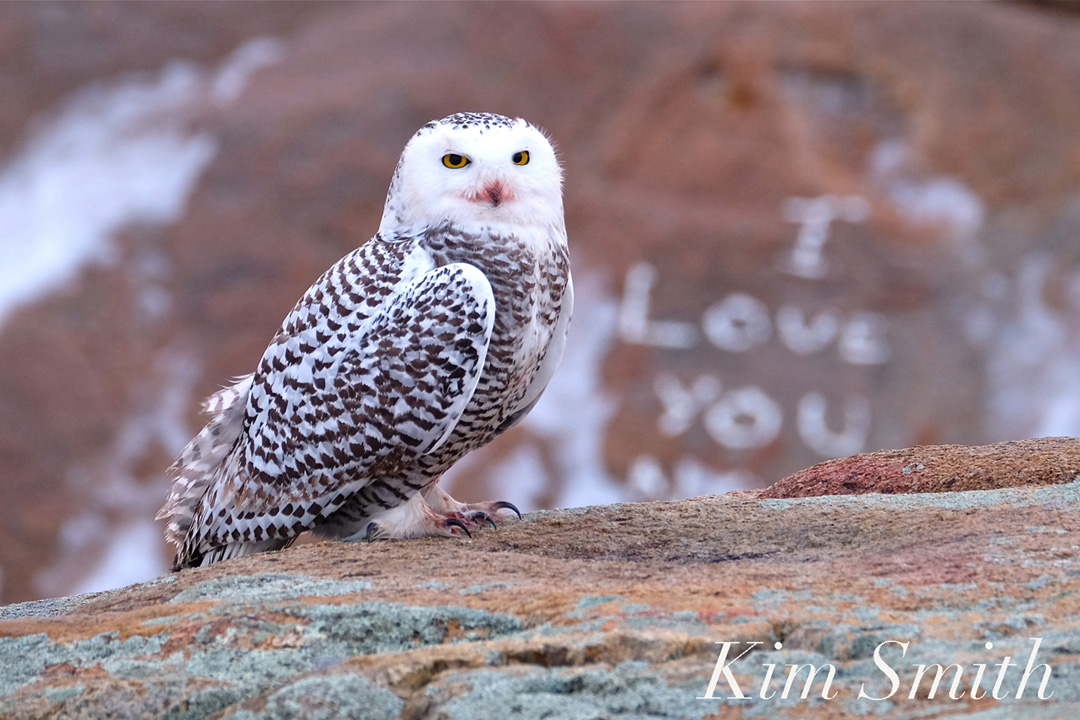
“WE LOVE YOU TOO SNOWY OWL” LIMITED EDITION PHOTO LAST CHANCE TO ORDER

I am taking orders for the limited edition “We Love YOu Too Snowy Owl” photo through Tuesday, April 16th. If you have not yet mailed your check, please email me at kimsmithdesigns@hotmail.com. Thank you!

HELPING PIPING PLOVERS AND A HUGE SHOUT OUT TO GREENBELT’S DAVE RIMMER AND DAVE MCKINNON

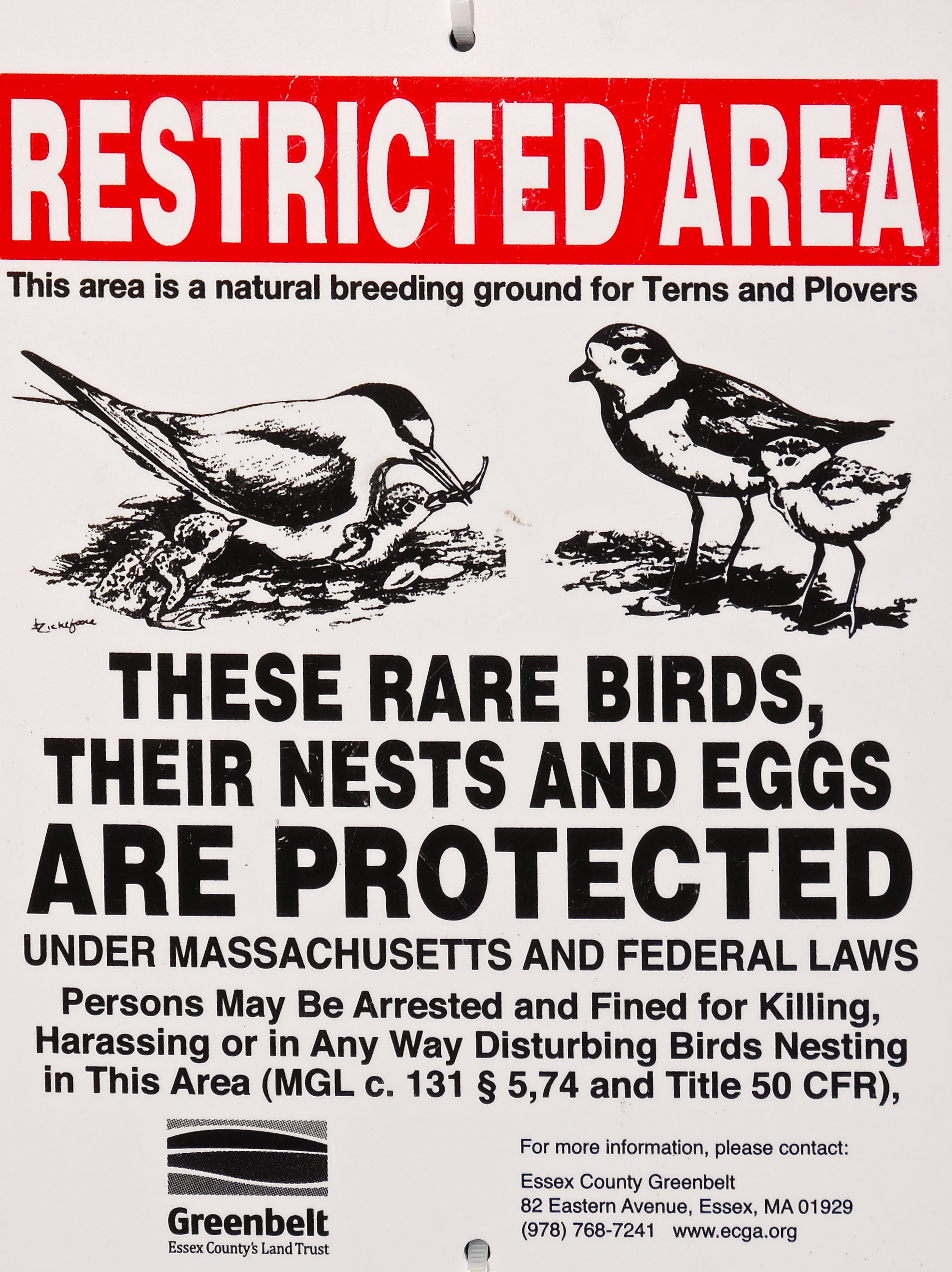
Help arrived for the Piping Plovers yesterday afternoon when Greenbelt’s Dave McKinnon installed the symbolic posts and informative signage. Roping will come next week, but at the very least, cordoning off the nesting area informs the community to tread lightly and where to keep out. Two nesting areas have been identified. The signs are posted between boardwalk 3 and the footbridge, as well as between boardwalks 1 and 2.

So many thanks to Dave Rimmer and Dave McKinnon. I happened to meet up with them yesterday morning and initially Dave R. thought they would not be able to help until next week. What great relief when I read the email from Dave R. that Dave M. would be back later in the day to install the posts and signs!

Thank you, thank you, thank you!!!

REMINDER: TOMORROW IS AN OFF LEASH SATURDAY, WHICH IS GOING TO BE VERY, VERY TOUGH ON THE PIPING PLOVERS. PLEASE DOG OWNERS, IF YOUR DOG IS NOT UNDER VOICE COMMAND, THEN THE RULE IS, THE DOG IS NOT ALLOWED ON THE BEACH. PLEASE TRY TO UNDERSTAND THAT THIS THREATENED SPECIES OF SHOREBIRDS NEEDS EVERYONE’S HELP. THANK YOU!

I wrote the above because yesterday I got a very disturbing call from a friend, a person who is usually mild mannered and not easily angered. He was calling to say that he had just observed a woman with her “birder” dog chasing the Plovers up and down the beach over and over again. When he spoke with her about the Plovers, she said she was aware of the threatened birds, but that she couldn’t control her dog because he “was having a bad day.” All I can write, is please, please, please do not allow your dog to chase the Piping Plovers. It may be fun and games for you and your dog, but allowing the PiPl to nest is a matter of survival for these beautiful and tiniest of shorebirds.

Two adorable sweet dogs, off leash today, on an on leash day.

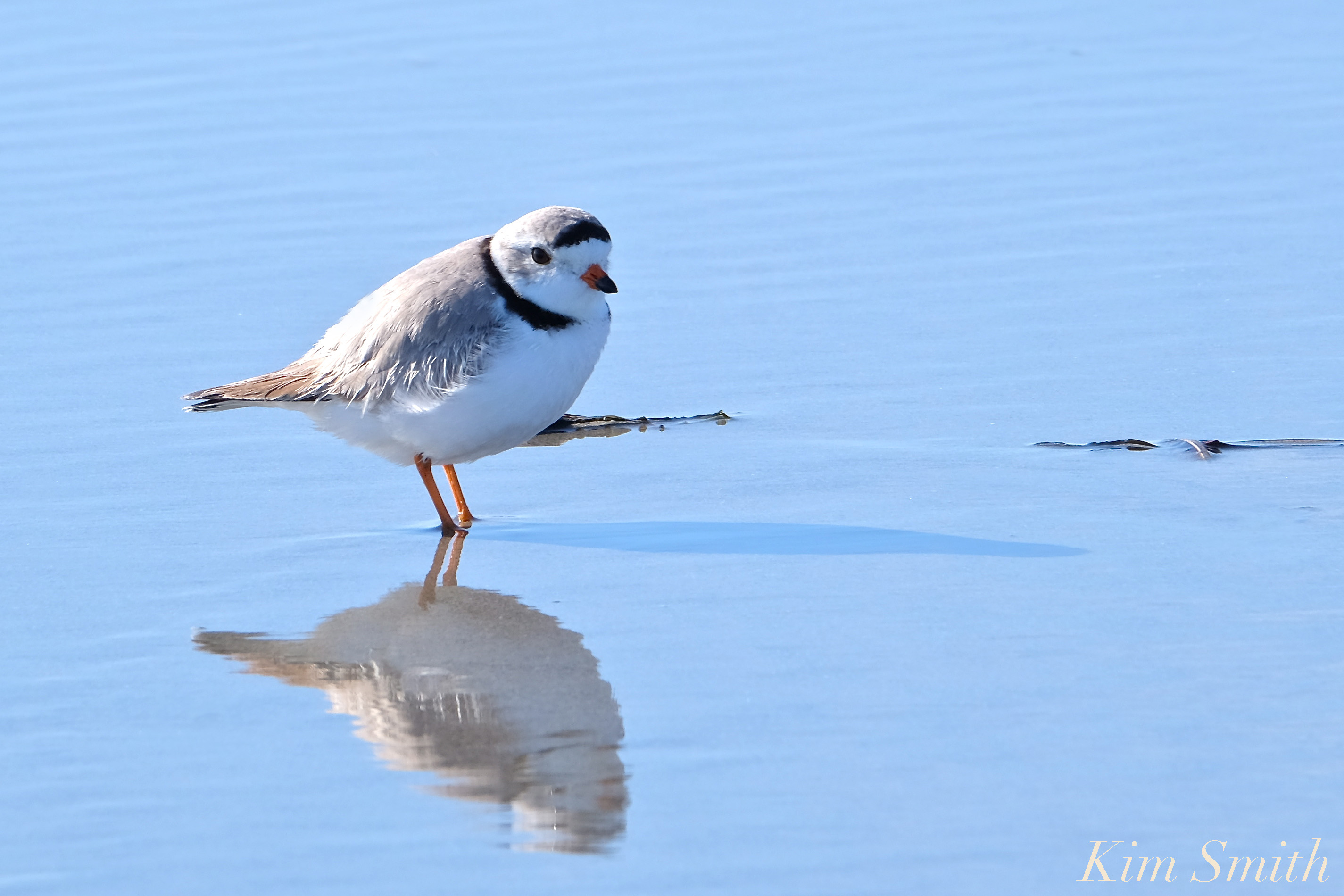
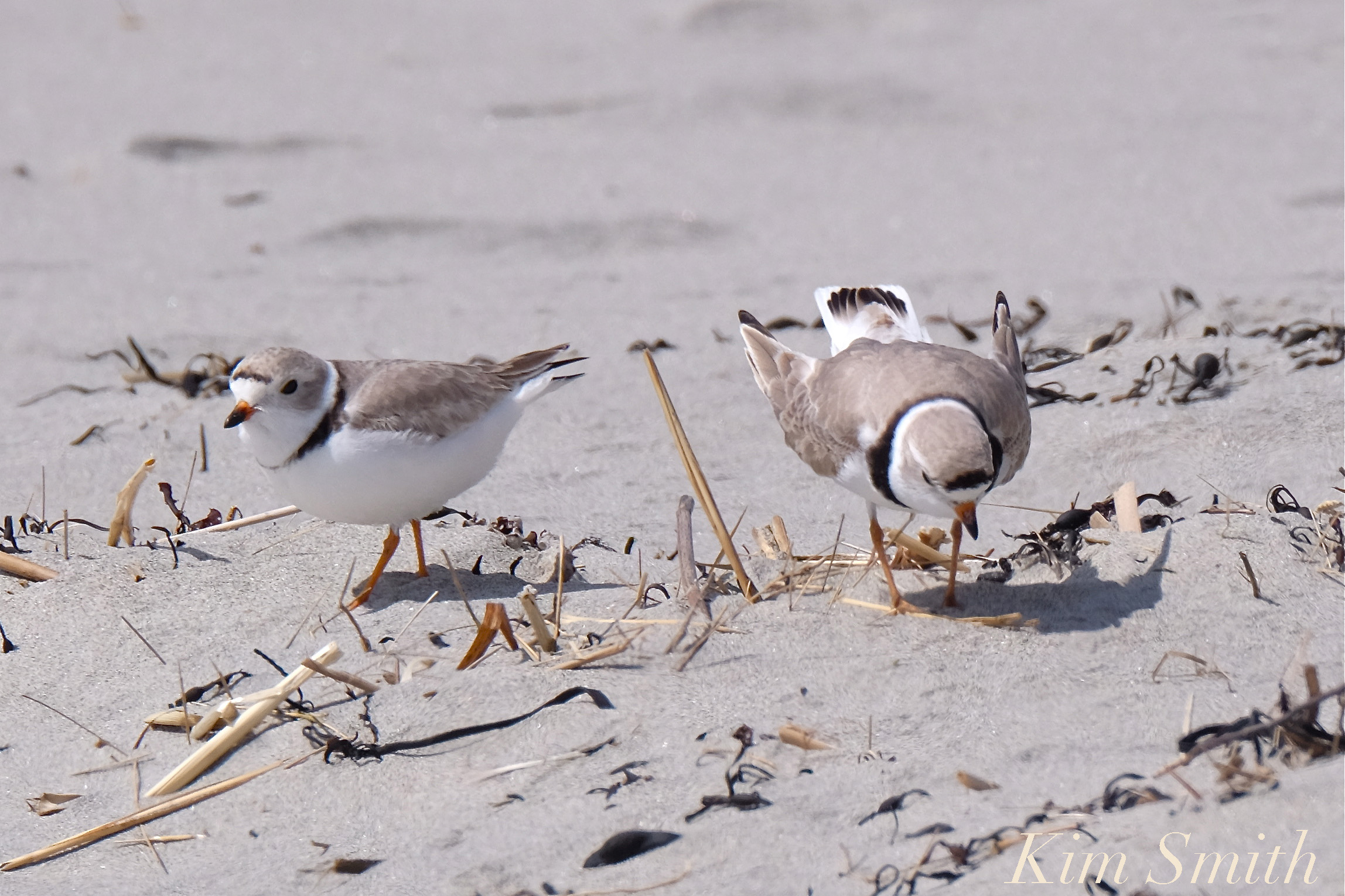
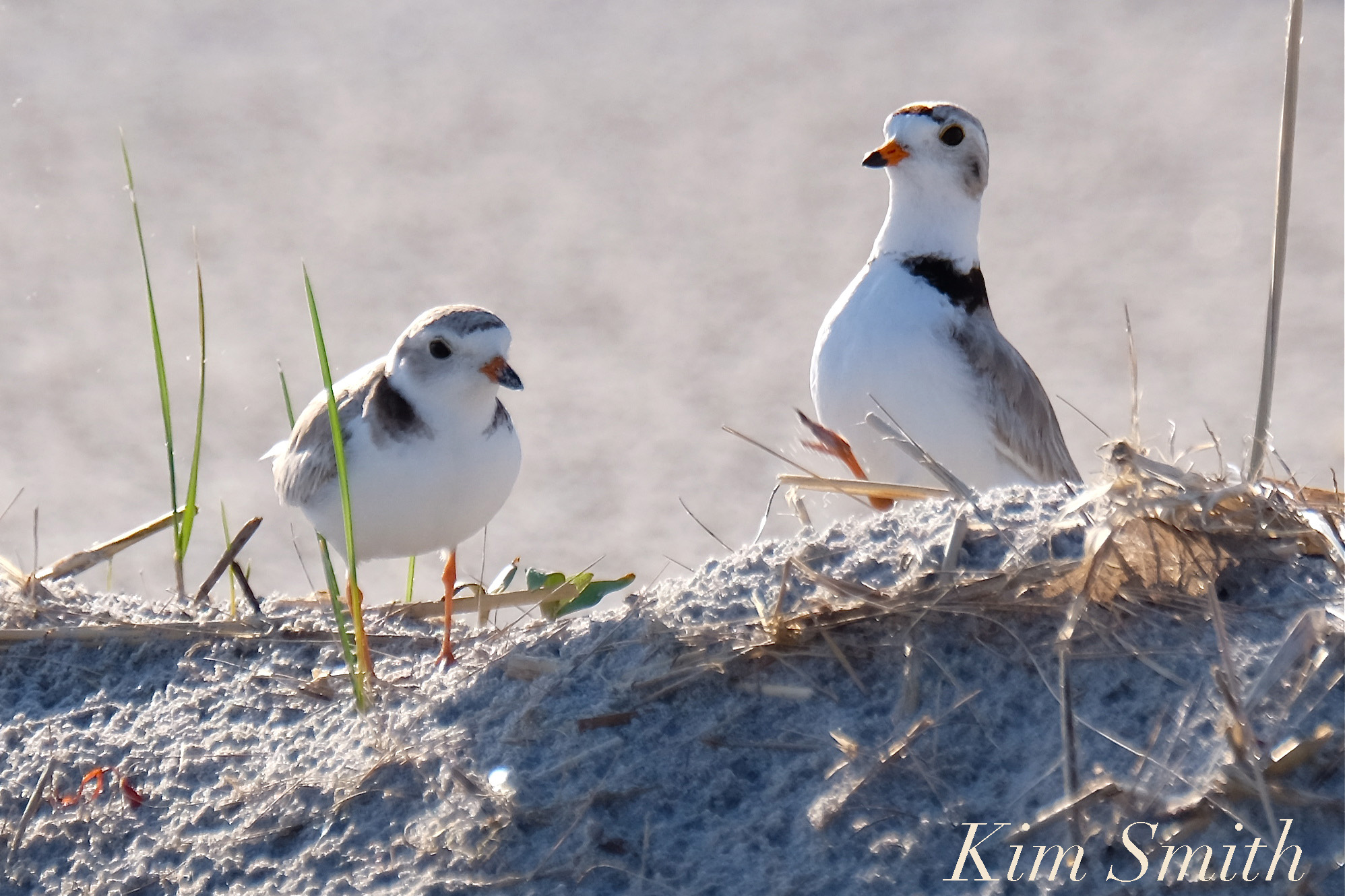
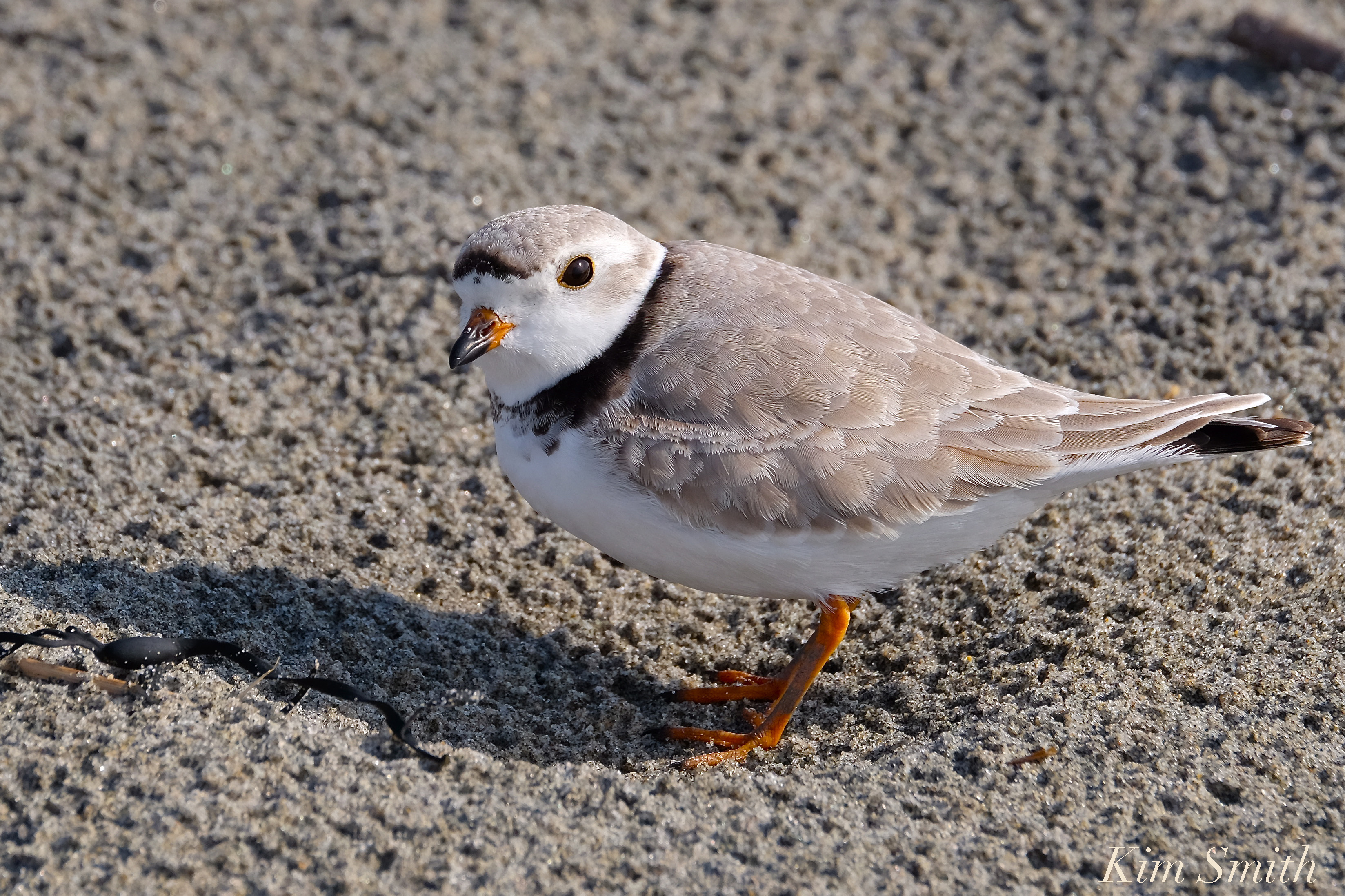
Currently there are four PiPl at Good Harbor Beach. One very bonded pair (excellent possibility that it is our Mama and Papa Plover from the past two summers) and two unattached males. The above photo is of one of the two bachelors.

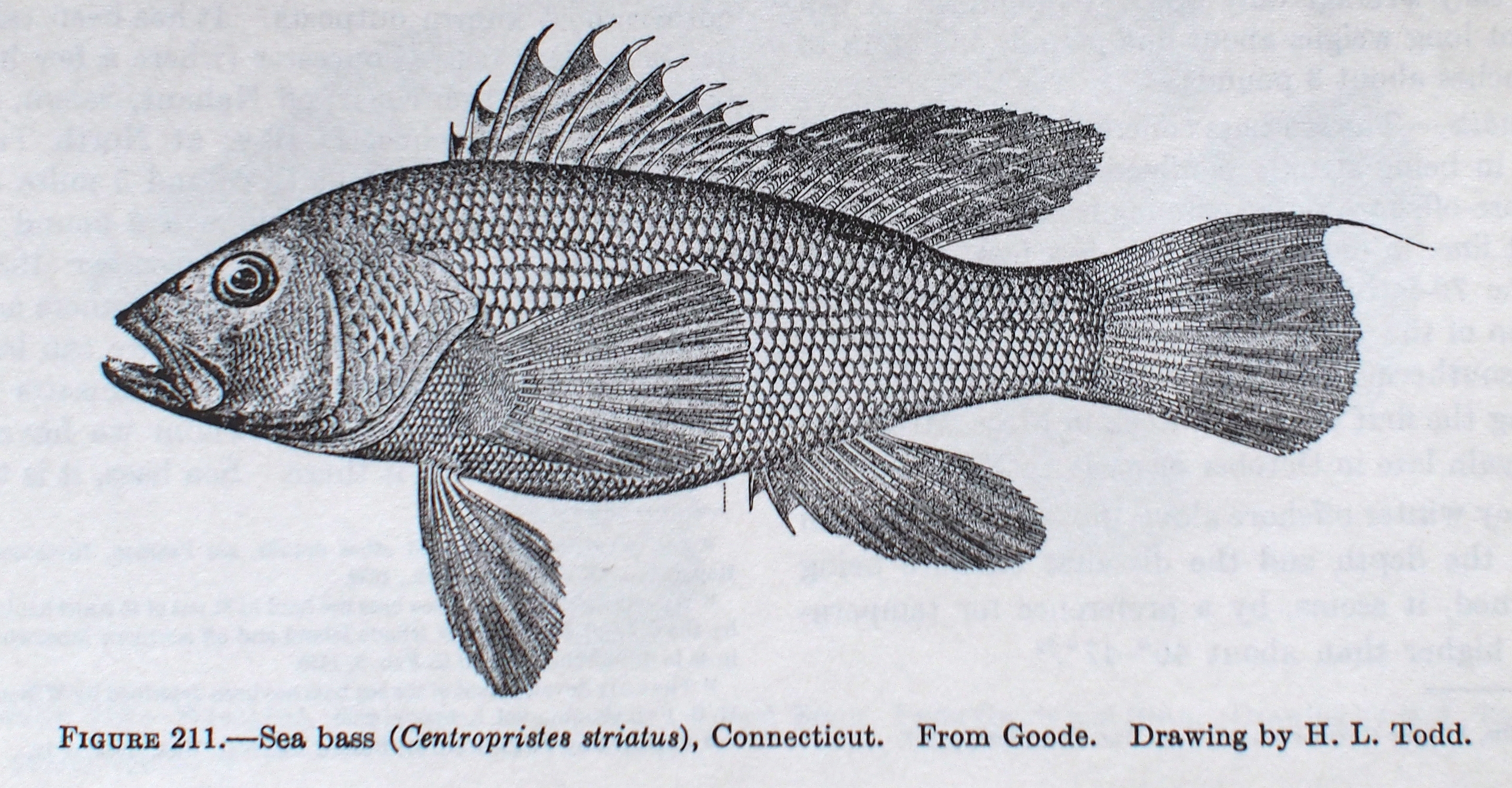
Beautiful Fish: Sea Bass -By Al Bezanson

Sea Bass, Black Sea Bass, Blackfish

Sea bass grow to a length of 2 feet or more and a few reach a weight of 7½ pounds; but northern specimens are seldom heavier than 5 pounds, and they average only about 1½  pounds. A fish a foot long weighs about one pound, one of 18 to 20 inches about 3 pounds.

The sea bass contrasts with the striped bass in being strictly confined to salt water. The sea bass enters our Gulf only as a rare stray from the south, Pemaquid Point and Matinicus Island being its nothernmost known outposts.  Too scarce to be of any importance in the Gulf, the sea bass is a very valuable food and game fish in more southern waters.

From Fishes of the Gulf of Maine by Bigelow and Schroeder (1953) online courtesy of MBL/WHOI http://www.gma.org/fogm/Centropristes_striatus.htm


My boat was berthed next to a commercial hook and line black sea bass fisherman in Little Creek (Norfolk), VA for a time.  He would anchor about 50 miles off Chesapeake Light and bring in about 3,000 pounds per trip, which he sold directly to a couple restaurants.  This is one of the sweetest fish I have tasted.  We filleted them, shook them up in a bag of breading from the Piggly Wiggly market, dumped them into a fry pot.  Everyone stood around the pot, no utensils but paper towels and washed them down with Bud Light.

Al Bezanson

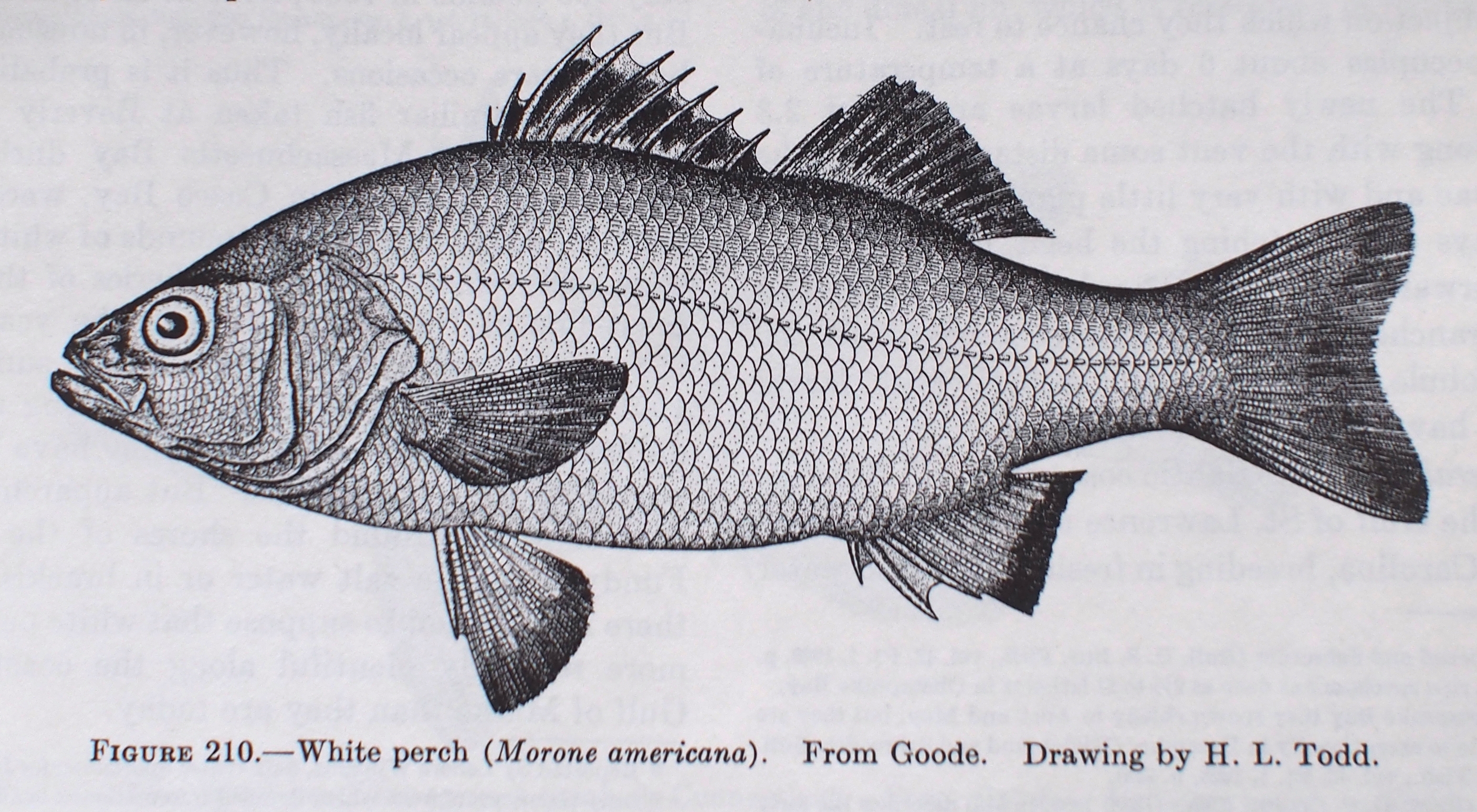
Beautiful Fish: White Perch -By Al Bezanson

White Perch, Sea Perch

The white perch resembles its larger relative, the striped bass, in the number, outline, and arrangement of its fins, and in its deep caudal peduncle without longitudinal keels.  White perch are occasionally as much as 15 inches long, 5 inches or more deep, and 2 pounds or a little more in weight; but the average is 8 to 10 inches long and 1 pound in weight, or less.   The white perch is much more closely restricted in its seaward range than the bass, for while they are taken in undiluted sea water along southern New England, and at various other localities thence westward and southward, they are much more plentiful in ponds connected with the sea, in the brackish water of bays behind barrier beaches, in estuaries, and in river mouths. Run in salt and brackish reaches of the Parker River.  Also occur landlocked in fresh-water ponds in many places.   Swarms of young perch have been seen following the alewives around the shores of ponds on Marthas Vineyard, eating their spawn as it was deposited.

From Fishes of the Gulf of Maine by Bigelow and Schroeder (1953) online courtesy of MBL/WHOI http://www.gma.org/fogm/Morone_americana.htm


Al Bezanson

FENCING IS URGENTLY NEEDED FOR THE NESTING PIPING PLOVERS!! PLEASE SHARE THIS POST

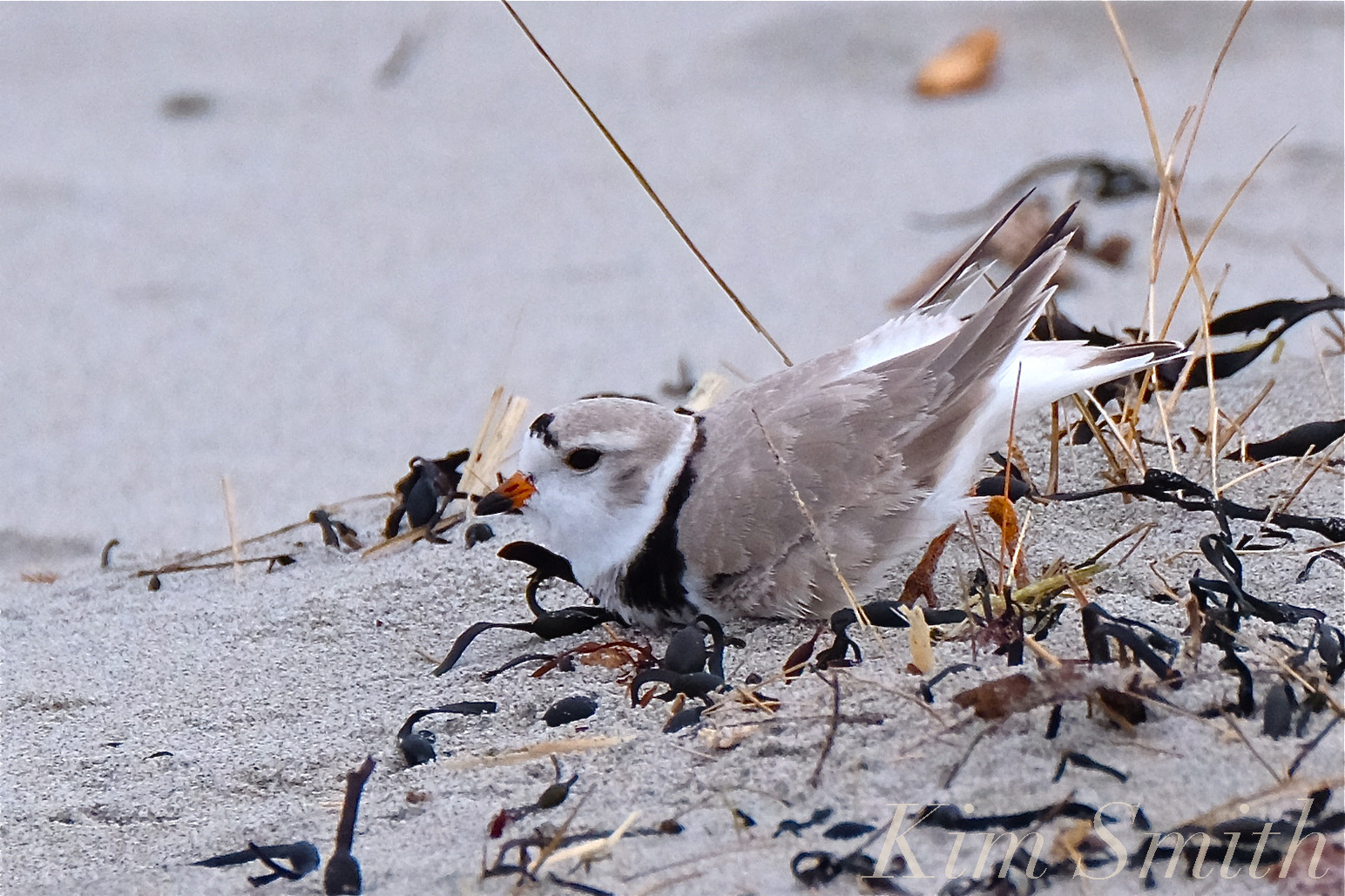
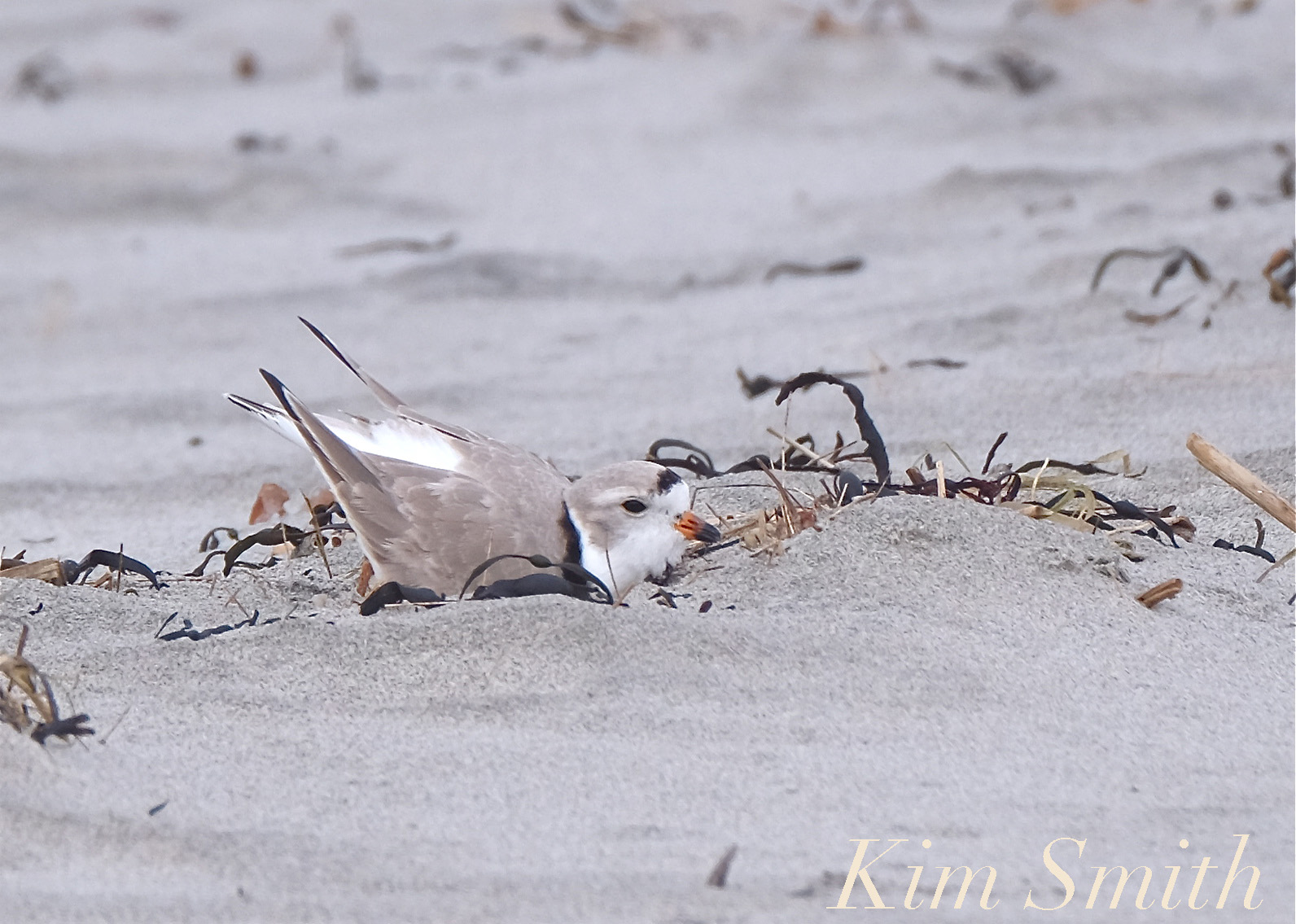
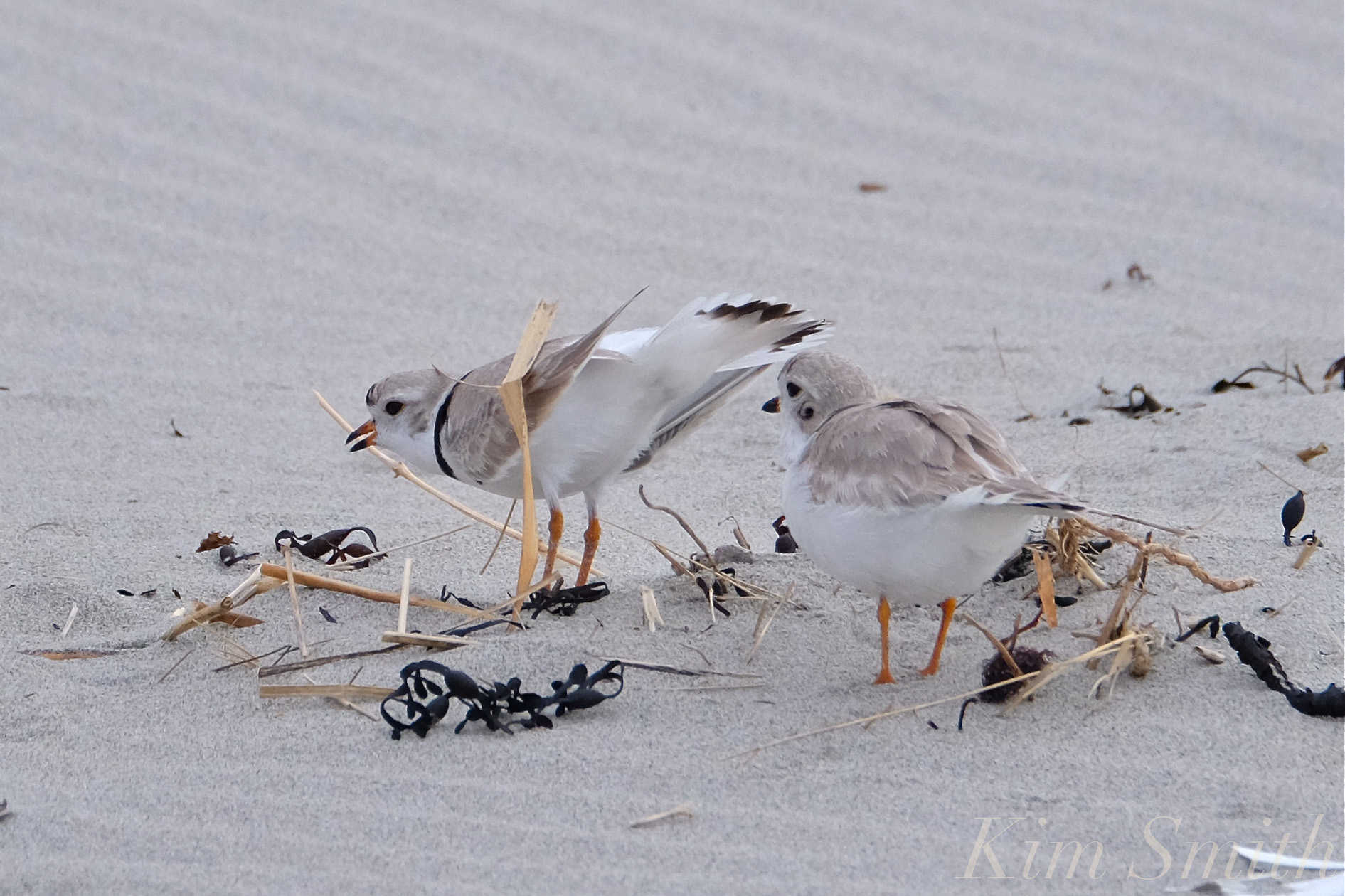
The Piping Plovers are nesting between Good Harbor Beach entrance #3 and the footbridge area. They have been here for eight days, since last Tuesday, and courtship is fully underway.

Greenbelt has not yet put up the posts and roping that the PiPl so desperately need to keep safe. In the mean time, would it be possible for dog owners to spread the word and let fellow dog owners know that on off-leash days it would be so very helpful to the Plovers if folks allowed their dogs to play from #3 entrance to the Good Harbor Beach Inn? That encompasses most of the beach. This would create a safe nesting zone for the PiPl.

Please share if you would. Thank you so very much for your kind help.

Foggy Morning Plovers Courting

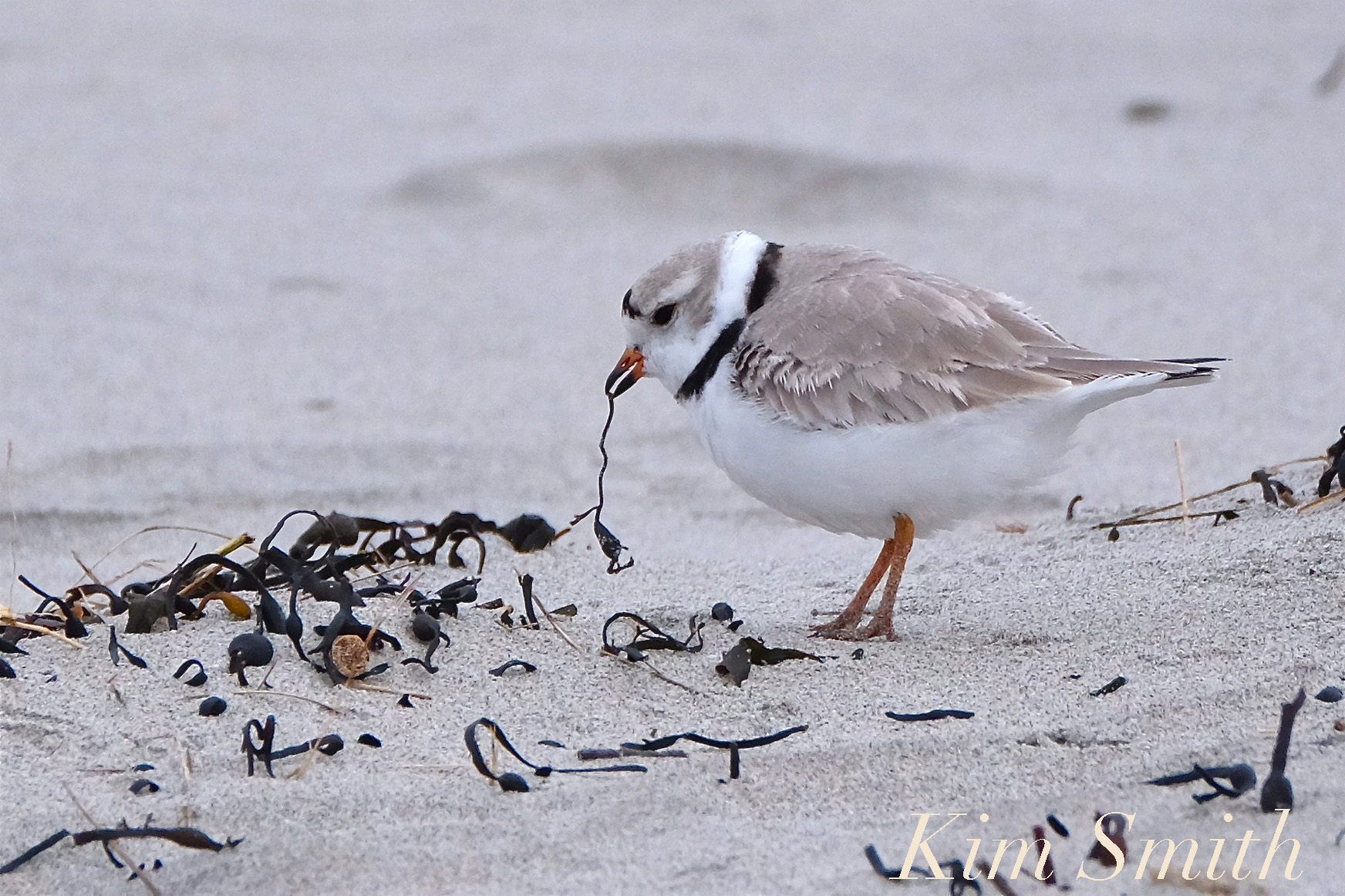
Papa creates a variety of nest scrapes by digging shallow miniature teacup-size craters in the sand.

He pipes his love call to Mama, inviting her to come inspect the potential nest site.  

And adds some dried bits of seaweed to the nest to make it extra appealing to her.

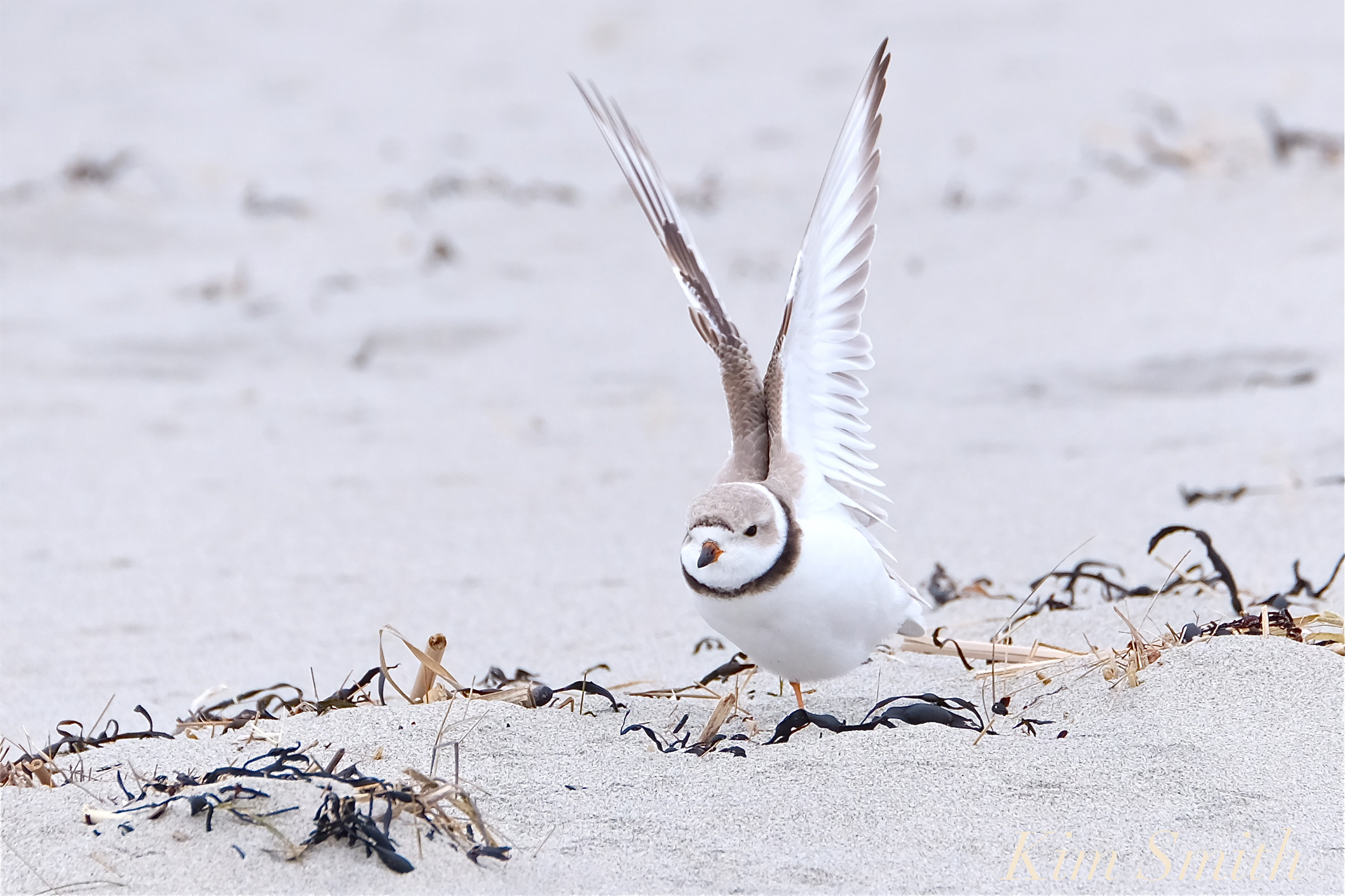
With a flourish of her wings she says NO.

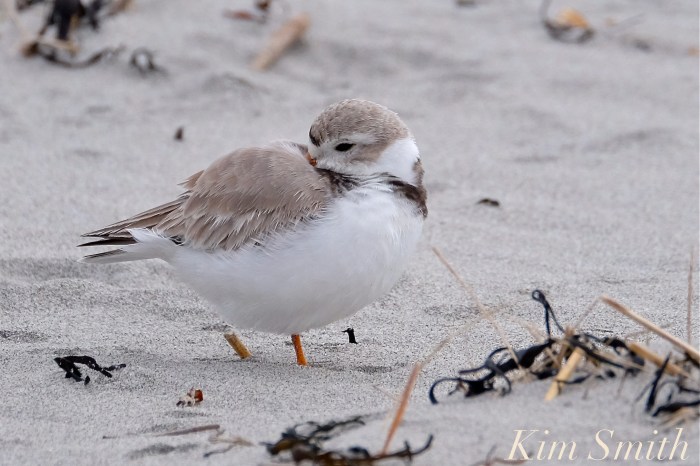
Nest inspecting is very tiring and Mama takes a nap in between inspections (even though Papa is doing all the work!)

MONARCH BUTTERFLIES AT SALEM STATE UNIVERSITY! -BY KIM SMITH

Please join us on Thursday evening at Salem State University for Earth Days Week celebrations and awards ceremony. I am giving the keynote address.

This event is entirely free and open to the public. I hope to see you there!

I have been pouring through photos from this year’s past late great Monarch migration to create the new “Beauty on the Wing” program that I am giving Thursday evening at Salem State.

My favorite thing to do photographing butterflies is to capture them mid-flight.  Working on landscape design projects and film projects back to back I only had time to upload and didn’t have a chance to look through the film footage and photos daily. I discovered a bunch of photos that are worthy of adding to the presentation–a photographer’s idea of finding buried treasure–and these are two of my favorites.