The Plasticene Era

Written by guest author JoeAnn Hart. Originally posted on her blog Float

It’s so hopeless,” a young friend said, tossing a plastic water bottle in the trash. “I don’t believe in recycling.”

“Don’t believe?” I said, reaching into the garbage. “I didn’t know it was a religion.”

“It’s a faith. A faith that you’re doing the right thing. A feel-good gesture that masks a larger problem.”

plastic-bag-300x225

As I dropped the bottle into the recycling receptacle, I felt that familiar spike of serotonin from having done my bit for the environment, and I knew she was right. Self-satisfaction with our little actions can keep us from taking up the larger, more difficult, actions. Recycling is grossly inefficient. Every year, Americans throw away three-hundred pounds of plastic per person, only ten percent of which gets recycled, and poorly recycled at that. Not only is it down-cycled into something like decking material, it uses an inordinate amount of energy in the process, as we truck empty water bottles all over the country. All this so we can re-use a toxic material? When we die, our bodies will decompose into a bit of carbon and methane. Plastic never disappears. It breaks down into smaller bits of polymer, releasing pseudo-estrogens and other hazardous chemicals in the process, until it is the size of a single molecule. This is where the waste stream meets the food chain. The molecules enter the water table under the landfills where they make their way to the sea, to be devoured by fish fooled into thinking it’s plankton. Then we eat the fish.

Read more: See JoeAnn’s blog Float for the rest of the story. JoeAnn is the author of the recently published novel Float.

float_high

Cover Artist Karen Ristuben

WOW and WONDEFUL—150 milkweed plants ordered!!!

Thank you to everyone participating in our Cape Ann Milkweed Project!

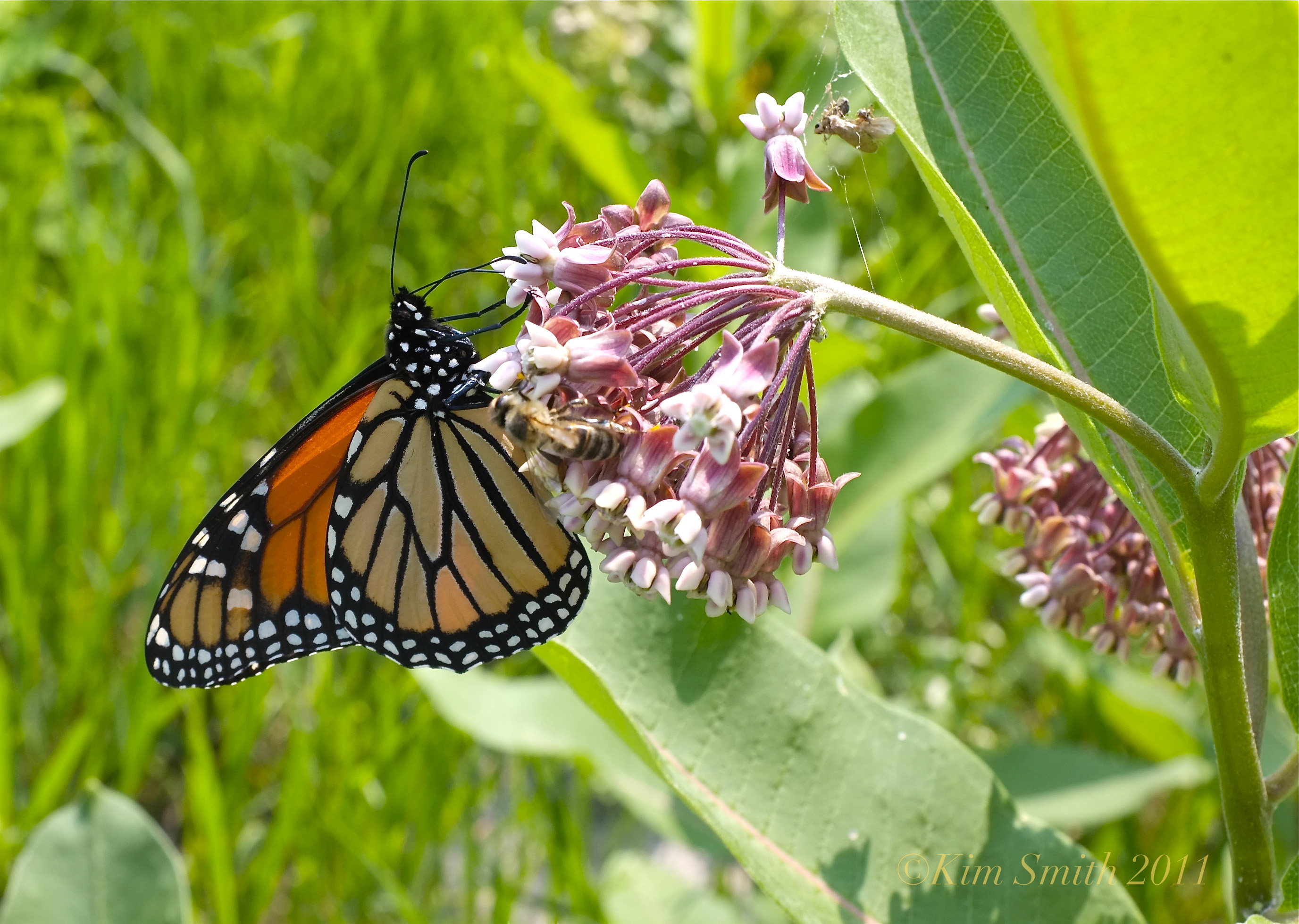
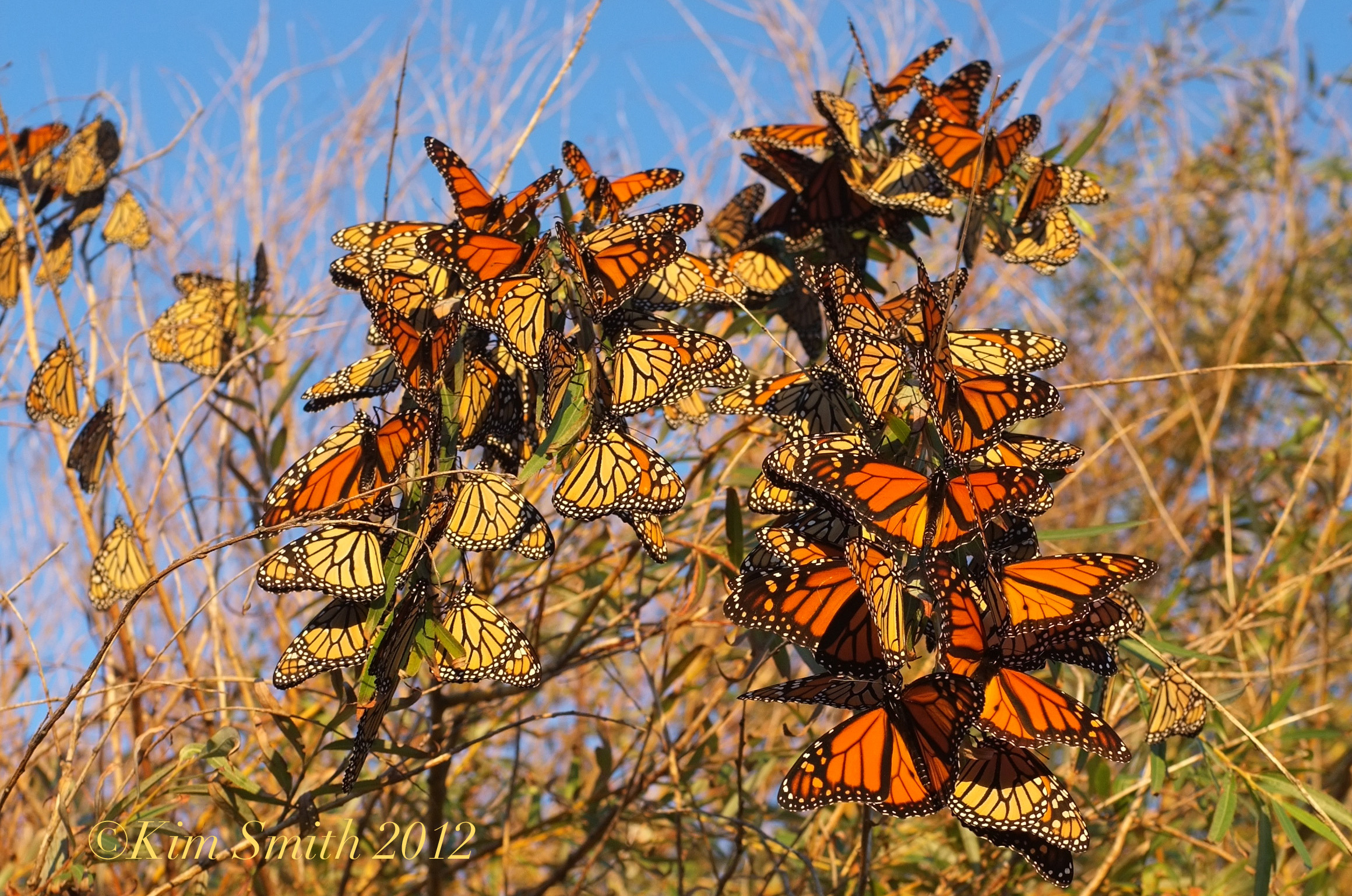
Monarch Butterfly milkweed Good harbor Beach ©Kim Smith 2011

Monarch Butterfly Nectaring at Common Milkweed ~ Good Harbor Beach

Milkweed may not be for everyone’s garden; even if you did not order plants, you are welcome to come on down to the dock Saturday morning, the 18th of May, and learn more about the Monarch-milkweed connection. The plants are being shipped on Monday the 13th and I will keep you updated on their progress.

Cape Ann Milkweed Project ~ Last day to order plants

Monarch Butterfly Marsh Milkweed ©Kim Smith 2011

Monarch Butterfly on Marsh Milkweed

Order Your Milkweed Plants Today!

In case you missed the details see Sunday’s Post: Cape Ann Milkweed Project

Tonight I am placing the order for the milkweed plants. Please get your orders in.

Thank you to Everyone participating in the Cape Ann Milkweed Project!!!

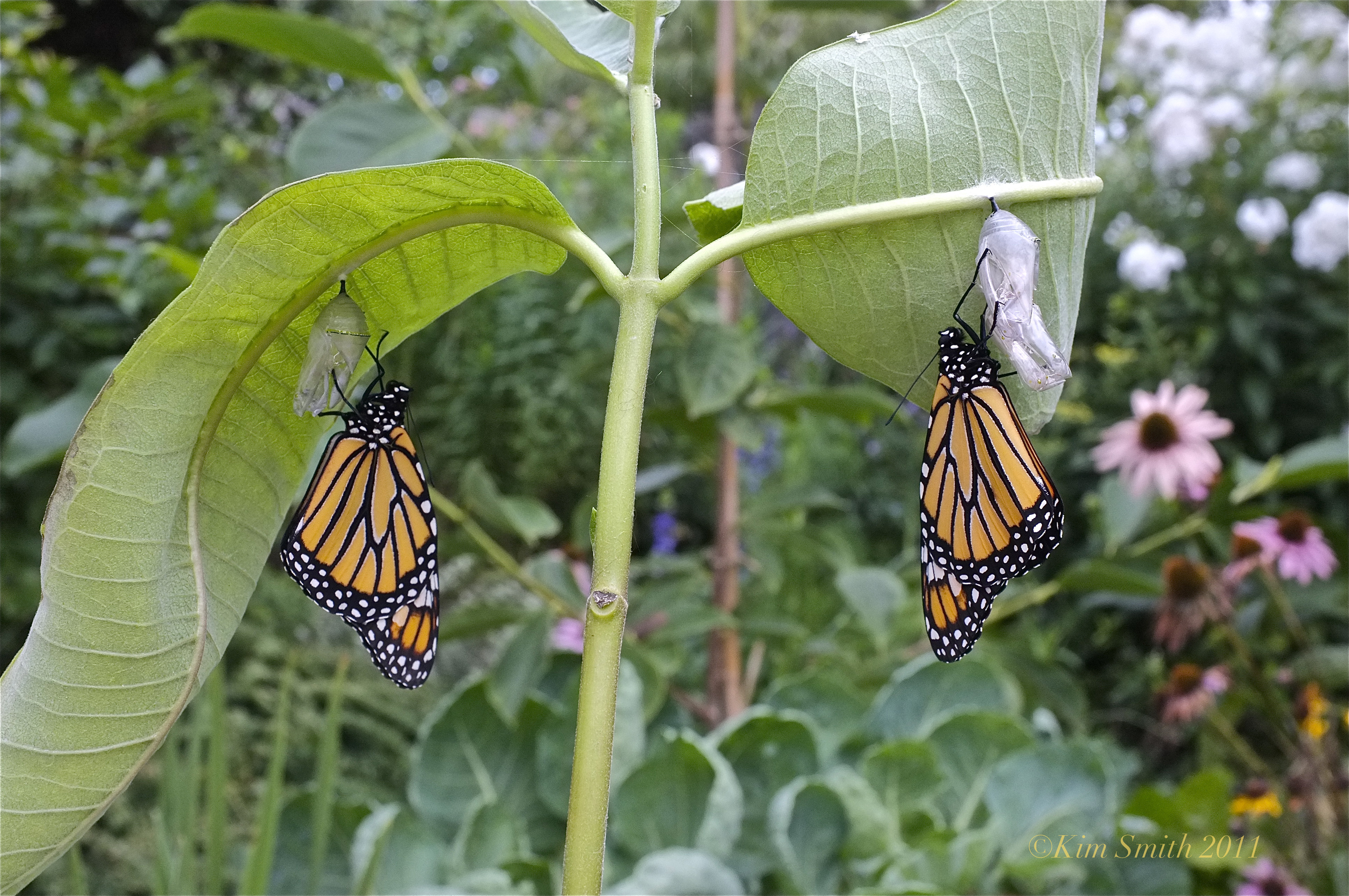
Monarch Butterfly Twins ©Kim smith 2011

Newly Emerged Monarch Butterflies.  I called these two butterflies the” Twins,”  because they completed every stage of their life cycle within moments of each other, including pupating and emerging from their chrysalides.

Cape Ann Milkweed Project ~ Place your orders today

Order Your Milkweed Plants Today!

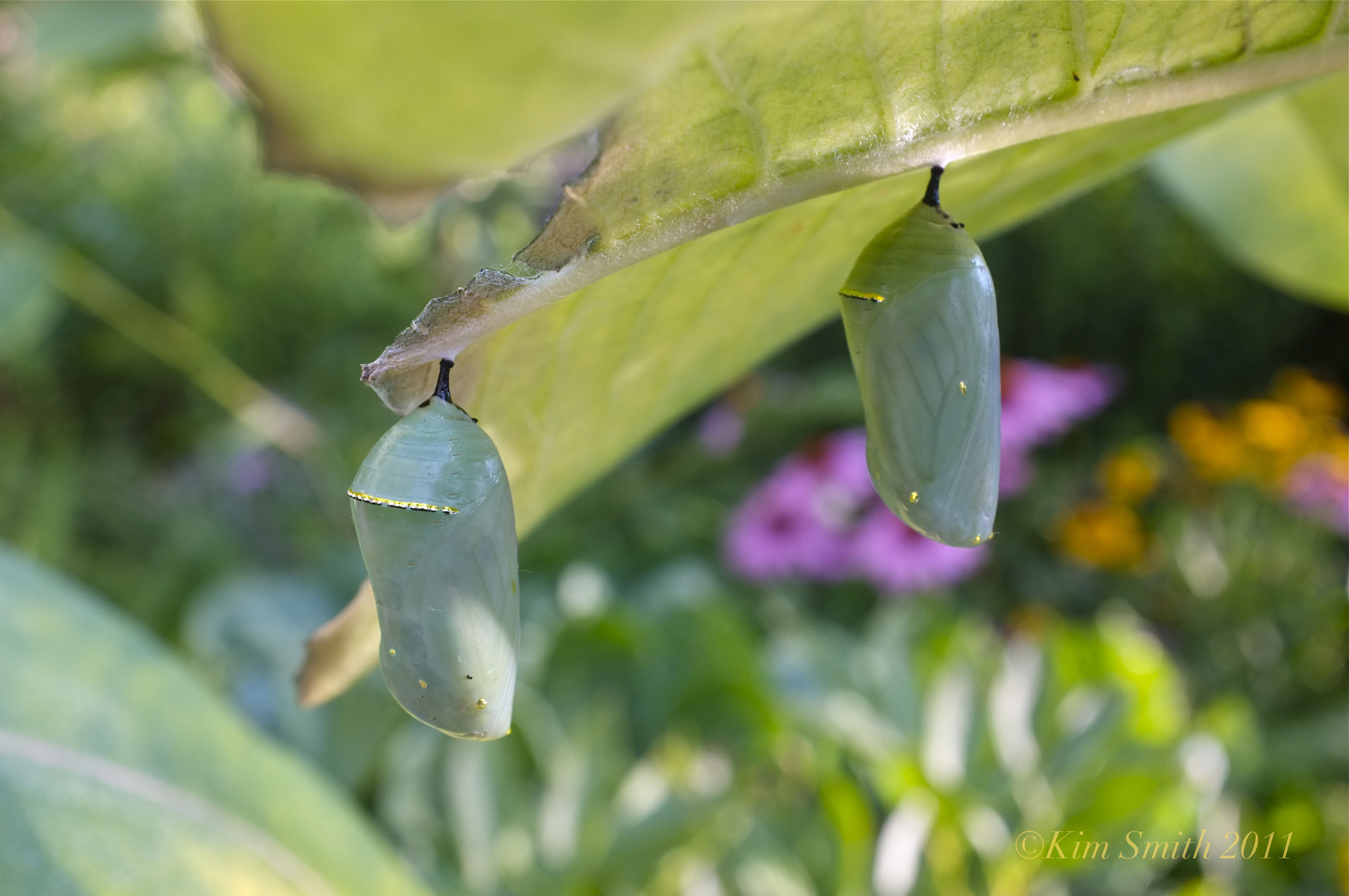
Monarch Chrysalis on milkweed rib ©Kim Smith 2011Monarch Chrysalis on Rib of Common Milkweed Leaf

Everyone who wrote in yesterday and placed an order has been recorded. Anyone interested in ordering either Common or Marsh Milkweed today, please place your order in the comment section of this post or yesterday’s post, which explains the project, and includes all details. Don’t forget to specify whether you are interested in Common or Marsh Milkweed and how many plants you would like.

Thank  you so much to everyone who is participating. Keep the orders coming!

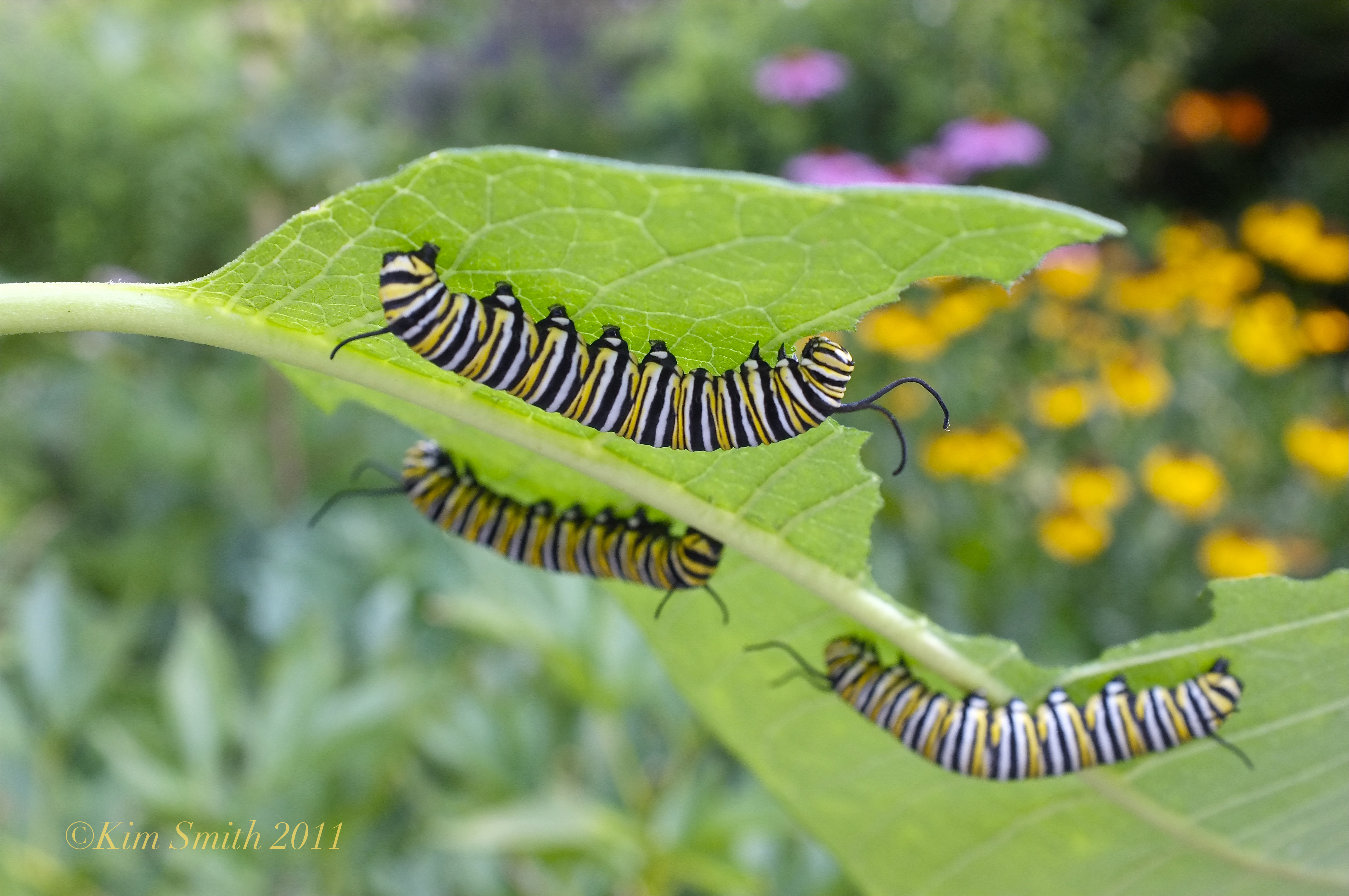
Monarch Caaterpillars Feeding on Common Milkweed ©Kim Smith 2011

Monarch Caterpillars Feeding on Milkweed in the Summer…

Monarch Willow tree ©Kim Smith 2012 copy

Equals Millions of Monarchs in the Fall!!!

Cape Ann Milkweed Project

Monarch Butterfly Monarch Butterfly Emerging from Chryslais ©Kim Smith 2011

Monarch Butterfly Emerging from Chrysalis

Order Your Milkweed Plants Today!

In March I shared an article about bringing back the Monarch Butterflies. Great interest in planting milkweed was expressed by many. The way to bring as many Monarchs as possible to our region is to help recreate the butterfly’s habitat in our own gardens. The number one way to do this is by planting native wildflowers, milkweed for the summer caterpillars, and asters and goldenrod for the fall migrants. Number two is to make a commitment not to use pesticides, which will indiscriminately kill all the creatures that your milkweed plants invite to your garden.

Monarch Butterfly Eggs Common Milkweed ©Kim Smith

Monarch Eggs on Common Milkweed ~ see the tiny yellow pinhead-sized dots on the top of the upper leaves of the milkweed plants (click to view larger)

Milkweed is the only food plant of the Monarch caterpillar and the flower is a fantastic source of nectar for myriad species of bees and butterflies.

So many GMG readers wrote in requesting milkweed plants that Joey has very generously offered his place of business—Captain Joe and Sons—as our go-to-place for picking up plants!! It’s going to be a super fun morning–stop by with your coffee, visit, learn about milkweed and Monarchs, and pick up your order.

Please place your order today or tomorrow. I am not pre-collecting the money and am fronting the funds to purchase plants. I don’t want to have dozens of homeless plants, so I am asking everyone to please be on the honor system.

We are ordering two types of milkweed. The cost is 7.00 per plant, which will come in a 3.5 inch square pot. The plants are on the smallish side however, that is the ideal size for shipping and transplanting milkweed. I am writing instructions for planting and they will be provided at the time of purchase.

Monarch Caterpillars Common Milkweed ©Kim Smith 2011

Monarch Caterpillars J-Shape on Common Milkweed Getting Ready to Turn into a Chrysalis

Common Milkweed (Asclepias syriaca) is the milkweed we see most typically growing in our dunes, meadows, roadsides, and fields. It grows quickly and spreads vigorously by underground runners. This is a great plant if you have an area of your garden that you want to devote entirely to milkweed. It prefers full sun, will tolerate some shade, and will grow in nearly any type of soil. The flowers are dusty mauve pink and have a wonderful honey-hay sweet scent.

Marsh Milkweed (Aclepias incarnata) is more commonly found in marshy areas, but it grows beautifully in gardens. It does not care for dry conditions. These plants are very well-behaved and are more clump forming, rather than spreading by underground roots. The flowers are typically a brighter pink than Common Milkweed.

Monarch Butterfly Emerging from Chryslais ©Kim Smith 2011.JPG

Monarchs deposit their eggs readily on both types of milkweed and in my garden I grow Common Milweed and Marsh Milkweed side-by-side.

The cost of the plants includes shipping from Missouri. Hopefully everyone will be good and if they place an order, will honor their commitment. If there is any money beyond what was spent on plants and shipping we will donate it to the ongoing fundraising drive for the Rocky Neck Cultural Center purchase of the beautiful center on Wonson Street.

Plant pick-up is at Captain Joe and Sons, 95 East Main Street, Gloucester, on Saturday, May 18th from 9:00am to 12noon. If you cannot pick up your plants at that time, please ask a friend.

My order to the nursery is being placed on Tuesday night, so please get your orders in asap. Place Your Milkweed Order in the comment section of this post. Be sure to indicate which type of milkweed, Common or Marsh, and number of plants.

Our deepest thanks to everyone who is participating. 

Monarch Butterfiles Female left Male right Milkweed ©Kim Smith 2012

Female and Male Monarch Butterfly on Marsh Milkweed (Asclepias incarnata)

Rain date pick up: Sunday, May 19th from 9am to 12noon.

Shout Out to Seaside Graphics–Super Speedy Service, with a Smile!

Yesterday I was working on a client drawing and the time got away from me. Before long, it was 5:45. I had intended to drop off a flash drive with my movie poster at Seaside Graphics, in hopes that I would have posters to deliver by early next week. I jumped in the car and raced over and made it just before 6:00 closing time. Not only did the staff  graciously not mention my walking in the door at 5:58, they printed all 25 in about five minutes, and the posters came out beautifully.

Seaside Graphics was highly recommended by both Cape Ann Giclee and Cape Ann Cinema’s Rob Newton for this type of printing. Fast, efficient, and excellent quality– Thank you Seaside Graphics!!!

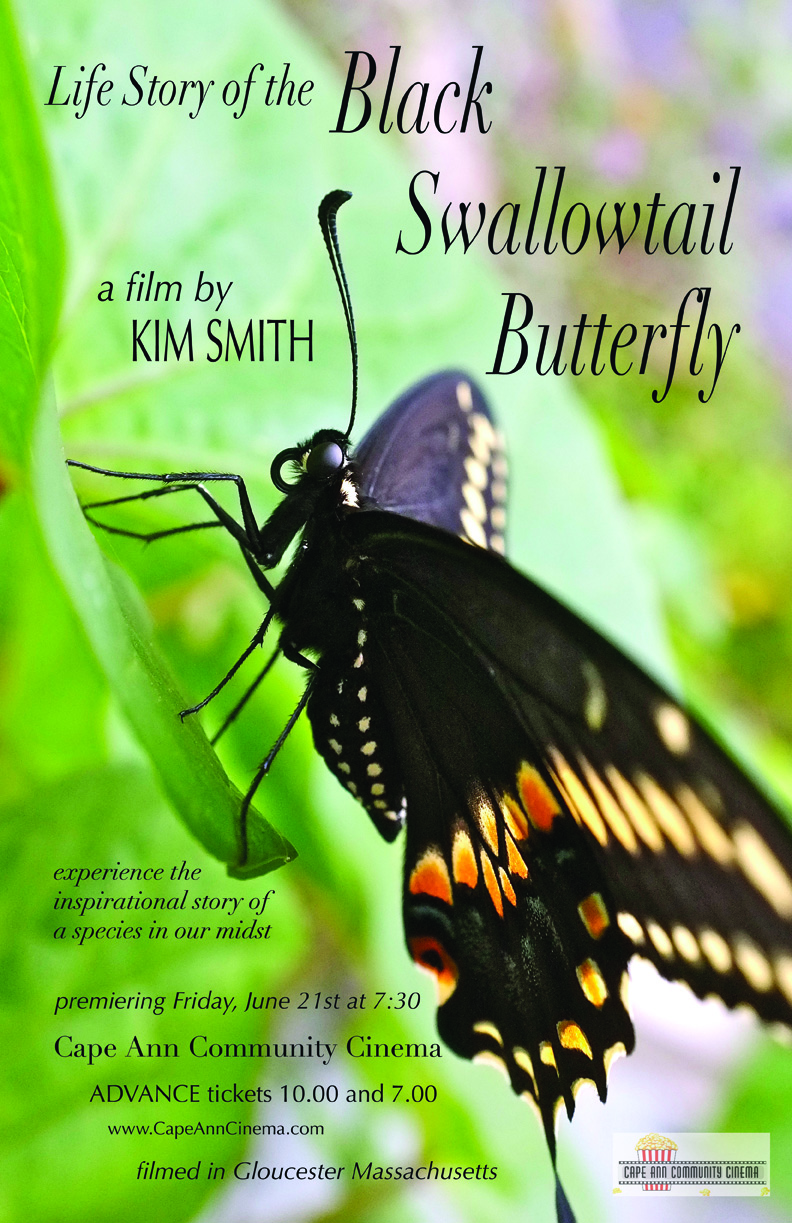
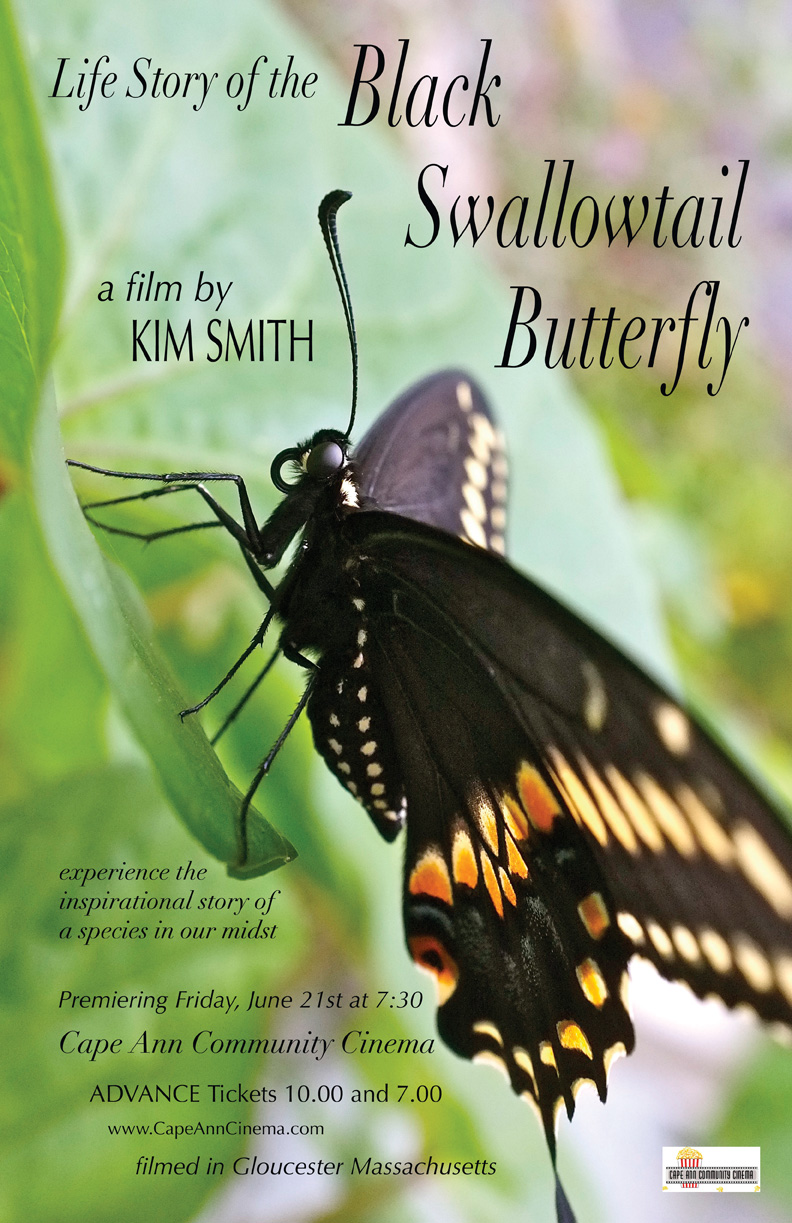
Life Story of the Black Swallowtail Movie poster

Could we live in a more beautiful place?

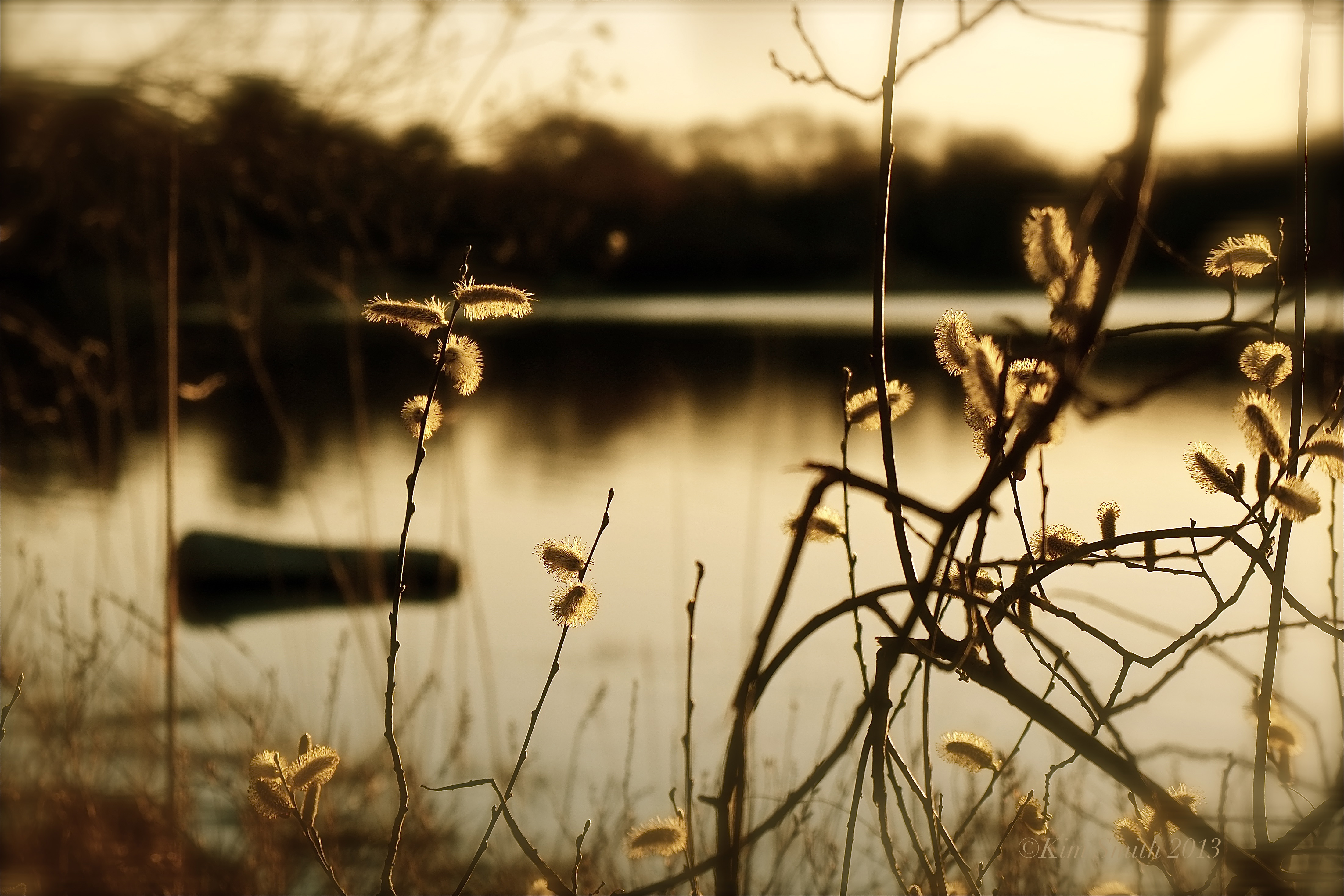
Niles Pond Pussy Willows

Spring has barely sprung, but yesterday was a little taste of summer. I went for a walk in the late afternoon sunshine at Brace Cove and Niles Pond where I ran into my friends JoeAnn and MJ, who were also walking their dogs on this glorious afternoon. I was looking for muskrats and seals. I didn’t see the seals, but the muskrat swam alongside our route, keeping a wary eye on my every move.

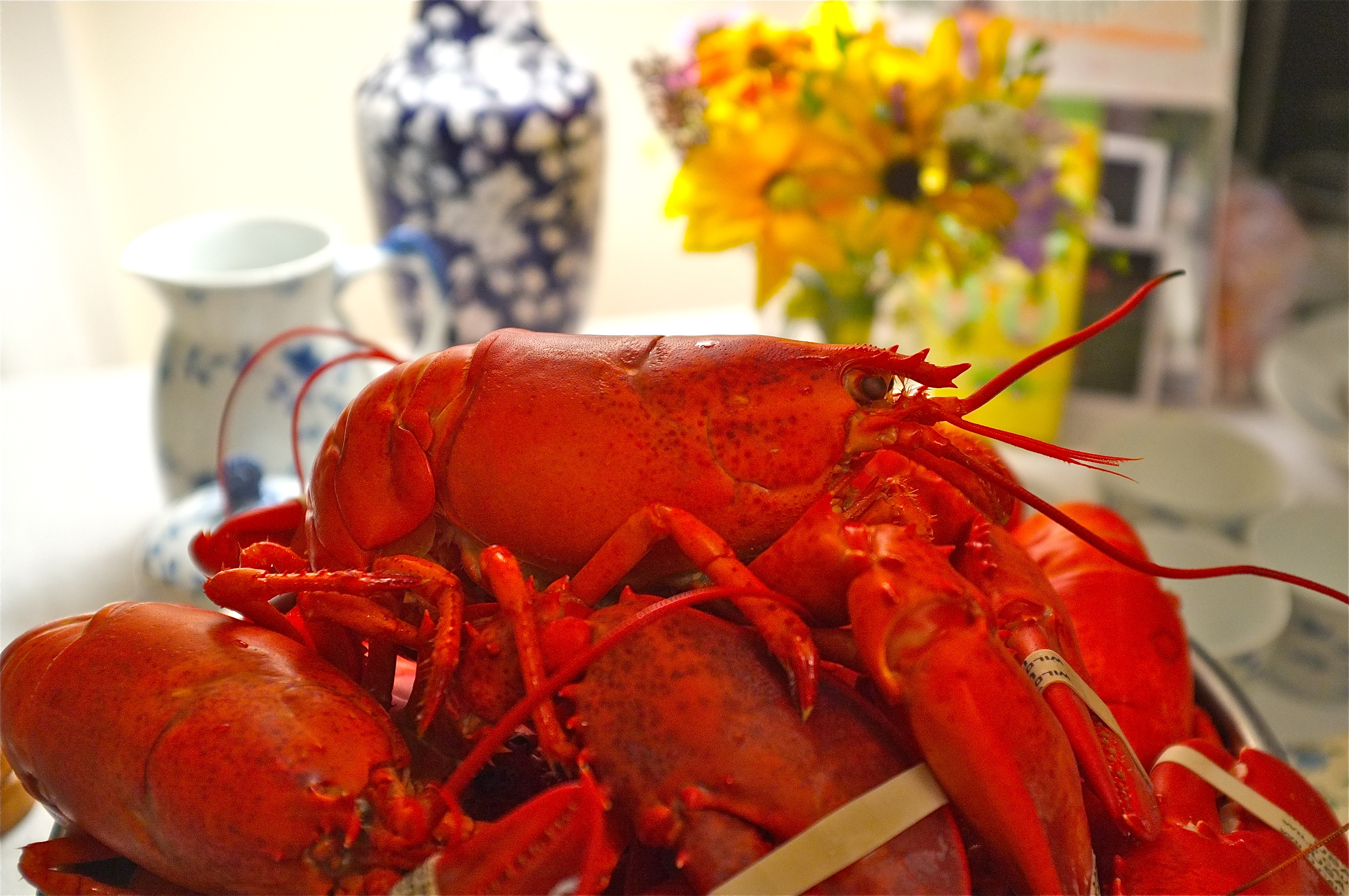
Captain Joe Lobsters

After the luxuriously delightful beach walk, I came home and cooked up some Captain Joe and Sons lobsters and fresh corn for dinner. So looking forward to the warm weather!!!

This Weekend at the Cape Ann Community Cinema

21_Main_Street1317316694

no_posterdinner-tableclothbettingCape Ann Farmer’s Market Fundraiser Event

beer

For more information and advance tickets: Cape Ann Community Cinema

SAVE the DATE ~ WORLD PREMIERE of My Film!!!

COMING SOON! WORLD PREMIERE at the

CAPE ANN COMMUNITY CINEMA

FRIDAY JUNE 21, 2013 at 7:30 pm

ADVANCE TICKETS available at Cape Ann Community Cinema

FINAL web  Life Story of the Black Swallowtail Movie poster CACC -1Come celebrate the premiere of my film, Life Story of the Black Swallowtail Butterfly, on the Summer Solstice, Friday, June 21st at 7:30pm, at the Cape Ann Community Cinema.

As everyone who knows me knows, I have been working on developing this film for nearly two years. It is the first to be completed in the trilogy and I am overjoyed to announce the premiere will be held at the Cape Ann Community Cinema. Many thanks to Rob Newton for inviting me to have the premiere at his wonderfully unique and super fun movie theatre. I hope everyone will come celebrate this special night with me. I think you will love seeing scenes of our native flora and fauna, filmed all around Gloucester and Cape Ann, on the Big Screen.

The Life Story of the Black Swallowtail Butterfly is a 45-minute narrated film. Every stage of the butterfly’s life cycle is experienced in vibrant close-up, from conception to pupation to metamorphosis. The film is for adults and for children so that all can gain a deeper understanding of the symbiotic relationship between wildflowers and pollinators and the vital role they play in our ecosystem. Filmed in Gloucester.

ADVANCE TICKETS available at Cape Ann Community Cinema

Light refreshments, including wine, and beer will be served. I hope to see you there!

CACC_logo_full

Looking for Pussy Willows

Habitat Gardening Post #2 ~ Beauty in Our Midst

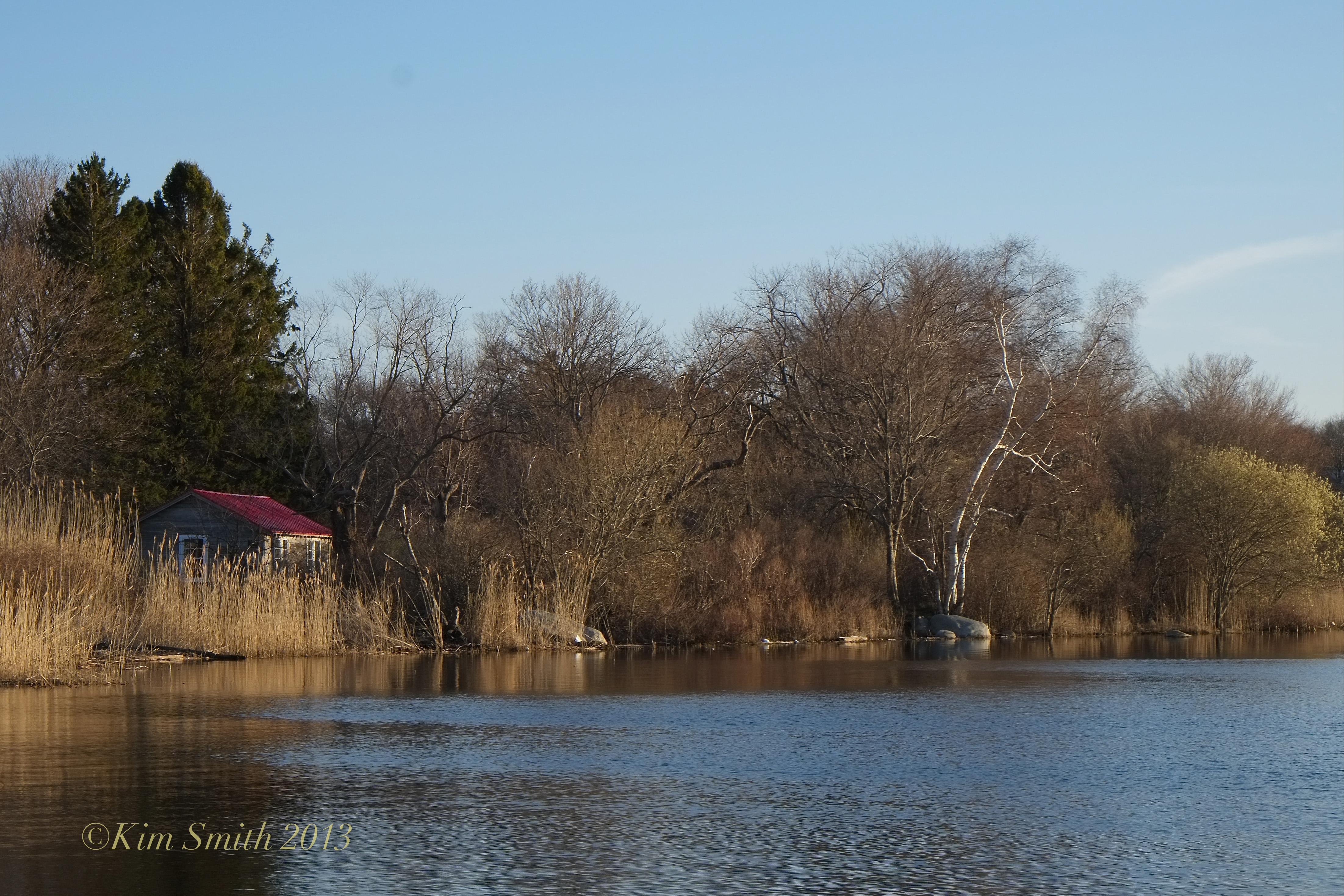
Pussy Willow Salix discolor Niles Pond gloucester © Kim Smith 2013

Blooming now along the water’s edge and wetlands is our native Pussy Willow (Salix discolor). The first photo is cropped (click to view larger) so that you can easily see the Pussy Willow tree on the far right at the pond’s edge– a pretty pale yellowish-green. The small tree, or large shrub, can either easily be pruned to a standard shape, or allowed to grow in its more unruly, wildy way. Prune the branches down to the ground and the following year you will be rewarded with straight shoots for cutting and bringing indoors. Salix dicolor grows easily in average, wet, and moist areas, and grows best in full- to part-sun.

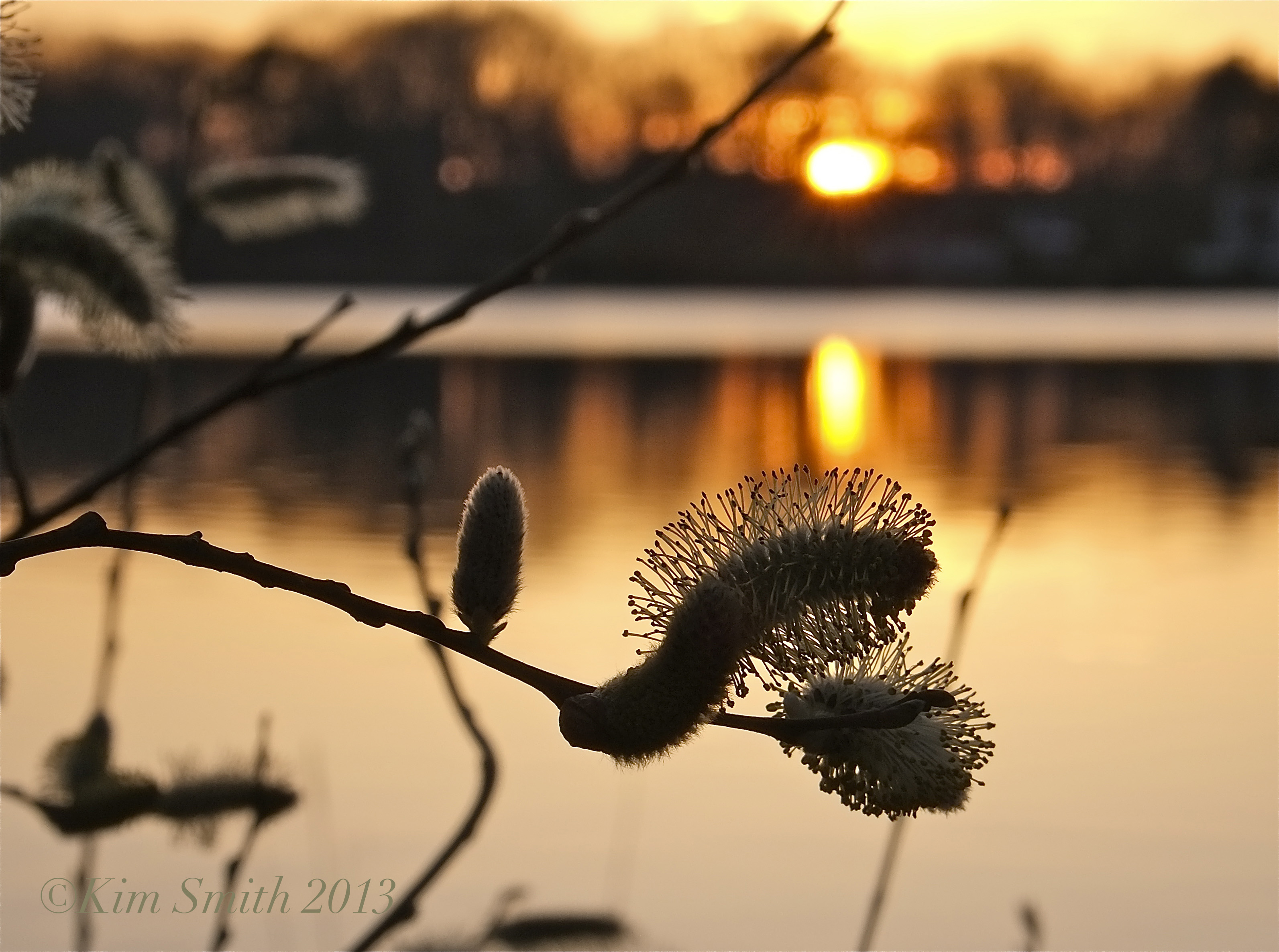
Pussy Willow Salix discolor © Kim Smith 2013

Pussy Willows are pollinated by wind and by insects and produce a very high-sugar nectar. They are an important early food source for native bees. One Pussy Willow catkin contains about 200 fruit-bearing flowers. Cardinals and finches find the flower buds tasty, too. Willows are dioecious, which means some twigs  produce beautiful golden stamens (male parts), while others bear slender greenish pistils (female parts).

mourning cloak

I often see Mourning Cloak butterflies around the berm between Niles Pond and Brace Cove; the leaves of the Pussy Willow are a larval host plant (caterpillar food plant) for both the Mourning Cloak and Viceroy butterflies. The Mourning Cloak is one of the earliest butterflies seen in our region because they overwinter in the adult form.

Pussy Willow Salix discolor 2 © Kim Smith 2013

The bark and roots of Pussy Willow contains a compound called salicin, and the herb is used similarly to aspirin in treating mild fevers, cold, infections, headaches, and pain.  Aspirin (acetylsalicylic acid) is a synthetic replacement for salicin.

Mourning Cloak Butterfly nectaring from milkweed, image courtesy Google image search

Think Pink! if you want that quel-que chose

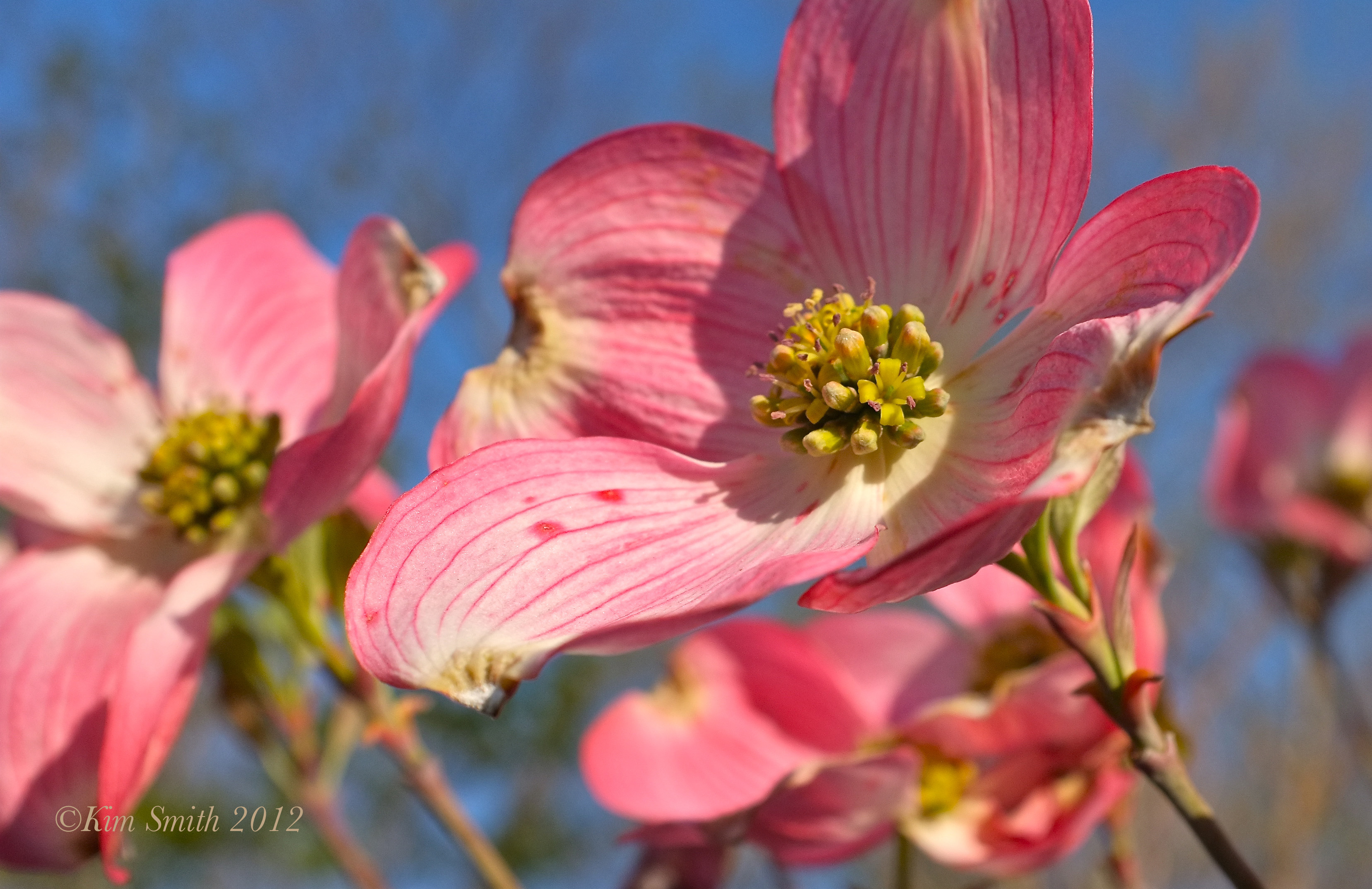
Cornus florida rubra Pink Flowering Dogwood ©Kim Smith 2012Pink Flowering Dogwood (Cornus florida rubra)

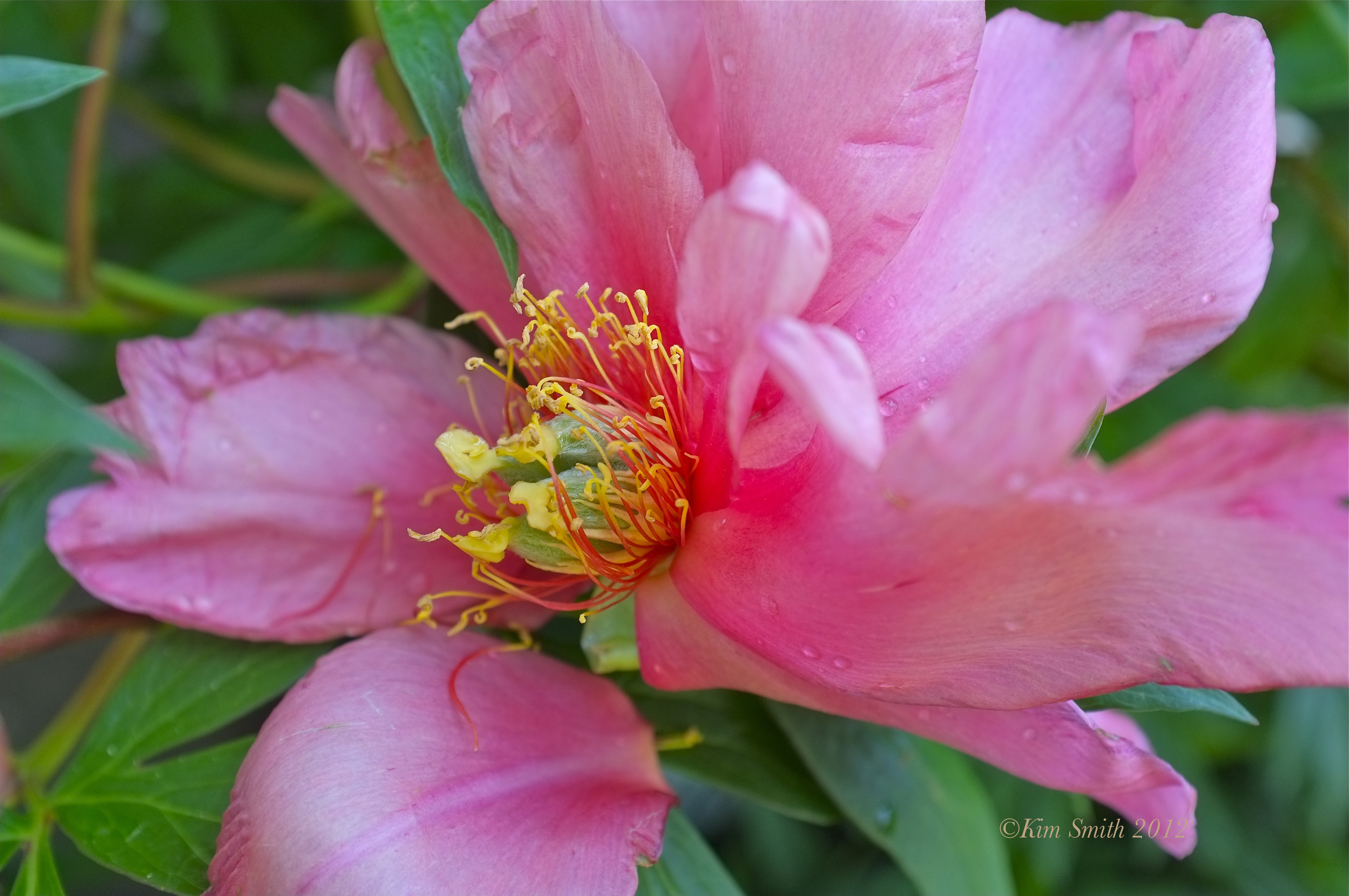
Peony 'Adored' ©Kim Smith 2012

Peony ‘Adored’

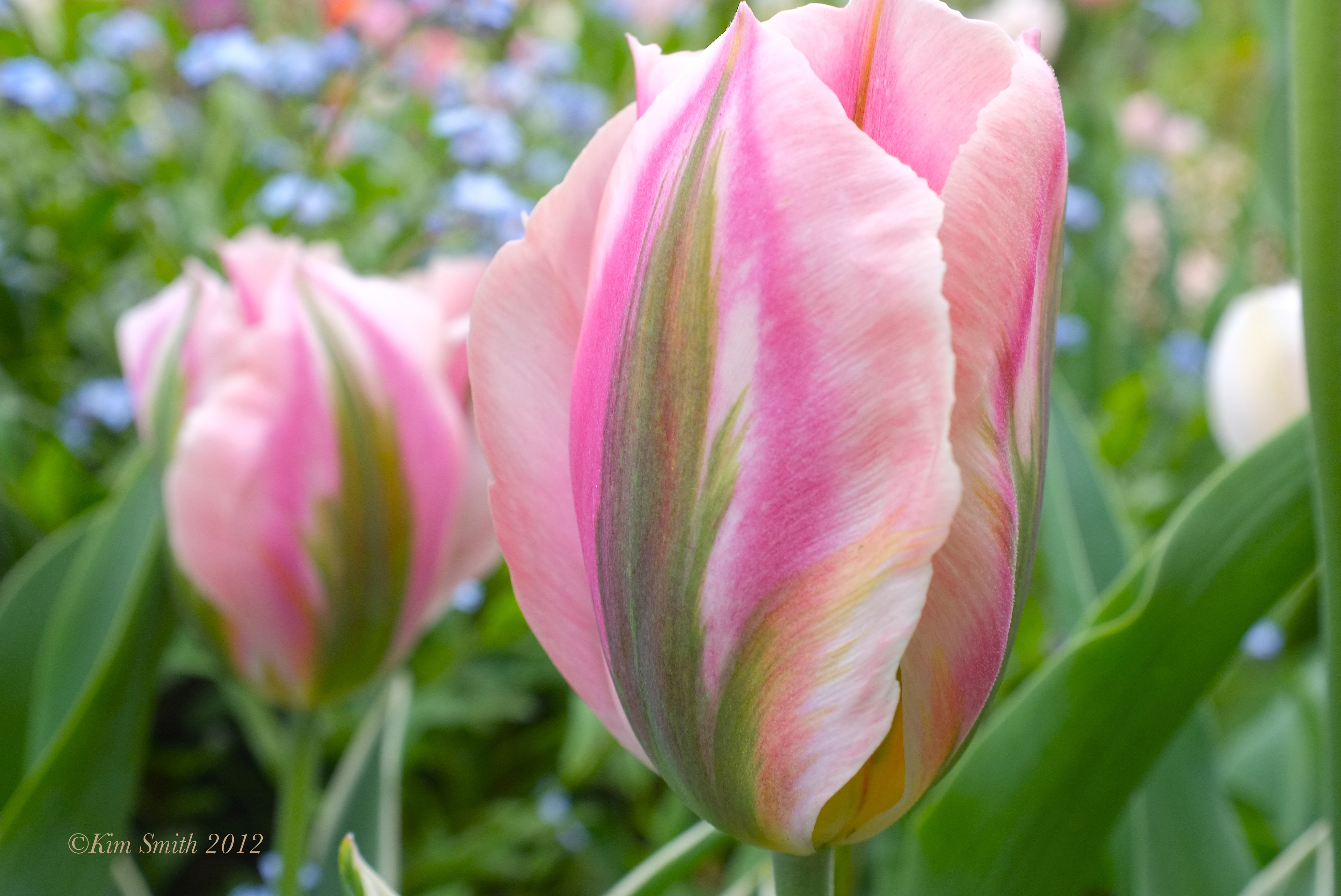
Viridiflora Tulip ©Kim Smith 2012

China Town Viridiflora Tulip

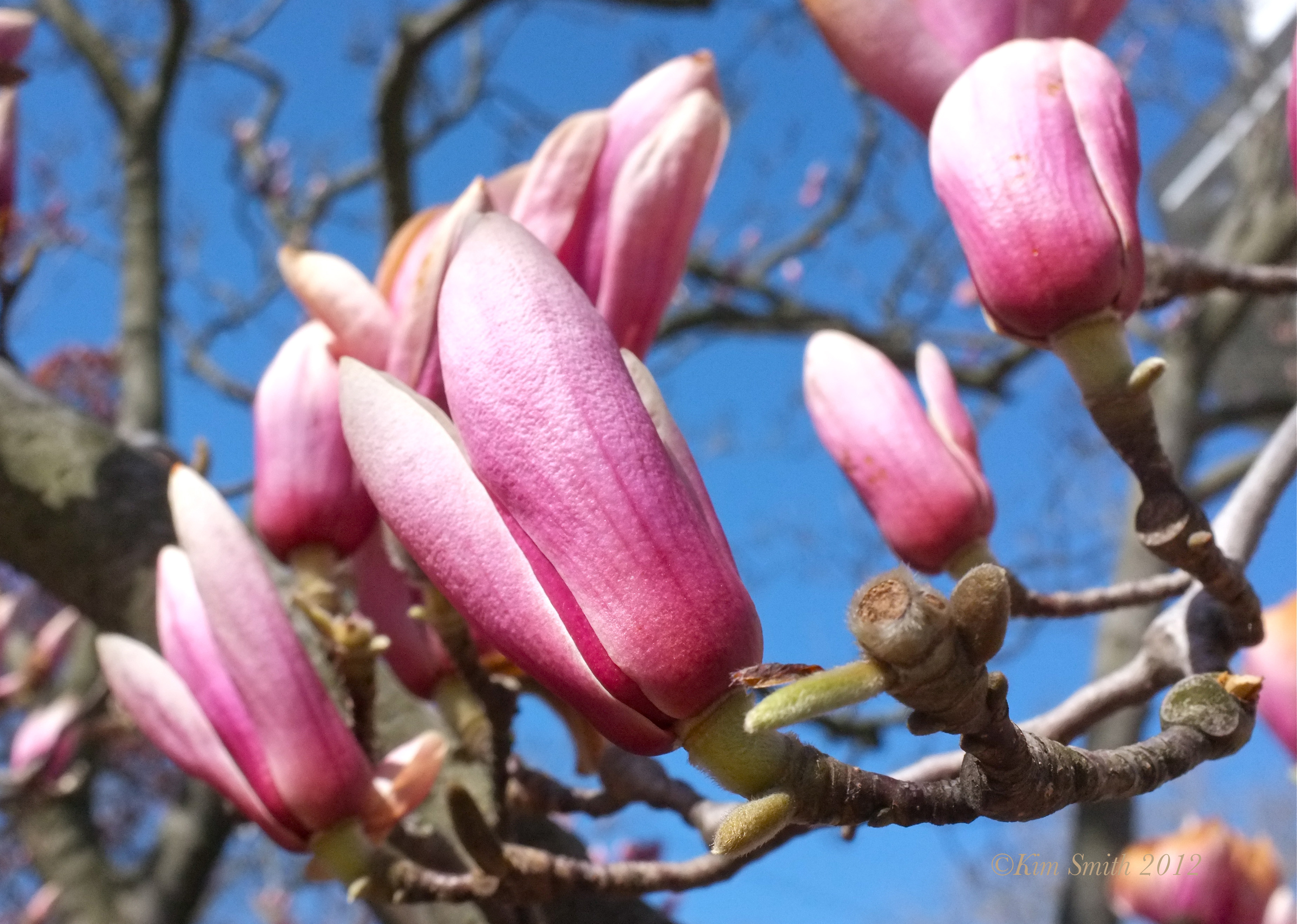
Magnolia 'Alexandrina' ©Kim Smith 2012

Magnolia ‘Alexandrina’

Kay Tompson sings “Think Pink!” in Funny Face (1957, starring Audrey Hepburn and Fred Astaire). The character of Dick Avery, played by Fred Astaire, is in part based on the real life fashion photographer Richard Avedon.

The Supervising Editor for my Black Swallowtail film, Craig Kimberley, and I, spent Saturday afternoon adding titles and color correcting. I have been looking at lots of films to study how some of my favorite film titles are created and discovered that Richard Avedon designed the opening title sequence and provided the stills for Funny Face, including this famously over-exposed iconic photo of Hepburn.

Funny_Face_Verve531231

vladimir_restoin_roitfeld_favorite_photographer_richard_avedon_audrey_hepburn_funny_face

Happy Earth Day and Habitat Gardening 101

To celebrate Earth Day (Earth Week-Earth Month-Everyday is Earth Day!), I am beginning a new series on GMG titled Habitat Gardening 101. The series is based on the lectures that I give to area conservation groups, garden clubs, libraries, and schools and is designed to provide information on the relationships between our native flora and fauna, and how to translate that information to your own garden. You will find in this series information on how to support and encourage to your garden a wide variety of wildlife, including songbirds, butterflies, bees, moths, skippers, hummingbirds, and small mammals, and the trees, wildflowers, shrubs, vines, and groundcovers that sustain these beautiful creatures.

This series could just as well be titled Beauty in Our Midst because there are so many gems to be found along our shoreline, meadows, fields, wetlands, dunes, woodlands, and roadsides. Although the series will cover a wide array of flora and wildlife, the first posts will be about several butterfly attracting trees and shrubs because they are currently in bloom. Coming Wednesday, the North American native Pussy Willow will be featured. For today, the following is one of my Top Ten Tips for Attracting Lepidoptera to Your Garden.

 *

Habitat Gardening 101 Tip #1: Plant Caterpillar Food Plants

So you want to attract tons of butterflies to your garden and you plant lots of gorgeous, colorful nectar-rich plants—and that is wonderful. To your garden will come many beautiful, albeit transient, butterflies, along with an array of many different species of beneficial pollinators. However, if you want butterflies to colonize your garden, in other words, to experience the grand beauty of the creature through all its stages of life, from egg to caterpillar to chrysalis to adult, you must also plant caterpillar food plants.

Black Swallowtail Caterpillar egg fennel ©Kim Smith 2013

Black Swallowtail Butterfly Egg on Fennel (the pinhead-sized golden yellow dot)

Each species of butterfly caterpillar will only eat from a family of plants it has coevolved a relationship with over millennia. We call this a caterpillar food plant, host plant, or larval food plant.

Perhaps you may recall that the Monarch Butterfly only deposits her eggs on milkweed plants. The Black Swallowtail Butterfly deposits her eggs on, and the caterpillars feast on, members of Umbelliferae (Apiaceae), or carrot family of plants, including carrots, parsley, fennel, dill, and Queen Anne’s Lace. Some caterpillars, like the stunning Eastern Tiger Swallowtail feed from several plant families, like those of Magnoliaceae and Rosaceae, which species include the Wild Black Cherry, the Tulip Tree, and the Sweet Bay Magnolia.

  Black Swallowtail Caterpillar Eating Parsley

If you see a green, black and yellow striped and spotted caterpillar munching on your parsley plant, it is not a Monarch caterpillar; it is a Black Swallowtail caterpillar (I am often asked this question). Monarch caterpillars are striped yellow, black, and white, always. You will never find a Black Swallowtail caterpillar munching on milkweed; likewise you will never find a Monarch caterpillar eating your parsley and fennel.

Another question frequently asked is, if I invite caterpillars to my garden, will they devour all the foliage. The answer is, for the most part, no. The damage done is relatively minimal, the plant generally recovers quickly, and bear in mind too, that plants have evolved with many mechanisms to discourage their complete destruction. Remember, the plant was responsible for inviting the butterfly to its flower in the first place!

 Black Swallowtail Caterpillar fennel ©Kim Smith 2013

Note too, that if you invite butterflies to your garden to deposit their eggs, please don’t turn around and spray pesticides, which will kill all, indiscriminately. A habitat garden, by its very definition, is an organic garden, which means no herbicides, insecticides, pesticides, and chemical fertilizers.

*

Feel free to send any and all questions, suggestions for a topic, or curiosity, to the comment section under each post.

*

Cape Ann Milkweed Project Update: Because of the chilly spring weather, milkweed shoots are slow to emerge.

Link to a list of lectures and workshops at Kim Smith Designs

Thank You Policemen Everywhere

We have all been saddened, angered, horrified–emotions run deep and are varied–by the death of  MIT Officer Sean Collier, and the deaths of marathon spectators eight-year-old Martin Richard, BU student Lingzi Lu, and 29-year-old Krystle Cambell, as well as the many victims of the bombing whose lives have been permanently altered. I think too, everyone is filled with a great sense of pride for the extraordinary heroism and courage shown by our police officers and rescue workers. Their heroism and compassion was captured live through the extensive and still on-going media coverage of the Boston Marathon bombings and subsequent capture of Dzhokhar Tsarnaev. Although an extreme example, we saw a real-time window into their world; a view we won’t quickly forget.

In thinking about how to express support, I first read about the Boston Police Foundation, but my thoughts then turned closer to home in regard to our own Gloucester police officers. I thought you would be interested to learn what I learned about the Gloucester Police Relief Fund.

Officer Scott Duffany, who is president of the Gloucester Police Relief Fund, explained that monies raised from the relief fund goes toward helping families of fallen officers, provides flags for fallen police officer’s graves, and is also directed towards funding projects and events specifically for the Gloucester community, including a continuing effort to help in the rebuilding of Newell Stadium, purchasing lights for the Little League field on the Boulevard, and help in funding the special needs dances held by the Gloucester Fraternity Club.

Chief Campanello asks us to ” focus on the MIT officer who gave his life and the victims of the explosions. We are very appreciative of all the support the public gives us and their sincere desire to help is very moving. This is what you and the citizens of Gloucester pay us to do and we are honored by that trust.”

Upcoming on July 19th is the Gloucester Police Relief Association annual fundraiser USWF Big Time Wresting Show, held at Talbot Rink. In no way were either Chief Campanello or Officer Duffany soliciting donations. I am suggesting, if you are able, to either stop by the police station to give, or send donations to:

The Gloucester Police Relief Association c/o Officer Scott Duffany

197 Main Street

Gloucester

Thank you!

Unknown-1

Unnatural Selection

Guest writer JoeAnn Hart’s recent post at Float Blog

IMG_1612-720x404

During my son’s newborn assessment years ago, the pediatrician turned my rosy baby around in his hands like an experienced fruit vendor with a melon. “Look,” he said, as he placed the baby down on his side. “My favorite anomaly.”

Favorite anomaly? Anomaly, anomaly, anomaly. I couldn’t remember what it meant, and certainly not in relation to my baby boy. Atypical? Abnormal? That couldn’t be right. A mother wants a pediatrician to say it is the most normal baby he has even seen in the history of babies.

He tugged on my son’s ear. “There,” he said, “a gill.”

Dear god. A gill. It was only a small pinprick, as if he’d been born with a pierced ear, but this evolutionary tic was too high up on the ear rim for me to pass him off as a very hip baby. To make matters worse, in my family, the distinctive marker of infant beauty is related to how small and flat the ears are, so everyone looks at them first. I kept a tight little cap on him for months.

IMG_1494-400x224

Scoot on up to the winter of 2013. Super Storm Sandy. Flooding. Powerful ocean surges. One extreme weather event after another, and the Atlantic succeeds in changing the coastline yet again. Adapting to drastic change may mean more than just picking up one’s shell and moving inland, for when a landscape changes, so do we. For most of the past 150 years, since Darwin first laid out the ground rules for natural selection, scientists assumed that humans had stopped evolving. They believed that with technology, medical advances, and culture, humans had become immune to evolutionary pressures. But no. Like all other living things on Earth, humans undergo genetic changes in response to conditions around them, passing beneficial adaptations down to their offspring. We are not exempt from the laws of nature. And the more extreme the pressures, the faster we will latch on to any mutation that might give an extra edge to our survival.

To continue reading, visit Float Blog

charlesdarwin-400x513Charles Darwin

Think Spring!

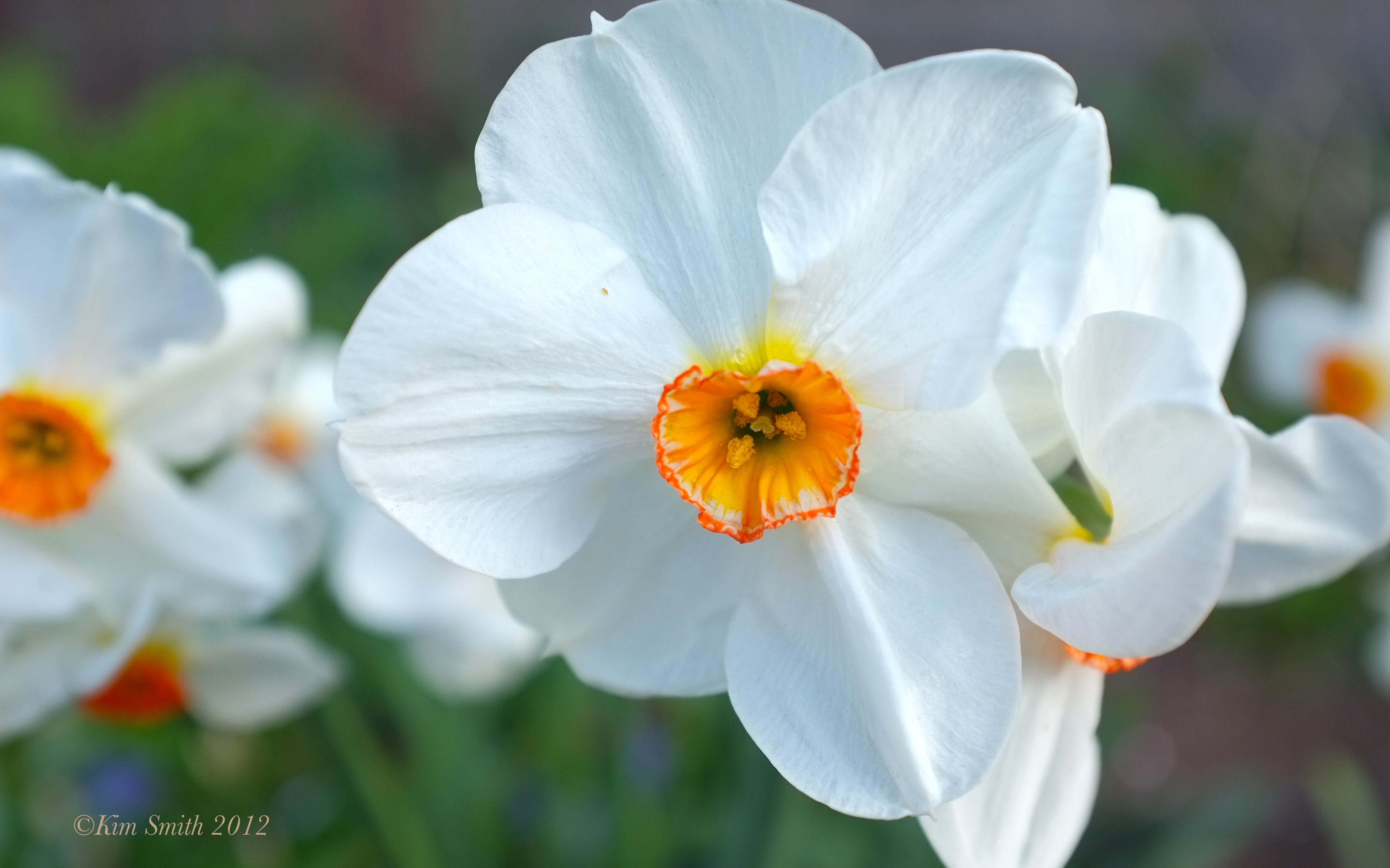
Narcissus 'Geranium' ©Kim Smith 2012

Narcissus ‘Geranium’

Tulipa Willowdale Estate ©Kim Smith2012

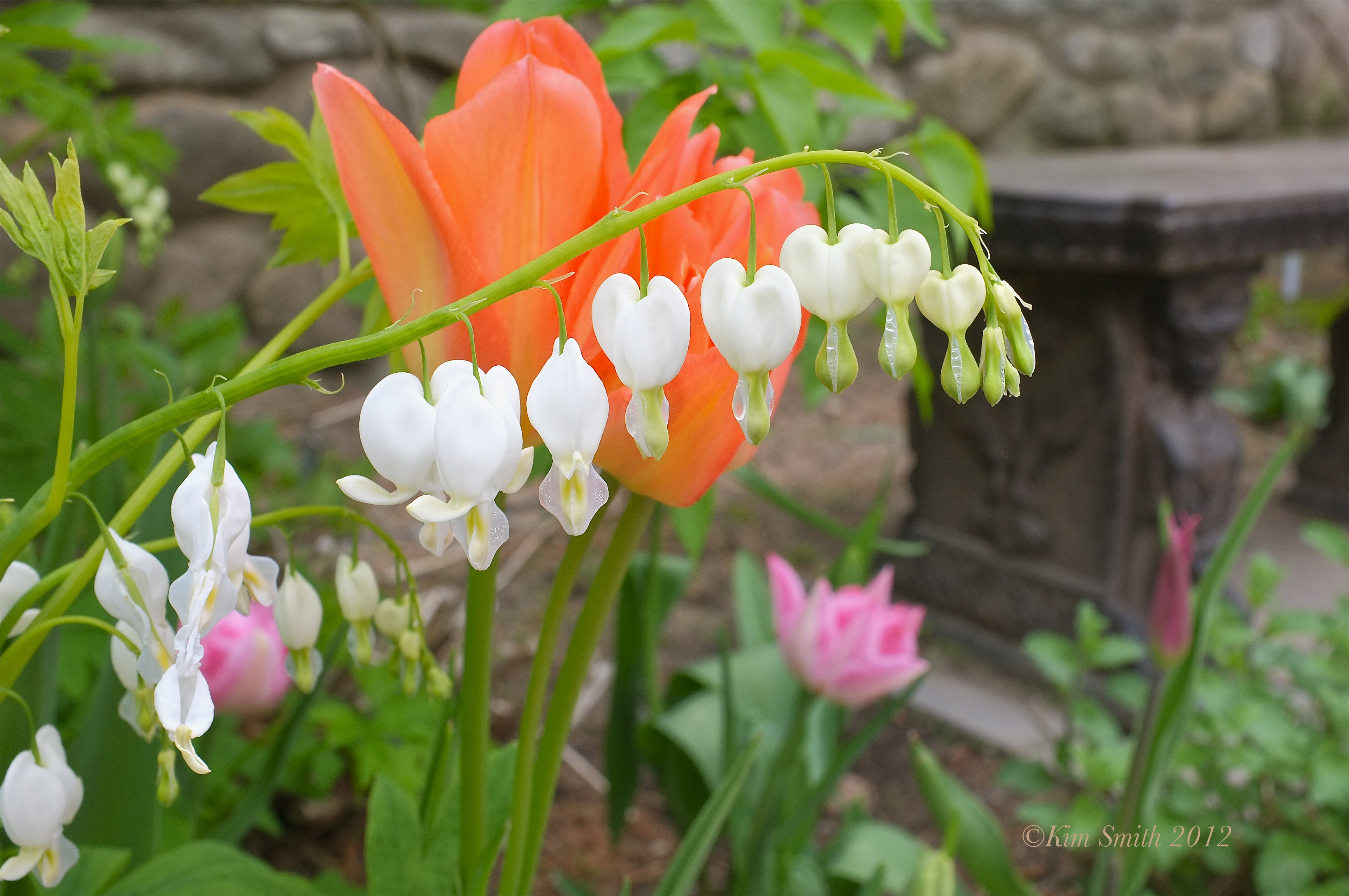
Bleeding Heart and Tulips Willowdale Estate ©Kim Smith2012.Bleeding Heart and Tulips

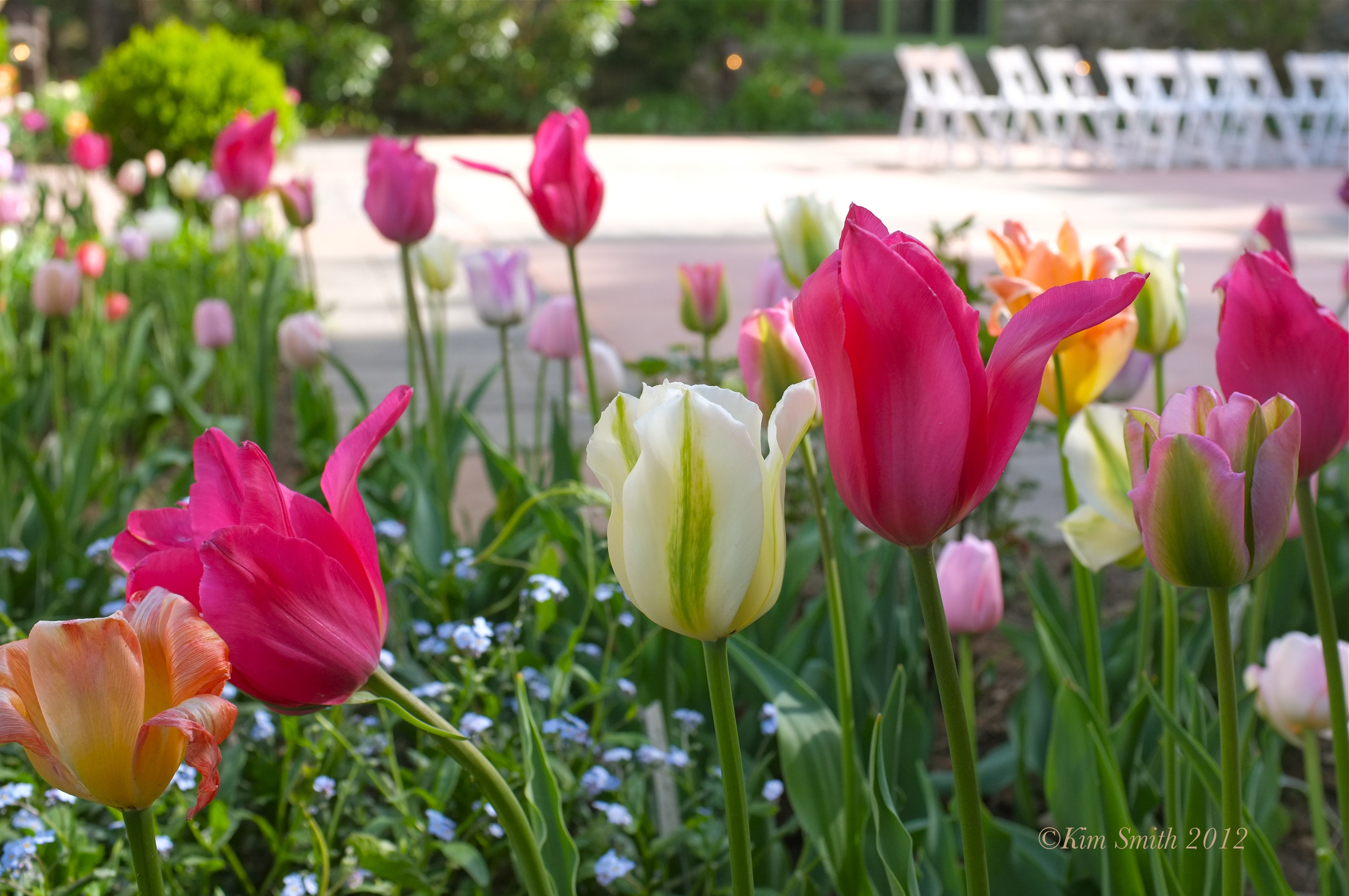
Tulip Garden Willowdale Estate ©Kim Smith2012.

All photos Willowdale Estate, Topsfield.