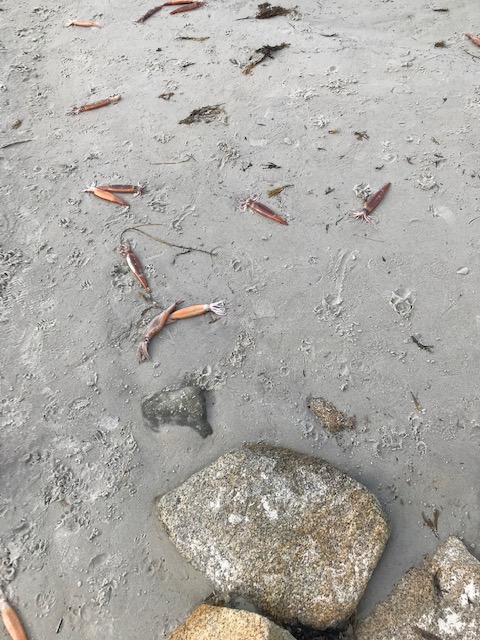
HUNDREDS OF SQUID WASHED ASHORE AT LIGHTHOUSE BEACH IN ANNISQUAM

Friends Bobbi and Pete Kovner sent in the snapshots from this morning. I didn’t go over to see because Bobbi reported back that the seagulls were eating the squid.

The photos show just a portion of the beach, there were actually much more.

Does anyone have an idea as to why there were so many squid at Lighthouse Beach. Thank you so much for writing if you do!

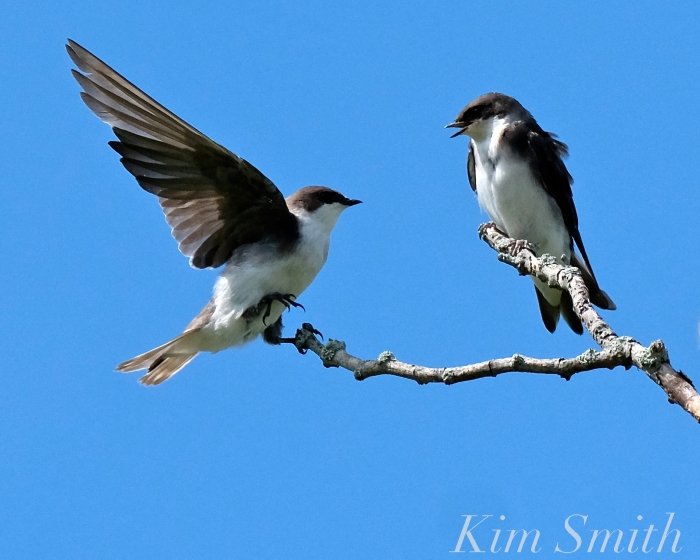
DANCE OF THE SWALLOWS

Without doubt, the spectacular summer/autumn migration that takes place each year along the shores of Cape Ann has begun. Everywhere we turn, there are magnificent creatures foraging along our shoreline. In one day alone on an early morning walk this past week were Ruddy Turnstones, Black-bellied Plovers, Willets, Spotted Sandpipers, and great flocks of Semi-palmated Plovers and Sanderlings. I think I’ll write a little series with a paragraph or two devoted to each species for the upcoming week.

For today though, I wanted to share photos of a flock of Tree Swallows that were gathering at Good Harbor Beach. A friend wrote wanting to know more about the beautiful birds we see massing at both Good Harbor and Wingaersheek Beaches at this time of year.

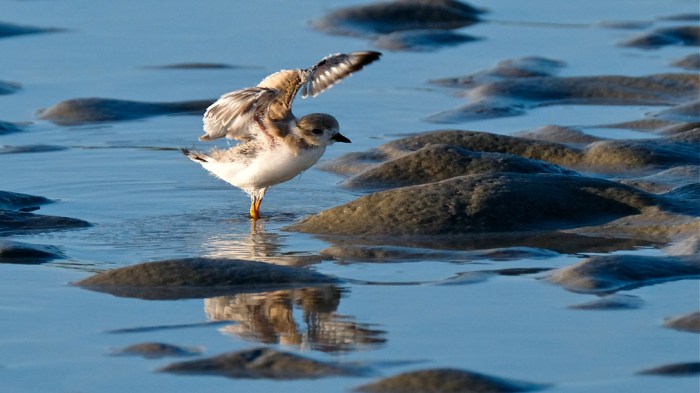
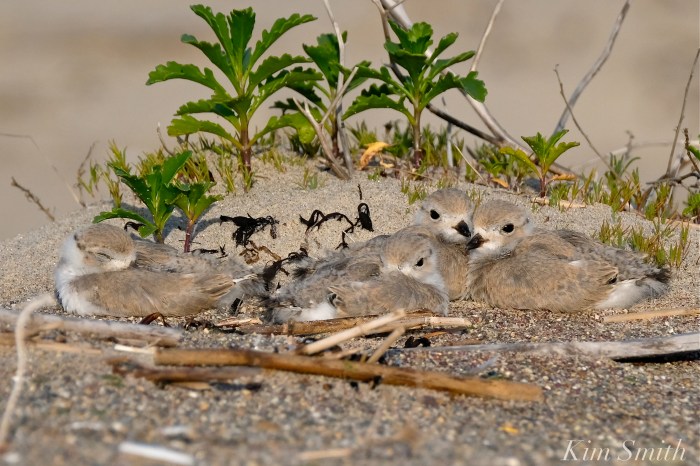
From 2018 – Over the course of the summer while filming the Piping Plover Family at Wingaersheek Beach, Tree Swallows began flocking in ever increasing numbers. They became part of the Piping Plover story not only because they occasionally dive bomb the Piping Plovers, for whatever reason I am not entirely sure, but also because they are beautiful to observe, and occasionally, seemingly playful, too.

Songbirds that they are, Tree Swallows make a cheery chirping chatter. They have long narrow forked tails, all the better for gliding and for their signature aerial acrobatics. The male’s upper parts are a brilliant iridescent blue-green, the female’s somewhat duller, and both female and male have white underparts. The migrating juveniles are almost entirely brown with either white or pale grayish underparts.

Tree Swallows breed in the wetlands and fields of Cape Ann. Their name comes from the species habit of nesting in tree cavities. Tree Swallows have benefited tremendously from efforts to help save the Eastern Bluebird because they also nest in the nest boxes built specifically for the Bluebirds.

Acrobatic aerialists, they twist and turn mid-flight to capture a wide variety of insects including butterflies, dragonflies, greenheads, bees, beetles, and wasps.

Utilizing both fresh and saltwater to bathe, Tree Swallows have a unique habit of quickly dipping and then shaking off the excess water while flying straight upwards.

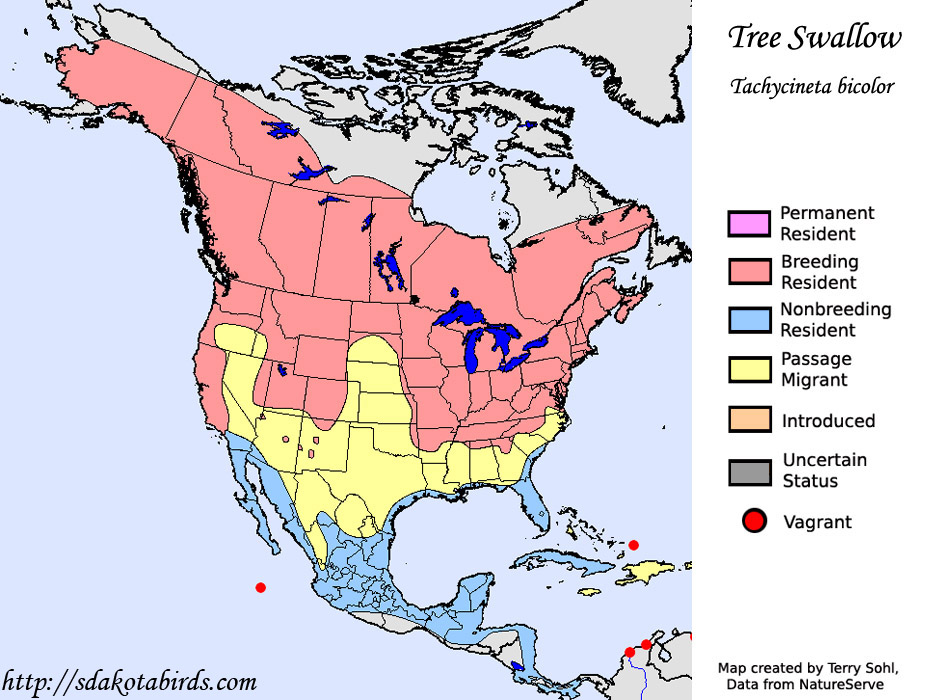
Tree Swallows begin migrating southward in July and August. The flocks that we see gathering on Cape Ann migrate along the Atlantic Flyway. They overwinter in the southern states of the U.S., Mexico, the Caribbean, and Central America. Unlike migrating species of butterflies, several generations of Tree Swallows migrate together, the older birds showing the younger birds the way.

Music composed by Jules Massenet: “Méditation” from Thaïs

WHAT IS THAT BRILLIANT “STAR” SHINING SO BRIGHTLY NEXT TO THE MOON?

Have you been wondering what that brilliant star is, adjacent to the Moon, and shining so brightly in the sky? I have been when out and about photographing. I think it is Jupiter, but hope some of our astronomy experts will let us know for sure. Thank you.

The little dot to the lower left of the Moon is what I am talking about. It doesn’t look like much in the photo, but in reality is beautiful.

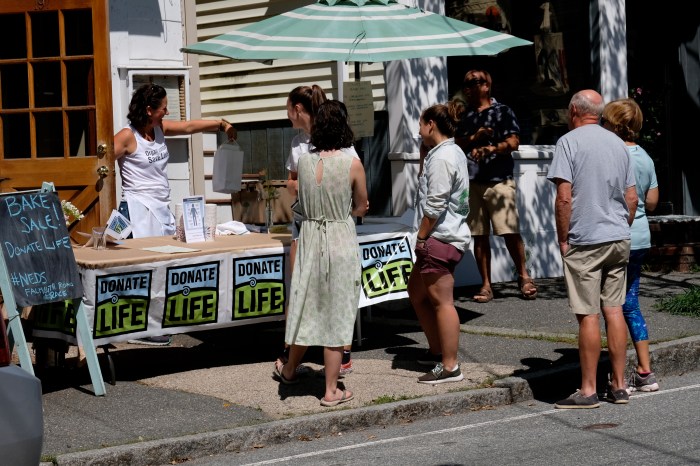
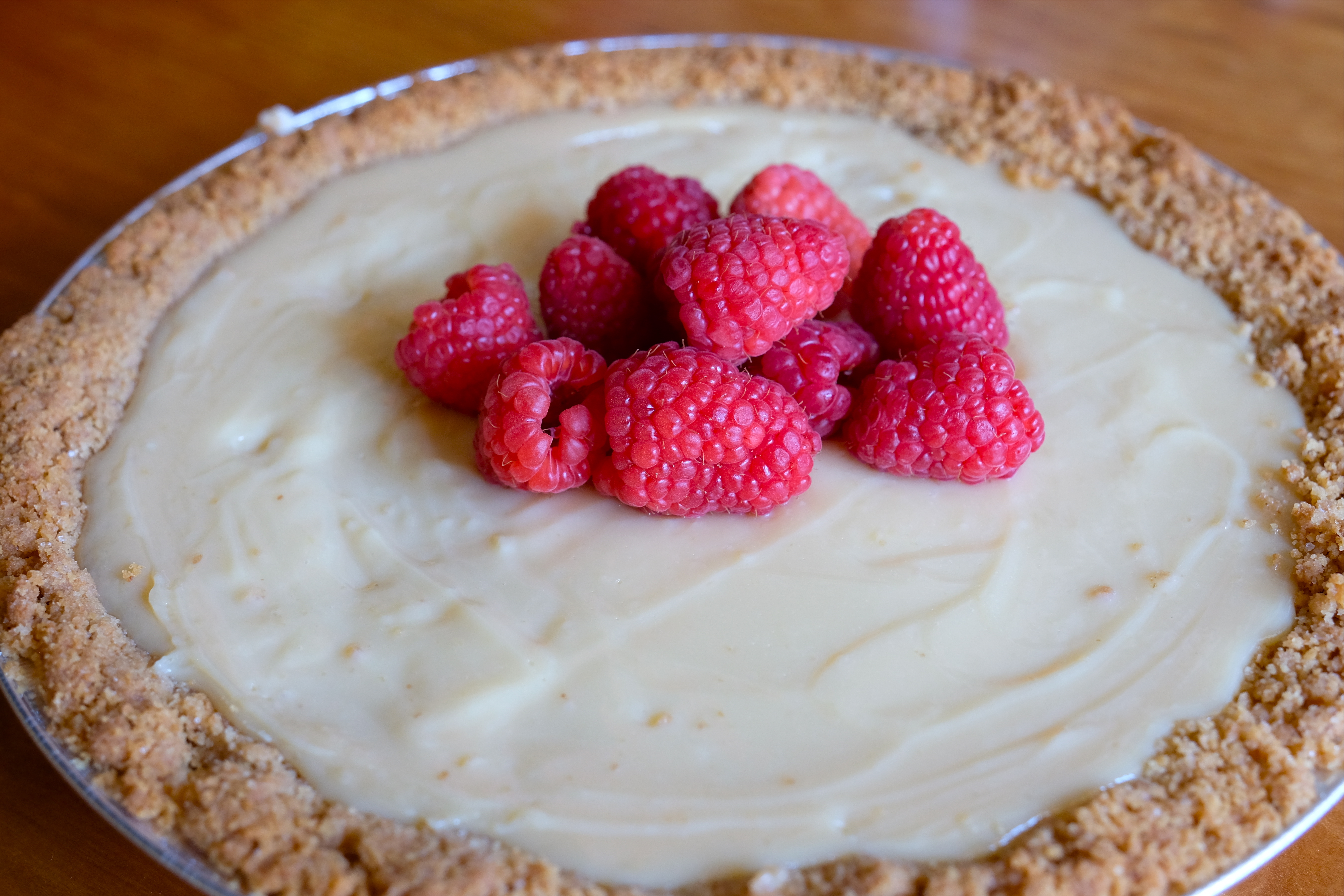
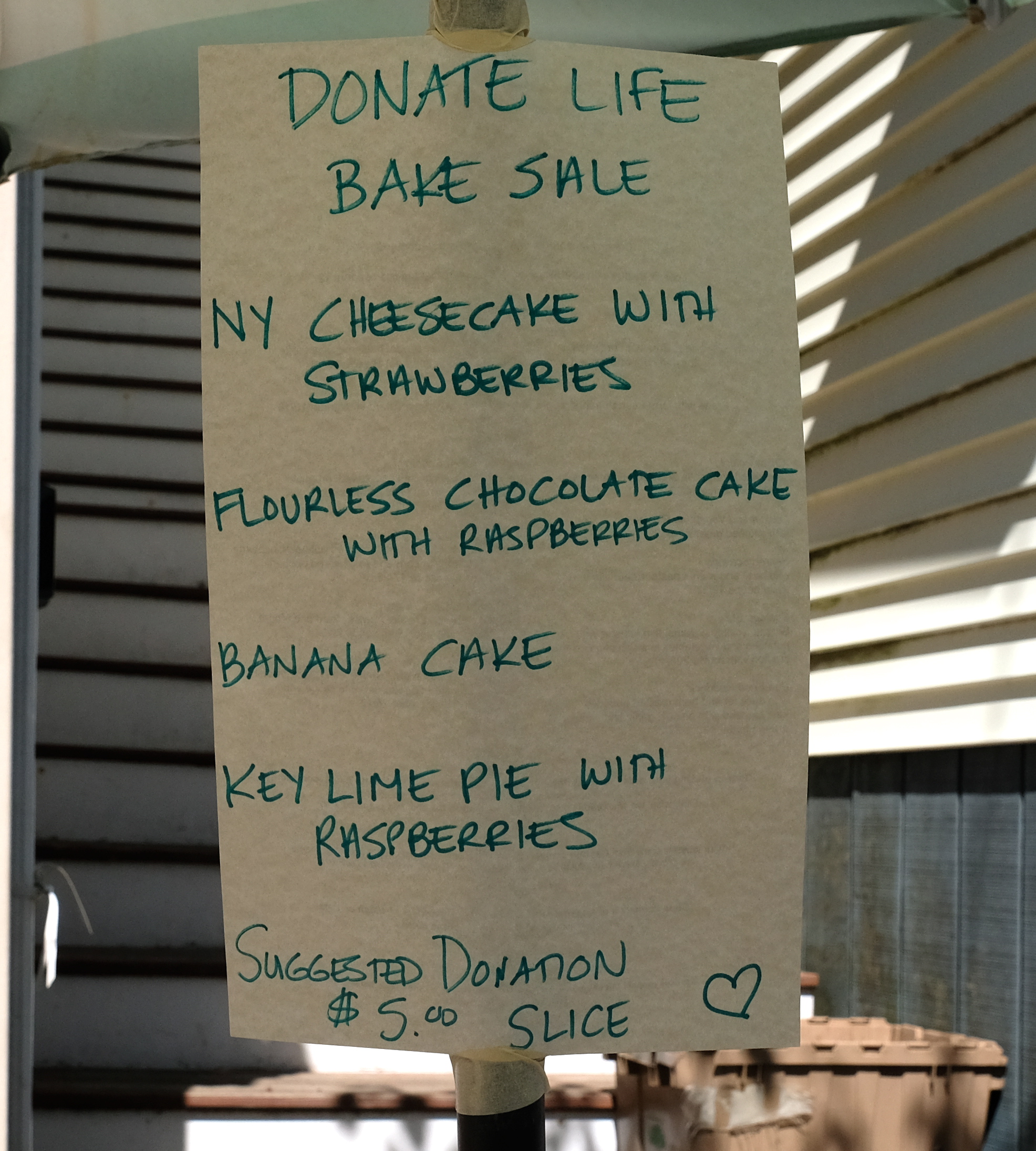
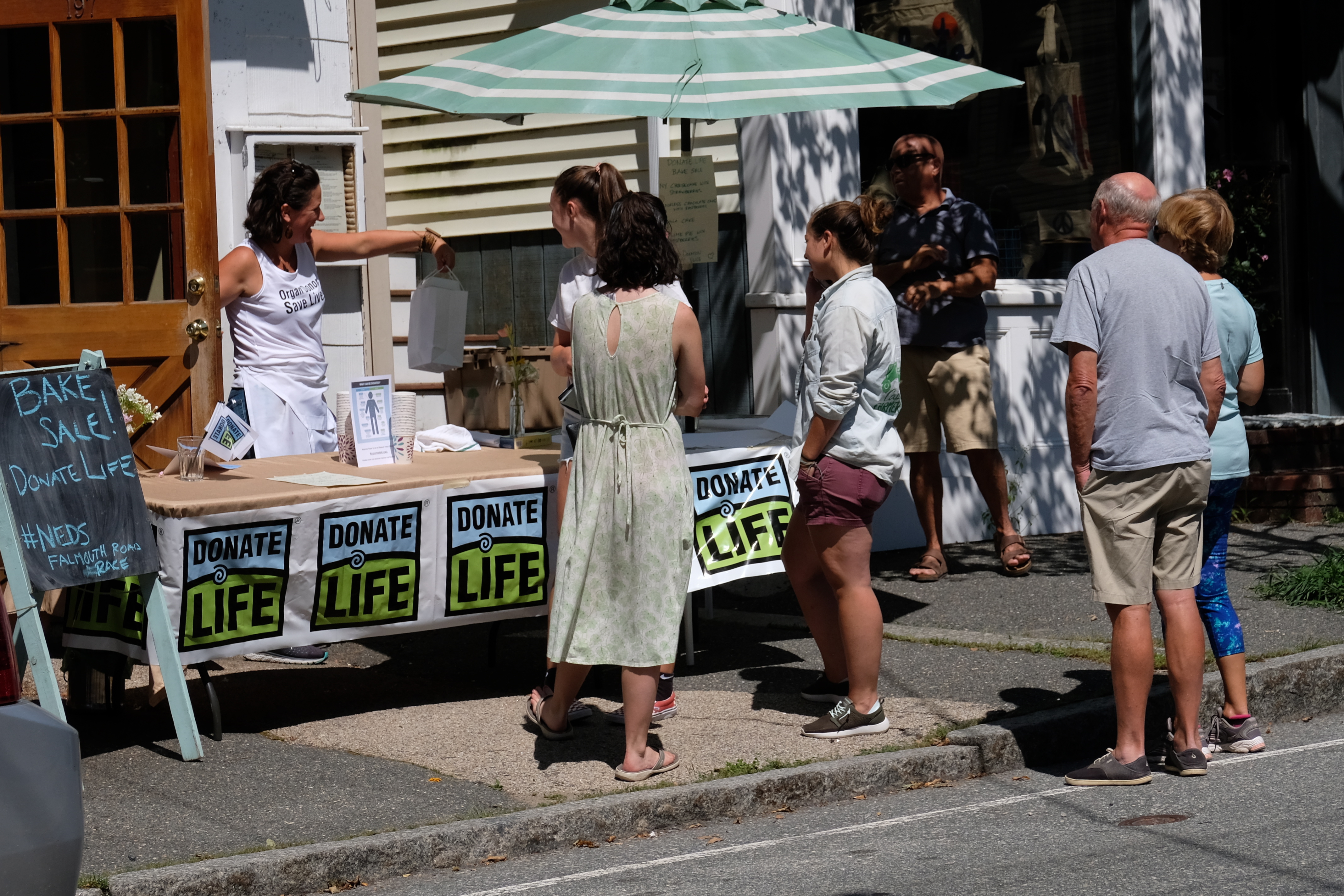
DUCKWORTH’S BAKE SALE HAPPENING RIGHT NOW!!!

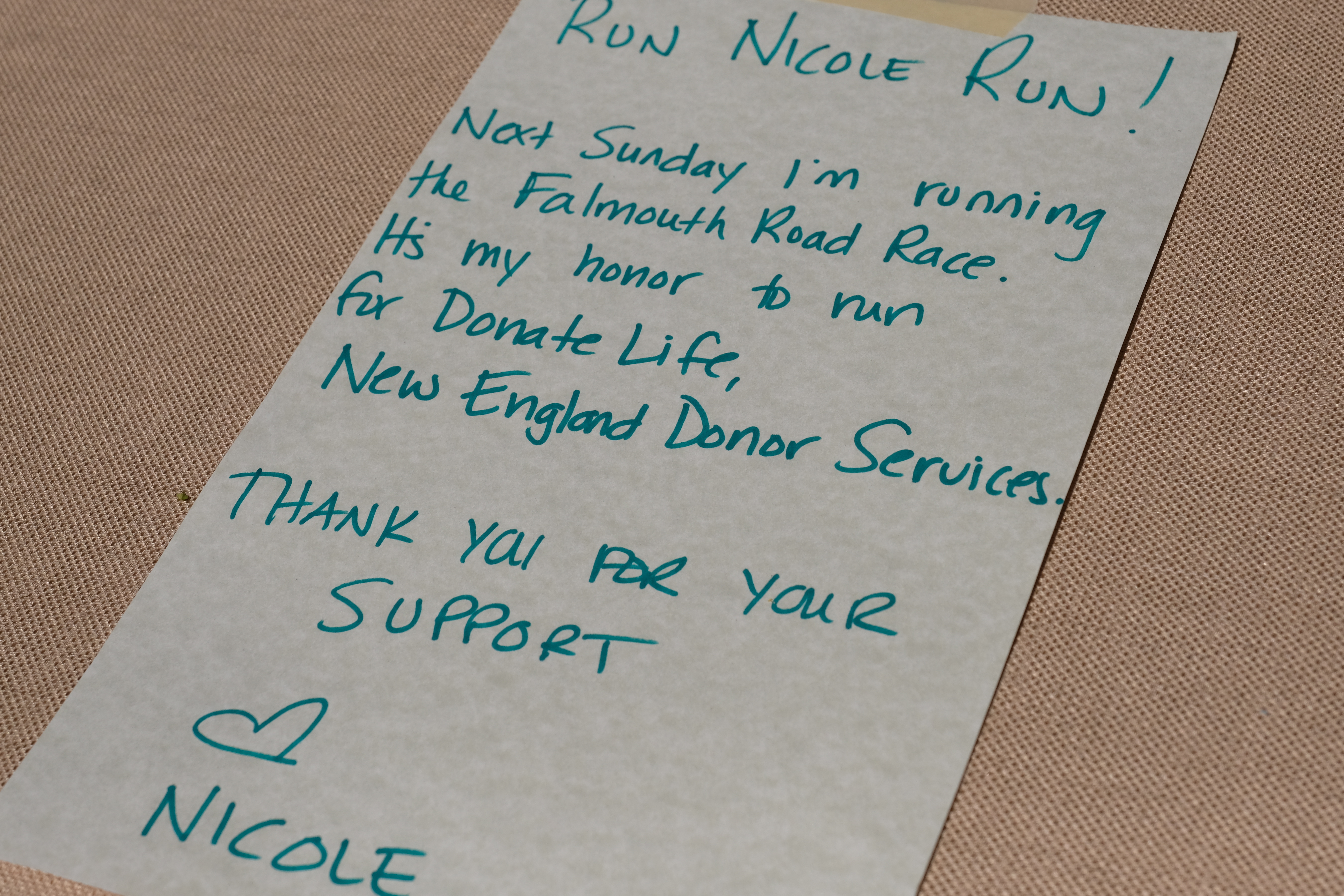
HURRY ON DOWN! SALES TO BENEFIT DONATE FOR LIFE

SUNDAY AUGUST 11th from 11:00 to 1:00, or as long as Nicole’s fabulous deserts last! 

More about Nicole and her fundraiser for Donate for Life tonight 🙂


Don’t wait, there was a line at 11am!

TERRIFIC NEWS AND UPDATES FOR “RECIPE FOR DISASTER” FROM NUBAR ALEXANIAN!

Our film received a very enthusiastic reception at The Woods Hole Film Festival last weekend. And the Q & A that followed was terrific with great audience questions! 
 
We’re also thrilled that Recipe For Disaster has been accepted as an official selection to the Mass International Film Festival September 5th, 6th, and 7th  and the 14th Annual Newburyport Documentary Film Festival  September 13th, 14th and 15th. 
 
We’ve also been invited to The Online New England Film Festival, which will be promoted to NewEnglandFilm.com‘s over 50,000 monthly readers as well as our 14,000 monthly email subscribers
Finally, our film has more than 55,000 views online since June and we will be launching Phase Two of our Social Media Campaign sometime after Labor Day.
Thanks, as always, for you support!  We could not have made this film without you!
More Soon!
All my best,
Nubar

ALIEN CATERPILLARS!

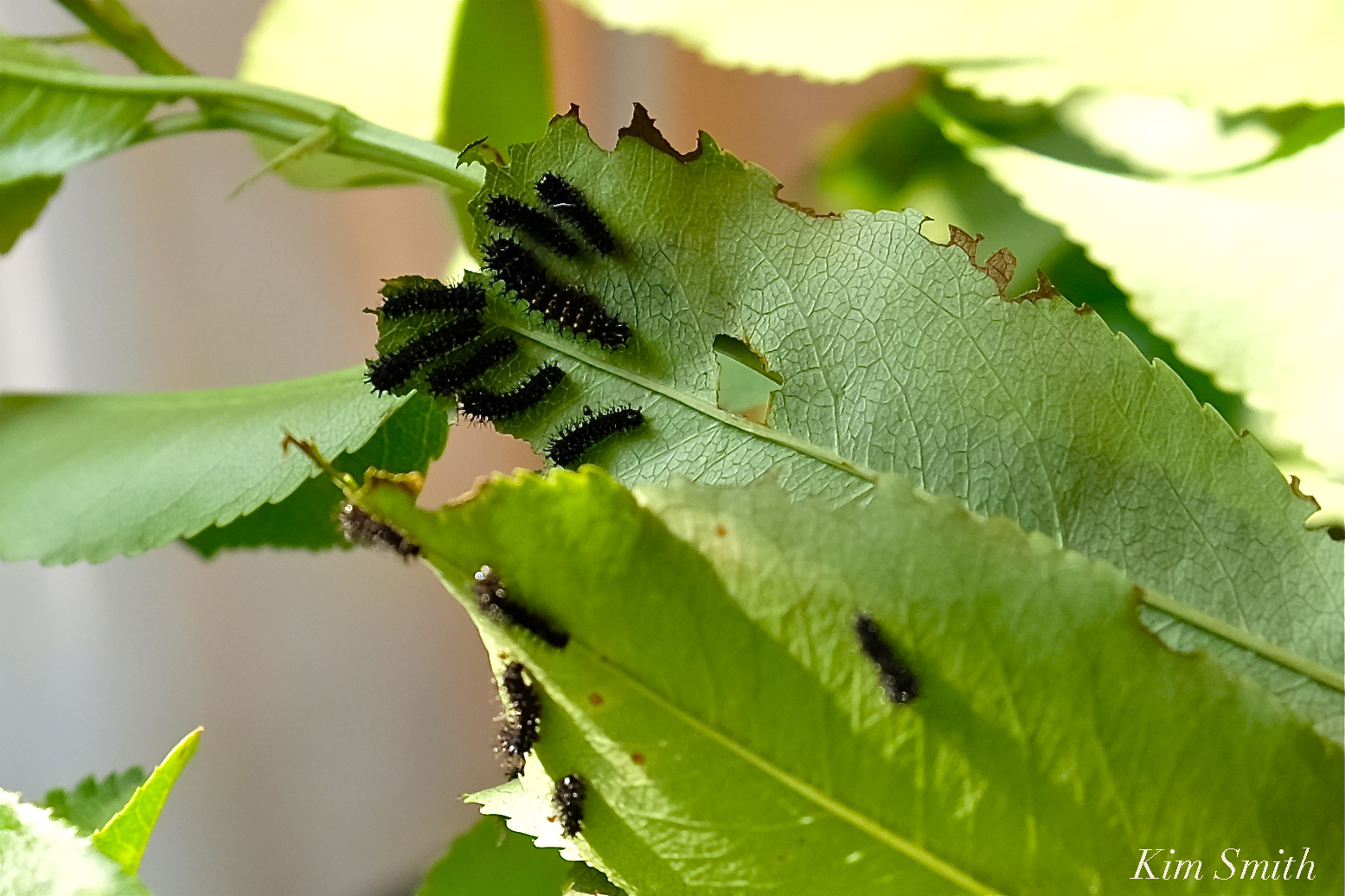
From the tiniest pinhead-sized eggs hatched quarter-inch caterpillars. A month later and these gorgeous Cecropia Moth caterpillars (30!) are approximately five to six inches in length and 3/4 of an inch in diameter.

https://www.instagram.com/p/B08s4ejHKmY/?utm_source=ig_web_copy_link

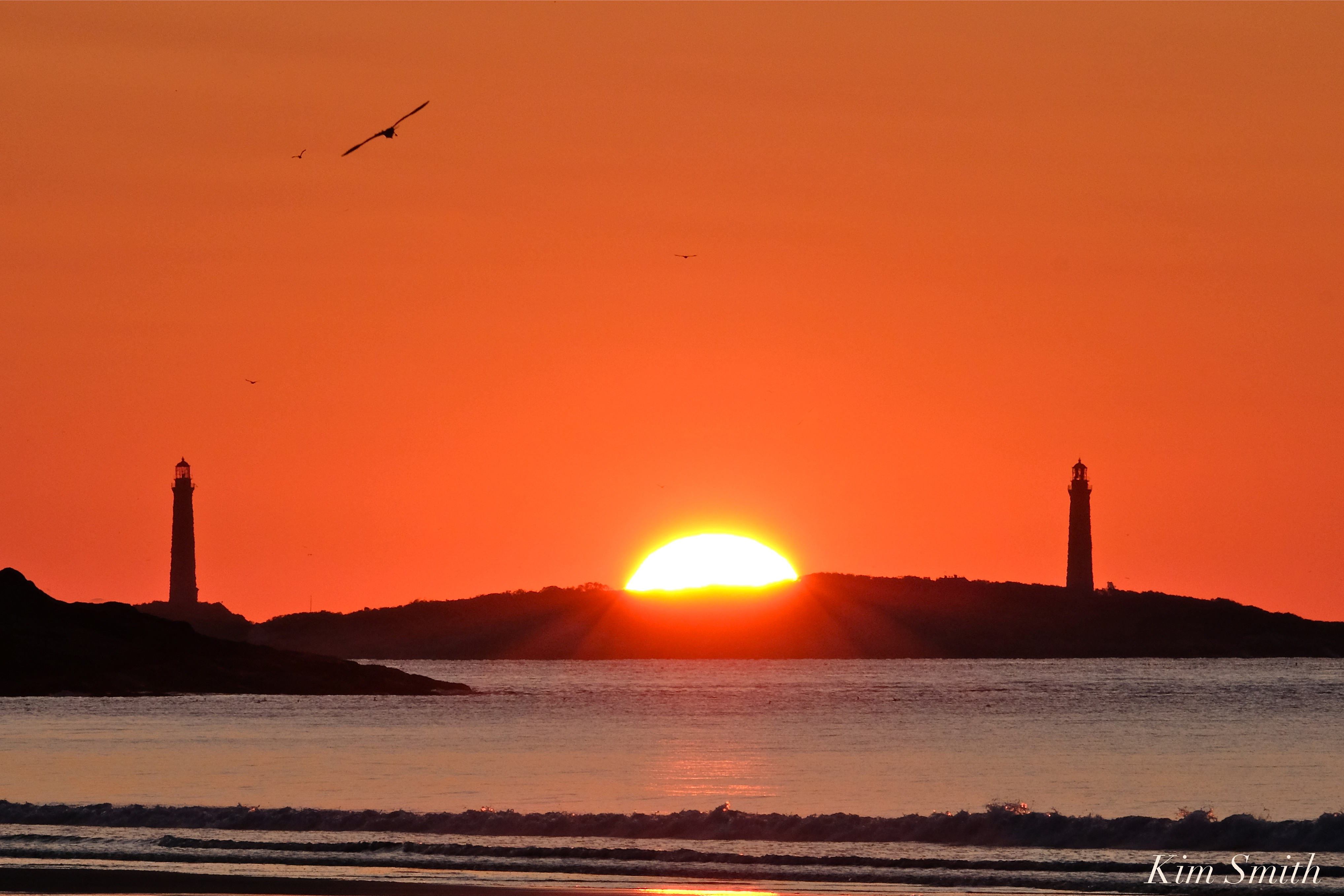
TIME LAPSE TWIN LIGHTS THACHER ISLAND SUNRISE VIDEO FROM GOOD HARBOR BEACH

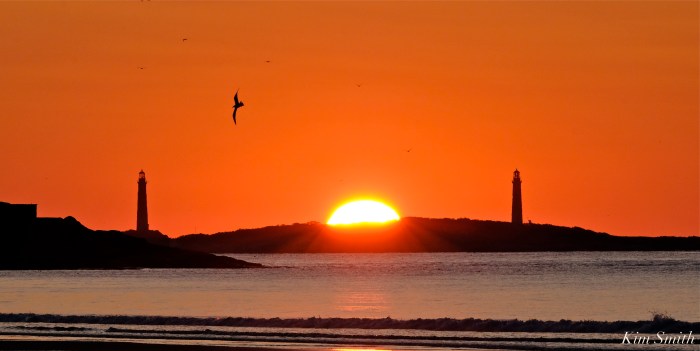
Beautiful August Twin Lights sunrise

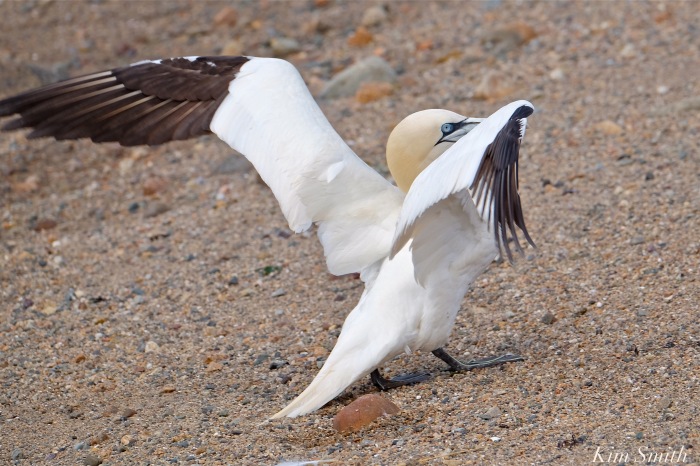
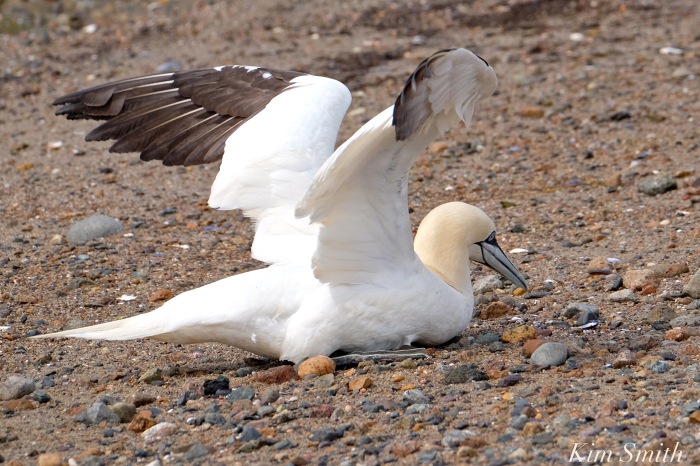
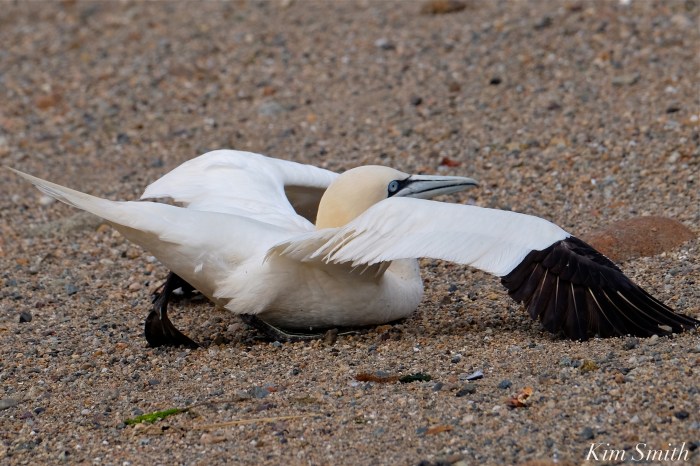
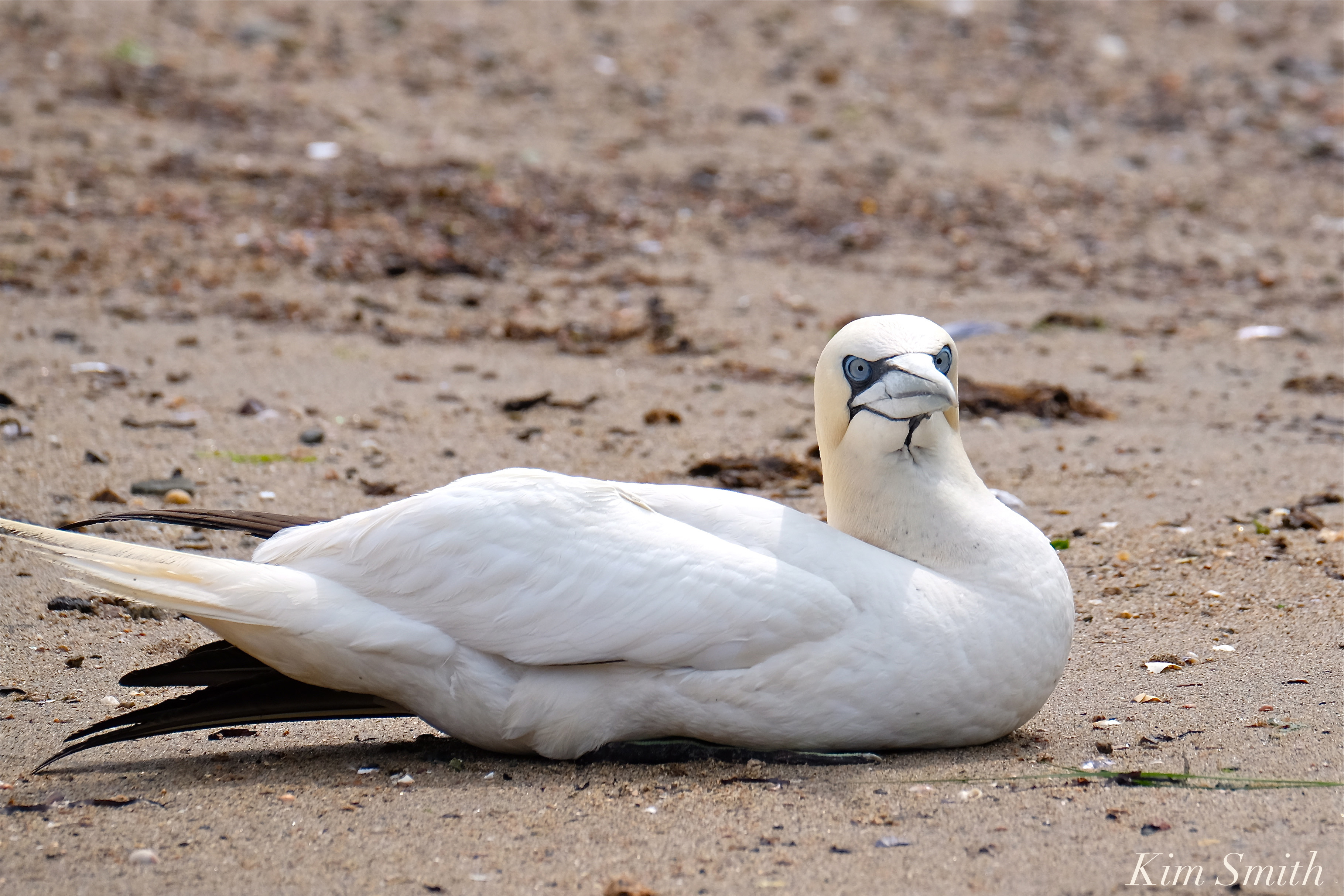
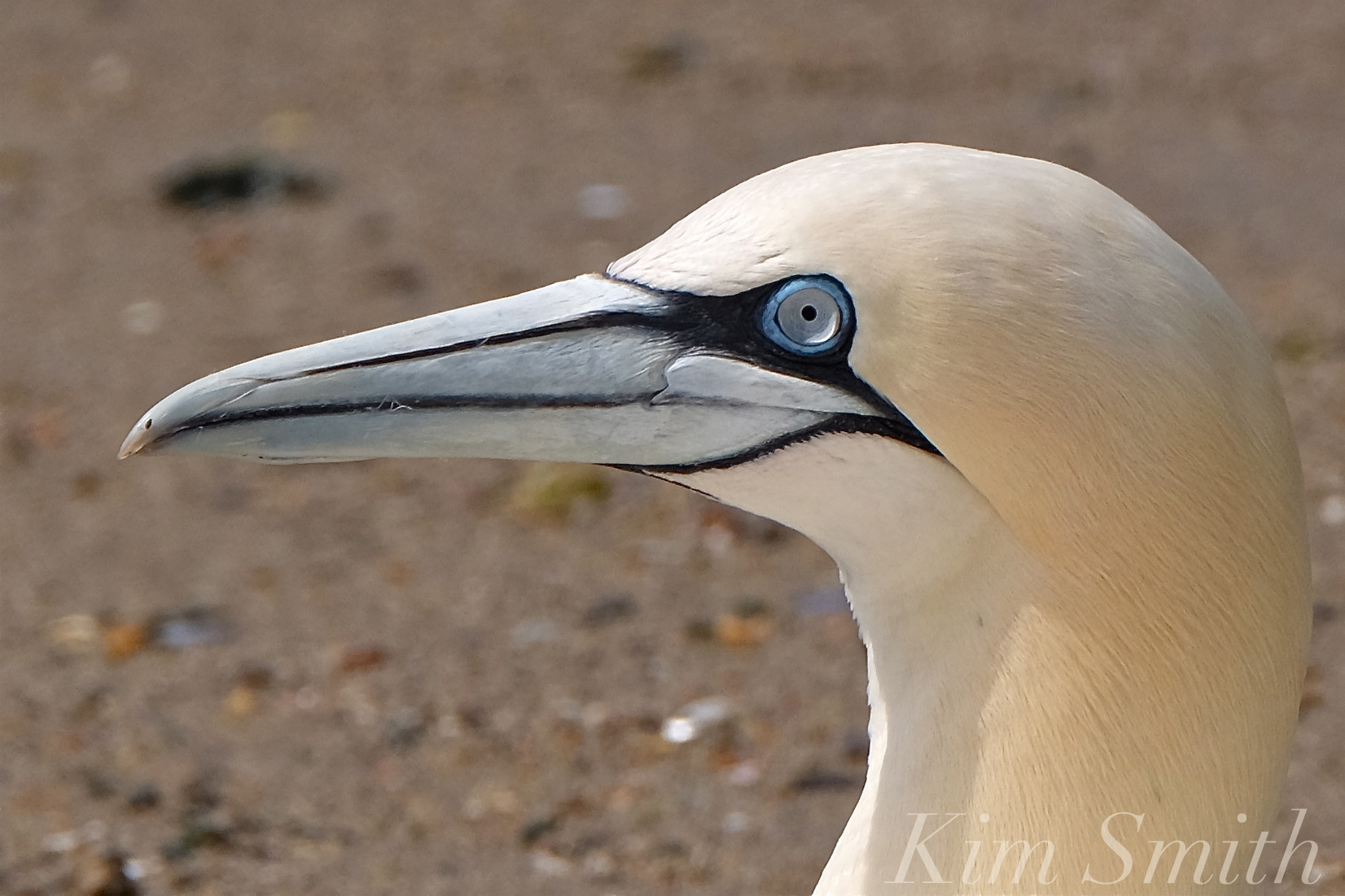
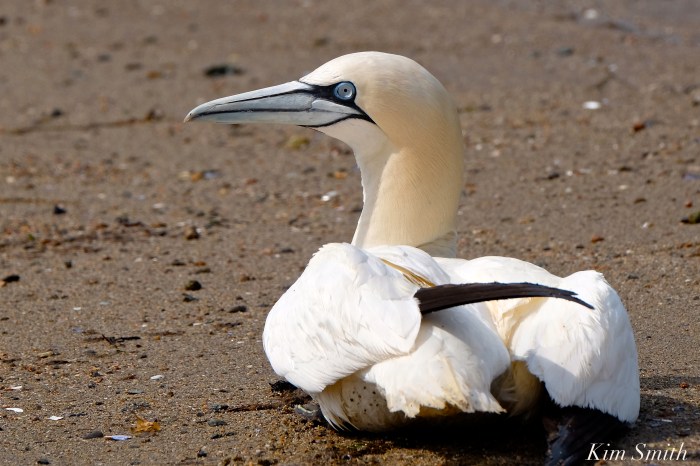
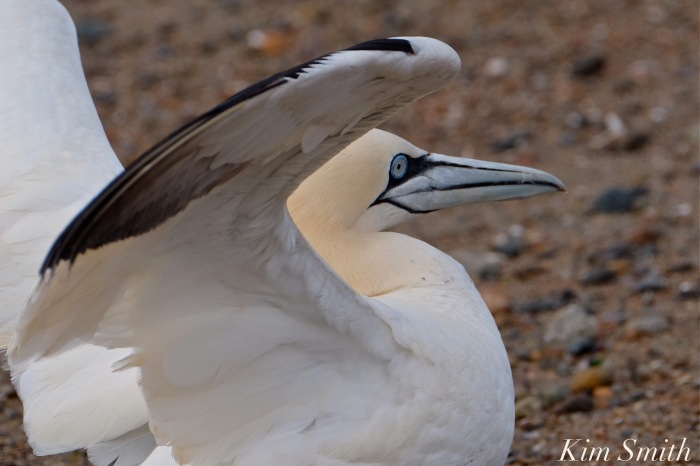
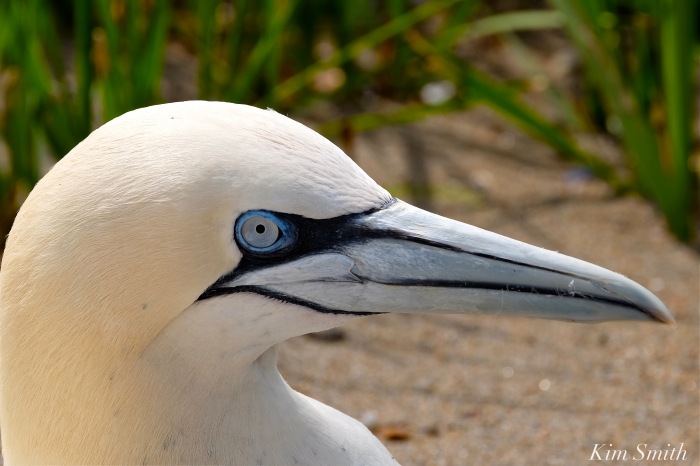
NORTHERN GANNET MYSTERIOUS DIESEASE STRIKES AGAIN

Reposting this from 2017 as another Northern Gannet is struggling  on the Backshore.

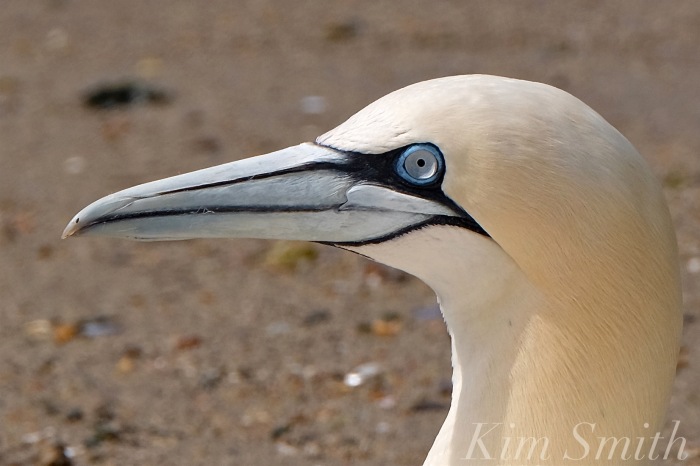
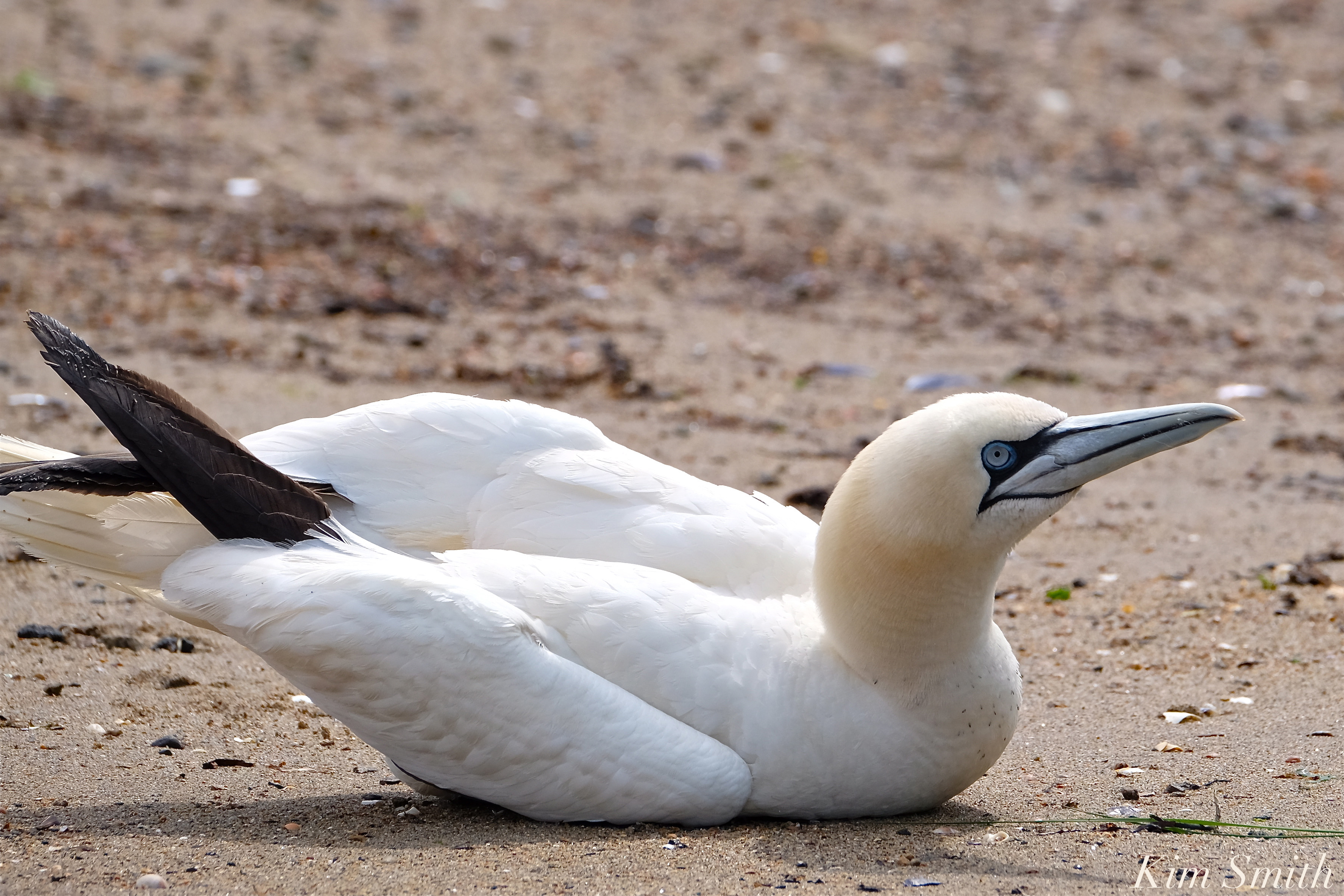
A second Northern Gannet, in little over a week, has come ashore to die on a Cape Ann Beach. A friend messaged from the Backshore that the Gannet was resting on the rocks and was not walking well.

Heartbreaking to see, the usually majestic Northern Gannet is struggling to survive.

This beautiful Northern Gannet appears to have the same neurological symptoms of the mysterious disease that has caused over one hundred Gannets to wash ashore on Cape Cod beaches. Veterinarians are sending samples of the dead and dying birds to the USDA to see if federal experts can find the cause. A harmful algae bloom (often referred to as Red Tide) is suspect.


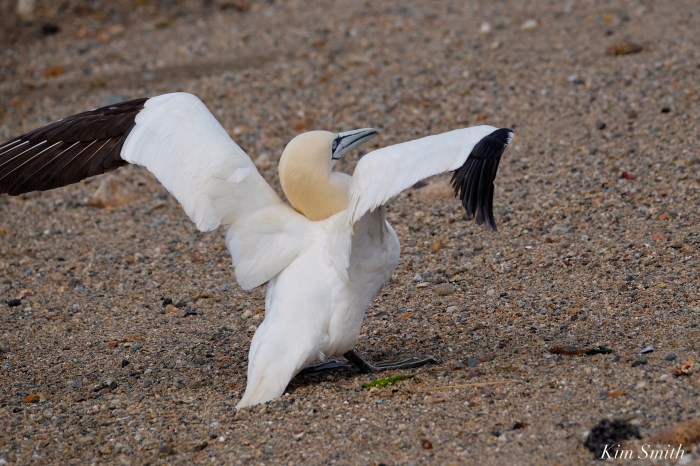
The Gannet tried and tried to take flight, but to no avail, wobbling instead and repeatedly tipping over.

The first dying Northern Gannet seen on a Cape Ann beach was shared by Ann Rittenburg. On July 12th, she discovered the bird struggling at Good Harbor Beach. Dianne Corliss, Gloucester’s Animal Control Officer, rescued the seabird. Dianne tried to help, but the Gannet was eventually put to sleep. She warns that the bills of Northern Gannets are extremely powerful. If you come across a Gannet on the beach, do not go near it as they are known to go for the eyes and necks of people. 

What makes the deaths even more troubling is that Northern Gannets are winter migrants through our area, and most months are spent at sea. During the summer season they are typically at their North American breeding grounds, which are six well-established colonies, three in the Gulf of St. Lawrence, Quebec, and three in the North Atlantic, off the coast of Newfoundland.

My husband Tom and I saw  these magnificent seabirds from the shores of Provincetown last spring. They were feeding along with the Right Whales. The Northern Gannets soared high above the whales and then plunged straight down with a powerful ferocity. It was dramatic and gorgeous to see. I hope the same illness or Red Tide that is killing the Gannets will not affect whales.

https://www.instagram.com/p/BW3c29Bl9sl/


GLOUCESTER PLOVERS GO SWIMMING! -SHORT FILM

Gloucester Plovers Go Swimming! New short film created for Mass Wildlife Coastal Waterbird Cooperators. Turn up the volume to hear the chicks peeping and Dad Plover piping.


NEW SHORT FILM: GLOUCESTER PLOVERS GO SWIMMING!

Gloucester Plovers Go Swimming! New short created for Mass Wildlife Coastal Waterbird Cooperators. Turn up the volume to hear the chicks peeping and Dad Plover piping.

TREMENDOUS COASTAL WATERBIRD CONSERVATION COOPERATORS MEETING!

On Tuesday I attended the Coastal Waterbird Conservation Cooperators meeting, which took place at the Harwich Community Center on Cape Cod. The meeting is held annually to bring together people and organizations that are involved with population monitoring and conservation efforts on behalf of coastal waterbirds. Threatened and endangered species such as Least Terns, Piping Plovers, Roseate Terns, and American Oystercatchers are given the greatest attention.

I was invited by Carolyn Mostello, event organizer, to create a short film, Gloucester Plovers Go Swimming, for the “Strange and Unusual” section. The film features our three little chicks SWIMMING in the tidal creek (see next post). I also provided a group of photos of the late hatching chicks for DCR. The film and the photos were well-received, which was gratifying to me, to be of help in documenting and sharing these wonderful stories.

Conservationists from all seven Massachusetts coastal regions participated, as well as conservationists from nearby states, including representatives from Maine, Rhode Island, and New Hampshire. To name just some of the organizations presenting at the meeting-Mass Wildlife, Trustees of Reservations, Essex Greenbelt, Massachusetts Department of Conservation and Recreation (DCR), Mass Audubon, and US Fish and Wildlife.

In the morning, each region gave the 2019 population census report for nesting birds as well as providing information about problems and solutions. We all share similar challenges with predation from crows and gulls, uncontrolled dogs, enforcement, and habitat loss and it was very interesting to learn about how neighboring communities are managing problems and issues.

Trustees of Reservations Coastal Ecologist Jeff Denoncour presented on behalf of the north of Boston region, of which Gloucester is a part. Essex Greenbelt’s Director of Land Stewardship Dave Rimmer and intern Fionna were in attendance as well. Both Crane Beach and Parker River are having a fantastic year and the numbers are up across Massachusetts, Maine, and Rhode Island. There are still many young chicks yet to fledge on Massachusetts beaches so the final count has not been determined.

The afternoon session was filled with outstanding lectures presented by conservation biologists and all the programs were tremendously informative.

I met Beth Howard from Mass Audubon, who has been involved with care taking the L Street Piping Plovers and Paige Hebert from Mass Wildlife who has been helping manage Roseate Terns. The DCR staff managing the shorebirds at Nahant, Salisbury, Winthrop, and Revere Beach were all there and they are just a stellar group of young people.

It was a great day! Many attendees expressed congratulations for Gloucester fledging three chicks. Last year after attending the meeting I wrote the following and it’s wonderful that our hope for Gloucester’s Plovers was realized this year: “After attending the cooperators meeting, I am more hopeful than ever that our community can come together and solve the problems that are preventing our PiPl from successfully nesting and fledging chicks. What we have going in our favor is the sheer number of amazing super volunteers along with strong community-wide support.”  

LUSH SUMMER PLANTER GARDEN

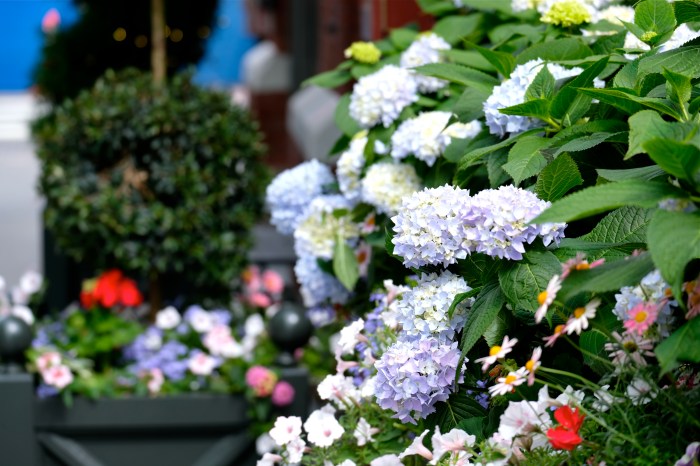
Our planters for the Kendal Hotel and Black Sheep Restaurant, located at 350 Main Street in Kendal Square, Cambridge, are planted up in late spring. We keep them going with daily watering and fertilizing.

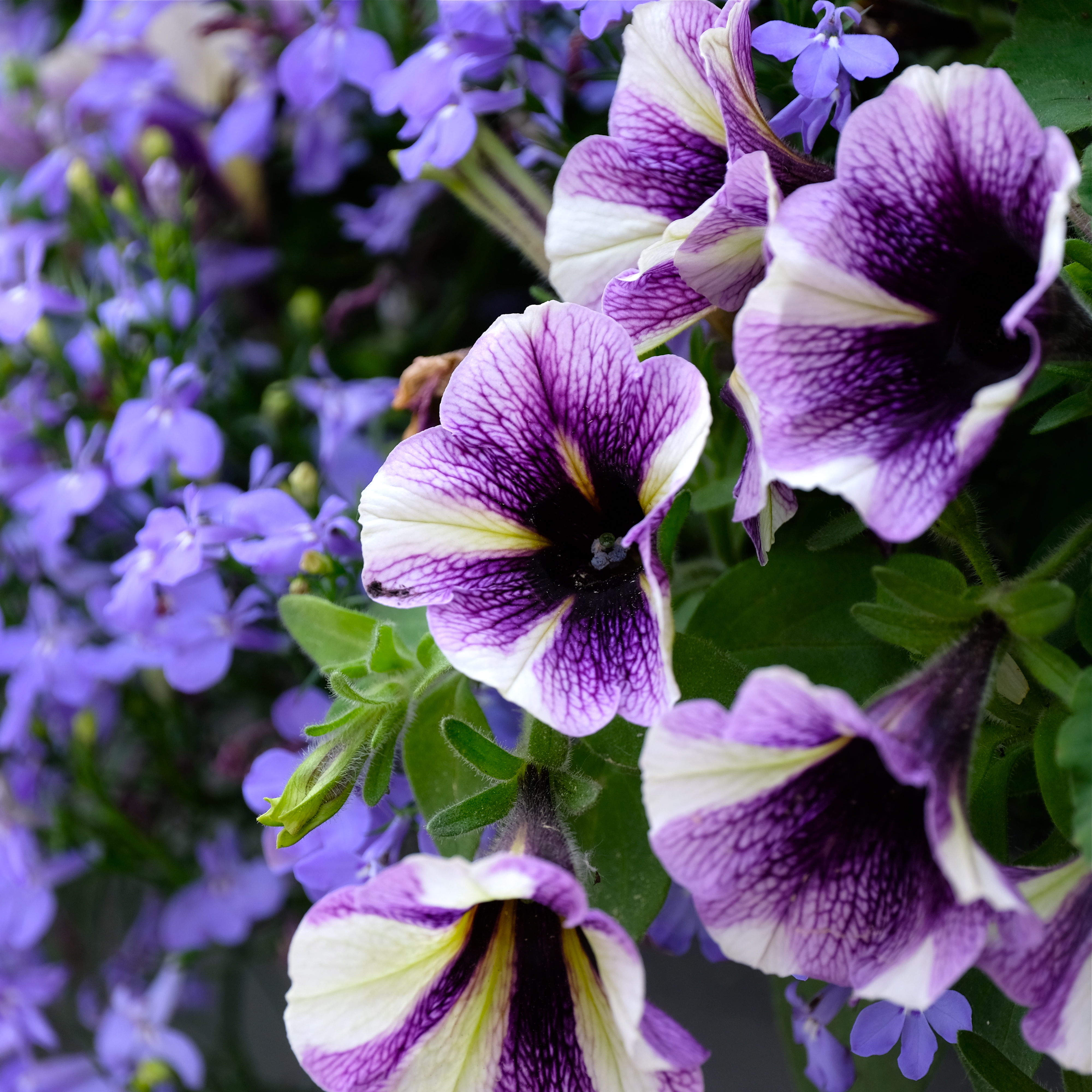
The hydrangeas look more and more beautiful as the summer progresses and I found a wonderful complementary purplish-blue and white striped petunia at Cedar Rock Gardens this year. With a name like ‘Blueberry Muffin,’  how could one resist purchasing. ‘Blueberry Muffin’ is holding its own and filling out nicely. It’s a keeper and on the list for next year.

Next time you’re in Cambridge, stop by and check out the Kendall Firehouse Hotel and come on in for a delicious breakfast, lunch, or dinner. The food is simply outstanding and the staff are wonderfully friendly and professional.

WHALE SHOW ON THE BACK SHORE THIS MORNING!

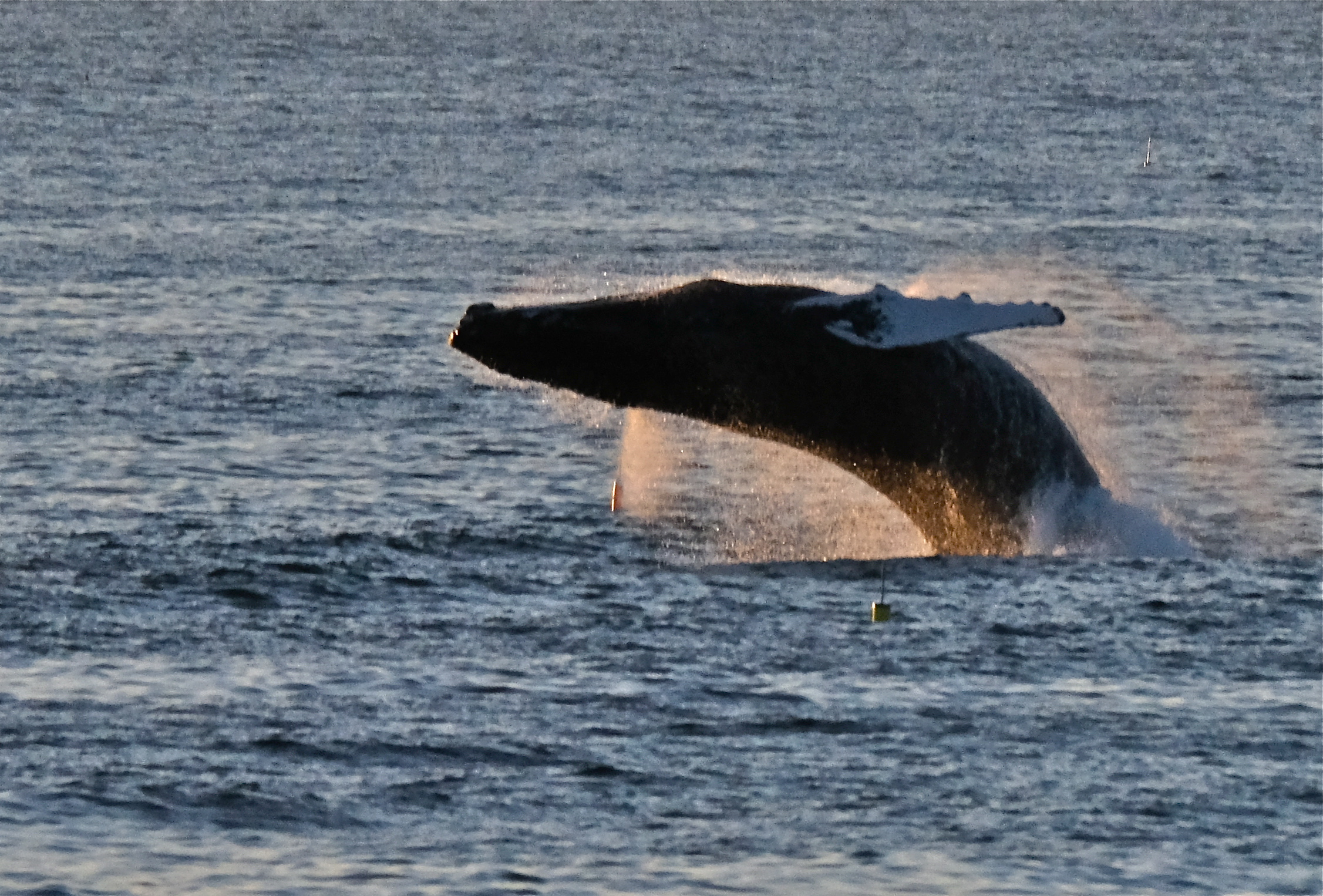
Schools of pogies makes for fat happy whales – back and forth, from roughly Good Harbor Beach to Brace Cove, the whales were following a school of pogies this morning at sunrise.

Sorry the photo is so out of focus, but at least it helps us see what species. I think this is a Humpback based on its white pectoral fin but hopefully one of our expert whale loving readers will chime in and let us know for sure. Thank you!


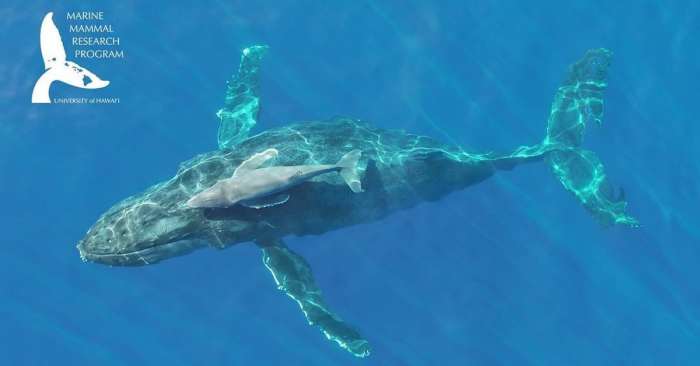
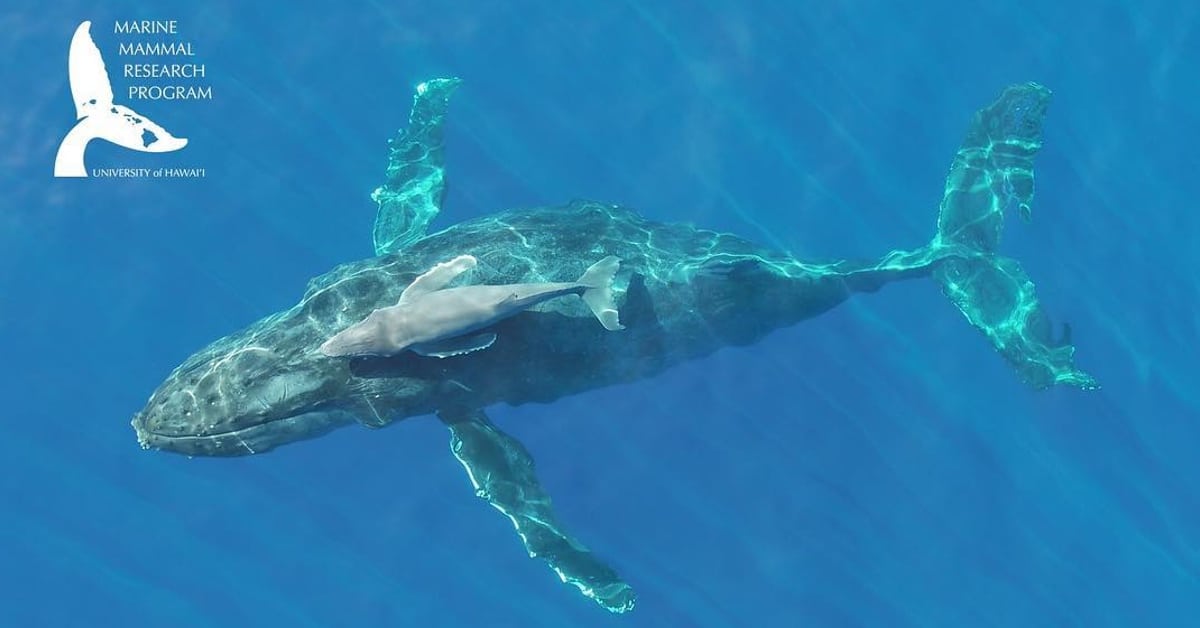
Humpback Whale and calf photo courtesy Marine Mammal Research Program

MONARCH BUTTERFLY MADNESS!

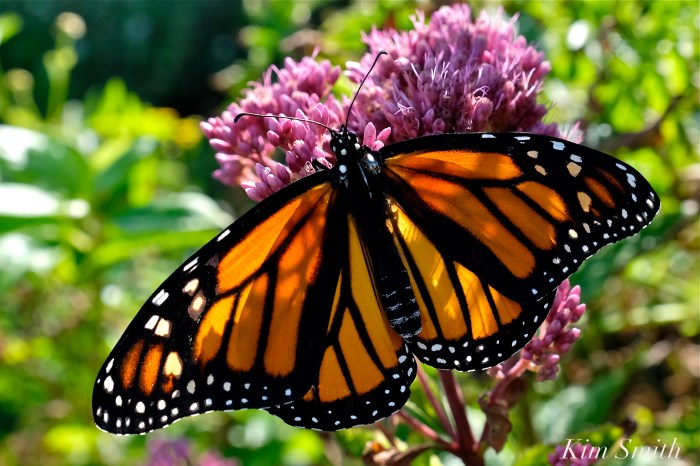
HORRAY FOR THIS BANNER SUMMER OF MONARCHS!!!! I hope it translates to a great migration this fall 🙂

I went to my garden to gather a sprig of milkweed to feed a single caterpillar. I checked the leaves for eggs and didn’t see any. A few days later I had dozens of teeny weeny caterpillars munching away on the sprig. The Mama Monarch laid her eggs all around the milkweed buds and it’s nearly impossible to see eggs on buds.

Keep your eyes peeled for eggs on the leaves, and also on the flower buds of your milkweed plants, especially Marsh Milkweed.

Monarch waking up in the Joe-pye wildflower.

https://www.instagram.com/p/B0yeyi7H0KQ/?utm_source=ig_web_copy_link

EXPLANATION FOR THE “FUNERAL FOR THE ENVIRONMENT” HELD SUNDAY AT GOOD HARBOR BEACH

Both videos courtesy Keith Sebastian Palazzola

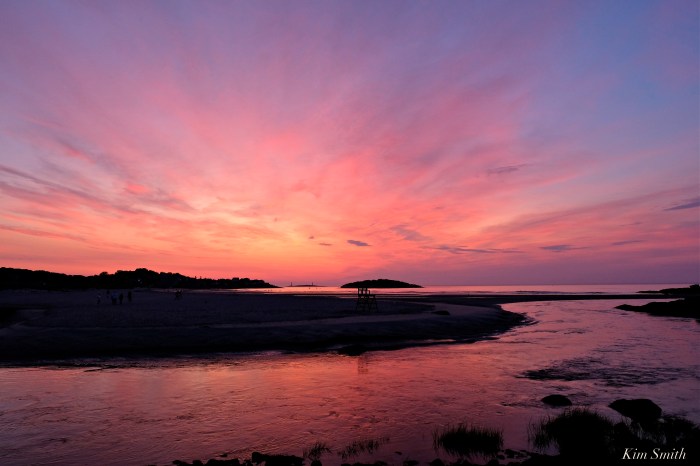
A GOOD HARBOR BEACH GOOD MORNING!

Does Good Harbor Beach at dawn ever get old? I think not 🙂

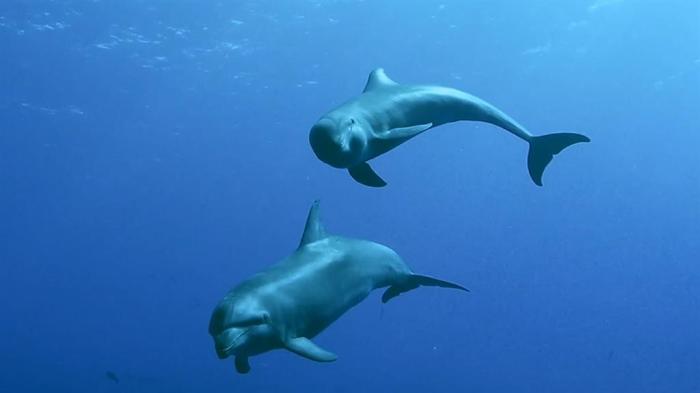
DOLPHIN MOM ADOPTS BABY WHALE

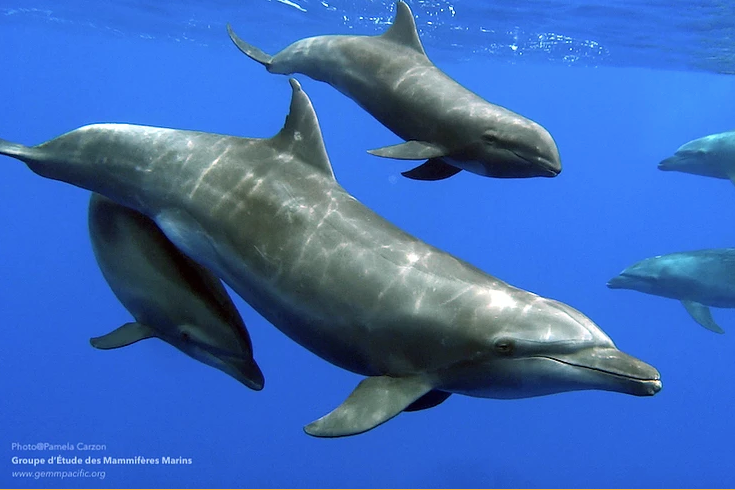
A Bottlenose Dolphin mother off the coast of French Polynesia was spotted caring for a Melon-headed Whale.

NATIONAL GEOGRAPHIC

ERICA TENNENHOUSE

Bottlenose dolphins are doting mothers, nursing, protecting, and playing with their youngsters for up to six years.

Now, new research has revealed the first known case of a wild bottlenose mom adopting a calf of another species.

In 2014, researchers spotted a bottlenose mother caring for an unusual-looking male calf, along with what was presumed to be her biological calf, in coastal waters off French Polynesia.

While bottlenose dolphins have slender beaks, the mysterious one-month-old’s beak was short and blunt. Eventually, the scientists identified the orphan as a melon-headed whale—an entirely different species and genus of dolphin.

“We were really excited to be able to witness such a rare phenomenon,” says study lead author Pamela Carzon, scientific leader of the Groupe d’Étude des Mammifères Marins (GEMM) de Polynésie, based in Tiputa, French Polynesia.

Adoption is uncommon among wild mammals, with most occurring between related members of the same species. The only other scientifically documented case involving an adopted orphan of a different species and genus was in 2006, when University of São Paulo primatologist Patrícia Izar observed a group of capuchins caring for a baby marmoset. “At the time, we were really, really astonished,” she says.

Obituary Val Babson

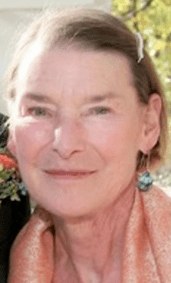
 Sending heartfelt condolences to the family and friends of Val Babson.

Mary “Val” Lavilla Cogswell Babson, 73, died July 30, 2019, peacefully at her home in Gloucester, MA, after years of enduring Alzheimer’s dementia. She died as she lived – full of grace, love, strength and beauty.

Born in Baltimore, MD, the day before Valentine’s Day, she was known to most as “Val” and to her grandchildren as “Tutu.”
Val adored her family and shared 47 loving years married to David E. Babson. They loved to travel but mostly enjoyed being at home together watching the tides come in and out of Lobster Cove. She always shared a vitality for life, a mischievous sense of humor, and boundless compassion and love for her many friends and family. We are all blessed to have her close to our hearts.

She graduated from the Friends School of Baltimore (1964), Wells College (1968), and Lesley University.
She was impassioned to improve the Gloucester Public Schools and contributed in a variety of roles by co-founding the Gloucester School Connection, helping to create the Multiple Intelligence Program, and working as the Public-Parent Information Director, Title I Liaison, and Community Outreach and Media Specialist.

She was an advocate for reading and building community, volunteering on the boards of the Annisquam Village Library and Sawyer Free Library, and always adding insight to her beloved book group. She got great joy from spending time in her beautiful garden and volunteered with the Garden Club of Gloucester. She also served on the board of the Gloucester Universalist Unitarian Church and was a docent at the Cape Ann Museum. For her years of dedicated service and leadership, she was recognized as a Paul Harris Fellow by the Gloucester Rotary, in 2013.

In addition to her husband, she is survived by her three children, David B. Babson and his wife, Annalei (McGreevy) Babson, and their children Kavika and Toni Rose, of Rockport; Amanda L. Babson of Narragansett, RI; and Warren C. Babson and his wife, Rachel Grinstead-Babson, and their children Winston and Cedarmae, of Gloucester; and her brother Corbin C. Cogswell, III and his wife Lynda W. Cogswell of Cape May, NJ.
She was preceded in death by her parents, Corbin C. Cogswell, Jr. and Mary (Chapman) Cogswell, of Baltimore, MD.

In lieu of flowers, donations may be made to Gloucester Education Foundation, http://www.thinkthebest.org.

Funeral services will be held at the Gloucester Unitarian Universalist Church, 10 Church Street, Gloucester, On Saturday, August 3 at 11 a.m.
 
Following the service, relatives and friends are invited to attend a lunch collation in the church vestry.
 
Information, directions, condolences can be found at