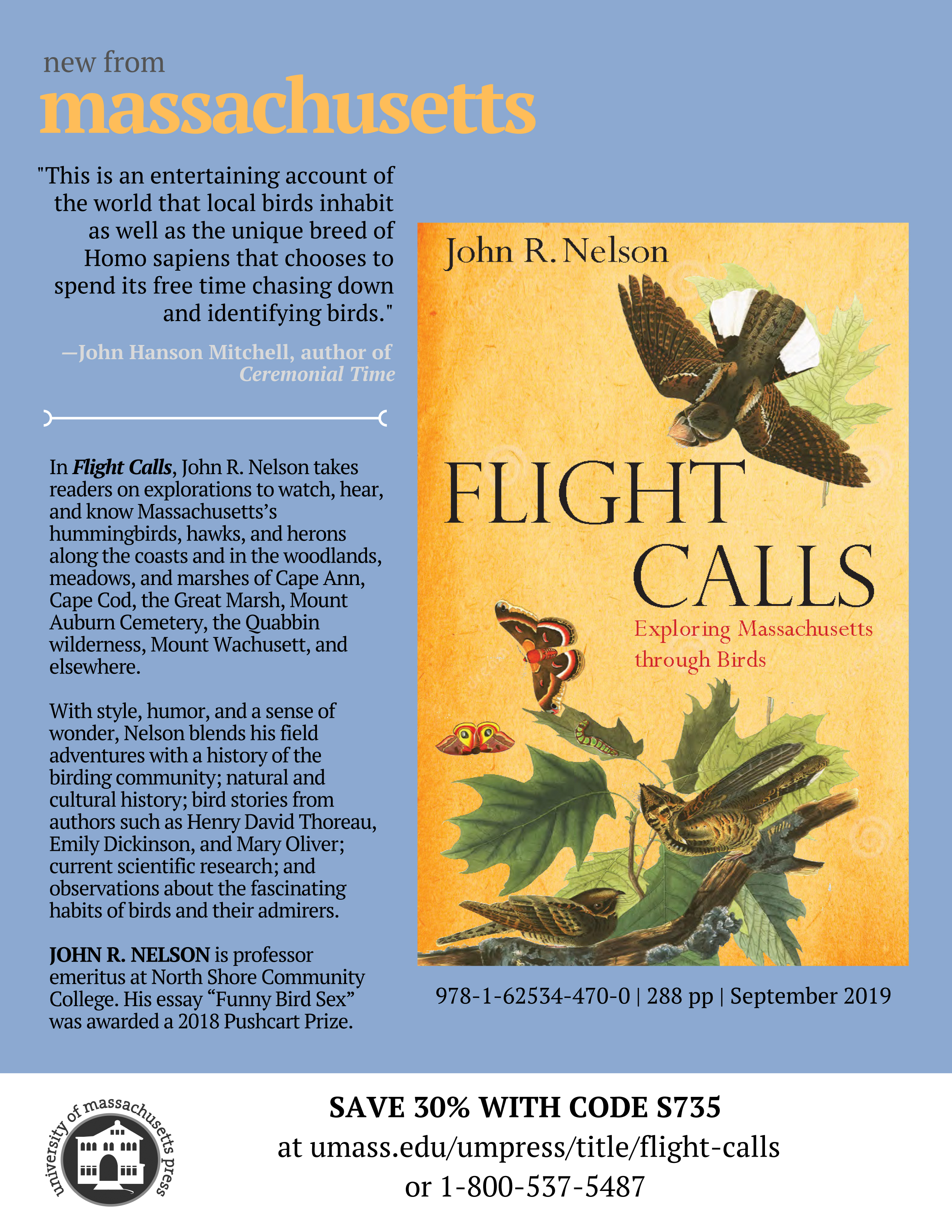
JOHN IS GOING TO BE SPEAKING ABOUT “FLIGHT CALLS” ON OUR PODCAST, SUNDAY, OCTOBER 13TH, AT 9AM!
My View of Life on the Dock
JOHN IS GOING TO BE SPEAKING ABOUT “FLIGHT CALLS” ON OUR PODCAST, SUNDAY, OCTOBER 13TH, AT 9AM!


https://www.instagram.com/p/B3HkF8bnN6s/


Reports are coming in that the Collings Foundation World War II B-17G bomber crashed into a building at the Bradley International Airport. Three people were injured.
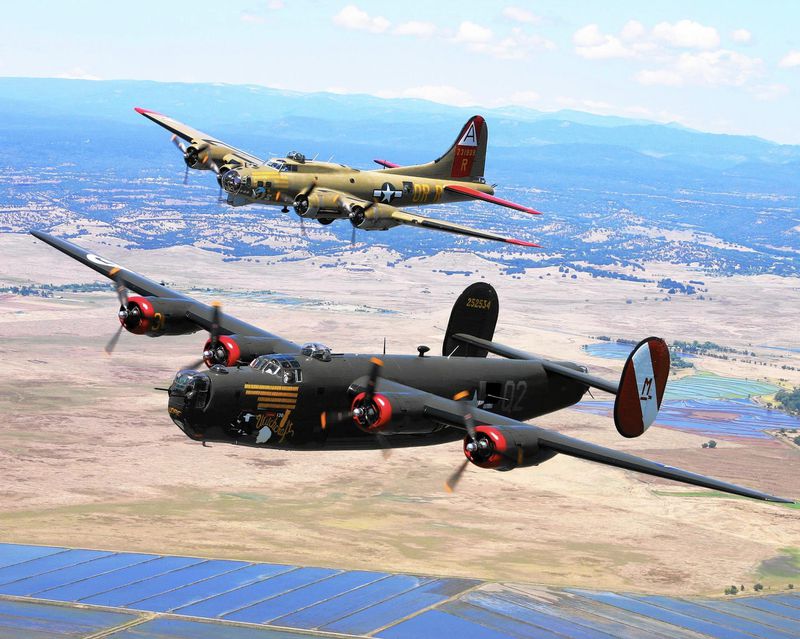
“The B-17 and B-24 were the backbone of the Allied bomber campaign against Nazi occupied Europe. Army Air Forces crews flew the bombers from bases in England and Italy. The bombers also were used the Pacific theater.”
This is the same plane that was in Beverly last month for the “Wings of Freedom” tour. My husband usually goes to the see the vintage planes every year and many of us love hearing the distinctive rumble of their engines overhead in the summertime.



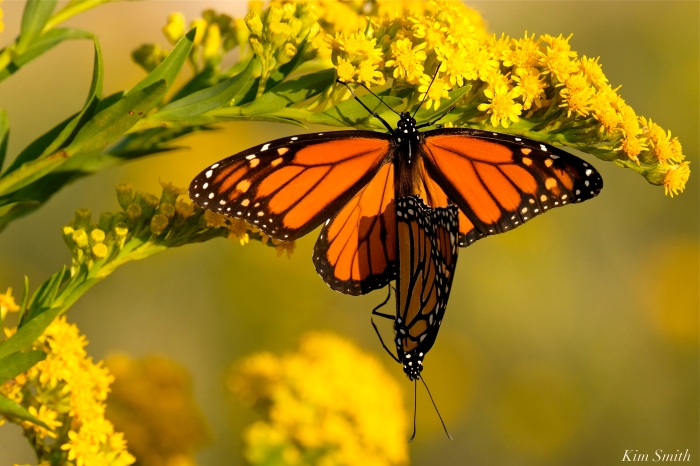
This pair of Monarchs did not get the 411 that they are supposed to wait until next spring to mate!


Beginning in early spring, Monarchs depart Mexico. They lay eggs of the next generation and then perish. This next generation moves northward depositing their eggs on emerging milkweed. It takes four to five generations to reach the Monarch’s northern breeding grounds, of which Cape Ann is a part. The Monarchs that we see in the early summer only live for about four weeks.
The Monarchs that eclose at the end of the summer are a super generation of Monarchs. Another way to think about them is that they are also referred to as the ‘Methuselah’ Monarchs. This last brood of the summer lives for a very long time for a Monarch, about seven to eight months. The Methuselah Monarchs that we see migrating today will travel south all the way to the trans-volcanic forested mountains of central Mexico. They sleep through the winter in butterfly trees in a state of sexually immaturity known as diapause, then awaken in spring to move northward and deposit eggs of the next generation, thus completing the circle of the Monarch’s life.
So that brings us back to this atypical pair mating in the marshy meadow in September. Every year during the annual southward migration I see at least one pair of Monarchs mating. I wonder, will the pair survive and continue to migrate? Will their offspring survive and travel further south?
Please join me Saturday, October 5th, at 10:30 at The Stevens Coolidge Reservation in Andover for a Monarch Migration Celebration and for my conservation talk about the Monarchs. For more information, see here.
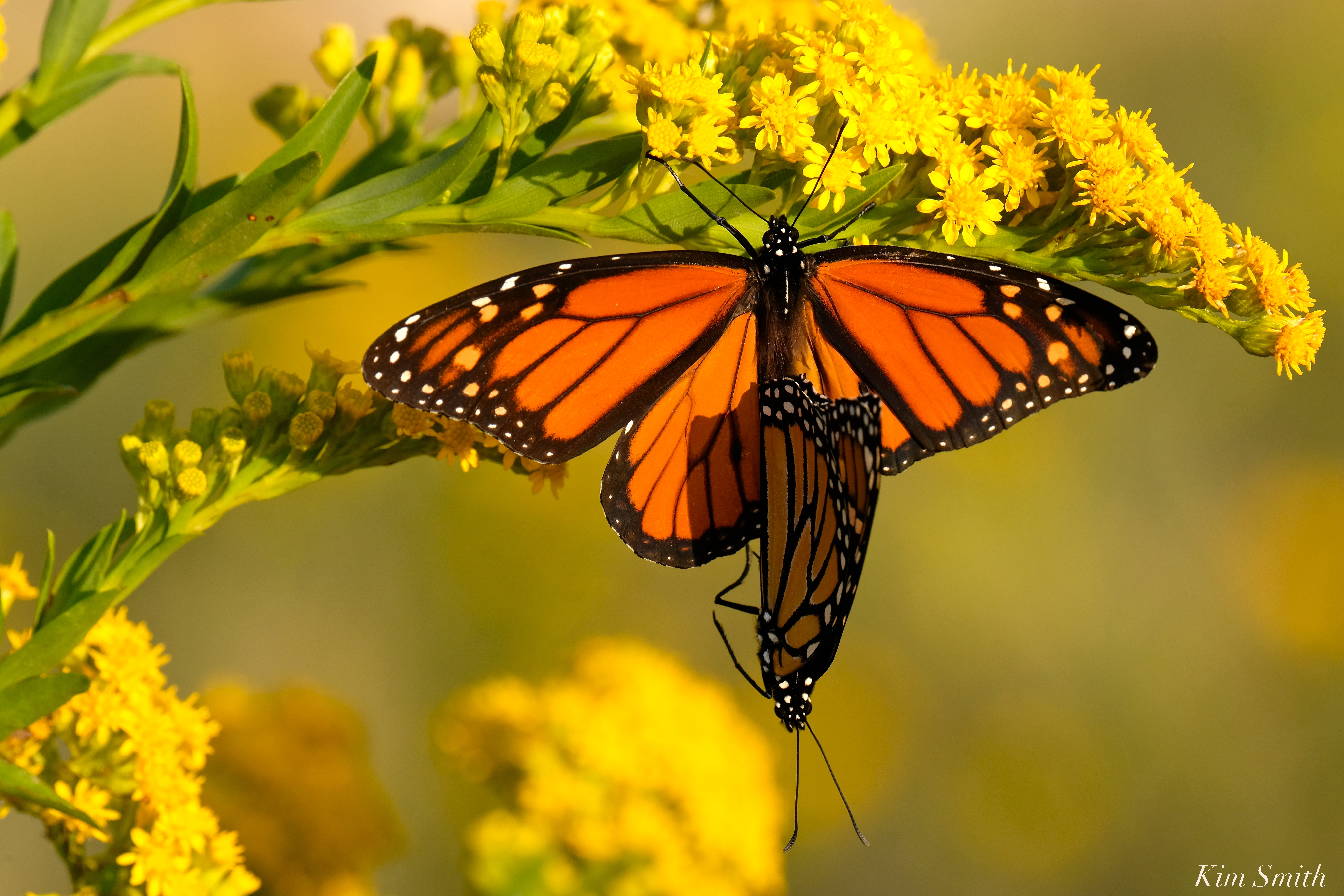


Enjoying every possible moment of this beautiful spell of Indian Summer weather ❤



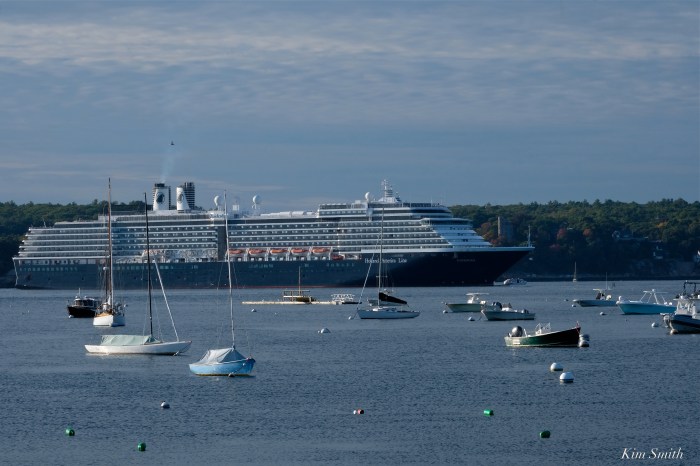
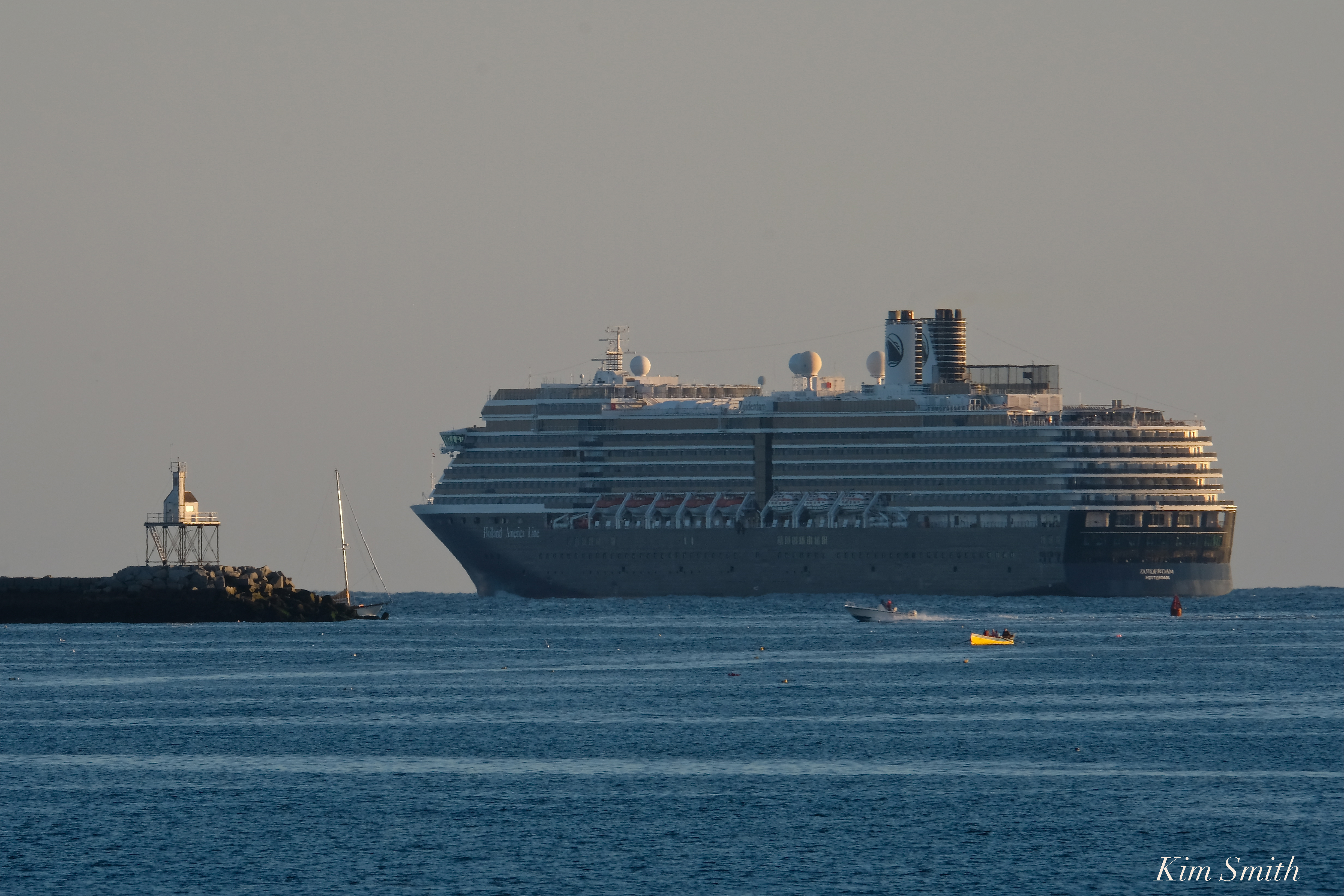
Here less than 24 hours, the Zuiderdam departed at sunset this evening, heading north towards Rockport.




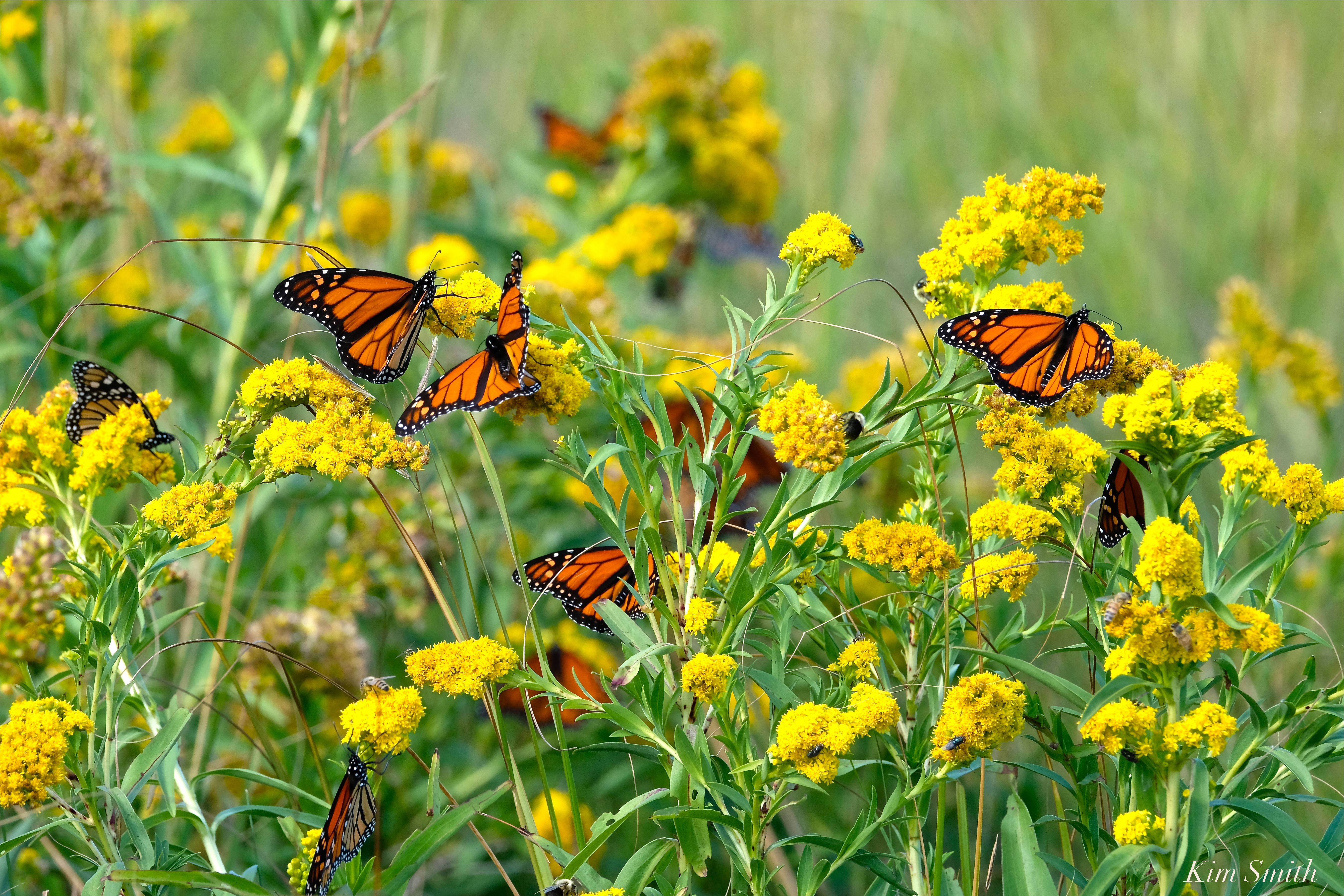
Multitudes of silently beautiful brilliant orange flakes swirl overhead. Ontario, Chicago, the Great Lakes, Wisconsin, Iowa, Nebraska, Texas–the list goes on and on–reports of record numbers of Eastern Monarchs are being shared throughout the country.
Monarchs are building their fat reserves by drinking nectar from wildflowers and garden flowers all along their migratory route. These migration pathways occur in urban areas such as Toronto, Chicago, Atlanta, and Kansas City; the Appalachian Mountains of West Virginia and Virginia; the fields and prairies of Minnesota, Kansas, Iowa, and Nebraska; and along the coastlines of the Atlantic, Gulf of Mexico, and Great Lakes.

The Atlantic Coast travelers are typically a week or two behind the Monarchs that migrate through the central part of the U.S. There are still large numbers of Monarchs in the Northeast waiting for the right conditions to journey on.
Here on Cape Ann I have been following the migration and checking hotspots several times daily. Beginning September 8th, the migration along our shores really began to pick up steam. We have had a steady stream with many overnight roosts. The last wave that came through migrated during the morning hours, but rather than staying overnight, continued on their journey, helped by a strong northeasterly wind.
Many thousands of photos were taken this past month and I will share them in upcoming posts, along with helpful answers to some Monarch questions that I am frequently asked. In addition to the photos, I have of course been filming. While my Monarch documentary, Beauty on the Wing, is in the final stages of post production, some of the footage from this year’s historic migration will make it into the film.
Please join me this coming Saturday, October 5th, at 10:30am at The Stevens Coolidge Place in Andover where I will be giving a talk and slide presentation on Monarch Butterfly conservation. A whole wonderful day of activities is planned for the kids and adults.
You spent the summer watching them flit about your gardens, now it’s time to wish them well on their trip down to Mexico – it’s the Monarch Migration Celebration at Stevens-Coolidge Place!
This celebration will kick off with a children’s pollinator parade around the property (costumes encouraged!) bringing all visitors to an afternoon of demos, crafts & stories, seed bomb making and gardening tips to bring these orange friends to your yard in the spring. Want to join in the butterfly tagging? Bring your flying friends with you and we’ll be happy to show you how! Butterfly release at 2:30PM
Trustees Member: $3
Trustees Member Child: $5
Trustees Family: $15
Nonmember: $6
Nonmember Child: $10
Nonmember Family: $25
Please help us plan for the day. Pre-registration is encouraged.
The STEVENS COOLIDGE PLACE
137 ANDOVER STREET
 Monarchs, Common Buckeye, and Painted Lady

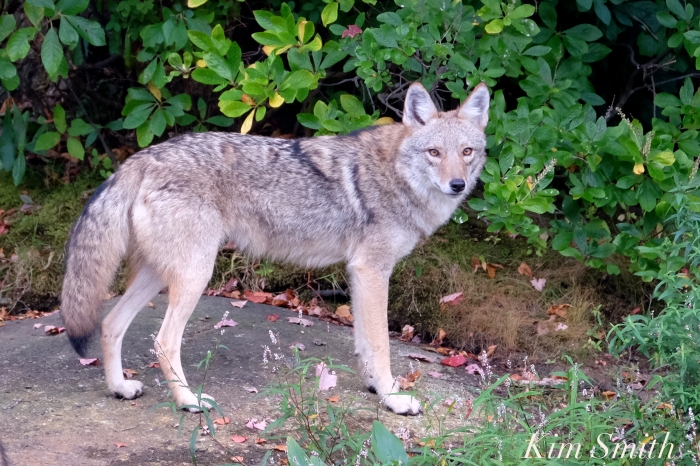

In response to public concern related to coyote hunting contests sponsored by private entities, MassWildlife and the Fisheries and Wildlife Board conducted a review of policies and regulations associated with coyote hunting and contests. Public feedback was collected at four listening sessions held from April through June and received through phone calls, letters, and emails. In addition to gathering and considering input from stakeholders, MassWildlife professionals examined the best available science and consulted with wildlife professionals from other state agencies. On July 17, MassWildlife staff made a regulatory recommendation to the Fisheries and Wildlife Board based on this comprehensive review. The proposal addresses public concerns that these hunting contests are unethical, contribute to the waste of animals, and incentivize indiscriminate killing of wildlife, inconsistent with the North American Model of Wildlife Conservation. Further, recognizing that public controversy over this issue has the potential to threaten predator hunting and undermine public support for hunting in general, MassWildlife recommended the following regulatory changes:
The Fisheries and Wildlife Board voted to hold public hearings on MassWildlife’s recommendations. Public hearings will be held at two locations:
October 22: Public Hearing on Predator Hunting Contests and Wanton Waste Regulations, Lenox – A public hearing will be held at 7 p.m. at the Lenox Town Hall, 6 Walker Street.
October 29: Public Hearing on Predator Hunting Contests and Wanton Waste Regulations, Westborough – A public hearing will be held at 7 p.m. at the MassWildlife Field Headquarters, Richard Cronin Building, 1 Rabbit Hill Road, off North Drive in Westborough.
Please click here to read the proposed regulatory language and learn how to provide public comment. Comments may be submitted for up to 2 weeks following the hearings by email to Susan.sacco@mass.gov, Attn: Fisheries and Wildlife Board or by mail to Chairman, Fisheries and Wildlife Board, c/o Director of MassWildlife, Mass. Division of Fisheries and Wildlife, 1 Rabbit Hill Road, Westborough, MA 01581.
Q: Have other states banned similar contests?
A: Yes. Since 2014, California, Arizona, Vermont, and New Mexico have banned coyote, predator, or furbearer contests. New York and Oregon are currently contemplating laws on this matter.
Q: Are hunting contests or coyote hunting regulations threatening the current coyote populations?
A: Coyote populations are stable, healthy, and abundant. MassWildlife estimates the statewide population of coyotes is between 9,500 and 11,500 animals. Over the past 10 years, the annual coyote harvest has ranged from 400 and 750—less than 10% of the statewide population. Due to the coyote’s unique reproductive biology, it would take an annual 70% harvest to reduce coyote populations. The current harvest from coyote hunting does not reduce the coyote population.
Q: Coyotes kill deer; shouldn’t coyote populations be controlled in order to maintain the deer population in the state?
A: With a historic high of 95,000 deer estimated in Massachusetts combined with recent record deer harvests, deer populations are thriving despite the presence of coyotes. Recent research shows that coyote predation on fawns and adult deer does not impact deer populations. Annually, biologists estimate that coyotes kill about 20–30% of fawns. Scientific studies have shown that fawn survival rates are similar with or without coyote predation. Coyotes rarely kill adult deer and in Massachusetts, adult doe survival rates are very high. High adult female survival translates into more fawns produced over a number of years, contributing to a flourishing statewide population.


The Zuiderdam arrived this morning to Gloucester Harbor.



Intently filming from a warehouse, and facing out toward the water, I turned around at just the right moment to catch the sunrise bursting through an adjacent window. Finding beauty in the most utilitarian of places 🙂

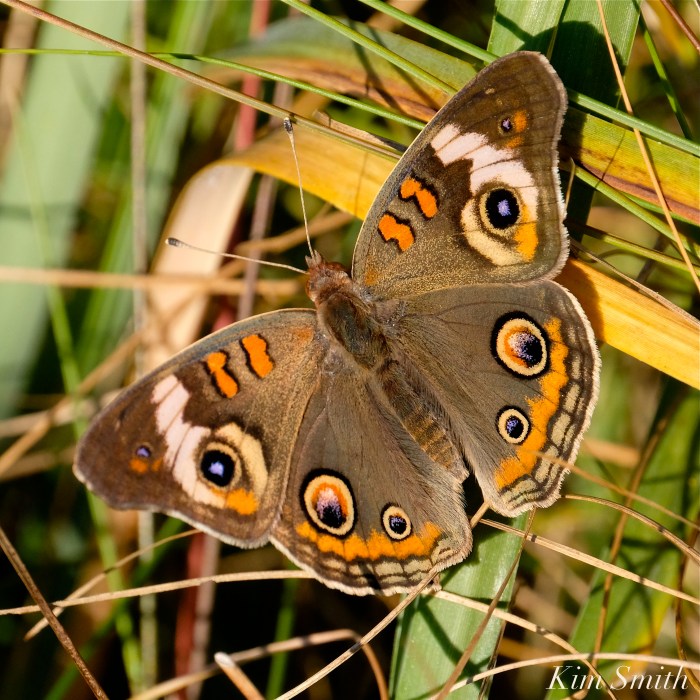
The colorful concentric and contrasting circles, or eyespots, that we see on butterfly and moth wings function in two ways as defense against predators.
The first theory is that the false eyes evolved as a way to intimidate a predator by mimicking the eyes of a snake or mammal. The attacker thinks they are facing a large dangerous animal. The wings that have the most glistening eyespot centers are found to be the most effective in deterring predators.
A second use for the eyespots may be to draw attention away from the main body parts, the head, thorax, and abdomen. If the predator takes a snip out of the butterfly’s colorful wing, the butterfly is more likely to survive than if its head is attacked.
Eyespots don’t just appear on butterflies–fish, reptiles, birds, and many other species of insects have developed false eyes.
 The beautiful eyespots of the Common Buckeye Butterfly


 Goldenrod glowing in the marsh at sunrise


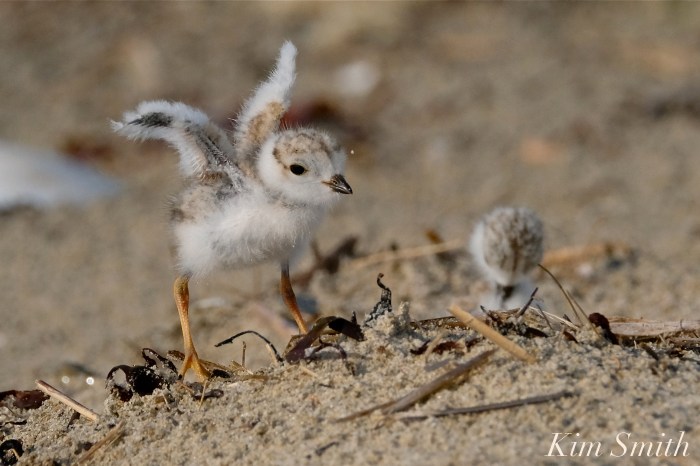
Last night, the Gloucester City Council voted unanimously to make permanent the ordinance change disallowing dogs on the beach after March 31st. A sunset clause had been added to the ordinance when the ordinance was passed last April. The sunset clause was expected to expire at the end of this year. The vote keeps in place the new regulation, which is that dogs are allowed on Good Harbor Beach from October 1st through March 31st.
The permanent rule will help all wildlife at Good Harbor Beach, but most especially nesting Piping Plovers (and Killdeers). We had a wonderfully successful year fledging three Piping Plover chicks, due we think to the cooler spring weather, the ban on dogs after April 1st, increased enforcement, and to the over 1,000 man hours donated by a group of 45 super dedicated Piping Plover volunteer monitors.
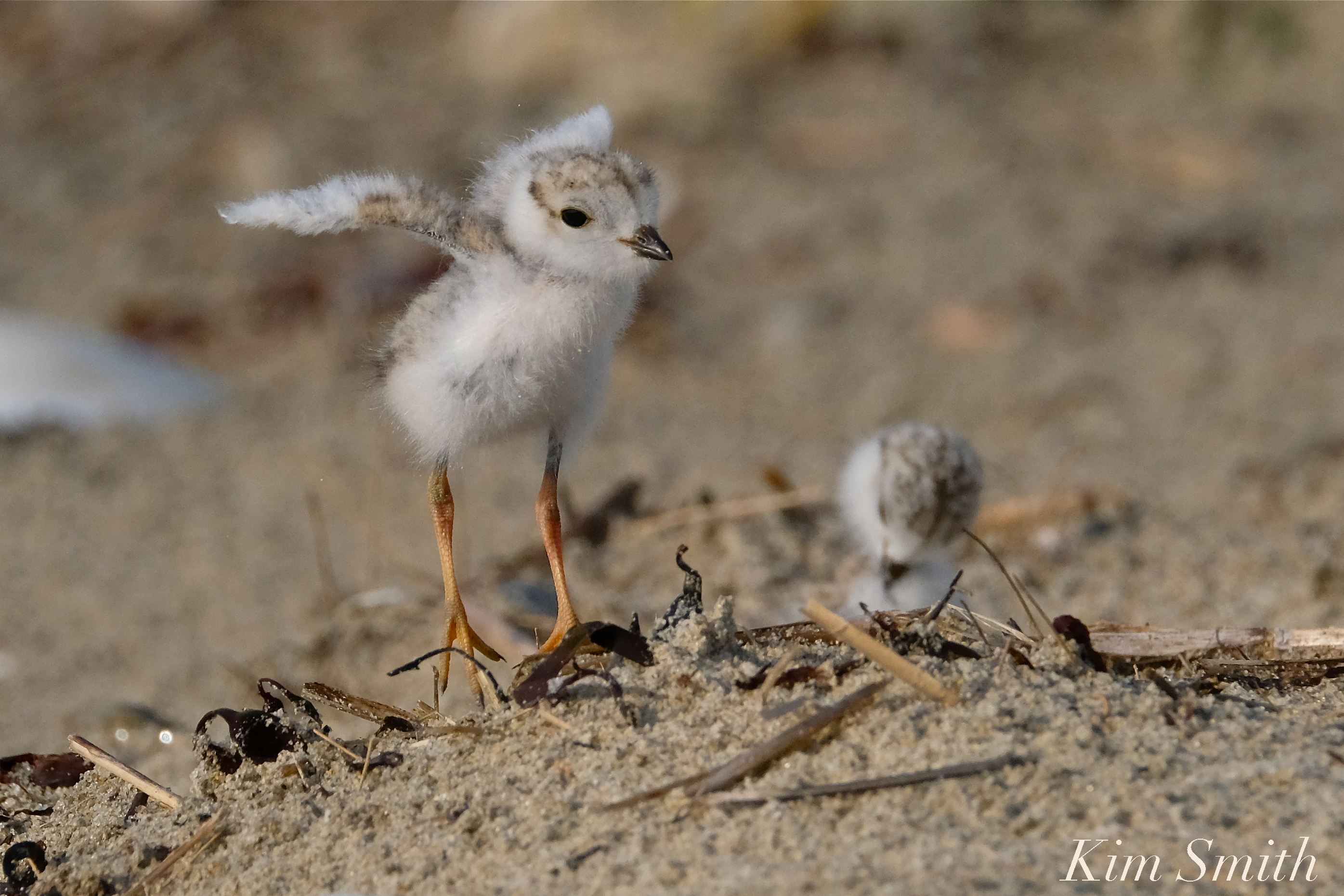 Thank you Gloucester City Council!
An extra huge shout out to two very special people– Ward One City Councilor Scott Memhard, who is also our new councilor liaison to the Animal Advisory Committee. He has been providing excellent, clear, non-combative, and non-prejudiced advice and is truly committed to assisting the committee positively, with an open and fair mind. Our deepest thanks to Heather Hall, who has spent the past month exhaustively combing through documentation to create a spreadsheet compiling the monitors report’s throughout the summer–that’s how we know there were 45 monitors total and 1,00 plus hours spent volunteering with the PiPls.
Thank you Scott and Heather ❤

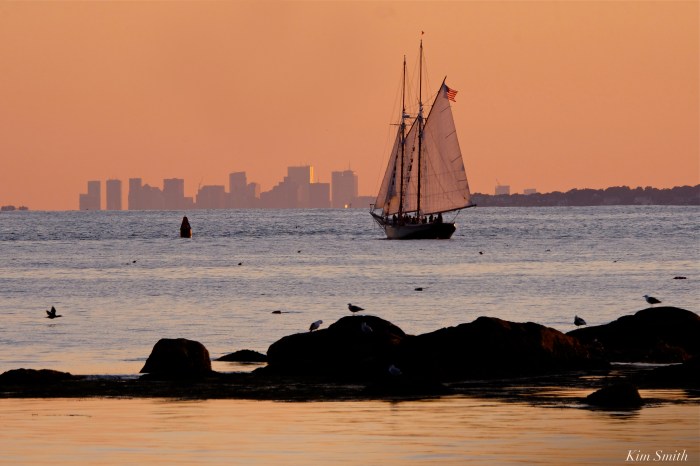
Wouldn’t it be wonderful to commute to Boston via the Schooner Lannon!


 Robert Walsh, Artistic Director & Christopher Griffith, Interim Managing Director present:
Karen Zacarías’ Contemporary Comedy
NATIVE GARDENS
OPENS AT GLOUCESTER STAGE
Female Creative Team Leads Production
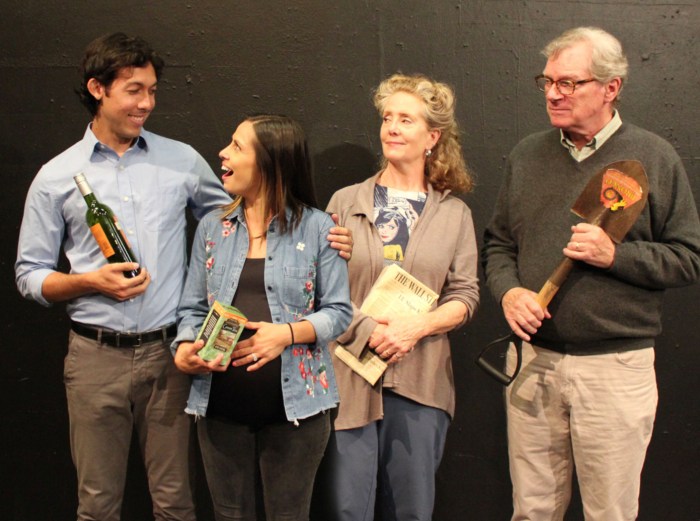
Gloucester Stage Company continues its 40th Anniversary Season of professional theater with Karen Zacarías’Native Gardens from September 27 through October 20 at Gloucester Stage Company, 267 East Main Street, Gloucester, MA. This contemporary comedy follows high-powered lawyer Pablo Del Valle, and his very pregnant wife, doctoral candidate Tania, who have just purchased a house next door to community stalwarts Virginia and Frank Butley. Soon a disagreement between the neighbors over a longstanding fence line derailstheir plans of realizing the American Dream.
Directed by Kelly Galvin in her GSC directing debut, the cast of Native Gardens features GSC veteran Patrick Shea returning to Gloucester Stage for the first time in 26 years to play Frank Butley, and GSC newcomersEduardo Ruiz as Pablo Del Valle; Alaina Fragoso as Tania Del Valle; Leigh Strimbeck as Virginia Butley; and Jeomil Tovar and Fernando Barbosa as the Landscapers. Led by an entirely female creative team, including Director Kelly Galvin, GSC continues to support the Gender Parity initiative started by StageSource and benefit from the vibrant perspective this team brings to the table. Marcella Barbeau (Lighting Design), Jessica Brennan (Assistant Stage Manager), Madison Cook-Hines (Assistant Director), Lindsay Genevieve Fuori (Scenic Design),Chelsea Kerl (Costume Designer), Alexis Rappaport (Sound Design), Melissa Richter* (Production Stage Manager), andEmme Shaw (Props Design). Native Gardens is presented with production support from the Sawyer Free Library, discovering the past and creating the future.


Native Gardens playwright Karen Zacarías is one of the inaugural Resident Playwrights at Arena Stage in Washington, DC, and is a core founder of the LATINX THEATRE COMMONS. A Washington, D.C resident, Ms. Zacarías is the founder of Young Playwrights’ Theater, an award winning theater company that teaches playwriting in local public schools in Washington, DC.
Director Kelly Galvin is the founder of the rig, a project that brings live performance to audiences with limited access to professional theater. She is company member of Shakespeare & Company where she has directed The Taming of the Shrew, Love’s Labor’s Lost, and The Clean House (reading), and serves on the faculty of the Young Company Summer Conservatory. Ms. Galvin previously served as Artistic Associate for WAM Theatre, where she directed The Last Wife and readings of The Virgin Trial, The Tall Girls, and Blue Stockings. Regionally, she has directed for Southwest Shakespeare, Boston Playwrights’ Theatre, Berkshire Playwrights’ Lab, and The Theater at Woodshill. She has assisted at the Guthrie, Asolo Rep, Orlando Shakespeare, and Shakespeare & Company. Ms. Galvin received a 2018 Directing Fellowship at Asolo Rep and has completed Directing Internships with Arena Stage and the Huntington Theatre Company. She holds an MFA from Boston University and a BA from Wellesley College.
Alaina Fragoso makes her Gloucester Stage debut as Tania Del Valle. In New York she has originated roles in Convention (BHP, Irondale Center); Hope (a reading at Yoke Theatre Company), Murder at the FoodCoop (NY Int’l Fringe Festival), and No One Asked Me (NY Int’l Fringe Festival/Encores). Ms. Fragoso is a graduate of Emerson College and the Atlantic Acting School.
Eduardo Ruiz is a Puerto Rican actor, from Mayagüez making his GSC debut as Pablo Del Valle. He received his BFA in theatre arts from the University of Puerto Rico and his MA in Classical Acting for the Professional Theatre from London Academy of Music and Dramatic Art. His recent credits include Vivace from Aristofanes’The Congresswomen, Claudio from Shakespeare’s Much Ado About Nothing and Oliver/Audrey from Shakespeare’s As You Like It. Mr. Ruiz was also recently part of the Alabama Shakespeare Festival Fellowship Company.
Native Gardens marks Patrick Shea’s first appearance at Gloucester Stage in 26 years. His previous GSCproductions were Benefactors, Wenceslas Square and The Last Yankee. After graduating from the American Academy of Dramatic Arts, he began his career in the Acting Ensemble of the New York Shakespeare Festival and subsequently in the Broadway production of Child’s Play. A veteran of Shear Madness in Boston, he also received a Dramalogue Critics Award for his performance in the Los Angeles production. He has appeared with The Huntington Theatre Company, Speakeasy Stage, New Rep, Merrimack Rep, Gloucester Stage, The Wilbur Theatre, The Nickerson Theatres and Worcester Foothills. Mr. Shea has performed as an actor and narrator with the Boston Symphony, Boston Pops, and Boston Lyric Opera. His film credits include Wait For Laugh, Infinitely Polar Bear, Ted, The Invention of Lying, Gone Baby Gone, Mystic River, Killer Flood, andBy the Sea. Mr. Shea’s TV credits include Frontline, Brotherhood, Spencer: For Hire, The Late Show with David Letterman, Unsolved Mysteries, Cheers!, and Against the Law.
A Massachusetts native who grew up locally in Marblehead and Swampscott, Leigh Strimbeck makes her GSC debut as Virginia Butley. Most recently she appeared as Madame Arcati in Blithe Spirit with Voice Theatre of Woodstock, NY. Ms. Strimbeck is an Associate member of The Bloomsburg Theatre Ensemble (BTE); theformer the Artistic Director of the Theatre Institute at Sage (TIS); an artist in residence in the theater program at Russell Sage College; and co-founder of WAM Theatre in The Berkshires. Her regional theater acting and directing credits include productions at Barrington Public Theater; Bloomsburg Theatre Ensemble; WAM Theatre; The Rep in Albany, NY; Saratoga Shakespeare; Shakespeare and Co; Berkshire Playwrights Lab and Voice Theatre. Ms. Strimbeck’s feature film credits include UnCivil Liberties, Fighting for Freedom, Little BiPeep, Deception, the short film Key Transitions and Lifetime Movie Network’s Off the Rails.
Jeomil Tovar and Fernando Barbosa make their GSC debut as Landscapers in Native Gardens. Jeomil Tovar recently played the same role in Native Gardens at Merrimack Repertory Theatre. Mr. Tovar’s previous credits include various roles with The Firehouse Center for The Arts, Front Porch Arts Collective, Underlings Theatre Company, Marblehead Little Theatre, Heart & Daggers Productions, The Center of Arts in Natick, The Hanover Theatre, and Salem State University where he is currently pursuing his BFA degree in performance. A Boston based, actor, singer, and musician, Fernando Barbosa he is currently pursuing a BFA in acting from Salem StateUniversality. Mr. Barbosa’s recent credits include All’s Well that Ends Well and Cymbeline withCommonwealth Shakespeare Company; Assassins, Arts After Hours, and Jesus Christ Superstar at Marblehead Little Theatre; Children of Eden with the Theatre Company of Saugus; Macbeth at UMass Lowell; Cloud Tectonics, Fort Point Theatre Channel, Midsummer Night’s Dream, Apollinaire (Elliot Norton Nom.), P.O.V, Umass Lowell.
NATIVE GARDENS PERFORMANCE DATES & TIMES:
SEPTEMBER 27 – OCTOBER 20
Wednesdays – Saturdays: 7:30 pm;
Saturdays – Sundays: 2:00 pm
PLACE:
Gloucester Stage Company, 267 East Main Street, Gloucester, MA 01930
SINGLE TICKET PRICES: Single Ticket prices are $15 to $48 with discounts available for Preview Performances, Senior Citizens, Military Families, and College Students and those under 18 years of age. For detailed ticket information visit www.gloucesterstage.com
PAY WHAT YOU WISH: SATURDAY, SEPTEMBER 28, 2 PM: Gloucester Stage is committed to inclusion and diversity, including socio-economic status. Pay What You Wish performances are the first Saturday Matinee (2pm) of each production, allowing access to the arts for all. No one is turned away for lack of funds and donations can be made before or after the show.
CAPE ANN NIGHTS: FRIDAY, SEPTEMBER 27, 7:30 PM; SATURDAY, SEPTEMBER 28, 2 PM & 7:30 PM; WEDNESDAY, OCTOBER 2, OCTOBER 9 & OCTOBER 16, 7:30 PM: Enriching our local community is key to our mission impact. Residents of Cape Ann can purchase $25 tickets at Preview Performances and every Wednesday of each production. Limit of 2 (two) per household. Tickets can be purchased by calling the Box Office 978.281.4433, with a valid address.
POST-SHOW DISCUSSIONS: SUNDAY: OCTOBER 6 & OCTOBER 13: Following the 2 pm performances on Sunday, OCTOBER 6 and Sunday, OCTOBER 13, audiences are invited to free post-show discussions with the artists from Native Gardens.
ABOUT THE COMPANY: Gloucester Stage is a professional non-profit theater providing a unique, intimate experience as audiences are never more than five rows from the stage. Located in a century-old repurposed brick warehouse on the waterfront of Cape Ann, the organization is led by Artistic Director Robert Walsh and Interim Managing Director Christopher Griffith. Entering the company’s 40th Season in 2019, GSC benefits from a loyal audience searching for intellectually stimulating and socially relevant stories.
For further information, call the Gloucester Stage Box Office at 978-281-4433
or visit GLOUCESTERSTAGE.COM
Native Gardens is presented with special arrangement with Samuel French, Inc.


Surfer racing to catch the waves.
The surfer ran up so unexpectedly that I don’t have time to pull back my lens, but I like the images anyway.

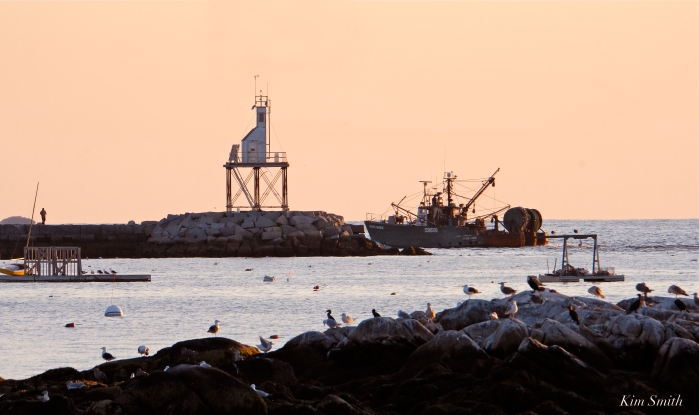
The Grace Marie heading out at dusk.

Thanks to my friend Heidi Wakeman who texted to let me know there was what she thought a trio of Black Skimmers down the creek at Good Harbor Beach. I raced over and sure enough there were three Black Skimmers, as well as several Laughing Gulls, resting on the creek edge along with a flock of gulls.
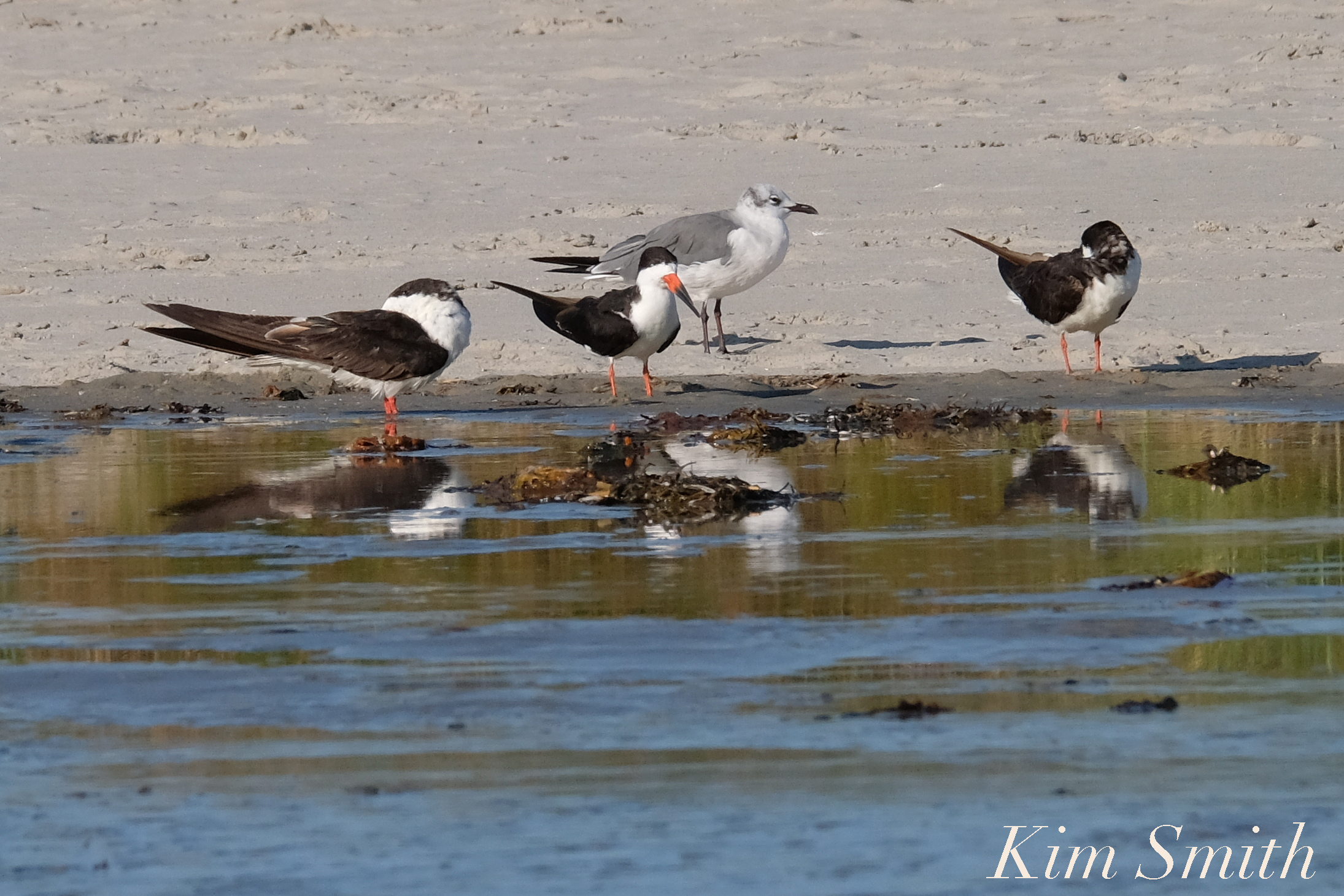
You could tell they were weary and wind tossed so we observed from the far side of the creek so as not to disturb the little travelers. Heidi and I enjoyed watching for a bit. A Great Blue Heron briefly flew on the scene, joining a mixed gathering of herons and egrets. Heidi stayed awhile longer and got to see them fly and skim-feeding.
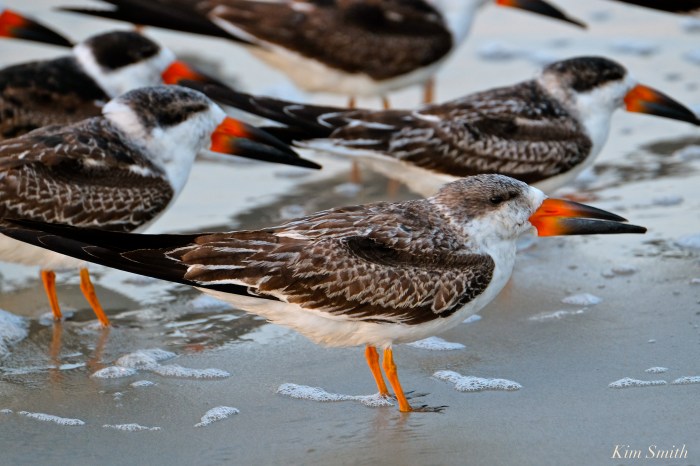
 Black Skimmers are called as such because they have a unique-to-their species method of foraging. Their lower mandible is longer than the upper, which allows them to skim the surface for small fish.
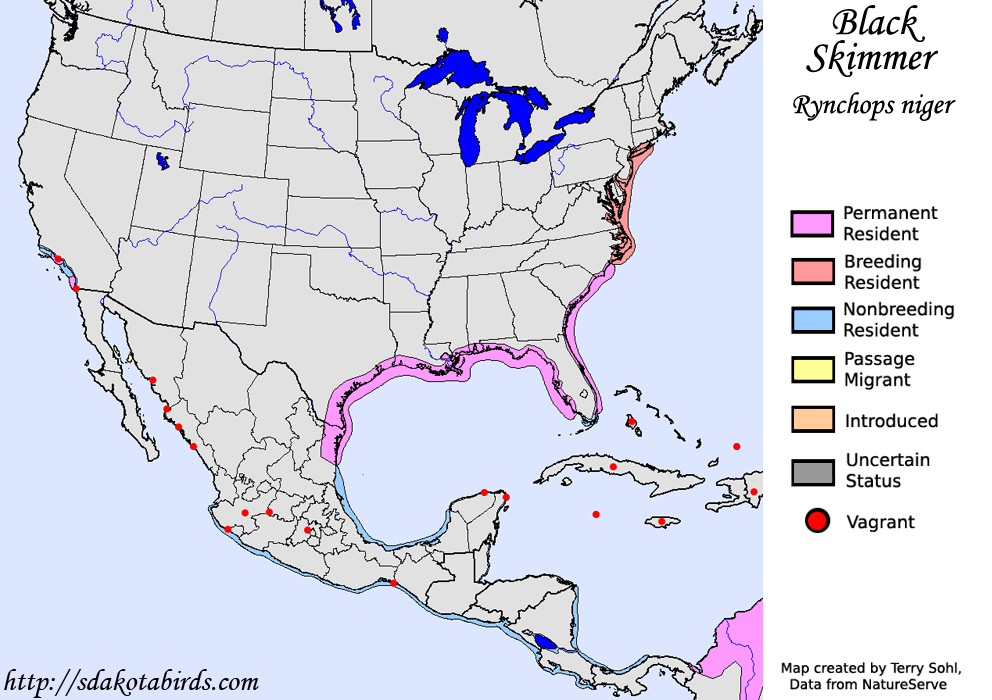
Southern Massachusetts is at the very northern range of the Black Skimmers breeding range. I imagine they have been blown off course by Humberto’s wildy winds.
Black Skimmers are not all that Hurricane Humberto delivered to our shores. The surf was tremendous Friday afternoon, with long lovely rolling waves that towered and crashed ashore. The late day softening light and a fine mist from the heavy amounts of moisture in the air lent an atmospheric light to all.


Here are some photos I took of Black Skimmers two years ago at Cape May, New Jersey, while documenting the Monarch migration along the southern New Jersey coast. Just as do Monarchs, Skimmers gather in great numbers at Cape May in late summer and early autumn, waiting for the right conditions to cross the Delaware Bay.



 Good Morning Gloucester