Documentary filmmaker, photographer, landscape designer, author, and illustrator. "Beauty on the Wing: Life Story of the Monarch Butterfly" currently airing on PBS. Current film projects include Piping Plovers, Gloucester's Feast of St. Joseph, and Saint Peter's Fiesta. Visit my websites for more information about film and design projects at kimsmithdesigns.com, monarchbutterflyfilm.com, and pipingploverproject.org. Author/illustrator "Oh Garden of Fresh Possibilities! Notes from a Gloucester Garden."
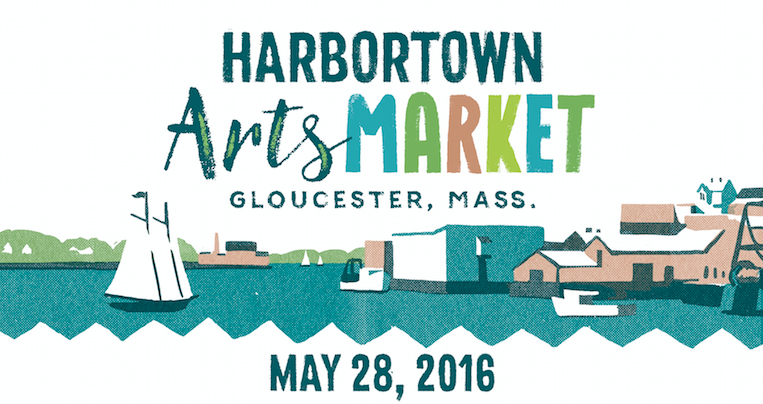
!NEW! Harbortown Arts Market at I4-C2 (65 Rogers Street)
We have some exciting news!
As part of the Harbortown Arts Festival over Memorial Day Weekend, we are including a new open air Harbortown Arts Market at I4-C2 on Saturday, May 28 from 10:00 am – 4:00 pm.
We are working with the Mill Gypsies, who have been very successful in organizing arts markets around New England. And we’re working on getting a couple of Boston food trucks there too.
If you are interested in signing up to be a vendor, here are the details:
This event is being curated by Mill Gypsies. Not everyone who enters will be selected. Cape Ann artisans are strongly encouraged to apply.
If accepted, there is a $60 registration fee.
Rain or shine. One day only. (We’re hoping to host another Harbortown Arts Market in October).
Vendors must bring their own table. Vendor tents 10×10 are strongly encouraged. Tents need to have 40# weights on each leg.
Special “thank you” goes out to Mayor Sefatia Romeo Theken for allowing us to use I4-C2 and Rusty Kinnunen for designing our new Harbortown Arts Market logo!
We’ll be getting out a press release soon. We just wanted to make sure members of our creative community are aware of and can take advantage of this exciting new event!
Please share this announcement with your contacts.
Sincerely,
Rebecca
Spread The GMG Love By Sharing With These Buttons:
To make a donation to the Civil War Bacheler Coat Caper, visit You Caring here or send a check with “Civil War coat” written in the check’s memo field to The Gloucester Fund, 45 Middle St., Gloucester, MA 01930, or Committee for the Arts, c/o Gloucester City Hall, 9 Dale Ave., Gloucester MA 01930. The King Brothers thank you!
Spread The GMG Love By Sharing With These Buttons:
Yesterday at the 178th GMG podcast, we had the pleasure to meet Dennis Funk, GMG contributor Karen Pischke’s cousin from South Carolina. I believe Dennis said that this his third time running the Boston Marathon, and of all the marathons he runs, Boston is his favorite!
Spread The GMG Love By Sharing With These Buttons:
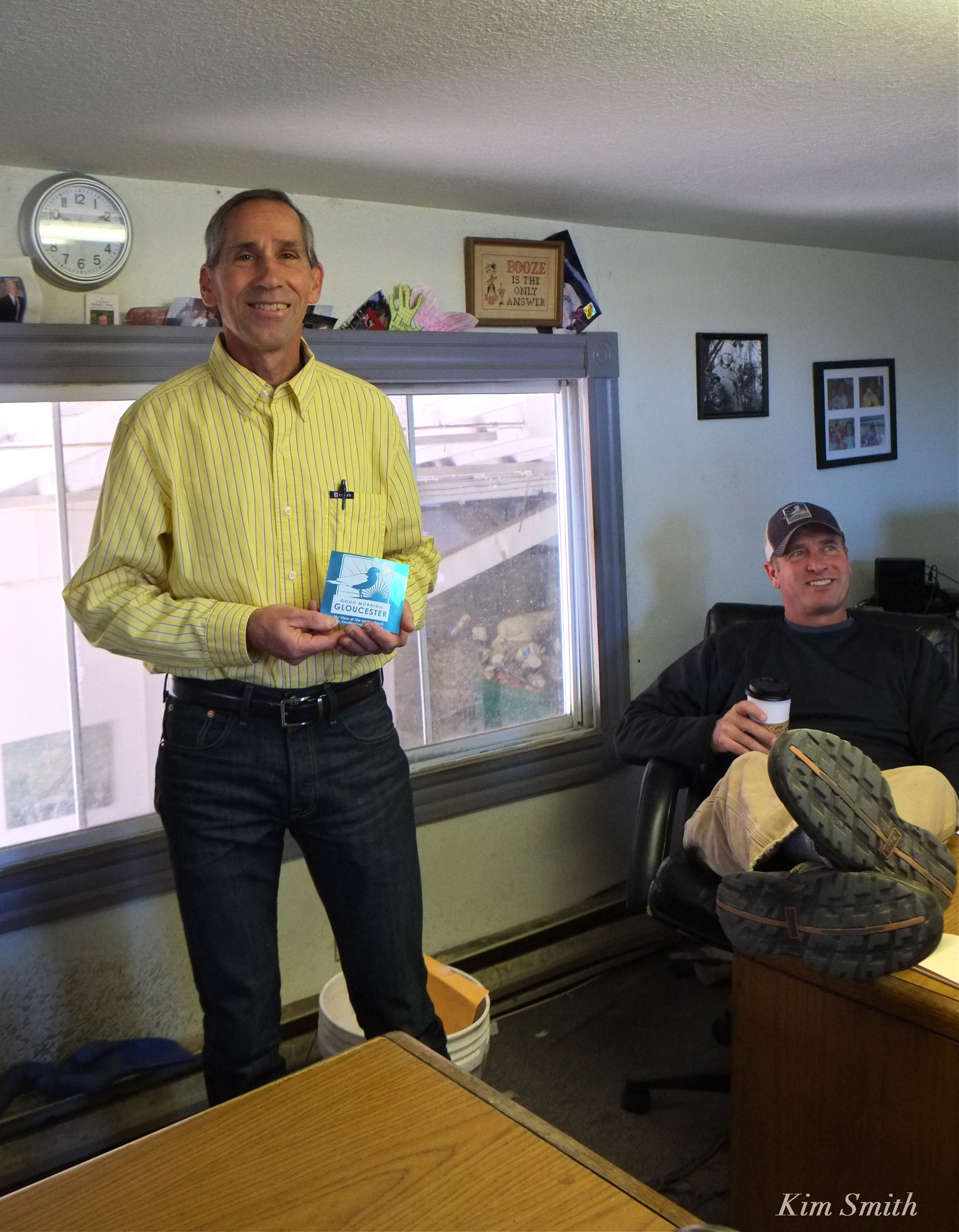
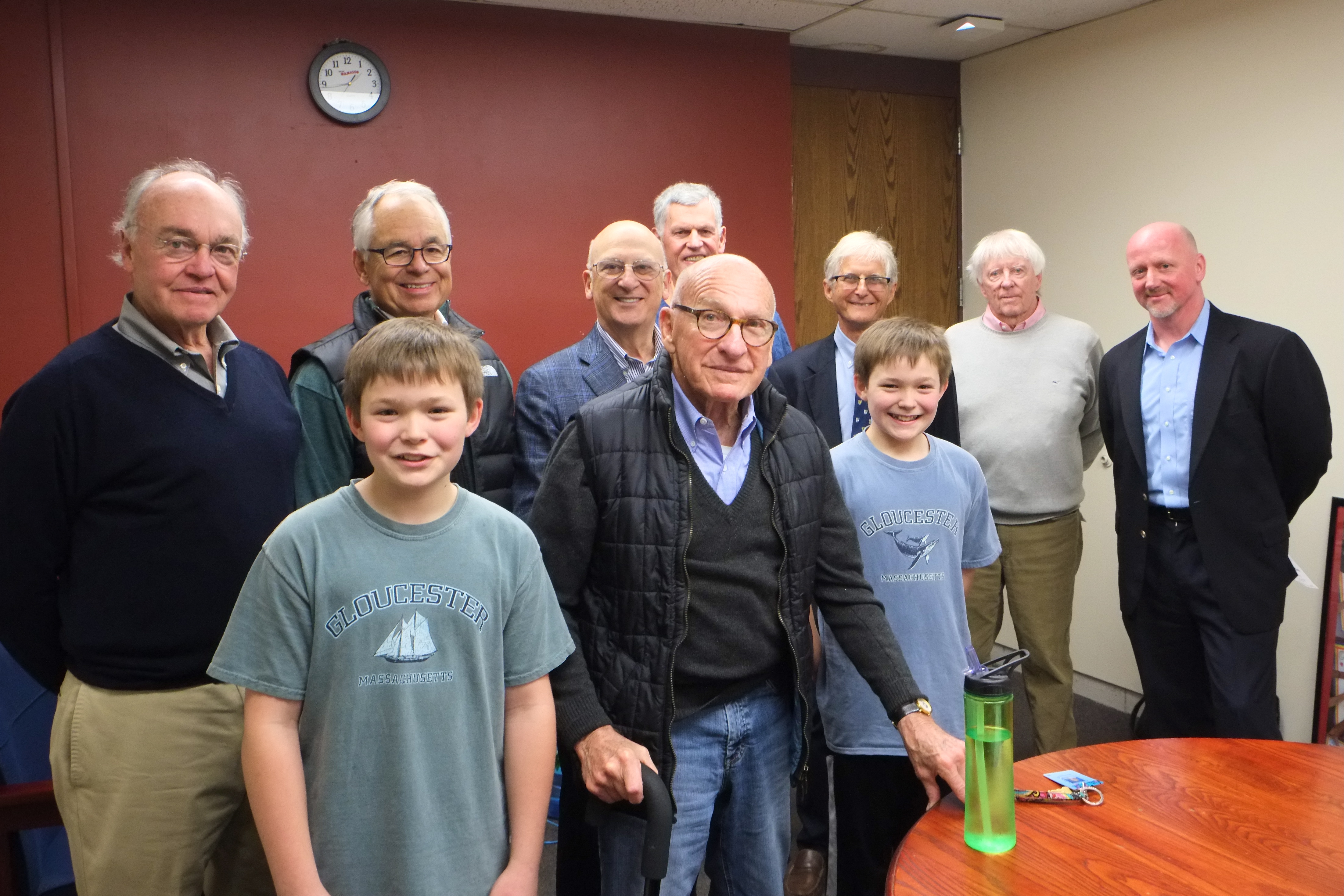
We are looking forward to attending the Awesome Gloucester presentations tomorrow night, Monday the 18th, at the Gloucester House Restaurant, at 7pm. Very best wishes to George and Charles, and all the presenters!!Charles and George demonstrating the Alfred Bacheler Civil War Coat You Caring website to friends.
Spread The GMG Love By Sharing With These Buttons:
A true story, the following is a modern day fanciful beast encounter. I have been reluctant to write about this adventure for fear it would draw sight-seers to regions of Cape Ann off the beaten path, as happened with the white pelican sighting. Now that the mystery of its identity may perhaps be solved, I think it safe.
One morning at daybreak as I was unloading my gear at Brace Cove, I paused to scan the edges and then the whole of Niles Pond. I do this often when out filming and photographing at our local ponds and marshes, looking for swans and other wild birds that may be seeking shelter along these idyllic shores. In the middle of the pond was a float of ice with a great many seagulls just beginning to awaken with the rising sun. Nothing unusual about that. What caught my attention was a very large brown shape there on the ice amongst the gulls. Harumph! I said to no one but myself, what a view spoiler and how utterly trashy that a large brown paper lawn and leaf bag should blow out to the middle of the pond and become stuck there. And then the brown shape slithered into the pond. I not only saw it, but heard the very distinct sound of a creature sliding expertly into water. I tried in vain to catch another glimpse and spent the remainder of the morning half spooked and half kicking myself for not more hurriedly making the effort to film and photograph the “garbage bag.” If only I’d known it was alive!
Shortly after the creature encounter, I read about the Ten Pound Island sea monster sightings and concluded, that yes, a mysterious sea creature could easily swim around Eastern Point Lighthouse, haul up at Brace Cove, cross the causeway, and have himself a swim at Niles Pond, if he were so inclined.
I thought about this beast encounter for weeks and at one point, somewhat embarrassedly, asked my husband to come with me to photograph a moonlit evening at Niles Pond as I wasn’t sure I wanted to come face to face with such a great creature at night. By myself. Being the good sport that he is, he came, if just to prove that it was perfectly safe to photograph in the moonlight.
As mentioned, I’ve been hesitant to write this until very recently when at Henry’s Pond, on a rainy and chilly early spring morning I spied for only a few moments what appeared to be a very mini version of the Niles Pond creature. It was swimming at top speed with a long sinuous streamlined shape beneath the surface of the water and only a bit of its head visible above the water. I took a blurry snapshot and raced home to search books and internet for any clues. The creature was too big to be a muskrat and its tail too slender to be a beaver. I am almost certain that what I saw at Henry’s was a North American River Otter. Two weeks passed when while filming Mr. Swan, again on an overcast morning at Henry’s, the little creature energetically appeared near the marshy shore on the opposite side of the pond, looked all around, dove, re-emerged, again looked all about, and then disappeared. This time I was able to capture a few seconds of video of this inquisitive little otter.
What I have learned about North American River Otters is that they can grow very large, up to five and half feet and weigh thirty pounds. There is the Great River Otter of South America, which can grow over six feet, but the creature I saw at Niles was about four and half to five feet long.
Well there you go, a modern day fanciful beast encounter. After seeing my beast, I think it quite easy to understand how sea monster stories from days gone by could so easily capture people’s imaginations.
Please write if you think you have seen a River Otter in your neighborhood. Thank you!
Look toward the marsh in the first clip, with Mr. Swan in the foreground. You can see the bobbing head of the otter in the background. I was hoping to see the otter again and try to capture better footage but it has been several weeks and no further sightings.
Spread The GMG Love By Sharing With These Buttons:
A few clips from the closing night performance of Beeman Memorial School’s fantastic production of Beauty and the Beast. The cast and crew did a magnificent job, so good in fact, it was hard to believe that the players are all only in elementary school. A huge shout out out to the cast, the crew, and the co-directing team of Heidi Dallin and Beth Goldberg!
Save Our Shores Gloucester has closed on the property at 166-178 Atlantic Road!
The next step will be to place a conservation restriction on the land that will protect it and preserve it in perpetuity for the benefit of all forever.
Save Our Shores Gloucester thanks all of those who provided financial support, contributed time to attend meetings and donated supplies and materials to make this effort so successful.
On Friday, May 6, a ribbon-cutting ceremony will take place at the site to celebrate victory over development along the Back Shore, a spot revered by so many people from Gloucester, and from many places around the globe.
Thanks to Marilyn Hyde, realtor extraordinaire, for her help in securing this property.
We look forward to seeing you on May 6. Details to follow.
— Save Our Shores Gloucester
Roger Armstrong
Martin Del Vecchio
Hazel Hewitt
Dave Manley
Mark Poulin
Pam Poulin
Barbara Silberman
Spread The GMG Love By Sharing With These Buttons:
Have you ever wondered why sometimes you can see the brilliant red gorget (throat feathers) of the male Ruby-throated and Allen’s hummingbirds, and sometimes not at all? Or why iridescent feathers appear green, and then blue, or possibly purple, and then in the next moment look drab and dreary? I think about this when photographing birds such as grackles, buffleheads and hummingbirds. Most recently, the turkeys in our community are currently displaying their wildly varying iridescent feathers when in full courtship mode.
Bufflehead Iridescence
Iridescent Red Gorget in Male Allen’s Hummingbird, same bird, different angles
Layering
There are two types of structural color, layering and scattering. Iridescence in bird feathers is created by layering. Bird feathers are made of a translucent protein called keratin, which is a very rugged substance. Not only are the feathers made of keratin, but keratin coats the bird’s claws, legs, and bill. Because of the structure of the feather, with its microscopic barbules, when light hits the feather it causes the wave lengths to bend, or refract. Keratin reflects short wave length colors like purples, blues, and violets. The other colors are absorbed by the underlying layer of melanin. The refraction works like a prism, splitting the light into an array of colors. As the viewing angle changes, because of the viewer’s movement or because the bird is moving, the refracted light displays a shimmering iridescence, or none at all. Beautiful color combinations are created when iridescent layers are combined with pigments present.
In the above photo, the male Turkey’s iridescent feathers surrounding the head make a splendid display in full sun.
These same feathers appear entirely different when back lit.
Iridescence in Grackles
Scattering
Keratin is interspersed with tiny pockets of air of within the structure of the feather filament (called barb). Scattering is created when light hits the pockets of air, which results in specific, non-iridescent color. The color blue in feathers is almost always created in this manner. Feathers of Blue Jays, Bluebirds, and Indigo Buntings are prime examples of scattering.
Here are two graphics found online that I found very helpful in trying to visualize the difference between layering and scattering. The first shows how iridescence is produced and the second, how blue scattering is created.
Spread The GMG Love By Sharing With These Buttons:
WE HAVE AWESOME NEWS!!! Our Awesome Gloucester grant proposal for the Bacheler Civil War Coat has made it to the semi-finals! Now it’s up to our 3-5 minute pitch next Monday 7PM at the Gloucester House to bring it home!! Three other good projects will also try.
Awesome Gloucester wrote:“we encourage you to invite as many of your friends, family, and supporters as possible. The more the merrier!”
That’s where you come in. We know it’s school vacation and some might have plans. If you can come, we’ll be ecstatic. Let us know! Either way, you’re all part of what everybody has worked towards for the coat. It would be impossible without you guys. Thank you for everything. If we get this, we’ve done it! The coat will be fixed, mounted and displayed!
Sincerely,
Charles and George
So excited and looking forward to coming George and Charles. Congratulations!!!
To donate to help rehabilitate Gloucester’s historic Civil War coat:
Visit You Caring and follow instructions on how to contribute.
Send a check with “Civil War coat” written in the check’s memo field to The Gloucester Fund, 45 Middle St., Gloucester, MA 01930, or Committee for the Arts, c/o Gloucester City Hall, 9 Dale Ave., Gloucester MA 01930.
Spread The GMG Love By Sharing With These Buttons:
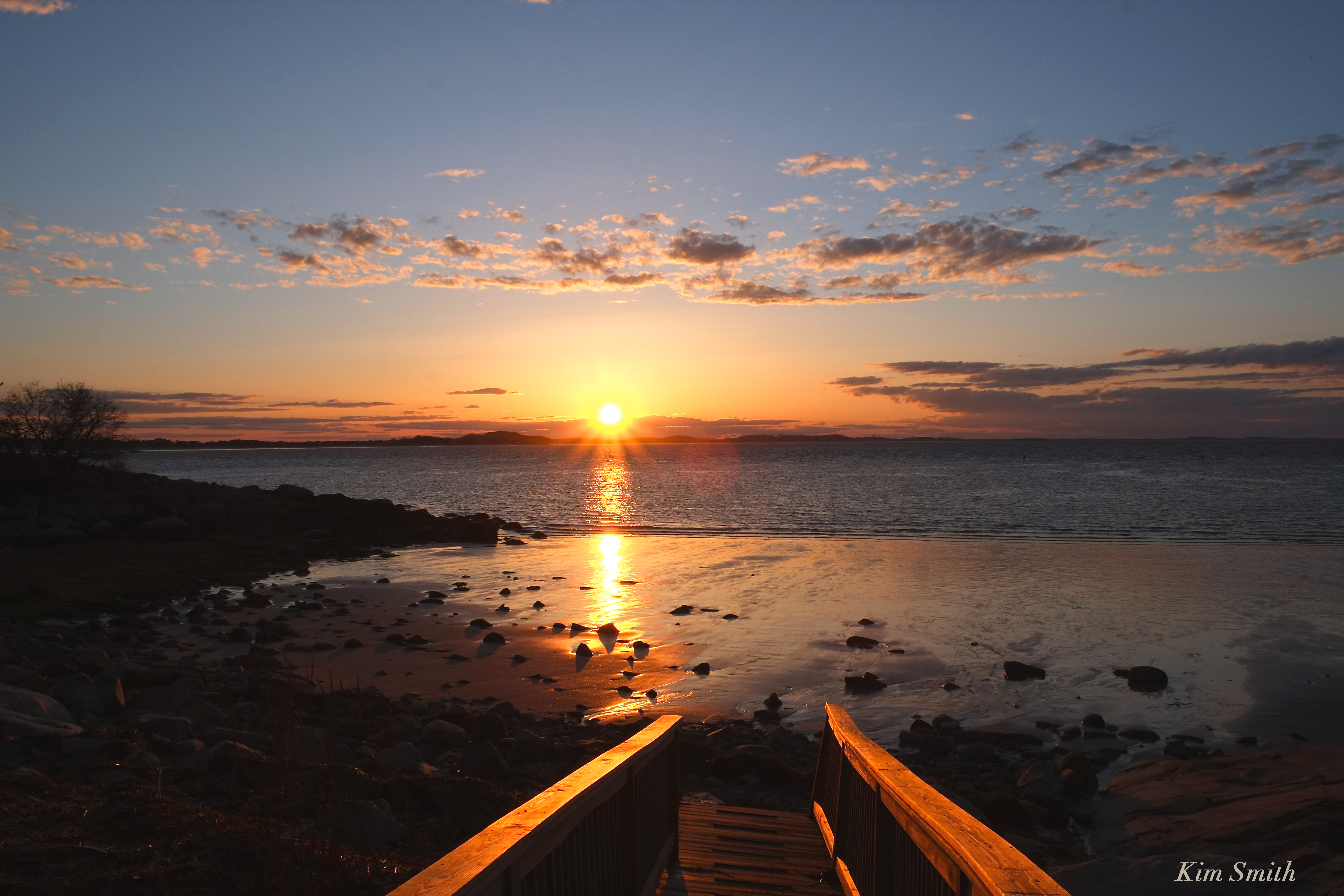
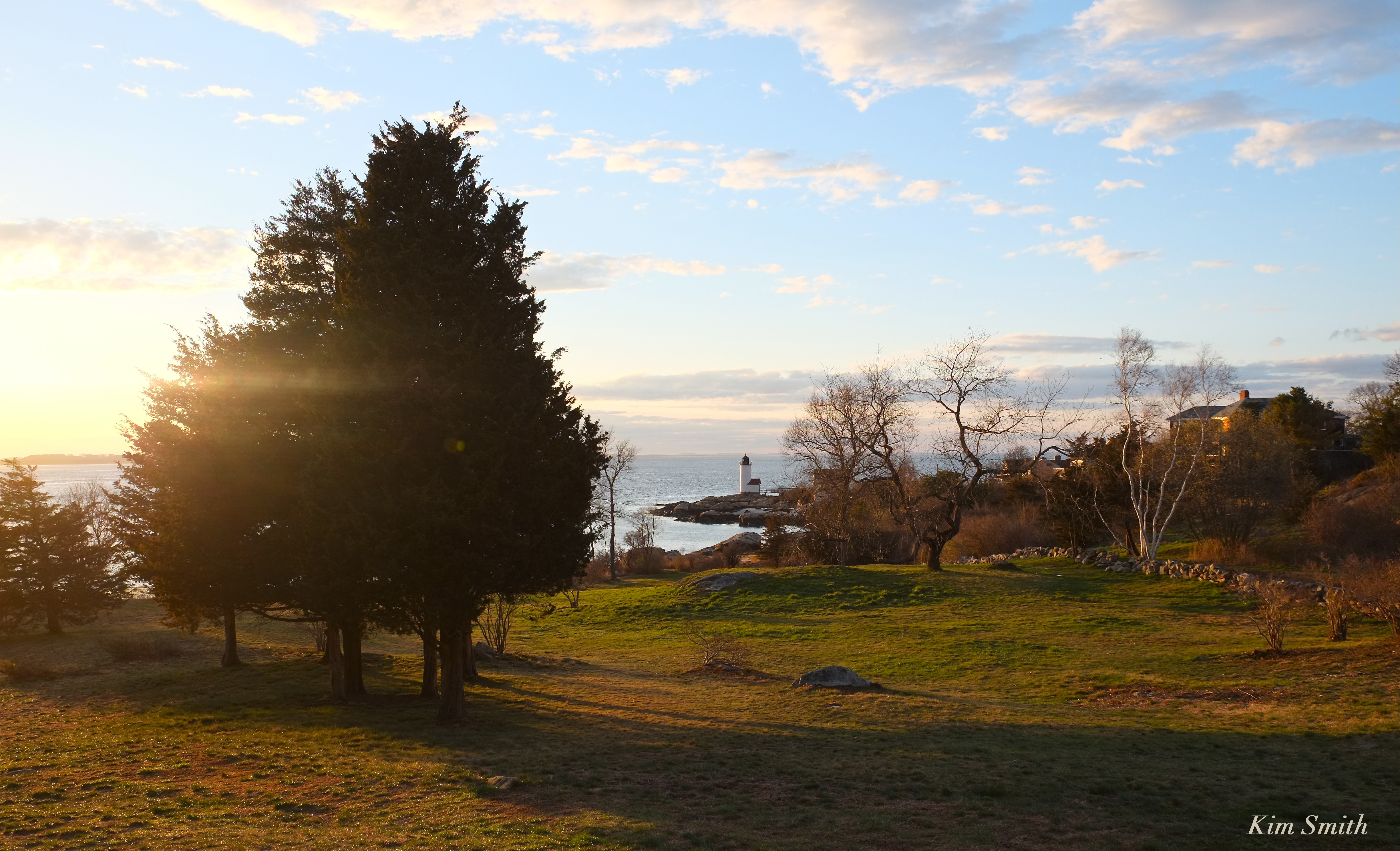
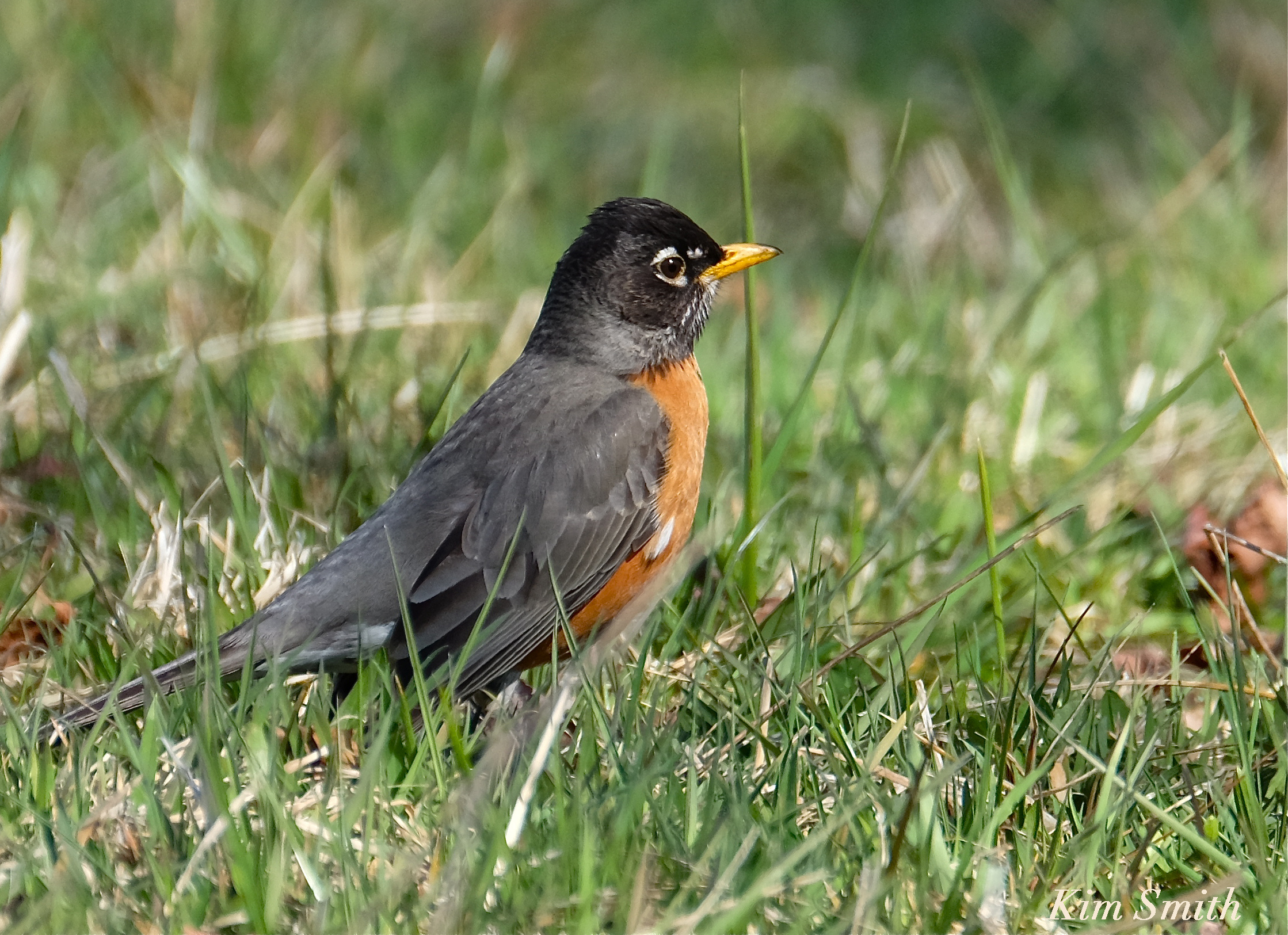
How Color is Created in Bird Feathers will continue tomorrow. So sorry, but was a very long work day today. It’s so interesting though and I can’t wait to get back to writing. Did you know that the study of feathers is called Plumology? I’ll have time to finish tonight. In the meantime, here are several of last night’s snapshots from a walk at sunset on the Annisquam meadow, heading to Lighthouse Beach. It was a beauty, especially with the bevy of Robins doing their robin-hop-thing while feasting in the grass in the softening sunlight. Spring really and truly has arrived!
Spread The GMG Love By Sharing With These Buttons:
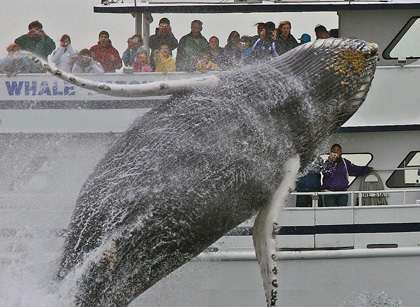
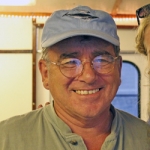
Paul Frontierro, Captain and founding owner of 7 Seas was busy this afternoon getting things ship shape for their reopening on Saturday. Looks like gorgeous weather this weekend!
Whale Watching Trips Daily to Stellwagen Bank National Marine Sanctuary
WELCOME ABOARD THE PRIVATEER IV!
7 Seas Whale Watch has had the privilege of introducing thousands of passengers to the many species of whales and marine wildlife that inhabit the waters from Cape Ann and out to the Stellwagen Bank Marine Sanctuary. Our trips run from mid-April to mid-October and are designed to educate, inspire and provide a deeper understanding and appreciation of our fragile marine environment.
We are a family business – Three generations of career captains have worked from this very dock for more than 7 decades. We have a love and respect for the marine environment and a passion for providing the best possible customer experience for you and your family. Browse our website, reserve tickets on-line, call our sales office (888 283-1776) or use our contact form to ask a question or send a comment.
We look forward to seeing you on the water.
Paul Frontierro, 7 Seas Captain and founder
Photos 7 Seas website
Spread The GMG Love By Sharing With These Buttons:
In thinking about how colors are created in bird feathers, I wondered if it was similar to how color is formed in butterfly wings. I learned that yes, it is very similar, and that bird feather color has evolved in several ways, from pigmentation present or as a result of light refracting through the layered structure of the feather.
Color from Pigment
Pigments are colored material found in plants, animals, and nearly every physical substance in nature. Pigmentation in birds comes from three different sources: melanins, carotenoids, and porphyrines.
Melanins are tiny bits of color in the feathers of birds and in their skin. Melanins produce colors from palest yellow to rusty red browns to the richest black, depending on where the melanin is located and in what degree of concentration. Feathers with melanin are the strongest of all. A bird’s flight feathers are the most susceptible to wear and usually have the highest degree of melanin.
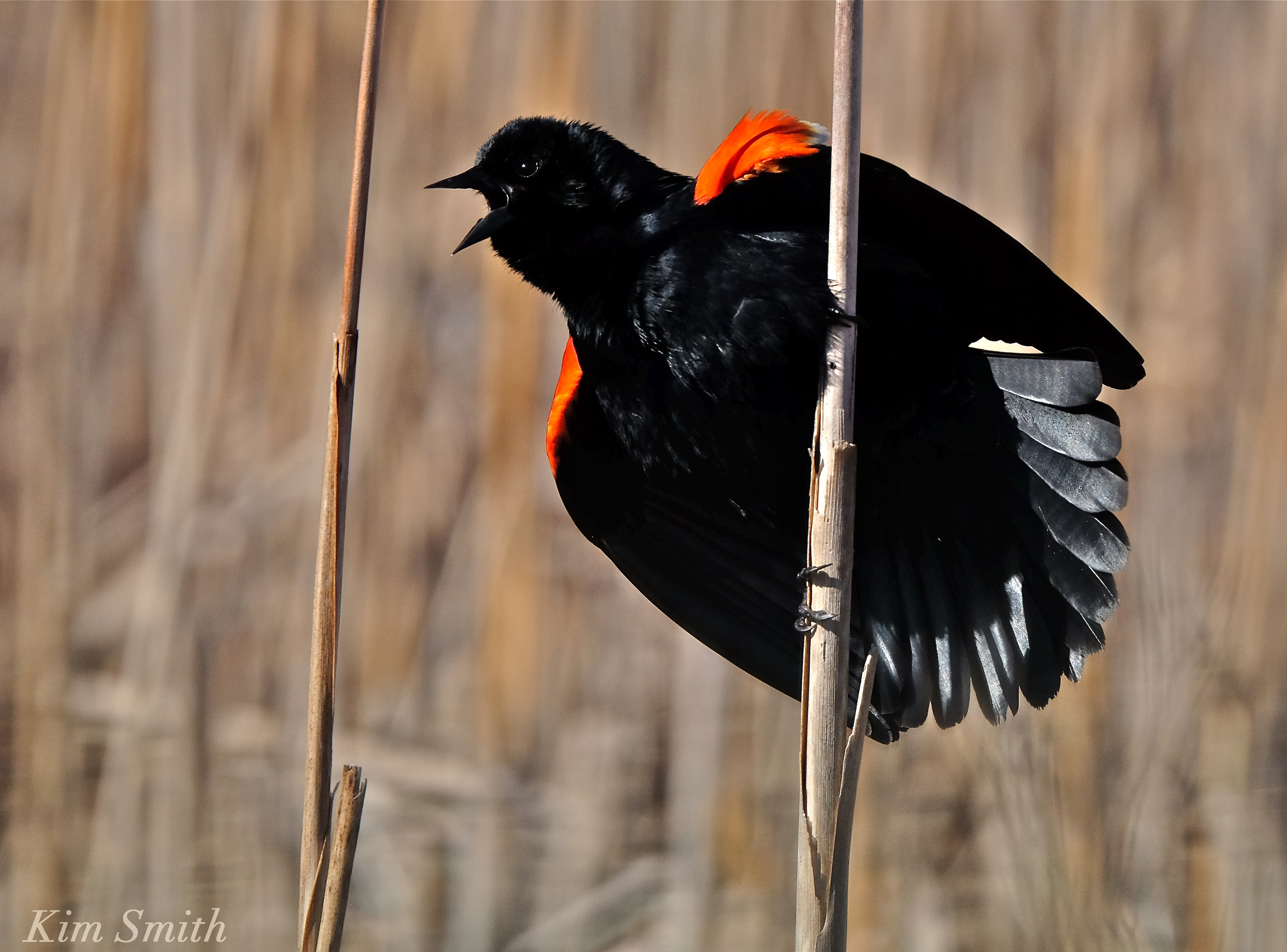
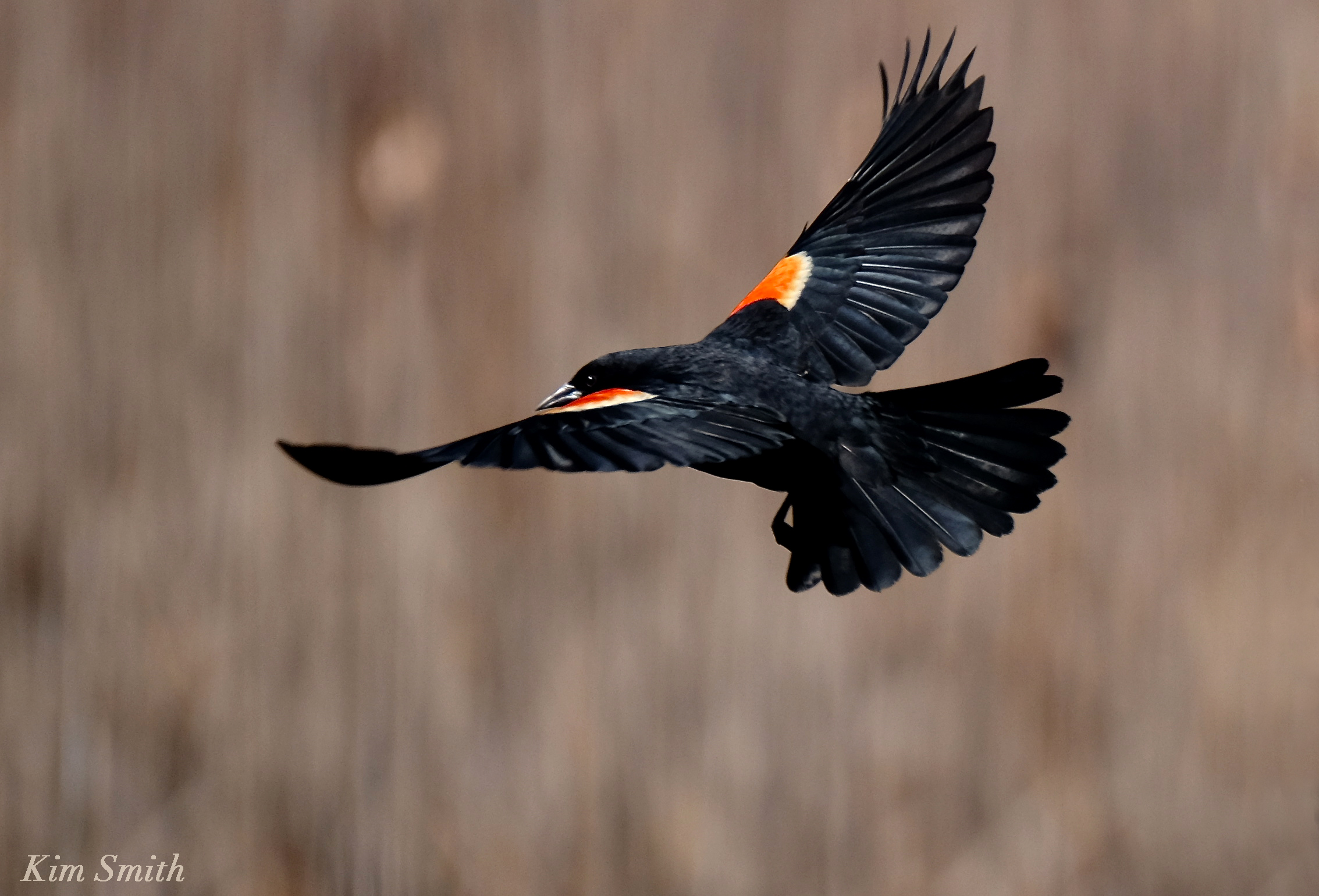
Red-winged Blackbirds and American Robins are strong flyers. Their flight feathers have rich concentrations of melanin.
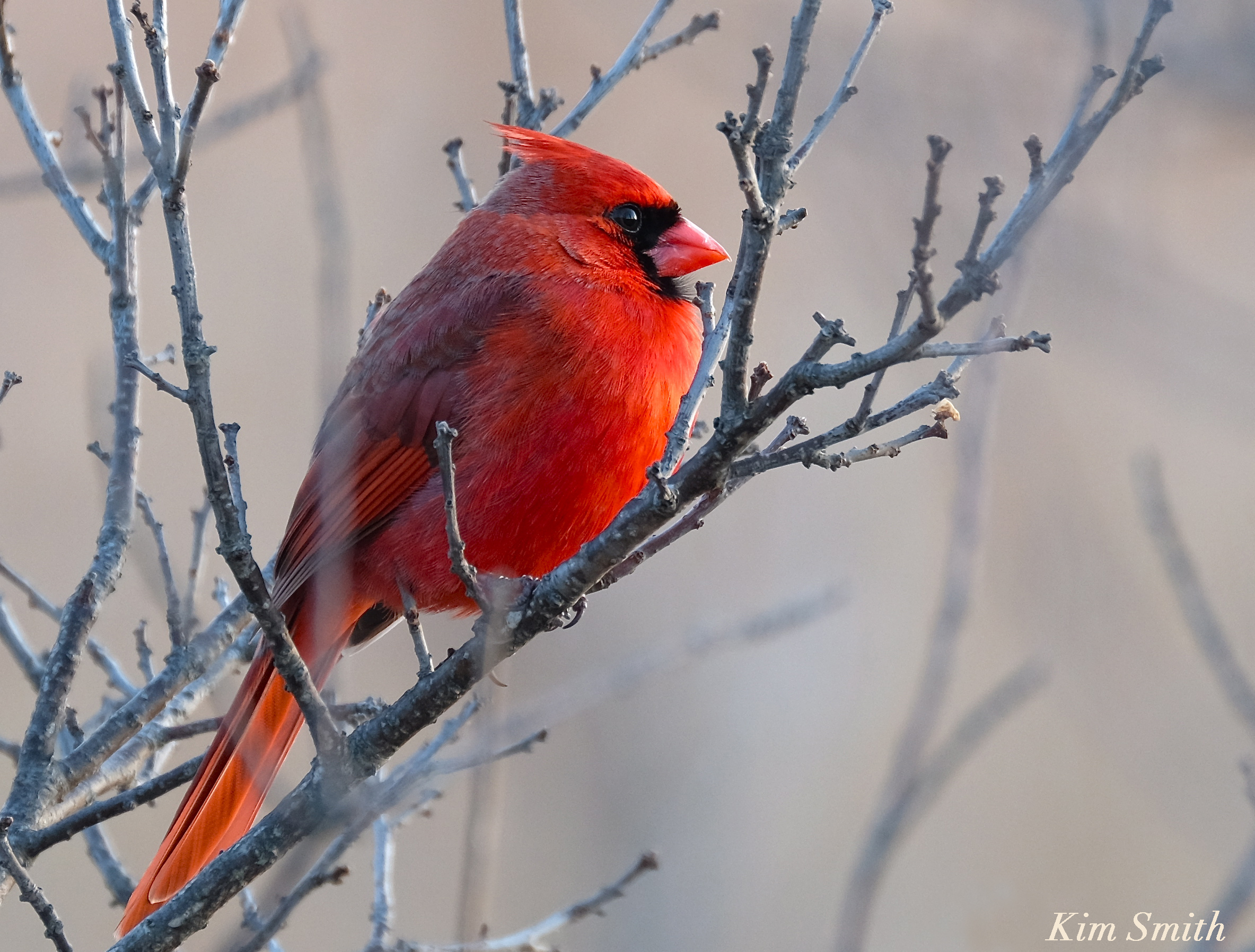
Carotenoids are produced by plants. Birds that eat specific plants, or eat something that has eaten the plant, acquire pigment from carotenoids. A carotenoid-rich diet is responsible for the beautiful vermillion feathers of the Northern Cardinal, as well as the electrifying cadmium yellow of the male American Goldfinch. Another example is the pink feathers of the flamingo, which also have a diet rich in carotenoids that come from the crustaceans that they eat, which ate algae. Melanins and carotenoids can interact to produce feathers such as olive green.
The third group of pigments are called porphyrins and they are the rarest, found only in a handful of bird families. Porphyrins are produced by modified amino acids and all share a common trait, which is to fluoresce bright red when exposed to ultraviolet light. Porphyrins are found in some pigeons, owls, and turacos.
The intensity of the red of the Northern Cardinal is an example of how feather color plays an important role in the survival of a species. Cardinal foods high in carotenoids include rose hips and dogwood berries. The brightest red birds usually have superior breeding territories, with the greatest abundance of their preferred foods. The reddest birds make the most successful parents because of their ability to bring an increased amount of food to the nestlings. When Cardinals are raised in captivity on a diet lacking in carotenoids, with each successive molt, the feathers become paler and paler.
Like butterflies, birds can see color in the ultraviolet spectrum (we humans cannot). Perhaps the way we see birds is entirely different from they way they see themselves!
Part Two Structural Color continued tomorrow.
Male Red-winged Blackbird
Spread The GMG Love By Sharing With These Buttons:
Beauty and the Beast at Beeman Memorial School April 12, April 13 and April 14
The Beeman Elementary School Chorus presents Disney’s Beauty and the Beast on Tuesday, April 12, Wednesday, April 13 and Thursday, April 14, 2016 at 7:00PM at Beeman School, 138 Cherry Street, Gloucester. All tickets for the production are $5.00 each and will be sold at the door the night of the performance.
The production features 30 fourth and fifth grade Beeman students directed by Gloucester Stage Youth Acting Workshop director and actress Heidi Dallin with musical direction by Beeman Music teacher Beth Goldberg. Dallin was brought into the elementary school by the Gloucester Education Foundation initiative to support and enhance elementary school theatre by partnering teachers with theatre professionals.
Spread The GMG Love By Sharing With These Buttons:
 !NEW! Harbortown Arts Market at I4-C2 (65 Rogers Street)
















 Good Morning Gloucester