Gloucester Pride Stride

My View of Life on the Dock
Gloucester Pride Stride

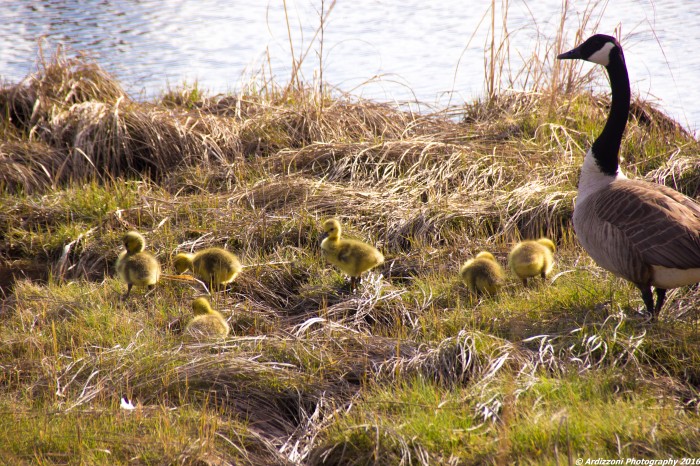

Having grandchildren is pure joy. Great fun with the kids the other day.







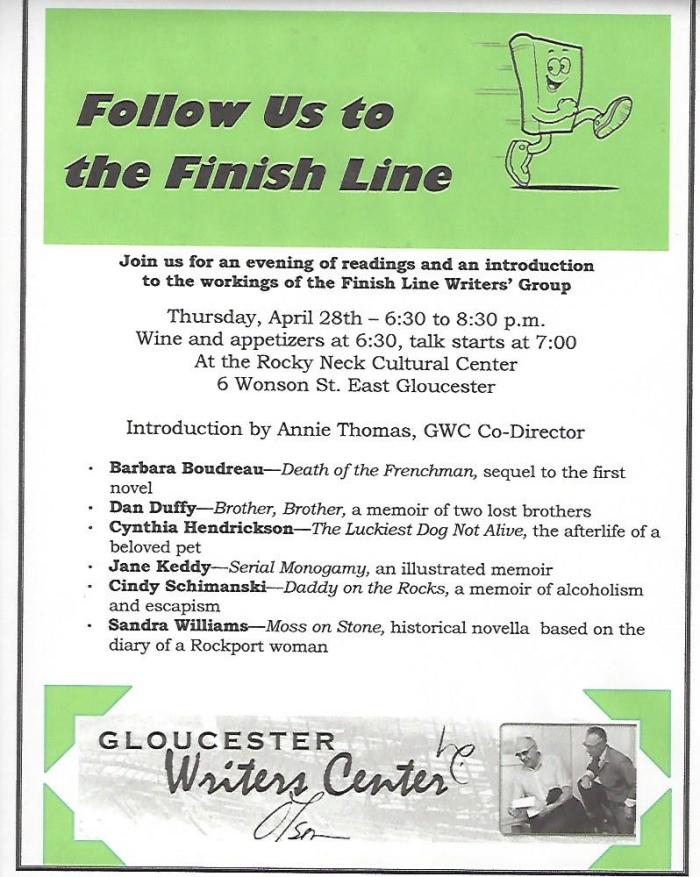
Gloucester Writers’ Group will be held at the Rocky Neck Cultural Center. Sorry for the error on the post from Wednesday.

Hi Peeps:
Since Cape Ann SUP is cleaning the beach tomorrow we should go to Stage Fort Park to clean up.
Saturday: April 23, 2016
Time: 8:00 – 9:00
Where: Stage Fort Park
Thanks all
Sorry for the late notice


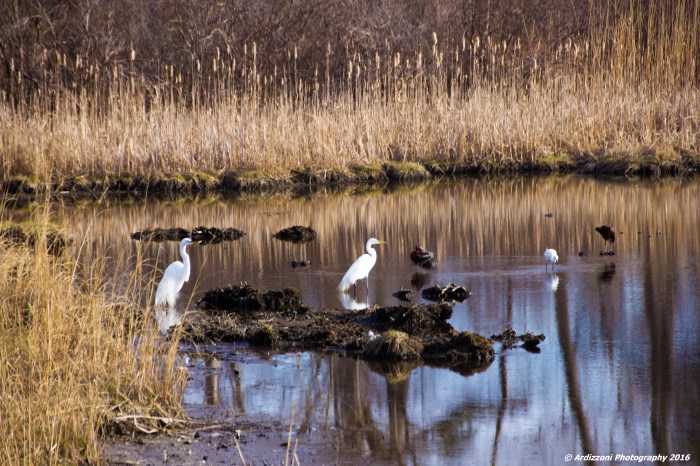
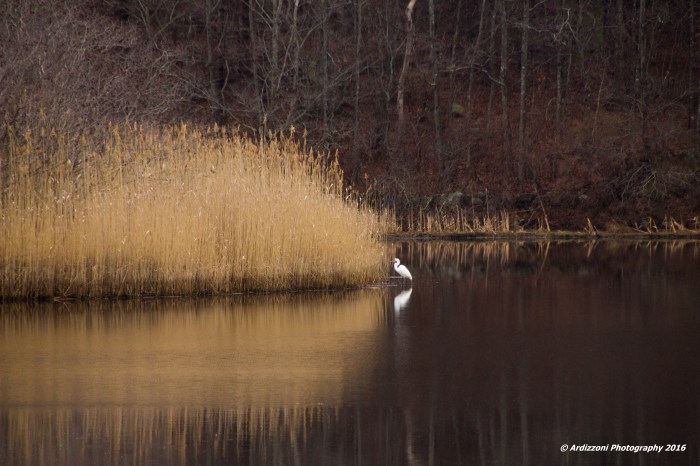
Love the Egrets that come to Cape Ann during this time of the year. Not sure but looks like a Glossy Ibis are there in Clarke Pond as well.

The One Hour at a Time Gang Saturday Clean Up.
Good morning all:
Hope everyone is enjoying this nice weather.
When: Saturday, April 23, 2016
Where: Pavilion Beach
Time: 8:00 – 9:00
Please remember to bring your gloves.
Thanks kids
Donna
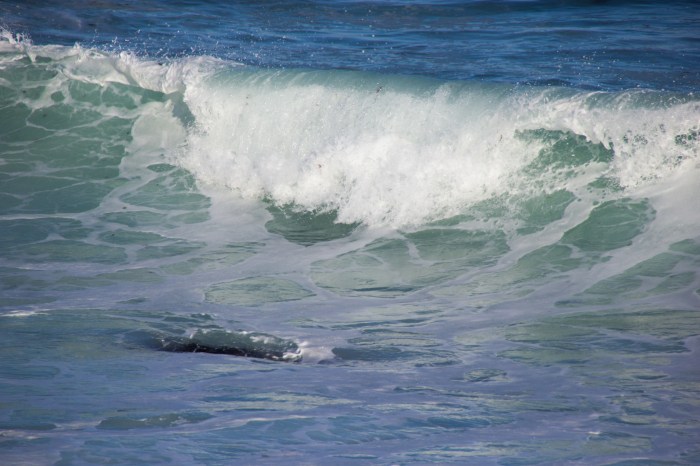
Even though we did not get a lot of snow this winter, the wind, music of the ocean and the waves have been really impressive.

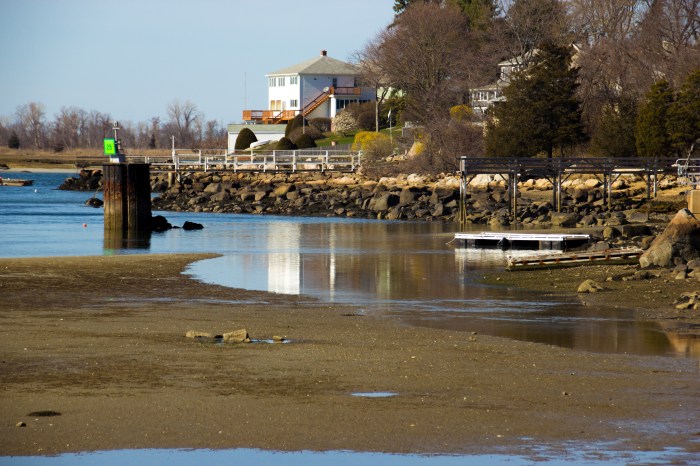
Corliss Landing is one of our favorite places to kayak. Almost time to go kayaking. it is such a pretty place.

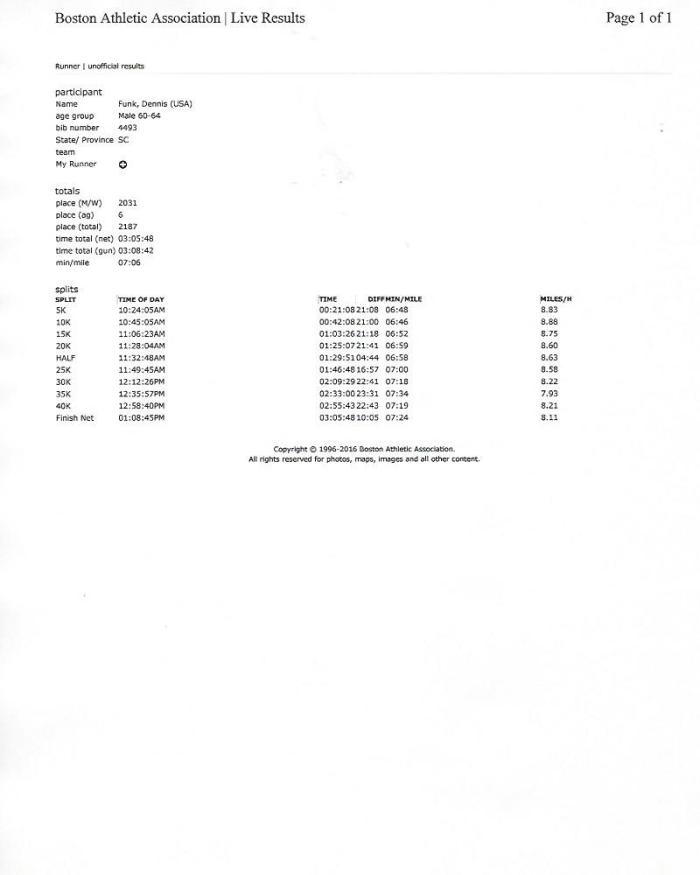
On our Podcast yesterday we talked to Dennis Funk who is FOB Karen Pischke’s cousin from South Carolina. Just saw on the Boston Marathon Tracker has finished the Boston Marathon in 3:08:42. Very impressive and Congrats.

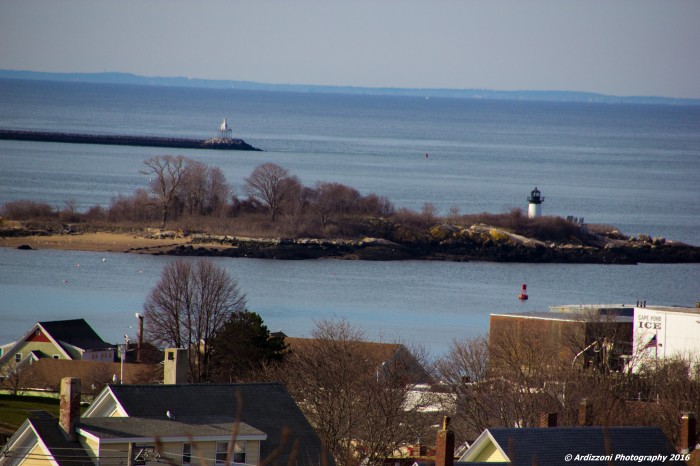
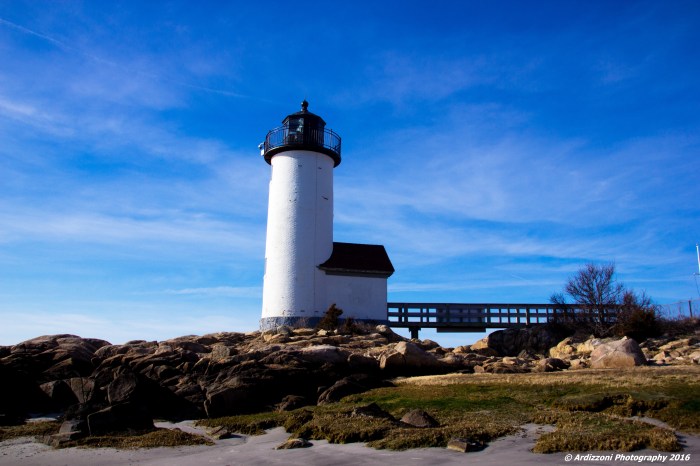
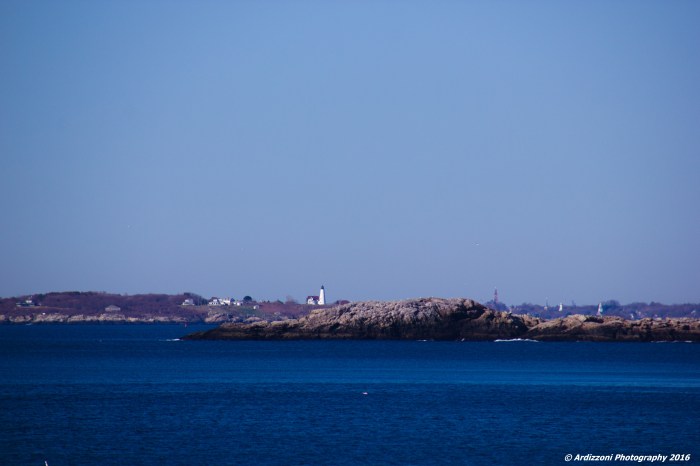
You can walk out to the Annisquam Lighthouse at low tide. Did this Saturday afternoon after a wonderful day outside.

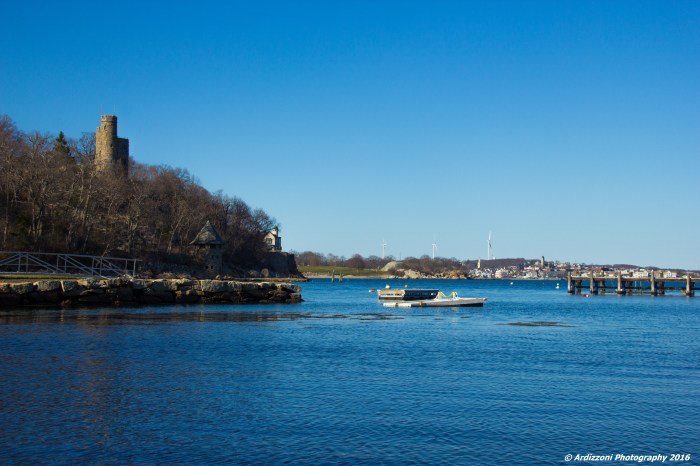

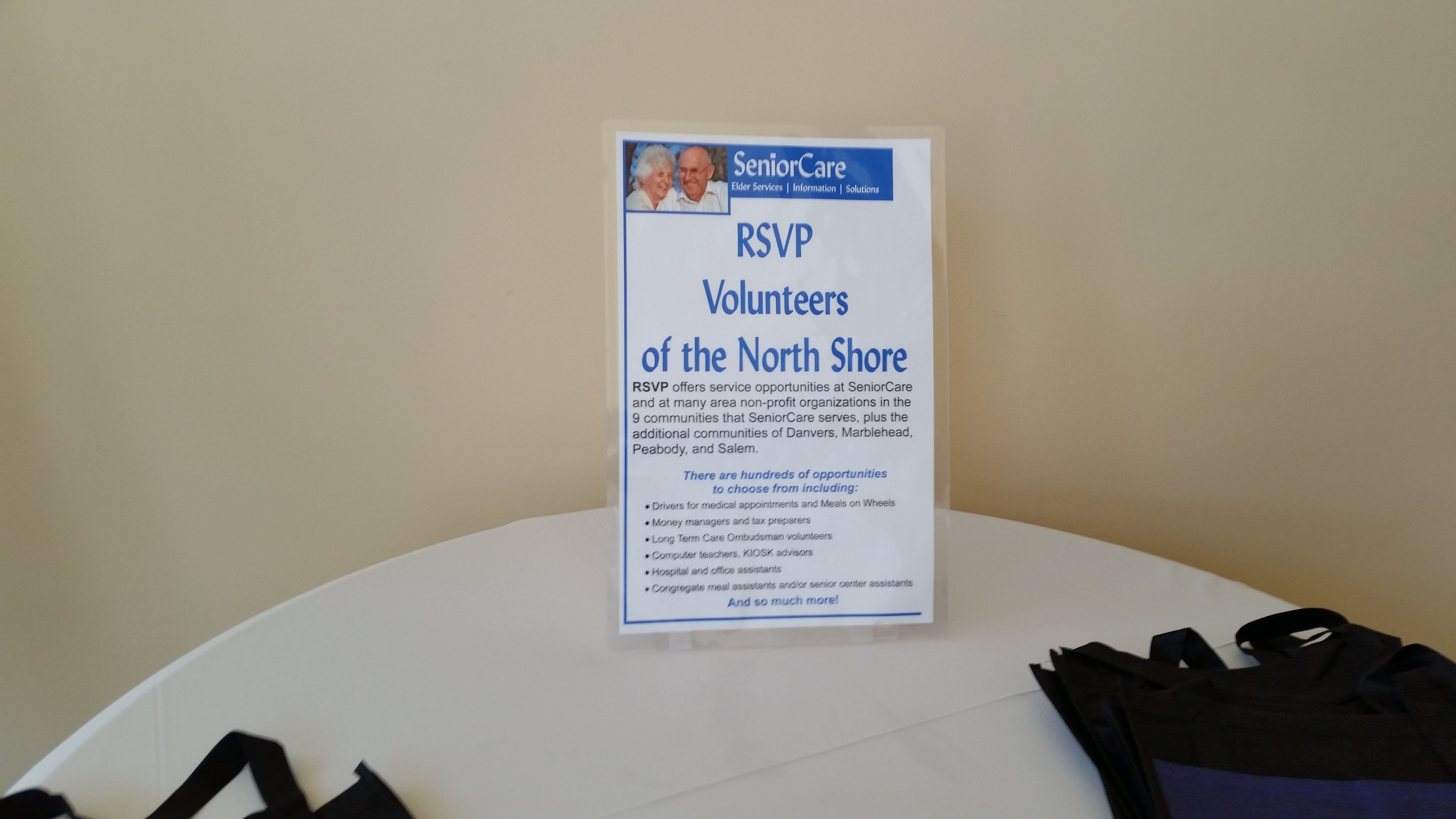
Besides my job, Thursday was a very busy day, did a Podcast with GMG at Cape Ann TV, went to the volunteer expo at Cruiseport which was outstanding, and then stopped into the Cape Ann Photography Club’s meeting at the Magnolia Library. Great attendance and always nice to meet other photographers.









Walking around Clark Pond is one of my favorite places to walk. This is part of the Coolidge Reservation. Here is the address if you would like to go for a walk and discover, 15 Coolidge Point, Manchester-by-the-Sea, MA 01944. Coolidge Reservation is a nature reserve located in Manchester-by-the-Sea, Massachusetts. The property is owned by The Trustees of Reservations

Magnolia Library
Happy Connecting. Sent from my Sprint Samsung Galaxy S® 5


Good Day Peeps:
Hope this day finds you well.
When: Saturday, April 16, 2016
Time: 8:00 – 9:00
Where: Park at Doyons
Please bring your gloves.
Thank you all
Donna
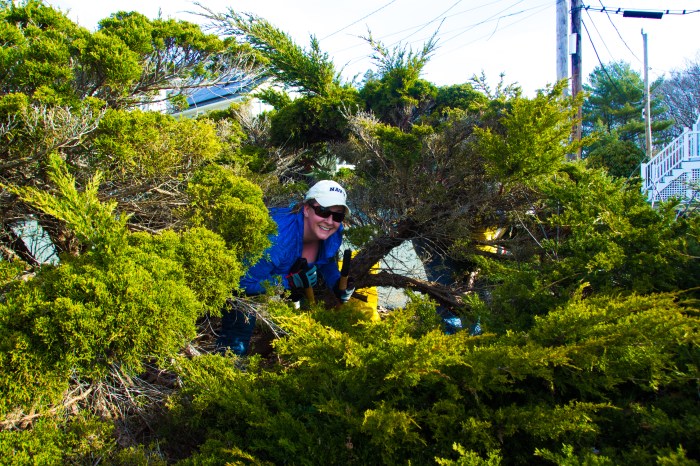
Melissa goes where the trash is.

Happy Connecting. Sent from my Sprint Samsung Galaxy S® 5