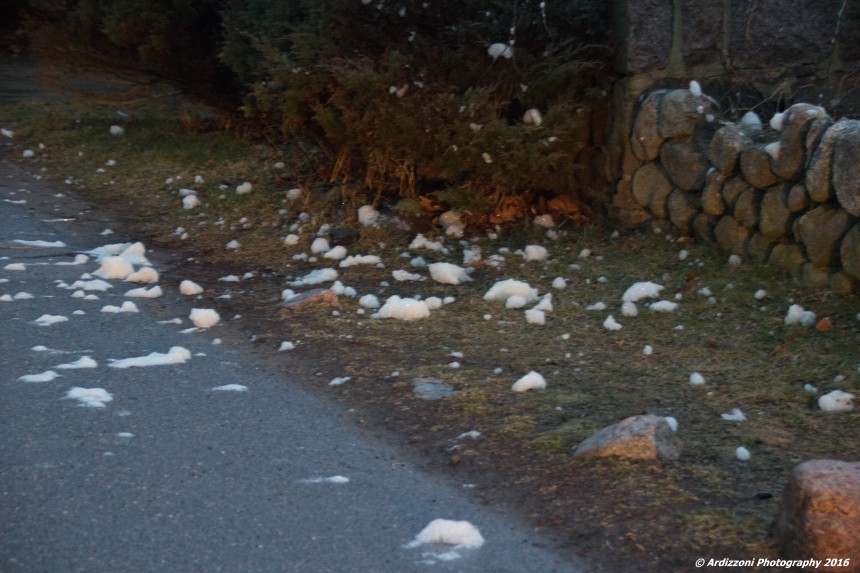
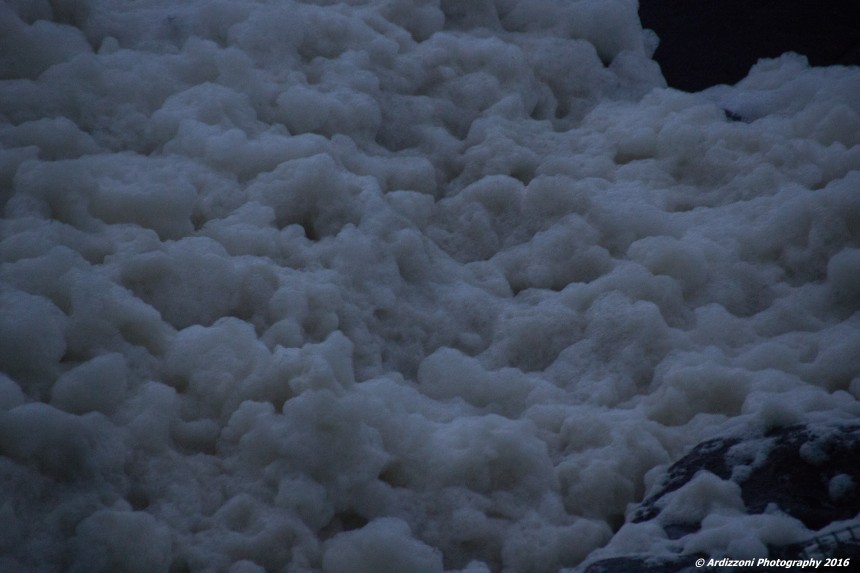
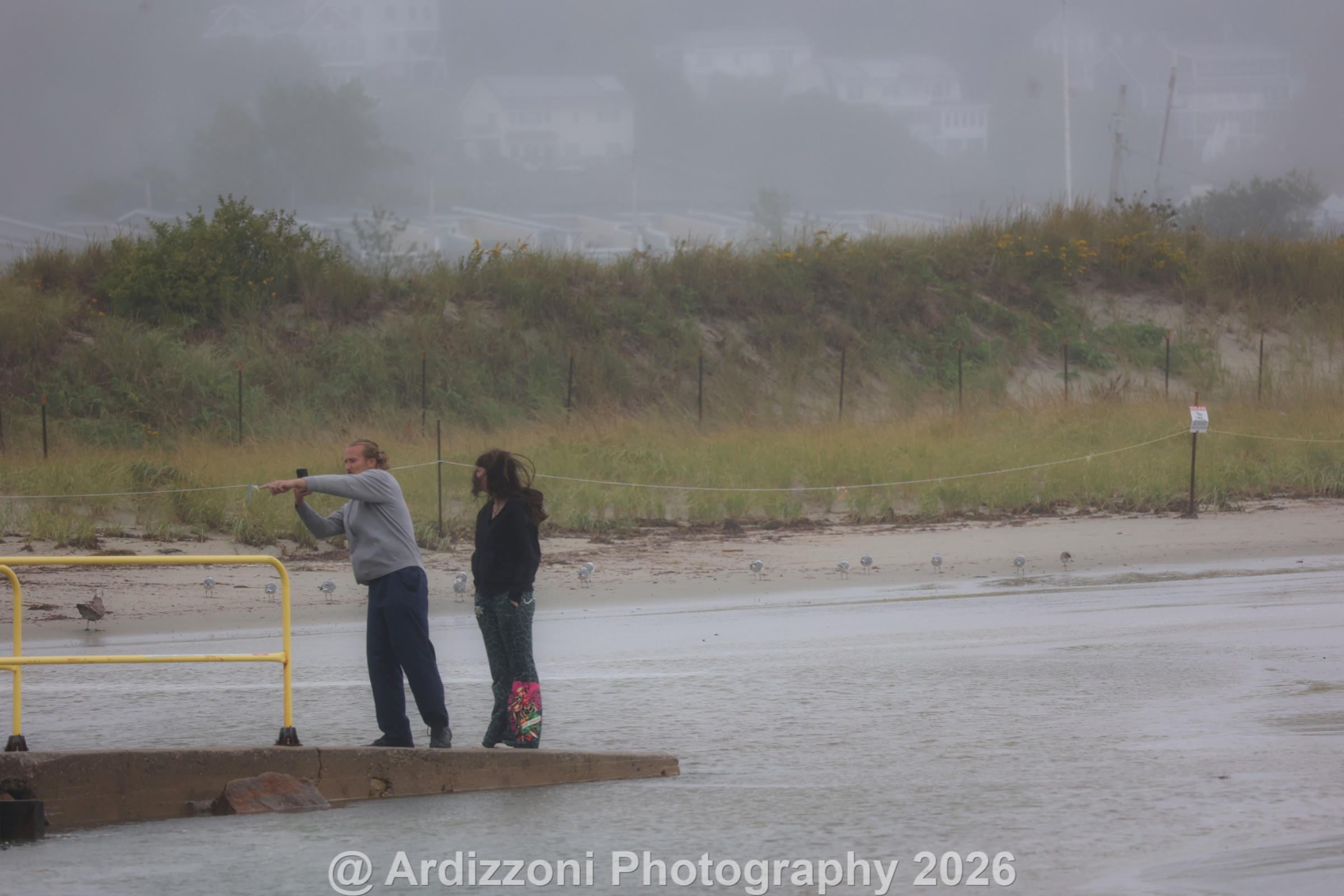
Dancing Sea Foam and a footbridge to nowhere

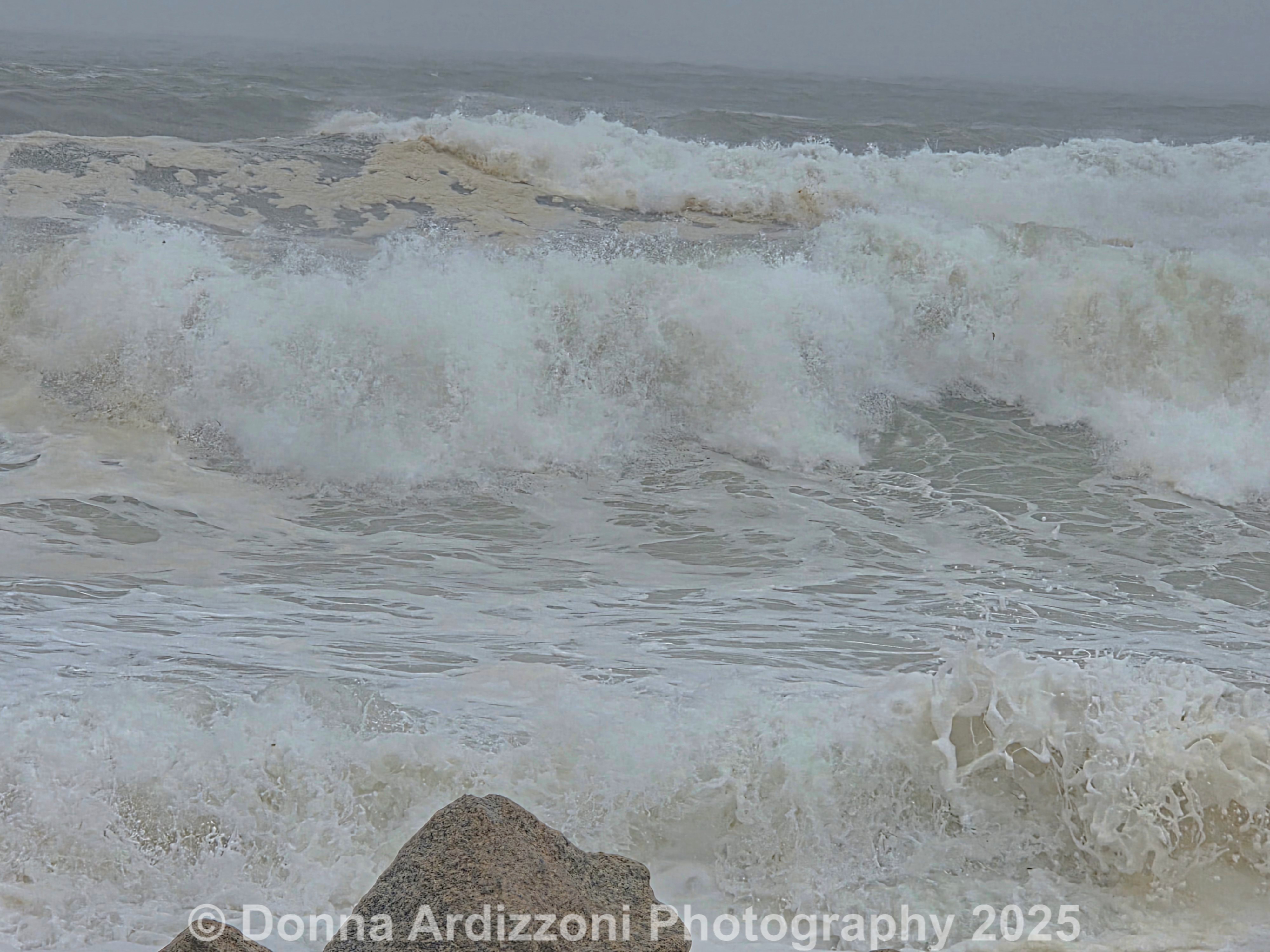
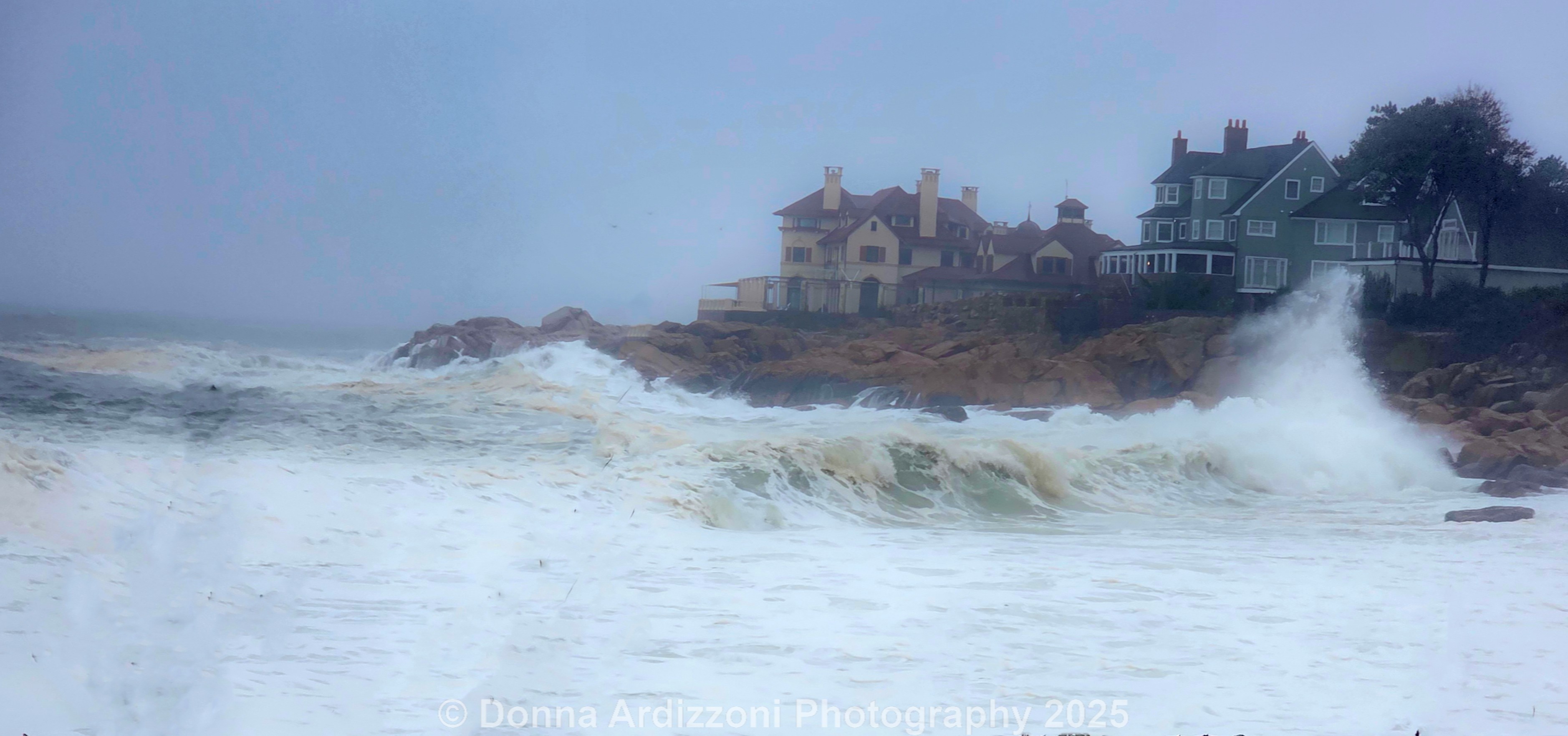
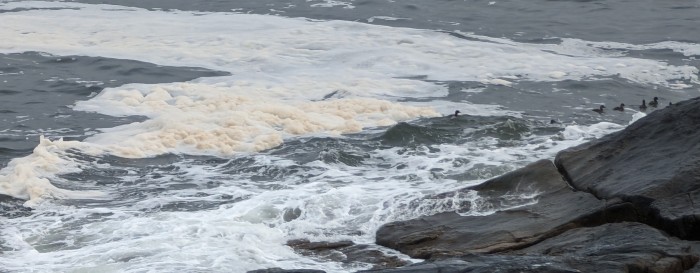
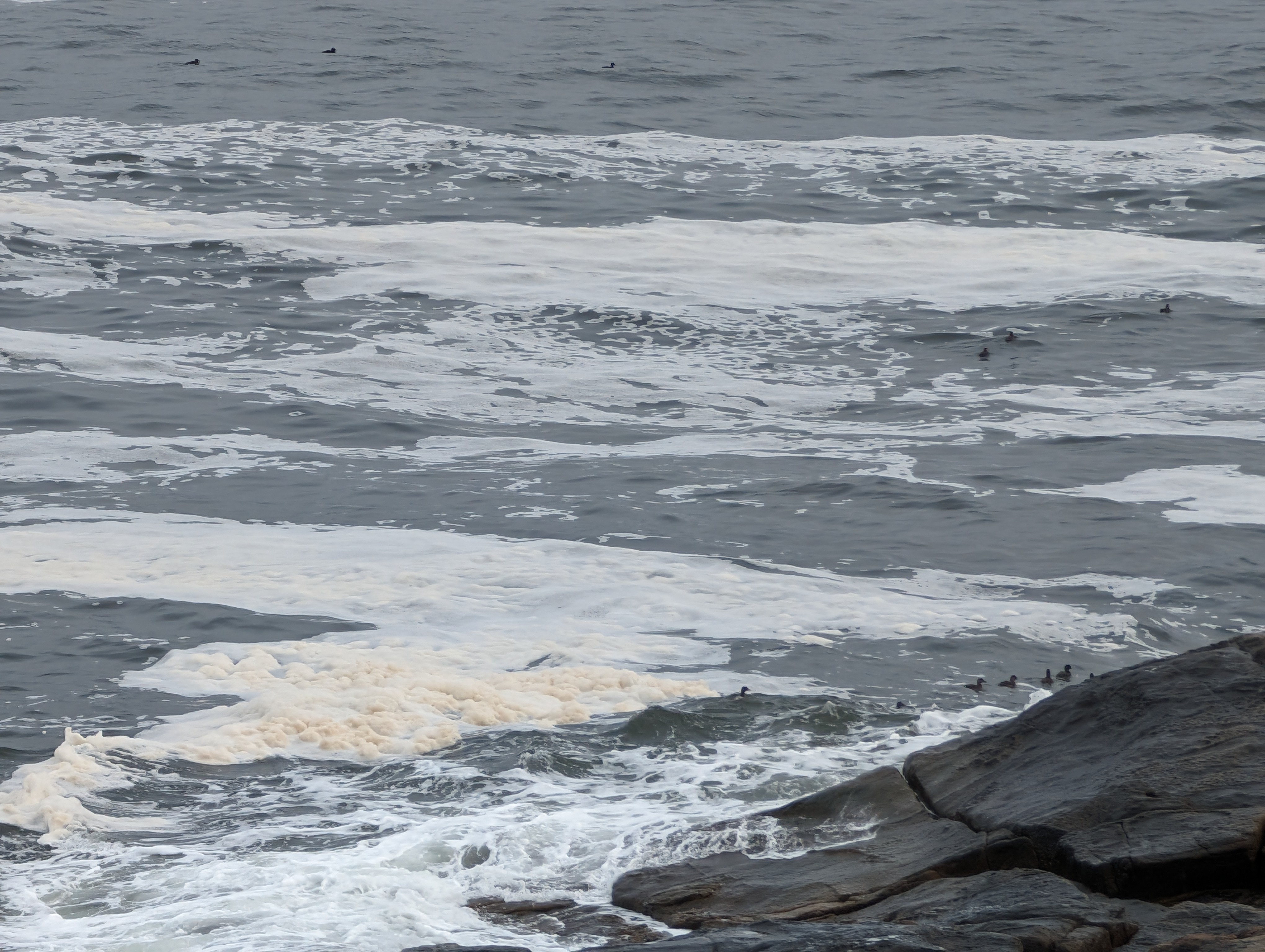
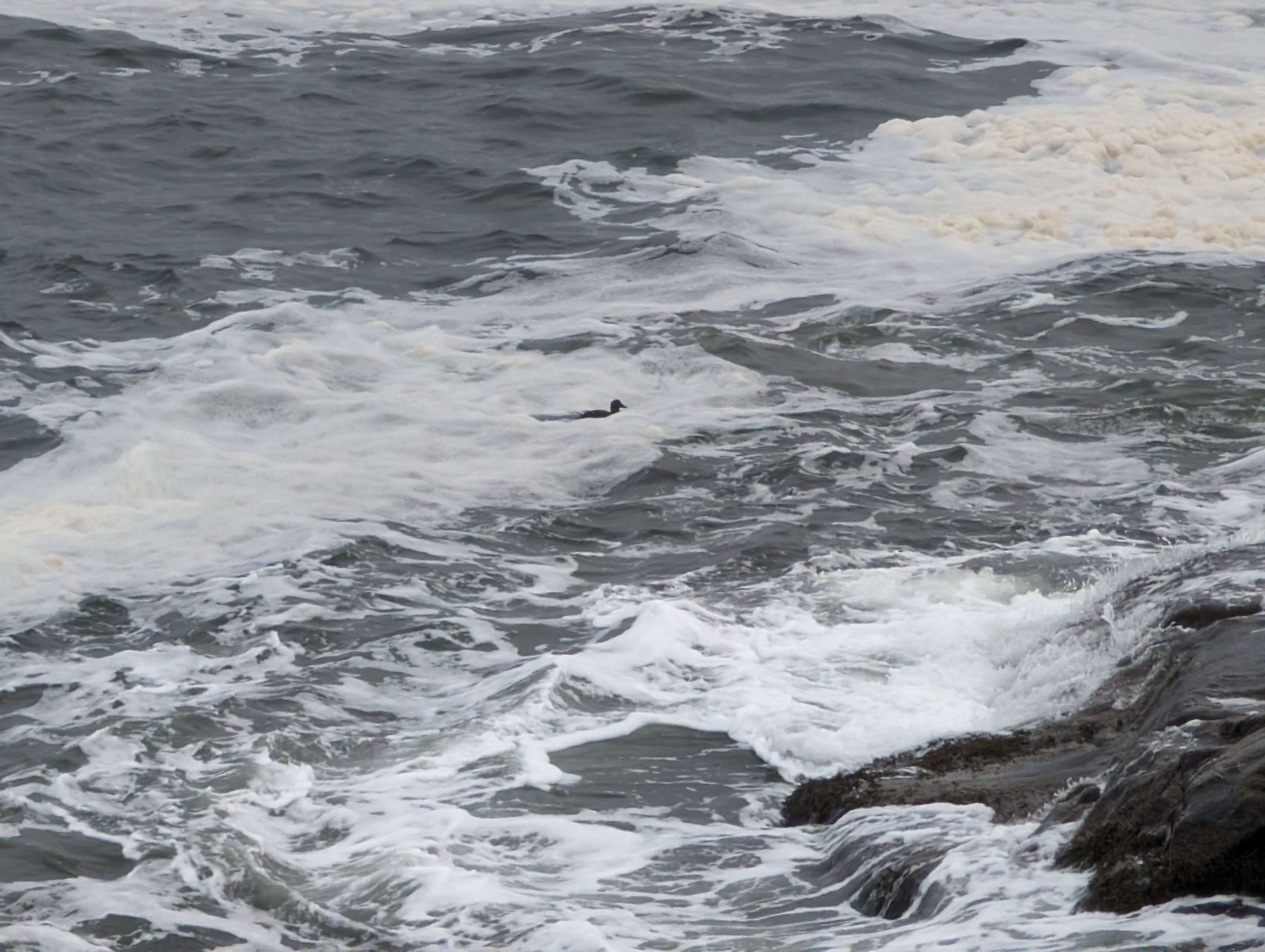
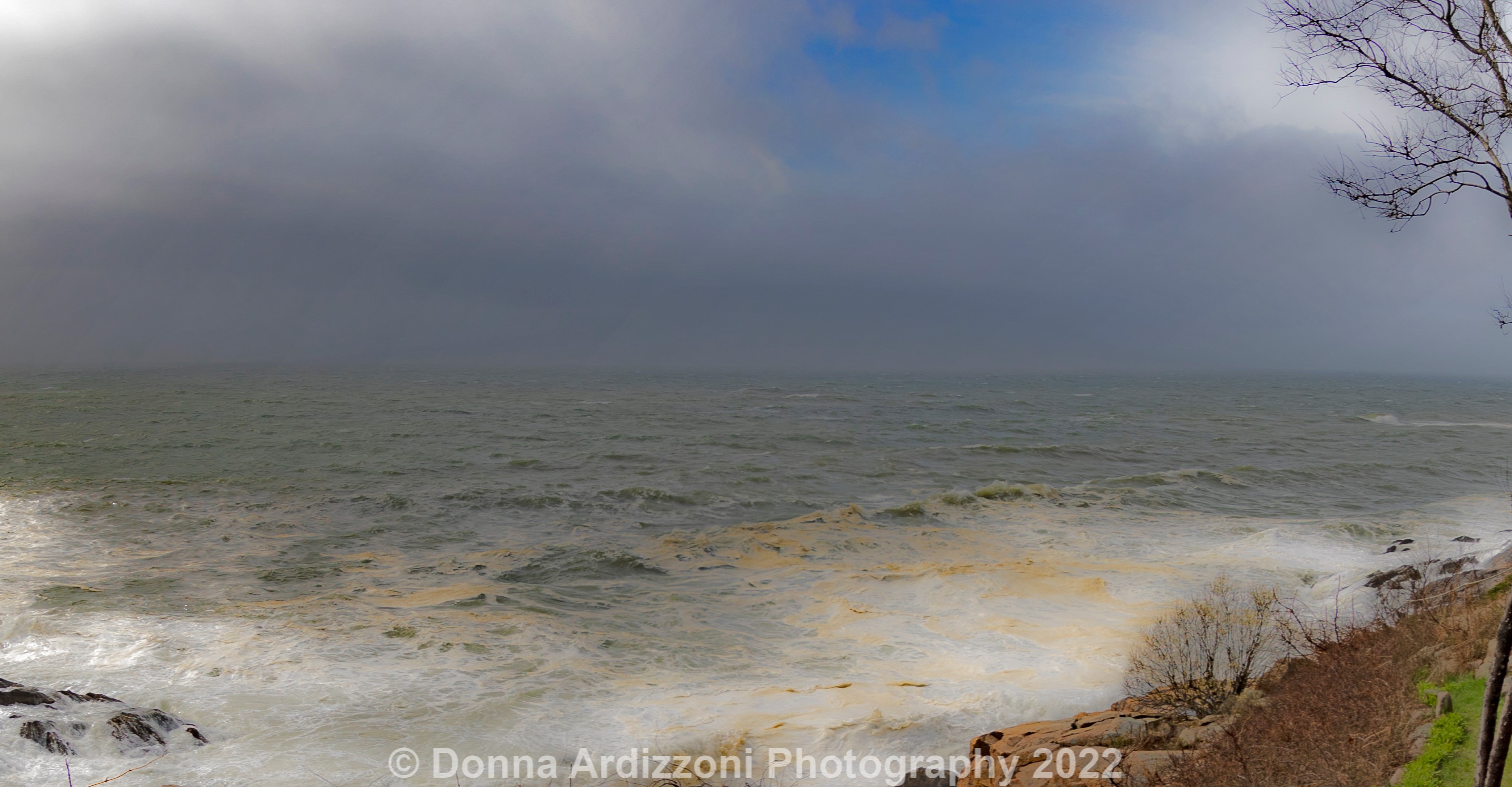
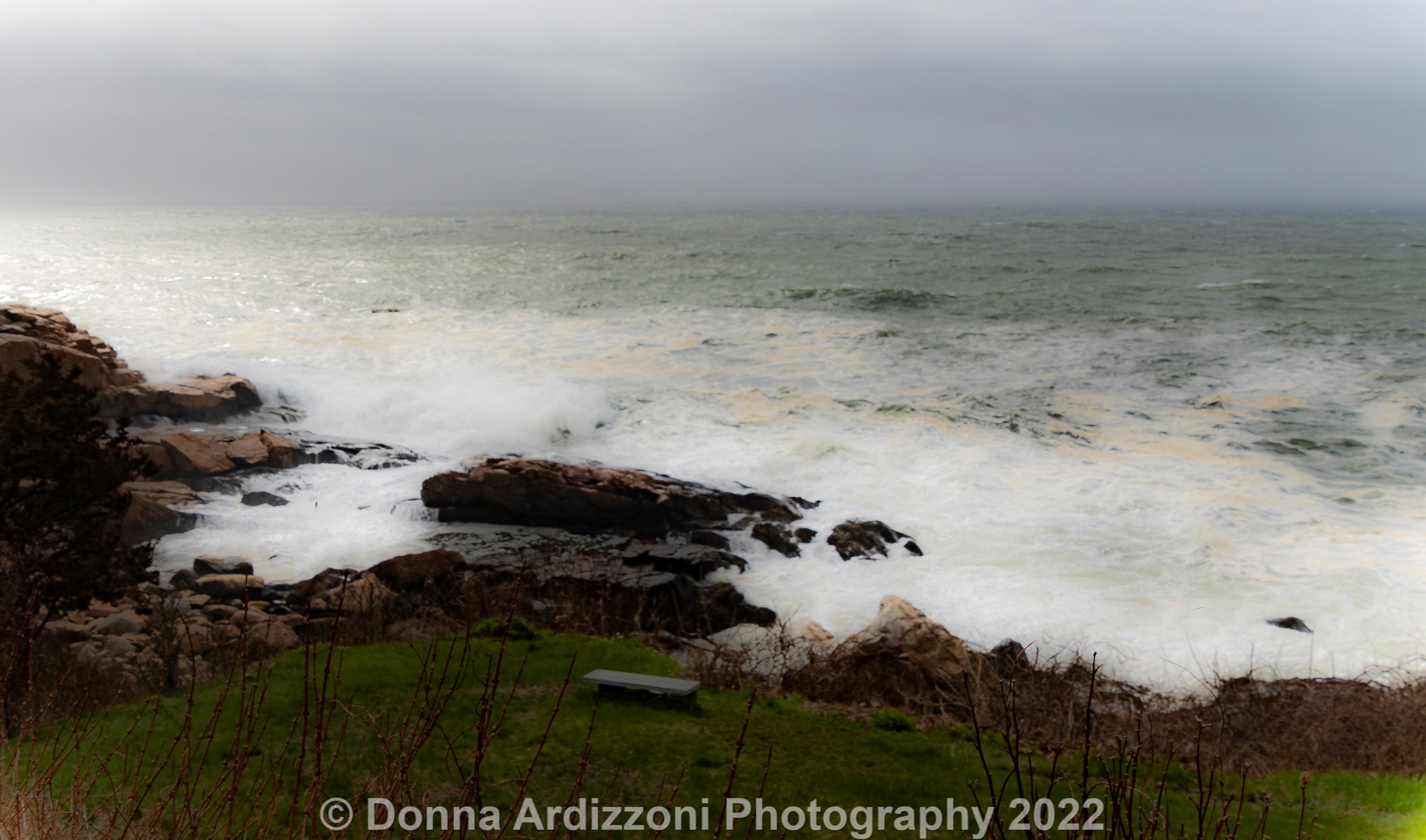
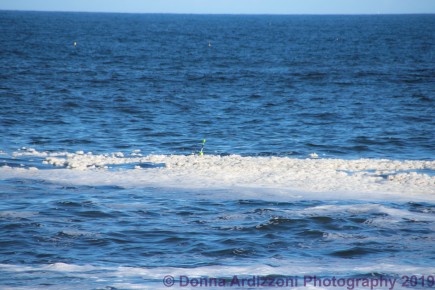
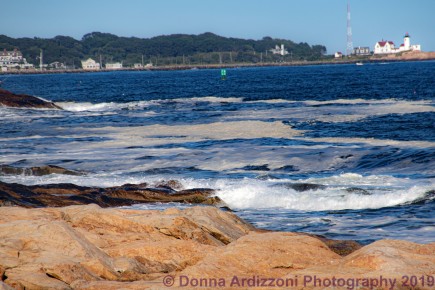
On Sunday, the ocean was still putting on a show.  The Sea Foam was dancing all over the Back Shore.
 

What is sea foam?  From the National Ocean Service.

Sea foam forms when dissolved organic matter in the ocean is churned up.

If you scoop up some water from the ocean in a clear glass and look at it closely, you’ll see that it’s chock full of tiny particles. Seawater contains dissolved salts, proteins, fats, dead algae, detergents and other pollutants, and a bunch of other bits and pieces of organic and artificial matter. If you shake this glass of ocean water vigorously, small bubbles will form on the surface of the liquid.

Sea foam forms in this way – but on a much grander scale – when the ocean is agitated by wind and waves. Each coastal region has differing conditions governing the formation of sea foams.

Algal blooms are one common source of thick sea foams. When large blooms of algae decay offshore, great amounts of decaying algal matter often wash ashore. Foam forms as this organic matter is churned up by the surf.

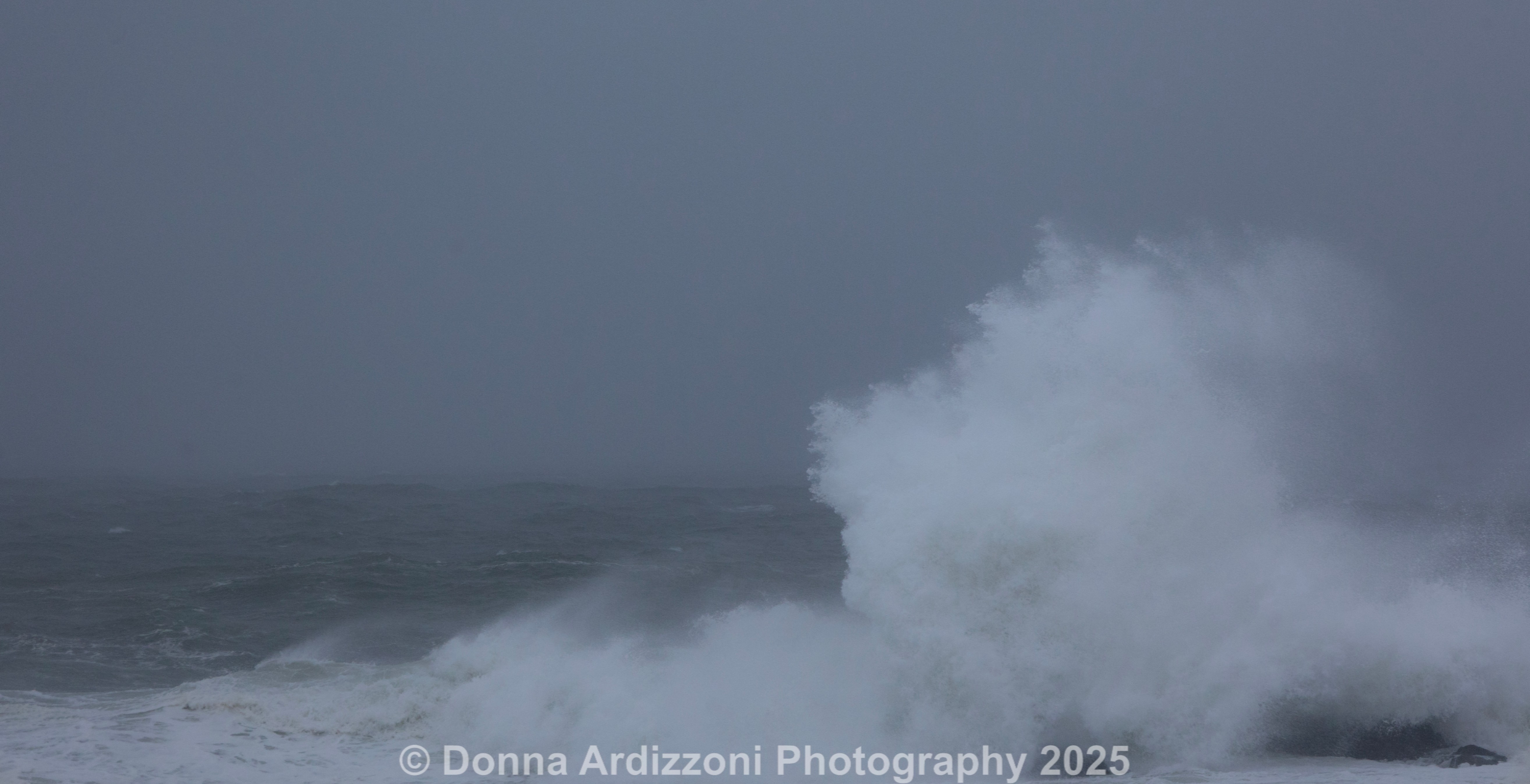


Awesome waves and wind

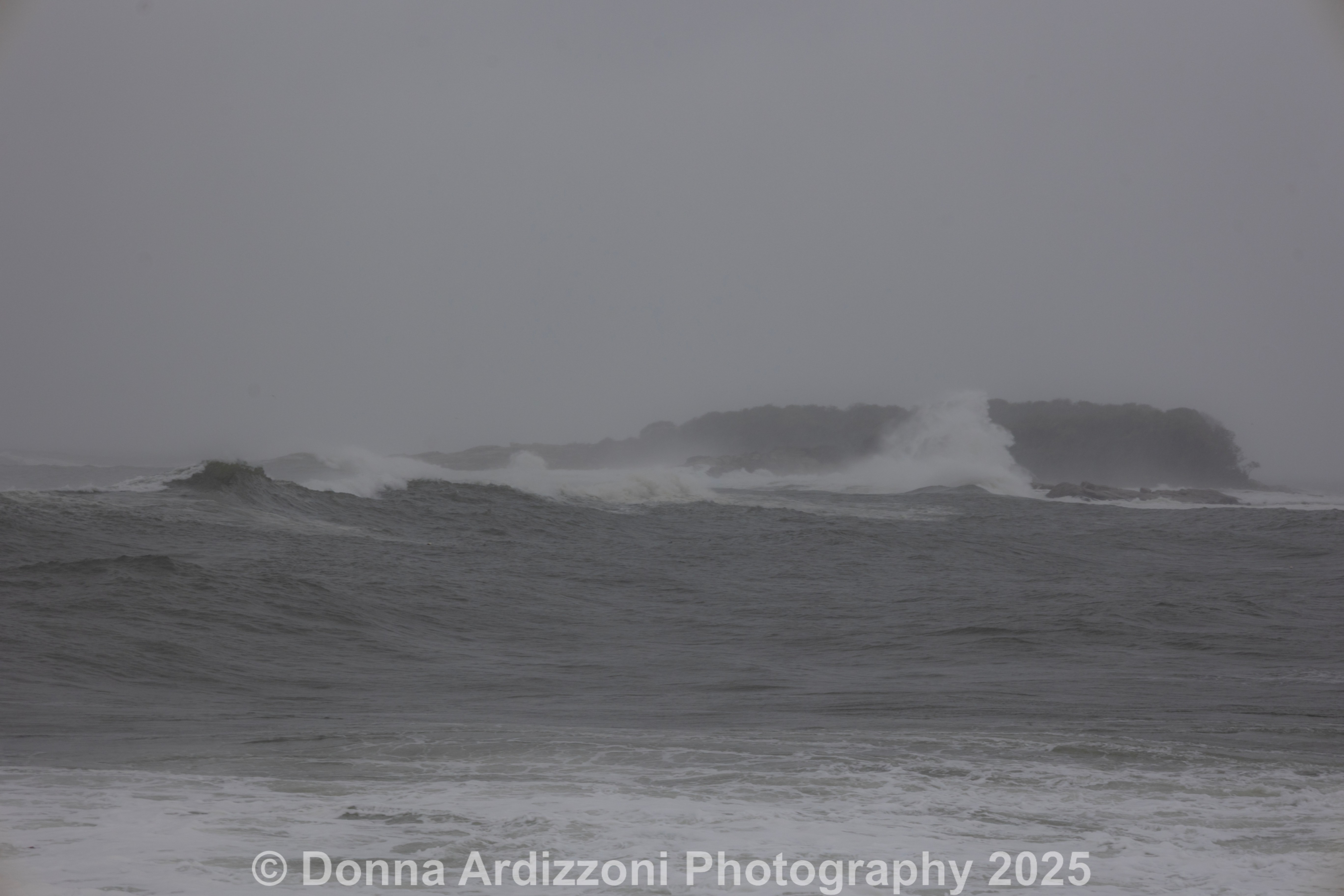
Monday was a major stormy day.  Lots of rain, wind waves.  Took a walk but it was very windy, thought I might blow away.   Always careful but do like a good storm.

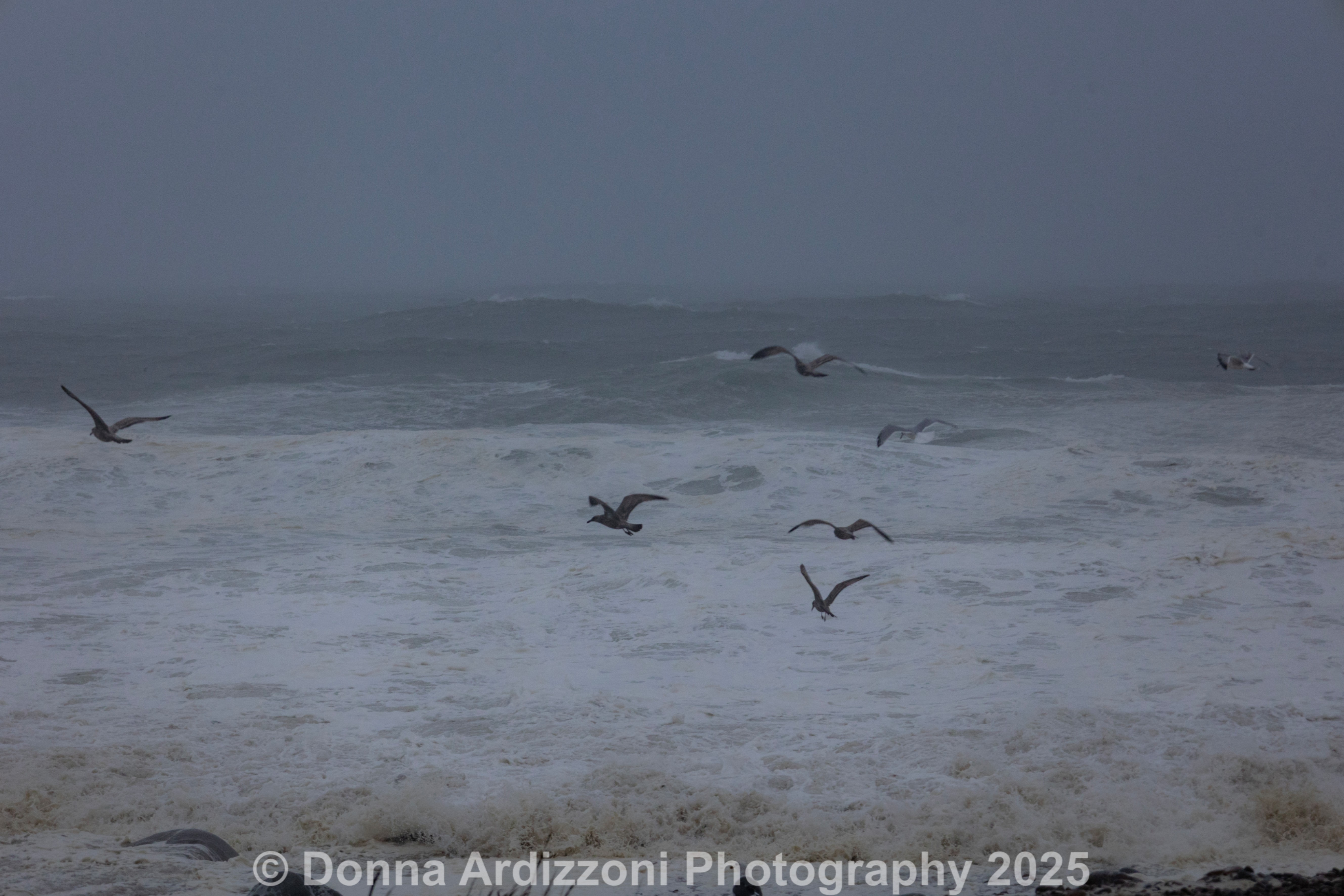
winter gray and floating sea foam day

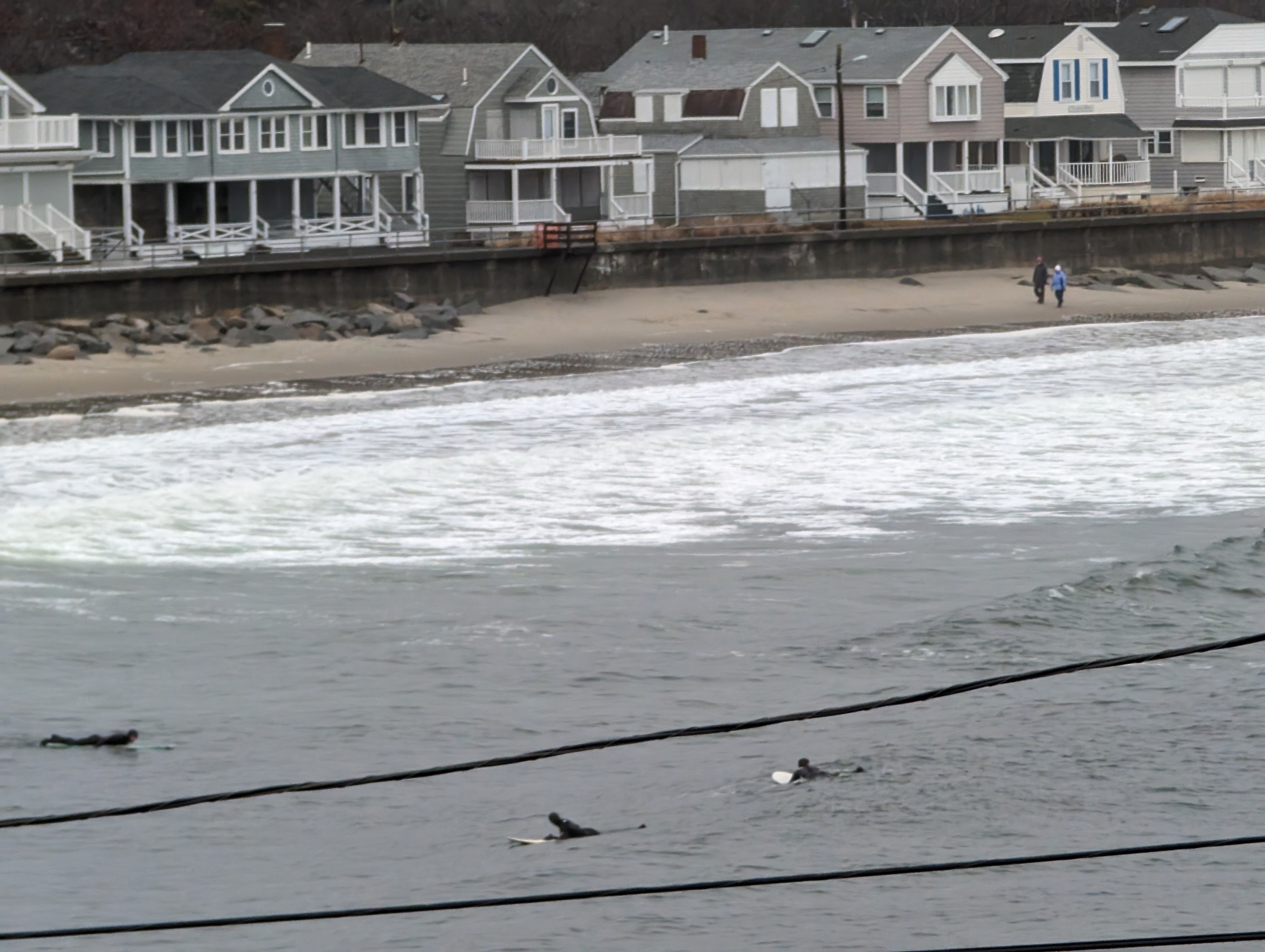
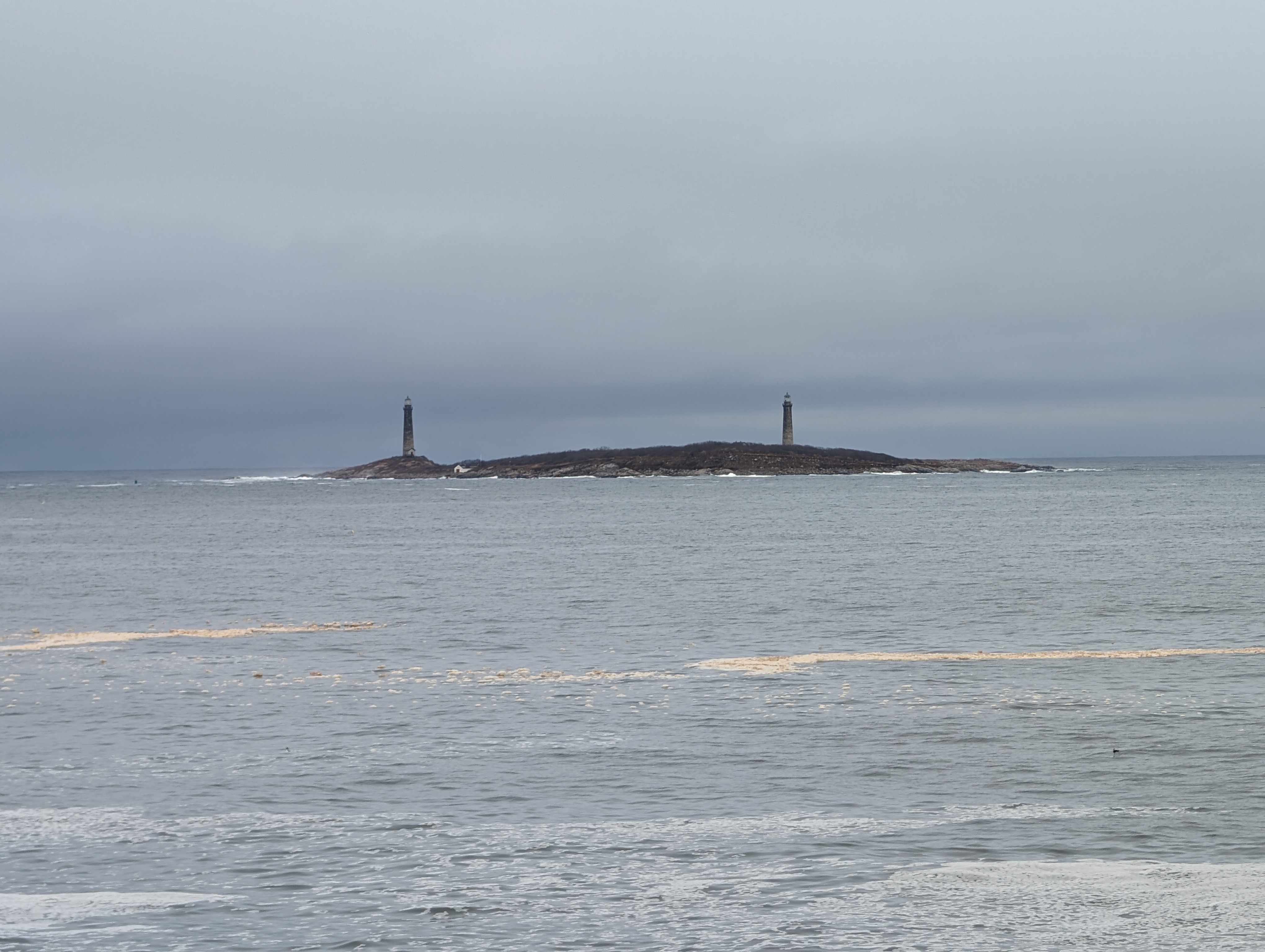
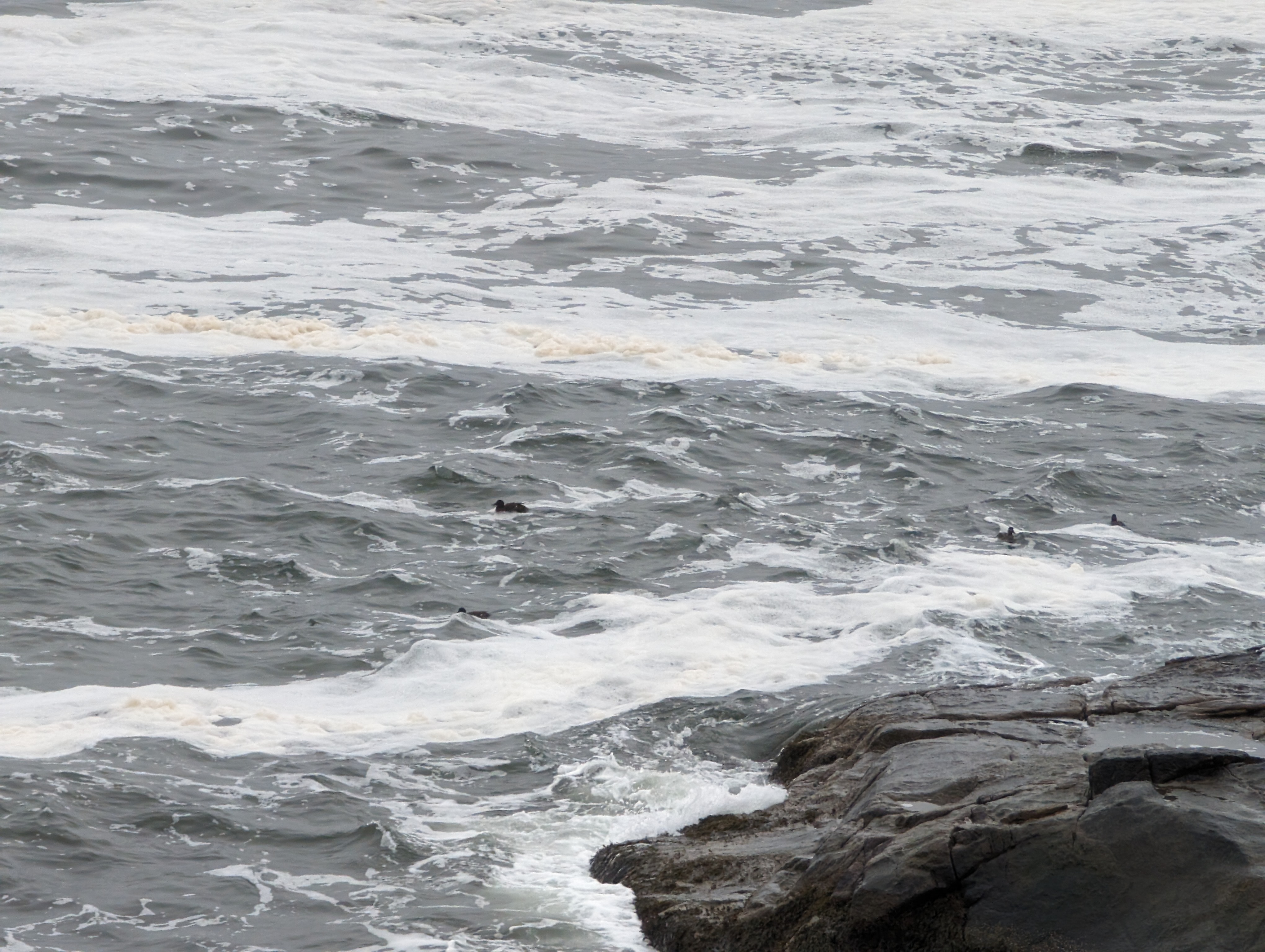
photos: Mood between Christmas and New Year’s. 12/29/2023 after the rain, sea foam ribbons streak the ocean between GHB and Twin Lights. (No foam by the surfers.) Views from Long Beach.

Churning seas on Tuesday morning

Through the night, the rain, ocean and especially the wind was loud and wonderful.  This morning at mid tide the oceans was singing and churning.

Sea Foam

Yesterday around 5:30 pm on Shore Road came across flying Sea Foam. So what is Sea Foam?    Definition from Wikipedia:  Sea foam, ocean foam, beach foam, or spume is a type of foam created by the agitation of seawater, particularly when it contains higher concentrations of dissolved organic matter (including proteins, lignins, and lipids)[1] derived from sources such as the offshore breakdown of algal blooms. These compounds can act as surfactants or foaming agents. As the seawater is churned by breaking waves in the surf zone adjacent to the shore, the presence of these surfactants under these turbulent conditions traps air, forming persistent bubbles that stick to each other through surface tension. Due to its low density and persistence, foam can be blown by strong on-shore winds from the beachface inland.

February 3, 2016 Light and fluffy


February 3, 2016 sea foam on Shore Road