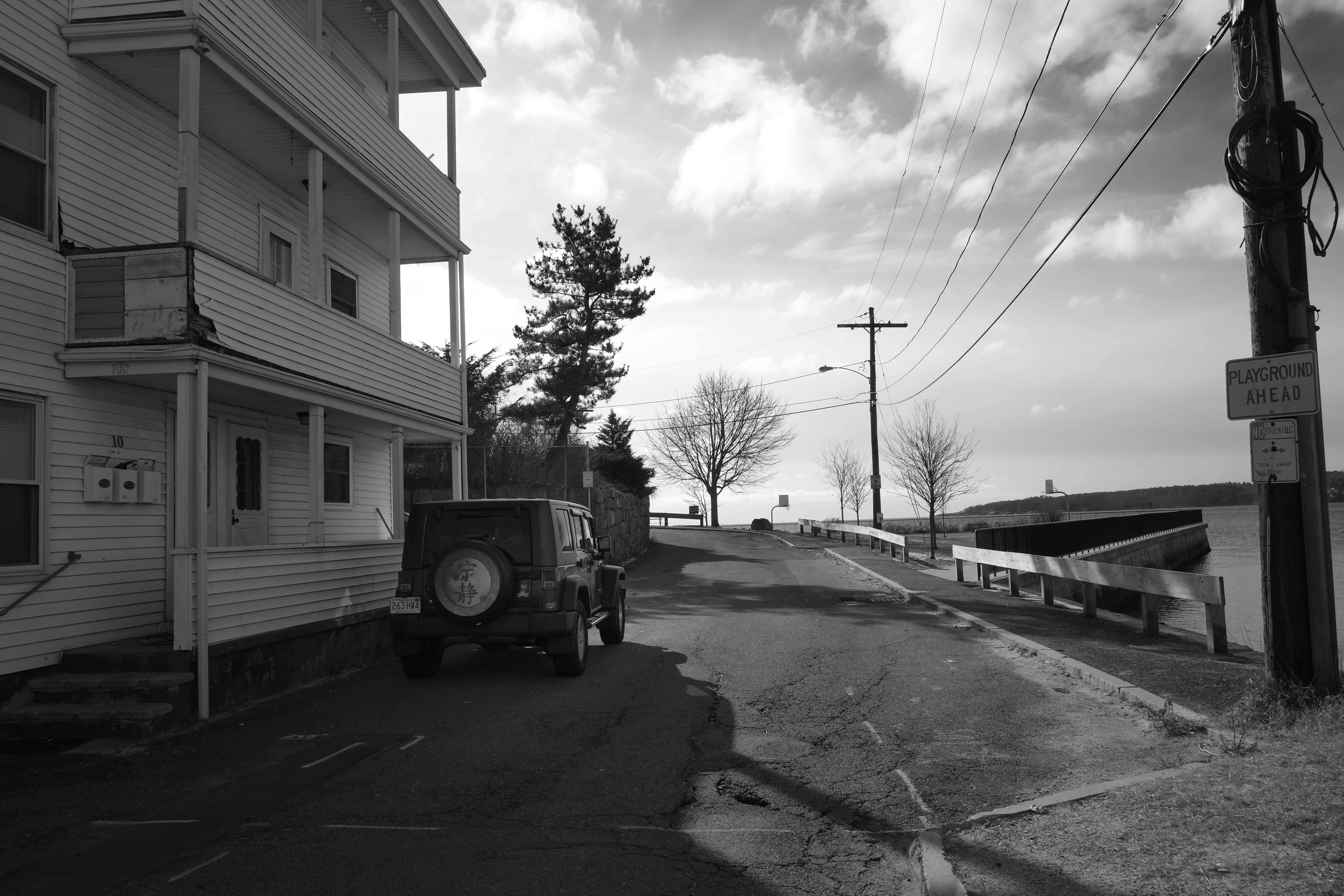
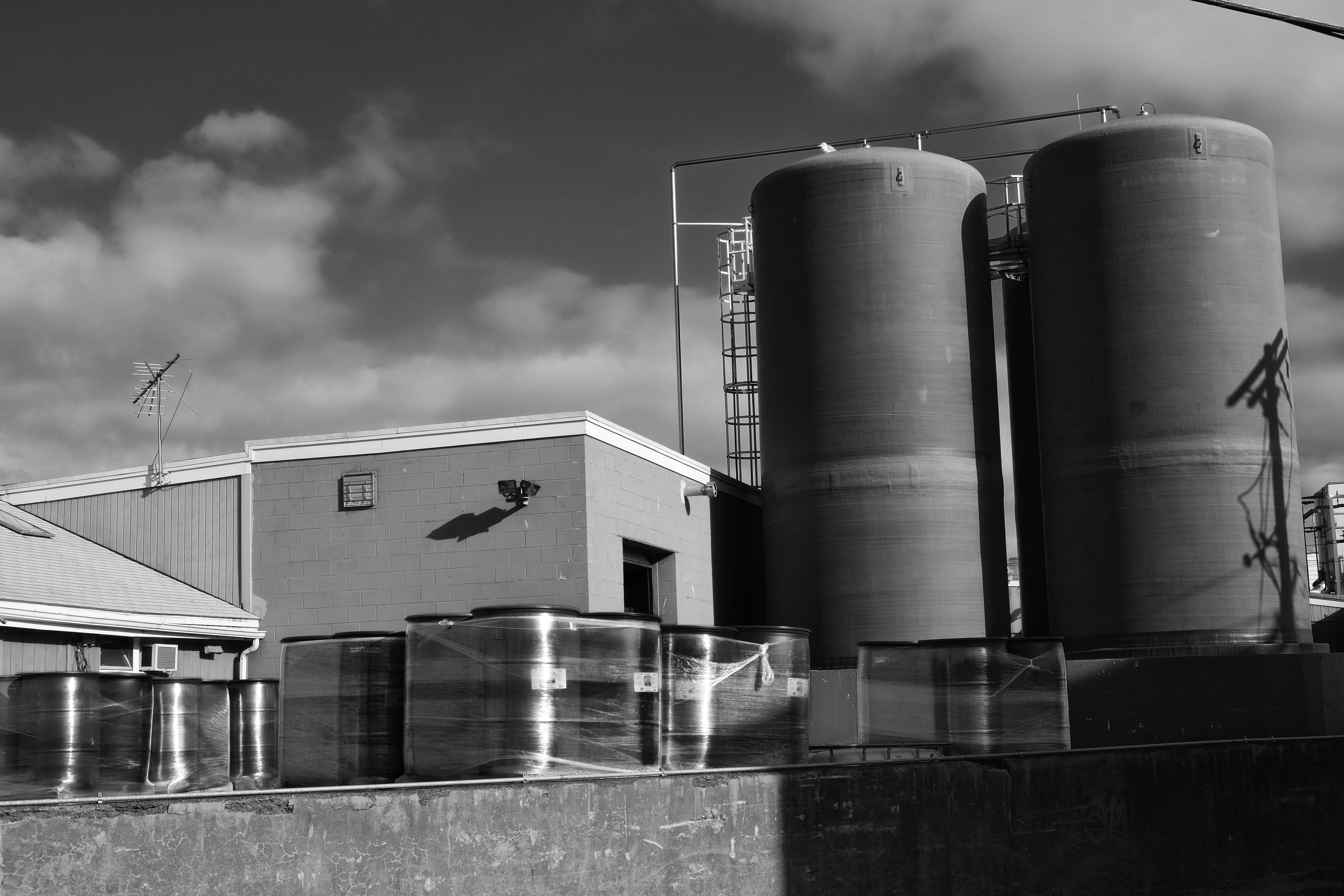
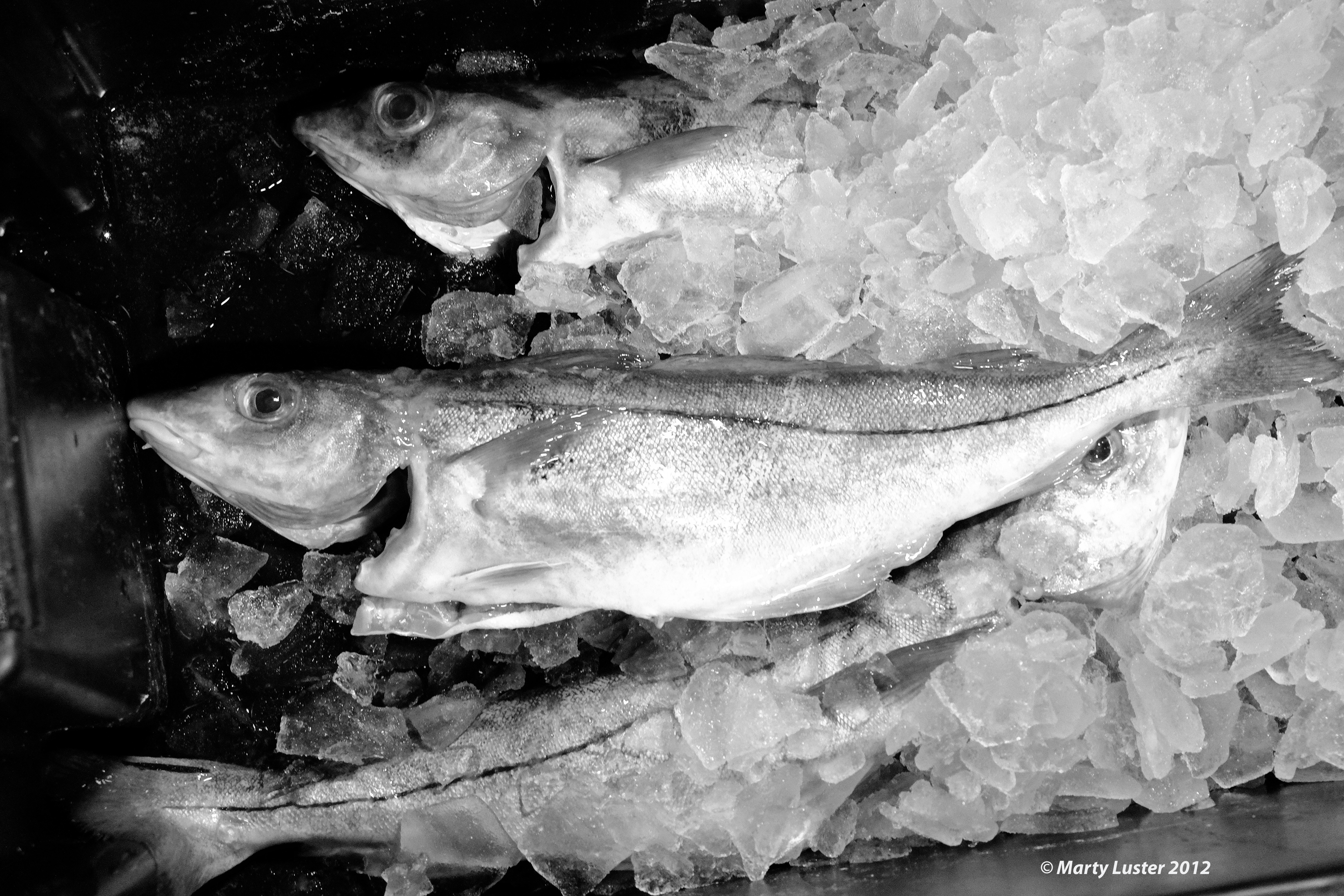
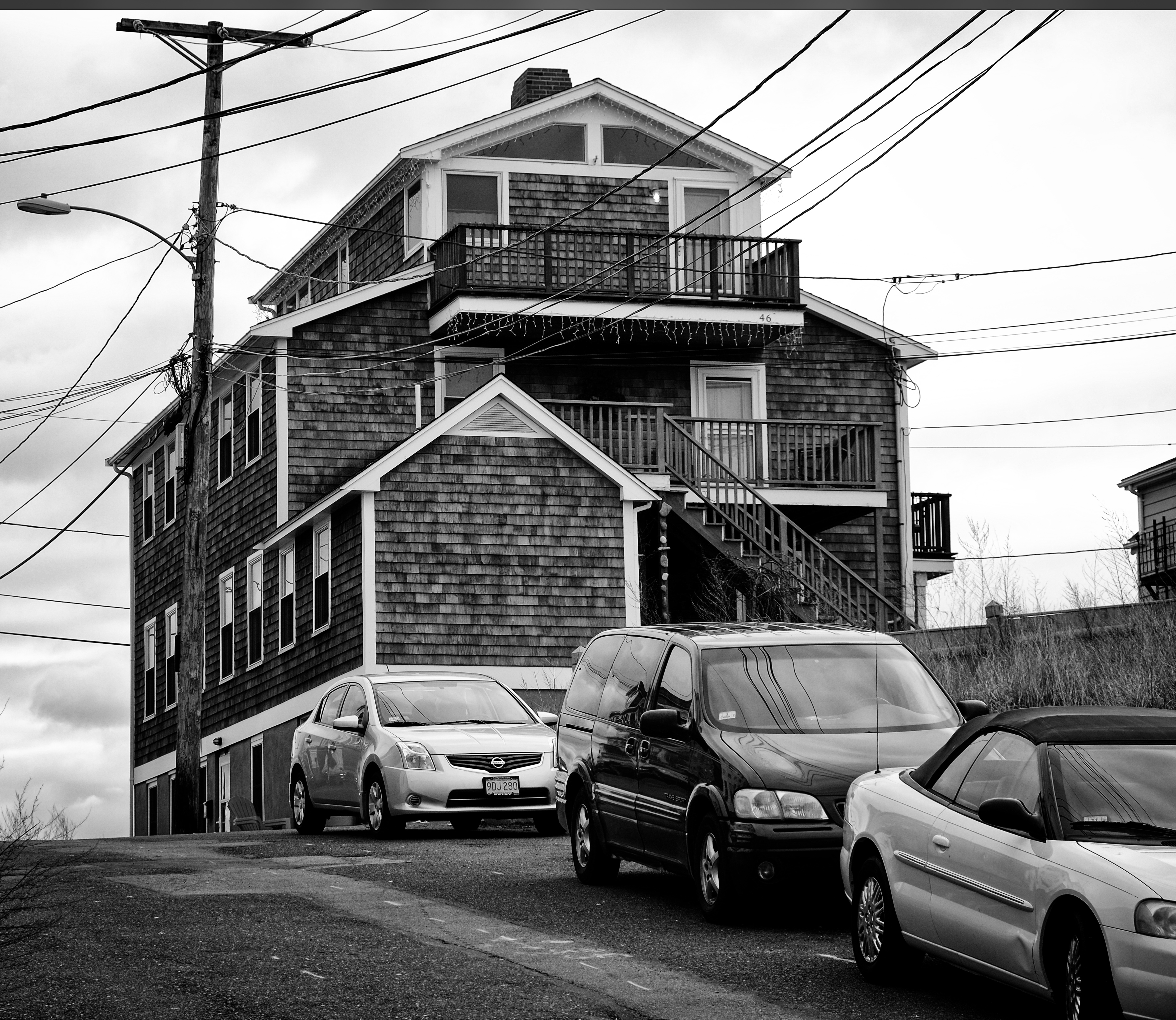
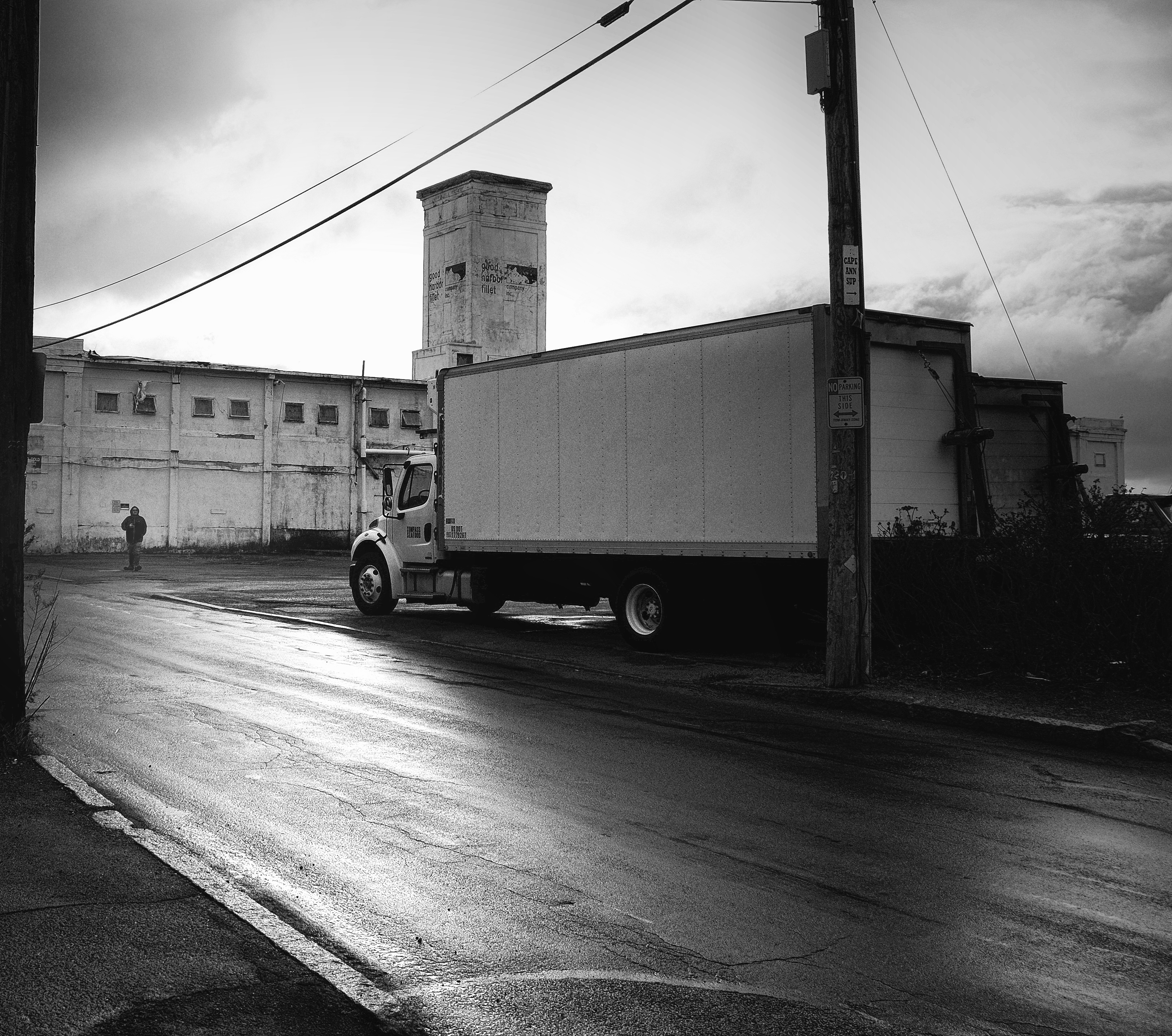
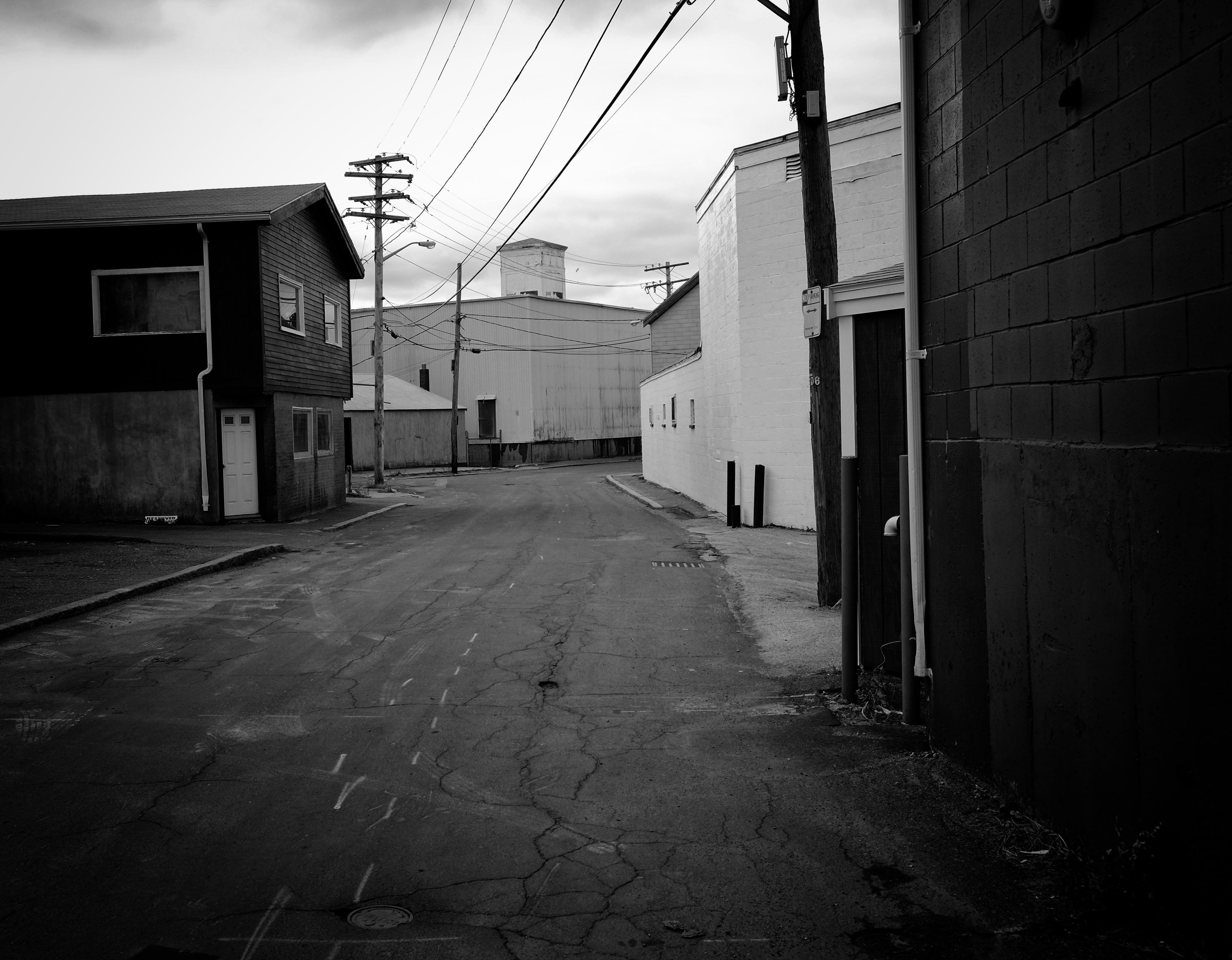
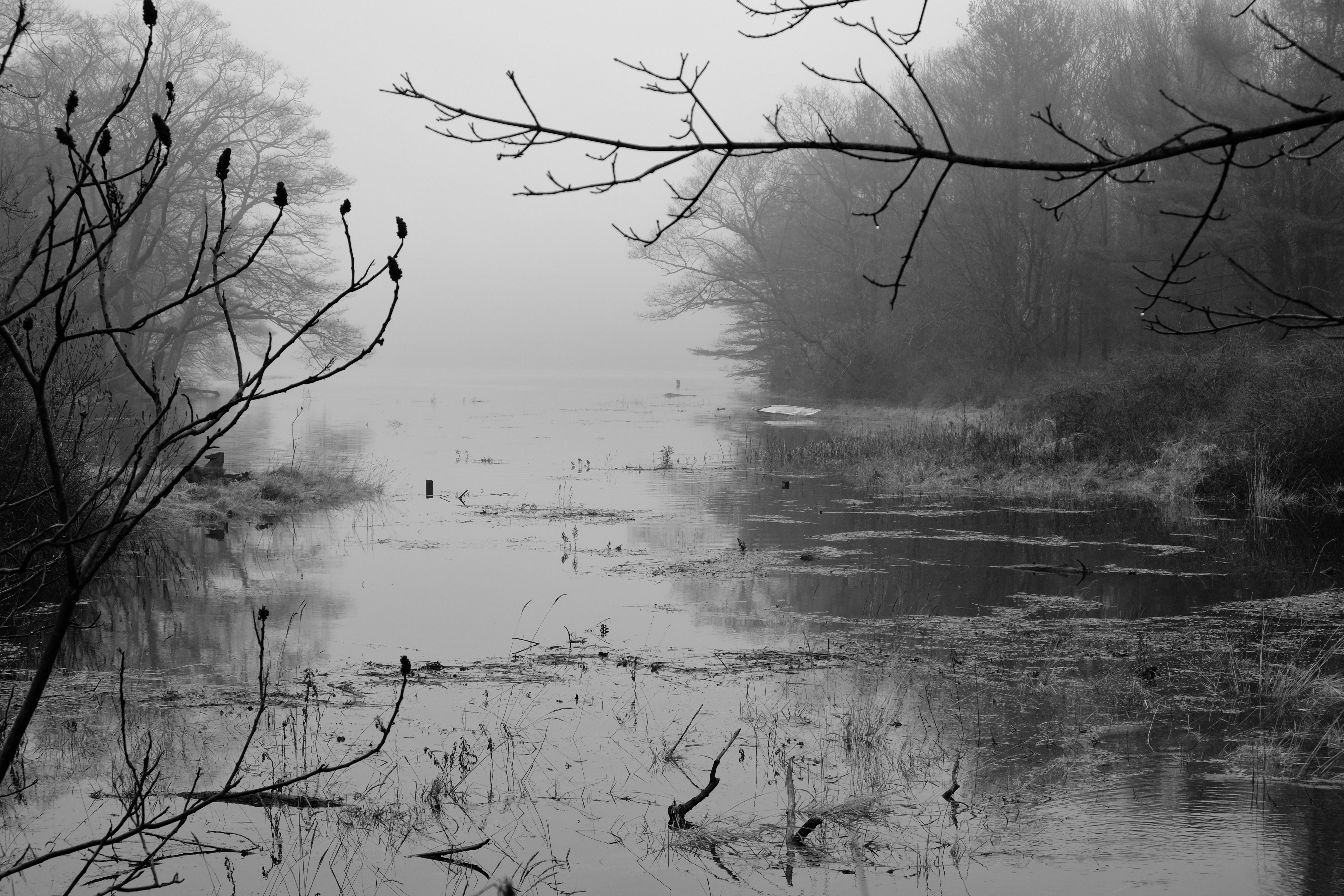
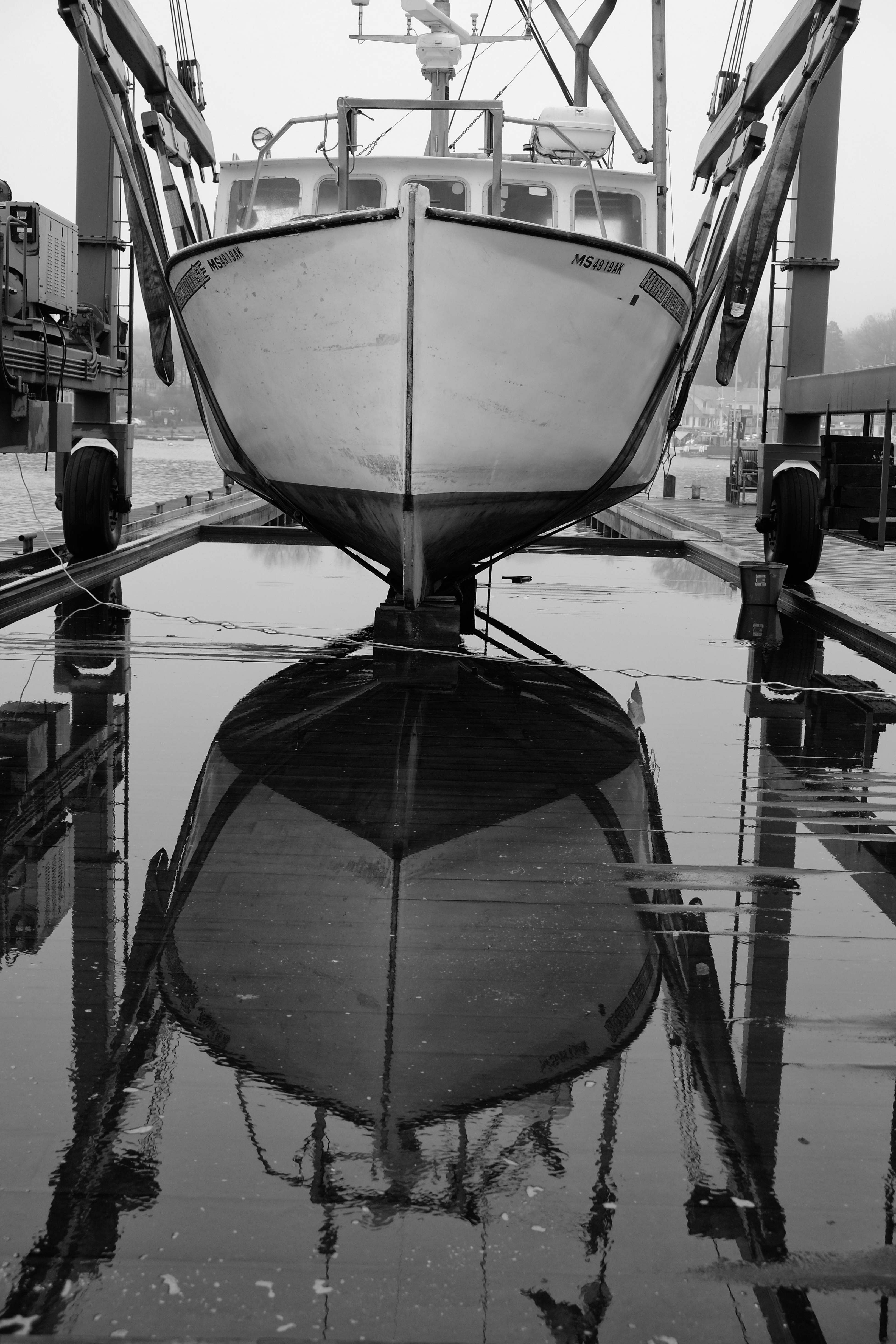
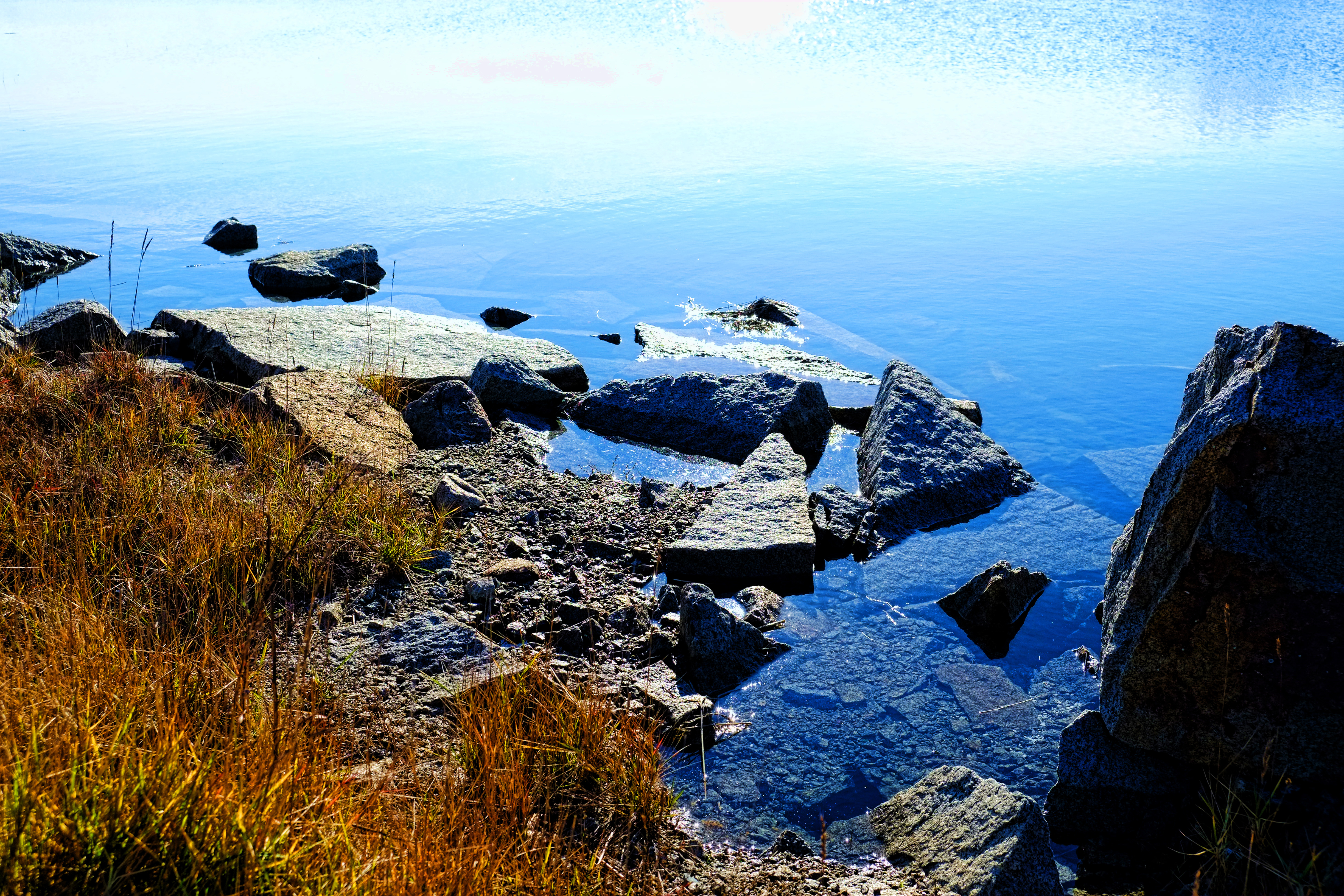
The ability to modify an image that the camera produces has been an integral part of the art of photography from its earliest days. Allowing more light to “burn” through the negative onto the chemically treated paper produced a darker image. Interfering with that light, or “dodging,” produced a lighter image. These techniques are often applied to selected portions of the image to produce the unique effect desired by the photographer.
In addition to burning and dodging, traditional film photographers use a variety of filters when making the exposure to capture what they see as important components of the image. For example, in a black and white shot, a red filter on the camera will produce a dramatically darkened blue sky and will add dazzling contrast with white clouds.
Other techniques such as push processing, cross processing, selection of specialized films to produce vivid colors or dramatic grain, toning, high key or low key exposures, artificial vignetting and masking were all found in the photographer’s tool bag.
Our greatest practitioners of the art were all well versed in the use of these tools. One of the most iconic images of the 20th century is “Monolith, The Face of Half Dome, Yosemite National Park, California 1927” by Ansel Adams.
“I saw the photograph as a brooding form, with deep shadows and a distant sharp white peak against a dark sky,” Adams later said. To achieve that image he used a red filter when making the exposure and in the darkroom he was able to “apply the numerous controls of the craft in precise ways that contribute to achieving the desired result. * * * I can still recall the excitement of seeing the visualization ‘come true’ when I removed the plate from the fixing bath for examination. The desired values were all there in their beautiful negative interpretation. This was one of the most exciting moments of my photographic career,” he said.
These days most photography enthusiasts no longer spend long hours in the “wet” darkroom to see our “visualizations come true.” The digital equivalents of all of the traditional tools are a keystroke away. The trick, now as then, is to learn how to use them artfully and effectively to produce images that are true to the photographer’s vision and that evoke emotional or esthetic responses from those who view them.
“Monolith, The Face of Half Dome, Yosemite National Park, California 1927” by Ansel Adams.
Spread The GMG Love By Sharing With These Buttons: