The creator of goodmorninggloucester.org Lover of all things Gloucester and Cape Ann. GMG where we bring you the very best our town has to offer because we love to share all the great news and believe that by promoting others in our community everyone wins.
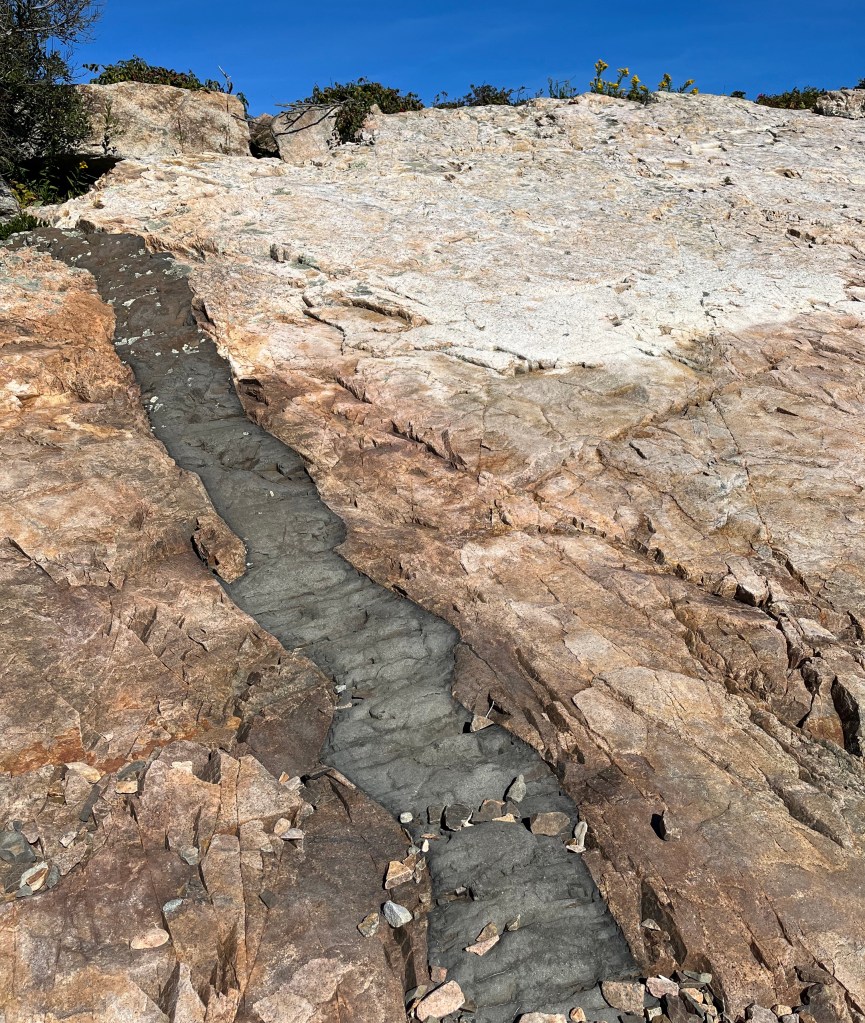
I wonder if anyone can help me with this rock formation on the Back Shore. What is the black in the granite. It looks like it was poured in.
The rock formation on the back shore looks like an intrusion of a molten rock that moved through cracks or zones of weakness in the Cape Ann Granite and cooled more rapidly to give a finer crystalline texture and it it called a dike – probably a basaltic dike and possibly nearly as old but definitely younger than the older granite which has been dated about 430 to 450 million years ago –
Henry N McCarl, retired geologist
Spread The GMG Love By Sharing With These Buttons:
Topic Timestamps- Click Each Time To Go Directly To That Topic-
When you subscribe you need to verify your email address so they know we’re not sending you spam and that you want to receive the podcast or GMG in your email. So once you subscribe check your email for that verification. If you don’t see it, check your spam folder in your email acct so you can verify that you’d like to get them via email subscription.
Topics Include:
Please share the podcast! If you share the podcast while we are taping we will write down your name and you will be entered into a drawing to win a prize that we will choose about 2/3 the way through the podcast.
Join the livechat here: www.facebook.com/goodmorninggloucester share the podcast while we are live and type “shared” in comments to be entered to win prizes we draw at the end of the podcast.
When you subscribe you need to verify your email address so they know we’re not sending you spam and that you want to receive the podcast or GMG in your email. So once you subscribe check your email for that verification. If you don’t see it, check your spam folder in your email acct so you can verify that you’d like to get them via email subscription.
Spread The GMG Love By Sharing With These Buttons:
If you subscribe to the GloucesterCast Podcast it will be emailed to you so if you miss it you can still access it through the free email! Link to subscribe here
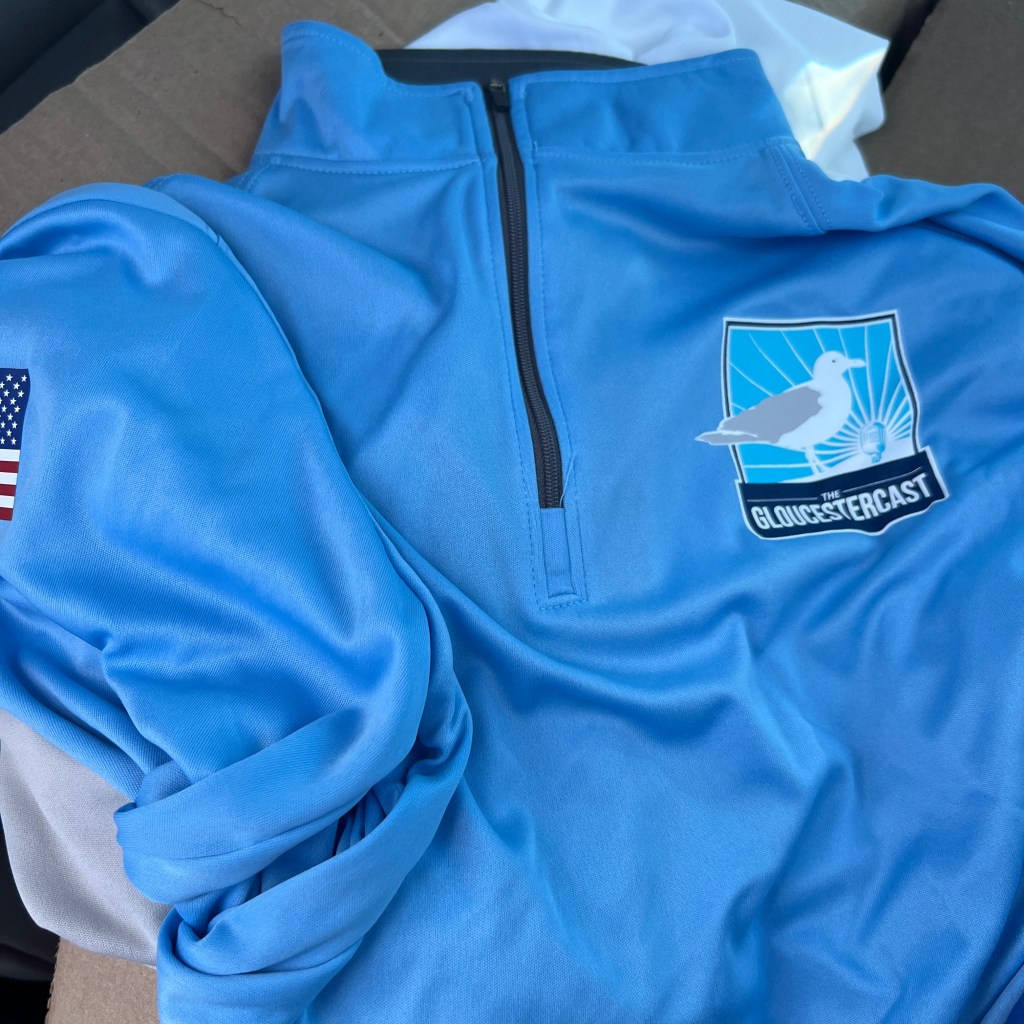
We have XL GloucesterCast Quarterzips available for purchase $38 email me at goodmorninggloucester@yahoo.com if you would like one.
Spread The GMG Love By Sharing With These Buttons:
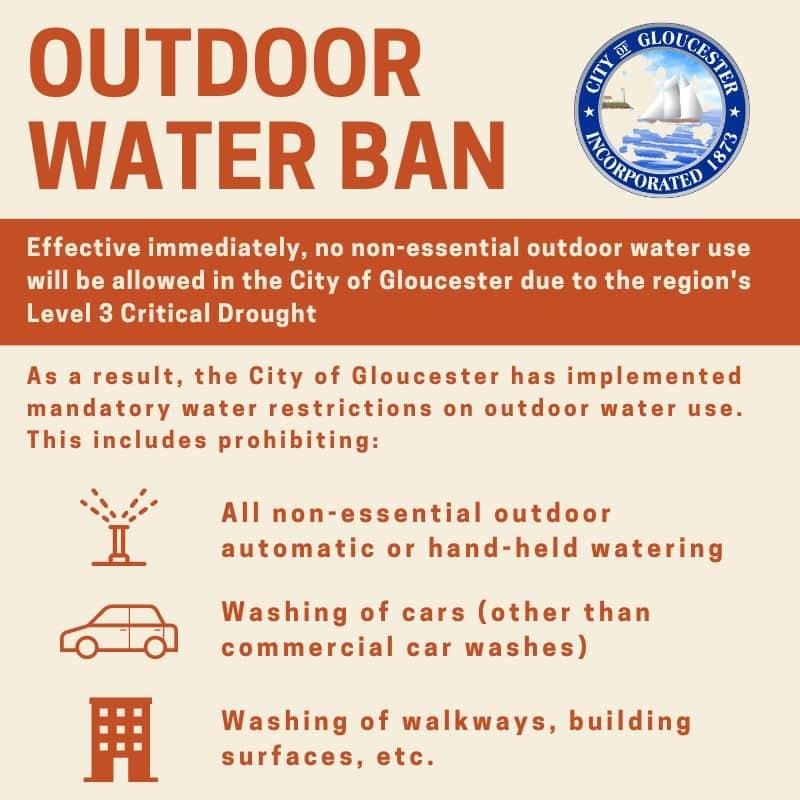
GLOUCESTER – Mayor Greg Verga and the City of Gloucester report that a temporary ban on all non-essential outdoor water use is being extended until the end of September due to continuing drought conditions.
The City implemented a two-week ban on all non-essential outdoor water use beginning on Sept. 1.
The ban is now being extended until September 30th. Despite some recent rainfall, drought conditions persist and the City’s water capacity remains at just 51 percent. The status of the ban will be reevaluated on September 30th.
“I would like to ask all Gloucester residents, whether they use city water or have private wells, to help us preserve our natural resources during this critical drought period,” said Mayor Verga. “I appreciate residents’ cooperation and understanding of these necessary restrictions. We intend to keep this ban in place for as short a time as possible, but despite some recent rainfall, conditions remain critical, and we cannot responsibly lift the ban at this time.”
The Northeast Region of Massachusetts remains in a Level 3 Critical Drought. Per MassDEP, this level of drought warrants such a ban on all non-essential outdoor water use. DEP considers “essential” water use as: for health or safety reasonsby regulationfor the production of food and fiberfor the maintenance of livestockto meet the core functions of a businessFailure to adhere to the restrictions can lead to the imposition of fines.
Drought conditions result in dry grass, shrubbery, and forest areas, as well as dry soil conditions, increasing the wildland fire risk. Cape Ann communities have seen multiple brush fires in recent weeks. Brush fires take multiple days to extinguish and exhaust local and regional resources.
All outdoor fires, including the use of outdoor fireplaces, firepits, and chimineas are prohibited during this time of critical drought. Residents are also asked to take care when disposing of combustible materials including the disposal of cigarettes.
###
Spread The GMG Love By Sharing With These Buttons:






































 Good Morning Gloucester