
Thacher’s Rainbow
My View of Life on the Dock

Donna Rogers turned us on to it. It’s available at Market Basket. Give it a try



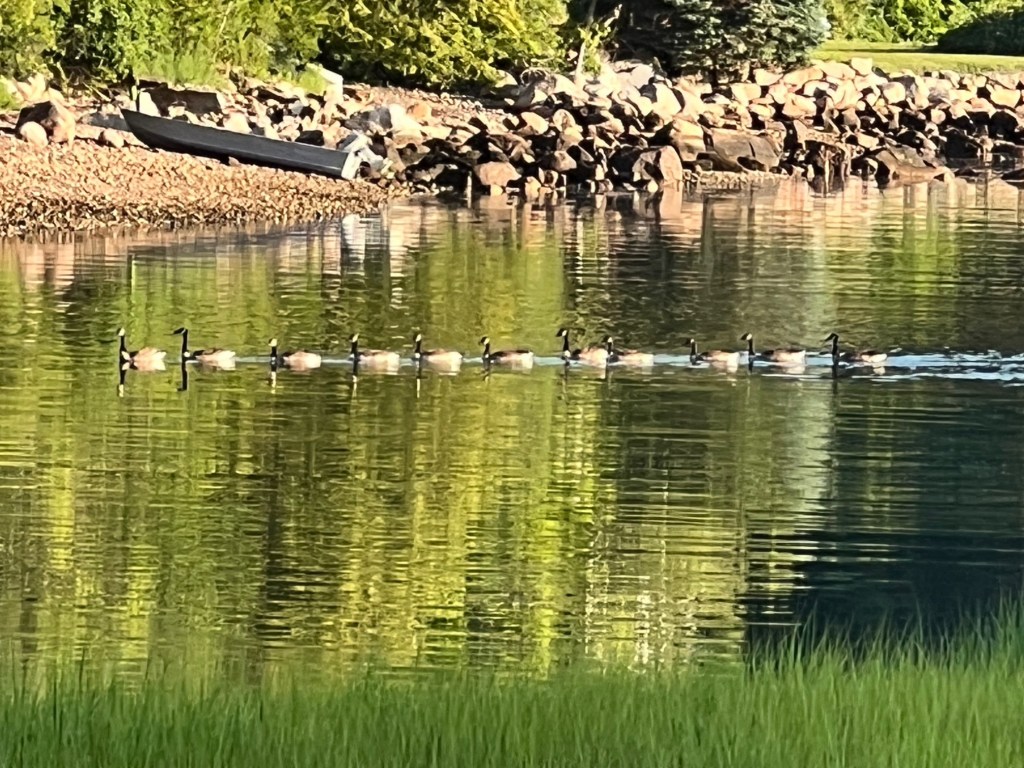

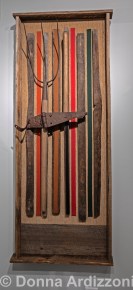

High Tied…


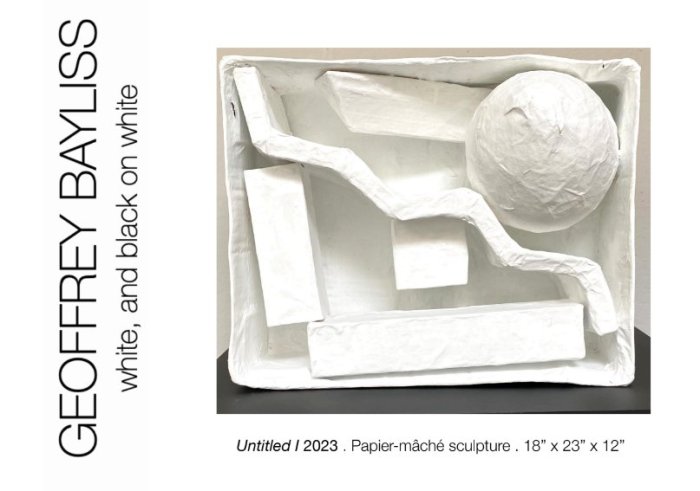
Save the date announcement from Jane Deering-
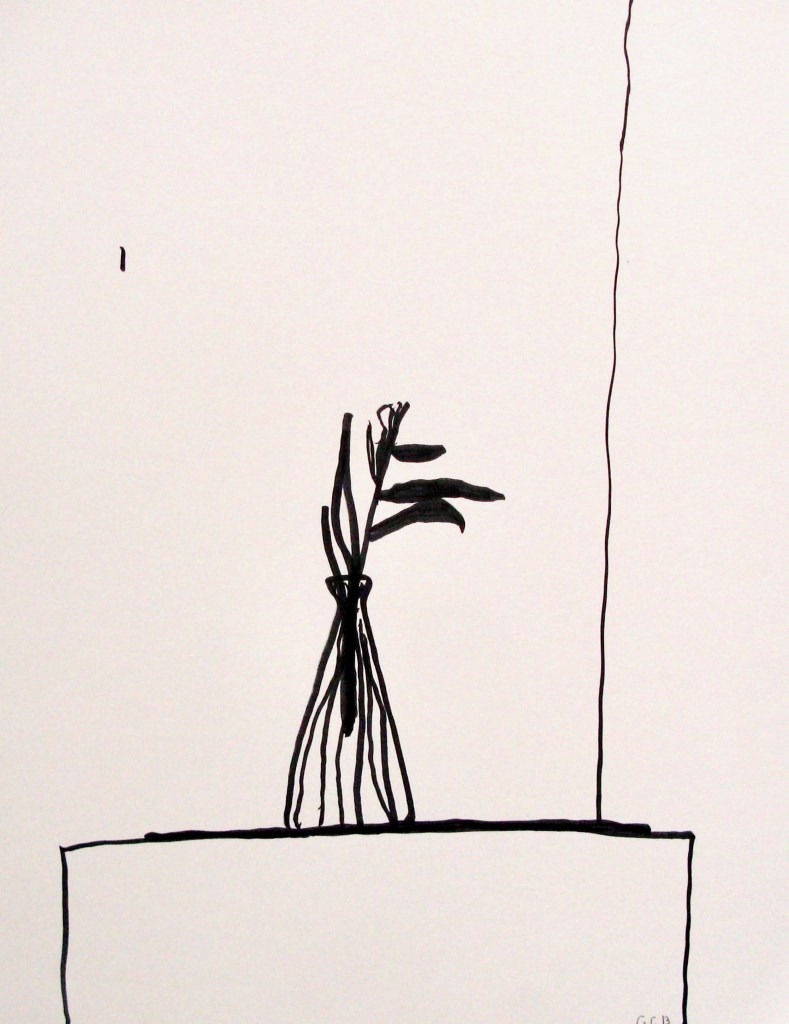
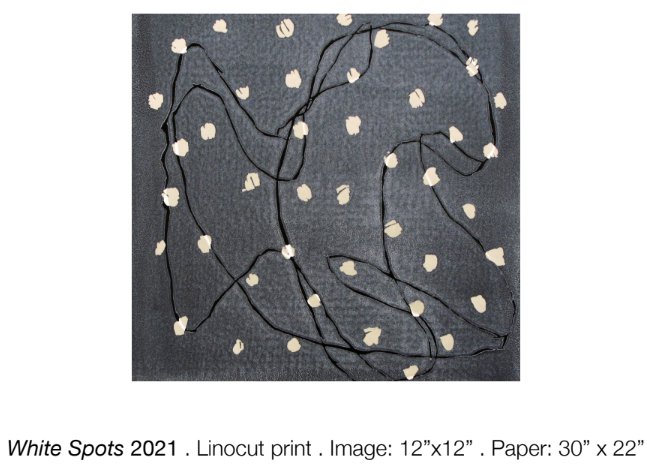
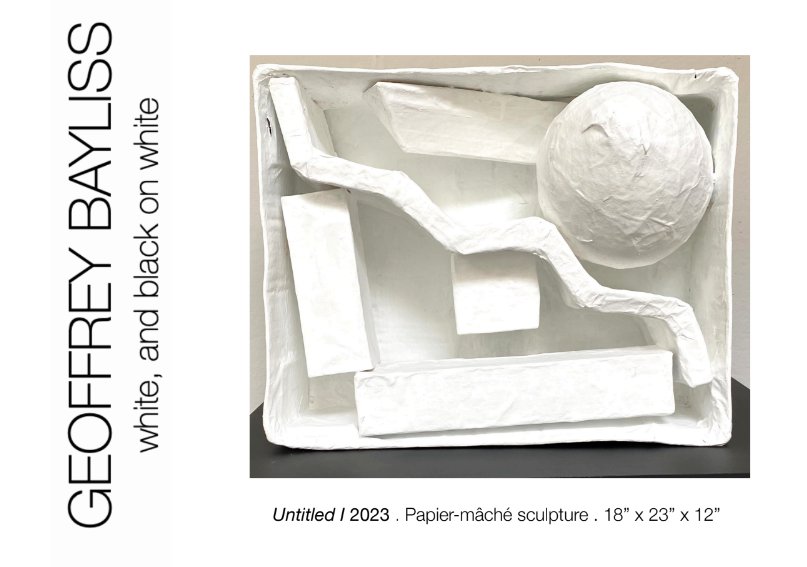
Jane Deering Gallery is pleased to present GEOFFREY BAYLISS | white, and black on white
opening with a public Reception on Thursday August 24th, 2023 from 5-7pm. This is Bayliss’s fifth solo show with the gallery and celebrates his Ink drawings, monotypes and recent experimental sculpture — all media in the sophistication of white and black.
Geoffrey Bayliss, a native of Gloucester, holds a BA in architecture from Columbia University. He has studied with artist Celia Eldridge, sculptor John Bozarth, printmaker Coco Berkman, and artist Charlotte Roberts. His work is held in numerous private collections in the US. Bayliss’s work was recently featured at OMG Art Faire, Kingston NY — the first contemporary art fair in New York’s Hudson Valley.

Continue reading:



Some of us have been awaiting this announcement from Vita Bella, formerly Windward Grille. Sharing information from their Facebook page:


Hey Joey! Here is a summary of our negotiations thus far. Thank you for sharing with your blog. All support is greatly appreciated!
Have you seen posts on social media about GAEP Negotiations or ESPs deserving a living wage and wondered what it is all about? Well look no further, and continue reading here for all you need to know about what is going on in the negotiations between the Gloucester School Committee and the Gloucester Association of Educational Paraprofessionals.
You might be wondering what is GAEP?
GAEP stands for Gloucester Association of Educational Paraprofessionals, it is the local union for Educational Support Paraprofessionals aka ESPs. ESPs are essential in the effective education of our students and operations of our schools. They not only work with some of the most vulnerable students but they collaborate with teachers, literacy and math coaches, administrators, counselors and other support staff to ensure that students’ needs are being met. They implement safety and behavior plans, they give interventions, collect data and support students in any way they can.
Why are we talking about GAEP and ESPs?
GAEP began contract negotiations with the School Committee back in April. In the ESPs campaign, they are asking for a Living Wage for all ESPs, Respect as Educators and Affordable Education to Strengthen their Careers. Since the first session proposals and counter offers have been exchanged from both sides and there are already many tentative agreements. Agreements have been made on things like language clean up, more inclusive bereavement leave and test reimbursement for parapro and MTEL tests. The School Committee also offered a comprehensive professional development package for ESPs and added in tuition reimbursement at the request of GAEP. While things seem to be moving along, there is one area of the ESPs campaign that cannot be ignored, A LIVING WAGE FOR ALL ESPs.
The ESPs living wage proposal, which was modified on June 28, included increasing all ESPs pay by $5000 annually, for the next 3 years. This pay increase does not immediately raise their salary to a living wage, but creates a clear path to a living wage over the life of the contract. With this proposed increase the starting pay for an ESP would go from the current rate $22,016 annually to just over $37,000 and at the top pay rate, from around $26,000 to $41,000 over the next 3 years. The School Committees proposal is much different. They offered a 10% increase in the first year, which is approximately $2200 for new employees and $2500 for employees at the top of the pay scale. For year 2 and 3 they offered 2.5% & 2.6% in the second year, which is approximately $600 for new employees and $720 for members at the top of the pay scale and 2.6% in the third year which is approximately $650 for new employees and $755 for members at the top of the pay scale. So over the life of the 3 year contract, ESPs pay would increase by 15.1%, which sounds like a lot, but for the amount of money they are currently paid, over the next 3 years the increase is approximately $3450 at the starting step and $4000 at the top. This would bring starting pay from $18.41 and hour or $22,016 annually to $21.30 an hour or $25,469 annually and for a member who are already at the top step it would increase from $21.87 hourly or $26,155 annually to $25.29 hourly or $30,245 annually with the added 15.1% over the life of the contract as proposed by the School Committee. While 15.1% sounds good, it still does not get ESPs close to a living wage.
GAEP also asked for the School Committee to decrease the number of steps it will take an employee to reach the top step and while the School Committee did not offer to eliminate as many steps as GAEP initially asked for, they did agree to eliminate 4 of the current steps, which will help members advance to the top of the pay scale in only 6 years. They also agreed to increase the longevity stipend for employees who have worked more than 10 years in the district by $200. The school committee recognizes that ESPs working in some of our specialized programs should have an increase in the stipend they currently receive due to the nature of their work and they proposed a $400 increase to the stipend.
ESPs have asked for Respect as Educators in the form of equal pay for equal work, i.e. if you perform the work of a teacher/same work as a teacher, you get paid the same as a teacher for that work as well as fair compensation for professional development. Currently, ESPs can earn $10 annually for 10 hours of professional development for up to a total of $300 over your career, at that rate, you need to work 30 years and complete 300 hours of professional development to earn an additional $300. GAEPs Affordable Education proposal asks for tuition reimbursement to help make earning a degree more affordable, while learning new content and skills to improve the education of the students they are working with. The school committee’s comprehensive professional development package touches on these items and we hope to reach an agreement about these issues soon.
The role of an ESP has changed dramatically over the last several years, but more so since the pandemic. The needs of students have increased as well as the demands on ESPs. The cost of living in this area has also increased significantly, but the salaries of the people who work closest with our most vulnerable population has only increased by a 2.5% COLA. The School Committee agrees that ESPs deserve more and have offered a 10% salary increase. 10% is a great starting offer, but when your salary is just over $22,000 a year, that 10% increase only brings your salary to just over $24,000 which is well below the $46,000 living wage in Essex County according to MIT.
How can you help support GAEP and our ESPs?
Follow our Facebook page, Gloucester Association of Educational Support Paraprofessionals – GAEP, to stay up to date on all the upcoming events and information we share about negotiations. Share the information we share to help us get it out to as many community members as possible. Join us at any rallies or events we have. Talk to an ESP about what kind of work they do. Let the school committee know you think ESPs deserve a living wage! You can also log on to our open bargaining sessions, next session Wednesday August 23 at 3pm. The zoom link will be shared on our Facebook page as soon as we have it.




We were delighted to find the schooner Bowdoin in our harbor yesterday. The Official Vessel of the State of Maine was apparently on one of its summer missions as the flagship of Maine Maritime Academy’s Vessel Operations and Technology program. Regardless of the reason, it was a delightful sight! For more information on schooner Bowdoin, click here.


 Good Morning Gloucester