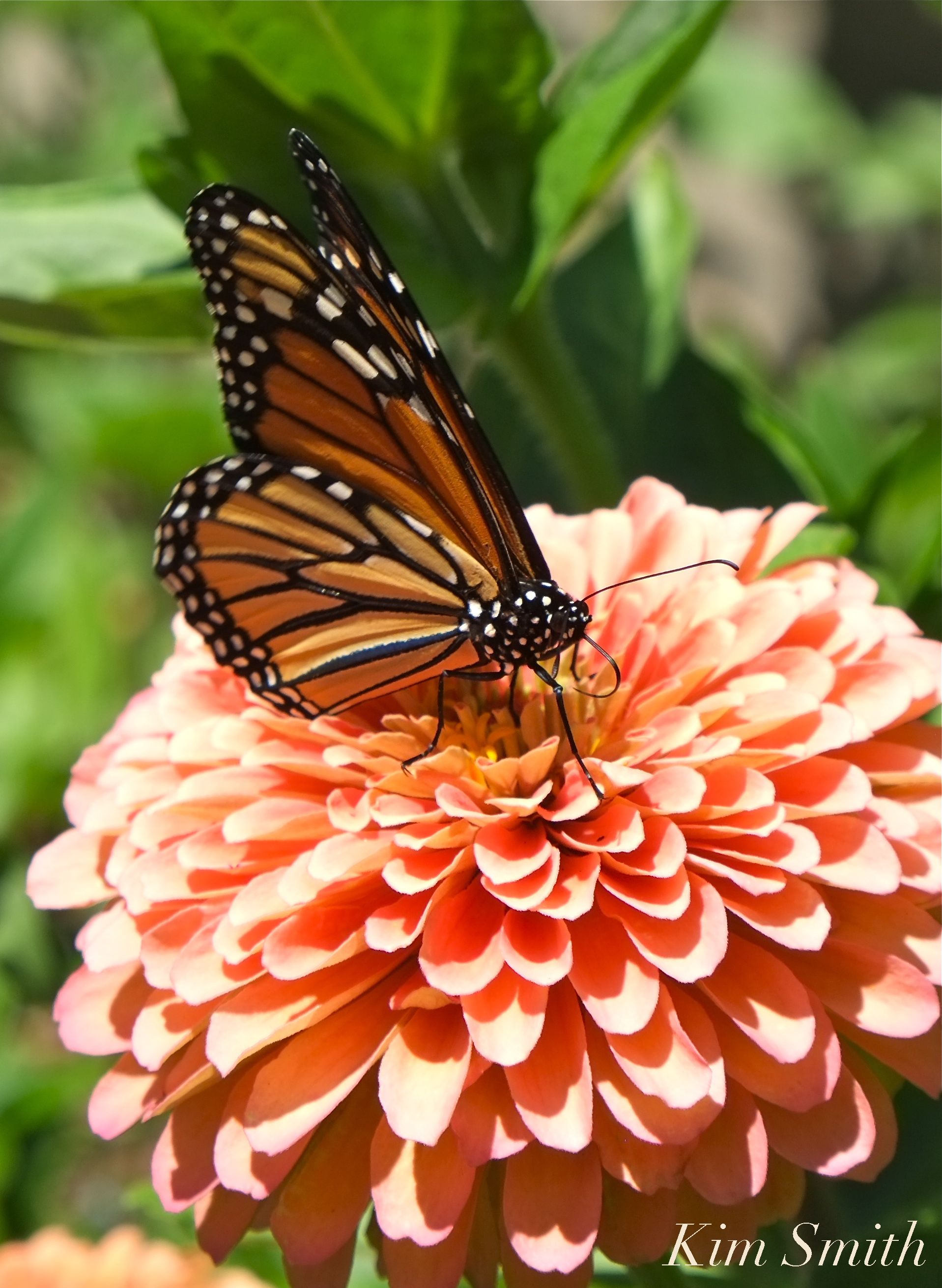
 They don’t call these zinnias ‘Giant’ for nothing! One of my favorite zinnias, not only for its show-stopping size and sparkling array of colors, but these beauties are a magnet for Monarchs (and a bevy of other beneficial pollinators, too). Zinnias (Zinnia elegans) are a native North American wildflower and these grand beauties were developed by Ernst Benary, one of the oldest German seed companies, founded in 1843. You can purchase Benary Giant seedlings from Elise and Tucker at Cedar Rock Gardens in the spring.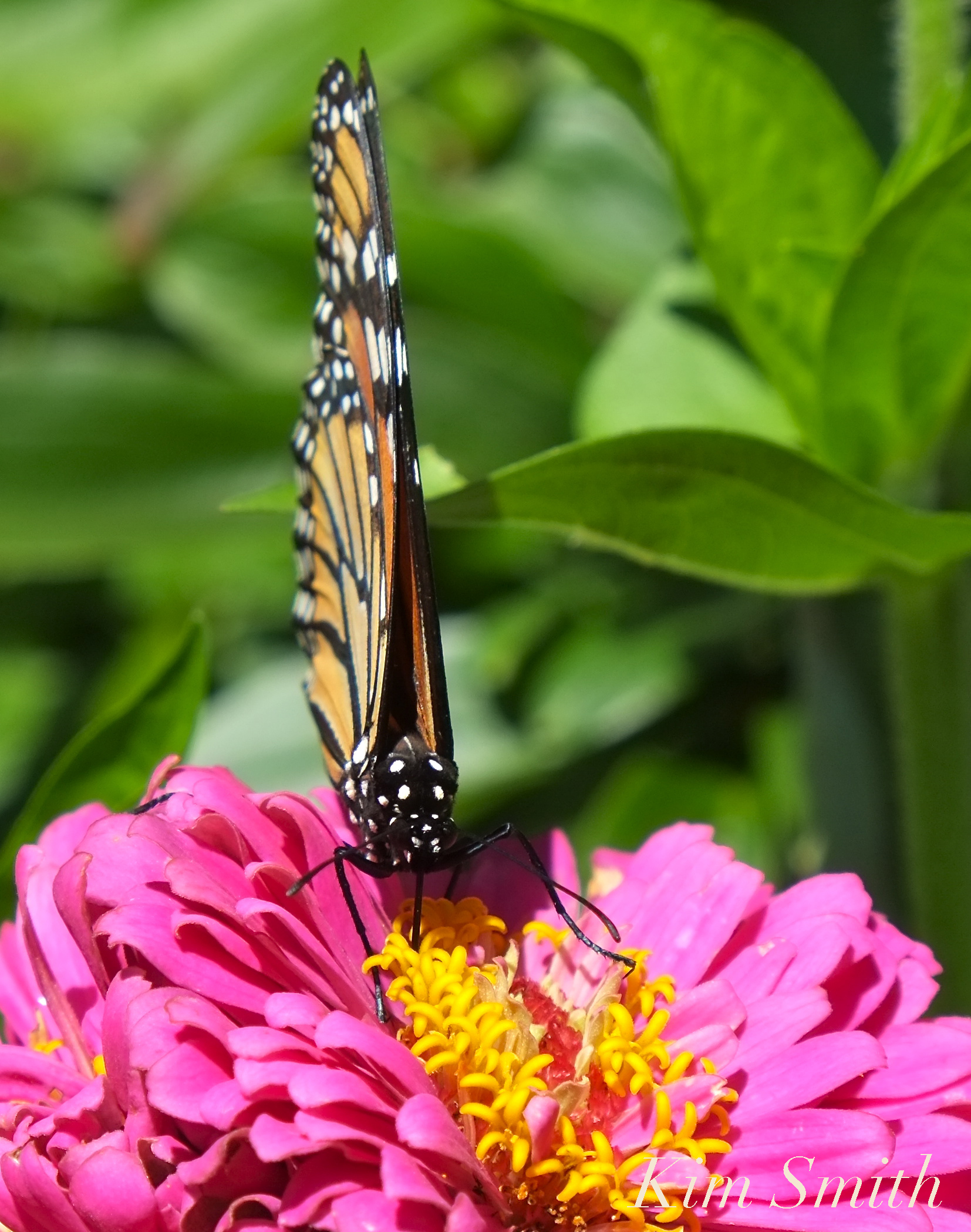
Benary Giant Zinnia and Monarch Butterfly
Elizabeth Redmond from Essex shares photos and writes,
“Hi Kim,
My little butterfly garden in Essex is only 4 feet by 6 feet and yet the monarchs find the Asclepias incarnata that I grew from seed—so gratifying! This week I’ve had two at a time (although not caught in photo). Thanks for your awareness-raising work and great photos!”
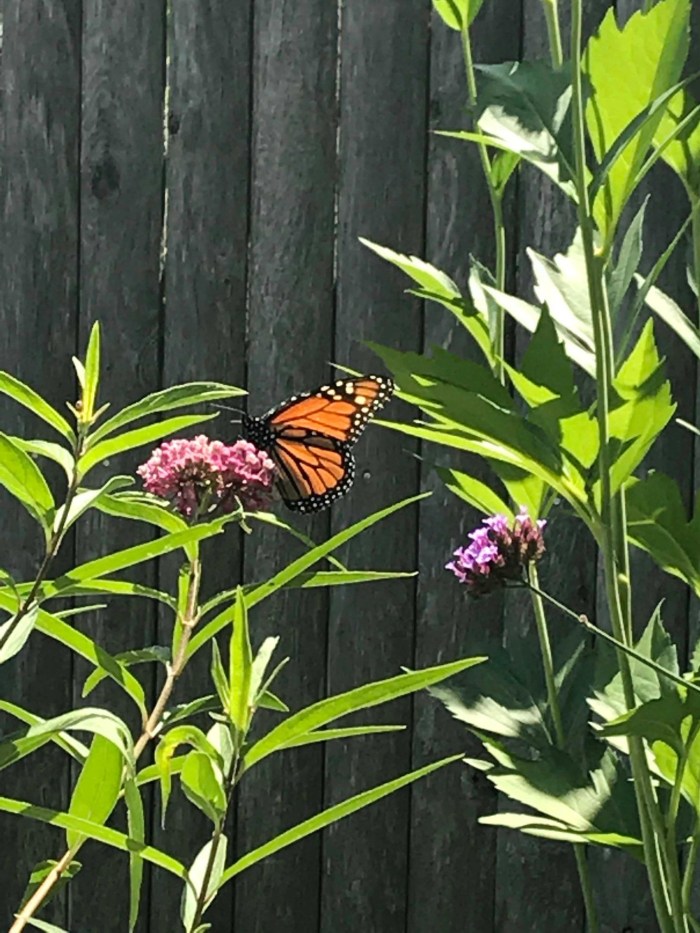
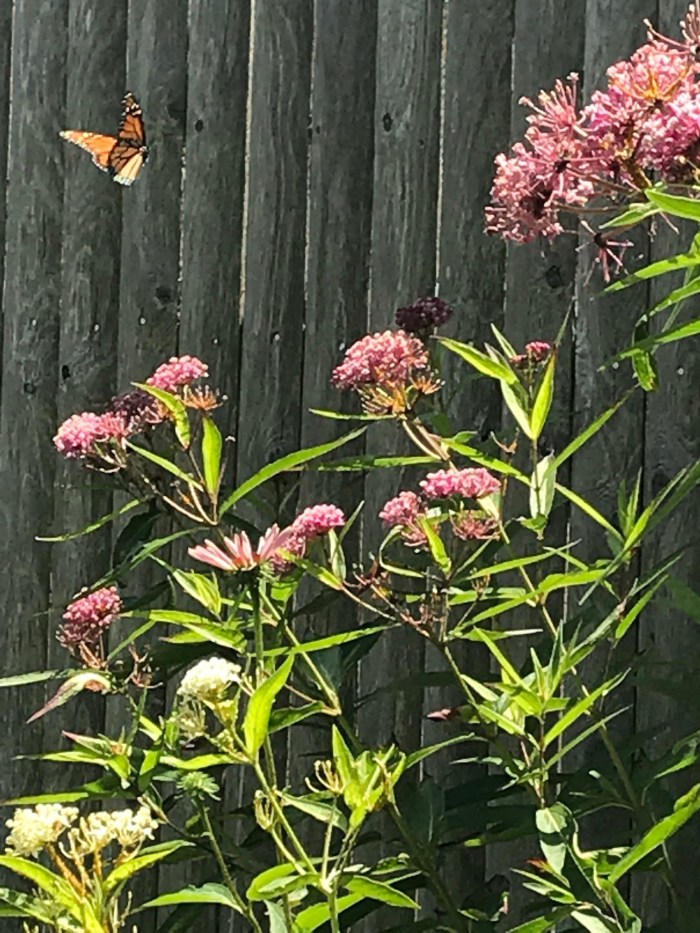
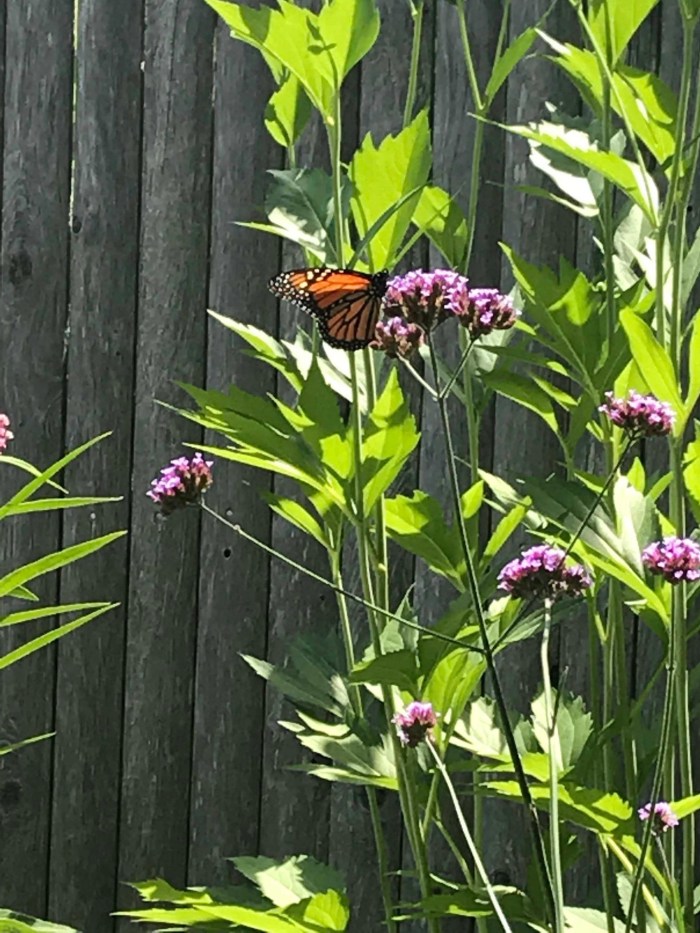
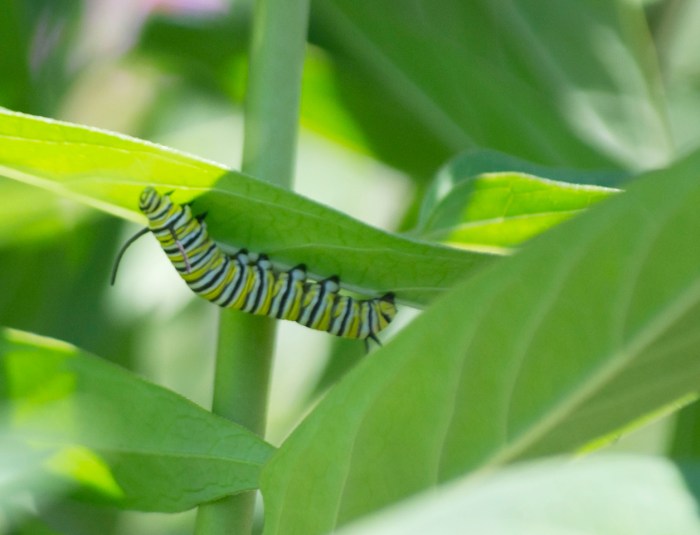
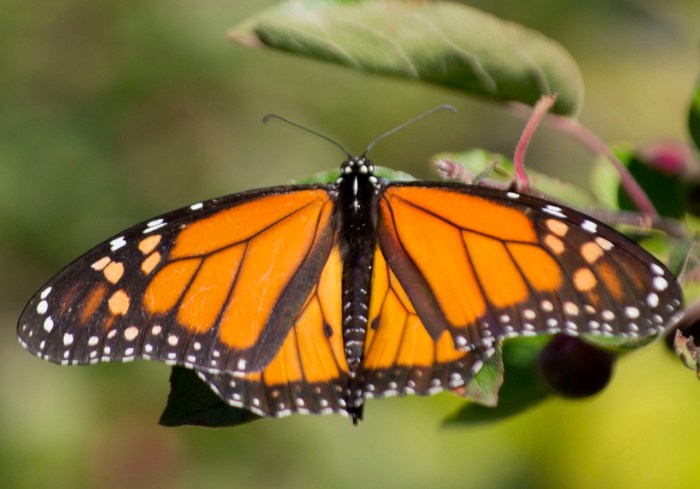
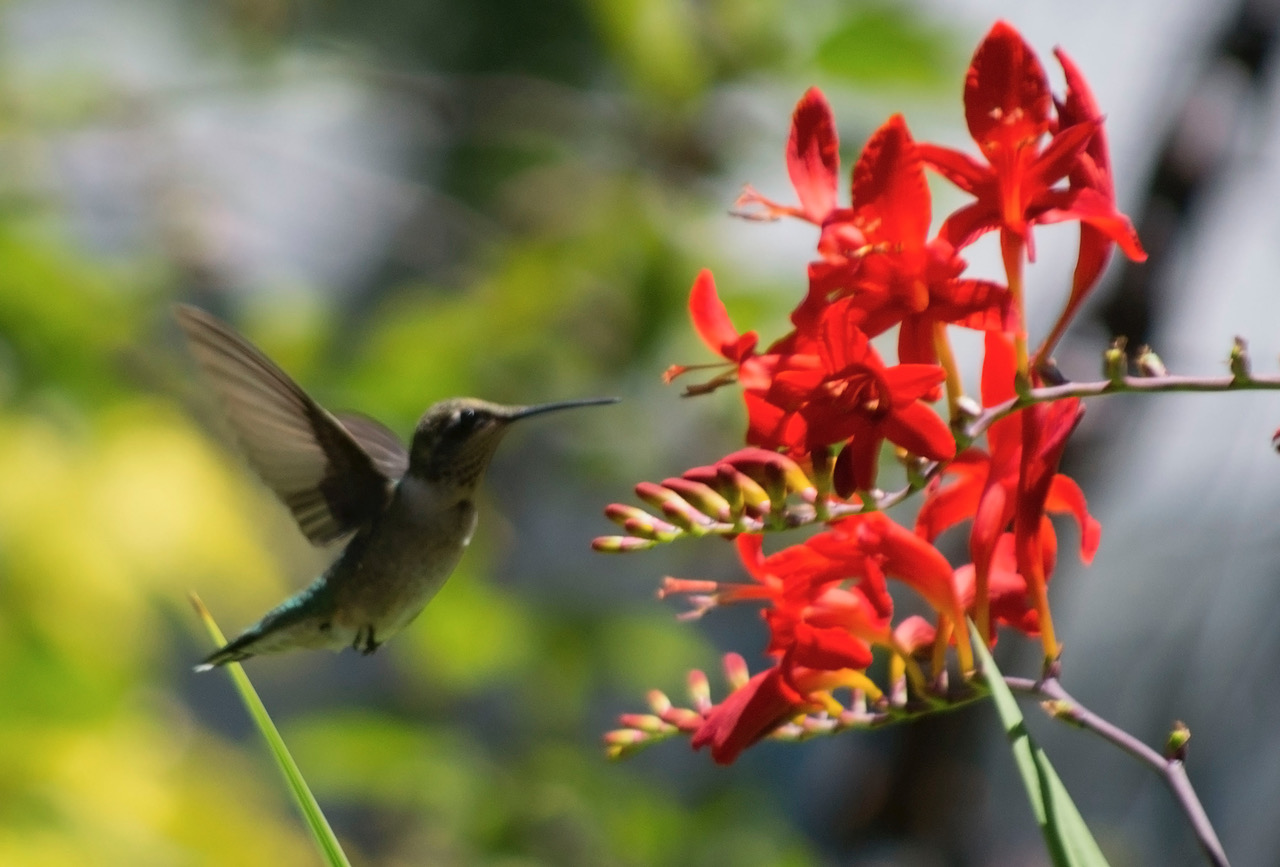
Jackie Bennet, who works at Corliss in Ipswich, shares recent sightings of a male Monarch butterfly and caterpillar, and a female Ruby-throated Hummingbird on the crocosmia.


 Good Morning Gloucester
Wow these are great and even have hummingbird in the view! 🙂 Dave & Kim 🙂
LikeLiked by 1 person
Thanks to all our readers for sharing!
LikeLike
Noticed different sizes of monarch butterflies. What does that mean. Jackie Bennett
LikeLiked by 1 person
Hi Jackie, Butterflies are measured by weight and wingspan; Monarchs range in size from 3.5 to 4.8 inches, with the males only being slighly larger. That difference, from 3.5 to 4.8 inches is quite noticeable on such a small creature. Sometimes the caterpillar did not get as much to eat because of weather temperature and food availability, but I think it is typically more genetic.
LikeLike