The following was shared by our State Representative Ann Margaret Ferrante from “Mass Moments”
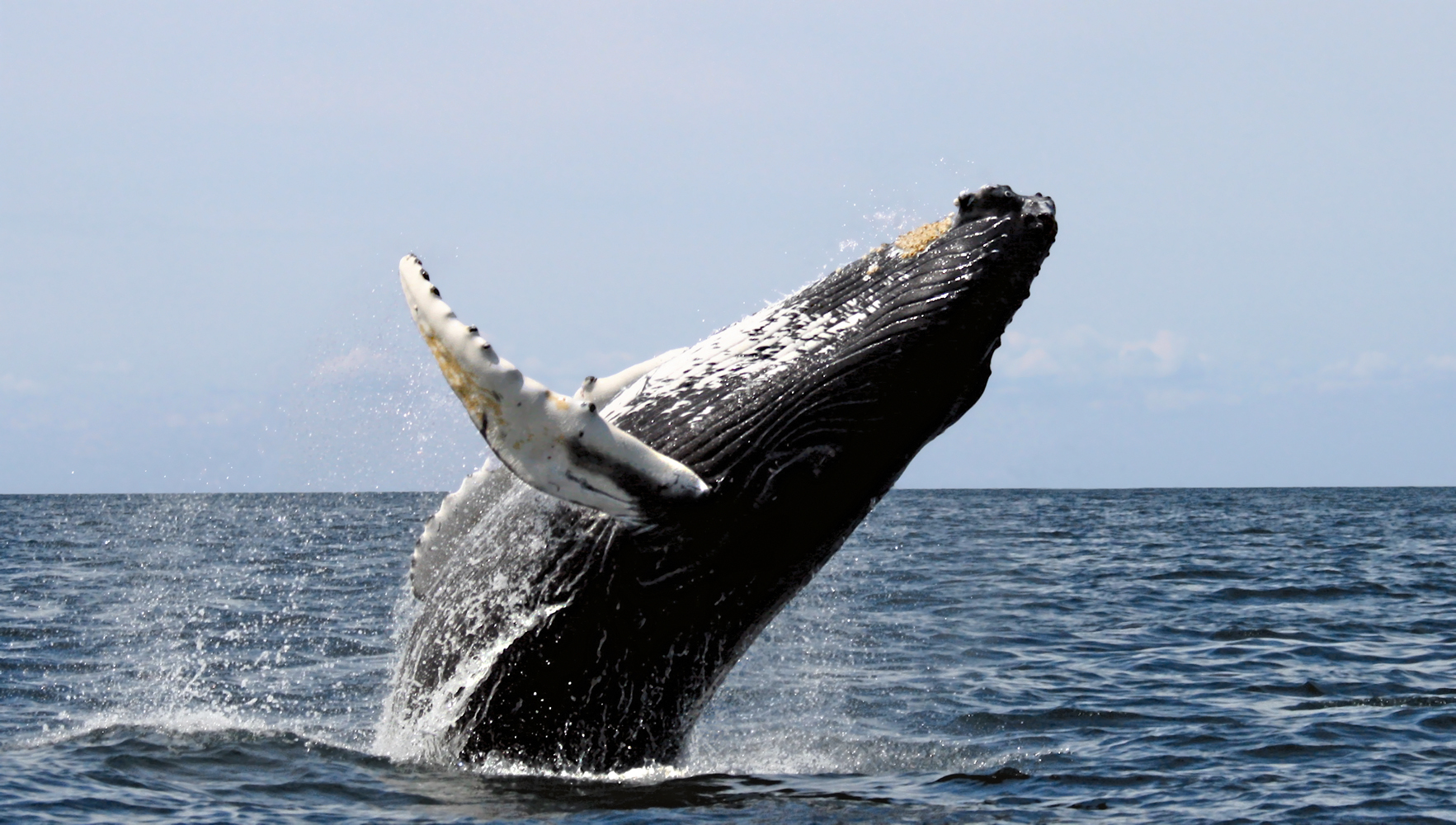


For centuries, the tip of Cape Cod was familiar territory to whalers. Wampanoag Indians hunted for whales inshore and passed their skills on to the English settlers. Provincetown‘s excellent natural harbor was one of the best in New England, and the town soon became a busy seaport. By the middle of the nineteenth century, there were more than 700 vessels in the Provincetown fleet. Many of these ships undertook long journeys in pursuit of sperm whales and large profits.
The American whaling industry was in decline by the early 1900s, and in 1924, the last Provincetown whaling ship completed its final voyage. More than 50 years would pass before a new kind of whale hunting began; its purpose was to observe, study, and admire, rather than to kill, whales.
Captain Al Avellar ran a charter fishing business from the Provincetown wharf. He noticed that when the occasional whale surfaced near the boat, fishing rods clattered to the deck as his customers raced to see the giant mammal. “I figured if fishermen would look, there must be something to whale watching.” In the spring of 1975, he started offering whale watching trips. The business got off to a slow start, but in time his Dolphin Fleet would carry tens of thousands of passengers.
Avellar found a willing partner in Dr. Charles “Stormy” Mayo, co-founder of the Center for Coastal Studies in Provincetown. Established to preserve marine mammals and coastal habitats, the Center operates on the principle “that the successful management and preservation of ecosystems depends on strong, detailed knowledge of species and their natural history.” What better way for naturalists to study the behavior and habitat of whales than to partner with a company whose vessels make daily trips to the whales’ summer feeding grounds.
The whale watching business spread to Boston and several other Massachusetts ports. Gloucester has half a dozen whale watching companies; the town is also home to the Whale Center of New England, founded in 1980, whose goal is to “contribute to the understanding and protection of marine mammals and their habitat.”
READ the complete article here
PHOTO AND INFOGRAPHIC COURTESY WIKI
Although the infographic illustrates the Southern Right Whale, I thought it very informative for the North Atlantic Right Whale, too.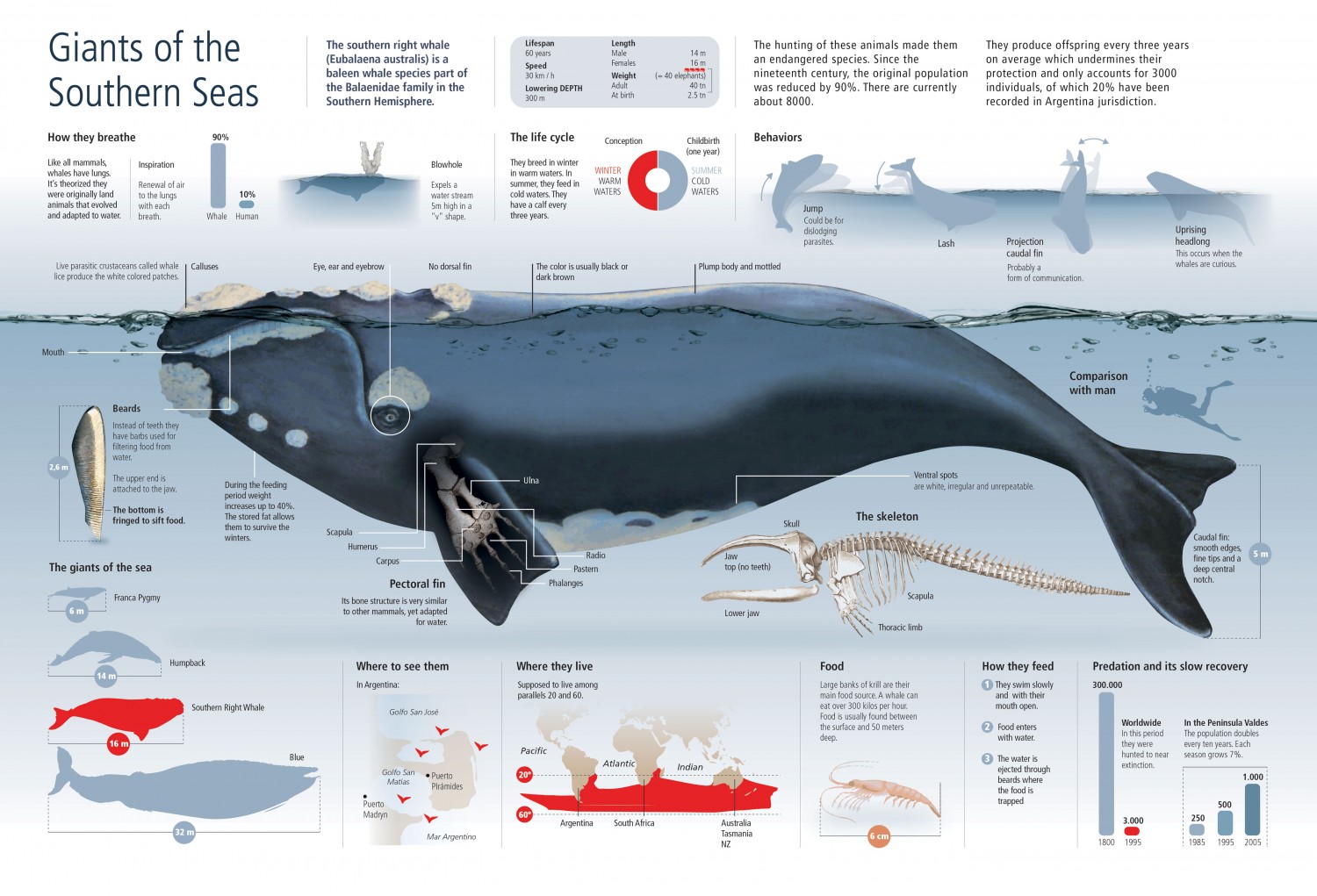


 Good Morning Gloucester
Great background and history for these gentle and curious giants follow the ships curiosity for both humans and whales! 🙂 Dave & Kim 🙂
LikeLiked by 1 person
Extraordinary and memorable to see 🙂
LikeLike