OutCyling, a New York city LGBTQ sports community group programmed a dynamite long distance spin hosted by the Whitney Museum and Edward Hopper House that I think will not only sell out fast it will inspire similar routes for many bicycle groups to Hopper’s places.
On what would have been Edward Hopper’s birthday July 22, 2023 at 7:30AM, serious cyclists who signed up for OutCylists Hopper themed event will trace a journey between NYC and Nyack, the two hometowns he held most dear, along the Hudson past surroundings that inspired recurrent motifs and back again, a 60-mile round trip sojourn.
Hopper wasn’t commuting to work and his boyhood home by bike, but he was a cyclist in his youth. On the Nyack stop, the Edward Hopper house is bringing out his 1897 bike!
There’s a history of cycling between Boston and Gloucester, Massachusetts. Imagine round-trip Hopper rides between the MFA and Cape Ann Museum, or Harvard and Cape Ann Museum, or a shorter one from the Addison to Cape Ann Museum. There could be a lengthier one with the Currier or Portland Museum, and multi day itineraries Bowdoin and beyond.
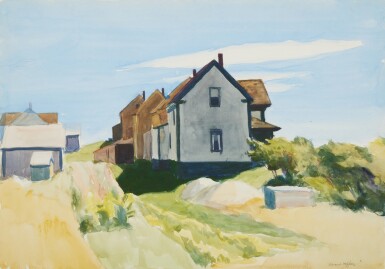
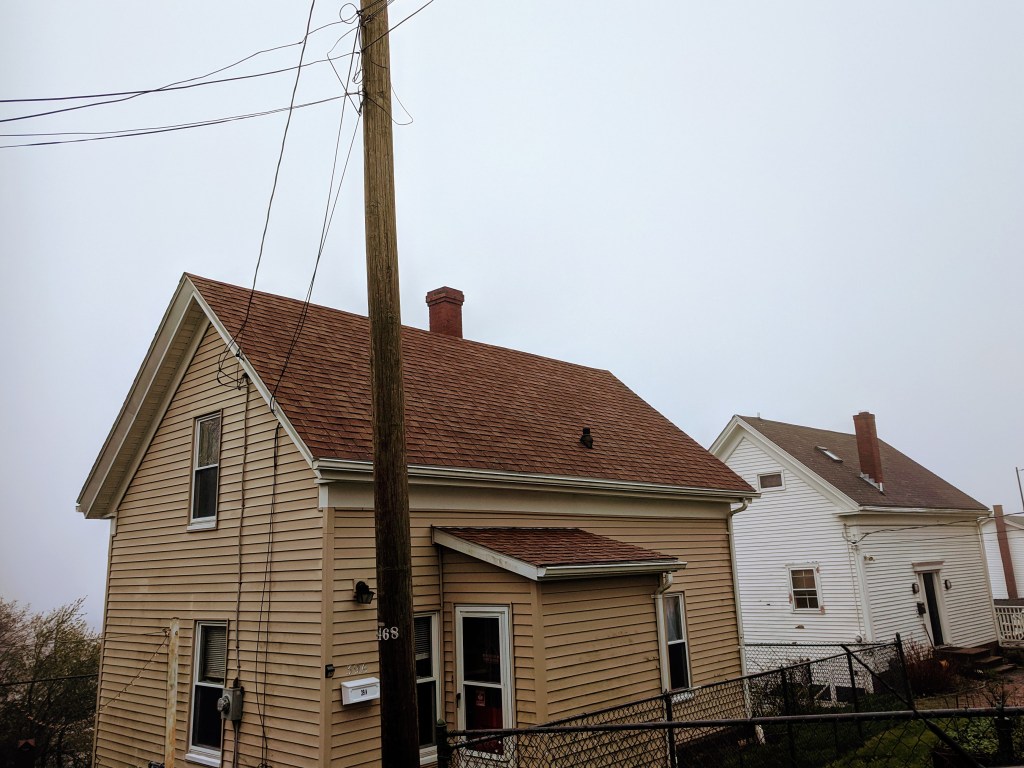
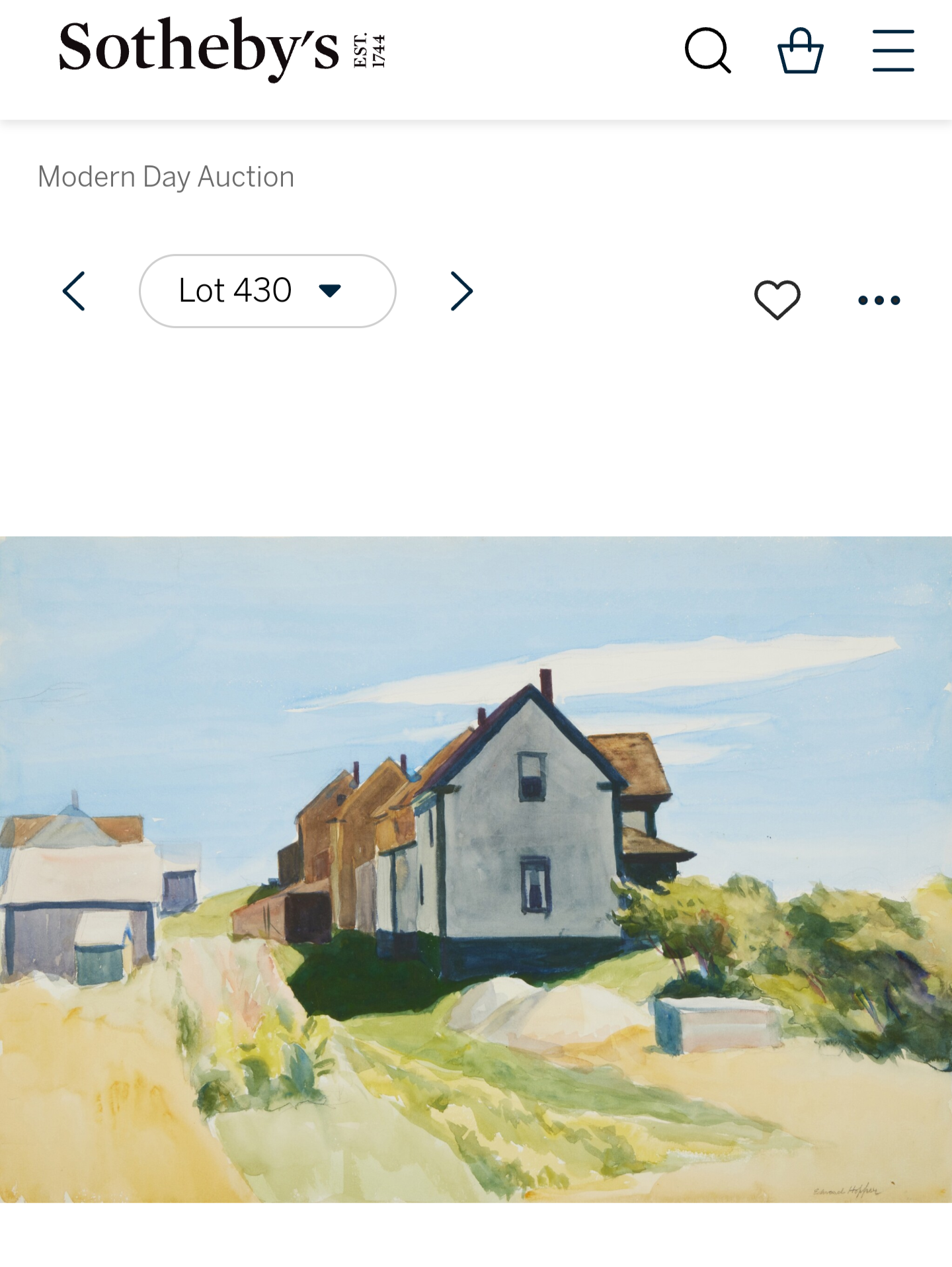
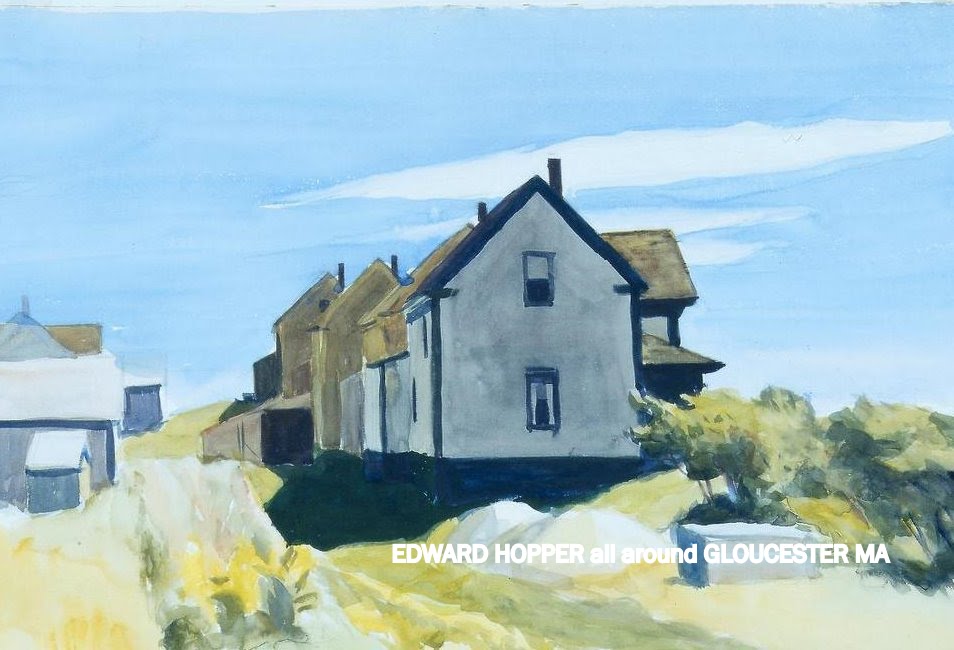
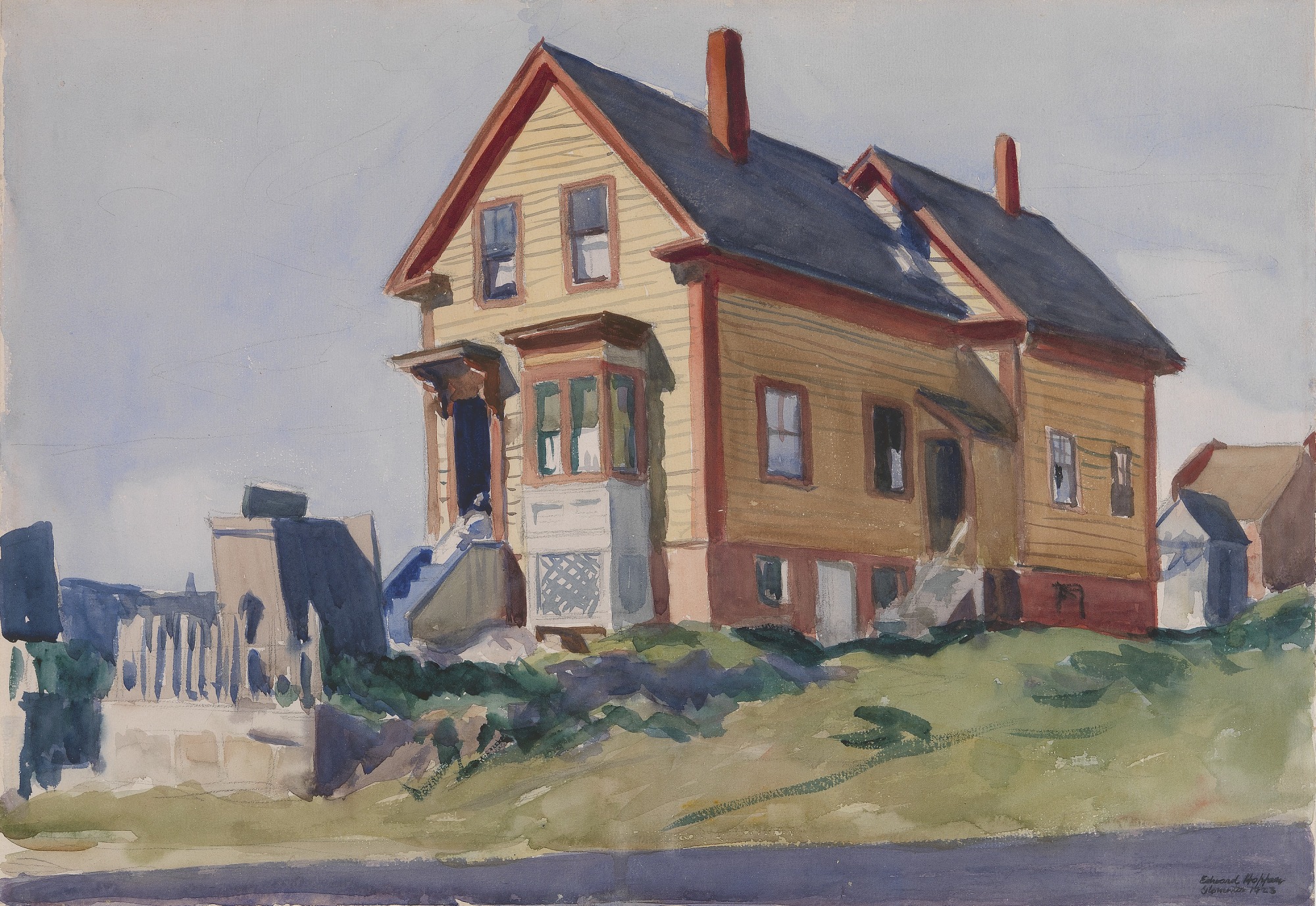
Do you know a cluster of homes perched like the subjects in this classic Edward Hopper watercolor painted here in Gloucester 100 years ago? Hallmark motifs and themes pair up throughout this bright and sunny scene: outhouse on the left and brush edged to the right (“nature calls”), passage between buildings and boulders, light and sharp shadow, double windows and curtains, roofline and sky, line up of chimneys, and the mystery of cropped views over the hill and off to the sides.
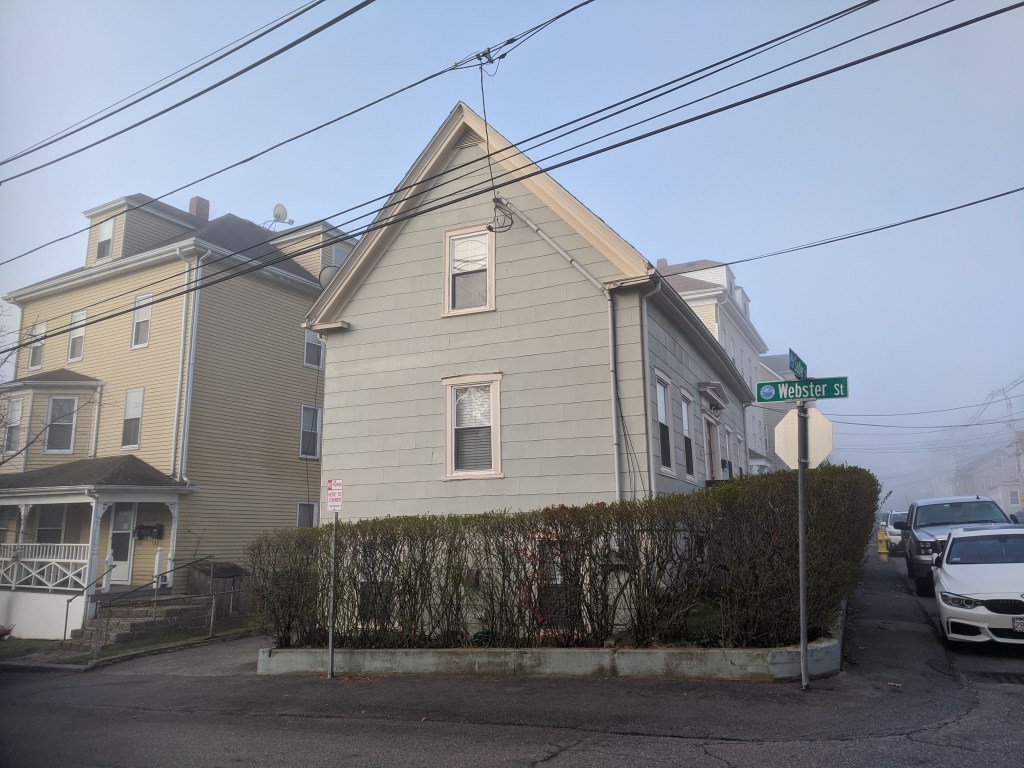
A house like the home on the right with dark trim and the pair of double stacked windows may appear to be a double story home from one side and as a single story from another. (A home at the corner of Webster and Sadler Sts. shows the vernacular charm and multi vantage points.)
At Sotheby’s May 2023
The drawing is available for purchase. The Whitney Museum of American Art is deaccessioning four Edward Hopper watercolors inspired by the artist’s travel to four locations: Gloucester, Truro, Vermont/NH, and South Carolina. Sotheby’s Auction House has listed them in their major upcoming New York spring sales: one painting for the Modern Evening auction May 16 and 3 paintings on paper for the Modern Day auction on May 17. A fifth Edward Hopper work on paper is included in the day sale.
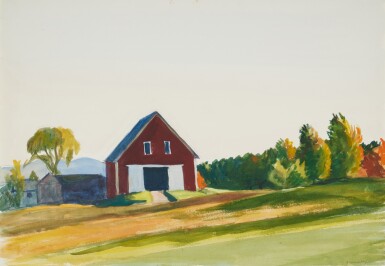
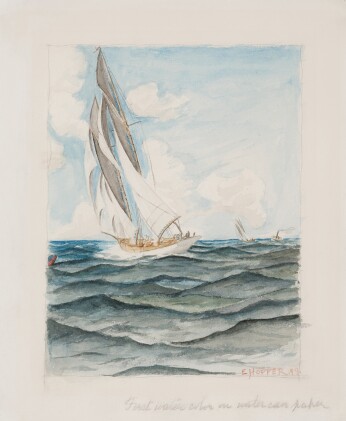
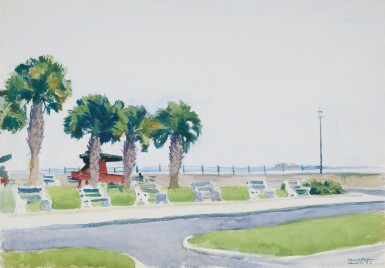
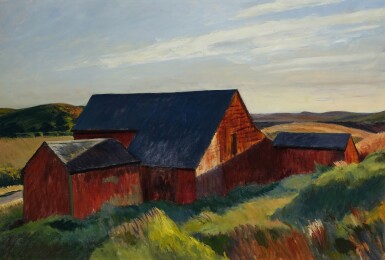
Images: Edward Hopper works from the Whitney collection at Sotheby’s auction May 2023, images left to right: Lot 434 Red Barn in Autumn Landscape, 1927; Lot 430 Gloucester Group of Houses 1923 est 500,000 – 700,000; Lot 432 The Battery, Charleston, SC 1929 est 500-700,000; Lot 145 Cobb’s Barn, South Truro, circa 1930-33, presale estimate 8-12 million. This painting was selected for display in the Oval Office* by President Obama. A later Edward Hopper Cape Cod watercolor from 1943, Four Dead Trees, with a presale estimate of 700,000-1,000,000, sold at Christie’s on April 23, 2023 for 1.5 million (price realized includes added fees). Lot 531 an Edward Hopper Sailboat study from 1899 from the Sanborn batch, presale est. $100,000 (w/ art and papers in the Nyack home following Hoppers’ deaths.)
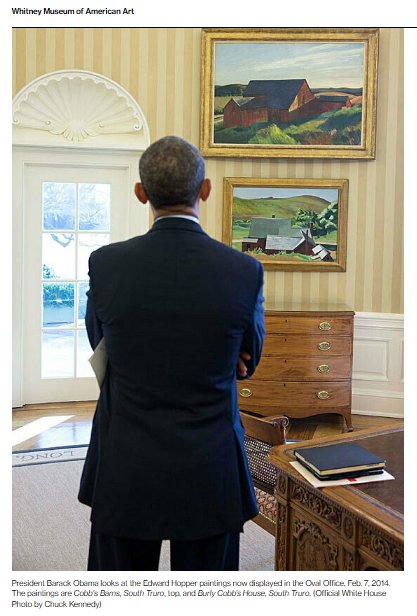
image: Portrait of President Obama viewing Edward Hopper paintings in the Oval Office by Chuck Kennedy. Loan from/by the Whitney Art Museum 2014 (and other selections and guidance see Michael Rosenfeld Gallery)
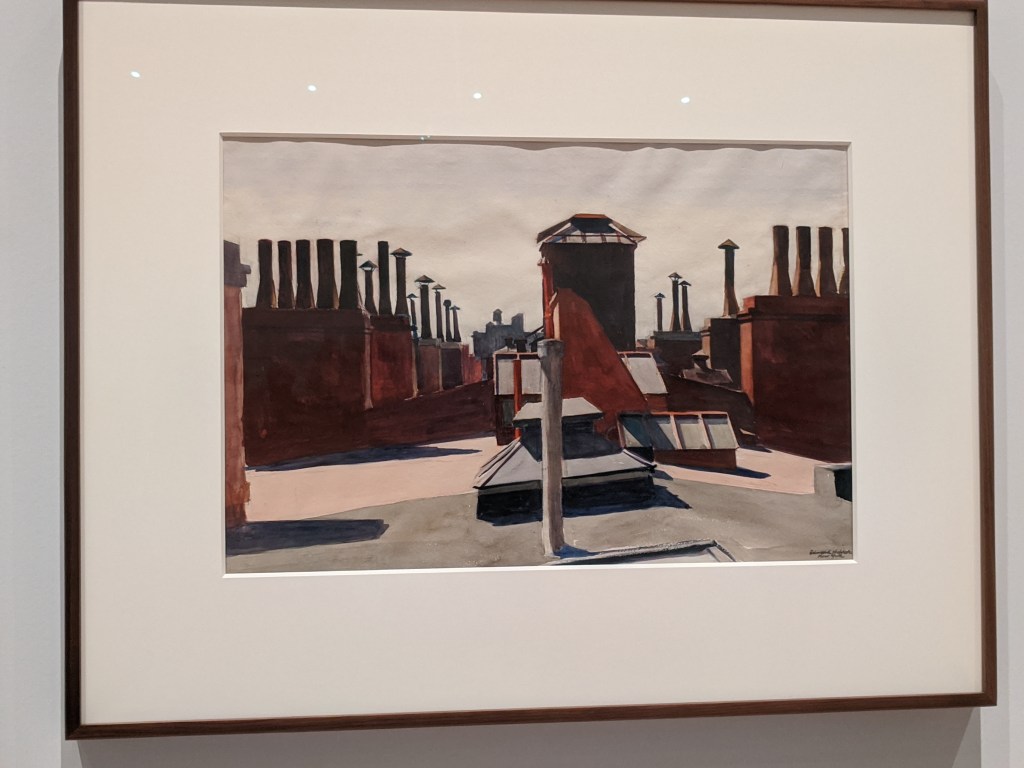
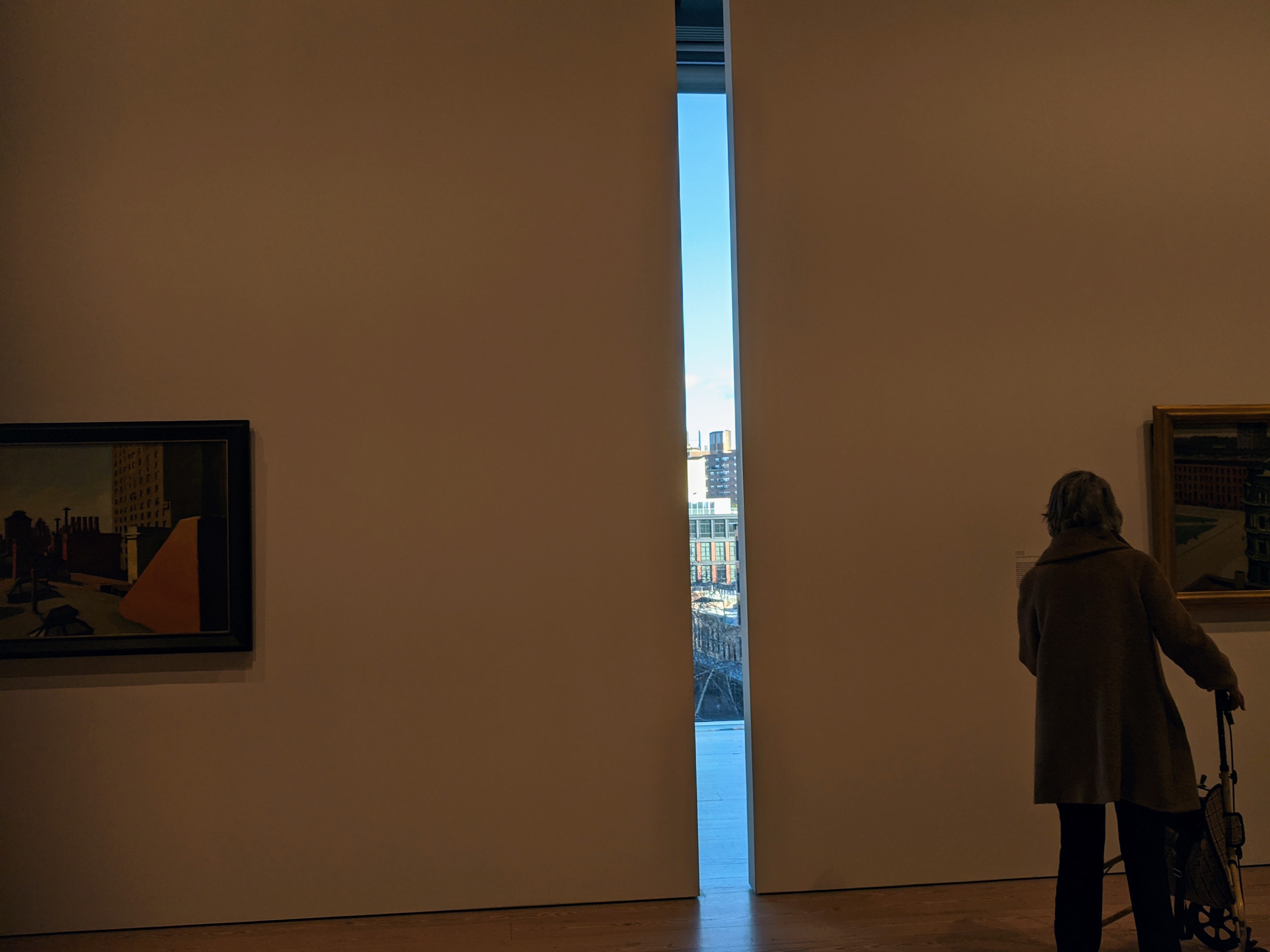
On right, Hopper’s NY Rooftops 1927 reminds me of the Gloucester forms ( installation view Whitney NY, Jan 2023), like vessels on the Hudson. Photo c ryan
—
*I wrote about art at the White House in 2014 which was published here on GMG in 2015:
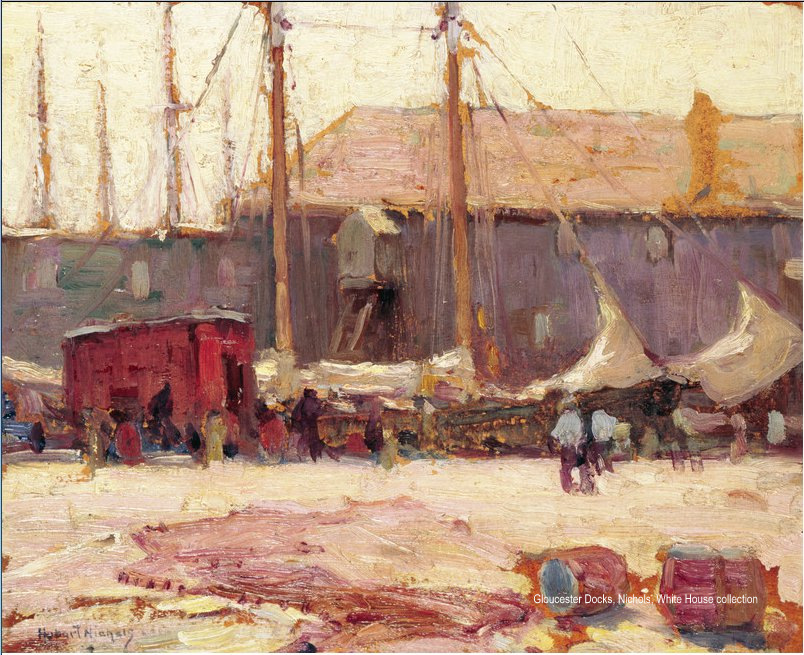
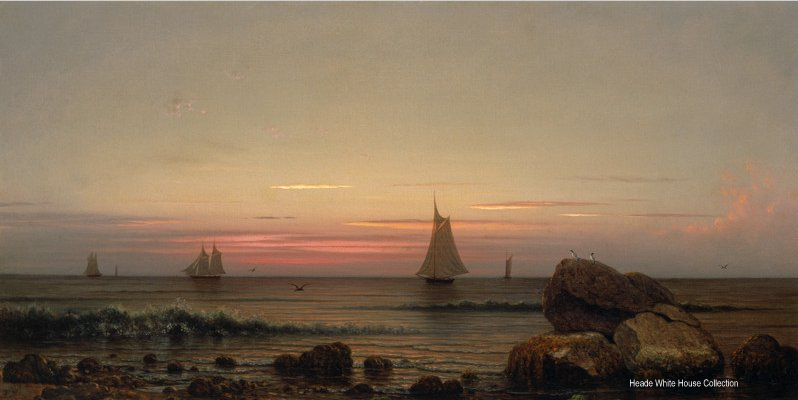
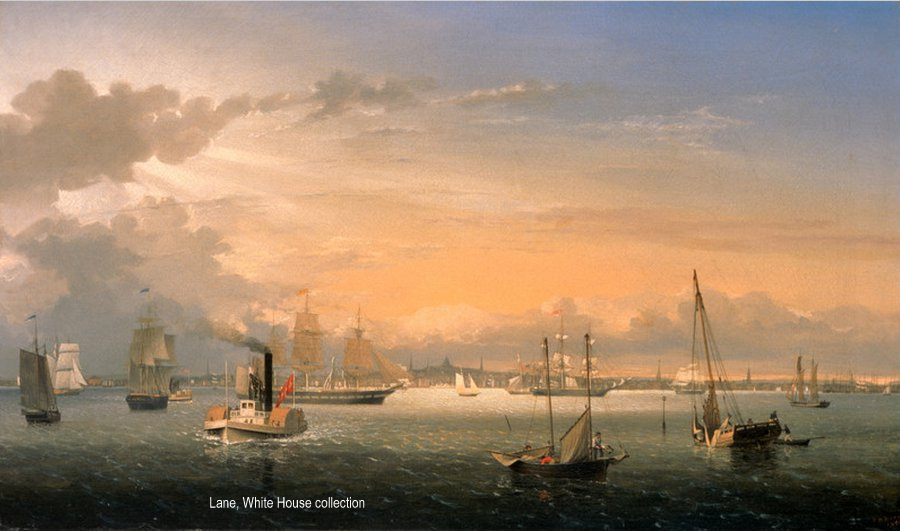
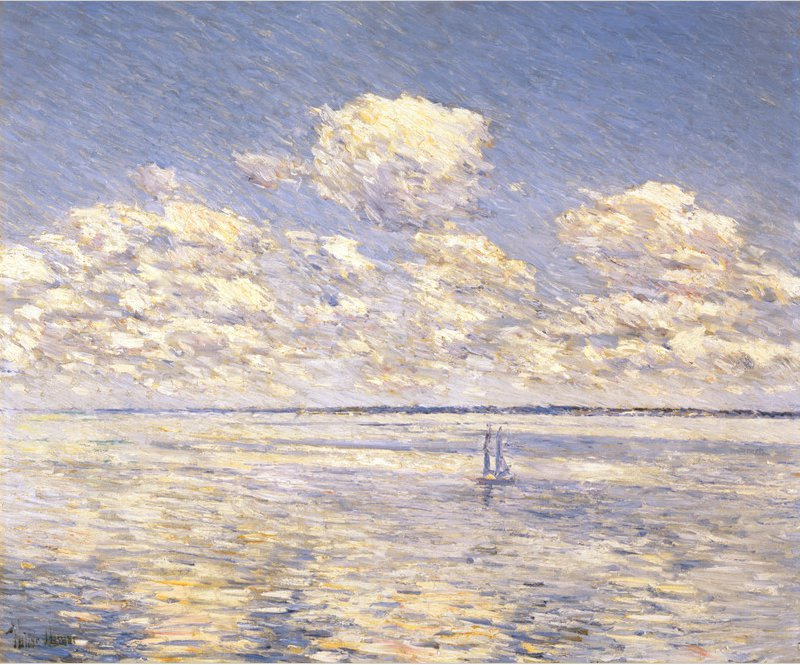
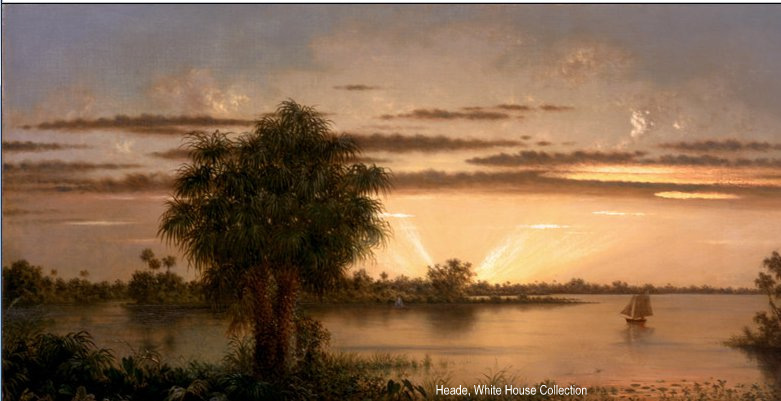
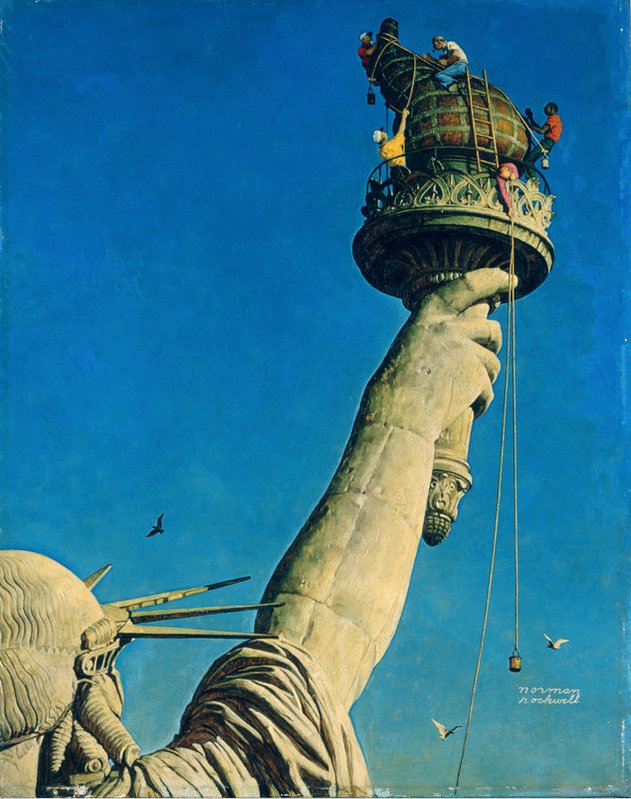
“What’s the best art inside the White House? No matter what is your artistic preference, Gloucester and the Commonwealth of Massachusetts could top the charts as the City and state with the best and most art ties featured at the White House. Let’s break down a selection of that Massachusetts list currently on display at the White House room-by-room, shall we?
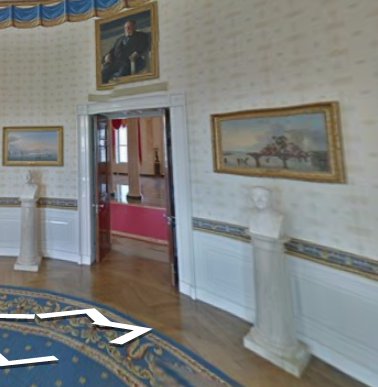
“Not one, but two Edward Hopper paintings, lent by the Whitney Museum of American Art, were installed one over the other, Cobb’s Barns, South Truro and Burly Cobb’s House, South Truro. The Childe Hassam’s painting, Avenue in the Rain, and Norman Rockwell’s painting, Statue of Liberty, were displayed nearby.
…How does the White House collection work? It is unusual for the White House to accept art by living artists. There are more than 450 works of art in the permanent collection. New art enters the collection after its vetted and is restricted to works created at least 25 years prior to the date of acquisition. For the public rooms, the Office of the Curator works with the White House advisory committee, the First Lady serves as the Honorary Chair, and the White House Historical Association. The private rooms are the domain of the First Family. Works of art from collectors, museums, and galleries can be requested for temporary loans and are returned at the end of the President’s final term. The Obamas have selected contemporary art, including abstract art, from the permanent collection, and borrowed work for their private quarters. Besides the Hopper paintings and John Alston’s Martin Luther King sculpture, they’ve selected art by *Anni Albers, *Josef Albers, Edgar Degas, Jasper Johns, Louise Nevelson, *Robert Rauschenberg, Edward Ruscha, and *Alma Thomas.” * indicates works that have been donated to the permanent collection.
Catherine Ryan, 2014
Works from the White House permanent collection
There are more than 120 Edward Hopper works inspired by Gloucester, MA. See Edward Hopper all around Gloucester. The Whitney Museum has sold Hoppers before. I’ll write more about that for another post.
Spread The GMG Love By Sharing With These Buttons:
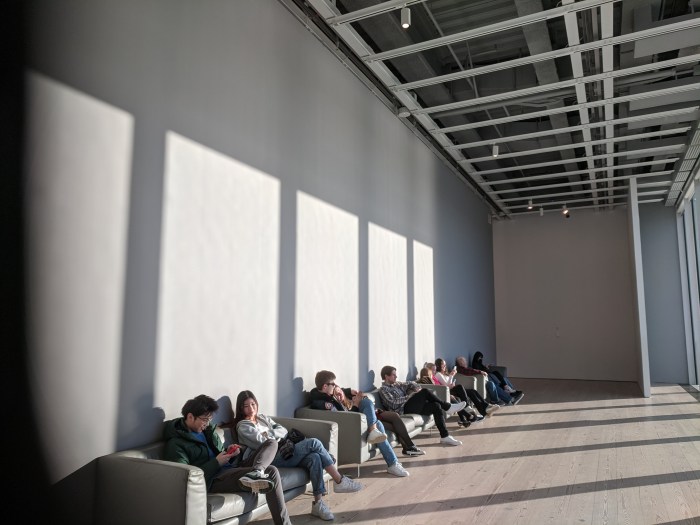
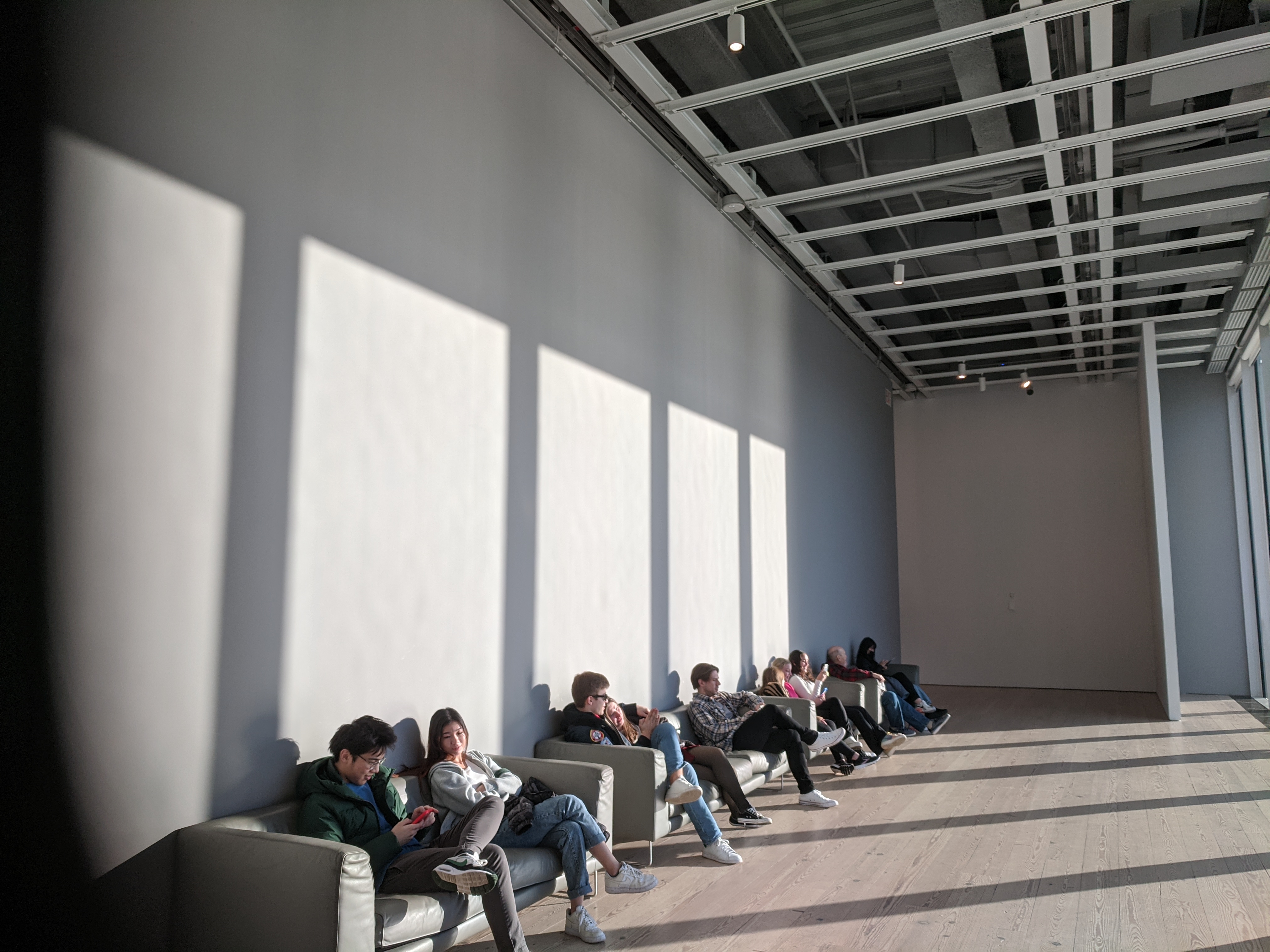
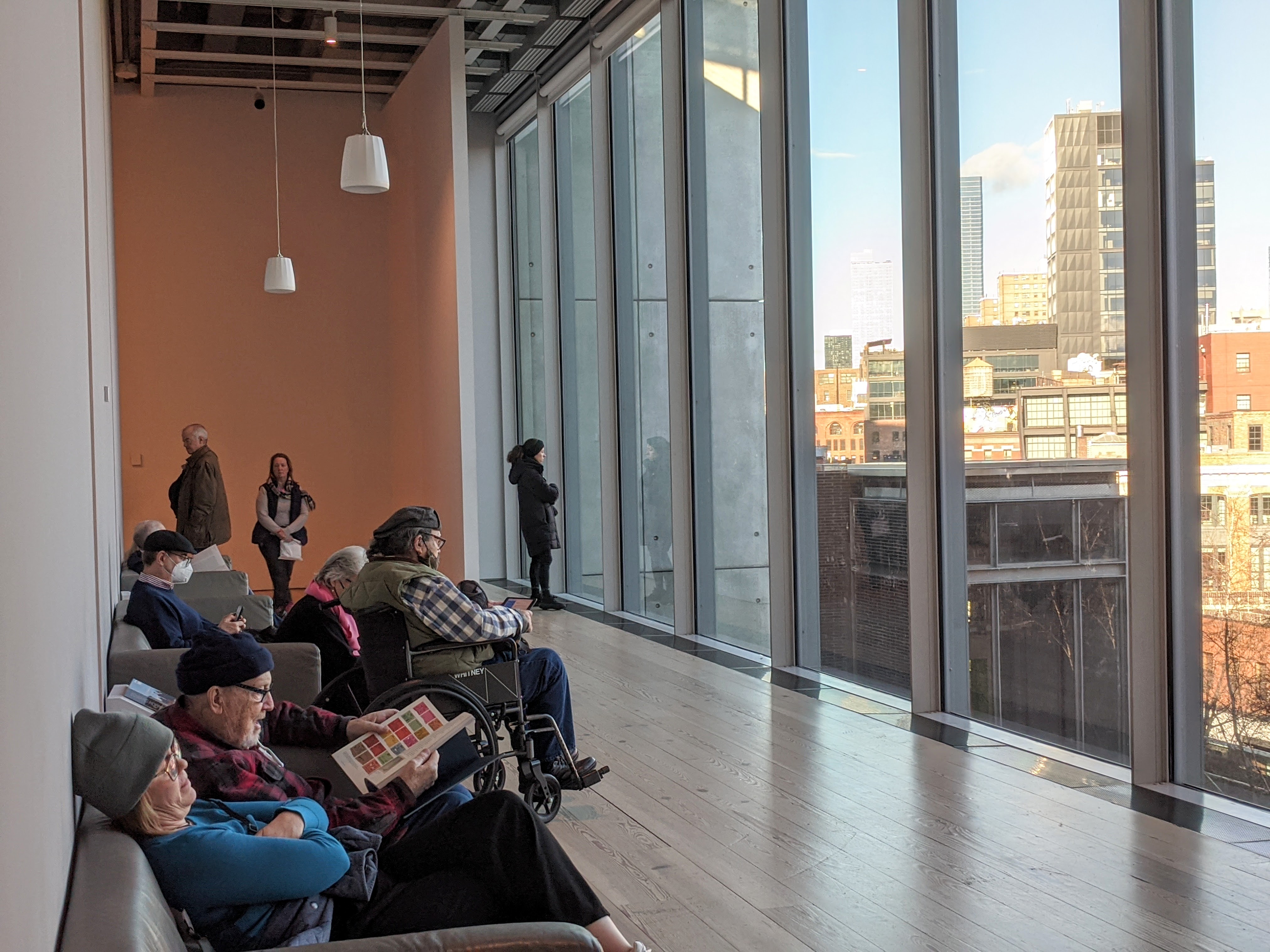
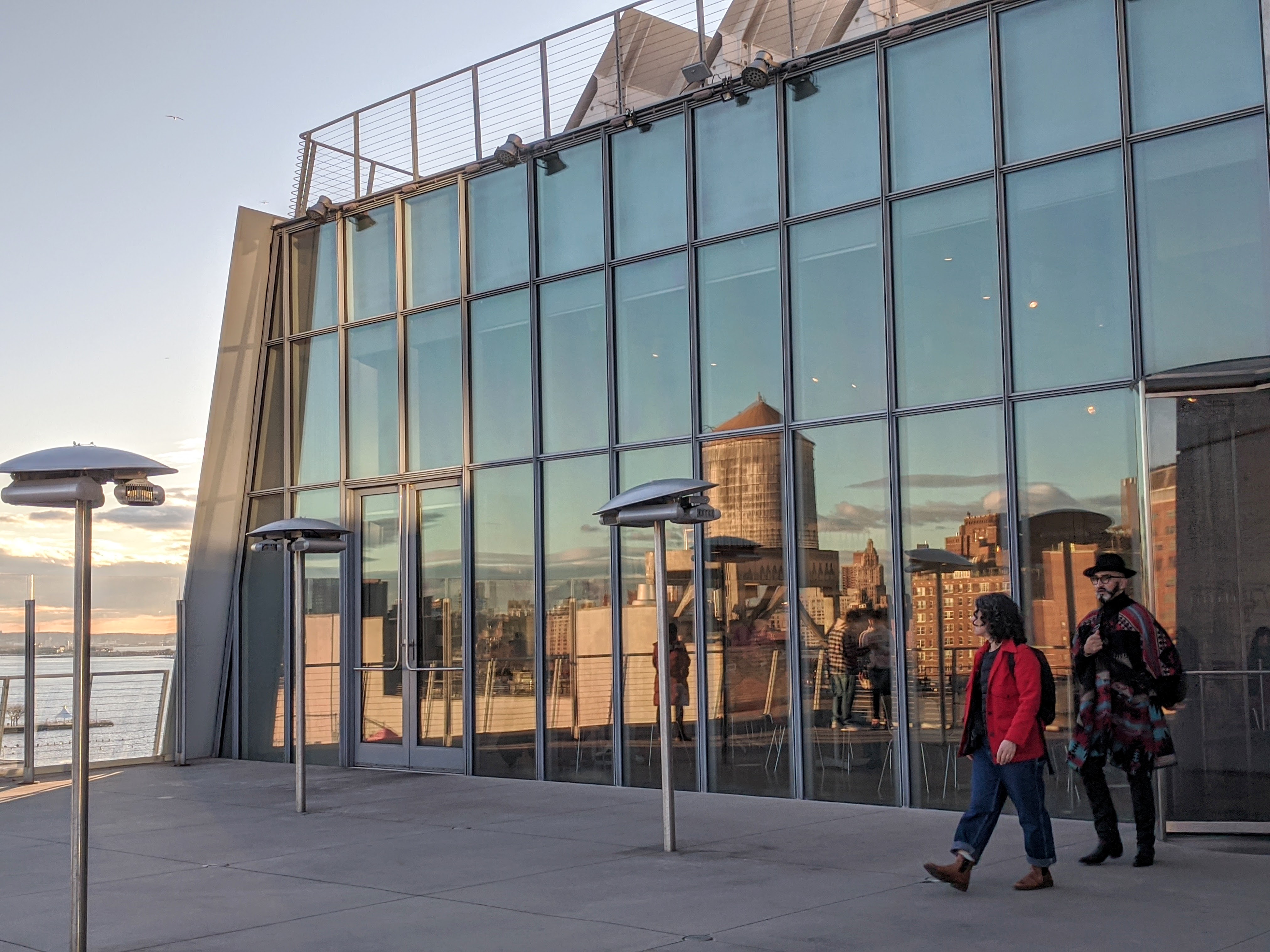
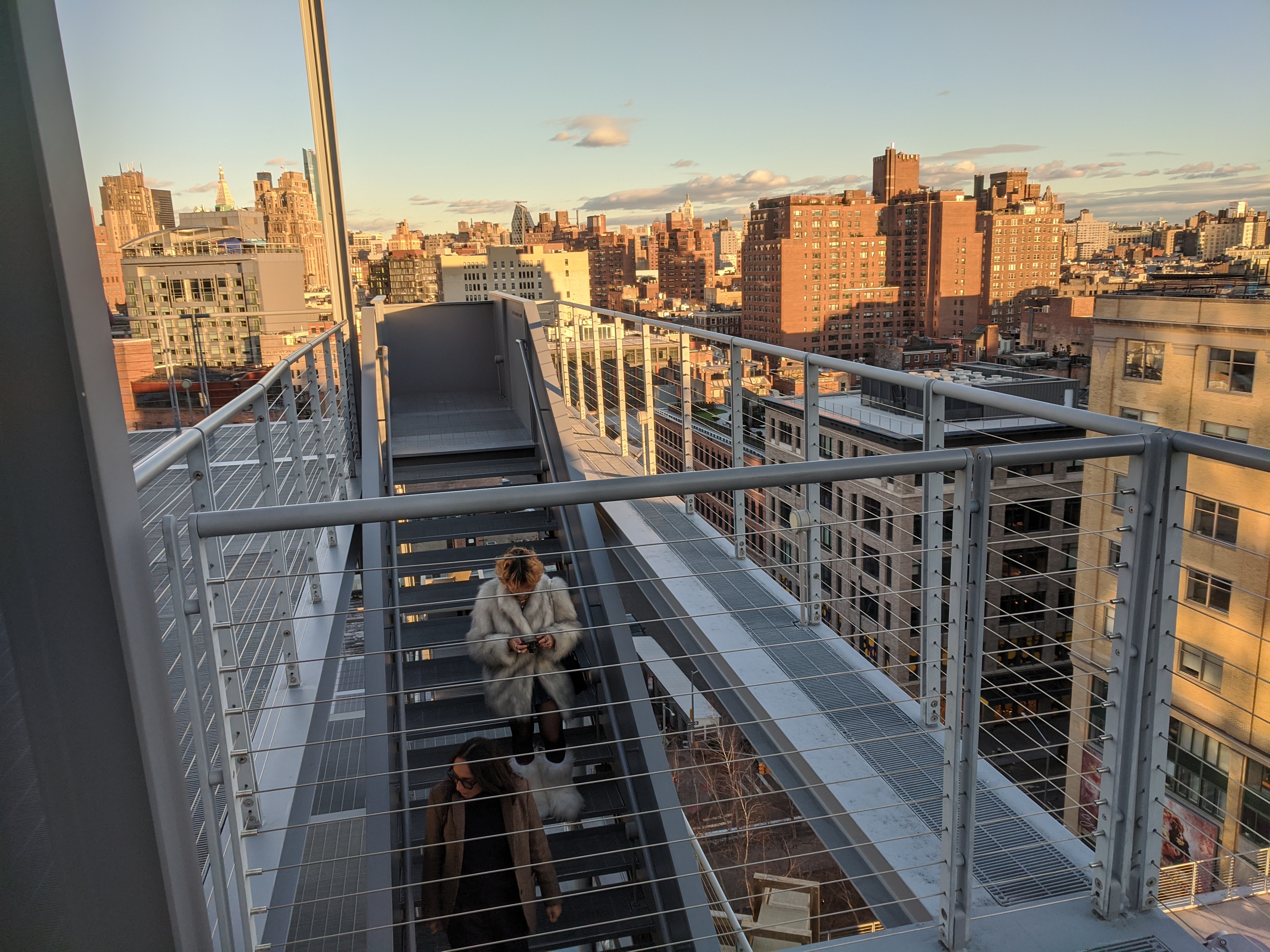
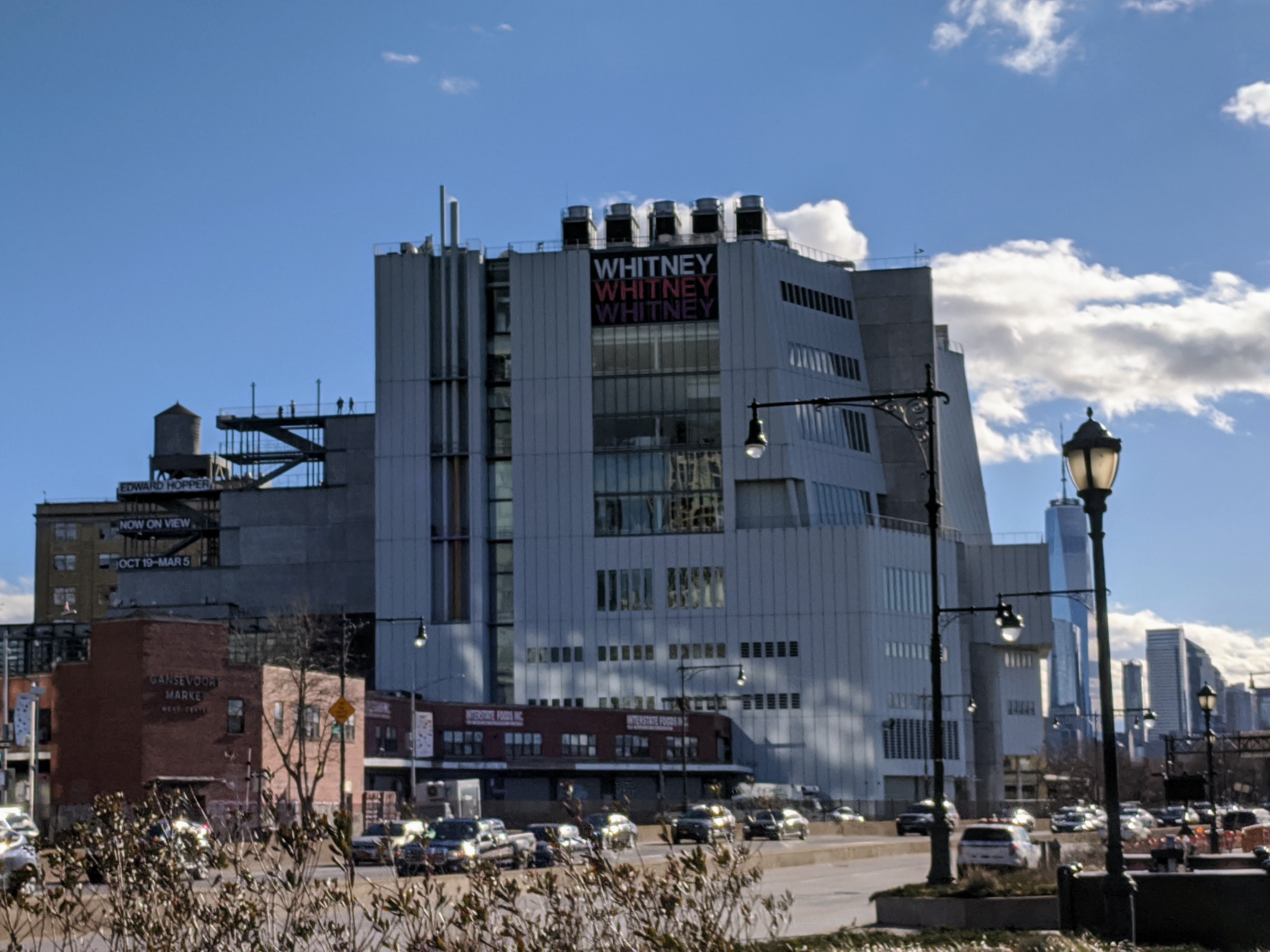
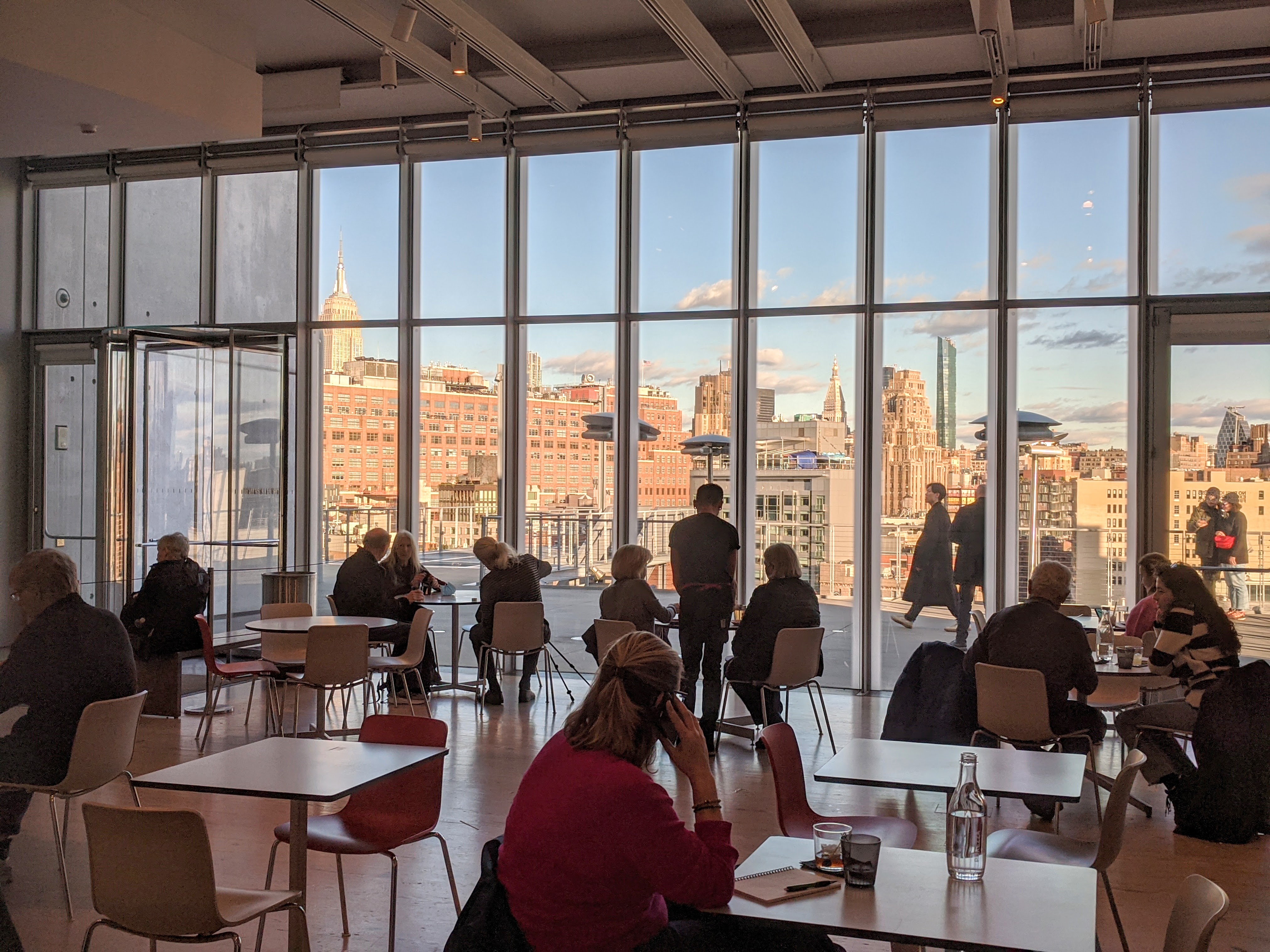
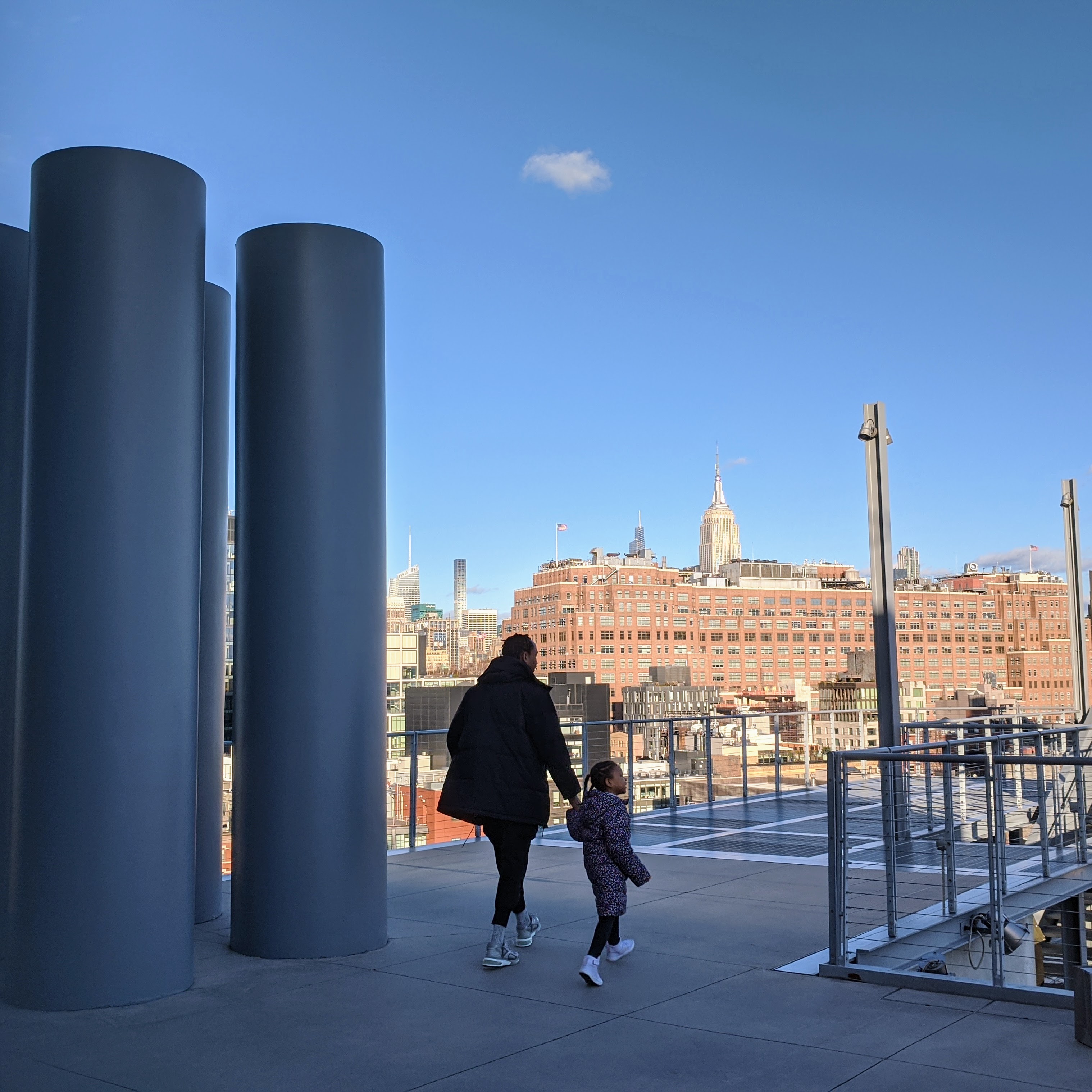
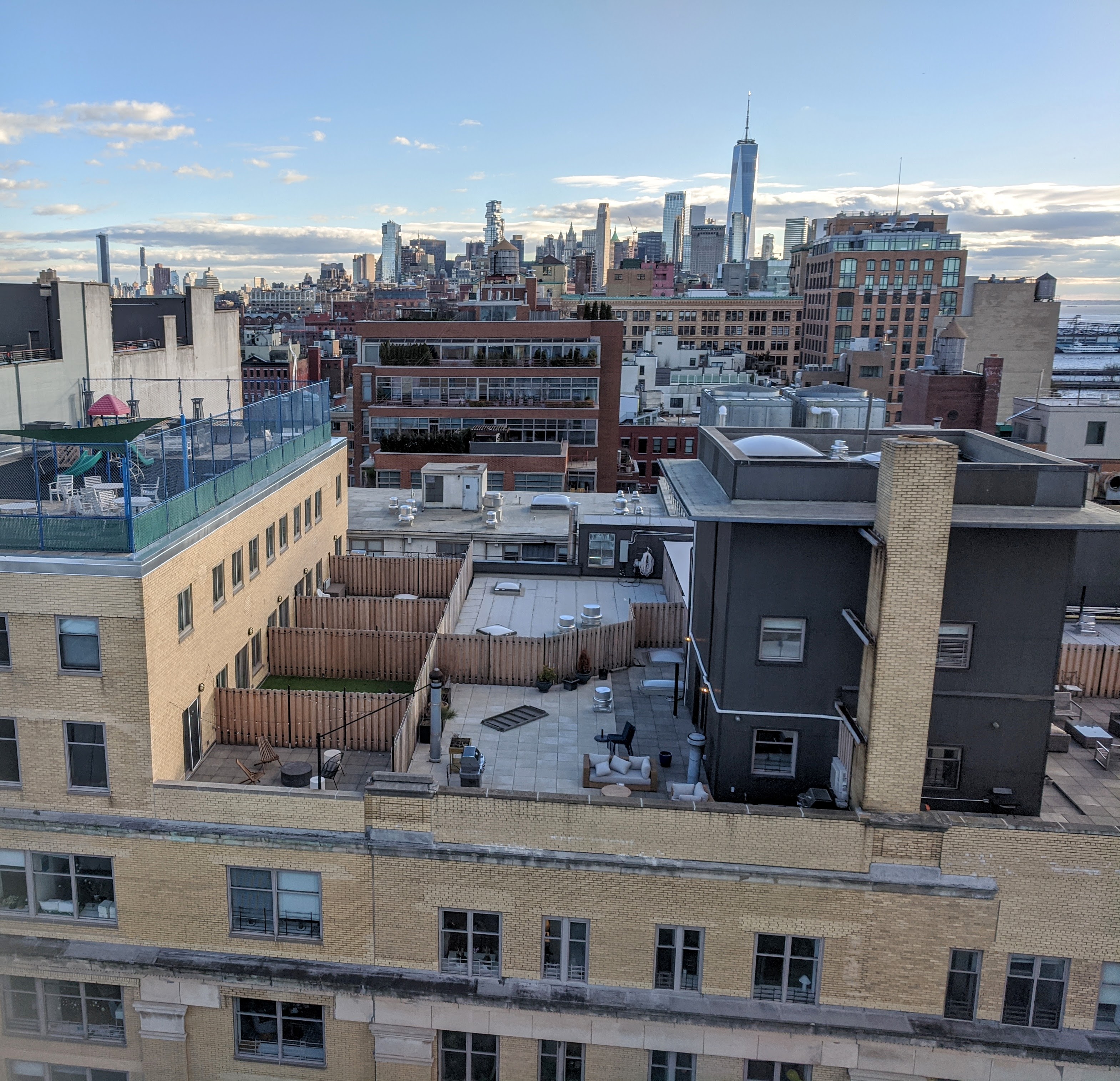
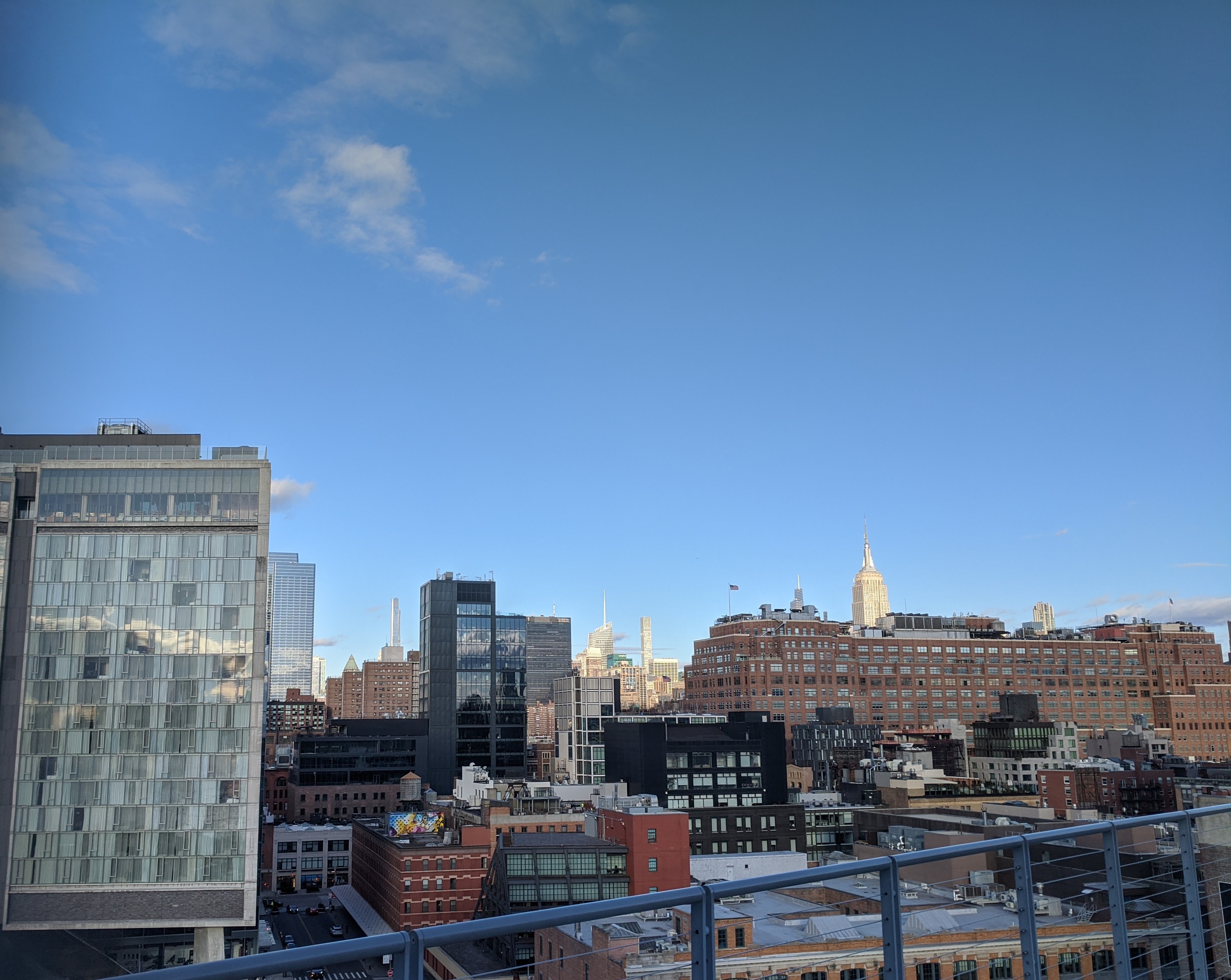
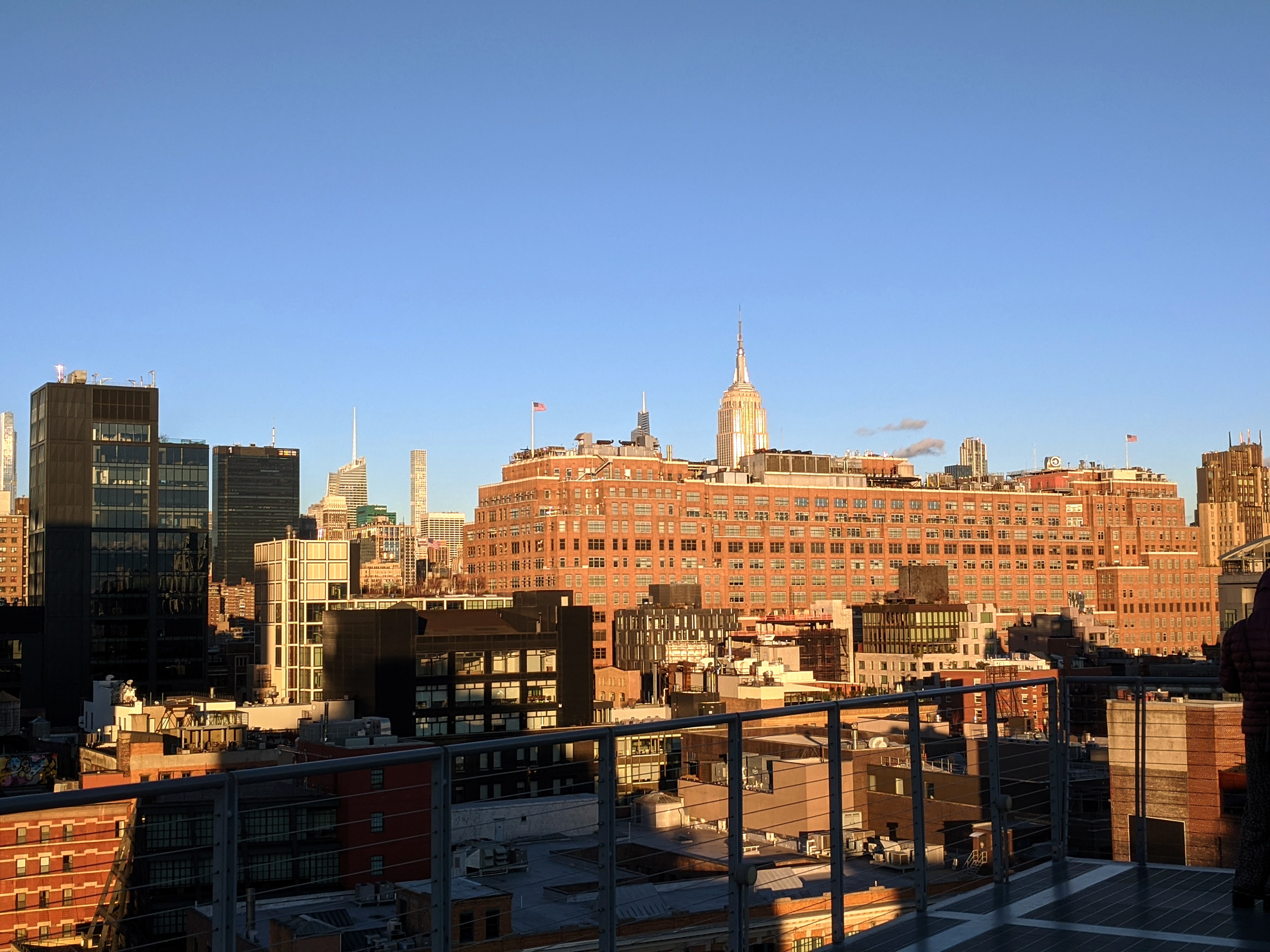
If you want to be thunderstruck by how much New York inspired Edward Hopper and how much Hopper influenced everything else, look no further than Renzo Piano’s spectacular design of the Whitney Museum flagship which opened on 99 Gansevoort in 2015. The building serves the art no matter the exhibit. Yet, I have not felt such an overwhelming Hopper vibe until this show.
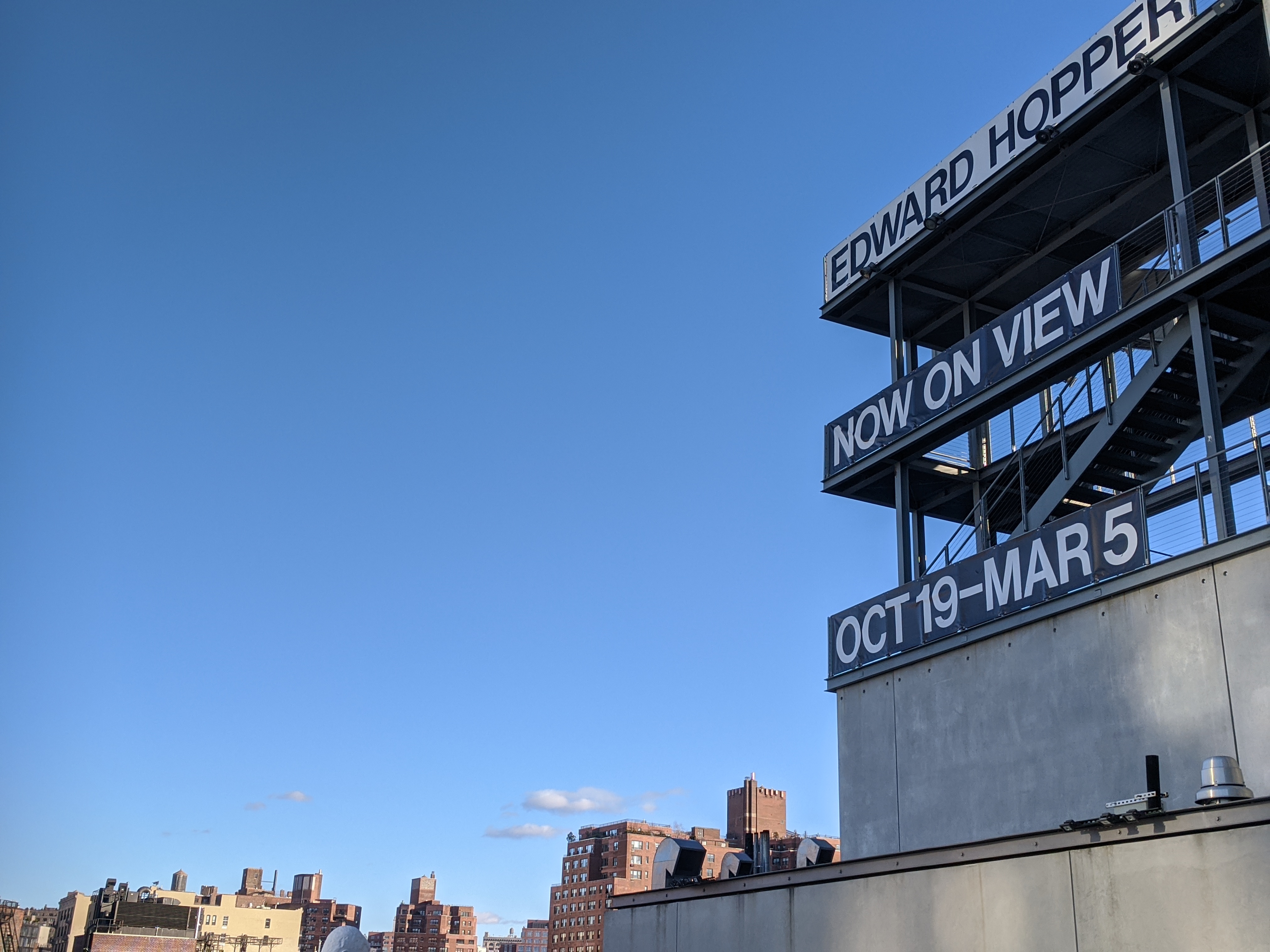
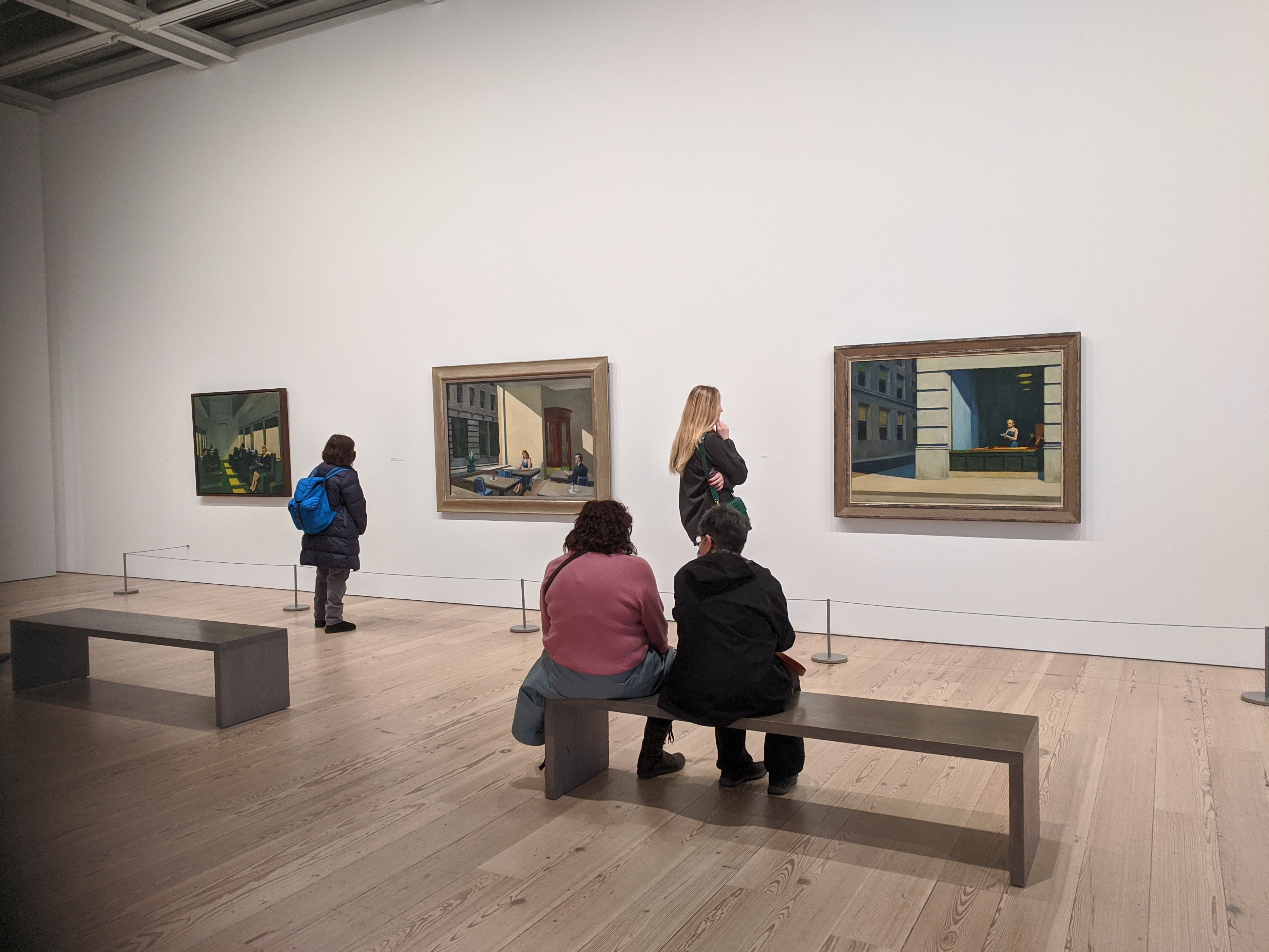
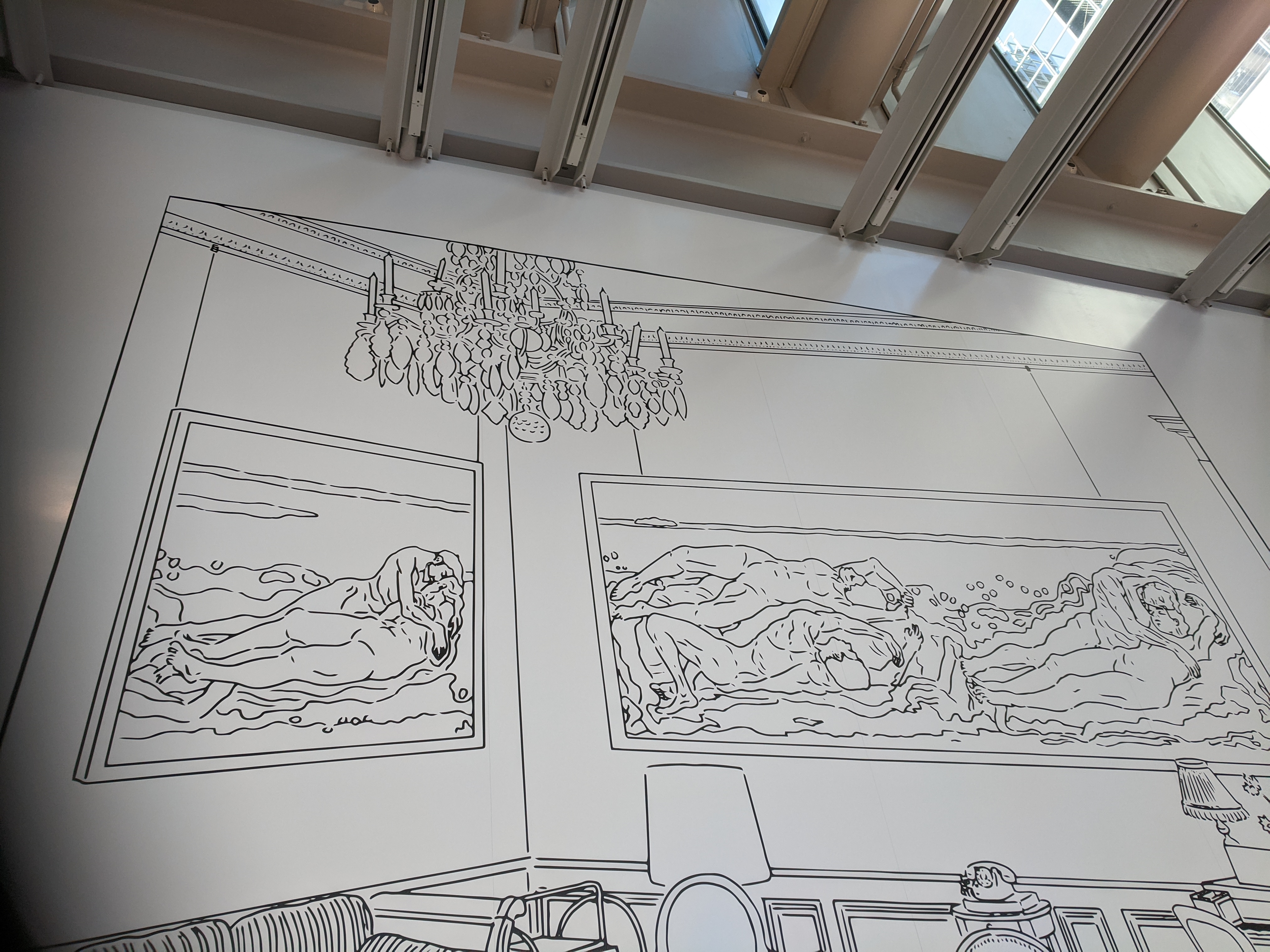
This piece is part one of a review with installation images and photo journal inspired by visits to Edward Hopper’s New York at the Whitney Museum (October 19, 2022-March 5, 2023).
Spread The GMG Love By Sharing With These Buttons:
Finally! A major exhibition of Hopper’s Gloucester is underway, and one that will be mounted right here in Gloucester. Mark your calendars for visits to Cape Ann Museum this summer to study up close 60 Edward Hopper paintings, drawings and prints inspired by Gloucester and Cape Ann, on loan from the Whitney Museum of American Art and other public and private collections, and featuring a selection of work by Josephine Nivison Hopper.
Masterpiece drawings are rarely on public view or loaned because 1)they are fragile and watercolors are especially susceptible to light damage and 2)they can be a fixture highlight of a permanent collection which does not warrant any absence easily. This gathering of Hopper originals inspired by Gloucester at the Cape Ann Museum will truly be a once in a generation or lifetime opportunity to see the drawings on view and together in one venue. Investments and improvements into Cape Ann Museum facilities undertaken during Ronda Faloon’s tenure as former Director improved conditions so much that the museum can secure and protect temporary loans of such significance.
“Edward Hopper & Cape Ann: Illuminating an American Landscape is on view at CAM this summer 2023. Opening on July 22, Hopper’s birthday, exactly 100 years after his pivotal trip to Gloucester (then celebrating its 300th anniversary), this once-in-a-generation exhibition offers a fresh look at one of America’s best-known artists at the crucial moment that profoundly shaped his art and his life. It shows the largely ignored but significant origin story of Hopper’s years in and around Gloucester, Massachusetts—a period and place that imbued Hopper’s paintings with a clarity and purpose that had eluded his earlier work. The success of Hopper’s Gloucester watercolors transformed his work in all media and set the stage for his monumental career.”
Edward Hopper (1882-1967) earned respect from his colleagues since his student days and ‘world famous artist’ status in his own time. Admiration for his contribution to American 20th century art did not fade in the 21st century. Indeed it’s been supercharged. Dr. Elliot Bostwick Davis, a long time curator and former museum director, was brought in to lead the survey at Cape Ann Museum, and its accompanying catalogue, published by Rizzoli, the preeminent art publishing house, with a foreword by Adam Weinberg and available in May. Davis was part of the curatorial team that produced the major 2007 Hopper exhibit for the Museum of Fine Arts, Boston which traveled to the Art Institute of Chicago and National Gallery. Significant Hopper artworks are on permanent display and revered worldwide. One imagines that Davis’s efforts were certain to secure the loans Cape Ann Museum sought, and perhaps a future Hopper bequest for the museum. As an art dealer, I first met Dr. Davis when she was an assistant curator at the Metropolitan Museum of Art when Colta Ives was the director of the print department.
I determined that there are more than 120 Edward Hopper works of art inspired by Gloucester, and mapped them which helped with the walking tour developed at Cape Ann Museum years after and was credited in CAM’s brochure. Less than 30 had been identified and some were credited to locations elsewhere in Massachusetts or out of state.
Publishers back in 2010 and 2012 did not think there was enough of a market for a Gloucester focused Hopper monograph. Good Morning Gloucester did and was the first to publish that research. In the past decade, Hopper surveys–whether narrow in focus, a broad retrospective traveling in the United States and abroad, or a viral social media expression during the pandemic–have been blockbusters and relevant, inspiring bequests, discoveries, and original work by filmmakers, playwrights, authors and musicians. It’s Gloucester’s time!
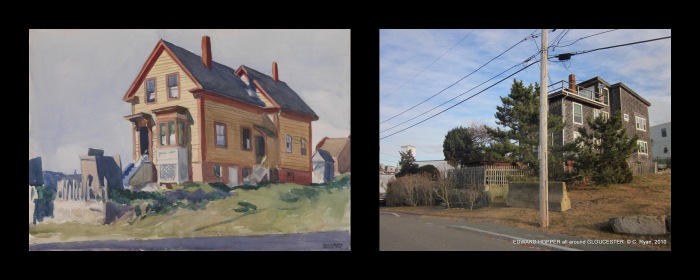
Edward Hopper, House in the Italian Quarter, 1923, watercolor, Smithsonian.
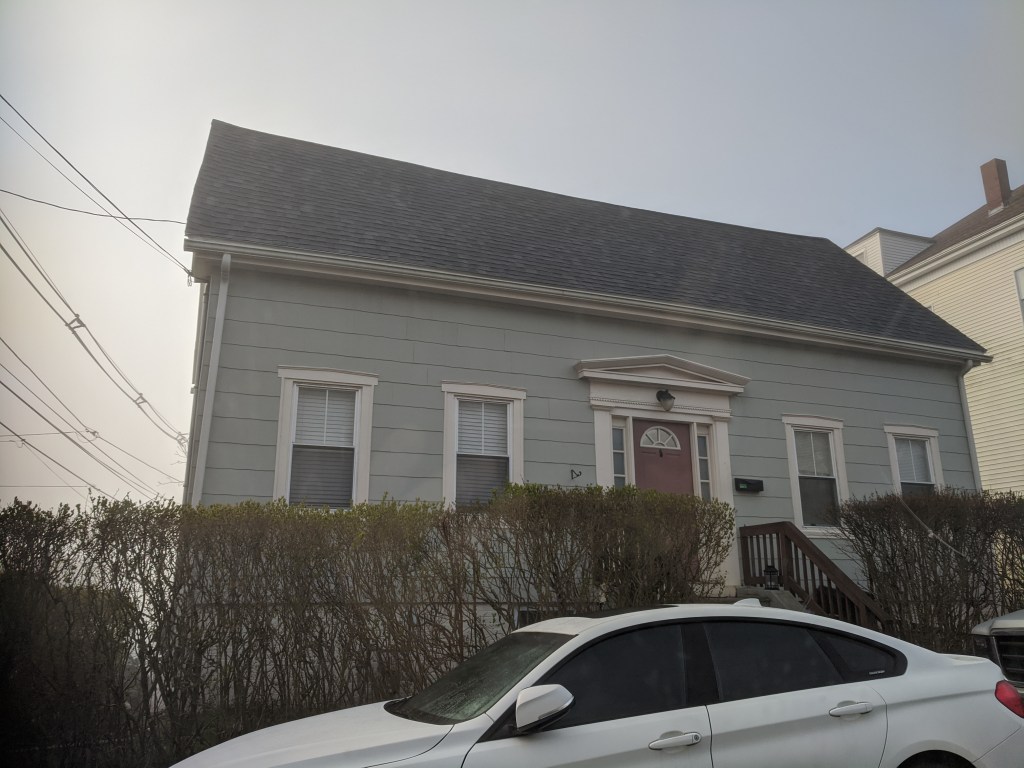
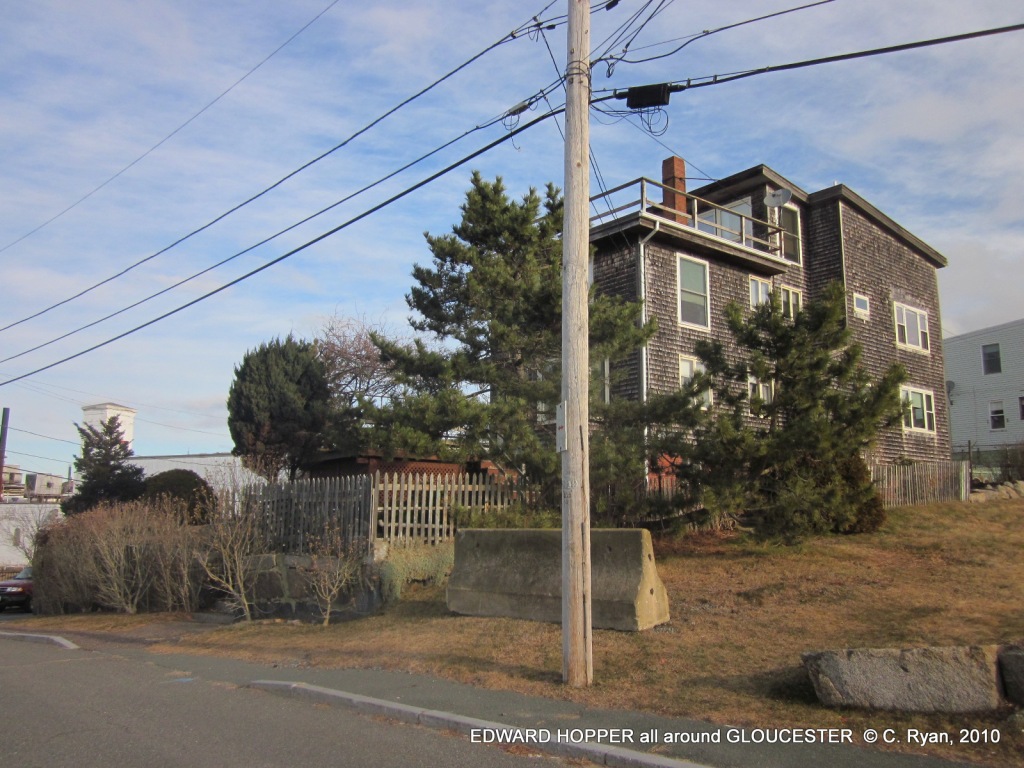
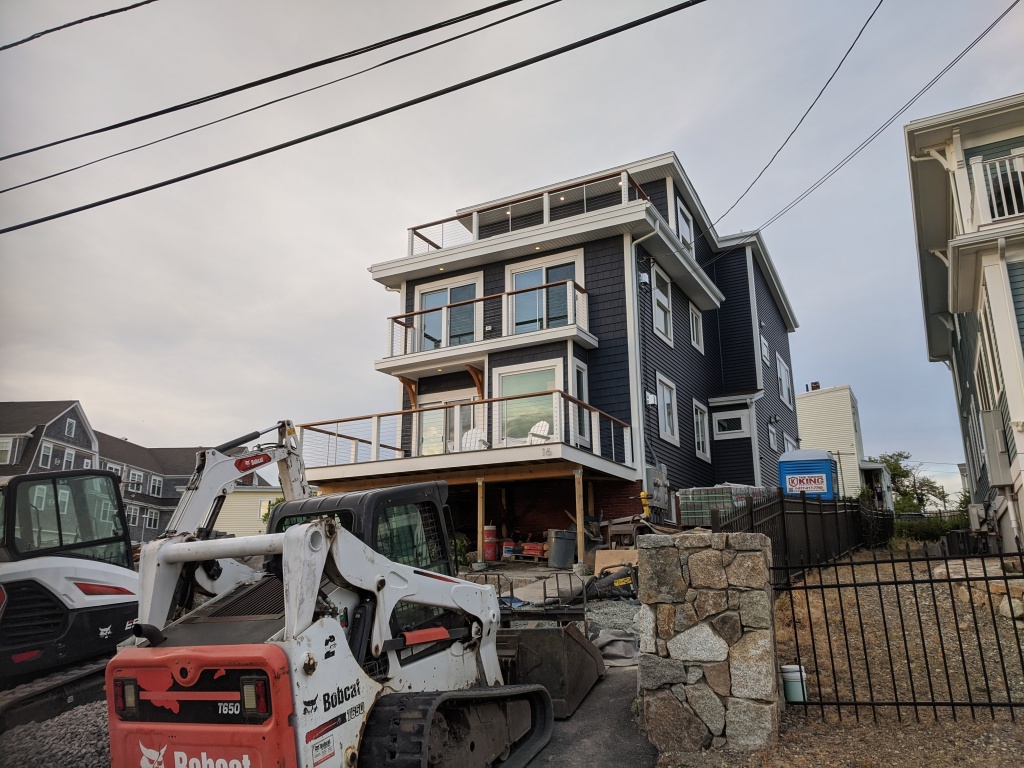
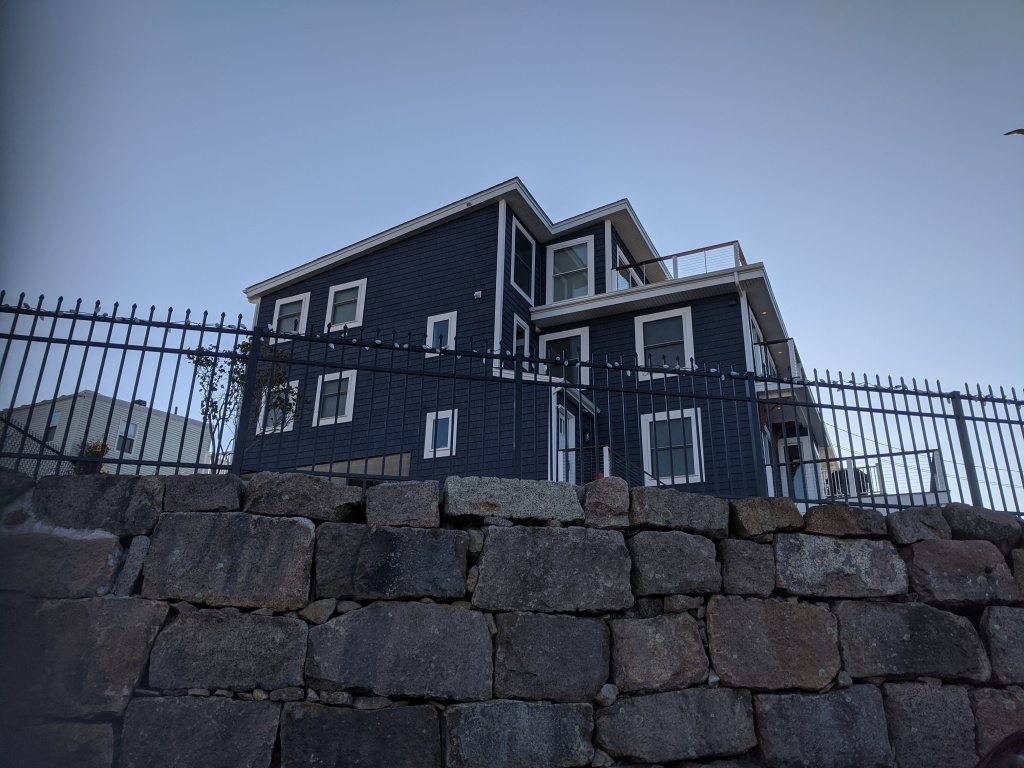
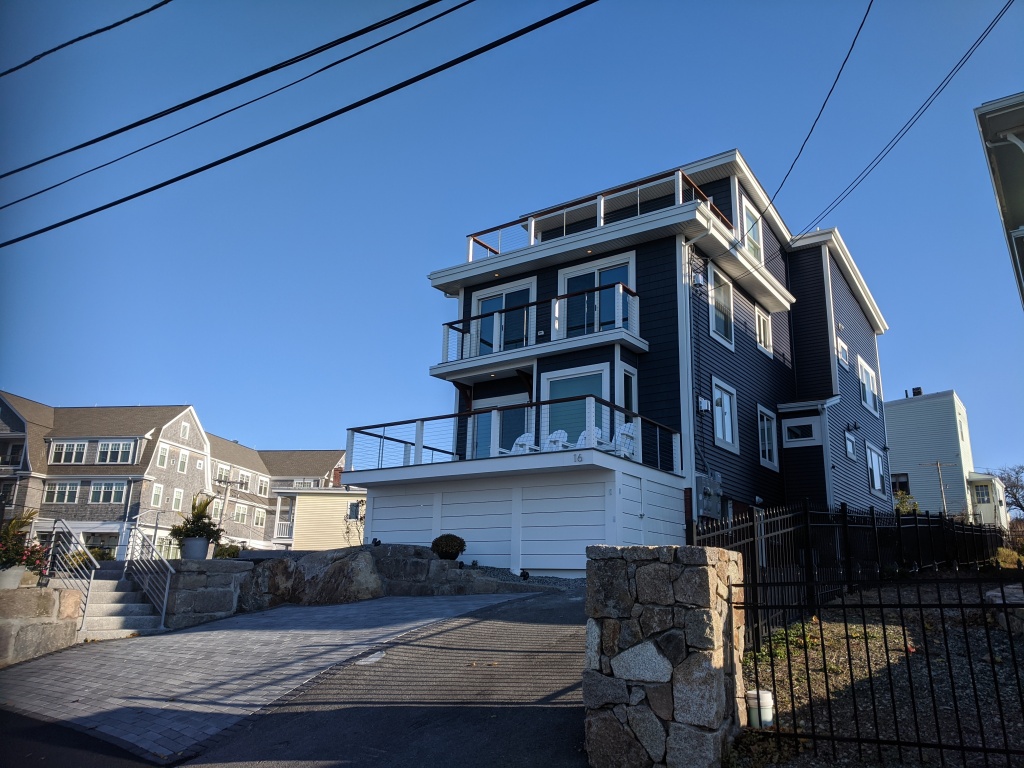
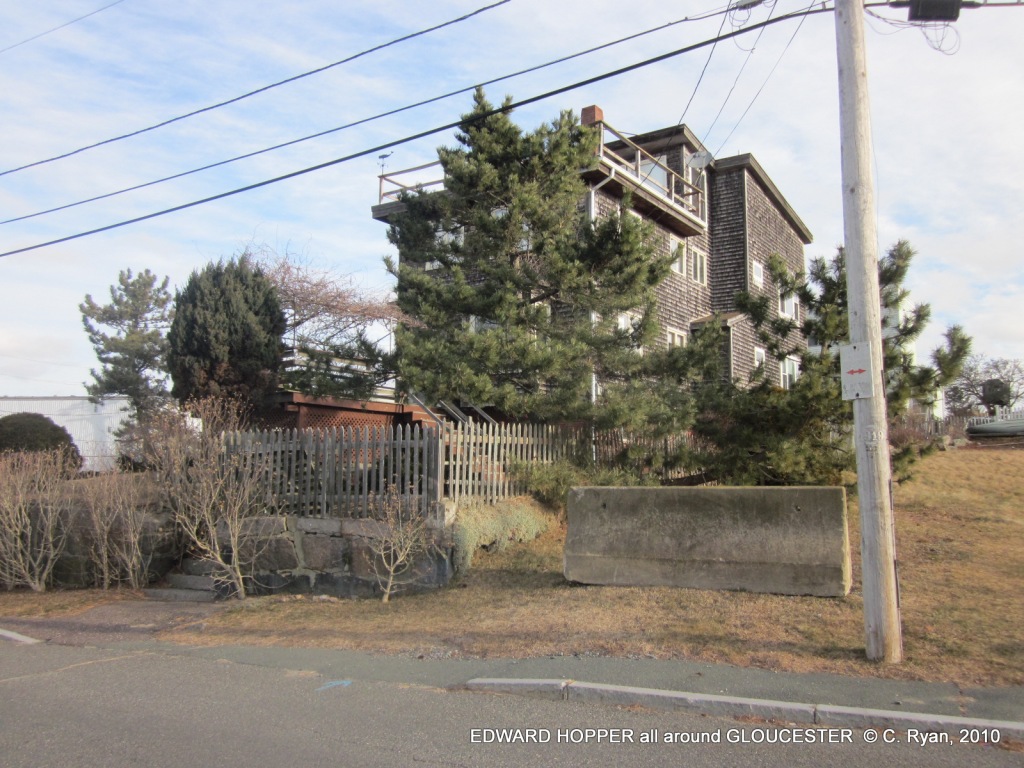
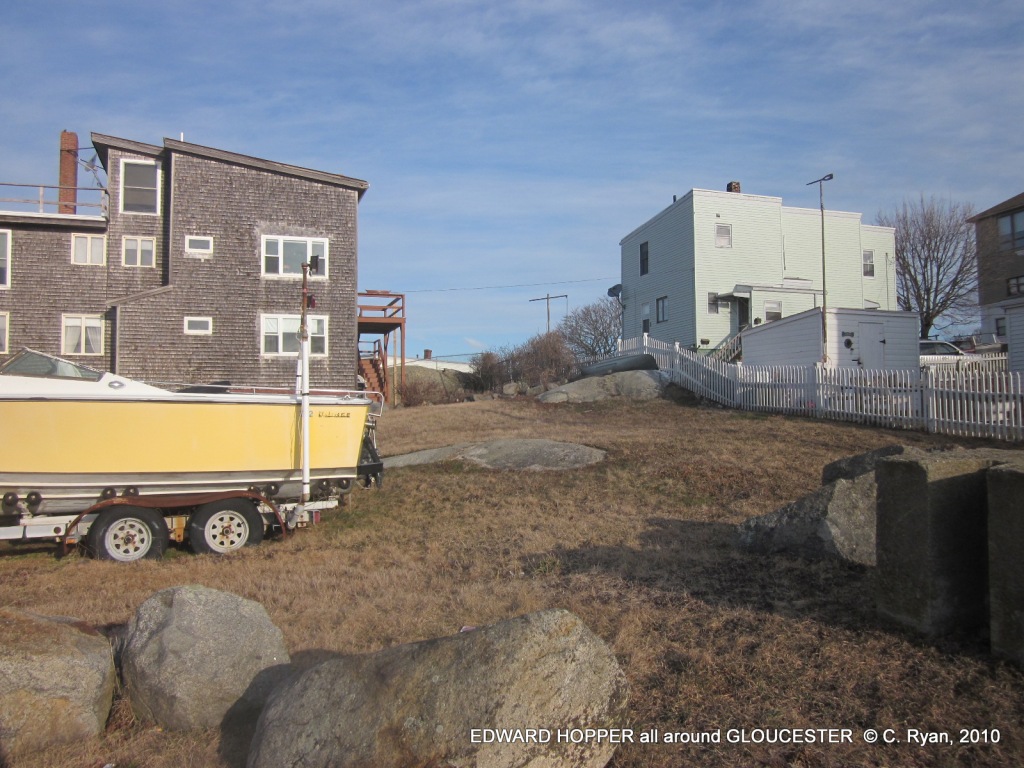
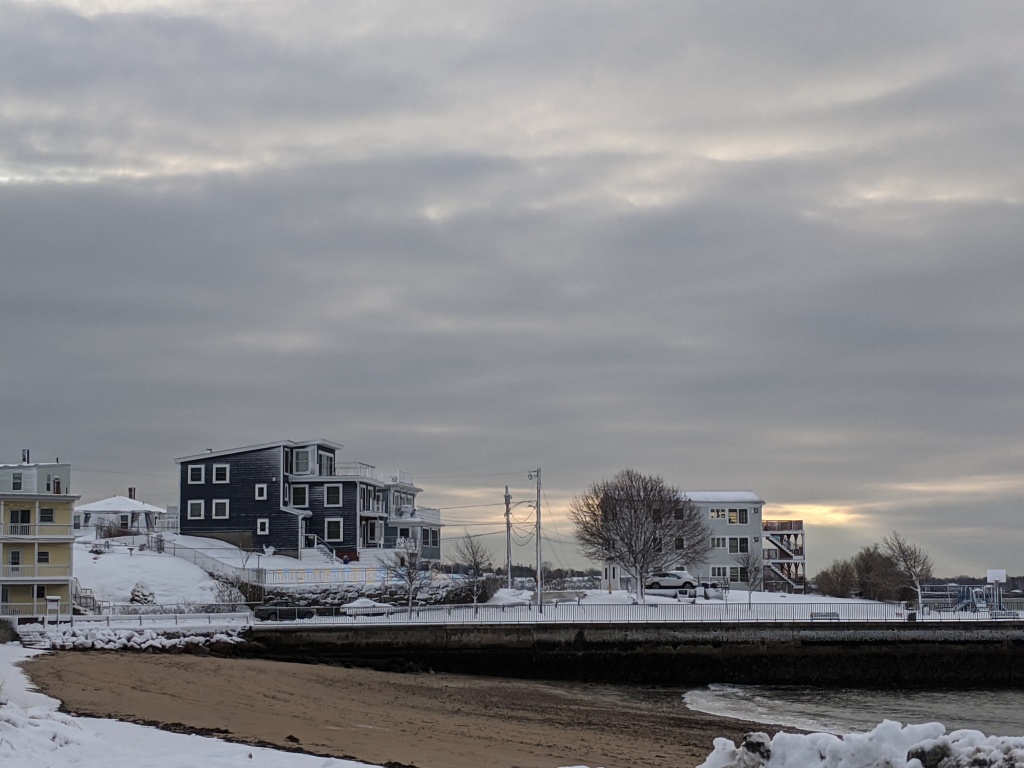
“#16 Fort Square Road, Gloucester, MA. Turn around with your back to Gloucester harbor and face “Tony’s House” at the angle shown here. In the painting, note the hint of city skyline lower left, and the slight slope along the right of the harbor. The double house and outhouses were irresistible and inevitable subjects.”
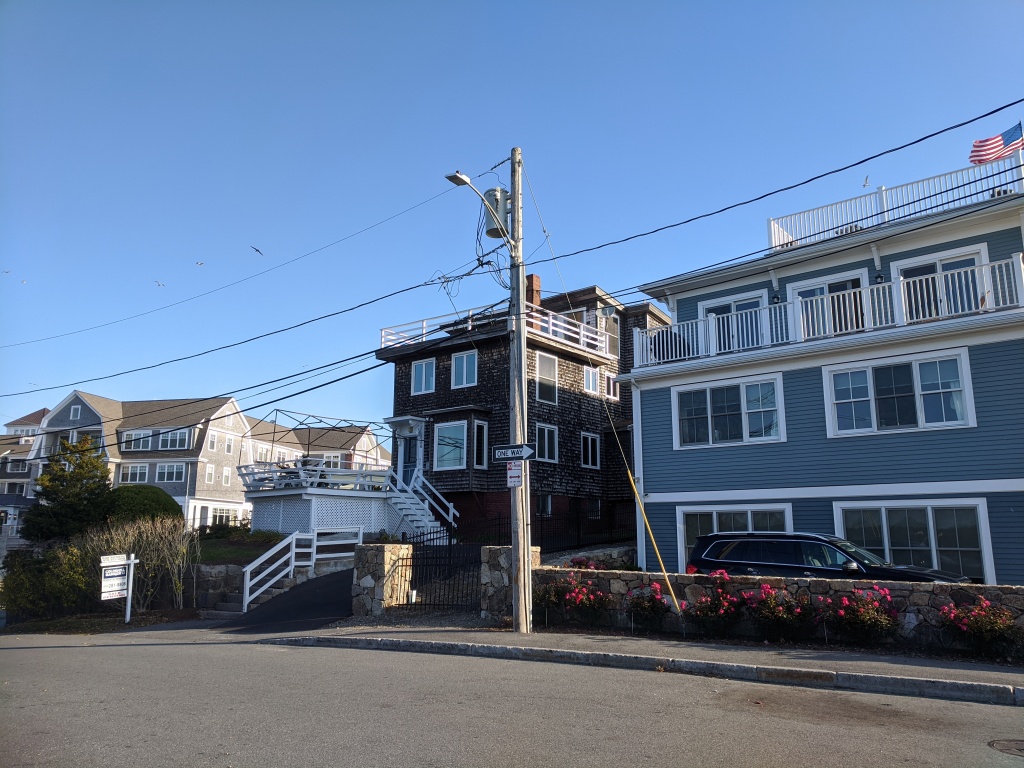
Catherine Ryan, 2010. Update: Shingles gone. The home was for sale in 2020, sold, and renovated. Blue cladding is recent. Photo with snow 1/24/2023. Note Birdseye in 2010 photos where Beauport Hotel is now.
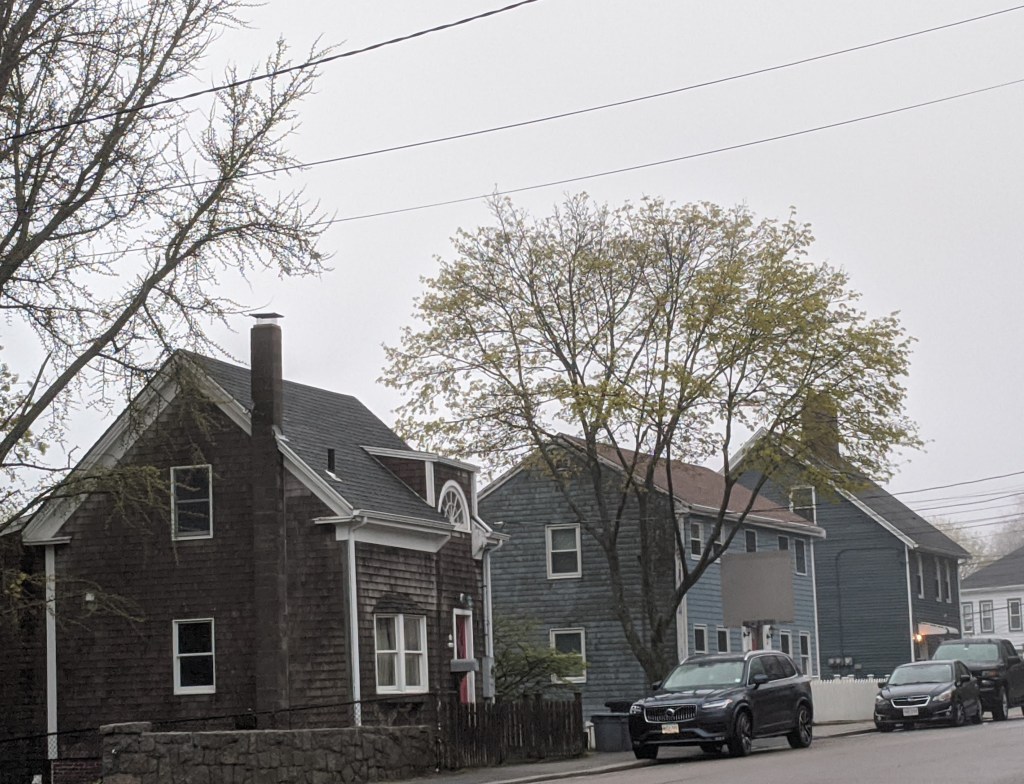
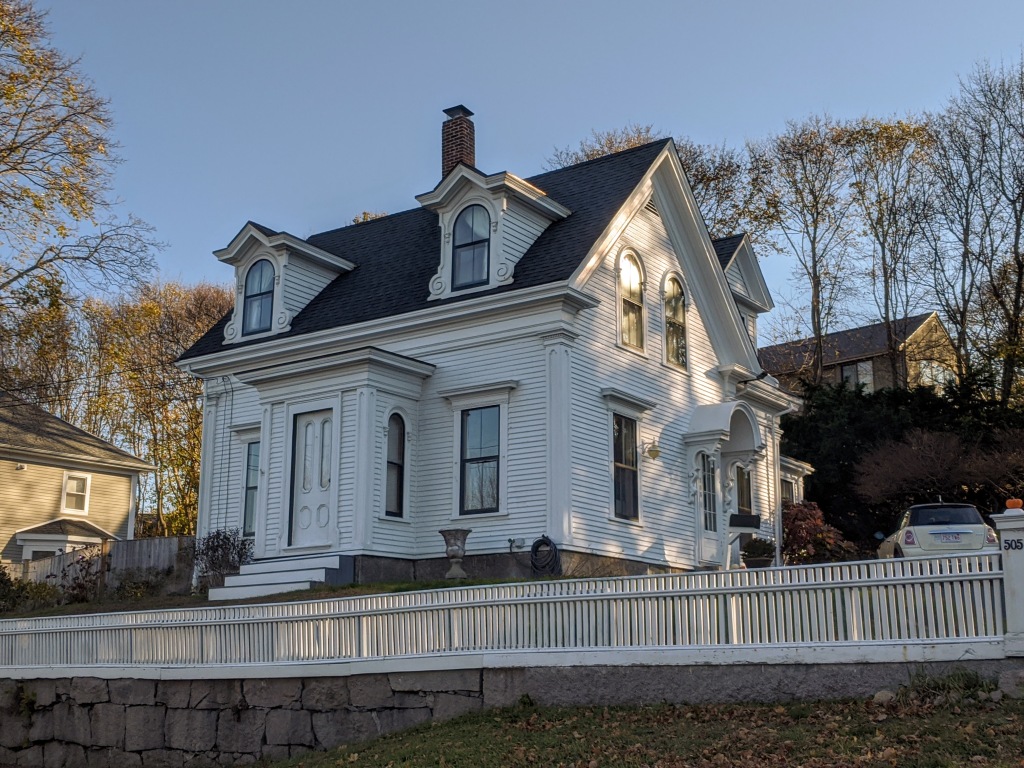
The cover for the new catalogue features this home on Washington Street. The painting is in private hands, part of a wonderful collection in New York advised by fantastic curators associated with the Whitney. After this exhibit at Cape Ann Museum perhaps an eventual bequest here in Gloucester could happen.
Spread The GMG Love By Sharing With These Buttons:
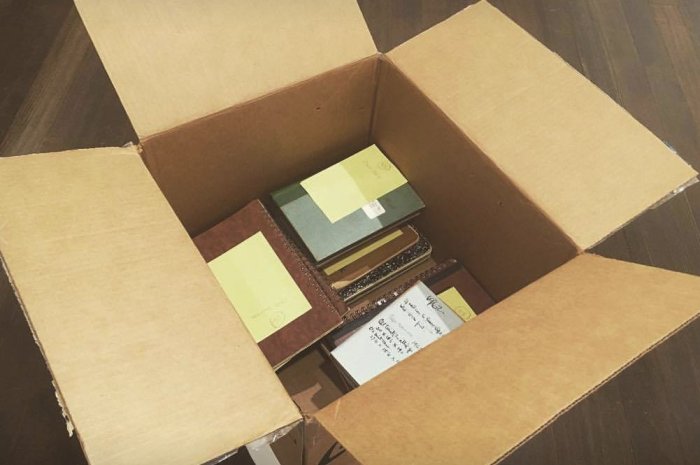
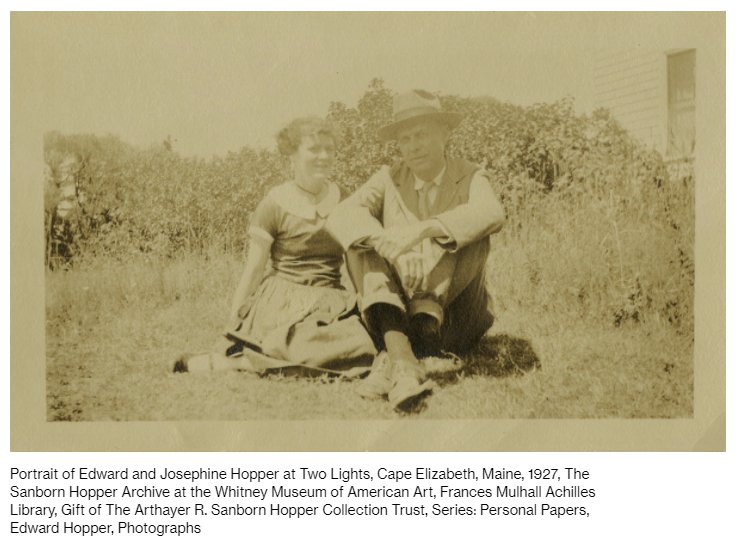
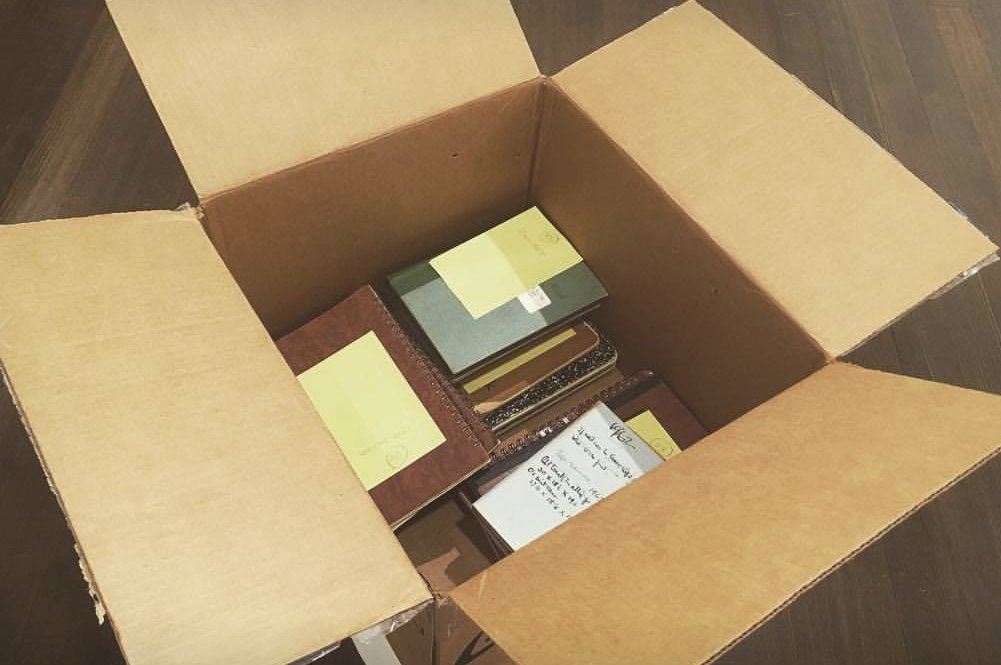
On July 28, 2017, the Whitney Museum announced the receipt of 4000 items (300 letters, personal photographs,exhibition ephemera, and some of my favorite archival material dealer correspondence) comprising the new Arthayer R. Sanborn Hopper Collection Trust. The Whitney has the world’s largest holdings of Hopper art and archives.
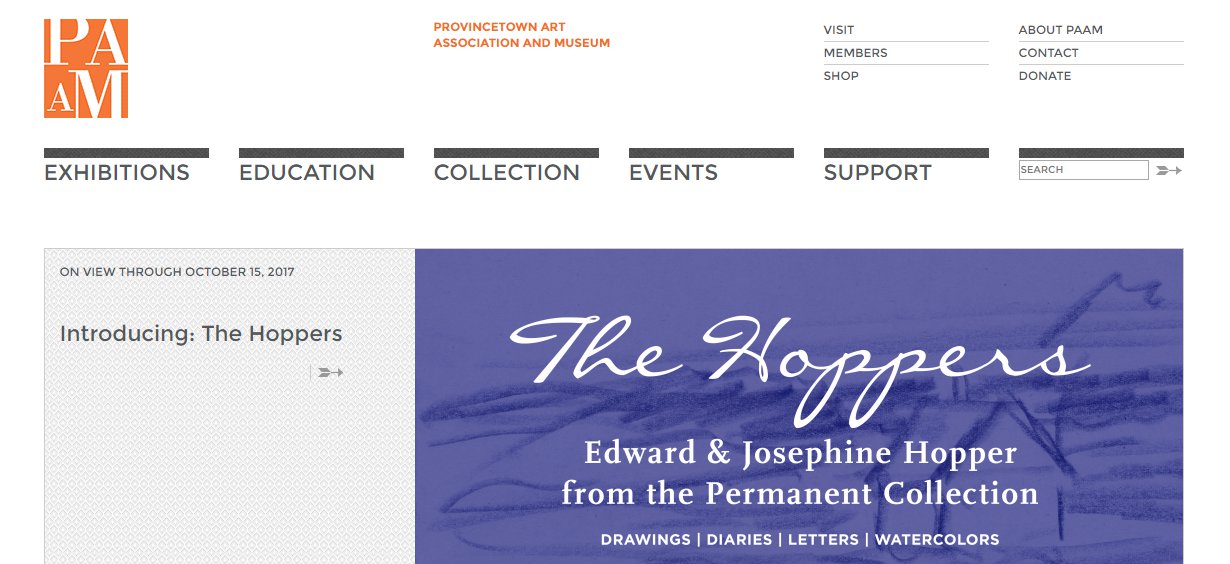
Meanwhile the Provincetown Art Association and Museum (PAAM) has mounted an exciting Hopper exhibit celebrating an unprecedented though ideal gift and match for the museum. Great news for MA. I can’t wait to go!
Provincetown Art Association and Museum Edward and Josephine Hopper from the Permanent Collection: drawings, diaries, letters, watercolors
460 Commercial Street
August 25 – October 15, 2017
From the printed matter about this historic acquisition and exhibition:
“We are thrilled to announce our recent acquisition of 96 drawings by Edward Hopper, 69 drawings and watercolors by Josephine Hopper, and 22 diaries dating between from 1933-1956 chronicling the Hoppers’ lives on Cape Cod and beyond. This unprecedented donation was made through the generosity of Laurence C. and J. Anton Schiffenhaus in honor of their mother Mary Schiffenhaus (a close and personal friend of Josephine and Edward Hopper), and two anonymous donors.”
Spread The GMG Love By Sharing With These Buttons:
David Hockney’s exhibit opens at the Tate on February 9th as the fastest selling show in Tate exhibition history. It will come to the Metropolitan Museum of Art November 2017-February 2018.
In 2013 I wrote about “A major retrospective of David Hockney’s work completed over the last decade, A Bigger Exhibition (San Francisco, de Young Museum), has generated voluminous press and praise, mostly for his legacy of embracing new technology. Oh, and how old he is now, somehow compelling him to create before time runs out…(See a good overview of the de Young exhibit on Newshour but listen at 4:24 dispensing this cliché while introducing another. When hasn’t Hockney investigated any series, media or pursuit without daunting and constant focus?)”
The first Whitney Biennial presented at the new Whitney opens March 17 – June 11, 2017. Although there are no working artists residing in MA that are on the checklist, two artist filmmakers born in Massachusetts were selected: Robert Beavers and James N. Kienitz Wilkins.
Spread The GMG Love By Sharing With These Buttons:
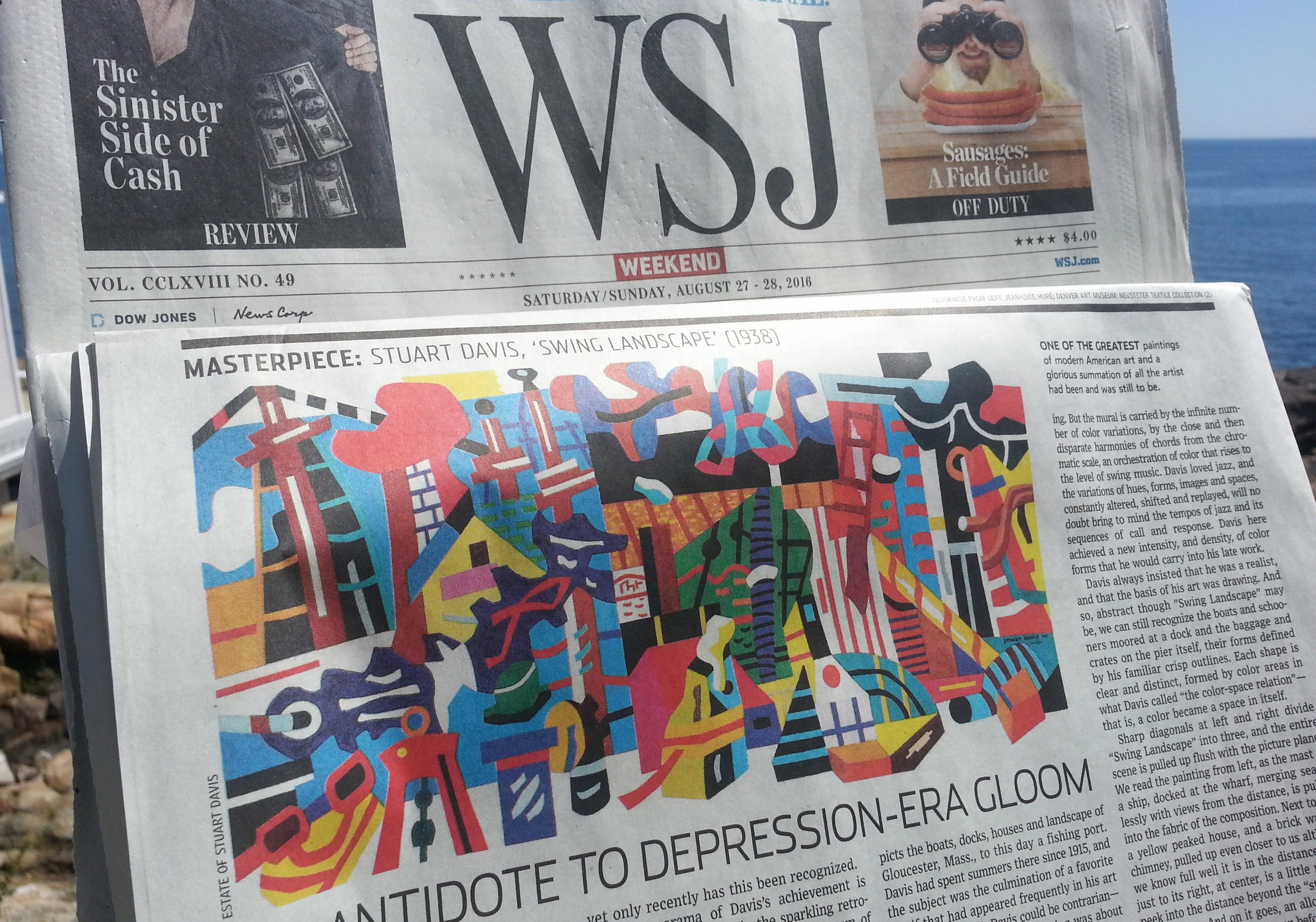
Bill Agee is an art historian and esteemed professor at Hunter. He completed the acclaimed Davis catalogue raissone (Yale University Press, 1991). His most recent book is Modern Art in America. Here he is on Stuart Davis (1892-1964) and Gloucester in today’s Wall Street Journal.
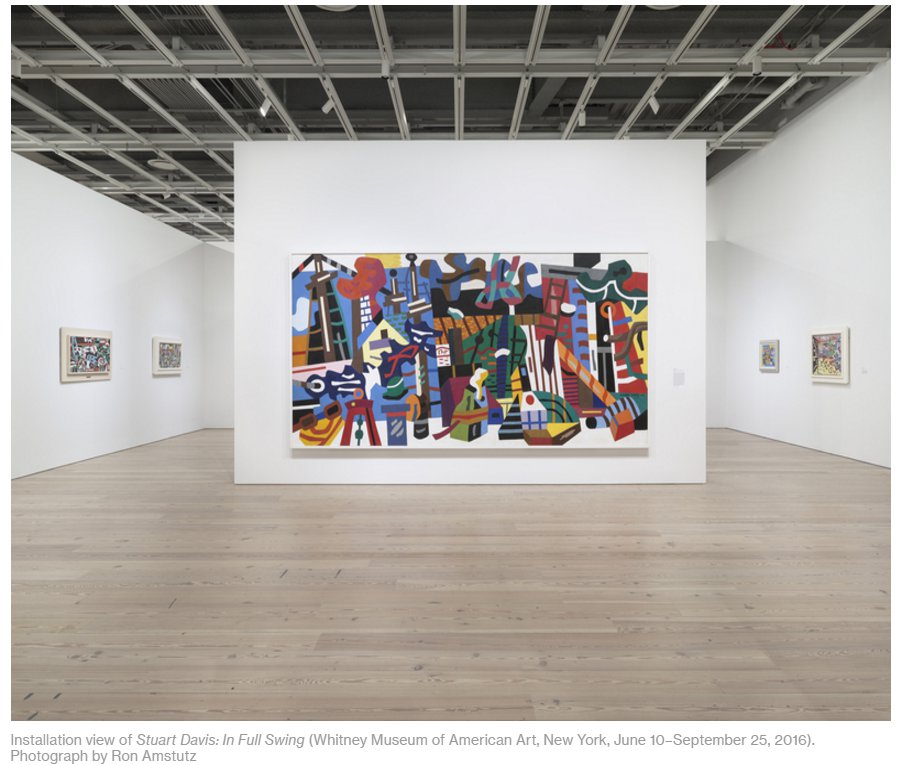
“Swing Landscape(1938) is surely one of the greatest paintings of modern American art, a glorious summation of all Davis had been and was still to be. Swing Landscape, one of nine Davis mural projects was commissioned by the WPA. It was intended for the Williamsburg Housing Project in Brooklyn. But for reasons still unclear it was never installed, and in 1942 it was acquired by the Indiana University Art Museum, in Bloomington. Because of its intended location, over the years the mural has been misread as based on views of that bustling borough.
Rather, it depicts the boats, docks, houses and landscape of Gloucester, Mass., to this day a fishing port. Davis had spent summers there since 1915, and the subject was the culmination of a favorite motif that had appeared frequently in his art since at least 1924. Davis could be contrarian–for example suggesting a painting was about one thing when it was really about something else–and here he turns these picturesque vistas, the subject of so much tourist art, into a serious, complex and ambitious mural. “
I wish this Agee excerpt was published long before the September 25th closing of the Whitney Museum show, Stuart Davis in Full Swing. Back in June, WSJ published a couple of reviews including one by Karen Wilkin.
From the Whitney exhibit:
Using sketches he made of the waterfront in Gloucester, Massachusetts, he transformed masts, rigging, lobster traps, ladders, and striped poles into a vocabulary of overlapping, brightly colored shapes, all of equal intensity. To Davis, the result portrayed the “new materials, new spaces, new speeds, new time relations, new lights, and new colors” of modern America.
James Wechsler describes Davis subjects as triple distilled.









 Good Morning Gloucester