You can take Hopper out of Nyack, but you can’t take Nyack out of Edward Hopper’s Art

Edward Hopper was born on this day July 22, 1882.

Edward Hopper in Nyack | Hudson River and Hook Mountain & Nyack Beach Loop, Palisades Park

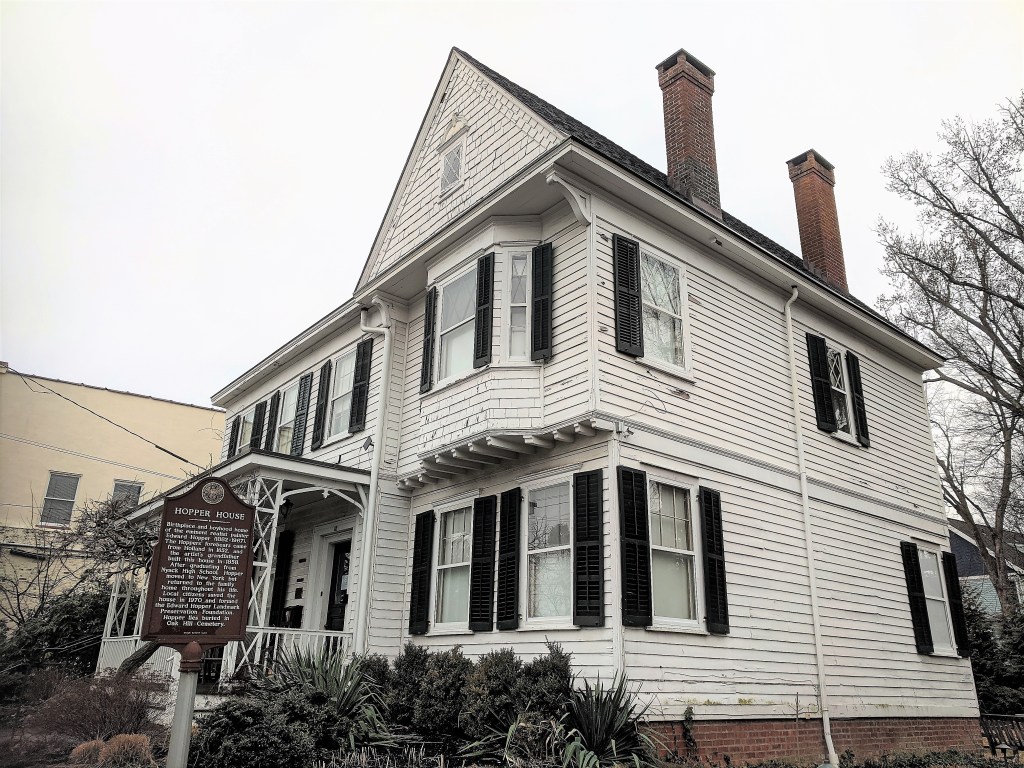
American Artist Edward Hopper (1882-1967) was born and raised in Nyack, Rockland County, New York. The home he grew up in still stands because local stewards obtained its landmark status in the 1970s and eventually designation as an important historic house museum, The Edward Hopper House Museum & Research Center.

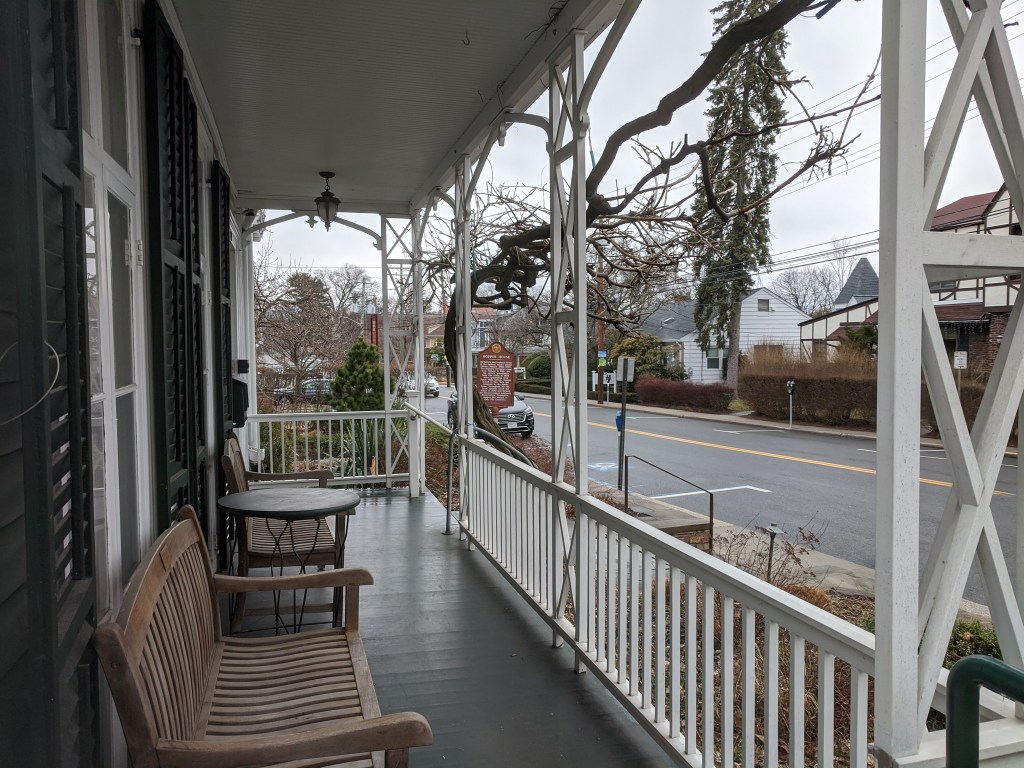
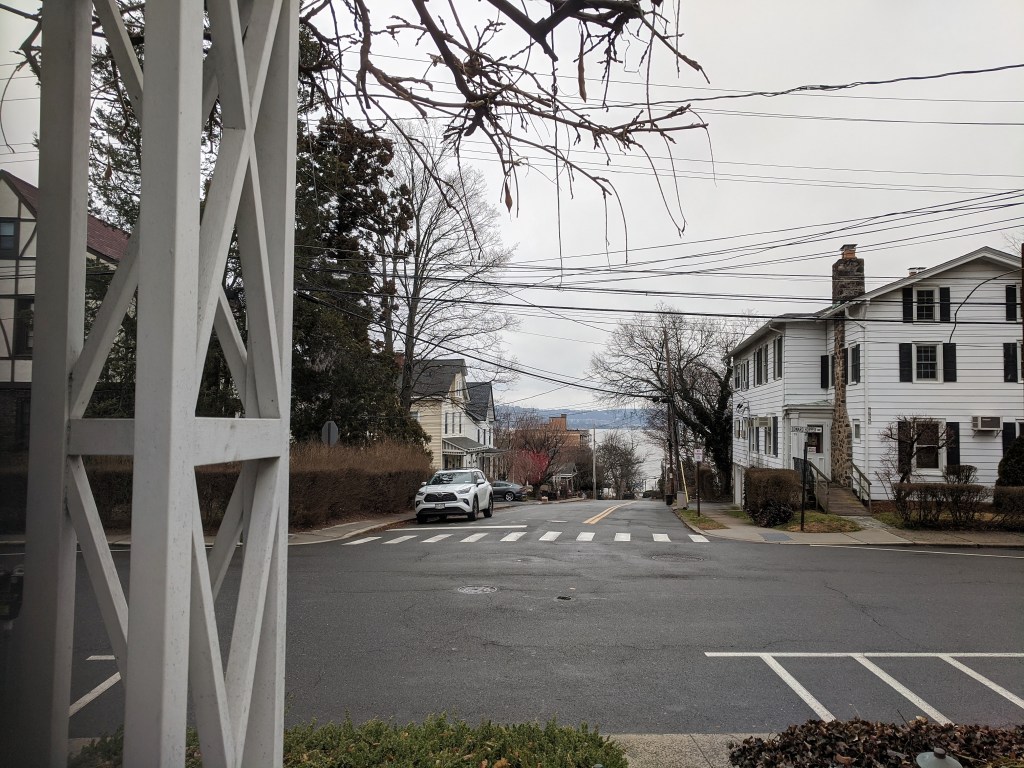
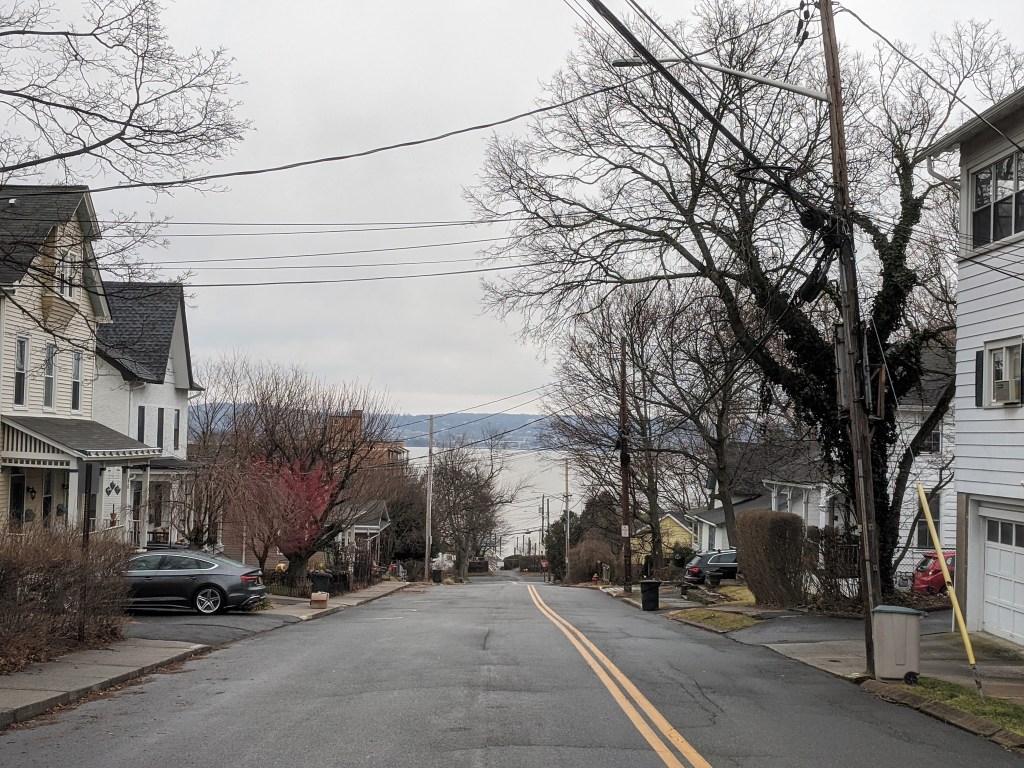
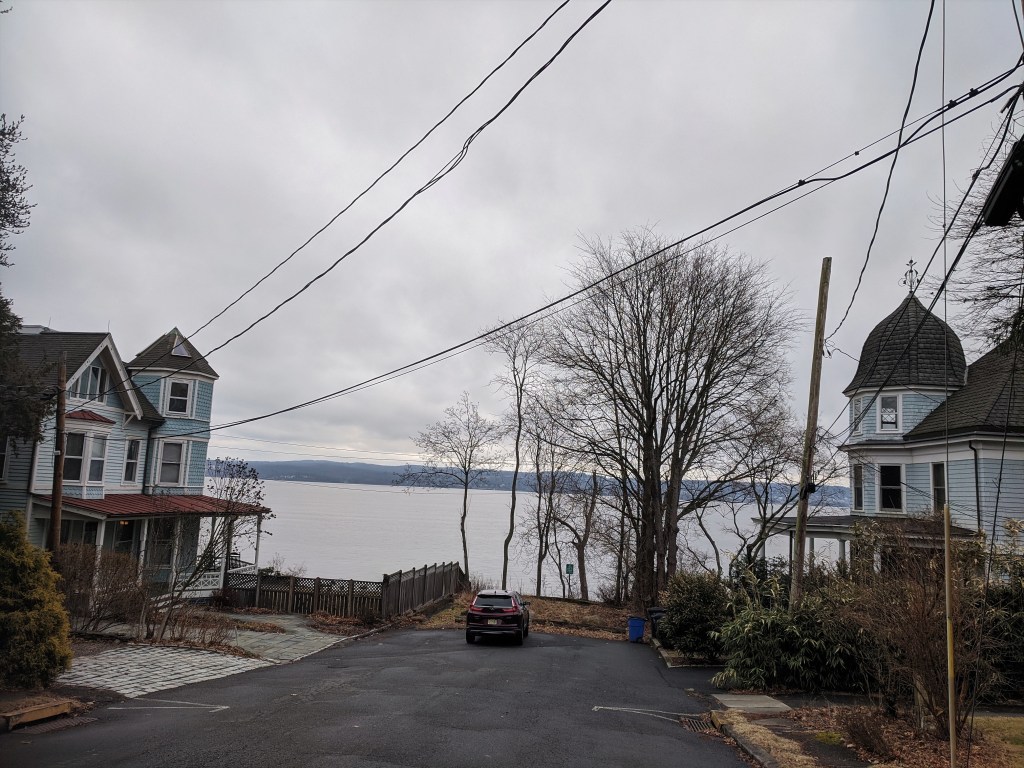
Hopper’s boyhood home on 82 North Broadway was perched on a rise with an unobstructed view downhill to the magnificent Hudson River with easy access to an active waterfront and smack dab in the middle of two worlds.
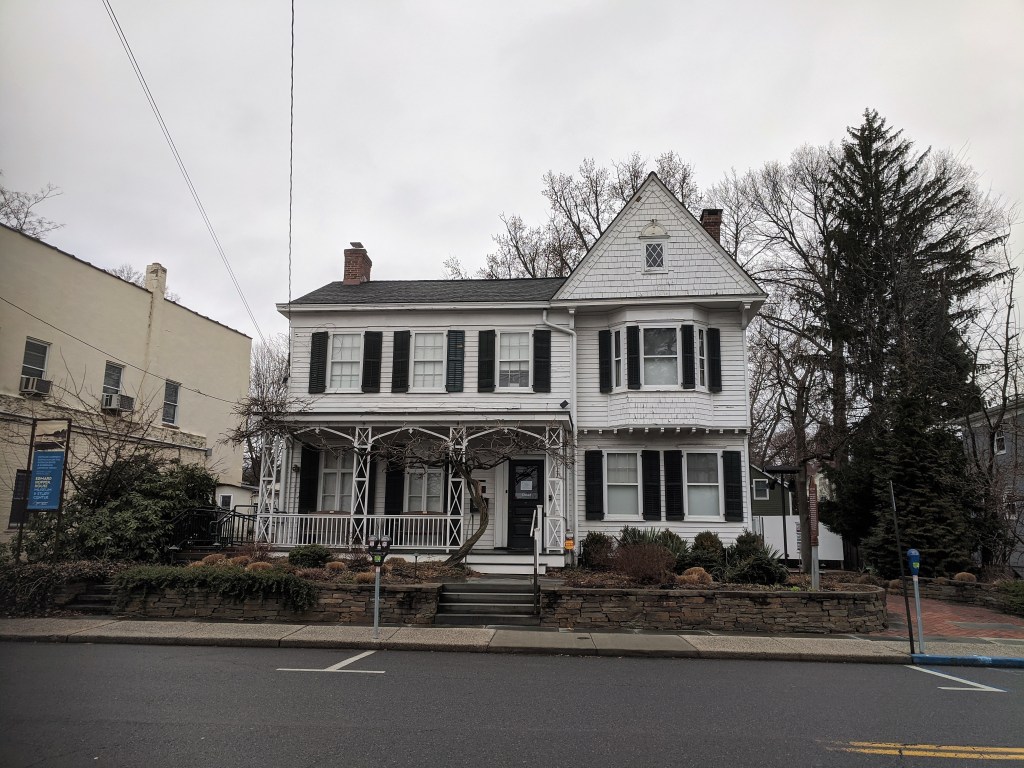
Stepping out the front door To the Right

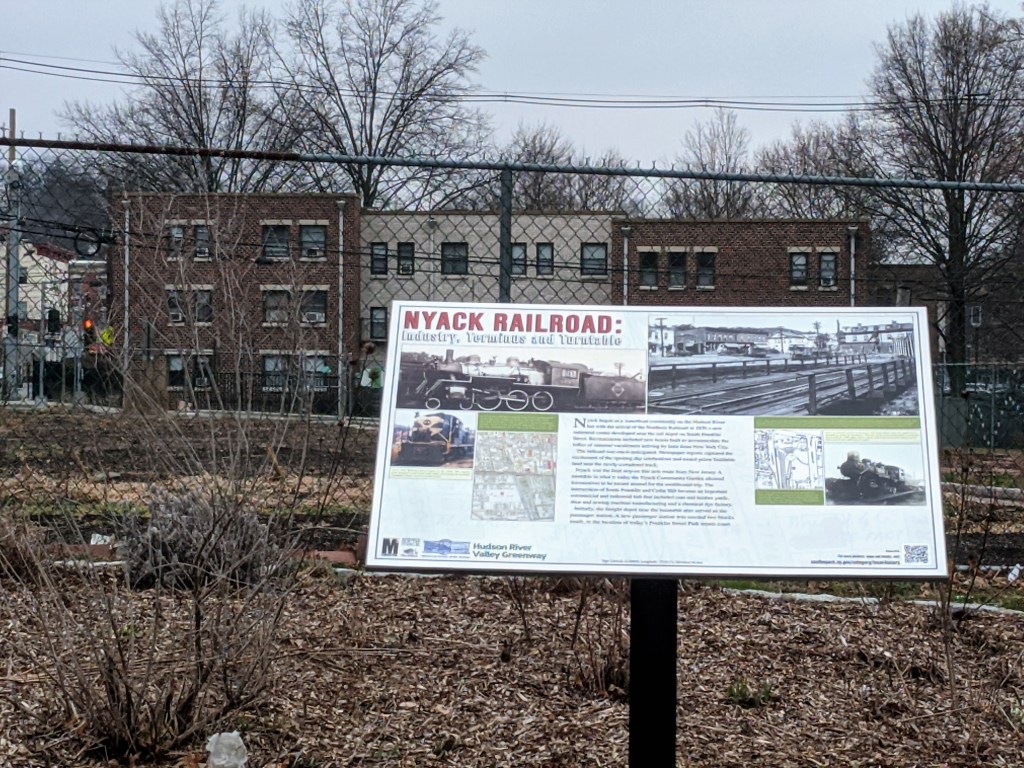
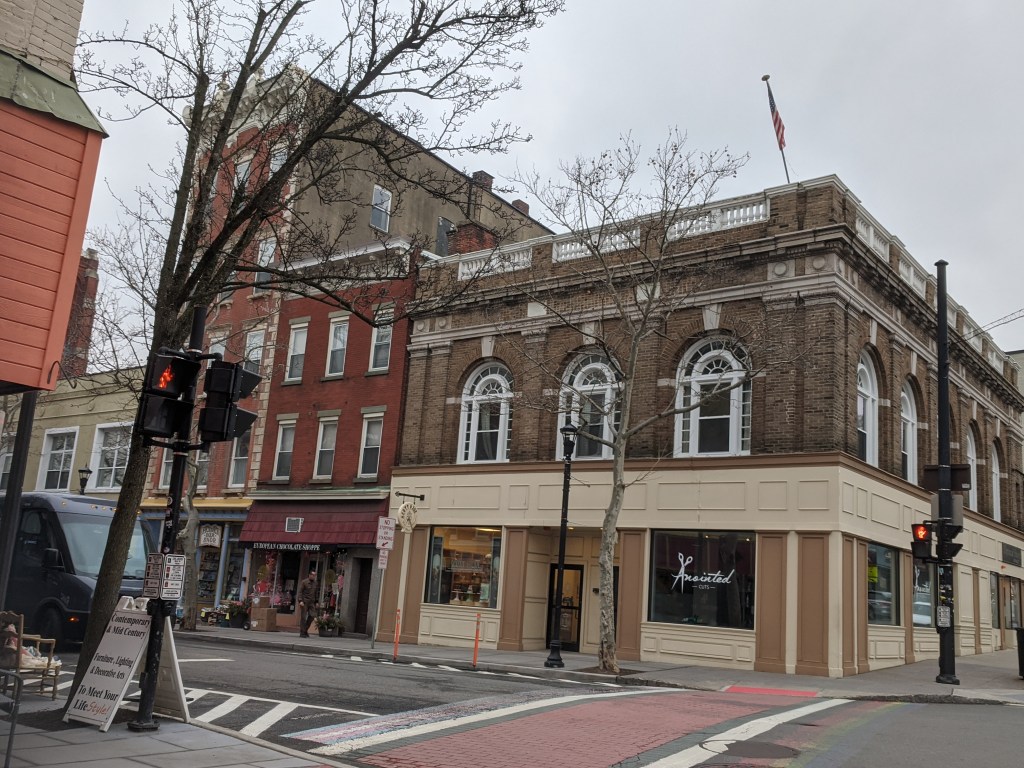
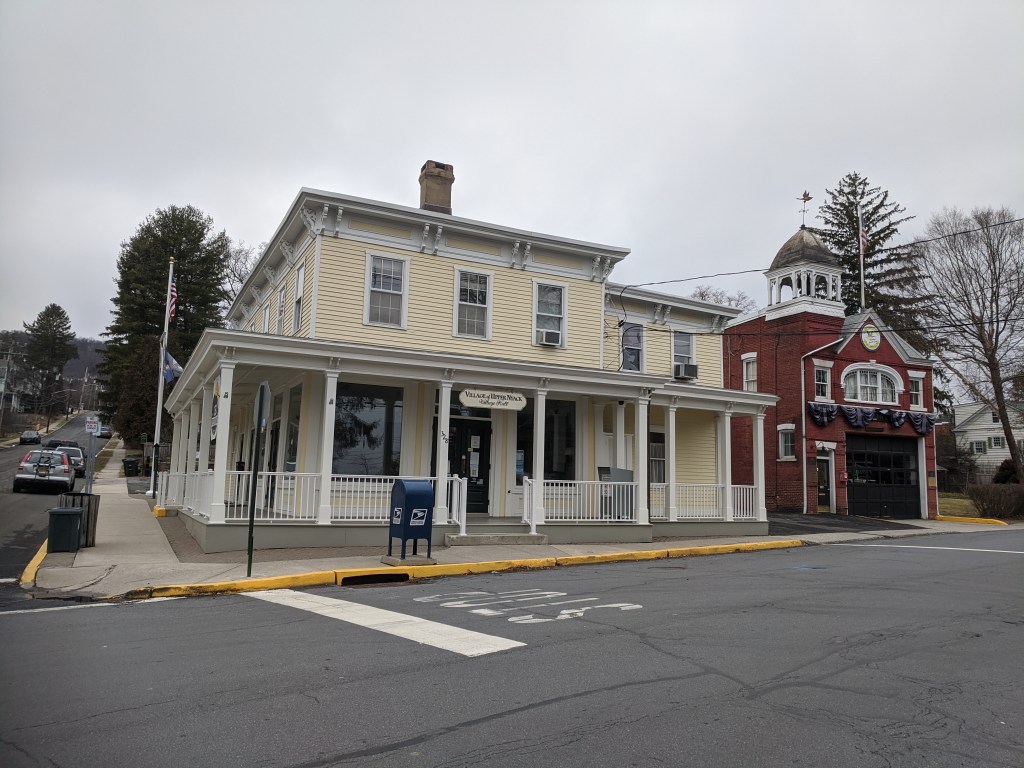
To the right, it was a short walk to a cityscape: his father’s store, the train station, and all that was necessary for commerce in a bustling town at the turn of the century.
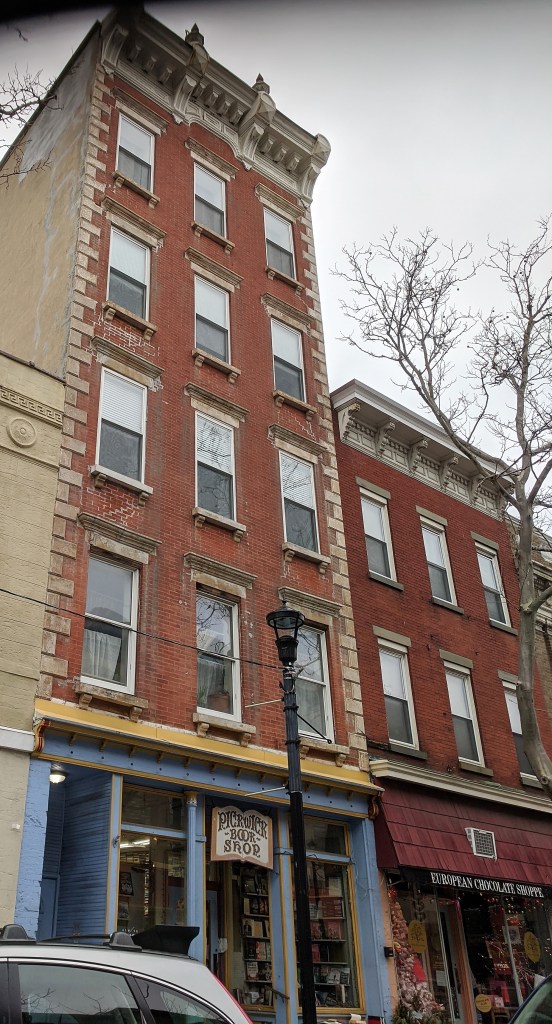
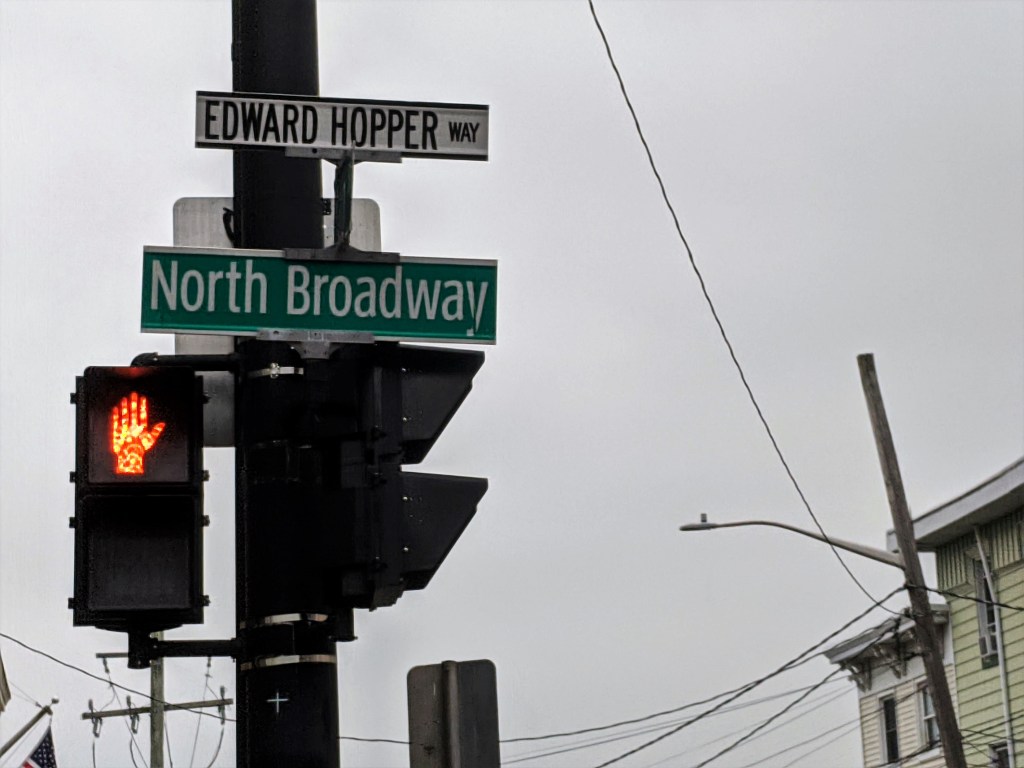
To the Left

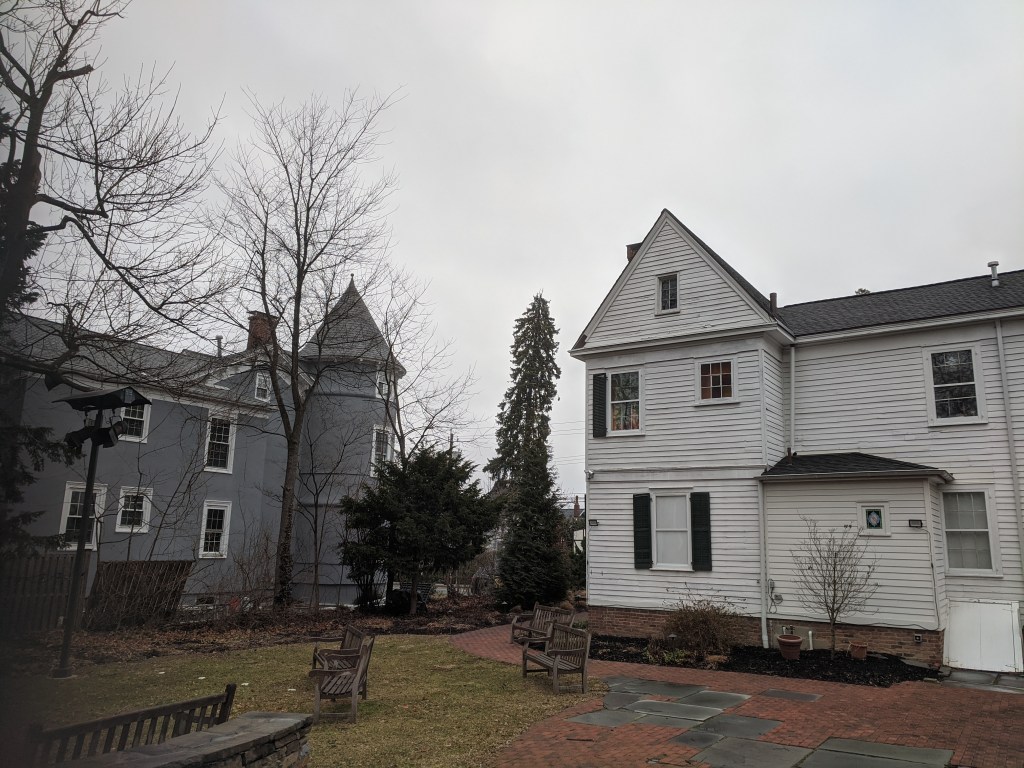
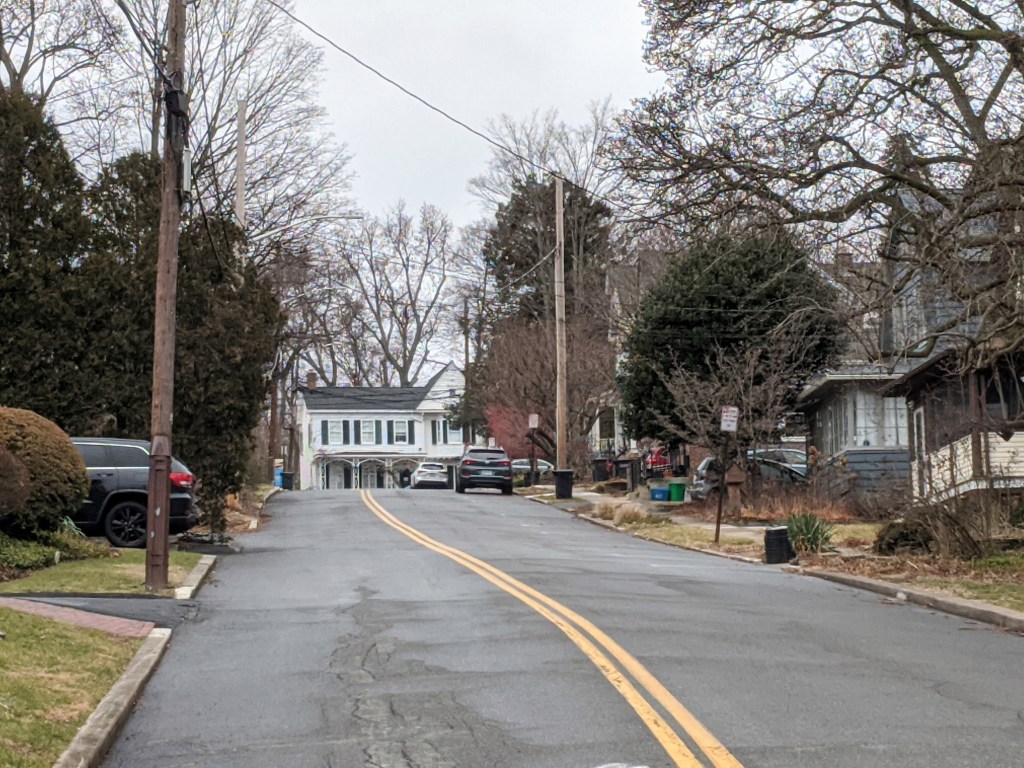
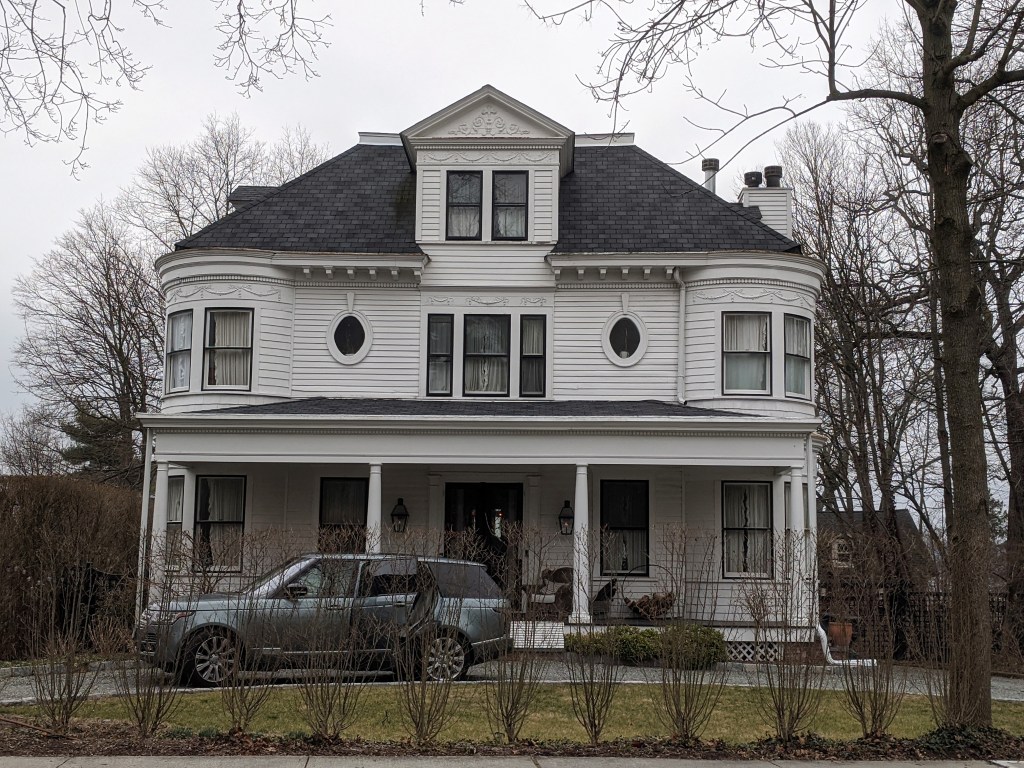
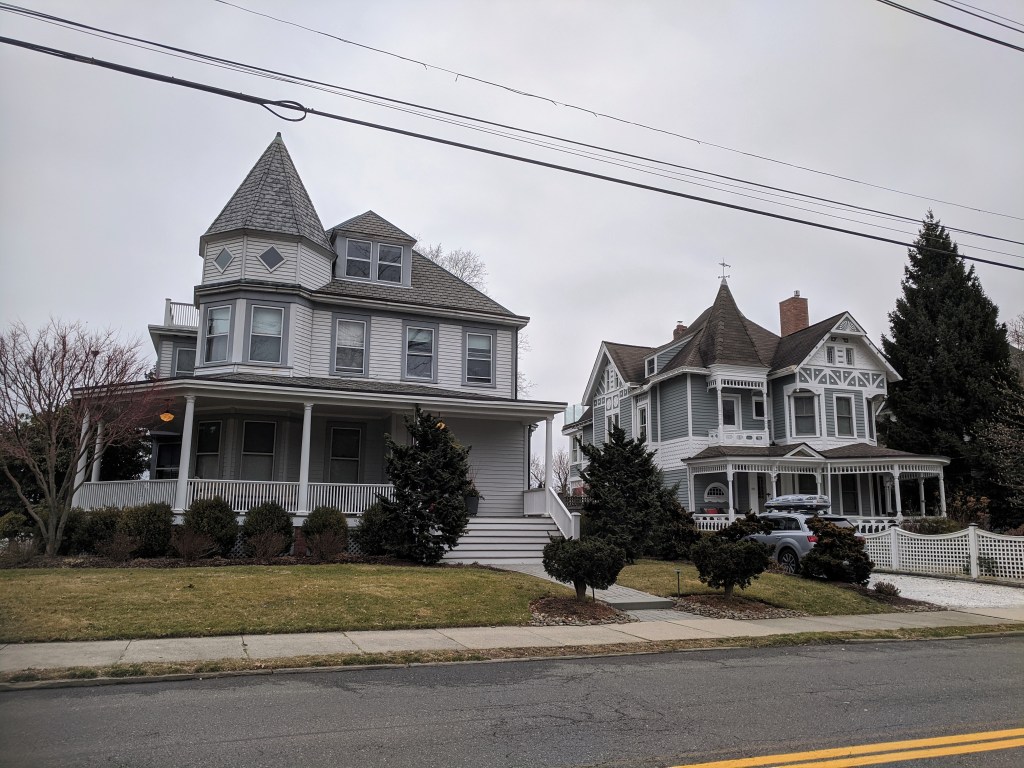
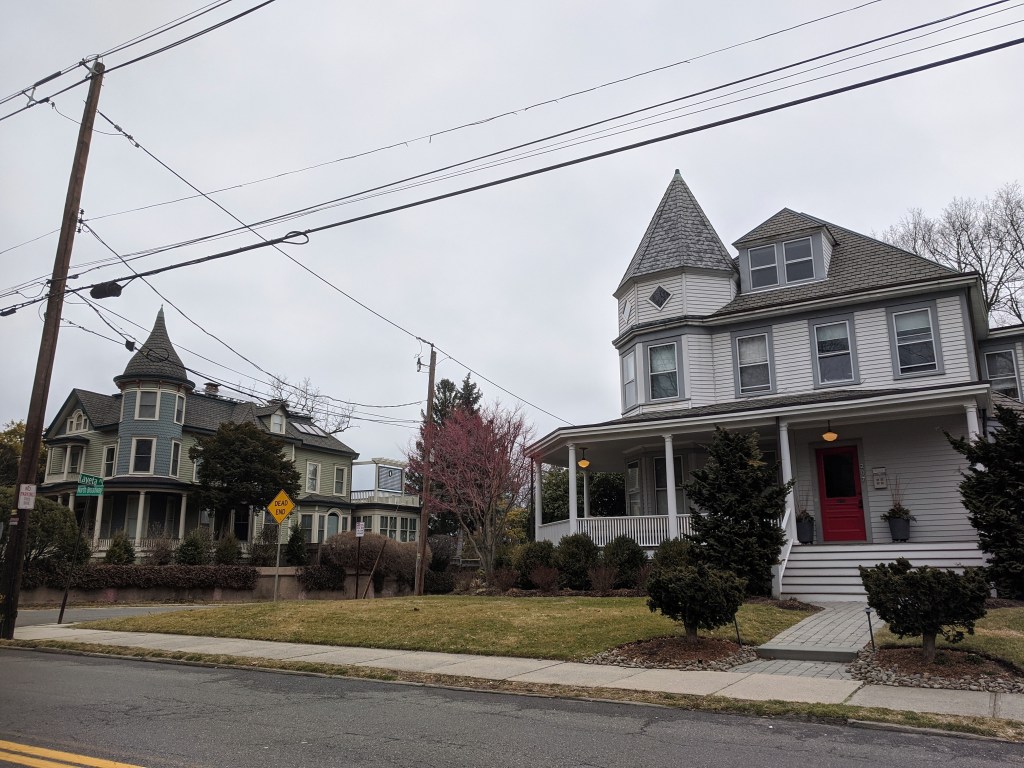
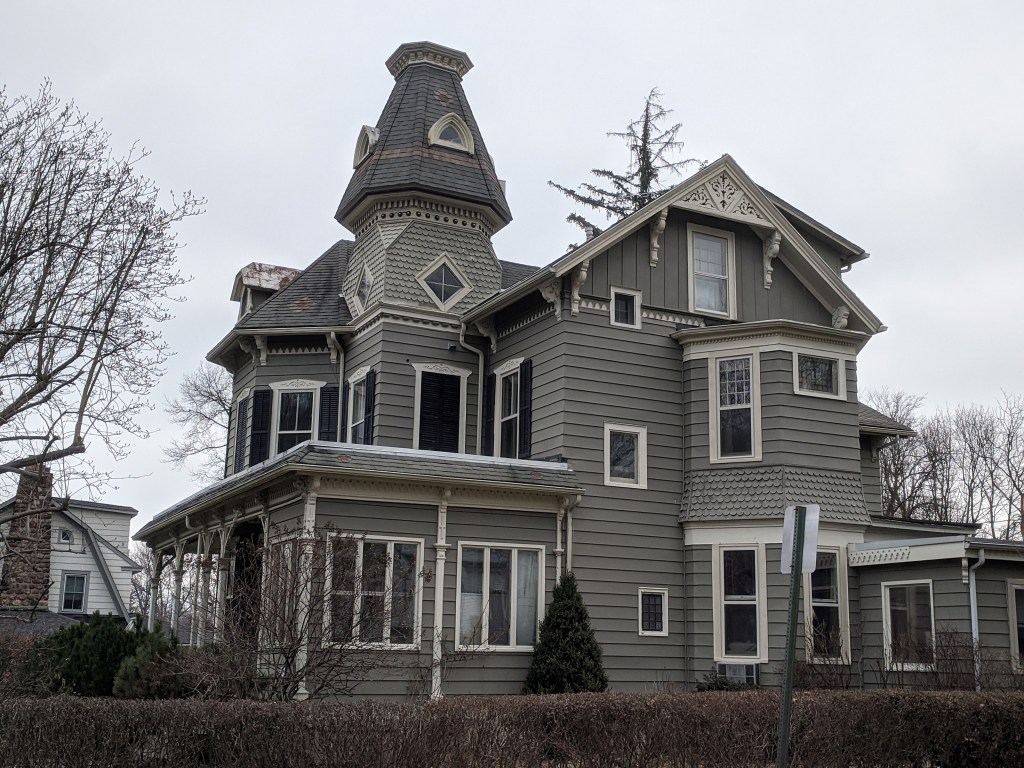
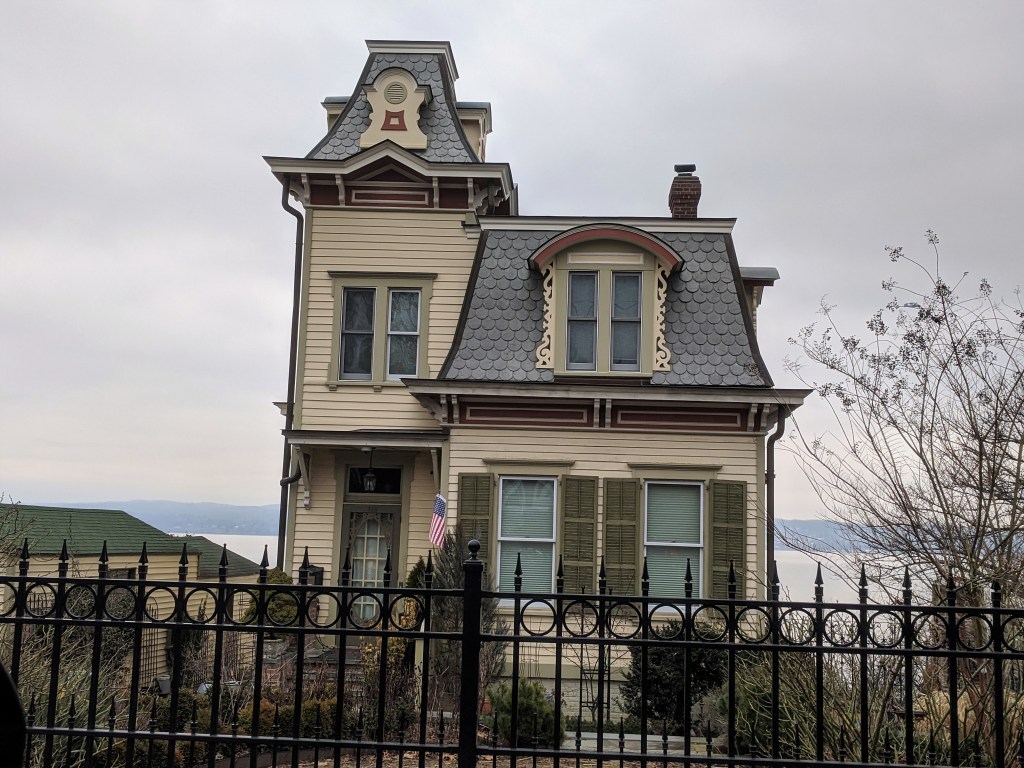
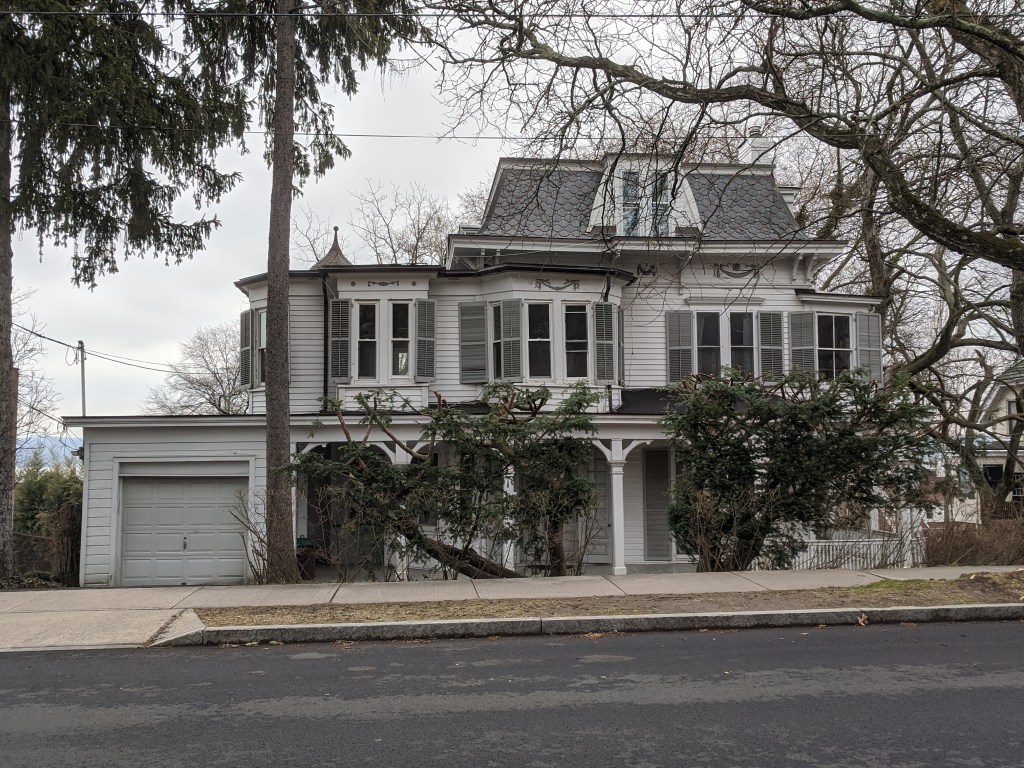
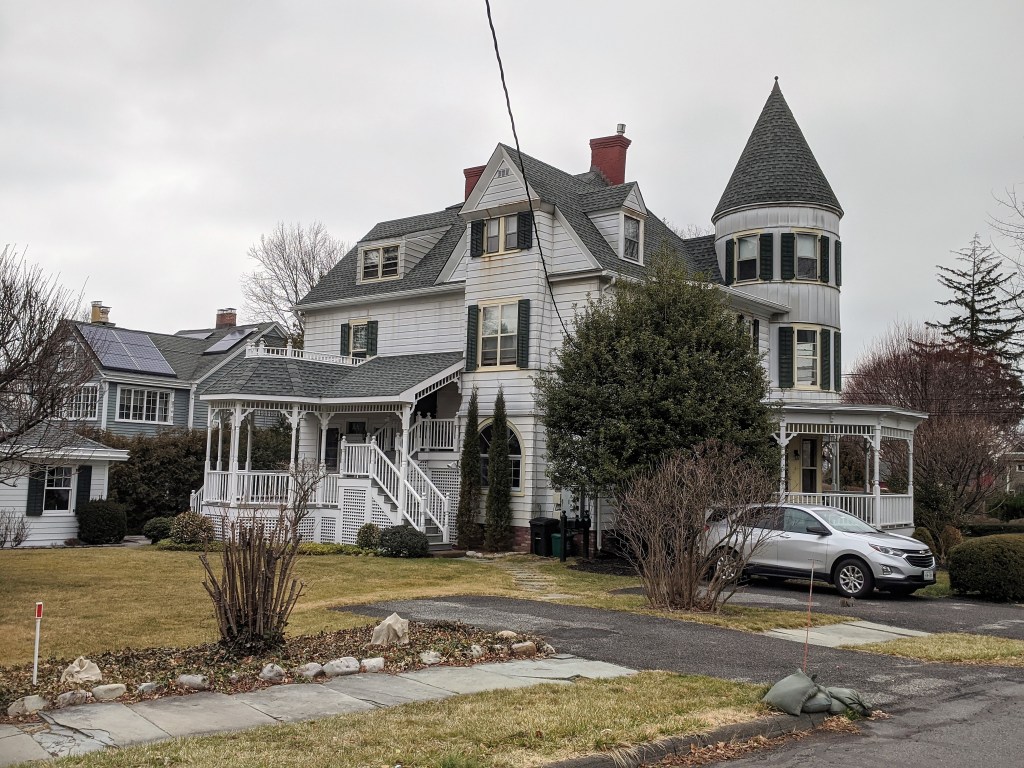
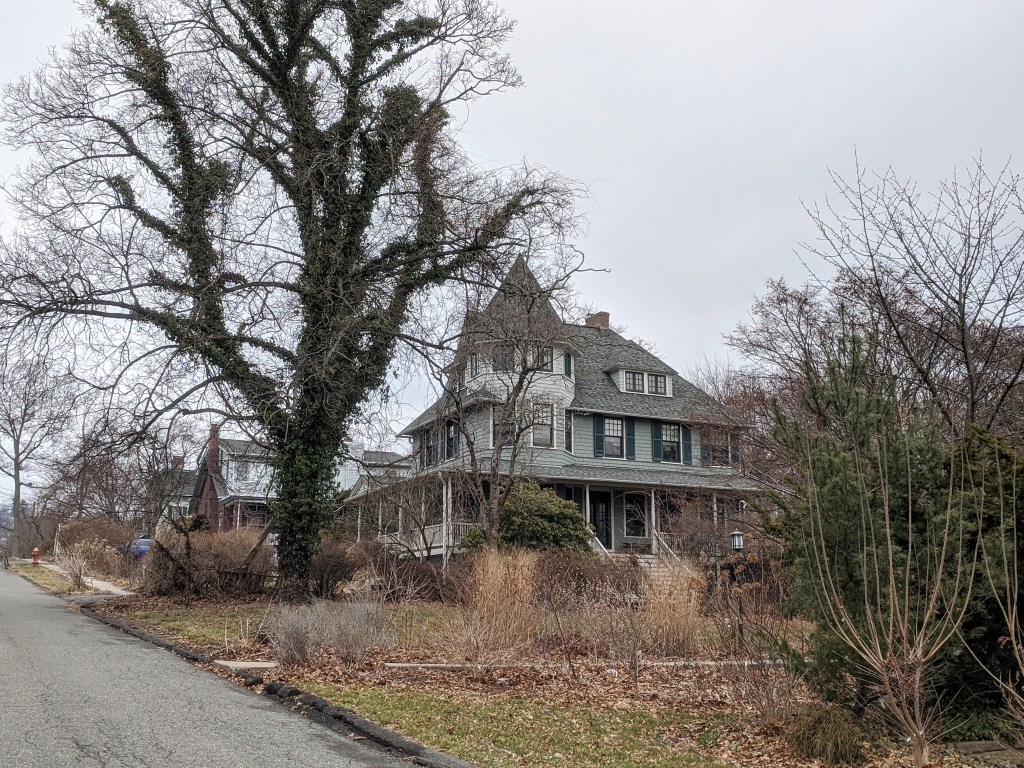
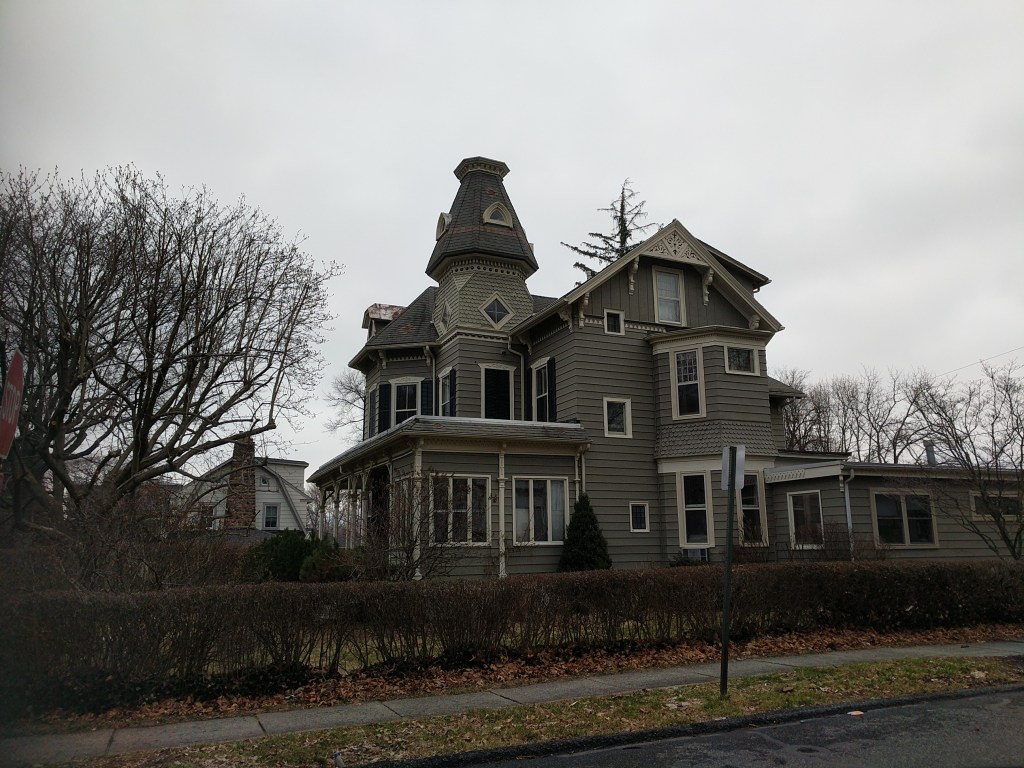
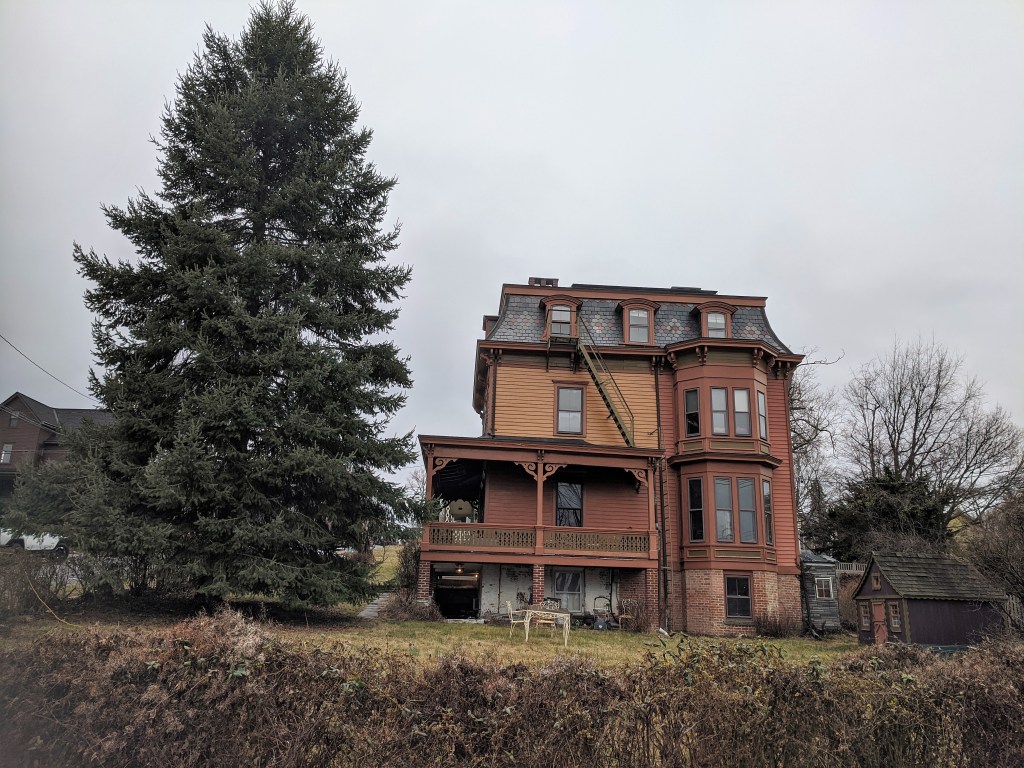
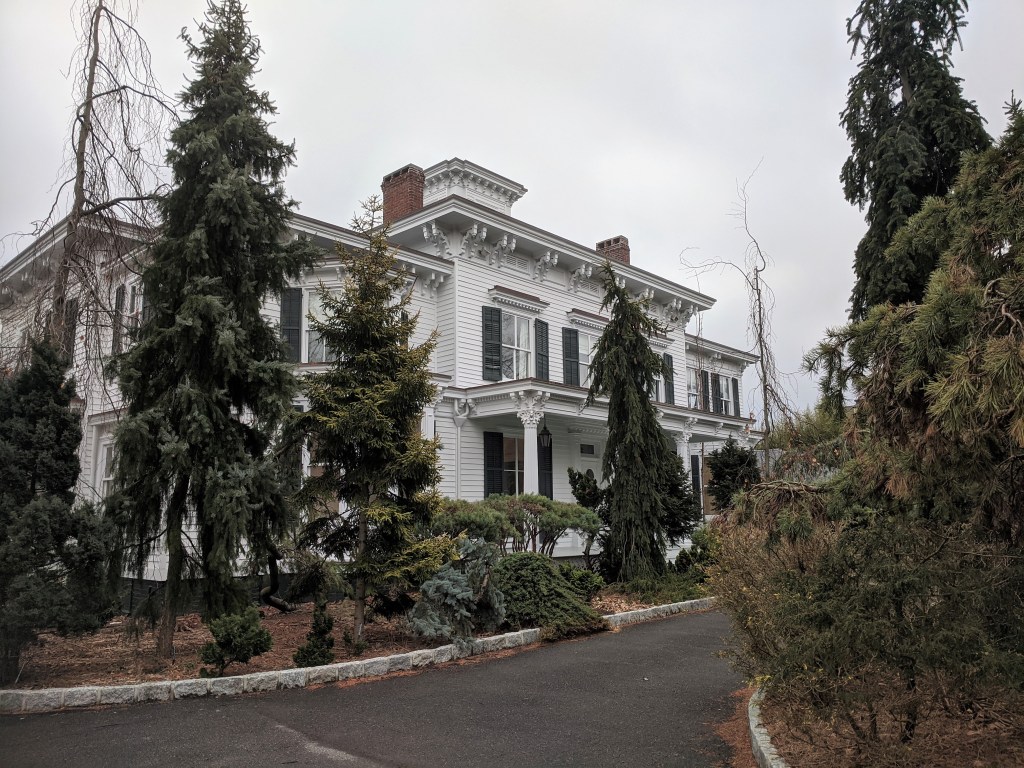
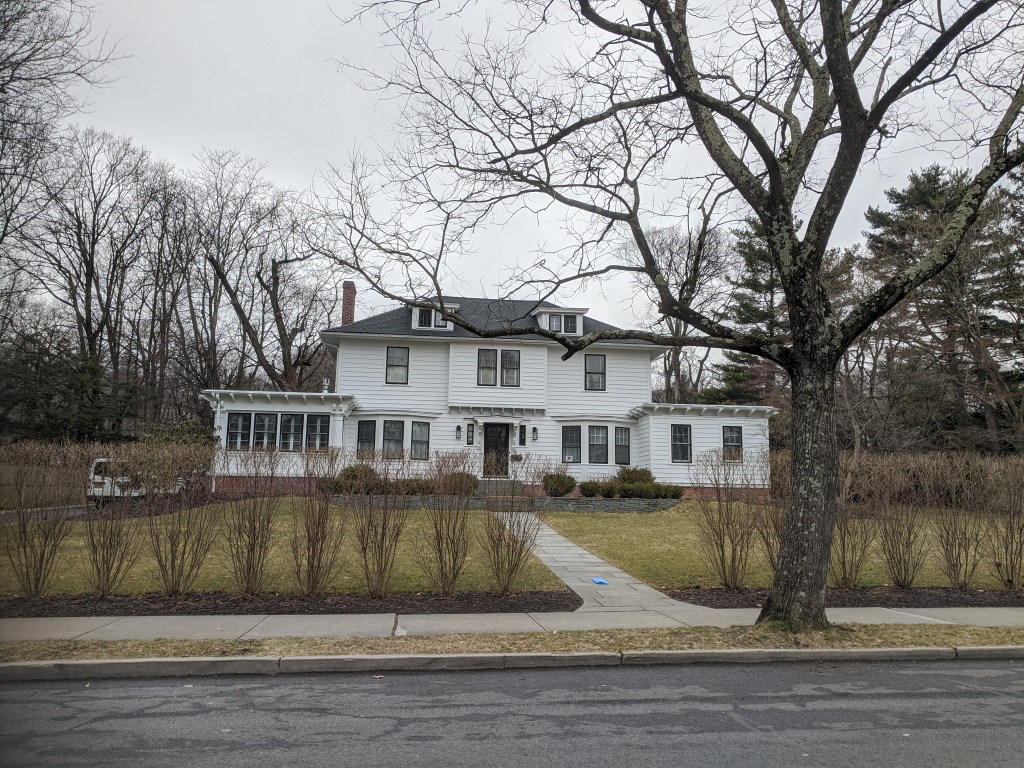
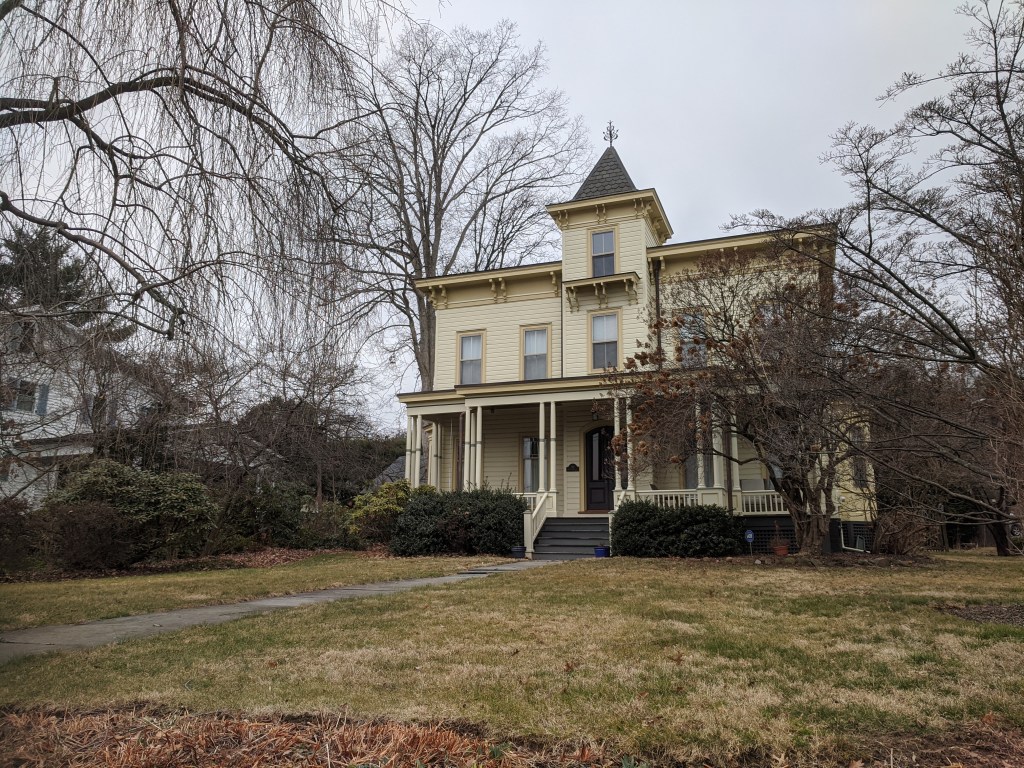
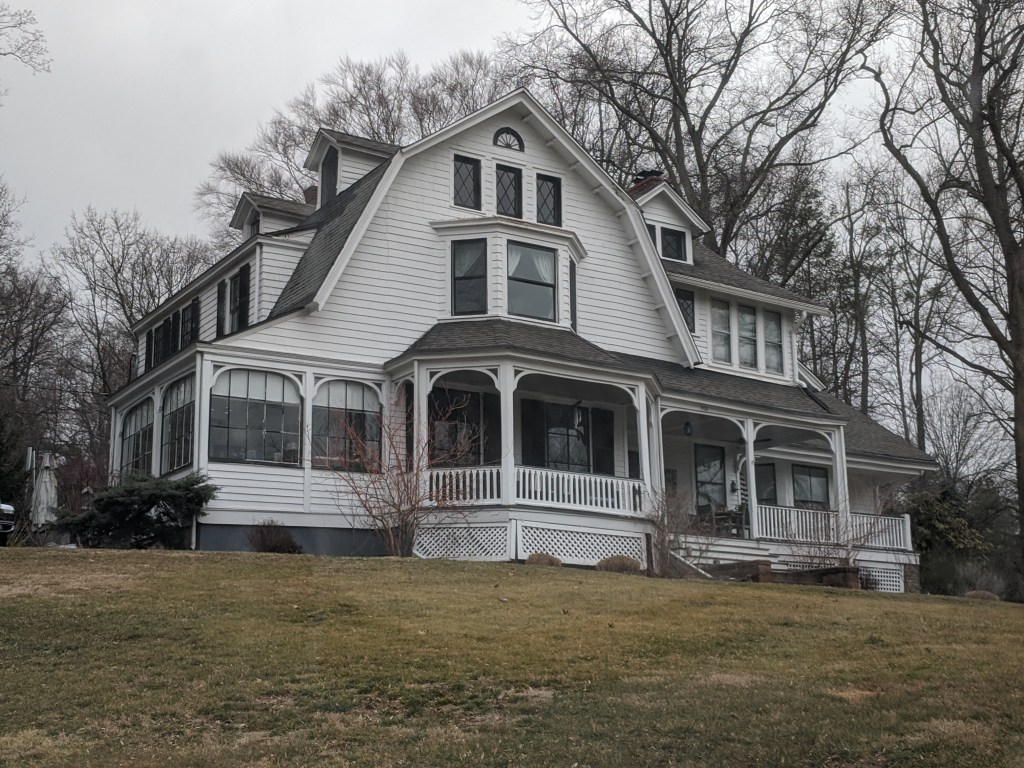
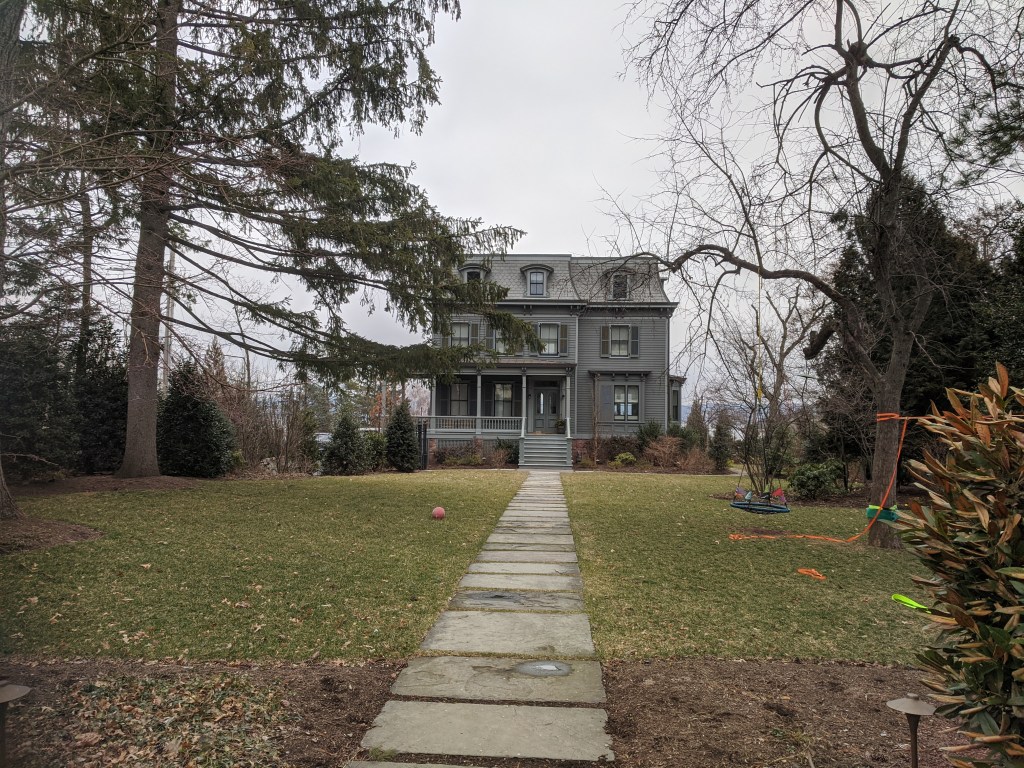
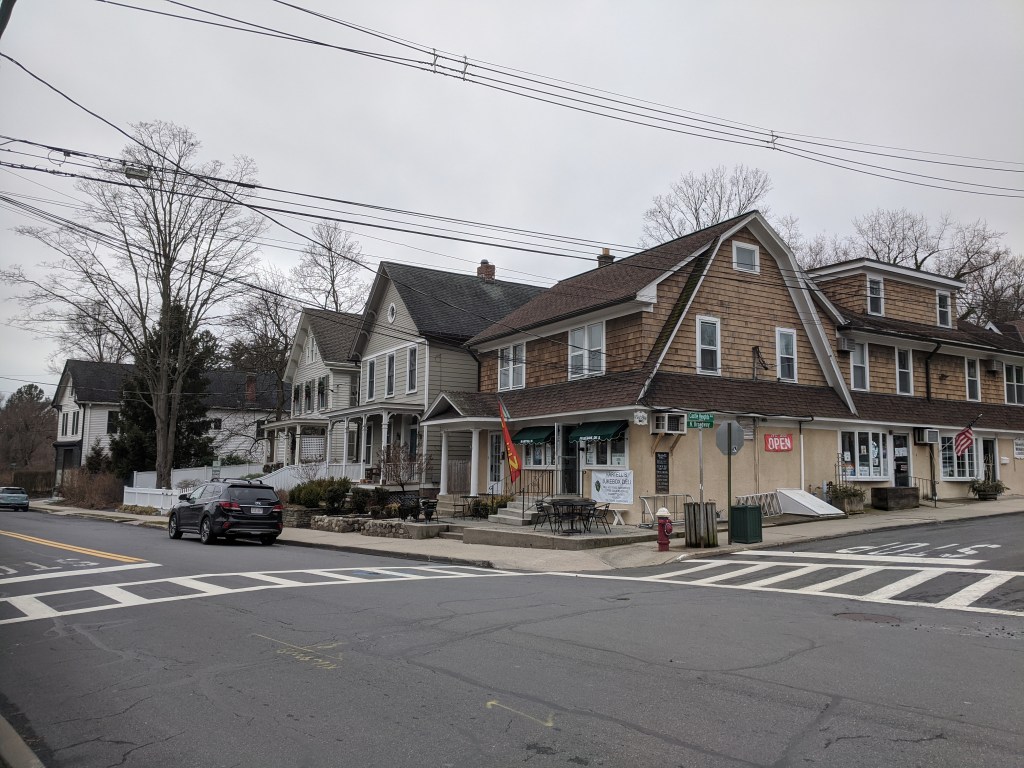
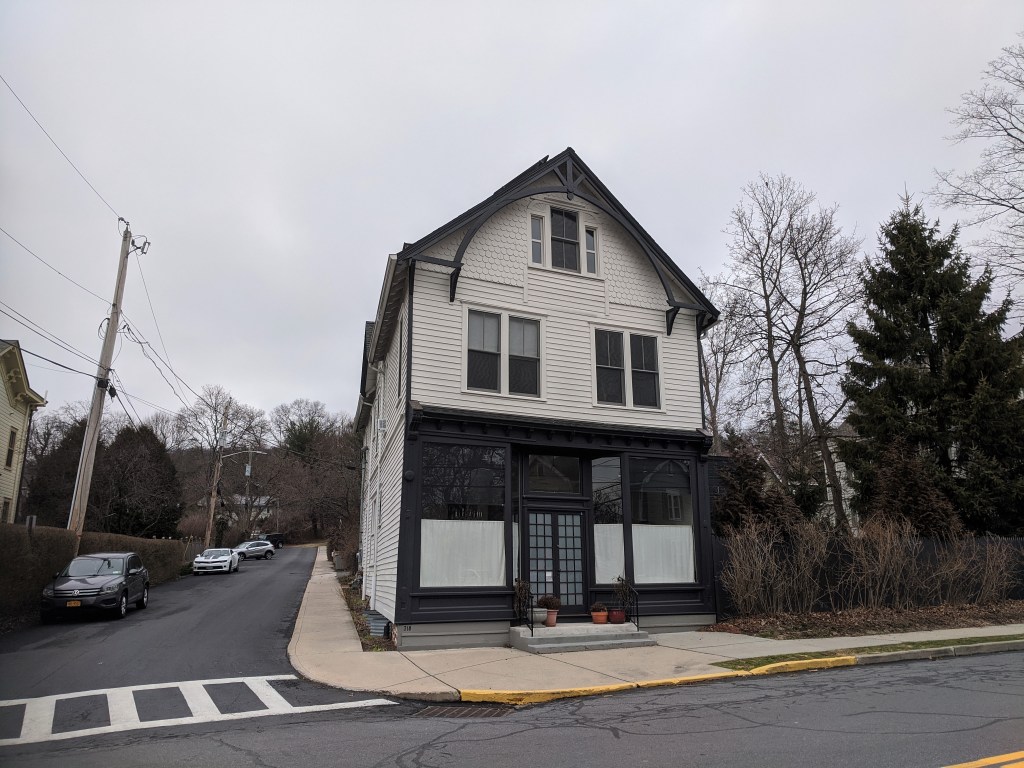
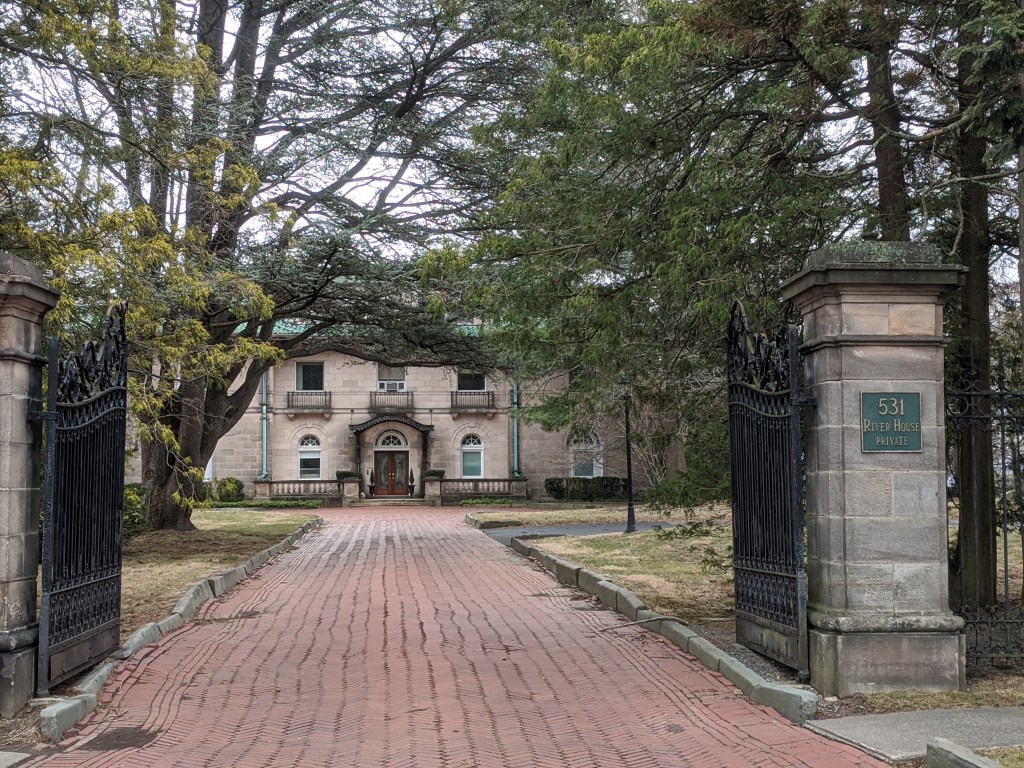
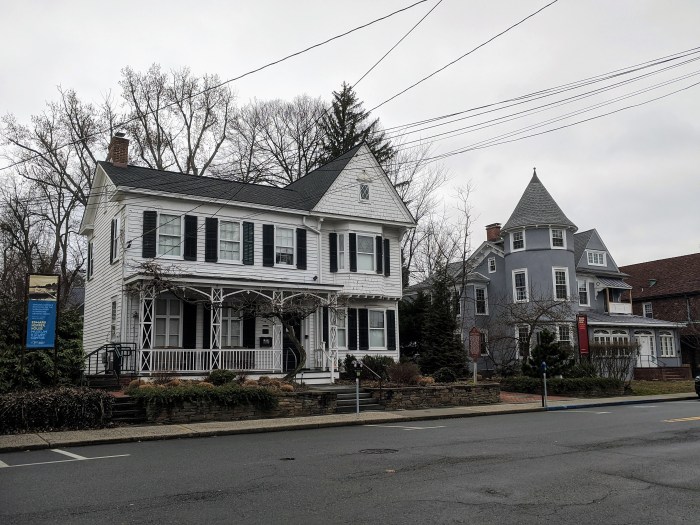
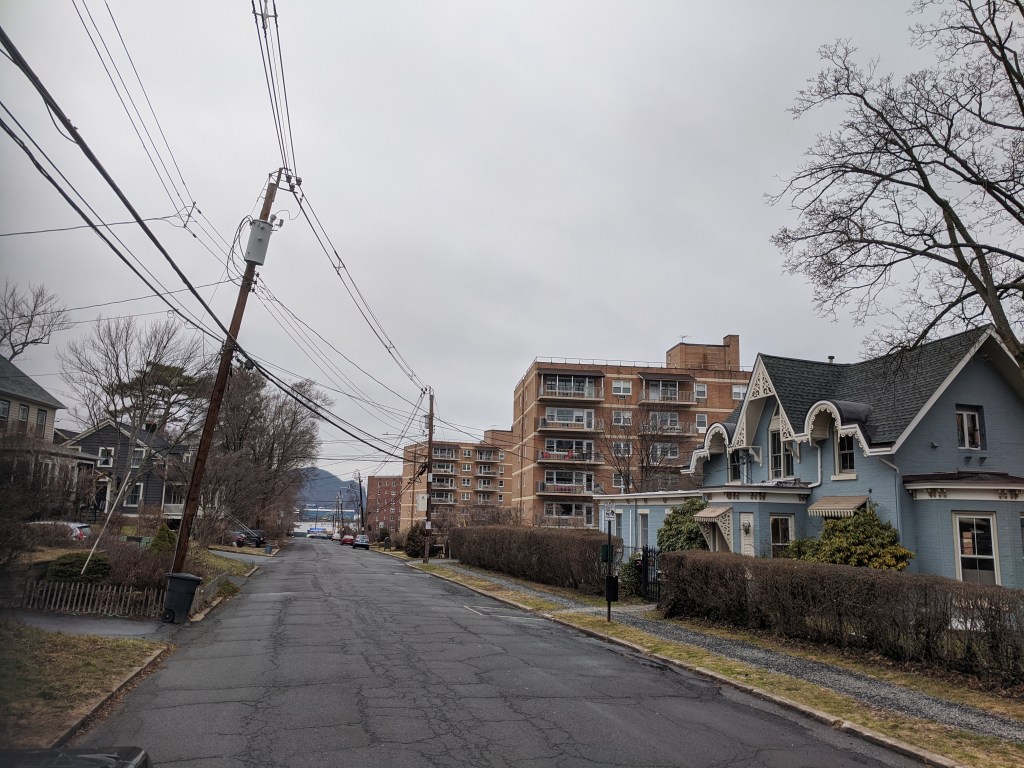
To the left and surrounding streets nearby, it was a short walk to residential neighborhoods with a handsome array of American architectural styles common on the East Coast–but unique town by town.
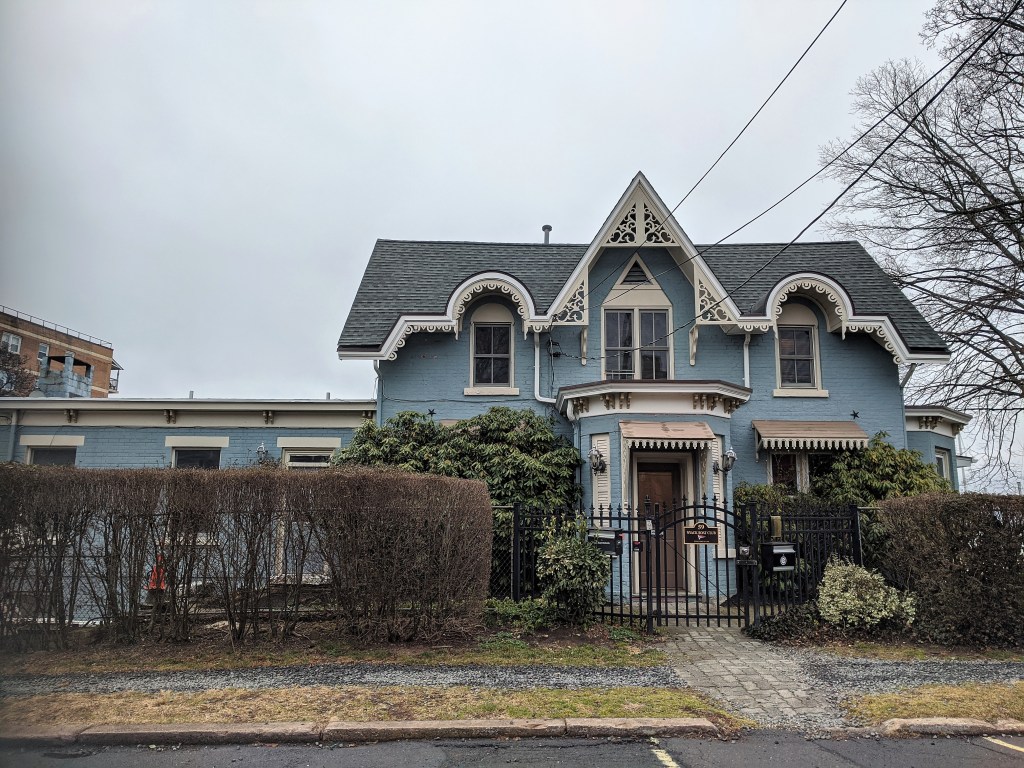
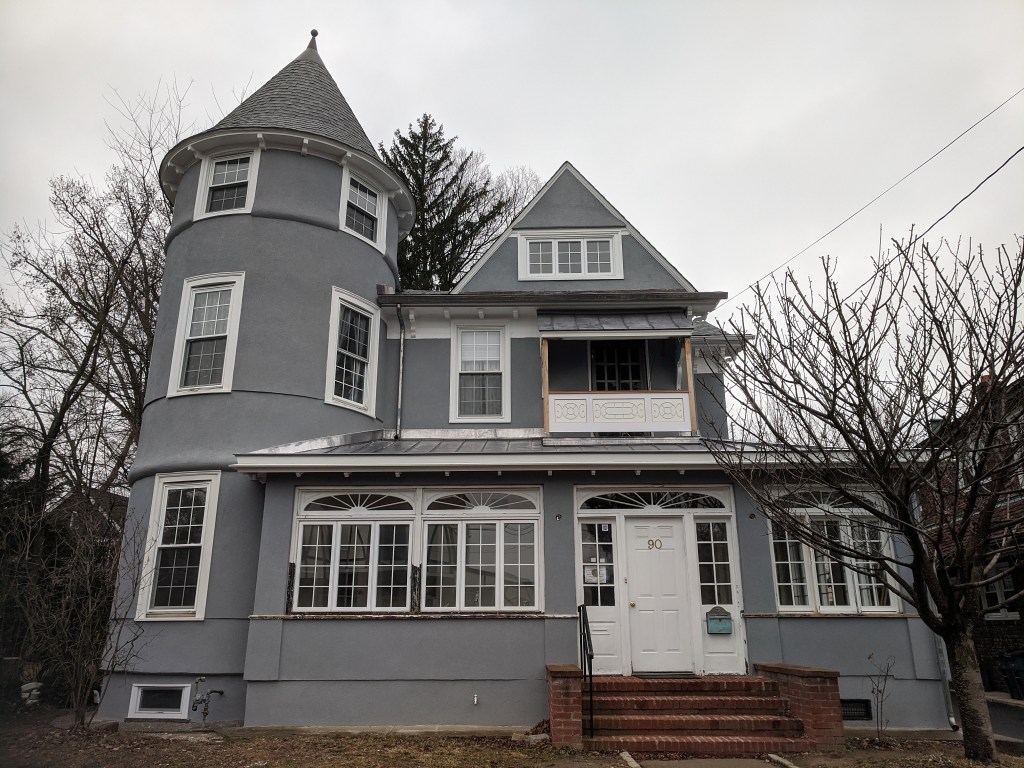
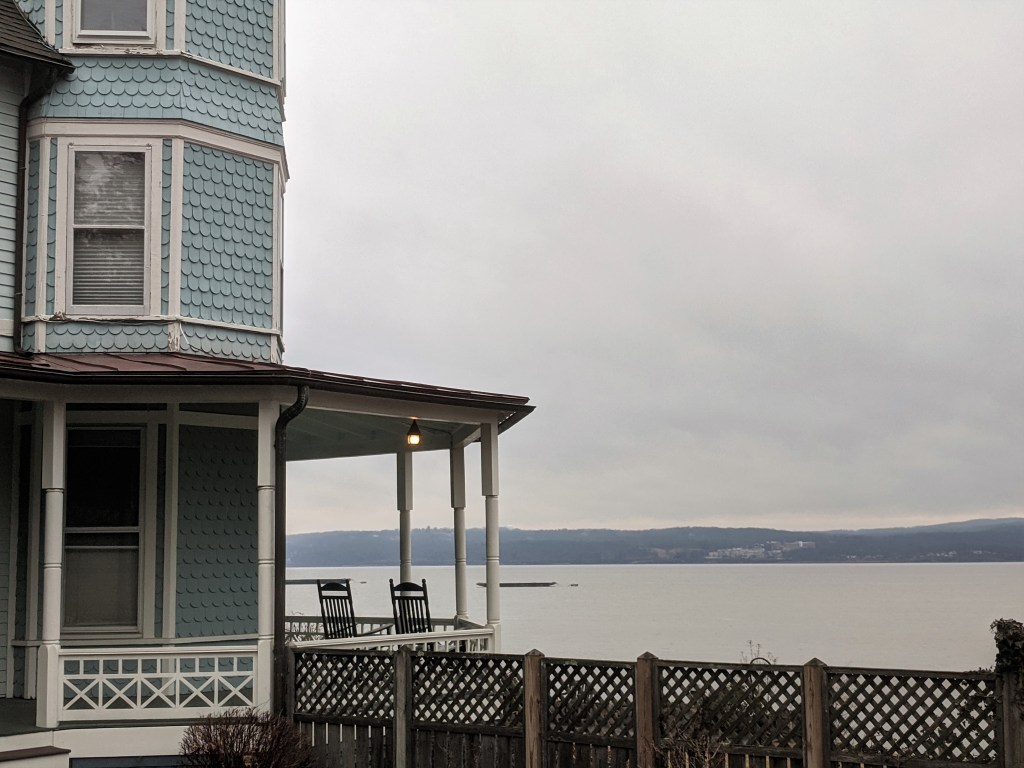
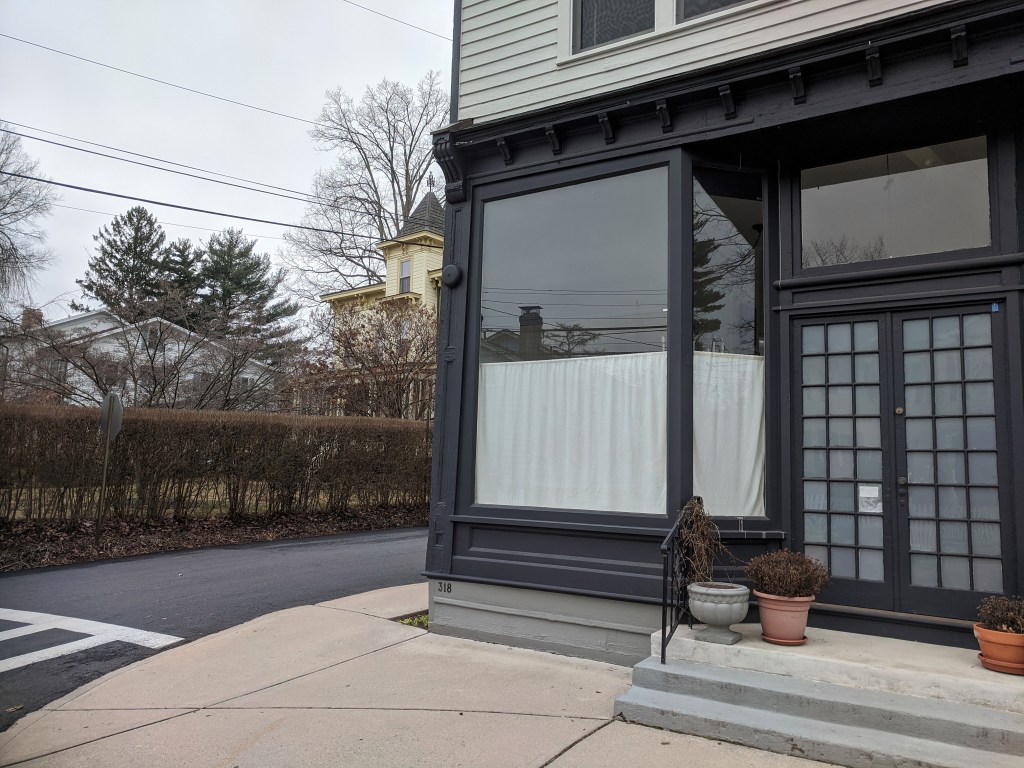
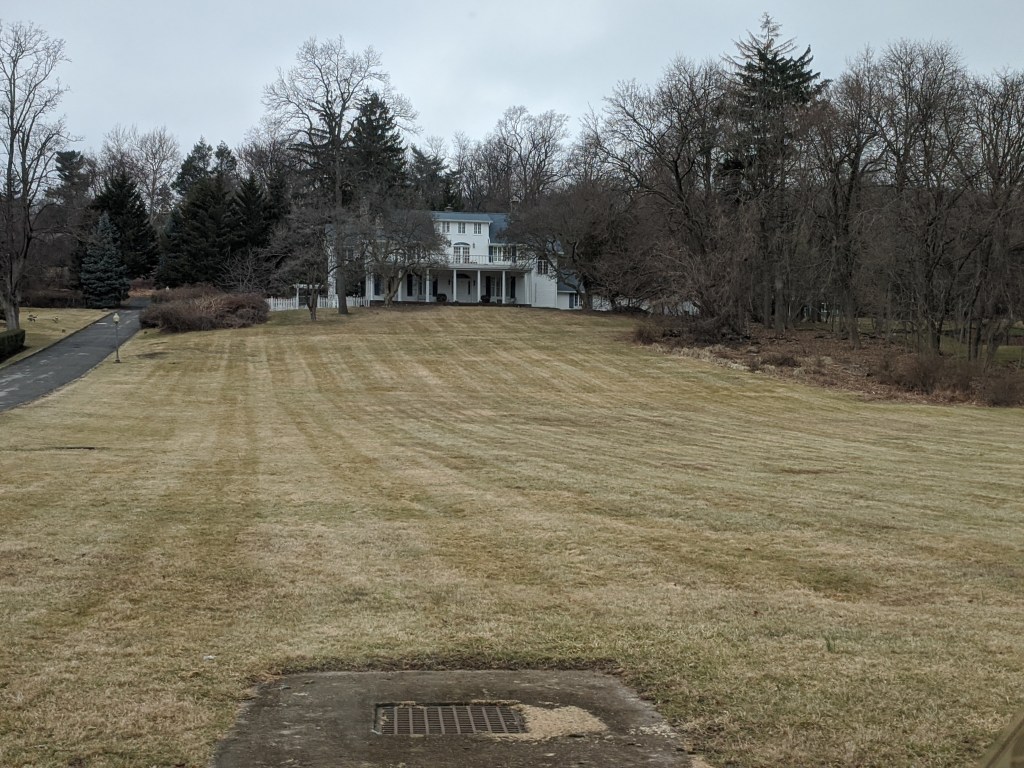
photos above: Catherine Ryan. 718 North Broadway, Nyack | Edward Hopper. Seven AM. 1948. Whitney Museum

FURTHER LEFT to HOOK MOUNTAIN

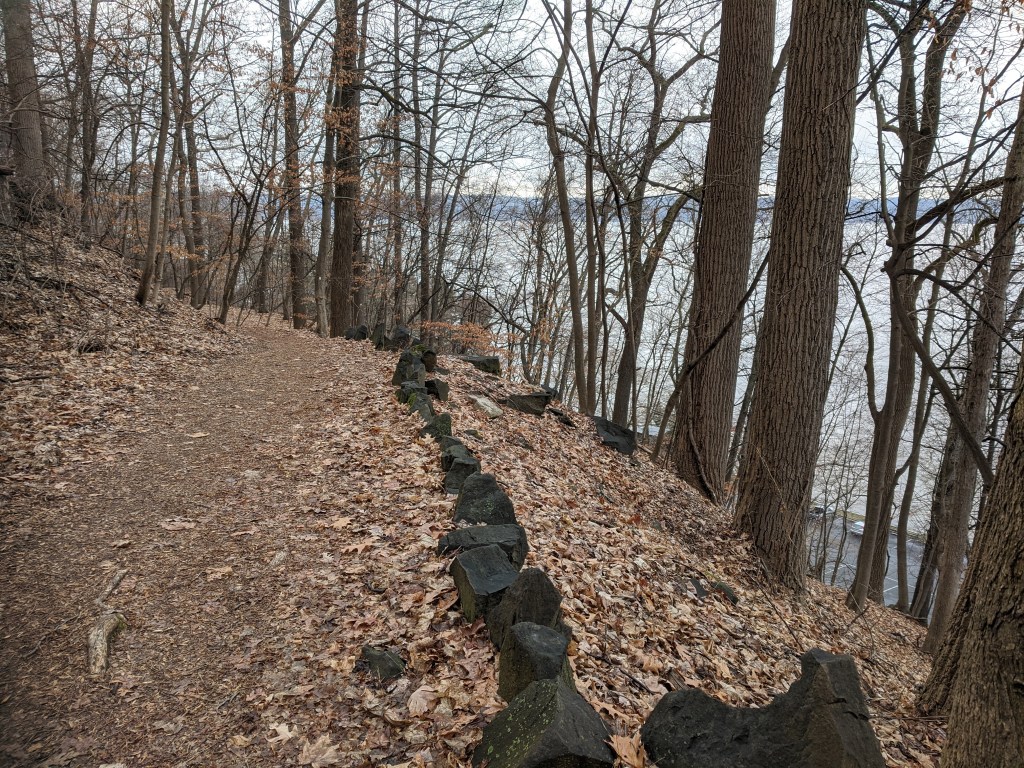
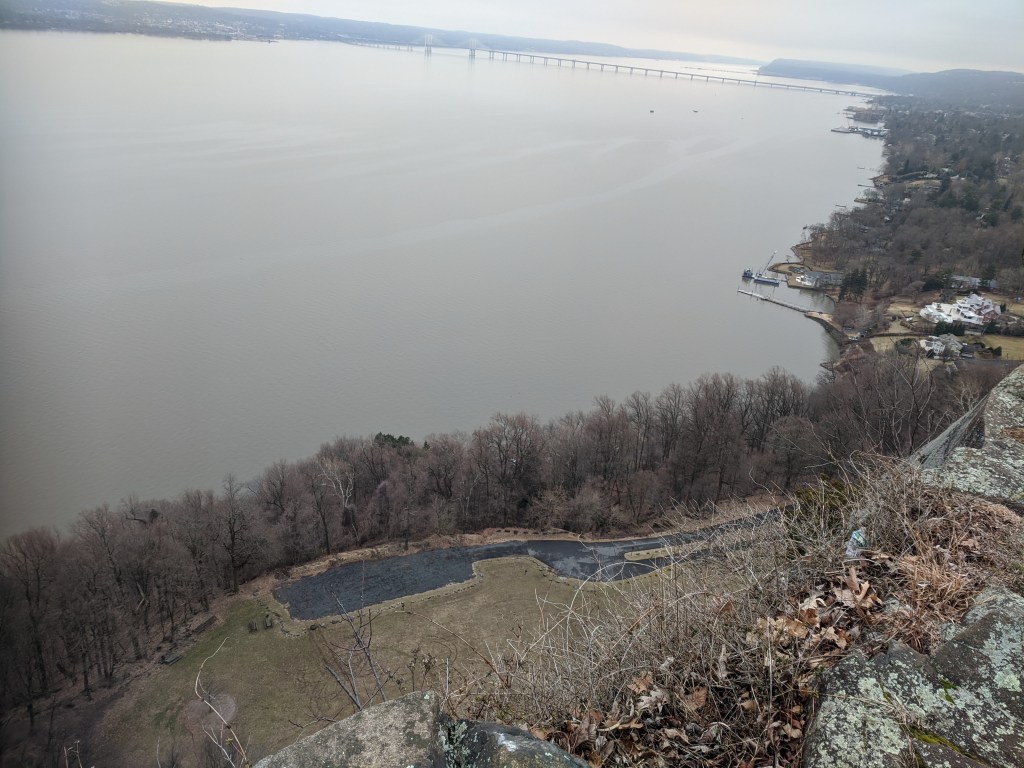
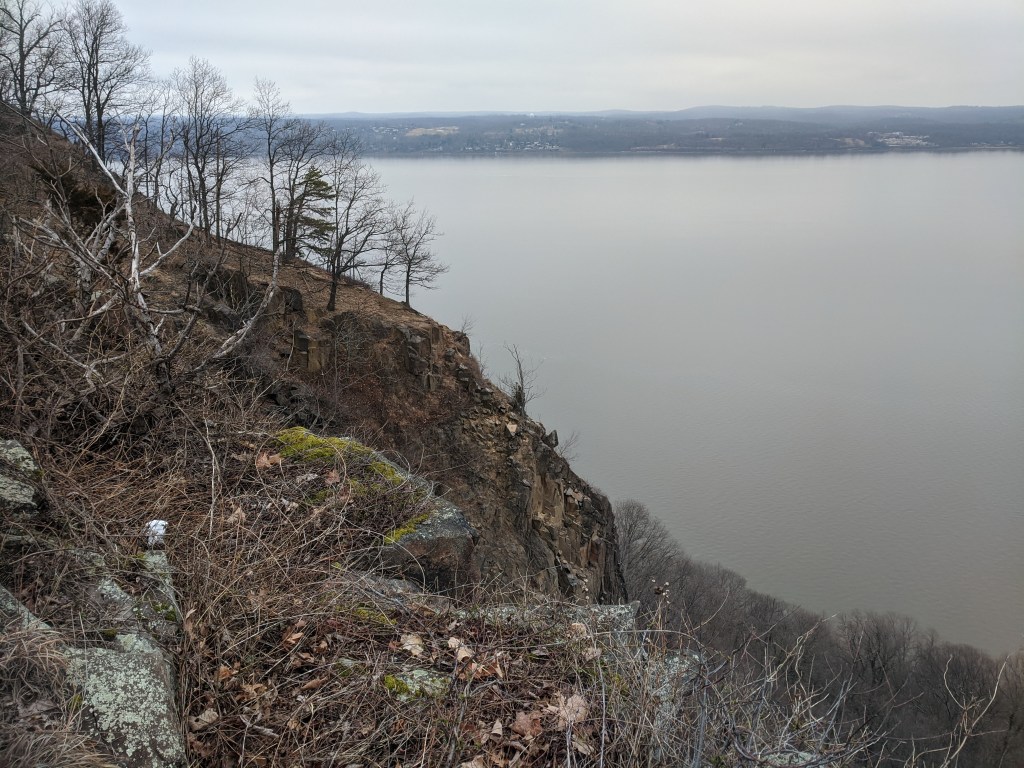
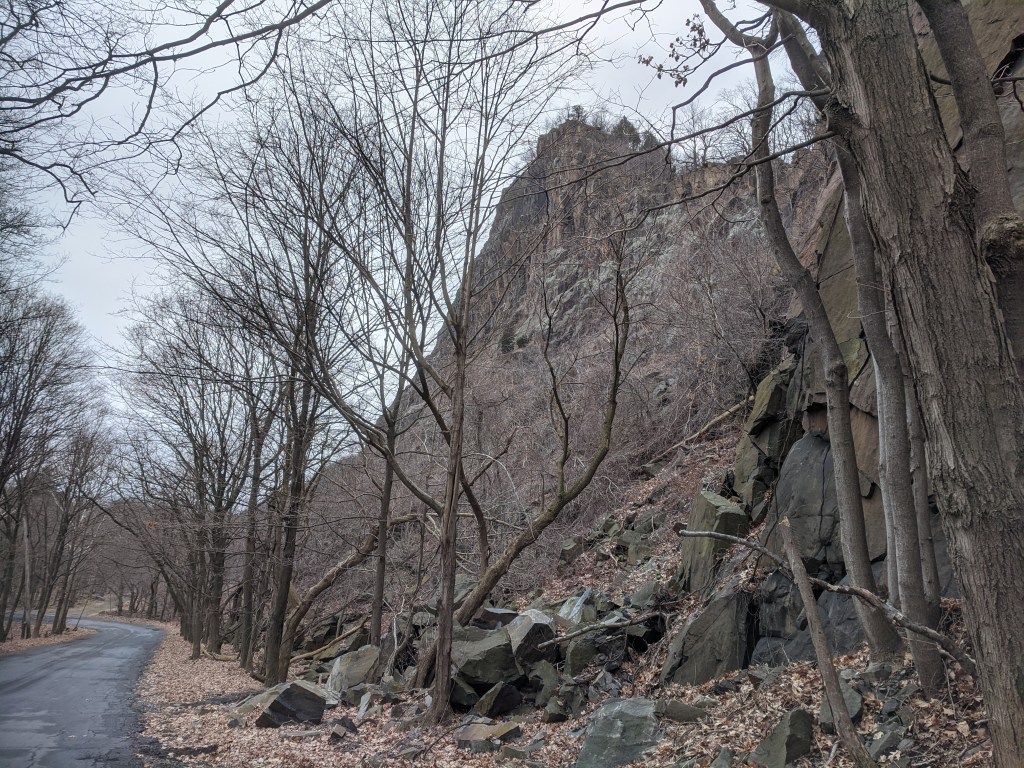
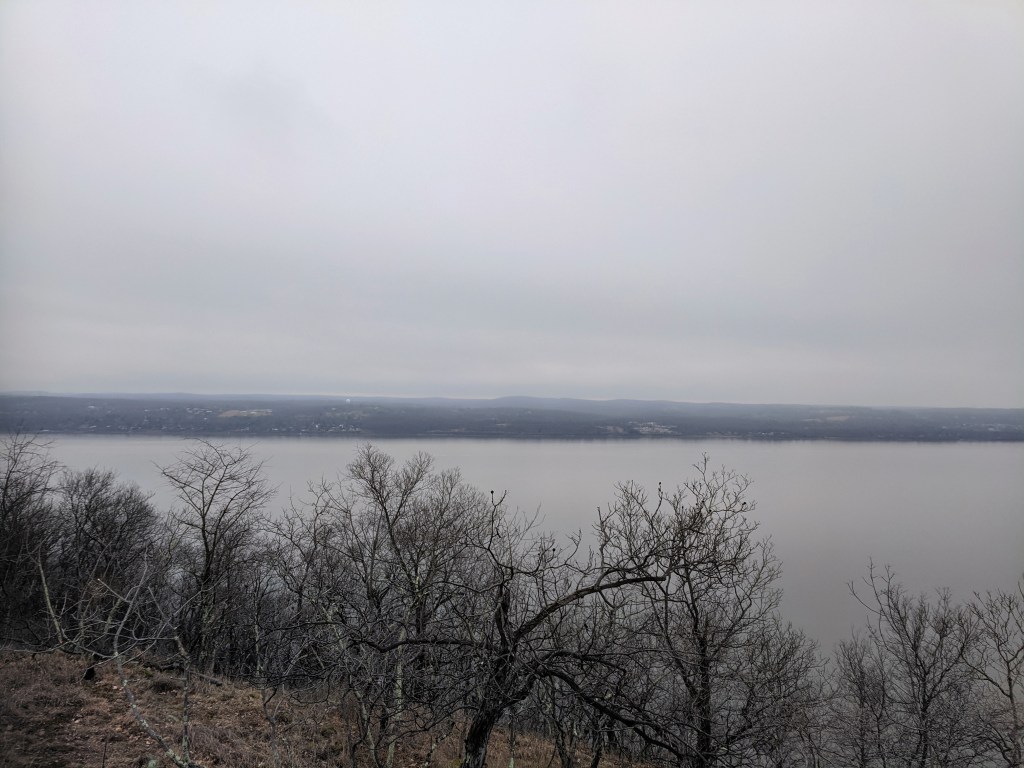
Further on to the left (less than 5 miles) it was a quick trip by bike to a range of scenic landscapes: rural, farm and river view estates–until the last stop—the rugged wildness of Hook Mountain, a local icon (and historic landmark for navigation), part of the Palisades park system, with stunning cliff views.
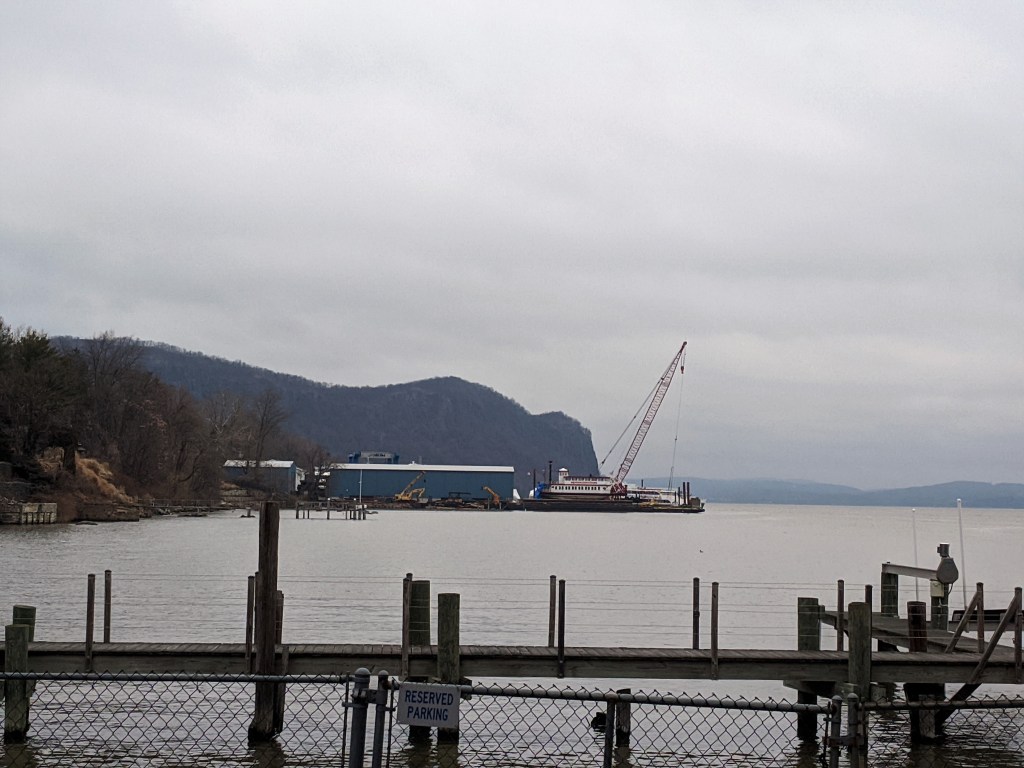
In recent years trail advocates established a complete Hook Mountain and Nyack Beach loop that’s about six miles RT. It’s awesome.

HOPPER PULSE | HALLMARK HORIZONTAL COMPOSITION

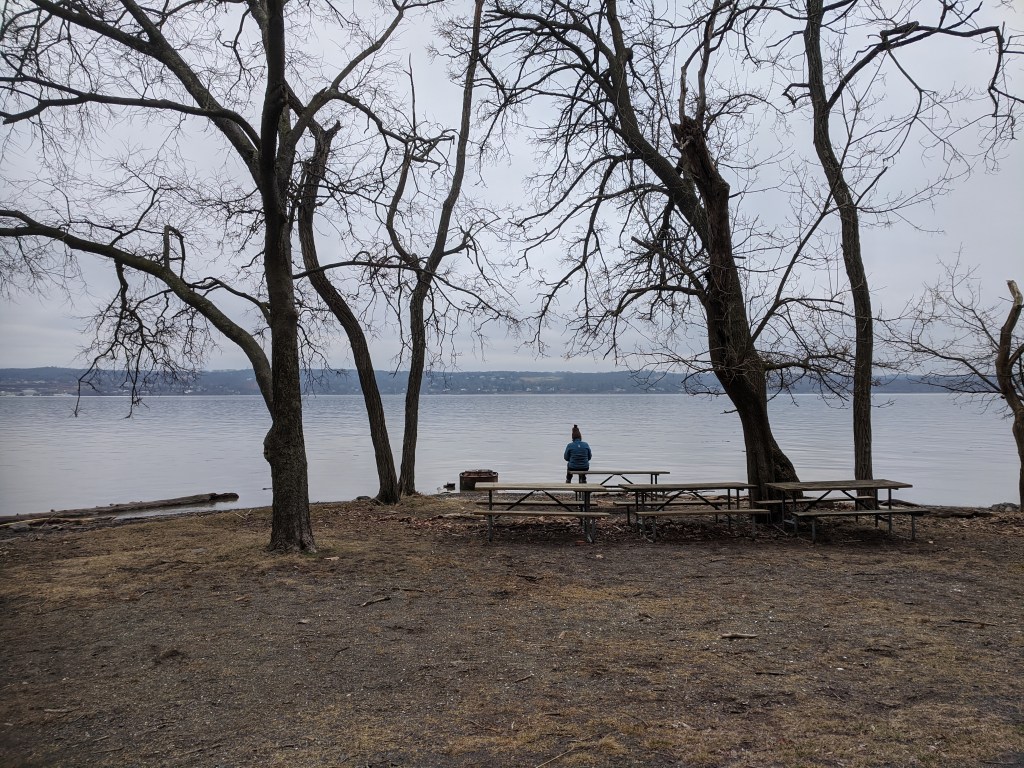
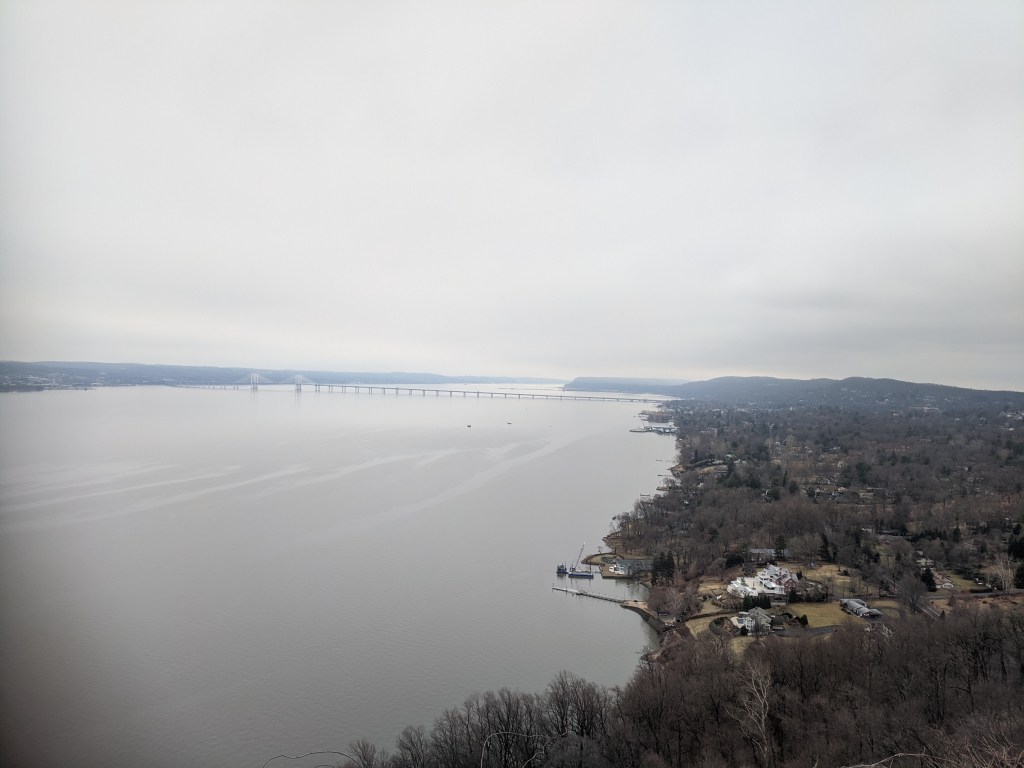
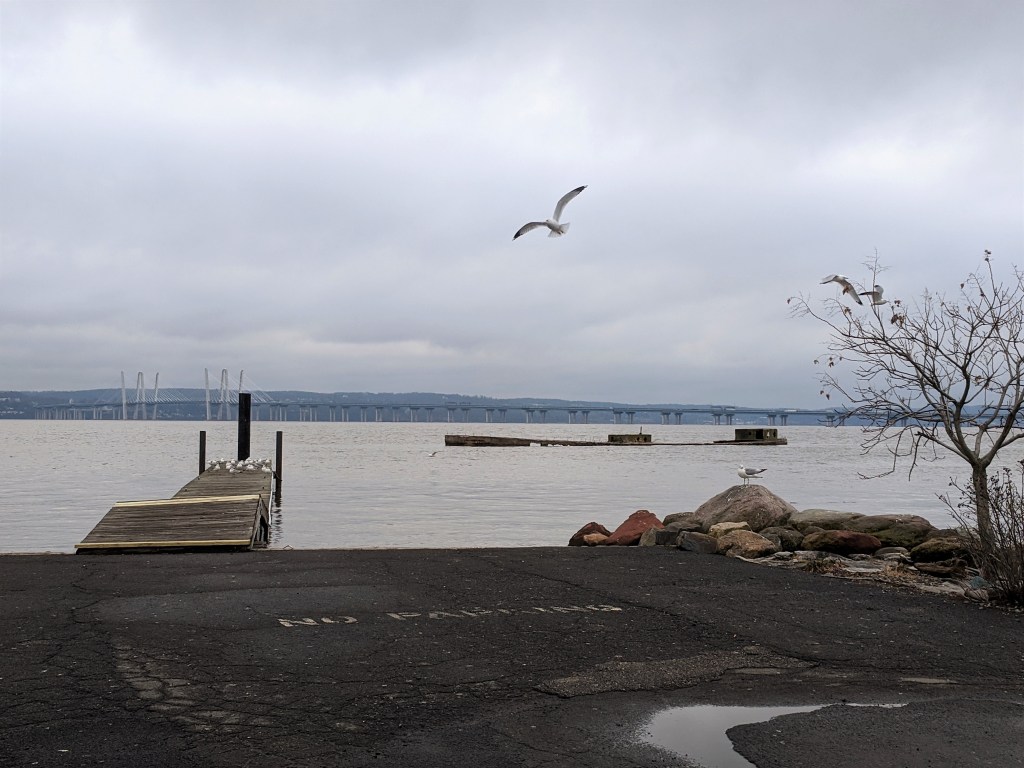
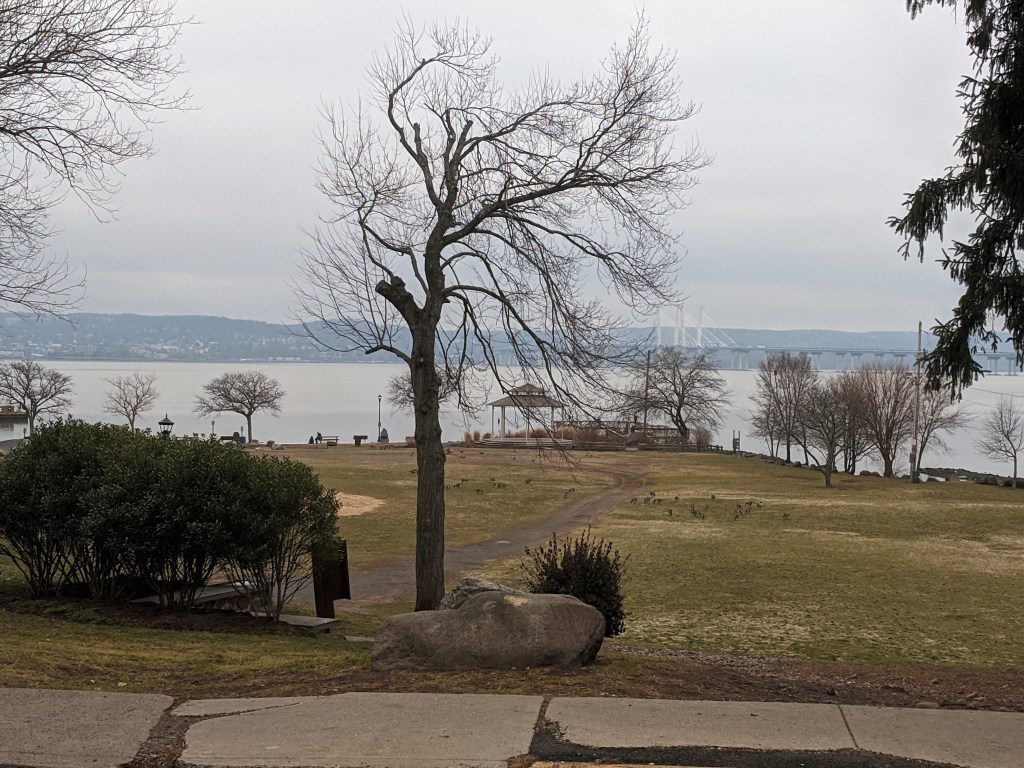
We can traverse Nyack’s particular stretch of riverfront geography because North Broadway–on the street where Edward Hopper lived and returned to–bisects the terrain parallel to the river. No matter which direction one ambles, the reassuring view of the Hudson and distant riverbank stays fixed, stretching horizontally as far as the eye can see.
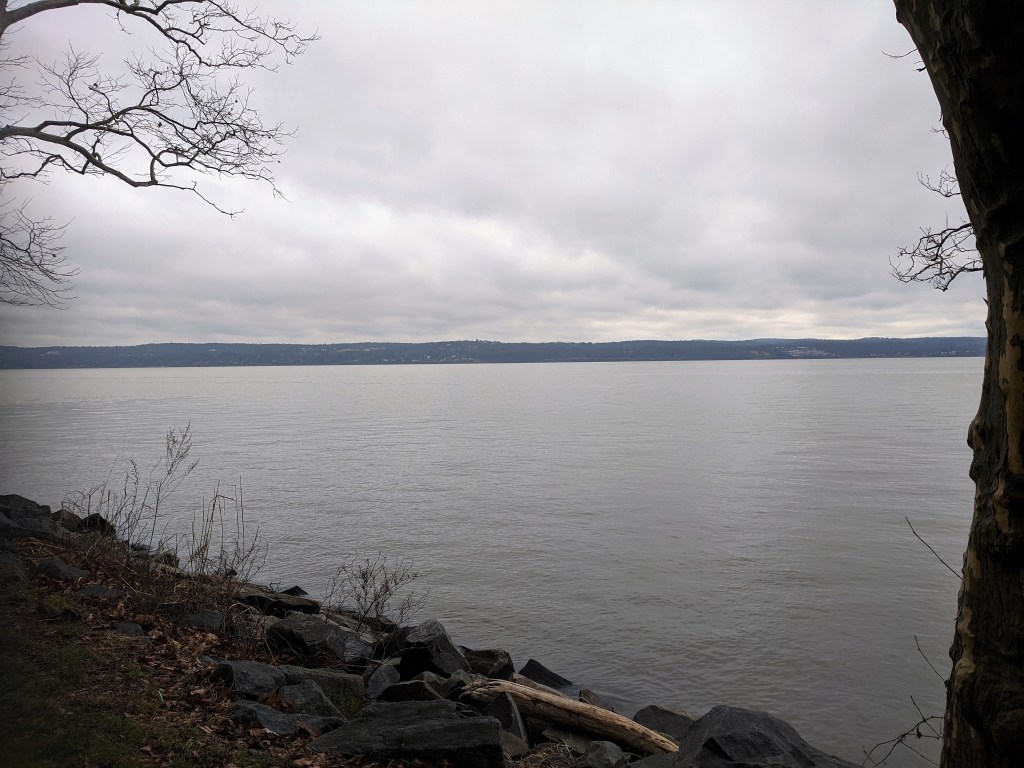
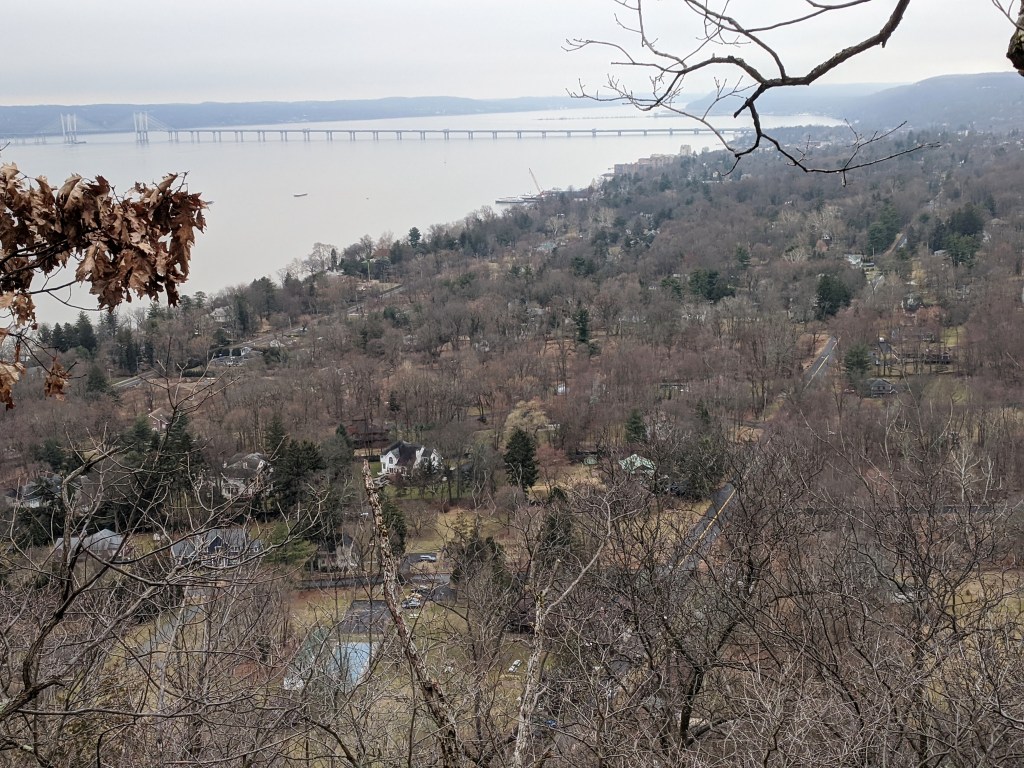
Westchester, Tarrytown across the river (and on a sunny day the Tarrytown lighthouse is visible)

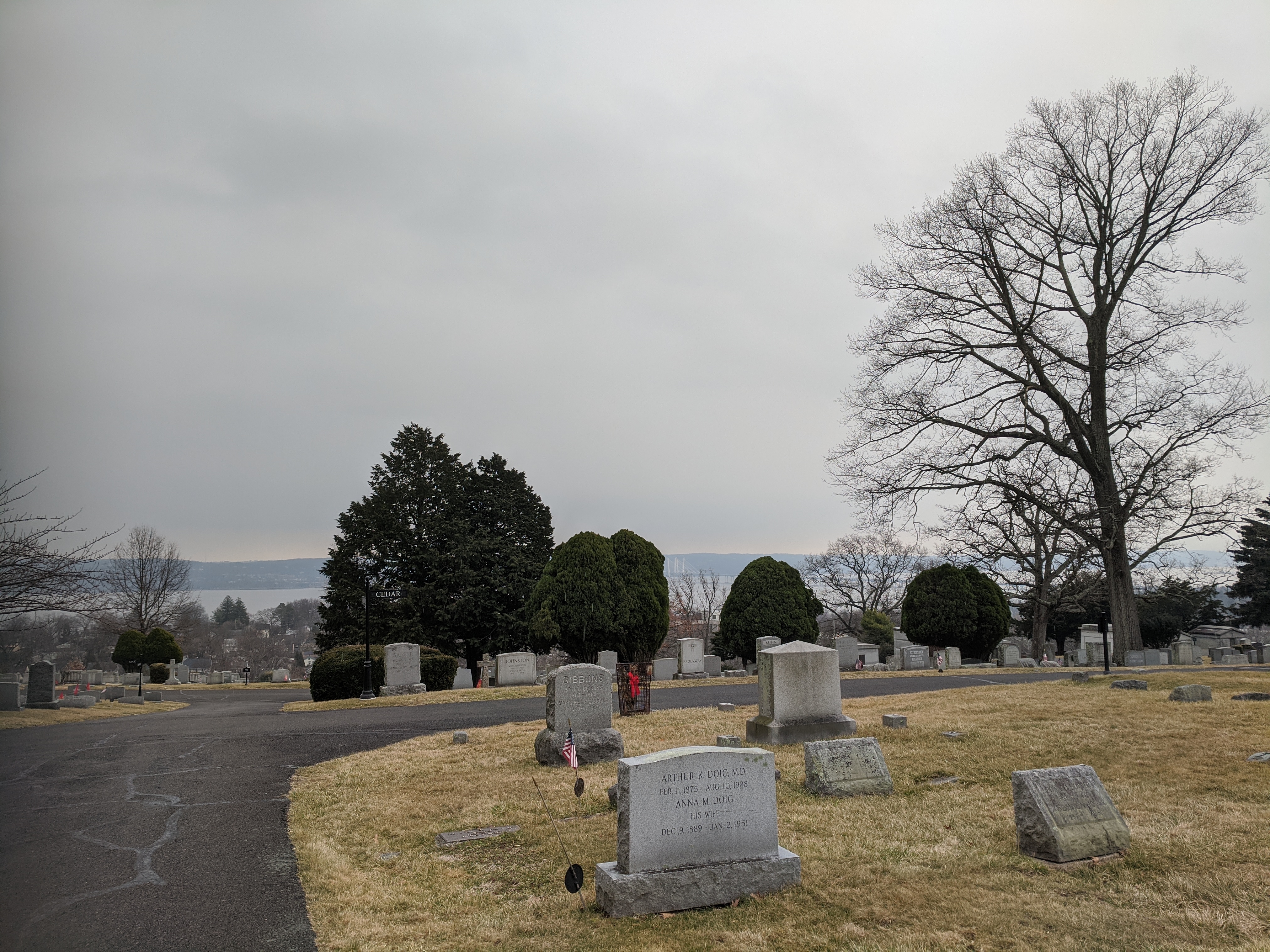
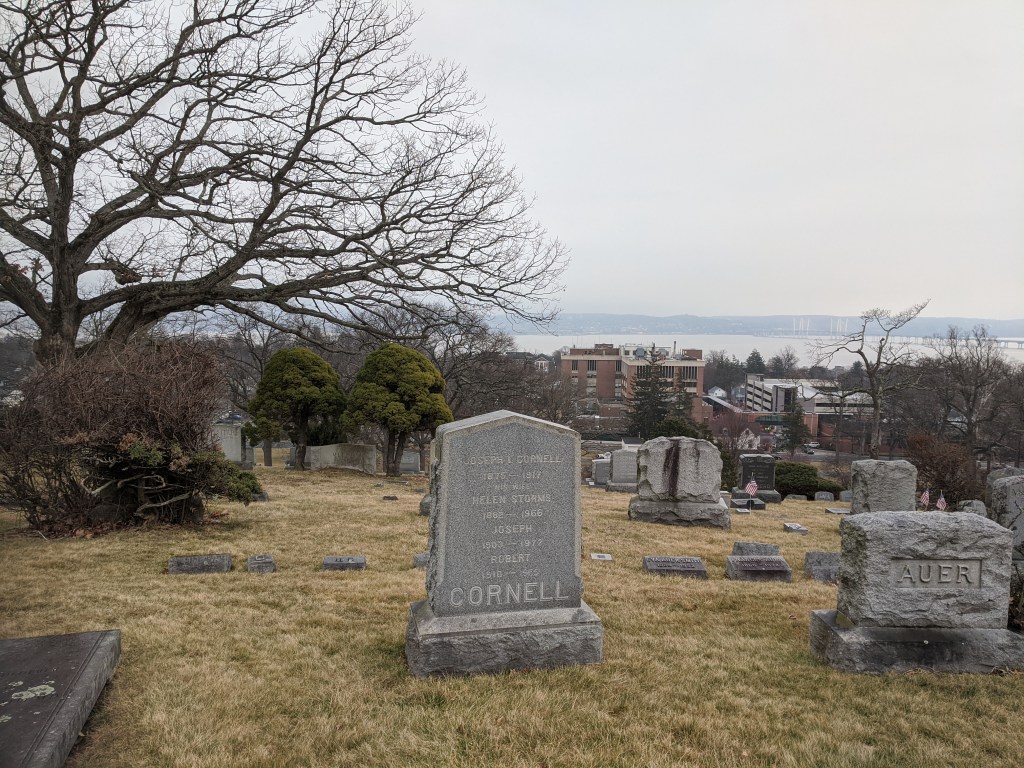
Above: OAK HILL CEMETERY NYACK

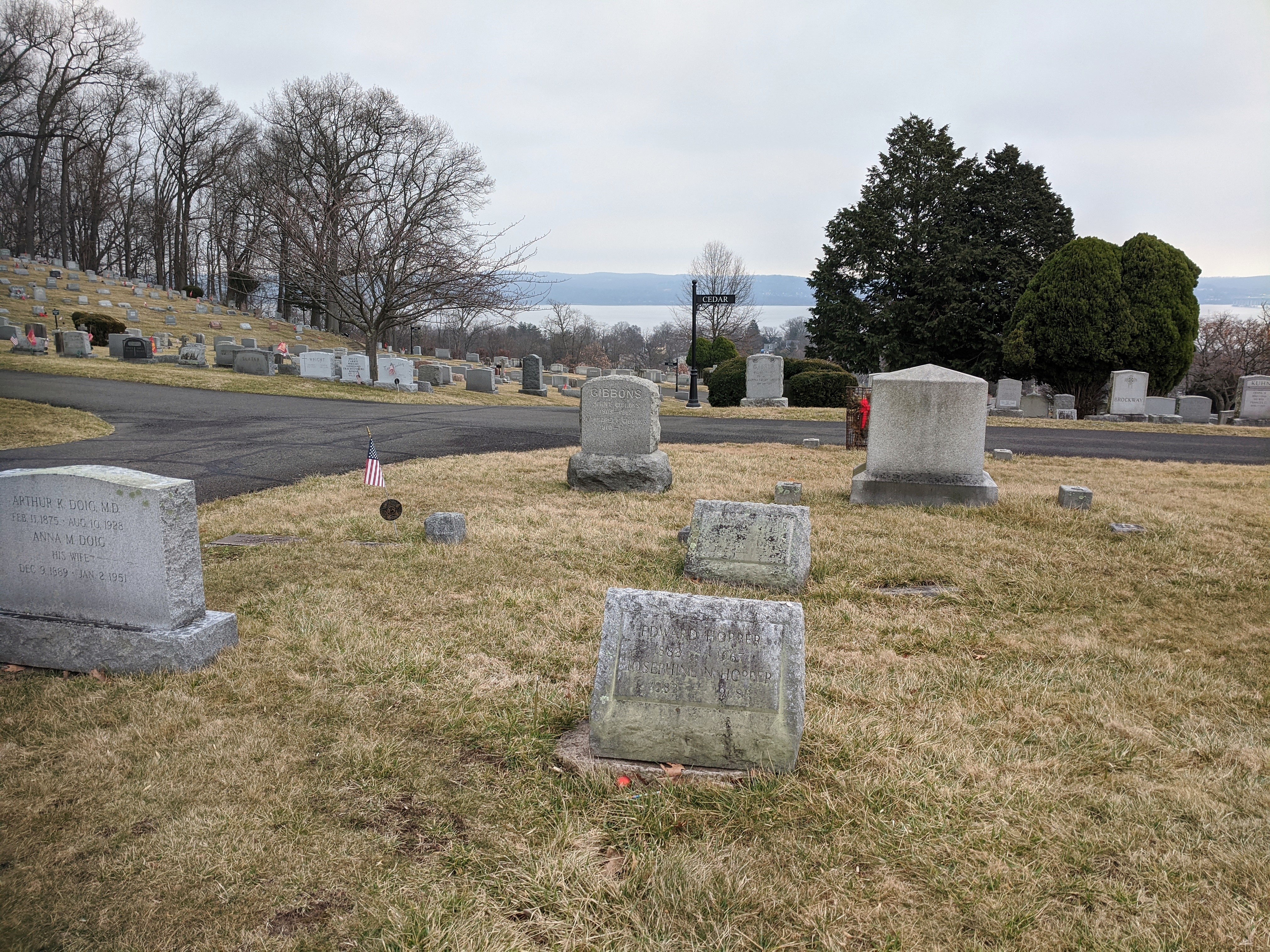
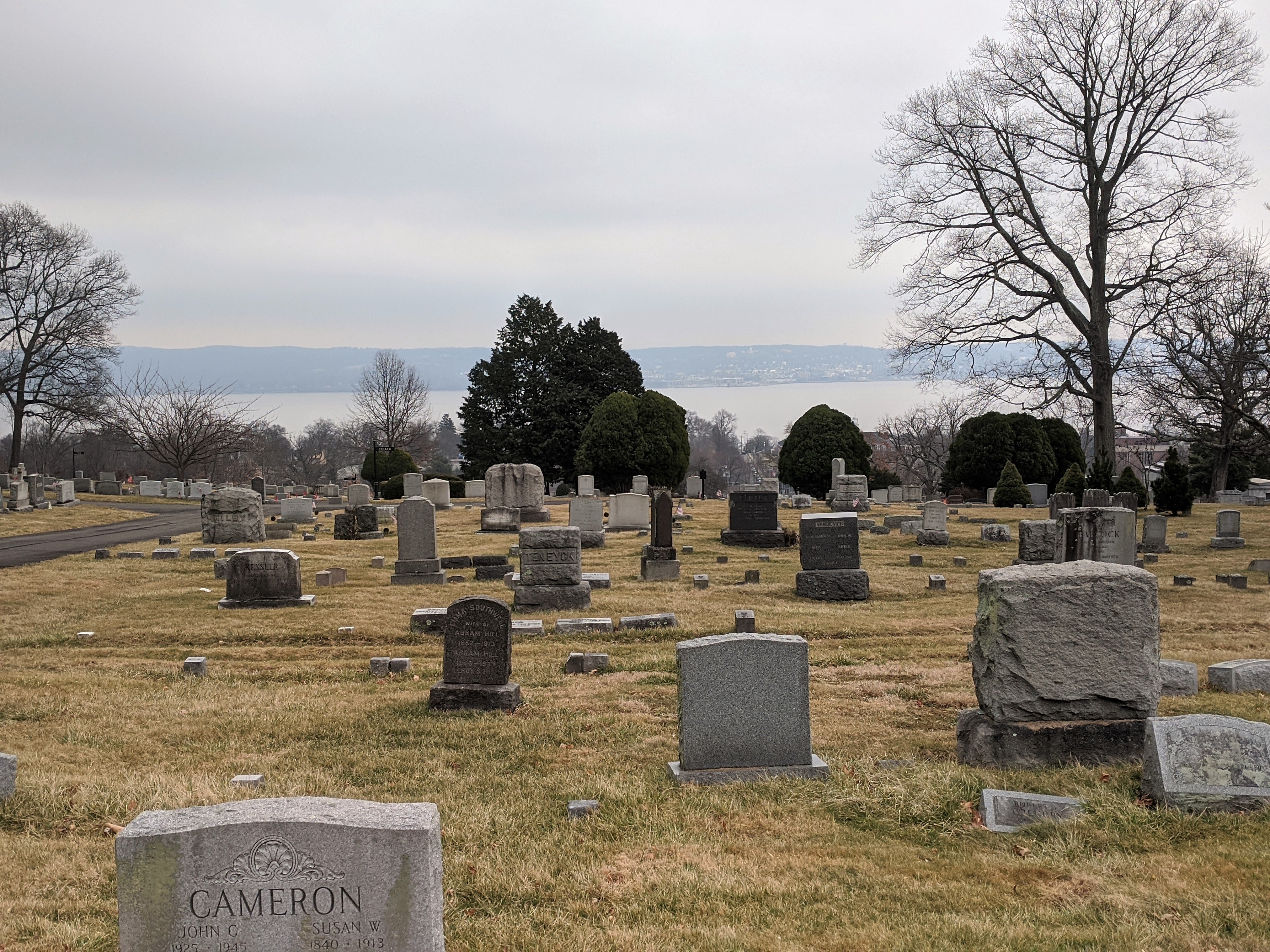
Of all the places he resided or visited, he chose to be buried in Nyack. Turns out, you can’t take Hopper out of Nyack.

In Oak Hill Cemetery in Nyack, the grave of Edward Hopper and Jo Nivison are next to his parents and sister, high above the family home on North Broadway, with a view of the Hudson River and the unmistakable distant shore. And sited–fittingly for Hopper–on a corner, at a bend where paths converge.
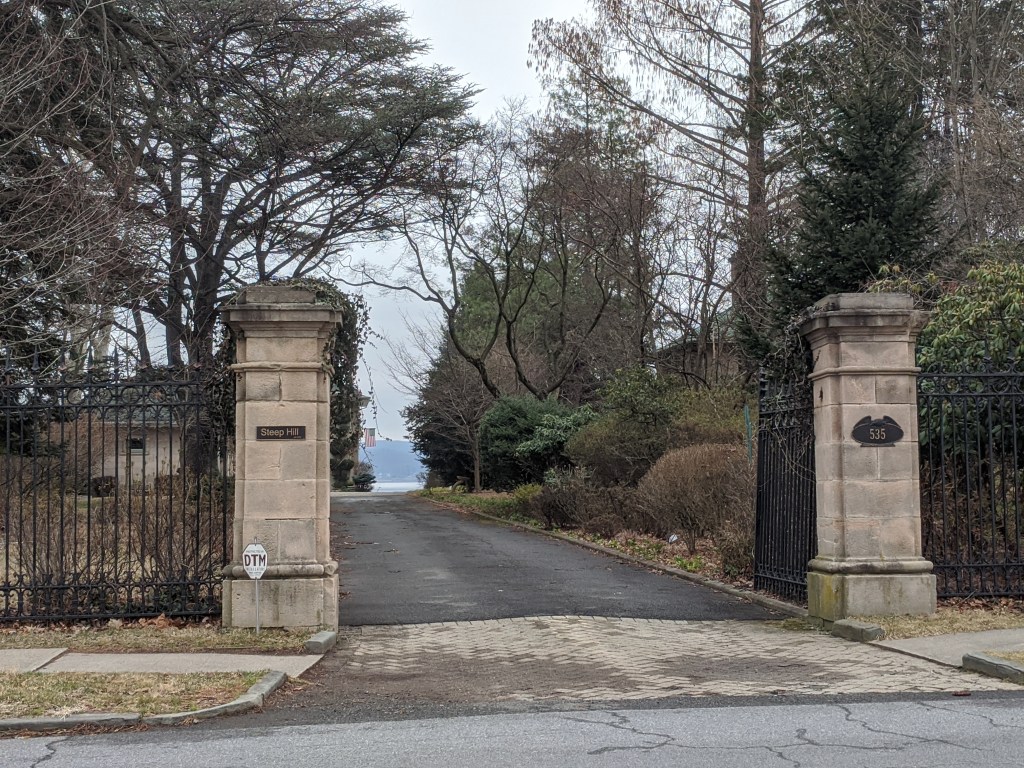
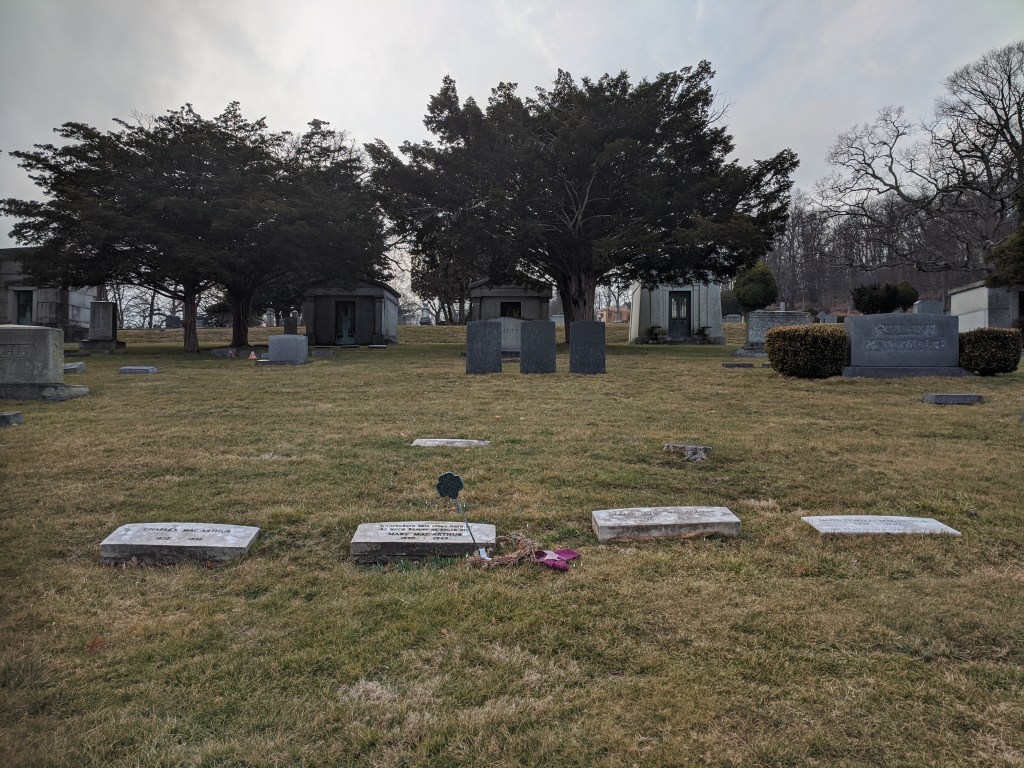
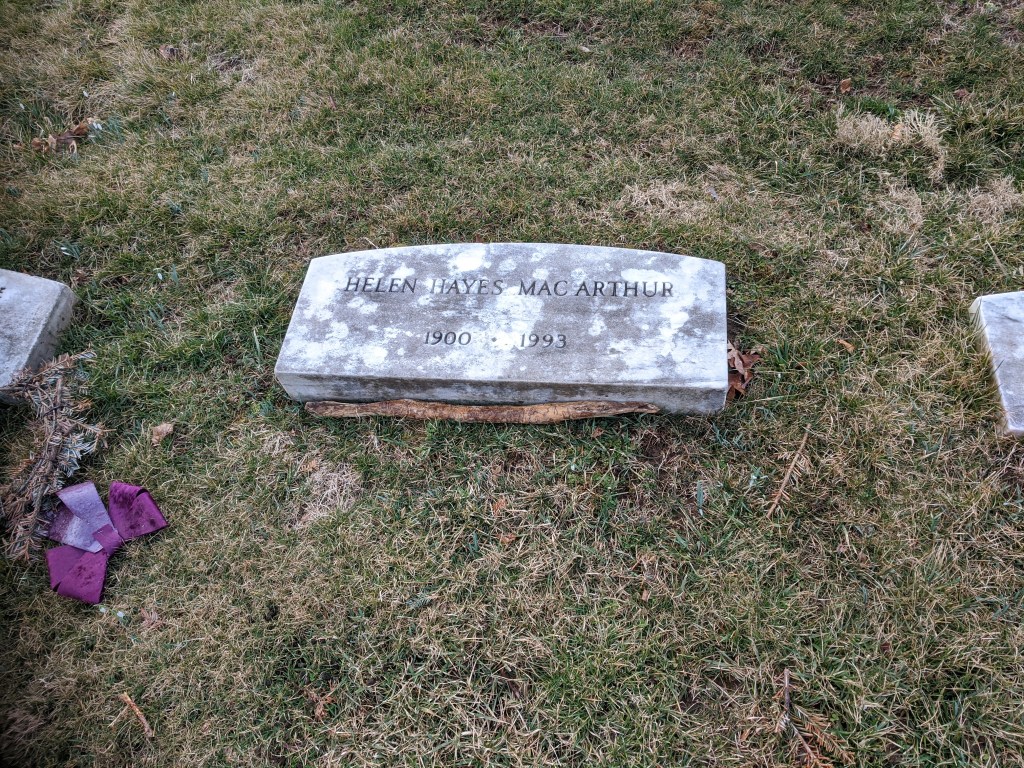
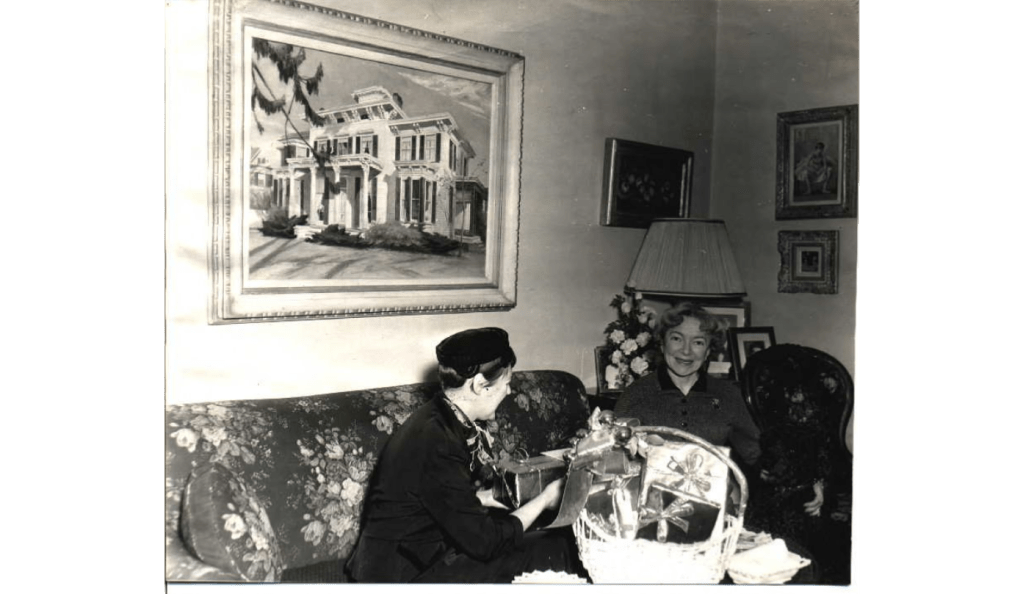
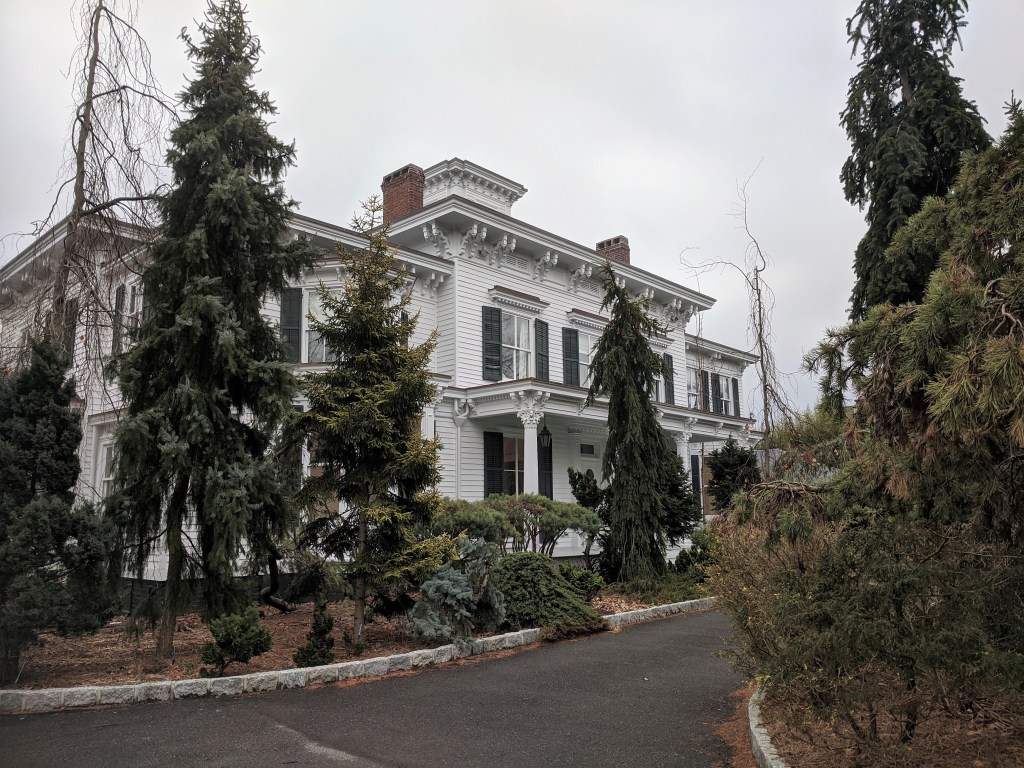
American theater legend, Helen Hayes (Helen Hayes MacArthur, 1900-1993), owned a riverfront estate across the street and a few blocks down the road from the Hopper family home, humorously nicknamed ‘Pretty Penny’ (in the block of house photos above), and drawn resentfully by Hopper when Hayes commissioned a house portrait through his art dealer or so she wrote. (I may write more about that.) The painting was hung prominently and visible in publicity stills .
Hayes is buried in Nyack’s Oak Hill Cemetery further down Oak hill from the Hopper markers. There are four flat markers flush with the grass for her family. Sadly, her daughter died in 1949 at age 19 from polio before the vaccine.

The grave for American artist Joseph Cornell is located down and off to the right of Hayes.
Edward Hopper in Gloucester

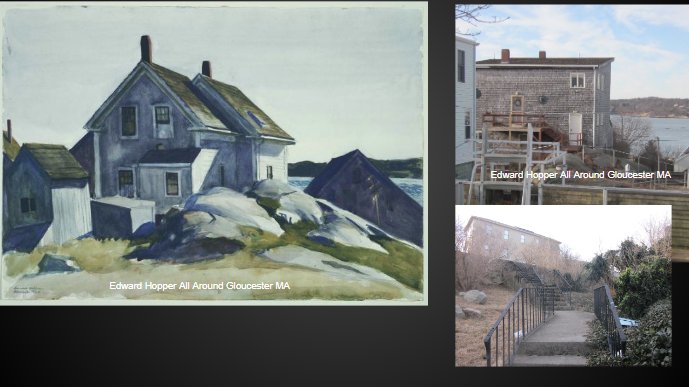
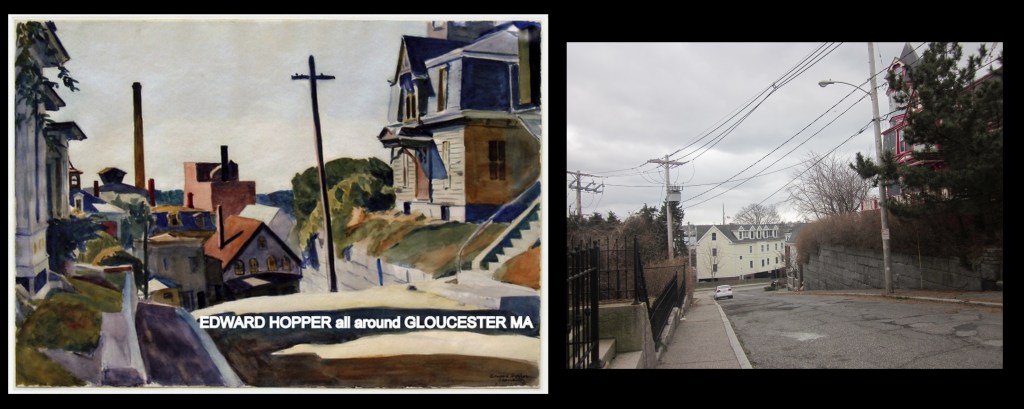
Hopper’s impressions of Nyack are repeated in his art throughout his life.

For example, here are two pairs comparing Edward Hopper’s Gloucester works and Nyack.

Land across the Hudson | land across Gloucester Harbor–this is one way I identified Hopper’s site in Gloucester.
Hill down to the Hudson from a perpendicular street (North Broadway/his boyhood home) | Hill in Gloucester.
See http://www.cryanaid.com

Edward Hopper sold For 6 million at Sotheby’s from Whitney Museum. Klimt Hammer price 46m. Auction Results.

Four more Hoppers still to come this week.

May 16, 2023

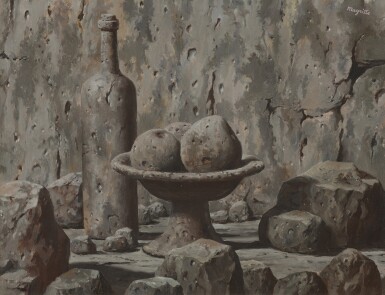
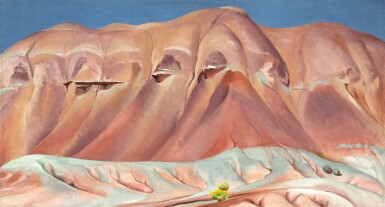
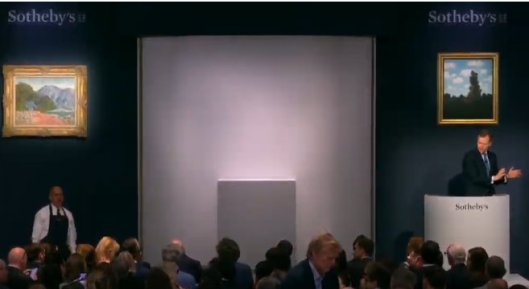
Masterworks were auctioned by Sotheby’s in two evening sales in New York on May 16, 2023. The priciest presale estimates and expectations were set on works by Edward Hopper, Rene Magritte*, Gustav Klimt, Vincent van Gogh, Peter Paul Rubens and Giacometti. Sotheby’s catalogued 69 lots between the two sales. As the first sale opened no lots were pulled and three women featured: Joan Mitchell (first to announce “Reserve” on the sale, sold for 6.8 million hammer price), Georgia O’Keefe, and Berthe Morisot.

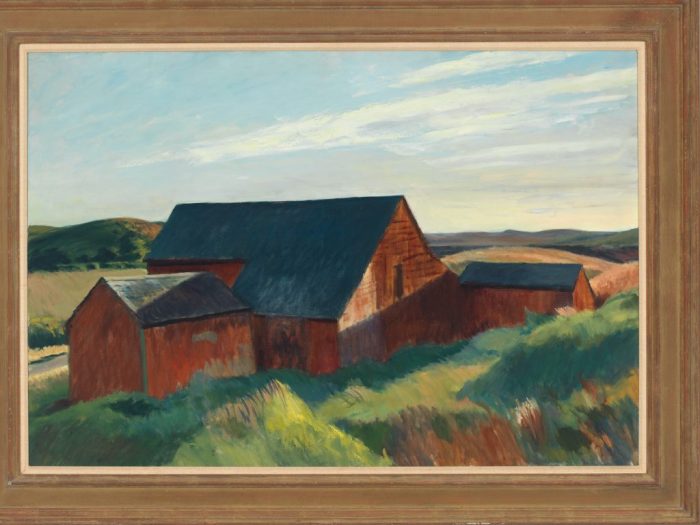
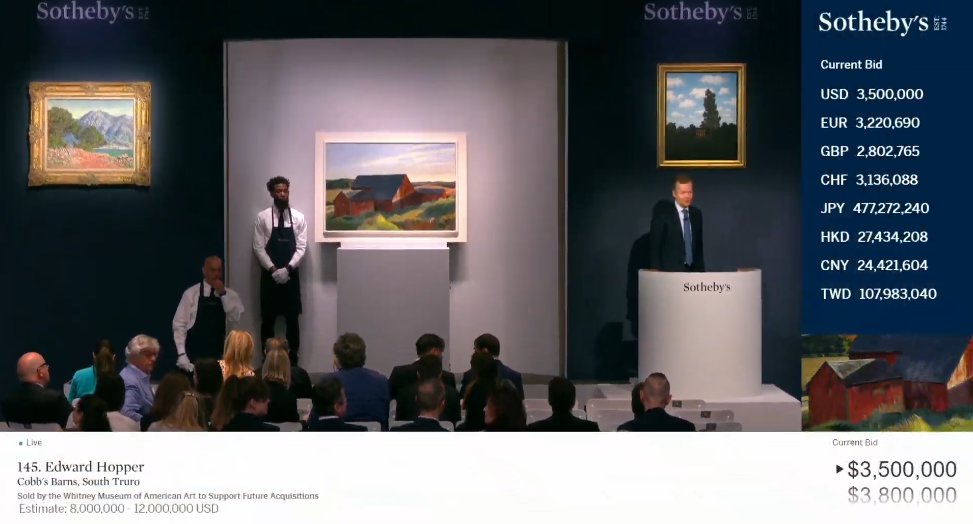
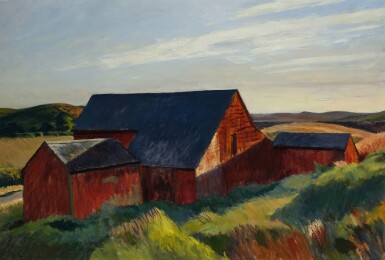
Edward Hopper. Cobb’s Barns, South Truro (1930-33) was slated in the later sale, one of seven works the Whitney Museum of American Art will sell at Sotheby’s this week and the only one tonight (May 16).

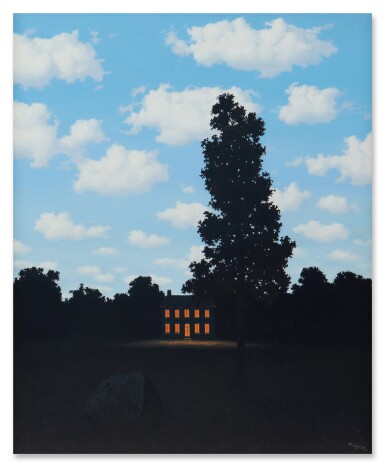
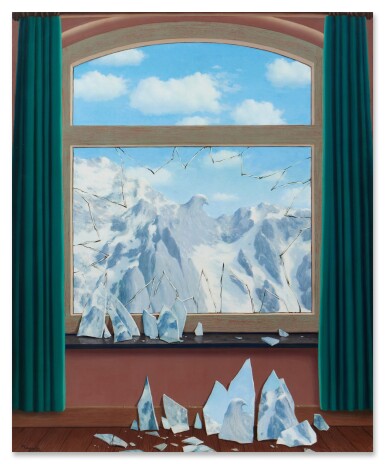
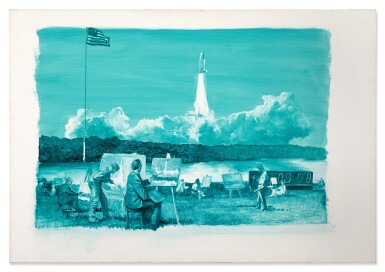
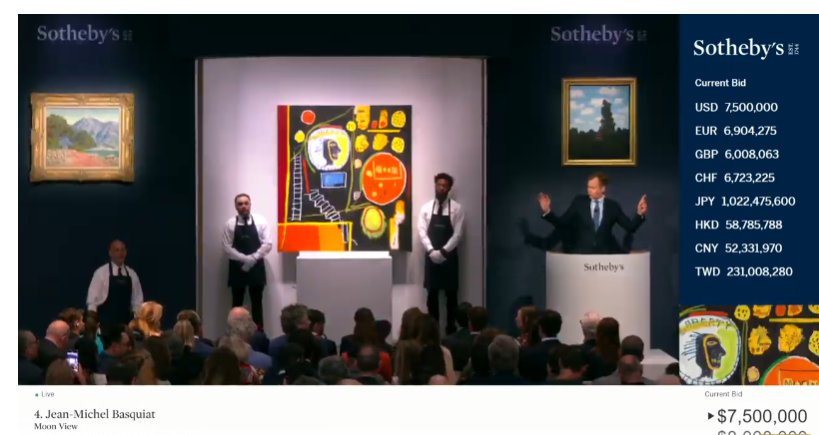
Oliver Barker, Chairman Sotheby’s Europe, welcomed and opened the sale at 6:10pm. Lots from Mo Ostin’s estate, a music industry legend and “visionary collector”, were offered first. Both Magrittes from the Ostin sale sold on the lower end of their presale estimate window despite dragging out bids for the first, Lot 3.

images above: selections from the Sotheby’s Mo Ostin Collection 6pm Evening sale 5/16/2023. Stunning trio he had acquired! [Magritte. L’Empire des lumières, 1951, (pre sale est. 35-55 million | hammer price, before fees 36,500,000 ); Magritte. Le Domaine d’Arnheim, 1949 (presale est. 15 mil-25 mil. First time at auction. hammer price 16.2 mil); Mark Tansey. Study for Action painting. 1985. (presale est. 1.5-2 mil | hammer price 2.1)]

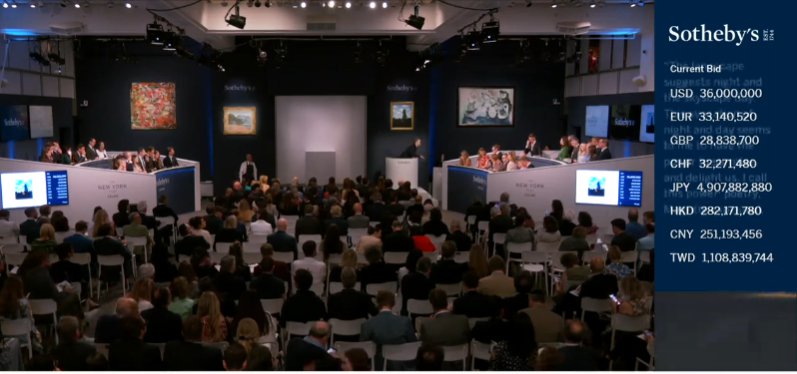
images below: selections from the Sotheby’s 7pm Evening Sale 5/16/2023

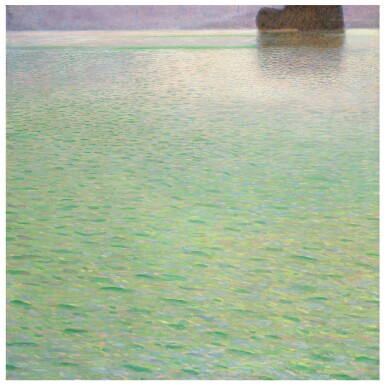
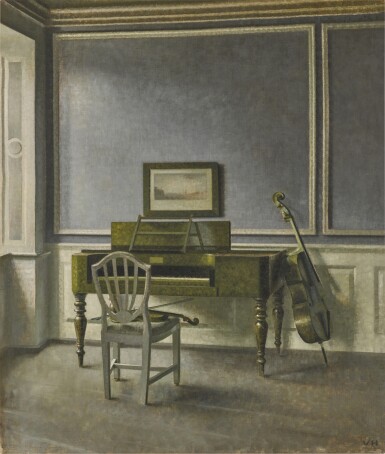
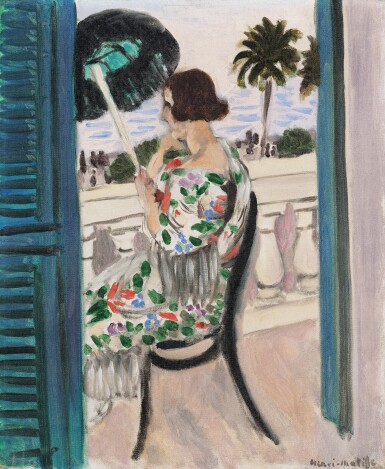
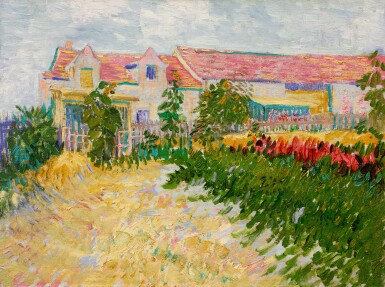
[Klimt. sold hammer price 46 million; Hammershoi. sold hammer price 7,650,000; Matisse hammer price 3.2; Magritte. passed; O’Keefe passed; Bonnard 3,488,000 with fees; van Gogh sold with fees 23,314,500; Rubens hammer price 22.5 million ; and Hopper sold hammer price 6 million. ]

Oliver Barker opened part 2 of the major evening auction at 7:25 pm.

The intermission pre-hype video before the auction that focused on the Whitney Museum Hoppers, one oil and 3 watercolors from Jo Nivison Hopper’s bequest, where they remained for more than 50 years and are now to be deaccessioned, was narrated by Lisa Dennison, Chairperson Sotheby’s Americas. “This is an extraordinary opportunity to acquire works of this great American artists with such distinguished provenance.” Gloucester was mentioned and also described “Cape Ann”. Dennison built her career as a museum Curator and Director prior to Sotheby’s. (Inside ball art aside: Adam Weinberg, the Dir. of the Whitney, announced he’s stepping down after some 20 years. Dennison had vied for that position and was courted by several national museums. She helmed the Guggenheim prior to Sotheby’s. Hopper’s New York and the Hopper deaccession were among Weinberg’s last involvements at the Whitney.) The sale is controversial for several reasons despite the good intentions of proceeds promised for new acquisitions at the Whitney. Although this deaccession pales in comparison to the Berkshire Museum’s gutting–especially Norman Rockwell’s Shuffleton’s Barbershop–it’s still charged. Additionally, the accurate description of the full Hopper bequest falls short at the Whitney on several issues. I’ll write more about that in another post.

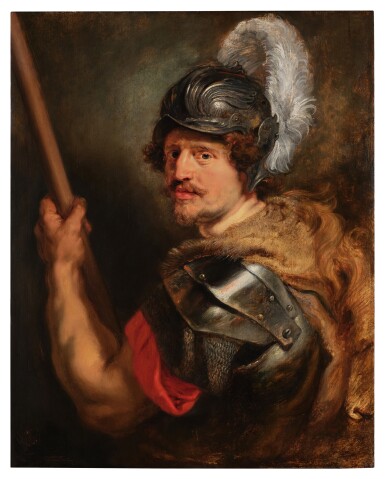
Magritte Souvenir de voyage was withdrawn from the sale. The Klimt “celebrating the idyllic shores of Austria” which sold for 46 million was described as “an exquisite painting. Not going to be another one like this coming up for a while.” The two lots following the Klimt, the Georgia O’Keefe and Renoir, failed to sell, or “passed”; the Renoir was removed from the Musee d’Orsay and would have been restitution for the Ambroise Vollard heirs. The Vilhelm Hammershoi interior, Lot 106, rustled up the most active bidding and prompted the only big clap from the audience until Isamu Noguchi Lot 128 The Family reached a 10.4 million hammer price. The Giacometti Lot 129 sold for 24.5 million slightly beneath the presale estimate (25-35 million). “For the very first time ever included in a modern auction. From 1620. In all its glory…” the drumroll opening bid for the Peter Paul Rubens started at 16 million and climbed to 22.5 million (presale estimate 20-30 million), a smattering of applause from the audience. Not an exuberant night for the Magrittes on the block this night or the sale overall. Several lots were announced “pulled” during the later sale.

The Whitney is hoping to sell 3 more works by Hopper along with a Prendergast and a Marin via Sotheby’s sales this week. There is a 4th Hopper drawing to be auctioned from 1899 that isn’t mentioned with the news about the four to be deaccessioned by the Whitney though it should be. Sotheby’s Contemporary Evening Auction continues Thursday.

RESULTS HERE

Images below: Sotheby’s set design and Oliver Barker’s auctioneer style is quite different than Christies, though both use deep leans to emphasize the bidding from opposite sides of the room or seats on the floor. Most of the action was by phone tonight. Barker calls the phone pens that look like a telethon the “telephone aisles” and “there it is” is a favorite catch phrase. Christies did without the “turnstile” and art handlers showcasing the lot front and center as the sale progresses and which I thought I’d miss from the virtual feed. Maybe not: the vibe here was a bit Price is Right meets the spinning dressing table from the 1960s Batgirl tv show. It does help with scale.

Today’s NY Times: Holland Cotter reviews Stuart Davis art exhibit at the Whitney Museum

Stuart Davis on mural
Stuart Davis, 1939, Sol Horn, photographer. Federal Art Project, Photographic Division collection, Archives of American Art, Smithsonian. 

Pulitzer prize winning critic, Holland Cotter, gives the Stuart Davis (1892-1964) show at the Whitney Museum a mostly glowing review in today’s New York Times. One thing is a given. If the art of American modernist Stuart Davis is mentioned, Gloucester will pop up somewhere in the text.

“Place was important to him, but the modern world was increasingly about movement and he wanted to picture that. A 1931 painting, “New York-Paris No. 2,” put us in both cities simultaneously, with a Hotel de France set against the Third Avenue El.

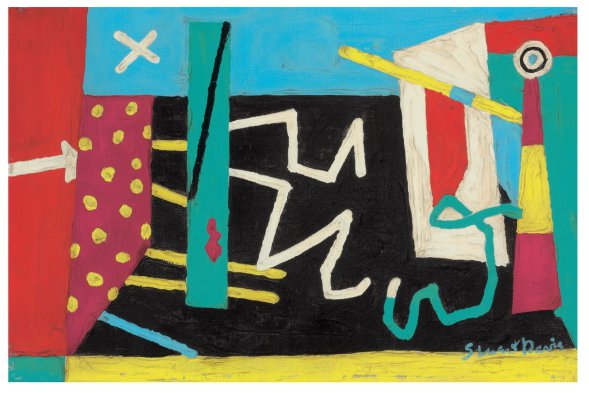
In the exuberant “Swing Landscape” of 1938, a mural commissioned by the Works Progress Administration for a Brooklyn housing project but never installed, we see bits and pieces of Gloucester — ships, buoys, lobster traps — but basically we’re in a whole new universe of jazzy patterns and blazing colors, a landscape defined not by signs but by sensations: sound, rhythm, friction…”


Sometimes big shows bring art to market. Last fall the Stuart Davis 1960 painting Ways and Means, 24 x 32,  sold at auction for $3,189,000 at Christie’s.

2 mil to 3 mil ways and means 1960

the 1940 Composition June Jitterbug Jive for $689,000,

composition june jitterbug live.jpg

and the Autumn Landscape Rockport, 1940, 8 x 12 for $905,000.

30050 500000 stuart davis autumn landscape rockport

Meanwhile, Sotheby’s sold New York Street, 1940, 11 x 16, $490,000.

Screenshot_061016_041341_PM

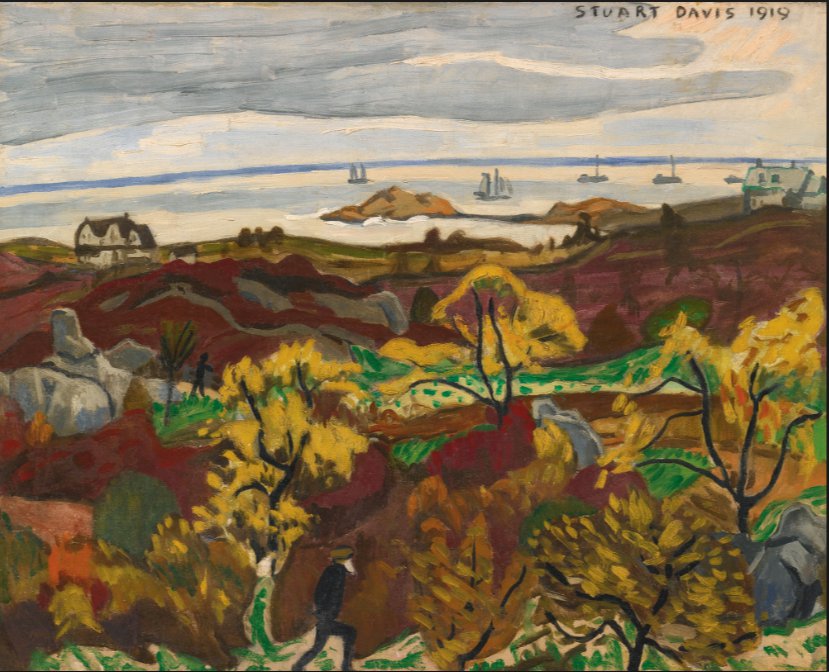
This month, Sotheby’s sold a 1960 Gloucester harbor scene for $100,000 on  June 9th, and the 1919 “Gloucester” painting measuring 24 x 30 fetched $51,000.

Screenshot_061016_041656_PM

Continue reading “Today’s NY Times: Holland Cotter reviews Stuart Davis art exhibit at the Whitney Museum”